EP3777668A1 - Maximum heart rate estimation method and device - Google Patents
Maximum heart rate estimation method and device Download PDFInfo
- Publication number
- EP3777668A1 EP3777668A1 EP19784486.3A EP19784486A EP3777668A1 EP 3777668 A1 EP3777668 A1 EP 3777668A1 EP 19784486 A EP19784486 A EP 19784486A EP 3777668 A1 EP3777668 A1 EP 3777668A1
- Authority
- EP
- European Patent Office
- Prior art keywords
- heart rate
- target person
- maximum
- exercise
- inflection point
- Prior art date
- Legal status (The legal status is an assumption and is not a legal conclusion. Google has not performed a legal analysis and makes no representation as to the accuracy of the status listed.)
- Granted
Links
Images




Classifications
-
- A—HUMAN NECESSITIES
- A61—MEDICAL OR VETERINARY SCIENCE; HYGIENE
- A61B—DIAGNOSIS; SURGERY; IDENTIFICATION
- A61B5/00—Measuring for diagnostic purposes; Identification of persons
- A61B5/02—Detecting, measuring or recording for evaluating the cardiovascular system, e.g. pulse, heart rate, blood pressure or blood flow
- A61B5/024—Measuring pulse rate or heart rate
- A61B5/02405—Determining heart rate variability
-
- A—HUMAN NECESSITIES
- A61—MEDICAL OR VETERINARY SCIENCE; HYGIENE
- A61B—DIAGNOSIS; SURGERY; IDENTIFICATION
- A61B5/00—Measuring for diagnostic purposes; Identification of persons
- A61B5/103—Measuring devices for testing the shape, pattern, colour, size or movement of the body or parts thereof, for diagnostic purposes
- A61B5/11—Measuring movement of the entire body or parts thereof, e.g. head or hand tremor or mobility of a limb
- A61B5/1118—Determining activity level
-
- A—HUMAN NECESSITIES
- A61—MEDICAL OR VETERINARY SCIENCE; HYGIENE
- A61B—DIAGNOSIS; SURGERY; IDENTIFICATION
- A61B5/00—Measuring for diagnostic purposes; Identification of persons
- A61B5/22—Ergometry; Measuring muscular strength or the force of a muscular blow
- A61B5/221—Ergometry, e.g. by using bicycle type apparatus
- A61B5/222—Ergometry, e.g. by using bicycle type apparatus combined with detection or measurement of physiological parameters, e.g. heart rate
-
- A—HUMAN NECESSITIES
- A61—MEDICAL OR VETERINARY SCIENCE; HYGIENE
- A61B—DIAGNOSIS; SURGERY; IDENTIFICATION
- A61B5/00—Measuring for diagnostic purposes; Identification of persons
- A61B5/24—Detecting, measuring or recording bioelectric or biomagnetic signals of the body or parts thereof
- A61B5/316—Modalities, i.e. specific diagnostic methods
- A61B5/318—Heart-related electrical modalities, e.g. electrocardiography [ECG]
- A61B5/346—Analysis of electrocardiograms
- A61B5/349—Detecting specific parameters of the electrocardiograph cycle
- A61B5/352—Detecting R peaks, e.g. for synchronising diagnostic apparatus; Estimating R-R interval
-
- A—HUMAN NECESSITIES
- A61—MEDICAL OR VETERINARY SCIENCE; HYGIENE
- A61B—DIAGNOSIS; SURGERY; IDENTIFICATION
- A61B5/00—Measuring for diagnostic purposes; Identification of persons
- A61B5/24—Detecting, measuring or recording bioelectric or biomagnetic signals of the body or parts thereof
- A61B5/316—Modalities, i.e. specific diagnostic methods
- A61B5/318—Heart-related electrical modalities, e.g. electrocardiography [ECG]
- A61B5/346—Analysis of electrocardiograms
- A61B5/349—Detecting specific parameters of the electrocardiograph cycle
- A61B5/355—Detecting T-waves
-
- A—HUMAN NECESSITIES
- A61—MEDICAL OR VETERINARY SCIENCE; HYGIENE
- A61B—DIAGNOSIS; SURGERY; IDENTIFICATION
- A61B5/00—Measuring for diagnostic purposes; Identification of persons
- A61B5/24—Detecting, measuring or recording bioelectric or biomagnetic signals of the body or parts thereof
- A61B5/316—Modalities, i.e. specific diagnostic methods
- A61B5/318—Heart-related electrical modalities, e.g. electrocardiography [ECG]
- A61B5/346—Analysis of electrocardiograms
- A61B5/349—Detecting specific parameters of the electrocardiograph cycle
- A61B5/36—Detecting PQ interval, PR interval or QT interval
-
- A—HUMAN NECESSITIES
- A61—MEDICAL OR VETERINARY SCIENCE; HYGIENE
- A61B—DIAGNOSIS; SURGERY; IDENTIFICATION
- A61B5/00—Measuring for diagnostic purposes; Identification of persons
- A61B5/24—Detecting, measuring or recording bioelectric or biomagnetic signals of the body or parts thereof
- A61B5/316—Modalities, i.e. specific diagnostic methods
- A61B5/318—Heart-related electrical modalities, e.g. electrocardiography [ECG]
- A61B5/346—Analysis of electrocardiograms
- A61B5/349—Detecting specific parameters of the electrocardiograph cycle
- A61B5/366—Detecting abnormal QRS complex, e.g. widening
-
- A—HUMAN NECESSITIES
- A61—MEDICAL OR VETERINARY SCIENCE; HYGIENE
- A61B—DIAGNOSIS; SURGERY; IDENTIFICATION
- A61B2503/00—Evaluating a particular growth phase or type of persons or animals
- A61B2503/10—Athletes
-
- A—HUMAN NECESSITIES
- A61—MEDICAL OR VETERINARY SCIENCE; HYGIENE
- A61B—DIAGNOSIS; SURGERY; IDENTIFICATION
- A61B5/00—Measuring for diagnostic purposes; Identification of persons
- A61B5/02—Detecting, measuring or recording for evaluating the cardiovascular system, e.g. pulse, heart rate, blood pressure or blood flow
- A61B5/024—Measuring pulse rate or heart rate
- A61B5/0245—Measuring pulse rate or heart rate by using sensing means generating electric signals, i.e. ECG signals
-
- A—HUMAN NECESSITIES
- A61—MEDICAL OR VETERINARY SCIENCE; HYGIENE
- A61B—DIAGNOSIS; SURGERY; IDENTIFICATION
- A61B5/00—Measuring for diagnostic purposes; Identification of persons
- A61B5/24—Detecting, measuring or recording bioelectric or biomagnetic signals of the body or parts thereof
- A61B5/316—Modalities, i.e. specific diagnostic methods
- A61B5/318—Heart-related electrical modalities, e.g. electrocardiography [ECG]
- A61B5/329—Load diagnosis, e.g. cardiac stress tests
-
- A—HUMAN NECESSITIES
- A61—MEDICAL OR VETERINARY SCIENCE; HYGIENE
- A61B—DIAGNOSIS; SURGERY; IDENTIFICATION
- A61B5/00—Measuring for diagnostic purposes; Identification of persons
- A61B5/40—Detecting, measuring or recording for evaluating the nervous system
- A61B5/4029—Detecting, measuring or recording for evaluating the nervous system for evaluating the peripheral nervous systems
- A61B5/4035—Evaluating the autonomic nervous system
Definitions
- the present invention relates to a maximum heart rate estimation method and device and, more particularly, to a technique of estimating a maximum heart rate using an electrocardiographic waveform.
- Exercise intensity using a heart rate can generally be calculated by the Karvonen method (see, for example, non-patent literature 1). Therefore, to calculate exercise intensity, it is necessary to measure or estimate the maximum heart rate. Furthermore, the value of exercise intensity is necessary to calculate calories, and it is thus important to measure or estimate the maximum heart rate.
- the present invention has been made in consideration of the above problem, and has as its object to provide a maximum heart rate estimation method and device capable of estimating the maximum heart rate without requiring exercise to be done until the heart rate of a target person reaches the maximum heart rate.
- a maximum heart rate estimation method is a maximum heart rate estimation method comprising a first acquisition step of acquiring a heart rate of a target person who does exercise, a second acquisition step of acquiring an electrocardiographic waveform of the target person who does the exercise, a third acquisition step of acquiring a predetermined feature amount from the acquired electrocardiographic waveform, and an estimation step of estimating a maximum heart rate of the target person based on a relationship between the predetermined feature amount and the acquired heart rate, wherein in the estimation step, the maximum heart rate of the target person is estimated based on a heart rate corresponding to an inflection point in a change of the predetermined feature amount with respect to the acquired heart rate.
- a maximum heart rate estimation device comprising a heart rate acquisition unit configured to acquire a heart rate of a target person who does exercise, a feature amount acquisition unit configured to acquire an electrocardiographic waveform of the target person who does the exercise, and acquire a predetermined feature amount from the electrocardiographic waveform, and an estimation unit configured to estimate a maximum heart rate of the target person based on a relationship between the acquired heart rate and the predetermined feature amount, wherein the estimation unit estimates the maximum heart rate of the target person based on a heart rate corresponding to an inflection point in a change of the predetermined feature amount with respect to the acquired heart rate.
- the maximum heart rate is calculated from the relationship between the heart rate of a target person and a predetermined feature amount included in the electrocardiographic waveform of the target person based on an inflection point in a change of the feature amount with respect to the heart rate, it is possible to estimate the maximum heart rate without requiring exercise to be done until the heart rate of the target person reaches the maximum heart rate. Therefore, it is possible to reduce the load of the target person when obtaining the maximum heart rate.
- Fig. 1 is a view showing an electrocardiographic waveform.
- a maximum heart rate estimation method extracts a predetermined feature amount serving as an index of the maximum heart rate from the electrocardiographic waveform of a target person, and estimates, for example, the maximum heart rate for obtaining exercise intensity.
- the exercise intensity is a scale representing the vigorousness of exercise with reference to the physical ability of the target person who does the exercise.
- a QT interval representing the time from the start of a Q wave to the end of a T wave is used as a feature amount of the electrocardiographic waveform (electrocardiogram).
- Fig. 2 is a graph showing the relationship between a QT interval and exercise intensity acquired by an incremental load test.
- a value calculated from a heart rate (HR) is used as the exercise intensity.
- HR heart rate
- maximum heart rate resting heart rate + 100 ⁇ heart rate at inflection point ⁇ resting heart rate / exercise intensity at inflection point
- resting heart rate is a value measured in advance at the time of rest by a heart rate meter or the like. In general, 60 bpm is used as the resting heart rate.
- Heart rate at inflection point is the value of a measured heart rate corresponding to the inflection point of the QT interval.
- exercise intensity at inflection point is a preset value, and a value falling within the range of 35% to 45%, for example, 40% is used based on the above-described experiment result.
- Fig. 3 is a graph showing a result when estimating the maximum heart rate using equation (1) above.
- the ordinate represents the maximum heart rate estimated by the maximum heart rate estimation method according to this embodiment and the abscissa represents the maximum heart rate measured by doing exercise until the heart rate of the target person reaches the maximum heart rate.
- the maximum heart rate estimation method finds the inflection point of the QT interval in the relationship between the QT interval and the heart rate, and calculates the maximum heart rate using equation (1) above.
- a maximum heart rate estimation device 1 for executing a maximum heart rate estimation method according to the present invention will be described in detail below.
- Fig. 4 is a block diagram showing the functional arrangement of the maximum heart rate estimation device 1 according to the first embodiment.
- the maximum heart rate estimation device 1 includes a biological information acquisition unit 11, a storage unit 12, an estimation unit 13, and an output unit 14.
- the maximum heart rate estimation device 1 acquires the relationship between a QT interval and a heart rate when a target person does exercise like an incremental load test that gradually increases exercise intensity, extracts the inflection point of the value of QT interval, and calculates the maximum heart rate of the target person from the inflection point.
- the biological information acquisition unit 11 includes a heart rate acquisition unit 111 and a QT interval acquisition unit 112.
- the biological information acquisition unit 11 acquires information concerning the heart beats and electrocardiogram of the target person from an external biological sensor (not shown) having the functions of the heart rate meter and electrocardiograph and attached to the target person. At this time, the biological information acquisition unit 11 acquires, from the above-described experiment result, information concerning the heartbeats and electrocardiogram for a period from when the target person starts exercise that gradually increases the exercise intensity until the exercise intensity exceeds 40%.
- the heart rate acquisition unit 111 acquires, from the biological sensor attached to the target person, a heart rate for a period during which the target person does exercise. Data of the acquired heart rate is stored in the storage unit 12.
- the QT interval acquisition unit 112 acquires a QT interval included in the electrocardiographic waveform from the electrocardiographic waveform measured by the biological sensor attached to the target person.
- the QT interval acquired by the QT interval acquisition unit 112 is stored in the storage unit 12.
- the storage unit 12 stores data of the heart rate and the QT interval of the target person acquired by the biological information acquisition unit 11. Furthermore, the storage unit 12 stores setting values of "resting heart rate” and "exercise intensity at inflection point” in equation (1) above.
- the estimation unit 13 includes an inflection point processing unit 131 and a maximum heart rate calculation unit 132.
- the estimation unit 13 estimates the maximum heart rate based on the data of the heart rate and the QT interval of the target person acquired by the biological information acquisition unit 11.
- the inflection point processing unit 131 reads out, from the storage unit 12, the data of the heart rate of the target person acquired by the heart rate acquisition unit 111 and the data of and the QT interval of the target person acquired by the QT interval acquisition unit 112, and obtains the relationship between the QT interval and the heart rate. At this time, the graph including the inflection point shown in Fig. 2 is obtained.
- the inflection point processing unit 131 extracts, from the relationship between the QT interval and the heart rate of the target person, an inflection point in a change of the QT interval with respect to the heart rate acquired by the heart rate acquisition unit 111.
- the inflection point processing unit 131 obtains the heart rate of the target person corresponding to the inflection point of the value of QT interval, and stores it in the storage unit 12.
- the maximum heart rate calculation unit 132 calculates the maximum heart rate of the target person by equation (1) above based on the heart rate of the target person at the inflection point extracted by the inflection point processing unit 131.
- the maximum heart rate calculation unit 132 substitutes, into equation (1), the value of "heart rate at inflection point" obtained by the inflection point processing unit 131.
- a preset value for example, 60 bpm is used as the value of "resting heart rate” and a preset value, for example, 40% is used as the value of "exercise intensity at inflection point”.
- the maximum heart rate calculation unit 132 stores the calculated value of the maximum heart rate of the target person in the storage unit 12.
- the output unit 14 outputs information such as the maximum heart rate of the target person estimated by the estimation unit 13. More specifically, the output unit 14 displays the value of the maximum heart rate calculated by the maximum heart rate calculation unit 132 on a display screen or the like.
- the maximum heart rate estimation device 1 can be implemented by a computer including a calculation device 102 with a CPU 103 and a main storage device 104, a communication control device 105, a sensor 106, an external storage device 107, and a display device 108, all of which are connected via a bus 101, and a program for controlling these hardware resources.
- the CPU 103 and the main storage device 104 form the calculation device 102.
- a program used by the CPU 103 to perform various control and calculation operations is stored in advance in the main storage device 104.
- the calculation device 102 implements the functions of the maximum heart rate estimation device 1 including the estimation unit 13 shown in Fig. 4 .
- the communication control device 105 is a control device for connecting the maximum heart rate estimation device 1 and various external electronic devices by a communication network NW.
- the communication control device 105 may receive, via the communication network NW, the data of the heart rate and electrocardiograph waveform from the sensor 106 (to be described later) attached to the target person.
- the sensor 106 is implemented by, for example, a biological sensor such as a heart rate meter and an electrocardiograph.
- the sensor 106 is attached to, for example, the chest or wrist of the target person for a period during which the target person does exercise, and measures the heart rate and the electrocardiographic waveform of the target person.
- the sensor 106 attached to the chest measures the electrocardiographic waveform by an electrode (not shown), and detects heartbeats from a change of the electrocardiographic waveform, thereby measuring, as a heart rate, a heartbeat count per minute from an interval between the heartbeats.
- the external storage device 107 is formed by a readable/writable storage medium and a driving device for reading/writing various kinds of information such as programs and data from/in the storage medium.
- a hard disk or a semiconductor memory such as a flash memory can be used as a storage medium.
- the external storage device 107 can include a data storage unit 107a, a program storage unit 107b, and another storage device (not shown), for example, a storage device for backing up the programs and data stored in the external storage device 107.
- the data storage unit 107a stores information concerning the electrocardiographic waveform and the heart rate of the target person measured by the sensor 106.
- the data storage unit 107a corresponds to the storage unit 12 shown in Fig. 4 .
- the program storage unit 107b stores various programs for executing processing necessary to estimate the maximum heart rate, such as processing of acquiring the heart rate and QT interval, inflection point processing, and maximum heart rate calculation processing, according to this embodiment.
- the display device 108 forms the display screen of the maximum heart rate estimation device 1, and functions as the output unit 14.
- the display device 108 is implemented by a liquid crystal display or the like.
- a biological sensor (not shown) having the functions of the heart rate meter and electrocardiograph is attached to the chest or wrist of a target person, and the target person starts exercise like an incremental load test that gradually increases exercise intensity.
- the biological sensor measures the heart rate and electrocardiographic waveform of the target person for a period from when the target person starts exercise until the exercise intensity of the target person exceeds 40%.
- the heart rate acquisition unit 111 acquires heart rate data while the target person does the exercise (step S1).
- the QT interval acquisition unit 112 acquires electrocardiographic waveform data while the target person does the exercise, and acquires QT interval data from the electrocardiographic waveform data (step S2).
- the QT interval acquisition unit 112 may adopt an arrangement of acquiring the value of a QT interval obtained by the external biological sensor.
- the inflection point processing unit 131 obtains the relationship between the acquired QT interval and heart rate (step S3).
- the inflection point of the value of the QT interval is extracted, and a heart rate corresponding to the value of the QT interval is obtained (step S4).
- the maximum heart rate calculation unit 132 calculates the maximum exercise intensity of the target person using equation (1) above based on the heart rate at the inflection point of the measured value of the QT interval obtained in step S4 (step S5).
- the maximum heart rate calculation unit 132 uses, in equation (1), a value actually measured as the value of "resting heart rate", for example, 60 bpm.
- the maximum heart rate calculation unit 132 substitutes, as the value of "heart rate at inflection point", the measured value of the heart rate obtained in step S4.
- a value falling within the predetermined range of 35% to 45%, for example, 40% is used as the value of "exercise intensity at the inflection point" from the above-described experiment result.
- the output unit 14 outputs the calculated maximum exercise intensity of the target person.
- the maximum heart rate is estimated based on the heart rate of the target person at the inflection point of the QT interval around a portion where the exercise intensity (heart rate) is 40% using the relationship between the QT interval and the heart rate of the target person. Therefore, if exercise is done until the exercise intensity exceeds 40%, it is possible to estimate the maximum heart rate without requiring exercise to be done until the heart rate of the target person reaches the maximum heart rate. Thus, it is possible to reduce the load of the target person when obtaining the maximum heart rate.
- the above-described first embodiment has explained the case in which the QT interval is acquired from the measured electrocardiographic waveform of the target person.
- an RT interval as the time from the start of an R wave to the end of a T wave included in the electrocardiographic waveform shown in Fig. 1 may be used as a feature amount of the electrocardiographic waveform, instead of the QT interval. It is possible to acquire a feature amount corresponding to the QT interval more easily using the RT interval.
- a heart rate corresponding to the inflection point of the value of the QT interval around a portion where the exercise intensity (heart rate) is about 40% is obtained based on the relationship between the QT interval and heart rate measured for the period during which the target person does exercise, thereby calculating the maximum heart rate of the target person.
- the height of a T wave included in the electrocardiographic waveform of a target person is used as a feature amount of the electrocardiographic waveform.
- a maximum heart rate estimation device 1A An overview of a maximum heart rate estimation device 1A according to the second embodiment will be described with reference to Fig. 7 .
- the abscissa represents exercise intensity obtained by heart rate conversion
- the ordinate represents a value (T-wave height ⁇ heart rate) obtained by multiplying the height of a T wave in the electrocardiographic waveform of a target person by a heart rate.
- a biological information acquisition unit 11A includes a heart rate acquisition unit 111 and a T-wave height acquisition unit 113.
- the T-wave height acquisition unit 113 acquires an electrocardiographic waveform from a biological sensor attached to a target person, and acquires data of a T-wave height included in the electrocardiographic waveform.
- the data of the T-wave height acquired by the T-wave height acquisition unit 113 is stored in a storage unit 12.
- An inflection point processing unit 131 calculates "T-wave height ⁇ heart rate” by multiplying the value of the T-wave height acquired by the T-wave height acquisition unit 113 of the biological information acquisition unit 11A by the value of the heart rate of the target person acquired by a heart rate acquisition unit 111. Furthermore, the inflection point processing unit 131 obtains the relationship between "T-wave height ⁇ heart rate” and the measured value of the heart rate of the target person acquired by the heart rate acquisition unit 111.
- the inflection point processing unit 131 finds the inflection point of the value of "T-wave height ⁇ heart rate” around a portion where the exercise intensity (heart rate) is 40% in the obtained relationship between the heart rate and "T-wave height ⁇ heart rate” of the target person.
- the inflection point processing unit 131 obtains a heart rate corresponding to the inflection point.
- the value of the obtained heart rate is stored in the storage unit 12.
- a biological sensor (not shown) having the functions of a heart rate meter and electrocardiograph is attached to the chest or wrist of the target person, and the target person starts exercise like an incremental load test that gradually increases exercise intensity.
- the biological sensor measures the heart rate and electrocardiographic waveform of the target person for a period from when the target person starts the exercise until the exercise intensity of the exercise done by the target person exceeds 40%.
- the heart rate acquisition unit 111 acquires heart rate data for a period during which the target person does the exercise (step S21).
- the T-wave height acquisition unit 113 acquires T-wave height data from electrocardiographic waveform data for the period during which the target person does the exercise (step S22). Note that the T-wave height acquisition unit 113 may adopt an arrangement of acquiring T-wave height data obtained on the biological sensor side.
- the inflection point processing unit 131 obtains the relationship between the acquired heart rate and "T-wave height ⁇ heart rate” (step S23). After that, the inflection point processing unit 131 extracts the inflection point of the value of "T-wave height ⁇ heart rate” in the obtained relationship between the heart rate and "T-wave height ⁇ heart rate", and obtains the value of a heart rate corresponding to the value of "T-wave height ⁇ heart rate” (step S24).
- a maximum heart rate calculation unit 132 calculates the maximum exercise intensity of the target person using equation (1) above based on the heart rate at the inflection point of the value of "T-wave height ⁇ heart rate" obtained in step S24 (step S25) .
- the maximum heart rate calculation unit 132 uses, in equation (1), a value actually measured as the value of "resting heart rate", for example, 60 bpm.
- the maximum heart rate calculation unit 132 substitutes, as the value of "heart rate at inflection point", the heart rate obtained in step S24.
- a predetermined value for example, a value such as 40% falling within the range of 35% to 45% is used as the value of "exercise intensity at the inflection point" from the above-described experiment result.
- an output unit 14 outputs the calculated maximum exercise intensity of the target person.
- the maximum heart rate is estimated based on the heart rate of the target person at the inflection point of "T-wave height ⁇ heart rate" around a portion where the exercise intensity (heart rate) is 40% using the relationship between the heart rate and "T-wave height ⁇ heart rate” of the target person. Therefore, even when the T-wave height is used as a feature amount of the electrocardiographic waveform, if exercise is done until the exercise intensity exceeds 40%, it is possible to estimate the maximum heart rate without requiring exercise to be done until the heart rate of the target person reaches the maximum heart rate. Thus, it is possible to reduce the load of the target person when obtaining the maximum heart rate.
- the maximum heart rate of the target person is calculated from the heart rate corresponding to the inflection point of the feature amount around a portion where the exercise intensity is about 40%.
- rMSSD Root Mean Square of Successive Differences
- an autonomic nerve index is used as a feature amount.
- Fig. 10 is a graph for explaining the relationship between rMSSD and exercise intensity.
- the ordinate represents rMSSD and the abscissa represents exercise intensity obtained by heart rate conversion.
- rMSSD is the root mean square of successive differences between neighboring R-R intervals in an electrocardiographic waveform, and is known as an index concerning autonomic nerves.
- Fig. 10 in the relationship between rMSSD and the exercise intensity as well, there is the inflection point of the value of rMSSD around a portion where the exercise intensity is 40%.
- the maximum heart rate of the target person is calculated by equation (1) above using the rMSSD value as the feature amount of the electrocardiographic waveform.
- a biological information acquisition unit 11B includes a heart rate acquisition unit 111 and an rMSSD acquisition unit 114.
- the rMSSD acquisition unit 114 acquires an electrocardiographic waveform from a biological sensor attached to a target person, and acquires data of neighboring R-R intervals included in the electrocardiographic waveform.
- the rMSSD acquisition unit 114 calculates rMSSD based on the acquired data indicating the R-R intervals.
- the rMSSD value of the target person calculated by the rMSSD acquisition unit 114 is stored in a storage unit 12.
- An inflection point processing unit 131 obtains the relationship between the heart rate of the target person acquired by the heart rate acquisition unit 111 and rMSSD of the target person acquired by the rMSSD acquisition unit 114.
- the inflection point processing unit 131 extracts the inflection point of the rMSSD value in the obtained relationship between the heart rate and rMSSD of the target person.
- the inflection point processing unit 131 obtains a heart rate corresponding to the inflection point.
- the value of the obtained heart rate is stored in the storage unit 12.
- the heart rate acquisition unit 111 acquires the measured value of a heart rate for a period from when the target person does exercise like an incremental load test that gradually increases exercise intensity until the exercise intensity exceeds 40% (step S31).
- the rMSSD acquisition unit 114 acquires data indicating the R-R intervals from an electrocardiographic waveform sent from the biological sensor attached to the target person, and calculates rMSSD (step S32). Note that the rMSSD acquisition unit 114 may adopt an arrangement of acquiring an rMSSD value calculated by the external biological sensor.
- the inflection point processing unit 131 obtains the relationship between the heart rate of the target person acquired by the heart rate acquisition unit 111 and rMSSD of the target person acquired by the rMSSD acquisition unit 114 (step S33).
- the inflection point processing unit 131 finds the inflection point of the rMSSD value in the obtained relationship between the heart rate and rMSSD of the target person, and obtains the value of a heart rate corresponding to the rMSSD value (step S34).
- a maximum heart rate calculation unit 132 calculates the maximum exercise intensity of the target person using equation (1) above based on the heart rate at the inflection point of the rMSSD value obtained in step S34 (step S35).
- the maximum heart rate calculation unit 132 uses, in equation (1), a value actually measured as the value of "resting heart rate", for example, 60 bpm.
- the maximum heart rate calculation unit 132 substitutes, as the value of "heart rate at inflection point", the heart rate obtained in step S34.
- a preset value for example, a value such as 40% falling within the range of 35% to 45% is used as the value of "exercise intensity at the inflection point" from the above-described experiment result.
- an output unit 14 outputs the calculated maximum exercise intensity of the target person.
- the maximum heart rate is estimated based on the heart rate of the target person at the inflection point of rMSSD around a portion where the exercise intensity is 40% using the relationship between the heart rate and rMSSD of the target person. Therefore, even when rMSSD is used as a feature amount in the electrocardiographic waveform, if exercise is done until the exercise intensity exceeds 40%, it is possible to estimate the maximum heart rate without requiring exercise to be done until the heart rate of the target person reaches the maximum heart rate. Thus, it is possible to reduce the load of the target person when obtaining the maximum heart rate.
- This embodiment estimates the maximum heart rate of the target person by paying attention to rMSSD serving as the autonomic nerve index but can use another autonomic nerve index instead of rMSSD. Therefore, it is possible to estimate the maximum heart rate with higher flexibility.
- the autonomic nerve index are an LF value, HF value, and LF/HF ratio in the frequency domain and SDNN (Standard Deviation of the NN intervals), NN50, and pNN50 in the time domain (see, for example, non-patent literature 3).
- the maximum heart rate may be estimated by acquiring the relationship between a heart rate and a feature amount such as a QT interval from arbitrary exercise data and obtaining a heart rate at an inflection point.
Landscapes
- Health & Medical Sciences (AREA)
- Life Sciences & Earth Sciences (AREA)
- Cardiology (AREA)
- Engineering & Computer Science (AREA)
- Surgery (AREA)
- Public Health (AREA)
- Pathology (AREA)
- Physics & Mathematics (AREA)
- Biomedical Technology (AREA)
- Heart & Thoracic Surgery (AREA)
- Medical Informatics (AREA)
- Molecular Biology (AREA)
- Veterinary Medicine (AREA)
- Animal Behavior & Ethology (AREA)
- General Health & Medical Sciences (AREA)
- Biophysics (AREA)
- Physiology (AREA)
- Neurology (AREA)
- Dentistry (AREA)
- Oral & Maxillofacial Surgery (AREA)
- Signal Processing (AREA)
- Neurosurgery (AREA)
- Physical Education & Sports Medicine (AREA)
- Measurement And Recording Of Electrical Phenomena And Electrical Characteristics Of The Living Body (AREA)
- Measuring Pulse, Heart Rate, Blood Pressure Or Blood Flow (AREA)
Abstract
Description
- The present invention relates to a maximum heart rate estimation method and device and, more particularly, to a technique of estimating a maximum heart rate using an electrocardiographic waveform.
- In sports and daily life, it is possible to estimate exercise intensity and calories by managing a heart rate. Exercise intensity using a heart rate can generally be calculated by the Karvonen method (see, for example, non-patent literature 1). Therefore, to calculate exercise intensity, it is necessary to measure or estimate the maximum heart rate. Furthermore, the value of exercise intensity is necessary to calculate calories, and it is thus important to measure or estimate the maximum heart rate.
- Conventionally, when measuring the maximum heart rate, measurement is performed by increasing momentum until the heart rate of a target person reaches the maximum heart rate by an incremental load test or the like.
-
- Non-Patent Literature 1: Jinhua She, Hitoshi Nakamura, Koji Makino, Hiroshi Hashimoto, "Selection of Suitable Maximum-heart-rate Formulas for Use with Karvonen Formula to Calculate Exercise Intensity", International Journal of Automation and Computing, 12(1), February 2015, pp. 62 - 69.
- Non-Patent Literature 2: https://ja.wikipedia.org/wiki/(searched on March 20, 2018)

- Non-Patent Literature 3: Shaffer, Fred, and J.P.Ginsberg, "An overview of heart rate variability metrics and norms." Frontiers in public health 5 (2017): 258
- Non-Patent Literature 4: Hideaki Senju, "
- However, in the conventional method of measuring the maximum heart rate by an incremental load test or the like, the load of a target person is heavy.
- The present invention has been made in consideration of the above problem, and has as its object to provide a maximum heart rate estimation method and device capable of estimating the maximum heart rate without requiring exercise to be done until the heart rate of a target person reaches the maximum heart rate. Means of Solution to the Problem
- In order to solve the above-described problem, a maximum heart rate estimation method according to the present invention is a maximum heart rate estimation method comprising a first acquisition step of acquiring a heart rate of a target person who does exercise, a second acquisition step of acquiring an electrocardiographic waveform of the target person who does the exercise, a third acquisition step of acquiring a predetermined feature amount from the acquired electrocardiographic waveform, and an estimation step of estimating a maximum heart rate of the target person based on a relationship between the predetermined feature amount and the acquired heart rate, wherein in the estimation step, the maximum heart rate of the target person is estimated based on a heart rate corresponding to an inflection point in a change of the predetermined feature amount with respect to the acquired heart rate.
- According to the present invention, there is also provided a maximum heart rate estimation device comprising a heart rate acquisition unit configured to acquire a heart rate of a target person who does exercise, a feature amount acquisition unit configured to acquire an electrocardiographic waveform of the target person who does the exercise, and acquire a predetermined feature amount from the electrocardiographic waveform, and an estimation unit configured to estimate a maximum heart rate of the target person based on a relationship between the acquired heart rate and the predetermined feature amount, wherein the estimation unit estimates the maximum heart rate of the target person based on a heart rate corresponding to an inflection point in a change of the predetermined feature amount with respect to the acquired heart rate.
- According to the present invention, since the maximum heart rate is calculated from the relationship between the heart rate of a target person and a predetermined feature amount included in the electrocardiographic waveform of the target person based on an inflection point in a change of the feature amount with respect to the heart rate, it is possible to estimate the maximum heart rate without requiring exercise to be done until the heart rate of the target person reaches the maximum heart rate. Therefore, it is possible to reduce the load of the target person when obtaining the maximum heart rate.
-
-
Fig. 1 is a view for explaining the principles of the present invention; -
Fig. 2 is a graph for explaining the principles of a maximum heart rate estimation device according to the first embodiment of the present invention; -
Fig. 3 is a graph for explaining the principles of the maximum heart rate estimation device according to the first embodiment of the present invention; -
Fig. 4 is a block diagram showing the functional arrangement of the maximum heart rate estimation device according to the first embodiment of the present invention; -
Fig. 5 is a block diagram showing the hardware arrangement of the maximum heart rate estimation device according to the first embodiment of the present invention; -
Fig. 6 is a flowchart for explaining a maximum heart rate estimation method according to the first embodiment of the present invention; -
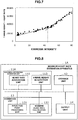
Fig. 7 is a graph for explaining the principles of a maximum heart rate estimation device according to the second embodiment of the present invention; -
Fig. 8 is a block diagram showing the functional arrangement of the maximum heart rate estimation device according to the second embodiment of the present invention; -
Fig. 9 is a flowchart for explaining a maximum heart rate estimation method according to the second embodiment of the present invention; -
Fig. 10 is a graph for explaining the principles of a maximum heart rate estimation device according to the third embodiment of the present invention; -
Fig. 11 is a block diagram showing the functional arrangement of the maximum heart rate estimation device according to the third embodiment of the present invention; and -
Fig. 12 is a flowchart for explaining a maximum heart rate estimation method according to the third embodiment of the present invention. - Preferred embodiments of the present invention will be described in detail below with reference to
Figs. 1 to 12 . -
Fig. 1 is a view showing an electrocardiographic waveform. A maximum heart rate estimation method according to an embodiment of the present invention extracts a predetermined feature amount serving as an index of the maximum heart rate from the electrocardiographic waveform of a target person, and estimates, for example, the maximum heart rate for obtaining exercise intensity. The exercise intensity is a scale representing the vigorousness of exercise with reference to the physical ability of the target person who does the exercise. - In the maximum heart rate estimation method according to this embodiment, among characteristic waveforms and waveform intervals included in the electrocardiographic waveform shown in
Fig. 1 , a QT interval representing the time from the start of a Q wave to the end of a T wave is used as a feature amount of the electrocardiographic waveform (electrocardiogram). -
Fig. 2 is a graph showing the relationship between a QT interval and exercise intensity acquired by an incremental load test. In this embodiment, as the exercise intensity, a value calculated from a heart rate (HR) is used. As shown inFig. 2 , it is apparent that there is an inflection point in the graph around a portion where the exercise intensity is 40%. This experiment indicates that a heart rate at the inflection point corresponds to exercise intensity of about 40%. - This experiment result is considered to coincide with the relationship between a change in cardiac output and a stroke volume by exercise described in
non-patent literature 4. In general, the oxygen demand of a peripheral tissue such as a muscle is increased by exercise. As described innon-patent literature 4, it is known that the stroke volume (SV) as a blood volume ejected by one contraction of the heart increases at a predetermined rate along with an increase in exercise intensity but reaches a plateau without increasing after the exercise intensity increases to about 40% of the maximum exercise intensity. Therefore, in exercise in which the exercise intensity exceeds about 40%, the cardiac output (CO) as a blood volume ejected from the heart per minute is supplemented by increasing the heart rate. - From this viewpoint, it is considered that it is possible to estimate the maximum heart rate using the above-described experiment result by setting the heart rate at the inflection point of the QT interval to correspond to exercise intensity of 40%.
- At this time, the maximum heart rate is calculated (see, for example, non-patent literature 2) by:

- In equation (1) above, "resting heart rate" is a value measured in advance at the time of rest by a heart rate meter or the like. In general, 60 bpm is used as the resting heart rate. "Heart rate at inflection point" is the value of a measured heart rate corresponding to the inflection point of the QT interval. In addition, "exercise intensity at inflection point" is a preset value, and a value falling within the range of 35% to 45%, for example, 40% is used based on the above-described experiment result.
-
Fig. 3 is a graph showing a result when estimating the maximum heart rate using equation (1) above. InFig. 3 , the ordinate represents the maximum heart rate estimated by the maximum heart rate estimation method according to this embodiment and the abscissa represents the maximum heart rate measured by doing exercise until the heart rate of the target person reaches the maximum heart rate. - As shown in
Fig. 3 , since a correlation coefficient (Pearson correlation function) is 0.78 and p value < 0.05 is satisfied, it is found that there is a significant positive correlation. Therefore, the maximum heart rate estimation method according to this embodiment finds the inflection point of the QT interval in the relationship between the QT interval and the heart rate, and calculates the maximum heart rate using equation (1) above. - A maximum heart
rate estimation device 1 for executing a maximum heart rate estimation method according to the present invention will be described in detail below. -
Fig. 4 is a block diagram showing the functional arrangement of the maximum heartrate estimation device 1 according to the first embodiment. The maximum heartrate estimation device 1 includes a biologicalinformation acquisition unit 11, astorage unit 12, anestimation unit 13, and anoutput unit 14. - The maximum heart
rate estimation device 1 acquires the relationship between a QT interval and a heart rate when a target person does exercise like an incremental load test that gradually increases exercise intensity, extracts the inflection point of the value of QT interval, and calculates the maximum heart rate of the target person from the inflection point. - The biological
information acquisition unit 11 includes a heartrate acquisition unit 111 and a QTinterval acquisition unit 112. - The biological
information acquisition unit 11 acquires information concerning the heart beats and electrocardiogram of the target person from an external biological sensor (not shown) having the functions of the heart rate meter and electrocardiograph and attached to the target person. At this time, the biologicalinformation acquisition unit 11 acquires, from the above-described experiment result, information concerning the heartbeats and electrocardiogram for a period from when the target person starts exercise that gradually increases the exercise intensity until the exercise intensity exceeds 40%. - The heart
rate acquisition unit 111 acquires, from the biological sensor attached to the target person, a heart rate for a period during which the target person does exercise. Data of the acquired heart rate is stored in thestorage unit 12. - The QT
interval acquisition unit 112 acquires a QT interval included in the electrocardiographic waveform from the electrocardiographic waveform measured by the biological sensor attached to the target person. The QT interval acquired by the QTinterval acquisition unit 112 is stored in thestorage unit 12. - The
storage unit 12 stores data of the heart rate and the QT interval of the target person acquired by the biologicalinformation acquisition unit 11. Furthermore, thestorage unit 12 stores setting values of "resting heart rate" and "exercise intensity at inflection point" in equation (1) above. - The
estimation unit 13 includes an inflectionpoint processing unit 131 and a maximum heartrate calculation unit 132. - The
estimation unit 13 estimates the maximum heart rate based on the data of the heart rate and the QT interval of the target person acquired by the biologicalinformation acquisition unit 11. - The inflection
point processing unit 131 reads out, from thestorage unit 12, the data of the heart rate of the target person acquired by the heartrate acquisition unit 111 and the data of and the QT interval of the target person acquired by the QTinterval acquisition unit 112, and obtains the relationship between the QT interval and the heart rate. At this time, the graph including the inflection point shown inFig. 2 is obtained. - Furthermore, the inflection
point processing unit 131 extracts, from the relationship between the QT interval and the heart rate of the target person, an inflection point in a change of the QT interval with respect to the heart rate acquired by the heartrate acquisition unit 111. The inflectionpoint processing unit 131 obtains the heart rate of the target person corresponding to the inflection point of the value of QT interval, and stores it in thestorage unit 12. - The maximum heart
rate calculation unit 132 calculates the maximum heart rate of the target person by equation (1) above based on the heart rate of the target person at the inflection point extracted by the inflectionpoint processing unit 131. - More specifically, the maximum heart
rate calculation unit 132 substitutes, into equation (1), the value of "heart rate at inflection point" obtained by the inflectionpoint processing unit 131. Note that in equation (1), a preset value, for example, 60 bpm is used as the value of "resting heart rate" and a preset value, for example, 40% is used as the value of "exercise intensity at inflection point". - The maximum heart
rate calculation unit 132 stores the calculated value of the maximum heart rate of the target person in thestorage unit 12. - The
output unit 14 outputs information such as the maximum heart rate of the target person estimated by theestimation unit 13. More specifically, theoutput unit 14 displays the value of the maximum heart rate calculated by the maximum heartrate calculation unit 132 on a display screen or the like. - The hardware arrangement of the maximum heart
rate estimation device 1 having the above-described functional arrangement will be described next with reference to a block diagram shown inFig. 5 . - As shown in
Fig. 5 , the maximum heartrate estimation device 1 can be implemented by a computer including acalculation device 102 with aCPU 103 and amain storage device 104, acommunication control device 105, asensor 106, anexternal storage device 107, and adisplay device 108, all of which are connected via abus 101, and a program for controlling these hardware resources. - The
CPU 103 and themain storage device 104 form thecalculation device 102. A program used by theCPU 103 to perform various control and calculation operations is stored in advance in themain storage device 104. Thecalculation device 102 implements the functions of the maximum heartrate estimation device 1 including theestimation unit 13 shown inFig. 4 . - The
communication control device 105 is a control device for connecting the maximum heartrate estimation device 1 and various external electronic devices by a communication network NW. Thecommunication control device 105 may receive, via the communication network NW, the data of the heart rate and electrocardiograph waveform from the sensor 106 (to be described later) attached to the target person. - The
sensor 106 is implemented by, for example, a biological sensor such as a heart rate meter and an electrocardiograph. Thesensor 106 is attached to, for example, the chest or wrist of the target person for a period during which the target person does exercise, and measures the heart rate and the electrocardiographic waveform of the target person. For example, thesensor 106 attached to the chest measures the electrocardiographic waveform by an electrode (not shown), and detects heartbeats from a change of the electrocardiographic waveform, thereby measuring, as a heart rate, a heartbeat count per minute from an interval between the heartbeats. - The
external storage device 107 is formed by a readable/writable storage medium and a driving device for reading/writing various kinds of information such as programs and data from/in the storage medium. For theexternal storage device 107, a hard disk or a semiconductor memory such as a flash memory can be used as a storage medium. Theexternal storage device 107 can include adata storage unit 107a, aprogram storage unit 107b, and another storage device (not shown), for example, a storage device for backing up the programs and data stored in theexternal storage device 107. - The
data storage unit 107a stores information concerning the electrocardiographic waveform and the heart rate of the target person measured by thesensor 106. Thedata storage unit 107a corresponds to thestorage unit 12 shown inFig. 4 . - The
program storage unit 107b stores various programs for executing processing necessary to estimate the maximum heart rate, such as processing of acquiring the heart rate and QT interval, inflection point processing, and maximum heart rate calculation processing, according to this embodiment. - The
display device 108 forms the display screen of the maximum heartrate estimation device 1, and functions as theoutput unit 14. Thedisplay device 108 is implemented by a liquid crystal display or the like. - The operation of the maximum heart
rate estimation device 1 for executing the above-described maximum heart rate estimation method according to the present invention will be described next with reference to a flowchart shown inFig. 6 . First, a biological sensor (not shown) having the functions of the heart rate meter and electrocardiograph is attached to the chest or wrist of a target person, and the target person starts exercise like an incremental load test that gradually increases exercise intensity. The biological sensor measures the heart rate and electrocardiographic waveform of the target person for a period from when the target person starts exercise until the exercise intensity of the target person exceeds 40%. - The heart
rate acquisition unit 111 acquires heart rate data while the target person does the exercise (step S1). Next, the QTinterval acquisition unit 112 acquires electrocardiographic waveform data while the target person does the exercise, and acquires QT interval data from the electrocardiographic waveform data (step S2). Note that the QTinterval acquisition unit 112 may adopt an arrangement of acquiring the value of a QT interval obtained by the external biological sensor. - Next, the inflection
point processing unit 131 obtains the relationship between the acquired QT interval and heart rate (step S3). In the relationship between the QT interval and the heart rate of the target person, which has been obtained by the inflectionpoint processing unit 131, the inflection point of the value of the QT interval is extracted, and a heart rate corresponding to the value of the QT interval is obtained (step S4). - Next, the maximum heart
rate calculation unit 132 calculates the maximum exercise intensity of the target person using equation (1) above based on the heart rate at the inflection point of the measured value of the QT interval obtained in step S4 (step S5). - More specifically, the maximum heart
rate calculation unit 132 uses, in equation (1), a value actually measured as the value of "resting heart rate", for example, 60 bpm. The maximum heartrate calculation unit 132 substitutes, as the value of "heart rate at inflection point", the measured value of the heart rate obtained in step S4. Furthermore, a value falling within the predetermined range of 35% to 45%, for example, 40% is used as the value of "exercise intensity at the inflection point" from the above-described experiment result. - Note that the
output unit 14 outputs the calculated maximum exercise intensity of the target person. - As described above, according to the first embodiment, the maximum heart rate is estimated based on the heart rate of the target person at the inflection point of the QT interval around a portion where the exercise intensity (heart rate) is 40% using the relationship between the QT interval and the heart rate of the target person. Therefore, if exercise is done until the exercise intensity exceeds 40%, it is possible to estimate the maximum heart rate without requiring exercise to be done until the heart rate of the target person reaches the maximum heart rate. Thus, it is possible to reduce the load of the target person when obtaining the maximum heart rate.
- Furthermore, the above-described first embodiment has explained the case in which the QT interval is acquired from the measured electrocardiographic waveform of the target person. However, an RT interval as the time from the start of an R wave to the end of a T wave included in the electrocardiographic waveform shown in
Fig. 1 may be used as a feature amount of the electrocardiographic waveform, instead of the QT interval. It is possible to acquire a feature amount corresponding to the QT interval more easily using the RT interval. - The second embodiment of the present invention will be described next. Note that in the following description, the same reference numerals as those in the above-described first embodiment denote similar components and a repetitive description thereof will be omitted.
- In the first embodiment, a heart rate corresponding to the inflection point of the value of the QT interval around a portion where the exercise intensity (heart rate) is about 40% is obtained based on the relationship between the QT interval and heart rate measured for the period during which the target person does exercise, thereby calculating the maximum heart rate of the target person. To the contrary, in the second embodiment, the height of a T wave included in the electrocardiographic waveform of a target person is used as a feature amount of the electrocardiographic waveform.
- An overview of a maximum heart
rate estimation device 1A according to the second embodiment will be described with reference toFig. 7 . In a graph shown inFig. 7 , the abscissa represents exercise intensity obtained by heart rate conversion, and the ordinate represents a value (T-wave height × heart rate) obtained by multiplying the height of a T wave in the electrocardiographic waveform of a target person by a heart rate. - As shown in
Fig. 7 , in "T-wave height of electrocardiographic waveform × heart rate" as well, there may be an inflection point around a portion where the exercise intensity (heart rate) is 40%. Therefore, it is possible to calculate the maximum heart rate of the target person using equation (1) above, similar to the first embodiment, by obtaining a measured heart rate corresponding to the inflection point. - With respect to the functional arrangement of the maximum heart
rate estimation device 1A according to this embodiment, components different from those in the first embodiment will mainly be described next. - A biological
information acquisition unit 11A includes a heartrate acquisition unit 111 and a T-waveheight acquisition unit 113. - The T-wave
height acquisition unit 113 acquires an electrocardiographic waveform from a biological sensor attached to a target person, and acquires data of a T-wave height included in the electrocardiographic waveform. The data of the T-wave height acquired by the T-waveheight acquisition unit 113 is stored in astorage unit 12. - An inflection
point processing unit 131 calculates "T-wave height × heart rate" by multiplying the value of the T-wave height acquired by the T-waveheight acquisition unit 113 of the biologicalinformation acquisition unit 11A by the value of the heart rate of the target person acquired by a heartrate acquisition unit 111. Furthermore, the inflectionpoint processing unit 131 obtains the relationship between "T-wave height × heart rate" and the measured value of the heart rate of the target person acquired by the heartrate acquisition unit 111. - The inflection
point processing unit 131 finds the inflection point of the value of "T-wave height × heart rate" around a portion where the exercise intensity (heart rate) is 40% in the obtained relationship between the heart rate and "T-wave height × heart rate" of the target person. The inflectionpoint processing unit 131 obtains a heart rate corresponding to the inflection point. The value of the obtained heart rate is stored in thestorage unit 12. - The operation of the maximum heart
rate estimation device 1A having the above-described arrangement will be described next with reference to a flowchart shown inFig. 9 . - Similar to the first embodiment, first, a biological sensor (not shown) having the functions of a heart rate meter and electrocardiograph is attached to the chest or wrist of the target person, and the target person starts exercise like an incremental load test that gradually increases exercise intensity. The biological sensor measures the heart rate and electrocardiographic waveform of the target person for a period from when the target person starts the exercise until the exercise intensity of the exercise done by the target person exceeds 40%.
- The heart
rate acquisition unit 111 acquires heart rate data for a period during which the target person does the exercise (step S21). Next, the T-waveheight acquisition unit 113 acquires T-wave height data from electrocardiographic waveform data for the period during which the target person does the exercise (step S22). Note that the T-waveheight acquisition unit 113 may adopt an arrangement of acquiring T-wave height data obtained on the biological sensor side. - The inflection
point processing unit 131 obtains the relationship between the acquired heart rate and "T-wave height × heart rate" (step S23). After that, the inflectionpoint processing unit 131 extracts the inflection point of the value of "T-wave height × heart rate" in the obtained relationship between the heart rate and "T-wave height × heart rate", and obtains the value of a heart rate corresponding to the value of "T-wave height × heart rate" (step S24). - Next, a maximum heart
rate calculation unit 132 calculates the maximum exercise intensity of the target person using equation (1) above based on the heart rate at the inflection point of the value of "T-wave height × heart rate" obtained in step S24 (step S25) . - More specifically, the maximum heart
rate calculation unit 132 uses, in equation (1), a value actually measured as the value of "resting heart rate", for example, 60 bpm. The maximum heartrate calculation unit 132 substitutes, as the value of "heart rate at inflection point", the heart rate obtained in step S24. Furthermore, a predetermined value, for example, a value such as 40% falling within the range of 35% to 45% is used as the value of "exercise intensity at the inflection point" from the above-described experiment result. - Note that an
output unit 14 outputs the calculated maximum exercise intensity of the target person. - As described above, according to the second embodiment, the maximum heart rate is estimated based on the heart rate of the target person at the inflection point of "T-wave height × heart rate" around a portion where the exercise intensity (heart rate) is 40% using the relationship between the heart rate and "T-wave height × heart rate" of the target person. Therefore, even when the T-wave height is used as a feature amount of the electrocardiographic waveform, if exercise is done until the exercise intensity exceeds 40%, it is possible to estimate the maximum heart rate without requiring exercise to be done until the heart rate of the target person reaches the maximum heart rate. Thus, it is possible to reduce the load of the target person when obtaining the maximum heart rate.
- The third embodiment of the present invention will be described next. Note that in the following description, the same reference numerals as those in the above-described first and second embodiments denote similar components and a repetitive description thereof will be omitted.
- In the first and second embodiments, based on the relationship between the heart rate measured for the period during which the target person does the exercise and a feature amount such as the QT interval or T-wave height observed in the electrocardiographic waveform, the maximum heart rate of the target person is calculated from the heart rate corresponding to the inflection point of the feature amount around a portion where the exercise intensity is about 40%. To the contrary, in the third embodiment, rMSSD (Root Mean Square of Successive Differences) as a heart rate variability parameter known as an autonomic nerve index is used as a feature amount.
- First, an overview of a maximum heart rate estimation method according to the third embodiment will be described with reference to
Fig. 10 . -
Fig. 10 is a graph for explaining the relationship between rMSSD and exercise intensity. The ordinate represents rMSSD and the abscissa represents exercise intensity obtained by heart rate conversion. - Note that rMSSD is the root mean square of successive differences between neighboring R-R intervals in an electrocardiographic waveform, and is known as an index concerning autonomic nerves. As is apparent from
Fig. 10 , in the relationship between rMSSD and the exercise intensity as well, there is the inflection point of the value of rMSSD around a portion where the exercise intensity is 40%. - Therefore, the maximum heart rate of the target person is calculated by equation (1) above using the rMSSD value as the feature amount of the electrocardiographic waveform.
- Next, with respect to the functional arrangement of a maximum heart rate estimation device 1B for executing a maximum heart rate estimation method according to this embodiment, components different from those in the first and second embodiments will mainly be described.
- As shown in
Fig. 11 , a biologicalinformation acquisition unit 11B includes a heartrate acquisition unit 111 and anrMSSD acquisition unit 114. - The
rMSSD acquisition unit 114 acquires an electrocardiographic waveform from a biological sensor attached to a target person, and acquires data of neighboring R-R intervals included in the electrocardiographic waveform. TherMSSD acquisition unit 114 calculates rMSSD based on the acquired data indicating the R-R intervals. The rMSSD value of the target person calculated by therMSSD acquisition unit 114 is stored in astorage unit 12. - An inflection
point processing unit 131 obtains the relationship between the heart rate of the target person acquired by the heartrate acquisition unit 111 and rMSSD of the target person acquired by therMSSD acquisition unit 114. The inflectionpoint processing unit 131 extracts the inflection point of the rMSSD value in the obtained relationship between the heart rate and rMSSD of the target person. The inflectionpoint processing unit 131 obtains a heart rate corresponding to the inflection point. The value of the obtained heart rate is stored in thestorage unit 12. - The operation of the maximum heart rate estimation device 1B having the above-described arrangement will be described next with reference to a flowchart shown in
Fig. 12 . - Similar to the first and second embodiments, first, the heart
rate acquisition unit 111 acquires the measured value of a heart rate for a period from when the target person does exercise like an incremental load test that gradually increases exercise intensity until the exercise intensity exceeds 40% (step S31). - Next, the
rMSSD acquisition unit 114 acquires data indicating the R-R intervals from an electrocardiographic waveform sent from the biological sensor attached to the target person, and calculates rMSSD (step S32). Note that therMSSD acquisition unit 114 may adopt an arrangement of acquiring an rMSSD value calculated by the external biological sensor. - Next, the inflection
point processing unit 131 obtains the relationship between the heart rate of the target person acquired by the heartrate acquisition unit 111 and rMSSD of the target person acquired by the rMSSD acquisition unit 114 (step S33). - After that, the inflection
point processing unit 131 finds the inflection point of the rMSSD value in the obtained relationship between the heart rate and rMSSD of the target person, and obtains the value of a heart rate corresponding to the rMSSD value (step S34). - Next, a maximum heart
rate calculation unit 132 calculates the maximum exercise intensity of the target person using equation (1) above based on the heart rate at the inflection point of the rMSSD value obtained in step S34 (step S35). - More specifically, the maximum heart
rate calculation unit 132 uses, in equation (1), a value actually measured as the value of "resting heart rate", for example, 60 bpm. The maximum heartrate calculation unit 132 substitutes, as the value of "heart rate at inflection point", the heart rate obtained in step S34. Furthermore, a preset value, for example, a value such as 40% falling within the range of 35% to 45% is used as the value of "exercise intensity at the inflection point" from the above-described experiment result. - Note that an
output unit 14 outputs the calculated maximum exercise intensity of the target person. - As described above, according to the third embodiment, the maximum heart rate is estimated based on the heart rate of the target person at the inflection point of rMSSD around a portion where the exercise intensity is 40% using the relationship between the heart rate and rMSSD of the target person. Therefore, even when rMSSD is used as a feature amount in the electrocardiographic waveform, if exercise is done until the exercise intensity exceeds 40%, it is possible to estimate the maximum heart rate without requiring exercise to be done until the heart rate of the target person reaches the maximum heart rate. Thus, it is possible to reduce the load of the target person when obtaining the maximum heart rate.
- This embodiment estimates the maximum heart rate of the target person by paying attention to rMSSD serving as the autonomic nerve index but can use another autonomic nerve index instead of rMSSD. Therefore, it is possible to estimate the maximum heart rate with higher flexibility. Other examples of the autonomic nerve index are an LF value, HF value, and LF/HF ratio in the frequency domain and SDNN (Standard Deviation of the NN intervals), NN50, and pNN50 in the time domain (see, for example, non-patent literature 3).
- The embodiments in the maximum heart rate estimation method and the maximum heart rate estimation device according to the present invention have been described above. However, the present invention is not limited to the above-described embodiments, and various modifications conceivable by those skilled in the art can be made within the scope of the invention described in the claims.
- Note that each of the above-described embodiments has explained the case in which the target person does exercise like an incremental load test and data concerning a heart rate and an electrocardiographic waveform for an exercise period is acquired. However, the exercise done by the target person need not be managed exercise such as the incremental load test. The maximum heart rate may be estimated by acquiring the relationship between a heart rate and a feature amount such as a QT interval from arbitrary exercise data and obtaining a heart rate at an inflection point.
- 1, 1A, 1B...maximum heart rate estimation device, 11, 11A, 11B...biological information acquisition unit, 12...storage unit, 13...estimation unit, 14...output unit, 111...heart rate acquisition unit, 112...QT interval acquisition unit, 113...T-wave height acquisition unit, 114...rMSSD acquisition unit, 131...inflection point processing unit, 132...maximum heart rate calculation unit, 101...bus, 102...calculation device, 103...CPU, 104...main storage device, 105...communication control device, 106...sensor, 107...external storage device, 107a...data storage unit, 107b...program storage unit, 108...display device, NW...communication network
Claims (8)
- A maximum heart rate estimation method comprising:a first acquisition step of acquiring a heart rate of a target person who does exercise;a second acquisition step of acquiring an electrocardiographic waveform of the target person who does the exercise;a third acquisition step of acquiring a predetermined feature amount from the acquired electrocardiographic waveform; andan estimation step of estimating a maximum heart rate of the target person based on a relationship between the predetermined feature amount and the acquired heart rate,wherein in the estimation step, the maximum heart rate of the target person is estimated based on a heart rate corresponding to an inflection point in a change of the predetermined feature amount with respect to the acquired heart rate.
- The maximum heart rate estimation method according to claim 1, wherein the heart rate acquired in the first acquisition step and the electrocardiographic waveform acquired in the second acquisition step are acquired for a period from when the target person starts the exercise that increases exercise intensity until the exercise intensity exceeds 40%.
- The maximum heart rate estimation method according to claim 1 or 2, wherein the predetermined feature amount is a QT interval included in the electrocardiographic waveform.
- The maximum heart rate estimation method according to claim 1 or 2, wherein the predetermined feature amount is a height of a T wave included in the electrocardiographic waveform.
- The maximum heart rate estimation method according to claim 1 or 2, wherein the predetermined feature amount is an index concerning autonomic nerves included in the electrocardiographic waveform.
- The maximum heart rate estimation method according to any one of claims 1 to 5, wherein the estimation step includes a step of estimating the maximum heart rate using "maximum heart rate = resting heart rate + 100 × (heart rate at inflection point - resting heart rate)/exercise intensity at inflection point" (where "resting heart rate" is a heart rate measured in advance at the time of rest, "heart rate at inflection point" is a heart rate corresponding to the inflection point, and "exercise intensity at inflection point" is a preset value).
- A maximum heart rate estimation device comprising:a heart rate acquisition unit configured to acquire a heart rate of a target person who does exercise;a feature amount acquisition unit configured to acquire an electrocardiographic waveform of the target person who does the exercise, and acquire a predetermined feature amount from the electrocardiographic waveform; andan estimation unit configured to estimate a maximum heart rate of the target person based on a relationship between the acquired heart rate and the predetermined feature amount,wherein the estimation unit estimates the maximum heart rate of the target person based on a heart rate corresponding to an inflection point in a change of the predetermined feature amount with respect to the acquired heart rate.
- The maximum heart rate estimation device according to claim 7, wherein the heart rate acquired by the heart rate acquisition unit and the electrocardiographic waveform acquired by the feature amount acquisition unit are acquired for a period from when the target person starts the exercise that increases exercise intensity until the exercise intensity exceeds 40%.
Applications Claiming Priority (2)
| Application Number | Priority Date | Filing Date | Title |
|---|---|---|---|
| JP2018076550 | 2018-04-12 | ||
| PCT/JP2019/015579 WO2019198744A1 (en) | 2018-04-12 | 2019-04-10 | Maximum heart rate estimation method and device |
Publications (3)
| Publication Number | Publication Date |
|---|---|
| EP3777668A1 true EP3777668A1 (en) | 2021-02-17 |
| EP3777668A4 EP3777668A4 (en) | 2022-01-05 |
| EP3777668B1 EP3777668B1 (en) | 2024-03-27 |
Family
ID=68164303
Family Applications (1)
| Application Number | Title | Priority Date | Filing Date |
|---|---|---|---|
| EP19784486.3A Active EP3777668B1 (en) | 2018-04-12 | 2019-04-10 | Maximum heart rate estimation method and device |
Country Status (7)
| Country | Link |
|---|---|
| US (1) | US20210030281A1 (en) |
| EP (1) | EP3777668B1 (en) |
| JP (1) | JP7078108B2 (en) |
| CN (1) | CN112004470B (en) |
| AU (1) | AU2019252065B2 (en) |
| ES (1) | ES2977058T3 (en) |
| WO (1) | WO2019198744A1 (en) |
Family Cites Families (18)
| Publication number | Priority date | Publication date | Assignee | Title |
|---|---|---|---|---|
| US4622980A (en) * | 1984-11-01 | 1986-11-18 | Horst E. Kunig | Method and apparatus for determining of stress condition of a subject |
| US5125412A (en) * | 1990-07-23 | 1992-06-30 | Thornton William E | Musculoskeletal activity monitor |
| US5976083A (en) * | 1997-07-30 | 1999-11-02 | Living Systems, Inc. | Portable aerobic fitness monitor for walking and running |
| US5978711A (en) * | 1998-02-23 | 1999-11-02 | Vivatron Medical, B.V. | Pacemaker system with improved learning capability for adapting rate response function |
| JP2004000646A (en) * | 1998-02-26 | 2004-01-08 | Omron Corp | Exercise equipment, physical fitness evaluation method and pulsimeter |
| US6768919B2 (en) * | 2000-06-26 | 2004-07-27 | Mediwave Star Technology Inc | Method and system for evaluating cardiac ischemia with heart rate feedback |
| US7149568B2 (en) * | 2002-07-12 | 2006-12-12 | Seiko Epson Corporation | Exercise load intensity evaluation device and exercise equipment |
| JP4500184B2 (en) * | 2005-02-28 | 2010-07-14 | Npo法人熟年体育大学リサーチセンター | Endurance calculation device, endurance calculation method and program |
| JP2009072417A (en) * | 2007-09-21 | 2009-04-09 | Toshiba Corp | Biological information processing apparatus and method |
| JP5451474B2 (en) * | 2010-03-18 | 2014-03-26 | 日本光電工業株式会社 | Target heart rate arrival time prediction apparatus and target heart rate arrival time prediction method |
| US8755872B1 (en) * | 2011-07-28 | 2014-06-17 | Masimo Corporation | Patient monitoring system for indicating an abnormal condition |
| RU2616764C2 (en) * | 2011-09-16 | 2017-04-18 | Конинклейке Филипс Н.В. | Device and method for evaluation of heart rate while moving |
| KR101907089B1 (en) * | 2012-11-16 | 2018-10-11 | 삼성전자주식회사 | Anaerovic threshold presume device and method |
| JP6020082B2 (en) * | 2012-11-19 | 2016-11-02 | Tdk株式会社 | Biological signal measuring device, biological signal measuring method, and biological signal measuring program |
| CN103284702A (en) * | 2013-06-17 | 2013-09-11 | 中国科学院苏州纳米技术与纳米仿生研究所 | Electrocardiogram and pulse wave relation analysis method and method and device of fusion analysis |
| WO2017090732A1 (en) * | 2015-11-25 | 2017-06-01 | 日本電信電話株式会社 | Respiratory estimation method and device |
| US10159444B2 (en) * | 2015-12-21 | 2018-12-25 | Industrial Technology Research Institute | Method and system for anaerobic threshold heart rate detection |
| JP2017136165A (en) * | 2016-02-02 | 2017-08-10 | 富士通株式会社 | Sensor information processing device, sensor unit, and sensor information processing program |
-
2019
- 2019-04-10 AU AU2019252065A patent/AU2019252065B2/en active Active
- 2019-04-10 WO PCT/JP2019/015579 patent/WO2019198744A1/en not_active Ceased
- 2019-04-10 CN CN201980023181.0A patent/CN112004470B/en active Active
- 2019-04-10 ES ES19784486T patent/ES2977058T3/en active Active
- 2019-04-10 US US17/046,070 patent/US20210030281A1/en not_active Abandoned
- 2019-04-10 JP JP2020513421A patent/JP7078108B2/en active Active
- 2019-04-10 EP EP19784486.3A patent/EP3777668B1/en active Active
Also Published As
| Publication number | Publication date |
|---|---|
| CN112004470A (en) | 2020-11-27 |
| CN112004470B (en) | 2024-06-04 |
| JP7078108B2 (en) | 2022-05-31 |
| WO2019198744A1 (en) | 2019-10-17 |
| JPWO2019198744A1 (en) | 2020-12-03 |
| US20210030281A1 (en) | 2021-02-04 |
| EP3777668B1 (en) | 2024-03-27 |
| AU2019252065A1 (en) | 2020-11-05 |
| AU2019252065B2 (en) | 2021-05-20 |
| ES2977058T3 (en) | 2024-08-16 |
| EP3777668A4 (en) | 2022-01-05 |
Similar Documents
| Publication | Publication Date | Title |
|---|---|---|
| KR101910982B1 (en) | Method and apparatus for eliminating motion artifact of biosignal using personalized biosignal pattern | |
| JP6518570B2 (en) | Sleep stage estimation device, method and program | |
| CN105611870B (en) | Stimulating electrotherapy using autonomic nervous system control | |
| AU2019252065B2 (en) | Maximum heart rate estimation method and device | |
| JP2014133001A (en) | Twa measuring apparatus and twa measuring method | |
| JP2019048150A (en) | Sleep stage estimation device, method and program | |
| AU2019252063B2 (en) | Anaerobic threshold estimation method and device | |
| JP5993968B2 (en) | Sleep stage estimation apparatus, method and program | |
| JP6707015B2 (en) | State estimation device, method and program | |
| Warmerdam et al. | Reliability of spectral analysis of fetal heart rate variability | |
| JP7679877B2 (en) | Estimation device, estimation system, estimation method, and program | |
| CN101420903A (en) | A method of deriving central aortic systolic pressure and a method of analysing arterial waveform data to derive central aortic systolic pressure values | |
| JP2012508056A (en) | Method and system for measuring parameters of autonomic dysfunction test | |
| KR101476730B1 (en) | A method of deriving a value representing the central aortic systolic pressure and a method of analyzing the arterial pressure waveform data to derive a value representing the central aortic systolic pressure | |
| JP2015058165A5 (en) | ||
| US9867547B2 (en) | System and method to calculate cardiac characteristics | |
| EP3797684A1 (en) | Program for analyzing measurement data of muscle action potentials | |
| CN111989037B (en) | Exercise intensity estimation method, exercise intensity estimation device and program | |
| JP2020141885A (en) | Measurement control device and measurement control method | |
| Nguyen | The logarithmic relationship between mean arterial pressure and heart rate | |
| EP3566648A1 (en) | Information processing device, information processing system, and information processing method | |
| JP2018114235A (en) | ECG information processing device |
Legal Events
| Date | Code | Title | Description |
|---|---|---|---|
| STAA | Information on the status of an ep patent application or granted ep patent |
Free format text: STATUS: THE INTERNATIONAL PUBLICATION HAS BEEN MADE |
|
| PUAI | Public reference made under article 153(3) epc to a published international application that has entered the european phase |
Free format text: ORIGINAL CODE: 0009012 |
|
| STAA | Information on the status of an ep patent application or granted ep patent |
Free format text: STATUS: REQUEST FOR EXAMINATION WAS MADE |
|
| 17P | Request for examination filed |
Effective date: 20201007 |
|
| AK | Designated contracting states |
Kind code of ref document: A1 Designated state(s): AL AT BE BG CH CY CZ DE DK EE ES FI FR GB GR HR HU IE IS IT LI LT LU LV MC MK MT NL NO PL PT RO RS SE SI SK SM TR |
|
| AX | Request for extension of the european patent |
Extension state: BA ME |
|
| DAV | Request for validation of the european patent (deleted) | ||
| DAX | Request for extension of the european patent (deleted) | ||
| A4 | Supplementary search report drawn up and despatched |
Effective date: 20211206 |
|
| RIC1 | Information provided on ipc code assigned before grant |
Ipc: A61B 5/00 20060101ALN20211130BHEP Ipc: A63B 24/00 20060101ALN20211130BHEP Ipc: A61B 5/024 20060101ALI20211130BHEP Ipc: A61B 5/22 20060101ALI20211130BHEP Ipc: A61B 5/36 20210101ALI20211130BHEP Ipc: A61B 5/352 20210101ALI20211130BHEP Ipc: A61B 5/355 20210101ALI20211130BHEP Ipc: A61B 5/11 20060101ALI20211130BHEP Ipc: A61B 5/0245 20060101AFI20211130BHEP |
|
| STAA | Information on the status of an ep patent application or granted ep patent |
Free format text: STATUS: EXAMINATION IS IN PROGRESS |
|
| 17Q | First examination report despatched |
Effective date: 20220804 |
|
| REG | Reference to a national code |
Ref country code: DE Ref legal event code: R079 Free format text: PREVIOUS MAIN CLASS: A61B0005040200 Ipc: A61B0005024500 Ref country code: DE Ref legal event code: R079 Ref document number: 602019049088 Country of ref document: DE Free format text: PREVIOUS MAIN CLASS: A61B0005040200 Ipc: A61B0005024500 |
|
| GRAP | Despatch of communication of intention to grant a patent |
Free format text: ORIGINAL CODE: EPIDOSNIGR1 |
|
| STAA | Information on the status of an ep patent application or granted ep patent |
Free format text: STATUS: GRANT OF PATENT IS INTENDED |
|
| RIC1 | Information provided on ipc code assigned before grant |
Ipc: A61B 5/00 20060101ALN20230908BHEP Ipc: A63B 24/00 20060101ALN20230908BHEP Ipc: A61B 5/024 20060101ALI20230908BHEP Ipc: A61B 5/22 20060101ALI20230908BHEP Ipc: A61B 5/36 20210101ALI20230908BHEP Ipc: A61B 5/352 20210101ALI20230908BHEP Ipc: A61B 5/355 20210101ALI20230908BHEP Ipc: A61B 5/11 20060101ALI20230908BHEP Ipc: A61B 5/0245 20060101AFI20230908BHEP |
|
| INTG | Intention to grant announced |
Effective date: 20231010 |
|
| GRAS | Grant fee paid |
Free format text: ORIGINAL CODE: EPIDOSNIGR3 |
|
| GRAA | (expected) grant |
Free format text: ORIGINAL CODE: 0009210 |
|
| STAA | Information on the status of an ep patent application or granted ep patent |
Free format text: STATUS: THE PATENT HAS BEEN GRANTED |
|
| AK | Designated contracting states |
Kind code of ref document: B1 Designated state(s): AL AT BE BG CH CY CZ DE DK EE ES FI FR GB GR HR HU IE IS IT LI LT LU LV MC MK MT NL NO PL PT RO RS SE SI SK SM TR |
|
| REG | Reference to a national code |
Ref country code: GB Ref legal event code: FG4D |
|
| REG | Reference to a national code |
Ref country code: CH Ref legal event code: EP |
|
| REG | Reference to a national code |
Ref country code: DE Ref legal event code: R096 Ref document number: 602019049088 Country of ref document: DE |
|
| REG | Reference to a national code |
Ref country code: IE Ref legal event code: FG4D |
|
| PG25 | Lapsed in a contracting state [announced via postgrant information from national office to epo] |
Ref country code: LT Free format text: LAPSE BECAUSE OF FAILURE TO SUBMIT A TRANSLATION OF THE DESCRIPTION OR TO PAY THE FEE WITHIN THE PRESCRIBED TIME-LIMIT Effective date: 20240327 |
|
| REG | Reference to a national code |
Ref country code: LT Ref legal event code: MG9D |
|
| PG25 | Lapsed in a contracting state [announced via postgrant information from national office to epo] |
Ref country code: GR Free format text: LAPSE BECAUSE OF FAILURE TO SUBMIT A TRANSLATION OF THE DESCRIPTION OR TO PAY THE FEE WITHIN THE PRESCRIBED TIME-LIMIT Effective date: 20240628 |
|
| PG25 | Lapsed in a contracting state [announced via postgrant information from national office to epo] |
Ref country code: HR Free format text: LAPSE BECAUSE OF FAILURE TO SUBMIT A TRANSLATION OF THE DESCRIPTION OR TO PAY THE FEE WITHIN THE PRESCRIBED TIME-LIMIT Effective date: 20240327 Ref country code: RS Free format text: LAPSE BECAUSE OF FAILURE TO SUBMIT A TRANSLATION OF THE DESCRIPTION OR TO PAY THE FEE WITHIN THE PRESCRIBED TIME-LIMIT Effective date: 20240627 |
|
| PG25 | Lapsed in a contracting state [announced via postgrant information from national office to epo] |
Ref country code: RS Free format text: LAPSE BECAUSE OF FAILURE TO SUBMIT A TRANSLATION OF THE DESCRIPTION OR TO PAY THE FEE WITHIN THE PRESCRIBED TIME-LIMIT Effective date: 20240627 Ref country code: NO Free format text: LAPSE BECAUSE OF FAILURE TO SUBMIT A TRANSLATION OF THE DESCRIPTION OR TO PAY THE FEE WITHIN THE PRESCRIBED TIME-LIMIT Effective date: 20240627 Ref country code: LT Free format text: LAPSE BECAUSE OF FAILURE TO SUBMIT A TRANSLATION OF THE DESCRIPTION OR TO PAY THE FEE WITHIN THE PRESCRIBED TIME-LIMIT Effective date: 20240327 Ref country code: HR Free format text: LAPSE BECAUSE OF FAILURE TO SUBMIT A TRANSLATION OF THE DESCRIPTION OR TO PAY THE FEE WITHIN THE PRESCRIBED TIME-LIMIT Effective date: 20240327 Ref country code: GR Free format text: LAPSE BECAUSE OF FAILURE TO SUBMIT A TRANSLATION OF THE DESCRIPTION OR TO PAY THE FEE WITHIN THE PRESCRIBED TIME-LIMIT Effective date: 20240628 Ref country code: FI Free format text: LAPSE BECAUSE OF FAILURE TO SUBMIT A TRANSLATION OF THE DESCRIPTION OR TO PAY THE FEE WITHIN THE PRESCRIBED TIME-LIMIT Effective date: 20240327 Ref country code: BG Free format text: LAPSE BECAUSE OF FAILURE TO SUBMIT A TRANSLATION OF THE DESCRIPTION OR TO PAY THE FEE WITHIN THE PRESCRIBED TIME-LIMIT Effective date: 20240327 |
|
| REG | Reference to a national code |
Ref country code: NL Ref legal event code: MP Effective date: 20240327 |
|
| REG | Reference to a national code |
Ref country code: ES Ref legal event code: FG2A Ref document number: 2977058 Country of ref document: ES Kind code of ref document: T3 Effective date: 20240816 |
|
| PG25 | Lapsed in a contracting state [announced via postgrant information from national office to epo] |
Ref country code: SE Free format text: LAPSE BECAUSE OF FAILURE TO SUBMIT A TRANSLATION OF THE DESCRIPTION OR TO PAY THE FEE WITHIN THE PRESCRIBED TIME-LIMIT Effective date: 20240327 Ref country code: LV Free format text: LAPSE BECAUSE OF FAILURE TO SUBMIT A TRANSLATION OF THE DESCRIPTION OR TO PAY THE FEE WITHIN THE PRESCRIBED TIME-LIMIT Effective date: 20240327 |
|
| PG25 | Lapsed in a contracting state [announced via postgrant information from national office to epo] |
Ref country code: NL Free format text: LAPSE BECAUSE OF FAILURE TO SUBMIT A TRANSLATION OF THE DESCRIPTION OR TO PAY THE FEE WITHIN THE PRESCRIBED TIME-LIMIT Effective date: 20240327 |
|
| REG | Reference to a national code |
Ref country code: AT Ref legal event code: MK05 Ref document number: 1669125 Country of ref document: AT Kind code of ref document: T Effective date: 20240327 |
|
| PG25 | Lapsed in a contracting state [announced via postgrant information from national office to epo] |
Ref country code: NL Free format text: LAPSE BECAUSE OF FAILURE TO SUBMIT A TRANSLATION OF THE DESCRIPTION OR TO PAY THE FEE WITHIN THE PRESCRIBED TIME-LIMIT Effective date: 20240327 |
|
| PG25 | Lapsed in a contracting state [announced via postgrant information from national office to epo] |
Ref country code: IS Free format text: LAPSE BECAUSE OF FAILURE TO SUBMIT A TRANSLATION OF THE DESCRIPTION OR TO PAY THE FEE WITHIN THE PRESCRIBED TIME-LIMIT Effective date: 20240727 |
|
| PG25 | Lapsed in a contracting state [announced via postgrant information from national office to epo] |
Ref country code: SM Free format text: LAPSE BECAUSE OF FAILURE TO SUBMIT A TRANSLATION OF THE DESCRIPTION OR TO PAY THE FEE WITHIN THE PRESCRIBED TIME-LIMIT Effective date: 20240327 Ref country code: PT Free format text: LAPSE BECAUSE OF FAILURE TO SUBMIT A TRANSLATION OF THE DESCRIPTION OR TO PAY THE FEE WITHIN THE PRESCRIBED TIME-LIMIT Effective date: 20240729 |
|
| PG25 | Lapsed in a contracting state [announced via postgrant information from national office to epo] |
Ref country code: CZ Free format text: LAPSE BECAUSE OF FAILURE TO SUBMIT A TRANSLATION OF THE DESCRIPTION OR TO PAY THE FEE WITHIN THE PRESCRIBED TIME-LIMIT Effective date: 20240327 Ref country code: EE Free format text: LAPSE BECAUSE OF FAILURE TO SUBMIT A TRANSLATION OF THE DESCRIPTION OR TO PAY THE FEE WITHIN THE PRESCRIBED TIME-LIMIT Effective date: 20240327 |
|
| PG25 | Lapsed in a contracting state [announced via postgrant information from national office to epo] |
Ref country code: AT Free format text: LAPSE BECAUSE OF FAILURE TO SUBMIT A TRANSLATION OF THE DESCRIPTION OR TO PAY THE FEE WITHIN THE PRESCRIBED TIME-LIMIT Effective date: 20240327 |
|
| PG25 | Lapsed in a contracting state [announced via postgrant information from national office to epo] |
Ref country code: PL Free format text: LAPSE BECAUSE OF FAILURE TO SUBMIT A TRANSLATION OF THE DESCRIPTION OR TO PAY THE FEE WITHIN THE PRESCRIBED TIME-LIMIT Effective date: 20240327 |
|
| PG25 | Lapsed in a contracting state [announced via postgrant information from national office to epo] |
Ref country code: SK Free format text: LAPSE BECAUSE OF FAILURE TO SUBMIT A TRANSLATION OF THE DESCRIPTION OR TO PAY THE FEE WITHIN THE PRESCRIBED TIME-LIMIT Effective date: 20240327 |
|
| PG25 | Lapsed in a contracting state [announced via postgrant information from national office to epo] |
Ref country code: SM Free format text: LAPSE BECAUSE OF FAILURE TO SUBMIT A TRANSLATION OF THE DESCRIPTION OR TO PAY THE FEE WITHIN THE PRESCRIBED TIME-LIMIT Effective date: 20240327 Ref country code: SK Free format text: LAPSE BECAUSE OF FAILURE TO SUBMIT A TRANSLATION OF THE DESCRIPTION OR TO PAY THE FEE WITHIN THE PRESCRIBED TIME-LIMIT Effective date: 20240327 Ref country code: RO Free format text: LAPSE BECAUSE OF FAILURE TO SUBMIT A TRANSLATION OF THE DESCRIPTION OR TO PAY THE FEE WITHIN THE PRESCRIBED TIME-LIMIT Effective date: 20240327 Ref country code: PT Free format text: LAPSE BECAUSE OF FAILURE TO SUBMIT A TRANSLATION OF THE DESCRIPTION OR TO PAY THE FEE WITHIN THE PRESCRIBED TIME-LIMIT Effective date: 20240729 Ref country code: PL Free format text: LAPSE BECAUSE OF FAILURE TO SUBMIT A TRANSLATION OF THE DESCRIPTION OR TO PAY THE FEE WITHIN THE PRESCRIBED TIME-LIMIT Effective date: 20240327 Ref country code: IS Free format text: LAPSE BECAUSE OF FAILURE TO SUBMIT A TRANSLATION OF THE DESCRIPTION OR TO PAY THE FEE WITHIN THE PRESCRIBED TIME-LIMIT Effective date: 20240727 Ref country code: EE Free format text: LAPSE BECAUSE OF FAILURE TO SUBMIT A TRANSLATION OF THE DESCRIPTION OR TO PAY THE FEE WITHIN THE PRESCRIBED TIME-LIMIT Effective date: 20240327 Ref country code: CZ Free format text: LAPSE BECAUSE OF FAILURE TO SUBMIT A TRANSLATION OF THE DESCRIPTION OR TO PAY THE FEE WITHIN THE PRESCRIBED TIME-LIMIT Effective date: 20240327 Ref country code: AT Free format text: LAPSE BECAUSE OF FAILURE TO SUBMIT A TRANSLATION OF THE DESCRIPTION OR TO PAY THE FEE WITHIN THE PRESCRIBED TIME-LIMIT Effective date: 20240327 |
|
| REG | Reference to a national code |
Ref country code: CH Ref legal event code: PL |
|
| PG25 | Lapsed in a contracting state [announced via postgrant information from national office to epo] |
Ref country code: LU Free format text: LAPSE BECAUSE OF NON-PAYMENT OF DUE FEES Effective date: 20240410 |
|
| REG | Reference to a national code |
Ref country code: BE Ref legal event code: MM Effective date: 20240430 |
|
| PG25 | Lapsed in a contracting state [announced via postgrant information from national office to epo] |
Ref country code: LU Free format text: LAPSE BECAUSE OF NON-PAYMENT OF DUE FEES Effective date: 20240410 |
|
| REG | Reference to a national code |
Ref country code: DE Ref legal event code: R097 Ref document number: 602019049088 Country of ref document: DE |
|
| PG25 | Lapsed in a contracting state [announced via postgrant information from national office to epo] |
Ref country code: MC Free format text: LAPSE BECAUSE OF FAILURE TO SUBMIT A TRANSLATION OF THE DESCRIPTION OR TO PAY THE FEE WITHIN THE PRESCRIBED TIME-LIMIT Effective date: 20240327 |
|
| PG25 | Lapsed in a contracting state [announced via postgrant information from national office to epo] |
Ref country code: DK Free format text: LAPSE BECAUSE OF FAILURE TO SUBMIT A TRANSLATION OF THE DESCRIPTION OR TO PAY THE FEE WITHIN THE PRESCRIBED TIME-LIMIT Effective date: 20240327 |
|
| PG25 | Lapsed in a contracting state [announced via postgrant information from national office to epo] |
Ref country code: BE Free format text: LAPSE BECAUSE OF NON-PAYMENT OF DUE FEES Effective date: 20240430 |
|
| PG25 | Lapsed in a contracting state [announced via postgrant information from national office to epo] |
Ref country code: MC Free format text: LAPSE BECAUSE OF FAILURE TO SUBMIT A TRANSLATION OF THE DESCRIPTION OR TO PAY THE FEE WITHIN THE PRESCRIBED TIME-LIMIT Effective date: 20240327 Ref country code: DK Free format text: LAPSE BECAUSE OF FAILURE TO SUBMIT A TRANSLATION OF THE DESCRIPTION OR TO PAY THE FEE WITHIN THE PRESCRIBED TIME-LIMIT Effective date: 20240327 Ref country code: BE Free format text: LAPSE BECAUSE OF NON-PAYMENT OF DUE FEES Effective date: 20240430 Ref country code: CH Free format text: LAPSE BECAUSE OF NON-PAYMENT OF DUE FEES Effective date: 20240430 |
|
| PLBE | No opposition filed within time limit |
Free format text: ORIGINAL CODE: 0009261 |
|
| STAA | Information on the status of an ep patent application or granted ep patent |
Free format text: STATUS: NO OPPOSITION FILED WITHIN TIME LIMIT |
|
| 26N | No opposition filed |
Effective date: 20250103 |
|
| PG25 | Lapsed in a contracting state [announced via postgrant information from national office to epo] |
Ref country code: IE Free format text: LAPSE BECAUSE OF NON-PAYMENT OF DUE FEES Effective date: 20240410 |
|
| PG25 | Lapsed in a contracting state [announced via postgrant information from national office to epo] |
Ref country code: SI Free format text: LAPSE BECAUSE OF FAILURE TO SUBMIT A TRANSLATION OF THE DESCRIPTION OR TO PAY THE FEE WITHIN THE PRESCRIBED TIME-LIMIT Effective date: 20240327 |
|
| PGFP | Annual fee paid to national office [announced via postgrant information from national office to epo] |
Ref country code: DE Payment date: 20250422 Year of fee payment: 7 |
|
| PGFP | Annual fee paid to national office [announced via postgrant information from national office to epo] |
Ref country code: GB Payment date: 20250423 Year of fee payment: 7 Ref country code: ES Payment date: 20250530 Year of fee payment: 7 |
|
| PGFP | Annual fee paid to national office [announced via postgrant information from national office to epo] |
Ref country code: IT Payment date: 20250424 Year of fee payment: 7 |
|
| PGFP | Annual fee paid to national office [announced via postgrant information from national office to epo] |
Ref country code: FR Payment date: 20250425 Year of fee payment: 7 |
|
| PG25 | Lapsed in a contracting state [announced via postgrant information from national office to epo] |
Ref country code: CY Free format text: LAPSE BECAUSE OF FAILURE TO SUBMIT A TRANSLATION OF THE DESCRIPTION OR TO PAY THE FEE WITHIN THE PRESCRIBED TIME-LIMIT; INVALID AB INITIO Effective date: 20190410 |
|
| PG25 | Lapsed in a contracting state [announced via postgrant information from national office to epo] |
Ref country code: HU Free format text: LAPSE BECAUSE OF FAILURE TO SUBMIT A TRANSLATION OF THE DESCRIPTION OR TO PAY THE FEE WITHIN THE PRESCRIBED TIME-LIMIT; INVALID AB INITIO Effective date: 20190410 |
|
| REG | Reference to a national code |
Ref country code: DE Ref legal event code: R081 Ref document number: 602019049088 Country of ref document: DE Owner name: NTT, INC., JP Free format text: FORMER OWNER: NIPPON TELEGRAPH AND TELEPHONE CORPORATION, TOKYO, JP Ref country code: DE Ref legal event code: R082 Ref document number: 602019049088 Country of ref document: DE Representative=s name: DENNEMEYER & ASSOCIATES RECHTSANWALTSGESELLSCH, DE |