EP3775282B1 - Biomarkers for diabetes therapy - Google Patents
Biomarkers for diabetes therapy Download PDFInfo
- Publication number
- EP3775282B1 EP3775282B1 EP19714086.6A EP19714086A EP3775282B1 EP 3775282 B1 EP3775282 B1 EP 3775282B1 EP 19714086 A EP19714086 A EP 19714086A EP 3775282 B1 EP3775282 B1 EP 3775282B1
- Authority
- EP
- European Patent Office
- Prior art keywords
- mir
- microrna
- responder
- mirna
- expression
- Prior art date
- Legal status (The legal status is an assumption and is not a legal conclusion. Google has not performed a legal analysis and makes no representation as to the accuracy of the status listed.)
- Active
Links
Images


Classifications
-
- C—CHEMISTRY; METALLURGY
- C12—BIOCHEMISTRY; BEER; SPIRITS; WINE; VINEGAR; MICROBIOLOGY; ENZYMOLOGY; MUTATION OR GENETIC ENGINEERING
- C12Q—MEASURING OR TESTING PROCESSES INVOLVING ENZYMES, NUCLEIC ACIDS OR MICROORGANISMS; COMPOSITIONS OR TEST PAPERS THEREFOR; PROCESSES OF PREPARING SUCH COMPOSITIONS; CONDITION-RESPONSIVE CONTROL IN MICROBIOLOGICAL OR ENZYMOLOGICAL PROCESSES
- C12Q1/00—Measuring or testing processes involving enzymes, nucleic acids or microorganisms; Compositions therefor; Processes of preparing such compositions
- C12Q1/68—Measuring or testing processes involving enzymes, nucleic acids or microorganisms; Compositions therefor; Processes of preparing such compositions involving nucleic acids
- C12Q1/6876—Nucleic acid products used in the analysis of nucleic acids, e.g. primers or probes
- C12Q1/6883—Nucleic acid products used in the analysis of nucleic acids, e.g. primers or probes for diseases caused by alterations of genetic material
-
- C—CHEMISTRY; METALLURGY
- C12—BIOCHEMISTRY; BEER; SPIRITS; WINE; VINEGAR; MICROBIOLOGY; ENZYMOLOGY; MUTATION OR GENETIC ENGINEERING
- C12Q—MEASURING OR TESTING PROCESSES INVOLVING ENZYMES, NUCLEIC ACIDS OR MICROORGANISMS; COMPOSITIONS OR TEST PAPERS THEREFOR; PROCESSES OF PREPARING SUCH COMPOSITIONS; CONDITION-RESPONSIVE CONTROL IN MICROBIOLOGICAL OR ENZYMOLOGICAL PROCESSES
- C12Q2600/00—Oligonucleotides characterized by their use
- C12Q2600/106—Pharmacogenomics, i.e. genetic variability in individual responses to drugs and drug metabolism
-
- C—CHEMISTRY; METALLURGY
- C12—BIOCHEMISTRY; BEER; SPIRITS; WINE; VINEGAR; MICROBIOLOGY; ENZYMOLOGY; MUTATION OR GENETIC ENGINEERING
- C12Q—MEASURING OR TESTING PROCESSES INVOLVING ENZYMES, NUCLEIC ACIDS OR MICROORGANISMS; COMPOSITIONS OR TEST PAPERS THEREFOR; PROCESSES OF PREPARING SUCH COMPOSITIONS; CONDITION-RESPONSIVE CONTROL IN MICROBIOLOGICAL OR ENZYMOLOGICAL PROCESSES
- C12Q2600/00—Oligonucleotides characterized by their use
- C12Q2600/158—Expression markers
-
- C—CHEMISTRY; METALLURGY
- C12—BIOCHEMISTRY; BEER; SPIRITS; WINE; VINEGAR; MICROBIOLOGY; ENZYMOLOGY; MUTATION OR GENETIC ENGINEERING
- C12Q—MEASURING OR TESTING PROCESSES INVOLVING ENZYMES, NUCLEIC ACIDS OR MICROORGANISMS; COMPOSITIONS OR TEST PAPERS THEREFOR; PROCESSES OF PREPARING SUCH COMPOSITIONS; CONDITION-RESPONSIVE CONTROL IN MICROBIOLOGICAL OR ENZYMOLOGICAL PROCESSES
- C12Q2600/00—Oligonucleotides characterized by their use
- C12Q2600/178—Oligonucleotides characterized by their use miRNA, siRNA or ncRNA
Definitions
- Type 1 diabetes is an autoimmune disease that results from T cell-mediated destruction due to breach in immune tolerance toward insulin producing ⁇ -cells, leading to an absolute insulin deficiency [ Atkinson et al. (2014) The Lancet. 383, 69-82 ].
- Immune tolerance-restoration strategies have long been thought to be the key to arrest or prevent ⁇ -cell destruction [ Roep & Tree (2014) Nat Rev Endocrinol. 10, 229-242 ].
- prevention strategies aimed at reprogramming the immune system toward tolerance before the onset of autoimmune diabetes in non-obese diabetic (NOD) mice were successful, those aimed at arresting ongoing ⁇ -cell destruction after onset were not.
- a combination therapy consisting of a 5-day course of anti-CD3 antibodies at disease onset along with a 6-week oral administration of live genetically-modified Lactococcus lactis (L. lactis) producing human pro-insulin (PINS) and interleukin (IL10), restored durable normoglycemia in approximately 60% of NOD mice and elicited forkhead box p3 (Foxp3)-positive T cells with a regulatory phenotype [ Takiishi et al. (2012) J. Clin Invest. 122, 1717-1725 ; Takiishi et al. (2017) Diabetes. 66, 448-459 ]. Even though L.
- Lactis therapy was successful in the reversal of autoimmune diabetes in 60% of NOD-mice, 40% did not respond to therapy.
- the route to bring this successful antigen-based therapy from preclinical model to clinics will depend on both safety of a clinical-grade self-containing L . lactis and the implementation of certified biomarkers of therapeutic success.
- microRNAs a class of small non-coding RNAs of 19-24 nucleotides long, have been proposed as blood-circulating biomarkers.
- Samandari et al. (2017) Diabetologia 60, 354-363 disclose miRNAs as predictor of residual beta cell function 1 year after diagnosis in children with type 1 diabetes mellitus.
- Seyhan et al. (2016) Sci Rep. 6, 31479 disclose that miRNAs linked to ⁇ -cell injury and islet inflammation might be useful biomarkers to distinguish between subtypes of diabetes.
- the present invention analyses the expression of circulating microRNAs in blood plasma from a longitudinally followed cohort of diabetic NOD mice treated with L . lactis producing human PINS and IL10 in combination with anti-CD3 in order to define one or more microRNAs for the prediction of therapy success.
- the identification of prognostic microRNAs in such preclinical model is of use to identify prior to therapy those T1D patients that could benefit of thereof.
- Type 1 Diabetic patient refers to subjects having one or more of the following clinical manifestations: Fasting plasma glucose level at or above 7,0 mmol/l (126 mg/dl); Plasma glucose at or above 11,1 mmol/l (200 mg/dl) two hours after a 75 g oral glucose load as in a glucose tolerance test; Symptoms of hyperglycemia and casual plasma glucose at or above 11,1 mmol/l (200 mg/dl);Glycated hemoglobin (hemoglobin A1C) at or above 48 mmol/mol ( ⁇ 6,5 DCCT %).
- T1 Diabetes treatment in the context of the present invention typically refers to the administration of at least (pro)insulin, interleukin-10 and a CD3 antagonist (such as an anti-CD3 antibody).
- Insulin or proinsulin can be administered as protein in accordance with therapies and routes of administration known in the art. More typically in the context of the present invention, insulin is provided as a recombinant organism expressing insulin.
- Interleukin 10 can be administered as a protein in accordance with therapies and routes of administration known in the art. More typically in the context of the present invention, IL-10 is provided as a recombinant organism expressing Il-10. Methods of providing recombinant micro-organisms expressing therapeutic proteins are disclosed in e.g. WO2017122180 . As can be appreciated, proteins with mutations, truncated versions, chimeric version and fusion proteins having therapeutic activity are equally envisaged in the context of the present invention. (pro)Insulin and interleukin-10 are typically administered via oral administration of a micro-organism expressing recombinant proinsulin and interleukin 10.
- Monoclonal antibodies against CD3 are typically used in the context of the present invention. Fragments or modified versions of antibodies or antibody binding fragments specifically binding CD3 are equally suitable.
- mice The experimental data obtained in the examples section has been obtained in mice.
- the similarity in pathology and response to the envisaged triple therapy between mice and human allows to extrapolate the data to humans and perform the claimed method on humans, using the miRNA sequences of humans if not conserved between human and mouse.
- expression level may be determined by measuring the amount of microRNA in the sample fluid.
- the expression level of the microRNA can be determined, for example, with an assay for global gene expression in a biological fluid (e.g. using a microarray assay for microRNA expression profiling analysis, or a ready-to-use microRNA qPCR plate), or by specific detection assays, such as quantitative PCR, quantitative reverse-transcription (real-time) PCR (qRT-PCR), locked nucleic acid (LNA) real-time PCR, or northern blotting.
- the measurement of the expression level of a microRNA in a biological fluid may be carried out with an oligonucleotide probe specific for the detection of said microRNA.
- Said oligonucleotide probe may bind directly and specifically to the microRNA, or may specifically reverse transcribe said microRNA. Alternatively, said oligonucleotide probe may bind a cDNA obtained from said microRNA. Said oligonucleotide probe may also amplify a cDNA obtained from said microRNA.
- Kit refers to any combination of reagents or apparatus that can be used to perform a method of the invention.
- Kits for use in the present invention comprise probes for detection of a limited amount of dedicated miRNA (up to 10, 15 or 20 miRNA) to distinguish over arrays containing probes for more than 100 or 1000 miRNA.
- the dedicated miRNA may comprise housekeeping miRNA or exogenous miRNA from other species that serve as control.
- the kit may also comprise instructions for use to diagnose whether a subject classifies as a responder to the IL10, PINS, anti-CD3 diabetes therapy.
- oligonucleotide probe refers to a short sequence of nucleotides that match a specific region of a microRNA or a cDNA obtained from said microRNA, or fragments thereof, and then used as a molecular probe to detect said microRNA or cDNA sequence.
- oligonucleotide probe “specific for the detection of a microRNA” for example refers to an oligonucleotide probe that bind directly and specifically to a microRNA or a fragment thereof, or specifically reverse transcribe said microRNA.
- said oligonucleotide probe may bind specifically to a cDNA obtained from said microRNA.
- Said oligonucleotide probe may also specifically amplify a cDNA obtained from said microRNA.
- control miRNA refers to one or more miRNA which expression is determined using a similar, preferably identical, methodology, as the experimental miRNA. As illustrated in the examples, the expression of numerous miRNA does not differ between responders and non-responders. One or more of these miRNA can be used as internal control. Alternatively, an miRNA (e.g. a non-human) is added to a sample and acts as an external control.
- a reference is obtained by using a sample or a pool of samples from a population of validated responders or by using a sample or a pool of samples from a population of validated non-responders.
- Experimental data can be compared with control data and classified as belonging to the responder or non-responder group. Compared with a control group of non-responders a non-responder will have about equal expression levels, and a responder will have lower expression levels. Equally, compared with a control group of responders a responder will have about equal expression levels, and a non-responder will have higher expression levels.
- Determination of expression values obtained by qPCR can be expressed as 2 ⁇ -dct values as explained for example in Livak & Schmittgen (2001) Methods 25, 402-408 . This value represents the fold change in expression of the target miRNA relative to a control miRNA.
- the term "statistically significant" differences between the groups studied relates to condition when using the appropriate statistical analysis (e.g. Chi-square test, t-test) the probability of the groups being the same is less than 5%, e.g. p ⁇ 0,05. In other words, the probability of obtaining the same results on a completely random basis is less than 5 out of 100 attempts.
- RNA expression levels can be used in accordance with the methods described herein.
- Non-limiting examples of such techniques include microarray analysis, Northern blotting, nuclease protection assays, RNA fingerprinting, polymerase chain reaction, ligase chain reaction, Qbeta replicase, isothermal amplification method, strand displacement amplification, transcription based amplification systems, quantitative nucleic acid amplification assays (e.g., polymerase chain reaction assays), combined reverse transcription/nucleic acid amplification, nuclease protection (SI nuclease or RNAse protection assays), Serial Analysis Gene Expression (SAGE), next generation sequencing, gene expression microarray, as well as other methods.
- SAGE Serial Analysis Gene Expression
- the probe can be labelled by any of the many different methods known to those skilled in this art.
- the labels most commonly employed for these studies are radioactive elements, enzymes, chemicals that fluoresce when exposed to ultraviolet light, and others.
- a number of fluorescent materials are known and can be utilized as labels. These include, but are not limited to, fluorescein, rhodamine, auramine, Texas Red, AMCA blue and Lucifer Yellow.
- the radioactive label can be detected by any of the currently available counting procedures.
- isotopes include 3 H, 14 C, 32 P, 35 S, 51 Cr, 57 Co, 58 Co, 59Fe, 90 Y, 125 I, 131 I, and 186 Re.
- NOD mice were house and inbred in animal facility of the Katholieke Universiteit Leuven (KULEUVEN, Belgium). Housing of NOD mice occurred in semi-barrier conditions, animals were fed sterile food and water ad libitum. NOD mice were screened for diabetes onset of diabetes by evaluating glucose levels in urine (Clinistix; Bayer Diagnostics, Tarrytown, NY) and venous blood (AccuChek, Roche). NOD mice were considered diabetic when having positive glycosuria and two consecutive blood glucose measurements exceeding 200mg/dl.
- New-onset diabetic NOD mice were treated for 5 consecutive days i.v. (day 0-4; 2,5 ⁇ g/mouse) with hamster anti-mouse CD3 mAb (clone 145-2C11, Bio X Cell, West Lebanon NH). This therapy was given alone or in combination with intragastric inoculation of L. lactis -PINS (2 ⁇ 10 9 CFU) 5 times per week during 6 weeks. Individual glycaemia values at the start of treatment were recorded. Mice were tested 3 times weekly for their weight and blood glucose status. Remission was defined as the absence of glycosuria and return to normal [ ⁇ 200mg/dl] glycaemia levels. Experimental animals were sacrificed immediately after stopping therapy, 6 weeks after treatment initiation.
- Blood samples were collected from the submandibular vein in experimental animals at diabetes onset (day 0) and after 6 weeks of therapy. Blood was collected in EDTA-tubes (EDTA microvette Sarstedt 20.1288) ( Figure 1 ). Blood was centrifuged for 10 minutes at 2,000g, the resulting supernatant (plasma) was collected and stored at -80°C until further use.
- EDTA-tubes EDTA microvette Sarstedt 20.1288
- L. lactis (LL)-PINS+hIL10 was generated by transformation of the parental MG1363 strain with pThyAhPINS, a plasmid carrying PINS and hIL10 fused to the usp45 secretion signal, downstream of the PthyAlactococcal promoter.
- RNA samples were then processed for microRNA reverse transcription using rodent Megaplex RT-stem-loop microRNA Pool A V2.1 specific reaction that allowed the cDNA production using 384 specific microRNA primers.
- Each reverse transcription reaction was made of: 0,8 ⁇ l Megaplex rodent RT stem-loop primers PoolA v2.1 (10x), 0,2 ⁇ l dNTPs (100mM), 1,5 ⁇ l Multiscribe RT 50U/ ⁇ l, 0,8 ⁇ l 10X RT buffer, 0,9 ⁇ l MgCl2 (25mM), 0,1 ⁇ l RNAse Inhibitor 20U/ ⁇ l, 0,2 ⁇ l Nuclease free water and 2 ⁇ l RNA from extracted from plasma sample.
- the reaction underwent the following temperatures and cycles: 40 cycles (16°C x2min, 42°C ximin, 50°C xisec), 85°C x5min.
- the resulting cDNA was then subjected to specific pre-amplification reaction in order to enhance expression output using specific primers.
- Each reaction was composed of: 12,5 ⁇ l Taqman preamp Master Mix 2x, 2,5 ⁇ l Megaplex microRNA Rodent Preamp Primers Pool A v2.1, 2,5 ⁇ l of multiplex microRNAs RT reaction and 7,5 ⁇ l Nuclease free water.
- the reaction underwent the following temperatures and cycles: 95°C x10min, 55°C x2min, 72°C x2min, 12 cycles (95°C x15sec, 60°C x4min), 99,9°C x10min.
- Preamp products were diluted by adding 75 ⁇ l of 0,1X Tris-EDTA pH 8,0.
- Pre-amplified cDNA was then stored at -20°C before performing quantitative Real-Time reaction (qPCR).
- Taqman Array Rodent microRNA cards (Panel A v2.1) were used in order to evaluate the expression of 384 microRNAs.
- the microRNA array card is made of 8 ports through which the TaqMan Universal PCR Master Mix containing the sample is loaded.
- the reaction mix was composed of: 450 ⁇ l Taqman Universal PCR Master Mix II 2X, 350 ⁇ l Nuclease free water and 100 ⁇ l of specific pre-amplified cDNA.
- RT-qPCR was set at the following temperature and cycles: 95°Cx10min, 40cycles (95°Cx15sec, 60°Cx1min).
- miR-34a (ID000426), miR-125a-3p (ID002199), miR-193b (ID002467), miR-328 (ID000543), miR-365 (ID001020), miR-671-3p (ID002322).
- ID numbers refer to primer accession numbers of ThermoFisher.
- the reaction for microRNAs single assay qPCR was composed of: 10 ⁇ l Taqman Universal PCR Master Mix II 2X, 1 ⁇ l MicroRNAs Single Assay Primers 20X, 6,5 ⁇ l Nuclease free water and 2,5 ⁇ l preamplified cDNA previously diluted 1:40 in TE buffer. Temperatures and cycles were the same applied to perform the microRNAs profiling. All the reagents were from Life Technologies. The RT and pre-amplification reactions were performed on Veriti Thermal cycler and the TaqMan Array cards and qPCR single assay evaluation using ViiA7 ® instrument (all from Life Technologies). Table 1. MicroRNA sequences miRNA name miR-base Acc.
- Results were collected and exported using VIIA7 RUO Software v2.1 and analyzed by Expression Suites Software v1.0,3, through the 2 -ddCt or 2 -dCT method, differentially expressed microRNAs were identified using Mann-Whitney test on 2 -dct .
- Ct Cycles to Threshold
- ROC receiving operating characteristic
- microRNA expression analysis of plasma samples collected at diabetes onset was performed in order to investigate whether stratifying the samples at study entry for their final therapeutic outcome, namely responders and non-responders, could possibly lead to the identification of a set of circulating microRNAs that could predict therapeutic success.
- microRNA expression data were normalized using a combination of a spike-in exogenous synthetic microRNA (ath-miR-159a) and two endogenous microRNAs (miR-744 and miR-30d) which resulted as the most stable microRNAs from the dataset.
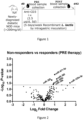
- Volcano plot analysis revealed a total of 6 microRNAs (miR-34a, miR-125a-3p, miR-193b, miR-328, miR-365, miR-671-3p) specifically upregulated at diabetes onset in non-responders vs. responders, while no microRNA were statistically downregulated ( Figure 2 ).
- AUC area under the curve
- Table 2 Receiver-operating characteristic curves values generated by single or multiple microRNA combination analysis microRNA Sensitivity (%) Specificity (%) AUC p-value miR-34a 80 60 0.68 0.08 miR-125a 64.29 73.33 0.71 0.049 miR-193b 73.33 80 0.74 0.02 miR-365 80 80 0.80 0.004 miR-34a + miR-193b 80 60 0.72 0.03 miR-34a + miR-125a 78.57 60 0.68 0.09 miR-34a + miR-365 86.67 66.67 0.77 0.01 miR-125a + miR-193b 78.57 73.33 0.73 0.03 miR-125a + miR-365 85.71 73.33 0.79 0.006 miR-193b + miR
Landscapes
- Chemical & Material Sciences (AREA)
- Life Sciences & Earth Sciences (AREA)
- Proteomics, Peptides & Aminoacids (AREA)
- Health & Medical Sciences (AREA)
- Organic Chemistry (AREA)
- Wood Science & Technology (AREA)
- Analytical Chemistry (AREA)
- Zoology (AREA)
- Genetics & Genomics (AREA)
- Engineering & Computer Science (AREA)
- Pathology (AREA)
- Immunology (AREA)
- Microbiology (AREA)
- Molecular Biology (AREA)
- Biotechnology (AREA)
- Biophysics (AREA)
- Physics & Mathematics (AREA)
- Biochemistry (AREA)
- Bioinformatics & Cheminformatics (AREA)
- General Engineering & Computer Science (AREA)
- General Health & Medical Sciences (AREA)
- Measuring Or Testing Involving Enzymes Or Micro-Organisms (AREA)
Description
-
Type 1 diabetes (T1D) is an autoimmune disease that results from T cell-mediated destruction due to breach in immune tolerance toward insulin producing β-cells, leading to an absolute insulin deficiency [Atkinson et al. (2014) The Lancet. 383, 69-82]. Immune tolerance-restoration strategies have long been thought to be the key to arrest or prevent β-cell destruction [Roep & Tree (2014) Nat Rev Endocrinol. 10, 229-242]. However, although prevention strategies aimed at reprogramming the immune system toward tolerance before the onset of autoimmune diabetes in non-obese diabetic (NOD) mice were successful, those aimed at arresting ongoing β-cell destruction after onset were not. - A combination therapy consisting of a 5-day course of anti-CD3 antibodies at disease onset along with a 6-week oral administration of live genetically-modified Lactococcus lactis (L. lactis) producing human pro-insulin (PINS) and interleukin (IL10), restored durable normoglycemia in approximately 60% of NOD mice and elicited forkhead box p3 (Foxp3)-positive T cells with a regulatory phenotype [Takiishi et al. (2012) J. Clin Invest. 122, 1717-1725; Takiishi et al. (2017) Diabetes. 66, 448-459]. Even though L. Lactis therapy was successful in the reversal of autoimmune diabetes in 60% of NOD-mice, 40% did not respond to therapy. The route to bring this successful antigen-based therapy from preclinical model to clinics will depend on both safety of a clinical-grade self-containing L. lactis and the implementation of certified biomarkers of therapeutic success. Recently, microRNAs, a class of small non-coding RNAs of 19-24 nucleotides long, have been proposed as blood-circulating biomarkers. Samandari et al. (2017) Diabetologia 60, 354-363 disclose miRNAs as predictor of residual
beta cell function 1 year after diagnosis in children withtype 1 diabetes mellitus. Seyhan et al. (2016) Sci Rep. 6, 31479 disclose that miRNAs linked to β-cell injury and islet inflammation might be useful biomarkers to distinguish between subtypes of diabetes. - There is a further need for reliable markers to evaluate whether patients will respond or not to newly developed therapies.
- The invention is defined in the appended claims.
- The present invention analyses the expression of circulating microRNAs in blood plasma from a longitudinally followed cohort of diabetic NOD mice treated with L. lactis producing human PINS and IL10 in combination with anti-CD3 in order to define one or more microRNAs for the prediction of therapy success. The identification of prognostic microRNAs in such preclinical model is of use to identify prior to therapy those T1D patients that could benefit of thereof.
- Figure legends
-
Figure 1 . Treatment scheme and blood samples collection. Newly diagnosed diabetic NOD mice were treated with low-dose hamster anti-CD3 mAbs intravenously for 5 consecutive days with or without recombinant L. lactis given 5 times weekly for a period of 6 weeks (w6) by intragastric inoculation. Blood was collected at day 0 (d0; pre-therapy) and week 6 (w6; post-therapy). Weight and glycaemia were measured three times weekly. Diabetes remission was defined as the absence of glycosuria and hyperglycaemia. -
Figure 2 . Plasma microRNA profiling in responder and non-responder mice before therapy.
Volcano plot analysis showing the differential expression of plasmatic microRNAs in NOD non-responder mice vs. responder NOD mice at diabetes onset. The log-transformed values of fold change are reported on the x-axis while -log10 transformed values of the p-value are shown on the y-axis. Cut-off thresholds of the p-value (Student t test p<0,05) threshold is depicted by the dotted line. Dots above the line depict samples significantly differentially expressed with student-t-test and Mann-Whitney. Differentially expressed microRNAs are indicated in the upper-right area of the volcano plot. -
Figure 3 . Single assay qPCR validation of microRNAs differentially expressed in the array profiling.- Differentially expressed microRNAs, miR-34a (A) miR-125a-3p (B), miR-193b (C), miR-328 (D), miR-365 (E), miR-671-3p (F) were analysed using single assay qPCR in the screening cohort samples.
- Data were analysed by Mann-Whitney on 2-ΔCt and are expressed as the mean ± SEM. R: responders, NR: non-responders.
-
Figure 4 . Differentially expressed plasma microRNAs single assay validation responder vs non-responders at disease onset in screening and validation cohorts. Differentially expressed microRNAs were validated using single assay qPCR both in the samples deriving from the screening cohort used infigure 3 and an additional validation cohort for a total of 15 responders and 15 non-responders plasma samples at disease onset. (A) miR-34a, (B) miR-125a-3p, (C) miR-193b, (D) miR-365 expression in plasma samples deriving from diabetic mice at diabetes onset. Data were analysed by Mann-Whitney on 2-ΔCt (ns: not significant; ∗p<0,05; ∗∗p<0,001) and are expressed as the mean ± SEM. R: responders, NR: non-responders. - "
Type 1 Diabetic patient" refers to subjects having one or more of the following clinical manifestations: Fasting plasma glucose level at or above 7,0 mmol/l (126 mg/dl); Plasma glucose at or above 11,1 mmol/l (200 mg/dl) two hours after a 75 g oral glucose load as in a glucose tolerance test; Symptoms of hyperglycemia and casual plasma glucose at or above 11,1 mmol/l (200 mg/dl);Glycated hemoglobin (hemoglobin A1C) at or above 48 mmol/mol (≥ 6,5 DCCT %). - "T1 Diabetes treatment" in the context of the present invention typically refers to the administration of at least (pro)insulin, interleukin-10 and a CD3 antagonist (such as an anti-CD3 antibody).
- Insulin or proinsulin can be administered as protein in accordance with therapies and routes of administration known in the art. More typically in the context of the present invention, insulin is provided as a recombinant organism expressing insulin.
- Interleukin 10 can be administered as a protein in accordance with therapies and routes of administration known in the art. More typically in the context of the present invention, IL-10 is provided as a recombinant organism expressing Il-10. Methods of providing recombinant micro-organisms expressing therapeutic proteins are disclosed in e.g.
WO2017122180 . As can be appreciated, proteins with mutations, truncated versions, chimeric version and fusion proteins having therapeutic activity are equally envisaged in the context of the present invention. (pro)Insulin and interleukin-10 are typically administered via oral administration of a micro-organism expressing recombinant proinsulin andinterleukin 10. - Monoclonal antibodies against CD3 are typically used in the context of the present invention. Fragments or modified versions of antibodies or antibody binding fragments specifically binding CD3 are equally suitable.
- "responder" refers to patients wherein established primary endpoint defined within the clinical trial of the mentioned treatment are fulfilled.
- The experimental data obtained in the examples section has been obtained in mice. The similarity in pathology and response to the envisaged triple therapy between mice and human allows to extrapolate the data to humans and perform the claimed method on humans, using the miRNA sequences of humans if not conserved between human and mouse.
- "expression level" may be determined by measuring the amount of microRNA in the sample fluid. The expression level of the microRNA can be determined, for example, with an assay for global gene expression in a biological fluid (e.g. using a microarray assay for microRNA expression profiling analysis, or a ready-to-use microRNA qPCR plate), or by specific detection assays, such as quantitative PCR, quantitative reverse-transcription (real-time) PCR (qRT-PCR), locked nucleic acid (LNA) real-time PCR, or northern blotting. The measurement of the expression level of a microRNA in a biological fluid may be carried out with an oligonucleotide probe specific for the detection of said microRNA. Said oligonucleotide probe may bind directly and specifically to the microRNA, or may specifically reverse transcribe said microRNA. Alternatively, said oligonucleotide probe may bind a cDNA obtained from said microRNA. Said oligonucleotide probe may also amplify a cDNA obtained from said microRNA.
- "kit" refers to any combination of reagents or apparatus that can be used to perform a method of the invention. Kits for use in the present invention comprise probes for detection of a limited amount of dedicated miRNA (up to 10, 15 or 20 miRNA) to distinguish over arrays containing probes for more than 100 or 1000 miRNA. Apart from the miRNA as recited in the claims the dedicated miRNA may comprise housekeeping miRNA or exogenous miRNA from other species that serve as control. The kit may also comprise instructions for use to diagnose whether a subject classifies as a responder to the IL10, PINS, anti-CD3 diabetes therapy.
- "oligonucleotide probe" refers to a short sequence of nucleotides that match a specific region of a microRNA or a cDNA obtained from said microRNA, or fragments thereof, and then used as a molecular probe to detect said microRNA or cDNA sequence.
- An oligonucleotide probe "specific for the detection of a microRNA" for example refers to an oligonucleotide probe that bind directly and specifically to a microRNA or a fragment thereof, or specifically reverse transcribe said microRNA. Alternatively, said oligonucleotide probe may bind specifically to a cDNA obtained from said microRNA. Said oligonucleotide probe may also specifically amplify a cDNA obtained from said microRNA.
- "control miRNA" refers to one or more miRNA which expression is determined using a similar, preferably identical, methodology, as the experimental miRNA. As illustrated in the examples, the expression of numerous miRNA does not differ between responders and non-responders. One or more of these miRNA can be used as internal control. Alternatively, an miRNA (e.g. a non-human) is added to a sample and acts as an external control.
- Alternatively a reference is obtained by using a sample or a pool of samples from a population of validated responders or by using a sample or a pool of samples from a population of validated non-responders. Experimental data can be compared with control data and classified as belonging to the responder or non-responder group. Compared with a control group of non-responders a non-responder will have about equal expression levels, and a responder will have lower expression levels. Equally, compared with a control group of responders a responder will have about equal expression levels, and a non-responder will have higher expression levels.
- General techniques useful in microRNA detection are disclosed in "MicroRNA Expression Detection Methods", Wang Zhiguo, Yang Baofeng, 2010, XX; "Circulating MicroRNAs Methods and Protocols", series: Methods in Molecular Biology, Vol. 1024 Ochiya, Takahiro (Ed.) 2013.
- Determination of expression values obtained by qPCR can be expressed as 2^-dct values as explained for example in Livak & Schmittgen (2001) Methods 25, 402-408. This value represents the fold change in expression of the target miRNA relative to a control miRNA.
- The term "statistically significant" differences between the groups studied, relates to condition when using the appropriate statistical analysis (e.g. Chi-square test, t-test) the probability of the groups being the same is less than 5%, e.g. p<0,05. In other words, the probability of obtaining the same results on a completely random basis is less than 5 out of 100 attempts.
- Any technique known to one of skill in the art for detecting and measuring RNA expression levels can be used in accordance with the methods described herein. Non-limiting examples of such techniques include microarray analysis, Northern blotting, nuclease protection assays, RNA fingerprinting, polymerase chain reaction, ligase chain reaction, Qbeta replicase, isothermal amplification method, strand displacement amplification, transcription based amplification systems, quantitative nucleic acid amplification assays (e.g., polymerase chain reaction assays), combined reverse transcription/nucleic acid amplification, nuclease protection (SI nuclease or RNAse protection assays), Serial Analysis Gene Expression (SAGE), next generation sequencing, gene expression microarray, as well as other methods.
- The probe can be labelled by any of the many different methods known to those skilled in this art. The labels most commonly employed for these studies are radioactive elements, enzymes, chemicals that fluoresce when exposed to ultraviolet light, and others. A number of fluorescent materials are known and can be utilized as labels. These include, but are not limited to, fluorescein, rhodamine, auramine, Texas Red, AMCA blue and Lucifer Yellow. The radioactive label can be detected by any of the currently available counting procedures. Non-limiting examples of isotopes include 3H, 14C, 32P, 35S, 51Cr, 57Co, 58Co, 59Fe, 90Y, 125I, 131I, and 186Re.
- NOD mice were house and inbred in animal facility of the Katholieke Universiteit Leuven (KULEUVEN, Belgium). Housing of NOD mice occurred in semi-barrier conditions, animals were fed sterile food and water ad libitum. NOD mice were screened for diabetes onset of diabetes by evaluating glucose levels in urine (Clinistix; Bayer Diagnostics, Tarrytown, NY) and venous blood (AccuChek, Roche). NOD mice were considered diabetic when having positive glycosuria and two consecutive blood glucose measurements exceeding 200mg/dl.
- New-onset diabetic NOD mice were treated for 5 consecutive days i.v. (day 0-4; 2,5 µg/mouse) with hamster anti-mouse CD3 mAb (clone 145-2C11, Bio X Cell, West Lebanon NH). This therapy was given alone or in combination with intragastric inoculation of L. lactis-PINS (2 × 10⁹ CFU) 5 times per week during 6 weeks. Individual glycaemia values at the start of treatment were recorded. Mice were tested 3 times weekly for their weight and blood glucose status. Remission was defined as the absence of glycosuria and return to normal [<200mg/dl] glycaemia levels. Experimental animals were sacrificed immediately after stopping therapy, 6 weeks after treatment initiation.
- Blood samples were collected from the submandibular vein in experimental animals at diabetes onset (day 0) and after 6 weeks of therapy. Blood was collected in EDTA-tubes (EDTA microvette Sarstedt 20.1288) (
Figure 1 ). Blood was centrifuged for 10 minutes at 2,000g, the resulting supernatant (plasma) was collected and stored at -80°C until further use. - An L. lactis strain secreting human PINS, which is a major auto-Ag in T1D and the anti-inflammatory human IL10, were engineered. L. lactis (LL)-PINS+hIL10, was generated by transformation of the parental MG1363 strain with pThyAhPINS, a plasmid carrying PINS and hIL10 fused to the usp45 secretion signal, downstream of the PthyAlactococcal promoter.
- Before RNA extraction plasma samples were thawed on ice and centrifuged again at 3,000g for 5 min in order to remove potential cell debris. RNA was isolated starting from 50 µl of EDTA plasma by using a combination of Trizol LS and miR-Neasy minikit (Qiagen Inc.H, Germantown, MD).
- Briefly, 5 volumes of Trizol LS Reagent (Life Technologies) were added to 50µl of plasma together with 5nM of the spike-in microRNA ath-miR-159 (Ambion). Phenol-chloroform separation followed by on-column RNA extraction was performed with Qiagen miR-Neasy Mini kit following manufacturer's instructions. Total RNA was eluted in 30µl of nuclease-free water and then subjected to downstream reactions.
- RNA samples were then processed for microRNA reverse transcription using rodent Megaplex RT-stem-loop microRNA Pool A V2.1 specific reaction that allowed the cDNA production using 384 specific microRNA primers. Each reverse transcription reaction was made of: 0,8 µl Megaplex rodent RT stem-loop primers PoolA v2.1 (10x), 0,2 µl dNTPs (100mM), 1,5µl Multiscribe RT 50U/µl, 0,8µl 10X RT buffer, 0,9µl MgCl2 (25mM), 0,1µl RNAse Inhibitor 20U/µl, 0,2 µl Nuclease free water and 2µl RNA from extracted from plasma sample. The reaction underwent the following temperatures and cycles: 40 cycles (16°C x2min, 42°C ximin, 50°C xisec), 85°C x5min.
- The resulting cDNA was then subjected to specific pre-amplification reaction in order to enhance expression output using specific primers. Each reaction was composed of: 12,5 µl Taqman
preamp Master Mix EDTA pH 8,0. Pre-amplified cDNA was then stored at -20°C before performing quantitative Real-Time reaction (qPCR). Taqman Array Rodent microRNA cards (Panel A v2.1) were used in order to evaluate the expression of 384 microRNAs. The microRNA array card is made of 8 ports through which the TaqMan Universal PCR Master Mix containing the sample is loaded. The reaction mix was composed of: 450µl Taqman Universal PCR Master Mix II 2X, 350µl Nuclease free water and 100µl of specific pre-amplified cDNA. - Each port of Taqman array cards was loaded with 100µl reaction mix. The microRNA array card was then centrifuged twice at 1200rpm for 1min. RT-qPCR was set at the following temperature and cycles: 95°Cx10min, 40cycles (95°Cx15sec, 60°Cx1min).
- For the following selected microRNA, single assay evaluation using TaqMan microRNA single assay qPCR using pre-amplified product was performed: miR-34a (ID000426), miR-125a-3p (ID002199), miR-193b (ID002467), miR-328 (ID000543), miR-365 (ID001020), miR-671-3p (ID002322). MicroRNA mature sequences are reported in table 1. ID numbers refer to primer accession numbers of ThermoFisher.
- The reaction for microRNAs single assay qPCR was composed of: 10 µl Taqman Universal PCR
Master Mix II 2X, 1 µl MicroRNAsSingle Assay Primers 20X, 6,5 µl Nuclease free water and 2,5 µl preamplified cDNA previously diluted 1:40 in TE buffer. Temperatures and cycles were the same applied to perform the microRNAs profiling. All the reagents were from Life Technologies. The RT and pre-amplification reactions were performed on Veriti Thermal cycler and the TaqMan Array cards and qPCR single assay evaluation using ViiA7® instrument (all from Life Technologies).Table 1. MicroRNA sequences miRNA name miR-base Acc. ID Location Chromosome (on Build v38) Mature sequence (5'-3') Conserved Sequence Mouse/ Human mmu-miR-34a-5p MIMAT 0000542 Chr. 4 150068454 - 150068555 [+] 
Yes mmu-miR-125a-3p MIMAT 0004528 Chr. 17 17830812 - 17830879 [+] 
Yes mmu-miR-193b-3p MIMAT 0004859 Chr. 16 13449523 - 13449601 [+] 
No mmu-miR-328-3p MIMAT 0000752 Chr. 16 67202321 - 67202395 [-] 
Yes mmu-miR-365-3p MIMAT 0000711 Chr. 11 79726400 - 79726511 [+] 
Yes Chr. 16 13453840 - 13453926 [+] mmu-miR-671-3p MIMAT 0004821 Chr. 5 24592114 - 24592211 [+] 
Yes - Results were collected and exported using VIIA7 RUO Software v2.1 and analyzed by Expression Suites Software v1.0,3, through the 2-ddCt or 2-dCT method, differentially expressed microRNAs were identified using Mann-Whitney test on 2-dct.
- The measurement of the expression level of each microRNA is reported as Cycles to Threshold (Ct) of PCR, a relative value that represents the cycle number at which the amount of amplified DNA reaches the threshold level. Because of the possible technical variability between experiments the Ct were normalized (dCt) using endogenous controls retrieved by the algorithm NormFinder (mmu-miR-30d, mmu-miR-744, ath-miR-159). Endogenous controls were therefore chosen based on their stability value (M-value) as the lowest among a wider set of candidates. Receiving operating characteristic (ROC) analysis were employed in order to identify the microRNAs with better ability to predict responders vs non-responders mice groups and derive a group of predictive microRNAs based on specificity and sensitivity. Graphs and ROC curves were generated with GraphPad Prism.
- microRNA expression analysis of plasma samples collected at diabetes onset was performed in order to investigate whether stratifying the samples at study entry for their final therapeutic outcome, namely responders and non-responders, could possibly lead to the identification of a set of circulating microRNAs that could predict therapeutic success.
- The expression profiles of 384 microRNAs were analysed starting from total RNA extracted from 50 µl of EDTA plasma from newly diagnosed diabetic mice before L. lactis therapy. By comparing the resulting circulating microRNA expression profiles of responders (n=6) and non-responders (n=6) before therapy initiation, a pattern of differentially expressed microRNAs was obtained potentially linked to the final therapeutic outcome. In order to avoid any confounding factors, the plasma samples selected for the microRNA profiling were matched for age, sex and disease aggressiveness at onset determined by starting glycaemic levels between the two study groups. In order to identify plasma circulating microRNAs differentially expressed between responder and non-responders mice at disease onset, microRNA expression data were normalized using a combination of a spike-in exogenous synthetic microRNA (ath-miR-159a) and two endogenous microRNAs (miR-744 and miR-30d) which resulted as the most stable microRNAs from the dataset.
- Volcano plot analysis revealed a total of 6 microRNAs (miR-34a, miR-125a-3p, miR-193b, miR-328, miR-365, miR-671-3p) specifically upregulated at diabetes onset in non-responders vs. responders, while no microRNA were statistically downregulated (
Figure 2 ). - Individual qPCR assay validation in the same cohort of samples previously screened with the profiling was performed. Single assay experiments validated the specific upregulation of miR-34a (
Figure 3 A) , miR-125a-3p (Figure 3 B) , miR-193b (Figure 3 C) and miR-365 (Figure 3 E) in non-responders vs. responder mice at disease onset. The increased expression of miR-328 (Figure 3 D) and miR-671-3p (Figure 3F ) in non-responders vs. responder mice at disease onset was not statistically significant. - The identification and technical validation of a specific prognostic microRNA signature of 4 microRNAs differentially expressed at disease onset prompted us to validate this finding using single assay qPCR in an additional validation cohort in order to reach 15 plasma samples per group.
- Single assay experiments in a larger cohort validated the specific upregulation of miR-34a (
Figure 4 A) , miR-125a-3p (Figure 4 B) , miR-193b (Figure 4 C) and miR-365 (Figure 4 D) in non-responders vs. responder mice at disease onset. The sensitivity and specificity of the microRNAs was validated through qPCR by generating receiver ROC curves with these two different cut-offs (Table 2). ROC curves plot sensitivity against the specificity for the different possible cut-off of a diagnostic test, and the area under the ROC curves shows the accuracy of the test, separating groups tested into those that will benefit or not from the therapy. An area under the curve (AUC) of 1 indicates that the test is perfectly accurate to distinguish between the mice that will respond or not to the therapy, whereas an area of 0,5 indicates that test fails to distinguish the two groups (Table 2).Table 2. Receiver-operating characteristic curves values generated by single or multiple microRNA combination analysis microRNA Sensitivity (%) Specificity (%) AUC p-value miR-34a 80 60 0.68 0.08 miR-125a 64.29 73.33 0.71 0.049 miR-193b 73.33 80 0.74 0.02 miR-365 80 80 0.80 0.004 miR-34a + miR-193b 80 60 0.72 0.03 miR-34a + miR-125a 78.57 60 0.68 0.09 miR-34a + miR-365 86.67 66.67 0.77 0.01 miR-125a + miR-193b 78.57 73.33 0.73 0.03 miR-125a + miR-365 85.71 73.33 0.79 0.006 miR-193b + miR-365 86 80 0.79 0.006 miR-34a + miR-193b+ miR-365 73.33 80 0.77 0.01 miR-34a + miR-125a miR-193b 71.43 66.67 0.70 0.05 miR-34a + miR-125a miR-365 85.71 66.67 0.76 0.01 miR-125a + miR-193b + miR-365 85.71 80 0.78 0.01 miR-34a+ miR-125a + miR-193b+ miR-365 85.71 66.67 0.76 0.01
Claims (12)
- An in vitro method for identifying a type 1 diabetic patient as responder or non-responder to a treatment of Proinsulin or insulin, and Interleukin 10 and a CD3 antagonist, comprising the steps of:a) determining the expression level of at least 1 microRNA, selected from the group consisting of miR-365, miR-34a, miR-193b and miR-125a, in a sample from the diabetic patient prior to said treatment,b) comparing the expression level as determined in (a) with a control,c) determining from said comparison, whether said patient is a responder or non-responder to said therapy.
- The method according to claim 1, wherein expression levels are normalised against the expression of one or more control miRNA.
- The method according to claim 1 or 2, wherein a high expression level of said at least one miRNA in the sample compared to the one or more control miRNA is indicative for non-responder to said therapy, and/or wherein a low expression level of said at least one miRNA in the sample compared to the one or more control miRNA is indicative for a responder to said therapy.
- The method according to any one of claims 1 to 3, wherein the control is the expression level of said at least one miRNA in one or more responder control persons, and wherein an increased expression compared to said control is indicative for a non-responder patient.
- The method according to any one of claims 1 to 4, wherein the CD-3 antagonist is an antibody against CD-3 or an antigen binding fragment thereof.
- The method according to any one of claims 1 to 5, wherein the at least one microRNA is miR-193b or miR-365.
- The method according to any one of claims 1 to 6, wherein determining the expression of a miRNA comprises the step of generating cDNA form said miRNA and amplifying said cDNA.
- The method according to any one of claims 1 to 7, wherein the therapy comprises the oral administration of a micro-organism expressing Proinsulin and Interleukin 10.
- In vitro use of one or more oligonucleotide probes specific for the detection of at least one microRNA selected from the group consisting of miR-365, miR-34a miR-193b and miR-125a, in the prediction of the response to a therapy of proinsulin or insulin and IL-10, and an CD3 antagonist in a type 1 diabetic patient.
- The use according to claim 9, wherein the at least one microRNA is miR-193b or miR-365.
- The use according to claim 9, of oligonucleotide probes specific for the detection of at least two microRNA least 2 microRNA selected from the group consisting of miR-365, miR-34a, miR-193b and miR-125a.
- The use according to claim 9 of oligonucleotide probes specific for the detection of at least 3 microRNAs selected from the group consisting of miR-365, miR-34a miR-193b or miR-125a.
Applications Claiming Priority (2)
| Application Number | Priority Date | Filing Date | Title |
|---|---|---|---|
| GBGB1805329.8A GB201805329D0 (en) | 2018-03-30 | 2018-03-30 | Biomakers for diabetes therapy |
| PCT/EP2019/058001 WO2019185864A1 (en) | 2018-03-30 | 2019-03-29 | Biomarkers for diabetes therapy |
Publications (3)
| Publication Number | Publication Date |
|---|---|
| EP3775282A1 EP3775282A1 (en) | 2021-02-17 |
| EP3775282B1 true EP3775282B1 (en) | 2023-08-16 |
| EP3775282C0 EP3775282C0 (en) | 2023-08-16 |
Family
ID=62142177
Family Applications (1)
| Application Number | Title | Priority Date | Filing Date |
|---|---|---|---|
| EP19714086.6A Active EP3775282B1 (en) | 2018-03-30 | 2019-03-29 | Biomarkers for diabetes therapy |
Country Status (4)
| Country | Link |
|---|---|
| US (1) | US12139761B2 (en) |
| EP (1) | EP3775282B1 (en) |
| GB (1) | GB201805329D0 (en) |
| WO (1) | WO2019185864A1 (en) |
Families Citing this family (3)
| Publication number | Priority date | Publication date | Assignee | Title |
|---|---|---|---|---|
| BR112021022682A2 (en) | 2019-05-14 | 2022-02-22 | Provention Bio Inc | Methods and compositions for preventing type 1 diabetes |
| US12006366B2 (en) | 2020-06-11 | 2024-06-11 | Provention Bio, Inc. | Methods and compositions for preventing type 1 diabetes |
| WO2022251253A1 (en) | 2021-05-24 | 2022-12-01 | Provention Bio, Inc. | Methods for treating type 1 diabetes |
Family Cites Families (2)
| Publication number | Priority date | Publication date | Assignee | Title |
|---|---|---|---|---|
| JP6156621B2 (en) * | 2012-02-14 | 2017-07-05 | 国立大学法人 岡山大学 | Data acquisition method for ATLL diagnosis, ATLL diagnosis kit, and ATLL diagnosis system |
| US10905727B2 (en) | 2016-01-14 | 2021-02-02 | Intrexon Actobiotics N.V. | Compositions and methods for the treatment of type 1 diabetes |
-
2018
- 2018-03-30 GB GBGB1805329.8A patent/GB201805329D0/en not_active Ceased
-
2019
- 2019-03-29 EP EP19714086.6A patent/EP3775282B1/en active Active
- 2019-03-29 WO PCT/EP2019/058001 patent/WO2019185864A1/en not_active Ceased
- 2019-03-29 US US17/043,136 patent/US12139761B2/en active Active
Non-Patent Citations (2)
| Title |
|---|
| LEE EON-SEOK ET AL: "Low-dose irradiation promotes Rad51 expression by down-regulating miR-193b-3p in hepatocytes", SCIENTIFIC REPORTS, vol. 6, no. 1, 1 May 2016 (2016-05-01), XP055880568, Retrieved from the Internet <URL:https://www.nature.com/articles/srep25723.pdf> DOI: 10.1038/srep25723 * |
| LEE EON-SEOK ET AL: "Low-dose irradiation promotes Rad51 expression by down-regulating miR-193b-3p in hepatocytes: Suplementary Information", SCIENTIFIC REPORTS, vol. 6, no. 1, 1 May 2016 (2016-05-01), XP055880725, DOI: 10.1038/srep25723 * |
Also Published As
| Publication number | Publication date |
|---|---|
| US12139761B2 (en) | 2024-11-12 |
| WO2019185864A1 (en) | 2019-10-03 |
| EP3775282C0 (en) | 2023-08-16 |
| US20210371927A1 (en) | 2021-12-02 |
| GB201805329D0 (en) | 2018-05-16 |
| EP3775282A1 (en) | 2021-02-17 |
Similar Documents
| Publication | Publication Date | Title |
|---|---|---|
| US20200370127A1 (en) | Biomarkers in Peripheral Blood Mononuclear Cells for Diagnosing or Detecting Lung Cancers | |
| EP3169814B1 (en) | Methods for evaluating lung cancer status | |
| US11661632B2 (en) | Compositions and methods for diagnosing lung cancers using gene expression profiles | |
| EP2909340B1 (en) | Diagnostic method for predicting response to tnf alpha inhibitor | |
| US20140128277A1 (en) | Method for Identifying a Subset of Polynucleotides from an Initial Set of Polynucleotides Corresponding to the Human Genome for the In Vitro Determination of the Severity of the Host Response of a Patient | |
| Yamamoto et al. | Uromodulin mRNA from urinary extracellular vesicles correlate to kidney function decline in type 2 diabetes mellitus | |
| CN113493829B (en) | Application of biomarkers in diagnosis and treatment of pulmonary arterial hypertension | |
| US12139761B2 (en) | Biomarkers for diabetes therapy | |
| EP3825416A2 (en) | Gene expression profiles associated with sub-clinical kidney transplant rejection | |
| EP3825417A2 (en) | Tissue molecular signatures of kidney transplant rejections | |
| CN116348767A (en) | Method for diagnosing tuberculosis and distinguishing active tuberculosis from latent tuberculosis | |
| CN118406751B (en) | tsRNA, kit and application thereof for predicting, diagnosing or monitoring acute kidney injury caused by sepsis | |
| US20160244845A1 (en) | Method for determining the prognosis of pancreatic cancer | |
| US10465250B2 (en) | Method for determining the survival prognosis of a patient suffering from pancreatic cancer | |
| EP2893354B1 (en) | Use of interleukin-27 as a diagnostic biomarker for bacterial infection in critically ill patients | |
| CN113631723B (en) | Application of tuberculosis markers in tuberculosis diagnosis and efficacy evaluation | |
| DK2931920T3 (en) | BIOMARKERS FOR INFLAMMATORY ASTMPHENotypes AND TREATMENT RESPONSE | |
| US11685950B2 (en) | Method of diagnosing and treating acute rejection in kidney transplant patients | |
| WO2016148593A1 (en) | A microrna profile combined with a profile of blood protein markers as a test for the detection of lung cancer | |
| US20250297314A1 (en) | Determining the risk of death of a subject infected with a respiratory virus by measuring the expression level of the cd74 gene | |
| US20250191689A1 (en) | Methods for subtyping and treatment of head and neck squamous cell carcinoma | |
| KR102622108B1 (en) | Predicting or Diagnosing Composition for Risk of Renal Diseases Using Human Intestinal Microbiome, Diagnosing Kit, Method For Providing Information, And Screening Method For Drugs For Preventing Or Treating Renal Diseases Using The Same | |
| EP4077732B1 (en) | Circulating micro-rnas as biomarkers for the diagnosis of celiac disease and for monitoring adherence to a gluten-free diet | |
| WO2023020638A1 (en) | Method for predicting a severity of an infectious disease and biomarker for use in carrying out the method and monitoring a therapy of an infectious disease | |
| Planell-Picola et al. | Usefulness of Transcriptional Blood Biomarkers as a Non-invasive Surrogate Marker of Mucosal Healing and Endoscopic Response in Ulcerative Colitis |
Legal Events
| Date | Code | Title | Description |
|---|---|---|---|
| STAA | Information on the status of an ep patent application or granted ep patent |
Free format text: STATUS: UNKNOWN |
|
| STAA | Information on the status of an ep patent application or granted ep patent |
Free format text: STATUS: THE INTERNATIONAL PUBLICATION HAS BEEN MADE |
|
| PUAI | Public reference made under article 153(3) epc to a published international application that has entered the european phase |
Free format text: ORIGINAL CODE: 0009012 |
|
| STAA | Information on the status of an ep patent application or granted ep patent |
Free format text: STATUS: REQUEST FOR EXAMINATION WAS MADE |
|
| 17P | Request for examination filed |
Effective date: 20201026 |
|
| AK | Designated contracting states |
Kind code of ref document: A1 Designated state(s): AL AT BE BG CH CY CZ DE DK EE ES FI FR GB GR HR HU IE IS IT LI LT LU LV MC MK MT NL NO PL PT RO RS SE SI SK SM TR |
|
| AX | Request for extension of the european patent |
Extension state: BA ME |
|
| DAV | Request for validation of the european patent (deleted) | ||
| DAX | Request for extension of the european patent (deleted) | ||
| STAA | Information on the status of an ep patent application or granted ep patent |
Free format text: STATUS: EXAMINATION IS IN PROGRESS |
|
| 17Q | First examination report despatched |
Effective date: 20220125 |
|
| GRAP | Despatch of communication of intention to grant a patent |
Free format text: ORIGINAL CODE: EPIDOSNIGR1 |
|
| STAA | Information on the status of an ep patent application or granted ep patent |
Free format text: STATUS: GRANT OF PATENT IS INTENDED |
|
| INTG | Intention to grant announced |
Effective date: 20230306 |
|
| GRAS | Grant fee paid |
Free format text: ORIGINAL CODE: EPIDOSNIGR3 |
|
| GRAA | (expected) grant |
Free format text: ORIGINAL CODE: 0009210 |
|
| STAA | Information on the status of an ep patent application or granted ep patent |
Free format text: STATUS: THE PATENT HAS BEEN GRANTED |
|
| AK | Designated contracting states |
Kind code of ref document: B1 Designated state(s): AL AT BE BG CH CY CZ DE DK EE ES FI FR GB GR HR HU IE IS IT LI LT LU LV MC MK MT NL NO PL PT RO RS SE SI SK SM TR |
|
| REG | Reference to a national code |
Ref country code: CH Ref legal event code: EP Ref country code: DE Ref legal event code: R096 Ref document number: 602019035072 Country of ref document: DE |
|
| REG | Reference to a national code |
Ref country code: IE Ref legal event code: FG4D |
|
| U01 | Request for unitary effect filed |
Effective date: 20230914 |
|
| U07 | Unitary effect registered |
Designated state(s): AT BE BG DE DK EE FI FR IT LT LU LV MT NL PT SE SI Effective date: 20231031 |
|
| PG25 | Lapsed in a contracting state [announced via postgrant information from national office to epo] |
Ref country code: GR Free format text: LAPSE BECAUSE OF FAILURE TO SUBMIT A TRANSLATION OF THE DESCRIPTION OR TO PAY THE FEE WITHIN THE PRESCRIBED TIME-LIMIT Effective date: 20231117 |
|
| PG25 | Lapsed in a contracting state [announced via postgrant information from national office to epo] |
Ref country code: IS Free format text: LAPSE BECAUSE OF FAILURE TO SUBMIT A TRANSLATION OF THE DESCRIPTION OR TO PAY THE FEE WITHIN THE PRESCRIBED TIME-LIMIT Effective date: 20231216 |
|
| PG25 | Lapsed in a contracting state [announced via postgrant information from national office to epo] |
Ref country code: RS Free format text: LAPSE BECAUSE OF FAILURE TO SUBMIT A TRANSLATION OF THE DESCRIPTION OR TO PAY THE FEE WITHIN THE PRESCRIBED TIME-LIMIT Effective date: 20230816 Ref country code: NO Free format text: LAPSE BECAUSE OF FAILURE TO SUBMIT A TRANSLATION OF THE DESCRIPTION OR TO PAY THE FEE WITHIN THE PRESCRIBED TIME-LIMIT Effective date: 20231116 Ref country code: IS Free format text: LAPSE BECAUSE OF FAILURE TO SUBMIT A TRANSLATION OF THE DESCRIPTION OR TO PAY THE FEE WITHIN THE PRESCRIBED TIME-LIMIT Effective date: 20231216 Ref country code: HR Free format text: LAPSE BECAUSE OF FAILURE TO SUBMIT A TRANSLATION OF THE DESCRIPTION OR TO PAY THE FEE WITHIN THE PRESCRIBED TIME-LIMIT Effective date: 20230816 Ref country code: GR Free format text: LAPSE BECAUSE OF FAILURE TO SUBMIT A TRANSLATION OF THE DESCRIPTION OR TO PAY THE FEE WITHIN THE PRESCRIBED TIME-LIMIT Effective date: 20231117 |
|
| PG25 | Lapsed in a contracting state [announced via postgrant information from national office to epo] |
Ref country code: PL Free format text: LAPSE BECAUSE OF FAILURE TO SUBMIT A TRANSLATION OF THE DESCRIPTION OR TO PAY THE FEE WITHIN THE PRESCRIBED TIME-LIMIT Effective date: 20230816 |
|
| PG25 | Lapsed in a contracting state [announced via postgrant information from national office to epo] |
Ref country code: ES Free format text: LAPSE BECAUSE OF FAILURE TO SUBMIT A TRANSLATION OF THE DESCRIPTION OR TO PAY THE FEE WITHIN THE PRESCRIBED TIME-LIMIT Effective date: 20230816 |
|
| PG25 | Lapsed in a contracting state [announced via postgrant information from national office to epo] |
Ref country code: SM Free format text: LAPSE BECAUSE OF FAILURE TO SUBMIT A TRANSLATION OF THE DESCRIPTION OR TO PAY THE FEE WITHIN THE PRESCRIBED TIME-LIMIT Effective date: 20230816 Ref country code: RO Free format text: LAPSE BECAUSE OF FAILURE TO SUBMIT A TRANSLATION OF THE DESCRIPTION OR TO PAY THE FEE WITHIN THE PRESCRIBED TIME-LIMIT Effective date: 20230816 Ref country code: ES Free format text: LAPSE BECAUSE OF FAILURE TO SUBMIT A TRANSLATION OF THE DESCRIPTION OR TO PAY THE FEE WITHIN THE PRESCRIBED TIME-LIMIT Effective date: 20230816 Ref country code: CZ Free format text: LAPSE BECAUSE OF FAILURE TO SUBMIT A TRANSLATION OF THE DESCRIPTION OR TO PAY THE FEE WITHIN THE PRESCRIBED TIME-LIMIT Effective date: 20230816 Ref country code: SK Free format text: LAPSE BECAUSE OF FAILURE TO SUBMIT A TRANSLATION OF THE DESCRIPTION OR TO PAY THE FEE WITHIN THE PRESCRIBED TIME-LIMIT Effective date: 20230816 |
|
| U20 | Renewal fee for the european patent with unitary effect paid |
Year of fee payment: 6 Effective date: 20240327 |
|
| REG | Reference to a national code |
Ref country code: DE Ref legal event code: R097 Ref document number: 602019035072 Country of ref document: DE |
|
| PLBE | No opposition filed within time limit |
Free format text: ORIGINAL CODE: 0009261 |
|
| STAA | Information on the status of an ep patent application or granted ep patent |
Free format text: STATUS: NO OPPOSITION FILED WITHIN TIME LIMIT |
|
| 26N | No opposition filed |
Effective date: 20240517 |
|
| PG25 | Lapsed in a contracting state [announced via postgrant information from national office to epo] |
Ref country code: MC Free format text: LAPSE BECAUSE OF FAILURE TO SUBMIT A TRANSLATION OF THE DESCRIPTION OR TO PAY THE FEE WITHIN THE PRESCRIBED TIME-LIMIT Effective date: 20230816 |
|
| PG25 | Lapsed in a contracting state [announced via postgrant information from national office to epo] |
Ref country code: MC Free format text: LAPSE BECAUSE OF FAILURE TO SUBMIT A TRANSLATION OF THE DESCRIPTION OR TO PAY THE FEE WITHIN THE PRESCRIBED TIME-LIMIT Effective date: 20230816 |
|
| PG25 | Lapsed in a contracting state [announced via postgrant information from national office to epo] |
Ref country code: IE Free format text: LAPSE BECAUSE OF NON-PAYMENT OF DUE FEES Effective date: 20240329 |
|
| PG25 | Lapsed in a contracting state [announced via postgrant information from national office to epo] |
Ref country code: IE Free format text: LAPSE BECAUSE OF NON-PAYMENT OF DUE FEES Effective date: 20240329 |
|
| U20 | Renewal fee for the european patent with unitary effect paid |
Year of fee payment: 7 Effective date: 20250327 |
|
| PGFP | Annual fee paid to national office [announced via postgrant information from national office to epo] |
Ref country code: CH Payment date: 20250401 Year of fee payment: 7 |
|
| PG25 | Lapsed in a contracting state [announced via postgrant information from national office to epo] |
Ref country code: CY Free format text: LAPSE BECAUSE OF FAILURE TO SUBMIT A TRANSLATION OF THE DESCRIPTION OR TO PAY THE FEE WITHIN THE PRESCRIBED TIME-LIMIT; INVALID AB INITIO Effective date: 20190329 |
|
| PG25 | Lapsed in a contracting state [announced via postgrant information from national office to epo] |
Ref country code: HU Free format text: LAPSE BECAUSE OF FAILURE TO SUBMIT A TRANSLATION OF THE DESCRIPTION OR TO PAY THE FEE WITHIN THE PRESCRIBED TIME-LIMIT; INVALID AB INITIO Effective date: 20190329 |
|
| PG25 | Lapsed in a contracting state [announced via postgrant information from national office to epo] |
Ref country code: TR Free format text: LAPSE BECAUSE OF FAILURE TO SUBMIT A TRANSLATION OF THE DESCRIPTION OR TO PAY THE FEE WITHIN THE PRESCRIBED TIME-LIMIT Effective date: 20230816 |
|
| REG | Reference to a national code |
Ref country code: CH Ref legal event code: U11 Free format text: ST27 STATUS EVENT CODE: U-0-0-U10-U11 (AS PROVIDED BY THE NATIONAL OFFICE) Effective date: 20260401 |
|
| PGFP | Annual fee paid to national office [announced via postgrant information from national office to epo] |
Ref country code: GB Payment date: 20260327 Year of fee payment: 8 |
|
| U20 | Renewal fee for the european patent with unitary effect paid |
Year of fee payment: 8 Effective date: 20260327 |