EP3769985A1 - Vehicle lighting - Google Patents
Vehicle lighting Download PDFInfo
- Publication number
- EP3769985A1 EP3769985A1 EP20184554.2A EP20184554A EP3769985A1 EP 3769985 A1 EP3769985 A1 EP 3769985A1 EP 20184554 A EP20184554 A EP 20184554A EP 3769985 A1 EP3769985 A1 EP 3769985A1
- Authority
- EP
- European Patent Office
- Prior art keywords
- vehicle
- cab
- utility vehicle
- air
- conduit
- Prior art date
- Legal status (The legal status is an assumption and is not a legal conclusion. Google has not performed a legal analysis and makes no representation as to the accuracy of the status listed.)
- Granted
Links
Images


Classifications
-
- B—PERFORMING OPERATIONS; TRANSPORTING
- B60—VEHICLES IN GENERAL
- B60H—ARRANGEMENTS OF HEATING, COOLING, VENTILATING OR OTHER AIR-TREATING DEVICES SPECIALLY ADAPTED FOR PASSENGER OR GOODS SPACES OF VEHICLES
- B60H1/00—Heating, cooling or ventilating devices
- B60H1/00357—Air-conditioning arrangements specially adapted for particular vehicles
- B60H1/00378—Air-conditioning arrangements specially adapted for particular vehicles for tractor or load vehicle cabins
-
- B—PERFORMING OPERATIONS; TRANSPORTING
- B60—VEHICLES IN GENERAL
- B60H—ARRANGEMENTS OF HEATING, COOLING, VENTILATING OR OTHER AIR-TREATING DEVICES SPECIALLY ADAPTED FOR PASSENGER OR GOODS SPACES OF VEHICLES
- B60H1/00—Heating, cooling or ventilating devices
- B60H1/24—Ventilating devices where the heating or cooling is irrelevant
- B60H1/248—Air-extractors, air-evacuation from the vehicle interior
-
- B—PERFORMING OPERATIONS; TRANSPORTING
- B60—VEHICLES IN GENERAL
- B60H—ARRANGEMENTS OF HEATING, COOLING, VENTILATING OR OTHER AIR-TREATING DEVICES SPECIALLY ADAPTED FOR PASSENGER OR GOODS SPACES OF VEHICLES
- B60H1/00—Heating, cooling or ventilating devices
- B60H1/24—Ventilating devices where the heating or cooling is irrelevant
- B60H1/248—Air-extractors, air-evacuation from the vehicle interior
- B60H1/249—Air-extractors, air-evacuation from the vehicle interior using one-way valves
-
- B—PERFORMING OPERATIONS; TRANSPORTING
- B60—VEHICLES IN GENERAL
- B60H—ARRANGEMENTS OF HEATING, COOLING, VENTILATING OR OTHER AIR-TREATING DEVICES SPECIALLY ADAPTED FOR PASSENGER OR GOODS SPACES OF VEHICLES
- B60H1/00—Heating, cooling or ventilating devices
- B60H1/24—Ventilating devices where the heating or cooling is irrelevant
- B60H1/26—Ventilating openings in vehicle exterior; Ducts for conveying ventilating air
-
- B—PERFORMING OPERATIONS; TRANSPORTING
- B60—VEHICLES IN GENERAL
- B60H—ARRANGEMENTS OF HEATING, COOLING, VENTILATING OR OTHER AIR-TREATING DEVICES SPECIALLY ADAPTED FOR PASSENGER OR GOODS SPACES OF VEHICLES
- B60H1/00—Heating, cooling or ventilating devices
- B60H1/24—Ventilating devices where the heating or cooling is irrelevant
- B60H1/26—Ventilating openings in vehicle exterior; Ducts for conveying ventilating air
- B60H1/262—Openings in or on the vehicle roof
-
- B—PERFORMING OPERATIONS; TRANSPORTING
- B60—VEHICLES IN GENERAL
- B60Q—ARRANGEMENT OF SIGNALLING OR LIGHTING DEVICES, THE MOUNTING OR SUPPORTING THEREOF OR CIRCUITS THEREFOR, FOR VEHICLES IN GENERAL
- B60Q1/00—Arrangement of optical signalling or lighting devices, the mounting or supporting thereof or circuits therefor
- B60Q1/0005—Devices preventing the lights from becoming dirty or damaged, e.g. protection grids or cleaning by air flow
-
- B—PERFORMING OPERATIONS; TRANSPORTING
- B60—VEHICLES IN GENERAL
- B60Q—ARRANGEMENT OF SIGNALLING OR LIGHTING DEVICES, THE MOUNTING OR SUPPORTING THEREOF OR CIRCUITS THEREFOR, FOR VEHICLES IN GENERAL
- B60Q1/00—Arrangement of optical signalling or lighting devices, the mounting or supporting thereof or circuits therefor
- B60Q1/0029—Spatial arrangement
- B60Q1/0035—Spatial arrangement relative to the vehicle
-
- F—MECHANICAL ENGINEERING; LIGHTING; HEATING; WEAPONS; BLASTING
- F21—LIGHTING
- F21S—NON-PORTABLE LIGHTING DEVICES; SYSTEMS THEREOF; VEHICLE LIGHTING DEVICES SPECIALLY ADAPTED FOR VEHICLE EXTERIORS
- F21S45/00—Arrangements within vehicle lighting devices specially adapted for vehicle exteriors, for purposes other than emission or distribution of light
- F21S45/40—Cooling of lighting devices
- F21S45/42—Forced cooling
- F21S45/43—Forced cooling using gas
-
- F—MECHANICAL ENGINEERING; LIGHTING; HEATING; WEAPONS; BLASTING
- F21—LIGHTING
- F21S—NON-PORTABLE LIGHTING DEVICES; SYSTEMS THEREOF; VEHICLE LIGHTING DEVICES SPECIALLY ADAPTED FOR VEHICLE EXTERIORS
- F21S45/00—Arrangements within vehicle lighting devices specially adapted for vehicle exteriors, for purposes other than emission or distribution of light
- F21S45/60—Heating of lighting devices, e.g. for demisting
-
- B—PERFORMING OPERATIONS; TRANSPORTING
- B60—VEHICLES IN GENERAL
- B60Q—ARRANGEMENT OF SIGNALLING OR LIGHTING DEVICES, THE MOUNTING OR SUPPORTING THEREOF OR CIRCUITS THEREFOR, FOR VEHICLES IN GENERAL
- B60Q2800/00—Features related to particular types of vehicles not otherwise provided for
- B60Q2800/20—Utility vehicles, e.g. for agriculture, construction work
Definitions
- the present invention relates to an external lighting arrangement for an agricultural vehicle or a similar utility vehicle.
- Agricultural vehicles are known to operate in environments in which the build-up of dust and similar contaminants can adversely affect the operation of vehicle components.
- separate cooling/cleaning fans are provided to combat the build-up, but the provision and control of such additional components presents a cost penalty to the producers and purchasers of such vehicles.
- One such component which may be adversely affected by contaminant build-up is the external lights (headlights, sidelights, indicator lights etc.) of the vehicle. Overheating due to dust build-up can adversely affect performance and lead to early failure, necessitating replacement during cleaning or enforced downtime of the vehicle.
- a utility vehicle comprising:
- Pressure to force air from the cab along the conduit may come from a heating, ventilation and air conditioning (HVAC) system arranged to supply temperature controlled air to the cab. Additionally or alternately, pressure may result from the cab door being slammed shut. By diverting air already provided to the cab, it is not necessary to provide an additional fan (and associated control means) to provide ventilation to the driving light.
- HVAC heating, ventilation and air conditioning
- the utility vehicle further comprises an engine compartment housing a motive power unit arranged to drive the vehicle, wherein the conduit passes through the engine compartment.
- the conduit may be a discrete entity, or may be formed as a channel in the structure of the housing.
- valve arrangement configured to open or close the conduit to the flow of air
- valve arrangement is suitably configured to open automatically in the event of an over-pressure (i.e. pressure above atmospheric) in the cab, although user-operable means to selectively open or close the valve arrangement may be provided.
- the valve arrangement may suitably comprise a sprung flap in the conduit, disposed at the cab end or discharge end or at some point in between.
- a housing may be provided partially enclosing the said at least one driving light, with the conduit connected to deliver air to the interior of the housing.
- the vehicle may have two or more driving lights (e.g. headlight and side light or running light) mounted in a cluster, in which case with the housing partially encloses the cluster.
- the vehicle may have two or more driving lights (for example headlights, work lights, rear-facing lights and/or turning indicator lamps) each with a respective conduit arranged to carry air from the cab, although it will be understood that, for example, all forward facing lights may be fed from a single outlet from the cab which then branches into separate conduits.
- driving lights for example headlights, work lights, rear-facing lights and/or turning indicator lamps
- cold operating conditions may also require the provision of a defrost functionality. Whilst this may be achieved by the air temperature in the cab (as provided by a HVAC system), for extreme operating conditions the system may further comprise a heater operable to raise the temperature of air passing through the conduit.
- a heater may suitably comprise an electric coil disposed within or around the conduit.
- Figure 1 shows an agricultural vehicle, in the form of a tractor 10, although it will be understood that the present invention is not limited to tractors and also has application to other agricultural machines operating in dusty/contaminated environments (e.g. combine harvesters, self-propelled sprayers and windrowers) and also to construction machinery.
- tractors in the form of a tractor 10
- other agricultural machines operating in dusty/contaminated environments (e.g. combine harvesters, self-propelled sprayers and windrowers) and also to construction machinery.
- the vehicle 10 has front and rear wheels 12, 14, a body 16 on which is mounted at least one driving light 18 operable to illuminate an area external to the vehicle, and an enclosed cab 20 within which an operator of the vehicle is situated and from which the operator controls operation of the vehicle.
- the cab 20 includes a heating, ventilation and air conditioning (HVAC) system 22 arranged to draw in atmospheric air via an inlet 24 and supply temperature-controlled air to the cab via one or more in-cab outlets 26. Whilst the inlet 24 and outlet 26 for the HVAC system are illustrated on the roof of the cab 20, it will be readily appreciated that other variants are possible, for example with outlet vents in the floor of the cab.
- HVAC heating, ventilation and air conditioning
- cab 20 is provided with at least one door 27 to enable the operator to enter or leave the cab.
- the driving light 18 typically comprises a cluster of two or more lights, such as a headlamp, a work light (used to illuminate implements or the worked area around the tractor), and one or more side or running lights, and optionally also directional turn-indicator lights.
- the light 18 or cluster of lights has a rear shroud or housing 28 partially enclosing the light. Whilst such a shroud provides some protection against the build-up of dust and other contaminants on the exterior of the light 18 within the body 16 of the vehicle, it can also act to trap such contaminating material that reaches the interior of the shroud 28.
- a conduit 30 is arranged to carry air from the cab 20 (due to the pressure provided by the HVAC supply 22), with the conduit 30 and having an outlet (discharge end) 32 arranged to direct the air flow from the cab towards the at least one driving light. Whilst the outlet 32 may simply be directed towards the light 18, it is preferred that it feeds directly into the shroud 28 to blow out dust and other contaminants and thereby reduce the build-up which may otherwise lead to early failure of the light 18 through overheating.
- the conduit 30 is provided with a valve arrangement 34 configured to open or close the conduit to the flow of air from the cab 20 to the light 18.
- the valve arrangement 34 may comprise a simple flap 36 biased to the closed position by a spring 38, which flap opens in the event of an over-pressure (e.g. pressure above atmospheric) in the cab due to air inflow from the HVAC 22.
- This flap 36 may also be necessary to discharge excessive over-pressure when the tractor cab door is slammed shut as the abrupt increase in air pressure in the cab caused by the slammed door 27 may be sufficient to stop the door 27 reaching its fully shut position.
- the flap 36 and conduit 30 may be installed in the roof of the cab to direct the air flow from the cab towards a work light of the type typically installed in the roof of the cab. Such an arrangement is described further below with reference to Figure 4 of the drawings.
- a user-operable control 40 may be provided to enable a user in the cab 20 to selectively enable or disable the airflow to the light 18.
- the valve arrangement 34 may be disposed at the cab end or discharge end of the conduit 30 or at some point in between.
- the user-operable control 40 may be a simple lever or, for example, a solenoid connected and operable to move the flap 36 between an open and closed position.
- the utility vehicle may comprise an engine compartment 42 housing a motive power unit 44 such as a diesel or electric motor arranged to drive the vehicle 10.
- a motive power unit 44 such as a diesel or electric motor arranged to drive the vehicle 10.
- the conduit 30 passes through this engine compartment 42.
- the conduit 30 may be a discrete entity, such as a length of tubing or trunking, or it may be formed as a channel in the structure of the bodywork (housing 16) surrounding the motive power unit.
- the vehicle will typically have two or more driving lights 18A, 18B (or clusters of driving lights) and each may be with a respective conduit 30 arranged to carry air from the cab 20 or - as shown - all forward facing lights 18A, 18B may be fed from a single outlet 30 from the cab which then branches into separate conduits 30A, 30B. Further conduits 30C, 30D (with respective valve arrangements) may also be provided for rear facing lights 18C, 18D.
- cold operating conditions may also require the provision of a defrost functionality, especially as e.g. LED lights tend to freeze easily as they do not generate excessive heat such has other types of lights (e.g. filament or halogen lamps). Whilst this may be achieved by the air temperature in the cab 20 (as provided by the HVAC 22), for extreme operating conditions the system may further comprise a heater operable to raise the temperature of air passing through the conduit. Such a heater may suitably comprise an electric coil 46 disposed within or around the conduit 30.
- the cab 20 includes a roof unit 50 which houses a heating, ventilation and air conditioning (HVAC) system 22 arranged to supply temperature-controlled air to the cab via one or more in-cab outlets 52.
- Roof unit 50 comprises a lower roof part 50a and an upper roof part 50b.
- Lights 18, in this case a work light, is assembled on light support part 54 which is mounted to lower roof part 50a.
- Lower roof part 50a offers structural support for internally mounted components such as the HVAC system 22 which comprises a blower 22a, a heat exchanger 22b (for heating the air) and an evaporator 22c (for cooling down the air).
- overpressure discharge flap 56 is also mounted to the lower roof part 50a and biased by (torsion) spring 58.
- the closed position of overpressure discharge flap 56 is indicated with dotted lines (56').
- air from cab interior is forced through air-permeable roof liner 59 and overpressure discharge flap 56 into a first cavity 50c formed by lower roof part 50a, upper roof part 50b and light support part 54. Air in first cavity 50c is then discharged to the ambient in the vicinity of the lights 18 so that they can be cooled or cleaned (indicated with arrow A).
- Any of roof part 50a, upper roof part 50b and light support part 54 may be provided by respective contours to guide the air for sufficient air application on the lights 18.
- the gaps between light support part 54 and the lights 18 may be provided with a seal 60 which is opened by overpressure air from first cavity 50c but which is forced in closed contact with the lights when air and/or dust impacts from ambient.
- the sealing lip of seal 60 is shown in open position above lights 18 and in closed position below lights 18)
- lower roof part 50a and an upper roof part 50b form a second cavity 50d for guiding air of the HVAC system 22.
- Air pushed by blower 22a through heat exchanger 22b and/or evaporator 22c is, in a first operation, passing second cavity 50d and then flowing through cab outlet 52 into cab 20 or towards the operator.
- cab outlet 52 would be blocked by pivoting fins 52a arranged in louvre fashion in the outlet 52 into a closing position indicated with dotted lines. Closure of the outlet may be effected manually or by an electric motor drive controlled by user-operable control 40.
- the overpressure in cavity 50d would then make the air pass connecting flap 54 (open position indicated with 54'), biased by a spring or an electric motor drive controlled by user-operable control 40, to enter first cavity 50c.
- overpressure discharge flap 56 forced into closed position 56', the air trapped in first cavity 50c is also discharged to the ambient in the vicinity of the lights 18 so that they can be cooled, cleaned or defrosted (indicated with arrow A).
- connecting flap 54 may be designed so that the airflow to any cab outlet is blocked and air stream is completely guided to the lights.
- the HVAC system is designed as a pre-heating system (operational in stand-alone mode) the lights can be cooled, cleaned or defrosted prior to driving with the vehicle.
- the first and second cavity 50c, 50d in the shown embodiment are suitably provided by multiple injection moulded parts sealed and fixed in known manner by screwing or riveting, but alternatively may be provided by one part e.g. formed by rotational moulding.
- a utility vehicle 10 which comprises a body 16 on which is mounted at least one driving light 18 operable to illuminate an area external to the vehicle.
- An enclosed cab 20 includes an HVAC system 22 arranged to supply temperature-controlled air to the cab 20.
- a conduit 30 is arranged to carry air from the cab 20 and to direct said air towards the light or lights 18.
- a surrounding shroud arrangement 28 may also be provided to direct airflow.
- a valve arrangement 34 is suitably provided to control airflow within the conduit 30, and a heater may be provided to warm the airflow in the conduit 30 to facilitate defrosting.
Landscapes
- Engineering & Computer Science (AREA)
- Mechanical Engineering (AREA)
- Physics & Mathematics (AREA)
- Thermal Sciences (AREA)
- General Engineering & Computer Science (AREA)
- Air-Conditioning For Vehicles (AREA)
Abstract
Description
- The present invention relates to an external lighting arrangement for an agricultural vehicle or a similar utility vehicle.
- Agricultural vehicles are known to operate in environments in which the build-up of dust and similar contaminants can adversely affect the operation of vehicle components. In some instances, separate cooling/cleaning fans are provided to combat the build-up, but the provision and control of such additional components presents a cost penalty to the producers and purchasers of such vehicles.
- One such component which may be adversely affected by contaminant build-up is the external lights (headlights, sidelights, indicator lights etc.) of the vehicle. Overheating due to dust build-up can adversely affect performance and lead to early failure, necessitating replacement during cleaning or enforced downtime of the vehicle.
- In accordance with a first aspect of the invention there is provided a utility vehicle comprising:
- a body on which is mounted at least one driving light operable to illuminate an area external to the vehicle;
- an enclosed cab within which an operator of the vehicle is situated and from which the operator controls operation of the vehicle;
- a door enabling an operator to enter or leave the cab; and
- a conduit arranged to carry air from the cab and having an outlet arranged to direct said air towards the at least one driving light.
- Pressure to force air from the cab along the conduit may come from a heating, ventilation and air conditioning (HVAC) system arranged to supply temperature controlled air to the cab. Additionally or alternately, pressure may result from the cab door being slammed shut. By diverting air already provided to the cab, it is not necessary to provide an additional fan (and associated control means) to provide ventilation to the driving light.
- Suitably, the utility vehicle further comprises an engine compartment housing a motive power unit arranged to drive the vehicle, wherein the conduit passes through the engine compartment. The conduit may be a discrete entity, or may be formed as a channel in the structure of the housing.
- Preferably, a valve arrangement configured to open or close the conduit to the flow of air is provided, which valve arrangement is suitably configured to open automatically in the event of an over-pressure (i.e. pressure above atmospheric) in the cab, although user-operable means to selectively open or close the valve arrangement may be provided. The valve arrangement may suitably comprise a sprung flap in the conduit, disposed at the cab end or discharge end or at some point in between.
- In order to further direct the flow of air, a housing may be provided partially enclosing the said at least one driving light, with the conduit connected to deliver air to the interior of the housing. The vehicle may have two or more driving lights (e.g. headlight and side light or running light) mounted in a cluster, in which case with the housing partially encloses the cluster.
- The vehicle may have two or more driving lights (for example headlights, work lights, rear-facing lights and/or turning indicator lamps) each with a respective conduit arranged to carry air from the cab, although it will be understood that, for example, all forward facing lights may be fed from a single outlet from the cab which then branches into separate conduits.
- Although primarily concerned with ventilation/dust-clearing for the lights, cold operating conditions may also require the provision of a defrost functionality. Whilst this may be achieved by the air temperature in the cab (as provided by a HVAC system), for extreme operating conditions the system may further comprise a heater operable to raise the temperature of air passing through the conduit. Such a heater may suitably comprise an electric coil disposed within or around the conduit.
- Embodiments of the present invention will now be described by way of example only, and with reference to the accompanying drawings, in which:
-
Figure 1 shows a schematic view of an agricultural vehicle in the form of a tractor having a first embodiment of a lighting unit ventilation system; -
Figure 2 shows a detail of a suitable valve arrangement for use in the ventilation system ofFig. 1 ; -
Figure 3 is a plan schematic of an agricultural vehicle illustrating additional features of, and variations to, the system ofFig. 1 ; and -
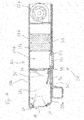
Figure 4 shows a further embodiment in the form of a roof installation. - The invention will now be described in the following detailed description with reference to the drawings, wherein preferred embodiments are described in detail to enable practice of the invention. Although the invention is described with reference to these specific preferred embodiments, it will be understood that the invention is not limited to these preferred embodiments. But to the contrary, the invention includes numerous alternatives, modifications and equivalents as will become apparent from consideration of the following detailed description.
-
Figure 1 shows an agricultural vehicle, in the form of atractor 10, although it will be understood that the present invention is not limited to tractors and also has application to other agricultural machines operating in dusty/contaminated environments (e.g. combine harvesters, self-propelled sprayers and windrowers) and also to construction machinery. - The
vehicle 10 has front andrear wheels body 16 on which is mounted at least one drivinglight 18 operable to illuminate an area external to the vehicle, and an enclosedcab 20 within which an operator of the vehicle is situated and from which the operator controls operation of the vehicle. - The
cab 20 includes a heating, ventilation and air conditioning (HVAC)system 22 arranged to draw in atmospheric air via aninlet 24 and supply temperature-controlled air to the cab via one or more in-cab outlets 26. Whilst theinlet 24 andoutlet 26 for the HVAC system are illustrated on the roof of thecab 20, it will be readily appreciated that other variants are possible, for example with outlet vents in the floor of the cab. - Furthermore,
cab 20 is provided with at least onedoor 27 to enable the operator to enter or leave the cab. - The
driving light 18 typically comprises a cluster of two or more lights, such as a headlamp, a work light (used to illuminate implements or the worked area around the tractor), and one or more side or running lights, and optionally also directional turn-indicator lights. Thelight 18 or cluster of lights has a rear shroud or housing 28 partially enclosing the light. Whilst such a shroud provides some protection against the build-up of dust and other contaminants on the exterior of thelight 18 within thebody 16 of the vehicle, it can also act to trap such contaminating material that reaches the interior of the shroud 28. - To address this issue, a
conduit 30 is arranged to carry air from the cab 20 (due to the pressure provided by the HVAC supply 22), with theconduit 30 and having an outlet (discharge end) 32 arranged to direct the air flow from the cab towards the at least one driving light. Whilst theoutlet 32 may simply be directed towards thelight 18, it is preferred that it feeds directly into the shroud 28 to blow out dust and other contaminants and thereby reduce the build-up which may otherwise lead to early failure of thelight 18 through overheating. - Referring additionally to
Figure 2 , theconduit 30 is provided with avalve arrangement 34 configured to open or close the conduit to the flow of air from thecab 20 to thelight 18. As shown, thevalve arrangement 34 may comprise asimple flap 36 biased to the closed position by aspring 38, which flap opens in the event of an over-pressure (e.g. pressure above atmospheric) in the cab due to air inflow from theHVAC 22. Thisflap 36 may also be necessary to discharge excessive over-pressure when the tractor cab door is slammed shut as the abrupt increase in air pressure in the cab caused by the slammeddoor 27 may be sufficient to stop thedoor 27 reaching its fully shut position. (Discharging air from the cab when doors are slammed is discussed further in the present applicants European patentEP 2726307B ). In this case, theflap 36 andconduit 30 may be installed in the roof of the cab to direct the air flow from the cab towards a work light of the type typically installed in the roof of the cab. Such an arrangement is described further below with reference toFigure 4 of the drawings. - Alternately, or additionally to the sprung flap, a user-
operable control 40 may be provided to enable a user in thecab 20 to selectively enable or disable the airflow to thelight 18. Thevalve arrangement 34 may be disposed at the cab end or discharge end of theconduit 30 or at some point in between. The user-operable control 40 may be a simple lever or, for example, a solenoid connected and operable to move theflap 36 between an open and closed position. - As shown in
Figure 1 , the utility vehicle may comprise anengine compartment 42 housing amotive power unit 44 such as a diesel or electric motor arranged to drive thevehicle 10. For forward facinglights 18, theconduit 30 passes through thisengine compartment 42. Theconduit 30 may be a discrete entity, such as a length of tubing or trunking, or it may be formed as a channel in the structure of the bodywork (housing 16) surrounding the motive power unit. - Referring additionally to
Figure 3 , the vehicle will typically have two or more driving lights 18A, 18B (or clusters of driving lights) and each may be with arespective conduit 30 arranged to carry air from thecab 20 or - as shown - all forward facing lights 18A, 18B may be fed from asingle outlet 30 from the cab which then branches intoseparate conduits 30A, 30B.Further conduits lights 18C, 18D. - Although primarily concerned with ventilation/dust-clearing for the lights, cold operating conditions may also require the provision of a defrost functionality, especially as e.g. LED lights tend to freeze easily as they do not generate excessive heat such has other types of lights (e.g. filament or halogen lamps). Whilst this may be achieved by the air temperature in the cab 20 (as provided by the HVAC 22), for extreme operating conditions the system may further comprise a heater operable to raise the temperature of air passing through the conduit. Such a heater may suitably comprise an
electric coil 46 disposed within or around theconduit 30. - A further embodiment is schematically depicted with
Figure 4 showing a roof installation. Thecab 20 includes aroof unit 50 which houses a heating, ventilation and air conditioning (HVAC)system 22 arranged to supply temperature-controlled air to the cab via one or more in-cab outlets 52.Roof unit 50 comprises alower roof part 50a and anupper roof part 50b.Lights 18, in this case a work light, is assembled onlight support part 54 which is mounted tolower roof part 50a.Lower roof part 50a offers structural support for internally mounted components such as theHVAC system 22 which comprises a blower 22a, a heat exchanger 22b (for heating the air) and an evaporator 22c (for cooling down the air). Furthermore,overpressure discharge flap 56 is also mounted to thelower roof part 50a and biased by (torsion)spring 58. The closed position ofoverpressure discharge flap 56 is indicated with dotted lines (56'). When the door is slammed, air from cab interior is forced through air-permeable roof liner 59 andoverpressure discharge flap 56 into a first cavity 50c formed bylower roof part 50a,upper roof part 50b andlight support part 54. Air in first cavity 50c is then discharged to the ambient in the vicinity of thelights 18 so that they can be cooled or cleaned (indicated with arrow A). Any ofroof part 50a,upper roof part 50b andlight support part 54 may be provided by respective contours to guide the air for sufficient air application on thelights 18. In addition, the gaps betweenlight support part 54 and thelights 18 may be provided with aseal 60 which is opened by overpressure air from first cavity 50c but which is forced in closed contact with the lights when air and/or dust impacts from ambient. (The sealing lip ofseal 60 is shown in open position abovelights 18 and in closed position below lights 18) - Furthermore,
lower roof part 50a and anupper roof part 50b form a second cavity 50d for guiding air of theHVAC system 22. Air pushed by blower 22a through heat exchanger 22b and/orevaporator 22c is, in a first operation, passing second cavity 50d and then flowing throughcab outlet 52 intocab 20 or towards the operator. In a second operation,cab outlet 52 would be blocked by pivotingfins 52a arranged in louvre fashion in theoutlet 52 into a closing position indicated with dotted lines. Closure of the outlet may be effected manually or by an electric motor drive controlled by user-operable control 40. As a consequence of closure, the overpressure in cavity 50d would then make the air pass connecting flap 54 (open position indicated with 54'), biased by a spring or an electric motor drive controlled by user-operable control 40, to enter first cavity 50c. Withoverpressure discharge flap 56 forced into closed position 56', the air trapped in first cavity 50c is also discharged to the ambient in the vicinity of thelights 18 so that they can be cooled, cleaned or defrosted (indicated with arrow A). Alternatively, connectingflap 54 may be designed so that the airflow to any cab outlet is blocked and air stream is completely guided to the lights. - More advantageously, if the HVAC system is designed as a pre-heating system (operational in stand-alone mode) the lights can be cooled, cleaned or defrosted prior to driving with the vehicle.
- The first and second cavity 50c, 50d in the shown embodiment are suitably provided by multiple injection moulded parts sealed and fixed in known manner by screwing or riveting, but alternatively may be provided by one part e.g. formed by rotational moulding.
- In the foregoing the applicants have described a
utility vehicle 10 which comprises abody 16 on which is mounted at least one drivinglight 18 operable to illuminate an area external to the vehicle. Anenclosed cab 20 includes anHVAC system 22 arranged to supply temperature-controlled air to thecab 20. To facilitate ventilation and dust removal for the driving light orlights 18, aconduit 30 is arranged to carry air from thecab 20 and to direct said air towards the light or lights 18. A surrounding shroud arrangement 28 may also be provided to direct airflow. Avalve arrangement 34 is suitably provided to control airflow within theconduit 30, and a heater may be provided to warm the airflow in theconduit 30 to facilitate defrosting. - From reading of the present disclosure, other modifications will be apparent to those skilled in the art and the scope of the invention is limited only by the following claims.
Claims (18)
- A utility vehicle comprising:- a body on which is mounted at least one driving light operable to illuminate an area external to the vehicle;- an enclosed cab within which an operator of the vehicle is situated and from which the operator controls operation of the vehicle;- a door enabling an operator to enter or leave the cab; and- a conduit arranged to carry air from the cab and having an outlet arranged to direct said air towards the at least one driving light.
- A utility vehicle as claimed in claim 1, further comprising a heating, ventilation and air conditioning (HVAC) system arranged to supply temperature-controlled air to the cab.
- A utility vehicle as claimed in claim 1 or claim 2, further comprising an engine compartment housing a motive power unit arranged to drive the vehicle, wherein the conduit passes through the engine compartment.
- A utility vehicle as claimed in any of claims 1 to 3, further comprising a valve arrangement configured to open or close the conduit to the flow of air.
- A utility vehicle as claimed in claim 4, wherein the valve arrangement is configured to open automatically in the event of an over-pressure in the cab.
- A utility vehicle as claimed in claim 2, wherein the valve arrangement is configured to open automatically in the event of an over-pressure in the cab, and wherein the over-pressure in the cab is generated by the HVAC system.
- A utility vehicle as claimed in claim 5, wherein the over-pressure in the cab is generated by the door being slammed shut.
- A utility vehicle as claimed in claim 4, further comprising user-operable means to selectively open or close the valve arrangement.
- A utility vehicle as claimed in claim 4 or claim 5, wherein the valve arrangement comprises a sprung flap.
- A utility vehicle as claimed in any preceding claim, further comprising a housing partially enclosing the said at least one driving light, wherein the conduit is connected to deliver air to the interior of the housing.
- A utility vehicle as claimed in any preceding claim, having two or more driving lights each with a respective conduit arranged to carry air from the cab.
- A utility vehicle as claimed in claim 10, having two or more driving lights mounted in a cluster, with the housing partially enclosing the cluster.
- A utility vehicle as claimed in any preceding claim, wherein the vehicle is a tractor and the at least one driving light is a headlamp.
- A utility vehicle as claimed in any of claims 1 to 12, wherein the vehicle is a tractor and the at least one driving light is a rear-facing light.
- A utility vehicle as claimed in any of claims 1 to 12, wherein the vehicle is a tractor and the at least one driving light is a directional indicator light.
- A utility vehicle as claimed in any of claims 1 to 12, wherein the vehicle is a tractor and the at least one driving light is a work light.
- A utility vehicle as claimed in any preceding claim, further comprising a heater operable to raise the temperature of air passing through the conduit.
- A utility vehicle as claimed in claim 17, wherein the heater is an electric coil disposed within or around the conduit.
Applications Claiming Priority (1)
| Application Number | Priority Date | Filing Date | Title |
|---|---|---|---|
| GBGB1910559.2A GB201910559D0 (en) | 2019-07-24 | 2019-07-24 | Vehicle Lighting |
Publications (2)
| Publication Number | Publication Date |
|---|---|
| EP3769985A1 true EP3769985A1 (en) | 2021-01-27 |
| EP3769985B1 EP3769985B1 (en) | 2023-10-18 |
Family
ID=67839627
Family Applications (1)
| Application Number | Title | Priority Date | Filing Date |
|---|---|---|---|
| EP20184554.2A Active EP3769985B1 (en) | 2019-07-24 | 2020-07-07 | Utility vehicle |
Country Status (2)
| Country | Link |
|---|---|
| EP (1) | EP3769985B1 (en) |
| GB (1) | GB201910559D0 (en) |
Citations (5)
| Publication number | Priority date | Publication date | Assignee | Title |
|---|---|---|---|---|
| US2073159A (en) * | 1935-01-15 | 1937-03-09 | Evans Prod Co | Vehicle ventilating and signal unit |
| DE3138360A1 (en) * | 1981-09-26 | 1983-04-21 | Westfaelische Metall Industrie | Vehicle headlight |
| EP2527172A1 (en) * | 2011-05-26 | 2012-11-28 | CLAAS Tractor S.A.S. | Agricultural vehicle |
| EP2726307B1 (en) | 2011-06-30 | 2015-04-01 | AGCO International GmbH | Tractor cab |
| DE202018104381U1 (en) * | 2017-07-31 | 2018-08-23 | Ford Global Technologies, Llc | Use of a valve assembly with shape memory alloy wires |
-
2019
- 2019-07-24 GB GBGB1910559.2A patent/GB201910559D0/en not_active Ceased
-
2020
- 2020-07-07 EP EP20184554.2A patent/EP3769985B1/en active Active
Patent Citations (5)
| Publication number | Priority date | Publication date | Assignee | Title |
|---|---|---|---|---|
| US2073159A (en) * | 1935-01-15 | 1937-03-09 | Evans Prod Co | Vehicle ventilating and signal unit |
| DE3138360A1 (en) * | 1981-09-26 | 1983-04-21 | Westfaelische Metall Industrie | Vehicle headlight |
| EP2527172A1 (en) * | 2011-05-26 | 2012-11-28 | CLAAS Tractor S.A.S. | Agricultural vehicle |
| EP2726307B1 (en) | 2011-06-30 | 2015-04-01 | AGCO International GmbH | Tractor cab |
| DE202018104381U1 (en) * | 2017-07-31 | 2018-08-23 | Ford Global Technologies, Llc | Use of a valve assembly with shape memory alloy wires |
Also Published As
| Publication number | Publication date |
|---|---|
| EP3769985B1 (en) | 2023-10-18 |
| GB201910559D0 (en) | 2019-09-04 |
Similar Documents
| Publication | Publication Date | Title |
|---|---|---|
| US5269264A (en) | Engine ventilation in an automotive vehicle | |
| EP0756955B2 (en) | Air-handling system for automotive vehicles | |
| JP5314462B2 (en) | Outside air introduction device for vehicles | |
| US20080017138A1 (en) | Cooling System | |
| US5143516A (en) | Recirculation shield and fan shroud assembly | |
| RU2009120563A (en) | AIR FLOW CONTROL SYSTEM FOR REGULATING TEMPERATURE IN THE BOILING SPACE OF A LARGE LOADED CAR | |
| FI73176B (en) | LUFTKONDITIONERINGSANLAEGGNING FOER EN BIL. | |
| US7338357B2 (en) | Filter purge control for HVAC fixed air circulation system | |
| KR20040106209A (en) | Work-vehicle cabin having air-conditioning unit | |
| US20030121638A1 (en) | Vehicle with heat exchanger unit arranged near the passenger compartment | |
| US3973620A (en) | Air conditioning systems for motor vehicles | |
| KR101733472B1 (en) | Drain hose of air conditioning system for automotive vehicles | |
| EP3769985B1 (en) | Utility vehicle | |
| US2670671A (en) | Automobile rear window defroster | |
| WO2018180981A1 (en) | Air-blowing device for vehicle air conditioning | |
| CN204623060U (en) | Air-condition assembly, the operator's compartment with air-condition assembly and trac. and combination machine | |
| US20200338949A1 (en) | Motor vehicle air conditioning unit | |
| EP2675636B1 (en) | Windscreen air distribution system | |
| CN214355441U (en) | Internal and external circulation switching device of overhead air conditioner and vehicle | |
| CN119836318A (en) | Cabin air control system with single adsorption unit | |
| US4709855A (en) | Recirculating heating system | |
| CN112693281A (en) | Internal and external circulation switching device of overhead air conditioner and vehicle | |
| US2724556A (en) | Vehicle heating and motor cooling system | |
| US20250249722A1 (en) | Off-road vehicle | |
| JP2007099107A (en) | Air conditioner for vehicles |
Legal Events
| Date | Code | Title | Description |
|---|---|---|---|
| PUAI | Public reference made under article 153(3) epc to a published international application that has entered the european phase |
Free format text: ORIGINAL CODE: 0009012 |
|
| STAA | Information on the status of an ep patent application or granted ep patent |
Free format text: STATUS: THE APPLICATION HAS BEEN PUBLISHED |
|
| AK | Designated contracting states |
Kind code of ref document: A1 Designated state(s): AL AT BE BG CH CY CZ DE DK EE ES FI FR GB GR HR HU IE IS IT LI LT LU LV MC MK MT NL NO PL PT RO RS SE SI SK SM TR |
|
| AX | Request for extension of the european patent |
Extension state: BA ME |
|
| STAA | Information on the status of an ep patent application or granted ep patent |
Free format text: STATUS: REQUEST FOR EXAMINATION WAS MADE |
|
| 17P | Request for examination filed |
Effective date: 20210727 |
|
| RBV | Designated contracting states (corrected) |
Designated state(s): AL AT BE BG CH CY CZ DE DK EE ES FI FR GB GR HR HU IE IS IT LI LT LU LV MC MK MT NL NO PL PT RO RS SE SI SK SM TR |
|
| STAA | Information on the status of an ep patent application or granted ep patent |
Free format text: STATUS: EXAMINATION IS IN PROGRESS |
|
| 17Q | First examination report despatched |
Effective date: 20220628 |
|
| P01 | Opt-out of the competence of the unified patent court (upc) registered |
Effective date: 20230518 |
|
| RIC1 | Information provided on ipc code assigned before grant |
Ipc: F21S 45/60 20180101ALI20230525BHEP Ipc: F21S 45/43 20180101ALI20230525BHEP Ipc: B60Q 1/00 20060101ALI20230525BHEP Ipc: B60H 1/26 20060101ALI20230525BHEP Ipc: B60H 1/24 20060101ALI20230525BHEP Ipc: B60H 1/00 20060101AFI20230525BHEP |
|
| GRAP | Despatch of communication of intention to grant a patent |
Free format text: ORIGINAL CODE: EPIDOSNIGR1 |
|
| STAA | Information on the status of an ep patent application or granted ep patent |
Free format text: STATUS: GRANT OF PATENT IS INTENDED |
|
| INTG | Intention to grant announced |
Effective date: 20230712 |
|
| GRAS | Grant fee paid |
Free format text: ORIGINAL CODE: EPIDOSNIGR3 |
|
| GRAA | (expected) grant |
Free format text: ORIGINAL CODE: 0009210 |
|
| STAA | Information on the status of an ep patent application or granted ep patent |
Free format text: STATUS: THE PATENT HAS BEEN GRANTED |
|
| AK | Designated contracting states |
Kind code of ref document: B1 Designated state(s): AL AT BE BG CH CY CZ DE DK EE ES FI FR GB GR HR HU IE IS IT LI LT LU LV MC MK MT NL NO PL PT RO RS SE SI SK SM TR |
|
| REG | Reference to a national code |
Ref country code: GB Ref legal event code: FG4D |
|
| REG | Reference to a national code |
Ref country code: CH Ref legal event code: EP |
|
| REG | Reference to a national code |
Ref country code: DE Ref legal event code: R096 Ref document number: 602020019338 Country of ref document: DE |
|
| REG | Reference to a national code |
Ref country code: IE Ref legal event code: FG4D |
|
| REG | Reference to a national code |
Ref country code: LT Ref legal event code: MG9D |
|
| REG | Reference to a national code |
Ref country code: NL Ref legal event code: MP Effective date: 20231018 |
|
| REG | Reference to a national code |
Ref country code: AT Ref legal event code: MK05 Ref document number: 1622129 Country of ref document: AT Kind code of ref document: T Effective date: 20231018 |
|
| PG25 | Lapsed in a contracting state [announced via postgrant information from national office to epo] |
Ref country code: NL Free format text: LAPSE BECAUSE OF FAILURE TO SUBMIT A TRANSLATION OF THE DESCRIPTION OR TO PAY THE FEE WITHIN THE PRESCRIBED TIME-LIMIT Effective date: 20231018 |
|
| PG25 | Lapsed in a contracting state [announced via postgrant information from national office to epo] |
Ref country code: GR Free format text: LAPSE BECAUSE OF FAILURE TO SUBMIT A TRANSLATION OF THE DESCRIPTION OR TO PAY THE FEE WITHIN THE PRESCRIBED TIME-LIMIT Effective date: 20240119 |
|
| PG25 | Lapsed in a contracting state [announced via postgrant information from national office to epo] |
Ref country code: IS Free format text: LAPSE BECAUSE OF FAILURE TO SUBMIT A TRANSLATION OF THE DESCRIPTION OR TO PAY THE FEE WITHIN THE PRESCRIBED TIME-LIMIT Effective date: 20240218 |
|
| PG25 | Lapsed in a contracting state [announced via postgrant information from national office to epo] |
Ref country code: LT Free format text: LAPSE BECAUSE OF FAILURE TO SUBMIT A TRANSLATION OF THE DESCRIPTION OR TO PAY THE FEE WITHIN THE PRESCRIBED TIME-LIMIT Effective date: 20231018 |
|
| PG25 | Lapsed in a contracting state [announced via postgrant information from national office to epo] |
Ref country code: AT Free format text: LAPSE BECAUSE OF FAILURE TO SUBMIT A TRANSLATION OF THE DESCRIPTION OR TO PAY THE FEE WITHIN THE PRESCRIBED TIME-LIMIT Effective date: 20231018 |
|
| PG25 | Lapsed in a contracting state [announced via postgrant information from national office to epo] |
Ref country code: ES Free format text: LAPSE BECAUSE OF FAILURE TO SUBMIT A TRANSLATION OF THE DESCRIPTION OR TO PAY THE FEE WITHIN THE PRESCRIBED TIME-LIMIT Effective date: 20231018 |
|
| PG25 | Lapsed in a contracting state [announced via postgrant information from national office to epo] |
Ref country code: LT Free format text: LAPSE BECAUSE OF FAILURE TO SUBMIT A TRANSLATION OF THE DESCRIPTION OR TO PAY THE FEE WITHIN THE PRESCRIBED TIME-LIMIT Effective date: 20231018 Ref country code: IS Free format text: LAPSE BECAUSE OF FAILURE TO SUBMIT A TRANSLATION OF THE DESCRIPTION OR TO PAY THE FEE WITHIN THE PRESCRIBED TIME-LIMIT Effective date: 20240218 Ref country code: GR Free format text: LAPSE BECAUSE OF FAILURE TO SUBMIT A TRANSLATION OF THE DESCRIPTION OR TO PAY THE FEE WITHIN THE PRESCRIBED TIME-LIMIT Effective date: 20240119 Ref country code: ES Free format text: LAPSE BECAUSE OF FAILURE TO SUBMIT A TRANSLATION OF THE DESCRIPTION OR TO PAY THE FEE WITHIN THE PRESCRIBED TIME-LIMIT Effective date: 20231018 Ref country code: BG Free format text: LAPSE BECAUSE OF FAILURE TO SUBMIT A TRANSLATION OF THE DESCRIPTION OR TO PAY THE FEE WITHIN THE PRESCRIBED TIME-LIMIT Effective date: 20240118 Ref country code: AT Free format text: LAPSE BECAUSE OF FAILURE TO SUBMIT A TRANSLATION OF THE DESCRIPTION OR TO PAY THE FEE WITHIN THE PRESCRIBED TIME-LIMIT Effective date: 20231018 Ref country code: PT Free format text: LAPSE BECAUSE OF FAILURE TO SUBMIT A TRANSLATION OF THE DESCRIPTION OR TO PAY THE FEE WITHIN THE PRESCRIBED TIME-LIMIT Effective date: 20240219 |
|
| PG25 | Lapsed in a contracting state [announced via postgrant information from national office to epo] |
Ref country code: SE Free format text: LAPSE BECAUSE OF FAILURE TO SUBMIT A TRANSLATION OF THE DESCRIPTION OR TO PAY THE FEE WITHIN THE PRESCRIBED TIME-LIMIT Effective date: 20231018 Ref country code: RS Free format text: LAPSE BECAUSE OF FAILURE TO SUBMIT A TRANSLATION OF THE DESCRIPTION OR TO PAY THE FEE WITHIN THE PRESCRIBED TIME-LIMIT Effective date: 20231018 Ref country code: PL Free format text: LAPSE BECAUSE OF FAILURE TO SUBMIT A TRANSLATION OF THE DESCRIPTION OR TO PAY THE FEE WITHIN THE PRESCRIBED TIME-LIMIT Effective date: 20231018 Ref country code: NO Free format text: LAPSE BECAUSE OF FAILURE TO SUBMIT A TRANSLATION OF THE DESCRIPTION OR TO PAY THE FEE WITHIN THE PRESCRIBED TIME-LIMIT Effective date: 20240118 Ref country code: LV Free format text: LAPSE BECAUSE OF FAILURE TO SUBMIT A TRANSLATION OF THE DESCRIPTION OR TO PAY THE FEE WITHIN THE PRESCRIBED TIME-LIMIT Effective date: 20231018 Ref country code: HR Free format text: LAPSE BECAUSE OF FAILURE TO SUBMIT A TRANSLATION OF THE DESCRIPTION OR TO PAY THE FEE WITHIN THE PRESCRIBED TIME-LIMIT Effective date: 20231018 |
|
| PG25 | Lapsed in a contracting state [announced via postgrant information from national office to epo] |
Ref country code: DK Free format text: LAPSE BECAUSE OF FAILURE TO SUBMIT A TRANSLATION OF THE DESCRIPTION OR TO PAY THE FEE WITHIN THE PRESCRIBED TIME-LIMIT Effective date: 20231018 |
|
| REG | Reference to a national code |
Ref country code: DE Ref legal event code: R097 Ref document number: 602020019338 Country of ref document: DE |
|
| PG25 | Lapsed in a contracting state [announced via postgrant information from national office to epo] |
Ref country code: CZ Free format text: LAPSE BECAUSE OF FAILURE TO SUBMIT A TRANSLATION OF THE DESCRIPTION OR TO PAY THE FEE WITHIN THE PRESCRIBED TIME-LIMIT Effective date: 20231018 |
|
| PG25 | Lapsed in a contracting state [announced via postgrant information from national office to epo] |
Ref country code: SK Free format text: LAPSE BECAUSE OF FAILURE TO SUBMIT A TRANSLATION OF THE DESCRIPTION OR TO PAY THE FEE WITHIN THE PRESCRIBED TIME-LIMIT Effective date: 20231018 |
|
| PG25 | Lapsed in a contracting state [announced via postgrant information from national office to epo] |
Ref country code: SM Free format text: LAPSE BECAUSE OF FAILURE TO SUBMIT A TRANSLATION OF THE DESCRIPTION OR TO PAY THE FEE WITHIN THE PRESCRIBED TIME-LIMIT Effective date: 20231018 Ref country code: SK Free format text: LAPSE BECAUSE OF FAILURE TO SUBMIT A TRANSLATION OF THE DESCRIPTION OR TO PAY THE FEE WITHIN THE PRESCRIBED TIME-LIMIT Effective date: 20231018 Ref country code: RO Free format text: LAPSE BECAUSE OF FAILURE TO SUBMIT A TRANSLATION OF THE DESCRIPTION OR TO PAY THE FEE WITHIN THE PRESCRIBED TIME-LIMIT Effective date: 20231018 Ref country code: IT Free format text: LAPSE BECAUSE OF FAILURE TO SUBMIT A TRANSLATION OF THE DESCRIPTION OR TO PAY THE FEE WITHIN THE PRESCRIBED TIME-LIMIT Effective date: 20231018 Ref country code: EE Free format text: LAPSE BECAUSE OF FAILURE TO SUBMIT A TRANSLATION OF THE DESCRIPTION OR TO PAY THE FEE WITHIN THE PRESCRIBED TIME-LIMIT Effective date: 20231018 Ref country code: DK Free format text: LAPSE BECAUSE OF FAILURE TO SUBMIT A TRANSLATION OF THE DESCRIPTION OR TO PAY THE FEE WITHIN THE PRESCRIBED TIME-LIMIT Effective date: 20231018 Ref country code: CZ Free format text: LAPSE BECAUSE OF FAILURE TO SUBMIT A TRANSLATION OF THE DESCRIPTION OR TO PAY THE FEE WITHIN THE PRESCRIBED TIME-LIMIT Effective date: 20231018 |
|
| PLBE | No opposition filed within time limit |
Free format text: ORIGINAL CODE: 0009261 |
|
| STAA | Information on the status of an ep patent application or granted ep patent |
Free format text: STATUS: NO OPPOSITION FILED WITHIN TIME LIMIT |
|
| 26N | No opposition filed |
Effective date: 20240719 |
|
| PG25 | Lapsed in a contracting state [announced via postgrant information from national office to epo] |
Ref country code: SI Free format text: LAPSE BECAUSE OF FAILURE TO SUBMIT A TRANSLATION OF THE DESCRIPTION OR TO PAY THE FEE WITHIN THE PRESCRIBED TIME-LIMIT Effective date: 20231018 |
|
| PG25 | Lapsed in a contracting state [announced via postgrant information from national office to epo] |
Ref country code: SI Free format text: LAPSE BECAUSE OF FAILURE TO SUBMIT A TRANSLATION OF THE DESCRIPTION OR TO PAY THE FEE WITHIN THE PRESCRIBED TIME-LIMIT Effective date: 20231018 |
|
| PG25 | Lapsed in a contracting state [announced via postgrant information from national office to epo] |
Ref country code: MC Free format text: LAPSE BECAUSE OF FAILURE TO SUBMIT A TRANSLATION OF THE DESCRIPTION OR TO PAY THE FEE WITHIN THE PRESCRIBED TIME-LIMIT Effective date: 20231018 |
|
| REG | Reference to a national code |
Ref country code: CH Ref legal event code: PL |
|
| PG25 | Lapsed in a contracting state [announced via postgrant information from national office to epo] |
Ref country code: LU Free format text: LAPSE BECAUSE OF NON-PAYMENT OF DUE FEES Effective date: 20240707 |
|
| GBPC | Gb: european patent ceased through non-payment of renewal fee |
Effective date: 20240707 |
|
| PG25 | Lapsed in a contracting state [announced via postgrant information from national office to epo] |
Ref country code: LU Free format text: LAPSE BECAUSE OF NON-PAYMENT OF DUE FEES Effective date: 20240707 |
|
| PG25 | Lapsed in a contracting state [announced via postgrant information from national office to epo] |
Ref country code: BE Free format text: LAPSE BECAUSE OF NON-PAYMENT OF DUE FEES Effective date: 20240731 Ref country code: CH Free format text: LAPSE BECAUSE OF NON-PAYMENT OF DUE FEES Effective date: 20240731 |
|
| PG25 | Lapsed in a contracting state [announced via postgrant information from national office to epo] |
Ref country code: GB Free format text: LAPSE BECAUSE OF NON-PAYMENT OF DUE FEES Effective date: 20240707 |
|
| REG | Reference to a national code |
Ref country code: BE Ref legal event code: MM Effective date: 20240731 |
|
| PG25 | Lapsed in a contracting state [announced via postgrant information from national office to epo] |
Ref country code: IE Free format text: LAPSE BECAUSE OF NON-PAYMENT OF DUE FEES Effective date: 20240707 |
|
| PG25 | Lapsed in a contracting state [announced via postgrant information from national office to epo] |
Ref country code: FI Free format text: LAPSE BECAUSE OF FAILURE TO SUBMIT A TRANSLATION OF THE DESCRIPTION OR TO PAY THE FEE WITHIN THE PRESCRIBED TIME-LIMIT Effective date: 20231019 |
|
| PGFP | Annual fee paid to national office [announced via postgrant information from national office to epo] |
Ref country code: DE Payment date: 20250722 Year of fee payment: 6 |
|
| PGFP | Annual fee paid to national office [announced via postgrant information from national office to epo] |
Ref country code: FR Payment date: 20250725 Year of fee payment: 6 |
|
| PG25 | Lapsed in a contracting state [announced via postgrant information from national office to epo] |
Ref country code: CY Free format text: LAPSE BECAUSE OF FAILURE TO SUBMIT A TRANSLATION OF THE DESCRIPTION OR TO PAY THE FEE WITHIN THE PRESCRIBED TIME-LIMIT; INVALID AB INITIO Effective date: 20200707 |
|
| PG25 | Lapsed in a contracting state [announced via postgrant information from national office to epo] |
Ref country code: HU Free format text: LAPSE BECAUSE OF FAILURE TO SUBMIT A TRANSLATION OF THE DESCRIPTION OR TO PAY THE FEE WITHIN THE PRESCRIBED TIME-LIMIT; INVALID AB INITIO Effective date: 20200707 |