EP3769770A1 - Method for inhibiting or preventing infection in a transplant recipient - Google Patents
Method for inhibiting or preventing infection in a transplant recipient Download PDFInfo
- Publication number
- EP3769770A1 EP3769770A1 EP19187921.2A EP19187921A EP3769770A1 EP 3769770 A1 EP3769770 A1 EP 3769770A1 EP 19187921 A EP19187921 A EP 19187921A EP 3769770 A1 EP3769770 A1 EP 3769770A1
- Authority
- EP
- European Patent Office
- Prior art keywords
- cells
- donor
- stem cell
- reactivity
- cell transplantation
- Prior art date
- Legal status (The legal status is an assumption and is not a legal conclusion. Google has not performed a legal analysis and makes no representation as to the accuracy of the status listed.)
- Withdrawn
Links
- 208000015181 infectious disease Diseases 0.000 claims abstract description 74
- 238000000034 method Methods 0.000 claims abstract description 43
- 230000009257 reactivity Effects 0.000 claims abstract description 40
- 210000001744 T-lymphocyte Anatomy 0.000 claims abstract description 35
- 230000002401 inhibitory effect Effects 0.000 claims abstract description 8
- 238000012360 testing method Methods 0.000 claims abstract description 6
- 238000002054 transplantation Methods 0.000 claims abstract description 6
- 210000004027 cell Anatomy 0.000 claims description 59
- 239000012472 biological sample Substances 0.000 claims description 15
- 210000003819 peripheral blood mononuclear cell Anatomy 0.000 claims description 13
- 238000011134 hematopoietic stem cell transplantation Methods 0.000 claims description 12
- 208000036142 Viral infection Diseases 0.000 claims description 11
- 238000011476 stem cell transplantation Methods 0.000 claims description 11
- 230000009385 viral infection Effects 0.000 claims description 11
- 238000001516 cell proliferation assay Methods 0.000 claims description 8
- 210000000822 natural killer cell Anatomy 0.000 claims description 5
- 238000002360 preparation method Methods 0.000 claims description 5
- 210000000130 stem cell Anatomy 0.000 claims description 5
- 241000725643 Respiratory syncytial virus Species 0.000 claims description 4
- 241000709661 Enterovirus Species 0.000 claims description 3
- 102100031573 Hematopoietic progenitor cell antigen CD34 Human genes 0.000 claims description 3
- 101000777663 Homo sapiens Hematopoietic progenitor cell antigen CD34 Proteins 0.000 claims description 3
- 241001505332 Polyomavirus sp. Species 0.000 claims description 3
- 241000125945 Protoparvovirus Species 0.000 claims description 3
- 241000701161 unidentified adenovirus Species 0.000 claims description 2
- 241000701022 Cytomegalovirus Species 0.000 claims 1
- 230000006052 T cell proliferation Effects 0.000 claims 1
- 241001529453 unidentified herpesvirus Species 0.000 claims 1
- 230000035755 proliferation Effects 0.000 description 26
- 238000007799 mixed lymphocyte reaction assay Methods 0.000 description 20
- IAZDPXIOMUYVGZ-UHFFFAOYSA-N Dimethylsulphoxide Chemical compound CS(C)=O IAZDPXIOMUYVGZ-UHFFFAOYSA-N 0.000 description 8
- 241000700605 Viruses Species 0.000 description 8
- 238000002428 photodynamic therapy Methods 0.000 description 8
- 244000005700 microbiome Species 0.000 description 7
- 208000024891 symptom Diseases 0.000 description 7
- VDABVNMGKGUPEY-UHFFFAOYSA-N 6-carboxyfluorescein succinimidyl ester Chemical compound C=1C(O)=CC=C2C=1OC1=CC(O)=CC=C1C2(C1=C2)OC(=O)C1=CC=C2C(=O)ON1C(=O)CCC1=O VDABVNMGKGUPEY-UHFFFAOYSA-N 0.000 description 6
- 208000014697 Acute lymphocytic leukaemia Diseases 0.000 description 6
- 241000282414 Homo sapiens Species 0.000 description 6
- 241000701044 Human gammaherpesvirus 4 Species 0.000 description 6
- 238000003556 assay Methods 0.000 description 5
- 239000003153 chemical reaction reagent Substances 0.000 description 5
- 239000000463 material Substances 0.000 description 5
- 239000002609 medium Substances 0.000 description 5
- 239000000047 product Substances 0.000 description 5
- 208000010839 B-cell chronic lymphocytic leukemia Diseases 0.000 description 4
- 208000032791 BCR-ABL1 positive chronic myelogenous leukemia Diseases 0.000 description 4
- 208000010833 Chronic myeloid leukaemia Diseases 0.000 description 4
- 208000031422 Lymphocytic Chronic B-Cell Leukemia Diseases 0.000 description 4
- 201000003793 Myelodysplastic syndrome Diseases 0.000 description 4
- 208000033761 Myelogenous Chronic BCR-ABL Positive Leukemia Diseases 0.000 description 4
- 239000000427 antigen Substances 0.000 description 4
- 208000032852 chronic lymphocytic leukemia Diseases 0.000 description 4
- 230000005764 inhibitory process Effects 0.000 description 4
- 230000002265 prevention Effects 0.000 description 4
- 230000002829 reductive effect Effects 0.000 description 4
- 208000031261 Acute myeloid leukaemia Diseases 0.000 description 3
- WSFSSNUMVMOOMR-UHFFFAOYSA-N Formaldehyde Chemical compound O=C WSFSSNUMVMOOMR-UHFFFAOYSA-N 0.000 description 3
- 108010002350 Interleukin-2 Proteins 0.000 description 3
- 102000000588 Interleukin-2 Human genes 0.000 description 3
- 238000004458 analytical method Methods 0.000 description 3
- 102000036639 antigens Human genes 0.000 description 3
- 108091007433 antigens Proteins 0.000 description 3
- 230000034994 death Effects 0.000 description 3
- 231100000517 death Toxicity 0.000 description 3
- 238000010790 dilution Methods 0.000 description 3
- 239000012895 dilution Substances 0.000 description 3
- 102000054766 genetic haplotypes Human genes 0.000 description 3
- 230000001965 increasing effect Effects 0.000 description 3
- 230000001939 inductive effect Effects 0.000 description 3
- 238000001802 infusion Methods 0.000 description 3
- 239000000203 mixture Substances 0.000 description 3
- 230000002062 proliferating effect Effects 0.000 description 3
- 239000000725 suspension Substances 0.000 description 3
- 230000007419 viral reactivation Effects 0.000 description 3
- 208000032467 Aplastic anaemia Diseases 0.000 description 2
- 241000894006 Bacteria Species 0.000 description 2
- 208000019838 Blood disease Diseases 0.000 description 2
- 208000009329 Graft vs Host Disease Diseases 0.000 description 2
- 208000017604 Hodgkin disease Diseases 0.000 description 2
- 208000021519 Hodgkin lymphoma Diseases 0.000 description 2
- 208000010747 Hodgkins lymphoma Diseases 0.000 description 2
- 206010061598 Immunodeficiency Diseases 0.000 description 2
- 108010038453 Interleukin-2 Receptors Proteins 0.000 description 2
- 102000010789 Interleukin-2 Receptors Human genes 0.000 description 2
- 238000010824 Kaplan-Meier survival analysis Methods 0.000 description 2
- 208000034578 Multiple myelomas Diseases 0.000 description 2
- NWIBSHFKIJFRCO-WUDYKRTCSA-N Mytomycin Chemical compound C1N2C(C(C(C)=C(N)C3=O)=O)=C3[C@@H](COC(N)=O)[C@@]2(OC)[C@@H]2[C@H]1N2 NWIBSHFKIJFRCO-WUDYKRTCSA-N 0.000 description 2
- 208000015914 Non-Hodgkin lymphomas Diseases 0.000 description 2
- 206010035226 Plasma cell myeloma Diseases 0.000 description 2
- 241000700584 Simplexvirus Species 0.000 description 2
- 208000002903 Thalassemia Diseases 0.000 description 2
- 230000004913 activation Effects 0.000 description 2
- 239000003242 anti bacterial agent Substances 0.000 description 2
- 229940088710 antibiotic agent Drugs 0.000 description 2
- 239000011324 bead Substances 0.000 description 2
- 239000007795 chemical reaction product Substances 0.000 description 2
- 230000016396 cytokine production Effects 0.000 description 2
- 201000010099 disease Diseases 0.000 description 2
- 208000037265 diseases, disorders, signs and symptoms Diseases 0.000 description 2
- 230000000694 effects Effects 0.000 description 2
- 238000001125 extrusion Methods 0.000 description 2
- 239000012467 final product Substances 0.000 description 2
- 208000024908 graft versus host disease Diseases 0.000 description 2
- 208000014951 hematologic disease Diseases 0.000 description 2
- 210000003958 hematopoietic stem cell Anatomy 0.000 description 2
- 208000018706 hematopoietic system disease Diseases 0.000 description 2
- 238000011534 incubation Methods 0.000 description 2
- 239000012678 infectious agent Substances 0.000 description 2
- 230000009545 invasion Effects 0.000 description 2
- 210000005087 mononuclear cell Anatomy 0.000 description 2
- ZJAOAACCNHFJAH-UHFFFAOYSA-N phosphonoformic acid Chemical compound OC(=O)P(O)(O)=O ZJAOAACCNHFJAH-UHFFFAOYSA-N 0.000 description 2
- 230000000717 retained effect Effects 0.000 description 2
- 208000007056 sickle cell anemia Diseases 0.000 description 2
- 230000003827 upregulation Effects 0.000 description 2
- 241000701242 Adenoviridae Species 0.000 description 1
- 208000010370 Adenoviridae Infections Diseases 0.000 description 1
- 206010060931 Adenovirus infection Diseases 0.000 description 1
- 208000031504 Asymptomatic Infections Diseases 0.000 description 1
- 208000035143 Bacterial infection Diseases 0.000 description 1
- 208000014644 Brain disease Diseases 0.000 description 1
- 210000004366 CD4-positive T-lymphocyte Anatomy 0.000 description 1
- 208000035473 Communicable disease Diseases 0.000 description 1
- 206010010144 Completed suicide Diseases 0.000 description 1
- 241000724252 Cucumber mosaic virus Species 0.000 description 1
- CMSMOCZEIVJLDB-UHFFFAOYSA-N Cyclophosphamide Chemical compound ClCCN(CCCl)P1(=O)NCCCO1 CMSMOCZEIVJLDB-UHFFFAOYSA-N 0.000 description 1
- 206010011831 Cytomegalovirus infection Diseases 0.000 description 1
- 208000032274 Encephalopathy Diseases 0.000 description 1
- 229920001917 Ficoll Polymers 0.000 description 1
- 241000233866 Fungi Species 0.000 description 1
- 102100028972 HLA class I histocompatibility antigen, A alpha chain Human genes 0.000 description 1
- 102100028976 HLA class I histocompatibility antigen, B alpha chain Human genes 0.000 description 1
- 108010075704 HLA-A Antigens Proteins 0.000 description 1
- 108010058607 HLA-B Antigens Proteins 0.000 description 1
- 102000006354 HLA-DR Antigens Human genes 0.000 description 1
- 108010058597 HLA-DR Antigens Proteins 0.000 description 1
- 241000700586 Herpesviridae Species 0.000 description 1
- 101001057504 Homo sapiens Interferon-stimulated gene 20 kDa protein Proteins 0.000 description 1
- 101001002657 Homo sapiens Interleukin-2 Proteins 0.000 description 1
- 101001055144 Homo sapiens Interleukin-2 receptor subunit alpha Proteins 0.000 description 1
- 101000914514 Homo sapiens T-cell-specific surface glycoprotein CD28 Proteins 0.000 description 1
- 241000701109 Human adenovirus 2 Species 0.000 description 1
- XQFRJNBWHJMXHO-RRKCRQDMSA-N IDUR Chemical compound C1[C@H](O)[C@@H](CO)O[C@H]1N1C(=O)NC(=O)C(I)=C1 XQFRJNBWHJMXHO-RRKCRQDMSA-N 0.000 description 1
- 102100026878 Interleukin-2 receptor subunit alpha Human genes 0.000 description 1
- 108010063738 Interleukins Proteins 0.000 description 1
- 102000015696 Interleukins Human genes 0.000 description 1
- 241000701460 JC polyomavirus Species 0.000 description 1
- 241000124008 Mammalia Species 0.000 description 1
- 229940123685 Monoamine oxidase inhibitor Drugs 0.000 description 1
- 229930040373 Paraformaldehyde Natural products 0.000 description 1
- 241000701945 Parvoviridae Species 0.000 description 1
- 241000709664 Picornaviridae Species 0.000 description 1
- 241000711904 Pneumoviridae Species 0.000 description 1
- 241001631648 Polyomaviridae Species 0.000 description 1
- 101710131866 Protein LSD1 Proteins 0.000 description 1
- FAPWRFPIFSIZLT-UHFFFAOYSA-M Sodium chloride Chemical compound [Na+].[Cl-] FAPWRFPIFSIZLT-UHFFFAOYSA-M 0.000 description 1
- 102100027213 T-cell-specific surface glycoprotein CD28 Human genes 0.000 description 1
- 238000001793 Wilcoxon signed-rank test Methods 0.000 description 1
- 230000002159 abnormal effect Effects 0.000 description 1
- 208000011589 adenoviridae infectious disease Diseases 0.000 description 1
- 108700010877 adenoviridae proteins Proteins 0.000 description 1
- 238000011360 adjunctive therapy Methods 0.000 description 1
- 230000002411 adverse Effects 0.000 description 1
- 108700025316 aldesleukin Proteins 0.000 description 1
- 230000000735 allogeneic effect Effects 0.000 description 1
- 208000007502 anemia Diseases 0.000 description 1
- 230000000840 anti-viral effect Effects 0.000 description 1
- 239000003443 antiviral agent Substances 0.000 description 1
- 210000003719 b-lymphocyte Anatomy 0.000 description 1
- 208000022362 bacterial infectious disease Diseases 0.000 description 1
- 230000008901 benefit Effects 0.000 description 1
- 230000037396 body weight Effects 0.000 description 1
- JGPOSNWWINVNFV-UHFFFAOYSA-N carboxyfluorescein diacetate succinimidyl ester Chemical compound C=1C(OC(=O)C)=CC=C2C=1OC1=CC(OC(C)=O)=CC=C1C2(C1=C2)OC(=O)C1=CC=C2C(=O)ON1C(=O)CCC1=O JGPOSNWWINVNFV-UHFFFAOYSA-N 0.000 description 1
- 238000004113 cell culture Methods 0.000 description 1
- 239000006285 cell suspension Substances 0.000 description 1
- 238000005119 centrifugation Methods 0.000 description 1
- 238000012512 characterization method Methods 0.000 description 1
- 238000003501 co-culture Methods 0.000 description 1
- 230000002596 correlated effect Effects 0.000 description 1
- 229960004397 cyclophosphamide Drugs 0.000 description 1
- 210000001151 cytotoxic T lymphocyte Anatomy 0.000 description 1
- 231100000676 disease causative agent Toxicity 0.000 description 1
- 229940079593 drug Drugs 0.000 description 1
- 239000003814 drug Substances 0.000 description 1
- 241001493065 dsRNA viruses Species 0.000 description 1
- 238000001839 endoscopy Methods 0.000 description 1
- 238000005516 engineering process Methods 0.000 description 1
- 238000000684 flow cytometry Methods 0.000 description 1
- 229960005102 foscarnet Drugs 0.000 description 1
- IRSCQMHQWWYFCW-UHFFFAOYSA-N ganciclovir Chemical compound O=C1NC(N)=NC2=C1N=CN2COC(CO)CO IRSCQMHQWWYFCW-UHFFFAOYSA-N 0.000 description 1
- 229960002963 ganciclovir Drugs 0.000 description 1
- 239000003102 growth factor Substances 0.000 description 1
- 239000001963 growth medium Substances 0.000 description 1
- 201000005787 hematologic cancer Diseases 0.000 description 1
- 208000024200 hematopoietic and lymphoid system neoplasm Diseases 0.000 description 1
- 102000055277 human IL2 Human genes 0.000 description 1
- 230000001900 immune effect Effects 0.000 description 1
- 208000026278 immune system disease Diseases 0.000 description 1
- 230000036039 immunity Effects 0.000 description 1
- 238000001727 in vivo Methods 0.000 description 1
- 230000002458 infectious effect Effects 0.000 description 1
- 239000003112 inhibitor Substances 0.000 description 1
- 230000002452 interceptive effect Effects 0.000 description 1
- 229940047122 interleukins Drugs 0.000 description 1
- 238000002372 labelling Methods 0.000 description 1
- 210000000265 leukocyte Anatomy 0.000 description 1
- 238000001325 log-rank test Methods 0.000 description 1
- 239000011159 matrix material Substances 0.000 description 1
- 230000001404 mediated effect Effects 0.000 description 1
- 229960004857 mitomycin Drugs 0.000 description 1
- 239000002899 monoamine oxidase inhibitor Substances 0.000 description 1
- 208000004235 neutropenia Diseases 0.000 description 1
- 239000002773 nucleotide Substances 0.000 description 1
- 125000003729 nucleotide group Chemical group 0.000 description 1
- 235000015097 nutrients Nutrition 0.000 description 1
- 229920002866 paraformaldehyde Polymers 0.000 description 1
- 230000036961 partial effect Effects 0.000 description 1
- 239000008188 pellet Substances 0.000 description 1
- 238000003752 polymerase chain reaction Methods 0.000 description 1
- 230000008569 process Effects 0.000 description 1
- 238000012545 processing Methods 0.000 description 1
- 229940087463 proleukin Drugs 0.000 description 1
- 230000009696 proliferative response Effects 0.000 description 1
- 238000000746 purification Methods 0.000 description 1
- 238000003908 quality control method Methods 0.000 description 1
- 238000011002 quantification Methods 0.000 description 1
- 238000010791 quenching Methods 0.000 description 1
- 230000007420 reactivation Effects 0.000 description 1
- 238000003753 real-time PCR Methods 0.000 description 1
- 230000009467 reduction Effects 0.000 description 1
- 230000004044 response Effects 0.000 description 1
- 230000004043 responsiveness Effects 0.000 description 1
- PYWVYCXTNDRMGF-UHFFFAOYSA-N rhodamine B Chemical class [Cl-].C=12C=CC(=[N+](CC)CC)C=C2OC2=CC(N(CC)CC)=CC=C2C=1C1=CC=CC=C1C(O)=O PYWVYCXTNDRMGF-UHFFFAOYSA-N 0.000 description 1
- 239000011780 sodium chloride Substances 0.000 description 1
- 241000894007 species Species 0.000 description 1
- 230000003068 static effect Effects 0.000 description 1
- 238000007619 statistical method Methods 0.000 description 1
- 230000000638 stimulation Effects 0.000 description 1
- 230000001225 therapeutic effect Effects 0.000 description 1
- 230000036962 time dependent Effects 0.000 description 1
- 230000003442 weekly effect Effects 0.000 description 1
Images


Classifications
-
- A—HUMAN NECESSITIES
- A61—MEDICAL OR VETERINARY SCIENCE; HYGIENE
- A61K—PREPARATIONS FOR MEDICAL, DENTAL OR TOILETRY PURPOSES
- A61K40/00—Cellular immunotherapy
- A61K40/10—Cellular immunotherapy characterised by the cell type used
- A61K40/11—T-cells, e.g. tumour infiltrating lymphocytes [TIL] or regulatory T [Treg] cells; Lymphokine-activated killer [LAK] cells
-
- A—HUMAN NECESSITIES
- A61—MEDICAL OR VETERINARY SCIENCE; HYGIENE
- A61K—PREPARATIONS FOR MEDICAL, DENTAL OR TOILETRY PURPOSES
- A61K40/00—Cellular immunotherapy
- A61K40/40—Cellular immunotherapy characterised by antigens that are targeted or presented by cells of the immune system
- A61K40/46—Viral antigens
-
- C—CHEMISTRY; METALLURGY
- C12—BIOCHEMISTRY; BEER; SPIRITS; WINE; VINEGAR; MICROBIOLOGY; ENZYMOLOGY; MUTATION OR GENETIC ENGINEERING
- C12N—MICROORGANISMS OR ENZYMES; COMPOSITIONS THEREOF; PROPAGATING, PRESERVING, OR MAINTAINING MICROORGANISMS; MUTATION OR GENETIC ENGINEERING; CULTURE MEDIA
- C12N5/00—Undifferentiated human, animal or plant cells, e.g. cell lines; Tissues; Cultivation or maintenance thereof; Culture media therefor
- C12N5/06—Animal cells or tissues; Human cells or tissues
- C12N5/0602—Vertebrate cells
- C12N5/0634—Cells from the blood or the immune system
- C12N5/0636—T lymphocytes
-
- G—PHYSICS
- G01—MEASURING; TESTING
- G01N—INVESTIGATING OR ANALYSING MATERIALS BY DETERMINING THEIR CHEMICAL OR PHYSICAL PROPERTIES
- G01N33/00—Investigating or analysing materials by specific methods not covered by groups G01N1/00 - G01N31/00
- G01N33/48—Biological material, e.g. blood, urine; Haemocytometers
- G01N33/50—Chemical analysis of biological material, e.g. blood, urine; Testing involving biospecific ligand binding methods; Immunological testing
- G01N33/5005—Chemical analysis of biological material, e.g. blood, urine; Testing involving biospecific ligand binding methods; Immunological testing involving human or animal cells
- G01N33/5008—Chemical analysis of biological material, e.g. blood, urine; Testing involving biospecific ligand binding methods; Immunological testing involving human or animal cells for testing or evaluating the effect of chemical or biological compounds, e.g. drugs, cosmetics
- G01N33/5044—Chemical analysis of biological material, e.g. blood, urine; Testing involving biospecific ligand binding methods; Immunological testing involving human or animal cells for testing or evaluating the effect of chemical or biological compounds, e.g. drugs, cosmetics involving specific cell types
- G01N33/5047—Cells of the immune system
- G01N33/505—Cells of the immune system involving T-cells
-
- Y—GENERAL TAGGING OF NEW TECHNOLOGICAL DEVELOPMENTS; GENERAL TAGGING OF CROSS-SECTIONAL TECHNOLOGIES SPANNING OVER SEVERAL SECTIONS OF THE IPC; TECHNICAL SUBJECTS COVERED BY FORMER USPC CROSS-REFERENCE ART COLLECTIONS [XRACs] AND DIGESTS
- Y02—TECHNOLOGIES OR APPLICATIONS FOR MITIGATION OR ADAPTATION AGAINST CLIMATE CHANGE
- Y02A—TECHNOLOGIES FOR ADAPTATION TO CLIMATE CHANGE
- Y02A50/00—TECHNOLOGIES FOR ADAPTATION TO CLIMATE CHANGE in human health protection, e.g. against extreme weather
- Y02A50/30—Against vector-borne diseases, e.g. mosquito-borne, fly-borne, tick-borne or waterborne diseases whose impact is exacerbated by climate change
Definitions
- the present invention relates to a method for inhibiting or preventing an infection in a transplant recipient.
- a method for inhibiting or preventing an infection in a stem cell transplant recipient is particularly relevant.
- Infections are a major cause of disease and mortality after transplantation.
- Several methods for treating infections in a transplant recipient exist. Bacterial infections may be combatted with antibiotics, although antibiotics resistance is an increasing challenge. Viral infections may be combatted with antiviral drugs, such as ganciclovir and foscarnet. These drugs may have several side-effects, such as are neutropenia and anaemia.
- WO2014/099908 discloses another method for preventing HCMV infection in a transplant patient, viz. administering antibodies which bind to human CMV gH and human CMV Complex I, in four steps.
- Yet another method for treating infections in transplant patients is disclosed in EP21137992 , which discloses a method comprising administering to a transplant recipient an effective amount of an inhibitor of the protein LSD1 or a monoamine oxidase inhibitor.
- the present invention relates to a method for inhibiting or preventing an infection in a stem cell transplantation recipient for whom there are several potential donors available, the method comprising:
- One advantage of the method is that severe or clinically significant infections in a transplant recipient may be prevented or inhibited by carefully selecting a preferred transplant donor from several potential donors. Transplantations using the preferred donor lead to infections of less severity, and thus to a reduction in the number of severe infections.
- Infection refers to the invasion or multiplication of microorganisms, such as bacteria, fungi or viruses, which are not normally present within an individual's body, or to the presence of such microorganisms in abnormal amounts.
- the infection is typically caused by or associated with the invasion or multiplication of microorganisms, such as bacteria or viruses, preferably viruses, such as viruses from the adenoviridae, herpesviridae, parvoviridae, picornaviridae, pneumoviridae or polyomaviridae family, including but not limited to adenovirus, cytomegalus virus (CMV), Epstein-Barr virus (EBV), herpes simplex viruses 1 (HSV-1), herpes simplex viruses 2 (HSV-2), polyomavirus, respiratory syncytial virus (RSV), rhinovirus or parvovirus.
- CMV cytomegalus virus
- EBV Epstein-Barr virus
- HSV-1 herpes simplex viruses 1
- HSV-2
- the virus may be a DNA or an RNA virus and is preferably a human virus.
- Microorganisms may be reactivated after having been dormant or silent in a host for several weeks, months or years. In the present context, such reactivations of microorganisms are included in the term infection.
- An infection may be subclinical, with no symptoms, or it may be clinical, with symptoms. Infections with mild or moderate symptoms usually do not require hospitalisation. Infections with significant or severe symptoms usually require hospitalisation. Whether or not hospitalisation is required will also depend on the condition of the patient.
- the method is used for preventing or inhibiting severe infections in particular, severe infections in immunocompromised patients.
- Severity of infection is preferably graded by National Cancer Institute Common Terminology Criteria for Adverse Events Version 4.0, whereby: Grade 0 denotes no infection, Grade 1 and 2 are used for subclinical infections or infections with mild to moderate symptoms and Grades 3-5 are used for infections with severe or medically significant symptoms for which hospitalisation is typically indicated. Grade 3 infections require hospitalisation or invasive intervention, transfusion, elective interventional radiological procedure, therapeutic endoscopy or operation, but not life-threatening. Grade 4 is life-threatening or disabling. Grade 5 is death related to the infection. Using the method of the invention, in particular significant or severe infections, i.e. of Grade 3-5 severity, may be reduced and thereby non-relapse mortality (NRM) may be reduced.
- NEM non-relapse mortality
- NRM is defined as death due to causes other than disease relapse or progression or other causes unrelated to the transplantation procedure, such as accident or suicide.
- the method is used for preventing or inhibiting Grade 3-5 infections in particular, Grade 3-5 infections in immunocompromised patients.
- infectious infections are of less severity.
- severe infections are prevented or inhibited.
- Prevention may be apparent from no infections being present, in particular no Grade 3-5 infections being present.
- Inhibition may be apparent from less infections being present, in particular less Grade 3-5 infections being present.
- Prevention or inhibition of infection may be complete or partial, such as an inhibition leading to at least 10%, at least 20%, at least 30%, at least 40%, at least 50%, at least 60% or at least 80% less infections; it may be permanent or temporary, for example at least 30 days, at least 4 months or at least 6 months, more preferably at least 1 or 2 years, such as from 6 months to 1 year or from 1 year to 2 years and is preferably permanent and complete.
- the chance of developing within one year an infection with Grade 3 -5 severity is reduced with at least 10%, at least 20%, at least 30%, at least 50%, at least 60% or at least 80% if the donor has high 3 rd party reactivity in comparison to the other available donors, e.g. below or at the median of the group of available donors. In another embodiment, if the donor has high 3 rd party reactivity in comparison to the other available donors, e.g.
- the number of infections with Grade 3-5 severity occurring within one year is less than 50%, less than 40%, less than 30%, less than 20%, less than 15% or less than 10% of the number of infections with Grade 3-5 severity associated with a donor with low 3 rd party reactivity, e.g. below or at the median of the group of available donors.
- the inhibition of microorganisms is complete and permanent and detectable infectious microorganisms are reduced to zero.
- Methods for identifying and quantifying viruses, such as CMV and EBV are known in the art and include immunological and nucleotide based methods, such as quantitative polymerase chain reaction. Quantification may be regularly, for example weekly, monthly or anything in between.
- the recipient is preferably a patient who has received or will receive stem cell transplantation, preferably hematopoietic stem cell transplantation, such as a patient with acute myeloid leukemia (AML), acute lymphatic leukemia (ALL), chronic myeloid leukemia (CML), chronic lymphatic leukemia (CLL) Hodgkin or non-Hodgkin lymphoma, multiple myeloma, myelodysplastic syndrome (MDS), sickle cell anaemia, severe aplastic anaemia (SAA), granulomatosis or thalassemia.
- Donor and recipient may be of any species, preferably they are mammals.
- the recipient is a human being, more preferably, both donor and recipient are human beings.
- the transplantation is an allogeneic hematopoietic stem cell transplantation.
- the stem cell transplantation may be part of the treatment of immunological disorders or blood disorders, which may be inherited, such as blood cancers or blood disorders, including acute myeloid leukemia (AML), acute lymphatic leukemia (ALL), chronic myeloid leukemia (CML), chronic lymphatic leukemia (CLL) Hodgkin or non-Hodgkin lymphoma, multiple myeloma, myelodysplastic syndrome (MDS), sickle cell anaemia, severe aplastic anaemia (SAA), granulomatosis or thalassemia.
- AML acute myeloid leukemia
- ALL acute lymphatic leukemia
- CML chronic myeloid leukemia
- CLL chronic lymphatic leukemia
- Hodgkin or non-Hodgkin lymphoma multiple myeloma
- myelodysplastic syndrome MDS
- SAA severe aplastic anaemia
- the method according to the invention is used when several potential donors are available for the recipient and a selection has to be made between the several potential donors.
- the several potential donors may include matched donors (HLA identical to the recipient), such as matched siblings, and haploidentical donors, meaning that donor and recipient are of non-identical (half-matched) HLA haplotype and have mismatches at one or more loci of the unshared haplotype, such as may be the case for example for parents, children or siblings of the recipient.
- the haploidentical donor has two or three mismatches at the HLA-A, HLA-B or HLA-DR loci of the unshared haplotype. In contact, the mismatches will lead to donor cells being activated by mismatched HLA antigens on the recipient cells.
- the pool of several potential donors consists of haploidentical donors.
- Each biological sample comprises donor T-cells from one single donor.
- the donor T-cells (T-lymphocytes) in the biological sample may be isolated T-cells or, preferably, T-cells in a peripheral blood mononuclear cells (PBMCs) fraction.
- the fraction of T-cells in the biological sample may be at least 30%, at least 40%, at least 50% or at least 60%, such as between 40% and 99%, between 40% and 60% or between 50% and 90%, all percentages based on the total number of cells in the biological sample.
- the biological sample comprises between 40% and 60% of T-cells and less than 20% NK-cells and less than 20% B-cells, all percentages based on the total number of cells in the biological sample.
- Both CD4+ and CD8+ T-cells may be present in the biological sample.
- the biological sample of each potential donor is kept separately from the other potential donors.
- a reactivity profile is determined, which is a measure for the activation of T-cells.
- the activation of T-cells may be apparent from upregulation of certain surface markers, e.g. upregulation of the IL-2 receptor or subunits thereof, such as the IL-2 receptor alpha chain, also referred to as CD25, or from proliferation, i.e. dividing and multiplication.
- the reactivity profile may be measured in any suitable way, for example by measuring cytokine production or by measuring proliferation.
- the reactivity profile of at least 2, at least 5 or at least 10 potential donors may be determined for selection of the one with the highest 3 rd party reactivity, such as the highest proliferation index or the highest cytokine production.
- the reactivity profile is measured by proliferation.
- Proliferation may require proliferation factors such as for example interleukins, such as interleukin 2, or other growth factors and may be measured in a proliferation assay.
- Suitable proliferation inducing stimuli may include:
- the proliferation assay uses cells loaded with carboxyfluorescein diacetate succinimidyl ester (CFSE).
- CFSE carboxyfluorescein diacetate succinimidyl ester
- cell cultures are initiated by addition of different proliferation-inducing stimuli for five days in the presence of 1 IU/ml human interleukin-2 in X-VIVOTM15 medium with 10% v/v pooled human heat-inactivated PBMCs form different individuals.
- the proliferation (i.e. dilution of CFSE) of the cells may be analyzed using Modfit LTTM software (VSH software) returning a proliferation index (PI) which reflects the increase in cell number over the course of the assay.
- VSH software Modfit LTTM software
- the selected donor may be a donor of stem cells or of a cell preparation as adjunctive therapy, which may comprise one single cell type or a mixture of cell types, such as hematopoietic stem cells, PBMCs, white blood cells, NK- cells, T-lymphocytes (T-cells).
- the donor is a donor of hematopoietic stem cells and of an adjunctive cell preparation, such as an allo(recipient)reactive T- cell depleted mixed lymphocyte reaction product.
- a mixed lymphocyte reaction refers to an ex vivo reaction wherein cell preparations from two individuals, at least one of them containing T-lymphocytes, are mixed to allow a proliferative response of the T- cells from one individual (the responder cells) to cells from another individual (the stimulator cells).
- the responder cells For example, it may be used to see how cells of a donor react to cells of a prospective recipient of donor material. In such a case, the recipient cells are the stimulator cells. It may also be used in a process to make donor material suitable for a recipient.
- the MLR may be any type of MLR.
- the MLR is preferably a one-way MLR, wherein the stimulator cells are treated to render them non-proliferative.
- Cells may be rendered non-proliferative in any suitable way, for example by interfering with their DNA functionality, such as by gamma irradiation, by treating them with mitomycin C or by fixating the cells, e.g. by formaldehyde or paraformaldehyde.
- the T-cells for MLR may be may be present in a preparation which comprises or consists of T cells.
- the T-cells used in the MLR are present in a peripheral blood mononuclear cell (PBMC) fraction.
- PBMC peripheral blood mononuclear cell
- activated or proliferating responder T- cells may have been inactivated or destroyed to make the selected donor material suitable for the recipient. This may involve photodynamic photodynamic treatment, for example as described in EP 1 267 931 or in EP 3 258 968 , using a rhodamine derivative, such as TH9042.
- a rhodamine derivative such as TH9042.
- Such alloreactive T- cell depleted mixed lymphocyte reaction products may be used in methods for treating or preventing graft versus host disease (GvHD), for example after or in combination with a haploidentical hematopoietic stem cell transplantation (HSCT), in particular after or in combination with T cell depleted CD34+ HSCT.
- GvHD graft versus host disease
- HSCT haploidentical hematopoietic stem cell transplantation
- the depletion of such alloreactive T-cells occurs through the in vivo or ex vivo administration of cyclophosphamide
- the present invention relates to a kit which may conveniently be used for the method according to the invention.
- the kit comprises (i) a container comprising a reactivity assay reagent; (ii) a container comprising a mixture of cells from unrelated individuals or other reagents mimicking 3 rd party reactivity; and optionally, (iii) a container for incubation of the test samples and the 3 rd party cells or reagents.
- the reactivity assay reagent is a reagent for a proliferation assay, for example the CFSE proliferation assay.
- Embodiments, preferred embodiments and examples mentioned for the method are also applicable to the kit.
- MLR Mixed lymphocyte reaction
- PBMCs peripheral blood mononuclear cells
- Cells were then collected and centrifuged (500 g, 15 mins) and the percentage of viable T cells in the total cell population determined by flow cytometry.
- the cell suspension volume required to formulate the product and test and retain samples (2 ⁇ 10 6 cells/kg bodyweight) was withdrawn and centrifuged (500 g, 15 mins); cells were resuspended in saline with 20% donor plasma. From this suspension, 10 mL was transferred to the final product bag.
- 10 mL pre-cooled (2-8 °C) dimethyl sulfoxide (DMSO)-containing medium with 40% donor plasma and 20% DMSO was added to the suspension in the final product bag, and the product was frozen until administered to the patient.
- DMSO-containing medium was added 1:1 to the remaining suspension and frozen formulating samples required for further quality control and characterization assays.
- CFSE-dilution-based proliferation assay was used to determine the specificity of depletion of alloreactive T cells and the potency of remaining cells. Briefly, 2 ⁇ M CFSA-SE (Invitrogen Life Technologies, Bleiswijk, the Netherlands) was added to 2 ⁇ 10 6 viable T cells/mL. The cells were incubated at 37 °C for 7 mins in the dark before addition of cold X-VIVO 15TM with 10% plasma and incubation at 2-8 °C for 5 mins in the dark to quench the labeling. Cells were then washed three times by centrifuging at 500 g for 7 mins at RT. Next, the cells were resuspended in CFSE culture medium (X-VIVO 15TM with 10% plasma and 1 U/mL interleukin-2) to a concentration of 1 ⁇ 106 viable cells/mL.
- CFSE culture medium X-VIVO 15TM with 10% plasma and 1 U/mL interleukin-2
- Co-cultures were set up using 1 ⁇ 10 5 cells/well at 1:1 labeled T cell:stimulus ratio.
- Four different proliferation-inducing stimuli were used: irradiated autologous donor cells, irradiated recipient cells, irradiated third-party cells, and anti-CD3/CD28 beads.
- Cells were incubated at 37°C, 5% CO2 for 5 days; the proliferation pattern was then determined using Modfit LT-analysis (VSH Software).
- Infections were clinically apparent infectious disease with symptoms or a viral reactivation as determined by polymerase chain reaction. Each infection with a different infectious agent is one event. Several infections with the same infectious agent, e.g. EBV, are counted as one event, unless the infection has been resolved for longer than a month. Infections are graded in accordance with CTCAE vs. 4.0. Allocation of events to assessment periods is based on the onset date of the respective infection.
- the Wilcoxon signed-rank test was used to compare characteristics of ATIR101 batches. The statistical significance level was set at P ⁇ 0.05. Rates of time-to-event endpoints were calculated using the log-rank test Statistical analyses on the characteristics of ATIR101 were performed with GraphPad Prism v7. SAS software (v9.3) was used for the remaining analyses.
- MLR mixed lymphocyte reaction
- PDT photodynamic treatment
- Fig. 1 The results are presented in Fig. 1 .
- the asteriks (*) indicates a statistically significant difference.
- the results show that the reactivity of ATIR101 towards 3 rd -party antigens was significantly lower in batches administered to patients who later developed Grade 3-5 infections, compared with patients who later developed a Grade 0-2 infection.
- the 3 rd party proliferation indexes of all ATIR101 samples were plotted ( Figure 2 ); the line identifies the median.
- a time-dependent analysis was done using the Kaplan-Meier method for the time to viral infections Grade ⁇ 3 in the batches above the median, and those under and including the median in Figure 2 .
- patients receiving ATIR101 with a higher 3rd-party responsiveness were much less likely to develop a Grade 3-5 infection within a year than those with lower 3 rd party PI ( Figure 3 ).
Landscapes
- Health & Medical Sciences (AREA)
- Life Sciences & Earth Sciences (AREA)
- Engineering & Computer Science (AREA)
- Biomedical Technology (AREA)
- Immunology (AREA)
- General Health & Medical Sciences (AREA)
- Chemical & Material Sciences (AREA)
- Bioinformatics & Cheminformatics (AREA)
- Cell Biology (AREA)
- Biotechnology (AREA)
- Wood Science & Technology (AREA)
- Organic Chemistry (AREA)
- Veterinary Medicine (AREA)
- Public Health (AREA)
- Genetics & Genomics (AREA)
- Hematology (AREA)
- Animal Behavior & Ethology (AREA)
- Zoology (AREA)
- Epidemiology (AREA)
- Microbiology (AREA)
- Biochemistry (AREA)
- Molecular Biology (AREA)
- General Engineering & Computer Science (AREA)
- Urology & Nephrology (AREA)
- Toxicology (AREA)
- Tropical Medicine & Parasitology (AREA)
- Food Science & Technology (AREA)
- Medicinal Chemistry (AREA)
- Physics & Mathematics (AREA)
- Analytical Chemistry (AREA)
- General Physics & Mathematics (AREA)
- Pathology (AREA)
- Medicines Containing Material From Animals Or Micro-Organisms (AREA)
Abstract
Description
- The present invention relates to a method for inhibiting or preventing an infection in a transplant recipient. In particular, for to a method for inhibiting or preventing an infection in a stem cell transplant recipient.
- Infections are a major cause of disease and mortality after transplantation. Several methods for treating infections in a transplant recipient exist. Bacterial infections may be combatted with antibiotics, although antibiotics resistance is an increasing challenge. Viral infections may be combatted with antiviral drugs, such as ganciclovir and foscarnet. These drugs may have several side-effects, such as are neutropenia and anaemia.
WO2014/099908 discloses another method for preventing HCMV infection in a transplant patient, viz. administering antibodies which bind to human CMV gH and human CMV Complex I, in four steps. Yet another method for treating infections in transplant patients is disclosed inEP21137992 - It would be desirable to have a convenient and reliable method for inhibiting or preventing infections in a transplant patient which are a minimal or no extra burden to the patient.
-
-
Fig. 1 Proliferation index of ATIR101 towards different stimuli. Comparison between patients who developed mild or moderate infections (black bars) and patients who developed severe infections (white bars). -
Fig. 2 3 rd party proliferation indexes of all ATIR101 samples. The line indicates the median value. -
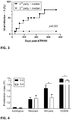
Fig. 3 Kaplan-Meier analysis for the time-to-severe infections. Comparison between ATIR101 batches with a proliferation index > the median value and batches with a proliferation index ≤ the median value. -
Fig. 4 Proliferation index of donor samples towards different stimuli. Comparison between patients who developed mild or moderate infections (black bars) and patients who developed severe infections (white bars). -
Fig. 5 3 rd party proliferation indexes of all donor samples. The line indicates the median value. -
Fig. 6 Kaplan-Meier analysis for the time-to-severe infections. Comparison between donor samples with a proliferation index >the median value and donor samples with a proliferation index ≤ the median value. -
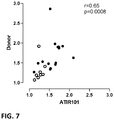
Fig. 7 Correlation between 3rd part reactivity of donor cells andATIR101 3rd party reactivity. - The present invention relates to a method for inhibiting or preventing an infection in a stem cell transplantation recipient for whom there are several potential donors available, the method comprising:
- (i) providing a biological sample from several potential donors, each biological sample comprising donor T-cells;
- (ii) subjecting the biological sample from each donor to a separate 3rd party reactivity test;
- (iii) determining the 3rd party reactivity of each potential donor, whereby the potential donor with the highest 3rd party reactivity is selected as the preferred donor for stem cell transplantation.
- One advantage of the method is that severe or clinically significant infections in a transplant recipient may be prevented or inhibited by carefully selecting a preferred transplant donor from several potential donors. Transplantations using the preferred donor lead to infections of less severity, and thus to a reduction in the number of severe infections.
- Infection refers to the invasion or multiplication of microorganisms, such as bacteria, fungi or viruses, which are not normally present within an individual's body, or to the presence of such microorganisms in abnormal amounts. The infection is typically caused by or associated with the invasion or multiplication of microorganisms, such as bacteria or viruses, preferably viruses, such as viruses from the adenoviridae, herpesviridae, parvoviridae, picornaviridae, pneumoviridae or polyomaviridae family, including but not limited to adenovirus, cytomegalus virus (CMV), Epstein-Barr virus (EBV), herpes simplex viruses 1 (HSV-1), herpes simplex viruses 2 (HSV-2), polyomavirus, respiratory syncytial virus (RSV), rhinovirus or parvovirus. The virus may be a DNA or an RNA virus and is preferably a human virus. Microorganisms may be reactivated after having been dormant or silent in a host for several weeks, months or years. In the present context, such reactivations of microorganisms are included in the term infection.
- An infection may be subclinical, with no symptoms, or it may be clinical, with symptoms. Infections with mild or moderate symptoms usually do not require hospitalisation. Infections with significant or severe symptoms usually require hospitalisation. Whether or not hospitalisation is required will also depend on the condition of the patient. In a preferred embodiment, the method is used for preventing or inhibiting severe infections in particular, severe infections in immunocompromised patients.
- Severity of infection is preferably graded by National Cancer Institute Common Terminology Criteria for Adverse Events Version 4.0, whereby: Grade 0 denotes no infection, Grade 1 and 2 are used for subclinical infections or infections with mild to moderate symptoms and Grades 3-5 are used for infections with severe or medically significant symptoms for which hospitalisation is typically indicated.
Grade 3 infections require hospitalisation or invasive intervention, transfusion, elective interventional radiological procedure, therapeutic endoscopy or operation, but not life-threatening. Grade 4 is life-threatening or disabling. Grade 5 is death related to the infection. Using the method of the invention, in particular significant or severe infections, i.e. of Grade 3-5 severity, may be reduced and thereby non-relapse mortality (NRM) may be reduced. NRM is defined as death due to causes other than disease relapse or progression or other causes unrelated to the transplantation procedure, such as accident or suicide. In a preferred embodiment, the method is used for preventing or inhibiting Grade 3-5 infections in particular, Grade 3-5 infections in immunocompromised patients. - Due to the method of the invention, occurring infections are of less severity. In particular, severe infections are prevented or inhibited. Prevention may be apparent from no infections being present, in particular no Grade 3-5 infections being present. Inhibition may be apparent from less infections being present, in particular less Grade 3-5 infections being present. Prevention or inhibition of infection may be complete or partial, such as an inhibition leading to at least 10%, at least 20%, at least 30%, at least 40%, at least 50%, at least 60% or at least 80% less infections; it may be permanent or temporary, for example at least 30 days, at least 4 months or at least 6 months, more preferably at least 1 or 2 years, such as from 6 months to 1 year or from 1 year to 2 years and is preferably permanent and complete. In one embodiment, the chance of developing within one year an infection with Grade 3 -5 severity is reduced with at least 10%, at least 20%, at least 30%, at least 50%, at least 60% or at least 80% if the donor has high 3rd party reactivity in comparison to the other available donors, e.g. below or at the median of the group of available donors. In another embodiment, if the donor has high 3rd party reactivity in comparison to the other available donors, e.g. above the median of the group of available donors, the number of infections with Grade 3-5 severity occurring within one year is less than 50%, less than 40%, less than 30%, less than 20%, less than 15% or less than 10% of the number of infections with Grade 3-5 severity associated with a donor with low 3rd party reactivity, e.g. below or at the median of the group of available donors. Most preferably, the inhibition of microorganisms is complete and permanent and detectable infectious microorganisms are reduced to zero. Methods for identifying and quantifying viruses, such as CMV and EBV, are known in the art and include immunological and nucleotide based methods, such as quantitative polymerase chain reaction. Quantification may be regularly, for example weekly, monthly or anything in between.
- The recipient is preferably a patient who has received or will receive stem cell transplantation, preferably hematopoietic stem cell transplantation, such as a patient with acute myeloid leukemia (AML), acute lymphatic leukemia (ALL), chronic myeloid leukemia (CML), chronic lymphatic leukemia (CLL) Hodgkin or non-Hodgkin lymphoma, multiple myeloma, myelodysplastic syndrome (MDS), sickle cell anaemia, severe aplastic anaemia (SAA), granulomatosis or thalassemia. Donor and recipient may be of any species, preferably they are mammals. Preferably, the recipient is a human being, more preferably, both donor and recipient are human beings.
- In one embodiment, the transplantation is an allogeneic hematopoietic stem cell transplantation. The stem cell transplantation may be part of the treatment of immunological disorders or blood disorders, which may be inherited, such as blood cancers or blood disorders, including acute myeloid leukemia (AML), acute lymphatic leukemia (ALL), chronic myeloid leukemia (CML), chronic lymphatic leukemia (CLL) Hodgkin or non-Hodgkin lymphoma, multiple myeloma, myelodysplastic syndrome (MDS), sickle cell anaemia, severe aplastic anaemia (SAA), granulomatosis or thalassemia.
- The method according to the invention is used when several potential donors are available for the recipient and a selection has to be made between the several potential donors. The several potential donors may include matched donors (HLA identical to the recipient), such as matched siblings, and haploidentical donors, meaning that donor and recipient are of non-identical (half-matched) HLA haplotype and have mismatches at one or more loci of the unshared haplotype, such as may be the case for example for parents, children or siblings of the recipient. In one embodiment, the haploidentical donor has two or three mismatches at the HLA-A, HLA-B or HLA-DR loci of the unshared haplotype. In contact, the mismatches will lead to donor cells being activated by mismatched HLA antigens on the recipient cells. In one embodiment, the pool of several potential donors consists of haploidentical donors.
- Each biological sample comprises donor T-cells from one single donor. The donor T-cells (T-lymphocytes) in the biological sample may be isolated T-cells or, preferably, T-cells in a peripheral blood mononuclear cells (PBMCs) fraction. The fraction of T-cells in the biological sample may be at least 30%, at least 40%, at least 50% or at least 60%, such as between 40% and 99%, between 40% and 60% or between 50% and 90%, all percentages based on the total number of cells in the biological sample. In one embodiment, the biological sample comprises between 40% and 60% of T-cells and less than 20% NK-cells and less than 20% B-cells, all percentages based on the total number of cells in the biological sample. Both CD4+ and CD8+ T-cells may be present in the biological sample. According to the method of the invention, the biological sample of each potential donor is kept separately from the other potential donors. For the biological sample of each potential donor a reactivity profile is determined, which is a measure for the activation of T-cells. The activation of T-cells may be apparent from upregulation of certain surface markers, e.g. upregulation of the IL-2 receptor or subunits thereof, such as the IL-2 receptor alpha chain, also referred to as CD25, or from proliferation, i.e. dividing and multiplication. The reactivity profile may be measured in any suitable way, for example by measuring cytokine production or by measuring proliferation. The reactivity profile of at least 2, at least 5 or at least 10 potential donors may be determined for selection of the one with the highest 3rd party reactivity, such as the highest proliferation index or the highest cytokine production.
- In one embodiment, the reactivity profile is measured by proliferation. Proliferation may require proliferation factors such as for example interleukins, such as interleukin 2, or other growth factors and may be measured in a proliferation assay.
Suitable proliferation inducing stimuli may include: - 1. irradiated autologous donor cells, to determine baseline proliferation by addition of cells that may provide a 'feeder effect'. Feeder cells release nutrients and provide for matrix support;
- 2. irradiated recipient cells, to determine the (retained) reactivity against the recipient, which reactivity is preferably as low as possible;
- 3. irradiated 3rd party cells, to determine the (retained) reactivity against unrelated HLA-antigens, which reactivity is preferably as high as possible;
- 4. CD3/28 coated beads to generate a pan T-cell stimulus.
- Any suitable proliferation assay may be used. In one embodiment, the proliferation assay uses cells loaded with carboxyfluorescein diacetate succinimidyl ester (CFSE). In this assay, cell cultures are initiated by addition of different proliferation-inducing stimuli for five days in the presence of 1 IU/ml human interleukin-2 in X-VIVO™15 medium with 10% v/v pooled human heat-inactivated PBMCs form different individuals. The proliferation (i.e. dilution of CFSE) of the cells may be analyzed using Modfit LT™ software (VSH software) returning a proliferation index (PI) which reflects the increase in cell number over the course of the assay. A PI of 1.0 represents no proliferation.
- The selected donor may be a donor of stem cells or of a cell preparation as adjunctive therapy, which may comprise one single cell type or a mixture of cell types, such as hematopoietic stem cells, PBMCs, white blood cells, NK- cells, T-lymphocytes (T-cells). In one embodiment, the donor is a donor of hematopoietic stem cells and of an adjunctive cell preparation, such as an allo(recipient)reactive T- cell depleted mixed lymphocyte reaction product.
- In the present context, a mixed lymphocyte reaction (MLR) refers to an ex vivo reaction wherein cell preparations from two individuals, at least one of them containing T-lymphocytes, are mixed to allow a proliferative response of the T- cells from one individual (the responder cells) to cells from another individual (the stimulator cells). For example, it may be used to see how cells of a donor react to cells of a prospective recipient of donor material. In such a case, the recipient cells are the stimulator cells. It may also be used in a process to make donor material suitable for a recipient.
- The MLR may be any type of MLR. The MLR is preferably a one-way MLR, wherein the stimulator cells are treated to render them non-proliferative. Cells may be rendered non-proliferative in any suitable way, for example by interfering with their DNA functionality, such as by gamma irradiation, by treating them with mitomycin C or by fixating the cells, e.g. by formaldehyde or paraformaldehyde. The T-cells for MLR may be may be present in a preparation which comprises or consists of T cells. In one embodiment, the T-cells used in the MLR are present in a peripheral blood mononuclear cell (PBMC) fraction. The person skilled in the art knows how to prepare a PBMC fraction, e.g. by Ficoll®- gradient density centrifugation.
- In the MLR product, activated or proliferating responder T- cells (alloreactive T-cells) may have been inactivated or destroyed to make the selected donor material suitable for the recipient. This may involve photodynamic photodynamic treatment, for example as described in
EP 1 267 931 or inEP 3 258 968 - In another aspect, the present invention relates to a kit which may conveniently be used for the method according to the invention. The kit comprises (i) a container comprising a reactivity assay reagent; (ii) a container comprising a mixture of cells from unrelated individuals or other reagents mimicking 3rd party reactivity; and optionally, (iii) a container for incubation of the test samples and the 3rd party cells or reagents. In one embodiment, the reactivity assay reagent is a reagent for a proliferation assay, for example the CFSE proliferation assay.
Embodiments, preferred embodiments and examples mentioned for the method are also applicable to the kit. - Donors and patients diagnosed with acute myeloid leukemia (AML) or acute lymphatic leukemia (ALL) underwent mononuclear cell-enriched leukapheresis to obtain cells and plasma for a mixed lymphocyte reaction (MLR). Donor plasma was collected during leukapheresis, filtered with a 0.22 µm filter, and heat-inactivated at 56 °C for 60 mins.
- Leukapheresis-obtained cells were washed and processed by automated mononuclear cell purification using a Sepax device (Biosafe, Eysins, Switzerland), following the standardized Sepax NeatCell protocol. Subsequently, donor peripheral blood mononuclear cells (PBMCs; 1×10⁶/mL) were co-cultured with gamma-irradiated (50 Gy) recipient PBMCs 1:1 in X-VIVO 15TM medium (Lonza, Basel, Switzerland), containing 2% donor plasma and 50 IU/mL interleukin-2 (proleukin, Novartis), for 4 days under static conditions.
- After the MLR, cells were centrifuged and pooled in X-VIVO 15TM containing 2.5% donor plasma and 5 µM TH9402 (Kiadis Pharma, Amsterdam) and incubated at 37°C, 5% CO2. After 40 mins of coloration, cells were centrifuged (500 g, 15 mins) to remove coloration medium. The cell pellet was resuspended in X-VIVO 15TM with 10% donor plasma and incubated at 37°C, 5% CO2 for 90 mins to allow extrusion of the dye. After extrusion, cells were immediately placed on the PDT device (Kiadis Pharma, Amsterdam) and exposed to visible light until an energy dose of 5 J/cm2 was delivered. Cells were then collected and centrifuged (500 g, 15 mins) and the percentage of viable T cells in the total cell population determined by flow cytometry. The cell suspension volume required to formulate the product and test and retain samples (2×10⁶ cells/kg bodyweight) was withdrawn and centrifuged (500 g, 15 mins); cells were resuspended in saline with 20% donor plasma. From this suspension, 10 mL was transferred to the final product bag. Next, 10 mL pre-cooled (2-8 °C) dimethyl sulfoxide (DMSO)-containing medium with 40% donor plasma and 20% DMSO was added to the suspension in the final product bag, and the product was frozen until administered to the patient. Immediately thereafter, DMSO-containing medium was added 1:1 to the remaining suspension and frozen formulating samples required for further quality control and characterization assays.
- A CFSE-dilution-based proliferation assay was used to determine the specificity of depletion of alloreactive T cells and the potency of remaining cells. Briefly, 2 µM CFSA-SE (Invitrogen Life Technologies, Bleiswijk, the Netherlands) was added to 2×10⁶ viable T cells/mL. The cells were incubated at 37 °C for 7 mins in the dark before addition of cold X-VIVO 15TM with 10% plasma and incubation at 2-8 °C for 5 mins in the dark to quench the labeling. Cells were then washed three times by centrifuging at 500 g for 7 mins at RT. Next, the cells were resuspended in CFSE culture medium (X-VIVO 15TM with 10% plasma and 1 U/mL interleukin-2) to a concentration of 1×10⁶ viable cells/mL.
- Co-cultures were set up using 1×10⁵ cells/well at 1:1 labeled T cell:stimulus ratio. Four different proliferation-inducing stimuli were used: irradiated autologous donor cells, irradiated recipient cells, irradiated third-party cells, and anti-CD3/CD28 beads. Cells were incubated at 37°C, 5% CO2 for 5 days; the proliferation pattern was then determined using Modfit LT-analysis (VSH Software).
- Infections were clinically apparent infectious disease with symptoms or a viral reactivation as determined by polymerase chain reaction. Each infection with a different infectious agent is one event. Several infections with the same infectious agent, e.g. EBV, are counted as one event, unless the infection has been resolved for longer than a month. Infections are graded in accordance with CTCAE vs. 4.0. Allocation of events to assessment periods is based on the onset date of the respective infection.
- The Wilcoxon signed-rank test was used to compare characteristics of ATIR101 batches. The statistical significance level was set at P≤0.05. Rates of time-to-event endpoints were calculated using the log-rank test Statistical analyses on the characteristics of ATIR101 were performed with GraphPad Prism v7. SAS software (v9.3) was used for the remaining analyses.
- A mixed lymphocyte reaction (MLR) followed by photodynamic treatment (PDT) was performed with donor PBMCs and irradiated-recipient cells using TH9402. MLR and PDT were carried out as described under Materials & Methods. The PDT inactivated or destroyed the recipient reactive donor T-cells present in the MLR mixture. The resulting product was the ATIR101 product for adjunctive infusion into 23 stem cell recipients, aged between 18-65 years, without a suitable matched donor, 28 days (mean value) after HSCT. Each donor was haploidentical to the respective recipient. The haploidentical donor of each recipient was subjected to a 3rd party proliferation test to determine a proliferation index (PI).
- Two years after HSCT, 50% of the surviving recipients had developed no infections or mild or moderate infections (Grade 0-2) and about 36% had developed infections of Grade ≥3, as presented in Table 1. For each patient, the worst severity of infection is shown. Severity was graded according to CTCAE vs. 4.0. Allocation of events to assessment periods is based on the onset date of the respective infection. N reflects the number of patients at the start of the assessment period and n reflects the number of events in a certain period, which may be in the same person. Infections with unknown causative agent are not included in this table.
Table 1 From HSCT to ATIR101 infusion (N=23) From ATIR101 infusion to 6 months after HSCT (N=23) From 6 months to 1 year after HSCT (N=19) From 1 year to 2 years after HSCT (N=14) All Grades, n (%) 9 (39.1) 16 (69.6) 12 (63.2) 12 (85.7) Grade 1/2, n (%) 9 (39.1) 9 (39.1) 9 (47.4) 7 (50.0) Grade ≥3, n (%) 0 7 (30.4) 3 (15.8) 5 (35.7) n= number of events in a certain period; N= number of patients Grade 3. There was 1 Grade 4 event (EBV) and there were 2 deaths (Grade 5 JC virus-mediated encephalopathy and adenovirus infection).Table 2 Grade ≥3 viral infections All Grade ≥3 Grade 3Grade 4 Grade 5 EBV 5 4 1 0 CMV 5 5 0 0 Herpes 3 3 0 0 Polyomaviruses 2 1 0 1 Respiratory syncytial virus 1 1 0 0 Adenovirus 2 1 0 1 Rhinovirus 1 1 0 0 Parvovirus 1 1 0 0 Total number of events 20 18 1 2 Fig. 1 . The asteriks (*) indicates a statistically significant difference.
The results show that the reactivity of ATIR101 towards 3rd-party antigens was significantly lower in batches administered to patients who later developed Grade 3-5 infections, compared with patients who later developed a Grade 0-2 infection. Next, the 3rd party proliferation indexes of all ATIR101 samples were plotted (Figure 2 ); the line identifies the median. - A time-dependent analysis was done using the Kaplan-Meier method for the time to viral infections Grade ≥3 in the batches above the median, and those under and including the median in
Figure 2 . Ten percent (10%) of patients who had received ATIR101 with a 3rd party PI above the median, developed a Grade 3-5 infection within a year, whereas 80% of patients who had received ATIR101 with a 3rd party PI up to and including the median, developed a Grade 3-5 infection within a year. Thus, patients receiving ATIR101 with a higher 3rd-party responsiveness were much less likely to develop a Grade 3-5 infection within a year than those with lower 3rd party PI (Figure 3 ). - Donors whose ATIR101 was administered to patients who later developed Grade 0-2 viral infections appeared to have a significantly increased overall and 3rd-party reactivity (
Figure 4 ; P<0.05), compared to those of patients with Grade 3-5 infections. The asteriks (*) indicates a statistically significant difference. - Next, the 3rd party proliferation indexes of the donor cells were plotted, as shown in
Figure 5 . The line identifies the median. When donors displayed a high PI in response to 3rd-party stimulation (above the median), a lower rate of Grade ≥3 viral infections were observed, in comparison to donors with low PI (P=0.09) (Figure 6 ). - It was found that 3rd-party reactivity of donor cells correlated with ATIR101 reactivity (
Figure 7 ; P=0.0008), strongly indicating the importance of donor reactivity for the prevention of severe infections. Most patients with Grade ≥3 viral infections (open circles) were clustered to the bottom left of the plot, indicating lower reactivity in both donor and subsequently ATIR101, compared with patients without Grade ≥3 viral infections. - The results show that donor 3rd-party reactivity is important for the prevention of severe infections. Increased reactivity to unrelated antigens leads to superior anti-viral immunity. Therefore donors with the highest 3rd-party reactivity are preferred donors in case of multiple donors being available.
Claims (15)
- A method for inhibiting or preventing an infection in a stem cell transplantation recipient for whom there are several potential donors available, the method comprising:(i) providing a biological sample from several potential donors, each biological sample comprising donor T-cells;(ii) subjecting the biological sample from each donor to a separate 3rd party reactivity test;(iii) determining the 3rd party reactivity of each potential donor, whereby the potential donor with the highest 3rd party reactivity is selected as the preferred donor for stem cell transplantation.
- A method according to claim 1, wherein the transplantation is a hematopoietic stem cell transplantation, preferably a haploidentical hematopoietic stem cell transplantation.
- A method according to any preceding claim, wherein the T-cells are present in a peripheral blood mononuclear cells (PBMC) preparation.
- A method according to any preceding claim, wherein the stem cell transplantation is a T-cell depleted stem cell transplantation.
- A method according to any preceding claim, wherein the T cell depleted stem cell transplantation is a CD34+ stem cell transplantation.
- A method according to any preceding claim, wherein the stem cell transplantation is a graft containing CD34+ stem cells and T-cells.
- A method according to any preceding claim, wherein the 3rd party reactivity of each potential donor is determined by a T-cell proliferation assay.
- A method according to any preceding claim wherein the donor is a donor for stem cells.
- A method according to any preceding claim wherein the donor is a donor for T-cells or NK cells.
- A method according to claim 9, wherein the T-cells are depleted of recipient-reactive T-cells.
- A method according to claim 9 or 10, wherein the NK cells are enriched in recipient reactive NK-cells.
- A method according to any preceding claim, wherein the infection is a viral infection, such as an infection of cytomegalovirus, herpes virus, polyomavirus, respiratory syncytial virus, adenovirus or rhinovirus or parvovirus,
- A method according to any preceding claim, wherein the viral infection is of grade 3 or higher.
- The use of high 3rd party reactivity as positive criterium for selection of a donor.
- The use according to claim 14, wherein the proliferaton index of the donor cells is the 3rd party reactivity.
Priority Applications (1)
| Application Number | Priority Date | Filing Date | Title |
|---|---|---|---|
| EP19187921.2A EP3769770A1 (en) | 2019-07-23 | 2019-07-23 | Method for inhibiting or preventing infection in a transplant recipient |
Applications Claiming Priority (1)
| Application Number | Priority Date | Filing Date | Title |
|---|---|---|---|
| EP19187921.2A EP3769770A1 (en) | 2019-07-23 | 2019-07-23 | Method for inhibiting or preventing infection in a transplant recipient |
Publications (1)
| Publication Number | Publication Date |
|---|---|
| EP3769770A1 true EP3769770A1 (en) | 2021-01-27 |
Family
ID=67438588
Family Applications (1)
| Application Number | Title | Priority Date | Filing Date |
|---|---|---|---|
| EP19187921.2A Withdrawn EP3769770A1 (en) | 2019-07-23 | 2019-07-23 | Method for inhibiting or preventing infection in a transplant recipient |
Country Status (1)
| Country | Link |
|---|---|
| EP (1) | EP3769770A1 (en) |
Citations (5)
| Publication number | Priority date | Publication date | Assignee | Title |
|---|---|---|---|---|
| WO2001049243A2 (en) * | 2000-01-05 | 2001-07-12 | Yeda Research And Development Co. Ltd. | Veto cells effective in preventing graft rejection and devoid of graft versus host potential |
| EP1267931A1 (en) | 1999-10-05 | 2003-01-02 | Universite De Montreal | Rhodamine derivatives for photodynamic diagnosis and treatment |
| EP2317992A2 (en) | 2008-07-24 | 2011-05-11 | The United States Of America, As Represented By The Secretary, Department Of Health And Human Services | Preventing or treating viral infection using an inhibitor of the lsd1 protein, a mao inhibitor or an inhibitor of lsd1 and a mao inhibitor |
| WO2014099908A1 (en) | 2012-12-17 | 2014-06-26 | Genentech, Inc. | Methods for inhibiting viral infection in transplant patients |
| EP3058957A1 (en) * | 2015-02-19 | 2016-08-24 | Kiadis Pharma Intellectual Property BV | Improved photodynamic process and product obtained therefrom |
-
2019
- 2019-07-23 EP EP19187921.2A patent/EP3769770A1/en not_active Withdrawn
Patent Citations (6)
| Publication number | Priority date | Publication date | Assignee | Title |
|---|---|---|---|---|
| EP1267931A1 (en) | 1999-10-05 | 2003-01-02 | Universite De Montreal | Rhodamine derivatives for photodynamic diagnosis and treatment |
| WO2001049243A2 (en) * | 2000-01-05 | 2001-07-12 | Yeda Research And Development Co. Ltd. | Veto cells effective in preventing graft rejection and devoid of graft versus host potential |
| EP2317992A2 (en) | 2008-07-24 | 2011-05-11 | The United States Of America, As Represented By The Secretary, Department Of Health And Human Services | Preventing or treating viral infection using an inhibitor of the lsd1 protein, a mao inhibitor or an inhibitor of lsd1 and a mao inhibitor |
| WO2014099908A1 (en) | 2012-12-17 | 2014-06-26 | Genentech, Inc. | Methods for inhibiting viral infection in transplant patients |
| EP3058957A1 (en) * | 2015-02-19 | 2016-08-24 | Kiadis Pharma Intellectual Property BV | Improved photodynamic process and product obtained therefrom |
| EP3258968A1 (en) | 2015-02-19 | 2017-12-27 | Kiadis Pharma Intellectual Property BV | Improved photodynamic process and product obtained therefrom |
Non-Patent Citations (3)
| Title |
|---|
| A PACHNIO ET AL: "Proliferation-based T-cell selection for immunotherapy and graft-versus-host-disease prophylaxis in the context of bone marrow transplantation", BONE MARROW TRANSPLANTATION, vol. 38, no. 2, 1 July 2006 (2006-07-01), GB, pages 157 - 167, XP055659108, ISSN: 0268-3369, DOI: 10.1038/sj.bmt.1705411 * |
| ANONYMOUS: "Donor Lymphocytes Depleted of Alloreactive T-Cells (ATIR101) Reduce Transplant Related Mortality and Improve Overall Survival in Haploidentical HSCT for Patients with AML and ALL, Using an Immunosuppressant-Free Transplant Regimen | Blood | American Society of Hematology", BLOOD 126 (23), 3 May 2015 (2015-05-03), XP055658668, Retrieved from the Internet <URL:https://ashpublications.org/blood/article/126/23/4391/135871/Donor-Lymphocytes-Depleted-of-Alloreactive-TCells> [retrieved on 20200116] * |
| DENIS CLAUDE ROY ET AL: "Allodepleted T-cell immunotherapy after haploidentical haematopoietic stem cell transplantation without severe acute graft-versus-host disease (GVHD) in the absence of GVHD prophylaxis", BRITISH JOURNAL OF HAEMATOLOGY, vol. 186, no. 5, 28 May 2019 (2019-05-28), GB, pages 754 - 766, XP055659053, ISSN: 0007-1048, DOI: 10.1111/bjh.15970 * |
Similar Documents
| Publication | Publication Date | Title |
|---|---|---|
| US20240360413A1 (en) | Nk cells exhibiting an adaptive phenotype and methods for preparing and for using | |
| Pilipow et al. | Antioxidant metabolism regulates CD8+ T memory stem cell formation and antitumor immunity | |
| Di Vito et al. | Natural killer cells in SARS-CoV-2 infection: pathophysiology and therapeutic implications | |
| US20250122475A1 (en) | Natural killer cells with enhanced immune response | |
| Bleakley et al. | Outcomes of acute leukemia patients transplanted with naive T cell–depleted stem cell grafts | |
| Mathew et al. | The anergic state in sarcoidosis is associated with diminished dendritic cell function | |
| Dean et al. | Innate inflammation drives NK cell activation to impair Treg activity | |
| US20180223257A1 (en) | Method for the induction and expansion of natural killer cells derived from peripheral blood mononuclear cells | |
| Worel et al. | The frequency of differentiated CD3+ CD27-CD28-T cells predicts response to CART cell therapy in diffuse large B-cell lymphoma | |
| EP1233058B1 (en) | Method of proliferating natural killer cells | |
| Montagna et al. | T lymphocytes of recipient origin may contribute to the recovery of specific immune response toward viruses and fungi in children undergoing cord blood transplantation | |
| JPH07503134A (en) | Method for measuring cytotoxic T cell precursors | |
| Rajashree et al. | Impaired phenotype and function of monocyte derived dendritic cells in pulmonary tuberculosis | |
| He et al. | Clinical value of Pro-GRP and T lymphocyte subpopulation for the assessment of immune functions of lung cancer patients after DC-CIK biological therapy | |
| HK40044623A (en) | Method for inhibiting or preventing infection in a transplant recipient | |
| Williams et al. | Choice of resident costimulatory molecule can influence cell fate in human naïve CD4+ T cell differentiation | |
| Wilhelm | T-cell interaction with leukemia in the bone marrow of pediatric patients with T-cell acute lymphoblastic leukemia | |
| HK40086176A (en) | Nk cells exhibiting an adaptive phenotype and methods for preparing and for using | |
| Hassan | Immune responses to human cytomegalovirus (HCMV) reactivation in allogeneic haematopoietic stem cell transplantation (HSCT) | |
| Roberto | Cellular Mechanisms of Adaptive Immune Reconstitution Following Human Bone Marrow Transplantation | |
| HK1256113B (en) | Nk cells exhibiting an adaptive phenotype and methods for preparing and for using | |
| Zhao et al. | Human Cord Blood Stem Cell-Modulated Regulatory T Lymphocytes Reverse the | |
| Voliolis et al. | MYELODYSPLASTIC SYNDROME WITH rhG-CSF AND rhEPO IN AN OPEN-LABELED, CONTROLLED PHASE II TRIAL |
Legal Events
| Date | Code | Title | Description |
|---|---|---|---|
| PUAI | Public reference made under article 153(3) epc to a published international application that has entered the european phase |
Free format text: ORIGINAL CODE: 0009012 |
|
| STAA | Information on the status of an ep patent application or granted ep patent |
Free format text: STATUS: THE APPLICATION HAS BEEN PUBLISHED |
|
| AK | Designated contracting states |
Kind code of ref document: A1 Designated state(s): AL AT BE BG CH CY CZ DE DK EE ES FI FR GB GR HR HU IE IS IT LI LT LU LV MC MK MT NL NO PL PT RO RS SE SI SK SM TR |
|
| AX | Request for extension of the european patent |
Extension state: BA ME |
|
| STAA | Information on the status of an ep patent application or granted ep patent |
Free format text: STATUS: REQUEST FOR EXAMINATION WAS MADE |
|
| 17P | Request for examination filed |
Effective date: 20210715 |
|
| RBV | Designated contracting states (corrected) |
Designated state(s): AL AT BE BG CH CY CZ DE DK EE ES FI FR GB GR HR HU IE IS IT LI LT LU LV MC MK MT NL NO PL PT RO RS SE SI SK SM TR |
|
| REG | Reference to a national code |
Ref country code: HK Ref legal event code: DE Ref document number: 40044623 Country of ref document: HK |
|
| STAA | Information on the status of an ep patent application or granted ep patent |
Free format text: STATUS: EXAMINATION IS IN PROGRESS |
|
| 17Q | First examination report despatched |
Effective date: 20211126 |
|
| STAA | Information on the status of an ep patent application or granted ep patent |
Free format text: STATUS: THE APPLICATION IS DEEMED TO BE WITHDRAWN |
|
| 18D | Application deemed to be withdrawn |
Effective date: 20220407 |