EP3769761A1 - Cxcr4 antagonists for treatment of cardiovascular conditions - Google Patents
Cxcr4 antagonists for treatment of cardiovascular conditions Download PDFInfo
- Publication number
- EP3769761A1 EP3769761A1 EP19188597.9A EP19188597A EP3769761A1 EP 3769761 A1 EP3769761 A1 EP 3769761A1 EP 19188597 A EP19188597 A EP 19188597A EP 3769761 A1 EP3769761 A1 EP 3769761A1
- Authority
- EP
- European Patent Office
- Prior art keywords
- cxcr4
- patient
- cxcr4 antagonist
- pharmaceutical composition
- treatment
- Prior art date
- Legal status (The legal status is an assumption and is not a legal conclusion. Google has not performed a legal analysis and makes no representation as to the accuracy of the status listed.)
- Withdrawn
Links
- 229940121384 cxc chemokine receptor type 4 (cxcr4) antagonist Drugs 0.000 title claims abstract description 67
- 230000002526 effect on cardiovascular system Effects 0.000 title claims abstract description 47
- 238000011282 treatment Methods 0.000 title claims abstract description 38
- 239000002576 chemokine receptor CXCR4 antagonist Substances 0.000 claims abstract description 61
- 102100031650 C-X-C chemokine receptor type 4 Human genes 0.000 claims abstract description 57
- 101000922348 Homo sapiens C-X-C chemokine receptor type 4 Proteins 0.000 claims abstract description 57
- 239000008194 pharmaceutical composition Substances 0.000 claims abstract description 32
- 230000014509 gene expression Effects 0.000 claims abstract description 24
- 238000000034 method Methods 0.000 claims abstract description 13
- 238000003745 diagnosis Methods 0.000 claims abstract description 5
- 208000007177 Left Ventricular Hypertrophy Diseases 0.000 claims description 38
- YIQPUIGJQJDJOS-UHFFFAOYSA-N plerixafor Chemical compound C=1C=C(CN2CCNCCCNCCNCCC2)C=CC=1CN1CCCNCCNCCCNCC1 YIQPUIGJQJDJOS-UHFFFAOYSA-N 0.000 claims description 25
- 210000001765 aortic valve Anatomy 0.000 claims description 24
- 229960002169 plerixafor Drugs 0.000 claims description 24
- 230000002861 ventricular Effects 0.000 claims description 19
- 206010002906 aortic stenosis Diseases 0.000 claims description 16
- 230000037396 body weight Effects 0.000 claims description 16
- 206010061218 Inflammation Diseases 0.000 claims description 14
- 230000004054 inflammatory process Effects 0.000 claims description 14
- 108010017080 Granulocyte Colony-Stimulating Factor Proteins 0.000 claims description 12
- 102100039619 Granulocyte colony-stimulating factor Human genes 0.000 claims description 12
- 230000002757 inflammatory effect Effects 0.000 claims description 9
- JJVZSYKFCOBILL-MKMRYRNGSA-N motixafortide Chemical compound NCCCC[C@@H]1NC(=O)[C@H](CCCNC(N)=O)NC(=O)[C@H](Cc2ccc(O)cc2)NC(=O)[C@H](CSSC[C@H](NC(=O)[C@H](CCCNC(N)=O)NC(=O)[C@H](CCCNC(N)=N)NC(=O)[C@H](Cc2ccc(O)cc2)NC(=O)[C@@H]2CCCN2C(=O)[C@H](CCCCN)NC1=O)C(=O)N[C@@H](CCCNC(N)=N)C(N)=O)NC(=O)[C@H](Cc1ccc2ccccc2c1)NC(=O)[C@H](CCCNC(N)=N)NC(=O)[C@H](CCCNC(N)=N)NC(=O)c1ccc(F)cc1 JJVZSYKFCOBILL-MKMRYRNGSA-N 0.000 claims description 9
- 206010051379 Systemic Inflammatory Response Syndrome Diseases 0.000 claims description 8
- 108010014874 balixafortide Proteins 0.000 claims description 8
- 230000002085 persistent effect Effects 0.000 claims description 8
- 238000007920 subcutaneous administration Methods 0.000 claims description 8
- 102100032752 C-reactive protein Human genes 0.000 claims description 7
- 102000004889 Interleukin-6 Human genes 0.000 claims description 7
- 108090001005 Interleukin-6 Proteins 0.000 claims description 7
- 102000004890 Interleukin-8 Human genes 0.000 claims description 7
- 108090001007 Interleukin-8 Proteins 0.000 claims description 7
- 108010074051 C-Reactive Protein Proteins 0.000 claims description 6
- 230000003247 decreasing effect Effects 0.000 claims description 6
- 229940100601 interleukin-6 Drugs 0.000 claims description 6
- 229940096397 interleukin-8 Drugs 0.000 claims description 6
- 108010060188 4-fluorobenzoyl-TN-14003 Proteins 0.000 claims description 5
- 239000005557 antagonist Substances 0.000 claims description 5
- 239000000090 biomarker Substances 0.000 claims description 5
- 108010072524 BKT140 Proteins 0.000 claims description 4
- 206010020772 Hypertension Diseases 0.000 claims description 4
- UUTLJGUXRVWOSI-YYXAXUJHSA-N balixafortide Chemical compound C[C@H]1C(=O)N2CCC[C@H]2C(=O)N[C@H](C(=O)N[C@H](C(=O)N[C@@H](CSSC[C@@H](C(=O)N[C@H](C(=O)N1)CO)NC(=O)[C@H](C)N)C(=O)N[C@@H](Cc3ccc(cc3)O)C(=O)N[C@@H](CCC(=O)N)C(=O)N[C@@H](CCCCN)C(=O)N4CCC[C@H]4C(=O)N5CCC[C@H]5C(=O)N[C@@H](Cc6ccc(cc6)O)C(=O)N[C@@H](Cc7c[nH]cn7)C(=O)O)Cc8ccc(cc8)O)CCCNC(=N)N UUTLJGUXRVWOSI-YYXAXUJHSA-N 0.000 claims description 4
- 229950010263 balixafortide Drugs 0.000 claims description 4
- 208000019622 heart disease Diseases 0.000 claims description 4
- 230000000870 hyperventilation Effects 0.000 claims description 4
- 208000000122 hyperventilation Diseases 0.000 claims description 4
- 238000001990 intravenous administration Methods 0.000 claims description 4
- 208000028867 ischemia Diseases 0.000 claims description 4
- 238000007910 systemic administration Methods 0.000 claims description 4
- 208000031886 HIV Infections Diseases 0.000 claims description 3
- 208000037357 HIV infectious disease Diseases 0.000 claims description 3
- 208000034578 Multiple myelomas Diseases 0.000 claims description 3
- 208000015914 Non-Hodgkin lymphomas Diseases 0.000 claims description 3
- 206010035226 Plasma cell myeloma Diseases 0.000 claims description 3
- 206010037660 Pyrexia Diseases 0.000 claims description 3
- 208000001871 Tachycardia Diseases 0.000 claims description 3
- 208000010115 WHIM syndrome Diseases 0.000 claims description 3
- 201000011510 cancer Diseases 0.000 claims description 3
- 208000033519 human immunodeficiency virus infectious disease Diseases 0.000 claims description 3
- 230000002631 hypothermal effect Effects 0.000 claims description 3
- 201000002364 leukopenia Diseases 0.000 claims description 3
- 239000000546 pharmaceutical excipient Substances 0.000 claims description 3
- 230000036387 respiratory rate Effects 0.000 claims description 3
- 239000007787 solid Substances 0.000 claims description 3
- 230000006794 tachycardia Effects 0.000 claims description 3
- 206010019280 Heart failures Diseases 0.000 description 17
- 208000024172 Cardiovascular disease Diseases 0.000 description 15
- 241000699670 Mus sp. Species 0.000 description 12
- 230000000694 effects Effects 0.000 description 7
- 230000000770 proinflammatory effect Effects 0.000 description 7
- 101000988834 Homo sapiens Hypoxanthine-guanine phosphoribosyltransferase Proteins 0.000 description 6
- 102100029098 Hypoxanthine-guanine phosphoribosyltransferase Human genes 0.000 description 6
- 230000002441 reversible effect Effects 0.000 description 6
- 102000006573 Chemokine CXCL12 Human genes 0.000 description 5
- 108010008951 Chemokine CXCL12 Proteins 0.000 description 5
- XKTZWUACRZHVAN-VADRZIEHSA-N interleukin-8 Chemical compound C([C@H](NC(=O)[C@H](CC(O)=O)NC(=O)[C@H](CC=1C2=CC=CC=C2NC=1)NC(=O)[C@@H](NC(C)=O)CCSC)C(=O)N[C@@H](CC(O)=O)C(=O)N[C@@H](CC(O)=O)C(=O)N[C@@H](CC(C)C)C(=O)N[C@@H](CC(N)=O)C(=O)N[C@@H](CC=1C=CC=CC=1)C(=O)N[C@@H]([C@@H](C)O)C(=O)NCC(=O)N[C@@H](CCSC)C(=O)N1[C@H](CCC1)C(=O)N1[C@H](CCC1)C(=O)N[C@@H](C)C(=O)N[C@H](CC(O)=O)C(=O)N[C@H](CCC(O)=O)C(=O)N[C@H](CC(O)=O)C(=O)N[C@H](CC=1C=CC(O)=CC=1)C(=O)N[C@H](CO)C(=O)N1[C@H](CCC1)C(N)=O)C1=CC=CC=C1 XKTZWUACRZHVAN-VADRZIEHSA-N 0.000 description 5
- 108090000623 proteins and genes Proteins 0.000 description 5
- 230000002889 sympathetic effect Effects 0.000 description 5
- 108091032973 (ribonucleotides)n+m Proteins 0.000 description 4
- 230000000747 cardiac effect Effects 0.000 description 4
- 238000011161 development Methods 0.000 description 4
- 230000018109 developmental process Effects 0.000 description 4
- 208000037265 diseases, disorders, signs and symptoms Diseases 0.000 description 4
- 238000007634 remodeling Methods 0.000 description 4
- 230000004044 response Effects 0.000 description 4
- 230000004083 survival effect Effects 0.000 description 4
- 101150066398 CXCR4 gene Proteins 0.000 description 3
- 108010041356 Estrogen Receptor beta Proteins 0.000 description 3
- 102100029951 Estrogen receptor beta Human genes 0.000 description 3
- 206010020880 Hypertrophy Diseases 0.000 description 3
- PIWKPBJCKXDKJR-UHFFFAOYSA-N Isoflurane Chemical compound FC(F)OC(Cl)C(F)(F)F PIWKPBJCKXDKJR-UHFFFAOYSA-N 0.000 description 3
- 206010042434 Sudden death Diseases 0.000 description 3
- 230000004913 activation Effects 0.000 description 3
- 230000003044 adaptive effect Effects 0.000 description 3
- 206010003119 arrhythmia Diseases 0.000 description 3
- 230000006793 arrhythmia Effects 0.000 description 3
- 230000033228 biological regulation Effects 0.000 description 3
- 230000034994 death Effects 0.000 description 3
- 231100000517 death Toxicity 0.000 description 3
- 230000001419 dependent effect Effects 0.000 description 3
- 201000010099 disease Diseases 0.000 description 3
- 239000003814 drug Substances 0.000 description 3
- 230000006870 function Effects 0.000 description 3
- 230000010247 heart contraction Effects 0.000 description 3
- 230000004217 heart function Effects 0.000 description 3
- 230000001771 impaired effect Effects 0.000 description 3
- 210000004969 inflammatory cell Anatomy 0.000 description 3
- 230000028709 inflammatory response Effects 0.000 description 3
- 229960002725 isoflurane Drugs 0.000 description 3
- 230000007246 mechanism Effects 0.000 description 3
- 238000010606 normalization Methods 0.000 description 3
- IJGRMHOSHXDMSA-UHFFFAOYSA-N Atomic nitrogen Chemical compound N#N IJGRMHOSHXDMSA-UHFFFAOYSA-N 0.000 description 2
- 102000004127 Cytokines Human genes 0.000 description 2
- 108090000695 Cytokines Proteins 0.000 description 2
- 206010016654 Fibrosis Diseases 0.000 description 2
- -1 GMI-1359 Chemical compound 0.000 description 2
- 206010061216 Infarction Diseases 0.000 description 2
- 102000015696 Interleukins Human genes 0.000 description 2
- 108010063738 Interleukins Proteins 0.000 description 2
- 241001465754 Metazoa Species 0.000 description 2
- 206010028594 Myocardial fibrosis Diseases 0.000 description 2
- 238000011530 RNeasy Mini Kit Methods 0.000 description 2
- 238000011529 RT qPCR Methods 0.000 description 2
- 102000018594 Tumour necrosis factor Human genes 0.000 description 2
- 108050007852 Tumour necrosis factor Proteins 0.000 description 2
- 238000004458 analytical method Methods 0.000 description 2
- 230000008485 antagonism Effects 0.000 description 2
- 210000001185 bone marrow Anatomy 0.000 description 2
- 210000004413 cardiac myocyte Anatomy 0.000 description 2
- 230000001684 chronic effect Effects 0.000 description 2
- 230000010339 dilation Effects 0.000 description 2
- 229940079593 drug Drugs 0.000 description 2
- 238000002474 experimental method Methods 0.000 description 2
- 210000000630 fibrocyte Anatomy 0.000 description 2
- 230000004761 fibrosis Effects 0.000 description 2
- 230000007574 infarction Effects 0.000 description 2
- 230000005764 inhibitory process Effects 0.000 description 2
- 230000010016 myocardial function Effects 0.000 description 2
- 208000010125 myocardial infarction Diseases 0.000 description 2
- 210000004165 myocardium Anatomy 0.000 description 2
- 230000037361 pathway Effects 0.000 description 2
- 238000011458 pharmacological treatment Methods 0.000 description 2
- 239000000902 placebo Substances 0.000 description 2
- 229940068196 placebo Drugs 0.000 description 2
- 238000004393 prognosis Methods 0.000 description 2
- 102000004169 proteins and genes Human genes 0.000 description 2
- 102000005962 receptors Human genes 0.000 description 2
- 108020003175 receptors Proteins 0.000 description 2
- 230000007115 recruitment Effects 0.000 description 2
- 210000000130 stem cell Anatomy 0.000 description 2
- 230000001225 therapeutic effect Effects 0.000 description 2
- 238000010967 transthoracic echocardiography Methods 0.000 description 2
- UEUPDYPUTTUXLJ-UHFFFAOYSA-N 1-[[4-(1,4,8,11-tetrazacyclotetradec-1-ylmethyl)phenyl]methyl]-1,4,8,11-tetrazacyclotetradecane;octahydrochloride Chemical compound Cl.Cl.Cl.Cl.Cl.Cl.Cl.Cl.C=1C=C(CN2CCNCCCNCCNCCC2)C=CC=1CN1CCCNCCNCCCNCC1 UEUPDYPUTTUXLJ-UHFFFAOYSA-N 0.000 description 1
- QLVSJMZJSABWRX-UHFFFAOYSA-N 2-[4-[6-amino-2-[[4-[[3-(cyclohexylamino)propylamino]methyl]cyclohexyl]methylamino]pyrimidin-4-yl]piperazin-1-yl]ethylphosphonic acid Chemical compound N=1C(N)=CC(N2CCN(CCP(O)(O)=O)CC2)=NC=1NCC(CC1)CCC1CNCCCNC1CCCCC1 QLVSJMZJSABWRX-UHFFFAOYSA-N 0.000 description 1
- XNUNVQKARNSSEO-UHFFFAOYSA-N 6-[4-(1-propan-2-ylpiperidin-4-yl)-1,4-diazepan-1-yl]-n-pyridin-4-ylpyridine-2-carboxamide Chemical compound C1CN(C(C)C)CCC1N1CCN(C=2N=C(C=CC=2)C(=O)NC=2C=CN=CC=2)CCC1 XNUNVQKARNSSEO-UHFFFAOYSA-N 0.000 description 1
- WVLHHLRVNDMIAR-IBGZPJMESA-N AMD 070 Chemical compound C1CCC2=CC=CN=C2[C@H]1N(CCCCN)CC1=NC2=CC=CC=C2N1 WVLHHLRVNDMIAR-IBGZPJMESA-N 0.000 description 1
- 206010002091 Anaesthesia Diseases 0.000 description 1
- 108091023037 Aptamer Proteins 0.000 description 1
- 238000000846 Bartlett's test Methods 0.000 description 1
- 108010053045 CTCE-9908 Proteins 0.000 description 1
- 206010007559 Cardiac failure congestive Diseases 0.000 description 1
- 206010007572 Cardiac hypertrophy Diseases 0.000 description 1
- 102000009410 Chemokine receptor Human genes 0.000 description 1
- 108050000299 Chemokine receptor Proteins 0.000 description 1
- 102000019034 Chemokines Human genes 0.000 description 1
- 108010012236 Chemokines Proteins 0.000 description 1
- 108700039887 Essential Genes Proteins 0.000 description 1
- 208000013875 Heart injury Diseases 0.000 description 1
- 241000282412 Homo Species 0.000 description 1
- 206010049694 Left Ventricular Dysfunction Diseases 0.000 description 1
- 241000699666 Mus <mouse, genus> Species 0.000 description 1
- 102000003505 Myosin Human genes 0.000 description 1
- 108060008487 Myosin Proteins 0.000 description 1
- HCBIBCJNVBAKAB-UHFFFAOYSA-N Procaine hydrochloride Chemical compound Cl.CCN(CC)CCOC(=O)C1=CC=C(N)C=C1 HCBIBCJNVBAKAB-UHFFFAOYSA-N 0.000 description 1
- 108010026552 Proteome Proteins 0.000 description 1
- 108091027967 Small hairpin RNA Proteins 0.000 description 1
- 108020004459 Small interfering RNA Proteins 0.000 description 1
- 206010071436 Systolic dysfunction Diseases 0.000 description 1
- 208000027418 Wounds and injury Diseases 0.000 description 1
- 210000001766 X chromosome Anatomy 0.000 description 1
- 210000002593 Y chromosome Anatomy 0.000 description 1
- 230000037005 anaesthesia Effects 0.000 description 1
- 210000000709 aorta Anatomy 0.000 description 1
- 230000006907 apoptotic process Effects 0.000 description 1
- 238000003556 assay Methods 0.000 description 1
- QVGXLLKOCUKJST-UHFFFAOYSA-N atomic oxygen Chemical compound [O] QVGXLLKOCUKJST-UHFFFAOYSA-N 0.000 description 1
- 229960000074 biopharmaceutical Drugs 0.000 description 1
- 238000001574 biopsy Methods 0.000 description 1
- 210000004369 blood Anatomy 0.000 description 1
- 239000008280 blood Substances 0.000 description 1
- 230000036760 body temperature Effects 0.000 description 1
- 229950000814 burixafor Drugs 0.000 description 1
- 229940082638 cardiac stimulant phosphodiesterase inhibitors Drugs 0.000 description 1
- 238000007675 cardiac surgery Methods 0.000 description 1
- 230000007211 cardiovascular event Effects 0.000 description 1
- 230000000052 comparative effect Effects 0.000 description 1
- 230000008828 contractile function Effects 0.000 description 1
- 208000029078 coronary artery disease Diseases 0.000 description 1
- VUYRSKROGTWHDC-HZGLMRDYSA-N ctce 9908 Chemical compound C([C@H](NC(=O)[C@H](CO)NC(=O)[C@@H](NC(=O)[C@H](CO)NC(=O)[C@@H](NC(=O)CNC(=O)[C@@H](N)CCCCN)C(C)C)CC(C)C)C(=O)N[C@@H](CCCNC(N)=N)C(=O)NCCCC[C@H](NC(=O)[C@H](CCCNC(N)=N)NC(=O)[C@H](CC=1C=CC(O)=CC=1)NC(=O)[C@H](CO)NC(=O)[C@H](CC(C)C)NC(=O)[C@H](CO)NC(=O)[C@@H](NC(=O)CNC(=O)[C@@H](N)CCCCN)C(C)C)C(N)=O)C1=CC=C(O)C=C1 VUYRSKROGTWHDC-HZGLMRDYSA-N 0.000 description 1
- 230000016396 cytokine production Effects 0.000 description 1
- 230000006378 damage Effects 0.000 description 1
- 230000007812 deficiency Effects 0.000 description 1
- 230000000994 depressogenic effect Effects 0.000 description 1
- 238000000586 desensitisation Methods 0.000 description 1
- 230000001627 detrimental effect Effects 0.000 description 1
- 206010012601 diabetes mellitus Diseases 0.000 description 1
- 208000035475 disorder Diseases 0.000 description 1
- 238000005516 engineering process Methods 0.000 description 1
- 229940011871 estrogen Drugs 0.000 description 1
- 239000000262 estrogen Substances 0.000 description 1
- 238000000556 factor analysis Methods 0.000 description 1
- 230000002349 favourable effect Effects 0.000 description 1
- 230000005484 gravity Effects 0.000 description 1
- 230000003394 haemopoietic effect Effects 0.000 description 1
- 238000003306 harvesting Methods 0.000 description 1
- 230000036541 health Effects 0.000 description 1
- 210000002064 heart cell Anatomy 0.000 description 1
- 208000018578 heart valve disease Diseases 0.000 description 1
- 238000003384 imaging method Methods 0.000 description 1
- 230000008076 immune mechanism Effects 0.000 description 1
- 230000028993 immune response Effects 0.000 description 1
- 230000006872 improvement Effects 0.000 description 1
- 230000008595 infiltration Effects 0.000 description 1
- 238000001764 infiltration Methods 0.000 description 1
- 239000003112 inhibitor Substances 0.000 description 1
- 230000002401 inhibitory effect Effects 0.000 description 1
- 208000014674 injury Diseases 0.000 description 1
- 230000003993 interaction Effects 0.000 description 1
- 238000011835 investigation Methods 0.000 description 1
- 230000000302 ischemic effect Effects 0.000 description 1
- 210000005240 left ventricle Anatomy 0.000 description 1
- 210000000265 leukocyte Anatomy 0.000 description 1
- 239000003446 ligand Substances 0.000 description 1
- 239000007788 liquid Substances 0.000 description 1
- 230000007774 longterm Effects 0.000 description 1
- 238000004519 manufacturing process Methods 0.000 description 1
- 239000003550 marker Substances 0.000 description 1
- 229940121302 mavorixafor Drugs 0.000 description 1
- 238000010197 meta-analysis Methods 0.000 description 1
- 108091070501 miRNA Proteins 0.000 description 1
- 239000002679 microRNA Substances 0.000 description 1
- 230000005012 migration Effects 0.000 description 1
- 238000013508 migration Methods 0.000 description 1
- 210000001616 monocyte Anatomy 0.000 description 1
- 230000002107 myocardial effect Effects 0.000 description 1
- 210000000440 neutrophil Anatomy 0.000 description 1
- 229910052757 nitrogen Inorganic materials 0.000 description 1
- 108020004707 nucleic acids Proteins 0.000 description 1
- 102000039446 nucleic acids Human genes 0.000 description 1
- 150000007523 nucleic acids Chemical class 0.000 description 1
- 239000001301 oxygen Substances 0.000 description 1
- 229910052760 oxygen Inorganic materials 0.000 description 1
- 230000007170 pathology Effects 0.000 description 1
- 230000007310 pathophysiology Effects 0.000 description 1
- 230000002688 persistence Effects 0.000 description 1
- 230000000144 pharmacologic effect Effects 0.000 description 1
- 230000009038 pharmacological inhibition Effects 0.000 description 1
- 239000002571 phosphodiesterase inhibitor Substances 0.000 description 1
- 238000010837 poor prognosis Methods 0.000 description 1
- 230000008092 positive effect Effects 0.000 description 1
- 238000000513 principal component analysis Methods 0.000 description 1
- 229960001309 procaine hydrochloride Drugs 0.000 description 1
- 102000004196 processed proteins & peptides Human genes 0.000 description 1
- 108090000765 processed proteins & peptides Proteins 0.000 description 1
- 230000000750 progressive effect Effects 0.000 description 1
- AQHHHDLHHXJYJD-UHFFFAOYSA-N propranolol Chemical compound C1=CC=C2C(OCC(O)CNC(C)C)=CC=CC2=C1 AQHHHDLHHXJYJD-UHFFFAOYSA-N 0.000 description 1
- 238000000575 proteomic method Methods 0.000 description 1
- 238000011084 recovery Methods 0.000 description 1
- 230000008929 regeneration Effects 0.000 description 1
- 238000011069 regeneration method Methods 0.000 description 1
- 230000000630 rising effect Effects 0.000 description 1
- 238000005070 sampling Methods 0.000 description 1
- 210000003765 sex chromosome Anatomy 0.000 description 1
- 239000002924 silencing RNA Substances 0.000 description 1
- 239000004055 small Interfering RNA Substances 0.000 description 1
- 238000010254 subcutaneous injection Methods 0.000 description 1
- 239000007929 subcutaneous injection Substances 0.000 description 1
- 238000001356 surgical procedure Methods 0.000 description 1
- 208000011580 syndromic disease Diseases 0.000 description 1
- 230000009885 systemic effect Effects 0.000 description 1
- 238000002560 therapeutic procedure Methods 0.000 description 1
- 210000002303 tibia Anatomy 0.000 description 1
- 230000002103 transcriptional effect Effects 0.000 description 1
- 229950010095 ulocuplumab Drugs 0.000 description 1
- 238000009423 ventilation Methods 0.000 description 1
- 238000010792 warming Methods 0.000 description 1
Images
Classifications
-
- A—HUMAN NECESSITIES
- A61—MEDICAL OR VETERINARY SCIENCE; HYGIENE
- A61K—PREPARATIONS FOR MEDICAL, DENTAL OR TOILETRY PURPOSES
- A61K31/00—Medicinal preparations containing organic active ingredients
- A61K31/33—Heterocyclic compounds
- A61K31/395—Heterocyclic compounds having nitrogen as a ring hetero atom, e.g. guanethidine or rifamycins
-
- A—HUMAN NECESSITIES
- A61—MEDICAL OR VETERINARY SCIENCE; HYGIENE
- A61P—SPECIFIC THERAPEUTIC ACTIVITY OF CHEMICAL COMPOUNDS OR MEDICINAL PREPARATIONS
- A61P9/00—Drugs for disorders of the cardiovascular system
Definitions
- the present invention relates to a CXCR4 antagonist for use in the treatment of a patient suffering from a cardiovascular condition, a pharmaceutical composition comprising a CXCR4 antagonist for use in the treatment of a patient suffering from a cardiovascular condition, a method of diagnosis of a patient suffering from a cardiovascular condition based on a determination of CXCR4 expression in a patient, and a kit comprising a CXCR4 antagonist for use in the treatment of a patient suffering from a cardiovascular condition.
- Cardiovascular (CV) diseases are the number one cause of death, globally representing 31.5% of all deaths. In Europe, cardiovascular diseases are responsible for over 4 million deaths per year ( Nichols M, et al. Cardiovascular disease in europe: Epidemiological update. Eur Heart J. 2013;34:3028-3034 ).
- Heart failure a deficiency in the ability of the heart to pump sufficient amounts of blood in response to systemic demands, is a cardiovascular disorder with increasing incidence and prevalence that could be most appropriately considered an epidemic of enormous socioeconomic consequences.
- Heart failure is a devastating syndrome with poor prognosis that is most often preceded by a left ventricular (LV) pressure overload (PO) disorder.
- LV left ventricular
- PO pressure overload
- aortic stenosis or hypertension constitutes a major burden for the heart and as pressure inside the left ventricle increases, left ventricular hypertrophy (LVH) develops. Under left ventricular hypertrophy, persistent inflammation is known to be detrimental to the heart, and the inflammatory response might promote heart failure ( Vasan RS, et al. Framingham Heart S. Inflammatory markers and risk of heart failure in elderly subjects without prior myocardial infarction: The framingham heart study. Circulation. 2003;107:1486-1491 ).
- CXCL12 cytokine chemokine (C-X-C motif) ligand 12
- SDF-1 stromal cell-derived factor-1
- Aortic stenosis causes pressure overload and leads to left ventricular hypertrophy that progresses towards heart failure and sudden death.
- the treatment of aortic stenosis depends on its stage - early and/or mild forms are monitored, often under propanolol treatment, however from a certain critical stage onward surgical aortic valve replacement (AVR) is the standard intervention and currently also the only available treatment.
- Aortic stenosis is the most common adult heart valve disease in western countries and its prevalence is rising with increasing life expectancy. Aortic valve replacement is expected to result in the regression of left ventricular hypertrophy and improvement of cardiac function.
- LVH left ventricular hypertrophy after aortic valve replacement by the ross procedure detected by cine mri. J Cardiovasc Magn Reson. 2004;6:1-8 ). Since regression of LVH is associated with better long-term outcome, it is of major clinical relevance to identify existing and novel interventions relevant for clinical success.
- a CXCR4 antagonist is provided for use in the treatment of a patient suffering from a cardiovascular condition.
- the cardiovascular condition is any one of left ventricular pressure overload (LV-PO), aortic stenosis (AS), aortic valve replacement (AVR), hypertension, left ventricular hypertrophy (LVH), persistent inflammation of the heart, systemic inflammatory response syndrome (SIRS), maladaptive remodelling of the heart, increased LV mass, decreased ejection fraction and/or heart disease with increased inflammation, more preferably wherein maladaptive remodelling of the heart is defined by one or more of increased left ventricular end-diastolic diameter (LVEDD), increased left ventricular mass and decreased relative wall thickness (RWT), even more preferably by a positive value of the LV remodelling index.
- LVEDD left ventricular end-diastolic diameter
- RWT relative wall thickness
- the cardiovascular condition is characterized by one or more of the following parameters being fulfilled in the patient: fever or hypothermia with a temperature of less than 36.0°C or of more than 38.0°C, tachycardia with a heart rate of more than 90 beats per minute, hyperventilation characterized by a respiratory rate of more than 20 breaths per minute or a PaCO 2 of less than 32 mmHg, leucocytosis or leucopenia characterized by a leucocyte count of more than 12 ⁇ 10 9 /L or less than 4 ⁇ 10 9 /L, increased inflammatory biomarkers including interleukin-6 (IL-6) of more than 15 pg/mL, interleukin-8 (IL-8) of more than15 pg/mL, and/or C-reactive protein (CRP) of more than 10 mg/L.
- IL-6 interleukin-6
- IL-8 interleukin-8
- the cardiovascular condition of the patient to be treated is left ventricular hypertrophy (LVH) and the patient to be treated has been subject to aortic valve replacement (AVR), more preferably the patient to be treated has been subject to aortic valve replacement (AVR) within the last five years.
- LH left ventricular hypertrophy
- AVR aortic valve replacement
- the cardiovascular condition is not ischemia-induced.
- the CXCR4 antagonist is POL6326 (balixafortide), BMS-936564 (MDX-1338), BKT140 (4F-benzoyl-TN14003), or AMD3100 (plerixafor), preferably the CXCR4 antagonist is AMD3100 (plerixafor).
- the patient does not suffer from HIV infection, WHIM syndrome, solid malignant tumors, multiple myeloma and/or non-Hodgkin lymphoma.
- the CXCR4 antagonist is not co-administered together with the granulocyte-colony stimulating factor (G-CSF).
- G-CSF granulocyte-colony stimulating factor
- the patient is male.
- the patient has a level of CXCR4 expression in relation to normalised CXCR4 levels of the general population of more than 1.0 fold of the normalised CXCR4 level of the general population, more preferably more than 1.5 fold, even more preferably more than 2.0 fold.
- the patient has been found to be eligible for treatment with the CXCR4 antagonist prior to treatment.
- a method of diagnosis of a patient suffering from a cardiovascular condition wherein a level of CXCR4 expression is determined in relation to the normalised CXCR4 level of the general population, and wherein the patient is determined to be eligible for treatment with a CXCR4 antagonist if the level of CXCR4 expression is more than 1.0 fold of the normalised CXCR4 level of the general population, more preferably more than 1.5 fold, even more preferably more than 2.0 fold of the normalised CXCR4 level of the general population.
- a pharmaceutical composition comprising a CXCR4 antagonist according to the first aspect, and at least one pharmaceutically acceptable excipient for use in the treatment of a patient suffering from a cardiovascular condition.
- the pharmaceutical composition does not comprise granulocyte-colony stimulating factor (G-CSF).
- G-CSF granulocyte-colony stimulating factor
- the pharmaceutical composition is administered to the patient by way of systemic administration, more preferably wherein the pharmaceutical composition is administered to the patient by way of oral administration, intravenous administration or subcutaneous administration, even more preferably by oral administration or subcutaneous administration, specifically preferably by oral administration.
- the pharmaceutical composition comprises the antagonist in a range of from 0.02 to 0.40 mg/kg body weight, more preferably in a range of 0.05 to 0.30 mg/kg body weight, even more preferably in a range of 0.10 to 0.28 mg/kg body weight, particularly preferably in a range of 0.2 to 0.25 mg/kg body weight.
- the pharmaceutical composition is administered between twice daily and once every two days, more preferably the pharmaceutical composition is administered daily.
- a kit comprising a CXCR4 antagonist according to the first aspect of the present invention, and a container for use in the treatment of a patient suffering from a cardiovascular condition.
- the present inventor has dedicated himself to solving the problem of the present invention and were successful to find a novel molecular target and novel methods which are suitable to improve cardiovascular diseases without the risk of significant side effects such as arrhythmias.
- CXCR4 gene levels have been characterised in cardiomyocytes isolated from left ventricular samples of patients suffering from a cardiovascular disease.
- administration of a CXCR4 antagonist to TAC mice (subjected to transverse aortic constriction or TAC) mimicking aortic stenosis revealed positive effects to the development of heart structure and function.
- CXCR4 antagonists have previously been used in the clinical environment
- CXCR4 antagonism with the small organic bicyclam molecule plerixafor is normally employed to mobilise and harvest haematopoietic progenitor cells for bone marrow transplants.
- CXCR4 inhibition via plerixafor results in neutrophil mobilization from reservoirs other than the bone marrow.
- CXCR4 antagonists in the cardiovascular field appear to be related mostly to events involving or following ischemia or infarction due to its effects in mobilization of progenitor cells, with the expectation that this would enhance regeneration of the heart.
- these known applications appear unrelated to the persistent inflammatory setting in progression towards heart failure.
- CXCR4 antagonists in cardiovascular disease, activation of CXCR4 associated with increased pro-inflammatory cell infiltration is assumed to lead to impaired cardiac function. Consequently, pharmacological inhibition of CXCR4 with a specific antagonist such as plerixafor may confer patients having a relevant level of CXCR4 expression with protection from certain cardiovascular conditions including pressure overload-induced left ventricular hypertrophy.
- CXCR4 antagonists such as plerixafor (or any other relevant inhibitor) will facilitate the regression of LVH and myocardial function following aortic valve replacement.
- CXCR4 antagonism would confer aortic stenosis patients undergoing aortic valve replacement functional protection, which could be a new indication for plerixafor, with a direct impact on guidelines. This may emerge as an important intervention common to the recovery of wide-range cardiovascular events that contribute to cardiovascular disease epidemics, thereby having a major impact on patient prognosis and life quality, as well as savings to health care systems.
- the present invention provides a CXCR4 antagonist for use in the treatment of a patient suffering from a cardiovascular condition.
- the cardiovascular condition may be any condition of a patient which is positively affected by administration of a CXCR4 antagonist.
- the cardiovascular condition according to the present invention is any one of left ventricular pressure overload (LV-PO), aortic stenosis (AS), aortic valve replacement (AVR), hypertension, left ventricular hypertrophy (LVH), persistent inflammation of the heart, systemic inflammatory response syndrome (SIRS), maladaptive remodelling of the heart, increased LV mass, decreased ejection fraction and/or heart disease with increased inflammation.
- LV-PO left ventricular pressure overload
- AS aortic stenosis
- AVR aortic valve replacement
- hypertension left ventricular hypertrophy
- SIRS systemic inflammatory response syndrome
- maladaptive remodelling of the heart increased LV mass, decreased ejection fraction and/or heart disease with increased inflammation.
- aortic valve replacement shall encompass all patients having had an aortic (heart) valve replacement carried out.
- the cardiovascular condition of the patient to be treated is left ventricular hypertrophy, wherein the patient to be treated has previously been subject to aortic valve replacement.
- the CXCR4 antagonist is for use in facilitating the regression of left ventricular hypertrophy and/or myocardial function following an aortic valve replacement in a patient.
- maladaptive remodelling of the heart as the cardiovascular condition is defined by one or more of increased left ventricular end-diastolic diameter (LVEDD), increased left ventricular mass and decreased relative wall thickness (RWT), preferably by a positive value of the LV remodelling index which take the three aforementioned parameters into account.
- LVED left ventricular end-diastolic diameter
- RWT relative wall thickness
- LV end-diastolic diameter LVEDD
- RWT relative wall thickness
- a combination of LV mass, LV end-diastolic diameter, and relative wall thickness may be included in a factor analysis to generate an index classifying LV remodelling as adaptive or maladaptive (cf. Kararigas G, et al. Sex-dependent regulation of fibrosis and inflammation in human left ventricular remodelling under pressure overload. Eur J Heart Fail. 2014;16:1160-1167 ).
- Mean and peak transvalvular pressure gradients can also be included.
- the measures related to LV remodelling are preferably combined in the LV remodelling index and forced orthogonal to the PO index (combines mean and peak transvalvular pressure gradients).
- the Kaiser-Meyer-Olkin (KMO) measure of sampling adequacy in the reported publication was found to be 0.374, while the Bartlett's test of sphericity was highly significant ( P ⁇ 0.0001).
- Principal component analysis with Varimax rotation was used as the underlying factor-analytical method.
- the Kaiser-Guttman criterion was applied to ascertain the number of extracted factors.
- the LV remodelling index can be used to classify echocardiographic LV remodelling into adaptive or maladaptive patterns. Since the LV remodelling index is a z-transformed variable, positive index values correlate with an increase in LVEDD (factor loading 0.962) and LV mass (factor loading 0.661) and a decrease in RWT (factor loading -0.818), thereby reflecting maladaptive LV remodelling.
- the LV remodelling pattern was considered adaptive when the criteria for maladaptive LV remodelling were not fulfilled, i.e. negative LV remodelling index values.
- maladaptive remodeling is considered to be present in patients having a positive index value of the LV remodeling index.
- the cardiovascular condition in particular persistent inflammation of the heart, systemic inflammatory response syndrome (SIRS) and/or heart disease with increased inflammation, is characterized by one or more, more preferably two or more, even more preferably three or more, of the following parameters being fulfilled in a patient:
- any value stated therein is to be considered one parameter with the proviso that the two values given for hyperventilation are preferably mutually exclusive.
- four or more of the above parameters are fulfilled, further preferably five or more, even further preferably six or more.
- the cardiovascular condition is characterized by at least one parameter of the inflammatory biomarkers IL-6, IL-8 or CRP as defined above being fulfilled.
- the cardiovascular condition of the patient to be treated is left ventricular hypertrophy (LVH) and the patient to be treated has been subject to aortic valve replacement (AVR), more preferably wherein the patient to be treated has been subject to aortic valve replacement (AVR) within the last five years, even more preferably within the last two years, even more preferably within the last year, particularly preferably within the last six months.
- LHL left ventricular hypertrophy
- AVR aortic valve replacement
- the cardiovascular condition is not ischemia-induced or infarct-induced.
- the patient to be treated does not suffer from HIV infection, WHIM syndrome, solid malignant tumors, multiple myeloma and/or non-Hodgkin lymphoma.
- the CXCR4 antagonist is not co-administered together with the granulocyte-colony stimulating factor (G-CSF).
- G-CSF granulocyte-colony stimulating factor
- the CXCR4 antagonist or a pharmaceutical composition comprising the CXCR4 antagonist is administered to the patient in a dosage of the CXCR4 antagonist in a range of from 0.02 to 0.40 mg/kg body weight, preferably in a range of 0.05 to 0.30 mg/kg body weight, more preferably in a range of 0.10 to 0.28 mg/kg body weight, particularly preferably in a range of 0.2 to 0.25 mg/kg body weight of the patient.
- the CXCR4 antagonist or a pharmaceutical composition comprising the CXCR4 antagonist is administered to the patient by way of systemic administration, preferably by way of oral administration, intravenous administration or subcutaneous administration, more preferably by oral administration or subcutaneous administration., even more preferably by oral administration.
- the CXCR4 antagonist or a pharmaceutical composition comprising the CXCR4 antagonist is administered to the patient between three times daily and twice a week, more preferably between twice daily and once every two days, even more preferably the pharmaceutical composition is administered daily.
- the CXCR4 antagonist of the present invention may be any molecule acting as an antagonist to CXCR4 function.
- the CXCR4 antagonist may comprise a molecule from the group consisting of AMD3100 (plerixafor), POL6326 (balixafortide), BL-8040, mavorixafor, burixafor, Q-122, PTX-9908, ulocuplumab, USL-311, GMI-1359, LY-2510924, hz-515H7, HPH-12, KY-1051, POL-5551, BKT-300, AD-214, X-4P002, X-4P003, AM-3114, PF-06747143, X4-136, ALB-408, ALX-0651, HPH-196, HPH-211, CS-3955, BKT-170, STIA-220X, LY-2624587, NB-325, AT-009, SP-10, CTCE-9908,
- the patient is male.
- being male is defined by the patient having as sex chromosomes one X chromosome and one Y chromosome.
- the patient has a level of CXCR4 expression in relation to normalised CXCR4 levels of the general population of more than 1.0 fold, preferably more than 1.5 fold, more preferably more than 2.0 fold.
- normalised CXCR4 levels of the general population the average level of CXCR4 expression of the general population across all sexes is preferably adopted.
- CXCR4 expression levels may preferably be determined by a given method for a representative average group of an equal number of males and females from the general population. The values found by the given determination method should then be added and divided by the number of values to obtain a normalized value for CXCR4 levels of the general population. Said normalized value will then be set as 1.0 fold and compared to the CXCR4 level determined for the patient by the same method.
- the patient has a level of more than 1.0 fold in relation to normalised CXCR4 levels of the general population. Similar comparisons between the patient's CXCR4 level and the normalized value for the general population may be made according to simple arithmetic operations.
- the CXCR4 expression levels are determined as follows.
- Biopsies are collected from either the interventricular septum or left ventricular lateral wall of patients undergoing cardiac surgery, e.g. aortic valve replacement. Samples are harvested with a surgical scalpel from the left ventricular side of the interventricular septum or with a Tru-Cut needle from the epicardial lateral wall (80 mg per patient).
- RNA is isolated with commercially available kits, e.g. the RNeasy Mini Kit (Qiagen), following the manufacturer's instructions. RNA is reverse transcribed and amplified using commercially available kits, e.g. One Step RT qPCR MasterMix (Eurogentec), following the manufacturer's instructions. PCR products are obtained using gene-specific, intron-spanning primers and SYBR Green (Applied Biosystems) in a 7000 ABI Prism Instrument (Applied Biosystems). The levels of CXCR4 are normalised to hypoxanthine phosphoribosyltransferase 1 ( HPRT1 ). Normalisation would also be possible relative to any other generally known housekeeping gene.
- HPRT1 hypoxanthine phosphoribosyltransferase 1
- Primer sequences are for HPRT1 forward 5'-FW CTT TGC TGA CCT GCT GGA TT-3' and reverse 5'-TAT GTC CCC TGT TGA CTG GT-3', and for CXCR4 forward 5'-FW GGT GGT CTA TGT TGG CGT CT-3' and reverse 5'-CTC ACT GAC GTT GGC AAA GA-3'.
- cut-off value for CXCR4 expression.
- Such a cut-off value would be suitable to discriminate between male patients having unusually low CXCR4 levels and would not profit from the treatment with CXCR4, female patients having unusually high CXCR4 expression levels that would profit from the treatment, and other females (not eligible for CXCR4 antagonist treatment) and males (eligible for CXCR4 antagonist treatment) in general.
- the patient suffering from a cardiovascular condition has been found to be eligible for treatment with the CXCR4 antagonist prior to treatment.
- eligibility for treatment with the CXCR4 antagonist may be based on male sex and/or CXCR4 expression levels.
- the present invention is also directed to a method of treatment of a patient suffering from a cardiovascular condition, wherein the patient is administered an effective amount of CXCR4 antagonist according to the invention or a pharmaceutical composition of the invention.
- the present invention is also directed to the use of a CXCR4 antagonist of the invention or a pharmaceutical composition of the invention in the manufacture of a medicament for treatment of a cardiovascular condition.
- the present invention also relates to a method of diagnosis of a patient suffering or suspected to be suffering from a cardiovascular condition wherein a level of CXCR4 expression is determined in relation to normalised CXCR4 levels of the general population, and wherein the patient is determined to be eligible for treatment with a CXCR4 antagonist if the level of CXCR4 expression is more than 1.0 fold, preferably more than 1.5 fold, more preferably more than 2.0 fold of the normalised CXCR4 level of the general population.
- the assay as described above is used for determining the CXCR4 level of the patient.
- the present invention further relates to a pharmaceutical composition
- a pharmaceutical composition comprising a CXCR4 antagonist as defined and further described herein and at least one pharmaceutically acceptable excipient for use in the treatment of a patient suffering from a cardiovascular condition.
- the pharmaceutical composition may further comprise antibodies, biologicals, synthetic protein epitope mimetic peptidic antagonists, synthetic peptides, inhibitory nucleic acids (receptor and ligand) encompassing siRNA, miRNA, shRNA, aptamers and aptamers, decoy antibody variants, and others.
- antibodies biologicals, synthetic protein epitope mimetic peptidic antagonists, synthetic peptides, inhibitory nucleic acids (receptor and ligand) encompassing siRNA, miRNA, shRNA, aptamers and aptamers, aptamers and aptamers, decoy antibody variants, and others.
- the pharmaceutical composition preferably does not comprise granulocyte-colony stimulating factor (G-CSF).
- G-CSF granulocyte-colony stimulating factor
- the pharmaceutical composition of the present invention is administered to the patient by way of systemic administration, preferably the pharmaceutical composition is administered to the patient by way of oral administration, intravenous administration or subcutaneous administration, more preferably by oral administration or subcutaneous administration, even more preferably by oral administration.
- the pharmaceutical composition comprises the CXCR4 antagonist in a range of from 0.02 to 0.40 mg/kg body weight, preferably in a range of 0.05 to 0.30 mg/kg body weight, more preferably in a range of 0.10 to 0.28 mg/kg body weight, particularly preferably in a range of 0.2 to 0.25 mg/kg body weight of the patient.
- the present invention also encompasses a kit comprising a CXCR4 antagonist as defined herein, or a pharmaceutical composition as defined herein, and a container for use in the treatment of a patient suffering from a cardiovascular condition.
- cardiovascular diseases have a CXCR4 dependent pathology which may be positively influenced by the administration of CXCR4 antagonists to patients in need thereof.
- CXCR4 hypoxanthine phosphoribosyltransferase 1
- Primer sequences are for HPRT1 forward 5'-FW CTT TGC TGA CCT GCT GGA TT-3' and reverse 5'-TAT GTC CCC TGT TGA CTG GT-3', and for CXCR4 forward 5'-FW GGT GGT CTA TGT TGG CGT CT-3' and reverse 5'-CTC ACT GAC GTT GGC AAA GA-3'.
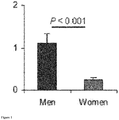
- the values shown in Figure 1 are given in arbitrary units and demonstrate that women have an average value of 0.25 arbitrary units, while men have an average value of more than 1.0 arbitrary units. In spite of the small sample, the significant difference between the average values for men and women is striking and clearly indicative of a significant difference in CXCR4 expression in men and women.
- mice Two-month-old mice were anesthetized with isoflurane (4%) in oxygen. After hemi-thoracotomy, the transverse aorta was ligated with a 5-0 silk suture (FST) against a 26-gauge needle to carry out transverse aortic constriction (TAC). Sham animals underwent an identical surgical procedure without placement of a suture. Animals recovered from anesthesia under warming conditions and normal ventilation.
- FST 5-0 silk suture
- TAC transverse aortic constriction
- LVIDd end-diastole
- LVIDs end-systole
- LVPW LV posterior wall
- LV ejection fraction was calculated from the two-dimensional parasternal long-axis view using the single-plane area-length method.
Landscapes
- Health & Medical Sciences (AREA)
- Life Sciences & Earth Sciences (AREA)
- General Health & Medical Sciences (AREA)
- Veterinary Medicine (AREA)
- Public Health (AREA)
- Chemical & Material Sciences (AREA)
- Animal Behavior & Ethology (AREA)
- Pharmacology & Pharmacy (AREA)
- Medicinal Chemistry (AREA)
- Bioinformatics & Cheminformatics (AREA)
- General Chemical & Material Sciences (AREA)
- Organic Chemistry (AREA)
- Engineering & Computer Science (AREA)
- Chemical Kinetics & Catalysis (AREA)
- Nuclear Medicine, Radiotherapy & Molecular Imaging (AREA)
- Heart & Thoracic Surgery (AREA)
- Cardiology (AREA)
- Epidemiology (AREA)
- Medicines That Contain Protein Lipid Enzymes And Other Medicines (AREA)
Abstract
The present invention relates to a CXCR4 antagonist for use in the treatment of a patient suffering from a cardiovascular condition, a pharmaceutical composition comprising a CXCR4 antagonist for use in the treatment of a patient suffering from a cardiovascular condition, a method of diagnosis of a patient suffering from a cardiovascular condition based on a determination of CXCR4 expression in a patient, and a kit comprising a CXCR4 antagonist for use in the treatment of a patient suffering from a cardiovascular condition.
Description
- The present invention relates to a CXCR4 antagonist for use in the treatment of a patient suffering from a cardiovascular condition, a pharmaceutical composition comprising a CXCR4 antagonist for use in the treatment of a patient suffering from a cardiovascular condition, a method of diagnosis of a patient suffering from a cardiovascular condition based on a determination of CXCR4 expression in a patient, and a kit comprising a CXCR4 antagonist for use in the treatment of a patient suffering from a cardiovascular condition.
- Cardiovascular (CV) diseases are the number one cause of death, globally representing 31.5% of all deaths. In Europe, cardiovascular diseases are responsible for over 4 million deaths per year (Nichols M, et al. Cardiovascular disease in europe: Epidemiological update. Eur Heart J. 2013;34:3028-3034).
- Heart failure (HF), a deficiency in the ability of the heart to pump sufficient amounts of blood in response to systemic demands, is a cardiovascular disorder with increasing incidence and prevalence that could be most appropriately considered an epidemic of enormous socioeconomic consequences. Heart failure is a devastating syndrome with poor prognosis that is most often preceded by a left ventricular (LV) pressure overload (PO) disorder.
- Despite considerable advances in pharmacological, surgical and technology-based cardiovascular therapy, the morbidity and mortality of those afflicted with heart failure remain high. Notably, there are significant differences in the development and outcome of heart failure between different patients, with male-female differences being prominent (Martinez-Selles M, et al. Gender and survival in patients with heart failure: Interactions with diabetes and aetiology. Results from the maggic individual patient meta-analysis. Eur J Heart Fail. 2012;14:473-479), but mechanisms are poorly understood.
- Pressure overload due to aortic stenosis (AS) or hypertension constitutes a major burden for the heart and as pressure inside the left ventricle increases, left ventricular hypertrophy (LVH) develops. Under left ventricular hypertrophy, persistent inflammation is known to be detrimental to the heart, and the inflammatory response might promote heart failure (Vasan RS, et al. Framingham Heart S. Inflammatory markers and risk of heart failure in elderly subjects without prior myocardial infarction: The framingham heart study. Circulation. 2003;107:1486-1491).
- In fact, activation of the immune response and pro-inflammatory factors lead to myocardial fibrosis and the inhibition of cardiac contractility. Impaired contractile function of the heart is a major risk factor for heart failure and sudden death. Elevated circulating levels of pro-inflammatory cytokines, such as tumour necrosis factor (TNF)-α and interleukin (IL)-6, play a pivotal role in HF (Bozkurt B, et al. Biomarkers of inflammation in heart failure. Heart Fail Rev. 2010;15:331-341). Cytokine production is also increased in the failing myocardium (Torre-Amione G, et al. Proinflammatory cytokine levels in patients with depressed left ventricular ejection fraction: A report from the studies of left ventricular dysfunction (SOLVD). J Am Coll Cardiol. 1996;27:1201-1206, and Wrigley BJ, et al. The role of monocytes and inflammation in the pathophysiology of heart failure. Eur J Heart Fail. 2011;13:1161-1171).
- Cardiac cells releasing inflammatory mediators, such as the cytokine chemokine (C-X-C motif) ligand 12 (CXCL12) [synonym: stromal cell-derived factor-1 (SDF-1)], promote a pro-inflammatory environment, as chemokines and their receptors are crucial for leukocyte and fibrocyte migration. An overall hypothesis may be that increased recruitment of pro-inflammatory cells and fibrocytes expressing chemokine receptors, such as the CXCL12 receptor CXCR4 [chemokine (C-X-C motif) receptor 4], might be critical for progression of cardiovascular diseases, as it contributes significantly to the development of inflammation and myocardial fibrosis.
- In cardiovascular disease, most experimental efforts have focused on understanding immune mechanisms in response to ischaemic heart injury provoked by myocardial infarction and not in pressure overload.
- Importantly, there are significant differences in the development and outcome of left ventricular diseases between men and women (Regitz-Zagrosek V and Kararigas G. Mechanistic pathways of sex differences in cardiovascular disease. Physiol Rev. 2017;97:1-37). In particular, women develop more often concentric hypertrophy with smaller ventricular diameter, greater relative wall thickness and a better systolic function, while men demonstrate more pronounced chamber dilation and systolic dysfunction.
- As a result, in heart failure, women have a better survival rate than men. However, the mechanisms that cause these sex differences are poorly understood. To this extent, it may be hypothesised that male-specific increased recruitment of pro-inflammatory cells after injury may be critical for progression of disease.
- Furthermore, in progressive heart failure, elevated sympathetic tone ultimately leads to desensitization of the sympathetic response. Therefore, normalisation of the cardiac sympathetic input has been an intense area of investigation. However, attempts at modulating sympathetic tone with drugs, such as phosphodiesterase inhibitors and chronic inotropes, have not been successful. More importantly, a major therapeutic obstacle is that drugs designed to enhance cardiac contraction promote arrhythmias. Therefore, the identification of new therapeutic targets is of utmost importance.
- Aortic stenosis causes pressure overload and leads to left ventricular hypertrophy that progresses towards heart failure and sudden death. The treatment of aortic stenosis depends on its stage - early and/or mild forms are monitored, often under propanolol treatment, however from a certain critical stage onward surgical aortic valve replacement (AVR) is the standard intervention and currently also the only available treatment. Aortic stenosis is the most common adult heart valve disease in western countries and its prevalence is rising with increasing life expectancy. Aortic valve replacement is expected to result in the regression of left ventricular hypertrophy and improvement of cardiac function.
- Nevertheless, this does not occur in all patients and even among the patients undergoing left ventricular hypertrophy regression, the pattern may be distinct between different individuals. In fact, studies hint at a more favourable regression pattern in women (Petrov G, et al. Regression of myocardial hypertrophy after aortic valve replacement: Faster in women? Circulation. 2010;122:S23-28, and Villar AV, et al. Myocardial gene expression of microrna-133a and myosin heavy and light chains, in conjunction with clinical parameters, predict regression of left ventricular hypertrophy after valve replacement in patients with aortic stenosis. Heart. 2011;97:1132-1137).
- However, the role of sex in left ventricular hypertrophy regression is currently under debate, since some studies report no major impact or even the opposite, depending on the interpretation of the data. Thus, the prior art does not allow a reliable conclusion regarding the role of sex in this context. Persistence of left ventricular hypertrophy following aortic valve replacement however imposes a negative prognosis for these patients by increasing the risk for congestive heart failure, coronary artery disease and sudden death. Effective pharmacological treatments to improve LVH regression are currently not available.
- The onset of the regression of LVH may already occur early after AVR (Djavidani B, et al. Early regression of left ventricular hypertrophy after aortic valve replacement by the ross procedure detected by cine mri. J Cardiovasc Magn Reson. 2004;6:1-8). Since regression of LVH is associated with better long-term outcome, it is of major clinical relevance to identify existing and novel interventions relevant for clinical success.
- Previously, faster regression of LVH and better survival after AVR was observed in older women compared to men (Petrov G, et al. Maladaptive remodeling is associated with impaired survival in women but not in men after aortic valve replacement. JACC Cardiovasc Imaging. 2014;7:1073-1080). Investigating the underlying mechanisms, it was found that maladaptive remodelling, which occurs more frequently in men, is associated with greater activation of inflammatory transcriptional profiles (Kararigas G, et al. Sex-dependent regulation of fibrosis and inflammation in human left ventricular remodelling under pressure overload. Eur JHeart Fail. 2014;16:1160-1167).
- Notably, previous studies employing the mouse under pressure overload conditions applying the transverse aortic constriction (TAC) method are in agreement with findings in humans, showing, among others, sex-specific regulation of inflammatory genes and pathways (Kararigas G, et al. Comparative proteomic analysis reveals sex and estrogen receptor beta effects in the pressure overloaded heart. J Proteome Res. 2014;13:5829-5836, Kararigas G, et al. Role of the estrogen/estrogen-receptor-beta axis in the genomic response to pressure overload-induced hypertrophy. Physiol Genomics. 2011;43:438-446, and Fliegner D, et al. Female sex and estrogen receptor-beta attenuate cardiac remodeling and apoptosis in pressure overload. Am J Physiol Regul Integr Comp Physiol. 2010;298:R1597-1606).
- These findings led to the overall hypothesis that a persistent inflammatory response worsens left ventricular hypertrophy and hinders its regression, which may occur in a sex-specific manner. The role of sex in this context, however, cannot be reliably determined. As discussed above, the state of the art also suffers from problems in the treatment of cardiovascular diseases in that normalisation of the cardiac sympathetic input and enhanced cardiac contraction could not successfully be achieved without the risk of significant side effects.
- Furthermore, it is not understood why certain patients suffering from cardiovascular diseases such as left ventricular hypertrophy caused by aortic stenosis profit significantly from aortic valve replacement and show regression of said hypertrophy and why this is not the case for other patients. Effective pharmacological treatments to improve LVH regression are currently not available.
- Thus, it is an object of the present invention to provide a novel target to achieve enhanced cardiac contraction in patients suffering from cardiovascular conditions, such as left ventricular hypertrophy, and treatment options to improve cardiovascular diseases such as left ventricular hypertrophy regression, in particular following aortic valve replacement, without the risk of significant side effects such as arrhythmias.
- These objects have been solved by the aspects of the present invention as specified hereinafter.
- According to the first aspect of the present invention, a CXCR4 antagonist is provided for use in the treatment of a patient suffering from a cardiovascular condition.
- According to a preferred embodiment of the first aspect of the present invention, the cardiovascular condition is any one of left ventricular pressure overload (LV-PO), aortic stenosis (AS), aortic valve replacement (AVR), hypertension, left ventricular hypertrophy (LVH), persistent inflammation of the heart, systemic inflammatory response syndrome (SIRS), maladaptive remodelling of the heart, increased LV mass, decreased ejection fraction and/or heart disease with increased inflammation, more preferably wherein maladaptive remodelling of the heart is defined by one or more of increased left ventricular end-diastolic diameter (LVEDD), increased left ventricular mass and decreased relative wall thickness (RWT), even more preferably by a positive value of the LV remodelling index.
- According to another preferred embodiment of the first aspect of the present invention, the cardiovascular condition is characterized by one or more of the following parameters being fulfilled in the patient: fever or hypothermia with a temperature of less than 36.0°C or of more than 38.0°C, tachycardia with a heart rate of more than 90 beats per minute, hyperventilation characterized by a respiratory rate of more than 20 breaths per minute or a PaCO2 of less than 32 mmHg, leucocytosis or leucopenia characterized by a leucocyte count of more than 12 × 109/L or less than 4 × 10⁹/L, increased inflammatory biomarkers including interleukin-6 (IL-6) of more than 15 pg/mL, interleukin-8 (IL-8) of more than15 pg/mL, and/or C-reactive protein (CRP) of more than 10 mg/L.
- According to one preferred embodiment of the first aspect of the present invention, the cardiovascular condition of the patient to be treated is left ventricular hypertrophy (LVH) and the patient to be treated has been subject to aortic valve replacement (AVR), more preferably the patient to be treated has been subject to aortic valve replacement (AVR) within the last five years.
- According to yet another preferred embodiment of the first aspect of the present invention, the cardiovascular condition is not ischemia-induced.
- According to a preferred embodiment of the first aspect of the present invention, the CXCR4 antagonist is POL6326 (balixafortide), BMS-936564 (MDX-1338), BKT140 (4F-benzoyl-TN14003), or AMD3100 (plerixafor), preferably the CXCR4 antagonist is AMD3100 (plerixafor).
- According to another preferred embodiment of the first aspect of the present invention, the patient does not suffer from HIV infection, WHIM syndrome, solid malignant tumors, multiple myeloma and/or non-Hodgkin lymphoma.
- According to one preferred embodiment of the first aspect of the present invention, the CXCR4 antagonist is not co-administered together with the granulocyte-colony stimulating factor (G-CSF).
- According to a preferred embodiment of the first aspect of the present invention, the patient is male.
- According to one other preferred embodiment of the first aspect of the present invention, the patient has a level of CXCR4 expression in relation to normalised CXCR4 levels of the general population of more than 1.0 fold of the normalised CXCR4 level of the general population, more preferably more than 1.5 fold, even more preferably more than 2.0 fold.
- According to one preferred embodiment of the first aspect of the present invention, the patient has been found to be eligible for treatment with the CXCR4 antagonist prior to treatment.
- According to a second aspect of the present invention, a method of diagnosis of a patient suffering from a cardiovascular condition is provided, wherein a level of CXCR4 expression is determined in relation to the normalised CXCR4 level of the general population, and wherein the patient is determined to be eligible for treatment with a CXCR4 antagonist if the level of CXCR4 expression is more than 1.0 fold of the normalised CXCR4 level of the general population, more preferably more than 1.5 fold, even more preferably more than 2.0 fold of the normalised CXCR4 level of the general population.
- According to a third aspect of the present invention, a pharmaceutical composition is provided comprising a CXCR4 antagonist according to the first aspect, and at least one pharmaceutically acceptable excipient for use in the treatment of a patient suffering from a cardiovascular condition.
- According to a preferred embodiment of the third aspect of the present invention, the pharmaceutical composition does not comprise granulocyte-colony stimulating factor (G-CSF).
- According to another preferred embodiment of the third aspect of the present invention, the pharmaceutical composition is administered to the patient by way of systemic administration, more preferably wherein the pharmaceutical composition is administered to the patient by way of oral administration, intravenous administration or subcutaneous administration, even more preferably by oral administration or subcutaneous administration, specifically preferably by oral administration.
- According to one preferred embodiment of the third aspect of the present invention, the pharmaceutical composition comprises the antagonist in a range of from 0.02 to 0.40 mg/kg body weight, more preferably in a range of 0.05 to 0.30 mg/kg body weight, even more preferably in a range of 0.10 to 0.28 mg/kg body weight, particularly preferably in a range of 0.2 to 0.25 mg/kg body weight.
- According to a preferred embodiment of the third aspect of the present invention, the pharmaceutical composition is administered between twice daily and once every two days, more preferably the pharmaceutical composition is administered daily.
- According to a fourth aspect of the present invention, a kit is provided comprising a CXCR4 antagonist according to the first aspect of the present invention, and a container for use in the treatment of a patient suffering from a cardiovascular condition.
-
-
Figure 1 shows relative CXCR4 expression in LVH samples of male (n=9) and female (n=10) patients in arbitrary units in comparison. -
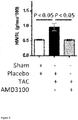
Figure 2 shows the effect of administration of AMD3100 as CXCR4 antagonist to mice subjected to TAC (transverse aortic constriction) regarding the heartweight to tibia ratio (HW/TL) in male mice (n=4 in each group). -
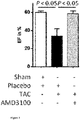
Figure 3 shows the effect of administration of AMD3100 as CXCR4 antagonist to mice subjected to TAC (transverse aortic constriction) regarding the ejection fraction (in %) in male mice (n=4 in each group). - The present inventor has dedicated himself to solving the problem of the present invention and were successful to find a novel molecular target and novel methods which are suitable to improve cardiovascular diseases without the risk of significant side effects such as arrhythmias.
- Based on the recognition that persistent inflammatory response worsens left ventricular hypertrophy and hinders its regression, potentially in a sex-specific manner, proteins involved therein have been analysed in depth. In particular, CXCR4 gene levels have been characterised in cardiomyocytes isolated from left ventricular samples of patients suffering from a cardiovascular disease. Furthermore, administration of a CXCR4 antagonist to TAC mice (subjected to transverse aortic constriction or TAC) mimicking aortic stenosis revealed positive effects to the development of heart structure and function.
- While CXCR4 antagonists have previously been used in the clinical environment, CXCR4 antagonism with the small organic bicyclam molecule plerixafor (AMD3100) is normally employed to mobilise and harvest haematopoietic progenitor cells for bone marrow transplants. Experimental studies have also shown that CXCR4 inhibition via plerixafor results in neutrophil mobilization from reservoirs other than the bone marrow.
- Applications of CXCR4 antagonists in the cardiovascular field appear to be related mostly to events involving or following ischemia or infarction due to its effects in mobilization of progenitor cells, with the expectation that this would enhance regeneration of the heart. However, these known applications appear unrelated to the persistent inflammatory setting in progression towards heart failure.
- On the basis of novel and surprising data regarding the use of CXCR4 antagonists in cardiovascular disease, activation of CXCR4 associated with increased pro-inflammatory cell infiltration is assumed to lead to impaired cardiac function. Consequently, pharmacological inhibition of CXCR4 with a specific antagonist such as plerixafor may confer patients having a relevant level of CXCR4 expression with protection from certain cardiovascular conditions including pressure overload-induced left ventricular hypertrophy.
- Furthermore, it is put forward that CXCR4 antagonists such as plerixafor (or any other relevant inhibitor) will facilitate the regression of LVH and myocardial function following aortic valve replacement.
- The data presented herein suggest a new role for CXCR4 in cardiovascular disease such as pressure overload-induced left ventricular hypertrophy. Consequently, another novel aspect of the present invention is that CXCR4 antagonism would confer aortic stenosis patients undergoing aortic valve replacement functional protection, which could be a new indication for plerixafor, with a direct impact on guidelines. This may emerge as an important intervention common to the recovery of wide-range cardiovascular events that contribute to cardiovascular disease epidemics, thereby having a major impact on patient prognosis and life quality, as well as savings to health care systems.
- Thus, the present invention provides a CXCR4 antagonist for use in the treatment of a patient suffering from a cardiovascular condition.
- Within the present invention, the cardiovascular condition may be any condition of a patient which is positively affected by administration of a CXCR4 antagonist. Preferably, the cardiovascular condition according to the present invention is any one of left ventricular pressure overload (LV-PO), aortic stenosis (AS), aortic valve replacement (AVR), hypertension, left ventricular hypertrophy (LVH), persistent inflammation of the heart, systemic inflammatory response syndrome (SIRS), maladaptive remodelling of the heart, increased LV mass, decreased ejection fraction and/or heart disease with increased inflammation.
- In the context of the present invention, it is to be understood that patients suffering from the cardiovascular condition "aortic valve replacement" shall encompass all patients having had an aortic (heart) valve replacement carried out. According to a preferred embodiment of the present invention, the cardiovascular condition of the patient to be treated is left ventricular hypertrophy, wherein the patient to be treated has previously been subject to aortic valve replacement.
- According to a particularly preferable embodiment of the present invention, the CXCR4 antagonist is for use in facilitating the regression of left ventricular hypertrophy and/or myocardial function following an aortic valve replacement in a patient.
- According to another preferable embodiment of the present invention, maladaptive remodelling of the heart as the cardiovascular condition is defined by one or more of increased left ventricular end-diastolic diameter (LVEDD), increased left ventricular mass and decreased relative wall thickness (RWT), preferably by a positive value of the LV remodelling index which take the three aforementioned parameters into account.
- For a determination of maladaptive remodelling of the heart, preferably in case of chronic pressure overload, LV end-diastolic diameter (LVEDD) can be used as a marker for dilation, and LV mass and relative wall thickness (RWT) as markers for concentricity. A combination of LV mass, LV end-diastolic diameter, and relative wall thickness may be included in a factor analysis to generate an index classifying LV remodelling as adaptive or maladaptive (cf. Kararigas G, et al. Sex-dependent regulation of fibrosis and inflammation in human left ventricular remodelling under pressure overload. Eur J Heart Fail. 2014;16:1160-1167). Mean and peak transvalvular pressure gradients can also be included.
- The measures related to LV remodelling are preferably combined in the LV remodelling index and forced orthogonal to the PO index (combines mean and peak transvalvular pressure gradients). The Kaiser-Meyer-Olkin (KMO) measure of sampling adequacy in the reported publication was found to be 0.374, while the Bartlett's test of sphericity was highly significant (P < 0.0001). Principal component analysis with Varimax rotation was used as the underlying factor-analytical method. The Kaiser-Guttman criterion was applied to ascertain the number of extracted factors.
- Accordingly, the LV remodelling index can be used to classify echocardiographic LV remodelling into adaptive or maladaptive patterns. Since the LV remodelling index is a z-transformed variable, positive index values correlate with an increase in LVEDD (factor loading 0.962) and LV mass (factor loading 0.661) and a decrease in RWT (factor loading -0.818), thereby reflecting maladaptive LV remodelling. The LV remodelling pattern was considered adaptive when the criteria for maladaptive LV remodelling were not fulfilled, i.e. negative LV remodelling index values.
- Thus, according to one preferred embodiment of the present invention, maladaptive remodeling is considered to be present in patients having a positive index value of the LV remodeling index.
- According to one other preferred embodiment of the present invention, the cardiovascular condition, in particular persistent inflammation of the heart, systemic inflammatory response syndrome (SIRS) and/or heart disease with increased inflammation, is characterized by one or more, more preferably two or more, even more preferably three or more, of the following parameters being fulfilled in a patient:
- fever or hypothermia (temperature <36.0°C or >38.0°C)
- tachycardia (heart rate >90 beats/min)
- hyperventilation (respiratory rate >20 breaths/min or PaCO2 <32 mmHg)
- leucocytosis or leucopenia (leucocyte count >12 × 109/L or <4 × 10⁹/L)
- increased inflammatory biomarkers:
- interleukin-6 (IL-6, >15 pg/mL)
- interleukin-8 (IL-8, >15 pg/mL)
- C-reactive protein (CRP, >10 mg/L).
- With regard to the list of parameters given above, any value stated therein is to be considered one parameter with the proviso that the two values given for hyperventilation are preferably mutually exclusive. In a more preferable embodiment, four or more of the above parameters are fulfilled, further preferably five or more, even further preferably six or more. In another preferred embodiment, the cardiovascular condition is characterized by at least one parameter of the inflammatory biomarkers IL-6, IL-8 or CRP as defined above being fulfilled.
- According to another preferable embodiment of the present invention, the cardiovascular condition of the patient to be treated is left ventricular hypertrophy (LVH) and the patient to be treated has been subject to aortic valve replacement (AVR), more preferably wherein the patient to be treated has been subject to aortic valve replacement (AVR) within the last five years, even more preferably within the last two years, even more preferably within the last year, particularly preferably within the last six months.
- According to one preferable embodiment of the present invention, the cardiovascular condition is not ischemia-induced or infarct-induced. According to another embodiment of the present invention, the patient to be treated does not suffer from HIV infection, WHIM syndrome, solid malignant tumors, multiple myeloma and/or non-Hodgkin lymphoma.
- According to another preferred embodiment of the present invention, the CXCR4 antagonist is not co-administered together with the granulocyte-colony stimulating factor (G-CSF). Preferably, the CXCR4 antagonist or a pharmaceutical composition comprising the CXCR4 antagonist is administered to the patient in a dosage of the CXCR4 antagonist in a range of from 0.02 to 0.40 mg/kg body weight, preferably in a range of 0.05 to 0.30 mg/kg body weight, more preferably in a range of 0.10 to 0.28 mg/kg body weight, particularly preferably in a range of 0.2 to 0.25 mg/kg body weight of the patient.
- According to one preferred embodiment of the present invention, the CXCR4 antagonist or a pharmaceutical composition comprising the CXCR4 antagonist is administered to the patient by way of systemic administration, preferably by way of oral administration, intravenous administration or subcutaneous administration, more preferably by oral administration or subcutaneous administration., even more preferably by oral administration.
- Preferably, the CXCR4 antagonist or a pharmaceutical composition comprising the CXCR4 antagonist is administered to the patient between three times daily and twice a week, more preferably between twice daily and once every two days, even more preferably the pharmaceutical composition is administered daily.
- In principle, the CXCR4 antagonist of the present invention may be any molecule acting as an antagonist to CXCR4 function. According to a preferable embodiment of the present invention, the CXCR4 antagonist may comprise a molecule from the group consisting of AMD3100 (plerixafor), POL6326 (balixafortide), BL-8040, mavorixafor, burixafor, Q-122, PTX-9908, ulocuplumab, USL-311, GMI-1359, LY-2510924, hz-515H7, HPH-12, KY-1051, POL-5551, BKT-300, AD-214, X-4P002, X-4P003, AM-3114, PF-06747143, X4-136, ALB-408, ALX-0651, HPH-196, HPH-211, CS-3955, BKT-170, STIA-220X, LY-2624587, NB-325, AT-009, SP-10, CTCE-9908, GBV-4086, procaine hydrochloride, BMS-936564 (MDX-1338), BKT140 (4F-benzoyl-TN14003), or any other known CXCR4 antagonist, more preferably from the group consisting of POL6326 (balixafortide), BMS-936564 (MDX-1338), BKT140 (4F-benzoyl-TN14003), or AMD3100 (plerixafor), even more preferably the CXCR4 antagonist is AMD3100 (plerixafor).
- According to one preferred embodiment of the present invention, the patient is male. Preferably within the present invention, being male is defined by the patient having as sex chromosomes one X chromosome and one Y chromosome.
- According to another preferred embodiment of the present invention, the patient has a level of CXCR4 expression in relation to normalised CXCR4 levels of the general population of more than 1.0 fold, preferably more than 1.5 fold, more preferably more than 2.0 fold. As normalised CXCR4 levels of the general population, the average level of CXCR4 expression of the general population across all sexes is preferably adopted.
- Thus, CXCR4 expression levels may preferably be determined by a given method for a representative average group of an equal number of males and females from the general population. The values found by the given determination method should then be added and divided by the number of values to obtain a normalized value for CXCR4 levels of the general population. Said normalized value will then be set as 1.0 fold and compared to the CXCR4 level determined for the patient by the same method.
- In case that the value for the patient is higher than the normalised value for CXCR4 levels of the general population, the patient has a level of more than 1.0 fold in relation to normalised CXCR4 levels of the general population. Similar comparisons between the patient's CXCR4 level and the normalized value for the general population may be made according to simple arithmetic operations.
- Preferably, the CXCR4 expression levels are determined as follows.
- Biopsies are collected from either the interventricular septum or left ventricular lateral wall of patients undergoing cardiac surgery, e.g. aortic valve replacement. Samples are harvested with a surgical scalpel from the left ventricular side of the interventricular septum or with a Tru-Cut needle from the epicardial lateral wall (80 mg per patient).
- All samples are immediately snap frozen in liquid nitrogen and stored at -80°C. RNA is isolated with commercially available kits, e.g. the RNeasy Mini Kit (Qiagen), following the manufacturer's instructions. RNA is reverse transcribed and amplified using commercially available kits, e.g. One Step RT qPCR MasterMix (Eurogentec), following the manufacturer's instructions. PCR products are obtained using gene-specific, intron-spanning primers and SYBR Green (Applied Biosystems) in a 7000 ABI Prism Instrument (Applied Biosystems). The levels of CXCR4 are normalised to hypoxanthine phosphoribosyltransferase 1 (HPRT1). Normalisation would also be possible relative to any other generally known housekeeping gene.
- Primer sequences are for HPRT1 forward 5'-FW CTT TGC TGA CCT GCT GGA TT-3' and reverse 5'-TAT GTC CCC TGT TGA CTG GT-3', and for CXCR4 forward 5'-FW GGT GGT CTA TGT TGG CGT CT-3' and reverse 5'-CTC ACT GAC GTT GGC AAA GA-3'.
- Judging from the experiment shown in
Figure 1 , "unaffected" female patients included in this study appear to have an average of 0.25 CXCR4 expression levels expressed in arbitrary units, while male patients demonstrated CXCR4 expression levels in arbitrary units which are four times as high in comparison to the screened females. - Based on this discrepancy between the relative difference between male patients and female patients, it appears possible and feasible to define a cut-off value for CXCR4 expression. Such a cut-off value would be suitable to discriminate between male patients having unusually low CXCR4 levels and would not profit from the treatment with CXCR4, female patients having unusually high CXCR4 expression levels that would profit from the treatment, and other females (not eligible for CXCR4 antagonist treatment) and males (eligible for CXCR4 antagonist treatment) in general.
- According to one preferred embodiment, the patient suffering from a cardiovascular condition has been found to be eligible for treatment with the CXCR4 antagonist prior to treatment. Preferably, eligibility for treatment with the CXCR4 antagonist may be based on male sex and/or CXCR4 expression levels.
- In one aspect, the present invention is also directed to a method of treatment of a patient suffering from a cardiovascular condition, wherein the patient is administered an effective amount of CXCR4 antagonist according to the invention or a pharmaceutical composition of the invention.
- In another aspect, the present invention is also directed to the use of a CXCR4 antagonist of the invention or a pharmaceutical composition of the invention in the manufacture of a medicament for treatment of a cardiovascular condition.
- Additionally, the present invention also relates to a method of diagnosis of a patient suffering or suspected to be suffering from a cardiovascular condition wherein a level of CXCR4 expression is determined in relation to normalised CXCR4 levels of the general population, and wherein the patient is determined to be eligible for treatment with a CXCR4 antagonist if the level of CXCR4 expression is more than 1.0 fold, preferably more than 1.5 fold, more preferably more than 2.0 fold of the normalised CXCR4 level of the general population. Preferably, the assay as described above is used for determining the CXCR4 level of the patient.
- The present invention further relates to a pharmaceutical composition comprising a CXCR4 antagonist as defined and further described herein and at least one pharmaceutically acceptable excipient for use in the treatment of a patient suffering from a cardiovascular condition.
- Preferably, the pharmaceutical composition may further comprise antibodies, biologicals, synthetic protein epitope mimetic peptidic antagonists, synthetic peptides, inhibitory nucleic acids (receptor and ligand) encompassing siRNA, miRNA, shRNA, aptamers and spiegelmers, decoy antibody variants, and others.
- In accordance with the above, the pharmaceutical composition preferably does not comprise granulocyte-colony stimulating factor (G-CSF).
- Further preferably, the pharmaceutical composition of the present invention is administered to the patient by way of systemic administration, preferably the pharmaceutical composition is administered to the patient by way of oral administration, intravenous administration or subcutaneous administration, more preferably by oral administration or subcutaneous administration, even more preferably by oral administration.
- According to a preferred embodiment of the present invention, the pharmaceutical composition comprises the CXCR4 antagonist in a range of from 0.02 to 0.40 mg/kg body weight, preferably in a range of 0.05 to 0.30 mg/kg body weight, more preferably in a range of 0.10 to 0.28 mg/kg body weight, particularly preferably in a range of 0.2 to 0.25 mg/kg body weight of the patient.
- The present invention also encompasses a kit comprising a CXCR4 antagonist as defined herein, or a pharmaceutical composition as defined herein, and a container for use in the treatment of a patient suffering from a cardiovascular condition.
- In conclusion, the present invention found that certain cardiovascular diseases have a CXCR4 dependent pathology which may be positively influenced by the administration of CXCR4 antagonists to patients in need thereof.
- All embodiments of the present invention as described herein are deemed to be combinable in any combination, unless the skilled person considers such a combination to not make any technical sense.
- RNA was isolated with the RNeasy Mini Kit (Qiagen) following the manufacturer's instructions. RNA was reverse transcribed and amplified using One Step RT qPCR MasterMix (Eurogentec) following the manufacturer's instructions. PCR products were obtained using gene-specific, intron-spanning primers and SYBR Green (Applied Biosystems) in a 7000 ABI Prism Instrument (Applied Biosystems).
- The levels of CXCR4 were normalized to hypoxanthine phosphoribosyltransferase 1 (HPRT1). Primer sequences are for HPRT1 forward 5'-FW CTT TGC TGA CCT GCT GGA TT-3' and reverse 5'-TAT GTC CCC TGT TGA CTG GT-3', and for CXCR4 forward 5'-FW GGT GGT CTA TGT TGG CGT CT-3' and reverse 5'-CTC ACT GAC GTT GGC AAA GA-3'.
- CXCR4 gene levels were characterized in cardiomyocytes isolated from left ventricular samples of male (n = 9) and female (n = 10) aortic stenosis patients undergoing aortic valve replacement, showing higher expression in male patients in comparison to female patients. The values shown in
Figure 1 are given in arbitrary units and demonstrate that women have an average value of 0.25 arbitrary units, while men have an average value of more than 1.0 arbitrary units. In spite of the small sample, the significant difference between the average values for men and women is striking and clearly indicative of a significant difference in CXCR4 expression in men and women. - The results of this determination of relative CXCR4 levels is shown in
Figure 1 . - Two-month-old mice were anesthetized with isoflurane (4%) in oxygen. After hemi-thoracotomy, the transverse aorta was ligated with a 5-0 silk suture (FST) against a 26-gauge needle to carry out transverse aortic constriction (TAC). Sham animals underwent an identical surgical procedure without placement of a suture. Animals recovered from anesthesia under warming conditions and normal ventilation.
- The treatment with AMD3100 (plerixafor) as the CXCR4 antagonist (5 mg/kg daily subcutaneous injection) was started 4 days after TAC. Cardiac function and geometry were assessed by transthoracic echocardiography (Vevo 2100) in anesthetised mice (2.5% isoflurane) with body temperature maintained at 37°C. LV internal dimensions at end-diastole (LVIDd) and end-systole (LVIDs), and LV posterior wall (LVPW) were measured from M-mode images.
- LV ejection fraction was calculated from the two-dimensional parasternal long-axis view using the single-plane area-length method. LV mass was calculated using the equation: LV mass = 1.055[(IVST + LVEDD + PWT)3 - (LVEDD)3], where 1.055 is the specific gravity of the myocardium, IVST is the interventricular septal thickness and PWT is the posterior wall thickness. After 31 days, the mice were sacrificed by isoflurane overdose followed by laryngotomy.
- Results obtained from these experiments are shown in
Figure 2 (heart-weight-to-tibia-length ratio (HW/TL) in (g/mm)*100) andFigure 3 (ejection fraction) for sham mice treated with placebo, TAC mice treated with placebo and TAC mice with the CXCR4 antagonist AMD3100 (plerixafor).
Claims (15)
- CXCR4 antagonist for use in the treatment of a patient suffering from a cardiovascular condition.
- CXCR4 antagonist for use according to claim 1, wherein the cardiovascular condition is any one of left ventricular pressure overload (LV-PO), aortic stenosis (AS), aortic valve replacement (AVR), hypertension, left ventricular hypertrophy (LVH), persistent inflammation of the heart, systemic inflammatory response syndrome (SIRS), maladaptive remodelling of the heart, increased LV mass, decreased ejection fraction and/or heart disease with increased inflammation, preferably wherein maladaptive remodelling of the heart is defined by one or more of increased left ventricular end-diastolic diameter (LVEDD), increased left ventricular mass and decreased relative wall thickness (RWT), preferably by a positive value of the LV remodelling index.
- CXCR4 antagonist for use according to claim 1 or 2, wherein the cardiovascular condition is characterized by one or more, more preferably two or more, even more preferably three or more, of the following parameters being fulfilled in the patient:- fever or hypothermia (temperature <36.0°C or >38.0°C)- tachycardia (heart rate >90 beats/min)- hyperventilation (respiratory rate >20 breaths/min or PaCO2 <32 mmHg)- leucocytosis or leucopenia (leucocyte count >12 × 109/L or <4 × 10⁹/L)- increased inflammatory biomarkers:- interleukin-6 (IL-6, >15 pg/mL)- interleukin-8 (IL-8, >15 pg/mL)- C-reactive protein (CRP, >10 mg/L).
- CXCR4 antagonist for use according to any of claims 1 to 3, wherein the cardiovascular condition of the patient to be treated is left ventricular hypertrophy (LVH) and the patient to be treated has been subject to aortic valve replacement (AVR), preferably wherein the patient to be treated has been subject to aortic valve replacement (AVR) within the last five years.
- CXCR4 antagonist for use according to any of claims 1 to 4, wherein the cardiovascular condition is not ischemia-induced and/or wherein the patient does not suffer from HIV infection, WHIM syndrome, solid malignant tumors, multiple myeloma and/or non-Hodgkin lymphoma.
- CXCR4 antagonist for use according to any one of claims 1 to 5, wherein the CXCR4 antagonist is POL6326 (balixafortide), BMS-936564 (MDX-1338), BKT140 (4F-benzoyl-TN14003), or AMD3100 (plerixafor), preferably wherein the CXCR4 antagonist is AMD3100 (plerixafor), and/or wherein the CXCR4 antagonist is not co-administered together with the granulocyte-colony stimulating factor (G-CSF).
- CXCR4 antagonist for use according to any one of claims 1 to 6, wherein the patient is male.
- CXCR4 antagonist for use according to any one of claims 1 to 7, wherein the patient has a level of CXCR4 expression in relation to normalised CXCR4 levels of the general population of more than 1.0 fold, preferably more than 1.5 fold, more preferably more than 2.0 fold.
- CXCR4 antagonist for use according to any one of claims 1 to 10, wherein the patient has been found to be eligible for treatment with the CXCR4 antagonist prior to treatment.
- Method of diagnosis of a patient suffering or suspected to be suffering from a cardiovascular condition, wherein a level of CXCR4 expression is determined in relation to the normalised CXCR4 level of the general population, and wherein the patient is determined to be eligible for treatment with a CXCR4 antagonist if the level of CXCR4 expression is more than 1.0 fold, preferably more than 1.5 fold, more preferably more than 2.0 fold of the normalised CXCR4 level of the general population.
- Pharmaceutical composition comprising a CXCR4 antagonist according to any one of claims 1 to 9 and at least one pharmaceutically acceptable excipient for use in the treatment of a patient suffering from a cardiovascular condition.
- Pharmaceutical composition for use according to claim 11, wherein the pharmaceutical composition is administered to the patient by way of systemic administration, preferably wherein the pharmaceutical composition is administered to the patient by way of oral administration, intravenous administration or subcutaneous administration, more preferably by oral administration or subcutaneous administration, even more preferably by oral administration.
- Pharmaceutical composition for use according to claim 11 or 12, wherein the pharmaceutical composition comprises the antagonist in a range of from 0.02 to 0.40 mg/kg body weight, preferably in a range of 0.05 to 0.30 mg/kg body weight, more preferably in a range of 0.10 to 0.28 mg/kg body weight, particularly preferably in a range of 0.2 to 0.25 mg/kg body weight, and/or wherein the pharmaceutical composition does not comprise granulocyte-colony stimulating factor (G-CSF).
- Pharmaceutical composition for use according to any of claims 11 to 13, wherein the pharmaceutical composition is administered between twice daily and once every two days, preferably wherein the pharmaceutical composition is administered daily.
- Kit comprising a CXCR4 antagonist according to any one of claims 1 to 9 and a container for use in the treatment of a patient suffering from a cardiovascular condition.
Priority Applications (1)
| Application Number | Priority Date | Filing Date | Title |
|---|---|---|---|
| EP19188597.9A EP3769761A1 (en) | 2019-07-26 | 2019-07-26 | Cxcr4 antagonists for treatment of cardiovascular conditions |
Applications Claiming Priority (1)
| Application Number | Priority Date | Filing Date | Title |
|---|---|---|---|
| EP19188597.9A EP3769761A1 (en) | 2019-07-26 | 2019-07-26 | Cxcr4 antagonists for treatment of cardiovascular conditions |
Publications (1)
| Publication Number | Publication Date |
|---|---|
| EP3769761A1 true EP3769761A1 (en) | 2021-01-27 |
Family
ID=67439081
Family Applications (1)
| Application Number | Title | Priority Date | Filing Date |
|---|---|---|---|
| EP19188597.9A Withdrawn EP3769761A1 (en) | 2019-07-26 | 2019-07-26 | Cxcr4 antagonists for treatment of cardiovascular conditions |
Country Status (1)
| Country | Link |
|---|---|
| EP (1) | EP3769761A1 (en) |
Citations (2)
| Publication number | Priority date | Publication date | Assignee | Title |
|---|---|---|---|---|
| WO2007047882A2 (en) * | 2005-10-18 | 2007-04-26 | Caritas St. Elizabeth Medical Center Of Boston, Inc. | Combination of cxcr4 antagonist and morphogen to increase angiogenesis |
| EP1942108A1 (en) * | 2005-10-28 | 2008-07-09 | Ono Pharmaceutical Co., Ltd. | Compound containing basic group and use thereof |
-
2019
- 2019-07-26 EP EP19188597.9A patent/EP3769761A1/en not_active Withdrawn
Patent Citations (2)
| Publication number | Priority date | Publication date | Assignee | Title |
|---|---|---|---|---|
| WO2007047882A2 (en) * | 2005-10-18 | 2007-04-26 | Caritas St. Elizabeth Medical Center Of Boston, Inc. | Combination of cxcr4 antagonist and morphogen to increase angiogenesis |
| EP1942108A1 (en) * | 2005-10-28 | 2008-07-09 | Ono Pharmaceutical Co., Ltd. | Compound containing basic group and use thereof |
Non-Patent Citations (20)
| Title |
|---|
| AYACH ET AL: "CXCR4 Improves Cardiac Remodeling and Neovascularization, and Regulated Inflammatory and Progenitor Stem Cell Mobilization Post-Myocardial Infarction", JOURNAL OF CARDIAL FAILURE, CHURCHILL LIVINGSTONE, NAPERVILLE, IL, US, vol. 12, no. 6, 1 August 2006 (2006-08-01), pages S43, XP005592441, ISSN: 1071-9164, DOI: 10.1016/J.CARDFAIL.2006.06.152 * |
| BOZKURT B ET AL.: "Biomarkers of inflammation in heart failure", HEART FAIL REV, vol. 15, 2010, pages 331 - 341, XP019819313 |
| CHU P ET AL: "CXCR4 Antagonism Attenuates Cardiac Fibrosis in the Ageing Heart", HEART, LUNG AND CIRCULATION, vol. 25, 4 August 2016 (2016-08-04), XP029659603, ISSN: 1443-9506, DOI: 10.1016/J.HLC.2016.06.173 * |
| CHU P ET AL: "CXCR4 Antagonism Attenuates the Development of Myocardial Fibrosis in Dilated Cardiomyopathy", HEART, LUNG AND CIRCULATION, vol. 22, 8 August 2013 (2013-08-08), XP028677719, ISSN: 1443-9506, DOI: 10.1016/J.HLC.2013.05.131 * |
| DJAVIDANI B ET AL.: "Early regression of left ventricular hypertrophy after aortic valve replacement by the ross procedure detected by cine mri", J CARDIOVASC MAGN RESON, vol. 6, 2004, pages 1 - 8 |
| FLIEGNER D ET AL.: "Female sex and estrogen receptor-beta attenuate cardiac remodeling and apoptosis in pressure overload", AM J PHYSIOL REGUL INTEGR COMP PHYSIOL, vol. 298, 2010, pages R1597 - 1606 |
| KARARIGAS G ET AL.: "Comparative proteomic analysis reveals sex and estrogen receptor beta effects in the pressure overloaded heart", J PROTEOME RES, vol. 13, 2014, pages 5829 - 5836 |
| KARARIGAS G ET AL.: "Role of the estrogen/estrogen-receptor-beta axis in the genomic response to pressure overload-induced hypertrophy", PHYSIOL GENOMICS, vol. 43, 2011, pages 438 - 446 |
| KARARIGAS G ET AL.: "Sex-dependent regulation of fibrosis and inflammation in human left ventricular remodelling under pressure overload", EUR J HEART FAIL, vol. 16, 2014, pages 1160 - 1167 |
| LIM GREGORY B: "Mobilizing regulatory T cells to promote myocardial repair", NATURE REVIEWS CARDIOLOGY, NATURE PUBLISHING GROUP, GB, vol. 16, no. 4, 6 February 2019 (2019-02-06), pages 200, XP036725890, ISSN: 1759-5002, [retrieved on 20190206], DOI: 10.1038/S41569-019-0168-3 * |
| MARTINEZ-SELLES M: "Gender and survival in patients with heart failure: Interactions with diabetes and aetiology. Results from the maggic individual patient meta-analysis", EUR J HEART FAIL, vol. 14, 2012, pages 473 - 479 |
| NICHOLS M ET AL.: "Cardiovascular disease in europe: Epidemiological update", EUR HEART J, vol. 34, 2013, pages 3028 - 3034 |
| PETROV G ET AL.: "Maladaptive remodeling is associated with impaired survival in women but not in men after aortic valve replacement", JACC CARDIOVASC IMAGING, vol. 7, 2014, pages 1073 - 1080, XP029094885, DOI: doi:10.1016/j.jcmg.2014.06.017 |
| PETROV G ET AL.: "Regression of myocardial hypertrophy after aortic valve replacement: Faster in women?", CIRCULATION, vol. 122, 2010, pages 23 - 28 |
| PETROV GEORGE ET AL: "Maladaptive Remodeling Is Associated With Impaired Survival in Women But Not in Men After Aortic Valve Replacement", JACC: CARDIOVASCULAR IMAGING, ELSEVIER, AMSTERDAM, NL, vol. 7, no. 11, 8 October 2014 (2014-10-08), pages 1073 - 1080, XP029094885, ISSN: 1936-878X, DOI: 10.1016/J.JCMG.2014.06.017 * |
| REGITZ-ZAGROSEK VKARARIGAS G: "Mechanistic pathways of sex differences in cardiovascular disease", PHYSIOL REV, vol. 97, 2017, pages 1 - 37 |
| TORRE-AMIONE G ET AL.: "Proinflammatory cytokine levels in patients with depressed left ventricular ejection fraction: A report from the studies of left ventricular dysfunction (SOLVD", J AM CALL CARDIOL, vol. 27, 1996, pages 1201 - 1206, XP055261998, DOI: doi:10.1016/0735-1097(95)00589-7 |
| VASAN RS ET AL.: "Framingham Heart S. Inflammatory markers and risk of heart failure in elderly subjects without prior myocardial infarction: The framingham heart study", CIRCULATION, vol. 107, 2003, pages 1486 - 1491 |
| VILLAR AV ET AL.: "Myocardial gene expression of microrna-133a and myosin heavy and light chains, in conjunction with clinical parameters, predict regression of left ventricular hypertrophy after valve replacement in patients with aortic stenosis", HEART, vol. 97, 2011, pages 1132 - 1137 |
| WRIGLEY BJ ET AL.: "The role of monocytes and inflammation in the pathophysiology of heart failure", EUR J HEART FAIL, vol. 13, 2011, pages 1161 - 1171 |
Similar Documents
| Publication | Publication Date | Title |
|---|---|---|
| Fontes et al. | The varying faces of IL-6: From cardiac protection to cardiac failure | |
| Fulkerson et al. | Targeting eosinophils in allergy, inflammation and beyond | |
| Hartman et al. | Translational overview of cytokine inhibition in acute myocardial infarction and chronic heart failure | |
| Vaillancourt et al. | Adaptation and remodelling of the pulmonary circulation in pulmonary hypertension | |
| Sun et al. | CXCL12/CXCR4/CXCR7 chemokine axis and cancer progression | |
| Huang et al. | Ghrelin inhibits post-infarct myocardial remodeling and improves cardiac function through anti-inflammation effect | |
| DeLeon-Pennell et al. | P. gingivalis lipopolysaccharide intensifies inflammation post-myocardial infarction through matrix metalloproteinase-9 | |
| Kruizinga et al. | Role of chemokines and their receptors in cancer | |
| CN110740733A (en) | Methods of diagnosis and treatment of IRAK 4-mediated conditions and disorders | |
| Zhang et al. | Triptolide protects rat heart against pressure overload-induced cardiac fibrosis | |
| Yiu et al. | Ustekinumab for the treatment of psoriasis: an evidence update | |
| Punzi et al. | Gout: one year in review 2023 | |
| JP2017537973A5 (en) | ||
| CN105664178A (en) | Application of SYK as hepatic fibrosis/cirrhosis therapeutic target | |
| Song et al. | The involvement of AQP1 in myocardial edema induced by pressure overload in mice | |
| Zhou et al. | Identification of immune-related genes and small-molecule drugs in hypertension-induced left ventricular hypertrophy based on machine learning algorithms and molecular docking | |
| Parisi et al. | Analysis of survival rate and persistence predictors of baricitinib in real-world data from a large cohort of rheumatoid arthritis patients | |
| EP3380615B1 (en) | Il-34 antisense oligonucleotides and methods of using same | |
| EP3769761A1 (en) | Cxcr4 antagonists for treatment of cardiovascular conditions | |
| EP3384043A1 (en) | Method for diagnosing cardiomyopathies | |
| WO2017091952A1 (en) | Use of akt2 in diagnosis and treatment of tumor | |
| Patil et al. | Novel therapeutic avenues for hypertrophic cardiomyopathy | |
| CN108660203A (en) | Purposes of the CXCR2 genes in cardiac-related diseases | |
| Enni | NLRP3 Inflammasome Products IL-1beta and IL-18 have Direct Effects on Cardiomyocytes | |
| Ljubičić et al. | Churg-Strauss syndrome with myopericardial involvement |
Legal Events
| Date | Code | Title | Description |
|---|---|---|---|
| PUAI | Public reference made under article 153(3) epc to a published international application that has entered the european phase |
Free format text: ORIGINAL CODE: 0009012 |
|
| STAA | Information on the status of an ep patent application or granted ep patent |
Free format text: STATUS: THE APPLICATION HAS BEEN PUBLISHED |
|
| AK | Designated contracting states |
Kind code of ref document: A1 Designated state(s): AL AT BE BG CH CY CZ DE DK EE ES FI FR GB GR HR HU IE IS IT LI LT LU LV MC MK MT NL NO PL PT RO RS SE SI SK SM TR |
|
| AX | Request for extension of the european patent |
Extension state: BA ME |
|
| STAA | Information on the status of an ep patent application or granted ep patent |
Free format text: STATUS: THE APPLICATION IS DEEMED TO BE WITHDRAWN |
|
| 18D | Application deemed to be withdrawn |
Effective date: 20210728 |