EP3767426B1 - In-vitro diagnosis device parameter update method and device - Google Patents
In-vitro diagnosis device parameter update method and device Download PDFInfo
- Publication number
- EP3767426B1 EP3767426B1 EP18905568.4A EP18905568A EP3767426B1 EP 3767426 B1 EP3767426 B1 EP 3767426B1 EP 18905568 A EP18905568 A EP 18905568A EP 3767426 B1 EP3767426 B1 EP 3767426B1
- Authority
- EP
- European Patent Office
- Prior art keywords
- service platform
- assay
- assay parameter
- identifier
- parameter identifier
- Prior art date
- Legal status (The legal status is an assumption and is not a legal conclusion. Google has not performed a legal analysis and makes no representation as to the accuracy of the status listed.)
- Active
Links
Images



Classifications
-
- A—HUMAN NECESSITIES
- A61—MEDICAL OR VETERINARY SCIENCE; HYGIENE
- A61B—DIAGNOSIS; SURGERY; IDENTIFICATION
- A61B5/00—Measuring for diagnostic purposes; Identification of persons
- A61B5/0002—Remote monitoring of patients using telemetry, e.g. transmission of vital signals via a communication network
- A61B5/0015—Remote monitoring of patients using telemetry, e.g. transmission of vital signals via a communication network characterised by features of the telemetry system
- A61B5/0022—Monitoring a patient using a global network, e.g. telephone networks, internet
-
- G—PHYSICS
- G16—INFORMATION AND COMMUNICATION TECHNOLOGY [ICT] SPECIALLY ADAPTED FOR SPECIFIC APPLICATION FIELDS
- G16H—HEALTHCARE INFORMATICS, i.e. INFORMATION AND COMMUNICATION TECHNOLOGY [ICT] SPECIALLY ADAPTED FOR THE HANDLING OR PROCESSING OF MEDICAL OR HEALTHCARE DATA
- G16H40/00—ICT specially adapted for the management or administration of healthcare resources or facilities; ICT specially adapted for the management or operation of medical equipment or devices
- G16H40/40—ICT specially adapted for the management or administration of healthcare resources or facilities; ICT specially adapted for the management or operation of medical equipment or devices for the management of medical equipment or devices, e.g. scheduling maintenance or upgrades
-
- G—PHYSICS
- G16—INFORMATION AND COMMUNICATION TECHNOLOGY [ICT] SPECIALLY ADAPTED FOR SPECIFIC APPLICATION FIELDS
- G16H—HEALTHCARE INFORMATICS, i.e. INFORMATION AND COMMUNICATION TECHNOLOGY [ICT] SPECIALLY ADAPTED FOR THE HANDLING OR PROCESSING OF MEDICAL OR HEALTHCARE DATA
- G16H40/00—ICT specially adapted for the management or administration of healthcare resources or facilities; ICT specially adapted for the management or operation of medical equipment or devices
- G16H40/60—ICT specially adapted for the management or administration of healthcare resources or facilities; ICT specially adapted for the management or operation of medical equipment or devices for the operation of medical equipment or devices
- G16H40/63—ICT specially adapted for the management or administration of healthcare resources or facilities; ICT specially adapted for the management or operation of medical equipment or devices for the operation of medical equipment or devices for local operation
-
- G—PHYSICS
- G16—INFORMATION AND COMMUNICATION TECHNOLOGY [ICT] SPECIALLY ADAPTED FOR SPECIFIC APPLICATION FIELDS
- G16H—HEALTHCARE INFORMATICS, i.e. INFORMATION AND COMMUNICATION TECHNOLOGY [ICT] SPECIALLY ADAPTED FOR THE HANDLING OR PROCESSING OF MEDICAL OR HEALTHCARE DATA
- G16H40/00—ICT specially adapted for the management or administration of healthcare resources or facilities; ICT specially adapted for the management or operation of medical equipment or devices
- G16H40/60—ICT specially adapted for the management or administration of healthcare resources or facilities; ICT specially adapted for the management or operation of medical equipment or devices for the operation of medical equipment or devices
- G16H40/67—ICT specially adapted for the management or administration of healthcare resources or facilities; ICT specially adapted for the management or operation of medical equipment or devices for the operation of medical equipment or devices for remote operation
-
- A—HUMAN NECESSITIES
- A61—MEDICAL OR VETERINARY SCIENCE; HYGIENE
- A61B—DIAGNOSIS; SURGERY; IDENTIFICATION
- A61B2503/00—Evaluating a particular growth phase or type of persons or animals
- A61B2503/42—Evaluating a particular growth phase or type of persons or animals for laboratory research
-
- G—PHYSICS
- G16—INFORMATION AND COMMUNICATION TECHNOLOGY [ICT] SPECIALLY ADAPTED FOR SPECIFIC APPLICATION FIELDS
- G16H—HEALTHCARE INFORMATICS, i.e. INFORMATION AND COMMUNICATION TECHNOLOGY [ICT] SPECIALLY ADAPTED FOR THE HANDLING OR PROCESSING OF MEDICAL OR HEALTHCARE DATA
- G16H10/00—ICT specially adapted for the handling or processing of patient-related medical or healthcare data
- G16H10/40—ICT specially adapted for the handling or processing of patient-related medical or healthcare data for data related to laboratory analysis, e.g. patient specimen analysis
Definitions
- the present disclosure relates to the technical field of data processing of medical instrument and equipment, in particular to an in-vitro diagnostic device parameter updating method (method for updating parameters of an in-vitro diagnostic device) and an in-vitro diagnostic device parameter updating device (device for updating parameters of an in-vitro diagnostic device).
- an assay parameter of an in-vitro diagnostic reagent o needs to be updated (for example, addition, deletion, change).
- An existing method for updating the assay parameter is as follows: first, a manufacturer using a manufacturer service platform to produce an assay parameter of an in-vitro diagnostic reagent according to an assay parameter identifier, then using a barcode, a mobile data storage device, a portable device or the like as a carrier for supplying and transferring data, finally, a user scanning the data carrier using a barcode scanner or other recognizers at a client end, and connecting a mobile storage device with the diagnostic device for data transmission or connecting a portable device with the diagnostic device for corresponding data transmission, so as to update the assay parameter of the in-vitro diagnostic reagent.
- Document WO2013020045 discloses an in-vitro diagnostic device parameter updating method, which does not allow to update its own corresponding assay parameter value.
- new data carrier is delivered to the client only when the assay parameter of the in-vitro diagnostic reagent needs to be updated after the assay parameter of the in-vitro diagnostic reagent is produced by the manufacturer service platform, then the data acquisition efficiency is low, and the data updating speed is slow.
- An in-vitro diagnostic device parameter updating method characterized by comprising following steps of:
- the step of identifying and collecting an assay parameter identifier may comprise: collecting the assay parameter identifier by scanning an identity identification tag, wherein the identity identification tag comprises at least one of one-dimensional barcode, two-dimensional barcode and radio frequency tag.
- the step of identifying and collecting an assay parameter identifier may comprise: collecting the assay parameter identifier by receiving a parameter identifier identification code, wherein the parameter identifier identification code is an identification code input by a user.
- the step of sending a data processing request to a data service platform may comprise: sending a data processing request to the data service platform through wireless communication, wherein the wireless communication comprises 3G, 4G, 5G, WiFi and bluetooth.
- An in-vitro diagnostic device parameter updating device characterized by comprising:
- the device wherein the collection module (200) may comprise: a reception and recognition module (202) configured to collect the assay parameter identifier by receiving a parameter identifier identification code, wherein the parameter identifier identification code is an identification code input by a user.
- a reception and recognition module (202) configured to collect the assay parameter identifier by receiving a parameter identifier identification code, wherein the parameter identifier identification code is an identification code input by a user.
- the collection module (200) may further comprise: a scanning module (204) configured to collect the assay parameter identifier by scanning an identity identification tag, wherein the identity identification tag comprises at least one of one-dimensional barcode, two-dimensional barcode and radio frequency tag.
- the sending module (300) may comprise: a wireless communication module configured to send the data processing request to the data service platform through wireless communication, wherein the wireless communication comprises 3G, 4G, 5G, WiFi and bluetooth.
- an in-vitro diagnostic device parameter updating method including following steps: S102: identifying and collecting an assay parameter identifier, wherein the assay parameter identifier is used for determining an assay parameter.
- the in-vitro diagnostic reagent refers to reagent, reagent kit, calibration product (article), quality control (article) and the like that can be used alone or in combination with an instrument, appliance, device or system for in-vitro test of human body samples (various body fluids, cells, tissue samples and so on) during disease prevention, diagnosis, therapy and monitoring, prognostic observation, health state evaluation and genetic disease prediction.
- the assay refers to a specific analytical item in which the in-vitro diagnostic reagent is used for testing and diagnosis, such as TSH (thyrotropin, thyroid stimulating hormone) in thyroid functions, AFP (alpha fetoprotein) in tumors, and HIV (Human Immunodeficiency Virus) in infectious diseases.
- the assay parameter refers to a parameter associated with the assay of the in-vitro diagnostic reagent and is used for determining a reaction process or result of the assay, and the assay parameter generally varies with different assays or different reagent lots. Common parameters include reaction mode (one-step method, two-step method, etc.), sample volume, incubation time, main calibrated curve, calibration data and so on.
- the assay parameter includes two parts, namely, assay parameter identifier and assay parameter value.
- the assay parameter identifier refers to an identity identifier or name that can be used to uniquely determine the assay parameter, which may be number, word, picture, symbol, code, etc., and specifically, the parameter identifier may be item information and specific parameter identifier, such as name, production date, lot number, bottle number and validity period of an in-vitro diagnostic reagent corresponding to a specific assay, for example, the parameter identifier of incubation time of assay HIV may be HIV_20180207 001 0001 12) .IncuT, HIV_(20180207 001 0001 12). 306, etc.
- S104 sending a data processing request to a data service platform, wherein the data processing request carries the assay parameter identifier.
- the in-vitro diagnostic device is configured to send a data processing request to the data service platform, wherein the data processing request carries the assay parameter identifier.
- the data service platform determines corresponding assay parameter identifier and assay parameter value according to the assay parameter identifier carried therein, and then feeds back the corresponding assay parameter value and parameter identifier to the in-vitro diagnostic device.
- the data processing request refers to a request for requesting the data service platform to determine the assay parameter value according to the assay parameter identifier.
- the data service platform refers to an Internet-based data service platform, which can provide accurate and fast data retrieval and storage, wherein the data service platform is configured to process the assay parameter identifier using data retrieval and search technologies.
- the data service platform is configured to determine a corresponding assay parameter value according to an assay parameter identifier carried in the data processing request and then to feedback corresponding assay parameter value and parameter identifier to the in-vitro diagnostic device.
- the in-vitro diagnostic device is configured to update its own corresponding assay parameter value according to the fed-back assay parameter value and parameter identifier.
- the parameter of assay of the in-vitro diagnostic reagent needs to be recalibrated, wherein first, the assay parameter identifier are identified by the in-vitro diagnostic device (at this time, the parameter corresponding to the parameter identifier is main calibrated curve and calibration data), then, a data processing request carrying the assay parameter identifier is sent to the data service platform, then the data service platform performs processing according to the assay parameter identifier, and feeds back the main calibrated curve and the calibration data of the assay to the in-vitro diagnostic device, and the in-vitro diagnostic device automatically updates the main calibrated curve and the calibration data of its corresponding in-vitro diagnostic reagent according to a fed-back result.
- the in-vitro diagnostic device automatically updates the main calibrated curve and the calibration data of its corresponding in-vitro diagnostic reagent according to
- the assay parameter identifier is transmitted to the data service platform, the assay parameter value and the parameter identifier fed back by the data service platform are received, the corresponding assay parameter value are updated according to the fed-back assay parameter value and parameter identifier, the data is supplied and transmitted through the Internet, then the original method in which barcode, calibration curve card, mobile data storage device and portable device are used as carriers for supplying and transmitting data is changed, the data transmission speed is increased, thereby an efficient updating of assay parameters of an in-vitro diagnostic reagent is realized.
- S102 includes: S202: collecting the assay parameter identifier by receiving a parameter identifier identification code, wherein the parameter identifier identification code is an identification code input by a user.
- the in-vitro diagnostic device is configured to determine a corresponding assay parameter identifier by receiving the parameter identifier identification code.
- the parameter identifier identification code may be a set of data consisting of numerals and letters, which may be manually input by the user, and also may be input by the user through voice interaction.
- S102 includes: S302: collecting the assay parameter identifier by scanning an identity identification tag, wherein the identity identification tag includes at least one of one-dimensional barcode, two-dimensional barcode and radio frequency tag.
- the in-vitro diagnostic device is configured to collect the assay parameter identifier by scanning the identity identification tag, and determine the assay parameter of the in-vitro diagnostic reagent according to the assay parameter identifier.
- the identity identification tag refers to an identifier used for identifying different assay parameter identifier.
- the one-dimensional barcode refers to a mark composed by a set of regularly arranged bars, blanks and corresponding characters, wherein a "bar” refers to a part with relatively low light reflectance, and a "blank” refers to a part with relatively high light reflectance, and data composed by these bars and blanks expresses certain information, and can be read by a specific device to be converted into binary and decimal information compatible with computer.
- the two-dimensional barcode refers to a black and white pattern distributed on a plane (in two-dimensional directions) according to a certain rule with a certain specific geometric shape, and is used for recording data symbol information.
- the radio frequency tag is realized based on radio frequency identification, wherein the radio frequency identification refers to a wireless communication technology by which a specific object can be identified to read/write relevant data through radio signals, without the need of establishing mechanical or optical contact between an identification system and the specific object.
- S104 includes: S204: sending a data processing request to the data service platform through wireless communication, wherein the wireless communication includes 3G (the 3 rd Generation mobile communication technology), 4G (the 4 th Generation mobile communication technology), 5G (the 5 th Generation mobile communication technology), WiFi (Wireless-Fidelity) and bluetooth.
- 3G the 3 rd Generation mobile communication technology
- 4G the 4 th Generation mobile communication technology
- 5G the 5 th Generation mobile communication technology
- WiFi Wireless-Fidelity
- the in-vitro diagnostic device is configured to send the data processing request to the data service platform through wireless communication.
- the wireless communication refers to a communication mode for exchanging information using a property of an electromagnetic wave signal that it can propagate in a free space.
- 3G refers to a cellular mobile communication technology supporting high-speed data transmission.
- the 3G service can transmit voice and data information simultaneously, typically at a rate of no less than several hundred of kbps (bit rate).
- 4G as an integration of 3G and WLAN (Wireless Local Area Networks), can transmit data, high-quality audios, videos, images and so on at a fast spped.
- the wireless communication further includes 5G technology, and when realized in a later stage, the 5G technology is also applicable to the present solution.
- the assay parameter includes at least one of reaction mode, sampling amount, incubation time, main calibrated curve and calibration data associated with the in-vitro diagnostic reagent item.
- the reaction protocol refers to a reagent reaction process which is determined by the principle of reagent reaction, and for an immune reaction, the reaction protocol generally includes a one-step sandwich method, a two-step competition method, etc.
- the sampling volume includes sample sampling volume and reagent sampling volume.
- the sample sampling volume refers to sample volume required in the assay reaction.
- the reagent sampling volume refers to the reagent volume required in the assay reaction.
- the incubation time refers to duration of the antigen-antibody binding reaction or biotin-avidin binding reaction of the reactant in a constant temperature environment.
- the main calibrated curve is a standard curve typically formed by 6-10 concentration points and corresponding signal values established by the manufacturer when manufacturing each new lot of reagents.
- the calibration is a process in which a user runs 2-3 calibrators with known concentrations, and adjusts the main calibrated curve according to obtained signal values and a corresponding calibration algorithm so as to eliminate difference between instruments of users.
- the calibration data includes, among other things, quantity and concentration of calibrator, and corresponding calibration algorithm.
- the assay parameter value refers to a specific parameter value corresponding to the assay parameter, such as 100 microliters of sampling volume, and 10 minutes of incubation time.
- the data service platform includes manufacturer service platform and third-party data service platform.
- the manufacturer service platform refers to a server of a manufacturer of the in-vitro diagnostic device.
- the third-party data service platform refers to an Internet-based intelligent data service platform or a self-deployable local data platform provided by a third party.
- the case in which both the third-party data service platform and the manufacturer service platform are used is illustrated by a data transfer process.
- the third-party data service platform stores therein partial assay parameter values and parameter identifiers, when the in-vitro diagnostic device sends a data processing request, the third-party data service platform first searches itself to find whether a corresponding assay parameter value exists or not, wherein if the corresponding assay parameter value exists, the corresponding assay parameter value and parameter identifier are directly fed back to the in-vitro diagnostic device, and if the corresponding assay parameter value does not exist, the data processing request from the in-vitro diagnostic device is sent to the manufacturer service platform, the manufacturer service platform determines the corresponding assay parameter value according to the assay parameter identifier, and feeds back corresponding assay parameter value and parameter identifier to the in-vitro diagnostic device through the third-party data service platform, or the manufacturer service platform itself feeds back the corresponding
- the case in which only the manufacturer service platform is used is illustrated by a data transfer process.
- the manufacturer service platform determines corresponding assay parameter value according to the assay parameter identifier, and feeds back corresponding assay parameter value and parameter identifier to the in-vitro diagnostic device.
- steps in the flowcharts of FIGS. 1-3 are shown in turn as indicated by arrows, these steps are not necessarily performed in the order as indicated by the arrows. Unless explicitly stated herein, these steps are not limited to being performed in a strict order, while these steps may be performed in other orders. Moreover, at least part of the steps in FIG. 1-3 may include multiple sub-steps or multiple stages that are not necessarily performed simultaneously, but may be performed at different times, and these sub-steps or stages are not necessarily performed in turn, but may be performed with at least a part of other steps or sub-steps of other steps or stages by turns or in an alternating manner.
- an in-vitro diagnostic device parameter updating method including steps of: S602: receiving a prompt for updating an assay parameter;
- the data service platform actively (voluntarily) sends a prompt for updating the assay parameter to the in-vitro diagnostic device.
- S604 receiving an assay parameter value and a parameter identifier fed back by the data service platform according to the prompt for updating the assay parameter.
- the in-vitro diagnostic device may select to actively confirm the updating, and then further, the in-vitro diagnostic device will receive the assay parameter value and the parameter identifier fed back by the data service platform, so as to perform the updating according to the assay parameter value and the parameter identifier. If the in-vitro diagnostic device does not actively confirm the updating after receiving the prompt for updating the assay parameter, the data service platform also feeds back the assay parameter value and the parameter identifier to the in-vitro diagnostic device within a preset timing period, for the in-vitro diagnostic device to update the assay parameter.
- the in-vitro diagnostic device after actively confirming the updating, the in-vitro diagnostic device will send an updating confirmation prompt to the data service platform, the data service platform immediately feeds back the assay parameter value and the parameter identifier to the in-vitro diagnostic device after receiving the updating confirmation prompt, wherein if no updating confirmation prompt is received within a preset timing period of two days, the assay parameter value and the parameter identifier are also fed back to the in-vitro diagnostic device, for the in-vitro diagnostic device to update the assay parameter.
- S606 updating a corresponding local assay parameter value according to the fed-back assay parameter value and parameter identifier.
- the in-vitro diagnostic device After receiving the fed-back assay parameter value and parameter identifier, the in-vitro diagnostic device updates corresponding local assay parameter value according to the fed-back assay parameter value and parameter identifier.
- S602 includes: S702: receiving the prompt for updating the assay parameter through wireless communication, wherein the wireless communication includes 3G, 4G, 5G, WiFi and bluetooth.
- an in-vitro diagnostic device parameter updating device including: a collection module 200, a sending module 300, a reception module 400 and an update module 500,
- the collection module 200 further includes a reception and recognition module 202, configured to collect the assay parameter identifier by receiving a parameter identifier identification code, wherein the parameter identifier identification code is an identification code input by a user.
- the collection module 200 further includes a scanning module 204, configured to collect the assay parameter identifier by scanning an identity identification tag, wherein the identity identification tag includes at least one of one-dimensional barcode, two-dimensional barcode and radio frequency tag.
- the sending module 300 further includes a wireless communication module 302, configured to send the data processing request to the data service platform through wireless communication, wherein the wireless communication includes 3G, 4G, 5G, WiFi and bluetooth.
- An in-vitro diagnostic device parameter updating device which is not the claimed invention, as shown in FIG. 10 , includes:
- the prompt reception module 902 further includes: a communication module 908 configured to receive the prompt for updating the assay parameter through wireless communication, wherein the wireless communication includes 3G, 4G, 5G, WiFi and bluetooth.
- modules in the above in-vitro diagnostic device parameter updating device may be wholly or partially implemented by software, hardware and a combination thereof.
- Various modules above may be embedded in a hardware form in or independent of a processor of the computer device, and may also be stored in a memory of the computer device in a software form, so that the processor can invoke and execute operations corresponding to various modules above.
- a computer device which may be a terminal, and a diagram of internal structure of the computer device may be as shown in FIG. 12 .
- the computer device includes a processor, a memory, a network interface, a display screen and an input device which are connected via a system bus.
- the processor of the computer device is configured to provide computing and control capabilities.
- the memory of the computer device includes a nonvolatile storage medium and an internal memory. An operating system and a computer program are stored on the non-volatile storage medium stores.
- the internal memory provides an environment for running of the operating system and the computer program in the non-volatile storage medium.
- the network interface of the computer device is used for communication with an external terminal through network connection.
- a display screen of the computer device may be a liquid crystal display screen or an electronic ink display screen
- an input device of the computer device may be a touch layer covered on the display screen, keys, a track ball or a touch pad arranged on a shell of the computer device, and may also be an external keyboard, a touch pad or a mouse or the like.
- FIG. 12 is merely a block diagram of a portion of the structure associated with the solution of the present disclosure, and does not constitute limitation on the computer device to which the solution of the present disclosure is applied, and that a particular computer device may include more or fewer components than shown in the drawings, or may combine certain components, or have a different arrangement of components.
- a computer device including a memory and a processor, wherein a computer program is stored in the memory and when executing the computer program, the processor performs following steps:
- the processor when executing the computer program, the processor further realizes following step: collecting the assay parameter identifier by receiving a parameter identifier identification code, wherein the parameter identifier identification code is an identification code input by a user.
- the processor when executing the computer program, the processor further realizes following step: collecting the assay parameter identifier by scanning an identity identification tag, wherein the identity identification tag includes at least one of one-dimensional barcode, two-dimensional barcode and radio frequency tag.
- the processor when executing the computer program, the processor further realizes following step: sending a data processing request to the data service platform through wireless communication, wherein the wireless communication includes 3G, 4G, 5G, WiFi and bluetooth.
- a computer-readable storage medium on which a computer program is stored, and when the computer program is executed by a processor, the following steps are realized:
- the following step is further realized: collecting the assay parameter identifier by receiving a parameter identifier identification code, wherein the parameter identifier identification code is an identification code input by a user.
- the following step is further realized: collecting the assay parameter identifier by scanning an identity identification tag, wherein the identity identification tag includes at least one of one-dimensional barcode, two-dimensional barcode and radio frequency tag.
- the following step is further realized: sending a data processing request to the data service platform through wireless communication, wherein the wireless communication includes 3G, 4G, 5G, WiFi and bluetooth.
- Non-volatile memory may include read-only memory (ROM), programmable ROM (PROM), electrically programmable ROM (EPROM), electrically erasable programmable ROM (EEPROM) or flash memory.
- Volatile memory may include random access memory (RAM) or external cache memory.
- RAM is available in a variety of forms such as static RAM (SRAM), dynamic RAM (DRAM), synchronous DRAM (SDRAM), double data rate SDRAM (DDRSDRAM), enhanced SDRAM (ESDRAM), Synchlink DRAM (SLDRAM), rambus direct RAM (RDRAM), direct rambus dynamic RAM (DRDRAM), and rambus dynamic RAM (RDRAM).
- SRAM static RAM
- DRAM dynamic RAM
- SDRAM synchronous DRAM
- DDRSDRAM double data rate SDRAM
- ESDRAM enhanced SDRAM
- SLDRAM Synchlink DRAM
- RDRAM rambus direct RAM
- DRAM direct rambus dynamic RAM
- RDRAM rambus dynamic RAM
Landscapes
- Health & Medical Sciences (AREA)
- Engineering & Computer Science (AREA)
- Biomedical Technology (AREA)
- General Business, Economics & Management (AREA)
- General Health & Medical Sciences (AREA)
- Medical Informatics (AREA)
- Public Health (AREA)
- Business, Economics & Management (AREA)
- Life Sciences & Earth Sciences (AREA)
- Epidemiology (AREA)
- Primary Health Care (AREA)
- Computer Networks & Wireless Communication (AREA)
- Physics & Mathematics (AREA)
- Biophysics (AREA)
- Pathology (AREA)
- Heart & Thoracic Surgery (AREA)
- Molecular Biology (AREA)
- Surgery (AREA)
- Animal Behavior & Ethology (AREA)
- Veterinary Medicine (AREA)
- Automatic Analysis And Handling Materials Therefor (AREA)
Description
- The present disclosure relates to the technical field of data processing of medical instrument and equipment, in particular to an in-vitro diagnostic device parameter updating method (method for updating parameters of an in-vitro diagnostic device) and an in-vitro diagnostic device parameter updating device (device for updating parameters of an in-vitro diagnostic device).
- During use of an in-vitro diagnostic device, an assay parameter of an in-vitro diagnostic reagent o needs to be updated (for example, addition, deletion, change). An existing method for updating the assay parameter is as follows: first, a manufacturer using a manufacturer service platform to produce an assay parameter of an in-vitro diagnostic reagent according to an assay parameter identifier, then using a barcode, a mobile data storage device, a portable device or the like as a carrier for supplying and transferring data, finally, a user scanning the data carrier using a barcode scanner or other recognizers at a client end, and connecting a mobile storage device with the diagnostic device for data transmission or connecting a portable device with the diagnostic device for corresponding data transmission, so as to update the assay parameter of the in-vitro diagnostic reagent.
- Document
WO2013020045 discloses an in-vitro diagnostic device parameter updating method, which does not allow to update its own corresponding assay parameter value. - However, in such existing method for updating the assay parameter of the in-vitro diagnostic reagent, new data carrier is delivered to the client only when the assay parameter of the in-vitro diagnostic reagent needs to be updated after the assay parameter of the in-vitro diagnostic reagent is produced by the manufacturer service platform, then the data acquisition efficiency is low, and the data updating speed is slow.
- In view of this, it is necessary to provide an in-vitro diagnostic device parameter updating method and an in-vitro diagnostic device parameter updating device, which can realize efficient assay parameter updating of an in-vitro diagnostic reagent.
- An in-vitro diagnostic device parameter updating method, characterized by comprising following steps of:
- identifying and collecting an assay parameter identifier, wherein the assay parameter identifier is used for determining an assay parameter;
- sending a data processing request to a data service platform, wherein the data processing request carries the assay parameter identifier;
- receiving an assay parameter value and a parameter identifier which are fed back by the data service platform; and
- updating a corresponding local assay parameter value according to the fed-back assay parameter value and parameter identifier
- wherein the assay parameter comprises reaction mode, sampling amount or incubation time associated with an in-vitro diagnostic reagent item,
- wherein the data service platform comprises a manufacturer service platform and a third-party data service platform,
- wherein the data processing request is sent to the third-party data service platform, then the third-party data service platform searches itself to find whether a corresponding assay parameter value exists or not, and
- if the corresponding assay parameter value exists, the corresponding assay parameter value and parameter identifier are directly fed back to the in-vitro diagnostic device, and
- if the corresponding assay parameter value does not exist, the data processing request from the in-vitro diagnostic device is sent to the manufacturer service platform, the manufacturer service platform determines the corresponding assay parameter value according to the assay parameter identifier, and feeds back corresponding assay parameter value and parameter identifier to the in-vitro diagnostic device through the third-party data service platform, or the manufacturer service platform itself feeds back the corresponding assay parameter value and parameter identifier to the in-vitro diagnostic device.
- In the method, the step of identifying and collecting an assay parameter identifier may comprise:
collecting the assay parameter identifier by scanning an identity identification tag, wherein the identity identification tag comprises at least one of one-dimensional barcode, two-dimensional barcode and radio frequency tag. - In the method, the step of identifying and collecting an assay parameter identifier may comprise:
collecting the assay parameter identifier by receiving a parameter identifier identification code, wherein the parameter identifier identification code is an identification code input by a user. - In any one of these embodiments of the method, the step of sending a data processing request to a data service platform may comprise:
sending a data processing request to the data service platform through wireless communication, wherein the wireless communication comprises 3G, 4G, 5G, WiFi and bluetooth. - An in-vitro diagnostic device parameter updating device, characterized by comprising:
- a collection module (200) configured to identify and collect an assay parameter identifier, wherein the assay parameter identifier is used for determining an assay parameter;
- a sending module (300) configured to send a data processing request to a data service platform, wherein the data processing request carries the assay parameter identifier;
- a reception module (400) configured to receive an assay parameter value and a parameter identifier which are fed back by the data service platform; and
- an update module (500) configured to update a corresponding local assay parameter value according to the fed-back assay parameter value and parameter identifier,
- wherein the assay parameter comprises reaction mode, sampling amount or incubation time associated with an in-vitro diagnostic reagent item,
- wherein the data service platform comprises a manufacturer service platform and a third-party data service platform, and
- wherein the data processing request is sent to the third-party data service platform, then the third-party data service platform searches itself to find whether a corresponding assay parameter value exists or not, and
- if the corresponding assay parameter value exists, the corresponding assay parameter value and parameter identifier are directly fed back to the in-vitro diagnostic device, and
- if the corresponding assay parameter value does not exist, the data processing request from the in-vitro diagnostic device is sent to the manufacturer service platform, the manufacturer service platform determines the corresponding assay parameter value according to the assay parameter identifier, and feeds back corresponding assay parameter value and parameter identifier to the in-vitro diagnostic device through the third-party data service platform, or the manufacturer service platform itself feeds back the corresponding assay parameter value and parameter identifier to the in-vitro diagnostic device.
- The device, wherein the collection module (200) may comprise:
a reception and recognition module (202) configured to collect the assay parameter identifier by receiving a parameter identifier identification code, wherein the parameter identifier identification code is an identification code input by a user. - In any one of the embodiments of the device, the collection module (200) may further comprise:
a scanning module (204) configured to collect the assay parameter identifier by scanning an identity identification tag, wherein the identity identification tag comprises at least one of one-dimensional barcode, two-dimensional barcode and radio frequency tag. - In any one of the embodiments of the device, the sending module (300) may comprise:
a wireless communication module configured to send the data processing request to the data service platform through wireless communication, wherein the wireless communication comprises 3G, 4G, 5G, WiFi and bluetooth. - In order to more clearly illustrate technical solutions in embodiments of the present disclosure or the prior art, accompanying drawings which are required to be used in the description of the embodiments or the prior art will be introduced briefly below, and apparently, the accompanying drawings in the description below merely show some embodiments of the present disclosure, and those ordinarily skilled in the art still could obtain other accompanying drawings in light of these accompanying drawings, without using creative effort.
-
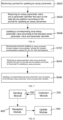
FIG. 1 is a flowchart of an in-vitro diagnostic device parameter updating method; -
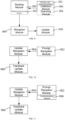
FIG. 2 is a flowchart of an in-vitro diagnostic device parameter updating method according to another embodiment which is not the claimed invention; -
FIG. 3 is a flowchart of an in-vitro diagnostic device parameter updating method according to another embodiment which is not the claimed invention; -
FIG. 4 is a diagram of application example of an in-vitro diagnostic device parameter updating method according to an embodiment; -
FIG. 5 is a diagram of application example of an in-vitro diagnostic device parameter updating method in another embodiment which is not the claimed invention; -
FIG. 6 is a flowchart of an in-vitro diagnostic device parameter updating method according to another embodiment which is not the claimed invention; -
FIG. 7 is a flowchart of an in-vitro diagnostic device parameter updating method according to another embodiment which is not the claimed invention; -
FIG. 8 is a structural block diagram of an in-vitro diagnostic device parameter updating device according to an embodiment; -
FIG. 9 is a structural block diagram of an in-vitro diagnostic device parameter updating device according to another embodiment; -
FIG. 10 is a structural block diagram of an in-vitro diagnostic device parameter updating device according to another embodiment which is not the claimed invention; -
FIG. 11 is a structural block diagram of an in-vitro diagnostic device parameter updating device according to another embodiment which is not the claimed invention; and -
FIG. 12 is an internal structural view of a computer device according to an embodiment which is not the claimed invention. - In order to explain the inventive concept and technical solutions of the in-vitro diagnostic device parameter updating method and device in the present disclosure in detail, some relevant contents will be described below.
- As shown in
FIG. 1 , an in-vitro diagnostic device parameter updating method is provided, including following steps:
S102: identifying and collecting an assay parameter identifier, wherein the assay parameter identifier is used for determining an assay parameter. - In the above, the in-vitro diagnostic reagent refers to reagent, reagent kit, calibration product (article), quality control (article) and the like that can be used alone or in combination with an instrument, appliance, device or system for in-vitro test of human body samples (various body fluids, cells, tissue samples and so on) during disease prevention, diagnosis, therapy and monitoring, prognostic observation, health state evaluation and genetic disease prediction. The assay refers to a specific analytical item in which the in-vitro diagnostic reagent is used for testing and diagnosis, such as TSH (thyrotropin, thyroid stimulating hormone) in thyroid functions, AFP (alpha fetoprotein) in tumors, and HIV (Human Immunodeficiency Virus) in infectious diseases. The assay parameter refers to a parameter associated with the assay of the in-vitro diagnostic reagent and is used for determining a reaction process or result of the assay, and the assay parameter generally varies with different assays or different reagent lots. Common parameters include reaction mode (one-step method, two-step method, etc.), sample volume, incubation time, main calibrated curve, calibration data and so on. The assay parameter includes two parts, namely, assay parameter identifier and assay parameter value. The assay parameter identifier refers to an identity identifier or name that can be used to uniquely determine the assay parameter, which may be number, word, picture, symbol, code, etc., and specifically, the parameter identifier may be item information and specific parameter identifier, such as name, production date, lot number, bottle number and validity period of an in-vitro diagnostic reagent corresponding to a specific assay, for example, the parameter identifier of incubation time of assay HIV may be HIV_20180207 001 0001 12) .IncuT, HIV_(20180207 001 0001 12). 306, etc.
- S104: sending a data processing request to a data service platform, wherein the data processing request carries the assay parameter identifier.
- Specifically, the in-vitro diagnostic device is configured to send a data processing request to the data service platform, wherein the data processing request carries the assay parameter identifier. After receiving the data processing request, the data service platform determines corresponding assay parameter identifier and assay parameter value according to the assay parameter identifier carried therein, and then feeds back the corresponding assay parameter value and parameter identifier to the in-vitro diagnostic device. In the above, the data processing request refers to a request for requesting the data service platform to determine the assay parameter value according to the assay parameter identifier. The data service platform refers to an Internet-based data service platform, which can provide accurate and fast data retrieval and storage, wherein the data service platform is configured to process the assay parameter identifier using data retrieval and search technologies.
- S106: receiving the assay parameter value and the parameter identifier fed back by the data service platform.
- In the above, the fed-back assay parameter value refer to specific parameter value corresponding to the assay parameter identifier, for example, if a parameter value of incubation time of assay HIV is 10 min (minutes), HIV_(20180207 001 0001 12) .IncuT=10 min can be obtained. Specifically, the data service platform is configured to determine a corresponding assay parameter value according to an assay parameter identifier carried in the data processing request and then to feedback corresponding assay parameter value and parameter identifier to the in-vitro diagnostic device.
- S108: updating corresponding local assay parameter value according to the fed-back assay parameter value and parameter identifier.
- Specifically, the in-vitro diagnostic device is configured to update its own corresponding assay parameter value according to the fed-back assay parameter value and parameter identifier. For example, before using an in-vitro diagnostic reagent of a new lot number, the parameter of assay of the in-vitro diagnostic reagent needs to be recalibrated, wherein first, the assay parameter identifier are identified by the in-vitro diagnostic device (at this time, the parameter corresponding to the parameter identifier is main calibrated curve and calibration data), then, a data processing request carrying the assay parameter identifier is sent to the data service platform, then the data service platform performs processing according to the assay parameter identifier, and feeds back the main calibrated curve and the calibration data of the assay to the in-vitro diagnostic device, and the in-vitro diagnostic device automatically updates the main calibrated curve and the calibration data of its corresponding in-vitro diagnostic reagent according to a fed-back result. When a sample of human body is to be detected using the in-vitro diagnostic reagent, a detection result will be judged according to the updated main calibrated curve and the updated calibration data, so as to realize precise detection.
- In the above in-vitro diagnostic device parameter updating method, the assay parameter identifier is transmitted to the data service platform, the assay parameter value and the parameter identifier fed back by the data service platform are received, the corresponding assay parameter value are updated according to the fed-back assay parameter value and parameter identifier, the data is supplied and transmitted through the Internet, then the original method in which barcode, calibration curve card, mobile data storage device and portable device are used as carriers for supplying and transmitting data is changed, the data transmission speed is increased, thereby an efficient updating of assay parameters of an in-vitro diagnostic reagent is realized.
- In one of the embodiments which is not the claimed invention, as shown in
FIG. 2 , S102 includes:
S202: collecting the assay parameter identifier by receiving a parameter identifier identification code, wherein the parameter identifier identification code is an identification code input by a user. - Specifically, the in-vitro diagnostic device is configured to determine a corresponding assay parameter identifier by receiving the parameter identifier identification code. The parameter identifier identification code may be a set of data consisting of numerals and letters, which may be manually input by the user, and also may be input by the user through voice interaction.
- In one of the embodiments which is not the claimed invention, as shown in
FIG. 3 , S102 includes:
S302: collecting the assay parameter identifier by scanning an identity identification tag, wherein the identity identification tag includes at least one of one-dimensional barcode, two-dimensional barcode and radio frequency tag. - The in-vitro diagnostic device is configured to collect the assay parameter identifier by scanning the identity identification tag, and determine the assay parameter of the in-vitro diagnostic reagent according to the assay parameter identifier. In the above, the identity identification tag refers to an identifier used for identifying different assay parameter identifier. The one-dimensional barcode refers to a mark composed by a set of regularly arranged bars, blanks and corresponding characters, wherein a "bar" refers to a part with relatively low light reflectance, and a "blank" refers to a part with relatively high light reflectance, and data composed by these bars and blanks expresses certain information, and can be read by a specific device to be converted into binary and decimal information compatible with computer. The two-dimensional barcode (or QR code) refers to a black and white pattern distributed on a plane (in two-dimensional directions) according to a certain rule with a certain specific geometric shape, and is used for recording data symbol information. The radio frequency tag is realized based on radio frequency identification, wherein the radio frequency identification refers to a wireless communication technology by which a specific object can be identified to read/write relevant data through radio signals, without the need of establishing mechanical or optical contact between an identification system and the specific object.
- In one of the embodiments which is not the claimed invention, as shown in
FIG. 2 andFIG. 3 , S104 includes:
S204: sending a data processing request to the data service platform through wireless communication, wherein the wireless communication includes 3G (the 3rd Generation mobile communication technology), 4G (the 4th Generation mobile communication technology), 5G (the 5th Generation mobile communication technology), WiFi (Wireless-Fidelity) and bluetooth. - Specifically, the in-vitro diagnostic device is configured to send the data processing request to the data service platform through wireless communication. The wireless communication refers to a communication mode for exchanging information using a property of an electromagnetic wave signal that it can propagate in a free space. 3G refers to a cellular mobile communication technology supporting high-speed data transmission. The 3G service can transmit voice and data information simultaneously, typically at a rate of no less than several hundred of kbps (bit rate). 4G, as an integration of 3G and WLAN (Wireless Local Area Networks), can transmit data, high-quality audios, videos, images and so on at a fast spped. The wireless communication further includes 5G technology, and when realized in a later stage, the 5G technology is also applicable to the present solution.
- In one of the embodiments which is not the claimed invention, the assay parameter includes at least one of reaction mode, sampling amount, incubation time, main calibrated curve and calibration data associated with the in-vitro diagnostic reagent item.
- Specifically, the reaction protocol refers to a reagent reaction process which is determined by the principle of reagent reaction, and for an immune reaction, the reaction protocol generally includes a one-step sandwich method, a two-step competition method, etc. The sampling volume includes sample sampling volume and reagent sampling volume. The sample sampling volume refers to sample volume required in the assay reaction. The reagent sampling volume refers to the reagent volume required in the assay reaction. The incubation time refers to duration of the antigen-antibody binding reaction or biotin-avidin binding reaction of the reactant in a constant temperature environment. The main calibrated curve is a standard curve typically formed by 6-10 concentration points and corresponding signal values established by the manufacturer when manufacturing each new lot of reagents. The calibration is a process in which a user runs 2-3 calibrators with known concentrations, and adjusts the main calibrated curve according to obtained signal values and a corresponding calibration algorithm so as to eliminate difference between instruments of users. The calibration data includes, among other things, quantity and concentration of calibrator, and corresponding calibration algorithm. The assay parameter value refers to a specific parameter value corresponding to the assay parameter, such as 100 microliters of sampling volume, and 10 minutes of incubation time.
- In one of the embodiments, the data service platform includes manufacturer service platform and third-party data service platform.
- Specifically, when there are too many assay parameters and too large data flow, both the third-party data service platform and the manufacturer service platform are to be used, and when there are not too many assay parameters, it is sufficient to use the manufacturer service platform only. In the above, the manufacturer service platform refers to a server of a manufacturer of the in-vitro diagnostic device. The third-party data service platform refers to an Internet-based intelligent data service platform or a self-deployable local data platform provided by a third party.
- In one of the embodiments, as shown in
FIG. 4 , the case in which both the third-party data service platform and the manufacturer service platform are used is illustrated by a data transfer process. The third-party data service platform, as an intermediate server, stores therein partial assay parameter values and parameter identifiers, when the in-vitro diagnostic device sends a data processing request, the third-party data service platform first searches itself to find whether a corresponding assay parameter value exists or not, wherein if the corresponding assay parameter value exists, the corresponding assay parameter value and parameter identifier are directly fed back to the in-vitro diagnostic device, and if the corresponding assay parameter value does not exist, the data processing request from the in-vitro diagnostic device is sent to the manufacturer service platform, the manufacturer service platform determines the corresponding assay parameter value according to the assay parameter identifier, and feeds back corresponding assay parameter value and parameter identifier to the in-vitro diagnostic device through the third-party data service platform, or the manufacturer service platform itself feeds back the corresponding assay parameter value and parameter identifier to the in-vitro diagnostic device. - In one of the embodiments which is not the claimed invention, as shown in
FIG. 5 , the case in which only the manufacturer service platform is used is illustrated by a data transfer process. When the in-vitro diagnostic device sends the data processing request, the manufacturer service platform determines corresponding assay parameter value according to the assay parameter identifier, and feeds back corresponding assay parameter value and parameter identifier to the in-vitro diagnostic device. - It should be understood that although various steps in the flowcharts of
FIGS. 1-3 are shown in turn as indicated by arrows, these steps are not necessarily performed in the order as indicated by the arrows. Unless explicitly stated herein, these steps are not limited to being performed in a strict order, while these steps may be performed in other orders. Moreover, at least part of the steps inFIG. 1-3 may include multiple sub-steps or multiple stages that are not necessarily performed simultaneously, but may be performed at different times, and these sub-steps or stages are not necessarily performed in turn, but may be performed with at least a part of other steps or sub-steps of other steps or stages by turns or in an alternating manner. - In one of the embodiments which is not the claimed invention, as shown in
FIG. 6 , an in-vitro diagnostic device parameter updating method is provided, including steps of:
S602: receiving a prompt for updating an assay parameter; - Specifically, when considering that an assay parameter needs to be updated, the data service platform actively (voluntarily) sends a prompt for updating the assay parameter to the in-vitro diagnostic device.
- S604: receiving an assay parameter value and a parameter identifier fed back by the data service platform according to the prompt for updating the assay parameter.
- Specifically, after receiving the prompt for updating the assay parameter, the in-vitro diagnostic device may select to actively confirm the updating, and then further, the in-vitro diagnostic device will receive the assay parameter value and the parameter identifier fed back by the data service platform, so as to perform the updating according to the assay parameter value and the parameter identifier. If the in-vitro diagnostic device does not actively confirm the updating after receiving the prompt for updating the assay parameter, the data service platform also feeds back the assay parameter value and the parameter identifier to the in-vitro diagnostic device within a preset timing period, for the in-vitro diagnostic device to update the assay parameter.
- For example, after actively confirming the updating, the in-vitro diagnostic device will send an updating confirmation prompt to the data service platform, the data service platform immediately feeds back the assay parameter value and the parameter identifier to the in-vitro diagnostic device after receiving the updating confirmation prompt, wherein if no updating confirmation prompt is received within a preset timing period of two days, the assay parameter value and the parameter identifier are also fed back to the in-vitro diagnostic device, for the in-vitro diagnostic device to update the assay parameter.
- S606: updating a corresponding local assay parameter value according to the fed-back assay parameter value and parameter identifier.
- Specifically, after receiving the fed-back assay parameter value and parameter identifier, the in-vitro diagnostic device updates corresponding local assay parameter value according to the fed-back assay parameter value and parameter identifier.
- In one of the embodiments which is not the claimed invention, as shown in
FIG. 7 , S602 includes:
S702: receiving the prompt for updating the assay parameter through wireless communication, wherein the wireless communication includes 3G, 4G, 5G, WiFi and bluetooth. - In one of the embodiments, as shown in
FIG. 8 , an in-vitro diagnostic device parameter updating device is provided, including: acollection module 200, a sendingmodule 300, areception module 400 and anupdate module 500, - wherein the
collection module 200 is configured to identify and collect an assay parameter identifier, wherein the assay parameter identifier is used for determining an assay parameter; - the sending
module 300 is configured to send a data processing request to a data service platform, wherein the data processing request carries the assay parameter identifier; - the
reception module 400 is configured to receive an assay parameter value and a parameter identifier which are fed back by the data service platform; and - the
update module 500 is configured to update a corresponding local assay parameter value according to the fed-back assay parameter value and parameter identifier. - In one of the embodiments, as shown in
FIG. 9 , thecollection module 200 further includes a reception andrecognition module 202, configured to collect the assay parameter identifier by receiving a parameter identifier identification code, wherein the parameter identifier identification code is an identification code input by a user. - In one of the embodiments, as shown in
FIG. 9 , thecollection module 200 further includes ascanning module 204, configured to collect the assay parameter identifier by scanning an identity identification tag, wherein the identity identification tag includes at least one of one-dimensional barcode, two-dimensional barcode and radio frequency tag. - In one of the embodiments, as shown in
FIG. 9 , the sendingmodule 300 further includes awireless communication module 302, configured to send the data processing request to the data service platform through wireless communication, wherein the wireless communication includes 3G, 4G, 5G, WiFi and bluetooth. - An in-vitro diagnostic device parameter updating device which is not the claimed invention, as shown in
FIG. 10 , includes: - a
prompt reception module 902 configured to receive a prompt for updating an assay parameter; - an
update reception module 904 configured to receive an assay parameter value and a parameter identifier fed back by the data service platform according to the prompt for updating the assay parameter; and - a
feedback update module 906 configured to update a corresponding local assay parameter value according to the fed-back assay parameter value and parameter identifier. - In one of the embodiments, as shown in
FIG. 11 which is not the claimed invention, theprompt reception module 902 further includes:
acommunication module 908 configured to receive the prompt for updating the assay parameter through wireless communication, wherein the wireless communication includes 3G, 4G, 5G, WiFi and bluetooth. - For specific limitations on the in-vitro diagnostic device parameter updating device, reference may be made to definitions to the in-vitro diagnostic device parameter updating method in the above, which will not be repeated herein. Various modules in the above in-vitro diagnostic device parameter updating device may be wholly or partially implemented by software, hardware and a combination thereof. Various modules above may be embedded in a hardware form in or independent of a processor of the computer device, and may also be stored in a memory of the computer device in a software form, so that the processor can invoke and execute operations corresponding to various modules above.
- In an embodiment which is not the claimed invention, a computer device is provided, which may be a terminal, and a diagram of internal structure of the computer device may be as shown in
FIG. 12 . The computer device includes a processor, a memory, a network interface, a display screen and an input device which are connected via a system bus. In the above, the processor of the computer device is configured to provide computing and control capabilities. The memory of the computer device includes a nonvolatile storage medium and an internal memory. An operating system and a computer program are stored on the non-volatile storage medium stores. The internal memory provides an environment for running of the operating system and the computer program in the non-volatile storage medium. The network interface of the computer device is used for communication with an external terminal through network connection. When executed by a processor, the computer program implements an in-vitro diagnostic device parameter updating method. A display screen of the computer device may be a liquid crystal display screen or an electronic ink display screen, and an input device of the computer device may be a touch layer covered on the display screen, keys, a track ball or a touch pad arranged on a shell of the computer device, and may also be an external keyboard, a touch pad or a mouse or the like. - It could be appreciated by those skilled in the art that the structure shown in
FIG. 12 is merely a block diagram of a portion of the structure associated with the solution of the present disclosure, and does not constitute limitation on the computer device to which the solution of the present disclosure is applied, and that a particular computer device may include more or fewer components than shown in the drawings, or may combine certain components, or have a different arrangement of components. - In an embodiment which is not the claimed invention, a computer device is provided, including a memory and a processor, wherein a computer program is stored in the memory and when executing the computer program, the processor performs following steps:
- identifying and collecting an assay parameter identifier, wherein the assay parameter identifier is used for determining an assay parameter;
- sending a data processing request to a data service platform, wherein the data processing request carries the assay parameter identifier;
- receiving an assay parameter value and a parameter identifier which are fed back by the data service platform; and
- updating a corresponding local assay parameter value according to the fed-back assay parameter value and parameter identifier.
- In an embodiment which is not the claimed invention, when executing the computer program, the processor further realizes following step:
collecting the assay parameter identifier by receiving a parameter identifier identification code, wherein the parameter identifier identification code is an identification code input by a user. - In an embodiment which is not the claimed invention, when executing the computer program, the processor further realizes following step:
collecting the assay parameter identifier by scanning an identity identification tag, wherein the identity identification tag includes at least one of one-dimensional barcode, two-dimensional barcode and radio frequency tag. - In an embodiment which is not the claimed invention, when executing the computer program, the processor further realizes following step:
sending a data processing request to the data service platform through wireless communication, wherein the wireless communication includes 3G, 4G, 5G, WiFi and bluetooth. - In an embodiment which is not the claimed invention, a computer-readable storage medium is provided, on which a computer program is stored, and when the computer program is executed by a processor, the following steps are realized:
- identifying and collecting an assay parameter identifier, wherein the assay parameter identifier is used for determining an assay parameter;
- sending a data processing request to a data service platform, wherein the data processing request carries the assay parameter identifier;
- receiving an assay parameter value and a parameter identifier which are fed back by the data service platform; and
- updating a corresponding local assay parameter value according to the fed-back assay parameter value and parameter identifier.
- In an embodiment which is not the claimed invention, when the computer program is executed by the processor, the following step is further realized:
collecting the assay parameter identifier by receiving a parameter identifier identification code, wherein the parameter identifier identification code is an identification code input by a user. - In an embodiment, when the computer program is executed by the processor, the following step is further realized:
collecting the assay parameter identifier by scanning an identity identification tag, wherein the identity identification tag includes at least one of one-dimensional barcode, two-dimensional barcode and radio frequency tag. - In an embodiment which is not the claimed invention, when the computer program is executed by the processor, the following step is further realized:
sending a data processing request to the data service platform through wireless communication, wherein the wireless communication includes 3G, 4G, 5G, WiFi and bluetooth. - Those ordinarily skilled in the art could understand that all or part of the processes of the methods of the above embodiments may be accomplished by relevant hardware instructed by a computer program, wherein the computer program may be stored in a non-volatile computer-readable storage medium, and when the computer program is executed, the processes of the embodiments of various above methods may be included. In the above, any reference to memory, storage, database or other medium used in various embodiments provided in the present disclosure may include non-volatile and/or volatile memory. Non-volatile memory may include read-only memory (ROM), programmable ROM (PROM), electrically programmable ROM (EPROM), electrically erasable programmable ROM (EEPROM) or flash memory. Volatile memory may include random access memory (RAM) or external cache memory. By way of illustration and not limitation, RAM is available in a variety of forms such as static RAM (SRAM), dynamic RAM (DRAM), synchronous DRAM (SDRAM), double data rate SDRAM (DDRSDRAM), enhanced SDRAM (ESDRAM), Synchlink DRAM (SLDRAM), rambus direct RAM (RDRAM), direct rambus dynamic RAM (DRDRAM), and rambus dynamic RAM (RDRAM).
Claims (8)
- An in-vitro diagnostic device parameter updating method, characterized by comprising following steps of:identifying and collecting an assay parameter identifier (S102), wherein the assay parameter identifier is used for determining an assay parameter;sending a data processing request to a data service platform (S104), wherein the data processing request carries the assay parameter identifier;receiving an assay parameter value and the parameter identifier which are fed back by the data service platform (S106); andupdating a corresponding local assay parameter value according to the fed-back assay parameter value and parameter identifier (S108),wherein the assay parameter comprises reaction mode, sampling amount or incubation time associated with an in-vitro diagnostic reagent item,wherein the data service platform comprises a manufacturer service platform and a third-party data service platform,wherein the data processing request is sent to the third-party data service platform, then the third-party data service platform searches itself to find whether a corresponding assay parameter value exists or not, and- if the corresponding assay parameter value exists, the corresponding assay parameter value and parameter identifier are directly fed back to the in-vitro diagnostic device, and- if the corresponding assay parameter value does not exist, the data processing request from the in-vitro diagnostic device is sent to the manufacturer service platform, the manufacturer service platform determines the corresponding assay parameter value according to the assay parameter identifier, and feeds back corresponding assay parameter value and parameter identifier to the in-vitro diagnostic device through the third-party data service platform, or the manufacturer service platform itself feeds back the corresponding assay parameter value and parameter identifier to the in-vitro diagnostic device.
- The method according to claim 1, wherein the step of identifying and collecting an assay parameter identifier comprises:
collecting the assay parameter identifier by scanning an identity identification tag, wherein the identity identification tag comprises at least one of one-dimensional barcode, two-dimensional barcode and radio frequency tag. - The method according to claim 1, wherein the step of identifying and collecting an assay parameter identifier comprises:
collecting the assay parameter identifier by receiving a parameter identifier identification code, wherein the parameter identifier identification code is an identification code input by a user. - The method according to any one of claims 1 to 3, wherein the step of sending a data processing request to a data service platform comprises:
sending a data processing request to the data service platform through wireless communication, wherein the wireless communication comprises 3G, 4G, 5G, WiFi and bluetooth. - An in-vitro diagnostic device parameter updating device, characterized by comprising:a collection module (200) configured to identify and collect an assay parameter identifier, wherein the assay parameter identifier is used for determining an assay parameter;a sending module (300) configured to send a data processing request to a data service platform, wherein the data processing request carries the assay parameter identifier;a reception module (400) configured to receive an assay parameter value and the parameter identifier which are fed back by the data service platform; andan update module (500) configured to update a corresponding local assay parameter value according to the fed-back assay parameter value and parameter identifier,wherein the assay parameter comprises reaction mode, sampling amount or incubation time associated with an in-vitro diagnostic reagent item,wherein the data service platform comprises a manufacturer service platform and a third-party data service platform, andwherein the data processing request is sent to the third-party data service platform, then the third-party data service platform searches itself to find whether a corresponding assay parameter value exists or not, and- if the corresponding assay parameter value exists, the corresponding assay parameter value and parameter identifier are directly fed back to the in-vitro diagnostic device, and- if the corresponding assay parameter value does not exist, the data processing request from the in-vitro diagnostic device is sent to the manufacturer service platform, the manufacturer service platform determines the corresponding assay parameter value according to the assay parameter identifier, and feeds back corresponding assay parameter value and parameter identifier to the in-vitro diagnostic device through the third-party data service platform, or the manufacturer service platform itself feeds back the corresponding assay parameter value and parameter identifier to the in-vitro diagnostic device.
- The device according to claim 5, wherein the collection module (200) comprises:
a reception and recognition module (202) configured to collect the assay parameter identifier by receiving a parameter identifier identification code, wherein the parameter identifier identification code is an identification code input by a user. - The device according to claim 5 or 6, wherein the collection module (200) further comprises:
a scanning module (204) configured to collect the assay parameter identifier by scanning an identity identification tag, wherein the identity identification tag comprises at least one of one-dimensional barcode, two-dimensional barcode and radio frequency tag. - The device according to any one of claims 5 to 7, wherein the sending module (300) comprises:
a wireless communication module configured to send the data processing request to the data service platform through wireless communication, wherein the wireless communication comprises 3G, 4G, 5G, WiFi and bluetooth.
Applications Claiming Priority (1)
| Application Number | Priority Date | Filing Date | Title |
|---|---|---|---|
| PCT/CN2018/076541 WO2019153354A1 (en) | 2018-02-12 | 2018-02-12 | In-vitro diagnosis device parameter update method and device |
Publications (3)
| Publication Number | Publication Date |
|---|---|
| EP3767426A1 EP3767426A1 (en) | 2021-01-20 |
| EP3767426A4 EP3767426A4 (en) | 2021-03-31 |
| EP3767426B1 true EP3767426B1 (en) | 2024-12-11 |
Family
ID=67548698
Family Applications (1)
| Application Number | Title | Priority Date | Filing Date |
|---|---|---|---|
| EP18905568.4A Active EP3767426B1 (en) | 2018-02-12 | 2018-02-12 | In-vitro diagnosis device parameter update method and device |
Country Status (2)
| Country | Link |
|---|---|
| EP (1) | EP3767426B1 (en) |
| WO (1) | WO2019153354A1 (en) |
Families Citing this family (1)
| Publication number | Priority date | Publication date | Assignee | Title |
|---|---|---|---|---|
| CN116936063A (en) * | 2022-04-02 | 2023-10-24 | 武汉联影医疗科技有限公司 | Image parameter configuration method, image equipment, server, medium and product |
Family Cites Families (6)
| Publication number | Priority date | Publication date | Assignee | Title |
|---|---|---|---|---|
| CN102023100A (en) * | 2010-04-19 | 2011-04-20 | 东莞市罗尔机电科技有限公司 | Equipment failure early-warning system and method |
| WO2013020045A2 (en) * | 2011-08-03 | 2013-02-07 | Coentre Ventures Llc | Cloud calibration of a test device |
| CN104766139A (en) * | 2015-03-27 | 2015-07-08 | 大唐淮南洛河发电厂 | Thermal power plant equipment fault diagnosis and detection optimizing method and system based on industrial internet |
| CN105468787A (en) * | 2015-12-29 | 2016-04-06 | 深圳市英威腾电气股份有限公司 | Method, apparatus and system for setting parameters of industrial equipment |
| CN106483274A (en) * | 2016-09-29 | 2017-03-08 | 石家庄禾柏生物技术股份有限公司 | The calibration of external diagnosis reagent internet and correction quality control system and its implementation |
| CN106844536A (en) * | 2016-12-30 | 2017-06-13 | 深圳市新产业生物医学工程股份有限公司 | The calibration data treating method and apparatus and in-vitro diagnosis equipment of external diagnosis reagent |
-
2018
- 2018-02-12 WO PCT/CN2018/076541 patent/WO2019153354A1/en not_active Ceased
- 2018-02-12 EP EP18905568.4A patent/EP3767426B1/en active Active
Also Published As
| Publication number | Publication date |
|---|---|
| EP3767426A4 (en) | 2021-03-31 |
| EP3767426A1 (en) | 2021-01-20 |
| WO2019153354A1 (en) | 2019-08-15 |
Similar Documents
| Publication | Publication Date | Title |
|---|---|---|
| USRE48868E1 (en) | Terminal, method and computer program product for interacting with a signaling tag | |
| US10803861B2 (en) | Method and apparatus for identifying information | |
| US9489703B2 (en) | Test management | |
| CN101814227B (en) | A system and method for realizing remote control of equipment based on the Internet of Things | |
| US8275858B2 (en) | Method for updating firmware of radio frequency identification reader through network system | |
| US20210225473A1 (en) | System and method for transmitting electronic prescription on the basis of cloud computing | |
| CN103246679A (en) | System and method for achieving location-based searching | |
| CN1643806A (en) | Radio frequency identification (RF-ID) based discovery for short range radio communication | |
| US10772035B2 (en) | Method and apparatus for generating information | |
| US20140081657A1 (en) | Apparatus and Methods for Storage and Transfer of Patient Information Using Biological Sample Cards with Short Range Communications | |
| US20020029336A1 (en) | Authentication method and authentication system for users attempting to access an information source via communication network, and information processing system and information processing method using the same | |
| AU2020348551B2 (en) | Sample testing method, and device | |
| EP3767426A1 (en) | In-vitro diagnosis device parameter update method and device | |
| CN108281178A (en) | The newer method and device of in-vitro diagnosis device parameter | |
| WO2019160668A1 (en) | Data router-mediated publisher/subscriber transmission architecture apparatus and methods | |
| CN114120123B (en) | Wine information management method, intelligent wine cabinet and system | |
| CN119721073B (en) | Sample monitoring method, system, equipment and medium based on RFID technology | |
| WO2019164726A1 (en) | Smart rapid result diagnostic system | |
| US12453438B2 (en) | Software application and computer system for using personal receptacles | |
| EP2763065A1 (en) | Method and system for identifying a fluid sample | |
| EP4293608A1 (en) | Control method based on prediction using use pattern and apparatus therefor | |
| CN218301567U (en) | White spirit cellar for storing things pond monitoring internet of things system that can bind fast with monitoring instrument | |
| US20070143008A1 (en) | Method and apparatus for autoperforming multimodal interaction | |
| CN121352373A (en) | Asset inventory methods, apparatus, equipment, media and procedures | |
| CN118113751A (en) | Practical learning information query method, device, electronic device and medium |
Legal Events
| Date | Code | Title | Description |
|---|---|---|---|
| STAA | Information on the status of an ep patent application or granted ep patent |
Free format text: STATUS: THE INTERNATIONAL PUBLICATION HAS BEEN MADE |
|
| PUAI | Public reference made under article 153(3) epc to a published international application that has entered the european phase |
Free format text: ORIGINAL CODE: 0009012 |
|
| STAA | Information on the status of an ep patent application or granted ep patent |
Free format text: STATUS: REQUEST FOR EXAMINATION WAS MADE |
|
| 17P | Request for examination filed |
Effective date: 20200904 |
|
| AK | Designated contracting states |
Kind code of ref document: A1 Designated state(s): AL AT BE BG CH CY CZ DE DK EE ES FI FR GB GR HR HU IE IS IT LI LT LU LV MC MK MT NL NO PL PT RO RS SE SI SK SM TR |
|
| AX | Request for extension of the european patent |
Extension state: BA ME |
|
| REG | Reference to a national code |
Ref country code: DE Ref legal event code: R079 Ref document number: 602018077608 Country of ref document: DE Free format text: PREVIOUS MAIN CLASS: H99Z9999999999 Ipc: G16H0040400000 |
|
| STAA | Information on the status of an ep patent application or granted ep patent |
Free format text: STATUS: EXAMINATION IS IN PROGRESS |
|
| A4 | Supplementary search report drawn up and despatched |
Effective date: 20210302 |
|
| RIC1 | Information provided on ipc code assigned before grant |
Ipc: G16H 10/40 20180101ALI20210224BHEP Ipc: G16H 40/40 20180101AFI20210224BHEP Ipc: G16H 40/63 20180101ALI20210224BHEP Ipc: A61B 5/00 20060101ALI20210224BHEP Ipc: G16H 40/67 20180101ALI20210224BHEP Ipc: A61B 5/022 20060101ALI20210224BHEP |
|
| 17Q | First examination report despatched |
Effective date: 20210312 |
|
| DAV | Request for validation of the european patent (deleted) | ||
| DAX | Request for extension of the european patent (deleted) | ||
| GRAP | Despatch of communication of intention to grant a patent |
Free format text: ORIGINAL CODE: EPIDOSNIGR1 |
|
| STAA | Information on the status of an ep patent application or granted ep patent |
Free format text: STATUS: GRANT OF PATENT IS INTENDED |
|
| INTG | Intention to grant announced |
Effective date: 20240708 |
|
| GRAS | Grant fee paid |
Free format text: ORIGINAL CODE: EPIDOSNIGR3 |
|
| GRAA | (expected) grant |
Free format text: ORIGINAL CODE: 0009210 |
|
| STAA | Information on the status of an ep patent application or granted ep patent |
Free format text: STATUS: THE PATENT HAS BEEN GRANTED |
|
| RAP3 | Party data changed (applicant data changed or rights of an application transferred) |
Owner name: SHENZHEN INCRECARE BIOTECH CO., LTD |
|
| AK | Designated contracting states |
Kind code of ref document: B1 Designated state(s): AL AT BE BG CH CY CZ DE DK EE ES FI FR GB GR HR HU IE IS IT LI LT LU LV MC MK MT NL NO PL PT RO RS SE SI SK SM TR |
|
| REG | Reference to a national code |
Ref country code: GB Ref legal event code: FG4D |
|
| REG | Reference to a national code |
Ref country code: CH Ref legal event code: EP |
|
| REG | Reference to a national code |
Ref country code: DE Ref legal event code: R096 Ref document number: 602018077608 Country of ref document: DE |
|
| REG | Reference to a national code |
Ref country code: IE Ref legal event code: FG4D |
|
| REG | Reference to a national code |
Ref country code: LT Ref legal event code: MG9D |
|
| PG25 | Lapsed in a contracting state [announced via postgrant information from national office to epo] |
Ref country code: HR Free format text: LAPSE BECAUSE OF FAILURE TO SUBMIT A TRANSLATION OF THE DESCRIPTION OR TO PAY THE FEE WITHIN THE PRESCRIBED TIME-LIMIT Effective date: 20241211 |
|
| PG25 | Lapsed in a contracting state [announced via postgrant information from national office to epo] |
Ref country code: FI Free format text: LAPSE BECAUSE OF FAILURE TO SUBMIT A TRANSLATION OF THE DESCRIPTION OR TO PAY THE FEE WITHIN THE PRESCRIBED TIME-LIMIT Effective date: 20241211 |
|
| PG25 | Lapsed in a contracting state [announced via postgrant information from national office to epo] |
Ref country code: BG Free format text: LAPSE BECAUSE OF FAILURE TO SUBMIT A TRANSLATION OF THE DESCRIPTION OR TO PAY THE FEE WITHIN THE PRESCRIBED TIME-LIMIT Effective date: 20241211 |
|
| REG | Reference to a national code |
Ref country code: NL Ref legal event code: MP Effective date: 20241211 |
|
| PG25 | Lapsed in a contracting state [announced via postgrant information from national office to epo] |
Ref country code: ES Free format text: LAPSE BECAUSE OF FAILURE TO SUBMIT A TRANSLATION OF THE DESCRIPTION OR TO PAY THE FEE WITHIN THE PRESCRIBED TIME-LIMIT Effective date: 20241211 |
|
| PG25 | Lapsed in a contracting state [announced via postgrant information from national office to epo] |
Ref country code: NO Free format text: LAPSE BECAUSE OF FAILURE TO SUBMIT A TRANSLATION OF THE DESCRIPTION OR TO PAY THE FEE WITHIN THE PRESCRIBED TIME-LIMIT Effective date: 20250311 |
|
| PG25 | Lapsed in a contracting state [announced via postgrant information from national office to epo] |
Ref country code: LV Free format text: LAPSE BECAUSE OF FAILURE TO SUBMIT A TRANSLATION OF THE DESCRIPTION OR TO PAY THE FEE WITHIN THE PRESCRIBED TIME-LIMIT Effective date: 20241211 Ref country code: GR Free format text: LAPSE BECAUSE OF FAILURE TO SUBMIT A TRANSLATION OF THE DESCRIPTION OR TO PAY THE FEE WITHIN THE PRESCRIBED TIME-LIMIT Effective date: 20250312 |
|
| PG25 | Lapsed in a contracting state [announced via postgrant information from national office to epo] |
Ref country code: RS Free format text: LAPSE BECAUSE OF FAILURE TO SUBMIT A TRANSLATION OF THE DESCRIPTION OR TO PAY THE FEE WITHIN THE PRESCRIBED TIME-LIMIT Effective date: 20250311 |
|
| PG25 | Lapsed in a contracting state [announced via postgrant information from national office to epo] |
Ref country code: NL Free format text: LAPSE BECAUSE OF FAILURE TO SUBMIT A TRANSLATION OF THE DESCRIPTION OR TO PAY THE FEE WITHIN THE PRESCRIBED TIME-LIMIT Effective date: 20241211 |
|
| REG | Reference to a national code |
Ref country code: AT Ref legal event code: MK05 Ref document number: 1751056 Country of ref document: AT Kind code of ref document: T Effective date: 20241211 |
|
| PG25 | Lapsed in a contracting state [announced via postgrant information from national office to epo] |
Ref country code: SM Free format text: LAPSE BECAUSE OF FAILURE TO SUBMIT A TRANSLATION OF THE DESCRIPTION OR TO PAY THE FEE WITHIN THE PRESCRIBED TIME-LIMIT Effective date: 20241211 |
|
| PG25 | Lapsed in a contracting state [announced via postgrant information from national office to epo] |
Ref country code: PL Free format text: LAPSE BECAUSE OF FAILURE TO SUBMIT A TRANSLATION OF THE DESCRIPTION OR TO PAY THE FEE WITHIN THE PRESCRIBED TIME-LIMIT Effective date: 20241211 |
|
| PG25 | Lapsed in a contracting state [announced via postgrant information from national office to epo] |
Ref country code: IS Free format text: LAPSE BECAUSE OF FAILURE TO SUBMIT A TRANSLATION OF THE DESCRIPTION OR TO PAY THE FEE WITHIN THE PRESCRIBED TIME-LIMIT Effective date: 20250411 |
|
| PG25 | Lapsed in a contracting state [announced via postgrant information from national office to epo] |
Ref country code: PT Free format text: LAPSE BECAUSE OF FAILURE TO SUBMIT A TRANSLATION OF THE DESCRIPTION OR TO PAY THE FEE WITHIN THE PRESCRIBED TIME-LIMIT Effective date: 20250411 |
|
| PG25 | Lapsed in a contracting state [announced via postgrant information from national office to epo] |
Ref country code: EE Free format text: LAPSE BECAUSE OF FAILURE TO SUBMIT A TRANSLATION OF THE DESCRIPTION OR TO PAY THE FEE WITHIN THE PRESCRIBED TIME-LIMIT Effective date: 20241211 |
|
| PG25 | Lapsed in a contracting state [announced via postgrant information from national office to epo] |
Ref country code: AT Free format text: LAPSE BECAUSE OF FAILURE TO SUBMIT A TRANSLATION OF THE DESCRIPTION OR TO PAY THE FEE WITHIN THE PRESCRIBED TIME-LIMIT Effective date: 20241211 Ref country code: RO Free format text: LAPSE BECAUSE OF FAILURE TO SUBMIT A TRANSLATION OF THE DESCRIPTION OR TO PAY THE FEE WITHIN THE PRESCRIBED TIME-LIMIT Effective date: 20241211 |
|
| PG25 | Lapsed in a contracting state [announced via postgrant information from national office to epo] |
Ref country code: SK Free format text: LAPSE BECAUSE OF FAILURE TO SUBMIT A TRANSLATION OF THE DESCRIPTION OR TO PAY THE FEE WITHIN THE PRESCRIBED TIME-LIMIT Effective date: 20241211 |
|
| PG25 | Lapsed in a contracting state [announced via postgrant information from national office to epo] |
Ref country code: CZ Free format text: LAPSE BECAUSE OF FAILURE TO SUBMIT A TRANSLATION OF THE DESCRIPTION OR TO PAY THE FEE WITHIN THE PRESCRIBED TIME-LIMIT Effective date: 20241211 |
|
| PG25 | Lapsed in a contracting state [announced via postgrant information from national office to epo] |
Ref country code: IT Free format text: LAPSE BECAUSE OF FAILURE TO SUBMIT A TRANSLATION OF THE DESCRIPTION OR TO PAY THE FEE WITHIN THE PRESCRIBED TIME-LIMIT Effective date: 20241211 |
|
| REG | Reference to a national code |
Ref country code: DE Ref legal event code: R119 Ref document number: 602018077608 Country of ref document: DE |
|
| PG25 | Lapsed in a contracting state [announced via postgrant information from national office to epo] |
Ref country code: SE Free format text: LAPSE BECAUSE OF FAILURE TO SUBMIT A TRANSLATION OF THE DESCRIPTION OR TO PAY THE FEE WITHIN THE PRESCRIBED TIME-LIMIT Effective date: 20241211 |
|
| PG25 | Lapsed in a contracting state [announced via postgrant information from national office to epo] |
Ref country code: MC Free format text: LAPSE BECAUSE OF FAILURE TO SUBMIT A TRANSLATION OF THE DESCRIPTION OR TO PAY THE FEE WITHIN THE PRESCRIBED TIME-LIMIT Effective date: 20241211 |
|
| REG | Reference to a national code |
Ref country code: CH Ref legal event code: PL |
|
| PG25 | Lapsed in a contracting state [announced via postgrant information from national office to epo] |
Ref country code: DK Free format text: LAPSE BECAUSE OF FAILURE TO SUBMIT A TRANSLATION OF THE DESCRIPTION OR TO PAY THE FEE WITHIN THE PRESCRIBED TIME-LIMIT Effective date: 20241211 |
|
| PG25 | Lapsed in a contracting state [announced via postgrant information from national office to epo] |
Ref country code: LU Free format text: LAPSE BECAUSE OF NON-PAYMENT OF DUE FEES Effective date: 20250212 |
|
| PLBE | No opposition filed within time limit |
Free format text: ORIGINAL CODE: 0009261 |
|
| STAA | Information on the status of an ep patent application or granted ep patent |
Free format text: STATUS: NO OPPOSITION FILED WITHIN TIME LIMIT |
|
| PG25 | Lapsed in a contracting state [announced via postgrant information from national office to epo] |
Ref country code: CH Free format text: LAPSE BECAUSE OF NON-PAYMENT OF DUE FEES Effective date: 20250228 |
|
| 26N | No opposition filed |
Effective date: 20250912 |
|
| GBPC | Gb: european patent ceased through non-payment of renewal fee |
Effective date: 20250311 |
|
| REG | Reference to a national code |
Ref country code: BE Ref legal event code: MM Effective date: 20250228 |
|
| PG25 | Lapsed in a contracting state [announced via postgrant information from national office to epo] |
Ref country code: DE Free format text: LAPSE BECAUSE OF NON-PAYMENT OF DUE FEES Effective date: 20250902 |
|
| PG25 | Lapsed in a contracting state [announced via postgrant information from national office to epo] |
Ref country code: GB Free format text: LAPSE BECAUSE OF NON-PAYMENT OF DUE FEES Effective date: 20250311 |
|
| PG25 | Lapsed in a contracting state [announced via postgrant information from national office to epo] |
Ref country code: FR Free format text: LAPSE BECAUSE OF NON-PAYMENT OF DUE FEES Effective date: 20250228 |
|
| PG25 | Lapsed in a contracting state [announced via postgrant information from national office to epo] |
Ref country code: BE Free format text: LAPSE BECAUSE OF NON-PAYMENT OF DUE FEES Effective date: 20250228 |
|
| PGFP | Annual fee paid to national office [announced via postgrant information from national office to epo] |
Ref country code: IE Payment date: 20260121 Year of fee payment: 9 |
|
| PG25 | Lapsed in a contracting state [announced via postgrant information from national office to epo] |
Ref country code: CY Free format text: LAPSE BECAUSE OF FAILURE TO SUBMIT A TRANSLATION OF THE DESCRIPTION OR TO PAY THE FEE WITHIN THE PRESCRIBED TIME-LIMIT Effective date: 20241211 |
|
| PG25 | Lapsed in a contracting state [announced via postgrant information from national office to epo] |
Ref country code: LT Free format text: LAPSE BECAUSE OF FAILURE TO SUBMIT A TRANSLATION OF THE DESCRIPTION OR TO PAY THE FEE WITHIN THE PRESCRIBED TIME-LIMIT Effective date: 20241211 |
|
| PG25 | Lapsed in a contracting state [announced via postgrant information from national office to epo] |
Ref country code: TR Free format text: LAPSE BECAUSE OF FAILURE TO SUBMIT A TRANSLATION OF THE DESCRIPTION OR TO PAY THE FEE WITHIN THE PRESCRIBED TIME-LIMIT Effective date: 20241211 |