EP3766506B1 - Angiogenesis-inducing method using neural stem cell - Google Patents
Angiogenesis-inducing method using neural stem cell Download PDFInfo
- Publication number
- EP3766506B1 EP3766506B1 EP19766786.8A EP19766786A EP3766506B1 EP 3766506 B1 EP3766506 B1 EP 3766506B1 EP 19766786 A EP19766786 A EP 19766786A EP 3766506 B1 EP3766506 B1 EP 3766506B1
- Authority
- EP
- European Patent Office
- Prior art keywords
- stem cells
- neural stem
- mcp
- angiogenesis
- cocl
- Prior art date
- Legal status (The legal status is an assumption and is not a legal conclusion. Google has not performed a legal analysis and makes no representation as to the accuracy of the status listed.)
- Active
Links
Images




Classifications
-
- A—HUMAN NECESSITIES
- A61—MEDICAL OR VETERINARY SCIENCE; HYGIENE
- A61K—PREPARATIONS FOR MEDICAL, DENTAL OR TOILETRY PURPOSES
- A61K35/00—Medicinal preparations containing materials or reaction products thereof with undetermined constitution
- A61K35/12—Materials from mammals; Compositions comprising non-specified tissues or cells; Compositions comprising non-embryonic stem cells; Genetically modified cells
- A61K35/30—Nerves; Brain; Eyes; Corneal cells; Cerebrospinal fluid; Neuronal stem cells; Neuronal precursor cells; Glial cells; Oligodendrocytes; Schwann cells; Astroglia; Astrocytes; Choroid plexus; Spinal cord tissue
-
- A—HUMAN NECESSITIES
- A61—MEDICAL OR VETERINARY SCIENCE; HYGIENE
- A61K—PREPARATIONS FOR MEDICAL, DENTAL OR TOILETRY PURPOSES
- A61K35/00—Medicinal preparations containing materials or reaction products thereof with undetermined constitution
- A61K35/12—Materials from mammals; Compositions comprising non-specified tissues or cells; Compositions comprising non-embryonic stem cells; Genetically modified cells
- A61K35/44—Vessels; Vascular smooth muscle cells; Endothelial cells; Endothelial progenitor cells
-
- A—HUMAN NECESSITIES
- A61—MEDICAL OR VETERINARY SCIENCE; HYGIENE
- A61K—PREPARATIONS FOR MEDICAL, DENTAL OR TOILETRY PURPOSES
- A61K8/00—Cosmetics or similar toiletry preparations
- A61K8/18—Cosmetics or similar toiletry preparations characterised by the composition
- A61K8/96—Cosmetics or similar toiletry preparations characterised by the composition containing materials, or derivatives thereof of undetermined constitution
- A61K8/98—Cosmetics or similar toiletry preparations characterised by the composition containing materials, or derivatives thereof of undetermined constitution of animal origin
- A61K8/981—Cosmetics or similar toiletry preparations characterised by the composition containing materials, or derivatives thereof of undetermined constitution of animal origin of mammals or bird
-
- A—HUMAN NECESSITIES
- A61—MEDICAL OR VETERINARY SCIENCE; HYGIENE
- A61K—PREPARATIONS FOR MEDICAL, DENTAL OR TOILETRY PURPOSES
- A61K9/00—Medicinal preparations characterised by special physical form
- A61K9/0012—Galenical forms characterised by the site of application
- A61K9/0019—Injectable compositions; Intramuscular, intravenous, arterial, subcutaneous administration; Compositions to be administered through the skin in an invasive manner
-
- A—HUMAN NECESSITIES
- A61—MEDICAL OR VETERINARY SCIENCE; HYGIENE
- A61P—SPECIFIC THERAPEUTIC ACTIVITY OF CHEMICAL COMPOUNDS OR MEDICINAL PREPARATIONS
- A61P25/00—Drugs for disorders of the nervous system
- A61P25/28—Drugs for disorders of the nervous system for treating neurodegenerative disorders of the central nervous system, e.g. nootropic agents, cognition enhancers, drugs for treating Alzheimer's disease or other forms of dementia
-
- A—HUMAN NECESSITIES
- A61—MEDICAL OR VETERINARY SCIENCE; HYGIENE
- A61P—SPECIFIC THERAPEUTIC ACTIVITY OF CHEMICAL COMPOUNDS OR MEDICINAL PREPARATIONS
- A61P35/00—Antineoplastic agents
-
- A—HUMAN NECESSITIES
- A61—MEDICAL OR VETERINARY SCIENCE; HYGIENE
- A61P—SPECIFIC THERAPEUTIC ACTIVITY OF CHEMICAL COMPOUNDS OR MEDICINAL PREPARATIONS
- A61P9/00—Drugs for disorders of the cardiovascular system
-
- A—HUMAN NECESSITIES
- A61—MEDICAL OR VETERINARY SCIENCE; HYGIENE
- A61Q—SPECIFIC USE OF COSMETICS OR SIMILAR TOILETRY PREPARATIONS
- A61Q19/00—Preparations for care of the skin
-
- C—CHEMISTRY; METALLURGY
- C12—BIOCHEMISTRY; BEER; SPIRITS; WINE; VINEGAR; MICROBIOLOGY; ENZYMOLOGY; MUTATION OR GENETIC ENGINEERING
- C12N—MICROORGANISMS OR ENZYMES; COMPOSITIONS THEREOF; PROPAGATING, PRESERVING, OR MAINTAINING MICROORGANISMS; MUTATION OR GENETIC ENGINEERING; CULTURE MEDIA
- C12N5/00—Undifferentiated human, animal or plant cells, e.g. cell lines; Tissues; Cultivation or maintenance thereof; Culture media therefor
- C12N5/06—Animal cells or tissues; Human cells or tissues
- C12N5/0602—Vertebrate cells
- C12N5/0618—Cells of the nervous system
- C12N5/0623—Stem cells
-
- C—CHEMISTRY; METALLURGY
- C12—BIOCHEMISTRY; BEER; SPIRITS; WINE; VINEGAR; MICROBIOLOGY; ENZYMOLOGY; MUTATION OR GENETIC ENGINEERING
- C12N—MICROORGANISMS OR ENZYMES; COMPOSITIONS THEREOF; PROPAGATING, PRESERVING, OR MAINTAINING MICROORGANISMS; MUTATION OR GENETIC ENGINEERING; CULTURE MEDIA
- C12N2500/00—Specific components of cell culture medium
- C12N2500/02—Atmosphere, e.g. low oxygen conditions
-
- C—CHEMISTRY; METALLURGY
- C12—BIOCHEMISTRY; BEER; SPIRITS; WINE; VINEGAR; MICROBIOLOGY; ENZYMOLOGY; MUTATION OR GENETIC ENGINEERING
- C12N—MICROORGANISMS OR ENZYMES; COMPOSITIONS THEREOF; PROPAGATING, PRESERVING, OR MAINTAINING MICROORGANISMS; MUTATION OR GENETIC ENGINEERING; CULTURE MEDIA
- C12N2500/00—Specific components of cell culture medium
- C12N2500/05—Inorganic components
- C12N2500/10—Metals; Metal chelators
- C12N2500/20—Transition metals
-
- C—CHEMISTRY; METALLURGY
- C12—BIOCHEMISTRY; BEER; SPIRITS; WINE; VINEGAR; MICROBIOLOGY; ENZYMOLOGY; MUTATION OR GENETIC ENGINEERING
- C12N—MICROORGANISMS OR ENZYMES; COMPOSITIONS THEREOF; PROPAGATING, PRESERVING, OR MAINTAINING MICROORGANISMS; MUTATION OR GENETIC ENGINEERING; CULTURE MEDIA
- C12N2533/00—Supports or coatings for cell culture, characterised by material
- C12N2533/90—Substrates of biological origin, e.g. extracellular matrix, decellularised tissue
Definitions
- the present invention relates to neural stem cells for use in a method of treating, by inducing angiogenesis, stroke or spinal cord injury.
- Stem cells are capable of self-renewal and differentiation into various cells, can be derived from an embryo or fetus. It is also known that resident stem cells in adult tissues can regenerate their own tissues. Mesenchymal stem cells are well known as adult stem cells and are the leading material for clinical researches worldwide.
- Neural stem cells are stem cells that are important in treatment of degenerative neurological disorders because they are capable of self-proliferation and differentiation into neurons, astrocytes or oligodendrocytes. Neural stem cells were first identified in rodent, mice, and are known to exist in a specific region of the brain. Since then, it has been known that neural stem cells are present in the human brain, and human neural stem cells acquired from fetal brain tissue can be expanded ex vivo and have been used in clinical trials. Recently, it has been reported that neural stem cells exist in adult human brain tissue, and they can be preferably expanded by adherent culture, rather than sphere culture.
- Angiogenesis refers to the growth of a new vessel, and a process mainly dependent on migration, proliferation, and formation of capillary endothelial cells.
- Angiogenesis may form a blood vessel under physiological and pathological conditions including wound healing or cancer.
- the regulation of angiogenesis is site- and stimulus-dependent, and may, in each case, involve a unique combination of regulatory molecules.
- endothelial cells rapidly proliferate, escaping from their stationary state.
- Matrigel (trade name for the product by BD Bioscience) is a protein complex extracted from Engelbreth-Holm-Swarm (EHS) mouse sarcoma cells, and contains extracellular matrix (ECM) components such as laminin, collagen and heparan sulfate proteoglycan, and growth factors such as a fibroblast growth factor (FGF), an epidermal growth factor (EFG), an insulin-like growth factor (IGF), a transforming growth factor-beta (TGF- ⁇ ) and a platelet-derived growth factor (PDGF).
- EGF extracellular matrix
- FGF fibroblast growth factor
- EGF epidermal growth factor
- IGF insulin-like growth factor
- TGF- ⁇ transforming growth factor-beta
- PDGF platelet-derived growth factor
- Matrigel has been used to reinforce cardiomyocytes and endothelial cells transplanted into an ischemic animal model, and since embryonic stem cells (ESCs) have self-renewability and pluripotency, Matrigel has been used for ex vivo culture of murine and human embryonic stem cells.
- ESCs embryonic stem cells
- the inventors confirmed from an experiment using Matrigel in which, among stem cells with commercial usefulness in medical substances and cosmetics having various functions, neural stem cells derived from human brain tissue secrete MCP-1 and Gro to have an angiogenesis-inducing effect.
- US2007/264712A1 relates to methods and compositions for enhancing the growth of neural stem cells (NSCs), and refers to culturing NSCs under lowered oxygen conditions as compared to environmental oxygen conditions traditionally employed in cell culture techniques.
- NSCs neural stem cells
- US2010/215714A1 relates to cells derived from postpartum tissue such as the umbilical cord and placenta, and refers to methods for their use to regenerate, repair, and improve neural tissue, and to improve behavior and neurological function in stroke patients.
- US2010/196963A1 relates to a method of producing compositions including embryonic proteins, the method including culturing cells under hypoxic conditions on a biocompatible surface in vitro.
- neural stem cells derived from human brain tissue secrete MCP-1 and Gro, thereby obtaining an angiogenesis-inducing effect.
- the present invention provides neural stem cells for use in a method of treating, by inducing angiogenesis, stroke or spinal cord injury, said method comprising:
- the neural stem cells may be derived from human brain tissue.
- the step (a) includes treating neural stem cells with CoCl 2 .
- the step (b) includes injecting vascular endothelial cells along with the neural stem cells into a subject.
- the cultured neural stem cells secrete MCP-1 or Gro.
- the CoCl 2 may have a concentration of 100 to 500 ⁇ M.
- neural stem cells derived from human brain tissue have an effect of forming blood vessels by secreting MCP-1 or Gro, and when CoCl 2 is applied to the neural stem cells, a hypoxia condition induces neural stem cells to increase secretion of MCP-1 and Gro, and thus it is expected that angiogenesis can be induced using human brain tissue-derived neural stem cells in accordance with the present invention.
- the present invention provides neural stem cells for use in a method of treating, by inducing angiogenesis, stroke or spinal cord injury, said method comprising:
- the neural stem cells of the present invention may be derived from human brain tissue, but the present invention is not limited thereto.
- the subject refers to a target in need of induction of angiogenesis, and more specifically, a mammal such as a human or a non-human primate, a mouse, a rat, a dog, a cat, a horse, or a cow.
- a mammal such as a human or a non-human primate, a mouse, a rat, a dog, a cat, a horse, or a cow.
- the hypoxia condition may be a cell culture condition having an oxygen partial pressure of 1% to 5%, but the present invention is not limited thereto.
- the step (a) includes treating neural stem cells with CoCl 2 .
- the step (b) includes injecting vascular endothelial cells along with the neural stem cells into a subject.
- cultured neural stem cells may induce formation of blood vessels by secreting MCP-1 or Gro, but the present invention is not limited thereto.
- MCP-1 monocytic chemotactic factor and a protein of the chemokine ⁇ subfamily. MCP-1 has a potent chemotactic effect on monocytes, and exhibits effects on T lymphocytes, mast cells and basophilic leukocytes.
- MCP-1 is made by various types of cells (leukocytes, platelets, fibroblasts, endothelial cells and smooth muscle cells), it has highest specificity for monocytes and macrophages, and constitutes an activating stimulus as well as a chemotactic factor, resulting in induction of processes of forming multiple inflammatory factors (superoxides, arachidonic acid and derivatives, cytokines/chemokines) and amplification of phagocytosis.
- inflammatory factors superoxides, arachidonic acid and derivatives, cytokines/chemokines
- the "growth-related oncogene (Gro)" is also referred to as melanoma growth stimulatory activity (MGSA), and includes three types of isoforms such as GRO ⁇ (MGSA ⁇ , CXCL1), GRO ⁇ (MGSA ⁇ , CXCL2) and GRO ⁇ (MGSA ⁇ , CXCL3), which belong to CXC chemokines.
- the Gro includes its first two cysteine residues having a CXC structure and a glutamic acid-leucine-arginine (ELR) motif.
- the CoCl 2 concentration may be 100 to 500 ⁇ M.
- the neural stem cells treated with CoCl 2 at a concentration of 500 ⁇ M for 24 hours or 100 ⁇ M and for 24 hours and then further cultured for 24 hours after replacement of the medium are preferable because MCP-1 and Gro secretion are high, but the present invention is not limited to the concentration.
- the amounts of MCP-1 and Gro secreted from neural stem cells were confirmed using a cytokine assay and ELISA (see Example 3).
- Example 6 MCP-1 and Gro ⁇ expression levels after neural stem cells are cultured in a hypoxia chamber were confirmed (see Example 6).
- Example 6 is not according to the invention and is present for illustration purposes only.
- Neural stem cells ahMNCs or a negative control fNSCs
- HUVECs ahMNCs or a negative control fNSCs
- ahMNCs or a negative control fNSCs were mixed with 200 ⁇ L of Matrigel at a 1:1 ratio such that a total cell number became 2 ⁇ 10 6 , and then transplanted subcutaneously into immunodeficient mice using a syringe.
- the transplanted Matrigel was separated and then the presence or absence of blood vessel formation was discerned by color due to penetration of red blood cells.
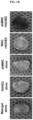
- FIG. 1B the ahMNC and HUVEC-mixed group was shown red.
- blood vessels are formed by co-transplantation of neural stem cells and vascular endothelial cells.
- Example 1 The Matrigel plugs of Example 1 were fixed with 4% PFA, and blocks was made.
- neural stem cells To confirm the angiogenesis-inducing effect of neural stem cells, growth factors or cytokines secreted from neural stem cells were qualitatively and quantitatively analyzed.
- NS14-001TL, NS14-008TL and NS14-015TL were seeded in 100-mm dishes, cultured for 3 to 4 days to be approximately 70% confluency, washed twice with phosphate buffered saline (PBS), and then cultured in the DMEM/F12 medium for 24 hours. Afterward, a supernatant (conditioned medium) was harvested.
- a cytokine array was performed using a human cytokine array (RayBio Human Cytokine Antibody Array C Series 1000).
- ELISA was performed with Quantikine ELISA kits (R&D Systems) using the recovered conditioned medium of the three different types of neural stem cells such as NS14-001TL, NS14-008TL and NS14-015TL.
- Human adult neural stem cells were cultured in a 100-mm culture dish for 2 to 3 days to reach approximately 70 to 80% confluency. Afterward, to reflect a hypoxia condition, CoCl 2 was treated at various concentrations, for example, 100, 200, 300, 400 and 500 ⁇ M, and after 24 hours, the conditioned medium was harvested and replaced with DMEM/F 12. After 24 hours, the conditioned medium was harvested and then analyzed. This process is schematically shown in FIG. 5 .
- ELISA was performed using the Quantikine ELISA kits (R&D Systems).
- the amount of MCP-1 at 24 hours after CoCl 2 treatment increased in proportion to the concentration of the treated CoCl 2 .
- the expression level of MCP-1 was highest in the case of treatment of 100 ⁇ M CoCl 2 .
- the CoCl 2 concentration was 300 ⁇ M or more, compared to treatment at 100 and 200 ⁇ M, the amount of MCP-1 was reduced.
- neural stem cells were cultured in a hypoxia chamber for 12, 24, 48 or 72 hours, and then a conditioned medium was recovered. The amounts of secreted MCP-1 and Gro ⁇ were measured.
- Human adult neural stem cells were cultured in a 100-mm culture dish to be 70 to 80% confluency for 2 to 3 days. Afterward, following replacement with a fresh medium, the cells were cultured in a hypoxia chamber for 12, 24, 48 or 72 hours, and then conditioned medium was recovered to perform ELISA. This procedure is schematically shown in FIG. 7 .
- ELISA was performed using the Quantikine ELISA kits (R&D Systems).
- neural stem cells in accordance with the present invention When CoCl 2 is treated to neural stem cells in accordance with the present invention, it was confirmed that a hypoxia condition increases the amount of MCP-1 and Gro secretion.
- Human brain tissue-derived neural stem cells are cultured under a hypoxia condition so that they may be used to induce angiogenesis, and proteins or enzymes secreted from the neural stem cells may be used in angiogenesis-related developments such as purification of a conditioned medium and development of exosome.
- neural stem cells in accordance with the present invention are used as neural stem cell therapeutics against stroke or spinal cord injury, for which angiogenesis is known to be a recovery mechanism.
Landscapes
- Health & Medical Sciences (AREA)
- Life Sciences & Earth Sciences (AREA)
- Engineering & Computer Science (AREA)
- Biomedical Technology (AREA)
- General Health & Medical Sciences (AREA)
- Chemical & Material Sciences (AREA)
- Public Health (AREA)
- Animal Behavior & Ethology (AREA)
- Veterinary Medicine (AREA)
- Cell Biology (AREA)
- Medicinal Chemistry (AREA)
- Zoology (AREA)
- Pharmacology & Pharmacy (AREA)
- Developmental Biology & Embryology (AREA)
- Biotechnology (AREA)
- Organic Chemistry (AREA)
- Bioinformatics & Cheminformatics (AREA)
- Epidemiology (AREA)
- Neurosurgery (AREA)
- Neurology (AREA)
- Virology (AREA)
- Immunology (AREA)
- Chemical Kinetics & Catalysis (AREA)
- General Chemical & Material Sciences (AREA)
- Nuclear Medicine, Radiotherapy & Molecular Imaging (AREA)
- Wood Science & Technology (AREA)
- Genetics & Genomics (AREA)
- Ophthalmology & Optometry (AREA)
- Dermatology (AREA)
- Vascular Medicine (AREA)
- Heart & Thoracic Surgery (AREA)
- Microbiology (AREA)
- Cardiology (AREA)
- Biochemistry (AREA)
- General Engineering & Computer Science (AREA)
- Birds (AREA)
- Hospice & Palliative Care (AREA)
- Psychiatry (AREA)
- Medicines Containing Material From Animals Or Micro-Organisms (AREA)
- Micro-Organisms Or Cultivation Processes Thereof (AREA)
Description
- The present invention relates to neural stem cells for use in a method of treating, by inducing angiogenesis, stroke or spinal cord injury.
- Stem cells are capable of self-renewal and differentiation into various cells, can be derived from an embryo or fetus. It is also known that resident stem cells in adult tissues can regenerate their own tissues. Mesenchymal stem cells are well known as adult stem cells and are the leading material for clinical researches worldwide.
- Neural stem cells are stem cells that are important in treatment of degenerative neurological disorders because they are capable of self-proliferation and differentiation into neurons, astrocytes or oligodendrocytes. Neural stem cells were first identified in rodent, mice, and are known to exist in a specific region of the brain. Since then, it has been known that neural stem cells are present in the human brain, and human neural stem cells acquired from fetal brain tissue can be expanded ex vivo and have been used in clinical trials. Recently, it has been reported that neural stem cells exist in adult human brain tissue, and they can be preferably expanded by adherent culture, rather than sphere culture.
- Angiogenesis refers to the growth of a new vessel, and a process mainly dependent on migration, proliferation, and formation of capillary endothelial cells. Angiogenesis may form a blood vessel under physiological and pathological conditions including wound healing or cancer. The regulation of angiogenesis is site- and stimulus-dependent, and may, in each case, involve a unique combination of regulatory molecules. During angiogenesis, endothelial cells rapidly proliferate, escaping from their stationary state.
- Meanwhile, Matrigel (trade name for the product by BD Bioscience) is a protein complex extracted from Engelbreth-Holm-Swarm (EHS) mouse sarcoma cells, and contains extracellular matrix (ECM) components such as laminin, collagen and heparan sulfate proteoglycan, and growth factors such as a fibroblast growth factor (FGF), an epidermal growth factor (EFG), an insulin-like growth factor (IGF), a transforming growth factor-beta (TGF-β) and a platelet-derived growth factor (PDGF). The complex constituting Matrigel is used as a cell culture matrix by providing a complicated extracellular environment found in various tissues.
- Matrigel has been used to reinforce cardiomyocytes and endothelial cells transplanted into an ischemic animal model, and since embryonic stem cells (ESCs) have self-renewability and pluripotency, Matrigel has been used for ex vivo culture of murine and human embryonic stem cells.
- Therefore, the inventors confirmed from an experiment using Matrigel in which, among stem cells with commercial usefulness in medical substances and cosmetics having various functions, neural stem cells derived from human brain tissue secrete MCP-1 and Gro to have an angiogenesis-inducing effect.
-
US2007/264712A1 relates to methods and compositions for enhancing the growth of neural stem cells (NSCs), and refers to culturing NSCs under lowered oxygen conditions as compared to environmental oxygen conditions traditionally employed in cell culture techniques. -
US2010/215714A1 relates to cells derived from postpartum tissue such as the umbilical cord and placenta, and refers to methods for their use to regenerate, repair, and improve neural tissue, and to improve behavior and neurological function in stroke patients. -
US2010/196963A1 relates to a method of producing compositions including embryonic proteins, the method including culturing cells under hypoxic conditions on a biocompatible surface in vitro. - As a result of the inventors conducting a study on functions of conventional neural stem cells, other than a known function, such as differentiation into neural cells, it was confirmed that neural stem cells derived from human brain tissue secrete MCP-1 and Gro, thereby obtaining an angiogenesis-inducing effect.
- Embodiments of the present invention are described in the claims.
- To attain the purpose of the present invention, the present invention provides neural stem cells for use in a method of treating, by inducing angiogenesis, stroke or spinal cord injury, said method comprising:
- (a) culturing neural stem cells under a hypoxia condition by treating the neural stem cells with cobalt (II) chloride (CoCl2); and
- (b) injecting the cultured neural stem cells into a subject,
- wherein step (b) includes injecting vascular endothelial cells along with the neural stem cells into a subject, and
- wherein the cultured neural stem cells secrete monocyte chemoattractant protein-1 (MCP-1) or a growth-related oncogene (Gro).
- In one embodiment of the present invention, the neural stem cells may be derived from human brain tissue.
- In accordance with the present invention, the step (a) includes treating neural stem cells with CoCl2.
- In accordance with the present invention, the step (b) includes injecting vascular endothelial cells along with the neural stem cells into a subject.
- In accordance with the present invention, the cultured neural stem cells secrete MCP-1 or Gro.
- In yet another embodiment of the present invention, the CoCl2 may have a concentration of 100 to 500 µM.
- It was confirmed that neural stem cells derived from human brain tissue have an effect of forming blood vessels by secreting MCP-1 or Gro, and when CoCl2 is applied to the neural stem cells, a hypoxia condition induces neural stem cells to increase secretion of MCP-1 and Gro, and thus it is expected that angiogenesis can be induced using human brain tissue-derived neural stem cells in accordance with the present invention.
-
-
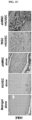
FIGS. 1A to 1C show the angiogenesis-inducing effect of neural stem cells through a Matrigel plug assay according to one embodiment of the present invention, whereinFIG. 1A is a diagram showing the outline of a Matrigel plug assay,FIG. 1B is a diagram showing the presence or absence of angiogenesis onday 3 after transplantation of a mixture of neural stem cells and vascular endothelial cells which is discerned by color due to penetration of red blood cells, andFIG. 1C is a diagram showing the histologic result of the Matrigel plug assay by H&E staining. -
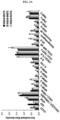
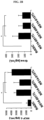
FIGS. 2A and2B show qualitative and quantitative analysis of angiogenesis-related factors of neural stem cells using a cytokine array (FIG. 2A ) and enzyme-linked immunosorbent assay (ELISA,FIG. 2B ) according to one embodiment of the present invention. -
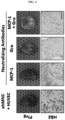
FIG. 3 shows the angiogenesis inhibitory effect by MCP-1 and Groneutralizing antibodies according to one embodiment of the present invention. -
FIG. 4 shows a signaling pathway in which angiogenesis-related expression of MCP-1 and Gro secreted under a hypoxia condition induced by CoCl2 treatment in neural stem cells according to one embodiment of the present invention is increased. -
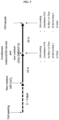
FIG. 5 is a diagram illustrating an experimental design for confirming the level of MCP-1 and Groα secreted from neural stem cells, following induction of a hypoxia condition by treating CoCl2 with various concentrations. -
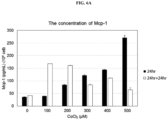
FIG. 6A shows results obtained by measuring the concentration of MCP-1 by ELISA following treatment of CoCl2 with various concentrations. -
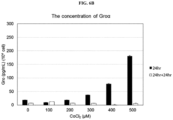
FIG. 6B shows results obtained by measuring Groα concentrations by ELISA following treatment of CoCl2 with various concentrations. -
FIG. 7 is a diagram illustrating an experimental design for confirming the expression of MCP-1 and Groα secreted from neural stem cells following induction of a hypoxia condition by culturing the neural stem cells in a hypoxia chamber. -
FIG. 8 shows the results obtained by measuring the concentrations of MCP-1 and Groα over time by ELISA following culture of neural stem cells in a hypoxia chamber. - The present invention provides neural stem cells for use in a method of treating, by inducing angiogenesis, stroke or spinal cord injury, said method comprising:
- (a) culturing neural stem cells under a hypoxia condition by treating the neural stem cells with cobalt (II) chloride (CoCl2); and
- (b) injecting the cultured neural stem cells into a subject,
- wherein step (b) includes injecting vascular endothelial cells along with the neural stem cells into a subject, and
- wherein the cultured neural stem cells secrete monocyte chemoattractant protein-1 (MCP-1) or a growth-related oncogene (Gro).
- The neural stem cells of the present invention may be derived from human brain tissue, but the present invention is not limited thereto.
- According to the present invention, the subject refers to a target in need of induction of angiogenesis, and more specifically, a mammal such as a human or a non-human primate, a mouse, a rat, a dog, a cat, a horse, or a cow.
- According to the present invention, the hypoxia condition may be a cell culture condition having an oxygen partial pressure of 1% to 5%, but the present invention is not limited thereto.
- In accordance with the present invention, the step (a) includes treating neural stem cells with CoCl2.
- In accordance with the present invention, the step (b) includes injecting vascular endothelial cells along with the neural stem cells into a subject.
- In addition, the cultured neural stem cells may induce formation of blood vessels by secreting MCP-1 or Gro, but the present invention is not limited thereto.
- Here, the "monocyte chemoattractant protein-1 (MCP-1)" is a monocytic chemotactic factor and a protein of the chemokine β subfamily. MCP-1 has a potent chemotactic effect on monocytes, and exhibits effects on T lymphocytes, mast cells and basophilic leukocytes. Although MCP-1 is made by various types of cells (leukocytes, platelets, fibroblasts, endothelial cells and smooth muscle cells), it has highest specificity for monocytes and macrophages, and constitutes an activating stimulus as well as a chemotactic factor, resulting in induction of processes of forming multiple inflammatory factors (superoxides, arachidonic acid and derivatives, cytokines/chemokines) and amplification of phagocytosis.
- In addition, the "growth-related oncogene (Gro)" is also referred to as melanoma growth stimulatory activity (MGSA), and includes three types of isoforms such as GROα (MGSAα, CXCL1), GROβ (MGSAβ, CXCL2) and GROγ (MGSAγ, CXCL3), which belong to CXC chemokines. The Gro includes its first two cysteine residues having a CXC structure and a glutamic acid-leucine-arginine (ELR) motif.
- When CoCl2 is applied to neural stem cells, a hypoxia condition may be induced and result in the increase of MCP-1 and Gro secretion, and in this case, the CoCl2 concentration may be 100 to 500 µM. According to an exemplary embodiment of the present invention, the neural stem cells treated with CoCl2 at a concentration of 500 µM for 24 hours or 100 µM and for 24 hours and then further cultured for 24 hours after replacement of the medium, are preferable because MCP-1 and Gro secretion are high, but the present invention is not limited to the concentration.
- Through histological analysis using a Matrigel plug assay and H&E staining, the angiogenesis-inducing effect of neural stem cells was confirmed (see Examples 1 and 2).
- The amounts of MCP-1 and Gro secreted from neural stem cells were confirmed using a cytokine assay and ELISA (see Example 3).
- The angiogenesis-inducing effect by MCP-1 and Gro was confirmed using a neutralizing antibody against MCP-1 and Gro, respectively (see Example 4).
- An increase in MCP-1 and Groα expression levels by CoCl2 in neural stem cells were confirmed (see Example 5).
- MCP-1 and Groα expression levels after neural stem cells are cultured in a hypoxia chamber were confirmed (see Example 6). Example 6 is not according to the invention and is present for illustration purposes only.
- Hereinafter, to help in understanding the present invention, exemplary examples will be suggested. However, the following examples are merely provided to understand the present invention more easily, and not to limit the present invention.
- Experiments for verifying angiogenesis capability were performed with experimental groups consisted of a Matrigel-only group, a human umbilical cord vein epithelial cell (HUVEC)-only group, an adult human multipotent neural cell (ahMNC)-only group, a fetal neural stem cell (fNSC) and HUVEC mixed group, and an ahMNC and HUVEC-mixed group.
- Neural stem cells (ahMNCs or a negative control fNSCs) and/or HUVECs were mixed with 200 µL of Matrigel at a 1:1 ratio such that a total cell number became 2 × 10⁶, and then transplanted subcutaneously into immunodeficient mice using a syringe. On
day 3 after transplantation, the transplanted Matrigel was separated and then the presence or absence of blood vessel formation was discerned by color due to penetration of red blood cells. As a result, as shown inFIG. 1B , the ahMNC and HUVEC-mixed group was shown red. - Accordingly, from this result, blood vessels are formed by co-transplantation of neural stem cells and vascular endothelial cells.
- The Matrigel plugs of Example 1 were fixed with 4% PFA, and blocks was made. For H&E staining, 5-µm-thick tissue sections were made, placed on a slide, and then subjected to deparaffination, followed by H&E staining.
- As a result, as shown in
FIG. 1C , in the ahMNC and HUVEC-mixed group, the formation of blood vessels was confirmed. - Accordingly, from this result, it was seen that blood vessels are formed by co-transplantation of neural stem cells and vascular endothelial cells.
- To confirm the angiogenesis-inducing effect of neural stem cells, growth factors or cytokines secreted from neural stem cells were qualitatively and quantitatively analyzed.
- Three different types of neural stem cells such as NS14-001TL, NS14-008TL and NS14-015TL were seeded in 100-mm dishes, cultured for 3 to 4 days to be approximately 70% confluency, washed twice with phosphate buffered saline (PBS), and then cultured in the DMEM/F12 medium for 24 hours. Afterward, a supernatant (conditioned medium) was harvested. A cytokine array was performed using a human cytokine array (RayBio Human Cytokine Antibody Array C Series 1000).
- As a result, as shown in
FIG. 2A , it was confirmed that various types of growth factors or cytokines such as MCP-1, Gro and IL-8 were secreted. - In addition, for quantification of MCP-1 and Gro found by the cytokine array, ELISA was performed with Quantikine ELISA kits (R&D Systems) using the recovered conditioned medium of the three different types of neural stem cells such as NS14-001TL, NS14-008TL and NS14-015TL.
- As a result, as shown in
FIG. 2B , compared with a control, fNSC, the amounts of MCP-1 and Groα were increased in all of the three types of neural stem cells. - To confirm the angiogenesis-inducing effect of MCP-1 and Gro, a neutralizing antibody against each of MCP-1 and Gro was mixed with Matrigel and then transplanted to confirm angiogenesis inhibition.
- As a result, as shown in
FIG. 3 , when antibodies blocking the functions of MCP-1 and Gro were transplanted with Matrigel plugs, there was little angiogenesis. Moreover, when the antibodies blocking the functions of MCP-1 and Gro were mixed, it was confirmed that a synergistic angiogenesis inhibitory effect was exhibited. - As shown in
FIG. 4 , when CoCl2 was treated at various concentrations such as 100, 200, 300, 400 and 500 µM to reflect a hypoxia condition, the expression of MCP-1 and Gro increased by stabilizing HIF-1α, a transcription factor. - Human adult neural stem cells were cultured in a 100-mm culture dish for 2 to 3 days to reach approximately 70 to 80% confluency. Afterward, to reflect a hypoxia condition, CoCl2 was treated at various concentrations, for example, 100, 200, 300, 400 and 500 µM, and after 24 hours, the conditioned medium was harvested and replaced with DMEM/
F 12. After 24 hours, the conditioned medium was harvested and then analyzed. This process is schematically shown inFIG. 5 . - For the quantification of MCP-1 and Groα in the conditioned medium recovered in Example 5-1, ELISA was performed using the Quantikine ELISA kits (R&D Systems).
- As a result, as shown in
FIG. 6A , the amount of MCP-1 at 24 hours after CoCl2 treatment, increased in proportion to the concentration of the treated CoCl2. However, in the result of another 24 hours after the medium was replaced with DMEM/F12, the expression level of MCP-1 was highest in the case of treatment of 100 µM CoCl2. When the CoCl2 concentration was 300 µM or more, compared to treatment at 100 and 200 µM, the amount of MCP-1 was reduced. - In addition, as shown in
FIG. 6B , while the amount of Groα, at 24 hours after CoCl2 treatment, increased in a concentration-dependent manner. The highest was observed when the CoCl2 concentration was 500 µM. In the result of another 24 hours after the medium was replaced with DMEM/F12, it was confirmed that the amount of Groα was highest when 100 µM CoCl2 was treated, but the Groα amount was reduced when the CoCl2 concentration was 200 µM or more, compared to 100 µM. - To induce a hypoxia condition of neural stem cells, neural stem cells were cultured in a hypoxia chamber for 12, 24, 48 or 72 hours, and then a conditioned medium was recovered. The amounts of secreted MCP-1 and Groα were measured.
- Human adult neural stem cells were cultured in a 100-mm culture dish to be 70 to 80% confluency for 2 to 3 days. Afterward, following replacement with a fresh medium, the cells were cultured in a hypoxia chamber for 12, 24, 48 or 72 hours, and then conditioned medium was recovered to perform ELISA. This procedure is schematically shown in
FIG. 7 . - For quantification of MCP-1 and Groα in the conditioned medium recovered in Example 6-1, ELISA was performed using the Quantikine ELISA kits (R&D Systems).
- As a result, as shown in
FIG. 8 , while the expression of MCP-1 increased as the culture time passed, it was confirmed that the expression of Groα increased compared with a control, and remained almost constant after 48 hours in a hypoxic chamber. - When CoCl2 is treated to neural stem cells in accordance with the present invention, it was confirmed that a hypoxia condition increases the amount of MCP-1 and Gro secretion. Human brain tissue-derived neural stem cells are cultured under a hypoxia condition so that they may be used to induce angiogenesis, and proteins or enzymes secreted from the neural stem cells may be used in angiogenesis-related developments such as purification of a conditioned medium and development of exosome. In addition, neural stem cells in accordance with the present invention are used as neural stem cell therapeutics against stroke or spinal cord injury, for which angiogenesis is known to be a recovery mechanism.
Claims (3)
- Neural stem cells for use in a method of treating, by inducing angiogenesis, stroke or spinal cord injury, said method comprising:(a) culturing neural stem cells under a hypoxia condition by treating the neural stem cells with cobalt (II) chloride (CoCl2); and(b) injecting the cultured neural stem cells into a subject,wherein step (b) includes injecting vascular endothelial cells along with the neural stem cells into a subject, andwherein the cultured neural stem cells secrete monocyte chemoattractant protein-1 (MCP-1) or a growth-related oncogene (Gro).
- The neural stem cells for use of claim 1, wherein the neural stem cells are derived from human brain tissue.
- The neural stem cells for use of claim 1 or claim 2, wherein the CoCl2 is treated at a concentration of 100 to 500 µM.
Applications Claiming Priority (3)
| Application Number | Priority Date | Filing Date | Title |
|---|---|---|---|
| KR20180031099 | 2018-03-16 | ||
| KR1020190011224A KR102056447B1 (en) | 2018-03-16 | 2019-01-29 | A Method for inducing angiogenesis using neural stem cell |
| PCT/KR2019/001287 WO2019177269A1 (en) | 2018-03-16 | 2019-01-30 | Angiogenesis-inducing method using neural stem cell |
Publications (4)
| Publication Number | Publication Date |
|---|---|
| EP3766506A1 EP3766506A1 (en) | 2021-01-20 |
| EP3766506A4 EP3766506A4 (en) | 2022-03-09 |
| EP3766506C0 EP3766506C0 (en) | 2024-09-11 |
| EP3766506B1 true EP3766506B1 (en) | 2024-09-11 |
Family
ID=68068546
Family Applications (1)
| Application Number | Title | Priority Date | Filing Date |
|---|---|---|---|
| EP19766786.8A Active EP3766506B1 (en) | 2018-03-16 | 2019-01-30 | Angiogenesis-inducing method using neural stem cell |
Country Status (5)
| Country | Link |
|---|---|
| US (1) | US20210009950A1 (en) |
| EP (1) | EP3766506B1 (en) |
| JP (1) | JP7126278B2 (en) |
| KR (1) | KR102056447B1 (en) |
| CN (1) | CN112118851A (en) |
Families Citing this family (2)
| Publication number | Priority date | Publication date | Assignee | Title |
|---|---|---|---|---|
| KR102765891B1 (en) * | 2022-08-26 | 2025-02-12 | (주)메디노 | Pharmaceutical composition for preventing or treating neurological diseases including improved stem cells expressing TIMP-1, MCP-1, GROα and IL-6, and Methods for selecting the improved stem cells |
| CN118048299B (en) * | 2024-04-15 | 2024-09-24 | 中国人民解放军总医院第一医学中心 | A method for adding cobalt chloride based on hypoxia induction model |
Family Cites Families (11)
| Publication number | Priority date | Publication date | Assignee | Title |
|---|---|---|---|---|
| US6165783A (en) * | 1997-10-24 | 2000-12-26 | Neuro Spheres Holdings Ltd. | Erythropoietin-mediated neurogenesis |
| EP2324839B1 (en) * | 2000-06-05 | 2017-08-09 | The Trustees of Columbia University in the City of New York | Granulocyte-colony-stimulating-factor (g-csf) for use in the treatment of myocardial infarct |
| US7875272B2 (en) * | 2003-06-27 | 2011-01-25 | Ethicon, Incorporated | Treatment of stroke and other acute neuraldegenerative disorders using postpartum derived cells |
| CN1621515A (en) * | 2003-11-28 | 2005-06-01 | 中国人民解放军军事医学科学院基础医学研究所 | Method for adjusting the multiplication of human nerve stem cell cultured in vitro |
| CA2603857A1 (en) * | 2005-03-31 | 2006-11-16 | Mytogen, Inc. | Treatment for heart disease |
| WO2007106200A2 (en) * | 2006-01-10 | 2007-09-20 | Theradigm, Inc. | Expansion and differentiation of neural stem cells under low oxygen conditions |
| US8524494B2 (en) * | 2008-01-30 | 2013-09-03 | Histogen, Inc. | Low oxygen tension and BFGF generates a multipotent stem cell from a fibroblast in vitro |
| US8790638B2 (en) * | 2009-02-04 | 2014-07-29 | Stemedica Cell Technologies, Inc. | Compositions of stem cells and stem cell factors and methods for their use and manufacture |
| JP2012527480A (en) | 2009-05-21 | 2012-11-08 | ステムサイト インコーポレイテッド | Cell therapy of brain tissue damage |
| WO2011053896A2 (en) * | 2009-10-30 | 2011-05-05 | University Of Miami | Hypoxia regulated conditionally silenced aav expressing angiogenic inducers |
| KR101269125B1 (en) | 2010-02-03 | 2013-06-04 | 사회복지법인 삼성생명공익재단 | Stem Cell Proliferation Method Using Notch Signal Activation Gene |
-
2019
- 2019-01-29 KR KR1020190011224A patent/KR102056447B1/en active Active
- 2019-01-30 US US16/980,886 patent/US20210009950A1/en active Pending
- 2019-01-30 EP EP19766786.8A patent/EP3766506B1/en active Active
- 2019-01-30 JP JP2020549575A patent/JP7126278B2/en active Active
- 2019-01-30 CN CN201980019697.8A patent/CN112118851A/en active Pending
Non-Patent Citations (3)
| Title |
|---|
| RODRÍGUEZ-JIMÉNEZ FRANCISCO JAVIER ET AL: "Hypoxia Causes Downregulation of Mismatch Repair System and Genomic Instability in Stem Cells", STEM CELLS, vol. 26, no. 8, 29 May 2008 (2008-05-29), pages 2052 - 2062, XP093002115, ISSN: 1066-5099, Retrieved from the Internet <URL:https://onlinelibrary.wiley.com/doi/full-xml/10.1634/stemcells.2007-1016> [retrieved on 20221127], DOI: 10.1634/stemcells.2007-1016 * |
| VAGNUCCI A H ET AL: "Alzheimer's disease and angiogenesis", THE LANCET, ELSEVIER, AMSTERDAM, NL, vol. 361, no. 9357, 15 February 2003 (2003-02-15), pages 605 - 608, XP004778573, ISSN: 0140-6736, DOI: 10.1016/S0140-6736(03)12521-4 * |
| WILFRED A JEFFERIES ET AL: "Adjusting the compass: new insights into the role of angiogenesis in Alzheimer?s disease", ALZHEIMERS RES THER, BIOMED CENTRAL LTD, LONDON, UK, vol. 5, no. 6, 19 December 2013 (2013-12-19), pages 64, XP021193613, ISSN: 1758-9193, DOI: 10.1186/ALZRT230 * |
Also Published As
| Publication number | Publication date |
|---|---|
| KR102056447B1 (en) | 2019-12-16 |
| US20210009950A1 (en) | 2021-01-14 |
| EP3766506C0 (en) | 2024-09-11 |
| KR20190109233A (en) | 2019-09-25 |
| JP7126278B2 (en) | 2022-08-26 |
| EP3766506A1 (en) | 2021-01-20 |
| EP3766506A4 (en) | 2022-03-09 |
| JP2021515799A (en) | 2021-06-24 |
| CN112118851A (en) | 2020-12-22 |
Similar Documents
| Publication | Publication Date | Title |
|---|---|---|
| Ray et al. | Differential properties of adult rat and mouse brain-derived neural stem/progenitor cells | |
| DE60132429T2 (en) | PLURIPOTENTS FROM FAT-FROZEN-GENERIC STROMA CELLS GENERATED STRAIN CELLS AND THEIR USE | |
| Neuhuber et al. | Axon growth and recovery of function supported by human bone marrow stromal cells in the injured spinal cord exhibit donor variations | |
| Sun et al. | Differentiation of adipose-derived stem cells into Schwann cell-like cells through intermittent induction: potential advantage of cellular transient memory function | |
| KR100955212B1 (en) | Mass production method of growth factor using adipose derived stem cells | |
| KR101533989B1 (en) | Composition comprising mesenchymal stem cells or culture solution of mesenchymal stem cells for the prevention or treatment of neural diseases | |
| Bifari et al. | Meninges harbor cells expressing neural precursor markers during development and adulthood | |
| KR101566450B1 (en) | A Method for mass production of proteins from mesenchymal stem cells | |
| US20130078222A1 (en) | Intervertebral Disc Nucleus Pulposus Stem Cell/Progenitor Cell, The Cultivation Method And Intended Use Thereof | |
| Sypecka et al. | The organotypic longitudinal spinal cord slice culture for stem cell study | |
| AU2014248198A1 (en) | Compositions and methods for induction and modulation of angiogenesis and methods and assays for identifying angiogenesis modulators | |
| Yagi et al. | Human fetal wound healing: a review of molecular and cellular aspects | |
| WO2022004816A1 (en) | Cranial nerve disorder therapeutic agent including culture supernatant of tissue cells derived from fetal appendage | |
| Tse et al. | Intrinsic mechanisms underlying the neurotrophic activity of adipose derived stem cells | |
| EP3766506A1 (en) | Angiogenesis-inducing method using neural stem cell | |
| Liaudanskaya et al. | Engineering advanced neural tissue constructs to mitigate acute cerebral inflammation after brain transplantation in rats | |
| Li et al. | Multipotent neural crest stem cell‐like cells from rat vibrissa dermal papilla induce neuronal differentiation of PC12 cells | |
| KR101389851B1 (en) | Method for Culture of Neural Crest Stem Cells and Uses Therefor | |
| JP2014023457A (en) | Nerve cell sheet and method for producing the same | |
| Marycz et al. | Effects of steroids on the morphology and proliferation of canine and equine mesenchymal stem cells of adipose origin—in vitro research | |
| Chatzizacharias et al. | The role of focal adhesion kinase in early development | |
| Kosykh et al. | Postnatal neural crest stem cells from hair follicle interact with nerve tissue in vitro and in vivo | |
| KR102147780B1 (en) | Culture medium composition for promoting the proliferation of stem cell comprising FGF-17 as an effective ingredient and method of culturing stem cells using the same | |
| Babushkina | Mechanisms of corneal development and wound healing | |
| Stocum | Rx for tissue restoration: regenerative biology and medicine |
Legal Events
| Date | Code | Title | Description |
|---|---|---|---|
| STAA | Information on the status of an ep patent application or granted ep patent |
Free format text: STATUS: THE INTERNATIONAL PUBLICATION HAS BEEN MADE |
|
| PUAI | Public reference made under article 153(3) epc to a published international application that has entered the european phase |
Free format text: ORIGINAL CODE: 0009012 |
|
| STAA | Information on the status of an ep patent application or granted ep patent |
Free format text: STATUS: REQUEST FOR EXAMINATION WAS MADE |
|
| 17P | Request for examination filed |
Effective date: 20201014 |
|
| AK | Designated contracting states |
Kind code of ref document: A1 Designated state(s): AL AT BE BG CH CY CZ DE DK EE ES FI FR GB GR HR HU IE IS IT LI LT LU LV MC MK MT NL NO PL PT RO RS SE SI SK SM TR |
|
| AX | Request for extension of the european patent |
Extension state: BA ME |
|
| DAV | Request for validation of the european patent (deleted) | ||
| DAX | Request for extension of the european patent (deleted) | ||
| A4 | Supplementary search report drawn up and despatched |
Effective date: 20220203 |
|
| RIC1 | Information provided on ipc code assigned before grant |
Ipc: C12N 5/0797 20100101ALI20220128BHEP Ipc: C12N 5/079 20100101ALI20220128BHEP Ipc: A61P 25/28 20060101ALI20220128BHEP Ipc: A61P 9/00 20060101ALI20220128BHEP Ipc: A61K 35/44 20150101ALI20220128BHEP Ipc: A61K 35/30 20150101AFI20220128BHEP |
|
| STAA | Information on the status of an ep patent application or granted ep patent |
Free format text: STATUS: EXAMINATION IS IN PROGRESS |
|
| 17Q | First examination report despatched |
Effective date: 20221205 |
|
| GRAP | Despatch of communication of intention to grant a patent |
Free format text: ORIGINAL CODE: EPIDOSNIGR1 |
|
| STAA | Information on the status of an ep patent application or granted ep patent |
Free format text: STATUS: GRANT OF PATENT IS INTENDED |
|
| INTG | Intention to grant announced |
Effective date: 20240513 |
|
| GRAS | Grant fee paid |
Free format text: ORIGINAL CODE: EPIDOSNIGR3 |
|
| GRAA | (expected) grant |
Free format text: ORIGINAL CODE: 0009210 |
|
| STAA | Information on the status of an ep patent application or granted ep patent |
Free format text: STATUS: THE PATENT HAS BEEN GRANTED |
|
| AK | Designated contracting states |
Kind code of ref document: B1 Designated state(s): AL AT BE BG CH CY CZ DE DK EE ES FI FR GB GR HR HU IE IS IT LI LT LU LV MC MK MT NL NO PL PT RO RS SE SI SK SM TR |
|
| REG | Reference to a national code |
Ref country code: GB Ref legal event code: FG4D |
|
| REG | Reference to a national code |
Ref country code: CH Ref legal event code: EP |
|
| REG | Reference to a national code |
Ref country code: DE Ref legal event code: R096 Ref document number: 602019058734 Country of ref document: DE |
|
| REG | Reference to a national code |
Ref country code: IE Ref legal event code: FG4D |
|
| U01 | Request for unitary effect filed |
Effective date: 20240911 |
|
| U07 | Unitary effect registered |
Designated state(s): AT BE BG DE DK EE FI FR IT LT LU LV MT NL PT RO SE SI Effective date: 20240930 |
|
| PG25 | Lapsed in a contracting state [announced via postgrant information from national office to epo] |
Ref country code: NO Free format text: LAPSE BECAUSE OF FAILURE TO SUBMIT A TRANSLATION OF THE DESCRIPTION OR TO PAY THE FEE WITHIN THE PRESCRIBED TIME-LIMIT Effective date: 20241211 |
|
| PG25 | Lapsed in a contracting state [announced via postgrant information from national office to epo] |
Ref country code: GR Free format text: LAPSE BECAUSE OF FAILURE TO SUBMIT A TRANSLATION OF THE DESCRIPTION OR TO PAY THE FEE WITHIN THE PRESCRIBED TIME-LIMIT Effective date: 20241212 |
|
| PG25 | Lapsed in a contracting state [announced via postgrant information from national office to epo] |
Ref country code: HR Free format text: LAPSE BECAUSE OF FAILURE TO SUBMIT A TRANSLATION OF THE DESCRIPTION OR TO PAY THE FEE WITHIN THE PRESCRIBED TIME-LIMIT Effective date: 20240911 |
|
| PG25 | Lapsed in a contracting state [announced via postgrant information from national office to epo] |
Ref country code: RS Free format text: LAPSE BECAUSE OF FAILURE TO SUBMIT A TRANSLATION OF THE DESCRIPTION OR TO PAY THE FEE WITHIN THE PRESCRIBED TIME-LIMIT Effective date: 20241211 Ref country code: ES Free format text: LAPSE BECAUSE OF FAILURE TO SUBMIT A TRANSLATION OF THE DESCRIPTION OR TO PAY THE FEE WITHIN THE PRESCRIBED TIME-LIMIT Effective date: 20240911 |
|
| PG25 | Lapsed in a contracting state [announced via postgrant information from national office to epo] |
Ref country code: RS Free format text: LAPSE BECAUSE OF FAILURE TO SUBMIT A TRANSLATION OF THE DESCRIPTION OR TO PAY THE FEE WITHIN THE PRESCRIBED TIME-LIMIT Effective date: 20241211 Ref country code: NO Free format text: LAPSE BECAUSE OF FAILURE TO SUBMIT A TRANSLATION OF THE DESCRIPTION OR TO PAY THE FEE WITHIN THE PRESCRIBED TIME-LIMIT Effective date: 20241211 Ref country code: HR Free format text: LAPSE BECAUSE OF FAILURE TO SUBMIT A TRANSLATION OF THE DESCRIPTION OR TO PAY THE FEE WITHIN THE PRESCRIBED TIME-LIMIT Effective date: 20240911 Ref country code: GR Free format text: LAPSE BECAUSE OF FAILURE TO SUBMIT A TRANSLATION OF THE DESCRIPTION OR TO PAY THE FEE WITHIN THE PRESCRIBED TIME-LIMIT Effective date: 20241212 Ref country code: ES Free format text: LAPSE BECAUSE OF FAILURE TO SUBMIT A TRANSLATION OF THE DESCRIPTION OR TO PAY THE FEE WITHIN THE PRESCRIBED TIME-LIMIT Effective date: 20240911 |
|
| U20 | Renewal fee for the european patent with unitary effect paid |
Year of fee payment: 7 Effective date: 20250128 |
|
| PG25 | Lapsed in a contracting state [announced via postgrant information from national office to epo] |
Ref country code: IS Free format text: LAPSE BECAUSE OF FAILURE TO SUBMIT A TRANSLATION OF THE DESCRIPTION OR TO PAY THE FEE WITHIN THE PRESCRIBED TIME-LIMIT Effective date: 20250111 |
|
| PG25 | Lapsed in a contracting state [announced via postgrant information from national office to epo] |
Ref country code: SM Free format text: LAPSE BECAUSE OF FAILURE TO SUBMIT A TRANSLATION OF THE DESCRIPTION OR TO PAY THE FEE WITHIN THE PRESCRIBED TIME-LIMIT Effective date: 20240911 |
|
| PG25 | Lapsed in a contracting state [announced via postgrant information from national office to epo] |
Ref country code: CZ Free format text: LAPSE BECAUSE OF FAILURE TO SUBMIT A TRANSLATION OF THE DESCRIPTION OR TO PAY THE FEE WITHIN THE PRESCRIBED TIME-LIMIT Effective date: 20240911 Ref country code: PL Free format text: LAPSE BECAUSE OF FAILURE TO SUBMIT A TRANSLATION OF THE DESCRIPTION OR TO PAY THE FEE WITHIN THE PRESCRIBED TIME-LIMIT Effective date: 20240911 |
|
| PG25 | Lapsed in a contracting state [announced via postgrant information from national office to epo] |
Ref country code: SK Free format text: LAPSE BECAUSE OF FAILURE TO SUBMIT A TRANSLATION OF THE DESCRIPTION OR TO PAY THE FEE WITHIN THE PRESCRIBED TIME-LIMIT Effective date: 20240911 |
|
| PLBE | No opposition filed within time limit |
Free format text: ORIGINAL CODE: 0009261 |
|
| STAA | Information on the status of an ep patent application or granted ep patent |
Free format text: STATUS: NO OPPOSITION FILED WITHIN TIME LIMIT |
|
| 26N | No opposition filed |
Effective date: 20250612 |
|
| REG | Reference to a national code |
Ref country code: CH Ref legal event code: PL |
|
| PG25 | Lapsed in a contracting state [announced via postgrant information from national office to epo] |
Ref country code: MC Free format text: LAPSE BECAUSE OF FAILURE TO SUBMIT A TRANSLATION OF THE DESCRIPTION OR TO PAY THE FEE WITHIN THE PRESCRIBED TIME-LIMIT Effective date: 20240911 |
|
| GBPC | Gb: european patent ceased through non-payment of renewal fee |
Effective date: 20250130 |
|
| PG25 | Lapsed in a contracting state [announced via postgrant information from national office to epo] |
Ref country code: GB Free format text: LAPSE BECAUSE OF NON-PAYMENT OF DUE FEES Effective date: 20250130 |
|
| PG25 | Lapsed in a contracting state [announced via postgrant information from national office to epo] |
Ref country code: CH Free format text: LAPSE BECAUSE OF NON-PAYMENT OF DUE FEES Effective date: 20250131 |
|
| PG25 | Lapsed in a contracting state [announced via postgrant information from national office to epo] |
Ref country code: IE Free format text: LAPSE BECAUSE OF NON-PAYMENT OF DUE FEES Effective date: 20250130 |
|
| U20 | Renewal fee for the european patent with unitary effect paid |
Year of fee payment: 8 Effective date: 20260130 |
|
| PG25 | Lapsed in a contracting state [announced via postgrant information from national office to epo] |
Ref country code: CY Free format text: LAPSE BECAUSE OF FAILURE TO SUBMIT A TRANSLATION OF THE DESCRIPTION OR TO PAY THE FEE WITHIN THE PRESCRIBED TIME-LIMIT Effective date: 20240911 |
|
| PG25 | Lapsed in a contracting state [announced via postgrant information from national office to epo] |
Ref country code: TR Free format text: LAPSE BECAUSE OF FAILURE TO SUBMIT A TRANSLATION OF THE DESCRIPTION OR TO PAY THE FEE WITHIN THE PRESCRIBED TIME-LIMIT Effective date: 20240911 |