EP3765056B1 - Compositions, methods and uses of a teneurin c-terminal associated peptide-1 (tcap-1) for treating opioid addiction - Google Patents
Compositions, methods and uses of a teneurin c-terminal associated peptide-1 (tcap-1) for treating opioid addiction Download PDFInfo
- Publication number
- EP3765056B1 EP3765056B1 EP19712494.4A EP19712494A EP3765056B1 EP 3765056 B1 EP3765056 B1 EP 3765056B1 EP 19712494 A EP19712494 A EP 19712494A EP 3765056 B1 EP3765056 B1 EP 3765056B1
- Authority
- EP
- European Patent Office
- Prior art keywords
- tcap
- peptide
- pharmaceutical composition
- opioid
- addiction
- Prior art date
- Legal status (The legal status is an assumption and is not a legal conclusion. Google has not performed a legal analysis and makes no representation as to the accuracy of the status listed.)
- Active
Links
Images




Classifications
-
- A—HUMAN NECESSITIES
- A61—MEDICAL OR VETERINARY SCIENCE; HYGIENE
- A61K—PREPARATIONS FOR MEDICAL, DENTAL OR TOILETRY PURPOSES
- A61K38/00—Medicinal preparations containing peptides
- A61K38/16—Peptides having more than 20 amino acids; Gastrins; Somatostatins; Melanotropins; Derivatives thereof
- A61K38/17—Peptides having more than 20 amino acids; Gastrins; Somatostatins; Melanotropins; Derivatives thereof from animals; from humans
- A61K38/1703—Peptides having more than 20 amino acids; Gastrins; Somatostatins; Melanotropins; Derivatives thereof from animals; from humans from vertebrates
- A61K38/1709—Peptides having more than 20 amino acids; Gastrins; Somatostatins; Melanotropins; Derivatives thereof from animals; from humans from vertebrates from mammals
- A61K38/1719—Muscle proteins, e.g. myosin or actin
-
- A—HUMAN NECESSITIES
- A61—MEDICAL OR VETERINARY SCIENCE; HYGIENE
- A61K—PREPARATIONS FOR MEDICAL, DENTAL OR TOILETRY PURPOSES
- A61K38/00—Medicinal preparations containing peptides
- A61K38/16—Peptides having more than 20 amino acids; Gastrins; Somatostatins; Melanotropins; Derivatives thereof
- A61K38/17—Peptides having more than 20 amino acids; Gastrins; Somatostatins; Melanotropins; Derivatives thereof from animals; from humans
-
- A—HUMAN NECESSITIES
- A61—MEDICAL OR VETERINARY SCIENCE; HYGIENE
- A61P—SPECIFIC THERAPEUTIC ACTIVITY OF CHEMICAL COMPOUNDS OR MEDICINAL PREPARATIONS
- A61P25/00—Drugs for disorders of the nervous system
- A61P25/22—Anxiolytics
-
- A—HUMAN NECESSITIES
- A61—MEDICAL OR VETERINARY SCIENCE; HYGIENE
- A61P—SPECIFIC THERAPEUTIC ACTIVITY OF CHEMICAL COMPOUNDS OR MEDICINAL PREPARATIONS
- A61P25/00—Drugs for disorders of the nervous system
- A61P25/30—Drugs for disorders of the nervous system for treating abuse or dependence
- A61P25/36—Opioid-abuse
Definitions
- the present invention relates to compositions of a Teneurin C-Terminal Associated Peptide - 1 (TCAP-1) for use in preventing and/or treating opioid addiction.
- TCAP-1 Teneurin C-Terminal Associated Peptide - 1
- references to methods of treatment in the subsequent paragraphs of this description are to be interpreted as references to the compounds, pharmaceutical compositions and medicaments of the present invention for use in a method for treatment of the human (or animal) body by therapy (or for diagnosis).
- Opioids act by binding to opioid receptors, which are found principally in the central and peripheral nervous system and the gastrointestinal tract. These receptors mediate both the psychoactive and the somatic effects of opioids. Opioids are often prescribed for pain relief (or to alter the perception of pain) especially after a trauma (e.g. back or other injuries or surgery). However, they also have a considerably high addiction rate and withdrawal symptoms make it more difficult to overcome same.
- Opioid drugs include partial agonists, like the anti-diarrhea drug loperamide and antagonists like naloxegol for opioid-induced constipation, which do not cross the blood-brain barrier, but can displace other opioids from binding in those receptors.
- opioid drugs Because of opioid drugs' reputation for addiction and fatal overdose, most are controlled substances. In 2013, between 28 and 38 million people used opioids illicitly (0.6% to 0.8% of the global population between the ages of 15 and 65). In 2011, an estimated 4 million people in the United States used opioids recreationally or were dependent on them. As of 2015, increased rates of recreational use and addiction are attributed to over-prescription of opioid medications and inexpensive illicit heroin. Conversely, fears about over-prescribing, exaggerated side effects and addiction from opioids are similarly blamed for under-treatment of pain.
- Opioid addiction is different from other addictions such as cocaine.
- opioids such as morphine which is a pain reliever and tends to make one more relaxed
- cocaine acts by inhibiting the reuptake of serotonin, norepinephrine, and dopamine. This results in greater concentrations of these three neurotransmitters in the brain and energy increase. It can easily cross the blood-brain barrier and may lead to the breakdown of the barrier. Further, morphine impacts the body differently in the reward system of the brain. Research investigating exactly how and why opioids cause addition is important to learning how to combat the situation effectively.
- the present invention provides a teneurin c-terminal associated peptide-1 (TCAP-1 peptide) and compositions comprising same for use in preventing and/or treating opioid addiction and associated conditions or symptoms, such as withdrawal.
- TCAP-1 peptide teneurin c-terminal associated peptide-1
- the invention provides a teneurin c-terminal associated peptide-1 (TCAP-1 peptide), in a therapeutically effective amount, or a pharmaceutically acceptable salt or ester thereof or a pharmaceutical composition comprising same for use in preventing and/or treating opioid addiction in a subject in need thereof, wherein the amino acid sequence of said TCAP-1 peptide consists essentially of:
- a TCAP-1 peptide can be administered prior to, contemporaneous with and/or after opioid use.
- the patient or subject is a mammal.
- the mammal is selected from the group consisting of humans, dogs, cats, horses, sheep and cattle.
- the patient or subject is human.
- TCAPs 1-4 are four paralogous bioactive peptides located at the distal extracellular end of each teneurin transmembrane protein.
- TCAP-1 can be independently (and synthetically) transcribed and has biological actions distinct from the teneurins, demonstrating functional independence from its proprotein. It has a unique mechanism of action.
- ADGRL Lastrophilin
- GPCR adhesion G protein-coupled receptor
- CSH corticotrophin releasing hormone
- Preventing as used herein in reference to preventing opioid addiction or onset means in the context of administering a TCAP-1 to a patient who is or will be or may be receiving opioids to minimize risk of developing an addiction to opioids and includes preventing or minimizing risk of relapse or recidivism.
- “Stressor” or “Traumatic Event” as used herein means an event or events that precipitates the use of or an addiction to an opioid, e.g., any event that may be painful, e.g. surgery, injury, physiological or hormonal (e.g. fibroids, menses) or behavioural (e.g. a scare, remembering stress events).
- “Therapeutically Effective Amoun t" as used herein when applied to dose or amount refers to that quantity of a compound or pharmaceutical composition that is sufficient to result in a desired activity upon administration to a living animal body. It is understood that a therapeutic amount may vary depending on a number of factors, including but not limited to gender, weight, body mass or body surface area, severity of a condition, age (e.g., child, teen, adult, or senior). "Treating” or “treatment” as used herein in the context of opioid addiction means alleviating or controlling or managing the symptoms of opioid addiction and/or withdrawal and not necessarily “curing” or “curing permanently” opioid addiction but can also include same.
- CRH Corticotrophin releasing hormone
- TCAP and teneurins have been largely studied in the brain and shown to have normalizing effects on stressed or high and low anxiety animals (See US Patent No. 8,088,889 ).
- the TCAP, portion of teneurin proteins blocks CRH activities through a separate receptor called latrophilin and synthesized TCAP given to rodents reverses stress-induced behavioral dysfunction, including anxiety and depression. It has better relief of illness in current responders and greater efficacy in current non-responders with fewer side effects, e.g. less sedation, less harmful pharmacology and less dependency.
- TCAP-1 calms anxious behavior without sedation or evidence of dependency.
- TCAP-1 can be used to reduce drug seeking behavior.
- it could be used without interfering with reward circuitry to depress mood.
- the pharmacological benefits of TCAP-1 administration persist for significant periods after one dose, reflecting its ability to restore long-term balance to brain function. It appears to counteract CRH effects.
- TCAP-1 a TCAP-1 peptide could be used to treat and/or prevent opioid addiction and that it counteracts CRH effects and is more effective than a CRH antagonist.
- TCAP-1 Teneurin C-Terminal Associated Peptide-1
- TCAP-1 as used herein is a peptide that consists of a sequence found at the c-terminal of Teneurin M-1 peptide, more particularly described below (and collectively referred herein as "a TCAP-1 peptide"). There is considerable cross-species homology.
- the TCAP-1 peptide is a 41-mer peptide selected from SEQ. ID. NOs 1 to 3 (see also Figure 1 ).
- it is an amidated peptide, (such as a C-terminal amidated peptide and/or having an amidation signal sequence, such as GRR)
- the TCAP has a pyroglutamic acid at the N-terminal. In other embodiments, it has both a pyroglutamic acid at the N-terminal and is amidated at the C-terminal.
- it is a human TCAP-1. In some embodiments it is a 41-mer c-terminal amidated peptide consisting of the following sequence: Amidated Human TCAP-1 (41 mer)
- the peptide used is a salt, ester, solvate, polymorph or enantiomer of SEQ. ID. NOs. 1 to 3, preferably SEQ. ID. NO. 1, or any amidated or pyroglutamic acid or amidated and pyroglutamic acid form of SEQ. ID. NOs. 1 to 3.
- conservative substitutions or modifications can be made to the peptide sequence which does not affect its structure or function and thus could be used for the present invention, such as various species homologs.
- species homologs such as the mouse, human or G. gallus TCAP-1 sequences (SEQ. ID. NOs. 1 - 3) where the fifth amino acid may be selected from: Gly, Asn or Ser.
- the peptide has 95% identity to SEQ. ID. NOs. 1, 2, or 3.
- mice TCAP-1 Mus musculus
- rat TCAP-1 Rattus norvegicus
- human TCAP-1 and that of the long-tailed Macaque Macaca fascicularis
- the TCAP-1 peptide comprises any one of SEQ. ID. NOs. 4 -9 or a salt, ester, solvate, polymorph or enantiomer of thereof, or any amidated or pyroglutamic acid, or amidated and pyroglutamic acid form thereof.
- Opiates are alkaloids originally derived from the poppy plant. People use this type of drug for both recreational and medicinal purposes. There are opiates that come from the natural opium plant, while some manufacture opiates to have the same chemical structure as the natural ones, e.g. synthetic or semi-synthetic opioids. Furthermore, opiates include a wide range from prescription painkillers such as fentanyl and morphine, to illegal drugs like heroin.
- Natural opioids come from natural sources such as the opium plant. While some labs completely manufacture opioid drugs, natural ones come directly from the poppy seed. Although some think natural opiates are less risky than synthetic ones, they are still very addictive and can cause respiratory depression that leads to an overdose.
- Synthetic opiates act on the same areas of the brain as natural ones and produce many of the same effects. They are entirely human-made with chemicals not found in the poppy plant, morphine or opium. Thus, the chemicals used in these synthetic drugs vary.
- Semi-synthetic opiates are a blend of natural and man-made sources developed.
- opioids include but are not limited to: Opium, Heroin, Oxycodone (e.g.,Oxycontin, Roxicodone, Xtampza ER, and Oxaydo), Hydrocodone (e.g., Vicodin, Lorcet, Lortab), Codeine, Morphine (MS Contin, Oramorph SR, Avinza, and Arymo ER), Hydromorphone (Dilaudid and Exalgo), Fentanyl (Actiq, Fentora, Duragesic, Subsys, Abstral, and Lazanda), Methadone (Dolophine and Methadose), Meperidine (Demerol); Opioid analgesic: Tramadol (ConZip, Ultram, and Ryzolt); Carfentanil .
- Oxycodone e.g.,Oxycontin, Roxicodone, Xtampza ER, and Oxaydo
- Hydrocodone e.g.,
- Withdrawal symptoms range from mild to severe. Indeed, symptoms can vary based on the length of time taking a particular drug, dosage, which specific drug, method of use, medical conditions, the presence of emotional issues, and biological and environmental factors.
- opiate withdrawal usually starts within 6 to 12 hours for short-acting opiates, and within 30 hours for longer-acting ones.
- Symptoms may include but are not limited to: muscle aches, trouble falling and staying asleep, yawning, anxiety, runny nose, sweating, rapid heart rate, hypertension, nausea and vomiting, and diarrhea.
- the mouse jumping test is a simple screening method to estimate the physical dependence capacity of analgesics.
- Saelens JK, Granat FR, Sawyer WK The mouse jumping test--a simple screening method to estimate the physical dependence capacity of analgesics. Arch Int Pharmacodyn Ther. 1971. Apr;190(2):213-8 ; Rainer Spanagel, PhD*, Animal models of addiction, Dialogues Clin. Neurosci.
- the present invention relates to a pharmaceutical composition
- a pharmaceutical composition comprising a teneurin c-terminal associated peptide-1 (TCAP-1 peptide) as described in claim 1 for use in preventing and/or treating opioid addiction in a subject in need thereof.
- the use comprises the administration of a pharmaceutical composition comprising a TCAP-1 peptide as described in claim 1 (including an amidated and/or pyroglutamic acid form of TCAP-1 or a peptide with 95% identity to SEQ. ID. NOs. 1- 3 as shown in Figure 1 ) and a pharmaceutically acceptable carrier.
- compositions of the invention refers to molecular entities and other ingredients of such compositions that are physiologically tolerable and do not typically produce untoward reactions when administered to a mammal (e.g., human).
- pharmaceutically acceptable means approved by a regulatory agency of the Federal or a state government or listed in the U.S. Pharmacopeia (USP), National Formulary (NF), or other generally recognized pharmacopeia for use in mammals, and more particularly in humans.
- Active Pharmaceutical Ingredients (APIs) of the present invention may be in the form of pharmaceutically acceptable salts.
- Pharmaceutically acceptable salts refers to those salts which possess the biological effectiveness and properties of the parent compound and which are not biologically or otherwise undesirable.
- compositions for use of the present invention may comprise one or more excipients.
- Excipients which may be used include carriers, surface active agents (surfactants), thickening (viscosity) agents, emulsifying agents, binding agents, dispersion or suspension agents, buffering agents, penetration-enhancing agents, solubilizers, colorants, sweeteners, flavoring agents, coatings, disintegrating agents, lubricants, preservatives, isotonic agents, and combinations thereof.
- surfactants surface active agents
- viscosity agents viscosity agents
- emulsifying agents binding agents, dispersion or suspension agents
- buffering agents penetration-enhancing agents
- solubilizers solubilizers
- colorants colorants
- sweeteners flavoring agents
- coatings disintegrating agents
- lubricants preservatives
- isotonic agents and combinations thereof.
- carrier applied to pharmaceutical compositions for use of the invention refers to a diluent, excipient, or vehicle with which an active compound is administered.
- Such pharmaceutical carriers can be liquids, such as water, saline solutions, aqueous dextrose solutions, aqueous glycerol solutions, and lipids and oils, including those of petroleum, animal, vegetable or synthetic origin. Suitable pharmaceutical carriers are described in “ Remington's Pharmaceutical Sciences” by E. W. Martin, 18.sup.th Editi on.
- the dosage form is a subcutaneous dosage form. This differs from direct administration to the brain, amygdala, or Intracerebroventricular ("ICV"). Subcutaneous administration has many advantages over direct administration to the brain.
- the composition dissolves an amidated and/or pyroglutamic acid form of TCAP in a saline solution and is subcutaneously administered into animals (not ICV or amygdala).
- This formulation has advantages over prior forms for delivery, i.e., ICV or amygdala, in that it does not require additional sedatives, or the like for administration.
- the formulation is an oral (buccal or sublingual) or nasal formulation.
- compositions may, if desired, be presented in a pack or dispenser device which may contain one or more unit dosage forms containing the active ingredient(s).
- the pack may, for example, comprise metal or plastic foil, such as a blister pack.
- Compositions for use of the invention formulated in a compatible pharmaceutical carrier may also be prepared, placed in an appropriate container, and labeled for treatment of an indicated condition.
- TCAP-1 and the pharmaceutical compositions of the invention are for use in preventing or treating opioid addiction in an animal, in some embodiments mammals, including but not limited to humans, dogs, cats, horses, sheep, cattle.
- a TCAP-1 peptide as described herein and the pharmaceutical compositions comprising are for use in preventing and/or treating opioid addiction, and/or assist to minimize withdrawal symptoms of opioid addiction.
- it can be used or administered to a patient before e.g., an anticipated use of opioids, such as for instance surgery, injury and/or during or after a traumatic event.
- the traumatic event is selected from the group consisting of: a medical procedure such as surgery, cramping, including but not limited to associated with fibroids or menses, back or joint pain, injury, or inflammation, or other event.
- the TCAP-1 peptide and pharmaceutical compositions comprising same are for use in methods for treating and/or preventing opioid addiction or associated withdrawal symptoms by administering an effective amount of a TCAP-1 peptide to a patient in need thereof, before, during or after a traumatic event or stressor or anticipated traumatic event or stressor where opioid use and ceasing of such use is anticipated.
- opioids to control the pain may be prescribed for a set period of time.
- a TCAP-1 peptide may be used to assist a patient when said prescription ends to reduce addiction or risk of addiction and assist in transitioning the patient off opioid use.
- a TCAP-1 peptide can be used in a opioid addiction treatment and/or prevention protocol.
- Amidated human TCAP-1 (SEQ. ID. NO. 1) was suspended in 0.9% saline. [10 nmol/Kg, Ambiopharm] for subcutaneous injection in the interscapular region.
- Amidated human TCAP-1 peptide used in the composition was synthesized on an automated peptide synthesizer, Model Novayn Crystal (NovaBiochem) on PEG-PS resin using continuous flow Fmoc chemistry (Calbiochem-NovabiochemGroup). Eight times excess diisopropyl ethyl amine (Sigma-Aldrich) and four times excess Fmoc-amino acid activated with HATU (O-(7-azabenzotriazol)-1-3, 3-tetramethyluronium hexfluorophosphate; Applied Biosystems) at a 1:1 (mol/mol) ratio were used during the coupling reaction. The reaction time was 1 h.
- mTCAP was also used and prepared similarly to hTCAP-1 as above.
- mice Male mice Swiss Webster mice from Charles River Laboratory (18 - 22 g). All procedures were approved by Neosome Life Sciences IACUC and in accordance with applicable laws and guidelines regarding use of animals.
- mice were administered saline (Groups 1, 2 and 8) or TCAP-1 (Groups 2-7) solution daily subcutaneously for three days at 10 a.m. each day.
- mice On day four the mice were administered saline (Groups 1 and 8) or 32 mg/kg of morphine by intraperitoneal injection (I.P.) (Groups 2 - 7) at 9, 10, 11 a.m. and 1 and 3 p.m.
- mice On day five, the mice were administered saline (Groups 1), 32 mg/kg of morphine by intraperitoneal injection (I.P.) (Groups 2 - 7) or MK-801 (Group 8) at 9 and 11 a.m.
- Naloxone is a non-selective and competitive opioid receptor antagonist. It works by reversing the depression of the central nervous system and respiratory system caused by opioids. It is a medication used to block the effects of opioids, especially in overdose. Administration to opioid-dependent individuals may cause symptoms of opioid withdrawal, including restlessness, agitation, nausea, vomiting, a fast heart rate, and sweating. It induces withdrawal.
- MK-801 is a non-competitive antagonist of N-Methyl D aspartate receptor, a glutamate receptor which is an excitatory neurotransmitter.
- Day 4 (9 a.m., 10 a.m., 11 a.m., 1 p.m. and 3 p.m.) and Day 5 9 and 11 a.m.) Day 5 (1 p.m.)
- Mean # jumps over 20 minutes 1 n 9 Saline Saline Saline 1 2
- n 9 Saline Morphine 32 mg/kg i.p. Naloxone 10mg/kg i.p.
- mice administered no TCAP-1 and just morphine had the highest jump rate while those administered TCAP-1 showed reduced jump rates in a dose dependent manner.
- mice Male, Swiss Webster mice from Charles River Laboratory (18 - 22 g) were divided into four groups.
- mice received two intraperitoneal injections (9am and 11 am) of the saline (Group 1) or morphine (Groups 2 - 4) solution.
- mice received subcutaneously saline solution (Groups 1 and 2), TCAP-1 at 250 nmole/kg (Group 3) or TCAP-1 at 500 nmole/kg (Group 4).
- mice Two hours after the 11 a.m. injections, all mice received an intraperitoneal injection of Naloxone 10 mg/kg) and were immediately placed individually in an observation area and video recorded for 20 minutes. The number of jumps (lifting of all feet off the ground) was recorded for 20 minutes.
- Mouse TCAP-1 s.c. (10 mg.ml sterile water, ammonium hydroxide stock solution; Morphine 32mg/kg i.p. and Naloxone 10mg/kg i.p.
- Example 3 Forty-eight mice (48 Male, Swiss Webster mice from Charles River Laboratory (18-22 g) were used in Example 3.
- mice received five intraperitoneal injections of Compound 1 (Morphine (3.2 mg/kg) or Saline) at 9am, 10am, 11am, 1pm and 3pm.
- mice received two intraperitoneal injections (9am and 11 am) of the saline (Group 1) or morphine (Groups 2 - 4) solution.
- mice received subcutaneously injections as follows: saline solution (Group 1), morphine (Group 2), CHR Antagonist CP154,525 20 mg/kg per time point (Group 3), or TCAP-1 at 250 nmole/kg per time point (Group 4).
- mice received an intraperitoneal ("i.p.") injection of Naloxone 2.5 mg/kg
- baseline blood samples were taken and then they were immediately placed individually in an observation area and video recorded for 20 minutes. The number of jumps (lifting of all feet off the ground) were recorded for 20 minutes.
- a second set of blood samples were taken post-jumps (about 30 minutes after the naloxone administration.
- FIG. 8B illustrates that TCAP-1 was much more effective and at lower dosages in significantly lowering the number of jumps in opioid injected mice and thus more effective in opioid withdrawal and treating opioid addictions.
- Protocol A The same protocol as in Protocol A was followed with the exception that on day 2, there were three Group 3 mice (10 per group) which were administered: 5 mg/kg, 20 mg/kg or 50 mg/kg of the CRH antagonist CP154,526.
- FIGs 9 A and 9B illustrate that TCAP-1 is more effective in reducing the number of jumps/20 minutes in the mice, and more effective in reducing plasma corticosterone levels in the mice at lower dosage levels.
- fentanyl instead of morphine was used as the opioid.
- mice On days -2, -1 and day 0, all mice were administered saline (Group 1) or TCAP-1 250 nmol/kg (Groups 2 and 3) at 10 a.m. each day.
- mice On day 0 an infusion pump was inserted into each mice was administered fentanyl by infusion for a total of 1 mg/kg /day at days 0, 1, and 2. A pump was used to get high levels of fentanyl (which normally clears quickly) in the system and to induce addiction.
- Group 3 received a subcutaneous injection of 500 nmol/kg of TCAP-1.
- mice received an intraperitoneal ("i.p.") injection of Naloxone 2.5 mg/kg), and then they were immediately placed individually in an observation area and video recorded for 20 minutes. The number of jumps (lifting of all feet off the ground) were recorded for 20 minutes.
- i.p. intraperitoneal
- TCAP-1 also resulted in lower number of jumps/t 5-20 minutes in a dose dependent manner than control illustrating that TCAP-1 is effective in the treatment of opioid addiction.
Landscapes
- Health & Medical Sciences (AREA)
- Life Sciences & Earth Sciences (AREA)
- Animal Behavior & Ethology (AREA)
- Chemical & Material Sciences (AREA)
- Engineering & Computer Science (AREA)
- Bioinformatics & Cheminformatics (AREA)
- Veterinary Medicine (AREA)
- Medicinal Chemistry (AREA)
- Pharmacology & Pharmacy (AREA)
- Public Health (AREA)
- General Health & Medical Sciences (AREA)
- Addiction (AREA)
- General Chemical & Material Sciences (AREA)
- Nuclear Medicine, Radiotherapy & Molecular Imaging (AREA)
- Organic Chemistry (AREA)
- Chemical Kinetics & Catalysis (AREA)
- Neurosurgery (AREA)
- Biomedical Technology (AREA)
- Neurology (AREA)
- Immunology (AREA)
- Gastroenterology & Hepatology (AREA)
- Epidemiology (AREA)
- Proteomics, Peptides & Aminoacids (AREA)
- Zoology (AREA)
- Psychiatry (AREA)
- Marine Sciences & Fisheries (AREA)
- Medicines That Contain Protein Lipid Enzymes And Other Medicines (AREA)
- Peptides Or Proteins (AREA)
Description
- The present invention relates to compositions of a Teneurin C-Terminal Associated Peptide - 1 (TCAP-1) for use in preventing and/or treating opioid addiction.
- Any references to methods of treatment in the subsequent paragraphs of this description are to be interpreted as references to the compounds, pharmaceutical compositions and medicaments of the present invention for use in a method for treatment of the human (or animal) body by therapy (or for diagnosis).
- Opioids act by binding to opioid receptors, which are found principally in the central and peripheral nervous system and the gastrointestinal tract. These receptors mediate both the psychoactive and the somatic effects of opioids. Opioids are often prescribed for pain relief (or to alter the perception of pain) especially after a trauma (e.g. back or other injuries or surgery). However, they also have a considerably high addiction rate and withdrawal symptoms make it more difficult to overcome same.
- Opioid drugs include partial agonists, like the anti-diarrhea drug loperamide and antagonists like naloxegol for opioid-induced constipation, which do not cross the blood-brain barrier, but can displace other opioids from binding in those receptors.
- Because of opioid drugs' reputation for addiction and fatal overdose, most are controlled substances. In 2013, between 28 and 38 million people used opioids illicitly (0.6% to 0.8% of the global population between the ages of 15 and 65). In 2011, an estimated 4 million people in the United States used opioids recreationally or were dependent on them. As of 2015, increased rates of recreational use and addiction are attributed to over-prescription of opioid medications and inexpensive illicit heroin. Conversely, fears about over-prescribing, exaggerated side effects and addiction from opioids are similarly blamed for under-treatment of pain.
- Opioid addiction is different from other addictions such as cocaine. Unlike opioids such as morphine which is a pain reliever and tends to make one more relaxed, cocaine acts by inhibiting the reuptake of serotonin, norepinephrine, and dopamine. This results in greater concentrations of these three neurotransmitters in the brain and energy increase. It can easily cross the blood-brain barrier and may lead to the breakdown of the barrier. Further, morphine impacts the body differently in the reward system of the brain. Research investigating exactly how and why opioids cause addition is important to learning how to combat the situation effectively.
- There is a need for preventing and treating opioid addiction.
- The present invention provides a teneurin c-terminal associated peptide-1 (TCAP-1 peptide) and compositions comprising same for use in preventing and/or treating opioid addiction and associated conditions or symptoms, such as withdrawal.
- In one aspect, the invention provides a teneurin c-terminal associated peptide-1 (TCAP-1 peptide), in a therapeutically effective amount, or a pharmaceutically acceptable salt or ester thereof or a pharmaceutical composition comprising same for use in preventing and/or treating opioid addiction in a subject in need thereof, wherein the amino acid sequence of said TCAP-1 peptide consists essentially of:
- (i) an amino acid sequence having at least 95% identity to an amino acid sequence selected from the group consisting of SEQ ID NOs: 1, 2 or 3;
- (a) the carboxy terminal end of said TCAP peptide is amidated or comprises an amidation signal sequence; and/or
- (b) when the amino terminal amino acid of said TCAP peptide is glutamine, it is in the form of pyroglutamic acid.
- In other aspects, a TCAP-1 peptide can be administered prior to, contemporaneous with and/or after opioid use.
- In some embodiments the patient or subject is a mammal. In some other embodiments, the mammal is selected from the group consisting of humans, dogs, cats, horses, sheep and cattle. In some embodiments the patient or subject is human.
- In order that the subject matter may be readily understood, embodiments are illustrated by way of examples in the accompanying drawings, in which:
-
Figure 1 is the TCAP-1 SEQ. ID. Nos. 1 - 3 for mouse, human and G.Gallus, respectively. -
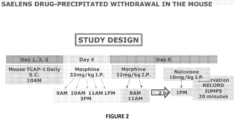
Figure 2 is a schematic illustration of the study design of Example 1 for the mouse Saelens drug-precipitated withdrawal study where TCAP-1 was administered pre-morphine. -
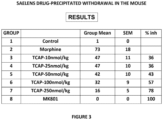
Figure 3 is a table illustrating the results of Example 1 showing that TCAP-1 blunts opioid withdrawal stress response in a dose dependent manner. -
Figure 4 is a bar graph illustrating the results ofFigure 3 that TCAP-1 blunts opioid withdrawal stress response in a dose dependent manner. -
Figure 5 is a schematic illustration of the saelens test in mice - single dose TCAP-1 post-morphine as described in Example 2. -
Figure 6 is a table illustrating the results of Example 2. -
Figure 7 is a bar graph illustrating the results ofFigure 6 . -
Figure 8A is a schematic illustration of the study design of Example 3. -
Figure 8B is a bar graph showing the results of the precipitated withdrawal test in mice of Example 3, specifically # jumps/20 minutes in mice versus vehicle used (saline, morphine alone, CRH antagonist (CP154,526) and TCAP-1. -
Figure 9A is a bar graph showing results of Saelens precipitated withdrawal test in mice of Example 3 of Group Mean (# jumps/20 minutes) versus noted vehicle (saline, CP154,526 (5, 20, and 50 mg/kg) and TCAP-1 250nmole/kg) in a dose response study. -
Figure 9B is a bar group of plasma corticosterone levels in mice using the Saelens precipitated withdrawal model of Example 3 in the dose response study, showing Group mean ng/ml of plasma corticosterone versus vehicle (saline, CP154,526 (5,20, and 50 mg/kg) and TCAP-1 250nmole/kg). -
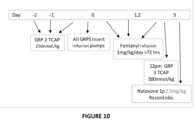
Figure 10 is a schematic illustration of the study design of Example 4. -
Figure 11 is a bar graph illustrating the Saelens precipitated withdrawal test in mouse of Example 4 showing #jumps/t-5-20 minutes versus vehicle (no treatment (F>N), TCAP-1 250 nmole/kg and 500 nmole/kg in fentanyl treated mice. - Teneurin C-terminal associated peptides (TCAPs 1-4) are four paralogous bioactive peptides located at the distal extracellular end of each teneurin transmembrane protein. First described by Lovejoy et al and described in
US Patent No. 8,088,889 . TCAP-1 can be independently (and synthetically) transcribed and has biological actions distinct from the teneurins, demonstrating functional independence from its proprotein. It has a unique mechanism of action. ADGRL (Latrophilin), an adhesion G protein-coupled receptor (GPCR), has recently been identified as part of the ligand-receptor complex that binds the teneurin/TCAP system. Previously elucidated in neurons, the teneurin/TCAP-ADGRL complex is associated with glucose metabolism; however, it is not well understood in other tissues. - Opioid addiction has been linked with corticotrophin releasing hormone (CRH) driven behaviours, such as jumping, grooming, and inhibition of appetite.
- "Preventing" as used herein in reference to preventing opioid addiction or onset means in the context of administering a TCAP-1 to a patient who is or will be or may be receiving opioids to minimize risk of developing an addiction to opioids and includes preventing or minimizing risk of relapse or recidivism.
- "Stressor" or "Traumatic Event" as used herein means an event or events that precipitates the use of or an addiction to an opioid, e.g., any event that may be painful, e.g. surgery, injury, physiological or hormonal (e.g. fibroids, menses) or behavioural (e.g. a scare, remembering stress events).
- "Therapeutically Effective Amount" as used herein when applied to dose or amount refers to that quantity of a compound or pharmaceutical composition that is sufficient to result in a desired activity upon administration to a living animal body. It is understood that a therapeutic amount may vary depending on a number of factors, including but not limited to gender, weight, body mass or body surface area, severity of a condition, age (e.g., child, teen, adult, or senior).
"Treating" or "treatment" as used herein in the context of opioid addiction means alleviating or controlling or managing the symptoms of opioid addiction and/or withdrawal and not necessarily "curing" or "curing permanently" opioid addiction but can also include same. - Opioid addiction is a major unmet medical need. Current treatments for opioid addiction are suboptimal with regard to efficacy, side effects, or both. Corticotrophin releasing hormone (CRH), a hypothalamic neuropeptide, plays a central role in mental and behavioral responses to environmental stress. CRH is overproduced in opioid withdrawal patients, and they seem to be more sensitive to the actions of CRH.
- Although TCAP and teneurins have been largely studied in the brain and shown to have normalizing effects on stressed or high and low anxiety animals (See
US Patent No. 8,088,889 ). The TCAP, portion of teneurin proteins, blocks CRH activities through a separate receptor called latrophilin and synthesized TCAP given to rodents reverses stress-induced behavioral dysfunction, including anxiety and depression. It has better relief of illness in current responders and greater efficacy in current non-responders with fewer side effects, e.g. less sedation, less harmful pharmacology and less dependency. - TCAP-1 calms anxious behavior without sedation or evidence of dependency. As an intervention in drug addiction, in one aspect TCAP-1 can be used to reduce drug seeking behavior. In another aspect, it could be used without interfering with reward circuitry to depress mood. The pharmacological benefits of TCAP-1 administration persist for significant periods after one dose, reflecting its ability to restore long-term balance to brain function. It appears to counteract CRH effects.
- Prior to the present invention, no studies were previously done in an opioid addiction model/protocol which is a separate and distinct addiction. Therefore, the inventors examined the specific role of TCAP-1 in such a model. As illustrated herein it has been shown that a TCAP-1 peptide could be used to treat and/or prevent opioid addiction and that it counteracts CRH effects and is more effective than a CRH antagonist.
- TCAP-1 as used herein is a peptide that consists of a sequence found at the c-terminal of Teneurin M-1 peptide, more particularly described below (and collectively referred herein as "a TCAP-1 peptide"). There is considerable cross-species homology.
- In some embodiments the TCAP-1 peptide ("TCAP-1") is a 41-mer peptide selected from SEQ. ID.
NOs 1 to 3 (see alsoFigure 1 ). In some embodiments it is an amidated peptide, (such as a C-terminal amidated peptide and/or having an amidation signal sequence, such as GRR), in some other embodiments the TCAP has a pyroglutamic acid at the N-terminal. In other embodiments, it has both a pyroglutamic acid at the N-terminal and is amidated at the C-terminal. - In other embodiments it is a human TCAP-1. In some embodiments it is a 41-mer c-terminal amidated peptide consisting of the following sequence:
Amidated Human TCAP-1 (41 mer)
- * In some embodiments the N-terminal glutamic acid may be a pyroglutamic acid.
- In some other embodiments, the peptide used is a salt, ester, solvate, polymorph or enantiomer of SEQ. ID. NOs. 1 to 3, preferably SEQ. ID. NO. 1, or any amidated or pyroglutamic acid or amidated and pyroglutamic acid form of SEQ. ID. NOs. 1 to 3.
- In some other embodiments, conservative substitutions or modifications can be made to the peptide sequence which does not affect its structure or function and thus could be used for the present invention, such as various species homologs. For instance, those present in species homologs, such as the mouse, human or G. gallus TCAP-1 sequences (SEQ. ID. NOs. 1 - 3) where the fifth amino acid may be selected from: Gly, Asn or Ser. In some embodiments, the peptide has 95% identity to SEQ. ID. NOs. 1, 2, or 3. There is a high degree of homology amongst species, for instance the mouse TCAP-1 (Mus musculus) has the same sequence as the rat TCAP-1 (Rattus norvegicus), while the human TCAP-1 and that of the long-tailed Macaque (Macaca fascicularis) are the same.
- As described herein, the TCAP-1 peptide comprises any one of SEQ. ID. NOs. 4 -9 or a salt, ester, solvate, polymorph or enantiomer of thereof, or any amidated or pyroglutamic acid, or amidated and pyroglutamic acid form thereof.
- Opiates are alkaloids originally derived from the poppy plant. People use this type of drug for both recreational and medicinal purposes. There are opiates that come from the natural opium plant, while some manufacture opiates to have the same chemical structure as the natural ones, e.g. synthetic or semi-synthetic opioids. Furthermore, opiates include a wide range from prescription painkillers such as fentanyl and morphine, to illegal drugs like heroin.
- Natural opioids come from natural sources such as the opium plant. While some labs completely manufacture opioid drugs, natural ones come directly from the poppy seed. Although some think natural opiates are less risky than synthetic ones, they are still very addictive and can cause respiratory depression that leads to an overdose.
- Synthetic opiates act on the same areas of the brain as natural ones and produce many of the same effects. They are entirely human-made with chemicals not found in the poppy plant, morphine or opium. Thus, the chemicals used in these synthetic drugs vary.
- Semi-synthetic opiates are a blend of natural and man-made sources developed.
- Examples of opioids include but are not limited to: Opium, Heroin, Oxycodone (e.g.,Oxycontin, Roxicodone, Xtampza ER, and Oxaydo), Hydrocodone (e.g., Vicodin, Lorcet, Lortab), Codeine, Morphine (MS Contin, Oramorph SR, Avinza, and Arymo ER), Hydromorphone (Dilaudid and Exalgo), Fentanyl (Actiq, Fentora, Duragesic, Subsys, Abstral, and Lazanda), Methadone (Dolophine and Methadose), Meperidine (Demerol); Opioid analgesic: Tramadol (ConZip, Ultram, and Ryzolt); Carfentanil .
- Withdrawal symptoms range from mild to severe. Indeed, symptoms can vary based on the length of time taking a particular drug, dosage, which specific drug, method of use, medical conditions, the presence of emotional issues, and biological and environmental factors. In general, opiate withdrawal usually starts within 6 to 12 hours for short-acting opiates, and within 30 hours for longer-acting ones. Symptoms may include but are not limited to: muscle aches, trouble falling and staying asleep, yawning, anxiety, runny nose, sweating, rapid heart rate, hypertension, nausea and vomiting, and diarrhea.
- There are well known accepted animal models and tests that have been developed and used to screen for opiate withdrawal effects, such as analgesic responses to opiates and other agents. The mouse jumping test is a simple screening method to estimate the physical dependence capacity of analgesics. (See for example, Saelens JK, Granat FR, Sawyer WK, The mouse jumping test--a simple screening method to estimate the physical dependence capacity of analgesics. Arch Int Pharmacodyn Ther. 1971. Apr;190(2):213-8 ; Rainer Spanagel, PhD*, Animal models of addiction, Dialogues Clin. Neurosci. 2017 Sep;19(3):247-258; Wendy J Lynch, Katherine L Nicholson, Mario E Dance, Richard W Morgan, Patricia L Foley, Animal Models of Substance Abuse and Addiction: Implications for Science, Animal Welfare, and Society, Comp Med. 2010 Jun; 60(3): 177-188.)
- In one embodiment the present invention relates to a pharmaceutical composition comprising a teneurin c-terminal associated peptide-1 (TCAP-1 peptide) as described in
claim 1 for use in preventing and/or treating opioid addiction in a subject in need thereof. The use comprises the administration of a pharmaceutical composition comprising a TCAP-1 peptide as described in claim 1 (including an amidated and/or pyroglutamic acid form of TCAP-1 or a peptide with 95% identity to SEQ. ID. NOs. 1- 3 as shown inFigure 1 ) and a pharmaceutically acceptable carrier. - The phrase "pharmaceutically acceptable", as used in connection with compositions of the invention, refers to molecular entities and other ingredients of such compositions that are physiologically tolerable and do not typically produce untoward reactions when administered to a mammal (e.g., human). Preferably, as used herein, the term "pharmaceutically acceptable" means approved by a regulatory agency of the Federal or a state government or listed in the U.S. Pharmacopeia (USP), National Formulary (NF), or other generally recognized pharmacopeia for use in mammals, and more particularly in humans. Active Pharmaceutical Ingredients (APIs) of the present invention may be in the form of pharmaceutically acceptable salts. "Pharmaceutically acceptable salts" refers to those salts which possess the biological effectiveness and properties of the parent compound and which are not biologically or otherwise undesirable.
- The pharmaceutical compositions for use of the present invention may comprise one or more excipients. Excipients which may be used include carriers, surface active agents (surfactants), thickening (viscosity) agents, emulsifying agents, binding agents, dispersion or suspension agents, buffering agents, penetration-enhancing agents, solubilizers, colorants, sweeteners, flavoring agents, coatings, disintegrating agents, lubricants, preservatives, isotonic agents, and combinations thereof. The selection and use of suitable excipients is taught in Gennaro, ed., Remington: The Science and Practice of Pharmacy, 20th Ed. (Lippincott Williams & Wilkins 2003).
- The term "carrier" applied to pharmaceutical compositions for use of the invention refers to a diluent, excipient, or vehicle with which an active compound is administered. Such pharmaceutical carriers can be liquids, such as water, saline solutions, aqueous dextrose solutions, aqueous glycerol solutions, and lipids and oils, including those of petroleum, animal, vegetable or synthetic origin. Suitable pharmaceutical carriers are described in "Remington's Pharmaceutical Sciences" by E. W. Martin, 18.sup.th Edition.
- In some embodiments, the dosage form is a subcutaneous dosage form. This differs from direct administration to the brain, amygdala, or Intracerebroventricular ("ICV"). Subcutaneous administration has many advantages over direct administration to the brain.
- In some embodiments as in the composition used in the Examples, the composition dissolves an amidated and/or pyroglutamic acid form of TCAP in a saline solution and is subcutaneously administered into animals (not ICV or amygdala). This formulation has advantages over prior forms for delivery, i.e., ICV or amygdala, in that it does not require additional sedatives, or the like for administration. In other embodiments, the formulation is an oral (buccal or sublingual) or nasal formulation.
- The compositions may, if desired, be presented in a pack or dispenser device which may contain one or more unit dosage forms containing the active ingredient(s). The pack may, for example, comprise metal or plastic foil, such as a blister pack. Compositions for use of the invention formulated in a compatible pharmaceutical carrier may also be prepared, placed in an appropriate container, and labeled for treatment of an indicated condition.
- TCAP-1 and the pharmaceutical compositions of the invention are for use in preventing or treating opioid addiction in an animal, in some embodiments mammals, including but not limited to humans, dogs, cats, horses, sheep, cattle.
- A TCAP-1 peptide as described herein and the pharmaceutical compositions comprising are for use in preventing and/or treating opioid addiction, and/or assist to minimize withdrawal symptoms of opioid addiction. In some embodiments it can be used or administered to a patient before e.g., an anticipated use of opioids, such as for instance surgery, injury and/or during or after a traumatic event. In some embodiments, the traumatic event is selected from the group consisting of: a medical procedure such as surgery, cramping, including but not limited to associated with fibroids or menses, back or joint pain, injury, or inflammation, or other event.
- In some embodiments the TCAP-1 peptide and pharmaceutical compositions comprising same are for use in methods for treating and/or preventing opioid addiction or associated withdrawal symptoms by administering an effective amount of a TCAP-1 peptide to a patient in need thereof, before, during or after a traumatic event or stressor or anticipated traumatic event or stressor where opioid use and ceasing of such use is anticipated. For instance, when a person undergoes surgery, opioids to control the pain may be prescribed for a set period of time. A TCAP-1 peptide may be used to assist a patient when said prescription ends to reduce addiction or risk of addiction and assist in transitioning the patient off opioid use.
- In some other embodiments, a TCAP-1 peptide can be used in a opioid addiction treatment and/or prevention protocol.
- The present invention is described in the following Examples, which are set forth to aid in the understanding of the invention, and should not be construed to limit in any way the scope of the invention as defined in the claims which follow thereafter.
- The following examples illustrate the role of TCAP-1 in preventing and treating opioid addiction.
- Amidated human TCAP-1 (SEQ. ID. NO. 1) was suspended in 0.9% saline. [10 nmol/Kg, Ambiopharm] for subcutaneous injection in the interscapular region.
- Amidated human TCAP-1 peptide used in the composition was synthesized on an automated peptide synthesizer, Model Novayn Crystal (NovaBiochem) on PEG-PS resin using continuous flow Fmoc chemistry (Calbiochem-NovabiochemGroup). Eight times excess diisopropyl ethyl amine (Sigma-Aldrich) and four times excess Fmoc-amino acid activated with HATU (O-(7-azabenzotriazol)-1-3, 3-tetramethyluronium hexfluorophosphate; Applied Biosystems) at a 1:1 (mol/mol) ratio were used during the coupling reaction. The reaction time was 1 h. A solution of 20% piperidine (Sigma-Aldrich) in N, N-dimethylformide (DMF; Caledon Laboratories) was used for the deprotection step in the synthesis cycle. The DMF was purified inhouse and used fresh each time as a solvent for the synthesis. The cleavage/deprotection of the final peptide was carried out with trifluoroacetic acid (TFA), thioanisole, 1, 2 ethandithiol, m-cresole, triisopropylsilane, and bromotrimethyl silane (Sigma-Aldrich) at a ratio of 0:10:5:1:1:5. Finally, it was desalted on a Sephadex G-10 column using aqueous 0.1% TFA solution and lyophilized.
- In some experiments mTCAP was also used and prepared similarly to hTCAP-1 as above.
- All animal studies were performed in the United States and followed the requirements set out in applicable laws, including the Animal Health and Welfare Act and regulations and approved by the Institutional Animal Care and Use Committee of Neosome Life Sciences, Lexington MA USA.
- Male mice Swiss Webster mice from Charles River Laboratory (18 - 22 g). All procedures were approved by Neosome Life Sciences IACUC and in accordance with applicable laws and guidelines regarding use of animals.
- Tests were used to assess statistical significances. Student's t-test and ANOVAs were used unless specifically stated otherwise. Statistics were denoted by *p<0.05, **p<0.01, ***p<0.001, ****p<0.0001.
- A schematic of the protocol can be seen in
Figure 2 . - Mice were administered saline (
Groups - On day four the mice were administered saline (
Groups 1 and 8) or 32 mg/kg of morphine by intraperitoneal injection (I.P.) (Groups 2 - 7) at 9, 10, 11 a.m. and 1 and 3 p.m. - On day five, the mice were administered saline (Groups 1), 32 mg/kg of morphine by intraperitoneal injection (I.P.) (Groups 2 - 7) or MK-801 (Group 8) at 9 and 11 a.m.
- Two hours after the 11 a.m. injection (at 1 p.m.),
naloxone 10 mg/kg I.P was injected and the mice were observed over 20 minutes and number of jumps recorded. - Naloxone is a non-selective and competitive opioid receptor antagonist. It works by reversing the depression of the central nervous system and respiratory system caused by opioids. It is a medication used to block the effects of opioids, especially in overdose. Administration to opioid-dependent individuals may cause symptoms of opioid withdrawal, including restlessness, agitation, nausea, vomiting, a fast heart rate, and sweating. It induces withdrawal.
- MK-801 is a non-competitive antagonist of N-Methyl D aspartate receptor, a glutamate receptor which is an excitatory neurotransmitter.
TABLE 1 Group Days 1, 2, and 3 (10 a.m.) Day 4 (9 a.m., 10 a.m., 11 a.m., 1 p.m. and 3 p.m.) and Day 5 9 and 11 a.m.)Day 5 (1 p.m.) Mean # jumps over 20 minutes 1 n=9 Saline Saline Saline 1 2 n=9 Saline Morphine 32 mg/kg i.p. Naloxone 10mg/kg i.p. 73 3 n=9 TCAP-1 10 nmole/ kg Morphine 32 mg/kg i.p. Naloxone 10mg/kg i.p. 47 4 n=9 TCAP-1 25 nmole/ kg Morphine 32 mg/kg i.p. Naloxone 10mg/kg i.p. 47 5 n=9 TCAP-1 50 nmole/ kg Morphine 32 mg/kg i.p. Naloxone 10mg/kg i.p. 42 6 n=9 TCAP-1 100 nmole/ kg Morphine 32 mg/kg i.p. Naloxone 10mg/kg i.p. 32 7 n=9 TCAP-1 250 nmole/ kg Morphine 32 mg/kg i.p. Naloxone 10mg/kg i.p. 16 8 n=4 Saline Saline MK801 0 - Results are illustrated in Table 1, the table of
Figure 3 and the bar graph ofFigure 4 , wherein the mice administered no TCAP-1 and just morphine had the highest jump rate while those administered TCAP-1 showed reduced jump rates in a dose dependent manner. - A schematic of the protocol can be seen in
Figure 5 . - 52 Male, Swiss Webster mice from Charles River Laboratory (18 - 22 g) were divided into four groups.
- On Day-1, all received receive five intraperitoneal injections of Compound 1 (Morphine or Saline) at 9am, 10am, 11am, 1pm and 3pm,
day 1. Group 1 (n=8) received saline solution, which Groups 2 - 4 received morphine. - On day-2, the mice received two intraperitoneal injections (9am and 11 am) of the saline (Group 1) or morphine (Groups 2 - 4) solution.
- At the same time of the 11 a.m. injection, mice received subcutaneously saline solution (
Groups 1 and 2), TCAP-1 at 250 nmole/kg (Group 3) or TCAP-1 at 500 nmole/kg (Group 4). - Two hours after the 11 a.m. injections, all mice received an intraperitoneal injection of
Naloxone 10 mg/kg) and were immediately placed individually in an observation area and video recorded for 20 minutes. The number of jumps (lifting of all feet off the ground) was recorded for 20 minutes. The following table illustrates the study design.TABLE 2 Group Day - 1 9 a.m. , 10 a.m., 11 a.m., 1 p.m. and 3p.m. ;and Day - 2 Day - 2 Day - 2 11 a.m. 1 p.m. 9 a.m. and 11 a.m. 1 n=8 Saline Saline S.C. Naloxone 10mg/kg i.p. 2 n=20 Morphine Saline S.C. Naloxone 10mg/kg i.p. 3 n=12 32 mg/kg i.p. TCAP-1 250nmole/kg S.C. Naloxone 10mg/kg i.p. 4 n=12 TCAP-1 500nmole/kg S.C. Naloxone 10mg/kg i.p. - Mouse TCAP-1 s.c. (10 mg.ml sterile water, ammonium hydroxide stock solution; Morphine 32mg/kg i.p. and Naloxone 10mg/kg i.p.
- Results are illustrated in
Figures 6 and7 where it can be seen that TCAP-1 significantly reduced the number of jumps inGroup 4 mice. - Forty-eight (48 Male, Swiss Webster mice from Charles River Laboratory (18-22 g) were used in Example 3.
- As illustrated in
Figure 8A , 32 Male, Swiss Webster mice from Charles River Laboratory (18 - 22 g) were divided into four groups. - On
day 1, all mice received five intraperitoneal injections of Compound 1 (Morphine (3.2 mg/kg) or Saline) at 9am, 10am, 11am, 1pm and 3pm. Group 1 (n=8) received saline solution, while Groups 2 - 4 received morphine. - On
day 2, the mice received two intraperitoneal injections (9am and 11 am) of the saline (Group 1) or morphine (Groups 2 - 4) solution. - On the same day, at 10 a.m and 12 p.m. the mice received subcutaneously injections as follows: saline solution (Group 1), morphine (Group 2), CHR Antagonist CP154,525 20 mg/kg per time point (Group 3), or TCAP-1 at 250 nmole/kg per time point (Group 4).
- Two hours after the 11 a.m. injections, at 1 p.m., all mice received an intraperitoneal ("i.p.") injection of Naloxone 2.5 mg/kg), baseline blood samples were taken and then they were immediately placed individually in an observation area and video recorded for 20 minutes. The number of jumps (lifting of all feet off the ground) were recorded for 20 minutes. A second set of blood samples were taken post-jumps (about 30 minutes after the naloxone administration.
-
Figure 8B illustrates that TCAP-1 was much more effective and at lower dosages in significantly lowering the number of jumps in opioid injected mice and thus more effective in opioid withdrawal and treating opioid addictions. - The same protocol as in Protocol A was followed with the exception that on
day 2, there were threeGroup 3 mice (10 per group) which were administered: 5 mg/kg, 20 mg/kg or 50 mg/kg of the CRH antagonist CP154,526. -
Figures 9 A and 9B illustrate that TCAP-1 is more effective in reducing the number of jumps/20 minutes in the mice, and more effective in reducing plasma corticosterone levels in the mice at lower dosage levels. One would need at least 50mg/kg of CP154,526 to approach TCAP-1 250nmole/kg effect on corticosterone levels. The figures illustrate that receptors likely reached saturation at 50mg/kg CP154,526 (SeeFigure 9A ), but still had an effect (seeFigure 9B ). - As illustrated in
Figure 10 , fentanyl instead of morphine was used as the opioid. - 30 Male, Swiss Webster mice from Charles River Laboratory (18 - 22 g) were divided into three groups (n=10/group).
- On days -2, -1 and
day 0, all mice were administered saline (Group 1) or TCAP-1 250 nmol/kg (Groups 2 and 3) at 10 a.m. each day. - On
day 0 an infusion pump was inserted into each mice was administered fentanyl by infusion for a total of 1 mg/kg /day atdays - At 12 p.m. on
Day 3,Group 3 received a subcutaneous injection of 500 nmol/kg of TCAP-1. - At 1 p.m. on
Day 3, all mice received an intraperitoneal ("i.p.") injection of Naloxone 2.5 mg/kg), and then they were immediately placed individually in an observation area and video recorded for 20 minutes. The number of jumps (lifting of all feet off the ground) were recorded for 20 minutes. - As illustrated in
Figure 11 , TCAP-1 also resulted in lower number of jumps/t 5-20 minutes in a dose dependent manner than control illustrating that TCAP-1 is effective in the treatment of opioid addiction.
Claims (12)
- A teneurin c-terminal associated peptide-1 (TCAP-1 peptide) in a therapeutically effective amount, or a pharmaceutically acceptable salt or ester thereof or a pharmaceutical composition comprising the same for use in preventing and/or treating opioid addiction in a subject in need thereof wherein the amino acid sequence of said TCAP-1 peptide consists essentially of:(i) an amino acid sequence having at least 95% identity to an amino acid sequence selected from the group consisting of SEQ ID NOs: 1, 2 or 3;optionally wherein:(a) the carboxy terminal end of said peptide is amidated or comprises an amidation signal sequence; and/or(b) when the amino terminal amino acid of said peptide is a glutamine the glutamine is in the form of pyroglutamic acid.
- The peptide or pharmaceutical composition of claim 1 for the use of claim 1 wherein the glutamine is in the form of pyroglutamic acid.
- The peptide or pharmaceutical composition of claim 1 for the use of claim 1 wherein the TCAP-1 peptide consists of any one of SEQ ID NOs: 1, 2 or 3 which is optionally amidated at the carboxy terminal and wherein the glutamine is optionally a pyroglutamic acid at the amino terminal.
- The peptide or pharmaceutical composition of claim 3 for the use of claim 3 wherein the TCAP-1 is amidated at the carboxy terminal.
- The peptide or pharmaceutical composition of claim 4 for the use of claim 4 wherein the glutamine at the amino terminal is a pyroglutamic acid.
- The peptide or pharmaceutical composition of claim 4 for the use of claim 4 wherein the TCAP-1 is SEQ ID NO.1.
- The peptide or pharmaceutical composition of claim 4 for the use of claim 4 wherein the TCAP-1 is SEQ ID NO.2.
- The peptide or pharmaceutical composition of any one of claims 1 to 7 for the use of any one of claims 1 to 7 wherein the subject is a human.
- The peptide or pharmaceutical composition of any one of claims 1-8 for the use of any one of claims 1-8 wherein the opioid is selected from the group consisting of: natural, synthetic or semi-synthetic opioids.
- The peptide or pharmaceutical composition of claim 9 for the use of claim 9 wherein the opioid is selected from one or more of the group: morphine, fentanyl, heroin, opium, oxycodone, hydrocodone, Codeine, and Methadone.
- The peptide or pharmaceutical composition of any one of claims 1-10 for the use of any one of claims 1-10 wherein the TCAP-1 is administered before, with or after the ceasing of use of the opioid.
- The peptide or pharmaceutical composition of claim 11 for the use of claim 11 wherein naloxone and TCAP-1 are administered together or sequentially.
Applications Claiming Priority (3)
| Application Number | Priority Date | Filing Date | Title |
|---|---|---|---|
| US201862642201P | 2018-03-13 | 2018-03-13 | |
| PCT/US2018/055732 WO2019075416A1 (en) | 2017-10-12 | 2018-10-12 | Compositions, methods and uses for treating post-traumatic stress disorder |
| PCT/US2019/022060 WO2019178234A1 (en) | 2018-03-13 | 2019-03-13 | Compositions, methods and uses of a teneurin c-terminal associated peptide-1 (tcap-1) for treating opioid addiction |
Publications (3)
| Publication Number | Publication Date |
|---|---|
| EP3765056A1 EP3765056A1 (en) | 2021-01-20 |
| EP3765056B1 true EP3765056B1 (en) | 2023-08-02 |
| EP3765056C0 EP3765056C0 (en) | 2023-08-02 |
Family
ID=67906918
Family Applications (1)
| Application Number | Title | Priority Date | Filing Date |
|---|---|---|---|
| EP19712494.4A Active EP3765056B1 (en) | 2018-03-13 | 2019-03-13 | Compositions, methods and uses of a teneurin c-terminal associated peptide-1 (tcap-1) for treating opioid addiction |
Country Status (5)
| Country | Link |
|---|---|
| US (1) | US20220062380A1 (en) |
| EP (1) | EP3765056B1 (en) |
| CA (1) | CA3093841A1 (en) |
| ES (1) | ES2960804T3 (en) |
| WO (1) | WO2019178234A1 (en) |
Family Cites Families (2)
| Publication number | Priority date | Publication date | Assignee | Title |
|---|---|---|---|---|
| US20080318854A1 (en) * | 2002-05-02 | 2008-12-25 | David Lovejoy | Method for regulating neurite growth |
| EP1499635B8 (en) * | 2002-05-02 | 2014-04-16 | David Lovejoy | Teneurin c-terminal associated peptides (tcap) and uses thereof |
-
2019
- 2019-03-13 EP EP19712494.4A patent/EP3765056B1/en active Active
- 2019-03-13 CA CA3093841A patent/CA3093841A1/en active Pending
- 2019-03-13 WO PCT/US2019/022060 patent/WO2019178234A1/en not_active Ceased
- 2019-03-13 ES ES19712494T patent/ES2960804T3/en active Active
- 2019-03-13 US US16/980,176 patent/US20220062380A1/en not_active Abandoned
Also Published As
| Publication number | Publication date |
|---|---|
| ES2960804T3 (en) | 2024-03-06 |
| WO2019178234A1 (en) | 2019-09-19 |
| EP3765056A1 (en) | 2021-01-20 |
| US20220062380A1 (en) | 2022-03-03 |
| EP3765056C0 (en) | 2023-08-02 |
| CA3093841A1 (en) | 2019-09-19 |
Similar Documents
| Publication | Publication Date | Title |
|---|---|---|
| US10857204B2 (en) | Method for administering omega-conopeptide | |
| Khatri et al. | Xylazine suppresses fentanyl consumption during self-administration and induces a unique sex-specific withdrawal syndrome that is not altered by naloxone in rats. | |
| US20220062380A1 (en) | Compositions, Methods and Uses of a Teneurin C-Terminal Associated Peptide-1 (TCAP-1) for Treating Opioid Addiction | |
| HK40046105B (en) | Compositions, methods and uses of a teneurin c-terminal associated peptide-1 (tcap-1) for treating opioid addiction | |
| HK40046105A (en) | Compositions, methods and uses of a teneurin c-terminal associated peptide-1 (tcap-1) for treating opioid addiction | |
| US6437093B1 (en) | Methods of treatment comprising administration of Substance P | |
| US20220056075A1 (en) | Method for treating opioid use disorder | |
| Vadivelu et al. | Buprenorphine pharmacology and clinical applications | |
| Sharma et al. | OPIOID Pharmacology: a review |
Legal Events
| Date | Code | Title | Description |
|---|---|---|---|
| STAA | Information on the status of an ep patent application or granted ep patent |
Free format text: STATUS: UNKNOWN |
|
| STAA | Information on the status of an ep patent application or granted ep patent |
Free format text: STATUS: THE INTERNATIONAL PUBLICATION HAS BEEN MADE |
|
| PUAI | Public reference made under article 153(3) epc to a published international application that has entered the european phase |
Free format text: ORIGINAL CODE: 0009012 |
|
| STAA | Information on the status of an ep patent application or granted ep patent |
Free format text: STATUS: REQUEST FOR EXAMINATION WAS MADE |
|
| 17P | Request for examination filed |
Effective date: 20201012 |
|
| AK | Designated contracting states |
Kind code of ref document: A1 Designated state(s): AL AT BE BG CH CY CZ DE DK EE ES FI FR GB GR HR HU IE IS IT LI LT LU LV MC MK MT NL NO PL PT RO RS SE SI SK SM TR |
|
| AX | Request for extension of the european patent |
Extension state: BA ME |
|
| DAV | Request for validation of the european patent (deleted) | ||
| DAX | Request for extension of the european patent (deleted) | ||
| REG | Reference to a national code |
Ref country code: HK Ref legal event code: DE Ref document number: 40046105 Country of ref document: HK |
|
| STAA | Information on the status of an ep patent application or granted ep patent |
Free format text: STATUS: EXAMINATION IS IN PROGRESS |
|
| 17Q | First examination report despatched |
Effective date: 20211124 |
|
| GRAP | Despatch of communication of intention to grant a patent |
Free format text: ORIGINAL CODE: EPIDOSNIGR1 |
|
| STAA | Information on the status of an ep patent application or granted ep patent |
Free format text: STATUS: GRANT OF PATENT IS INTENDED |
|
| INTG | Intention to grant announced |
Effective date: 20230224 |
|
| GRAS | Grant fee paid |
Free format text: ORIGINAL CODE: EPIDOSNIGR3 |
|
| GRAA | (expected) grant |
Free format text: ORIGINAL CODE: 0009210 |
|
| STAA | Information on the status of an ep patent application or granted ep patent |
Free format text: STATUS: THE PATENT HAS BEEN GRANTED |
|
| AK | Designated contracting states |
Kind code of ref document: B1 Designated state(s): AL AT BE BG CH CY CZ DE DK EE ES FI FR GB GR HR HU IE IS IT LI LT LU LV MC MK MT NL NO PL PT RO RS SE SI SK SM TR |
|
| REG | Reference to a national code |
Ref country code: GB Ref legal event code: FG4D |
|
| REG | Reference to a national code |
Ref country code: CH Ref legal event code: EP |
|
| REG | Reference to a national code |
Ref country code: DE Ref legal event code: R096 Ref document number: 602019033991 Country of ref document: DE |
|
| REG | Reference to a national code |
Ref country code: IE Ref legal event code: FG4D |
|
| U01 | Request for unitary effect filed |
Effective date: 20230831 |
|
| U07 | Unitary effect registered |
Designated state(s): AT BE BG DE DK EE FI FR IT LT LU LV MT NL PT SE SI Effective date: 20230908 |
|
| PG25 | Lapsed in a contracting state [announced via postgrant information from national office to epo] |
Ref country code: GR Free format text: LAPSE BECAUSE OF FAILURE TO SUBMIT A TRANSLATION OF THE DESCRIPTION OR TO PAY THE FEE WITHIN THE PRESCRIBED TIME-LIMIT Effective date: 20231103 |
|
| PG25 | Lapsed in a contracting state [announced via postgrant information from national office to epo] |
Ref country code: IS Free format text: LAPSE BECAUSE OF FAILURE TO SUBMIT A TRANSLATION OF THE DESCRIPTION OR TO PAY THE FEE WITHIN THE PRESCRIBED TIME-LIMIT Effective date: 20231202 |
|
| PG25 | Lapsed in a contracting state [announced via postgrant information from national office to epo] |
Ref country code: RS Free format text: LAPSE BECAUSE OF FAILURE TO SUBMIT A TRANSLATION OF THE DESCRIPTION OR TO PAY THE FEE WITHIN THE PRESCRIBED TIME-LIMIT Effective date: 20230802 Ref country code: NO Free format text: LAPSE BECAUSE OF FAILURE TO SUBMIT A TRANSLATION OF THE DESCRIPTION OR TO PAY THE FEE WITHIN THE PRESCRIBED TIME-LIMIT Effective date: 20231102 Ref country code: IS Free format text: LAPSE BECAUSE OF FAILURE TO SUBMIT A TRANSLATION OF THE DESCRIPTION OR TO PAY THE FEE WITHIN THE PRESCRIBED TIME-LIMIT Effective date: 20231202 Ref country code: HR Free format text: LAPSE BECAUSE OF FAILURE TO SUBMIT A TRANSLATION OF THE DESCRIPTION OR TO PAY THE FEE WITHIN THE PRESCRIBED TIME-LIMIT Effective date: 20230802 Ref country code: GR Free format text: LAPSE BECAUSE OF FAILURE TO SUBMIT A TRANSLATION OF THE DESCRIPTION OR TO PAY THE FEE WITHIN THE PRESCRIBED TIME-LIMIT Effective date: 20231103 |
|
| PG25 | Lapsed in a contracting state [announced via postgrant information from national office to epo] |
Ref country code: PL Free format text: LAPSE BECAUSE OF FAILURE TO SUBMIT A TRANSLATION OF THE DESCRIPTION OR TO PAY THE FEE WITHIN THE PRESCRIBED TIME-LIMIT Effective date: 20230802 |
|
| REG | Reference to a national code |
Ref country code: ES Ref legal event code: FG2A Ref document number: 2960804 Country of ref document: ES Kind code of ref document: T3 Effective date: 20240306 |
|
| U20 | Renewal fee for the european patent with unitary effect paid |
Year of fee payment: 6 Effective date: 20240320 |
|
| PG25 | Lapsed in a contracting state [announced via postgrant information from national office to epo] |
Ref country code: SM Free format text: LAPSE BECAUSE OF FAILURE TO SUBMIT A TRANSLATION OF THE DESCRIPTION OR TO PAY THE FEE WITHIN THE PRESCRIBED TIME-LIMIT Effective date: 20230802 Ref country code: RO Free format text: LAPSE BECAUSE OF FAILURE TO SUBMIT A TRANSLATION OF THE DESCRIPTION OR TO PAY THE FEE WITHIN THE PRESCRIBED TIME-LIMIT Effective date: 20230802 Ref country code: CZ Free format text: LAPSE BECAUSE OF FAILURE TO SUBMIT A TRANSLATION OF THE DESCRIPTION OR TO PAY THE FEE WITHIN THE PRESCRIBED TIME-LIMIT Effective date: 20230802 Ref country code: SK Free format text: LAPSE BECAUSE OF FAILURE TO SUBMIT A TRANSLATION OF THE DESCRIPTION OR TO PAY THE FEE WITHIN THE PRESCRIBED TIME-LIMIT Effective date: 20230802 |
|
| REG | Reference to a national code |
Ref country code: DE Ref legal event code: R097 Ref document number: 602019033991 Country of ref document: DE |
|
| PLBE | No opposition filed within time limit |
Free format text: ORIGINAL CODE: 0009261 |
|
| STAA | Information on the status of an ep patent application or granted ep patent |
Free format text: STATUS: NO OPPOSITION FILED WITHIN TIME LIMIT |
|
| 26N | No opposition filed |
Effective date: 20240503 |
|
| PG25 | Lapsed in a contracting state [announced via postgrant information from national office to epo] |
Ref country code: MC Free format text: LAPSE BECAUSE OF FAILURE TO SUBMIT A TRANSLATION OF THE DESCRIPTION OR TO PAY THE FEE WITHIN THE PRESCRIBED TIME-LIMIT Effective date: 20230802 |
|
| PG25 | Lapsed in a contracting state [announced via postgrant information from national office to epo] |
Ref country code: MC Free format text: LAPSE BECAUSE OF FAILURE TO SUBMIT A TRANSLATION OF THE DESCRIPTION OR TO PAY THE FEE WITHIN THE PRESCRIBED TIME-LIMIT Effective date: 20230802 |
|
| U20 | Renewal fee for the european patent with unitary effect paid |
Year of fee payment: 7 Effective date: 20250313 |
|
| PGFP | Annual fee paid to national office [announced via postgrant information from national office to epo] |
Ref country code: ES Payment date: 20250409 Year of fee payment: 7 |
|
| PGFP | Annual fee paid to national office [announced via postgrant information from national office to epo] |
Ref country code: CH Payment date: 20250401 Year of fee payment: 7 |
|
| PG25 | Lapsed in a contracting state [announced via postgrant information from national office to epo] |
Ref country code: CY Free format text: LAPSE BECAUSE OF FAILURE TO SUBMIT A TRANSLATION OF THE DESCRIPTION OR TO PAY THE FEE WITHIN THE PRESCRIBED TIME-LIMIT; INVALID AB INITIO Effective date: 20190313 |
|
| PG25 | Lapsed in a contracting state [announced via postgrant information from national office to epo] |
Ref country code: HU Free format text: LAPSE BECAUSE OF FAILURE TO SUBMIT A TRANSLATION OF THE DESCRIPTION OR TO PAY THE FEE WITHIN THE PRESCRIBED TIME-LIMIT; INVALID AB INITIO Effective date: 20190313 |
|
| PG25 | Lapsed in a contracting state [announced via postgrant information from national office to epo] |
Ref country code: TR Free format text: LAPSE BECAUSE OF FAILURE TO SUBMIT A TRANSLATION OF THE DESCRIPTION OR TO PAY THE FEE WITHIN THE PRESCRIBED TIME-LIMIT Effective date: 20230802 |
|
| REG | Reference to a national code |
Ref country code: CH Ref legal event code: U11 Free format text: ST27 STATUS EVENT CODE: U-0-0-U10-U11 (AS PROVIDED BY THE NATIONAL OFFICE) Effective date: 20260401 |
|
| PGFP | Annual fee paid to national office [announced via postgrant information from national office to epo] |
Ref country code: GB Payment date: 20260325 Year of fee payment: 8 |
|
| PGFP | Annual fee paid to national office [announced via postgrant information from national office to epo] |
Ref country code: IE Payment date: 20260327 Year of fee payment: 8 |
|
| U20 | Renewal fee for the european patent with unitary effect paid |
Year of fee payment: 8 Effective date: 20260325 |