EP3764417B1 - Secondary battery - Google Patents
Secondary battery Download PDFInfo
- Publication number
- EP3764417B1 EP3764417B1 EP20775156.1A EP20775156A EP3764417B1 EP 3764417 B1 EP3764417 B1 EP 3764417B1 EP 20775156 A EP20775156 A EP 20775156A EP 3764417 B1 EP3764417 B1 EP 3764417B1
- Authority
- EP
- European Patent Office
- Prior art keywords
- area
- main body
- transition area
- secondary battery
- step area
- Prior art date
- Legal status (The legal status is an assumption and is not a legal conclusion. Google has not performed a legal analysis and makes no representation as to the accuracy of the status listed.)
- Active
Links
Images


Classifications
-
- H—ELECTRICITY
- H01—ELECTRIC ELEMENTS
- H01M—PROCESSES OR MEANS, e.g. BATTERIES, FOR THE DIRECT CONVERSION OF CHEMICAL ENERGY INTO ELECTRICAL ENERGY
- H01M50/00—Constructional details or processes of manufacture of the non-active parts of electrochemical cells other than fuel cells, e.g. hybrid cells
- H01M50/10—Primary casings; Jackets or wrappings
- H01M50/172—Arrangements of electric connectors penetrating the casing
- H01M50/174—Arrangements of electric connectors penetrating the casing adapted for the shape of the cells
- H01M50/178—Arrangements of electric connectors penetrating the casing adapted for the shape of the cells for pouch or flexible bag cells
-
- H—ELECTRICITY
- H01—ELECTRIC ELEMENTS
- H01M—PROCESSES OR MEANS, e.g. BATTERIES, FOR THE DIRECT CONVERSION OF CHEMICAL ENERGY INTO ELECTRICAL ENERGY
- H01M10/00—Secondary cells; Manufacture thereof
- H01M10/04—Construction or manufacture in general
- H01M10/0431—Cells with wound or folded electrodes
-
- B—PERFORMING OPERATIONS; TRANSPORTING
- B29—WORKING OF PLASTICS; WORKING OF SUBSTANCES IN A PLASTIC STATE IN GENERAL
- B29C—SHAPING OR JOINING OF PLASTICS; SHAPING OF MATERIAL IN A PLASTIC STATE, NOT OTHERWISE PROVIDED FOR; AFTER-TREATMENT OF THE SHAPED PRODUCTS, e.g. REPAIRING
- B29C65/00—Joining or sealing of preformed parts, e.g. welding of plastics materials; Apparatus therefor
- B29C65/02—Joining or sealing of preformed parts, e.g. welding of plastics materials; Apparatus therefor by heating, with or without pressure
-
- B—PERFORMING OPERATIONS; TRANSPORTING
- B29—WORKING OF PLASTICS; WORKING OF SUBSTANCES IN A PLASTIC STATE IN GENERAL
- B29C—SHAPING OR JOINING OF PLASTICS; SHAPING OF MATERIAL IN A PLASTIC STATE, NOT OTHERWISE PROVIDED FOR; AFTER-TREATMENT OF THE SHAPED PRODUCTS, e.g. REPAIRING
- B29C66/00—General aspects of processes or apparatus for joining preformed parts
- B29C66/01—General aspects dealing with the joint area or with the area to be joined
- B29C66/05—Particular design of joint configurations
- B29C66/10—Particular design of joint configurations particular design of the joint cross-sections
- B29C66/11—Joint cross-sections comprising a single joint-segment, i.e. one of the parts to be joined comprising a single joint-segment in the joint cross-section
- B29C66/112—Single lapped joints
- B29C66/1122—Single lap to lap joints, i.e. overlap joints
-
- B—PERFORMING OPERATIONS; TRANSPORTING
- B29—WORKING OF PLASTICS; WORKING OF SUBSTANCES IN A PLASTIC STATE IN GENERAL
- B29C—SHAPING OR JOINING OF PLASTICS; SHAPING OF MATERIAL IN A PLASTIC STATE, NOT OTHERWISE PROVIDED FOR; AFTER-TREATMENT OF THE SHAPED PRODUCTS, e.g. REPAIRING
- B29C66/00—General aspects of processes or apparatus for joining preformed parts
- B29C66/01—General aspects dealing with the joint area or with the area to be joined
- B29C66/32—Measures for keeping the burr form under control; Avoiding burr formation; Shaping the burr
- B29C66/322—Providing cavities in the joined article to collect the burr
-
- B—PERFORMING OPERATIONS; TRANSPORTING
- B29—WORKING OF PLASTICS; WORKING OF SUBSTANCES IN A PLASTIC STATE IN GENERAL
- B29C—SHAPING OR JOINING OF PLASTICS; SHAPING OF MATERIAL IN A PLASTIC STATE, NOT OTHERWISE PROVIDED FOR; AFTER-TREATMENT OF THE SHAPED PRODUCTS, e.g. REPAIRING
- B29C66/00—General aspects of processes or apparatus for joining preformed parts
- B29C66/40—General aspects of joining substantially flat articles, e.g. plates, sheets or web-like materials; Making flat seams in tubular or hollow articles; Joining single elements to substantially flat surfaces
- B29C66/41—Joining substantially flat articles ; Making flat seams in tubular or hollow articles
- B29C66/43—Joining a relatively small portion of the surface of said articles
- B29C66/433—Casing-in, i.e. enclosing an element between two sheets by an outlined seam
-
- B—PERFORMING OPERATIONS; TRANSPORTING
- B29—WORKING OF PLASTICS; WORKING OF SUBSTANCES IN A PLASTIC STATE IN GENERAL
- B29C—SHAPING OR JOINING OF PLASTICS; SHAPING OF MATERIAL IN A PLASTIC STATE, NOT OTHERWISE PROVIDED FOR; AFTER-TREATMENT OF THE SHAPED PRODUCTS, e.g. REPAIRING
- B29C66/00—General aspects of processes or apparatus for joining preformed parts
- B29C66/70—General aspects of processes or apparatus for joining preformed parts characterised by the composition, physical properties or the structure of the material of the parts to be joined; Joining with non-plastics material
- B29C66/72—General aspects of processes or apparatus for joining preformed parts characterised by the composition, physical properties or the structure of the material of the parts to be joined; Joining with non-plastics material characterised by the structure of the material of the parts to be joined
- B29C66/723—General aspects of processes or apparatus for joining preformed parts characterised by the composition, physical properties or the structure of the material of the parts to be joined; Joining with non-plastics material characterised by the structure of the material of the parts to be joined being multi-layered
- B29C66/7232—General aspects of processes or apparatus for joining preformed parts characterised by the composition, physical properties or the structure of the material of the parts to be joined; Joining with non-plastics material characterised by the structure of the material of the parts to be joined being multi-layered comprising a non-plastics layer
- B29C66/72321—General aspects of processes or apparatus for joining preformed parts characterised by the composition, physical properties or the structure of the material of the parts to be joined; Joining with non-plastics material characterised by the structure of the material of the parts to be joined being multi-layered comprising a non-plastics layer consisting of metals or their alloys
-
- B—PERFORMING OPERATIONS; TRANSPORTING
- B29—WORKING OF PLASTICS; WORKING OF SUBSTANCES IN A PLASTIC STATE IN GENERAL
- B29C—SHAPING OR JOINING OF PLASTICS; SHAPING OF MATERIAL IN A PLASTIC STATE, NOT OTHERWISE PROVIDED FOR; AFTER-TREATMENT OF THE SHAPED PRODUCTS, e.g. REPAIRING
- B29C66/00—General aspects of processes or apparatus for joining preformed parts
- B29C66/70—General aspects of processes or apparatus for joining preformed parts characterised by the composition, physical properties or the structure of the material of the parts to be joined; Joining with non-plastics material
- B29C66/73—General aspects of processes or apparatus for joining preformed parts characterised by the composition, physical properties or the structure of the material of the parts to be joined; Joining with non-plastics material characterised by the intensive physical properties of the material of the parts to be joined, by the optical properties of the material of the parts to be joined, by the extensive physical properties of the parts to be joined, by the state of the material of the parts to be joined or by the material of the parts to be joined being a thermoplastic or a thermoset
- B29C66/739—General aspects of processes or apparatus for joining preformed parts characterised by the composition, physical properties or the structure of the material of the parts to be joined; Joining with non-plastics material characterised by the intensive physical properties of the material of the parts to be joined, by the optical properties of the material of the parts to be joined, by the extensive physical properties of the parts to be joined, by the state of the material of the parts to be joined or by the material of the parts to be joined being a thermoplastic or a thermoset characterised by the material of the parts to be joined being a thermoplastic or a thermoset
- B29C66/7392—General aspects of processes or apparatus for joining preformed parts characterised by the composition, physical properties or the structure of the material of the parts to be joined; Joining with non-plastics material characterised by the intensive physical properties of the material of the parts to be joined, by the optical properties of the material of the parts to be joined, by the extensive physical properties of the parts to be joined, by the state of the material of the parts to be joined or by the material of the parts to be joined being a thermoplastic or a thermoset characterised by the material of the parts to be joined being a thermoplastic or a thermoset characterised by the material of at least one of the parts being a thermoplastic
- B29C66/73921—General aspects of processes or apparatus for joining preformed parts characterised by the composition, physical properties or the structure of the material of the parts to be joined; Joining with non-plastics material characterised by the intensive physical properties of the material of the parts to be joined, by the optical properties of the material of the parts to be joined, by the extensive physical properties of the parts to be joined, by the state of the material of the parts to be joined or by the material of the parts to be joined being a thermoplastic or a thermoset characterised by the material of the parts to be joined being a thermoplastic or a thermoset characterised by the material of at least one of the parts being a thermoplastic characterised by the materials of both parts being thermoplastics
-
- B—PERFORMING OPERATIONS; TRANSPORTING
- B29—WORKING OF PLASTICS; WORKING OF SUBSTANCES IN A PLASTIC STATE IN GENERAL
- B29C—SHAPING OR JOINING OF PLASTICS; SHAPING OF MATERIAL IN A PLASTIC STATE, NOT OTHERWISE PROVIDED FOR; AFTER-TREATMENT OF THE SHAPED PRODUCTS, e.g. REPAIRING
- B29C66/00—General aspects of processes or apparatus for joining preformed parts
- B29C66/80—General aspects of machine operations or constructions and parts thereof
- B29C66/81—General aspects of the pressing elements, i.e. the elements applying pressure on the parts to be joined in the area to be joined, e.g. the welding jaws or clamps
- B29C66/814—General aspects of the pressing elements, i.e. the elements applying pressure on the parts to be joined in the area to be joined, e.g. the welding jaws or clamps characterised by the design of the pressing elements, e.g. of the welding jaws or clamps
- B29C66/8141—General aspects of the pressing elements, i.e. the elements applying pressure on the parts to be joined in the area to be joined, e.g. the welding jaws or clamps characterised by the design of the pressing elements, e.g. of the welding jaws or clamps characterised by the surface geometry of the part of the pressing elements, e.g. welding jaws or clamps, coming into contact with the parts to be joined
- B29C66/81431—General aspects of the pressing elements, i.e. the elements applying pressure on the parts to be joined in the area to be joined, e.g. the welding jaws or clamps characterised by the design of the pressing elements, e.g. of the welding jaws or clamps characterised by the surface geometry of the part of the pressing elements, e.g. welding jaws or clamps, coming into contact with the parts to be joined comprising a single cavity, e.g. a groove
-
- B—PERFORMING OPERATIONS; TRANSPORTING
- B29—WORKING OF PLASTICS; WORKING OF SUBSTANCES IN A PLASTIC STATE IN GENERAL
- B29C—SHAPING OR JOINING OF PLASTICS; SHAPING OF MATERIAL IN A PLASTIC STATE, NOT OTHERWISE PROVIDED FOR; AFTER-TREATMENT OF THE SHAPED PRODUCTS, e.g. REPAIRING
- B29C66/00—General aspects of processes or apparatus for joining preformed parts
- B29C66/80—General aspects of machine operations or constructions and parts thereof
- B29C66/83—General aspects of machine operations or constructions and parts thereof characterised by the movement of the joining or pressing tools
- B29C66/832—Reciprocating joining or pressing tools
- B29C66/8322—Joining or pressing tools reciprocating along one axis
- B29C66/83221—Joining or pressing tools reciprocating along one axis cooperating reciprocating tools, each tool reciprocating along one axis
-
- H—ELECTRICITY
- H01—ELECTRIC ELEMENTS
- H01M—PROCESSES OR MEANS, e.g. BATTERIES, FOR THE DIRECT CONVERSION OF CHEMICAL ENERGY INTO ELECTRICAL ENERGY
- H01M10/00—Secondary cells; Manufacture thereof
- H01M10/04—Construction or manufacture in general
- H01M10/0436—Small-sized flat cells or batteries for portable equipment
-
- H—ELECTRICITY
- H01—ELECTRIC ELEMENTS
- H01M—PROCESSES OR MEANS, e.g. BATTERIES, FOR THE DIRECT CONVERSION OF CHEMICAL ENERGY INTO ELECTRICAL ENERGY
- H01M10/00—Secondary cells; Manufacture thereof
- H01M10/05—Accumulators with non-aqueous electrolyte
- H01M10/052—Li-accumulators
- H01M10/0525—Rocking-chair batteries, i.e. batteries with lithium insertion or intercalation in both electrodes; Lithium-ion batteries
-
- H—ELECTRICITY
- H01—ELECTRIC ELEMENTS
- H01M—PROCESSES OR MEANS, e.g. BATTERIES, FOR THE DIRECT CONVERSION OF CHEMICAL ENERGY INTO ELECTRICAL ENERGY
- H01M50/00—Constructional details or processes of manufacture of the non-active parts of electrochemical cells other than fuel cells, e.g. hybrid cells
- H01M50/10—Primary casings; Jackets or wrappings
- H01M50/183—Sealing members
- H01M50/184—Sealing members characterised by their shape or structure
-
- H—ELECTRICITY
- H01—ELECTRIC ELEMENTS
- H01M—PROCESSES OR MEANS, e.g. BATTERIES, FOR THE DIRECT CONVERSION OF CHEMICAL ENERGY INTO ELECTRICAL ENERGY
- H01M50/00—Constructional details or processes of manufacture of the non-active parts of electrochemical cells other than fuel cells, e.g. hybrid cells
- H01M50/50—Current conducting connections for cells or batteries
- H01M50/543—Terminals
- H01M50/552—Terminals characterised by their shape
- H01M50/553—Terminals adapted for prismatic, pouch or rectangular cells
- H01M50/557—Plate-shaped terminals
-
- B—PERFORMING OPERATIONS; TRANSPORTING
- B29—WORKING OF PLASTICS; WORKING OF SUBSTANCES IN A PLASTIC STATE IN GENERAL
- B29C—SHAPING OR JOINING OF PLASTICS; SHAPING OF MATERIAL IN A PLASTIC STATE, NOT OTHERWISE PROVIDED FOR; AFTER-TREATMENT OF THE SHAPED PRODUCTS, e.g. REPAIRING
- B29C66/00—General aspects of processes or apparatus for joining preformed parts
- B29C66/70—General aspects of processes or apparatus for joining preformed parts characterised by the composition, physical properties or the structure of the material of the parts to be joined; Joining with non-plastics material
- B29C66/71—General aspects of processes or apparatus for joining preformed parts characterised by the composition, physical properties or the structure of the material of the parts to be joined; Joining with non-plastics material characterised by the composition of the plastics material of the parts to be joined
-
- B—PERFORMING OPERATIONS; TRANSPORTING
- B29—WORKING OF PLASTICS; WORKING OF SUBSTANCES IN A PLASTIC STATE IN GENERAL
- B29C—SHAPING OR JOINING OF PLASTICS; SHAPING OF MATERIAL IN A PLASTIC STATE, NOT OTHERWISE PROVIDED FOR; AFTER-TREATMENT OF THE SHAPED PRODUCTS, e.g. REPAIRING
- B29C66/00—General aspects of processes or apparatus for joining preformed parts
- B29C66/80—General aspects of machine operations or constructions and parts thereof
- B29C66/81—General aspects of the pressing elements, i.e. the elements applying pressure on the parts to be joined in the area to be joined, e.g. the welding jaws or clamps
- B29C66/814—General aspects of the pressing elements, i.e. the elements applying pressure on the parts to be joined in the area to be joined, e.g. the welding jaws or clamps characterised by the design of the pressing elements, e.g. of the welding jaws or clamps
- B29C66/8141—General aspects of the pressing elements, i.e. the elements applying pressure on the parts to be joined in the area to be joined, e.g. the welding jaws or clamps characterised by the design of the pressing elements, e.g. of the welding jaws or clamps characterised by the surface geometry of the part of the pressing elements, e.g. welding jaws or clamps, coming into contact with the parts to be joined
- B29C66/81411—General aspects of the pressing elements, i.e. the elements applying pressure on the parts to be joined in the area to be joined, e.g. the welding jaws or clamps characterised by the design of the pressing elements, e.g. of the welding jaws or clamps characterised by the surface geometry of the part of the pressing elements, e.g. welding jaws or clamps, coming into contact with the parts to be joined characterised by its cross-section, e.g. transversal or longitudinal, being non-flat
- B29C66/81425—General aspects of the pressing elements, i.e. the elements applying pressure on the parts to be joined in the area to be joined, e.g. the welding jaws or clamps characterised by the design of the pressing elements, e.g. of the welding jaws or clamps characterised by the surface geometry of the part of the pressing elements, e.g. welding jaws or clamps, coming into contact with the parts to be joined characterised by its cross-section, e.g. transversal or longitudinal, being non-flat being stepped, e.g. comprising a shoulder
-
- B—PERFORMING OPERATIONS; TRANSPORTING
- B29—WORKING OF PLASTICS; WORKING OF SUBSTANCES IN A PLASTIC STATE IN GENERAL
- B29K—INDEXING SCHEME ASSOCIATED WITH SUBCLASSES B29B, B29C OR B29D, RELATING TO MOULDING MATERIALS OR TO MATERIALS FOR MOULDS, REINFORCEMENTS, FILLERS OR PREFORMED PARTS, e.g. INSERTS
- B29K2705/00—Use of metals, their alloys or their compounds, for preformed parts, e.g. for inserts
- B29K2705/02—Aluminium
-
- B—PERFORMING OPERATIONS; TRANSPORTING
- B29—WORKING OF PLASTICS; WORKING OF SUBSTANCES IN A PLASTIC STATE IN GENERAL
- B29K—INDEXING SCHEME ASSOCIATED WITH SUBCLASSES B29B, B29C OR B29D, RELATING TO MOULDING MATERIALS OR TO MATERIALS FOR MOULDS, REINFORCEMENTS, FILLERS OR PREFORMED PARTS, e.g. INSERTS
- B29K2705/00—Use of metals, their alloys or their compounds, for preformed parts, e.g. for inserts
- B29K2705/08—Transition metals
- B29K2705/12—Iron
-
- B—PERFORMING OPERATIONS; TRANSPORTING
- B29—WORKING OF PLASTICS; WORKING OF SUBSTANCES IN A PLASTIC STATE IN GENERAL
- B29L—INDEXING SCHEME ASSOCIATED WITH SUBCLASS B29C, RELATING TO PARTICULAR ARTICLES
- B29L2031/00—Other particular articles
- B29L2031/34—Electrical apparatus, e.g. sparking plugs or parts thereof
- B29L2031/3468—Batteries, accumulators or fuel cells
-
- H—ELECTRICITY
- H01—ELECTRIC ELEMENTS
- H01M—PROCESSES OR MEANS, e.g. BATTERIES, FOR THE DIRECT CONVERSION OF CHEMICAL ENERGY INTO ELECTRICAL ENERGY
- H01M50/00—Constructional details or processes of manufacture of the non-active parts of electrochemical cells other than fuel cells, e.g. hybrid cells
- H01M50/10—Primary casings; Jackets or wrappings
- H01M50/102—Primary casings; Jackets or wrappings characterised by their shape or physical structure
- H01M50/103—Primary casings; Jackets or wrappings characterised by their shape or physical structure prismatic or rectangular
-
- H—ELECTRICITY
- H01—ELECTRIC ELEMENTS
- H01M—PROCESSES OR MEANS, e.g. BATTERIES, FOR THE DIRECT CONVERSION OF CHEMICAL ENERGY INTO ELECTRICAL ENERGY
- H01M50/00—Constructional details or processes of manufacture of the non-active parts of electrochemical cells other than fuel cells, e.g. hybrid cells
- H01M50/10—Primary casings; Jackets or wrappings
- H01M50/102—Primary casings; Jackets or wrappings characterised by their shape or physical structure
- H01M50/105—Pouches or flexible bags
-
- H—ELECTRICITY
- H01—ELECTRIC ELEMENTS
- H01M—PROCESSES OR MEANS, e.g. BATTERIES, FOR THE DIRECT CONVERSION OF CHEMICAL ENERGY INTO ELECTRICAL ENERGY
- H01M50/00—Constructional details or processes of manufacture of the non-active parts of electrochemical cells other than fuel cells, e.g. hybrid cells
- H01M50/10—Primary casings; Jackets or wrappings
- H01M50/116—Primary casings; Jackets or wrappings characterised by the material
- H01M50/124—Primary casings; Jackets or wrappings characterised by the material having a layered structure
-
- H—ELECTRICITY
- H01—ELECTRIC ELEMENTS
- H01M—PROCESSES OR MEANS, e.g. BATTERIES, FOR THE DIRECT CONVERSION OF CHEMICAL ENERGY INTO ELECTRICAL ENERGY
- H01M50/00—Constructional details or processes of manufacture of the non-active parts of electrochemical cells other than fuel cells, e.g. hybrid cells
- H01M50/10—Primary casings; Jackets or wrappings
- H01M50/131—Primary casings; Jackets or wrappings characterised by physical properties, e.g. gas permeability, size or heat resistance
-
- H—ELECTRICITY
- H01—ELECTRIC ELEMENTS
- H01M—PROCESSES OR MEANS, e.g. BATTERIES, FOR THE DIRECT CONVERSION OF CHEMICAL ENERGY INTO ELECTRICAL ENERGY
- H01M50/00—Constructional details or processes of manufacture of the non-active parts of electrochemical cells other than fuel cells, e.g. hybrid cells
- H01M50/10—Primary casings; Jackets or wrappings
- H01M50/131—Primary casings; Jackets or wrappings characterised by physical properties, e.g. gas permeability, size or heat resistance
- H01M50/133—Thickness
-
- H—ELECTRICITY
- H01—ELECTRIC ELEMENTS
- H01M—PROCESSES OR MEANS, e.g. BATTERIES, FOR THE DIRECT CONVERSION OF CHEMICAL ENERGY INTO ELECTRICAL ENERGY
- H01M50/00—Constructional details or processes of manufacture of the non-active parts of electrochemical cells other than fuel cells, e.g. hybrid cells
- H01M50/50—Current conducting connections for cells or batteries
- H01M50/543—Terminals
- H01M50/547—Terminals characterised by the disposition of the terminals on the cells
- H01M50/55—Terminals characterised by the disposition of the terminals on the cells on the same side of the cell
-
- H—ELECTRICITY
- H01—ELECTRIC ELEMENTS
- H01M—PROCESSES OR MEANS, e.g. BATTERIES, FOR THE DIRECT CONVERSION OF CHEMICAL ENERGY INTO ELECTRICAL ENERGY
- H01M50/00—Constructional details or processes of manufacture of the non-active parts of electrochemical cells other than fuel cells, e.g. hybrid cells
- H01M50/50—Current conducting connections for cells or batteries
- H01M50/543—Terminals
- H01M50/552—Terminals characterised by their shape
- H01M50/553—Terminals adapted for prismatic, pouch or rectangular cells
-
- Y—GENERAL TAGGING OF NEW TECHNOLOGICAL DEVELOPMENTS; GENERAL TAGGING OF CROSS-SECTIONAL TECHNOLOGIES SPANNING OVER SEVERAL SECTIONS OF THE IPC; TECHNICAL SUBJECTS COVERED BY FORMER USPC CROSS-REFERENCE ART COLLECTIONS [XRACs] AND DIGESTS
- Y02—TECHNOLOGIES OR APPLICATIONS FOR MITIGATION OR ADAPTATION AGAINST CLIMATE CHANGE
- Y02E—REDUCTION OF GREENHOUSE GAS [GHG] EMISSIONS, RELATED TO ENERGY GENERATION, TRANSMISSION OR DISTRIBUTION
- Y02E60/00—Enabling technologies; Technologies with a potential or indirect contribution to GHG emissions mitigation
- Y02E60/10—Energy storage using batteries
-
- Y—GENERAL TAGGING OF NEW TECHNOLOGICAL DEVELOPMENTS; GENERAL TAGGING OF CROSS-SECTIONAL TECHNOLOGIES SPANNING OVER SEVERAL SECTIONS OF THE IPC; TECHNICAL SUBJECTS COVERED BY FORMER USPC CROSS-REFERENCE ART COLLECTIONS [XRACs] AND DIGESTS
- Y02—TECHNOLOGIES OR APPLICATIONS FOR MITIGATION OR ADAPTATION AGAINST CLIMATE CHANGE
- Y02P—CLIMATE CHANGE MITIGATION TECHNOLOGIES IN THE PRODUCTION OR PROCESSING OF GOODS
- Y02P70/00—Climate change mitigation technologies in the production process for final industrial or consumer products
- Y02P70/50—Manufacturing or production processes characterised by the final manufactured product
Definitions
- the present application relates to the field of batteries and, in particular to a secondary battery.
- a packing bag made of an aluminum-plastic film or a steel-plastic film may be used as a replacement of a metal shell to lower the weight of the battery and increase the energy density.
- the secondary battery further includes an electrode lead and an insulation part.
- the electrode lead is connected to the electrode assembly and extends to the outside of the packing bag.
- the insulation part is wrapped around outside of the electrode lead and separates the electrode lead and the sealing part.
- KR20170004686A discloses a pouch-type secondary battery capable of increasing stability by improving sealing of an electrode lid.
- JP2008251410A discloses a laminated battery which can facilitate folding of an electrode tab and has high sealing reliability and high insulation performance.
- JP2016162744A discloses a power storage element capable of improving sealability around a lead terminal.
- the present invention is set out in the appended set of claims.
- the objective of the present application is to provide a secondary battery which could improve the sealing performance of the secondary battery.
- the present application provides a secondary battery, which includes an electrode assembly, a packing bag, an electrode lead and an insulation part.
- the electrode assembly is housed in the packing bag, the packing bag has a sealing part on an edge, and the electrode lead is connected to the electrode assembly and passes through the sealing part.
- the sealing part includes a main body area, a first step area and a first transition area; the main body area, the first transition area and the first step area are located on a same side of the electrode lead along a width direction, and the main body area, the first transition area and the first step area are successively arranged along a direction approaching the electrode lead.
- the insulation part is wrapped around outside of the electrode lead and separates the sealing part from the electrode lead.
- the insulation part has a first portion, and the first step area covers the first portion on both sides in a thickness direction.
- a thickness of the main body area is H 1
- a sum of thicknesses of the first portion and the first step area is H 2
- a width of the first step area is L 1 .
- H 1 , H 2 and L 1 satisfy the following relational expressions: H 1 ⁇ H 2 ; 0.02 ⁇ L 1 ⁇ 0.3 10 H 2 ⁇ 2 ⁇ 2.2 .
- H 2 and L 1 satisfy the following relational expression: 0.08 ⁇ L 1 ⁇ 0.3 10 H 2 ⁇ 2 ⁇ 1.2 .
- H 2 and L 1 satisfy the following relational expression: 0.2 ⁇ L 1 ⁇ 0.3 10 H 2 ⁇ 2 ⁇ 0.9 .
- H 1 and H 2 satisfy the following relational expression: 0.1mm ⁇ H 2 - H 1 ⁇ 0.6mm.
- the main body area and the first step area are connected by the first transition area; the first transition area has two outer surfaces disposed oppositely along the thickness direction, and the two outer surfaces are tilted with respect to the main body area towards a direction approaching the first step area.
- the two outer surfaces of the first transition area are disposed asymmetrically with respect to a plane that is perpendicular to the thickness direction.
- a width of the first transition area is L 2
- L 1 and L 2 satisfy the following relational expression: L 2 ⁇ 0.4 L 1 .
- the sealing part further includes a second step area, and the second step area is connected to the first step area and located on both sides of the electrode lead along the thickness direction.
- the insulation part further has a second portion, and the second portion is disposed between the second step area and the electrode lead.
- a sum of thicknesses of the second step area, the second portion and the electrode lead is H 3 , and H 3 is larger than H 2 .
- the sealing part further includes a second transition area, and the second transition area is connected between the first step area and the second step area.
- the insulation part further has a third portion, and the first portion and the second portion are connected by the third portion; the second transition area covers the third portion on both sides in the thickness direction.
- a sum of thicknesses of the second transition area and the third portion gradually increases.
- a thickness of the third portion gradually increases.
- the packing bag includes two layers of packing films; the electrode assembly is located between the two layers of the packing films, and the two layers of the packing films are connected at an edge and form the sealing part.
- Each of the packing films includes a protective layer, a metal layer and a connection layer; the connection layer is disposed on a surface of the metal layer facing the electrode assembly, and the protective layer is disposed on a surface of the metal layer away from the electrode assembly.
- connection layers of the two layers of the packing films are fused into a whole; in the first step area, the connection layer of each of the packing films is fused with the first portion.
- the beneficial effects of the present application are as follows: the larger the value of L 1 , the larger the melting volumes of the first portion and the connection layers located in the first step area, so that more colloids would be produced and the amount of the colloids filled into a gap of the first transition area would be more. Inversely, the smaller the value of L 1 , the smaller the amount of the colloids filled into the gap of the first transition area.
- H 2 is the final thickness of the first portion and the connection layers located in the first step area after hot press molding. The smaller the value of H 2 , the more the amount of the colloids filled into the gap of the first transition area; inversely, the larger the value of H 2 , the less the amount of the colloids filled into the gap of the first transition area.
- H 2 and L 1 of the present application satisfy the following relational expression: 0.02 ⁇ L 1 ⁇ 0.3 10 H 2 ⁇ 2 ⁇ 2.2 , so that the amount of the colloids filled into the gap of the first transition area could be maintained within a suitable range, and the sealing performance of the packing bag could be guaranteed.
- connection shall be understood in a broad sense, for example, the “connection” may be a fixed connection, or may be a detachable connection, or an integrated connection, or an electrical connection, or a signal connection; the “connection” may be a direct connection or an indirect connection through an intermediate medium.
- connection may be a fixed connection, or may be a detachable connection, or an integrated connection, or an electrical connection, or a signal connection; the “connection” may be a direct connection or an indirect connection through an intermediate medium.
- a secondary battery provided by this embodiment includes an electrode assembly 1, a packing bag 2, an electrode lead 3 and an insulation part 4.
- the electrode assembly 1 is a core component of the secondary battery for achieving charge and discharge functions.
- the electrode assembly 1 includes an anodic pole piece, a cathodic pole piece and a separator, and the separator separates the anodic pole piece and the cathodic pole piece.
- the anodic pole piece includes an anodic current collector and an anodic active material layer coated on a surface of the anodic current collector.
- the anodic current collector may be an aluminum foil, and the anodic active material layer includes a ternary material, lithium manganate or lithium iron phosphate.
- the cathodic pole piece includes a cathodic current collector and a cathodic active material layer coated on a surface of the cathodic current collector.
- the cathodic current collector may be a copper foil, and the cathodic active material layer includes graphite or silicon.
- the electrode assembly 1 may be of a coiled structure. Specifically, there is one anodic pole piece and one cathodic pole piece, and both of the anodic pole piece and the cathodic pole piece are of a band-shaped structure. The anodic pole piece, the cathodic pole piece and the separator are successively stacked and then coiled for two and more rounds to form the electrode assembly 1. In the preparation of the electrode assembly 1, the electrode assembly 1 may be first coiled into a hollow column structure and then flattened into a flat shape after the coiling.
- the electrode assembly 1 may also be of a stacked structure. Specifically, a plurality of anodic pole pieces are disposed, and a plurality of cathodic pole pieces are disposed. The plurality of the anodic pole pieces and the plurality of the cathodic pole pieces are alternately stacked along the thickness direction Z, and the anodic pole piece and the cathodic pole piece are separated by the separator.
- the packing bag 2 includes two layers of packing films 22, and the two layers of the packing films 22 are disposed up and down along the thickness direction Z. Referring to FIG. 6 , a cavity is formed in at least one layer of the packing films 22 via stamping, and the electrode assembly 1 is located between two layers of the packing films 22 and housed in the cavity.
- each of the packing films 22 includes a protective layer 221, a metal layer 222 and a connection layer 223.
- the protective layer 221 and the connection layer 223 are disposed on two sides of the metal layer 222, respectively.
- the protective layer 221 may be attached onto a surface of the metal layer 222 away from the electrode assembly 1 via an adhesive
- the connection layer 223 may be attached onto a surface of the metal layer 222 close to the electrode assembly 1 via an adhesive.
- the material of the protective layer 221 may be nylon or polyethylene terephthalate; the material of the metal layer 222 may be an aluminum foil or a steel foil; and the material of the connection layer 223 may be polypropylene.
- the two layers of the packing film 22 are connected on the edge and form a sealing part 21.
- the connection layers 223 of the two layers of the packing films 22 are directly or indirectly connected together by hot pressing, so that the sealed packing bag 2 is formed.
- the electrode lead 3 is connected to the electrode assembly 1, and passes through the sealing part 21 and extends to the outside of the packing bag 2. Specifically, there may be two electrode leads 3. One of the electrode leads 3 is connected to the anodic current collector of the anodic pole piece, and the other of the electrode leads 3 is connected to the cathodic current collector of the cathodic pole piece. The two electrode leads 3 connect the electrode assembly 1 with other components outside the packing bag 2, thereby achieving the charge and discharge of the electrode assembly 1.
- the material of the electrode lead 3 may be aluminum, nickel or copper-plated nickel.
- the two electrode leads 3 may extend to the outside from two ends of the packing bag 2 along the length direction X, respectively, or may extend to the outside from the same end of the packing bag 2 along the length direction X.
- the two insulation parts 4 respectively separate the two electrode leads 3 and the sealing part 21. Each of the insulation parts 4 is wrapped around outside of a corresponding electrode lead 3. Part of the insulation part 4 is sandwiched between the two layers of the packing films 22 to separate the electrode lead 3 and the packing films 22 and to reduce the risk of contact between the electrode lead 3 and the metal layers 222.
- the material of the insulation part 4 may be polypropylene.
- connection layers 223 of the two layers of the packing films 22 will be fused with the insulation part 4 when hot pressing is performed on the two layers of the packing films 22.
- the sealing part 21 includes a main body area 211, a first step area 212 and a first transition area 214; the main body area 211, the first transition area 214 and the first step area 212 are located on the same side of the electrode lead 3 along the width direction Y, and the main body area 211, the first transition area 214 and the first step area 212 are successively arranged along a direction approaching the electrode lead 3.
- the first transition area 214 is connected between the main body area 211 and the first step area 212.
- the connection layers 223 of the two layers of the packing films 22 are directly fused into a whole.
- the thickness of the main body area 211 is H 1 .
- the value of H 1 is generally a constant.
- the thickness H 1 of the main body area 211 may fluctuate within a certain range such as plus or minus 0.01mm owing to the hot pressing process.
- the value of H 1 may be 0.2mm ⁇ 0.4mm.
- the insulation part 4 has a first portion 41, and the first portion 41 is located on a side of the electrode lead 3 close to the main body area 211 along the width direction Y; the first step area 212 covers the first portion 41 on both sides in the thickness direction Z.
- the first step area 212 is divided into two layers, i.e. an upper layer and a lower layer, and the first portion 41 is located between the two layers of the first step area 212.
- the connection layer 223 of each packing film 22 is fused with the first portion 41.
- the sum of the thicknesses of the first portion 41 and the first step area 212 is H2.
- the value of H2 is generally a constant. Of course, H 2 may fluctuate within a certain range such as plus or minus 0.01mm owing to the hot pressing process. The value of H 2 may be 0.3mm ⁇ 0.9mm.
- the width of the first step area 212 is L 1 .
- the two layers of the packing films 22 are directly fused together, while in the first step area 212, the two layers of the packing films 22 are fused with the first portion 41 of the insulation part 4. Therefore, the value of H 1 will be smaller than the value of H 2 , and there will be a height difference between the main body area 211 and the first step area 212.
- the first transition area 214 connected between the main body area 211 and the first step area 212 may play a role of transition.
- the packaging device 5 includes a first packaging surface 51 and a second packaging surface 52, and the second packaging surface 52 is sunk with respect to the first packaging surface 51.
- the first packaging surface 51 acts on the main body area 211
- the second packaging surface 52 acts on the first step area 212.
- the hot pressing when the hot pressing is performed, a certain distance may exist between the main body area 211 and the first portion 41 due to a fabrication error, which leads to that the first transition area 214 cannot be attached to the first portion 41. In this case, there will be a gap between the two layers of the packing films 22 in the first transition area 214.
- the first transition area 214 when the hot pressing is performed, the first transition area 214 is in a tilted state, and thus will not be subjected to the pressure of the second packaging surface 52. Therefore, in the first transition area 214, the connection layers 223 of the two layers of the packing films 22 cannot be directly fused together.
- the first portion 41 and the connection layers 223 located in the first step area 212 are heated and melted to produce colloids 6 with viscidity, and part of the colloids 6 flow into the gap of the first transition area 214 under the pressure.
- the colloids 6 fill the gap and stick the connection layers 223 in the first transition area 214 together, thereby achieving sealing.
- the connection strength of the connection layers 223 located in the first transition area 214 is low, which is easy to cause a sealing failure, and there may be a risk of electrolyte leakage. While if the amount of the colloids 6 flowing into the gap of the first transition area 214 exceeds the accommodation space of the gap, the colloids 6 will flow towards the main body area 211 under the pressure.
- the colloids 6 flowing towards the main body area 211 may lead to uneven pressure on the main body area 211, resulting in that wrinkles appear on the metal layers 222 of the main body area 211, affecting the flatness of the main body area 211 and reducing the sealing performance.
- the amount of the colloids 6 filled into the gap of the first transition area 214 needs to be controlled.
- the colloids 6 flowing into the gap of the first transition area 214 mainly come from the first portion 41 and the connection layers 223 located in the first step area 212. So the values of L 1 and H 2 have direct influences on the amount of the colloids 6.
- H 2 is the final thickness of the first portion 41 and the connection layers 223 located in the first step area 212 after hot press molding.
- the smaller the value of H 2 the more the amount of the colloids 6 of the first portion 41 and the connection layers 223 located in the first step area 212 that are lost during the hot pressing, i.e. the more the amount of the colloids 6 filled into the gap of the first transition area 214; inversely, the larger the value of H 2 , the less the amount of the colloids 6 filled into the gap of the first transition area 214.
- H 2 and L 1 satisfy the following relational expression: 0.02 ⁇ L 1 ⁇ 0.3 10 H 2 ⁇ 2 ⁇ 2.2 , the amount of the colloids 6 filled into the gap of the first transition area 214 could be maintained within a suitable range, and the sealing performance of the packing bags 2 could be guaranteed.
- H 2 and L 1 satisfy the following relational expression: 0.08 ⁇ L 1 ⁇ 0.3 10 H 2 ⁇ 2 ⁇ 1.2 .
- H 2 and L 1 satisfy the following relational expression: 0.2 ⁇ L 1 ⁇ 0.3 10 H 2 ⁇ 2 ⁇ 0.9 .
- the width L 1 of the first step area 212 is 0.4mm ⁇ 2.5mm. If the value of L 1 is smaller than 0.4mm, an insufficient amount of the colloids 6 filled into the gap of the first transition area 214 may be caused, resulting in a poor sealing performance; and meanwhile, if the value of L 1 is too small, the first step area 212 is likely to miss the hot pressing by the second packaging surface 52 because of the fabrication error of the hot pressing. If the value of L 1 is larger than 2.5mm, an excessive amount of the colloids 6 filled into the gap of the first transition area 214 may be caused, resulting in that the metal layers 222 of the main body area 211 wrinkle.
- the first transition area 214 has two outer surfaces disposed oppositely along the thickness direction Z, and the two outer surfaces are tilted with respect to the main body area 211 towards a direction approaching the first step area 212.
- An outer surface of the main body area 211 and an outer surface of the first step area 212 are connected by the outer surface of the first transition area 214.
- the outer surface of the first transition area 214 may extend from an end of the outer surface of the main body area 211 and be tilted with respect to the outer surface of the main body area 211 towards a direction approaching the outer surface of the first step area 212.
- a distance between the two outer surfaces of the first transition area 214 is D.
- the value of D gradually increases along a direction in which the main body area 211 points towards the first step area 212 and which is parallel to the width direction Y.
- the sum of the thicknesses of the first transition area 214 and the colloids 6 filled into the gap of the first transition area 214 increases gradually along the direction in which the main body area 211 points towards the first step area 212.
- the colloids 6 will squeeze the first transition area 214, which leads to a bulged deformation of the outer surfaces of the first transition area 214; in this case, the value of D fluctuates along the direction in which the main body area 211 points towards the first step area 212, rather than gradually increasing. In other words, by detecting whether D is gradually increasing, it can be determined whether the colloids 6 filled into the gap of the first transition area 214 are excessive.
- the two outer surfaces of the first transition area 214 are disposed asymmetrically with respect to a plane that is perpendicular to the thickness direction Z.
- the two outer surfaces of the first transition area 214 can have different slopes, so that the two outer surfaces of the first step area 212 protrude from the main body area 211 to different degrees.
- the gap of the first transition area 214 is approximately a triangle, and the volume of the gap of the first transition area 214 depends on a size of the gap along the width direction Y and a size of the gap along the thickness direction Z.
- a difference of H 2 and H 1 determines the size of the gap of the first transition area 214 along the thickness direction Z.
- the smaller the value of H 2 -H 1 the smaller the volume of the gap of the first transition area 214, and the less the colloids that are needed; inversely, the larger the value of H 2 -H 1 is, the larger the volume of the gap of the first transition area 214, and the more the colloids that are needed.
- H 1 and H 2 satisfy the following relational expression: 0.1mm ⁇ H 2 - H 1 ⁇ 0.6mm, the amount of the colloids 6 filled into the gap of the first transition area 214 could be maintained within a suitable range. If d H 2 - H 1 ⁇ 0.1mm, the gap of the first transition area 214 is too small, which causes the colloids 6 to flow towards the main body area 211, resulting in that the metal layers 222 of the main body area 211 wrinkle. While if H 2 - H 1 >0.6mm, the gap of the first transition area 214 is too large, and the amount of the colloids 6 filled into the gap of the first transition area 214 is insufficient, which leads to a poor sealing performance.
- the width L 2 of the first transition area 214 is 0.1mm ⁇ 0.5mm. If L 2 ⁇ 0.1mm, the gap of the first transition area 214 is too small, which causes the colloids 6 to flow towards the main body area 211, resulting in that the metal layers 222 of the main body area 211 wrinkle. If L 2 >0.5mm, the gap of the first transition area 214 is too large, and the amount of the colloids 6 filled into the gap of the first transition area 214 is insufficient, which leads to a poor sealing performance.
- L 1 and L 2 satisfy the following relational expression: L 2 ⁇ 0.4 L 1 .
- L 2 the larger the gap of the first transition area 214; correspondingly, the value of L 1 also needs to be increased so as to provide sufficient colloids 6 to the gap of the first transition area 214. If L 2 is larger than 0.4 L 1 , the amount of the colloids 6 filled into the gap of the first transition area 214 is insufficient, which leads to a poor sealing performance.
- the sealing part 21 further includes a second step area 213, and the second step area 213 is connected to the first step area 212 and located on both sides of the electrode lead 3 along the thickness direction Z.
- the insulation part 4 further has a second portion 42, and the second portion 42 is disposed between the second step area 213 and the electrode lead 3.
- the connection layers 223 of each packing film 22 are fused with the second portion 42.
- H 3 the sum of the thicknesses of the second step area 213, the second portion 42 and the electrode lead 3 is H 3 .
- the value of H 3 is generally a constant. Of course, H 3 may fluctuate within a certain range such as plus or minus 0.01mm owing to the hot pressing process.
- the electrode lead 3 passes between the two layers of the packing films 22, so H 3 has a relatively large value. If H 3 equals to H 2 , a relatively large height difference may exist between the first step area 212 and the main body area 211; when the hot pressing is performed, the relatively large height difference may cause stress concentration, which leads to a breakage of the metal layer 222 and affects the sealing performance.
- H 3 is larger than H 2 .
- the first step area 212 may play a role of transition.
- the height difference between the first step area 212 and the main body area 211 and the height difference between the first step area 212 and the second step area 213 are both relatively small, which lowers the stress concentration, reduces the risk of breakage of the metal layer 222, and guarantees the sealing performance.
- the packaging device 5 further has a third packaging surface 53 which is sunk with respect to the second packaging surface 52.
- the third packaging surface 53 acts on the second step area 213.
- the sealing part 21 further includes a second transition area 215, and the second transition area 215 is connected between the first step area 212 and the second step area 213.
- the insulation part 4 further has a third portion 43, and the first portion 41 and the second portion 42 are connected by the third portion 43; the second transition area 215 covers the third portion 43 on both sides in the thickness direction Z.
- the third portion 43 is connected to the connection layers 223 of the second transition area 215. Specifically, when the hot pressing is performed, the second portion 42 and the connection layers 223 located in the second step area 213 are heated and melt to produce colloids with viscidity. Part of the colloids 6 flow into a space between the second transition area 215 and the third portion 43 under the pressure and connect the second transition area 215 and the third portion 43.
- the sum of the thicknesses of the second transition area 215 and the third portion 43 gradually increases.
- outer surfaces of the second transition area 215 are tilted with respect to both the width direction Y and the thickness direction Z.
- the thickness of the metal layer 222 is uniform.
- the first step area 212 and the first portion 41 are melted and compressed under the action of the second packaging surface 52, and the second step area 213 and the second portion 42 are melted and compressed under the action of the third packaging surface 53.
- the second portion 42 is connected with the electrode lead 3 made of metal, so a heat dissipation rate of the second portion 42 is relatively high; therefore, compared with the first portion 41, a melting rate of the second portion 42 is relatively low.
- a compression rate of the second portion 42 is relatively low. Therefore, when the hot pressing is performed, the second transition area 215 will be stretched.
- the metal layer 222 located in the second transition area 215 is disposed to be tilted, so that the extending length of the metal layer 222 located in the second transition area 215 could be increased, and an extending rate of the metal layer 222 located in the second transition area 215 during the hot pressing could be lowered, which could reduce the risk of breakage of the metal layer 222 and guarantee the sealing performance.
- the third portion 43 is required to have a tilted surface. In other words, along the direction in which the main body area 211 points towards the second step area 213 and which is parallel to the width direction Y, the thickness of the third portion 43 gradually increases.
- Embodiment 1 may be prepared according to the steps described below:
- Embodiments 2-21, 23-35, Reference Example 22 and Comparative Examples 1-4 adopt the same preparation method as Embodiment 1, with differences in sizes of different areas of the sealing part 21. Specific parameters are as shown in Table 1.
- the battery is placed in a vacuum chamber, and then the vacuum chamber is vacuumed; then the battery is charged and discharged circularly, and after 5 hours, the content of organic gas in the vacuum chamber is detected using an organic gas tester (VOC (Volatile Organic Compound) tester, with a model number: ppbRAE-3000). If the content of organic gas is less than 0.5mg/m 3 , the battery meets the sealing requirements.
- VOC Volatile Organic Compound
- the sealing performance of the battery can be adjusted by changing the value of H 2 .
- the sealing performance of the battery can be adjusted by changing the value of L 1 . It is seen from Embodiments 1-16 that when the value of is around 0.44, the sealing performance of the batteries is the best.
- the value of L 2 also has certain effects on the sealing performance of the battery.
- the gap of the first transition area 214 is too large and the amount of the colloids 6 filled into the gap of the first transition area 214 is insufficient, leading to a relatively poor sealing performance.
- the gap of the first transition area 214 is too small which causes the colloids 6 to flow towards the main body area 211, leading to wrinkles of the metal layers 222 located in the main body area 211 and a reduced sealing performance.
- the value of H 1 also has certain effects on the sealing performance of the battery.
- the difference of H 2 and H 1 determines the size of the gap of the first transition area 214 along the thickness direction Z.
- the smaller the value of H 2 -H 1 the smaller the volume of the gap of the first transition area 214, and the less the colloids 6 that are needed; inversely, the greater the value of H 2 -H 1 , the larger the volume of the gap of the first transition area 214, and the more the colloids 6 that are needed.
- the values of T 1 and T 2 also have certain effects on the sealing performance of the battery.
- H 1 and H 2 being constant, the larger the values of T 1 and T 2 , the larger the compression ratio of the packing films 22 and the first portion 41 and the more the produced colloids 6 after the hot pressing. If the amount of the colloids 6 is too much, the colloids 6 will be caused to flow towards the main body area 211, which leads to wrinkles of the metal layers 222 located in the main body area 211 and a reduced sealing performance.
- H 1 and H 2 being constant, the smaller the values of T 1 and T 2 , the smaller the compression ratio of the packing films 22 and the first portion 41 and the less the produced colloids 6 after the hot pressing. If the amount of the colloids 6 is too little, the colloids 6 filled into the gap of the first transition area 214 are insufficient, which leads to a poor sealing performance.
Landscapes
- Engineering & Computer Science (AREA)
- Chemical & Material Sciences (AREA)
- Chemical Kinetics & Catalysis (AREA)
- Electrochemistry (AREA)
- General Chemical & Material Sciences (AREA)
- Mechanical Engineering (AREA)
- Manufacturing & Machinery (AREA)
- Materials Engineering (AREA)
- Sealing Battery Cases Or Jackets (AREA)
- Secondary Cells (AREA)
Description
- The present application relates to the field of batteries and, in particular to a secondary battery.
- As the rapid development of portable electronic devices, requirements for energy density of batteries are also increasingly high. In a secondary battery, a packing bag made of an aluminum-plastic film or a steel-plastic film may be used as a replacement of a metal shell to lower the weight of the battery and increase the energy density.
- An electrode assembly of the secondary battery is housed in the packing bag, and the edge of the packing bag may be in a sealed connection by hot pressing and form a sealing part. Of course, in order to realize the charge and discharge of the electrode assembly, the secondary battery further includes an electrode lead and an insulation part. The electrode lead is connected to the electrode assembly and extends to the outside of the packing bag. The insulation part is wrapped around outside of the electrode lead and separates the electrode lead and the sealing part. However, there is a height difference on the sealing part in an area close to the edge of the insulation part and a step is formed; when performing the hot pressing, wrinkles may be easily formed in the proximity of the step of the sealing part, which affects the sealing performance of the packing bag.
-
KR20170004686A JP2008251410A JP2016162744A - The present invention is set out in the appended set of claims. In view of problems existed in background technologies, the objective of the present application is to provide a secondary battery which could improve the sealing performance of the secondary battery.
- In order to achieve the above objective, the present application provides a secondary battery, which includes an electrode assembly, a packing bag, an electrode lead and an insulation part. The electrode assembly is housed in the packing bag, the packing bag has a sealing part on an edge, and the electrode lead is connected to the electrode assembly and passes through the sealing part. The sealing part includes a main body area, a first step area and a first transition area; the main body area, the first transition area and the first step area are located on a same side of the electrode lead along a width direction, and the main body area, the first transition area and the first step area are successively arranged along a direction approaching the electrode lead. The insulation part is wrapped around outside of the electrode lead and separates the sealing part from the electrode lead. The insulation part has a first portion, and the first step area covers the first portion on both sides in a thickness direction. Along the thickness direction, a thickness of the main body area is H 1 , a sum of thicknesses of the first portion and the first step area is H 2; along the width direction, a width of the first step area is L 1.
- H 1 , H 2 and L 1 satisfy the following relational expressions: H 1<H 2;

- As a further improvement of the secondary battery of the present application, H 2 and L 1 satisfy the following relational expression:

- As a further improvement of the secondary battery of the present application, H 2 and L 1 satisfy the following relational expression:

- According to the present invention, H 1 and H 2 satisfy the following relational expression: 0.1mm<H 2-H 1<0.6mm.
- As a further improvement of the secondary battery of the present application, the main body area and the first step area are connected by the first transition area; the first transition area has two outer surfaces disposed oppositely along the thickness direction, and the two outer surfaces are tilted with respect to the main body area towards a direction approaching the first step area.
- As a further improvement of the secondary battery of the present application, the two outer surfaces of the first transition area are disposed asymmetrically with respect to a plane that is perpendicular to the thickness direction.
- As a further improvement of the secondary battery of the present application, along the width direction, a width of the first transition area is L 2, and L 1 and L 2 satisfy the following relational expression: L 2≤0.4L 1.
- As a further improvement of the secondary battery of the present application, the sealing part further includes a second step area, and the second step area is connected to the first step area and located on both sides of the electrode lead along the thickness direction. The insulation part further has a second portion, and the second portion is disposed between the second step area and the electrode lead. Along the thickness direction, a sum of thicknesses of the second step area, the second portion and the electrode lead is H 3, and H 3 is larger than H 2.
- As a further improvement of the secondary battery of the present application, the sealing part further includes a second transition area, and the second transition area is connected between the first step area and the second step area. The insulation part further has a third portion, and the first portion and the second portion are connected by the third portion; the second transition area covers the third portion on both sides in the thickness direction. Along a direction in which the main body area points towards the second step area, a sum of thicknesses of the second transition area and the third portion gradually increases.
- As a further improvement of the secondary battery of the present application, along the direction in which the main body area points towards the second step area, a thickness of the third portion gradually increases.
- As a further improvement of the secondary battery of the present application, the packing bag includes two layers of packing films; the electrode assembly is located between the two layers of the packing films, and the two layers of the packing films are connected at an edge and form the sealing part. Each of the packing films includes a protective layer, a metal layer and a connection layer; the connection layer is disposed on a surface of the metal layer facing the electrode assembly, and the protective layer is disposed on a surface of the metal layer away from the electrode assembly. In the main body area, connection layers of the two layers of the packing films are fused into a whole; in the first step area, the connection layer of each of the packing films is fused with the first portion.
- The beneficial effects of the present application are as follows: the larger the value of L 1, the larger the melting volumes of the first portion and the connection layers located in the first step area, so that more colloids would be produced and the amount of the colloids filled into a gap of the first transition area would be more. Inversely, the smaller the value of L 1, the smaller the amount of the colloids filled into the gap of the first transition area. H 2 is the final thickness of the first portion and the connection layers located in the first step area after hot press molding. The smaller the value of H 2, the more the amount of the colloids filled into the gap of the first transition area; inversely, the larger the value of H 2, the less the amount of the colloids filled into the gap of the first transition area.
- H 2 and L 1 of the present application satisfy the following relational expression:

-
-
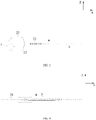
FIG. 1 is a schematic diagram of a secondary battery provided by an embodiment of the present application; -
FIG. 2 is a sectional view of a secondary battery provided by an embodiment of the present application; -
FIG. 3 is an enlarged view of a box portion ofFIG. 2 ; -
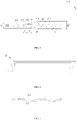
FIG. 4 is another sectional view of a secondary battery provided by an embodiment of the present application; -
FIG. 5 is an enlarged view of a box portion ofFIG. 4 ; -
FIG. 6 is a schematic diagram of a packing film of a packing bag of a secondary battery provided by an embodiment of the present application; -
FIG. 7 is a cross-sectional view of the packing film ofFIG. 6 ; -
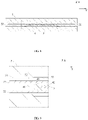
FIG. 8 is a schematic diagram of a secondary battery before being molded provided by an embodiment of the present application; -
FIG. 9 is an enlarged view of a box portion ofFIG. 8 ; -
FIG. 10 is a schematic diagram of a secondary battery during molding provided by an embodiment of the present application; -
FIG. 11 is another schematic diagram of a secondary battery during molding provided by an embodiment of the present application. - Where the reference numerals of the figures are designated as follows:
- 1
- electrode assembly
- 2
- packing bag
21 sealing part
211 main body area
212 first step area
213 second step area
214 first transition area
215 second transition area
22 packing film
221 protective layer
222 metal layer
223 connection layer
3 electrode lead
4 insulation part
41 first portion
42 second portion
43 third portion
5 packaging device
51 first packaging surface
52 second packaging surface
53 third packaging surface
6 colloid
X length direction
Y width direction
Z thickness direction - In order to make the objectives, technical solutions and advantages of the present application clearer, the present application will be further described in detail below in combination with the accompanying drawings and embodiments. It should be understood that the specific embodiments described herein are only used to interpret the present application rather than limiting the present application.
- In the descriptions of the present application, unless specified and limited otherwise, the terms "first", "second" and "third" are only used for the purpose of description and cannot be understood as indicating or implying the relative importance; the term "a plurality of' refers to two and more (including two); unless specified or explained otherwise, the term "connection" shall be understood in a broad sense, for example, the "connection" may be a fixed connection, or may be a detachable connection, or an integrated connection, or an electrical connection, or a signal connection; the "connection" may be a direct connection or an indirect connection through an intermediate medium. For those of ordinary skill in the art, the specific meanings of the above terms in the present application can be understood according to specific situations.
- In the descriptions of the specification, it need to be understood that the "up", "down" and other locative words described in embodiments of the present application are described from the angle shown in the accompanying drawings, which shall not be understood as limitations to the embodiments of the present application. The present application will be further described in detail with specific embodiments in combination with the accompanying drawings.
- Referring to
FIG.1 to FIG. 3 , a secondary battery provided by this embodiment includes anelectrode assembly 1, a packingbag 2, anelectrode lead 3 and aninsulation part 4. - The
electrode assembly 1 is a core component of the secondary battery for achieving charge and discharge functions. Theelectrode assembly 1 includes an anodic pole piece, a cathodic pole piece and a separator, and the separator separates the anodic pole piece and the cathodic pole piece. The anodic pole piece includes an anodic current collector and an anodic active material layer coated on a surface of the anodic current collector. The anodic current collector may be an aluminum foil, and the anodic active material layer includes a ternary material, lithium manganate or lithium iron phosphate. The cathodic pole piece includes a cathodic current collector and a cathodic active material layer coated on a surface of the cathodic current collector. The cathodic current collector may be a copper foil, and the cathodic active material layer includes graphite or silicon. - The
electrode assembly 1 may be of a coiled structure. Specifically, there is one anodic pole piece and one cathodic pole piece, and both of the anodic pole piece and the cathodic pole piece are of a band-shaped structure. The anodic pole piece, the cathodic pole piece and the separator are successively stacked and then coiled for two and more rounds to form theelectrode assembly 1. In the preparation of theelectrode assembly 1, theelectrode assembly 1 may be first coiled into a hollow column structure and then flattened into a flat shape after the coiling. - Alternatively, the
electrode assembly 1 may also be of a stacked structure. Specifically, a plurality of anodic pole pieces are disposed, and a plurality of cathodic pole pieces are disposed. The plurality of the anodic pole pieces and the plurality of the cathodic pole pieces are alternately stacked along the thickness direction Z, and the anodic pole piece and the cathodic pole piece are separated by the separator. - The packing
bag 2 includes two layers of packingfilms 22, and the two layers of the packingfilms 22 are disposed up and down along the thickness direction Z. Referring toFIG. 6 , a cavity is formed in at least one layer of the packingfilms 22 via stamping, and theelectrode assembly 1 is located between two layers of the packingfilms 22 and housed in the cavity. - Referring to
FIG. 7 , each of the packingfilms 22 includes aprotective layer 221, ametal layer 222 and aconnection layer 223. Theprotective layer 221 and theconnection layer 223 are disposed on two sides of themetal layer 222, respectively. Specifically, theprotective layer 221 may be attached onto a surface of themetal layer 222 away from theelectrode assembly 1 via an adhesive, and theconnection layer 223 may be attached onto a surface of themetal layer 222 close to theelectrode assembly 1 via an adhesive. - The material of the
protective layer 221 may be nylon or polyethylene terephthalate; the material of themetal layer 222 may be an aluminum foil or a steel foil; and the material of theconnection layer 223 may be polypropylene. - The two layers of the
packing film 22 are connected on the edge and form a sealingpart 21. Specifically, the connection layers 223 of the two layers of the packingfilms 22 are directly or indirectly connected together by hot pressing, so that the sealedpacking bag 2 is formed. - The
electrode lead 3 is connected to theelectrode assembly 1, and passes through the sealingpart 21 and extends to the outside of the packingbag 2. Specifically, there may be two electrode leads 3. One of the electrode leads 3 is connected to the anodic current collector of the anodic pole piece, and the other of the electrode leads 3 is connected to the cathodic current collector of the cathodic pole piece. The two electrode leads 3 connect theelectrode assembly 1 with other components outside the packingbag 2, thereby achieving the charge and discharge of theelectrode assembly 1. The material of theelectrode lead 3 may be aluminum, nickel or copper-plated nickel. - The two electrode leads 3 may extend to the outside from two ends of the packing
bag 2 along the length direction X, respectively, or may extend to the outside from the same end of the packingbag 2 along the length direction X. - There may be two
insulation parts 4. The twoinsulation parts 4 respectively separate the two electrode leads 3 and the sealingpart 21. Each of theinsulation parts 4 is wrapped around outside of acorresponding electrode lead 3. Part of theinsulation part 4 is sandwiched between the two layers of the packingfilms 22 to separate theelectrode lead 3 and the packingfilms 22 and to reduce the risk of contact between theelectrode lead 3 and the metal layers 222. The material of theinsulation part 4 may be polypropylene. - Because part of the
insulation part 4 is sandwiched between the two layers of the packingfilms 22, the connection layers 223 of the two layers of the packingfilms 22 will be fused with theinsulation part 4 when hot pressing is performed on the two layers of the packingfilms 22. - Specifically, referring to
FIG. 4 andFIG. 5 , the sealingpart 21 includes amain body area 211, afirst step area 212 and afirst transition area 214; themain body area 211, thefirst transition area 214 and thefirst step area 212 are located on the same side of theelectrode lead 3 along the width direction Y, and themain body area 211, thefirst transition area 214 and thefirst step area 212 are successively arranged along a direction approaching theelectrode lead 3. Thefirst transition area 214 is connected between themain body area 211 and thefirst step area 212. - In the
main body area 211, the connection layers 223 of the two layers of the packingfilms 22 are directly fused into a whole. In the thickness direction Z, the thickness of themain body area 211 is H 1. The value of H 1 is generally a constant. Of course, the thickness H 1 of themain body area 211 may fluctuate within a certain range such as plus or minus 0.01mm owing to the hot pressing process. The value of H 1 may be 0.2mm ~ 0.4mm. - The
insulation part 4 has afirst portion 41, and thefirst portion 41 is located on a side of theelectrode lead 3 close to themain body area 211 along the width direction Y; thefirst step area 212 covers thefirst portion 41 on both sides in the thickness direction Z. Thefirst step area 212 is divided into two layers, i.e. an upper layer and a lower layer, and thefirst portion 41 is located between the two layers of thefirst step area 212. - In the
first step area 212, theconnection layer 223 of each packingfilm 22 is fused with thefirst portion 41. Along the thickness direction Z, the sum of the thicknesses of thefirst portion 41 and thefirst step area 212 is H2. The value of H2 is generally a constant. Of course, H 2 may fluctuate within a certain range such as plus or minus 0.01mm owing to the hot pressing process. The value of H 2 may be 0.3mm ~ 0.9mm. Along the width direction Y, the width of thefirst step area 212 is L 1. - In the
main body area 211, the two layers of the packingfilms 22 are directly fused together, while in thefirst step area 212, the two layers of the packingfilms 22 are fused with thefirst portion 41 of theinsulation part 4. Therefore, the value of H 1 will be smaller than the value of H 2, and there will be a height difference between themain body area 211 and thefirst step area 212. Thefirst transition area 214 connected between themain body area 211 and thefirst step area 212 may play a role of transition. - In order to realize the fusion of the
main body area 211 and the fusion of thefirst step area 212, apackaging device 5 with a step-shaped packaging surface is usually used. Specifically, referring toFIG. 8 and FIG. 9 , thepackaging device 5 includes afirst packaging surface 51 and asecond packaging surface 52, and thesecond packaging surface 52 is sunk with respect to thefirst packaging surface 51. When the hot pressing is performed, thefirst packaging surface 51 acts on themain body area 211, and thesecond packaging surface 52 acts on thefirst step area 212. - Referring to
FIG. 9 andFIG. 10 , when the hot pressing is performed, a certain distance may exist between themain body area 211 and thefirst portion 41 due to a fabrication error, which leads to that thefirst transition area 214 cannot be attached to thefirst portion 41. In this case, there will be a gap between the two layers of the packingfilms 22 in thefirst transition area 214. In addition, when the hot pressing is performed, thefirst transition area 214 is in a tilted state, and thus will not be subjected to the pressure of thesecond packaging surface 52. Therefore, in thefirst transition area 214, the connection layers 223 of the two layers of the packingfilms 22 cannot be directly fused together. - Referring to
FIG. 11 , during the process of hot pressing, thefirst portion 41 and the connection layers 223 located in thefirst step area 212 are heated and melted to producecolloids 6 with viscidity, and part of thecolloids 6 flow into the gap of thefirst transition area 214 under the pressure. Thecolloids 6 fill the gap and stick the connection layers 223 in thefirst transition area 214 together, thereby achieving sealing. - However, if the amount of the
colloids 6 filled into the gap of thefirst transition area 214 is insufficient, the connection strength of the connection layers 223 located in thefirst transition area 214 is low, which is easy to cause a sealing failure, and there may be a risk of electrolyte leakage. While if the amount of thecolloids 6 flowing into the gap of thefirst transition area 214 exceeds the accommodation space of the gap, thecolloids 6 will flow towards themain body area 211 under the pressure. Because themain body area 211 is subjected to the pressure of thefirst packaging surface 51, thecolloids 6 flowing towards themain body area 211 may lead to uneven pressure on themain body area 211, resulting in that wrinkles appear on the metal layers 222 of themain body area 211, affecting the flatness of themain body area 211 and reducing the sealing performance. - Hence, in order to guarantee the sealing performance, the amount of the
colloids 6 filled into the gap of thefirst transition area 214 needs to be controlled. - The
colloids 6 flowing into the gap of thefirst transition area 214 mainly come from thefirst portion 41 and the connection layers 223 located in thefirst step area 212. So the values of L 1 and H 2 have direct influences on the amount of thecolloids 6. - The larger the value of L 1, the larger the melting volumes of the
first portion 41 and the connection layers 223 located in thefirst step area 212, so thatmore colloids 6 would be produced and the amount of thecolloids 6 filled into the gap of thefirst transition area 214 would be more. Inversely, the smaller the value of L 1, the less the amount of thecolloids 6 filled into the gap of thefirst transition area 214. - H 2 is the final thickness of the
first portion 41 and the connection layers 223 located in thefirst step area 212 after hot press molding. The smaller the value of H 2, the more the amount of thecolloids 6 of thefirst portion 41 and the connection layers 223 located in thefirst step area 212 that are lost during the hot pressing, i.e. the more the amount of thecolloids 6 filled into the gap of thefirst transition area 214; inversely, the larger the value of H 2, the less the amount of thecolloids 6 filled into the gap of thefirst transition area 214. - The inventor discovered that when H 2 and L 1 satisfy the following relational expression:

colloids 6 filled into the gap of thefirst transition area 214 could be maintained within a suitable range, and the sealing performance of thepacking bags 2 could be guaranteed. - Preferably, H 2 and L 1 satisfy the following relational expression:

- Further preferably, H 2 and L 1 satisfy the following relational expression:

- The width L 1 of the
first step area 212 is 0.4mm~2.5mm. If the value of L 1 is smaller than 0.4mm, an insufficient amount of thecolloids 6 filled into the gap of thefirst transition area 214 may be caused, resulting in a poor sealing performance; and meanwhile, if the value of L 1 is too small, thefirst step area 212 is likely to miss the hot pressing by thesecond packaging surface 52 because of the fabrication error of the hot pressing. If the value of L 1 is larger than 2.5mm, an excessive amount of thecolloids 6 filled into the gap of thefirst transition area 214 may be caused, resulting in that the metal layers 222 of themain body area 211 wrinkle. - Referring to
FIG. 5 , thefirst transition area 214 has two outer surfaces disposed oppositely along the thickness direction Z, and the two outer surfaces are tilted with respect to themain body area 211 towards a direction approaching thefirst step area 212. An outer surface of themain body area 211 and an outer surface of thefirst step area 212 are connected by the outer surface of thefirst transition area 214. The outer surface of thefirst transition area 214 may extend from an end of the outer surface of themain body area 211 and be tilted with respect to the outer surface of themain body area 211 towards a direction approaching the outer surface of thefirst step area 212. - In the thickness direction Z, a distance between the two outer surfaces of the
first transition area 214 is D. The value of D gradually increases along a direction in which themain body area 211 points towards thefirst step area 212 and which is parallel to the width direction Y. In other words, the sum of the thicknesses of thefirst transition area 214 and thecolloids 6 filled into the gap of thefirst transition area 214 increases gradually along the direction in which themain body area 211 points towards thefirst step area 212. - If the amount of the
colloids 6 filled into the gap of thefirst transition area 214 is excessive, thecolloids 6 will squeeze thefirst transition area 214, which leads to a bulged deformation of the outer surfaces of thefirst transition area 214; in this case, the value of D fluctuates along the direction in which themain body area 211 points towards thefirst step area 212, rather than gradually increasing. In other words, by detecting whether D is gradually increasing, it can be determined whether thecolloids 6 filled into the gap of thefirst transition area 214 are excessive. - Preferably, the two outer surfaces of the
first transition area 214 are disposed asymmetrically with respect to a plane that is perpendicular to the thickness direction Z. In an asymmetrical manner, the two outer surfaces of thefirst transition area 214 can have different slopes, so that the two outer surfaces of thefirst step area 212 protrude from themain body area 211 to different degrees. - Referring to
FIG. 10 and FIG. 11 , when the hot pressing is performed, the gap of thefirst transition area 214 is approximately a triangle, and the volume of the gap of thefirst transition area 214 depends on a size of the gap along the width direction Y and a size of the gap along the thickness direction Z. - After the hot press molding, a difference of H 2 and H 1 determines the size of the gap of the
first transition area 214 along the thickness direction Z. In other words, the smaller the value of H 2 -H 1, the smaller the volume of the gap of thefirst transition area 214, and the less the colloids that are needed; inversely, the larger the value of H 2 -H 1 is, the larger the volume of the gap of thefirst transition area 214, and the more the colloids that are needed. - The inventor discovered that when, according to the invention, H 1 and H 2 satisfy the following relational expression: 0.1mm<H 2-H 1<0.6mm, the amount of the
colloids 6 filled into the gap of thefirst transition area 214 could be maintained within a suitable range. If dH 2-H 1<0.1mm, the gap of thefirst transition area 214 is too small, which causes thecolloids 6 to flow towards themain body area 211, resulting in that the metal layers 222 of themain body area 211 wrinkle. While if H 2-H 1>0.6mm, the gap of thefirst transition area 214 is too large, and the amount of thecolloids 6 filled into the gap of thefirst transition area 214 is insufficient, which leads to a poor sealing performance. - Along the width direction Y, the width L 2 of the
first transition area 214 is 0.1mm~0.5mm. If L 2<0.1mm, the gap of thefirst transition area 214 is too small, which causes thecolloids 6 to flow towards themain body area 211, resulting in that the metal layers 222 of themain body area 211 wrinkle. If L 2>0.5mm, the gap of thefirst transition area 214 is too large, and the amount of thecolloids 6 filled into the gap of thefirst transition area 214 is insufficient, which leads to a poor sealing performance. - Preferably, L 1 and L 2 satisfy the following relational expression: L 2≤0.4L 1. The larger the L 2, the larger the gap of the
first transition area 214; correspondingly, the value of L 1 also needs to be increased so as to providesufficient colloids 6 to the gap of thefirst transition area 214. If L 2 is larger than 0.4L 1, the amount of thecolloids 6 filled into the gap of thefirst transition area 214 is insufficient, which leads to a poor sealing performance. - Referring to
FIG. 5 , the sealingpart 21 further includes asecond step area 213, and thesecond step area 213 is connected to thefirst step area 212 and located on both sides of theelectrode lead 3 along the thickness direction Z. Theinsulation part 4 further has asecond portion 42, and thesecond portion 42 is disposed between thesecond step area 213 and theelectrode lead 3. In thesecond step area 213, the connection layers 223 of each packingfilm 22 are fused with thesecond portion 42. - Along the thickness direction Z, the sum of the thicknesses of the
second step area 213, thesecond portion 42 and theelectrode lead 3 is H 3. The value of H 3 is generally a constant. Of course, H 3 may fluctuate within a certain range such as plus or minus 0.01mm owing to the hot pressing process. - In the
second step area 213, theelectrode lead 3 passes between the two layers of the packingfilms 22, so H 3 has a relatively large value. If H 3 equals to H 2, a relatively large height difference may exist between thefirst step area 212 and themain body area 211; when the hot pressing is performed, the relatively large height difference may cause stress concentration, which leads to a breakage of themetal layer 222 and affects the sealing performance. - Therefore, preferably, H 3 is larger than H 2. In this case, the
first step area 212 may play a role of transition. The height difference between thefirst step area 212 and themain body area 211 and the height difference between thefirst step area 212 and thesecond step area 213 are both relatively small, which lowers the stress concentration, reduces the risk of breakage of themetal layer 222, and guarantees the sealing performance. - Referring to
FIG. 9 , thepackaging device 5 further has athird packaging surface 53 which is sunk with respect to thesecond packaging surface 52. When the hot pressing is performed, thethird packaging surface 53 acts on thesecond step area 213. - The sealing
part 21 further includes asecond transition area 215, and thesecond transition area 215 is connected between thefirst step area 212 and thesecond step area 213. Theinsulation part 4 further has athird portion 43, and thefirst portion 41 and thesecond portion 42 are connected by thethird portion 43; thesecond transition area 215 covers thethird portion 43 on both sides in the thickness direction Z. - The
third portion 43 is connected to the connection layers 223 of thesecond transition area 215. Specifically, when the hot pressing is performed, thesecond portion 42 and the connection layers 223 located in thesecond step area 213 are heated and melt to produce colloids with viscidity. Part of thecolloids 6 flow into a space between thesecond transition area 215 and thethird portion 43 under the pressure and connect thesecond transition area 215 and thethird portion 43. - Referring to
FIG. 5 , along a direction in which themain body area 211 points towards thesecond step area 213 and which is parallel to the width direction Y, the sum of the thicknesses of thesecond transition area 215 and thethird portion 43 gradually increases. In this case, outer surfaces of thesecond transition area 215 are tilted with respect to both the width direction Y and the thickness direction Z. In thepacking film 22, the thickness of themetal layer 222 is uniform. When the outer surface of thesecond transition area 215 is tilted, themetal layer 222 located in thesecond transition area 215 is tilted as well. - When the hot pressing is performed, the
first step area 212 and thefirst portion 41 are melted and compressed under the action of thesecond packaging surface 52, and thesecond step area 213 and thesecond portion 42 are melted and compressed under the action of thethird packaging surface 53. However, thesecond portion 42 is connected with theelectrode lead 3 made of metal, so a heat dissipation rate of thesecond portion 42 is relatively high; therefore, compared with thefirst portion 41, a melting rate of thesecond portion 42 is relatively low. Correspondingly, compared with thefirst portion 41, a compression rate of thesecond portion 42 is relatively low. Therefore, when the hot pressing is performed, thesecond transition area 215 will be stretched. - In this embodiment, the
metal layer 222 located in thesecond transition area 215 is disposed to be tilted, so that the extending length of themetal layer 222 located in thesecond transition area 215 could be increased, and an extending rate of themetal layer 222 located in thesecond transition area 215 during the hot pressing could be lowered, which could reduce the risk of breakage of themetal layer 222 and guarantee the sealing performance. - Because the
second transition area 215 is disposed to be tilted, in order to ensure that thethird portion 43 can be attached to thesecond transition area 215 and prevent thethird portion 43 from hindering a deformation of thesecond transition area 215 during the hot pressing, thethird portion 43 is required to have a tilted surface. In other words, along the direction in which themain body area 211 points towards thesecond step area 213 and which is parallel to the width direction Y, the thickness of thethird portion 43 gradually increases. - In the following, the present application will be described in more detail in combination with embodiments.
-
Embodiment 1 may be prepared according to the steps described below: - (i) Stacking the anodic pole piece, the separator and the cathodic pole piece together, which are then coiled for multiple rounds and flattened into a flat shape after the coiling to prepare the
electrode assembly 1. - (ii) Wrapping the
insulation part 4 around outside of theelectrode lead 3 and sticking the same to theelectrode lead 3. The thickness of thefirst portion 41 of theinsulation part 4 before the hot pressing is recorded as T 1 . - (iii) Welding one
electrode lead 3 to the anodic pole piece and welding theother electrode lead 3 to the cathodic pole piece. - (iv) Stamping a cavity on the
packing film 22. The thickness of one layer of thepacking film 22 is recorded as T 2. - (v) Placing the
electrode assembly 1 into the cavity of one layer of thepacking film 22, and covering the one layer of thepacking film 22 from above with another layer of thepacking film 22. Theinsulation part 4 is located between the two layers of the packingfilms 22. - (vi) Hot pressing the edge area of the two layers of the packing
films 22 using thepackaging device 5 to form the sealingpart 21. After finishing the hot pressing, the thickness of themain body area 211 is measured as H 1 and the sum of the thicknesses of thefirst portion 41 and thefirst step area 212 as H 2 along the thickness direction Z. The width of thefirst step area 212 is L 1 and the width of thefirst transition area 214 is L 2 along the width direction Y. - (vii) Injecting an electrolyte into the packing
bag 2, and then obtaining the battery after processes of standing, formation, shaping and so on. The battery is 231mm in length, 163mm in width and 8mm in thickness. - Embodiments 2-21, 23-35, Reference Example 22 and Comparative Examples 1-4 adopt the same preparation method as
Embodiment 1, with differences in sizes of different areas of the sealingpart 21. Specific parameters are as shown in Table 1. - Sealing tests are carried out for Embodiments 2-21, 23-35, Reference Example 22 and Comparative Examples 1-4 as following.
- Specifically, first the battery is placed in a vacuum chamber, and then the vacuum chamber is vacuumed; then the battery is charged and discharged circularly, and after 5 hours, the content of organic gas in the vacuum chamber is detected using an organic gas tester (VOC (Volatile Organic Compound) tester, with a model number: ppbRAE-3000). If the content of organic gas is less than 0.5mg/m3, the battery meets the sealing requirements.
Table 1 Parameters and testing results of Embodiments 1-21, 23-35 (E1-21, 23-35), Reference Example 22 (E22) and Comparative Examples 1-4 (CE1-4) T 1 (mm) T 2 (mm) H 1 (mm) H 2 (mm) L 1 (mm) L 2 (mm) 
H 2-H 1 (mm) Content of organic gas (mg/m3) E 1 0.31 0.16 0.25 0.30 1.60 0.25 1.300 0.05 0.34 E 2 0.31 0.16 0.25 0.36 1.60 0.25 0.813 0.11 0.29 E 3 0.31 0.16 0.25 0.42 1.60 0.25 0.591 0.17 0.21 E 4 0.31 0.16 0.25 0.48 1.60 0.25 0.464 0.23 0.17 E 5 0.31 0.16 0.25 0.54 1.60 0.25 0.382 0.29 0.20 E 6 0.31 0.16 0.25 0.60 1.60 0.25 0.325 0.35 0.23 E 7 0.31 0.16 0.25 0.48 0.40 0.25 0.036 0.23 0.41 E 8 0.31 0.16 0.25 0.48 0.70 0.25 0.143 0.23 0.36 E 9 0.31 0.16 0.25 0.48 1.00 0.25 0.250 0.23 0.33 E 10 0.31 0.16 0.25 0.48 1.30 0.25 0.357 0.23 0.24 E 11 0.31 0.16 0.25 0.48 1.90 0.25 0.571 0.23 0.21 E 12 0.31 0.16 0.25 0.48 2.20 0.25 0.679 0.23 0.24 E 13 0.31 0.16 0.25 0.48 2.50 0.25 0.786 0.23 0.29 E 14 0.31 0.16 0.25 0.48 1.37 0.25 0.382 0.23 0.21 E 15 0.31 0.16 0.25 0.48 1.44 0.25 0.407 0.23 0.17 E 16 0.31 0.16 0.25 0.48 1.52 0.25 0.436 0.23 0.15 E 17 0.31 0.16 0.25 0.30 2.50 0.25 2.200 0.05 0.46 E 18 0.31 0.16 0.25 0.30 1.50 0.25 1.200 0.05 0.32 E 19 0.31 0.16 0.25 0.33 1.47 0.25 0.900 0.08 0.30 E 20 0.31 0.16 0.25 0.60 1.10 0.25 0.200 0.35 0.34 E 21 0.31 0.16 0.25 0.48 0.52 0.25 0.079 0.23 0.39 E 22 0.68 0.16 0.25 0.90 0.44 0.25 0.020 0.45 0.45 E 23 0.31 0.16 0.25 0.48 1.52 0.1 0.436 0.23 0.19 E 24 0.31 0.16 0.25 0.48 1.52 0.2 0.436 0.23 0.17 E 25 0.31 0.16 0.25 0.48 1.52 0.3 0.436 0.23 0.16 E 26 0.31 0.16 0.25 0.48 1.52 0.4 0.436 0.23 0.18 E 27 0.31 0.16 0.25 0.48 1.52 0.5 0.436 0.23 0.21 E 28 0.31 0.16 0.20 0.60 1.60 0.25 0.325 0.4 0.26 E 29 0.31 0.16 0.30 0.60 1.60 0.25 0.325 0.3 0.25 E 30 0.31 0.16 0.40 0.60 1.60 0.25 0.325 0.2 0.21 E 31 0.36 0.16 0.25 0.48 1.52 0.25 0.436 0.23 0.21 E 32 0.41 0.16 0.25 0.48 1.52 0.25 0.436 0.23 0.29 E 33 0.31 0.18 0.25 0.48 1.52 0.25 0.436 0.23 0.21 E 34 0.26 0.16 0.25 0.48 1.52 0.25 0.436 0.23 0.23 E 35 0.31 0.14 0.25 0.48 1.52 0.25 0.436 0.23 0.24 CE 1 0.79 0.16 0.25 1.00 0.38 0.25 0.010 0.45 0.56 CE 2 0.79 0.16 0.25 1.00 0.35 0.25 0.006 0.45 0.68 CE 3 0.31 0.16 0.25 0.28 2.50 0.25 2.750 0.03 0.53 CE 4 0.31 0.16 0.25 0.26 2.50 0.25 3.667 0.01 0.71 - Referring to Comparative Examples 1-2, when

colloids 6 produced during the hot pressing to be too small, so that the amount of thecolloids 6 filled into the gap of thefirst transition area 214 is too small. Likewise, the value of H 2 being too large causes the amount of thecolloids 6 of thefirst portion 41 and the connection layers 223 of thefirst step area 212 that are lost during the hot pressing to be too small, so that the amount of thecolloids 6 filled into the gap of thefirst transition area 214 is insufficient. Therefore, in Comparative Examples 1-2, thecolloids 6 cannot fully fill the gap of thefirst transition area 214, so that more gas and electrolyte are leaked, which severely affects the sealing performance of the battery. - Referring to Comparative Examples 3-4, when

colloids 6 produced during the hot pressing to be too much, so that the amount of thecolloids 6 filled into the gap of thefirst transition area 214 is too large. Likewise, the value of H 2 being too small causes the amount of thecolloids 6 of thefirst portion 41 and the connection layers 223 of thefirst step area 212 that is lost during the hot pressing to be too large, so that the amount of thecolloids 6 filled into gap of thefirst transition area 214 is too large. Therefore, in Comparative Examples 3-4,excessive colloids 6 flow to themain body area 211, which leads to uneven pressure and wrinkles on themain body area 211, thereby more gas and electrolyte leak, severely affecting the sealing performance of the battery. - Referring to Embodiments 1-21, 23-35 and Reference Example 22, when H 2 and L 1 satisfy the following relational expression:

colloids 6 filled into the gap of thefirst transition area 214 could be maintained within a suitable range, the probability of leakage of the gas and electrolyte could be lowered, and the sealing performance of thepacking bags 2 could be guaranteed. - Referring to Embodiments 1-6, with other parameters being determined, the sealing performance of the battery can be adjusted by changing the value of H 2. Referring to Embodiments 7-16, with other parameters being determined, the sealing performance of the battery can be adjusted by changing the value of L 1 . It is seen from Embodiments 1-16 that when the value of

- Referring to Embodiments 16 and 23-27, the value of L 2 also has certain effects on the sealing performance of the battery. When the value of L 2 is too large, the gap of the
first transition area 214 is too large and the amount of thecolloids 6 filled into the gap of thefirst transition area 214 is insufficient, leading to a relatively poor sealing performance. When the value of L 2 is too small, the gap of thefirst transition area 214 is too small which causes thecolloids 6 to flow towards themain body area 211, leading to wrinkles of the metal layers 222 located in themain body area 211 and a reduced sealing performance. - Referring to
Embodiments 6 and 28-30, the value of H 1 also has certain effects on the sealing performance of the battery. After the hot press molding, the difference of H 2 and H 1 determines the size of the gap of thefirst transition area 214 along the thickness direction Z. In other words, the smaller the value of H 2 -H 1, the smaller the volume of the gap of thefirst transition area 214, and the less thecolloids 6 that are needed; inversely, the greater the value of H 2 -H 1, the larger the volume of the gap of thefirst transition area 214, and the more thecolloids 6 that are needed. - Referring to Embodiments 16 and 31-35, the values of T 1 and T 2 also have certain effects on the sealing performance of the battery. With H 1 and H 2 being constant, the larger the values of T 1 and T 2, the larger the compression ratio of the packing
films 22 and thefirst portion 41 and the more the producedcolloids 6 after the hot pressing. If the amount of thecolloids 6 is too much, thecolloids 6 will be caused to flow towards themain body area 211, which leads to wrinkles of the metal layers 222 located in themain body area 211 and a reduced sealing performance. With H 1 and H 2 being constant, the smaller the values of T 1 and T 2 , the smaller the compression ratio of the packingfilms 22 and thefirst portion 41 and the less the producedcolloids 6 after the hot pressing. If the amount of thecolloids 6 is too little, thecolloids 6 filled into the gap of thefirst transition area 214 are insufficient, which leads to a poor sealing performance.
Claims (10)
- A secondary battery, comprising: an electrode assembly (1), a packing bag (2), an electrode lead (3) and an insulation part (4);the electrode assembly (1) is housed in the packing bag (2), the packing bag (2) has a sealing part (21) on an edge, and the electrode lead (3) is connected to the electrode assembly (1) and passes through the sealing part (21);the sealing part (21), which is formed by hot-pressing, comprises a main body area (211), a first step area (212) and a first transition area (214); the main body area (211), the first transition area (214) and the first step area (212) are located on a same side of the electrode lead (3) along a width direction (Y), and the main body area (211), the first transition area (214) and the first step area (212) are successively arranged along a direction approaching the electrode lead (3);the insulation part (4) is wrapped around outside of the electrode lead (3) and separates the sealing part (21) from the electrode lead (3); the insulation part (4) has a first portion (41), and the first step area (212) covers the first portion (41) on both sides in a thickness direction (Z);along the thickness direction (Z), a thickness of the main body area (211) is H 1 mm, a sum of thicknesses of the first portion (41) and the first step area (212) is H 2 mm; along the width direction (Y), a width of the first step area (212) is L 1 mm, along the width direction (Y), a width of the first transition area (214) is L 2 mm;H 1 , H 2 , L 1 and L 2 satisfy the following relational expressions:

 L 1 is 0.4mm~2.5mm, L 2 is 0.1mm~0.5mm;
- The secondary battery according to claim 1, wherein H 2 and L 1 satisfy the following relational expression:

- The secondary battery according to claim 2, wherein H 2 and L 1 satisfy the following relational expression:

- The secondary battery according to claim 1, wherein,
the main body area (211) and the first step area (212) are connected by the first transition area (214); the first transition area (214) has two outer surfaces disposed oppositely along the thickness direction (Z), and the two outer surfaces are tilted with respect to the main body area (211) towards a direction approaching the first step area (212). - The secondary battery according to claim 4, wherein the two outer surfaces of the first transition area (214) are disposed asymmetrically with respect to a plane that is perpendicular to the thickness direction (Z).
- The secondary battery according to claim 4 or 5, wherein L 1 and L 2 satisfy the following relational expression: L 2≤0.4L 1.
- The secondary battery according to any one of claims 1-6, wherein,the sealing part (21) further comprises a second step area (213), and the second step area (213) is connected to the first step area (212) and located on both sides of the electrode lead (3) along the thickness direction (Z);the insulation part (4) further has a second portion (42), and the second portion (42) is disposed between the second step area (213) and the electrode lead (3);along the thickness direction (Z), a sum of thicknesses of the second step area (213), the second portion (42) and the electrode lead (3) is H 3, and H 3 is larger than H 2.
- The secondary battery according to claim 7, wherein,the sealing part (21) further comprises a second transition area (215), and the second transition area (215) is connected between the first step area (212) and the second step area (213);the insulation part (4) further has a third portion (43), and the first portion (41) and the second portion (42) are connected by the third portion (43); the second transition area (215) covers the third portion (43) on both sides in the thickness direction (Z);along a direction in which the main body area (211) points towards the second step area (213), a sum of thicknesses of the second transition area (215) and the third portion (43) gradually increases.
- The secondary battery according to claim 8, wherein along the direction in which the main body area (211) points towards the second step area (213), a thickness of the third portion (43) gradually increases.
- The secondary battery according to any one of claims 1-9, wherein,the packing bag (2) comprises two layers of packing films (22); the electrode assembly (1) is located between the two layers of the packing films (22), and the two layers of the packing films (22) are connected at an edge and form the sealing part (21);each of the packing films (22) comprises a protective layer (221), a metal layer (222) and a connection layer (223); the connection layer (223) is disposed on a surface of the metal layer (222) facing the electrode assembly (1), and the protective layer (221) is disposed on a surface of the metal layer (222) away from the electrode assembly (1);in the main body area (211), connection layers (223) of the two layers of the packing films (22) are fused into a whole; in the first step area (212), the connection layer (223) of each of the packing films (22) is fused with the first portion (41).
Applications Claiming Priority (2)
| Application Number | Priority Date | Filing Date | Title |
|---|---|---|---|
| CN201910413593.7A CN110190206B (en) | 2019-05-17 | 2019-05-17 | Secondary battery |
| PCT/CN2020/084340 WO2020233275A1 (en) | 2019-05-17 | 2020-04-11 | Secondary battery |
Publications (3)
| Publication Number | Publication Date |
|---|---|
| EP3764417A1 EP3764417A1 (en) | 2021-01-13 |
| EP3764417A4 EP3764417A4 (en) | 2021-07-07 |
| EP3764417B1 true EP3764417B1 (en) | 2022-12-07 |
Family
ID=67716695
Family Applications (1)
| Application Number | Title | Priority Date | Filing Date |
|---|---|---|---|
| EP20775156.1A Active EP3764417B1 (en) | 2019-05-17 | 2020-04-11 | Secondary battery |
Country Status (4)
| Country | Link |
|---|---|
| US (1) | US11848412B2 (en) |
| EP (1) | EP3764417B1 (en) |
| CN (2) | CN110190206B (en) |
| WO (1) | WO2020233275A1 (en) |
Families Citing this family (2)
| Publication number | Priority date | Publication date | Assignee | Title |
|---|---|---|---|---|
| CN110190206B (en) * | 2019-05-17 | 2020-10-02 | 宁德时代新能源科技股份有限公司 | Secondary battery |
| CN111952655B (en) * | 2019-05-17 | 2024-01-26 | 宁德时代新能源科技股份有限公司 | Secondary battery |
Family Cites Families (21)
| Publication number | Priority date | Publication date | Assignee | Title |
|---|---|---|---|---|
| JP2005353503A (en) * | 2004-06-14 | 2005-12-22 | Sii Micro Parts Ltd | Thin electrochemical cell |
| JP2006164784A (en) | 2004-12-08 | 2006-06-22 | Nec Lamilion Energy Ltd | Film-armored electric device |
| KR101096894B1 (en) * | 2005-05-12 | 2011-12-21 | 에스케이이노베이션 주식회사 | Lithium secondary battery with improved adhesion between tab and polymer film |
| US8828591B2 (en) * | 2006-03-02 | 2014-09-09 | Sony Corporation | External packaging material for battery device, nonaqueous electrolyte secondary battery using the same, and battery pack |
| JP5142570B2 (en) * | 2007-03-30 | 2013-02-13 | 三洋電機株式会社 | Laminated battery and manufacturing method thereof |
| JP5793788B2 (en) * | 2009-05-21 | 2015-10-14 | エルジー ケム. エルティーディ. | Water-resistant pouch-type secondary battery |
| JP5370781B2 (en) * | 2011-01-21 | 2013-12-18 | 株式会社デンソー | Sealed battery case and sealed battery using the same |
| US8709645B2 (en) * | 2011-07-01 | 2014-04-29 | Apple Inc. | Battery pouch sheet edge insulation |
| JP5561315B2 (en) * | 2012-06-18 | 2014-07-30 | 日本電気株式会社 | Film exterior electrical device |
| KR20160030937A (en) * | 2013-07-17 | 2016-03-21 | 도판 인사츠 가부시키가이샤 | Terminal coating resin film for secondary cell, tab member for secondary cell, and secondary cell |
| JP6190398B2 (en) * | 2015-01-09 | 2017-08-30 | 株式会社ネッツ | Thermal welding insulating resin film and power storage device |
| CN204464336U (en) * | 2015-02-13 | 2015-07-08 | 宁德新能源科技有限公司 | The end enclosure structure of flexible-packed battery |
| JP6606834B2 (en) * | 2015-03-05 | 2019-11-20 | 株式会社Gsユアサ | Storage element and lead terminal |
| JP6736264B2 (en) * | 2015-05-29 | 2020-08-05 | 株式会社東芝 | Secondary battery |
| KR101984265B1 (en) * | 2015-07-03 | 2019-05-30 | 주식회사 엘지화학 | Pouch type secondary battery and method of fabricating the same |
| CN205609588U (en) * | 2016-04-15 | 2016-09-28 | 宁德时代新能源科技股份有限公司 | Flexible packing secondary cell |
| CN106252578B (en) * | 2016-10-31 | 2019-01-08 | 宁德时代新能源科技股份有限公司 | Utmost point ear packaging structure and laminate polymer battery |
| US10446803B2 (en) * | 2017-08-29 | 2019-10-15 | Robert Bosch Battery Systems Llc | Lead tab for battery terminal |
| CN109580752A (en) * | 2017-09-28 | 2019-04-05 | 宁德时代新能源科技股份有限公司 | Battery detection frame and battery detection structure |
| JP6806103B2 (en) * | 2018-02-15 | 2021-01-06 | Tdk株式会社 | Electrochemical device |
| CN110190206B (en) | 2019-05-17 | 2020-10-02 | 宁德时代新能源科技股份有限公司 | Secondary battery |
-
2019
- 2019-05-17 CN CN201910413593.7A patent/CN110190206B/en active Active
- 2019-05-17 CN CN202010894166.8A patent/CN112072013B/en active Active
-
2020
- 2020-04-11 EP EP20775156.1A patent/EP3764417B1/en active Active
- 2020-04-11 WO PCT/CN2020/084340 patent/WO2020233275A1/en not_active Ceased
- 2020-04-11 US US17/043,149 patent/US11848412B2/en active Active
Also Published As
| Publication number | Publication date |
|---|---|
| CN112072013A (en) | 2020-12-11 |
| WO2020233275A1 (en) | 2020-11-26 |
| CN110190206B (en) | 2020-10-02 |
| CN112072013B (en) | 2023-12-29 |
| CN110190206A (en) | 2019-08-30 |
| EP3764417A4 (en) | 2021-07-07 |
| US20230131176A1 (en) | 2023-04-27 |
| EP3764417A1 (en) | 2021-01-13 |
| US11848412B2 (en) | 2023-12-19 |
Similar Documents
| Publication | Publication Date | Title |
|---|---|---|
| US10693113B2 (en) | Battery electrode and secondary battery using the same | |
| JP4565810B2 (en) | Laminated battery | |
| US6843810B2 (en) | Electric double layer capacitor and method for preparing the same | |
| EP2184796B1 (en) | Electric energy storage device and its manufacturing method | |
| EP3648202A1 (en) | Electrode sheet, battery cell and battery | |
| CN112531142B (en) | A pole piece for soft-pack button battery, button battery and preparation method thereof | |
| US20240304957A1 (en) | Secondary battery | |
| CN112599935A (en) | Lithium ion power soft package battery tab and manufacturing method of battery | |
| EP3764417B1 (en) | Secondary battery | |
| CN101401250A (en) | Soft package high-capacity lithium ion battery and manufacturing method thereof | |
| KR101017909B1 (en) | Cylindrical Battery Can for Manufacturing Battery and Method for Manufacturing the Same | |
| CN209709099U (en) | Secondary battery | |
| CN112563678A (en) | Lithium ion power soft package battery T-shaped tab and manufacturing method of battery | |
| CN215896535U (en) | A button battery and its electronic product | |
| CN209880672U (en) | Secondary battery | |
| CN118073788A (en) | Assembly structure facilitating welding of battery cell and shell outside and control method | |
| CN210576287U (en) | Laminated lithium battery with double pairs of tabs | |
| CN208422963U (en) | A secondary battery and packaging structure | |
| CN114914590B (en) | Manufacturing method of circular ring battery and circular ring battery | |
| CN217158367U (en) | Battery assembly | |
| CN112736369B (en) | Lithium ion battery and design process thereof | |
| JP2005243552A (en) | Laminate battery and its manufacturing method | |
| CN117477074A (en) | A composite lithium reference electrode, three-electrode lithium-ion battery and preparation method thereof | |
| CN117438635A (en) | Soft package battery and manufacturing method thereof |
Legal Events
| Date | Code | Title | Description |
|---|---|---|---|
| STAA | Information on the status of an ep patent application or granted ep patent |
Free format text: STATUS: UNKNOWN |
|
| STAA | Information on the status of an ep patent application or granted ep patent |
Free format text: STATUS: THE INTERNATIONAL PUBLICATION HAS BEEN MADE |
|
| PUAI | Public reference made under article 153(3) epc to a published international application that has entered the european phase |
Free format text: ORIGINAL CODE: 0009012 |
|
| STAA | Information on the status of an ep patent application or granted ep patent |
Free format text: STATUS: REQUEST FOR EXAMINATION WAS MADE |
|
| 17P | Request for examination filed |
Effective date: 20200929 |
|
| AK | Designated contracting states |
Kind code of ref document: A1 Designated state(s): AL AT BE BG CH CY CZ DE DK EE ES FI FR GB GR HR HU IE IS IT LI LT LU LV MC MK MT NL NO PL PT RO RS SE SI SK SM TR |
|
| AX | Request for extension of the european patent |
Extension state: BA ME |
|
| REG | Reference to a national code |
Ref country code: DE Ref legal event code: R079 Ref document number: 602020006808 Country of ref document: DE Free format text: PREVIOUS MAIN CLASS: H01M0002020000 Ipc: H01M0050178000 |
|
| A4 | Supplementary search report drawn up and despatched |
Effective date: 20210608 |
|
| RIC1 | Information provided on ipc code assigned before grant |
Ipc: H01M 50/178 20210101AFI20210601BHEP Ipc: H01M 50/184 20210101ALI20210601BHEP Ipc: H01M 50/557 20210101ALI20210601BHEP Ipc: H01M 10/0525 20100101ALI20210601BHEP |
|
| STAA | Information on the status of an ep patent application or granted ep patent |
Free format text: STATUS: EXAMINATION IS IN PROGRESS |
|
| 17Q | First examination report despatched |
Effective date: 20220111 |
|
| GRAP | Despatch of communication of intention to grant a patent |
Free format text: ORIGINAL CODE: EPIDOSNIGR1 |
|
| STAA | Information on the status of an ep patent application or granted ep patent |
Free format text: STATUS: GRANT OF PATENT IS INTENDED |
|
| DAV | Request for validation of the european patent (deleted) | ||
| DAX | Request for extension of the european patent (deleted) | ||
| INTG | Intention to grant announced |
Effective date: 20220627 |
|
| GRAS | Grant fee paid |
Free format text: ORIGINAL CODE: EPIDOSNIGR3 |
|
| GRAA | (expected) grant |
Free format text: ORIGINAL CODE: 0009210 |
|
| STAA | Information on the status of an ep patent application or granted ep patent |
Free format text: STATUS: THE PATENT HAS BEEN GRANTED |
|
| AK | Designated contracting states |
Kind code of ref document: B1 Designated state(s): AL AT BE BG CH CY CZ DE DK EE ES FI FR GB GR HR HU IE IS IT LI LT LU LV MC MK MT NL NO PL PT RO RS SE SI SK SM TR |
|
| REG | Reference to a national code |
Ref country code: GB Ref legal event code: FG4D |
|
| REG | Reference to a national code |
Ref country code: CH Ref legal event code: EP Ref country code: AT Ref legal event code: REF Ref document number: 1536837 Country of ref document: AT Kind code of ref document: T Effective date: 20221215 |
|
| REG | Reference to a national code |
Ref country code: DE Ref legal event code: R096 Ref document number: 602020006808 Country of ref document: DE |
|
| REG | Reference to a national code |
Ref country code: IE Ref legal event code: FG4D |
|
| REG | Reference to a national code |
Ref country code: LT Ref legal event code: MG9D |
|
| REG | Reference to a national code |
Ref country code: NL Ref legal event code: MP Effective date: 20221207 |
|
| PG25 | Lapsed in a contracting state [announced via postgrant information from national office to epo] |
Ref country code: SE Free format text: LAPSE BECAUSE OF FAILURE TO SUBMIT A TRANSLATION OF THE DESCRIPTION OR TO PAY THE FEE WITHIN THE PRESCRIBED TIME-LIMIT Effective date: 20221207 Ref country code: NO Free format text: LAPSE BECAUSE OF FAILURE TO SUBMIT A TRANSLATION OF THE DESCRIPTION OR TO PAY THE FEE WITHIN THE PRESCRIBED TIME-LIMIT Effective date: 20230307 Ref country code: LT Free format text: LAPSE BECAUSE OF FAILURE TO SUBMIT A TRANSLATION OF THE DESCRIPTION OR TO PAY THE FEE WITHIN THE PRESCRIBED TIME-LIMIT Effective date: 20221207 Ref country code: FI Free format text: LAPSE BECAUSE OF FAILURE TO SUBMIT A TRANSLATION OF THE DESCRIPTION OR TO PAY THE FEE WITHIN THE PRESCRIBED TIME-LIMIT Effective date: 20221207 Ref country code: ES Free format text: LAPSE BECAUSE OF FAILURE TO SUBMIT A TRANSLATION OF THE DESCRIPTION OR TO PAY THE FEE WITHIN THE PRESCRIBED TIME-LIMIT Effective date: 20221207 |
|
| REG | Reference to a national code |
Ref country code: AT Ref legal event code: MK05 Ref document number: 1536837 Country of ref document: AT Kind code of ref document: T Effective date: 20221207 |
|
| PG25 | Lapsed in a contracting state [announced via postgrant information from national office to epo] |
Ref country code: RS Free format text: LAPSE BECAUSE OF FAILURE TO SUBMIT A TRANSLATION OF THE DESCRIPTION OR TO PAY THE FEE WITHIN THE PRESCRIBED TIME-LIMIT Effective date: 20221207 Ref country code: PL Free format text: LAPSE BECAUSE OF FAILURE TO SUBMIT A TRANSLATION OF THE DESCRIPTION OR TO PAY THE FEE WITHIN THE PRESCRIBED TIME-LIMIT Effective date: 20221207 Ref country code: LV Free format text: LAPSE BECAUSE OF FAILURE TO SUBMIT A TRANSLATION OF THE DESCRIPTION OR TO PAY THE FEE WITHIN THE PRESCRIBED TIME-LIMIT Effective date: 20221207 Ref country code: HR Free format text: LAPSE BECAUSE OF FAILURE TO SUBMIT A TRANSLATION OF THE DESCRIPTION OR TO PAY THE FEE WITHIN THE PRESCRIBED TIME-LIMIT Effective date: 20221207 Ref country code: GR Free format text: LAPSE BECAUSE OF FAILURE TO SUBMIT A TRANSLATION OF THE DESCRIPTION OR TO PAY THE FEE WITHIN THE PRESCRIBED TIME-LIMIT Effective date: 20230308 |
|
| P01 | Opt-out of the competence of the unified patent court (upc) registered |
Effective date: 20230516 |
|
| PG25 | Lapsed in a contracting state [announced via postgrant information from national office to epo] |
Ref country code: NL Free format text: LAPSE BECAUSE OF FAILURE TO SUBMIT A TRANSLATION OF THE DESCRIPTION OR TO PAY THE FEE WITHIN THE PRESCRIBED TIME-LIMIT Effective date: 20221207 |
|
| PG25 | Lapsed in a contracting state [announced via postgrant information from national office to epo] |
Ref country code: SM Free format text: LAPSE BECAUSE OF FAILURE TO SUBMIT A TRANSLATION OF THE DESCRIPTION OR TO PAY THE FEE WITHIN THE PRESCRIBED TIME-LIMIT Effective date: 20221207 Ref country code: RO Free format text: LAPSE BECAUSE OF FAILURE TO SUBMIT A TRANSLATION OF THE DESCRIPTION OR TO PAY THE FEE WITHIN THE PRESCRIBED TIME-LIMIT Effective date: 20221207 Ref country code: PT Free format text: LAPSE BECAUSE OF FAILURE TO SUBMIT A TRANSLATION OF THE DESCRIPTION OR TO PAY THE FEE WITHIN THE PRESCRIBED TIME-LIMIT Effective date: 20230410 Ref country code: EE Free format text: LAPSE BECAUSE OF FAILURE TO SUBMIT A TRANSLATION OF THE DESCRIPTION OR TO PAY THE FEE WITHIN THE PRESCRIBED TIME-LIMIT Effective date: 20221207 Ref country code: CZ Free format text: LAPSE BECAUSE OF FAILURE TO SUBMIT A TRANSLATION OF THE DESCRIPTION OR TO PAY THE FEE WITHIN THE PRESCRIBED TIME-LIMIT Effective date: 20221207 Ref country code: AT Free format text: LAPSE BECAUSE OF FAILURE TO SUBMIT A TRANSLATION OF THE DESCRIPTION OR TO PAY THE FEE WITHIN THE PRESCRIBED TIME-LIMIT Effective date: 20221207 |
|
| PG25 | Lapsed in a contracting state [announced via postgrant information from national office to epo] |
Ref country code: SK Free format text: LAPSE BECAUSE OF FAILURE TO SUBMIT A TRANSLATION OF THE DESCRIPTION OR TO PAY THE FEE WITHIN THE PRESCRIBED TIME-LIMIT Effective date: 20221207 Ref country code: IS Free format text: LAPSE BECAUSE OF FAILURE TO SUBMIT A TRANSLATION OF THE DESCRIPTION OR TO PAY THE FEE WITHIN THE PRESCRIBED TIME-LIMIT Effective date: 20230407 Ref country code: AL Free format text: LAPSE BECAUSE OF FAILURE TO SUBMIT A TRANSLATION OF THE DESCRIPTION OR TO PAY THE FEE WITHIN THE PRESCRIBED TIME-LIMIT Effective date: 20221207 |
|
| REG | Reference to a national code |
Ref country code: DE Ref legal event code: R097 Ref document number: 602020006808 Country of ref document: DE |
|
| PLBE | No opposition filed within time limit |
Free format text: ORIGINAL CODE: 0009261 |
|
| STAA | Information on the status of an ep patent application or granted ep patent |
Free format text: STATUS: NO OPPOSITION FILED WITHIN TIME LIMIT |
|
| PG25 | Lapsed in a contracting state [announced via postgrant information from national office to epo] |
Ref country code: DK Free format text: LAPSE BECAUSE OF FAILURE TO SUBMIT A TRANSLATION OF THE DESCRIPTION OR TO PAY THE FEE WITHIN THE PRESCRIBED TIME-LIMIT Effective date: 20221207 |
|
| 26N | No opposition filed |
Effective date: 20230908 |
|
| PG25 | Lapsed in a contracting state [announced via postgrant information from national office to epo] |
Ref country code: SI Free format text: LAPSE BECAUSE OF FAILURE TO SUBMIT A TRANSLATION OF THE DESCRIPTION OR TO PAY THE FEE WITHIN THE PRESCRIBED TIME-LIMIT Effective date: 20221207 |
|
| REG | Reference to a national code |
Ref country code: CH Ref legal event code: PL |
|
| PG25 | Lapsed in a contracting state [announced via postgrant information from national office to epo] |
Ref country code: LU Free format text: LAPSE BECAUSE OF NON-PAYMENT OF DUE FEES Effective date: 20230411 |
|
| REG | Reference to a national code |
Ref country code: BE Ref legal event code: MM Effective date: 20230430 |
|
| PG25 | Lapsed in a contracting state [announced via postgrant information from national office to epo] |
Ref country code: MC Free format text: LAPSE BECAUSE OF FAILURE TO SUBMIT A TRANSLATION OF THE DESCRIPTION OR TO PAY THE FEE WITHIN THE PRESCRIBED TIME-LIMIT Effective date: 20221207 |
|
| PG25 | Lapsed in a contracting state [announced via postgrant information from national office to epo] |
Ref country code: MC Free format text: LAPSE BECAUSE OF FAILURE TO SUBMIT A TRANSLATION OF THE DESCRIPTION OR TO PAY THE FEE WITHIN THE PRESCRIBED TIME-LIMIT Effective date: 20221207 Ref country code: LI Free format text: LAPSE BECAUSE OF NON-PAYMENT OF DUE FEES Effective date: 20230430 Ref country code: CH Free format text: LAPSE BECAUSE OF NON-PAYMENT OF DUE FEES Effective date: 20230430 |
|
| REG | Reference to a national code |
Ref country code: IE Ref legal event code: MM4A |
|
| PG25 | Lapsed in a contracting state [announced via postgrant information from national office to epo] |
Ref country code: BE Free format text: LAPSE BECAUSE OF NON-PAYMENT OF DUE FEES Effective date: 20230430 |
|
| PG25 | Lapsed in a contracting state [announced via postgrant information from national office to epo] |
Ref country code: IE Free format text: LAPSE BECAUSE OF NON-PAYMENT OF DUE FEES Effective date: 20230411 |
|
| PG25 | Lapsed in a contracting state [announced via postgrant information from national office to epo] |
Ref country code: IE Free format text: LAPSE BECAUSE OF NON-PAYMENT OF DUE FEES Effective date: 20230411 |
|
| PG25 | Lapsed in a contracting state [announced via postgrant information from national office to epo] |
Ref country code: IT Free format text: LAPSE BECAUSE OF FAILURE TO SUBMIT A TRANSLATION OF THE DESCRIPTION OR TO PAY THE FEE WITHIN THE PRESCRIBED TIME-LIMIT Effective date: 20221207 |
|
| REG | Reference to a national code |
Ref country code: DE Ref legal event code: R081 Ref document number: 602020006808 Country of ref document: DE Owner name: CONTEMPORARY AMPEREX TECHNOLOGY (HONG KONG) LI, HK Free format text: FORMER OWNER: CONTEMPORARY AMPEREX TECHNOLOGY CO., LTD., NINGDE CITY, FUJIAN, CN |
|
| REG | Reference to a national code |
Ref country code: GB Ref legal event code: 732E Free format text: REGISTERED BETWEEN 20240815 AND 20240821 |
|
| PG25 | Lapsed in a contracting state [announced via postgrant information from national office to epo] |
Ref country code: BG Free format text: LAPSE BECAUSE OF FAILURE TO SUBMIT A TRANSLATION OF THE DESCRIPTION OR TO PAY THE FEE WITHIN THE PRESCRIBED TIME-LIMIT Effective date: 20221207 |
|
| PG25 | Lapsed in a contracting state [announced via postgrant information from national office to epo] |
Ref country code: BG Free format text: LAPSE BECAUSE OF FAILURE TO SUBMIT A TRANSLATION OF THE DESCRIPTION OR TO PAY THE FEE WITHIN THE PRESCRIBED TIME-LIMIT Effective date: 20221207 |
|
| PGFP | Annual fee paid to national office [announced via postgrant information from national office to epo] |
Ref country code: DE Payment date: 20250214 Year of fee payment: 6 |
|
| PG25 | Lapsed in a contracting state [announced via postgrant information from national office to epo] |
Ref country code: CY Free format text: LAPSE BECAUSE OF FAILURE TO SUBMIT A TRANSLATION OF THE DESCRIPTION OR TO PAY THE FEE WITHIN THE PRESCRIBED TIME-LIMIT; INVALID AB INITIO Effective date: 20200411 |
|
| PG25 | Lapsed in a contracting state [announced via postgrant information from national office to epo] |
Ref country code: HU Free format text: LAPSE BECAUSE OF FAILURE TO SUBMIT A TRANSLATION OF THE DESCRIPTION OR TO PAY THE FEE WITHIN THE PRESCRIBED TIME-LIMIT; INVALID AB INITIO Effective date: 20200411 |
|
| PG25 | Lapsed in a contracting state [announced via postgrant information from national office to epo] |
Ref country code: TR Free format text: LAPSE BECAUSE OF FAILURE TO SUBMIT A TRANSLATION OF THE DESCRIPTION OR TO PAY THE FEE WITHIN THE PRESCRIBED TIME-LIMIT Effective date: 20221207 |
|
| PGFP | Annual fee paid to national office [announced via postgrant information from national office to epo] |
Ref country code: GB Payment date: 20260223 Year of fee payment: 7 |
|
| PGFP | Annual fee paid to national office [announced via postgrant information from national office to epo] |
Ref country code: FR Payment date: 20260223 Year of fee payment: 7 |