EP3763735A1 - Method for preparing biomaterial having selectively functionalized tyrosine, biomaterial having selectively functionalized tyrosine, and pharmaceutical composition containing same as active ingredient - Google Patents
Method for preparing biomaterial having selectively functionalized tyrosine, biomaterial having selectively functionalized tyrosine, and pharmaceutical composition containing same as active ingredient Download PDFInfo
- Publication number
- EP3763735A1 EP3763735A1 EP19763931.3A EP19763931A EP3763735A1 EP 3763735 A1 EP3763735 A1 EP 3763735A1 EP 19763931 A EP19763931 A EP 19763931A EP 3763735 A1 EP3763735 A1 EP 3763735A1
- Authority
- EP
- European Patent Office
- Prior art keywords
- biomaterial
- formula
- branched
- straight
- group
- Prior art date
- Legal status (The legal status is an assumption and is not a legal conclusion. Google has not performed a legal analysis and makes no representation as to the accuracy of the status listed.)
- Granted
Links
- 0 B*OS(F)(=O)=O Chemical compound B*OS(F)(=O)=O 0.000 description 2
Images


Classifications
-
- A—HUMAN NECESSITIES
- A61—MEDICAL OR VETERINARY SCIENCE; HYGIENE
- A61K—PREPARATIONS FOR MEDICAL, DENTAL OR TOILETRY PURPOSES
- A61K47/00—Medicinal preparations characterised by the non-active ingredients used, e.g. carriers or inert additives; Targeting or modifying agents chemically bound to the active ingredient
- A61K47/50—Medicinal preparations characterised by the non-active ingredients used, e.g. carriers or inert additives; Targeting or modifying agents chemically bound to the active ingredient the non-active ingredient being chemically bound to the active ingredient, e.g. polymer-drug conjugates
- A61K47/51—Medicinal preparations characterised by the non-active ingredients used, e.g. carriers or inert additives; Targeting or modifying agents chemically bound to the active ingredient the non-active ingredient being chemically bound to the active ingredient, e.g. polymer-drug conjugates the non-active ingredient being a modifying agent
- A61K47/56—Medicinal preparations characterised by the non-active ingredients used, e.g. carriers or inert additives; Targeting or modifying agents chemically bound to the active ingredient the non-active ingredient being chemically bound to the active ingredient, e.g. polymer-drug conjugates the non-active ingredient being a modifying agent the modifying agent being an organic macromolecular compound, e.g. an oligomeric, polymeric or dendrimeric molecule
- A61K47/59—Medicinal preparations characterised by the non-active ingredients used, e.g. carriers or inert additives; Targeting or modifying agents chemically bound to the active ingredient the non-active ingredient being chemically bound to the active ingredient, e.g. polymer-drug conjugates the non-active ingredient being a modifying agent the modifying agent being an organic macromolecular compound, e.g. an oligomeric, polymeric or dendrimeric molecule obtained otherwise than by reactions only involving carbon-to-carbon unsaturated bonds, e.g. polyureas or polyurethanes
- A61K47/60—Medicinal preparations characterised by the non-active ingredients used, e.g. carriers or inert additives; Targeting or modifying agents chemically bound to the active ingredient the non-active ingredient being chemically bound to the active ingredient, e.g. polymer-drug conjugates the non-active ingredient being a modifying agent the modifying agent being an organic macromolecular compound, e.g. an oligomeric, polymeric or dendrimeric molecule obtained otherwise than by reactions only involving carbon-to-carbon unsaturated bonds, e.g. polyureas or polyurethanes the organic macromolecular compound being a polyoxyalkylene oligomer, polymer or dendrimer, e.g. PEG, PPG, PEO or polyglycerol
-
- C—CHEMISTRY; METALLURGY
- C07—ORGANIC CHEMISTRY
- C07K—PEPTIDES
- C07K14/00—Peptides having more than 20 amino acids; Gastrins; Somatostatins; Melanotropins; Derivatives thereof
- C07K14/435—Peptides having more than 20 amino acids; Gastrins; Somatostatins; Melanotropins; Derivatives thereof from animals; from humans
- C07K14/475—Growth factors; Growth regulators
- C07K14/505—Erythropoietin [EPO]
-
- C—CHEMISTRY; METALLURGY
- C07—ORGANIC CHEMISTRY
- C07K—PEPTIDES
- C07K19/00—Hybrid peptides, i.e. peptides covalently bound to nucleic acids, or non-covalently bound protein-protein complexes
-
- C—CHEMISTRY; METALLURGY
- C12—BIOCHEMISTRY; BEER; SPIRITS; WINE; VINEGAR; MICROBIOLOGY; ENZYMOLOGY; MUTATION OR GENETIC ENGINEERING
- C12N—MICROORGANISMS OR ENZYMES; COMPOSITIONS THEREOF; PROPAGATING, PRESERVING, OR MAINTAINING MICROORGANISMS; MUTATION OR GENETIC ENGINEERING; CULTURE MEDIA
- C12N9/00—Enzymes; Proenzymes; Compositions thereof; Processes for preparing, activating, inhibiting, separating or purifying enzymes
- C12N9/14—Hydrolases (3)
- C12N9/48—Hydrolases (3) acting on peptide bonds (3.4)
- C12N9/50—Proteinases, e.g. Endopeptidases (3.4.21-3.4.25)
- C12N9/64—Proteinases, e.g. Endopeptidases (3.4.21-3.4.25) derived from animal tissue
- C12N9/6421—Proteinases, e.g. Endopeptidases (3.4.21-3.4.25) derived from animal tissue from mammals
- C12N9/6424—Serine endopeptidases (3.4.21)
- C12N9/6427—Chymotrypsins (3.4.21.1; 3.4.21.2); Trypsin (3.4.21.4)
-
- C—CHEMISTRY; METALLURGY
- C12—BIOCHEMISTRY; BEER; SPIRITS; WINE; VINEGAR; MICROBIOLOGY; ENZYMOLOGY; MUTATION OR GENETIC ENGINEERING
- C12Y—ENZYMES
- C12Y304/00—Hydrolases acting on peptide bonds, i.e. peptidases (3.4)
- C12Y304/21—Serine endopeptidases (3.4.21)
- C12Y304/21001—Chymotrypsin (3.4.21.1)
-
- C—CHEMISTRY; METALLURGY
- C12—BIOCHEMISTRY; BEER; SPIRITS; WINE; VINEGAR; MICROBIOLOGY; ENZYMOLOGY; MUTATION OR GENETIC ENGINEERING
- C12Y—ENZYMES
- C12Y304/00—Hydrolases acting on peptide bonds, i.e. peptidases (3.4)
- C12Y304/21—Serine endopeptidases (3.4.21)
- C12Y304/21004—Trypsin (3.4.21.4)
-
- A—HUMAN NECESSITIES
- A61—MEDICAL OR VETERINARY SCIENCE; HYGIENE
- A61K—PREPARATIONS FOR MEDICAL, DENTAL OR TOILETRY PURPOSES
- A61K38/00—Medicinal preparations containing peptides
Definitions
- the present invention relates to a method for preparing a biomaterial having selectively functionalized tyrosine and a pharmaceutical composition containing the same as an active ingredient.
- lysine (Lys)-succinamide and cysteine (Cys)-maleimide coupling reactions are widely used for functionalization of natural amino acids.
- lysine (Lys)-succinamide coupling reaction most proteins have a large number of lysines on the surface, and thus non-selective reactions occur, resulting in the production of a mixture.
- cysteine (Cys)-maleimide coupling reaction functionalization may occur when there is cysteine on the protein surface.
- EPO erythropoietin
- rhEPO recombinant human erythropoietin
- PEG polyethylene glycol
- PEG conjugation that is PEGylation
- Mircera a PEGylated form of the rhEPO drug
- the PEGylation of Mircera is based on Lys-succinimide chemistry, and it mostly reacts with Lys-45 or Lys-52 of the 7 lysine residues on the rhEPO surface, resulting in the production of a heterogeneous mixture of PEGylated rhEPO isomers, which makes purification difficult.
- the present invention provides a protein in which a compound represented by formula 2 is bound to -OH group of tyrosine of the biomaterial containing tyrosine present on the surface in an aqueous solution: (In formula 2, A, L and B are as defined in formula 1 in a method for preparing a biomaterial to which a compound represented by formula 2 is coupled.).
- the present invention provides a method for PEGylating a biomaterial comprising a step of reacting a compound represented by formula 1 and a biomaterial containing tyrosine present on the surface in an aqueous solution in the presence of a compound represented by formula 3: (In formula 1,
- the method for preparing a biomaterial to which a compound represented by formula 2 is coupled allows the compound represented by formula 2 to be selectively coupled, in a high yield in a biomaterial, to tyrosine, which is present on the surface in an aqueous solution such that the coupling thereof to amino acids other than tyrosine does not occur and, when only one tyrosine is present, heterogeneous mixtures are not present and the inherent activity of the biomaterial is maintained, and thus the compound can be effectively used as a pharmaceutical composition containing a biomaterial drug as an active ingredient.
- the method can selectively functionalize tyrosine, and thus can be effectively used for tyrosine functionalization in a biomaterial.
- the present invention provides a method for preparing a biomaterial to which a compound represented by formula 2 is coupled comprising a step of reacting a compound represented by formula 1 and a biomaterial containing tyrosine present on the surface in an aqueous solution in the presence of a compound represented by formula 3. (In formula 1,
- - OH of tyrosine and -F of the compound represented by formula 1 react in the presence of the compound in an aqueous solution.
- the structure of A does not affect the reaction, and is not limited to a specific structure.
- the B is a compound for imparting functionality to a biomaterial.
- the compound may mean a biocompatible polymer.
- the compound for imparting functionality to the biomaterial can be an organic or inorganic fluorescent substance.
- the organic fluorescent substance can be rhodamine.
- To impart functionality to the biomaterial means to impart specific functionality to the biomaterial (functionalization), such as functionalization of the biomaterial itself (e.g., PEGylation), attachment of antibodies or complements, and attachment of fluorescent substances, and B can be used without restrictions as long as it makes this possible.
- alkoxy or hydroxypolyalkyleneoxide having a weight average molecular weight of 100 to 50000, wherein alkoxy can be straight or branched C 1-3 alkoxy, and alkylene can be straight or branched C 1-3 alkylene.
- B can be methoxy polyethyleneoxide having a weight average molecular weight of 100 to 50000.
- the peptide polymer can be a polymer randomly bound with one or more amino acids selected from the natural amino acid group consisting of valine, leucine, isoleucine, methionine, phenylalanine, asparagine, glutamic acid, aspartic acid, glycine, alanine, serine, threonine, cysteine, proline, glutamine, histidine, lysine, arginine, tyrosine and tryptophan.
- the weight average molecular weight of B can be 100 to 50000.
- the weight average molecular weight of B can be 500 to 40000.
- the weight average molecular weight may vary depending on the weight average molecular weight of the B starting material used in the preparation of the compound represented by formula 1.
- - OH of tyrosine and -F of the compound represented by formula 1 react in the presence of the compound in an aqueous solution.
- the structure of B does not affect the reaction, and is not limited to a specific structure.
- the compound represented by formula 3 when X is N, the compound represented by formula 3 may be a guanidine derivative.
- R b , R c , R d and R e are independently hydrogen or straight or branched C 1-3 alkyl.
- R a , R b , R c , R d and R e are independently hydrogen or methyl.
- the compound represented by formula 3 may be an amidine derivative.
- R a , R b , R c , R d and R e are independently hydrogen or methyl.
- the compound represented by formula 3 can be DBU (1,8-Diazabicyclo(5.4.0)undec-7-ene) or TMG (1,1,3,3-tetramethylguanidine).
- the preparation method of the present invention is characterized in that -OH of tyrosine and -F of the compound represented by formula 1 react in the presence of a compound represented by formula 3 in an aqueous solution.
- a compound represented by formula 3 is required.
- the reaction proceeds with an amine other than the compound represented by formula 3, the reaction may not proceed, or a problem may arise that the selectivity for tyrosine is lowered (see Experimental Example 1 and Table 1).
- the tyrosine can be present in the hydrophilic region.
- the biomaterial can be EPO (erythropoietin), chymotrypsinogen A, or activated chymotrypsin.
- the polar solvent can be used for increasing the solubility of the compound represented by formula 1 when the biomaterial is reacted with the compound represented by formula 1.
- the compound represented by formula 2 selectively binds only to the outer surface of rhEPO, that is, Tyr-49 present in an aqueous solution. In addition, none of the internal tyrosine residues bind to the compound (see Experimental Example 3 and Tables 3 and 4).
- A can be phenylene, xanthine or coumarin.
- the B is a compound for imparting functionality to a biomaterial.
- the compound may mean a biocompatible polymer.
- the compound for imparting functionality to the biomaterial can be an organic or inorganic fluorescent substance.
- the organic fluorescent substance can be rhodamine.
- To impart functionality to the biomaterial means to impart specific functionality to the biomaterial (functionalization), such as functionalization of the biomaterial itself (e.g., PEGylation), attachment of antibodies or complements, and attachment of fluorescent substances, and B can be used without restrictions as long as it makes this possible.
- B can be methoxy polyethyleneoxide having a weight average molecular weight of 100 to 50000.
- the peptide polymer can be a polymer randomly bound with one or more amino acids selected from the natural amino acid group consisting of valine, leucine, isoleucine, methionine, phenylalanine, asparagine, glutamic acid, aspartic acid, glycine, alanine, serine, threonine, cysteine, proline, glutamine, histidine, lysine, arginine, tyrosine and tryptophan.
- the weight average molecular weight of B can be 100 to 50000.
- the weight average molecular weight of B can be 500 to 40000.
- the weight average molecular weight of B can be 1000 to 30000.
- the protein is not limited as long as it is a biomaterial containing tyrosine present on the surface in an aqueous solution, but can be erythropoietin (EPO), chymotrypsinogen A, or activated chymotrypsin.
- EPO erythropoietin
- chymotrypsinogen A chymotrypsinogen A
- activated chymotrypsin activated chymotrypsin.
- the compound represented by formula 2 selectively binds only to the outer surface of rhEPO (recombinant human EPO (erythropoietin)), that is, Tyr-49 present in an aqueous solution. In addition, none of the internal tyrosine residues bind to the compound (see Experimental Example 3 and Tables 3 and 4).
- the compound represented by formula 2 selectively binds only to Tyr-49 present in an aqueous solution, and thus which maintains the hematopoietic function, an inherent function of EPO (see Experimental Example 4 and Figure 6 ).
- the protein to which the compound represented by formula 2 of the present invention is bound is selectively bound to tyrosine of the protein containing tyrosine present on the surface in an aqueous solution.
- functionalization PEGylation in one embodiment of the present invention
- selectively occurs only in the 49 th tyrosine of rhEPO, so there is no side effect of generating a heterogeneous mixture of Mircera, the conventional PEGylated rhEPO drug, and selective functionalization of the protein occurs with an excellent yield. Therefore, the product of the present invention can be effectively used as a selectively PEGylated protein drug.
- the protein to which the compound represented by formula 2 is bound can be used as a pharmaceutical composition comprising the same as an active ingredient.
- the present invention provides a method for PEGylating a biomaterial comprising a step of reacting a compound represented by formula 1 and a biomaterial containing tyrosine present on the surface in an aqueous solution in the presence of a compound represented by formula 3. (In formula 1,
- A can be phenylene, xanthine or coumarin.
- alkoxy or hydroxypolyalkyleneoxide having a weight average molecular weight of 100 to 50000, wherein alkoxy can be straight or branched C 1-3 alkoxy, and alkylene can be straight or branched C 1-3 alkylene.
- B can be methoxy polyethyleneoxide having a weight average molecular weight of 100 to 50000.
- the weight average molecular weight of B can be 500 to 40000.
- the weight average molecular weight of B can be 1000 to 30000.
- the weight average molecular weight may vary depending on the weight average molecular weight of the B starting material used in the preparation of the compound represented by formula 1.
- the compound represented by formula 3 when X is N, the compound represented by formula 3 may be a guanidine derivative.
- R b , R c , R d and R e are independently hydrogen or straight or branched C 1-3 alkyl.
- R a , R b , R c , R d and R e are independently hydrogen or methyl.
- R a , R b , R c , R d and R e are independently hydrogen or methyl.
- the compound represented by formula 3 can be DBU (1,8-Diazabicyclo(5.4.0)undec-7-ene) or TMG (1,1,3,3-tetramethylguanidine).
- the compound represented by formula 3 can be TMG (1,1,3,3-tetramethylguanidine).
- the present invention provides a composition for hematopoiesis comprising EPO (erythropoietin), a biomaterial containing tyrosine present on the surface in an aqueous solution, to which a compound represented by formula 2 is bound to -OH group of the tyrosine as an active ingredient.
- EPO erythropoietin
- formula 2 a compound represented by formula 2 is bound to -OH group of the tyrosine as an active ingredient.
- A can be phenylene, xanthine or coumarin.
- the B is a compound for imparting functionality to a biomaterial.
- the compound may mean a biocompatible polymer.
- the compound for imparting functionality to the biomaterial can be an organic or inorganic fluorescent substance.
- the organic fluorescent substance can be rhodamine.
- To impart functionality to the biomaterial means to impart specific functionality to the biomaterial (functionalization), such as functionalization of the biomaterial itself (e.g., PEGylation), attachment of antibodies or complements, and attachment of fluorescent substances, and B can be used without restrictions as long as it makes this possible.
- B is any one selected from the group consisting of alkoxy or hydroxypolyalkyleneoxide having a weight average molecular weight of 100 to 50000, poly(2-alkyl methacryloyloxyethyl phosphorylcholine) having a weight average molecular weight of 100 to 50000, poly(alkyl methacylate) having a weight average molecular weight of 100 to 50000, and peptide polymers having a weight average molecular weight of 100 to 50000, wherein alkoxy can be straight or branched C 1-5 alkoxy, alkylene can be straight or branched C 1-5 alkylene, and alkyl can be straight or branched C 1-5 alkyl.
- B can be methoxy polyethyleneoxide having a weight average molecular weight of 100 to 50000.
- the peptide polymer can be a polymer randomly bound with one or more amino acids selected from the natural amino acid group consisting of valine, leucine, isoleucine, methionine, phenylalanine, asparagine, glutamic acid, aspartic acid, glycine, alanine, serine, threonine, cysteine, proline, glutamine, histidine, lysine, arginine, tyrosine and tryptophan.
- the weight average molecular weight of B can be 100 to 50000.
- the weight average molecular weight of B can be 500 to 40000.
- the weight average molecular weight may vary depending on the weight average molecular weight of the B starting material used in the preparation of the compound represented by formula 1.
- the tyrosine can be 49 th tyrosine of EPO (erythropoietin).
- the compound represented by formula 2 selectively binds only to Tyr-49 present in an aqueous solution, and thus which maintains the hematopoietic function, an inherent function of EPO (see Experimental Example 4 and Figure 6 ).
- composition for hematopoiesis of the present invention comprising EPO to which a compound represented by formula 2 is bound as an active ingredient
- functionalization PEGylation in one embodiment of the present invention
- the composition of the present invention can be effectively used as a selectively PEGylated protein drug.
- the composition for hematopoiesis can be used for the treatment or prevention of hematopoietic function-related diseases such as anemia, lymphocytic leukemia, myeloid leukemia, myeloma, idiopathic thrombocytopenic purpura, thrombocytopenia, hemophilia, von Willebrand disease, disseminated intravascular coagulation syndrome, nonspecific lymphadenitis, tuberculous lymphadenitis, sartoidosis, necrotizing lymphadenitis, Hodgkin lymphoma, non-Hodgkin lymphoma, splenomeglay and thymoma.
- hematopoietic function-related diseases such as anemia, lymphocytic leukemia, myeloid leukemia, myeloma, idiopathic thrombocytopenic purpura, thrombocytopenia, hemophilia, von Willebrand disease, disseminated intravascular
- the anemia can be caused by renal failure.
- the anemia can be caused by a disease that requires regular peritoneal dialysis or hemodialysis.
- composition for hematopoiesis can be used as a pharmaceutical composition for hematopoietic function-related diseases.
- the pharmaceutical composition can be administered by parenterally and the parenteral administration includes subcutaneous injection, intravenous injection, intramuscular injection or intrathoracic injection.
- the compound represented by formula 2 or the pharmaceutically acceptable salt thereof of the present invention is mixed with a stabilizer or a buffering agent to produce a solution or suspension, which is then formulated as ampoules or vials.
- the composition herein can be sterilized and additionally contains preservatives, stabilizers, wettable powders or emulsifiers, salts and/or buffers for the regulation of osmotic pressure, and other therapeutically useful materials, and the composition can be formulated by the conventional mixing, granulating or coating method.
- the formulations for oral administration are exemplified by tablets, pills, hard/soft capsules, solutions, suspensions, emulsions, syrups, granules, elixirs, and troches, etc.
- These formulations can include diluents (for example, lactose, dextrose, sucrose, mannitol, sorbitol, cellulose, and/or glycine) and lubricants (for example, silica, talc, stearate and its magnesium or calcium salt, and/or polyethylene glycol) in addition to the active ingredient.
- Tablets can include binding agents such as magnesium aluminum silicate, starch paste, gelatin, methylcellulose, sodium carboxymethylcellulose and/or polyvinylpyrolidone, and if necessary disintegrating agents such as starch, agarose, alginic acid or its sodium salt or azeotropic mixtures and/or absorbents, coloring agents, flavours, and sweeteners can be additionally included thereto.
- binding agents such as magnesium aluminum silicate, starch paste, gelatin, methylcellulose, sodium carboxymethylcellulose and/or polyvinylpyrolidone
- disintegrating agents such as starch, agarose, alginic acid or its sodium salt or azeotropic mixtures and/or absorbents, coloring agents, flavours, and sweeteners can be additionally included thereto.
- the present invention provides a method for preventing or treating hematopoietic function-related diseases comprising a step of administering the composition for hematopoiesis comprising EPO (erythropoietin) containing tyrosine present on the surface in an aqueous solution to which a compound represented by formula 2 is bound to -OH group of the tyrosine as an active ingredient to a subject in need.
- EPO erythropoietin
- the present invention provides a use of the composition for hematopoiesis comprising EPO (erythropoietin) containing tyrosine present on the surface in an aqueous solution to which a compound represented by formula 2 is bound to -OH group of the tyrosine as an active ingredient for the treatment or prevention of hematopoietic function-related diseases.
- EPO erythropoietin
- Step 1 Preparation of methoxy polyethylene glycol tosylate
- Step 3 Preparation of methoxy polyethylene glycol amine
- Example 3 it was confirmed from the results of Example 3 that the preparation method according to the present invention was not limited to the EPO of Example 1. Particularly, the reaction occurred without being limited to any biomaterial containing tyrosine present on the surface in an aqueous solution. Not only PEGylation but also the introduction of a fluorescent substance was possible. Thus, it was found that the reaction could occur without limitation as long as it was a compound having a fosylate group and a biomaterial containing tyrosine present on the surface in an aqueous solution.
- n (# of PEG) 15 16 17 18 19 20 21 22 23 24 Expected 1970 991 2015 018 2059 044 2103 07 2147 096 2191 122 2235 149 2279 175 2323 201 2367 227 Observed 1971 885 2015 838 2059 787 2103 762 2146 624 2191 638 2235 616 2279 585 2323 545 2367 508 n(#of PEG) 25 26 27 28 29 30 31 32 33 34 Expected 2411 254 2455 28 2499 306 2543 332 2587 358 2631 385 2675 411 2719 437 2763 463 2807 489 Observed 2411 456 2455 422 2499 375 2543 319 2587 292 2631 242 2675 204 2718 084 2763 122 2807 059 [Table 4] n (# of PEG) 18 19 20 21 22 23 24 Expected 1946.
- the rhEPO without PEGylation and the PEGylated rhEPO (PEG-rhEPO) prepared in Example 1 were intravenously injected into Balb/c mice at a dose of 20 ⁇ g/kg every 3 days. In vivo activities were compared by measuring hematocrit (HCT), a reliable method for quantification of erythrocytes. As a control, phosphate buffered saline (PBS) was used.
- HCT hematocrit
- PBS phosphate buffered saline
- rhEPO or PEG-rhEPO 0.0516 ⁇ M in DPBS
- DPBS normal male Balb/c mice
- a total of 21 mice were used in the experiment.
- Blood samples were collected every 3 days including day 0 to evaluate the hematopoietic effect.
- Hematocrit was evaluated by measuring the volume of the packed cells obtained by centrifugation performed immediately after the blood collection. Delta hematocrit (DHematocrit) was determined by the difference between the initial hematocrit for each mouse (day 0) and the hematocrit at each time point.
- DHematocrit Delta hematocrit
- HeLa cells were seeded in a 96-well tissue culture plate at the density of 5,000 cells/well and cultured in 100 ⁇ L of DMEM (Dulbecco's Modified Eagle's Medium) supplemented with 10% FBS (fetal bovine serum) for 24 hours. After replacing the medium with 90 ⁇ L of a fresh medium, 10 ⁇ l of the compound prepared in Preparative Example 4 of various concentrations (final 0.5% DMSO) was added to each well of the plate, and the cells were further cultured for 24 hours and 48 hours. The cells were washed 3 times with a fresh medium to remove extracellular samples, and 100 ⁇ l of a fresh medium containing 10% CCK-8 was added to each well of the plate.
- DMEM Dynamic Eagle's Medium
- FBS fetal bovine serum
Landscapes
- Chemical & Material Sciences (AREA)
- Health & Medical Sciences (AREA)
- Life Sciences & Earth Sciences (AREA)
- Organic Chemistry (AREA)
- General Health & Medical Sciences (AREA)
- Biochemistry (AREA)
- Engineering & Computer Science (AREA)
- Genetics & Genomics (AREA)
- Medicinal Chemistry (AREA)
- Bioinformatics & Cheminformatics (AREA)
- Zoology (AREA)
- Molecular Biology (AREA)
- Wood Science & Technology (AREA)
- Proteomics, Peptides & Aminoacids (AREA)
- Biophysics (AREA)
- General Engineering & Computer Science (AREA)
- Biomedical Technology (AREA)
- Pharmacology & Pharmacy (AREA)
- Veterinary Medicine (AREA)
- Public Health (AREA)
- Animal Behavior & Ethology (AREA)
- Epidemiology (AREA)
- Toxicology (AREA)
- Gastroenterology & Hepatology (AREA)
- Biotechnology (AREA)
- Microbiology (AREA)
- Medicines That Contain Protein Lipid Enzymes And Other Medicines (AREA)
- Medicinal Preparation (AREA)
- Immunology (AREA)
- Peptides Or Proteins (AREA)
Abstract
Description
- The present invention relates to a method for preparing a biomaterial having selectively functionalized tyrosine and a pharmaceutical composition containing the same as an active ingredient.
- In order to control the biological system, it is important to control the functions of proteins, in particular, the functions of proteins related to signaling pathways. Among the numerous approaches to control protein function, protein- or peptide-based drugs (PBDs) are attracting attention because they can effectively regulate protein-protein interactions due to their structural properties that they can be covered by drugs with a large contact area but low molecular weight at the site of action of protein-protein interactions (PPI).
- However, although the protein- or peptide-based drugs (PBDs) have excellent target specificity and efficacy, they have a disadvantage in that the application is limited due to the low stability and short duration in physiological environments.
- Thus, in order to improve the pharmacokinetic profiles, artificial functionalization such as incorporating unnatural amino acids (UAA) for conjugation of PBD with polymers or the like or for conjugation with other useful tethers is being tried. In such artificial functionalization, it is important to maintain the intrinsic activity of the protein.
- However, when proteins are non-selectively functionalized, heterogeneous mixtures with a sharp decrease in activity may be produced, or in the worst case, the entire protein function may be lost. Therefore, it is important to functionalize a specific site without altering the site important to the function of the protein (target binding site) or the allosteric site.
- Unlike pure biological reactions such as enzyme reactions, most biochemical reactions that functionalize proteins can be classified into the following two types: 1) functionalizing a genetically altered non-natural amino acid residue (UAA residue) in a protein, or 2) functionalizing a specific natural amino acid residue of a native protein selectively through a chemical reaction.
- As a method of functionalizing the non-natural amino acid, there is a method of conjugating azidophenylalanine to a protein backbone. However, the method of conjugating such a non-natural amino acid has a problem that it is complicated and the amount of expression is very low.
- On the other hand, there are many examples of methods of functionalizing the natural amino acid. For example, lysine (Lys)-succinamide and cysteine (Cys)-maleimide coupling reactions are widely used for functionalization of natural amino acids. In the lysine (Lys)-succinamide coupling reaction, most proteins have a large number of lysines on the surface, and thus non-selective reactions occur, resulting in the production of a mixture. In the cysteine (Cys)-maleimide coupling reaction, functionalization may occur when there is cysteine on the protein surface. However, most proteins do not have cysteine residues on the surface, and even if they have cysteine residues, they are easily oxidized to become disulfide groups. Moreover, since lysine participates in the reaction with maleimide under normal conditions, it is very difficult to find a condition in which only cysteine residues are selectively reacted. Therefore, there is a need to develop a novel method capable of selectively and efficiently functionalizing specific natural amino acid residues.
- Meanwhile, EPO (erythropoietin) is a glycoprotein hormone that induces erythrocyte production, and rhEPO (recombinant human erythropoietin) is one of the most marketable protein drugs in the global drug market as a therapeutic agent for severe anemia caused by chronic kidney disease (CKD). As a means to improve the pharmacokinetic stability of rhEPO and reduce the number of drug administrations, rhEPO linked with polyethylene glycol (PEG) is widely used as a second generation drug. (Patent Reference 1) Korean Patent Publication No.
10-2017-0104535 - PEG conjugation, that is PEGylation, forms a hydrated polymeric layer that reduces immunogenicity, renal clearance and enzymatic degradation of the protein around the protein. Mircera, a PEGylated form of the rhEPO drug, exhibits a remarkably prolonged pharmacokinetic half-life and is administered much less frequently than the unmodified drug. However, the PEGylation of Mircera is based on Lys-succinimide chemistry, and it mostly reacts with Lys-45 or Lys-52 of the 7 lysine residues on the rhEPO surface, resulting in the production of a heterogeneous mixture of PEGylated rhEPO isomers, which makes purification difficult.
- It is an object of the present invention to provide a method for preparing a biomaterial in which a specific compound is bound to the biomaterial containing tyrosine present on the surface in an aqueous solution.
- It is another object of the present invention to provide a protein in which a specific compound is bound to the biomaterial containing tyrosine present on the surface in an aqueous solution.
- It is another object of the present invention to provide a method for PEGylating a biomaterial containing tyrosine present on the surface in an aqueous solution.
- It is another object of the present invention to provide a composition for hematopoiesis.
- To achieve the above objects, in one aspect of the present invention, the present invention provides a method for preparing a biomaterial to which a compound represented by
formula 2 is coupled comprising a step of reacting a compound represented by formula 1 and a biomaterial containing tyrosine present on the surface in an aqueous solution in the presence of a compound represented by formula 3:
- A is nonsubstituted or substituted C6-14 arylene or 5-20 membered nonsubstituted or substituted heteroarylene, wherein the substituted arylene and heteroarylene can be substituted with one or more selected from the group consisting of halogen, straight or branched C1-5 alkyl, straight or branched C1-5 alkoxy, =O and -OH;
- L is any one selected from the group consisting of S, O, NR3, -NHC(=O)-, -C(=O)NH- and straight or branched C1-10 alkylene, or a combination thereof, R3 is hydrogen or straight or branched C1-3 alkyl; and
- B is a compound for imparting functionality to a biomaterial.);
- X is N or CH; and
- Ra, Rb, Rc, Rd and Re are independently hydrogen or straight or branched C1-5 alkyl, Ra and Re can form 5-8 membered heterocycloalkenyl along with N to which they are attached, and Rb and Rc can form 5-8 membered heterocycloalkyl along with N and X to which they are attached.).
- In another aspect of the present invention, the present invention provides a protein in which a compound represented by
formula 2 is bound to -OH group of tyrosine of the biomaterial containing tyrosine present on the surface in an aqueous solution:
formula 2,
A, L and B are as defined in formula 1 in a method for preparing a biomaterial to which a compound represented byformula 2 is coupled.). - In another aspect of the present invention, the present invention provides a method for PEGylating a biomaterial comprising a step of reacting a compound represented by formula 1 and a biomaterial containing tyrosine present on the surface in an aqueous solution in the presence of a compound represented by formula 3:

- A is nonsubstituted or substituted C6-14 arylene or 5-20 membered nonsubstituted or substituted heteroarylene containing one or more hetero atoms selected from the group consisting of N, O and S, wherein the substituted arylene and heteroarylene can be substituted with one or more selected from the group consisting of halogen, straight or branched C1-5 alkyl, straight or branched C1-5 alkoxy, =O and -OH;
- L is any one selected from the group consisting of S, O, NR3, -NHC(=O)-, -C(=O)NH- and straight or branched C1-10 alkylene, or a combination thereof, R3 is hydrogen or straight or branched C1-3 alkyl; and
- B is alkoxy or hydroxy polyalkyleneoxide having a weight average molecular weight of 100 to 50000, wherein alkoxy is straight or branched C1-10 alkoxy, and alkylene is straight or branched C1-10 alkylene.);
- X is N or CH; and
- Ra, Rb, Rc, Rd and Re are independently hydrogen or straight or branched C1-5 alkyl, Ra and Re can form 5-8 membered heterocycloalkenyl along with N to which they are attached, and Rb and Rc can form 5-8 membered heterocycloalkyl along with N and X to which they are attached.).
- In another aspect of the present invention, the present invention provides a composition for hematopoiesis comprising EPO (erythropoietin), a biomaterial containing tyrosine present on the surface in an aqueous solution, to which a compound represented by
formula 2 is bound to -OH group of the tyrosine as an active ingredient:
formula 2,
A, L and B are as defined in formula 1 of claim 1.). - The method for preparing a biomaterial to which a compound represented by
formula 2 is coupled, of the present invention, allows the compound represented byformula 2 to be selectively coupled, in a high yield in a biomaterial, to tyrosine, which is present on the surface in an aqueous solution such that the coupling thereof to amino acids other than tyrosine does not occur and, when only one tyrosine is present, heterogeneous mixtures are not present and the inherent activity of the biomaterial is maintained, and thus the compound can be effectively used as a pharmaceutical composition containing a biomaterial drug as an active ingredient. In addition, the method can selectively functionalize tyrosine, and thus can be effectively used for tyrosine functionalization in a biomaterial. -
-
Figure 1 is a schematic diagram showing the reaction of Example 1. -
Figure 2 is a graph showing the MALDI-TOF MS measurement results of the compound of Preparative Example 3. -
Figure 3 is a graph showing the MALDI-TOF MS measurement results of PEG-rhEPO of Example 1. -
Figure 4 is a graph showing the comparison of the MALDI-TOF MS measurement results of rhEPO before PEGylation and rhEPO after PEGylation (PEG-rhEPO) of Example 1. -
Figure 5 is a diagram showing the results of performing trypsin digestion evaluation with the non-PEGylated rhEPO of Experimental Example 3 (MALDI-TOF spectrum) (figure 5a ), and the result of performing trypsin digestion evaluation with the PEGylated rhEPO prepared in Example 1 (MALDI-TOF spectrum) (figure 5b ). -
Figure 6 is a graph showing the hematopoietic function of PEG-rhEPO of Experimental Example 4. -
Figure 7 is a set of graphs showing the cytotoxicity test results of the aryl compound containing sulfate of Experimental Example 5.figure 7a : 24 hour cultivation,figure 7b : 48 hour cultivation -
Figure 8 is a graph showing the MALDI-TOF MS measurement results of PEG-rhEPO of Example 2. -
Figure 9 is a set of graphs showing the MALDI-TOF MS measurement results of chymotrypsinogen without rhodamine (figure 9a ) and the MALDI-TOF MS measurement results of chymotrypsinogen with rhodamine of Example 3 (figure 9b ). - Hereinafter, the present invention is described in detail.
- In one aspect of the present invention, the present invention provides a method for preparing a biomaterial to which a compound represented by
formula 2 is coupled comprising a step of reacting a compound represented by formula 1 and a biomaterial containing tyrosine present on the surface in an aqueous solution in the presence of a compound represented by formula 3.
- A is nonsubstituted or substituted C6-14 arylene or 5-20 membered nonsubstituted or substituted heteroarylene containing one or more hetero atoms selected from the group consisting of N, O and S, wherein the substituted arylene and heteroarylene can be substituted with one or more selected from the group consisting of halogen, straight or branched C1-5 alkyl, straight or branched C1-5 alkoxy, =O and -OH;
- L is any one selected from the group consisting of S, O, NR3, -NHC(=O)-, -C(=O)NH- and straight or branched C1-10 alkylene, or a combination thereof, R3 is hydrogen or straight or branched C1-3 alkyl; and
- B is a compound for imparting functionality to a biomaterial.);
- X is N or CH; and
- Ra, Rb, Rc, Rd and Re are independently hydrogen or straight or branched C1-5 alkyl, Ra and Re can form 5-8 membered heterocycloalkenyl along with N to which they are attached, and Rb and Rc can form 5-8 membered heterocycloalkyl along with N and X to which they are attached.).
- A is nonsubstituted or substituted C6-10 arylene or 5-15 membered nonsubstituted or substituted heteroarylene containing one or more hetero atoms selected from the group consisting of N, O and S, wherein the substituted arylene and heteroarylene can be substituted with one or more selected from the group consisting of halogen, straight or branched C1-3 alkyl, straight or branched C1-3 alkoxy, =O and -OH.
- A can be phenylene, xanthine or coumarin.
- In the preparation method of the present invention, - OH of tyrosine and -F of the compound represented by formula 1 react in the presence of the compound in an aqueous solution. At this time, the structure of A does not affect the reaction, and is not limited to a specific structure.
- B is a compound for imparting functionality to a biomaterial. The compound may mean a biocompatible polymer. In addition, the compound for imparting functionality to the biomaterial can be an organic or inorganic fluorescent substance. The organic fluorescent substance can be rhodamine. To impart functionality to the biomaterial means to impart specific functionality to the biomaterial (functionalization), such as functionalization of the biomaterial itself (e.g., PEGylation), attachment of antibodies or complements, and attachment of fluorescent substances, and B can be used without restrictions as long as it makes this possible.
- As an example, B is any one selected from the group consisting of alkoxy or hydroxypolyalkyleneoxide having a weight average molecular weight of 100 to 50000, poly(2-alkyl methacryloyloxyethyl phosphorylcholine) having a weight average molecular weight of 100 to 50000, poly(alkyl methacylate) having a weight average molecular weight of 100 to 50000, and peptide polymers having a weight average molecular weight of 100 to 50000, wherein alkoxy can be straight or branched C1-10 alkoxy, alkylene can be straight or branched C1-10 alkylene, and alkyl can be straight or branched C1-10 alkyl.
- B is any one selected from the group consisting of alkoxy or hydroxypolyalkyleneoxide having a weight average molecular weight of 100 to 50000, poly(2-alkyl methacryloyloxyethyl phosphorylcholine) having a weight average molecular weight of 100 to 50000, poly(alkyl methacylate) having a weight average molecular weight of 100 to 50000, and peptide polymers having a weight average molecular weight of 100 to 50000, wherein alkoxy can be straight or branched C1-5 alkoxy, alkylene can be straight or branched C1-5 alkylene, and alkyl can be straight or branched C1-5 alkyl.
- B is alkoxy or hydroxypolyalkyleneoxide having a weight average molecular weight of 100 to 50000, wherein alkoxy can be straight or branched C1-3 alkoxy, and alkylene can be straight or branched C1-3 alkylene.
- B can be methoxy polyethyleneoxide having a weight average molecular weight of 100 to 50000.
- In the B, the peptide polymer can be a polymer randomly bound with one or more amino acids selected from the natural amino acid group consisting of valine, leucine, isoleucine, methionine, phenylalanine, asparagine, glutamic acid, aspartic acid, glycine, alanine, serine, threonine, cysteine, proline, glutamine, histidine, lysine, arginine, tyrosine and tryptophan.
- The weight average molecular weight of B can be 100 to 50000.
- The weight average molecular weight of B can be 500 to 40000.
- The weight average molecular weight of B can be 1000 to 30000.
- At this time, the weight average molecular weight may vary depending on the weight average molecular weight of the B starting material used in the preparation of the compound represented by formula 1.
- In the preparation method of the present invention, - OH of tyrosine and -F of the compound represented by formula 1 react in the presence of the compound in an aqueous solution. At this time, the structure of B does not affect the reaction, and is not limited to a specific structure.
- L can be any one selected from the group consisting of S, O, NR3, -NHC(=O)-, -C(=O)NH- and straight or branched C1-5 alkylene, or a combination thereof, and R3 can be hydrogen or straight or branched C1-3 alkyl.
- L can be any one selected from the group consisting of -NHC(=O)-, -C(=O)NH- and straight or branched C1-5 alkylene, or a combination thereof.
- In the preparation method of the present invention, - OH of tyrosine and -F of the compound represented by formula 1 react in the presence of the compound in an aqueous solution. At this time, the structure of L does not affect the reaction, and is not limited to a specific structure.
- In the compound represented by formula 3, when X is N, the compound represented by formula 3 may be a guanidine derivative. In addition, Rb, Rc, Rd and Re are independently hydrogen or straight or branched C1-3 alkyl. Further, Ra, Rb, Rc, Rd and Re are independently hydrogen or methyl.
- When X is CH, the compound represented by formula 3 may be an amidine derivative.
- Ra, Rb, Rc, Rd and Re are independently hydrogen or straight or branched C1-3 alkyl, Ra and Re can form 6 membered heterocycloalkenyl along with N to which they are attached, and Rb and Rc can form 7 membered heterocycloalkyl along with N and X(CH) to which they are attached.
- Ra, Rb, Rc, Rd and Re are independently hydrogen or methyl.
- The compound represented by formula 3 can be DBU (1,8-Diazabicyclo(5.4.0)undec-7-ene) or TMG (1,1,3,3-tetramethylguanidine).
- The compound represented by formula 3 can be TMG (1,1,3,3-tetramethylguanidine).
- The preparation method of the present invention is characterized in that -OH of tyrosine and -F of the compound represented by formula 1 react in the presence of a compound represented by formula 3 in an aqueous solution. In order for the reaction to proceed in an aqueous solution, a compound represented by formula 3 is required. When the reaction proceeds with an amine other than the compound represented by formula 3, the reaction may not proceed, or a problem may arise that the selectivity for tyrosine is lowered (see Experimental Example 1 and Table 1).
- Considering that the environment in which the biomaterial is present is in an aqueous solution, the compound represented by formula 3 can preferably be a compound having a structure showing hydrophilicity, and more preferably TMG (see Experimental Example 1 and Table 1).
- In the biomaterial containing tyrosine present on the surface in an aqueous solution of the preparation method, the tyrosine can be present in the hydrophilic region.
- The biomaterial is not limited as long as it is a biomaterial containing tyrosine present on the surface in an aqueous solution, but can be any one selected from the group consisting of proteins selected from the group consisting of peptides, peptidomimetics, antibodies, enzymes, peptide-based hormones and complements; antibody-drug conjugates; and protein-polymer conjugates.
- The biomaterial can be EPO (erythropoietin), chymotrypsinogen A, or activated chymotrypsin.
- In the preparation method, a polar solvent selected from the group consisting of C1-5 lower alcohols and DMSO (dimethyl sulfoxide) can be further added to react.
- The polar solvent can be used for increasing the solubility of the compound represented by formula 1 when the biomaterial is reacted with the compound represented by formula 1.
- According to an embodiment of the present invention, when rhEPO (recombinant human EPO (erythropoietin)) is used as a characteristic biomaterial of the present invention, the compound represented by
formula 2 selectively binds only to the outer surface of rhEPO, that is, Tyr-49 present in an aqueous solution. In addition, none of the internal tyrosine residues bind to the compound (see Experimental Example 3 and Tables 3 and 4). - In addition, according to an embodiment of the present invention, when rhEPO (recombinant human EPO (erythropoietin)) is used as a biomaterial, the compound represented by
formula 2 selectively binds only to Tyr-49 present in an aqueous solution, and thus which maintains the hematopoietic function, an inherent function of EPO (see Experimental Example 4 andFigure 6 ). - According to the preparation method of the present invention, the binding reaction with other amino acids or tyrosine in the inside of a biomaterial (for example, the inside of a protein, the part that is not in contact with the aqueous solution) does not occur in an aqueous solution that is not present on the surface in the aqueous solution by selectively binding the compound represented by
formula 2 to the tyrosine. Therefore, the preparation method of the present invention can be effectively used for functionalization or modification of a biomaterial. - In particular, as demonstrated in one embodiment of the present invention, when applying the preparation method of the present invention to rhEPO, functionalization (PEGylation in one embodiment of the present invention) selectively occurs only in the 49th tyrosine of rhEPO. According to the preparation method of the present invention, there is no side effect of generating a heterogeneous mixture of Mircera, the conventional PEGylated rhEPO drug, and selective functionalization of the protein occurs with an excellent yield. Therefore, the product of the present invention can be effectively used as a selectively PEGylated protein drug.
- In another aspect of the present invention, the present invention provides a protein in which a compound represented by
formula 2 is bound to -OH group of tyrosine of the biomaterial containing tyrosine present on the surface in an aqueous solution.
formula 2, - A is nonsubstituted or substituted C6-14 arylene or 5-20 membered nonsubstituted or substituted heteroarylene containing one or more hetero atoms selected from the group consisting of N, O and S, wherein the substituted arylene and heteroarylene can be substituted with one or more selected from the group consisting of halogen, straight or branched C1-5 alkyl, straight or branched C1-5 alkoxy, =O and -OH;
- L is any one selected from the group consisting of S, O, NR3, -NHC(=O)-, -C(=O)NH- and straight or branched C1-10 alkylene, or a combination thereof, and R3 is hydrogen or straight or branched C1-3 alkyl; and
- B is a compound for imparting functionality to a biomaterial.).
- A is nonsubstituted or substituted C6-10 arylene or 5-15 membered nonsubstituted or substituted heteroarylene containing one or more hetero atoms selected from the group consisting of N, O and S, wherein the substituted arylene and heteroarylene can be substituted with one or more selected from the group consisting of halogen, straight or branched C1-3 alkyl, straight or branched C1-3 alkoxy, =O and -OH.
- A can be phenylene, xanthine or coumarin.
- B is a compound for imparting functionality to a biomaterial. The compound may mean a biocompatible polymer. In addition, the compound for imparting functionality to the biomaterial can be an organic or inorganic fluorescent substance. The organic fluorescent substance can be rhodamine. To impart functionality to the biomaterial means to impart specific functionality to the biomaterial (functionalization), such as functionalization of the biomaterial itself (e.g., PEGylation), attachment of antibodies or complements, and attachment of fluorescent substances, and B can be used without restrictions as long as it makes this possible.
- As an example, B is any one selected from the group consisting of alkoxy or hydroxypolyalkyleneoxide having a weight average molecular weight of 100 to 50000, poly(2-alkyl methacryloyloxyethyl phosphorylcholine) having a weight average molecular weight of 100 to 50000, poly(alkyl methacylate) having a weight average molecular weight of 100 to 50000, and peptide polymers having a weight average molecular weight of 100 to 50000, wherein alkoxy can be straight or branched C1-10 alkoxy, alkylene can be straight or branched C1-10 alkylene, and alkyl can be straight or branched C1-10 alkyl.
- B is any one selected from the group consisting of alkoxy or hydroxypolyalkyleneoxide having a weight average molecular weight of 100 to 50000, poly(2-alkyl methacryloyloxyethyl phosphorylcholine) having a weight average molecular weight of 100 to 50000, poly(alkyl methacylate) having a weight average molecular weight of 100 to 50000, and peptide polymers having a weight average molecular weight of 100 to 50000, wherein alkoxy can be straight or branched C1-5 alkoxy, alkylene can be straight or branched C1-5 alkylene, and alkyl can be straight or branched C1-5 alkyl.
- B is alkoxy or hydroxypolyalkyleneoxide having a weight average molecular weight of 100 to 50000, wherein alkoxy can be straight or branched C1-3 alkoxy, and alkylene can be straight or branched C1-3 alkylene.
- B can be methoxy polyethyleneoxide having a weight average molecular weight of 100 to 50000.
- In the B, the peptide polymer can be a polymer randomly bound with one or more amino acids selected from the natural amino acid group consisting of valine, leucine, isoleucine, methionine, phenylalanine, asparagine, glutamic acid, aspartic acid, glycine, alanine, serine, threonine, cysteine, proline, glutamine, histidine, lysine, arginine, tyrosine and tryptophan.
- The weight average molecular weight of B can be 100 to 50000.
- The weight average molecular weight of B can be 500 to 40000.
- The weight average molecular weight of B can be 1000 to 30000.
- At this time, the weight average molecular weight may vary depending on the weight average molecular weight of the B starting material used in the preparation of the compound represented by formula 1.
- L can be any one selected from the group consisting of S, O, NR3, -NHC(=O)-, -C(=O)NH- and straight or branched C1-5 alkylene, or a combination thereof, and R3 can be hydrogen or straight or branched C1-3 alkyl.
- L can be any one selected from the group consisting of -NHC(=O)-, -C(=O)NH- and straight or branched C1-5 alkylene, or a combination thereof.
- The protein is not limited as long as it is a biomaterial containing tyrosine present on the surface in an aqueous solution, but can be erythropoietin (EPO), chymotrypsinogen A, or activated chymotrypsin.
- The tyrosine can be 49th tyrosine of EPO (erythropoietin).
- According to an embodiment of the present invention, the compound represented by
formula 2 selectively binds only to the outer surface of rhEPO (recombinant human EPO (erythropoietin)), that is, Tyr-49 present in an aqueous solution. In addition, none of the internal tyrosine residues bind to the compound (see Experimental Example 3 and Tables 3 and 4). - In addition, according to an embodiment of the present invention, the compound represented by
formula 2 selectively binds only to Tyr-49 present in an aqueous solution, and thus which maintains the hematopoietic function, an inherent function of EPO (see Experimental Example 4 andFigure 6 ). - Therefore, the protein to which the compound represented by
formula 2 of the present invention is bound is selectively bound to tyrosine of the protein containing tyrosine present on the surface in an aqueous solution. In particular, functionalization (PEGylation in one embodiment of the present invention) selectively occurs only in the 49th tyrosine of rhEPO, so there is no side effect of generating a heterogeneous mixture of Mircera, the conventional PEGylated rhEPO drug, and selective functionalization of the protein occurs with an excellent yield. Therefore, the product of the present invention can be effectively used as a selectively PEGylated protein drug. - Thus, the protein to which the compound represented by
formula 2 is bound can be used as a pharmaceutical composition comprising the same as an active ingredient. - In another aspect of the present invention, the present invention provides a method for PEGylating a biomaterial comprising a step of reacting a compound represented by formula 1 and a biomaterial containing tyrosine present on the surface in an aqueous solution in the presence of a compound represented by formula 3.


- A is nonsubstituted or substituted C6-14 arylene or 5-20 membered nonsubstituted or substituted heteroarylene containing one or more hetero atoms selected from the group consisting of N, O and S, wherein the substituted arylene and heteroarylene can be substituted with one or more selected from the group consisting of halogen, straight or branched C1-5 alkyl, straight or branched C1-5 alkoxy, =O and -OH;
- L is any one selected from the group consisting of S, O, NR3, -NHC(=O)-, -C(=O)NH- and straight or branched C1-10 alkylene, or a combination thereof, and R3 is hydrogen or straight or branched C1-3 alkyl; and
- B is alkoxy or hydroxy polyalkyleneoxide having a weight average molecular weight of 100 to 50000, wherein alkoxy is straight or branched C1-10 alkoxy, and alkylene is straight or branched C1-10 alkylene.);
- X is N or CH; and
- Ra, Rb, Rc, Rd and Re are independently hydrogen or straight or branched C1-5 alkyl, Ra and Re can form 5-8 membered heterocycloalkenyl along with N to which they are attached, and Rb and Rc can form 5-8 membered heterocycloalkyl along with N and X to which they are attached.).
- A is nonsubstituted or substituted C6-10 arylene or 5-15 membered nonsubstituted or substituted heteroarylene containing one or more hetero atoms selected from the group consisting of N, O and S, wherein the substituted arylene and heteroarylene can be substituted with one or more selected from the group consisting of halogen, straight or branched C1-3 alkyl, straight or branched C1-3 alkoxy, =O and -OH.
- A can be phenylene, xanthine or coumarin.
- B is alkoxy or hydroxypolyalkyleneoxide having a weight average molecular weight of 100 to 50000, wherein alkoxy can be straight or branched C1-3 alkoxy, and alkylene can be straight or branched C1-3 alkylene.
- B can be methoxy polyethyleneoxide having a weight average molecular weight of 100 to 50000.
- The weight average molecular weight of B can be 100 to 50000.
- The weight average molecular weight of B can be 500 to 40000.
- The weight average molecular weight of B can be 1000 to 30000.
- At this time, the weight average molecular weight may vary depending on the weight average molecular weight of the B starting material used in the preparation of the compound represented by formula 1.
- L can be any one selected from the group consisting of S, O, NR3, -NHC(=O)-, -C(=O)NH- and straight or branched C1-5 alkylene, or a combination thereof, and R3 can be hydrogen or straight or branched C1-3 alkyl.
- L can be any one selected from the group consisting of -NHC(=O)-, -C(=O)NH- and straight or branched C1-5 alkylene, or a combination thereof.
- In the compound represented by formula 3, when X is N, the compound represented by formula 3 may be a guanidine derivative. In addition, Rb, Rc, Rd and Re are independently hydrogen or straight or branched C1-3 alkyl. Further, Ra, Rb, Rc, Rd and Re are independently hydrogen or methyl.
- When X is CH, the compound represented by formula 3 may be an amidine derivative. Ra, Rb, Rc, Rd and Re are independently hydrogen or straight or branched C1-3 alkyl, Ra and Re can form 6 membered heterocycloalkenyl along with N to which they are attached, and Rb and Rc can form 7 membered heterocycloalkyl along with N and X(CH) to which they are attached.
- Ra, Rb, Rc, Rd and Re are independently hydrogen or methyl.
- The compound represented by formula 3 can be DBU (1,8-Diazabicyclo(5.4.0)undec-7-ene) or TMG (1,1,3,3-tetramethylguanidine).
- The compound represented by formula 3 can be TMG (1,1,3,3-tetramethylguanidine).
- In another aspect of the present invention, the present invention provides a composition for hematopoiesis comprising EPO (erythropoietin), a biomaterial containing tyrosine present on the surface in an aqueous solution, to which a compound represented by
formula 2 is bound to -OH group of the tyrosine as an active ingredient.
formula 2, - A is nonsubstituted or substituted C6-14 arylene or 5-20 membered nonsubstituted or substituted heteroarylene containing one or more hetero atoms selected from the group consisting of N, O and S, wherein the substituted arylene and heteroarylene can be substituted with one or more selected from the group consisting of halogen, straight or branched C1-5 alkyl, straight or branched C1-5 alkoxy, =O and -OH;
- L is any one selected from the group consisting of S, O, NR3, -NHC(=O)-, -C(=O)NH- and straight or branched C1-10 alkylene, or a combination thereof, and R3 is hydrogen or straight or branched C1-3 alkyl; and
- B is a compound for imparting functionality to a biomaterial.).
- A is nonsubstituted or substituted C6-10 arylene or 5-15 membered nonsubstituted or substituted heteroarylene containing one or more hetero atoms selected from the group consisting of N, O and S, wherein the substituted arylene and heteroarylene can be substituted with one or more selected from the group consisting of halogen, straight or branched C1-3 alkyl, straight or branched C1-3 alkoxy, =O and -OH.
- A can be phenylene, xanthine or coumarin.
- B is a compound for imparting functionality to a biomaterial. The compound may mean a biocompatible polymer. In addition, the compound for imparting functionality to the biomaterial can be an organic or inorganic fluorescent substance. The organic fluorescent substance can be rhodamine. To impart functionality to the biomaterial means to impart specific functionality to the biomaterial (functionalization), such as functionalization of the biomaterial itself (e.g., PEGylation), attachment of antibodies or complements, and attachment of fluorescent substances, and B can be used without restrictions as long as it makes this possible.
- As an example, B is any one selected from the group consisting of alkoxy or hydroxypolyalkyleneoxide having a weight average molecular weight of 100 to 50000, poly(2-alkyl methacryloyloxyethyl phosphorylcholine) having a weight average molecular weight of 100 to 50000, poly(alkyl methacylate) having a weight average molecular weight of 100 to 50000, and peptide polymers having a weight average molecular weight of 100 to 50000, wherein alkoxy can be straight or branched C1-10 alkoxy, alkylene can be straight or branched C1-10 alkylene, and alkyl can be straight or branched C1-10 alkyl.
- B is any one selected from the group consisting of alkoxy or hydroxypolyalkyleneoxide having a weight average molecular weight of 100 to 50000, poly(2-alkyl methacryloyloxyethyl phosphorylcholine) having a weight average molecular weight of 100 to 50000, poly(alkyl methacylate) having a weight average molecular weight of 100 to 50000, and peptide polymers having a weight average molecular weight of 100 to 50000, wherein alkoxy can be straight or branched C1-5 alkoxy, alkylene can be straight or branched C1-5 alkylene, and alkyl can be straight or branched C1-5 alkyl.
- B is alkoxy or hydroxypolyalkyleneoxide having a weight average molecular weight of 100 to 50000, wherein alkoxy can be straight or branched C1-3 alkoxy, and alkylene can be straight or branched C1-3 alkylene.
- B can be methoxy polyethyleneoxide having a weight average molecular weight of 100 to 50000.
- In the B, the peptide polymer can be a polymer randomly bound with one or more amino acids selected from the natural amino acid group consisting of valine, leucine, isoleucine, methionine, phenylalanine, asparagine, glutamic acid, aspartic acid, glycine, alanine, serine, threonine, cysteine, proline, glutamine, histidine, lysine, arginine, tyrosine and tryptophan.
- The weight average molecular weight of B can be 100 to 50000.
- The weight average molecular weight of B can be 500 to 40000.
- The weight average molecular weight of B can be 1000 to 30000.
- At this time, the weight average molecular weight may vary depending on the weight average molecular weight of the B starting material used in the preparation of the compound represented by formula 1.
- L can be any one selected from the group consisting of S, O, NR3, -NHC(=O)-, -C(=O)NH- and straight or branched C1-5 alkylene, or a combination thereof, and R3 can be hydrogen or straight or branched C1-3 alkyl.
- L can be any one selected from the group consisting of -NHC(=O)-, -C(=O)NH- and straight or branched C1-5 alkylene, or a combination thereof.
- The tyrosine can be 49th tyrosine of EPO (erythropoietin).
- According to an embodiment of the present invention, the compound represented by
formula 2 selectively binds only to the outer surface of rhEPO (recombinant human EPO (erythropoietin)), that is, Tyr-49 present in an aqueous solution. In addition, none of the internal tyrosine residues bind to the compound (see Experimental Example 3 and Tables 3 and 4). - In addition, according to an embodiment of the present invention, the compound represented by
formula 2 selectively binds only to Tyr-49 present in an aqueous solution, and thus which maintains the hematopoietic function, an inherent function of EPO (see Experimental Example 4 andFigure 6 ). - Therefore, in the composition for hematopoiesis of the present invention comprising EPO to which a compound represented by
formula 2 is bound as an active ingredient, functionalization (PEGylation in one embodiment of the present invention) selectively occurs only in the 49th tyrosine of hEPO, so there is no side effect of generating a heterogeneous mixture of Mircera, the conventional PEGylated rhEPO drug, and selective functionalization of the protein occurs with an excellent yield. Therefore, the composition of the present invention can be effectively used as a selectively PEGylated protein drug. - The composition for hematopoiesis can be used for the treatment or prevention of hematopoietic function-related diseases such as anemia, lymphocytic leukemia, myeloid leukemia, myeloma, idiopathic thrombocytopenic purpura, thrombocytopenia, hemophilia, von Willebrand disease, disseminated intravascular coagulation syndrome, nonspecific lymphadenitis, tuberculous lymphadenitis, sartoidosis, necrotizing lymphadenitis, Hodgkin lymphoma, non-Hodgkin lymphoma, splenomeglay and thymoma.
- At this time, the anemia can be caused by renal failure.
- The anemia can be caused by a disease that requires regular peritoneal dialysis or hemodialysis.
- The composition for hematopoiesis can be used as a pharmaceutical composition for hematopoietic function-related diseases.
- The pharmaceutical composition can be administered by parenterally and the parenteral administration includes subcutaneous injection, intravenous injection, intramuscular injection or intrathoracic injection.
- To prepare the composition as a formulation for parenteral administration, the compound represented by
formula 2 or the pharmaceutically acceptable salt thereof of the present invention is mixed with a stabilizer or a buffering agent to produce a solution or suspension, which is then formulated as ampoules or vials. The composition herein can be sterilized and additionally contains preservatives, stabilizers, wettable powders or emulsifiers, salts and/or buffers for the regulation of osmotic pressure, and other therapeutically useful materials, and the composition can be formulated by the conventional mixing, granulating or coating method. - The formulations for oral administration are exemplified by tablets, pills, hard/soft capsules, solutions, suspensions, emulsions, syrups, granules, elixirs, and troches, etc. These formulations can include diluents (for example, lactose, dextrose, sucrose, mannitol, sorbitol, cellulose, and/or glycine) and lubricants (for example, silica, talc, stearate and its magnesium or calcium salt, and/or polyethylene glycol) in addition to the active ingredient. Tablets can include binding agents such as magnesium aluminum silicate, starch paste, gelatin, methylcellulose, sodium carboxymethylcellulose and/or polyvinylpyrolidone, and if necessary disintegrating agents such as starch, agarose, alginic acid or its sodium salt or azeotropic mixtures and/or absorbents, coloring agents, flavours, and sweeteners can be additionally included thereto.
- In another aspect of the present invention, the present invention provides a method for preventing or treating hematopoietic function-related diseases comprising a step of administering the composition for hematopoiesis comprising EPO (erythropoietin) containing tyrosine present on the surface in an aqueous solution to which a compound represented by
formula 2 is bound to -OH group of the tyrosine as an active ingredient to a subject in need. - In another aspect of the present invention, the present invention provides a use of the composition for hematopoiesis comprising EPO (erythropoietin) containing tyrosine present on the surface in an aqueous solution to which a compound represented by
formula 2 is bound to -OH group of the tyrosine as an active ingredient for the treatment or prevention of hematopoietic function-related diseases. - Hereinafter, the present invention will be described in detail by the following examples and experimental examples.
- However, the following examples and experimental examples are only for illustrating the present invention, and the contents of the present invention are not limited thereto.
-

- DCM (dichloromethane) containing 4-hydroxy benzoic acid (276 mg, 2.0 mmol) and TEA (trimethylamine) (1.1 mL, 8.0 mmol) was stirred for 12 hours under sulfuryl fluoride atmosphere. The mixture was poured into 1 N HCl solution and extracted with DCM. The organic layer was dried over MgSO4 and purified by column chromatography (EA/Hex) to give 4-((fluorosulfonyl)oxy)benzoic acid as a yellow solid (114 mg, 26.0%).
- 1H NMR (CDCl3, 400 MHz): 10.19 (br s, 1H), 8.19 (d, J = 8.0 Hz, 2H), 7.42 (d, J = 12.0 Hz, 2H). 13C NMR (CDCl3, 125 MHz): 169.68, 153.41, 132.69, 128.66, 121.09. 19F NMR (CDCl3, 400 MHz): 38.77. LRMS (ESI) m/z : Anal. calcd. For [M-H]- C7H4FO5S : 218.98; found : 218.95.
- Anhydrous THF (tetrahydrofuran) containing the compound (113 mg, 0.51 mmol) prepared in step 1 above, N-hydroxysuccinimide (226 mg, 2.0 mmol) and N,N'-dicyclohexylcarbodiimide (117 mg, 0.57 mmol) was stirred for 12 hours. The mixture was evaporated and purified by column chromatography (EA/Hex) to give 2,5-dioxopyrrolidine-1-yl 4-((fluorosulfonyl)oxy)benzoate as a white solid (150mg, 92.2%).
- 1H NMR (CDCl3, 300 MHz): 8.31 (d, J = 9.0 Hz, 2H), 7.54 (d, J = 9.0 Hz, 2H), 2.94 (s, 3H). 13C NMR (CDCl3, 75 MHz): 168.96, 160.43, 153.95, 133.13, 128.64, 121.65, 25.66. 19F NMR (CDCl3, 300 MHz): 39.32. LRMS (ESI) m/z : Anal. calcd. For [M+K]+ C11H8FNO7SK : 355.96; found : 356.2.
-

- DCM containing methoxy polyethylene glycol-2000 (MPEG-2000, 2.3 g, 1.15 mmol), TsCl (0.40 g, 2.1 mmol) and TEA (0.40 mL, 2.9 mmol) was stirred overnight at 50°C. The mixture was poured into 1 N NaOH solution and extracted with DCM. The organic layer was washed with 1 N HCl solution and dried over MgSO4. The residue was dissolved in a small amount of DCM and precipitated using ethyl ether to give methoxy polyethylene glycol tosylate as a white solid (1.56 g, 63.2%).
- DMF (dimethyl formamide) containing the compound (400 mg, 0.19 mmol) prepared in step 1 above, sodium azide (24.2 mg, 0.37 mmol) and sodium bicarbonate (23.5 mg, 0.28 mmol) was stirred at 120°C for 12 hours. After completely evaporating the solvent, the mixture was poured into 1 N NaOH solution, and extracted with DCM. The organic layer was dried over MgSO4. The residue was dissolved in a small amount of DCM and precipitated using ethyl ether to give methoxy polyethylene glycol azide as a yellow solid (363 mg, 96.4%).
- Anhydrous THF (tetrahydrofuran) containing the compound (363 mg, 0.18 mmol) prepared in
step 2 above and triphenylphosphine (70.5 mg, 0.27 mmol) was stirred for 12 hours. 100 µL of water was added thereto, followed by stirring for 12 hours. After completely evaporating the solvent, 0.5 N NaOH solution was poured and extracted with DCM. The organic layer was dried over MgSO4 and evaporated. The residue was dissolved in a small amount of DCM and precipitated using ethyl ether. The precipitate was washed with hexane to give methoxy polyethylene glycol amine as a white solid (278 mg, 77.3%). - 1H NMR (CDCl3, 400 MHz): 3.83-3.49 (m, ∼180H), 3.38 (s, 3H), 2.86 (t, J = 4.0 Hz, 2H).
-

- Anhydrous THF (tetrahydrofuran) containing the compound (17.5 mg, 0.055 mmol) prepared in Preparative Example 1, the compound (100 mg, 0.05 mmol) prepared in Preparative Example 2 and TEA (14 µL, 0.1 mmol) was stirred for 12 hours. The mixture was poured into 1 N HCl solution and extracted with DCM. The organic layer was dried over MgSO4 and evaporated. The residue was dissolved in a small amount of DCM and precipitated using ethyl ether to give 4-(methoxy polyethylene glycol carbamoyl)phenyl sulfurofluoridate as a yellow solid (102 mg, 92.7%).
- 1H NMR (CDCl3, 400 MHz): 7.99 (d, J = 8.0 Hz, 2H), 7.41 (d, J = 8.0 Hz, 2H), 3.83-3.45 (m, ∼180H), 3.38 (s, 3H). 19F NMR (CDCl3, 300 MHz): 38.36.
-

- DMF (dimethyl formamide) containing N-Boc-L-tyrosine (118 mg, 0.42 mmol), sulfonyl diimidazole (40 mg, 0.2 mmol) and cesium carbonate (391 mg, 1.2 mmol) was stirred at 60°C for 12 hours. The mixture was poured into 1 N HCl solution, and extracted with DCM. The organic layer was dried over MgSO4 and evaporated. The residue was dissolved in DCM containing 30% TFA (trifluoroacetic acid solution), followed by stirring for 2 hours.
- After evaporating the solvent and TFA using a rotary evaporator, the residue was purified by reversed phase HPLC (water/acetonitrile) to give (2S,2'S)-3,3'-((sulfonylbis(oxy))bis(4,1-phenylene))bis(2-aminopropanoic acid) as a white solid (29.5 mg, 2 step yield 34.8%).
- 1H NMR (CD3OD, 400 MHz): 7.42 (d, J = 8.0 Hz, 4H), 7.32 (d, J = 8.0 Hz, 4H), 4.13 (t, J = 6.0 Hz, 2H), 3.33-3.30 (m, 2H), 3.18 (dd, J = 6.0, 12.0 Hz, 2H), 2.13 (s, 2H). HRMS (ESI) m/z : Anal. calcd. For [M+H]+ C18H21N2O8S : 425.10; found : 425.1016.
-

- DCM (dichloromethane) containing N-Boc tyramine (0.13 g, 0.55 mmol) and triethylamine (0.24 mL, 1.69 mmol) was stirred at room temperature under SO2F2 atmosphere. After 5 hours, the mixture was poured into distilled water and extracted with MC (methylene chloride). The organic layer was dried over MgSO4 and purified by column chromatography (EA/Hex) to give 4-(2-((tert-butoxycarbonyl)amino)ethyl)phenyl sulfurofluoridate as a pale pink solid (145 mg, 82.9%).
- 1H NMR (CDCl3, 400 MHz) : 7.26 (s, 4H), 4.53 (br s, 1H), 3.36 (d, J = 8.0 Hz, 2H), 2.82 (t, J = 8.0 Hz, 2H), 1.41 (s, 9H). 13C NMR (CDC13, 100 MHz): 155.79, 148.61, 140.02, 130.66, 120.84, 79.37, 41.51, 35.65, 28.30. 19F NMR (CDC13, 400 MHz): 37.26. LRMS (ESI) m/z : Anal. calcd. For [M+Na]+ C13H18FNNaO5S : 342.08; found : 342.2.
- The compound (46.4 mg, 0.15 mmol) obtained in step 1 above was stirred in DCM solvent containing 10% TFA for 1 hour. The mixture was poured into 1 N NaOH solution in an ice bath, and extracted with MC. The organic layer was dried over MgSO4. Tetraethylfluorescent substance succinimidyl ester (40 mg, 0.07 mmol) and triethylamine (20 µL, 0.14 mmol) were added thereto, followed by stirring in anhydrous DCM for 2 hours. The mixture was poured into brine, and extracted with MC. The organic layer was dried over MgSO4 and purified by column chromatography (EA/Hex) to give N-(6-(diethylamino)-9-(2-((4-((fluorosulfonyl)oxy)phenetyl)carbamoyl)phenyl)-3H-xanthene-3-ylidene)-nethylethanaminium as a yellow oil (11 mg, 24.3%) .
- 1H NMR (CDCl3, 500 MHz): 7.92 (t, J = 5.0 Hz, 1H), 7.46 (dd, J = 5.0 Hz, 2H), 7.13-7.06 (m, 5H), 6.41 (s, 3H), 6.39 (s, 1H), 6.24 (dd, J = 2.5 , 7.5 Hz, 2H), 3.33 (q, J = 6.7 Hz, 8H), 3.29 (t, J = 7.5 Hz, 2H), 2.53 (t, J = 7.5 Hz, 2H), 1.17 (t, J = 7. 5 Hz, 12H). 13C NMR (CDCl3, 125 MHz): 167.75, 153.46, 153.10, 148.81, 148.34, 140.47, 132.38, 131.54, 130.58, 128.94, 128.09, 123.83, 122.73, 120.48, 108.09, 105.61, 97.61, 64.96, 44.34, 41.67, 33.89, 29.70, 12.56. 19F NMR (CDCl3, 300 MHz): 37.18. HRMS (ESI) m/z : Anal. calcd. For [M]+ C36H39FN3O5S : 644.26; found : 644.2593.
- In order to prepare a recombinant human EPO (erythropoietin) conjugated with PEG (PEGylated rhEPO) by the preparation method according to the present invention, the following experiment was performed. A schematic diagram of the reaction is shown in
Figure 1 . The residue (-OH) of tyrosine on the outer surface of EPO reacted with the fosylate PEG obtained in Preparative Example 3 to form a sulfate (-O-SO2-O-) bond to tyrosine, and PEGylation occurred. The detailed preparation method is as follows, and the mass value was measured by MALDI-TOF MS. A MALDI-TOF MS measurement result graph of 4-(methoxy polyethylene glycol carbamoyl)phenyl sulfurofluoridate, a fosylate PEG starting material, is shown inFigure 2 , and the MALDI-TOF MS measurement result of the PEG-rhEPO in which PEG was introduced into rhEPO prepared in Example 1 is shown inFigure 3 . The MALDI-TOF MS measurement results of rhEPO before PEGylation and rhEPO after PEGylation (PEG-rhEPO) were compared and the results are shown inFigure 4 . - Particularly, 50 µL (4.63x10⁻⁴ µmol) of rhEPO stock solution (25 µg/100 µL) was dissolved in Tris buffer (50 mM, pH 8.0) (450 µL) containing 10 µL (4.63x10⁻² µmol) of TMG stock solution (0.53 mg/1 mL) and 10 µL (2.32x10⁻³ µmol) of the compound fosylate PEG (the compound prepared in Preparative Example 3) (PEG-Fs; Mn = 2,372, PD= 1.004) (0.51 mg/mL), followed by reaction for 3 hours. The crude mixture was purified by repeated ultracentrifugation 5 times for 15 minutes at 14,000 rpm, and the buffer was replaced with DPBS (Dulbecco's Phosphate-Buffered Saline) 3 times using Amicon Ultra-0.5 devices.
- LRMS (MALDI) m/z : Anal. calcd. for [M+H]+ : 28914.9; found : 29170.8.
- As shown in
Figure 4 , the MALDI-TOF MS spectrum showed a clear shift of m/z, which was about 1980 Da, and the molecular weight was assumed to correspond to the molecular weight of the PEG PEGylated to rhEPO. Thus, it was confirmed that the desired PEGylated rhEPO was normally prepared. - Meanwhile, Mircera, a conventional PEGylated rhEPO drug, has a problem that most of the 7 lysine residues on the rhEPO surface react with Lys-45 or Lys-52, resulting in a heterogeneous mixture of the PEGylated rhEPO. However, the PEGylation method of the present invention targets the external tyrosine of rhEPO, and only one Tyr (Tyr-49) exists on the surface of rhEPO, so that a heterogeneous mixture as in Mircera is not generated.
- According to the preparation method of the present invention, the binding reaction with other amino acids or tyrosine in the inside of a biomaterial (for example, the inside of a protein, the part that is not in contact with the aqueous solution) does not occur in an aqueous solution that is not present on the surface in the aqueous solution by selectively binding the compound represented by
formula 2 to the tyrosine. Therefore, it can be effectively used for functionalization or modification of a biomaterial. - A PEGylated rhEPO was prepared in the same manner as described in Example 1, except that PEG having MW of 30000 was used. The fosylate PEG having MW of 30000 was prepared in the same manner as described in Preparative Example 3 and used. The MALDI-TOF MS measurement results of the prepared PEGylated rhEPO are shown in
Figure 8 . - Particularly, 50 µL (4.63x10⁻⁵ µmol)rhEPO stock solution (25 yg/100 µL) was dissolved in Tris buffer (50 mM, pH 8.0) (45 µL) containing 1 µL (4.63x10⁻³ µmol) of TMG stock solution (0.53 mg/1 mL) and 4 µL (9.3x10⁻⁴ µmol) of PEG30K (the compound prepared in the same manner as described in Preparative Example 3) (PEG30K-Fs; Mn = 30,841) (7.0 mg/mL), followed by reaction for 12 hours. The crude mixture was purified by repeated ultracentrifugation 5 times for 15 minutes at 14,000 rpm, and the buffer was replaced with DIW (deionized water) 3 times using Amicon Ultra-0.5 devices.

- LRMS (MALDI) m/z : Anal. calcd. for [M+H]+ : 59736; found : 54966.
-
Figure 8 is a graph showing the MALDI-TOF MS measurement results of PEG-rhEPO of Example 2. - As shown in
Figure 8 , the MALDI-TOF MS spectrum showed a clear shift of m/z, which was about 26021 Da, and the molecular weight was assumed to correspond to the molecular weight of the PEG30K PEGylated to rhEPO. Thus, it was confirmed that the desired PEGylated rhEPO was normally prepared. - In addition, it was confirmed from the results of Examples 1 and 2 that the structures and sizes of other substituents other than the fosylate group in which SuFEx reaction occurs did not significantly affect the preparation method of the present invention.
- To verify whether the SuFEx modification is possible in proteins other than EPO of Examples 1 and 2, Rhochymotrypsinogen A was prepared using the fosylate rhodamine phosphor obtained in Preparation Example 5.
- Particularly, 10 µL (4.63x10⁻⁴ µmol) of chymotrypsinogen stock solution (1 mg/842 µL) was dissolved in a solution containing 250 µL of DMSO and 250 µL of Tris buffer (50 mM, pH 8.0). Then, 100 µL (4.63x10⁻¹ µmol) of TMG stock solution (0.53mg/1 mL) was dissolved in the solution containing chymotrypsinogen. 0.197 µL (2.31x10⁻³ µmol) of the fosylate rhodamine stock solution (7.63 mg/ 1 mL) obtained in Preparative Example 5 dissolved in DMSO was dissolved in the solution containing chymotrypsinogen, followed by stirring for 12 hours. The crude mixture was purified by repeated
ultracentrifugation 4 times for 15 minutes at 14,000 rpm, and the buffer was replaced with DIW (deionized water) 4 times using Amicon Ultra-0.5 devices. - LRMS (MALDI) m/z : Anal. calcd. for [M] : 26377.1; found : 26391.1.
-
Figure 9 is a set of graphs showing the MALDI-TOF MS measurement results of chymotrypsinogen without rhodamine (figure 9a ) and the MALDI-TOF MS measurement results of chymotrypsinogen with rhodamine of Example 3 (figure 9b ). - As shown in
Figure 9 , the MALDI-TOF MS spectrum showed a clear shift of m/z, which was about 26391.1 Da, and the molecular weight was assumed to correspond to the molecular weight of rhodamine linked to chymotrypsinogen. Thus, it was confirmed that the desired rhodamine-conjugated chymotrypsinogen was normally prepared. - In addition, it was confirmed from the results of Example 3 that the preparation method according to the present invention was not limited to the EPO of Example 1. Particularly, the reaction occurred without being limited to any biomaterial containing tyrosine present on the surface in an aqueous solution. Not only PEGylation but also the introduction of a fluorescent substance was possible. Thus, it was found that the reaction could occur without limitation as long as it was a compound having a fosylate group and a biomaterial containing tyrosine present on the surface in an aqueous solution.
- In the protein containing tyrosine on the outer surface, in order to find the optimal base condition for forming a sulfate bond (-O-SO2-O-) through SuFEx reaction, an experiment was performed by adding 1 equivalent each in the same manner by varying only the base conditions in the reaction of phenyl fosylate and p-cresol, as shown in reaction formula A below. The results are shown in table 1 below.

- In reaction formula A, the base is a base selected from the group consisting of TEA (trimethylamine), DIPEA (diisopropylethylamine), imidazole, benzimidazole, DBU (1,8-Diazabicyclo[5.4.0]undec-7-ene) and TMG (tetramethylguanidine), and DMSO is dimethyl sulfoxide.
[Table 1] Entry Base Yield 1 TEA n.d. 2 DIPEA n.d. 3 Imidazole n.d. 4 Benzimidazole n.d. 5 DBU Q.Y. 6 TMG Q.Y. n.d.: non detention
Q.Y.: quantitative yield - As shown in table 1 above, when DBU or TMG was used as a base, the reaction occurred in quantitative yield, so the compound having a desired sulfate bond could be prepared, but when other bases were used, the desired product was not synthesized at all.
- In addition, when no base was used, the reaction did not proceed.
- On the other hand, when DBU was used, the amino acid selectivity was inferior compared to when TMG was used.
- Therefore, considering that the amino acid selectivity and the environment in which the biomaterial is present is an aqueous solution, it is more preferable to use TMG.
- In the protein containing tyrosine on the outer surface, in order to evaluate whether the functionalization was selectively performed in the -OH group of tyrosine rather than other amino acids of the protein, SuFEx reaction of each nucleophile (residue) compound and phenyl fosylate in amino acids with different types of nucleophiles (residues) bound to the amino acids was performed, and the yield was measured, as shown in reaction formula B below. The results are shown in table 2 below.
- Particularly, DMSO containing a nucleophile (10 mM), a phenyl fosylate compound and TMG was stirred, and the reaction progress was confirmed by GC-MS.

- R is p-cresol, n-butylamine, propanethiol, methanol, N-propylguanidine, 3-methylindole or 4-methylimidazole;
- TMG is tetramethylguanidine; and
- DMSO is dimethyl sulfoxide.
- As a result of the experiment, it was confirmed that only p-cresol was completely consumed among the several nucleophiles bound to amino acids, and when p-cresol was used at a higher concentration (0.1 M), the reaction was completed within 5 minutes.
- As shown in table 2, in the case of p-cresol, the binding reaction occurred at the highest yield of 93.5%, and the reaction did not occur at all with other amino acid residues, or even if it occurred, the reaction proceeded slowly with a very low yield, indicating that SuFEx reaction occurred selectively with tyrosine.
- Therefore, it was confirmed from the above results that the biomaterial to which the compound represented by
formula 2 according to an aspect of the present invention is bound was selectively bound to tyrosine present on the surface in an aqueous solution. - In order to determine the PEGylation site of the PEGylated rhEPO prepared in Example 1, an in-depth mass study was performed through trypsin digestion evaluation. Particularly, the experiment was performed as follows. The results of performing trypsin digestion evaluation with the non-PEGylated rhEPO (MALDI-TOF spectrum) are shown in
Figure 5a , and the result of performing trypsin digestion evaluation with the PEGylated rhEPO prepared in Example 1 (MALDI-TOF spectrum) are shown inFigure 5b . - Trypsin is a proteolytic enzyme that cleaves K and R sites, and when there are overlapping amino acids such as KK, KR, RK, and RR in the protein to be cut, the mis-cleaved peptide form becomes the major result of trypsin digestion. Over time, it can become a full-cleaved peptide.
- The tyrosine present on the surface of rhEPO is the 49th tyrosine, the mis-cleaved peptide with Y49 is VNFYAWKR, and the full-cleaved peptide is VNFYAWK. As a result of comparing the calculated m/z of the PEGylated peptide with the measured value, it was confirmed that they were a mis- and full-cleaved peptides. Since no PEGylated fragment other than these two was found, it can be seen that PEGylation was characteristically performed only in Y49.
- In addition, after the trypsin treatment, the PEGylated m/z found values in the MALDI-TOF spectrum of the PEGylated rhEPO are shown in Tables 3 and 4 below. Table 3 shows the m/z found values of the mis-cleaved peptide VNFYAWKR, and Table 4 shows the m/z found values of the full-cleaved peptide VNFYAWK.
- Particularly, trypsin digestion was performed with rhEPO and PEG-rhEPO through a modified method. More particularly, 12.5 µg of rhEPO and PEG-rhEPO were dissolved in 30 µL of DPBS. Trypsin protease was added thereto at the enzyme/substrate ratio of 1:20 (w/w), and the mixture was incubated at 37°C for 3 hours.
[Table 3] n (# of PEG) 15 16 17 18 19 20 21 22 23 24 Expected 1970 991 2015 018 2059 044 2103 07 2147 096 2191 122 2235 149 2279 175 2323 201 2367 227 Observed 1971 885 2015 838 2059 787 2103 762 2146 624 2191 638 2235 616 2279 585 2323 545 2367 508 n(#of PEG) 25 26 27 28 29 30 31 32 33 34 Expected 2411 254 2455 28 2499 306 2543 332 2587 358 2631 385 2675 411 2719 437 2763 463 2807 489 Observed 2411 456 2455 422 2499 375 2543 319 2587 292 2631 242 2675 204 2718 084 2763 122 2807 059 [Table 4] n (# of PEG) 18 19 20 21 22 23 24 Expected 1946. 969 1990. 955 2035. 021 2079. 048 2123. 074 2167. 1 2211. 126 Observed 1947. 05 1990. 996 2034. 946 2078. 901 2122. 854 2166. 805 2211. 492 n (# of 25 26 27 28 29 30 31 PEG) Expected 2255. 153 2299. 179 2343. 205 2387. 231 2431. 257 2475. 284 2519. 31 Observed 2254. 748 2298. 679 2342. 61 2386. 546 2430. 476 2474. 422 2518. 322 - As shown in
Figure 5 , Table 3 and Table 4, it was confirmed that PEG was selectively bound only to Tyr-49 present on the outer surface of rhEPO. It was also confirmed that no PEGylation occurred in any of the internal Tyr residues. These results indicate that the structural integrity of EPO was maintained throughout the process of PEGylation. On the other hand, it was confirmed that PEGylation was not performed without additional additives such as Ni2+ although some of the exposed amino acid residues (His-32 and His-94) existed on the outer surface of the EPO protein. - From the above results, it was confirmed that the PEGylation occurred selectively only in Tyr-49 present on the outer surface of EPO the functionalized protein characterized in that the functional group represented by formula 1 is bound to the -OH group of the tyrosine, in the protein containing tyrosine on the outer surface of the present invention, and no PEGylation occurred in other amino acid residues or tyrosine residues present in the inside of EPO.
- It was also confirmed from the above results that the PEGylated rhEPO of the present invention had no side effect of generating a heterogeneous mixture of Mircera, the conventional PEGylated rhEPO drug, and the selective functionalization of the protein occurred with an excellent yield. Therefore, the PEGylated rhEPO of the present invention can be effectively used as a selectively PEGylated protein drug.
- Therefore, the protein to which the compound represented by
formula 2 of the present invention is bound was selectively bound to tyrosine of the protein containing tyrosine present on the surface in an aqueous solution. In particular, functionalization (PEGylation in one embodiment of the present invention) selectively occurred only in the 49th tyrosine of rhEPO, so there was no side effect of generating a heterogeneous mixture of Mircera, the conventional PEGylated rhEPO drug, and the selective functionalization of the protein occurred with an excellent yield. Therefore, the protein of the present invention can be effectively used as a selectively PEGylated protein drug. - In order to confirm whether the PEGylated rhEPO obtained in Example 1 maintained the hematopoietic function even after the PEGylation, the following experiment was performed, and the results are shown in
Figure 6 . - The rhEPO without PEGylation and the PEGylated rhEPO (PEG-rhEPO) prepared in Example 1 were intravenously injected into Balb/c mice at a dose of 20 µg/kg every 3 days. In vivo activities were compared by measuring hematocrit (HCT), a reliable method for quantification of erythrocytes. As a control, phosphate buffered saline (PBS) was used.
- Particularly, normal male Balb/c mice were purchased from Orient Bio Inc. (South Korea). The weight of the mice was 23-25 g, and the mice were housed in groups of 3-4 mice in one cage. Food and water were supplied freely (ad libitum), and each cage was allowed to have a 12-hour light/dark cycle under the conventional animal experiment system of KPC, Korea.
- Each sample (rhEPO or PEG-rhEPO) (0.16 µM in DPBS) was injected intravenously into normal male Balb/c mice (50 µL/mouse) every 3 days for 2 weeks. The same amount of DPBS was administered to the control group. A total of 21 mice were used in the experiment. Blood samples were collected every 3
days including day 0 to evaluate the hematopoietic effect. Hematocrit was evaluated by measuring the volume of the packed cells obtained by centrifugation performed immediately after the blood collection. Delta hematocrit (DHematocrit) was determined by the difference between the initial hematocrit for each mouse (day 0) and the hematocrit at each time point. - As shown in
Figure 6 , through the periodic collection of samples for 15 days, it was confirmed that the HCT level (ΔHCT = - 2-5 %) of the control group was significantly decreased. On the other hand, the HCT level of the PEGylated rhEPO (PEG-rhEPO) was increased for 15 days. In addition, the rhEPO without PEGylation showed an increase trend similar to that of the PEG-rhEPO. - As a result of statistical analysis, it was confirmed that there was a clear difference between the HCT levels of the control group and the PEG-rhEPO, and there was no significant difference between the HCT levels of the PEG-rhEPO and the rhEPO without PEGylation.
- Therefore, it was confirmed that the PEGylated rhEPO of the present invention can be used as a drug because it maintained its normal intrinsic hematopoietic function even after PEGylation.
- The following experiment was performed to confirm whether the protein PEGylated with sulfate bond (-O-SO2-O-) exhibits cytotoxicity. The cytotoxicity was evaluated in HeLa cells by cell counting kit-8 (CCK-8) viability test. The results were calculated by the following mathematical formula 1 and shown in
Figure 7 .
- Particularly, HeLa cells were seeded in a 96-well tissue culture plate at the density of 5,000 cells/well and cultured in 100 µL of DMEM (Dulbecco's Modified Eagle's Medium) supplemented with 10% FBS (fetal bovine serum) for 24 hours. After replacing the medium with 90 µL of a fresh medium, 10 µl of the compound prepared in Preparative Example 4 of various concentrations (final 0.5% DMSO) was added to each well of the plate, and the cells were further cultured for 24 hours and 48 hours. The cells were washed 3 times with a fresh medium to remove extracellular samples, and 100 µl of a fresh medium containing 10% CCK-8 was added to each well of the plate. After incubating the cells at 37°C for 2 hours, OD450 was measured with a microplate reader (Molecular Devices Co., Menlo Park, CA, USA). Only the background signal of CCK-8 was subtracted from all the samples. The cell viability was evaluated as the percentage of absorbance of the untreated cells to the control.
- As shown in
Figure 7 , it was confirmed that the compound of the present invention did not show cytotoxicity even after 24 hours and 48 hours when the compound was treated at the concentrations of 0.1 to 100 µM. - Therefore, it was confirmed through the above results that the PEGylated biomaterial had no cytotoxicity, and it can be effectively used as a drug.
- According to the preparation method of the present invention, the binding reaction with other amino acids or tyrosine in the inside of a biomaterial (for example, the inside of a protein, the part that is not in contact with the aqueous solution) does not occur in an aqueous solution that is not present on the surface in the aqueous solution by selectively binding the compound represented by
formula 2 to the tyrosine. Therefore, the preparation method of the present invention can be effectively used for functionalization or modification of a biomaterial. - In addition, the protein to which the compound represented by
formula 2 of the present invention is coupled is selectively bound to tyrosine of the protein containing tyrosine present on the surface in an aqueous solution. In particular, functionalization (PEGylation in one embodiment of the present invention) selectively occurs only in the 49th tyrosine of rhEPO, so there is no side effect of generating a heterogeneous mixture of Mircera, the conventional PEGylated rhEPO drug, and selective functionalization of the protein occurs with an excellent yield. Therefore, the protein of the present invention can be effectively used as a selectively PEGylated protein drug. - The manufacturing method of the present invention can be usefully used for functionalization or modification of a biological material.
- In addition, the protein to which the compound represented by
Formula 2 of the present invention is bound can be usefully used as a selectively PEGylated protein drug.
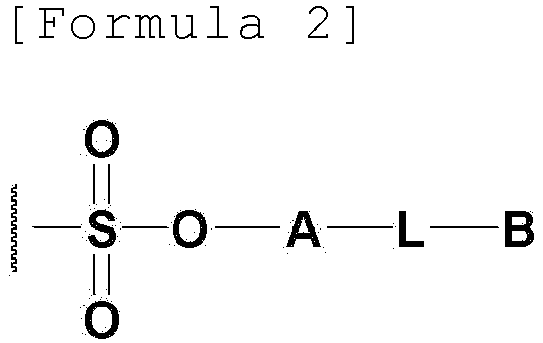
A, L and B are as defined in formula 1.);


A, L and B are as defined in formula 1.);



| Entry | Nucleophile(R) | Amino acid | Reaction time (h) | Yielda | |
| 1 | p-cresol | Tyrosine (Tyr) | 1.5 | 93.5 | |
| 2 | n-butylamine | Lysine (Lys) | 12 | n.d. | |
| 3 | propanethiolc | Cysteine (Cys) | 12 | n.d. | |
| 4 | | Serine | 12 | n.d. | |
| (Ser) | |||||
| 5 | N-propylguanidine | Arginine (Arg) | 12 | n.d. | |
| 6 | 3-methylindole | Tryptophan (Trp) | 12 | 12.5 | |
| 7b | 4-methylimidazole | Histidine (His) | 12 | Trace |
| a: yield of a separated material b: add 0.25 equivalent of NiCl2(H2O)6 c: In the nucleophile, in the case of cysteine, the nucleophile is methanethiol, but methanethiol is replaced with propanethiol for ease of handling because methanethiol is in a gaseous state. n.d.: non detection |
Claims (17)
- A method for preparing a biomaterial to which a compound represented by formula 2 is coupled, comprising a step of reacting a compound represented by formula 1 and a biomaterial containing tyrosine present on the surface in an aqueous solution in the presence of a compound represented by formula 3:
 A is nonsubstituted or substituted C6-14 arylene or 5-20 membered nonsubstituted or substituted heteroarylene containing one or more hetero atoms selected from the group consisting of N, O and S, wherein the substituted arylene and heteroarylene can be substituted with one or more selected from the group consisting of halogen, straight or branched C1-5 alkyl, straight or branched C1-5 alkoxy, =O and -OH;L is any one selected from the group consisting of S, O, NR3, -NHC(=O)-, -C(=O)NH- and straight or branched C1-10 alkylene, or a combination thereof, and R3 is hydrogen or straight or branched C1-3 alkyl; andB is a compound for imparting functionality to a biomaterial.);
A, L and B are as defined in formula 1.); X is N or CH; andRa, Rb, Rc, Rd and Re are independently hydrogen or straight or branched C1-5 alkyl, Ra and Re can form 5-8 membered heterocycloalkenyl along with N to which they are attached, and Rb and Rc can form 5-8 membered heterocycloalkyl along with N and X to which they are attached.).
 - The method for preparing a biomaterial according to claim 1, wherein the A is nonsubstituted or substituted C6-10 arylene or 5-15 membered nonsubstituted or substituted heteroarylene containing one or more hetero atoms selected from the group consisting of N, O and S, wherein the substituted arylene and heteroarylene can be substituted with one or more selected from the group consisting of halogen, straight or branched C1-3 alkyl, straight or branched C1-3 alkoxy, =O and -OH.
- The method for preparing a biomaterial according to claim 1, wherein the A is phenylene, xanthine or coumarin.
- The method for preparing a biomaterial according to claim 1, wherein the B is a compound for imparting functionality to a biomaterial, which is any one selected from the group consisting of alkoxy or hydroxypolyalkyleneoxide having a weight average molecular weight of 100 to 50000, poly(2-alkyl methacryloyloxyethyl phosphorylcholine) having a weight average molecular weight of 100 to 50000, poly(alkyl methacylate) having a weight average molecular weight of 100 to 50000, and peptide polymers having a weight average molecular weight of 100 to 50000, wherein alkoxy is straight or branched C1-10 alkoxy, alkylene is straight or branched C1-10 alkylene, and alkyl is straight or branched C1-10 alkyl.
- The method for preparing a biomaterial according to claim 4, wherein the peptide polymer is a polymer randomly bound with one or more amino acids selected from the natural amino acid group consisting of valine, leucine, isoleucine, methionine, phenylalanine, asparagine, glutamic acid, aspartic acid, glycine, alanine, serine, threonine, cysteine, proline, glutamine, histidine, lysine, arginine, tyrosine and tryptophan.
- The method for preparing a biomaterial according to claim 1, wherein the compound for imparting functionality to the biomaterial is an organic or inorganic fluorescent substance.
- The method for preparing a biomaterial according to claim 1, wherein the compound represented by formula 3 is an amidine derivative or a guanidine derivative.
- The method for preparing a biomaterial according to claim 1, wherein the biomaterial is any one selected from the group consisting of proteins selected from the group consisting of peptides, peptidomimetics, antibodies, enzymes, peptide-based hormones and complements; antibody-drug conjugates; protein-polymer conjugates; and fluorescent substances.
- The method for preparing a biomaterial according to claim 1, wherein the biomaterial is EPO (erythropoietin), chymotrypsinogen A or activated chymotrypsin.
- The method for preparing a biomaterial according to claim 1, wherein the L is any one selected from the group consisting of -NHC(=O)-, -C(=O)NH- and straight or branched C1-5 alkylene, or a combination thereof.
- The method for preparing a biomaterial according to claim 1, wherein the method is conducted by further adding a polar solvent selected from the group consisting of C1-5 lower alcohols and DMSO (dimethyl sulfoxide) to react.
- A protein in which a compound represented by formula 2 is bound to -OH group of the tyrosine of the biomaterial containing tyrosine present on the surface in an aqueous solution:

A, L and B are as defined in formula 1 of claim 1.). - The protein according to claim 12, wherein the protein is EPO (erythropoietin), chymotrypsinogen A or activated chymotrypsin.
- A method for PEGylating a biomaterial comprising a step of reacting a compound represented by formula 1 and a biomaterial containing tyrosine present on the surface in an aqueous solution in the presence of a compound represented by formula 3:
 A is nonsubstituted or substituted C6-14 arylene or 5-20 membered nonsubstituted or substituted heteroarylene containing one or more hetero atoms selected from the group consisting of N, O and S, wherein the substituted arylene and heteroarylene can be substituted with one or more selected from the group consisting of halogen, straight or branched C1-5 alkyl, straight or branched C1-5 alkoxy, =O and -OH;L is any one selected from the group consisting of S, O, NR3, -NHC(=O)-, -C(=O)NH- and straight or branched C1-10 alkylene, or a combination thereof, and R3 is hydrogen or straight or branched C1-3 alkyl; andB is alkoxy or hydroxy polyalkyleneoxide having a weight average molecular weight of 100 to 50000, wherein alkoxy is straight or branched C1-10 alkoxy, and alkylene is straight or branched C1-10 alkylene.);
 X is N or CH; andRa, Rb, Rc, Rd and Re are independently hydrogen or straight or branched C1-5 alkyl, Ra and Re can form 5-8 membered heterocycloalkenyl along with N to which they are attached, and Rb and Rc can form 5-8 membered heterocycloalkyl along with N and X to which they are attached.).
 - A composition for hematopoiesis comprising EPO, a biomaterial containing tyrosine present on the surface in an aqueous solution, to which a compound represented by formula 2 is bound to -OH group of the tyrosine as an active ingredient:


A, L and B are as defined in formula 1 of claim 1.). - The composition for hematopoiesis according to claim 15, wherein the tyrosine is the 49th tyrosine of EPO (erythropoietin).
- The composition for hematopoiesis according to claim 15, wherein the composition for hematopoiesis is used for the treatment or prevention of hematopoietic function-related disease selected from the group consisting of anemia, lymphocytic leukemia, myeloid leukemia, myeloma, idiopathic thrombocytopenic purpura, thrombocytopenia, hemophilia, von Willebrand disease, disseminated intravascular coagulation syndrome, nonspecific lymphadenitis, tuberculous lymphadenitis, sartoidosis, necrotizing lymphadenitis, Hodgkin lymphoma, non-Hodgkin lymphoma, splenomeglay and thymoma.
Applications Claiming Priority (2)
| Application Number | Priority Date | Filing Date | Title |
|---|---|---|---|
| KR1020180026582A KR102062848B1 (en) | 2018-03-06 | 2018-03-06 | A preparation method of biomaterial having selectively funtionalized tyrosine, biomaterial having selectively funtionalized tyrosine and pharmaceutical composition containing the same as an active ingredient |
| PCT/KR2019/002512 WO2019172605A1 (en) | 2018-03-06 | 2019-03-05 | Method for preparing biomaterial having selectively functionalized tyrosine, biomaterial having selectively functionalized tyrosine, and pharmaceutical composition containing same as active ingredient |
Publications (3)
| Publication Number | Publication Date |
|---|---|
| EP3763735A1 true EP3763735A1 (en) | 2021-01-13 |
| EP3763735A4 EP3763735A4 (en) | 2021-06-09 |
| EP3763735B1 EP3763735B1 (en) | 2024-11-20 |
Family
ID=67846645
Family Applications (1)
| Application Number | Title | Priority Date | Filing Date |
|---|---|---|---|
| EP19763931.3A Active EP3763735B1 (en) | 2018-03-06 | 2019-03-05 | Method for preparing biomaterial having selectively functionalized tyrosine, biomaterial having selectively functionalized tyrosine, and pharmaceutical composition containing same as active ingredient |
Country Status (4)
| Country | Link |
|---|---|
| US (1) | US12122812B2 (en) |
| EP (1) | EP3763735B1 (en) |
| KR (1) | KR102062848B1 (en) |
| WO (1) | WO2019172605A1 (en) |
Families Citing this family (2)
| Publication number | Priority date | Publication date | Assignee | Title |
|---|---|---|---|---|
| WO2022232377A2 (en) * | 2021-04-28 | 2022-11-03 | The Regents Of The University Of California | Bioreactive proteins containing unnatural amino acids |
| AU2023283882A1 (en) * | 2022-06-10 | 2025-01-30 | Peking University | Trifunctional compound and use thereof |
Family Cites Families (5)
| Publication number | Priority date | Publication date | Assignee | Title |
|---|---|---|---|---|
| CA2454418A1 (en) | 2001-07-20 | 2003-01-30 | Eidgenoessische Technische Hochschule Zurich (Ethz) | Compositions and methods for use of bioactive agents derived from sulfated and sulfonated amino acids |
| WO2008051383A2 (en) * | 2006-10-19 | 2008-05-02 | Amgen Inc. | Use of alcohol co-solvents to improve pegylation reaction yields |
| US9447243B2 (en) * | 2012-12-03 | 2016-09-20 | The Scripps Research Institute | Polymerization method and polymers formed therewith |
| ES2873962T3 (en) * | 2014-06-06 | 2021-11-04 | Scripps Research Inst | Sulfur (VI) fluoride compounds and methods for their preparation |
| KR102579654B1 (en) | 2015-01-09 | 2023-09-18 | 주식회사 제넥신 | Anemia treatment method using long-acting EPO preparations |
-
2018
- 2018-03-06 KR KR1020180026582A patent/KR102062848B1/en active Active
-
2019
- 2019-03-05 WO PCT/KR2019/002512 patent/WO2019172605A1/en not_active Ceased
- 2019-03-05 US US16/979,078 patent/US12122812B2/en active Active
- 2019-03-05 EP EP19763931.3A patent/EP3763735B1/en active Active
Also Published As
| Publication number | Publication date |
|---|---|
| US12122812B2 (en) | 2024-10-22 |
| US20210054038A1 (en) | 2021-02-25 |
| EP3763735B1 (en) | 2024-11-20 |
| WO2019172605A1 (en) | 2019-09-12 |
| KR102062848B1 (en) | 2020-01-06 |
| EP3763735A4 (en) | 2021-06-09 |
| KR20190105897A (en) | 2019-09-18 |
Similar Documents
| Publication | Publication Date | Title |
|---|---|---|
| KR101128320B1 (en) | Peg derivatives having an amidocarbonate linkage | |
| JP4698579B2 (en) | Reversible PEGylated drug | |
| US9649363B2 (en) | Polyethylene glycol based prodrug of adrenomedullin and use thereof | |
| ES2315526T3 (en) | METHOD FOR PREPARING WATER SOLUBLE POLYMER DERIVATIVES THAT CARRY A TERMINAL CARBOXYLIC ACID. | |
| JP7303640B2 (en) | TFPI inhibitors and methods of use | |
| US7407982B2 (en) | Oligo or polyalkylene glycol-coupled thrombin inhibitors | |
| US20110183906A1 (en) | Factor ix conjugates with extended half-lives | |
| JP6051223B2 (en) | A tyrosine-based linker for releasable binding of peptides | |
| MX2007009243A (en) | CONJUGATES OF A POLYPEPTIDE AND A PENTASACARIDO. | |
| MX2007016314A (en) | Conjugates having a degradable linkage and polymeric reagents useful in preparing such conjugates. | |
| JP2006516277A (en) | Acylated 4-amidino- or 4-guanidinobenzylamine for inhibiting plasma kallikrein | |
| JPH11511131A (en) | Conjugate stabilized therapeutic compositions, administration and diagnostic formulations | |
| EP3763735B1 (en) | Method for preparing biomaterial having selectively functionalized tyrosine, biomaterial having selectively functionalized tyrosine, and pharmaceutical composition containing same as active ingredient | |
| JP7411189B2 (en) | Branched degradable polyethylene glycol conjugate | |
| CN112135838B (en) | Degradable polyethylene glycol bond | |
| ES2529258T3 (en) | Methods for preparing polymer reagents | |
| Steinmetzer et al. | Beyond heparinization: design of highly potent thrombin inhibitors suitable for surface coupling | |
| Pasut et al. | New active poly (ethylene glycol) derivative for amino coupling | |
| Bielmann et al. | Synthesis of different glutathione–sulfur mustard adducts of verified and potential biomarkers | |
| KR102923259B1 (en) | Asymmetric branched decomposable polyethylene glycol derivatives | |
| KR20070098934A (en) | How to Conjugate Aminothiol-Containing Molecules to a Vehicle | |
| EP4438653A1 (en) | Four-branch type water soluble polymer for medical use | |
| EP4355371A1 (en) | Histidine-selective polymer reagents | |
| NZ714621B2 (en) | Polyethylene glycol based prodrug of adrenomedullin and use thereof | |
| HK1197652B (en) | Polyethylene glycol based prodrug of adrenomedullin and use thereof |
Legal Events
| Date | Code | Title | Description |
|---|---|---|---|
| STAA | Information on the status of an ep patent application or granted ep patent |
Free format text: STATUS: THE INTERNATIONAL PUBLICATION HAS BEEN MADE |
|
| PUAI | Public reference made under article 153(3) epc to a published international application that has entered the european phase |
Free format text: ORIGINAL CODE: 0009012 |
|
| STAA | Information on the status of an ep patent application or granted ep patent |
Free format text: STATUS: REQUEST FOR EXAMINATION WAS MADE |
|
| 17P | Request for examination filed |
Effective date: 20201006 |
|
| AK | Designated contracting states |
Kind code of ref document: A1 Designated state(s): AL AT BE BG CH CY CZ DE DK EE ES FI FR GB GR HR HU IE IS IT LI LT LU LV MC MK MT NL NO PL PT RO RS SE SI SK SM TR |
|
| AX | Request for extension of the european patent |
Extension state: BA ME |
|
| A4 | Supplementary search report drawn up and despatched |
Effective date: 20210512 |
|
| DAV | Request for validation of the european patent (deleted) | ||
| DAX | Request for extension of the european patent (deleted) | ||
| RIC1 | Information provided on ipc code assigned before grant |
Ipc: C07K 14/505 20060101AFI20210506BHEP Ipc: C07K 19/00 20060101ALI20210506BHEP Ipc: C12N 9/76 20060101ALI20210506BHEP Ipc: A61K 47/60 20170101ALI20210506BHEP Ipc: A61K 38/00 20060101ALI20210506BHEP |
|
| STAA | Information on the status of an ep patent application or granted ep patent |
Free format text: STATUS: EXAMINATION IS IN PROGRESS |
|
| 17Q | First examination report despatched |
Effective date: 20230302 |
|
| GRAP | Despatch of communication of intention to grant a patent |
Free format text: ORIGINAL CODE: EPIDOSNIGR1 |
|
| STAA | Information on the status of an ep patent application or granted ep patent |
Free format text: STATUS: GRANT OF PATENT IS INTENDED |
|
| INTG | Intention to grant announced |
Effective date: 20240712 |
|
| GRAS | Grant fee paid |
Free format text: ORIGINAL CODE: EPIDOSNIGR3 |
|
| GRAA | (expected) grant |
Free format text: ORIGINAL CODE: 0009210 |
|
| STAA | Information on the status of an ep patent application or granted ep patent |
Free format text: STATUS: THE PATENT HAS BEEN GRANTED |
|
| AK | Designated contracting states |
Kind code of ref document: B1 Designated state(s): AL AT BE BG CH CY CZ DE DK EE ES FI FR GB GR HR HU IE IS IT LI LT LU LV MC MK MT NL NO PL PT RO RS SE SI SK SM TR |
|
| REG | Reference to a national code |
Ref country code: GB Ref legal event code: FG4D |
|
| REG | Reference to a national code |
Ref country code: CH Ref legal event code: EP |
|
| REG | Reference to a national code |
Ref country code: DE Ref legal event code: R096 Ref document number: 602019062260 Country of ref document: DE |
|
| REG | Reference to a national code |
Ref country code: IE Ref legal event code: FG4D |
|
| REG | Reference to a national code |
Ref country code: LT Ref legal event code: MG9D |
|
| REG | Reference to a national code |
Ref country code: NL Ref legal event code: MP Effective date: 20241120 |
|
| PG25 | Lapsed in a contracting state [announced via postgrant information from national office to epo] |
Ref country code: HR Free format text: LAPSE BECAUSE OF FAILURE TO SUBMIT A TRANSLATION OF THE DESCRIPTION OR TO PAY THE FEE WITHIN THE PRESCRIBED TIME-LIMIT Effective date: 20241120 Ref country code: PT Free format text: LAPSE BECAUSE OF FAILURE TO SUBMIT A TRANSLATION OF THE DESCRIPTION OR TO PAY THE FEE WITHIN THE PRESCRIBED TIME-LIMIT Effective date: 20250320 Ref country code: IS Free format text: LAPSE BECAUSE OF FAILURE TO SUBMIT A TRANSLATION OF THE DESCRIPTION OR TO PAY THE FEE WITHIN THE PRESCRIBED TIME-LIMIT Effective date: 20250320 |
|
| PG25 | Lapsed in a contracting state [announced via postgrant information from national office to epo] |
Ref country code: FI Free format text: LAPSE BECAUSE OF FAILURE TO SUBMIT A TRANSLATION OF THE DESCRIPTION OR TO PAY THE FEE WITHIN THE PRESCRIBED TIME-LIMIT Effective date: 20241120 Ref country code: NL Free format text: LAPSE BECAUSE OF FAILURE TO SUBMIT A TRANSLATION OF THE DESCRIPTION OR TO PAY THE FEE WITHIN THE PRESCRIBED TIME-LIMIT Effective date: 20241120 |
|
| REG | Reference to a national code |
Ref country code: AT Ref legal event code: MK05 Ref document number: 1743510 Country of ref document: AT Kind code of ref document: T Effective date: 20241120 |
|
| PG25 | Lapsed in a contracting state [announced via postgrant information from national office to epo] |
Ref country code: BG Free format text: LAPSE BECAUSE OF FAILURE TO SUBMIT A TRANSLATION OF THE DESCRIPTION OR TO PAY THE FEE WITHIN THE PRESCRIBED TIME-LIMIT Effective date: 20241120 |
|
| PG25 | Lapsed in a contracting state [announced via postgrant information from national office to epo] |
Ref country code: ES Free format text: LAPSE BECAUSE OF FAILURE TO SUBMIT A TRANSLATION OF THE DESCRIPTION OR TO PAY THE FEE WITHIN THE PRESCRIBED TIME-LIMIT Effective date: 20241120 |
|
| PG25 | Lapsed in a contracting state [announced via postgrant information from national office to epo] |
Ref country code: NO Free format text: LAPSE BECAUSE OF FAILURE TO SUBMIT A TRANSLATION OF THE DESCRIPTION OR TO PAY THE FEE WITHIN THE PRESCRIBED TIME-LIMIT Effective date: 20250220 |
|
| PG25 | Lapsed in a contracting state [announced via postgrant information from national office to epo] |
Ref country code: LV Free format text: LAPSE BECAUSE OF FAILURE TO SUBMIT A TRANSLATION OF THE DESCRIPTION OR TO PAY THE FEE WITHIN THE PRESCRIBED TIME-LIMIT Effective date: 20241120 Ref country code: GR Free format text: LAPSE BECAUSE OF FAILURE TO SUBMIT A TRANSLATION OF THE DESCRIPTION OR TO PAY THE FEE WITHIN THE PRESCRIBED TIME-LIMIT Effective date: 20250221 Ref country code: AT Free format text: LAPSE BECAUSE OF FAILURE TO SUBMIT A TRANSLATION OF THE DESCRIPTION OR TO PAY THE FEE WITHIN THE PRESCRIBED TIME-LIMIT Effective date: 20241120 |
|
| PG25 | Lapsed in a contracting state [announced via postgrant information from national office to epo] |
Ref country code: PL Free format text: LAPSE BECAUSE OF FAILURE TO SUBMIT A TRANSLATION OF THE DESCRIPTION OR TO PAY THE FEE WITHIN THE PRESCRIBED TIME-LIMIT Effective date: 20241120 |
|
| PG25 | Lapsed in a contracting state [announced via postgrant information from national office to epo] |
Ref country code: RS Free format text: LAPSE BECAUSE OF FAILURE TO SUBMIT A TRANSLATION OF THE DESCRIPTION OR TO PAY THE FEE WITHIN THE PRESCRIBED TIME-LIMIT Effective date: 20250220 |
|
| PG25 | Lapsed in a contracting state [announced via postgrant information from national office to epo] |
Ref country code: SM Free format text: LAPSE BECAUSE OF FAILURE TO SUBMIT A TRANSLATION OF THE DESCRIPTION OR TO PAY THE FEE WITHIN THE PRESCRIBED TIME-LIMIT Effective date: 20241120 |
|
| PG25 | Lapsed in a contracting state [announced via postgrant information from national office to epo] |
Ref country code: DK Free format text: LAPSE BECAUSE OF FAILURE TO SUBMIT A TRANSLATION OF THE DESCRIPTION OR TO PAY THE FEE WITHIN THE PRESCRIBED TIME-LIMIT Effective date: 20241120 |
|
| PG25 | Lapsed in a contracting state [announced via postgrant information from national office to epo] |
Ref country code: EE Free format text: LAPSE BECAUSE OF FAILURE TO SUBMIT A TRANSLATION OF THE DESCRIPTION OR TO PAY THE FEE WITHIN THE PRESCRIBED TIME-LIMIT Effective date: 20241120 |
|
| PG25 | Lapsed in a contracting state [announced via postgrant information from national office to epo] |
Ref country code: RO Free format text: LAPSE BECAUSE OF FAILURE TO SUBMIT A TRANSLATION OF THE DESCRIPTION OR TO PAY THE FEE WITHIN THE PRESCRIBED TIME-LIMIT Effective date: 20241120 |
|
| PG25 | Lapsed in a contracting state [announced via postgrant information from national office to epo] |
Ref country code: SK Free format text: LAPSE BECAUSE OF FAILURE TO SUBMIT A TRANSLATION OF THE DESCRIPTION OR TO PAY THE FEE WITHIN THE PRESCRIBED TIME-LIMIT Effective date: 20241120 |
|
| PG25 | Lapsed in a contracting state [announced via postgrant information from national office to epo] |
Ref country code: CZ Free format text: LAPSE BECAUSE OF FAILURE TO SUBMIT A TRANSLATION OF THE DESCRIPTION OR TO PAY THE FEE WITHIN THE PRESCRIBED TIME-LIMIT Effective date: 20241120 |
|
| PG25 | Lapsed in a contracting state [announced via postgrant information from national office to epo] |
Ref country code: IT Free format text: LAPSE BECAUSE OF FAILURE TO SUBMIT A TRANSLATION OF THE DESCRIPTION OR TO PAY THE FEE WITHIN THE PRESCRIBED TIME-LIMIT Effective date: 20241120 |
|
| REG | Reference to a national code |
Ref country code: DE Ref legal event code: R097 Ref document number: 602019062260 Country of ref document: DE |
|
| PG25 | Lapsed in a contracting state [announced via postgrant information from national office to epo] |
Ref country code: SE Free format text: LAPSE BECAUSE OF FAILURE TO SUBMIT A TRANSLATION OF THE DESCRIPTION OR TO PAY THE FEE WITHIN THE PRESCRIBED TIME-LIMIT Effective date: 20241120 |
|
| PLBE | No opposition filed within time limit |
Free format text: ORIGINAL CODE: 0009261 |
|
| STAA | Information on the status of an ep patent application or granted ep patent |
Free format text: STATUS: NO OPPOSITION FILED WITHIN TIME LIMIT |
|
| PG25 | Lapsed in a contracting state [announced via postgrant information from national office to epo] |
Ref country code: MC Free format text: LAPSE BECAUSE OF FAILURE TO SUBMIT A TRANSLATION OF THE DESCRIPTION OR TO PAY THE FEE WITHIN THE PRESCRIBED TIME-LIMIT Effective date: 20241120 |
|
| 26N | No opposition filed |
Effective date: 20250821 |
|
| REG | Reference to a national code |
Ref country code: CH Ref legal event code: H13 Free format text: ST27 STATUS EVENT CODE: U-0-0-H10-H13 (AS PROVIDED BY THE NATIONAL OFFICE) Effective date: 20251023 |
|
| PG25 | Lapsed in a contracting state [announced via postgrant information from national office to epo] |
Ref country code: LU Free format text: LAPSE BECAUSE OF NON-PAYMENT OF DUE FEES Effective date: 20250305 |
|
| REG | Reference to a national code |
Ref country code: BE Ref legal event code: MM Effective date: 20250331 |
|
| PG25 | Lapsed in a contracting state [announced via postgrant information from national office to epo] |
Ref country code: BE Free format text: LAPSE BECAUSE OF NON-PAYMENT OF DUE FEES Effective date: 20250331 |
|
| PG25 | Lapsed in a contracting state [announced via postgrant information from national office to epo] |
Ref country code: CH Free format text: LAPSE BECAUSE OF NON-PAYMENT OF DUE FEES Effective date: 20250331 |
|
| PG25 | Lapsed in a contracting state [announced via postgrant information from national office to epo] |
Ref country code: IE Free format text: LAPSE BECAUSE OF NON-PAYMENT OF DUE FEES Effective date: 20250305 |
|
| PGFP | Annual fee paid to national office [announced via postgrant information from national office to epo] |
Ref country code: GB Payment date: 20260224 Year of fee payment: 8 |
|
| PGFP | Annual fee paid to national office [announced via postgrant information from national office to epo] |
Ref country code: DE Payment date: 20260220 Year of fee payment: 8 |
|
| PGFP | Annual fee paid to national office [announced via postgrant information from national office to epo] |
Ref country code: FR Payment date: 20260224 Year of fee payment: 8 |