EP3763716A1 - Novel pharmaceutical use of thiophene [3, 2-d] pyrimidine-4-ketone compound - Google Patents
Novel pharmaceutical use of thiophene [3, 2-d] pyrimidine-4-ketone compound Download PDFInfo
- Publication number
- EP3763716A1 EP3763716A1 EP19763907.3A EP19763907A EP3763716A1 EP 3763716 A1 EP3763716 A1 EP 3763716A1 EP 19763907 A EP19763907 A EP 19763907A EP 3763716 A1 EP3763716 A1 EP 3763716A1
- Authority
- EP
- European Patent Office
- Prior art keywords
- linear
- alkoxy
- hydroxy
- halogen
- amino
- Prior art date
- Legal status (The legal status is an assumption and is not a legal conclusion. Google has not performed a legal analysis and makes no representation as to the accuracy of the status listed.)
- Granted
Links
- ZSIQJIWKELUFRJ-UHFFFAOYSA-N C1CCNCCC1 Chemical compound C1CCNCCC1 ZSIQJIWKELUFRJ-UHFFFAOYSA-N 0.000 description 1
- GHXGBVWBIXEIDI-MRXNPFEDSA-N CN(C)C(c1cc(N=C(N(Cc2ccccc2C#N)C2=O)N(CCC3)C[C@@H]3N)c2[s]1)=O Chemical compound CN(C)C(c1cc(N=C(N(Cc2ccccc2C#N)C2=O)N(CCC3)C[C@@H]3N)c2[s]1)=O GHXGBVWBIXEIDI-MRXNPFEDSA-N 0.000 description 1
- VQNSJVICJWMXBQ-LJQANCHMSA-N CN(CC1)CCN1C(c1c[s]c(C(N2Cc3ccccc3C#N)=O)c1N=C2N(CCC1)C[C@@H]1N)=O Chemical compound CN(CC1)CCN1C(c1c[s]c(C(N2Cc3ccccc3C#N)=O)c1N=C2N(CCC1)C[C@@H]1N)=O VQNSJVICJWMXBQ-LJQANCHMSA-N 0.000 description 1
- WHPDQWBZDLQJBJ-OAHLLOKOSA-N CNC(c1cc(N=C(N(Cc(cccc2)c2C#N)C2=O)N(CCC3)C[C@@H]3N)c2[s]1)=O Chemical compound CNC(c1cc(N=C(N(Cc(cccc2)c2C#N)C2=O)N(CCC3)C[C@@H]3N)c2[s]1)=O WHPDQWBZDLQJBJ-OAHLLOKOSA-N 0.000 description 1
Images


Classifications
-
- A—HUMAN NECESSITIES
- A61—MEDICAL OR VETERINARY SCIENCE; HYGIENE
- A61K—PREPARATIONS FOR MEDICAL, DENTAL OR TOILETRY PURPOSES
- A61K45/00—Medicinal preparations containing active ingredients not provided for in groups A61K31/00 - A61K41/00
- A61K45/06—Mixtures of active ingredients without chemical characterisation, e.g. antiphlogistics and cardiaca
-
- A—HUMAN NECESSITIES
- A61—MEDICAL OR VETERINARY SCIENCE; HYGIENE
- A61K—PREPARATIONS FOR MEDICAL, DENTAL OR TOILETRY PURPOSES
- A61K31/00—Medicinal preparations containing organic active ingredients
- A61K31/33—Heterocyclic compounds
- A61K31/395—Heterocyclic compounds having nitrogen as a ring hetero atom, e.g. guanethidine or rifamycins
- A61K31/495—Heterocyclic compounds having nitrogen as a ring hetero atom, e.g. guanethidine or rifamycins having six-membered rings with two or more nitrogen atoms as the only ring heteroatoms, e.g. piperazine or tetrazines
- A61K31/505—Pyrimidines; Hydrogenated pyrimidines, e.g. trimethoprim
- A61K31/519—Pyrimidines; Hydrogenated pyrimidines, e.g. trimethoprim ortho- or peri-condensed with heterocyclic rings
-
- A—HUMAN NECESSITIES
- A61—MEDICAL OR VETERINARY SCIENCE; HYGIENE
- A61K—PREPARATIONS FOR MEDICAL, DENTAL OR TOILETRY PURPOSES
- A61K31/00—Medicinal preparations containing organic active ingredients
- A61K31/33—Heterocyclic compounds
- A61K31/395—Heterocyclic compounds having nitrogen as a ring hetero atom, e.g. guanethidine or rifamycins
- A61K31/535—Heterocyclic compounds having nitrogen as a ring hetero atom, e.g. guanethidine or rifamycins having six-membered rings with at least one nitrogen and one oxygen as the ring hetero atoms, e.g. 1,2-oxazines
- A61K31/5375—1,4-Oxazines, e.g. morpholine
- A61K31/5377—1,4-Oxazines, e.g. morpholine not condensed and containing further heterocyclic rings, e.g. timolol
-
- A—HUMAN NECESSITIES
- A61—MEDICAL OR VETERINARY SCIENCE; HYGIENE
- A61K—PREPARATIONS FOR MEDICAL, DENTAL OR TOILETRY PURPOSES
- A61K31/00—Medicinal preparations containing organic active ingredients
- A61K31/33—Heterocyclic compounds
- A61K31/395—Heterocyclic compounds having nitrogen as a ring hetero atom, e.g. guanethidine or rifamycins
- A61K31/55—Heterocyclic compounds having nitrogen as a ring hetero atom, e.g. guanethidine or rifamycins having seven-membered rings, e.g. azelastine, pentylenetetrazole
-
- A—HUMAN NECESSITIES
- A61—MEDICAL OR VETERINARY SCIENCE; HYGIENE
- A61K—PREPARATIONS FOR MEDICAL, DENTAL OR TOILETRY PURPOSES
- A61K9/00—Medicinal preparations characterised by special physical form
- A61K9/0012—Galenical forms characterised by the site of application
- A61K9/0019—Injectable compositions; Intramuscular, intravenous, arterial, subcutaneous administration; Compositions to be administered through the skin in an invasive manner
-
- A—HUMAN NECESSITIES
- A61—MEDICAL OR VETERINARY SCIENCE; HYGIENE
- A61K—PREPARATIONS FOR MEDICAL, DENTAL OR TOILETRY PURPOSES
- A61K9/00—Medicinal preparations characterised by special physical form
- A61K9/0012—Galenical forms characterised by the site of application
- A61K9/0019—Injectable compositions; Intramuscular, intravenous, arterial, subcutaneous administration; Compositions to be administered through the skin in an invasive manner
- A61K9/0021—Intradermal administration, e.g. through microneedle arrays or needleless injectors
-
- A—HUMAN NECESSITIES
- A61—MEDICAL OR VETERINARY SCIENCE; HYGIENE
- A61K—PREPARATIONS FOR MEDICAL, DENTAL OR TOILETRY PURPOSES
- A61K9/00—Medicinal preparations characterised by special physical form
- A61K9/0012—Galenical forms characterised by the site of application
- A61K9/0043—Nose
-
- A—HUMAN NECESSITIES
- A61—MEDICAL OR VETERINARY SCIENCE; HYGIENE
- A61K—PREPARATIONS FOR MEDICAL, DENTAL OR TOILETRY PURPOSES
- A61K9/00—Medicinal preparations characterised by special physical form
- A61K9/0012—Galenical forms characterised by the site of application
- A61K9/0048—Eye, e.g. artificial tears
-
- A—HUMAN NECESSITIES
- A61—MEDICAL OR VETERINARY SCIENCE; HYGIENE
- A61K—PREPARATIONS FOR MEDICAL, DENTAL OR TOILETRY PURPOSES
- A61K9/00—Medicinal preparations characterised by special physical form
- A61K9/0012—Galenical forms characterised by the site of application
- A61K9/0053—Mouth and digestive tract, i.e. intraoral and peroral administration
-
- A—HUMAN NECESSITIES
- A61—MEDICAL OR VETERINARY SCIENCE; HYGIENE
- A61K—PREPARATIONS FOR MEDICAL, DENTAL OR TOILETRY PURPOSES
- A61K9/00—Medicinal preparations characterised by special physical form
- A61K9/0087—Galenical forms not covered by A61K9/02 - A61K9/7023
- A61K9/0095—Drinks; Beverages; Syrups; Compositions for reconstitution thereof, e.g. powders or tablets to be dispersed in a glass of water; Veterinary drenches
-
- A—HUMAN NECESSITIES
- A61—MEDICAL OR VETERINARY SCIENCE; HYGIENE
- A61K—PREPARATIONS FOR MEDICAL, DENTAL OR TOILETRY PURPOSES
- A61K9/00—Medicinal preparations characterised by special physical form
- A61K9/02—Suppositories; Bougies; Bases therefor; Ovules
-
- A—HUMAN NECESSITIES
- A61—MEDICAL OR VETERINARY SCIENCE; HYGIENE
- A61K—PREPARATIONS FOR MEDICAL, DENTAL OR TOILETRY PURPOSES
- A61K9/00—Medicinal preparations characterised by special physical form
- A61K9/06—Ointments; Bases therefor; Other semi-solid forms, e.g. creams, sticks, gels
-
- A—HUMAN NECESSITIES
- A61—MEDICAL OR VETERINARY SCIENCE; HYGIENE
- A61K—PREPARATIONS FOR MEDICAL, DENTAL OR TOILETRY PURPOSES
- A61K9/00—Medicinal preparations characterised by special physical form
- A61K9/20—Pills, tablets, discs, rods
- A61K9/2004—Excipients; Inactive ingredients
-
- A—HUMAN NECESSITIES
- A61—MEDICAL OR VETERINARY SCIENCE; HYGIENE
- A61K—PREPARATIONS FOR MEDICAL, DENTAL OR TOILETRY PURPOSES
- A61K9/00—Medicinal preparations characterised by special physical form
- A61K9/48—Preparations in capsules, e.g. of gelatin, of chocolate
- A61K9/4841—Filling excipients; Inactive ingredients
-
- A—HUMAN NECESSITIES
- A61—MEDICAL OR VETERINARY SCIENCE; HYGIENE
- A61K—PREPARATIONS FOR MEDICAL, DENTAL OR TOILETRY PURPOSES
- A61K9/00—Medicinal preparations characterised by special physical form
- A61K9/70—Web, sheet or filament bases ; Films; Fibres of the matrix type containing drug
- A61K9/7007—Drug-containing films, membranes or sheets
-
- A—HUMAN NECESSITIES
- A61—MEDICAL OR VETERINARY SCIENCE; HYGIENE
- A61K—PREPARATIONS FOR MEDICAL, DENTAL OR TOILETRY PURPOSES
- A61K9/00—Medicinal preparations characterised by special physical form
- A61K9/70—Web, sheet or filament bases ; Films; Fibres of the matrix type containing drug
- A61K9/7015—Drug-containing film-forming compositions, e.g. spray-on
-
- A—HUMAN NECESSITIES
- A61—MEDICAL OR VETERINARY SCIENCE; HYGIENE
- A61P—SPECIFIC THERAPEUTIC ACTIVITY OF CHEMICAL COMPOUNDS OR MEDICINAL PREPARATIONS
- A61P1/00—Drugs for disorders of the alimentary tract or the digestive system
- A61P1/16—Drugs for disorders of the alimentary tract or the digestive system for liver or gallbladder disorders, e.g. hepatoprotective agents, cholagogues, litholytics
-
- A—HUMAN NECESSITIES
- A61—MEDICAL OR VETERINARY SCIENCE; HYGIENE
- A61P—SPECIFIC THERAPEUTIC ACTIVITY OF CHEMICAL COMPOUNDS OR MEDICINAL PREPARATIONS
- A61P43/00—Drugs for specific purposes, not provided for in groups A61P1/00-A61P41/00
-
- C—CHEMISTRY; METALLURGY
- C07—ORGANIC CHEMISTRY
- C07D—HETEROCYCLIC COMPOUNDS
- C07D495/00—Heterocyclic compounds containing in the condensed system at least one hetero ring having sulfur atoms as the only ring hetero atoms
- C07D495/02—Heterocyclic compounds containing in the condensed system at least one hetero ring having sulfur atoms as the only ring hetero atoms in which the condensed system contains two hetero rings
- C07D495/04—Ortho-condensed systems
Definitions
- the invention relates to a pharmaceutical use of thieno[3,2-d]pyrimidin-4-one compounds, and in particular to use in the manufacture of a medicine for treating and/or preventing liver fibrosis and related diseases.
- Hepatic fibrosis is a chronic damage repair reaction that occurs in the liver after various pathogenic factors affect the liver. Viral hepatitis, chemical poison or drug-induced liver disease, alcoholic/non-alcoholic fatty liver, autoimmune liver disease, congenital metabolic disease and the like may cause liver fibrosis.
- Non-alcoholic steatohepatitis (NASH) and liver fibrosis refer to pathological changes caused by the abnormal hyperplasia of intrahepatic connective tissue and chronic liver damage triggered by a variety of pathogenic factors, are manifested as excessive abnormal deposition of extracellular matrix components in the liver and affect the function of the liver, and are the necessary stages for the development of chronic liver disease to cirrhosis.
- liver injury has a process of liver fibrosis in the process of liver repair and healing. If the damage factor cannot be removed for a long time, long-term fibrosis will develop into cirrhosis.
- liver diseases There are currently more than 200 million patients with various types of liver diseases in China, including about 93 million hepatitis B virus carriers, about 40 million hepatitis C virus carriers, and about 120 million patients with fatty liver.
- hepatitis B virus carriers about 40 million hepatitis C virus carriers
- the prevalence rate of fatty liver in children is as high as 2.6%, and the young are only 6 years old.
- liver fibrosis 70% of patients with long course of chronic liver disease have liver fibrosis, and 25% of liver fibrosis further develops into cirrhosis in 10 years, of which 5% may develop into liver cancer. Liver disease not only brings great suffering to patients and families, but also causes an extremely heavy economic burden to society.
- liver fibrosis is a reversible pathological process of abnormal deposition of fibrous connective tissue in the liver caused by the imbalance between the production and degradation of extracellular matrix (ECM) such as collagen in the liver, reflecting a dynamic balance process of liver repair and scar formation.
- ECM extracellular matrix
- the FXR agonist obeticholic acid is the most clinically used to treat non-alcoholic steatohepatitis (NASH) and liver fibrosis. Only obeticholic acid was quickly approved by the FDA for the treatment of cholestatic liver cirrhosis in June 2016.
- the steroidal compound obeticholic acid is a FXR agonist of farnesoid X receptor of the nuclear receptor family.
- FXR is widely involved in the regulation of bile acid, sugar, lipid metabolism, inflammation and other processes.
- FXR can indirectly inhibit the gene expression of CYP7A1 and inhibit the synthesis of bile acid, so as to treat primary cholestatic cirrhosis and relieve symptoms such as hepatic ascites caused by hepatic portal hypertension.
- NASH non-alcoholic steatohepatitis
- Dipeptidyl peptidase-4 is an 110kDa cell surface serine protease, also known as T cell surface antigen CD26. It is a multifunctional enzyme that exists in the cell membrane in the form of a homodimer. It can recognize oligopeptides whose second amino acid at the amino terminal is alanine (Ala) or proline (Pro), and cut and remove the first two amino acids at the amino terminal.
- the substrates that can be cut include growth factors, chemokines, neuropeptides and vasoactive peptides. Because it can cut GLP-1, it plays an important role in sugar metabolism. A number of DPP-4 inhibitors have been marketed for the treatment of type 2 diabetes.
- DPPIV inhibitor evogliptin (South Korea) is undergoing phase I clinical trials in the United States for the treatment of NASH.
- DPP-4 inhibitors have a good therapeutic effect in patients with diabetes mellitus accompanied by non-alcoholic fatty liver disease (NAFLD) and non-alcoholic steatohepatitis (NASH) during clinical use. Therefore, the development of drugs with better DPP-4 selectivity will undoubtedly have a good market prospect for the treatment of non-alcoholic fatty liver disease (NAFLD), non-alcoholic steatohepatitis (NASH) and liver fibrosis.
- NAFLD non-alcoholic fatty liver disease
- NASH non-alcoholic steatohepatitis
- liver fibrosis liver fibrosis
- the purpose of the present invention is to provide a medicine for treating and/or preventing liver fibrosis and related diseases.
- thieno[3,2-d]pyrimidin-4-one compound represented by the following general formula (I), pharmaceutically acceptable salt, solvate, stereoisomer, or tautomer thereof for manufacture of a medicament for treatment and/or prevention of liver fibrosis and related diseases, or for manufacture of a DPP-4 inhibitor or use as a DPP-4 inhibitor,
- R 1 and R 2 are identical or different and are not hydrogen at the same time, R 1 is hydrogen, CBr 2 H, CCl 2 H, CF 2 H, cyano, CF 3 , aldehyde group, (CH 2 ) m OR 6 , (CH 2 ) m NR 6 R 7 , (CH 2 ) m COOR 8 , CONR 9 R 10 or R2 is hydrogen, halogen, CBr 2 H, CCl 2 H, CF 2 H, cyano, CF 3 , aldehyde group, (CH 2 ) m OR 6 , (CH 2 ) m NR 6 R 7 , (CH 2 ) m COOR 8 , CONR 9 R 10 or or R 1 and R 2 are optionally linked together to form C3-C6 alkylidene.
- the related disease is selected from the group consisting of non-alcoholic fatty liver, non-alcoholic steatohepatitis and liver fibrosis.
- n is 1; R 1 and R 2 are identical or different, and not hydrogen simultaneously, and each of R 1 and R 2 is independently hydrogen, halogen, CBr 2 H, CCl 2 H, CF 2 H, cyano, CF 3 , aldehyde group, (CH 2 ) m OR 6 , (CH 2 ) m NR 6 R 7 , (CH 2 ) m COOR 8 , CONR 9 R 10 , or wherein, R 1 and R 2 are optionally linked together to form C3-C6 alkylidene; m is an integer from 0 to 3; R 6 and R 7 are identical or different, and each of R 6 and R 7 is independently selected from H, C1-C6 linear or branched alkyl, C3-C7 cycloalkyl, C1-C3 alkoxy, 4-7 membered heterocyclic radical, C1-C4 alkyloyl RCO, C5-C7 aryl
- n is 1; R 1 and R 2 are identical or different, and not hydrogen simultaneously, and each of R 1 and R 2 is independently H, halogen, CBr 2 H, CCl 2 H, CF 2 H, cyano, CF 3 , aldehyde group, (CH 2 ) m OR 6 , (CH 2 ) m NR 6 R 7 , (CH 2 ) m COOR 8 , CONR 9 R 10 , wherein, R 1 and R 2 are optionally linked together to form C3-C6 alkylidene; m is an integer from 0 to 3; R 6 and R 7 are identical or different, and each of R 6 and R 7 is independently selected from H, C1-C6 linear or branched alkyl, C3-C7 cycloalkyl, C1-C3 alkoxy, 4-7 membered heterocyclic radical, C1-C4 alkyloyl RCO, C5-C7 arylo
- R 1 and R 2 are identical or different, and not hydrogen simultaneously, and each of R 1 and R 2 is independently H, halogen, (CH 2 ) m COOR 8 , CONR 9 R 10 , wherein, m is an integer from 0 to 3; R 8 is selected from hydrogen or C1-C3 linear or branched alkyl; R 9 and R 10 are identical or different, and each is independently selected form H, C1-C3 linear or branched alkyl, C3-C6 cycloalkyl, C4-C6 heterocyclyl, phenyl or 5-7 membered heteroaryl; wherein, the C1-C3 linear or branched alkyl is optionally substituted by C1-C3 alkoxycarbonyl; the heterocyclyl contains one heteroatom selected from O, S and N; the heteroaryl contains one heteroatom selected from O, S and N; is pyrrolidinyl, piperidinyl, morph
- thieno[3,2-d]pyrimidin-4-one compounds in the present invention and pharmaceutically acceptable salts, solvates, stereoisomers, tautomers, and prodrugs thereof are selected from the following compounds: No. Structure No. Structure DC291407 DC291009 DC291410 DC291010 DC291419 DC291012 DC291416 DC291013 DC291417 DC291014 DC291002 DC291015 DC291011 DC291016 DC291418 DC291017 DC291420 DC291018 DC291409 DC291022 DC291423 DC291023
- the most preferred compound in the present invention is (R)-methyl-2-(3-aminopiperidin-1-yl)-3-(2-cyanobenzyl)-4-carbonyl-3,4-dihydrothieno[3,2-d]py rimidine-6 carboxylic acid (DC291407), and pharmaceutically acceptable salts, solvates, stereoisomers, and tautomers thereof.
- Another preferred compound in the present invention is (R)-2-(3-aminopiperidin-1-yl)-3-(2-cyanobenzyl)-4-carbonyl-3,4-dihydrothieno[3,2-d]pyrimidin e-6 carboxylic acid (DC291410), and pharmaceutically acceptable salts, solvates, stereoisomers, and tautomers thereof.
- the pharmaceutically acceptable salts include conventional pharmaceutically acceptable salts formed by the reaction of the compounds of the present invention with inorganic or organic acids.
- conventional pharmaceutically acceptable salts can be prepared by reacting the compounds of the present invention with inorganic or organic acids, wherein the inorganic acids include hydrochloric acid, hydrobromic acid, sulfuric acid, nitric acid, aminosulfonic acid, phosphoric acid, etc.
- the organic acids include citric acid, tartaric acid, lactic acid, pyruvic acid, acetic acid, benzenesulfonic acid, p-toluenesulfonic acid, methanesulfonic acid, naphthalenesulfonic acid, ethanesulfonic acid, naphthalene disulfonic acid, maleic acid, malic acid, malonic acid, fumaric acid, succinic acid, propionic acid, oxalic acid, trifluoroacetic acid, stearic acid, pamoic acid,
- the salts are sodium, potassium, calcium, aluminum or ammonium salts formed by the compound of the present invention and an inorganic base; or methylamine, ethylamine or ethanolamine salts formed by the compound of the present invention and an organic base.
- Another object of the present invention is to provide a pharmaceutical composition
- a pharmaceutical composition comprising a therapeutically effective amount of thieno[3,2-d]pyrimidin-4-one compound represented by the following general formula (I), pharmaceutically acceptable salt, solvate, stereoisomer, tautomer or prodrug thereof; and a pharmaceutically acceptable carrier.
- “Pharmaceutically acceptable carrier” refers to one or more compatible solid or liquid fillers or gel substances, which are suitable for human use, and must have sufficient purity and sufficiently low toxicity. "Compatibility” herein means that each component of the composition can be blended with the compound of general formula I of the present invention, the pharmaceutically acceptable salt or solvate thereof and mixture thereof, without significantly reducing the efficacy of the active ingredient.
- Examples of pharmaceutically acceptable carriers include cellulose and its derivatives (such as sodium carboxymethyl cellulose, sodium ethyl cellulose, cellulose acetate, etc.), gelatin, talc, and solid lubricants (such as stearic acid, magnesium stearate), calcium sulfate, vegetable oils (such as soybean oil, sesame oil, peanut oil, olive oil, etc.), polyols (such as propylene glycol, glycerin, mannitol, sorbitol, etc.), emulsifiers (such as Tween®), wetting agents (such as sodium lauryl sulfate), coloring agents, flavoring agents, stabilizers, antioxidants, preservatives, pyrogen-free water, etc.
- cellulose and its derivatives such as sodium carboxymethyl cellulose, sodium ethyl cellulose, cellulose acetate, etc.
- gelatin such as sodium carboxymethyl cellulose, sodium ethyl cellulose, cellulose acetate, etc.
- the present invention relates to a medicament for the treatment and/or prevention of non-alcoholic fatty liver, non-alcoholic steatohepatitis and liver fibrosis prepared by using the thieno[3,2-d]pyrimidin-4-one compound represented by the general formula (I), pharmaceutically acceptable salt, solvate, stereoisomer, tautomer or prodrug thereof and mixture thereof as active ingredient.
- the medicament can be introduced into the body such as muscle, intradermal, subcutaneous, vein, mucosal tissue by injection, spray, nose drops, eye drops, penetration, absorption, physically or chemically mediated methods; or it can be mixed or packaged by other substances and introduced into the body.
- the carrier includes pharmaceutically conventional diluents, excipients, fillers, binders, wetting agents, disintegrants, absorption promoters, surfactants, adsorption carriers, lubricants and the like.
- the thieno[3,2-d]pyrimidin-4-one compound represented by the general formula (I), pharmaceutically acceptable salt, ester, solvate, stereoisomer, tautomer or prodrug thereof as active ingredient can be formulated alone or in combination with other medicaments, adjuvants, etc. so as to produce various dosage forms, including but not limited to tablet, powder, pill, injection, capsule, film, suppositorie, ointment, electuary and other forms.
- various dosage forms of medicaments can be prepared according to conventional methods in the pharmaceutical field.
- the present invention also provides a method for treating and/or preventing liver fibrosis and related diseases by administering the above-mentioned thieno[3,2-d]pyrimidin-4-one compound represented by the general formula (I), the pharmaceutically acceptable salt, solvate, stereoisomer, or tautomer thereof to a subject in need thereof.
- the present invention also provides a method for inhibiting DPP-4 by administering the above-mentioned thieno[3,2-d]pyrimidin-4-one compound represented by the general formula (I), the pharmaceutically acceptable salt, solvate, stereoisomer, or tautomer thereof to a subject in need thereof.
- thieno[3,2-d]pyrimidin-4-one compounds can improve liver function, down-regulate the expression of ⁇ -SMA and Coll ⁇ 1 mRNA, and reduce the deposition of collagen in the liver, and can be used to treat and/or prevent liver fibrosis and related diseases. On this basis, the present invention has been completed.
- Alkyl refers to a straight-chain or branched saturated aliphatic hydrocarbon group, for example, "C 1-8 alkyl” refers to a straight-chain and branched alkyl group including 1 to 8 carbon atoms, including but not limited to methyl, ethyl, n-propyl, isopropyl, n-butyl, isobutyl, tert-butyl, sec-butyl, n-pentyl, etc.
- Cyclic hydrocarbyl refers to a saturated or partially unsaturated monocyclic or polycyclic cyclic hydrocarbon substituent.
- C 3-8 cycloalkyl refers to a cycloalkyl group containing 3 to 8 carbon atoms, which is classified as monocyclic cycloalkyl, and polycyclic cycloalkyl, wherein monocyclic cycloalkyl includes but not limited to cyclopropyl, cyclobutyl, cyclopentyl, cyclopentenyl, cyclohexyl, cyclohexenyl, cyclohexadienyl, cycloheptyl, cycloheptatrienyl, cyclooctyl, etc.
- Polycyclic cycloalkyl includes spiro, fused, and bridged cycloalkyls.
- Heterocyclic radical refers to a saturated or partially unsaturated monocyclic or polycyclic cyclic hydrocarbon substituent in which one or more ring atoms are selected from N, O or S.
- Aryl refers to an all-carbon monocyclic or fused polycyclic group (that is, a ring that shares adjacent pairs of carbon atoms), a polycyclic ring with a conjugated ⁇ -electron system (that is, a ring with adjacent pairs of carbon atoms), including but not limited to phenyl and naphthyl.
- Heteroaryl refers to a heteroaromatic system containing 1 to 4 heteroatoms including N, O and S, for example, a 5-7 membered heteroaryl refers to a heteroaromatic system containing 5-7 ring atoms, 5-10 membered heteroaryl refers to heteroaromatic system containing 5-10 ring atoms, including but not limited to furyl, thienyl, pyridyl, pyrrolyl, N-alkylpyrrolyl, pyrimidinyl, pyrazinyl, imidazolyl, tetrazolyl, etc.
- Alkoxy refers to -O-(alkyl), where the definition of alkyl is as described above.
- C 1-8 alkoxy refers to an alkyloxy group containing 1-8 carbons, including but not limited to methoxy, ethoxy, propoxy, butoxy, etc.
- Human hepatic stellate cell line LX-2 was used in cell function experiments.
- the hepatic stellate cell activation and inducement agent TGF- ⁇ was added to activate hepatic stellate cells thereby significantly increasing the expression of multiple extracellular matrixes.
- TGF- ⁇ group the expression levels of extracellular matrix in the TGF- ⁇ group and the cell group in which TGF- ⁇ and the compound to be tested were both added at the same time, the efficacy of the compound in alleviating liver fibrosis through hepatic stellate cells was characterized.
- the cell experiment procedure was as follows.
- the human hepatic stellate cell line LX-2 was selected and inoculated into the treated 24-well plate at 7.5x10 4 /well. After the cells were adhered overnight and they were subjected to starvation treatment for 12 hours, the cells were treated with 10 ng/mL TGF- ⁇ and the corresponding test compound for 24 hours and then protein samples were collected.
- the expression of extracellular matrix represented by ⁇ -smooth muscle myofilament (a-SMA) and fibronectin was detected by Western Blot.
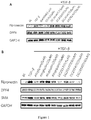
- the compounds of the present invention were all high-activity inhibitors of DPP-4, among which two compounds, DC291407 and DC291410 concentration-dependently inhibited the activation of hepatic stellate cells HSC as the concentration increased, and the inhibitory activity was better than that of the positive control Alogliptin, as shown in Figure 1 .
- Such compounds have good application prospects in the treatment of liver fibrosis, and therefore have good commercial value.
- DC291407 The efficacy of DC291407 was investigated in the cell function test, and it was found that it had an inhibitory effect on the activation of HSC (OCA (obeticholic acid) and GW4064 were used as positive controls). Subsequently, the inhibitory effect of DC291410, a metabolite of DC291407 on the activation of hepatic stellate cells, was evaluated on this cell system. The results showed that the inhibitory activity of DC291410 on HSC activation was better than that of the positive control Alogliptin.
- CCl 4 induced liver fibrosis model mice were used to investigate the effect of long-term oral administration of compound DC291407 on liver fibrosis in the model mice.
- mice Male C57BL/6j mice were injected intraperitoneally with 2mL/kg, 10% CCl 4 (dissolved in olive oil) three times a week to induce liver fibrosis model. Two weeks after modeling, the blood was taken from the retro-ocular venous plexus of the mice, and serum ALT and AST indexes were detected. According to ALT, AST, body weight and other indexes, the mice were randomly divided into 5 groups, each with 10 mice.
- DC291407 low-dose group (20mg/kg), DC291407 high-dose group (60mg/kg), positive compound OCA low-dose group (20mg/kg), OCA high-dose group (40mg/kg), respectively, and mice were administered by oral gavage.
- DC291407 was administered twice a day, and the other groups were administered once a day.
- the animals' food intake and body weight were monitored.
- the blood was taken from the retro-ocular venous plexus of the mice, and serum ALT and AST indexes were detected.
- the blood was taken from the retro-ocular venous plexus of the mice and then the mice were killed by dislocation.
- liver pathological changes Sirius scarlet staining
- mice Animal experiment: ob/ob obese mice were divided into 3 groups according to random blood glucose, random body weight, fasting blood glucose, and fasting body weight at the 8th week of age, with 9 mice in each group. There were the model control group (vehicle) and the DC291407 group (20 mg/kg), the positive compound Alogliptin group (20 mg/kg), respectively and mice were administered by oral gavage, twice a day.
- a group of 6 normal mice in the same cage was set up as a normal control group (WT). Except for the WT group, they were fed with normal feed, and the rest groups were fed with high-fat feed. The administration was continued for 8 weeks. During the administration, the animal's food intake and body weight were monitored.
- DC291407 significantly improved the liver function of NAFLD model mice, reduced liver steatosis, and had a certain alleviating effect on lobular inflammation.
- CCl 4 -induced liver fibrosis model mice were used to investigate the effect of long-term oral administration of compound DC291407 under multiple doses on liver fibrosis in the model mice, and comparison was conducted with the same dose of sitagliptin.
- mice Male C57BL/6j mice were injected intraperitoneally with 2 mL/kg, 10% CCl 4 (dissolved in olive oil) three times a week to induce liver fibrosis model. Two weeks after modeling, the blood was taken from the retro-ocular venous plexus of the mice, and serum ALT and AST indexes were detected. According to ALT, AST, body weight and other indexes, the mice were randomly divided into 8 groups with 10 mice in each group.
- mice were administered by oral gavage.
- the OCA group was administered once a day, and the other groups were administered twice a day. During the administration period, the animals' food intake and body weight were monitored.
- the blood was taken from the retro-ocular venous plexus of the mice, and serum ALT and AST indexes were detected.
- the blood was taken from the retro-ocular venous plexus of the mice and then the mice were killed by dislocation.
- the liver was taken and weighed, part of the liver was fixed with 4% paraformaldehyde, and part of the liver was frozen at -80 °C.
- another 10 mice in the same cage were injected intraperitoneally with the same dose of olive oil as a normal control group (WT).
- This experiment reflected whether the compound had the effect of relieving liver fibrosis by detecting the levels of liver function indexes ALT and AST in serum, the content of hydroxyproline (a characteristic amino acid of collagen) in the liver, and liver pathological changes (Sirius scarlet staining) and the like.
- the results of the study showed that the low-dose and medium-dose groups of the compound DC291407 of the present invention could significantly reduce ALT and AST levels in serum after 6 weeks of administration of the compound DC291407, and the high-dose group could significantly reduce the ALT level in serum; the sitagliptin low-dose group had no effect on ALT and AST levels in serum, the middle-dose group significantly reduced the AST level in serum and the high-dose group significantly reduced ALT and AST levels in serum; and the DC291407 low-dose group reduced the content of hydroxyproline in liver tissues without statistics significance ( Figure 6 ).
- the high, medium and low dose groups of the test compound DC291407 could reduce the collagen content in the liver without dose dependence; only the low dose group of sitagliptin could significantly reduce the collagen content in the liver ( Figure 7 ).
Landscapes
- Health & Medical Sciences (AREA)
- Chemical & Material Sciences (AREA)
- Public Health (AREA)
- Veterinary Medicine (AREA)
- Medicinal Chemistry (AREA)
- General Health & Medical Sciences (AREA)
- Pharmacology & Pharmacy (AREA)
- Life Sciences & Earth Sciences (AREA)
- Animal Behavior & Ethology (AREA)
- Epidemiology (AREA)
- Organic Chemistry (AREA)
- Engineering & Computer Science (AREA)
- Bioinformatics & Cheminformatics (AREA)
- Chemical Kinetics & Catalysis (AREA)
- Nuclear Medicine, Radiotherapy & Molecular Imaging (AREA)
- General Chemical & Material Sciences (AREA)
- Gastroenterology & Hepatology (AREA)
- Dermatology (AREA)
- Nutrition Science (AREA)
- Physiology (AREA)
- Ophthalmology & Optometry (AREA)
- Otolaryngology (AREA)
- Pharmaceuticals Containing Other Organic And Inorganic Compounds (AREA)
- Heterocyclic Carbon Compounds Containing A Hetero Ring Having Oxygen Or Sulfur (AREA)
Abstract
Description
- The invention relates to a pharmaceutical use of thieno[3,2-d]pyrimidin-4-one compounds, and in particular to use in the manufacture of a medicine for treating and/or preventing liver fibrosis and related diseases.
- Hepatic fibrosis (Liver fibrosis) is a chronic damage repair reaction that occurs in the liver after various pathogenic factors affect the liver. Viral hepatitis, chemical poison or drug-induced liver disease, alcoholic/non-alcoholic fatty liver, autoimmune liver disease, congenital metabolic disease and the like may cause liver fibrosis. Non-alcoholic steatohepatitis (NASH) and liver fibrosis refer to pathological changes caused by the abnormal hyperplasia of intrahepatic connective tissue and chronic liver damage triggered by a variety of pathogenic factors, are manifested as excessive abnormal deposition of extracellular matrix components in the liver and affect the function of the liver, and are the necessary stages for the development of chronic liver disease to cirrhosis. Any liver injury has a process of liver fibrosis in the process of liver repair and healing. If the damage factor cannot be removed for a long time, long-term fibrosis will develop into cirrhosis. There are currently more than 200 million patients with various types of liver diseases in China, including about 93 million hepatitis B virus carriers, about 40 million hepatitis C virus carriers, and about 120 million patients with fatty liver. With the changes in Chinese dietary structure and living habits, the incidence of fatty liver has soared in recent years, and the onset of the disease gradually occurs at younger age. The prevalence rate of fatty liver in children is as high as 2.6%, and the young are only 6 years old. 70% of patients with long course of chronic liver disease have liver fibrosis, and 25% of liver fibrosis further develops into cirrhosis in 10 years, of which 5% may develop into liver cancer. Liver disease not only brings great suffering to patients and families, but also causes an extremely heavy economic burden to society.
- The pathogenesis of non-alcoholic steatohepatitis (NASH) and liver fibrosis is more complicated and is related to various enzymes and receptors. It is currently believed that liver fibrosis is a reversible pathological process of abnormal deposition of fibrous connective tissue in the liver caused by the imbalance between the production and degradation of extracellular matrix (ECM) such as collagen in the liver, reflecting a dynamic balance process of liver repair and scar formation. Although the research on the pathogenesis of liver fibrosis is getting deeper, there is still no effective treatment to reverse liver fibrosis, and the development of anti-liver fibrosis drugs is very slow. At present, the FXR agonist obeticholic acid (OCA) is the most clinically used to treat non-alcoholic steatohepatitis (NASH) and liver fibrosis. Only obeticholic acid was quickly approved by the FDA for the treatment of cholestatic liver cirrhosis in June 2016. The steroidal compound obeticholic acid is a FXR agonist of farnesoid X receptor of the nuclear receptor family. As an endogenous bile acid receptor, FXR is widely involved in the regulation of bile acid, sugar, lipid metabolism, inflammation and other processes. After being agitated, FXR can indirectly inhibit the gene expression of CYP7A1 and inhibit the synthesis of bile acid, so as to treat primary cholestatic cirrhosis and relieve symptoms such as hepatic ascites caused by hepatic portal hypertension. The therapeutic research thereof on non-alcoholic steatohepatitis (NASH) has completed clinical phase III trial.
- However, 70% of obese patients with
type 2 diabetes have non-alcoholic fatty liver disease or NAFLD, and 30-40% patients have non-alcoholic steatohepatitis or NASH. Obeticholic acid has been shown to reduce insulin resistance in previous animal models. In the completed phase II trials for evaluating the effect of OCA on non-alcoholic fatty liver disease combined withtype 2 diabetes, although the number of cases and the study time were relatively short, the results showed that OCA activated FXR, thereby improving the insulin sensitivity of patients with non-alcoholic fatty liver and diabetes. But the efficacy needs to be proved by larger clinical trials. - Dipeptidyl peptidase-4 (DPP-4) is an 110kDa cell surface serine protease, also known as T cell surface antigen CD26. It is a multifunctional enzyme that exists in the cell membrane in the form of a homodimer. It can recognize oligopeptides whose second amino acid at the amino terminal is alanine (Ala) or proline (Pro), and cut and remove the first two amino acids at the amino terminal. The substrates that can be cut include growth factors, chemokines, neuropeptides and vasoactive peptides. Because it can cut GLP-1, it plays an important role in sugar metabolism. A number of DPP-4 inhibitors have been marketed for the treatment of
type 2 diabetes. Currently, the DPPIV inhibitor evogliptin (South Korea) is undergoing phase I clinical trials in the United States for the treatment of NASH. Studies have shown that DPP-4 inhibitors have a good therapeutic effect in patients with diabetes mellitus accompanied by non-alcoholic fatty liver disease (NAFLD) and non-alcoholic steatohepatitis (NASH) during clinical use. Therefore, the development of drugs with better DPP-4 selectivity will undoubtedly have a good market prospect for the treatment of non-alcoholic fatty liver disease (NAFLD), non-alcoholic steatohepatitis (NASH) and liver fibrosis. - The purpose of the present invention is to provide a medicine for treating and/or preventing liver fibrosis and related diseases.
- In one aspect of the present invention, it provides use of thieno[3,2-d]pyrimidin-4-one compound represented by the following general formula (I), pharmaceutically acceptable salt, solvate, stereoisomer, or tautomer thereof for manufacture of a medicament for treatment and/or prevention of liver fibrosis and related diseases, or for manufacture of a DPP-4 inhibitor or use as a DPP-4 inhibitor,

- n is an integer from 1 to 3;
- R1 and R2 are identical or different, and not hydrogen simultaneously, and each of R1 and R2 is independently H, halogen, CBr2H, CCl2H, CF2H, cyano, CF3, aldehyde group, (CH2)mOR6, (CH2)mNR6R7,


- R1 and R2 can be optionally linked together to form C3-C6 alkylidene;
- m is an integer from 0 to 3;
- R6 and R7 are identical or different, and each of R6 and R7 is independently selected from H, C1-C6 linear or branched saturated or unsaturated hydrocarbyl, C3-C7 cyclic hydrocarbyl, C1-C3 alkoxy, 4-7 membered heterocyclic radical, C1-C4 alkyloyl RCO, C5-C7 aroyl ArCO, C1-C4 alkylsulfonyl RSO2, C5-C7 arylsulfonyl ArSO2, C5-C7 aroylmethylene, 5-7 membered heteroaroylmethylene, benzyl, pyridinedimethylene, C5-C7 aryl Ar or 5-7 membered heteroaryl; wherein, the C1-C6 linear or branched saturated or unsaturated hydrocarbyl is optionally substituted by one or more substituents selected from methylsulfonyl, cyclopropyl, hydroxy, C1-C3 alkoxy, C1-C3 alkoxycarbonyl, and epoxypropyl; the heterocyclic radical contains 1-3 heteroatoms selected from O, S and N, the methylene of the heterocyclic radical is optionally substituted by carbonyl or sulfonyl, or the heterocyclic radical is optionally substituted by one or more substituents selected from halogen, C1-C6 linear or branched hydrocarbyl, cyano, nitro, amino, hydroxy, hydroxymethyl, trifluoromethyl, trifluoromethoxy, carboxyl, C1-C4 alkoxy, C1-C4 alkoxy carbonyl, mercapto, C1-C4 acyl and C5-C7 aryl Ar; the aryl or the benzyl is optionally substituted by one or more substituents selected from halogen, C1-C6 linear or branched hydrocarbyl, cyano, nitro, amino, hydroxy, hydroxymethyl, trifluoromethyl, trifluoromethoxy, carboxyl, C1-C4 alkoxy, mercapto, C1-C4 acyl and C5-C7 aryl Ar; the heteroaryl contains 1-3 heteroatoms selected from O, S and N, is optionally combined with phenyl or C5-C7 heteroaryl, or is substituted by one or more substituents selected from halogen, C1-C6 linear or branched hydrocarbyl, cyano, nitro, amino, hydroxy, hydroxymethyl, trifluoromethyl, trifluoromethoxy, carboxyl, C1-C4 alkoxy, mercapto, C1-C4 acyl and C5-C7 aryl Ar;
- R8 is selected from H, C1-C6 linear or branched saturated or unsaturated hydrocarbyl, C3-C7 cyclic hydrocarbyl;
- R9 and R10 are identical or different, and each is independently selected form H,

- P is an integer from 0 to 2;
- R11, R12 and R13 are identical or different, each of R11, R12 and R13 is independently selected form H, C1-C6 linear or branched saturated or unsaturated hydrocarbyl, C3-C7 cyclic hydrocarbyl, phenyl or benzyl; wherein the phenyl or benzyl is optionally substituted by one or more substituents selected from halogen, C1-C3 linear or branched hydrocarbyl, cyano, nitro, amino, hydroxy, hydroxymethyl, trifluoromethyl, trifluoromethoxy, carboxyl, and C1-C4 alkoxy;

- R3 is selected from NR14R15 or


- R4 and R5 are identical or different, and each of R4 and R5 is independently H, halogen, C1-C6 linear or branched hydrocarbyl, cyano, nitro, amino, hydroxy, hydroxymethyl, trifluoromethyl, trifluoromethoxy, carboxyl, C1-C4 alkoxy, mercapto, C1-C4 acyl, C1-C4 sulfonyl, C1-C4 sulfonylamino, aminoacyl or C1-C4 linear or branched alkyl substituted sulfonyl;
- the halogen is fluoro, chloro, bromo or iodo.
- In another preferred embodiment, R1 and R2 are identical or different and are not hydrogen at the same time, R1 is hydrogen, CBr2H, CCl2H, CF2H, cyano, CF3, aldehyde group, (CH2)mOR6, (CH2)mNR6R7,


- In another preferred embodiment, the related disease is selected from the group consisting of non-alcoholic fatty liver, non-alcoholic steatohepatitis and liver fibrosis.
- Preferably, in the compound of general formula (I),
n is 1;
R1 and R2 are identical or different, and not hydrogen simultaneously, and each of R1 and R2 is independently hydrogen, halogen, CBr2H, CCl2H, CF2H, cyano, CF3, aldehyde group, (CH2)mOR6, (CH2)mNR6R7,

m is an integer from 0 to 3;
R6 and R7 are identical or different, and each of R6 and R7 is independently selected from H, C1-C6 linear or branched alkyl, C3-C7 cycloalkyl, C1-C3 alkoxy, 4-7 membered heterocyclic radical, C1-C4 alkyloyl RCO, C5-C7 aryloyl ArCO, C1-C4 alkylsulfonyl RSO2, C5-C7 arylsulfonyl ArSO2, C5-C7 aroylmethylene, 5-7 membered heteroaroylmethylene, benzyl, pyridine dimethylene, C5-C7 aryl Ar or 5-7 membered heteroaryl; wherein, the C1-C6 linear or branched alkyl is optionally substituted by one or more substituents selected from methylsulfonyl, cyclopropyl, hydroxy, C1-C3 alkoxy, C1-C3 alkoxycarbonyl, and epoxypropyl; the heterocyclic radical contains 1-3 heteroatoms selected from O, S and N; the aryl or the benzyl is optionally substituted by one or more substituents selected from halogen, C1-C6 linear or branched alkyl, cyano, nitro, amino, hydroxy, hydroxymethyl, trifluoromethyl, trifluoromethoxy, carboxyl, C1-C4 alkoxy, mercapto, C1-C4 acyl and C5-C7 aryl Ar; the heteroaryl contains 1-3 heteroatoms selected from O, S and N, is optionally combined with phenyl or C5-C7 heteroaryl, or is substituted by one or more substituents selected from halogen, C1-C6 linear or branched hydrocarbyl, cyano, nitro, amino, hydroxy, hydroxymethyl, trifluoromethyl, trifluoromethoxy, carboxyl, C1-C4 alkoxy, mercapto, C1-C4 acyl and C5-C7 aryl Ar;
R8 is selected from hydrogen, C1-C6 linear or branched alkyl;
R9 and Rio are identical or different, and each is independently selected form H,
p is an integer from 0 to 2;
R11, R12 and R13 are identical or different, each of R11, R12 and R13 is independently selected form H, C1-C6 linear or branched alkyl, C3-C7 cycloalkyl, phenyl or benzyl; wherein the phenyl or benzyl is optionally substituted by one or more substituents selected from halogen, C1-C3 linear or branched alkyl, cyano, nitro, amino, hydroxy, hydroxymethyl, trifluoromethyl, trifluoromethoxy, carboxyl, and C1-C4 alkoxy;
R3 is selected from NR14R15 or

R4 and Rs are identical or different, and each of R4 and R5 is independently H, halogen, C1-C6 linear or branched hydrocarbyl, cyano, nitro, amino, hydroxy, hydroxymethyl, trifluoromethyl, trifluoromethoxy, carboxyl, C1-C4 alkoxy, mercapto, C1-C4 acyl, C1-C4 sulfonyl, C1-C4 sulfonylamino, aminoacyl or C1-C4 linear or branched alkyl substituted sulfonyl;
the halogen is fluoro, chloro, bromo or iodo.
More preferably, in the compound of general formula (I),
n is 1;
R1 and R2 are identical or different, and not hydrogen simultaneously, and each of R1 and R2 is independently H, halogen, CBr2H, CCl2H, CF2H, cyano, CF3, aldehyde group, (CH2)mOR6, (CH2)mNR6R7,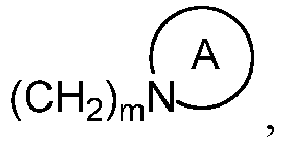

m is an integer from 0 to 3;
R6 and R7 are identical or different, and each of R6 and R7 is independently selected from H, C1-C6 linear or branched alkyl, C3-C7 cycloalkyl, C1-C3 alkoxy, 4-7 membered heterocyclic radical, C1-C4 alkyloyl RCO, C5-C7 aryloyl ArCO, C1-C4 alkylsulfonyl RSO2, C5-C7 arylsulfonyl ArSO2, C5-C7 aroylmethylene, 5-7 membered heteroaroylmethylene, benzyl, pyridine dimethylene, C5-C7 aryl Ar or 5-7 membered heteroaryl; wherein, the linear or branched C1-C6 alkyl is optionally substituted by one or more substituents selected from methylsulfonyl, cyclopropyl, hydroxy, C1-C3 alkoxy, C1-C3 alkoxycarbonyl, and epoxypropyl; the heterocyclic radical contains 1-3 heteroatoms selected from O, S and N; the aryl or the benzyl is optionally substituted by one or more substituents selected from halogen, C1-C6 linear or branched alkyl, cyano, nitro, amino, hydroxy, hydroxymethyl, trifluoromethyl, trifluoromethoxy, carboxyl, C1-C4 alkoxy, mercapto, C1-C4 acyl and C5-C7 aryl Ar; the heteroaryl contains 1-3 heteroatoms selected from O, S and N, is optionally combined with phenyl or C5-C7 heteroaryl, or is substituted by one or more substituents selected from halogen, C1-C6 linear or branched hydrocarbyl, cyano, nitro, amino, hydroxy, hydroxymethyl, trifluoromethyl, trifluoromethoxy, carboxyl, C1-C4 alkoxy, mercapto, C1-C4 acyl and C5-C7 aryl Ar;
R8 is selected from hydrogen, C1-C6 linear or branched alkyl;
R9 and Rio are identical or different, and each is independently selected form H,
p is an integer from 0 to 2;
R11, R12 and R13 are identical or different, each of R11, R12 and R13 is independently selected form H, C1-C6 linear or branched alkyl, C3-C7 cycloalkyl, phenyl or benzyl; wherein the phenyl or benzyl is optionally substituted by one or more substituents selected from halogen, C1-C3 linear or branched alkyl, cyano, nitro, amino, hydroxy, hydroxymethyl, trifluoromethyl, trifluoromethoxy, carboxyl, and C1-C4 alkoxy;
R3 is selected from NR14R15 or

R4 and R5 are identical or different, and each of R4 and R5 is independently H, halogen, C1-C6 linear or branched hydrocarbyl, cyano, nitro, amino, hydroxy, hydroxymethyl, trifluoromethyl, trifluoromethoxy, carboxyl, C1-C4 alkoxy, mercapto, C1-C4 acyl, C1-C4 sulfonyl, C1-C4 sulfonyl amino, aminoacyl or C1-C4 linear or branched alkyl substituted sulfonyl;
the halogen is fluoro, chloro, bromo or iodo.
Further preferably, in the compound of general formula (I),
n=1,
R1 and R2 are identical or different, and not hydrogen simultaneously, and each of R1 and R2 is independently H, halogen, (CH2)mCOOR8, CONR9R10,
m is an integer from 0 to 3;
R8 is selected from hydrogen or C1-C3 linear or branched alkyl;
R9 and R10 are identical or different, and each is independently selected form H, C1-C3 linear or branched alkyl, C3-C6 cycloalkyl, C4-C6 heterocyclyl, phenyl or 5-7 membered heteroaryl; wherein, the C1-C3 linear or branched alkyl is optionally substituted by C1-C3 alkoxycarbonyl; the heterocyclyl contains one heteroatom selected from O, S and N; the heteroaryl contains one heteroatom selected from O, S and N;
R3 is pyrrolidinyl, piperidinyl, morpholinyl, piperazinyl, homopiperazinyl or thiomorpholinyl, and is substituted by cyano, amino or hydroxy;
R4 and R5 are identical or different, and each of R4 and R5 is independently H, fluorine, chlorine, bromine, methyl, ethyl, cyano or hydroxyl. - The most preferred thieno[3,2-d]pyrimidin-4-one compounds in the present invention and pharmaceutically acceptable salts, solvates, stereoisomers, tautomers, and prodrugs thereof are selected from the following compounds:
No. Structure No. Structure DC291407 
DC291009 
DC291410 
DC291010 
DC291419 
DC291012 
DC291416 
DC291013 
DC291417 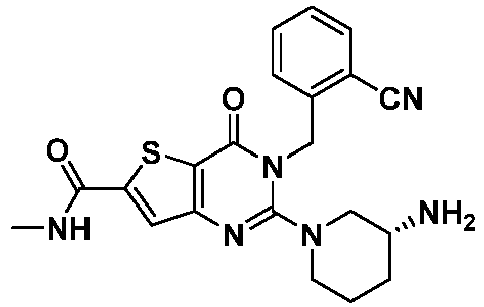
DC291014 
DC291002 
DC291015 
DC291011 
DC291016 
DC291418 
DC291017 
DC291420 
DC291018 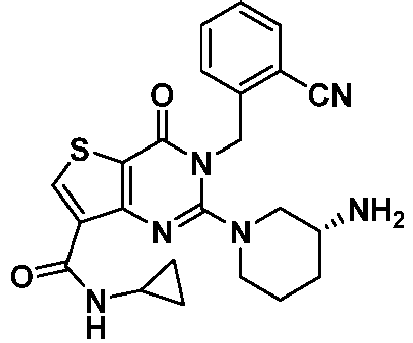
DC291409 
DC291022 
DC291423 
DC291023 
- The most preferred compound in the present invention is (R)-methyl-2-(3-aminopiperidin-1-yl)-3-(2-cyanobenzyl)-4-carbonyl-3,4-dihydrothieno[3,2-d]py rimidine-6 carboxylic acid (DC291407), and pharmaceutically acceptable salts, solvates, stereoisomers, and tautomers thereof.
- Another preferred compound in the present invention is (R)-2-(3-aminopiperidin-1-yl)-3-(2-cyanobenzyl)-4-carbonyl-3,4-dihydrothieno[3,2-d]pyrimidin e-6 carboxylic acid (DC291410), and pharmaceutically acceptable salts, solvates, stereoisomers, and tautomers thereof.
- The pharmaceutically acceptable salts include conventional pharmaceutically acceptable salts formed by the reaction of the compounds of the present invention with inorganic or organic acids. For example, conventional pharmaceutically acceptable salts can be prepared by reacting the compounds of the present invention with inorganic or organic acids, wherein the inorganic acids include hydrochloric acid, hydrobromic acid, sulfuric acid, nitric acid, aminosulfonic acid, phosphoric acid, etc., and the organic acids include citric acid, tartaric acid, lactic acid, pyruvic acid, acetic acid, benzenesulfonic acid, p-toluenesulfonic acid, methanesulfonic acid, naphthalenesulfonic acid, ethanesulfonic acid, naphthalene disulfonic acid, maleic acid, malic acid, malonic acid, fumaric acid, succinic acid, propionic acid, oxalic acid, trifluoroacetic acid, stearic acid, pamoic acid, hydroxylmaleic acid, phenylacetic acid, benzoic acid, salicylic acid, glutamic acid, ascorbic acid, p-aminobenzenesulfonic acid, 2-acetoxybenzoic acid, isethionic acid, etc. Alternatively, the salts are sodium, potassium, calcium, aluminum or ammonium salts formed by the compound of the present invention and an inorganic base; or methylamine, ethylamine or ethanolamine salts formed by the compound of the present invention and an organic base.
- Another object of the present invention is to provide a pharmaceutical composition comprising a therapeutically effective amount of thieno[3,2-d]pyrimidin-4-one compound represented by the following general formula (I), pharmaceutically acceptable salt, solvate, stereoisomer, tautomer or prodrug thereof; and a pharmaceutically acceptable carrier.
- "Pharmaceutically acceptable carrier" refers to one or more compatible solid or liquid fillers or gel substances, which are suitable for human use, and must have sufficient purity and sufficiently low toxicity. "Compatibility" herein means that each component of the composition can be blended with the compound of general formula I of the present invention, the pharmaceutically acceptable salt or solvate thereof and mixture thereof, without significantly reducing the efficacy of the active ingredient. Examples of pharmaceutically acceptable carriers include cellulose and its derivatives (such as sodium carboxymethyl cellulose, sodium ethyl cellulose, cellulose acetate, etc.), gelatin, talc, and solid lubricants (such as stearic acid, magnesium stearate), calcium sulfate, vegetable oils (such as soybean oil, sesame oil, peanut oil, olive oil, etc.), polyols (such as propylene glycol, glycerin, mannitol, sorbitol, etc.), emulsifiers (such as Tween®), wetting agents (such as sodium lauryl sulfate), coloring agents, flavoring agents, stabilizers, antioxidants, preservatives, pyrogen-free water, etc.
- The present invention relates to a medicament for the treatment and/or prevention of non-alcoholic fatty liver, non-alcoholic steatohepatitis and liver fibrosis prepared by using the thieno[3,2-d]pyrimidin-4-one compound represented by the general formula (I), pharmaceutically acceptable salt, solvate, stereoisomer, tautomer or prodrug thereof and mixture thereof as active ingredient.
- The medicament can be introduced into the body such as muscle, intradermal, subcutaneous, vein, mucosal tissue by injection, spray, nose drops, eye drops, penetration, absorption, physically or chemically mediated methods; or it can be mixed or packaged by other substances and introduced into the body.
- When needed, one or more pharmaceutically acceptable carriers can be added to the above-mentioned medicament. The carrier includes pharmaceutically conventional diluents, excipients, fillers, binders, wetting agents, disintegrants, absorption promoters, surfactants, adsorption carriers, lubricants and the like.
- The thieno[3,2-d]pyrimidin-4-one compound represented by the general formula (I), pharmaceutically acceptable salt, ester, solvate, stereoisomer, tautomer or prodrug thereof as active ingredient can be formulated alone or in combination with other medicaments, adjuvants, etc. so as to produce various dosage forms, including but not limited to tablet, powder, pill, injection, capsule, film, suppositorie, ointment, electuary and other forms. The above-mentioned various dosage forms of medicaments can be prepared according to conventional methods in the pharmaceutical field.
- The present invention also provides a method for treating and/or preventing liver fibrosis and related diseases by administering the above-mentioned thieno[3,2-d]pyrimidin-4-one compound represented by the general formula (I), the pharmaceutically acceptable salt, solvate, stereoisomer, or tautomer thereof to a subject in need thereof.
- The present invention also provides a method for inhibiting DPP-4 by administering the above-mentioned thieno[3,2-d]pyrimidin-4-one compound represented by the general formula (I), the pharmaceutically acceptable salt, solvate, stereoisomer, or tautomer thereof to a subject in need thereof.
- It should be understood that within the scope of the present invention, the above-mentioned each technical feature of the present invention and each technical features specifically described in the following (such as the examples) can be combined with each other to form a new or preferred technical solution. Each feature disclosed in the specification can be replaced by any alternative feature that provides the same, equal or similar purpose. Due to space limitations, it won't be repeated herein.
-
-
Figure 1 shows the results of the DPP-4 inhibitor in Example 3 of the present invention on inhibiting hepatic stellate cell activation. -
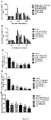
Figure 2 shows the results of the DPP-4 inhibitor in Example 4 of the present invention on alleviating liver injury blood biochemical indexes, liver fibrosis-related gene expression and collagen characteristic amino acid indexes in CCl4-induced liver fibrosis model mice, wherein the bars from the left to the right represent model control group, DC291407 (20mg/kg), DC291407 (60mg/kg), OCA (20mg/kg), OCA (40mg/kg), WT, respectively. -
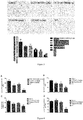
Figure 3 shows the results of the DPP-4 inhibitor in Example 4 of the present invention on alleviating the pathological indexes of collagen deposition in liver pathological sections in CCl4-induced liver fibrosis model mice, wherein the bars from the left to the right represent model control group, DC291407 (20mg/kg), DC291407 (60mg/kg), OCA (20mg/kg), OCA (40mg/kg), WT, respectively. -
Figure 4 shows the results of the DPP-4 inhibitor in Example 5 of the present invention on alleviating liver injury blood biochemical indexes and liver triglycerides in high fat-induced non-alcoholic fatty liver disease ob/ob mice model. -
Figure 5 shows the results of the DPP-4 inhibitor in Example 5 of the present invention on improving liver steatosis and inflammatory pathological indexes in high fat-induced non-alcoholic fatty liver disease ob/ob mice model. -
Figure 6 shows the results of the DPP-4 inhibitor in Example 6 of the present invention on alleviating liver injury blood biochemical indexes and collagen characteristic amino acid indexes in CCl4-induced liver fibrosis model mice. -
Figure 7 shows the results of the DPP-4 inhibitor in Example 6 of the present invention on alleviating the pathological indexes of collagen deposition in liver in CCl4-induced liver fibrosis model. - The inventors of the present application have conducted extensive and intensive research and have found that thieno[3,2-d]pyrimidin-4-one compounds can improve liver function, down-regulate the expression of α-SMA and Collα1 mRNA, and reduce the deposition of collagen in the liver, and can be used to treat and/or prevent liver fibrosis and related diseases. On this basis, the present invention has been completed.
- "Alkyl" refers to a straight-chain or branched saturated aliphatic hydrocarbon group, for example, "C1-8 alkyl" refers to a straight-chain and branched alkyl group including 1 to 8 carbon atoms, including but not limited to methyl, ethyl, n-propyl, isopropyl, n-butyl, isobutyl, tert-butyl, sec-butyl, n-pentyl, etc.
- "Cyclic hydrocarbyl" refers to a saturated or partially unsaturated monocyclic or polycyclic cyclic hydrocarbon substituent. For example, "C3-8 cycloalkyl" refers to a cycloalkyl group containing 3 to 8 carbon atoms, which is classified as monocyclic cycloalkyl, and polycyclic cycloalkyl, wherein monocyclic cycloalkyl includes but not limited to cyclopropyl, cyclobutyl, cyclopentyl, cyclopentenyl, cyclohexyl, cyclohexenyl, cyclohexadienyl, cycloheptyl, cycloheptatrienyl, cyclooctyl, etc. Polycyclic cycloalkyl includes spiro, fused, and bridged cycloalkyls.
- "Heterocyclic radical (or heterocyclyl)" refers to a saturated or partially unsaturated monocyclic or polycyclic cyclic hydrocarbon substituent in which one or more ring atoms are selected from N, O or S.
- "Aryl" refers to an all-carbon monocyclic or fused polycyclic group (that is, a ring that shares adjacent pairs of carbon atoms), a polycyclic ring with a conjugated π-electron system (that is, a ring with adjacent pairs of carbon atoms), including but not limited to phenyl and naphthyl.
- "Heteroaryl" refers to a heteroaromatic system containing 1 to 4 heteroatoms including N, O and S, for example, a 5-7 membered heteroaryl refers to a heteroaromatic system containing 5-7 ring atoms, 5-10 membered heteroaryl refers to heteroaromatic system containing 5-10 ring atoms, including but not limited to furyl, thienyl, pyridyl, pyrrolyl, N-alkylpyrrolyl, pyrimidinyl, pyrazinyl, imidazolyl, tetrazolyl, etc.
- "Alkoxy" refers to -O-(alkyl), where the definition of alkyl is as described above. For example, "C1-8 alkoxy" refers to an alkyloxy group containing 1-8 carbons, including but not limited to methoxy, ethoxy, propoxy, butoxy, etc.
- The present invention will be further described below in conjunction with specific examples. It should be understood that these examples are only used to illustrate the present invention and not to limit the scope of the present invention. The experimental methods that do not indicate specific conditions in the following examples usually follow conventional conditions (such as the conditions described in Sambrook et al., Molecular Cloning: Laboratory Manual (New York: Cold Spring Harbor Laboratory Press, 1989)) or according to the conditions suggested by the manufacturer. Unless otherwise specified, percentages and parts are percentages by weight and parts by weight.
- Unless otherwise defined, all professional and scientific terms used herein have the same meanings as those familiar to those skilled in the art. In addition, any methods and materials similar or equivalent to the contents described can be applied to the method of the present invention. The preferred embodiments and materials described herein are for demonstration purpose only.
-

- Compound 11-12 (100 mg) was synthesized by using the above route and then dissolved in DMF. 1.5 equivalents of methyl iodide and 2 equivalents of cesium carbonate were added and stirred at room temperature for 1 hour. The mixture was extracted with ethyl acetate, washed with water, and evaporated to dryness to obtain 100 mg of crude product 38-1.
- Compound 38-1 was dissolved in 40 ml of DCM and 15ml TFA was added and stirred at room temperature for 4 hours. The solvent was removed by rotary evaporation and the residue was dissolved in 50ml ethyl acetate, washed with saturated potassium carbonate solution and then saturated sodium chloride solution. The solvent was removed by rotary evaporation and the residue was separated by column chromatography (DCM: CH3OH=5: 1) to obtain compound DC291407.
1H-NMR (CDCl3-d3): δ = 7.761(s, 1H), 7.610(d, 1H), 7.493(t, 1H), 7.320(t, 1H), 7180(d,1H), 5.500(quartet, 2H), 3.895(s,3H), 3.680(d,2H), 3.355(m,1H), 3.010(m,2H), 2.150(m, 1H), 1.894(m,2H), 1.644(m, 1H); LC-MS m/z 424.1 [M+H]+. -

- Compound 11-12 (100 mg, 0.237 mmol) was dissolved in 20 ml of ether hydrochloride, stirred at room temperature for 1 hour, and evaporated to dryness to obtain compound DC291410 (70 mg) with a yield of 80%, MS: 410.1 [M+H]+.
- Human hepatic stellate cell line LX-2 was used in cell function experiments. The hepatic stellate cell activation and inducement agent TGF-β was added to activate hepatic stellate cells thereby significantly increasing the expression of multiple extracellular matrixes. By comparing the expression levels of extracellular matrix in the TGF-β group and the cell group in which TGF-β and the compound to be tested were both added at the same time, the efficacy of the compound in alleviating liver fibrosis through hepatic stellate cells was characterized.
- The cell experiment procedure was as follows. The human hepatic stellate cell line LX-2 was selected and inoculated into the treated 24-well plate at 7.5x10⁴/well. After the cells were adhered overnight and they were subjected to starvation treatment for 12 hours, the cells were treated with 10 ng/mL TGF-β and the corresponding test compound for 24 hours and then protein samples were collected. The expression of extracellular matrix represented by α-smooth muscle myofilament (a-SMA) and fibronectin was detected by Western Blot.
- The compounds of the present invention were all high-activity inhibitors of DPP-4, among which two compounds, DC291407 and DC291410 concentration-dependently inhibited the activation of hepatic stellate cells HSC as the concentration increased, and the inhibitory activity was better than that of the positive control Alogliptin, as shown in
Figure 1 . Such compounds have good application prospects in the treatment of liver fibrosis, and therefore have good commercial value. - The efficacy of DC291407 was investigated in the cell function test, and it was found that it had an inhibitory effect on the activation of HSC (OCA (obeticholic acid) and GW4064 were used as positive controls). Subsequently, the inhibitory effect of DC291410, a metabolite of DC291407 on the activation of hepatic stellate cells, was evaluated on this cell system. The results showed that the inhibitory activity of DC291410 on HSC activation was better than that of the positive control Alogliptin.
- In this experiment, CCl4 induced liver fibrosis model mice were used to investigate the effect of long-term oral administration of compound DC291407 on liver fibrosis in the model mice.
- Animal experiment: Male C57BL/6j mice were injected intraperitoneally with 2mL/kg, 10% CCl4 (dissolved in olive oil) three times a week to induce liver fibrosis model. Two weeks after modeling, the blood was taken from the retro-ocular venous plexus of the mice, and serum ALT and AST indexes were detected. According to ALT, AST, body weight and other indexes, the mice were randomly divided into 5 groups, each with 10 mice. There were the model control group (vehicle), DC291407 low-dose group (20mg/kg), DC291407 high-dose group (60mg/kg), positive compound OCA low-dose group (20mg/kg), OCA high-dose group (40mg/kg), respectively, and mice were administered by oral gavage. DC291407 was administered twice a day, and the other groups were administered once a day. During the administration period, the animals' food intake and body weight were monitored. After 3 weeks of administration, the blood was taken from the retro-ocular venous plexus of the mice, and serum ALT and AST indexes were detected. After 6 weeks of administration, the blood was taken from the retro-ocular venous plexus of the mice and then the mice were killed by dislocation. The liver was taken and weighed, part of the liver was fixed with 4% paraformaldehyde, and part of the liver was frozen at -80 °C. During the whole experiment, another 10 mice in the same cage were injected intraperitoneally with the same dose of olive oil as a normal control group (WT). This experiment reflected whether the compound had the effect of relieving liver fibrosis by detecting the levels of liver function indexes ALT and AST in serum, the expression of α-SMA and Collal gene levels in the liver, the content of hydroxyproline (a characteristic amino acid of collagen) in the liver, and liver pathological changes (Sirius scarlet staining) and the like.
- The results of the study showed that no decrease in serum ALT and AST levels was observed after 3 weeks of administration of Compound DC291407 of the present invention, and the level of ALT and AST in the serum could be significantly reduced after 6 weeks of administration; the expression of α-SMA and Collal mRNA in liver tissues was significantly down-regulated after 6 weeks of administration and the content of hydroxyproline in liver tissues was reduced (
Figure 2 ). In the quantitative analysis of liver pathological sections stained with Sirius scarlet, the test compound DC291407 could reduce the collagen content in the liver without statistical difference (Figure 3 ). - In summary, long-term administration of the test compound DC291407 significantly improved the liver function in CCl4-induced liver fibrosis mice, down-regulated the expression of α-SMA and Collal mRNA, reduced the deposition of collagen in the liver, and had a certain alleviating effect on liver fibrosis.
- In this experiment, the NAFLD model of ob/ob mice induced by high-fat diet was used to investigate the treatment effect of long-term oral administration of compound DC291407 on NAFLD.
- Animal experiment: ob/ob obese mice were divided into 3 groups according to random blood glucose, random body weight, fasting blood glucose, and fasting body weight at the 8th week of age, with 9 mice in each group. There were the model control group (vehicle) and the DC291407 group (20 mg/kg), the positive compound Alogliptin group (20 mg/kg), respectively and mice were administered by oral gavage, twice a day. A group of 6 normal mice in the same cage was set up as a normal control group (WT). Except for the WT group, they were fed with normal feed, and the rest groups were fed with high-fat feed. The administration was continued for 8 weeks. During the administration, the animal's food intake and body weight were monitored. After the last administration, the animals were fasted for 6 hours and allowed to drink water freely. Then the body weight was measured, the blood was collected from the retro-ocular venous plexus, and liver was dissected. Part of the liver was placed in 4% paraformaldehyde, and the rest was stored in a refrigerator at -80°C. This experiment reflected whether the compound had the treating effect on NAFLD by detecting the levels of liver function indexes ALT and AST in the serum, the contents of TC and TG in the liver, the NAS score of liver pathology (HE staining) and the like.
- The results showed that DC291407 could significantly reduce the level of ALT and AST in serum and the content of TG in liver tissue after 8 weeks of administration, and its effect was equivalent to that of alogliptin (see
Figure 4 ); NAS score was performed on HE stained liver pathological sections and the results showed that DC291407 could improve steatosis, its effect was better than that of alogliptin, and had a certain alleviating effect on lobular inflammation, and the overall improvement effect on NAS score was equivalent to that of alogliptin (seeFigure 5 ). - In summary, the long-term administration of DC291407 significantly improved the liver function of NAFLD model mice, reduced liver steatosis, and had a certain alleviating effect on lobular inflammation.
- In this experiment, CCl4-induced liver fibrosis model mice were used to investigate the effect of long-term oral administration of compound DC291407 under multiple doses on liver fibrosis in the model mice, and comparison was conducted with the same dose of sitagliptin.
- Animal experiment: Male C57BL/6j mice were injected intraperitoneally with 2 mL/kg, 10% CCl4 (dissolved in olive oil) three times a week to induce liver fibrosis model. Two weeks after modeling, the blood was taken from the retro-ocular venous plexus of the mice, and serum ALT and AST indexes were detected. According to ALT, AST, body weight and other indexes, the mice were randomly divided into 8 groups with 10 mice in each group. There were the models control group (vehicle), DC291407 low-dose group (6 mg/kg), DC291407 middle-dose group (20 mg/kg), DC291407 high-dose group (60 mg/kg), sitagliptin low-dose group (6 mg/kg), Sitagliptin middle-dose group (20 mg/kg), sitagliptin high-dose group (60 mg/kg) and system positive compound OCA group (20mg/kg). The mice were administered by oral gavage. The OCA group was administered once a day, and the other groups were administered twice a day. During the administration period, the animals' food intake and body weight were monitored. After 3 weeks of administration, the blood was taken from the retro-ocular venous plexus of the mice, and serum ALT and AST indexes were detected. After 6 weeks of administration, the blood was taken from the retro-ocular venous plexus of the mice and then the mice were killed by dislocation. The liver was taken and weighed, part of the liver was fixed with 4% paraformaldehyde, and part of the liver was frozen at -80 °C. During the whole experiment, another 10 mice in the same cage were injected intraperitoneally with the same dose of olive oil as a normal control group (WT). This experiment reflected whether the compound had the effect of relieving liver fibrosis by detecting the levels of liver function indexes ALT and AST in serum, the content of hydroxyproline (a characteristic amino acid of collagen) in the liver, and liver pathological changes (Sirius scarlet staining) and the like.
- The results of the study showed that the low-dose and medium-dose groups of the compound DC291407 of the present invention could significantly reduce ALT and AST levels in serum after 6 weeks of administration of the compound DC291407, and the high-dose group could significantly reduce the ALT level in serum; the sitagliptin low-dose group had no effect on ALT and AST levels in serum, the middle-dose group significantly reduced the AST level in serum and the high-dose group significantly reduced ALT and AST levels in serum; and the DC291407 low-dose group reduced the content of hydroxyproline in liver tissues without statistics significance (
Figure 6 ). In the quantitative analysis of liver pathological sections stained with Sirius scarlet, the high, medium and low dose groups of the test compound DC291407 could reduce the collagen content in the liver without dose dependence; only the low dose group of sitagliptin could significantly reduce the collagen content in the liver (Figure 7 ). - In summary, long-term administration of the test compound DC291407 in each dose group significantly improved the liver function of CCl4-induced liver fibrosis mice, reduced the deposition of collagen in the liver, and had a certain alleviating effect on liver fibrosis, but no dose dependence was shown in this dose range.
- All documents mentioned in the present invention are incorporated by reference in this application, as each document is individually incorporated by reference. In addition, it should be understood that after reading the above-mentioned teaching content of the present invention, those skilled in the art can make various changes or modifications to the present invention, and these equivalent forms also fall within the scope defined by the appended claims of the present application.
Claims (10)
- Use of thieno[3,2-d]pyrimidin-4-one compound represented by the following general formula (I), pharmaceutically acceptable salt, solvate, stereoisomer, or tautomer thereof,(1) for manufacture of a medicament for treatment and/or prevention of liver fibrosis and related diseases;(2) for manufacture of a DPP-4 inhibitor; or(3) for use as a DPP-4 inhibitor,
 wherein, n is an integer from 1 to 3;R1 and R2 are identical or different, and not hydrogen simultaneously, and each of R1 and R2 is independently H, halogen, CBr2H, CCl2H, CF2H, cyano, CF3, aldehyde group, (CH2)mOR6, (CH2)mNR6R7,
 R1 and R2 are optionally linked together to form C3-C6 alkylidene;m is an integer from 0 to 3;R6 and R7 are identical or different, and each of R6 and R7 is independently selected from H, C1-C6 linear or branched saturated or unsaturated hydrocarbyl, C3-C7 cyclic hydrocarbyl, C1-C3 alkoxy, 4-7 membered heterocyclic radical, C1-C4 alkyloyl RCO, C5-C7 aroyl ArCO, C1-C4 alkylsulfonyl RSO2, C5-C7 arylsulfonyl ArSO2, C5-C7 aroylmethylene, 5-7 membered heteroaroylmethylene, benzyl, pyridinedimethylene, C5-C7 aryl Ar or 5-7 membered heteroaryl; wherein, the C1-C6 linear or branched saturated or unsaturated hydrocarbyl is optionally substituted by one or more substituents selected from methylsulfonyl, cyclopropyl, hydroxy, C1-C3 alkoxy, C1-C3 alkoxycarbonyl, and epoxypropyl; the heterocyclic radical contains 1-3 heteroatoms selected from O, S and N, the methylene of the heterocyclic radical is optionally substituted by carbonyl or sulfonyl, or the heterocyclic radical is optionally substituted by one or more substituents selected from halogen, C1-C6 linear or branched hydrocarbyl, cyano, nitro, amino, hydroxy, hydroxymethyl, trifluoromethyl, trifluoromethoxy, carboxyl, C1-C4 alkoxy, C1-C4 alkoxy carbonyl, mercapto, C1-C4 acyl and C5-C7 aryl Ar; the aryl or benzyl is optionally substituted by one or more substituents selected from halogen, C1-C6 linear or branched hydrocarbyl, cyano, nitro, amino, hydroxy, hydroxymethyl, trifluoromethyl, trifluoromethoxy, carboxyl, C1-C4 alkoxy, mercapto, C1-C4 acyl and C5-C7 aryl Ar; the heteroaryl contains 1-3 heteroatoms selected from O, S and N, is optionally combined with phenyl or C5-C7 heteroaryl, or is substituted by one or more substituents selected from halogen, C1-C6 linear or branched hydrocarbyl, cyano, nitro, amino, hydroxy, hydroxymethyl, trifluoromethyl, trifluoromethoxy, carboxyl, C1-C4 alkoxy, mercapto, C1-C4 acyl and C5-C7 aryl Ar;R8 is selected from H, C1-C6 linear or branched saturated or unsaturated hydrocarbyl, C3-C7 cyclic hydrocarbyl;R9 and Rio are identical or different, and each is independently selected form H,
 P is an integer from 0 to 2;R11, R12 and R13 are identical or different, each of R11, R12 and R13 is independently selected form H, C1-C6 linear or branched saturated or unsaturated hydrocarbyl, C3-C7 cyclic hydrocarbyl, phenyl or benzyl; wherein the phenyl or benzyl is optionally substituted by one or more substituents selected from halogen, C1-C3 linear or branched hydrocarbyl, cyano, nitro, amino, hydroxy, hydroxymethyl, trifluoromethyl, trifluoromethoxy, carboxyl, and C1-C4 alkoxy;
 R3 is selected from NR14R15 or
 R4 and R5 are identical or different, and each of R4 and R5 is independently H, halogen, C1-C6 linear or branched hydrocarbyl, cyano, nitro, amino, hydroxy, hydroxymethyl, trifluoromethyl, trifluoromethoxy, carboxyl, C1-C4 alkoxy, mercapto, C1-C4 acyl, C1-C4 sulfonyl, C1-C4 sulfonylamino, aminoacyl or C1-C4 linear or branched alkyl substituted sulfonyl;the halogen is fluoro, chloro, bromo or iodo.
 - The use of claim 1, wherein n is 1;
R1 and R2 are identical or different, and not hydrogen simultaneously, and each of Ri and R2 is independently hydrogen, halogen, CBr2H, CCl2H, CF2H, cyano, CF3, aldehyde group, (CH2)mOR6, (CH2)mNR6R7,
 R1 and R2 are optionally linked together to form C3-C6 alkylidene;m is an integer from 0 to 3;R6 and R7 are identical or different, and each of R6 and R7 is independently selected from H, C1-C6 linear or branched alkyl, C3-C7 cycloalkyl, C1-C3 alkoxy, 4-7 membered heterocyclic radical, C1-C4 alkyloyl RCO, C5-C7 aryloyl ArCO, C1-C4 alkylsulfonyl RSO2, C5-C7 arylsulfonyl ArSO2, C5-C7 aroylmethylene, 5-7 membered heteroaroylmethylene, benzyl, pyridine dimethylene, C5-C7 aryl Ar or 5-7 membered heteroaryl; wherein, the C1-C6 linear or branched alkyl is optionally substituted by one or more substituents selected from methylsulfonyl, cyclopropyl, hydroxy, C1-C3 alkoxy, C1-C3 alkoxycarbonyl, and epoxypropyl; the heterocyclic radical contains 1-3 heteroatoms selected from O, S and N; the aryl or benzyl is optionally substituted by one or more substituents selected from halogen, C1-C6 linear or branched alkyl, cyano, nitro, amino, hydroxy, hydroxymethyl, trifluoromethyl, trifluoromethoxy, carboxyl, C1-C4 alkoxy, mercapto, C1-C4 acyl and C5-C7 aryl Ar; the heteroaryl contains 1-3 heteroatoms selected from O, S and N, is optionally combined with phenyl or C5-C7 heteroaryl, or is substituted by one or more substituents selected from halogen, C1-C6 linear or branched hydrocarbyl, cyano, nitro, amino, hydroxy, hydroxymethyl, trifluoromethyl, trifluoromethoxy, carboxyl, C1-C4 alkoxy, mercapto, C1-C4 acyl and C5-C7 aryl Ar;R8 is selected from hydrogen, C1-C6 linear or branched alkyl;R9 and Rio are identical or different and each is independently selected form H,
 p is an integer from 0 to 2;R11, R12 and R13 are identical or different, each of R11, R12 and R13 is independently selected form H, C1-C6 linear or branched alkyl, C3-C7 cycloalkyl, phenyl or benzyl; wherein the phenyl or benzyl is optionally substituted by one or more substituents selected from halogen, C1-C3 linear or branched alkyl, cyano, nitro, amino, hydroxy, hydroxymethyl, trifluoromethyl, trifluoromethoxy, carboxyl, and C1-C4 alkoxy;
 R3 is selected from NR14R15 or
 R4 and R5 are identical or different, and each of R4 and R5 is independently H, halogen, C1-C6 linear or branched hydrocarbyl, cyano, nitro, amino, hydroxy, hydroxymethyl, trifluoromethyl, trifluoromethoxy, carboxyl, C1-C4 alkoxy, mercapto, C1-C4 acyl, C1-C4 sulfonyl, C1-C4 sulfonylamino, aminoacyl or C1-C4 linear or branched alkyl substituted sulfonyl;the halogen is fluoro, chloro, bromo or iodo.
 - The use of claim 2, wherein n is 1;
R1 and R2 are identical or different, and not hydrogen simultaneously, and each of R1 and R2 is independently H, halogen, CBr2H, CCl2H, CF2H, cyano, CF3, aldehyde group, (CH2)mOR6, (CH2)mNR6R7,
 R1 and R2 are optionally linked together to form C3-C6 alkylidene;m is an integer from 0 to 3;R6 and R7 are identical or different, and each of R6 and R7 is independently selected from H, C1-C6 linear or branched alkyl, C3-C7 cycloalkyl, C1-C3 alkoxy, 4-7 membered heterocyclic radical, C1-C4 alkyloyl RCO, C5-C7 aryloyl ArCO, C1-C4 alkylsulfonyl RSO2, C5-C7 arylsulfonyl ArSO2, C5-C7 aroylmethylene, 5-7 membered heteroaroylmethylene, benzyl, pyridine dimethylene, C5-C7 aryl Ar or 5-7 membered heteroaryl; wherein, the C1-C6 linear or branched alkyl is optionally substituted by one or more substituents selected from methylsulfonyl, cyclopropyl, hydroxy, C1-C3 alkoxy, C1-C3 alkoxycarbonyl, and epoxypropyl; the heterocyclic radical contains 1-3 heteroatoms selected from O, S and N; the aryl or benzyl is optionally substituted by one or more substituents selected from halogen, C1-C6 linear or branched alkyl, cyano, nitro, amino, hydroxy, hydroxymethyl, trifluoromethyl, trifluoromethoxy, carboxyl, C1-C4 alkoxy, mercapto, C1-C4 acyl and C5-C7 aryl Ar; the heteroaryl contains 1-3 heteroatoms selected from O, S and N, is optionally combined with phenyl or C5-C7 heteroaryl, or is substituted by one or more substituents selected from halogen, C1-C6 linear or branched hydrocarbyl, cyano, nitro, amino, hydroxy, hydroxymethyl, trifluoromethyl, trifluoromethoxy, carboxyl, C1-C4 alkoxy, mercapto, C1-C4 acyl and C5-C7 aryl Ar;R8 is selected from hydrogen, C1-C6 linear or branched alkyl;R9 and Rio are identical or different, and each is independently selected form H,
 p is an integer from 0 to 2;R11, R12 and R13 are identical or different, each of R11, R12 and R13 is independently selected form H, C1-C6 linear or branched alkyl, C3-C7 cycloalkyl, phenyl or benzyl; wherein the phenyl or benzyl is optionally substituted by one or more substituents selected from halogen, C1-C3 linear or branched alkyl, cyano, nitro, amino, hydroxy, hydroxymethyl, trifluoromethyl, trifluoromethoxy, carboxyl, and C1-C4 alkoxy;
 R3 is selected from NR14R15 or
 R4 and R5 are identical or different, and each of R4 and R5 is independently H, halogen, C1-C6 linear or branched hydrocarbyl, cyano, nitro, amino, hydroxy, hydroxymethyl, trifluoromethyl, trifluoromethoxy, carboxyl, C1-C4 alkoxy, mercapto, C1-C4 acyl, C1-C4 sulfonyl, C1-C4 sulfonyl amino, aminoacyl or C1-C4 linear or branched alkyl substituted sulfonyl;the halogen is fluoro, chloro, bromo or iodo.
 - The use of claim 3, wherein
n is 1;
R1 and R2 are identical or different, and not hydrogen simultaneously, and each of R1 and R2 is independently H, halogen, (CH2)mCOOR8, CONR9R10, m is an integer from 0 to 3;R8 is selected from hydrogen or C1-C3 linear or branched alkyl;R9 and R10 are identical or different, and each is independently selected form H, C1-C3 linear or branched alkyl, C3-C6 cycloalkyl, C4-C6 heterocyclyl, phenyl or 5-7 membered heteroaryl; wherein the C1-C3 linear or branched alkyl is optionally substituted by C1-C3 alkoxycarbonyl; the heterocyclyl contains one heteroatom selected from O, S and N; the heteroaryl contains one heteroatom selected from O S and N;
 R3 is pyrrolidinyl, piperidinyl, morpholinyl, piperazinyl, homopiperazinyl or thiomorpholinyl, and is substituted by cyano, amino or hydroxy;R4 and R5 are identical or different, and each of R4 and R5 is independently H, fluorine, chlorine, bromine, methyl, ethyl, cyano or hydroxyl.
 - The use of claim 1, wherein the thieno[3,2-d]pyrimidin-4-one compound of general formula (I) is selected from the following compounds:
No. Structure No. Structure DC291407 
DC291009 
DC291410 
DC291010 
DC291419 
DC291012 
DC291416 
DC291013 
DC291417 
DC291014 
DC291002 
DC291015 
DC291011 
DC291016 
DC291418 
DC291017 
DC291420 
DC291018 
DC291409 
DC291022 
DC291423 
DC291023 
- The use of claim 1, wherein the medicament further contains a pharmaceutically acceptable carrier.
- The use of claim 6, wherein the pharmaceutically acceptable carrier is selected from the group consisting of diluent, excipient, filler, binder, wetting agent, disintegrant, absorption promoter, surfactant, adsorption carrier, and lubricant.
- The use of claim 1, wherein the thieno[3,2-d]pyrimidin-4-one compound, pharmaceutically acceptable salt, solvate, stereoisomer, or tautomer thereof or the medicament is formulated into a tablet, powder, pill, injection, capsule, film, suppository, ointment or electuary.
- The use of claim 1, wherein the medicament is introduced into the body by injection, spraying, nose drops, eye drops, penetration, absorption, physically or chemically mediated methods.
- The use of claim 1, wherein the treatment and/or prevention refer to:(1) down-regulating expression of α-SMA;(2) down-regulating expression of Col1α1 mRNA;(3) decreasing deposition of collagen in the liver;(4) reducing ALT level;(5) reducing AST level;(6) reducing content of hydroxyproline in liver tissue; or(7) inhibiting activation of hepatic stellate cell HSC.
Applications Claiming Priority (2)
| Application Number | Priority Date | Filing Date | Title |
|---|---|---|---|
| CN201810194967 | 2018-03-09 | ||
| PCT/CN2019/077560 WO2019170157A1 (en) | 2018-03-09 | 2019-03-08 | Novel pharmaceutical use of thiophene [3, 2-d] pyrimidine-4-ketone compound |
Publications (3)
| Publication Number | Publication Date |
|---|---|
| EP3763716A1 true EP3763716A1 (en) | 2021-01-13 |
| EP3763716A4 EP3763716A4 (en) | 2021-12-22 |
| EP3763716B1 EP3763716B1 (en) | 2025-12-24 |
Family
ID=67845862
Family Applications (1)
| Application Number | Title | Priority Date | Filing Date |
|---|---|---|---|
| EP19763907.3A Active EP3763716B1 (en) | 2018-03-09 | 2019-03-08 | Thiophene-[3,2-d]-pyrimidine-4-ketone compounds to treat liver fibrosis |
Country Status (8)
| Country | Link |
|---|---|
| US (1) | US11730742B2 (en) |
| EP (1) | EP3763716B1 (en) |
| JP (1) | JP7194745B2 (en) |
| KR (1) | KR102510783B1 (en) |
| CN (1) | CN110240603B (en) |
| CA (1) | CA3093501C (en) |
| RU (1) | RU2768828C1 (en) |
| WO (1) | WO2019170157A1 (en) |
Families Citing this family (1)
| Publication number | Priority date | Publication date | Assignee | Title |
|---|---|---|---|---|
| KR102510783B1 (en) | 2018-03-09 | 2023-03-15 | 상하이 인스티튜트 오브 마테리아 메디카 차이니즈 아카데미 오브 싸이언시즈 | Novel drug use of thieno[3,2-d]pyrimidin-4-one compounds |
Family Cites Families (13)
| Publication number | Priority date | Publication date | Assignee | Title |
|---|---|---|---|---|
| AU2003253165A1 (en) * | 2002-08-13 | 2004-02-25 | Warner-Lambert Company Llc | Pyrimidine fused bicyclic metalloproteinase inhibitors |
| PE20100156A1 (en) * | 2008-06-03 | 2010-02-23 | Boehringer Ingelheim Int | NAFLD TREATMENT |
| CN101817833B (en) * | 2009-02-26 | 2013-03-06 | 中国科学院广州生物医药与健康研究院 | DPP-IV inhibitor |
| EA034869B1 (en) | 2009-11-27 | 2020-03-31 | Бёрингер Ингельхайм Интернациональ Гмбх | Treatment of genotyped diabetic patients with dpp-4 inhibitors such as linagliptin |
| KR20110107287A (en) | 2010-03-24 | 2011-09-30 | 동아제약주식회사 | Pharmaceutical composition for the prevention and treatment of non-alcoholic fatty liver disease |
| CN102311448B (en) | 2010-07-07 | 2014-02-19 | 中国科学院广州生物医药与健康研究院 | Thieno-pyrimidone DPP-IV (dipeptidyl peptidase) inhibitor |
| US9034883B2 (en) | 2010-11-15 | 2015-05-19 | Boehringer Ingelheim International Gmbh | Vasoprotective and cardioprotective antidiabetic therapy |
| CN103130819B (en) * | 2011-12-01 | 2016-01-20 | 中国科学院上海药物研究所 | Thiophene [3,2-d] pyrimidin-4-one compounds, its preparation method, pharmaceutical composition and purposes |
| CN102659813B (en) * | 2012-05-23 | 2015-01-07 | 中国科学院上海药物研究所 | 2-((2-(3-aminopiperidine-1)-4-oxythiophene (3, 2-d) pyrimidine-3(4H)-methyl) polymorphic benzonitrile, and preparation method and pharmacological applications thereof |
| US20170227553A1 (en) * | 2014-08-04 | 2017-08-10 | Duke University | Compositions and methods for identifying and treating conditions involving hsf1 activity |
| WO2016138132A1 (en) * | 2015-02-25 | 2016-09-01 | The Trustees Of Columbia University In The City Of New York | Dipeptidyl peptidase-iv(dpp4) inhibitors, methods and compositions for suppressing adipose tissue inflammation |
| CN107216340B (en) | 2016-03-22 | 2021-05-04 | 中国科学院上海药物研究所 | A kind of salt form of DPPIV inhibitor and preparation method thereof |
| KR102510783B1 (en) | 2018-03-09 | 2023-03-15 | 상하이 인스티튜트 오브 마테리아 메디카 차이니즈 아카데미 오브 싸이언시즈 | Novel drug use of thieno[3,2-d]pyrimidin-4-one compounds |
-
2019
- 2019-03-08 KR KR1020207028936A patent/KR102510783B1/en active Active
- 2019-03-08 RU RU2020133048A patent/RU2768828C1/en active
- 2019-03-08 JP JP2020547088A patent/JP7194745B2/en active Active
- 2019-03-08 EP EP19763907.3A patent/EP3763716B1/en active Active
- 2019-03-08 WO PCT/CN2019/077560 patent/WO2019170157A1/en not_active Ceased
- 2019-03-08 CN CN201910177246.9A patent/CN110240603B/en active Active
- 2019-03-08 US US16/978,563 patent/US11730742B2/en active Active
- 2019-03-08 CA CA3093501A patent/CA3093501C/en active Active
Also Published As
| Publication number | Publication date |
|---|---|
| JP7194745B2 (en) | 2022-12-22 |
| EP3763716A4 (en) | 2021-12-22 |
| CN110240603A (en) | 2019-09-17 |
| US20210015824A1 (en) | 2021-01-21 |
| CA3093501A1 (en) | 2019-09-12 |
| CA3093501C (en) | 2023-05-23 |
| RU2768828C1 (en) | 2022-03-24 |
| KR102510783B1 (en) | 2023-03-15 |
| WO2019170157A1 (en) | 2019-09-12 |
| KR20200131277A (en) | 2020-11-23 |
| EP3763716B1 (en) | 2025-12-24 |
| CN110240603B (en) | 2021-10-22 |
| JP2021515024A (en) | 2021-06-17 |
| US11730742B2 (en) | 2023-08-22 |
Similar Documents
| Publication | Publication Date | Title |
|---|---|---|
| US10668062B2 (en) | Oxabicycloheptanes and oxabicycloheptenes for the treatment of diabetes | |
| US10100042B2 (en) | [5,6]—fused bicyclic antidiabetic compounds | |
| KR102538658B1 (en) | Optionally fused heterocyclyl-substituted derivatives of pyrimidine useful for the treatment of inflammatory, metabolic, oncologic and autoimmune diseases | |
| US20080182798A1 (en) | Novel effectors of dipeptidyl peptidase IV | |
| EP2786998B1 (en) | Thienyl [3, 2-d]pyrimidin-4-one compounds, preparation method, pharmaceutical compositions and use thereof | |
| EP3685838A1 (en) | Compound for treatment or prevention of obesity or diseases related to obesity, and application thereof | |
| KR20250166323A (en) | A combination comprising a THR beta agonist and a GLP-1R agonist for use in the treatment of liver disorders or cardiometabolic diseases | |
| US7153850B2 (en) | Lactam compounds and pharmaceutical use thereof | |
| AU2020309816B2 (en) | Combination therapy of GPR119 agonists and DPP-4 inhibitors | |
| EP4076454A1 (en) | Combination treatment of liver diseases using integrin inhibitors | |
| US11730742B2 (en) | Pharmaceutical use of thiophene [3,2-d] pyrimidine-4-ketone compound | |
| CA3165000A1 (en) | Combination treatment of liver diseases using integrin inhibitors | |
| KR20220136800A (en) | Novel use of 3-(4-(benzyloxy)phenyl)hex-4-inoic acid derivative | |
| KR101705390B1 (en) | Novel bicyclic compound as glucose-protein coupled receptor agonists | |
| AU2023371617A1 (en) | Composition comprising glp-1 receptor agonist and acat inhibitor | |
| KR20060079122A (en) | Benzothiazole derivatives effective for the prevention of diabetes and obesity | |
| JP6843845B2 (en) | 1,4-Di- (4-Methylthiophenyl) -3-phthaloyl azetidine-2-one and its derivatives | |
| EP2992883B1 (en) | Pharmaceutical use of hexahydro-dibenzo[a,g]quinolizine compounds | |
| CN104926706B (en) | Salt of hexahydro pentalene derivative and its preparation method and application | |
| JP7713953B2 (en) | Compounds active against nuclear receptors | |
| WO2026035940A1 (en) | Treatment of obesity |
Legal Events
| Date | Code | Title | Description |
|---|---|---|---|
| STAA | Information on the status of an ep patent application or granted ep patent |
Free format text: STATUS: THE INTERNATIONAL PUBLICATION HAS BEEN MADE |
|
| PUAI | Public reference made under article 153(3) epc to a published international application that has entered the european phase |
Free format text: ORIGINAL CODE: 0009012 |
|
| STAA | Information on the status of an ep patent application or granted ep patent |
Free format text: STATUS: REQUEST FOR EXAMINATION WAS MADE |
|
| 17P | Request for examination filed |
Effective date: 20200923 |
|
| AK | Designated contracting states |
Kind code of ref document: A1 Designated state(s): AL AT BE BG CH CY CZ DE DK EE ES FI FR GB GR HR HU IE IS IT LI LT LU LV MC MK MT NL NO PL PT RO RS SE SI SK SM TR |
|
| AX | Request for extension of the european patent |
Extension state: BA ME |
|
| DAV | Request for validation of the european patent (deleted) | ||
| DAX | Request for extension of the european patent (deleted) | ||
| REG | Reference to a national code |
Ref country code: DE Ref legal event code: R079 Free format text: PREVIOUS MAIN CLASS: C07D0495040000 Ref country code: DE Ref legal event code: R079 Ref document number: 602019079581 Country of ref document: DE Free format text: PREVIOUS MAIN CLASS: C07D0495040000 Ipc: A61K0031519000 |
|
| A4 | Supplementary search report drawn up and despatched |
Effective date: 20211118 |
|
| RIC1 | Information provided on ipc code assigned before grant |
Ipc: A61K 9/00 20060101ALI20211112BHEP Ipc: A61P 1/16 20060101ALI20211112BHEP Ipc: C07D 201/00 20060101ALI20211112BHEP Ipc: A61K 31/00 20060101ALI20211112BHEP Ipc: A61K 31/519 20060101AFI20211112BHEP |
|
| STAA | Information on the status of an ep patent application or granted ep patent |
Free format text: STATUS: EXAMINATION IS IN PROGRESS |
|
| 17Q | First examination report despatched |
Effective date: 20240129 |
|
| REG | Reference to a national code |
Ref country code: DE Free format text: PREVIOUS MAIN CLASS: A61K0031519000 Ref country code: DE Ref legal event code: R079 Ref document number: 602019079581 Country of ref document: DE Free format text: PREVIOUS MAIN CLASS: A61K0031519000 Ipc: A61K0009020000 |
|
| RIC1 | Information provided on ipc code assigned before grant |
Ipc: A61K 9/02 20060101AFI20250708BHEP Ipc: A61K 31/519 20060101ALI20250708BHEP Ipc: A61K 31/00 20060101ALI20250708BHEP Ipc: C07D 201/00 20060101ALI20250708BHEP Ipc: A61P 1/16 20060101ALI20250708BHEP Ipc: A61K 9/00 20060101ALI20250708BHEP Ipc: A61K 9/06 20060101ALI20250708BHEP Ipc: A61K 9/20 20060101ALI20250708BHEP Ipc: A61K 9/48 20060101ALI20250708BHEP Ipc: A61K 9/70 20060101ALI20250708BHEP Ipc: A61K 45/06 20060101ALI20250708BHEP |
|
| GRAP | Despatch of communication of intention to grant a patent |
Free format text: ORIGINAL CODE: EPIDOSNIGR1 |
|
| STAA | Information on the status of an ep patent application or granted ep patent |
Free format text: STATUS: GRANT OF PATENT IS INTENDED |
|
| INTG | Intention to grant announced |
Effective date: 20250828 |
|
| GRAS | Grant fee paid |
Free format text: ORIGINAL CODE: EPIDOSNIGR3 |
|
| GRAA | (expected) grant |
Free format text: ORIGINAL CODE: 0009210 |
|
| STAA | Information on the status of an ep patent application or granted ep patent |
Free format text: STATUS: THE PATENT HAS BEEN GRANTED |
|
| AK | Designated contracting states |
Kind code of ref document: B1 Designated state(s): AL AT BE BG CH CY CZ DE DK EE ES FI FR GB GR HR HU IE IS IT LI LT LU LV MC MK MT NL NO PL PT RO RS SE SI SK SM TR |
|
| REG | Reference to a national code |
Ref country code: CH Ref legal event code: F10 Free format text: ST27 STATUS EVENT CODE: U-0-0-F10-F00 (AS PROVIDED BY THE NATIONAL OFFICE) Effective date: 20251224 Ref country code: GB Ref legal event code: FG4D |
|
| REG | Reference to a national code |
Ref country code: DE Ref legal event code: R096 Ref document number: 602019079581 Country of ref document: DE |
|
| REG | Reference to a national code |
Ref country code: LT Ref legal event code: MG9D |
|
| PG25 | Lapsed in a contracting state [announced via postgrant information from national office to epo] |
Ref country code: NO Free format text: LAPSE BECAUSE OF FAILURE TO SUBMIT A TRANSLATION OF THE DESCRIPTION OR TO PAY THE FEE WITHIN THE PRESCRIBED TIME-LIMIT Effective date: 20260324 |
|
| PG25 | Lapsed in a contracting state [announced via postgrant information from national office to epo] |
Ref country code: FI Free format text: LAPSE BECAUSE OF FAILURE TO SUBMIT A TRANSLATION OF THE DESCRIPTION OR TO PAY THE FEE WITHIN THE PRESCRIBED TIME-LIMIT Effective date: 20251224 Ref country code: HR Free format text: LAPSE BECAUSE OF FAILURE TO SUBMIT A TRANSLATION OF THE DESCRIPTION OR TO PAY THE FEE WITHIN THE PRESCRIBED TIME-LIMIT Effective date: 20251224 |
|
| PG25 | Lapsed in a contracting state [announced via postgrant information from national office to epo] |
Ref country code: RS Free format text: LAPSE BECAUSE OF FAILURE TO SUBMIT A TRANSLATION OF THE DESCRIPTION OR TO PAY THE FEE WITHIN THE PRESCRIBED TIME-LIMIT Effective date: 20260324 |
|
| PG25 | Lapsed in a contracting state [announced via postgrant information from national office to epo] |
Ref country code: LV Free format text: LAPSE BECAUSE OF FAILURE TO SUBMIT A TRANSLATION OF THE DESCRIPTION OR TO PAY THE FEE WITHIN THE PRESCRIBED TIME-LIMIT Effective date: 20251224 |
|
| REG | Reference to a national code |
Ref country code: NL Ref legal event code: MP Effective date: 20251224 |
|
| PG25 | Lapsed in a contracting state [announced via postgrant information from national office to epo] |
Ref country code: BG Free format text: LAPSE BECAUSE OF FAILURE TO SUBMIT A TRANSLATION OF THE DESCRIPTION OR TO PAY THE FEE WITHIN THE PRESCRIBED TIME-LIMIT Effective date: 20251224 |
|
| REG | Reference to a national code |
Ref country code: AT Ref legal event code: MK05 Ref document number: 1870116 Country of ref document: AT Kind code of ref document: T Effective date: 20251224 |
|
| PG25 | Lapsed in a contracting state [announced via postgrant information from national office to epo] |
Ref country code: NL Free format text: LAPSE BECAUSE OF FAILURE TO SUBMIT A TRANSLATION OF THE DESCRIPTION OR TO PAY THE FEE WITHIN THE PRESCRIBED TIME-LIMIT Effective date: 20251224 |
|
| PG25 | Lapsed in a contracting state [announced via postgrant information from national office to epo] |
Ref country code: LT Free format text: LAPSE BECAUSE OF FAILURE TO SUBMIT A TRANSLATION OF THE DESCRIPTION OR TO PAY THE FEE WITHIN THE PRESCRIBED TIME-LIMIT Effective date: 20251224 |
|
| PG25 | Lapsed in a contracting state [announced via postgrant information from national office to epo] |
Ref country code: SM Free format text: LAPSE BECAUSE OF FAILURE TO SUBMIT A TRANSLATION OF THE DESCRIPTION OR TO PAY THE FEE WITHIN THE PRESCRIBED TIME-LIMIT Effective date: 20251224 |
|
| PG25 | Lapsed in a contracting state [announced via postgrant information from national office to epo] |
Ref country code: ES Free format text: LAPSE BECAUSE OF FAILURE TO SUBMIT A TRANSLATION OF THE DESCRIPTION OR TO PAY THE FEE WITHIN THE PRESCRIBED TIME-LIMIT Effective date: 20251224 |
|
| PG25 | Lapsed in a contracting state [announced via postgrant information from national office to epo] |
Ref country code: PL Free format text: LAPSE BECAUSE OF FAILURE TO SUBMIT A TRANSLATION OF THE DESCRIPTION OR TO PAY THE FEE WITHIN THE PRESCRIBED TIME-LIMIT Effective date: 20251224 |
|
| PG25 | Lapsed in a contracting state [announced via postgrant information from national office to epo] |
Ref country code: IT Free format text: LAPSE BECAUSE OF FAILURE TO SUBMIT A TRANSLATION OF THE DESCRIPTION OR TO PAY THE FEE WITHIN THE PRESCRIBED TIME-LIMIT Effective date: 20251224 |
|
| PG25 | Lapsed in a contracting state [announced via postgrant information from national office to epo] |
Ref country code: AT Free format text: LAPSE BECAUSE OF FAILURE TO SUBMIT A TRANSLATION OF THE DESCRIPTION OR TO PAY THE FEE WITHIN THE PRESCRIBED TIME-LIMIT Effective date: 20251224 |
|
| PG25 | Lapsed in a contracting state [announced via postgrant information from national office to epo] |
Ref country code: EE Free format text: LAPSE BECAUSE OF FAILURE TO SUBMIT A TRANSLATION OF THE DESCRIPTION OR TO PAY THE FEE WITHIN THE PRESCRIBED TIME-LIMIT Effective date: 20251224 |
|
| PG25 | Lapsed in a contracting state [announced via postgrant information from national office to epo] |
Ref country code: IS Free format text: LAPSE BECAUSE OF FAILURE TO SUBMIT A TRANSLATION OF THE DESCRIPTION OR TO PAY THE FEE WITHIN THE PRESCRIBED TIME-LIMIT Effective date: 20260424 Ref country code: PT Free format text: LAPSE BECAUSE OF FAILURE TO SUBMIT A TRANSLATION OF THE DESCRIPTION OR TO PAY THE FEE WITHIN THE PRESCRIBED TIME-LIMIT Effective date: 20260424 |
|
| PG25 | Lapsed in a contracting state [announced via postgrant information from national office to epo] |
Ref country code: CZ Free format text: LAPSE BECAUSE OF FAILURE TO SUBMIT A TRANSLATION OF THE DESCRIPTION OR TO PAY THE FEE WITHIN THE PRESCRIBED TIME-LIMIT Effective date: 20251224 |
|
| PG25 | Lapsed in a contracting state [announced via postgrant information from national office to epo] |
Ref country code: SK Free format text: LAPSE BECAUSE OF FAILURE TO SUBMIT A TRANSLATION OF THE DESCRIPTION OR TO PAY THE FEE WITHIN THE PRESCRIBED TIME-LIMIT Effective date: 20251224 |
|
| PG25 | Lapsed in a contracting state [announced via postgrant information from national office to epo] |
Ref country code: SE Free format text: LAPSE BECAUSE OF FAILURE TO SUBMIT A TRANSLATION OF THE DESCRIPTION OR TO PAY THE FEE WITHIN THE PRESCRIBED TIME-LIMIT Effective date: 20251224 |