EP3763381A1 - Compositions for suppression of inhibitor formation against factor viii in hemophilia a patients - Google Patents
Compositions for suppression of inhibitor formation against factor viii in hemophilia a patients Download PDFInfo
- Publication number
- EP3763381A1 EP3763381A1 EP20185791.9A EP20185791A EP3763381A1 EP 3763381 A1 EP3763381 A1 EP 3763381A1 EP 20185791 A EP20185791 A EP 20185791A EP 3763381 A1 EP3763381 A1 EP 3763381A1
- Authority
- EP
- European Patent Office
- Prior art keywords
- ctb
- fviii
- protein
- disease
- hemophilia
- Prior art date
- Legal status (The legal status is an assumption and is not a legal conclusion. Google has not performed a legal analysis and makes no representation as to the accuracy of the status listed.)
- Withdrawn
Links
- 208000009292 Hemophilia A Diseases 0.000 title claims abstract description 36
- 239000000203 mixture Substances 0.000 title claims description 60
- 239000003112 inhibitor Substances 0.000 title abstract description 62
- 230000015572 biosynthetic process Effects 0.000 title abstract description 52
- 208000031220 Hemophilia Diseases 0.000 title abstract description 4
- 229960000301 factor viii Drugs 0.000 title description 137
- 230000001629 suppression Effects 0.000 title description 14
- 108090000623 proteins and genes Proteins 0.000 claims abstract description 86
- 102000004169 proteins and genes Human genes 0.000 claims abstract description 78
- 230000004044 response Effects 0.000 claims abstract description 13
- 238000009256 replacement therapy Methods 0.000 claims abstract description 11
- 208000003455 anaphylaxis Diseases 0.000 claims abstract description 8
- 101000911390 Homo sapiens Coagulation factor VIII Proteins 0.000 claims description 37
- 238000000034 method Methods 0.000 claims description 37
- 239000012634 fragment Substances 0.000 claims description 35
- 102100026735 Coagulation factor VIII Human genes 0.000 claims description 31
- 201000003542 Factor VIII deficiency Diseases 0.000 claims description 31
- 208000037265 diseases, disorders, signs and symptoms Diseases 0.000 claims description 16
- 201000010099 disease Diseases 0.000 claims description 15
- 102100033448 Lysosomal alpha-glucosidase Human genes 0.000 claims description 10
- 102000009016 Cholera Toxin Human genes 0.000 claims description 8
- 108010049048 Cholera Toxin Proteins 0.000 claims description 8
- 102100022641 Coagulation factor IX Human genes 0.000 claims description 8
- 208000009429 hemophilia B Diseases 0.000 claims description 8
- 230000035772 mutation Effects 0.000 claims description 7
- 206010002198 Anaphylactic reaction Diseases 0.000 claims description 5
- 208000024720 Fabry Disease Diseases 0.000 claims description 5
- 208000015872 Gaucher disease Diseases 0.000 claims description 5
- 102000004547 Glucosylceramidase Human genes 0.000 claims description 5
- 108010017544 Glucosylceramidase Proteins 0.000 claims description 5
- 208000032007 Glycogen storage disease due to acid maltase deficiency Diseases 0.000 claims description 5
- 206010053185 Glycogen storage disease type II Diseases 0.000 claims description 5
- 102000004627 Iduronidase Human genes 0.000 claims description 5
- 108010003381 Iduronidase Proteins 0.000 claims description 5
- 208000014060 Niemann-Pick disease Diseases 0.000 claims description 5
- 102000011971 Sphingomyelin Phosphodiesterase Human genes 0.000 claims description 5
- 108010061312 Sphingomyelin Phosphodiesterase Proteins 0.000 claims description 5
- 239000002253 acid Substances 0.000 claims description 5
- 102000005840 alpha-Galactosidase Human genes 0.000 claims description 5
- 108010030291 alpha-Galactosidase Proteins 0.000 claims description 5
- 108010028144 alpha-Glucosidases Proteins 0.000 claims description 5
- 201000004502 glycogen storage disease II Diseases 0.000 claims description 5
- 208000026350 Inborn Genetic disease Diseases 0.000 claims description 4
- 206010056886 Mucopolysaccharidosis I Diseases 0.000 claims description 4
- 208000016361 genetic disease Diseases 0.000 claims description 4
- 208000002678 Mucopolysaccharidoses Diseases 0.000 claims 1
- 206010028093 mucopolysaccharidosis Diseases 0.000 claims 1
- 102000015081 Blood Coagulation Factors Human genes 0.000 abstract description 51
- 108010039209 Blood Coagulation Factors Proteins 0.000 abstract description 51
- 239000003114 blood coagulation factor Substances 0.000 abstract description 48
- 210000003763 chloroplast Anatomy 0.000 abstract description 42
- 210000004027 cell Anatomy 0.000 abstract description 41
- 238000012384 transportation and delivery Methods 0.000 abstract description 29
- 238000001990 intravenous administration Methods 0.000 abstract description 16
- 230000001225 therapeutic effect Effects 0.000 abstract description 12
- 238000011282 treatment Methods 0.000 abstract description 12
- 230000005875 antibody response Effects 0.000 abstract description 8
- 230000002401 inhibitory effect Effects 0.000 abstract description 5
- 230000000069 prophylactic effect Effects 0.000 abstract description 4
- 238000010353 genetic engineering Methods 0.000 abstract description 3
- 241001529936 Murinae Species 0.000 abstract description 2
- 230000008629 immune suppression Effects 0.000 abstract description 2
- 208000008425 Protein deficiency Diseases 0.000 abstract 1
- 230000001717 pathogenic effect Effects 0.000 abstract 1
- 102000001690 Factor VIII Human genes 0.000 description 137
- 108010054218 Factor VIII Proteins 0.000 description 137
- 241000196324 Embryophyta Species 0.000 description 70
- 235000018102 proteins Nutrition 0.000 description 64
- 241000699670 Mus sp. Species 0.000 description 57
- 239000000427 antigen Substances 0.000 description 46
- 102000036639 antigens Human genes 0.000 description 46
- 108091007433 antigens Proteins 0.000 description 46
- 102000037865 fusion proteins Human genes 0.000 description 38
- 108020001507 fusion proteins Proteins 0.000 description 38
- 239000000463 material Substances 0.000 description 38
- 244000061176 Nicotiana tabacum Species 0.000 description 34
- 235000002637 Nicotiana tabacum Nutrition 0.000 description 34
- 230000014509 gene expression Effects 0.000 description 29
- 235000003228 Lactuca sativa Nutrition 0.000 description 27
- 241000208822 Lactuca Species 0.000 description 26
- 108090000765 processed proteins & peptides Proteins 0.000 description 26
- 229920003266 Leaf® Polymers 0.000 description 25
- 102000040430 polynucleotide Human genes 0.000 description 25
- 108091033319 polynucleotide Proteins 0.000 description 25
- 239000002157 polynucleotide Substances 0.000 description 25
- 102000004196 processed proteins & peptides Human genes 0.000 description 24
- 229920001184 polypeptide Polymers 0.000 description 23
- 230000006698 induction Effects 0.000 description 19
- 230000020192 tolerance induction in gut-associated lymphoid tissue Effects 0.000 description 16
- 230000002163 immunogen Effects 0.000 description 14
- 238000006467 substitution reaction Methods 0.000 description 14
- 239000013598 vector Substances 0.000 description 14
- 102000002110 C2 domains Human genes 0.000 description 13
- 108050009459 C2 domains Proteins 0.000 description 13
- 210000001744 T-lymphocyte Anatomy 0.000 description 13
- 235000001014 amino acid Nutrition 0.000 description 13
- 210000000952 spleen Anatomy 0.000 description 13
- 241001465754 Metazoa Species 0.000 description 12
- 125000003275 alpha amino acid group Chemical group 0.000 description 11
- 238000004458 analytical method Methods 0.000 description 11
- 210000001986 peyer's patch Anatomy 0.000 description 11
- 230000009261 transgenic effect Effects 0.000 description 11
- 229940024606 amino acid Drugs 0.000 description 10
- 150000001413 amino acids Chemical class 0.000 description 10
- 230000000694 effects Effects 0.000 description 10
- 238000002474 experimental method Methods 0.000 description 10
- 239000000843 powder Substances 0.000 description 10
- 238000001262 western blot Methods 0.000 description 10
- 238000002965 ELISA Methods 0.000 description 9
- 101001057504 Homo sapiens Interferon-stimulated gene 20 kDa protein Proteins 0.000 description 9
- 101001055144 Homo sapiens Interleukin-2 receptor subunit alpha Proteins 0.000 description 9
- 102100027268 Interferon-stimulated gene 20 kDa protein Human genes 0.000 description 9
- 108700019146 Transgenes Proteins 0.000 description 9
- 230000009466 transformation Effects 0.000 description 9
- FAPWRFPIFSIZLT-UHFFFAOYSA-M Sodium chloride Chemical compound [Na+].[Cl-] FAPWRFPIFSIZLT-UHFFFAOYSA-M 0.000 description 8
- 238000002105 Southern blotting Methods 0.000 description 8
- 102000004887 Transforming Growth Factor beta Human genes 0.000 description 8
- 108090001012 Transforming Growth Factor beta Proteins 0.000 description 8
- 238000003776 cleavage reaction Methods 0.000 description 8
- 239000013604 expression vector Substances 0.000 description 8
- 239000000047 product Substances 0.000 description 8
- 230000007017 scission Effects 0.000 description 8
- ZRKFYGHZFMAOKI-QMGMOQQFSA-N tgfbeta Chemical compound C([C@H](NC(=O)[C@H](C(C)C)NC(=O)CNC(=O)[C@H](CCC(O)=O)NC(=O)[C@H](CCCNC(N)=N)NC(=O)[C@H](CC(N)=O)NC(=O)[C@H](CC(C)C)NC(=O)[C@H]([C@@H](C)O)NC(=O)[C@H](CCC(O)=O)NC(=O)[C@H]([C@@H](C)O)NC(=O)[C@H](CC(C)C)NC(=O)CNC(=O)[C@H](C)NC(=O)[C@H](CO)NC(=O)[C@H](CCC(N)=O)NC(=O)[C@@H](NC(=O)[C@H](C)NC(=O)[C@H](C)NC(=O)[C@@H](NC(=O)[C@H](CC(C)C)NC(=O)[C@@H](N)CCSC)C(C)C)[C@@H](C)CC)C(=O)N[C@@H]([C@@H](C)O)C(=O)N[C@@H](C(C)C)C(=O)N[C@@H](CC=1C=CC=CC=1)C(=O)N[C@@H](C)C(=O)N1[C@@H](CCC1)C(=O)N[C@@H]([C@@H](C)O)C(=O)N[C@@H](CC(N)=O)C(=O)N[C@@H](CCC(O)=O)C(=O)N[C@@H](C)C(=O)N[C@@H](CC=1C=CC=CC=1)C(=O)N[C@@H](CCCNC(N)=N)C(=O)N[C@@H](C)C(=O)N[C@@H](CC(C)C)C(=O)N1[C@@H](CCC1)C(=O)N1[C@@H](CCC1)C(=O)N[C@@H](CCCNC(N)=N)C(=O)N[C@@H](CCC(O)=O)C(=O)N[C@@H](CCCNC(N)=N)C(=O)N[C@@H](CO)C(=O)N[C@@H](CCCNC(N)=N)C(=O)N[C@@H](CC(C)C)C(=O)N[C@@H](CC(C)C)C(O)=O)C1=CC=C(O)C=C1 ZRKFYGHZFMAOKI-QMGMOQQFSA-N 0.000 description 8
- 238000011725 BALB/c mouse Methods 0.000 description 7
- 102000004127 Cytokines Human genes 0.000 description 7
- 108090000695 Cytokines Proteins 0.000 description 7
- 102000004961 Furin Human genes 0.000 description 7
- 108090001126 Furin Proteins 0.000 description 7
- 230000015271 coagulation Effects 0.000 description 7
- 238000005345 coagulation Methods 0.000 description 7
- 239000000284 extract Substances 0.000 description 7
- 210000004837 gut-associated lymphoid tissue Anatomy 0.000 description 7
- 230000001900 immune effect Effects 0.000 description 7
- 210000001165 lymph node Anatomy 0.000 description 7
- 239000006228 supernatant Substances 0.000 description 7
- NHBKXEKEPDILRR-UHFFFAOYSA-N 2,3-bis(butanoylsulfanyl)propyl butanoate Chemical compound CCCC(=O)OCC(SC(=O)CCC)CSC(=O)CCC NHBKXEKEPDILRR-UHFFFAOYSA-N 0.000 description 6
- 108020005345 3' Untranslated Regions Proteins 0.000 description 6
- 108020003589 5' Untranslated Regions Proteins 0.000 description 6
- IJGRMHOSHXDMSA-UHFFFAOYSA-N Atomic nitrogen Chemical compound N#N IJGRMHOSHXDMSA-UHFFFAOYSA-N 0.000 description 6
- 108020004635 Complementary DNA Proteins 0.000 description 6
- 108020004414 DNA Proteins 0.000 description 6
- 240000008415 Lactuca sativa Species 0.000 description 6
- 241000699666 Mus <mouse, genus> Species 0.000 description 6
- 108020004566 Transfer RNA Proteins 0.000 description 6
- 238000012512 characterization method Methods 0.000 description 6
- 238000000684 flow cytometry Methods 0.000 description 6
- 210000001035 gastrointestinal tract Anatomy 0.000 description 6
- 102000057593 human F8 Human genes 0.000 description 6
- 238000003119 immunoblot Methods 0.000 description 6
- 230000001965 increasing effect Effects 0.000 description 6
- 230000001939 inductive effect Effects 0.000 description 6
- 238000002347 injection Methods 0.000 description 6
- 239000007924 injection Substances 0.000 description 6
- 150000007523 nucleic acids Chemical class 0.000 description 6
- 101150075980 psbA gene Proteins 0.000 description 6
- 235000002639 sodium chloride Nutrition 0.000 description 6
- 238000012546 transfer Methods 0.000 description 6
- 230000003442 weekly effect Effects 0.000 description 6
- 240000007124 Brassica oleracea Species 0.000 description 5
- 235000003899 Brassica oleracea var acephala Nutrition 0.000 description 5
- PEDCQBHIVMGVHV-UHFFFAOYSA-N Glycerine Chemical compound OCC(O)CO PEDCQBHIVMGVHV-UHFFFAOYSA-N 0.000 description 5
- 241000282414 Homo sapiens Species 0.000 description 5
- ROHFNLRQFUQHCH-YFKPBYRVSA-N L-leucine Chemical compound CC(C)C[C@H](N)C(O)=O ROHFNLRQFUQHCH-YFKPBYRVSA-N 0.000 description 5
- 108091028043 Nucleic acid sequence Proteins 0.000 description 5
- 239000002671 adjuvant Substances 0.000 description 5
- 238000003556 assay Methods 0.000 description 5
- 238000010804 cDNA synthesis Methods 0.000 description 5
- 239000002299 complementary DNA Substances 0.000 description 5
- 238000012217 deletion Methods 0.000 description 5
- 230000037430 deletion Effects 0.000 description 5
- 238000005516 engineering process Methods 0.000 description 5
- 238000003304 gavage Methods 0.000 description 5
- 230000010354 integration Effects 0.000 description 5
- 102000039446 nucleic acids Human genes 0.000 description 5
- 108020004707 nucleic acids Proteins 0.000 description 5
- 102000005962 receptors Human genes 0.000 description 5
- 108020003175 receptors Proteins 0.000 description 5
- 230000008929 regeneration Effects 0.000 description 5
- 238000011069 regeneration method Methods 0.000 description 5
- 210000003289 regulatory T cell Anatomy 0.000 description 5
- 239000000523 sample Substances 0.000 description 5
- 239000011780 sodium chloride Substances 0.000 description 5
- 210000004988 splenocyte Anatomy 0.000 description 5
- 238000012360 testing method Methods 0.000 description 5
- 238000011714 129 mouse Methods 0.000 description 4
- 235000011299 Brassica oleracea var botrytis Nutrition 0.000 description 4
- 235000012905 Brassica oleracea var viridis Nutrition 0.000 description 4
- 240000003259 Brassica oleracea var. botrytis Species 0.000 description 4
- 238000011740 C57BL/6 mouse Methods 0.000 description 4
- 206010008631 Cholera Diseases 0.000 description 4
- 108020004705 Codon Proteins 0.000 description 4
- 244000000626 Daucus carota Species 0.000 description 4
- 235000002767 Daucus carota Nutrition 0.000 description 4
- 101710138460 Leaf protein Proteins 0.000 description 4
- KDXKERNSBIXSRK-UHFFFAOYSA-N Lysine Natural products NCCCCC(N)C(O)=O KDXKERNSBIXSRK-UHFFFAOYSA-N 0.000 description 4
- 241000124008 Mammalia Species 0.000 description 4
- 238000000692 Student's t-test Methods 0.000 description 4
- 125000000539 amino acid group Chemical group 0.000 description 4
- OWMVSZAMULFTJU-UHFFFAOYSA-N bis-tris Chemical compound OCCN(CCO)C(CO)(CO)CO OWMVSZAMULFTJU-UHFFFAOYSA-N 0.000 description 4
- 230000000295 complement effect Effects 0.000 description 4
- 230000007423 decrease Effects 0.000 description 4
- 238000011161 development Methods 0.000 description 4
- 230000018109 developmental process Effects 0.000 description 4
- 239000000975 dye Substances 0.000 description 4
- -1 e.g. Substances 0.000 description 4
- 238000001502 gel electrophoresis Methods 0.000 description 4
- 230000023597 hemostasis Effects 0.000 description 4
- 230000006028 immune-suppresssive effect Effects 0.000 description 4
- 239000007788 liquid Substances 0.000 description 4
- 239000013642 negative control Substances 0.000 description 4
- 231100000252 nontoxic Toxicity 0.000 description 4
- 230000003000 nontoxic effect Effects 0.000 description 4
- 239000002773 nucleotide Substances 0.000 description 4
- 125000003729 nucleotide group Chemical group 0.000 description 4
- 210000001519 tissue Anatomy 0.000 description 4
- 230000024664 tolerance induction Effects 0.000 description 4
- 229960005486 vaccine Drugs 0.000 description 4
- XLYOFNOQVPJJNP-UHFFFAOYSA-N water Substances O XLYOFNOQVPJJNP-UHFFFAOYSA-N 0.000 description 4
- LFQSCWFLJHTTHZ-UHFFFAOYSA-N Ethanol Chemical compound CCO LFQSCWFLJHTTHZ-UHFFFAOYSA-N 0.000 description 3
- LYCAIKOWRPUZTN-UHFFFAOYSA-N Ethylene glycol Chemical compound OCCO LYCAIKOWRPUZTN-UHFFFAOYSA-N 0.000 description 3
- DHMQDGOQFOQNFH-UHFFFAOYSA-N Glycine Chemical compound NCC(O)=O DHMQDGOQFOQNFH-UHFFFAOYSA-N 0.000 description 3
- AGPKZVBTJJNPAG-WHFBIAKZSA-N L-isoleucine Chemical compound CC[C@H](C)[C@H](N)C(O)=O AGPKZVBTJJNPAG-WHFBIAKZSA-N 0.000 description 3
- DNIAPMSPPWPWGF-UHFFFAOYSA-N Propylene glycol Chemical compound CC(O)CO DNIAPMSPPWPWGF-UHFFFAOYSA-N 0.000 description 3
- 230000005867 T cell response Effects 0.000 description 3
- 208000007536 Thrombosis Diseases 0.000 description 3
- 101150067314 aadA gene Proteins 0.000 description 3
- 125000003295 alanine group Chemical group N[C@@H](C)C(=O)* 0.000 description 3
- 229940126575 aminoglycoside Drugs 0.000 description 3
- 238000013459 approach Methods 0.000 description 3
- 239000000872 buffer Substances 0.000 description 3
- 239000002775 capsule Substances 0.000 description 3
- 230000000875 corresponding effect Effects 0.000 description 3
- 238000001514 detection method Methods 0.000 description 3
- 238000010790 dilution Methods 0.000 description 3
- 239000012895 dilution Substances 0.000 description 3
- 238000003114 enzyme-linked immunosorbent spot assay Methods 0.000 description 3
- 210000002919 epithelial cell Anatomy 0.000 description 3
- ZHNUHDYFZUAESO-UHFFFAOYSA-N formamide Substances NC=O ZHNUHDYFZUAESO-UHFFFAOYSA-N 0.000 description 3
- 230000006870 function Effects 0.000 description 3
- QPJBWNIQKHGLAU-IQZHVAEDSA-N ganglioside GM1 Chemical compound O[C@@H]1[C@@H](O)[C@H](OC[C@H](NC(=O)CCCCCCCCCCCCCCCCC)[C@H](O)\C=C\CCCCCCCCCCCCC)O[C@H](CO)[C@H]1O[C@H]1[C@H](O)[C@@H](O[C@]2(O[C@H]([C@H](NC(C)=O)[C@@H](O)C2)[C@H](O)[C@H](O)CO)C(O)=O)[C@@H](O[C@H]2[C@@H]([C@@H](O[C@H]3[C@@H]([C@@H](O)[C@@H](O)[C@@H](CO)O3)O)[C@@H](O)[C@@H](CO)O2)NC(C)=O)[C@@H](CO)O1 QPJBWNIQKHGLAU-IQZHVAEDSA-N 0.000 description 3
- 239000000499 gel Substances 0.000 description 3
- 238000009396 hybridization Methods 0.000 description 3
- 230000006058 immune tolerance Effects 0.000 description 3
- 238000000338 in vitro Methods 0.000 description 3
- 238000003780 insertion Methods 0.000 description 3
- 230000037431 insertion Effects 0.000 description 3
- 210000004185 liver Anatomy 0.000 description 3
- 238000002794 lymphocyte assay Methods 0.000 description 3
- 238000010369 molecular cloning Methods 0.000 description 3
- 229910052757 nitrogen Inorganic materials 0.000 description 3
- 239000000546 pharmaceutical excipient Substances 0.000 description 3
- 210000002706 plastid Anatomy 0.000 description 3
- 238000002360 preparation method Methods 0.000 description 3
- 230000002265 prevention Effects 0.000 description 3
- 238000000159 protein binding assay Methods 0.000 description 3
- 230000001105 regulatory effect Effects 0.000 description 3
- 238000012216 screening Methods 0.000 description 3
- 241000894007 species Species 0.000 description 3
- UNFWWIHTNXNPBV-WXKVUWSESA-N spectinomycin Chemical compound O([C@@H]1[C@@H](NC)[C@@H](O)[C@H]([C@@H]([C@H]1O1)O)NC)[C@]2(O)[C@H]1O[C@H](C)CC2=O UNFWWIHTNXNPBV-WXKVUWSESA-N 0.000 description 3
- 229960000268 spectinomycin Drugs 0.000 description 3
- 238000010186 staining Methods 0.000 description 3
- 239000000126 substance Substances 0.000 description 3
- 230000003614 tolerogenic effect Effects 0.000 description 3
- 210000003462 vein Anatomy 0.000 description 3
- 230000035899 viability Effects 0.000 description 3
- YBJHBAHKTGYVGT-ZKWXMUAHSA-N (+)-Biotin Chemical compound N1C(=O)N[C@@H]2[C@H](CCCCC(=O)O)SC[C@@H]21 YBJHBAHKTGYVGT-ZKWXMUAHSA-N 0.000 description 2
- 108091032973 (ribonucleotides)n+m Proteins 0.000 description 2
- GUBGYTABKSRVRQ-XLOQQCSPSA-N Alpha-Lactose Chemical compound O[C@@H]1[C@@H](O)[C@@H](O)[C@@H](CO)O[C@H]1O[C@@H]1[C@@H](CO)O[C@H](O)[C@H](O)[C@H]1O GUBGYTABKSRVRQ-XLOQQCSPSA-N 0.000 description 2
- 108091003079 Bovine Serum Albumin Proteins 0.000 description 2
- 235000011301 Brassica oleracea var capitata Nutrition 0.000 description 2
- 235000001169 Brassica oleracea var oleracea Nutrition 0.000 description 2
- VTYYLEPIZMXCLO-UHFFFAOYSA-L Calcium carbonate Chemical compound [Ca+2].[O-]C([O-])=O VTYYLEPIZMXCLO-UHFFFAOYSA-L 0.000 description 2
- 108091026890 Coding region Proteins 0.000 description 2
- 244000018436 Coriandrum sativum Species 0.000 description 2
- 238000011510 Elispot assay Methods 0.000 description 2
- NSVOVKWEKGEOQB-LURJTMIESA-N Gly-Pro-Gly Chemical compound NCC(=O)N1CCC[C@H]1C(=O)NCC(O)=O NSVOVKWEKGEOQB-LURJTMIESA-N 0.000 description 2
- 101001078133 Homo sapiens Integrin alpha-2 Proteins 0.000 description 2
- 102100025305 Integrin alpha-2 Human genes 0.000 description 2
- 102100022297 Integrin alpha-X Human genes 0.000 description 2
- 102000004889 Interleukin-6 Human genes 0.000 description 2
- 108090001005 Interleukin-6 Proteins 0.000 description 2
- CKLJMWTZIZZHCS-REOHCLBHSA-N L-aspartic acid Chemical compound OC(=O)[C@@H](N)CC(O)=O CKLJMWTZIZZHCS-REOHCLBHSA-N 0.000 description 2
- WHUUTDBJXJRKMK-VKHMYHEASA-N L-glutamic acid Chemical compound OC(=O)[C@@H](N)CCC(O)=O WHUUTDBJXJRKMK-VKHMYHEASA-N 0.000 description 2
- COLNVLDHVKWLRT-QMMMGPOBSA-N L-phenylalanine Chemical compound OC(=O)[C@@H](N)CC1=CC=CC=C1 COLNVLDHVKWLRT-QMMMGPOBSA-N 0.000 description 2
- 102000017578 LAG3 Human genes 0.000 description 2
- GUBGYTABKSRVRQ-QKKXKWKRSA-N Lactose Natural products OC[C@H]1O[C@@H](O[C@H]2[C@H](O)[C@@H](O)C(O)O[C@@H]2CO)[C@H](O)[C@@H](O)[C@H]1O GUBGYTABKSRVRQ-QKKXKWKRSA-N 0.000 description 2
- 101150030213 Lag3 gene Proteins 0.000 description 2
- 235000007688 Lycopersicon esculentum Nutrition 0.000 description 2
- 239000004472 Lysine Substances 0.000 description 2
- 235000011430 Malus pumila Nutrition 0.000 description 2
- 244000070406 Malus silvestris Species 0.000 description 2
- 235000015103 Malus silvestris Nutrition 0.000 description 2
- KZNQNBZMBZJQJO-UHFFFAOYSA-N N-glycyl-L-proline Natural products NCC(=O)N1CCCC1C(O)=O KZNQNBZMBZJQJO-UHFFFAOYSA-N 0.000 description 2
- 239000004698 Polyethylene Substances 0.000 description 2
- WCUXLLCKKVVCTQ-UHFFFAOYSA-M Potassium chloride Chemical compound [Cl-].[K+] WCUXLLCKKVVCTQ-UHFFFAOYSA-M 0.000 description 2
- ONIBWKKTOPOVIA-UHFFFAOYSA-N Proline Natural products OC(=O)C1CCCN1 ONIBWKKTOPOVIA-UHFFFAOYSA-N 0.000 description 2
- 240000003768 Solanum lycopersicum Species 0.000 description 2
- 235000009337 Spinacia oleracea Nutrition 0.000 description 2
- 244000300264 Spinacia oleracea Species 0.000 description 2
- 229920002472 Starch Polymers 0.000 description 2
- 229930006000 Sucrose Natural products 0.000 description 2
- CZMRCDWAGMRECN-UGDNZRGBSA-N Sucrose Chemical compound O[C@H]1[C@H](O)[C@@H](CO)O[C@@]1(CO)O[C@@H]1[C@H](O)[C@@H](O)[C@H](O)[C@@H](CO)O1 CZMRCDWAGMRECN-UGDNZRGBSA-N 0.000 description 2
- KZSNJWFQEVHDMF-UHFFFAOYSA-N Valine Natural products CC(C)C(N)C(O)=O KZSNJWFQEVHDMF-UHFFFAOYSA-N 0.000 description 2
- 238000010171 animal model Methods 0.000 description 2
- 239000008365 aqueous carrier Substances 0.000 description 2
- 230000004071 biological effect Effects 0.000 description 2
- 210000004369 blood Anatomy 0.000 description 2
- 239000008280 blood Substances 0.000 description 2
- 229940098773 bovine serum albumin Drugs 0.000 description 2
- 239000000969 carrier Substances 0.000 description 2
- 230000036755 cellular response Effects 0.000 description 2
- 239000001913 cellulose Substances 0.000 description 2
- 229920002678 cellulose Polymers 0.000 description 2
- 238000005119 centrifugation Methods 0.000 description 2
- 230000008859 change Effects 0.000 description 2
- 239000003638 chemical reducing agent Substances 0.000 description 2
- 238000004590 computer program Methods 0.000 description 2
- 239000012141 concentrate Substances 0.000 description 2
- 230000002596 correlated effect Effects 0.000 description 2
- XUJNEKJLAYXESH-UHFFFAOYSA-N cysteine Natural products SCC(N)C(O)=O XUJNEKJLAYXESH-UHFFFAOYSA-N 0.000 description 2
- 235000018417 cysteine Nutrition 0.000 description 2
- 230000007812 deficiency Effects 0.000 description 2
- 210000004443 dendritic cell Anatomy 0.000 description 2
- 238000000326 densiometry Methods 0.000 description 2
- 230000001687 destabilization Effects 0.000 description 2
- 229940079593 drug Drugs 0.000 description 2
- 239000003814 drug Substances 0.000 description 2
- 235000018927 edible plant Nutrition 0.000 description 2
- 239000003995 emulsifying agent Substances 0.000 description 2
- 235000012041 food component Nutrition 0.000 description 2
- 238000009472 formulation Methods 0.000 description 2
- 238000004108 freeze drying Methods 0.000 description 2
- 235000011389 fruit/vegetable juice Nutrition 0.000 description 2
- 230000004927 fusion Effects 0.000 description 2
- 108010055409 ganglioside receptor Proteins 0.000 description 2
- 230000002068 genetic effect Effects 0.000 description 2
- 125000000291 glutamic acid group Chemical group N[C@@H](CCC(O)=O)C(=O)* 0.000 description 2
- 125000000404 glutamine group Chemical group N[C@@H](CCC(N)=O)C(=O)* 0.000 description 2
- 235000011187 glycerol Nutrition 0.000 description 2
- 108010077515 glycylproline Proteins 0.000 description 2
- 210000002443 helper t lymphocyte Anatomy 0.000 description 2
- 208000031169 hemorrhagic disease Diseases 0.000 description 2
- 125000000487 histidyl group Chemical group [H]N([H])C(C(=O)O*)C([H])([H])C1=C([H])N([H])C([H])=N1 0.000 description 2
- 125000001165 hydrophobic group Chemical group 0.000 description 2
- 210000000987 immune system Anatomy 0.000 description 2
- 230000005847 immunogenicity Effects 0.000 description 2
- 238000012744 immunostaining Methods 0.000 description 2
- 238000001727 in vivo Methods 0.000 description 2
- 238000001802 infusion Methods 0.000 description 2
- 230000000977 initiatory effect Effects 0.000 description 2
- NOESYZHRGYRDHS-UHFFFAOYSA-N insulin Chemical compound N1C(=O)C(NC(=O)C(CCC(N)=O)NC(=O)C(CCC(O)=O)NC(=O)C(C(C)C)NC(=O)C(NC(=O)CN)C(C)CC)CSSCC(C(NC(CO)C(=O)NC(CC(C)C)C(=O)NC(CC=2C=CC(O)=CC=2)C(=O)NC(CCC(N)=O)C(=O)NC(CC(C)C)C(=O)NC(CCC(O)=O)C(=O)NC(CC(N)=O)C(=O)NC(CC=2C=CC(O)=CC=2)C(=O)NC(CSSCC(NC(=O)C(C(C)C)NC(=O)C(CC(C)C)NC(=O)C(CC=2C=CC(O)=CC=2)NC(=O)C(CC(C)C)NC(=O)C(C)NC(=O)C(CCC(O)=O)NC(=O)C(C(C)C)NC(=O)C(CC(C)C)NC(=O)C(CC=2NC=NC=2)NC(=O)C(CO)NC(=O)CNC2=O)C(=O)NCC(=O)NC(CCC(O)=O)C(=O)NC(CCCNC(N)=N)C(=O)NCC(=O)NC(CC=3C=CC=CC=3)C(=O)NC(CC=3C=CC=CC=3)C(=O)NC(CC=3C=CC(O)=CC=3)C(=O)NC(C(C)O)C(=O)N3C(CCC3)C(=O)NC(CCCCN)C(=O)NC(C)C(O)=O)C(=O)NC(CC(N)=O)C(O)=O)=O)NC(=O)C(C(C)CC)NC(=O)C(CO)NC(=O)C(C(C)O)NC(=O)C1CSSCC2NC(=O)C(CC(C)C)NC(=O)C(NC(=O)C(CCC(N)=O)NC(=O)C(CC(N)=O)NC(=O)C(NC(=O)C(N)CC=1C=CC=CC=1)C(C)C)CC1=CN=CN1 NOESYZHRGYRDHS-UHFFFAOYSA-N 0.000 description 2
- 238000010253 intravenous injection Methods 0.000 description 2
- 238000002955 isolation Methods 0.000 description 2
- 239000008101 lactose Substances 0.000 description 2
- 230000007774 longterm Effects 0.000 description 2
- HQKMJHAJHXVSDF-UHFFFAOYSA-L magnesium stearate Chemical compound [Mg+2].CCCCCCCCCCCCCCCCCC([O-])=O.CCCCCCCCCCCCCCCCCC([O-])=O HQKMJHAJHXVSDF-UHFFFAOYSA-L 0.000 description 2
- 239000003550 marker Substances 0.000 description 2
- 230000007246 mechanism Effects 0.000 description 2
- 238000002844 melting Methods 0.000 description 2
- 230000008018 melting Effects 0.000 description 2
- 238000010172 mouse model Methods 0.000 description 2
- 210000004400 mucous membrane Anatomy 0.000 description 2
- 229960002715 nicotine Drugs 0.000 description 2
- 238000005457 optimization Methods 0.000 description 2
- 238000003305 oral gavage Methods 0.000 description 2
- 239000002245 particle Substances 0.000 description 2
- 239000000137 peptide hydrolase inhibitor Substances 0.000 description 2
- 239000008194 pharmaceutical composition Substances 0.000 description 2
- YBYRMVIVWMBXKQ-UHFFFAOYSA-N phenylmethanesulfonyl fluoride Chemical compound FS(=O)(=O)CC1=CC=CC=C1 YBYRMVIVWMBXKQ-UHFFFAOYSA-N 0.000 description 2
- 230000003389 potentiating effect Effects 0.000 description 2
- 230000008569 process Effects 0.000 description 2
- 238000001525 receptor binding assay Methods 0.000 description 2
- 230000009467 reduction Effects 0.000 description 2
- 238000003757 reverse transcription PCR Methods 0.000 description 2
- 108020004418 ribosomal RNA Proteins 0.000 description 2
- 230000003248 secreting effect Effects 0.000 description 2
- 125000003607 serino group Chemical group [H]N([H])[C@]([H])(C(=O)[*])C(O[H])([H])[H] 0.000 description 2
- 239000000243 solution Substances 0.000 description 2
- 239000008107 starch Substances 0.000 description 2
- 235000019698 starch Nutrition 0.000 description 2
- 238000003860 storage Methods 0.000 description 2
- UCSJYZPVAKXKNQ-HZYVHMACSA-N streptomycin Chemical compound CN[C@H]1[C@H](O)[C@@H](O)[C@H](CO)O[C@H]1O[C@@H]1[C@](C=O)(O)[C@H](C)O[C@H]1O[C@@H]1[C@@H](NC(N)=N)[C@H](O)[C@@H](NC(N)=N)[C@H](O)[C@H]1O UCSJYZPVAKXKNQ-HZYVHMACSA-N 0.000 description 2
- 238000010254 subcutaneous injection Methods 0.000 description 2
- 239000007929 subcutaneous injection Substances 0.000 description 2
- 239000005720 sucrose Substances 0.000 description 2
- 239000012134 supernatant fraction Substances 0.000 description 2
- 239000000829 suppository Substances 0.000 description 2
- 239000000725 suspension Substances 0.000 description 2
- 238000012385 systemic delivery Methods 0.000 description 2
- 230000009885 systemic effect Effects 0.000 description 2
- 125000000341 threoninyl group Chemical group [H]OC([H])(C([H])([H])[H])C([H])(N([H])[H])C(*)=O 0.000 description 2
- 230000003827 upregulation Effects 0.000 description 2
- 239000003981 vehicle Substances 0.000 description 2
- 229940036647 xyntha Drugs 0.000 description 2
- PXFBZOLANLWPMH-UHFFFAOYSA-N 16-Epiaffinine Natural products C1C(C2=CC=CC=C2N2)=C2C(=O)CC2C(=CC)CN(C)C1C2CO PXFBZOLANLWPMH-UHFFFAOYSA-N 0.000 description 1
- 125000003287 1H-imidazol-4-ylmethyl group Chemical group [H]N1C([H])=NC(C([H])([H])[*])=C1[H] 0.000 description 1
- QKNYBSVHEMOAJP-UHFFFAOYSA-N 2-amino-2-(hydroxymethyl)propane-1,3-diol;hydron;chloride Chemical compound Cl.OCC(N)(CO)CO QKNYBSVHEMOAJP-UHFFFAOYSA-N 0.000 description 1
- FWBHETKCLVMNFS-UHFFFAOYSA-N 4',6-Diamino-2-phenylindol Chemical compound C1=CC(C(=N)N)=CC=C1C1=CC2=CC=C(C(N)=N)C=C2N1 FWBHETKCLVMNFS-UHFFFAOYSA-N 0.000 description 1
- CYDQOEWLBCCFJZ-UHFFFAOYSA-N 4-(4-fluorophenyl)oxane-4-carboxylic acid Chemical compound C=1C=C(F)C=CC=1C1(C(=O)O)CCOCC1 CYDQOEWLBCCFJZ-UHFFFAOYSA-N 0.000 description 1
- 208000033316 Acquired hemophilia A Diseases 0.000 description 1
- 239000012103 Alexa Fluor 488 Substances 0.000 description 1
- 239000012109 Alexa Fluor 568 Substances 0.000 description 1
- 239000012114 Alexa Fluor 647 Substances 0.000 description 1
- 108010039224 Amidophosphoribosyltransferase Proteins 0.000 description 1
- 244000144730 Amygdalus persica Species 0.000 description 1
- 240000007087 Apium graveolens Species 0.000 description 1
- 235000015849 Apium graveolens Dulce Group Nutrition 0.000 description 1
- 235000010591 Appio Nutrition 0.000 description 1
- 241000219194 Arabidopsis Species 0.000 description 1
- 239000004475 Arginine Substances 0.000 description 1
- JHFNSBBHKSZXKB-VKHMYHEASA-N Asp-Gly Chemical compound OC(=O)C[C@H](N)C(=O)NCC(O)=O JHFNSBBHKSZXKB-VKHMYHEASA-N 0.000 description 1
- 239000002028 Biomass Substances 0.000 description 1
- 238000009010 Bradford assay Methods 0.000 description 1
- 235000017647 Brassica oleracea var italica Nutrition 0.000 description 1
- 244000064816 Brassica oleracea var. acephala Species 0.000 description 1
- 102000008203 CTLA-4 Antigen Human genes 0.000 description 1
- 108010021064 CTLA-4 Antigen Proteins 0.000 description 1
- 229940045513 CTLA4 antagonist Drugs 0.000 description 1
- UXVMQQNJUSDDNG-UHFFFAOYSA-L Calcium chloride Chemical compound [Cl-].[Cl-].[Ca+2] UXVMQQNJUSDDNG-UHFFFAOYSA-L 0.000 description 1
- 235000002566 Capsicum Nutrition 0.000 description 1
- 244000241235 Citrullus lanatus Species 0.000 description 1
- 235000012828 Citrullus lanatus var citroides Nutrition 0.000 description 1
- 102000013831 Coagulation factor IX Human genes 0.000 description 1
- 244000241257 Cucumis melo Species 0.000 description 1
- 235000009847 Cucumis melo var cantalupensis Nutrition 0.000 description 1
- 240000008067 Cucumis sativus Species 0.000 description 1
- 235000010799 Cucumis sativus var sativus Nutrition 0.000 description 1
- FBPFZTCFMRRESA-KVTDHHQDSA-N D-Mannitol Chemical compound OC[C@@H](O)[C@@H](O)[C@H](O)[C@H](O)CO FBPFZTCFMRRESA-KVTDHHQDSA-N 0.000 description 1
- 102000053602 DNA Human genes 0.000 description 1
- LVGKNOAMLMIIKO-UHFFFAOYSA-N Elaidinsaeure-aethylester Natural products CCCCCCCCC=CCCCCCCCC(=O)OCC LVGKNOAMLMIIKO-UHFFFAOYSA-N 0.000 description 1
- 241000283074 Equus asinus Species 0.000 description 1
- 108010076282 Factor IX Proteins 0.000 description 1
- 240000009088 Fragaria x ananassa Species 0.000 description 1
- 108010010803 Gelatin Proteins 0.000 description 1
- DXJZITDUDUPINW-WHFBIAKZSA-N Gln-Asn Chemical compound NC(=O)CC[C@H](N)C(=O)N[C@@H](CC(N)=O)C(O)=O DXJZITDUDUPINW-WHFBIAKZSA-N 0.000 description 1
- XITLYYAIPBBHPX-ZKWXMUAHSA-N Gln-Ile Chemical compound CC[C@H](C)[C@@H](C(O)=O)NC(=O)[C@@H](N)CCC(N)=O XITLYYAIPBBHPX-ZKWXMUAHSA-N 0.000 description 1
- SIGGQAHUPUBWNF-BQBZGAKWSA-N Gln-Met Chemical compound CSCC[C@@H](C(O)=O)NC(=O)[C@@H](N)CCC(N)=O SIGGQAHUPUBWNF-BQBZGAKWSA-N 0.000 description 1
- PABVKUJVLNMOJP-WHFBIAKZSA-N Glu-Cys Chemical compound OC(=O)CC[C@H](N)C(=O)N[C@@H](CS)C(O)=O PABVKUJVLNMOJP-WHFBIAKZSA-N 0.000 description 1
- WQZGKKKJIJFFOK-GASJEMHNSA-N Glucose Natural products OC[C@H]1OC(O)[C@H](O)[C@@H](O)[C@@H]1O WQZGKKKJIJFFOK-GASJEMHNSA-N 0.000 description 1
- 239000004471 Glycine Substances 0.000 description 1
- MDCTVRUPVLZSPG-BQBZGAKWSA-N His-Asp Chemical compound OC(=O)C[C@@H](C(O)=O)NC(=O)[C@@H](N)CC1=CNC=N1 MDCTVRUPVLZSPG-BQBZGAKWSA-N 0.000 description 1
- 241000282412 Homo Species 0.000 description 1
- WMDZARSFSMZOQO-DRZSPHRISA-N Ile-Phe Chemical compound CC[C@H](C)[C@H](N)C(=O)N[C@H](C(O)=O)CC1=CC=CC=C1 WMDZARSFSMZOQO-DRZSPHRISA-N 0.000 description 1
- 102000004877 Insulin Human genes 0.000 description 1
- 108090001061 Insulin Proteins 0.000 description 1
- 102100037850 Interferon gamma Human genes 0.000 description 1
- 108010074328 Interferon-gamma Proteins 0.000 description 1
- 108010002350 Interleukin-2 Proteins 0.000 description 1
- 108090000978 Interleukin-4 Proteins 0.000 description 1
- XUJNEKJLAYXESH-REOHCLBHSA-N L-Cysteine Chemical compound SC[C@H](N)C(O)=O XUJNEKJLAYXESH-REOHCLBHSA-N 0.000 description 1
- ONIBWKKTOPOVIA-BYPYZUCNSA-N L-Proline Chemical compound OC(=O)[C@@H]1CCCN1 ONIBWKKTOPOVIA-BYPYZUCNSA-N 0.000 description 1
- ODKSFYDXXFIFQN-BYPYZUCNSA-P L-argininium(2+) Chemical compound NC(=[NH2+])NCCC[C@H]([NH3+])C(O)=O ODKSFYDXXFIFQN-BYPYZUCNSA-P 0.000 description 1
- ZDXPYRJPNDTMRX-VKHMYHEASA-N L-glutamine Chemical compound OC(=O)[C@@H](N)CCC(N)=O ZDXPYRJPNDTMRX-VKHMYHEASA-N 0.000 description 1
- KDXKERNSBIXSRK-YFKPBYRVSA-N L-lysine Chemical compound NCCCC[C@H](N)C(O)=O KDXKERNSBIXSRK-YFKPBYRVSA-N 0.000 description 1
- KZSNJWFQEVHDMF-BYPYZUCNSA-N L-valine Chemical compound CC(C)[C@H](N)C(O)=O KZSNJWFQEVHDMF-BYPYZUCNSA-N 0.000 description 1
- ROHFNLRQFUQHCH-UHFFFAOYSA-N Leucine Natural products CC(C)CC(N)C(O)=O ROHFNLRQFUQHCH-UHFFFAOYSA-N 0.000 description 1
- UGTZHPSKYRIGRJ-YUMQZZPRSA-N Lys-Glu Chemical compound NCCCC[C@H](N)C(=O)N[C@H](C(O)=O)CCC(O)=O UGTZHPSKYRIGRJ-YUMQZZPRSA-N 0.000 description 1
- 229930195725 Mannitol Natural products 0.000 description 1
- 240000005561 Musa balbisiana Species 0.000 description 1
- 235000018290 Musa x paradisiaca Nutrition 0.000 description 1
- 230000004988 N-glycosylation Effects 0.000 description 1
- IOYVFKKKAQTTIV-UCQVOLLVSA-N NCC(O)=O.NCC(O)=O.OC(=O)[C@@H]1CCCN1.OC(=O)[C@@H]1CCCN1 Chemical compound NCC(O)=O.NCC(O)=O.OC(=O)[C@@H]1CCCN1.OC(=O)[C@@H]1CCCN1 IOYVFKKKAQTTIV-UCQVOLLVSA-N 0.000 description 1
- 238000005481 NMR spectroscopy Methods 0.000 description 1
- 206010029164 Nephrotic syndrome Diseases 0.000 description 1
- 230000004989 O-glycosylation Effects 0.000 description 1
- 241000283973 Oryctolagus cuniculus Species 0.000 description 1
- 238000010222 PCR analysis Methods 0.000 description 1
- 241001494479 Pecora Species 0.000 description 1
- 239000006002 Pepper Substances 0.000 description 1
- 102000035195 Peptidases Human genes 0.000 description 1
- 108091005804 Peptidases Proteins 0.000 description 1
- IEHDJWSAXBGJIP-RYUDHWBXSA-N Phe-Val Chemical compound CC(C)[C@@H](C([O-])=O)NC(=O)[C@@H]([NH3+])CC1=CC=CC=C1 IEHDJWSAXBGJIP-RYUDHWBXSA-N 0.000 description 1
- 235000016761 Piper aduncum Nutrition 0.000 description 1
- 240000003889 Piper guineense Species 0.000 description 1
- 235000017804 Piper guineense Nutrition 0.000 description 1
- 235000008184 Piper nigrum Nutrition 0.000 description 1
- 108010064851 Plant Proteins Proteins 0.000 description 1
- 239000002202 Polyethylene glycol Substances 0.000 description 1
- 229920001213 Polysorbate 20 Polymers 0.000 description 1
- BEPSGCXDIVACBU-IUCAKERBSA-N Pro-His Chemical compound C([C@@H](C(=O)O)NC(=O)[C@H]1NCCC1)C1=CN=CN1 BEPSGCXDIVACBU-IUCAKERBSA-N 0.000 description 1
- 108010076181 Proinsulin Proteins 0.000 description 1
- 239000004365 Protease Substances 0.000 description 1
- 229940124158 Protease/peptidase inhibitor Drugs 0.000 description 1
- 108010076504 Protein Sorting Signals Proteins 0.000 description 1
- 235000006040 Prunus persica var persica Nutrition 0.000 description 1
- 235000014443 Pyrus communis Nutrition 0.000 description 1
- 240000001987 Pyrus communis Species 0.000 description 1
- 239000012083 RIPA buffer Substances 0.000 description 1
- 239000012980 RPMI-1640 medium Substances 0.000 description 1
- 238000010240 RT-PCR analysis Methods 0.000 description 1
- 244000088415 Raphanus sativus Species 0.000 description 1
- 235000006140 Raphanus sativus var sativus Nutrition 0.000 description 1
- 241000220317 Rosa Species 0.000 description 1
- 240000007651 Rubus glaucus Species 0.000 description 1
- BUGBHKTXTAQXES-UHFFFAOYSA-N Selenium Chemical compound [Se] BUGBHKTXTAQXES-UHFFFAOYSA-N 0.000 description 1
- RZEQTVHJZCIUBT-WDSKDSINSA-N Ser-Arg Chemical compound OC[C@H](N)C(=O)N[C@H](C(O)=O)CCCNC(N)=N RZEQTVHJZCIUBT-WDSKDSINSA-N 0.000 description 1
- UJTZHGHXJKIAOS-WHFBIAKZSA-N Ser-Gln Chemical compound OC[C@H](N)C(=O)N[C@H](C(O)=O)CCC(N)=O UJTZHGHXJKIAOS-WHFBIAKZSA-N 0.000 description 1
- LZLREEUGSYITMX-JQWIXIFHSA-N Ser-Trp Chemical compound C1=CC=C2C(C[C@H](NC(=O)[C@H](CO)N)C(O)=O)=CNC2=C1 LZLREEUGSYITMX-JQWIXIFHSA-N 0.000 description 1
- MTCFGRXMJLQNBG-UHFFFAOYSA-N Serine Natural products OCC(N)C(O)=O MTCFGRXMJLQNBG-UHFFFAOYSA-N 0.000 description 1
- 102000012479 Serine Proteases Human genes 0.000 description 1
- 108010022999 Serine Proteases Proteins 0.000 description 1
- 208000026552 Severe hemophilia A Diseases 0.000 description 1
- 208000026578 Severe hemophilia B Diseases 0.000 description 1
- VMHLLURERBWHNL-UHFFFAOYSA-M Sodium acetate Chemical compound [Na+].CC([O-])=O VMHLLURERBWHNL-UHFFFAOYSA-M 0.000 description 1
- 108010090804 Streptavidin Proteins 0.000 description 1
- DSGIVWSDDRDJIO-ZXXMMSQZSA-N Thr-Thr Chemical compound C[C@@H](O)[C@H](N)C(=O)N[C@@H]([C@@H](C)O)C(O)=O DSGIVWSDDRDJIO-ZXXMMSQZSA-N 0.000 description 1
- AYFVYJQAPQTCCC-UHFFFAOYSA-N Threonine Natural products CC(O)C(N)C(O)=O AYFVYJQAPQTCCC-UHFFFAOYSA-N 0.000 description 1
- 239000004473 Threonine Substances 0.000 description 1
- 102000004338 Transferrin Human genes 0.000 description 1
- 108090000901 Transferrin Proteins 0.000 description 1
- ZSXJENBJGRHKIG-UWVGGRQHSA-N Tyr-Ser Chemical compound OC[C@@H](C(O)=O)NC(=O)[C@@H](N)CC1=CC=C(O)C=C1 ZSXJENBJGRHKIG-UWVGGRQHSA-N 0.000 description 1
- JAQGKXUEKGKTKX-HOTGVXAUSA-N Tyr-Tyr Chemical compound C([C@H](N)C(=O)N[C@@H](CC=1C=CC(O)=CC=1)C(O)=O)C1=CC=C(O)C=C1 JAQGKXUEKGKTKX-HOTGVXAUSA-N 0.000 description 1
- XCTHZFGSVQBHBW-IUCAKERBSA-N Val-Leu Chemical compound CC(C)C[C@@H](C([O-])=O)NC(=O)[C@@H]([NH3+])C(C)C XCTHZFGSVQBHBW-IUCAKERBSA-N 0.000 description 1
- JKHXYJKMNSSFFL-IUCAKERBSA-N Val-Lys Chemical compound CC(C)[C@H](N)C(=O)N[C@H](C(O)=O)CCCCN JKHXYJKMNSSFFL-IUCAKERBSA-N 0.000 description 1
- 235000009754 Vitis X bourquina Nutrition 0.000 description 1
- 235000012333 Vitis X labruscana Nutrition 0.000 description 1
- 240000006365 Vitis vinifera Species 0.000 description 1
- 235000014787 Vitis vinifera Nutrition 0.000 description 1
- 230000021736 acetylation Effects 0.000 description 1
- 238000006640 acetylation reaction Methods 0.000 description 1
- 230000002378 acidificating effect Effects 0.000 description 1
- 230000009471 action Effects 0.000 description 1
- 239000004480 active ingredient Substances 0.000 description 1
- 239000000654 additive Substances 0.000 description 1
- 238000012867 alanine scanning Methods 0.000 description 1
- 230000009435 amidation Effects 0.000 description 1
- 238000007112 amidation reaction Methods 0.000 description 1
- 150000001412 amines Chemical group 0.000 description 1
- 230000036783 anaphylactic response Effects 0.000 description 1
- 230000003110 anti-inflammatory effect Effects 0.000 description 1
- 230000030741 antigen processing and presentation Effects 0.000 description 1
- 230000000890 antigenic effect Effects 0.000 description 1
- ODKSFYDXXFIFQN-UHFFFAOYSA-N arginine Natural products OC(=O)C(N)CCCNC(N)=N ODKSFYDXXFIFQN-UHFFFAOYSA-N 0.000 description 1
- 125000000637 arginyl group Chemical group N[C@@H](CCCNC(N)=N)C(=O)* 0.000 description 1
- 125000000613 asparagine group Chemical group N[C@@H](CC(N)=O)C(=O)* 0.000 description 1
- 229940009098 aspartate Drugs 0.000 description 1
- 108010047857 aspartylglycine Proteins 0.000 description 1
- 210000003719 b-lymphocyte Anatomy 0.000 description 1
- 230000008901 benefit Effects 0.000 description 1
- 235000021028 berry Nutrition 0.000 description 1
- WQZGKKKJIJFFOK-VFUOTHLCSA-N beta-D-glucose Chemical compound OC[C@H]1O[C@@H](O)[C@H](O)[C@@H](O)[C@@H]1O WQZGKKKJIJFFOK-VFUOTHLCSA-N 0.000 description 1
- 238000013357 binding ELISA Methods 0.000 description 1
- 239000011230 binding agent Substances 0.000 description 1
- 229960002685 biotin Drugs 0.000 description 1
- 235000020958 biotin Nutrition 0.000 description 1
- 239000011616 biotin Substances 0.000 description 1
- 208000015294 blood coagulation disease Diseases 0.000 description 1
- 239000006172 buffering agent Substances 0.000 description 1
- 210000004899 c-terminal region Anatomy 0.000 description 1
- 229910000019 calcium carbonate Inorganic materials 0.000 description 1
- 239000001110 calcium chloride Substances 0.000 description 1
- 229910001628 calcium chloride Inorganic materials 0.000 description 1
- 235000011148 calcium chloride Nutrition 0.000 description 1
- 125000003178 carboxy group Chemical group [H]OC(*)=O 0.000 description 1
- 210000000170 cell membrane Anatomy 0.000 description 1
- 239000006285 cell suspension Substances 0.000 description 1
- 210000002421 cell wall Anatomy 0.000 description 1
- 230000001413 cellular effect Effects 0.000 description 1
- 239000003153 chemical reaction reagent Substances 0.000 description 1
- 239000003795 chemical substances by application Substances 0.000 description 1
- 235000020971 citrus fruits Nutrition 0.000 description 1
- 238000010367 cloning Methods 0.000 description 1
- 230000009852 coagulant defect Effects 0.000 description 1
- 229940105774 coagulation factor ix Drugs 0.000 description 1
- 229940105778 coagulation factor viii Drugs 0.000 description 1
- 229940110456 cocoa butter Drugs 0.000 description 1
- 235000019868 cocoa butter Nutrition 0.000 description 1
- 238000010276 construction Methods 0.000 description 1
- 230000009260 cross reactivity Effects 0.000 description 1
- 230000003247 decreasing effect Effects 0.000 description 1
- 230000007547 defect Effects 0.000 description 1
- 230000002950 deficient Effects 0.000 description 1
- 229960003964 deoxycholic acid Drugs 0.000 description 1
- 238000001212 derivatisation Methods 0.000 description 1
- 238000013461 design Methods 0.000 description 1
- 239000008121 dextrose Substances 0.000 description 1
- 206010012601 diabetes mellitus Diseases 0.000 description 1
- 239000010432 diamond Substances 0.000 description 1
- 238000002050 diffraction method Methods 0.000 description 1
- 239000003085 diluting agent Substances 0.000 description 1
- 208000035475 disorder Diseases 0.000 description 1
- 238000004090 dissolution Methods 0.000 description 1
- 239000003937 drug carrier Substances 0.000 description 1
- 235000013399 edible fruits Nutrition 0.000 description 1
- 239000012636 effector Substances 0.000 description 1
- 210000003162 effector t lymphocyte Anatomy 0.000 description 1
- 230000008030 elimination Effects 0.000 description 1
- 238000003379 elimination reaction Methods 0.000 description 1
- 239000000839 emulsion Substances 0.000 description 1
- LVGKNOAMLMIIKO-QXMHVHEDSA-N ethyl oleate Chemical compound CCCCCCCC\C=C/CCCCCCCC(=O)OCC LVGKNOAMLMIIKO-QXMHVHEDSA-N 0.000 description 1
- 229940093471 ethyl oleate Drugs 0.000 description 1
- 239000011536 extraction buffer Substances 0.000 description 1
- 239000012467 final product Substances 0.000 description 1
- 239000012530 fluid Substances 0.000 description 1
- 230000002496 gastric effect Effects 0.000 description 1
- 239000008273 gelatin Substances 0.000 description 1
- 229920000159 gelatin Polymers 0.000 description 1
- 235000019322 gelatine Nutrition 0.000 description 1
- 235000011852 gelatine desserts Nutrition 0.000 description 1
- 229930195712 glutamate Natural products 0.000 description 1
- ZDXPYRJPNDTMRX-UHFFFAOYSA-N glutamine Natural products OC(=O)C(N)CCC(N)=O ZDXPYRJPNDTMRX-UHFFFAOYSA-N 0.000 description 1
- 230000013595 glycosylation Effects 0.000 description 1
- 238000006206 glycosylation reaction Methods 0.000 description 1
- PCHJSUWPFVWCPO-UHFFFAOYSA-N gold Chemical compound [Au] PCHJSUWPFVWCPO-UHFFFAOYSA-N 0.000 description 1
- 239000010931 gold Substances 0.000 description 1
- 229910052737 gold Inorganic materials 0.000 description 1
- 239000008187 granular material Substances 0.000 description 1
- 235000021384 green leafy vegetables Nutrition 0.000 description 1
- 230000036541 health Effects 0.000 description 1
- 210000003494 hepatocyte Anatomy 0.000 description 1
- 239000000833 heterodimer Substances 0.000 description 1
- 125000002887 hydroxy group Chemical group [H]O* 0.000 description 1
- WGCNASOHLSPBMP-UHFFFAOYSA-N hydroxyacetaldehyde Natural products OCC=O WGCNASOHLSPBMP-UHFFFAOYSA-N 0.000 description 1
- 230000033444 hydroxylation Effects 0.000 description 1
- 238000005805 hydroxylation reaction Methods 0.000 description 1
- 210000003405 ileum Anatomy 0.000 description 1
- 238000003364 immunohistochemistry Methods 0.000 description 1
- 208000015181 infectious disease Diseases 0.000 description 1
- 239000004615 ingredient Substances 0.000 description 1
- 229910052500 inorganic mineral Inorganic materials 0.000 description 1
- 229940125396 insulin Drugs 0.000 description 1
- 230000003993 interaction Effects 0.000 description 1
- 230000002452 interceptive effect Effects 0.000 description 1
- 230000003834 intracellular effect Effects 0.000 description 1
- 238000011835 investigation Methods 0.000 description 1
- AGPKZVBTJJNPAG-UHFFFAOYSA-N isoleucine Natural products CCC(C)C(N)C(O)=O AGPKZVBTJJNPAG-UHFFFAOYSA-N 0.000 description 1
- 229960000310 isoleucine Drugs 0.000 description 1
- 125000000741 isoleucyl group Chemical group [H]N([H])C(C(C([H])([H])[H])C([H])([H])C([H])([H])[H])C(=O)O* 0.000 description 1
- 229950003188 isovaleryl diethylamide Drugs 0.000 description 1
- 238000002372 labelling Methods 0.000 description 1
- 125000001909 leucine group Chemical group [H]N(*)C(C(*)=O)C([H])([H])C(C([H])([H])[H])C([H])([H])[H] 0.000 description 1
- 230000000670 limiting effect Effects 0.000 description 1
- 210000004698 lymphocyte Anatomy 0.000 description 1
- 210000003563 lymphoid tissue Anatomy 0.000 description 1
- 125000003588 lysine group Chemical group [H]N([H])C([H])([H])C([H])([H])C([H])([H])C([H])([H])C([H])(N([H])[H])C(*)=O 0.000 description 1
- 108010009298 lysylglutamic acid Proteins 0.000 description 1
- 229960003511 macrogol Drugs 0.000 description 1
- ZLNQQNXFFQJAID-UHFFFAOYSA-L magnesium carbonate Chemical compound [Mg+2].[O-]C([O-])=O ZLNQQNXFFQJAID-UHFFFAOYSA-L 0.000 description 1
- 239000001095 magnesium carbonate Substances 0.000 description 1
- 229910000021 magnesium carbonate Inorganic materials 0.000 description 1
- 235000019359 magnesium stearate Nutrition 0.000 description 1
- 239000000594 mannitol Substances 0.000 description 1
- 235000010355 mannitol Nutrition 0.000 description 1
- 238000004519 manufacturing process Methods 0.000 description 1
- 239000002609 medium Substances 0.000 description 1
- 108020004084 membrane receptors Proteins 0.000 description 1
- 102000006240 membrane receptors Human genes 0.000 description 1
- 230000011987 methylation Effects 0.000 description 1
- 238000007069 methylation reaction Methods 0.000 description 1
- 239000011707 mineral Substances 0.000 description 1
- 235000010755 mineral Nutrition 0.000 description 1
- 238000002703 mutagenesis Methods 0.000 description 1
- 231100000350 mutagenesis Toxicity 0.000 description 1
- 239000004006 olive oil Substances 0.000 description 1
- 235000008390 olive oil Nutrition 0.000 description 1
- 239000003002 pH adjusting agent Substances 0.000 description 1
- 239000006179 pH buffering agent Substances 0.000 description 1
- 238000007911 parenteral administration Methods 0.000 description 1
- 239000013618 particulate matter Substances 0.000 description 1
- 230000002093 peripheral effect Effects 0.000 description 1
- 239000008024 pharmaceutical diluent Substances 0.000 description 1
- COLNVLDHVKWLRT-UHFFFAOYSA-N phenylalanine Natural products OC(=O)C(N)CC1=CC=CC=C1 COLNVLDHVKWLRT-UHFFFAOYSA-N 0.000 description 1
- 125000000405 phenylalanyl group Chemical group 0.000 description 1
- 108010084572 phenylalanyl-valine Proteins 0.000 description 1
- 230000026731 phosphorylation Effects 0.000 description 1
- 238000006366 phosphorylation reaction Methods 0.000 description 1
- 230000004962 physiological condition Effects 0.000 description 1
- 239000000419 plant extract Substances 0.000 description 1
- 235000021118 plant-derived protein Nutrition 0.000 description 1
- 239000013612 plasmid Substances 0.000 description 1
- 229920001223 polyethylene glycol Polymers 0.000 description 1
- 229920000098 polyolefin Polymers 0.000 description 1
- 239000000256 polyoxyethylene sorbitan monolaurate Substances 0.000 description 1
- 235000010486 polyoxyethylene sorbitan monolaurate Nutrition 0.000 description 1
- 229920000136 polysorbate Polymers 0.000 description 1
- 239000013641 positive control Substances 0.000 description 1
- 230000004481 post-translational protein modification Effects 0.000 description 1
- 230000001323 posttranslational effect Effects 0.000 description 1
- 239000001103 potassium chloride Substances 0.000 description 1
- 235000011164 potassium chloride Nutrition 0.000 description 1
- 230000003449 preventive effect Effects 0.000 description 1
- 238000012545 processing Methods 0.000 description 1
- 230000002035 prolonged effect Effects 0.000 description 1
- 235000019419 proteases Nutrition 0.000 description 1
- 238000002731 protein assay Methods 0.000 description 1
- 230000017854 proteolysis Effects 0.000 description 1
- 238000000746 purification Methods 0.000 description 1
- 235000021013 raspberries Nutrition 0.000 description 1
- 238000005215 recombination Methods 0.000 description 1
- 230000006798 recombination Effects 0.000 description 1
- 230000002829 reductive effect Effects 0.000 description 1
- 230000002441 reversible effect Effects 0.000 description 1
- 210000003705 ribosome Anatomy 0.000 description 1
- CVHZOJJKTDOEJC-UHFFFAOYSA-N saccharin Chemical compound C1=CC=C2C(=O)NS(=O)(=O)C2=C1 CVHZOJJKTDOEJC-UHFFFAOYSA-N 0.000 description 1
- YGSDEFSMJLZEOE-UHFFFAOYSA-N salicylic acid Chemical compound OC(=O)C1=CC=CC=C1O YGSDEFSMJLZEOE-UHFFFAOYSA-N 0.000 description 1
- 150000003839 salts Chemical class 0.000 description 1
- 238000013341 scale-up Methods 0.000 description 1
- 230000028327 secretion Effects 0.000 description 1
- 229910052711 selenium Inorganic materials 0.000 description 1
- 239000011669 selenium Substances 0.000 description 1
- 210000002966 serum Anatomy 0.000 description 1
- 238000002741 site-directed mutagenesis Methods 0.000 description 1
- 210000000813 small intestine Anatomy 0.000 description 1
- 239000001632 sodium acetate Substances 0.000 description 1
- 235000017281 sodium acetate Nutrition 0.000 description 1
- 239000001509 sodium citrate Substances 0.000 description 1
- NLJMYIDDQXHKNR-UHFFFAOYSA-K sodium citrate Chemical compound O.O.[Na+].[Na+].[Na+].[O-]C(=O)CC(O)(CC([O-])=O)C([O-])=O NLJMYIDDQXHKNR-UHFFFAOYSA-K 0.000 description 1
- FHHPUSMSKHSNKW-SMOYURAASA-M sodium deoxycholate Chemical compound [Na+].C([C@H]1CC2)[C@H](O)CC[C@]1(C)[C@@H]1[C@@H]2[C@@H]2CC[C@H]([C@@H](CCC([O-])=O)C)[C@@]2(C)[C@@H](O)C1 FHHPUSMSKHSNKW-SMOYURAASA-M 0.000 description 1
- 239000001540 sodium lactate Substances 0.000 description 1
- 229940005581 sodium lactate Drugs 0.000 description 1
- 235000011088 sodium lactate Nutrition 0.000 description 1
- 239000002689 soil Substances 0.000 description 1
- 239000007787 solid Substances 0.000 description 1
- 238000005063 solubilization Methods 0.000 description 1
- 230000007928 solubilization Effects 0.000 description 1
- 238000010561 standard procedure Methods 0.000 description 1
- 238000011272 standard treatment Methods 0.000 description 1
- 230000001954 sterilising effect Effects 0.000 description 1
- 238000004659 sterilization and disinfection Methods 0.000 description 1
- 235000021012 strawberries Nutrition 0.000 description 1
- 229960005322 streptomycin Drugs 0.000 description 1
- 238000007920 subcutaneous administration Methods 0.000 description 1
- 230000019635 sulfation Effects 0.000 description 1
- 238000005670 sulfation reaction Methods 0.000 description 1
- 230000002459 sustained effect Effects 0.000 description 1
- 239000003826 tablet Substances 0.000 description 1
- 238000002560 therapeutic procedure Methods 0.000 description 1
- 231100000419 toxicity Toxicity 0.000 description 1
- 230000001988 toxicity Effects 0.000 description 1
- 230000002103 transcriptional effect Effects 0.000 description 1
- 239000012581 transferrin Substances 0.000 description 1
- 230000001131 transforming effect Effects 0.000 description 1
- 238000013519 translation Methods 0.000 description 1
- UFTFJSFQGQCHQW-UHFFFAOYSA-N triformin Chemical compound O=COCC(OC=O)COC=O UFTFJSFQGQCHQW-UHFFFAOYSA-N 0.000 description 1
- 108010003137 tyrosyltyrosine Proteins 0.000 description 1
- 239000004474 valine Substances 0.000 description 1
- 125000002987 valine group Chemical group [H]N([H])C([H])(C(*)=O)C([H])(C([H])([H])[H])C([H])([H])[H] 0.000 description 1
- 108010036320 valylleucine Proteins 0.000 description 1
- 108010073969 valyllysine Proteins 0.000 description 1
- 238000009736 wetting Methods 0.000 description 1
- 239000000080 wetting agent Substances 0.000 description 1
- DGVVWUTYPXICAM-UHFFFAOYSA-N β‐Mercaptoethanol Chemical compound OCCS DGVVWUTYPXICAM-UHFFFAOYSA-N 0.000 description 1
Images





Classifications
-
- C—CHEMISTRY; METALLURGY
- C07—ORGANIC CHEMISTRY
- C07K—PEPTIDES
- C07K14/00—Peptides having more than 20 amino acids; Gastrins; Somatostatins; Melanotropins; Derivatives thereof
- C07K14/195—Peptides having more than 20 amino acids; Gastrins; Somatostatins; Melanotropins; Derivatives thereof from bacteria
- C07K14/28—Peptides having more than 20 amino acids; Gastrins; Somatostatins; Melanotropins; Derivatives thereof from bacteria from Vibrionaceae (F)
-
- A—HUMAN NECESSITIES
- A61—MEDICAL OR VETERINARY SCIENCE; HYGIENE
- A61K—PREPARATIONS FOR MEDICAL, DENTAL OR TOILETRY PURPOSES
- A61K38/00—Medicinal preparations containing peptides
- A61K38/16—Peptides having more than 20 amino acids; Gastrins; Somatostatins; Melanotropins; Derivatives thereof
- A61K38/17—Peptides having more than 20 amino acids; Gastrins; Somatostatins; Melanotropins; Derivatives thereof from animals; from humans
- A61K38/36—Blood coagulation or fibrinolysis factors
-
- A—HUMAN NECESSITIES
- A61—MEDICAL OR VETERINARY SCIENCE; HYGIENE
- A61K—PREPARATIONS FOR MEDICAL, DENTAL OR TOILETRY PURPOSES
- A61K38/00—Medicinal preparations containing peptides
- A61K38/16—Peptides having more than 20 amino acids; Gastrins; Somatostatins; Melanotropins; Derivatives thereof
- A61K38/17—Peptides having more than 20 amino acids; Gastrins; Somatostatins; Melanotropins; Derivatives thereof from animals; from humans
- A61K38/36—Blood coagulation or fibrinolysis factors
- A61K38/37—Factors VIII
-
- A—HUMAN NECESSITIES
- A61—MEDICAL OR VETERINARY SCIENCE; HYGIENE
- A61K—PREPARATIONS FOR MEDICAL, DENTAL OR TOILETRY PURPOSES
- A61K38/00—Medicinal preparations containing peptides
- A61K38/16—Peptides having more than 20 amino acids; Gastrins; Somatostatins; Melanotropins; Derivatives thereof
- A61K38/43—Enzymes; Proenzymes; Derivatives thereof
- A61K38/45—Transferases (2)
-
- A—HUMAN NECESSITIES
- A61—MEDICAL OR VETERINARY SCIENCE; HYGIENE
- A61K—PREPARATIONS FOR MEDICAL, DENTAL OR TOILETRY PURPOSES
- A61K38/00—Medicinal preparations containing peptides
- A61K38/16—Peptides having more than 20 amino acids; Gastrins; Somatostatins; Melanotropins; Derivatives thereof
- A61K38/43—Enzymes; Proenzymes; Derivatives thereof
- A61K38/46—Hydrolases (3)
- A61K38/47—Hydrolases (3) acting on glycosyl compounds (3.2), e.g. cellulases, lactases
-
- A—HUMAN NECESSITIES
- A61—MEDICAL OR VETERINARY SCIENCE; HYGIENE
- A61P—SPECIFIC THERAPEUTIC ACTIVITY OF CHEMICAL COMPOUNDS OR MEDICINAL PREPARATIONS
- A61P7/00—Drugs for disorders of the blood or the extracellular fluid
- A61P7/04—Antihaemorrhagics; Procoagulants; Haemostatic agents; Antifibrinolytic agents
-
- C—CHEMISTRY; METALLURGY
- C07—ORGANIC CHEMISTRY
- C07K—PEPTIDES
- C07K14/00—Peptides having more than 20 amino acids; Gastrins; Somatostatins; Melanotropins; Derivatives thereof
- C07K14/435—Peptides having more than 20 amino acids; Gastrins; Somatostatins; Melanotropins; Derivatives thereof from animals; from humans
- C07K14/745—Blood coagulation or fibrinolysis factors
- C07K14/755—Factors VIII, e.g. factor VIII C (AHF), factor VIII Ag (VWF)
-
- C—CHEMISTRY; METALLURGY
- C12—BIOCHEMISTRY; BEER; SPIRITS; WINE; VINEGAR; MICROBIOLOGY; ENZYMOLOGY; MUTATION OR GENETIC ENGINEERING
- C12N—MICROORGANISMS OR ENZYMES; COMPOSITIONS THEREOF; PROPAGATING, PRESERVING, OR MAINTAINING MICROORGANISMS; MUTATION OR GENETIC ENGINEERING; CULTURE MEDIA
- C12N15/00—Mutation or genetic engineering; DNA or RNA concerning genetic engineering, vectors, e.g. plasmids, or their isolation, preparation or purification; Use of hosts therefor
- C12N15/09—Recombinant DNA-technology
- C12N15/63—Introduction of foreign genetic material using vectors; Vectors; Use of hosts therefor; Regulation of expression
- C12N15/79—Vectors or expression systems specially adapted for eukaryotic hosts
- C12N15/82—Vectors or expression systems specially adapted for eukaryotic hosts for plant cells, e.g. plant artificial chromosomes (PACs)
- C12N15/8201—Methods for introducing genetic material into plant cells, e.g. DNA, RNA, stable or transient incorporation, tissue culture methods adapted for transformation
- C12N15/8214—Plastid transformation
-
- C—CHEMISTRY; METALLURGY
- C12—BIOCHEMISTRY; BEER; SPIRITS; WINE; VINEGAR; MICROBIOLOGY; ENZYMOLOGY; MUTATION OR GENETIC ENGINEERING
- C12N—MICROORGANISMS OR ENZYMES; COMPOSITIONS THEREOF; PROPAGATING, PRESERVING, OR MAINTAINING MICROORGANISMS; MUTATION OR GENETIC ENGINEERING; CULTURE MEDIA
- C12N15/00—Mutation or genetic engineering; DNA or RNA concerning genetic engineering, vectors, e.g. plasmids, or their isolation, preparation or purification; Use of hosts therefor
- C12N15/09—Recombinant DNA-technology
- C12N15/63—Introduction of foreign genetic material using vectors; Vectors; Use of hosts therefor; Regulation of expression
- C12N15/79—Vectors or expression systems specially adapted for eukaryotic hosts
- C12N15/82—Vectors or expression systems specially adapted for eukaryotic hosts for plant cells, e.g. plant artificial chromosomes (PACs)
- C12N15/8241—Phenotypically and genetically modified plants via recombinant DNA technology
- C12N15/8242—Phenotypically and genetically modified plants via recombinant DNA technology with non-agronomic quality (output) traits, e.g. for industrial processing; Value added, non-agronomic traits
- C12N15/8257—Phenotypically and genetically modified plants via recombinant DNA technology with non-agronomic quality (output) traits, e.g. for industrial processing; Value added, non-agronomic traits for the production of primary gene products, e.g. pharmaceutical products, interferon
-
- C—CHEMISTRY; METALLURGY
- C12—BIOCHEMISTRY; BEER; SPIRITS; WINE; VINEGAR; MICROBIOLOGY; ENZYMOLOGY; MUTATION OR GENETIC ENGINEERING
- C12Y—ENZYMES
- C12Y204/00—Glycosyltransferases (2.4)
-
- C—CHEMISTRY; METALLURGY
- C12—BIOCHEMISTRY; BEER; SPIRITS; WINE; VINEGAR; MICROBIOLOGY; ENZYMOLOGY; MUTATION OR GENETIC ENGINEERING
- C12Y—ENZYMES
- C12Y302/00—Hydrolases acting on glycosyl compounds, i.e. glycosylases (3.2)
- C12Y302/01—Glycosidases, i.e. enzymes hydrolysing O- and S-glycosyl compounds (3.2.1)
- C12Y302/0102—Alpha-glucosidase (3.2.1.20)
-
- C—CHEMISTRY; METALLURGY
- C12—BIOCHEMISTRY; BEER; SPIRITS; WINE; VINEGAR; MICROBIOLOGY; ENZYMOLOGY; MUTATION OR GENETIC ENGINEERING
- C12Y—ENZYMES
- C12Y302/00—Hydrolases acting on glycosyl compounds, i.e. glycosylases (3.2)
- C12Y302/01—Glycosidases, i.e. enzymes hydrolysing O- and S-glycosyl compounds (3.2.1)
- C12Y302/01022—Alpha-galactosidase (3.2.1.22)
-
- A—HUMAN NECESSITIES
- A61—MEDICAL OR VETERINARY SCIENCE; HYGIENE
- A61K—PREPARATIONS FOR MEDICAL, DENTAL OR TOILETRY PURPOSES
- A61K36/00—Medicinal preparations of undetermined constitution containing material from algae, lichens, fungi or plants, or derivatives thereof, e.g. traditional herbal medicines
-
- C—CHEMISTRY; METALLURGY
- C07—ORGANIC CHEMISTRY
- C07K—PEPTIDES
- C07K2319/00—Fusion polypeptide
-
- Y—GENERAL TAGGING OF NEW TECHNOLOGICAL DEVELOPMENTS; GENERAL TAGGING OF CROSS-SECTIONAL TECHNOLOGIES SPANNING OVER SEVERAL SECTIONS OF THE IPC; TECHNICAL SUBJECTS COVERED BY FORMER USPC CROSS-REFERENCE ART COLLECTIONS [XRACs] AND DIGESTS
- Y02—TECHNOLOGIES OR APPLICATIONS FOR MITIGATION OR ADAPTATION AGAINST CLIMATE CHANGE
- Y02A—TECHNOLOGIES FOR ADAPTATION TO CLIMATE CHANGE
- Y02A50/00—TECHNOLOGIES FOR ADAPTATION TO CLIMATE CHANGE in human health protection, e.g. against extreme weather
- Y02A50/30—Against vector-borne diseases, e.g. mosquito-borne, fly-borne, tick-borne or waterborne diseases whose impact is exacerbated by climate change
Definitions
- the present invention relates to the fields of recombinant plants and the treatment of disorders for which induction of oral tolerance to therapeutically delivered antigens is desired. More specifically, the invention provides compositions and methods for inducing oral tolerance to Factor VIII and other coagulation factors thereby improving therapeutic outcomes.
- Hemophilia is the X-linked bleeding disorder caused by mutations in coagulation factor IX (FIX, hemophilia B) or its co-factor, factor VIII (FVIII, hemophilia A). Since the serine protease FIX has very low activity in the absence of FVIII, mutations in either protein can cause the coagulation defect. This disease affects 1 in 7,500 male births worldwide for hemophilia A and 1 in 30,000 for hemophilia B. 1-3 Hence, the majority of patients are FVIII-deficient. Current standard treatment is based on intravenous (IV) infusion of plasma-derived or recombinant factor concentrate.
- IV intravenous
- inhibitory antibodies which occurs in 20-30% of patients with severe hemophilia A (as defined by ⁇ 1% coagulation activity) and in ⁇ 5% of severe hemophilia B patients. 1 , 4-6 Inhibitors seriously complicate treatment and increase morbidity and mortality of this disease. Increased factor doses may be able to restore hemostasis in patients with low-titer inhibitors ( ⁇ 5 Bethesda Units, BU), while bypass factors are required to treat a bleed in the presence of high-titer inhibitors. However, these treatments are expensive and have to be carefully dosed.
- a composition comprising lyophilized plant material.
- the material comprises a coagulation protein, or immunogenic fragments thereof, produced in chloroplasts within said plant wherein the coagulation protein or immunogenic fragment retains immunogenicity in lyophilized form, which upon oral administration to a mammal in need thereof is effective to produce oral tolerance to the protein.
- the coagulation factors may include for example, F.II, F.III, F.IV, F.V, F.VI, F.VII, F.VIII, F.X, F.XI, F.XII, and/or F.XIII, or a polypeptides having at least 90 percent identity therewith.
- the plant material comprises leaves containing transgenic chloroplasts
- the therapeutic protein is a fusion protein comprising Factor VIII and/or at least one immunogenic domain fragment thereof, and cholera non toxic B subunit (CTB), wherein the material is effective to induce tolerance to said protein or fragment in said mammal upon oral administration.
- the at least one immunogenic domain fragment is a domain of FVIII selected from the group consisting of A1, A2, A3, B, C1, C2 or heavy chain (HC) fragments.
- the therapeutic protein is at least one immunological fragment of FVIII consisting of a C2 domain and/or a HC domain, each fused to cholera non toxic B subunit (CTB), wherein the orally administered fragments induce tolerance to said coagulation protein by suppressing inhibitory antibody formation.
- CTB cholera non toxic B subunit
- compositions effective to induce expression of TGF- ⁇ producing CD4 + CD25 - LAP + regulatory T cells in spleen, MLN, and Peyer's patches are also preferred.
- plants may be employed in accordance with the present invention. Such plants include without limitation, lettuce, carrots, cauliflower, cabbage, low-nicotine tobacco, spinach, kale, and cilantro.
- compositions and methods include those where a C2-CTB and an HC-CTB fusion protein are administered together.
- the present inventors have discovered that the compositions disclosed herein are effective to reduce inhibitor formation against FVIII in hemophilia A subjects.
- the invention also provides a method for the treatment of Hemophilia A in a subject in need thereof comprising administration of an effective amount of the compositions described above to a subject in need thereof, said composition being effective to suppress formation of inhibitors of FVIII in said subject and induce expression of TGF- ⁇ producing CD4 + CD25 - LAP + regulatory T cells in spleen, MLN, and Peyer's patches.
- the tolerance factor is coagulation factor, an acid alpha-glucosidase, alpha-galactosidase A, Glucocerebrosidase, alpha-L-iduronidase, or sphingomyelinase, or variants having at least a 90 percent identity therewith.
- the therapeutic tolerance factor is conjugated to cholera toxin B.
- Diseases to be treated using the compositions of the invention include, for example, Hemophilia A, Hemophilia B, Pompe disease, Fabry disease, Gaucher disease, Mucopolysaccharidosis I, or Niemann-Pick disease.
- Hemophilia A is the X-linked bleeding disorder due to deficiency of coagulation factor VIII (FVIII).
- FVIII coagulation factor VIII
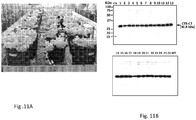
- tobacco transplastomic lines expressing FVIII antigens, heavy chain (HC) and C2, fused with the transmucosal carrier, cholera toxin B subunit (CTB).
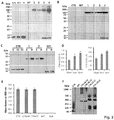
- CTB-HC and CTB-C2 fusion proteins expressed up to 80 or 370 ⁇ g/g in fresh leaves, assembled into pentameric forms, and bound to GM1 receptors. Protection of FVIII antigen through bioencapsulation in plant cells and oral delivery to the gut immune system was confirmed by immunostaining.
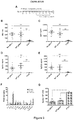
- Feeding of HC/C2 mixture substantially suppressed T helper cell responses and inhibitor formation against FVIII in hemophilia A mice of two different strain backgrounds. Prolonged oral delivery was required to control inhibitor formation long-term. Substantial reduction of inhibitor titers in pre-immune mice demonstrated that the protocol could also reverse inhibitor formation.
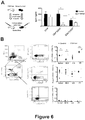
- Gene expression and flow cytometry analyses showed up-regulation of immune suppressive cytokines (TGF- ⁇ /LAP and IL-10).
- Adoptive transfer experiments confirmed an active suppression mechanism and revealed induction of CD4 + CD25 + and CD4 + CD25 - T cells that potently suppressed anti-FVIII formation. In sum, these data support plant cell-based oral tolerance for suppression of inhibitor formation against FVIII.
- WO 01/72959 Methods, vectors, and compositions for transforming plants and plant cells are taught for example in WO 01/72959 ; WO 03/057834 ; and WO 04/005467 .
- WO 01/64023 discusses use of marker free gene constructs.
- compositions for parenteral administration which comprise a solution of the fusion protein (or derivative thereof) or a cocktail thereof dissolved in an acceptable carrier, preferably an aqueous carrier.
- an acceptable carrier preferably an aqueous carrier.
- aqueous carriers can be used, e.g., water, buffered water, 0.4% saline, 0.3% glycerine and the like. These solutions are sterile and generally free of particulate matter.
- compositions may be sterilized by conventional, well known sterilization techniques.
- the compositions may contain pharmaceutically acceptable auxiliary substances as required to approximate physiological conditions such as pH adjusting and buffering agents, toxicity adjusting agents and the like, for example sodium acetate, sodium chloride, potassium chloride, calcium chloride, sodium lactate, etc.
- concentration of fusion protein (or portion thereof) in these formulations can vary widely depending on the specific amino acid sequence of the subject proteins and the desired biological activity, e.g., from less than about 0.5%, usually at or at least about 1% to as much as 15 or 20% by weight and will be selected primarily based on fluid volumes, viscosities, etc., in accordance with the particular mode of administration selected.
- compositions produced by embodiments of the present invention can be administrated by the consumption of the foodstuff that has been manufactured with the transgenic plant producing the therapeutic protein.
- the edible part of the plant is used as a dietary component while the therapeutic protein is administrated in the process.
- the invention pertains to an administrable tolerance inducing composition that comprises an oral tolerance factor, such as an coagulation factor, having been expressed by a plant and a plant remnant.
- a plant remnant may include one or more molecules (such as, but not limited to, proteins and fragments thereof, minerals, nucleotides and fragments thereof, plant structural components (such as cellular compartments), etc.) derived from the plant in which the antigen was expressed.
- a vaccine pertaining to whole plant material e.g., whole or portions of plant leafs, stems, fruit, etc.
- crude plant extract would certainly contain a high concentration of plant remnants, as well as a composition comprising purified antigen that and one or more detectable plant remnant.
- the tolerance inducing compositions of certain embodiments of the present invention may be formulated with a pharmaceutical vehicle or diluent for oral, intravenous, subcutaneous, intranasal, intrabronchial or rectal administration.
- the pharmaceutical composition can be formulated in a classical manner using solid or liquid vehicles, diluents and additives appropriate to the desired mode of administration.
- the composition can be administered in the form of tablets, capsules, granules, powders and the like with at least one vehicle, e.g., starch, calcium carbonate, sucrose, lactose, gelatin, etc.
- the preparation may also be emulsified.
- the active immunogenic ingredient is often mixed with excipients which are pharmaceutically acceptable and compatible with the active ingredient.
- Suitable excipients are, e.g., water, saline, dextrose, glycerol, ethanol or the like and combination thereof.
- the vaccine may contain minor amounts of auxiliary substances such as wetting or emulsifying agents, pH buffering agents, or adjuvants which enhance the effectiveness of the vaccines.
- auxiliary substances such as wetting or emulsifying agents, pH buffering agents, or adjuvants which enhance the effectiveness of the vaccines.
- the preparation for parental administration includes sterilized water, suspension, emulsion, and suppositories.
- emulsifying agents propylene glycol, polyethylene glycol, olive oil, ethyloleate, etc. may be used.
- binders and carriers may include polyalkene glycol, triglyceride, witepsol, macrogol, tween 61, cocoa butter, glycerogelatin, etc.
- pharmaceutical grades of mannitol, lactose, starch, magnesium stearate, sodium saccharine, cellulose, magnesium carbonate and the like can be used as excipients.
- Oral tolerance factors may be administered by the consumption of the foodstuff that has been manufactured with the transgenic plant and the edible part of the plant expressing the antigen is used directly as a dietary component while the vaccine is administrated in the process.
- Examples of readily edible plants that may be transformed to express the constructs described herein include, but are not limited to, apple, berries such as strawberries and raspberries, citrus fruits, tomato, banana, carrot, celery, cauliflower; broccoli, collard greens, cucumber, muskmelon, watermelon, pepper, pear, grape, peach, radish and kale.
- the tolerance inducing proteins may be provided with the juice of the transgenic plants for the convenience of administration.
- the plants to be transformed are preferably selected from the edible plants consisting of tomato, carrot and apple, which are consumed usually in the form of juice.
- the subject invention pertains to a transformed chloroplast genome that has been transformed with a vector comprising a heterologous gene that expresses a coagulation factor.
- the subject invention pertains to a plant comprising at least one cell transformed to express a coagulation factor.
- coagulation factor polypeptides according to the invention comprise at least 12, 15, 25, 50, 75, 100, 125, 150, 175, 200, 225, 250 or 265 contiguous amino acids of a known coagulation factor sequence.
- a coagulation factor polypeptide of the invention therefore can be a portion (or fragment) of a coagulation factor, a full-length coagulation factor protein, or a fusion protein comprising all or a portion of coagulation factor protein.
- Those skilled in the art, equipped with the teachings herein will be enabled to express and utilize other known coagulation factors. Examples of other coagulation factors that may be used with the present invention include, but are not limited to, those polypeptide sequences associated with the following accession nos.
- Appendix A shows representative examples of sequences relating to noted coagulation factors. The interactive regions and protease regions of these sequences are known.
- Coagulation factor polypeptide variants which are biologically active, i.e., confer an ability to increase tolerance against the corresponding factor upon oral administration also are considered coagulation factor polypeptides for purposes of this application.
- naturally or non-naturally occurring coagulation factor polypeptide variants have amino acid sequences which are at least about 55, 60, 65, or 70, preferably about 75, 80, 85, 90, 96, 96, or 98% identical to the amino acid sequence of the known coagulation factor sequence. Percent identity between a putative coagulation factor polypeptide variant and a known amino acid sequence may be determined, for example, by using the Blast2 alignment program (Blosum62, Expect 10, standard genetic codes).
- Variations in percent identity can be due, for example, to amino acid substitutions, insertions, or deletions.
- Amino acid substitutions are defined as one for one amino acid replacements. They are conservative in nature when the substituted amino acid has similar structural and/or chemical properties. Examples of conservative replacements are substitution of a leucine with an isoleucine or valine, an aspartate with a glutamate, or a threonine with a serine.
- Amino acid insertions or deletions are changes to or within an amino acid sequence. They typically fall in the range of about 1 to 5 amino acids. Guidance in determining which amino acid residues can be substituted, inserted, or deleted without abolishing biological or immunological activity of an coagulation factor polypeptide can be found using computer programs well known in the art, such as DNASTAR software. Whether an amino acid change results in a biologically active coagulation factor polypeptide can readily be determined by assaying for coagulation factor activity, as described for example, in the specific Examples, below.
- a coagulation factor polynucleotide can be single- or double-stranded and comprises a coding sequence or the complement of a coding sequence for an coagulation factor polypeptide.
- Other coagulation factor polynucleotides that may be used with the present invention include, but are not limited to, those polynucleotide sequences associated with the following accession nos. NG_009258.1; NG_008953.1; NG_008107.1; NG_008051.1; NM_001993.3 and NM_00128.3, as provided in the related databases as of the filing date of the present invention.
- FVIII is a highly immunogenic molecule that can cause potent antibody responses in hemophilia A patients and in experimental animals at low antigen doses. Under some circumstances, auto-antibodies against FVIII can form in non- hemophilic individuals, resulting in acquired hemophilia A. The majority of inhibitors bind to A2, A3, or C2 domain. These highly immunogenic sequences also contain several CD4+ T cell epitopes. Animal studies suggest that inhibitor formation against FVIII can be prevented by tolerization to parts of the molecule, such as combination of A2 and C2 domains, while a single domain may not be sufficient. It is shown herein that FVIII heavy chain and C2 domain can be expressed as cholera toxin B subunit (CTB) fusion proteins in tobacco. Oral delivery of a mixture of these bioencapsulated antigens suppresses inhibitor formation in hemophilia A mice.
- CTB cholera toxin B subunit
- the full length coagulation factor sequence may be utilized or portions thereof that preserve the epitope peptides. Portions may include polypeptide fragments of at least 15 amino acids with the goal of including and preserving the immunogenic potential of at least one peptide epitope of the sequence.
- the sequence administered includes as many epitopes as possible, as this would increase the likelihood of successful tolerization.
- the full sequence may be expressed, or portions thereof, typically as a fusion protein with CTB.
- Van Haren et al., Mol Cell Proteomics, 2011)Jun;10(6): M110.002246 teaches several sequences pertaining to epitopes (see, e.g., Fig 2B ).
- Other references teaching the location of different epitopes of the FVIII sequence include Jones et al., Journal of Thrombosis and Haemostasis 2005, 3:991- 1000 ; Reding et al., Journal of Thrombosis and Haemostasis, 2003, 1:1777:1784 ; Pratt et al., Thromb Haemost 2004: 92:522-8 ; and Hu et al., Journal of Thrombosis and Haemostasis 2004, 2:1908-1917 .
- FVIII comprises multiple domains: A1, A2, A3, B, C1 and C2.
- the sequence pertains to the full sequence of at least one of the domains and optionally at least a portion or all of two, three, four, five or six domains.
- the following is an amino acid sequence of FVIII (homo sapiens), which can be used in a plastid expression scheme (such as by implementing a polynucleotide that codes the full amino acid sequence or portions thereof) or plastid based compositions as taught herein:
- nucleotide sequences encoding coagulation factor polypeptides as well as homologous nucleotide sequences which are at least about 50, 55, 60, 65, 60, preferably about 75, 90, 96, or 98% identical to the nucleotide sequence encoding a coagulation factor also are coagulation factor polynucleotides. Percent sequence identity between the sequences of two polynucleotides is determined using computer programs such as ALIGN which employ the FASTA algorithm, using an affine gap search with a gap open penalty of -12 and a gap extension penalty of -2.
- Complementary DNA (cDNA) molecules, species homologs, and variants of coagulation factor polynucleotides which encode biologically active coagulation factor polypeptides also are coagulation factor polynucleotides.
- amino acid residues essential to the activity of the polypeptide encoded by an isolated polynucleotide of the invention may be identified according to procedures known in the art, such as site-directed mutagenesis or alanine-scanning mutagenesis (see, e.g., Cunningham and Wells, 1989, Science 244: 1081-1085 ). In the latter technique, mutations are introduced at every positively charged residue in the molecule, and the resultant mutant molecules are tested for activity to identify amino acid residues that are critical to the activity of the molecule.
- Sites of substrate-enzyme interaction can also be determined by analysis of the three-dimensional structure as determined by such techniques as nuclear magnetic resonance analysis, crystallography or photoaffinity labelling (see, e.g., de Vos et al., 1992, Science 255: 306-312 ; Smith et al., 1992, Journal of Molecular Biology 224: 899-904 ; Wlodaver et al., 1992, FEBS Letters 309: 59-64 ).
- TABLE 2 Amino Acid Substitutions Original Residue Exemplary Conservative Substitutions, others are known in the art.
- substitutions that are less conservative than those in Table 2, i.e., selecting residues that differ more significantly in their effect on maintaining (a) the structure of the polypeptide backbone in the area of the substitution, for example as a sheet or helical conformation, (b) the charge or hydrophobicity of the molecule at the target site or (c) the bulk of the side chain.
- the substitutions which in general are expected to produce the greatest changes in the protein properties will be those in which (a) a hydrophilic residue, e.g. seryl or threonyl, is substituted for (or by) a hydrophobic residue, e.g.
- an electropositive side chain e.g., lysyl, arginyl, or histidyl
- an electronegative residue e.g., glutamyl or aspartyl
- substitutions include combinations such as, for example, Gly, Ala; Val, Ile, Leu; Asp, Glu; Asn, Gln; Ser, Thr; Lys, Arg; and Phe, Tyr.
- substitutions include combinations such as, for example, Gly, Ala; Val, Ile, Leu; Asp, Glu; Asn, Gln; Ser, Thr; Lys, Arg; and Phe, Tyr.
- Such conservatively substituted variations of each explicitly disclosed sequence are included within the mosaic polypeptides provided herein.
- Substitutional or deletional mutagenesis can be employed to insert sites for N-glycosylation (Asn-X-Thr/Ser) or O-glycosylation (Ser or Thr).
- Deletions of cysteine or other labile residues also may be desirable.
- Deletions or substitutions of potential proteolysis sites, e.g. Arg is accomplished for example by deleting one of the basic residues or substituting one by glutaminyl or histidyl residues.
- Certain post-translational derivatizations are the result of the action of recombinant host cells on the expressed polypeptide. Glutaminyl and asparaginyl residues are frequently post-translationally deamidated to the corresponding glutamyl and asparyl residues. Alternatively, these residues are deamidated under mildly acidic conditions. Other post-translational modifications include hydroxylation of proline and lysine, phosphorylation of hydroxyl groups of seryl or threonyl residues, methylation of the o-amino groups of lysine, arginine, and histidine side chains ( T. E. Creighton, Proteins: Structure and Molecular Properties, W. H. Freeman & Co., San Francisco pp 79-86 [1983 ]), acetylation of the N-terminal amine and, in some instances, amidation of the C-terminal carboxyl.
- nucleic acids that can encode those protein sequences are also disclosed. This would include all degenerate sequences related to a specific protein sequence, i.e. all nucleic acids having a sequence that encodes one particular protein sequence as well as all nucleic acids, including degenerate nucleic acids, encoding the disclosed variants and derivatives of the protein sequences. Thus, while each particular nucleic acid sequence may not be written out herein, it is understood that each and every sequence is in fact disclosed and described herein through the disclosed protein sequence.
- Variants and homologs of the coagulation factor polynucleotides described above also are coagulation factor polynucleotides.
- homologous coagulation factor polynucleotide sequences can be identified by hybridization of candidate polynucleotides to known coagulation factor polynucleotides under stringent conditions, as is known in the art. For example, using the following wash conditions: 2 X SSC (0.3 M NaCl, 0.03 M sodium citrate, pH 7.0), 0.1% SDS, room temperature twice, 30 minutes each; then 2X SSC, 0.1% SDS, 50O C.
- homologous sequences can be identified which contain at most about 25-30% basepair mismatches. More preferably, homologous nucleic acid strands contain 15-25% basepair mismatches, even more preferably 5-15% basepair mismatches.
- Species homologs of the coagulation factor polynucleotides disclosed herein also can be identified by making suitable probes or primers and screening cDNA expression libraries. It is well known that the Tm of a double-stranded DNA decreases by 1-1.50 C with every 1% decrease in homology ( Bonner et al., J. Mol. Biol. 81, 123 (1973 ). Variants of coagulation factor polynucleotides or polynucleotides of other species can therefore be identified by hybridizing a putative homologous coagulation factor polynucleotide with a polynucleotide having a nucleotide sequence of SEQ ID NO: 1 or the complement thereof to form a test hybrid. The melting temperature of the test hybrid is compared with the melting temperature of a hybrid comprising polynucleotides having perfectly complementary nucleotide sequences, and the number or percent of basepair mismatches within the test hybrid is calculated.
- Nucleotide sequences which hybridize to coagulation factor polynucleotides or their complements following stringent hybridization and/or wash conditions also are coagulation factor polynucleotides.
- Stringent wash conditions are well known and understood in the art and are disclosed, for example, in Sambrook et al., MOLECULAR CLONING: A LABORATORY MANUAL, 2nd ed., 1989, at pages 9.50-9.51 .
- Tmof a hybrid between an coagulation factor polynucleotide having a nucleotide sequence shown in SEQ ID NO: 1 or the complement thereof and a polynucleotide sequence which is at least about 50, preferably about 75, 90, 96, or 98% identical to one of those nucleotide sequences can be calculated, for example, using the equation of Bolton and McCarthy, Proc. Natl. Acad. Sci. U.S.A.
- Stringent wash conditions include, for example, 4 X SSC at 65° C, or 50% formamide, 4 X SSC at 42°C, or 0.5 X SSC, 0.1% SDS at 65°C.
- Highly stringent wash conditions include, for example, 0.2 X SSC at 65°C.
- the invention pertains to a method of treating a subject having a genetic disease prone and at risk to experiencing an anaphylactic reaction responsive to protein replacement therapy.
- the method comprises administering to the subject an effective amount of a composition comprising a tolerance factor and a plant remnant, and administering a therapeutically effective amount of a protein corresponding to a defect or deficiency associated with said disease.
- a tolerance factor pertains to a coagulation factor (see above), an acid ⁇ -glucosidase (accession nos. NM_001079803.1, NM_001079804.1, NM_0001152.3), ⁇ -galactosidase A, (accession no.
- the disease treated typically pertains to Hemophilia A, Hemophilia B, Pompe disease, Fabry disease, Gaucher disease, Mucopolysaccharidosis I, or Niemann-Pick disease.
- the tolerance factors may be conjugated to a CTB protein (see, e.g., Lai, CY, Journal of Biological Chemistry, (1977) 252:7249-7256 , or accession no. DQ523223, also see ref 39) to enhance oral tolerance potential.
- transgenic proteins can accumulate in green leaves at much higher levels than this is the case for more traditional transgenic plant technologies.
- Oral delivery of transplastomic plant cells has been effective in prevention of insulitis in non-obese diabetic mice and of inhibitor formation in hemophilia B mice. 19 , 20
- FVIII is a large protein, comprised of a signal peptide and a 2332 amino acid polypeptide. Structurally, FVIII contains 6 distinct domains, which are organized in the following order: A1-A2-B-A3-C1-C2. 21 The large, central B domain is highly glycosylated and aids in secretion of the molecule.
- BDD FVIII B domain deleted FVIII
- BDD B domain deleted FVIII
- FVIII is biologically active, and represents one of the products currently used in the clinic.
- FVIII is secreted as a heterodimer following at least two intracellular cleavages within the B domain. Consequently, circulating FVIII is comprised of a heavy chain (containing A1-A2-B domains) and a light chain (A3-C1-C2 domains), which are non-covalently linked.
- FVIII is a highly immunogenic molecule that can cause potent antibody responses in hemophilia A patients and in experimental animals at low antigen doses. 6 , 25 The majority of inhibitors bind to A2, A3, or C2 domain. 6 , 26-28 These highly immunogenic sequences also contain several CD4 + T cell epitopes. 6 , 29 , 30 Animal studies suggest that inhibitor formation against FVIII can be prevented by tolerization to parts of the molecule, such as combination of A2 and C2 domains, while a single domain may not be sufficient. 14 , 31 Here, we demonstrate that FVIII heavy chain and C2 domain can be expressed as cholera toxin B subunit (CTB) fusion proteins in tobacco chloroplasts. Oral delivery of a mixture of these bioencapsulated antigens suppressed and also reversed inhibitor formation in a mouse model of hemophilia A.
- CTB cholera toxin B subunit
- human FVIII antigens were expressed as CTB fusions, a successful strategy for tolerogenic delivery of FIX and proinsulin. 20 , 32 Because of the large size of the FVIII molecule and the need for CTB fusions to form pentamers to bind to the GM1 receptor on gut epithelial cells, two separate FVIII chloroplast transformation vectors were constructed to include either the heavy chain (abbreviated as HC, with identical amino acid sequence as in recombinant BDD-FVIII and therefore containing A1 and A2 domains and 5 amino acids of B domain) or the C2 domain.
- HC heavy chain
- the cDNA fragment of human FVIII-HC was amplified by PCR. PCR products, flanked with a furin cleavage and suitable restriction sites, were cloned into the pCR BluntII Topo vector (Invitrogen), and the sequence was verified. Then, the HC DNA fragment was ligated with pLD-Ctv-5CP chloroplast transformation vector containing the CTB and GPGP hinge sequences to create the pLD-CTB-HC expression vector. 19 , 33 An analogous pLD-CTB-C2 expression vector was also constructed. Chloroplast vectors pLD-CTB-HC and pLD-CTB-C2 ( Fig.
- CTB-HC and CTB-C2 contain homologous flanking sequences 16S / trnI and trnA / 23S from tobacco chloroplast genome to facilitate recombination with the native chloroplast genome.
- Expression of CTB-HC and CTB-C2 is regulated by the highly expressed tobacco chloroplast psbA 5'UTR-promoter and 3'UTR.
- the CTB-HC and CTB-C2 expression cassettes contain a glycine-proline-glycine-proline (GPGP) hinge between CTB and the HC or C2 element to prevent steric hindrance of the fusion proteins.
- GPGP glycine-proline-glycine-proline
- the expression cassettes include the aadA (aminoglycoside 3' adenylyltransferase) selection marker gene with a GGAG ribosome binding site, driven by a tobacco plastid ribosomal operon promoter (Prrn), to confer spectinomycin resistance.
- the final chloroplast transformation vectors pLD-CTB-HC and pLD-CTB-C2 ( Fig. 1A ) were sequenced and used for transformation. 33
- Tobacco chloroplast transformation vectors pLD-CTB-HC and pLD-CTB-C2 were used to transform tobacco ( Nicotiana tabacum ) via particle bombardment with gold particles coated with the plasmid DNA. 33 The bombarded leaves were then transferred to selection/regeneration medium. Regeneration of FVIII transplastomic tobacco plants was performed as described earlier. 33 ,34, 35
- the cDNA fragment of human FVIII heavy chain (A1-A2 domains plus first 5 amino acids of B domain) is amplified by PCR.
- PCR products flanked with a furin cleavage and suitable restriction sites, are cloned into the pCR BluntII Topo vector (Invitrogen), and the sequence is verified.
- Lettuce expression vector pLsDV-CTB.C2 containing the CTB-C2 DNA fragment was amplified from pLD-CTB.C2 by PCR, and the sequence of the PCR product was confirmed after cloning into pCR BluntII Topo vector.
- Lettuce expression vector pLs-CTB.C2 was created by subcloning the Ls 5' UTR/CTB-C2/Ls 3' UTR cassette into the pLsDV vector. 31,35 Regeneration of lettuce plants was performed as described earlier. 33,35
- Lettuce leaves expressing CTB-C2 was lyophilized in Freezone Benchtop Freeze Dry Systems (Labconco) as previously described. 36 Lyophilized leaves were stored at room temperature under vacuum for a few weeks and ground to fine powder in Warring blender. The lyophilized lettuce fine powder was stored dry at room temperature for several months.
- mice with targeted deletion of F8 exon 16 (F8e16 -/- ) on a mixed C57BL6/129 or on a pure BALB/c background were housed under special pathogen-free conditions and were ⁇ 2 months of age at the onset of experiments.
- 9 36 Leaf material was ground in liquid nitrogen and stored at -80°C.
- a mixture of CTB-HC and CTB-C2 material (total of 125 mg per mouse per dose) was suspended in sterile PBS (200 ⁇ l/dose), homogenized, and delivered via oral gavage using a 20-G bulb-tipped gastric gavage needle.
- mice were administrated 1 IU BBD-human FVIII (Xyntha, Pfizer, New York, NY) into the tail vein once a week. Plasma samples were obtained by tail bleed was as published. 37 ELISA for FVIII antigen and anti-FVIII, Bethesda assays, and lymphocyte assays were as published. 9 , 36 , 37 Characterization and quantitation of the CTB-HC and CTB-C2 fusion proteins Tobacco leaves were collected from mature plants at different time points (10 am, 2 pm and 6 pm) on the same day. 1,2 In brief, the leaf samples were frozen and ground in liquid nitrogen.
- the ground leaf powder was suspended in an extraction buffer (200 mM Tris-HCl, pH 8.0, 100 mM NaCl, 100 mM DTT, 0.1% SDS, 400 mM sucrose, 0.05% Tween 20, 2 mM PMSF and proteinase inhibitor cocktail).
- the leaf suspension i.e ., homogenate
- the leaf suspension was either directly used for western blot or underwent an additional centrifugation to separate the supernatant portion.
- Bradford assay was performed using protein assay dye reagent (Bio-Rad) to determine the protein concentration of the total leaf protein in homogenate fraction and the protein concentration of the total soluble protein in the supernatant portion.
- Murine splenocytes were isolated by standard methods and cultured in RPMI 1640 media containing 5 ⁇ M ⁇ -mercaptoethanol, 100 mM insulin / transferrin / selenium, glutamine and pencillin / streptomycin with or without 10 ⁇ g/ml of FVIII for 48 hours at 37 °C and 5% CO 2 . Cells were then harvested and RNA was extracted using Qiagen RNeasy isolation kit (Valencia, CA, USA) according to manufacturer's protocol. Quantitative RT-PCR was performed as previously described using SABiosciences kit.
- mice were then pooled for each experimental group and adoptively transferred to naive BALB/c mice at 10 6 cells per mouse via tail vein injection. Recipient mice were challenged 24 hours later via subcutaneous injection of 1 IU FVIII in adjuvant (Sigma Adjuvant System, Sigma, St. Louis, MO, USA).
- Antibody responses to FVIII were measured via ELISA for anti-FVIII IgG1, IgG2a, and IgG2b , and by Bethesda assay for inhibitor formation as described before.
- 4-6 Human FVIII HC antigen in circulation was detected via ELISA.
- Mice were fed with CTB-HC (250 mg) twice per day for 2 days, and bled and sacrificed 5 hours after the last gavage.
- Harvested liver was washed with cold PBS and homogenized in RIPA buffer (PBS with 1% Nonidet P-40, 0.5% sodium deoxycholate, and 0.1% SDS, pH 7.5) with complete protease inhibitor mixture (Roche Diagnostics, Indianapolis, IN, USA) for 30 min on ice.
- RIPA buffer PBS with 1% Nonidet P-40, 0.5% sodium deoxycholate, and 0.1% SDS, pH 7.5
- HC-specific ELISA plate was coated with 2 ⁇ g/ml GMA-012 (Green Mountain Antibodies, Burlington, VT, USA) overnight.
- BBD-FVIII Xyntha, Pfizer, New York, NY, USA
- Sheep anti-human FVIII was diluted to 0.3 ⁇ g/ml
- HRP-rabbit anti-sheep IgG Invitrogen, Camarillo, CA, USA0 was used at 1:2000 dilution.
- Antibody responses to CTB were measured via ELISA as published. 7
- Spleens, mesenteric lymph nodes, Peyer's patches, and inguinal lymph nodes were harvested, and single cell suspensions were prepared using 70-nm cell strainer in cold PBS buffer, followed by Fc blocker for 5 min at room temperature.
- Cells were surface stained for CD4-eFluor 450, CD25-PE, LAP-Perp at 4°C for 30 min in PBS, followed by viability dye eFluor 506 stain at 4°C for 30 min in PBS. Fixation and Foxp3 Alexa Fluor 647 stain was performed using the transcriptional factor staining buffer set.
- mice were fed with CTB-C2 (250 mg) twice per day for 2 days and sacrificed 5 hours after the last gavage. Tissue was collected, frozen, cryo-sectioned, and stained as described. 19 The following antibodies were used: rabbit anti-FVIII light chain (1:200, Santa Cruz Biotechnology , Dallas, TX); biotin anti-mouse CD11c (1:200, BD Biosciences, San Jose, CA; Alexa Fluor-488 donkey anti-rabbit IgG (1:400, Jackson ImmunoResearch Laboratories, West Grove, PA), and streptavidin Alexa Fluor-568 (1:400, Invitrogen, Grand Island, NY). Images were captured using Nikon Eclipse 80i fluorescence microscope, Retiga 2000R digital camera (QImaing, Surrey, BC, Canada), and Nikon Elements software.
- Putative transplastomic tobacco lines obtained after bombardment of chloroplast vectors were first screened by PCR analysis. Site-specific transgene integration into the chloroplast genome was confirmed with two specific primer sets 3P/3M and 5P/2M, which anneal specifically to complementary sequences of transgene cassette and the chloroplast genome. 33 Three independent tobacco lines from pLD-CTB-HC transformation and four independent lines from pLD-CTB-C2 transformation showed positive PCR products of correct sizes (data not shown). The CTB-HC- and CTB-C2-transplastomic tobacco lines were further examined by Southern blot analysis for site-specific stable integration and homoplasmy. Homoplasmy is achieved when all copies of the chloroplast genomes have stably integrated transgenes.
- CTB-HC and CTB-C2 fusion proteins in protein extracts from leaves of transplastomic tobacco plants was evaluated by western blot analysis. Under fully denatured and reducing conditions, blots probed with anti-CTB polyclonal antibody revealed full-length CTB-HC fusion protein with the expected molecular mass of 98 kDa ( Fig . 2A ) in all transplastomic lines. No cleaved products were observed even after solubilization of pentamers and destabilization of disulfide bonds with reducing agents. A similar banding pattern was observed in a parallel blot probed with an anti-A2 domain specific monoclonal antibody.
- a 31 kDa polypeptide representing the correct size of CTB-C2 fusion protein was detected in both fractions (supernatant and homogenate) of independent transplastomic lines.
- the CTB-C2 fusion protein accumulated up to 4.2% in the homogenate ( i.e ., 4.2% TLP or 370 ⁇ g per g of fresh leaf, Fig. 2D ).
- a plasma membrane receptor (GM1-ganglioside) binds CTB in vivo, and a pentameric structure is required for binding to GM1 receptor. 38-40
- GM1-binding ELISA was performed. As observed in Fig. 2E , CTB-HC and CTB-C2 fusion protein extracts along with purified CTB protein showed strong binding affinity to GM1. Therefore, CTB-HC and CTB-C2 fusion proteins assembled properly to form pentameric structures within transformed chloroplasts.
- we ran blue native gels we ran blue native gels, and the blots were probed with anti-CTB polyclonal antibody.
- 9 , 36 were predominantly IgG1 with substantially less IgG2a and IgG2b formation ( Fig. 3C-E ).
- BU correlated with the level of suppression of FVIII-specific IgG1 formation ( Fig. 3C ).
- IgG2a and IgG2b anti-FVIII became undetectable in FVIII-fed mice ( Fig. 3D-E ).
- splenocytes from FVIII-fed did not show expression of IL-6 or other cytokines associated with Th1 (IL-2, IFN- ⁇ ), Th2 (IL-4, IL-13), or Th17 (IL-17) responses. Instead, up-regulation of Treg markers (CD25, FoxP3, CTLA-4) and, more markedly, of suppressive cytokines IL-10 and TGF- ⁇ was observed. Hence, the response was shifted from an effector to a suppressive/regulated response.
- inhibitor and anti-FVIII IgG titers further increased in control animals treated with FVIII in parallel, reaching levels substantially higher (on average 9-fold) than those in initially FVIII-fed mice (445-998 BU/ml, Fig. 5B ).
- Control mice were subsequently fed with WT plant material for 2 months without further exposure to FVIII ( Fig. 5A ). These animals maintained their Bethesda titers and showed a modest decline in IgG1 anti-FVIII ( Fig . 5B-C ).
- Lymphocyte assays in the C57BL6/129 strain suggested Treg induction. We sought to obtain more direct evidence for induction of active immune suppression using adoptive transfer studies, which was possible in the pure BALB/c background. Lymphocytes were isolated from spleens and mesenteric lymph nodes (MLN) of FVIII-fed hemophilic BALB/c mice at the end of the experiment outlined in Fig. 5A . Upon adoptive transfer to naive mice of the same strain, CD4 + CD25 + T cells, and even more so CD4 + CD25 - T cells (but not CD4 - cells) were able to significantly suppress antibody formation to FVIII ( Fig. 6A ).
- CD4 + CD25 + FoxP3 + Treg are critical in tolerance induction to coagulation factors. 8 , 42
- CD4 + CD25 + FoxP3 + Treg are critical in tolerance induction to coagulation factors. 8 , 42
- flow cytometric analyses of various lymphatic tissues in tolerized vs control mice Fig. 6B .
- FVIII antigen Delivery of FVIII antigen to the GALT was demonstrated by immunostaining, which showed presence of fed FVIII antigen in epithelial cells and delivery to dendritic cells (DC) in the lamina intestinal and Peyer's patches of the small intestine ( Fig. 7A-C ). Presence of a furin cleavage site between CTB and FVIII sequences should facilitate systemic delivery of FVIII antigen following uptake in the gut. Indeed, we found HC antigen in plasma samples and liver protein extracts from samples obtained from hemophilia A mice 5 hrs following the last gavage ( Fig. 7D ).
- lettuce Lactuca sativa
- the lettuce chloroplast expression vector pLs-CTB.C2 was created by introducing lettuce flanking sequences 16S / trnI and trnA / 23S, and 5' UTR and promoter of psbA gene from lettuce ( Fig. 9A ).
- Transplastomic plants were obtained after 3 - 4 months of selection and regeneration following bombardment of lettuce leaves. Southern blot analysis indicated that homoplasmy was achieved in most transplastomic lines ( Fig. 9B ).
- TLP or 102 ⁇ g/g fresh leaves
- CTB-C2 fusion protein was expressed in lettuce chloroplasts as observed in western blot analysis ( FIG. 9C ).
- the pentamer form of lettuce-made CTB-C2 was also verified by GM1 binding assay and by blue native gel electrophoresis/immunoblot analysis ( Fig. 9D-E ). No cleaved products were observed even after dissolution of pentamers and destabilization of disulfide bonds by reducing agents ( Fig. 9C ).
- the C2 antigen concentration per gram of leaf tissue increased 20 fold after lyophilization.
- lyophilized and ground lettuce CTB-C2 powder can be prepared as capsules (or in a different formulation more suitable for pediatric patients) and stored at room temperature for long periods to facilitate oral delivery in clinical studies ( Fig. 9H ).
- An oral tolerance protocol would be ideal for induction of antigen-specific tolerance while avoiding use of genetic manipulation of patient cells or of immune suppressive drugs, which have undesired side effects, increase the risk of infection, and may impact development of the immune system. 12 , 14 , 16 , 20 Therefore, oral delivery of FVIII antigen may be an acceptable form of prophylactic tolerance induction in pediatric patients. Our current study demonstrates that multiple domains of FVIII can be expressed in plant chloroplasts. Moreover, oral administration of a mixture of bioencapsulated HC and C2 domain antigens substantially suppressed inhibitor formation in subsequent replacement therapy or animals with pre-existing response to FVIII infusion.
- Transgene codon optimization can be employed to increase expression, as observed for several other human genes in chloroplasts. 18 , 32
- the C2 domain is expressed 3.6-fold higher than the heavy chain because of higher codon compatibility, underscoring the need for codon optimization to achieve higher levels of expression in chloroplasts.
- FVIII domains their ratio becomes important. For example, we observed only a 3-fold reduction in inhibitor titers in hemophilic C57BL6/129 mice when a ratio of HC-C2 of 1:3 (instead of 1:1) was used (data not shown).
- the tolerogenic antigen mix may be further optimized by preparing different ratios of domains or subunits or by addition of more domains such as A3.
- the new data with FVIII demonstrate that the approach can also be applied to reversal of pre-existing inhibitors that have formed during replacement therapy.
- new oral tolerance protocols for prevention of inhibitor formation in high-risk patients and as an alternative or an addition to current ITI have been developed.
- CD4 + T cells suggest induction of CD4 + CD25 - LAP + Treg, which are known to be inducible by antigen presentation in the gut and suppress by expression of large amounts of TGF- ⁇ , a cytokine that is also required for peripheral induction of CD4 + CD25 + FoxP3 + Treg.
- induction of CD4 + CD25 - LAP + was observed in Peyer's patches and MLN, which drain the gut, but not non-draining lymph nodes. Increased frequency in the spleen is consistent with suppression of a systemic response, which is required to control inhibitor formation against IV delivered FVIII antigen. We found no evidence for induction of Trl cells.
- IL-10 a critical anti-inflammatory cytokine in the GALT.
- Both FoxP3 + Treg and LAP + Treg are potential sources of IL-10 expression.
- Co-delivery of HC and C2 domain was sufficient to suppress inhibitor formation against the entire FVIII molecule in the BALB/c strain.
- additional T cell epitopes in other domains likely exist.
- efficient induction of Treg may provide sufficient suppression so that not all epitopes have to be covered by the orally delivered antigens.
- FVIII domains can be produced at high levels in leaves of transplastomic plants.
- Oral delivery of modified plant cells induces Treg that suppress antibody formation to IV delivered FVIII and therefore represents a promising approach to control formation of inhibitors.
Landscapes
- Health & Medical Sciences (AREA)
- Life Sciences & Earth Sciences (AREA)
- Chemical & Material Sciences (AREA)
- Genetics & Genomics (AREA)
- Organic Chemistry (AREA)
- Engineering & Computer Science (AREA)
- General Health & Medical Sciences (AREA)
- Bioinformatics & Cheminformatics (AREA)
- Zoology (AREA)
- Medicinal Chemistry (AREA)
- Biochemistry (AREA)
- Wood Science & Technology (AREA)
- General Engineering & Computer Science (AREA)
- Molecular Biology (AREA)
- Proteomics, Peptides & Aminoacids (AREA)
- Gastroenterology & Hepatology (AREA)
- Pharmacology & Pharmacy (AREA)
- Biotechnology (AREA)
- Biomedical Technology (AREA)
- Biophysics (AREA)
- Animal Behavior & Ethology (AREA)
- Veterinary Medicine (AREA)
- Public Health (AREA)
- Immunology (AREA)
- Epidemiology (AREA)
- Hematology (AREA)
- Cell Biology (AREA)
- Plant Pathology (AREA)
- Physics & Mathematics (AREA)
- Microbiology (AREA)
- Toxicology (AREA)
- Diabetes (AREA)
- Chemical Kinetics & Catalysis (AREA)
- General Chemical & Material Sciences (AREA)
- Nuclear Medicine, Radiotherapy & Molecular Imaging (AREA)
- Medicines That Contain Protein Lipid Enzymes And Other Medicines (AREA)
- Peptides Or Proteins (AREA)
- Pharmaceuticals Containing Other Organic And Inorganic Compounds (AREA)
Abstract
Description
- The application claims priority to
US provisional applications 61/905,069 61/905,071 - Pursuant to 35 U.S.C. §202(c), it is acknowledged that the U.S. Government has rights in the invention described, which was made with funds from the National Institutes of Health, Grant Numbers R01 HL107904 and R01 HL109442.
- The present invention relates to the fields of recombinant plants and the treatment of disorders for which induction of oral tolerance to therapeutically delivered antigens is desired. More specifically, the invention provides compositions and methods for inducing oral tolerance to Factor VIII and other coagulation factors thereby improving therapeutic outcomes.
- Several publications and patent documents are cited throughout the specification in order to describe the state of the art to which this invention pertains. Each of these citations is incorporated herein by reference as though set forth in full.
- Hemophilia is the X-linked bleeding disorder caused by mutations in coagulation factor IX (FIX, hemophilia B) or its co-factor, factor VIII (FVIII, hemophilia A). Since the serine protease FIX has very low activity in the absence of FVIII, mutations in either protein can cause the coagulation defect. This disease affects 1 in 7,500 male births worldwide for hemophilia A and 1 in 30,000 for hemophilia B. 1-3 Hence, the majority of patients are FVIII-deficient. Current standard treatment is based on intravenous (IV) infusion of plasma-derived or recombinant factor concentrate. A major complication of this therapy is the formation of inhibitory antibodies ("inhibitors"), which occurs in 20-30% of patients with severe hemophilia A (as defined by <1% coagulation activity) and in ∼5% of severe hemophilia B patients. 1,4-6 Inhibitors seriously complicate treatment and increase morbidity and mortality of this disease. Increased factor doses may be able to restore hemostasis in patients with low-titer inhibitors (<5 Bethesda Units, BU), while bypass factors are required to treat a bleed in the presence of high-titer inhibitors. However, these treatments are expensive and have to be carefully dosed. Clinical protocols for reversal of the antibody response via immune tolerance induction (ITI) consist of frequent high-dose factor administrations for prolonged periods (months to > 1 year), are very expensive (> $1,000,000), and ∼30% of FVIII inhibitor patients fail to respond. 4
- In accordance with the present invention, a composition comprising lyophilized plant material is provided. In a preferred embodiment, the material comprises a coagulation protein, or immunogenic fragments thereof, produced in chloroplasts within said plant wherein the coagulation protein or immunogenic fragment retains immunogenicity in lyophilized form, which upon oral administration to a mammal in need thereof is effective to produce oral tolerance to the protein. The coagulation factors may include for example, F.II, F.III, F.IV, F.V, F.VI, F.VII, F.VIII, F.X, F.XI, F.XII, and/or F.XIII, or a polypeptides having at least 90 percent identity therewith. In a particularly preferred embodiment, the plant material comprises leaves containing transgenic chloroplasts, and the therapeutic protein is a fusion protein comprising Factor VIII and/or at least one immunogenic domain fragment thereof, and cholera non toxic B subunit (CTB), wherein the material is effective to induce tolerance to said protein or fragment in said mammal upon oral administration. The at least one immunogenic domain fragment is a domain of FVIII selected from the group consisting of A1, A2, A3, B, C1, C2 or heavy chain (HC) fragments. In a particularly preferred embodiment, the therapeutic protein is at least one immunological fragment of FVIII consisting of a C2 domain and/or a HC domain, each fused to cholera non toxic B subunit (CTB), wherein the orally administered fragments induce tolerance to said coagulation protein by suppressing inhibitory antibody formation. Also preferred are compositions effective to induce expression of TGF-β producing CD4+CD25-LAP+ regulatory T cells in spleen, MLN, and Peyer's patches. A variety of plants may be employed in accordance with the present invention. Such plants include without limitation, lettuce, carrots, cauliflower, cabbage, low-nicotine tobacco, spinach, kale, and cilantro.
- In certain embodiments one, two, three, four, five or six domains are administered together. Exemplary compositions and methods include those where a C2-CTB and an HC-CTB fusion protein are administered together. The present inventors have discovered that the compositions disclosed herein are effective to reduce inhibitor formation against FVIII in hemophilia A subjects. Thus, the invention also provides a method for the treatment of Hemophilia A in a subject in need thereof comprising administration of an effective amount of the compositions described above to a subject in need thereof, said composition being effective to suppress formation of inhibitors of FVIII in said subject and induce expression of TGF-β producing CD4+CD25-LAP+ regulatory T cells in spleen, MLN, and Peyer's patches.
- Also provided is a method of treating a subject having a genetic disease and at risk for development of an anaphylactic reaction in response to protein replacement therapy, said method comprising administering an effective amount of a composition comprising a lyophilized tolerance factor and a plant remnant, the tolerance factor being a protein or immunological fragment thereof, wherein loss or mutation of said protein is causative of said disease. In certain embodiments, the tolerance factor is coagulation factor, an acid alpha-glucosidase, alpha-galactosidase A, Glucocerebrosidase, alpha-L-iduronidase, or sphingomyelinase, or variants having at least a 90 percent identity therewith. In a preferred embodiment the therapeutic tolerance factor is conjugated to cholera toxin B. Diseases to be treated using the compositions of the invention, include, for example, Hemophilia A, Hemophilia B, Pompe disease, Fabry disease, Gaucher disease, Mucopolysaccharidosis I, or Niemann-Pick disease.
- The invention can also be understood with reference to the following numbered clauses:
- 1. A composition comprising lyophilized plant material, said material comprising a coagulation protein, or immunogenic fragments thereof, produced in chloroplasts within said plant, said coagulation protein or immunogenic fragment retaining immunogenicity in lyophilized form, which upon oral administration to a mammal in need thereof is effective to produce oral tolerance to said protein.
- 2. The composition of
clause 1 wherein said coagulation factor is F.II, F.III, F.IV, F.V, F.VI, F.VII, F.VIII, F.X, F.XI, F.XII, or F.XIII, or a polypeptides having at least 90 percent identity therewith. - 3. The composition of
clause 2, wherein- i) said plant material comprises leaves containing transgenic chloroplasts, and
- ii) said therapeutic protein is a fusion protein comprising Factor VIII or at least one immunogenic domain fragment thereof, and cholera non toxic B subunit (CTB) and induces tolerance to said protein or fragment in said mammal upon oral administration.
- 4. The composition of
clause 3, wherein said at least one immunogenic domain fragment is a domain of said FVIII selected from the group consisting of A1, A2, A3, B, C1, C2 or heavy chain (HC) fragments. - 5. The composition of
clause 2, wherein said therapeutic protein is at least one immunological fragment of FVIII consisting of a C2 domain and/or a HC domain, each fused to cholera non toxic B subunit (CTB); and said orally administered fragments inducing tolerance to said coagulation protein by suppressing inhibitory antibody formation. - 6. The composition of
clause 5, wherein said compositions is effective to induce expression of TGF-β producing CD4+CD25-LAP+ regulatory T cells in spleen, MLN, and Peyer's patches. - 7. The composition of
clause 1, wherein said plant is selected from the group consisting of lettuce, carrots, cauliflower, cabbage, low-nicotine tobacco, spinach, kale, and cilantro. - 8. The composition of
clause 3, wherein said fusion protein contains a hinge peptide and furin cleavage site between said CTB and said FVIII or at least one immunological fragment thereof. - 9. The composition of
clause 5, wherein said a C2-CTB and an HC-CTB fusion protein are administered together. - 10. The composition of
clause 2, which is effective to reduce inhibitor formation against FVIII in hemophilia A subjects. - 11. A method for the treatment of Hemophilia A in a subject in need thereof comprising administration of an effective amount of the composition of
clause 3 orclause 5 to a subject in need thereof, said composition being effective to suppress formation of inhibitors of FVIII in said subject and induce expression of TGF-β producing CD4+CD25-LAP+ regulatory T cells in spleen, MLN, and Peyer's patches. - 12. A method of treating a subject having a genetic disease and at risk for development of an anaphylactic reaction in response to protein replacement therapy, said method comprising administering an effective amount of a composition comprising a lyophilized tolerance factor and a plant remnant, said tolerance factor being a protein or immunological fragment thereof, wherein loss or mutation of said protein is causative of said disease.
- 13. The method of
clause 12, wherein said tolerance factor is coagulation factor, an acid alpha-glucosidase, alpha-galactosidase A, Glucocerebrosidase, alpha-L-iduronidase, or sphingomyelinase, or variants having at least a 90 percent identity therewith. - 14. The method of
clause 12, wherein said tolerance factor is conjugated to cholera toxin B. - 15. The method of
clause 1 orclause 12, wherein said disease is Hemophilia A, Hemophilia B, Pompe disease, Fabry disease, Gaucher disease, Mucopolysaccharidosis I, or Niemann-Pick disease. -
-
Figures 1A and 1B : Chloroplast transformation vectors and integration of transgenes into the chloroplast genome. A. Tobacco chloroplast expression vectors. Homologous chloroplast genome flanking sequences comprising of16S 3,' trnI, trnA gene sequences; Prrn, ribosomal RNA operon promoter with GGAGG ribosome binding site; aadA, aminoglycoside 3'-adenylytransferase gene to confer spectinomycin resistance; 5' UTR , promoter and 5' UTR of tobacco psbA gene; 3' UTR, 3' UTR of tobacco psbA gene; CTB, cholera toxin B subunit. In both vectors a Gly Pro Gly Pro (GPGP) hinge and furin cleavage site (RRKR) is included between CTB and the FVIII domain sequence. WT, untransformed wild type. Nt, Nicotiana tabacum. The restriction site of AflIII and the sizes of Southern blot fragments are indicated. B. Southern blot, tobacco CTB-HC, WT (untransformed), 1-3 transplastomic lines. Tobacco total genomic DNA was digested with AflIII and probed with 0.81kb trnI/trnA flanking region fragment. C. Southern blot, tobacco CTB-C2, WT (untransformed wild type), 1-4 transplastomic lines. -
Figures 2A -2F . Characterization of CTB-HC and CTB-C2 expression in tobacco chloroplasts. A. Detection of heavy chain fusion protein probed with the CTB antibody. CTB standard: 6.25ng, 12.5ng, 25ng. WT: untransformed wild type. 1-4, transplastomic lines. Five µg total protein of homogenate fraction per lane was loaded. B. Detection of heavy chain probed with the A2 antibody. CTB: 25ng. 1-4, transplastomic lines. Five µg total protein of homogenate fraction per lane was loaded. C. Detection of C2 fusion protein probed with the CTB antibody. CTB standard: 5ng, 10ng, 20ng. S: supernatant fraction; H: homogenate fraction. Two µg total protein of supernatant or homogenate fraction per lane was loaded. D. Quantitation of CTB-HC and CTB-C2 expression in tobacco chloroplasts. Proteins were extracted from mature leaves at different time points on the same day. TLP, total leaf protein. E. Ganglioside GM1 ELISA binding assay. CTB standard (0.1ng); tobacco CTB-HC (5µg); tobacco CTB-C2 (1µg); untransformed tobacco wild type (5µg); BSA, bovine serum albumin (5µg). F. Blue Native Gel Electrophoresis and western blot analysis to evaluate pentamer assembly. Pentamer sizes: CTB: 57.5 kDa; CTB-C2: 155 kDa; CTB-HC: 490 kDa. Samples loaded: CTB standard, 100 ng; WT, 40 µg; CTB-HC, 40 µg; CTB-C2, 10 µg. -
Figures 3A - 3F . Suppression of inhibitor formation against FVIII in hemophilia A C57BL6/129 mice by oral administration of a 1:1 mixture of bioencapsulated CTB-C2 and CTB-HC FVIII antigens. A. Time line of oral antigen administration and intravenous treatment with BDD-FVIII. Number in circle indicates time-point for tail bleed. B. Inhibitor titers (in BU/ml) after 4 weekly i.v. injections of FVIII in non-fed animals ("no plant") or mice fed with WT or FVIII containing plant material. IgG1 (C), IgG2a (D), IgG2b (E) titers against FVIII for the same experimental groups. Data in B-E are shown for individual mice and as averages ± SEM. F. Following the blood draw, mice were sacrificed and spleens collected. Splenocyte cultures for individual mice (n= 3 to 5 per group) were stimulated in vitro with 10 µg/ml of BDD-FVIII for 48 hours. Subsequently, cells were harvested and subjected to quantitative RT-PCR analysis. "Fold increase" is change in RNA transcripts of FVIII vs. mock-stimulated cultures. The dotted horizontal line indicates the minimally required increase of 2.5 fold for a statistically significant difference. G: Spenocytes derived from the same experimental mice were subjected to ELISPOT analysis for frequency of IL-10 secreting cell population. All data are shown for individual mice and as averages ± SEM. Unpaired two-tailed Student's T-tests were used to calculate P values (* ** P<0.01). -
Figures 4A - 4E . Suppression of inhibitor formation against FVIII in hemophilia A BALB/c mice by oral administration of a 1:1 mixture of bioencapsulated CTB-C2 and CTB-HC FVIII antigens. A: Feeding and FVIII treatment schedule. Number in circle indicates time-point for tail bleed. B: Inhibitor titers (in BU/ml) after 4 weekly i.v. injections of BDD-FVIII in "No plant", "WT plant", and "FVIII plant" fed groups. IgG1 (C), IgG2a (D), IgG2b (E) titers against FVIII for the same experimental groups. All data are shown for individual mice and as averages ± SEM. Unpaired two-tailed Student's T-tests were used to calculate P values (* P<0.05, ** P<0.01). -
Figures 5A -5F . Long-term control and reversal of inhibitor formation in hemophilia A BALB/c mice. A: Feeding (HC and C2 material) and FVIII administration schedule for prevention of inhibitor formation. Numbers in circles indicate time-point for blood collection. Inhibitor titers in BU/ml (B) and IgG1 titers against FVIII (C) atweeks weeks -
Figures 6A and 6B . Active suppression of antibody formation against FVIII by induction of regulatory T cells. A. Adoptive transfer experiments. CD4-, CD4+CD25-, and CD4+CD25+ cells were purified via magnetic sorting from spleens and mesenteric lymph nodes (MLN) of FVIII fed mice (n=3) at time-point 3 indicated inFig. 5A and pooled (with a final ratio of approximately 30% spleen and 70% MLN-derived CD4+ T cells). Cells (106 per mouse) were adoptively transferred into naive BALB/c mice via tail vein injection. Control cells were from unchallenged naive mice of the same strain. Twenty-four hours later, all recipient mice (n=5 per group) were challenged with 1 IU FVIII in adjuvant via subcutaneous injection. IgG titers against FVIII were determined 3 weeks later. All data are shown as averages ± SEM; * P<0.05, ** P<0.01. B. Frequencies of Treg subsets in FVIII fed and control hemophilia A BALB/c mice. Cells derived from spleens, mesenteric lymph nodes (MLN), inguinal lymph nodes (ILN), and Peyer's patches (PP) were isolated from mice that had either been fed with FVIII (HC+C2, "FVIII fed") or WT plant material ("control") followed by IV treatment with FVIII ("FVIII fed"). Stained cells were first gated for live CD4+ cells (positive CD4-eFluor 450 and negative viability dye eFluor 506 staining). The frequencies of CD4+CD25-LAP+ cells, CD4+CD25+Foxp3+ cells, and Trl cells (CD4+LAG-3+CD49b+) were calculated using flow cytometric analysis. Data for individual animals as well as averages ± SEM are shown (n=3-5/group). Unpaired two-tailed Student's T tests were used to calculate P values for all panels. -
Figures. 7A-7D . Delivery of FVIII antigen to the GALT and into circulation. A-C: Immunostains (original magnification 200X) of ileum cryo-sections from unfed (A, negative control) or CTB-C2 fed (B: lamina propria, C: Peyer's patch) BALB/c hemophilia A mice. Stains are for C2 domain of FVIII (green), CD11c (red), and nuclei (DAPI; blue). D: Human FVIII antigen levels were measured in plasma or liver protein extract of the CTB-HC fed C57BL6/129 and BALB/c hemophilia A mice and WT fed control mice of the same strain using HC-specific ELISA. All data are shown for individual mice and as averages ± SEM. -
Figures 8A-8C : Antibody responses against CTB protein in hemophilia A mice fed with FVIII chloroplast transgenic plant material. IgG1 (A), IgG2a (B), and IgG2b (C) serum titers against CTB following 8 weeks of feeding with a mixture of CTB-HC and CTB-C2 transgenic tobacco material. Sera from mice of thesame strain 2 weeks after challenging with 20 µg CTB in adjuvant served as positive controls. Unchallenged naive mice of the same strain served as negative controls. The dotted horizontal line indicates the background of the assay (average readings for negative controls). All data are shown for individual mice and as averages ± SEM. -
Figures 9A - 9G Generation and characterization of CTB-C2 transplastomic lettuce plants A: Lettuce CTB-C2 expression vector and a portion of native chloroplast genome. 16S trnI andtrnA 23S, lettuce homologous chloroplast genome flanking sequences comprising of 16S 3' (or 23 5') end sequences and complete trnI, trnA genes; Prrn, ribosomal RNA operon promoter with GGAGG ribosome binding site; aadA, aminoglycoside 3'-adenylytransferase gene for spectinomycin resistance; 5' UTR , promoter and 5' UTR of psbA gene from lettuce; 3' UTR, 3' UTR of psbA gene from lettuce; CTB, cholera toxin B subunit. A Gly Pro Gly Pro (GPGP) hinge and furin cleavage site (RRKR) is included between CTB and the C2 sequence. WT, wild type. The restriction site of AflIII and the sizes of Southern blot positive bands are indicated. B: Southern blot. WT (untransformed wild type), 1-5: transplastomic lines, lettuce genomic DNA was digested with AflIII and probed with 1.12-kb lettuce flanking region. The 7.4-kb positive band contains the CTB-C2 insertion fragment in the transplastomic lines. The absence of WT fragment (4.8-kb) intransplastomic lines -
Figures 10A and 10B . Screening for CTB-HC lettuce plants (T1) (A); by western blot analysis (B). Probe: anti-CTB ; CTB-HC = 97.7 kDa. All individual plants exceptplant #14 showed expression of CTB-HC fusion protein. -
Figure 11 . Screening for CTB-C2 lettuce plants (Tl) by western blot analysis. All individual plants showed expression of CTB-HC fusion protein. - Hemophilia A is the X-linked bleeding disorder due to deficiency of coagulation factor VIII (FVIII). To address serious complications of inhibitory antibody formation in current replacement therapy, we created tobacco transplastomic lines expressing FVIII antigens, heavy chain (HC) and C2, fused with the transmucosal carrier, cholera toxin B subunit (CTB). CTB-HC and CTB-C2 fusion proteins expressed up to 80 or 370 µg/g in fresh leaves, assembled into pentameric forms, and bound to GM1 receptors. Protection of FVIII antigen through bioencapsulation in plant cells and oral delivery to the gut immune system was confirmed by immunostaining. Feeding of HC/C2 mixture substantially suppressed T helper cell responses and inhibitor formation against FVIII in hemophilia A mice of two different strain backgrounds. Prolonged oral delivery was required to control inhibitor formation long-term. Substantial reduction of inhibitor titers in pre-immune mice demonstrated that the protocol could also reverse inhibitor formation. Gene expression and flow cytometry analyses showed up-regulation of immune suppressive cytokines (TGF-β/LAP and IL-10). Adoptive transfer experiments confirmed an active suppression mechanism and revealed induction of CD4+CD25+ and CD4+CD25- T cells that potently suppressed anti-FVIII formation. In sum, these data support plant cell-based oral tolerance for suppression of inhibitor formation against FVIII.
- Unless otherwise defined, all technical and scientific terms used herein have the same meaning as commonly understood by one of ordinary skill in the art of molecular biology. Although methods and materials similar or equivalent to those described herein can be used in the practice or testing of the present invention, suitable methods and materials are described herein. All publications, patent applications, patents, and other references mentioned herein are incorporated by reference in their entirety. In case of conflict, the present specification, including definitions, will control. In addition, the materials, methods, and examples are illustrative only and are not intended to be limiting.
- Reference is made to standard textbooks of molecular biology that contain definitions and methods and means for carrying out basic techniques, encompassed by the present invention. See, for example, Maniatis et al., Molecular Cloning: A Laboratory Manual, Cold Spring Harbor Laboratory Press, New York (1982) and Sambrook et al., Molecular Cloning: A Laboratory Manual, Cold Spring Harbor Laboratory Press, New York (1989); Methods in Plant Molecular Biology, Maliga et al, Eds., Cold Spring Harbor Laboratory Press, New York (1995); Arabidopsis, Meyerowitz et al, Eds., Cold Spring Harbor Laboratory Press, New York (1994) and the various references cited therein.
- Methods, vectors, and compositions for transforming plants and plant cells are taught for example in
WO 01/72959 WO 03/057834 WO 04/005467 WO 01/64023 - Proteins expressed in accord with certain embodiments taught herein may be used in vivo by administration to a subject, human or animal, in a variety of ways. The pharmaceutical compositions may be administered orally or parenterally, i.e., subcutaneously, intramuscularly or intravenously. Thus, this invention provides compositions for parenteral administration which comprise a solution of the fusion protein (or derivative thereof) or a cocktail thereof dissolved in an acceptable carrier, preferably an aqueous carrier. A variety of aqueous carriers can be used, e.g., water, buffered water, 0.4% saline, 0.3% glycerine and the like. These solutions are sterile and generally free of particulate matter. These compositions may be sterilized by conventional, well known sterilization techniques. The compositions may contain pharmaceutically acceptable auxiliary substances as required to approximate physiological conditions such as pH adjusting and buffering agents, toxicity adjusting agents and the like, for example sodium acetate, sodium chloride, potassium chloride, calcium chloride, sodium lactate, etc. The concentration of fusion protein (or portion thereof) in these formulations can vary widely depending on the specific amino acid sequence of the subject proteins and the desired biological activity, e.g., from less than about 0.5%, usually at or at least about 1% to as much as 15 or 20% by weight and will be selected primarily based on fluid volumes, viscosities, etc., in accordance with the particular mode of administration selected.
- Therapeutic compositions produced by embodiments of the present invention can be administrated by the consumption of the foodstuff that has been manufactured with the transgenic plant producing the therapeutic protein. The edible part of the plant is used as a dietary component while the therapeutic protein is administrated in the process.
- Thus, in one embodiment, the invention pertains to an administrable tolerance inducing composition that comprises an oral tolerance factor, such as an coagulation factor, having been expressed by a plant and a plant remnant. A plant remnant may include one or more molecules (such as, but not limited to, proteins and fragments thereof, minerals, nucleotides and fragments thereof, plant structural components (such as cellular compartments), etc.) derived from the plant in which the antigen was expressed. Accordingly, a vaccine pertaining to whole plant material (e.g., whole or portions of plant leafs, stems, fruit, etc.) or crude plant extract would certainly contain a high concentration of plant remnants, as well as a composition comprising purified antigen that and one or more detectable plant remnant.
- The tolerance inducing compositions of certain embodiments of the present invention may be formulated with a pharmaceutical vehicle or diluent for oral, intravenous, subcutaneous, intranasal, intrabronchial or rectal administration. The pharmaceutical composition can be formulated in a classical manner using solid or liquid vehicles, diluents and additives appropriate to the desired mode of administration. Orally, the composition can be administered in the form of tablets, capsules, granules, powders and the like with at least one vehicle, e.g., starch, calcium carbonate, sucrose, lactose, gelatin, etc. The preparation may also be emulsified. The active immunogenic ingredient is often mixed with excipients which are pharmaceutically acceptable and compatible with the active ingredient. Suitable excipients are, e.g., water, saline, dextrose, glycerol, ethanol or the like and combination thereof. In addition, if desired, the vaccine may contain minor amounts of auxiliary substances such as wetting or emulsifying agents, pH buffering agents, or adjuvants which enhance the effectiveness of the vaccines. The preparation for parental administration includes sterilized water, suspension, emulsion, and suppositories. For the emulsifying agents, propylene glycol, polyethylene glycol, olive oil, ethyloleate, etc. may be used. For suppositories, traditional binders and carriers may include polyalkene glycol, triglyceride, witepsol, macrogol, tween 61, cocoa butter, glycerogelatin, etc. In addition, pharmaceutical grades of mannitol, lactose, starch, magnesium stearate, sodium saccharine, cellulose, magnesium carbonate and the like can be used as excipients.
- Oral tolerance factors may be administered by the consumption of the foodstuff that has been manufactured with the transgenic plant and the edible part of the plant expressing the antigen is used directly as a dietary component while the vaccine is administrated in the process.
- Examples of readily edible plants that may be transformed to express the constructs described herein include, but are not limited to, apple, berries such as strawberries and raspberries, citrus fruits, tomato, banana, carrot, celery, cauliflower; broccoli, collard greens, cucumber, muskmelon, watermelon, pepper, pear, grape, peach, radish and kale.
- The tolerance inducing proteins may be provided with the juice of the transgenic plants for the convenience of administration. For said purpose, the plants to be transformed are preferably selected from the edible plants consisting of tomato, carrot and apple, which are consumed usually in the form of juice.
- Those skilled in the art will appreciate that active variants of the genes specifically disclosed herein may be employed to produce plant derived therapeutic compositions. J Exp Med. 1997 May 19;185(10):1793-801 provides some specific examples of fragments of known antigenic proteins and genes coding therefor.
- According to another embodiment, the subject invention pertains to a transformed chloroplast genome that has been transformed with a vector comprising a heterologous gene that expresses a coagulation factor. In a related embodiment, the subject invention pertains to a plant comprising at least one cell transformed to express a coagulation factor.
- In one embodiment, coagulation factor polypeptides according to the invention comprise at least 12, 15, 25, 50, 75, 100, 125, 150, 175, 200, 225, 250 or 265 contiguous amino acids of a known coagulation factor sequence. A coagulation factor polypeptide of the invention therefore can be a portion (or fragment) of a coagulation factor, a full-length coagulation factor protein, or a fusion protein comprising all or a portion of coagulation factor protein. Those skilled in the art, equipped with the teachings herein, will be enabled to express and utilize other known coagulation factors. Examples of other coagulation factors that may be used with the present invention include, but are not limited to, those polypeptide sequences associated with the following accession nos. NG_009258.1; NG_008953.1; NG_008107.1; NG_008051.1; NM_001993.3 and NM_00128.3, as provided in the related databases as of the filing date of the present invention. Also, Appendix A shows representative examples of sequences relating to noted coagulation factors. The interactive regions and protease regions of these sequences are known.
- Coagulation factor polypeptide variants which are biologically active, i.e., confer an ability to increase tolerance against the corresponding factor upon oral administration also are considered coagulation factor polypeptides for purposes of this application. Preferably, naturally or non-naturally occurring coagulation factor polypeptide variants have amino acid sequences which are at least about 55, 60, 65, or 70, preferably about 75, 80, 85, 90, 96, 96, or 98% identical to the amino acid sequence of the known coagulation factor sequence. Percent identity between a putative coagulation factor polypeptide variant and a known amino acid sequence may be determined, for example, by using the Blast2 alignment program (Blosum62, Expect 10, standard genetic codes).
- Variations in percent identity can be due, for example, to amino acid substitutions, insertions, or deletions. Amino acid substitutions are defined as one for one amino acid replacements. They are conservative in nature when the substituted amino acid has similar structural and/or chemical properties. Examples of conservative replacements are substitution of a leucine with an isoleucine or valine, an aspartate with a glutamate, or a threonine with a serine.
- Amino acid insertions or deletions are changes to or within an amino acid sequence. They typically fall in the range of about 1 to 5 amino acids. Guidance in determining which amino acid residues can be substituted, inserted, or deleted without abolishing biological or immunological activity of an coagulation factor polypeptide can be found using computer programs well known in the art, such as DNASTAR software. Whether an amino acid change results in a biologically active coagulation factor polypeptide can readily be determined by assaying for coagulation factor activity, as described for example, in the specific Examples, below.
- A coagulation factor polynucleotide can be single- or double-stranded and comprises a coding sequence or the complement of a coding sequence for an coagulation factor polypeptide. Examples of other coagulation factor polynucleotides that may be used with the present invention include, but are not limited to, those polynucleotide sequences associated with the following accession nos. NG_009258.1; NG_008953.1; NG_008107.1; NG_008051.1; NM_001993.3 and NM_00128.3, as provided in the related databases as of the filing date of the present invention.
- FVIII is a highly immunogenic molecule that can cause potent antibody responses in hemophilia A patients and in experimental animals at low antigen doses. Under some circumstances, auto-antibodies against FVIII can form in non- hemophilic individuals, resulting in acquired hemophilia A. The majority of inhibitors bind to A2, A3, or C2 domain. These highly immunogenic sequences also contain several CD4+ T cell epitopes. Animal studies suggest that inhibitor formation against FVIII can be prevented by tolerization to parts of the molecule, such as combination of A2 and C2 domains, while a single domain may not be sufficient. It is shown herein that FVIII heavy chain and C2 domain can be expressed as cholera toxin B subunit (CTB) fusion proteins in tobacco. Oral delivery of a mixture of these bioencapsulated antigens suppresses inhibitor formation in hemophilia A mice.
- Accordingly, in view of the teachings herein, it is to be appreciated that the full length coagulation factor sequence may be utilized or portions thereof that preserve the epitope peptides. Portions may include polypeptide fragments of at least 15 amino acids with the goal of including and preserving the immunogenic potential of at least one peptide epitope of the sequence. However, ideally, the sequence administered includes as many epitopes as possible, as this would increase the likelihood of successful tolerization. For example, with respect to the FVIII sequence, the full sequence may be expressed, or portions thereof, typically as a fusion protein with CTB. Van Haren et al., Mol Cell Proteomics, 2011)Jun;10(6): M110.002246, teaches several sequences pertaining to epitopes (see, e.g.,
Fig 2B ). Other references teaching the location of different epitopes of the FVIII sequence include Jones et al., Journal of Thrombosis and Haemostasis 2005, 3:991- 1000; Reding et al., Journal of Thrombosis and Haemostasis, 2003, 1:1777:1784; Pratt et al., Thromb Haemost 2004: 92:522-8; and Hu et al., Journal of Thrombosis and . FVIII comprises multiple domains: A1, A2, A3, B, C1 and C2. In certain embodiments, the sequence pertains to the full sequence of at least one of the domains and optionally at least a portion or all of two, three, four, five or six domains. The following is an amino acid sequence of FVIII (homo sapiens), which can be used in a plastid expression scheme (such as by implementing a polynucleotide that codes the full amino acid sequence or portions thereof) or plastid based compositions as taught herein:

- Degenerate nucleotide sequences encoding coagulation factor polypeptides, as well as homologous nucleotide sequences which are at least about 50, 55, 60, 65, 60, preferably about 75, 90, 96, or 98% identical to the nucleotide sequence encoding a coagulation factor also are coagulation factor polynucleotides. Percent sequence identity between the sequences of two polynucleotides is determined using computer programs such as ALIGN which employ the FASTA algorithm, using an affine gap search with a gap open penalty of -12 and a gap extension penalty of -2. Complementary DNA (cDNA) molecules, species homologs, and variants of coagulation factor polynucleotides which encode biologically active coagulation factor polypeptides also are coagulation factor polynucleotides.
- It will be apparent to those skilled in the art that such substitutions can be made outside the regions critical to the function of the molecule and still result in an active polypeptide. Amino acid residues essential to the activity of the polypeptide encoded by an isolated polynucleotide of the invention, and therefore preferably not subject to substitution, may be identified according to procedures known in the art, such as site-directed mutagenesis or alanine-scanning mutagenesis (see, e.g., Cunningham and Wells, 1989, Science 244: 1081-1085). In the latter technique, mutations are introduced at every positively charged residue in the molecule, and the resultant mutant molecules are tested for activity to identify amino acid residues that are critical to the activity of the molecule. Sites of substrate-enzyme interaction can also be determined by analysis of the three-dimensional structure as determined by such techniques as nuclear magnetic resonance analysis, crystallography or photoaffinity labelling (see, e.g., de Vos et al., 1992, Science 255: 306-312; Smith et al., 1992, Journal of Molecular Biology 224: 899-904; Wlodaver et al., 1992, FEBS Letters 309: 59-64).
TABLE 2:Amino Acid Substitutions Original Residue Exemplary Conservative Substitutions, others are known in the art. Ala; ser Arg; lys; gln Asn; gln; his Asp; glu Cys; ser Gln; asn, lys Glu; asp Gly; pro His; asn; gln Ile; leu; val Leu; ile; val Lys; arg; gln Met; leu; ile Phe; mel; leu; tyr Ser; thr Thr; ser Trp; tyr Tyr; trp; phe Val; ile; leu - Substantial changes in function or immunological identity are made by selecting substitutions that are less conservative than those in Table 2, i.e., selecting residues that differ more significantly in their effect on maintaining (a) the structure of the polypeptide backbone in the area of the substitution, for example as a sheet or helical conformation, (b) the charge or hydrophobicity of the molecule at the target site or (c) the bulk of the side chain. The substitutions which in general are expected to produce the greatest changes in the protein properties will be those in which (a) a hydrophilic residue, e.g. seryl or threonyl, is substituted for (or by) a hydrophobic residue, e.g. leucyl, isoleucyl, phenylalanyl, valyl or alanyl; (b) a cysteine or proline is substituted for (or by) any other residue; (c) a residue having an electropositive side chain, e.g., lysyl, arginyl, or histidyl, is substituted for (or by) an electronegative residue, e.g., glutamyl or aspartyl; or (d) a residue having a bulky side chain, e.g., phenylalanine, is substituted for (or by) one not having a side chain, e.g., glycine, in this case, (e) by increasing the number of sites for sulfation and/or glycosylation.
- For example, the replacement of one amino acid residue with another that is biologically and/or chemically similar is known to those skilled in the art as a conservative substitution. For example, a conservative substitution would be replacing one hydrophobic residue for another, or one polar residue for another. The substitutions include combinations such as, for example, Gly, Ala; Val, Ile, Leu; Asp, Glu; Asn, Gln; Ser, Thr; Lys, Arg; and Phe, Tyr. Such conservatively substituted variations of each explicitly disclosed sequence are included within the mosaic polypeptides provided herein.
- Substitutional or deletional mutagenesis can be employed to insert sites for N-glycosylation (Asn-X-Thr/Ser) or O-glycosylation (Ser or Thr). Deletions of cysteine or other labile residues also may be desirable. Deletions or substitutions of potential proteolysis sites, e.g. Arg, is accomplished for example by deleting one of the basic residues or substituting one by glutaminyl or histidyl residues.
- Certain post-translational derivatizations are the result of the action of recombinant host cells on the expressed polypeptide. Glutaminyl and asparaginyl residues are frequently post-translationally deamidated to the corresponding glutamyl and asparyl residues. Alternatively, these residues are deamidated under mildly acidic conditions. Other post-translational modifications include hydroxylation of proline and lysine, phosphorylation of hydroxyl groups of seryl or threonyl residues, methylation of the o-amino groups of lysine, arginine, and histidine side chains (T. E. Creighton, Proteins: Structure and Molecular Properties, W. H. Freeman & Co., San Francisco pp 79-86 [1983]), acetylation of the N-terminal amine and, in some instances, amidation of the C-terminal carboxyl.
- As this specification discusses various proteins and protein sequences it is understood that the nucleic acids that can encode those protein sequences are also disclosed. This would include all degenerate sequences related to a specific protein sequence, i.e. all nucleic acids having a sequence that encodes one particular protein sequence as well as all nucleic acids, including degenerate nucleic acids, encoding the disclosed variants and derivatives of the protein sequences. Thus, while each particular nucleic acid sequence may not be written out herein, it is understood that each and every sequence is in fact disclosed and described herein through the disclosed protein sequence.
- Variants and homologs of the coagulation factor polynucleotides described above also are coagulation factor polynucleotides. Typically, homologous coagulation factor polynucleotide sequences can be identified by hybridization of candidate polynucleotides to known coagulation factor polynucleotides under stringent conditions, as is known in the art. For example, using the following wash conditions: 2 X SSC (0.3 M NaCl, 0.03 M sodium citrate, pH 7.0), 0.1% SDS, room temperature twice, 30 minutes each; then 2X SSC, 0.1% SDS, 50O C. once, 30 minutes; then 2X SSC, room temperature twice, 10 minutes each homologous sequences can be identified which contain at most about 25-30% basepair mismatches. More preferably, homologous nucleic acid strands contain 15-25% basepair mismatches, even more preferably 5-15% basepair mismatches.
- Species homologs of the coagulation factor polynucleotides disclosed herein also can be identified by making suitable probes or primers and screening cDNA expression libraries. It is well known that the Tm of a double-stranded DNA decreases by 1-1.50 C with every 1% decrease in homology (Bonner et al., J. Mol. Biol. 81, 123 (1973). Variants of coagulation factor polynucleotides or polynucleotides of other species can therefore be identified by hybridizing a putative homologous coagulation factor polynucleotide with a polynucleotide having a nucleotide sequence of SEQ ID NO: 1 or the complement thereof to form a test hybrid. The melting temperature of the test hybrid is compared with the melting temperature of a hybrid comprising polynucleotides having perfectly complementary nucleotide sequences, and the number or percent of basepair mismatches within the test hybrid is calculated.
- Nucleotide sequences which hybridize to coagulation factor polynucleotides or their complements following stringent hybridization and/or wash conditions also are coagulation factor polynucleotides. Stringent wash conditions are well known and understood in the art and are disclosed, for example, in Sambrook et al., MOLECULAR CLONING: A LABORATORY MANUAL, 2nd ed., 1989, at pages 9.50-9.51.
- Typically, for stringent hybridization conditions a combination of temperature and salt concentration should be chosen that is approximately 12-200 C below the calculated Tmof the hybrid under study. The Tmof a hybrid between an coagulation factor polynucleotide having a nucleotide sequence shown in SEQ ID NO: 1 or the complement thereof and a polynucleotide sequence which is at least about 50, preferably about 75, 90, 96, or 98% identical to one of those nucleotide sequences can be calculated, for example, using the equation of Bolton and McCarthy, Proc. Natl. Acad. Sci. U.S.A. 48, 1390 (1962):
Tm=81.5°C-16.6(log10 [Na+])+0.41(%G+C)-0.63(%formamide)-600/l), where l=the length of the hybrid in basepairs. - Stringent wash conditions include, for example, 4 X SSC at 65° C, or 50% formamide, 4 X SSC at 42°C, or 0.5 X SSC, 0.1% SDS at 65°C. Highly stringent wash conditions include, for example, 0.2 X SSC at 65°C.
- In alternative embodiments, the invention pertains to a method of treating a subject having a genetic disease prone and at risk to experiencing an anaphylactic reaction responsive to protein replacement therapy. The method comprises administering to the subject an effective amount of a composition comprising a tolerance factor and a plant remnant, and administering a therapeutically effective amount of a protein corresponding to a defect or deficiency associated with said disease. Typically, a tolerance factor pertains to a coagulation factor (see above), an acid α-glucosidase (accession nos. NM_001079803.1, NM_001079804.1, NM_0001152.3), α-galactosidase A, (accession no. NM_000169.2) Glucocerebrosidase (accession nos. J03059, J03060), α-L-iduronidase (accession no. NM_000203.3), or sphingomyelinase (accession nos. NM_000543.3, NM_001007593.1. The principles described above with respect to coagulation factor polypeptides and polynucleotides and variants in the preceding eleven paragraphs also apply to the sequences asscociated with the accession nos. provided in this paragraph. Also, the disease treated typically pertains to Hemophilia A, Hemophilia B, Pompe disease, Fabry disease, Gaucher disease, Mucopolysaccharidosis I, or Niemann-Pick disease. The tolerance factors may be conjugated to a CTB protein (see, e.g., Lai, CY, Journal of Biological Chemistry, (1977) 252:7249-7256, or accession no. DQ523223, also see ref 39) to enhance oral tolerance potential.
- The following examples are provided to illustrate certain embodiments of the invention. They are not intended to limit the invention in any way.
- While there are currently no prophylactic protocols against inhibitor formation in patients, preclinical experiments in murine models of hemophilia A have provided proof-of-principle that preventive immune tolerance to FVIII can be established. 6-11 However, such protocols utilize genetic manipulation or immune suppressive drugs, raising safety concerns for translation to human treatment. In contrast, oral tolerance could be a more readily acceptable form of prophylactic tolerance induction and may be more readily tested in clinical trials. 12,13 However, effective tolerogenic delivery of coagulation factor antigen to the gut-associated lymphoid tissue (GALT) is a challenge. 14 In accordance with the present invention, we have developed a cost-effective system for production of high levels of protein in chloroplasts of transplastomic plant cells, which provide bioencapsulation of the antigen through the cellulose containing cell walls. 15,16 Because of the high number of chloroplast genomes per cell and our optimized expression system, transgenic proteins can accumulate in green leaves at much higher levels than this is the case for more traditional transgenic plant technologies. 17,18 Oral delivery of transplastomic plant cells has been effective in prevention of insulitis in non-obese diabetic mice and of inhibitor formation in hemophilia B mice. 19,20
- For FIX inhibitors, ITI is often not sustainable because of anaphylactic reactions and development of nephrotic syndrome. In hemophilia B mice, we demonstrated that repeated oral delivery of bioencapsulated FIX prevented inhibitor formation and fatal anaphylaxis in subsequent replacement therapy. 20 Encouraged by these results, we sought to develop a protocol for hemophilia A. FVIII is a large protein, comprised of a signal peptide and a 2332 amino acid polypeptide. Structurally, FVIII contains 6 distinct domains, which are organized in the following order: A1-A2-B-A3-C1-C2. 21 The large, central B domain is highly glycosylated and aids in secretion of the molecule. 22-24 However, recombinant B domain deleted (BDD) FVIII is biologically active, and represents one of the products currently used in the clinic. FVIII is secreted as a heterodimer following at least two intracellular cleavages within the B domain. Consequently, circulating FVIII is comprised of a heavy chain (containing A1-A2-B domains) and a light chain (A3-C1-C2 domains), which are non-covalently linked. 21,23
- FVIII is a highly immunogenic molecule that can cause potent antibody responses in hemophilia A patients and in experimental animals at low antigen doses. 6,25 The majority of inhibitors bind to A2, A3, or C2 domain. 6,26-28 These highly immunogenic sequences also contain several CD4+ T cell epitopes. 6,29,30 Animal studies suggest that inhibitor formation against FVIII can be prevented by tolerization to parts of the molecule, such as combination of A2 and C2 domains, while a single domain may not be sufficient. 14,31 Here, we demonstrate that FVIII heavy chain and C2 domain can be expressed as cholera toxin B subunit (CTB) fusion proteins in tobacco chloroplasts. Oral delivery of a mixture of these bioencapsulated antigens suppressed and also reversed inhibitor formation in a mouse model of hemophilia A.
- The following materials and methods are provided to facilitate the practice of the present invention.
- Because efficient delivery of bioencapsulated antigen to the GALT is required for tolerance induction and is facilitated by transmucosal carriers, human FVIII antigens were expressed as CTB fusions, a successful strategy for tolerogenic delivery of FIX and proinsulin. 20,32 Because of the large size of the FVIII molecule and the need for CTB fusions to form pentamers to bind to the GM1 receptor on gut epithelial cells, two separate FVIII chloroplast transformation vectors were constructed to include either the heavy chain (abbreviated as HC, with identical amino acid sequence as in recombinant BDD-FVIII and therefore containing A1 and A2 domains and 5 amino acids of B domain) or the C2 domain. The cDNA fragment of human FVIII-HC was amplified by PCR. PCR products, flanked with a furin cleavage and suitable restriction sites, were cloned into the pCR BluntII Topo vector (Invitrogen), and the sequence was verified. Then, the HC DNA fragment was ligated with pLD-Ctv-5CP chloroplast transformation vector containing the CTB and GPGP hinge sequences to create the pLD-CTB-HC expression vector. 19,33 An analogous pLD-CTB-C2 expression vector was also constructed. Chloroplast vectors pLD-CTB-HC and pLD-CTB-C2 (
Fig. 1A ) containhomologous flanking sequences 16S/trnI and trnA/23S from tobacco chloroplast genome to facilitate recombination with the native chloroplast genome. Expression of CTB-HC and CTB-C2 is regulated by the highly expressed tobacco chloroplast psbA 5'UTR-promoter and 3'UTR. The CTB-HC and CTB-C2 expression cassettes contain a glycine-proline-glycine-proline (GPGP) hinge between CTB and the HC or C2 element to prevent steric hindrance of the fusion proteins. In addition, a furin cleavage site, Arg-Arg-Lys-Arg, was created at the junction region of the fusion proteins to efficiently release the FVIII domains after internalization by epithelial cells. 34 The expression cassettes include the aadA (aminoglycoside 3' adenylyltransferase) selection marker gene with a GGAG ribosome binding site, driven by a tobacco plastid ribosomal operon promoter (Prrn), to confer spectinomycin resistance. The final chloroplast transformation vectors pLD-CTB-HC and pLD-CTB-C2 (Fig. 1A ) were sequenced and used for transformation. 33 - Tobacco chloroplast transformation vectors pLD-CTB-HC and pLD-CTB-C2 (
Fig. 1A ) were used to transform tobacco (Nicotiana tabacum) via particle bombardment with gold particles coated with the plasmid DNA. 33 The bombarded leaves were then transferred to selection/regeneration medium. Regeneration of FVIII transplastomic tobacco plants was performed as described earlier. 33,34,35 - Immunoblot analysis and quantitation of the CTB-HC and CTB-C2 fusion proteins were performed by previously reported protocols. 18,34 GM1-ganglioside receptor binding assay was performed as reported earlier.34 The Bis-Tris 3-12% gradient native gel electrophoresis followed by immunoblot analysis was carried out by following the instruction manual of the NativePage Novex Bis-Tris Gel System (Life Technologies).
- The cDNA fragment of human FVIII heavy chain (A1-A2 domains plus first 5 amino acids of B domain) is amplified by PCR. PCR products, flanked with a furin cleavage and suitable restriction sites, are cloned into the pCR BluntII Topo vector (Invitrogen), and the sequence is verified. Lettuce expression vector pLsDV-CTB.C2 containing the CTB-C2 DNA fragment was amplified from pLD-CTB.C2 by PCR, and the sequence of the PCR product was confirmed after cloning into pCR BluntII Topo vector. Lettuce expression vector pLs-CTB.C2 was created by subcloning the Ls 5' UTR/CTB-C2/Ls 3' UTR cassette into the pLsDV vector.31,35 Regeneration of lettuce plants was performed as described earlier.33,35
- To evaluate transgene integration and homoplasmy of the transplastomic lines, PCR and Southern blot analyses were carried out. Immunoblot analysis and quantitation of the CTB-HC and CTB-C2 fusion proteins were performed by previously reported protocols. GM1-ganglioside receptor binding assay was performed as reported earlier. The Bis-Tris 3-12% gradient native gel electrophoresis followed by immunoblot analysis was carried out by following the instruction manual of the NativePage Novex Bis-Tris Gel System (Life Technologies).
- Lettuce leaves expressing CTB-C2 was lyophilized in Freezone Benchtop Freeze Dry Systems (Labconco) as previously described.36 Lyophilized leaves were stored at room temperature under vacuum for a few weeks and ground to fine powder in Warring blender. The lyophilized lettuce fine powder was stored dry at room temperature for several months.
- Male hemophilia A mice with targeted deletion of F8 exon 16 (F8e16-/-) on a mixed C57BL6/129 or on a pure BALB/c background were housed under special pathogen-free conditions and were ∼2 months of age at the onset of experiments. 9,36 Leaf material was ground in liquid nitrogen and stored at -80°C. A mixture of CTB-HC and CTB-C2 material (total of 125 mg per mouse per dose) was suspended in sterile PBS (200 µl/dose), homogenized, and delivered via oral gavage using a 20-G bulb-tipped gastric gavage needle. For antigen challenge, mice were administrated 1 IU BBD-human FVIII (Xyntha, Pfizer, New York, NY) into the tail vein once a week. Plasma samples were obtained by tail bleed was as published. 37 ELISA for FVIII antigen and anti-FVIII, Bethesda assays, and lymphocyte assays were as published. 9,36,37 Characterization and quantitation of the CTB-HC and CTB-C2 fusion proteins Tobacco leaves were collected from mature plants at different time points (10 am, 2 pm and 6 pm) on the same day.1,2 In brief, the leaf samples were frozen and ground in liquid nitrogen. The ground leaf powder was suspended in an extraction buffer (200 mM Tris-HCl, pH 8.0, 100 mM NaCl, 100 mM DTT, 0.1% SDS, 400 mM sucrose, 0.05
% Tween Alpha imager 2000. The percentage of fusion protein and amount of transgenic protein (µg/g or mg/g) is calculated according to the formula published earlier.3 - Murine splenocytes were isolated by standard methods and cultured in RPMI 1640 media containing 5 µM β-mercaptoethanol, 100 mM insulin / transferrin / selenium, glutamine and pencillin / streptomycin with or without 10 µg/ml of FVIII for 48 hours at 37 °C and 5% CO2. Cells were then harvested and RNA was extracted using Qiagen RNeasy isolation kit (Valencia, CA, USA) according to manufacturer's protocol. Quantitative RT-PCR was performed as previously described using SABiosciences kit.4 Frequencies of IL-10 secreting cells in hemophilia A C57BL6/129 mice in each group were determined by ELISpot assay (R&D System, Minneapolis, MN, USA) according to manufacturer's protocol. Spots were counted using the CTL-ImmunoSpotH S5 UV analyzer (Cellullar Technology, Shaker Heights, OH, USA). Each sample was run in duplicate. CD4-, CD4+CD25-, and CD4+CD25- cells were purified from spleens and MLN using a magnetic isolation kit (Miltenyi Biotech, Bergisch Gladbach, Germany). The cells were then pooled for each experimental group and adoptively transferred to naive BALB/c mice at 106 cells per mouse via tail vein injection. Recipient mice were challenged 24 hours later via subcutaneous injection of 1 IU FVIII in adjuvant (Sigma Adjuvant System, Sigma, St. Louis, MO, USA).
- Antibody responses to FVIII were measured via ELISA for anti-FVIII IgG1, IgG2a, and IgG2b , and by Bethesda assay for inhibitor formation as described before.4-6 Human FVIII HC antigen in circulation was detected via ELISA. Mice were fed with CTB-HC (250 mg) twice per day for 2 days, and bled and sacrificed 5 hours after the last gavage. Harvested liver was washed with cold PBS and homogenized in RIPA buffer (PBS with 1% Nonidet P-40, 0.5% sodium deoxycholate, and 0.1% SDS, pH 7.5) with complete protease inhibitor mixture (Roche Diagnostics, Indianapolis, IN, USA) for 30 min on ice. After centrifugation for 20 min at 14,000 × g at 4°C, the supernatant was collected. For HC-specific ELISA, plate was coated with 2 µg/ml GMA-012 (Green Mountain Antibodies, Burlington, VT, USA) overnight. BBD-FVIII (Xyntha, Pfizer, New York, NY, USA) was used as the standard. Sheep anti-human FVIII (Haematologic Technologies Inc, Essex Junction, VT, USA) was diluted to 0.3 µg/ml, and HRP-rabbit anti-sheep IgG (Invitrogen, Camarillo, CA, USA0 was used at 1:2000 dilution. Antibody responses to CTB were measured via ELISA as published.7
- Spleens, mesenteric lymph nodes, Peyer's patches, and inguinal lymph nodes were harvested, and single cell suspensions were prepared using 70-nm cell strainer in cold PBS buffer, followed by Fc blocker for 5 min at room temperature. Cells were surface stained for CD4-
eFluor 450, CD25-PE, LAP-Perp at 4°C for 30 min in PBS, followed by viability dye eFluor 506 stain at 4°C for 30 min in PBS. Fixation and Foxp3 Alexa Fluor 647 stain was performed using the transcriptional factor staining buffer set. Other cells were surface stained with CD4-eFluor 450, CD49b-APC, and LAG3-PE (Tr1 staining) at 4°C for 30 min in PBS, followed by viability dye eFluor 506. Controls included isotype control, single positive, and unstained cells. All kits and antibodies were purchased form eBiosciences (San Diego, CA). Flow cytometry was performed on a LSR II system (BD Bioscience, San Jose, CA), and data were analyzed with FCSExpress software (De Novo Software, Los Angeles, CA). - Mice were fed with CTB-C2 (250 mg) twice per day for 2 days and sacrificed 5 hours after the last gavage. Tissue was collected, frozen, cryo-sectioned, and stained as described. 19 The following antibodies were used: rabbit anti-FVIII light chain (1:200, Santa Cruz Biotechnology , Dallas, TX); biotin anti-mouse CD11c (1:200, BD Biosciences, San Jose, CA; Alexa Fluor-488 donkey anti-rabbit IgG (1:400, Jackson ImmunoResearch Laboratories, West Grove, PA), and streptavidin Alexa Fluor-568 (1:400, Invitrogen, Grand Island, NY). Images were captured using Nikon Eclipse 80i fluorescence microscope, Retiga 2000R digital camera (QImaing, Surrey, BC, Canada), and Nikon Elements software.
- Putative transplastomic tobacco lines obtained after bombardment of chloroplast vectors were first screened by PCR analysis. Site-specific transgene integration into the chloroplast genome was confirmed with two specific primer sets 3P/3M and 5P/2M, which anneal specifically to complementary sequences of transgene cassette and the chloroplast genome. 33 Three independent tobacco lines from pLD-CTB-HC transformation and four independent lines from pLD-CTB-C2 transformation showed positive PCR products of correct sizes (data not shown). The CTB-HC- and CTB-C2-transplastomic tobacco lines were further examined by Southern blot analysis for site-specific stable integration and homoplasmy. Homoplasmy is achieved when all copies of the chloroplast genomes have stably integrated transgenes. The results showed that all 3 tested lines of CTB-HC transplastomic lines had integrated transgenes at specific sites and were homoplasmic, showing only the larger genome fragment (8.6kb) with the transgene insert when compared with the 4.4kb fragment in the untransformed control genome (
Fig. 1B ). The CTB-C2-transplastomic tobacco lines also showed integration of transgenes into the chloroplast genome and homoplasmy (Fig. 1C ). - Expression of CTB-HC and CTB-C2 fusion proteins in protein extracts from leaves of transplastomic tobacco plants was evaluated by western blot analysis. Under fully denatured and reducing conditions, blots probed with anti-CTB polyclonal antibody revealed full-length CTB-HC fusion protein with the expected molecular mass of 98 kDa (
Fig. 2A ) in all transplastomic lines. No cleaved products were observed even after solubilization of pentamers and destabilization of disulfide bonds with reducing agents. A similar banding pattern was observed in a parallel blot probed with an anti-A2 domain specific monoclonal antibody. In addition, there was no cross-reactivity of CTB standard protein or any other plant protein in untransformed leaf extracts (both used as negative controls) with the anti-A2 antibody (Fig. 2B ). Quantitation of the fusion protein was performed by densitometry on western blots of leaf extracts using known amounts of purified CTB protein as the standard. The CTB-HC fusion protein was found to accumulate up to 0.8% total leaf protein or 80 µg/g fresh leaf tissue (Fig. 2A and D ). The CTB-C2 fusion protein was similarly analyzed with anti-CTB polyclonal antibody in tobacco plants. As shown inFig. 2C , a 31 kDa polypeptide representing the correct size of CTB-C2 fusion protein was detected in both fractions (supernatant and homogenate) of independent transplastomic lines. The CTB-C2 fusion protein accumulated up to 4.2% in the homogenate (i.e., 4.2% TLP or 370 µg per g of fresh leaf,Fig. 2D ). - A plasma membrane receptor (GM1-ganglioside) binds CTB in vivo, and a pentameric structure is required for binding to GM1 receptor. 38-40 To evaluate receptor binding ability of CTB-HC and CTB-C2 fusion proteins produced in tobacco chloroplasts, GM1-binding ELISA was performed. As observed in
Fig. 2E , CTB-HC and CTB-C2 fusion protein extracts along with purified CTB protein showed strong binding affinity to GM1. Therefore, CTB-HC and CTB-C2 fusion proteins assembled properly to form pentameric structures within transformed chloroplasts. To further evaluate the pentamer assembly directly, we ran blue native gels, and the blots were probed with anti-CTB polyclonal antibody. These results indicate that the pentameric structure (CTB-HC, 490 kDa; CTB-C2, 155 kDa) was formed in both CTB-HC and CTB-C2-transformed tobacco chloroplasts. In addition, other oligomeric forms larger than pentamers were also observed (Fig. 2F ). Lack of cleaved products confirmed stability of assembled pentamers or multimers within transformed chloroplasts. - Plant leaf materials were ground in liquid nitrogen as published.19 CTB-HC and CTB-C2 materials were mixed and suspended in PBS buffer so that the final product contained approximately equal amounts of both fusion proteins (∼5µg HC/6µg C2 per dose/mouse). Male hemophilia A mice (F8e16-/-) on C57BL6/129 genetic background received oral gavage of 125 mg mixed material per dose, twice per week for 2 months (
Fig. 3A ). During the second month, FVIII concentrate (recombinant BDD-FVIII) was given IV once per week at 1 IU/mouse. As expected based on prior findings, control mice that received no gavage (n=9) or were fed with WT plant material (n=6) formed very high-titer inhibitors (50-391 BU/ml;Fig. 3B ). 9,36 These were predominantly IgG1 with substantially less IgG2a and IgG2b formation (Fig. 3C-E ). In contrast, inhibitor formation was significantly suppressed (on average 7-fold) in those mice that had been fed with FVIII plant material (n=6). These differences in BU correlated with the level of suppression of FVIII-specific IgG1 formation (Fig. 3C ). IgG2a and IgG2b anti-FVIII became undetectable in FVIII-fed mice (Fig. 3D-E ). - To address the effect of oral antigen delivery on T cell responses to FVIII, we harvested splenocytes from C57BL6/129 F8e16-/- mice that had been fed with WT or FVIII expressing plant material and treated with FVIII. In vitro re-stimulation with FVIII induced expression of several cytokines associated with different T helper cell responses in cultures from WT fed mice (
Fig. 3F ). IL-6 was the most highly and consistently expressed cytokine, which we have previously shown to be expressed by CD4+ T cells of this strain in response to FVIII. 9 These control mice lacked expression of immune suppressive cytokines or Treg markers. In contrast, splenocytes from FVIII-fed did not show expression of IL-6 or other cytokines associated with Th1 (IL-2, IFN-γ), Th2 (IL-4, IL-13), or Th17 (IL-17) responses. Instead, up-regulation of Treg markers (CD25, FoxP3, CTLA-4) and, more markedly, of suppressive cytokines IL-10 and TGF-β was observed. Hence, the response was shifted from an effector to a suppressive/regulated response. These results were further supported by an increase in IL-10 producing splenocytes in ELISpot assay (Fig. 3G ). - The identical experiment was performed in hemophilia A mice with the same F8 mutation but backcrossed on a BALB/c background. Inhibitor formation in this strain is not as brisk. 36,41 Nonetheless, control mice (n=8-1 1/group) invariably formed high-titer inhibitors (8-200 BU/ml) after 4 weekly IV injections of FVIII (
Fig. 4A-B ). The response was again dominated by IgG1, albeit that IgG2a and IgG2b responses were also observed at substantial titers in some of the animals (Fig. 4C-E ). Among FVIII-fed mice, 7 had undetectable inhibitors and 4 formed low-titer inhibitors (1-4 BU/ml), indicating more complete suppression in this strain by oral antigen administration (Fig. 4B ). Total IgG formation was suppressed by approximately 1 log, with absent IgG2a and IgG2b and IgG1 reduced to low-titer (Fig. 4C-E ). Next, we extended weekly IV administration of FVIII (without additional feeding) for another month in 5 animals previously fed with FVIII plant material (3 of which had initially undetectable inhibitors). All 5 mice showed an increase in Bethesda titers to 35-138 BU/ml after 1 month (Fig 5B ). As expected, inhibitor and anti-FVIII IgG titers further increased in control animals treated with FVIII in parallel, reaching levels substantially higher (on average 9-fold) than those in initially FVIII-fed mice (445-998 BU/ml,Fig. 5B ). Control mice were subsequently fed with WT plant material for 2 months without further exposure to FVIII (Fig. 5A ). These animals maintained their Bethesda titers and showed a modest decline in IgG1 anti-FVIII (Fig. 5B-C ). In animals initially tolerized to FVIII, further oral delivery of FVIII plant material for 2 more months reversed inhibitor titers to an average of 11 BU/ml, ranging from undetectable to 20 BU/ml, which correlated with a reversal of IgG1 formation (Fig. 5A-C ). An additional experimental group (n=7) was orally tolerized, again followed by weekly IV injections of FVIII starting 1 month after initiation of oral tolerance. However, in this case the oral tolerance regimen was continued along with replacement therapy ("FVIII continuously fed" group inFig. 5B ,C), which resulted in further suppression of the average inhibitor titer attime point # 2, (1.7-fold compared to mice with discontinued oral delivery and 15-fold compared to control mice), and suppression was again sustained (Fig. 5B ). Reminiscent of our published data on FIX, binding antibodies against FVIII remained detectable by ELISA in this group (Fig. 5C ). 20 - To test whether the oral protocol is effective in pre-immune mice, we treated hemophilia A BALB/c mice with FVIII and divided them into two groups (n=4-5) with similar average Bethesda titers (-60 BU). One group (control) was not further exposed to FVIII antigen, while the other group was subjected to the oral tolerance regimen (
Fig. 5D ). Inhibitor titers in control animals spontaneously rose further to an average of nearly 150 BU and eventually contracted to the original titer of -60 BU (Fig. 5E ). IgG1 anti-FVIII titers showed a substantial further increase to a level that was subsequently maintained (Fig. 5F ). In contrast, oral FVIII delivery slowed and then reversed inhibitor formation, resulting in a 3- to 7-fold decrease compared to controls after 2-3 months of feeding (Fig. 5E ). IgG1 formation was also significantly decreased (by ∼2.5-fold,Fig. 5F ). - Lymphocyte assays in the C57BL6/129 strain suggested Treg induction. We sought to obtain more direct evidence for induction of active immune suppression using adoptive transfer studies, which was possible in the pure BALB/c background. Lymphocytes were isolated from spleens and mesenteric lymph nodes (MLN) of FVIII-fed hemophilic BALB/c mice at the end of the experiment outlined in
Fig. 5A . Upon adoptive transfer to naive mice of the same strain, CD4+CD25+ T cells, and even more so CD4+CD25- T cells (but not CD4- cells) were able to significantly suppress antibody formation to FVIII (Fig. 6A ). From previous studies, it has become clear that CD4+CD25+FoxP3+ Treg are critical in tolerance induction to coagulation factors. 8,42 In order to identify potential suppressor cells in the CD4+CD25- T cell population, we performed flow cytometric analyses of various lymphatic tissues in tolerized vs control mice (Fig. 6B ). We found significant induction of CD4+CD25-LAP+ T cells (which express high levels of TGF-β) in spleens, MLN, and Peyer's patches, but no induction oftype 1 regulatory T (Tr1) cells (which express high levels of IL-10 and are LAG-3+CD49b+). 12,13,43 Consistent with in vitro RT-PCR array data and our previous findings, overall frequencies of CD4+CD25+FoxP3+ Treg showed only a subtle increase as antigen-specific cells of this subset function at low cell numbers. 42,44 - Delivery of FVIII antigen to the GALT was demonstrated by immunostaining, which showed presence of fed FVIII antigen in epithelial cells and delivery to dendritic cells (DC) in the lamina propria and Peyer's patches of the small intestine (
Fig. 7A-C ). Presence of a furin cleavage site between CTB and FVIII sequences should facilitate systemic delivery of FVIII antigen following uptake in the gut. Indeed, we found HC antigen in plasma samples and liver protein extracts from samples obtained fromhemophilia A mice 5 hrs following the last gavage (Fig. 7D ). Delivery of CTB-HC/CTB-C2 only infrequently elicited systemic antibody responses to CTB, and there was no correlation between anti-CTB and FVIII inhibitor titers (Figure 8 and data not shown). The reason for anti-CTB formation in a subset of C57BL6/129 mice is unclear but may relate to processing of the receptor-bound CTB antigen (that is cleaved off FVII sequences) or strength of B or T cell epitopes for this antigen/strain combination. - In order to facilitate clinical translational studies, antigens should be developed in an edible crop. Therefore, we first generated lettuce (Lactuca sativa) CTB-C2 transplastomic plants. The lettuce chloroplast expression vector pLs-CTB.C2 was created by introducing
lettuce flanking sequences 16S/trnI and trnA/23S, and 5' UTR and promoter of psbA gene from lettuce (Fig. 9A ). Transplastomic plants were obtained after 3 - 4 months of selection and regeneration following bombardment of lettuce leaves. Southern blot analysis indicated that homoplasmy was achieved in most transplastomic lines (Fig. 9B ). Up to 1.7% TLP (or 102 µg/g fresh leaves) of CTB-C2 fusion protein was expressed in lettuce chloroplasts as observed in western blot analysis (Fig. 9C ). The pentamer form of lettuce-made CTB-C2 was also verified by GM1 binding assay and by blue native gel electrophoresis/immunoblot analysis (Fig. 9D-E ). No cleaved products were observed even after dissolution of pentamers and destabilization of disulfide bonds by reducing agents (Fig. 9C ). The C2 antigen concentration per gram of leaf tissue increased 20 fold after lyophilization. Up to 2004 µg CTB-C2 protein per gram of lyophilized leaf materials was observed (Fig. 9F-G ) when compared to 102 µg/g in fresh leaves, which was detected with a parallel immunoblot assay. The lyophilized and ground lettuce CTB-C2 powder can be prepared as capsules (or in a different formulation more suitable for pediatric patients) and stored at room temperature for long periods to facilitate oral delivery in clinical studies (Fig. 9H ). - In order to scale up biomass of CTB-HC leaf materials, more than 200 T1 plants from the CTB-HC transplastomics were transplanted into soils in the greenhouse. Western blot analysis to screen the positive plants was first performed (
Figure 10 ). Lettuce leaves with high-level expression of CTB-HC fusion protein were harvested. More than 10 kg of fresh CTB-HC lettuce leaves have been collected. Approximately 200 g (dry weight) of lyophilized CTB-HC lettuce leaf powders were obtained from 4 kg of fresh CTB-HC leaves. The concentration of CTB-HC protein in the lyophilized leaf powders was 101 µg per g of dry weight. - In the same way (
Figure 11 ), approximately 5 kg of CTB-C2 lettuce fresh leaves have been harvested. A total of 150 g of lyophilized CTB-C2 leaf materials have been obtained From 3 kg of fresh leaves. The CTB-C2 concentration in the lyophilized leaf materials was 3.32 mg per g of dry weight. - An oral tolerance protocol would be ideal for induction of antigen-specific tolerance while avoiding use of genetic manipulation of patient cells or of immune suppressive drugs, which have undesired side effects, increase the risk of infection, and may impact development of the immune system. 12,14,16,20 Therefore, oral delivery of FVIII antigen may be an acceptable form of prophylactic tolerance induction in pediatric patients. Our current study demonstrates that multiple domains of FVIII can be expressed in plant chloroplasts. Moreover, oral administration of a mixture of bioencapsulated HC and C2 domain antigens substantially suppressed inhibitor formation in subsequent replacement therapy or animals with pre-existing response to FVIII infusion.
- Oral delivery of plant-made pharmaceutical proteins is emerging as an effective approach.
Bioencapsulation of therapeutic proteins within plant cells protects them from harsh environment of the gastrointestinal tract. 15,45,46 In addition, elimination of highly expensive purification, cold storage, transportation and sterile injections significantly reduces their costs. Although we have not optimized the codons for FVIII expression in the current investigation, it has been reported that protein expression can reach up to 70% of the total leaf protein, under optimal conditions. 18 Thus, the constructs described herein can be constructed using the humanized versions of FVIII, thereby further increasing efficacy. Multigene engineering is especially relevant for studies with FVIII because all domains may be simultaneously expressed in a single transformation cassette. 47 - We provide proof-of-principle for suppression of FVIII inhibitors by oral delivery of transplastomic plant material. Transgene codon optimization can be employed to increase expression, as observed for several other human genes in chloroplasts. 18,32 The C2 domain is expressed 3.6-fold higher than the heavy chain because of higher codon compatibility, underscoring the need for codon optimization to achieve higher levels of expression in chloroplasts. Using a combination of FVIII domains, their ratio becomes important. For example, we observed only a 3-fold reduction in inhibitor titers in hemophilic C57BL6/129 mice when a ratio of HC-C2 of 1:3 (instead of 1:1) was used (data not shown). The tolerogenic antigen mix may be further optimized by preparing different ratios of domains or subunits or by addition of more domains such as A3. The new data with FVIII demonstrate that the approach can also be applied to reversal of pre-existing inhibitors that have formed during replacement therapy. Thus, new oral tolerance protocols for prevention of inhibitor formation in high-risk patients and as an alternative or an addition to current ITI have been developed.
- Adoptive transfer studies demonstrate that oral FVIII delivery induced multiple subsets of CD4+ T cells that actively suppress antibody formation. Therefore, this mechanism is distinct from immune tolerance induced by hepatocyte-derived antigen, which primarily induces CD4+CD25+FoxP3+ Treg. 44,48,49 Antigen presented in the GALT additionally induced a strongly suppressive CD4+CD25- T cell response. We do not believe this reflects memory effector T cell activity, as transfer of such FVIII-experienced cells from mice that had not received oral delivery increases rather than suppresses anti-FVIII formation (X Wang, unpublished observations). Rather, flow cytometric analyses of CD4+ T cells suggests induction of CD4+CD25-LAP+ Treg, which are known to be inducible by antigen presentation in the gut and suppress by expression of large amounts of TGF-β, a cytokine that is also required for peripheral induction of CD4+CD25+FoxP3+ Treg. Consistent with tologenic oral antigen delivery, induction of CD4+CD25-LAP+ was observed in Peyer's patches and MLN, which drain the gut, but not non-draining lymph nodes. Increased frequency in the spleen is consistent with suppression of a systemic response, which is required to control inhibitor formation against IV delivered FVIII antigen. We found no evidence for induction of Trl cells. Nonetheless, there was induction of IL-10, a critical anti-inflammatory cytokine in the GALT. Both FoxP3+ Treg and LAP+ Treg are potential sources of IL-10 expression. Co-delivery of HC and C2 domain was sufficient to suppress inhibitor formation against the entire FVIII molecule in the BALB/c strain. In humans, additional T cell epitopes in other domains likely exist. However, efficient induction of Treg may provide sufficient suppression so that not all epitopes have to be covered by the orally delivered antigens.
- In conclusion, FVIII domains can be produced at high levels in leaves of transplastomic plants. Oral delivery of modified plant cells induces Treg that suppress antibody formation to IV delivered FVIII and therefore represents a promising approach to control formation of inhibitors.
-
- 1. Berntorp E, Shapiro AD. Modern haemophilia care. Lancet. 2012;379(9824):1447-1456.
- 2. Graw J, Brackmann HH, Oldenburg J, Schneppenheim R, Spannagl M, Schwaab R. Haemophilia A: from mutation analysis to new therapies. Nat Rev Genet. 2005;6(6):488-501.
- 3. Jayandharan GR, Srivastava A. Hemophilia: Disease, Diagnosis and Treatment. J Genet Syndr Gene Ther 2011;S1005.
- 4. DiMichele DM. Immune tolerance in haemophilia: the long journey to the fork in the road. Br J Haematol. 2012;159(2):123-134.
- 5. Ehrenforth S, Kreuz W, Scharrer I, et al. Incidence of development of factor VIII and factor IX inhibitors in haemophiliacs. Lancet. 1992;339(8793):594-598.
- 6. Scott DW, Pratt KP, Miao CH. Progress toward inducing immunologic tolerance to factor VIII. Blood. 2013;121(22):4449-4456.
- 7. Adair P, Su Y, Scott DW. Tolerance induction in hemophilia A animal models: battling inhibitors with antigen-specific immunotherapies. Discov Med. 2013;15(84):275-282.
- 8. Miao CH. Immunomodulation for inhibitors in hemophilia A: the important role of Treg cells. Expert Rev Hematol. 2010;3(4):469-483.
- 9. Moghimi B, Sack BK, Nayak S, Markusic DM, Mah CS, Herzog RW. Induction of tolerance to factor VIII by transient co-administration with rapamycin. J Thromb Haemost. 2011;9(8):1524-1533.
- 10. Oliveira VG, Agua-Doce A, Curotto de Lafaille MA, Lafaille JJ, Graca L. Adjuvant facilitates tolerance induction to factor VIII in hemophilic mice through a Foxp3-independent mechanism that relies on IL-10. Blood. 2013;121(19):3936-3945, S3931.
- 11. Sabatino DE, Nichols TC, Merricks E, Bellinger DA, Herzog RW, Monahan PE. Animal models of hemophilia. Prog Mol Biol Transl Sci. 2012;105151-209.
- 12. Wang X, Sherman A, Liao G, et al. Mechanism of oral tolerance induction to therapeutic proteins. Adv Drug Deliv Rev. 2013;65(6):759-773.
- 13. Weiner HL, da Cunha AP, Quintana F, Wu H. Oral tolerance. Immunol Rev. 2011;241(1):241-259.
- 14. Rawle FE, Pratt KP, Labelle A, Weiner HL, Hough C, Lillicrap D. Induction of partial immune tolerance to factor VIII through prior mucosal exposure to the factor VIII C2 domain. J Thromb Haemost. 2006;4(10):2172-2179.
- 15. Daniell H, Singh ND, Mason H, Streatfield SJ. Plant-made vaccine antigens and biopharmaceuticals. Trends Plant Sci. 2009;14(12):669-679.
- 16. Kwon KC, Verma D, Singh ND, Herzog R, Daniell H. Oral delivery of human biopharmaceuticals, autoantigens and vaccine antigens bioencapsulated in plant cells. Adv Drug Deliv Rev. 2013;65(6):782-799.
- 17. Clarke JL, Daniell H. Plastid biotechnology for crop production: present status and future perspectives. Plant Mol Biol. 2011;76(3-5):211-220.
- 18. Ruhlman T, Verma D, Samson N, Daniell H. The role of heterologous chloroplast sequence elements in transgene integration and expression. Plant Physiol. 2010;152(4):2088-2104.
- 19. Ruhlman T, Ahangari R, Devine A, Samsam M, Daniell H. Expression of cholera toxin B-proinsulin fusion protein in lettuce and tobacco chloroplasts--oral administration protects against development of insulitis in non-obese diabetic mice. Plant Biotechnol J. 2007;5(4):495-510.
- 20. Verma D, Moghimi B, LoDuca PA, et al. Oral delivery of bioencapsulated coagulation factor IX prevents inhibitor formation and fatal anaphylaxis in hemophilia B mice. Proc Natl Acad Sci U S A. 2010;107(15):7101-7106.
- 21. Vehar GA, Keyt B, Eaton D, et al. Structure of human factor VIII. Nature. 1984;312(5992):337-342.
- 22. Dorner AJ, Bole DG, Kaufman RJ. The relationship of N-linked glycosylation and heavy chain-binding protein association with the secretion of glycoproteins. J Cell Biol. 1987;105(6 Pt 1):2665-2674.
- 23. Pipe SW. Functional roles of the factor VIII B domain. Haemophilia. 2009;15(6):1187-1196.
- 24. Roberts SA, Dong B, Firrman JA, Moore AR, Sang N, Xiao W. Engineering factor VIII for hemophilia gene therapy.. J Genet Syndr Gene Ther. 2011;S1006.
- 25. Wroblewska A, Reipert BM, Pratt KP, Voorberg J. Dangerous liaisons: how the immune system deals with factor VIII. J Thromb Haemost. 2013;11(1):47-55.
- 26. Markovitz RC, Healey JF, Parker ET, Meeks SL, Lollar P. The diversity of the immune response to the A2 domain of human factor VIII. Blood. 2013;121(14):2785-2795.
- 27. Meeks SL, Healey JF, Parker ET, Barrow RT, Lollar P. Antihuman factor VIII C2 domain antibodies in hemophilia A mice recognize a functionally complex continuous spectrum of epitopes dominated by inhibitors of factor VIII activation. Blood. 2007;110(13):4234-4242.
- 28. Pratt KP. Inhibitory antibodies in hemophilia A. Curr Opin Hematol. 2012;19(5):399-405.
- 29. Pratt KP, Thompson AR. B-cell and T-cell epitopes in anti-factor VIII immune responses. Clin Rev Allergy Immunol. 2009;37(2):80-95.
- 30. Steinitz KN, van Helden PM, Binder B, et al. CD4+ T-cell epitopes associated with antibody responses after intravenously and subcutaneously applied human FVIII in humanized hemophilic E17 HLA-DRB1∗1501 mice. Blood. 2012;119(17):4073-4082.
- 31. Lei TC, Scott DW. Induction of tolerance to factor VIII inhibitors by gene therapy with immunodominant A2 and C2 domains presented by B cells as Ig fusion proteins. Blood. 2005;105(12):4865-4870.
- 32. Boyhan D, Daniell H. Low-cost production of proinsulin in tobacco and lettuce chloroplasts for injectable or oral delivery of functional insulin and C-peptide. Plant Biotechnol J. 2011;9(5):585-598.
- 33. Verma D, Samson NP, Koya V, Daniell H. A protocol for expression of foreign genes in chloroplasts. Nat Protoc. 2008;3(4):739-758.
- 34. Kwon KC, Nityanandam R, New JS, Daniell H. Oral delivery of bioencapsulated exendin-4 expressed in chloroplasts lowers blood glucose level in mice and stimulates insulin secretion in beta-TC6 cells. Plant Biotechnol J. 2013; 1 1(1):77-86.
- 35. Lakshmi PS, Verma D, Yang X, Lloyd B, Daniell H. Low cost tuberculosis vaccine antigens in capsules: expression in chloroplasts, bio-encapsulation, stability and functional evaluation in vitro. PLoS One. 2013;8(1):e54708.
- 36. Sack BK, Merchant S, Markusic DM, et al. Transient B cell depletion or improved transgene expression by codon optimization promote tolerance to factor VIII in gene therapy. PLoS One. 2012;7(5):e37671.
- 37. Cao O, Loduca PA, Hoffman BE, et al. Impact of the underlying mutation and the route of vector administration on immune responses to factor IX in gene therapy for hemophilia B. Mol Ther. 2009;17(10):1733-1742.
- 38. Daniell H, Lee SB, Panchal T, Wiebe PO. Expression of the native cholera toxin B subunit gene and assembly as functional oligomers in transgenic tobacco chloroplasts. J Mol Biol. 2001;311(5):1001-1009.
- 39. de Haan L, Verweij WR, Feil IK, et al. Role of GM1 binding in the mucosal immunogenicity and adjuvant activity of the Escherichia coli heat-labile enterotoxin and its B subunit. Immunology. 1998;94(3):424-430.
- 40. Tsuji T, Watanabe K, Miyama A. Monomer of the B subunit of heat-labile enterotoxin from enterotoxigenic Escherichia coli has little ability to bind to GM1 ganglioside compared to its coligenoid. Microbiol Immunol. 1995;39(10):817-819.
- 41. Qadura M, Waters B, Burnett E, et al. Immunoglobulin isotypes and functional anti-FVIII antibodies in response to FVIII treatment in Balb/c and C57BL/6 haemophilia A mice. Haemophilia. 2011;17(2):288-295.
- 42. Markusic DM, Hoffman BE, Perrin GQ, et al. Effective gene therapy for haemophilic mice with pathogenic factor IX antibodies. EMBO Mol Med. 2013;5(11):1698-1709.
- 43. Gagliani N, Magnani CF, Huber S, et al. Coexpression of CD49b and LAG-3 identifies human and mouse T .
- 44. Hoffman BE, Martino AT, Sack BK, et al. Nonredundant roles of IL-10 and TGF-beta in suppression of immune responses to hepatic AAV-factor IX gene transfer. Mol Ther. 2011;19(7):1263-1272.
- 45. Kohli N, Westerveld DR, Ayache AC, et al. Oral delivery of bioencapsulated proteins across blood-brain and blood-retinal barriers. Mol Ther. 2014;22(3):535-546.
- 46. Limaye A, Koya V, Samsam M, Daniell H. Receptor-mediated oral delivery of a bioencapsulated green fluorescent protein expressed in transgenic chloroplasts into the mouse circulatory system. FASEB J. 2006;20(7):959-961.
- 47. Kumar S, Hahn FM, Baidoo E, et al. Remodeling the isoprenoid pathway in tobacco by expressing the cytoplasmic mevalonate pathway in chloroplasts. Metab Eng. 2012;14(1):19-28.
- 48. Cao O, Dobrzynski E, Wang L, et al. Induction and role of regulatory CD4+CD25+ T cells in tolerance to the transgene product following hepatic in vivo gene transfer. Blood. 2007;110(4):1132-1140.
- 49. Cao O, Armstrong E, Schlachterman A, et al. Immune deviation by mucosal antigen administration suppresses gene-transfer-induced inhibitor formation to factor IX. Blood. 2006;108(2):480-486.
- While the invention has been described in detail and with reference to specific examples thereof, it will be apparent to one skilled in the art that various changes and modifications can be made therein without departing from the spirit and scope thereof.


Claims (9)
- A composition comprising a tolerance factor protein and a plant remnant for use in a method of treating a subject having a genetic disease prone to and at risk for experiencing an anaphylactic reaction in response to protein replacement therapy, the composition comprising a tolerance factor protein selected from the group consisting of acid alpha-glucosidase, alpha-galactosidase A, glucocerebrosidase, alpha-L-iduronidase, and sphingomyelinase or a functional fragment thereof, conjugated to cholera toxin B,
said method comprising administering the composition to said subject. - A composition for use according to the method of claim 1, wherein the composition is administered orally.
- A composition for use according to the method of claim 1 or claim 2, wherein the loss or mutation of the tolerance factor protein is causative of said disease.
- The composition for use according to the method of any one of claims 1-3, wherein said disease is Hemophilia A, Hemophilia B, Pompe disease, Fabry disease, Gaucher disease, Mucopolysaccharidosis I, or Niemann-Pick disease.
- A composition for use according to the method of any one of claims 1-3, wherein said disease is Pompe disease and the tolerance factor protein is acid alpha glucosidase.
- A composition for use according to the method of any one of claims 1-3, wherein said disease is Fabry disease and the tolerance factor protein is alpha-galactosidase A.
- A composition for use according to the method of any one of claims 1-3, wherein said disease is Gaucher disease and the tolerance factor protein is glucocerebrosidase.
- A composition for use according to the method of any one of claims 1-3, wherein said disease is Mucopolysaccharidosis and the tolerance factor protein is alpha-L-iduronidase.
- A composition for use according to the method of any one of claims 1-3, wherein said disease is Niemann-Pick disease and the tolerance factor protein is sphingomyelinase.
Applications Claiming Priority (4)
| Application Number | Priority Date | Filing Date | Title |
|---|---|---|---|
| US201361905069P | 2013-11-15 | 2013-11-15 | |
| US201361905071P | 2013-11-15 | 2013-11-15 | |
| EP14862042.0A EP3068869B1 (en) | 2013-11-15 | 2014-11-17 | Compositions for suppression of inhibitor formation against factor viii in hemophilia a patients |
| PCT/US2014/065994 WO2015073988A1 (en) | 2013-11-15 | 2014-11-17 | Compositions and methods for suppression of inhibitor formation against factor viii in hemophilia a patients |
Related Parent Applications (1)
| Application Number | Title | Priority Date | Filing Date |
|---|---|---|---|
| EP14862042.0A Division EP3068869B1 (en) | 2013-11-15 | 2014-11-17 | Compositions for suppression of inhibitor formation against factor viii in hemophilia a patients |
Publications (1)
| Publication Number | Publication Date |
|---|---|
| EP3763381A1 true EP3763381A1 (en) | 2021-01-13 |
Family
ID=53058150
Family Applications (2)
| Application Number | Title | Priority Date | Filing Date |
|---|---|---|---|
| EP14862042.0A Active EP3068869B1 (en) | 2013-11-15 | 2014-11-17 | Compositions for suppression of inhibitor formation against factor viii in hemophilia a patients |
| EP20185791.9A Withdrawn EP3763381A1 (en) | 2013-11-15 | 2014-11-17 | Compositions for suppression of inhibitor formation against factor viii in hemophilia a patients |
Family Applications Before (1)
| Application Number | Title | Priority Date | Filing Date |
|---|---|---|---|
| EP14862042.0A Active EP3068869B1 (en) | 2013-11-15 | 2014-11-17 | Compositions for suppression of inhibitor formation against factor viii in hemophilia a patients |
Country Status (15)
| Country | Link |
|---|---|
| US (3) | US10233216B2 (en) |
| EP (2) | EP3068869B1 (en) |
| AU (1) | AU2014348289B2 (en) |
| CA (1) | CA2967269C (en) |
| CY (1) | CY1123792T1 (en) |
| DK (1) | DK3068869T3 (en) |
| ES (1) | ES2821882T3 (en) |
| HR (1) | HRP20201680T1 (en) |
| HU (1) | HUE050869T2 (en) |
| LT (1) | LT3068869T (en) |
| PL (1) | PL3068869T3 (en) |
| PT (1) | PT3068869T (en) |
| RS (1) | RS60929B1 (en) |
| SI (1) | SI3068869T1 (en) |
| WO (1) | WO2015073988A1 (en) |
Families Citing this family (7)
| Publication number | Priority date | Publication date | Assignee | Title |
|---|---|---|---|---|
| EP2881463A1 (en) * | 2013-12-09 | 2015-06-10 | DRK-Blutspendedienst Baden-Württemberg-Hessen gGmbH | Factor IX variants with clotting activity in absence of their cofactor and/or with increased F.IX clotting activity and their use for treating bleeding disorders |
| GB201420139D0 (en) | 2014-11-12 | 2014-12-24 | Ucl Business Plc | Factor IX gene therapy |
| GB201508025D0 (en) | 2015-05-11 | 2015-06-24 | Ucl Business Plc | Fabry disease gene therapy |
| JP2019503341A (en) * | 2015-11-16 | 2019-02-07 | ザ トラスティーズ オブ ザ ユニバーシティ オブ ペンシルバニア | Targeted delivery of therapeutic proteins biologically encapsulated in plant cells to cell types of interest for the treatment of disease |
| WO2017165320A1 (en) * | 2016-03-20 | 2017-09-28 | The Trustees Of The University Of Pennsylvania | Codon optimization and ribosome profiling for increasing transgene expression in chloroplasts of higher plants |
| GB201813528D0 (en) | 2018-08-20 | 2018-10-03 | Ucl Business Plc | Factor IX encoding nucleotides |
| US10842885B2 (en) | 2018-08-20 | 2020-11-24 | Ucl Business Ltd | Factor IX encoding nucleotides |
Citations (9)
| Publication number | Priority date | Publication date | Assignee | Title |
|---|---|---|---|---|
| WO2001064023A1 (en) | 2000-03-02 | 2001-09-07 | Auburn University | Marker free transgenic plants: engineering the chloroplast genome without the use of antibiotic selection |
| WO2001072959A2 (en) | 2000-03-01 | 2001-10-04 | Auburn University | Plastid transformation vectors for expressing human proteins in plants |
| WO2003057834A2 (en) | 2001-12-26 | 2003-07-17 | University Of Central Florida | Expression of protective antigens in transgenic chloroplasts and the production of improved vaccines |
| WO2004005467A2 (en) | 2002-07-03 | 2004-01-15 | University Of Central Florida | Expression of human interferon in transgenic chloroplasts |
| US20100196402A1 (en) * | 2007-05-22 | 2010-08-05 | Ucl Busines Plc | Method for Predicting the Response of a Patient to Treatment with an Anti-TNF Alpha Antibody |
| US20130007926A1 (en) * | 2009-11-09 | 2013-01-03 | Henry Daniell | Administration of plant expressed oral tolerance agents |
| US20130017997A1 (en) * | 2010-08-19 | 2013-01-17 | Amunix Operating Inc. | Factor VIII Compositions and Methods of Making and Using Same |
| WO2013063049A1 (en) * | 2011-10-24 | 2013-05-02 | University Of Central Florida Research Foundation, Inc. | Orally-administered plastid expressed cholera toxin b subunit-exendin 4 as treatment for type 2 diabetes |
| WO2013106789A1 (en) * | 2012-01-12 | 2013-07-18 | Biogen Idec Ma Inc. | Methods of reducing immunogenicity against factor viii in individuals undergoing factor viii therapy |
Family Cites Families (3)
| Publication number | Priority date | Publication date | Assignee | Title |
|---|---|---|---|---|
| US20110179530A1 (en) | 2001-01-23 | 2011-07-21 | University Of Central Florida Research Foundation, Inc. | Pharmaceutical Proteins, Human Therapeutics, Human Serum Albumin Insulin, Native Cholera Toxin B Subunit on Transgenic Plastids |
| EP1747294A2 (en) * | 2004-05-11 | 2007-01-31 | Wyeth a Corporation of the State of Delaware | Novel polynucleotides related to oligonucleotide arrays to monitor gene expression |
| US8454957B2 (en) * | 2010-06-17 | 2013-06-04 | Stemnion, Inc. | Methods for treating coagulation disorders |
-
2014
- 2014-11-17 PL PL14862042T patent/PL3068869T3/en unknown
- 2014-11-17 HR HRP20201680TT patent/HRP20201680T1/en unknown
- 2014-11-17 EP EP14862042.0A patent/EP3068869B1/en active Active
- 2014-11-17 PT PT148620420T patent/PT3068869T/en unknown
- 2014-11-17 LT LTEP14862042.0T patent/LT3068869T/en unknown
- 2014-11-17 EP EP20185791.9A patent/EP3763381A1/en not_active Withdrawn
- 2014-11-17 HU HUE14862042A patent/HUE050869T2/en unknown
- 2014-11-17 SI SI201431680T patent/SI3068869T1/en unknown
- 2014-11-17 AU AU2014348289A patent/AU2014348289B2/en active Active
- 2014-11-17 CA CA2967269A patent/CA2967269C/en active Active
- 2014-11-17 US US15/037,045 patent/US10233216B2/en active Active
- 2014-11-17 WO PCT/US2014/065994 patent/WO2015073988A1/en not_active Ceased
- 2014-11-17 ES ES14862042T patent/ES2821882T3/en active Active
- 2014-11-17 DK DK14862042.0T patent/DK3068869T3/en active
- 2014-11-17 RS RS20201237A patent/RS60929B1/en unknown
-
2019
- 2019-03-12 US US16/299,928 patent/US10556932B2/en active Active
-
2020
- 2020-02-11 US US16/787,778 patent/US20200270313A1/en not_active Abandoned
- 2020-10-22 CY CY20201101009T patent/CY1123792T1/en unknown
Patent Citations (9)
| Publication number | Priority date | Publication date | Assignee | Title |
|---|---|---|---|---|
| WO2001072959A2 (en) | 2000-03-01 | 2001-10-04 | Auburn University | Plastid transformation vectors for expressing human proteins in plants |
| WO2001064023A1 (en) | 2000-03-02 | 2001-09-07 | Auburn University | Marker free transgenic plants: engineering the chloroplast genome without the use of antibiotic selection |
| WO2003057834A2 (en) | 2001-12-26 | 2003-07-17 | University Of Central Florida | Expression of protective antigens in transgenic chloroplasts and the production of improved vaccines |
| WO2004005467A2 (en) | 2002-07-03 | 2004-01-15 | University Of Central Florida | Expression of human interferon in transgenic chloroplasts |
| US20100196402A1 (en) * | 2007-05-22 | 2010-08-05 | Ucl Busines Plc | Method for Predicting the Response of a Patient to Treatment with an Anti-TNF Alpha Antibody |
| US20130007926A1 (en) * | 2009-11-09 | 2013-01-03 | Henry Daniell | Administration of plant expressed oral tolerance agents |
| US20130017997A1 (en) * | 2010-08-19 | 2013-01-17 | Amunix Operating Inc. | Factor VIII Compositions and Methods of Making and Using Same |
| WO2013063049A1 (en) * | 2011-10-24 | 2013-05-02 | University Of Central Florida Research Foundation, Inc. | Orally-administered plastid expressed cholera toxin b subunit-exendin 4 as treatment for type 2 diabetes |
| WO2013106789A1 (en) * | 2012-01-12 | 2013-07-18 | Biogen Idec Ma Inc. | Methods of reducing immunogenicity against factor viii in individuals undergoing factor viii therapy |
Non-Patent Citations (72)
| Title |
|---|
| "Arabidopsis", 1994, COLD SPRING HARBOR LABORATORY PRESS |
| ADAIR PSU YSCOTT DW: "Tolerance induction in hemophilia A animal models: battling inhibitors with antigen-specific immunotherapies", DISCOV MED., vol. 15, no. 84, 2013, pages 275 - 282 |
| BERNTORP ESHAPIRO AD: "Modern haemophilia care", LANCET, vol. 379, no. 9824, 2012, pages 1447 - 1456 |
| BOLTONMCCARTHY, PROC. NATL. ACAD. SCI. U.S.A., vol. 48, 1962, pages 1390 |
| BONNER ET AL., J. MOL. BIOL., vol. 81, 1973, pages 123 |
| BOYHAN DDANIELL H: "Low-cost production of proinsulin in tobacco and lettuce chloroplasts for injectable or oral delivery of functional insulin and C-peptide", PLANT BIOTECHNOL J., vol. 9, no. 5, 2011, pages 585 - 598, XP002738924, DOI: 10.1111/j.1467-7652.2010.00582.x |
| CAO OARMSTRONG ESCHLACHTERMAN A ET AL.: "Immune deviation by mucosal antigen administration suppresses gene-transfer-induced inhibitor formation to factor IX", BLOOD, vol. 108, no. 2, 2006, pages 480 - 486 |
| CAO ODOBRZYNSKI EWANG L ET AL.: "Induction and role of regulatory CD4+CD25+ T cells in tolerance to the transgene product following hepatic in vivo gene transfer", BLOOD, vol. 110, no. 4, 2007, pages 1132 - 1140 |
| CAO OLODUCA PAHOFFMAN BE ET AL.: "Impact of the underlying mutation and the route of vector administration on immune responses to factor IX in gene therapy for hemophilia B", MOL THER., vol. 17, no. 10, 2009, pages 1733 - 1742 |
| CLARKE JLDANIELL H: "Plastid biotechnology for crop production: present status and future perspectives", PLANT MOL BIOL., vol. 76, no. 3-5, 2011, pages 211 - 220, XP019910378, DOI: 10.1007/s11103-011-9767-z |
| CUNNINGHAMWELLS, SCIENCE, vol. 244, 1989, pages 1081 - 1085 |
| DANIELL HLEE SBPANCHAL TWIEBE PO: "Expression of the native cholera toxin B subunit gene and assembly as functional oligomers in transgenic tobacco chloroplasts", J MOL BIOL., vol. 311, no. 5, 2001, pages 1001 - 1009, XP004461720, DOI: 10.1006/jmbi.2001.4921 |
| DANIELL HSINGH NDMASON HSTREATFIELD SJ: "Plant-made vaccine antigens and biopharmaceuticals", TRENDS PLANT SCI., vol. 14, no. 12, 2009, pages 669 - 679, XP026789759, DOI: 10.1016/j.tplants.2009.09.009 |
| DE HAAN LVERWEIJ WRFEIL IK ET AL.: "Role of GM1 binding in the mucosal immunogenicity and adjuvant activity of the Escherichia coli heat-labile enterotoxin and its B subunit", IMMUNOLOGY, vol. 94, no. 3, 1998, pages 424 - 430, XP002526353, DOI: 10.1046/j.1365-2567.1998.00535.x |
| DE VOS ET AL., SCIENCE, vol. 255, 1992, pages 306 - 312 |
| DIMICHELE DM: "Immune tolerance in haemophilia: the long journey to the fork in the road", BR J HAEMATOL., vol. 159, no. 2, 2012, pages 123 - 134 |
| DORNER AJBOLE DGKAUFMAN RJ: "The relationship of N-linked glycosylation and heavy chain-binding protein association with the secretion of glycoproteins", J CELL BIOL., vol. 105, no. 6, 1987, pages 2665 - 2674, XP002226821, DOI: 10.1083/jcb.105.6.2665 |
| EHRENFORTH SKREUZ WSCHARRER I ET AL.: "Incidence of development of factor VIII and factor IX inhibitors in haemophiliacs", LANCET, vol. 339, no. 8793, 1992, pages 594 - 598, XP002125714, DOI: 10.1016/0140-6736(92)90874-3 |
| GAGLIANI NMAGNANI CFHUBER S ET AL.: "Coexpression of CD49b and LAG-3 identifies human and mouse T regulatory type 1 cells", NAT MED., vol. 19, no. 6, 2013, pages 739 - 746, XP055182035, DOI: 10.1038/nm.3179 |
| GRAW JBRACKMANN HHOLDENBURG JSCHNEPPENHEIM RSPANNAGL MSCHWAAB R: "Haemophilia A: from mutation analysis to new therapies", NAT REV GENET., vol. 6, no. 6, 2005, pages 488 - 501, XP055382651, DOI: 10.1038/nrg1617 |
| HOFFMAN BEMARTINO ATSACK BK ET AL.: "Nonredundant roles of IL-10 and TGF-beta in suppression of immune responses to hepatic AAV-factor IX gene transfer", MOL THER., vol. 19, no. 7, 2011, pages 1263 - 1272 |
| HU ET AL., JOURNAL OF THROMBOSIS AND HAEMOSTASIS, vol. 2, 2004, pages 1908 - 1917 |
| J EXP MED., vol. 185, no. 10, 19 May 1997 (1997-05-19), pages 1793 - 801 |
| JAYANDHARAN GRSRIVASTAVA A: "Hemophilia: Disease, Diagnosis and Treatment", J GENET SYNDR GENE THER, 2011, pages 1005 |
| JONES ET AL., JOURNAL OF THROMBOSIS AND HAEMOSTASIS, vol. 3, 2005, pages 991 - 1000 |
| KAKKIS E ET AL: "Successful induction of immune tolerance to enzyme replacement therapy in canine mucopolysaccharidosis I", PROCEEDINGS OF THE NATIONAL ACADEMY OF SCIENCES, NATIONAL ACADEMY OF SCIENCES, vol. 101, no. 3, 20 January 2004 (2004-01-20), pages 829 - 834, XP002529903, ISSN: 0027-8424, DOI: 10.1073/PNAS.0305480101 * |
| KOHLI NWESTERVELD DRAYACHE AC ET AL.: "Oral delivery of bioencapsulated proteins across blood-brain and blood-retinal barriers", MOL THER., vol. 22, no. 3, 2014, pages 535 - 546 |
| KUMAR SHAHN FMBAIDOO E ET AL.: "Remodeling the isoprenoid pathway in tobacco by expressing the cytoplasmic mevalonate pathway in chloroplasts", METAB ENG., vol. 14, no. 1, 2012, pages 19 - 28, XP028434949, DOI: 10.1016/j.ymben.2011.11.005 |
| KWON KCNITYANANDAM RNEW JSDANIELL H: "Oral delivery of bioencapsulated exendin-4 expressed in chloroplasts lowers blood glucose level in mice and stimulates insulin secretion in beta-TC6 cells", PLANT BIOTECHNOL J., vol. 1 1, no. 1, 2013, pages 77 - 86 |
| KWON KCVERMA DSINGH NDHERZOG RDANIELL H: "Oral delivery of human biopharmaceuticals, autoantigens and vaccine antigens bioencapsulated in plant cells", ADV DRUG DELIV REV., vol. 65, no. 6, 2013, pages 782 - 799, XP028562078, DOI: 10.1016/j.addr.2012.10.005 |
| LAI, CY, JOURNAL OF BIOLOGICAL CHEMISTRY, vol. 252, 1977, pages 7249 - 7256 |
| LAKSHMI PSVERMA DYANG XLLOYD BDANIELL H: "Low cost tuberculosis vaccine antigens in capsules: expression in chloroplasts, bio-encapsulation, stability and functional evaluation in vitro", PLOS ONE, vol. 8, no. l, 2013, pages e54708, XP055170760, DOI: 10.1371/journal.pone.0054708 |
| LEI TCSCOTT DW: "Induction of tolerance to factor VIII inhibitors by gene therapy with immunodominant A2 and C2 domains presented by B cells as Ig fusion proteins", BLOOD, vol. 105, no. 12, 2005, pages 4865 - 4870, XP009138824, DOI: 10.1182/blood-2004-11-4274 |
| LEI TIE CHI ET AL: "Induction of tolerance to factor VIII inhibitors by gene therapy with immunodominant A2 and C2 domains presented by B cells as Ig fusion proteins", BLOOD, AMERICAN SOCIETY OF HEMATOLOGY, US, vol. 105, no. 12, 15 June 2005 (2005-06-15), pages 4865 - 4870, XP009138824, ISSN: 0006-4971, [retrieved on 20050315], DOI: 10.1182/BLOOD-2004-11-4274 * |
| LIMAYE AKOYA VSAMSAM MDANIELL H: "Receptor-mediated oral delivery of a bioencapsulated green fluorescent protein expressed in transgenic chloroplasts into the mouse circulatory system", FASEB J., vol. 20, no. 7, 2006, pages 959 - 961, XP002575764, DOI: 10.1096/fj.05-5134fje |
| MARKOVITZ RCHEALEY JFPARKER ETMEEKS SLLOLLAR P: "The diversity of the immune response to the A2 domain of human factor VIII", BLOOD, vol. 121, no. 14, 2013, pages 2785 - 2795 |
| MARKUSIC DMHOFFMAN BEPERRIN GQ ET AL.: "Effective gene therapy for haemophilic mice with pathogenic factor IX antibodies", EMBO MOL MED., vol. 5, no. 11, 2013, pages 1698 - 1709, XP055447975, DOI: 10.1002/emmm.201302859 |
| MEEKS SLHEALEY JFPARKER ETBARROW RTLOLLAR P: "Antihuman factor VIII C2 domain antibodies in hemophilia A mice recognize a functionally complex continuous spectrum of epitopes dominated by inhibitors of factor VIII activation", BLOOD, vol. 110, no. 13, 2007, pages 4234 - 4242 |
| MIAO CH: "Immunomodulation for inhibitors in hemophilia A: the important role of Treg cells", EXPERT REV HEMATOL., vol. 3, no. 4, 2010, pages 469 - 483 |
| MOGHIMI BSACK BKNAYAK SMARKUSIC DMMAH CSHERZOG RW: "Induction of tolerance to factor VIII by transient co-administration with rapamycin", J THROMB HAEMOST., vol. 9, no. 8, 2011, pages 1524 - 1533, XP055091099, DOI: 10.1111/j.1538-7836.2011.04351.x |
| OLIVEIRA VGAGUA-DOCE ACUROTTO DE LAFAILLE MALAFAILLE JJGRACA L: "Adjuvant facilitates tolerance induction to factor VIII in hemophilic mice through a Foxp3-independent mechanism that relies on IL-10", BLOOD, vol. 121, no. 19, 2013, pages 3936 - 3945 |
| PIPE SW: "Functional roles of the factor VIII B domain", HAEMOPHILIA, vol. 15, no. 6, 2009, pages 1187 - 1196, XP002572338, DOI: 10.1111/J.1365-2516.2009.02026.X |
| PRATT ET AL., THROMB HAEMOST, vol. 92, 2004, pages 522 - 8 |
| PRATT KP: "Inhibitory antibodies in hemophilia A", CURR OPIN HEMATOL., vol. 19, no. 5, 2012, pages 399 - 405 |
| PRATT KPTHOMPSON AR: "B-cell and T-cell epitopes in anti-factor VIII immune responses", CLIN REV ALLERGY IMMUNOL., vol. 37, no. 2, 2009, pages 80 - 95 |
| QADURA MWATERS BBURNETT E ET AL.: "Immunoglobulin isotypes and functional anti-FVIII antibodies in response to FVIII treatment in Balb/c and C57BL/6 haemophilia A mice", HAEMOPHILIA, vol. 17, no. 2, 2011, pages 288 - 295 |
| RAWLE FEPRATT KPLABELLE AWEINER HLHOUGH CLILLICRAP D: "Induction of partial immune tolerance to factor VIII through prior mucosal exposure to the factor VIII C2 domain", J THROMB HAEMOST., vol. 4, no. 10, 2006, pages 2172 - 2179, XP002593780 |
| REDING ET AL., JOURNAL OF THROMBOSIS AND HAEMOSTASIS, vol. 1, no. 1777, 2003, pages 1784 |
| ROBERTS SADONG BFIRRMAN JAMOORE ARSANG NXIAO W: "Engineering factor VIII for hemophilia gene therapy", J GENET SYNDR GENE THER., 2011, pages S1006 |
| RUHLMAN TAHANGARI RDEVINE ASAMSAM MDANIELL H: "Expression of cholera toxin B-proinsulin fusion protein in lettuce and tobacco chloroplasts--oral administration protects against development of insulitis in non-obese diabetic mice", PLANT BIOTECHNOL J., vol. 5, no. 4, 2007, pages 495 - 510, XP002530070, DOI: 10.1111/j.1467-7652.2007.00259.x |
| RUHLMAN TVERMA DSAMSON NDANIELL H: "The role of heterologous chloroplast sequence elements in transgene integration and expression", PLANT PHYSIOL., vol. 152, no. 4, 2010, pages 2088 - 2104 |
| S -BRUNI ET AL: "Update on treatment of lysosomal storage diseases", ACTA MYOLOGICA, 1 January 2007 (2007-01-01), pages 87 - 92, XP055077957, Retrieved from the Internet <URL:http://www.ncbi.nlm.nih.gov/pmc/articles/PMC2949325/pdf/1128-2460.26.087.pdf> [retrieved on 20130906] * |
| SABATINO DENICHOLS TCMERRICKS EBELLINGER DAHERZOG RWMONAHAN PE: "Animal models of hemophilia", PROG MOL BIOL TRANSL SCI., 2012, pages 105151 - 209 |
| SACK BKMERCHANT SMARKUSIC DM ET AL.: "Transient B cell depletion or improved transgene expression by codon optimization promote tolerance to factor VIII in gene therapy", PLOS ONE, vol. 7, no. 5, 2012, pages e37671, XP055157381, DOI: 10.1371/journal.pone.0037671 |
| SAMBROOK ET AL.: "MOLECULAR CLONING: A LABORATORY MANUAL", 1989, pages: 9.50 - 9.51 |
| SCOTT DWPRATT KPMIAO CH: "Progress toward inducing immunologic tolerance to factor VIII", BLOOD, vol. 121, no. 22, 2013, pages 4449 - 4456 |
| SHERMAN ALEXANDRA ET AL: "Suppression of inhibitor formation against FVIII in a murine model of hemophilia A by oral delivery of antigens bioencapsulated in plant cells", BLOOD, vol. 124, no. 10, September 2014 (2014-09-01), pages 1659 - 1668, XP055345038 * |
| SMITH ET AL., JOURNAL OF MOLECULAR BIOLOGY, vol. 224, 1992, pages 899 - 904 |
| STEINITZ KNVAN HELDEN PMBINDER B ET AL.: "CD4+ T-cell epitopes associated with antibody responses after intravenously and subcutaneously applied human FVIII in humanized hemophilic E17 HLA-DRB1*1501 mice", BLOOD, vol. 119, no. 17, 2012, pages 4073 - 4082, XP055286376, DOI: 10.1182/blood-2011-08-374645 |
| T. E. CREIGHTON: "Proteins: Structure and Molecular Properties", 1983, W. H. FREEMAN & CO., pages: 79 - 86 |
| TSUJI TWATANABE KMIYAMA A: "Monomer of the B subunit of heat-labile enterotoxin from enterotoxigenic Escherichia coli has little ability to bind to GM1 ganglioside compared to its coligenoid", MICROBIOL IMMUNOL., vol. 39, no. 10, 1995, pages 817 - 819 |
| VAN HAREN ET AL., MOL CELL PROTEOMICS, vol. 10, no. 6, June 2011 (2011-06-01), pages M110.002246 |
| VEHAR GAKEYT BEATON D ET AL.: "Structure of human factor VIII", NATURE, vol. 312, no. 5992, 1984, pages 337 - 342, XP002017256, DOI: 10.1038/312337a0 |
| VERMA DHEERAJ ET AL: "Oral delivery of bioencapsulated coagulation factor IX prevents inhibitor formation and fatal anaphylaxis in hemophilia B mice", PROCEEDINGS OF THE NATIONAL ACADEMY OF SCIENCES OF THE UNITED STATES OF AMERICA, vol. 107, no. 15, April 2010 (2010-04-01), pages 7101 - 7106, XP055345057, ISSN: 0027-8424 * |
| VERMA DMOGHIMI BLODUCA PA ET AL.: "Oral delivery of bioencapsulated coagulation factor IX prevents inhibitor formation and fatal anaphylaxis in hemophilia B mice", PROC NATL ACAD SCI USA., vol. 107, no. 15, 2010, pages 7101 - 7106, XP055345057, DOI: 10.1073/pnas.0912181107 |
| VERMA DSAMSON NPKOYA VDANIELL H: "A protocol for expression of foreign genes in chloroplasts", NAT PROTOC., vol. 3, no. 4, 2008, pages 739 - 758 |
| WANG XIAOMEI ET AL: "Mechanism of oral tolerance induction to therapeutic proteins", ADVANCED DRUG DELIVERY REVIEWS, ELSEVIER, AMSTERDAM , NL, vol. 65, no. 6, 2 November 2012 (2012-11-02), pages 759 - 773, XP028562081, ISSN: 0169-409X, DOI: 10.1016/J.ADDR.2012.10.013 * |
| WANG XIAOMEI ET AL: "Plant-based oral tolerance to hemophilia therapy employs a complex immune regulatory response including LAP(+)CD4(+) T cells", BLOOD, vol. 125, no. 15, April 2015 (2015-04-01), pages 2418 - 2427, XP055345570 * |
| WANG XSHERMAN ALIAO G ET AL.: "Mechanism of oral tolerance induction to therapeutic proteins", ADV DRUG DELIV REV., vol. 65, no. 6, 2013, pages 759 - 773, XP028562081, DOI: 10.1016/j.addr.2012.10.013 |
| WEINER HLDA CUNHA APQUINTANA FWU H.: "Oral tolerance", IMMUNOL REV., vol. 241, no. 1, 2011, pages 241 - 259, XP055302913, DOI: 10.1111/j.1600-065X.2011.01017.x |
| WLODAVER ET AL., FEBS LETTERS, vol. 309, 1992, pages 59 - 64 |
| WROBLEWSKA AREIPERT BMPRATT KPVOORBERG J: "Dangerous liaisons: how the immune system deals with factor VIII", J THROMB HAEMOST., vol. 11, no. 1, 2013, pages 47 - 55, XP055294470, DOI: 10.1111/jth.12065 |
Also Published As
| Publication number | Publication date |
|---|---|
| US20200270313A1 (en) | 2020-08-27 |
| WO2015073988A1 (en) | 2015-05-21 |
| HUE050869T2 (en) | 2021-01-28 |
| RS60929B1 (en) | 2020-11-30 |
| EP3068869A4 (en) | 2017-04-05 |
| CY1123792T1 (en) | 2022-03-24 |
| PL3068869T3 (en) | 2021-03-08 |
| CA2967269C (en) | 2022-04-26 |
| US20190194265A1 (en) | 2019-06-27 |
| SI3068869T1 (en) | 2020-11-30 |
| DK3068869T3 (en) | 2020-09-07 |
| EP3068869B1 (en) | 2020-07-22 |
| EP3068869A1 (en) | 2016-09-21 |
| HRP20201680T1 (en) | 2021-03-19 |
| AU2014348289A1 (en) | 2016-06-16 |
| AU2014348289B2 (en) | 2020-11-26 |
| US10233216B2 (en) | 2019-03-19 |
| US20160289277A1 (en) | 2016-10-06 |
| ES2821882T3 (en) | 2021-04-28 |
| LT3068869T (en) | 2020-10-26 |
| CA2967269A1 (en) | 2015-02-21 |
| PT3068869T (en) | 2020-10-08 |
| US10556932B2 (en) | 2020-02-11 |
Similar Documents
| Publication | Publication Date | Title |
|---|---|---|
| US10556932B2 (en) | Compositions and methods for suppression of inhibitor formation against coagulation factors in hemophilia patients | |
| Sherman et al. | Suppression of inhibitor formation against FVIII in a murine model of hemophilia A by oral delivery of antigens bioencapsulated in plant cells | |
| CA3037889C (en) | Treatment of immune disease by mucosal delivery of antigens | |
| AU2020204277A1 (en) | Nucleic acids for treatment of peanut allergies | |
| US20030045467A1 (en) | Autoantigen composition | |
| US20180028625A1 (en) | Administration of plant expressed oral tolerance agents | |
| KR20120120965A (en) | Peptides for vaccine against birch allergy | |
| CN103596971B (en) | Antigen immunogenicity is adjusted by the epi-position of NKT cell recognition by deleting | |
| CN108699548A (en) | The therapeutic protein targeted delivery that biology is encapsulated in plant cell is to target cell type to treat disease | |
| RU2689552C2 (en) | Novel immunotherapeutic composition and use thereof | |
| US10865419B2 (en) | Orally administered plastid expressed cholera toxin B subunit-exendin 4 as treatment for type 2 diabetes | |
| CA2496692A1 (en) | Thymus-based tolerogenic approaches for type i diabetes | |
| US20250295587A1 (en) | Complex lipid nanoparticles encapsulating polypeptides and uses thereof | |
| Sherman et al. | FVIII Blood | |
| Factor | Suppression of inhibitor formation against FVIII in a murine model of hemophilia A by oral delivery of antigens bioencapsulated in plant cells | |
| US20110110981A1 (en) | Orally Administerable Vaccine for Yersinia Pestis | |
| Lin et al. | Suppression of inhibitor formation against FVIII in a murine model of hemophilia A by oral delivery of antigens bioencapsulated in plant cells | |
| Chouinard | Engineering of the Papaya Mosaic Virus for the Production of a Diabetes Type 1 Prevention Vaccine | |
| HK1262479A1 (en) | Targeted delivery of therapeutic proteins bioencapsulated in plant cells to cell types of interest for the treatment of disease |
Legal Events
| Date | Code | Title | Description |
|---|---|---|---|
| PUAI | Public reference made under article 153(3) epc to a published international application that has entered the european phase |
Free format text: ORIGINAL CODE: 0009012 |
|
| STAA | Information on the status of an ep patent application or granted ep patent |
Free format text: STATUS: THE APPLICATION HAS BEEN PUBLISHED |
|
| AC | Divisional application: reference to earlier application |
Ref document number: 3068869 Country of ref document: EP Kind code of ref document: P |
|
| AK | Designated contracting states |
Kind code of ref document: A1 Designated state(s): AL AT BE BG CH CY CZ DE DK EE ES FI FR GB GR HR HU IE IS IT LI LT LU LV MC MK MT NL NO PL PT RO RS SE SI SK SM TR |
|
| STAA | Information on the status of an ep patent application or granted ep patent |
Free format text: STATUS: THE APPLICATION IS DEEMED TO BE WITHDRAWN |
|
| 18D | Application deemed to be withdrawn |
Effective date: 20210714 |