EP3762131B1 - Membranes containing polymerized ionic liquid for use in gas separation - Google Patents
Membranes containing polymerized ionic liquid for use in gas separation Download PDFInfo
- Publication number
- EP3762131B1 EP3762131B1 EP19714811.7A EP19714811A EP3762131B1 EP 3762131 B1 EP3762131 B1 EP 3762131B1 EP 19714811 A EP19714811 A EP 19714811A EP 3762131 B1 EP3762131 B1 EP 3762131B1
- Authority
- EP
- European Patent Office
- Prior art keywords
- mixture
- ionic liquid
- membranes
- membrane
- gas
- Prior art date
- Legal status (The legal status is an assumption and is not a legal conclusion. Google has not performed a legal analysis and makes no representation as to the accuracy of the status listed.)
- Active
Links
Images


Classifications
-
- B—PERFORMING OPERATIONS; TRANSPORTING
- B01—PHYSICAL OR CHEMICAL PROCESSES OR APPARATUS IN GENERAL
- B01D—SEPARATION
- B01D53/00—Separation of gases or vapours; Recovering vapours of volatile solvents from gases; Chemical or biological purification of waste gases, e.g. engine exhaust gases, smoke, fumes, flue gases, aerosols
- B01D53/22—Separation of gases or vapours; Recovering vapours of volatile solvents from gases; Chemical or biological purification of waste gases, e.g. engine exhaust gases, smoke, fumes, flue gases, aerosols by diffusion
- B01D53/228—Separation of gases or vapours; Recovering vapours of volatile solvents from gases; Chemical or biological purification of waste gases, e.g. engine exhaust gases, smoke, fumes, flue gases, aerosols by diffusion characterised by specific membranes
-
- B—PERFORMING OPERATIONS; TRANSPORTING
- B01—PHYSICAL OR CHEMICAL PROCESSES OR APPARATUS IN GENERAL
- B01D—SEPARATION
- B01D71/00—Semi-permeable membranes for separation processes or apparatus characterised by the material; Manufacturing processes specially adapted therefor
- B01D71/06—Organic material
- B01D71/76—Macromolecular material not specifically provided for in a single one of groups B01D71/08 - B01D71/74
- B01D71/82—Macromolecular material not specifically provided for in a single one of groups B01D71/08 - B01D71/74 characterised by the presence of specified groups, e.g. introduced by chemical after-treatment
-
- B—PERFORMING OPERATIONS; TRANSPORTING
- B01—PHYSICAL OR CHEMICAL PROCESSES OR APPARATUS IN GENERAL
- B01D—SEPARATION
- B01D67/00—Processes specially adapted for manufacturing semi-permeable membranes for separation processes or apparatus
- B01D67/0002—Organic membrane manufacture
- B01D67/0006—Organic membrane manufacture by chemical reactions
-
- B—PERFORMING OPERATIONS; TRANSPORTING
- B01—PHYSICAL OR CHEMICAL PROCESSES OR APPARATUS IN GENERAL
- B01D—SEPARATION
- B01D69/00—Semi-permeable membranes for separation processes or apparatus characterised by their form, structure or properties; Manufacturing processes specially adapted therefor
- B01D69/12—Composite membranes; Ultra-thin membranes
- B01D69/125—In situ manufacturing by polymerisation, polycondensation, cross-linking or chemical reaction
-
- B—PERFORMING OPERATIONS; TRANSPORTING
- B01—PHYSICAL OR CHEMICAL PROCESSES OR APPARATUS IN GENERAL
- B01D—SEPARATION
- B01D71/00—Semi-permeable membranes for separation processes or apparatus characterised by the material; Manufacturing processes specially adapted therefor
- B01D71/06—Organic material
- B01D71/40—Polymers of unsaturated acids or derivatives thereof, e.g. salts, amides, imides, nitriles, anhydrides, esters
- B01D71/401—Polymers based on the polymerisation of acrylic acid, e.g. polyacrylate
-
- B—PERFORMING OPERATIONS; TRANSPORTING
- B01—PHYSICAL OR CHEMICAL PROCESSES OR APPARATUS IN GENERAL
- B01D—SEPARATION
- B01D71/00—Semi-permeable membranes for separation processes or apparatus characterised by the material; Manufacturing processes specially adapted therefor
- B01D71/06—Organic material
- B01D71/76—Macromolecular material not specifically provided for in a single one of groups B01D71/08 - B01D71/74
-
- B—PERFORMING OPERATIONS; TRANSPORTING
- B01—PHYSICAL OR CHEMICAL PROCESSES OR APPARATUS IN GENERAL
- B01D—SEPARATION
- B01D2257/00—Components to be removed
- B01D2257/10—Single element gases other than halogens
- B01D2257/102—Nitrogen
-
- B—PERFORMING OPERATIONS; TRANSPORTING
- B01—PHYSICAL OR CHEMICAL PROCESSES OR APPARATUS IN GENERAL
- B01D—SEPARATION
- B01D2257/00—Components to be removed
- B01D2257/10—Single element gases other than halogens
- B01D2257/104—Oxygen
-
- B—PERFORMING OPERATIONS; TRANSPORTING
- B01—PHYSICAL OR CHEMICAL PROCESSES OR APPARATUS IN GENERAL
- B01D—SEPARATION
- B01D2257/00—Components to be removed
- B01D2257/10—Single element gases other than halogens
- B01D2257/108—Hydrogen
-
- B—PERFORMING OPERATIONS; TRANSPORTING
- B01—PHYSICAL OR CHEMICAL PROCESSES OR APPARATUS IN GENERAL
- B01D—SEPARATION
- B01D2257/00—Components to be removed
- B01D2257/50—Carbon oxides
- B01D2257/504—Carbon dioxide
-
- B—PERFORMING OPERATIONS; TRANSPORTING
- B01—PHYSICAL OR CHEMICAL PROCESSES OR APPARATUS IN GENERAL
- B01D—SEPARATION
- B01D2257/00—Components to be removed
- B01D2257/70—Organic compounds not provided for in groups B01D2257/00 - B01D2257/602
- B01D2257/702—Hydrocarbons
- B01D2257/7022—Aliphatic hydrocarbons
- B01D2257/7025—Methane
-
- B—PERFORMING OPERATIONS; TRANSPORTING
- B01—PHYSICAL OR CHEMICAL PROCESSES OR APPARATUS IN GENERAL
- B01D—SEPARATION
- B01D2323/00—Details relating to membrane preparation
- B01D2323/15—Use of additives
- B01D2323/216—Surfactants
-
- B—PERFORMING OPERATIONS; TRANSPORTING
- B01—PHYSICAL OR CHEMICAL PROCESSES OR APPARATUS IN GENERAL
- B01D—SEPARATION
- B01D2323/00—Details relating to membrane preparation
- B01D2323/15—Use of additives
- B01D2323/217—Emulgator or emulsion/foam forming agents
-
- B—PERFORMING OPERATIONS; TRANSPORTING
- B01—PHYSICAL OR CHEMICAL PROCESSES OR APPARATUS IN GENERAL
- B01D—SEPARATION
- B01D2323/00—Details relating to membrane preparation
- B01D2323/219—Specific solvent system
- B01D2323/226—Use of ionic liquids
-
- B—PERFORMING OPERATIONS; TRANSPORTING
- B01—PHYSICAL OR CHEMICAL PROCESSES OR APPARATUS IN GENERAL
- B01D—SEPARATION
- B01D2323/00—Details relating to membrane preparation
- B01D2323/30—Cross-linking
-
- B—PERFORMING OPERATIONS; TRANSPORTING
- B01—PHYSICAL OR CHEMICAL PROCESSES OR APPARATUS IN GENERAL
- B01D—SEPARATION
- B01D2323/00—Details relating to membrane preparation
- B01D2323/34—Use of radiation
- B01D2323/345—UV-treatment
-
- B—PERFORMING OPERATIONS; TRANSPORTING
- B01—PHYSICAL OR CHEMICAL PROCESSES OR APPARATUS IN GENERAL
- B01D—SEPARATION
- B01D2323/00—Details relating to membrane preparation
- B01D2323/40—Details relating to membrane preparation in-situ membrane formation
-
- Y—GENERAL TAGGING OF NEW TECHNOLOGICAL DEVELOPMENTS; GENERAL TAGGING OF CROSS-SECTIONAL TECHNOLOGIES SPANNING OVER SEVERAL SECTIONS OF THE IPC; TECHNICAL SUBJECTS COVERED BY FORMER USPC CROSS-REFERENCE ART COLLECTIONS [XRACs] AND DIGESTS
- Y02—TECHNOLOGIES OR APPLICATIONS FOR MITIGATION OR ADAPTATION AGAINST CLIMATE CHANGE
- Y02C—CAPTURE, STORAGE, SEQUESTRATION OR DISPOSAL OF GREENHOUSE GASES [GHG]
- Y02C20/00—Capture or disposal of greenhouse gases
- Y02C20/20—Capture or disposal of greenhouse gases of methane
-
- Y—GENERAL TAGGING OF NEW TECHNOLOGICAL DEVELOPMENTS; GENERAL TAGGING OF CROSS-SECTIONAL TECHNOLOGIES SPANNING OVER SEVERAL SECTIONS OF THE IPC; TECHNICAL SUBJECTS COVERED BY FORMER USPC CROSS-REFERENCE ART COLLECTIONS [XRACs] AND DIGESTS
- Y02—TECHNOLOGIES OR APPLICATIONS FOR MITIGATION OR ADAPTATION AGAINST CLIMATE CHANGE
- Y02C—CAPTURE, STORAGE, SEQUESTRATION OR DISPOSAL OF GREENHOUSE GASES [GHG]
- Y02C20/00—Capture or disposal of greenhouse gases
- Y02C20/40—Capture or disposal of greenhouse gases of CO2
Definitions
- the present invention relates to membranes containing polymerised ionic liquids for use in gas separation, as well as to a process for their production. More specifically, the invention relates to innovative synthetic membranes made from polymerised phosphonium-based ionic liquids which were found to be particularly suitable for use in gas separation. The invention also relates to the use of such membranes in the separation of gas mixtures, particularly gas mixtures containing carbon dioxide, and to a process of manufacturing said membranes, resulting in solid, dense and mechanically stable membranes.
- Polymeric membranes are economical and technologically useful for the separation of gas mixtures, but their performance is limited by the so-called Robeson limit, to the effect that permeability must be sacrificed for selectivity and vice versa ( Lloyd M. Robeson, Correlation of separation factor versus permeability for polymeric membranes, J. Mem. Sci. 62, 1991, 165-185 ).
- This limit affects, in particular, polymeric membrane use for CO 2 separation from flue gas streams, which recently became a critical issue in view of the need to preserve the earth from global warming. Indeed, the increased CO 2 concentration in the atmosphere due to emissions from fossil fuel combustion is presently one of the major environmental concerns.
- CO 2 capture and sequestration are receiving significant attention.
- carbon dioxide sequestration it is important to develop new materials and methods to separate and capture CO 2 from flue gas and other gas mixtures.
- Ionic liquids which are salts that become liquid usually below about 100°C (such as, e.g., ethylammonium nitrate, (C 2 H 5 )NH 3 + ⁇ NO 3 - ) have attracted attention because of their unique chemical and physical properties, such as their solvent properties and their electrical conductivity, which involve wide application potentials.
- These substances also referred to as liquid electrolytes, fused salts or ionic glasses, have also been explored as non-volatile, and reversible, absorbents for CO 2 separation, in view of the fact that carbon dioxide was found to be remarkably soluble in ionic liquids.
- solubility of different liquid species in imidazolium ionic liquids depends mainly on polarity and hydrogen bonding ability of the species concerned.
- Gas solubility follows the same trend, with carbon dioxide gas showing exceptional solubility in many ionic liquids. Carbon monoxide is less soluble in ionic liquids than in many popular organic solvents, and hydrogen is only slightly soluble (similar to its solubility in water).
- poly(ionic liquid)s refers to polymeric compounds that have a ionic liquid (IL) species in each monomer repeating unit, connecting through a polymeric backbone, which are obtained by polymerization of ILs having polymerizable groups.
- IL ionic liquid
- Some of these materials have been found to have a CO 2 absorption rate or a CO 2 absorption capacity remarkably higher than that of the corresponding ionic liquid monomer.
- Cowan et al., Phosphonium-based poly(ionic liquid) membranes The effect of cation alkyl chain length on light gas separation properties and ionic conductivity, J. Membr. Sci. 498 (2016), 408-413 ).
- the authors report that gas permeability of the concerned membranes was found to increase with increasing alkyl chain length on the phosphonium group and that, in contrast, the gas selectivity of said films was observed to decrease with an increase in phosphonium alkyl chain length.
- free-standing membranes prepared from the mentioned phosphonium-based PILs were found to be substantially more permeable to light gases and generally less selective than the corresponding imidazolium-based PILs.
- the high CO 2 permeability of these membranes was regarded as potentially making phosphonium-based materials attractive candidates for developing economically viable, high-throughput membranes for CO 2 /N 2 separation.
- the membranes made from the phosphonium-based PILs of the prior art are not suitable as such for a commercial use, in view of the fact that a polymer of the only p- vinylbenzyl monomer bearing the tri(hydrocarbyl phosphonium) groups of formula (1) or (2) would be too expensive and too brittle to be commercially applicable.
- the present invention is aimed at providing membranes produced from polymerized room-temperature ionic liquids (RTILs), specifically phosphonium-based ionic liquids, which are easy to manufacture, not too expensive from the point of view of the starting materials and mechanically stable, i.e. not too brittle.
- RTILs room-temperature ionic liquids
- phosphonium-based ionic liquids which are easy to manufacture, not too expensive from the point of view of the starting materials and mechanically stable, i.e. not too brittle.
- mixtures of RTILs having pendant tri(hydrocarbyl phosphonium) groups and polymerizable groups with suitably selected co-monomers, in combination with suitable amounts of a cross-linking agent (or cross-linker), can be converted by polymerization into solid, dense and mechanically stable membranes with improved properties for use in gas separation.
- the membranes produced according to the teachings of the present invention show increased selectivity as the length of the pendant alkyl chains of the phosphonium group increases from propyl to dodecyl.
- the present invention concerns a dense membrane obtainable by copolymerization via UV-curing of a composition
- a dense membrane obtainable by copolymerization via UV-curing of a composition
- a composition comprising a phosphonium-based ionic liquid monomer, a co-monomer, a cross-linker and a surfactant.
- the phosphonium-based ionic liquid monomer is a trialkyl[(4-vinyl-phenyl)alkyl]phosphonium ion with X - as counterion ([TAVPAP]X), as shown in Formula 1, wherein each R represents an alkyl chain having 3 or more carbon atoms, L represents a linker consisting of a simple alkanediyl chain (C 1 or higher), or an ethereal chain containing carbon and oxygen atoms (C 1 or higher, with 1 or more oxygen atoms), and X - represents BF 4 - , PF 6 - , SbF 6 - , TsO - , CF 3 -SO 3 - , NC-N - -CN, (MeO) 2 PO 2 - , EtSO 4 - or F 3 CO 2 SN - -SO 2 CF 3 .
- Suitable co-monomers which may be used for producing the membranes of the invention contain at least one ethylenically unsaturated group, and are acrylates. According to the invention, acrylate co-monomers should be present in the polymer composition in an amount ranging from 30 to 70% by weight, while the IL monomer should be present in the mixture in an amount ranging from 10 to 50% by weight.
- the crosslinking agent In order to be able to crosslink the IL monomer and the co-monomer, the crosslinking agent will of course have two or more ethylenically unsaturated groups. Therefore, e.g., when the crosslinking agent has only one acrylamide group it must have one or more ethylenically unsaturated groups other than an acrylamide group, such as an acrylate group.
- the concentration of cross-linker in the mixture can range from 0.5 to 20% by weight.
- the polymerization mixture according to the first aspect of the present invention shall contain a suitable amount of a photo-initiator.
- Suitable photo-initiators are those known in the art, such as radical type, cation type or anion type photo-initiators.
- type I photo-initiators are preferred.
- a surfactant or a combination of surfactants may be included in the curable polymer mixture according to the invention, e.g. as a wetting agent and/or to adjust surface tension of the mixture.
- the membranes of this invention do not require the use of solvents like DMF or DMA which are normally applied for the solubilisation of the ILs, neither the use of volatile solvents for the preparation of dense membranes by evaporation induced phase technique (EIPS).
- the PILs are dispersed by means of a surfactant into a polymerizable matrix and polymerized by means of UV radiation.
- the poly(RTIL) membranes obtained according to the invention can be further mechanically strengthened by addition of a porous support, and via photo-polymerisation these can be prepared to dense films of any size and thickness.
- the present invention concerns a process for producing dense poly(ionic liquid) membranes with unique selectivity and flux properties, which process includes the following steps:
- the dense poly(ionic liquid) membranes produced according to the invention have unique selectivity and flux properties, especially for separating CO 2 from gas mixtures containing it.
- the present invention concerns the use for gas separation of a dense membrane obtainable by copolymerization via UV-curing of a composition comprising a phosphonium-based ionic liquid monomer, one or more co-monomers, a cross-linker and one or more surfactants.
- the invention concerns a process for separating two components of a gas mixture, which process uses a gas separation membrane having a selective layer consisting of a poly(RTIL) membrane produced as set forth above.
- the present invention specifically provides a dense membrane obtainable by copolymerization via UV-curing of a mixture comprising:
- each R of the IL monomer represents, preferably, butyl, hexyl or octyl.
- the linker L is an alkanediyl C 1 -C 10 , more preferably it is an alkanediyl C 1 -C 4 and most preferably it represents a methanediyl group.
- the ethylenically unsaturated compounds to be used as co-monomers are acrylates, and the preferred ones are 2-hydroxyethyl methacrylate (HEMA), polyethylene glycol monoacrylate, hydroxypropyl acrylate, polypropylene glycol monoacrylate, 2-methoxyethyl acrylate, 2-phenoxyethyl acrylate and combinations of two or more of the same.
- the ethylenically unsaturated co-monomer is 2-hydroxyethyl methacrylate (HEMA), and, more preferably it is present in the composition in the amount of 50-60 wt%.
- Suitable cross-linkers for the purpose of this invention are molecules bearing two polymerisable ends, such as isophorone diacrylamide, N , N -(1,2-dihydroxyethylene) bis-acrylamide, N , N -methylene-bis-acrylamide, 1,3,5-triacryloylhexahydro-1,3,5-triazine, 2,4,6-triallyloxy-1,3,5-triazine, N , N '-e-thylenebis(acrylamide), bis(aminopropyl)methylamine diacrylamide, and especially 1,4-diacryoyl piperazine and 1,4-bis(acryloyl)homopiperazine and ethylene glycol dimethacrylate (EGDMA), as well as combinations of two or more of the same.
- isophorone diacrylamide N , N -(1,2-dihydroxyethylene) bis-acrylamide
- N -methylene-bis-acrylamide 1,3,5-triacryloylhexahydro-1,3,
- Curable compositions containing cross-linking agent(s) can sometimes be rather rigid, and in some cases this can adversely affect the mechanical properties of the resulting membrane.
- too much of ethylenically unsaturated compounds having only one ethylenically unsaturated group can lead to membranes with a very loose structure.
- the efficiency of the curing can be reduced when large amounts of curable compound(s) having only one ethylenically unsaturated group are used, increasing the time taken to complete curing and potentially requiring inconvenient conditions.
- composition according to the invention preferably comprises 1 to 15 wt%, more preferably 2 to 10 wt% of cross-linking agent.
- type I photo-initiators are those described in the international patent application publ. No. WO 2007/018425 (Fuji Photo Film B.V.) , from page 14, line 23 to page 15, line 26.
- Especially preferred photoinitiators include ⁇ -hydroxyalkylphenones (e.g.
- 2,4,6-trimethylbenzoyldiphenylphosphine oxide bis(2,6-dimethoxybenzoyl)-2,4,4 trimethylpentylphosphineoxide, ethyl-2,4,6-trimethylbenzoylphenylphosphinate and bis(2,4,6-trimethylbenzoyl)phenylphosphine oxide), azobisisobutyronitrile (AIBN) or peroxides like dibenzoyl peroxide.
- AIBN azobisisobutyronitrile
- surfactants may be utilized for the manufacture of the membranes, including radiation-curable surfactants.
- Surfactants suitable for use in the composition include non-ionic surfactants, ionic surfactants, amphoteric surfactants and combinations thereof.
- Preferred surfactants are as described for instance in the international patent application publ No. WO 2007/018425 cited above, specifically from page 20, line 15 to page 22, line 6.
- Fluorosurfactants are particularly preferred, especially Zonyl ® FSN and Capstone ® fluorosurfactants (produced by E.I. Du Pont).
- polysiloxane-based surfactants especially Surfynol from Air Products, Xiameter surfactants from DowCorning, TegoPren and TegoGlide surfactants from Evonik, Siltech and Silsurf surfactants from Siltech, and Maxx organosilicone surfactant from Sumitomo Chemical.
- ionic surfactants such as long-alkyl chained (C 8 -C 22 ) trimethyl ammonium salts.
- the IL monomer is present in the mixture undergoing polymerisation at a concentration of 20-30 wt%, the surfactant is present at a concentration of 10-30 wt%, the cross-linker is present at a concentration of 1-10 wt% and the photo-initiator is present at a concentration of 0.1 to 1 wt%.
- composition which is used for producing the membranes of the invention does not comprise organic solvents as DMF or DMA, which were used by prior art references.
- the remainder of the composition, when desired, is water.
- the present invention concerns the use of a poly(ionic liquid)-based membrane as defined herein, or produced according to the process disclosed herein, for gas separation.
- the membranes according to the invention may be used for separating gases which include carbon dioxide (CO 2 ), hydrogen (H 2 ), methane (CH 4 ), nitrogen (N 2 ) and oxygen (O 2 ).
- the invention concerns a process for separating two components, A and B, of a gas mixture, using the poly(ionic liquid)-based membranes, which process comprises:
- Ionic liquid monomers were prepared according to literature ( Barsanti, A. C. et al., RSC Adv. 2014, 4, 38848-38854 ).
- the co-monomers such as HEMA
- the cross-linkers such as EGDMA
- the surfactants such as docecyltrimethilammonium bromide, DTAB
- the photoinitiators such as dimethoxyphenyl acetophenone, DMPA
- the blank solution (referred to in Table 1 as CEx1) was prepared by mixing 70 wt% of a co-monomer (2-hydroxyethyl methacrylate, HEMA), 17.5 wt% of a surfactant (dodecyltrimethylammonium bromide, DTAB) and 12.5 wt% water. Then, the crosslinker (ethylene glycol dimethacrylate, EGDMA; 3 wt% with respect to the amount of HEMA) and a photoiniator (dimethoxyphenyl acetophenone, DMPA, 0.6 wt% with respect to the total weight of the mixture thus obtained) were added.
- HEMA co-monomer
- DTAB dodecyltrimethylammonium bromide
- Each RTIL momomer (27 wt%) was mixed with 52 wt% of a co-monomer (2-hydroxyethyl methacrylate, HEMA), 13 wt% of a surfactant (dodecyltrimethylammonium bromide, DTAB) and 8 wt% water. Then, the cross-linker (ethylene glycol dimethacrylate, EGDMA; 3 wt% with respect to the amount of RTIL+HEMA) and a photoiniator (dimethoxyphenyl acetophenone, DMPA, 0.6 wt% with respect to the total weight of the mixture thus obtained) were added (see Table 1 for the compositions of CEx2 and invention examples Ex1 to Ex6).
- HEMA co-monomer
- DTAB dodecyltrimethylammonium bromide
- MMA methylmethacrylate
- the amount of water was also varied (8, 20, 25, and 30 wt%). However when the concentration of water was increased to more than 8 wt% the membrane resulted porous, and its mechanical properties were drastically decreased.
- Table 2 shows, by way of comparative examples, the compositions of some membranes outside the scope of the present invention, together with a short comment on their performances.
- Table 2 Composition of membranes outside the scope of this invention
- Membrane code IL (wt%) HEMA (comonomer) (wt%) MMA (2 nd co-monomer) (wt%) H 2 O (wt%)
- DTAB surfactant (wt%)
- EGDMA cross-linker
- DMPA initiator
- Comments IL 21 Trioctyl(4-vinylbenzyl)phosphonium bis(trifluoromethan esulfonamide) 17 wt% 52 wt% 10 wt% 8 13 wt% 3 wt% on the weight of IL+HEMA 0.6 wt%
- the membrane is fragile IL 17 Trioctyl(4-vinylbenzyl)phosphonium bis(trifluoromethan esulfonamide) 13.5
- symmetric flat sheet membranes were mounted in a stainless steel membrane module opportunely dimensioned.
- the membrane module can host membranes from 1 mm 2 to 100 cm 2 .
- the effective membrane area available for permeation was ranging between 3.8 and 19.2 cm 2 .
- the permeation module constituted by four ends was placed in a furnace with a PID controller for controlling the temperature during the experiments.
- the four ends of the module were: feed, retentate, permeate, sweep. No sweep gas was applied in the present measures; therefore, this exit was kept closed during all the experiments.
- the method used for permeation measurements was the concentration gradient method, consisting in forcing a part of the feed stream to permeate the membrane under a pressure gradient and measuring both the permeate and retentate flow rates.
- Mass transport properties were measured by single gas experiments. Each gas (contained in single cylinders with a purity 5.0) was fed to the membrane module with a mass flow controller (Brooks Instrument AM , 5860S) positioned at the feed line to manipulate the feed flow rates.
- a back pressure regulator (Swagelok, KBP) and a pressure gauge on the retentate line were used to keep the required trans-membrane pressure difference in the module.
- the retentate and permeate flow rates were measured by two bubble flow meters.
- a stainless steel humidifier was placed before the module inlet and was set at the same temperature and pressure of the membrane module.
- the dry feed gas was forced to enter the humidifier were ultrapure water was contained. Since this humidifier was set at the same temperature and pressure of the membrane module, after bubbling in the water, the gaseous stream exiting the humidifier and fed to the module was saturated, as confirmed by the humidity sensor placed before the module feed line.
- the value of relative humidity can be tuned by changing the flow rates of the two streams.
- the separation performance of the membrane was evaluated by the permeance and selectivity in the gas mixture.
- the permeance (Eq. 1) is the permeate flow rate normalized by the membrane area and the partial pressure differences through the membrane.
- the flat module and the high flow rates used allow the complete mixing in the feed side; therefore, no profiles exited between feed/retentate ends.
- Permeability was used (Eq. 2) to compare membranes performance having different thicknesses.
- Permeability i Permeance ⁇ membrane thickness
- the selectivity (Eq. 3) is the ratio of the membrane permeance of two gases.
- Selectivity ij Permeance i Permeance j
- Tables 4, 5 and 6 below shows the results of the permeability and selectivity tests on membranes having no RTIL monomer in the composition (CEx1), membranes having pendant C 2 alkyl chains (CEx2) and membranes according to the invention (butyl 3 P+vinylbenzene and octyl 3 P+vinylbenzene), respectively for the couples of gases CO 2 /N 2 , CO 2 /CH 4 and CO 2 /H 2 .
- the same results are presented in graphic form in Figures 2, 3 and 4 .
- Table 4 CO 2 /N 2 selectivity vs. CO 2 permeability CO 2 permeability, barrer Standard deviation CO 2 /N 2 selectivity Standard deviation CEx1 34.5 n.a. 2.5 n.a.
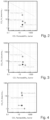
- Figures 2, 3 and 4 clearly show the improvement found (particularly in terms of selectivity) for the membranes of the compositions of Examples 1 to 6 according to to the invention against CEx1 (blank without the IL monomer) and CEx2 having an ethyl-chain connected to the phosphonium group.
- Table 7 shows the permeability of the membranes in this study to the various gases, and the results of selectivity tests for the various couples of gases.
- Table 7 Permeability and selectivity as a function of alkyl chain length CO 2 permeability, barrer N 2 permeability, barrer CH 4 permeability, barrer H 2 permeability, barrer CO 2 /N 2 se- lectivity CO 2 /CH 4 selectivity CO 2 /H 2 selectivity CEx1 34.5 14.0 8.4 18.7 2.5 4.1 1.8 CEx2 101.6 24.7 29.5 97.3 4.1 3.4 1.04 butyl 3 P + vinylbenzene 37.9 ⁇ 4.15 6.5 5.0 3.5 ⁇ 0.95 6.0 ⁇ 0.00 7.8 ⁇ 0.00 11.2 ⁇ 0.00 octyl 3 P + vinylbenzene 33.6 ⁇ 7.88 1.1 1.1 1.9 ⁇ 0.20 29.9 ⁇ 2.54 31.4 ⁇ 3.15 17.3 ⁇ 3.95
- the triethyl(4-vinylbenzyl)phosphonium tetrafluoroborate has thus the highest permeability which is more than three times greater than the one of trioctyl(4-vinylbenzyl)phosphonium tetrafluoroborate.
- the functionality of selectivity with ionic liquid chain length follows a positive trend, therefore the trioctyl(4-vinylbenzyl)phosphonium tetrafluoroborate shows the highest selectivity with respect to the other membranes prepared with a shorter ionic liquid chain length.
- the membranes result to be selective toward CO 2 , and this can be mainly ascribed to the presence of ionic liquids which promote the solubility of CO 2 , preferentially favouring its permeability, with respect to the other gases for which the transport is mainly influenced by diffusivity.
Landscapes
- Chemical & Material Sciences (AREA)
- Chemical Kinetics & Catalysis (AREA)
- Engineering & Computer Science (AREA)
- Manufacturing & Machinery (AREA)
- Analytical Chemistry (AREA)
- General Chemical & Material Sciences (AREA)
- Oil, Petroleum & Natural Gas (AREA)
- Separation Using Semi-Permeable Membranes (AREA)
Description
- The present invention relates to membranes containing polymerised ionic liquids for use in gas separation, as well as to a process for their production. More specifically, the invention relates to innovative synthetic membranes made from polymerised phosphonium-based ionic liquids which were found to be particularly suitable for use in gas separation. The invention also relates to the use of such membranes in the separation of gas mixtures, particularly gas mixtures containing carbon dioxide, and to a process of manufacturing said membranes, resulting in solid, dense and mechanically stable membranes.
- The use of synthetic membranes to separate gas mixtures is well known in the art. The known separation processes are based on differences in the relative permeability of two or more gases through a membrane, which acts as a permeable barrier through which different compounds move across at different rates, or do not move at all. Typically, a mixture of gases is brought into contact with one side of a membrane, through which at least one of the gases permeates faster than the others. In this way a gas stream is separated into two streams, one of which is enriched in the selectively permeating gas(es).
- Polymeric membranes are economical and technologically useful for the separation of gas mixtures, but their performance is limited by the so-called Robeson limit, to the effect that permeability must be sacrificed for selectivity and vice versa (Lloyd M. Robeson, Correlation of separation factor versus permeability for polymeric membranes, J. Mem. Sci. 62, 1991, 165-185). This limit affects, in particular, polymeric membrane use for CO2 separation from flue gas streams, which recently became a critical issue in view of the need to preserve the earth from global warming. Indeed, the increased CO2 concentration in the atmosphere due to emissions from fossil fuel combustion is presently one of the major environmental concerns.
- Recently, CO2 capture and sequestration are receiving significant attention. For carbon dioxide sequestration it is important to develop new materials and methods to separate and capture CO2 from flue gas and other gas mixtures.
- Ionic liquids, which are salts that become liquid usually below about 100°C (such as, e.g., ethylammonium nitrate, (C2H5)NH3 +·NO3 -) have attracted attention because of their unique chemical and physical properties, such as their solvent properties and their electrical conductivity, which involve wide application potentials. These substances, also referred to as liquid electrolytes, fused salts or ionic glasses, have also been explored as non-volatile, and reversible, absorbents for CO2 separation, in view of the fact that carbon dioxide was found to be remarkably soluble in ionic liquids.
- In particular, for instance, the solubility of different liquid species in imidazolium ionic liquids depends mainly on polarity and hydrogen bonding ability of the species concerned. Gas solubility follows the same trend, with carbon dioxide gas showing exceptional solubility in many ionic liquids. Carbon monoxide is less soluble in ionic liquids than in many popular organic solvents, and hydrogen is only slightly soluble (similar to its solubility in water). It is also known that the solubility of carbon dioxide in ionic liquids is governed primarily by the anion, less so by the cation, and that the hexafluorophosphate (PF6 -) and tetrafluoroborate (BF4 -) anions have been shown to be especially suitable for CO2 capture (Mahinder Ramdin et al., State-of-the-Art of CO2 Capture with Ionic Liquids, Ind. Eng. Chem. Res. 51, 2012, 8149-8177).
- The term poly(ionic liquid)s (PILs), or also polymerized or polymeric ionic liquids, refers to polymeric compounds that have a ionic liquid (IL) species in each monomer repeating unit, connecting through a polymeric backbone, which are obtained by polymerization of ILs having polymerizable groups. Some of these materials have been found to have a CO2 absorption rate or a CO2 absorption capacity remarkably higher than that of the corresponding ionic liquid monomer.
- With reference to poly(ionic liquid)s and to their use for CO2 separation, Bara et al. describe several gas membranes prepared from imidazolium-based IL monomers with n-alkyl substituents of varying length having improved CO2 selectivity (J.E. Bara et al. Synthesis and performance of polymerizable room-temperature ionic liquids as gas separation membranes, Ind. Eng. Chem. Res. 46 (16) 2007, 5397-5404). The reference also reports that the selectivity of said membranes drops for the separation CO2/CH4 when the n-alkyl chain increases in density.
- The patent
US8449652 (Radosz et al. , assignee University of Wyoming) and the co-owned patent applicationUS2013/02255401 (Shen et al. 
- In the case of poly([VBTEP][BF4]), the three phenyl groups above are replaced by three ethyl groups.
- With reference to phosphonium-based poly(ionic liquids), Matthew G. Cowan et al. reported studies on poly(ionic liquids) based on phosphonium as alternatives to more common ammonium and imidazolium PILs. Specifically, the single-gas permeability, diffusivity, solubility and selectivity of free-standing films of poly([(tri-n-alkyl)vinylbenzylphosphonium][bis(trifluoromethylsulfonyl)imide]) having the following formula

- According to the above reference, free-standing membranes prepared from the mentioned phosphonium-based PILs were found to be substantially more permeable to light gases and generally less selective than the corresponding imidazolium-based PILs. The high CO2 permeability of these membranes was regarded as potentially making phosphonium-based materials attractive candidates for developing economically viable, high-throughput membranes for CO2/N2 separation.
- In spite of their qualification as potentially attractive, the membranes made from the phosphonium-based PILs of the prior art are not suitable as such for a commercial use, in view of the fact that a polymer of the only p-vinylbenzyl monomer bearing the tri(hydrocarbyl phosphonium) groups of formula (1) or (2) would be too expensive and too brittle to be commercially applicable.
- On the basis of the prior art described above, the present invention is aimed at providing membranes produced from polymerized room-temperature ionic liquids (RTILs), specifically phosphonium-based ionic liquids, which are easy to manufacture, not too expensive from the point of view of the starting materials and mechanically stable, i.e. not too brittle.
- According to the invention, it has been found that mixtures of RTILs having pendant tri(hydrocarbyl phosphonium) groups and polymerizable groups with suitably selected co-monomers, in combination with suitable amounts of a cross-linking agent (or cross-linker), can be converted by polymerization into solid, dense and mechanically stable membranes with improved properties for use in gas separation.
- Thus, it has been shown, according to the invention, that if the trial-kylphosphonium-based IL monomer and the cross-linker are present outside a certain range of concentrations, the resulting membranes do not show the required properties, in that too much IL monomer makes the end product too brittle (besides negatively affecting the costs) and the permeance high, as acknowledged by the prior art (M.J. Cowan et al., cited above). On the other hand, a too small amount of IL monomer does not result in good selectivity of the final membrane.
- It has also been found that, contrary to the findings reported by the said prior art, the membranes produced according to the teachings of the present invention show increased selectivity as the length of the pendant alkyl chains of the phosphonium group increases from propyl to dodecyl.
- According to a first aspect thereof, the present invention concerns a dense membrane obtainable by copolymerization via UV-curing of a composition comprising a phosphonium-based ionic liquid monomer, a co-monomer, a cross-linker and a surfactant.
- The phosphonium-based ionic liquid monomer is a trialkyl[(4-vinyl-phenyl)alkyl]phosphonium ion with X- as counterion ([TAVPAP]X), as shown in Formula 1,

- Suitable co-monomers which may be used for producing the membranes of the invention contain at least one ethylenically unsaturated group, and are acrylates. According to the invention, acrylate co-monomers should be present in the polymer composition in an amount ranging from 30 to 70% by weight, while the IL monomer should be present in the mixture in an amount ranging from 10 to 50% by weight.
- In order to be able to crosslink the IL monomer and the co-monomer, the crosslinking agent will of course have two or more ethylenically unsaturated groups. Therefore, e.g., when the crosslinking agent has only one acrylamide group it must have one or more ethylenically unsaturated groups other than an acrylamide group, such as an acrylate group. The concentration of cross-linker in the mixture can range from 0.5 to 20% by weight.
- In order to be curable by UV or visible light radiation, the polymerization mixture according to the first aspect of the present invention shall contain a suitable amount of a photo-initiator. Suitable photo-initiators are those known in the art, such as radical type, cation type or anion type photo-initiators. For acrylates, diacrylates, and higher-acrylates, type I photo-initiators are preferred.
- In addition, a surfactant or a combination of surfactants may be included in the curable polymer mixture according to the invention, e.g. as a wetting agent and/or to adjust surface tension of the mixture.
- It should be noted that the membranes of this invention do not require the use of solvents like DMF or DMA which are normally applied for the solubilisation of the ILs, neither the use of volatile solvents for the preparation of dense membranes by evaporation induced phase technique (EIPS). In the present invention the PILs are dispersed by means of a surfactant into a polymerizable matrix and polymerized by means of UV radiation.
- The poly(RTIL) membranes obtained according to the invention can be further mechanically strengthened by addition of a porous support, and via photo-polymerisation these can be prepared to dense films of any size and thickness.
- According to a second aspect thereof, the present invention concerns a process for producing dense poly(ionic liquid) membranes with unique selectivity and flux properties, which process includes the following steps:
- providing a mixture of at least one type of IL curable monomer, at least one type of co-monomer, at least one surfactant and a cross-linker, said components being selected as described above, wherein the concentration of said curable IL monomer is effective to obtain a membrane with suitable gas separation where the thickness of the membrane ranges between 0.02 and 200 µm;
- applying said mixture to a support by a film casting knife or between two glass or quartz plates;
- curing said curable monomer mixture by UV radiation to induce polymerization.
- The dense poly(ionic liquid) membranes produced according to the invention have unique selectivity and flux properties, especially for separating CO2 from gas mixtures containing it.
- According to a third aspect thereof, the present invention concerns the use for gas separation of a dense membrane obtainable by copolymerization via UV-curing of a composition comprising a phosphonium-based ionic liquid monomer, one or more co-monomers, a cross-linker and one or more surfactants.
- According to a fourth aspect thereof, finally, the invention concerns a process for separating two components of a gas mixture, which process uses a gas separation membrane having a selective layer consisting of a poly(RTIL) membrane produced as set forth above.
- Therefore, the present invention specifically provides a dense membrane obtainable by copolymerization via UV-curing of a mixture comprising:
- a) 10 to 50 wt%, preferably 20-30 wt%, of a IL monomer trialkyl[(4-vinylphenyl)alkyl]phosphonium with X- as counterion ([TAVPAP]X) of the following formula:

- a) 30 to 70% wt%, preferably 50-60 wt% of one or more acrylate co-monomers;
- b) 1 to 35 wt%, preferably 10-30 wt%, of a surfactant;
- c) 0.5-20 % wt%, preferably 2-10 wt%, of one or more cross-linkers, each one having two or more ethylenically unsaturated groups;
- d) 0,001 to 5 wt%, preferably 0.1 to 1 wt%, of a photo-initiator;
- e) the remainder of the mixture being water.
- According to some specific embodiments of the invention, each R of the IL monomer represents, preferably, butyl, hexyl or octyl.
- According to some further specific embodiments of the invention, the linker L is an alkanediyl C1-C10, more preferably it is an alkanediyl C1-C4 and most preferably it represents a methanediyl group.
- As mentioned above, the ethylenically unsaturated compounds to be used as co-monomers are acrylates, and the preferred ones are 2-hydroxyethyl methacrylate (HEMA), polyethylene glycol monoacrylate, hydroxypropyl acrylate, polypropylene glycol monoacrylate, 2-methoxyethyl acrylate, 2-phenoxyethyl acrylate and combinations of two or more of the same. According to some specific embodiments of the invention, the ethylenically unsaturated co-monomer is 2-hydroxyethyl methacrylate (HEMA), and, more preferably it is present in the composition in the amount of 50-60 wt%.
- Suitable cross-linkers for the purpose of this invention are molecules bearing two polymerisable ends, such as isophorone diacrylamide, N,N-(1,2-dihydroxyethylene) bis-acrylamide, N,N-methylene-bis-acrylamide, 1,3,5-triacryloylhexahydro-1,3,5-triazine, 2,4,6-triallyloxy-1,3,5-triazine, N,N'-e-thylenebis(acrylamide), bis(aminopropyl)methylamine diacrylamide, and especially 1,4-diacryoyl piperazine and 1,4-bis(acryloyl)homopiperazine and ethylene glycol dimethacrylate (EGDMA), as well as combinations of two or more of the same.
- Curable compositions containing cross-linking agent(s) can sometimes be rather rigid, and in some cases this can adversely affect the mechanical properties of the resulting membrane. However, too much of ethylenically unsaturated compounds having only one ethylenically unsaturated group can lead to membranes with a very loose structure. Also, the efficiency of the curing can be reduced when large amounts of curable compound(s) having only one ethylenically unsaturated group are used, increasing the time taken to complete curing and potentially requiring inconvenient conditions.
- Bearing these factors in mind, the composition according to the invention preferably comprises 1 to 15 wt%, more preferably 2 to 10 wt% of cross-linking agent.
- Examples of type I photo-initiators are those described in the international patent application publ. No.
WO 2007/018425 (Fuji Photo Film B.V.) , from page 14, line 23 to page 15, line 26. Especially preferred photoinitiators include α-hydroxyalkylphenones (e.g. 2-hydroxy-2-methyl-1-phenylpropan-1-one, 2-hydroxy-2-methyl-1-(4-tert-butyl)phenylpropan-1-one, 2-hydroxy-[4'-(2-hydroxypropoxy)phenyl]-2-methylpropan-1-one, 2-hydroxy-1-[4-(2-hydroxyethoxy)phenyl]-2-methylpropan-1-one, 1-hydroxycyclohexylphenylketone and oligo[2-hydroxy-2-methyl-1-{4-(1-methylvinyl)phenyl}propanone]), α-aminoalkylphenones (e.g. 2-benzyl-2-(dimethylamino)-4'-morpholino-butyrophenone and 2-methyl-4'-(methylthio)-2-morpholinopropiophenone, α-sulfonylalkylphenones), acetophenones (e.g. 2,2-dimethoxy-2-phenylacetophenone), and acylphosphine oxides (e.g. 2,4,6-trimethylbenzoyldiphenylphosphine oxide, bis(2,6-dimethoxybenzoyl)-2,4,4 trimethylpentylphosphineoxide, ethyl-2,4,6-trimethylbenzoylphenylphosphinate and bis(2,4,6-trimethylbenzoyl)phenylphosphine oxide), azobisisobutyronitrile (AIBN) or peroxides like dibenzoyl peroxide. - Commercially available surfactants may be utilized for the manufacture of the membranes, including radiation-curable surfactants. Surfactants suitable for use in the composition include non-ionic surfactants, ionic surfactants, amphoteric surfactants and combinations thereof. Preferred surfactants are as described for instance in the international patent application publ No.
WO 2007/018425 cited above, specifically frompage 20, line 15 to page 22, line 6. Fluorosurfactants are particularly preferred, especially Zonyl® FSN and Capstone® fluorosurfactants (produced by E.I. Du Pont). Also preferred are polysiloxane-based surfactants, especially Surfynol from Air Products, Xiameter surfactants from DowCorning, TegoPren and TegoGlide surfactants from Evonik, Siltech and Silsurf surfactants from Siltech, and Maxx organosilicone surfactant from Sumitomo Chemical. Most preferred are ionic surfactants such as long-alkyl chained (C8-C22) trimethyl ammonium salts. - According to some further specific embodiments of this invention, the IL monomer is present in the mixture undergoing polymerisation at a concentration of 20-30 wt%, the surfactant is present at a concentration of 10-30 wt%, the cross-linker is present at a concentration of 1-10 wt% and the photo-initiator is present at a concentration of 0.1 to 1 wt%.
- Most remarkably, as noted in the foregoing, the composition which is used for producing the membranes of the invention does not comprise organic solvents as DMF or DMA, which were used by prior art references. The remainder of the composition, when desired, is water.
- As per the second aspect of the invention, a process for producing dense poly(ionic liquid) membranes suitable for gas separation is concerned, which process includes the following steps:
- providing a mixture as defined under items a) to f) mentioned above;
- applying said mixture to a support by means of a film casting knife or casting said mixture between two plates so that the thickness of the membrane ranges between 0.02 and 200 µm; and
- curing said curable monomer mixture by UV radiation to induce polymerization.
- According to the third aspect thereof, the present invention concerns the use of a poly(ionic liquid)-based membrane as defined herein, or produced according to the process disclosed herein, for gas separation. Specifically, the membranes according to the invention may be used for separating gases which include carbon dioxide (CO2), hydrogen (H2), methane (CH4), nitrogen (N2) and oxygen (O2). It should be noted that, opposite to the work of Cowan (cited above), the experimentation carried out in the frame of the present invention did not show an increase in permeance of the membrane when the pendant alkyl moieties go from ethyl to octyl, rather it showed a tremendous reduction in permeance and therefore an increase in CO2/CH4, CO2/N2 and CO2/H2 selectivity.
- According to the fourth aspect thereof, the invention concerns a process for separating two components, A and B, of a gas mixture, using the poly(ionic liquid)-based membranes, which process comprises:
- (i) passing said gas mixture across a separation membrane having a feed side and a permeate side, said separation membrane having a selective layer produced as defined in the foregoing;
- (ii) providing a driving force for transmembrane permeation;
- (iii) withdrawing from the permeate side a permeate stream enriched in component A compared to the gas mixture; and
- (iv) withdrawing from the feed side a residue stream depleted in component A compared to the gas mixture.
- The above process is advantageously applied, according to some preferred embodiments of the invention, to the separation of carbon dioxide from other gases, such as nitrogen, hydrogen or methane.
- The specific features of the invention, as well as the advantages thereof, will become more apparent with reference to the exemplary and not limiting experimental work description reported in the following, and to the relative figures, in which:
-
Figure 1 schematically shows an experimental setup for the mixed gas permeation measurements to test the performance of the poly(RTIL) membranes of the present invention; -
Figure 2 shows the CO2/N2 selectivity vs. permeability plot for membranes with RTIL monomers having pendant C4 and C8 alkyl chains according to the invention, in comparison with membranes having no RTIL monomer in the composition (referred to as CEx1) and membranes having pendant C2 alkyl chains (CEx2); -
Figure 3 shows the CO2/CH4 selectivity vs. permeability plot for membranes of the same types ofFigure 2 ; -
Figure 4 shows the CO2/H2 selectivity vs. permeability plot for membranes of the same types ofFigure 2 ; -
Figure 5 is a graph showing the permeability (left) and the selectivity (right) to various gases of membranes with RTIL monomers having pendant C4 and C8 alkyls according to the invention, or having pendant C2 alkyls according to the prior art, as a function of chain length; and -
Figure 6 is a graph showing the selectivity vs. permeability plot for the various couples of gases tested, for the same membranes ofFigure 5 . - The following materials were used in the Examples:
Ionic liquid monomers were prepared according to literature (Barsanti, A. C. et al., RSC Adv. 2014, 4, 38848-38854). - The co-monomers (such as HEMA), the cross-linkers (such as EGDMA), the surfactants (such as docecyltrimethilammonium bromide, DTAB), the photoinitiators (such as dimethoxyphenyl acetophenone, DMPA) were purchased from Sigma-Aldrich and used as received.
- In the following examples all parts and percentages are by weight unless otherwise specified.
- The blank solution (referred to in Table 1 as CEx1) was prepared by mixing 70 wt% of a co-monomer (2-hydroxyethyl methacrylate, HEMA), 17.5 wt% of a surfactant (dodecyltrimethylammonium bromide, DTAB) and 12.5 wt% water. Then, the crosslinker (ethylene glycol dimethacrylate, EGDMA; 3 wt% with respect to the amount of HEMA) and a photoiniator (dimethoxyphenyl acetophenone, DMPA, 0.6 wt% with respect to the total weight of the mixture thus obtained) were added.
- Each RTIL momomer (27 wt%) was mixed with 52 wt% of a co-monomer (2-hydroxyethyl methacrylate, HEMA), 13 wt% of a surfactant (dodecyltrimethylammonium bromide, DTAB) and 8 wt% water. Then, the cross-linker (ethylene glycol dimethacrylate, EGDMA; 3 wt% with respect to the amount of RTIL+HEMA) and a photoiniator (dimethoxyphenyl acetophenone, DMPA, 0.6 wt% with respect to the total weight of the mixture thus obtained) were added (see Table 1 for the compositions of CEx2 and invention examples Ex1 to Ex6).
- All solutions were separately cast between two Rain-X coated quartz plates and photo-polymerised for 3 minutes under a 365 nm UV-lamp with an intensity of 8.5 mW/cm2 at the sample surface (XX-15A, Spectroline, Westbury, NY).
- The polymerized membranes were removed in water from the glass plates and stored in water up to the gas tests.
Table 1: Composition of the tested membranes Membrane Type of IL Concentration (wt%) HEMA (comonomer) (wt%) H2O (wt%) DTAB (surfactant) (wt%) EGDMA (cross-linker) (wt%) DMPA (photoinitiator) (wt%) Thickness (µm) CEx1 - 70 12.5 17.5 3 0.6 150 CEx2 triethyl(4-vinyl benzyl) phosphonium tetrafluoroborate 27 wt% 52 8 13 3 0.6 200 Ex1 tributyl(4-vinyl benzyl) phosphonium tetrafluoroborate 27 wt% 52 8 13 3 0.6 98 Ex2 tributyl(4-vinylbenzyl) phosphonium tetrafluoroborate 27 wt% 52 8 13 3 0.6 51 Ex3 tributyl(4-vinylbenzyl)phosphoniu m tetrafluoroborate 27 wt%) 52 8 13 3 0.6 69 Ex4 trioctyl (4-vinylbenzyl) phosphonium tetrafluoroborate (27 wt%) 52 8 13 3 0.6 200 Ex5 trioctyl (4-vinyl benzyl) phosphonium tetrafluoroborate (27 wt%) 52 8 13 3 0.6 110 Ex6 trioctyl (4-vinylbenzyl) phosphonium tetrafluoroborate (27 wt%) 52 8 13 3 0.6 47 - In the frame of the research that led to the present invention some tests were performed adding methylmethacrylate (MMA) (at 10 and 13.5 wt%) as a second co-monomer in the system. The solution was co-polymerised within the membrane together with PILs. However, it was found that the presence of MMA caused a decrease in mechanical resistance of the resulting membrane.
- Further, some membranes were prepared avoiding the use of the cross-linker EGDMA. However, when EGDMA was not present in the system, the polymerization was not complete and the resulting membrane was very fragile.
- The amount of water was also varied (8, 20, 25, and 30 wt%). However when the concentration of water was increased to more than 8 wt% the membrane resulted porous, and its mechanical properties were drastically decreased.
- The following Table 2 shows, by way of comparative examples, the compositions of some membranes outside the scope of the present invention, together with a short comment on their performances.
Table 2: Composition of membranes outside the scope of this invention Membrane code IL (wt%) HEMA (comonomer) (wt%) MMA (2nd co-monomer) (wt%) H2O (wt%) DTAB (surfactant (wt%) EGDMA (cross-linker) (wt%) DMPA (initiator) (wt%) Comments IL 21 Trioctyl(4-vinylbenzyl)phosphonium bis(trifluoromethan esulfonamide) 17 wt% 52 wt% 10 wt% 8 13 wt% 3 wt% on the weight of IL+HEMA 0.6 wt% The membrane is fragile IL 17 Trioctyl(4-vinylbenzyl)phosphonium bis(trifluoromethan esulfonamide) 13.5 wt% 52 wt% 13.5 wt% 8 13 wt% 3 wt% on the weight of IL+HEMA 0.6 wt% The membrane is fragile IL37 1-Hexyl-3-(4-vinylbenzyl)-1H-3-imidazolium bis(trifluoromethan esulfonamide) 18.8 wt% 18 wt% - 36.6 27.7 wt % - 0.6 wt% The membrane is fragile IL43 1-Hexyl-3-(4-vinylbenzyl)-1H-3-imidazolium bis(trifluoromethan esulfonamide) 22 wt% 29 wt% - 20 29 wt% 5 wt% on the weight of IL+HEMA 0.6 wt% The membrane is fragile IL 42 1-Hexyl-3-(4-vinylbenzyl)-1H-3-imidazolium bis(trifluoromethan esulfonamide) 21 wt% 26 wt% - 25 28 wt%) 5 wt% on the weight of IL+HEMA 0.6 wt% The membrane is permeable to water. It is porous IL 41 1-Hexyl-3-(4-vinylbenzyl)-1H-3-imidazolium bis(trifluoromethan esulfonamide) 20 wt% 23 wt% - 30 27 wt% 5 wt% on the weight of IL+HEMA 0.6 wt% The membrane is fragile - The transport properties of the membranes were investigated by feeding single gases, in saturated conditions (RH = 99%) at a transmembrane pressure difference of 10 bar, and measuring the membrane properties such as permeance (flux) and ideal selectivity. Table 3 below reports the operating conditions adopted during the experiments.
Table 3: Operating parameters Temperature 25 ° C Feed pressure 10 bar Permeate pressure 1 bar Relative humidity, % 99 No sweep gas Feed composition single gases: CO2, N2, CH4, H2 - The experimental apparatus used for carrying out the gas permeation experiments is schematically shown in
Figure 1 . - In the experiments reported herein, symmetric flat sheet membranes were mounted in a stainless steel membrane module opportunely dimensioned. The membrane module can host membranes from 1 mm2 to 100 cm2. In this specific case, the effective membrane area available for permeation was ranging between 3.8 and 19.2 cm2.
- Once the membranes were sealed in, the permeation module constituted by four ends was placed in a furnace with a PID controller for controlling the temperature during the experiments. The four ends of the module were: feed, retentate, permeate, sweep. No sweep gas was applied in the present measures; therefore, this exit was kept closed during all the experiments.
- The method used for permeation measurements was the concentration gradient method, consisting in forcing a part of the feed stream to permeate the membrane under a pressure gradient and measuring both the permeate and retentate flow rates. Mass transport properties were measured by single gas experiments. Each gas (contained in single cylinders with a purity 5.0) was fed to the membrane module with a mass flow controller (Brooks InstrumentAM, 5860S) positioned at the feed line to manipulate the feed flow rates. A back pressure regulator (Swagelok, KBP) and a pressure gauge on the retentate line were used to keep the required trans-membrane pressure difference in the module. The retentate and permeate flow rates were measured by two bubble flow meters.
- To perform the experiments in wet conditions, a stainless steel humidifier was placed before the module inlet and was set at the same temperature and pressure of the membrane module. The dry feed gas was forced to enter the humidifier were ultrapure water was contained. Since this humidifier was set at the same temperature and pressure of the membrane module, after bubbling in the water, the gaseous stream exiting the humidifier and fed to the module was saturated, as confirmed by the humidity sensor placed before the module feed line.
- In principle, this apparatus allows to modulate the relative humidity by mixing two streams of the same gas or mixture: the first stream saturated with water (relative humidity=100%) and the other stream completely dry. The value of relative humidity can be tuned by changing the flow rates of the two streams.
- All the experimental measurements carried out on the membranes of the present invention were performed at 99% of relative humidity in the feed stream to assure the proper level of membrane hydration. Three humidity sensors measured the relative humidity of the feed, retentate and permeate.
- The separation performance of the membrane was evaluated by the permeance and selectivity in the gas mixture. The permeance (Eq. 1) is the permeate flow rate normalized by the membrane area and the partial pressure differences through the membrane.

- As in the case of the membranes of the present invention, the flat module and the high flow rates used allow the complete mixing in the feed side; therefore, no profiles exited between feed/retentate ends.
- Permeability was used (Eq. 2) to compare membranes performance having different thicknesses.

- The selectivity (Eq. 3) is the ratio of the membrane permeance of two gases.

- Tables 4, 5 and 6 below shows the results of the permeability and selectivity tests on membranes having no RTIL monomer in the composition (CEx1), membranes having pendant C2 alkyl chains (CEx2) and membranes according to the invention (butyl3P+vinylbenzene and octyl3P+vinylbenzene), respectively for the couples of gases CO2/N2, CO2/CH4 and CO2/H2. The same results are presented in graphic form in
Figures 2, 3 and 4 .Table 4: CO2/N2 selectivity vs. CO2 permeability CO2 permeability, barrer Standard deviation CO2/N2 selectivity Standard deviation CEx1 34.5 n.a. 2.5 n.a. CEx2 101.6 n.a. 4.1 n.a. butyl3P+vinylbenzene 37.9 4.15 6.0 0.00 octyl3P+vinylbenzene 33.6 7.88 29.9 2.54 Table 5: CO2/CH4 selectivity vs. CO2 permeability CO2 permeability, barrer Standard deviation CO2/CH4 selectivity Standard deviation CEx1 34.5 n.a. 4.1 n.a. CEx2 101.6 n.a. 3.4 n.a. butyl3P+vinylbenzene 37.9 4.15 7.8 0.00 octyl3P+vinylbenzene 33.6 7.88 31.4 3.15 Table 6: CO2/H2 selectivity vs. CO2 permeability CO2 permeability, barrer Standard deviation CO2/H2 selectivity Standard deviation CEx1 34.5 n.a. 1.8 n.a. CEx2 101.6 n.a. 1.04 n.a. butyl3P+vinylbenzene 37.9 4.15 11.2 0.00 octyl3P+vinylbenzene 33.6 7.88 17.3 2.54 -
Figures 2, 3 and 4 clearly show the improvement found (particularly in terms of selectivity) for the membranes of the compositions of Examples 1 to 6 according to to the invention against CEx1 (blank without the IL monomer) and CEx2 having an ethyl-chain connected to the phosphonium group. - All the results have been normalized in terms of permeability, meaning that the thickness has been already taken into account in the graphics. The thickness was measured just before experimental measurements on the membrane completely wet, since it is not possible to measure the thickness on the dry sample.
- Table 7 below shows the permeability of the membranes in this study to the various gases, and the results of selectivity tests for the various couples of gases.
Table 7: Permeability and selectivity as a function of alkyl chain length CO2 permeability, barrer N2 permeability, barrer CH4 permeability, barrer H2 permeability, barrer CO2/N2 se- lectivity CO2/CH4 selectivity CO2/H2 selectivity CEx1 34.5 14.0 8.4 18.7 2.5 4.1 1.8 CEx2 101.6 24.7 29.5 97.3 4.1 3.4 1.04 butyl3P+ vinylbenzene 37.9±4.15 6.5 5.0 3.5±0.95 6.0±0.00 7.8±0.00 11.2±0.00 octyl3P+ vinylbenzene 33.6±7.88 1.1 1.1 1.9±0.20 29.9±2.54 31.4±3.15 17.3±3.95 - The same results of the table above are presented in graphic form in
Figure 5 , where the permeability of the various gases (left) and the selectivity of the membranes for various couples of gases (right) are plotted as a function of the pendant alkyl chains length. As it can be seen inFigure 5 , the permeability of all the investigated gases decreases as longer is the ionic liquid chain length. - The triethyl(4-vinylbenzyl)phosphonium tetrafluoroborate has thus the highest permeability which is more than three times greater than the one of trioctyl(4-vinylbenzyl)phosphonium tetrafluoroborate.
- The functionality of selectivity with ionic liquid chain length follows a positive trend, therefore the trioctyl(4-vinylbenzyl)phosphonium tetrafluoroborate shows the highest selectivity with respect to the other membranes prepared with a shorter ionic liquid chain length. The membranes result to be selective toward CO2, and this can be mainly ascribed to the presence of ionic liquids which promote the solubility of CO2, preferentially favouring its permeability, with respect to the other gases for which the transport is mainly influenced by diffusivity.
- From the data of Table 7 above it is also possible to draw the graph of
Figure 6 , where the CO2/N2, CO2/CH4 and CO2/H2 selectivities are reported vs. the CO2 permeability for the membranes examined. Basically, as shown in this figure, a sort of trade-off between permeability and selectivity was observed, as function of the chain length: the higher the permeability the lower the selectivity and vice versa. - The present invention has been described with reference to a few specific embodiments, but it is to be understood that variations and modifications may be made by those skilled in the art without departing from the scope of the appended claims.
Claims (9)
- A dense poly(ionic liquid)-based membrane suitable for gas separation obtainable by copolymerization via UV-curing of a mixture comprising:a) 10 to 50 wt%, preferably 20-30 wt%, of a IL monomer trialkyl[(4-vinylphenyl)alkyl]phosphonium with X- as counterion ([TAV-PAP]X) of the following formula:
 b) 30 to 70% wt%, preferably 50-60 wt% of one or more acrylate co-monomers;c) 1 to 35 wt%, preferably 10-30 wt% of a surfactant;d) 0.5-20 % wt%, preferably 2-10 wt%, of one or more cross-linkers, each one having two or more ethylenically unsaturated groups;e) 0,001 to 5 wt% of a photo-initiator, preferably 0.1 to 1 wt%;f) the remainder of the mixture being water.
 - The dense poly(ionic liquid)-based membrane according to claim 1, wherein each R represents butyl, hexyl or octyl.
- The dense poly(ionic liquid)-based membrane according to claims 1 or 2, wherein L represents a methanediyl group.
- The dense poly(ionic liquid)-based membrane according to any one of claims 1-3, wherein the ethylenically unsaturated co-monomer is 2-hydroxyethyl methacrylate (HEMA), and is present in the composition in the amount of 50-60 wt%.
- The dense poly(ionic liquid)-based membrane according to claim 4, wherein the IL monomer is present in the composition at a concentration of 20-30 wt%, the surfactant is present at a concentration of 10-30 wt%, the cross-linker is present at a concentration of 1-10 wt% and the photo-initiator is present at a concentration of 0.1 to 1 wt%.
- A process for producing dense poly(ionic liquid) membranes suitable for gas separation, which process includes the following steps:- providing a mixture as defined in any of claims 1-5;- applying said mixture to a support by means of a film casting knife or casting said mixture between two plates so that the thickness of the membrane ranges between 0.02 and 200 µm;- curing said curable monomer mixture by UV radiation to induce polymerization.
- Use of a membrane according to any of claims 1-5 or produced according to the process of claim 6 for gas separation.
- Use according to claim 7 wherein said gases to be separated include carbon dioxide (CO2), hydrogen (H2), methane (CH4), nitrogen (N2) and oxygen (O2).
- A process for separating two components, A and B, of a gas mixture, which process comprises:i. passing said gas mixture across a separation membrane having a feed side and a permeate side, said separation membrane being produced as defined in claim 6;ii. providing a driving force for transmembrane permeation;iii. withdrawing from the permeate side a permeate stream enriched in component A compared to the gas mixture; andiv. withdrawing from the feed side a residue stream depleted in component A compared to the gas mixture.
Applications Claiming Priority (2)
| Application Number | Priority Date | Filing Date | Title |
|---|---|---|---|
| IT102018000003374A IT201800003374A1 (en) | 2018-03-08 | 2018-03-08 | Membranes containing polymerized ionic liquids for use in gas separation. |
| PCT/IT2019/050050 WO2019171409A1 (en) | 2018-03-08 | 2019-03-08 | Membranes containing polymerised ionic liquid for use in gas separation |
Publications (3)
| Publication Number | Publication Date |
|---|---|
| EP3762131A1 EP3762131A1 (en) | 2021-01-13 |
| EP3762131B1 true EP3762131B1 (en) | 2024-04-24 |
| EP3762131C0 EP3762131C0 (en) | 2024-04-24 |
Family
ID=62223151
Family Applications (1)
| Application Number | Title | Priority Date | Filing Date |
|---|---|---|---|
| EP19714811.7A Active EP3762131B1 (en) | 2018-03-08 | 2019-03-08 | Membranes containing polymerized ionic liquid for use in gas separation |
Country Status (6)
| Country | Link |
|---|---|
| US (1) | US11517860B2 (en) |
| EP (1) | EP3762131B1 (en) |
| KR (1) | KR102532455B1 (en) |
| CN (1) | CN112203742B (en) |
| IT (1) | IT201800003374A1 (en) |
| WO (1) | WO2019171409A1 (en) |
Families Citing this family (12)
| Publication number | Priority date | Publication date | Assignee | Title |
|---|---|---|---|---|
| USD1060669S1 (en) | 2019-04-09 | 2025-02-04 | AnX Robotica Corp | Tether for a capsule endoscope |
| KR102697367B1 (en) | 2019-04-09 | 2024-08-20 | 에이엔엑스 로보티카 코포레이션 | Systems and methods for liquid biopsy and drug delivery |
| CN111812338B (en) * | 2020-07-24 | 2024-02-27 | 上海安翰医疗技术有限公司 | Occult blood detection film, preparation method and application thereof and occult blood detection kit |
| CN111808917A (en) * | 2020-07-24 | 2020-10-23 | 上海安翰医疗技术有限公司 | Pepsin detection film, preparation method and application thereof, and pepsin detection kit |
| CN111808916A (en) * | 2020-07-24 | 2020-10-23 | 上海安翰医疗技术有限公司 | Trypsin detection film, preparation method and application thereof and trypsin detection kit |
| US11548784B1 (en) | 2021-10-26 | 2023-01-10 | Saudi Arabian Oil Company | Treating sulfur dioxide containing stream by acid aqueous absorption |
| US12116326B2 (en) | 2021-11-22 | 2024-10-15 | Saudi Arabian Oil Company | Conversion of hydrogen sulfide and carbon dioxide into hydrocarbons using non-thermal plasma and a catalyst |
| US12179129B2 (en) | 2021-12-14 | 2024-12-31 | Saudi Arabian Oil Company | Synergetic solvent for crude oil emulsion breakers |
| US11926799B2 (en) | 2021-12-14 | 2024-03-12 | Saudi Arabian Oil Company | 2-iso-alkyl-2-(4-hydroxyphenyl)propane derivatives used as emulsion breakers for crude oil |
| CN115121135B (en) * | 2022-06-20 | 2024-02-27 | 西安交通大学 | A mixed matrix membrane and its preparation method and application as well as an air separation nitrogen production device |
| US11759766B1 (en) | 2022-08-26 | 2023-09-19 | Saudi Arabian Oil Company | Reducing sulfur emissions of sulfur recovery plant by a sorption based SO2 selective crosslinked polyionic liquid system |
| CN118526991B (en) * | 2024-06-03 | 2025-03-25 | 清华大学 | A hollow fiber gas separation membrane and its preparation method and application |
Family Cites Families (17)
| Publication number | Priority date | Publication date | Assignee | Title |
|---|---|---|---|---|
| WO2006026064A2 (en) * | 2004-08-05 | 2006-03-09 | University Of Wyoming | Poly(ionic liquid)s as materials for co2 separation |
| WO2007018425A1 (en) * | 2005-08-05 | 2007-02-15 | Fujifilm Manufacturing Europe B.V. | Porous membrane and recording medium comprising same |
| US7931824B2 (en) * | 2006-07-03 | 2011-04-26 | The Regents Of The University Of Colorado | Surfactants and polymerizable surfactants based on room-temperature ionic liquids that form lyotropic liquid crystal phases with water and room-temperature ionic liquids |
| US20090173693A1 (en) * | 2007-05-15 | 2009-07-09 | Gin Douglas L | Lyotropic liquid crystal membranes based on cross-linked type i bicontinuous cubic phases |
| US20080299177A1 (en) * | 2007-06-06 | 2008-12-04 | Biovaluation & Analysis, Inc. | Supramolecular Complexes for Use in Acoustically Mediated Intracellular Drug Delivery in vivo |
| WO2011046661A1 (en) * | 2009-07-24 | 2011-04-21 | The Regents Of The University Of Colorado, A Body Corporate | Imidazolium-based room-temperature ionic liquids, polymers monomers and membranes incorporating same |
| US20120160095A1 (en) * | 2010-11-29 | 2012-06-28 | The Regents Of The University Of Colorado, A Body Corporate | Novel Nanoporous Supported Lyotropic Liquid Crystal Polymer Membranes and Methods of Preparing and Using Same |
| US20120211424A1 (en) * | 2011-01-25 | 2012-08-23 | The Regents Of The University Of Colorado, A Body Corporate | Novel Polymerizable Surfactant Platforms and Uses Thereof |
| WO2012138755A1 (en) * | 2011-04-08 | 2012-10-11 | Dongchan Ahn | Method of preparing gas selective membrane using epoxy-functional siloxanes |
| WO2013010076A1 (en) * | 2011-07-14 | 2013-01-17 | Dongchan Ahn | Method of drying material by membrane dehumidified air |
| WO2013058851A2 (en) * | 2011-07-22 | 2013-04-25 | The Regents Of The University Of Colorado | Method and membrane for nanoporous, bicontinuous cubic lyotropic liquid crystal polymer membranes that enable facile film processing and pore size control |
| WO2013156597A1 (en) | 2012-04-20 | 2013-10-24 | Basf Se | High performance positively charged composite membranes and their use in nanofiltration processes |
| US10396365B2 (en) * | 2012-07-18 | 2019-08-27 | Printed Energy Pty Ltd | Diatomaceous energy storage devices |
| US9083010B2 (en) * | 2012-07-18 | 2015-07-14 | Nthdegree Technologies Worldwide Inc. | Diatomaceous energy storage devices |
| US9548511B2 (en) * | 2012-07-18 | 2017-01-17 | Nthdegree Technologies Worldwide Inc. | Diatomaceous energy storage devices |
| WO2014100412A1 (en) * | 2012-12-19 | 2014-06-26 | Robert Mcginnis | Selective membranes formed by alignment of porous materials |
| US11046826B2 (en) * | 2017-01-26 | 2021-06-29 | The Regents Of The University Of Colorado | Nanoporous lyotropic liquid crystal polymer membranes with reversibly tuned pore size and selectivity, and methods using same |
-
2018
- 2018-03-08 IT IT102018000003374A patent/IT201800003374A1/en unknown
-
2019
- 2019-03-08 CN CN201980018421.8A patent/CN112203742B/en active Active
- 2019-03-08 EP EP19714811.7A patent/EP3762131B1/en active Active
- 2019-03-08 WO PCT/IT2019/050050 patent/WO2019171409A1/en not_active Ceased
- 2019-03-08 US US16/979,030 patent/US11517860B2/en active Active
- 2019-03-08 KR KR1020207028778A patent/KR102532455B1/en active Active
Also Published As
| Publication number | Publication date |
|---|---|
| US20210053016A1 (en) | 2021-02-25 |
| US11517860B2 (en) | 2022-12-06 |
| CN112203742A (en) | 2021-01-08 |
| KR20210023803A (en) | 2021-03-04 |
| KR102532455B1 (en) | 2023-05-12 |
| IT201800003374A1 (en) | 2019-09-08 |
| CN112203742B (en) | 2023-07-28 |
| EP3762131A1 (en) | 2021-01-13 |
| EP3762131C0 (en) | 2024-04-24 |
| WO2019171409A1 (en) | 2019-09-12 |
Similar Documents
| Publication | Publication Date | Title |
|---|---|---|
| US11517860B2 (en) | Membranes containing polymerized ionic liquid for use in gas separation | |
| Han et al. | Simultaneous effects of temperature and vacuum and feed pressures on facilitated transport membrane for CO2/N2 separation | |
| Moghadam et al. | High CO2 separation performance of amino acid ionic liquid-based double network ion gel membranes in low CO2 concentration gas mixtures under humid conditions | |
| Tomé et al. | Pyrrolidinium-based polymeric ionic liquid materials: New perspectives for CO2 separation membranes | |
| Moghadam et al. | New approach for the fabrication of double-network ion-gel membranes with high CO2/N2 separation performance based on facilitated transport | |
| Rajabzadeh et al. | CO2 absorption by using PVDF hollow fiber membrane contactors with various membrane structures | |
| Song et al. | Carbon dioxide absorption characteristics of aqueous amino acid salt solutions | |
| Dai et al. | Field test of a pre-pilot scale hollow fiber facilitated transport membrane for CO2 capture | |
| Ansaloni et al. | CO2 capture using highly viscous amine blends in non-porous membrane contactors | |
| Francisco et al. | Membranes comprising of alkanolamines incorporated into poly (vinyl alcohol) matrix for CO2/N2 separation | |
| US8449652B2 (en) | Poly(ionic liquid)s as new materials for CO2 separation and other applications | |
| El-Azzami et al. | Carbon dioxide separation from hydrogen and nitrogen by fixed facilitated transport in swollen chitosan membranes | |
| EP2265359B1 (en) | Process for preparing membranes | |
| CA2842118A1 (en) | Curable compositions and membranes | |
| Chen et al. | Enhancing membrane performance for CO2 capture from flue gas with ultrahigh MW polyvinylamine | |
| Kamio et al. | Hollow fiber-type facilitated transport membrane composed of a polymerized ionic liquid-based gel layer with amino acidate as the CO2 carrier | |
| Bernhardsen et al. | Influence of pKa on solvent performance of MAPA promoted tertiary amines | |
| EP2881163A1 (en) | Composite membrane | |
| Saedi et al. | Fixed facilitated transport of CO2 through integrally-skinned asymmetric polyethersulfone membrane using a novel synthesized Poly (acrylonitrile-co-N, N-Dimethylaminopropyl acrylamide) | |
| Liu et al. | Fabrication of PVDF membranes via γ-ray irradiation and investigation into their membrane formation mechanisms and water treatment properties | |
| US7591878B2 (en) | Membrane gas separation | |
| Xu et al. | Operando surface-enhanced Raman-scattering (SERS) for probing CO2 facilitated transport mechanisms of amine-functionalized polymeric membranes | |
| Shen et al. | Facilitated transport of carbon dioxide through poly (2-N, N-dimethyl aminoethyl methacrylate-co-acrylic acid sodium) membrane | |
| US20120211424A1 (en) | Novel Polymerizable Surfactant Platforms and Uses Thereof | |
| US9873079B2 (en) | Process for capturing CO2 from a CO2-containing gas stream using a thermoresponsive copolymer |
Legal Events
| Date | Code | Title | Description |
|---|---|---|---|
| STAA | Information on the status of an ep patent application or granted ep patent |
Free format text: STATUS: UNKNOWN |
|
| STAA | Information on the status of an ep patent application or granted ep patent |
Free format text: STATUS: THE INTERNATIONAL PUBLICATION HAS BEEN MADE |
|
| PUAI | Public reference made under article 153(3) epc to a published international application that has entered the european phase |
Free format text: ORIGINAL CODE: 0009012 |
|
| STAA | Information on the status of an ep patent application or granted ep patent |
Free format text: STATUS: REQUEST FOR EXAMINATION WAS MADE |
|
| 17P | Request for examination filed |
Effective date: 20201002 |
|
| AK | Designated contracting states |
Kind code of ref document: A1 Designated state(s): AL AT BE BG CH CY CZ DE DK EE ES FI FR GB GR HR HU IE IS IT LI LT LU LV MC MK MT NL NO PL PT RO RS SE SI SK SM TR |
|
| AX | Request for extension of the european patent |
Extension state: BA ME |
|
| DAV | Request for validation of the european patent (deleted) | ||
| DAX | Request for extension of the european patent (deleted) | ||
| GRAP | Despatch of communication of intention to grant a patent |
Free format text: ORIGINAL CODE: EPIDOSNIGR1 |
|
| STAA | Information on the status of an ep patent application or granted ep patent |
Free format text: STATUS: GRANT OF PATENT IS INTENDED |
|
| RIN1 | Information on inventor provided before grant (corrected) |
Inventor name: ITAMI, YUJIRO Inventor name: MANCUSO, RAFFAELLA Inventor name: GABRIELE, BARTOLO Inventor name: CHIAPPE, CINZIA Inventor name: POMELLI, CHRISTIAN SILVIO Inventor name: GIORNO, LIDIETTA Inventor name: BRUNETTI, ADELE Inventor name: BARBIERI, GIUSEPPE Inventor name: GALIANO, FRANCESCO Inventor name: FIGOLI, ALBERTO |
|
| INTG | Intention to grant announced |
Effective date: 20230314 |
|
| GRAJ | Information related to disapproval of communication of intention to grant by the applicant or resumption of examination proceedings by the epo deleted |
Free format text: ORIGINAL CODE: EPIDOSDIGR1 |
|
| STAA | Information on the status of an ep patent application or granted ep patent |
Free format text: STATUS: REQUEST FOR EXAMINATION WAS MADE |
|
| INTC | Intention to grant announced (deleted) | ||
| GRAP | Despatch of communication of intention to grant a patent |
Free format text: ORIGINAL CODE: EPIDOSNIGR1 |
|
| STAA | Information on the status of an ep patent application or granted ep patent |
Free format text: STATUS: GRANT OF PATENT IS INTENDED |
|
| INTG | Intention to grant announced |
Effective date: 20230926 |
|
| GRAS | Grant fee paid |
Free format text: ORIGINAL CODE: EPIDOSNIGR3 |
|
| GRAA | (expected) grant |
Free format text: ORIGINAL CODE: 0009210 |
|
| STAA | Information on the status of an ep patent application or granted ep patent |
Free format text: STATUS: THE PATENT HAS BEEN GRANTED |
|
| AK | Designated contracting states |
Kind code of ref document: B1 Designated state(s): AL AT BE BG CH CY CZ DE DK EE ES FI FR GB GR HR HU IE IS IT LI LT LU LV MC MK MT NL NO PL PT RO RS SE SI SK SM TR |
|
| REG | Reference to a national code |
Ref country code: GB Ref legal event code: FG4D |
|
| REG | Reference to a national code |
Ref country code: CH Ref legal event code: EP |
|
| REG | Reference to a national code |
Ref country code: DE Ref legal event code: R096 Ref document number: 602019050849 Country of ref document: DE |
|
| REG | Reference to a national code |
Ref country code: IE Ref legal event code: FG4D |
|
| U01 | Request for unitary effect filed |
Effective date: 20240521 |
|
| U07 | Unitary effect registered |
Designated state(s): AT BE BG DE DK EE FI FR IT LT LU LV MT NL PT SE SI Effective date: 20240531 |
|
| PG25 | Lapsed in a contracting state [announced via postgrant information from national office to epo] |
Ref country code: IS Free format text: LAPSE BECAUSE OF FAILURE TO SUBMIT A TRANSLATION OF THE DESCRIPTION OR TO PAY THE FEE WITHIN THE PRESCRIBED TIME-LIMIT Effective date: 20240824 |
|
| PG25 | Lapsed in a contracting state [announced via postgrant information from national office to epo] |
Ref country code: HR Free format text: LAPSE BECAUSE OF FAILURE TO SUBMIT A TRANSLATION OF THE DESCRIPTION OR TO PAY THE FEE WITHIN THE PRESCRIBED TIME-LIMIT Effective date: 20240424 |
|
| PG25 | Lapsed in a contracting state [announced via postgrant information from national office to epo] |
Ref country code: GR Free format text: LAPSE BECAUSE OF FAILURE TO SUBMIT A TRANSLATION OF THE DESCRIPTION OR TO PAY THE FEE WITHIN THE PRESCRIBED TIME-LIMIT Effective date: 20240725 |
|
| PG25 | Lapsed in a contracting state [announced via postgrant information from national office to epo] |
Ref country code: ES Free format text: LAPSE BECAUSE OF FAILURE TO SUBMIT A TRANSLATION OF THE DESCRIPTION OR TO PAY THE FEE WITHIN THE PRESCRIBED TIME-LIMIT Effective date: 20240424 |
|
| PG25 | Lapsed in a contracting state [announced via postgrant information from national office to epo] |
Ref country code: PL Free format text: LAPSE BECAUSE OF FAILURE TO SUBMIT A TRANSLATION OF THE DESCRIPTION OR TO PAY THE FEE WITHIN THE PRESCRIBED TIME-LIMIT Effective date: 20240424 |
|
| PG25 | Lapsed in a contracting state [announced via postgrant information from national office to epo] |
Ref country code: PL Free format text: LAPSE BECAUSE OF FAILURE TO SUBMIT A TRANSLATION OF THE DESCRIPTION OR TO PAY THE FEE WITHIN THE PRESCRIBED TIME-LIMIT Effective date: 20240424 Ref country code: NO Free format text: LAPSE BECAUSE OF FAILURE TO SUBMIT A TRANSLATION OF THE DESCRIPTION OR TO PAY THE FEE WITHIN THE PRESCRIBED TIME-LIMIT Effective date: 20240724 Ref country code: IS Free format text: LAPSE BECAUSE OF FAILURE TO SUBMIT A TRANSLATION OF THE DESCRIPTION OR TO PAY THE FEE WITHIN THE PRESCRIBED TIME-LIMIT Effective date: 20240824 Ref country code: HR Free format text: LAPSE BECAUSE OF FAILURE TO SUBMIT A TRANSLATION OF THE DESCRIPTION OR TO PAY THE FEE WITHIN THE PRESCRIBED TIME-LIMIT Effective date: 20240424 Ref country code: GR Free format text: LAPSE BECAUSE OF FAILURE TO SUBMIT A TRANSLATION OF THE DESCRIPTION OR TO PAY THE FEE WITHIN THE PRESCRIBED TIME-LIMIT Effective date: 20240725 Ref country code: ES Free format text: LAPSE BECAUSE OF FAILURE TO SUBMIT A TRANSLATION OF THE DESCRIPTION OR TO PAY THE FEE WITHIN THE PRESCRIBED TIME-LIMIT Effective date: 20240424 Ref country code: RS Free format text: LAPSE BECAUSE OF FAILURE TO SUBMIT A TRANSLATION OF THE DESCRIPTION OR TO PAY THE FEE WITHIN THE PRESCRIBED TIME-LIMIT Effective date: 20240724 |
|
| PG25 | Lapsed in a contracting state [announced via postgrant information from national office to epo] |
Ref country code: CZ Free format text: LAPSE BECAUSE OF FAILURE TO SUBMIT A TRANSLATION OF THE DESCRIPTION OR TO PAY THE FEE WITHIN THE PRESCRIBED TIME-LIMIT Effective date: 20240424 |
|
| PG25 | Lapsed in a contracting state [announced via postgrant information from national office to epo] |
Ref country code: RO Free format text: LAPSE BECAUSE OF FAILURE TO SUBMIT A TRANSLATION OF THE DESCRIPTION OR TO PAY THE FEE WITHIN THE PRESCRIBED TIME-LIMIT Effective date: 20240424 Ref country code: SK Free format text: LAPSE BECAUSE OF FAILURE TO SUBMIT A TRANSLATION OF THE DESCRIPTION OR TO PAY THE FEE WITHIN THE PRESCRIBED TIME-LIMIT Effective date: 20240424 |
|
| REG | Reference to a national code |
Ref country code: DE Ref legal event code: R097 Ref document number: 602019050849 Country of ref document: DE |
|
| PG25 | Lapsed in a contracting state [announced via postgrant information from national office to epo] |
Ref country code: SM Free format text: LAPSE BECAUSE OF FAILURE TO SUBMIT A TRANSLATION OF THE DESCRIPTION OR TO PAY THE FEE WITHIN THE PRESCRIBED TIME-LIMIT Effective date: 20240424 |
|
| PG25 | Lapsed in a contracting state [announced via postgrant information from national office to epo] |
Ref country code: SM Free format text: LAPSE BECAUSE OF FAILURE TO SUBMIT A TRANSLATION OF THE DESCRIPTION OR TO PAY THE FEE WITHIN THE PRESCRIBED TIME-LIMIT Effective date: 20240424 Ref country code: SK Free format text: LAPSE BECAUSE OF FAILURE TO SUBMIT A TRANSLATION OF THE DESCRIPTION OR TO PAY THE FEE WITHIN THE PRESCRIBED TIME-LIMIT Effective date: 20240424 Ref country code: RO Free format text: LAPSE BECAUSE OF FAILURE TO SUBMIT A TRANSLATION OF THE DESCRIPTION OR TO PAY THE FEE WITHIN THE PRESCRIBED TIME-LIMIT Effective date: 20240424 Ref country code: CZ Free format text: LAPSE BECAUSE OF FAILURE TO SUBMIT A TRANSLATION OF THE DESCRIPTION OR TO PAY THE FEE WITHIN THE PRESCRIBED TIME-LIMIT Effective date: 20240424 |
|
| PLBE | No opposition filed within time limit |
Free format text: ORIGINAL CODE: 0009261 |
|
| STAA | Information on the status of an ep patent application or granted ep patent |
Free format text: STATUS: NO OPPOSITION FILED WITHIN TIME LIMIT |
|
| 26N | No opposition filed |
Effective date: 20250127 |
|
| U20 | Renewal fee for the european patent with unitary effect paid |
Year of fee payment: 7 Effective date: 20250327 |
|
| PG25 | Lapsed in a contracting state [announced via postgrant information from national office to epo] |
Ref country code: MC Free format text: LAPSE BECAUSE OF FAILURE TO SUBMIT A TRANSLATION OF THE DESCRIPTION OR TO PAY THE FEE WITHIN THE PRESCRIBED TIME-LIMIT Effective date: 20240424 |
|
| REG | Reference to a national code |
Ref country code: CH Ref legal event code: H13 Free format text: ST27 STATUS EVENT CODE: U-0-0-H10-H13 (AS PROVIDED BY THE NATIONAL OFFICE) Effective date: 20251023 |
|
| PG25 | Lapsed in a contracting state [announced via postgrant information from national office to epo] |
Ref country code: CH Free format text: LAPSE BECAUSE OF NON-PAYMENT OF DUE FEES Effective date: 20250331 |
|
| PG25 | Lapsed in a contracting state [announced via postgrant information from national office to epo] |
Ref country code: IE Free format text: LAPSE BECAUSE OF NON-PAYMENT OF DUE FEES Effective date: 20250308 |
|
| U20 | Renewal fee for the european patent with unitary effect paid |
Year of fee payment: 8 Effective date: 20260219 |
|
| PGFP | Annual fee paid to national office [announced via postgrant information from national office to epo] |
Ref country code: GB Payment date: 20260106 Year of fee payment: 8 |