EP3758712B1 - Cpg amphiphiles and uses thereof - Google Patents
Cpg amphiphiles and uses thereof Download PDFInfo
- Publication number
- EP3758712B1 EP3758712B1 EP19761384.7A EP19761384A EP3758712B1 EP 3758712 B1 EP3758712 B1 EP 3758712B1 EP 19761384 A EP19761384 A EP 19761384A EP 3758712 B1 EP3758712 B1 EP 3758712B1
- Authority
- EP
- European Patent Office
- Prior art keywords
- compound
- cancer
- seq
- amino acid
- protein
- Prior art date
- Legal status (The legal status is an assumption and is not a legal conclusion. Google has not performed a legal analysis and makes no representation as to the accuracy of the status listed.)
- Active
Links
Images





Classifications
-
- C—CHEMISTRY; METALLURGY
- C12—BIOCHEMISTRY; BEER; SPIRITS; WINE; VINEGAR; MICROBIOLOGY; ENZYMOLOGY; MUTATION OR GENETIC ENGINEERING
- C12N—MICROORGANISMS OR ENZYMES; COMPOSITIONS THEREOF; PROPAGATING, PRESERVING, OR MAINTAINING MICROORGANISMS; MUTATION OR GENETIC ENGINEERING; CULTURE MEDIA
- C12N15/00—Mutation or genetic engineering; DNA or RNA concerning genetic engineering, vectors, e.g. plasmids, or their isolation, preparation or purification; Use of hosts therefor
- C12N15/09—Recombinant DNA-technology
- C12N15/11—DNA or RNA fragments; Modified forms thereof; Non-coding nucleic acids having a biological activity
- C12N15/117—Nucleic acids having immunomodulatory properties, e.g. containing CpG-motifs
-
- C—CHEMISTRY; METALLURGY
- C12—BIOCHEMISTRY; BEER; SPIRITS; WINE; VINEGAR; MICROBIOLOGY; ENZYMOLOGY; MUTATION OR GENETIC ENGINEERING
- C12N—MICROORGANISMS OR ENZYMES; COMPOSITIONS THEREOF; PROPAGATING, PRESERVING, OR MAINTAINING MICROORGANISMS; MUTATION OR GENETIC ENGINEERING; CULTURE MEDIA
- C12N15/00—Mutation or genetic engineering; DNA or RNA concerning genetic engineering, vectors, e.g. plasmids, or their isolation, preparation or purification; Use of hosts therefor
- C12N15/09—Recombinant DNA-technology
- C12N15/11—DNA or RNA fragments; Modified forms thereof; Non-coding nucleic acids having a biological activity
- C12N15/113—Non-coding nucleic acids modulating the expression of genes, e.g. antisense oligonucleotides; Antisense DNA or RNA; Triplex- forming oligonucleotides; Catalytic nucleic acids, e.g. ribozymes; Nucleic acids used in co-suppression or gene silencing
-
- A—HUMAN NECESSITIES
- A61—MEDICAL OR VETERINARY SCIENCE; HYGIENE
- A61K—PREPARATIONS FOR MEDICAL, DENTAL OR TOILETRY PURPOSES
- A61K31/00—Medicinal preparations containing organic active ingredients
- A61K31/70—Carbohydrates; Sugars; Derivatives thereof
- A61K31/7088—Compounds having three or more nucleosides or nucleotides
-
- A—HUMAN NECESSITIES
- A61—MEDICAL OR VETERINARY SCIENCE; HYGIENE
- A61K—PREPARATIONS FOR MEDICAL, DENTAL OR TOILETRY PURPOSES
- A61K38/00—Medicinal preparations containing peptides
- A61K38/16—Peptides having more than 20 amino acids; Gastrins; Somatostatins; Melanotropins; Derivatives thereof
-
- A—HUMAN NECESSITIES
- A61—MEDICAL OR VETERINARY SCIENCE; HYGIENE
- A61K—PREPARATIONS FOR MEDICAL, DENTAL OR TOILETRY PURPOSES
- A61K38/00—Medicinal preparations containing peptides
- A61K38/16—Peptides having more than 20 amino acids; Gastrins; Somatostatins; Melanotropins; Derivatives thereof
- A61K38/162—Peptides having more than 20 amino acids; Gastrins; Somatostatins; Melanotropins; Derivatives thereof from virus
-
- A—HUMAN NECESSITIES
- A61—MEDICAL OR VETERINARY SCIENCE; HYGIENE
- A61K—PREPARATIONS FOR MEDICAL, DENTAL OR TOILETRY PURPOSES
- A61K39/00—Medicinal preparations containing antigens or antibodies
- A61K39/12—Viral antigens
-
- A—HUMAN NECESSITIES
- A61—MEDICAL OR VETERINARY SCIENCE; HYGIENE
- A61K—PREPARATIONS FOR MEDICAL, DENTAL OR TOILETRY PURPOSES
- A61K47/00—Medicinal preparations characterised by the non-active ingredients used, e.g. carriers or inert additives; Targeting or modifying agents chemically bound to the active ingredient
- A61K47/50—Medicinal preparations characterised by the non-active ingredients used, e.g. carriers or inert additives; Targeting or modifying agents chemically bound to the active ingredient the non-active ingredient being chemically bound to the active ingredient, e.g. polymer-drug conjugates
- A61K47/51—Medicinal preparations characterised by the non-active ingredients used, e.g. carriers or inert additives; Targeting or modifying agents chemically bound to the active ingredient the non-active ingredient being chemically bound to the active ingredient, e.g. polymer-drug conjugates the non-active ingredient being a modifying agent
- A61K47/54—Medicinal preparations characterised by the non-active ingredients used, e.g. carriers or inert additives; Targeting or modifying agents chemically bound to the active ingredient the non-active ingredient being chemically bound to the active ingredient, e.g. polymer-drug conjugates the non-active ingredient being a modifying agent the modifying agent being an organic compound
- A61K47/543—Lipids, e.g. triglycerides; Polyamines, e.g. spermine or spermidine
- A61K47/544—Phospholipids
-
- A—HUMAN NECESSITIES
- A61—MEDICAL OR VETERINARY SCIENCE; HYGIENE
- A61K—PREPARATIONS FOR MEDICAL, DENTAL OR TOILETRY PURPOSES
- A61K47/00—Medicinal preparations characterised by the non-active ingredients used, e.g. carriers or inert additives; Targeting or modifying agents chemically bound to the active ingredient
- A61K47/50—Medicinal preparations characterised by the non-active ingredients used, e.g. carriers or inert additives; Targeting or modifying agents chemically bound to the active ingredient the non-active ingredient being chemically bound to the active ingredient, e.g. polymer-drug conjugates
- A61K47/51—Medicinal preparations characterised by the non-active ingredients used, e.g. carriers or inert additives; Targeting or modifying agents chemically bound to the active ingredient the non-active ingredient being chemically bound to the active ingredient, e.g. polymer-drug conjugates the non-active ingredient being a modifying agent
- A61K47/54—Medicinal preparations characterised by the non-active ingredients used, e.g. carriers or inert additives; Targeting or modifying agents chemically bound to the active ingredient the non-active ingredient being chemically bound to the active ingredient, e.g. polymer-drug conjugates the non-active ingredient being a modifying agent the modifying agent being an organic compound
- A61K47/548—Phosphates or phosphonates, e.g. bone-seeking
-
- A—HUMAN NECESSITIES
- A61—MEDICAL OR VETERINARY SCIENCE; HYGIENE
- A61P—SPECIFIC THERAPEUTIC ACTIVITY OF CHEMICAL COMPOUNDS OR MEDICINAL PREPARATIONS
- A61P35/00—Antineoplastic agents
-
- A—HUMAN NECESSITIES
- A61—MEDICAL OR VETERINARY SCIENCE; HYGIENE
- A61P—SPECIFIC THERAPEUTIC ACTIVITY OF CHEMICAL COMPOUNDS OR MEDICINAL PREPARATIONS
- A61P35/00—Antineoplastic agents
- A61P35/02—Antineoplastic agents specific for leukemia
-
- C—CHEMISTRY; METALLURGY
- C07—ORGANIC CHEMISTRY
- C07H—SUGARS; DERIVATIVES THEREOF; NUCLEOSIDES; NUCLEOTIDES; NUCLEIC ACIDS
- C07H21/00—Compounds containing two or more mononucleotide units having separate phosphate or polyphosphate groups linked by saccharide radicals of nucleoside groups, e.g. nucleic acids
- C07H21/04—Compounds containing two or more mononucleotide units having separate phosphate or polyphosphate groups linked by saccharide radicals of nucleoside groups, e.g. nucleic acids with deoxyribosyl as saccharide radical
-
- C—CHEMISTRY; METALLURGY
- C07—ORGANIC CHEMISTRY
- C07K—PEPTIDES
- C07K14/00—Peptides having more than 20 amino acids; Gastrins; Somatostatins; Melanotropins; Derivatives thereof
- C07K14/005—Peptides having more than 20 amino acids; Gastrins; Somatostatins; Melanotropins; Derivatives thereof from viruses
-
- C—CHEMISTRY; METALLURGY
- C07—ORGANIC CHEMISTRY
- C07K—PEPTIDES
- C07K14/00—Peptides having more than 20 amino acids; Gastrins; Somatostatins; Melanotropins; Derivatives thereof
- C07K14/005—Peptides having more than 20 amino acids; Gastrins; Somatostatins; Melanotropins; Derivatives thereof from viruses
- C07K14/01—DNA viruses
- C07K14/025—Papovaviridae, e.g. papillomavirus, polyomavirus, SV40, BK virus, JC virus
-
- A—HUMAN NECESSITIES
- A61—MEDICAL OR VETERINARY SCIENCE; HYGIENE
- A61K—PREPARATIONS FOR MEDICAL, DENTAL OR TOILETRY PURPOSES
- A61K39/00—Medicinal preparations containing antigens or antibodies
- A61K2039/555—Medicinal preparations containing antigens or antibodies characterised by a specific combination antigen/adjuvant
-
- A—HUMAN NECESSITIES
- A61—MEDICAL OR VETERINARY SCIENCE; HYGIENE
- A61K—PREPARATIONS FOR MEDICAL, DENTAL OR TOILETRY PURPOSES
- A61K39/00—Medicinal preparations containing antigens or antibodies
- A61K2039/555—Medicinal preparations containing antigens or antibodies characterised by a specific combination antigen/adjuvant
- A61K2039/55511—Organic adjuvants
- A61K2039/55561—CpG containing adjuvants; Oligonucleotide containing adjuvants
-
- A—HUMAN NECESSITIES
- A61—MEDICAL OR VETERINARY SCIENCE; HYGIENE
- A61K—PREPARATIONS FOR MEDICAL, DENTAL OR TOILETRY PURPOSES
- A61K39/00—Medicinal preparations containing antigens or antibodies
- A61K2039/60—Medicinal preparations containing antigens or antibodies characteristics by the carrier linked to the antigen
- A61K2039/6018—Lipids, e.g. in lipopeptides
-
- A—HUMAN NECESSITIES
- A61—MEDICAL OR VETERINARY SCIENCE; HYGIENE
- A61K—PREPARATIONS FOR MEDICAL, DENTAL OR TOILETRY PURPOSES
- A61K39/00—Medicinal preparations containing antigens or antibodies
- A61K2039/62—Medicinal preparations containing antigens or antibodies characterised by the link between antigen and carrier
- A61K2039/627—Medicinal preparations containing antigens or antibodies characterised by the link between antigen and carrier characterised by the linker
-
- A—HUMAN NECESSITIES
- A61—MEDICAL OR VETERINARY SCIENCE; HYGIENE
- A61K—PREPARATIONS FOR MEDICAL, DENTAL OR TOILETRY PURPOSES
- A61K38/00—Medicinal preparations containing peptides
-
- A—HUMAN NECESSITIES
- A61—MEDICAL OR VETERINARY SCIENCE; HYGIENE
- A61K—PREPARATIONS FOR MEDICAL, DENTAL OR TOILETRY PURPOSES
- A61K39/00—Medicinal preparations containing antigens or antibodies
- A61K39/0005—Vertebrate antigens
- A61K39/0011—Cancer antigens
-
- A—HUMAN NECESSITIES
- A61—MEDICAL OR VETERINARY SCIENCE; HYGIENE
- A61K—PREPARATIONS FOR MEDICAL, DENTAL OR TOILETRY PURPOSES
- A61K45/00—Medicinal preparations containing active ingredients not provided for in groups A61K31/00 - A61K41/00
- A61K45/06—Mixtures of active ingredients without chemical characterisation, e.g. antiphlogistics and cardiaca
-
- C—CHEMISTRY; METALLURGY
- C12—BIOCHEMISTRY; BEER; SPIRITS; WINE; VINEGAR; MICROBIOLOGY; ENZYMOLOGY; MUTATION OR GENETIC ENGINEERING
- C12N—MICROORGANISMS OR ENZYMES; COMPOSITIONS THEREOF; PROPAGATING, PRESERVING, OR MAINTAINING MICROORGANISMS; MUTATION OR GENETIC ENGINEERING; CULTURE MEDIA
- C12N2310/00—Structure or type of the nucleic acid
- C12N2310/10—Type of nucleic acid
- C12N2310/17—Immunomodulatory nucleic acids
-
- C—CHEMISTRY; METALLURGY
- C12—BIOCHEMISTRY; BEER; SPIRITS; WINE; VINEGAR; MICROBIOLOGY; ENZYMOLOGY; MUTATION OR GENETIC ENGINEERING
- C12N—MICROORGANISMS OR ENZYMES; COMPOSITIONS THEREOF; PROPAGATING, PRESERVING, OR MAINTAINING MICROORGANISMS; MUTATION OR GENETIC ENGINEERING; CULTURE MEDIA
- C12N2310/00—Structure or type of the nucleic acid
- C12N2310/30—Chemical structure
- C12N2310/31—Chemical structure of the backbone
- C12N2310/315—Phosphorothioates
-
- C—CHEMISTRY; METALLURGY
- C12—BIOCHEMISTRY; BEER; SPIRITS; WINE; VINEGAR; MICROBIOLOGY; ENZYMOLOGY; MUTATION OR GENETIC ENGINEERING
- C12N—MICROORGANISMS OR ENZYMES; COMPOSITIONS THEREOF; PROPAGATING, PRESERVING, OR MAINTAINING MICROORGANISMS; MUTATION OR GENETIC ENGINEERING; CULTURE MEDIA
- C12N2310/00—Structure or type of the nucleic acid
- C12N2310/30—Chemical structure
- C12N2310/35—Nature of the modification
- C12N2310/351—Conjugate
- C12N2310/3515—Lipophilic moiety, e.g. cholesterol
-
- C—CHEMISTRY; METALLURGY
- C12—BIOCHEMISTRY; BEER; SPIRITS; WINE; VINEGAR; MICROBIOLOGY; ENZYMOLOGY; MUTATION OR GENETIC ENGINEERING
- C12N—MICROORGANISMS OR ENZYMES; COMPOSITIONS THEREOF; PROPAGATING, PRESERVING, OR MAINTAINING MICROORGANISMS; MUTATION OR GENETIC ENGINEERING; CULTURE MEDIA
- C12N2320/00—Applications; Uses
- C12N2320/30—Special therapeutic applications
-
- C—CHEMISTRY; METALLURGY
- C12—BIOCHEMISTRY; BEER; SPIRITS; WINE; VINEGAR; MICROBIOLOGY; ENZYMOLOGY; MUTATION OR GENETIC ENGINEERING
- C12N—MICROORGANISMS OR ENZYMES; COMPOSITIONS THEREOF; PROPAGATING, PRESERVING, OR MAINTAINING MICROORGANISMS; MUTATION OR GENETIC ENGINEERING; CULTURE MEDIA
- C12N2320/00—Applications; Uses
- C12N2320/30—Special therapeutic applications
- C12N2320/31—Combination therapy
-
- C—CHEMISTRY; METALLURGY
- C12—BIOCHEMISTRY; BEER; SPIRITS; WINE; VINEGAR; MICROBIOLOGY; ENZYMOLOGY; MUTATION OR GENETIC ENGINEERING
- C12N—MICROORGANISMS OR ENZYMES; COMPOSITIONS THEREOF; PROPAGATING, PRESERVING, OR MAINTAINING MICROORGANISMS; MUTATION OR GENETIC ENGINEERING; CULTURE MEDIA
- C12N2710/00—MICROORGANISMS OR ENZYMES; COMPOSITIONS THEREOF; PROPAGATING, PRESERVING, OR MAINTAINING MICROORGANISMS; MUTATION OR GENETIC ENGINEERING; CULTURE MEDIA dsDNA viruses
- C12N2710/00011—Details
- C12N2710/20011—Papillomaviridae
- C12N2710/20033—Use of viral protein as therapeutic agent other than vaccine, e.g. apoptosis inducing or anti-inflammatory
Definitions
- HPV Human papillomavirus
- the invention provides compounds that can be used in therapeutic methods.
- the invention features a compound consisting of the nucleotide sequence 5'-TCGTCGTTTTGTCGTTTTGTCGTT-3' (SEQ ID NO:1), at its 5' end, bonded or linked by a linker to the following lipid:
- the nucleotide sequence is bonded to the lipid.
- all internucleoside groups connecting the nucleosides in 5'-TCGTCGTTTTGTCGTTTTGTCGTT-3' are phosphorothioates.
- the invention features a compound for use in a method of treating a cancer in a human patient.
- This method includes administering to the patient the compound of the first aspect of the invention, a protein including the amino acid sequence: MHQKRTAMFQ DPQERPRKLP QLCTELQTTI HDIILECVYC KQQLLRREVY DFAFRDLCIV YRDGNPYAVG DKCLKFYSKI SEYRHYCYSL YGTTLEQQYN KPLCDLLIRC INGQKPLCPE EKQRHLDKKQ RFHNGRGRWT GRCMSCCRSS RTRRETQL (SEQ ID NO:2), and a protein including the amino acid sequence:
- the cancer is human papillomavirus (HPV) positive (e.g., HPV type 16 positive).
- HPV human papillomavirus
- the patient is receiving or has received platinum-containing chemotherapy.
- an anti-PD-1 antibody e.g., pembrolizumab or nivolumab
- pembrolizumab or nivolumab is administered to the patient.
- the compound of the first aspect of the invention and the proteins including the amino acid sequences of SEQ ID NO:2 and SEQ ID NO:3 are administered concurrently.
- the compound of the first aspect of the invention and the proteins including the amino acid sequences of SEQ ID NO:2 and SEQ ID NO:3 are administered sequentially.
- the invention features a compound for use in another method of treating a cancer in a human patient.
- This method includes administering to the patient the compound of the first aspect of the invention, a protein including the amino acid sequence: MHQKRTAMFQ DPQERPRKLP QLCTELQTTI HDIILECVYC KQQLLRREVY DFAFRDLCIV YRDGNPYAVG DKCLKFYSKI SEYRHYCYSL YGTTLEQQYN KPLCDLLIRC INGQKPLCPE EKQRHLDKKQ RFHNGRGRWT GRCMSCCRSS RTRRETQL (SEQ ID NO:2), a protein including the amino acid sequence: an anti-PD-1 antibody (e.g., pembrolizumab or nivolumab).
- an anti-PD-1 antibody e.g., pembrolizumab or nivolumab.
- the invention features a pharmaceutical composition including a compound of the first aspect of the invention and a pharmaceutically acceptable carrier.
- the pharmaceutical composition further includes a protein including the amino acid sequence: MHQKRTAMFQ DPQERPRKLP QLCTELQTTI HDIILECVYC KQQLLRREVY DFAFRDLCIV YRDGNPYAVG DKCLKFYSKI SEYRHYCYSL YGTTLEQQYN KPLCDLLIRC INGQKPLCPE EKQRHLDKKQ RFHNGRGRWT GRCMSCCRSS RTRRETQL (SEQ ID NO:2), and a protein including the amino acid sequence:
- the invention features a kit including (i) a compound of the first aspect of the invention or a composition of the second aspect of the invention and (ii) a protein including the amino acid sequence: MHQKRTAMFQ DPQERPRKLP QLCTELQTTI HDIILECVYC KQQLLRREVY DFAFRDLCIV YRDGNPYAVG DKCLKFYSKI SEYRHYCYSL YGTTLEQQYN KPLCDLLIRC INGQKPLCPE EKQRHLDKKQ RFHNGRGRWT GRCMSCCRSS RTRRETQL (SEQ ID NO:2), and a protein including the amino acid sequence: MHGDTPTLHE YMLDLQPETT DLYGYGQLND SSEEEDEIDG PAGQAEPDRA HYNIVTFCCK CDSTLRLCVQ STHVDIRTLE DLLMGTLGIV CPICSQKP (SEQ ID NO:3).
- a linker connects a nucleotide sequence of, e.g., a CpG oligonucleotide, to a lipid (e.g., -P(X)(OH)-O-CH(CH 2 NHCO-(CH 2 ) 16 -CH 3 ) 2 , or a salt thereof, where X is O or S, as described herein).
- Such linkers can optionally include one or more nucleotides, for example, a dinucleotide (e.g., GG).
- a “pharmaceutically acceptable carrier,” as used herein, refers to a vehicle capable of suspending or dissolving the active compound, and having the properties of being nontoxic and non-inflammatory in a patient.
- a pharmaceutically acceptable carrier may include a pharmaceutically acceptable additive, such as a preservative, antioxidant, fragrance, emulsifier, dye, or excipient known or used in the field of drug formulation and that does not significantly interfere with the therapeutic effectiveness of the biological activity of the active agent, and that is non-toxic to the patient.
- certain compounds of the invention bind to endogenous albumin in subjects to whom they are administered, which enhances delivery of the compounds to the lymph nodes of the subjects. This facilitates the induction of a therapeutic immune response against, for example, HPV proteins administered to the subject, leading to effective cancer treatment.
- the invention provides compounds that can be used in therapeutic methods.
- the compounds include CpG oligodeoxynucleotides (ODNs) (e.g., a CpG ODN having the sequence 5'-TCGTCGTTTTGTCGTTTTGTCGTT-3' (SEQ ID NO:1)).
- ODNs CpG oligodeoxynucleotides
- the CpG ODN is linked, at its 5' end, to a lipid, such as the following: or a salt thereof, where X is O or S.
- X is S.
- the CpG oligonucleotide may be directly bonded to the lipid.
- the CpG may be linked to the lipid through a linker, such as GG.
- all internucleoside groups are phosphorothioates (e.g., all internucleoside groups in the compound may be phosphorothioates).
- the CpG ODN can function as an adjuvant to elicit an immune response in a subject, such as an immune response against a cancer antigen (e.g., a HPV antigen).
- a cancer antigen e.g., a HPV antigen
- the compounds and compositions of the invention can be used in therapeutic methods.
- the invention provides compounds for use in methods of treating cancer in a subject (e.g., a human patient) by administering one or more compounds or compositions of the invention to the subject.
- the cancer is a HPV positive (e.g., a HPV type 16 positive) cancer.
- the HPV positive cancer may be a head or neck squamous cell carcinoma, a cervical cancer, anal cancer, vulvar cancer, head and neck cancer, oropharyngeal cancer, penile cancer, vaginal cancer, virally induced cancer, bladder cancer, pancreatic cancer, lung cancer, liver cancer, ovarian cancer, colon cancer, stomach cancer, neuroblastoma, breast cancer, prostate cancer, renal cancer, leukemia, sarcoma, carcinoma, basal cell carcinoma, non-small cell lung carcinoma, non-Hodgkin's lymphoma, acute myeloid leukemia (AML), chronic lymphocytic leukemia (CLL), B-cells chronic lymphocytic leukemia (B-CLL), multiple myeloma (MM), erythroleukemia, renal cell carcinoma, sarcoma, melanoma, astrocytoma, oligoastrocytoma, biliary tract cancer, choriocarcinoma, CNS cancer, laryn
- the compounds for use in the methods of the invention can further include administering a compound or composition of the invention in combination with a second (or further) different approach to treatment.
- kits that each contain, for example, a first vessel that includes one or more compounds of the invention, optionally together with a second vessel that includes a cancer antigen, such as an HPV protein described herein.
- a cancer antigen such as an HPV protein described herein.
- CpG ODNs are short synthetic single-stranded DNA molecules containing unmethylated CpG dinucleotides in particular sequence contexts.
- CpG ODNs possess a partially or completely phosphorothioated (PS) backbone, as opposed to the natural phosphodiester (PO) backbone in DNA molecules.
- PS phosphorothioated
- PO phosphodiester
- Three major classes of stimulatory CpG ODNs have been identified based on structural characteristics and activity on human peripheral blood mononuclear cells (PBMCs), in particular B cells and plasmacytoid dendritic cells (pDCs). These three classes are Class A (Type D), Class B (Type K), and Class C.
- CpG1826 and CpG7909 both are in CpG class B.
- Class B CpG ODNs contain a full PS backbone with one or more CpG dinucleotides. They strongly activate B cells and TLR9-dependent NF- K B signaling but weakly stimulate IFN- ⁇ secretion.
- Point mutations at C70G, C113G, and I135G can be introduced into the wild-type HPV16 E6 viral protein to prevent stereochemical interaction with human p53.
- the performance of this component as an antigen is dictated by the sequence of the protein, with the structure of the protein being inconsequential to that intended function.
- Point mutations at C24G and E26G can be introduced into the wild-type HPV16 E7 viral protein to prevent stereochemical interaction with human Rb1. Again, the performance of this component as an antigen is dictated by the sequence of the protein, with the structure of the protein being inconsequential to that intended function.
- CpG ODNs may be bonded directly or linked by a linker to the lipid. These compounds may be produced using the ordinary phosphoramidite chemistry known in the art.
- the CpG ODN or CpG ODN-GG may be reacted with the following compound: to produce an intermediate, which upon oxidation with (e.g., phosphite oxidation methods known in the art), e.g., a sulfurizing agent, such as 3-((N,N-dimethylaminomethylidene)amino)-3H-1,2,4-dithiazole-5-thione) and hydrolysis of the cyanoethyl group may produce a compound of the invention.
- a sulfurizing agent such as 3-((N,N-dimethylaminomethylidene)amino)-3H-1,2,4-dithiazole-5-thione
- hydrolysis of the cyanoethyl group may produce a compound of the invention.
- Example 1 HPV16 E6 and HPV16 E7 proteins in combination with a CpG amphiphile adjuvant generates an immune response.
- mice were immunized prophylactically and the immune response generated was recorded via E7-Tetramer stain and IFNy-intracellular cytokine staining (ICS) upon HPV16 E6 and HPV16 E7 (E6/E7) stimulation.
- ICS IFNy-intracellular cytokine staining
- Protein stock solutions were dissolved in 8M urea.
- Adjuvant stock solutions are dissolved in H 2 O.
- Final injections are diluted with 1X phosphate buffered saline (PBS) (C F of urea ⁇ 1M).
- PBS phosphate buffered saline
- aCpG1826 the sequence used was the soluble CpG1826 sequence (5'-tccatgacgttcctgacgtt-3'; SEQ ID NO:4) with two guanines added at the 5' end (5'-gg tccatgacgttcctgacgtt-3'; SEQ ID NO:5).
- a concentration of 5nmol for each 100 ⁇ l injection was used for both soluble CpG1826 and aCpG1826.
- CpG1826 is an optimal mouse sequence while CpG7909 is optimal for humans and poorly active in mice.
- CpG1826 and CpG7909 are in the same CpG class (class B) and generally have similar activity profiles in their respective species.
- sequence used was 5'-tcgtcgttttgtcgttttgtcgtcgttttgtcgttt-3' (SEQ ID NO:6) at a concentration of 5nmol for each 100 ⁇ l injection.
- mice Female C57BL/6J mice (B6) were immunized subcutaneously (s.c.) with the primer dose (E6/7+aCpG) and one booster dose after 2 weeks.
- Intracellular cytokine staining (ICS) for IFNy was performed on peripheral blood 7 days after the booster dose to analyze immune responses to E6/E7.
- E6 stimulation used the following peptides: (E6-10: EVYDFAFRDL (SEQ ID NO:8); E6 49-57: VYDFAFRDL (SEQ ID NO:9); E6 37-45: CVYCKQQLL; (SEQ ID NO:10); E6 72-80: KCLKFYSKI (SEQ ID NO:11); and E6 100-108: NKPLCDLLI (SEQ ID NO:12) to generate the data shown in Figure 1 .
- RAHYNIVTF SEQ ID NO:13
- This peptide was used to generate the data shown in Figure 2 .
- E6/E7 + aCpG decreased tumor growth compared to either aCpG alone or no treatment with a corresponding increase in percent survival ( Figure 4 ).
- Example 2 Determination of a dosing schedule for HPV 16 E7 and aCPG
- mice Female C57BL/6J mice (B6) were inoculated with 50,000 TC-1 cells subcutaneously in the flank on Day 0 and 12 days later; mice were separated into treatment groups and treated as indicated in Table 1.
- HPV-tetramer specific T cell response to the protein/amphiphilic CpG vaccine was superior to that of the protein/soluble CpG vaccine after both a single dose and repeated doses ( Figure 5 ).
- the HPV-tetramer response to protein/aCpG was increased further after administration of boost vaccinations, and the increases were sustained out to Days 28 and 35 ( Figure 6 ) for the once weekly and once every 2 weeks regimens, respectively.
- the strong HPV- tetramer response in the aCpG groups correlated to reductions in tumor size compared to animals vaccinated with soluble CpG ( Figure 7 ) and improved survival ( Figure 8 ).
- Treatment-related increases in systemic cytokines were comparable between soluble and aCpG groups except for IL-10, which was lower for aCpG compared to soluble CpG, and IFNy which was higher for aCpG compared to soluble CpG ( Figure 9 ).
- Example 3 Antitumor efficacy of E7 protein in combination with either soluble or amphiphilic CpG and with or without the addition of an anti-PD-1 antibody
- mice Female C57BL/6J mice (B6) were inoculated in the flank at baseline with 50,000 TC-1 cells. Eleven days post- inoculation the mice were divided into 5 groups as shown in Table 2. The comparison group was untreated.
Landscapes
- Health & Medical Sciences (AREA)
- Life Sciences & Earth Sciences (AREA)
- Chemical & Material Sciences (AREA)
- General Health & Medical Sciences (AREA)
- Medicinal Chemistry (AREA)
- Engineering & Computer Science (AREA)
- Molecular Biology (AREA)
- Organic Chemistry (AREA)
- Pharmacology & Pharmacy (AREA)
- Animal Behavior & Ethology (AREA)
- Public Health (AREA)
- Veterinary Medicine (AREA)
- Genetics & Genomics (AREA)
- Epidemiology (AREA)
- Bioinformatics & Cheminformatics (AREA)
- Virology (AREA)
- Biophysics (AREA)
- Biochemistry (AREA)
- Proteomics, Peptides & Aminoacids (AREA)
- Gastroenterology & Hepatology (AREA)
- Biomedical Technology (AREA)
- Immunology (AREA)
- Biotechnology (AREA)
- General Engineering & Computer Science (AREA)
- Zoology (AREA)
- Wood Science & Technology (AREA)
- Microbiology (AREA)
- Nuclear Medicine, Radiotherapy & Molecular Imaging (AREA)
- General Chemical & Material Sciences (AREA)
- Chemical Kinetics & Catalysis (AREA)
- Physics & Mathematics (AREA)
- Plant Pathology (AREA)
- Mycology (AREA)
- Hematology (AREA)
- Oncology (AREA)
- Medicines That Contain Protein Lipid Enzymes And Other Medicines (AREA)
- Pharmaceuticals Containing Other Organic And Inorganic Compounds (AREA)
- Peptides Or Proteins (AREA)
- Saccharide Compounds (AREA)
- Medicines Containing Antibodies Or Antigens For Use As Internal Diagnostic Agents (AREA)
Description
- Human papillomavirus (HPV)-related cancer is one of the fastest growing cancers in the world. Overall, 5% of all cancers world-wide can be attributed to HPV infections. There continues to be a need for further and more effective cancer treatments.
- Yu C. et al., (2017) MOLECULAR PHARMACEUTICS, 14, p 2815-2823 describes immunostimulatory properties of lipid modified CpG oligonucleotides.
- The invention provides compounds that can be used in therapeutic methods.
- Accordingly, in the first aspect, the invention features a compound consisting of the nucleotide sequence 5'-TCGTCGTTTTGTCGTTTTGTCGTT-3' (SEQ ID NO:1), at its 5' end, bonded or linked by a linker to the following lipid:

- or a salt thereof,
- where X is O or S.
- In one embodiment of the first aspect of the invention, the nucleotide sequence is bonded to the lipid.
- In another embodiment of the first aspect of the invention, all internucleoside groups connecting the nucleosides in 5'-TCGTCGTTTTGTCGTTTTGTCGTT-3' (SEQ ID NO:1) are phosphorothioates.
- In the second aspect, the invention features a compound for use in a method of treating a cancer in a human patient. This method includes administering to the patient the compound of the first aspect of the invention, a protein including the amino acid sequence:
MHQKRTAMFQ DPQERPRKLP QLCTELQTTI HDIILECVYC KQQLLRREVY DFAFRDLCIV YRDGNPYAVG DKCLKFYSKI SEYRHYCYSL YGTTLEQQYN KPLCDLLIRC INGQKPLCPE EKQRHLDKKQ RFHNGRGRWT GRCMSCCRSS RTRRETQL (SEQ ID NO:2), and a protein including the amino acid sequence:
- In one embodiment of the second aspect of the invention, the cancer is human papillomavirus (HPV) positive (e.g., HPV type 16 positive).
- In another embodiment of the second aspect of the invention, the cancer is a head or neck squamous cell carcinoma.
- In an additional embodiment of the second aspect of the invention, the patient is receiving or has received platinum-containing chemotherapy. In a further embodiment, an anti-PD-1 antibody (e.g., pembrolizumab or nivolumab) is administered to the patient.
- In another embodiment of the second aspect of the invention, the compound of the first aspect of the invention and the proteins including the amino acid sequences of SEQ ID NO:2 and SEQ ID NO:3 are administered concurrently.
- In a further embodiment of the second aspect of the invention, the compound of the first aspect of the invention and the proteins including the amino acid sequences of SEQ ID NO:2 and SEQ ID NO:3 are administered sequentially.
- In a further aspect, the invention features a compound for use in another method of treating a cancer in a human patient. This method includes administering to the patient the compound of the first aspect of the invention, a protein including the amino acid sequence:
MHQKRTAMFQ DPQERPRKLP QLCTELQTTI HDIILECVYC KQQLLRREVY DFAFRDLCIV YRDGNPYAVG DKCLKFYSKI SEYRHYCYSL YGTTLEQQYN KPLCDLLIRC INGQKPLCPE EKQRHLDKKQ RFHNGRGRWT GRCMSCCRSS RTRRETQL (SEQ ID NO:2), a protein including the amino acid sequence:an anti-PD-1 antibody (e.g., pembrolizumab or nivolumab).
- In the third aspect, the invention features a pharmaceutical composition including a compound of the first aspect of the invention and a pharmaceutically acceptable carrier.
- In one embodiment of the third aspect, the pharmaceutical composition further includes a protein including the amino acid sequence: MHQKRTAMFQ DPQERPRKLP QLCTELQTTI HDIILECVYC KQQLLRREVY DFAFRDLCIV YRDGNPYAVG DKCLKFYSKI SEYRHYCYSL YGTTLEQQYN KPLCDLLIRC INGQKPLCPE EKQRHLDKKQ RFHNGRGRWT GRCMSCCRSS RTRRETQL (SEQ ID NO:2), and a protein including the amino acid sequence:

- In the fourth aspect, the invention features a kit including (i) a compound of the first aspect of the invention or a composition of the second aspect of the invention and (ii) a protein including the amino acid sequence: MHQKRTAMFQ DPQERPRKLP QLCTELQTTI HDIILECVYC KQQLLRREVY DFAFRDLCIV YRDGNPYAVG DKCLKFYSKI SEYRHYCYSL YGTTLEQQYN KPLCDLLIRC INGQKPLCPE EKQRHLDKKQ RFHNGRGRWT GRCMSCCRSS RTRRETQL (SEQ ID NO:2),
and a protein including the amino acid sequence: MHGDTPTLHE YMLDLQPETT DLYGYGQLND SSEEEDEIDG PAGQAEPDRA HYNIVTFCCK CDSTLRLCVQ STHVDIRTLE DLLMGTLGIV CPICSQKP (SEQ ID NO:3). - A "linker," as used herein, refers to a monovalent or divalent group, in which one valency is covalently bonded to one biologically functional group, and the other valency is covalently bonded to another biologically functional group. In one example, a linker connects a nucleotide sequence of, e.g., a CpG oligonucleotide, to a lipid (e.g., -P(X)(OH)-O-CH(CH2NHCO-(CH2)16-CH3)2, or a salt thereof, where X is O or S, as described herein). Such linkers can optionally include one or more nucleotides, for example, a dinucleotide (e.g., GG).
- A "pharmaceutically acceptable carrier," as used herein, refers to a vehicle capable of suspending or dissolving the active compound, and having the properties of being nontoxic and non-inflammatory in a patient. Moreover, a pharmaceutically acceptable carrier may include a pharmaceutically acceptable additive, such as a preservative, antioxidant, fragrance, emulsifier, dye, or excipient known or used in the field of drug formulation and that does not significantly interfere with the therapeutic effectiveness of the biological activity of the active agent, and that is non-toxic to the patient.
- The terms "treat," "treatment," and "treating" refer to therapeutic approaches in which the goal is to reverse, alleviate, ameliorate, inhibit, slow down, or stop the progression or severity of a condition associated with a disease or disorder, e.g., cancer. These terms include reducing or alleviating at least one adverse effect or symptom of a condition, disease, or disorder. Treatment is generally "effective" if one or more symptoms or clinical markers are reduced, or if a desired response (e.g., a specific immune response) is induced. Alternatively, treatment is "effective" if the progression of a disease is reduced or halted.
- The invention provides several advantages. For example, in including lipid moieties and, optionally, a linker, certain compounds of the invention bind to endogenous albumin in subjects to whom they are administered, which enhances delivery of the compounds to the lymph nodes of the subjects. This facilitates the induction of a therapeutic immune response against, for example, HPV proteins administered to the subject, leading to effective cancer treatment.
- Other features and advantages of the invention will be apparent from the following detailed description, the drawings, and the claims.
-
-
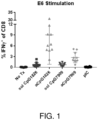
Figure 1 is a graph showing the immune response against HPV16 E6. -
Figure 2 is a graph showing the immune response against HPV16 E7. -
Figure 3 is a graph showing tetramer stain analysis for HPV16 E7. -
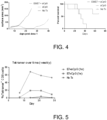
Figure 4 is a series of graphs showing that administration of HPV16 E6 and HPV16 E7 with an amphiphile-CpG (aCpG) decreased tumor size compared to aCpG alone or no treatment (No Tx). -
Figure 5 is a graph showing superior HPV tetramer response with aCpG vaccine compared with soluble CpG vaccine at different time points. -
Figure 6 is a graph showing sustained HPV tetramer responses over time with aCpG administered once weekly or once every two weeks. -
Figure 7 is a graph showing tumor size response to E7 vaccine treatment. -
Figure 8 is a graph showing improved survival in E7-vaccine treated C57BL6 mice implanted with TC-1 tumor cells. -
Figure 9 is a series of graphs showing serum cytokine level changes after dosing. -
Figure 10 is a graph showing tetramer responses over time for an HPV16 E7/aCpG vaccine. -
Figure 11 is a graph showing tumor growth response to HPV16 E7/aCpG vaccination plus or minus administration of an anti-PD-1 antibody. -
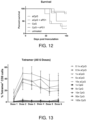
Figure 12 is a graph showing the effects of HPV16 E7/aCpG vaccination plus or minus administration of an anti-PD-1 antibody on survival in TC-1 tumor bearing mice. -
Figure 13 is a graph showing tetramer analysis for aCpG dose escalation. -
Figure 14 shows the structure of amphiphile-CpG-7909; 5'-(Diacyl lipid) TCG TCG TTT TGT CGT TTT GTC GTT-3' (SEQ ID NO:1). All bases are DNA. All linkages are phosphoramidite, including the link between the diacyl lipid and the oligodeoxynucleotide. - The invention provides compounds that can be used in therapeutic methods. The compounds include CpG oligodeoxynucleotides (ODNs) (e.g., a CpG ODN having the sequence 5'-TCGTCGTTTTGTCGTTTTGTCGTT-3' (SEQ ID NO:1)). The CpG ODN is linked, at its 5' end, to a lipid, such as the following:

where X is O or S. Preferably, X is S. The CpG oligonucleotide may be directly bonded to the lipid. Alternatively, the CpG may be linked to the lipid through a linker, such as GG. In the CpG oligonucleotide, all internucleoside groups are phosphorothioates (e.g., all internucleoside groups in the compound may be phosphorothioates). - The CpG ODN can function as an adjuvant to elicit an immune response in a subject, such as an immune response against a cancer antigen (e.g., a HPV antigen). As such, the compounds and compositions of the invention can be used in therapeutic methods. In particular, if the CpG ODN containing compound is administered in combination with one or more HPV proteins the compound can induce an immune response to HPV positive cancer cells. Accordingly, the invention provides compounds for use in methods of treating cancer in a subject (e.g., a human patient) by administering one or more compounds or compositions of the invention to the subject. In various examples, the cancer is a HPV positive (e.g., a HPV type 16 positive) cancer.
- The HPV positive cancer may be a head or neck squamous cell carcinoma, a cervical cancer, anal cancer, vulvar cancer, head and neck cancer, oropharyngeal cancer, penile cancer, vaginal cancer, virally induced cancer, bladder cancer, pancreatic cancer, lung cancer, liver cancer, ovarian cancer, colon cancer, stomach cancer, neuroblastoma, breast cancer, prostate cancer, renal cancer, leukemia, sarcoma, carcinoma, basal cell carcinoma, non-small cell lung carcinoma, non-Hodgkin's lymphoma, acute myeloid leukemia (AML), chronic lymphocytic leukemia (CLL), B-cells chronic lymphocytic leukemia (B-CLL), multiple myeloma (MM), erythroleukemia, renal cell carcinoma, sarcoma, melanoma, astrocytoma, oligoastrocytoma, biliary tract cancer, choriocarcinoma, CNS cancer, larynx cancer, small cell lung cancer, non-small cell lung cancer (NSCLC), adenocarcinoma, giant (or oat) cell carcinoma, squamous cell carcinoma, oral cavity cancer, skin cancer, basal cell cancer, squamous cell cancer, testicular cancer, thyroid cancer, uterine cancer, rectal cancer, a cancer of the respiratory system, or a cancer of the urinary system.
- Optionally, the compounds for use in the methods of the invention can further include administering a compound or composition of the invention in combination with a second (or further) different approach to treatment.
- The invention also provides kits that each contain, for example, a first vessel that includes one or more compounds of the invention, optionally together with a second vessel that includes a cancer antigen, such as an HPV protein described herein.
- CpG ODNs are short synthetic single-stranded DNA molecules containing unmethylated CpG dinucleotides in particular sequence contexts. CpG ODNs possess a partially or completely phosphorothioated (PS) backbone, as opposed to the natural phosphodiester (PO) backbone in DNA molecules. Three major classes of stimulatory CpG ODNs have been identified based on structural characteristics and activity on human peripheral blood mononuclear cells (PBMCs), in particular B cells and plasmacytoid dendritic cells (pDCs). These three classes are Class A (Type D), Class B (Type K), and Class C.
- CpG1826 and CpG7909 both are in CpG class B. Class B CpG ODNs contain a full PS backbone with one or more CpG dinucleotides. They strongly activate B cells and TLR9-dependent NF-KB signaling but weakly stimulate IFN-α secretion.
- Point mutations at C70G, C113G, and I135G (underlined below) can be introduced into the wild-type HPV16 E6 viral protein to prevent stereochemical interaction with human p53. The performance of this component as an antigen is dictated by the sequence of the protein, with the structure of the protein being inconsequential to that intended function.

- Point mutations at C24G and E26G (underlined below) can be introduced into the wild-type HPV16 E7 viral protein to prevent stereochemical interaction with human Rb1. Again, the performance of this component as an antigen is dictated by the sequence of the protein, with the structure of the protein being inconsequential to that intended function.

- CpG ODNs may be bonded directly or linked by a linker to the lipid. These compounds may be produced using the ordinary phosphoramidite chemistry known in the art. In some examples, the CpG ODN or CpG ODN-GG may be reacted with the following compound:

- In order that this invention be more fully understood, the following examples are set forth. These examples are for the purpose of illustration only and are not to be construed as limiting the scope of the invention in any way.
- Mice were immunized prophylactically and the immune response generated was recorded via E7-Tetramer stain and IFNy-intracellular cytokine staining (ICS) upon HPV16 E6 and HPV16 E7 (E6/E7) stimulation.
- The experimental design included the following 6 groups of mice (n=10 for each group)
- 1. No immunization
- 2. E6/E7 + soluble CpG1826
- 3. E6/E7 + amphiphile CpG1826 (aCpG1826)
- 4. E6/E7 + soluble CpG7909
- 5. E6/E7 + amphiphile CpG7909 (aCpG7909;
Figure 14 ) - 6. E6/E7 + polylC (pIC)
- Protein stock solutions were dissolved in 8M urea. Adjuvant stock solutions are dissolved in H2O. Final injections are diluted with 1X phosphate buffered saline (PBS) (CF of urea <1M).
- For aCpG1826, the sequence used was the soluble CpG1826 sequence (5'-tccatgacgttcctgacgtt-3'; SEQ ID NO:4) with two guanines added at the 5' end (5'-gg tccatgacgttcctgacgtt-3'; SEQ ID NO:5). A concentration of 5nmol for each 100µl injection was used for both soluble CpG1826 and aCpG1826. CpG1826 is an optimal mouse sequence while CpG7909 is optimal for humans and poorly active in mice. CpG1826 and CpG7909 are in the same CpG class (class B) and generally have similar activity profiles in their respective species.
- For both aCpG7909 and soluble CpG7909, the sequence used was 5'-tcgtcgttttgtcgttttgtcgtt-3' (SEQ ID NO:6) at a concentration of 5nmol for each 100µl injection.
- Mutated HPV16 E6 with point mutations at C70G, C113G, and I135G (underlined below) was used for immunization. The amino acid sequence used is provided below.

- Mutated HPV16 E7 with point mutations at C24G and E26G (underlined below) was used for immunization. The amino acid sequence used is provided below.

- For E6/E7, 10µg each of mutated HPV16 E6 and mutated HPV16 E7 was used per 100µl injection.
- Female C57BL/6J mice (B6) were immunized subcutaneously (s.c.) with the primer dose (E6/7+aCpG) and one booster dose after 2 weeks.
- Tetramer analysis for H-2Db HPV16 E7 (RAHYNIVTF; SEQ ID NO:7) was performed 7 days after the booster dose (
Figure 3 ). - Intracellular cytokine staining (ICS) for IFNy was performed on peripheral blood 7 days after the booster dose to analyze immune responses to E6/E7.
- The E6 stimulation used the following peptides: (E6-10: EVYDFAFRDL (SEQ ID NO:8); E6 49-57: VYDFAFRDL (SEQ ID NO:9); E6 37-45: CVYCKQQLL; (SEQ ID NO:10); E6 72-80: KCLKFYSKI (SEQ ID NO:11); and E6 100-108: NKPLCDLLI (SEQ ID NO:12) to generate the data shown in
Figure 1 . - Deconvolution of the E6 stimuli revealed that E49-57 was the only peptide that resulted in stimulation.
- For E7 stimulation the following peptide was used: RAHYNIVTF (SEQ ID NO:13). This peptide was used to generate the data shown in
Figure 2 . - As shown in
Figures 1 and2 , use of aCpG1826 generated a strong immune response against both mutant HPV16 E6 and mutant HPV16 E7. - As also shown in
Figures 1 and2 , use of aCpG7909, which is optimal for humans and generally performs poorly in mice, surprisingly generated a strong immune response against both mutant HPV16 E6 and mutant HPV16 E7. - E6/E7 + aCpG decreased tumor growth compared to either aCpG alone or no treatment with a corresponding increase in percent survival (
Figure 4 ). - To determine an optimal dosing schedule for E7 + aCpG with respect to anti-tumor efficacy in female C57BL/6U (B6) mice implanted with TC-1 tumors, weekly dosing was compared to dosing every 2 weeks and to baseline (prime only). E7 + aCpG was compared to E7 + soluble CpG. All vaccines were administered 3 times (prime and 2 boosts).
- Female C57BL/6J mice (B6) were inoculated with 50,000 TC-1 cells subcutaneously in the flank on
Day Table 1 Test Article Dosea Dosing Interval Injection Volume (ROA) N Endpoints NA 0 Untreated Control NA 10 Serum cytokines Anti-E7 serum antibodies Tetramer analysis for H-2Db HPV16 E7 Tumor size Survival E7 + aCpG 10 µg E7 1.24 nmol aCpG-1826b Single Dose 100 µL, divided (SC) 10 Serum cytokines Anti-E7 serum antibodies Weekly 100 µL, divided (SC) 20 Tetramer analysis for H-2Db HPV16 E7 Every 2 Weeks 100 µL, divided (SC) 20 Tumor size Survival E7 + CpG 10 µg E7 1.24 nmol CpG-1826 Single Dose 100 µL, divided (SC) 10 Anti-E7 serum antibodies Tetramer analysis for H-2Db HPV16 E7 Weekly 100 µL, divided (SC) 20 Tumor size Every 2 Weeks 100 µL, divided (SC) 20 Survival a Protein stock solutions were dissolved in 8M urea. Adjuvant stock solutions were dissolved in H2O. Final injections were diluted with 1X PBS (CF of urea <1M).
b 8 µg equivalent
NA=not applicable; PBS=phosphate-buffered saline; ROA=route of administration;
SC=subcutaneous - Throughout the study tumor sizes were measured every other day up to
Day 40 post inoculation and animal survival was monitored. Tetramer analysis for H-2Db HPV16 E7 (RAHYNIVTF) was performed 7 days after each vaccine administration. - Serum samples were taken 1 hour and 4 hours after each vaccine administration for the aCpG groups and analyzed via cytometric bead array for cytokine expression (IFNy, TNFα, IL-6, IL-10, IL-12p70, MCP-1).
- Anti-E7 serum antibody titers were analyzed 14 days after initial vaccination. ELISA plates were coated with whole protein E7, upon which serum antibodies were captured and detected with anti-Fc antibody.
- The HPV-tetramer specific T cell response to the protein/amphiphilic CpG vaccine was superior to that of the protein/soluble CpG vaccine after both a single dose and repeated doses (
Figure 5 ). The HPV-tetramer response to protein/aCpG was increased further after administration of boost vaccinations, and the increases were sustained out to Days 28 and 35 (Figure 6 ) for the once weekly and once every 2 weeks regimens, respectively. The strong HPV- tetramer response in the aCpG groups correlated to reductions in tumor size compared to animals vaccinated with soluble CpG (Figure 7 ) and improved survival (Figure 8 ). Treatment-related increases in systemic cytokines were comparable between soluble and aCpG groups except for IL-10, which was lower for aCpG compared to soluble CpG, and IFNy which was higher for aCpG compared to soluble CpG (Figure 9 ). - To evaluate the antitumor efficacy of E7 protein in combination with either soluble or amphiphilic CpG and with or without the addition of an anti-PD-1 antibody, female C57BL/6J mice (B6) were inoculated in the flank at baseline with 50,000 TC-1 cells. Eleven days post- inoculation the mice were divided into 5 groups as shown in Table 2. The comparison group was untreated.
Table 2 Test Article Dosea Dosing Interval Injection Volume (ROA) N Endpoints NA 0 Untreated Control NA 10 E7 + CpG 10 µg E7 Every 2 Weeks 100 µL, divided (SC) 10 1.24 nmol CpG-1826 E7 + aCpG 10 µg E7 Every 2 Weeks 100 µL, divided (SC) 10 Tumor size every other day up to Day 401.24 nmol aCpG- 1826 Survival E7 + CpG + PD-1 antibody 10 µg E7 Every 2 Weeks for both vaccine and antibody 100 µL, divided (SC) Antibody IP (100 µL divided) 10 Tetramer analysis for H- 2Db HPV16 E7 (RAHYNIVTF peptide; SEQ ID NO:13) 7 days after each vaccine administration 1.24 nmol CpG-1826 230 µL anti-PD-1 E7 + aCpG + PD-1 antibody 10 µg E7 Every 2 Weeks For both vaccine and antibody 100 µL, divided (SC) Antibody IP (100 µL divided) 10 1.24 nmol aCpG- 1826 230 µL anti-PD-1 a Protein stock solutions were dissolved in 8M urea. Adjuvant stock solutions were dissolved in H2O. Final injections were diluted with 1X PBS (CF of urea <1M).
IP=intraperitoneal; NA=not applicable; PBS=phosphate-buffered saline; ROA=route of administration; SC=subcutaneous - Throughout the study tumor sizes were measured every other day up to
day 40 post inoculation and animal survival was monitored. Tetramer analysis for H-2Db HPV16 E7 (RAHYNIVTF) was performed 7 days after each vaccine administration. - Administration of E7/Amph-CpG vaccine, with or without anti-PD-1 antibody, caused a robust increase in HPV Tetramer+ CD8-cells specific to the HPV16 E7 (RAHYNIVTF; SEQ ID NO:13) peptide (
Figure 10 ). These responses were clearly visible as early as after the first dose, peaked on the 2nd dose, and were sustained out to the 3rd dose (in contrast to the lower responses observed with E7/CpG, which though increased by concomitant administration of anti-PD-1 were not sustained. - Corresponding to these strong HPV Tetramer+ CD8 responses, tumor growth was halted around Day 24 and reversed after the first dose of E7/Amph-CpG (with or without anti-PD-1) and tumor size remained small and stable out to the end of the study, in contrast to the other groups where growth progressed (
Figure 11 ). - Also, corresponding to the effects on tumor size, treatment with E7/aCpG vaccine (with or without the anti-PD-1 antibody) had a significant effect on survival and resulted in 6/7 (85%) cures for E7/aCpG without antibody and 8/10 (80%) cures for E7/aCpG plus anti- PD-1 antibody (
Figure 12 ). - To determine a dose of aCpG that produces the highest antigen-specific Tetramer+ CD8 response over the course of 6 doses, a dose escalation study was conducted using a fixed dose of 10 µg ovalbumin (OVA) as the antigen. Soluble CpG was used as a comparator. Tolerability (based on body weight and general observations) was also assessed. The study design is outlined in Table 3.
Table 3 Antigen/Dose Adjuvant Adjuvant Dose (nmol) ROA (Dose Volume) OVA 10 µgAmph-CpG-1826 0.12 SC (100 µL, divided) 0.60 1.2 6 12 Soluble CpG-1826 1.2 6 12 60 ROA=route of administration; SC=subcutaneous - Up to 6 doses of vaccine were administered at 2-week intervals for a total study length of 11 weeks.
- Peripheral blood samples were collected 7 days after each injection and flow cytometric analyses of tetramer on CD8+ cells were performed using H-2KbOVA (SIINFEKL; SEQ ID NO:14).
- Significant increases in tetramer+ CD8+ cells were observed only in the groups treated with aCpG + OVA, with 6 nmol producing the greatest pharmacological effect (
Figure 13 ). No weight loss, loss of interest/appetite, or wounds/lesions were observed.
Claims (13)
- A compound consisting of the nucleotide sequence 5'-TCGTCGTTTTGTCGTTTTGTCGTT-3' (SEQ ID NO:1), at its 5' end, bonded or linked by a linker to the following lipid:
 or a salt thereof,wherein X is O or S.
 - The compound of claim 1, wherein the nucleotide sequence is bonded to the lipid.
- The compound of claim 1 or 2, wherein all internucleoside groups connecting the nucleosides in 5'-TCGTCGTTTTGTCGTTTTGTCGTT-3' (SEQ ID NO:1) are phosphorothioates.
- The compound of claim 1 or 2 for use in a method of treating a cancer in a human patient,
wherein the method comprises administering to the patient the compound of claim 1 or 2, a protein comprising the amino acid sequence:and a protein comprising the amino acid sequence:

- The compound for use according to claim 4, wherein the cancer is human papillomavirus (HPV) positive.
- The compound for use according to claim 5, wherein the cancer is HPV type 16 positive.
- The compound for use according to claim 4, wherein the cancer is a head or neck squamous cell carcinoma.
- The compound for use according to claim 4, wherein the patient is receiving or has received platinum-containing chemotherapy.
- The compound for use according to claim 4, wherein the compound and the proteins comprising the amino acid sequences of SEQ ID NO:2 and SEQ ID NO:3 are administered concurrently.
- The compound for use according to claim 4, wherein the compound and the proteins comprising the amino acid sequences of SEQ ID NO:2 and SEQ ID NO:3 are administered sequentially.
- A pharmaceutical composition comprising a compound of claim 1 or 2 and a pharmaceutically acceptable carrier.
- The pharmaceutical composition of claim 11, wherein the composition further comprises a protein comprising the amino acid sequence:and a protein comprising the amino acid sequence:


- A kit comprising (i) a compound of claim 1 or 2, and (ii) a protein comprising the amino acid sequence:and a protein comprising the amino acid sequence:


Applications Claiming Priority (2)
| Application Number | Priority Date | Filing Date | Title |
|---|---|---|---|
| US201862637824P | 2018-03-02 | 2018-03-02 | |
| PCT/US2019/020398 WO2019169328A1 (en) | 2018-03-02 | 2019-03-01 | Cpg amphiphiles and uses thereof |
Publications (3)
| Publication Number | Publication Date |
|---|---|
| EP3758712A1 EP3758712A1 (en) | 2021-01-06 |
| EP3758712A4 EP3758712A4 (en) | 2021-12-15 |
| EP3758712B1 true EP3758712B1 (en) | 2025-05-07 |
Family
ID=67805576
Family Applications (1)
| Application Number | Title | Priority Date | Filing Date |
|---|---|---|---|
| EP19761384.7A Active EP3758712B1 (en) | 2018-03-02 | 2019-03-01 | Cpg amphiphiles and uses thereof |
Country Status (20)
| Country | Link |
|---|---|
| US (3) | US12247052B2 (en) |
| EP (1) | EP3758712B1 (en) |
| JP (2) | JP2021516991A (en) |
| KR (2) | KR20250111403A (en) |
| CN (2) | CN112203663A (en) |
| AU (1) | AU2019227988B2 (en) |
| BR (1) | BR112020017778A2 (en) |
| CA (1) | CA3092693A1 (en) |
| DK (1) | DK3758712T3 (en) |
| ES (1) | ES3035198T3 (en) |
| IL (1) | IL277101B2 (en) |
| MA (1) | MA52434A (en) |
| MX (1) | MX2020009150A (en) |
| MY (1) | MY209484A (en) |
| PL (1) | PL3758712T3 (en) |
| PT (1) | PT3758712T (en) |
| SA (1) | SA520420065B1 (en) |
| SG (1) | SG11202008432XA (en) |
| UA (1) | UA128863C2 (en) |
| WO (1) | WO2019169328A1 (en) |
Families Citing this family (6)
| Publication number | Priority date | Publication date | Assignee | Title |
|---|---|---|---|---|
| US11696954B2 (en) | 2017-04-28 | 2023-07-11 | Exicure Operating Company | Synthesis of spherical nucleic acids using lipophilic moieties |
| WO2018209270A1 (en) | 2017-05-11 | 2018-11-15 | Northwestern University | Adoptive cell therapy using spherical nucleic acids (snas) |
| US12138301B2 (en) | 2018-03-02 | 2024-11-12 | Elicio Therapeutics, Inc. | Compounds including a mutant KRAS sequence and a lipid and uses thereof |
| CN116507344A (en) * | 2020-06-26 | 2023-07-28 | 伊莱西奥治疗有限公司 | Compositions and methods for inducing an immune response against coronaviruses |
| MX2023000041A (en) * | 2020-06-26 | 2023-03-10 | Elicio Therapeutics Inc | Compositions and methods for inducing an immune response against coronavirus. |
| EP4388102A4 (en) * | 2021-08-16 | 2025-07-09 | Elicio Therapeutics Inc | COMPOSITIONS CONTAINING POLYNUCLEOTIDE AMPHIPHILES AND METHODS OF USE THEREOF |
Family Cites Families (24)
| Publication number | Priority date | Publication date | Assignee | Title |
|---|---|---|---|---|
| US6168778B1 (en) * | 1990-06-11 | 2001-01-02 | Nexstar Pharmaceuticals, Inc. | Vascular endothelial growth factor (VEGF) Nucleic Acid Ligand Complexes |
| AU2001268427B2 (en) | 2000-06-16 | 2007-03-29 | Glaxosmithkline Intellectual Property Limited | Antibodies that immunospecifically bind to blys |
| US8771702B2 (en) | 2001-03-26 | 2014-07-08 | The Trustees Of The University Of Pennsylvania | Non-hemolytic LLO fusion proteins and methods of utilizing same |
| WO2005001116A1 (en) * | 2003-06-17 | 2005-01-06 | Meiji Dairies Corporation | Utilization of cell forcibly expressing toll-like receptor |
| US9090673B2 (en) | 2003-12-12 | 2015-07-28 | City Of Hope | Synthetic conjugate of CpG DNA and T-help/CTL peptide |
| AU2005333126A1 (en) | 2004-07-18 | 2006-12-21 | Csl Limited | Methods and compositions for inducing innate immune responses |
| CN101517082B (en) | 2006-09-27 | 2014-01-22 | 科勒制药有限责任公司 | Cpg oligonucleotide analogs containing hydrophobic t analogs with enhanced immunostimulatory activity |
| WO2008147956A2 (en) * | 2007-05-25 | 2008-12-04 | Centocor, Inc. | Toll-like receptor 3 modulators and uses thereof |
| WO2010071852A2 (en) | 2008-12-19 | 2010-06-24 | University Of Florida Research Foundation, Inc. | Oligonucleotide micelles |
| ES2731343T3 (en) | 2009-05-19 | 2019-11-15 | Univ Miami | Compositions, kits and methods for in vitro antigen presentation, evaluation of vaccine efficacy and evaluation of the immunotoxicity of biological products and drugs |
| US20120264810A1 (en) * | 2009-09-22 | 2012-10-18 | The University Of British Columbia | Compositions and methods for enhancing cellular uptake and intracellular delivery of lipid particles |
| EP2547355B1 (en) | 2010-03-19 | 2017-01-11 | Baxalta GmbH | Tfpi inhibitors and methods of use |
| JP5943258B2 (en) * | 2011-01-24 | 2016-07-05 | アンテリオス, インコーポレイテッド | Nanoparticle composition, formulation thereof and use thereof |
| CN103702662B (en) | 2011-05-25 | 2018-07-20 | 卡穆鲁斯公司 | Controlled Release Peptide Preparations |
| EP2758422A1 (en) | 2011-09-23 | 2014-07-30 | Technophage, Investigação E Desenvolvimento Em Biotecnologia, SA | Modified albumin-binding domains and uses thereof to improve pharmacokinetics |
| WO2014063155A1 (en) | 2012-10-21 | 2014-04-24 | University Of Rochester | Thy1 (cd90) as a novel therapy to control adipose tissue accumulation |
| KR102109188B1 (en) | 2013-04-01 | 2020-05-11 | 삼성전자주식회사 | Temperature sensitive liposome comprising cationic lipid and use thereof |
| AR095882A1 (en) * | 2013-04-22 | 2015-11-18 | Hoffmann La Roche | ANTIBODY COMBINATION THERAPY AGAINST HUMAN CSF-1R WITH A TLR9 AGONIST |
| KR20160073972A (en) * | 2013-10-24 | 2016-06-27 | 주식회사 다이셀 | Method for producing dispersion liquid containing silver nanoparticles, and dispersion liquid containing silver nanoparticles |
| RU2017112022A (en) * | 2014-09-11 | 2018-10-11 | Ведантра Фармасьютикалз, Инк. | COMPOSITIONS OF MULTILAMELLAR LIPID VESICULES AND METHODS OF APPLICATION |
| US10940201B2 (en) * | 2015-09-30 | 2021-03-09 | Shionogi & Co., Ltd. | Nucleic acid derivative having immunostimulatory activity |
| CA3035591A1 (en) | 2016-11-30 | 2018-06-07 | Advaxis, Inc. | Immunogenic compositions targeting recurrent cancer mutations and methods of use thereof |
| WO2018154010A1 (en) * | 2017-02-23 | 2018-08-30 | Alpha-O Peptides Ag | Self-assembling protein nanoparticles encapsulating immunostimulatory nucleid acids |
| US12138301B2 (en) * | 2018-03-02 | 2024-11-12 | Elicio Therapeutics, Inc. | Compounds including a mutant KRAS sequence and a lipid and uses thereof |
-
2019
- 2019-03-01 AU AU2019227988A patent/AU2019227988B2/en active Active
- 2019-03-01 DK DK19761384.7T patent/DK3758712T3/en active
- 2019-03-01 US US16/977,185 patent/US12247052B2/en active Active
- 2019-03-01 ES ES19761384T patent/ES3035198T3/en active Active
- 2019-03-01 CA CA3092693A patent/CA3092693A1/en active Pending
- 2019-03-01 CN CN201980028828.9A patent/CN112203663A/en active Pending
- 2019-03-01 KR KR1020257023614A patent/KR20250111403A/en active Pending
- 2019-03-01 KR KR1020207028281A patent/KR102837422B1/en active Active
- 2019-03-01 MA MA052434A patent/MA52434A/en unknown
- 2019-03-01 UA UAA202006353A patent/UA128863C2/en unknown
- 2019-03-01 WO PCT/US2019/020398 patent/WO2019169328A1/en not_active Ceased
- 2019-03-01 IL IL277101A patent/IL277101B2/en unknown
- 2019-03-01 JP JP2020568945A patent/JP2021516991A/en active Pending
- 2019-03-01 MX MX2020009150A patent/MX2020009150A/en unknown
- 2019-03-01 PT PT197613847T patent/PT3758712T/en unknown
- 2019-03-01 BR BR112020017778-4A patent/BR112020017778A2/en unknown
- 2019-03-01 PL PL19761384.7T patent/PL3758712T3/en unknown
- 2019-03-01 MY MYPI2020004499A patent/MY209484A/en unknown
- 2019-03-01 SG SG11202008432XA patent/SG11202008432XA/en unknown
- 2019-03-01 CN CN202510413325.0A patent/CN120249290A/en active Pending
- 2019-03-01 EP EP19761384.7A patent/EP3758712B1/en active Active
-
2020
- 2020-08-31 SA SA520420065A patent/SA520420065B1/en unknown
-
2023
- 2023-12-28 JP JP2023222587A patent/JP2024045151A/en active Pending
-
2025
- 2025-01-31 US US19/042,771 patent/US20250171507A1/en not_active Abandoned
- 2025-09-19 US US19/333,784 patent/US20260015390A1/en active Pending
Non-Patent Citations (1)
| Title |
|---|
| HAIPENG LIU ET AL: "Structure-based programming of lymph-node targeting in molecular vaccines", NATURE, vol. 507, no. 7493, 16 February 2014 (2014-02-16), London, pages 519 - 522, XP055625987, ISSN: 0028-0836, DOI: 10.1038/nature12978 * |
Also Published As
Similar Documents
| Publication | Publication Date | Title |
|---|---|---|
| US20250171507A1 (en) | Cpg amphiphiles and uses thereof | |
| JP6406793B2 (en) | Immunoregulatory nucleotide (IRO) compounds that modulate immune responses based on toll-like receptors | |
| KR102400963B1 (en) | Complex containing oligonucleotide having immunopotentiating activity and use thereof | |
| KR102787353B1 (en) | Compounds comprising mutant KRAS sequences and lipids and uses thereof | |
| JP2009515823A5 (en) | ||
| KR20190034210A (en) | Cancer immunoadjuvant | |
| AU2019351458A1 (en) | Immunity-inducing agent comprising antigen peptide-adjuvant nucleotide conjugate and pharmaceutical composition comprising same | |
| KR20230164124A (en) | Targeting multiple T cell types using spherical nucleic acid vaccine constructs | |
| US20220370490A1 (en) | Synergistic immunostimulation through the dual activation of tlr3/9 with spherical nucleic acids | |
| HK40045177B (en) | Cpg amphiphiles and uses thereof | |
| HK40045177A (en) | Cpg amphiphiles and uses thereof | |
| RU2823677C2 (en) | Cpg amphiphiles and applications thereof | |
| HK40043266A (en) | Cpg amphiphiles and uses thereof | |
| KR20210087415A (en) | Composition for delivering of antigen | |
| WO2024153142A1 (en) | Cpg oligonucleotide and use thereof | |
| TW202010516A (en) | Application of nucleic acid polysaccharide complex with immune activation activity as antitumor drug |
Legal Events
| Date | Code | Title | Description |
|---|---|---|---|
| STAA | Information on the status of an ep patent application or granted ep patent |
Free format text: STATUS: THE INTERNATIONAL PUBLICATION HAS BEEN MADE |
|
| PUAI | Public reference made under article 153(3) epc to a published international application that has entered the european phase |
Free format text: ORIGINAL CODE: 0009012 |
|
| STAA | Information on the status of an ep patent application or granted ep patent |
Free format text: STATUS: REQUEST FOR EXAMINATION WAS MADE |
|
| 17P | Request for examination filed |
Effective date: 20200922 |
|
| AK | Designated contracting states |
Kind code of ref document: A1 Designated state(s): AL AT BE BG CH CY CZ DE DK EE ES FI FR GB GR HR HU IE IS IT LI LT LU LV MC MK MT NL NO PL PT RO RS SE SI SK SM TR |
|
| AX | Request for extension of the european patent |
Extension state: BA ME |
|
| REG | Reference to a national code |
Ref country code: HK Ref legal event code: DE Ref document number: 40045177 Country of ref document: HK |
|
| REG | Reference to a national code |
Ref country code: DE Ref legal event code: R079 Free format text: PREVIOUS MAIN CLASS: A61K0031700000 Ipc: C12N0015117000 Ref country code: DE Ref legal event code: R079 Ref document number: 602019069647 Country of ref document: DE Free format text: PREVIOUS MAIN CLASS: A61K0031700000 Ipc: C12N0015117000 |
|
| A4 | Supplementary search report drawn up and despatched |
Effective date: 20211116 |
|
| RIC1 | Information provided on ipc code assigned before grant |
Ipc: A61K 31/7115 20060101ALI20211110BHEP Ipc: A61K 31/7088 20060101ALI20211110BHEP Ipc: A61K 31/70 20060101ALI20211110BHEP Ipc: C12N 15/117 20100101AFI20211110BHEP |
|
| P01 | Opt-out of the competence of the unified patent court (upc) registered |
Effective date: 20230419 |
|
| STAA | Information on the status of an ep patent application or granted ep patent |
Free format text: STATUS: EXAMINATION IS IN PROGRESS |
|
| 17Q | First examination report despatched |
Effective date: 20230717 |
|
| GRAP | Despatch of communication of intention to grant a patent |
Free format text: ORIGINAL CODE: EPIDOSNIGR1 |
|
| STAA | Information on the status of an ep patent application or granted ep patent |
Free format text: STATUS: GRANT OF PATENT IS INTENDED |
|
| INTG | Intention to grant announced |
Effective date: 20240529 |
|
| GRAJ | Information related to disapproval of communication of intention to grant by the applicant or resumption of examination proceedings by the epo deleted |
Free format text: ORIGINAL CODE: EPIDOSDIGR1 |
|
| STAA | Information on the status of an ep patent application or granted ep patent |
Free format text: STATUS: EXAMINATION IS IN PROGRESS |
|
| GRAP | Despatch of communication of intention to grant a patent |
Free format text: ORIGINAL CODE: EPIDOSNIGR1 |
|
| STAA | Information on the status of an ep patent application or granted ep patent |
Free format text: STATUS: GRANT OF PATENT IS INTENDED |
|
| INTC | Intention to grant announced (deleted) | ||
| INTG | Intention to grant announced |
Effective date: 20241010 |
|
| GRAS | Grant fee paid |
Free format text: ORIGINAL CODE: EPIDOSNIGR3 |
|
| RAP3 | Party data changed (applicant data changed or rights of an application transferred) |
Owner name: ELICIO THERAPEUTICS, INC. |
|
| GRAA | (expected) grant |
Free format text: ORIGINAL CODE: 0009210 |
|
| STAA | Information on the status of an ep patent application or granted ep patent |
Free format text: STATUS: THE PATENT HAS BEEN GRANTED |
|
| AK | Designated contracting states |
Kind code of ref document: B1 Designated state(s): AL AT BE BG CH CY CZ DE DK EE ES FI FR GB GR HR HU IE IS IT LI LT LU LV MC MK MT NL NO PL PT RO RS SE SI SK SM TR |
|
| REG | Reference to a national code |
Ref country code: GB Ref legal event code: FG4D |
|
| REG | Reference to a national code |
Ref country code: CH Ref legal event code: EP |
|
| REG | Reference to a national code |
Ref country code: DE Ref legal event code: R096 Ref document number: 602019069647 Country of ref document: DE |
|
| REG | Reference to a national code |
Ref country code: IE Ref legal event code: FG4D |
|
| REG | Reference to a national code |
Ref country code: PT Ref legal event code: SC4A Ref document number: 3758712 Country of ref document: PT Date of ref document: 20250715 Kind code of ref document: T Free format text: AVAILABILITY OF NATIONAL TRANSLATION Effective date: 20250708 |
|
| REG | Reference to a national code |
Ref country code: DK Ref legal event code: T3 Effective date: 20250728 |
|
| REG | Reference to a national code |
Ref country code: SE Ref legal event code: TRGR |
|
| REG | Reference to a national code |
Ref country code: NL Ref legal event code: FP |
|
| REG | Reference to a national code |
Ref country code: ES Ref legal event code: FG2A Ref document number: 3035198 Country of ref document: ES Kind code of ref document: T3 Effective date: 20250829 |
|
| PG25 | Lapsed in a contracting state [announced via postgrant information from national office to epo] |
Ref country code: FI Free format text: LAPSE BECAUSE OF FAILURE TO SUBMIT A TRANSLATION OF THE DESCRIPTION OR TO PAY THE FEE WITHIN THE PRESCRIBED TIME-LIMIT Effective date: 20250507 |
|
| REG | Reference to a national code |
Ref country code: LT Ref legal event code: MG9D |
|
| PG25 | Lapsed in a contracting state [announced via postgrant information from national office to epo] |
Ref country code: GR Free format text: LAPSE BECAUSE OF FAILURE TO SUBMIT A TRANSLATION OF THE DESCRIPTION OR TO PAY THE FEE WITHIN THE PRESCRIBED TIME-LIMIT Effective date: 20250808 |
|
| REG | Reference to a national code |
Ref country code: AT Ref legal event code: MK05 Ref document number: 1792504 Country of ref document: AT Kind code of ref document: T Effective date: 20250507 |
|
| PG25 | Lapsed in a contracting state [announced via postgrant information from national office to epo] |
Ref country code: BG Free format text: LAPSE BECAUSE OF FAILURE TO SUBMIT A TRANSLATION OF THE DESCRIPTION OR TO PAY THE FEE WITHIN THE PRESCRIBED TIME-LIMIT Effective date: 20250507 |
|
| PG25 | Lapsed in a contracting state [announced via postgrant information from national office to epo] |
Ref country code: HR Free format text: LAPSE BECAUSE OF FAILURE TO SUBMIT A TRANSLATION OF THE DESCRIPTION OR TO PAY THE FEE WITHIN THE PRESCRIBED TIME-LIMIT Effective date: 20250507 |
|
| PG25 | Lapsed in a contracting state [announced via postgrant information from national office to epo] |
Ref country code: AT Free format text: LAPSE BECAUSE OF FAILURE TO SUBMIT A TRANSLATION OF THE DESCRIPTION OR TO PAY THE FEE WITHIN THE PRESCRIBED TIME-LIMIT Effective date: 20250507 |
|
| PG25 | Lapsed in a contracting state [announced via postgrant information from national office to epo] |
Ref country code: RS Free format text: LAPSE BECAUSE OF FAILURE TO SUBMIT A TRANSLATION OF THE DESCRIPTION OR TO PAY THE FEE WITHIN THE PRESCRIBED TIME-LIMIT Effective date: 20250807 |
|
| PG25 | Lapsed in a contracting state [announced via postgrant information from national office to epo] |
Ref country code: IS Free format text: LAPSE BECAUSE OF FAILURE TO SUBMIT A TRANSLATION OF THE DESCRIPTION OR TO PAY THE FEE WITHIN THE PRESCRIBED TIME-LIMIT Effective date: 20250907 |
|
| PG25 | Lapsed in a contracting state [announced via postgrant information from national office to epo] |
Ref country code: LV Free format text: LAPSE BECAUSE OF FAILURE TO SUBMIT A TRANSLATION OF THE DESCRIPTION OR TO PAY THE FEE WITHIN THE PRESCRIBED TIME-LIMIT Effective date: 20250507 |
|
| PG25 | Lapsed in a contracting state [announced via postgrant information from national office to epo] |
Ref country code: SM Free format text: LAPSE BECAUSE OF FAILURE TO SUBMIT A TRANSLATION OF THE DESCRIPTION OR TO PAY THE FEE WITHIN THE PRESCRIBED TIME-LIMIT Effective date: 20250507 |
|
| VS25 | Lapsed in a validation state [announced via postgrant information from nat. office to epo] |
Ref country code: MD Free format text: LAPSE BECAUSE OF FAILURE TO SUBMIT A TRANSLATION OF THE DESCRIPTION OR TO PAY THE FEE WITHIN THE PRESCRIBED TIME-LIMIT Effective date: 20250507 |
|
| PG25 | Lapsed in a contracting state [announced via postgrant information from national office to epo] |
Ref country code: CZ Free format text: LAPSE BECAUSE OF FAILURE TO SUBMIT A TRANSLATION OF THE DESCRIPTION OR TO PAY THE FEE WITHIN THE PRESCRIBED TIME-LIMIT Effective date: 20250507 |
|
| PG25 | Lapsed in a contracting state [announced via postgrant information from national office to epo] |
Ref country code: EE Free format text: LAPSE BECAUSE OF FAILURE TO SUBMIT A TRANSLATION OF THE DESCRIPTION OR TO PAY THE FEE WITHIN THE PRESCRIBED TIME-LIMIT Effective date: 20250507 |
|
| PG25 | Lapsed in a contracting state [announced via postgrant information from national office to epo] |
Ref country code: RO Free format text: LAPSE BECAUSE OF FAILURE TO SUBMIT A TRANSLATION OF THE DESCRIPTION OR TO PAY THE FEE WITHIN THE PRESCRIBED TIME-LIMIT Effective date: 20250507 Ref country code: SK Free format text: LAPSE BECAUSE OF FAILURE TO SUBMIT A TRANSLATION OF THE DESCRIPTION OR TO PAY THE FEE WITHIN THE PRESCRIBED TIME-LIMIT Effective date: 20250507 |
|
| REG | Reference to a national code |
Ref country code: DE Ref legal event code: R097 Ref document number: 602019069647 Country of ref document: DE |
|
| PLBE | No opposition filed within time limit |
Free format text: ORIGINAL CODE: 0009261 |
|
| STAA | Information on the status of an ep patent application or granted ep patent |
Free format text: STATUS: NO OPPOSITION FILED WITHIN TIME LIMIT |
|
| REG | Reference to a national code |
Ref country code: CH Ref legal event code: L10 Free format text: ST27 STATUS EVENT CODE: U-0-0-L10-L00 (AS PROVIDED BY THE NATIONAL OFFICE) Effective date: 20260318 |
|
| REG | Reference to a national code |
Ref country code: CH Ref legal event code: U11 Free format text: ST27 STATUS EVENT CODE: U-0-0-U10-U11 (AS PROVIDED BY THE NATIONAL OFFICE) Effective date: 20260401 |
|
| PGFP | Annual fee paid to national office [announced via postgrant information from national office to epo] |
Ref country code: SE Payment date: 20260327 Year of fee payment: 8 |
|
| PGFP | Annual fee paid to national office [announced via postgrant information from national office to epo] |
Ref country code: GB Payment date: 20260327 Year of fee payment: 8 |
|
| PGFP | Annual fee paid to national office [announced via postgrant information from national office to epo] |
Ref country code: NO Payment date: 20260327 Year of fee payment: 8 Ref country code: DK Payment date: 20260325 Year of fee payment: 8 Ref country code: DE Payment date: 20260327 Year of fee payment: 8 Ref country code: IE Payment date: 20260327 Year of fee payment: 8 |
|
| 26N | No opposition filed |
Effective date: 20260210 |
|
| PGFP | Annual fee paid to national office [announced via postgrant information from national office to epo] |
Ref country code: LU Payment date: 20260327 Year of fee payment: 8 Ref country code: IT Payment date: 20260319 Year of fee payment: 8 Ref country code: BE Payment date: 20260327 Year of fee payment: 8 |
|
| VS25 | Lapsed in a validation state [announced via postgrant information from nat. office to epo] |
Ref country code: MA Free format text: LAPSE BECAUSE OF FAILURE TO SUBMIT A TRANSLATION OF THE DESCRIPTION OR TO PAY THE FEE WITHIN THE PRESCRIBED TIME-LIMIT Effective date: 20250507 |
|
| PGFP | Annual fee paid to national office [announced via postgrant information from national office to epo] |
Ref country code: NL Payment date: 20260326 Year of fee payment: 8 |
|
| PGFP | Annual fee paid to national office [announced via postgrant information from national office to epo] |
Ref country code: FR Payment date: 20260325 Year of fee payment: 8 |
|
| PGFP | Annual fee paid to national office [announced via postgrant information from national office to epo] |
Ref country code: PT Payment date: 20260303 Year of fee payment: 8 |
|
| PGFP | Annual fee paid to national office [announced via postgrant information from national office to epo] |
Ref country code: PL Payment date: 20260305 Year of fee payment: 8 |