EP3758611B1 - Ultrasound apparatus to guide injection of non-cytotoxic protease - Google Patents
Ultrasound apparatus to guide injection of non-cytotoxic protease Download PDFInfo
- Publication number
- EP3758611B1 EP3758611B1 EP19706733.3A EP19706733A EP3758611B1 EP 3758611 B1 EP3758611 B1 EP 3758611B1 EP 19706733 A EP19706733 A EP 19706733A EP 3758611 B1 EP3758611 B1 EP 3758611B1
- Authority
- EP
- European Patent Office
- Prior art keywords
- ultrasound imaging
- patient
- cytotoxic protease
- ultrasound
- treatment
- Prior art date
- Legal status (The legal status is an assumption and is not a legal conclusion. Google has not performed a legal analysis and makes no representation as to the accuracy of the status listed.)
- Active
Links
Images




Classifications
-
- A—HUMAN NECESSITIES
- A61—MEDICAL OR VETERINARY SCIENCE; HYGIENE
- A61M—DEVICES FOR INTRODUCING MEDIA INTO, OR ONTO, THE BODY; DEVICES FOR TRANSDUCING BODY MEDIA OR FOR TAKING MEDIA FROM THE BODY; DEVICES FOR PRODUCING OR ENDING SLEEP OR STUPOR
- A61M5/00—Devices for bringing media into the body in a subcutaneous, intra-vascular or intramuscular way; Accessories therefor, e.g. filling or cleaning devices, arm-rests
- A61M5/14—Infusion devices, e.g. infusing by gravity; Blood infusion; Accessories therefor
- A61M5/168—Means for controlling media flow to the body or for metering media to the body, e.g. drip meters, counters ; Monitoring media flow to the body
- A61M5/172—Means for controlling media flow to the body or for metering media to the body, e.g. drip meters, counters ; Monitoring media flow to the body electrical or electronic
- A61M5/1723—Means for controlling media flow to the body or for metering media to the body, e.g. drip meters, counters ; Monitoring media flow to the body electrical or electronic using feedback of body parameters, e.g. blood-sugar, pressure
-
- A—HUMAN NECESSITIES
- A61—MEDICAL OR VETERINARY SCIENCE; HYGIENE
- A61B—DIAGNOSIS; SURGERY; IDENTIFICATION
- A61B8/00—Diagnosis using ultrasonic, sonic or infrasonic waves
- A61B8/08—Clinical applications
- A61B8/0833—Clinical applications involving detecting or locating foreign bodies or organic structures
- A61B8/0841—Clinical applications involving detecting or locating foreign bodies or organic structures for locating instruments
-
- A—HUMAN NECESSITIES
- A61—MEDICAL OR VETERINARY SCIENCE; HYGIENE
- A61B—DIAGNOSIS; SURGERY; IDENTIFICATION
- A61B8/00—Diagnosis using ultrasonic, sonic or infrasonic waves
- A61B8/44—Constructional features of the ultrasonic, sonic or infrasonic diagnostic device
- A61B8/4411—Device being modular
-
- A—HUMAN NECESSITIES
- A61—MEDICAL OR VETERINARY SCIENCE; HYGIENE
- A61B—DIAGNOSIS; SURGERY; IDENTIFICATION
- A61B8/00—Diagnosis using ultrasonic, sonic or infrasonic waves
- A61B8/46—Ultrasonic, sonic or infrasonic diagnostic devices with special arrangements for interfacing with the operator or the patient
- A61B8/461—Displaying means of special interest
- A61B8/463—Displaying means of special interest characterised by displaying multiple images or images and diagnostic data on one display
-
- A—HUMAN NECESSITIES
- A61—MEDICAL OR VETERINARY SCIENCE; HYGIENE
- A61B—DIAGNOSIS; SURGERY; IDENTIFICATION
- A61B8/00—Diagnosis using ultrasonic, sonic or infrasonic waves
- A61B8/52—Devices using data or image processing specially adapted for diagnosis using ultrasonic, sonic or infrasonic waves
- A61B8/5215—Devices using data or image processing specially adapted for diagnosis using ultrasonic, sonic or infrasonic waves involving processing of medical diagnostic data
- A61B8/5223—Devices using data or image processing specially adapted for diagnosis using ultrasonic, sonic or infrasonic waves involving processing of medical diagnostic data for extracting a diagnostic or physiological parameter from medical diagnostic data
-
- G—PHYSICS
- G16—INFORMATION AND COMMUNICATION TECHNOLOGY [ICT] SPECIALLY ADAPTED FOR SPECIFIC APPLICATION FIELDS
- G16H—HEALTHCARE INFORMATICS, i.e. INFORMATION AND COMMUNICATION TECHNOLOGY [ICT] SPECIALLY ADAPTED FOR THE HANDLING OR PROCESSING OF MEDICAL OR HEALTHCARE DATA
- G16H50/00—ICT specially adapted for medical diagnosis, medical simulation or medical data mining; ICT specially adapted for detecting, monitoring or modelling epidemics or pandemics
- G16H50/30—ICT specially adapted for medical diagnosis, medical simulation or medical data mining; ICT specially adapted for detecting, monitoring or modelling epidemics or pandemics for calculating health indices; for individual health risk assessment
-
- A—HUMAN NECESSITIES
- A61—MEDICAL OR VETERINARY SCIENCE; HYGIENE
- A61B—DIAGNOSIS; SURGERY; IDENTIFICATION
- A61B8/00—Diagnosis using ultrasonic, sonic or infrasonic waves
- A61B8/44—Constructional features of the ultrasonic, sonic or infrasonic diagnostic device
- A61B8/4444—Constructional features of the ultrasonic, sonic or infrasonic diagnostic device related to the probe
- A61B8/4472—Wireless probes
-
- A—HUMAN NECESSITIES
- A61—MEDICAL OR VETERINARY SCIENCE; HYGIENE
- A61B—DIAGNOSIS; SURGERY; IDENTIFICATION
- A61B8/00—Diagnosis using ultrasonic, sonic or infrasonic waves
- A61B8/58—Testing, adjusting or calibrating the diagnostic device
Definitions
- SNAP-25, VAMP, or Syntaxin see Gerald K (2002) "Cell and Molecular Biology” (4th edition) John Wiley & Sons, Inc.
- the acronym SNARE derives from the term S oluble N SF A ttachment RE ceptor, where NSF means N -ethylmaleimide- S ensitive F actor.
- SNARE proteins are essential components of the vesicular secretion process in eukaryotic cells. Thus, non-cytotoxic proteases act by suppressing cellular secretion.
- This class of protein includes re-targeted non-cytotoxic proteins in which the natural binding ability of the protein has been modified by the introduction of a binding ligand (also known as a Targeting Moiety), thereby conferring new target cell binding properties on the modified protein.
- a binding ligand also known as a Targeting Moiety
- Applicant has pioneered the technology relating to the re-targeting of non-cytotoxic proteases, which dates back to the 1990s (see, for example, WO 94/21300 , WO 96/33273 and WO 98/07864 ).
- Said re-targeted proteins are referred to (throughout the literature and scientific community) as Targeted Secretion Inhibitors (TSIs) - reference to TSIs includes structural equivalents such as those described in WO 20111/018665 .
- Re-targeting technology has patent filings dating back to the early 1990s and include: EP-B-0689459 ; EP-B-0939818 ; US 6,461,617 ; US 7,192,596 ; EP-B-0826051 ; US 5,989,545 ; US 6,395,513 ; US 6,962,703 ; EP-B-0996468 ; US 7,052,702 ; EP-B-1107794 ; and US 6632440 .
- Clostridial toxin therapies are described for treating neuromuscular disorders (see US 6,872,397 ; for treating uterine disorders (see US2004/0175399 ); for treating ulcers and gastroesophageal reflux disease (see US2004/0086531 ); for treating dystonia (see US 6,319,505 ); for treating eye disorders (see US2004/0234532 ); for treating blepharospasm (see US2004/0151740 ); for treating strabismus (see US2004/0126396 ); for treating pain (see US 6,869,610 , US 6,641,820 , US 6,464,986 , US 6,113,915 ); for treating fibromyalgia (see US 6,623,742 , US2004/0062776 ); for treating lower back pain (see US2004/0037852 ); for treating muscle injuries (see US 6,423,319 ); for treating sinus headache (see US 6,838,434 ); for treating tension headache (see US 6,77
- non-cytotoxic proteases such as clostridial neurotoxins (e.g. BoNTs and TeNT) in therapeutic and cosmetic treatments of humans and other mammals is anticipated to expand to an ever-widening range of diseases and ailments that can benefit from the properties of these toxins.
- a non-cytotoxic protease including native botulinum neurotoxin clinical products
- administration in some applications can be challenging because of the larger doses required to achieve a beneficial effect.
- Larger doses can increase the likelihood that the protease may move, for example, through the interstitial fluids and the circulatory systems (such as the cardiovascular system and the lymphatic system) of the body, resulting in undesirable dispersal of the protease to areas not targeted for treatment. Said dispersal can lead to undesirable side effects, such as inhibition of cellular secretion in cells not targeted for treatment (e.g. inhibition of neurotransmitter release in neurons not targeted for treatment, or paralysis of a muscle not targeted for treatment).
- a therapeutic dosing range exists which identifies the lower and upper limits of safe, effective therapy.
- the upper limit is determined by the increasing significance of off-target effects that lead to undesirable (e.g. potentially harmful) side-effects of drug treatment.
- non-cytotoxic proteases notably BoNT
- Embodiments of the disclosure may address the above-mentioned problems.
- Document US2016/128668 relates to systems and methods for real-time highlighting of instruments in images using ultrasound probes.
- a medical or surgical apparatus for guiding the injection of at least one non-cytotoxic protease, the apparatus comprising:
- the treatment site may correspond to any anatomical site and/or in any tissue type.
- the treatment site may be a treatment site in at least one of: muscle, organs (such as bladder), nerves (for the purpose of a nerve block) or may be percutaneous (for example for cosmetic applications).
- the medical or surgical apparatus may comprise a controlled delivery device coupled to the ultrasound imaging handheld scanner, wherein the controlled delivery device is configured to deliver at least one controlled dose of at least one non-cytotoxic protease to a patient being imaged by the ultrasound imaging handheld scanner based on a location relative to the patient determined based on the received ultrasound energy signals.
- the medical or surgical apparatus may comprise a guide for receiving at least a portion of an injection device, such as a needle, wherein the guide is coupled to the ultrasound imaging handheld scanner, and wherein the computer running the ultrasound imaging processing application is configured to display information to the user for enabling the user to position the guide at a determined position relative to the patient based on the database of treatment sites and dosage regimes for the at least one non-cytotoxic protease, so that the user can inject the non-cytotoxic protease into the patient at the correct treatment site for the selected non-cytotoxic protease being injected.
- an injection device such as a needle
- the computer running the ultrasound imaging processing application is configured to display information to the user for enabling the user to position the guide at a determined position relative to the patient based on the database of treatment sites and dosage regimes for the at least one non-cytotoxic protease, so that the user can inject the non-cytotoxic protease into the patient at the correct treatment site for the selected non-cytotoxic protease being injected.
- a computer such as the computer running the ultrasound imaging processing application, or a separate computer (for example a handheld device such as a smartphone) that may or may not be in communication with the ultrasound imaging processing application running on another computer, may be configured to calculate and determine a dosage regime for a patient.
- the computer may comprise a dosage application that is configured to receive a series of inputs from a user and in response display information to the user regarding the treatment sites and dosage regimes for the patient to assist in the delivery of treatment to a patient.
- the dosage application may be configured to receive information regarding the patient (such as age, weight, region and/or part of the anatomy (for example muscle type)) and determine a recommended treatment regime and/or dosage range for the patient.
- the recommended dosage range may be determined, for example, on the basis of the information regarding the patient.
- the recommended dosage range may be calculated per region and/or part of the anatomy (for example, muscle type) based on a determined total dose for the patient.
- the dosage application may provide a warning indication to the user if a dose outside of the recommended dosage range is selected.
- the dosage application may also be configured to assist in preparing samples for injection.
- the dosage application may be configured to receive inputs regarding the type and concentration of treatment, and calculate the necessary volume of treatment to be injected based on a determined or selected dose for a particular treatment site, which is then displayed to the user.
- Calculating the necessary volume of treatment to be injected may comprise calculating the number of vials of a particular treatment that are necessary to deliver the desired treatment at a treatment site.
- the treatment guidance may comprise an indication of where to inject the non-cytotoxic protease relative to the patient being scanned, and the indication may be overlaid on a graphical representation of the patient being scanned based on the data received from the ultrasound imaging handheld scanner.
- the ultrasound imaging processing application may be configured to determine the position of a controlled delivery device coupled to the ultrasound imaging handheld device, or an injection device positioned in a guide coupled to the ultrasound imaging handheld device, relative to the patient based on the received data from the ultrasound imaging handheld device.
- the treatment guidance may comprise an indication to the user of how to position the ultrasound imaging handheld scanner with respect to the patient so that the non-cytotoxic protease can be injected from the controlled delivery device or injection device positioned in the guide at the correct treatment site.
- the ultrasound imaging processing application may be configured to process the data received from the ultrasound imaging handheld device to provide a graphical representation of the patient being scanned to the user.
- the processor of the ultrasound imaging handheld scanner may be configured to process the received ultrasound energy signals from the at least one ultrasound transducer to provide data signals comprising information indicative of a graphical representation of the patient being scanned.
- the kit may further comprise a controlled delivery device coupled to the ultrasound imaging handheld scanner, wherein the controlled delivery device is configured to deliver a controlled dose of at least one non-cytotoxic protease to a patient being imaged by the ultrasound imaging handheld scanner based on a location relative to the patient determined based on the received ultrasound energy signal.
- a controlled delivery device coupled to the ultrasound imaging handheld scanner, wherein the controlled delivery device is configured to deliver a controlled dose of at least one non-cytotoxic protease to a patient being imaged by the ultrasound imaging handheld scanner based on a location relative to the patient determined based on the received ultrasound energy signal.
- the ultrasound imaging processing application may be configured to process the data received from the ultrasound imaging handheld device to provide a graphical representation of the patient being scanned to the user.
- the treatment guidance may comprise an indication of where to inject the non-cytotoxic protease relative to the patient being scanned.
- the indication may be overlaid on a graphical representation of the patient being scanned based on the data received from the ultrasound imaging handheld scanner.
- the ultrasound imaging processing application may be configured to determine the position of at least one of: (i) a controlled delivery device coupled to the handheld ultrasound imaging scanner, and (ii) an injection device positioned in a guide and coupled to the handheld ultrasound imaging scanner, relative to the patient based on the received data from the ultrasound imaging handheld device.
- the treatment guidance may comprise an indication to the user of how to position the ultrasound imaging handheld scanner with respect to the patient so that the non-cytotoxic protease can be injected from the controlled delivery device or injection device positioned in the guide at the correct treatment site.
- a method of administering a controlled dose of non-cytotoxic protease to a patient comprising:
- Determining the correct dose of the non-cytotoxic protease to administer based on the graphical representation of the region of the patient's anatomy and the reference with the database of treatment sites and dosage regimes may comprise determining the position of at least one of (i) a controlled delivery device coupled to the handheld ultrasound imaging scanner relative to the patient, and (ii) an injection device positioned in a guide and coupled to the handheld ultrasound imaging scanner relative to the patient.
- Fig. 1 shows an example medical or surgical apparatus for guiding the treatment, for example the injection, of at least one non-cytotoxic protease.
- the at least one non-cytotoxic protease may be supplied as part of a medical composition, for example at least one polypeptide.
- the medical composition (such as a polypeptide) comprises:
- Fig. 1 shows an ultrasound imaging handheld scanner 100 comprising an ultrasound transducer 106, a processor 108 and an interface 110, such as a wired or wireless interface, for example a Bluetooth ® interface.
- the ultrasound imaging handheld scanner 100 may also be known as an ultrasound wand.
- the processor 108 is coupled to the ultrasound transducer 106 and the interface 106. Although only one ultrasound transducer 106 is shown in Fig. 1 , it will be understood that in other examples there may be a plurality of ultrasound transducers 106, for example an array of ultrasound transducers 106.
- a computer 200 operating an ultrasound imaging processing application.
- the medical or surgical apparatus may comprise a computer program comprising instructions which, when run on the computer, cause the computer to run the ultrasound imaging processing application.
- the computer 200 comprises an interface 210, such as a wired or wireless interface, for example a Bluetooth ® interface.
- the computer 200 may be a desktop or laptop computer, or in other examples may be a portable electronic device, for example a handheld device such as a tablet or mobile/cell phone.
- the ultrasound transducer 106 is operable to transmit and receive ultrasound energy for the purpose of ultrasound scanning, for example to create a graphical representation of a region of a patient, such as a sonogram.
- the processor 108 is configured to receive the signals from the ultrasound transducer 106.
- the processor 108 is configured to process the received ultrasound energy signals from the at least one ultrasound transducer to provide data signals comprising information indicative of a graphical representation of the patient being scanned. However, in other examples, minimal (if any) processing is performed by the processor 108.
- the interface 110 is configured to receive data from the processor 108 and send data based on the received ultrasound energy signal from the at least one ultrasound transducer 106 to the computer.
- the interface 210 of the computer 200 is configured to receive signals comprising the data from the ultrasound imaging handheld scanner 100.
- the ultrasound imaging processing application running on the computer 200 is configured to reference a database of treatment sites and dosage regimes for at least one non-cytotoxic protease, and is configured to provide treatment guidance to a user of the medical or surgical apparatus for guiding treatment based on the received data from the ultrasound imaging handheld scanner and the database of treatment sites and dosage regimes for the at least one non-cytotoxic protease.
- the database could be a local database (for example, stored on the computer 200) or could be a remote database (for example, the database could be a cloud-based database, for example accessed via the Internet).
- the treatment guidance may comprise an indication of at least one of:
- the ultrasound imaging processing application is configured to process the data received from the ultrasound imaging handheld device 100 to provide a graphical representation of the patient being scanned to the user, for example in the form of a sonogram.
- the treatment guidance may comprise an indication of where to inject the non-cytotoxic protease relative to the patient being scanned, and the indication may be overlaid on a graphical representation of the patient being scanned based on the data received from the ultrasound imaging handheld scanner.
- the treatment guidance may indicate on a sonogram where the non-cytotoxic protease should be injected to have increased efficacy and minimise off-target effects.
- the image processing application may additionally or alternatively comprise an interface for enabling a user to enter patient-specific details, for example regarding the patient's weight, age, symptoms, region and/or part of the anatomy being imaged, for example to aid in the image recognition process and/or for use in performing the reference with the database for determining treatment guidance, for example as described below with reference to Figs. 6 to 8 .
- the image processing application may be configured to receive patient-specific data from the patient, and make a determination of the treatment site and/or treatment dose based on the received patient-specific data (as well as, for example, the database of treatment sites and dosage regimes).
- the treatment dose may be a dose for a particular treatment site, and/or a total dose for a patient.
- the treatment dose may also comprise a preferred or recommended dose range.
- the treatment dose may be specific to a particular non-cytotoxic protease, or may be a dose determined irrespective of non-cytotoxic protease type (i.e. a dose for all non-cytotoxic proteases). Such examples may provide for "personalised medicine" where the treatment can be tailored for each specific patient.
- the medical or surgical apparatus may comprise an injectable device comprising a selected quantity of at least one non-cytotoxic protease.
- the medical or surgical apparatus may be provided as part of a kit, comprising the ultrasound imaging handheld scanner, a computer program comprising instructions which, when the program is executed by a computer, cause the computer to run the ultrasound imaging processing application, and the injectable device comprising a selected quantity of at least one non-cytotoxic protease.
- the injectable device may be a syringe, or may be a vial or other storage medium for holding a selected quantity of the non-cytotoxic protease.
- a selected quantity may comprise at least one of a selected volume and a selected concentration.
- the ultrasound imaging handheld scanner 100 may comprise a controlled delivery device 150 coupled to the ultrasound imaging handheld scanner 100.
- the controlled delivery device 150 may be configured to deliver a controlled dose of at least one non-cytotoxic protease to a patient being imaged by the ultrasound imaging handheld scanner 100, for example based on a location relative to the patient. The location relative to the patient may be determined based on ultrasound energy signals received from the ultrasound imaging handheld scanner 100.
- the ultrasound imaging processing application may be configured to operate the controlled delivery device 150 to administer (for example, inject) a selected quantity of non-cytotoxic protease to the patient.
- the ultrasound imaging processing application may be configured to operate the controlled delivery device 150 based on a determination of the correct treatment dose and treatment site made based on a reference with the database of treatment sites and dosage regimes for the selected non-cytotoxic protease in the controlled delivery device 150.
- the ultrasound imaging processing application is configured to determine the position of the controlled delivery device 150 relative to the patient based on the received data from the ultrasound imaging handheld device 100.
- the treatment guidance may comprise an indication to the user of how to position the ultrasound imaging handheld scanner 100 with respect to the patient so that the non-cytotoxic protease can be injected from the controlled delivery device 150 at the correct treatment site.
- the ultrasound imaging handheld scanner 100 may comprise a guide 160 for receiving at least a portion of an injection device 170, such as a syringe.
- the guide 160 may be coupled to the ultrasound imaging handheld scanner 100, and the computer running the ultrasound imaging processing application may be configured to display information to the user for enabling the user to position the guide at a determined position relative to the patient based on the database of treatment sites and dosage regimes for the at least one non-cytotoxic protease, so that the user can inject the non-cytotoxic protease into the patient at the correct treatment site for the selected non-cytotoxic protease being injected from the injection device 170.
- the ultrasound imaging processing application is configured to determine the position of an injection device 170 positioned in the guide 160, relative to the patient based on the received data from the ultrasound imaging handheld scanner 100.
- the treatment guidance may comprise an indication to the user of how to position the ultrasound imaging handheld scanner 100 with respect to the patient so that the non-cytotoxic protease can be injected from the injection device 170 positioned in the guide 160 at the correct treatment site.
- the needle 510 extends at least partially into the field of view of the ultrasound transducer 106, the needle 510 can be seen in the sonogram.
- a user of the ultrasound imaging handheld scanner 100 can scan and identify the treatment site, introduce the syringe 170 and needle 510 into the guide 160, check the site again, advance the needle 510, check it can be seen in the field of view 520, inject the non-cytotoxic protease at the correct treatment site, withdraw the syringe 170 and check the site again.
- Fig. 4 shows a flow-chart for an exemplary method of administering a controlled dose of non-cytotoxic protease to a patient, for example using the apparatus and/or ultrasound imaging processing application described above with reference to Figs. 1 to 3 .
- the method comprises the steps of:
- the database could be a local database (for example, stored on a computer 200) or could be a remote database (for example, the database could be a cloud-based database, for example accessed via the Internet).
- determining 430 the correct dose of the non-cytotoxic protease to administer based on the graphical representation of the region of the patient's anatomy and the reference with the database of treatment sites and dosage regimes comprises determining the position of at least one of (i) a controlled delivery device coupled to the handheld ultrasound imaging scanner relative to the patient (such as the controlled delivery device 150 described above in relation to Fig. 2 ), and (ii) an injection device positioned in a guide and coupled to the handheld ultrasound imaging scanner relative to the patient (such as the injection device 170 and guide 160 described above in relation to Fig. 3 ).
- Administering 440 a controlled dose of the non-cytotoxic protease may comprise injecting a controlled dose of the non-cytotoxic protease into the patient. This may be aided, for example, via the provision of a guide 160 as illustrated in Fig. 3 , or may be performed automatically/electronically, for example by the ultrasound imaging processing application, via the use of a controlled delivery device 150, as illustrated in Fig. 2 .
- the interface 110 of the ultrasound imaging handheld scanner 100 is optional.
- the processor 108 of the ultrasound imaging handheld scanner 100 may be configured to run the ultrasound imaging processing application.
- the processor 108 may be coupled to a memory that comprises the reference database of treatment sites and dosage regimes for the at least one non-cytotoxic protease.
- the processor 108 of the ultrasound imaging handheld scanner 100 may be configured to run the ultrasound imaging processing application and may be configured to use the interface 110 to access and reference a remote database of treatment sites and dosage regimes for the at least one non-cytotoxic protease.
- the ultrasound imaging handheld scanner 100 may comprise a display or other display means to display treatment guidance to a user.
- the ultrasound imaging handheld scanner 100 may comprise one or a plurality of lights, such as LEDs, operable to display information such an indication of an orientation in which to hold the scanner 100 and/or in which direction to move the scanner 100 for guiding treatment, such as the injection, of the non-cytotoxic protease.
- the ultrasound imaging handheld scanner 100 may comprise a display, such as an LED display, for example operable to provide a graphical representation of the region of the part of the anatomy being imaged.
- the processor 108 of the ultrasound imaging handheld scanner 100 may be configured to process the data received from the ultrasound imaging handheld device 100 to provide a graphical representation of the patient being scanned to the user on the in-built display, for example in the form of a sonogram. It will be understood that in such examples, the user may advantageously be able to better treat a patient with a dose of non-cytotoxic protease without the need for additional computing equipment.
- Such examples may enable a non-skilled user of the ultrasound imaging handheld scanner 100 to self-administer treatment accurately and safely, thus avoiding the need for skilled clinical intervention (for example avoiding the need for a skilled radiographer).
- the medical or surgical apparatus comprises an injectable device (such as the controlled delivery device 150 or injection device 170 described above with reference to Figs. 2 and 3 ) comprising a selected quantity of at least one non-cytotoxic protease
- the processor 108 of the ultrasound imaging handheld scanner 100 is configured to run the ultrasound imaging processing application
- the medical or surgical apparatus may be supplied as a kit, for example in a sealed sterile container, comprising both the ultrasound imaging handheld scanner 100 and the injectable device containing the non-cytotoxic protease. This may be advantageous not only for hygiene reasons but also because it may mean that the dosage of non-cytotoxic proteases may be better controlled.
- a controlled dose/quantity of non-cytotoxic protease can be supplied with a device that has been programmed (for example the processor 108 may be programmed, or a memory coupled to the processor 108 may be programmed) with information relating to at least one of (i) the concentration and (ii) the volume of non-cytotoxic protease supplied with it so that the application can carefully control its dose, for example by controlling operation of a controlled delivery device such as the controlled delivery device 150 described above in relation to Fig. 2 .
- the medical or surgical apparatus may be configured to deliver a plurality of non-cytotoxic proteases, for example different serotypes of non-cytotoxic protease, such as different serotypes of clostridial neurotoxins, such as BoNTs and/or TeNTs. This may be beneficial, for example, to inhibit host immunogenicity.
- the medical or surgical apparatus may be configured to deliver different medical compositions, wherein each medical composition may comprise a different polypeptide.
- Each medical composition (for example polypeptide) may comprise at least one non-cytotoxic protease (in some examples the non-cytotoxic protease may be the same between compositions, but in other examples the compositions may comprise one or more different non-cytotoxic proteases).
- Each composition for example each polypeptide, may comprise different targeting moieties and/or different translocation domains.
- the different medical compositions, for example different polypeptides may comprise different TSIs that bind to different receptors on the same target cell.
- the ultrasound imaging processing application may comprise a user interface allowing the user to enter details of the desired treatment (such as the serotype(s) of non-cytotoxic protease(s)) and/or details regarding the patient (such as age, weight, clinical symptoms etc.), and the application may be configured to reference the database of treatment sites and dosage regimes to determine a treatment regime for the patient.
- details of the desired treatment such as the serotype(s) of non-cytotoxic protease(s)
- details regarding the patient such as age, weight, clinical symptoms etc.
- the ultrasound imaging handheld scanner 100 and/or ultrasound imaging application may be calibrated so that the location of an injectable device, for example a controlled delivery device 150 (as described above in relation to Fig. 2 ) or an injectable device 170 inserted into a guide 160 (as described above in relation to Fig. 3 ) is determined.
- Calibration may involve taking a reference scan at a first position and marking the position of the injectable device/controlled delivery device on the patient's skin at the first position. A second scan may then be taken with the ultrasound transducer 106 located on the patient's skin at the first position, so that the distance between the ultrasound transducer 106 and the injectable device can be determined by comparison of the ultrasound data obtained at the first position and the second position.
- Figs. 6 to 8 show example screenshots of a computer program operating to provide a dosage application.
- the computer program is operating a handheld device (in this case a smartphone), although it will be understood that the computer program may be running on other types of device, for example a computer running the ultrasound imaging processing application as described above and/or on a device in communication with a computer running the ultrasound imaging processing application.
- Fig. 6 shows two similar screenshots of the computer program operating to provide the dosage application.
- the dosage application allows a user to select a muscle type and to select a dose for that muscle type. For each muscle type the dosage application shows a recommended dose range for the patient. If a dose outside of the recommended range is selected a warning may be presented to the user. The recommended dose range may be calculated based on information relating to the patient - such as their age and weight.
- the dosage application also determines the total dose that may be administered to a patient based on the selected doses for each muscle type, and a total approved dose for the patient. If the total dose is above the total approved dose a warning may be provided to the user. The total approved dose may also be calculated based on information relating to the patient - such as their age and weight.
- Fig. 8 shows another screenshot of the computer program operating to provide the dosage application.
- the dosage application can display an indication of the doses and volumes of treatment solutions to be injected at each treatment site.
- a region of a patient's anatomy is scanned with an ultrasound imaging handheld scanner (such as the scanner 100 described above in relation to Figs. 1 to 3 ) to obtain a graphical representation of the region of the patient's anatomy being scanned.
- An ultrasound imaging handheld scanner such as the scanner 100 described above in relation to Figs. 1 to 3
- a database of treatment sites and dosage regimes is referenced, for example, for the non-cytotoxic protease being administered.
Landscapes
- Health & Medical Sciences (AREA)
- Life Sciences & Earth Sciences (AREA)
- Engineering & Computer Science (AREA)
- Public Health (AREA)
- Biomedical Technology (AREA)
- General Health & Medical Sciences (AREA)
- Medical Informatics (AREA)
- Veterinary Medicine (AREA)
- Animal Behavior & Ethology (AREA)
- Heart & Thoracic Surgery (AREA)
- Pathology (AREA)
- Nuclear Medicine, Radiotherapy & Molecular Imaging (AREA)
- Radiology & Medical Imaging (AREA)
- Physics & Mathematics (AREA)
- Surgery (AREA)
- Biophysics (AREA)
- Molecular Biology (AREA)
- Vascular Medicine (AREA)
- Diabetes (AREA)
- Hematology (AREA)
- Anesthesiology (AREA)
- Computer Vision & Pattern Recognition (AREA)
- Data Mining & Analysis (AREA)
- Epidemiology (AREA)
- Primary Health Care (AREA)
- Physiology (AREA)
- Databases & Information Systems (AREA)
- Ultra Sonic Daignosis Equipment (AREA)
- Infusion, Injection, And Reservoir Apparatuses (AREA)
- Materials For Medical Uses (AREA)
- Media Introduction/Drainage Providing Device (AREA)
Description
- The present disclosure relates to a method and apparatus for guiding the treatment of non-cytotoxic proteases, and in particular to a medical or surgical apparatus, computer program and method for guiding the injection of at least one non-cytotoxic protease.
- Cytotoxic proteins act by killing their natural target cells. This group of toxins is exemplified inter alia by plant toxins such as ricin, and abrin, and by bacterial toxins such as diphtheria toxin, and Pseudomonas exotoxin A. Cytotoxic toxins typically kill their target cells by inhibiting the cellular process of protein synthesis. This class of protein includes re-targeted cytotoxic proteins in which the natural binding ability of the protein has been modified by the introduction of a binding ligand (also known as a Targeting Moiety), thereby conferring new target cell binding properties on the modified protein.
- In contrast, non-cytotoxic proteins act on target cells by incapacitating cellular function. Importantly, non-cytotoxic toxins do not kill the target cells upon which they act. Some of the best known examples of non-cytotoxic proteases include clostridial neurotoxins (e.g. botulinum neurotoxin, which is marketed under names such as Dysport™, Neurobloc™, and Botox™), IgA proteases (see, for example,
WO99/032272 WO2011/022357 ). Non-cytotoxic proteases act by proteolytically-cleaving and thus inactivating intracellular transport proteins known as SNARE proteins (e.g. SNAP-25, VAMP, or Syntaxin) - see Gerald K (2002) "Cell and Molecular Biology" (4th edition) John Wiley & Sons, Inc. The acronym SNARE derives from the term S oluble N SF A ttachment RE ceptor, where NSF means N -ethylmaleimide- S ensitive F actor. SNARE proteins are essential components of the vesicular secretion process in eukaryotic cells. Thus, non-cytotoxic proteases act by suppressing cellular secretion. This class of protein includes re-targeted non-cytotoxic proteins in which the natural binding ability of the protein has been modified by the introduction of a binding ligand (also known as a Targeting Moiety), thereby conferring new target cell binding properties on the modified protein. Applicant has pioneered the technology relating to the re-targeting of non-cytotoxic proteases, which dates back to the 1990s (see, for example,WO 94/21300 WO 96/33273 WO 98/07864 WO 20111/018665 - Non-cytotoxic proteases may be employed in their native or substantially native forms (i.e. as holotoxins, such as BOTOX™), in which case targeting of the proteases to specific cell-types is reliant on (i) localised administration of the protease and/ or (ii) the inherent binding ability of the native protease. Alternatively, non-cytotoxic proteases may be employed in a re-targeted form in which the native protease is modified to include an exogenous ligand known as a Targeting Moiety (TM). The TM is selected to provide binding specificity for a desired target cell, and, as part of the re-targeting process, the native binding portion of the non-cytotoxic protease may be removed. Re-targeting technology has patent filings dating back to the early 1990s and include:
EP-B-0689459 ;EP-B-0939818 ;US 6,461,617 ;US 7,192,596 ;EP-B-0826051 ;US 5,989,545 ;US 6,395,513 ;US 6,962,703 ;EP-B-0996468 ;US 7,052,702 ;EP-B-1107794 ; andUS 6632440 . - In view of the ubiquitous nature of SNARE proteins, non-cytotoxic proteases have been successfully employed in a plethora of therapies.
- By way of example, we refer to William J. Lipham, Cosmetic and Clinical Applications of Botulinum Toxin (Slack, Inc., 2004), which describes the use of Clostridial toxins, such as botulinum neurotoxins (BoNTs), BoNT/A, BoNT/B, BoNT/C1, BoNT/D, BoNT/E, BoNT/F and BoNT/G, and tetanus neurotoxin (TeNT), to inhibit neuronal transmission in a wide variety of therapeutic and cosmetic applications - as an example, BOTOX™ is currently approved as a therapeutic for the following indications: achalasia, adult spasticity, anal fissure, back pain, blepharospasm, bruxism, cervical dystonia, essential tremor, glabellar lines or hyperkinetic facial lines, headache, hemifacial spasm, hyperactivity of bladder, hyperhidrosis, juvenile cerebral palsy, multiple sclerosis, myoclonic disorders, nasal labial lines, spasmodic dysphonia, strabismus and VII nerve disorder. In addition, Clostridial toxin therapies are described for treating neuromuscular disorders (see
US 6,872,397 ; for treating uterine disorders (seeUS2004/0175399 ); for treating ulcers and gastroesophageal reflux disease (seeUS2004/0086531 ); for treating dystonia (seeUS 6,319,505 ); for treating eye disorders (seeUS2004/0234532 ); for treating blepharospasm (seeUS2004/0151740 ); for treating strabismus (seeUS2004/0126396 ); for treating pain (seeUS 6,869,610 ,US 6,641,820 ,US 6,464,986 ,US 6,113,915 ); for treating fibromyalgia (seeUS 6,623,742 ,US2004/0062776 ); for treating lower back pain (seeUS2004/0037852 ); for treating muscle injuries (seeUS 6,423,319 ); for treating sinus headache (seeUS 6,838,434 ); for treating tension headache (seeUS 6,776,992 ); for treating headache (seeUS 6,458,365 ); for reduction of migraine headache pain (seeUS 5,714,469 ); for treating cardiovascular diseases (seeUS 6,767,544 ); for treating neurological disorders such as Parkinson's disease (seeUS 6,620,415 ,US 6,306,403 ); for treating neuropsychiatric disorders (seeUS2004/0180061 ,US2003/0211121 ); for treating endocrine disorders (seeUS 6,827,931 ); for treating thyroid disorders (seeUS 6,740,321 ); for treating a cholinergic influenced sweat Gland (seeUS 6,683,049 ); for treating diabetes (seeUS 6,337,075 ,US 6,416,765 ); for treating a pancreatic disorder (seeUS 6,261,572 ,US 6,143,306 ); for treating cancers such as bone tumors (seeUS 6,565,870 ,US 6,368,605 ,US 6,139,845 ,US2005/0031648 ); for treating otic disorders (seeUS 6,358,926 ,US 6,265,379 ); for treating autonomic disorders such as gastrointestinal muscle disorders and other smooth muscle dysfunction (seeUS 5,437,291 ); for treatment of skin lesions associated with cutaneous cell-proliferative disorders (seeUS 5,670,484 ); for management of neurogenic inflammatory disorders (seeUS 6,063,768 ); for reducing hair loss and stimulating hair growth (seeUS 6,299,893 ); for treating downturned mouth (seeUS 6,358,917 ); for reducing appetite (seeUS2004/40253274 US2004/0115139 ; for treating neuromuscular disorders and c (seeUS2002/0010138 ); for treating various disorders and conditions and associated pain (seeUS2004/0013692 ) for treating pain (seeWO96/33274 WO00/10598 WO01/21213 - The use of non-cytotoxic proteases such as clostridial neurotoxins (e.g. BoNTs and TeNT) in therapeutic and cosmetic treatments of humans and other mammals is anticipated to expand to an ever-widening range of diseases and ailments that can benefit from the properties of these toxins.
- Generally, therapeutic administration of a non-cytotoxic protease, including native botulinum neurotoxin clinical products, is well tolerated. However, administration in some applications can be challenging because of the larger doses required to achieve a beneficial effect. Larger doses can increase the likelihood that the protease may move, for example, through the interstitial fluids and the circulatory systems (such as the cardiovascular system and the lymphatic system) of the body, resulting in undesirable dispersal of the protease to areas not targeted for treatment. Said dispersal can lead to undesirable side effects, such as inhibition of cellular secretion in cells not targeted for treatment (e.g. inhibition of neurotransmitter release in neurons not targeted for treatment, or paralysis of a muscle not targeted for treatment). By way of specific example, a patient administered a therapeutically effective amount of a BoNT into the neck muscles for torticollis may develop dysphagia because of dispersal of the protease into the oropharynx. Similarly, a patient administered a non-cytotoxic protease to treat a neuromuscular disorder may suffer from undesirable muscle tissue inactivation due to dispersal of the protease into the muscle.
- In common with any other drug substances, a therapeutic dosing range exists which identifies the lower and upper limits of safe, effective therapy. Often, the upper limit is determined by the increasing significance of off-target effects that lead to undesirable (e.g. potentially harmful) side-effects of drug treatment. In the case of non-cytotoxic proteases (notably BoNT), this could lead to the paralysis of cellular secretion in off-target cells, which, in turn, could be fatal.
- The growing clinical, therapeutic and cosmetic use of non-cytotoxic proteases in therapies requiring larger doses places an ever-increasing requirement on the part of the pharmaceutical industry to develop means for minimising off-target effects, such that the therapeutic dose range can be increased and the patients thus provided with increased doses which will, in turn, lead to increased efficacy of treatment.
- There is therefore a need in the art for addressing undesirable, off-site targeting effects.
- Embodiments of the disclosure may address the above-mentioned problems. Document
US2016/128668 relates to systems and methods for real-time highlighting of instruments in images using ultrasound probes. - The invention is defined by the
independent claims - In a first aspect there is provided a medical or surgical apparatus for guiding the injection of at least one non-cytotoxic protease, the apparatus comprising:
- an ultrasound imaging handheld scanner; and
- a computer program comprising instructions which, when the program is executed by a computer, cause the computer to run an ultrasound imaging processing application;
- wherein the ultrasound imaging handheld scanner comprises:
- at least one ultrasound transducer for transmitting and receiving ultrasound energy;
- a processor coupled to the at least one ultrasound transducer and configured to receive ultrasound energy signals from the at least one ultrasound transducer; and
- an interface coupled to the processor and configured to send data to the computer running the ultrasound imaging processing application, wherein the data is based on the received ultrasound energy signal from the at least one ultrasound transducer; and
- wherein the ultrasound imaging processing application is configured to reference a database of treatment sites and dosage regimes for at least one non-cytotoxic protease, and is configured to provide treatment guidance to a user of the medical or surgical apparatus for guiding treatment based on the received data from the ultrasound imaging handheld scanner and the database of treatment sites and dosage regimes for the at least one non-cytotoxic protease.
- The treatment site may correspond to any anatomical site and/or in any tissue type. For example the treatment site may be a treatment site in at least one of: muscle, organs (such as bladder), nerves (for the purpose of a nerve block) or may be percutaneous (for example for cosmetic applications).
- The medical or surgical apparatus may comprise a controlled delivery device coupled to the ultrasound imaging handheld scanner, wherein the controlled delivery device is configured to deliver at least one controlled dose of at least one non-cytotoxic protease to a patient being imaged by the ultrasound imaging handheld scanner based on a location relative to the patient determined based on the received ultrasound energy signals.
- Additionally or alternatively, the medical or surgical apparatus may comprise a guide for receiving at least a portion of an injection device, such as a needle, wherein the guide is coupled to the ultrasound imaging handheld scanner, and wherein the computer running the ultrasound imaging processing application is configured to display information to the user for enabling the user to position the guide at a determined position relative to the patient based on the database of treatment sites and dosage regimes for the at least one non-cytotoxic protease, so that the user can inject the non-cytotoxic protease into the patient at the correct treatment site for the selected non-cytotoxic protease being injected.
- In some examples, a computer such as the computer running the ultrasound imaging processing application, or a separate computer (for example a handheld device such as a smartphone) that may or may not be in communication with the ultrasound imaging processing application running on another computer, may be configured to calculate and determine a dosage regime for a patient. For example, the computer may comprise a dosage application that is configured to receive a series of inputs from a user and in response display information to the user regarding the treatment sites and dosage regimes for the patient to assist in the delivery of treatment to a patient.
- For example, the dosage application may be configured to receive information regarding the patient (such as age, weight, region and/or part of the anatomy (for example muscle type)) and determine a recommended treatment regime and/or dosage range for the patient. The recommended dosage range may be determined, for example, on the basis of the information regarding the patient. The recommended dosage range may be calculated per region and/or part of the anatomy (for example, muscle type) based on a determined total dose for the patient. The dosage application may provide a warning indication to the user if a dose outside of the recommended dosage range is selected.
- The dosage application may also be configured to assist in preparing samples for injection. For example, the dosage application may be configured to receive inputs regarding the type and concentration of treatment, and calculate the necessary volume of treatment to be injected based on a determined or selected dose for a particular treatment site, which is then displayed to the user. Calculating the necessary volume of treatment to be injected may comprise calculating the number of vials of a particular treatment that are necessary to deliver the desired treatment at a treatment site.
- In another aspect there is provided a medical or surgical apparatus for guiding the injection of at least on non-cytotoxic protease, the apparatus comprising:
- an ultrasound imaging handheld scanner; and
- a controlled delivery device coupled to the ultrasound imaging handheld scanner;
- wherein the ultrasound imaging handheld scanner comprises:
- at least one ultrasound transducer for transmitting and receiving ultrasound energy;
- a processor coupled to the at least one ultrasound transducer and configured to receive ultrasound energy signals from the at least one ultrasound transducer; and
- wherein the controlled delivery device is configured to deliver a controlled dose of at least one non-cytotoxic protease to a patient being imaged by the ultrasound imaging handheld scanner based on a location relative to the patient determined based on the received ultrasound energy signal.
- The medical or surgical apparatus may comprise an interface coupled to the processor and configured to send data to a computer running an ultrasound imaging processing application, wherein the data is based on the received ultrasound energy signals from the at least one ultrasound transducer. The ultrasound imaging processing application may comprise a database of treatment sites and dosage regimes for at least one non-cytotoxic protease, and may be configured to provide treatment guidance to a user of the medical or surgical apparatus for guiding treatment based on the received data from the ultrasound imaging handheld scanner and the database of treatment sites and dosage regimes for the at least one non-cytotoxic protease.
- The treatment guidance may comprise an indication of at least one of:
- (i) where to inject the non-cytotoxic protease relative to the patient being scanned; and
- (ii) a quantity of non-cytotoxic protease to inject.
- The treatment guidance may additionally or alternatively comprise at least one of: a recommended dose range for a selected region of the anatomy (such as a tissue type, for example a muscle type), a recommended total patient dose, guidance as to how to prepare the treatment for injection such as the concentration and volume of treatment needed, and the number of vials or syringes needed to deliver the treatment.
- The treatment guidance may comprise an indication of where to inject the non-cytotoxic protease relative to the patient being scanned, and the indication may be overlaid on a graphical representation of the patient being scanned based on the data received from the ultrasound imaging handheld scanner.
- The ultrasound imaging processing application may be configured to determine the position of a controlled delivery device coupled to the ultrasound imaging handheld device, or an injection device positioned in a guide coupled to the ultrasound imaging handheld device, relative to the patient based on the received data from the ultrasound imaging handheld device. The treatment guidance may comprise an indication to the user of how to position the ultrasound imaging handheld scanner with respect to the patient so that the non-cytotoxic protease can be injected from the controlled delivery device or injection device positioned in the guide at the correct treatment site.
- The ultrasound imaging processing application may be configured to process the data received from the ultrasound imaging handheld device to provide a graphical representation of the patient being scanned to the user.
- The processor of the ultrasound imaging handheld scanner may be configured to process the received ultrasound energy signals from the at least one ultrasound transducer to provide data signals comprising information indicative of a graphical representation of the patient being scanned.
- In another aspect there is provided a medical or surgical kit comprising:
- an ultrasound imaging handheld scanner,
- an injectable device comprising a selected quantity of at least one non-cytotoxic protease; and
- a computer program comprising instructions which, when the program is executed by a computer, cause the computer to run an ultrasound imaging processing application;
- The kit may further comprise a controlled delivery device coupled to the ultrasound imaging handheld scanner, wherein the controlled delivery device is configured to deliver a controlled dose of at least one non-cytotoxic protease to a patient being imaged by the ultrasound imaging handheld scanner based on a location relative to the patient determined based on the received ultrasound energy signal.
- Additionally or alternatively, the kit may further comprise a guide for receiving at least a portion of an injection device, such as a needle, wherein the guide is coupled to the ultrasound imaging handheld scanner. The computer running the ultrasound imaging processing application may be configured to display information to the user for enabling the user to position the guide at a determined position relative to the patient based on the database of treatment sites and dosage regimes for the at least one non-cytotoxic protease, so that the user can inject the non-cytotoxic protease into the patient at the correct treatment site for the selected non-cytotoxic protease being injected.
- In another aspect there is provided a computer program comprising instructions which, when the program is executed by a computer, cause the computer to run an ultrasound imaging processing application, wherein the ultrasound imaging processing application is configured to:
- receive and process data obtained from an ultrasound imaging handheld scanner, reference a database of treatment sites and dosage regimes for at least one non-cytotoxic protease; and
- provide treatment guidance to a user of the medical or surgical apparatus for guiding treatment based on the received data from the ultrasound transducer and the database of treatment sites and dosage regimes for the at least one non-cytotoxic protease, for enabling the user to inject the correct quantity of non-cytotoxic protease at the correct treatment site.
- The ultrasound imaging processing application may be configured to process the data received from the ultrasound imaging handheld device to provide a graphical representation of the patient being scanned to the user.
- The treatment guidance may comprise an indication of where to inject the non-cytotoxic protease relative to the patient being scanned. The indication may be overlaid on a graphical representation of the patient being scanned based on the data received from the ultrasound imaging handheld scanner.
- The ultrasound imaging processing application may be configured to determine the position of at least one of: (i) a controlled delivery device coupled to the handheld ultrasound imaging scanner, and (ii) an injection device positioned in a guide and coupled to the handheld ultrasound imaging scanner, relative to the patient based on the received data from the ultrasound imaging handheld device. The treatment guidance may comprise an indication to the user of how to position the ultrasound imaging handheld scanner with respect to the patient so that the non-cytotoxic protease can be injected from the controlled delivery device or injection device positioned in the guide at the correct treatment site.
- Furthermore, a method of administering a controlled dose of non-cytotoxic protease to a patient is disclosed, the method comprising:
- scanning a region of a patient's anatomy with an ultrasound imaging handheld scanner to obtain a graphical representation of the region of the patient's anatomy being scanned;
- referencing a database of treatment sites and dosage regimes for the non-cytotoxic protease being administered;
- determining at least one of:
- (i) the correct location to inject the non-cytotoxic protease being administered based on the graphical representation of the region of the patient's anatomy and the reference with the database of treatment sites and dosage regimes; and
- (ii) the correct dose of the non-cytotoxic protease to administer based on the graphical representation of the region of the patient's anatomy and the reference with the database of treatment sites and dosage regimes;
- administering a controlled dose of the non-cytotoxic protease at the correct location based on the determination.
- Determining the correct dose of the non-cytotoxic protease to administer based on the graphical representation of the region of the patient's anatomy and the reference with the database of treatment sites and dosage regimes may comprise determining the position of at least one of (i) a controlled delivery device coupled to the handheld ultrasound imaging scanner relative to the patient, and (ii) an injection device positioned in a guide and coupled to the handheld ultrasound imaging scanner relative to the patient.
- Embodiments of the disclosure will now be described, by way of example only, with reference to the accompanying drawings, in which:
-
Fig. 1 shows an example medical or surgical apparatus for guiding the injection of non-cytotoxic proteases; -
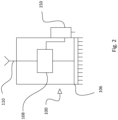
Fig. 2 shows another example medical or surgical apparatus for guiding the injection of non-cytotoxic proteases; -
Fig. 3 shows another example medical or surgical apparatus for guiding the injection of non-cytotoxic proteases; -
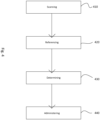
Fig. 4 shows an example flow-chart for use in administering a dose of non-cytotoxic protease to a patient; -
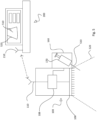
Fig. 5 shows another example medical or surgical apparatus for guiding the injection of non-cytotoxic proteases; -
Fig. 6 shows two screenshots of an example computer program for use with the medical or surgical apparatus of any ofFigs. 1 to 3 and5 ; -
Fig. 7 shows two further screenshots of the example computer program ofFig. 6 for use with the medical or surgical apparatus of any ofFigs. 1 to 3 and5 ; and -
Fig. 8 shows another screenshot of the example computer program ofFigs. 6 and7 for use with the medical or surgical apparatus of any ofFigs. 1 to 3 and5 . -
Fig. 1 shows an example medical or surgical apparatus for guiding the treatment, for example the injection, of at least one non-cytotoxic protease. The at least one non-cytotoxic protease may be supplied as part of a medical composition, for example at least one polypeptide. In some examples, the medical composition (such as a polypeptide) comprises: - (i) at least one non-cytotoxic protease, which protease is capable of cleaving a SNARE protein in a cell - for example, the non-cytotoxic protease may be a clostridial neurotoxin such as BoNT and/or TeNT;
- (ii) at least one Targeting Moiety (TM) that is capable of binding to a Binding Site on a cell, which Binding Site is capable of undergoing endocytosis to be incorporated into an endosome within the cell, and wherein said cell expresses said SNARE protein; and
- (iii) at least one translocation domain that is capable of translocating the protease from within an endosome, across the endosomal membrane and into the cytosol of the cell.
-
Fig. 1 shows an ultrasoundimaging handheld scanner 100 comprising anultrasound transducer 106, aprocessor 108 and aninterface 110, such as a wired or wireless interface, for example a Bluetooth® interface. The ultrasoundimaging handheld scanner 100 may also be known as an ultrasound wand. Theprocessor 108 is coupled to theultrasound transducer 106 and theinterface 106. Although only oneultrasound transducer 106 is shown inFig. 1 , it will be understood that in other examples there may be a plurality ofultrasound transducers 106, for example an array ofultrasound transducers 106. - Also shown in
Fig. 1 is acomputer 200 operating an ultrasound imaging processing application. It will be understood that the medical or surgical apparatus may comprise a computer program comprising instructions which, when run on the computer, cause the computer to run the ultrasound imaging processing application. Thecomputer 200 comprises aninterface 210, such as a wired or wireless interface, for example a Bluetooth® interface. It will be understood that in some examples thecomputer 200 may be a desktop or laptop computer, or in other examples may be a portable electronic device, for example a handheld device such as a tablet or mobile/cell phone. - In use, the
ultrasound transducer 106 is operable to transmit and receive ultrasound energy for the purpose of ultrasound scanning, for example to create a graphical representation of a region of a patient, such as a sonogram. Theprocessor 108 is configured to receive the signals from theultrasound transducer 106. - In some examples, the
processor 108 is configured to process the received ultrasound energy signals from the at least one ultrasound transducer to provide data signals comprising information indicative of a graphical representation of the patient being scanned. However, in other examples, minimal (if any) processing is performed by theprocessor 108. Theinterface 110 is configured to receive data from theprocessor 108 and send data based on the received ultrasound energy signal from the at least oneultrasound transducer 106 to the computer. - The
interface 210 of thecomputer 200 is configured to receive signals comprising the data from the ultrasoundimaging handheld scanner 100. The ultrasound imaging processing application running on thecomputer 200 is configured to reference a database of treatment sites and dosage regimes for at least one non-cytotoxic protease, and is configured to provide treatment guidance to a user of the medical or surgical apparatus for guiding treatment based on the received data from the ultrasound imaging handheld scanner and the database of treatment sites and dosage regimes for the at least one non-cytotoxic protease. The database could be a local database (for example, stored on the computer 200) or could be a remote database (for example, the database could be a cloud-based database, for example accessed via the Internet). - The treatment guidance may comprise an indication of at least one of:
- (i) where to inject the, or a plurality of, non-cytotoxic protease(s) relative to the patient being scanned; and
- (ii) a quantity of each of the non-cytotoxic protease(s) to inject.
- In some examples, the ultrasound imaging processing application is configured to process the data received from the ultrasound
imaging handheld device 100 to provide a graphical representation of the patient being scanned to the user, for example in the form of a sonogram. In such examples, the treatment guidance may comprise an indication of where to inject the non-cytotoxic protease relative to the patient being scanned, and the indication may be overlaid on a graphical representation of the patient being scanned based on the data received from the ultrasound imaging handheld scanner. For example, the treatment guidance may indicate on a sonogram where the non-cytotoxic protease should be injected to have increased efficacy and minimise off-target effects. - In some examples, processing the data received from the ultrasound
imaging handheld device 100 to provide a graphical representation of the patient being scanned to the user may comprise performing image recognition on a graphical representation of the patient being scanned. For example, the ultrasound imaging processing application may comprise algorithms for performing image recognition. For example, the ultrasound imaging processing application may be configured to detect which region and/or part of the anatomy is being scanned and to use this information when referencing the database for determining treatment guidance. - In some examples, the image processing application may additionally or alternatively comprise an interface for enabling a user to enter patient-specific details, for example regarding the patient's weight, age, symptoms, region and/or part of the anatomy being imaged, for example to aid in the image recognition process and/or for use in performing the reference with the database for determining treatment guidance, for example as described below with reference to
Figs. 6 to 8 . - In some examples, the image processing application may be configured to receive patient-specific data from the patient, and make a determination of the treatment site and/or treatment dose based on the received patient-specific data (as well as, for example, the database of treatment sites and dosage regimes). The treatment dose may be a dose for a particular treatment site, and/or a total dose for a patient. The treatment dose may also comprise a preferred or recommended dose range. The treatment dose may be specific to a particular non-cytotoxic protease, or may be a dose determined irrespective of non-cytotoxic protease type (i.e. a dose for all non-cytotoxic proteases). Such examples may provide for "personalised medicine" where the treatment can be tailored for each specific patient. The patient-specific data may comprise at least one of: patient's age, patient's weight, patient's symptoms, tissue type to be treated, non-cytotoxic protease being used, degree of disability, and time since injury/disabilitating event. For example, the patient's degree of disability, for example degree of spasticity, may be used in determining the treatment dose and/or treatment site. For example, the patient may be given a score based on the severity of their symptoms to determine their degree of disability, and may be used in determining the treatment dose and/or treatment site. Additionally or alternatively, the time since a disabilitating event, such as a stroke, may be used in determining the treatment dose and/or treatment site. For example, it may be envisaged that the treatment dose may decrease as a function of increasing time since the disabilitating event.
- In some examples, the medical or surgical apparatus may comprise an injectable device comprising a selected quantity of at least one non-cytotoxic protease. For example, the medical or surgical apparatus may be provided as part of a kit, comprising the ultrasound imaging handheld scanner, a computer program comprising instructions which, when the program is executed by a computer, cause the computer to run the ultrasound imaging processing application, and the injectable device comprising a selected quantity of at least one non-cytotoxic protease. The injectable device may be a syringe, or may be a vial or other storage medium for holding a selected quantity of the non-cytotoxic protease. A selected quantity may comprise at least one of a selected volume and a selected concentration.
- In some examples, such as the example shown in
Fig. 2 , the ultrasoundimaging handheld scanner 100 may comprise a controlleddelivery device 150 coupled to the ultrasoundimaging handheld scanner 100. The controlleddelivery device 150 may be configured to deliver a controlled dose of at least one non-cytotoxic protease to a patient being imaged by the ultrasoundimaging handheld scanner 100, for example based on a location relative to the patient. The location relative to the patient may be determined based on ultrasound energy signals received from the ultrasoundimaging handheld scanner 100. The ultrasound imaging processing application may be configured to operate the controlleddelivery device 150 to administer (for example, inject) a selected quantity of non-cytotoxic protease to the patient. The ultrasound imaging processing application may be configured to operate the controlleddelivery device 150 based on a determination of the correct treatment dose and treatment site made based on a reference with the database of treatment sites and dosage regimes for the selected non-cytotoxic protease in the controlleddelivery device 150. - In some examples, the ultrasound imaging processing application is configured to determine the position of the controlled
delivery device 150 relative to the patient based on the received data from the ultrasoundimaging handheld device 100. The treatment guidance may comprise an indication to the user of how to position the ultrasoundimaging handheld scanner 100 with respect to the patient so that the non-cytotoxic protease can be injected from the controlleddelivery device 150 at the correct treatment site. - For example, the controlled
delivery device 150 may be attached to an outer surface of the housing/casing of the ultrasoundimaging handheld scanner 100. The position of the controlleddelivery device 150 relative to theultrasound transducer 106 and/or the ultrasoundimaging handheld scanner 100 may be known. For example, the ultrasound imaging processing application may be programmed with information relating to the position of the controlleddelivery device 150 relative to the ultrasound transducer such that the position of the controlleddelivery device 150 is known. For example, the position of controlleddelivery device 150 can be shown on a graphical representation of the patient's anatomy being imaged by the ultrasoundimaging handheld scanner 100. - In some examples, such as the examples shown in
Figs. 3 and5 , the ultrasoundimaging handheld scanner 100 may comprise aguide 160 for receiving at least a portion of aninjection device 170, such as a syringe. Theguide 160 may be coupled to the ultrasoundimaging handheld scanner 100, and the computer running the ultrasound imaging processing application may be configured to display information to the user for enabling the user to position the guide at a determined position relative to the patient based on the database of treatment sites and dosage regimes for the at least one non-cytotoxic protease, so that the user can inject the non-cytotoxic protease into the patient at the correct treatment site for the selected non-cytotoxic protease being injected from theinjection device 170. - For example, the
guide 160 may be attached to an outer surface of the housing/casing of the ultrasoundimaging handheld scanner 100. The guide160 may comprise a slot or other means for receiving at least a portion of an injection device, such as a needle. The position of theguide 160 relative to theultrasound transducer 106 and/or the ultrasoundimaging handheld scanner 100 may be known. For example, the ultrasound imaging processing application may be programmed with information relating to the position of theguide 160 relative to the ultrasound transducer such that the position of an injectable device such as a needle inserted into theguide 160 is known. For example, the position of a needle located in theguide 160 can be shown on a graphical representation of the patient's anatomy being imaged by the ultrasoundimaging handheld scanner 100. - In some examples, the ultrasound imaging processing application is configured to determine the position of an
injection device 170 positioned in theguide 160, relative to the patient based on the received data from the ultrasoundimaging handheld scanner 100. In such examples, the treatment guidance may comprise an indication to the user of how to position the ultrasoundimaging handheld scanner 100 with respect to the patient so that the non-cytotoxic protease can be injected from theinjection device 170 positioned in theguide 160 at the correct treatment site. - In some examples, such as the example shown in
Fig. 5 , theguide 160 will be configured to direct theinjection device 170 at least partially into a field of view of the ultrasound transducer(s) 106. For example, theguide 160 will be configured so that when aninjection device 170, such as a syringe, is inserted into theguide 160, it will at least partially pass into the field of view of the ultrasound transducer(s) 106. For example, as shown inFig. 5 , theneedle 510 of thesyringe 170 can be seen passing into the field ofview 520 of theultrasound transducer 106. In this example the ultrasound imaging processing application running on thecomputer 200 displays a sonogram obtained from theultrasound transducer 106. Because theneedle 510 extends at least partially into the field of view of theultrasound transducer 106, theneedle 510 can be seen in the sonogram. In this way, a user of the ultrasoundimaging handheld scanner 100 can scan and identify the treatment site, introduce thesyringe 170 andneedle 510 into theguide 160, check the site again, advance theneedle 510, check it can be seen in the field ofview 520, inject the non-cytotoxic protease at the correct treatment site, withdraw thesyringe 170 and check the site again. -
Fig. 4 shows a flow-chart for an exemplary method of administering a controlled dose of non-cytotoxic protease to a patient, for example using the apparatus and/or ultrasound imaging processing application described above with reference toFigs. 1 to 3 . - The method comprises the steps of:
- scanning 410 a region of a patient's anatomy with an ultrasound imaging handheld scanner to obtain a graphical representation of the region of the patient's anatomy being scanned;
- referencing 420 a database of treatment sites and dosage regimes for the non-cytotoxic protease being administered;
- determining 430 at least one of:
- (i) the correct location to inject the non-cytotoxic protease being administered based on the graphical representation of the region of the patient's anatomy and the reference with the database of treatment sites and dosage regimes; and
- (ii) the correct dose of the non-cytotoxic protease to administer based on the graphical representation of the region of the patient's anatomy and the reference with the database of treatment sites and dosage regimes;
- administering 440 a controlled dose of the non-cytotoxic protease at the correct location based on the determination.
- As described above in relation to
Fig. 1 , the database could be a local database (for example, stored on a computer 200) or could be a remote database (for example, the database could be a cloud-based database, for example accessed via the Internet). - In some examples, determining 430 the correct dose of the non-cytotoxic protease to administer based on the graphical representation of the region of the patient's anatomy and the reference with the database of treatment sites and dosage regimes comprises determining the position of at least one of (i) a controlled delivery device coupled to the handheld ultrasound imaging scanner relative to the patient (such as the controlled
delivery device 150 described above in relation toFig. 2 ), and (ii) an injection device positioned in a guide and coupled to the handheld ultrasound imaging scanner relative to the patient (such as theinjection device 170 and guide 160 described above in relation toFig. 3 ). - Administering 440 a controlled dose of the non-cytotoxic protease may comprise injecting a controlled dose of the non-cytotoxic protease into the patient. This may be aided, for example, via the provision of a
guide 160 as illustrated inFig. 3 , or may be performed automatically/electronically, for example by the ultrasound imaging processing application, via the use of a controlleddelivery device 150, as illustrated inFig. 2 . - It will be understood that in some examples, the
interface 110 of the ultrasoundimaging handheld scanner 100 is optional. For example, theprocessor 108 of the ultrasoundimaging handheld scanner 100 may be configured to run the ultrasound imaging processing application. In addition, theprocessor 108 may be coupled to a memory that comprises the reference database of treatment sites and dosage regimes for the at least one non-cytotoxic protease. - As with the examples described above in relation to
Figs. 2 and3 , in some examples theprocessor 108 of the ultrasoundimaging handheld scanner 100 may be configured to run the ultrasound imaging processing application and may be configured to use theinterface 110 to access and reference a remote database of treatment sites and dosage regimes for the at least one non-cytotoxic protease. - In some examples, the ultrasound
imaging handheld scanner 100 may comprise a display or other display means to display treatment guidance to a user. For example, the ultrasoundimaging handheld scanner 100 may comprise one or a plurality of lights, such as LEDs, operable to display information such an indication of an orientation in which to hold thescanner 100 and/or in which direction to move thescanner 100 for guiding treatment, such as the injection, of the non-cytotoxic protease. - In some examples, the ultrasound
imaging handheld scanner 100 may comprise a display, such as an LED display, for example operable to provide a graphical representation of the region of the part of the anatomy being imaged. For example, theprocessor 108 of the ultrasoundimaging handheld scanner 100 may be configured to process the data received from the ultrasoundimaging handheld device 100 to provide a graphical representation of the patient being scanned to the user on the in-built display, for example in the form of a sonogram. It will be understood that in such examples, the user may advantageously be able to better treat a patient with a dose of non-cytotoxic protease without the need for additional computing equipment. In such examples, the treatment guidance may comprise an indication of where to inject the non-cytotoxic protease relative to the patient being scanned, and the indication may be overlaid on a graphical representation of the patient being scanned based on the data received from the ultrasound imaging handheld scanner. For example, the treatment guidance may indicate on a sonogram where the non-cytotoxic protease should be injected to have increased efficacy and minimise off-target effects. - Such examples may enable a non-skilled user of the ultrasound
imaging handheld scanner 100 to self-administer treatment accurately and safely, thus avoiding the need for skilled clinical intervention (for example avoiding the need for a skilled radiographer). - In examples where the medical or surgical apparatus comprises an injectable device (such as the controlled
delivery device 150 orinjection device 170 described above with reference toFigs. 2 and3 ) comprising a selected quantity of at least one non-cytotoxic protease, and theprocessor 108 of the ultrasoundimaging handheld scanner 100 is configured to run the ultrasound imaging processing application, then the medical or surgical apparatus may be supplied as a kit, for example in a sealed sterile container, comprising both the ultrasoundimaging handheld scanner 100 and the injectable device containing the non-cytotoxic protease. This may be advantageous not only for hygiene reasons but also because it may mean that the dosage of non-cytotoxic proteases may be better controlled. This may be because a controlled dose/quantity of non-cytotoxic protease can be supplied with a device that has been programmed (for example theprocessor 108 may be programmed, or a memory coupled to theprocessor 108 may be programmed) with information relating to at least one of (i) the concentration and (ii) the volume of non-cytotoxic protease supplied with it so that the application can carefully control its dose, for example by controlling operation of a controlled delivery device such as the controlleddelivery device 150 described above in relation toFig. 2 . - In some examples, the medical or surgical apparatus may be configured to deliver a plurality of non-cytotoxic proteases, for example different serotypes of non-cytotoxic protease, such as different serotypes of clostridial neurotoxins, such as BoNTs and/or TeNTs. This may be beneficial, for example, to inhibit host immunogenicity.
- In some examples, the medical or surgical apparatus may be configured to deliver different medical compositions, wherein each medical composition may comprise a different polypeptide. Each medical composition (for example polypeptide) may comprise at least one non-cytotoxic protease (in some examples the non-cytotoxic protease may be the same between compositions, but in other examples the compositions may comprise one or more different non-cytotoxic proteases). Each composition, for example each polypeptide, may comprise different targeting moieties and/or different translocation domains. In some examples the different medical compositions, for example different polypeptides, may comprise different TSIs that bind to different receptors on the same target cell.
- In some examples, the medical or surgical apparatus may be configured to deliver a plurality of doses. For example, the ultrasound imaging processing application may be configured to deliver a plurality of doses, for example by control of the controlled
delivery device 150 ofFig. 2 . The plurality of doses may be of the same type of non-cytotoxic protease, or may be of different serotypes, for example to inhibit host immunogenicity. - For example, the ultrasound imaging processing application may comprise a user interface allowing the user to enter details of the desired treatment (such as the serotype(s) of non-cytotoxic protease(s)) and/or details regarding the patient (such as age, weight, clinical symptoms etc.), and the application may be configured to reference the database of treatment sites and dosage regimes to determine a treatment regime for the patient.
- In some examples, the ultrasound imaging processing application may also be configured to determine which serotypes (and optionally quantities of each of those serotypes) to administer to the patient (and in some cases the locations of where to inject those serotypes). Information regarding the serotypes and at least one of the treatment regime, doses and sites for each of the serotypes may be provided as part of the treatment guidance.
- In some examples, therefore, the ultrasound imaging processing application may be configured to provide treatment guidance that comprises an indication of at least one of:
- (i) where to inject each of the plurality of non-cytotoxic proteases relative to the patient being scanned;
- (ii) which particular serotype of non-cytotoxic protease to inject at a selected treatment site; and
- (iii) a quantity of each of the non-cytotoxic proteases to inject at a selected treatment site.
- In some examples, the ultrasound
imaging handheld scanner 100 and/or ultrasound imaging application may be calibrated so that the location of an injectable device, for example a controlled delivery device 150 (as described above in relation toFig. 2 ) or aninjectable device 170 inserted into a guide 160 (as described above in relation toFig. 3 ) is determined. Calibration may involve taking a reference scan at a first position and marking the position of the injectable device/controlled delivery device on the patient's skin at the first position. A second scan may then be taken with theultrasound transducer 106 located on the patient's skin at the first position, so that the distance between theultrasound transducer 106 and the injectable device can be determined by comparison of the ultrasound data obtained at the first position and the second position. -
Figs. 6 to 8 show example screenshots of a computer program operating to provide a dosage application. In the examples shown the computer program is operating a handheld device (in this case a smartphone), although it will be understood that the computer program may be running on other types of device, for example a computer running the ultrasound imaging processing application as described above and/or on a device in communication with a computer running the ultrasound imaging processing application. -
Fig. 6 shows two similar screenshots of the computer program operating to provide the dosage application. The dosage application allows a user to select a muscle type and to select a dose for that muscle type. For each muscle type the dosage application shows a recommended dose range for the patient. If a dose outside of the recommended range is selected a warning may be presented to the user. The recommended dose range may be calculated based on information relating to the patient - such as their age and weight. The dosage application also determines the total dose that may be administered to a patient based on the selected doses for each muscle type, and a total approved dose for the patient. If the total dose is above the total approved dose a warning may be provided to the user. The total approved dose may also be calculated based on information relating to the patient - such as their age and weight. -
Fig. 7 shows two more similar screenshots of the computer program operating to provide the dosage application. In the screenshots ofFig. 7 it can be seen how the dosage application can determine the volume of injection to be administered based on the desired dose and the concentration of treatment solution that is to be used. The dosage application can therefore display an indication to the user of the volume of injection to be administered to a patient at each treatment site. -
Fig. 8 shows another screenshot of the computer program operating to provide the dosage application. As can be seen inFig. 8 , the dosage application can display an indication of the doses and volumes of treatment solutions to be injected at each treatment site. - A region of a patient's anatomy is scanned with an ultrasound imaging handheld scanner (such as the
scanner 100 described above in relation toFigs. 1 to 3 ) to obtain a graphical representation of the region of the patient's anatomy being scanned. A database of treatment sites and dosage regimes is referenced, for example, for the non-cytotoxic protease being administered. At least one of: (i) the correct location to inject the non-cytotoxic protease being administered based on the graphical representation of the region of the patient's anatomy and the reference with the database of treatment sites and dosage regimes; and (ii) the correct dose of the non-cytotoxic protease to administer based on the graphical representation of the region of the patient's anatomy and the reference with the database of treatment sites and dosage regimes is determined. A controlled dose of the non-cytotoxic protease is administered at the correct location based on the determination. - A 45 year-old female patient presents with hemifacial spasm. The patient's face is scanned using the ultrasound
imaging handheld scanner 100 connected to a computer running an ultrasound imaging processing application. The ultrasound imaging processing application references a database of treatment sites and dosage regimes for at least one non-cytotoxic protease, and provides treatment guidance for guiding treatment based on the received data from the ultrasound imaging handheld scanner and the database of treatment sites and dosage regimes for the at least one non-cytotoxic protease. - A 55 year-old male patient presents with spasticity of the right arm following from a stroke. The patient's degree of disability due to the spasticity is given a score based on the patient's symptoms. The patient's arm is scanned using the ultrasound
imaging handheld scanner 100 connected to a computer running an ultrasound imaging processing application. The ultrasound imaging processing application references a database of treatment sites and dosage regimes for at least one non-cytotoxic protease, and provides treatment guidance for guiding treatment based on the received data from the ultrasound imaging handheld scanner, the database of treatment sites and dosage regimes for the at least one non-cytotoxic protease, and the patient's degree of spasticity and time since the disabilitating event (in this case the stroke). - It will be appreciated from the discussion above that the embodiments shown in the Figures are merely exemplary, and include features which may be generalised, removed or replaced within the scope of the invention, as defined by the appended claims.
Claims (14)
- A medical or surgical apparatus for guiding the injection of at least one non-cytotoxic protease, the apparatus comprising:an ultrasound imaging handheld scanner; anda computer program comprising instructions which, when the program is executed by a computer, cause the computer to run an ultrasound imaging processing application;wherein the ultrasound imaging handheld scanner comprises:at least one ultrasound transducer for transmitting and receiving ultrasound energy;a processor coupled to the at least one ultrasound transducer and configured to receive ultrasound energy signals from the at least one ultrasound transducer; andan interface coupled to the processor and configured to send data to the computer running the ultrasound imaging processing application, wherein the data is based on the received ultrasound energy signal from the at least one ultrasound transducer; andwherein the ultrasound imaging processing application is configured to reference a database of treatment sites and dosage regimes for at least one non-cytotoxic protease, and is configured to provide treatment guidance to a user of the medical or surgical apparatus for guiding treatment based on the received data from the ultrasound imaging handheld scanner and the database of treatment sites and dosage regimes for the at least one non-cytotoxic protease.
- The medical or surgical apparatus of claim 1, further comprising a controlled delivery device coupled to the ultrasound imaging handheld scanner, wherein the controlled delivery device is configured to deliver a controlled dose of at least one non-cytotoxic protease to a patient being imaged by the ultrasound imaging handheld scanner based on a location relative to the patient determined based on the received ultrasound energy signals.
- The medical or surgical apparatus of claim 1, further comprising a guide for receiving at least a portion of an injection device, such as a needle, wherein the guide is coupled to the ultrasound imaging handheld scanner, and wherein the computer running the ultrasound imaging processing application is configured to display information to the user for enabling the user to position the guide at a determined position relative to the patient based on the database of treatment sites and dosage regimes for the at least one non-cytotoxic protease, so that the user can inject the non-cytotoxic protease into the patient at the correct treatment site for the selected non-cytotoxic protease being injected.
- A medical or surgical apparatus for guiding the injection of at least one non-cytotoxic protease, the apparatus comprising:an ultrasound imaging handheld scanner; anda controlled delivery device coupled to the ultrasound imaging handheld scanner;wherein the ultrasound imaging handheld scanner comprises:at least one ultrasound transducer for transmitting and receiving ultrasound energy;a processor coupled to the at least one ultrasound transducer and configured to receive ultrasound energy signals from the at least one ultrasound transducer; andwherein the controlled delivery device is configured to deliver a controlled dose of at least one non-cytotoxic protease to a patient being imaged by the ultrasound imaging handheld scanner based on a location relative to the patient determined based on the received ultrasound energy signal.
- The medical or surgical apparatus of claim 4 further comprising an interface coupled to the processor and configured to send data to a computer running an ultrasound imaging processing application, wherein the data is based on the received ultrasound energy signals from the at least one ultrasound transducer;
wherein the ultrasound imaging processing application comprises a database of treatment sites and dosage regimes for at least one non-cytotoxic protease, and is configured to provide treatment guidance to a user of the medical or surgical apparatus for guiding treatment based on the received data from the ultrasound imaging handheld scanner and the database of treatment sites and dosage regimes for the at least one non-cytotoxic protease. - The medical or surgical apparatus of any of claims 1 to 3 or 5, wherein the treatment guidance comprises an indication of at least one of:(i) where to inject the non-cytotoxic protease relative to the patient being scanned; and(ii) a quantity of non-cytotoxic protease to inject; andoptionally wherein the treatment guidance comprises an indication of where to inject the non-cytotoxic protease relative to the patient being scanned, and wherein the indication is overlaid on a graphical representation of the patient being scanned based on the data received from the ultrasound imaging handheld scanner.
- The medical or surgical apparatus of claim 2, 3 or 5, wherein the ultrasound imaging processing application is configured to determine the position of the controlled delivery device, or an injection device positioned in the guide, relative to the patient based on the received data from the ultrasound imaging handheld device, and wherein the treatment guidance comprises an indication to the user of how to position the ultrasound imaging handheld scanner with respect to the patient so that the non-cytotoxic protease can be injected from the controlled delivery device or injection device positioned in the guide at the correct treatment site.
- The medical or surgical apparatus of any of claims 1 to 3 or 5 to 7 wherein the ultrasound imaging processing application is configured to process the data received from the ultrasound imaging handheld device to provide a graphical representation of the patient being scanned to the user.
- The medical or surgical apparatus of any of claims 1 to 7 wherein the processor of the ultrasound imaging handheld scanner is configured to process the received ultrasound energy signals from the at least one ultrasound transducer to provide data signals comprising information indicative of a graphical representation of the patient being scanned.
- A medical or surgical kit comprising:an ultrasound imaging handheld scanner;an injectable device comprising a selected quantity of at least one non-cytotoxic protease; anda computer program comprising instructions which, when the program is executed by a computer, cause the computer to run an ultrasound imaging processing application; wherein the ultrasound imaging processing application is configured to reference a database of treatment sites and dosage regimes for at least one non-cytotoxic protease, and is configured to provide treatment guidance to a user of the medical or surgical apparatus for guiding treatment based on the received data from the ultrasound imaging handheld scanner and the database of treatment sites and dosage regimes for the at least one non-cytotoxic protease, for enabling the user to inject the correct quantity of non-cytotoxic protease at the correct treatment site;optionally further comprising at least one of(i) a controlled delivery device coupled to the ultrasound imaging handheld scanner, wherein the controlled delivery device is configured to deliver a controlled dose of at least one non-cytotoxic protease to a patient being imaged by the ultrasound imaging handheld scanner based on a location relative to the patient determined based on the received ultrasound energy signal, and(ii) a guide for receiving at least a portion of an injection device, such as a needle, wherein the guide is coupled to the ultrasound imaging handheld scanner, and wherein the computer running the ultrasound imaging processing application is configured to display information to the user for enabling the user to position the guide at a determined position relative to the patient based on the database of treatment sites and dosage regimes for the at least one non-cytotoxic protease, so that the user can inject the non-cytotoxic protease into the patient at the correct treatment site for the selected non-cytotoxic protease being injected.
- A computer program comprising instructions which, when the program is executed by a computer, cause the computer to run an ultrasound imaging processing application, wherein the ultrasound imaging processing application is configured to:receive and process data obtained from an ultrasound imaging handheld scanner;reference a database of treatment sites and dosage regimes for at least one non-cytotoxic protease; andprovide treatment guidance to a user of the medical or surgical apparatus for guiding treatment based on the received data from the ultrasound transducer and the database of treatment sites and dosage regimes for the at least one non-cytotoxic protease, for enabling the user to inject the correct quantity of non-cytotoxic protease at the correct treatment site.
- The computer program of claim 11 wherein the ultrasound imaging processing application is configured to process the data received from the ultrasound imaging handheld device to provide a graphical representation of the patient being scanned to the user.
- The computer program of claim 11 or 12 wherein the treatment guidance comprises an indication of where to inject the non-cytotoxic protease relative to the patient being scanned, and wherein the indication is overlaid on a graphical representation of the patient being scanned based on the data received from the ultrasound imaging handheld scanner.
- The computer program of any of claims 11 to 13 wherein the ultrasound imaging processing application is configured to determine the position of at least one of:(i) a controlled delivery device coupled to the handheld ultrasound imaging scanner, and(ii) an injection device positioned in a guide and coupled to the handheld ultrasound imaging scanner, relative to the patient based on the received data from the ultrasound imaging handheld device, andwherein the treatment guidance comprises an indication to the user of how to position the ultrasound imaging handheld scanner with respect to the patient so that the non-cytotoxic protease can be injected from the controlled delivery device or injection device positioned in the guide at the correct treatment site.
Applications Claiming Priority (2)
| Application Number | Priority Date | Filing Date | Title |
|---|---|---|---|
| EP18158702 | 2018-02-26 | ||
| PCT/GB2019/050506 WO2019162696A1 (en) | 2018-02-26 | 2019-02-25 | Use of ultrasound to guide injection of non-cytotoxic protease |
Publications (2)
| Publication Number | Publication Date |
|---|---|
| EP3758611A1 EP3758611A1 (en) | 2021-01-06 |
| EP3758611B1 true EP3758611B1 (en) | 2024-07-24 |
Family
ID=61283113
Family Applications (1)
| Application Number | Title | Priority Date | Filing Date |
|---|---|---|---|
| EP19706733.3A Active EP3758611B1 (en) | 2018-02-26 | 2019-02-25 | Ultrasound apparatus to guide injection of non-cytotoxic protease |
Country Status (5)
| Country | Link |
|---|---|
| US (1) | US20210187194A1 (en) |
| EP (1) | EP3758611B1 (en) |
| JP (1) | JP7186228B2 (en) |
| CN (1) | CN111465352B (en) |
| WO (1) | WO2019162696A1 (en) |
Families Citing this family (1)
| Publication number | Priority date | Publication date | Assignee | Title |
|---|---|---|---|---|
| CN117653826A (en) * | 2023-12-28 | 2024-03-08 | 重庆金赛星医疗科技有限公司 | Injection system and method based on ultrasound assisted imaging |
Citations (9)
| Publication number | Priority date | Publication date | Assignee | Title |
|---|---|---|---|---|
| US20130281834A1 (en) | 2012-04-23 | 2013-10-24 | Fujifilm Corporation | Ultrasound diagnostic apparatus and ultrasound image display method |
| US20140121637A1 (en) | 2012-10-30 | 2014-05-01 | Elwha Llc | Systems and methods for generating an injection guide |
| US20150165243A1 (en) | 2004-09-24 | 2015-06-18 | Guided Therapy Systems, Llc | System and Method for Treating Cartilage and Injuries to Joints and Connective Tissue |
| US20160128668A1 (en) | 2013-06-28 | 2016-05-12 | Koninklijke Philips N.V. | Shape injection into ultrasound image to calibrate beam patterns in real-time |
| US9358350B2 (en) | 2012-08-06 | 2016-06-07 | Elwha Llc | Systems and methods for wearable injection guides |
| US20160317118A1 (en) | 2013-12-20 | 2016-11-03 | Koninklijke Philips N.V. | Automatic ultrasound beam steering and needle artifact suppression |
| WO2016209398A1 (en) | 2015-06-25 | 2016-12-29 | Rivanna Medical Llc | Ultrasonic guidance of a probe with respect to anatomical features |
| EP2569031B1 (en) | 2010-05-10 | 2017-10-11 | Medimop Medical Projects Ltd. | Low volume accurate injector |
| EP3403681A1 (en) | 2008-05-30 | 2018-11-21 | Allergan, Inc. | Injection device for soft-tissue augmentation fillers, bioactive agents and other biocompatible materials in liquid or gel form |
Family Cites Families (50)
| Publication number | Priority date | Publication date | Assignee | Title |
|---|---|---|---|---|
| US5928865A (en) | 1992-03-02 | 1999-07-27 | Chiron S.P.A. | Compositions comprising isolated Helicobacter pylori CagI polynucleotides and method of preparation thereof |
| GB9305735D0 (en) | 1993-03-19 | 1993-05-05 | North John R | Novel agent for controlling cell activity |
| AU689115B2 (en) | 1993-06-10 | 1998-03-26 | Allergan, Inc. | Treatment of neuromuscular disorders and conditions with different botulinum serotype |
| US5437291A (en) | 1993-08-26 | 1995-08-01 | Univ Johns Hopkins | Method for treating gastrointestinal muscle disorders and other smooth muscle dysfunction |
| US6974578B1 (en) | 1993-12-28 | 2005-12-13 | Allergan, Inc. | Method for treating secretions and glands using botulinum toxin |
| US20040126396A1 (en) | 1993-12-28 | 2004-07-01 | Allergan, Inc. | Botulinum toxin treatment for strabismus |
| US5670484A (en) | 1994-05-09 | 1997-09-23 | Binder; William J. | Method for treatment of skin lesions associated with cutaneous cell-proliferative disorders |
| US5714469A (en) | 1994-09-01 | 1998-02-03 | Smithkline Beecham Corporation | Method of treating sepsis |
| GB9508204D0 (en) | 1995-04-21 | 1995-06-07 | Speywood Lab Ltd | A novel agent able to modify peripheral afferent function |
| US7192596B2 (en) | 1996-08-23 | 2007-03-20 | The Health Protection Agency Ipsen Limited | Recombinant toxin fragments |
| GB9617671D0 (en) | 1996-08-23 | 1996-10-02 | Microbiological Res Authority | Recombinant toxin fragments |
| US6063768A (en) | 1997-09-04 | 2000-05-16 | First; Eric R. | Application of botulinum toxin to the management of neurogenic inflammatory disorders |
| GB9721189D0 (en) | 1997-10-08 | 1997-12-03 | Speywood Lab The Limited | Analgesic conjugates |
| US6277479B1 (en) | 1997-12-19 | 2001-08-21 | Kimberly-Clark Worldwide, Inc. | Microporous films having zoned breathability |
| GB9818548D0 (en) | 1998-08-25 | 1998-10-21 | Microbiological Res Authority | Treatment of mucas hypersecretion |
| US6767544B2 (en) | 2002-04-01 | 2004-07-27 | Allergan, Inc. | Methods for treating cardiovascular diseases with botulinum toxin |
| US6358917B1 (en) | 1999-08-24 | 2002-03-19 | Jean D. A. Carruthers | Cosmetic use of botulinum toxin for treatment of downturned mouth |
| GB9922554D0 (en) | 1999-09-23 | 1999-11-24 | Microbiological Res Authority | Inhibition of secretion from non-neuronal cells |
| US6113915A (en) | 1999-10-12 | 2000-09-05 | Allergan Sales, Inc. | Methods for treating pain |
| US6265379B1 (en) | 1999-10-13 | 2001-07-24 | Allergan Sales, Inc. | Method for treating otic disorders |
| US6139845A (en) | 1999-12-07 | 2000-10-31 | Allergan Sales, Inc. | Method for treating cancer with a neurotoxin |
| US7838008B2 (en) | 1999-12-07 | 2010-11-23 | Allergan, Inc. | Methods for treating diverse cancers |
| US6143306A (en) | 2000-01-11 | 2000-11-07 | Allergan Sales, Inc. | Methods for treating pancreatic disorders |
| US6337075B1 (en) | 2000-01-11 | 2002-01-08 | Allergan Sales, Inc. | Methods for treating diabetes |
| US6261572B1 (en) | 2000-01-11 | 2001-07-17 | Allergan Sales, Inc. | Method for treating a pancreatic disorder with a neurotoxin |
| US6641820B1 (en) | 2000-01-19 | 2003-11-04 | Allergan, Inc. | Clostridial toxin derivatives and methods to treat pain |
| US6524580B1 (en) | 2000-02-15 | 2003-02-25 | Allergan Sales, Inc. | Method for treating thyroid disorders |
| US6464986B1 (en) | 2000-04-14 | 2002-10-15 | Allegan Sales, Inc. | Method for treating pain by peripheral administration of a neurotoxin |
| US6299893B1 (en) | 2000-04-17 | 2001-10-09 | Marvin Schwartz | Method to reduce hair loss and stimulate hair regrowth |
| US6565870B1 (en) | 2000-04-28 | 2003-05-20 | Allergan, Inc. | Methods for treating bone tumors |
| US6306403B1 (en) | 2000-06-14 | 2001-10-23 | Allergan Sales, Inc. | Method for treating parkinson's disease with a botulinum toxin |
| US6423319B1 (en) | 2000-10-04 | 2002-07-23 | Allergan Sales, Inc. | Methods for treating muscle injuries |
| US6827931B1 (en) | 2000-10-20 | 2004-12-07 | Allergan, Inc. | Method for treating endocrine disorders |
| US7255866B2 (en) | 2001-09-17 | 2007-08-14 | Allergan, Inc. | Botulinum toxin therapy for fibromyalgia |
| US6623742B2 (en) | 2001-09-17 | 2003-09-23 | Allergan, Inc. | Methods for treating fibromyalgia |
| US6921538B2 (en) | 2002-05-10 | 2005-07-26 | Allergan, Inc. | Therapeutic treatments for neuropsychiatric disorders |
| KR20050061541A (en) | 2002-10-15 | 2005-06-22 | 알러간, 인코포레이티드 | Botulinum toxin dental therapies and procedures |
| US7238357B2 (en) | 2002-11-05 | 2007-07-03 | Allergan, Inc. | Methods for treating ulcers and gastroesophageal reflux disease |
| US8071550B2 (en) | 2003-03-03 | 2011-12-06 | Allergan, Inc. | Methods for treating uterine disorders |
| US6838434B2 (en) | 2003-05-02 | 2005-01-04 | Allergan, Inc. | Methods for treating sinus headache |
| US7220422B2 (en) | 2003-05-20 | 2007-05-22 | Allergan, Inc. | Methods and compositions for treating eye disorders |
| US20040253274A1 (en) | 2003-06-11 | 2004-12-16 | Allergan, Inc. | Use of a clostridial toxin to reduce appetite |
| US20050096549A1 (en) * | 2003-10-31 | 2005-05-05 | Medtronic, Inc. | Techniques for transperineal delivery of a denervating agent to the prostate gland |
| US20060183959A1 (en) * | 2005-02-15 | 2006-08-17 | Advanced Radiation Therapy, Llc | Peripheral brachytherapy of protruding conformable organs |
| AU2010283595A1 (en) | 2009-08-12 | 2012-02-23 | Medical Research Council | Complexing system |
| WO2011022357A2 (en) | 2009-08-17 | 2011-02-24 | East Carolina University | Fast acting snare-cleaving enzymes |
| BR112015004443A2 (en) * | 2012-09-01 | 2017-07-04 | Koninklijke Philips Nv | method for the use of ultrasonic information for the treatment of ablation disorders, and system for the use of ultrasonic information for the treatment of ablation disorders |
| US10368850B2 (en) * | 2014-06-18 | 2019-08-06 | Siemens Medical Solutions Usa, Inc. | System and method for real-time ultrasound guided prostate needle biopsies using a compliant robotic arm |
| US10238363B2 (en) * | 2014-08-21 | 2019-03-26 | Richard D. Striano | Needle guide for ultrasound transducer |
| AU2017236163B2 (en) * | 2016-03-25 | 2024-07-18 | Ipsen Biopharm Limited | Collecting physical therapy information to enhance treatment efficacy of botulinum toxin |
-
2019
- 2019-02-25 JP JP2020535127A patent/JP7186228B2/en active Active
- 2019-02-25 EP EP19706733.3A patent/EP3758611B1/en active Active
- 2019-02-25 CN CN201980006280.8A patent/CN111465352B/en active Active
- 2019-02-25 US US16/755,315 patent/US20210187194A1/en not_active Abandoned
- 2019-02-25 WO PCT/GB2019/050506 patent/WO2019162696A1/en not_active Ceased
Patent Citations (10)
| Publication number | Priority date | Publication date | Assignee | Title |
|---|---|---|---|---|
| US20150165243A1 (en) | 2004-09-24 | 2015-06-18 | Guided Therapy Systems, Llc | System and Method for Treating Cartilage and Injuries to Joints and Connective Tissue |
| EP3403681A1 (en) | 2008-05-30 | 2018-11-21 | Allergan, Inc. | Injection device for soft-tissue augmentation fillers, bioactive agents and other biocompatible materials in liquid or gel form |
| EP2569031B1 (en) | 2010-05-10 | 2017-10-11 | Medimop Medical Projects Ltd. | Low volume accurate injector |
| US20130281834A1 (en) | 2012-04-23 | 2013-10-24 | Fujifilm Corporation | Ultrasound diagnostic apparatus and ultrasound image display method |
| US9358350B2 (en) | 2012-08-06 | 2016-06-07 | Elwha Llc | Systems and methods for wearable injection guides |
| US20140121637A1 (en) | 2012-10-30 | 2014-05-01 | Elwha Llc | Systems and methods for generating an injection guide |
| US20140121636A1 (en) | 2012-10-30 | 2014-05-01 | Elwha Llc | Systems and methods for guiding injections |
| US20160128668A1 (en) | 2013-06-28 | 2016-05-12 | Koninklijke Philips N.V. | Shape injection into ultrasound image to calibrate beam patterns in real-time |
| US20160317118A1 (en) | 2013-12-20 | 2016-11-03 | Koninklijke Philips N.V. | Automatic ultrasound beam steering and needle artifact suppression |
| WO2016209398A1 (en) | 2015-06-25 | 2016-12-29 | Rivanna Medical Llc | Ultrasonic guidance of a probe with respect to anatomical features |
Non-Patent Citations (6)
Also Published As
| Publication number | Publication date |
|---|---|
| EP3758611A1 (en) | 2021-01-06 |
| WO2019162696A1 (en) | 2019-08-29 |
| JP7186228B2 (en) | 2022-12-08 |
| RU2020131515A (en) | 2022-03-28 |
| US20210187194A1 (en) | 2021-06-24 |
| CN111465352B (en) | 2024-04-12 |
| JP2021519616A (en) | 2021-08-12 |
| CN111465352A (en) | 2020-07-28 |
Similar Documents
| Publication | Publication Date | Title |
|---|---|---|
| Hsu et al. | Effect of volume and concentration on the diffusion of botulinum exotoxin A | |
| Samizadeh et al. | Botulinum neurotoxin formulations: overcoming the confusion | |
| Raeissadat et al. | Comparison of ozone and lidocaine injection efficacy vs dry needling in myofascial pain syndrome patients | |
| Small | Botulinum toxin injection for facial wrinkles | |
| Hanson et al. | Continuous ultrasound-guided adductor canal block for total knee arthroplasty: a randomized, double-blind trial | |
| Karp et al. | Methodological approaches to botulinum toxin for the treatment of chronic pelvic pain, vaginismus, and vulvar pain disorders | |
| Ayoub | Botulinum toxin therapy: a comprehensive review on clinical and pharmacological insights | |
| US20120207733A1 (en) | Treating a Disease of Hyperproliferation Using Retargeted Endopeptidases | |
| Liu et al. | Overview of Kybella (deoxycholic acid injection) as a fat resorption product for submental fat | |
| Chen et al. | Efficacy and safety of botulinum toxin a and pulsed radiofrequency on postherpetic neuralgia: a randomized clinical trial | |
| US12440543B2 (en) | Botulinum toxin type a complex, and formulation thereof and usage method therefor | |
| Alter | High-frequency ultrasound guidance for neurotoxin injections | |
| Smania et al. | Use of botulinum toxin type A in the management of patients with neurological disorders: a national survey | |
| Fulmer et al. | Efficacy of laryngeal botulinum toxin injection: comparison of two techniques | |
| US11707510B2 (en) | Nucleic acid-based botulinum neurotoxin for therapeutic use | |
| Wu et al. | A prospective and randomized study comparing ultrasound‐guided real time injection to conventional blind injection of botulinum neurotoxin for glabellar wrinkles | |
| US20210187194A1 (en) | Use of Ultrasound to Guide Injection of Non-cytotoxic Protease | |
| Kang et al. | A phase I clinical study to evaluate rapid, high-volume, subcutaneous auto-injector tolerability with recombinant human hyaluronidase | |
| RU2781077C2 (en) | Use of ultrasound for injection of non-cytotoxic protease | |
| HK40044040A (en) | Ultrasound apparatus to guide injection of non-cytotoxic protease | |
| HK40044040B (en) | Ultrasound apparatus to guide injection of non-cytotoxic protease | |
| EP3432915B1 (en) | Collecting physical therapy information to enhance treatment efficacy of botulinum toxin | |
| Pinho et al. | Ultrasound-guided intrathecal baclofen pump refilling method for management of spasticity in a complex clinical case | |
| Srinoulprasert et al. | A Pilot Study of Differences in Antibody Responses of Intradermal and Intramuscular Injections of Botulinum Toxin Type A | |
| WO2020234573A1 (en) | Screening method to determine suitability for participation in a clinical trial |
Legal Events
| Date | Code | Title | Description |
|---|---|---|---|
| STAA | Information on the status of an ep patent application or granted ep patent |
Free format text: STATUS: UNKNOWN |
|
| STAA | Information on the status of an ep patent application or granted ep patent |
Free format text: STATUS: THE INTERNATIONAL PUBLICATION HAS BEEN MADE |
|
| PUAI | Public reference made under article 153(3) epc to a published international application that has entered the european phase |
Free format text: ORIGINAL CODE: 0009012 |
|
| STAA | Information on the status of an ep patent application or granted ep patent |
Free format text: STATUS: REQUEST FOR EXAMINATION WAS MADE |
|
| 17P | Request for examination filed |
Effective date: 20200730 |
|
| AK | Designated contracting states |
Kind code of ref document: A1 Designated state(s): AL AT BE BG CH CY CZ DE DK EE ES FI FR GB GR HR HU IE IS IT LI LT LU LV MC MK MT NL NO PL PT RO RS SE SI SK SM TR |
|
| AX | Request for extension of the european patent |
Extension state: BA ME |
|
| DAV | Request for validation of the european patent (deleted) | ||
| DAX | Request for extension of the european patent (deleted) | ||
| REG | Reference to a national code |
Ref country code: HK Ref legal event code: DE Ref document number: 40044040 Country of ref document: HK |
|
| P01 | Opt-out of the competence of the unified patent court (upc) registered |
Effective date: 20230519 |
|
| GRAP | Despatch of communication of intention to grant a patent |
Free format text: ORIGINAL CODE: EPIDOSNIGR1 |
|
| STAA | Information on the status of an ep patent application or granted ep patent |
Free format text: STATUS: GRANT OF PATENT IS INTENDED |
|
| INTG | Intention to grant announced |
Effective date: 20240220 |
|
| GRAS | Grant fee paid |
Free format text: ORIGINAL CODE: EPIDOSNIGR3 |
|
| GRAA | (expected) grant |
Free format text: ORIGINAL CODE: 0009210 |
|
| STAA | Information on the status of an ep patent application or granted ep patent |
Free format text: STATUS: THE PATENT HAS BEEN GRANTED |
|
| AK | Designated contracting states |
Kind code of ref document: B1 Designated state(s): AL AT BE BG CH CY CZ DE DK EE ES FI FR GB GR HR HU IE IS IT LI LT LU LV MC MK MT NL NO PL PT RO RS SE SI SK SM TR |
|
| REG | Reference to a national code |
Ref country code: GB Ref legal event code: FG4D |
|
| REG | Reference to a national code |
Ref country code: CH Ref legal event code: EP |
|
| REG | Reference to a national code |
Ref country code: IE Ref legal event code: FG4D Ref country code: DE Ref legal event code: R096 Ref document number: 602019055648 Country of ref document: DE |
|
| REG | Reference to a national code |
Ref country code: LT Ref legal event code: MG9D |
|
| REG | Reference to a national code |
Ref country code: NL Ref legal event code: MP Effective date: 20240724 |
|
| PG25 | Lapsed in a contracting state [announced via postgrant information from national office to epo] |
Ref country code: PT Free format text: LAPSE BECAUSE OF FAILURE TO SUBMIT A TRANSLATION OF THE DESCRIPTION OR TO PAY THE FEE WITHIN THE PRESCRIBED TIME-LIMIT Effective date: 20241125 |
|
| REG | Reference to a national code |
Ref country code: AT Ref legal event code: MK05 Ref document number: 1705525 Country of ref document: AT Kind code of ref document: T Effective date: 20240724 |
|
| PG25 | Lapsed in a contracting state [announced via postgrant information from national office to epo] |
Ref country code: NL Free format text: LAPSE BECAUSE OF FAILURE TO SUBMIT A TRANSLATION OF THE DESCRIPTION OR TO PAY THE FEE WITHIN THE PRESCRIBED TIME-LIMIT Effective date: 20240724 |
|
| PG25 | Lapsed in a contracting state [announced via postgrant information from national office to epo] |
Ref country code: PT Free format text: LAPSE BECAUSE OF FAILURE TO SUBMIT A TRANSLATION OF THE DESCRIPTION OR TO PAY THE FEE WITHIN THE PRESCRIBED TIME-LIMIT Effective date: 20241125 Ref country code: NL Free format text: LAPSE BECAUSE OF FAILURE TO SUBMIT A TRANSLATION OF THE DESCRIPTION OR TO PAY THE FEE WITHIN THE PRESCRIBED TIME-LIMIT Effective date: 20240724 |
|
| PG25 | Lapsed in a contracting state [announced via postgrant information from national office to epo] |
Ref country code: NO Free format text: LAPSE BECAUSE OF FAILURE TO SUBMIT A TRANSLATION OF THE DESCRIPTION OR TO PAY THE FEE WITHIN THE PRESCRIBED TIME-LIMIT Effective date: 20241024 |
|
| PG25 | Lapsed in a contracting state [announced via postgrant information from national office to epo] |
Ref country code: GR Free format text: LAPSE BECAUSE OF FAILURE TO SUBMIT A TRANSLATION OF THE DESCRIPTION OR TO PAY THE FEE WITHIN THE PRESCRIBED TIME-LIMIT Effective date: 20241025 Ref country code: FI Free format text: LAPSE BECAUSE OF FAILURE TO SUBMIT A TRANSLATION OF THE DESCRIPTION OR TO PAY THE FEE WITHIN THE PRESCRIBED TIME-LIMIT Effective date: 20240724 Ref country code: PL Free format text: LAPSE BECAUSE OF FAILURE TO SUBMIT A TRANSLATION OF THE DESCRIPTION OR TO PAY THE FEE WITHIN THE PRESCRIBED TIME-LIMIT Effective date: 20240724 |
|
| PG25 | Lapsed in a contracting state [announced via postgrant information from national office to epo] |
Ref country code: BG Free format text: LAPSE BECAUSE OF FAILURE TO SUBMIT A TRANSLATION OF THE DESCRIPTION OR TO PAY THE FEE WITHIN THE PRESCRIBED TIME-LIMIT Effective date: 20240724 |
|
| PG25 | Lapsed in a contracting state [announced via postgrant information from national office to epo] |
Ref country code: LV Free format text: LAPSE BECAUSE OF FAILURE TO SUBMIT A TRANSLATION OF THE DESCRIPTION OR TO PAY THE FEE WITHIN THE PRESCRIBED TIME-LIMIT Effective date: 20240724 |
|
| PG25 | Lapsed in a contracting state [announced via postgrant information from national office to epo] |
Ref country code: IS Free format text: LAPSE BECAUSE OF FAILURE TO SUBMIT A TRANSLATION OF THE DESCRIPTION OR TO PAY THE FEE WITHIN THE PRESCRIBED TIME-LIMIT Effective date: 20241124 Ref country code: AT Free format text: LAPSE BECAUSE OF FAILURE TO SUBMIT A TRANSLATION OF THE DESCRIPTION OR TO PAY THE FEE WITHIN THE PRESCRIBED TIME-LIMIT Effective date: 20240724 |
|
| PG25 | Lapsed in a contracting state [announced via postgrant information from national office to epo] |
Ref country code: HR Free format text: LAPSE BECAUSE OF FAILURE TO SUBMIT A TRANSLATION OF THE DESCRIPTION OR TO PAY THE FEE WITHIN THE PRESCRIBED TIME-LIMIT Effective date: 20240724 |
|
| PG25 | Lapsed in a contracting state [announced via postgrant information from national office to epo] |
Ref country code: ES Free format text: LAPSE BECAUSE OF FAILURE TO SUBMIT A TRANSLATION OF THE DESCRIPTION OR TO PAY THE FEE WITHIN THE PRESCRIBED TIME-LIMIT Effective date: 20240724 Ref country code: RS Free format text: LAPSE BECAUSE OF FAILURE TO SUBMIT A TRANSLATION OF THE DESCRIPTION OR TO PAY THE FEE WITHIN THE PRESCRIBED TIME-LIMIT Effective date: 20241024 |
|
| PG25 | Lapsed in a contracting state [announced via postgrant information from national office to epo] |
Ref country code: RS Free format text: LAPSE BECAUSE OF FAILURE TO SUBMIT A TRANSLATION OF THE DESCRIPTION OR TO PAY THE FEE WITHIN THE PRESCRIBED TIME-LIMIT Effective date: 20241024 Ref country code: PL Free format text: LAPSE BECAUSE OF FAILURE TO SUBMIT A TRANSLATION OF THE DESCRIPTION OR TO PAY THE FEE WITHIN THE PRESCRIBED TIME-LIMIT Effective date: 20240724 Ref country code: NO Free format text: LAPSE BECAUSE OF FAILURE TO SUBMIT A TRANSLATION OF THE DESCRIPTION OR TO PAY THE FEE WITHIN THE PRESCRIBED TIME-LIMIT Effective date: 20241024 Ref country code: LV Free format text: LAPSE BECAUSE OF FAILURE TO SUBMIT A TRANSLATION OF THE DESCRIPTION OR TO PAY THE FEE WITHIN THE PRESCRIBED TIME-LIMIT Effective date: 20240724 Ref country code: IS Free format text: LAPSE BECAUSE OF FAILURE TO SUBMIT A TRANSLATION OF THE DESCRIPTION OR TO PAY THE FEE WITHIN THE PRESCRIBED TIME-LIMIT Effective date: 20241124 Ref country code: HR Free format text: LAPSE BECAUSE OF FAILURE TO SUBMIT A TRANSLATION OF THE DESCRIPTION OR TO PAY THE FEE WITHIN THE PRESCRIBED TIME-LIMIT Effective date: 20240724 Ref country code: GR Free format text: LAPSE BECAUSE OF FAILURE TO SUBMIT A TRANSLATION OF THE DESCRIPTION OR TO PAY THE FEE WITHIN THE PRESCRIBED TIME-LIMIT Effective date: 20241025 Ref country code: FI Free format text: LAPSE BECAUSE OF FAILURE TO SUBMIT A TRANSLATION OF THE DESCRIPTION OR TO PAY THE FEE WITHIN THE PRESCRIBED TIME-LIMIT Effective date: 20240724 Ref country code: ES Free format text: LAPSE BECAUSE OF FAILURE TO SUBMIT A TRANSLATION OF THE DESCRIPTION OR TO PAY THE FEE WITHIN THE PRESCRIBED TIME-LIMIT Effective date: 20240724 Ref country code: BG Free format text: LAPSE BECAUSE OF FAILURE TO SUBMIT A TRANSLATION OF THE DESCRIPTION OR TO PAY THE FEE WITHIN THE PRESCRIBED TIME-LIMIT Effective date: 20240724 Ref country code: AT Free format text: LAPSE BECAUSE OF FAILURE TO SUBMIT A TRANSLATION OF THE DESCRIPTION OR TO PAY THE FEE WITHIN THE PRESCRIBED TIME-LIMIT Effective date: 20240724 |
|
| PG25 | Lapsed in a contracting state [announced via postgrant information from national office to epo] |
Ref country code: RO Free format text: LAPSE BECAUSE OF FAILURE TO SUBMIT A TRANSLATION OF THE DESCRIPTION OR TO PAY THE FEE WITHIN THE PRESCRIBED TIME-LIMIT Effective date: 20240724 Ref country code: DK Free format text: LAPSE BECAUSE OF FAILURE TO SUBMIT A TRANSLATION OF THE DESCRIPTION OR TO PAY THE FEE WITHIN THE PRESCRIBED TIME-LIMIT Effective date: 20240724 Ref country code: SM Free format text: LAPSE BECAUSE OF FAILURE TO SUBMIT A TRANSLATION OF THE DESCRIPTION OR TO PAY THE FEE WITHIN THE PRESCRIBED TIME-LIMIT Effective date: 20240724 |
|
| REG | Reference to a national code |
Ref country code: DE Ref legal event code: R026 Ref document number: 602019055648 Country of ref document: DE |
|
| PG25 | Lapsed in a contracting state [announced via postgrant information from national office to epo] |
Ref country code: EE Free format text: LAPSE BECAUSE OF FAILURE TO SUBMIT A TRANSLATION OF THE DESCRIPTION OR TO PAY THE FEE WITHIN THE PRESCRIBED TIME-LIMIT Effective date: 20240724 |
|
| PG25 | Lapsed in a contracting state [announced via postgrant information from national office to epo] |
Ref country code: CZ Free format text: LAPSE BECAUSE OF FAILURE TO SUBMIT A TRANSLATION OF THE DESCRIPTION OR TO PAY THE FEE WITHIN THE PRESCRIBED TIME-LIMIT Effective date: 20240724 |
|
| PLBI | Opposition filed |
Free format text: ORIGINAL CODE: 0009260 |
|
| PG25 | Lapsed in a contracting state [announced via postgrant information from national office to epo] |
Ref country code: SK Free format text: LAPSE BECAUSE OF FAILURE TO SUBMIT A TRANSLATION OF THE DESCRIPTION OR TO PAY THE FEE WITHIN THE PRESCRIBED TIME-LIMIT Effective date: 20240724 Ref country code: IT Free format text: LAPSE BECAUSE OF FAILURE TO SUBMIT A TRANSLATION OF THE DESCRIPTION OR TO PAY THE FEE WITHIN THE PRESCRIBED TIME-LIMIT Effective date: 20240724 |
|
| PLAX | Notice of opposition and request to file observation + time limit sent |
Free format text: ORIGINAL CODE: EPIDOSNOBS2 |
|
| 26 | Opposition filed |
Opponent name: MERZ THERAPEUTICS GMBH Effective date: 20250423 |
|
| PG25 | Lapsed in a contracting state [announced via postgrant information from national office to epo] |
Ref country code: SE Free format text: LAPSE BECAUSE OF FAILURE TO SUBMIT A TRANSLATION OF THE DESCRIPTION OR TO PAY THE FEE WITHIN THE PRESCRIBED TIME-LIMIT Effective date: 20240724 |
|
| PLBB | Reply of patent proprietor to notice(s) of opposition received |
Free format text: ORIGINAL CODE: EPIDOSNOBS3 |
|
| PG25 | Lapsed in a contracting state [announced via postgrant information from national office to epo] |
Ref country code: MC Free format text: LAPSE BECAUSE OF FAILURE TO SUBMIT A TRANSLATION OF THE DESCRIPTION OR TO PAY THE FEE WITHIN THE PRESCRIBED TIME-LIMIT Effective date: 20240724 |
|
| REG | Reference to a national code |
Ref country code: CH Ref legal event code: PL |
|
| PG25 | Lapsed in a contracting state [announced via postgrant information from national office to epo] |
Ref country code: LU Free format text: LAPSE BECAUSE OF NON-PAYMENT OF DUE FEES Effective date: 20250225 |
|
| PG25 | Lapsed in a contracting state [announced via postgrant information from national office to epo] |
Ref country code: CH Free format text: LAPSE BECAUSE OF NON-PAYMENT OF DUE FEES Effective date: 20250228 |
|
| REG | Reference to a national code |
Ref country code: BE Ref legal event code: MM Effective date: 20250228 |
|
| PGFP | Annual fee paid to national office [announced via postgrant information from national office to epo] |
Ref country code: FR Payment date: 20251231 Year of fee payment: 8 |
|
| PG25 | Lapsed in a contracting state [announced via postgrant information from national office to epo] |
Ref country code: BE Free format text: LAPSE BECAUSE OF NON-PAYMENT OF DUE FEES Effective date: 20250228 |
|
| PG25 | Lapsed in a contracting state [announced via postgrant information from national office to epo] |
Ref country code: IE Free format text: LAPSE BECAUSE OF NON-PAYMENT OF DUE FEES Effective date: 20250225 |
|
| PGFP | Annual fee paid to national office [announced via postgrant information from national office to epo] |
Ref country code: GB Payment date: 20260106 Year of fee payment: 8 |
|
| PGFP | Annual fee paid to national office [announced via postgrant information from national office to epo] |
Ref country code: DE Payment date: 20260102 Year of fee payment: 8 |