EP3757288A1 - A method of and an arrangement for adding a chemical to an approach flow system of a fiber web machine - Google Patents
A method of and an arrangement for adding a chemical to an approach flow system of a fiber web machine Download PDFInfo
- Publication number
- EP3757288A1 EP3757288A1 EP19183236.9A EP19183236A EP3757288A1 EP 3757288 A1 EP3757288 A1 EP 3757288A1 EP 19183236 A EP19183236 A EP 19183236A EP 3757288 A1 EP3757288 A1 EP 3757288A1
- Authority
- EP
- European Patent Office
- Prior art keywords
- chemical
- headbox
- attenuator
- retention
- mixer
- Prior art date
- Legal status (The legal status is an assumption and is not a legal conclusion. Google has not performed a legal analysis and makes no representation as to the accuracy of the status listed.)
- Granted
Links
Images

Classifications
-
- D—TEXTILES; PAPER
- D21—PAPER-MAKING; PRODUCTION OF CELLULOSE
- D21F—PAPER-MAKING MACHINES; METHODS OF PRODUCING PAPER THEREON
- D21F1/00—Wet end of machines for making continuous webs of paper
- D21F1/66—Pulp catching, de-watering, or recovering; Re-use of pulp-water
- D21F1/82—Pulp catching, de-watering, or recovering; Re-use of pulp-water adding fibre agglomeration compositions
-
- D—TEXTILES; PAPER
- D21—PAPER-MAKING; PRODUCTION OF CELLULOSE
- D21F—PAPER-MAKING MACHINES; METHODS OF PRODUCING PAPER THEREON
- D21F1/00—Wet end of machines for making continuous webs of paper
- D21F1/02—Head boxes of Fourdrinier machines
-
- D—TEXTILES; PAPER
- D21—PAPER-MAKING; PRODUCTION OF CELLULOSE
- D21H—PULP COMPOSITIONS; PREPARATION THEREOF NOT COVERED BY SUBCLASSES D21C OR D21D; IMPREGNATING OR COATING OF PAPER; TREATMENT OF FINISHED PAPER NOT COVERED BY CLASS B31 OR SUBCLASS D21G; PAPER NOT OTHERWISE PROVIDED FOR
- D21H23/00—Processes or apparatus for adding material to the pulp or to the paper
- D21H23/02—Processes or apparatus for adding material to the pulp or to the paper characterised by the manner in which substances are added
- D21H23/04—Addition to the pulp; After-treatment of added substances in the pulp
- D21H23/06—Controlling the addition
- D21H23/14—Controlling the addition by selecting point of addition or time of contact between components
- D21H23/18—Addition at a location where shear forces are avoided before sheet-forming, e.g. after pulp beating or refining
-
- B—PERFORMING OPERATIONS; TRANSPORTING
- B01—PHYSICAL OR CHEMICAL PROCESSES OR APPARATUS IN GENERAL
- B01F—MIXING, e.g. DISSOLVING, EMULSIFYING OR DISPERSING
- B01F25/00—Flow mixers; Mixers for falling materials, e.g. solid particles
- B01F25/30—Injector mixers
- B01F25/31—Injector mixers in conduits or tubes through which the main component flows
-
- D—TEXTILES; PAPER
- D21—PAPER-MAKING; PRODUCTION OF CELLULOSE
- D21B—FIBROUS RAW MATERIALS OR THEIR MECHANICAL TREATMENT
- D21B1/00—Fibrous raw materials or their mechanical treatment
- D21B1/04—Fibrous raw materials or their mechanical treatment by dividing raw materials into small particles, e.g. fibres
- D21B1/12—Fibrous raw materials or their mechanical treatment by dividing raw materials into small particles, e.g. fibres by wet methods, by the use of steam
- D21B1/30—Defibrating by other means
- D21B1/34—Kneading or mixing; Pulpers
- D21B1/342—Mixing apparatus
-
- D—TEXTILES; PAPER
- D21—PAPER-MAKING; PRODUCTION OF CELLULOSE
- D21H—PULP COMPOSITIONS; PREPARATION THEREOF NOT COVERED BY SUBCLASSES D21C OR D21D; IMPREGNATING OR COATING OF PAPER; TREATMENT OF FINISHED PAPER NOT COVERED BY CLASS B31 OR SUBCLASS D21G; PAPER NOT OTHERWISE PROVIDED FOR
- D21H21/00—Non-fibrous material added to the pulp, characterised by its function, form or properties; Paper-impregnating or coating material, characterised by its function, form or properties
- D21H21/06—Paper forming aids
- D21H21/10—Retention agents or drainage improvers
-
- D—TEXTILES; PAPER
- D21—PAPER-MAKING; PRODUCTION OF CELLULOSE
- D21H—PULP COMPOSITIONS; PREPARATION THEREOF NOT COVERED BY SUBCLASSES D21C OR D21D; IMPREGNATING OR COATING OF PAPER; TREATMENT OF FINISHED PAPER NOT COVERED BY CLASS B31 OR SUBCLASS D21G; PAPER NOT OTHERWISE PROVIDED FOR
- D21H23/00—Processes or apparatus for adding material to the pulp or to the paper
- D21H23/02—Processes or apparatus for adding material to the pulp or to the paper characterised by the manner in which substances are added
- D21H23/04—Addition to the pulp; After-treatment of added substances in the pulp
-
- D—TEXTILES; PAPER
- D21—PAPER-MAKING; PRODUCTION OF CELLULOSE
- D21H—PULP COMPOSITIONS; PREPARATION THEREOF NOT COVERED BY SUBCLASSES D21C OR D21D; IMPREGNATING OR COATING OF PAPER; TREATMENT OF FINISHED PAPER NOT COVERED BY CLASS B31 OR SUBCLASS D21G; PAPER NOT OTHERWISE PROVIDED FOR
- D21H23/00—Processes or apparatus for adding material to the pulp or to the paper
- D21H23/02—Processes or apparatus for adding material to the pulp or to the paper characterised by the manner in which substances are added
- D21H23/04—Addition to the pulp; After-treatment of added substances in the pulp
- D21H23/06—Controlling the addition
- D21H23/14—Controlling the addition by selecting point of addition or time of contact between components
-
- Y—GENERAL TAGGING OF NEW TECHNOLOGICAL DEVELOPMENTS; GENERAL TAGGING OF CROSS-SECTIONAL TECHNOLOGIES SPANNING OVER SEVERAL SECTIONS OF THE IPC; TECHNICAL SUBJECTS COVERED BY FORMER USPC CROSS-REFERENCE ART COLLECTIONS [XRACs] AND DIGESTS
- Y02—TECHNOLOGIES OR APPLICATIONS FOR MITIGATION OR ADAPTATION AGAINST CLIMATE CHANGE
- Y02W—CLIMATE CHANGE MITIGATION TECHNOLOGIES RELATED TO WASTEWATER TREATMENT OR WASTE MANAGEMENT
- Y02W30/00—Technologies for solid waste management
- Y02W30/50—Reuse, recycling or recovery technologies
- Y02W30/64—Paper recycling
Definitions
- the present invention relates to a method of and an arrangement for adding a chemical to an approach flow system of a fiber web machine. More specifically the present invention concerns mixing of a retention chemical to a fibrous stock flowing in the approach flow system of a fiber web machine.
- a paper machine or, in broader terms, a fiber web machine is preceded by an approach flow system in which the fibrous suspension, normally called stock, used for making a fibrous web at the fiber web machine is prepared.
- stock used for making a fibrous web at the fiber web machine
- various stock components i.e. virgin and/or recycled pulp and/or broke are mixed together with white water recovered from the fiber web machine, fillers and other desired additives are mixed with the stock and the stock or one or more of its components are, if considered necessary, deaerated.
- the stock is introduced by means of a headbox feed pump, normally a specifically designed centrifugal pump, to a headbox screen where the stock is finalized for the web production.
- the approach flow system is also provided with a mixer or mixers for adding retention chemical/s, as well as possibly other chemicals, to the stock.
- Retention chemicals have been used for a long time in paper making for retaining fine solids like for instance fillers and other additives used in the production of paper, in the fibrous web while water, so called white water, is drained from the fibrous web at the forming and drying sections of the fiber web machine.
- the retention chemicals bind the solids to one another and to fibers of the stock soon after they are introduced into the mixture of fibers and the solids.
- the introduction of retention chemical/s may take place before or after the headbox screen.
- the introduction is performed in such a stage that the agglomerations formed by the retention chemical/s are formed only after the headbox screen, as, on the one hand, the screen could easily sort out such agglomerations from the stock the web is later on made, or, on the other hand, the screen by creating turbulence could break the agglomerations and thereby reduce the retention of solids in the web. Therefore, quite often the retention chemical/s are added to the outlet duct of the headbox screen where there is such weak turbulence left that is not capable of breaking the agglomerations to be formed but is still capable of aiding in the mixing of the retention chemical/s.
- the mixing of retention chemical/s may be performed by static mixers, like discussed in WO-A1-9964666 and WO-A1-02072250 , or rotary mixers, like discussed in US-A1-2014369156 , or injection mixers.
- an injection-type chemical mixer TrumpJetTM
- the above mentioned TrumpJetTM- mixer and its use are discussed in, for instance, EP-B1-1219344 .
- the TrumpJetTM- mixer is used either as a single mixing unit or as a mixing station formed of a number of mixers or mixing units arranged on the circumference of the flow pipe in which the medium to which the chemical is supposed to be mixed flows.
- Production of sheet-like products from fibrous suspensions by means of a fiber web machine requires that the flow of fibrous suspension, i.e. so-called stock, to the headbox of the fiber web machine and from the headbox to the wire of the fiber web machine is as free of any kind of pulsations as possible. The higher is the required quality of the end product the less pulsations are allowed.
- the headbox of the fiber web machine may be provided with an apparatus for damping pulp stock pressure fluctuations, like for instance discussed in US-4,166,759 .
- the document discusses a headbox of a paper machine including a header chamber for receiving pulp stock, a distribution pipe system for receiving pulp stock from the header chamber, a flow-equalizing chamber for receiving pulp stock from the distribution pipe system, a turbulence passage system for receiving pulp stock from the flow-equalizing chamber, and a lip slice for receiving pulp stock from the turbulence passage system and discharging the pulp stock from the headbox.
- At least one of the above chambers is defined in part by a movable wall structure which has an inner surface contacting the pulp stock so that this movable wall structure can move in response to pressure fluctuations in the pulp stock.
- This wall structure has an outer surface which defines part of the hollow interior of an enclosure in which air under pressure is situated, so that through the movable wall structure the air under pressure can act on the pulp stock to damp pressure fluctuations thereof.
- Attenuator or attenuator tank that is located downstream of the headbox screen and upstream of the headbox.
- the purpose of the attenuator is to dampen the pulsations in the fiber suspension flow, i.e. stock after the headbox screen.
- the construction and operation of the attenuator is discussed in more detail in connection with Figure 2 .
- an object of the present invention is to solve at least one of the above discussed problems.
- Another object of the present invention is to reduce the costs involved in the production of a web-like article.
- Yet another object of the present invention is to improve the retention of fine solids in relation to the used amount of retention chemical/s.
- Still another object of the present invention is to reduce the use of retention chemical/s in relation to the achieved retention.
- At least a part of the objects of the present invention are met with a method of adding a retention chemical to an approach flow system of a fiber web machine, the method comprising the steps of introducing fibrous stock by means of a headbox feed pump via an attenuator to a headbox of the fiber web machine, and adding the retention chemical to the fibrous stock between the attenuator and the headbox.
- At least a part of the objects of the present invention are met with an arrangement for adding a retention chemical to an approach flow system of a fiber web machine, the arrangement comprising an approach flow system having an attenuator, a headbox and a chemical mixer such that the chemical mixer is arranged downstream of the attenuator between the attenuator and the headbox.
- the chemical mixer 20 is positioned upstream of the attenuator 16, possibly in the outlet duct of the headbox screen 14.
- the chemical mixer 200 is an injection mixer or a set of injection mixers.
- the injection mixer injects the chemical to the stock by using an injection liquid for forcing a relatively small amount of chemical to penetrate deep into the stock flow.
- the injection liquid is, preferably but not necessarily, the same stock to which the chemical is to be mixed.
- Such an injection liquid is, preferably but not necessarily, taken upstream of the mixer to be injected by means of the mixer together with the chemical to the stock flow.
- Other options for the injection liquid are fresh pulp, recycled pulp, white water, fresh water, etc. just to name a few options without any intention of limiting the applicable liquids to the listed alternatives only.
Landscapes
- Engineering & Computer Science (AREA)
- Life Sciences & Earth Sciences (AREA)
- Wood Science & Technology (AREA)
- Mechanical Engineering (AREA)
- Chemical & Material Sciences (AREA)
- Chemical Kinetics & Catalysis (AREA)
- Paper (AREA)
Abstract
Description
- The present invention relates to a method of and an arrangement for adding a chemical to an approach flow system of a fiber web machine. More specifically the present invention concerns mixing of a retention chemical to a fibrous stock flowing in the approach flow system of a fiber web machine.
- A paper machine or, in broader terms, a fiber web machine is preceded by an approach flow system in which the fibrous suspension, normally called stock, used for making a fibrous web at the fiber web machine is prepared. At the approach flow system various stock components, i.e. virgin and/or recycled pulp and/or broke are mixed together with white water recovered from the fiber web machine, fillers and other desired additives are mixed with the stock and the stock or one or more of its components are, if considered necessary, deaerated. Further, at the approach flow system the stock is introduced by means of a headbox feed pump, normally a specifically designed centrifugal pump, to a headbox screen where the stock is finalized for the web production. The approach flow system is also provided with a mixer or mixers for adding retention chemical/s, as well as possibly other chemicals, to the stock.
- Retention chemicals have been used for a long time in paper making for retaining fine solids like for instance fillers and other additives used in the production of paper, in the fibrous web while water, so called white water, is drained from the fibrous web at the forming and drying sections of the fiber web machine. The retention chemicals bind the solids to one another and to fibers of the stock soon after they are introduced into the mixture of fibers and the solids. The introduction of retention chemical/s may take place before or after the headbox screen. However, usually the introduction is performed in such a stage that the agglomerations formed by the retention chemical/s are formed only after the headbox screen, as, on the one hand, the screen could easily sort out such agglomerations from the stock the web is later on made, or, on the other hand, the screen by creating turbulence could break the agglomerations and thereby reduce the retention of solids in the web. Therefore, quite often the retention chemical/s are added to the outlet duct of the headbox screen where there is such weak turbulence left that is not capable of breaking the agglomerations to be formed but is still capable of aiding in the mixing of the retention chemical/s. The mixing of retention chemical/s may be performed by static mixers, like discussed in
WO-A1-9964666 WO-A1-02072250 US-A1-2014369156 , or injection mixers. During the past two decades an injection-type chemical mixer, TrumpJet™, has gained wide acceptance in the field of mixing retention and other chemicals to fibrous suspensions. The above mentioned TrumpJet™- mixer and its use are discussed in, for instance,EP-B1-1219344 . The TrumpJet™- mixer is used either as a single mixing unit or as a mixing station formed of a number of mixers or mixing units arranged on the circumference of the flow pipe in which the medium to which the chemical is supposed to be mixed flows. - Production of sheet-like products from fibrous suspensions by means of a fiber web machine requires that the flow of fibrous suspension, i.e. so-called stock, to the headbox of the fiber web machine and from the headbox to the wire of the fiber web machine is as free of any kind of pulsations as possible. The higher is the required quality of the end product the less pulsations are allowed.
- Most of the pulses detectable in the flow of the fibrous suspensions originate from the headbox feed pump and the headbox screen. The headbox screen is positioned between the headbox feed pump and the headbox to finalize the quality of the fibrous suspension. The pulsation tendency of the feed pump and the headbox screen are minimized by carefully designing both to create as few and as small-scale pulses as possible. However, the pulses cannot be removed entirely, whereby other actions are taken to treat the pulp after the headbox screen.
- In the production of high-quality products the headbox of the fiber web machine, most often in this case a paper machine, may be provided with an apparatus for damping pulp stock pressure fluctuations, like for instance discussed in
US-4,166,759 . The document discusses a headbox of a paper machine including a header chamber for receiving pulp stock, a distribution pipe system for receiving pulp stock from the header chamber, a flow-equalizing chamber for receiving pulp stock from the distribution pipe system, a turbulence passage system for receiving pulp stock from the flow-equalizing chamber, and a lip slice for receiving pulp stock from the turbulence passage system and discharging the pulp stock from the headbox. At least one of the above chambers is defined in part by a movable wall structure which has an inner surface contacting the pulp stock so that this movable wall structure can move in response to pressure fluctuations in the pulp stock. This wall structure has an outer surface which defines part of the hollow interior of an enclosure in which air under pressure is situated, so that through the movable wall structure the air under pressure can act on the pulp stock to damp pressure fluctuations thereof. - However, as the above discussed apparatus built in connection with the headbox is quite a complicated one and thus requires a considerable investment, other means for fighting pulsations and pressure fluctuations are considered, designed and finally taken into use.
- One of such means is a so called attenuator or attenuator tank that is located downstream of the headbox screen and upstream of the headbox. The purpose of the attenuator is to dampen the pulsations in the fiber suspension flow, i.e. stock after the headbox screen. The construction and operation of the attenuator is discussed in more detail in connection with
Figure 2 . - This far the mixers for adding retention chemical/s to the fiber suspension were positioned upstream of the attenuator in close communication with the outlet duct of the headbox screen, as was discussed already earlier. Sometimes the mixer/s were provided even upstream of the headbox screen, if the retention chemical was a slowly reacting one and the agglomerations were, thus, formed only after the headbox screen. However, it was commonly understood that the fiber suspension flows gently via the attenuator to the headbox. The attenuator was only supposed to dampen the pulsations. For instance, the TrumpJet™ injection mixers were always arranged in the outlet duct of the headbox screen as it was known that there is some turbulence left in the outlet pipe, and such a turbulence always helps in mixing the chemical/s in the stock. Thus, whenever the approach flow system had both a chemical mixer and an attenuator the retention chemical mixer was positioned upstream of the attenuator, most usually between the headbox screen and the attenuator.
- When considering the retention of solids, so-called fines, in a number of fiber web machines or paper making machines in which TrumpJet™ chemical mixers were used for feeding the retention chemical into the fibrous stock after the headbox screen, it was surprisingly realized that in cases where there was no attenuator at all in the approach flow system the retention of fine solids was considerably better than in cases where the TrumpJet™ chemical mixers were followed by an attenuator. In other words, it looked like the attenuator had somehow a negative effect on the retention of fine solids.
- The above assumption gave a reason to study the positioning of the TrumpJet™ chemical mixers in relation to the attenuator. When the TrumpJet™ chemical mixers were positioned between the attenuator and the headbox, it was learned that the same level of retention could be achieved by a significantly reduced retention chemical consumption. As the retention, i.e. the share of fine solids retained in the fibrous web compared to the total amount of fine solids present in the stock when introduced on the wire, depends on the strength of bonds formed by the retention chemical, i.e. on the type and quality of the retention chemical/s used, the reduction in chemical consumption varied between 10 and 40 % depending on the type of the retention chemical.
- Thus, an object of the present invention is to solve at least one of the above discussed problems.
- Another object of the present invention is to reduce the costs involved in the production of a web-like article.
- Yet another object of the present invention is to improve the retention of fine solids in relation to the used amount of retention chemical/s.
- Still another object of the present invention is to reduce the use of retention chemical/s in relation to the achieved retention.
- At least a part of the objects of the present invention are met with a method of adding a retention chemical to an approach flow system of a fiber web machine, the method comprising the steps of introducing fibrous stock by means of a headbox feed pump via an attenuator to a headbox of the fiber web machine, and adding the retention chemical to the fibrous stock between the attenuator and the headbox.
- At least a part of the objects of the present invention are met with an arrangement for adding a retention chemical to an approach flow system of a fiber web machine, the arrangement comprising an approach flow system having an attenuator, a headbox and a chemical mixer such that the chemical mixer is arranged downstream of the attenuator between the attenuator and the headbox.
- Other features of the present invention are discussed in the dependent claims.
- In the following the prior art and the present invention are discussed in more detail with reference to the accompanying drawings, in which
-
Figure 1 illustrates a partial view of a prior art approach flow system of a fiber web machine, -
Figure 2 illustrates a partially cut side view of an attenuator of prior art, and -
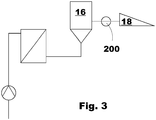
Figure 3 illustrates a partial view of an approach flow system of a fiber web machine in accordance with a preferred embodiment of the present invention. -
Fig. 1 illustrates a partial view of a prior art approach flow system of a fiber web machine. In accordance with the Figure theapproach flow system 10 of the fiber web machine comprises, in addition to the not-shown components, aheadbox feed pump 12, aheadbox screen 14, anattenuator 16 and aheadbox 18 via which the fibrous stock is delivered to the forming section of the fiber web machine, normally on the wire or forming section thereof. Further, theapproach flow system 10 comprises a retentionchemical mixer 20, preferably, but not necessarily, a TrumpJet™ chemical mixer or a set of TrumpJet™ chemical mixers, i.e. a TrumpJet™ mixing station, depending on the diameter of outlet duct of the headbox screen or that of theflow pipe 22 leading from theheadbox screen 14 to theattenuator 16. Thechemical mixer 20 is positioned upstream of theattenuator 16, possibly in the outlet duct of theheadbox screen 14. -
Figure 2 illustrates a partially cut side view of aprior art attenuator 16. Theattenuator 16 is normally formed of a cylindricalupright section 24 to which fibrous stock is introduced from below via a conicallyenlarging pipe section 26 from theflow pipe 22 provided between the headbox screen and theattenuator 16. In a first optional attenuator construction thecylindrical wall 28 of the cylindricalupright section 24 is provided with aconnection 30 for a single headbox feed pipe. In a second optional construction the wall of the cylindrical upright section is provided with dozens of radial outlets, which are connected to a number of feed hoses delivering fibrous stock to the headbox. In both constructions at the lower end of the cylindricalupright section 24 there is arranged ahorizontal plate 32, which is provided withvertical openings 34. The horizontal plate, in a way, forms the bottom of the cylindrical section. In some attenuators (for example Kadant Octopus™ system) the openings are formed of two sections, a small-diameter inlet or lower section, and a large diameter outlet or upper section. The desired function of thenumerous openings 34 is to dampen the pressure fluctuations and other pulsations such that the flow of the fibrous stock upstream of the horizontal plate and also in the attenuator outlet/s from the attenuator to the headbox is pulse-free. - However, when the function of the
openings 34 were studied in more detail it was learned that while the fibrous stock is forced through theopenings 34 such relatively strong shear forces are created in the stock that break bonds between the retention chemical and the fine solids. Such breaking of bonds is seen as reduced retention at the paper or fiber web machine. When the TrumpJet™ chemical mixer 200 or the set of TrumpJet™ chemical mixers, i.e. the mixing station was tested downstream of theattenuator 16, as shown inFigure 3 , it was learned that the retention of fine solids was far better than when the TrumpJet™ chemical mixer/s were located upstream of theattenuator 16. It was learned that the same level of retention at the fiber web machine was reached by using 10 - 40% less retention chemical when the mixing arrangement of the present invention was used. This finding, naturally, means that, compared to the prior art arrangement, the retention may be simultaneously improved and the use of retention chemical decreased, within certain limits, with the arrangement of the present invention. - Preferably, the
chemical mixer 200 is an injection mixer or a set of injection mixers. The injection mixer injects the chemical to the stock by using an injection liquid for forcing a relatively small amount of chemical to penetrate deep into the stock flow. The injection liquid is, preferably but not necessarily, the same stock to which the chemical is to be mixed. Such an injection liquid is, preferably but not necessarily, taken upstream of the mixer to be injected by means of the mixer together with the chemical to the stock flow. Other options for the injection liquid are fresh pulp, recycled pulp, white water, fresh water, etc. just to name a few options without any intention of limiting the applicable liquids to the listed alternatives only. - It should also be understood that the present invention covers mixing either a single retention chemical or two or more retention chemicals to the stock downstream of the attenuator. In other words, it is possible that in cases where more than one retention chemical is used (in addition to the one mixed downstream of the attenuator), one retention chemical is mixed to the stock between the headbox screen and the attenuator and/or one retention chemical is mixed to the stock upstream of the headbox screen. Naturally, it is preferable in these two latter alternatives that the retention chemical is such a slowly reacting one that it forms agglomerations only after the attenuator.
- Further, it should be understood that the mixing of retention chemical/s may be performed with any such mixer that is capable of forming an even division of retention chemical in the stock. In other words, the mixers may be static ones, rotary ones or injecting ones.
- And finally, it should also be understood that other wet end chemical/s and/or additives may be mixed with the stock together with retention chemical/s, Such chemicals or additives are, for instance, sizing agents like alkenyl succinic anhydride (ASA) or alkyl ketene dimer (AKD), starch, filler, paper dye or pigment, micro or nanofibre (MFC, NFC) and other synthetic fibres, just to name a few options. Such chemicals or additives may be either premixed with the retention chemical/s prior to mixing with the stock or just introduced and mixed together with the retention chemical/s with the stock.
- Although the invention has been described with reference to specific illustrated embodiments, it is emphasized that it also covers equivalents to the disclosed features, as well as changes and variants obvious to a man skilled in the art, and the scope of the invention is only limited by the appended claims.
Claims (12)
- A method of adding a retention chemical to an approach flow system (10) of a fiber web machine, wherein a fibrous stock is introduced by means of a headbox feed pump (12) via an attenuator (16) to a headbox (18) of a fiber web machine, characterized by adding the retention chemical to the fibrous stock between the attenuator (16) and the headbox (18).
- The method as recited in claim 1, characterized by providing a headbox screen (14) between the headbox feed pump (12) and the attenuator (16).
- The method as recited in claim 1 or 2, characterized by using an injection mixer (200) or a set of injection mixers for adding the retention chemical.
- The method as recited in claim 3, characterized by using an injection liquid for making the chemical penetrate into the fibrous stock.
- The method as recited in claim 4, characterized by taking stock from upstream of the injection mixer (200) to be used as an injection liquid for feeding the chemical to the fibrous stock.
- The method as recited in claim 1 or 2, characterized by using a static, a rotary or an injection mixer (200) for adding the retention chemical.
- The method as recited in any one of the preceding claims, characterized by mixing with the stock together with the retention chemical other chemicals and/or additives.
- The method as recited in claim 7, characterized in that the additive or chemical is at least one of sizing agent, like alkenyl succinic anhydride (ASA) or alkyl ketene dimer (AKD), starch, filler, paper dye or pigment, micro or nanofibre (MFC, NFC) and other synthetic fibre.
- The method as recited in claim 7 or 8, characterized by premixing the additive or chemical with the retention chemical prior to mixing with the fibrous stock.
- An arrangement for adding a retention chemical to an approach flow system of a fiber web machine, the approach flow system (10) comprising an attenuator (16), a headbox (18) and a chemical mixer, characterized in that the chemical mixer (200) is arranged downstream of the attenuator (16) between the attenuator (16) and the headbox (18).
- The arrangement as recited in claim 7, characterized in that a headbox screen (14) is arranged between a headbox feed pump and the attenuator (16).
- The arrangement as recited in claim 7 or 8, characterized in that the chemical mixer (200) is one of a static mixer, a rotary mixer and an injection mixer.
Priority Applications (3)
| Application Number | Priority Date | Filing Date | Title |
|---|---|---|---|
| EP19183236.9A EP3757288B1 (en) | 2019-06-28 | 2019-06-28 | A method of and an arrangement for adding a chemical to an approach flow system of a fiber web machine |
| CN202010602231.5A CN112144317B (en) | 2019-06-28 | 2020-06-28 | Method and installation for adding chemicals to the flow system of a fiber web machine |
| US16/914,799 US11352749B2 (en) | 2019-06-28 | 2020-06-29 | Method of and an arrangement for adding a chemical to an approach flow system of a fiber web machine |
Applications Claiming Priority (1)
| Application Number | Priority Date | Filing Date | Title |
|---|---|---|---|
| EP19183236.9A EP3757288B1 (en) | 2019-06-28 | 2019-06-28 | A method of and an arrangement for adding a chemical to an approach flow system of a fiber web machine |
Publications (2)
| Publication Number | Publication Date |
|---|---|
| EP3757288A1 true EP3757288A1 (en) | 2020-12-30 |
| EP3757288B1 EP3757288B1 (en) | 2022-04-27 |
Family
ID=67137633
Family Applications (1)
| Application Number | Title | Priority Date | Filing Date |
|---|---|---|---|
| EP19183236.9A Active EP3757288B1 (en) | 2019-06-28 | 2019-06-28 | A method of and an arrangement for adding a chemical to an approach flow system of a fiber web machine |
Country Status (3)
| Country | Link |
|---|---|
| US (1) | US11352749B2 (en) |
| EP (1) | EP3757288B1 (en) |
| CN (1) | CN112144317B (en) |
Families Citing this family (2)
| Publication number | Priority date | Publication date | Assignee | Title |
|---|---|---|---|---|
| US11401660B2 (en) * | 2018-08-23 | 2022-08-02 | Eastman Chemical Company | Broke composition of matter |
| FI20235751A1 (en) * | 2023-06-28 | 2024-12-29 | Valmet Technologies Oy | Mass venting system |
Citations (8)
| Publication number | Priority date | Publication date | Assignee | Title |
|---|---|---|---|---|
| US4166759A (en) | 1976-10-05 | 1979-09-04 | Valmet Oy | Apparatus for damping pulp stock pressure fluctuations in a headbox |
| WO1999036613A1 (en) * | 1998-01-16 | 1999-07-22 | Beloit Technologies, Inc. | Papermaking headbox |
| WO1999064666A1 (en) | 1998-06-05 | 1999-12-16 | Valmet Corporation | Equipment and method in a paper or board machine for mixing of fresh stock and of water for dilution of fresh stock |
| WO2002046525A1 (en) * | 2000-12-08 | 2002-06-13 | M-Real Corporation | A method for manufacturing paper with a constant filler content |
| EP1219344A2 (en) | 1998-02-26 | 2002-07-03 | Wetend Technologies Oy | Method and apparatus for feeding a chemical into a liquid flow |
| WO2002072948A1 (en) * | 2001-02-23 | 2002-09-19 | Metso Paper Automation Oy | Method and arrangement for controlling short circulation in a paper machine or the like |
| WO2002072250A1 (en) | 2001-02-21 | 2002-09-19 | Metso Paper Inc | Arrangement for mixing flows in papermaking process |
| US20140369156A1 (en) | 2011-12-15 | 2014-12-18 | Valmet Ab | Mixing unit for use in a mixing apparatus and a mixing apparatus |
Family Cites Families (15)
| Publication number | Priority date | Publication date | Assignee | Title |
|---|---|---|---|---|
| US3933966A (en) * | 1973-06-14 | 1976-01-20 | A. Alhstrom Osakeyhtio | Method and device for spraying fluid into a headbox |
| US7234857B2 (en) * | 1998-02-26 | 2007-06-26 | Wetend Technologies Oy | Method and apparatus for feeding a chemical into a liquid flow |
| US20040045687A1 (en) * | 2002-09-11 | 2004-03-11 | Shannon Thomas Gerard | Method for using water insoluble chemical additives with pulp and products made by said method |
| FI115148B (en) | 2003-10-08 | 2005-03-15 | Wetend Technologies Oy | A method and apparatus for introducing a chemical into a liquid stream |
| FI116473B (en) * | 2004-07-16 | 2005-11-30 | Wetend Technologies Oy | A method and apparatus for feeding chemicals into a process fluid stream |
| CN101137791A (en) * | 2004-12-22 | 2008-03-05 | 阿克佐诺贝尔公司 | Method for producing paper |
| CN1664233A (en) * | 2005-02-18 | 2005-09-07 | 姚茜 | Method for adding particulate retention filter aid in paper making process |
| FI123392B (en) | 2008-02-22 | 2013-03-28 | Upm Kymmene Oyj | Method for Precipitation of Calcium Carbonate in a Fibrous Web Process and Fiber Machine Machine Approach |
| FI124831B (en) | 2010-03-10 | 2015-02-13 | Upm Kymmene Oyj | Process and reactor for in-line production of calcium carbonate in a pulp flow |
| SE538246C2 (en) | 2012-11-09 | 2016-04-12 | Cardboard layers in an in-line production process | |
| SE538250C2 (en) | 2012-11-09 | 2016-04-12 | In-line production method for papermaking | |
| FI20135156A7 (en) | 2013-02-22 | 2014-08-23 | Wetend Tech Oy | An arrangement for feeding liquid to at least one mixing station and a method of operating the arrangement |
| FI20135157A7 (en) | 2013-02-22 | 2014-08-23 | Wetend Tech Oy | An arrangement for and a method of manufacturing a fibrous web |
| FI125836B (en) * | 2013-04-26 | 2016-03-15 | Wetend Tech Oy | Process for providing paper or cardboard pulp with filler and paper or cardboard |
| US9317943B2 (en) | 2013-07-29 | 2016-04-19 | Oracle International Corporation | Interactive intersection areas |
-
2019
- 2019-06-28 EP EP19183236.9A patent/EP3757288B1/en active Active
-
2020
- 2020-06-28 CN CN202010602231.5A patent/CN112144317B/en active Active
- 2020-06-29 US US16/914,799 patent/US11352749B2/en active Active
Patent Citations (8)
| Publication number | Priority date | Publication date | Assignee | Title |
|---|---|---|---|---|
| US4166759A (en) | 1976-10-05 | 1979-09-04 | Valmet Oy | Apparatus for damping pulp stock pressure fluctuations in a headbox |
| WO1999036613A1 (en) * | 1998-01-16 | 1999-07-22 | Beloit Technologies, Inc. | Papermaking headbox |
| EP1219344A2 (en) | 1998-02-26 | 2002-07-03 | Wetend Technologies Oy | Method and apparatus for feeding a chemical into a liquid flow |
| WO1999064666A1 (en) | 1998-06-05 | 1999-12-16 | Valmet Corporation | Equipment and method in a paper or board machine for mixing of fresh stock and of water for dilution of fresh stock |
| WO2002046525A1 (en) * | 2000-12-08 | 2002-06-13 | M-Real Corporation | A method for manufacturing paper with a constant filler content |
| WO2002072250A1 (en) | 2001-02-21 | 2002-09-19 | Metso Paper Inc | Arrangement for mixing flows in papermaking process |
| WO2002072948A1 (en) * | 2001-02-23 | 2002-09-19 | Metso Paper Automation Oy | Method and arrangement for controlling short circulation in a paper machine or the like |
| US20140369156A1 (en) | 2011-12-15 | 2014-12-18 | Valmet Ab | Mixing unit for use in a mixing apparatus and a mixing apparatus |
Also Published As
| Publication number | Publication date |
|---|---|
| CN112144317B (en) | 2023-03-21 |
| US11352749B2 (en) | 2022-06-07 |
| CN112144317A (en) | 2020-12-29 |
| US20200407913A1 (en) | 2020-12-31 |
| EP3757288B1 (en) | 2022-04-27 |
Similar Documents
| Publication | Publication Date | Title |
|---|---|---|
| US6659636B1 (en) | Method and apparatus for feeding a chemical into a liquid flow | |
| US7758725B2 (en) | Method of mixing a paper making chemical into a fiber suspension flow | |
| FI117341B (en) | Method and apparatus for producing a foam-shaped fiber or paper web | |
| US7938934B2 (en) | ASA emulsification with ultrasound | |
| US9447543B2 (en) | Arrangement for and a method of manufacturing a fibrous web | |
| JP2011512462A (en) | Method and arrangement for blending rich raw material into short circuit of fiber web machine | |
| US20120241114A1 (en) | Process for production of a paper or paperboard product | |
| EP3757288B1 (en) | A method of and an arrangement for adding a chemical to an approach flow system of a fiber web machine | |
| KR20120041242A (en) | Apparatus, system and method for emulsifying oil and water | |
| JPS6135317B2 (en) | ||
| EP2830749B1 (en) | A method and an apparatus for mixing chemicals having opposite electric charges into a process liquid flow | |
| CN113005803B (en) | Method and device for adding additional raw material components to the approach flow system of a fiber web machine | |
| CA2634584C (en) | Mixing of chemicals into a thin stock pipe | |
| EP0150777A2 (en) | Method for the manufacture of a non-woven fibrous web | |
| US6296696B1 (en) | One-pass method for preparing paper size emulsions | |
| US20250207329A1 (en) | Method and system for producing a wet-laid non-woven fabric web | |
| EP4477301A1 (en) | Stock mixing method and stock mixing system | |
| EP4484642A1 (en) | Stock deaeration system | |
| US6099689A (en) | Production of paper and board products with improved retention, drainage and formation | |
| JPH0227476B2 (en) |
Legal Events
| Date | Code | Title | Description |
|---|---|---|---|
| PUAI | Public reference made under article 153(3) epc to a published international application that has entered the european phase |
Free format text: ORIGINAL CODE: 0009012 |
|
| STAA | Information on the status of an ep patent application or granted ep patent |
Free format text: STATUS: THE APPLICATION HAS BEEN PUBLISHED |
|
| AK | Designated contracting states |
Kind code of ref document: A1 Designated state(s): AL AT BE BG CH CY CZ DE DK EE ES FI FR GB GR HR HU IE IS IT LI LT LU LV MC MK MT NL NO PL PT RO RS SE SI SK SM TR |
|
| AX | Request for extension of the european patent |
Extension state: BA ME |
|
| STAA | Information on the status of an ep patent application or granted ep patent |
Free format text: STATUS: REQUEST FOR EXAMINATION WAS MADE |
|
| 17P | Request for examination filed |
Effective date: 20210630 |
|
| RBV | Designated contracting states (corrected) |
Designated state(s): AL AT BE BG CH CY CZ DE DK EE ES FI FR GB GR HR HU IE IS IT LI LT LU LV MC MK MT NL NO PL PT RO RS SE SI SK SM TR |
|
| GRAP | Despatch of communication of intention to grant a patent |
Free format text: ORIGINAL CODE: EPIDOSNIGR1 |
|
| STAA | Information on the status of an ep patent application or granted ep patent |
Free format text: STATUS: GRANT OF PATENT IS INTENDED |
|
| INTG | Intention to grant announced |
Effective date: 20211130 |
|
| GRAS | Grant fee paid |
Free format text: ORIGINAL CODE: EPIDOSNIGR3 |
|
| GRAA | (expected) grant |
Free format text: ORIGINAL CODE: 0009210 |
|
| STAA | Information on the status of an ep patent application or granted ep patent |
Free format text: STATUS: THE PATENT HAS BEEN GRANTED |
|
| AK | Designated contracting states |
Kind code of ref document: B1 Designated state(s): AL AT BE BG CH CY CZ DE DK EE ES FI FR GB GR HR HU IE IS IT LI LT LU LV MC MK MT NL NO PL PT RO RS SE SI SK SM TR |
|
| REG | Reference to a national code |
Ref country code: GB Ref legal event code: FG4D |
|
| REG | Reference to a national code |
Ref country code: CH Ref legal event code: EP |
|
| REG | Reference to a national code |
Ref country code: DE Ref legal event code: R096 Ref document number: 602019014048 Country of ref document: DE |
|
| REG | Reference to a national code |
Ref country code: AT Ref legal event code: REF Ref document number: 1487014 Country of ref document: AT Kind code of ref document: T Effective date: 20220515 |
|
| REG | Reference to a national code |
Ref country code: IE Ref legal event code: FG4D |
|
| REG | Reference to a national code |
Ref country code: LT Ref legal event code: MG9D |
|
| REG | Reference to a national code |
Ref country code: NL Ref legal event code: MP Effective date: 20220427 |
|
| PG25 | Lapsed in a contracting state [announced via postgrant information from national office to epo] |
Ref country code: NL Free format text: LAPSE BECAUSE OF FAILURE TO SUBMIT A TRANSLATION OF THE DESCRIPTION OR TO PAY THE FEE WITHIN THE PRESCRIBED TIME-LIMIT Effective date: 20220427 |
|
| PG25 | Lapsed in a contracting state [announced via postgrant information from national office to epo] |
Ref country code: SE Free format text: LAPSE BECAUSE OF FAILURE TO SUBMIT A TRANSLATION OF THE DESCRIPTION OR TO PAY THE FEE WITHIN THE PRESCRIBED TIME-LIMIT Effective date: 20220427 Ref country code: PT Free format text: LAPSE BECAUSE OF FAILURE TO SUBMIT A TRANSLATION OF THE DESCRIPTION OR TO PAY THE FEE WITHIN THE PRESCRIBED TIME-LIMIT Effective date: 20220829 Ref country code: NO Free format text: LAPSE BECAUSE OF FAILURE TO SUBMIT A TRANSLATION OF THE DESCRIPTION OR TO PAY THE FEE WITHIN THE PRESCRIBED TIME-LIMIT Effective date: 20220727 Ref country code: LT Free format text: LAPSE BECAUSE OF FAILURE TO SUBMIT A TRANSLATION OF THE DESCRIPTION OR TO PAY THE FEE WITHIN THE PRESCRIBED TIME-LIMIT Effective date: 20220427 Ref country code: HR Free format text: LAPSE BECAUSE OF FAILURE TO SUBMIT A TRANSLATION OF THE DESCRIPTION OR TO PAY THE FEE WITHIN THE PRESCRIBED TIME-LIMIT Effective date: 20220427 Ref country code: GR Free format text: LAPSE BECAUSE OF FAILURE TO SUBMIT A TRANSLATION OF THE DESCRIPTION OR TO PAY THE FEE WITHIN THE PRESCRIBED TIME-LIMIT Effective date: 20220728 Ref country code: FI Free format text: LAPSE BECAUSE OF FAILURE TO SUBMIT A TRANSLATION OF THE DESCRIPTION OR TO PAY THE FEE WITHIN THE PRESCRIBED TIME-LIMIT Effective date: 20220427 Ref country code: BG Free format text: LAPSE BECAUSE OF FAILURE TO SUBMIT A TRANSLATION OF THE DESCRIPTION OR TO PAY THE FEE WITHIN THE PRESCRIBED TIME-LIMIT Effective date: 20220727 |
|
| PG25 | Lapsed in a contracting state [announced via postgrant information from national office to epo] |
Ref country code: RS Free format text: LAPSE BECAUSE OF FAILURE TO SUBMIT A TRANSLATION OF THE DESCRIPTION OR TO PAY THE FEE WITHIN THE PRESCRIBED TIME-LIMIT Effective date: 20220427 Ref country code: PL Free format text: LAPSE BECAUSE OF FAILURE TO SUBMIT A TRANSLATION OF THE DESCRIPTION OR TO PAY THE FEE WITHIN THE PRESCRIBED TIME-LIMIT Effective date: 20220427 Ref country code: LV Free format text: LAPSE BECAUSE OF FAILURE TO SUBMIT A TRANSLATION OF THE DESCRIPTION OR TO PAY THE FEE WITHIN THE PRESCRIBED TIME-LIMIT Effective date: 20220427 Ref country code: IS Free format text: LAPSE BECAUSE OF FAILURE TO SUBMIT A TRANSLATION OF THE DESCRIPTION OR TO PAY THE FEE WITHIN THE PRESCRIBED TIME-LIMIT Effective date: 20220827 |
|
| REG | Reference to a national code |
Ref country code: DE Ref legal event code: R097 Ref document number: 602019014048 Country of ref document: DE |
|
| PG25 | Lapsed in a contracting state [announced via postgrant information from national office to epo] |
Ref country code: SM Free format text: LAPSE BECAUSE OF FAILURE TO SUBMIT A TRANSLATION OF THE DESCRIPTION OR TO PAY THE FEE WITHIN THE PRESCRIBED TIME-LIMIT Effective date: 20220427 Ref country code: SK Free format text: LAPSE BECAUSE OF FAILURE TO SUBMIT A TRANSLATION OF THE DESCRIPTION OR TO PAY THE FEE WITHIN THE PRESCRIBED TIME-LIMIT Effective date: 20220427 Ref country code: RO Free format text: LAPSE BECAUSE OF FAILURE TO SUBMIT A TRANSLATION OF THE DESCRIPTION OR TO PAY THE FEE WITHIN THE PRESCRIBED TIME-LIMIT Effective date: 20220427 Ref country code: MC Free format text: LAPSE BECAUSE OF FAILURE TO SUBMIT A TRANSLATION OF THE DESCRIPTION OR TO PAY THE FEE WITHIN THE PRESCRIBED TIME-LIMIT Effective date: 20220427 Ref country code: ES Free format text: LAPSE BECAUSE OF FAILURE TO SUBMIT A TRANSLATION OF THE DESCRIPTION OR TO PAY THE FEE WITHIN THE PRESCRIBED TIME-LIMIT Effective date: 20220427 Ref country code: EE Free format text: LAPSE BECAUSE OF FAILURE TO SUBMIT A TRANSLATION OF THE DESCRIPTION OR TO PAY THE FEE WITHIN THE PRESCRIBED TIME-LIMIT Effective date: 20220427 Ref country code: DK Free format text: LAPSE BECAUSE OF FAILURE TO SUBMIT A TRANSLATION OF THE DESCRIPTION OR TO PAY THE FEE WITHIN THE PRESCRIBED TIME-LIMIT Effective date: 20220427 Ref country code: CZ Free format text: LAPSE BECAUSE OF FAILURE TO SUBMIT A TRANSLATION OF THE DESCRIPTION OR TO PAY THE FEE WITHIN THE PRESCRIBED TIME-LIMIT Effective date: 20220427 |
|
| REG | Reference to a national code |
Ref country code: CH Ref legal event code: PL |
|
| REG | Reference to a national code |
Ref country code: BE Ref legal event code: MM Effective date: 20220630 |
|
| PLBE | No opposition filed within time limit |
Free format text: ORIGINAL CODE: 0009261 |
|
| STAA | Information on the status of an ep patent application or granted ep patent |
Free format text: STATUS: NO OPPOSITION FILED WITHIN TIME LIMIT |
|
| PG25 | Lapsed in a contracting state [announced via postgrant information from national office to epo] |
Ref country code: AL Free format text: LAPSE BECAUSE OF FAILURE TO SUBMIT A TRANSLATION OF THE DESCRIPTION OR TO PAY THE FEE WITHIN THE PRESCRIBED TIME-LIMIT Effective date: 20220427 |
|
| 26N | No opposition filed |
Effective date: 20230130 |
|
| PG25 | Lapsed in a contracting state [announced via postgrant information from national office to epo] |
Ref country code: LU Free format text: LAPSE BECAUSE OF NON-PAYMENT OF DUE FEES Effective date: 20220628 Ref country code: LI Free format text: LAPSE BECAUSE OF NON-PAYMENT OF DUE FEES Effective date: 20220630 Ref country code: IE Free format text: LAPSE BECAUSE OF NON-PAYMENT OF DUE FEES Effective date: 20220628 Ref country code: FR Free format text: LAPSE BECAUSE OF NON-PAYMENT OF DUE FEES Effective date: 20220630 Ref country code: CH Free format text: LAPSE BECAUSE OF NON-PAYMENT OF DUE FEES Effective date: 20220630 |
|
| PG25 | Lapsed in a contracting state [announced via postgrant information from national office to epo] |
Ref country code: SI Free format text: LAPSE BECAUSE OF FAILURE TO SUBMIT A TRANSLATION OF THE DESCRIPTION OR TO PAY THE FEE WITHIN THE PRESCRIBED TIME-LIMIT Effective date: 20220427 Ref country code: BE Free format text: LAPSE BECAUSE OF NON-PAYMENT OF DUE FEES Effective date: 20220630 |
|
| REG | Reference to a national code |
Ref country code: AT Ref legal event code: UEP Ref document number: 1487014 Country of ref document: AT Kind code of ref document: T Effective date: 20220427 |
|
| PG25 | Lapsed in a contracting state [announced via postgrant information from national office to epo] |
Ref country code: IT Free format text: LAPSE BECAUSE OF FAILURE TO SUBMIT A TRANSLATION OF THE DESCRIPTION OR TO PAY THE FEE WITHIN THE PRESCRIBED TIME-LIMIT Effective date: 20220427 |
|
| GBPC | Gb: european patent ceased through non-payment of renewal fee |
Effective date: 20230628 |
|
| PG25 | Lapsed in a contracting state [announced via postgrant information from national office to epo] |
Ref country code: MK Free format text: LAPSE BECAUSE OF FAILURE TO SUBMIT A TRANSLATION OF THE DESCRIPTION OR TO PAY THE FEE WITHIN THE PRESCRIBED TIME-LIMIT Effective date: 20220427 Ref country code: CY Free format text: LAPSE BECAUSE OF FAILURE TO SUBMIT A TRANSLATION OF THE DESCRIPTION OR TO PAY THE FEE WITHIN THE PRESCRIBED TIME-LIMIT Effective date: 20220427 Ref country code: GB Free format text: LAPSE BECAUSE OF NON-PAYMENT OF DUE FEES Effective date: 20230628 |
|
| PG25 | Lapsed in a contracting state [announced via postgrant information from national office to epo] |
Ref country code: HU Free format text: LAPSE BECAUSE OF FAILURE TO SUBMIT A TRANSLATION OF THE DESCRIPTION OR TO PAY THE FEE WITHIN THE PRESCRIBED TIME-LIMIT; INVALID AB INITIO Effective date: 20190628 |
|
| PG25 | Lapsed in a contracting state [announced via postgrant information from national office to epo] |
Ref country code: MT Free format text: LAPSE BECAUSE OF FAILURE TO SUBMIT A TRANSLATION OF THE DESCRIPTION OR TO PAY THE FEE WITHIN THE PRESCRIBED TIME-LIMIT Effective date: 20220427 |
|
| PG25 | Lapsed in a contracting state [announced via postgrant information from national office to epo] |
Ref country code: BG Free format text: LAPSE BECAUSE OF FAILURE TO SUBMIT A TRANSLATION OF THE DESCRIPTION OR TO PAY THE FEE WITHIN THE PRESCRIBED TIME-LIMIT Effective date: 20220427 |
|
| PG25 | Lapsed in a contracting state [announced via postgrant information from national office to epo] |
Ref country code: BG Free format text: LAPSE BECAUSE OF FAILURE TO SUBMIT A TRANSLATION OF THE DESCRIPTION OR TO PAY THE FEE WITHIN THE PRESCRIBED TIME-LIMIT Effective date: 20220427 |
|
| PGFP | Annual fee paid to national office [announced via postgrant information from national office to epo] |
Ref country code: DE Payment date: 20250618 Year of fee payment: 7 |
|
| PGFP | Annual fee paid to national office [announced via postgrant information from national office to epo] |
Ref country code: AT Payment date: 20250620 Year of fee payment: 7 |
|
| PG25 | Lapsed in a contracting state [announced via postgrant information from national office to epo] |
Ref country code: TR Free format text: LAPSE BECAUSE OF FAILURE TO SUBMIT A TRANSLATION OF THE DESCRIPTION OR TO PAY THE FEE WITHIN THE PRESCRIBED TIME-LIMIT Effective date: 20220427 |