EP3753204B1 - End-to-end network slicing with 3rd-party functions - Google Patents
End-to-end network slicing with 3rd-party functions Download PDFInfo
- Publication number
- EP3753204B1 EP3753204B1 EP18713172.7A EP18713172A EP3753204B1 EP 3753204 B1 EP3753204 B1 EP 3753204B1 EP 18713172 A EP18713172 A EP 18713172A EP 3753204 B1 EP3753204 B1 EP 3753204B1
- Authority
- EP
- European Patent Office
- Prior art keywords
- domain
- service
- performance indicator
- indicator data
- service provider
- Prior art date
- Legal status (The legal status is an assumption and is not a legal conclusion. Google has not performed a legal analysis and makes no representation as to the accuracy of the status listed.)
- Active
Links
Images



Classifications
-
- H—ELECTRICITY
- H04—ELECTRIC COMMUNICATION TECHNIQUE
- H04L—TRANSMISSION OF DIGITAL INFORMATION, e.g. TELEGRAPHIC COMMUNICATION
- H04L41/00—Arrangements for maintenance, administration or management of data switching networks, e.g. of packet switching networks
- H04L41/50—Network service management, e.g. ensuring proper service fulfilment according to agreements
- H04L41/5003—Managing SLA; Interaction between SLA and QoS
- H04L41/5019—Ensuring fulfilment of SLA
-
- H—ELECTRICITY
- H04—ELECTRIC COMMUNICATION TECHNIQUE
- H04L—TRANSMISSION OF DIGITAL INFORMATION, e.g. TELEGRAPHIC COMMUNICATION
- H04L41/00—Arrangements for maintenance, administration or management of data switching networks, e.g. of packet switching networks
- H04L41/08—Configuration management of networks or network elements
- H04L41/0803—Configuration setting
- H04L41/0813—Configuration setting characterised by the conditions triggering a change of settings
-
- H—ELECTRICITY
- H04—ELECTRIC COMMUNICATION TECHNIQUE
- H04L—TRANSMISSION OF DIGITAL INFORMATION, e.g. TELEGRAPHIC COMMUNICATION
- H04L41/00—Arrangements for maintenance, administration or management of data switching networks, e.g. of packet switching networks
- H04L41/08—Configuration management of networks or network elements
- H04L41/0895—Configuration of virtualised networks or elements, e.g. virtualised network function or OpenFlow elements
-
- H—ELECTRICITY
- H04—ELECTRIC COMMUNICATION TECHNIQUE
- H04L—TRANSMISSION OF DIGITAL INFORMATION, e.g. TELEGRAPHIC COMMUNICATION
- H04L41/00—Arrangements for maintenance, administration or management of data switching networks, e.g. of packet switching networks
- H04L41/40—Arrangements for maintenance, administration or management of data switching networks, e.g. of packet switching networks using virtualisation of network functions or resources, e.g. SDN or NFV entities
-
- H—ELECTRICITY
- H04—ELECTRIC COMMUNICATION TECHNIQUE
- H04L—TRANSMISSION OF DIGITAL INFORMATION, e.g. TELEGRAPHIC COMMUNICATION
- H04L41/00—Arrangements for maintenance, administration or management of data switching networks, e.g. of packet switching networks
- H04L41/50—Network service management, e.g. ensuring proper service fulfilment according to agreements
- H04L41/5003—Managing SLA; Interaction between SLA and QoS
- H04L41/5009—Determining service level performance parameters or violations of service level contracts, e.g. violations of agreed response time or mean time between failures [MTBF]
-
- H—ELECTRICITY
- H04—ELECTRIC COMMUNICATION TECHNIQUE
- H04W—WIRELESS COMMUNICATION NETWORKS
- H04W48/00—Access restriction; Network selection; Access point selection
- H04W48/18—Selecting a network or a communication service
-
- H—ELECTRICITY
- H04—ELECTRIC COMMUNICATION TECHNIQUE
- H04L—TRANSMISSION OF DIGITAL INFORMATION, e.g. TELEGRAPHIC COMMUNICATION
- H04L43/00—Arrangements for monitoring or testing data switching networks
- H04L43/08—Monitoring or testing based on specific metrics, e.g. QoS, energy consumption or environmental parameters
-
- H—ELECTRICITY
- H04—ELECTRIC COMMUNICATION TECHNIQUE
- H04L—TRANSMISSION OF DIGITAL INFORMATION, e.g. TELEGRAPHIC COMMUNICATION
- H04L43/00—Arrangements for monitoring or testing data switching networks
- H04L43/20—Arrangements for monitoring or testing data switching networks the monitoring system or the monitored elements being virtualised, abstracted or software-defined entities, e.g. SDN or NFV
Definitions
- the present invention generally relates to the field of communication network technology. Particularly, the present invention relates next generation of mobile networks.
- the network entity can advantageously configure the virtualized compute platform in accordance with operator network real-time performance indicator data. This has the advantage that the end-to-end service can be guaranteed across the operator network domain and a service provider domain.
- the end-to-end service may require a certain latency.
- the latency requirement is part of the SLA. Accordingly, both the NSI 132, 134 and the SF 172 may be configured with a latency such that the required latency is always met, including some latency margin.
- the NSMF entity 120 may determine based on the real-time performance indicator data of the service provider domain that the overall latency of the end-to-end service is over-provisioned. Therefore, the NSMF entity 120 determines an adjustment 122 for the configuration of the NSI 132, 134 for the end-to-end service. The adjustment may increase the latency of the NSI 132, 134 by reducing resources of the NSI 132, 134. The determined adjustment 122 is sent from the NSMF entity 120 to the NSI 132, 134. The NSI 132, 134 adjusts accordingly. Because the NSMF entity 120 determines the adjustment 122 based on real-time performance data of the service provider domain for the end-to-end service, the overall latency of the end-to-end service remains in the limits of the agreed SLA.
- Fig. 4 depicts interaction scenarios 400 between the 3rd-party service coordinator module 220 of the NSMF entity 120 and the NSMF coordinator module 320 of the NFV-MANO entity 160 over the coordination interface 190 according to one embodiment of the present invention.
- Fig. 5 shows a procedure 500 for the NSMF 120 applying changes (i.e. adjustments to the configuration) on existing NSIs 132, 134 according to an embodiment of the present invention.
- the NSIs 132, 134 may be deployed according to the procedures defined in the current 3GPP SA5, as found in 3GPP, " System Architecture for the 5G System; Stage 2," 3rd Generation Partnership Project (3GPP), Technical Specification (TS) 23.501, 2017 .
- 3GPP 3rd Generation Partnership Project
- TS Technical Specification
- Fig. 6 shows a NFV-MANO 160 to SF 172 message exchange 600 according to an embodiment of the present invention.
- the NFV-MANO 160 may have to apply changes (i.e. adaptations) on the launched SFs 172 that are deployed by following the procedure as found in M. Ersue, "ETSI NFV management and orchestration-An overview," in Proc. of 88th IETF meeting, 2013 . Possible adjustments to these procedures include NF migrations, compute resource (re-)allocations for NF (e.g. instantiating more NF instances), resource defragmentation and others.
- the word “comprising” does not exclude other elements or steps, and the indefinite article “a” or “an” does not exclude a plurality.
- a single processor or other unit may fulfil the functions of several items recited in the claims.
- a computer program may be stored/distributed on a suitable medium, such as an optical storage medium or a solid-state medium supplied together with or as part of other hardware, but may also be distributed in other forms, such as via the Internet or other wired or wireless telecommunication systems.
Landscapes
- Engineering & Computer Science (AREA)
- Computer Networks & Wireless Communication (AREA)
- Signal Processing (AREA)
- Computer Security & Cryptography (AREA)
- Data Exchanges In Wide-Area Networks (AREA)
- Environmental & Geological Engineering (AREA)
Description
- The present invention generally relates to the field of communication network technology. Particularly, the present invention relates next generation of mobile networks.
- The next generation of mobile networks (5G) is expected to support many new types of connections between various devices such as cars, wearables, sensors and actuators from both private and industrial environments. The new types of connections imply very distinct service requests on latency, data rate and others, which require different treatments and thereby pose challenges to the control of the 5G networks.
- In particular, supporting various new types of services means a deep impact on the core network architecture. In today's mobile network, services mainly refer to the access of portable devices in human hands for data and voice services only. Core networks serve the portable devices following a best-effort principle. Hence, those services are predictable and how to respond them can be well pre-planned. With various new service requests, however, service patterns turn to be more heterogeneous. Consequently, service requests to the 5G network are hard to be predicted. The way to meet the requirements is to agilely respond the incoming services in a dynamic way.
- In as much as administratively pre-planning approaches with static network deployment will not work in the next generation mobile network, new principles such as Software-Defined Networking (SDN) as found in B. Lantz, B. Heller, and N. McKeown, "A network in a laptop: rapid prototyping for software-defined networks," Proceedings of the 9th ACM SIGCOMM Workshop on Hot Topics in Networks, 2010, p. 19 and network function virtualization (NFV) as found in J. Martins et al., "ClickOS and the art of network function virtualization," Proceedings of the 11th USENIX Conference on Networked Systems Design and Implementation, 2014, pp. 459-473, are seen as the two key enablers to realize a flexible and programmable network infrastructure.
- With this two enabling technologies, responding to new service requests becomes much easier than before given that any network functions (NFs) can be deployed/allocated on-demand (NFV's features) and forwarding behaviors of them can be remotely programmed (SDN's features), just like installing and running a computer program.
- In the upcoming 5G era, it is expected that there will be increasingly large number of services from the 3rd-party vertical industry also provided through the mobile network. Legacy best-effort quality-of-service (QoS) is, however, incapable of supporting the 3rd-party services whose QoS requirements are quite heterogeneous.
- In order to support the heterogeneous service level agreement (SLA) requirements over a shared infrastructure in the future mobile network, virtualizations of the networking (i.e. SDN) and NF resources (i.e. NFV) are utilized, converting the infrastructure to be programmable. This generates the concept of network slicing, where multiple network tenants have their own network resources that are isolated from each other and SLA guaranteed. Such a portion of isolated network resources for one tenant is a virtualized logical network accommodated in the shared infrastructure, called a network slice instance (NSI). Therefore, based on the network slicing concept, different 3rd-party service providers (e.g. customers from vertical industries) expect to host their services within individual NSIs whose performances are agreed with a service level agreement (SLA) and guaranteed.
- An end-to-end SLA, however, is difficult to be guaranteed by the above solutions. First of all, the current NSI is not an end-to-end (E2E) definition but covers solely the mobile network part. In other words, external parties may or may not support network slicing. For example, even if the traffic goes through an NSI and its SLA can be guaranteed within the mobile network transmissions, the traffic will be treated as best-effort after going out to the public domain network, the E2E SLA guarantee fails.
-
US 2018/0077023 A1 discloses architectures, methods and systems that allow reconfigurability of the network to suit the needs of various parties. -
US 2016/0359682 A1 discloses a system and a method for virtual infrastructure management between operator networks. - Having recognized the above-mentioned disadvantages and problems, the present invention aims at improving the state of the art. In particular, an object of the present invention is to provide network entities and methods for guaranteeing an end-to-end service according to a service level agreement. For example, an object of the invention is to enhance the mechanism that a network operator and a 3rd-party service provider work with each other by using a real-time coordination method. Here, between the operator and service provider, the end-to-end quality of service of network slice instances can be monitored and the performance indicator information can be exchanged. This guarantees that both parties can cooperatively provide the SLA for a 3rd-party service.
- The above-mentioned object is achieved by the appended set of claims.
- The network entity can advantageously adjust the network slice instance in accordance with service provider real-time performance indicator data of a service provider service function in the service provider domain. This has the advantage that the end-to-end service can be guaranteed across the operator network domain and the service provider domain.
- The interface between the entities is defined more specifically. This has the advantage that a control interface between the controlling entities in the two domains is used.
- The network entity adapts the network slice instance based on both the according to the operator network real-time performance indicator data and the service provider real-time performance indicator data. This has the advantage that the configuration can be improved and determined more precisely.
- The real-time performance indicator data of the operator network domain and service provider domain is time aligned. This has the advantage that the real-time performance indicator data from the same time instance is used to configure the network slice instance.
- It is possible to guarantee requirements for the end-to-end service in accordance with the service level agreement. This has the advantage that the configuration can be adapted to fulfill the requirements according to the service level agreement.
- Performance indicator data is provided to the service provider domain such that the end-to-end service can be adjusted by an entity in the service provider domain. This has the advantage that the end-to-end service can be guaranteed across the operator network domain and a service provider domain.
- The network entity can advantageously configure the virtualized compute platform in accordance with operator network real-time performance indicator data. This has the advantage that the end-to-end service can be guaranteed across the operator network domain and a service provider domain.
- A dedicated control interface between the controlling entities in the two domains is defined. This has the advantage that the control and user data are separated.
- The network entity adjusts the virtualized compute platform based on both the operator network performance indicator data and the service provider performance indicator data of the end-to-end service. This has the advantage that the current configuration can be improved and determined more precisely.
- The real-time performance indicator data of the operator network domain and service provider domain is time aligned. This has the advantage that data from same time instances is used to control the service network function, which leads to a better service.
- Performance indicator data is provided to the operator network domain such that the end-to-end service can be adjusted by an entity in the operator network domain. This has the advantage that the end-to-end service can be guaranteed across the operator network domain and a service provider domain.
- The method can be performed in an automatic and repeatable manner. Advantageously, the computer program can be respectively performed at the transmitter according to the second aspect or at the receiver according to the fourth aspect.
- More specifically, it should be noted that the apparatuses (network entities) of the present invention may each be implemented as or comprise a discrete hardware circuitry (e.g., with discrete hardware components, integrated chips or arrangements of chip modules), or a signal processing device or chip controlled by a software routine or program stored in a memory, written on a computer-readable medium or downloaded from a network such as the internet.
- It shall further be understood that a preferred embodiment of the invention can also be any combination of the dependent claims with the respective independent claim.
- The above aspects and implementation forms of the present invention will be explained in the following description of specific embodiments in relation to the enclosed drawings, in which:
-
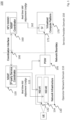
Fig. 1 shows a block diagram of a next generation mobile network according to an embodiment of the invention. -
Fig. 2 shows a block diagram of a network slice management function according to an embodiment of the invention. -
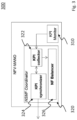
Fig. 3 shows a block diagram of a NFV-MANO according to an embodiment of the invention. -
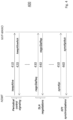
Fig. 4 shows a message exchange between operator network and service provider coordination functions according to an embodiment of the invention. -
Fig. 5 shows a message exchange between a NSMF entity and NSIs/ packet gateway according to an embodiment of the invention. -
Fig. 6 shows a message exchange between a NFV-MANO entity and a virtualized compute platform according to an embodiment of the invention. -
Fig. 1 shows a block diagram of a next generation mobile network. It comprises anoperator network domain 110 and aservice provider domain 150, also referred to as a 3rd-party service provider domain. Theoperator network domain 110 is managed by a network operator. Theservice provider domain 150 is managed by a service provider, also referred to as 3rd-party service provider. Both the network operator and the 3rd-party service provider are different parties and their domains are managed independently from each other. Between the network operator and the service provider, service-level agreements (SLAs) can be in place that define the services to be provided by each of the network operator and the service provider. The SLAs may relate to end-to-end services. - The
operator network domain 110 comprisesnetwork infrastructure 130 for transporting data through the operator network. The data can be transported between a UE and apacket data gateway 195.Packet data gateway 195 may define the network boundary of thenetwork provider domain 110. - The
network infrastructure 130 comprises network slice instances (NSIs) 132, 134. A network slice instance (NSI) 132, 134 can be defined as a set of network functions and resources to run network functions, forming a complete instantiated logical network to meet certain network characteristics. ANSI 132 can be logically and/or physically isolated from anotherNSI 134 even if the same physical hardware is used. - A
NSI infrastructure 130 may comprise a plurality of NSIs. -
NSIs entity 120. TheNSMF entity 120 is responsible for the whole NSI lifecycle, i.e. preparations, resource commissioning, operations and decommissioning ofNSIs NSMF entity 120 may instruct theNSI NSI - The
service provider domain 150 comprises avirtualized compute platform 170. Thevirtualized compute platform 170 can provide one or more service functions (SF) 172 that are dynamically created, operated and destroyed. - The
virtualized compute platform 170 with its one or more service functions 172 is managed by a network function virtualization management and orchestration (NFV-MANO)entity 160. NFV-MANO entity 160 can manage thevirtualized compute platform 170 according to an agreed SLA of an end-to-end service. The NFV-MANO entity 160 may instruct the virtualized compute platform to adjust the configuration for a specific service during operations (i.e. during run-time). This can be done by sending instructions, e.g. messages. - In existing systems, the
NSMF entity 120 in theoperator network domain 110 is only aware of the real-time performance of the end-to-end service in theoperator network domain 110 but has no or only limited information about the real-time performance of the end-to-end service in theservice provider domain 150. Similarly, the NFV-MANO entity 160 in theservice provider domain 150 is only aware of the real-time performance of the end-to-end service in theservice provider domain 150 but has no or only limited information about the real-time performance of the end-to-end service in theoperator network domain 110. This may result in configurations where both theNSI SF 172 are configured in a way that the SLA for the end-to-end service is over-provisioned. Such over-provisioning results in theNSI SF 172 use more resources than actually required for the end-to-end service. - The present invention advantageously solves the disadvantage by exchanging real-time performance indicator data between the
operator network domain 110 and theservice provider domain 150 for the end-to-end service. This allows theNSMF entity 120 in theoperator network domain 110 to adjust the configuration of theNSI operator network domain 110 and theservice provider domain 150. Similarly, the NFV-MANO entity 160 in theservice provider domain 150 may adjust the configuration of theSF 172 based on the performance of the end-to-end service across theoperator network domain 110 and theservice provider domain 150. - Performance indicator data is generally data related to at least one key performance indicator (KPI) of the network. The at least one KPI may be one or more of: peak data rate, latency, user experienced data rate, area traffic capacity, connection density, energy efficiency, reliability, mobility, mobility interruption time, system bandwidth support, coverage, UE battery life, or others. Real-time performance data means that the KPI data is obtained in real-time, i.e. instantly without any additional delay. Inasmuch as both the NSMF entity and the NFV-MANO entity have instantly symmetric performance information, real-time adjustments can be performed during the operation of the network.
- In one embodiment, the end-to-end service may require a certain latency. The latency requirement is part of the SLA. Accordingly, both the
NSI SF 172 may be configured with a latency such that the required latency is always met, including some latency margin. - The
NSMF entity 120 may determine based on the real-time performance indicator data of the service provider domain that the overall latency of the end-to-end service is over-provisioned. Therefore, theNSMF entity 120 determines anadjustment 122 for the configuration of theNSI NSI NSI determined adjustment 122 is sent from theNSMF entity 120 to theNSI NSI NSMF entity 120 determines theadjustment 122 based on real-time performance data of the service provider domain for the end-to-end service, the overall latency of the end-to-end service remains in the limits of the agreed SLA. - In another embodiment, the
NSMF entity 120 may determine that the latency of the end-to-end service in the operator network domain increases. Because theNSMF entity 120 receives real-time performance indicator data of the service provider domain for the of the end-to-end service, theNSMF entity 120 may determine that there is no need to adjust theNSI - In another embodiment, the
NSMF entity 120 may determine based on the real-time performance indicator data of the service provider domain for the end-to-end service that the latency of the end-to-end service in the service provider increases. Therefore, theNSMF entity 120 determines anadjustment 122 for the configuration of theNSI adjustment 122 may reduce the latency of theNSI NSI determined adjustment 122 is sent from theNSMF entity 120 to theNSI NSI NSMF entity 120 determines theadjustment 122 based on real-time performance data of the service provider domain for the end-to-end service, the overall latency of the end-to-end service remains in the limits of the agreed SLA. - In another embodiment, the NFV -
MANO entity 160 may determine based on the real-time performance indicator data of the operator network domain that the overall latency of the end-to-end service is over-provisioned. Therefore, the NFV -MANO entity 160 determines anadjustment 162 for the configuration of thevirtualized compute platform 170. Theadjustment 162 may increase the latency of thevirtualized compute platform 170 for the end-to-end service by freeing resources. Thedetermined adjustment 162 is sent from the NFV -MANO entity 160 to thevirtualized compute platform 170. Thevirtualized compute platform 170 adjusts accordingly. Because the NFV -MANO entity 160 determines theadjustment 162 based on real-time performance data of the operator network domain for the end-to-end service, the overall latency of the end-to-end service remains in the limits of the agreed SLA. - In another embodiment, the NFV -
MANO entity 160 may determine that the latency of the end-to-end service in the service provider domain increases. Inasmuch as the NFV -MANO entity 160 receives real-time performance indicator data of the operator network domain for the end-to-end service, the NFV -MANO entity 160 may determine that there is no need to adjust thevirtualized compute platform 170 because the overall latency is still in the limits of the agreed SLA. - In another embodiment, the NFV -
MANO entity 160 may determine based on the real-time performance indicator data of the operator network domain that the latency of the end-to-end service in the operator network domain increases. Therefore, the NFV -MANO entity 160 determines anadjustment 162 for the configuration of thevirtualized compute platform 170. Theadjustment 162 may decrease the latency of thevirtualized compute platform 170 by assigning more resources of the virtualized compute platform to the end-to-end service. Thedetermined adjustment 162 is sent from the NFV -MANO entity 160 to thevirtualized compute platform 170. Thevirtualized compute platform 170 adjusts accordingly. Because the NFV -MANO entity 160 determines theadjustment 162 based on real-time performance data of the operator network domain for the end-to-end service, the overall latency of the end-to-end service remains in the limits of the agreed SLA. - It has to be understood that the above embodiments use latency for illustration purpose. Instead of latency, any other KPI may be used.
-
Fig. 2 shows aNSMF entity 200 with additional modules according to one embodiment of the present invention.NSMF entity 200 comprises a 3rd-partyservice coordinator module 220, also referred to as an end-to-end service slicing coordinating function (E2E-SSCF). The 3rd-partyservice coordinator module 220 receives real-time key performance indicator data for the end-to-end service fromKPI monitor module 210.KPI monitor module 210 has a connection to theNSI service coordinator module 220 also receives real-time performance indicator data for the end-to-end service from a 3rd-party service provider viaKPI synchronizer module 224. Theperformance KPI synchronizer 224 module synchronizes the KPI information from the 3rd-party service provider so that mutual KPI monitoring information is symmetrically updated in real-time. Theperformance KPI synchronizer 224 module may use time stamps in the KPI data to synchronize the KPI information.NSMF entity 200 further comprises anNSI balancer module 220 for determining adjustments to the NSI configurations. TheNSI balancer module 220 uses the local KPI monitoring information from theKPI monitor module 210 and the remotely synchronized KPI monitoring information received via theKPI synchronizer module 224 to decide if adjustments to the NSIs are necessary. The adjustments may include function migration, resource assignment, configuration adjustment and others. -
Fig. 3 shows a NFV-MANO entity 300 with additional modules according to one embodiment of the present invention. The NFV-MANO entity 300 comprises aNSMF coordinator module 320. TheNSMF coordinator module 320 receives real-time key performance indicator data for the end-to-end service from KPI monitor 310.KPI monitor module 310 has a connection to thevirtual compute platform 170. TheNSMF coordinator module 320 also receives real-time key performance indicator data for the end-to-end service from a network operator viaKPI synchronizer module 324. Theperformance KPI synchronizer 324 module synchronizes the KPI information from the network operator so that mutual KPI monitoring information is symmetrically updated in real-time. Theperformance KPI synchronizer 324 module may use time stamps in the KPI data to synchronize the KPI information. NFV-MANO entity 300 further comprises a network function (NF)balancer module 320 for determining adjustments to the NSI configurations. TheNF balancer module 220 uses the local KPI monitoring information from theKPI monitor module 210 and the remotely synchronized KPI monitoring information received via theKPI synchronizer module 224 to decide if adjustments to the network functions in thevirtual compute platform 170 are necessary. The adjustments may include function migration, resource assignment, configuration adjustment and others. - The
NSMF coordinator module 320 of the NFV-MANO entity 300 is connected to 3rd- partyservice coordinator module 220 of theNSMF entity 200 viacoordination interface 190. In one embodiment,coordination interface 190 is implemented as a dedicated path during the pre-installation and configuration of the network. The dedicated path may be a physical connection or a tunnelling path. Thecoordination interface 190 is required to provide a stable connection across the two domains with enough capacity and a latency that meets the synchronization constraints. -
Fig. 4 depictsinteraction scenarios 400 between the 3rd-partyservice coordinator module 220 of theNSMF entity 120 and theNSMF coordinator module 320 of the NFV-MANO entity 160 over thecoordination interface 190 according to one embodiment of the present invention. - A first scenario relates to periodical control signaling. Here, the 3rd-party
service coordinator module 220 of theNSMF entity 120 may send periodically akeepAlive message 410 to theNSMF coordinator module 320 of the NFV-MANO entity 160. In response to receiving thekeepAlive message 410,NSMF coordinator module 320 sends akeepAliveAck message 420 to the 3rd- partyservice coordinator module 220. The message exchange ensures that thecoordination interface 190 is functional. - A second scenario relates to SLA negotiation. Here, the 3rd-party
service coordinator module 220 of theNSMF entity 120 sends anegoSlaReq message 430 to theNSMF coordinator module 320 of the NFV-MANO entity 160. In response to receiving thenegoSlaReq message 430, theNSMF coordinator module 320 sends anegoSlaRep message 440 to 3rd- partyservice coordinator module 220. The message exchange is for SLA negotiation where the 3rd-party service is planned to be initiated after an autonomous negotiation between the network operator and the service provider. - A third scenario is related to KPI synchronizations. Here, the 3rd-party
service coordinator module 220 of theNSMF entity 120 sends asyncKpi message 450 to theNSMF coordinator module 320 of the NFV-MANO entity 160. In response to receiving thesyncKpi message 450, theNSMF coordinator module 320 sends asyncKpiAck message 460 to 3rd-partyservice coordinator module 220. In another embodiment, theNSMF coordinator module 320 of the NFV-MANO entity 160 sends thesyncKpi message 450 to 3rd-partyservice coordinator module 220 of theNSMF entity 120. In response to receiving thesyncKpi message 450, the 3rd-partyservice coordinator module 220 sends thesyncKpiAck message 460 toNSMF coordinator module 320. The message exchange is for synchronization of monitoring KPIs from the network operator and the service provider.Parameters for the above messages are depicted in the following table. It has to be noted that there may be additional and/or other parameters for the respective messages. Moreover, the name of the messages may be different.Scenario Message Type Parameters Periodical control signaling keepAlive E2E-SSCF_ID, E2E_Srv_ID, time_stamp keepAliveAck E2E-3rdSCF_ID, time_stamp SLA negotiation negoSlaReq E2E_Srv_ID, ns_available_bw, ns_available_latcy, negoSlaRep E2E_Srv_ID, isAccept, nf_available_bw, nf_available_latcy KPI synchronizations syncKpi E2E_Srv_ID, KPIs (ns_bw, ns_latcy) syncKpiAck E2E_Srv_ID, KPIs (nf_bw, nf_latcy) -
Fig. 5 shows aprocedure 500 for theNSMF 120 applying changes (i.e. adjustments to the configuration) on existingNSIs NSIs - In one embodiment, adjustments to the
NSIs NSMF 120 sends an instruction to theNSI updateNSIsCfgs message 510, 550. In response to theupdateNSIsCfgs message 510, 550,NSI configNSIsAck message 520, 560 to theNSMF 120. - The adjustments may be determined based on performance indicator data of the
service provider domain 150 and requirements of the end-to-end service, the performance indicator data of theservice provider domain 150 being real-time performance indicator data of the end-to-end service in theservice provider domain 150. - In addition, the
NSMF 120 may also have to apply adjustments on thepacket gateway 195 interfacing to the 3rd-party service provider. The NSI balancer module 126 ofNSMF 120 sends an instruction to thepacket gateway 195. This can be done by theNSMF 120 sending anupdatePgwCfgs message 530, 570. In response to receiving theupdatePgwCfgs message 530, 570,packet gateway 195 may send aconfigPgwAck message - Parameters for the messages as shown in
Fig. 5 are depicted in the following table. It has to be noted that there may be additional and/or other parameters for the respective messages. Moreover, the name of the messages may be different.Scenario Message Type Parameters NSI Instantiation configNSIs NSI_Type, NSI_NFs, NSI_NF_Graph configNSIsAck isNsiCfgAccepted, unAcptParams configPgw E2E_Srv_ID, Srv_Priority, Srv_Pkt_Policy configPgwAck isPgwCfgAccepted, unAcptParams NSIs & PGWs Adjustment updateNSIsCfgs NSI _Type, NSI_upNFs, NSI_NF_upGraph updateNSIsCfgsAck isNsiCfgUpAccepted, unAcptParams updatePgwCfgs E2E_Srv_Id, Srv_upPriority, Srv_Pkt_upPolicy updatePgwCfgsAck isPgwCfgUpAccepted, unAcptParams -
Fig. 6 shows a NFV-MANO 160 toSF 172message exchange 600 according to an embodiment of the present invention. The NFV-MANO 160 may have to apply changes (i.e. adaptations) on the launchedSFs 172 that are deployed by following the procedure as found in M. Ersue, "ETSI NFV management and orchestration-An overview," in Proc. of 88th IETF meeting, 2013. Possible adjustments to these procedures include NF migrations, compute resource (re-)allocations for NF (e.g. instantiating more NF instances), resource defragmentation and others. - In one scenario related to SF deployment, NVF-
MANO 160 sends adeploySf message 610 tovirtualized compute platform 170. In response to receiving thedeploySf message 610,virtualized compute platform 170 sends adeploySfAck message 620. - In one scenario related to SF adaptation, NVF-
MANO 160 sends anadaptSf message 630 tovirtualized compute platform 170. In response to receiving theadaptSf message 630,virtualized compute platform 170 sends anadaptSfAck message 640. - Parameters for the messages as shown in
Fig. 6 are depicted in the following table. It has to be noted that there may be additional and/or other parameters for the respective messages. Moreover, the name of the messages may be different.Scenario Message Type Parameters SF Deployment & Configuration deploySf E2E_Srv_ID, Sf_Params, ... deploySfAck isSfCfgAccepted, unAcptParams, ... SF Adapation adptSf E2E_Srv_ID, upSf_Params, ... adptSfAck isSfUpCfgAccepted, unAcptParams, ... - In general, the embodiment of the interactive scheme is not limited to a specific type of infrastructures. Implementations of that can be done by any feasible computer programs.
- In the claims, the word "comprising" does not exclude other elements or steps, and the indefinite article "a" or "an" does not exclude a plurality. A single processor or other unit may fulfil the functions of several items recited in the claims. A computer program may be stored/distributed on a suitable medium, such as an optical storage medium or a solid-state medium supplied together with or as part of other hardware, but may also be distributed in other forms, such as via the Internet or other wired or wireless telecommunication systems.
Claims (9)
- A network entity (120) for controlling an end-to-end service, the end to end service is provided across an operator network domain (110) which is managed by a network operator and a service provider domain (150) which is managed by a third party service provider and managed independently from the operator network domain (110),the network entity (120) is part of the operator network domain (110);characterized in that the network entity (120) is configured to:determine an adjustment for a network slice instance (132, 134) in the operator network domain (110) based on performance indicator data of the service provider domain (150) and requirements of the end-to-end service, the performance indicator data of the service provider domain (150) being real-time performance indicator data of the end-to-end service in the service provider domain (150),send (122) an instruction to adjust the network slice instance (132, 134) in accordance with the determined adjustment,wherein the network entity (120) is configured to:determine the adjustment for the network slice instance (132, 134) also based on performance indicator data of the operator network domain (110), the performance indicator data of the operator network domain (110) being real-time performance indicator data of the end-to-end service in the operator network domain (110),wherein the network entity (120) is further configured to:synchronize the performance indicator data of the operator network domain (110) and the performance indicator data of the service provider domain (150); anddetermine the adjustment for the network slice instance (132, 134) based on the synchronized performance indicator data of the service provider domain and based on the synchronized performance indicator data of the operator network domain.
- The network entity (120) of claim 1, wherein the network entity is further configured to:
receive the performance indicator data from the service provider domain (150) over an interface (109) between the network entity and an entity (160) controlling the end-to-end service in the service provider domain (150). - The network entity (120) of claim 1 or 2, wherein the requirements of the end-to-end service are based on a service level agreement.
- A method for controlling an end-to-end service, the end to end service is provided across an operator network domain (110) which is managed by a network operator and a service provider domain (150) which is managed by a third party service provider and managed independently from the operator network domain (110), characterized in that the method comprises:synchronizing performance indicator data of the operator network domain (110) and performance indicator data of the service provider domain (150), the performance indicator data of the service provider domain (150) being real-time performance indicator data of the end-to-end service in the service provider domain (150), the performance indicator data of the operator network domain (110) being real-time performance indicator data of the end-to-end service in the operator network domain (110),determining, in the operator network domain, an adjustment for a network slice instance (132, 134) of the operator network domain (110) based on the synchronized performance indicator data of the service provider domain (150), the synchronized performance indicator data of the operator network domain (110), and requirements of the end-to-end service,sending (122) an instruction to adjust the network slice instance (132, 134) in accordance with the determined adjustment.
- A network entity (160) for controlling an end-to-end service, the end to end service is provided across an operator network domain (110) which is managed by a network operator and a service provider domain (150) which is managed by a third party service provider and managed independently from the operator network domain (110),the network entity (160) is part of the service provider domain (150);characterized in that the network entity (160) is configured to:determine an adjustment for a virtualized compute platform (170) of the service provider domain (150) based on performance indicator data of the operator network domain (110) and requirements of the end-to-end service, the performance indicator data of the operator network domain (110) being real-time performance indicator data of the end-to-end service in the operator network domain (110),send (162) an instruction to adjust the virtualized compute platform (170) in accordance with the determined adjustment,wherein the network entity (160) is further configured to:determine the adjustment for the virtualized compute platform (170) also based performance indicator data of the service provider domain (150), the performance indicator data of the service provider domain (150) being real-time performance indicator data of the end-to-end service in the service provider domain (150),wherein the network entity (160) is further configured to:synchronize the performance indicator data of the operator network domain (110) and the performance indicator data of the service provider domain (150); anddetermine the adjustment for the virtualized compute platform based on the synchronized performance indicator data of the service provider domain and based on the synchronized performance indicator data of the operator network domain.
- The network entity (160) of claim 5, wherein the network entity is further configured to:
receive the performance indicator data of the operator network domain (110) over an interface (190) between the network entity and an entity (120) controlling the end-to-end service in the operator network domain (150). - The network entity (160) of claim 5 or 6, wherein the requirements of the end-to-end service are based on a service level agreement.
- A method for controlling an end-to-end service, the end to end service is provided across an operator network domain (110) which is managed by a network operator and a service provider domain (150) which is managed by a third party service provider and managed independently from the operator network domain (110), characterized in that the method comprises:synchronizing performance indicator data of the operator network domain (110) and performance indicator data of the service provider domain (150), the performance indicator data of the service provider domain (150) being real-time performance indicator data of the end-to-end service in the service provider domain (150), the performance indicator data of the operator network domain (110) being real-time performance indicator data of the end-to-end service in the operator network domain (110),determining, in the service provider domain, an adjustment for a virtualized compute platform (170) in the service provider domain (150) based on the synchronized performance indicator data of the operator network domain (110), the synchronized performance indicator data of the service provider domain (150), and requirements of the end-to-end service,sending (162) an instruction to adjust the virtualized compute platform (170) in accordance with the determined adjustment.
- A computer readable medium, comprising a computer program, which when executed by a computer, cause the computer to carry out the method according to claims 4 or 8.
Applications Claiming Priority (1)
| Application Number | Priority Date | Filing Date | Title |
|---|---|---|---|
| PCT/EP2018/056902 WO2019179599A1 (en) | 2018-03-19 | 2018-03-19 | End-to-end network slicing with 3rd-party functions |
Publications (2)
| Publication Number | Publication Date |
|---|---|
| EP3753204A1 EP3753204A1 (en) | 2020-12-23 |
| EP3753204B1 true EP3753204B1 (en) | 2024-07-03 |
Family
ID=61768279
Family Applications (1)
| Application Number | Title | Priority Date | Filing Date |
|---|---|---|---|
| EP18713172.7A Active EP3753204B1 (en) | 2018-03-19 | 2018-03-19 | End-to-end network slicing with 3rd-party functions |
Country Status (4)
| Country | Link |
|---|---|
| US (1) | US20200366570A1 (en) |
| EP (1) | EP3753204B1 (en) |
| CN (1) | CN111869161B (en) |
| WO (1) | WO2019179599A1 (en) |
Families Citing this family (1)
| Publication number | Priority date | Publication date | Assignee | Title |
|---|---|---|---|---|
| CN113395169B (en) * | 2021-04-21 | 2023-12-12 | 深圳供电局有限公司 | A 5g network slicing method for smart grid |
Family Cites Families (3)
| Publication number | Priority date | Publication date | Assignee | Title |
|---|---|---|---|---|
| US10084643B2 (en) * | 2014-11-28 | 2018-09-25 | Huawei Technologies Co., Ltd. | Systems and methods for providing customized virtual wireless networks based on service oriented network auto-creation |
| US10700936B2 (en) * | 2015-06-02 | 2020-06-30 | Huawei Technologies Co., Ltd. | System and methods for virtual infrastructure management between operator networks |
| US10411964B2 (en) * | 2016-09-09 | 2019-09-10 | Huawei Technologies Co., Ltd. | Method and apparatus for network slicing |
-
2018
- 2018-03-19 WO PCT/EP2018/056902 patent/WO2019179599A1/en not_active Ceased
- 2018-03-19 CN CN201880091241.8A patent/CN111869161B/en active Active
- 2018-03-19 EP EP18713172.7A patent/EP3753204B1/en active Active
-
2020
- 2020-08-05 US US16/985,982 patent/US20200366570A1/en not_active Abandoned
Also Published As
| Publication number | Publication date |
|---|---|
| US20200366570A1 (en) | 2020-11-19 |
| WO2019179599A1 (en) | 2019-09-26 |
| CN111869161A (en) | 2020-10-30 |
| EP3753204A1 (en) | 2020-12-23 |
| CN111869161B (en) | 2022-05-17 |
Similar Documents
| Publication | Publication Date | Title |
|---|---|---|
| US11134410B2 (en) | Quality of service (QoS) control in mobile edge computing (MEC) | |
| CN110731099B (en) | Techniques for user plane function allocation | |
| CN110225550B (en) | System and method for realizing reflective EPS bearing | |
| EP3208979B1 (en) | Software-defined network-based method and system for implementing content distribution network | |
| RU2768788C2 (en) | METHOD OF PROCESSING QUALITY OF SERVICE PARAMETER QoS AND NETWORK ELEMENT, SYSTEM AND DATA MEDIUM | |
| WO2020165857A1 (en) | 5g system support for virtual tsn bridge management, qos mapping and tsn qbv scheduling | |
| EP3291601A1 (en) | A resource allocation method of a wireless communication system and mechanism thereof | |
| EP3123677B1 (en) | A method to provide elasticity in transport network virtualisation | |
| WO2017156481A1 (en) | Techniques for wireless access and wireline network integration | |
| EP3201777B1 (en) | Providing functional requirements for a network connection from a local library | |
| JP2024525783A (en) | SYSTEM AND METHOD FOR TIME SENSITIVE NETWORK (TSN) IMPLEMENTATION OF NETWORK SLICING | |
| US20170223701A1 (en) | System and method to facilitate subframe scheduling in a split medium access control radio access network environment | |
| CN116458204B (en) | Transport network slicing control device and control plane entity for transport network based on time-sensitive network | |
| US20250184809A1 (en) | Multi-access edge computing (mec) control and resource characterization | |
| US20180279322A1 (en) | Service Data Packet Processing Method And Apparatus | |
| CN101399816B (en) | A method for dynamically configuring digital subscriber line equipment ports | |
| US9161376B2 (en) | System and method for managing access point communication channel utilization | |
| CA3191120A1 (en) | Downlink transmission method and communication apparatus | |
| US20200366570A1 (en) | End-to-end network slicing with 3rd-party functions | |
| WO2024046546A1 (en) | Methods and apparatuses for mapping a service request to radio resources and transport resources in a network | |
| WO2023042044A1 (en) | Control signaling between 3gpp network entities and transport network | |
| WO2017072093A1 (en) | Deterministic tunnel for qos management in packet-switched network | |
| US20260143328A1 (en) | Policy optimization for cellular network deployment | |
| Lilius et al. | Planning and optimizing mobile backhaul for LTE | |
| EP4236143A2 (en) | Techniques for wireless access and wireline network integration |
Legal Events
| Date | Code | Title | Description |
|---|---|---|---|
| STAA | Information on the status of an ep patent application or granted ep patent |
Free format text: STATUS: UNKNOWN |
|
| STAA | Information on the status of an ep patent application or granted ep patent |
Free format text: STATUS: THE INTERNATIONAL PUBLICATION HAS BEEN MADE |
|
| PUAI | Public reference made under article 153(3) epc to a published international application that has entered the european phase |
Free format text: ORIGINAL CODE: 0009012 |
|
| STAA | Information on the status of an ep patent application or granted ep patent |
Free format text: STATUS: REQUEST FOR EXAMINATION WAS MADE |
|
| 17P | Request for examination filed |
Effective date: 20200916 |
|
| AK | Designated contracting states |
Kind code of ref document: A1 Designated state(s): AL AT BE BG CH CY CZ DE DK EE ES FI FR GB GR HR HU IE IS IT LI LT LU LV MC MK MT NL NO PL PT RO RS SE SI SK SM TR |
|
| AX | Request for extension of the european patent |
Extension state: BA ME |
|
| DAV | Request for validation of the european patent (deleted) | ||
| DAX | Request for extension of the european patent (deleted) | ||
| STAA | Information on the status of an ep patent application or granted ep patent |
Free format text: STATUS: EXAMINATION IS IN PROGRESS |
|
| 17Q | First examination report despatched |
Effective date: 20210930 |
|
| REG | Reference to a national code |
Ref legal event code: R079 Ipc: H04L0041081300 Ref country code: DE Ref legal event code: R079 Ref document number: 602018071251 Country of ref document: DE Free format text: PREVIOUS MAIN CLASS: H04L0012240000 Ipc: H04L0041081300 |
|
| GRAP | Despatch of communication of intention to grant a patent |
Free format text: ORIGINAL CODE: EPIDOSNIGR1 |
|
| STAA | Information on the status of an ep patent application or granted ep patent |
Free format text: STATUS: GRANT OF PATENT IS INTENDED |
|
| INTG | Intention to grant announced |
Effective date: 20240216 |
|
| RIC1 | Information provided on ipc code assigned before grant |
Ipc: H04L 43/20 20220101ALN20240202BHEP Ipc: H04L 43/08 20220101ALN20240202BHEP Ipc: H04L 41/40 20220101ALI20240202BHEP Ipc: H04L 41/0895 20220101ALI20240202BHEP Ipc: H04L 41/5019 20220101ALI20240202BHEP Ipc: H04L 41/5009 20220101ALI20240202BHEP Ipc: H04L 41/0813 20220101AFI20240202BHEP |
|
| GRAS | Grant fee paid |
Free format text: ORIGINAL CODE: EPIDOSNIGR3 |
|
| GRAA | (expected) grant |
Free format text: ORIGINAL CODE: 0009210 |
|
| STAA | Information on the status of an ep patent application or granted ep patent |
Free format text: STATUS: THE PATENT HAS BEEN GRANTED |
|
| AK | Designated contracting states |
Kind code of ref document: B1 Designated state(s): AL AT BE BG CH CY CZ DE DK EE ES FI FR GB GR HR HU IE IS IT LI LT LU LV MC MK MT NL NO PL PT RO RS SE SI SK SM TR |
|
| REG | Reference to a national code |
Ref country code: CH Ref legal event code: EP |
|
| REG | Reference to a national code |
Ref country code: DE Ref legal event code: R096 Ref document number: 602018071251 Country of ref document: DE |
|
| REG | Reference to a national code |
Ref country code: LT Ref legal event code: MG9D |
|
| REG | Reference to a national code |
Ref country code: NL Ref legal event code: MP Effective date: 20240703 |
|
| PG25 | Lapsed in a contracting state [announced via postgrant information from national office to epo] |
Ref country code: PT Free format text: LAPSE BECAUSE OF FAILURE TO SUBMIT A TRANSLATION OF THE DESCRIPTION OR TO PAY THE FEE WITHIN THE PRESCRIBED TIME-LIMIT Effective date: 20241104 |
|
| REG | Reference to a national code |
Ref country code: AT Ref legal event code: MK05 Ref document number: 1700945 Country of ref document: AT Kind code of ref document: T Effective date: 20240703 |
|
| PG25 | Lapsed in a contracting state [announced via postgrant information from national office to epo] |
Ref country code: NL Free format text: LAPSE BECAUSE OF FAILURE TO SUBMIT A TRANSLATION OF THE DESCRIPTION OR TO PAY THE FEE WITHIN THE PRESCRIBED TIME-LIMIT Effective date: 20240703 |
|
| PG25 | Lapsed in a contracting state [announced via postgrant information from national office to epo] |
Ref country code: PT Free format text: LAPSE BECAUSE OF FAILURE TO SUBMIT A TRANSLATION OF THE DESCRIPTION OR TO PAY THE FEE WITHIN THE PRESCRIBED TIME-LIMIT Effective date: 20241104 Ref country code: NL Free format text: LAPSE BECAUSE OF FAILURE TO SUBMIT A TRANSLATION OF THE DESCRIPTION OR TO PAY THE FEE WITHIN THE PRESCRIBED TIME-LIMIT Effective date: 20240703 |
|
| PG25 | Lapsed in a contracting state [announced via postgrant information from national office to epo] |
Ref country code: NO Free format text: LAPSE BECAUSE OF FAILURE TO SUBMIT A TRANSLATION OF THE DESCRIPTION OR TO PAY THE FEE WITHIN THE PRESCRIBED TIME-LIMIT Effective date: 20241003 |
|
| PG25 | Lapsed in a contracting state [announced via postgrant information from national office to epo] |
Ref country code: GR Free format text: LAPSE BECAUSE OF FAILURE TO SUBMIT A TRANSLATION OF THE DESCRIPTION OR TO PAY THE FEE WITHIN THE PRESCRIBED TIME-LIMIT Effective date: 20241004 Ref country code: FI Free format text: LAPSE BECAUSE OF FAILURE TO SUBMIT A TRANSLATION OF THE DESCRIPTION OR TO PAY THE FEE WITHIN THE PRESCRIBED TIME-LIMIT Effective date: 20240703 Ref country code: PL Free format text: LAPSE BECAUSE OF FAILURE TO SUBMIT A TRANSLATION OF THE DESCRIPTION OR TO PAY THE FEE WITHIN THE PRESCRIBED TIME-LIMIT Effective date: 20240703 |
|
| PG25 | Lapsed in a contracting state [announced via postgrant information from national office to epo] |
Ref country code: BG Free format text: LAPSE BECAUSE OF FAILURE TO SUBMIT A TRANSLATION OF THE DESCRIPTION OR TO PAY THE FEE WITHIN THE PRESCRIBED TIME-LIMIT Effective date: 20240703 |
|
| PG25 | Lapsed in a contracting state [announced via postgrant information from national office to epo] |
Ref country code: LV Free format text: LAPSE BECAUSE OF FAILURE TO SUBMIT A TRANSLATION OF THE DESCRIPTION OR TO PAY THE FEE WITHIN THE PRESCRIBED TIME-LIMIT Effective date: 20240703 |
|
| PG25 | Lapsed in a contracting state [announced via postgrant information from national office to epo] |
Ref country code: IS Free format text: LAPSE BECAUSE OF FAILURE TO SUBMIT A TRANSLATION OF THE DESCRIPTION OR TO PAY THE FEE WITHIN THE PRESCRIBED TIME-LIMIT Effective date: 20241103 Ref country code: AT Free format text: LAPSE BECAUSE OF FAILURE TO SUBMIT A TRANSLATION OF THE DESCRIPTION OR TO PAY THE FEE WITHIN THE PRESCRIBED TIME-LIMIT Effective date: 20240703 |
|
| PG25 | Lapsed in a contracting state [announced via postgrant information from national office to epo] |
Ref country code: CZ Free format text: LAPSE BECAUSE OF FAILURE TO SUBMIT A TRANSLATION OF THE DESCRIPTION OR TO PAY THE FEE WITHIN THE PRESCRIBED TIME-LIMIT Effective date: 20240703 Ref country code: HR Free format text: LAPSE BECAUSE OF FAILURE TO SUBMIT A TRANSLATION OF THE DESCRIPTION OR TO PAY THE FEE WITHIN THE PRESCRIBED TIME-LIMIT Effective date: 20240703 |
|
| PG25 | Lapsed in a contracting state [announced via postgrant information from national office to epo] |
Ref country code: RS Free format text: LAPSE BECAUSE OF FAILURE TO SUBMIT A TRANSLATION OF THE DESCRIPTION OR TO PAY THE FEE WITHIN THE PRESCRIBED TIME-LIMIT Effective date: 20241003 Ref country code: ES Free format text: LAPSE BECAUSE OF FAILURE TO SUBMIT A TRANSLATION OF THE DESCRIPTION OR TO PAY THE FEE WITHIN THE PRESCRIBED TIME-LIMIT Effective date: 20240703 |
|
| PG25 | Lapsed in a contracting state [announced via postgrant information from national office to epo] |
Ref country code: RS Free format text: LAPSE BECAUSE OF FAILURE TO SUBMIT A TRANSLATION OF THE DESCRIPTION OR TO PAY THE FEE WITHIN THE PRESCRIBED TIME-LIMIT Effective date: 20241003 Ref country code: PL Free format text: LAPSE BECAUSE OF FAILURE TO SUBMIT A TRANSLATION OF THE DESCRIPTION OR TO PAY THE FEE WITHIN THE PRESCRIBED TIME-LIMIT Effective date: 20240703 Ref country code: NO Free format text: LAPSE BECAUSE OF FAILURE TO SUBMIT A TRANSLATION OF THE DESCRIPTION OR TO PAY THE FEE WITHIN THE PRESCRIBED TIME-LIMIT Effective date: 20241003 Ref country code: LV Free format text: LAPSE BECAUSE OF FAILURE TO SUBMIT A TRANSLATION OF THE DESCRIPTION OR TO PAY THE FEE WITHIN THE PRESCRIBED TIME-LIMIT Effective date: 20240703 Ref country code: IS Free format text: LAPSE BECAUSE OF FAILURE TO SUBMIT A TRANSLATION OF THE DESCRIPTION OR TO PAY THE FEE WITHIN THE PRESCRIBED TIME-LIMIT Effective date: 20241103 Ref country code: HR Free format text: LAPSE BECAUSE OF FAILURE TO SUBMIT A TRANSLATION OF THE DESCRIPTION OR TO PAY THE FEE WITHIN THE PRESCRIBED TIME-LIMIT Effective date: 20240703 Ref country code: GR Free format text: LAPSE BECAUSE OF FAILURE TO SUBMIT A TRANSLATION OF THE DESCRIPTION OR TO PAY THE FEE WITHIN THE PRESCRIBED TIME-LIMIT Effective date: 20241004 Ref country code: FI Free format text: LAPSE BECAUSE OF FAILURE TO SUBMIT A TRANSLATION OF THE DESCRIPTION OR TO PAY THE FEE WITHIN THE PRESCRIBED TIME-LIMIT Effective date: 20240703 Ref country code: ES Free format text: LAPSE BECAUSE OF FAILURE TO SUBMIT A TRANSLATION OF THE DESCRIPTION OR TO PAY THE FEE WITHIN THE PRESCRIBED TIME-LIMIT Effective date: 20240703 Ref country code: CZ Free format text: LAPSE BECAUSE OF FAILURE TO SUBMIT A TRANSLATION OF THE DESCRIPTION OR TO PAY THE FEE WITHIN THE PRESCRIBED TIME-LIMIT Effective date: 20240703 Ref country code: BG Free format text: LAPSE BECAUSE OF FAILURE TO SUBMIT A TRANSLATION OF THE DESCRIPTION OR TO PAY THE FEE WITHIN THE PRESCRIBED TIME-LIMIT Effective date: 20240703 Ref country code: AT Free format text: LAPSE BECAUSE OF FAILURE TO SUBMIT A TRANSLATION OF THE DESCRIPTION OR TO PAY THE FEE WITHIN THE PRESCRIBED TIME-LIMIT Effective date: 20240703 |
|
| REG | Reference to a national code |
Ref country code: DE Ref legal event code: R097 Ref document number: 602018071251 Country of ref document: DE |
|
| PG25 | Lapsed in a contracting state [announced via postgrant information from national office to epo] |
Ref country code: DK Free format text: LAPSE BECAUSE OF FAILURE TO SUBMIT A TRANSLATION OF THE DESCRIPTION OR TO PAY THE FEE WITHIN THE PRESCRIBED TIME-LIMIT Effective date: 20240703 Ref country code: SM Free format text: LAPSE BECAUSE OF FAILURE TO SUBMIT A TRANSLATION OF THE DESCRIPTION OR TO PAY THE FEE WITHIN THE PRESCRIBED TIME-LIMIT Effective date: 20240703 Ref country code: RO Free format text: LAPSE BECAUSE OF FAILURE TO SUBMIT A TRANSLATION OF THE DESCRIPTION OR TO PAY THE FEE WITHIN THE PRESCRIBED TIME-LIMIT Effective date: 20240703 |
|
| PG25 | Lapsed in a contracting state [announced via postgrant information from national office to epo] |
Ref country code: EE Free format text: LAPSE BECAUSE OF FAILURE TO SUBMIT A TRANSLATION OF THE DESCRIPTION OR TO PAY THE FEE WITHIN THE PRESCRIBED TIME-LIMIT Effective date: 20240703 |
|
| PG25 | Lapsed in a contracting state [announced via postgrant information from national office to epo] |
Ref country code: IT Free format text: LAPSE BECAUSE OF FAILURE TO SUBMIT A TRANSLATION OF THE DESCRIPTION OR TO PAY THE FEE WITHIN THE PRESCRIBED TIME-LIMIT Effective date: 20240703 Ref country code: SK Free format text: LAPSE BECAUSE OF FAILURE TO SUBMIT A TRANSLATION OF THE DESCRIPTION OR TO PAY THE FEE WITHIN THE PRESCRIBED TIME-LIMIT Effective date: 20240703 |
|
| PLBE | No opposition filed within time limit |
Free format text: ORIGINAL CODE: 0009261 |
|
| STAA | Information on the status of an ep patent application or granted ep patent |
Free format text: STATUS: NO OPPOSITION FILED WITHIN TIME LIMIT |
|
| 26N | No opposition filed |
Effective date: 20250404 |
|
| PG25 | Lapsed in a contracting state [announced via postgrant information from national office to epo] |
Ref country code: SE Free format text: LAPSE BECAUSE OF FAILURE TO SUBMIT A TRANSLATION OF THE DESCRIPTION OR TO PAY THE FEE WITHIN THE PRESCRIBED TIME-LIMIT Effective date: 20240703 |
|
| PG25 | Lapsed in a contracting state [announced via postgrant information from national office to epo] |
Ref country code: MC Free format text: LAPSE BECAUSE OF FAILURE TO SUBMIT A TRANSLATION OF THE DESCRIPTION OR TO PAY THE FEE WITHIN THE PRESCRIBED TIME-LIMIT Effective date: 20240703 |
|
| REG | Reference to a national code |
Ref country code: CH Ref legal event code: H13 Free format text: ST27 STATUS EVENT CODE: U-0-0-H10-H13 (AS PROVIDED BY THE NATIONAL OFFICE) Effective date: 20251023 |
|
| PG25 | Lapsed in a contracting state [announced via postgrant information from national office to epo] |
Ref country code: LU Free format text: LAPSE BECAUSE OF NON-PAYMENT OF DUE FEES Effective date: 20250319 |
|
| GBPC | Gb: european patent ceased through non-payment of renewal fee |
Effective date: 20250319 |
|
| REG | Reference to a national code |
Ref country code: BE Ref legal event code: MM Effective date: 20250331 |
|
| PG25 | Lapsed in a contracting state [announced via postgrant information from national office to epo] |
Ref country code: GB Free format text: LAPSE BECAUSE OF NON-PAYMENT OF DUE FEES Effective date: 20250319 |
|
| PG25 | Lapsed in a contracting state [announced via postgrant information from national office to epo] |
Ref country code: FR Free format text: LAPSE BECAUSE OF NON-PAYMENT OF DUE FEES Effective date: 20250331 |
|
| PG25 | Lapsed in a contracting state [announced via postgrant information from national office to epo] |
Ref country code: BE Free format text: LAPSE BECAUSE OF NON-PAYMENT OF DUE FEES Effective date: 20250331 |
|
| PG25 | Lapsed in a contracting state [announced via postgrant information from national office to epo] |
Ref country code: CH Free format text: LAPSE BECAUSE OF NON-PAYMENT OF DUE FEES Effective date: 20250331 |
|
| PG25 | Lapsed in a contracting state [announced via postgrant information from national office to epo] |
Ref country code: IE Free format text: LAPSE BECAUSE OF NON-PAYMENT OF DUE FEES Effective date: 20250319 |
|
| PGFP | Annual fee paid to national office [announced via postgrant information from national office to epo] |
Ref country code: DE Payment date: 20260204 Year of fee payment: 9 |