EP3750874B1 - 25-hydroxycholecalciferol monohydrate crystal and preparation method therefor, and microemulsion using 25-hydroxycholecalciferol monohydrate crystal - Google Patents
25-hydroxycholecalciferol monohydrate crystal and preparation method therefor, and microemulsion using 25-hydroxycholecalciferol monohydrate crystal Download PDFInfo
- Publication number
- EP3750874B1 EP3750874B1 EP18905419.0A EP18905419A EP3750874B1 EP 3750874 B1 EP3750874 B1 EP 3750874B1 EP 18905419 A EP18905419 A EP 18905419A EP 3750874 B1 EP3750874 B1 EP 3750874B1
- Authority
- EP
- European Patent Office
- Prior art keywords
- hydroxycholecalciferol
- monohydrate crystal
- microemulsion
- monohydrate
- preparation
- Prior art date
- Legal status (The legal status is an assumption and is not a legal conclusion. Google has not performed a legal analysis and makes no representation as to the accuracy of the status listed.)
- Active
Links
Images


Classifications
-
- C—CHEMISTRY; METALLURGY
- C07—ORGANIC CHEMISTRY
- C07C—ACYCLIC OR CARBOCYCLIC COMPOUNDS
- C07C401/00—Irradiation products of cholesterol or its derivatives; Vitamin D derivatives, 9,10-seco cyclopenta[a]phenanthrene or analogues obtained by chemical preparation without irradiation
-
- A—HUMAN NECESSITIES
- A23—FOODS OR FOODSTUFFS; TREATMENT THEREOF, NOT COVERED BY OTHER CLASSES
- A23K—FODDER
- A23K20/00—Accessory food factors for animal feeding-stuffs
- A23K20/10—Organic substances
- A23K20/174—Vitamins
-
- A—HUMAN NECESSITIES
- A23—FOODS OR FOODSTUFFS; TREATMENT THEREOF, NOT COVERED BY OTHER CLASSES
- A23K—FODDER
- A23K20/00—Accessory food factors for animal feeding-stuffs
- A23K20/20—Inorganic substances, e.g. oligoelements
-
- A—HUMAN NECESSITIES
- A23—FOODS OR FOODSTUFFS; TREATMENT THEREOF, NOT COVERED BY OTHER CLASSES
- A23K—FODDER
- A23K50/00—Feeding-stuffs specially adapted for particular animals
- A23K50/10—Feeding-stuffs specially adapted for particular animals for ruminants
- A23K50/15—Feeding-stuffs specially adapted for particular animals for ruminants containing substances which are metabolically converted to proteins, e.g. ammonium salts or urea
-
- A—HUMAN NECESSITIES
- A23—FOODS OR FOODSTUFFS; TREATMENT THEREOF, NOT COVERED BY OTHER CLASSES
- A23K—FODDER
- A23K50/00—Feeding-stuffs specially adapted for particular animals
- A23K50/70—Feeding-stuffs specially adapted for particular animals for birds
- A23K50/75—Feeding-stuffs specially adapted for particular animals for birds for poultry
-
- A—HUMAN NECESSITIES
- A61—MEDICAL OR VETERINARY SCIENCE; HYGIENE
- A61K—PREPARATIONS FOR MEDICAL, DENTAL OR TOILETRY PURPOSES
- A61K31/00—Medicinal preparations containing organic active ingredients
- A61K31/59—Compounds containing 9, 10- seco- cyclopenta[a]hydrophenanthrene ring systems
- A61K31/593—9,10-Secocholestane derivatives, e.g. cholecalciferol, i.e. vitamin D3
-
- A—HUMAN NECESSITIES
- A61—MEDICAL OR VETERINARY SCIENCE; HYGIENE
- A61K—PREPARATIONS FOR MEDICAL, DENTAL OR TOILETRY PURPOSES
- A61K47/00—Medicinal preparations characterised by the non-active ingredients used, e.g. carriers or inert additives; Targeting or modifying agents chemically bound to the active ingredient
- A61K47/06—Organic compounds, e.g. natural or synthetic hydrocarbons, polyolefins, mineral oil, petrolatum or ozokerite
- A61K47/26—Carbohydrates, e.g. sugar alcohols, amino sugars, nucleic acids, mono-, di- or oligo-saccharides; Derivatives thereof, e.g. polysorbates, sorbitan fatty acid esters or glycyrrhizin
-
- A—HUMAN NECESSITIES
- A61—MEDICAL OR VETERINARY SCIENCE; HYGIENE
- A61P—SPECIFIC THERAPEUTIC ACTIVITY OF CHEMICAL COMPOUNDS OR MEDICINAL PREPARATIONS
- A61P3/00—Drugs for disorders of the metabolism
- A61P3/02—Nutrients, e.g. vitamins, minerals
-
- A—HUMAN NECESSITIES
- A23—FOODS OR FOODSTUFFS; TREATMENT THEREOF, NOT COVERED BY OTHER CLASSES
- A23V—INDEXING SCHEME RELATING TO FOODS, FOODSTUFFS OR NON-ALCOHOLIC BEVERAGES AND LACTIC OR PROPIONIC ACID BACTERIA USED IN FOODSTUFFS OR FOOD PREPARATION
- A23V2002/00—Food compositions, function of food ingredients or processes for food or foodstuffs
-
- A—HUMAN NECESSITIES
- A61—MEDICAL OR VETERINARY SCIENCE; HYGIENE
- A61K—PREPARATIONS FOR MEDICAL, DENTAL OR TOILETRY PURPOSES
- A61K9/00—Medicinal preparations characterised by special physical form
- A61K9/10—Dispersions; Emulsions
- A61K9/107—Emulsions ; Emulsion preconcentrates; Micelles
- A61K9/1075—Microemulsions or submicron emulsions; Preconcentrates or solids thereof; Micelles, e.g. made of phospholipids or block copolymers
-
- C—CHEMISTRY; METALLURGY
- C07—ORGANIC CHEMISTRY
- C07B—GENERAL METHODS OF ORGANIC CHEMISTRY; APPARATUS THEREFOR
- C07B2200/00—Indexing scheme relating to specific properties of organic compounds
- C07B2200/13—Crystalline forms, e.g. polymorphs
-
- C—CHEMISTRY; METALLURGY
- C07—ORGANIC CHEMISTRY
- C07C—ACYCLIC OR CARBOCYCLIC COMPOUNDS
- C07C2601/00—Systems containing only non-condensed rings
- C07C2601/12—Systems containing only non-condensed rings with a six-membered ring
- C07C2601/16—Systems containing only non-condensed rings with a six-membered ring the ring being unsaturated
-
- C—CHEMISTRY; METALLURGY
- C07—ORGANIC CHEMISTRY
- C07C—ACYCLIC OR CARBOCYCLIC COMPOUNDS
- C07C2602/00—Systems containing two condensed rings
- C07C2602/02—Systems containing two condensed rings the rings having only two atoms in common
- C07C2602/04—One of the condensed rings being a six-membered aromatic ring
- C07C2602/08—One of the condensed rings being a six-membered aromatic ring the other ring being five-membered, e.g. indane
Definitions
- the present invention relates to a 25-hydroxycholecalciferol monohydrate crystal and, in particular, to a 25-hydroxycholecalciferol monohydrate crystal with a good stability and a preparation method thereof.
- Vitamin D3 itself has no physiological effect (H.F. De Luca et al., 1971).
- the H 3 labeled vitamin D3 is used to perform study, vitamin D3 that is absorbed in the intestine first undergoes hydroxylation of 25-carbon atom in the liver to produce 25-hydroxycholecalciferol, the 25-hydroxycholecalciferol is converted into 1,25-dihydroxy D3 in the kidney mitochondria and then delivered to the small intestine mucosa and the kidneys to promote absorption and reabsorption of two minerals, calcium and phosphorus, and meanwhile produce other functions required for animal body metabolism.
- Studies have shown that the 25-hydroxycholecalciferol has a different absorption principle from ester-soluble vitamins, and has a higher utilization efficiency.
- 25-hydroxycholecalciferol also known as 25-hydroxyvitamin D3
- 25-hydroxyvitamin D3 is an expression type of activity of vitamin D3 in the body, with a structural formula as shown in formula 1.
- the 25-hydroxycholecalciferol may be obtained by any method.
- US4310467 reported a method of isolation and purification of 25-hydroxycholecalciferol
- CN10344301B reported for a method of preparation of 25-hydroxycholecalciferol by a photochemical reaction
- CN103898004A reported a method of preparation of 25-hydroxycholecalciferol by fermentation
- US3565924 reported a method of production of 25-hydroxycholecalciferol.
- 25-hydroxycholecalciferol may be utilized as an active ingredient in a feed.
- Trinh-Toan et al. "Crystal Structure of 25-Hydroxy-vitamin D3 Monohydrate: A Stereo- chemical Analysis of Vitamin D Molecules", J. of the chemical society, perkin transactions 2, 393-401, (1977 ) discloses the isolation of a monohydrate by slow evaporation from methanol.
- the present invention provides a 25-hydroxycholecalciferol monohydrate crystal, which can effectively enhance the stability of 25-hydroxycholecalciferol, and is more beneficial to production and storage of related preparations, and thus biological properties of 25-hydroxycholecalciferol can be effectively utilized, and a preparation method thereof.
- the present invention provides a 25-hydroxycholecalciferol monohydrate crystal
- an X-ray powder diffraction spectrum of 25-hydroxycholecalciferol monohydrate crystal includes the following peaks: Peak 20 d(A) Peak area Relative peak intensity (area%) 1 10.035 8.8072 17530 18.0 2 11.623 7.6070 5192 5.3 3 14.631 6.0494 26181 26.8 4 15.054 5.8801 17698 18.1 5 15.551 5.6936 32676 33.5 6 16.471 5.3774 4111 4.2 7 17.198 5.1518 46646 47.8 8 19.002 4.6664 97630 100 9 19.628 4.5192 13767 14.1 10 20.109 4.4120 36305 37.2 11 21.886 4.0576 33575 34.4 12 23.113 3.8451 15163 15.5 13 23.661 3.7572 12429 12.7 14 24.701 3.6012 6838 7.0 15 25.220 3.5284 48909 50.1 16 25.440 3.4983 27121 27.
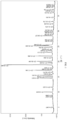
- FIG. 1 is an XRPD spectrogram of a 25-hydroxycholecalciferol monohydrate prepared in an embodiment of the present invention.
- the X-ray diffractometer (Bruker D8 advance) of FIG. 1 has working parameters as follows: Cu K ⁇ line; tube voltage: 40kV; tube current: 40mA; scanning type: fixed coupling; increase amount: 0.02°; scanning range: 3°-40°; scanning speed: 1 s/step.
- a stability test shows that after the 25-hydroxycholecalciferol monohydrate crystal of the present invention is left open for six months at 25°C, a mass content of 25-hydroxycholecalciferol in the 25-hydroxycholecalciferol monohydrate crystal is 96.59%. Therefore, the 25-hydroxycholecalciferol monohydrate crystal of the present invention has a stable crystal property, which can effectively improve stability of 25-hydroxycholecalciferol.
- the 25-hydroxycholecalciferol solution is obtained by dissolving 25-hydroxycholecalciferol in an organic solvent.
- the present invention has no limitation on a source of 25-hydroxycholecalciferol raw material, which may be commercially available or prepared in-house.
- the abovementioned organic solvent for preparation of the 25-hydroxycholecalciferol solution may be selected from one or more of an ether solvent, an alcohol solvent, a ketone solvent, and a chlorohydrocarbon solvent.
- the ether solvent includes, but is not limited to, tetrahydrofuran and 2-methyltetrahydrofuran
- the alcohol solvent includes, but is not limited to, methanol, alcohol and isopropanol
- the ketone solvent includes, but is not limited to, acetone and butanone
- the chlorinated hydrocarbon solvent includes, but is not limited to, dichloromethane, chloroform and the like.
- the organic solvent is a mixture of the above solvents, the present invention has no limitation on a ratio between various solvents.
- a mass volume ratio of 25-hydroxycholecalciferol to the organic solvent is 1g: 100 ml, and preferably 1 g: 5-40 ml, and more preferably 1 g: 5-20 ml.
- the present invention does not limit a reaction molar ratio of 25-hydroxycholecalciferol to water, and the reaction molar ratio may be 1: (0.6-2000), and preferably 1: (0.8-1.5), and more preferably 1: (1-1.2).
- the 25-hydroxycholecalciferol monohydrate crystal When a molar amount of 25-hydroxycholecalciferol is greater than a molar amount of water, the 25-hydroxycholecalciferol monohydrate crystal has a too low yield; when a molar amount of 25-hydroxycholecalciferol is less than a molar amount of water, the 25-hydroxycholecalciferol monohydrate crystal will have a significantly increased yield.
- the present invention also provides a preparation method of the 25-hydroxycholecalciferol monohydrate crystal any one of embodiments above, including the following steps:
- this reaction system is heated, so that the organic solvent is refluxed to dissolve 25-hydroxycholecalciferol.
- the organic solvent may be selected from one or more of the ether solvent, the alcohol solvent, the ketone solvent and the chlorohydrocarbon solvent mentioned above.
- a drying temperature may be set less than 100°C, and preferably is set to 20-90°C, and more preferably 30-80°C; the drying method may be an atmospheric pressure drying, and when there is a low drying temperature, drying under a reduced pressure may be selected in order to enhance drying effect.
- the present invention has no excessive requirement on the degree of drying, generally, moisture content is controlled to be less than 20wt%, and preferably less than 10wt%, and more preferably less than 5wt%.
- the preparation method for the 25-hydroxycholecalciferol monohydrate crystal of the present invention is simple and highly operable, and the 25-hydroxycholecalciferol monohydrate crystal obtained by the method has a high stability.
- a stability test shows that after the 25-hydroxycholecalciferol monohydrate crystal prepared by the method of the present invention is left open for six months at 25°C, a mass content of 25-hydroxycholecalciferol in the 25-hydroxycholecalciferol monohydrate crystal is 96.59%.
- the microemulsion includes of the 25-hydroxycholecalciferol monohydrate crystal any one of embodiments above. Since 25-hydroxycholecalciferol is easily soluble in methanol, ethanol and dimethyl sulfoxide, slightly soluble in diethyl ether, and almost insoluble in water, a microemulsion containing 25-hydroxycholecalciferol has a very low solubility in water. Therefore, the solubility of microemulsion needs to be improved, so that it can be effectively absorbed in the body. Accordingly, the present disclosure provides a microemulsion containing a 25-hydroxycholecalciferol monohydrate crystal, the microemulsion having good stability and good water solubility.
- microemulsion includes the following components by weight percentage: 0.05-1.25% of 25-hydroxycholecalciferol monohydrate crystal according to any one of embodiments above, 10-15% of Tween-60, 6-12% of sodium stearoyl lactate, 3-5% of Span-80, 1-2.5% of 2,6-di-tert-butyl-4-methylphenol, 0.2-1% of sorbic acid, 4-7% of propylene glycol and 56.25-75.75% of water.
- microemulsion includes the following components by weight percentage: 0.125% of the 25-hydroxycholecalciferol monohydrate crystal according to any one of embidiments above, 12% of Tween-60, 8% of sodium stearoyl lactate, 4% of Span-80, 2.5% of 2,6-di-tert-butyl-4-methylphenol, 1% of sorbic acid, 7% of propylene glycol and 65.375% of water.
- the microemulsion provided in the present disclosure may reach nanometer scale, and specifically, it may have an average particle size of up to 84-91 nm, and an encapsulation rate of up to 85-89%.
- the encapsulation rate refers to a percentage of an encapsulated substance (for example, a certain free drug) in a total amount of the drug in a liposome suspension.
- the encapsulation rate is an important indicator of mass control of liposomes and nanoparticles and reflects a degree to which a drug is encapsulated by a carrier.
- the present disclosure also provides a preparation method of the microemulsion according to any one of the embodiments above, including the following steps:
- the present disclosure also provides a use of the microemulsion according to any one of the embodiments above in a feed additive, the microemulsion as the feed additive can shorten metabolic time of vitamin D3 in bodies of livestock and poultry, promote absorption and reabsorption of calcium and phosphorus elements, and fill a blank of using 25-hydroxycholecalciferol as the feed additive in domestic.
- the present disclosure also provides a feed, including the microemulsion according to any one of the embodiments above, the feed can effectively promote the absorption of calcium and phosphorus elements in bodies of livestock and poultry, and lay a foundation for healthy growth of livestock and poultry.
- a specific preparation method includes the following steps: adding 1 kg of 25-hydroxycholecalciferol into 200 mL of acetone, stirring, heating and refluxing until the 25-hydroxycholecalciferol was fully dissolved; adding slowly 200mL of water dropwise until a white solid was precipitated out, and then stopping heating and continuing stirring for 3 hours; filtering under an atmospheric pressure to collect a filter cake, and drying the filter cake under 60°C for 10 h to obtain a 25-hydroxycholecalciferol monohydrate crystal.
- the inventor performed the following tests on the 25-hydroxycholecalciferol monohydrate crystal prepared in this embodiment.
- FIG. 1 and Table 1 verified that compositions of the 25-hydroxycholecalciferol monohydrate crystal prepared in the embodiment of the present invention, and a crystal form of 25-hydroxycholecalciferol is clearly characterized.
- the content of 25-hydroxycholecalciferol was measured by the following method: taking a sample to prepare a solution of about 10 ⁇ g/mL, injecting 20 ⁇ L for a HPLC analysis, and calculating the content thereof according to an external standard method.
- a specific preparation method includes the following steps.
- the 25-hydroxycholecalciferol monohydrate microemulsion prepared in the embodiment has a particle size of 84 nm, and an encapsulation rate of 89%.
- FIG. 3 is graphs of stability tests of the microemulsion prepared in Embodiment 2 and the microemulsion of the control example. As shown in FIG. 3 , a stability of the microemulsion prepared in the present embodiment is obviously better than that of the microemulsion prepared according to the prior art.
- the content of 25-hydroxycholecalciferol was tested in the following method: when a date for stability test was due, taking a sample of about 10 ⁇ g/mL solution, injecting 20 ⁇ L for an HPLC analysis, and calculating the content thereof according to an external standard method.
- a specific preparation method includes the following steps.
- the 25-hydroxycholecalciferol monohydrate microemulsion prepared in the embodiment has a particle size of 86 nm, and an encapsulation rate of 88%.
- FIG. 4 is graphs of stability tests of the microemulsion prepared in Embodiment 3 and the microemulsion of the control example. As shown in FIG. 4 , a stability of the microemulsion prepared in the present embodiment is obviously better than that of the microemulsion prepared according to the prior art.
- a specific preparation method includes the following steps.
- the 25-hydroxycholecalciferol monohydrate microemulsion prepared in the embodiment has a particle size of 91 nm, and an encapsulation rate of 85%.
- FIG. 5 is graphs of stability tests of the microemulsion prepared in Embodiment 4 and the microemulsion of the control example. As shown in FIG. 5 , a stability of the microemulsion prepared in the present embodiment is obviously better than that of the microemulsion prepared according to the prior art.
Landscapes
- Chemical & Material Sciences (AREA)
- Life Sciences & Earth Sciences (AREA)
- Health & Medical Sciences (AREA)
- Polymers & Plastics (AREA)
- Organic Chemistry (AREA)
- Engineering & Computer Science (AREA)
- Animal Husbandry (AREA)
- Zoology (AREA)
- Food Science & Technology (AREA)
- General Health & Medical Sciences (AREA)
- Animal Behavior & Ethology (AREA)
- Veterinary Medicine (AREA)
- Medicinal Chemistry (AREA)
- Pharmacology & Pharmacy (AREA)
- Public Health (AREA)
- Epidemiology (AREA)
- General Chemical & Material Sciences (AREA)
- Birds (AREA)
- Chemical Kinetics & Catalysis (AREA)
- Molecular Biology (AREA)
- Nuclear Medicine, Radiotherapy & Molecular Imaging (AREA)
- Nutrition Science (AREA)
- Bioinformatics & Cheminformatics (AREA)
- Diabetes (AREA)
- Hematology (AREA)
- Obesity (AREA)
- Biophysics (AREA)
- Dispersion Chemistry (AREA)
- Inorganic Chemistry (AREA)
- Biochemistry (AREA)
- Oil, Petroleum & Natural Gas (AREA)
- Pharmaceuticals Containing Other Organic And Inorganic Compounds (AREA)
- Fodder In General (AREA)
- Medicinal Preparation (AREA)
- Organic Low-Molecular-Weight Compounds And Preparation Thereof (AREA)
Description
- The present invention relates to a 25-hydroxycholecalciferol monohydrate crystal and, in particular, to a 25-hydroxycholecalciferol monohydrate crystal with a good stability and a preparation method thereof.
- Vitamin D3 itself has no physiological effect (H.F. De Luca et al., 1971). The H3 labeled vitamin D3 is used to perform study, vitamin D3 that is absorbed in the intestine first undergoes hydroxylation of 25-carbon atom in the liver to produce 25-hydroxycholecalciferol, the 25-hydroxycholecalciferol is converted into 1,25-dihydroxy D3 in the kidney mitochondria and then delivered to the small intestine mucosa and the kidneys to promote absorption and reabsorption of two minerals, calcium and phosphorus, and meanwhile produce other functions required for animal body metabolism. Studies have shown that the 25-hydroxycholecalciferol has a different absorption principle from ester-soluble vitamins, and has a higher utilization efficiency.
- 25-hydroxycholecalciferol, also known as 25-hydroxyvitamin D3, is an expression type of activity of vitamin D3 in the body, with a structural formula as shown in
formula 1.

- The 25-hydroxycholecalciferol may be obtained by any method. For example,
US4310467 reported a method of isolation and purification of 25-hydroxycholecalciferol,CN10344301B reported for a method of preparation of 25-hydroxycholecalciferol by a photochemical reaction,CN103898004A reported a method of preparation of 25-hydroxycholecalciferol by fermentation, andUS3565924 reported a method of production of 25-hydroxycholecalciferol. Furthermore, it was also reported in related research that 25-hydroxycholecalciferol may be utilized as an active ingredient in a feed. However, a stability test of 25-hydroxycholecalciferol showed that 25-hydroxycholecalciferol has a low stability, and after storage at 25°C for one month, a content of 25-hydroxycholecalciferol is reduced from 99.23% to 65.03%. Therefore, how to enhance the stability of 25-hydroxycholecalciferol, so as to facilitate production, storage and use of relevant preparations, and thus make use of biological efficacy thereof, is an urgent problem in this field. - Trinh-Toan et al.: "Crystal Structure of 25-Hydroxy-vitamin D3 Monohydrate: A Stereo- chemical Analysis of Vitamin D Molecules", J. of the chemical society, ) discloses the isolation of a monohydrate by slow evaporation from methanol.
- The present invention is defined in the independent claims. In view of the abovementioned problem, the present invention provides a 25-hydroxycholecalciferol monohydrate crystal, which can effectively enhance the stability of 25-hydroxycholecalciferol, and is more beneficial to production and storage of related preparations, and thus biological properties of 25-hydroxycholecalciferol can be effectively utilized, and a preparation method thereof.
- The present invention provides a 25-hydroxycholecalciferol monohydrate crystal, an X-ray powder diffraction spectrum of 25-hydroxycholecalciferol monohydrate crystal includes the following peaks:
Peak 20 d(A) Peak area Relative peak intensity (area%) 1 10.035 8.8072 17530 18.0 2 11.623 7.6070 5192 5.3 3 14.631 6.0494 26181 26.8 4 15.054 5.8801 17698 18.1 5 15.551 5.6936 32676 33.5 6 16.471 5.3774 4111 4.2 7 17.198 5.1518 46646 47.8 8 19.002 4.6664 97630 100 9 19.628 4.5192 13767 14.1 10 20.109 4.4120 36305 37.2 11 21.886 4.0576 33575 34.4 12 23.113 3.8451 15163 15.5 13 23.661 3.7572 12429 12.7 14 24.701 3.6012 6838 7.0 15 25.220 3.5284 48909 50.1 16 25.440 3.4983 27121 27.8 17 28.527 3.1264 25633 26.3 - It should be understood that, in general, when measuring a crystal by X-ray powder diffraction, there may be some small errors in peaks in the spectrogram due to differences in measuring instruments, measuring conditions and the like, and thus, other peak may also be included in the spectrogram of a crystal of the present invention in addition to the abovementioned peaks. The measuring conditions of the invention are as follows: Cu Kα line, tube voltage 40 kV, tube current 40 mA.
FIG. 1 is an XRPD spectrogram of a 25-hydroxycholecalciferol monohydrate prepared in an embodiment of the present invention. The X-ray diffractometer (Bruker D8 advance) ofFIG. 1 has working parameters as follows:
Cu Kα line; tube voltage: 40kV; tube current: 40mA; scanning type: fixed coupling; increase amount: 0.02°; scanning range: 3°-40°; scanning speed: 1 s/step. - A stability test shows that after the 25-hydroxycholecalciferol monohydrate crystal of the present invention is left open for six months at 25°C, a mass content of 25-hydroxycholecalciferol in the 25-hydroxycholecalciferol monohydrate crystal is 96.59%. Therefore, the 25-hydroxycholecalciferol monohydrate crystal of the present invention has a stable crystal property, which can effectively improve stability of 25-hydroxycholecalciferol.
- The 25-hydroxycholecalciferol solution is obtained by dissolving 25-hydroxycholecalciferol in an organic solvent. The present invention has no limitation on a source of 25-hydroxycholecalciferol raw material, which may be commercially available or prepared in-house.
- The abovementioned organic solvent for preparation of the 25-hydroxycholecalciferol solution may be selected from one or more of an ether solvent, an alcohol solvent, a ketone solvent, and a chlorohydrocarbon solvent. Where the ether solvent includes, but is not limited to, tetrahydrofuran and 2-methyltetrahydrofuran; the alcohol solvent includes, but is not limited to, methanol, alcohol and isopropanol; the ketone solvent includes, but is not limited to, acetone and butanone; the chlorinated hydrocarbon solvent includes, but is not limited to, dichloromethane, chloroform and the like. When the organic solvent is a mixture of the above solvents, the present invention has no limitation on a ratio between various solvents. At the same time, when preparing the 25-hydroxycholecalciferol solution, a mass volume ratio of 25-hydroxycholecalciferol to the organic solvent is 1g: 100 ml, and preferably 1 g: 5-40 ml, and more preferably 1 g: 5-20 ml.
- When preparing the 25-hydroxycholecalciferol monohydrate crystal via a reaction of the 25-hydroxycholecalciferol solution with water, the present invention does not limit a reaction molar ratio of 25-hydroxycholecalciferol to water, and the reaction molar ratio may be 1: (0.6-2000), and preferably 1: (0.8-1.5), and more preferably 1: (1-1.2). When a molar amount of 25-hydroxycholecalciferol is greater than a molar amount of water, the 25-hydroxycholecalciferol monohydrate crystal has a too low yield; when a molar amount of 25-hydroxycholecalciferol is less than a molar amount of water, the 25-hydroxycholecalciferol monohydrate crystal will have a significantly increased yield. It is worth noting that, since 25-hydroxycholecalciferol has only one site for binding to water, even a molar amount of 25-hydroxycholecalciferol is less than a molar amount of water, the product is still a 25-hydroxycholecalciferol monohydrate crystal, and it is impossible to obtain a 25-hydroxycholecalciferol polyhydrate.
- The present invention also provides a preparation method of the 25-hydroxycholecalciferol monohydrate crystal any one of embodiments above, including the following steps:
- (1) heating and refluxing 25-hydroxycholecalciferol in an organic solvent until 25-hydroxycholecalciferol is dissolved to obtain a 25-hydroxycholecalciferol solution; and
- (2) adding water to the 25-hydroxycholecalciferol solution until a solid is precipitated to obtain the 25-hydroxycholecalciferol monohydrate crystal.
- Specifically, after adding 25-hydroxycholecalciferol into the organic solvent, this reaction system is heated, so that the organic solvent is refluxed to dissolve 25-hydroxycholecalciferol. The organic solvent may be selected from one or more of the ether solvent, the alcohol solvent, the ketone solvent and the chlorohydrocarbon solvent mentioned above. After 25-hydroxycholecalciferol is dissolved, stirring is continued while heating is stopped, and water is slowly added to the 25-hydroxycholecalciferol solution until a white solid is precipitated out, and after addition of water is completed and a temperature of the system is reduced to room temperature, stirring is continued for 2-5 hours.
- After the completion of stirring, a solid-liquid separation is performed on the system. Specifically, it is possible to collect a filter cake by means of centrifugation or filtration and dry the filter cake. In order to avoid detachment of crystal water in the 25-hydroxycholecalciferol monohydrate crystal, a drying temperature may be set less than 100°C, and preferably is set to 20-90°C, and more preferably 30-80°C; the drying method may be an atmospheric pressure drying, and when there is a low drying temperature, drying under a reduced pressure may be selected in order to enhance drying effect. The present invention has no excessive requirement on the degree of drying, generally, moisture content is controlled to be less than 20wt%, and preferably less than 10wt%, and more preferably less than 5wt%.
- The preparation method for the 25-hydroxycholecalciferol monohydrate crystal of the present invention is simple and highly operable, and the 25-hydroxycholecalciferol monohydrate crystal obtained by the method has a high stability. A stability test shows that after the 25-hydroxycholecalciferol monohydrate crystal prepared by the method of the present invention is left open for six months at 25°C, a mass content of 25-hydroxycholecalciferol in the 25-hydroxycholecalciferol monohydrate crystal is 96.59%.
- Also disclosed is a microemulsion, the microemulsion includes of the 25-hydroxycholecalciferol monohydrate crystal any one of embodiments above. Since 25-hydroxycholecalciferol is easily soluble in methanol, ethanol and dimethyl sulfoxide, slightly soluble in diethyl ether, and almost insoluble in water, a microemulsion containing 25-hydroxycholecalciferol has a very low solubility in water. Therefore, the solubility of microemulsion needs to be improved, so that it can be effectively absorbed in the body. Accordingly, the present disclosure provides a microemulsion containing a 25-hydroxycholecalciferol monohydrate crystal, the microemulsion having good stability and good water solubility.
- Further, the microemulsion includes the following components by weight percentage: 0.05-1.25% of 25-hydroxycholecalciferol monohydrate crystal according to any one of embodiments above, 10-15% of Tween-60, 6-12% of sodium stearoyl lactate, 3-5% of Span-80, 1-2.5% of 2,6-di-tert-butyl-4-methylphenol, 0.2-1% of sorbic acid, 4-7% of propylene glycol and 56.25-75.75% of water.
- Further, the microemulsion includes the following components by weight percentage: 0.125% of the 25-hydroxycholecalciferol monohydrate crystal according to any one of embidiments above, 12% of Tween-60, 8% of sodium stearoyl lactate, 4% of Span-80, 2.5% of 2,6-di-tert-butyl-4-methylphenol, 1% of sorbic acid, 7% of propylene glycol and 65.375% of water.
- The microemulsion provided in the present disclosure may reach nanometer scale, and specifically, it may have an average particle size of up to 84-91 nm, and an encapsulation rate of up to 85-89%. The encapsulation rate refers to a percentage of an encapsulated substance (for example, a certain free drug) in a total amount of the drug in a liposome suspension. The encapsulation rate is an important indicator of mass control of liposomes and nanoparticles and reflects a degree to which a drug is encapsulated by a carrier. The encapsulation rate includes determinations of an encapsulation percentage and an encapsulation volume, and the encapsulation rate (EN%) is generally calculated by
Equation 1 below:
Equation 1, Cf is an amount of an encapsulated substance (a free drug); Ct is a total amount of drug in a nanoparticle or liposome suspension. - The present disclosure also provides a preparation method of the microemulsion according to any one of the embodiments above, including the following steps:
- (1) mixing 0.05-1.25% of the 25-hydroxycholecalciferol monohydrate crystal according to any one of the embodiments above, 10-15% of Tween-60, 6-12% of sodium stearoyl lactate, 3-5% of Span-80, and 1-2.5% of 2,6-di-tert-butyl-4-methylphenol by weight percentage, and then heating to 45-55°C for full dissolution, and oscillating well by using a vortex oscillator, to produce a first reaction solution;
- (2) dissolving 4-7% of propylene glycol and 0.2-1% of sorbic acid into 56.25-75.75% of water by weight percentage at room temperature, and stirring well, to produce a second reaction solution; and
- (3) mixing the first reaction solution and the second reaction solution, and oscillating well by using the vortex oscillator, to prepare the microemulsion.
- Generally, oscillating by the vortex oscillator for 10-15 min is sufficient to ensure homogeneous mixing of various components.
- The present disclosure also provides a use of the microemulsion according to any one of the embodiments above in a feed additive, the microemulsion as the feed additive can shorten metabolic time of vitamin D3 in bodies of livestock and poultry, promote absorption and reabsorption of calcium and phosphorus elements, and fill a blank of using 25-hydroxycholecalciferol as the feed additive in domestic.
- The present disclosure also provides a feed, including the microemulsion according to any one of the embodiments above, the feed can effectively promote the absorption of calcium and phosphorus elements in bodies of livestock and poultry, and lay a foundation for healthy growth of livestock and poultry.
- Also disclosed are at least the following advantages:
- 1. the 25-hydroxycholecalciferol monohydrate crystal of the present invention is a new crystal form of 25-hydroxycholecalciferol monohydrate;
- 2. the 25-hydroxycholecalciferol monohydrate crystal of the present invention has good stability, improving a stability of 25-hydroxycholecalciferol to some extent, which is beneficial for production, storage and use of related preparations and has a wide application prospect;
- 3. the preparation method of the 25-hydroxycholecalciferol monohydrate crystal of the present invention is simple and easy to control, and has mild reaction conditions, a stable process, a good reproducibility and a stable product quality, and is suitable for industrial large-scale production of the 25-hydroxycholecalciferol monohydrate crystal;
- 4. the microemulsion of the present disclosure contains the 25-hydroxycholecalciferol monohydrate crystal having good stability, good water solubility and wide application range; and
- 5. the present disclosure innovatively applies the microemulsion containing the 25-hydroxycholecalciferol monohydrate crystal to the field of feed production, which facilitates absorption of calcium and phosphorus elements in bodies of livestock and poultry and lays a foundation for the healthy growth of livestock and poultry.
-
-
FIG. 1 is an XRPD spectrogram of a 25-hydroxycholecalciferol monohydrate crystal prepared in an embodiment of the present invention; -
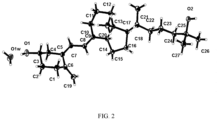
FIG. 2 is an atomic structural diagram of a 25-hydroxycholecalciferol monohydrate crystal prepared in an embodiment of the present invention; -
FIG. 3 is graphs of stability tests of a microemulsion prepared inembodiment 2 and a microemulsion of a control example; -
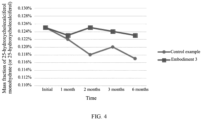
FIG. 4 is graphs of stability tests of a microemulsion prepared inembodiment 3 and a microemulsion of a control example; and -
FIG. 5 is graphs of stability tests of a microemulsion prepared inembodiment 4 and a microemulsion of a control example. - In order to make the purposes, technical solutions and advantages of the present invention more clear, technical solutions of the embodiments of the present invention will be described clearly and completely below in combination with the accompanying drawings of the embodiments of the present invention. Obviously, the described embodiments are merely part, but not all, of the embodiments of the present invention.
- A specific preparation method includes the following steps:
adding 1 kg of 25-hydroxycholecalciferol into 200 mL of acetone, stirring, heating and refluxing until the 25-hydroxycholecalciferol was fully dissolved; adding slowly 200mL of water dropwise until a white solid was precipitated out, and then stopping heating and continuing stirring for 3 hours; filtering under an atmospheric pressure to collect a filter cake, and drying the filter cake under 60°C for 10 h to obtain a 25-hydroxycholecalciferol monohydrate crystal. The inventor performed the following tests on the 25-hydroxycholecalciferol monohydrate crystal prepared in this embodiment. - 1. The moisture content of the 25-hydroxycholecalciferol monohydrate crystal prepared in the present embodiment was 4.5%, which was obtained by Karl Fischer titration.
- 2. A typical X-ray powder diffraction (XRPD) was performed on the 25-hydroxycholecalciferol monohydrate crystal of the present embodiment via a Bruker D8 Advance X-ray diffractometer, where test conditions were that: Cu Kα line, tube Voltage 40kV, and tube current 40mA.
FIG. 1 is an XRPD spectrogram of the 25-hydroxycholecalciferol monohydrate crystal prepared in the present embodiment of the present invention, and table 1 is relative data of the XRPD spectrogram of the 25-hydroxycholecalciferol monohydrate crystal prepared in the present embodiment of the present invention. -
FIG. 1 and Table 1 verified that compositions of the 25-hydroxycholecalciferol monohydrate crystal prepared in the embodiment of the present invention, and a crystal form of 25-hydroxycholecalciferol is clearly characterized. - 3. Meanwhile, an atomic structure analysis was also performed on the 25-hydroxycholecalciferol monohydrate crystal prepared in the present embodiment of the present invention, and the results were shown in
FIG. 2. FIG. 2 is an atomic structural diagram of the 25-hydroxycholecalciferol monohydrate crystal prepared in the present embodiment of the present invention. It can be seen fromFIG. 2 that, in the 25-hydroxycholecalciferol monohydrate crystal prepared in the present embodiment of the present invention, a six-membered ring connected with 3-hydroxy is in a chair conformation and a bond connecting the 3-hydroxy with the six-membered ring is a flat bond. - 4. An elemental analysis was performed on the 25-hydroxycholecalciferol monohydrate crystal prepared in the present embodiment of the present invention by using an elemental analyzer, where a content of C element was 77.22% and a content of hydrogen element was 11.10%. While according to the molecular formula of the 25-hydroxycholecalciferol monohydrate crystal, it was calculated that the content of C element was 77.46% and the content of hydrogen element was 11.08%.
Therefore, it can be known from the elemental analysis results that a product prepared by the present embodiment was the 25-hydroxycholecalciferol monohydrate crystal. - 5. An nuclear magnetic resonance hydrogen spectroscopy, an nuclear magnetic resonance carbon spectroscopy and an electrospray mass spectrometry were performed on the 25-hydroxycholecalciferol monohydrate crystal prepared in the present embodiment, and the data are as follows:
- 1H NMR (CDCl3) δ: 6.22(d, J=11.3 Hz, 1H, 6-CH), 6.05(d, J=11.2 Hz, 1H, 7-CH), 5.08 (s, 1H, 19-CH), 4.81 (d, J=1.6 Hz, 1H, 19-CH), 3.96 (m, 1H, 3-CH), 2.80-2.85 (m, 1H), 2.55-2.58 (m, 1H), 2.39-2.43 (m, 1H), 2.29 (dd, J=7.6,13.0 Hz, 1H), 2.15-2.23 (m, 1H), 1.22-2.02 (m, 22H),1.23 (s, 6H), 0.94 (d, J=6.4 Hz, 3H, 21-CH3), 0.55 (s, 3H, 18-CH3).
- 13C NMR (CDCl3) δ: 144.95, 142.39, 134.99, 122.40, 117.40, 112.51, 71.18, 69.15, 56.33, 56.23, 45.81, 45.78, 44.30, 40.40, 36.28, 36.09, 35.05, 31.88, 29.31, 29.14, 28.95, 27.66, 23.52, 22.19, 20.71, 18.76, 11.96.
- ESI-MS (m/z): 423.37[M+Na]+, 823.78[2M+Na]+.
- 6. Stability test
the 25-hydroxycholecalciferol monohydrate crystal prepared in the present embodiment was left open at 25°C, and a content of 25-hydroxycholecalciferol contained therein was tested after one month, three months and six months respectively, and meanwhile, 25-hydroxycholecalciferol was used as a control example, and the results were shown in Table 2. - The content of 25-hydroxycholecalciferol was measured by the following method: taking a sample to prepare a solution of about 10 µg/mL, injecting 20 µL for a HPLC analysis, and calculating the content thereof according to an external standard method.
- Test conditions of the HPLC were as follows:
- chromatographic column: C18 column; internal diameter: 4.6mm; length: 150mm, particle size: 5µm;
- detection wavelength: 265nm;
- temperature of column: 30°C;
- flow rate: 1.5 mL/min (which may be adjusted according to desired retention time and a degree of separation of 25-hydroxycholecalciferol and a 25-hydroxycholecalciferol precursor);
- injection volume: 20uL; and
- recording time: 2 times the retention time of main peak.
- It can be known from table 2 that the 25-hydroxycholecalciferol monohydrate crystal prepared in the embodiment has a good stability, and there is almost no loss of 25-hydroxycholecalciferol therein after six months of being left open at 25°C.
- A specific preparation method includes the following steps.
- 1) Material preparation
0.055 kg of the 25-hydroxycholecalciferol monohydrate crystal prepared inEmbodiment - (2) Preparation of a first reaction solution
the 25-hydroxycholecalciferol monohydrate crystal was mixed with Tween-60, sodium stearoyl lactate, Span-80 and BHT, and heated to 50°C for full dissolution, and then a vortex oscillating was performed by a vortex oscillator for 10 min to produce the first reaction solution. - (3) Preparation of a second reaction solution
at room temperature, propylene glycol and sorbic acid were dissolved in water and mixed well to produce the second reaction solution. - 4) Mixing
the first reaction solution and the second reaction solution were mixed, and vortex oscillating was performed by a vortex oscillator for 10 min to produce a 25-Hydroxycholecalciferol monohydrate microemulsion. Where, the 25-hydroxycholecalciferol monohydrate in the microemulsion has a mass content of 0.055%. - It was detected that the 25-hydroxycholecalciferol monohydrate microemulsion prepared in the embodiment has a particle size of 84 nm, and an encapsulation rate of 89%.
- The microemulsion prepared in the embodiment was sealed and stored at 25°C, and the content of the 25-hydroxycholecalciferol contained therein was tested at one month, two months, three months and six months, and meanwhile, a microemulsion prepared from water-free 25-hydroxycholecalciferol by the same operation as the present embodiment was taken as a control example, and specific results were shown in
FIG. 3. FIG. 3 is graphs of stability tests of the microemulsion prepared inEmbodiment 2 and the microemulsion of the control example. As shown inFIG. 3 , a stability of the microemulsion prepared in the present embodiment is obviously better than that of the microemulsion prepared according to the prior art. - The content of 25-hydroxycholecalciferol was tested in the following method: when a date for stability test was due, taking a sample of about 10 µg/mL solution, injecting 20 µL for an HPLC analysis, and calculating the content thereof according to an external standard method.
- Test conditions of the HPLC were as follows:
- chromatographic column: C18 column; internal diameter: 4.6mm; length: 150mm, particle size: 5µm;
- detection wavelength: 265nm;
- temperature of column: 30°C;
- flow rate: 1.5 mL/min (which may be adjusted according to desired retention time and a degree of separation of 25-hydroxycholecalciferol and a 25-hydroxycholecalciferolprecursor);
- injection volume: 20uL; and
- recording time: 2 times the retention time of main peak.
- A specific preparation method includes the following steps.
- 1) Material preparation
0.135 kg (an effective mass of 0.125 kg) of 25-hydroxycholecalciferol monohydrate crystal prepared inEmbodiment 1, 12 kg of Tween-60, 8 kg of sodium stearoyl lactate, 4 kg of Span-80, 2.5 kg of BHT, 7 kg of propylene glycol, 1 kg of sorbic acid and 65.375 kg of water were taken. - 2) Preparation of a first reaction solution
the 25-hydroxycholecalciferol monohydrate crystal was mixed with Tween-60, sodium stearoyl lactate, Span-80 and BHT, and heated to 45°C for full dissolution, and then a vortex oscillating was performed by a vortex oscillator for 10 min to produce the first reaction solution. - 3) Preparation of a second reaction solution
at room temperature, propylene glycol and sorbic acid were dissolved in water and mixed well to produce the second reaction solution. - 4) Mixing
the first reaction solution and the second reaction solution were mixed, and a vortex oscillating was performed by a vortex oscillator for 10 min to produce a 25-Hydroxycholecalciferol monohydrate microemulsion. Where, the 25-hydroxycholecalciferol monohydrate in the microemulsion has a mass content of 0.125%. - It was detected that the 25-hydroxycholecalciferol monohydrate microemulsion prepared in the embodiment has a particle size of 86 nm, and an encapsulation rate of 88%.
- The microemulsion prepared in the embodiment was sealed and stored at 25°C, and the content of the 25-hydroxycholecalciferol contained therein was tested at one month, two months, three months and six months, and meanwhile, a microemulsion prepared from water-free 25-hydroxycholecalciferol by the same operation as the present embodiment was taken as a control example, and specific results were shown in
FIG. 4. FIG. 4 is graphs of stability tests of the microemulsion prepared inEmbodiment 3 and the microemulsion of the control example. As shown inFIG. 4 , a stability of the microemulsion prepared in the present embodiment is obviously better than that of the microemulsion prepared according to the prior art. - A specific preparation method includes the following steps.
- 1) Material preparation
1.30 kg (an effective mass of 1.25 kg) of the 25-hydroxycholecalciferol monohydrate crystal prepared inEmbodiment - (2) Preparation of a first reaction solution
the 25-hydroxycholecalciferol monohydrate crystal was mixed with Tween-60, sodium stearoyl lactate, Span-80 and BHT, and heated to 55°C for full dissolution, and then a vortex oscillating was performed by a vortex oscillator for 10 min to produce the first reaction solution. - (3) Preparation of a second reaction solution
at room temperature, propylene glycol and sorbic acid were dissolved in water and mixed well to produce the second reaction solution. - 4) Mixing
the first reaction solution and the second reaction solution were mixed, and a vortex oscillating was performed by a vortex oscillator for 15 min to produce a 25-Hydroxycholecalciferol monohydrate microemulsion. Where, the 25-hydroxycholecalciferol monohydrate in the microemulsion has a mass content of 1.25%. - It was detected that the 25-hydroxycholecalciferol monohydrate microemulsion prepared in the embodiment has a particle size of 91 nm, and an encapsulation rate of 85%.
- The microemulsion prepared in the embodiment was sealed and stored at 25°C, and the content of 25-hydroxycholecalciferol contained therein was tested at one month, two months, three months and six months, and meanwhile, a microemulsion prepared from water-free 25-hydroxycholecalciferol by the same operation as the present embodiment was taken as a control example, and specific results were shown in
FIG. 5. FIG. 5 is graphs of stability tests of the microemulsion prepared inEmbodiment 4 and the microemulsion of the control example. As shown inFIG. 5 , a stability of the microemulsion prepared in the present embodiment is obviously better than that of the microemulsion prepared according to the prior art.
| Peak | 2θ | d(A) | Peak area | Relative peak intensity (area%) |
| 1 | 10.035 | 8.8072 | 17530 | 18.0 |
| 2 | 11.623 | 7.6070 | 5192 | 5.3 |
| 3 | 14.631 | 6.0494 | 26181 | 26.8 |
| 4 | 15.054 | 5.8801 | 17698 | 18.1 |
| 5 | 15.551 | 5.6936 | 32676 | 33.5 |
| 6 | 16.471 | 5.3774 | 4111 | 4.2 |
| 7 | 17.198 | 5.1518 | 46646 | 47.8 |
| 8 | 19.002 | 4.6664 | 97630 | 100 |
| 9 | 19.628 | 4.5192 | 13767 | 14.1 |
| 10 | 20.109 | 4.4120 | 36305 | 37.2 |
| 11 | 21.886 | 4.0576 | 33575 | 34.4 |
| 12 | 23.113 | 3.8451 | 15163 | 15.5 |
| 13 | 23.661 | 3.7572 | 12429 | 12.7 |
| 14 | 24.701 | 3.6012 | 6838 | 7.0 |
| 15 | 25.220 | 3.5284 | 48909 | 50.1 |
| 16 | 25.440 | 3.4983 | 27121 | 27.8 |
| 17 | 28.527 | 3.1264 | 25633 | 26.3 |
| Duration time of being left open | ||||
| 0 day | One month | Three months | Six months | |
| Content of 25-hydroxycholecalciferol of the present embodiment (%) | 99.60 | 99.05 | 98.46 | 96.59 |
| Content of 25-hydroxycholecalciferol of the control example (%) | 99.23 | 65.03 | 47.65 | 29.61 |
Claims (7)
- A 25-hydroxycholecalciferol monohydrate crystal, wherein an X-ray powder diffraction spectrum of 25-hydroxycholecalciferol monohydrate crystal comprises the following peaks:
Peak 2θ d(A) Peak area Relative peak intensity (area%) 1 10.035 8.8072 17530 18.0 2 11.623 7.6070 5192 5.3 3 14.631 6.0494 26181 26.8 4 15.054 5.8801 17698 18.1 5 15.551 5.6936 32676 33.5 6 16.471 5.3774 4111 4.2 7 17.198 5.1518 46646 47.8 8 19.002 4.6664 97630 100 9 19.628 4.5192 13767 14.1 10 20.109 4.4120 36305 37.2 11 21.886 4.0576 33575 34.4 12 23.113 3.8451 15163 15.5 13 23.661 3.7572 12429 12.7 14 24.701 3.6012 6838 7.0 15 25.220 3.5284 48909 50.1 16 25.440 3.4983 27121 27.8 17 28.527 3.1264 25633 26.3 1) heating and refluxing 25-hydroxycholecalciferol in an organic solvent until 25-hydroxycholecalciferol is dissolved to obtain a 25-hydroxycholecalciferol solution; and2) adding water to the 25-hydroxycholecalciferol solution while stirring until a solid is precipitated out, continuing to stir, and after being cooled to room temperature, filtering to obtain a filter cake, and drying the filter cake until moisture content in the filter cake is less than 20wt%, to prepare the 25-hydroxycholecalciferol monohydrate crystal. - The 25-hydroxycholecalciferol monohydrate crystal according to claim 1, wherein the organic solvent is selected from one or more of an ether solvent, an alcohol solvent, a ketone solvent, and a chlorohydrocarbon solvent.
- The 25-hydroxycholecalciferol monohydrate crystal according to claim 2, wherein a molar ratio of 25-hydroxycholecalciferol to water is 1: (0.6-2000).
- The 25-hydroxycholecalciferol monohydrate crystal according to claim 3, wherein the molar ratio of 25-hydroxycholecalciferol to water is 1: (0.8-1.5).
- A preparation method of the 25-hydroxycholecalciferol monohydrate crystal according to any one of claims 1-4, comprising the following steps:1) heating and refluxing 25-hydroxycholecalciferol in an organic solvent until 25-hydroxycholecalciferol is dissolved to obtain a 25-hydroxycholecalciferol solution; and2) adding water to the 25-hydroxycholecalciferol solution until a solid is precipitated out to prepare the 25-hydroxycholecalciferol monohydrate crystal.
- The preparation method of the 25-hydroxycholecalciferol monohydrate crystal according to claim 5, wherein the organic solvent is selected from one or more of an ether solvent, an alcohol solvent, a ketone solvent, and a chlorohydrocarbon solvent.
- The preparation method of the 25-hydroxycholecalciferol monohydrate crystal according to claim 6, wherein the step 2) comprises:
adding water to the 25-hydroxycholecalciferol solution while stirring until a solid is precipitated out, continuing to stir, and after being cooled to room temperature, filtering to obtain a filter cake, and drying the filter cake until moisture content in the filter cake is less than 20wt%, to prepare the 25-hydroxycholecalciferol monohydrate crystal.
Applications Claiming Priority (2)
| Application Number | Priority Date | Filing Date | Title |
|---|---|---|---|
| CN201810120581.0A CN108383767B (en) | 2018-02-06 | 2018-02-06 | 25-Hydroxycholecalciferol monohydrate crystal and preparation method thereof and microemulsion using the same |
| PCT/CN2018/099257 WO2019153673A1 (en) | 2018-02-06 | 2018-08-07 | 25-hydroxycholecalciferol monohydrate crystal and preparation method therefor, and microemulsion using 25-hydroxycholecalciferol monohydrate crystal |
Publications (4)
| Publication Number | Publication Date |
|---|---|
| EP3750874A1 EP3750874A1 (en) | 2020-12-16 |
| EP3750874A4 EP3750874A4 (en) | 2021-03-31 |
| EP3750874B1 true EP3750874B1 (en) | 2025-02-12 |
| EP3750874C0 EP3750874C0 (en) | 2025-02-12 |
Family
ID=63075255
Family Applications (1)
| Application Number | Title | Priority Date | Filing Date |
|---|---|---|---|
| EP18905419.0A Active EP3750874B1 (en) | 2018-02-06 | 2018-08-07 | 25-hydroxycholecalciferol monohydrate crystal and preparation method therefor, and microemulsion using 25-hydroxycholecalciferol monohydrate crystal |
Country Status (5)
| Country | Link |
|---|---|
| US (1) | US11584713B2 (en) |
| EP (1) | EP3750874B1 (en) |
| JP (1) | JP7072676B2 (en) |
| CN (1) | CN108383767B (en) |
| WO (1) | WO2019153673A1 (en) |
Families Citing this family (1)
| Publication number | Priority date | Publication date | Assignee | Title |
|---|---|---|---|---|
| CN109601718A (en) * | 2018-10-18 | 2019-04-12 | 山东海能生物工程有限公司 | For reducing the composition and preparation method thereof of the weak leg disease disease incidence of newborn piglet |
Family Cites Families (7)
| Publication number | Priority date | Publication date | Assignee | Title |
|---|---|---|---|---|
| US3565924A (en) | 1968-07-01 | 1971-02-23 | Wisconsin Alumni Res Found | 25-hydroxycholfcalciferol |
| US4310467A (en) | 1980-10-22 | 1982-01-12 | Hoffmann-La Roche Inc. | Process and intermediates for the synthesis of vitamin D3 metabolites |
| US7632518B2 (en) * | 2002-01-15 | 2009-12-15 | Dsm Ip Assets B.V. | 25-hydroxy vitamin D3 compositions |
| TWI299333B (en) * | 2004-07-01 | 2008-08-01 | Teva Pharma | Crystalline forms of 1,24(s)-dihydroxy vitamin d2 |
| PT2321273E (en) * | 2008-07-24 | 2014-12-29 | Wisconsin Alumni Res Found | Once-a-week administration of 25-hydroxy vitamin d3 to sustain elevated steady-state pharmacokinetic blood concentration |
| CN103898004B (en) | 2013-11-21 | 2016-04-13 | 中国医药集团总公司四川抗菌素工业研究所 | The method of Selective medium and fermentative production U-32070E thereof |
| CN107296152B (en) * | 2017-08-25 | 2021-04-02 | 山东静远药业有限公司 | Emulsion composition containing 25-hydroxy vitamin D3 and preparation method thereof |
-
2018
- 2018-02-06 CN CN201810120581.0A patent/CN108383767B/en active Active
- 2018-08-07 WO PCT/CN2018/099257 patent/WO2019153673A1/en not_active Ceased
- 2018-08-07 EP EP18905419.0A patent/EP3750874B1/en active Active
- 2018-08-07 JP JP2020564987A patent/JP7072676B2/en active Active
-
2020
- 2020-08-06 US US16/986,592 patent/US11584713B2/en active Active
Also Published As
| Publication number | Publication date |
|---|---|
| JP2021513567A (en) | 2021-05-27 |
| EP3750874A4 (en) | 2021-03-31 |
| CN108383767A (en) | 2018-08-10 |
| US20200361865A1 (en) | 2020-11-19 |
| EP3750874C0 (en) | 2025-02-12 |
| EP3750874A1 (en) | 2020-12-16 |
| WO2019153673A1 (en) | 2019-08-15 |
| CN108383767B (en) | 2020-03-24 |
| US11584713B2 (en) | 2023-02-21 |
| JP7072676B2 (en) | 2022-05-20 |
Similar Documents
| Publication | Publication Date | Title |
|---|---|---|
| Fischer et al. | The structure of the heteropolytungstate (NH4) 17NA| NaW21Sb9O86|. cntdot. 14H2O. An inorganic cryptate | |
| DE10208822A1 (en) | Halogen-free ionic liquids | |
| DE3022788C2 (en) | 7-ketocholesterol and 7-hydroxycholesterol succinic or phthalic acid half-esters and their salts and their use as immunosuppressants and anti-inflammatory drugs | |
| Adzima et al. | Sulfuranes. 35. Synthesis, reactions, and crystal and molecular structure of a sulfurane with two apical nitrogen-centered ligands: a spirodiazasulfurane | |
| US11584713B2 (en) | 25-hydroxycholecalciferol monohydrate crystal, preparation method therefor and microemulsion using same | |
| Hao et al. | Profoundly improved photostability of dimetronidazole by cocrystallization | |
| DE2643936A1 (en) | MEDICINAL PRODUCTS WITH ERYTHROPOIETIC EFFECTIVENESS | |
| Walker et al. | Surface-active cobalt cage complexes: synthesis, surface chemistry, biological activity, and redox properties | |
| CN113817012A (en) | Progesterone eutectic crystal and preparation method and application thereof | |
| CN109134430A (en) | A kind of method that HPLC method prepares Rabeprazole impurity | |
| CN111087415A (en) | Europium-doped organic framework material and preparation method and application thereof | |
| CN111116619B (en) | Terbium-doped organic framework material, preparation method and application thereof | |
| Knight et al. | Solid-state tungsten-183 nuclear magnetic resonance spectroscopy | |
| EP0320438B1 (en) | 17-halomethylene estratrienes | |
| Canal et al. | A three-step laboratory sequence to prepare a carbene complex of silver (I) chloride | |
| CH494216A (en) | Process for the preparation of 6-aminomethyl-3,5-steroids bearing an etherified hydroxyl group in the 3-position | |
| CA1070670A (en) | Labelled derivatives of digoxin and digitoxin | |
| CN112480148B (en) | Synthesis method of vinblastine sulfate | |
| CN114213496A (en) | Method for separating lanosterol and dihydrolanosterol | |
| CN115536583A (en) | A kind of enrofloxacin-vanillin co-crystal and preparation method thereof | |
| Yonezawa et al. | Stability of inclusion complexes of cyclodextrins with guaiazulene | |
| DE4120124B4 (en) | Process for the preparation of derivatives of cholesterol and its homologues | |
| CN105801626B (en) | A kind of water soluble pegylation Fischer carbene compounds and preparation method thereof | |
| CN115703691B (en) | 13 Synthesis method of C-p-methoxybenzoic acid | |
| CN108218750B (en) | A kind of directional synthesis method of isomer impurities of Alfacalcidol and application thereof |
Legal Events
| Date | Code | Title | Description |
|---|---|---|---|
| STAA | Information on the status of an ep patent application or granted ep patent |
Free format text: STATUS: THE INTERNATIONAL PUBLICATION HAS BEEN MADE |
|
| PUAI | Public reference made under article 153(3) epc to a published international application that has entered the european phase |
Free format text: ORIGINAL CODE: 0009012 |
|
| STAA | Information on the status of an ep patent application or granted ep patent |
Free format text: STATUS: REQUEST FOR EXAMINATION WAS MADE |
|
| 17P | Request for examination filed |
Effective date: 20200813 |
|
| AK | Designated contracting states |
Kind code of ref document: A1 Designated state(s): AL AT BE BG CH CY CZ DE DK EE ES FI FR GB GR HR HU IE IS IT LI LT LU LV MC MK MT NL NO PL PT RO RS SE SI SK SM TR |
|
| AX | Request for extension of the european patent |
Extension state: BA ME |
|
| A4 | Supplementary search report drawn up and despatched |
Effective date: 20210303 |
|
| RIC1 | Information provided on ipc code assigned before grant |
Ipc: A61K 47/26 20060101ALI20210225BHEP Ipc: A23K 50/75 20160101ALI20210225BHEP Ipc: A61K 9/107 20060101ALI20210225BHEP Ipc: C07C 401/00 20060101AFI20210225BHEP Ipc: A23K 50/15 20160101ALI20210225BHEP Ipc: A61P 3/02 20060101ALI20210225BHEP Ipc: A61K 31/593 20060101ALI20210225BHEP Ipc: A23K 20/20 20160101ALI20210225BHEP Ipc: A23K 20/174 20160101ALI20210225BHEP |
|
| DAV | Request for validation of the european patent (deleted) | ||
| DAX | Request for extension of the european patent (deleted) | ||
| STAA | Information on the status of an ep patent application or granted ep patent |
Free format text: STATUS: EXAMINATION IS IN PROGRESS |
|
| 17Q | First examination report despatched |
Effective date: 20240209 |
|
| GRAP | Despatch of communication of intention to grant a patent |
Free format text: ORIGINAL CODE: EPIDOSNIGR1 |
|
| STAA | Information on the status of an ep patent application or granted ep patent |
Free format text: STATUS: GRANT OF PATENT IS INTENDED |
|
| INTG | Intention to grant announced |
Effective date: 20241011 |
|
| GRAS | Grant fee paid |
Free format text: ORIGINAL CODE: EPIDOSNIGR3 |
|
| GRAA | (expected) grant |
Free format text: ORIGINAL CODE: 0009210 |
|
| STAA | Information on the status of an ep patent application or granted ep patent |
Free format text: STATUS: THE PATENT HAS BEEN GRANTED |
|
| AK | Designated contracting states |
Kind code of ref document: B1 Designated state(s): AL AT BE BG CH CY CZ DE DK EE ES FI FR GB GR HR HU IE IS IT LI LT LU LV MC MK MT NL NO PL PT RO RS SE SI SK SM TR |
|
| REG | Reference to a national code |
Ref country code: GB Ref legal event code: FG4D |
|
| REG | Reference to a national code |
Ref country code: CH Ref legal event code: EP |
|
| REG | Reference to a national code |
Ref country code: DE Ref legal event code: R096 Ref document number: 602018079191 Country of ref document: DE |
|
| REG | Reference to a national code |
Ref country code: IE Ref legal event code: FG4D |
|
| U01 | Request for unitary effect filed |
Effective date: 20250303 |
|
| U07 | Unitary effect registered |
Designated state(s): AT BE BG DE DK EE FI FR IT LT LU LV MT NL PT RO SE SI Effective date: 20250311 |
|
| PG25 | Lapsed in a contracting state [announced via postgrant information from national office to epo] |
Ref country code: RS Free format text: LAPSE BECAUSE OF FAILURE TO SUBMIT A TRANSLATION OF THE DESCRIPTION OR TO PAY THE FEE WITHIN THE PRESCRIBED TIME-LIMIT Effective date: 20250512 |
|
| PG25 | Lapsed in a contracting state [announced via postgrant information from national office to epo] |
Ref country code: PL Free format text: LAPSE BECAUSE OF FAILURE TO SUBMIT A TRANSLATION OF THE DESCRIPTION OR TO PAY THE FEE WITHIN THE PRESCRIBED TIME-LIMIT Effective date: 20250212 |
|
| PG25 | Lapsed in a contracting state [announced via postgrant information from national office to epo] |
Ref country code: ES Free format text: LAPSE BECAUSE OF FAILURE TO SUBMIT A TRANSLATION OF THE DESCRIPTION OR TO PAY THE FEE WITHIN THE PRESCRIBED TIME-LIMIT Effective date: 20250212 |
|
| PG25 | Lapsed in a contracting state [announced via postgrant information from national office to epo] |
Ref country code: IS Free format text: LAPSE BECAUSE OF FAILURE TO SUBMIT A TRANSLATION OF THE DESCRIPTION OR TO PAY THE FEE WITHIN THE PRESCRIBED TIME-LIMIT Effective date: 20250612 Ref country code: NO Free format text: LAPSE BECAUSE OF FAILURE TO SUBMIT A TRANSLATION OF THE DESCRIPTION OR TO PAY THE FEE WITHIN THE PRESCRIBED TIME-LIMIT Effective date: 20250512 |
|
| PG25 | Lapsed in a contracting state [announced via postgrant information from national office to epo] |
Ref country code: HR Free format text: LAPSE BECAUSE OF FAILURE TO SUBMIT A TRANSLATION OF THE DESCRIPTION OR TO PAY THE FEE WITHIN THE PRESCRIBED TIME-LIMIT Effective date: 20250212 |
|
| PG25 | Lapsed in a contracting state [announced via postgrant information from national office to epo] |
Ref country code: GR Free format text: LAPSE BECAUSE OF FAILURE TO SUBMIT A TRANSLATION OF THE DESCRIPTION OR TO PAY THE FEE WITHIN THE PRESCRIBED TIME-LIMIT Effective date: 20250513 |
|
| U20 | Renewal fee for the european patent with unitary effect paid |
Year of fee payment: 8 Effective date: 20250826 |
|
| PG25 | Lapsed in a contracting state [announced via postgrant information from national office to epo] |
Ref country code: SM Free format text: LAPSE BECAUSE OF FAILURE TO SUBMIT A TRANSLATION OF THE DESCRIPTION OR TO PAY THE FEE WITHIN THE PRESCRIBED TIME-LIMIT Effective date: 20250212 |
|
| PGFP | Annual fee paid to national office [announced via postgrant information from national office to epo] |
Ref country code: GB Payment date: 20250822 Year of fee payment: 8 |
|
| PG25 | Lapsed in a contracting state [announced via postgrant information from national office to epo] |
Ref country code: CZ Free format text: LAPSE BECAUSE OF FAILURE TO SUBMIT A TRANSLATION OF THE DESCRIPTION OR TO PAY THE FEE WITHIN THE PRESCRIBED TIME-LIMIT Effective date: 20250212 |
|
| PG25 | Lapsed in a contracting state [announced via postgrant information from national office to epo] |
Ref country code: SK Free format text: LAPSE BECAUSE OF FAILURE TO SUBMIT A TRANSLATION OF THE DESCRIPTION OR TO PAY THE FEE WITHIN THE PRESCRIBED TIME-LIMIT Effective date: 20250212 |
|
| PLBE | No opposition filed within time limit |
Free format text: ORIGINAL CODE: 0009261 |
|
| STAA | Information on the status of an ep patent application or granted ep patent |
Free format text: STATUS: NO OPPOSITION FILED WITHIN TIME LIMIT |
|
| REG | Reference to a national code |
Ref country code: CH Ref legal event code: L10 Free format text: ST27 STATUS EVENT CODE: U-0-0-L10-L00 (AS PROVIDED BY THE NATIONAL OFFICE) Effective date: 20251224 |
|
| 26N | No opposition filed |
Effective date: 20251113 |
|
| REG | Reference to a national code |
Ref country code: CH Ref legal event code: H13 Free format text: ST27 STATUS EVENT CODE: U-0-0-H10-H13 (AS PROVIDED BY THE NATIONAL OFFICE) Effective date: 20260324 |
|
| PG25 | Lapsed in a contracting state [announced via postgrant information from national office to epo] |
Ref country code: MC Free format text: LAPSE BECAUSE OF FAILURE TO SUBMIT A TRANSLATION OF THE DESCRIPTION OR TO PAY THE FEE WITHIN THE PRESCRIBED TIME-LIMIT Effective date: 20250212 |
|
| PG25 | Lapsed in a contracting state [announced via postgrant information from national office to epo] |
Ref country code: CH Free format text: LAPSE BECAUSE OF NON-PAYMENT OF DUE FEES Effective date: 20250831 |