EP3750794B1 - Energy subsystems integrated into structural components of an aircraft - Google Patents
Energy subsystems integrated into structural components of an aircraft Download PDFInfo
- Publication number
- EP3750794B1 EP3750794B1 EP20171762.6A EP20171762A EP3750794B1 EP 3750794 B1 EP3750794 B1 EP 3750794B1 EP 20171762 A EP20171762 A EP 20171762A EP 3750794 B1 EP3750794 B1 EP 3750794B1
- Authority
- EP
- European Patent Office
- Prior art keywords
- spar
- finned
- structural member
- members
- batteries
- Prior art date
- Legal status (The legal status is an assumption and is not a legal conclusion. Google has not performed a legal analysis and makes no representation as to the accuracy of the status listed.)
- Active
Links
Images



Classifications
-
- B—PERFORMING OPERATIONS; TRANSPORTING
- B64—AIRCRAFT; AVIATION; COSMONAUTICS
- B64C—AEROPLANES; HELICOPTERS
- B64C3/00—Wings
- B64C3/18—Spars; Ribs; Stringers
- B64C3/182—Stringers, longerons
-
- B—PERFORMING OPERATIONS; TRANSPORTING
- B60—VEHICLES IN GENERAL
- B60L—PROPULSION OF ELECTRICALLY-PROPELLED VEHICLES; SUPPLYING ELECTRIC POWER FOR AUXILIARY EQUIPMENT OF ELECTRICALLY-PROPELLED VEHICLES; ELECTRODYNAMIC BRAKE SYSTEMS FOR VEHICLES IN GENERAL; MAGNETIC SUSPENSION OR LEVITATION FOR VEHICLES; MONITORING OPERATING VARIABLES OF ELECTRICALLY-PROPELLED VEHICLES; ELECTRIC SAFETY DEVICES FOR ELECTRICALLY-PROPELLED VEHICLES
- B60L50/00—Electric propulsion with power supplied within the vehicle
- B60L50/50—Electric propulsion with power supplied within the vehicle using propulsion power supplied by batteries or fuel cells
- B60L50/60—Electric propulsion with power supplied within the vehicle using propulsion power supplied by batteries or fuel cells using power supplied by batteries
- B60L50/66—Arrangements of batteries
-
- B—PERFORMING OPERATIONS; TRANSPORTING
- B64—AIRCRAFT; AVIATION; COSMONAUTICS
- B64C—AEROPLANES; HELICOPTERS
- B64C3/00—Wings
- B64C3/18—Spars; Ribs; Stringers
- B64C3/185—Spars
-
- B—PERFORMING OPERATIONS; TRANSPORTING
- B64—AIRCRAFT; AVIATION; COSMONAUTICS
- B64C—AEROPLANES; HELICOPTERS
- B64C3/00—Wings
- B64C3/32—Wings specially adapted for mounting power plant
-
- B—PERFORMING OPERATIONS; TRANSPORTING
- B64—AIRCRAFT; AVIATION; COSMONAUTICS
- B64D—EQUIPMENT FOR FITTING IN OR TO AIRCRAFT; FLIGHT SUITS; PARACHUTES; ARRANGEMENT OR MOUNTING OF POWER PLANTS OR PROPULSION TRANSMISSIONS IN AIRCRAFT
- B64D27/00—Arrangement or mounting of power plants in aircraft; Aircraft characterised by the type or position of power plants
- B64D27/02—Aircraft characterised by the type or position of power plants
- B64D27/24—Aircraft characterised by the type or position of power plants using steam or spring force
-
- B—PERFORMING OPERATIONS; TRANSPORTING
- B64—AIRCRAFT; AVIATION; COSMONAUTICS
- B64D—EQUIPMENT FOR FITTING IN OR TO AIRCRAFT; FLIGHT SUITS; PARACHUTES; ARRANGEMENT OR MOUNTING OF POWER PLANTS OR PROPULSION TRANSMISSIONS IN AIRCRAFT
- B64D41/00—Power installations for auxiliary purposes
-
- H—ELECTRICITY
- H01—ELECTRIC ELEMENTS
- H01M—PROCESSES OR MEANS, e.g. BATTERIES, FOR THE DIRECT CONVERSION OF CHEMICAL ENERGY INTO ELECTRICAL ENERGY
- H01M50/00—Constructional details or processes of manufacture of the non-active parts of electrochemical cells other than fuel cells, e.g. hybrid cells
- H01M50/20—Mountings; Secondary casings or frames; Racks, modules or packs; Suspension devices; Shock absorbers; Transport or carrying devices; Holders
-
- H—ELECTRICITY
- H01—ELECTRIC ELEMENTS
- H01M—PROCESSES OR MEANS, e.g. BATTERIES, FOR THE DIRECT CONVERSION OF CHEMICAL ENERGY INTO ELECTRICAL ENERGY
- H01M50/00—Constructional details or processes of manufacture of the non-active parts of electrochemical cells other than fuel cells, e.g. hybrid cells
- H01M50/20—Mountings; Secondary casings or frames; Racks, modules or packs; Suspension devices; Shock absorbers; Transport or carrying devices; Holders
- H01M50/204—Racks, modules or packs for multiple batteries or multiple cells
- H01M50/207—Racks, modules or packs for multiple batteries or multiple cells characterised by their shape
- H01M50/211—Racks, modules or packs for multiple batteries or multiple cells characterised by their shape adapted for pouch cells
-
- H—ELECTRICITY
- H01—ELECTRIC ELEMENTS
- H01M—PROCESSES OR MEANS, e.g. BATTERIES, FOR THE DIRECT CONVERSION OF CHEMICAL ENERGY INTO ELECTRICAL ENERGY
- H01M50/00—Constructional details or processes of manufacture of the non-active parts of electrochemical cells other than fuel cells, e.g. hybrid cells
- H01M50/20—Mountings; Secondary casings or frames; Racks, modules or packs; Suspension devices; Shock absorbers; Transport or carrying devices; Holders
- H01M50/284—Mountings; Secondary casings or frames; Racks, modules or packs; Suspension devices; Shock absorbers; Transport or carrying devices; Holders with incorporated circuit boards, e.g. printed circuit boards [PCB]
-
- B—PERFORMING OPERATIONS; TRANSPORTING
- B60—VEHICLES IN GENERAL
- B60L—PROPULSION OF ELECTRICALLY-PROPELLED VEHICLES; SUPPLYING ELECTRIC POWER FOR AUXILIARY EQUIPMENT OF ELECTRICALLY-PROPELLED VEHICLES; ELECTRODYNAMIC BRAKE SYSTEMS FOR VEHICLES IN GENERAL; MAGNETIC SUSPENSION OR LEVITATION FOR VEHICLES; MONITORING OPERATING VARIABLES OF ELECTRICALLY-PROPELLED VEHICLES; ELECTRIC SAFETY DEVICES FOR ELECTRICALLY-PROPELLED VEHICLES
- B60L2200/00—Type of vehicles
- B60L2200/10—Air crafts
-
- B—PERFORMING OPERATIONS; TRANSPORTING
- B64—AIRCRAFT; AVIATION; COSMONAUTICS
- B64D—EQUIPMENT FOR FITTING IN OR TO AIRCRAFT; FLIGHT SUITS; PARACHUTES; ARRANGEMENT OR MOUNTING OF POWER PLANTS OR PROPULSION TRANSMISSIONS IN AIRCRAFT
- B64D2221/00—Electric power distribution systems onboard aircraft
-
- H—ELECTRICITY
- H01—ELECTRIC ELEMENTS
- H01M—PROCESSES OR MEANS, e.g. BATTERIES, FOR THE DIRECT CONVERSION OF CHEMICAL ENERGY INTO ELECTRICAL ENERGY
- H01M2220/00—Batteries for particular applications
- H01M2220/20—Batteries in motive systems, e.g. vehicle, ship, plane
-
- Y—GENERAL TAGGING OF NEW TECHNOLOGICAL DEVELOPMENTS; GENERAL TAGGING OF CROSS-SECTIONAL TECHNOLOGIES SPANNING OVER SEVERAL SECTIONS OF THE IPC; TECHNICAL SUBJECTS COVERED BY FORMER USPC CROSS-REFERENCE ART COLLECTIONS [XRACs] AND DIGESTS
- Y02—TECHNOLOGIES OR APPLICATIONS FOR MITIGATION OR ADAPTATION AGAINST CLIMATE CHANGE
- Y02E—REDUCTION OF GREENHOUSE GAS [GHG] EMISSIONS, RELATED TO ENERGY GENERATION, TRANSMISSION OR DISTRIBUTION
- Y02E60/00—Enabling technologies; Technologies with a potential or indirect contribution to GHG emissions mitigation
- Y02E60/10—Energy storage using batteries
-
- Y—GENERAL TAGGING OF NEW TECHNOLOGICAL DEVELOPMENTS; GENERAL TAGGING OF CROSS-SECTIONAL TECHNOLOGIES SPANNING OVER SEVERAL SECTIONS OF THE IPC; TECHNICAL SUBJECTS COVERED BY FORMER USPC CROSS-REFERENCE ART COLLECTIONS [XRACs] AND DIGESTS
- Y02—TECHNOLOGIES OR APPLICATIONS FOR MITIGATION OR ADAPTATION AGAINST CLIMATE CHANGE
- Y02T—CLIMATE CHANGE MITIGATION TECHNOLOGIES RELATED TO TRANSPORTATION
- Y02T10/00—Road transport of goods or passengers
- Y02T10/60—Other road transportation technologies with climate change mitigation effect
- Y02T10/70—Energy storage systems for electromobility, e.g. batteries
-
- Y—GENERAL TAGGING OF NEW TECHNOLOGICAL DEVELOPMENTS; GENERAL TAGGING OF CROSS-SECTIONAL TECHNOLOGIES SPANNING OVER SEVERAL SECTIONS OF THE IPC; TECHNICAL SUBJECTS COVERED BY FORMER USPC CROSS-REFERENCE ART COLLECTIONS [XRACs] AND DIGESTS
- Y02—TECHNOLOGIES OR APPLICATIONS FOR MITIGATION OR ADAPTATION AGAINST CLIMATE CHANGE
- Y02T—CLIMATE CHANGE MITIGATION TECHNOLOGIES RELATED TO TRANSPORTATION
- Y02T10/00—Road transport of goods or passengers
- Y02T10/60—Other road transportation technologies with climate change mitigation effect
- Y02T10/7072—Electromobility specific charging systems or methods for batteries, ultracapacitors, supercapacitors or double-layer capacitors
-
- Y—GENERAL TAGGING OF NEW TECHNOLOGICAL DEVELOPMENTS; GENERAL TAGGING OF CROSS-SECTIONAL TECHNOLOGIES SPANNING OVER SEVERAL SECTIONS OF THE IPC; TECHNICAL SUBJECTS COVERED BY FORMER USPC CROSS-REFERENCE ART COLLECTIONS [XRACs] AND DIGESTS
- Y02—TECHNOLOGIES OR APPLICATIONS FOR MITIGATION OR ADAPTATION AGAINST CLIMATE CHANGE
- Y02T—CLIMATE CHANGE MITIGATION TECHNOLOGIES RELATED TO TRANSPORTATION
- Y02T50/00—Aeronautics or air transport
- Y02T50/40—Weight reduction
-
- Y—GENERAL TAGGING OF NEW TECHNOLOGICAL DEVELOPMENTS; GENERAL TAGGING OF CROSS-SECTIONAL TECHNOLOGIES SPANNING OVER SEVERAL SECTIONS OF THE IPC; TECHNICAL SUBJECTS COVERED BY FORMER USPC CROSS-REFERENCE ART COLLECTIONS [XRACs] AND DIGESTS
- Y02—TECHNOLOGIES OR APPLICATIONS FOR MITIGATION OR ADAPTATION AGAINST CLIMATE CHANGE
- Y02T—CLIMATE CHANGE MITIGATION TECHNOLOGIES RELATED TO TRANSPORTATION
- Y02T90/00—Enabling technologies or technologies with a potential or indirect contribution to GHG emissions mitigation
- Y02T90/10—Technologies relating to charging of electric vehicles
- Y02T90/14—Plug-in electric vehicles
Definitions
- aspects of the present disclosure provide methods and apparatus for onboard battery storage as well as onboard energy subsystems integrated into structural components of an aircraft.
- Batteries and other elements of energy systems for aircraft or other vehicles are conventionally packaged as part of a payload of the aircraft or other vehicle.
- This conventional packaging typically includes batteries at least partially enclosed in an explosion-proof and/or fireproof structure.
- the weight of the batteries as well as the structures containing the batteries add payload weight to the aircraft or other vehicle, which results in the need for more operational power in order to compensate for the additional power consumed due to the weight of energy system.
- Document EP1070661 in accordance with its abstract, states a wing of composite material having an upper skin, a lower skin and a plurality of intermediate spars arranged between the upper and the lower skin.
- the intermediate spars extend from roots to tips of the upper and the lower skins.
- the intermediate spars are integrally formed with the upper and the lower skins or are adhesively bonded to the upper and the lower skins.
- Document JPH0858617 in accordance with an automated translation thereof, states a chassis frame of an electric vehicle driven by a storage battery.
- Document EP3326917 in accordance with its abstract, states an arrangement of a structural element for an aerospace vehicle and a battery set.
- the structural element extends along a longitudinal direction and has a main web, a first flange and a second flange.
- the flanges extend away from the main web and are delimited by flange edges extending along the longitudinal direction.
- the first flange, the second flange and the main web form a U-shaped profile defining a cavity.
- the battery set comprises a baseplate and at least one battery arranged on the baseplate.
- the structural element and the battery set are formed such that the baseplate can be releasably attached to the structural element.
- the baseplate extends between flange edges and the battery is received in the cavity when the battery set is mounted to the structural element.
- Document EP3544083A1 in accordance with an English abstract, states a battery arrangement for the load-bearing structural integration of batteries into a vehicle, wherein said arrangement includes two cover plates having battery holders and batteries, which are held on both sides between the cover plates by the battery holders, wherein the batteries are arranged in battery rows along the cover plates, wherein the batteries in the battery rows are each aligned at a slope angle relative to the cover plates in order to absorb and transmit loads, and wherein the slope angle in the battery rows has positive and negative values.
- the present disclosure provides apparatus for onboard battery storage as well as onboard energy subsystems integrated into structural components of a vehicle, such as an aircraft.
- a structural member for a vehicle comprises a plurality of finned spar members that are interlocked with one another.
- Each of the finned spar members includes a main body and a flange as well as a plurality of web members extending from the flange.
- a portion of the main body includes web members or the main body is a web.
- the main bodies and the flanges of the finned spar members are coupled together to form an "I" beam like support member.
- a circuit board is provided on the main body.
- a bus bar is also provided on the main body and is in electrical communication with the circuit board.
- a compartment is formed between adjacent web members, wherein each compartment is sized to receive a battery.
- an onboard energy subsystem for a vehicle comprises a structural member according to claim 1, and further comprises a plurality of batteries.
- the bus bar is formed on the main body and a battery of the plurality of batteries is compressed in a compartment formed between adjacent web members.
- the present disclosure provides methods and apparatus for onboard battery storage as well as onboard energy subsystems integrated into structural components of a vehicle or craft, such an aircraft.
- the onboard energy system as described herein may be utilized in a spar or other structural member of an aircraft.
- the spar or other structural member as described herein may be utilized on any size of aircraft, such as a small remotely operated vehicle, a drone, or other similar aircraft, up to and including larger aircraft, such as narrow and wide body passenger aircraft.
- the onboard energy subsystems as described herein may be utilized to power engines, motors or any other electrical system of the aircraft during use.
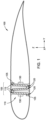
- Figure 1 is a schematic sectional view of a wing 100 having one embodiment of a structural member, shown as a spar 105, which structurally supports the wing 100.
- the spar 105 runs along a portion of a length of the wing 100 (in the X direction) and couples to a support member of the aircraft (not shown) such as a frame of a fuselage of the aircraft.
- the wing 100 depicted in Figure 1 may also be an empennage or vertical stabilizer having the spar 105 as a main or primary structural member.
- the spar 105 in this embodiment comprises an onboard energy subsystem 110.
- the onboard energy subsystem 110 comprises a plurality of batteries 115 mounted in compartments 120 provided between a plurality of finned spar members 125.
- the compartments 120 and the finned spar members 125 are more clearly shown in Figures 2A and 2B .
- Each of the plurality of finned spar members 125 are integrated together to form a main or primary structural member (e.g., the spar 105) for the wing 100.
- the plurality of finned spar members 125 are detachable to facilitate installation or removal of individual batteries 115 from the compartments 120.
- Each of the finned spar members 125 may be made of a polymer material, such as a thermoplastic material formed by a 3D printing or an extrusion process. In other embodiments, the finned spar members 125 may be made of a lightweight metallic material such as aluminum, or a composite material such as a polymer/carbon fiber composite.
- the batteries 115 may be small enough such that damage to an individual cell does not ignite or damage the spar 105 or the wing 100 as well as affect the operation of other batteries 115. For example, if one battery pouch is punctured or otherwise damaged, the accumulation of explosive gases within the pouch is not enough to cause an explosion or fire.
- each of the batteries 115 may be about 2 inches by about 2 inches (about 5.08 cm by about 5.08 cm).
- the spar 105 may also include one or more power management devices 130.
- the power management devices 130 may be configured to control charging, short circuit protection, health monitoring, as well as other power management and/or battery maintenance utilities.
- Circuitry for the batteries 115 is provided in or on a portion of the finned spar members 125.
- An example of the circuitry of the onboard energy subsystem 110 is shown in Figures 2A , 2B and 3 .
- the plurality of finned spar members 125 are adapted to engage and provide slight pressure or compression against each of the batteries 115.
- the compression applied to the batteries 115 by the finned spar members 125 prevents degradation of the batteries 115.
- the compression of the batteries 115 against the finned spar members 125 also integrates the batteries 115 into structural members of the spar 105.
- each of the compressed batteries is utilized for any structural strength therein due to the compression against the finned spar members 125.
- the compression effectively packs or loads the spar 105 such that structural strength thereof is enhanced as opposed to an uncompressed or a "loose" connection between the finned spar members 125 and the batteries 115.
- Figure 2A is a sectional view of the spar 105 without the batteries 115 and Figure 2B is a sectional exploded view of the spar 105 of Figure 2A .
- the spar 105 includes the plurality of finned spar members 125 as shown in Figure 1 .
- the spar 105 includes two finned spar members 125 that snap together to form the spar 105 as shown in Figure 2A .
- the two finned spar members 125 are separated in a manner where the batteries 115 can be installed or removed.
- Circuitry for the onboard energy subsystem 110 shown in Figure 1 is illustrated schematically in Figures 2A and 2B .
- conductors 225 are coupled to or formed in the main bodies 200 of each of the finned spar members 125.
- bus bars 230 are coupled to or integrated with the main bodies 200 of each of the finned spar members 125.
- a dielectric layer (not shown) may be provided between the main bodies 200 of each of the finned spar members 125 and the conductors 225 to electrically insulate the conductors 225 from the finned spar members 125.
- the finned spar members 125 include electrical generating devices 235 embedded therein or thereon.
- the electrical generating devices 235 may be connected to the onboard energy subsystem 110 via the power management devices 130.
- Each of the electrical generating devices 235 are utilized to generate electricity from structural bending of the spar 105, such as when the spar 105 of the wing 100 bends during flight.
- Each of the electrical generating devices 235 may be piezoelectric devices.
- Each of the finned spar members 125 include openings 240 formed in the flanges 205.
- the openings 240 may be utilized to reduce the weight of the spar 105.
- the openings 240 are also used to attach the wing 100 to the spar 105.
- Slots 245 are also formed in the main bodies 200 of each of the finned spar members 125. The slots 245 are utilized to provide lateral movement of the flexible portions 210 when connecting or disconnecting the finned spar members 125. Spacers 250 may be provided between the flexible portions 210.
- Each of the circuit boards 300A-300F, 305A-305F and 310A-310F may be other standalone electronic devices, such as microcontrollers, sensors, or any other sort of electronic device.
- an apparatus comprising a structural member for a vehicle, such as an aircraft, having an onboard energy subsystem 110 is disclosed herein.
- a method for an onboard energy subsystem 110 is disclosed. The method includes attaching batteries to a finned spar member 125, attaching the finned spar member 125 and the batteries together to form a spar 105, and attaching the spar 105 to an aircraft, wherein the attachment forms an electrical connection between the batteries in the spar 105 and an electrical system of the aircraft.
Landscapes
- Engineering & Computer Science (AREA)
- Aviation & Aerospace Engineering (AREA)
- Chemical & Material Sciences (AREA)
- Chemical Kinetics & Catalysis (AREA)
- Electrochemistry (AREA)
- General Chemical & Material Sciences (AREA)
- Mechanical Engineering (AREA)
- Life Sciences & Earth Sciences (AREA)
- Sustainable Development (AREA)
- Sustainable Energy (AREA)
- Power Engineering (AREA)
- Transportation (AREA)
- Battery Mounting, Suspending (AREA)
- Connection Of Batteries Or Terminals (AREA)
Description
- Aspects of the present disclosure provide methods and apparatus for onboard battery storage as well as onboard energy subsystems integrated into structural components of an aircraft.
- Batteries and other elements of energy systems for aircraft or other vehicles are conventionally packaged as part of a payload of the aircraft or other vehicle. This conventional packaging typically includes batteries at least partially enclosed in an explosion-proof and/or fireproof structure. Thus, the weight of the batteries as well as the structures containing the batteries add payload weight to the aircraft or other vehicle, which results in the need for more operational power in order to compensate for the additional power consumed due to the weight of energy system.
- Document
EP1070661 , in accordance with its abstract, states a wing of composite material having an upper skin, a lower skin and a plurality of intermediate spars arranged between the upper and the lower skin. The intermediate spars extend from roots to tips of the upper and the lower skins. The intermediate spars are integrally formed with the upper and the lower skins or are adhesively bonded to the upper and the lower skins. - Document
JPH0858617 - Document
EP3326917 , in accordance with its abstract, states an arrangement of a structural element for an aerospace vehicle and a battery set. The structural element extends along a longitudinal direction and has a main web, a first flange and a second flange. The flanges extend away from the main web and are delimited by flange edges extending along the longitudinal direction. The first flange, the second flange and the main web form a U-shaped profile defining a cavity. The battery set comprises a baseplate and at least one battery arranged on the baseplate. The structural element and the battery set are formed such that the baseplate can be releasably attached to the structural element. The baseplate extends between flange edges and the battery is received in the cavity when the battery set is mounted to the structural element. - Document
EP3544083A1 , in accordance with an English abstract, states a battery arrangement for the load-bearing structural integration of batteries into a vehicle, wherein said arrangement includes two cover plates having battery holders and batteries, which are held on both sides between the cover plates by the battery holders, wherein the batteries are arranged in battery rows along the cover plates, wherein the batteries in the battery rows are each aligned at a slope angle relative to the cover plates in order to absorb and transmit loads, and wherein the slope angle in the battery rows has positive and negative values. - The present disclosure provides apparatus for onboard battery storage as well as onboard energy subsystems integrated into structural components of a vehicle, such as an aircraft.
- In claim 1, a structural member for a vehicle is provided. The structural member comprises a plurality of finned spar members that are interlocked with one another. Each of the finned spar members includes a main body and a flange as well as a plurality of web members extending from the flange. A portion of the main body includes web members or the main body is a web. The main bodies and the flanges of the finned spar members are coupled together to form an "I" beam like support member. A circuit board is provided on the main body. A bus bar is also provided on the main body and is in electrical communication with the circuit board. A compartment is formed between adjacent web members, wherein each compartment is sized to receive a battery.
- In claim 11, an onboard energy subsystem for a vehicle is provided. The onboard energy subsystem comprises a structural member according to claim 1, and further comprises a plurality of batteries. The bus bar is formed on the main body and a battery of the plurality of batteries is compressed in a compartment formed between adjacent web members.
- So that the manner in which the above recited features of the present disclosure can be understood in detail, a more particular description of the disclosure, briefly summarized above, may be had by reference to aspects, some of which are illustrated in the appended drawings.
-
Figure 1 is a schematic sectional view of a wing having one embodiment of a spar that structurally supports the wing. -
Figure 2A is a sectional view of a spar without the batteries. -
Figure 2B is a sectional exploded view of the spar ofFigure 2A . -
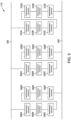
Figure 3 is a schematic diagram of one embodiment of the onboard energy subsystem as disclosed herein. -
Figure 4 is an isometric view of one of the finned spar members. - The present disclosure provides methods and apparatus for onboard battery storage as well as onboard energy subsystems integrated into structural components of a vehicle or craft, such an aircraft. The onboard energy system as described herein may be utilized in a spar or other structural member of an aircraft. The spar or other structural member as described herein may be utilized on any size of aircraft, such as a small remotely operated vehicle, a drone, or other similar aircraft, up to and including larger aircraft, such as narrow and wide body passenger aircraft. The onboard energy subsystems as described herein may be utilized to power engines, motors or any other electrical system of the aircraft during use.
-
Figure 1 is a schematic sectional view of awing 100 having one embodiment of a structural member, shown as aspar 105, which structurally supports thewing 100. Thespar 105 runs along a portion of a length of the wing 100 (in the X direction) and couples to a support member of the aircraft (not shown) such as a frame of a fuselage of the aircraft. Thewing 100 depicted inFigure 1 may also be an empennage or vertical stabilizer having thespar 105 as a main or primary structural member. - The
spar 105 in this embodiment comprises anonboard energy subsystem 110. Theonboard energy subsystem 110 comprises a plurality ofbatteries 115 mounted incompartments 120 provided between a plurality offinned spar members 125. Thecompartments 120 and thefinned spar members 125 are more clearly shown inFigures 2A and2B . - Each of the plurality of
finned spar members 125 are integrated together to form a main or primary structural member (e.g., the spar 105) for thewing 100. The plurality offinned spar members 125 are detachable to facilitate installation or removal ofindividual batteries 115 from thecompartments 120. Each of thefinned spar members 125 may be made of a polymer material, such as a thermoplastic material formed by a 3D printing or an extrusion process. In other embodiments, thefinned spar members 125 may be made of a lightweight metallic material such as aluminum, or a composite material such as a polymer/carbon fiber composite. - In an example, each of the
batteries 115 is a lithium-ion battery. In one example, thebatteries 115 utilized in theonboard energy subsystem 110 are "pouch cells" and may be connected in series. In one particular example, thebatteries 115 comprise six cells in a serial connection to produce 24 volts, and each six-cell pack is connected in parallel along the length of the spar 105 (in the X direction). - The
batteries 115 may be small enough such that damage to an individual cell does not ignite or damage thespar 105 or thewing 100 as well as affect the operation ofother batteries 115. For example, if one battery pouch is punctured or otherwise damaged, the accumulation of explosive gases within the pouch is not enough to cause an explosion or fire. In one example, each of thebatteries 115 may be about 2 inches by about 2 inches (about 5.08 cm by about 5.08 cm). - The
spar 105 may also include one or morepower management devices 130. Thepower management devices 130 may be configured to control charging, short circuit protection, health monitoring, as well as other power management and/or battery maintenance utilities. Circuitry for thebatteries 115 is provided in or on a portion of thefinned spar members 125. An example of the circuitry of theonboard energy subsystem 110 is shown inFigures 2A ,2B and3 . - The plurality of
finned spar members 125 are adapted to engage and provide slight pressure or compression against each of thebatteries 115. The compression applied to thebatteries 115 by thefinned spar members 125 prevents degradation of thebatteries 115. The compression of thebatteries 115 against thefinned spar members 125 also integrates thebatteries 115 into structural members of thespar 105. For example, each of the compressed batteries is utilized for any structural strength therein due to the compression against thefinned spar members 125. The compression effectively packs or loads thespar 105 such that structural strength thereof is enhanced as opposed to an uncompressed or a "loose" connection between thefinned spar members 125 and thebatteries 115. -
Figure 2A is a sectional view of thespar 105 without thebatteries 115 andFigure 2B is a sectional exploded view of thespar 105 ofFigure 2A . Thespar 105 includes the plurality offinned spar members 125 as shown inFigure 1 . In the embodiment shown, thespar 105 includes twofinned spar members 125 that snap together to form thespar 105 as shown inFigure 2A . InFigure 2B , the twofinned spar members 125 are separated in a manner where thebatteries 115 can be installed or removed. - In the embodiment of
Figures 2A and2B , thefinned spar members 125 are substantially identical and can be interchanged with each other. Each of thefinned spar members 125 includes amain body 200 and aflange 205. A portion of themain body 200 incudes a plurality ofweb members 207 that extend from theflange 205. Themain body 200 can be considered as a web that couples to theflange 205. When thefinned spar members 125 are coupled together as shown inFigure 2A , themain bodies 200 and theflanges 205 form an "I" beam like support member. - Each of the
finned spar members 125 include a plurality offlexible portions 210 that flex and rebound in the direction of the arrows inFigure 2B . Theflexible portions 210 compress and couple to retainingmembers 215 formed on an inner surface 220 (shown inFigure 2B ) of theflanges 205. To interlock thefinned spar members 125, onefinned spar member 125 is rotated 180 degrees along the length direction thereof (the X axis as shown inFigure 2B ) and fastened together. - Circuitry for the
onboard energy subsystem 110 shown inFigure 1 is illustrated schematically inFigures 2A and2B . For example,conductors 225 are coupled to or formed in themain bodies 200 of each of thefinned spar members 125. In addition, bus bars 230 are coupled to or integrated with themain bodies 200 of each of thefinned spar members 125. In the embodiments where thefinned spar members 125 are made of metallic materials or include an electrically conductive material (such as carbon fibers), a dielectric layer (not shown) may be provided between themain bodies 200 of each of thefinned spar members 125 and theconductors 225 to electrically insulate theconductors 225 from thefinned spar members 125. - Additionally, in some embodiments, the
finned spar members 125 includeelectrical generating devices 235 embedded therein or thereon. Theelectrical generating devices 235 may be connected to theonboard energy subsystem 110 via thepower management devices 130. Each of theelectrical generating devices 235 are utilized to generate electricity from structural bending of thespar 105, such as when thespar 105 of thewing 100 bends during flight. Each of theelectrical generating devices 235 may be piezoelectric devices. - Each of the
finned spar members 125 includeopenings 240 formed in theflanges 205. Theopenings 240 may be utilized to reduce the weight of thespar 105. Theopenings 240 are also used to attach thewing 100 to thespar 105.Slots 245 are also formed in themain bodies 200 of each of thefinned spar members 125. Theslots 245 are utilized to provide lateral movement of theflexible portions 210 when connecting or disconnecting thefinned spar members 125.Spacers 250 may be provided between theflexible portions 210. -
Figure 3 is a schematic diagram of one embodiment of theonboard energy subsystem 110 as disclosed herein. Theonboard energy subsystem 110 includes a plurality of circuit boards shown as a first set ofcircuit boards 300A-300F, a second set ofcircuit boards 305A-305F and a third set ofcircuit boards 310A-310F. The first set ofcircuit boards 300A-300F, the second set ofcircuit boards 305A-305F and the third set ofcircuit boards 310A-310F are theconductors 225 formed in or on thefinned spar members 125 shown inFigures 2A and2B . The bus bars 230 are also shown inFigure 3 and may be formed in or on thefinned spar members 125 as shown inFigures 2A and2B . - Each of the first set of
circuit boards 300A-300F, the second set ofcircuit boards 305A-305F and the third set ofcircuit boards 310A-310F include metallic conductors formed in or on thefinned spar members 125 as theconductors 225 shown inFigures 2A and2B . The first set ofcircuit boards 300A-300F, the second set ofcircuit boards 305A-305F and the third set ofcircuit boards 310A-310F, and the bus bars 230, may be aluminum, copper, or some other conductive material. - Each of the
circuit boards 300A-300F, 305A-305F and 310A-310F may be other standalone electronic devices, such as microcontrollers, sensors, or any other sort of electronic device. - Each of the individual circuit boards of the first set of
circuit boards 300A-300F, the second set ofcircuit boards 305A-305F and the third set ofcircuit boards 310A-310F are connected in series and the collective sets are connected to the bus bars 230 in parallel. While only three sets of circuit boards are shown, addition sets of circuit boards may be provided along the length of the spar 105 (shown inFigure 1 ). The bus bars 230 may carry power as well as data. -
Figure 4 is an isometric view of one of thefinned spar members 125. A plurality offirst openings 240 are shown on theflange 205. Theslots 245 and thespacers 250 are shown adjacent to theflexible portions 210. A plurality ofsecond openings 400 are also shown between theslots 245. Thesecond openings 400 are similar to thefirst openings 240. Thefirst openings 240 of onefinned spar member 125 substantially align with thesecond openings 400 of anotherfinned spar member 125 when assembled into thespar 105. A portion of thefirst openings 240 and thesecond openings 400 are utilized for fasteners used to attach thewing 100 to thespar 105. - In some embodiments, an apparatus comprising a structural member for a vehicle, such as an aircraft, having an
onboard energy subsystem 110 is disclosed herein. In other embodiments, not being claimed, a method for anonboard energy subsystem 110 is disclosed. The method includes attaching batteries to afinned spar member 125, attaching thefinned spar member 125 and the batteries together to form aspar 105, and attaching thespar 105 to an aircraft, wherein the attachment forms an electrical connection between the batteries in thespar 105 and an electrical system of the aircraft. - Within a claim, reference to an element in the singular is not intended to mean "one and only one" unless specifically so stated, but rather "one or more." Unless specifically stated otherwise, the term "some" refers to one or more.
Claims (15)
- A structural member for a vehicle, the structural member comprising a plurality of finned spar members (125) interlocked with one another, wherein each of the finned spar members include a main body (200) and a flange (205); a plurality of web members (207) extending from the flange (205), wherein a portion of the main body (200) includes web members (207) or the main body (200) is a web, and wherein the main bodies (200) and the flanges (205) of the finned spar members (125) are coupled together to form an "I" beam like support member; a circuit board (300A-300F, 305A-305F and 310A-310F) provided on the main body; and a bus bar (230) provided on the main body in electrical communication with the circuit board, wherein a compartment (120) is formed between adjacent web members, each compartment being sized to receive a battery (115).
- The structural member of Claim 1, wherein the structural member is an aircraft spar (105).
- The structural member of Claims 1 or 2, wherein each of the plurality of web members includes a flexible portion (210) that flexes and rebounds.
- The structural member of Claim 3, wherein the flexible portion interfaces with retaining members (215) formed adjacent to the flange.
- The structural member of any one of Claims 1-4, further comprising a plurality of conductors (225) formed on the finned spar members that are coupled to the bus bar.
- The structural member of any one of Claims 1-5, wherein the plurality of finned spar members comprises a first finned spar member and a second finned spar member and each of the first finned spar member and the second finned spar member are substantially identical.
- The structural member of Claim 6, wherein the first finned spar member is rotated 180 degrees relative to the second finned spar member along a length direction of the first finned spar member in an interlocked position.
- The structural member of Claim 7, wherein a plurality of first openings are (240) formed in the flange of the first finned spar member and a plurality of second openings (400) are formed in the flange of the second finned spar member, at least a portion of the openings are adapted to receive a fastener that couples to a wing.
- The structural member of Claim 8, wherein each of the plurality of first openings substantially align with each of the plurality of second openings in the interlocked position.
- The structural member of any one of Claims 1-9, wherein the plurality of finned spar members (125) further comprising a plurality of electrical generating devices (235) coupled to the structural member.
- An onboard energy subsystem (110) for a vehicle, the onboard energy subsystem comprising a structural member (105) according to claim 1 and further comprising a plurality of batteries (115), wherein the bus bar (230) is formed on the main body and a battery of the plurality of batteries is compressed in a compartment (120) formed between adjacent web members.
- The onboard energy subsystem of Claim 11, wherein multiple groups of the plurality of batteries are connected in series along the structural member.
- The onboard energy subsystem of Claim 12, wherein the multiple groups of the plurality of batteries are connected in parallel to the bus bar.
- The onboard energy subsystem of any one of Claims 11-13, further comprising a power management device (130) coupled to the structural member and coupled with the plurality of batteries and the bus bar.
- The onboard energy subsystem of any one of Claims 11-14, further comprising a plurality of electrical generating devices (235) coupled to the structural member.
Applications Claiming Priority (1)
| Application Number | Priority Date | Filing Date | Title |
|---|---|---|---|
| US16/437,729 US11530026B2 (en) | 2019-06-11 | 2019-06-11 | Energy subsystems integrated into structural components of an aircraft |
Publications (2)
| Publication Number | Publication Date |
|---|---|
| EP3750794A1 EP3750794A1 (en) | 2020-12-16 |
| EP3750794B1 true EP3750794B1 (en) | 2024-07-10 |
Family
ID=70475991
Family Applications (1)
| Application Number | Title | Priority Date | Filing Date |
|---|---|---|---|
| EP20171762.6A Active EP3750794B1 (en) | 2019-06-11 | 2020-04-28 | Energy subsystems integrated into structural components of an aircraft |
Country Status (4)
| Country | Link |
|---|---|
| US (1) | US11530026B2 (en) |
| EP (1) | EP3750794B1 (en) |
| JP (1) | JP7507593B2 (en) |
| CN (1) | CN112061373B (en) |
Families Citing this family (7)
| Publication number | Priority date | Publication date | Assignee | Title |
|---|---|---|---|---|
| US11661172B2 (en) | 2020-12-31 | 2023-05-30 | Textron Innovations Inc. | Wing design for removable battery |
| EP3998208B1 (en) * | 2021-02-19 | 2024-03-13 | Lilium eAircraft GmbH | Battery aircraft integration |
| US11705601B2 (en) | 2021-08-18 | 2023-07-18 | Lockheed Martin Corporation | Structural battery for an aircraft vehicle |
| KR102559847B1 (en) * | 2021-09-13 | 2023-07-25 | 한국항공우주연구원 | Electric aircraft |
| WO2023067795A1 (en) * | 2021-10-22 | 2023-04-27 | ファナック株式会社 | Imaging control device |
| FR3133490B1 (en) * | 2022-03-14 | 2025-04-18 | Safran Electrical & Power | Connector for an aircraft electrical distribution network |
| CN115520370A (en) * | 2022-09-22 | 2022-12-27 | 中国商用飞机有限责任公司 | Wing system and electric aircraft integrated with power battery module |
Citations (1)
| Publication number | Priority date | Publication date | Assignee | Title |
|---|---|---|---|---|
| EP3544083A1 (en) * | 2018-03-22 | 2019-09-25 | Airbus Defence and Space GmbH | Battery assembly for load bearing structural integration of batteries in a vehicle |
Family Cites Families (11)
| Publication number | Priority date | Publication date | Assignee | Title |
|---|---|---|---|---|
| US3937424A (en) * | 1973-11-16 | 1976-02-10 | Vereinigte Flugtechnische Werke-Fokker Gmbh | Electrically powered aircraft |
| JP3406074B2 (en) | 1994-08-23 | 2003-05-12 | 国立環境研究所長 | Chassis frame for electric vehicles |
| US5810284A (en) * | 1995-03-15 | 1998-09-22 | Hibbs; Bart D. | Aircraft |
| US6513757B1 (en) | 1999-07-19 | 2003-02-04 | Fuji Jukogyo Kabushiki Kaisha | Wing of composite material and method of fabricating the same |
| US6479185B1 (en) | 2000-04-04 | 2002-11-12 | Moltech Power Systems, Inc. | Extended life battery pack with active cooling |
| US7828246B2 (en) * | 2007-09-14 | 2010-11-09 | Spectrum Aeronautical, Llc | Wing with sectioned tubular members |
| US8967529B1 (en) * | 2011-03-25 | 2015-03-03 | Odyssian Technology, Llc | Battery-structure |
| US10063164B2 (en) | 2016-01-04 | 2018-08-28 | The Boeing Company | System and method for harvesting energy from a moving vehicle |
| US20180099756A1 (en) * | 2016-09-25 | 2018-04-12 | Impossible Aerospace Corporation | Aircraft Battery Systems and Aircraft Including Same |
| EP3326917A1 (en) | 2016-11-24 | 2018-05-30 | Airbus Operations GmbH | A structural element, a battery set, an arrangement of a structural element and a battery set, and an aerospace vehicle |
| CN108116656A (en) * | 2017-12-20 | 2018-06-05 | 广东翼景信息科技有限公司 | A kind of solar energy unmanned plane |
-
2019
- 2019-06-11 US US16/437,729 patent/US11530026B2/en active Active
-
2020
- 2020-04-28 EP EP20171762.6A patent/EP3750794B1/en active Active
- 2020-04-28 JP JP2020078781A patent/JP7507593B2/en active Active
- 2020-04-30 CN CN202010360809.0A patent/CN112061373B/en active Active
Patent Citations (1)
| Publication number | Priority date | Publication date | Assignee | Title |
|---|---|---|---|---|
| EP3544083A1 (en) * | 2018-03-22 | 2019-09-25 | Airbus Defence and Space GmbH | Battery assembly for load bearing structural integration of batteries in a vehicle |
Also Published As
| Publication number | Publication date |
|---|---|
| US11530026B2 (en) | 2022-12-20 |
| US20200391843A1 (en) | 2020-12-17 |
| EP3750794A1 (en) | 2020-12-16 |
| JP2020200025A (en) | 2020-12-17 |
| JP7507593B2 (en) | 2024-06-28 |
| CN112061373A (en) | 2020-12-11 |
| CN112061373B (en) | 2024-08-20 |
Similar Documents
| Publication | Publication Date | Title |
|---|---|---|
| EP3750794B1 (en) | Energy subsystems integrated into structural components of an aircraft | |
| US10566647B2 (en) | System, method, and apparatus for battery cell-stack compression | |
| US11316224B2 (en) | Battery arrangement for the load-bearing structural integration of batteries into a vehicle | |
| US20210197978A1 (en) | Aircraft Battery Systems and Aircraft Including Same | |
| US8967529B1 (en) | Battery-structure | |
| CN110035953B (en) | Aircraft with batteries, especially hybrid aircraft | |
| EP2959521B1 (en) | Aircraft including mitigation system for rechargeable batteries | |
| US12255343B2 (en) | Battery pack for failure safety | |
| US10840487B2 (en) | System, method, and apparatus for battery cell-stack compression | |
| US20200223545A1 (en) | Aircraft control system | |
| EP3796413A1 (en) | Battery arrangement for integration in a vehicle | |
| US11613219B2 (en) | Energy subsystems integrated into structural components of an aircraft | |
| US11447022B2 (en) | Structural members containing energy storage | |
| WO2018058004A1 (en) | Aircraft battery systems and aircraft including same | |
| EP2862216B1 (en) | Structural composite battery with fluidic port for electrolyte | |
| CN220549221U (en) | Unmanned aerial vehicle and wing thereof | |
| US20230155162A1 (en) | Methods for manufacturing a battery pack of an electric aircraft | |
| US20230136731A1 (en) | Battery system and method of an electric aircraft with spring conductors | |
| CN224191086U (en) | Battery devices and electrical equipment | |
| CN222720573U (en) | Energy storage wall panel and electrical equipment including the same | |
| CN224191078U (en) | Battery device and electric equipment | |
| US20250349961A1 (en) | Integrated battery in composite panels | |
| CN223865119U (en) | Unmanned aerial vehicle casing and unmanned aerial vehicle | |
| US20240336348A1 (en) | Airplane wing with a structurally-integrated rechargeable power source | |
| CN222168562U (en) | Battery box, battery and electrical device |
Legal Events
| Date | Code | Title | Description |
|---|---|---|---|
| PUAI | Public reference made under article 153(3) epc to a published international application that has entered the european phase |
Free format text: ORIGINAL CODE: 0009012 |
|
| STAA | Information on the status of an ep patent application or granted ep patent |
Free format text: STATUS: THE APPLICATION HAS BEEN PUBLISHED |
|
| AK | Designated contracting states |
Kind code of ref document: A1 Designated state(s): AL AT BE BG CH CY CZ DE DK EE ES FI FR GB GR HR HU IE IS IT LI LT LU LV MC MK MT NL NO PL PT RO RS SE SI SK SM TR |
|
| AX | Request for extension of the european patent |
Extension state: BA ME |
|
| STAA | Information on the status of an ep patent application or granted ep patent |
Free format text: STATUS: REQUEST FOR EXAMINATION WAS MADE |
|
| 17P | Request for examination filed |
Effective date: 20210525 |
|
| RBV | Designated contracting states (corrected) |
Designated state(s): AL AT BE BG CH CY CZ DE DK EE ES FI FR GB GR HR HU IE IS IT LI LT LU LV MC MK MT NL NO PL PT RO RS SE SI SK SM TR |
|
| STAA | Information on the status of an ep patent application or granted ep patent |
Free format text: STATUS: EXAMINATION IS IN PROGRESS |
|
| 17Q | First examination report despatched |
Effective date: 20220127 |
|
| RAP3 | Party data changed (applicant data changed or rights of an application transferred) |
Owner name: THE BOEING COMPANY |
|
| GRAP | Despatch of communication of intention to grant a patent |
Free format text: ORIGINAL CODE: EPIDOSNIGR1 |
|
| STAA | Information on the status of an ep patent application or granted ep patent |
Free format text: STATUS: GRANT OF PATENT IS INTENDED |
|
| RIC1 | Information provided on ipc code assigned before grant |
Ipc: H01M 50/284 20210101ALI20240202BHEP Ipc: H01M 50/211 20210101ALI20240202BHEP Ipc: B64D 41/00 20060101ALI20240202BHEP Ipc: B60L 50/60 20190101ALI20240202BHEP Ipc: B64C 3/18 20060101AFI20240202BHEP |
|
| INTG | Intention to grant announced |
Effective date: 20240227 |
|
| GRAS | Grant fee paid |
Free format text: ORIGINAL CODE: EPIDOSNIGR3 |
|
| GRAA | (expected) grant |
Free format text: ORIGINAL CODE: 0009210 |
|
| STAA | Information on the status of an ep patent application or granted ep patent |
Free format text: STATUS: THE PATENT HAS BEEN GRANTED |
|
| P01 | Opt-out of the competence of the unified patent court (upc) registered |
Effective date: 20240528 |
|
| AK | Designated contracting states |
Kind code of ref document: B1 Designated state(s): AL AT BE BG CH CY CZ DE DK EE ES FI FR GB GR HR HU IE IS IT LI LT LU LV MC MK MT NL NO PL PT RO RS SE SI SK SM TR |
|
| REG | Reference to a national code |
Ref country code: CH Ref legal event code: EP |
|
| REG | Reference to a national code |
Ref country code: DE Ref legal event code: R096 Ref document number: 602020033620 Country of ref document: DE |
|
| REG | Reference to a national code |
Ref country code: LT Ref legal event code: MG9D |
|
| REG | Reference to a national code |
Ref country code: NL Ref legal event code: MP Effective date: 20240710 |
|
| PG25 | Lapsed in a contracting state [announced via postgrant information from national office to epo] |
Ref country code: PT Free format text: LAPSE BECAUSE OF FAILURE TO SUBMIT A TRANSLATION OF THE DESCRIPTION OR TO PAY THE FEE WITHIN THE PRESCRIBED TIME-LIMIT Effective date: 20241111 |
|
| REG | Reference to a national code |
Ref country code: AT Ref legal event code: MK05 Ref document number: 1701845 Country of ref document: AT Kind code of ref document: T Effective date: 20240710 |
|
| PG25 | Lapsed in a contracting state [announced via postgrant information from national office to epo] |
Ref country code: NL Free format text: LAPSE BECAUSE OF FAILURE TO SUBMIT A TRANSLATION OF THE DESCRIPTION OR TO PAY THE FEE WITHIN THE PRESCRIBED TIME-LIMIT Effective date: 20240710 |
|
| PG25 | Lapsed in a contracting state [announced via postgrant information from national office to epo] |
Ref country code: PT Free format text: LAPSE BECAUSE OF FAILURE TO SUBMIT A TRANSLATION OF THE DESCRIPTION OR TO PAY THE FEE WITHIN THE PRESCRIBED TIME-LIMIT Effective date: 20241111 Ref country code: NL Free format text: LAPSE BECAUSE OF FAILURE TO SUBMIT A TRANSLATION OF THE DESCRIPTION OR TO PAY THE FEE WITHIN THE PRESCRIBED TIME-LIMIT Effective date: 20240710 |
|
| PG25 | Lapsed in a contracting state [announced via postgrant information from national office to epo] |
Ref country code: NO Free format text: LAPSE BECAUSE OF FAILURE TO SUBMIT A TRANSLATION OF THE DESCRIPTION OR TO PAY THE FEE WITHIN THE PRESCRIBED TIME-LIMIT Effective date: 20241010 |
|
| PG25 | Lapsed in a contracting state [announced via postgrant information from national office to epo] |
Ref country code: FI Free format text: LAPSE BECAUSE OF FAILURE TO SUBMIT A TRANSLATION OF THE DESCRIPTION OR TO PAY THE FEE WITHIN THE PRESCRIBED TIME-LIMIT Effective date: 20240710 Ref country code: PL Free format text: LAPSE BECAUSE OF FAILURE TO SUBMIT A TRANSLATION OF THE DESCRIPTION OR TO PAY THE FEE WITHIN THE PRESCRIBED TIME-LIMIT Effective date: 20240710 Ref country code: GR Free format text: LAPSE BECAUSE OF FAILURE TO SUBMIT A TRANSLATION OF THE DESCRIPTION OR TO PAY THE FEE WITHIN THE PRESCRIBED TIME-LIMIT Effective date: 20241011 |
|
| PG25 | Lapsed in a contracting state [announced via postgrant information from national office to epo] |
Ref country code: BG Free format text: LAPSE BECAUSE OF FAILURE TO SUBMIT A TRANSLATION OF THE DESCRIPTION OR TO PAY THE FEE WITHIN THE PRESCRIBED TIME-LIMIT Effective date: 20240710 |
|
| PG25 | Lapsed in a contracting state [announced via postgrant information from national office to epo] |
Ref country code: LV Free format text: LAPSE BECAUSE OF FAILURE TO SUBMIT A TRANSLATION OF THE DESCRIPTION OR TO PAY THE FEE WITHIN THE PRESCRIBED TIME-LIMIT Effective date: 20240710 |
|
| PG25 | Lapsed in a contracting state [announced via postgrant information from national office to epo] |
Ref country code: AT Free format text: LAPSE BECAUSE OF FAILURE TO SUBMIT A TRANSLATION OF THE DESCRIPTION OR TO PAY THE FEE WITHIN THE PRESCRIBED TIME-LIMIT Effective date: 20240710 Ref country code: IS Free format text: LAPSE BECAUSE OF FAILURE TO SUBMIT A TRANSLATION OF THE DESCRIPTION OR TO PAY THE FEE WITHIN THE PRESCRIBED TIME-LIMIT Effective date: 20241110 |
|
| PG25 | Lapsed in a contracting state [announced via postgrant information from national office to epo] |
Ref country code: HR Free format text: LAPSE BECAUSE OF FAILURE TO SUBMIT A TRANSLATION OF THE DESCRIPTION OR TO PAY THE FEE WITHIN THE PRESCRIBED TIME-LIMIT Effective date: 20240710 |
|
| PG25 | Lapsed in a contracting state [announced via postgrant information from national office to epo] |
Ref country code: RS Free format text: LAPSE BECAUSE OF FAILURE TO SUBMIT A TRANSLATION OF THE DESCRIPTION OR TO PAY THE FEE WITHIN THE PRESCRIBED TIME-LIMIT Effective date: 20241010 Ref country code: ES Free format text: LAPSE BECAUSE OF FAILURE TO SUBMIT A TRANSLATION OF THE DESCRIPTION OR TO PAY THE FEE WITHIN THE PRESCRIBED TIME-LIMIT Effective date: 20240710 |
|
| PG25 | Lapsed in a contracting state [announced via postgrant information from national office to epo] |
Ref country code: RS Free format text: LAPSE BECAUSE OF FAILURE TO SUBMIT A TRANSLATION OF THE DESCRIPTION OR TO PAY THE FEE WITHIN THE PRESCRIBED TIME-LIMIT Effective date: 20241010 Ref country code: PL Free format text: LAPSE BECAUSE OF FAILURE TO SUBMIT A TRANSLATION OF THE DESCRIPTION OR TO PAY THE FEE WITHIN THE PRESCRIBED TIME-LIMIT Effective date: 20240710 Ref country code: NO Free format text: LAPSE BECAUSE OF FAILURE TO SUBMIT A TRANSLATION OF THE DESCRIPTION OR TO PAY THE FEE WITHIN THE PRESCRIBED TIME-LIMIT Effective date: 20241010 Ref country code: LV Free format text: LAPSE BECAUSE OF FAILURE TO SUBMIT A TRANSLATION OF THE DESCRIPTION OR TO PAY THE FEE WITHIN THE PRESCRIBED TIME-LIMIT Effective date: 20240710 Ref country code: IS Free format text: LAPSE BECAUSE OF FAILURE TO SUBMIT A TRANSLATION OF THE DESCRIPTION OR TO PAY THE FEE WITHIN THE PRESCRIBED TIME-LIMIT Effective date: 20241110 Ref country code: HR Free format text: LAPSE BECAUSE OF FAILURE TO SUBMIT A TRANSLATION OF THE DESCRIPTION OR TO PAY THE FEE WITHIN THE PRESCRIBED TIME-LIMIT Effective date: 20240710 Ref country code: GR Free format text: LAPSE BECAUSE OF FAILURE TO SUBMIT A TRANSLATION OF THE DESCRIPTION OR TO PAY THE FEE WITHIN THE PRESCRIBED TIME-LIMIT Effective date: 20241011 Ref country code: FI Free format text: LAPSE BECAUSE OF FAILURE TO SUBMIT A TRANSLATION OF THE DESCRIPTION OR TO PAY THE FEE WITHIN THE PRESCRIBED TIME-LIMIT Effective date: 20240710 Ref country code: ES Free format text: LAPSE BECAUSE OF FAILURE TO SUBMIT A TRANSLATION OF THE DESCRIPTION OR TO PAY THE FEE WITHIN THE PRESCRIBED TIME-LIMIT Effective date: 20240710 Ref country code: BG Free format text: LAPSE BECAUSE OF FAILURE TO SUBMIT A TRANSLATION OF THE DESCRIPTION OR TO PAY THE FEE WITHIN THE PRESCRIBED TIME-LIMIT Effective date: 20240710 Ref country code: AT Free format text: LAPSE BECAUSE OF FAILURE TO SUBMIT A TRANSLATION OF THE DESCRIPTION OR TO PAY THE FEE WITHIN THE PRESCRIBED TIME-LIMIT Effective date: 20240710 |
|
| REG | Reference to a national code |
Ref country code: DE Ref legal event code: R097 Ref document number: 602020033620 Country of ref document: DE |
|
| PG25 | Lapsed in a contracting state [announced via postgrant information from national office to epo] |
Ref country code: RO Free format text: LAPSE BECAUSE OF FAILURE TO SUBMIT A TRANSLATION OF THE DESCRIPTION OR TO PAY THE FEE WITHIN THE PRESCRIBED TIME-LIMIT Effective date: 20240710 Ref country code: SM Free format text: LAPSE BECAUSE OF FAILURE TO SUBMIT A TRANSLATION OF THE DESCRIPTION OR TO PAY THE FEE WITHIN THE PRESCRIBED TIME-LIMIT Effective date: 20240710 Ref country code: DK Free format text: LAPSE BECAUSE OF FAILURE TO SUBMIT A TRANSLATION OF THE DESCRIPTION OR TO PAY THE FEE WITHIN THE PRESCRIBED TIME-LIMIT Effective date: 20240710 |
|
| PG25 | Lapsed in a contracting state [announced via postgrant information from national office to epo] |
Ref country code: EE Free format text: LAPSE BECAUSE OF FAILURE TO SUBMIT A TRANSLATION OF THE DESCRIPTION OR TO PAY THE FEE WITHIN THE PRESCRIBED TIME-LIMIT Effective date: 20240710 |
|
| PG25 | Lapsed in a contracting state [announced via postgrant information from national office to epo] |
Ref country code: CZ Free format text: LAPSE BECAUSE OF FAILURE TO SUBMIT A TRANSLATION OF THE DESCRIPTION OR TO PAY THE FEE WITHIN THE PRESCRIBED TIME-LIMIT Effective date: 20240710 |
|
| PG25 | Lapsed in a contracting state [announced via postgrant information from national office to epo] |
Ref country code: SK Free format text: LAPSE BECAUSE OF FAILURE TO SUBMIT A TRANSLATION OF THE DESCRIPTION OR TO PAY THE FEE WITHIN THE PRESCRIBED TIME-LIMIT Effective date: 20240710 Ref country code: IT Free format text: LAPSE BECAUSE OF FAILURE TO SUBMIT A TRANSLATION OF THE DESCRIPTION OR TO PAY THE FEE WITHIN THE PRESCRIBED TIME-LIMIT Effective date: 20240710 |
|
| PLBE | No opposition filed within time limit |
Free format text: ORIGINAL CODE: 0009261 |
|
| STAA | Information on the status of an ep patent application or granted ep patent |
Free format text: STATUS: NO OPPOSITION FILED WITHIN TIME LIMIT |
|
| 26N | No opposition filed |
Effective date: 20250411 |
|
| PGFP | Annual fee paid to national office [announced via postgrant information from national office to epo] |
Ref country code: DE Payment date: 20250429 Year of fee payment: 6 |
|
| PGFP | Annual fee paid to national office [announced via postgrant information from national office to epo] |
Ref country code: GB Payment date: 20250428 Year of fee payment: 6 |
|
| PGFP | Annual fee paid to national office [announced via postgrant information from national office to epo] |
Ref country code: FR Payment date: 20250425 Year of fee payment: 6 |
|
| PG25 | Lapsed in a contracting state [announced via postgrant information from national office to epo] |
Ref country code: SE Free format text: LAPSE BECAUSE OF FAILURE TO SUBMIT A TRANSLATION OF THE DESCRIPTION OR TO PAY THE FEE WITHIN THE PRESCRIBED TIME-LIMIT Effective date: 20240710 |
|
| REG | Reference to a national code |
Ref country code: CH Ref legal event code: H13 Free format text: ST27 STATUS EVENT CODE: U-0-0-H10-H13 (AS PROVIDED BY THE NATIONAL OFFICE) Effective date: 20251125 |
|
| PG25 | Lapsed in a contracting state [announced via postgrant information from national office to epo] |
Ref country code: LU Free format text: LAPSE BECAUSE OF NON-PAYMENT OF DUE FEES Effective date: 20250428 |
|
| PG25 | Lapsed in a contracting state [announced via postgrant information from national office to epo] |
Ref country code: MC Free format text: LAPSE BECAUSE OF FAILURE TO SUBMIT A TRANSLATION OF THE DESCRIPTION OR TO PAY THE FEE WITHIN THE PRESCRIBED TIME-LIMIT Effective date: 20240710 |
|
| REG | Reference to a national code |
Ref country code: BE Ref legal event code: MM Effective date: 20250430 |
|
| PG25 | Lapsed in a contracting state [announced via postgrant information from national office to epo] |
Ref country code: BE Free format text: LAPSE BECAUSE OF NON-PAYMENT OF DUE FEES Effective date: 20250430 |
|
| PG25 | Lapsed in a contracting state [announced via postgrant information from national office to epo] |
Ref country code: CH Free format text: LAPSE BECAUSE OF NON-PAYMENT OF DUE FEES Effective date: 20250430 |
|
| PG25 | Lapsed in a contracting state [announced via postgrant information from national office to epo] |
Ref country code: IE Free format text: LAPSE BECAUSE OF NON-PAYMENT OF DUE FEES Effective date: 20250428 |