EP3750577A1 - Injector and method of injecting solution containing live cells into injection-target cell nuclei using said injector - Google Patents
Injector and method of injecting solution containing live cells into injection-target cell nuclei using said injector Download PDFInfo
- Publication number
- EP3750577A1 EP3750577A1 EP19750340.2A EP19750340A EP3750577A1 EP 3750577 A1 EP3750577 A1 EP 3750577A1 EP 19750340 A EP19750340 A EP 19750340A EP 3750577 A1 EP3750577 A1 EP 3750577A1
- Authority
- EP
- European Patent Office
- Prior art keywords
- injection
- solution containing
- injector
- containing biomolecules
- time
- Prior art date
- Legal status (The legal status is an assumption and is not a legal conclusion. Google has not performed a legal analysis and makes no representation as to the accuracy of the status listed.)
- Pending
Links
- 210000003855 cell nucleus Anatomy 0.000 title claims abstract description 43
- 238000000034 method Methods 0.000 title claims abstract description 15
- 210000004027 cell Anatomy 0.000 title description 56
- 238000002347 injection Methods 0.000 claims abstract description 140
- 239000007924 injection Substances 0.000 claims abstract description 140
- 239000000243 solution Substances 0.000 claims abstract description 93
- 230000004308 accommodation Effects 0.000 claims abstract description 5
- 239000002360 explosive Substances 0.000 description 25
- 239000007789 gas Substances 0.000 description 25
- 239000003795 chemical substances by application Substances 0.000 description 16
- 238000002485 combustion reaction Methods 0.000 description 11
- XLYOFNOQVPJJNP-UHFFFAOYSA-N water Substances O XLYOFNOQVPJJNP-UHFFFAOYSA-N 0.000 description 11
- 238000010586 diagram Methods 0.000 description 10
- 210000003491 skin Anatomy 0.000 description 9
- VZSRBBMJRBPUNF-UHFFFAOYSA-N 2-(2,3-dihydro-1H-inden-2-ylamino)-N-[3-oxo-3-(2,4,6,7-tetrahydrotriazolo[4,5-c]pyridin-5-yl)propyl]pyrimidine-5-carboxamide Chemical compound C1C(CC2=CC=CC=C12)NC1=NC=C(C=N1)C(=O)NCCC(N1CC2=C(CC1)NN=N2)=O VZSRBBMJRBPUNF-UHFFFAOYSA-N 0.000 description 7
- 241000700159 Rattus Species 0.000 description 6
- AXZAYXJCENRGIM-UHFFFAOYSA-J dipotassium;tetrabromoplatinum(2-) Chemical compound [K+].[K+].[Br-].[Br-].[Br-].[Br-].[Pt+2] AXZAYXJCENRGIM-UHFFFAOYSA-J 0.000 description 6
- 239000013612 plasmid Substances 0.000 description 6
- 229910001487 potassium perchlorate Inorganic materials 0.000 description 6
- 210000001519 tissue Anatomy 0.000 description 6
- 229910052782 aluminium Inorganic materials 0.000 description 5
- XAGFODPZIPBFFR-UHFFFAOYSA-N aluminium Chemical compound [Al] XAGFODPZIPBFFR-UHFFFAOYSA-N 0.000 description 5
- 238000006073 displacement reaction Methods 0.000 description 5
- FWBHETKCLVMNFS-UHFFFAOYSA-N 4',6-Diamino-2-phenylindol Chemical compound C1=CC(C(=N)N)=CC=C1C1=CC2=CC=C(C(N)=N)C=C2N1 FWBHETKCLVMNFS-UHFFFAOYSA-N 0.000 description 4
- 241000282898 Sus scrofa Species 0.000 description 4
- 108090000623 proteins and genes Proteins 0.000 description 4
- 238000007920 subcutaneous administration Methods 0.000 description 4
- 230000007704 transition Effects 0.000 description 4
- 241000124008 Mammalia Species 0.000 description 3
- QCWXUUIWCKQGHC-UHFFFAOYSA-N Zirconium Chemical compound [Zr] QCWXUUIWCKQGHC-UHFFFAOYSA-N 0.000 description 3
- 210000003205 muscle Anatomy 0.000 description 3
- 241000894007 species Species 0.000 description 3
- 229910052726 zirconium Inorganic materials 0.000 description 3
- YLZOPXRUQYQQID-UHFFFAOYSA-N 3-(2,4,6,7-tetrahydrotriazolo[4,5-c]pyridin-5-yl)-1-[4-[2-[[3-(trifluoromethoxy)phenyl]methylamino]pyrimidin-5-yl]piperazin-1-yl]propan-1-one Chemical compound N1N=NC=2CN(CCC=21)CCC(=O)N1CCN(CC1)C=1C=NC(=NC=1)NCC1=CC(=CC=C1)OC(F)(F)F YLZOPXRUQYQQID-UHFFFAOYSA-N 0.000 description 2
- UQSXHKLRYXJYBZ-UHFFFAOYSA-N Iron oxide Chemical compound [Fe]=O UQSXHKLRYXJYBZ-UHFFFAOYSA-N 0.000 description 2
- MKYBYDHXWVHEJW-UHFFFAOYSA-N N-[1-oxo-1-(2,4,6,7-tetrahydrotriazolo[4,5-c]pyridin-5-yl)propan-2-yl]-2-[[3-(trifluoromethoxy)phenyl]methylamino]pyrimidine-5-carboxamide Chemical compound O=C(C(C)NC(=O)C=1C=NC(=NC=1)NCC1=CC(=CC=C1)OC(F)(F)F)N1CC2=C(CC1)NN=N2 MKYBYDHXWVHEJW-UHFFFAOYSA-N 0.000 description 2
- NIPNSKYNPDTRPC-UHFFFAOYSA-N N-[2-oxo-2-(2,4,6,7-tetrahydrotriazolo[4,5-c]pyridin-5-yl)ethyl]-2-[[3-(trifluoromethoxy)phenyl]methylamino]pyrimidine-5-carboxamide Chemical compound O=C(CNC(=O)C=1C=NC(=NC=1)NCC1=CC(=CC=C1)OC(F)(F)F)N1CC2=C(CC1)NN=N2 NIPNSKYNPDTRPC-UHFFFAOYSA-N 0.000 description 2
- AFCARXCZXQIEQB-UHFFFAOYSA-N N-[3-oxo-3-(2,4,6,7-tetrahydrotriazolo[4,5-c]pyridin-5-yl)propyl]-2-[[3-(trifluoromethoxy)phenyl]methylamino]pyrimidine-5-carboxamide Chemical compound O=C(CCNC(=O)C=1C=NC(=NC=1)NCC1=CC(=CC=C1)OC(F)(F)F)N1CC2=C(CC1)NN=N2 AFCARXCZXQIEQB-UHFFFAOYSA-N 0.000 description 2
- 210000001015 abdomen Anatomy 0.000 description 2
- DMBHHRLKUKUOEG-UHFFFAOYSA-N diphenylamine Chemical compound C=1C=CC=CC=1NC1=CC=CC=C1 DMBHHRLKUKUOEG-UHFFFAOYSA-N 0.000 description 2
- 239000003814 drug Substances 0.000 description 2
- 229940079593 drug Drugs 0.000 description 2
- 210000002615 epidermis Anatomy 0.000 description 2
- 238000002073 fluorescence micrograph Methods 0.000 description 2
- 102000039446 nucleic acids Human genes 0.000 description 2
- 108020004707 nucleic acids Proteins 0.000 description 2
- 150000007523 nucleic acids Chemical class 0.000 description 2
- 210000000056 organ Anatomy 0.000 description 2
- 239000002904 solvent Substances 0.000 description 2
- -1 titanium hydride Chemical compound 0.000 description 2
- 241000283690 Bos taurus Species 0.000 description 1
- 241000282472 Canis lupus familiaris Species 0.000 description 1
- 241000283707 Capra Species 0.000 description 1
- CURLTUGMZLYLDI-UHFFFAOYSA-N Carbon dioxide Chemical compound O=C=O CURLTUGMZLYLDI-UHFFFAOYSA-N 0.000 description 1
- 241000700198 Cavia Species 0.000 description 1
- 241000282693 Cercopithecidae Species 0.000 description 1
- QPLDLSVMHZLSFG-UHFFFAOYSA-N Copper oxide Chemical compound [Cu]=O QPLDLSVMHZLSFG-UHFFFAOYSA-N 0.000 description 1
- 239000005751 Copper oxide Substances 0.000 description 1
- 241000699800 Cricetinae Species 0.000 description 1
- 238000000116 DAPI staining Methods 0.000 description 1
- 241000282326 Felis catus Species 0.000 description 1
- 241000282412 Homo Species 0.000 description 1
- 108060001084 Luciferase Proteins 0.000 description 1
- 241000699670 Mus sp. Species 0.000 description 1
- 239000000020 Nitrocellulose Substances 0.000 description 1
- 241001494479 Pecora Species 0.000 description 1
- RTAQQCXQSZGOHL-UHFFFAOYSA-N Titanium Chemical compound [Ti] RTAQQCXQSZGOHL-UHFFFAOYSA-N 0.000 description 1
- 239000007984 Tris EDTA buffer Substances 0.000 description 1
- 150000001413 amino acids Chemical class 0.000 description 1
- 239000003242 anti bacterial agent Substances 0.000 description 1
- 229940088710 antibiotic agent Drugs 0.000 description 1
- 229910000416 bismuth oxide Inorganic materials 0.000 description 1
- 235000011089 carbon dioxide Nutrition 0.000 description 1
- 239000000969 carrier Substances 0.000 description 1
- 150000001875 compounds Chemical class 0.000 description 1
- 229910000431 copper oxide Inorganic materials 0.000 description 1
- 230000006378 damage Effects 0.000 description 1
- 210000004207 dermis Anatomy 0.000 description 1
- TYIXMATWDRGMPF-UHFFFAOYSA-N dibismuth;oxygen(2-) Chemical compound [O-2].[O-2].[O-2].[Bi+3].[Bi+3] TYIXMATWDRGMPF-UHFFFAOYSA-N 0.000 description 1
- 230000000694 effects Effects 0.000 description 1
- 239000008393 encapsulating agent Substances 0.000 description 1
- 238000011156 evaluation Methods 0.000 description 1
- 239000013604 expression vector Substances 0.000 description 1
- 238000010353 genetic engineering Methods 0.000 description 1
- 210000003780 hair follicle Anatomy 0.000 description 1
- 210000004754 hybrid cell Anatomy 0.000 description 1
- 238000003384 imaging method Methods 0.000 description 1
- 238000000338 in vitro Methods 0.000 description 1
- 238000001727 in vivo Methods 0.000 description 1
- 150000002632 lipids Chemical class 0.000 description 1
- 229910021645 metal ion Inorganic materials 0.000 description 1
- 229910000476 molybdenum oxide Inorganic materials 0.000 description 1
- 239000002105 nanoparticle Substances 0.000 description 1
- 229930014626 natural product Natural products 0.000 description 1
- 229920001220 nitrocellulos Polymers 0.000 description 1
- 231100000989 no adverse effect Toxicity 0.000 description 1
- 238000012758 nuclear staining Methods 0.000 description 1
- 239000002777 nucleoside Substances 0.000 description 1
- 125000003835 nucleoside group Chemical group 0.000 description 1
- 239000002773 nucleotide Substances 0.000 description 1
- 125000003729 nucleotide group Chemical group 0.000 description 1
- 210000004789 organ system Anatomy 0.000 description 1
- PQQKPALAQIIWST-UHFFFAOYSA-N oxomolybdenum Chemical compound [Mo]=O PQQKPALAQIIWST-UHFFFAOYSA-N 0.000 description 1
- 230000000149 penetrating effect Effects 0.000 description 1
- OTYBMLCTZGSZBG-UHFFFAOYSA-L potassium sulfate Chemical compound [K+].[K+].[O-]S([O-])(=O)=O OTYBMLCTZGSZBG-UHFFFAOYSA-L 0.000 description 1
- 229910052939 potassium sulfate Inorganic materials 0.000 description 1
- 235000011151 potassium sulphates Nutrition 0.000 description 1
- 238000003825 pressing Methods 0.000 description 1
- 108090000765 processed proteins & peptides Proteins 0.000 description 1
- 102000004196 processed proteins & peptides Human genes 0.000 description 1
- 102000004169 proteins and genes Human genes 0.000 description 1
- 150000003384 small molecules Chemical class 0.000 description 1
- 239000010936 titanium Substances 0.000 description 1
- 229910052719 titanium Inorganic materials 0.000 description 1
- 229910000048 titanium hydride Inorganic materials 0.000 description 1
- 108700026220 vif Genes Proteins 0.000 description 1
- 239000011782 vitamin Substances 0.000 description 1
- 229930003231 vitamin Natural products 0.000 description 1
- 229940088594 vitamin Drugs 0.000 description 1
- 235000013343 vitamin Nutrition 0.000 description 1
Images



Classifications
-
- A—HUMAN NECESSITIES
- A61—MEDICAL OR VETERINARY SCIENCE; HYGIENE
- A61M—DEVICES FOR INTRODUCING MEDIA INTO, OR ONTO, THE BODY; DEVICES FOR TRANSDUCING BODY MEDIA OR FOR TAKING MEDIA FROM THE BODY; DEVICES FOR PRODUCING OR ENDING SLEEP OR STUPOR
- A61M5/00—Devices for bringing media into the body in a subcutaneous, intra-vascular or intramuscular way; Accessories therefor, e.g. filling or cleaning devices, arm-rests
- A61M5/178—Syringes
- A61M5/30—Syringes for injection by jet action, without needle, e.g. for use with replaceable ampoules or carpules
-
- A—HUMAN NECESSITIES
- A61—MEDICAL OR VETERINARY SCIENCE; HYGIENE
- A61K—PREPARATIONS FOR MEDICAL, DENTAL OR TOILETRY PURPOSES
- A61K31/00—Medicinal preparations containing organic active ingredients
- A61K31/70—Carbohydrates; Sugars; Derivatives thereof
- A61K31/7088—Compounds having three or more nucleosides or nucleotides
- A61K31/713—Double-stranded nucleic acids or oligonucleotides
-
- A—HUMAN NECESSITIES
- A61—MEDICAL OR VETERINARY SCIENCE; HYGIENE
- A61K—PREPARATIONS FOR MEDICAL, DENTAL OR TOILETRY PURPOSES
- A61K45/00—Medicinal preparations containing active ingredients not provided for in groups A61K31/00 - A61K41/00
-
- A—HUMAN NECESSITIES
- A61—MEDICAL OR VETERINARY SCIENCE; HYGIENE
- A61K—PREPARATIONS FOR MEDICAL, DENTAL OR TOILETRY PURPOSES
- A61K48/00—Medicinal preparations containing genetic material which is inserted into cells of the living body to treat genetic diseases; Gene therapy
-
- A—HUMAN NECESSITIES
- A61—MEDICAL OR VETERINARY SCIENCE; HYGIENE
- A61P—SPECIFIC THERAPEUTIC ACTIVITY OF CHEMICAL COMPOUNDS OR MEDICINAL PREPARATIONS
- A61P43/00—Drugs for specific purposes, not provided for in groups A61P1/00-A61P41/00
-
- A—HUMAN NECESSITIES
- A61—MEDICAL OR VETERINARY SCIENCE; HYGIENE
- A61K—PREPARATIONS FOR MEDICAL, DENTAL OR TOILETRY PURPOSES
- A61K49/00—Preparations for testing in vivo
-
- A—HUMAN NECESSITIES
- A61—MEDICAL OR VETERINARY SCIENCE; HYGIENE
- A61M—DEVICES FOR INTRODUCING MEDIA INTO, OR ONTO, THE BODY; DEVICES FOR TRANSDUCING BODY MEDIA OR FOR TAKING MEDIA FROM THE BODY; DEVICES FOR PRODUCING OR ENDING SLEEP OR STUPOR
- A61M5/00—Devices for bringing media into the body in a subcutaneous, intra-vascular or intramuscular way; Accessories therefor, e.g. filling or cleaning devices, arm-rests
- A61M5/178—Syringes
- A61M5/20—Automatic syringes, e.g. with automatically actuated piston rod, with automatic needle injection, filling automatically
- A61M5/2046—Media being expelled from injector by gas generation, e.g. explosive charge
Definitions
- the present invention relates to an injector and a method of injecting a solution containing biomolecules into a cell nucleus of an injection target using the same.
- catheters including an injection needle and a drive source for transporting a drug solution into an injection target in addition to a needle syringe that performs injection through an injection needle and a needleless syringe that performs injection without using an injection needle.
- a needleless syringe may be configured to inject an injection component by applying a pressure to an accommodation chamber in which an injection solution is accommodated using a pressurized gas, a spring, or an electromagnetic force.
- a configuration in which a plurality of nozzle holes are formed inside a syringe main body and a piston that is driven during injection is arranged to correspond to each nozzle hole may be used (Patent Document 1).
- Patent Document 1 a configuration in which a plurality of nozzle holes are formed inside a syringe main body and a piston that is driven during injection is arranged to correspond to each nozzle hole may be used.
- a pressurized gas is used as an injection power source for an injection solution in a needleless syringe.
- a pressurization form in which a high pressure is instantaneously applied in the initial stage of injection, and the applied pressure is then gradually reduced over 40 to 50 msec may be exemplified (Patent Document 2).
- the present invention has been made in view of such circumstances, and an object of the present invention is to provide an injector that can directly inject a solution containing biomolecules into a cell nucleus of an injection target with high efficiency and a method of directly injecting a solution containing biomolecules into a cell nucleus of an injection target using the injector with high efficiency.
- the inventors conducted extensive studies and as a result, found that, in an injector in which a solution containing biomolecules is accommodated, by focusing on an injection speed of the solution containing biomolecules within a predetermined time from an injection start time of the solution containing biomolecules injected by the injector, the following injector can address the above problems, and thus completed the present invention.
- the present invention is as follows.
- an injector that can directly inject a solution containing biomolecules into a cell nucleus of an injection target with high efficiency and a method of directly injecting a solution containing biomolecules into a cell nucleus of an injection target using the injector with high efficiency.
- the present invention includes an invention of an injector (first aspect) and an invention of a method of injecting a solution containing biomolecules to a cell nucleus of an injection target using the injector (second aspect).
- the first aspect of the present invention is an injector that injects a solution containing biomolecules into an injection target from an injector main body without performing injection through a given structure in a state where the given structure is inserted into the injection target, the injector comprising: an accommodation unit for accommodating a solution containing biomolecules; and a nozzle unit including an injection port through which the solution containing biomolecules flows and is injected into the injection target, the solution being pressurized, wherein there is a time at which an injection speed of the solution containing biomolecules is 40 m/s or more between an injection start time of the solution containing biomolecules and a time of 0.20 ms.
- the injector according to the first aspect of the present invention since there is a time at which the injection speed of the solution containing biomolecules is 40 m/s or more between the injection start time of the solution containing biomolecules and a time of 0.20 ms, it is possible to directly inject the solution containing biomolecules into a cell nucleus of the injection target with high efficiency.
- the injection target is cells in a mammalian individual (living body)
- there is a time at which the injection speed of the solution containing biomolecules is 40 m/s or more between the injection start time of the solution containing biomolecules and a time of 0.20 ms, and thus the solution containing biomolecules penetrates through the epidermis of the mammalian individual (living body), the cells are deformed due to a shear force when the solution is injected into the dermis, and the solution containing biomolecules is expected to be directly injected into the cell nucleus of the cells in the mammalian individual (living body) with high efficiency.
- the solution containing biomolecules is directly injected into a cell nucleus of the injection target with higher efficiency, preferably, there is a time at which the injection speed of the solution containing biomolecules is 75 m/s or more between the injection start time of the solution containing biomolecules and a time of 0.20 ms, and more preferably there is a time at which the injection speed of the solution containing biomolecules is 75 m/s or more between the injection start time of the solution containing biomolecules and a time of 0.15 ms.
- the injection speed of the solution containing biomolecules is preferably 250 m/s or less and more preferably 200 m/s or less between the injection start time of the solution containing biomolecules and a time of 0.20 ms.
- the injection speed is preferably 200 m/s or less.
- the injection speed is preferably 150 m/s or less.
- biomolecules injected into the cell nucleus of the injection target are not particularly limited as long as they function in the cell nucleus or cells of the injection target when they are injected into the cell nucleus of the injection target.
- the biomolecules may be a natural product or artificially synthesized product. Examples thereof include nucleic acids or derivatives thereof; nucleosides, nucleotides or derivatives thereof; amino acids, peptides, proteins or derivatives thereof; lipids or derivatives thereof; metal ions; low-molecular-weight compounds or derivatives thereof; antibiotics; and vitamins or derivatives thereof.
- the nucleic acid may be DNA or RNA, and may include a gene. In examples to be described below, a free Cy3-labeled plasmid DNA is used as biomolecules.
- the form of the biomolecules to be injected into the cell nucleus of the injection target and a solvent therefor are not particularly limited as long as biomolecules are stably present and there is no adverse effect such as destruction of the injection target or the cell nucleus of the injection target to be injected, and may be a free form, a form in which biomolecules are fixed to carriers such as nanoparticles, a modified form.
- DNA contains a gene
- a design form in which the gene is contained in an expression cassette or expression vector may be exemplified.
- the gene may be provided under control of a promoter suitable for the type of the injection target into which the DNA is injected and the injection site. That is, in any of the forms, a known genetic engineering technique can be used.
- distal end side refers to the side on which an injection port through which a solution containing biomolecules is injected from an injector is arranged
- proximal end side refers to the side opposite to the distal end side in the injector, and these terms do not limit specific locations or positions.
- the injector according to the first aspect of the present invention injects a solution containing biomolecules to the injection target from an injector main body without performing injection through a given structure in the state where the given structure is inserted into the injection target.
- the injector according to the first aspect of the present invention may have, for example, a given structure such as a catheter for guiding a solution containing biomolecules from an injector main body to an injection target, for example, when a distance from the injector main body to the injection target is large. Therefore, the injector according to the first aspect of the present invention may or may not have such a given structure. However, when the injector has such a given structure, a solution containing biomolecules is not injected into the injection target in the state where the given structure is inserted into the injection target.
- a driving unit for pressurizing a solution containing biomolecules is not particularly limited.
- the pressurization may be caused by, for example, a pressure generated when the pressure of the compressed gas is released, or a pressure generated by combustion of an explosive that is ignited by an ignition device.
- pressurization using an electromagnetic force for example, pressurization using a linear electromagnetic actuator, may be used.
- a form in which a pressure generated by combustion of an explosive that is ignited by an ignition device is used, or any one of two other pressurization forms or a combination of them may be used.
- the explosive may be, for example, any explosive among an explosive containing zirconium and potassium perchlorate (ZPP), an explosive containing titanium hydride and potassium perchlorate (THPP), an explosive containing titanium and potassium perchlorate (TiPP), an explosive containing aluminum and potassium perchlorate (APP), an explosive containing aluminum and bismuth oxide (ABO), an explosive containing aluminum and molybdenum oxide (AMO), an explosive containing aluminum and copper oxide (ACO), and an explosive containing aluminum and iron oxide (AFO) or an explosive composed of a plurality of combinations of these.
- ZPP zirconium and potassium perchlorate
- THPP titanium hydride and potassium perchlorate
- TiPP titanium and potassium perchlorate
- APP explosive containing aluminum and potassium perchlorate
- ABO aluminum and bismuth oxide
- AMO aluminum and molybdenum oxide
- ACO explosive containing aluminum and copper oxide
- AFO aluminum and iron oxide
- gas generating agent when the generated energy of a gas generating agent is used as injection energy, various gas generating agents used in a single base smokeless explosive, a gas generator for an airbag, and a gas generator for a seat belt pretensioner can be used as the gas generating agent.
- the solution containing biomolecules is not accommodated in a filling chamber from the beginning, and the solution containing biomolecules is accommodated in the filling chamber by sucking through a nozzle having an injection port.
- a syringe part is removable.
- a syringe 1 needleless syringe
- the configuration of the following embodiment is an example, and the first aspect of the present invention is not limited to the configuration of the embodiment.
- distal end side and proximal end side are used as terms that represent the relative positional relationships in the syringe 1 in the longitudinal direction.
- the "distal end side” represents a position near the tip of the syringe 1 to be described below, that is, near an injection port 31a
- the "proximal end side” represents a side on the side opposite to the "distal end side” of the syringe 1 in the longitudinal direction, that is, a side on the side of a driving unit 7.
- this example is an example in which combustion energy of an explosive that is ignited by an ignition device is used as injection energy and a DNA solution is used as a solution containing biomolecules, but the first aspect of the present invention is not limited thereto.
- Fig. 1 is a diagram showing a schematic configuration of the syringe 1 and is a cross-sectional view of the syringe 1 in the longitudinal direction.
- the syringe 1 has a configuration in which a syringe assembly 10 in which a sub-assembly including a syringe part 3 and a plunger 4 and a sub-assembly including a syringe main body 6, a piston 5, and the driving unit 7 are integrally assembled is mounted in a housing (syringe housing) 2.
- the syringe assembly 10 is configured to be detachable from the housing 2.
- a filling chamber 32 formed between the syringe part 3 and the plunger 4 included in the syringe assembly 10 is filled with a DNA solution, and the syringe assembly 10 is a unit that is discarded whenever the DNA solution is injected.
- a battery 9 that supplies power to an igniter 71 included in the driving unit 7 of the syringe assembly 10 is included.
- the housing 2 is a unit that can be repeatedly used as long as power that can be supplied to the driving unit 7 remains in the battery 9.
- the housing 2 when the battery 9 has no power, only the battery 9 may be replaced, and the housing 2 may be continuously used.
- a gas generating agent that generates a gas and the like by combustion of a combustion product generated by explosive combustion in the igniter 71 can be provided in the igniter 71 or in a through-hole of the syringe main body 6.
- a configuration in which a gas generating agent is provided in the igniter 71 is an already known technique as disclosed in WO 01-031282 , Japanese Patent Application Publication No. 2003-25950 , and the like.
- a single base smokeless explosive including 98 mass% of nitrocellulose, 0.8 mass% of diphenylamine, and 1.2 mass% of potassium sulfate may be exemplified.
- various gas generating agents used in a gas generator for an airbag and a gas generator for a seat belt pretensioner can be used.
- the driving unit 7 includes a gas generating agent and the like used as necessary.
- the injection target in the first aspect of the present invention has no limitation, and may be, for example, any of cells, cells in cell sheets, cells in tissues, cells in organs (body organs), cells in organ systems, and cells in individuals (living bodies).
- a preferable injection target include injection targets derived from mammals.
- the injection target is more preferably cells in a mammalian individual (living body), still more preferably cells in the skin, and yet more preferably cells in one or more tissues selected from the group consisting of intradermal, subcutaneous and cutaneous muscles.
- the subcutaneous muscle when the mammalian individual (living body) has an adipose layer, the subcutaneous muscle includes the adipose layer.
- the adipose layer is thin.
- a method in which a solution containing biomolecules is injected from an injector into a skin surface of a mammalian individual (living body), and injected from the skin surface into cells in one or more tissues selected from the group consisting of intradermal, subcutaneous and cutaneous muscles in the skin can be used.
- a system in which a solution containing biomolecules is injected from an injector into an injection target may be any of an in vitro system, an in vivo system, and an ex vivo system.
- the mammal is not particularly limited, and examples thereof include humans, mice, rats, guinea pigs, hamsters, cows, goats, sheep, swine, monkeys, dogs, and cats.
- a form in which humans are excluded from mammals may be exemplified.
- a method of confirming that a solution containing biomolecules is directly injected into a cell nucleus of an injection target is not particularly limited, and a known biological technique can be used.
- a method in which biomolecules are fluorescently labeled in advance, injected into a cell nucleus of an injection target, and then observed under a fluorescence microscope may be exemplified.
- a Cy3-labeled plasmid V7905 (commercially available from Mirus Bio LLC.) is used as DNA that is directly injected into a cell nucleus of cells in the mammalian individual (living body) and DAPI is used as a nuclear staining dye.
- a sample can be prepared by acquiring a tissue immediately after injecting DNA and separating it into pieces.
- DAPI staining may be performed simultaneously. Red fluorescence is exhibited at a position at which the Cy3-labeled plasmid V7905 is injected, and blue fluorescence is exhibited due to DAPI at a position of the cell nucleus. Therefore, according to observation under a fluorescence microscope, a position at which blue purple fluorescence is exhibited can be identified as a position of the Cy3-labeled plasmid V7905 directly injected into the cell nucleus.
- the second aspect of the present invention is a method of injecting a solution containing biomolecules to a cell nucleus of an injection target using the injector of the first aspect.
- the injector shown in Fig. 1 (nozzle diameter: diameter of 0.1 mm) was filled with 100 ⁇ L of water, and the injection speed of water from the injection start time of water due to combustion of an ignition charge was evaluated.
- the explosive 35 mg of an explosive containing zirconium and potassium perchlorate (ZPP) was used, and no gas generating agent was used.
- the injection speed of water was obtained by imaging a distal end of an injector using a high-speed camera (FASTCAM SA-X2 commercially available from PHOTRON LIMITED) and calculating the displacement for injected water and time.
- This example was the same as Example 1-1 except that 15 mg of ZPP was used.
- This example was the same as Example 1-1 except that 55 mg of ZPP was used.
- This example was the same as Example 1-1 except that 90 mg of ZPP was used.
- Fig. 2 and Table 1 are a graph and a table showing the injection speed of water in examples over time.
- the injection speed at a certain time was obtained by dividing a difference between the displacement of water at a time one time before the time and the displacement of water at a time one time after the time by the time.
- the injection speed at a time of 0.013 ms column was obtained by dividing a difference between the displacement of water at a time of 0.000 ms and the displacement of water at a time of 0.020 ms by the time of 0.020 ms.
- Example 1-1 Example 1-2
- Example 1-3 Example 1-4 Time (ms) Injection speed (m/s) Time (ms) Injection speed (m/s) Time (ms) Injection speed (m/s) Time (ms) Injection speed (m/s) Injection speed (m/s) 0.000 0.000 0.000 0.000 0.000 0.000 0.000 0.013 33.3 0.010 23.7 0.006 95.8 0.006 101.4 0.020 59.2 0.020 29.7 0.013 105.6 0.013 133.9 0.027 77.3 0.030 32.6 0.020 121.2 0.020 156.6 0.033 85.0 0.040 32.6 0.026 126.9 0.026 162.3 0.040 93.2 0.050 23.7 0.033 122.7 0.033 166.5 0.047 97.2 0.060 26.7 0.040 125.5 0.040 176.3 0.053 98.7 0.070 32.6 0.046 135.4 0.046 187.7 0.060 105.7 0.080 29.7 0.053 142.5
- the injector used in Example 1 was filled with 30 ⁇ L of a solution containing a Cy3-labeled plasmid V7905 (solvent: endotoxin-free TE buffer, final concentration: 0.1 mg/mL).
- a solution containing a Cy3-labeled plasmid V7905 solvent: endotoxin-free TE buffer, final concentration: 0.1 mg/mL.
- the explosive 35 mg of an explosive containing zirconium and potassium perchlorate (ZPP) was used, and regarding the gas generating agent, 40 mg of a single base smokeless explosive.
- ZPP zirconium and potassium perchlorate
- the solution was injected into the skin of the lumbar back of a female SD rat (10-week old).
- no gas generating agent was used in Example 1-1, but the gas generating agent was used in this example. This is because it is considered that use of a gas generating agent does not affect the initial injection speed defined in the present invention.
- a proportion of the number of cells into which DNA was directly injected was calculated as follows using a hybrid cell count function. That is, for cells in each analysis target area (each area surrounded by a white frame in Fig. 3-1 ), cells in which an area of the purple fluorescence in which the blue fluorescence and the red fluorescence overlapped was 50% or more with respect to the area of cells were defined as cells into which DNA was directly injected, and the number of cells was counted (this is referred to as a number of cells A). On the other hand, a total number of cells in each analysis target area was counted using the number of cell nuclei as an index (this is referred to as a number of cells B). A ratio shown in each analysis target area in Fig. 3-1 is a ratio of the number of cells A to the number of cells B.
- the epidermis and hair follicles in which hardly any of the red fluorescence of Cy3 was observed were excluded from the analysis target.
- Example 2-1 was the same as Example 2-1 except that 15 mg of ZPP was used. The results are shown in Fig. 3-2 .
- Example 2-1 and Example 2-2 DNA was directly injected into the cell nucleus in intradermal cells.
- the proportion of DNA directly injected into these cell nuclei was significantly large also in cells present in the injection target in the linear direction from the injection port.
- Example 2-1 This example was the same as Example 2-1 except that 55 mg of ZPP was used, and female swine (15-week old, edible Sangenton (LWD) (hybrid of Landrace species, Yorkshire species, and Duroc species)) were used in place of the female SD rat (10-week old), and injection into the skin of the abdomen was performed.
- LWD edible Sangenton
- an area (a1) surrounded by a white dashed frame on the upper side and an area (b1) surrounded by a white dashed frame on the lower side in Fig. 3-3 were used as analysis target areas.
- the area (a1) was a part of the intradermal cells and the area (b1) was a part of the adipose layer.
- an image (a2) including a numerical value was obtained by dividing the area (a1) into a plurality of sections, and the ratio of the number of cells A to the number of cells B, the number of cells B, and the number of cells A were added to each of the sections.
- the description "2.4 (2/83)" indicates that the ratio of the number of cells A to the number of cells B was 2.4%, the number of cells B was 2, and the number of cells A was 83.
- a section in which no numerical value is shown is a section in which the ratio of the number of cells A to the number of cells B was 0.
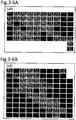
- Example 2-3 This example was the same as Example 2-3 except that 90 mg of ZPP was used. The results are shown in Fig. 3-4 , Fig. 3-6A and Fig. 3-6B .
- Example 2-3 and Example 2-4 it was possible to directly inject DNA into the cell nucleus of intradermal cells and the cell nucleus of subcutaneous cells, and directly inject DNA into the cell nucleus of cells in the adipose layer subcutaneously.
Landscapes
- Health & Medical Sciences (AREA)
- Life Sciences & Earth Sciences (AREA)
- Veterinary Medicine (AREA)
- Public Health (AREA)
- General Health & Medical Sciences (AREA)
- Animal Behavior & Ethology (AREA)
- Engineering & Computer Science (AREA)
- Chemical & Material Sciences (AREA)
- Pharmacology & Pharmacy (AREA)
- Medicinal Chemistry (AREA)
- Hematology (AREA)
- Heart & Thoracic Surgery (AREA)
- Biomedical Technology (AREA)
- Anesthesiology (AREA)
- Vascular Medicine (AREA)
- Epidemiology (AREA)
- Molecular Biology (AREA)
- Biochemistry (AREA)
- Bioinformatics & Cheminformatics (AREA)
- Chemical Kinetics & Catalysis (AREA)
- General Chemical & Material Sciences (AREA)
- Nuclear Medicine, Radiotherapy & Molecular Imaging (AREA)
- Organic Chemistry (AREA)
- Biotechnology (AREA)
- Genetics & Genomics (AREA)
- Apparatus Associated With Microorganisms And Enzymes (AREA)
- Infusion, Injection, And Reservoir Apparatuses (AREA)
- Medicinal Preparation (AREA)
Abstract
Description
- The present invention relates to an injector and a method of injecting a solution containing biomolecules into a cell nucleus of an injection target using the same.
- Regarding injectors for injecting a drug solution into a living body or the like, there are catheters including an injection needle and a drive source for transporting a drug solution into an injection target in addition to a needle syringe that performs injection through an injection needle and a needleless syringe that performs injection without using an injection needle.
- Among these, a needleless syringe may be configured to inject an injection component by applying a pressure to an accommodation chamber in which an injection solution is accommodated using a pressurized gas, a spring, or an electromagnetic force. For example, a configuration in which a plurality of nozzle holes are formed inside a syringe main body and a piston that is driven during injection is arranged to correspond to each nozzle hole may be used (Patent Document 1). With such a configuration, an injection solution is sprayed simultaneously from a plurality of nozzle holes and uniform injection into a target is realized. Then, a plasmid containing a luciferase gene can be injected into rats and cells can be transferred with high efficiency.
- In addition, there is a form in which a pressurized gas is used as an injection power source for an injection solution in a needleless syringe. For example, a pressurization form in which a high pressure is instantaneously applied in the initial stage of injection, and the applied pressure is then gradually reduced over 40 to 50 msec may be exemplified (Patent Document 2).
- However, there are no reports in which a solution containing biomolecules can be directly injected into a cell nucleus of an injection target by an injector with high efficiency. In addition, there are no reports focusing on conditions for injecting a solution containing biomolecules from an injector required for directly injecting a solution containing biomolecules into a cell nucleus of the injection target with high efficiency.
-
- [Patent Document 1] Japanese Patent Application Publication No.
2004-358234 - [Patent Document 2] U.S. Patent Application Publication No.
2005/0010168 - The present invention has been made in view of such circumstances, and an object of the present invention is to provide an injector that can directly inject a solution containing biomolecules into a cell nucleus of an injection target with high efficiency and a method of directly injecting a solution containing biomolecules into a cell nucleus of an injection target using the injector with high efficiency.
- The inventors conducted extensive studies and as a result, found that, in an injector in which a solution containing biomolecules is accommodated, by focusing on an injection speed of the solution containing biomolecules within a predetermined time from an injection start time of the solution containing biomolecules injected by the injector, the following injector can address the above problems, and thus completed the present invention. The present invention is as follows.
- [1] An injector that injects a solution containing biomolecules into an injection target from an injector main body without performing injection through a given structure in a state where the given structure is inserted into the injection target, the injector comprising:
- an accommodation unit for accommodating a solution containing biomolecules; and
- a nozzle unit including an injection port through which the solution containing biomolecules flows and is injected into the injection target, the solution being pressurized,
- wherein there is a time at which an injection speed of the solution containing biomolecules is 40 m/s or more between an injection start time of the solution containing biomolecules and a time of 0.20 ms.
- [2] The injector according to [1],
wherein there is a time at which the injection speed of the solution containing biomolecules is 75 m/s or more between the injection start time of the solution containing biomolecules and a time of 0.20 ms. - [3] The injector according to [1] or [2],
wherein there is a time at which the injection speed of the solution containing biomolecules is 75 m/s or more between the injection start time of the solution containing biomolecules and a time of 0.15 ms. - [4] A method of injecting a solution containing biomolecules into a cell nucleus of an injection target using the injector according to any one of [1] to [3].
- According to the present invention, it is possible to provide an injector that can directly inject a solution containing biomolecules into a cell nucleus of an injection target with high efficiency and a method of directly injecting a solution containing biomolecules into a cell nucleus of an injection target using the injector with high efficiency.
-
-
Fig. 1 is a diagram showing a schematic configuration of an injector according to one embodiment of a first aspect of the present invention. -
Fig. 2 is a graph showing an injection speed of filled water over time according to one embodiment of the first aspect of the present invention. -
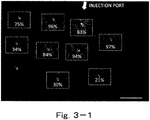
Fig. 3-1 is a diagram (photograph annotated with drawing) showing a distribution of DNA injected into a cell nucleus in a mammalian individual (living body) and a mammalian individual (living body) according to one embodiment of a second aspect of the present invention. -
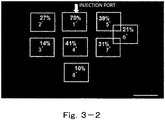
Fig. 3-2 is a diagram (photograph annotated with drawing) showing a distribution of DNA injected into a cell nucleus in a mammalian individual (living body) and a mammalian individual (living body) according to one embodiment of a second aspect of the present invention. -
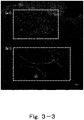
Fig. 3-3 is a diagram (photograph annotated with drawing) showing a distribution of DNA injected into a cell nucleus in a mammalian individual (living body) and a mammalian individual (living body) according to one embodiment of a second aspect of the present invention. -
Fig. 3-4 is a diagram (photograph annotated with drawing) showing a distribution of DNA injected into a cell nucleus in a mammalian individual (living body) and a mammalian individual (living body) according to one embodiment of a second aspect of the present invention. -
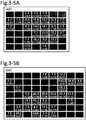
Fig. 3-5A is a diagram (photograph annotated with drawing) showing a distribution of a proportion of the number of cells into which DNA has been directly injected into a cell nucleus according to one embodiment of the second aspect of the present invention. -
Fig. 3-5B is a diagram (photograph annotated with drawing) showing a distribution of a proportion of the number of cells into which DNA has been directly injected into a cell nucleus according to one embodiment of the second aspect of the present invention. -
Fig. 3-6A is a diagram (photograph annotated with drawing) showing a distribution of a proportion of the number of cells into which DNA has been directly injected into a cell nucleus according to one embodiment of the second aspect of the present invention. -
Fig. 3-6B is a diagram (photograph annotated with drawing) showing a distribution of a proportion of the number of cells into which DNA has been directly injected into a cell nucleus according to one embodiment of the second aspect of the present invention. - The present invention includes an invention of an injector (first aspect) and an invention of a method of injecting a solution containing biomolecules to a cell nucleus of an injection target using the injector (second aspect).
- The first aspect of the present invention is an injector that injects a solution containing biomolecules into an injection target from an injector main body without performing injection through a given structure in a state where the given structure is inserted into the injection target, the injector comprising: an accommodation unit for accommodating a solution containing biomolecules; and a nozzle unit including an injection port through which the solution containing biomolecules flows and is injected into the injection target, the solution being pressurized, wherein there is a time at which an injection speed of the solution containing biomolecules is 40 m/s or more between an injection start time of the solution containing biomolecules and a time of 0.20 ms.
- In the injector according to the first aspect of the present invention, since there is a time at which the injection speed of the solution containing biomolecules is 40 m/s or more between the injection start time of the solution containing biomolecules and a time of 0.20 ms, it is possible to directly inject the solution containing biomolecules into a cell nucleus of the injection target with high efficiency.
- Specifically, for example, when the injection target is cells in a mammalian individual (living body), there is a time at which the injection speed of the solution containing biomolecules is 40 m/s or more between the injection start time of the solution containing biomolecules and a time of 0.20 ms, and thus the solution containing biomolecules penetrates through the epidermis of the mammalian individual (living body), the cells are deformed due to a shear force when the solution is injected into the dermis, and the solution containing biomolecules is expected to be directly injected into the cell nucleus of the cells in the mammalian individual (living body) with high efficiency.
- In this case, since the solution containing biomolecules is directly injected into a cell nucleus of the injection target with higher efficiency, preferably, there is a time at which the injection speed of the solution containing biomolecules is 75 m/s or more between the injection start time of the solution containing biomolecules and a time of 0.20 ms, and more preferably there is a time at which the injection speed of the solution containing biomolecules is 75 m/s or more between the injection start time of the solution containing biomolecules and a time of 0.15 ms. In addition, for example, when the injection target is cells in a mammalian individual (living body), since the solution containing biomolecules is expected to be injected into the injection target without penetrating through the mammalian individual (living body) itself, the injection speed of the solution containing biomolecules is preferably 250 m/s or less and more preferably 200 m/s or less between the injection start time of the solution containing biomolecules and a time of 0.20 ms. For example, when the injection target is cells in swine, and as a preferable form, when the injection target is cells in the skin of the abdomen, the injection speed is preferably 200 m/s or less. In addition, when the injection target is cells in a rat, and as a preferable form, when the injection target is cells in the skin of the lumbar back, the injection speed is preferably 150 m/s or less.
- In the first aspect of the present invention, biomolecules injected into the cell nucleus of the injection target are not particularly limited as long as they function in the cell nucleus or cells of the injection target when they are injected into the cell nucleus of the injection target. In addition, the biomolecules may be a natural product or artificially synthesized product. Examples thereof include nucleic acids or derivatives thereof; nucleosides, nucleotides or derivatives thereof; amino acids, peptides, proteins or derivatives thereof; lipids or derivatives thereof; metal ions; low-molecular-weight compounds or derivatives thereof; antibiotics; and vitamins or derivatives thereof. The nucleic acid may be DNA or RNA, and may include a gene. In examples to be described below, a free Cy3-labeled plasmid DNA is used as biomolecules.
- The form of the biomolecules to be injected into the cell nucleus of the injection target and a solvent therefor are not particularly limited as long as biomolecules are stably present and there is no adverse effect such as destruction of the injection target or the cell nucleus of the injection target to be injected, and may be a free form, a form in which biomolecules are fixed to carriers such as nanoparticles, a modified form.
- When DNA contains a gene, a design form in which the gene is contained in an expression cassette or expression vector may be exemplified. In addition, for example, the gene may be provided under control of a promoter suitable for the type of the injection target into which the DNA is injected and the injection site. That is, in any of the forms, a known genetic engineering technique can be used.
- In the injector according to the first aspect of the present invention, "distal end side" refers to the side on which an injection port through which a solution containing biomolecules is injected from an injector is arranged, and "proximal end side" refers to the side opposite to the distal end side in the injector, and these terms do not limit specific locations or positions.
- The injector according to the first aspect of the present invention injects a solution containing biomolecules to the injection target from an injector main body without performing injection through a given structure in the state where the given structure is inserted into the injection target. The injector according to the first aspect of the present invention may have, for example, a given structure such as a catheter for guiding a solution containing biomolecules from an injector main body to an injection target, for example, when a distance from the injector main body to the injection target is large. Therefore, the injector according to the first aspect of the present invention may or may not have such a given structure. However, when the injector has such a given structure, a solution containing biomolecules is not injected into the injection target in the state where the given structure is inserted into the injection target.
- In the injector according to the first aspect of the present invention, a driving unit for pressurizing a solution containing biomolecules is not particularly limited. The pressurization may be caused by, for example, a pressure generated when the pressure of the compressed gas is released, or a pressure generated by combustion of an explosive that is ignited by an ignition device. In addition, pressurization using an electromagnetic force, for example, pressurization using a linear electromagnetic actuator, may be used. Preferably, at least, a form in which a pressure generated by combustion of an explosive that is ignited by an ignition device is used, or any one of two other pressurization forms or a combination of them may be used.
- When a form in which a pressure generated by combustion of an explosive that is ignited by an ignition device is used for pressurization is used, the explosive may be, for example, any explosive among an explosive containing zirconium and potassium perchlorate (ZPP), an explosive containing titanium hydride and potassium perchlorate (THPP), an explosive containing titanium and potassium perchlorate (TiPP), an explosive containing aluminum and potassium perchlorate (APP), an explosive containing aluminum and bismuth oxide (ABO), an explosive containing aluminum and molybdenum oxide (AMO), an explosive containing aluminum and copper oxide (ACO), and an explosive containing aluminum and iron oxide (AFO) or an explosive composed of a plurality of combinations of these. Regarding a feature of these explosives, if the combustion products are gases in a high temperature state, since they do not contain gas components at room temperature, the combustion products after ignition immediately condense.
- In addition, when the generated energy of a gas generating agent is used as injection energy, various gas generating agents used in a single base smokeless explosive, a gas generator for an airbag, and a gas generator for a seat belt pretensioner can be used as the gas generating agent.
- In the injector according to the first aspect of the present invention, the solution containing biomolecules is not accommodated in a filling chamber from the beginning, and the solution containing biomolecules is accommodated in the filling chamber by sucking through a nozzle having an injection port. In this manner, when a configuration in which a filling operation in the filling chamber is required is used, it is possible to inject any required solution containing biomolecules into the injection target. Therefore, in the injector according to the first aspect of the present invention, a syringe part is removable.
- Hereinafter, regarding an example of an injector according to one embodiment of the first aspect of the present invention, a syringe 1 (needleless syringe) will be described with reference to the drawings. Here, the configuration of the following embodiment is an example, and the first aspect of the present invention is not limited to the configuration of the embodiment. Here, the terms "distal end side" and "proximal end side" are used as terms that represent the relative positional relationships in the
syringe 1 in the longitudinal direction. The "distal end side" represents a position near the tip of thesyringe 1 to be described below, that is, near aninjection port 31a, and the "proximal end side" represents a side on the side opposite to the "distal end side" of thesyringe 1 in the longitudinal direction, that is, a side on the side of adriving unit 7. In addition, this example is an example in which combustion energy of an explosive that is ignited by an ignition device is used as injection energy and a DNA solution is used as a solution containing biomolecules, but the first aspect of the present invention is not limited thereto. -
Fig. 1 is a diagram showing a schematic configuration of thesyringe 1 and is a cross-sectional view of thesyringe 1 in the longitudinal direction. Thesyringe 1 has a configuration in which asyringe assembly 10 in which a sub-assembly including asyringe part 3 and aplunger 4 and a sub-assembly including a syringemain body 6, apiston 5, and thedriving unit 7 are integrally assembled is mounted in a housing (syringe housing) 2. - As described above, the
syringe assembly 10 is configured to be detachable from thehousing 2. A fillingchamber 32 formed between thesyringe part 3 and theplunger 4 included in thesyringe assembly 10 is filled with a DNA solution, and thesyringe assembly 10 is a unit that is discarded whenever the DNA solution is injected. On the other hand, on the side of thehousing 2, abattery 9 that supplies power to anigniter 71 included in thedriving unit 7 of thesyringe assembly 10 is included. When a user performs an operation of pressing abutton 8 provided in thehousing 2, supply of power from thebattery 9 is performed between an electrode on the side of thehousing 2 and an electrode on the side of thedriving unit 7 of thesyringe assembly 10 via a wiring. Here, the shape and position of both electrodes are designed so that the electrode on the side of thehousing 2 and the electrode on the side of thedriving unit 7 of thesyringe assembly 10 are automatically brought in contact when thesyringe assembly 10 is mounted in thehousing 2. In addition, thehousing 2 is a unit that can be repeatedly used as long as power that can be supplied to thedriving unit 7 remains in thebattery 9. Here, in thehousing 2, when thebattery 9 has no power, only thebattery 9 may be replaced, and thehousing 2 may be continuously used. - In addition, in the syringe
main body 6 shown inFig. 1 , no particular additional explosive component is provided, but in order to adjust transition of the pressure applied to the DNA solution via thepiston 5, a gas generating agent that generates a gas and the like by combustion of a combustion product generated by explosive combustion in theigniter 71 can be provided in theigniter 71 or in a through-hole of the syringemain body 6. A configuration in which a gas generating agent is provided in theigniter 71 is an already known technique as disclosed inWO 01-031282 2003-25950 unit 7 includes a gas generating agent and the like used as necessary. - The injection target in the first aspect of the present invention has no limitation, and may be, for example, any of cells, cells in cell sheets, cells in tissues, cells in organs (body organs), cells in organ systems, and cells in individuals (living bodies). Examples of a preferable injection target include injection targets derived from mammals. The injection target is more preferably cells in a mammalian individual (living body), still more preferably cells in the skin, and yet more preferably cells in one or more tissues selected from the group consisting of intradermal, subcutaneous and cutaneous muscles.
- Here, when the mammalian individual (living body) has an adipose layer, the subcutaneous muscle includes the adipose layer. For example, swine have a thick adipose layer, whereas rats do not have an adipose layer or if they have an adipose layer, the adipose layer is thin.
- In this case, a method in which a solution containing biomolecules is injected from an injector into a skin surface of a mammalian individual (living body), and injected from the skin surface into cells in one or more tissues selected from the group consisting of intradermal, subcutaneous and cutaneous muscles in the skin can be used.
- In addition, a system in which a solution containing biomolecules is injected from an injector into an injection target may be any of an in vitro system, an in vivo system, and an ex vivo system.
- In addition, the mammal is not particularly limited, and examples thereof include humans, mice, rats, guinea pigs, hamsters, cows, goats, sheep, swine, monkeys, dogs, and cats. In addition, depending on the injection target, a form in which humans are excluded from mammals may be exemplified.
- A method of confirming that a solution containing biomolecules is directly injected into a cell nucleus of an injection target is not particularly limited, and a known biological technique can be used. For example, a method in which biomolecules are fluorescently labeled in advance, injected into a cell nucleus of an injection target, and then observed under a fluorescence microscope may be exemplified. In examples to be described below, a Cy3-labeled plasmid V7905 (commercially available from Mirus Bio LLC.) is used as DNA that is directly injected into a cell nucleus of cells in the mammalian individual (living body) and DAPI is used as a nuclear staining dye. For example, a sample can be prepared by acquiring a tissue immediately after injecting DNA and separating it into pieces. In this case, DAPI staining may be performed simultaneously. Red fluorescence is exhibited at a position at which the Cy3-labeled plasmid V7905 is injected, and blue fluorescence is exhibited due to DAPI at a position of the cell nucleus. Therefore, according to observation under a fluorescence microscope, a position at which blue purple fluorescence is exhibited can be identified as a position of the Cy3-labeled plasmid V7905 directly injected into the cell nucleus.
- The second aspect of the present invention is a method of injecting a solution containing biomolecules to a cell nucleus of an injection target using the injector of the first aspect.
- The description of the first aspect of the present invention above applies to the injector, the injection target, and the solution containing biomolecules in the second aspect of the present invention.
- Hereinafter, the present invention will be described in more detail with reference to examples, but the present invention is not limited to the following examples without departing from the spirit and scope of the invention.
- The injector shown in
Fig. 1 (nozzle diameter: diameter of 0.1 mm) was filled with 100 µL of water, and the injection speed of water from the injection start time of water due to combustion of an ignition charge was evaluated. Regarding the explosive, 35 mg of an explosive containing zirconium and potassium perchlorate (ZPP) was used, and no gas generating agent was used. The injection speed of water was obtained by imaging a distal end of an injector using a high-speed camera (FASTCAM SA-X2 commercially available from PHOTRON LIMITED) and calculating the displacement for injected water and time. - This example was the same as Example 1-1 except that 15 mg of ZPP was used.
- This example was the same as Example 1-1 except that 55 mg of ZPP was used.
- This example was the same as Example 1-1 except that 90 mg of ZPP was used.
-
Fig. 2 and Table 1 are a graph and a table showing the injection speed of water in examples over time. Here, in Table 1, the injection speed at a certain time was obtained by dividing a difference between the displacement of water at a time one time before the time and the displacement of water at a time one time after the time by the time. For example, in Example 1-1, the injection speed at a time of 0.013 ms column was obtained by dividing a difference between the displacement of water at a time of 0.000 ms and the displacement of water at a time of 0.020 ms by the time of 0.020 ms.[Table 1] Example 1-1 Example 1-2 Example 1-3 Example 1-4 Time (ms) Injection speed (m/s) Time (ms) Injection speed (m/s) Time (ms) Injection speed (m/s) Time (ms) Injection speed (m/s) 0.000 0.000 0.000 0.000 0.013 33.3 0.010 23.7 0.006 95.8 0.006 101.4 0.020 59.2 0.020 29.7 0.013 105.6 0.013 133.9 0.027 77.3 0.030 32.6 0.020 121.2 0.020 156.6 0.033 85.0 0.040 32.6 0.026 126.9 0.026 162.3 0.040 93.2 0.050 23.7 0.033 122.7 0.033 166.5 0.047 97.2 0.060 26.7 0.040 125.5 0.040 176.3 0.053 98.7 0.070 32.6 0.046 135.4 0.046 187.7 0.060 105.7 0.080 29.7 0.053 142.5 0.053 190.5 0.067 108.0 0.090 29.7 0.060 145.3 0.060 196.2 0.073 106.8 0.100 29.7 0.066 146.8 0.066 196.2 0.080 109.8 0.110 29.7 0.073 152.4 0.073 193.3 0.087 108.3 0.120 35.6 0.080 151.0 0.080 194.7 0.093 108.0 0.130 41.5 0.086 149.5 0.086 191.9 0.100 107.6 0.140 35.6 0.093 153.8 0.093 193.4 0.107 103.5 0.150 35.6 0.100 153.8 0.100 196.3 0.113 103.2 0.160 44.5 0.106 151.1 0.106 196.2 0.120 108.7 0.170 41.5 0.113 142.5 0.113 194.8 0.127 113.1 0.180 38.5 0.120 143.9 0.120 197.6 0.133 109.8 0.190 44.5 0.126 142.5 0.126 197.6 0.140 108.7 0.200 44.5 0.133 136.9 0.133 196.2 0.147 108.0 0.210 47.8 0.140 146.7 0.140 197.6 0.153 106.5 0.225 49.4 0.146 148.1 0.146 197.6 0.160 109.8 0.240 45.5 0.153 145.3 0.153 194.7 0.167 108.7 0.255 45.5 0.160 143.9 0.160 190.5 0.270 45.5 0.166 143.9 0.166 193.4 0.285 41.5 0.173 141.1 0.300 39.5 0.180 143.9 0.315 45.5 0.186 146.7 0.330 45.5 0.193 135.3 0.345 43.5 0.200 141.0 0.360 43.5 0.206 148.2 0.375 41.5 0.390 43.5 0.405 45.5 0.420 45.5 0.435 45.5 0.450 47.4 0.465 43.5 0.480 47.4 0.495 55.3 - The injector used in Example 1 was filled with 30 µL of a solution containing a Cy3-labeled plasmid V7905 (solvent: endotoxin-free TE buffer, final concentration: 0.1 mg/mL). Regarding the explosive, 35 mg of an explosive containing zirconium and potassium perchlorate (ZPP) was used, and regarding the gas generating agent, 40 mg of a single base smokeless explosive. The solution was injected into the skin of the lumbar back of a female SD rat (10-week old). Here, as described above, no gas generating agent was used in Example 1-1, but the gas generating agent was used in this example. This is because it is considered that use of a gas generating agent does not affect the initial injection speed defined in the present invention.
- Immediately after injection, the skin was removed and frozen in an OCT compound (embedding agent for preparing a frozen tissue section (Tissue Tech O.C.T. Compound), commercially available from Sakura Finetek Japan Co., Ltd.) with dry ice. Using a cryostat (commercially available from Leica), the cross section of the injection part was cut into slices with a thickness of 6 µm and encapsulated with an encapsulant containing DAPI. The fluorescence of the prepared sample was observed under an all-in-one fluorescence microscope (Z-X700, commercially available from Keyence Corporation), and a red fluorescence image of Cy3 and a blue fluorescence image of DAPI were obtained with a thickness of 0.1 to 0.4 µm. In order to obtain an injection distribution in the injection area, images in a plurality of fields were obtained. The results are shown in
Fig. 3-1 . The scale bar indicates 0.73 mm. - A proportion of the number of cells into which DNA was directly injected was calculated as follows using a hybrid cell count function. That is, for cells in each analysis target area (each area surrounded by a white frame in
Fig. 3-1 ), cells in which an area of the purple fluorescence in which the blue fluorescence and the red fluorescence overlapped was 50% or more with respect to the area of cells were defined as cells into which DNA was directly injected, and the number of cells was counted (this is referred to as a number of cells A). On the other hand, a total number of cells in each analysis target area was counted using the number of cell nuclei as an index (this is referred to as a number of cells B). A ratio shown in each analysis target area inFig. 3-1 is a ratio of the number of cells A to the number of cells B. Here, the epidermis and hair follicles in which hardly any of the red fluorescence of Cy3 was observed were excluded from the analysis target. - This example was the same as Example 2-1 except that 15 mg of ZPP was used. The results are shown in
Fig. 3-2 . - In
Fig. 3-1 andFig. 3-2 , in Example 2-1 and Example 2-2, DNA was directly injected into the cell nucleus in intradermal cells. In addition, it was found that the proportion of DNA directly injected into these cell nuclei was significantly large also in cells present in the injection target in the linear direction from the injection port. - This example was the same as Example 2-1 except that 55 mg of ZPP was used, and female swine (15-week old, edible Sangenton (LWD) (hybrid of Landrace species, Yorkshire species, and Duroc species)) were used in place of the female SD rat (10-week old), and injection into the skin of the abdomen was performed.
- Here, when a proportion of the number of cells into which DNA was directly injected was calculated, as analysis target areas, an area (a1) surrounded by a white dashed frame on the upper side and an area (b1) surrounded by a white dashed frame on the lower side in
Fig. 3-3 were used. The area (a1) was a part of the intradermal cells and the area (b1) was a part of the adipose layer. - As shown in
Fig. 3-5A , an image (a2) including a numerical value was obtained by dividing the area (a1) into a plurality of sections, and the ratio of the number of cells A to the number of cells B, the number of cells B, and the number of cells A were added to each of the sections. For example, the description "2.4 (2/83)" indicates that the ratio of the number of cells A to the number of cells B was 2.4%, the number of cells B was 2, and the number of cells A was 83. A section in which no numerical value is shown is a section in which the ratio of the number of cells A to the number of cells B was 0. - The same applies to the image (b2) shown in
Fig. 3-5B . - This example was the same as Example 2-3 except that 90 mg of ZPP was used. The results are shown in
Fig. 3-4 ,Fig. 3-6A and Fig. 3-6B . - In
Fig. 3-3 toFig. 3-6B , in Example 2-3 and Example 2-4, it was possible to directly inject DNA into the cell nucleus of intradermal cells and the cell nucleus of subcutaneous cells, and directly inject DNA into the cell nucleus of cells in the adipose layer subcutaneously. - 1: Syringe, 2: Housing, 3: Syringe part, 4: Plunger, 5: Piston, 6: Syringe main body, 7: Driving unit, 8: Button, 9: Battery, 10: Syringe assembly, 31: Nozzle unit, 31a: Injection port, 32: Filling chamber, 71: Igniter
Claims (4)
- An injector that injects a solution containing biomolecules into an injection target from an injector main body without performing injection through a given structure in a state where the given structure is inserted into the injection target, the injector comprising:an accommodation unit for accommodating a solution containing biomolecules; anda nozzle unit including an injection port through which the solution containing biomolecules flows and is injected into the injection target, the solution being pressurized,wherein there is a time at which an injection speed of the solution containing biomolecules is 40 m/s or more between an injection start time of the solution containing biomolecules and a time of 0.20 ms.
- The injector according to claim 1,
wherein there is a time at which the injection speed of the solution containing biomolecules is 75 m/s or more between the injection start time of the solution containing biomolecules and a time of 0.20 ms. - The injector according to claim 1 or 2,
wherein there is a time at which the injection speed of the solution containing biomolecules is 75 m/s or more between the injection start time of the solution containing biomolecules and a time of 0.15 ms. - A method of injecting a solution containing biomolecules into a cell nucleus of an injection target using the injector according to any one of claims 1 to 3.
Applications Claiming Priority (2)
| Application Number | Priority Date | Filing Date | Title |
|---|---|---|---|
| JP2018021910 | 2018-02-09 | ||
| PCT/JP2019/004724 WO2019156239A1 (en) | 2018-02-09 | 2019-02-08 | Injector and method of injecting solution containing live cells into injection-target cell nuclei using said injector |
Publications (2)
| Publication Number | Publication Date |
|---|---|
| EP3750577A1 true EP3750577A1 (en) | 2020-12-16 |
| EP3750577A4 EP3750577A4 (en) | 2021-06-23 |
Family
ID=67549479
Family Applications (1)
| Application Number | Title | Priority Date | Filing Date |
|---|---|---|---|
| EP19750340.2A Pending EP3750577A4 (en) | 2018-02-09 | 2019-02-08 | Injector and method of injecting solution containing live cells into injection-target cell nuclei using said injector |
Country Status (5)
| Country | Link |
|---|---|
| US (1) | US20210038818A1 (en) |
| EP (1) | EP3750577A4 (en) |
| JP (2) | JP7280203B2 (en) |
| CN (2) | CN116370754A (en) |
| WO (1) | WO2019156239A1 (en) |
Families Citing this family (5)
| Publication number | Priority date | Publication date | Assignee | Title |
|---|---|---|---|---|
| WO2019156239A1 (en) * | 2018-02-09 | 2019-08-15 | 株式会社ダイセル | Injector and method of injecting solution containing live cells into injection-target cell nuclei using said injector |
| JP7853225B2 (en) | 2021-01-05 | 2026-04-28 | 株式会社ダイセル | syringe |
| CN119031920A (en) | 2022-04-20 | 2024-11-26 | 株式会社大赛璐 | Liquid pharmaceutical composition |
| CN119233815A (en) | 2022-05-20 | 2024-12-31 | 株式会社大赛璐 | Liquid pharmaceutical composition |
| EP4563156A1 (en) | 2022-07-28 | 2025-06-04 | Daicel Corporation | Composition that includes cancer cells and that is administered by a syringe |
Family Cites Families (26)
| Publication number | Priority date | Publication date | Assignee | Title |
|---|---|---|---|---|
| JP2002511396A (en) * | 1998-04-14 | 2002-04-16 | メルク エンド カムパニー インコーポレーテッド | Needleless administration of polynucleotide preparations |
| EP1227294A4 (en) | 1999-10-28 | 2005-02-02 | Daicel Chem | ELECTRICAL IGNITION AND PRE-VOLTAGE DEVICE |
| FR2807946B1 (en) * | 2000-04-19 | 2002-06-07 | Poudres & Explosifs Ste Nale | NEEDLELESS SYRINGE OPERATING WITH A TWO-COMPOSITION PYROTECHNIC LOAD |
| GB0012165D0 (en) * | 2000-05-20 | 2000-07-12 | Team Consulting Ltd | Portable device with consistent power output |
| IL141123A0 (en) * | 2001-01-26 | 2002-02-10 | Iger Yoni | Method and apparatus for the delivery of substances to biological components |
| JP2003025950A (en) | 2001-07-19 | 2003-01-29 | Nippon Kayaku Co Ltd | Gas generator |
| GB0118266D0 (en) | 2001-07-26 | 2001-09-19 | Powderject Res Ltd | Silencing device and method for needleless syringe |
| PT1444999E (en) * | 2003-02-03 | 2010-11-11 | Bioware Technology Co Ltd | Low pressure gas accelerated gene gun |
| US7281502B2 (en) * | 2003-04-24 | 2007-10-16 | Team Holdings (Uk) Limited | Powered devices |
| JP2004358234A (en) | 2003-05-09 | 2004-12-24 | Ryuichi Morishita | Needleless syringe with multiple nozzle holes |
| JP2006325700A (en) * | 2005-05-24 | 2006-12-07 | Sparkling Photon Inc | Medicine introducing apparatus using shock wave induced by ultra-short pulse laser |
| US20070055199A1 (en) * | 2005-08-10 | 2007-03-08 | Gilbert Scott J | Drug delivery device for buccal and aural applications and other areas of the body difficult to access |
| CN101505818A (en) * | 2006-08-21 | 2009-08-12 | 皇家飞利浦电子股份有限公司 | Drug delivery device with piezoelectric actuator |
| EP2077877B1 (en) * | 2006-09-01 | 2019-12-11 | Massachusetts Institute of Technology | Needle-free injector device with autoloading capability |
| JP5575593B2 (en) * | 2010-09-17 | 2014-08-20 | 株式会社ダイセル | Syringe |
| US8430839B2 (en) * | 2011-04-19 | 2013-04-30 | Palo Alto Research Center Incorporated | Drug delivery devices and methods with collimated gas stream and drug reservoir |
| KR101999613B1 (en) * | 2012-03-02 | 2019-07-12 | 고쿠리츠켄큐카이하츠호진 카가쿠기쥬츠신코키코 | Bubble jetting member and method for producing same, gas/liquid jetting member and method for producing same, localized ablation device and localized ablation method, injection device and injection method, plasma bubble jetting member, and therapeutic device and therapeutic method |
| KR20140021383A (en) | 2012-08-10 | 2014-02-20 | 서울대학교산학협력단 | Microjet trans-dermal drug injection system using er:yag laser pulse |
| EP3082419A4 (en) * | 2013-12-18 | 2017-09-20 | Windgap Medical, Inc. | Drug mixing and delivery system and method |
| JP2017000667A (en) * | 2015-06-16 | 2017-01-05 | 国立大学法人三重大学 | Needleless syringe and method for introducing DNA into injection target region using the same |
| US10737032B2 (en) * | 2015-11-25 | 2020-08-11 | Portal Instruments, Inc. | Needle-free transdermal injection device |
| EP3398635B1 (en) * | 2015-12-28 | 2021-12-08 | Daicel Corporation | Injection apparatus |
| CN108472451B (en) * | 2015-12-28 | 2021-11-26 | 株式会社大赛璐 | Dosing device design system, dosing device design method, dosing device design program, and medical device design system |
| US10413671B2 (en) * | 2017-09-12 | 2019-09-17 | Portal Instruments, Inc. | Rotary motor based transdermal injection device |
| WO2019156239A1 (en) * | 2018-02-09 | 2019-08-15 | 株式会社ダイセル | Injector and method of injecting solution containing live cells into injection-target cell nuclei using said injector |
| JP7280201B2 (en) * | 2018-02-09 | 2023-05-23 | 株式会社ダイセル | injector |
-
2019
- 2019-02-08 WO PCT/JP2019/004724 patent/WO2019156239A1/en not_active Ceased
- 2019-02-08 JP JP2019571181A patent/JP7280203B2/en active Active
- 2019-02-08 CN CN202310241938.1A patent/CN116370754A/en active Pending
- 2019-02-08 CN CN201980012318.2A patent/CN111699010A/en active Pending
- 2019-02-08 EP EP19750340.2A patent/EP3750577A4/en active Pending
- 2019-02-08 US US16/968,134 patent/US20210038818A1/en active Pending
-
2023
- 2023-05-11 JP JP2023078360A patent/JP2023099616A/en active Pending
Also Published As
| Publication number | Publication date |
|---|---|
| JP7280203B2 (en) | 2023-05-23 |
| CN116370754A (en) | 2023-07-04 |
| JP2023099616A (en) | 2023-07-13 |
| US20210038818A1 (en) | 2021-02-11 |
| EP3750577A4 (en) | 2021-06-23 |
| CN111699010A (en) | 2020-09-22 |
| JPWO2019156239A1 (en) | 2021-01-28 |
| WO2019156239A1 (en) | 2019-08-15 |
Similar Documents
| Publication | Publication Date | Title |
|---|---|---|
| EP3750579B1 (en) | INJECTOR | |
| US20210038818A1 (en) | Injector and method of injecting solution containing biomolecules into cell nucleus of injection target using the same | |
| US20240390590A1 (en) | Injector and method of injecting solution containing biomolecules into injection target using the same | |
| CN108136129A (en) | Needle-free injector and method for introducing DNA into injection target area using the needle-free injector | |
| JP7604568B2 (en) | Injector and method for injecting a solution containing a biomolecule into a cell of an injection target using the injector | |
| JP7853225B2 (en) | syringe | |
| EP1956894B1 (en) | Methods, compositions and devices utilizing stinging cells/capsules for conditioning a tissue prior to delivery of an active agent | |
| CN116407710B (en) | Injector and injection method for injecting solution containing biological molecule into cell of injection object using the injector | |
| WO2025105251A1 (en) | Injector and method for injecting solution into intended site using injector | |
| CN119233815A (en) | Liquid pharmaceutical composition | |
| WO2025023025A1 (en) | Injector, method for forming void using said injector, and method for reducing interstitial liquid accumulated in object | |
| CN119031920A (en) | Liquid pharmaceutical composition | |
| WO2024057929A1 (en) | Injector, and method for injecting solution using said injector |
Legal Events
| Date | Code | Title | Description |
|---|---|---|---|
| STAA | Information on the status of an ep patent application or granted ep patent |
Free format text: STATUS: THE INTERNATIONAL PUBLICATION HAS BEEN MADE |
|
| PUAI | Public reference made under article 153(3) epc to a published international application that has entered the european phase |
Free format text: ORIGINAL CODE: 0009012 |
|
| STAA | Information on the status of an ep patent application or granted ep patent |
Free format text: STATUS: REQUEST FOR EXAMINATION WAS MADE |
|
| 17P | Request for examination filed |
Effective date: 20200828 |
|
| AK | Designated contracting states |
Kind code of ref document: A1 Designated state(s): AL AT BE BG CH CY CZ DE DK EE ES FI FR GB GR HR HU IE IS IT LI LT LU LV MC MK MT NL NO PL PT RO RS SE SI SK SM TR |
|
| AX | Request for extension of the european patent |
Extension state: BA ME |
|
| DAV | Request for validation of the european patent (deleted) | ||
| DAX | Request for extension of the european patent (deleted) | ||
| A4 | Supplementary search report drawn up and despatched |
Effective date: 20210527 |
|
| RIC1 | Information provided on ipc code assigned before grant |
Ipc: A61M 5/30 20060101AFI20210520BHEP Ipc: A61K 31/713 20060101ALI20210520BHEP Ipc: A61K 45/00 20060101ALI20210520BHEP Ipc: A61K 48/00 20060101ALI20210520BHEP Ipc: A61M 5/303 20060101ALI20210520BHEP Ipc: A61P 43/00 20060101ALI20210520BHEP Ipc: A61K 49/00 20060101ALI20210520BHEP |
|
| STAA | Information on the status of an ep patent application or granted ep patent |
Free format text: STATUS: EXAMINATION IS IN PROGRESS |
|
| 17Q | First examination report despatched |
Effective date: 20241018 |