EP3748005A1 - Transgenic method of obtaining blue flowers by catalyzing glutamine to synthesize indigo - Google Patents
Transgenic method of obtaining blue flowers by catalyzing glutamine to synthesize indigo Download PDFInfo
- Publication number
- EP3748005A1 EP3748005A1 EP18903578.5A EP18903578A EP3748005A1 EP 3748005 A1 EP3748005 A1 EP 3748005A1 EP 18903578 A EP18903578 A EP 18903578A EP 3748005 A1 EP3748005 A1 EP 3748005A1
- Authority
- EP
- European Patent Office
- Prior art keywords
- gene
- plant
- bpsa
- indigoidine
- blue
- Prior art date
- Legal status (The legal status is an assumption and is not a legal conclusion. Google has not performed a legal analysis and makes no representation as to the accuracy of the status listed.)
- Granted
Links
Images




Classifications
-
- C—CHEMISTRY; METALLURGY
- C12—BIOCHEMISTRY; BEER; SPIRITS; WINE; VINEGAR; MICROBIOLOGY; ENZYMOLOGY; MUTATION OR GENETIC ENGINEERING
- C12N—MICROORGANISMS OR ENZYMES; COMPOSITIONS THEREOF; PROPAGATING, PRESERVING, OR MAINTAINING MICROORGANISMS; MUTATION OR GENETIC ENGINEERING; CULTURE MEDIA
- C12N9/00—Enzymes; Proenzymes; Compositions thereof; Processes for preparing, activating, inhibiting, separating or purifying enzymes
- C12N9/10—Transferases (2.)
- C12N9/12—Transferases (2.) transferring phosphorus containing groups, e.g. kinases (2.7)
- C12N9/1288—Transferases for other substituted phosphate groups (2.7.8)
-
- C—CHEMISTRY; METALLURGY
- C12—BIOCHEMISTRY; BEER; SPIRITS; WINE; VINEGAR; MICROBIOLOGY; ENZYMOLOGY; MUTATION OR GENETIC ENGINEERING
- C12N—MICROORGANISMS OR ENZYMES; COMPOSITIONS THEREOF; PROPAGATING, PRESERVING, OR MAINTAINING MICROORGANISMS; MUTATION OR GENETIC ENGINEERING; CULTURE MEDIA
- C12N15/00—Mutation or genetic engineering; DNA or RNA concerning genetic engineering, vectors, e.g. plasmids, or their isolation, preparation or purification; Use of hosts therefor
- C12N15/09—Recombinant DNA-technology
- C12N15/63—Introduction of foreign genetic material using vectors; Vectors; Use of hosts therefor; Regulation of expression
- C12N15/79—Vectors or expression systems specially adapted for eukaryotic hosts
- C12N15/82—Vectors or expression systems specially adapted for eukaryotic hosts for plant cells, e.g. plant artificial chromosomes (PACs)
- C12N15/8201—Methods for introducing genetic material into plant cells, e.g. DNA, RNA, stable or transient incorporation, tissue culture methods adapted for transformation
- C12N15/8202—Methods for introducing genetic material into plant cells, e.g. DNA, RNA, stable or transient incorporation, tissue culture methods adapted for transformation by biological means, e.g. cell mediated or natural vector
- C12N15/8205—Agrobacterium mediated transformation
-
- C—CHEMISTRY; METALLURGY
- C12—BIOCHEMISTRY; BEER; SPIRITS; WINE; VINEGAR; MICROBIOLOGY; ENZYMOLOGY; MUTATION OR GENETIC ENGINEERING
- C12N—MICROORGANISMS OR ENZYMES; COMPOSITIONS THEREOF; PROPAGATING, PRESERVING, OR MAINTAINING MICROORGANISMS; MUTATION OR GENETIC ENGINEERING; CULTURE MEDIA
- C12N15/00—Mutation or genetic engineering; DNA or RNA concerning genetic engineering, vectors, e.g. plasmids, or their isolation, preparation or purification; Use of hosts therefor
- C12N15/09—Recombinant DNA-technology
- C12N15/63—Introduction of foreign genetic material using vectors; Vectors; Use of hosts therefor; Regulation of expression
- C12N15/79—Vectors or expression systems specially adapted for eukaryotic hosts
- C12N15/82—Vectors or expression systems specially adapted for eukaryotic hosts for plant cells, e.g. plant artificial chromosomes (PACs)
- C12N15/8241—Phenotypically and genetically modified plants via recombinant DNA technology
- C12N15/8242—Phenotypically and genetically modified plants via recombinant DNA technology with non-agronomic quality (output) traits, e.g. for industrial processing; Value added, non-agronomic traits
- C12N15/8243—Phenotypically and genetically modified plants via recombinant DNA technology with non-agronomic quality (output) traits, e.g. for industrial processing; Value added, non-agronomic traits involving biosynthetic or metabolic pathways, i.e. metabolic engineering, e.g. nicotine, caffeine
- C12N15/825—Phenotypically and genetically modified plants via recombinant DNA technology with non-agronomic quality (output) traits, e.g. for industrial processing; Value added, non-agronomic traits involving biosynthetic or metabolic pathways, i.e. metabolic engineering, e.g. nicotine, caffeine involving pigment biosynthesis
-
- C—CHEMISTRY; METALLURGY
- C12—BIOCHEMISTRY; BEER; SPIRITS; WINE; VINEGAR; MICROBIOLOGY; ENZYMOLOGY; MUTATION OR GENETIC ENGINEERING
- C12N—MICROORGANISMS OR ENZYMES; COMPOSITIONS THEREOF; PROPAGATING, PRESERVING, OR MAINTAINING MICROORGANISMS; MUTATION OR GENETIC ENGINEERING; CULTURE MEDIA
- C12N9/00—Enzymes; Proenzymes; Compositions thereof; Processes for preparing, activating, inhibiting, separating or purifying enzymes
- C12N9/88—Lyases (4.)
-
- C—CHEMISTRY; METALLURGY
- C12—BIOCHEMISTRY; BEER; SPIRITS; WINE; VINEGAR; MICROBIOLOGY; ENZYMOLOGY; MUTATION OR GENETIC ENGINEERING
- C12Y—ENZYMES
- C12Y207/00—Transferases transferring phosphorus-containing groups (2.7)
- C12Y207/08—Transferases for other substituted phosphate groups (2.7.8)
-
- C—CHEMISTRY; METALLURGY
- C12—BIOCHEMISTRY; BEER; SPIRITS; WINE; VINEGAR; MICROBIOLOGY; ENZYMOLOGY; MUTATION OR GENETIC ENGINEERING
- C12Y—ENZYMES
- C12Y207/00—Transferases transferring phosphorus-containing groups (2.7)
- C12Y207/08—Transferases for other substituted phosphate groups (2.7.8)
- C12Y207/08007—Holo-[acyl-carrier-protein] synthase (2.7.8.7)
Definitions
- the invention belongs to the field of biotechnology, and relates to a transgenic method of obtaining a plant with blue flowers by catalyzing synthesis from glutamine to indigoidine.
- Flower color is an important ornamental feature of ornamental plants, and improvement in flower color has always been one of the important goals of gardeners.
- the color of flowers not only plays an important role in the pollination and reproduction of plants, but also provides a colorful viewing experience for humans, and thus has important aesthetic value ( Grotewold, E. The genetics and biochemistry of floral Pigments [J]. Annual Review of Plant Biology, 2006, 57(1): 761 ).
- As an important ornamental plant modern rose ( Rosa hybrida ) has been cultivated for 5000 years. So far, more than 2,500 varieties have cultivated, but there are no true blue roses among them.
- Blue Fairy are dyed blue with dyes ( Holton T.A, Tanaka Y. Blue roses: a pigment of our imagination? [J]. Trends in Biotechnology: United Kingdom, 1994, 12(2): 40-42 ). Blue rose as an idiom in English means a miracle that would never come true. It frequently appears in various literary and artistic works including movies, TV, poetry, novels, dramas and the like.
- the flower color of a plant is determined by many factors, including flavonoids such as anthocyanins, terpenes such as carotene, as well as pH of vacuole and metal ions, etc. ( Tanaka Y, Brugliera F. Flower colour and cytochromes P450 [J]. Philosophical Transactions of the Royal Society of London, 2013, 368 (1612): 283-291 ).
- flavonoids such as anthocyanins
- terpenes such as carotene
- pH of vacuole and metal ions etc.
- the hydroxylation of anthocyanins at different positions and different degrees makes the flowers have different colors, in which the flavonoid 3'5' hydroxylase (F3'5'H) catalyzes the formation of delphinidin, which leads to blue flowers for many plants.
- the purpose of the present invention is to overcome the deficiencies of the prior art and provides a transgenic method of obtaining a plant with blue flowers by catalyzing synthesis from glutamine to indigoidine.
- a transgenic method of obtaining a plant with a blue flower by catalyzing synthesis from glutamine to indigoidine includes the following steps:
- the plant promoter is a DNA sequence that can drive downstream gene expression in plant cells.
- the Sfp gene has the nucleotide sequence as shown in SEQ ID NO.1.
- the phosphopantetheinyl transferase encoded by the Sfp gene has the amino acid sequence as shown in SEQ ID NO. 2.
- the bpsA gene has the nucleotide sequence as shown in SEQ ID NO. 3.
- the indigoidine synthetase encoded by the bpsA gene has the amino acid sequence as shown in SEQ ID NO. 4.
- a plant promoter CHSp having the nucleotide sequence as shown in SEQ ID NO. 5 is upstream the Sfp gene.
- a plant promoter RhAGp having the nucleotide sequence as shown in SEQ ID NO. 6 is upstream the bpsA gene.
- the plasmid containing the plant promoter is pBI121.
- the plant is rose, rosa chinensis, lily, chrysanthemum, carnation or orchid.
- a transgenic method of obtaining a plant with a blue flower comprising rendering a petal of the plant to contain indigoidine, wherein the plant is rose, rosa chinensis, lily, chrysanthemum, carnation, or orchid.
- the advantages of the invention overcomes the deficiencies of the prior art such as dyeing method and transgenic method.
- the dyeing of flowers has more obvious artificial traces and is easy to decolor.
- the organic dyes used are usually poisonous.
- flowers are dried flowers and do not have the fragrance of flowers. If fresh flowers are dyed, they would not be easily preserved, and become withered soon.
- the blue flowers produced by the method of the present invention have numerous characteristics of natural flowers: fresh, floral, non-fading and non-toxic.
- the enzymes encoded by the genes used in the method of the present invention are not present in the vacuole and the indigoidine produced is not present in the vacuole either, it therefore is not affected by the low pH of the vacuole and can form a pure blue (royal blue).
- the precursor that produces blue substance, i.e. the substrate of the enzyme is a simple amino acid (glutamine) rich in plants, and the enzymatic reaction involved is just one step, and does not need complex precursor materials.
- the white flowers in nature, as a starting material can be geneticaly modified.
- the plants with blue flowers are obtained by the transgenic methods.
- a phosphopantetheinyl transferase is used in the invention to activate indigoidine synthetase, and the activated indigoidine synthetase catalyzes glutamine to synthesize blue compound indigoidine which turns the white roses blue.
- the invention uses modern roses (Rosa hybrida) as an example, but the plants with blue flowers obtained by the method are not limited to modern roses. Experiments shows that rose, rosa chinensis, lily, chrysanthemum, carnation or orchid with blue flowers can be obtained by the method of the present invention.
- the transfection method for plant cell may be a process of introducing artificially modified gene sequences into plant cells by physical, chemical, or biological means.
- a biological means i.e. Agrobacterium tumefaciens- mediated transfection method for plant cells is used in the present invention.
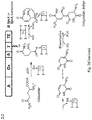
- Phosphopantetheinyl transferase activates the thiolated domain T of the non-ribosomal polypeptide synthetase and the reaction mechanism is shown in Figure 2-1 .
- the activated T domain functions to fix the substrate, and this function is necessary for the catalytic function of the non-ribosomal polypeptide synthetase.
- the Sfp gene of phosphopantetheinyl transferase used in the present invention was derived from Bacillus subtilis ATCC 21332 (NCBI No.: ALS83446).
- the gene codons were optimized according to the gene codon preference of Rosaceae plants to obtain the nucleotide sequence of SEQ ID NO. 1.
- the amino acid sequence encoded by the Sfp gene was shown in SEQ ID NO. 2.
- the selection of the Sfp gene should not be limited to the phosphopantetheinyl transferase used in the present invention.
- Indigoidine synthetase a non-ribosomal polypeptide synthetase, contains two amino acid-specific recognition domains A, an oxidation domain Ox containing flavin (FMN), a thiolation domain T, and a domain TE responsible for product dissociation.
- Indigoidine synthetase functions to catalyze synthesis from two molecules of glutamine to the blue compound indigoidine. The mechanism is shown in Figure 2-2 .
- the molecular formula of the formed indigoidine is shown in Figure 2-2 , and the absorption spectrum is shown in Figure 2-4 . Compared with other dyes, the formed indigoidine has good solubility and blue gloss, and has no obvious damage to plant cells.
- the bpsA gene encoding indigoidine synthetase selected by the present invention was derived from Streptomyces lavendulae ATCC11924.
- the amino acid sequence encoded by bpsA was shown in SEQ ID NO.4 (NCBI No.: WP_030237949).
- the gene codons were optimized according to the gene codon preference of Rosaceae plants to obtain the nucleotide sequence of SEQ ID NO. 3.
- the full length of the bpsA gene encoding indigoidine synthetase was 3846 bases, and the encoded protein was 1282 amino acids and approximately 140 KD.
- the purified protein on SDS-PAGE was shown in Figure 2-3 .
- the selection of the bpsA gene should not be limited to the indigoidine synthetase used in the present invention.
- the method of using any genes encoding indigoidine synthetase derived from other species, or any genes encoding an isoenzyme of indigoidine synthetase together with the phosphopantetheinyl transferase to obtain the blue flowers should fall into the protection scope of the present invention.
- the plant binary expression vector pBI121 was selected as the starting plasmid vector.
- SEQ ID NO. 7 A synthetic fragment (SEQ ID NO. 7) was inserted between the restriction sites PmeI and SacI of the plasmid pBI121 to construct plasmid pBI121-CHS-RhAG, as shown in Figure 3 .
- SEQ ID NO. 7 included the terminator sequence MASt of mannopine synthase, the promoter sequence CHSp and the promoter sequence RhAGp.
- the fragment bpsA was obtained by PCR of using the plasmid containing the sequence of SEQ ID NO. 3 as a template and BpsA-FG (SEQ ID NO. 8) and BpsA-RG (SEQ ID NO. 9) as primers.
- the fragment Sfp was obtained by PCR of using the plasmid containing the sequence of SEQ ID NO. 1 as a template, and Sfp-FG (SEQ ID NO. 10) and Sfp-RG (SEQ ID NO. 11) as primers.
- Plasmid pBI121-CHS-RhAG was digested with restriction enzymes BamHI and SpeI. After purification and recovery, fragment CHS-RhAG and plasmid framework pBI121 were obtained. The reaction was carried out at 50°C for 1 hour by using NEBuilder® HiFi DNA Assembly Master Mix (New England Biolabs, USA) system, and the product was transformed into E. coli competent cells to obtain clones and the clones were amplified. After sequencing to conform the correct sequence, the binary expression plasmid pBI121-GENES2 was obtained, as shown in Figure 3 .
- Figure 4 The experimental results are shown in Figure 4 .
- the arrow indicates the position for transient transfection, and the dashed circle shows the blue spot area.
- Figure 4-1 shows the transfected blue petals.
- the flower on the left of Figure 4-2 is transfected by the competent cells of Agrobacterium tumefaciens with the same cell density without acetosyringone.
- the Agrobacterium tumefaciens cells are located in situ of injection and in the vicinity of transvenous transfer.
- the flower on the right of Figure 4-2 is the flower that successfully transfect genes and make petals blue in the presence of acetosyringone that stimulates gene transfection from Agrobacterium tumefaciens into plant cells.
- the experimental results show that bpsA derived from Streptomyces and Sfp derived from Bacillus subtilisgenes are transfected into the cells of the roses via Agrobacterium tumefaciens -mediated transfection, and the corresponding active non-ribosomal polypeptide synthetases are expressed in the plant cells.
- the synthetases synthesize blue indigoidine by using glutamine in the plant cells, thereby turning the rose petals blue.
Landscapes
- Health & Medical Sciences (AREA)
- Life Sciences & Earth Sciences (AREA)
- Genetics & Genomics (AREA)
- Engineering & Computer Science (AREA)
- Chemical & Material Sciences (AREA)
- Organic Chemistry (AREA)
- Bioinformatics & Cheminformatics (AREA)
- Wood Science & Technology (AREA)
- Zoology (AREA)
- Biotechnology (AREA)
- Biomedical Technology (AREA)
- General Engineering & Computer Science (AREA)
- Molecular Biology (AREA)
- General Health & Medical Sciences (AREA)
- Biochemistry (AREA)
- Microbiology (AREA)
- Medicinal Chemistry (AREA)
- Cell Biology (AREA)
- Physics & Mathematics (AREA)
- Biophysics (AREA)
- Plant Pathology (AREA)
- Nutrition Science (AREA)
- Breeding Of Plants And Reproduction By Means Of Culturing (AREA)
- Enzymes And Modification Thereof (AREA)
- Micro-Organisms Or Cultivation Processes Thereof (AREA)
Abstract
Description
- The invention belongs to the field of biotechnology, and relates to a transgenic method of obtaining a plant with blue flowers by catalyzing synthesis from glutamine to indigoidine.
- Flower color is an important ornamental feature of ornamental plants, and improvement in flower color has always been one of the important goals of gardeners. The color of flowers not only plays an important role in the pollination and reproduction of plants, but also provides a colorful viewing experience for humans, and thus has important aesthetic value (Grotewold, E. The genetics and biochemistry of floral Pigments [J]. Annual Review of Plant Biology, 2006, 57(1): 761). As an important ornamental plant, modern rose (Rosa hybrida) has been cultivated for 5000 years. So far, more than 2,500 varieties have cultivated, but there are no true blue roses among them.
- Actually, the existing blue roses on the market, such as "Blue Fairy", are dyed blue with dyes (Holton T.A, Tanaka Y. Blue roses: a pigment of our imagination? [J]. Trends in Biotechnology: United Kingdom, 1994, 12(2): 40-42). Blue rose as an idiom in English means a miracle that would never come true. It frequently appears in various literary and artistic works including movies, TV, poetry, novels, dramas and the like.
- The flower color of a plant is determined by many factors, including flavonoids such as anthocyanins, terpenes such as carotene, as well as pH of vacuole and metal ions, etc. (Tanaka Y, Brugliera F. Flower colour and cytochromes P450 [J]. Philosophical Transactions of the Royal Society of London, 2013, 368 (1612): 283-291). The hydroxylation of anthocyanins at different positions and different degrees makes the flowers have different colors, in which the flavonoid 3'5' hydroxylase (F3'5'H) catalyzes the formation of delphinidin, which leads to blue flowers for many plants. Since many plants including roses lack the gene encoding F3'5'H, such plants do not have blue flowers (Mikanagi Y, Saito N, Yokoi M, et al. Anthocyanins in flowers of genus Rosa, sections Cinnamomeae (=Rosa), Chinenses, Gallicanae and some modern garden roses [J]. Biochemical Systematics & Ecology, 2000, 28(9): 887).
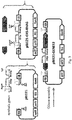
- Suntory Corp. from Japan used transgenic technology to make plants that cannot bloom blue flowers in nature bloom blue flowers by introducing foreign genes including F3'5'H and simultaneously suppressing the expression of several other genes. This method involves the modifications to multiple genes, and requires complex precursor materials, and therefore the cost is expensive. This technology has been successful in carnations and chrysanthemums. Since the pH of vacuole in roses is very low (about 2.7), this technology can only obtain lilac flowers for roses, and cannot show the true blue color (
Figure 1 ) (Katsumoto Y, Fukuchimizutani M, Fukui Y, et al. Engineering of the rose flavonoid biosynthetic pathway successfully generated blue-hued flowers accumulating delphinidin. [J]. Plant & Cell Physiology, 2007, 48(11): 1589). Nonetheless, each of the lilac roses costs 22-35 US dollars (Staff (20 October 2009)."Blue roses to debut in Japan". The Independent, House and Home.Retrieved 30 August 2012), and it brings huge economic benefits to Suntory. Currently, the roses are only available in Japan and the American continent. The acquisition of true blue roses is still a technical problem that has not be solved yet. - The purpose of the present invention is to overcome the deficiencies of the prior art and provides a transgenic method of obtaining a plant with blue flowers by catalyzing synthesis from glutamine to indigoidine.
- The technical solution of the present invention is summarized as follows:
A transgenic method of obtaining a plant with a blue flower by catalyzing synthesis from glutamine to indigoidine includes the following steps: - 1) selecting a Sfp gene encoding phosphopantetheinyl transferase and a bpsA gene encoding indigoidine synthetase, and cloning the two genes downstream a plant promoter of a plasmid containing the plant promoter, respectively;
- 2) amplifying the plasmid obtained in step 1) in Escherichia coli and transforming the amplified plasmid into Agrobacterium tumefaciens;
- 3) transfecting Sfp and bpsA DNA into the plant by Agrobacterium-mediated transfection;
- 4) allowing Sfp and BpsA proteins to be functionally expressed in a petal cell, thereby turning a petal blue via synthesis from glutamine to indigoidine;
wherein the Sfp gene is a gene derived from any species that encodes phosphopantetheinyl transferase, or a gene that encodes an isoenzyme of phosphopantetheinyl transferase; and
the bpsA gene is a gene derived from any species that encodes indigoidine synthetase, or a gene that encodes an isoenzyme of indigoidine synthetase; - The plant promoter is a DNA sequence that can drive downstream gene expression in plant cells.
- Preferably, the Sfp gene has the nucleotide sequence as shown in SEQ ID NO.1.
- Preferably, the phosphopantetheinyl transferase encoded by the Sfp gene has the amino acid sequence as shown in SEQ ID NO. 2.
- Preferably, the bpsA gene has the nucleotide sequence as shown in SEQ ID NO. 3.
- Preferably, the indigoidine synthetase encoded by the bpsA gene has the amino acid sequence as shown in SEQ ID NO. 4.
- Preferably, a plant promoter CHSp having the nucleotide sequence as shown in SEQ ID NO. 5 is upstream the Sfp gene.
- Preferably, a plant promoter RhAGp having the nucleotide sequence as shown in SEQ ID NO. 6 is upstream the bpsA gene.
- Preferably, the plasmid containing the plant promoter is pBI121.
- The plant is rose, rosa chinensis, lily, chrysanthemum, carnation or orchid.
- A transgenic method of obtaining a plant with a blue flower, comprising rendering a petal of the plant to contain indigoidine, wherein the plant is rose, rosa chinensis, lily, chrysanthemum, carnation, or orchid.
- The advantages of the invention:
The present invention overcomes the deficiencies of the prior art such as dyeing method and transgenic method. The dyeing of flowers has more obvious artificial traces and is easy to decolor. The organic dyes used are usually poisonous. Usually, flowers are dried flowers and do not have the fragrance of flowers. If fresh flowers are dyed, they would not be easily preserved, and become withered soon. The blue flowers produced by the method of the present invention have numerous characteristics of natural flowers: fresh, floral, non-fading and non-toxic. - The enzymes encoded by the genes used in the method of the present invention are not present in the vacuole and the indigoidine produced is not present in the vacuole either, it therefore is not affected by the low pH of the vacuole and can form a pure blue (royal blue). The precursor that produces blue substance, i.e. the substrate of the enzyme, is a simple amino acid (glutamine) rich in plants, and the enzymatic reaction involved is just one step, and does not need complex precursor materials. The white flowers in nature, as a starting material, can be geneticaly modified.
- The plants with blue flowers, such as lily, rosa chinensis, chrysanthemum, carnation, orchid and the like, in particular blue roses, are obtained by the transgenic methods.
-
-
Figure 1 : Modification strategy for Suntory (Japan) to obtain a blue rose.Figure 1-1 is Suntory's genetic modification flow diagram for obtaining lilac roses through the biosynthesis of delphinidin;Figure 1-2 is a photo of the lilac roses finally obtained by Suntory. -
Figure 2 : Information diagram of phosphopantetheinyl transferase Sfp and indigoidine synthetase bpsA, which includes the schematic diagram of the reaction process of phosphopantetheinyl transferase (Figure 2-1 ), the structure and reaction mechanism of the encoding indigoidine synthetase bpsA (Figure 2-2 ), the SDS-PAGE electropherogram of indigoidine synthetase bpsA (Figure 2-3 ) and the absorption spectrum of the blue compound indigoidine (Figure 2-4 ). -
Figure 3 : Schematic diagram for constructing the expression plasmid pBI121-GENES2, in which oriT: transfer initiation region, gene transfer element; oriV: plasmid replication initiation region; IS1: gene transposition element; KanR: kanamycin resistance gene; LB/RB: repeat sequences from nopaline C58T-DNA, gene transposition element; MASt/NOSt: terminator; CHSp: Chalcone Synthase gene promoter; RhAGp: a promoter of a gene encoding AGAMOUS-like protein. -
Figure 4 : Graph of blue petals obtained by transient transfection of roses with bpsA mediated by Agrobacterium tumefaciens.Figure 4-1 shows the transfected blue petals; the left side ofFigure 4-2 is the negative control without acetosyringone and the right side ofFigure 4-2 is the blue rose petals obtained after addition of acetosyringone and transient transfection; the arrow indicates the position for transient transfection, and the dashed circle shows the blue spot area. - A phosphopantetheinyl transferase is used in the invention to activate indigoidine synthetase, and the activated indigoidine synthetase catalyzes glutamine to synthesize blue compound indigoidine which turns the white roses blue. The invention uses modern roses (Rosa hybrida) as an example, but the plants with blue flowers obtained by the method are not limited to modern roses. Experiments shows that rose, rosa chinensis, lily, chrysanthemum, carnation or orchid with blue flowers can be obtained by the method of the present invention. In an embodiment, the transfection method for plant cell may be a process of introducing artificially modified gene sequences into plant cells by physical, chemical, or biological means. A biological means, i.e. Agrobacterium tumefaciens-mediated transfection method for plant cells is used in the present invention.
- The present invention will be further described below in combination with specific examples.
- Phosphopantetheinyl transferase activates the thiolated domain T of the non-ribosomal polypeptide synthetase and the reaction mechanism is shown in
Figure 2-1 . The activated T domain functions to fix the substrate, and this function is necessary for the catalytic function of the non-ribosomal polypeptide synthetase. - The Sfp gene of phosphopantetheinyl transferase used in the present invention was derived from Bacillus subtilis ATCC 21332 (NCBI No.: ALS83446). The gene codons were optimized according to the gene codon preference of Rosaceae plants to obtain the nucleotide sequence of SEQ ID NO. 1. The amino acid sequence encoded by the Sfp gene was shown in SEQ ID NO. 2. The selection of the Sfp gene should not be limited to the phosphopantetheinyl transferase used in the present invention. The method of using any genes encoding phosphopantetheinyl transferase derived from other species, or any genes encoding an isoenzyme of phosphopantetheinyl transferase together with the indigoidine synthetase to obtain the blue flowers should fall into the protection scope of the present invention.
- Indigoidine synthetase, a non-ribosomal polypeptide synthetase, contains two amino acid-specific recognition domains A, an oxidation domain Ox containing flavin (FMN), a thiolation domain T, and a domain TE responsible for product dissociation. Indigoidine synthetase functions to catalyze synthesis from two molecules of glutamine to the blue compound indigoidine. The mechanism is shown in
Figure 2-2 . The molecular formula of the formed indigoidine is shown inFigure 2-2 , and the absorption spectrum is shown inFigure 2-4 . Compared with other dyes, the formed indigoidine has good solubility and blue gloss, and has no obvious damage to plant cells. - The bpsA gene encoding indigoidine synthetase selected by the present invention was derived from Streptomyces lavendulae ATCC11924. The amino acid sequence encoded by bpsA was shown in SEQ ID NO.4 (NCBI No.: WP_030237949). The gene codons were optimized according to the gene codon preference of Rosaceae plants to obtain the nucleotide sequence of SEQ ID NO. 3. The full length of the bpsA gene encoding indigoidine synthetase was 3846 bases, and the encoded protein was 1282 amino acids and approximately 140 KD. The purified protein on SDS-PAGE was shown in
Figure 2-3 . The selection of the bpsA gene should not be limited to the indigoidine synthetase used in the present invention. The method of using any genes encoding indigoidine synthetase derived from other species, or any genes encoding an isoenzyme of indigoidine synthetase together with the phosphopantetheinyl transferase to obtain the blue flowers should fall into the protection scope of the present invention. - The sequences of the plant promoters CHSp promoter and RhAGp promoter derived from rose (Rosa hybrida) are shown in SEQ ID NO. 5 (NCBI No.: FW556946) and SEQ ID NO. 6 (NCBI No.: U43372), respectively.
- In the present invention, the plant binary expression vector pBI121 was selected as the starting plasmid vector.
- A synthetic fragment (SEQ ID NO. 7) was inserted between the restriction sites PmeI and SacI of the plasmid pBI121 to construct plasmid pBI121-CHS-RhAG, as shown in
Figure 3 . SEQ ID NO. 7 included the terminator sequence MASt of mannopine synthase, the promoter sequence CHSp and the promoter sequence RhAGp. - The fragment bpsA was obtained by PCR of using the plasmid containing the sequence of SEQ ID NO. 3 as a template and BpsA-FG (SEQ ID NO. 8) and BpsA-RG (SEQ ID NO. 9) as primers.
- The fragment Sfp was obtained by PCR of using the plasmid containing the sequence of SEQ ID NO. 1 as a template, and Sfp-FG (SEQ ID NO. 10) and Sfp-RG (SEQ ID NO. 11) as primers.
- Plasmid pBI121-CHS-RhAG was digested with restriction enzymes BamHI and SpeI. After purification and recovery, fragment CHS-RhAG and plasmid framework pBI121 were obtained. The reaction was carried out at 50°C for 1 hour by using NEBuilder® HiFi DNA Assembly Master Mix (New England Biolabs, USA) system, and the product was transformed into E. coli competent cells to obtain clones and the clones were amplified. After sequencing to conform the correct sequence, the binary expression plasmid pBI121-GENES2 was obtained, as shown in
Figure 3 . - Preparation of competent cells of Agrobacterium tumefaciens with the target gene The plasmid pBI121-GENES2 obtained by plasmid extraction of E. coli was transformed into Agrobacterium tumefaciens. The competent cells of Agrobacterium tumefaciens was prepared by the following common method:
- 1. Agrobacterium tumefaciens (Agrobacterium tumefaciens GV3101) was cultured on LB agar medium containing 10 µg/mL rifampicin and 50 µg/mL gentamicin at 28°C for two days;
- 2. The monoclonal colony was cultured in 5 mL of LB liquid culture medium containing the same antibiotics (10 µg/mL rifampicin and 50 µg/mL gentamicin), and cultured on a shaker (150 rpm) at 28°C overnight.
- 3. 2 mL of Agrobacterium tumefaciens culture solution cultured overnight was diluted to 200 mL of LB culture medium, and cultured on a shaker (250 rpm) at 28°C to OD600 of 0.3 to 0.5.
- 4. The Agrobacterium tumefaciens culture solution was filled in a 50 mL centrifuge tube, cooled on ice, and centrifuged at 3000×g.
- 5. After removing the supernatant, Agrobacterium tumefaciens cells were resuspended in 80 mL of CCMB80 buffer precooled on ice and placed on ice to cool for 20 minutes. The formula of CCMB80 buffer was as follows: 10 mM potassium acetate, 80 mM CaCl2·2H2O, 20 mM MnCl2·4H2O, 10 mM MgCl2·6H2O, and 10% glycerol, pH 6.4.
- 6. The cells were centrifuged again, and resuspended in 5 mL of precooled CCMB80 buffer after removing the supernatant.
- 7. The cells were dispensed into 1.5 mL EP tubes with 100 µL per tube, and frozen with liquid nitrogen, and stored in a refrigerator at -80°C.
- The transformation of Agrobacterium tumefaciens was as follows:
- 1) 1 µg of plasmid DNA (pBI121-GENES2) was added to 100 µL of the competent cell suspension of Agrobacterium tumefaciens prepared as above on ice, and the cells were frozen with liquid nitrogen.
- 2) The competent cells of Agrobacterium tumefaciens containing the plasmid DNA were thawed in a water bath at 37°C for 5 min.
- 3) 1 mL of antibiotic-free LB culture medium was added and cultured on a shaker (150 rpm) at 28°C for 3 hours.
- 4) The culture was centrifuged at a low speed to obtain cells.
- 5) The cells was spread on an LB agar plate, and placed in an incubator at 28°C, and selected with antibiotics to obtain the colonies containing resistance gene. The LB agar contained 10 µg/mL of rifampicin, 50 µg/mL of gentamicin and 50 µg/mL of kanamycin.
- 6) Colony growth could be seen in two to three days.
-
- 1. The successfully transformed Agrobacterium tumefaciens GV3101 colony was added into 5 mL of LB culture medium containing antibiotics (10 µg/mL of rifampicin, 50 µg/mL of gentamicin and 50 µg/mL of kanamycin), and cultured at 28°C on a shaker (200 rpm) overnight.
- 2. 1 mL of the Agrobacterium tumefaciens solution obtained from
step 1 was added into 100 mL of LB culture medium containing the same antibiotics, and cultured at 28°C at 200 RPM until OD600 reached 1.5. - 3. The Agrobacterium tumefaciens cells were centrifuged at 3000×g for 10 minutes to remove the supernatant, and suspended in the buffers containing 10 mM MgCl2, 10 mM MES (pH 5.6) (negative control) or the same buffer with additional 150 µg/mL of acetosyringone (positive control) to the cell density OD600 in the range of 0.5-1.0, and stored at room temperature for 3-5 hours in the dark.
- 4. The whole flower branch of fresh white rose (Rosa hybrida) was selected and the stem was immersed into sterile water.
- 5. The veins on the petals were marked on the back of the petals to avoid tissue damage.
- 6. 100-150 µL of the Agrobacterium tumefaciens cell suspension containing acetosyringone (positive control) and without acetosyringone (negative control) obtained from
step 3 were slowly injected into the main vein by using a disposable needle syringe of 1 mL, and the flower branch were stored at 22°C in the dark for more than 12 hours. - The experimental results are shown in
Figure 4 . The arrow indicates the position for transient transfection, and the dashed circle shows the blue spot area.Figure 4-1 shows the transfected blue petals. The flower on the left ofFigure 4-2 is transfected by the competent cells of Agrobacterium tumefaciens with the same cell density without acetosyringone. The Agrobacterium tumefaciens cells are located in situ of injection and in the vicinity of transvenous transfer. The flower on the right ofFigure 4-2 is the flower that successfully transfect genes and make petals blue in the presence of acetosyringone that stimulates gene transfection from Agrobacterium tumefaciens into plant cells. - The experimental results show that bpsA derived from Streptomyces and Sfp derived from Bacillus subtilisgenes are transfected into the cells of the roses via Agrobacterium tumefaciens-mediated transfection, and the corresponding active non-ribosomal polypeptide synthetases are expressed in the plant cells. The synthetases synthesize blue indigoidine by using glutamine in the plant cells, thereby turning the rose petals blue.


Claims (10)
- A transgenic method of obtaining a plant with a blue flower by catalyzing synthesis from glutamine to indigoidine comprising:1) selecting a Sfp gene encoding phosphopantetheinyl transferase and a bpsA gene encoding indigoidine synthetase, and cloning the two genes downstream a plant promoter of a plasmid containing the plant promoter, respectively;2) amplifying the plasmid obtained in step 1) in Escherichia coli and transforming the amplified plasmid into Agrobacterium tumefaciens;3) transfecting Sfp and bpsA DNA into the plant by Agrobacterium-mediated transfection;4) allowing Sfp and BpsA proteins to be functionally expressed in a petal cell, thereby turning a petal blue via synthesis from glutamine to indigoidine;wherein the Sfp gene is a gene derived from any species that encodes phosphopantetheinyl transferase, or a gene that encodes an isoenzyme of phosphopantetheinyl transferase; and
the bpsA gene is a gene derived from any species that encodes indigoidine synthetase, or a gene that encodes an isoenzyme of indigoidine synthetase. - The method of claim 1, wherein the Sfp gene has the nucleotide sequence as shown in SEQ ID NO. 1.
- The method of claim 2, wherein phosphopantetheinyl transferase encoded by the Sfp gene has the amino acid sequence as shown in SEQ ID NO. 2.
- The method of claim 1, wherein the bpsA gene has the nucleotide sequence as shown in SEQ ID NO. 3.
- The method of claim 1, wherein the indigoidine synthetase encoded by the bpsA gene has the amino acid sequence as shown in SEQ ID NO. 4.
- The method of claim 1, wherein a plant promoter CHSp having the nucleotide sequence as shown in SEQ ID NO. 5 is upstream the Sfp gene .
- The method of claim 1, wherein a plant promoter RhAGp having the nucleotide sequence as shown in SEQ ID NO. 6 is upstream the bpsA gene.
- The method of claim 1, wherein the plasmid containing the plant promoter is pBI121.
- The method of claim 1, wherein the plant is rose, rosa chinensis, lily, chrysanthemum, carnation or orchid.
- A transgenic method of obtaining a plant with a blue flower, comprising rendering a petal of the plant to contain indigoidine, wherein the plant is rose, rosa chinensis, lily, chrysanthemum, carnation or orchid.
Applications Claiming Priority (2)
| Application Number | Priority Date | Filing Date | Title |
|---|---|---|---|
| CN201810095829.2A CN108330146B (en) | 2018-01-31 | 2018-01-31 | A transgenic method for catalyzing the synthesis of indigo from glutamine to obtain blue flowers |
| PCT/CN2018/117160 WO2019148944A1 (en) | 2018-01-31 | 2018-11-23 | Transgenic method of obtaining blue flowers by catalyzing glutamine to synthesize indigo |
Publications (3)
| Publication Number | Publication Date |
|---|---|
| EP3748005A1 true EP3748005A1 (en) | 2020-12-09 |
| EP3748005A4 EP3748005A4 (en) | 2021-12-08 |
| EP3748005B1 EP3748005B1 (en) | 2026-05-06 |
Family
ID=62927522
Family Applications (1)
| Application Number | Title | Priority Date | Filing Date |
|---|---|---|---|
| EP18903578.5A Active EP3748005B1 (en) | 2018-01-31 | 2018-11-23 | Transgenic method of obtaining blue flowers by catalyzing glutamine to synthesize indigo |
Country Status (5)
| Country | Link |
|---|---|
| US (1) | US12049635B2 (en) |
| EP (1) | EP3748005B1 (en) |
| JP (1) | JP7194741B2 (en) |
| CN (2) | CN108330146B (en) |
| WO (1) | WO2019148944A1 (en) |
Families Citing this family (6)
| Publication number | Priority date | Publication date | Assignee | Title |
|---|---|---|---|---|
| CN108330146B (en) | 2018-01-31 | 2020-06-02 | 天津大学 | A transgenic method for catalyzing the synthesis of indigo from glutamine to obtain blue flowers |
| CN109897864A (en) * | 2018-11-28 | 2019-06-18 | 云南省农业科学院花卉研究所 | A kind of fast method of Chinese rose floral base because of silencing |
| CN114438005B (en) * | 2021-12-22 | 2023-10-27 | 福建师范大学 | A construction method and application of recombinant bacteria for synthesizing indigo pigment |
| WO2025084390A1 (en) * | 2023-10-20 | 2025-04-24 | サントリーホールディングス株式会社 | Transgenic plant with altered flower coloration, and novel compound contained in same |
| CN118126919B (en) * | 2024-03-13 | 2024-10-22 | 南京合谷生命生物科技有限公司 | Engineering bacterium for synthesizing ceruloplasmic reticulum and construction method and application thereof |
| CN118703557B (en) * | 2024-08-05 | 2024-12-03 | 浙江农林大学 | New application of China rose auxin oxidase gene RhDAO1 |
Family Cites Families (13)
| Publication number | Priority date | Publication date | Assignee | Title |
|---|---|---|---|---|
| US6268546B1 (en) | 1989-07-19 | 2001-07-31 | Calgene Llc | Ovary-tissue transcriptional factors |
| JPH08511683A (en) * | 1993-05-20 | 1996-12-10 | インターナショナル フラワー ディベロップメンツ プロプライアタリー リミティド | Transgenic flowering plant |
| CN1189856A (en) * | 1995-06-07 | 1998-08-05 | 卡尔金公司 | Use of ovary tissue transcription factors |
| AU2004264488B2 (en) | 2003-08-13 | 2008-10-02 | Suntory Holdings Limited | Process for producing rose with modified color |
| JP2007189969A (en) * | 2006-01-20 | 2007-08-02 | Hiroshima Univ | Blue pigment synthesis gene |
| CN100497487C (en) * | 2006-11-10 | 2009-06-10 | 中国农业大学 | Biological synthesis method for dark indigo |
| JP5285304B2 (en) | 2007-03-15 | 2013-09-11 | 石原産業株式会社 | Communis flavonoid 3 ', 5'-hydroxylase gene |
| TW200845888A (en) * | 2007-03-29 | 2008-12-01 | Int Flower Dev Pty Ltd | Process for generation of surface chimera transgenic plants |
| US20110023162A1 (en) * | 2007-11-15 | 2011-01-27 | International Flower Developments Pty. Ltd. | Genetically modified chrysanthemums |
| US9995750B2 (en) * | 2013-12-05 | 2018-06-12 | Victoria Link Limited | Methods of detecting and measuring glutamine and analogues thereof, and methods related thereto |
| US20160168619A1 (en) * | 2014-12-11 | 2016-06-16 | Shufang Tao | Colorimetric assay for l-glutamine and related assay kit |
| KR102437156B1 (en) * | 2015-11-24 | 2022-08-26 | 삼성전자주식회사 | Electronic device and method for processing voice signal according to state of electronic device |
| CN108330146B (en) * | 2018-01-31 | 2020-06-02 | 天津大学 | A transgenic method for catalyzing the synthesis of indigo from glutamine to obtain blue flowers |
-
2018
- 2018-01-31 CN CN201810095829.2A patent/CN108330146B/en active Active
- 2018-11-23 US US16/966,719 patent/US12049635B2/en active Active
- 2018-11-23 CN CN201880088112.3A patent/CN111788310A/en active Pending
- 2018-11-23 EP EP18903578.5A patent/EP3748005B1/en active Active
- 2018-11-23 JP JP2020541990A patent/JP7194741B2/en active Active
- 2018-11-23 WO PCT/CN2018/117160 patent/WO2019148944A1/en not_active Ceased
Also Published As
| Publication number | Publication date |
|---|---|
| EP3748005A4 (en) | 2021-12-08 |
| CN108330146B (en) | 2020-06-02 |
| US12049635B2 (en) | 2024-07-30 |
| EP3748005B1 (en) | 2026-05-06 |
| JP2021511810A (en) | 2021-05-13 |
| JP7194741B2 (en) | 2022-12-22 |
| CN111788310A (en) | 2020-10-16 |
| WO2019148944A1 (en) | 2019-08-08 |
| CN108330146A (en) | 2018-07-27 |
| US20230257760A1 (en) | 2023-08-17 |
Similar Documents
| Publication | Publication Date | Title |
|---|---|---|
| EP3748005B1 (en) | Transgenic method of obtaining blue flowers by catalyzing glutamine to synthesize indigo | |
| Harris et al. | Betalain production is possible in anthocyanin-producing plant species given the presence of DOPA-dioxygenase and L-DOPA | |
| Noda et al. | Genetic engineering of novel bluer-colored chrysanthemums produced by accumulation of delphinidin-based anthocyanins | |
| JP4690197B2 (en) | Method for producing roses with changed flower color | |
| CA2759258C (en) | Method for production of chrysanthemum plant having delphinidin-containing petals | |
| AU2008323623B2 (en) | Genetically modified chrysanthemums | |
| US10287601B2 (en) | Indole-derived compound production | |
| To et al. | Molecular breeding of flower color | |
| EP1811030B1 (en) | Method of stabilizing, and bluing, of anthocyanin pigment using gene coding for transferase of aromatic acyl to 3'-position of anthocyanin | |
| Tomizawa et al. | Additional betalain accumulation by genetic engineering leads to a novel flower color in lisianthus (Eustoma grandiflorum) | |
| Liu et al. | Production of species-specific anthocyanins through an inducible system in plant hairy roots | |
| Guo et al. | Isopentenyl transferase gene (ipt) downstream transcriptionally fused with gene expression improves the growth of transgenic plants | |
| CN106755069B (en) | Transient expression method of exogenous gene in pumpkin fruit | |
| Yu et al. | Functional Analysis of Genes GlaDFR1 and GlaDFR2 Encoding Dihydroflavonol 4‐Reductase (DFR) in Gentiana lutea L. Var. Aurantiaca (M. Laínz) M. Laínz | |
| Verpoorte et al. | General strategies | |
| EP4692365A1 (en) | Genes, proteins, and processes for the synthesis of blue anthocyanins in eukaryotic cells | |
| Ahmad et al. | The molecular regulators, pathways, and environmental impacts of white flowers | |
| LU102583B1 (en) | Gene smfls for peel coloring and use of the same | |
| Kazaz et al. | Engineered plants for the production of the antioxidants arbutin and gallate | |
| Xiaa et al. | Characterization and functional validation of β-carotene hydroxylase gene AcBCHs in Actinidia chinensis | |
| Davies et al. | Recent advances in the molecular biology and metabolic engineering of flavonoid biosynthesis in ornamental plants | |
| Underwood et al. | Petunia biotechnology | |
| Davies et al. | Developmental control and biotechnology of floral pigmentation. | |
| CN120350064A (en) | Application of chrysanthemum MYB-A protein in regulating and controlling flower color of hemerocallis and cultivation method thereof and related biological material | |
| CN120249331A (en) | Application of LcCS gene in regulating cedrol synthesis in tobacco |
Legal Events
| Date | Code | Title | Description |
|---|---|---|---|
| STAA | Information on the status of an ep patent application or granted ep patent |
Free format text: STATUS: THE INTERNATIONAL PUBLICATION HAS BEEN MADE |
|
| PUAI | Public reference made under article 153(3) epc to a published international application that has entered the european phase |
Free format text: ORIGINAL CODE: 0009012 |
|
| STAA | Information on the status of an ep patent application or granted ep patent |
Free format text: STATUS: REQUEST FOR EXAMINATION WAS MADE |
|
| 17P | Request for examination filed |
Effective date: 20200828 |
|
| AK | Designated contracting states |
Kind code of ref document: A1 Designated state(s): AL AT BE BG CH CY CZ DE DK EE ES FI FR GB GR HR HU IE IS IT LI LT LU LV MC MK MT NL NO PL PT RO RS SE SI SK SM TR |
|
| AX | Request for extension of the european patent |
Extension state: BA ME |
|
| DAV | Request for validation of the european patent (deleted) | ||
| DAX | Request for extension of the european patent (deleted) | ||
| A4 | Supplementary search report drawn up and despatched |
Effective date: 20211109 |
|
| RIC1 | Information provided on ipc code assigned before grant |
Ipc: A01H 6/62 20180101ALI20211103BHEP Ipc: A01H 6/30 20180101ALI20211103BHEP Ipc: A01H 6/74 20180101ALI20211103BHEP Ipc: A01H 6/56 20180101ALI20211103BHEP Ipc: A01H 5/00 20180101ALI20211103BHEP Ipc: C12N 15/54 20060101ALI20211103BHEP Ipc: C12N 15/60 20060101ALI20211103BHEP Ipc: C12N 15/82 20060101AFI20211103BHEP |
|
| STAA | Information on the status of an ep patent application or granted ep patent |
Free format text: STATUS: EXAMINATION IS IN PROGRESS |
|
| 17Q | First examination report despatched |
Effective date: 20230413 |
|
| GRAP | Despatch of communication of intention to grant a patent |
Free format text: ORIGINAL CODE: EPIDOSNIGR1 |
|
| STAA | Information on the status of an ep patent application or granted ep patent |
Free format text: STATUS: GRANT OF PATENT IS INTENDED |
|
| INTG | Intention to grant announced |
Effective date: 20251202 |
|
| GRAS | Grant fee paid |
Free format text: ORIGINAL CODE: EPIDOSNIGR3 |
|
| GRAA | (expected) grant |
Free format text: ORIGINAL CODE: 0009210 |
|
| STAA | Information on the status of an ep patent application or granted ep patent |
Free format text: STATUS: THE PATENT HAS BEEN GRANTED |
|
| AK | Designated contracting states |
Kind code of ref document: B1 Designated state(s): AL AT BE BG CH CY CZ DE DK EE ES FI FR GB GR HR HU IE IS IT LI LT LU LV MC MK MT NL NO PL PT RO RS SE SI SK SM TR |
|
| REG | Reference to a national code |
Ref country code: CH Ref legal event code: F10 Free format text: ST27 STATUS EVENT CODE: U-0-0-F10-F00 (AS PROVIDED BY THE NATIONAL OFFICE) Effective date: 20260506 Ref country code: GB Ref legal event code: FG4D |