EP3741619B1 - An elongate illuminated automotive design element - Google Patents
An elongate illuminated automotive design element Download PDFInfo
- Publication number
- EP3741619B1 EP3741619B1 EP20184650.8A EP20184650A EP3741619B1 EP 3741619 B1 EP3741619 B1 EP 3741619B1 EP 20184650 A EP20184650 A EP 20184650A EP 3741619 B1 EP3741619 B1 EP 3741619B1
- Authority
- EP
- European Patent Office
- Prior art keywords
- light
- light guide
- lens
- emitting surface
- light emitting
- Prior art date
- Legal status (The legal status is an assumption and is not a legal conclusion. Google has not performed a legal analysis and makes no representation as to the accuracy of the status listed.)
- Active
Links
Images



Classifications
-
- B—PERFORMING OPERATIONS; TRANSPORTING
- B60—VEHICLES IN GENERAL
- B60Q—ARRANGEMENT OF SIGNALLING OR LIGHTING DEVICES, THE MOUNTING OR SUPPORTING THEREOF OR CIRCUITS THEREFOR, FOR VEHICLES IN GENERAL
- B60Q1/00—Arrangement of optical signalling or lighting devices, the mounting or supporting thereof or circuits therefor
- B60Q1/26—Arrangement of optical signalling or lighting devices, the mounting or supporting thereof or circuits therefor the devices being primarily intended to indicate the vehicle, or parts thereof, or to give signals, to other traffic
- B60Q1/28—Arrangement of optical signalling or lighting devices, the mounting or supporting thereof or circuits therefor the devices being primarily intended to indicate the vehicle, or parts thereof, or to give signals, to other traffic for indicating front of vehicle
-
- F—MECHANICAL ENGINEERING; LIGHTING; HEATING; WEAPONS; BLASTING
- F21—LIGHTING
- F21S—NON-PORTABLE LIGHTING DEVICES; SYSTEMS THEREOF; VEHICLE LIGHTING DEVICES SPECIALLY ADAPTED FOR VEHICLE EXTERIORS
- F21S41/00—Illuminating devices specially adapted for vehicle exteriors, e.g. headlamps
- F21S41/20—Illuminating devices specially adapted for vehicle exteriors, e.g. headlamps characterised by refractors, transparent cover plates, light guides or filters
- F21S41/24—Light guides
-
- B—PERFORMING OPERATIONS; TRANSPORTING
- B60—VEHICLES IN GENERAL
- B60Q—ARRANGEMENT OF SIGNALLING OR LIGHTING DEVICES, THE MOUNTING OR SUPPORTING THEREOF OR CIRCUITS THEREFOR, FOR VEHICLES IN GENERAL
- B60Q1/00—Arrangement of optical signalling or lighting devices, the mounting or supporting thereof or circuits therefor
- B60Q1/26—Arrangement of optical signalling or lighting devices, the mounting or supporting thereof or circuits therefor the devices being primarily intended to indicate the vehicle, or parts thereof, or to give signals, to other traffic
- B60Q1/2661—Arrangement of optical signalling or lighting devices, the mounting or supporting thereof or circuits therefor the devices being primarily intended to indicate the vehicle, or parts thereof, or to give signals, to other traffic mounted on parts having other functions
-
- B—PERFORMING OPERATIONS; TRANSPORTING
- B60—VEHICLES IN GENERAL
- B60R—VEHICLES, VEHICLE FITTINGS, OR VEHICLE PARTS, NOT OTHERWISE PROVIDED FOR
- B60R19/00—Wheel guards; Radiator guards, e.g. grilles; Obstruction removers; Fittings damping bouncing force in collisions
- B60R19/52—Radiator or grille guards ; Radiator grilles
-
- F—MECHANICAL ENGINEERING; LIGHTING; HEATING; WEAPONS; BLASTING
- F21—LIGHTING
- F21S—NON-PORTABLE LIGHTING DEVICES; SYSTEMS THEREOF; VEHICLE LIGHTING DEVICES SPECIALLY ADAPTED FOR VEHICLE EXTERIORS
- F21S41/00—Illuminating devices specially adapted for vehicle exteriors, e.g. headlamps
-
- F—MECHANICAL ENGINEERING; LIGHTING; HEATING; WEAPONS; BLASTING
- F21—LIGHTING
- F21S—NON-PORTABLE LIGHTING DEVICES; SYSTEMS THEREOF; VEHICLE LIGHTING DEVICES SPECIALLY ADAPTED FOR VEHICLE EXTERIORS
- F21S43/00—Signalling devices specially adapted for vehicle exteriors, e.g. brake lamps, direction indicator lights or reversing lights
- F21S43/10—Signalling devices specially adapted for vehicle exteriors, e.g. brake lamps, direction indicator lights or reversing lights characterised by the light source
- F21S43/13—Signalling devices specially adapted for vehicle exteriors, e.g. brake lamps, direction indicator lights or reversing lights characterised by the light source characterised by the type of light source
- F21S43/14—Light emitting diodes [LED]
-
- F—MECHANICAL ENGINEERING; LIGHTING; HEATING; WEAPONS; BLASTING
- F21—LIGHTING
- F21S—NON-PORTABLE LIGHTING DEVICES; SYSTEMS THEREOF; VEHICLE LIGHTING DEVICES SPECIALLY ADAPTED FOR VEHICLE EXTERIORS
- F21S43/00—Signalling devices specially adapted for vehicle exteriors, e.g. brake lamps, direction indicator lights or reversing lights
- F21S43/20—Signalling devices specially adapted for vehicle exteriors, e.g. brake lamps, direction indicator lights or reversing lights characterised by refractors, transparent cover plates, light guides or filters
- F21S43/235—Light guides
- F21S43/236—Light guides characterised by the shape of the light guide
- F21S43/239—Light guides characterised by the shape of the light guide plate-shaped
-
- F—MECHANICAL ENGINEERING; LIGHTING; HEATING; WEAPONS; BLASTING
- F21—LIGHTING
- F21S—NON-PORTABLE LIGHTING DEVICES; SYSTEMS THEREOF; VEHICLE LIGHTING DEVICES SPECIALLY ADAPTED FOR VEHICLE EXTERIORS
- F21S43/00—Signalling devices specially adapted for vehicle exteriors, e.g. brake lamps, direction indicator lights or reversing lights
- F21S43/20—Signalling devices specially adapted for vehicle exteriors, e.g. brake lamps, direction indicator lights or reversing lights characterised by refractors, transparent cover plates, light guides or filters
- F21S43/235—Light guides
- F21S43/253—Two or more juxtaposed light guides
-
- F—MECHANICAL ENGINEERING; LIGHTING; HEATING; WEAPONS; BLASTING
- F21—LIGHTING
- F21S—NON-PORTABLE LIGHTING DEVICES; SYSTEMS THEREOF; VEHICLE LIGHTING DEVICES SPECIALLY ADAPTED FOR VEHICLE EXTERIORS
- F21S43/00—Signalling devices specially adapted for vehicle exteriors, e.g. brake lamps, direction indicator lights or reversing lights
- F21S43/20—Signalling devices specially adapted for vehicle exteriors, e.g. brake lamps, direction indicator lights or reversing lights characterised by refractors, transparent cover plates, light guides or filters
- F21S43/26—Refractors, transparent cover plates, light guides or filters not provided in groups F21S43/235 - F21S43/255
-
- F—MECHANICAL ENGINEERING; LIGHTING; HEATING; WEAPONS; BLASTING
- F21—LIGHTING
- F21S—NON-PORTABLE LIGHTING DEVICES; SYSTEMS THEREOF; VEHICLE LIGHTING DEVICES SPECIALLY ADAPTED FOR VEHICLE EXTERIORS
- F21S43/00—Signalling devices specially adapted for vehicle exteriors, e.g. brake lamps, direction indicator lights or reversing lights
- F21S43/20—Signalling devices specially adapted for vehicle exteriors, e.g. brake lamps, direction indicator lights or reversing lights characterised by refractors, transparent cover plates, light guides or filters
- F21S43/281—Materials thereof; Structures thereof; Properties thereof; Coatings thereof
- F21S43/28135—Structures encapsulating the light source
-
- F—MECHANICAL ENGINEERING; LIGHTING; HEATING; WEAPONS; BLASTING
- F21—LIGHTING
- F21S—NON-PORTABLE LIGHTING DEVICES; SYSTEMS THEREOF; VEHICLE LIGHTING DEVICES SPECIALLY ADAPTED FOR VEHICLE EXTERIORS
- F21S43/00—Signalling devices specially adapted for vehicle exteriors, e.g. brake lamps, direction indicator lights or reversing lights
- F21S43/50—Signalling devices specially adapted for vehicle exteriors, e.g. brake lamps, direction indicator lights or reversing lights characterised by aesthetic components not otherwise provided for, e.g. decorative trim, partition walls or covers
-
- F—MECHANICAL ENGINEERING; LIGHTING; HEATING; WEAPONS; BLASTING
- F21—LIGHTING
- F21V—FUNCTIONAL FEATURES OR DETAILS OF LIGHTING DEVICES OR SYSTEMS THEREOF; STRUCTURAL COMBINATIONS OF LIGHTING DEVICES WITH OTHER ARTICLES, NOT OTHERWISE PROVIDED FOR
- F21V15/00—Protecting lighting devices from damage
- F21V15/01—Housings, e.g. material or assembling of housing parts
-
- F—MECHANICAL ENGINEERING; LIGHTING; HEATING; WEAPONS; BLASTING
- F21—LIGHTING
- F21V—FUNCTIONAL FEATURES OR DETAILS OF LIGHTING DEVICES OR SYSTEMS THEREOF; STRUCTURAL COMBINATIONS OF LIGHTING DEVICES WITH OTHER ARTICLES, NOT OTHERWISE PROVIDED FOR
- F21V5/00—Refractors for light sources
- F21V5/04—Refractors for light sources of lens shape
-
- G—PHYSICS
- G02—OPTICS
- G02B—OPTICAL ELEMENTS, SYSTEMS OR APPARATUS
- G02B6/00—Light guides; Structural details of arrangements comprising light guides and other optical elements, e.g. couplings
- G02B6/0001—Light guides; Structural details of arrangements comprising light guides and other optical elements, e.g. couplings specially adapted for lighting devices or systems
- G02B6/0011—Light guides; Structural details of arrangements comprising light guides and other optical elements, e.g. couplings specially adapted for lighting devices or systems the light guides being planar or of plate-like form
-
- G—PHYSICS
- G02—OPTICS
- G02B—OPTICAL ELEMENTS, SYSTEMS OR APPARATUS
- G02B6/00—Light guides; Structural details of arrangements comprising light guides and other optical elements, e.g. couplings
- G02B6/0001—Light guides; Structural details of arrangements comprising light guides and other optical elements, e.g. couplings specially adapted for lighting devices or systems
- G02B6/0011—Light guides; Structural details of arrangements comprising light guides and other optical elements, e.g. couplings specially adapted for lighting devices or systems the light guides being planar or of plate-like form
- G02B6/0033—Means for improving the coupling-out of light from the light guide
- G02B6/0035—Means for improving the coupling-out of light from the light guide provided on the surface of the light guide or in the bulk of it
- G02B6/004—Scattering dots or dot-like elements, e.g. microbeads, scattering particles, nanoparticles
- G02B6/0041—Scattering dots or dot-like elements, e.g. microbeads, scattering particles, nanoparticles provided in the bulk of the light guide
-
- G—PHYSICS
- G02—OPTICS
- G02B—OPTICAL ELEMENTS, SYSTEMS OR APPARATUS
- G02B6/00—Light guides; Structural details of arrangements comprising light guides and other optical elements, e.g. couplings
- G02B6/0001—Light guides; Structural details of arrangements comprising light guides and other optical elements, e.g. couplings specially adapted for lighting devices or systems
- G02B6/0011—Light guides; Structural details of arrangements comprising light guides and other optical elements, e.g. couplings specially adapted for lighting devices or systems the light guides being planar or of plate-like form
- G02B6/0033—Means for improving the coupling-out of light from the light guide
- G02B6/0035—Means for improving the coupling-out of light from the light guide provided on the surface of the light guide or in the bulk of it
- G02B6/0045—Means for improving the coupling-out of light from the light guide provided on the surface of the light guide or in the bulk of it by shaping at least a portion of the light guide
-
- G—PHYSICS
- G02—OPTICS
- G02B—OPTICAL ELEMENTS, SYSTEMS OR APPARATUS
- G02B6/00—Light guides; Structural details of arrangements comprising light guides and other optical elements, e.g. couplings
- G02B6/0001—Light guides; Structural details of arrangements comprising light guides and other optical elements, e.g. couplings specially adapted for lighting devices or systems
- G02B6/0011—Light guides; Structural details of arrangements comprising light guides and other optical elements, e.g. couplings specially adapted for lighting devices or systems the light guides being planar or of plate-like form
- G02B6/0033—Means for improving the coupling-out of light from the light guide
- G02B6/005—Means for improving the coupling-out of light from the light guide provided by one optical element, or plurality thereof, placed on the light output side of the light guide
-
- G—PHYSICS
- G02—OPTICS
- G02B—OPTICAL ELEMENTS, SYSTEMS OR APPARATUS
- G02B6/00—Light guides; Structural details of arrangements comprising light guides and other optical elements, e.g. couplings
- G02B6/0001—Light guides; Structural details of arrangements comprising light guides and other optical elements, e.g. couplings specially adapted for lighting devices or systems
- G02B6/0011—Light guides; Structural details of arrangements comprising light guides and other optical elements, e.g. couplings specially adapted for lighting devices or systems the light guides being planar or of plate-like form
- G02B6/0033—Means for improving the coupling-out of light from the light guide
- G02B6/0058—Means for improving the coupling-out of light from the light guide varying in density, size, shape or depth along the light guide
-
- B—PERFORMING OPERATIONS; TRANSPORTING
- B60—VEHICLES IN GENERAL
- B60R—VEHICLES, VEHICLE FITTINGS, OR VEHICLE PARTS, NOT OTHERWISE PROVIDED FOR
- B60R19/00—Wheel guards; Radiator guards, e.g. grilles; Obstruction removers; Fittings damping bouncing force in collisions
- B60R19/52—Radiator or grille guards ; Radiator grilles
- B60R2019/525—Radiator grilles
-
- F—MECHANICAL ENGINEERING; LIGHTING; HEATING; WEAPONS; BLASTING
- F21—LIGHTING
- F21S—NON-PORTABLE LIGHTING DEVICES; SYSTEMS THEREOF; VEHICLE LIGHTING DEVICES SPECIALLY ADAPTED FOR VEHICLE EXTERIORS
- F21S45/00—Arrangements within vehicle lighting devices specially adapted for vehicle exteriors, for purposes other than emission or distribution of light
- F21S45/50—Waterproofing
-
- F—MECHANICAL ENGINEERING; LIGHTING; HEATING; WEAPONS; BLASTING
- F21—LIGHTING
- F21V—FUNCTIONAL FEATURES OR DETAILS OF LIGHTING DEVICES OR SYSTEMS THEREOF; STRUCTURAL COMBINATIONS OF LIGHTING DEVICES WITH OTHER ARTICLES, NOT OTHERWISE PROVIDED FOR
- F21V2200/00—Use of light guides, e.g. fibre optic devices, in lighting devices or systems
-
- F—MECHANICAL ENGINEERING; LIGHTING; HEATING; WEAPONS; BLASTING
- F21—LIGHTING
- F21W—INDEXING SCHEME ASSOCIATED WITH SUBCLASSES F21K, F21L, F21S and F21V, RELATING TO USES OR APPLICATIONS OF LIGHTING DEVICES OR SYSTEMS
- F21W2102/00—Exterior vehicle lighting devices for illuminating purposes
Definitions
- the present invention relates to an automotive grill assembly according to the pre-amble of claim 1.
- An aesthetic feature which has become desirable in automotive applications is to provide various automotive elements which feature illumination of the key features of the elements.
- One example of an automotive element are grill elements. Many grill elements are elongate and may also have a repeating or non-repeating pattern. It is desirable that the grill elements are able to be illuminated along their length with an even (uniform or homogenous) luminance using light emitting diodes (LEDs) input.
- LEDs light emitting diodes
- An LED is a directional light source having a relative luminous intensity that decreases as the viewing angle is increased. This may result in the appearance of bright or hot spots to an external viewer of the grill element.
- Lighting systems that provide a uniform luminous intensity are known, for example systems using expensive organic light emitting diode (OLED) technology or complex lens and reflector arrangements. Highly diffusing materials are also used but these have the drawback of giving a milky or hazy appearance and have poor optical efficiency. Optic features may also be used on clear materials to diffuse light, but these have the drawback that the optic features are visible in the unlit state which is undesirable. A further desirable feature is that the LED input is not directly visible to the external viewer of the grill element.
- OLED organic light emitting diode
- a luminous radiator cover device for a vehicle comprises at least one lighting cover unit including, a looped frame adapted to be mounted to a front side of the vehicle, a plurality of hollow light-transmissive ribs disposed spacedly in and connected to said looped frame, and arranged in a first direction, each of said light-transmissive ribs extending in a second direction transverse to the first direction and being configured with an inner receiving space that extends in the second direction, a plurality of lighting units each disposed in said inner receiving space of a corresponding one of said light-transmissive ribs and capable of emitting light; and a control unit connected electrically to said lighting units of said lighting cover unit, said control unit being operable to control said lighting units of said lighting cover unit to operate in a first lighting mode, where lighting of each of said lighting units is varied in response to at least sound in the vehicle.
- EP 2 325 059 A1 relates to a radiator grille, in particular intended to equip a front bumper of a motor vehicle.
- the grill comprises first and second sets of bars intersecting in the air passage opening.
- an elongate automotive illumination assembly including an elongate housing, at least one light source, an elongate lens having an apex region and a pair of spaced-apart blade portions extending away from the apex region to define a generally V-shaped cross-section with the apex region including an elongate light emitting surface, the blade portions connecting to the elongate housing to define an enclosure, and an elongate light guide for guiding light from the at least one light source to the elongate light emitting surface, the elongate light guide including a body extending away from the light source(s) towards the elongate light emitting surface, wherein the light guide is housed within the enclosure and between the blades of the lens such that the light emitting surface of the light guide is adjacent to the light emitting surface of the lens.
- the light guide includes a plurality of light-scattering particles.
- the apex region of the elongate lens defines a first repeating wave pattern profile, the first repeating wave pattern profile having a first amplitude.
- the light emitting surface of the light guide defines a second repeating wave pattern profile, the second repeating wave pattern profile having a second amplitude.
- the first repeating pattern wave profile matches the second repeating wave pattern profile.
- the elongate light guide has a rear region, the rear region having a third repeating wave pattern profile, the third repeating wave pattern profile having a third amplitude, wherein the third amplitude is smaller than the second amplitude.
- the apex region is light transmissive.
- each blade portion includes an opaque portion.
- the enclosure is weatherproof.
- FIGS 1, 2A and 2B there is shown an automotive grill assembly 10 comprising a number of elongate grill elements 11 and a grill surround 12.
- the grill assembly 10 is in an unlit state, whereas in Figure 2B , the grill assembly 10 is in a lit state.
- the leading edge of each grill element 11 is illuminated, highlighting the repeating wave pattern of this particular embodiment.
- Figures 3 to 8 there is shown an elongate illumination assembly 20 according to an embodiment of the invention.
- the elongate illumination assembly 20 has an elongate housing 23, printed circuit boards (PCBs) 22 featuring light emitting diodes (not shown), an elongate light guide 24 and an elongate lens 21 with a generally V-shaped cross-section and repeating wave pattern profile.
- the lens 21 profile may be shaped in a variety of different repeating and non-repeating patterns.
- the housing 23 forms the backing for the illumination assembly 20, it provides structural reinforcement to the illumination assembly 20 and may be manufactured from a weather resistant plastic such as acrylonitrile styrene acrylate (ASA) or acrylonitrile butadiene styrene (ABS).
- ASA acrylonitrile styrene acrylate
- ABS acrylonitrile butadiene styrene
- the light guide 24 and PCBs 22 are housed within the V-shape of the lens 21 which is then connected or joined to the housing 23 (e.g. by welding) such that the light guide 24 and PCBs 22 are housed within the lens 21 and housing 23.
- the light guide 24 has a first end 24a having a first light receiving surface 24b, a second end 24c having a second light receiving surface 24d, and a light emitting surface 24e viewable to an external viewer of the illumination assembly 20 through the lens 21.
- a PCB 22 is located at both the first end 24a and the second end 24c of the light guide 24.
- An LED light source located on each PCB 22 is positioned adjacent to the first light receiving surface 24b and the second light receiving surface 24d of the light guide 24, which is configured to allow light to enter the light guide 24 through the light receiving surfaces 24b, 24c.
- the light guide 24 is adapted to be substantially transparent and without any visible discrete optic features in an un-lit state while being diffusive in a lit-state. When lit, light exits the light guide 24 at light emitting surface 24e with substantially uniform luminous intensity across the surface.
- the light guide 24 has a varying cross sectional area and profile along its depth.
- the light guide 24 has a front region 24f (adjacent the light emitting surface 24e) and a rear region 24g (furthest from the light emitting surface 24e).
- the rear region 24g has a larger sectional thickness than the front region 24f.
- the rear region 24g has a generally bulbous shape.
- the front region 24f has a generally consistent sectional thickness which has a ribbon-like shape.
- the light emitting surface 24e has the same repeating wave profile as the leading edge of the lens 21.
- the front region 24f also has this repeating wave profile.
- the rear section 24g also has a repeating wave profile but with a smaller amplitude resulting in a straighter profile.
- the light guide 24 also has a transitionary region 24h, connecting the front and rear regions 24f, 24g and having a profile that transitions from that of the rear region 24g to that of the front region 24f.
- the light guide 24 is disposed behind the lens 21 which has an apex region 21f (or leading edge) with a light emitting surface 21d and from which a pair of spaced-apart blade portions 21e extend away to define the generally V-shaped cross-section.
- the lens 21 has a clear or tinted outer portion 21a and an opaque inner portion 21b, wherein the lens 21 remains entirely clear along the apex 21f immediately behind the light emitting surface 21d and adjacent the light emitting surface 24e of the light guide 24 to allow light emitted from the light guide 24 to enter the lens 21 and exit at the light emitting surface 21d.
- the grill assembly 10 has a uniform appearance with the light guide 24 being concealed being the lens 21.
- the light guide 24 lights up and emits light through the light transmissive apex region 21f of the lens 21 to the light emitting surface 21d in a substantially uniform luminous intensity.
- the lens 21 may be formed in many different ways.
- the lens 21 may be a two-component lens comprising a clear or tinted outer portion 21a and an opaque inner portion 21b.
- the two-component lens may also be formed in a co-moulding process.
- the lens 21 may be a single component having an opaque coating on an inner surface formed by example by applying paint or a thin film coating.
- the clear section (or window) 21c may be formed by etching away the opaque coating or masking the area before coating.
- the window 21c may be approximately 10mm high.
- FIG. 9 and 10 shows a schematic of the elongate light guide 24 and the elongate illumination assembly 20 in a lit state, illustrating how light rays behave when the light guide 24 is lit by a single LED light source, and the light rays enter the light guide 24 and are guided toward the light exiting surface 24e.
- the elongate light guide 24 is referred to as a particle filled light guide to distinguish it from a crystal clear light guide (traditional light guide).
- a traditional light guide light is transmitted from a light source to a point at some distance from the source with minimal loss by total internal reflection.
- the transmission of light from the light source to the light emitting surface 24e is achieved through a combination of the use of internal reflection and light scattering particles.
- the internal geometry of the rear region 24g (bulbous shape and straightened profile) encourages internal reflection with the incidence angle of the bulk of the light rays approaching the outer surface of the rear region 24g such that internal reflection is promoted.
- the light scattering particles may be titanium dioxide particles of sufficient size and concentration such that the light guide appears transparent when un-lit while providing a substantially uniform luminous intensity surface output when lit.
- the illumination assembly 30 has housing 31, a PCB 32 featuring a plurality of LEDs 33, a light guide 34 and an elongate lens 35 with a generally V-shaped cross-section and repeating wave pattern profile.
- the lens 35 profile may be shaped in a variety of different repeating and non-repeating patterns.
- the housing 31 forms the backing for the illumination assembly 30 and provides structural reinforcement to the illumination assembly 30 and may be manufactured from a weather resistant plastic such as acrylonitrile styrene acrylate (ASA) or acrylonitrile butadiene styrene (ABS), and is configured to receive the PCB 32.
- ASA acrylonitrile styrene acrylate
- ABS acrylonitrile butadiene styrene
- the light guide 34 fits within the V-shape of the lens 35 which is then connected or joined to the housing 31 (e.g. by welding) such that the light guide 34 and PCB 32 are housed within the lens 35 and housing 31.
- the PCB 32 is orientated such that its plane is transverse to that of the direction of elongation of the lens 35.
- a plurality of LEDs 33 are mounted on the top and bottom of the PCB 32, such that their direction of output is toward the light guide 34 and lens 35.
- the location of the LEDs 33 on the top and bottom of the PCB 32 is influenced by the profile of the lens 35, such that the LEDs 33 follow the profile pattern.
- the light guide 34 has a light receiving surface 34a which is adjacent to the LEDs 33, and a light emitting surface 34b viewable to an external viewer of the illumination assembly 30 through the lens 35.
- the light guide 34 is configured to allow light to enter the light guide 34 through the light receiving surface 34a.
- the light guide 34 is adapted to be substantially transparent and without any visible discrete optic features in an un-lit state while being diffusive in a lit-state. When lit, light exits the light guide 34 at light emitting surface 34b with substantially uniform luminous intensity across the surface.
- the light guide 34 has a varying profile along its depth.
- the light emitting surface 34b of the light guide 34 has the same repeating wave profile as the leading edge of the lens 35.
- the light receiving surface 34a of the light guide 34 also has a repeating wave profile but with a smaller amplitude resulting in a straighter profile.
- the light guide has a front region 34c (adjacent the light emitting surface 34b) which has a generally consistent sectional thickness which forms a ribbon-like shape and follows the same profile as the light emitting surface 34b.
- the light guide also has a transitionary region 34d, connecting the front region 34c and the light receiving surface 34a, and having a profile that transitions from that of the light receiving surface 34a to that of the front region 34c.
- the light guide 34 is disposed behind the lens 35 which has an apex 35f (or leading edge) with a light emitting surface 35d and from which a pair of spaced-apart blade portions 35e extend away to define the generally V-shaped cross-section.
- the lens 35 has a clear or tinted outer portion 35a and an opaque inner portion 35b, wherein the lens 35 remains entirely clear along the apex 35f immediately behind the light emitting surface 35d and adjacent the light emitting surface 34b of the light guide 34 to allow light emitted from the light guide 34 to enter the lens 35 and exit at the light emitting surface 35d.
- the effect of this composition is that in an unlit state, the grill assembly 10 has a uniform appearance with the light guide 34 being concealed being the lens 31.
- the light guide 34 lights up and emits light through the light transmissive apex region 31f of the lens 31 to the light emitting surface 31d in a substantially uniform luminous intensity.
- the lens 35 may be formed in many different ways.
- the lens 35 may be a two-component lens comprising a clear or tinted outer portion 35a and an opaque inner portion 35b.
- the two-component lens may also be formed in a co-moulding process.
- the lens 35 may be a single component having an opaque coating on an inner surface formed by example by applying paint or a thin film coating.
- the clear section (or window) 35c may be formed by etching away the opaque coating or masking the area before coating.
- the window 35c may be approximately 10mm high.
- FIGS 17 and 18 show schematics of the elongate light guide 34 and the elongate illumination assembly 30 in a lit state, illustrating how light rays behave when the light guide 34 is lit by a plurality of LED light sources, and the light rays enter the light guide 34 and are guided toward the light emitting surface 34b.
- the elongate light guide 34 is referred to as a particle filled light guide to distinguish it from a crystal clear light guide (traditional light guide).
- a traditional light guide light is transmitted from a light source to a point at some distance from the source with minimal loss by total internal reflection.
- this particle filled elongate light guide 34 the transmission of light from the light source to the light emitting surface 34b, is achieved through a combination of the use of internal reflection and light scattering particles.
- the internal geometry of the light guide 34 encourages internal reflection with the incidence angle of the bulk of the light rays approaching the top and bottom surfaces of the light guide 34 such that internal reflection is promoted.
Landscapes
- Engineering & Computer Science (AREA)
- Physics & Mathematics (AREA)
- General Engineering & Computer Science (AREA)
- Optics & Photonics (AREA)
- General Physics & Mathematics (AREA)
- Mechanical Engineering (AREA)
- Microelectronics & Electronic Packaging (AREA)
- Illuminated Signs And Luminous Advertising (AREA)
- Planar Illumination Modules (AREA)
- Non-Portable Lighting Devices Or Systems Thereof (AREA)
Description
- The present invention relates to an automotive grill assembly according to the pre-amble of
claim 1. - An aesthetic feature which has become desirable in automotive applications is to provide various automotive elements which feature illumination of the key features of the elements. One example of an automotive element are grill elements. Many grill elements are elongate and may also have a repeating or non-repeating pattern. It is desirable that the grill elements are able to be illuminated along their length with an even (uniform or homogenous) luminance using light emitting diodes (LEDs) input. An LED is a directional light source having a relative luminous intensity that decreases as the viewing angle is increased. This may result in the appearance of bright or hot spots to an external viewer of the grill element.
- Lighting systems that provide a uniform luminous intensity are known, for example systems using expensive organic light emitting diode (OLED) technology or complex lens and reflector arrangements. Highly diffusing materials are also used but these have the drawback of giving a milky or hazy appearance and have poor optical efficiency. Optic features may also be used on clear materials to diffuse light, but these have the drawback that the optic features are visible in the unlit state which is undesirable. A further desirable feature is that the LED input is not directly visible to the external viewer of the grill element.
- A luminous radiator cover device for a vehicle is known from
US 2013/0293104 A1 and comprises at least one lighting cover unit including, a looped frame adapted to be mounted to a front side of the vehicle, a plurality of hollow light-transmissive ribs disposed spacedly in and connected to said looped frame, and arranged in a first direction, each of said light-transmissive ribs extending in a second direction transverse to the first direction and being configured with an inner receiving space that extends in the second direction, a plurality of lighting units each disposed in said inner receiving space of a corresponding one of said light-transmissive ribs and capable of emitting light; and a control unit connected electrically to said lighting units of said lighting cover unit, said control unit being operable to control said lighting units of said lighting cover unit to operate in a first lighting mode, where lighting of each of said lighting units is varied in response to at least sound in the vehicle. -
EP 2 325 059 A1 relates to a radiator grille, in particular intended to equip a front bumper of a motor vehicle. The grill comprises first and second sets of bars intersecting in the air passage opening. - It is against this background and the problems and difficulties associated therewith that the present invention has been developed.
- Other advantages of the present invention will become apparent from the following description, taken in connection with the accompanying drawings, wherein, by way of illustration and example, preferred embodiments of the present invention are disclosed.
- It is the object of the present invention to further develop the know grill assembly to overcome the drawbacks of the prior art.
- This object is solved by the features of the characterizing part of
claim 1, and claims 2 to 11 describe preferred embodiments thereof. - According to an aspect, there is provided an elongate automotive illumination assembly, including an elongate housing, at least one light source, an elongate lens having an apex region and a pair of spaced-apart blade portions extending away from the apex region to define a generally V-shaped cross-section with the apex region including an elongate light emitting surface, the blade portions connecting to the elongate housing to define an enclosure, and an elongate light guide for guiding light from the at least one light source to the elongate light emitting surface, the elongate light guide including a body extending away from the light source(s) towards the elongate light emitting surface, wherein the light guide is housed within the enclosure and between the blades of the lens such that the light emitting surface of the light guide is adjacent to the light emitting surface of the lens.
- In another form, the light guide includes a plurality of light-scattering particles.
- In another form, the apex region of the elongate lens defines a first repeating wave pattern profile, the first repeating wave pattern profile having a first amplitude.
- In another form, the light emitting surface of the light guide defines a second repeating wave pattern profile, the second repeating wave pattern profile having a second amplitude.
- In another form, the first repeating pattern wave profile matches the second repeating wave pattern profile.
- In another form, the elongate light guide has a rear region, the rear region having a third repeating wave pattern profile, the third repeating wave pattern profile having a third amplitude, wherein the third amplitude is smaller than the second amplitude.
- In another form, the apex region is light transmissive.
- In another form, each blade portion includes an opaque portion.
- In another form, the enclosure is weatherproof.
- Embodiments of the present invention will be discussed with reference to the accompanying drawings wherein:
-
Figure 1 is a view of an automotive grill assembly of the present invention in an unlit state; -
Figure 2A is a detailed view of a section of the automotive grill assembly ofFigure 1 in an unlit state; -
Figure 2B is a detailed view of a section of the automotive grill assembly ofFigure 1 in a lit state; -
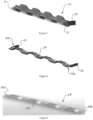
Figure 3 is a perspective view of an elongate illumination assembly according to an embodiment of the invention; -
Figure 4 is a perspective view of the elongate light guide and PCB sub-assembly ofFigure 3 ; -
Figure 5 is a perspective view of the elongate light guide ofFigure 4 ; -
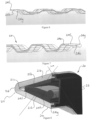
Figure 6 is a partial rear perspective view of the elongate light guide ofFigure 4 with contour lines; -
Figure 7 is a partial front perspective view of the elongate light guide ofFigure 4 with contour lines; -
Figure 8 is a sectional view of the elongate illumination assembly ofFigure 3 ; -
Figure 9 is an isometric view of a schematic of the elongate light guide ofFigure 4 when in a lit state; -
Figure 10 is an isometric view of a schematic of the elongate illumination assembly ofFigure 3 when in a lit state; -
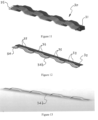
Figure 11 is a perspective view of an elongate illumination assembly not according to the invention; -
Figure 12 is a perspective view of the elongate light guide and PCB sub-assembly ofFigure 11 ; -
Figure 13 is a perspective view of the elongate light guide ofFigure 12 ; -
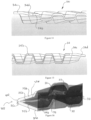
Figure 14 is a partial rear perspective view of the light guide ofFigure 12 with contour lines; -
Figure 15 is a partial front perspective view of the light guide ofFigure 12 with contour lines; -
Figure 16 is a sectional view of the elongate illumination assembly ofFigure 11 ; -
Figure 17 is an isometric view of a schematic of the elongate light guide ofFigure 12 when in a lit state; and -
Figure 18 is an isometric view of a schematic of the elongate illumination assembly ofFigure 11 when in a lit state. - Referring now to
Figures 1, 2A and 2B , there is shown anautomotive grill assembly 10 comprising a number ofelongate grill elements 11 and agrill surround 12. InFigures 1 and 2A thegrill assembly 10 is in an unlit state, whereas inFigure 2B , thegrill assembly 10 is in a lit state. As can be seen, the leading edge of eachgrill element 11 is illuminated, highlighting the repeating wave pattern of this particular embodiment. Referring now toFigures 3 to 8 , there is shown anelongate illumination assembly 20 according to an embodiment of the invention. Theelongate illumination assembly 20 has anelongate housing 23, printed circuit boards (PCBs) 22 featuring light emitting diodes (not shown), anelongate light guide 24 and anelongate lens 21 with a generally V-shaped cross-section and repeating wave pattern profile. Thelens 21 profile may be shaped in a variety of different repeating and non-repeating patterns. - The
housing 23 forms the backing for theillumination assembly 20, it provides structural reinforcement to theillumination assembly 20 and may be manufactured from a weather resistant plastic such as acrylonitrile styrene acrylate (ASA) or acrylonitrile butadiene styrene (ABS). Thelight guide 24 and PCBs 22 are housed within the V-shape of thelens 21 which is then connected or joined to the housing 23 (e.g. by welding) such that thelight guide 24 and PCBs 22 are housed within thelens 21 and housing 23. - As is best seen in
Figures 4 and 5 , thelight guide 24 has afirst end 24a having a first light receiving surface 24b, asecond end 24c having a second light receiving surface 24d, and alight emitting surface 24e viewable to an external viewer of theillumination assembly 20 through thelens 21. A PCB 22 is located at both thefirst end 24a and thesecond end 24c of thelight guide 24. An LED light source located on eachPCB 22 is positioned adjacent to the first light receiving surface 24b and the second light receiving surface 24d of thelight guide 24, which is configured to allow light to enter thelight guide 24 through thelight receiving surfaces 24b, 24c. Thelight guide 24 is adapted to be substantially transparent and without any visible discrete optic features in an un-lit state while being diffusive in a lit-state. When lit, light exits thelight guide 24 atlight emitting surface 24e with substantially uniform luminous intensity across the surface. - As is best seen in
Figures 6 and 7 , thelight guide 24 has a varying cross sectional area and profile along its depth. Thelight guide 24 has afront region 24f (adjacent thelight emitting surface 24e) and arear region 24g (furthest from thelight emitting surface 24e). Therear region 24g has a larger sectional thickness than thefront region 24f. In this embodiment, therear region 24g has a generally bulbous shape. Thefront region 24f has a generally consistent sectional thickness which has a ribbon-like shape. - The
light emitting surface 24e has the same repeating wave profile as the leading edge of thelens 21. Thefront region 24f also has this repeating wave profile. As is best seen inFigures 6 and 7 , therear section 24g also has a repeating wave profile but with a smaller amplitude resulting in a straighter profile. - The
light guide 24 also has atransitionary region 24h, connecting the front andrear regions rear region 24g to that of thefront region 24f. - As shown in
Figure 8 , thelight guide 24 is disposed behind thelens 21 which has anapex region 21f (or leading edge) with alight emitting surface 21d and from which a pair of spaced-apartblade portions 21e extend away to define the generally V-shaped cross-section. Thelens 21 has a clear or tintedouter portion 21a and an opaque inner portion 21b, wherein thelens 21 remains entirely clear along the apex 21f immediately behind thelight emitting surface 21d and adjacent thelight emitting surface 24e of thelight guide 24 to allow light emitted from thelight guide 24 to enter thelens 21 and exit at thelight emitting surface 21d. The effect of this composition is that in an unlit state, thegrill assembly 10 has a uniform appearance with thelight guide 24 being concealed being thelens 21. When the light source is activated, thelight guide 24 lights up and emits light through the lighttransmissive apex region 21f of thelens 21 to thelight emitting surface 21d in a substantially uniform luminous intensity. - The
lens 21 may be formed in many different ways. For example, thelens 21 may be a two-component lens comprising a clear or tintedouter portion 21a and an opaque inner portion 21b. The two-component lens may also be formed in a co-moulding process. Alternatively, thelens 21 may be a single component having an opaque coating on an inner surface formed by example by applying paint or a thin film coating. The clear section (or window) 21c may be formed by etching away the opaque coating or masking the area before coating. Thewindow 21c may be approximately 10mm high. - Referring now to
Figures 9 and 10 , which shows a schematic of the elongatelight guide 24 and theelongate illumination assembly 20 in a lit state, illustrating how light rays behave when thelight guide 24 is lit by a single LED light source, and the light rays enter thelight guide 24 and are guided toward thelight exiting surface 24e. - The elongate
light guide 24 is referred to as a particle filled light guide to distinguish it from a crystal clear light guide (traditional light guide). In a traditional light guide, light is transmitted from a light source to a point at some distance from the source with minimal loss by total internal reflection. - In this particle filled elongate
light guide 24, the transmission of light from the light source to thelight emitting surface 24e, is achieved through a combination of the use of internal reflection and light scattering particles. - Internal reflection is encouraged through the geometry of the
light guide 24, wherein light rays enter thelight guide 24 through the first and second light receiving surfaces 24b, 24d and are guided along therear region 24g of thelight guide 24. - The internal geometry of the
rear region 24g (bulbous shape and straightened profile) encourages internal reflection with the incidence angle of the bulk of the light rays approaching the outer surface of therear region 24g such that internal reflection is promoted. - Most light rays that enter the elongate
light guide 24 will encounter light scattering particles that alter the direction of the rays. The effect of this light scattering is that light rays will spread throughout thelight guide 24, along thetransitionary region 24h and into thefront region 24f, where they will then exit through thelight emitting surface 24e, also ensuring that an even distribution of light output occurs. - The light scattering particles may be titanium dioxide particles of sufficient size and concentration such that the light guide appears transparent when un-lit while providing a substantially uniform luminous intensity surface output when lit.
- Referring now to
Figures 11 to 16 , where there is shown anillumination assembly 30 not according to the invention. Theillumination assembly 30 hashousing 31, aPCB 32 featuring a plurality ofLEDs 33, alight guide 34 and anelongate lens 35 with a generally V-shaped cross-section and repeating wave pattern profile. Similarly to the first embodiment, thelens 35 profile may be shaped in a variety of different repeating and non-repeating patterns. - The
housing 31 forms the backing for theillumination assembly 30 and provides structural reinforcement to theillumination assembly 30 and may be manufactured from a weather resistant plastic such as acrylonitrile styrene acrylate (ASA) or acrylonitrile butadiene styrene (ABS), and is configured to receive thePCB 32. Thelight guide 34 fits within the V-shape of thelens 35 which is then connected or joined to the housing 31 (e.g. by welding) such that thelight guide 34 andPCB 32 are housed within thelens 35 andhousing 31. As is best seen inFigure 16 , thePCB 32 is orientated such that its plane is transverse to that of the direction of elongation of thelens 35. A plurality ofLEDs 33, are mounted on the top and bottom of thePCB 32, such that their direction of output is toward thelight guide 34 andlens 35. The location of theLEDs 33 on the top and bottom of thePCB 32 is influenced by the profile of thelens 35, such that theLEDs 33 follow the profile pattern. - The
light guide 34 has alight receiving surface 34a which is adjacent to theLEDs 33, and alight emitting surface 34b viewable to an external viewer of theillumination assembly 30 through thelens 35. Thelight guide 34 is configured to allow light to enter thelight guide 34 through thelight receiving surface 34a. Thelight guide 34 is adapted to be substantially transparent and without any visible discrete optic features in an un-lit state while being diffusive in a lit-state. When lit, light exits thelight guide 34 atlight emitting surface 34b with substantially uniform luminous intensity across the surface. - As is best seen in
Figures 14 and 15 , thelight guide 34 has a varying profile along its depth. Thelight emitting surface 34b of thelight guide 34 has the same repeating wave profile as the leading edge of thelens 35. Thelight receiving surface 34a of thelight guide 34 also has a repeating wave profile but with a smaller amplitude resulting in a straighter profile. - The light guide has a
front region 34c (adjacent thelight emitting surface 34b) which has a generally consistent sectional thickness which forms a ribbon-like shape and follows the same profile as thelight emitting surface 34b. The light guide also has atransitionary region 34d, connecting thefront region 34c and thelight receiving surface 34a, and having a profile that transitions from that of thelight receiving surface 34a to that of the front region 34c.As shown inFigure 8 , thelight guide 34 is disposed behind thelens 35 which has an apex 35f (or leading edge) with a light emitting surface 35d and from which a pair of spaced-apartblade portions 35e extend away to define the generally V-shaped cross-section. Thelens 35 has a clear or tinted outer portion 35a and an opaqueinner portion 35b, wherein thelens 35 remains entirely clear along the apex 35f immediately behind the light emitting surface 35d and adjacent thelight emitting surface 34b of thelight guide 34 to allow light emitted from thelight guide 34 to enter thelens 35 and exit at the light emitting surface 35d. The effect of this composition is that in an unlit state, thegrill assembly 10 has a uniform appearance with thelight guide 34 being concealed being thelens 31. When the light source is activated, thelight guide 34 lights up and emits light through the light transmissive apex region 31f of thelens 31 to the light emitting surface 31d in a substantially uniform luminous intensity. - The
lens 35 may be formed in many different ways. For example, thelens 35 may be a two-component lens comprising a clear or tinted outer portion 35a and an opaqueinner portion 35b. The two-component lens may also be formed in a co-moulding process. Alternatively, thelens 35 may be a single component having an opaque coating on an inner surface formed by example by applying paint or a thin film coating. The clear section (or window) 35c may be formed by etching away the opaque coating or masking the area before coating. Thewindow 35c may be approximately 10mm high. - Referring now to
Figures 17 and 18 , which show schematics of the elongatelight guide 34 and theelongate illumination assembly 30 in a lit state, illustrating how light rays behave when thelight guide 34 is lit by a plurality of LED light sources, and the light rays enter thelight guide 34 and are guided toward thelight emitting surface 34b. - The elongate
light guide 34 is referred to as a particle filled light guide to distinguish it from a crystal clear light guide (traditional light guide). In a traditional light guide, light is transmitted from a light source to a point at some distance from the source with minimal loss by total internal reflection. - In this particle filled elongate
light guide 34, the transmission of light from the light source to thelight emitting surface 34b, is achieved through a combination of the use of internal reflection and light scattering particles. - Internal reflection is encouraged through the geometry of the
light guide 34, wherein light rays enter thelight guide 34 through thelight receiving surface 34a, and are guided through the transitionary andfront regions light guide 34. - The internal geometry of the
light guide 34 encourages internal reflection with the incidence angle of the bulk of the light rays approaching the top and bottom surfaces of thelight guide 34 such that internal reflection is promoted. - Most light rays that enter the
light guide 34 will encounter light scattering particles that alter the direction of the rays. The effect of this light scattering is that light rays will spread throughout thelight guide 34, where they will then exit through thelight emitting surface 34b with an even light output. - Throughout the specification and the claims that follow, unless the context requires otherwise, the words "comprise" and "include" and variations such as "comprising" and "including" will be understood to imply the inclusion of a stated integer or group of integers, but not the exclusion of any other integer or group of integers.
- The reference to any prior art in this specification is not, and should not be taken as, an acknowledgement of any form of suggestion that such prior art forms part of the common general knowledge.
- It will be appreciated by those skilled in the art that the invention is not restricted in its use to the particular application described. Neither is the present invention restricted in its preferred embodiment with regard to the particular elements and/or features described or depicted herein. It will be appreciated that the invention is not limited to the embodiment or embodiments disclosed, but is capable of numerous rearrangements, modifications and substitutions without departing from the scope of the invention as set forth and defined by the following claims.
Claims (11)
- An automotive grill assembly (10) comprising a number of elongate grill elements (11) and a grill surround (12), wherein the leading edge of each grill element (11) is illuminated by an elongated illumination assembly (20) for highlighting the repeating wave pattern thereof, said elongated illumination assembly (20) further comprising:an elongate housing (23),printed circuit boards, PCBs, (22) featuring light emitting diodes, andan elongate light guide (24),wherein the housing (23) forms the backing for the illumination assembly (20) and provides structural reinforcement to the illumination assembly (20),wherein the light guide (24) has a first end (24a) having a first light receiving surface (24b), a second end (24c) having a second light receiving surface (24d), and a light emitting surface (24e) viewable to an external viewer of the illumination assembly (20) through the lens (21),wherein a PCB (22) is located at both the first end (24a) and the second end (24c) of the light guide (24),wherein an LED light source located on each PCB (22) is positioned adjacent to the first light receiving surface (24b) and the second light receiving surface (24d) of the light guide (24), which is configured to allow light to enter the light guide (24) through the light receiving surfaces (24b, 24c), andwherein the light guide (24) is adapted to be substantially transparent and without any visible discrete optic features in an un-lit state while being diffusive in a lit-state, such that when lit, light exits the light guide (24) at light emitting surface (24e) with substantially uniform luminous intensity across the surface,characterized byan elongate lens (21) with a generally V-shaped cross-section and repeating wave pattern profile,wherein• the light guide (24) and PCBs (22) are housed within the V-shape of the lens (21) which is connected or joined to the housing (23),• the light guide (24) has a varying cross sectional area and profile along its depth,• the light emitting surface (24e) of the light guide (24) has the same repeating wave profile as the leading edge of the lens (21), and• the light guide (24) has a front region (24f) adjacent a light emitting surface (24e) and a rear region (24g) furthest from the light emitting surface (24e) with the rear region (24g) having a larger sectional thickness than the front region (24f), with the front region (24f) of the light guide (24) also having this repeating wave profile and the rear section (24g) of the light guide (24) also having a repeating wave profile but with a smaller amplitude resulting in a straighter profile.
- The automotive grill assembly (10) of claim 1, wherein
the light guide (24) also has a transitionary region (24h), connecting the front and rear regions (24f, 24g) and having a profile that transitions from that of the rear region (24g) to that of the front region (24f). - The automotive grill assembly (10) of claim 2, wherein
the light guide (24) is disposed behind the lens (21) which has an apex region (21f) with a light emitting surface (21d) and from which a pair of spaced-apart blade portions (21e) extend away to define the generally V-shaped cross-section. - The automotive grill assembly (10) of claim 3, wherein
the lens (21) has a clear or tinted outer portion (21a) and an opaque inner portion (21b). - The automotive grill assembly (10) of claim 4, wherein
the lens (21) remains entirely clear along the apex (21f) immediately behind the light emitting surface (21d) and adjacent the light emitting surface (24e) of the light guide (24) to allow light emitted from the light guide (24) to enter the lens (21) and exit at the light emitting surface (21d), such that in an unlit state, the grill assembly (10) has a uniform appearance with the light guide (24) being concealed by the lens (21) and, when the light source is activated, the light guide (24) lights up and emits light through the light transmissive apex region (21f )of the lens (21) to the light emitting surface (21d) in a substantially uniform luminous intensity. - The automotive grill assembly (10) of claim 5, whereinthe lens (21) is a two-component lens comprising a clear or tinted outer portion (21a) and an opaque inner portion (21b), wherein preferably the two-component lens is formed in a co-moulding process, orthe lens (21) is a single component having an opaque coating on an inner surface and the clear section (21c) is formed by etching away the opaque coating or masking the area before coating.
- The automotive grill assembly (10) of claim 6 wherein
the elongate light guide (24) is a particle filled lightguide, such that the transmission of light from the light source to the light emitting surface (24e) is achieved through a combination of the use of internal reflection and light scattering particles. - The automotive grill assembly (10) of claim 7, wherein
internal reflection is encouraged through the geometry of the light guide (24), wherein light rays enter the light guide (24) through the first and second light receiving surfaces (24b, 24d) and are guided along the rear region (24g) of the light guide (24). - The automotive grill assembly (10) of claim 8, wherein
the internal geometry of the rear region (24g) has a bulbous shape and straightened profile and encourages internal reflection with the incidence angle of the bulk of the light rays approaching the outer surface of the rear region (24g) such that internal reflection is promoted. - The automotive grill assembly (10) of claim 9, wherein
most light rays that enter the elongate light guide (24) will encounter light scattering particles that alter the direction of the rays, such that light rays will spread throughout the light guide (24), along the transitionary region (24h) and into the front region (24f), where the light rays will then exit through the light emitting surface (24e), also ensuring that an even distribution of light output occurs. - The automotive grill assembly (10) of claim 10, wherein
the light scattering particles are titanium dioxide particles of sufficient size and concentration such that the light guide appears transparent when un-lit while providing a substantially uniform luminous intensity surface output when lit.
Applications Claiming Priority (2)
| Application Number | Priority Date | Filing Date | Title |
|---|---|---|---|
| AU2016900068A AU2016900068A0 (en) | 2016-01-11 | An elongate illuminated automotive design element | |
| EP16203317.9A EP3190006B1 (en) | 2016-01-11 | 2016-12-09 | An elongate illuminated automotive design element |
Related Parent Applications (1)
| Application Number | Title | Priority Date | Filing Date |
|---|---|---|---|
| EP16203317.9A Division EP3190006B1 (en) | 2016-01-11 | 2016-12-09 | An elongate illuminated automotive design element |
Publications (2)
| Publication Number | Publication Date |
|---|---|
| EP3741619A1 EP3741619A1 (en) | 2020-11-25 |
| EP3741619B1 true EP3741619B1 (en) | 2025-05-28 |
Family
ID=57838109
Family Applications (2)
| Application Number | Title | Priority Date | Filing Date |
|---|---|---|---|
| EP20184650.8A Active EP3741619B1 (en) | 2016-01-11 | 2016-12-09 | An elongate illuminated automotive design element |
| EP16203317.9A Active EP3190006B1 (en) | 2016-01-11 | 2016-12-09 | An elongate illuminated automotive design element |
Family Applications After (1)
| Application Number | Title | Priority Date | Filing Date |
|---|---|---|---|
| EP16203317.9A Active EP3190006B1 (en) | 2016-01-11 | 2016-12-09 | An elongate illuminated automotive design element |
Country Status (3)
| Country | Link |
|---|---|
| US (1) | US10214140B2 (en) |
| EP (2) | EP3741619B1 (en) |
| CN (1) | CN106958783B (en) |
Families Citing this family (18)
| Publication number | Priority date | Publication date | Assignee | Title |
|---|---|---|---|---|
| EP3463980B1 (en) * | 2016-06-01 | 2023-05-03 | SMR Patents S.à.r.l. | A lamp assembly for a vehicle |
| USD844497S1 (en) * | 2016-11-11 | 2019-04-02 | Jaguar Land Rover Limited | Vehicle front grille |
| USD840294S1 (en) * | 2017-04-21 | 2019-02-12 | Jaguar Land Rover Limited | Front bumper for a vehicle |
| CZ2018478A3 (en) * | 2018-09-17 | 2020-04-08 | Ĺ KODA AUTO a.s. | Cooler light grille |
| FR3090818B1 (en) * | 2018-12-19 | 2020-12-25 | Plastic Omnium Cie | Injected polycarbonate body part light element |
| JP7183979B2 (en) * | 2019-07-01 | 2022-12-06 | 豊田合成株式会社 | light emitting device |
| CZ309030B6 (en) * | 2020-01-31 | 2021-12-08 | ŠKODA AUTO a.s. | Light guide grille |
| EP4097393B1 (en) * | 2020-01-31 | 2024-01-24 | Skoda Auto A.S. | Light-guiding radiator grill |
| KR102399480B1 (en) * | 2020-05-08 | 2022-05-17 | 현대자동차주식회사 | Hidden light apparatus |
| KR102336412B1 (en) | 2020-05-19 | 2021-12-07 | 현대자동차주식회사 | Hidden light apparatus |
| KR102336413B1 (en) | 2020-05-19 | 2021-12-07 | 현대자동차주식회사 | Hidden light apparatus |
| KR102948184B1 (en) * | 2020-09-28 | 2026-04-02 | 현대자동차주식회사 | Lighting apparatus of grille for automobile |
| KR102884630B1 (en) | 2020-10-06 | 2025-11-10 | 현대자동차주식회사 | Grille for automobile |
| CZ2021152A3 (en) | 2021-03-26 | 2022-10-05 | Ĺ KODA AUTO a.s. | An illuminated radiator grille assembly of an automobile and an automobile with such an assembly |
| CZ310680B6 (en) | 2021-03-26 | 2026-04-29 | Ĺ KODA AUTO a.s. | An assembly of a transilluminated car radiator grille |
| CN215663180U (en) * | 2021-09-16 | 2022-01-28 | 北京车和家信息技术有限公司 | Through type lamps and lanterns mounting structure and vehicle |
| JP7616028B2 (en) * | 2021-11-19 | 2025-01-17 | トヨタ車体株式会社 | Vehicle exterior parts |
| EP4215414A1 (en) * | 2022-01-24 | 2023-07-26 | Ficomirrors, S.A. | Indirect vision device |
Family Cites Families (11)
| Publication number | Priority date | Publication date | Assignee | Title |
|---|---|---|---|---|
| GB2451125B (en) * | 2007-07-20 | 2012-05-23 | Nissan Motor Mfg Uk Ltd | Improvements in or relating to vehicle lighting |
| FR2952876B1 (en) * | 2009-11-24 | 2012-01-20 | Faurecia Bloc Avant | CALANDER, IN PARTICULAR FOR A MOTOR VEHICLE, WITH IMPROVED BEAUTY FUNCTION |
| JP5779340B2 (en) * | 2010-01-14 | 2015-09-16 | 株式会社小糸製作所 | Vehicle lighting |
| DE102010008334A1 (en) * | 2010-02-17 | 2011-08-18 | GM Global Technology Operations LLC, ( n. d. Ges. d. Staates Delaware ), Mich. | Front grill for vehicle, such as electric vehicles or electrical hybrid vehicles, has electrical or electronic display, where limiting portion of front grill serves for admission of fresh air |
| EP2746106B1 (en) * | 2011-08-08 | 2018-03-28 | Fu-se Vacuum Forming Co., Ltd. | Vehicle functional component |
| KR101908656B1 (en) * | 2012-04-09 | 2018-10-16 | 엘지이노텍 주식회사 | A light emitting device package |
| TW201345762A (en) * | 2012-05-01 | 2013-11-16 | Coplus Inc | Voice control light emitting water tank protection cover |
| JP6072520B2 (en) * | 2012-11-21 | 2017-02-01 | 株式会社小糸製作所 | Vehicular lamp with branching light guide lens |
| JP5698784B2 (en) * | 2013-04-05 | 2015-04-08 | 本田技研工業株式会社 | Direction indicator lights for vehicles |
| JP6012581B2 (en) * | 2013-11-18 | 2016-10-25 | 本田技研工業株式会社 | Vehicle lamp structure |
| CN204055319U (en) * | 2014-07-11 | 2014-12-31 | 林群渊 | Car water tank cover with decorative function |
-
2016
- 2016-12-09 EP EP20184650.8A patent/EP3741619B1/en active Active
- 2016-12-09 EP EP16203317.9A patent/EP3190006B1/en active Active
-
2017
- 2017-01-09 US US15/402,079 patent/US10214140B2/en active Active
- 2017-01-10 CN CN201710015243.6A patent/CN106958783B/en active Active
Also Published As
| Publication number | Publication date |
|---|---|
| EP3741619A1 (en) | 2020-11-25 |
| CN106958783A (en) | 2017-07-18 |
| EP3190006B1 (en) | 2020-07-29 |
| US10214140B2 (en) | 2019-02-26 |
| EP3190006A1 (en) | 2017-07-12 |
| CN106958783B (en) | 2019-11-15 |
| US20170197542A1 (en) | 2017-07-13 |
Similar Documents
| Publication | Publication Date | Title |
|---|---|---|
| EP3741619B1 (en) | An elongate illuminated automotive design element | |
| KR101236022B1 (en) | Vehicle lamp | |
| EP2071228B1 (en) | Vehicle lamp assembly | |
| JP5779590B2 (en) | Automotive signal lamp device | |
| EP3320533B1 (en) | A vehicle design element including a light assembly | |
| JP6696793B2 (en) | Vehicle lighting | |
| CN110337384B (en) | Lighting device for interior trim | |
| CN205991402U (en) | The illuminator of illuminator, motor vehicles illumination and/or signal designation | |
| JP6609245B2 (en) | Lighting module for automobiles with continuously changing light uniformity | |
| US9798067B2 (en) | Luminaire | |
| EP2886937A1 (en) | Light guide apparatus | |
| JP6868974B2 (en) | Light fixtures for vehicles | |
| EP3572847A1 (en) | Vehicular lamp | |
| KR20160035011A (en) | Lighting system, in particular for a motor vehicle lighting member, comprising integrated leds | |
| JP2015230872A (en) | Vehicle lamp | |
| DE102020109841B4 (en) | ARRANGEMENT AND VEHICLE | |
| CN103836480A (en) | Lighting device for a motor vehicle | |
| JP6659348B2 (en) | Window rear lamp | |
| CN211902732U (en) | Motor vehicle position lamp structure and motor vehicle | |
| JP2018026192A (en) | Vehicle lighting | |
| CN116336415A (en) | Optical element, lighting device and motor vehicle | |
| US10119672B2 (en) | Bundle entry weave for lighting modules | |
| JP5771577B2 (en) | Vehicle lighting | |
| JP7034750B2 (en) | Vehicle lighting | |
| JP7616149B2 (en) | Luminous Emblem |
Legal Events
| Date | Code | Title | Description |
|---|---|---|---|
| PUAI | Public reference made under article 153(3) epc to a published international application that has entered the european phase |
Free format text: ORIGINAL CODE: 0009012 |
|
| STAA | Information on the status of an ep patent application or granted ep patent |
Free format text: STATUS: THE APPLICATION HAS BEEN PUBLISHED |
|
| AC | Divisional application: reference to earlier application |
Ref document number: 3190006 Country of ref document: EP Kind code of ref document: P |
|
| AK | Designated contracting states |
Kind code of ref document: A1 Designated state(s): AL AT BE BG CH CY CZ DE DK EE ES FI FR GB GR HR HU IE IS IT LI LT LU LV MC MK MT NL NO PL PT RO RS SE SI SK SM TR |
|
| STAA | Information on the status of an ep patent application or granted ep patent |
Free format text: STATUS: REQUEST FOR EXAMINATION WAS MADE |
|
| RIN1 | Information on inventor provided before grant (corrected) |
Inventor name: BELCHER, SIMON Inventor name: DICKSON, JAMES N. Inventor name: MESSENGER, JACOB HEATH Inventor name: THODAY, SAM Inventor name: DEKIEVIT, GARY |
|
| 17P | Request for examination filed |
Effective date: 20201125 |
|
| RBV | Designated contracting states (corrected) |
Designated state(s): AL AT BE BG CH CY CZ DE DK EE ES FI FR GB GR HR HU IE IS IT LI LT LU LV MC MK MT NL NO PL PT RO RS SE SI SK SM TR |
|
| STAA | Information on the status of an ep patent application or granted ep patent |
Free format text: STATUS: EXAMINATION IS IN PROGRESS |
|
| 17Q | First examination report despatched |
Effective date: 20220805 |
|
| P01 | Opt-out of the competence of the unified patent court (upc) registered |
Effective date: 20230616 |
|
| RAP3 | Party data changed (applicant data changed or rights of an application transferred) |
Owner name: SMR PATENTS S.A.R.L. |
|
| GRAP | Despatch of communication of intention to grant a patent |
Free format text: ORIGINAL CODE: EPIDOSNIGR1 |
|
| STAA | Information on the status of an ep patent application or granted ep patent |
Free format text: STATUS: GRANT OF PATENT IS INTENDED |
|
| INTG | Intention to grant announced |
Effective date: 20250121 |
|
| GRAS | Grant fee paid |
Free format text: ORIGINAL CODE: EPIDOSNIGR3 |
|
| GRAA | (expected) grant |
Free format text: ORIGINAL CODE: 0009210 |
|
| STAA | Information on the status of an ep patent application or granted ep patent |
Free format text: STATUS: THE PATENT HAS BEEN GRANTED |
|
| AC | Divisional application: reference to earlier application |
Ref document number: 3190006 Country of ref document: EP Kind code of ref document: P |
|
| AK | Designated contracting states |
Kind code of ref document: B1 Designated state(s): AL AT BE BG CH CY CZ DE DK EE ES FI FR GB GR HR HU IE IS IT LI LT LU LV MC MK MT NL NO PL PT RO RS SE SI SK SM TR |
|
| REG | Reference to a national code |
Ref country code: GB Ref legal event code: FG4D |
|
| REG | Reference to a national code |
Ref country code: CH Ref legal event code: EP |
|
| REG | Reference to a national code |
Ref country code: DE Ref legal event code: R096 Ref document number: 602016092414 Country of ref document: DE |
|
| REG | Reference to a national code |
Ref country code: IE Ref legal event code: FG4D |
|
| REG | Reference to a national code |
Ref country code: NL Ref legal event code: MP Effective date: 20250528 |
|
| PG25 | Lapsed in a contracting state [announced via postgrant information from national office to epo] |
Ref country code: FI Free format text: LAPSE BECAUSE OF FAILURE TO SUBMIT A TRANSLATION OF THE DESCRIPTION OR TO PAY THE FEE WITHIN THE PRESCRIBED TIME-LIMIT Effective date: 20250528 Ref country code: ES Free format text: LAPSE BECAUSE OF FAILURE TO SUBMIT A TRANSLATION OF THE DESCRIPTION OR TO PAY THE FEE WITHIN THE PRESCRIBED TIME-LIMIT Effective date: 20250528 |
|
| REG | Reference to a national code |
Ref country code: LT Ref legal event code: MG9D |
|
| PG25 | Lapsed in a contracting state [announced via postgrant information from national office to epo] |
Ref country code: NO Free format text: LAPSE BECAUSE OF FAILURE TO SUBMIT A TRANSLATION OF THE DESCRIPTION OR TO PAY THE FEE WITHIN THE PRESCRIBED TIME-LIMIT Effective date: 20250828 Ref country code: GR Free format text: LAPSE BECAUSE OF FAILURE TO SUBMIT A TRANSLATION OF THE DESCRIPTION OR TO PAY THE FEE WITHIN THE PRESCRIBED TIME-LIMIT Effective date: 20250829 |
|
| PG25 | Lapsed in a contracting state [announced via postgrant information from national office to epo] |
Ref country code: PL Free format text: LAPSE BECAUSE OF FAILURE TO SUBMIT A TRANSLATION OF THE DESCRIPTION OR TO PAY THE FEE WITHIN THE PRESCRIBED TIME-LIMIT Effective date: 20250528 Ref country code: NL Free format text: LAPSE BECAUSE OF FAILURE TO SUBMIT A TRANSLATION OF THE DESCRIPTION OR TO PAY THE FEE WITHIN THE PRESCRIBED TIME-LIMIT Effective date: 20250528 |
|
| PG25 | Lapsed in a contracting state [announced via postgrant information from national office to epo] |
Ref country code: BG Free format text: LAPSE BECAUSE OF FAILURE TO SUBMIT A TRANSLATION OF THE DESCRIPTION OR TO PAY THE FEE WITHIN THE PRESCRIBED TIME-LIMIT Effective date: 20250528 |
|
| PG25 | Lapsed in a contracting state [announced via postgrant information from national office to epo] |
Ref country code: HR Free format text: LAPSE BECAUSE OF FAILURE TO SUBMIT A TRANSLATION OF THE DESCRIPTION OR TO PAY THE FEE WITHIN THE PRESCRIBED TIME-LIMIT Effective date: 20250528 |
|
| PG25 | Lapsed in a contracting state [announced via postgrant information from national office to epo] |
Ref country code: RS Free format text: LAPSE BECAUSE OF FAILURE TO SUBMIT A TRANSLATION OF THE DESCRIPTION OR TO PAY THE FEE WITHIN THE PRESCRIBED TIME-LIMIT Effective date: 20250828 |
|
| PG25 | Lapsed in a contracting state [announced via postgrant information from national office to epo] |
Ref country code: IS Free format text: LAPSE BECAUSE OF FAILURE TO SUBMIT A TRANSLATION OF THE DESCRIPTION OR TO PAY THE FEE WITHIN THE PRESCRIBED TIME-LIMIT Effective date: 20250928 |
|
| PG25 | Lapsed in a contracting state [announced via postgrant information from national office to epo] |
Ref country code: LV Free format text: LAPSE BECAUSE OF FAILURE TO SUBMIT A TRANSLATION OF THE DESCRIPTION OR TO PAY THE FEE WITHIN THE PRESCRIBED TIME-LIMIT Effective date: 20250528 |
|
| REG | Reference to a national code |
Ref country code: AT Ref legal event code: MK05 Ref document number: 1798461 Country of ref document: AT Kind code of ref document: T Effective date: 20250528 |
|
| PGFP | Annual fee paid to national office [announced via postgrant information from national office to epo] |
Ref country code: GB Payment date: 20251218 Year of fee payment: 10 |
|
| PG25 | Lapsed in a contracting state [announced via postgrant information from national office to epo] |
Ref country code: AT Free format text: LAPSE BECAUSE OF FAILURE TO SUBMIT A TRANSLATION OF THE DESCRIPTION OR TO PAY THE FEE WITHIN THE PRESCRIBED TIME-LIMIT Effective date: 20250528 Ref country code: DK Free format text: LAPSE BECAUSE OF FAILURE TO SUBMIT A TRANSLATION OF THE DESCRIPTION OR TO PAY THE FEE WITHIN THE PRESCRIBED TIME-LIMIT Effective date: 20250528 Ref country code: SM Free format text: LAPSE BECAUSE OF FAILURE TO SUBMIT A TRANSLATION OF THE DESCRIPTION OR TO PAY THE FEE WITHIN THE PRESCRIBED TIME-LIMIT Effective date: 20250528 |
|
| PGFP | Annual fee paid to national office [announced via postgrant information from national office to epo] |
Ref country code: FR Payment date: 20251218 Year of fee payment: 10 |
|
| PG25 | Lapsed in a contracting state [announced via postgrant information from national office to epo] |
Ref country code: CZ Free format text: LAPSE BECAUSE OF FAILURE TO SUBMIT A TRANSLATION OF THE DESCRIPTION OR TO PAY THE FEE WITHIN THE PRESCRIBED TIME-LIMIT Effective date: 20250528 |
|
| PG25 | Lapsed in a contracting state [announced via postgrant information from national office to epo] |
Ref country code: EE Free format text: LAPSE BECAUSE OF FAILURE TO SUBMIT A TRANSLATION OF THE DESCRIPTION OR TO PAY THE FEE WITHIN THE PRESCRIBED TIME-LIMIT Effective date: 20250528 |
|
| PG25 | Lapsed in a contracting state [announced via postgrant information from national office to epo] |
Ref country code: SK Free format text: LAPSE BECAUSE OF FAILURE TO SUBMIT A TRANSLATION OF THE DESCRIPTION OR TO PAY THE FEE WITHIN THE PRESCRIBED TIME-LIMIT Effective date: 20250528 |
|
| PG25 | Lapsed in a contracting state [announced via postgrant information from national office to epo] |
Ref country code: IT Free format text: LAPSE BECAUSE OF FAILURE TO SUBMIT A TRANSLATION OF THE DESCRIPTION OR TO PAY THE FEE WITHIN THE PRESCRIBED TIME-LIMIT Effective date: 20250528 |
|
| REG | Reference to a national code |
Ref country code: DE Ref legal event code: R097 Ref document number: 602016092414 Country of ref document: DE |
|
| PG25 | Lapsed in a contracting state [announced via postgrant information from national office to epo] |
Ref country code: RO Free format text: LAPSE BECAUSE OF FAILURE TO SUBMIT A TRANSLATION OF THE DESCRIPTION OR TO PAY THE FEE WITHIN THE PRESCRIBED TIME-LIMIT Effective date: 20250528 |
|
| PLBE | No opposition filed within time limit |
Free format text: ORIGINAL CODE: 0009261 |
|
| STAA | Information on the status of an ep patent application or granted ep patent |
Free format text: STATUS: NO OPPOSITION FILED WITHIN TIME LIMIT |
|
| REG | Reference to a national code |
Ref country code: CH Ref legal event code: L10 Free format text: ST27 STATUS EVENT CODE: U-0-0-L10-L00 (AS PROVIDED BY THE NATIONAL OFFICE) Effective date: 20260409 |
|
| PGFP | Annual fee paid to national office [announced via postgrant information from national office to epo] |
Ref country code: DE Payment date: 20251222 Year of fee payment: 10 |