EP3741299A1 - Method for analyzing arrhythmia in real time, electrocardiograph monitoring device and storage medium - Google Patents
Method for analyzing arrhythmia in real time, electrocardiograph monitoring device and storage medium Download PDFInfo
- Publication number
- EP3741299A1 EP3741299A1 EP18901214.9A EP18901214A EP3741299A1 EP 3741299 A1 EP3741299 A1 EP 3741299A1 EP 18901214 A EP18901214 A EP 18901214A EP 3741299 A1 EP3741299 A1 EP 3741299A1
- Authority
- EP
- European Patent Office
- Prior art keywords
- qrs
- arrhythmia
- electrocardiogram data
- qrs template
- real
- Prior art date
- Legal status (The legal status is an assumption and is not a legal conclusion. Google has not performed a legal analysis and makes no representation as to the accuracy of the status listed.)
- Pending
Links
Images



Classifications
-
- A—HUMAN NECESSITIES
- A61—MEDICAL OR VETERINARY SCIENCE; HYGIENE
- A61B—DIAGNOSIS; SURGERY; IDENTIFICATION
- A61B5/00—Measuring for diagnostic purposes; Identification of persons
- A61B5/24—Detecting, measuring or recording bioelectric or biomagnetic signals of the body or parts thereof
- A61B5/316—Modalities, i.e. specific diagnostic methods
- A61B5/318—Heart-related electrical modalities, e.g. electrocardiography [ECG]
- A61B5/346—Analysis of electrocardiograms
- A61B5/349—Detecting specific parameters of the electrocardiograph cycle
- A61B5/35—Detecting specific parameters of the electrocardiograph cycle by template matching
-
- A—HUMAN NECESSITIES
- A61—MEDICAL OR VETERINARY SCIENCE; HYGIENE
- A61B—DIAGNOSIS; SURGERY; IDENTIFICATION
- A61B5/00—Measuring for diagnostic purposes; Identification of persons
- A61B5/24—Detecting, measuring or recording bioelectric or biomagnetic signals of the body or parts thereof
- A61B5/316—Modalities, i.e. specific diagnostic methods
- A61B5/318—Heart-related electrical modalities, e.g. electrocardiography [ECG]
- A61B5/333—Recording apparatus specially adapted therefor
-
- A—HUMAN NECESSITIES
- A61—MEDICAL OR VETERINARY SCIENCE; HYGIENE
- A61B—DIAGNOSIS; SURGERY; IDENTIFICATION
- A61B5/00—Measuring for diagnostic purposes; Identification of persons
- A61B5/24—Detecting, measuring or recording bioelectric or biomagnetic signals of the body or parts thereof
- A61B5/316—Modalities, i.e. specific diagnostic methods
- A61B5/318—Heart-related electrical modalities, e.g. electrocardiography [ECG]
- A61B5/339—Displays specially adapted therefor
-
- A—HUMAN NECESSITIES
- A61—MEDICAL OR VETERINARY SCIENCE; HYGIENE
- A61B—DIAGNOSIS; SURGERY; IDENTIFICATION
- A61B5/00—Measuring for diagnostic purposes; Identification of persons
- A61B5/24—Detecting, measuring or recording bioelectric or biomagnetic signals of the body or parts thereof
- A61B5/316—Modalities, i.e. specific diagnostic methods
- A61B5/318—Heart-related electrical modalities, e.g. electrocardiography [ECG]
- A61B5/346—Analysis of electrocardiograms
- A61B5/349—Detecting specific parameters of the electrocardiograph cycle
- A61B5/366—Detecting abnormal QRS complex, e.g. widening
-
- A—HUMAN NECESSITIES
- A61—MEDICAL OR VETERINARY SCIENCE; HYGIENE
- A61B—DIAGNOSIS; SURGERY; IDENTIFICATION
- A61B5/00—Measuring for diagnostic purposes; Identification of persons
- A61B5/72—Signal processing specially adapted for physiological signals or for diagnostic purposes
- A61B5/7221—Determining signal validity, reliability or quality
-
- A—HUMAN NECESSITIES
- A61—MEDICAL OR VETERINARY SCIENCE; HYGIENE
- A61B—DIAGNOSIS; SURGERY; IDENTIFICATION
- A61B5/00—Measuring for diagnostic purposes; Identification of persons
- A61B5/72—Signal processing specially adapted for physiological signals or for diagnostic purposes
- A61B5/7235—Details of waveform analysis
- A61B5/7246—Details of waveform analysis using correlation, e.g. template matching or determination of similarity
-
- A—HUMAN NECESSITIES
- A61—MEDICAL OR VETERINARY SCIENCE; HYGIENE
- A61B—DIAGNOSIS; SURGERY; IDENTIFICATION
- A61B5/00—Measuring for diagnostic purposes; Identification of persons
- A61B5/72—Signal processing specially adapted for physiological signals or for diagnostic purposes
- A61B5/7235—Details of waveform analysis
- A61B5/7264—Classification of physiological signals or data, e.g. using neural networks, statistical classifiers, expert systems or fuzzy systems
-
- A—HUMAN NECESSITIES
- A61—MEDICAL OR VETERINARY SCIENCE; HYGIENE
- A61B—DIAGNOSIS; SURGERY; IDENTIFICATION
- A61B5/00—Measuring for diagnostic purposes; Identification of persons
- A61B5/74—Details of notification to user or communication with user or patient; User input means
- A61B5/742—Details of notification to user or communication with user or patient; User input means using visual displays
- A61B5/7435—Displaying user selection data, e.g. icons in a graphical user interface
-
- A—HUMAN NECESSITIES
- A61—MEDICAL OR VETERINARY SCIENCE; HYGIENE
- A61B—DIAGNOSIS; SURGERY; IDENTIFICATION
- A61B5/00—Measuring for diagnostic purposes; Identification of persons
- A61B5/74—Details of notification to user or communication with user or patient; User input means
- A61B5/746—Alarms related to a physiological condition, e.g. details of setting alarm thresholds or avoiding false alarms
-
- G—PHYSICS
- G16—INFORMATION AND COMMUNICATION TECHNOLOGY [ICT] SPECIALLY ADAPTED FOR SPECIFIC APPLICATION FIELDS
- G16H—HEALTHCARE INFORMATICS, i.e. INFORMATION AND COMMUNICATION TECHNOLOGY [ICT] SPECIALLY ADAPTED FOR THE HANDLING OR PROCESSING OF MEDICAL OR HEALTHCARE DATA
- G16H40/00—ICT specially adapted for the management or administration of healthcare resources or facilities; ICT specially adapted for the management or operation of medical equipment or devices
- G16H40/60—ICT specially adapted for the management or administration of healthcare resources or facilities; ICT specially adapted for the management or operation of medical equipment or devices for the operation of medical equipment or devices
- G16H40/63—ICT specially adapted for the management or administration of healthcare resources or facilities; ICT specially adapted for the management or operation of medical equipment or devices for the operation of medical equipment or devices for local operation
-
- G—PHYSICS
- G16—INFORMATION AND COMMUNICATION TECHNOLOGY [ICT] SPECIALLY ADAPTED FOR SPECIFIC APPLICATION FIELDS
- G16H—HEALTHCARE INFORMATICS, i.e. INFORMATION AND COMMUNICATION TECHNOLOGY [ICT] SPECIALLY ADAPTED FOR THE HANDLING OR PROCESSING OF MEDICAL OR HEALTHCARE DATA
- G16H50/00—ICT specially adapted for medical diagnosis, medical simulation or medical data mining; ICT specially adapted for detecting, monitoring or modelling epidemics or pandemics
- G16H50/20—ICT specially adapted for medical diagnosis, medical simulation or medical data mining; ICT specially adapted for detecting, monitoring or modelling epidemics or pandemics for computer-aided diagnosis, e.g. based on medical expert systems
-
- A—HUMAN NECESSITIES
- A61—MEDICAL OR VETERINARY SCIENCE; HYGIENE
- A61B—DIAGNOSIS; SURGERY; IDENTIFICATION
- A61B5/00—Measuring for diagnostic purposes; Identification of persons
- A61B5/24—Detecting, measuring or recording bioelectric or biomagnetic signals of the body or parts thereof
- A61B5/316—Modalities, i.e. specific diagnostic methods
- A61B5/318—Heart-related electrical modalities, e.g. electrocardiography [ECG]
- A61B5/346—Analysis of electrocardiograms
- A61B5/349—Detecting specific parameters of the electrocardiograph cycle
- A61B5/363—Detecting tachycardia or bradycardia
Definitions
- the present application relates to the technical field of medical devices, and in particular to a method for analyzing arrhythmia in real time, an electrocardiogram monitoring device and a computer-readable storage medium.
- An arrhythmia real-time analysis function is the most important function for current clinical electrocardiogram monitoring, and a template matching and analysis method is mainly used in current arrhythmia analysis systems.
- a QRS complex which is a general designation of three continuous wave groups of Q waves, R waves and S waves in an electrocardiogram signal
- a certain number of QRS complex templates are created to form a template set, and a heartbeat type (normal or abnormal) corresponding to each of the templates is determined.
- the QRS complex is compared with all the templates one by one to find out a template with the morphology most similar to that of the QRS complex, the heartbeat type of which then is the heartbeat type of the QRS complex. Finally, arrhythmia analysis is performed based on a classification result of the QRS complexes.
- this analysis method excessively relies on the accuracy of the template type.
- a special electrocardiogram waveform with continuous ventricular heartbeats, etc. occurring in a template creation stage is to be analyzed, it is difficult to determine whether the template type indicates normal or abnormal, and if it is determined that the template type indicates normal, alarm omissions of ventricular tachycardia may be caused, and if it is determined that the template type indicates abnormal, a large quantity of false alarms may be caused.
- the present application provides a method for analyzing arrhythmia in real time, an electrocardiogram monitoring device and a computer-readable storage medium, by which a currently created QRS template may be edited to improve the accuracy of arrhythmia analysis.
- the present application provides a method for analyzing arrhythmia in real time.
- the method for analyzing arrhythmia in real time comprises:
- an electrocardiogram monitoring device which comprises a display screen, a processor, a memory, and a computer program stored in the memory, wherein the processor is configured to execute the computer program stored in the memory to carry out the steps of:
- the present application further provides a method for analyzing arrhythmia in real time.
- the method for analyzing arrhythmia in real time comprises:
- an electrocardiogram monitoring device which comprises a processor, a memory, and a computer program stored in the memory.
- the processor is configured to execute the computer program stored in the memory to carry out the steps of:
- the present application provides a computer-readable storage medium having computer instructions stored thereon, wherein the computer instructions implement, when executed by a processor, the steps of the method for analyzing arrhythmia in real time as described in any of the embodiments.
- the method for analyzing arrhythmia in real time in the present invention may achieve the correction of a template of a special waveform by means of editing a currently created QRS template; when the same type of waveform is analyzed again, a correct arrhythmia analysis result may be provided, which may improve the accuracy of arrhythmia analysis and improve the quality of electrocardiogram monitoring.
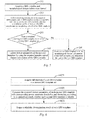
- FIG. 1 it is a schematic flowchart of a method for analyzing arrhythmia in real time, provided in an embodiment of the present application, and the method for analyzing arrhythmia in real time is applied to an electrocardiogram monitoring device, such as an electrocardiogram detector.
- an electrocardiogram monitoring device such as an electrocardiogram detector.
- the method for analyzing arrhythmia in real time in the embodiment of the present application is not limited to the steps and order in the flowchart shown in FIG. 1 . According to different requirements, a step may be added to or removed from the steps in the flowchart or the order of the steps may be changed.
- the method for analyzing arrhythmia in real time comprises the following steps: step 101, acquiring a QRS template set currently used for arrhythmia analysis.
- the current QRS template set comprises a plurality of created QRS templates, such as 5 to 6 QRS templates. It may be understood that each QRS template is created from one QRS complex, and the QRS complex may be a QRS complex directly acquired during a process of arrhythmia analysis or a certain QRS complex in historical electrocardiogram data.
- Step 102 determining whether each QRS template in the current QRS template set is reliable.
- Step 103 is carried out if the current QRS template set contains an unreliable QRS template.
- Step 109 is carried out if each QRS template in the current QRS template set is reliable.
- Step 103 popping up a prompt window for displaying information of a QRS template.
- the information of the QRS template that is displayed on the prompt window is information of the QRS template in the current QRS template set, and the information of the QRS template comprises a reliability determination result of the QRS template.
- step 103 specifically comprises: popping up two prompt windows, for displaying information of a reliable QRS template in one of the prompt windows and information of an unreliable QRS template in the other prompt window, according to the reliability determination result of each QRS template, namely, separately displaying the reliable QRS template and the unreliable QRS template in different prompt windows.
- step 103 specifically comprises: popping up one prompt window, for displaying information of an unreliable QRS template in the prompt window according to the reliability determination result of each QRS template.
- step 103 specifically comprises: popping up one prompt window, for displaying information of each QRS template in the prompt window, namely, displaying both a reliable QRS template and an unreliable QRS template in the one prompt window.
- Step 104 determining the QRS template set according to an operation performed by a user on the information of the QRS template that is displayed in the prompt window.
- the information of the current QRS template further comprises, but is not limited to, the type of the QRS template and morphological feature parameters of a QRS complex.
- the morphological feature parameters of the QRS complex comprise, but are not limited to, the amplitude, width and slope of the QRS complex, and a start point and an end point of the QRS complex.
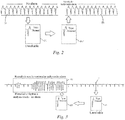
- the information of the currently created QRS templates may be simultaneously displayed by means of, but not limited to, a human-machine interaction interface.
- the information of only one unreliable QRS template is displayed in both schematic diagrams of FIGs. 2 and 3 .
- the reliability determination of a QRS template comprises automatic determination by a machine system and human determination.
- the medical personnel may further determine, according to actual clinical conditions and their own experience, whether the QRS template is reliable.
- the operation performed by the user on the information of the QRS template comprises an editing operation and a confirmation operation.
- said determining the QRS template set according to an operation performed by a user on the information of the QRS template that is displayed in the prompt window specifically comprises:
- the prompt window may be provided with an edition button and a confirmation button, such that the medical personnel may edit or confirm the currently displayed information of the QRS template in the prompt window by means of the edition or confirmation button.
- the operation performed by the user on the information of the QRS template may be a click operation on the confirmation button or on the edition button and an editing operation for further input following the clicking of the edition button, performed by the user such as the medical personnel in the prompt window.
- the medical personnel may confirm information of the QRS template by means of, for example, clicking the confirmation button in the prompt window, so as to maintain the original information of the QRS template unchanged.
- the medical personnel may edit information of the QRS template by means of, for example, clicking the edition button in the prompt window, so as to modify the information of the QRS template.
- the content for edition comprises, but is not limited to, modification to the type of the QRS template and morphological feature parameters of the QRS complex, such as parameters of the amplitude, the width and the slope of the QRS complex, and a start point and an end point of the QRS complex.
- the content for edition may further comprise replacement of the QRS template, for example, deleting an original QRS template, and then setting a new QRS template.
- the method for analyzing arrhythmia in real time may further comprise: saving the edited or confirmed QRS template.
- Step 105 determining whether a current QRS template was edited. Steps 106 and 108 are separately carried out if the current QRS template was edited. Step 106 is carried out if the current QRS template has not been edited.
- Step 106 acquiring real-time electrocardiogram data, performing arrhythmia analysis on the real-time electrocardiogram data by using the determined QRS template set, and outputting an arrhythmia analysis result of the real-time electrocardiogram data in real time.
- the type of one QRS template P1 in the current template set is a type Normal. If it is determined in step 102 above that the QRS template P1 is unreliable, the medical personnel may modify the type of the QRS template P1 to a type Abnormal in the popped-up prompt window, so as to obtain an edited QRS template P1', and perform arrhythmia analysis on real-time electrocardiogram data D1 by using a QRS template set containing the edited QRS template P1'.
- an analysis result indicates no alarm, that is to say, the real-time electrocardiogram data D1 is analyzed to be of a normal rhythm, but in fact, the real-time electrocardiogram data D1 should be of an abnormal rhythm.
- an analysis result obtained indicates a ventricular tachycardia alarm.
- each QRS template in the QRS template set may be edited or confirmed so as to reduce the misclassfication of QRS complexes and correct the arrhythmia analysis result, thereby improving the accuracy of the real-time analysis result of arrhythmia.
- Step 107 displaying the arrhythmia analysis result of the real-time electrocardiogram data in real time on a human-machine interaction interface.
- the flow returns to step 101.
- the method for analyzing arrhythmia in real time may further comprise: outputting, when the arrhythmia analysis result of the real-time electrocardiogram data indicates an abnormal rhythm, a real-time alarm prompt about the abnormal rhythm.
- a real-time alarm prompt about the abnormal rhythm is output to warn the medical personnel, wherein the content of the alarm prompt may comprise the specific type of arrhythmia.
- a display screen of the electrocardiogram monitoring device can be used to provide the human-machine interface, and an alarm apparatus on the electrocardiogram monitoring device can be used to output the real-time alarm prompt.
- Step 108 acquiring historical electrocardiogram data, performing arrhythmia analysis again on the historical electrocardiogram data by using the edited QRS template, and outputting an arrhythmia analysis result of the historical electrocardiogram data.
- the flow returns to step 101.
- the type of one QRS template P2 in the current template set is a type Normal. If it is determined in step 102 above that the QRS template P2 is unreliable, the medical personnel may modify the type of the template P2 to a type Abnormal in the popped-up prompt window, so as to obtain an edited QRS template P2', and perform arrhythmia analysis again on the historical electrocardiogram data D2 by using a QRS template set containing the edited QRS template P2'.
- a historical arrhythmia analysis result of the historical electrocardiogram data D2 indicates no alarm, that is to say, during the process of historical arrhythmia analysis, the historical electrocardiogram data D2 is analyzed to be of a normal rhythm, but in fact, the historical electrocardiogram data D2 should be of an abnormal rhythm.
- arrhythmia analysis is performed again on the historical electrocardiogram data D2 by using the edited QRS template P2', a reanalysis result obtained indicates a ventricular tachycardia alarm.
- Step 109 acquiring real-time electrocardiogram data, performing arrhythmia analysis on the real-time electrocardiogram data by using the current QRS template set, and outputting an arrhythmia analysis result of the real-time electrocardiogram data in real time.
- Step 110 displaying the arrhythmia analysis result of the real-time electrocardiogram data in real time on a human-machine interaction interface.
- the method for analyzing arrhythmia in real time may further comprise: outputting, when the arrhythmia analysis result of the real-time electrocardiogram data indicates an abnormal rhythm, a real-time alarm prompt about the abnormal rhythm.
- Step 111 receiving a call operation input on the human-machine interaction interface, and calling, according to the received call operation, the prompt window for displaying the information of the QRS template in the current QRS template set.
- the flow jumps to step 104 of determining the QRS template set according to the operation performed by the user on the information of the QRS template in the current QRS template set that is displayed in the prompt window.
- the information of the QRS template that is displayed in the prompt window comprises a reliability determination result of the QRS template.
- the prompt window for displaying the information of the QRS template in the current QRS template set is not actively popped up.
- the medical personnel may further determine, according to actual clinical conditions and their own experience, whether the QRS template is reliable.
- the medical personnel may click a relevant button on the human-machine interaction interface in real time to actively display the currently created QRS template, namely, calling the prompt window for displaying the information of the QRS template in the current QRS template set.
- the medical personnel may input a confirmation operation in the prompt window so as to maintain the original information of the QRS template unchanged.
- the medical personnel may input an editing operation in the prompt window so as to modify information of the QRS template, such as modifying the type, amplitude, width and slope of the QRS template, a start point and an end point of a QRS complex, etc.
- the method for analyzing arrhythmia in real time in the present invention may achieve the correction of a template of a special waveform by means of editing a currently created QRS template; when the same type of waveform is analyzed again, a correct arrhythmia analysis result may be provided.
- the template is inaccurate, this may cause serious arrhythmia reflected in historical electrocardiogram data of a patient not to be recognized, which further has an effect on determination of the patient's condition by the medical personnel, thereby increasing medical risks, and lowering the quality of electrocardiogram monitoring.
- the historical electrocardiogram data is reanalyzed by using the edited QRS template, such that omission of serious arrhythmia reflected in the historical electrocardiogram data of the patient may be avoided, and alarm omissions may be reduced, thereby improving the accuracy of arrhythmia analysis and then improving the quality of electrocardiogram monitoring.
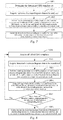
- FIG. 4 it is a schematic flowchart of a method for analyzing arrhythmia in real time, provided in an embodiment of the present application, and the method for analyzing arrhythmia in real time is applied to an electrocardiogram monitoring device, such as an electrocardiogram detector.
- an electrocardiogram monitoring device such as an electrocardiogram detector.
- the method for analyzing arrhythmia in real time in the embodiment of the present application is not limited to the steps and order in the flowchart shown in FIG. 2 . According to different requirements, a step may be added to or removed from the steps in the flowchart or the order of the steps may be changed.
- the method for analyzing arrhythmia in real time comprises the following steps:
- steps 121 and 122 in this embodiment may respectively refer to specific introduction to relevant technical details of steps 101 and 111 in the embodiment of FIG. 1 of the present application, which will not be described here again for the sake of saving space and avoiding repetition.
- the medical personnel may determine, according to actual clinical conditions and their own experience, whether the QRS template is reliable.
- the medical personnel may input, at any moment during the process of arrhythmia analysis, a call operation on the human-machine interaction interface to call the information of the QRS template in the current QRS template set, so as to determine whether the QRS template is reliable.
- the method for analyzing arrhythmia in real time may further comprise the steps of:
- the medical personnel may click a relevant button on the human-machine interaction interface in real time to actively display the currently created QRS template, namely, calling the prompt window for displaying the information of the QRS template in the current QRS template set.
- Step 123 determining the QRS template set according to an operation performed by a user on the information of the QRS template that is displayed in the prompt window.
- the operation performed by the user on the information of the QRS template comprises an editing operation and a confirmation operation.
- Step 124 determining whether a current QRS template was edited. Steps 125 and 127 are separately carried out if the current QRS template was edited. Step 125 is carried out if the current QRS template has not been edited.
- Step 125 acquiring real-time electrocardiogram data, performing arrhythmia analysis on the real-time electrocardiogram data by using the determined QRS template set, and outputting an arrhythmia analysis result of the real-time electrocardiogram data in real time.
- Step 126 displaying the arrhythmia analysis result of the real-time electrocardiogram data in real time on a human-machine interaction interface.
- the flow returns to step 121.
- Step 127 acquiring historical electrocardiogram data, performing arrhythmia analysis again on the historical electrocardiogram data by using the edited QRS template, and outputting an arrhythmia analysis result of the historical electrocardiogram data.
- the flow returns to step 121.
- steps 123 to 127 in this embodiment may respectively refer to specific introduction to relevant technical details of steps 104 to 108 in the embodiment of FIG. 1 of the present application, which will not be described here again for the sake of saving space and avoiding repetition.
- FIG. 5 is a schematic flowchart of a method for creating a QRS template, provided in an embodiment of the present application.
- the method for creating a QRS template comprises the following steps: step 201, acquiring a QRS complex and morphological feature information thereof.
- the QRS complex may be a QRS complex in real-time electrocardiogram data that is detected during the process of current arrhythmia analysis, or a certain QRS complex in historical electrocardiogram data.
- the morphological feature information of the QRS complex comprises, but is not limited to, the amplitude, width and slope of the QRS complex.
- Step 202 performing matching and analysis on the acquired QRS complex and all QRS templates in the existing QRS template set one by one, and separately calculating a correlation coefficient between the QRS complex and the morphology of each of the QRS templates.
- each QRS template in the existing QRS template set is a classified template.
- the morphological feature information of the QRS complex may be matched with feature parameters of each QRS template in the existing QRS template set, and the feature parameters of the QRS templates comprise, but are not limited to, the width, amplitude and slope of the QRS complex.
- the value range of the correlation coefficient may be set arbitrarily.
- the value range of the correlation coefficient may be set between plus and minus 100, wherein the greater the value is, the higher the similarity is.
- Step 203 determining, according to each calculated correlation coefficient, whether a template matching the QRS complex exists in the existing QRS template set.
- Step 204 is carried out if a matched template matching the QRS complex exists in the existing QRS template set.
- Step 205 is carried out if no matched template matching the QRS complex exists in the existing QRS template set.
- a correlation threshold may be preset, for example, to 90. If the calculated correlation coefficient between the QRS complex and one of the QRS templates is greater than 90, it can be considered that the QRS complex matches the QRS template, otherwise, it can be considered that the QRS complex does not match the QRS template.
- a QRS template which has the maximum correlation coefficient between same and the QRS complex that is greater than a preset correlation threshold, is selected as the optimal matched template for the QRS complex.
- Step 204 updating feature parameters of the matched template by using the acquired morphological feature information of the QRS complex.
- Step 205 creating a new QRS template with the morphological feature information of the QRS complex, and determining the type of the new QRS template, wherein the type comprises a type Normal and a type Abnormal.
- the creation and updating of the QRS template are carried out in real time during the process of arrhythmia analysis, such that more morphological feature information of QRS complexes of the same type may be collected for the feature parameters of the created QRS template, for the determination of the reliability of the QRS template after a certain duration or after the collection of sufficient morphological feature information of the QRS complexes of same type.
- a new QRS template may be created for a newly emerging waveform, such that when the same type of waveform is analyzed again, the newly created QRS template may be used to analyze the same type of waveform.
- step 102 comprises: Step 1021, acquiring information of each QRS template in a current QRS template set.
- the information of the QRS template further comprises the type and feature parameters of the QRS template.
- the feature parameters of the QRS template comprise, but is not limited to, the width, amplitude and slope of a QRS complex, and a start point and an end point of the QRS complex.
- Step 1022 comparing the acquired feature parameters of each current QRS template with corresponding preset parameter thresholds, and determining, according to a comparison result, whether each current QRS template is reliable.
- it may be determined, depending on whether the feature parameters of the QRS template exceed the corresponding preset parameter thresholds, whether the current template is reliable.
- QRS templates of different types also have different feature parameter thresholds.
- the parameter thresholds may be set with reference to medically statistical normal values.
- a QRS template of a type Normal may have a QRS width threshold that is set as 20 ms.
- a QRS template of a type Abnormal may have a QRS width threshold that is set as 120 ms.
- all or some feature parameters of a template of a certain type exceed the corresponding preset parameter thresholds and meet the corresponding determination conditions, it is determined that the QRS template is unreliable.
- Step 1023 outputting a reliability determination result of each QRS template.
- step 106 or step 125 comprises:
- step 1063 comprises:
- Step 1064 analyzing the type of arrhythmia according to a classification result of the QRS complexes, and outputting an arrhythmia analysis result of the real-time electrocardiogram data.
- analyzing the type of arrhythmia according to a classification result of the QRS complexes specifically comprises: analyzing, in combination with specific arrhythmia determination criteria and preset thresholds, the type of QRS complexes already classified within a certain duration, so as to determine the type of arrhythmia.
- step 108 comprises:
- step 1083 comprises:
- Step 1084 analyzing the type of arrhythmia according to a classification result of the QRS complexes, and outputting a current arrhythmia analysis result of the historical electrocardiogram data and recording the occurrence moment of arrhythmia.
- analyzing the type of arrhythmia according to a classification result of the QRS complexes specifically comprises: analyzing, in combination with specific arrhythmia determination criteria and preset thresholds, the type of QRS complexes already classified within a certain duration, so as to determine the type of arrhythmia.
- Step 1085 comparing, when the current arrhythmia analysis result of the historical electrocardiogram data indicates an abnormal rhythm, the current arrhythmia analysis result of the historical electrocardiogram data with a historical alarm list to determine whether the historical alarm list contains an alarm prompt about the same type of arrhythmia at a corresponding moment.
- the flow returns to step 1081 if the historical alarm list contains the alarm prompt about the same type of arrhythmia at the corresponding moment.
- Step 1086 is carried out if the historical alarm list does not contain the alarm prompt about the same type of arrhythmia at the corresponding moment.
- the historical alarm list contains the alarm prompt about the same type of arrhythmia at the corresponding moment, which indicates that an alarm prompt about the same type of arrhythmia at the corresponding moment is already output during the process of historical arrhythmia analysis, it is not necessary at present to output a repeated alarm prompt about the same type of arrhythmia at the corresponding moment.
- Step 1086 displaying the type and occurrence moment of arrhythmia of the historical electrocardiogram data on a human-machine interaction interface, and outputting an alarm prompt about the type and occurrence moment of arrhythmia.
- an alarm prompt about the abnormal rhythm and the occurrence moment thereof is output so as to warn the medical personnel, wherein the content of the alarm prompt may comprise the specific type and occurrence moment of arrhythmia.
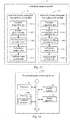
- FIG. 9 it is a schematic structural diagram of an arrhythmia real-time analysis apparatus 20 provided in an embodiment of the present application.
- the arrhythmia real-time analysis apparatus 20 is applied to an electrocardiogram monitoring device, such as an electrocardiogram detector.
- the electrocardiogram monitoring device comprises at least a display screen and an alarm apparatus.
- the arrhythmia real-time analysis apparatus 20 may comprise one or more modules, the one or more modules being stored in a memory of the electrocardiogram monitoring device and being configured to be carried out by one or more processors (one in this embodiment), so as to complete the present application.
- processors one in this embodiment
- the arrhythmia real-time analysis apparatus 20 may comprise a QRS template acquisition module 21, a QRS template reliability determination module 22, a QRS template display and edition module 23, an arrhythmia analysis module 24 and a QRS template creation module 25.
- the module called in this embodiment of the present application may be a program segment for completing a certain function, which is more suitable for describing an execution process of software in the processor than a program. It may be understood that, corresponding to all embodiments of the above-mentioned method for analyzing arrhythmia in real time, the arrhythmia real-time analysis apparatus 20 may comprise some or all of functional modules shown in FIG. 9 , and the functions of modules 21 to 25 will be introduced below in detail.
- the QRS template acquisition module 21 is configured to acquire a QRS template set currently used for arrhythmia analysis.
- the current QRS template set comprises a plurality of created QRS templates, such as 5 to 6 QRS templates. It may be understood that each QRS template is created from one QRS complex, and the QRS complex may be a QRS complex directly acquired during a process of arrhythmia analysis or a certain QRS complex in historical electrocardiogram data.
- the QRS template creation module 25 is configured to create a QRS template and update the QRS template.
- the QRS template creation module 25 comprises a QRS complex acquisition unit 251, a template matching and analysis unit 252, a determination unit 253, a template creation unit 254, and a template updating unit 255.
- the QRS complex acquisition unit 251 is configured to acquire a QRS complex and morphological feature information thereof.
- the QRS complex may be a QRS complex in real-time electrocardiogram data that is detected during the process of current arrhythmia analysis, or a certain QRS complex in historical electrocardiogram data.
- the morphological feature information of the QRS complex comprises, but is not limited to, the amplitude, width and slope of the QRS complex.
- the template matching and analysis unit 252 is configured to perform matching and analysis on the acquired QRS complex and all QRS templates in the existing QRS template set one by one, and separately calculate a correlation coefficient between the QRS complex and the morphology of each of the QRS templates.
- the template matching and analysis unit 252 may be used to match, during matching and analysis, the morphological feature information of the QRS complex with feature parameters of all QRS templates in the existing QRS template set, and the feature parameters of the QRS templates comprise, but are not limited to, the width, amplitude and slope of the QRS complex.
- the value range of the correlation coefficient may be set arbitrarily.
- the value range of the correlation coefficient may be set between plus and minus 100, wherein the greater the value is, the higher the similarity is.
- the template matching and analysis unit 252 is configured to perform matching and analysis on the acquired QRS complex and all QRS templates in a template library one by one, and separately calculate a correlation coefficient between the QRS complex and the morphology of each existing QRS template.
- the determination unit 253 is configured to determine, according to each calculated correlation coefficient, whether a template matching the QRS complex exists in the existing QRS template set.
- a correlation threshold may be preset, for example, to 90. If the calculated correlation coefficient between the QRS complex and one of the QRS templates is greater than 90, it may be considered by the determination unit 253 that the QRS complex matches the QRS template, otherwise, it may be considered that the QRS complex does not match the QRS template.
- the determination unit 253 is configured to select a QRS template, which has the maximum correlation coefficient between same and the QRS complex that is greater than the preset correlation threshold, as the optimal matched template for the QRS complex.
- the template creation unit 254 is configured to create, if no template matching the QRS complex exists in the existing QRS template set, a new QRS template with morphological feature information of the QRS complex, and determine the type of the new QRS template, wherein the type comprises a type Normal and a type Abnormal.
- the template updating unit 255 is configured to update, if a matched template matching the QRS complex exists in the existing QRS template set, feature parameters of the matched template by using the acquired morphological feature information of the QRS complex.
- the creation and updating of the QRS template are carried out in real time during the process of arrhythmia analysis, such that more morphological feature information of QRS complexes of the same type may be collected for the feature parameters of the created QRS template, for the determination of the reliability of the QRS template after a certain duration or after the collection of sufficient morphological feature information of the QRS complexes of same type.
- a new QRS template may be created for a newly emerging waveform, such that when the same type of waveform is analyzed again, the newly created QRS template may be used to analyze the same type of waveform.
- the QRS template reliability determination module 22 is configured to determine whether each QRS template in the current QRS template set is reliable.
- the QRS template reliability determination module 22 comprises a template information acquisition unit 221, a reliability decision-making unit 222 and a result output unit 223.
- the template information acquisition unit 221 is configured to acquire information of each QRS template in the current QRS template set, wherein the information of the QRS template further comprises the type and feature parameters of the QRS template.
- the feature parameters of the QRS template comprise, but is not limited to, the width, amplitude and slope of a QRS complex, and a start point and an end point of the QRS complex.
- the reliability decision-making unit 222 is configured to compare the acquired feature parameters of each QRS template with corresponding preset parameter thresholds, and determine, according to a comparison result, whether each QRS template is reliable.
- it may be determined, depending on whether the feature parameters of the QRS template exceed the corresponding preset parameter thresholds, whether the current template is reliable.
- QRS templates of different types also have different feature parameter thresholds.
- the parameter thresholds may be set with reference to medically statistical normal values.
- a QRS template of a type Normal may have a QRS width threshold that is set as 20 ms.
- a QRS template of a type Abnormal may have a QRS width threshold that is set as 120 ms.
- all or some feature parameters of a template of a certain type exceed the corresponding preset parameter thresholds and meet the corresponding determination conditions, it is determined that the QRS template is unreliable.
- the result output unit 223 is configured to output a reliability determination result of each QRS template.
- the QRS template display and edition module 23 is configured to control, when the current QRS template set contains an unreliable QRS template, the display screen to pop up a prompt window for displaying information of a QRS template in the current QRS template set.
- the information of the QRS template that is displayed in the prompt window comprises a reliability determination result of the QRS template.
- the QRS template display and edition module 23 is further configured to determine the QRS template set according to the operation performed by the user on the information of the QRS template in the current QRS template set that is displayed in the prompt window.
- the information of the current QRS template further comprises, but is not limited to, the type of the QRS template and morphological feature parameters of a QRS complex.
- the morphological feature parameters of the QRS complex comprise, but are not limited to, the amplitude, width and slope of the QRS complex, and a start point and an end point of the QRS complex.
- the QRS template display and edition module 23 may simultaneously display the information of each currently-created QRS template by means of, but not limited to, a human-machine interaction interface.
- the information of only one unreliable QRS template is displayed in both schematic diagrams of FIGs. 2 and 3 .
- the QRS template display and edition module 23 comprises a template display unit 231, a template edition unit 232 and a template confirmation and saving unit 233.
- the template display unit 231 is configured to control, when the current QRS template set contains an unreliable QRS template, the display screen to pop up a prompt window for displaying information of a QRS template in the current QRS template set.
- the template display unit 231 is specifically configured to pop up two prompt windows on the display screen, for displaying information of a reliable QRS template in one of the prompt windows and information of an unreliable QRS template in the other prompt window, according to the reliability determination result of each QRS template, namely, separately displaying the reliable QRS template and the unreliable QRS template in different prompt windows.
- the template display unit 231 is specifically configured to pop up one prompt window on the display screen, for displaying information of an unreliable QRS template in the prompt window according to the reliability determination result of each QRS template.
- the template display unit 231 is specifically configured to pop up one prompt window on the display screen, for displaying information of each QRS template in the prompt window, namely, displaying both a reliable QRS template and an unreliable QRS template in the same prompt window.
- the prompt window for displaying the information of the QRS template in the current QRS template set is not actively popped up.
- the template edition unit 232 is configured to determine the QRS template set according to the operation performed by the user on the information of the QRS template in the current QRS template set that is displayed in the prompt window.
- the reliability determination of a QRS template comprises automatic determination by a machine system and human determination.
- the medical personnel may further determine, according to actual clinical conditions and their own experience, whether the QRS template is reliable.
- the operation performed by the user on the information of the QRS template comprises an editing operation and a confirmation operation.
- the template edition unit 232 when determining the QRS template set according to an operation performed by a user on the information of the QRS template, is specifically configured to:
- the template display unit 231 may be further configured to display an edition button and a confirmation button in the prompt window, such that the medical personnel may edit or confirm the currently displayed information of the QRS template in the prompt window by means of the edition or confirmation button.
- the operation performed by the user on the information of the QRS template may be a click operation on the confirmation button or on the edition button and an editing operation for further input following the clicking of the edition button, performed by the user such as the medical personnel in the prompt window.
- the medical personnel may confirm information of the QRS template by means of, for example, clicking the confirmation button in the prompt window, so as to maintain the original information of the QRS template unchanged.
- the medical personnel may edit information of the QRS template by means of, for example, clicking the edition button in the prompt window, so as to modify the information of the QRS template.
- the content for edition comprises, but is not limited to, modification to the type of the QRS template and morphological feature parameters of the QRS complex, such as parameters of the amplitude, the width and the slope of the QRS complex, and a start point and an end point of the QRS complex.
- the content for edition may further comprise replacement of the QRS template, for example, deleting an original QRS template, and then setting a new QRS template.
- the template confirmation and saving unit 233 is configured to save a determined QRS template.
- the arrhythmia analysis module 24 is configured to acquire real-time electrocardiogram data, perform arrhythmia analysis on the real-time electrocardiogram data by using the determined QRS template set, output an arrhythmia analysis result of the real-time electrocardiogram data in real time, and display the arrhythmia analysis result of the real-time electrocardiogram data in real time on the human-machine interaction interface.
- the type of one QRS template P1 in the current template set is a type Normal. If it is determined in step 102 above that the QRS template P1 is unreliable, the medical personnel may modify the type of the QRS template P1 to a type Abnormal in the popped-up prompt window, so as to obtain an edited QRS template P1', and perform arrhythmia analysis on real-time electrocardiogram data D1 by using a QRS template set containing the edited QRS template P1'.
- an analysis result indicates no alarm, that is to say, the real-time electrocardiogram data D1 is analyzed to be of a normal rhythm, but in fact, the real-time electrocardiogram data D1 should be of an abnormal rhythm.
- an analysis result obtained indicates a ventricular tachycardia alarm.
- each QRS template in the QRS template set may be edited or confirmed so as to reduce the misclassification of QRS complexes and correct the arrhythmia analysis result, thereby improving the accuracy of the real-time analysis result of arrhythmia.
- the arrhythmia analysis module 24 comprises a real-time electrocardiogram data analysis sub-module 241
- the real-time electrocardiogram data analysis sub-module 241 comprises a template acquisition unit 2411, a real-time electrocardiogram data acquisition unit 2412, a template matching and analysis unit 2413, an arrhythmia analysis unit 2414 and an analysis result prompt unit 2415.
- the template acquisition unit 2411 is configured to acquire a determined QRS template set.
- the real-time electrocardiogram data acquisition unit 2412 is configured to acquire real-time electrocardiogram data to be analyzed.
- the template matching and analysis unit 2413 is configured to perform matching and analysis on QRS complexes in the real-time electrocardiogram data and all QRS templates contained in the determined QRS template set one by one, and classify the QRS complexes in the real-time electrocardiogram data according to a matching and analysis result.
- the template matching and analysis unit 2413 is specifically configured to:
- the arrhythmia analysis unit 2414 is configured to analyze the type of arrhythmia according to a classification result of the QRS complexes, and output an arrhythmia analysis result of the real-time electrocardiogram data.
- the arrhythmia analysis unit 2414 is specifically configured to analyze, in combination with specific arrhythmia determination criteria and preset thresholds, the type of QRS complexes already classified within a certain duration, so as to determine the type of arrhythmia.
- the analysis result prompt unit 2415 is configured to control the display screen to display the human-machine interaction interface, and display the arrhythmia analysis result, such as the type of arrhythmia, of the real-time electrocardiogram data in real time on the human-machine interaction interface.
- the analysis result prompt unit 2415 is further configured to control, when the arrhythmia analysis result of the real-time electrocardiogram data indicates an abnormal rhythm, the alarm apparatus to output a real-time alarm prompt about the abnormal rhythm.
- a real-time alarm prompt about the abnormal rhythm is output to warn the medical personnel, wherein the content of the alarm prompt may comprise the specific type of arrhythmia.
- An inaccurate template may cause serious arrhythmia reflected in historical electrocardiogram data of a patient not to be recognized, which further has an effect on determination of the patient's condition by the medical personnel, thereby increasing medical risks, and lowering the quality of electrocardiogram monitoring.
- the real-time electrocardiogram data analysis sub-module 241 is configured to perform arrhythmia analysis on the real-time electrocardiogram data by using the current QRS template set, and output an arrhythmia analysis result of the real-time electrocardiogram data in real time.
- the prompt window for displaying the information of the QRS template in the current QRS template set is not actively popped up.
- the medical personnel may further determine, according to actual clinical conditions and their own experience, whether the QRS template is reliable.
- the template display unit 231 is further configured to receive a call operation input on the human-machine interaction interface, and call, according to the received call operation, the prompt window for displaying the information of the QRS template in the current QRS template set.
- the medical personnel may click a relevant button on the human-machine interaction interface in real time to actively display the currently created QRS template, namely, calling the prompt window for displaying the information of the QRS template in the current QRS template set.
- the medical personnel may further input, at any moment during the process of arrhythmia analysis, a call operation on the human-machine interaction interface to call the information of the QRS template in the current QRS template set, so as to determine whether the QRS template is reliable.
- the medical personnel may input a confirmation operation in the prompt window so as to maintain the original information of the QRS template unchanged.
- the medical personnel may input an editing operation in the prompt window so as to modify information of the QRS template, such as modifying the type, amplitude, width and slope of the QRS template, a start point and an end point of a QRS complex, etc.
- the arrhythmia analysis module 24 is further configured to acquire historical electrocardiogram data after the current QRS template set is edited, perform arrhythmia analysis again on the historical electrocardiogram data by using the edited QRS template, and output an arrhythmia analysis result of the historical electrocardiogram data.
- the type of one QRS template P2 in the current template set is a type Normal. If it is determined in step 102 above that the QRS template P2 is unreliable, the medical personnel may modify the type of the template P2 to a type Abnormal in the popped-up prompt window, so as to obtain an edited QRS template P2', and perform arrhythmia analysis again on the historical electrocardiogram data D2 by using a QRS template set containing the edited QRS template P2'.
- a historical arrhythmia analysis result of the historical electrocardiogram data D2 indicates no alarm, that is to say, during the process of historical arrhythmia analysis, the historical electrocardiogram data D2 is analyzed to be of a normal rhythm, but in fact, the historical electrocardiogram data D2 should be of an abnormal rhythm.
- arrhythmia analysis is performed again on the historical electrocardiogram data D2 by using the edited QRS template P2', a reanalysis result obtained indicates a ventricular tachycardia alarm.
- the historical electrocardiogram data is reanalyzed by using the edited QRS template, such that omission of serious arrhythmia reflected in the historical electrocardiogram data of the patient may be avoided, and alarm omissions may be reduced, thereby improving the accuracy of arrhythmia analysis and then improving the quality of electrocardiogram monitoring.
- the arrhythmia analysis module 24 further comprises a historical electrocardiogram data analysis sub-module 242, and the historical electrocardiogram data analysis sub-module 242 comprises a template acquisition unit 2421, a historical electrocardiogram data acquisition unit 2422, a template matching and analysis unit 2423, an arrhythmia analysis unit 2424 and an analysis result prompt unit 2425.
- the template acquisition unit 2421 is configured to acquire all the edited QRS templates.
- the historical electrocardiogram data acquisition unit 2422 is configured to acquire historical electrocardiogram data to be reanalyzed.
- the template matching and analysis unit 2423 is configured to perform matching and analysis on QRS complexes in the historical electrocardiogram data and all the edited QRS templates one by one, and classify the QRS complexes in the historical electrocardiogram data according to a matching and analysis result.
- the template matching and analysis unit 2423 is specifically configured to:
- the arrhythmia analysis unit 2424 is configured to analyze the type of arrhythmia according to a classification result of the QRS complexes, and output a current arrhythmia analysis result of the historical electrocardiogram data and record the occurrence moment of arrhythmia.
- the arrhythmia analysis unit 2424 is specifically configured to analyze, in combination with specific arrhythmia determination criteria and preset thresholds, the type of QRS complexes already classified within a certain duration, so as to determine the type of arrhythmia.
- the analysis result prompt unit 2425 is configured to compare, when the current arrhythmia analysis result of the historical electrocardiogram data indicates an abnormal rhythm, the current arrhythmia analysis result of the historical electrocardiogram data with a historical alarm list to determine whether the historical alarm list contains an alarm prompt about the same type of arrhythmia at a corresponding moment; and the analysis result prompt unit is configured to control, when the historical alarm list does not contain the alarm prompt about the same type of arrhythmia at the corresponding moment, the display screen to display a human-machine interaction interface, displaying the type and occurrence moment of arrhythmia of the historical electrocardiogram data on a human-machine interaction interface, and controlling the alarm apparatus to output an alarm prompt about the type and occurrence moment of arrhythmia.
- an alarm prompt about the abnormal rhythm and the occurrence moment thereof is output so as to warn the medical personnel, wherein the content of the alarm prompt may comprise the specific type and occurrence moment of arrhythmia.
- the historical alarm list contains the alarm prompt about the same type of arrhythmia at the corresponding moment, which indicates that an alarm prompt about the same type of arrhythmia at the corresponding moment is already output during the process of historical arrhythmia analysis, it is not necessary at present to output a repeated alarm prompt about the same type of arrhythmia at the corresponding moment.
- the arrhythmia real-time analysis apparatus in the present invention may achieve the correction of a template of a special waveform by means of editing a currently created QRS template; when the same type of waveform is analyzed again, a correct arrhythmia analysis result may be provided. Meanwhile, the historical electrocardiogram data is reanalyzed by using the edited QRS template, such that omission of serious arrhythmia reflected in the historical electrocardiogram data of the patient may be avoided, and alarm omissions may be reduced, thereby improving the accuracy of arrhythmia analysis and then improving the quality of electrocardiogram monitoring.
- An embodiment of the present application further provides an electrocardiogram monitoring device, which comprises a memory, a processor, and a computer program stored on the memory and operable on the processor, wherein the processor implements, when executing the program, the steps of the method for analyzing arrhythmia in real time in the above-mentioned embodiment.
- FIG. 14 is a schematic structural diagram of an electrocardiogram monitoring device 100 provided in an embodiment of the present application.
- the electrocardiogram monitoring device 100 comprises at least a processor 30, a memory 40, a computer program 50 (such as an arrhythmia real-time analysis program) stored in the memory 40 and operable on the processor 30, a display screen 60 and an alarm apparatus 70.
- a computer program 50 such as an arrhythmia real-time analysis program
- the electrocardiogram monitoring device 100 may be, for example, an electrocardiogram detector.
- schematic diagram 14 is merely an example of the electrocardiogram monitoring device 100 for implementing the method for analyzing arrhythmia in real time in the present application, and does not constitute a limitation on the electrocardiogram monitoring device 100. More or fewer components than shown may be comprised, or some components may be combined, or different components may be comprised.
- the electrocardiogram monitoring device 100 may further comprise an input and output device, a network access device, etc.
- the display screen 60 may be configured to provide a human-machine interaction interface to display data which is output according to the use of the electrocardiogram monitoring device 100, for example, to display information of the above current QRS template and a reliability determination result thereof, to display the type of arrhythmia of the above real-time electrocardiogram data in real time, to display the type and occurrence moment of arrhythmia of the above historical electrocardiogram data, etc.
- the alarm apparatus 70 may be configured to provide audio to output a prompt about the data which is output according to the use of the electrocardiogram monitoring device 100, for example, to output a real-time alarm prompt about the abnormal rhythm, to output a real-time alarm prompt about the type and occurrence moment of arrhythmia, etc.
- the alarm apparatus 70 may be a buzzer, a loudspeaker, etc.
- the processor 30 implements, when executing the computer program 50, the steps in each above-mentioned embodiment of the method for analyzing arrhythmia in real time, such as steps 101 to 111 shown in FIG 1 , or steps 121 to 127 shown in FIG. 4 , or steps 201 to 205 shown in FIG. 5 , or steps 1021 to 1023 shown in FIG. 6 , or steps 1061 to 1064 shown in FIG. 7 , or steps 1081 to 1086 shown in FIG. 8 .
- the processor 30 implements, when executing the computer program 50, the functions of modules/units, such as modules 21 to 25, in the above-mentioned embodiment of the arrhythmia real-time analysis apparatus 20.
- the computer program 50 may be divided into one or more modules/units, wherein the one or more modules/units are stored in the memory 40 and are executed by the processor 30 to complete the present application.
- the one or more modules/units may be a series of instruction segments of computer program 50 that can implement specific functions, wherein the instruction segments are used to describe an execution process of the computer program 50 in the electrocardiogram monitoring device 100.
- the computer program 50 may be divided into the QRS template acquisition module 21, the QRS template reliability determination module 22, the QRS template display and edition module 23, the arrhythmia analysis module 24 and the QRS template creation module 25 in FIG. 9 .
- the specific functions of modules 21 to 25 refer to the detailed instruction above, which will not be described here again for the sake of saving space and avoiding repetition.
- the called processor 30 may be a central processing unit (CPU) or other general-purpose processors, a digital signal processor (DSP), an application specific integrated circuit (ASIC), a field-programmable gate array (FPGA), or other programmable logic devices, a discrete gate or transistor logic device, a discrete hardware component, etc.
- the general-purpose processor may be a microprocessor, or the processor may be any conventional processor, etc.
- the processor 30 is a control center of the electrocardiogram monitoring device 100, and is used to connect all parts of the whole arrhythmia real-time analysis apparatus 20/electrocardiogram monitoring device 100 by means of various interfaces and lines.
- the memory 40 may be configured to store the computer program 50 and/or the modules/units, and the processor 30 is configured to implement various functions of the arrhythmia real-time analysis apparatus 20/electrocardiogram monitoring device 100 by means of running or executing the computer program 50 and/or the modules/units stored in the memory 40, and calling data stored in the memory 40.
- the memory 40 may mainly comprise a program storage area and a data storage area, wherein the program storage area may be used to store an operating system, application programs required for at least one function (for example, a sound playback function, and an image display function), etc; and the data storage area may be used to store data (for example, audio data, a phone book, and data set and acquired by using the above method for analyzing arrhythmia in real time), etc. that is created according to usage of the electrocardiogram monitoring device 100.
- the program storage area may be used to store an operating system, application programs required for at least one function (for example, a sound playback function, and an image display function), etc; and the data storage area may be used to store data (for example, audio data, a phone book, and data set and acquired by using the above method for analyzing arrhythmia in real time), etc. that is created according to usage of the electrocardiogram monitoring device 100.
- the memory 40 may comprise a high-speed random access memory, and may further comprise a non-volatile memory such as a hard disk, an internal memory, and a removable hard disk, a smart media card (SMC), a secure digital (SD) card, a flash card, at least one disk storage device, a flash storage device or another volatile solid-state storage device.
- a non-volatile memory such as a hard disk, an internal memory, and a removable hard disk, a smart media card (SMC), a secure digital (SD) card, a flash card, at least one disk storage device, a flash storage device or another volatile solid-state storage device.
- the present application further provides a computer-readable storage medium having a computer program stored thereon, wherein the computer program implements, when executed by a processor, the steps of the method for analyzing arrhythmia in real time in the above-mentioned embodiments.
- the module/unit integrated in the arrhythmia real-time analysis apparatus 20/the electrocardiogram monitoring device 100/a computer apparatus of the present application may be stored in one computer-readable storage medium if implemented in the form of a software functional unit and sold or used as an independent product. Based on such an understanding, all or some procedures in the methods in the embodiments implemented in the present application may be accomplished by a computer program instructing related hardware.
- the computer program may be stored in one computer-readable storage medium, and when executed by a processor, the computer program may implement the steps in the method embodiments above.
- the computer program comprises computer program codes, which may be in the form of source codes, object codes, an executable file or some intermediate forms, etc.
- the computer-readable medium may comprise: any entity or apparatus capable of carrying the computer program code, a recording medium, a USB flash drive, a mobile hard disk drive, a magnetic disk, an optical disk, a computer memory, a read-only memory (ROM), a random access memory (RAM), an electrical carrier signal, a telecommunication signal, a software distribution medium, etc. It should be noted that appropriate additions or deletions may be made to the content comprised in the computer-readable medium according to the requirements of the legislation in a jurisdictional area and patent practice. For example, in some jurisdictional areas, according to the legislation and patent practice, the computer-readable medium does not comprise an electrical carrier signal or a telecommunication signal.
- the disclosed method and apparatus for analyzing arrhythmia in real time may be implemented in other ways.
- the embodiment of the arrhythmia real-time analysis apparatus described above is merely exemplary.
- the division of modules is merely a kind of logic function division, and there may be other division modes in actual implementation.
- the functional modules in the embodiments of the present application may be integrated into the same processing module, or each module may be physically present separately, or two or more modules may be integrated into the same module.
- the above integrated modules may be implemented in the form of hardware, or may be implemented in the form of hardware plus a software functional module.
Landscapes
- Health & Medical Sciences (AREA)
- Life Sciences & Earth Sciences (AREA)
- Engineering & Computer Science (AREA)
- Biomedical Technology (AREA)
- Public Health (AREA)
- Medical Informatics (AREA)
- General Health & Medical Sciences (AREA)
- Cardiology (AREA)
- Physics & Mathematics (AREA)
- Pathology (AREA)
- Heart & Thoracic Surgery (AREA)
- Surgery (AREA)
- Animal Behavior & Ethology (AREA)
- Molecular Biology (AREA)
- Biophysics (AREA)
- Veterinary Medicine (AREA)
- Physiology (AREA)
- Artificial Intelligence (AREA)
- Signal Processing (AREA)
- Psychiatry (AREA)
- Computer Vision & Pattern Recognition (AREA)
- Primary Health Care (AREA)
- Epidemiology (AREA)
- Business, Economics & Management (AREA)
- General Business, Economics & Management (AREA)
- Data Mining & Analysis (AREA)
- Databases & Information Systems (AREA)
- Human Computer Interaction (AREA)
- Evolutionary Computation (AREA)
- Fuzzy Systems (AREA)
- Mathematical Physics (AREA)
- Measurement And Recording Of Electrical Phenomena And Electrical Characteristics Of The Living Body (AREA)
Abstract
Description
- The present application relates to the technical field of medical devices, and in particular to a method for analyzing arrhythmia in real time, an electrocardiogram monitoring device and a computer-readable storage medium.
- An arrhythmia real-time analysis function is the most important function for current clinical electrocardiogram monitoring, and a template matching and analysis method is mainly used in current arrhythmia analysis systems. In the method, by acquiring information of morphology, intervals, etc. of a QRS complex (which is a general designation of three continuous wave groups of Q waves, R waves and S waves in an electrocardiogram signal) of an electrocardiogram signal, a certain number of QRS complex templates are created to form a template set, and a heartbeat type (normal or abnormal) corresponding to each of the templates is determined. Next, the QRS complex is compared with all the templates one by one to find out a template with the morphology most similar to that of the QRS complex, the heartbeat type of which then is the heartbeat type of the QRS complex. Finally, arrhythmia analysis is performed based on a classification result of the QRS complexes.
- However, this analysis method excessively relies on the accuracy of the template type. When a special electrocardiogram waveform with continuous ventricular heartbeats, etc. occurring in a template creation stage is to be analyzed, it is difficult to determine whether the template type indicates normal or abnormal, and if it is determined that the template type indicates normal, alarm omissions of ventricular tachycardia may be caused, and if it is determined that the template type indicates abnormal, a large quantity of false alarms may be caused.
- The present application provides a method for analyzing arrhythmia in real time, an electrocardiogram monitoring device and a computer-readable storage medium, by which a currently created QRS template may be edited to improve the accuracy of arrhythmia analysis.
- In a first aspect, the present application provides a method for analyzing arrhythmia in real time. The method for analyzing arrhythmia in real time comprises:
- acquiring a QRS template set currently used for arrhythmia analysis, wherein the current QRS template set comprises a plurality of QRS templates;
- determining whether each QRS template in the current QRS template set is reliable;
- displaying information of a QRS template when the current QRS template set contains an unreliable QRS template, wherein the information of the QRS template comprises a reliability determination result of the QRS template;
- determining the QRS template set according to an operation performed by a user on the information of the QRS template; and
- acquiring real-time electrocardiogram data, performing arrhythmia analysis on the real-time electrocardiogram data by using the determined QRS template set, and outputting an arrhythmia analysis result of the real-time electrocardiogram data in real time.
- In a second aspect, the present application provides an electrocardiogram monitoring device, which comprises a display screen, a processor, a memory, and a computer program stored in the memory, wherein the processor is configured to execute the computer program stored in the memory to carry out the steps of:
- acquiring a QRS template set currently used for arrhythmia analysis, wherein the current QRS template set comprises a plurality of QRS templates;
- determining whether each QRS template in the current QRS template set is reliable;
- controlling the display screen to display information of a QRS template when the current QRS template set contains an unreliable QRS template, wherein the information of the QRS template comprises a reliability determination result of the QRS template;
- determining the QRS template set according to an operation performed by a user on the information of the QRS template; and
- acquiring real-time electrocardiogram data, performing arrhythmia analysis on the real-time electrocardiogram data by using the determined QRS template set, and outputting an arrhythmia analysis result of the real-time electrocardiogram data in real time.
- In a third aspect, the present application further provides a method for analyzing arrhythmia in real time. The method for analyzing arrhythmia in real time comprises:
- acquiring a QRS template set currently used for arrhythmia analysis, wherein the current QRS template set comprises a plurality of QRS templates;
- receiving a call operation, and calling information of a QRS template according to the received call operation;
- determining the QRS template set according to an operation performed by a user on the information of the QRS template; and
- acquiring real-time electrocardiogram data, performing arrhythmia analysis on the real-time electrocardiogram data by using the determined QRS template set, and outputting an arrhythmia analysis result of the real-time electrocardiogram data in real time.
- In a fourth aspect, the present application provides an electrocardiogram monitoring device, which comprises a processor, a memory, and a computer program stored in the memory. The processor is configured to execute the computer program stored in the memory to carry out the steps of:
- acquiring a QRS template set currently used for arrhythmia analysis, wherein the current QRS template set comprises a plurality of QRS templates;
- receiving a call operation, and calling information of a QRS template according to the received call operation;
- determining the QRS template set according to an operation performed by a user on the information of the QRS template; and
- acquiring real-time electrocardiogram data, performing arrhythmia analysis on the real-time electrocardiogram data by using the determined QRS template set, and outputting an arrhythmia analysis result of the real-time electrocardiogram data in real time.
- In a fifth aspect, the present application provides a computer-readable storage medium having computer instructions stored thereon, wherein the computer instructions implement, when executed by a processor, the steps of the method for analyzing arrhythmia in real time as described in any of the embodiments.
- The method for analyzing arrhythmia in real time in the present invention may achieve the correction of a template of a special waveform by means of editing a currently created QRS template; when the same type of waveform is analyzed again, a correct arrhythmia analysis result may be provided, which may improve the accuracy of arrhythmia analysis and improve the quality of electrocardiogram monitoring.
- In order to more clearly illustrate technical solutions in the embodiments of the present application or in the prior art, a brief introduction to the accompanying drawings required for the description of the embodiments or the prior art will be provided below. Obviously, the accompanying drawings in the following description are only some of the embodiments of the present application, and those of ordinary skill in the art would also be able to derive other drawings from these drawings without making creative efforts.
-
FIG. 1 is a schematic flowchart of a method for analyzing arrhythmia in real time, provided in an embodiment of the present application. -
FIG. 2 is a schematic diagram of performing arrhythmia analysis on real-time electrocardiogram data, provided in an embodiment of the present application. -
FIG. 3 is a schematic diagram of performing arrhythmia analysis on historical electrocardiogram data, provided in an embodiment of the present application. -
FIG. 4 is a schematic flowchart of another method for analyzing arrhythmia in real time, provided in an embodiment of the present application. -
FIG. 5 is a schematic flowchart of a method for creating a QRS template, provided in an embodiment of the present application. -
FIG. 6 is a detailed schematic flowchart of step 102 inFIG. 1 . -
FIG. 7 is a detailed schematic flowchart ofstep 106 inFIG. 1 orstep 125 inFIG. 4 . -
FIG. 8 is a detailed schematic flowchart ofstep 108 inFIG. 1 orstep 127 inFIG. 4 . -
FIG. 9 is a schematic structural diagram of an arrhythmia real-time analysis apparatus provided in an embodiment of the present application. -
FIG. 10 is a schematic structural diagram of a QRS template creation module inFIG. 1 . -
FIG. 11 is a schematic structural diagram of a QRS template reliability determination module inFIG. 1 . -
FIG. 12 is a schematic structural diagram of a QRS template display and edition module inFIG. 1 . -
FIG. 13 is a schematic structural diagram of an arrhythmia analysis module inFIG. 1 . -
FIG. 14 is a schematic structural diagram of an electrocardiogram monitoring device provided in an embodiment of the present application. - The technical solutions of embodiments of the present application will be described below clearly and comprehensively in conjunction with accompanying drawings of the embodiments of the present application. Apparently, the embodiments described are merely some of, rather than all of, the embodiments of the present application. Based on the embodiments of the present application, all other embodiments obtained by those of ordinary skill in the art without making creative efforts fall within the scope of protection of the present application.
- Referring to
FIG. 1 , it is a schematic flowchart of a method for analyzing arrhythmia in real time, provided in an embodiment of the present application, and the method for analyzing arrhythmia in real time is applied to an electrocardiogram monitoring device, such as an electrocardiogram detector. It should be noted that the method for analyzing arrhythmia in real time in the embodiment of the present application is not limited to the steps and order in the flowchart shown inFIG. 1 . According to different requirements, a step may be added to or removed from the steps in the flowchart or the order of the steps may be changed. - As shown in
FIG. 1 , the method for analyzing arrhythmia in real time comprises the following steps:
step 101, acquiring a QRS template set currently used for arrhythmia analysis. - The current QRS template set comprises a plurality of created QRS templates, such as 5 to 6 QRS templates. It may be understood that each QRS template is created from one QRS complex, and the QRS complex may be a QRS complex directly acquired during a process of arrhythmia analysis or a certain QRS complex in historical electrocardiogram data.
- Step 102, determining whether each QRS template in the current QRS template set is reliable. Step 103 is carried out if the current QRS template set contains an unreliable QRS template. Step 109 is carried out if each QRS template in the current QRS template set is reliable.
-
Step 103, popping up a prompt window for displaying information of a QRS template. - The information of the QRS template that is displayed on the prompt window is information of the QRS template in the current QRS template set, and the information of the QRS template comprises a reliability determination result of the QRS template.
- In one embodiment, step 103 specifically comprises: popping up two prompt windows, for displaying information of a reliable QRS template in one of the prompt windows and information of an unreliable QRS template in the other prompt window, according to the reliability determination result of each QRS template, namely, separately displaying the reliable QRS template and the unreliable QRS template in different prompt windows.
- Optionally, in another embodiment, step 103 specifically comprises: popping up one prompt window, for displaying information of an unreliable QRS template in the prompt window according to the reliability determination result of each QRS template.
- Optionally, in another embodiment, step 103 specifically comprises: popping up one prompt window, for displaying information of each QRS template in the prompt window, namely, displaying both a reliable QRS template and an unreliable QRS template in the one prompt window.
-
Step 104, determining the QRS template set according to an operation performed by a user on the information of the QRS template that is displayed in the prompt window. - The information of the current QRS template further comprises, but is not limited to, the type of the QRS template and morphological feature parameters of a QRS complex. The morphological feature parameters of the QRS complex comprise, but are not limited to, the amplitude, width and slope of the QRS complex, and a start point and an end point of the QRS complex.
- During practical application, as shown in
FIG. 2 or 3 , the information of the currently created QRS templates may be simultaneously displayed by means of, but not limited to, a human-machine interaction interface. In this embodiment, the information of only one unreliable QRS template is displayed in both schematic diagrams ofFIGs. 2 and 3 . - In this embodiment, the reliability determination of a QRS template comprises automatic determination by a machine system and human determination. For example, on the basis of the system automatically determining the reliability of a certain QRS template, the medical personnel may further determine, according to actual clinical conditions and their own experience, whether the QRS template is reliable.
- In this embodiment, the operation performed by the user on the information of the QRS template comprises an editing operation and a confirmation operation.
- In this embodiment, said determining the QRS template set according to an operation performed by a user on the information of the QRS template that is displayed in the prompt window specifically comprises:
- determining a type of the operation performed by the user on the information of the QRS template;
- updating, if the operation is an editing operation, information of a corresponding QRS template in the QRS template set according to the editing operation; and
- maintaining, if the operation is a confirmation operation, information of a corresponding QRS template in the QRS template set unchanged according to the confirmation operation.
- It may be understood that the prompt window may be provided with an edition button and a confirmation button, such that the medical personnel may edit or confirm the currently displayed information of the QRS template in the prompt window by means of the edition or confirmation button. The operation performed by the user on the information of the QRS template may be a click operation on the confirmation button or on the edition button and an editing operation for further input following the clicking of the edition button, performed by the user such as the medical personnel in the prompt window.
- It may be understood that if it is displayed in the prompt window that the system determines that a certain QRS template is unreliable whereas the medical personnel determines that the QRS template is reliable, that is to say, when considering it unnecessary to perform an editing operation of modifying the QRS template, etc., the medical personnel may confirm information of the QRS template by means of, for example, clicking the confirmation button in the prompt window, so as to maintain the original information of the QRS template unchanged.
- In addition, if it is displayed in the prompt window that the system determines that a certain QRS template is unreliable and the medical personnel also determines that the QRS template is unreliable, that is to say, when considering it necessary to perform an editing operation of modifying the QRS template, etc., the medical personnel may edit information of the QRS template by means of, for example, clicking the edition button in the prompt window, so as to modify the information of the QRS template. The content for edition comprises, but is not limited to, modification to the type of the QRS template and morphological feature parameters of the QRS complex, such as parameters of the amplitude, the width and the slope of the QRS complex, and a start point and an end point of the QRS complex.
- In other embodiments, the content for edition may further comprise replacement of the QRS template, for example, deleting an original QRS template, and then setting a new QRS template.
- It may be understood that after
step 104, the method for analyzing arrhythmia in real time may further comprise: saving the edited or confirmed QRS template. -
Step 105, determining whether a current QRS template was edited.Steps -
Step 106, acquiring real-time electrocardiogram data, performing arrhythmia analysis on the real-time electrocardiogram data by using the determined QRS template set, and outputting an arrhythmia analysis result of the real-time electrocardiogram data in real time. - Specifically, as shown in
FIG. 2 , during the process of analyzing arrhythmia in real time, the type of one QRS template P1 in the current template set is a type Normal. If it is determined in step 102 above that the QRS template P1 is unreliable, the medical personnel may modify the type of the QRS template P1 to a type Abnormal in the popped-up prompt window, so as to obtain an edited QRS template P1', and perform arrhythmia analysis on real-time electrocardiogram data D1 by using a QRS template set containing the edited QRS template P1'. - As shown in
FIG. 2 , when arrhythmia analysis is performed on the real-time electrocardiogram data D1 by using the QRS template P1 before edition, an analysis result indicates no alarm, that is to say, the real-time electrocardiogram data D1 is analyzed to be of a normal rhythm, but in fact, the real-time electrocardiogram data D1 should be of an abnormal rhythm. When arrhythmia analysis is performed on the real-time electrocardiogram data D1 by using the edited QRS template P1', an analysis result obtained indicates a ventricular tachycardia alarm. - It may be understood that under general conditions, creating a QRS template from electrocardiogram waveform parameters, and analyzing the type of arrhythmia by means of a template matching method may meet requirements of real-time analysis of arrhythmia in most cases. But when a special electrocardiogram waveform is encountered or there is a doubt on the type of a current template, for example, when an abnormal electrocardiogram waveform occurs and an arrhythmia analysis result deviates from the actual situation, as described above, each QRS template in the QRS template set may be edited or confirmed so as to reduce the misclassfication of QRS complexes and correct the arrhythmia analysis result, thereby improving the accuracy of the real-time analysis result of arrhythmia.
-
Step 107, displaying the arrhythmia analysis result of the real-time electrocardiogram data in real time on a human-machine interaction interface. The flow returns to step 101. - In this embodiment, after
step 107, the method for analyzing arrhythmia in real time may further comprise: outputting, when the arrhythmia analysis result of the real-time electrocardiogram data indicates an abnormal rhythm, a real-time alarm prompt about the abnormal rhythm. - When the current arrhythmia analysis result of the real-time electrocardiogram data indicates an abnormal rhythm, a real-time alarm prompt about the abnormal rhythm is output to warn the medical personnel, wherein the content of the alarm prompt may comprise the specific type of arrhythmia.
- It may be understood that a display screen of the electrocardiogram monitoring device can be used to provide the human-machine interface, and an alarm apparatus on the electrocardiogram monitoring device can be used to output the real-time alarm prompt.
-
Step 108, acquiring historical electrocardiogram data, performing arrhythmia analysis again on the historical electrocardiogram data by using the edited QRS template, and outputting an arrhythmia analysis result of the historical electrocardiogram data. The flow returns to step 101. - Specifically, as shown in
FIG. 3 , during the process of analyzing arrhythmia in real time, for example, by way of taking a moment T as a real-time analysis time point, the type of one QRS template P2 in the current template set is a type Normal. If it is determined in step 102 above that the QRS template P2 is unreliable, the medical personnel may modify the type of the template P2 to a type Abnormal in the popped-up prompt window, so as to obtain an edited QRS template P2', and perform arrhythmia analysis again on the historical electrocardiogram data D2 by using a QRS template set containing the edited QRS template P2'. - As shown in
FIG. 3 , a historical arrhythmia analysis result of the historical electrocardiogram data D2 indicates no alarm, that is to say, during the process of historical arrhythmia analysis, the historical electrocardiogram data D2 is analyzed to be of a normal rhythm, but in fact, the historical electrocardiogram data D2 should be of an abnormal rhythm. After arrhythmia analysis is performed again on the historical electrocardiogram data D2 by using the edited QRS template P2', a reanalysis result obtained indicates a ventricular tachycardia alarm. -
Step 109, acquiring real-time electrocardiogram data, performing arrhythmia analysis on the real-time electrocardiogram data by using the current QRS template set, and outputting an arrhythmia analysis result of the real-time electrocardiogram data in real time. -
Step 110, displaying the arrhythmia analysis result of the real-time electrocardiogram data in real time on a human-machine interaction interface. - As described above, in this embodiment, after
step 110, the method for analyzing arrhythmia in real time may further comprise: outputting, when the arrhythmia analysis result of the real-time electrocardiogram data indicates an abnormal rhythm, a real-time alarm prompt about the abnormal rhythm. -
Step 111, receiving a call operation input on the human-machine interaction interface, and calling, according to the received call operation, the prompt window for displaying the information of the QRS template in the current QRS template set. The flow jumps to step 104 of determining the QRS template set according to the operation performed by the user on the information of the QRS template in the current QRS template set that is displayed in the prompt window. - As described above, the information of the QRS template that is displayed in the prompt window comprises a reliability determination result of the QRS template.
- It may be understood that, in this embodiment, if it is determined by the system that all the QRS templates in the current QRS template set are reliable, the prompt window for displaying the information of the QRS template in the current QRS template set is not actively popped up.
- As described above, on the basis of the system automatically determining the reliability of a certain QRS template, the medical personnel may further determine, according to actual clinical conditions and their own experience, whether the QRS template is reliable.
- For example, during the analysis of a special electrocardiogram waveform, if determining, according to actual clinical conditions and their own experience, that the result of arrhythmia analysis with the currently created QRS template deviates from the actual situation, the medical personnel may click a relevant button on the human-machine interaction interface in real time to actively display the currently created QRS template, namely, calling the prompt window for displaying the information of the QRS template in the current QRS template set.
- If determining that a certain QRS template is reliable, the medical personnel may input a confirmation operation in the prompt window so as to maintain the original information of the QRS template unchanged. In addition, if determining that the QRS template is unreliable, the medical personnel may input an editing operation in the prompt window so as to modify information of the QRS template, such as modifying the type, amplitude, width and slope of the QRS template, a start point and an end point of a QRS complex, etc.
- The method for analyzing arrhythmia in real time in the present invention may achieve the correction of a template of a special waveform by means of editing a currently created QRS template; when the same type of waveform is analyzed again, a correct arrhythmia analysis result may be provided.
- In addition, if the template is inaccurate, this may cause serious arrhythmia reflected in historical electrocardiogram data of a patient not to be recognized, which further has an effect on determination of the patient's condition by the medical personnel, thereby increasing medical risks, and lowering the quality of electrocardiogram monitoring. By means of the method for analyzing arrhythmia in real time of the present invention, the historical electrocardiogram data is reanalyzed by using the edited QRS template, such that omission of serious arrhythmia reflected in the historical electrocardiogram data of the patient may be avoided, and alarm omissions may be reduced, thereby improving the accuracy of arrhythmia analysis and then improving the quality of electrocardiogram monitoring.
- Referring to
FIG. 4 , it is a schematic flowchart of a method for analyzing arrhythmia in real time, provided in an embodiment of the present application, and the method for analyzing arrhythmia in real time is applied to an electrocardiogram monitoring device, such as an electrocardiogram detector. It should be noted that the method for analyzing arrhythmia in real time in the embodiment of the present application is not limited to the steps and order in the flowchart shown inFIG. 2 . According to different requirements, a step may be added to or removed from the steps in the flowchart or the order of the steps may be changed. - As shown in
FIG. 4 , the method for analyzing arrhythmia in real time comprises the following steps: -
step 121, acquiring a QRS template set currently used for arrhythmia analysis. -
Step 122, receiving a call operation input on the human-machine interaction interface, and calling, according to the received call operation, the prompt window for displaying the information of the QRS template in the current QRS template set. - Specifically, specific technical details of
steps steps FIG. 1 of the present application, which will not be described here again for the sake of saving space and avoiding repetition. - As described above, the medical personnel may determine, according to actual clinical conditions and their own experience, whether the QRS template is reliable.
- In one embodiment, the medical personnel may input, at any moment during the process of arrhythmia analysis, a call operation on the human-machine interaction interface to call the information of the QRS template in the current QRS template set, so as to determine whether the QRS template is reliable.
- In another embodiment, before
step 122, the method for analyzing arrhythmia in real time may further comprise the steps of: - acquiring real-time electrocardiogram data, performing arrhythmia analysis on the real-time electrocardiogram data by using the current QRS template set, and outputting an arrhythmia analysis result of the real-time electrocardiogram data in real time; and
- displaying the arrhythmia analysis result of the real-time electrocardiogram data in real time on a human-machine interaction interface.
- In this way, when determining, according to actual clinical conditions and their own experience, that the result of arrhythmia analysis with the currently created QRS template deviates from the actual situation, the medical personnel may click a relevant button on the human-machine interaction interface in real time to actively display the currently created QRS template, namely, calling the prompt window for displaying the information of the QRS template in the current QRS template set.
-
Step 123, determining the QRS template set according to an operation performed by a user on the information of the QRS template that is displayed in the prompt window. - In this embodiment, the operation performed by the user on the information of the QRS template comprises an editing operation and a confirmation operation.
- Step 124, determining whether a current QRS template was edited.
Steps -
Step 125, acquiring real-time electrocardiogram data, performing arrhythmia analysis on the real-time electrocardiogram data by using the determined QRS template set, and outputting an arrhythmia analysis result of the real-time electrocardiogram data in real time. -
Step 126, displaying the arrhythmia analysis result of the real-time electrocardiogram data in real time on a human-machine interaction interface. The flow returns to step 121. -
Step 127, acquiring historical electrocardiogram data, performing arrhythmia analysis again on the historical electrocardiogram data by using the edited QRS template, and outputting an arrhythmia analysis result of the historical electrocardiogram data. The flow returns to step 121. - Specifically, specific technical details of
steps 123 to 127 in this embodiment may respectively refer to specific introduction to relevant technical details ofsteps 104 to 108 in the embodiment ofFIG. 1 of the present application, which will not be described here again for the sake of saving space and avoiding repetition. -
FIG. 5 is a schematic flowchart of a method for creating a QRS template, provided in an embodiment of the present application. The method for creating a QRS template comprises the following steps:
step 201, acquiring a QRS complex and morphological feature information thereof. - The QRS complex may be a QRS complex in real-time electrocardiogram data that is detected during the process of current arrhythmia analysis, or a certain QRS complex in historical electrocardiogram data. The morphological feature information of the QRS complex comprises, but is not limited to, the amplitude, width and slope of the QRS complex.
-
Step 202, performing matching and analysis on the acquired QRS complex and all QRS templates in the existing QRS template set one by one, and separately calculating a correlation coefficient between the QRS complex and the morphology of each of the QRS templates. - It may be understood that each QRS template in the existing QRS template set is a classified template. During matching and analysis, the morphological feature information of the QRS complex may be matched with feature parameters of each QRS template in the existing QRS template set, and the feature parameters of the QRS templates comprise, but are not limited to, the width, amplitude and slope of the QRS complex.
- The value range of the correlation coefficient may be set arbitrarily. For example, the value range of the correlation coefficient may be set between plus and
minus 100, wherein the greater the value is, the higher the similarity is. -
Step 203, determining, according to each calculated correlation coefficient, whether a template matching the QRS complex exists in the existing QRS template set. Step 204 is carried out if a matched template matching the QRS complex exists in the existing QRS template set. Step 205 is carried out if no matched template matching the QRS complex exists in the existing QRS template set. - In this embodiment, a correlation threshold may be preset, for example, to 90. If the calculated correlation coefficient between the QRS complex and one of the QRS templates is greater than 90, it can be considered that the QRS complex matches the QRS template, otherwise, it can be considered that the QRS complex does not match the QRS template.
- It may be understood that in
step 203, a QRS template, which has the maximum correlation coefficient between same and the QRS complex that is greater than a preset correlation threshold, is selected as the optimal matched template for the QRS complex. -
Step 204, updating feature parameters of the matched template by using the acquired morphological feature information of the QRS complex. -
Step 205, creating a new QRS template with the morphological feature information of the QRS complex, and determining the type of the new QRS template, wherein the type comprises a type Normal and a type Abnormal. - It may be understood that the creation and updating of the QRS template are carried out in real time during the process of arrhythmia analysis, such that more morphological feature information of QRS complexes of the same type may be collected for the feature parameters of the created QRS template, for the determination of the reliability of the QRS template after a certain duration or after the collection of sufficient morphological feature information of the QRS complexes of same type. In addition, a new QRS template may be created for a newly emerging waveform, such that when the same type of waveform is analyzed again, the newly created QRS template may be used to analyze the same type of waveform.
- Referring to
FIG. 6 , it is a detailed schematic flowchart of step 102 inFIG. 1 . In this embodiment, step 102 comprises:
Step 1021, acquiring information of each QRS template in a current QRS template set. - The information of the QRS template further comprises the type and feature parameters of the QRS template. The feature parameters of the QRS template comprise, but is not limited to, the width, amplitude and slope of a QRS complex, and a start point and an end point of the QRS complex.
-
Step 1022, comparing the acquired feature parameters of each current QRS template with corresponding preset parameter thresholds, and determining, according to a comparison result, whether each current QRS template is reliable. - In one embodiment, it may be determined, depending on whether the feature parameters of the QRS template exceed the corresponding preset parameter thresholds, whether the current template is reliable.
- It may be understood that QRS templates of different types also have different feature parameter thresholds.
- The parameter thresholds may be set with reference to medically statistical normal values. For example, a QRS template of a type Normal may have a QRS width threshold that is set as 20 ms. A QRS template of a type Abnormal may have a QRS width threshold that is set as 120 ms. In one embodiment, if all or some feature parameters of a template of a certain type exceed the corresponding preset parameter thresholds and meet the corresponding determination conditions, it is determined that the QRS template is unreliable.
-
Step 1023, outputting a reliability determination result of each QRS template. - Referring to
FIG. 7 , it is a detailed schematic flowchart ofstep 106 inFIG. 1 or step 125 inFIG. 4 . In this embodiment, step 106 or step 125 comprises: -
step 1061, acquiring the determined QRS template set. -
Step 1062, acquiring real-time electrocardiogram data to be analyzed. -
Step 1063, performing matching and analysis on QRS complexes in the real-time electrocardiogram data and all QRS templates contained in the determined QRS template set one by one, and classifying the QRS complexes in the real-time electrocardiogram data according to a matching and analysis result. - Specifically,
step 1063 comprises: - performing matching and analysis on the QRS complex in the real-time electrocardiogram data and all the QRS templates contained in the determined QRS template set one by one, and calculating a correlation coefficient between the QRS complex and the morphology of each of the QRS templates contained in the determined QRS template set; and
- determining, when there is a maximum correlation coefficient between the QRS complex and one of the QRS templates and the maximum correlation coefficient is greater than a preset correlation threshold, that the QRS complex matches the one of the QRS templates, and determining the type of the QRS complex according to the type of the one of the QRS templates, that is to say, classifying the QRS complex as the type of the one of the QRS templates.
-
Step 1064, analyzing the type of arrhythmia according to a classification result of the QRS complexes, and outputting an arrhythmia analysis result of the real-time electrocardiogram data. - In this embodiment, "analyzing the type of arrhythmia according to a classification result of the QRS complexes" specifically comprises: analyzing, in combination with specific arrhythmia determination criteria and preset thresholds, the type of QRS complexes already classified within a certain duration, so as to determine the type of arrhythmia.
- For example, if five continuous QRS complexes of a type Abnormal have occurred in succession at present, and a current heat rhythm value is greater than 120 bpm, it is determined that the type of arrhythmia indicates ventricular tachycardia. If all determination conditions for arrhythmia are not met, it is determined that a current electrocardiogram signal is of a normal rhythm.
- Referring to
FIG. 8 , it is a detailed schematic flowchart ofstep 108 inFIG. 1 or step 127 inFIG. 4 . In this embodiment,step 108 comprises: -
step 1081, acquiring all the edited QRS templates. -
Step 1082, acquiring historical electrocardiogram data to be reanalyzed. -
Step 1083, performing matching and analysis on QRS complexes in the historical electrocardiogram data and all the edited QRS templates one by one, and classifying the QRS complexes in the historical electrocardiogram data according to a matching and analysis result. - Specifically,
step 1083 comprises: - performing matching and analysis on the QRS complex in the historical electrocardiogram data and all the edited QRS templates one by one, and calculating a correlation coefficient between the QRS complex and the morphology of each of the edited QRS templates; and
- determining, when there is a maximum correlation coefficient between the QRS complex and one of the QRS templates and the maximum correlation coefficient is greater than a preset correlation threshold, that the QRS complex matches the one of the QRS templates, and determining the type of the QRS complex according to the type of the one of the QRS templates, that is to say, classifying the QRS complex as the type of the one of the QRS templates.
-
Step 1084, analyzing the type of arrhythmia according to a classification result of the QRS complexes, and outputting a current arrhythmia analysis result of the historical electrocardiogram data and recording the occurrence moment of arrhythmia. - In this embodiment, "analyzing the type of arrhythmia according to a classification result of the QRS complexes" specifically comprises: analyzing, in combination with specific arrhythmia determination criteria and preset thresholds, the type of QRS complexes already classified within a certain duration, so as to determine the type of arrhythmia.
- For example, if five continuous QRS complexes of a type Abnormal have occurred in succession at present, and a current heat rhythm value is greater than 120 bpm, it is determined that the type of arrhythmia indicates ventricular tachycardia. If all determination conditions for arrhythmia are not met, it is determined that a current electrocardiogram signal is of a normal rhythm.
-
Step 1085, comparing, when the current arrhythmia analysis result of the historical electrocardiogram data indicates an abnormal rhythm, the current arrhythmia analysis result of the historical electrocardiogram data with a historical alarm list to determine whether the historical alarm list contains an alarm prompt about the same type of arrhythmia at a corresponding moment. The flow returns to step 1081 if the historical alarm list contains the alarm prompt about the same type of arrhythmia at the corresponding moment.Step 1086 is carried out if the historical alarm list does not contain the alarm prompt about the same type of arrhythmia at the corresponding moment. - It may be understood that, if the historical alarm list contains the alarm prompt about the same type of arrhythmia at the corresponding moment, which indicates that an alarm prompt about the same type of arrhythmia at the corresponding moment is already output during the process of historical arrhythmia analysis, it is not necessary at present to output a repeated alarm prompt about the same type of arrhythmia at the corresponding moment.
-
Step 1086, displaying the type and occurrence moment of arrhythmia of the historical electrocardiogram data on a human-machine interaction interface, and outputting an alarm prompt about the type and occurrence moment of arrhythmia. - When the current arrhythmia analysis result of the historical electrocardiogram data indicates an abnormal rhythm, an alarm prompt about the abnormal rhythm and the occurrence moment thereof is output so as to warn the medical personnel, wherein the content of the alarm prompt may comprise the specific type and occurrence moment of arrhythmia.
- Referring to
FIG. 9 , it is a schematic structural diagram of an arrhythmia real-time analysis apparatus 20 provided in an embodiment of the present application. The arrhythmia real-time analysis apparatus 20 is applied to an electrocardiogram monitoring device, such as an electrocardiogram detector. The electrocardiogram monitoring device comprises at least a display screen and an alarm apparatus. The arrhythmia real-time analysis apparatus 20 may comprise one or more modules, the one or more modules being stored in a memory of the electrocardiogram monitoring device and being configured to be carried out by one or more processors (one in this embodiment), so as to complete the present application. For example, with reference toFIG. 9 , the arrhythmia real-time analysis apparatus 20 may comprise a QRStemplate acquisition module 21, a QRS templatereliability determination module 22, a QRS template display andedition module 23, anarrhythmia analysis module 24 and a QRStemplate creation module 25. The module called in this embodiment of the present application may be a program segment for completing a certain function, which is more suitable for describing an execution process of software in the processor than a program. It may be understood that, corresponding to all embodiments of the above-mentioned method for analyzing arrhythmia in real time, the arrhythmia real-time analysis apparatus 20 may comprise some or all of functional modules shown inFIG. 9 , and the functions ofmodules 21 to 25 will be introduced below in detail. - In this embodiment, the QRS
template acquisition module 21 is configured to acquire a QRS template set currently used for arrhythmia analysis. - The current QRS template set comprises a plurality of created QRS templates, such as 5 to 6 QRS templates. It may be understood that each QRS template is created from one QRS complex, and the QRS complex may be a QRS complex directly acquired during a process of arrhythmia analysis or a certain QRS complex in historical electrocardiogram data.
- In this embodiment, the QRS
template creation module 25 is configured to create a QRS template and update the QRS template. With reference toFIG. 10 , in this embodiment, the QRStemplate creation module 25 comprises a QRScomplex acquisition unit 251, a template matching andanalysis unit 252, adetermination unit 253, atemplate creation unit 254, and atemplate updating unit 255. - The QRS
complex acquisition unit 251 is configured to acquire a QRS complex and morphological feature information thereof. The QRS complex may be a QRS complex in real-time electrocardiogram data that is detected during the process of current arrhythmia analysis, or a certain QRS complex in historical electrocardiogram data. The morphological feature information of the QRS complex comprises, but is not limited to, the amplitude, width and slope of the QRS complex. - The template matching and
analysis unit 252 is configured to perform matching and analysis on the acquired QRS complex and all QRS templates in the existing QRS template set one by one, and separately calculate a correlation coefficient between the QRS complex and the morphology of each of the QRS templates. - It may be understood that all the QRS templates in the existing QRS template set are classified templates. The template matching and
analysis unit 252 may be used to match, during matching and analysis, the morphological feature information of the QRS complex with feature parameters of all QRS templates in the existing QRS template set, and the feature parameters of the QRS templates comprise, but are not limited to, the width, amplitude and slope of the QRS complex. - The value range of the correlation coefficient may be set arbitrarily. For example, the value range of the correlation coefficient may be set between plus and
minus 100, wherein the greater the value is, the higher the similarity is. - It may be understood that the template matching and
analysis unit 252 is configured to perform matching and analysis on the acquired QRS complex and all QRS templates in a template library one by one, and separately calculate a correlation coefficient between the QRS complex and the morphology of each existing QRS template. - The
determination unit 253 is configured to determine, according to each calculated correlation coefficient, whether a template matching the QRS complex exists in the existing QRS template set. - In this embodiment, a correlation threshold may be preset, for example, to 90. If the calculated correlation coefficient between the QRS complex and one of the QRS templates is greater than 90, it may be considered by the
determination unit 253 that the QRS complex matches the QRS template, otherwise, it may be considered that the QRS complex does not match the QRS template. - It may be understood that the
determination unit 253 is configured to select a QRS template, which has the maximum correlation coefficient between same and the QRS complex that is greater than the preset correlation threshold, as the optimal matched template for the QRS complex. - The
template creation unit 254 is configured to create, if no template matching the QRS complex exists in the existing QRS template set, a new QRS template with morphological feature information of the QRS complex, and determine the type of the new QRS template, wherein the type comprises a type Normal and a type Abnormal. - The
template updating unit 255 is configured to update, if a matched template matching the QRS complex exists in the existing QRS template set, feature parameters of the matched template by using the acquired morphological feature information of the QRS complex. - It may be understood that the creation and updating of the QRS template are carried out in real time during the process of arrhythmia analysis, such that more morphological feature information of QRS complexes of the same type may be collected for the feature parameters of the created QRS template, for the determination of the reliability of the QRS template after a certain duration or after the collection of sufficient morphological feature information of the QRS complexes of same type. In addition, a new QRS template may be created for a newly emerging waveform, such that when the same type of waveform is analyzed again, the newly created QRS template may be used to analyze the same type of waveform.
- In this embodiment, the QRS template
reliability determination module 22 is configured to determine whether each QRS template in the current QRS template set is reliable. With reference toFIG. 11 , in this embodiment, the QRS templatereliability determination module 22 comprises a templateinformation acquisition unit 221, a reliability decision-making unit 222 and aresult output unit 223. - The template
information acquisition unit 221 is configured to acquire information of each QRS template in the current QRS template set, wherein the information of the QRS template further comprises the type and feature parameters of the QRS template. The feature parameters of the QRS template comprise, but is not limited to, the width, amplitude and slope of a QRS complex, and a start point and an end point of the QRS complex. - The reliability decision-
making unit 222 is configured to compare the acquired feature parameters of each QRS template with corresponding preset parameter thresholds, and determine, according to a comparison result, whether each QRS template is reliable. - In one embodiment, it may be determined, depending on whether the feature parameters of the QRS template exceed the corresponding preset parameter thresholds, whether the current template is reliable.
- It may be understood that QRS templates of different types also have different feature parameter thresholds.
- The parameter thresholds may be set with reference to medically statistical normal values. For example, a QRS template of a type Normal may have a QRS width threshold that is set as 20 ms. A QRS template of a type Abnormal may have a QRS width threshold that is set as 120 ms. In one embodiment, if all or some feature parameters of a template of a certain type exceed the corresponding preset parameter thresholds and meet the corresponding determination conditions, it is determined that the QRS template is unreliable.
- The
result output unit 223 is configured to output a reliability determination result of each QRS template. - In this embodiment, the QRS template display and
edition module 23 is configured to control, when the current QRS template set contains an unreliable QRS template, the display screen to pop up a prompt window for displaying information of a QRS template in the current QRS template set. The information of the QRS template that is displayed in the prompt window comprises a reliability determination result of the QRS template. - In this embodiment, the QRS template display and
edition module 23 is further configured to determine the QRS template set according to the operation performed by the user on the information of the QRS template in the current QRS template set that is displayed in the prompt window. - The information of the current QRS template further comprises, but is not limited to, the type of the QRS template and morphological feature parameters of a QRS complex. The morphological feature parameters of the QRS complex comprise, but are not limited to, the amplitude, width and slope of the QRS complex, and a start point and an end point of the QRS complex.
- During practical application, as shown in
FIG. 2 or 3 , the QRS template display andedition module 23 may simultaneously display the information of each currently-created QRS template by means of, but not limited to, a human-machine interaction interface. In this embodiment, the information of only one unreliable QRS template is displayed in both schematic diagrams ofFIGs. 2 and 3 . - With reference to
FIG. 12 , in this embodiment, the QRS template display andedition module 23 comprises atemplate display unit 231, atemplate edition unit 232 and a template confirmation and savingunit 233. - The
template display unit 231 is configured to control, when the current QRS template set contains an unreliable QRS template, the display screen to pop up a prompt window for displaying information of a QRS template in the current QRS template set. - In one embodiment, the
template display unit 231 is specifically configured to pop up two prompt windows on the display screen, for displaying information of a reliable QRS template in one of the prompt windows and information of an unreliable QRS template in the other prompt window, according to the reliability determination result of each QRS template, namely, separately displaying the reliable QRS template and the unreliable QRS template in different prompt windows. - Optionally, in another embodiment, the
template display unit 231 is specifically configured to pop up one prompt window on the display screen, for displaying information of an unreliable QRS template in the prompt window according to the reliability determination result of each QRS template. - Optionally, in another embodiment, the
template display unit 231 is specifically configured to pop up one prompt window on the display screen, for displaying information of each QRS template in the prompt window, namely, displaying both a reliable QRS template and an unreliable QRS template in the same prompt window. - In this embodiment, when it is determined by the system that all the QRS templates in the current QRS template set are reliable, the prompt window for displaying the information of the QRS template in the current QRS template set is not actively popped up.
- The
template edition unit 232 is configured to determine the QRS template set according to the operation performed by the user on the information of the QRS template in the current QRS template set that is displayed in the prompt window. - In this embodiment, the reliability determination of a QRS template comprises automatic determination by a machine system and human determination. For example, on the basis of the system automatically determining the reliability of a certain QRS template, the medical personnel may further determine, according to actual clinical conditions and their own experience, whether the QRS template is reliable.
- In this embodiment, the operation performed by the user on the information of the QRS template comprises an editing operation and a confirmation operation.
- In this embodiment, when determining the QRS template set according to an operation performed by a user on the information of the QRS template, the
template edition unit 232 is specifically configured to: - determine a type of the operation performed by the user on the information of the QRS template;
- update, if the operation is an editing operation, information of a corresponding QRS template in the QRS template set according to the editing operation; and
- maintain, if the operation is a confirmation operation, information of a corresponding QRS template in the QRS template set unchanged according to the confirmation operation.
- It may be understood that the
template display unit 231 may be further configured to display an edition button and a confirmation button in the prompt window, such that the medical personnel may edit or confirm the currently displayed information of the QRS template in the prompt window by means of the edition or confirmation button. The operation performed by the user on the information of the QRS template may be a click operation on the confirmation button or on the edition button and an editing operation for further input following the clicking of the edition button, performed by the user such as the medical personnel in the prompt window. - It may be understood that if it is displayed in the prompt window that the system determines that a certain QRS template is unreliable whereas the medical personnel determines that the QRS template is reliable, that is to say, when considering it unnecessary to perform an editing operation of modifying the QRS template, etc., the medical personnel may confirm information of the QRS template by means of, for example, clicking the confirmation button in the prompt window, so as to maintain the original information of the QRS template unchanged.
- In addition, if it is displayed in the prompt window that the system determines that a certain QRS template is unreliable and the medical personnel also determines that the QRS template is unreliable, that is to say, when considering it necessary to perform an editing operation of modifying the QRS template, etc., the medical personnel may edit information of the QRS template by means of, for example, clicking the edition button in the prompt window, so as to modify the information of the QRS template. The content for edition comprises, but is not limited to, modification to the type of the QRS template and morphological feature parameters of the QRS complex, such as parameters of the amplitude, the width and the slope of the QRS complex, and a start point and an end point of the QRS complex.
- In other embodiments, the content for edition may further comprise replacement of the QRS template, for example, deleting an original QRS template, and then setting a new QRS template.
- The template confirmation and saving
unit 233 is configured to save a determined QRS template. - In this embodiment, the
arrhythmia analysis module 24 is configured to acquire real-time electrocardiogram data, perform arrhythmia analysis on the real-time electrocardiogram data by using the determined QRS template set, output an arrhythmia analysis result of the real-time electrocardiogram data in real time, and display the arrhythmia analysis result of the real-time electrocardiogram data in real time on the human-machine interaction interface. - Specifically, as shown in
FIG. 2 , during the process of analyzing arrhythmia in real time, the type of one QRS template P1 in the current template set is a type Normal. If it is determined in step 102 above that the QRS template P1 is unreliable, the medical personnel may modify the type of the QRS template P1 to a type Abnormal in the popped-up prompt window, so as to obtain an edited QRS template P1', and perform arrhythmia analysis on real-time electrocardiogram data D1 by using a QRS template set containing the edited QRS template P1'. - As shown in
FIG. 2 , when arrhythmia analysis is performed on the real-time electrocardiogram data D1 by using the QRS template P1 before edition, an analysis result indicates no alarm, that is to say, the real-time electrocardiogram data D1 is analyzed to be of a normal rhythm, but in fact, the real-time electrocardiogram data D1 should be of an abnormal rhythm. When arrhythmia analysis is performed on the real-time electrocardiogram data D1 by using the edited QRS template P1', an analysis result obtained indicates a ventricular tachycardia alarm. - It may be understood that under general conditions, creating a QRS template from electrocardiogram waveform parameters, and analyzing the type of arrhythmia by means of a template matching method may meet requirements of real-time analysis of arrhythmia in most cases. But when a special electrocardiogram waveform is encountered or there is a doubt on the type of a current template, for example, when an abnormal electrocardiogram waveform occurs and an arrhythmia analysis result deviates from the actual situation, as described above, each QRS template in the QRS template set may be edited or confirmed so as to reduce the misclassification of QRS complexes and correct the arrhythmia analysis result, thereby improving the accuracy of the real-time analysis result of arrhythmia.
- With reference to
FIG. 13 , in this embodiment, thearrhythmia analysis module 24 comprises a real-time electrocardiogramdata analysis sub-module 241, and the real-time electrocardiogramdata analysis sub-module 241 comprises atemplate acquisition unit 2411, a real-time electrocardiogramdata acquisition unit 2412, a template matching andanalysis unit 2413, anarrhythmia analysis unit 2414 and an analysis resultprompt unit 2415. - The
template acquisition unit 2411 is configured to acquire a determined QRS template set. - The real-time electrocardiogram
data acquisition unit 2412 is configured to acquire real-time electrocardiogram data to be analyzed. - The template matching and
analysis unit 2413 is configured to perform matching and analysis on QRS complexes in the real-time electrocardiogram data and all QRS templates contained in the determined QRS template set one by one, and classify the QRS complexes in the real-time electrocardiogram data according to a matching and analysis result. - In this embodiment, the template matching and
analysis unit 2413 is specifically configured to: - perform matching and analysis on the QRS complex in the real-time electrocardiogram data and all the QRS templates contained in the determined QRS template set one by one, and calculate a correlation coefficient between the QRS complex and the morphology of each of the QRS templates contained in the determined QRS template set; and
- determine, when there is a maximum correlation coefficient between the QRS complex and one of the QRS templates and the maximum correlation coefficient is greater than a preset correlation threshold, that the QRS complex matches the one of the QRS templates, and determine the type of the QRS complex according to the type of the one of the QRS templates, that is to say, classifying the QRS complex as the type of the one of the QRS templates.
- The
arrhythmia analysis unit 2414 is configured to analyze the type of arrhythmia according to a classification result of the QRS complexes, and output an arrhythmia analysis result of the real-time electrocardiogram data. - In this embodiment, the
arrhythmia analysis unit 2414 is specifically configured to analyze, in combination with specific arrhythmia determination criteria and preset thresholds, the type of QRS complexes already classified within a certain duration, so as to determine the type of arrhythmia. - For example, if five continuous QRS complexes of a type Abnormal have occurred in succession at present, and a current heat rhythm value is greater than 120 bpm, it is determined that the type of arrhythmia indicates ventricular tachycardia. If all determination conditions for arrhythmia are not met, it is determined that a current electrocardiogram signal is of a normal rhythm.
- The analysis result
prompt unit 2415 is configured to control the display screen to display the human-machine interaction interface, and display the arrhythmia analysis result, such as the type of arrhythmia, of the real-time electrocardiogram data in real time on the human-machine interaction interface. - In this embodiment, the analysis result
prompt unit 2415 is further configured to control, when the arrhythmia analysis result of the real-time electrocardiogram data indicates an abnormal rhythm, the alarm apparatus to output a real-time alarm prompt about the abnormal rhythm. - When the current arrhythmia analysis result of the real-time electrocardiogram data indicates an abnormal rhythm, a real-time alarm prompt about the abnormal rhythm is output to warn the medical personnel, wherein the content of the alarm prompt may comprise the specific type of arrhythmia.
- An inaccurate template may cause serious arrhythmia reflected in historical electrocardiogram data of a patient not to be recognized, which further has an effect on determination of the patient's condition by the medical personnel, thereby increasing medical risks, and lowering the quality of electrocardiogram monitoring.
- In this embodiment, when each QRS template in the current QRS template set is reliable, the real-time electrocardiogram
data analysis sub-module 241 is configured to perform arrhythmia analysis on the real-time electrocardiogram data by using the current QRS template set, and output an arrhythmia analysis result of the real-time electrocardiogram data in real time. - As described above, when it is determined by the system that all the QRS templates in the current QRS template set are reliable, the prompt window for displaying the information of the QRS template in the current QRS template set is not actively popped up. In addition, on the basis of the system automatically determining the reliability of a certain QRS template, the medical personnel may further determine, according to actual clinical conditions and their own experience, whether the QRS template is reliable.
- In this embodiment, the
template display unit 231 is further configured to receive a call operation input on the human-machine interaction interface, and call, according to the received call operation, the prompt window for displaying the information of the QRS template in the current QRS template set. - For example, during the analysis of a special electrocardiogram waveform, if determining, according to actual clinical conditions and their own experience, that the result of arrhythmia analysis with the currently created QRS template deviates from the actual situation, the medical personnel may click a relevant button on the human-machine interaction interface in real time to actively display the currently created QRS template, namely, calling the prompt window for displaying the information of the QRS template in the current QRS template set.
- It may be understood that the medical personnel may further input, at any moment during the process of arrhythmia analysis, a call operation on the human-machine interaction interface to call the information of the QRS template in the current QRS template set, so as to determine whether the QRS template is reliable.
- If determining that a certain QRS template is reliable, the medical personnel may input a confirmation operation in the prompt window so as to maintain the original information of the QRS template unchanged. In addition, if determining that the QRS template is unreliable, the medical personnel may input an editing operation in the prompt window so as to modify information of the QRS template, such as modifying the type, amplitude, width and slope of the QRS template, a start point and an end point of a QRS complex, etc.
- In this embodiment, the
arrhythmia analysis module 24 is further configured to acquire historical electrocardiogram data after the current QRS template set is edited, perform arrhythmia analysis again on the historical electrocardiogram data by using the edited QRS template, and output an arrhythmia analysis result of the historical electrocardiogram data. - Specifically, as shown in
FIG. 3 , during the process of analyzing arrhythmia in real time, for example, by way of taking a moment T as a real-time analysis time point, the type of one QRS template P2 in the current template set is a type Normal. If it is determined in step 102 above that the QRS template P2 is unreliable, the medical personnel may modify the type of the template P2 to a type Abnormal in the popped-up prompt window, so as to obtain an edited QRS template P2', and perform arrhythmia analysis again on the historical electrocardiogram data D2 by using a QRS template set containing the edited QRS template P2'. - As shown in
FIG. 3 , a historical arrhythmia analysis result of the historical electrocardiogram data D2 indicates no alarm, that is to say, during the process of historical arrhythmia analysis, the historical electrocardiogram data D2 is analyzed to be of a normal rhythm, but in fact, the historical electrocardiogram data D2 should be of an abnormal rhythm. After arrhythmia analysis is performed again on the historical electrocardiogram data D2 by using the edited QRS template P2', a reanalysis result obtained indicates a ventricular tachycardia alarm. - In this way, the historical electrocardiogram data is reanalyzed by using the edited QRS template, such that omission of serious arrhythmia reflected in the historical electrocardiogram data of the patient may be avoided, and alarm omissions may be reduced, thereby improving the accuracy of arrhythmia analysis and then improving the quality of electrocardiogram monitoring.
- In this embodiment, the
arrhythmia analysis module 24 further comprises a historical electrocardiogramdata analysis sub-module 242, and the historical electrocardiogramdata analysis sub-module 242 comprises atemplate acquisition unit 2421, a historical electrocardiogramdata acquisition unit 2422, a template matching andanalysis unit 2423, anarrhythmia analysis unit 2424 and an analysis resultprompt unit 2425. - The
template acquisition unit 2421 is configured to acquire all the edited QRS templates. - The historical electrocardiogram
data acquisition unit 2422 is configured to acquire historical electrocardiogram data to be reanalyzed. - The template matching and
analysis unit 2423 is configured to perform matching and analysis on QRS complexes in the historical electrocardiogram data and all the edited QRS templates one by one, and classify the QRS complexes in the historical electrocardiogram data according to a matching and analysis result. - In this embodiment, the template matching and
analysis unit 2423 is specifically configured to: - perform matching and analysis on the QRS complex in the historical electrocardiogram data and all the edited QRS templates one by one, and calculate a correlation coefficient between the QRS complex and the morphology of each of the edited QRS templates; and
- determine, when there is a maximum correlation coefficient between the QRS complex and one of the QRS templates and the maximum correlation coefficient is greater than a preset correlation threshold, that the QRS complex matches the one of the QRS templates, and determine the type of the QRS complex according to the type of the one of the QRS templates, that is to say, classifying the QRS complex as the type of the one of the QRS templates.
- The
arrhythmia analysis unit 2424 is configured to analyze the type of arrhythmia according to a classification result of the QRS complexes, and output a current arrhythmia analysis result of the historical electrocardiogram data and record the occurrence moment of arrhythmia. - In this embodiment, the
arrhythmia analysis unit 2424 is specifically configured to analyze, in combination with specific arrhythmia determination criteria and preset thresholds, the type of QRS complexes already classified within a certain duration, so as to determine the type of arrhythmia. - For example, if five continuous QRS complexes of a type Abnormal have occurred in succession at present, and a current heat rhythm value is greater than 120 bpm, it is determined that the type of arrhythmia indicates ventricular tachycardia. If all determination conditions for arrhythmia are not met, it is determined that a current electrocardiogram signal is of a normal rhythm.
- The analysis result
prompt unit 2425 is configured to compare, when the current arrhythmia analysis result of the historical electrocardiogram data indicates an abnormal rhythm, the current arrhythmia analysis result of the historical electrocardiogram data with a historical alarm list to determine whether the historical alarm list contains an alarm prompt about the same type of arrhythmia at a corresponding moment; and the analysis result prompt unit is configured to control, when the historical alarm list does not contain the alarm prompt about the same type of arrhythmia at the corresponding moment, the display screen to display a human-machine interaction interface, displaying the type and occurrence moment of arrhythmia of the historical electrocardiogram data on a human-machine interaction interface, and controlling the alarm apparatus to output an alarm prompt about the type and occurrence moment of arrhythmia. - When the current arrhythmia analysis result of the historical electrocardiogram data indicates an abnormal rhythm, an alarm prompt about the abnormal rhythm and the occurrence moment thereof is output so as to warn the medical personnel, wherein the content of the alarm prompt may comprise the specific type and occurrence moment of arrhythmia.
- It may be understood that, if the historical alarm list contains the alarm prompt about the same type of arrhythmia at the corresponding moment, which indicates that an alarm prompt about the same type of arrhythmia at the corresponding moment is already output during the process of historical arrhythmia analysis, it is not necessary at present to output a repeated alarm prompt about the same type of arrhythmia at the corresponding moment.
- The arrhythmia real-time analysis apparatus in the present invention may achieve the correction of a template of a special waveform by means of editing a currently created QRS template; when the same type of waveform is analyzed again, a correct arrhythmia analysis result may be provided. Meanwhile, the historical electrocardiogram data is reanalyzed by using the edited QRS template, such that omission of serious arrhythmia reflected in the historical electrocardiogram data of the patient may be avoided, and alarm omissions may be reduced, thereby improving the accuracy of arrhythmia analysis and then improving the quality of electrocardiogram monitoring.
- An embodiment of the present application further provides an electrocardiogram monitoring device, which comprises a memory, a processor, and a computer program stored on the memory and operable on the processor, wherein the processor implements, when executing the program, the steps of the method for analyzing arrhythmia in real time in the above-mentioned embodiment.
-
FIG. 14 is a schematic structural diagram of anelectrocardiogram monitoring device 100 provided in an embodiment of the present application. As shown inFIG. 14 , theelectrocardiogram monitoring device 100 comprises at least aprocessor 30, amemory 40, a computer program 50 (such as an arrhythmia real-time analysis program) stored in thememory 40 and operable on theprocessor 30, adisplay screen 60 and analarm apparatus 70. - The
electrocardiogram monitoring device 100 may be, for example, an electrocardiogram detector. Those skilled in the art may understand that schematic diagram 14 is merely an example of theelectrocardiogram monitoring device 100 for implementing the method for analyzing arrhythmia in real time in the present application, and does not constitute a limitation on theelectrocardiogram monitoring device 100. More or fewer components than shown may be comprised, or some components may be combined, or different components may be comprised. For example, theelectrocardiogram monitoring device 100 may further comprise an input and output device, a network access device, etc. Thedisplay screen 60 may be configured to provide a human-machine interaction interface to display data which is output according to the use of theelectrocardiogram monitoring device 100, for example, to display information of the above current QRS template and a reliability determination result thereof, to display the type of arrhythmia of the above real-time electrocardiogram data in real time, to display the type and occurrence moment of arrhythmia of the above historical electrocardiogram data, etc. - The
alarm apparatus 70 may be configured to provide audio to output a prompt about the data which is output according to the use of theelectrocardiogram monitoring device 100, for example, to output a real-time alarm prompt about the abnormal rhythm, to output a real-time alarm prompt about the type and occurrence moment of arrhythmia, etc. Thealarm apparatus 70 may be a buzzer, a loudspeaker, etc. - The
processor 30 implements, when executing thecomputer program 50, the steps in each above-mentioned embodiment of the method for analyzing arrhythmia in real time, such assteps 101 to 111 shown inFIG 1 , orsteps 121 to 127 shown inFIG. 4 , orsteps 201 to 205 shown inFIG. 5 , orsteps 1021 to 1023 shown inFIG. 6 , orsteps 1061 to 1064 shown inFIG. 7 , orsteps 1081 to 1086 shown inFIG. 8 . Alternatively, theprocessor 30 implements, when executing thecomputer program 50, the functions of modules/units, such asmodules 21 to 25, in the above-mentioned embodiment of the arrhythmia real-time analysis apparatus 20. - Exemplarily, the
computer program 50 may be divided into one or more modules/units, wherein the one or more modules/units are stored in thememory 40 and are executed by theprocessor 30 to complete the present application. The one or more modules/units may be a series of instruction segments ofcomputer program 50 that can implement specific functions, wherein the instruction segments are used to describe an execution process of thecomputer program 50 in theelectrocardiogram monitoring device 100. For example, thecomputer program 50 may be divided into the QRStemplate acquisition module 21, the QRS templatereliability determination module 22, the QRS template display andedition module 23, thearrhythmia analysis module 24 and the QRStemplate creation module 25 inFIG. 9 . The specific functions ofmodules 21 to 25 refer to the detailed instruction above, which will not be described here again for the sake of saving space and avoiding repetition. - The called
processor 30 may be a central processing unit (CPU) or other general-purpose processors, a digital signal processor (DSP), an application specific integrated circuit (ASIC), a field-programmable gate array (FPGA), or other programmable logic devices, a discrete gate or transistor logic device, a discrete hardware component, etc. The general-purpose processor may be a microprocessor, or the processor may be any conventional processor, etc. Theprocessor 30 is a control center of theelectrocardiogram monitoring device 100, and is used to connect all parts of the whole arrhythmia real-time analysis apparatus 20/electrocardiogram monitoring device 100 by means of various interfaces and lines. - The
memory 40 may be configured to store thecomputer program 50 and/or the modules/units, and theprocessor 30 is configured to implement various functions of the arrhythmia real-time analysis apparatus 20/electrocardiogram monitoring device 100 by means of running or executing thecomputer program 50 and/or the modules/units stored in thememory 40, and calling data stored in thememory 40. Thememory 40 may mainly comprise a program storage area and a data storage area, wherein the program storage area may be used to store an operating system, application programs required for at least one function (for example, a sound playback function, and an image display function), etc; and the data storage area may be used to store data (for example, audio data, a phone book, and data set and acquired by using the above method for analyzing arrhythmia in real time), etc. that is created according to usage of theelectrocardiogram monitoring device 100. In addition, thememory 40 may comprise a high-speed random access memory, and may further comprise a non-volatile memory such as a hard disk, an internal memory, and a removable hard disk, a smart media card (SMC), a secure digital (SD) card, a flash card, at least one disk storage device, a flash storage device or another volatile solid-state storage device. - The present application further provides a computer-readable storage medium having a computer program stored thereon, wherein the computer program implements, when executed by a processor, the steps of the method for analyzing arrhythmia in real time in the above-mentioned embodiments.
- The module/unit integrated in the arrhythmia real-
time analysis apparatus 20/theelectrocardiogram monitoring device 100/a computer apparatus of the present application may be stored in one computer-readable storage medium if implemented in the form of a software functional unit and sold or used as an independent product. Based on such an understanding, all or some procedures in the methods in the embodiments implemented in the present application may be accomplished by a computer program instructing related hardware. The computer program may be stored in one computer-readable storage medium, and when executed by a processor, the computer program may implement the steps in the method embodiments above. The computer program comprises computer program codes, which may be in the form of source codes, object codes, an executable file or some intermediate forms, etc. The computer-readable medium may comprise: any entity or apparatus capable of carrying the computer program code, a recording medium, a USB flash drive, a mobile hard disk drive, a magnetic disk, an optical disk, a computer memory, a read-only memory (ROM), a random access memory (RAM), an electrical carrier signal, a telecommunication signal, a software distribution medium, etc. It should be noted that appropriate additions or deletions may be made to the content comprised in the computer-readable medium according to the requirements of the legislation in a jurisdictional area and patent practice. For example, in some jurisdictional areas, according to the legislation and patent practice, the computer-readable medium does not comprise an electrical carrier signal or a telecommunication signal. - It should be understood that in several specific embodiments provided in the present application, the disclosed method and apparatus for analyzing arrhythmia in real time may be implemented in other ways. For example, the embodiment of the arrhythmia real-time analysis apparatus described above is merely exemplary. For example, the division of modules is merely a kind of logic function division, and there may be other division modes in actual implementation.
- In addition, the functional modules in the embodiments of the present application may be integrated into the same processing module, or each module may be physically present separately, or two or more modules may be integrated into the same module. The above integrated modules may be implemented in the form of hardware, or may be implemented in the form of hardware plus a software functional module.
- For those skilled in the art, it is apparent that the present application is not limited to the details of the above-mentioned exemplary embodiments, and the present application can be implemented in other specific forms without departing from the spirit or basic features of the present application. Therefore, no matter from which point of view, the embodiments should all be regarded as exemplary and non-limiting. The scope of the present application is defined by the appended claims rather than the above-mentioned description, and therefore it is intended that all changes which fall within the meaning and scope of equivalency of the claims are embraced in the present application. Any reference numeral in the claims should not be construed as limiting the related claims. In addition, it is apparent that the word "comprise" does not exclude other units or steps, and the singular does not exclude the plural. A plurality of units or apparatuses stated in the device claims may also be implemented by the same one unit or apparatus by means of software or hardware.
- Finally, it should be noted that the above-mentioned embodiments are merely intended for describing the technical solutions of the present application rather than limiting the present application. Although the present application is described in detail with reference to the above-mentioned embodiments, persons of ordinary skill in the art should understand that they may still make modifications or equivalent replacements to the technical solutions of the present application without departing from the spirit and scope of the technical solutions of the present application.
Claims (38)
- A method for analyzing arrhythmia in real time, comprising:acquiring a QRS template set currently used for arrhythmia analysis, wherein the current QRS template set comprises a plurality of QRS templates;determining whether each QRS template in the current QRS template set is reliable;when the current QRS template set contains an unreliable QRS template displaying information of the QRS template, wherein the information of the QRS template comprises a reliability determination result of the QRS template;determining the QRS template set according to an operation performed by a user on the information of the QRS template; andacquiring real-time electrocardiogram data, performing arrhythmia analysis on the real-time electrocardiogram data by using a determined QRS template set, and outputting an arrhythmia analysis result of the real-time electrocardiogram data in real time.
- The method for analyzing arrhythmia in real time of claim 1, further comprising:receiving a call operation when each QRS template in the current QRS template set is reliable, and calling the information of the QRS template according to the received call operation;determining the QRS template set according to an operation performed by a user on the information of the QRS template; andacquiring real-time electrocardiogram data, performing arrhythmia analysis on the real-time electrocardiogram data by using the determined QRS template set, and outputting an arrhythmia analysis result of the real-time electrocardiogram data in real time.
- The method for analyzing arrhythmia in real time of claim 1 or 2, further comprising:displaying the arrhythmia analysis result of the real-time electrocardiogram data in real time on a human-machine interaction interface; andwhen the arrhythmia analysis result of the real-time electrocardiogram data indicates an abnormal rhythm, outputting a real-time alarm prompt about the abnormal rhythm.
- The method for analyzing arrhythmia in real time of claim 2, wherein said "acquiring real-time electrocardiogram data, performing arrhythmia analysis on the real-time electrocardiogram data by using the determined QRS template set, and outputting an arrhythmia analysis result of the real-time electrocardiogram data in real time" specifically comprises:acquiring the determined QRS template set;acquiring real-time electrocardiogram data to be analyzed;performing matching and analysis on QRS complexes in the real-time electrocardiogram data and all the QRS templates contained in the determined QRS template set one by one, and classifying the QRS complexes in the real-time electrocardiogram data according to a matching and analysis result; andanalyzing a type of arrhythmia according to a classification result of the QRS complexes, and outputting an arrhythmia analysis result of the real-time electrocardiogram data.
- The method for analyzing arrhythmia in real time of claim 1 or 2, wherein the operation performed by the user on the information of the QRS template comprises an editing operation, and the method for analyzing arrhythmia in real time further comprises:
after the information of the QRS template in the current QRS template set is edited, acquiring historical electrocardiogram data, performing arrhythmia analysis again on the historical electrocardiogram data by using the edited QRS template, and outputting an arrhythmia analysis result of the historical electrocardiogram data. - The method for analyzing arrhythmia in real time of claim 5, wherein said acquiring historical electrocardiogram data, performing arrhythmia analysis again on the historical electrocardiogram data by using the edited QRS template, and outputting an arrhythmia analysis result of the historical electrocardiogram data specifically comprise:acquiring all the edited QRS templates;acquiring historical electrocardiogram data to be reanalyzed;performing matching and analysis on QRS complexes in the historical electrocardiogram data and all the edited QRS templates one by one, and classifying the QRS complexes in the historical electrocardiogram data according to a matching and analysis result; andanalyzing a type of arrhythmia according to a classification result of the QRS complexes, outputting a current arrhythmia analysis result of the historical electrocardiogram data and recording an occurrence moment of arrhythmia.
- The method for analyzing arrhythmia in real time of claim 6, further comprising:when the current arrhythmia analysis result of the historical electrocardiogram data indicates an abnormal rhythm, comparing the current arrhythmia analysis result of the historical electrocardiogram data with a historical alarm list, to determine whether the historical alarm list contains an alarm prompt about a same type of arrhythmia at a corresponding moment; andif the historical alarm list does not contain an alarm prompt about the same type of arrhythmia at a corresponding moment, displaying the type and occurrence moment of arrhythmia of the historical electrocardiogram data on a human-machine interaction interface, and outputting an alarm prompt about the type and occurrence moment of arrhythmia.
- The method for analyzing arrhythmia in real time of claim 4, wherein said performing matching and analysis on QRS complexes in the real-time electrocardiogram data and all QRS templates contained in the determined QRS template set one by one, and classifying the QRS complexes in the real-time electrocardiogram data according to a matching and analysis result specifically comprise:performing matching and analysis on the QRS complex in the real-time electrocardiogram data and all the QRS templates contained in the determined QRS template set one by one, and calculating a correlation coefficient between the QRS complex and the morphology of each of the QRS templates contained in the determined QRS template set; andwhen there is a maximum correlation coefficient between the QRS complex and one of the QRS templates and the maximum correlation coefficient is greater than a preset correlation threshold, determining that the QRS complex matches said one of the QRS templates, and determining the type of the QRS complex according to the type of the one of the QRS templates.
- The method for analyzing arrhythmia in real time of claim 8, wherein said analyzing the type of arrhythmia according to a classification result of the QRS complexes specifically comprises:
analyzing, in combination with specific arrhythmia determination criteria and preset thresholds, the type of QRS complexes that have been already classified within a certain duration, so as to determine the type of arrhythmia. - The method for analyzing arrhythmia in real time of claim 1, wherein said determining whether each QRS template in the current QRS template set is reliable specifically comprises:acquiring information of each QRS template in the current QRS template set, wherein the information of the QRS template comprises type information and feature parameter information of the QRS template;comparing the acquired feature parameters of each QRS template with corresponding preset parameter thresholds, and determining, according to a comparison result, whether each QRS template is reliable; andoutputting a reliability determination result of each QRS template.
- The method for analyzing arrhythmia in real time of claim 1, wherein said "displaying information of a QRS template" specifically comprises:popping up two first prompt windows, and displaying information of a reliable QRS template in one of the prompt windows and information of an unreliable QRS template in the other prompt window, according to the reliability determination result of each QRS template; orpopping up a second prompt window, and displaying information of an unreliable QRS template in the prompt window according to the reliability determination result of each QRS template; orpopping up a third prompt window, and displaying information of each QRS template in the prompt window.
- The method for analyzing arrhythmia in real time of claim 1, further comprising:acquiring a QRS complex and morphological feature information thereof;performing matching and analysis on the acquired QRS complex and all the QRS templates in the existing QRS template set one by one, and respectively calculating a correlation coefficient between the QRS complex and the morphology of each of the QRS templates;determining, according to each calculated correlation coefficient, whether a template that matches the QRS complex exists in the existing QRS template set;creating, if the template that matches the QRS complex doesn't exist in the existing QRS template set, a new QRS template with morphological feature information of the QRS complex, and determining a type of the new QRS template; andupdating, if a matched template matching the QRS complex exists in the existing QRS template set, feature parameters of the matched template by using the acquired morphological feature information of the QRS complex.
- The method for analyzing arrhythmia in real time of claim 1 or 2, wherein said determining the QRS template set according to an operation performed by a user on the information of the QRS template specifically comprises:determining a type of the operation performed by the user on the information of the QRS template;updating, if the operation is an editing operation, information of a corresponding QRS template in the QRS template set according to the editing operation; andmaintaining, if the operation is a confirmation operation, information of a corresponding QRS template in the QRS template set unchanged according to the confirmation operation.
- An electrocardiogram monitoring device, comprising a display screen, a processor, a memory, and a computer program stored in the memory, wherein the processor is configured to execute the computer program stored in the memory to carry out the steps of:acquiring a QRS template set currently used for arrhythmia analysis, wherein the current QRS template set comprises a plurality of QRS templates;determining whether each QRS template in the current QRS template set is reliable;when the current QRS template set contains an unreliable QRS template controlling the display screen to display information of the QRS template, wherein the information of the QRS template comprises a reliability determination result of the QRS template;determining the QRS template set according to an operation performed by a user on the information of the QRS template; andacquiring real-time electrocardiogram data, performing arrhythmia analysis on the real-time electrocardiogram data by using a determined QRS template set, and outputting an arrhythmia analysis result of the real-time electrocardiogram data in real time.
- The electrocardiogram monitoring device of claim 14, wherein the processor is further configured to execute the computer program stored in the memory to carry out the steps of:receiving a call operation when each QRS template in the current QRS template set is reliable, and calling the information of the QRS template according to the received call operation;determining the QRS template set according to an operation performed by a user on the information of the QRS template; andacquiring real-time electrocardiogram data, performing arrhythmia analysis on the real-time electrocardiogram data by using the determined QRS template set, and outputting an arrhythmia analysis result of the real-time electrocardiogram data in real time.
- The electrocardiogram monitoring device of claim 14 or 15, wherein the electrocardiogram monitoring device further comprises an alarm apparatus, and the processor is further configured to execute the computer program stored in the memory to carry out the steps of:controlling the display screen to display a human-machine interaction interface;displaying the arrhythmia analysis result of the real-time electrocardiogram data in real time on the human-machine interaction interface; andwhen the arrhythmia analysis result of the real-time electrocardiogram data indicates an abnormal rhythm, controlling the alarm apparatus to output a real-time alarm prompt about the abnormal rhythm.
- The electrocardiogram monitoring device of claim 15, wherein the electrocardiogram monitoring device further comprises an alarm apparatus, and the processor executes the computer program stored in the memory to acquire real-time electrocardiogram data, perform arrhythmia analysis on the real-time electrocardiogram data by using the determined QRS template set, and output an arrhythmia analysis result of the real-time electrocardiogram data in real time, which specifically involve the steps of:acquiring the determined QRS template set;acquiring real-time electrocardiogram data to be analyzed;performing matching and analysis on QRS complexes in the real-time electrocardiogram data and all the QRS templates contained in the determined QRS template set one by one, and classifying the QRS complexes in the real-time electrocardiogram data according to a matching and analysis result; andanalyzing a type of arrhythmia according to a classification result of the QRS complexes, and outputting an arrhythmia analysis result of the real-time electrocardiogram data.
- The electrocardiogram monitoring device of claim 14 or 15, wherein the operation performed by the user on the information of the QRS template comprises an editing operation, and the processor is further configured to execute the computer program stored in the memory to carry out the following steps:
after the information of the QRS template in the current QRS template set is edited, acquiring historical electrocardiogram data, performing arrhythmia analysis again on the historical electrocardiogram data by using the edited QRS template, and outputting an arrhythmia analysis result of the historical electrocardiogram data. - The electrocardiogram monitoring device of claim 18, wherein the processor executes the computer program stored in the memory to acquire historical electrocardiogram data, perform arrhythmia analysis again on the historical electrocardiogram data by using the edited QRS template, and output an arrhythmia analysis result of the historical electrocardiogram data, which specifically involve the steps of:acquiring all the edited QRS templates;acquiring historical electrocardiogram data to be reanalyzed;performing matching and analysis on QRS complexes in the historical electrocardiogram data and all the edited QRS templates one by one, and classifying the QRS complexes in the historical electrocardiogram data according to a matching and analysis result; andanalyzing a type of arrhythmia according to a classification result of the QRS complexes, outputting a current arrhythmia analysis result of the historical electrocardiogram data and recording the occurrence moment of arrhythmia.
- The electrocardiogram monitoring device of claim 19, wherein the processor is further configured to execute the computer program stored in the memory to carry out the steps of:when the current arrhythmia analysis result of the historical electrocardiogram data indicates an abnormal rhythm, comparing the current arrhythmia analysis result of the historical electrocardiogram data with a historical alarm list to determine whether the historical alarm list contains an alarm prompt about the same type of arrhythmia at a corresponding moment; andwhen the historical alarm list does not contain an alarm prompt about the same type of arrhythmia at a corresponding moment, controlling the display screen to display a human-machine interaction interface, displaying the type and occurrence moment of arrhythmia of the historical electrocardiogram data on a human-machine interaction interface, and controlling the alarm apparatus to output an alarm prompt about the type and occurrence moment of arrhythmia.
- The electrocardiogram monitoring device of claim 14 or 15, wherein the processor executes the computer program stored in the memory to determine the QRS template set according to the operation performed by the user on the information of the QRS template, which specifically involves the steps of:determining a type of the operation performed by the user on the information of the QRS template;updating, if the operation is an editing operation, information of a corresponding QRS template in the QRS template set according to the editing operation; andmaintaining, if the operation is a confirmation operation, information of a corresponding QRS template in the QRS template set unchanged according to the confirmation operation.
- A method for analyzing arrhythmia in real time, comprising:acquiring a QRS template set currently used for arrhythmia analysis, wherein the current QRS template set comprises a plurality of QRS templates;receiving a call operation, and calling information of a QRS template according to the received call operation;determining the QRS template set according to an operation performed by a user on the information of the QRS template; andacquiring real-time electrocardiogram data, performing arrhythmia analysis on the real-time electrocardiogram data by using a determined QRS template set, and outputting an arrhythmia analysis result of the real-time electrocardiogram data in real time.
- The method for analyzing arrhythmia in real time of claim 22, further comprising:determining whether each QRS template in the current QRS template set is reliable;when the current QRS template set contains an unreliable QRS template, displaying information of the QRS template, wherein the information of the QRS template comprises a reliability determination result of the QRS template; anddetermining the QRS template set according to an operation performed by a user on the information of the QRS template.
- The method for analyzing arrhythmia in real time of claim 22 or 23, further comprising:displaying the arrhythmia analysis result of the real-time electrocardiogram data in real time on a human-machine interaction interface; andwhen the arrhythmia analysis result of the real-time electrocardiogram data indicates an abnormal rhythm, outputting a real-time alarm prompt about the abnormal rhythm.
- The method for analyzing arrhythmia in real time of claim 22 or 23, wherein said "acquiring real-time electrocardiogram data, performing arrhythmia analysis on the real-time electrocardiogram data by using the determined QRS template set, and outputting an arrhythmia analysis result of the real-time electrocardiogram data in real time" specifically comprises:acquiring the determined QRS template set;acquiring real-time electrocardiogram data to be analyzed;performing matching and analysis on QRS complexes in the real-time electrocardiogram data and all QRS templates contained in the determined QRS template set one by one, and classifying the QRS complexes in the real-time electrocardiogram data according to a matching and analysis result; andanalyzing a type of arrhythmia according to a classification result of the QRS complexes, and outputting an arrhythmia analysis result of the real-time electrocardiogram data.
- The method for analyzing arrhythmia in real time of claim 22 or 23, wherein the operation performed by the user on the information of the QRS template comprises an editing operation, and the method for analyzing arrhythmia in real time further comprises:
after the information of the QRS template in the current QRS template set is edited, acquiring historical electrocardiogram data, performing arrhythmia analysis again on the historical electrocardiogram data by using the edited QRS template, and outputting an arrhythmia analysis result of the historical electrocardiogram data. - The method for analyzing arrhythmia in real time of claim 26, wherein said acquiring historical electrocardiogram data, performing arrhythmia analysis again on the historical electrocardiogram data by using the edited QRS template, and outputting an arrhythmia analysis result of the historical electrocardiogram data specifically comprise:acquiring all the edited QRS templates;acquiring historical electrocardiogram data to be reanalyzed;performing matching and analysis on QRS complexes in the historical electrocardiogram data and all the edited QRS templates one by one, and classifying the QRS complexes in the historical electrocardiogram data according to a matching and analysis result; andanalyzing a type of arrhythmia according to a classification result of the QRS complexes, and outputting a current arrhythmia analysis result of the historical electrocardiogram data and recording the occurrence moment of arrhythmia.
- The method for analyzing arrhythmia in real time of claim 27, further comprising:when the current arrhythmia analysis result of the historical electrocardiogram data indicates an abnormal rhythm, comparing the current arrhythmia analysis result of the historical electrocardiogram data with a historical alarm list to determine whether the historical alarm list contains an alarm prompt about the same type of arrhythmia at a corresponding moment; andif the historical alarm list does not contain an alarm prompt about the same type of arrhythmia at the corresponding moment, displaying the type and occurrence moment of arrhythmia of the historical electrocardiogram data on a human-machine interaction interface, and outputting an alarm prompt about the type and occurrence moment of arrhythmia.
- The method for analyzing arrhythmia in real time of claim 22 or 23, wherein said determining the QRS template set according to an operation performed by a user on the information of the QRS template specifically comprises:determining a type of the operation performed by the user on the information of the QRS template;updating, if the operation is an editing operation, information of a corresponding QRS template in the QRS template set according to the editing operation; andmaintaining, if the operation is a confirmation operation, information of a corresponding QRS template in the QRS template set unchanged according to the confirmation operation.
- An electrocardiogram monitoring device, comprising a processor, a memory and a computer program stored in the memory, wherein the processor is configured to execute the computer program stored in the memory to carry out the steps of:acquiring a QRS template set currently used for arrhythmia analysis, wherein the current QRS template set comprises a plurality of QRS templates;receiving a call operation, and calling information of a QRS template according to the received call operation;determining the QRS template set according to an operation performed by a user on the information of the QRS template; andacquiring real-time electrocardiogram data, performing arrhythmia analysis on the real-time electrocardiogram data by using a determined QRS template set, and outputting an arrhythmia analysis result of the real-time electrocardiogram data in real time.
- The electrocardiogram monitoring device of claim 30, wherein the processor is further configured to execute the computer program stored in the memory to carry out the steps of:determining whether each QRS template in the current QRS template set is reliable;when the current QRS template set contains an unreliable QRS template, displaying information of a QRS template, wherein the information of the QRS template comprises a reliability determination result of the QRS template; anddetermining the QRS template set according to an operation performed by a user on the information of the QRS template.
- The electrocardiogram monitoring device of claim 30 or 31, wherein the electrocardiogram monitoring device further comprises a display screen and an alarm apparatus, and the processor is further configured to execute the computer program stored in the memory to carry out the steps of:controlling the display screen to display a human-machine interaction interface;displaying the arrhythmia analysis result of the real-time electrocardiogram data in real time on the human-machine interaction interface; andwhen the arrhythmia analysis result of the real-time electrocardiogram data indicates an abnormal rhythm, controlling the alarm apparatus to output a real-time alarm prompt about the abnormal rhythm.
- The electrocardiogram monitoring device of claim 30 or 31, wherein the processor executes the computer program stored in the memory to acquire real-time electrocardiogram data, perform arrhythmia analysis on the real-time electrocardiogram data by using the determined QRS template set, and output an arrhythmia analysis result of the real-time electrocardiogram data in real time, which specifically involve the steps of:acquiring the determined QRS template set;acquiring real-time electrocardiogram data to be analyzed;performing matching and analysis on QRS complexes in the real-time electrocardiogram data and all QRS templates contained in the determined QRS template set one by one, and classifying the QRS complexes in the real-time electrocardiogram data according to a matching and analysis result; andanalyzing a type of arrhythmia according to a classification result of the QRS complexes, and outputting an arrhythmia analysis result of the real-time electrocardiogram data.
- The electrocardiogram monitoring device of claim 30 or 31, wherein the operation performed by the user on the information of the QRS template comprises an editing operation, and the processor is further configured to execute the computer program stored in the memory to carry out the following steps:
after the information of the QRS template in the current QRS template set is edited, acquiring historical electrocardiogram data, performing arrhythmia analysis again on the historical electrocardiogram data by using the edited QRS template, and outputting an arrhythmia analysis result of the historical electrocardiogram data. - The electrocardiogram monitoring device of claim 34, wherein the processor executes the computer program stored in the memory to acquire historical electrocardiogram data, perform arrhythmia analysis again on the historical electrocardiogram data by using the edited QRS template, and output an arrhythmia analysis result of the historical electrocardiogram data, which specifically involve the steps of:acquiring all the edited QRS templates;acquiring historical electrocardiogram data to be reanalyzed;performing matching and analysis on QRS complexes in the historical electrocardiogram data and all the edited QRS templates one by one, and classifying the QRS complexes in the historical electrocardiogram data according to a matching and analysis result; andanalyzing a type of arrhythmia according to a classification result of the QRS complexes, and outputting a current arrhythmia analysis result of the historical electrocardiogram data and recording the occurrence moment of arrhythmia.
- The electrocardiogram monitoring device of claim 35, wherein the processor is further configured to execute the computer program stored in the memory to carry out the steps of:when the current arrhythmia analysis result of the historical electrocardiogram data indicates an abnormal rhythm, comparing the current arrhythmia analysis result of the historical electrocardiogram data with a historical alarm list to determine whether the historical alarm list contains an alarm prompt about the same type of arrhythmia at a corresponding moment; andwhen the historical alarm list does not contain an alarm prompt about the same type of arrhythmia at the corresponding moment, controlling the display screen to display a human-machine interaction interface, displaying the type and occurrence moment of arrhythmia of the historical electrocardiogram data on a human-machine interaction interface, and controlling the alarm apparatus to output an alarm prompt about the type and occurrence moment of arrhythmia.
- The electrocardiogram monitoring device of claim 30 or 31, wherein the processor executes the computer program stored in the memory to determine the QRS template set according to the operation performed by the user on the information of the QRS template, which specifically involves the steps of:determining a type of the operation performed by the user on the information of the QRS template;updating, if the operation is an editing operation, information of a corresponding QRS template in the QRS template set according to the editing operation; andmaintaining, if the operation is a confirmation operation, information of a corresponding QRS template in the QRS template set unchanged according to the confirmation operation.
- A computer-readable storage medium having computer instructions stored thereon, wherein the computer instructions, when executed by a processor, implement the steps of a method for analyzing arrhythmia in real time of any one of claims 1 to 13 or claims 22 to 29.
Applications Claiming Priority (1)
| Application Number | Priority Date | Filing Date | Title |
|---|---|---|---|
| PCT/CN2018/073252 WO2019140604A1 (en) | 2018-01-18 | 2018-01-18 | Method for analyzing arrhythmia in real time, electrocardiograph monitoring device and storage medium |
Publications (2)
| Publication Number | Publication Date |
|---|---|
| EP3741299A1 true EP3741299A1 (en) | 2020-11-25 |
| EP3741299A4 EP3741299A4 (en) | 2021-02-17 |
Family
ID=67301660
Family Applications (1)
| Application Number | Title | Priority Date | Filing Date |
|---|---|---|---|
| EP18901214.9A Pending EP3741299A4 (en) | 2018-01-18 | 2018-01-18 | REAL-TIME ARRHYTHMIA ANALYSIS PROCESS, ELECTROCARDIOGRAPH MONITORING DEVICE AND STORAGE SUPPORT |
Country Status (4)
| Country | Link |
|---|---|
| US (1) | US11596343B2 (en) |
| EP (1) | EP3741299A4 (en) |
| CN (1) | CN111655142B (en) |
| WO (1) | WO2019140604A1 (en) |
Families Citing this family (5)
| Publication number | Priority date | Publication date | Assignee | Title |
|---|---|---|---|---|
| CN113349791B (en) * | 2021-05-31 | 2024-07-16 | 平安科技(深圳)有限公司 | Abnormal electrocardiosignal detection method, device, equipment and medium |
| CN113643804B (en) * | 2021-07-21 | 2024-09-13 | 深圳市千帆电子有限公司 | Heart function detection data analysis method, device, electronic equipment and medium |
| US20230062753A1 (en) * | 2021-08-30 | 2023-03-02 | Drägerwerk AG & Co. KGaA | Apparatus and method for electrocardiogram ("ecg") signal analysis and artifact detection |
| CN114224353B (en) * | 2022-02-21 | 2023-03-21 | 深圳泰和智能医疗科技有限公司 | Electrocardio detection classification method based on body temperature monitor |
| CN117357130B (en) * | 2023-12-07 | 2024-02-13 | 深圳泰康医疗设备有限公司 | Electrocardiogram digital curve segmentation method based on artificial intelligence |
Family Cites Families (19)
| Publication number | Priority date | Publication date | Assignee | Title |
|---|---|---|---|---|
| US4023564A (en) * | 1976-01-26 | 1977-05-17 | Spacelabs, Inc. | Arrhythmia detector |
| US4721114A (en) * | 1986-02-21 | 1988-01-26 | Cardiac Pacemakers, Inc. | Method of detecting P-waves in ECG recordings |
| JPS6399840A (en) | 1986-10-17 | 1988-05-02 | テルモ株式会社 | Biosignal measurement device |
| US5217021A (en) * | 1991-07-30 | 1993-06-08 | Telectronics Pacing Systems, Inc. | Detection of cardiac arrhythmias using correlation of a cardiac electrical signals and temporal data compression |
| CA2133424A1 (en) * | 1992-04-03 | 1993-10-14 | Harry Louis Platt | Sensor and system for physiological monitoring |
| US6944495B2 (en) * | 2000-11-10 | 2005-09-13 | C.R. Bard, Inc. | Methods for processing electrocardiac signals having superimposed complexes |
| US7062315B2 (en) * | 2000-11-28 | 2006-06-13 | Medtronic, Inc. | Automated template generation algorithm for implantable device |
| US6829501B2 (en) * | 2001-12-20 | 2004-12-07 | Ge Medical Systems Information Technologies, Inc. | Patient monitor and method with non-invasive cardiac output monitoring |
| US7242978B2 (en) * | 2003-12-03 | 2007-07-10 | Medtronic, Inc. | Method and apparatus for generating a template for arrhythmia detection and electrogram morphology classification |
| GB0624085D0 (en) * | 2006-12-01 | 2007-01-10 | Oxford Biosignals Ltd | Biomedical signal analysis method |
| US20090275850A1 (en) * | 2008-04-30 | 2009-11-05 | Mehendale Anil C | Electrocardiographic (ECG) Data Analysis Systems and Methods |
| CN102697492B (en) * | 2012-05-25 | 2014-08-06 | 长春华讯信息科技有限公司 | Real-time electrocardio information analysis method |
| CN102835954B (en) | 2012-09-07 | 2015-03-11 | 深圳邦健生物医疗设备股份有限公司 | Method for generating heart beating waveform template and treating ventricular premature beat detection and device |
| CN103251405B (en) * | 2013-04-18 | 2015-04-08 | 深圳市科曼医疗设备有限公司 | System for analyzing arrhythmia |
| CN103705234B (en) | 2013-12-05 | 2015-08-26 | 深圳先进技术研究院 | Detection method and device in dynamic electrocardiosignal data |
| US9924885B2 (en) * | 2014-07-24 | 2018-03-27 | Medtronic, Inc. | Rhythm discriminator with immunity to body posture |
| CN104586383B (en) | 2015-01-12 | 2018-04-24 | 北京世纪今科医疗器械有限公司 | A kind of ecg wave form sorting technique and device |
| US9675261B2 (en) * | 2015-01-23 | 2017-06-13 | Medtronic, Inc. | Atrial arrhythmia episode detection in a cardiac medical device |
| US10052043B2 (en) * | 2015-03-27 | 2018-08-21 | Zoll Medical Corporation | Medical device for sensing cardiac function |
-
2018
- 2018-01-18 WO PCT/CN2018/073252 patent/WO2019140604A1/en not_active Ceased
- 2018-01-18 CN CN201880086975.7A patent/CN111655142B/en active Active
- 2018-01-18 EP EP18901214.9A patent/EP3741299A4/en active Pending
- 2018-01-18 US US16/963,211 patent/US11596343B2/en active Active
Also Published As
| Publication number | Publication date |
|---|---|
| US11596343B2 (en) | 2023-03-07 |
| CN111655142A (en) | 2020-09-11 |
| EP3741299A4 (en) | 2021-02-17 |
| WO2019140604A1 (en) | 2019-07-25 |
| CN111655142B (en) | 2024-07-16 |
| US20210128048A1 (en) | 2021-05-06 |
Similar Documents
| Publication | Publication Date | Title |
|---|---|---|
| US11596343B2 (en) | Method for analyzing arrhythmia in real time, electrocardiogram monitoring device and storage medium | |
| JP2026062710A (en) | Electrocardiogram processing system for depiction and classification | |
| CN110393520B (en) | Electrocardiogram data analysis method and device, electrocardiogram analyzer and storage medium | |
| US12011277B2 (en) | RR interval ECG data distribution display method and device, computer equipment and medium | |
| US11068126B2 (en) | Method, device and system for amending heartbeat type | |
| JP4589078B2 (en) | ECG classification device | |
| US11179109B1 (en) | Apparatus and method for cardiac signal noise detection and disposition based on physiologic relevance | |
| CN118021316B (en) | Dynamic electrocardiographic data processing method and device, electronic equipment and storage medium | |
| CN110009711B (en) | Heart beat combination characteristic scatter diagram generation method, terminal device and storage medium | |
| DE102016204397A1 (en) | CLASSIFICATION OF A TIME SERIES SIGNAL AS VENTRICULAR EXTRASYSTOLE | |
| CN119924852B (en) | Spike wave detection system, epilepsy detection equipment | |
| JP2007000357A (en) | Heartbeat waveform editing apparatus and control method thereof | |
| CN115474941B (en) | Heart beat datum point detection method, device, equipment and storage medium | |
| CN111449647B (en) | Electrocardiogram identification method and device, storage medium and electronic equipment | |
| CN111297348A (en) | Method for generating electrocardiogram analysis result, electrocardiograph and storage medium | |
| US20200275852A1 (en) | A system, method, computer program and computer interface for analysing electroencephalographic information | |
| CN113935381B (en) | Electrocardiogram analysis method, terminal device and storage medium based on contrastive learning | |
| CN116649942B (en) | Heart rate monitoring method, device and system based on microwave radar in sleep state | |
| CN118021315B (en) | Dynamic electrocardiographic data processing method and device, electronic equipment and storage medium | |
| CN111317463B (en) | Heart beat insertion method, heart beat automatic insertion device and storage medium | |
| CN120052913A (en) | Heart beat monitoring method, device, electronic equipment, medium and electrocardiograph monitoring system | |
| Melinda et al. | Performance Comparison Analysis of Random Forest, Support Vector Machine, and AdaBoost in Arrhythmia Classification | |
| CN120131034A (en) | Electrocardiogram display method, display device, medium and program product | |
| Liu et al. | Identification and parameterization of ECG signal based on the density peak clustering | |
| CN112842357A (en) | Brain physiological data processing method, device and storage medium |
Legal Events
| Date | Code | Title | Description |
|---|---|---|---|
| STAA | Information on the status of an ep patent application or granted ep patent |
Free format text: STATUS: THE INTERNATIONAL PUBLICATION HAS BEEN MADE |
|
| PUAI | Public reference made under article 153(3) epc to a published international application that has entered the european phase |
Free format text: ORIGINAL CODE: 0009012 |
|
| STAA | Information on the status of an ep patent application or granted ep patent |
Free format text: STATUS: REQUEST FOR EXAMINATION WAS MADE |
|
| 17P | Request for examination filed |
Effective date: 20200818 |
|
| AK | Designated contracting states |
Kind code of ref document: A1 Designated state(s): AL AT BE BG CH CY CZ DE DK EE ES FI FR GB GR HR HU IE IS IT LI LT LU LV MC MK MT NL NO PL PT RO RS SE SI SK SM TR |
|
| AX | Request for extension of the european patent |
Extension state: BA ME |
|
| A4 | Supplementary search report drawn up and despatched |
Effective date: 20210115 |
|
| DAV | Request for validation of the european patent (deleted) | ||
| DAX | Request for extension of the european patent (deleted) | ||
| STAA | Information on the status of an ep patent application or granted ep patent |
Free format text: STATUS: EXAMINATION IS IN PROGRESS |
|
| 17Q | First examination report despatched |
Effective date: 20231012 |