EP3737160A1 - Method for acquiring system information, and terminal device and network device - Google Patents
Method for acquiring system information, and terminal device and network device Download PDFInfo
- Publication number
- EP3737160A1 EP3737160A1 EP18911440.8A EP18911440A EP3737160A1 EP 3737160 A1 EP3737160 A1 EP 3737160A1 EP 18911440 A EP18911440 A EP 18911440A EP 3737160 A1 EP3737160 A1 EP 3737160A1
- Authority
- EP
- European Patent Office
- Prior art keywords
- network device
- random access
- system information
- terminal device
- rar
- Prior art date
- Legal status (The legal status is an assumption and is not a legal conclusion. Google has not performed a legal analysis and makes no representation as to the accuracy of the status listed.)
- Granted
Links
Images

Classifications
-
- H—ELECTRICITY
- H04—ELECTRIC COMMUNICATION TECHNIQUE
- H04W—WIRELESS COMMUNICATION NETWORKS
- H04W48/00—Access restriction; Network selection; Access point selection
- H04W48/08—Access restriction or access information delivery, e.g. discovery data delivery
-
- H—ELECTRICITY
- H04—ELECTRIC COMMUNICATION TECHNIQUE
- H04W—WIRELESS COMMUNICATION NETWORKS
- H04W48/00—Access restriction; Network selection; Access point selection
- H04W48/08—Access restriction or access information delivery, e.g. discovery data delivery
- H04W48/14—Access restriction or access information delivery, e.g. discovery data delivery using user query or user detection
-
- H—ELECTRICITY
- H04—ELECTRIC COMMUNICATION TECHNIQUE
- H04W—WIRELESS COMMUNICATION NETWORKS
- H04W74/00—Wireless channel access
- H04W74/002—Transmission of channel access control information
-
- H—ELECTRICITY
- H04—ELECTRIC COMMUNICATION TECHNIQUE
- H04W—WIRELESS COMMUNICATION NETWORKS
- H04W74/00—Wireless channel access
- H04W74/08—Non-scheduled access, e.g. ALOHA
- H04W74/0833—Random access procedures, e.g. with 4-step access
-
- H—ELECTRICITY
- H04—ELECTRIC COMMUNICATION TECHNIQUE
- H04W—WIRELESS COMMUNICATION NETWORKS
- H04W48/00—Access restriction; Network selection; Access point selection
- H04W48/08—Access restriction or access information delivery, e.g. discovery data delivery
- H04W48/12—Access restriction or access information delivery, e.g. discovery data delivery using downlink control channel
Definitions
- the embodiments of the present application relate to the field of communications, and more specifically, to a method for acquiring system information, a terminal device, and a network device.
- NR 5G New Radio
- SI system information
- MIB master information block
- SIB 1 system information block 1
- SIB2 system information block 2
- the terminal device can acquire the MIB through the Physical Broadcast Channel (PBCH) and acquire the SIB1 and SIB2 through the Physical Downlink Shared Channel (PDSCH).
- PBCH Physical Broadcast Channel
- PDSCH Physical Downlink Shared Channel
- Other SI except the RMSI may be acquired through the random access process. Therefore, how to acquire the system information through the random access process is a question worthy of research.
- a method for acquiring system information a terminal device, and a network device, which can acquire the system information according to a random access response (RAR).
- RAR random access response
- a method for acquiring system information including: sending, by a terminal device, a first random access preamble to a network device; receiving, by the terminal device, a media access control (MAC) protocol data unit (PDU) sent by the network device, the MAC PDU including at least one random access response (RAR); and determining, by the terminal device, system information to be sent by the network device according to the at least one RAR
- MAC media access control
- RAR random access response
- the terminal device can send a random access preamble for requesting system information to the network device through a random access process. Further, the network device can reply to the terminal device with a MAC PDU, which includes at least one RAR, so that the terminal device can determine the system information to be sent by the network device according to the at least one RAR, and can receive the system information.
- a MAC PDU which includes at least one RAR
- the system information to be sent by the network device may include system information to be broadcast on the network and/or system information sent by the network device through high-level signaling (for example, Radio Resource Control (RRC) signaling).
- RRC Radio Resource Control
- the embodiments of the present application do not specifically limit the specific manner in which the network device sends the system information.
- the first random access preamble may be used to notify the network device that the random access initiated by the terminal device is used to request system information, or the first random access preamble may be used to indicate that the terminal device wants to acquire system information through random access.
- the first random access preamble may be a specific Preamble for requesting system information. If the first random access preamble received by the network device is the specific Preamble, it can be determined that the random access initiated by the terminal device is used to request system information.
- the specific Preamble may include one or more, which is not limited in the embodiments of the present application.
- the first random access preamble is used to indicate system information that the terminal device requests to acquire.
- a resource that is, a Physical Random Access Channel (PRACH) resource
- PRACH Physical Random Access Channel
- the network device can determine the target system information that the terminal device wants to acquire according to the PRACH resource used by the terminal device for sending the first random access preamble.
- PRACH Physical Random Access Channel
- the sending, by the terminal device, the first random access preamble to the network device includes: sending, by the terminal device, the first random access preamble to the network device within a specific period.
- the network device can determine that the random access initiated by the terminal device is used to request the system information based on at least one of the random access preamble sent by the terminal device, or a resource used to send the random access preamble, or a time to send the random access preamble. That is, at least one of the random access preamble sent by the terminal device, the resource used to send the random access preamble, or the time to send the random access preamble can be used to indicate that the random access initiated by the terminal device is used to request system information.
- the specific period is configured by the network device, or is determined according to a modification period of system information.
- the method further includes: decoding, by the terminal device, the MAC PDU according to a specific random access wireless network temporary identity (RA-RNTI).
- RA-RNTI random access wireless network temporary identity
- the specific RA-RNTI is a reserved RA-RNTI configured by the network device.
- the specific RA-RNTI is configured by the network device through system information or radio resource control (RRC) signaling.
- RRC radio resource control
- the at least one RAR includes indication information, where the indication information is used to indicate system information to be sent by the network device.
- the determining, by the terminal device, system information to be sent by the network device according to the at least one RAR includes: determining, by the terminal device, the system information to be sent by the network device according to the indication information included in the at least one RAR
- the indication information is at least one random access preamble identifier (RAPID), and each RAPID in the at least one RAPID is used to indicate at least one system information.
- RAPID random access preamble identifier
- the MAC PDU includes at least one MAC subPDU, the at least one MAC subPDU corresponds to the at least one RAR, each RAPID is carried in a subheader of the MAC subPDU corresponding to each RAR, and the MAC subPDU does not include a payload part.
- the terminal device can determine the system information to be sent by the network device through at least one RAPID carried in the MAC PDU returned by the network device. Further, the terminal device can receive the system information. For example, the terminal device can perform receiving of the system information according to its own requirements, or can receive all system information, which is not limited in the embodiments of the present application.
- the indication information indicates the system information to be sent by the network device in a bitmap manner.
- the indication information is carried in a payload part of the MAC subPDU.
- a subheader (sub-packet header) of the MAC subPDU further includes a RAPID, which is used to indicate a random access preamble corresponding to the at least one RAR
- a method for acquiring system information including: receiving, by a network device, a first random access preamble sent by a first terminal device, the first random access preamble being configured to request to acquire system information; and replying, by the network device, a Media Access Control (MAC) protocol data unit (PDU), wherein the MAC PDU includes at least one random access response (RAR), and the at least one RAR is configured to determine system information to be sent by the network device.
- MAC Media Access Control
- RAR random access response
- the network device can receive the random access preamble used by the terminal device to request system information. Further, the network device can reply to the terminal device with a MAC PDU.
- the MAC PDU may include at least one RAR, so that the terminal device can determine the system information to be sent by the network device based on the at least one RAR. Further, the system information can be received.
- the at least one RAR includes indication information, where the indication information is used to indicate the system information to be sent by the network device.
- the indication information is at least one RAPID, and each RAPID in the at least one RAPID is used to indicate at least one system information.
- the MAC PDU includes at least one MAC subPDU, the at least one MAC subPDU corresponds to the at least one RAR, each RAPID is carried in a subheader of the MAC subPDU corresponding to each RAR, and the MAC subPDU does not include a payload part.
- the indication information indicates the system information to be sent by the network device in a bitmap manner.
- the indication information is carried in a payload part of the MAC subPDU.
- a subheader of the MAC subPDU further includes a RAPID, which is used to indicate a random access preamble corresponding to the at least one RAR.
- the method further includes: encoding, by the network device, the MAC PDU according to a specific random access radio network temporary identification (RA-RNTI).
- RA-RNTI random access radio network temporary identification
- the receiving, by the network device, the first random access preamble sent by the first terminal device includes: receiving, by the network device, the first random access preamble sent by the first terminal device within a specific period.
- the method further includes: receiving, by the network device, a second random access preamble sent by a second terminal device within the specific period, where the second random access preamble is used to request the system information, and the at least one RAR includes a response of the network device to the second random access preamble sent by the second terminal device.
- the specific period is configured by the network device, or is determined according to a modification period of system information.
- the terminal device to execute the method in the foregoing first aspect or any possible implementation manners of the first aspect.
- the terminal device includes a unit for performing the method in the foregoing first aspect or any possible implementation manners of the first aspect.
- a terminal device includes: a memory, a processor, an input interface, and an output interface.
- the memory, the processor, the input interface and the output interface are connected through a bus system.
- the memory is configured to store instructions
- the processor is configured to execute the instructions stored in the memory, and configured to execute the method in the foregoing first aspect or any possible implementation manners of the first aspect.
- a network device for performing the method in the foregoing second aspect or any possible implementation manners of the second aspect.
- the network device includes a unit for performing the method in the foregoing second aspect or any possible implementation manners of the second aspect.
- a network device includes: a memory, a processor, an input interface, and an output interface.
- the memory, the processor, the input interface and the output interface are connected through a bus system.
- the memory is configured to store instructions
- the processor is configured to execute the instructions stored in the memory, and used to execute the method in the foregoing second aspect or any possible implementation manners of the second aspect.
- a computer storage medium for storing computer software instructions for executing the method in the first aspect or any possible implementation manners of the first aspect, where the computer software instructions includes a program designed to execute the foregoing aspects.
- a computer program product including instructions, which when executed on a computer, causes the computer to execute the method in the first aspect or any optional implementation manners of the first aspect.
- a computer storage medium for storing computer software instructions for executing the method in the second aspect or any possible implementation manners of the second aspect, where the computer software instruction includes a program designed to execute the foregoing aspects.
- a computer program product including instructions, which when executed on a computer, causes the computer to execute the method in the second aspect or any optional implementation manners of the second aspect.
- GSM Global System of Mobile communication
- CDMA Code Division Multiple Access
- WCDMA Wideband Code Division Multiple Access
- GPRS General Packet Radio Service
- LTE Long Term Evolution
- FDD Frequency Division Duplex
- TDD Time Division Duplex
- UMTS Universal Mobile Telecommunication System
- WiMAX Worldwide Interoperability for Microwave Access
- Fig. 1 shows a wireless communication system 100 applied in an embodiment of the present application.
- the wireless communication system 100 may include a network device 110.
- the network device 100 may be a device that communicates with a terminal device.
- the network device 100 may provide communication coverage for a specific geographic area, and may communicate with a terminal device (such as a UE) located within the coverage area.
- a terminal device such as a UE
- the network device 100 may be a Base Transceiver Station (BTS) in a GSM system or a CDMA system, a NodeB (NB) in a WCDMA system, or an Evolutional Node B (eNB or eNodeB) in an LTE system, or a radio controller in a Cloud Radio Access Network (CRAN), or the network device may be a relay station, an access point, an in-vehicle device, a wearable device, a network-side equipment in the future 5G network or a network equipment in a future evolved Public Land Mobile Network (PLMN), or the like.
- BTS Base Transceiver Station
- NB NodeB
- eNB or eNodeB Evolutional Node B
- CRAN Cloud Radio Access Network
- PLMN Public Land Mobile Network
- the wireless communication system 100 further includes at least one terminal device 120 located within the coverage area of the network device 110.
- the terminal device 120 may be mobile or fixed.
- the terminal device 120 may refer to an access terminal, User Equipment (UE), a user unit, a user station, a mobile station, a mobile platform, a remote station, a remote terminal, a mobile device, a user terminal, a terminal, a wireless communication device, a user agent, or a user apparatus.
- UE User Equipment
- the access terminal may be a cell phone, a cordless phone, a Session Initiation Protocol (SIP) phone, a Wireless Local Loop (WLL) station, a Personal Digital Assistant (PDA), and a handheld device and a computing device having wireless communication function, or other processing devices connected to a wireless modem, an in-vehicle device, a wearable device, a terminal device in future 5G network, or a terminal device in future evolved PLMN
- SIP Session Initiation Protocol
- WLL Wireless Local Loop
- PDA Personal Digital Assistant
- Fig. 2 is a schematic flowchart of a method for acquiring system information according to an embodiment of the present application. As shown in Fig. 2 , the method 200 may include the following steps.
- the terminal device sends a first random access preamble to the network device.
- the terminal device receives a media access control (MAC) protocol data unit (PDU) sent by the network device, where the MAC PDU includes at least one random access response (RAR).
- MAC media access control
- RAR random access response
- the terminal device determines system information to be sent by the network device according to the at least one RAR
- the first random access preamble may be used to notify the network device that the random access initiated by the terminal device is used to request system information, or the first random access preamble may be used to indicate that the terminal device wants to acquire system information through random access.
- the terminal device may send a random access preamble for requesting system information to the network device through a random access process. Further, the network device may reply to the terminal device with a Media Access Control (MAC) Protocol Data Unit (PDU).
- the MAC PDU includes at least one RAR, so that the terminal device can determine system information to be sent by the network device according to the at least one RAR. Further, the terminal device can receive the system information. For example, the terminal device can receive the system information according to its own needs.
- the system information to be sent by the network device may include system information to be broadcast on the network and/or system information sent by the network device through high-level signaling (for example, Radio Resource Control (RRC) signaling).
- RRC Radio Resource Control
- the embodiment of the present application does not specifically limit the specific manner in which the network device sends the system information.
- the first random access preamble may be a specific preamble used to request system information. If the first random access preamble received by the network device is a specific preamble, it can be determined that the random access initiated by the terminal device is used to request system information. There may be one or more the specific preambles, which is not limited in the embodiments of the present application.
- the first random access preamble sent by the terminal device may be used to indicate target system information requested by the terminal device, so that the network device may determine the target system information that the terminal device wants to acquire according to the first random access preamble sent by the terminal device, and then the system information may be received.
- the random access preamble may be used to indicate one or a group of system information, or in other words, the random access preamble and the system information may have a corresponding relationship. Therefore, different random access preambles may indicate different system information.
- the resource that is, the Physical Random Access Channel (PRACH) resource
- PRACH Physical Random Access Channel
- the PRACH resource used by the terminal device to send the random access preamble may be used to indicate one or a group of system information, or the PRACH resource for sending the random access preamble and the system information may have a corresponding relationship. Different PRACH resources may indicate corresponding system information.
- the PRACH resource used by the terminal device to send the random access preamble for requesting system information may also be a specific PRACH resource. Therefore, the network device may determine that the random access initiated by the terminal device is used to request system information by using the PRACH resource.
- the S210 may include: the terminal device sending the first random access preamble to the network device within a specific period.
- the network device may consider it as a random access used to request system information, or the network device may determine whether this random access is used for requesting the system information according to the time when the device sends the random access preamble. If the random access preamble is sent within this specific period, the network device may consider it to be used to request system information; otherwise, the network device may consider it as a normal random access process.
- the network device may receive the random access preamble sent by at least one terminal device, or in other words, in the specific period, the network device may collect the random access preamble(s) sent by at least one terminal device. Further, after the specific period, the network device may reply with a Random Access Response (RAR), and the RAR may include a response to the random access preamble sent by the at least one terminal device, that is, the network device may encapsulate the response for the random access preamble of at least one terminal device in one RAR and send it, that is, the response for the random access preamble of at least one terminal device is sent through one RAR, therefore the signaling overhead can be reduced.
- RAR Random Access Response
- the specific period is configured by the network device, or determined according to a modification period of the system information, or specified by the communication system, or preset on the terminal device, which is not limited in the embodiments of the present application.
- the specific period may be a period of time after the modification period of the system information, or a period of time before the modification period of the system information, or a period of time within the modification period of the system information, etc., which is not limited by the embodiments of the present application.
- the network device may determine that the random access initiated by the terminal device is used to request the system information based on at least one of the random access preamble sent by the terminal device, the resource used to send the random access preamble, or the time to send the random access preamble. That is, at least one of the random access preamble sent by the terminal device, the resource used to send the random access preamble, or the time to send the random access preamble may be used to indicate that the random access initiated by the terminal device is used to request system information.
- the network device may determine that the random access initiated by the terminal device is used to request system information when the random access preamble sent by the terminal device is a specific preamble, or when the time to send the random access preamble falls within the specific period.
- the terminal device may listen to the PDCCH and acquire the RAR replied by the network device.
- the time-frequency resource location where the Physical Downlink Control Channel (PDCCH) is located may be indicated by Control Resource Set (CORSET) information. Therefore, the terminal device may listen to the PDCCH on the resource indicated by the CORSET and acquire the RAR replied by the network device.
- CORSET Control Resource Set
- the MAC PDU received by the terminal device from the network device may be after the specific period, that is, the MAC PDU returned by the network device may include a response to the random access preamble sent by at least one terminal device within the specific period.
- the network device may use a specific identifier (such as a Random Access Radio Network Temporary Identifier (RA-RNTI)) to encode the MAC PDU, so that the terminal device receiving the MAC PDU may also use the specific identifier, for example, the specific RA-RNTI, to decode the MAC PDU and acquire the RAR included in the MAC PDU.
- a specific identifier such as a Random Access Radio Network Temporary Identifier (RA-RNTI)
- RA-RNTI Random Access Radio Network Temporary Identifier
- the specific RA-RNTI used to decode the MAC PDU is a reserved RA-RNTI.
- the reserved RA-RNTI may be configured by the network device or prescribed by the communication system, which is not limited by the embodiments of the present application.
- the specific RA-RNTI may be other RA-RNTI, as long as it does not affect the existing functions of the RA-RNTI.
- the value of the specific RA-RNTI may be different from the value of other RA-RNTI used for random access, or that the value of the specific RA-RNTI is not included in the value range of other RA-RNTI. That is, the specific RA-RNTI is not used for the normal random access procedure.
- the specific RA-RNTI is configured by the network device through system information (for example, SIB 1 or SIB2) or Radio Resource Control (RRC) signaling, or through other signaling, for example, the specific RA-RNTI is configured by the physical layer signaling, which is not limited in the embodiments of the present application.
- system information for example, SIB 1 or SIB2
- RRC Radio Resource Control
- the system information to be sent by the network device may be determined according to at least one RAR included in the MAC PDU.
- the at least one RAR may include indication information for indicating system information to be sent by the network device.
- the indication information may be explicit or implicit indication information.
- the indication information may indicate an identifier or an index of system information to be sent by the network device, and the embodiments of the present application do not specifically limit the indication manner of the indication information.
- the indication information is at least one random access preamble identifier (RAPID), where each RAPID in the at least one RAPID is used to indicate at least one system information.
- RAPID random access preamble identifier
- each RAR may include a Random Access Preamble Identifier (RAPID), and the RAPID included in each RAR may be used to indicate one or more system information to be sent by the network device.
- RAPID Random Access Preamble Identifier
- the MAC PDU may include at least one MAC subPDU, the at least one MAC subPDU corresponds to the at least one RAR, the RAPID included in each RAR is carried in a subheader of the MAC subPDU corresponding to each RAR, and the MAC subPDU does not include a data (payload) part.
- one MAC subPDU and one RAR may be understood as that the MAC subPDU is the RAR itself, or it can also be understood that one RAR is carried in one MAC subPDU.
- the MAC subPDU corresponding to each RAR may include only a subheader and does not include a payload part.
- the RAPID included in each RAR may be carried in the subheader of the MAC subPDU; or the MAC subPDU corresponding to each RAR may also include a subheader and a payload part.
- the RAPID may be carried in the subheader of the MAC subPDU or carried in the payload of the MAC subPDU, which is not limited in the embodiments of the present application.
- the MAC PDU may further include a backoff indicator (BI) indication field.
- BI backoff indicator
- the BI indication field is located in the first MAC subPDU of the MAC PDU.
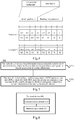
- the MAC PDU may include n RARs, denoted as RAR1 to RARn, corresponding to MAC subPDU 1 to MAC subPDU n, respectively.
- Each MAC subPDU may include a subheader part.
- the RAPID included in each RAR may be carried in the subheader of the corresponding MAC subPDU.
- RAPID 1 included in RAR1 may be carried in the subheader of MAC subPDU1
- RAPIDn included in RARn may be carried in the subheader of MAC subPDUn. Therefore, the terminal device may determine the system information to be sent by the network device according to the RAPID included in each MAC subPDU.
- the MAC PDU may further include MAC subPDU 0, which is located in the first MAC subPDU of the MAC PDU and is used to carry a BI indication field.
- the MAC PDU may further include a padding bit, for example, a zero bit or a reserved bit.
- the terminal device may determine the system information to be sent by the network device through at least one RAPID carried in the MAC PDU returned by the network device.
- the system information to be sent by the network device may be determined by the network device according to the request of at least one terminal device.
- the system information to be sent may be determined according to a random access preamble sent by at least one terminal device in a specific period.
- the system information to be sent may include some or all of the system information requested by at least one terminal device in the specific period, or may include other SI, which is not limited in the embodiments of the present application.
- the terminal device may receive the system information, for example, the terminal device may receive the system information according to its own requirements. It is not specifically limited by the embodiments of the present application which system information is received by the terminal device.
- the terminal device may receive only the system information that it requests to acquire, or may also receive system information other than the system information that it requests to acquire, for example, the terminal device requests to acquire SIB3, and subsequently the network device broadcasts SIB3 and SIB4, then the terminal device may only receive SIB1, or the terminal device may receive SIB3 and SIB4 according to its own requirements.
- the indication information indicates system information to be sent by the network device in a bitmap manner.
- the network device may directly indicate the system information to be sent in a bitmap manner.
- the MAC PDU may include only one RAR.
- the indication information included in the RAR may be carried in one MAC subPDU (recorded as Case 1).
- the MAC PDU includes one RAR, which may correspond to MAC subPDU1, then the indication information included in the RAR may be carried in the MAC subPDU1, and the indication information may indicate whether a plurality of system information (for example, SIB3 ⁇ SIB6) will be broadcast subsequently in the bitmap manner.
- the MAC PDU may also include a plurality of RARs.
- the MAC PDU may include a plurality of MAC subPDUs corresponding to the plurality of RARs.
- the MAC subPDU corresponding to each RAR may include one piece of indication information for indicating the system information to be sent by the network device (recorded as Case 2).
- the content indicated by the indication information included in each MAC subPDU may be the same or different, which is not limited in the embodiments of the present application.
- the MAC PDU includes n RARs, and the n RARs respectively correspond to MAC subPDU1 to MAC subPDUn, where n is a positive integer greater than 1.
- any of the MAC subPDUs in MAC subPDU1 to MAC subPDUn may include indication information, and the indication information included in the plurality of MAC subPDUs may indicate the same content.
- the indication information included in the MAC subPDU1 to MAC subPDUn may indicate whether a plurality of system information (for example, SIB3 to SIB6) will be broadcast later in the bitmap manner.
- the content indicated by the indication information included in each MAC subPDU may also be different.
- the indication information included in each MAC subPDU may be used to indicate whether a corresponding group of SSBs will be broadcast in the future, for example, the indication information included in MAC subPDU1 may be used to indicate whether SIB3 ⁇ SIB5 will be broadcast in the future, the indication information included in MAC subPDU2 may be used to indicate whether SIB6 ⁇ SIB7 will be broadcast in the future, and the indication information included in MAC subPDU3 may be used to indicate whether SIB8 ⁇ SIB10 will be broadcast in the future.
- the indication information included in each MAC subPDU is used to indicate which SSBs will be broadcast in the future, which may be configured by the network device or specified by the communication system, which is not limited in the embodiments of the present application.
- the indication information included in the RAR may be carried in a subheader or a payload of the MAC subPDU, which is not specifically limited in the embodiments of the present application.
- the MAC PDU may also include a backoff indicator (BI) indication field.
- BI backoff indicator
- the BI indication field is located in the first MAC subPDU of the MAC PDU.
- Fig. 4 is based on Case 1 as an example.
- case 2 it may be indicated in a similar manner, and details are not described herein again.
- the MAC PDU includes one RAR corresponding to the MAC subPDU1, and the MAC subPDU1 may include indication information.
- the indication information may be carried in the payload part (i.e., the MAC RAR) of the MAC subPDU1, and is used to indicate which system information among the plurality of system information will be broadcast.
- the indication information may be used to indicate which system information from SI1 to SI6 will be broadcast subsequently (corresponding to Example 1).
- the bit corresponding to SI when the bit corresponding to SI is 1, it can be used to indicate that the SI is the system information to be sent, or when the bit corresponding to the SI is 0, it is used to indicate that the SI is the system information to be sent.
- the indication information may be used to indicate which system information in SIB3 ⁇ SIB7 will be broadcast subsequently (corresponding to Example 2).
- the bit corresponding to the SIB when the bit corresponding to the SIB is 1, it may be used to indicate that the SIB is the system information to be sent, or when the bit corresponding to the SIB is 0, it may be used to indicate that the SIB is the system information to be sent.
- the example shown in Fig. 4 may further include that MAC subPDU 0 is the first MAC subPDU of the MAC PDU and is used to carry BI.
- the MAC PDU may further include a padding bit, for example, a zero bit or a reserved bit.
- the method for acquiring system information according to the embodiments of the present application is described in detail from the perspective of the terminal device with reference to Fig. 2 to Fig. 4 above.
- the method for acquiring system information according to another embodiment of the application will be described in detail from the perspective of the network device with reference to Fig. 5 below. It should be understood that the description on the network device side and the description on the terminal device side correspond to each other. Similar descriptions may be referred to above. To avoid repetition, details are not repeated here.
- Fig. 5 is a schematic flowchart of a method 500 for acquiring system information according to another embodiment of the present application.
- the method 500 may be executed by a network device in Internet of Vehicles system shown in Fig. 1 .
- the method 500 includes the following steps.
- the network device receives a first random access preamble sent by a first terminal device, where the first random access preamble is configured to request acquisition of system information.
- the network device replies a media access control (MAC) protocol data unit (PDU), where the MAC PDU includes at least one random access response (RAR), and the at least one RAR is configured to determine system information to be sent by the network device.
- MAC media access control
- RAR random access response
- the at least one RAR includes indication information, and the indication information is used to indicate system information to be sent by the network device.
- the indication information is at least one RAPID, where each RAPID in the at least one RAPID is configured to indicate at least one system information.
- the MAC PDU includes at least one MAC subPDU, the at least one MAC subPDU corresponds to the at least one RAR, each RAPID is carried in a subheader of MAC subPDU corresponding to each RAR, and the MAC subPDU does not include a payload part.
- the indication information indicates system information to be sent by the network device in a bitmap manner.
- the indication information is carried in a payload part of the MAC subPDU.
- the subheader of the MAC subPDU further includes a RAPID, which is used to indicate a random access preamble corresponding to the at least one RAR.
- the method 500 further includes: the network device encoding the MAC PDU according to a specific random access radio network temporary identification (RA-RNTI).
- RA-RNTI random access radio network temporary identification
- the receiving, by the network device, the first random access preamble sent by the first terminal device includes: the network device receiving a first random access preamble sent by the first terminal device within a specific period.
- the method 500 further includes: the network device receiving a second random access preamble sent by a second terminal device within the specific period, where the second random access preamble is used to request system information, and the at least one RAR includes the response by the network device to the second random access preamble sent by the second terminal device.
- the specific period is configured by the network device or determined according to a modification period of system information.
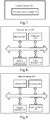
- Fig. 6 shows a schematic block diagram of a terminal device 600 according to an embodiment of the present application.
- the terminal device 600 includes:
- the terminal device 600 further includes: a decoding module, configured to decode the MAC PDU according to a specific random access radio network temporary identification (RA-RNTI).
- RA-RNTI random access radio network temporary identification
- the specific RA-RNTI is a reserved RA-RNTI configured by the network device.
- the specific RA-RNTI is configured by the network device through system information or radio resource control (RRC) signaling.
- RRC radio resource control
- the at least one RAR includes indication information, and the indication information is used to indicate system information to be sent by the network device.
- the determining module 620 is specifically configured to: determine system information to be sent by the network device according to the indication information included in the at least one RAR
- the indication information is at least one random access preamble identifier (RAPID), where each RAPID in the at least one RAPID is used to indicate at least one system information.
- RAPID random access preamble identifier
- the MAC PDU includes at least one MAC subPDU, the at least one MAC subPDU corresponds to the at least one RAR, each RAPID is carried in a subheader of MAC subPDU corresponding to each RAR, and the MAC subPDU does not include a payload part.
- the indication information indicates system information to be sent by the network device in a bitmap manner.
- the indication information is carried in a payload part of the MAC subPDU.
- the subheader of the MAC subPDU further includes a RAPID, which is used to indicate a random access preamble corresponding to the at least one RAR.
- the communication module 610 is further configured to: send the first random access preamble to the network device within a specific period.
- the specific period is configured by the network device or determined according to a modification period of system information.
- the first random access preamble is used to indicate system information that the terminal device requests to acquire.
- terminal device 600 may correspond to the terminal device in the method embodiments of the present application, and the above and other operations and/or functions of each unit in the terminal device 600 are to implement the corresponding processes of the terminal device in the method 200 shown in Fig. 2 respectively, which are not repeated here for brevity.
- Fig. 7 is a schematic block diagram of a network device according to an embodiment of the present application.
- the network device 700 of Fig. 7 includes: a communication module 710, configured to receive a first random access preamble sent by a first terminal device, where the first random access preamble is used to request system information; and reply a media access control (MAC) protocol data unit (PDU), where the MAC PDU includes at least one random access response (RAR), and the at least one RAR is configured to determine system information to be sent by the network device.
- MAC media access control
- RAR random access response
- the at least one RAR includes indication information, and the indication information is used to indicate system information to be sent by the network device.
- the indication information is at least one RAPID, where each RAPID in the at least one RAPID is used to indicate at least one system information.
- the MAC PDU includes at least one MAC subPDU, the at least one MAC subPDU corresponds to the at least one RAR, each RAPID is carried in a subheader of MAC subPDU corresponding to each RAR, and the MAC subPDU does not include a payload part.
- the indication information indicates system information to be sent by the network device in a bitmap manner.
- the indication information is carried in a payload part of the MAC subPDU.
- the subheader of the MAC subPDU further includes a RAPID, which is used to indicate a random access preamble corresponding to the at least one RAR.
- the network device further includes: an encoding module, configured to encode the MAC PDU according to a specific random access radio network temporary identification (RA-RNTI).
- RA-RNTI random access radio network temporary identification
- the communication module 710 is further configured to: receive a first random access preamble sent by the first terminal device within a specific period.
- the communication module 710 is specifically configured to: receive a second random access preamble sent by a second terminal device within the specific period, where the second random access preamble is used to request system information, and the at least one RAR includes a response by the network device to the second random access preamble sent by the second terminal device.
- the specific period is configured by the network device or determined according to a modification period of system information.
- the network device 700 may correspond to (for example, may be configured on or may be) the network device described in the foregoing method 500, and each module or unit in the network device 700 is respectively configured to execute each action or process performed by the network device in the foregoing method 500, which is omitted here to avoid detailed description.
- an embodiment of the present application further provides a terminal device 800.
- the terminal device 800 may be the terminal device 600 in Fig. 6 , which can be used to execute the contents of the terminal device corresponding to the method 200 in Fig. 2 .
- the terminal device 800 includes: an input interface 810, an output interface 820, a processor 830, and a memory 840.
- the input interface 810, the output interface 820, the processor 830, and the memory 840 may be connected through a bus system.
- the memory 840 is configured to store a program, an instruction, or a code.
- the processor 830 is configured to execute the program, the instruction, or the code in the memory 840 to control the input interface 810 to receive signals, control the output interface 820 to send signals, and complete operations in the foregoing method embodiments.
- the processor 830 may be a Central Processing Unit (“CPU"), and the processor 830 may also be other general-purpose processor or digital signal processor (DSP), application specific integrated circuit (ASIC), field programmable gate array (FPGA) or other programmable logic devices, discrete gate or transistor logic devices, discrete hardware components, etc.
- the general-purpose processor may be a microprocessor or the processor may be any conventional processor or the like.
- the memory 840 may include a read-only memory and a random access memory, and provide instructions and data to the processor 830. Apart of the memory 840 may further include a non-volatile random access memory. For example, the memory 840 may also store information of a device type.
- each content of the above method may be completed by an integrated logic circuit of hardware in the processor 830 or an instruction in a software form.
- the content of the method disclosed in combination with the embodiments of the present application may be directly executed by a hardware processor, or executed and completed by a combination of hardware and software modules in the processor.
- the software module may be located in a mature storage medium such as a random access memory, a flash memory, a read-only memory, a programmable read-only memory, or an electrically erasable programmable memory, a register, and the like.
- the storage medium is located in the memory 840, and the processor 830 reads the information in the memory 840 and completes the content of the foregoing method in combination with its hardware. To avoid repetition, it will not be described in detail here.
- the determining module 620 and the decoding module included in the terminal device 600 in Fig. 6 may be implemented by using the processor 830 of Fig. 8
- the communication module 610 included in the terminal device 600 in Fig. 6 may be implemented by using the input interface 810 and the output interface 820 of Fig. 8 .
- the embodiment of the present application further provides a network device 900.
- the network device 900 may be the network device 700 in Fig. 7 , which can be used to execute the contents of the network device corresponding to the method 500 in Fig. 5 .
- the network device 900 includes: an input interface 910, an output interface 920, a processor 930, and a memory 940.
- the input interface 910, the output interface 920, the processor 930, and the memory 940 may be connected through a bus system.
- the memory 940 is configured to store a program, an instruction, or a code.
- the processor 930 is configured to execute the program, the instruction, or the code in the memory 940 to control the input interface 910 to receive signals, control the output interface 920 to send signals, and complete operations in the foregoing method embodiments.
- the processor 930 may be a Central Processing Unit (“CPU"), and the processor 930 may also be other general-purpose processor or digital signal processor (DSP), application specific integrated circuit (ASIC), field programmable gate array (FPGA) or other programmable logic devices, discrete gate or transistor logic devices, discrete hardware components, etc.
- the general-purpose processor may be a microprocessor or the processor may be any conventional processor or the like.
- the memory 940 may include a read-only memory and a random access memory, and provide instructions and data to the processor 930. Apart of the memory 940 may further include a non-volatile random access memory. For example, the memory 940 may also store information of a device type.
- each content of the foregoing method may be completed by using an integrated logic circuit of hardware in the processor 930 or an instruction in the form of software.
- the content of the method disclosed in combination with the embodiments of the present application can be directly embodied as being executed by a hardware processor, or executed and completed by a combination of hardware and software modules in the processor.
- the software module may be located in a mature storage medium such as a random access memory, a flash memory, a read-only memory, a programmable read-only memory, or an electrically erasable programmable memory, a register, and the like.
- the storage medium is located in the memory 940, and the processor 930 reads the information in the memory 940 and completes the content of the foregoing method in combination with its hardware. To avoid repetition, it will not be described in detail here.
- the communication module 710 included in the network device 700 in Fig. 7 may be implemented by using the input interface 910 and the output interface 920 of Fig. 9
- the coding module included in the network device 700 in Fig. 7 may be implemented by using the processor 930 in Fig. 9 .
- An embodiment of the present application further provides a computer-readable storage medium, where the computer-readable storage medium stores one or more programs, the one or more programs include instructions, and the instructions, when being executed by a portable electronic device including multiple application programs, cause the portable electronic device to execute the methods in the embodiments shown in Fig. 2 to Fig. 5 .
- An embodiment of the present application further provides a computer program, where the computer program includes instructions, and when the computer program is executed by a computer, the computer can execute a corresponding process of the methods in the embodiments shown in Fig. 2 to Fig. 5 .
- the disclosed systems, devices, and methods may be implemented in other ways.
- the device embodiments described above are only schematic.
- the division of the unit is only a logical function division.
- multiple units or components may be combined or may be integrated into another system, or some features can be ignored or not implemented.
- the displayed or discussed mutual coupling or direct coupling or communication connection may be indirect coupling or communication connection through some interfaces, devices or units, which may be electrical, mechanical or other forms.
- the units described as separate components may or may not be physically separated, and the components displayed as units may or may not be physical units, may be located in one place, or may be distributed on multiple network units. Some or all of the units may be selected according to actual needs to achieve the objective of the solution of the embodiment.
- each functional unit in each embodiment of the present application may be integrated into one processing unit, or each of the units may exist separately physically, or two or more units may be integrated into one unit.
- the functions may also be stored in a computer-readable storage medium if being implemented in the form of a software functional unit and sold or used as an independent product. Based on such understanding, the essence of the technical solutions according to the embodiments of the present disclosure, or the part contributing to the prior art or all or a part of the technical solutions, may be embodied in the form of a software product.
- the computer software product is stored in a storage medium including a number of instructions such that a computer device (which may be a personal computer, a server, or a network device, etc.) performs all or a part of steps of the method described in each of the embodiments of the present disclosure.
- the foregoing storage medium includes: any medium that is capable of storing program codes such as a USB flash drive, a removable hard disk, a read-only memory, a random access memory, a magnetic disk, or an optical disk.
Landscapes
- Engineering & Computer Science (AREA)
- Computer Networks & Wireless Communication (AREA)
- Signal Processing (AREA)
- Computer Security & Cryptography (AREA)
- Mobile Radio Communication Systems (AREA)
- Small-Scale Networks (AREA)
Abstract
Description
- The embodiments of the present application relate to the field of communications, and more specifically, to a method for acquiring system information, a terminal device, and a network device.
- In a 5G New Radio (NR) system, when a terminal device needs to access the network, it needs to acquire system information (SI) from the network, for example, Remaining Minimum System Information (RMSI), where the RMSI may include a master information block (MIB), a system information block 1 (SIB 1), and a system information block 2 (SIB2).
- In this NR system, the terminal device can acquire the MIB through the Physical Broadcast Channel (PBCH) and acquire the SIB1 and SIB2 through the Physical Downlink Shared Channel (PDSCH). Other SI except the RMSI may be acquired through the random access process. Therefore, how to acquire the system information through the random access process is a question worthy of research.
- There are provided a method for acquiring system information, a terminal device, and a network device, which can acquire the system information according to a random access response (RAR).
- In a first aspect, there is provided a method for acquiring system information, including: sending, by a terminal device, a first random access preamble to a network device; receiving, by the terminal device, a media access control (MAC) protocol data unit (PDU) sent by the network device, the MAC PDU including at least one random access response (RAR); and determining, by the terminal device, system information to be sent by the network device according to the at least one RAR
- Therefore, the terminal device can send a random access preamble for requesting system information to the network device through a random access process. Further, the network device can reply to the terminal device with a MAC PDU, which includes at least one RAR, so that the terminal device can determine the system information to be sent by the network device according to the at least one RAR, and can receive the system information.
- Optionally, the system information to be sent by the network device may include system information to be broadcast on the network and/or system information sent by the network device through high-level signaling (for example, Radio Resource Control (RRC) signaling). The embodiments of the present application do not specifically limit the specific manner in which the network device sends the system information.
- Optionally, the first random access preamble may be used to notify the network device that the random access initiated by the terminal device is used to request system information, or the first random access preamble may be used to indicate that the terminal device wants to acquire system information through random access.
- Optionally, the first random access preamble may be a specific Preamble for requesting system information. If the first random access preamble received by the network device is the specific Preamble, it can be determined that the random access initiated by the terminal device is used to request system information. The specific Preamble may include one or more, which is not limited in the embodiments of the present application.
- Optionally, the first random access preamble is used to indicate system information that the terminal device requests to acquire.
- Optionally, a resource (that is, a Physical Random Access Channel (PRACH) resource) used by the terminal device to send the first random access preamble may be used to indicate the system information requested by the terminal device to acquire. Therefore, the network device can determine the target system information that the terminal device wants to acquire according to the PRACH resource used by the terminal device for sending the first random access preamble.
- In some possible implementation manners, the sending, by the terminal device, the first random access preamble to the network device includes: sending, by the terminal device, the first random access preamble to the network device within a specific period.
- Therefore, the network device can determine that the random access initiated by the terminal device is used to request the system information based on at least one of the random access preamble sent by the terminal device, or a resource used to send the random access preamble, or a time to send the random access preamble. That is, at least one of the random access preamble sent by the terminal device, the resource used to send the random access preamble, or the time to send the random access preamble can be used to indicate that the random access initiated by the terminal device is used to request system information.
- In some possible implementation manners, the specific period is configured by the network device, or is determined according to a modification period of system information.
- In some possible implementation manners, the method further includes: decoding, by the terminal device, the MAC PDU according to a specific random access wireless network temporary identity (RA-RNTI).
- In some possible implementation manners, the specific RA-RNTI is a reserved RA-RNTI configured by the network device.
- In some possible implementation manners, the specific RA-RNTI is configured by the network device through system information or radio resource control (RRC) signaling.
- In some possible implementation manners, the at least one RAR includes indication information, where the indication information is used to indicate system information to be sent by the network device.
- In some possible implementation manners, the determining, by the terminal device, system information to be sent by the network device according to the at least one RAR includes: determining, by the terminal device, the system information to be sent by the network device according to the indication information included in the at least one RAR
- In some possible implementation manners, the indication information is at least one random access preamble identifier (RAPID), and each RAPID in the at least one RAPID is used to indicate at least one system information.
- In some possible implementation manners, the MAC PDU includes at least one MAC subPDU, the at least one MAC subPDU corresponds to the at least one RAR, each RAPID is carried in a subheader of the MAC subPDU corresponding to each RAR, and the MAC subPDU does not include a payload part.
- Therefore, the terminal device can determine the system information to be sent by the network device through at least one RAPID carried in the MAC PDU returned by the network device. Further, the terminal device can receive the system information. For example, the terminal device can perform receiving of the system information according to its own requirements, or can receive all system information, which is not limited in the embodiments of the present application.
- In some possible implementation manners, the indication information indicates the system information to be sent by the network device in a bitmap manner.
- In some possible implementation manners, the indication information is carried in a payload part of the MAC subPDU.
- In some possible implementation manners, a subheader (sub-packet header) of the MAC subPDU further includes a RAPID, which is used to indicate a random access preamble corresponding to the at least one RAR
- According to a second aspect, there is provided a method for acquiring system information, including: receiving, by a network device, a first random access preamble sent by a first terminal device, the first random access preamble being configured to request to acquire system information; and replying, by the network device, a Media Access Control (MAC) protocol data unit (PDU), wherein the MAC PDU includes at least one random access response (RAR), and the at least one RAR is configured to determine system information to be sent by the network device.
- Therefore, the network device can receive the random access preamble used by the terminal device to request system information. Further, the network device can reply to the terminal device with a MAC PDU. The MAC PDU may include at least one RAR, so that the terminal device can determine the system information to be sent by the network device based on the at least one RAR. Further, the system information can be received.
- In some possible implementation manners, the at least one RAR includes indication information, where the indication information is used to indicate the system information to be sent by the network device.
- In some possible implementation manners, the indication information is at least one RAPID, and each RAPID in the at least one RAPID is used to indicate at least one system information.
- In some possible implementation manners, the MAC PDU includes at least one MAC subPDU, the at least one MAC subPDU corresponds to the at least one RAR, each RAPID is carried in a subheader of the MAC subPDU corresponding to each RAR, and the MAC subPDU does not include a payload part.
- In some possible implementation manners, the indication information indicates the system information to be sent by the network device in a bitmap manner.
- In some possible implementation manners, the indication information is carried in a payload part of the MAC subPDU.
- In some possible implementation manners, a subheader of the MAC subPDU further includes a RAPID, which is used to indicate a random access preamble corresponding to the at least one RAR.
- In some possible implementation manners, the method further includes: encoding, by the network device, the MAC PDU according to a specific random access radio network temporary identification (RA-RNTI).
- In some possible implementation manners, the receiving, by the network device, the first random access preamble sent by the first terminal device includes: receiving, by the network device, the first random access preamble sent by the first terminal device within a specific period.
- In some possible implementation manners, the method further includes:
receiving, by the network device, a second random access preamble sent by a second terminal device within the specific period, where the second random access preamble is used to request the system information, and the at least one RAR includes a response of the network device to the second random access preamble sent by the second terminal device. - In some possible implementation manners, the specific period is configured by the network device, or is determined according to a modification period of system information.
- According to a third aspect, there is provided a terminal device to execute the method in the foregoing first aspect or any possible implementation manners of the first aspect. Specifically, the terminal device includes a unit for performing the method in the foregoing first aspect or any possible implementation manners of the first aspect.
- According to a fourth aspect, there is provided a terminal device. The terminal device includes: a memory, a processor, an input interface, and an output interface. The memory, the processor, the input interface and the output interface are connected through a bus system. The memory is configured to store instructions, and the processor is configured to execute the instructions stored in the memory, and configured to execute the method in the foregoing first aspect or any possible implementation manners of the first aspect.
- According to a fifth aspect, there is provided a network device for performing the method in the foregoing second aspect or any possible implementation manners of the second aspect. Specifically, the network device includes a unit for performing the method in the foregoing second aspect or any possible implementation manners of the second aspect.
- According to a sixth aspect, there is provided a network device. The network device includes: a memory, a processor, an input interface, and an output interface. The memory, the processor, the input interface and the output interface are connected through a bus system. The memory is configured to store instructions, and the processor is configured to execute the instructions stored in the memory, and used to execute the method in the foregoing second aspect or any possible implementation manners of the second aspect.
- According to a seventh aspect, there is provided a computer storage medium for storing computer software instructions for executing the method in the first aspect or any possible implementation manners of the first aspect, where the computer software instructions includes a program designed to execute the foregoing aspects.
- According to an eighth aspect, there is provided a computer program product including instructions, which when executed on a computer, causes the computer to execute the method in the first aspect or any optional implementation manners of the first aspect.
- According to a ninth aspect, there is provided a computer storage medium for storing computer software instructions for executing the method in the second aspect or any possible implementation manners of the second aspect, where the computer software instruction includes a program designed to execute the foregoing aspects.
- According to a tenth aspect, there is provided a computer program product including instructions, which when executed on a computer, causes the computer to execute the method in the second aspect or any optional implementation manners of the second aspect.
-
-
Fig. 1 is a schematic diagram of an application scenario according to an embodiment of the present application. -
Fig. 2 shows a schematic flowchart of a method for acquiring system information according to an embodiment of the present application. -
Fig. 3 shows an example of the indication information according to the embodiment of the present application. -
Fig. 4 shows another example of the indication information according to the embodiment of the present application. -
Fig. 5 shows a schematic flowchart of a method for acquiring system information according to another embodiment of the present application. -
Fig. 6 shows a schematic block diagram of a terminal device according to an embodiment of the present application. -
Fig. 7 shows a schematic block diagram of a network device according to another embodiment of the present application. -
Fig. 8 shows a schematic block diagram of a terminal device according to an embodiment of the present application. -
Fig. 9 shows a schematic block diagram of a network device according to another embodiment of the present application. - The technical solutions in the embodiments of the present application will be described below with reference to the drawings.
- The technical solutions of the embodiments of the present application may be applied to various communication systems, for example, a Global System of Mobile communication ("GSM") system, a Code Division Multiple Access ("CDMA") system, a Wideband Code Division Multiple Access ("WCDMA") system, General Packet Radio Service ("GPRS"), a Long Term Evolution ("LTE") system, a LTE Frequency Division Duplex ("FDD") system, LTE Time Division Duplex ("TDD"), a Universal Mobile Telecommunication System ("UMTS"), a Worldwide Interoperability for Microwave Access ("WiMAX") communication system or future 5G systems or the like.
-
Fig. 1 shows awireless communication system 100 applied in an embodiment of the present application. Thewireless communication system 100 may include anetwork device 110. Thenetwork device 100 may be a device that communicates with a terminal device. Thenetwork device 100 may provide communication coverage for a specific geographic area, and may communicate with a terminal device (such as a UE) located within the coverage area. Optionally, thenetwork device 100 may be a Base Transceiver Station (BTS) in a GSM system or a CDMA system, a NodeB (NB) in a WCDMA system, or an Evolutional Node B (eNB or eNodeB) in an LTE system, or a radio controller in a Cloud Radio Access Network (CRAN), or the network device may be a relay station, an access point, an in-vehicle device, a wearable device, a network-side equipment in the future 5G network or a network equipment in a future evolved Public Land Mobile Network (PLMN), or the like. - The
wireless communication system 100 further includes at least oneterminal device 120 located within the coverage area of thenetwork device 110. Theterminal device 120 may be mobile or fixed. Optionally, theterminal device 120 may refer to an access terminal, User Equipment (UE), a user unit, a user station, a mobile station, a mobile platform, a remote station, a remote terminal, a mobile device, a user terminal, a terminal, a wireless communication device, a user agent, or a user apparatus. The access terminal may be a cell phone, a cordless phone, a Session Initiation Protocol (SIP) phone, a Wireless Local Loop (WLL) station, a Personal Digital Assistant (PDA), and a handheld device and a computing device having wireless communication function, or other processing devices connected to a wireless modem, an in-vehicle device, a wearable device, a terminal device in future 5G network, or a terminal device in future evolved PLMN -
Fig. 2 is a schematic flowchart of a method for acquiring system information according to an embodiment of the present application. As shown inFig. 2 , themethod 200 may include the following steps. - In S210, the terminal device sends a first random access preamble to the network device.
- In S220, the terminal device receives a media access control (MAC) protocol data unit (PDU) sent by the network device, where the MAC PDU includes at least one random access response (RAR).
- In S230, the terminal device determines system information to be sent by the network device according to the at least one RAR
- Optionally, in some embodiments, the first random access preamble may be used to notify the network device that the random access initiated by the terminal device is used to request system information, or the first random access preamble may be used to indicate that the terminal device wants to acquire system information through random access.
- Therefore, the terminal device may send a random access preamble for requesting system information to the network device through a random access process. Further, the network device may reply to the terminal device with a Media Access Control (MAC) Protocol Data Unit (PDU). The MAC PDU includes at least one RAR, so that the terminal device can determine system information to be sent by the network device according to the at least one RAR. Further, the terminal device can receive the system information. For example, the terminal device can receive the system information according to its own needs.
- Optionally, the system information to be sent by the network device may include system information to be broadcast on the network and/or system information sent by the network device through high-level signaling (for example, Radio Resource Control (RRC) signaling). The embodiment of the present application does not specifically limit the specific manner in which the network device sends the system information.
- Optionally, in some embodiments, the first random access preamble may be a specific preamble used to request system information. If the first random access preamble received by the network device is a specific preamble, it can be determined that the random access initiated by the terminal device is used to request system information. There may be one or more the specific preambles, which is not limited in the embodiments of the present application.
- Optionally, in some embodiments, the first random access preamble sent by the terminal device may be used to indicate target system information requested by the terminal device, so that the network device may determine the target system information that the terminal device wants to acquire according to the first random access preamble sent by the terminal device, and then the system information may be received.
- Optionally, in some embodiments, the random access preamble may be used to indicate one or a group of system information, or in other words, the random access preamble and the system information may have a corresponding relationship. Therefore, different random access preambles may indicate different system information.
- Optionally, in some embodiments, the resource (that is, the Physical Random Access Channel (PRACH) resource) used by the terminal device to send the first random access preamble may be used to indicate the system information requested by the terminal device, so that the network device may determine the target system information that the terminal device wants to acquire according to the PRACH resource used by the terminal device to send the first random access preamble.
- For example, the PRACH resource used by the terminal device to send the random access preamble may be used to indicate one or a group of system information, or the PRACH resource for sending the random access preamble and the system information may have a corresponding relationship. Different PRACH resources may indicate corresponding system information.
- Optionally, in some embodiments, the PRACH resource used by the terminal device to send the random access preamble for requesting system information may also be a specific PRACH resource. Therefore, the network device may determine that the random access initiated by the terminal device is used to request system information by using the PRACH resource.
- Optionally, in some embodiments, the S210 may include:
the terminal device sending the first random access preamble to the network device within a specific period. - Optionally, in the embodiments of the present application, for the random access initiated by the terminal device within the specific period, the network device may consider it as a random access used to request system information, or the network device may determine whether this random access is used for requesting the system information according to the time when the device sends the random access preamble. If the random access preamble is sent within this specific period, the network device may consider it to be used to request system information; otherwise, the network device may consider it as a normal random access process.
- In this specific period, the network device may receive the random access preamble sent by at least one terminal device, or in other words, in the specific period, the network device may collect the random access preamble(s) sent by at least one terminal device. Further, after the specific period, the network device may reply with a Random Access Response (RAR), and the RAR may include a response to the random access preamble sent by the at least one terminal device, that is, the network device may encapsulate the response for the random access preamble of at least one terminal device in one RAR and send it, that is, the response for the random access preamble of at least one terminal device is sent through one RAR, therefore the signaling overhead can be reduced.
- Optionally, in the embodiments of the present application, the specific period is configured by the network device, or determined according to a modification period of the system information, or specified by the communication system, or preset on the terminal device, which is not limited in the embodiments of the present application.
- Optionally, the specific period may be a period of time after the modification period of the system information, or a period of time before the modification period of the system information, or a period of time within the modification period of the system information, etc., which is not limited by the embodiments of the present application.
- Therefore, the network device may determine that the random access initiated by the terminal device is used to request the system information based on at least one of the random access preamble sent by the terminal device, the resource used to send the random access preamble, or the time to send the random access preamble. That is, at least one of the random access preamble sent by the terminal device, the resource used to send the random access preamble, or the time to send the random access preamble may be used to indicate that the random access initiated by the terminal device is used to request system information.
- For example, the network device may determine that the random access initiated by the terminal device is used to request system information when the random access preamble sent by the terminal device is a specific preamble, or when the time to send the random access preamble falls within the specific period.
- After S210, further, the terminal device may listen to the PDCCH and acquire the RAR replied by the network device.
- Optionally, the time-frequency resource location where the Physical Downlink Control Channel (PDCCH) is located may be indicated by Control Resource Set (CORSET) information. Therefore, the terminal device may listen to the PDCCH on the resource indicated by the CORSET and acquire the RAR replied by the network device.
- Optionally, in some embodiments, the MAC PDU received by the terminal device from the network device may be after the specific period, that is, the MAC PDU returned by the network device may include a response to the random access preamble sent by at least one terminal device within the specific period.
- Optionally, since the MAC PDU returned by the network device may include a response to the random access preamble of at least one terminal device within the specific period, in order to facilitate different terminal devices to decode the MAC PDU, the network device may use a specific identifier (such as a Random Access Radio Network Temporary Identifier (RA-RNTI)) to encode the MAC PDU, so that the terminal device receiving the MAC PDU may also use the specific identifier, for example, the specific RA-RNTI, to decode the MAC PDU and acquire the RAR included in the MAC PDU.
- Optionally, in the embodiments of the present application, the specific RA-RNTI used to decode the MAC PDU is a reserved RA-RNTI. The reserved RA-RNTI may be configured by the network device or prescribed by the communication system, which is not limited by the embodiments of the present application. Alternatively, the specific RA-RNTI may be other RA-RNTI, as long as it does not affect the existing functions of the RA-RNTI.
- It should be understood that the value of the specific RA-RNTI may be different from the value of other RA-RNTI used for random access, or that the value of the specific RA-RNTI is not included in the value range of other RA-RNTI. That is, the specific RA-RNTI is not used for the normal random access procedure.
- Optionally, the specific RA-RNTI is configured by the network device through system information (for example,
SIB 1 or SIB2) or Radio Resource Control (RRC) signaling, or through other signaling, for example, the specific RA-RNTI is configured by the physical layer signaling, which is not limited in the embodiments of the present application. - After the terminal device decodes the MAC PDU, further, the system information to be sent by the network device may be determined according to at least one RAR included in the MAC PDU.
- Optionally, in some embodiments, the at least one RAR may include indication information for indicating system information to be sent by the network device. Optionally, the indication information may be explicit or implicit indication information. For example, the indication information may indicate an identifier or an index of system information to be sent by the network device, and the embodiments of the present application do not specifically limit the indication manner of the indication information.
- The following describes the indication manner of the indication information in combination with specific embodiments.
- First embodiment: the indication information is at least one random access preamble identifier (RAPID), where each RAPID in the at least one RAPID is used to indicate at least one system information.
- In the first embodiment, each RAR may include a Random Access Preamble Identifier (RAPID), and the RAPID included in each RAR may be used to indicate one or more system information to be sent by the network device.
- Optionally, in the first embodiment, the MAC PDU may include at least one MAC subPDU, the at least one MAC subPDU corresponds to the at least one RAR, the RAPID included in each RAR is carried in a subheader of the MAC subPDU corresponding to each RAR, and the MAC subPDU does not include a data (payload) part.
- It should be understood that, in the embodiments of the present application, the correspondence between one MAC subPDU and one RAR may be understood as that the MAC subPDU is the RAR itself, or it can also be understood that one RAR is carried in one MAC subPDU.
- Optionally, in this embodiment, the MAC subPDU corresponding to each RAR may include only a subheader and does not include a payload part. In this case, the RAPID included in each RAR may be carried in the subheader of the MAC subPDU; or the MAC subPDU corresponding to each RAR may also include a subheader and a payload part. In this case, the RAPID may be carried in the subheader of the MAC subPDU or carried in the payload of the MAC subPDU, which is not limited in the embodiments of the present application.
- Optionally, in the embodiments of the present application, the MAC PDU may further include a backoff indicator (BI) indication field. Generally, the BI indication field is located in the first MAC subPDU of the MAC PDU.
- The first embodiment is described with reference to
Fig. 3 . In the embodiment shown inFig. 3 , the MAC PDU may include n RARs, denoted as RAR1 to RARn, corresponding toMAC subPDU 1 to MAC subPDU n, respectively. Each MAC subPDU may include a subheader part. The RAPID included in each RAR may be carried in the subheader of the corresponding MAC subPDU. For example,RAPID 1 included in RAR1 may be carried in the subheader of MAC subPDU1, and RAPIDn included in RARn may be carried in the subheader of MAC subPDUn. Therefore, the terminal device may determine the system information to be sent by the network device according to the RAPID included in each MAC subPDU. - It should be understood that, in
Fig. 3 , the meanings of the fields in the subheader of the MAC subPDU are as follows: - E: an extended field, used to indicate whether there is other field in the MAC header;
- T: a type field, used to indicate whether the MAC subheader contains RAPID or BI;
- R: a reserved bit, which may be set to "0";
- BI: a backoff indicator indication field, used to indicate the maximum waiting time for the terminal device to re-initiate random access;
- RAPID: used to indicate the random access preamble that has been sent.
- Optionally, in the example shown in
Fig. 3 , the MAC PDU may further include MAC subPDU 0, which is located in the first MAC subPDU of the MAC PDU and is used to carry a BI indication field. - Optionally, in the example shown in
Fig. 3 , the MAC PDU may further include a padding bit, for example, a zero bit or a reserved bit. - Therefore, the terminal device may determine the system information to be sent by the network device through at least one RAPID carried in the MAC PDU returned by the network device. Alternatively, the system information to be sent by the network device may be determined by the network device according to the request of at least one terminal device. For example, the system information to be sent may be determined according to a random access preamble sent by at least one terminal device in a specific period. Alternatively, the system information to be sent may include some or all of the system information requested by at least one terminal device in the specific period, or may include other SI, which is not limited in the embodiments of the present application.
- After the terminal device determines which system information will be broadcast by the network device in the future, further, the terminal device may receive the system information, for example, the terminal device may receive the system information according to its own requirements. It is not specifically limited by the embodiments of the present application which system information is received by the terminal device.
- Optionally, the terminal device may receive only the system information that it requests to acquire, or may also receive system information other than the system information that it requests to acquire, for example, the terminal device requests to acquire SIB3, and subsequently the network device broadcasts SIB3 and SIB4, then the terminal device may only receive SIB1, or the terminal device may receive SIB3 and SIB4 according to its own requirements.
- Second embodiment: the indication information indicates system information to be sent by the network device in a bitmap manner.
- That is, the network device may directly indicate the system information to be sent in a bitmap manner.
- Optionally, in the second embodiment, the MAC PDU may include only one RAR. In this case, the indication information included in the RAR may be carried in one MAC subPDU (recorded as Case 1). For example, the MAC PDU includes one RAR, which may correspond to MAC subPDU1, then the indication information included in the RAR may be carried in the MAC subPDU1, and the indication information may indicate whether a plurality of system information (for example, SIB3 ∼ SIB6) will be broadcast subsequently in the bitmap manner.
- Alternatively, the MAC PDU may also include a plurality of RARs. In this case, the MAC PDU may include a plurality of MAC subPDUs corresponding to the plurality of RARs. The MAC subPDU corresponding to each RAR may include one piece of indication information for indicating the system information to be sent by the network device (recorded as Case 2). In this case, optionally, the content indicated by the indication information included in each MAC subPDU may be the same or different, which is not limited in the embodiments of the present application.
- For example, the MAC PDU includes n RARs, and the n RARs respectively correspond to MAC subPDU1 to MAC subPDUn, where n is a positive integer greater than 1. In this condition, any of the MAC subPDUs in MAC subPDU1 to MAC subPDUn may include indication information, and the indication information included in the plurality of MAC subPDUs may indicate the same content. For example, the indication information included in the MAC subPDU1 to MAC subPDUn may indicate whether a plurality of system information (for example, SIB3 to SIB6) will be broadcast later in the bitmap manner. Alternatively, the content indicated by the indication information included in each MAC subPDU may also be different. Optionally, the indication information included in each MAC subPDU may be used to indicate whether a corresponding group of SSBs will be broadcast in the future, for example, the indication information included in MAC subPDU1 may be used to indicate whether SIB3∼SIB5 will be broadcast in the future, the indication information included in MAC subPDU2 may be used to indicate whether SIB6∼SIB7 will be broadcast in the future, and the indication information included in MAC subPDU3 may be used to indicate whether SIB8∼SIB10 will be broadcast in the future.
- Optionally, the indication information included in each MAC subPDU is used to indicate which SSBs will be broadcast in the future, which may be configured by the network device or specified by the communication system, which is not limited in the embodiments of the present application.
- Optionally, in the embodiments of the present application, the indication information included in the RAR may be carried in a subheader or a payload of the MAC subPDU, which is not specifically limited in the embodiments of the present application.
- Optionally, in the second embodiment, the MAC PDU may also include a backoff indicator (BI) indication field. Generally, the BI indication field is located in the first MAC subPDU of the MAC PDU.
- The second embodiment will be described below with reference to
Fig. 4 . It should be understood thatFig. 4 is based onCase 1 as an example. Forcase 2, it may be indicated in a similar manner, and details are not described herein again. - In the example shown in
Fig. 4 , the MAC PDU includes one RAR corresponding to the MAC subPDU1, and the MAC subPDU1 may include indication information. Alternatively, the indication information may be carried in the payload part (i.e., the MAC RAR) of the MAC subPDU1, and is used to indicate which system information among the plurality of system information will be broadcast. - For example, the indication information may be used to indicate which system information from SI1 to SI6 will be broadcast subsequently (corresponding to Example 1). As an example and not limitation, when the bit corresponding to SI is 1, it can be used to indicate that the SI is the system information to be sent, or when the bit corresponding to the SI is 0, it is used to indicate that the SI is the system information to be sent.
- As another example, the indication information may be used to indicate which system information in SIB3 ∼ SIB7 will be broadcast subsequently (corresponding to Example 2). As an example and not limitation, when the bit corresponding to the SIB is 1, it may be used to indicate that the SIB is the system information to be sent, or when the bit corresponding to the SIB is 0, it may be used to indicate that the SIB is the system information to be sent.
- Optionally, the example shown in
Fig. 4 may further include that MAC subPDU 0 is the first MAC subPDU of the MAC PDU and is used to carry BI. - Optionally, in the example shown in
Fig. 4 , the MAC PDU may further include a padding bit, for example, a zero bit or a reserved bit. - The method for acquiring system information according to the embodiments of the present application is described in detail from the perspective of the terminal device with reference to
Fig. 2 to Fig. 4 above. The method for acquiring system information according to another embodiment of the application will be described in detail from the perspective of the network device with reference toFig. 5 below. It should be understood that the description on the network device side and the description on the terminal device side correspond to each other. Similar descriptions may be referred to above. To avoid repetition, details are not repeated here. -
Fig. 5 is a schematic flowchart of amethod 500 for acquiring system information according to another embodiment of the present application. Themethod 500 may be executed by a network device in Internet of Vehicles system shown inFig. 1 . As shown inFig. 5 , themethod 500 includes the following steps. - In S510, the network device receives a first random access preamble sent by a first terminal device, where the first random access preamble is configured to request acquisition of system information.
- In S520, the network device replies a media access control (MAC) protocol data unit (PDU), where the MAC PDU includes at least one random access response (RAR), and the at least one RAR is configured to determine system information to be sent by the network device.
- Optionally, in some embodiments, the at least one RAR includes indication information, and the indication information is used to indicate system information to be sent by the network device.
- Optionally, in some embodiments, the indication information is at least one RAPID, where each RAPID in the at least one RAPID is configured to indicate at least one system information.
- Optionally, in some embodiments, the MAC PDU includes at least one MAC subPDU, the at least one MAC subPDU corresponds to the at least one RAR, each RAPID is carried in a subheader of MAC subPDU corresponding to each RAR, and the MAC subPDU does not include a payload part.
- Optionally, in some embodiments, the indication information indicates system information to be sent by the network device in a bitmap manner.
- Optionally, in some embodiments, the indication information is carried in a payload part of the MAC subPDU.
- Optionally, in some embodiments, the subheader of the MAC subPDU further includes a RAPID, which is used to indicate a random access preamble corresponding to the at least one RAR.
- Optionally, in some embodiments, the
method 500 further includes:
the network device encoding the MAC PDU according to a specific random access radio network temporary identification (RA-RNTI). - Optionally, in some embodiments, the receiving, by the network device, the first random access preamble sent by the first terminal device includes:
the network device receiving a first random access preamble sent by the first terminal device within a specific period. - Optionally, in some embodiments, the
method 500 further includes:
the network device receiving a second random access preamble sent by a second terminal device within the specific period, where the second random access preamble is used to request system information, and the at least one RAR includes the response by the network device to the second random access preamble sent by the second terminal device. - Optionally, in some embodiments, the specific period is configured by the network device or determined according to a modification period of system information.
- The method embodiments of the present application are described in detail above with reference to
Figs. 2 to 5 , and the device embodiments of the present application are described in detail below with reference toFigs. 6 to 9 . It should be understood that the device embodiments and the method embodiments correspond to each other, and similar description may be referred to the method embodiment. -
Fig. 6 shows a schematic block diagram of aterminal device 600 according to an embodiment of the present application. As shown inFig. 6 , theterminal device 600 includes: - a
communication module 610, configured to send a first random access preamble to a network device, and receive a media access control (MAC) protocol data unit (PDU) sent by the network device, where the MAC PDU includes at least one random access response (RAR); and - a determining
module 620, configured to determine system information to be sent by the network device according to the at least one RAR - Optionally, in some embodiments, the
terminal device 600 further includes:
a decoding module, configured to decode the MAC PDU according to a specific random access radio network temporary identification (RA-RNTI). - Optionally, in some embodiments, the specific RA-RNTI is a reserved RA-RNTI configured by the network device.
- Optionally, in some embodiments, the specific RA-RNTI is configured by the network device through system information or radio resource control (RRC) signaling.
- Optionally, in some embodiments, the at least one RAR includes indication information, and the indication information is used to indicate system information to be sent by the network device.
- Optionally, in some embodiments, the determining
module 620 is specifically configured to:
determine system information to be sent by the network device according to the indication information included in the at least one RAR - Optionally, in some embodiments, the indication information is at least one random access preamble identifier (RAPID), where each RAPID in the at least one RAPID is used to indicate at least one system information.
- Optionally, in some embodiments, the MAC PDU includes at least one MAC subPDU, the at least one MAC subPDU corresponds to the at least one RAR, each RAPID is carried in a subheader of MAC subPDU corresponding to each RAR, and the MAC subPDU does not include a payload part.
- Optionally, in some embodiments, the indication information indicates system information to be sent by the network device in a bitmap manner.
- Optionally, in some embodiments, the indication information is carried in a payload part of the MAC subPDU.
- Optionally, in some embodiments, the subheader of the MAC subPDU further includes a RAPID, which is used to indicate a random access preamble corresponding to the at least one RAR.
- Optionally, in some embodiments, the
communication module 610 is further configured to:
send the first random access preamble to the network device within a specific period. - Optionally, in some embodiments, the specific period is configured by the network device or determined according to a modification period of system information.
- Optionally, in some embodiments, the first random access preamble is used to indicate system information that the terminal device requests to acquire.
- It should be understood that the
terminal device 600 according to the embodiments of the present application may correspond to the terminal device in the method embodiments of the present application, and the above and other operations and/or functions of each unit in theterminal device 600 are to implement the corresponding processes of the terminal device in themethod 200 shown inFig. 2 respectively, which are not repeated here for brevity. -
Fig. 7 is a schematic block diagram of a network device according to an embodiment of the present application. Thenetwork device 700 ofFig. 7 includes:
acommunication module 710, configured to receive a first random access preamble sent by a first terminal device, where the first random access preamble is used to request system information; and reply a media access control (MAC) protocol data unit (PDU), where the MAC PDU includes at least one random access response (RAR), and the at least one RAR is configured to determine system information to be sent by the network device. - Optionally, in some embodiments, the at least one RAR includes indication information, and the indication information is used to indicate system information to be sent by the network device.
- Optionally, in some embodiments, the indication information is at least one RAPID, where each RAPID in the at least one RAPID is used to indicate at least one system information.
- Optionally, in some embodiments, the MAC PDU includes at least one MAC subPDU, the at least one MAC subPDU corresponds to the at least one RAR, each RAPID is carried in a subheader of MAC subPDU corresponding to each RAR, and the MAC subPDU does not include a payload part.
- Optionally, in some embodiments, the indication information indicates system information to be sent by the network device in a bitmap manner.
- Optionally, in some embodiments, the indication information is carried in a payload part of the MAC subPDU.
- Optionally, in some embodiments, the subheader of the MAC subPDU further includes a RAPID, which is used to indicate a random access preamble corresponding to the at least one RAR.
- Optionally, in some embodiments, the network device further includes:
an encoding module, configured to encode the MAC PDU according to a specific random access radio network temporary identification (RA-RNTI). - Optionally, in some embodiments, the
communication module 710 is further configured to:
receive a first random access preamble sent by the first terminal device within a specific period. - Optionally, in some embodiments, the
communication module 710 is specifically configured to:
receive a second random access preamble sent by a second terminal device within the specific period, where the second random access preamble is used to request system information, and the at least one RAR includes a response by the network device to the second random access preamble sent by the second terminal device. - Optionally, in some embodiments, the specific period is configured by the network device or determined according to a modification period of system information.
- Specifically, the
network device 700 may correspond to (for example, may be configured on or may be) the network device described in the foregoingmethod 500, and each module or unit in thenetwork device 700 is respectively configured to execute each action or process performed by the network device in the foregoingmethod 500, which is omitted here to avoid detailed description. - As shown in
Fig. 8 , an embodiment of the present application further provides aterminal device 800. Theterminal device 800 may be theterminal device 600 inFig. 6 , which can be used to execute the contents of the terminal device corresponding to themethod 200 inFig. 2 . Theterminal device 800 includes: aninput interface 810, anoutput interface 820, aprocessor 830, and amemory 840. Theinput interface 810, theoutput interface 820, theprocessor 830, and thememory 840 may be connected through a bus system. Thememory 840 is configured to store a program, an instruction, or a code. Theprocessor 830 is configured to execute the program, the instruction, or the code in thememory 840 to control theinput interface 810 to receive signals, control theoutput interface 820 to send signals, and complete operations in the foregoing method embodiments. - It should be understood that, in the embodiments of the present application, the
processor 830 may be a Central Processing Unit ("CPU"), and theprocessor 830 may also be other general-purpose processor or digital signal processor (DSP), application specific integrated circuit (ASIC), field programmable gate array (FPGA) or other programmable logic devices, discrete gate or transistor logic devices, discrete hardware components, etc. The general-purpose processor may be a microprocessor or the processor may be any conventional processor or the like. - The
memory 840 may include a read-only memory and a random access memory, and provide instructions and data to theprocessor 830. Apart of thememory 840 may further include a non-volatile random access memory. For example, thememory 840 may also store information of a device type. - In the implementation process, each content of the above method may be completed by an integrated logic circuit of hardware in the
processor 830 or an instruction in a software form. The content of the method disclosed in combination with the embodiments of the present application may be directly executed by a hardware processor, or executed and completed by a combination of hardware and software modules in the processor. The software module may be located in a mature storage medium such as a random access memory, a flash memory, a read-only memory, a programmable read-only memory, or an electrically erasable programmable memory, a register, and the like. The storage medium is located in thememory 840, and theprocessor 830 reads the information in thememory 840 and completes the content of the foregoing method in combination with its hardware. To avoid repetition, it will not be described in detail here. - In a specific implementation manner, the determining
module 620 and the decoding module included in theterminal device 600 inFig. 6 may be implemented by using theprocessor 830 ofFig. 8 , and thecommunication module 610 included in theterminal device 600 inFig. 6 may be implemented by using theinput interface 810 and theoutput interface 820 ofFig. 8 . - As shown in
Fig. 9 , the embodiment of the present application further provides anetwork device 900. Thenetwork device 900 may be thenetwork device 700 inFig. 7 , which can be used to execute the contents of the network device corresponding to themethod 500 inFig. 5 . Thenetwork device 900 includes: aninput interface 910, anoutput interface 920, aprocessor 930, and amemory 940. Theinput interface 910, theoutput interface 920, theprocessor 930, and thememory 940 may be connected through a bus system. Thememory 940 is configured to store a program, an instruction, or a code. Theprocessor 930 is configured to execute the program, the instruction, or the code in thememory 940 to control theinput interface 910 to receive signals, control theoutput interface 920 to send signals, and complete operations in the foregoing method embodiments. - It should be understood that, in the embodiments of the present application, the
processor 930 may be a Central Processing Unit ("CPU"), and theprocessor 930 may also be other general-purpose processor or digital signal processor (DSP), application specific integrated circuit (ASIC), field programmable gate array (FPGA) or other programmable logic devices, discrete gate or transistor logic devices, discrete hardware components, etc. The general-purpose processor may be a microprocessor or the processor may be any conventional processor or the like. - The
memory 940 may include a read-only memory and a random access memory, and provide instructions and data to theprocessor 930. Apart of thememory 940 may further include a non-volatile random access memory. For example, thememory 940 may also store information of a device type. - In the implementation process, each content of the foregoing method may be completed by using an integrated logic circuit of hardware in the
processor 930 or an instruction in the form of software. The content of the method disclosed in combination with the embodiments of the present application can be directly embodied as being executed by a hardware processor, or executed and completed by a combination of hardware and software modules in the processor. The software module may be located in a mature storage medium such as a random access memory, a flash memory, a read-only memory, a programmable read-only memory, or an electrically erasable programmable memory, a register, and the like. The storage medium is located in thememory 940, and theprocessor 930 reads the information in thememory 940 and completes the content of the foregoing method in combination with its hardware. To avoid repetition, it will not be described in detail here. - In a specific implementation manner, the
communication module 710 included in thenetwork device 700 inFig. 7 may be implemented by using theinput interface 910 and theoutput interface 920 ofFig. 9 , and the coding module included in thenetwork device 700 inFig. 7 may be implemented by using theprocessor 930 inFig. 9 . - An embodiment of the present application further provides a computer-readable storage medium, where the computer-readable storage medium stores one or more programs, the one or more programs include instructions, and the instructions, when being executed by a portable electronic device including multiple application programs, cause the portable electronic device to execute the methods in the embodiments shown in
Fig. 2 to Fig. 5 . - An embodiment of the present application further provides a computer program, where the computer program includes instructions, and when the computer program is executed by a computer, the computer can execute a corresponding process of the methods in the embodiments shown in
Fig. 2 to Fig. 5 . - Those of ordinary skill in the art may realize that the units and algorithm steps of each example described in connection with the embodiments disclosed herein can be implemented by electronic hardware, or a combination of computer software and electronic hardware. Whether these functions are performed in hardware or software depends on the specific application and design constraints of the technical solution. Professional technicians can use different methods to implement the described functions for each specific application, but such implementation should not be considered to be beyond the scope of this application.
- Those skilled in the art can clearly understand that, for the convenience and brevity of description, the specific working processes of the systems, devices, and units described above can refer to the corresponding processes in the foregoing method embodiments, and are not repeated here.
- In the several embodiments provided in this application, it should be understood that the disclosed systems, devices, and methods may be implemented in other ways. For example, the device embodiments described above are only schematic. For example, the division of the unit is only a logical function division. In actual implementation, there may be another division manner. For example, multiple units or components may be combined or may be integrated into another system, or some features can be ignored or not implemented. In addition, the displayed or discussed mutual coupling or direct coupling or communication connection may be indirect coupling or communication connection through some interfaces, devices or units, which may be electrical, mechanical or other forms.
- The units described as separate components may or may not be physically separated, and the components displayed as units may or may not be physical units, may be located in one place, or may be distributed on multiple network units. Some or all of the units may be selected according to actual needs to achieve the objective of the solution of the embodiment.
- In addition, each functional unit in each embodiment of the present application may be integrated into one processing unit, or each of the units may exist separately physically, or two or more units may be integrated into one unit.
- The functions may also be stored in a computer-readable storage medium if being implemented in the form of a software functional unit and sold or used as an independent product. Based on such understanding, the essence of the technical solutions according to the embodiments of the present disclosure, or the part contributing to the prior art or all or a part of the technical solutions, may be embodied in the form of a software product. The computer software product is stored in a storage medium including a number of instructions such that a computer device (which may be a personal computer, a server, or a network device, etc.) performs all or a part of steps of the method described in each of the embodiments of the present disclosure. The foregoing storage medium includes: any medium that is capable of storing program codes such as a USB flash drive, a removable hard disk, a read-only memory, a random access memory, a magnetic disk, or an optical disk.
- The above is only a specific implementation of this application, but the scope of protection of this application is not limited to this. Any person skilled in the art can easily think of changes or replacements within the technical scope disclosed in this application. It should be covered by the protection scope of this application. Therefore, the protection scope of this application shall be subject to the protection scope of the claims.
Claims (50)
- A method for acquiring system information, comprising:sending, by a terminal device, a first random access preamble to a network device;receiving, by the terminal device, a media access control (MAC) protocol data unit (PDU) sent by the network device, the MAC PDU comprising at least one random access response (RAR); anddetermining, by the terminal device, system information to be sent by the network device according to the at least one RAR.
- The method according to claim 1, further comprising:
decoding, by the terminal device, the MAC PDU according to a specific random access radio network temporary identification (RA-RNTI). - The method according to claim 2, wherein the specific RA-RNTI is a reserved RA-RNTI configured by the network device.
- The method according to claim 2 or 3, wherein the specific RA-RNTI is configured by the network device through system information or radio resource control (RRC) signaling.
- The method according to any one of claims 1 to 4, wherein the at least one RAR comprises indication information, and the indication information is configured to indicate the system information to be sent by the network device.
- The method according to claim 5, wherein the determining, by the terminal device, the system information to be sent by the network device according to the at least one RAR, comprises:
determining, by the terminal device, the system information to be sent by the network device according to the indication information comprised in the at least one RAR - The method according to claim 5 or 6, wherein the indication information is at least one random access preamble identifier (RAPID), and each RAPID in the at least one RAPID is configured to indicate at least one system information.
- The method according to claim 7, wherein the MAC PDU comprises at least one MAC subPDU, the at least one MAC subPDU corresponds to the at least one RAR, each RAPID is carried in a subheader of the MAC subPDU corresponding to each RAR, and the MAC subPDU does not comprise a payload part.
- The method according to claim 5 or 6, wherein the indication information indicates the system information to be sent by the network device in a bitmap manner.
- The method according to claim 9, wherein the indication information is carried in a payload part of the MAC subPDU.
- The method according to claim 10, wherein the subheader of the MAC subPDU further comprises a RAPID that is configured to indicate a random access preamble corresponding to the at least one RAR.
- The method according to any one of claims 1 to 11, wherein the sending, by the terminal device, the first random access preamble to the network device comprises:
sending, by the terminal device, the first random access preamble to the network device within a specific period. - The method according to claim 12, wherein the specific period is configured by the network device or determined according to a modification period of the system information.
- The method according to any one of claims 1 to 13, wherein the first random access preamble is configured to indicate system information that the terminal device requests to acquire.
- A method for acquiring system information, comprising:receiving, by a network device, a first random access preamble sent by a first terminal device, the first random access preamble being configured to request to acquire system information; andreplying, by the network device, a Media Access Control (MAC) protocol data unit (PDU), wherein the MAC PDU comprises at least one random access response (RAR), and the at least one RAR is configured to determine system information to be sent by the network device.
- The method according to claim 15, wherein the at least one RAR comprises indication information, and the indication information is configured to indicate the system information to be sent by the network device.
- The method according to claim 16, wherein the indication information is at least one RAPID, and each RAPID in the at least one RAPID is configured to indicate at least one system information.
- The method according to claim 17, wherein the MAC PDU comprises at least one MAC subPDU, the at least one MAC subPDU corresponds to the at least one RAR, each RAPID is carried in a subheader of the MAC subPDU corresponding to each RAR, and the MAC subPDU does not comprise a payload part.
- The method according to claim 16, wherein the indication information indicates the system information to be sent by the network device in a bitmap manner.
- The method according to claim 19, wherein the indication information is carried in a payload part of the MAC subPDU.
- The method according to claim 20, wherein a subheader of the MAC subPDU further comprises a RAPID that is configured to indicate a random access preamble corresponding to the at least one RAR.
- The method according to any one of claims 15 to 21, further comprising:
encoding, by the network device, the MAC PDU according to a specific random access radio network temporary identification (RA-RNTI). - The method according to any one of claims 15 to 22, wherein the receiving, by the network device, the first random access preamble sent by the first terminal device comprises:
receiving, by the network device, the first random access preamble sent by the first terminal device within a specific period. - The method according to claim 23, further comprising:
receiving, by the network device, a second random access preamble sent by a second terminal device within the specific period, wherein the second random access preamble is configured to request to acquire the system information, and the at least one RAR comprises a response of the network device to the second random access preamble sent by the second terminal device. - The method according to claim 23 or 24, wherein the specific period is configured by the network device or determined according to a modification period of the system information.
- A terminal device, comprising:a communication module, configured to send a first random access preamble to a network device, and receive a media access control (MAC) protocol data unit (PDU) sent by the network device, wherein the MAC PDU comprises at least one random access response (RAR); anda determining module, configured to determine system information to be sent by the network device according to the at least one RAR
- The terminal device according to claim 26, further comprising:
a decoding module, configured to decode the MAC PDU according to a specific random access radio network temporary identification (RA-RNTI). - The terminal device according to claim 27, wherein the specific RA-RNTI is a reserved RA-RNTI configured by the network device.
- The terminal device according to claim 27 or 28, wherein the specific RA-RNTI is configured by the network device through system information or radio resource control (RRC) signaling.
- The terminal device according to any one of claims 26 to 29, wherein the at least one RAR comprises indication information, and the indication information is configured to indicate the system information to be sent by the network device.
- The terminal device according to claim 30, wherein the determining module is specifically configured to:
determine the system information to be sent by the network device according to the indication information comprised in the at least one RAR. - The terminal device according to claim 30 or 31, wherein the indication information is at least one random access preamble identifier (RAPID), and each RAPID in the at least one RAPID is configured to indicate at least one system information.
- The terminal device according to claim 32, wherein the MAC PDU comprises at least one MAC subPDU, the at least one MAC subPDU corresponds to the at least one RAR, each RAPID is carried in a subheader of the MAC subPDU corresponding to each RAR, and the MAC subPDU does not comprise a payload part.
- The terminal device according to claim 30 or 31, wherein the indication information indicates the system information to be sent by the network device in a bitmap manner.
- The terminal device according to claim 34, wherein the indication information is carried in a payload part of the MAC subPDU.
- The terminal device according to claim 35, wherein the subheader of the MAC subPDU further comprises a RAPID that is configured to indicate a random access preamble corresponding to the at least one RAR.
- The terminal device according to any one of claims 26 to 36, wherein the communication module is further configured to:
send the first random access preamble to the network device within a specific period. - The terminal device according to claim 37, wherein the specific period is configured by the network device or determined according to a modification period of the system information.
- The terminal device according to any one of claims 26 to 38, wherein the first random access preamble is configured to indicate the system information that the terminal device requests to acquire.
- A network device, comprising:a communication module, configured to receive a first random access preamble sent by a first terminal device, wherein the first random access preamble is configured to request system information; andreply a media access control (MAC) protocol data unit (PDU), wherein the MAC PDU comprises at least one random access response (RAR), and the at least one RAR is configured to determine system information to be sent by the network device.
- The network device according to claim 40, wherein the at least one RAR comprises indication information, and the indication information is configured to indicate the system information to be sent by the network device.
- The network device according to claim 41, wherein the indication information is at least one RAPID, and each RAPID in the at least one RAPID is configured to indicate at least one system information.
- The network device according to claim 42, wherein the MAC PDU comprises at least one MAC subPDU, the at least one MAC subPDU corresponds to the at least one RAR, each RAPID is carried in a subheader of the MAC subPDU corresponding to each RAR, and the MAC subPDU does not comprise a payload part.
- The network device according to claim 41, wherein the indication information indicates the system information to be sent by the network device in a bitmap manner.
- The network device according to claim 44, wherein the indication information is carried in a payload part of the MAC subPDU.
- The network device according to claim 45, wherein the subheader of the MAC subPDU further comprises a RAPID that is used to indicate a random access preamble corresponding to the at least one RAR.
- The network device according to any one of claims 40 to 46, further comprising:
an encoding module, configured to encode the MAC PDU according to a specific random access radio network temporary identification (RA-RNTI). - The network device according to any one of claims 40 to 47, wherein the communication module is further configured to:
receive a first random access preamble sent by the first terminal device within a specific period. - The network device according to claim 48, wherein the communication module is specifically configured to:
receive a second random access preamble sent by a second terminal device within the specific period, wherein the second random access preamble is configured to request to acquire the system information, and the at least one RAR comprises a response of the network device to the second random access preamble sent by the second terminal device. - The network device according to claim 48 or 49, wherein the specific period is configured by the network device or determined according to a modification period of the system information.
Applications Claiming Priority (1)
| Application Number | Priority Date | Filing Date | Title |
|---|---|---|---|
| PCT/CN2018/080906 WO2019183837A1 (en) | 2018-03-28 | 2018-03-28 | Method for acquiring system information, and terminal device and network device |
Publications (3)
| Publication Number | Publication Date |
|---|---|
| EP3737160A1 true EP3737160A1 (en) | 2020-11-11 |
| EP3737160A4 EP3737160A4 (en) | 2021-01-13 |
| EP3737160B1 EP3737160B1 (en) | 2023-09-27 |
Family
ID=68062513
Family Applications (1)
| Application Number | Title | Priority Date | Filing Date |
|---|---|---|---|
| EP18911440.8A Active EP3737160B1 (en) | 2018-03-28 | 2018-03-28 | Method for acquiring system information, terminal device and network device |
Country Status (7)
| Country | Link |
|---|---|
| US (1) | US11463941B2 (en) |
| EP (1) | EP3737160B1 (en) |
| JP (1) | JP7128896B6 (en) |
| KR (1) | KR102438912B1 (en) |
| CN (2) | CN111526561B (en) |
| AU (1) | AU2018415756A1 (en) |
| WO (1) | WO2019183837A1 (en) |
Families Citing this family (3)
| Publication number | Priority date | Publication date | Assignee | Title |
|---|---|---|---|---|
| CN111556450B (en) * | 2020-05-19 | 2021-12-10 | 上海塞秦网络科技有限公司 | Game instruction grouping transmission method and system for multi-player mobile phone game |
| US12526845B2 (en) | 2020-07-09 | 2026-01-13 | Beijing Xiaomi Mobile Software Co., Ltd. | Method and apparatus for requesting other system information, and device medium |
| CN115333687B (en) * | 2021-05-10 | 2024-04-12 | 大唐移动通信设备有限公司 | System information transmitting method, system information receiving method, terminal and storage medium |
Family Cites Families (27)
| Publication number | Priority date | Publication date | Assignee | Title |
|---|---|---|---|---|
| CN101911643B (en) * | 2008-01-04 | 2013-08-14 | 朗讯科技公司 | Transmission methods, network equipment, user equipment and telecommunication system |
| KR100968020B1 (en) * | 2008-06-18 | 2010-07-08 | 엘지전자 주식회사 | Method for performing random access procedure and terminal |
| KR101548748B1 (en) * | 2008-08-07 | 2015-09-11 | 엘지전자 주식회사 | How to Perform a Random Access Procedure |
| KR20120070689A (en) * | 2010-12-22 | 2012-07-02 | 한국전자통신연구원 | Random access method for machine type communications and wireless communication apparatus using the method |
| CN103813271B (en) * | 2012-11-09 | 2018-06-19 | 上海诺基亚贝尔股份有限公司 | A kind of method and apparatus for being used to provide system information broadcast SIB12 by eNB |
| EP3091674B1 (en) * | 2013-12-30 | 2019-06-26 | LG Electronics Inc. | Method and mtc device for performing random access procedure according to plurality of parameter sets |
| WO2015109512A1 (en) * | 2014-01-24 | 2015-07-30 | 华为技术有限公司 | Random access method and device |
| EP3308580B1 (en) * | 2015-06-11 | 2020-03-25 | Intel IP Corporation | Low overhead system information acquisition for wireless communication |
| CN106559905B (en) * | 2015-09-24 | 2020-04-21 | 株式会社Kt | Method and apparatus for MTC UE to receive random access response |
| EP3409048B1 (en) * | 2016-02-29 | 2020-12-02 | Samsung Electronics Co., Ltd. | Apparatus and method for signaling system information |
| US20190068427A1 (en) * | 2016-03-10 | 2019-02-28 | Lg Electronics Inc. | Method for performing random access procedure for single tone transmission in wireless comunication system and apparatus therefor |
| US10425926B2 (en) * | 2016-05-10 | 2019-09-24 | Lg Electronics Inc. | Method and apparatus for requesting additional system information |
| KR102381091B1 (en) * | 2016-05-11 | 2022-03-31 | 소니그룹주식회사 | Decentralized Control in Wireless Systems |
| JP6694413B2 (en) * | 2016-07-28 | 2020-05-13 | 華碩電腦股▲ふん▼有限公司 | Method and apparatus for handling UE beamforming in a wireless communication system |
| KR102320402B1 (en) * | 2016-08-12 | 2021-11-02 | 한국전자통신연구원 | Transitioning method of state based on random access procedure in communication system |
| US10512106B2 (en) | 2016-08-12 | 2019-12-17 | Electronics And Telecommunications Research Institute | State transition method based on random access procedure in communication system |
| CN106792998B (en) * | 2017-01-06 | 2020-03-20 | 展讯通信(上海)有限公司 | Method and device for acquiring system information on demand |
| BR112019007229B1 (en) * | 2017-02-01 | 2021-11-23 | Lg Electronics Inc. | METHOD AND DEVICE TO REQUEST SYSTEM INFORMATION |
| EP3566502A4 (en) * | 2017-02-02 | 2020-01-01 | Samsung Electronics Co., Ltd. | METHOD AND APPARATUS FOR TRANSMITTING AND RECEIVING SYSTEM INFORMATION |
| WO2018191839A1 (en) * | 2017-04-17 | 2018-10-25 | 北京小米移动软件有限公司 | Method used to request system information, apparatus, user equipment and base station |
| AU2018258490B2 (en) * | 2017-04-28 | 2022-12-15 | FG Innovation Company Limited | Random access procedure(s) for radio system |
| EP3407660B1 (en) * | 2017-05-25 | 2019-08-07 | ASUSTek Computer Inc. | Method and apparatus for monitoring physical downlink control channel (pdcch) in a wireless communication system |
| EP3596993B1 (en) * | 2017-06-07 | 2021-08-25 | Samsung Electronics Co., Ltd. | System and method of identifying random access response |
| CN110831241B (en) * | 2017-08-11 | 2020-09-29 | 华为技术有限公司 | Method, access network device and terminal device for transmitting random access response |
| CN109495222B (en) * | 2017-09-11 | 2021-06-15 | 大唐移动通信设备有限公司 | A kind of RA-RNTI determination method and device |
| JP7191094B2 (en) * | 2017-09-27 | 2022-12-16 | 富士通株式会社 | Information transmission method and device, random access method and device, and communication system |
| US20190215706A1 (en) * | 2018-01-11 | 2019-07-11 | Asustek Computer Inc. | Method and apparatus of beam failure recovery via random access procedure in a wireless communication system |
-
2018
- 2018-03-28 JP JP2020542429A patent/JP7128896B6/en active Active
- 2018-03-28 EP EP18911440.8A patent/EP3737160B1/en active Active
- 2018-03-28 WO PCT/CN2018/080906 patent/WO2019183837A1/en not_active Ceased
- 2018-03-28 AU AU2018415756A patent/AU2018415756A1/en not_active Abandoned
- 2018-03-28 CN CN202010291829.7A patent/CN111526561B/en active Active
- 2018-03-28 KR KR1020207023222A patent/KR102438912B1/en active Active
- 2018-03-28 CN CN201880057085.3A patent/CN111095986A/en active Pending
-
2020
- 2020-07-17 US US16/932,604 patent/US11463941B2/en active Active
Also Published As
| Publication number | Publication date |
|---|---|
| WO2019183837A1 (en) | 2019-10-03 |
| JP7128896B2 (en) | 2022-08-31 |
| KR102438912B1 (en) | 2022-09-01 |
| JP7128896B6 (en) | 2022-10-04 |
| EP3737160B1 (en) | 2023-09-27 |
| CN111095986A (en) | 2020-05-01 |
| JP2021520678A (en) | 2021-08-19 |
| EP3737160A4 (en) | 2021-01-13 |
| AU2018415756A1 (en) | 2020-09-10 |
| KR20200138712A (en) | 2020-12-10 |
| CN111526561B (en) | 2022-03-01 |
| US11463941B2 (en) | 2022-10-04 |
| US20200351757A1 (en) | 2020-11-05 |
| CN111526561A (en) | 2020-08-11 |
Similar Documents
| Publication | Publication Date | Title |
|---|---|---|
| US10791575B2 (en) | Data transmission method, device and system | |
| CN109691215B (en) | Communication method, user equipment and network equipment thereof | |
| EP4475617A2 (en) | Receiving random access response with extended response window | |
| CN114071773B (en) | Random access method, device, terminal, network equipment and storage medium | |
| US11463941B2 (en) | Method for acquiring system information, and terminal device and network device | |
| WO2018102966A1 (en) | Method for random access, network device, and terminal device | |
| US12238811B2 (en) | Communication method and apparatus | |
| US12120751B2 (en) | Random access method, user equipment, and storage medium | |
| US12396039B2 (en) | Contention resolution in wireless communication systems | |
| WO2018141262A1 (en) | Method and device for paging | |
| US10863549B2 (en) | Random access method, terminal device, and network device | |
| CN110140302B (en) | Method for transmitting signal, terminal equipment and network equipment | |
| CN112753273A (en) | Method and apparatus for measuring channel quality | |
| EP3737192B1 (en) | Method for link reconfiguration and terminal device | |
| EP3713193A1 (en) | Access control method, apparatus and communication system | |
| US11284373B2 (en) | Paging method, network device and terminal device | |
| EP4598097A1 (en) | Resource configuration methods and related apparatuses | |
| US11523446B2 (en) | Method and device for reporting identity | |
| EP3453206B1 (en) | Network nodes and terminal devices, and methods of operating the same | |
| EP4708991A1 (en) | Communication method and apparatus |
Legal Events
| Date | Code | Title | Description |
|---|---|---|---|
| STAA | Information on the status of an ep patent application or granted ep patent |
Free format text: STATUS: THE INTERNATIONAL PUBLICATION HAS BEEN MADE |
|
| PUAI | Public reference made under article 153(3) epc to a published international application that has entered the european phase |
Free format text: ORIGINAL CODE: 0009012 |
|
| STAA | Information on the status of an ep patent application or granted ep patent |
Free format text: STATUS: REQUEST FOR EXAMINATION WAS MADE |
|
| 17P | Request for examination filed |
Effective date: 20200804 |
|
| AK | Designated contracting states |
Kind code of ref document: A1 Designated state(s): AL AT BE BG CH CY CZ DE DK EE ES FI FR GB GR HR HU IE IS IT LI LT LU LV MC MK MT NL NO PL PT RO RS SE SI SK SM TR |
|
| AX | Request for extension of the european patent |
Extension state: BA ME |
|
| A4 | Supplementary search report drawn up and despatched |
Effective date: 20201210 |
|
| RIC1 | Information provided on ipc code assigned before grant |
Ipc: H04W 74/08 20090101ALN20201204BHEP Ipc: H04W 48/08 20090101AFI20201204BHEP |
|
| STAA | Information on the status of an ep patent application or granted ep patent |
Free format text: STATUS: EXAMINATION IS IN PROGRESS |
|
| DAV | Request for validation of the european patent (deleted) | ||
| DAX | Request for extension of the european patent (deleted) | ||
| 17Q | First examination report despatched |
Effective date: 20210702 |
|
| GRAP | Despatch of communication of intention to grant a patent |
Free format text: ORIGINAL CODE: EPIDOSNIGR1 |
|
| STAA | Information on the status of an ep patent application or granted ep patent |
Free format text: STATUS: GRANT OF PATENT IS INTENDED |
|
| RIC1 | Information provided on ipc code assigned before grant |
Ipc: H04W 74/08 20090101ALN20230517BHEP Ipc: H04W 48/08 20090101AFI20230517BHEP |
|
| RIC1 | Information provided on ipc code assigned before grant |
Ipc: H04W 74/08 20090101ALN20230523BHEP Ipc: H04W 48/08 20090101AFI20230523BHEP |
|
| RIC1 | Information provided on ipc code assigned before grant |
Ipc: H04W 74/08 20090101ALN20230526BHEP Ipc: H04W 48/08 20090101AFI20230526BHEP |
|
| INTG | Intention to grant announced |
Effective date: 20230616 |
|
| GRAS | Grant fee paid |
Free format text: ORIGINAL CODE: EPIDOSNIGR3 |
|
| GRAA | (expected) grant |
Free format text: ORIGINAL CODE: 0009210 |
|
| STAA | Information on the status of an ep patent application or granted ep patent |
Free format text: STATUS: THE PATENT HAS BEEN GRANTED |
|
| AK | Designated contracting states |
Kind code of ref document: B1 Designated state(s): AL AT BE BG CH CY CZ DE DK EE ES FI FR GB GR HR HU IE IS IT LI LT LU LV MC MK MT NL NO PL PT RO RS SE SI SK SM TR |
|
| REG | Reference to a national code |
Ref country code: GB Ref legal event code: FG4D |
|
| REG | Reference to a national code |
Ref country code: CH Ref legal event code: EP |
|
| REG | Reference to a national code |
Ref country code: DE Ref legal event code: R096 Ref document number: 602018058477 Country of ref document: DE |
|
| REG | Reference to a national code |
Ref country code: IE Ref legal event code: FG4D |
|
| REG | Reference to a national code |
Ref country code: LT Ref legal event code: MG9D |
|
| PG25 | Lapsed in a contracting state [announced via postgrant information from national office to epo] |
Ref country code: GR Free format text: LAPSE BECAUSE OF FAILURE TO SUBMIT A TRANSLATION OF THE DESCRIPTION OR TO PAY THE FEE WITHIN THE PRESCRIBED TIME-LIMIT Effective date: 20231228 |
|
| PG25 | Lapsed in a contracting state [announced via postgrant information from national office to epo] |
Ref country code: SE Free format text: LAPSE BECAUSE OF FAILURE TO SUBMIT A TRANSLATION OF THE DESCRIPTION OR TO PAY THE FEE WITHIN THE PRESCRIBED TIME-LIMIT Effective date: 20230927 Ref country code: RS Free format text: LAPSE BECAUSE OF FAILURE TO SUBMIT A TRANSLATION OF THE DESCRIPTION OR TO PAY THE FEE WITHIN THE PRESCRIBED TIME-LIMIT Effective date: 20230927 Ref country code: NO Free format text: LAPSE BECAUSE OF FAILURE TO SUBMIT A TRANSLATION OF THE DESCRIPTION OR TO PAY THE FEE WITHIN THE PRESCRIBED TIME-LIMIT Effective date: 20231227 Ref country code: LV Free format text: LAPSE BECAUSE OF FAILURE TO SUBMIT A TRANSLATION OF THE DESCRIPTION OR TO PAY THE FEE WITHIN THE PRESCRIBED TIME-LIMIT Effective date: 20230927 Ref country code: LT Free format text: LAPSE BECAUSE OF FAILURE TO SUBMIT A TRANSLATION OF THE DESCRIPTION OR TO PAY THE FEE WITHIN THE PRESCRIBED TIME-LIMIT Effective date: 20230927 Ref country code: HR Free format text: LAPSE BECAUSE OF FAILURE TO SUBMIT A TRANSLATION OF THE DESCRIPTION OR TO PAY THE FEE WITHIN THE PRESCRIBED TIME-LIMIT Effective date: 20230927 Ref country code: GR Free format text: LAPSE BECAUSE OF FAILURE TO SUBMIT A TRANSLATION OF THE DESCRIPTION OR TO PAY THE FEE WITHIN THE PRESCRIBED TIME-LIMIT Effective date: 20231228 Ref country code: FI Free format text: LAPSE BECAUSE OF FAILURE TO SUBMIT A TRANSLATION OF THE DESCRIPTION OR TO PAY THE FEE WITHIN THE PRESCRIBED TIME-LIMIT Effective date: 20230927 |
|
| REG | Reference to a national code |
Ref country code: NL Ref legal event code: MP Effective date: 20230927 |
|
| P01 | Opt-out of the competence of the unified patent court (upc) registered |
Effective date: 20240110 |
|
| REG | Reference to a national code |
Ref country code: AT Ref legal event code: MK05 Ref document number: 1616603 Country of ref document: AT Kind code of ref document: T Effective date: 20230927 |
|
| PG25 | Lapsed in a contracting state [announced via postgrant information from national office to epo] |
Ref country code: NL Free format text: LAPSE BECAUSE OF FAILURE TO SUBMIT A TRANSLATION OF THE DESCRIPTION OR TO PAY THE FEE WITHIN THE PRESCRIBED TIME-LIMIT Effective date: 20230927 |
|
| PG25 | Lapsed in a contracting state [announced via postgrant information from national office to epo] |
Ref country code: IS Free format text: LAPSE BECAUSE OF FAILURE TO SUBMIT A TRANSLATION OF THE DESCRIPTION OR TO PAY THE FEE WITHIN THE PRESCRIBED TIME-LIMIT Effective date: 20240127 |
|
| PG25 | Lapsed in a contracting state [announced via postgrant information from national office to epo] |
Ref country code: AT Free format text: LAPSE BECAUSE OF FAILURE TO SUBMIT A TRANSLATION OF THE DESCRIPTION OR TO PAY THE FEE WITHIN THE PRESCRIBED TIME-LIMIT Effective date: 20230927 |
|
| PG25 | Lapsed in a contracting state [announced via postgrant information from national office to epo] |
Ref country code: ES Free format text: LAPSE BECAUSE OF FAILURE TO SUBMIT A TRANSLATION OF THE DESCRIPTION OR TO PAY THE FEE WITHIN THE PRESCRIBED TIME-LIMIT Effective date: 20230927 |
|
| PG25 | Lapsed in a contracting state [announced via postgrant information from national office to epo] |
Ref country code: SM Free format text: LAPSE BECAUSE OF FAILURE TO SUBMIT A TRANSLATION OF THE DESCRIPTION OR TO PAY THE FEE WITHIN THE PRESCRIBED TIME-LIMIT Effective date: 20230927 Ref country code: RO Free format text: LAPSE BECAUSE OF FAILURE TO SUBMIT A TRANSLATION OF THE DESCRIPTION OR TO PAY THE FEE WITHIN THE PRESCRIBED TIME-LIMIT Effective date: 20230927 Ref country code: IS Free format text: LAPSE BECAUSE OF FAILURE TO SUBMIT A TRANSLATION OF THE DESCRIPTION OR TO PAY THE FEE WITHIN THE PRESCRIBED TIME-LIMIT Effective date: 20240127 Ref country code: ES Free format text: LAPSE BECAUSE OF FAILURE TO SUBMIT A TRANSLATION OF THE DESCRIPTION OR TO PAY THE FEE WITHIN THE PRESCRIBED TIME-LIMIT Effective date: 20230927 Ref country code: EE Free format text: LAPSE BECAUSE OF FAILURE TO SUBMIT A TRANSLATION OF THE DESCRIPTION OR TO PAY THE FEE WITHIN THE PRESCRIBED TIME-LIMIT Effective date: 20230927 Ref country code: CZ Free format text: LAPSE BECAUSE OF FAILURE TO SUBMIT A TRANSLATION OF THE DESCRIPTION OR TO PAY THE FEE WITHIN THE PRESCRIBED TIME-LIMIT Effective date: 20230927 Ref country code: AT Free format text: LAPSE BECAUSE OF FAILURE TO SUBMIT A TRANSLATION OF THE DESCRIPTION OR TO PAY THE FEE WITHIN THE PRESCRIBED TIME-LIMIT Effective date: 20230927 Ref country code: PT Free format text: LAPSE BECAUSE OF FAILURE TO SUBMIT A TRANSLATION OF THE DESCRIPTION OR TO PAY THE FEE WITHIN THE PRESCRIBED TIME-LIMIT Effective date: 20240129 Ref country code: SK Free format text: LAPSE BECAUSE OF FAILURE TO SUBMIT A TRANSLATION OF THE DESCRIPTION OR TO PAY THE FEE WITHIN THE PRESCRIBED TIME-LIMIT Effective date: 20230927 |
|
| PG25 | Lapsed in a contracting state [announced via postgrant information from national office to epo] |
Ref country code: PL Free format text: LAPSE BECAUSE OF FAILURE TO SUBMIT A TRANSLATION OF THE DESCRIPTION OR TO PAY THE FEE WITHIN THE PRESCRIBED TIME-LIMIT Effective date: 20230927 Ref country code: IT Free format text: LAPSE BECAUSE OF FAILURE TO SUBMIT A TRANSLATION OF THE DESCRIPTION OR TO PAY THE FEE WITHIN THE PRESCRIBED TIME-LIMIT Effective date: 20230927 |
|
| REG | Reference to a national code |
Ref country code: DE Ref legal event code: R097 Ref document number: 602018058477 Country of ref document: DE |
|
| PG25 | Lapsed in a contracting state [announced via postgrant information from national office to epo] |
Ref country code: DK Free format text: LAPSE BECAUSE OF FAILURE TO SUBMIT A TRANSLATION OF THE DESCRIPTION OR TO PAY THE FEE WITHIN THE PRESCRIBED TIME-LIMIT Effective date: 20230927 |
|
| PG25 | Lapsed in a contracting state [announced via postgrant information from national office to epo] |
Ref country code: DK Free format text: LAPSE BECAUSE OF FAILURE TO SUBMIT A TRANSLATION OF THE DESCRIPTION OR TO PAY THE FEE WITHIN THE PRESCRIBED TIME-LIMIT Effective date: 20230927 |
|
| PLBE | No opposition filed within time limit |
Free format text: ORIGINAL CODE: 0009261 |
|
| STAA | Information on the status of an ep patent application or granted ep patent |
Free format text: STATUS: NO OPPOSITION FILED WITHIN TIME LIMIT |
|
| 26N | No opposition filed |
Effective date: 20240628 |
|
| PG25 | Lapsed in a contracting state [announced via postgrant information from national office to epo] |
Ref country code: SI Free format text: LAPSE BECAUSE OF FAILURE TO SUBMIT A TRANSLATION OF THE DESCRIPTION OR TO PAY THE FEE WITHIN THE PRESCRIBED TIME-LIMIT Effective date: 20230927 |
|
| PG25 | Lapsed in a contracting state [announced via postgrant information from national office to epo] |
Ref country code: SI Free format text: LAPSE BECAUSE OF FAILURE TO SUBMIT A TRANSLATION OF THE DESCRIPTION OR TO PAY THE FEE WITHIN THE PRESCRIBED TIME-LIMIT Effective date: 20230927 |
|
| REG | Reference to a national code |
Ref country code: CH Ref legal event code: PL |
|
| PG25 | Lapsed in a contracting state [announced via postgrant information from national office to epo] |
Ref country code: BG Free format text: LAPSE BECAUSE OF FAILURE TO SUBMIT A TRANSLATION OF THE DESCRIPTION OR TO PAY THE FEE WITHIN THE PRESCRIBED TIME-LIMIT Effective date: 20230927 |
|
| PG25 | Lapsed in a contracting state [announced via postgrant information from national office to epo] |
Ref country code: LU Free format text: LAPSE BECAUSE OF NON-PAYMENT OF DUE FEES Effective date: 20240328 |
|
| PG25 | Lapsed in a contracting state [announced via postgrant information from national office to epo] |
Ref country code: MC Free format text: LAPSE BECAUSE OF FAILURE TO SUBMIT A TRANSLATION OF THE DESCRIPTION OR TO PAY THE FEE WITHIN THE PRESCRIBED TIME-LIMIT Effective date: 20230927 |
|
| PG25 | Lapsed in a contracting state [announced via postgrant information from national office to epo] |
Ref country code: MC Free format text: LAPSE BECAUSE OF FAILURE TO SUBMIT A TRANSLATION OF THE DESCRIPTION OR TO PAY THE FEE WITHIN THE PRESCRIBED TIME-LIMIT Effective date: 20230927 Ref country code: LU Free format text: LAPSE BECAUSE OF NON-PAYMENT OF DUE FEES Effective date: 20240328 Ref country code: BG Free format text: LAPSE BECAUSE OF FAILURE TO SUBMIT A TRANSLATION OF THE DESCRIPTION OR TO PAY THE FEE WITHIN THE PRESCRIBED TIME-LIMIT Effective date: 20230927 |
|
| REG | Reference to a national code |
Ref country code: BE Ref legal event code: MM Effective date: 20240331 |
|
| PG25 | Lapsed in a contracting state [announced via postgrant information from national office to epo] |
Ref country code: BE Free format text: LAPSE BECAUSE OF NON-PAYMENT OF DUE FEES Effective date: 20240331 |
|
| PG25 | Lapsed in a contracting state [announced via postgrant information from national office to epo] |
Ref country code: IE Free format text: LAPSE BECAUSE OF NON-PAYMENT OF DUE FEES Effective date: 20240328 |
|
| PG25 | Lapsed in a contracting state [announced via postgrant information from national office to epo] |
Ref country code: IE Free format text: LAPSE BECAUSE OF NON-PAYMENT OF DUE FEES Effective date: 20240328 Ref country code: BE Free format text: LAPSE BECAUSE OF NON-PAYMENT OF DUE FEES Effective date: 20240331 Ref country code: CH Free format text: LAPSE BECAUSE OF NON-PAYMENT OF DUE FEES Effective date: 20240331 |
|
| PG25 | Lapsed in a contracting state [announced via postgrant information from national office to epo] |
Ref country code: CY Free format text: LAPSE BECAUSE OF FAILURE TO SUBMIT A TRANSLATION OF THE DESCRIPTION OR TO PAY THE FEE WITHIN THE PRESCRIBED TIME-LIMIT; INVALID AB INITIO Effective date: 20180328 |
|
| PG25 | Lapsed in a contracting state [announced via postgrant information from national office to epo] |
Ref country code: HU Free format text: LAPSE BECAUSE OF FAILURE TO SUBMIT A TRANSLATION OF THE DESCRIPTION OR TO PAY THE FEE WITHIN THE PRESCRIBED TIME-LIMIT; INVALID AB INITIO Effective date: 20180328 |
|
| PG25 | Lapsed in a contracting state [announced via postgrant information from national office to epo] |
Ref country code: TR Free format text: LAPSE BECAUSE OF FAILURE TO SUBMIT A TRANSLATION OF THE DESCRIPTION OR TO PAY THE FEE WITHIN THE PRESCRIBED TIME-LIMIT Effective date: 20230927 |
|
| PGFP | Annual fee paid to national office [announced via postgrant information from national office to epo] |
Ref country code: GB Payment date: 20260325 Year of fee payment: 9 |
|
| PGFP | Annual fee paid to national office [announced via postgrant information from national office to epo] |
Ref country code: DE Payment date: 20260324 Year of fee payment: 9 |
|
| PGFP | Annual fee paid to national office [announced via postgrant information from national office to epo] |
Ref country code: FR Payment date: 20260330 Year of fee payment: 9 |