EP3736276B1 - Thienocyclic compound and synthesis method therefor and application thereof - Google Patents
Thienocyclic compound and synthesis method therefor and application thereof Download PDFInfo
- Publication number
- EP3736276B1 EP3736276B1 EP18880604.6A EP18880604A EP3736276B1 EP 3736276 B1 EP3736276 B1 EP 3736276B1 EP 18880604 A EP18880604 A EP 18880604A EP 3736276 B1 EP3736276 B1 EP 3736276B1
- Authority
- EP
- European Patent Office
- Prior art keywords
- compound
- group
- ethyl
- cancer
- pyran
- Prior art date
- Legal status (The legal status is an assumption and is not a legal conclusion. Google has not performed a legal analysis and makes no representation as to the accuracy of the status listed.)
- Active
Links
Images


Classifications
-
- A—HUMAN NECESSITIES
- A61—MEDICAL OR VETERINARY SCIENCE; HYGIENE
- A61K—PREPARATIONS FOR MEDICAL, DENTAL OR TOILETRY PURPOSES
- A61K31/00—Medicinal preparations containing organic active ingredients
- A61K31/33—Heterocyclic compounds
- A61K31/38—Heterocyclic compounds having sulfur as a ring hetero atom
- A61K31/381—Heterocyclic compounds having sulfur as a ring hetero atom having five-membered rings
-
- C—CHEMISTRY; METALLURGY
- C07—ORGANIC CHEMISTRY
- C07D—HETEROCYCLIC COMPOUNDS
- C07D495/00—Heterocyclic compounds containing in the condensed system at least one hetero ring having sulfur atoms as the only ring hetero atoms
- C07D495/02—Heterocyclic compounds containing in the condensed system at least one hetero ring having sulfur atoms as the only ring hetero atoms in which the condensed system contains two hetero rings
- C07D495/04—Ortho-condensed systems
-
- A—HUMAN NECESSITIES
- A61—MEDICAL OR VETERINARY SCIENCE; HYGIENE
- A61P—SPECIFIC THERAPEUTIC ACTIVITY OF CHEMICAL COMPOUNDS OR MEDICINAL PREPARATIONS
- A61P19/00—Drugs for skeletal disorders
-
- A—HUMAN NECESSITIES
- A61—MEDICAL OR VETERINARY SCIENCE; HYGIENE
- A61P—SPECIFIC THERAPEUTIC ACTIVITY OF CHEMICAL COMPOUNDS OR MEDICINAL PREPARATIONS
- A61P29/00—Non-central analgesic, antipyretic or antiinflammatory agents, e.g. antirheumatic agents; Non-steroidal antiinflammatory drugs [NSAID]
-
- A—HUMAN NECESSITIES
- A61—MEDICAL OR VETERINARY SCIENCE; HYGIENE
- A61P—SPECIFIC THERAPEUTIC ACTIVITY OF CHEMICAL COMPOUNDS OR MEDICINAL PREPARATIONS
- A61P35/00—Antineoplastic agents
-
- A—HUMAN NECESSITIES
- A61—MEDICAL OR VETERINARY SCIENCE; HYGIENE
- A61P—SPECIFIC THERAPEUTIC ACTIVITY OF CHEMICAL COMPOUNDS OR MEDICINAL PREPARATIONS
- A61P35/00—Antineoplastic agents
- A61P35/02—Antineoplastic agents specific for leukemia
-
- A—HUMAN NECESSITIES
- A61—MEDICAL OR VETERINARY SCIENCE; HYGIENE
- A61P—SPECIFIC THERAPEUTIC ACTIVITY OF CHEMICAL COMPOUNDS OR MEDICINAL PREPARATIONS
- A61P37/00—Drugs for immunological or allergic disorders
-
- A—HUMAN NECESSITIES
- A61—MEDICAL OR VETERINARY SCIENCE; HYGIENE
- A61P—SPECIFIC THERAPEUTIC ACTIVITY OF CHEMICAL COMPOUNDS OR MEDICINAL PREPARATIONS
- A61P37/00—Drugs for immunological or allergic disorders
- A61P37/02—Immunomodulators
-
- A—HUMAN NECESSITIES
- A61—MEDICAL OR VETERINARY SCIENCE; HYGIENE
- A61P—SPECIFIC THERAPEUTIC ACTIVITY OF CHEMICAL COMPOUNDS OR MEDICINAL PREPARATIONS
- A61P37/00—Drugs for immunological or allergic disorders
- A61P37/08—Antiallergic agents
-
- C—CHEMISTRY; METALLURGY
- C07—ORGANIC CHEMISTRY
- C07D—HETEROCYCLIC COMPOUNDS
- C07D333/00—Heterocyclic compounds containing five-membered rings having one sulfur atom as the only ring hetero atom
- C07D333/50—Heterocyclic compounds containing five-membered rings having one sulfur atom as the only ring hetero atom condensed with carbocyclic rings or ring systems
- C07D333/52—Benzo[b]thiophenes; Hydrogenated benzo[b]thiophenes
- C07D333/62—Benzo[b]thiophenes; Hydrogenated benzo[b]thiophenes with hetero atoms or with carbon atoms having three bonds to hetero atoms with at the most one bond to halogen, e.g. ester or nitrile radicals, directly attached to carbon atoms of the hetero ring
- C07D333/68—Carbon atoms having three bonds to hetero atoms with at the most one bond to halogen
-
- C—CHEMISTRY; METALLURGY
- C07—ORGANIC CHEMISTRY
- C07D—HETEROCYCLIC COMPOUNDS
- C07D333/00—Heterocyclic compounds containing five-membered rings having one sulfur atom as the only ring hetero atom
- C07D333/50—Heterocyclic compounds containing five-membered rings having one sulfur atom as the only ring hetero atom condensed with carbocyclic rings or ring systems
- C07D333/78—Heterocyclic compounds containing five-membered rings having one sulfur atom as the only ring hetero atom condensed with carbocyclic rings or ring systems condensed with rings other than six-membered or with ring systems containing such rings
-
- C—CHEMISTRY; METALLURGY
- C07—ORGANIC CHEMISTRY
- C07D—HETEROCYCLIC COMPOUNDS
- C07D333/00—Heterocyclic compounds containing five-membered rings having one sulfur atom as the only ring hetero atom
- C07D333/50—Heterocyclic compounds containing five-membered rings having one sulfur atom as the only ring hetero atom condensed with carbocyclic rings or ring systems
- C07D333/78—Heterocyclic compounds containing five-membered rings having one sulfur atom as the only ring hetero atom condensed with carbocyclic rings or ring systems condensed with rings other than six-membered or with ring systems containing such rings
- C07D333/80—Seven-membered rings
Definitions
- the present invention belongs to the field of biomedicine, and relates to a class of thienocyclic compounds, their synthesis methods, and use thereof. These thienocyclic compounds reported in the invention are used as prostaglandin receptor EP4 antagonists for preventing and treating prostaglandin PGE2-mediated diseases, including malignant tumors, autoimmune diseases, inflammation, pain, etc.
- prostaglandin E2 is the most abundant and widely distributed one within the human body and participates in regulating numerous physiological and pathophysiological processes, including inflammation, pain, renal function, cardiovascular system, lung function, and cancer.
- PGE2 binds to four different subtypes EP1, EP2, EP3 and EP4 (also known as PTGER1, PTGER2, PTGER2, and PTGER4) of G-protein-coupled receptors on the cell surface via autocrine or paracrine manner, and these subtypes of G-protein-coupled receptors exert their biological effects by coupling different G proteins to activate different downstream signaling pathways.
- EP2 and EP4 receptor subtypes mediate downstream signals by coupling with the same G s protein, they have some structural differences due to only 31% homology in amino acid sequence. Therefore, there are some similarities but also many defferences in their main physiological functions.
- PGE2 plays a very important role in promoting tumor development and progress. Elevated levels of PGE2 and its related receptors EP2 and EP4 are found in various malignancies including colon cancer, lung cancer, breast cancer, and head and neck cancer, and are often correlated with a poor prognosis.
- While15-PGDH, a PGE2-degrading enzyme was highly expressed in normal tissues and lacked in colon, gastric, lung and breast cancer tissues, which further results in elevated levels of PGE2 in the tumor microenvironment.
- EP227858 discloses compounds and a pharmaceutical composition of the compound and the use thereof in the preparation of the pharmaceutical composition for preventing and/or treating prostaglandin PGE2-mediated inflammatory diseases, various types of pain and other diseases.
- WO2010/019796 discloses compounds useful as EP4 selective antagonists, and also discloses that the EP4 receptor antagonist can be used in the treatment of liver cancer, lung cancer, breast cancer and other diseases.
- the purpose of the present invention is to provide EP4 antagonists with improved activity, higher selectivity to subtypes of EP4, shows no inhibitory activity against normal and tumor cells, but able to play a good role in immunoregulatory via blocking the receptor signaling pathways of prostaglandin 2 prostaglandin receptor -4 (PGE 2 -EP4), and improved metabolic stability and good hydrophilia that can basically meeting the requirements of druggability.
- PGE 2 -EP4 prostaglandin 2 prostaglandin receptor -4
- Formula (I) has a structure as shown in following formula:
- M, N, P and Q form a ring structure, or a bridge ring structure consisting of 0-4 carbon atoms is formed between M and Q, M and P, or N and Q;
- R, S, T, U and V form a ring structure, or a bridge ring structure consisting of 0-4 carbon atoms is formed between any two of R, S, T, U and V.
- a and B are each independently selected form the group consisting of benzene ring, and 5- or 6-membered heteroaromatic ring including one or more O, N, S atoms, wherein A and B can optionally be substituted by 1 to 3 R 5 substitutes.
- C is a substituted or unsubstituted 6-membered oxa-heterocycle.
- Y is absent.
- the compounds are selected from the group consisting of:
- the compounds are selected from the group consisted of YJ101, YJ105, YJ106, YJ110, YJ111, YJ112, YJ113, YJ114, YJ115, YJ116, YJ117, YJ118, YJ119, YJ120, YJ121, YJ122, YJ123, YJ124, YJ125, YJ126, YJ127, YJ128, YJ129, YJ130, YJ131.
- the pharmaceutically acceptable salt refers to acid addition salt(s) formed by thienocyclic compound(s) and acid(s), or base addition salt(s) formed by thienocyclic compound(s) and base(s); wherein, the acids include hydrochloric acid, hydrobromic acid, sulfuric acid, phosphoric acid, acetic acid, tartaric acid, salicylic acid, citric acid, malic acid, methanesulfonic acid, p -toluenesulfonic acid, lactic acid, pyruvic acid, maleic acid, succinic acid, salts derived from inorganic bases include aluminum, ammonium, potassium, sodium, ferric, copper, calcium, ferrous, magnesium, lithium, manganese, salts derived from organic non-toxic bases include primary, secondary, and tertiary amine salts, substituted amines include natural substituted amines, cyclic amines, ethanolamines, N-ethylmorpholine, N-ethy
- the another aspect of the present invention provides a pharmaceutical composition which comprises: a therapeutically effective amount of the compound of formula (I), or pharmaceutically acceptable salts or hydrates thereof; and pharmaceutically acceptable carriers.
- the pharmaceutical composition is in the dosage form selected from the group consisting of injectable fluids, aerosols, creams, gels, pills, capsules, syrups, transdermal patches, or excipients.
- the another aspect of the present invention provides the compound of Formula (I), or pharmaceutically acceptable salts or hydrates thereof for use for:
- the prostaglandin PGE2-mediated diseases are selected from the group consisting of autoimmune diseases, allergy, inflammation, bone diseases, acute or chronic pain, and tumor.
- the tumor is selected from the group consisting of: liver cancer, lung cancer, prostate cancer, skin cancer, colon cancer, pancreatic cancer, breast cancer, leukemia, lymphoma, ovarian cancer, stomach cancer, bladder cancer, kidney cancer, oral cancer, melanoma, esophageal cancer, lymphoma, and cervical cancer;
- the pharmaceutical composition is used for inhibiting the proliferation, growth, infiltration and migration of tumor cells.
- the inventors unexpectedly discovered a series of thienocyclic compounds. These compounds can be used as prostaglandin EP4 receptor antagonists for the prevention and treatment of prostaglandin E2 signaling-related diseases.
- the compounds reported in the invention have high selectivity.
- the compounds of the invention have high inhibitory activity against the EP4 receptors and no antagonistic activity against EP1, EP2, and EP3 receptors. Based on the above discoveries, the inventors completed the invention.
- formula (I) has a structure as shown in following Formula:
- a and B are each independently selected form the group consisting of: benzene ring, 5- or 6-membered heteroaromatic ring including one or more O, N, S atoms, wherein A and B can be optionally substituted with 1 to 3 R 5 substitutes.
- the compounds are selected from the group consisted of YJ101, YJ105, YJ106, YJ110, YJ111, YJ112, YJ113, YJ114, YJ115, YJ116, YJ117, YJ118, YJ119, YJ120, YJ121, YJ122, YJ123, YJ124, YJ125, YJ126, YJ127, YJ128, YJ129, YJ130, YJ131.
- the pharmaceutically acceptable salt refers to acid addition salt(s) formed by thienocyclic compound(s) and acid(s), or base addition salt(s) formed by thienocyclic compound(s) and base(s); wherein, the acids include hydrochloric acid, hydrobromic acid, sulfuric acid, phosphoric acid, acetic acid, tartaric acid, salicylic acid, citric acid, malic acid, methanesulfonic acid, p-toluenesulfonic acid, lactic acid, pyruvic acid, maleic acid, succinic acid, salts derived from inorganic bases include aluminum, ammonium, potassium, sodium, ferric, copper, calcium, ferrous, magnesium, lithium, manganese, salts derived from organic non-toxic bases include primary, secondary, and tertiary amine salts, substituted amines include natural substituted amines, cyclic amines, ethanolamines, N-ethylmorpholine, N-ethy
- the pharmaceutical composition comprises: a therapeutically effective amount of the compound of formula (I), or pharmaceutically acceptable salts or hydrates thereof; and pharmaceutically acceptable carriers.
- the pharmaceutical composition is in the dosage form selected from the group consisted of injectable fluids, aerosols, creams, gels, pills, capsules, syrups, transdermal patches, or excipients.
- the prostaglandin PGE2-mediated diseases are selected from the group consisting of autoimmune diseases, allergy, inflammation, bone diseases, acute or chronic pain, and tumor.
- the tumor is selected from the group consisting of: liver cancer, lung cancer, prostate cancer, skin cancer, colon cancer, pancreatic cancer, breast cancer, leukemia, lymphoma, ovarian cancer, stomach cancer, bladder cancer, kidney cancer, oral cancer, melanoma, esophageal cancer, lymphoma, and cervical cancer;
- the pharmaceutical composition is used for inhibiting the proliferation, growth, infiltration and migration of tumor cells.
- C3-C6 carbon ring or term “C4-C7 carbon ring” means saturated or unsaturated rings consisting of 3 to 6 carbon atoms or 4 to 7 carbon atoms, including monocylic, bicyclic, spiro or bridge rings, e.g. 6-membered aliphatic ring.
- 5- or 6-membered heteroaromatic ring refers to a 5- to 6-membered aromatic ring having one or more heteroatoms selected from nitrogen, oxygen, or sulfur, for example, pyridine, pyrimidine, thiazole, isothiazole, furan, thiophene, pyrrole.
- C1-C6 alkyl refers to a linear or branched alkyl group having 1 to 6 carbon atoms, including, without limitation, methyl, ethyl, propyl, isopropyl, butyl, isobutyl, Sec-butyl, tert-butyl, pentyl and hexyl and the like; preferably ethyl, propyl, isopropyl, butyl, isobutyl, sec-butyl and tert-butyl.
- C1-C6 alkylene refers to a linear or branched alkylene group having 1 to 6 carbon atoms, including, without limitation, methylene, ethylene, propylene, isopropylene, butylene, isobutylene, sec-butylene, tert-butylene, pentylene, hexylene and the like; preferably ethylene, propylene, isopropylene, butylene, isobutylene, sec-butylene and tert-butylene.
- C2-C6 alkenylene refers to a linear or branched alkenylene group having 2 to 6 carbon atoms and containing a double bond, including without limitation ethenylidene, propenylidene, butenylidene, isobutenylidene, pentenylidene and hexynylene and the like.
- C2-C6 alkynylene refers to a linear or branched alkynylene group having 2 to 6 carbon atoms and containing a double bond, including without limitation ethynylene, propinylene, butynlene, isobutynlene, entynylene and hexynylene and the like.
- C 3 -C 6 cycloalkyl refers to a cyclic alkyl group having 3 to 10 carbon atoms on the ring including, without limitation, cyclopropyl, cyclobutyl, cyclopentyl, and cyclohexyl.
- C6-C10 aryl refers to an aromatic ring group having 6 to 10 carbon atoms and without any heteroatoms on the ring, such as phenyl.
- C1-C6 haloalkyl refers to the group in which the hydrogens on the alkyl or cycloalkyl are substituted with one or more halogen atoms, including, without limitation, -CHF 2 , chlorocyclopropyl and the like.
- C1-C6 alkoxy refers to a linear or branched alkoxy group having 1 to 6 carbon atoms, including, without limitation, methoxy, ethoxy, propoxy, isopropoxy and butoxy.
- C1-C6 haloalkoxy refers to the group in which the hydrogens on the alkoxy group are substituted with one or more halogen atoms.
- Another aspect of the present invention provides a pharmaceutical composition containing a therapeutically effective amount of one or more compounds selected from the above formula (I), pharmaceutically acceptable salts, enantiomers, diastereomers or racemates thereof, and optionally, one or more pharmaceutically acceptable carriers, excipients, adjuvants, ingredients, and/or diluents.
- the ingredients are, for example, odorants, flavors, sweeteners and the like.
- compositions provided by the invention preferably contain the active ingredient in a weight ratio of 1-99%. Its preferred ratio was that the compounds of the general formula I as active ingredient accounts for 65% to 99% by weight of the total weight, and the remainder are pharmaceutically acceptable carriers, diluents or solutions or saline solutions.
- the compounds and pharmaceutical compositions provided by the invention can be in various forms, such as tablets, capsules, powders, syrups, solutions, suspensions, and aerosols, etc, and can be stocked in a suitable solid or liquid carriers or diluents and in suitable disinfection devices for injection or drip infusion.
- the unit dose of the formulation contains 0.05-200 mg of the compounds of the formula I.
- the unit dose of the formulation contains 0.1 mg - 100 mg of the compounds of the formula I.
- the compounds and pharmaceutical compositions of the invention can be used clinically in mammals, including humans and animals and can be administered by mouth, nose, skin, lung, or gastrointestinal tract. Most preferred was oral. Most preferred daily dose is of 0.01-200 mg / kg body weight, one-time administration, or 0.01-100 mg / kg body weight in divided doses. Regardless of any method of administration, the optimal dosages for an individual should be determined depend on the specific treatment. Normally, start with a small dose and gradually increase the dose until the most suitable dose is found.
- Example 1-1 Preparation of (S)-4-(1-(2-((4-fluorophenyl)ethynyl)-5,7-dihydro-4H-thieno[2,3-c]pyran-3-carboxam ido)ethyl)benzoic acid (YJ101).
- Tetrahydro-4H-pyran-4-one (2.00 g, 20.0 mmol), ethyl cyanoacetate (2.50 g, 22.0 mmol) and sulphur (704 mg, 22.0 mmol) were dissolved in 30.0 mL ethyl alcohol, then the solution was added morpholine (1.74 g, 20.0 mmol) , and stirred at 50 °C overnight. The reaction was monitored by TLC. After the completion of the reaction, the reaction solution was extracted with ethyl acetate and water and the upper organic phase was obtained and evaporated to dryness, purified by column chromatography to afford pale yellow solid, i.e. ethyl
- Example 1-2 Preparation of (S)-4-(1-(2-((4-fluorophenyl)ethynyl)-5,6-dihydro-4H-cyclopenta[b]thiophene-3-carbo xamido)ethyl)benzoic acid (YJ102) (not part of the invention).
- Example 1-3 Preparation of 4-((1S)-1-(6-ethyl-2-((4-fluorophenyl)ethynyl)-4,5,6,7-tetrahydrobenzo[b]thiophene-3 -carboxamido)ethyl)benzoic acid (YJ103) (not part of the invention).
- Example 1-4 Preparation of (S)-4-(1-(2-((4-fluorophenyl)ethynyl)-5,6,7,8-tetrahydro-4H-cyclohepta[b]thiophene-3 -carboxamido)ethyl)benzoic acid (YJ104) (not part of the invention.
- Example 1-5 Preparation of (S)-4-(1-(2-((4-fluorophenyl)ethynyl)-5,5-dimethyl-5,7-dihydro-4H-thieno[2,3-c]pyra n-3-carboxamido)ethyl)benzoic acid (YJ105).
- Example 1-6 Preparation of (S)-4-(1-(2-(4-fluorophenethyl)-4,7-dihydro-5H-thieno[2,3-c]pyran-3-carboxamido)et hyl)benzoic acid (YJ106).
- Tetrahydro-4H-pyran-4-one (2.00 g, 20.0 mmol), ethyl cyanoacetate (2.50 g, 22.0 mmol) and sulphur (704 mg, 22.0 mmol) were dissolved in ethyl alcohol (30.0 mL), then the solution was added morpholine (1.74 g, 20.0 mmol) and stirred and reacted at 50 °C overnight.
- the reaction was monitored by TLC. After the completion of the reaction, the reaction solution was extracted with ethyl acetate and water and the upper organic phase was obtained and evaporated to dryness, purified by column chromatography to afford pale yellow solid, i.e.
- reaction solution was added KI (830 mg, 5.0 mmol) in portions, and continued to react at 0 °C for 45 min.
- the reaction solution was extracted with water and ethyl acetate, and the organic phase was evaporated to dryness and purified by column chromatography to afford pale yellow solid, i.e. ethyl 2-iodo-5,7-dihydro-4H-thieno[2,3-c]pyran-3-carboxylate (190 mg, yield 28%).
- Ethyl 2-iodo-5,7-dihydro-4H-thieno[2,3-c]pyran-3-carboxylate 160 mg, 0.48 mmol
- 1-ethynyl-4-fluorobenzene 86 mg, 0.71 mmol
- 10% Pd/C 5 mg, 0.048 mmol
- PPh 3 5 mg, 0.02 mmol
- CuI 9 mg, 0.048 mmol
- triethylamine (0.13 mL, 0.93 mmol
- reaction solution was adjusted to acidity with 2M HCl, extracted with water and ethyl acetate and the organic phase was evaporated to dryness, purified by column chromatography to afford white solid, i.e.final product YJ106 (41 mg, yield 69%).
- Example 1-7 Preparation of (S)-4-(1-(2-(4-fluorophenethyl)-5,6,7,8-tetrahydro-4H-cyclohepta[b]thiophene-3-carb oxamido)ethyl)benzoic acid (YJ107) (not part of the invention).
- Example 1-8 Preparation of (S)-4-(1-(2-(4-fluorophenethyl)-4,5,6,7-tetrahydrobenzo[b]thiophene-3-carboxamido)e thyl)benzoic acid (YJ108) (not part of the invention).
- Example 1-11 Preparation of (S)-4-(1-(2-(4-(trifluoromethyl)phenethyl)-5,7-dihydro-4H-thieno[2,3-c]pyran-3-carbo xamido)ethyl)benzoic acid (YJ111).
- Example 1-12 Preparation of (S)-4-(1-(2-(3-(trifluoromethyl)phenethyl)-5,7-dihydro-4H-thieno[2,3-c]pyran-3-carbo xamido)ethyl)benzoic acid (YJ112).
- Tetrahydro-4H-pyran-4-one (2.00 g, 20.0 mmol), ethyl cyanoacetate (2.50 g, 22.0 mmol) and sulphur (704 mg, 22.0 mmol) were dissolved in ethyl alcohol (30.0 mL), then the solution was added morpholine (1.74 g, 20.0 mmol), and stirred at 50 °C overnight.
- the reaction was monitored by TLC. After the completion of the reaction, the reaction solution was extracted with ethyl acetate and water, and the upper organic phase was evaporated to dryness, purified by column chromatography to afford pale yellow solid, i.e.
- n -Butyl lithium (1.6M in hexane) was added into 10.0 mL diethyl ether at -78 °C, then ethyl 2-iodo-5,7-dihydro-4H-thieno[2,3-c]pyran-3-carboxylate (200 mg, 0.62 mmol) was added in portions into the solution at -78 °C, keeping the temperature constant and the reaction was stirred for 1.5 h. After that, the solution was added p-fluorobenzaldehyde (85 mg, 0.68 mmol)dropwiseand then stirred at -78 °C for 1 h, after that allowed to warm to 0 °C and stirred at 0 °C for another 1 h.
- p-fluorobenzaldehyde 85 mg, 0.68 mmol
- reaction solution was added saturated ammonium chloride aqueous solution (10 mL) and extracted with ethyl acetate. The upper organic phase was evaporated to dryness. Then the product was added into 10 mL dichloromethane at 0 °C without further purification and dissolved, keeping the tmepurature constant, then triethylsilane (0.41 mL, 2.48 mmol) was added quickly to the solution and followed by trifluoroacetic acid (0.47 mL, 6.20 mmol) dropwise.
- Example 1-20 Preparation of 4-((2-(4-fluorobenzyl)-4,7-dihydro-5H-thieno[2,3-c]pyran-3-carboxamido)methyl)ben zoic acid (YJ120).
- Tetrahydro-4H-pyran-4-one (2.00 g, 20.0 mmol), ethyl cyanoacetate (2.50 g, 22.0 mmol) and sulphur (704 mg, 22.0 mmol) were dissolved in ethyl alcohol (30.0 mL), then the solution was added morpholine (1.74 g, 20.0 mmol) , and stirred at 50 °C overnight.
- the reaction was monitored by TLC. After the completion of the reaction, the reaction solution was extracted with ethyl acetate and water and the upper organic phase was evaporated to dryness, purified by column chromatography to afford pale yellow solid, i.e.
- Example 1-30 Preparation of 4-((2-(4-fluorobenzyl)-4,7-dihydro-5H-thieno[2,3-c]pyran-3-carboxamido)methyl)cycl ohexane-1-carboxylic acid (racemates) (YJ130).
- Example 1-3 Preparation of 4-(1-(2-(4-fluorobenzyl)-4,7-dihydro-5H-thieno[2,3-c]pyran-3-carboxamido)cyclopro pyl)benzoic acid (YJ131).
- CHO-K1-G ⁇ 16 cells at the logarithmic growth phase were transfected with EP4 overexpressing vector by Lipofectamine 2000 and then seeded in a 96-well plate (Falcon, CA) and cultured at 20000 cells per 100 ⁇ L culture medium overnight. On the second day, every single well were added with 100 ⁇ L calcium 5 detection reagents (Molecular Devices) and incubated in incubator at 37 °C, 5%CO 2 for 45 minutes. The compounds were diluted in HBSS detection buffer, then added to 96-well plates. After incubated for 20 min at room temperature away from light, certain concentration of prostaglandin E2 was used to activate calcium flux of cells for detection (Flexstation 3, MD, CA).
- IC 50 of the compounds of the invention in inhibiting the calcium flux of human PGE2 receptor EP4 subtype (hEP4) and mouse PGE2 receptor EP4 subtype (mEP4) (i.e.the concentration of drugs at which the intracellular Ca 2+ flux is inhibited by half after overexpressing hEP4 and mEP4 rreceptors in CHO-K1-G ⁇ 16 cells).
- the IC 50 of the drugs were calculated using GraphPad Prism 5.
- Table 2 shows the IC 50 of certain compounds of the invention on calcium flux assay of human/mouse prostaglandin E2 receptor EP4 subtype. As indicated in Table 2, most of the compounds prepared by the examples of the invention showed better inhibitory effect on calcium flux of human/mouse prostaglandin E2 receptor EP4 subtype.
- CHO-K1-G ⁇ 16 cells at the logarithmic growth phase were transfected with human prostaglandin E2 Receptor subtypes EP1, EP2 or EP3 overexpressing vector by Lipofectamine 2000, then seeded in a 96-well plate (Falcon, CA) at a density of 20000 cells per 100 ⁇ Lculture medium for overnight culture. On the second day, every single well were added with 100 ⁇ L calcium 5 detection reagents (Molecular Devices) and incubated in incubator at 37 °C, 5%CO 2 for 45 minutes. The compounds were diluted with HBSS detection buffer, then were added to 96-well plates. After 20 min incubation at room temperature in the dark, prostaglandin E2 at certain concentration was used to activate calcium flux of cells for detection (Flexstation 3, MD, CA).
- IC 50 of the compounds of the invention in inhibiting the calcium flux of human EP1, EP2, and EP3 receptor (i.e.the concentration of drugs at which the intracellular Ca 2+ flux being inhibited by half after overexpressing human EP1, EP2, and EP3 receptors in CHO-K1-G ⁇ 16 cells).
- the IC 50 of the drugs were calculated using GraphPad Prism 5.
- Table 3 shows the IC 50 of certain compounds of the present invention on calcium flux of human prostaglandin E2 receptor EP1, EP2, and EP3 subtype. As indicated in Table 3, the inhibition IC 50 of most compounds prepared by the examples of the invention on human prostaglandin E2 receptor EP1, EP2, and EP3 subtype are more than 10 ⁇ M, possessing no antagonistic activity.
- Example 2 and Example 3 indicated that compounds of the present invention have good specificity for EP receptors, they possess high inhibitory activity on EP4 receptor but have no antagonistic activity on EP1, EP2, and EP3 receptors.
- Antagonists can be categorized into competitive antagonists and noncompetitive antagonists based on their different roles.
- Competitive antagonists of EP4 receptors can dose-dependently inhibit the cAMP upregulation level caused by prostaglandin E2 while the concentration of agonist prostaglandin E2 remains unchanged.
- competitive antagonists reach a high concentration, they can totally inhibit the upregulation effect on cAMP caused by prostaglandin E2.
- a sufficiently high concentration of prostaglandin E2 can abolish the effect of certain concentration of competitive antagonists and still make cAMP upregulated to maximum.
- the presence of competitive antagonists can make the concentration-response curve of the cAMP upregulation caused by prostaglandin E2 shift parallel right.
- FIG. 1 shows concentration-response curves of certain compounds of the invention for detecting the extent of cAMP upregulation caused by human prostaglandin E2 receptor EP4 subtype.
- concentration-response curve of the cAMP upregulation caused by prostaglandin receptor E2 shift parallel right while the maximum value remain unchanged, the same mechanism as the antagonist E7046.
- compounds of the present invention could serve as competitive antagonists of prostaglandin E2 receptor EP4 subtype.
- E7046 used in present invention is an EP4 antagonist developed by Eisai Company in Japan.
- Two clinical trials are currently in Phase I, respectively the assess of the safety and drug tolerance of E7046 in patients with advanced malignancy (NCT02540291) and evaluation of safety and tolerability of E7046 in combination with preoperative chemotherapy/radiotherapy for treating patients with advanced colon cancer (NCT03152370).
- the first clinical trial was terminated due to licensing agreement with Hangzhou Adlai Nortye pharmaceutical company.
- E7046 is able to suppress the growth of tumor by enhance the activity of T cells and myeloid-derived cells, and it has been proven that E7046 exhibits good inhibitory effects in mouse models of colon cancer, breast cancer, pancreatic cancer and sarcoma ( Oncoimmunology, 2017, 6(8): e1338239 .). E7046 differs very much from the compounds of the present invention, the structure of E7046 is shown as below:
- mice were separated into 7 groups randomly including negative control group, E7046 positive control group (75 mg/kg/day), Compound YJ106 treated group (75 mg/kg/day), Compound YJ114 treated group (75 mg/kg/day), Compound YJ115 treated group(75 mg/kg/day), Compound YJ116 treated group (75 mg/kg/day), and Compound YJ120 treated group (75 mg/kg/day), respectively.
- the volume of subcutaneous tumors on the back of mice was measured and counted twice a week. Continuous administrated for a period of 14 days and the changes of tumor volumes were recorded.
- FIG. 3 shows the inhibitory effect of compounds of the present invention on the growth of colon cancer in mice after two-week administration.
- groups of compound YJ106, compound YJ114, compound YJ115, compound YJ116 and compound YJ120 were able to suppress the growth of Subcutaneous tumor-bearing colon cancer with a dosage of 75 mg/kg/day.
- the inhibitory effect of the compounds of the invention is comparable with that of E7046 at the same dosage.
- the P values between the tumor volume of treated groups are ⁇ 0.05 (P value is a parameter used in statistical analysis for determining the results of hypothesis test results, the smaller the P value is, the more significant the result is), that is to say there are significant differences.
- P value is a parameter used in statistical analysis for determining the results of hypothesis test results, the smaller the P value is, the more significant the result is), that is to say there are significant differences.
- Mouse colon cancer cells MC38, pancreatic cancer cells Pan02, breast cancer cells 4T1, prostate cancer cells RM-1 and colon cancer cells CT26 were cultivated to required amount. Then, cells at a cell density of 5 ⁇ 10 5 -2 ⁇ 10 6 were subcutaneously injected into right side of the back of selected female C57BL/6 mice aging 6-8 weeks (MC38, Pan02), male C57BL/6 mice aging 6-8 weeks (RM-1), female Balb/c mice aging 6-8 weeks (4T1, CT26) and female Balb/c nude mice aging 6-8 weeks (CT26).
- FIG. 4 The results in FIG. 4 showing the inhibitory effects of Compound YJ114 on the growth of various mouse tumors after 12 to 22 - day administration.
- Compound YJ114 with a dosage of 75mg/kg/day can efficiently inhibit the growth of mouse colon cancer cells MC38, pancreatic cancer cells Pan02, breast cancer cells 4T1, prostate cancer cells RM-1 and colon cancer cells CT26 in subcutaneous tumor-bearing mice.
- all of the P values between the tumor volume of each Compound YJ114 treated group and that of negative control group are ⁇ 0.05, that is to say there are significant differences.
- Compound YJ114 of the invention at a dosage of 75 mg / kg / day can not inhibit the tumor growth, the P value between the tumor volume of treated group and that of negative control group is > 0.05 and there is no significant difference.
- Compound YJ114 can significantly suppress tumor growth in mouse subcutaneous tumor-bearing model with an intact immune system, while Compound YJ114 is unable to suppress tumor growth in Balb/c nude mice with immune deficiency. It is indicated that Compound YJ114 of the invention relies on intact immune system to inhibit tumor growth in vivo.
- Mouse osteosarcoma cells MOSJ, pancreatic cancer cell PANC02, breast cancer cells EMT-6, lung cancer cells LLC, intestinal cancer cells CT26, and human renal epithelial cell line 293 transfected with adenovirus E1A gene were used for the cytotoxicity evaluation of E7046 and the compounds of the invention.
- Cells with a density of 2000-8000 cells per 100 ⁇ L medium were seeded in 96-well plates (Falcon, CA) and incubated for 24 hours, then treated with drugs having different concentration gradient (at least 4 replicates per concentration) and incubated at 37 °C in 5% CO 2 incubator for 72 hours. Then cell viability was detected by CCK8 method. That is to say, add 10 ⁇ L CCK8 to each well and incubate for 0.33-2 h, and the OD values are read by microplate reader at 450 nm. The inhibition rate on cell survival of compounds with each concentration were calculated.
- Inhibition rate on cell survival (OD value of groups with each concentration/ OD value of control group) x100% ⁇ standard deviation.
- IC 50 for cell growth inhibition the concentration at which 50% of the test cells growth are inhibited is IC 50 .
- the IC 50 of drugs were calculated using GraphPad Prism 5.0.
- Table 4 showed the IC 50 values of certain compounds prepared by the examples of the invention for inhibiting the growth of mouse cancer cells and tool cells 293.
- IC 50 of most of compounds of the invention on mouse cancer cells and tool cells 293 are > 100 ⁇ M.
- the above results showed that compounds of the invention have no killing effect on cancer cells themselves. Therefore, it is speculated that the in vivo inhibitory effects of compounds on tumor growth were obtained via immune system.
- mice were sacrificed by cervical dislocation and immersed in 75% ethanol for 5 minutes.
- the bilateral femur and tibia were isolated, and soaked in sterile PBS after fully peeling off the attached muscles.
- Each end of bone was cut off under sterile condition.
- the bone marrow cavity was repeatedly flushed with RPMI 1640 medium (Gibco) drawn by 1 mL syringe until the color of the bones turned white.
- Collected myeloid cells suspension was filtrated with 40 ⁇ m filter to remove tissue fragments, and the cells were fully dispersed.
- erythrocytes were fully lysed by adding red blood cells lysis buffer and then centrifuged.
- the cells was re-suspended to a density of 1 ⁇ 10 6 cells/mL with RPMI-1640 medium, and seeded into 6-well plate (corning) at 4 mL/well, added GM-CSF (10 ng/mL) and IL-4 (5 ng/mL) (Sigma, MO), and added prostaglandin E2 and test compounds with different treat conditions at the same time. After cultured for 2 days, replace with the culture medium with the same conditions as above. On the 4th and 6th day, half-volume exchange was performed.
- FIG. 2 shows the evaluation of the effect of compound YJ114 of present invention on the differentiation of mouse bone marrow cells.
- All of DC Dendritic cells
- MDSC and tumor-associated macrophages are derived from bone marrow mononuclear cells.
- PGE 2 prostaglandin E2
- the level of prostaglandin E2 (PGE 2 ) often positively correlates with the accumulation of immunosuppressive cells MDSC and M2 tumor-associated macrophage.
- PGE 2 prostaglandin E2
- compound YJ114 of the invention affects the differentiation of myeloid cells to antigen presenting cells.
- the addition of 100 nM PGE2 can significantly suppress the generation of GM-CSF/IL-4-induced DC.
Landscapes
- Chemical & Material Sciences (AREA)
- Organic Chemistry (AREA)
- Health & Medical Sciences (AREA)
- Medicinal Chemistry (AREA)
- Pharmacology & Pharmacy (AREA)
- Life Sciences & Earth Sciences (AREA)
- Animal Behavior & Ethology (AREA)
- General Health & Medical Sciences (AREA)
- Public Health (AREA)
- Veterinary Medicine (AREA)
- Nuclear Medicine, Radiotherapy & Molecular Imaging (AREA)
- General Chemical & Material Sciences (AREA)
- Chemical Kinetics & Catalysis (AREA)
- Immunology (AREA)
- Engineering & Computer Science (AREA)
- Bioinformatics & Cheminformatics (AREA)
- Physical Education & Sports Medicine (AREA)
- Epidemiology (AREA)
- Pain & Pain Management (AREA)
- Rheumatology (AREA)
- Pulmonology (AREA)
- Hematology (AREA)
- Oncology (AREA)
- Heterocyclic Carbon Compounds Containing A Hetero Ring Having Oxygen Or Sulfur (AREA)
- Pharmaceuticals Containing Other Organic And Inorganic Compounds (AREA)
Description
- The present invention belongs to the field of biomedicine, and relates to a class of thienocyclic compounds, their synthesis methods, and use thereof. These thienocyclic compounds reported in the invention are used as prostaglandin receptor EP4 antagonists for preventing and treating prostaglandin PGE2-mediated diseases, including malignant tumors, autoimmune diseases, inflammation, pain, etc.
- There is a long history for studying the function of prostaglandin E2 in the regulation of acute and chronic inflammation, and its mechanisms of action was well elaborated. In recent years, growing numbers of regulatory mechanisms of prostaglandin E2 on inflammatory cells and cytokines involved in tumor immunity were revealed.
- Among all prostaglandin subtypes, prostaglandin E2 (PGE2) is the most abundant and widely distributed one within the human body and participates in regulating numerous physiological and pathophysiological processes, including inflammation, pain, renal function, cardiovascular system, lung function, and cancer. PGE2 binds to four different subtypes EP1, EP2, EP3 and EP4 (also known as PTGER1, PTGER2, PTGER2, and PTGER4) of G-protein-coupled receptors on the cell surface via autocrine or paracrine manner, and these subtypes of G-protein-coupled receptors exert their biological effects by coupling different G proteins to activate different downstream signaling pathways. Athought both EP2 and EP4 receptor subtypes mediate downstream signals by coupling with the same Gs protein, they have some structural differences due to only 31% homology in amino acid sequence. Therefore, there are some similarities but also many defferences in their main physiological functions.
- PGE2 plays a very important role in promoting tumor development and progress. Elevated levels of PGE2 and its related receptors EP2 and EP4 are found in various malignancies including colon cancer, lung cancer, breast cancer, and head and neck cancer, and are often correlated with a poor prognosis. The expression of COX2, a PGE2 synthetase regulated by transcription factors HIF1α and SP1, in tumor tissues was obviously increased. While15-PGDH, a PGE2-degrading enzyme, was highly expressed in normal tissues and lacked in colon, gastric, lung and breast cancer tissues, which further results in elevated levels of PGE2 in the tumor microenvironment.
- Recently, in order to avoid the cardiovascular side effects caused by COX2 inhibitors, specific antagonists that selectively target PGE2 signals such as PGE2 receptor EP2 and EP4 were developed, and some of them subsequently entered into preclinical and clinical research. Existing preclinical research data indicated that EP2 and EP4 can prevent or inhibit the growth of various tumors to different extents in animal models of colon cancer, esophageal cancer, lung cancer, breast cancer and the like.
-
EP227858 -
WO2010/019796 discloses compounds useful as EP4 selective antagonists, and also discloses that the EP4 receptor antagonist can be used in the treatment of liver cancer, lung cancer, breast cancer and other diseases. - Known in the prior art are also compounds as disclosed DATABASE REGISTRY, RN 1572557-47-1 and DATABASE REGISTRY, RN 1572557-47-1, respectively
- In summary, it is believed that the development of specific inhibitors based on the PGE2-mediated signaling pathway and its receptors is still in the early stage of research and exploration. There is still a need to further improve the antagonistic activity of existing drugs, as well as develop antagonists with better selectivity and metabolic stability.
- The purpose of the present invention is to provide EP4 antagonists with improved activity, higher selectivity to subtypes of EP4, shows no inhibitory activity against normal and tumor cells, but able to play a good role in immunoregulatory via blocking the receptor signaling pathways of prostaglandin 2 prostaglandin receptor -4 (PGE2-EP4), and improved metabolic stability and good hydrophilia that can basically meeting the requirements of druggability.
- In the first aspect of the present invention, provided the following compound of formula (I):

- Ⓐ and Ⓑ are each independently select form the group consisting of C3-C6 carbon ring, benzene ring, 5- or 6-membered heteroaromatic ring having one or more O, N, S atoms, wherein Ⓐ and Ⓑ can be optionally substituted by 1 to 3 R5 substitutes;
- Ⓒ is a substituted or unsubstituted ring selected from the group consisting of a 4-7 membered saturated heterocyclic ring, , wherein the heterocyclic ring comprises one or more heteroatoms selected from O; the ring can be monocylic, bicyclic, spiro or bridge ring;
- X is -S;
- Y is absent, or a group selected from the group consisting of -CH2-, -O-, -S-, -SO-, -SO2-, and -N(R8)-;
- B1 and B2 are groups each independently selected from the group consisting of absent, C1-C6 alkylene, C2-C6 alkenylene, C2-C6 alkynylene; and B1, B2 and Y are not absent at the same time;
- R1 is one or more group selected from the group consisting of H, C1-C6 alkyl, halogen, nitro, -N(R9)(R10), -OH, -CN, C1-C6 haloalkyl (preferably difluoromethyl or trifluoromethyl), C1-C6 alkoxy (preferably methoxy or ethoxy), and C1-C6 haloalkoxy (preferably difluoromethoxy or trifluoromethoxy);
- R2 and R3 are each independently selected from the group consisting of H, halogen, C1-C6 alkyl, C1-C6 haloalkyl, and C3-C6 cycloalkyl; or R2, R3 together with the carbon atom to which they are attached
form 3 to 6 membered ring, which is carbon ring or heterocyclic ring including one or more heteroatoms selected from O, S or N(R11); - R4 is -COOR12 (preferably, -COOH, -COOCH3, -COOCH2CH3, -COOCH2CH2CH3, -COOCH(CH3)2);
- R5 is selected from: H, halogen, C1-C6 alkyl, C1-C6 haloalkyl, C3-C6 cycloalkyl, and C1-C6 alkoxy (preferably methoxy, ethoxy);
- R12 is selected from the group consisting of H and C1-C6 alkyl;
- R8, R9, R10 and R11 are each independently select form H, C1-C6 alkyl, C1-C6 haloalkyl, C3-C6 cycloalkyl, C3-C6 halocycloalkyl, C6-C10 aryl, 5- or 6- membered heteroaryl,

- unless otherwise specified, one or more hydrogen atoms of the substituted groups are substituted with substituent(s) selected from the group consisting of: F, Cl, Br, I, hydroxyl, methyl, ethyl, isopropyl, methoxy, ethoxy, trifluoromethyl, difluoromethoxy, trifluoromethoxy, nitro, -CN, oxo (= O);
- R13 and R14 are each independently selected from: H, C1-C6 alkyl (preferably methyl, ethyl, propyl, butyl, isopropyl, tert-butyl, pentyl, hexyl), C6-C10 aryl, C1-C6 alkylene, and -C6-C10 aryl.
- Preferably, in Formula (I)


- wherein one of J, K, and L is -O-; and the rest of J, K, and L are selected from the group consisting of -CH2-, -CH(CH3)-, -CH(CH2CH3)-, -C(CH3)2-,
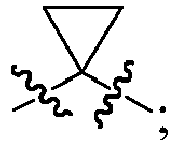


- wherein one of M, N, P, and Q is -O-; and the rest of M, N, P, and Q are each independently selected from the group consisting of -CH2-, -CH(CH3)-, -CH(CH2CH3)-, -C(CH3)2-, and


- wherein one of R, S, T, U, and V is -O-; and the rest of R, S, T, U, and V are each independently selected from the group consisting of -CH2-, -CH(CH3)-, -CH(CH2CH3)-, -C(CH3)2-, and

- Preferably, M, N, P and Q form a ring structure, or a bridge ring structure consisting of 0-4 carbon atoms is formed between M and Q, M and P, or N and Q;
- Preferably, R, S, T, U and V form a ring structure, or a bridge ring structure consisting of 0-4 carbon atoms is formed between any two of R, S, T, U and V.
- More preferably, Ⓐ and Ⓑ are each independently selected form the group consisting of benzene ring, and 5- or 6-membered heteroaromatic ring including one or more O, N, S atoms, wherein Ⓐ and Ⓑ can optionally be substituted by 1 to 3 R5 substitutes.
- More preferably, Ⓒ is a substituted or unsubstituted 6-membered oxa-heterocycle. Preferably, substituted in Ⓒ means one or more (preferably 1 or 2) hydrogen atoms on the ring are substituted by substituent(s) selected from the group consisting of F, Cl, Br, I, hydroxyl, methyl, ethyl, isopropyl, methoxy, ethoxy, trifluoromethyl, difluoromethoxy, trifluoromethoxy, nitro, -CN, oxo (= O); More preferably, substituted by substituent(s) selected from the group consisting of: methyl, ethyl, isopropyl.
- Preferably, Y is absent.
- Preferably, B1 and B2 are each independently selected from the group consisting of -(CH2)n-; wherein n=0, 1, 2, 3 or 4, -CH=CH-, -CH=CH-CH2-, -CH2-CH=CH-, -CH=CH-CH2-CH2-, -CH2-CH=CH-CH2-, -CH2-CH2-CH=CH-; -C≡C-, -C≡C-CH2-, -CH2-C≡C-, -C≡C-CH2-CH2-, -CH2-C≡C-CH2-, -CH2- CH2-C≡C-; and B1 and B2 are not -(CH2)n- at the same time, wherein n=0.
- More preferably, B1(or B2) is -(CH2)n-, wherein n=0, and B2 (or B1) is selected from the group consisting of -(CH2)n-; wherein n=1, 2, 3 or 4, -CH=CH-, -CH=CH-CH2-, -CH2-CH=CH-, -CH=CH-CH2-CH2-, -CH2-CH=CH-CH2-, -CH2-CH2-CH=CH-; -C=C-, -C≡C-CH2-, -CH2-C≡C-, -C≡C-CH2-CH2-, -CH2-C≡C-CH2-, -CH2- CH2-C≡C-.
- Preferably, the compounds are selected from the group consisting of:
- (S)-4-(1-(2-((4-fluorophenyl)ethynyl)-5,7-dihydro-4H-thieno[2,3-c]pyran-3-carb oxamido)ethyl)benzoic acid
- (S)-4-(1-(2-((4-fluorophenyl)ethynyl)-5,5-dimethyl-5,7-dihydro-4H-thieno[2,3-c] pyran-3-carboxamido)ethyl)benzoic acid
- (S)-4-(1-(2-(4-fluorophenethyl)-5,7-dihydro-4H-thieno[2,3-c]pyran-3-carboxami do)ethyl)benzoic acid
- (S)-4-(1-(2-(4-fluorophenethyl)-5,5-dimethyl-5,7-dihydro-4H-thieno[2,3-c]pyran-3-carboxamido)ethyl)benzoic acid
- (S)-4-(1-(2-(4-(trifluoromethyl)phenethyl)-5,7-dihydro-4H-thieno[2,3-c]pyran-3-carboxamido)ethyl)benzoic acid
- (S)-4-(1-(2-(3-(trifluoromethyl)phenethyl)-5,7-dihydro-4H-thieno[2,3-c]pyran-3-carboxamido)ethyl)benzoic acid
- (S)-4-(1-(2-(3-fluorophenethyl)-5,7-dihydro-4H-thieno[2,3-c]pyran-3-carboxami do)ethyl)benzoic acid
- (S)-4-(1-(2-(4-fluorobenzyl)-5,7-dihydro-4H-thieno[2,3-c]pyran-3-carboxamido) ethyl)benzoic acid
- (S)-4-(1-(2-(4-(trifluoromethyl)benzyl)-5,7-dihydro-4H-thieno[2,3-c]pyran-3-car boxamido)ethyl)benzoic acid
- (S)-4-(1-(2-(3-(trifluoromethyl)benzyl)-5,7-dihydro-4H-thieno[2,3-c]pyran-3-car boxamido)ethyl)benzoic acid
- (R)-4-(1-(2-(4-fluorobenzyl)-5,7-dihydro-4H-thieno[2,3-c]pyran-3-carboxamido) ethyl)benzoic acid
- (R)-4-(1-(2-(4-(trifluoromethyl)benzyl)-5,7-dihydro-4H-thieno[2,3-c]pyran-3-car boxamido)ethyl)benzoic acid
- (R)-4-(1-(2-(3-(trifluoromethyl)benzyl)-5,7-dihydro-4H-thieno[2,3-c]pyran-3-car boxamido)ethyl)benzoic acid
- 4-((2-(4-fluorobenzyl)-4,7-dihydro-5H-thieno[2,3-c]pyran-3-carboxamido)methyl )benzoic acid
- (S)-4-(1-(2-((4-(trifluoromethyl)benzyl) amino)-5,7-dihydro-4H-thieno[2,3-c]pyran-3-carboxamido)ethyl)benzoic acid
- (S)-4-(1-(2-(4-methoxyphenethyl)-4,7-dihydro-5H-thieno[2,3-c]pyran-3-carboxa mido)ethyl)benzoic acid
- (S)-4-(1-(2-(3-fluorobenzyl)-4,7-dihydro-5H-thieno[2,3-c]pyran-3-carboxamido) ethyl)benzoic acid
- (S)-4-(1-(2-(4-chlorobenzyl)-4,7-dihydro-5H-thieno[2,3-c]pyran-3-carboxamido) ethyl)benzoic acid
- (S)-4-(1-(2-(3-fluoro-4-methoxybenzyl)-4,7-dihydro-5H-thieno[2,3-c]pyran-3-car boxamido)ethyl)benzoic acid
- (S)-4-(1-(2-(3-chlorobenzyl)-4,7-dihydro-5H-thieno[2,3-c]pyran-3-carboxamido) ethyl)benzoic acid
- (S)-4-(1-(2-(3,4-difluorobenzyl)-4,7-dihydro-5H-thieno[2,3-c]pyran-3-carboxami do)ethyl)benzoic acid
- (S)-4-(1-(2-(4-methoxybenzyl)-4,7-dihydro-5H-thieno[2,3-c]pyran-3-carboxamid o)ethyl)benzoic acid
- ((2-(3-(trifluoromethyl)benzyl)-4,7-dihydro-5H-thieno[2,3-c]pyran-3-carboxamid o)methyl)benzoic acid
- 4-((2-(4-fluorobenzyl)-4,7-dihydro-5H-thieno[2,3-c]pyran-3-carboxamido)methyl )cyclohexane-1-carboxylic acid (racemates)
- (1-(2-(4-fluorobenzyl)-4,7-dihydro-5H-thieno[2,3-c]pyran-3-carboxamido)cyclop ropyl)benzoic acid
- Preferably, the compounds are selected from the group consisted of YJ101, YJ105, YJ106, YJ110, YJ111, YJ112, YJ113, YJ114, YJ115, YJ116, YJ117, YJ118, YJ119, YJ120, YJ121, YJ122, YJ123, YJ124, YJ125, YJ126, YJ127, YJ128, YJ129, YJ130, YJ131.
- Also preferably, the pharmaceutically acceptable salt refers to acid addition salt(s) formed by thienocyclic compound(s) and acid(s), or base addition salt(s) formed by thienocyclic compound(s) and base(s); wherein, the acids include hydrochloric acid, hydrobromic acid, sulfuric acid, phosphoric acid, acetic acid, tartaric acid, salicylic acid, citric acid, malic acid, methanesulfonic acid, p-toluenesulfonic acid, lactic acid, pyruvic acid, maleic acid, succinic acid, salts derived from inorganic bases include aluminum, ammonium, potassium, sodium, ferric, copper, calcium, ferrous, magnesium, lithium, manganese, salts derived from organic non-toxic bases include primary, secondary, and tertiary amine salts, substituted amines include natural substituted amines, cyclic amines, ethanolamines, N-ethylmorpholine, N-ethylpiperidine, glucosamine.
- The another aspect of the present invention provides a pharmaceutical composition which comprises: a therapeutically effective amount of the compound of formula (I), or pharmaceutically acceptable salts or hydrates thereof; and pharmaceutically acceptable carriers.
- In another preferred embodiment, the pharmaceutical composition is in the dosage form selected from the group consisting of injectable fluids, aerosols, creams, gels, pills, capsules, syrups, transdermal patches, or excipients.
- The another aspect of the present invention provides the compound of Formula (I), or pharmaceutically acceptable salts or hydrates thereof for use for:
- (i) antagonizing prostaglandin receptor -4 (EP4);
- (ii) inhibiting prostaglandin PGE 2;
- (iii) enhancing in vivo immunocompetence of human or mammals, or preventing and /or treating prostaglandin PGE2-mediated diseases;
- (iv) reducing side effects of non-steroidal anti-inflammatory drugs and cyclooxygenase-2 inhibitors against cardiovascular systems and gastrointestinal systems.
- Preferably, the prostaglandin PGE2-mediated diseases are selected from the group consisting of autoimmune diseases, allergy, inflammation, bone diseases, acute or chronic pain, and tumor.
- More preferably, the tumor is selected from the group consisting of: liver cancer, lung cancer, prostate cancer, skin cancer, colon cancer, pancreatic cancer, breast cancer, leukemia, lymphoma, ovarian cancer, stomach cancer, bladder cancer, kidney cancer, oral cancer, melanoma, esophageal cancer, lymphoma, and cervical cancer;
- More preferably, the pharmaceutical composition is used for inhibiting the proliferation, growth, infiltration and migration of tumor cells.
-
-
FIG. 1 shows concentration-response curves of certain compounds of the present invention against cAMP upregulation induced by human prostaglandin E2 receptor EP4 subtype, wherein A is E7046, B is YJ114. -
FIG. 2 shows the evaluation of the effect of compound YJ114 of present invention on the differentiation of mouse bone myeloid cells. -
FIG.3 is a graph showing the inhibitory effect of compounds YJ106, YJ114, YJ115, YJ116 and YJ120 of the present invention on tumor growth. -
FIG. 4 is a graph showing the inhibitory effect of compound YJ114 of the present invention on the tumor growth of mouse tumor MC38, Pan02, 4T1 and RM-1 cells in subcutaneous tumor-bearing model. - On the basis of long-term and intensive research, the inventors unexpectedly discovered a series of thienocyclic compounds. These compounds can be used as prostaglandin EP4 receptor antagonists for the prevention and treatment of prostaglandin E2 signaling-related diseases. In addition, the compounds reported in the invention have high selectivity. The compounds of the invention have high inhibitory activity against the EP4 receptors and no antagonistic activity against EP1, EP2, and EP3 receptors. Based on the above discoveries, the inventors completed the invention.
- In a preferred embodiment, provided herein is a compound of Formula (I):

- Ⓐand Ⓑ are each independently select form the group consisting of C3-C6 carbon ring, benzene ring, 5- or 6-membered heteroaromatic ring having one or more O, N, S atoms, wherein Ⓐ and Ⓑ can be optionally substituted by 1 to 3 R5 substituents;
- Ⓒ is a substituted or unsubstituted ring selected from a 4-7 membered saturated heterocyclic ring, wherein the heterocyclic ring comprises one or more heteroatoms selected from O; the ring can be monocylic, bicyclic, spiro or bridge ring;
- X is -S-
- Y is absent, or a group selected from the group consisting of -CH2-, -O-, -S-, -SO-, -SO2-, and -N(R8)-;
- B1 and B2 are groups each independently selected from the group consisting of absent, C1-C6 alkylene, C2-C6 alkenylene, C2-C6 alkynylene; preferably, B1 and B2 are each independently selected from the group consisting of -(CH2)n-, wherein n = 0, 1, 2, 3 or 4, -CH=CH-, -CH=CH-CH2-, -CH2-CH=CH-, -CH=CH-CH2-CH2-, -CH2-CH=CH-CH2-, -CH2-CH2-CH=CH-; -C=C-, -C≡C-CH2-, -CH2-C≡C-, -C≡C-CH2-CH2-, -CH2-C≡C-CH2-, -CH2-CH2-C≡C-; and B1, B2 and Y are not absent at the same time;
- R1 is one or more group selected from the group consisting of H, C1-C6 alkyl, halogen, nitro, -N(R9)(R10), -OH, -CN, C1-C6 haloalkyl (preferably difluoromethyl or trifluoromethyl), C1-C6 alkoxy (preferably methoxy or ethoxy), and C1-C6 haloalkoxy (preferably difluoromethoxy or trifluoromethoxy);
- R2 and R3 are each independently selected from the group consisting of H, halogen, C1-C6 alkyl, C1-C6 haloalkyl, and C3-C6 cycloalkyl; or R2, R3 together with the carbon atom to which they are attached
form 3 to 6 membered ring, which is carbon ring or heterocyclic ring including one or more heteroatoms selected from O, S or N(R11); - R4 is -COOR12 (preferably, -COOH, -COOCH3, -COOCH2CH3, -COOCH2CH2CH3, -COOCH(CH3)2);
- R5 is selected from: H, halogen, C1-C6 alkyl, C1-C6 haloalkyl, C3-C6 cycloalkyl, and C1-C6 alkoxy (preferably methoxy, ethoxy);
- R12 is selected from the group consisting of H and C1-C6 alkyl;
- R8, R9, R10 and R11 are each independently select form H, C1-C6 alkyl, C1-C6 haloalkyl, C3-C6 cycloalkyl, C3-C6 halocycloalkyl, C6-C10 aryl, 5- or 6- membered heteroaryl,

- unless otherwise specified, one or more hydrogen atoms of the substituted groups are substituted with substituent(s) selected from the group consisting of: F, Cl, Br, I, hydroxyl, methyl, ethyl, isopropyl, methoxy, ethoxy, trifluoromethyl, difluoromethoxy, trifluoromethoxy, nitro, -CN, oxo (= O);
- R13 and R14 are each independently selected from: H, C1-C6 alkyl (preferably methyl, ethyl, propyl, butyl, isopropyl, tert-butyl, pentyl, hexyl), C6-C10 aryl, C1-C6 alkylene, and -C6-C10 aryl.
- In another preferred embodiment, in formula (I)

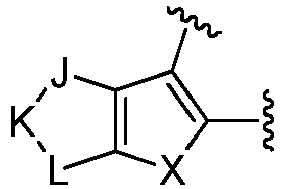
- wherein one of J, K, and L is -O-; and the rest of J, K, and L are selected from the group consisting of -CH2-, -CH(CH3)-, -CH(CH2CH3)-, -C(CH3)2-,


- wherein one of M, N, P, and Q is -O-; and the rest of M, N, P, and Q are each independently selected from the group consisting of -CH2-, -CH(CH3)-, -CH(CH2CH3)-, -C(CH3)2-, and

- or


- wherein one of R, S, T, U, and V is -O-; and the rest of R, S, T, U, and V are each independently selected from the group consisting of -CH2-, -CH(CH3)-, -CH(CH2CH3)-, -C(CH3)2-, and

- In a preferred embodiment, M, N, P and Q form a ring structure, or a bridge ring structure consisting of 0-4 carbon atoms is formed between M and Q, M and P, or N and Q;
- In a preferred embodiment, R, S, T, U and V form a ring structure, or a bridge ring structure consisting of 0-4 carbon atoms is formed between any two of R, S, T, U and V.
- In a preferred embodiment, Ⓐ and Ⓑ are each independently selected form the group consisting of: benzene ring, 5- or 6-membered heteroaromatic ring including one or more O, N, S atoms, wherein Ⓐ and Ⓑ can be optionally substituted with 1 to 3 R5 substitutes.
- In a preferred embodiment, the compounds are selected from the group consisted of YJ101, YJ105, YJ106, YJ110, YJ111, YJ112, YJ113, YJ114, YJ115, YJ116, YJ117, YJ118, YJ119, YJ120, YJ121, YJ122, YJ123, YJ124, YJ125, YJ126, YJ127, YJ128, YJ129, YJ130, YJ131.
- In another preferred embodiment, the pharmaceutically acceptable salt refers to acid addition salt(s) formed by thienocyclic compound(s) and acid(s), or base addition salt(s) formed by thienocyclic compound(s) and base(s); wherein, the acids include hydrochloric acid, hydrobromic acid, sulfuric acid, phosphoric acid, acetic acid, tartaric acid, salicylic acid, citric acid, malic acid, methanesulfonic acid, p-toluenesulfonic acid, lactic acid, pyruvic acid, maleic acid, succinic acid, salts derived from inorganic bases include aluminum, ammonium, potassium, sodium, ferric, copper, calcium, ferrous, magnesium, lithium, manganese, salts derived from organic non-toxic bases include primary, secondary, and tertiary amine salts, substituted amines include natural substituted amines, cyclic amines, ethanolamines, N-ethylmorpholine, N-ethylpiperidine, glucosamine.
- In a preferred embodiment, the pharmaceutical composition comprises: a therapeutically effective amount of the compound of formula (I), or pharmaceutically acceptable salts or hydrates thereof; and pharmaceutically acceptable carriers.
- In another preferred embodiment, the pharmaceutical composition is in the dosage form selected from the group consisted of injectable fluids, aerosols, creams, gels, pills, capsules, syrups, transdermal patches, or excipients.
- In a preferred embodiment, provided herein is the compound of Formula (I), or pharmaceutically acceptable salts or hydrates thereof for use for:
- (i) antagonizing prostaglandin receptor -4 (EP4);
- (ii) inhibiting prostaglandin PGE 2;
- (iii) enhancing immunocompetence in vivo of human or mammals, or preventing and /or treating prostaglandin PGE2-mediated diseases;
- (iv) reducing side effects of non-steroidal anti-inflammatory drugs and cyclooxygenase-2 inhibitors against cardiovascular systems and gastrointestinal systems.
- In a preferred embodiment, in the use, the prostaglandin PGE2-mediated diseases are selected from the group consisting of autoimmune diseases, allergy, inflammation, bone diseases, acute or chronic pain, and tumor.
- More preferably, the tumor is selected from the group consisting of: liver cancer, lung cancer, prostate cancer, skin cancer, colon cancer, pancreatic cancer, breast cancer, leukemia, lymphoma, ovarian cancer, stomach cancer, bladder cancer, kidney cancer, oral cancer, melanoma, esophageal cancer, lymphoma, and cervical cancer;
- In a preferred embodiment, the pharmaceutical composition is used for inhibiting the proliferation, growth, infiltration and migration of tumor cells.
- In the present invention, term "C3-C6 carbon ring" or term "C4-C7 carbon ring" means saturated or unsaturated rings consisting of 3 to 6 carbon atoms or 4 to 7 carbon atoms, including monocylic, bicyclic, spiro or bridge rings, e.g. 6-membered aliphatic ring.
- The term "5- or 6-membered heteroaromatic ring" refers to a 5- to 6-membered aromatic ring having one or more heteroatoms selected from nitrogen, oxygen, or sulfur, for example, pyridine, pyrimidine, thiazole, isothiazole, furan, thiophene, pyrrole.
- The term "C1-C6 alkyl" refers to a linear or branched alkyl group having 1 to 6 carbon atoms, including, without limitation, methyl, ethyl, propyl, isopropyl, butyl, isobutyl, Sec-butyl, tert-butyl, pentyl and hexyl and the like; preferably ethyl, propyl, isopropyl, butyl, isobutyl, sec-butyl and tert-butyl.
- The term "C1-C6 alkylene" refers to a linear or branched alkylene group having 1 to 6 carbon atoms, including, without limitation, methylene, ethylene, propylene, isopropylene, butylene, isobutylene, sec-butylene, tert-butylene, pentylene, hexylene and the like; preferably ethylene, propylene, isopropylene, butylene, isobutylene, sec-butylene and tert-butylene.
- The term "C2-C6 alkenylene"refers to a linear or branched alkenylene group having 2 to 6 carbon atoms and containing a double bond, including without limitation ethenylidene, propenylidene, butenylidene, isobutenylidene, pentenylidene and hexynylene and the like.
- The term "C2-C6 alkynylene"refers to a linear or branched alkynylene group having 2 to 6 carbon atoms and containing a double bond, including without limitation ethynylene, propinylene, butynlene, isobutynlene, entynylene and hexynylene and the like.
- The term "C3-C6 cycloalkyl" refers to a cyclic alkyl group having 3 to 10 carbon atoms on the ring including, without limitation, cyclopropyl, cyclobutyl, cyclopentyl, and cyclohexyl.
- The term "C6-C10 aryl" refers to an aromatic ring group having 6 to 10 carbon atoms and without any heteroatoms on the ring, such as phenyl.
- The terms "C1-C6 haloalkyl", "C1-6 halocycloalkyl" refer to the group in which the hydrogens on the alkyl or cycloalkyl are substituted with one or more halogen atoms, including, without limitation, -CHF2, chlorocyclopropyl and the like.
- The term "C1-C6 alkoxy" refers to a linear or branched alkoxy group having 1 to 6 carbon atoms, including, without limitation, methoxy, ethoxy, propoxy, isopropoxy and butoxy.
- The term "C1-C6 haloalkoxy" refers to the group in which the hydrogens on the alkoxy group are substituted with one or more halogen atoms.
-


- Preparing processes for exemplary compounds of formula I are shown in the following Table 1:
Table 1 Name Preparing Process YJ101 (S)-4-(1-(2-((4-fluorophenyl)ethyny 1)-5,7-dihydro-4H-thieno[2,3-c]pyra n-3-carboxamido)ethyl)benzoic acid As shown in Example 1-1 YJ102 (S)-4-(1-(2-((4-fluorophenyl)ethyny 1)-5,6-dihydro-4H-cyclopenta[b]thio phene-3-carboxamido)ethyl)benzoic acid (not part of the invention) Prepared according to the preparation of Compound YJ101 wherein tetrahydro-4H-pyran-4-one is replaced with cyclopentanone YJ103 4-((1S)-1-(6-ethyl-2-((4-fluorophen yl)ethynyl)-4,5,6,7-tetrahydrobenzo[ b]thiophene-3-carboxamido)ethyl)b enzoic acid (not part of the invention) Prepared according to the preparation of Compound YJ101 wherein tetrahydro-4H-pyran-4-one is replaced with 4-ethylcyclohexanone YJ104 (S)-4-(1-(2-((4-fluorophenyl)ethyny 1)-5,6,7,8-tetrahydro-4H-cyclohepta[ b]thiophene-3-carboxamido)ethyl)b enzoic acid (not part of the invention) Prepared according to the preparation of Compound YJ101 wherein tetrahydro-4H-pyran-4-one is replaced with cycloheptanone YJ105 (S)-4-(1-(2-((4-fluorophenyl)ethyny 1)-5,5-dimethyl-5,7-dihydro-4H-thie no[2,3-c]pyran-3-carboxamido)ethyl )benzoic acid Prepared according to the preparation of Compound YJ101 wherein tetrahydro-4H-pyran-4-one is replaced with tetrahydro-2,2-dimethyl-4H-pyra n-4-one YJ106 (S)-4-(1-(2-(4-fluorophenethyl)-5,7-dihydro-4H-thieno [2,3-c]pyran-3-ca rboxamido)ethyl)benzoic acid As shown in Example 1-6 YJ107 (S)-4-(1-(2-(4-fluorophenethyl)-5,6, 7,8-tetrahydro-4H-cyclohepta[b]thio phene-3-carboxamido)ethyl)benzoic acid (not part of the invention) Prepared according to the method for Compound YJ106 wherein tetrahydro-4H-pyran-4-one is replaced with cycloheptanone YJ108 (S)-4-(1-(2-(4-fluorophenethyl)-4,5, 6,7-tetrahydrobenzo[b]thiophene-3-carboxamido)ethyl)benzoic acid (not part of the invention) Prepared according to the method for Compound YJ106 wherein tetrahydro-4H-pyran-4-one is replaced with cyclohexanone YJ109 (S)-4-(1-(2-(4-fluorophenethyl)-5,6-dihydro-4H-cyclopenta[b]thiophene -3-carboxamido)ethyl)benzoic acid (not part of the invention) Prepared according to the method for Compound YJ106 wherein tetrahydro-4H-pyran-4-one is replaced with cyclopentanone YJ110 (S)-4-(1-(2-(4-fluorophenethyl)-5,5-dimethyl-5,7-dihydro-4H-thieno[2,3 -c]pyran-3-carboxamido)ethyl)benz oic acid Prepared according to the method for Compound YJ106 wherein tetrahydro-4H-pyran-4-one is replaced with tetrahydro-2,2-dimethyl-4H-pyra n-4-one YJ111 (S)-4-(1-(2-(4-(trifluoromethyl)phen ethyl)-5,7-dihydro-4H-thieno[2,3-c] pyran-3-carboxamido)ethyl)benzoic acid Prepared according to the method for Compound YJ106 wherein 1-ethynyl-4-fluorobenzene is replaced with 1-ethynyl-4-(trifluoromethyl)benzene YJ112 (S)-4-(1-(2-(3-(trifluoromethyl)phen ethyl)-5,7-dihydro-4H-thieno[2,3-c] pyran-3-carboxamido)ethyl)benzoic acid Prepared according to the method for Compound YJ106 wherein 1-ethynyl-4-fluorobenzene is replaced with 1-ethynyl-3-(trifluoromethyl)benzene YJ113 (S)-4-(1-(2-(3-fluorophenethyl)-5,7-dihydro-4H-thieno [2,3-c]pyran-3-ca rboxamido)ethyl)benzoic acid Prepared according to the method for Compound YJ106 wherein 1-ethynyl-4-fluorobenzene is replaced with 1-ethynyl-3-fluorobenzene YJ114 (S)-4-(1-(2-(4-fluorobenzyl)-5,7-dih ydro-4H-thieno [2,3-c]pyran-3-carbo xamido)ethyl)benzoic acid As shown in Example 1-14 YJ115 (S)-4-(1-(2-(4-(trifluoromethyl)benz yl)-5,7-dihydro-4H-thieno[2,3-c]pyr an-3-carboxamido)ethyl)benzoic acid Prepared according to the method for Compound YJ114 wherein p-fluorobenzaldehyde is replaced with p-trifluoromethyl benzaldehyde YJ116 (S)-4-(1-(2-(3-(trifluoromethyl)benz yl)-5,7-dihydro-4H-thieno[2,3-c]pyr an-3-carboxamido)ethyl)benzoic acid Prepared according to the method for Compound YJ114 wherein -fluorobenzaldehyde is replaced with 3-trifluoromethyl benzaldehyde YJ117 (R)-4-(1-(2-(4-fluorobenzyl)-5,7-dih ydro-4H-thieno [2,3-c]pyran-3-carbo xamido)ethyl)benzoic acid Prepared according to the method for Compound YJ114 wherein methyl (S)-4-(1-aminoethyl)benzoate is replaced with methyl (R)-4-(1-aminoethyl)benzoate YJ118 (R)-4-(1-(2-(4-(trifluoromethyl)benz yl)-5,7-dihydro-4H-thieno[2,3-c]pyr an-3-carboxamido)ethyl)benzoic acid Prepared according to the method for Compound YJ114 wherein methyl (S)-4-(1-aminoethyl)benzoate is replaced with methyl (R)-4-(1-aminoethyl)benzoate and p-fluorobenzaldehyde is replaced with p-trifluoromethyl benzaldehyde YJ119 (R)-4-(1-(2-(3-(trifluoromethyl)benz yl)-5,7-dihydro-4H-thieno[2,3-c]pyr an-3-carboxamido)ethyl)benzoic acid Prepared according to the method for Compound YJ114 wherein p-fluorobenzaldehyde is replaced with 3-trifluoromethylbenzaldehyde, and in the subsequent steps, methyl (S)-4- (1-aminoethyl)benzoate is replaced with methyl (R)-4-(1-aminoethyl)benzoate YJ120 4-((2-(4-fluorobenzyl)-4,7-dihydro-5H-thieno[2,3-c]pyran-3-carboxami do)methyl)benzoic acid Prepared according to the method for Compound YJ114 wherein methyl (S)-4-(1-aminoethyl)benzoate is replaced with methyl 4-aminomethylbenzoate YJ121 (S)-4-(1-(2-((4-(trifluoromethyl)ben zyl) amino)-5,7-dihydro-4H-thieno[2,3-c ]pyran-3-carboxamido)ethyl)benzoi c acid As shown in Example 1-21 YJ122 (S)-4-(1-(2-(4-methoxyphenethyl)-4 ,7-dihydro-5H-thieno[2,3-c]pyran-3-carboxamido)ethyl)benzoic acid Prepared according to the method for Compound YJ106 wherein 1-ethynyl-4-fluorobenzene is replaced with 1-ethynyl-3-(methoxyl)benzene YJ123 (S)-4-(1-(2-(3-fluorobenzyl)-4,7-dih ydro-5H-thieno[2,3-c]pyran-3-carbo xamido)ethyl)benzoic acid Prepared according to the method for Compound YJ114 wherein p-fluorobenzaldehyde is replaced with m-fluorobenzaldehyde YJ124 (S)-4-(1-(2-(4-chlorobenzyl)-4,7-dih ydro-5H-thieno[2,3-c]pyran-3-carbo xamido)ethyl)benzoic acid Prepared according to the method for Compound YJ114 wherein p-fluorobenzaldehyde is replaced with p-chlorobenzaldehyde YJ125 (S)-4-(1-(2-(3-fluoro-4-methoxyben zyl)-4,7-dihydro-5H-thieno[2,3-c]py ran-3-carboxamido)ethyl)benzoic acid Prepared according to the method for Compound YJ114 wherein p-fluorobenzaldehyde is replaced with 3-fluoro-4-methoxybenzaldehyde YJ126 (S)-4-(1-(2-(3-chlorobenzyl)-4,7-dih ydro-5H-thieno[2,3-c]pyran-3-carbo xamido)ethyl)benzoic acid Prepared according to the method for Compound YJ114 wherein p-fluorobenzaldehyde is replaced with m-chlorobenzaldehyde YJ127 (S)-4-(1-(2-(3,4-difluorobenzyl)-4,7 -dihydro-5H-thieno[2,3-c]pyran-3-c arboxamido)ethyl)benzoic acid Prepared according to the method for Compound YJ114 wherein p-fluorobenzaldehyde is replaced with 3,4-difluorobenzaldehyde YJ128 (S)-4-(1-(2-(4-methoxybenzyl)-4,7-dihydro-5H-thieno[2,3-c]pyran-3-ca rboxamido)ethyl)benzoic acid Prepared according to the method for Compound YJ114 wherein p-fluorobenzaldehyde is replaced with 4-methoxybenzaldehyde YJ129 ((2-(3-(trifluoromethyl)benzyl)-4,7-dihydro-5H-thieno[2,3-c]pyran-3-ca rboxamido)methyl)benzoic acid Prepared according to the method for Compound YJ120 wherein p-fluorobenzaldehyde is replaced with 3-trifluoromethylbenzaldehyde YJ130 4-((2-(4-fluorobenzyl)-4,7-dihydro-5H-thieno[2,3-c]pyran-3-carboxami do)methyl)cyclohexane-1-carboxyli c acid (racemates) Prepared according to the method for Compound YJ114 wherein methyl (S)-4-(1-aminoethyl)benzoate is replaced with methyl 4-(aminomethyl)cyclohexane-1-c arboxylate hydrochloride YJ131 (1-(2-(4-fluorobenzyl)-4,7-dihydro-5H-thieno[2,3-c]pyran-3-carboxami do)cyclopropyl)benzoic acid Prepared according to the method for Compound YJ114 wherein methyl (S)-4-(1-aminoethyl)benzoate is replaced with methyl 4-(1-aminocyclopropyl)benzoate - Another aspect of the present invention provides a pharmaceutical composition containing a therapeutically effective amount of one or more compounds selected from the above formula (I), pharmaceutically acceptable salts, enantiomers, diastereomers or racemates thereof, and optionally, one or more pharmaceutically acceptable carriers, excipients, adjuvants, ingredients, and/or diluents. The ingredients are, for example, odorants, flavors, sweeteners and the like.
- The pharmaceutical compositions provided by the invention preferably contain the active ingredient in a weight ratio of 1-99%. Its preferred ratio was that the compounds of the general formula I as active ingredient accounts for 65% to 99% by weight of the total weight, and the remainder are pharmaceutically acceptable carriers, diluents or solutions or saline solutions.
- The compounds and pharmaceutical compositions provided by the invention can be in various forms, such as tablets, capsules, powders, syrups, solutions, suspensions, and aerosols, etc, and can be stocked in a suitable solid or liquid carriers or diluents and in suitable disinfection devices for injection or drip infusion.
- Various dosage forms of the pharmaceutical compositions of the invention can be prepared according to the conventional preparation methods in the pharmaceutical field. The unit dose of the formulation contains 0.05-200 mg of the compounds of the formula I. Preferably, the unit dose of the formulation contains 0.1 mg - 100 mg of the compounds of the formula I.
- The compounds and pharmaceutical compositions of the invention can be used clinically in mammals, including humans and animals and can be administered by mouth, nose, skin, lung, or gastrointestinal tract. Most preferred was oral. Most preferred daily dose is of 0.01-200 mg / kg body weight, one-time administration, or 0.01-100 mg / kg body weight in divided doses. Regardless of any method of administration, the optimal dosages for an individual should be determined depend on the specific treatment. Normally, start with a small dose and gradually increase the dose until the most suitable dose is found.
- The invention was further described hereafter in combination with specific embodiments. The experimental methods without specific conditions in the following examples generally follow the conventional conditions or the conditions suggested by the manufacturer. Unless otherwise indicated, percentages and parts are by weight.
- In the following preparation examples, 1H NMR are measured using
Bruker 500 MHz instrument and MS are measured usingBruker MicroTOF-Q II LCMS instrument, unless otherwise indicated, measured in ESI mode. All solvents are re-distilled before use and the anhydrous solvents are obtained by drying in accordance with standard methods. Unless otherwise specified, all reactions are conducted under argon atmosphere and tracked with TLC and in post-treatment, being washed with saturated brine and dried over anhydrous magnesium sulfate. Unless otherwise specified, the products were purified by column chromatography on silica gel (200-300 mesh). The silica gel used including 200-300 mesh and GF254 are produced by Qingdao Haiyang Chemical or Yantai Yuanbo Silica Gel Company. -

- Tetrahydro-4H-pyran-4-one (2.00 g, 20.0 mmol), ethyl cyanoacetate (2.50 g, 22.0 mmol) and sulphur (704 mg, 22.0 mmol) were dissolved in 30.0 mL ethyl alcohol, then the solution was added morpholine (1.74 g, 20.0 mmol) , and stirred at 50 °C overnight. The reaction was monitored by TLC. After the completion of the reaction, the reaction solution was extracted with ethyl acetate and water and the upper organic phase was obtained and evaporated to dryness, purified by column chromatography to afford pale yellow solid, i.e. ethyl
- 2-amino-5,7-dihydro-4H-thieno[2,3-c]pyran-3-carboxylate (4.38 g, yield 96%). Ethyl 2-amino-5,7-dihydro-4H-thieno[2,3-c]pyran-3-carboxylate (450 mg, 2.0 mmol) was dissolved in 1.5 M HCl (10.0 mL), and stirred for 20 min at room temperature, then cooled to 0 °C in an ice bath. NaNO2 (207 mg, 3.0 mmol) was added to the solution and the mixture was stirred for 30 min under ice bath. Subsequently, KI (830 mg, 5.0 mmol) was added to the reaction solution in portions, and continued to react at 0 °C for 45 min. After the completion of the reaction, the reaction solution was extracted with water and ethyl acetate, and the organic phase was evaporated to dryness and purified by column chromatography to afford pale yellow solid, i.e. ethyl
- 2-iodo-5,7-dihydro-4H-thieno[2,3-c]pyran-3-carboxylate as (175 mg, yield 26%). Ethyl 2-iodo-5,7-dihydro-4H-thieno[2,3-c]pyran-3-carboxylate (160 mg, 0.48 mmol), 1-ethynyl-4-fluorobenzene (86 mg, 0.71 mmol), 10% Pd/C (5 mg, 0.048 mmol), PPh3 (5 mg, 0.02 mmol), CuI (9 mg, 0.048 mmol) and triethylamine (0.13 mL, 0.93 mmol) were added to ethyl alcohol (10.0 mL), and stirred for 15 min under the protection of N2 atmosphere, then the reaction solution was added 1-ethynyl-4-fluorobenzene (86 mg, 0.71 mmol) and stirred at 60 °C for 2 h. After the completion of the reaction, the reaction solution was extracted with water and ethyl acetate, and the organic phase was evaporated to dryness, and purified by column chromatography to afford white solid, i.e. ethyl
- 2-((4-fluorophenyl)ethynyl)-5,7-dihydro-4H-thieno[2,3-c]pyran-3-carboxylate (81 mg, yield 51%). Ethyl
- 2-((4-fluorophenyl)ethynyl)-5,7-dihydro-4H-thieno[2,3-c]pyran-3-carboxylate (81 mg, 0.25 mmol), 3.0 mL THF, 3.0 mL methyl alcohol, 1.0 mL water, and lithium hydroxide monohydrate (21 mg, 0.5 mmol) were mixed together, and stirred at 68 °C for 3 h. After the completion of the reaction, the reaction solution was adjusted to acidity with 2M HCl, then extracted with ethyl acetate and water, the organic phase was evaporated to dryness and purified by column chromatography to afford white solid, i.e.
- 2-((4-fluorophenyl)ethynyl)-5,7-dihydro-4H-thieno[2,3-c]pyran-3-carboxylic acid (70 mg, yield 93%).
- 2-((4-fluorophenyl)ethynyl)-5,7-dihydro-4H-thieno[2,3-c]pyran-3-carboxylic acid (70 mg, 0.23 mmol), methyl (S)-4-(1-aminoethyl)benzoate (48 mg, 0.26 mmol), HATU (137 mg, 0.36 mmol) and DIEA (65 mg, 0.50 mmol) were dissolved in DMF (2.0 mL) and stirred at rt for 6 h. After the completion of reaction, the reaction mixture was extracted with ethyl acetate and water, the upper organic phase was evaporated to dryness, purified by column chromatography to afford white solid i.e.methyl (S)-4-(1-(2-((4-fluorophenyl)ethynyl)-5,7-dihydro-4H-thieno[2,3-c]pyran-3-carboxam ido)ethyl)benzoate (59 mg, yield 55%). Methyl
- (S)-4-(1-(2-((4-fluorophenyl)ethynyl)-5,7-dihydro-4H-thieno[2,3-c]pyran-3-carboxam ido)ethyl)benzoate (59 mg, 0.13 mmol) was dissolved in the solution consisted of 3.0 mL THF, 3.0 mL methyl alcohol, and 1.0 mL water, then lithium hydroxide monohydrate (10 mg, 0.24 mmol) was added, and the reaction solution was stirred at 68 °C for 3 h. After the completion of the reaction, the reaction solution was adjusted to acidity with 2M HCl, extracted with water and ethyl acetate and the organic phase was evaporated to dryness, purified by column chromatography to furnishwhite solid, i.e.final product YJ101(39 mg, yield 66%). 1H NMR (500 MHz, DMSO) δ 12.80 (s, 1H), 8.88 (d, J = 7.9 Hz, 1H), 7.79 (d, J = 8.2 Hz, 2H), 7.52 (d, J = 8.2 Hz, 2H), 7.42 (m, 2H), 7.23 (t, J = 8.9, 8.9 Hz, 2H), 5.21-5.14 (m, 1H), 4.73 (s, 2H), 3.89-3.81 (m, 2H), 2.63 (d, J = 16.8 Hz, 2H), 1.45 (d, J = 7.0 Hz, 3H).
-

- Compound YJ102 (62%, yield of final step) was finally prepared following the same reaction procedure as the preparation of compound YJ101, except using cyclopentanone instead of tetrahydro-4H-pyran-4-one. 1H NMR (500 MHz, DMSO) δ 8.59 (d, J = 7.5 Hz, 1H), 7.81 (d, J = 7.6 Hz, 2H), 7.52 (d, J = 7.7 Hz, 2H), 7.45-7.43 (m, 2H), 7.23 (t, J = 8.4, 8.8 Hz, 2H), 5.18-5.13 (m, 1H), 1.80 (m, 6H), 1.45 (d, J = 6.8 Hz, 3H).
-

- Compound YJ103 (64%, yield of final step) was finally prepared following the same reaction procedure as the preparation of compound YJ101, except using 4-ethylcyclohexanone instead of tetrahydro-4H-pyran-4-one. 1H NMR (500 MHz, DMSO) δ 12.79 (s, 1H), 8.86 (d, J = 7.9 Hz, 1H), 7.79 (t, J = 8.6, 8.9 Hz, 2H), 7.52 (d, J = 6.9 Hz, 2H), 7.41-7.35 (m, 2H), 7.24-7.19 (m, 2H), 5.22-5.14 (m, 1H), 2.87 (d, J = 16.7 Hz, 1H), 2.64-2.58 (m, 1H), 2.36-2.29 (m, 1H), 1.88 (d, J = 6.8 Hz, 1H), 1.65 (d, J = 5.3 Hz, 1H), 1.44 (d, J = 7.0 Hz, 3H), 1.41-1.36 (m, 2H), 1.35-1.31 (m, 1H), 1.24 (s, 1H), 0.94 (t, J = 7.4, 7.4 Hz, 3H).
-

- Compound YJ104 (61%, yield of final step) was finally prepared following the same reaction procedure as the preparation of compound YJ101, except using cycloheptanone instead of tetrahydro-4H-pyran-4-one. 1H NMR (500 MHz, DMSO) δ 12.79 (s, 1H), 9.01 (d, J = 8.0 Hz, 1H), 7.77 (d, J = 8.0 Hz, 2H), 7.51 (d, J = 8.1 Hz, 2H), 7.40-7.33 (m, 2H), 7.21 (t, J = 8.8, 8.6 Hz, 2H), 5.26-5.13 (m, 1H), 2.86-2.75 (m, 2H), 2.59 (m, 2H), 1.83 (s, 2H), 1.57 (d, J = 39.5 Hz, 4H), 1.42 (d, J = 7.0 Hz, 3H).
-

- Compound YJ105 (70%, yield of final step) was finally prepared following the same reaction procedure as the preparation of compound YJ101, except using tetrahydro-2,2-dimethyl-4H-pyran-4-one instead of tetrahydro-4H-pyran-4-one. 1H NMR (400 MHz, DMSO) δ 12.80 (s, 1H), 8.88 (d, J = 7.8 Hz, 1H), 7.78 (d, J = 8.1 Hz, 2H), 7.54-7.38 (m, 4H), 7.23 (t, J = 11.1, 10.7 Hz, 2H), 5.23-5.07 (m, 1H), 4.71 (s, 2H), 2.53 (s, 2H), 1.44 (d, J = 7.0 Hz, 3H), 1.21 (s, 6H).
-

- Tetrahydro-4H-pyran-4-one (2.00 g, 20.0 mmol), ethyl cyanoacetate (2.50 g, 22.0 mmol) and sulphur (704 mg, 22.0 mmol) were dissolved in ethyl alcohol (30.0 mL), then the solution was added morpholine (1.74 g, 20.0 mmol) and stirred and reacted at 50 °C overnight. The reaction was monitored by TLC. After the completion of the reaction, the reaction solution was extracted with ethyl acetate and water and the upper organic phase was obtained and evaporated to dryness, purified by column chromatography to afford pale yellow solid, i.e. ethyl
2-amino-5,7-dihydro-4H-thieno[2,3-c]pyran-3-carboxylate (4.42 g, yield 97%). Ethyl 2-amino-5,7-dihydro-4H-thieno[2,3-c]pyran-3-carboxylate (450 mg, 2.0 mmol) was dissolved in 1.5 M HCl(10.0 mL), and stirred for 20 min at room temperature, then cooled to 0 °C in ice bath. NaNO2 (207 mg, 3.0 mmol) was added to the solution and the mixture was stirred for 30 min under ice bath. Subsequently, the reaction solution was added KI (830 mg, 5.0 mmol) in portions, and continued to react at 0 °C for 45 min. After the completion of the reaction, the reaction solution was extracted with water and ethyl acetate, and the organic phase was evaporated to dryness and purified by column chromatography to afford pale yellow solid, i.e. ethyl 2-iodo-5,7-dihydro-4H-thieno[2,3-c]pyran-3-carboxylate (190 mg, yield 28%). - Ethyl 2-iodo-5,7-dihydro-4H-thieno[2,3-c]pyran-3-carboxylate (160 mg, 0.48 mmol), 1-ethynyl-4-fluorobenzene (86 mg, 0.71 mmol), 10% Pd/C (5 mg, 0.048 mmol), PPh3 (5 mg, 0.02 mmol), CuI (9 mg, 0.048 mmol), and triethylamine (0.13 mL, 0.93 mmol) were added to ethyl alcohol (10.0 mL), and stirred for 15 min under the protection of N2 atmosphere. Then 1-ethynyl-4-fluorobenzene (86 mg, 0.71 mmol) was added and continue to stir at 60 °C for 2 h. After the completion of the reaction, the reaction solution was extracted with water and ethyl acetate, the organic phases were evaporated to dryness, and purified by column chromatography to afford white solid, i.e. ethyl
- 2-((4-fluorophenyl)ethynyl)-5,7-dihydro-4H-thieno[2,3-c]pyran-3-carboxylate (91 mg, yield 57%). Ethyl
- 2-((4-fluorophenyl)ethynyl)-5,7-dihydro-4H-thieno[2,3-c]pyran-3-carboxylate (80 mg, 0.24 mmol) and 10% Pd/C (10 mg) were added to absolute ethyl alcohol (10 mL), the reaction was bubbled with H2 and stirred at rt overnight. After the completion of the reaction, the reaction solution was filtered, the filtrate was obtained and evaporated under reduced pressure to remove the solvent, purified by column chromatography to afford white solid, i.e. ethyl
- 2-(4-fluorophenethyl)-4,7-dihydro-5H-thieno[2,3-c]pyran-3-carboxylate (82 mg, 98% yield). Ethyl 2-(4-fluorophenethyl)-5,7-dihydro-4H-thieno[2,3-c]pyran-3-carboxylate (80 mg, 0.24 mmol), 3.0 mL THF, 3.0 mL methyl alcohol, 1.0 mL water, and lithium hydroxide monohydrate (21 mg, 0.5 mmol) were mixed together, and stirred at 68 °C for 3 h. After the completion of the reaction, the reaction solution was adjusted to acidity with 2M HCl, then extracted with ethyl acetate and water, the organic phase was evaporated to dryness and purified by column chromatography to afford white solid, i.e. 2-(4-fluorophenethyl)-5,7-dihydro-4H-thieno[2,3-c]pyran-3-carboxylic acid(64 mg, yield 85%).
- 2-(4-fluorophenethyl)-5,7-dihydro-4H-thieno[2,3-c]pyran-3-carboxylic acid (64 mg, 0.21 mmol), methyl (S)-4-(1-aminoethyl)benzoate (48 mg, 0.26 mmol), HATU (137 mg, 0.36 mmol) and DIEA (65 mg, 0.50 mmol) were dissolved in DMF (2.0 mL) and stirred at rt for 6 h. After the completion of reaction, the reaction solution was extracted with ethyl acetate and water, the upper organic phase was evaporated to dryness, purified by column chromatography to afford white solid i.e.methyl (S)-4-(1-(2-(4--fluorophenethyl)-5,7-dihydro-4H-thieno[2,3-c]pyran-3-carboxamido)et hyl)benzoate (62 mg, yield 57%). Methyl
- (S)-4-(1-(2-(4-fluorophenethyl)-5,7-dihydro-4H-thieno[2,3-c]pyran-3-carboxamido)et hyl)benzoate (61 mg, 0.13 mmol) was dissolved in the solution consisted of 3.0 mL THF, 3.0 mL methyl alcohol, and 1.0 mL water, then lithium hydroxide monohydrate (10 mg, 0.24 mmol) was added, and the reaction solution was stirred at 68 °C for 3 h.
- After the completion of the reaction, the reaction solution was adjusted to acidity with 2M HCl, extracted with water and ethyl acetate and the organic phase was evaporated to dryness, purified by column chromatography to afford white solid, i.e.final product YJ106 (41 mg, yield 69%). 1H NMR (500 MHz, DMSO) δ 12.86 (s, 1H), 8.68 (d, J = 7.8 Hz, 1H), 7.89 (d, J = 7.8 Hz, 2H), 7.49 (d, J = 7.9 Hz, 2H), 7.10-7.01 (m, 4H), 5.16 (s, 1H), 4.65 (s, 2H), 3.82 (s, 2H), 3.06-2.96 (m, 2H), 2.75 (t, J = 7.6, 7.1 Hz, 2H), 2.60 (s, 2H), 1.43 (d, J = 6.9 Hz, 3H).
-
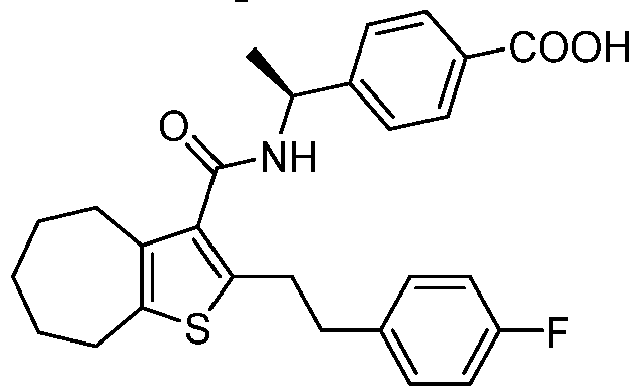
- Compound YJ107 (63%, yield of final step) was finally prepared following the same reaction procedure as the synthesis of compound YJ106, except using cycloheptanone instead of tetrahydro-4H-pyran-4-one. 1H NMR (500 MHz, DMSO) δ 12.81 (s, 1H), 8.81 (d, J = 7.9 Hz, 1H), 7.88 (d, J = 7.9 Hz, 2H), 7.49 (d, J = 8.0 Hz, 2H), 7.10-6.97 (m, 4H), 5.23-5.08 (m, 1H), 2.89-2.64 (m, 8H), 1.80 (s, 2H), 1.56 (d, J = 25.3 Hz, 4H), 1.42 (d, J = 6.9 Hz, 3H).
-
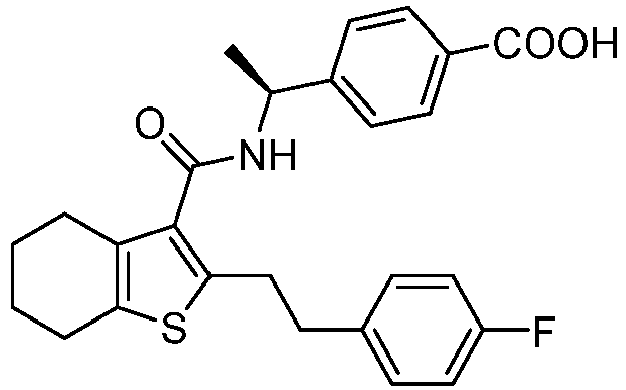
- Compound YJ108 (71%, yield of final step) was finally prepared following the same reaction procedure as the synthesis of compound YJ106, except using cyclohexanone instead of tetrahydro-4H-pyran-4-one. 1H NMR (500 MHz, DMSO) δ 12.86 (s, 1H), 8.67 (d, J = 8.1 Hz, 1H), 7.89 (d, J = 8.3 Hz, 2H), 7.50 (d, J = 8.3 Hz, 2H), 7.10-7.02 (m, 4H), 5.19-5.14 (m, 1H), 2.97-2.91 (m, 2H), 2.74 (t, J = 7.7 Hz, 2H), 2.64 (s, 2H), 2.47 (t, J = 8.2, 7.2 Hz, 2H), 1.77-1.73 (m, 2H), 1.72-1.67 (m, 2H), 1.42 (d, J = 7.1 Hz, 3H).
-

- Compound YJ109 (60%, yield of final step) was finally prepared following the same chemical reaction procedure as the preparation of compound YJ106, except using cyclopentanone instead of tetrahydro-4H-pyran-4-one. 1H NMR (500 MHz, DMSO) δ 12.84 (s, 1H), 8.35 (d, J = 7.9 Hz, 1H), 7.90 (d, J = 8.3 Hz, 2H), 7.49 (d, J = 8.2 Hz, 2H), 7.13-7.10 (m, 2H), 7.06-7.02 (m, 2H), 5.16-5.11 (m, 1H), 3.11-3.06 (m, 2H), 2.80-2.75 (m, 6H), 2.38-2.34 (m, 2H), 1.43 (d, J = 7.1 Hz, 3H).
-

- Compound YJ110 (67%, yield of final step) was finally prepared following the same chemical reaction procedure as the preparation of compound YJ106, except using tetrahydro-2,2-dimethyl-4H-pyran-4-one instead of tetrahydro-4H-pyran-4-one. 1H NMR (400 MHz, DMSO) δ 12.84 (s, 1H), 8.68 (d, J = 8.1 Hz, 1H), 7.89 (d, J = 8.2 Hz, 2H), 7.49 (d, J = 8.2 Hz, 2H), 7.09-7.00 (m, 4H), 5.19-5.12 (m, 1H), 4.63 (s, 2H), 3.05-2.96 (m, 2H), 2.75 (t, J = 10.0, 10.0 Hz, 2H), 2.47 (s, 2H), 1.43 (d, J = 7.0 Hz, 3H), 1.19 (s, 6H).
-

- Compound YJ111 (73%, yield of final step) was finally prepared following the same chemical reaction procedure as the preparation of compound YJ106, except using 1-ethynyl-4-(trifluoromethyl) benzene instead of 1-ethynyl-4-fluorobenzene . 1H NMR (500 MHz, DMSO) δ 12.87 (s, 1H), 8.70 (d, J = 8.0 Hz, 1H), 7.90 (d, J = 8.0 Hz, 2H), 7.58 (d, J = 8.0 Hz, 2H), 7.50 (d, J = 8.0 Hz, 2H), 7.28 (d, J = 7.9 Hz, 2H), 5.21-5.14 (m, 1H), 4.66 (s, 2H), 3.84 (d, J = 5.6 Hz, 2H), 3.09-3.05 (m, 2H), 2.88-2.85 (m, 2H), 2.62 (s, 2H), 1.43 (d, J = 7.0 Hz, 3H).
-
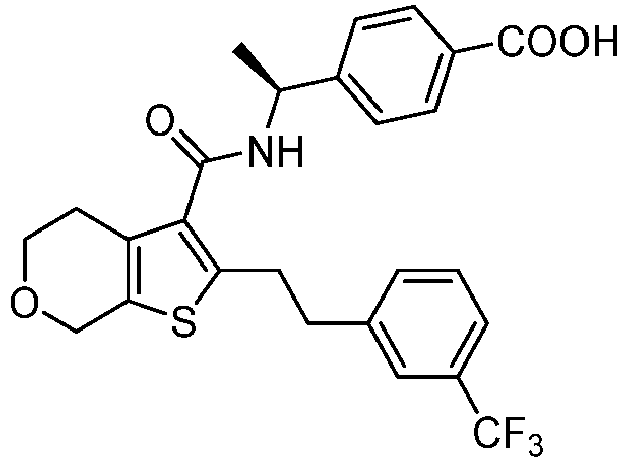
- Compound YJ112 (75%, yield of final step) was finally prepared following the same chemical reaction procedure as the preparation of compound YJ106, except using 1-ethynyl-3-(trifluoromethyl) benzene instead of 1-ethynyl-4-fluorobenzene. 1H NMR (500 MHz, DMSO) δ 12.77 (s, 1H), 8.70 (d, J = 8.1 Hz, 1H), 7.88 (d, J = 6.9 Hz, 2H), 7.55 (d, J = 7.3 Hz, 1H), 7.51-7.46 (m, 4H), 7.37 (d, J = 7.3 Hz, 1H), 5.22-5.12 (m, 1H), 4.65 (s, 2H), 3.83 (s, 2H), 3.14-3.04 (m, 2H), 2.93-2.85 (m, 2H), 2.61 (d, J = 4.4 Hz, 2H), 1.43 (d, J = 6.9 Hz, 3H).
-

- Compound YJ113 (68%, yield of final step) was finally prepared following the same chemical reaction procedure as the preparation of compound YJ106, except using 1-ethynyl-3-fluorobenzene instead of 1-ethynyl-4-fluorobenzene. 1H NMR (500 MHz, DMSO) δ 12.82 (s, 1H), 8.69 (d, J = 7.4 Hz, 1H), 7.89 (d, J = 7.8 Hz, 2H), 7.50 (d, J = 6.7 Hz, 2H), 7.27 (d, J = 7.5 Hz, 1H), 7.04-6.88 (m, 3H), 5.17 (s, 1H), 4.66 (s, 2H), 3.83 (s, 2H), 3.06 (d, J = 8.0 Hz, 2H), 2.80 (s, 2H), 2.61 (s, 2H), 1.43 (d, J = 6.5 Hz, 3H).
-

- Tetrahydro-4H-pyran-4-one (2.00 g, 20.0 mmol), ethyl cyanoacetate (2.50 g, 22.0 mmol) and sulphur (704 mg, 22.0 mmol) were dissolved in ethyl alcohol (30.0 mL), then the solution was added morpholine (1.74 g, 20.0 mmol), and stirred at 50 °C overnight. The reaction was monitored by TLC. After the completion of the reaction, the reaction solution was extracted with ethyl acetate and water, and the upper organic phase was evaporated to dryness, purified by column chromatography to afford pale yellow solid, i.e. ethyl 2-amino-5,7-dihydro-4H-thieno[2,3-c]pyran-3-carboxylate (4.29 g, yield 94%). Ethyl 2-amino-5,7-dihydro-4H-thieno[2,3-c]pyran-3-carboxylate (900 mg, 4.0 mmol) was dissolved in 1.5 M HCl(20.0 mL), and stirred for 20 min at room temperature, then cooled to 0 °C in ice bath. NaNO2 (414 mg, 6.0 mmol) was added to the solution and the reaction solution was stirred for 30 min under ice bath. Subsequently, KI (830 mg, 5.0 mmol) was added in portions, and continue to react at 0°C for 45 min. After the completion of the reaction, the reaction solution was extracted with ethyl acetate and water, and the organic phase was evaporated to dryness and purified by column chromatography to afford pale yellow solid, i.e. ethyl 2-iodo-5,7-dihydro-4H-thieno[2,3-c]pyran-3-carboxylate (324 mg, yield 24%). n-Butyl lithium (1.6M in hexane) was added into 10.0 mL diethyl ether at -78 °C, then ethyl 2-iodo-5,7-dihydro-4H-thieno[2,3-c]pyran-3-carboxylate (200 mg, 0.62 mmol) was added in portions into the solution at -78 °C, keeping the temperature constant and the reaction was stirred for 1.5 h. After that, the solution was added p-fluorobenzaldehyde (85 mg, 0.68 mmol)dropwiseand then stirred at -78 °C for 1 h, after that allowed to warm to 0 °C and stirred at 0 °C for another 1 h. After the completion of the reaction, the reaction solution was added saturated ammonium chloride aqueous solution (10 mL) and extracted with ethyl acetate. The upper organic phase was evaporated to dryness. Then the product was added into 10 mL dichloromethane at 0 °C without further purification and dissolved, keeping the tmepurature constant, then triethylsilane (0.41 mL, 2.48 mmol) was added quickly to the solution and followed by trifluoroacetic acid (0.47 mL, 6.20 mmol) dropwise. After the reaction solution was stirred and reacted at 0 °C for 30 min, the solvent was evaporated to dryness, then dissolved in trichloromethane and washed with 5% NaHCO3 aqueous solution. The organic phase was obtained, washed with saturated NaCl solution, then evaporated to dryness and purified by column chromatography to afford white solid, i.e. ethyl
- 2-(4-fluorobenzyl)-5,7-dihydro-4H-thieno[2,3-c]pyran-3-carboxylate(172 mg, 91% yield of two steps). Ethyl
- 2-(4-fluorobenzyl)-5,7-dihydro-4H-thieno[2,3-c]pyran-3-carboxylate (80 mg, 0.25 mmol), 3.0 mL THF, 3.0 mL methyl alcohol, 1.0 mL water, and lithium hydroxide monohydrate (21 mg, 0.5 mmol) were mixed together, and stirred at 68 °C for 3 h. After the completion of the reaction, the reaction solution was adjusted to acidity with 2M HCl, then extracted with ethyl acetate and water, the organic phase was evaporated to dryness and purified by column chromatography to afford white solid, i.e. 2-(4-fluorobenzyl)-5,7-dihydro-4H-thieno[2,3-c]pyran-3-carboxylic acid (69 mg, yield 96%). 2-(4-Fluorobenzyl)-5,7-dihydro-4H-thieno[2,3-c]pyran-3-carboxylic acid (64 mg, 0.22 mmol), methyl (S)-4-(1-aminoethyl)benzoate (48 mg, 0.26 mmol), HATU (137 mg, 0.36 mmol) and DIEA (65 mg, 0.50 mmol) were dissolved in DMF (2.0 mL) and stirred at rt for 6 h. After the completion of reaction, the reaction solution was extracted with ethyl acetate and water, the upper organic phase was evaporated to dryness, purified by column chromatography to afford white solid i.e.methyl (S)-4-(1-(2-(4-fluorobenzyl)-5,7-dihydro-4H-thieno[2,3-c]pyran-3-carboxamido)ethyl) benzoate (62 mg, yield 62%). Methyl
- (S)-4-(1-(2-(4-fluorobenzyl)-5,7-dihydro-4H-thieno[2,3-c]pyran-3-carboxamido)ethyl) benzoate (60 mg,0.13 mmol) was dissolved in the solution consisted of 3.0 mL THF, 3.0 mL methyl alcohol, and 1.0 mL water, then lithium hydroxide monohydrate (10 mg, 0.24 mmol) was added, and the reaction solution was stirred and reacted at 68 °C for 3 h. After the completion of the reaction, the reaction solution was adjusted to acidity with 2M HCl, extracted with water and ethyl acetate, and the organic phase was evaporated to dryness, and purified by column chromatography to afford white solid, i.e. the final product YJ114 (35 mg,61% yield). 1H NMR (500 MHz, DMSO) δ 12.79 (s, 1H), 8.73 (d, J = 7.7 Hz, 1H), 7.90 (d, J = 7.5 Hz, 2H), 7.47 (d, J = 7.7 Hz, 2H), 7.18 (t, J = 6.3, 6.4 Hz, 2H), 7.05 (t, J = 8.5, 8.2 Hz, 2H), 5.17-5.12 (m, 1H), 4.63 (s, 2H), 4.16-4.06 (m, 2H), 3.82 (s, 2H), 2.62 (s, 2H), 1.42 (d, J = 7.4 Hz, 3H).
-

- Compound YJ115 (73%, yield of final step) was finally prepared following the same chemical reaction procedure as the preparation of compound YJ114, except using p-(trifluoromethyl)benzaldehyde instead of p-fluorobenzaldehyde. 1H NMR (400 MHz, DMSO) δ 12.85 (s, 1H), 8.73 (d, J = 7.6 Hz, 1H), 7.89 (d, J = 7.8 Hz, 2H), 7.57 (d, J = 7.7 Hz, 2H), 7.46 (d, J = 7.9 Hz, 2H), 7.35 (d, J = 7.8 Hz, 2H), 5.20-5.09 (m, 1H), 4.64 (s, 2H), 4.29-4.16 (m, 2H), 3.82 (s, 2H), 2.62 (s, 2H), 1.41 (d, J = 6.8 Hz, 3H).
-

- Compound YJ116 (60%, yield of final step) was finally prepared following the same chemical reaction procedure as the preparation of compound YJ114, except using 3-(trifluoromethyl) benzaldehyde instead of p-fluorobenzaldehyde. 1H NMR (400 MHz, DMSO) δ 12.83 (s, 1H), 8.77 (d, J = 7.9 Hz, 1H), 7.88 (d, J = 7.9 Hz, 2H), 7.56 (d, J = 5.9 Hz, 2H), 7.50-7.45 (m, 4H), 5.17-5.11 (m, 1H), 4.64 (s, 2H), 4.28-4.18 (m, 2H), 3.82 (t, J = 6.5, 6.4 Hz, 2H), 2.65 (d, J = 17.3 Hz, 2H), 1.41 (d, J = 6.9 Hz, 3H).
-

- Compound YJ117 (68%, yield of final step) was finally prepared following the same chemical reaction procedure as the preparation of compound YJ114, except using methyl (R)-4-(1-aminoethyl)benzoate instead of methyl (S)-4-(1-aminoethyl)benzoate. 1H NMR (500 MHz, DMSO) δ 12.84 (s, 1H), 8.73 (d, J = 7.9 Hz, 1H), 7.90 (d, J = 7.7 Hz, 2H), 7.48 (d, J = 7.8 Hz, 2H), 7.18 (t, J = 6.7, 6.1 Hz, 2H), 7.05 (t, J = 8.5, 8.5 Hz, 2H), 5.19-5.11 (m, 1H), 4.63 (s, 2H), 4.16-4.06 (m, 2H), 3.82 (s, 2H), 2.62 (s, 2H), 1.42 (d, J = 6.9 Hz, 3H).
-

- Compound YJ118 (61%, yield of final step) was finally prepared following the same chemical reaction procedure as the synthesis of compound YJ114, except using p-trifluoromethylbenzaldehyde instead of p-fluorobenzaldehyde and in the subsequent steps using methyl (R)-4-(1-aminoethyl)benzoate instead of methyl (S)-4-(1-aminoethyl)benzoate. 1H NMR (500 MHz, DMSO) δ 12.82 (s, 1H), 8.73 (d, J = 8.0 Hz, 1H), 7.90 (d, J = 8.1 Hz, 2H), 7.57 (d, J = 8.0 Hz, 2H), 7.47 (d, J = 8.1 Hz, 2H), 7.36 (d, J = 7.9 Hz, 2H), 5.18-5.12 (m, 1H), 4.65 (s, 2H), 4.29-4.17 (m, 2H), 3.84-3.80 (m, 2H), 2.63 (d, J = 5.3 Hz, 2H), 1.41 (d, J = 7.0 Hz, 3H).
-

- Compound YJ119 (70%, yield of final step) was finally prepared following the same chemical reaction procedure as the synthesis of compound YJ114, except using 3-trifluoromethylbenzaldehyde instead of p-fluorobenzaldehyde and in the subsequent steps using methyl (R)-4-(1-aminoethyl)benzoate instead of methyl (S)-4-(1-aminoethyl)benzoate. 1H NMR (500 MHz, DMSO) δ 12.84 (s, 1H), 8.77 (d, J = 8.0 Hz, 1H), 7.89 (d, J = 8.0 Hz, 2H), 7.57 (d, J = 6.3 Hz, 2H), 7.48 (t, J = 6.6, 6.8 Hz, 4H), 5.18-5.12 (m, 1H), 4.64 (s, 2H), 4.27-4.20 (m, 2H), 3.83 (t, J = 5.3, 5.4 Hz, 2H), 2.63 (s, 2H), 1.42 (d, J = 7.0 Hz, 3H).
-

- Compound YJ120 (90%, yield of final step) was finally prepared following the same chemical reaction procedure as the synthesis of compound YJ114, except using methyl 4-(aminomethyl)benzoate hydrochloride instead of methyl (S)-4-(1-aminoethyl)benzoate. 1H NMR (500 MHz, DMSO) δ 12.91 (s, 1H), 8.75 (t, J = 6.1 Hz, 1H), 7.89 (d, J = 6.7 Hz, 2H), 7.39 (d, J = 8.3 Hz, 2H), 7.22 (dd, J = 8.7, 5.6 Hz, 2H), 7.08 (t, J = 10.4 Hz, 2H), 4.63 (s, 2H), 4.48 (d, J = 6.0 Hz, 2H), 4.17 (s, 2H), 3.82 (t, J = 5.5 Hz, 2H), 2.65 (t, J = 5.5 Hz, 2H).
-

- Tetrahydro-4H-pyran-4-one (2.00 g, 20.0 mmol), ethyl cyanoacetate (2.50 g, 22.0 mmol) and sulphur (704 mg, 22.0 mmol) were dissolved in ethyl alcohol (30.0 mL), then the solution was added morpholine (1.74 g, 20.0 mmol) , and stirred at 50 °C overnight. The reaction was monitored by TLC. After the completion of the reaction, the reaction solution was extracted with ethyl acetate and water and the upper organic phase was evaporated to dryness, purified by column chromatography to afford pale yellow solid, i.e. ethyl 2-amino-5,7-dihydro-4H-thieno[2,3-c]pyran-3-carboxylate (4.20 g, yield 92%). Ethyl 2-amino-5,7-dihydro-4H-thieno[2,3-c]pyran-3-carboxylate (260 mg, 1.14 mmol), 4-(trifluoromethyl)benzyl bromide (215 mg, 1.14 mmol) and Cs2CO3 (929 mg, 2.85 mmol) was added to acetone (15.0 mL) and the reaction mixture was stirred at 60 °C overnight. After the completion of the reaction, the solvent was evaporated to dryness and purified by column chromatography to afford white solid, i.e. ethyl
- 2-((4-(trifluoromethyl)benzyl)amino)-5,7-dihydro-4H-thieno[2,3-c]pyran-3-carboxylat e(236 mg, yield 62%). Ethyl
- 2-((4-(trifluoromethyl)benzyl)amino)-5,7-dihydro-4H-thieno[2,3-c]pyran-3-carboxylat e (116 mg, 0.3 mmol), 3.0 mL THF, 3.0 mL methyl alcohol, 1.0 mL water, and lithium hydroxide monohydrate (25 mg, 0.6 mmol) were mixed together, and stirred at 68 °C for 3 h. After the completion of the reaction, the reaction solution was adjusted to acidity with 2M HCl, then extracted with ethyl acetate and water, the organic phase was evaporated to dryness and purified by column chromatography to afford white solid, i.e.
- 2-((4-(trifluoromethyl)benzyl)amino)-5,7-dihydro-4H-thieno[2,3-c]pyran-3-carboxylic acid(99 mg, yield
- 92%).2-((4-(trifluoromethyl)benzyl)amino)-5,7-dihydro-4H-thieno[2,3-c]pyran-3-carb oxylic acid (82 mg, 0.23 mmol), methyl (S)-4-(1-aminoethyl)benzoate (48 mg, 0.26 mmol), HATU (137 mg, 0.36 mmol), and DIEA (65 mg, 0.50 mmol) were dissolved in DMF (2.0 mL) and stirred at rt for 6 h. After the completion of reaction, the reaction solution was extracted with ethyl acetate and water, the upper organic phase was evaporated to dryness, purified by column chromatography to afford white solid i.e.methyl
- (S)-4-(1-(2-((4-(trifluoromethyl)benzyl)amino)-5,7-dihydro-4H-thieno[2,3-c]pyran-3-carboxamido)ethyl)benzoate (72 mg, yield 63%). Methyl
- (S)-4-(1-(2-((4-(trifluoromethyl)benzyl)amino)-4,7-dihydro-5H-thieno[2,3-c]pyran-3-carboxamido)ethyl)benzoate (62 mg,0.12 mmol) was dissolved in the solution consisted of 3.0 mL THF, 3.0 mL methyl alcohol, and 1.0 mL water, then lithium hydroxide monohydrate (10 mg, 0.24 mmol) was added, and the reaction mixture was stirred and reacted at 68 °C for 3 h. After the completion of the reaction, the reaction solution was adjusted to acidiity with 2M HCl, extracted with water and ethyl acetate, and the organic phase was evaporated to dryness, and purified by column chromatography to afford white solid, i.e. the final product YJ121 (35 mg,58% yield). 1H NMR (400 MHz, DMSO) δ 12.85 (s, 1H), 8.73 (d, J = 8.0 Hz, 1H), 7.89 (d, J = 7.9 Hz, 2H), 7.56 (d, J = 7.9 Hz, 3H), 7.51 (d, J = 8.0 Hz, 1H), 7.43 (d, J = 7.9 Hz, 3H), 5.20-5.13 (m, 7.0 Hz, 1H), 4.53 (s, 2H), 4.25-4.14 (m, 4H), 3.87-3.76 (m, 2H), 1.43 (d, J = 7.0 Hz, 3H)
-

- Compound YJ122 (80%, yield of final step) was finally prepared following the same chemical reaction procedure as the preparation of compound YJ106, except using 1-ethynyl-4-(methoxy) benzene instead of 1-ethynyl-4-fluorobenzene. 1H NMR (500 MHz, DMSO) δ 12.85 (s, 1H), 8.70 (d, J = 8.1 Hz, 1H), 7.90 (d, J = 8.2 Hz, 2H), 7.50 (d, J = 8.2 Hz, 2H), 6.96 (d, J = 8.5 Hz, 2H), 6.78 (d, J = 8.5 Hz, 2H), 5.22 - 5.12 (m, 1H), 4.66 (s, 2H), 3.83 (t, J = 5.9 Hz, 2H), 3.71 (s, 3H), 2.98 (m, J = 14.8, 7.1 Hz, 2H), 2.70 (t, J = 7.9 Hz, 2H), 2.60 (s, 2H), 1.43 (d, J = 7.1 Hz, 3H).
-

- Compound YJ123 (82%, yield of final step) was finally prepared following the same chemical reaction procedure as the preparation of compound YJ114, except using 3-fluorobenzaldehyde instead of p-fluorobenzaldehyde. 1H NMR (500 MHz, DMSO) δ 12.83 (s, 1H), 8.78 (d, J = 7.9 Hz, 1H), 7.89 (d, J = 8.1 Hz, 2H), 7.47 (d, J = 8.1 Hz, 2H), 7.28 (s, 1H), 7.00 (m, J = 13.4, 7.3 Hz, 3H), 5.21 - 5.10 (m, 1H), 4.64 (s, 2H), 4.15 (m, J = 31.4, 15.5 Hz, 2H), 3.83 (s, 2H), 2.63 (m, 2H), 1.42 (d, J = 7.0 Hz, 3H).
-

- Compound YJ124 (82%, yield of final step) was finally prepared following the same chemical reaction procedure as the preparation of compound YJ114, except using p-chlorobenzaldehyde instead of p-fluorobenzaldehyde. 1H NMR (500 MHz, DMSO) δ 12.83 (s, 1H), 8.74 (d, J = 8.0 Hz, 1H), 7.90 (d, J = 8.2 Hz, 2H), 7.46 (d, J = 8.1 Hz, 2H), 7.28 (d, J = 8.3 Hz, 2H), 7.16 (d, J = 8.3 Hz, 2H), 5.20 - 5.08 (m, 1H), 4.63 (s, 2H), 4.11 (m, J = 39.6, 15.5 Hz, 2H), 3.82 (m, J = 9.0, 5.4 Hz, 2H), 2.62 (d, J = 4.4 Hz, 2H), 1.41 (d, J = 7.0 Hz, 3H).
-

- Compound YJ125 (79%, yield of final step) was finally prepared following the same chemical reaction procedure as the preparation of compound YJ114, except using 3-fluoro-4-methoxybenzaldehyde instead of p-fluorobenzaldehyde. 1H NMR (500 MHz, DMSO) δ 12.81 (s, 1H), 8.75 (d, J = 7.9 Hz, 1H), 7.90 (d, J = 7.5 Hz, 2H), 7.47 (d, J = 7.6 Hz, 2H), 7.06 - 6.95 (m, 2H), 6.90 (d, J = 8.2 Hz, 1H), 5.20 - 5.10 (m, 1H), 4.64 (s, 2H), 4.06 (dd, J = 38.0, 15.5 Hz, 2H), 3.88 - 3.72 (m, 5H), 2.62 (d, J = 3.8 Hz, 2H), 1.42 (d, J = 6.8 Hz, 3H).
-

- Compound YJ126 (81%, yield of final step) was finally prepared following the same chemical reaction procedure as the preparation of compound YJ114, except using m-chlorobenzaldehyde is used instead of p-fluorobenzaldehyde. 1H NMR (500 MHz, DMSO) δ 12.26 (s, 1H), 8.78 (d, J = 7.9 Hz, 1H), 7.90 (d, J = 8.2 Hz, 2H), 7.47 (d, J = 8.2 Hz, 2H), 7.26 (m, J = 8.4 Hz, 3H), 7.13 (d, J = 6.5 Hz, 1H), 5.19 - 5.11 (m, 1H), 4.65 (s, 2H), 4.14 (m, J = 15.4 Hz, 2H), 3.83 (m, J = 5.3 Hz, 2H), 2.63 (d, J = 5.1 Hz, 2H), 1.42 (d, J = 7.0 Hz, 3H).
-
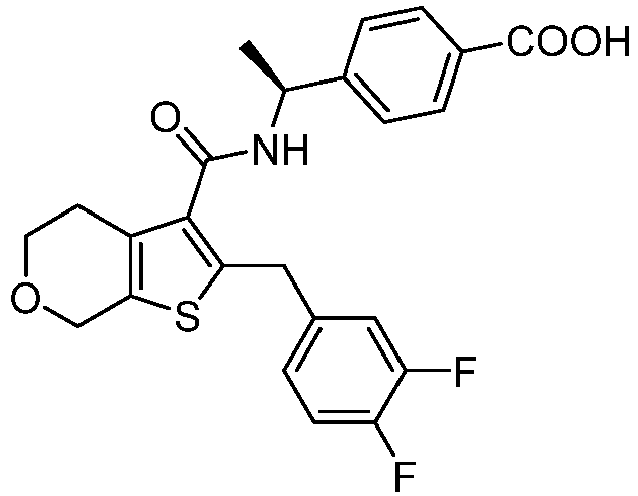
- Compound YJ127 (81%, yield of final step) was finally prepared following the same chemical reaction procedure as the preparation of compound YJ114, except using 3,4-difluorobenzaldehyde instead of p-fluorobenzaldehyde. 1H NMR (500 MHz, DMSO) δ 12.85 (s, 1H), 8.77 (d, J = 8.0 Hz, 1H), 7.89 (d, J = 8.2 Hz, 2H), 7.46 (d, J = 8.2 Hz, 2H), 7.34 - 7.27 (m, 1H), 7.26 - 7.17 (m, 1H), 7.00 (s, 1H), 5.19 - 5.11 (m, 1H), 4.65 (s, 2H), 4.12 (m, J = 31.8, 15.6 Hz, 2H), 3.83 (m, J = 8.2, 5.5 Hz, 2H), 2.63 (s, 2H), 1.42 (d, J = 7.0 Hz, 3H).
-

- Compound YJ128 (85%, yield of final step) was finally prepared following the same chemical reaction procedure as the preparation of compound YJ114, except using 4-methoxybenzaldehyde instead of p-fluorobenzaldehyde. 1H NMR (500 MHz, DMSO) δ 12.05 (s, 1H), 8.72 (d, J = 8.1 Hz, 1H), 7.90 (d, J = 8.2 Hz, 2H), 7.48 (d, J = 8.2 Hz, 2H), 7.04 (d, J = 8.5 Hz, 2H), 6.78 (d, J = 8.5 Hz, 2H), 5.20 - 5.11 (m, 1H), 4.62 (s, 2H), 4.04 (m, J = 48.1, 15.5 Hz, 2H), 3.81 (m, J = 11.0, 5.7 Hz, 2H), 3.70 (s, 3H), 2.64 - 2.58 (m, 2H), 1.43 (d, J = 12.6 Hz, 3H).
-

- Compound YJ129 (85%, yield of final step) was finally prepared following the same chemical reaction procedure as the preparation of compound YJ120, except using 3-(trifluoromethyl)benzaldehyde instead of p-fluorobenzaldehyde. 1H NMR (500 MHz, DMSO) δ 12.73 (s, 1H), 8.76 (t, J = 6.0 Hz, 1H), 7.81 (d, J = 8.0 Hz, 2H), 7.64 (s, 1H), 7.61 - 7.55 (m, 1H), 7.51 (d, J = 5.0 Hz, 2H), 7.23 (d, J = 8.0 Hz, 2H), 4.63 (s, 2H), 4.44 (d, J = 6.0 Hz, 2H), 4.29 (s, 2H), 3.82 (t, J = 5.5 Hz, 2H), 2.65 (t, J = 5.1 Hz, 2H).
-

- Compound YJ130 (90%, yield of final step) was finally prepared following the same chemical reaction procedure as the synthesis of compound YJ114, except using methyl 4-(aminomethyl)cyclohexane-1-carboxylate hydrochloride instead of methyl (S)-4-(1-aminoethyl)benzoate. 1H NMR (500 MHz, DMSO) δ 12.02 (s, 1H), 8.16 (t, J = 5.4 Hz, 1H), 7.38 - 7.19 (m, 2H), 7.11 (t, J = 8.8 Hz, 2H), 4.62 (s, 2H), 4.14 (s, 2H), 3.82 (t, J = 5.3 Hz, 2H), 3.06 (t, J = 6.1 Hz, 2H), 3.06 (t, J = 6.1 Hz, 2H), 2.61 (s, 2H), 1.87 (d, J = 11.1 Hz, 2H), 1.73 (d, J = 11.4 Hz, 2H), 1.43 (d, J = 8.2 Hz, 2H), 1.24 (dd, J = 22.8, 12.6 Hz, 2H), 0.93 (dd, J = 23.5, 11.5 Hz, 2H).
-

- Compound YJ131 (80%, yield of final step) was finally prepared following the same chemical reaction procedure as the synthesis of compound YJ114, except using methyl 4-(1-aminocyclopropyl)benzoate instead of methyl
(S)-4-(1-aminoethyl)benzoate. 1H NMR (500 MHz, DMSO) δ 12.81 (s, 1H), 8.96 (s, 1H), 7.82 (d, J = 8.3 Hz, 2H), 7.23 (m, J = 11.4, 5.6 Hz, 4H), 7.12 (t, J = 8.8 Hz, 2H), 4.65 (s, 2H), 4.18 (s, 2H), 3.84 (t, J = 5.4 Hz, 2H), 2.67 (s, 2H), 1.31 (d, J = 4.4 Hz, 2H), 1.24 (s, 2H). - CHO-K1-Gα16 cells at the logarithmic growth phase were transfected with EP4 overexpressing vector by
Lipofectamine 2000 and then seeded in a 96-well plate (Falcon, CA) and cultured at 20000 cells per 100 µL culture medium overnight. On the second day, every single well were added with 100 µL calcium 5 detection reagents (Molecular Devices) and incubated in incubator at 37 °C, 5%CO2 for 45 minutes.The compounds were diluted in HBSS detection buffer, then added to 96-well plates. After incubated for 20 min at room temperature away from light, certain concentration of prostaglandin E2 was used to activate calcium flux of cells for detection (Flexstation 3, MD, CA). - Calculate the IC50 of the compounds of the invention in inhibiting the calcium flux of human PGE2 receptor EP4 subtype (hEP4) and mouse PGE2 receptor EP4 subtype (mEP4) (i.e.the concentration of drugs at which the intracellular Ca2+ flux is inhibited by half after overexpressing hEP4 and mEP4 rreceptors in CHO-K1-Gα16 cells). The IC50 of the drugs were calculated using GraphPad Prism 5.
- Table 2 shows the IC50 of certain compounds of the invention on calcium flux assay of human/mouse prostaglandin E2 receptor EP4 subtype. As indicated in Table 2, most of the compounds prepared by the examples of the invention showed better inhibitory effect on calcium flux of human/mouse prostaglandin E2 receptor EP4 subtype.
Table 2 hEP4 Ca2+ IC50(nM) mEP4 Ca2+ IC50(nM) E7046 A B YJ101 A B YJ102** A A YJ104** A B YJ105** B - YJ106 A A YJ107** A B YJ108** A A YJ109** A A YJ110 A A YJ111 A A YJ112 A B YJ113 A B YJ114 A A YJ115 A A YJ116 A A YJ117 B - YJ120 A A YJ121 A A YJ122 A - YJ123 A - YJ124 A - YJ125 A - YJ126 A - YJ127 A - YJ128 A - YJ129 A - YJ130 A B YJ131 A A * A:<100 nM, B : 100-1000 nM, "-" means the activity not tested
** not part of the invention - CHO-K1-Gα16 cells at the logarithmic growth phase were transfected with human prostaglandin E2 Receptor subtypes EP1, EP2 or EP3 overexpressing vector by
Lipofectamine 2000, then seeded in a 96-well plate (Falcon, CA) at a density of 20000 cells per 100 µLculture medium for overnight culture. On the second day, every single well were added with 100 µL calcium 5 detection reagents (Molecular Devices) and incubated in incubator at 37 °C, 5%CO2 for 45 minutes.The compounds were diluted with HBSS detection buffer, then were added to 96-well plates. After 20 min incubation at room temperature in the dark, prostaglandin E2 at certain concentration was used to activate calcium flux of cells for detection (Flexstation 3, MD, CA). - Calculate the IC50 of the compounds of the invention in inhibiting the calcium flux of human EP1, EP2, and EP3 receptor (i.e.the concentration of drugs at which the intracellular Ca2+ flux being inhibited by half after overexpressing human EP1, EP2, and EP3 receptors in CHO-K1-Gα16 cells). The IC50 of the drugs were calculated using GraphPad Prism 5.
- Table 3 shows the IC50 of certain compounds of the present invention on calcium flux of human prostaglandin E2 receptor EP1, EP2, and EP3 subtype. As indicated in Table 3, the inhibition IC50 of most compounds prepared by the examples of the invention on human prostaglandin E2 receptor EP1, EP2, and EP3 subtype are more than 10 µM, possessing no antagonistic activity.
Table 3 hEP1 Ca2+ IC50(µM) hEP2 Ca2+ IC50(µM) hEP3 Ca2+ IC50(µM) E7046 >10 >10 >10 YJ101 >10 >10 >10 YJ104* >10 >10 >10 YJ106 >10 >10 >10 YJ108* >10 >10 >10 YJ109* >10 >10 >10 YJ110 >10 >10 >10 YJ112 >10 >10 >10 YJ113 >10 >10 >10 YJ114 >10 >10 >10 YJ115 >10 >10 >10 YJ116 >10 >10 >10 YJ120 >10 >10 >10 YJ121 1-10 1-10 1-10 *not part of the invention - Both Example 2 and Example 3 indicated that compounds of the present invention have good specificity for EP receptors, they possess high inhibitory activity on EP4 receptor but have no antagonistic activity on EP1, EP2, and EP3 receptors.
- 293 cells at the logarithmic growth phase were transfected with EP4 receptor overexpressing plasmid and Glosensor plasmid by
Lipofectamine 2000, and incubated in incubator overnight at 37 °C with 5%CO2. On the next day, cells were digested with trypsin and resuspended at the density of 15000 cells per 20 µL using HBSS detection buffer with 2% serumand GloSensor™ cAMP reagents (Promega). Cells were added at a concentration of 4%, after mixeture, seeded in 384-well plates at 20 µl/ well and incubated at room temperature away from light for 1.5 hours.The compounds were diluted with HBSS detection buffer, then were added to 384-well plates. After 20 min incubation at room temperature away from light, prostaglandin E2 at certain concentration was used to activate intracellular cAMP for detection (Flexstation 3, MD, CA). - Antagonists can be categorized into competitive antagonists and noncompetitive antagonists based on their different roles. Competitive antagonists of EP4 receptors can dose-dependently inhibit the cAMP upregulation level caused by prostaglandin E2 while the concentration of agonist prostaglandin E2 remains unchanged. When competitive antagonists reach a high concentration, they can totally inhibit the upregulation effect on cAMP caused by prostaglandin E2. At the same time, a sufficiently high concentration of prostaglandin E2 can abolish the effect of certain concentration of competitive antagonists and still make cAMP upregulated to maximum. The presence of competitive antagonists can make the concentration-response curve of the cAMP upregulation caused by prostaglandin E2 shift parallel right.
-
FIG. 1 shows concentration-response curves of certain compounds of the invention for detecting the extent of cAMP upregulation caused by human prostaglandin E2 receptor EP4 subtype. As shown inFIG. 1 , as the concentrations of Compound YJ114 prepared according to the example of the invention increases, the concentration-response curve of the cAMP upregulation caused by prostaglandin receptor E2 shift parallel right while the maximum value remain unchanged, the same mechanism as the antagonist E7046. Hence, compounds of the present invention could serve as competitive antagonists of prostaglandin E2 receptor EP4 subtype. - Positive compound E7046 used in present invention is an EP4 antagonist developed by Eisai Company in Japan. Two clinical trials are currently in Phase I, respectively the assess of the safety and drug tolerance of E7046 in patients with advanced malignancy (NCT02540291) and evaluation of safety and tolerability of E7046 in combination with preoperative chemotherapy/radiotherapy for treating patients with advanced colon cancer (NCT03152370). The first clinical trial was terminated due to licensing agreement with Hangzhou Adlai Nortye pharmaceutical company. This compound possesses good antagonistic activity (IC50=13 nM obtained by human EP4 receptor being stimulated with 8.5 nM PGE2 and then inhibited with E7046; the affinity to human EP4 receptor was 17 nM and the affinity to mouse EP4 receptor was 200 nM). E7046 is able to suppress the growth of tumor by enhance the activity of T cells and myeloid-derived cells, and it has been proven that E7046 exhibits good inhibitory effects in mouse models of colon cancer, breast cancer, pancreatic cancer and sarcoma (Oncoimmunology, 2017, 6(8): e1338239.). E7046 differs very much from the compounds of the present invention, the structure of E7046 is shown as below:

- 2×10⁶ mouse colon cancer cells CT26 were subcutaneously injected into right side of each mouse's back (female Balb/c mouse, 6-8 weeks). The length and width of subcutaneous tumors in the back of mice were measured using vernier calipers, and tumor volume (mm3)=(length(mm) x width(mm) x width(mm) x π)/6 was calculated. When the tumor volume reached 100-200 mm3, mice were separated into 7 groups randomly including negative control group, E7046 positive control group (75 mg/kg/day), Compound YJ106 treated group (75 mg/kg/day), Compound YJ114 treated group (75 mg/kg/day), Compound YJ115 treated group(75 mg/kg/day), Compound YJ116 treated group (75 mg/kg/day), and Compound YJ120 treated group (75 mg/kg/day), respectively. The volume of subcutaneous tumors on the back of mice was measured and counted twice a week. Continuous administrated for a period of 14 days and the changes of tumor volumes were recorded.
- The results in
FIG. 3 showing the inhibitory effect of compounds of the present invention on the growth of colon cancer in mice after two-week administration. Compared to the negative control group, groups of compound YJ106, compound YJ114, compound YJ115, compound YJ116 and compound YJ120 were able to suppress the growth of Subcutaneous tumor-bearing colon cancer with a dosage of 75 mg/kg/day. The inhibitory effect of the compounds of the invention is comparable with that of E7046 at the same dosage. After statistical analysis and verification, the P values between the tumor volume of treated groups (compound YJ106, compound YJ114, compound YJ115, compound YJ116 and compound YJ120) and that of negative control group are < 0.05 (P value is a parameter used in statistical analysis for determining the results of hypothesis test results, the smaller the P value is, the more significant the result is), that is to say there are significant differences. These results of statistical analysis are the same as E7046 positive control group . - Mouse colon cancer cells MC38, pancreatic cancer cells Pan02, breast cancer cells 4T1, prostate cancer cells RM-1 and colon cancer cells CT26 were cultivated to required amount. Then, cells at a cell density of 5×10⁵-2×10⁶ were subcutaneously injected into right side of the back of selected female C57BL/6 mice aging 6-8 weeks (MC38, Pan02), male C57BL/6 mice aging 6-8 weeks (RM-1), female Balb/c mice aging 6-8 weeks (4T1, CT26) and female Balb/c nude mice aging 6-8 weeks (CT26). The length and width of subcutaneous tumors in the backs of mice were measured using vernier calipers, and tumor volume(mm3)= (length(mm) x width(mm) x width(mm) x π)/6 was calculated. When the tumor volume reached 100-200 mm3, the mice were divided into two groupsrandomly, including negative control group and Compound YJ114 treated group (75 mg/kg/day). The volume of subcutaneous tumors on the back of mice was measured and counted 2-4 times a week. Continuous administrated for 12 -22 days and the changes of tumor volumes were recorded.
- The results in
FIG. 4 showing the inhibitory effects of Compound YJ114 on the growth of various mouse tumors after 12 to 22 - day administration. Compared to the negative control group, Compound YJ114 with a dosage of 75mg/kg/day can efficiently inhibit the growth of mouse colon cancer cells MC38, pancreatic cancer cells Pan02, breast cancer cells 4T1, prostate cancer cells RM-1 and colon cancer cells CT26 in subcutaneous tumor-bearing mice. After statistical analysis and verification, all of the P values between the tumor volume of each Compound YJ114 treated group and that of negative control group are < 0.05, that is to say there are significant differences. However, in the CT26 cell subcutaneous tumor-bearing model of Balb/c nude mice with immune system deficiency, Compound YJ114 of the invention at a dosage of 75 mg / kg / day can not inhibit the tumor growth, the P value between the tumor volume of treated group and that of negative control group is > 0.05 and there is no significant difference. - These results above showed that Compound YJ114 can significantly suppress tumor growth in mouse subcutaneous tumor-bearing model with an intact immune system, while Compound YJ114 is unable to suppress tumor growth in Balb/c nude mice with immune deficiency. It is indicated that Compound YJ114 of the invention relies on intact immune system to inhibit tumor growth in vivo.
- Mouse osteosarcoma cells MOSJ, pancreatic cancer cell PANC02, breast cancer cells EMT-6, lung cancer cells LLC, intestinal cancer cells CT26, and human renal epithelial cell line 293 transfected with adenovirus E1A gene (Tool Cell 293) were used for the cytotoxicity evaluation of E7046 and the compounds of the invention. Cells with a density of 2000-8000 cells per 100 µL medium were seeded in 96-well plates (Falcon, CA) and incubated for 24 hours, then treated with drugs having different concentration gradient (at least 4 replicates per concentration) and incubated at 37 °C in 5% CO2 incubator for 72 hours. Then cell viability was detected by CCK8 method. That is to say, add 10 µL CCK8 to each well and incubate for 0.33-2 h, and the OD values are read by microplate reader at 450 nm. The inhibition rate on cell survival of compounds with each concentration were calculated.
- Inhibition rate on cell survival = (OD value of groups with each concentration/ OD value of control group) x100% ± standard deviation.
- Compound's IC50 for cell growth inhibition (the concentration at which 50% of the test cells growth are inhibited is IC50) were further calculated. The IC50 of drugs were calculated using GraphPad Prism 5.0.
- Table 4 showed the IC50 values of certain compounds prepared by the examples of the invention for inhibiting the growth of mouse cancer cells and tool cells 293.
- As shown in Table 4, IC50 of most of compounds of the invention on mouse cancer cells and tool cells 293 are > 100 µM. The above results showed that compounds of the invention have no killing effect on cancer cells themselves. Therefore, it is speculated that the in vivo inhibitory effects of compounds on tumor growth were obtained via immune system.
Table 4 Cytotoxicity-MTS IC50(nM) MOSJ PANC02 EMT-6 LLC CT-26 293 E7046 > 105 > 105 > 105 >105 > 105 > 105 YJ101 > 105 > 105 > 105 >105 > 105 > 105 YJ104* > 105 > 105 > 105 >105 > 105 > 105 YJ106 > 105 > 105 > 105 >105 > 105 > 105 YJ108* > 105 > 105 > 105 >105 > 105 > 105 YJ 109 * > 105 > 105 > 105 >105 > 105 > 105 YJ110 > 105 > 105 > 105 >105 > 105 > 105 YJ112 > 105 > 105 > 105 >105 > 105 > 105 YJ113 > 105 > 105 > 105 >105 > 105 > 105 YJ114 > 105 > 105 > 105 >105 > 105 > 105 YJ115 > 105 > 105 > 105 >105 > 105 > 105 YJ116 > 105 > 105 > 105 >105 > 105 > 105 YJ 120 > 105 > 105 > 105 >105 > 105 > 105 YJ121 104-105 104-105 104-105 104-105 104-105 104-105 gemcitabine - 72.6±0.3 - 5.3±0.2 16.0±0.1 5.1±0.1 * not part of the invention - 6-8 weeks BALB/c mice were sacrificed by cervical dislocation and immersed in 75% ethanol for 5 minutes. The bilateral femur and tibia were isolated, and soaked in sterile PBS after fully peeling off the attached muscles. Each end of bone was cut off under sterile condition. The bone marrow cavity was repeatedly flushed with RPMI 1640 medium (Gibco) drawn by 1 mL syringe until the color of the bones turned white. Collected myeloid cells suspension was filtrated with 40 µm filter to remove tissue fragments, and the cells were fully dispersed. Centrifuge at 1000 rpm for 5 minutes, the supernatant was discarded, erythrocytes were fully lysed by adding red blood cells lysis buffer and then centrifuged. The cells was re-suspended to a density of 1×10⁶ cells/mL with RPMI-1640 medium, and seeded into 6-well plate (corning) at 4 mL/well, added GM-CSF (10 ng/mL) and IL-4 (5 ng/mL) (Sigma, MO), and added prostaglandin E2 and test compounds with different treat conditions at the same time. After cultured for 2 days, replace with the culture medium with the same conditions as above. On the 4th and 6th day, half-volume exchange was performed. When cultured to the 8th day, suspension cells and adherent cells were collected and incubated with F4/80 (macrophage surface marker) and CD11c (DC surface marker) for 30 minutes, after that analysis was performed with flow cytometry(FACS Calibur, BD Biosciences).
-
FIG. 2 shows the evaluation of the effect of compound YJ114 of present invention on the differentiation of mouse bone marrow cells. All of DC (Dendritic cells), MDSC and tumor-associated macrophages are derived from bone marrow mononuclear cells. While in clinical patient tumors, the level of prostaglandin E2 (PGE2) often positively correlates with the accumulation of immunosuppressive cells MDSC and M2 tumor-associated macrophage. Hence, we further tested whether compound YJ114 of the invention affects the differentiation of myeloid cells to antigen presenting cells. As indicated inFIG. 2 , the addition of 100 nM PGE2 can significantly suppress the generation of GM-CSF/IL-4-induced DC. However, the addition of 100 nM PGE2 as well as Compound YJ114 of the invention at the same time can abolish the inhibitory effect of PGE2 against the generation of DC and shows a good concentration-dependence.Compared with the same concentration of the antagonist E7046, compound YJ114 of the invention showed a better efficacy on regulation of the differentiation of mouse bone marrow cells.
Claims (15)
- A compound of formula (I):
 Ⓐ and Ⓑ are each independently selected from the group consisting of C3-C6 carbon ring, benzene ring, and 5- or 6-membered heteroaromatic ring having one or more O, N, S atoms, wherein Ⓐ and Ⓑ can be optionally substituted by 1 to 3 R5 substituents;Ⓒis a substituted or unsubstituted ring selected from the group consisting of a 4-7 membered saturated heterocyclic ring, wherein the heterocyclic ring comprises one or more heteroatoms selected from O;Xis -S-;Y is absent, or a group selected from the group consisting of -CH2-, -O-, -S-, -SO-, -SO2-, and -N(R8)-;B1 and B2 are groups each independently selected from the group consisting of absent, C1-C6 alkylene, C2-C6 alkenylene, C2-C6 alkynylene; and B1, B2 and Y are not absent at the same time;R1 is one or more group selected from the group consisting of H, C1-C6 alkyl, halogen, nitro, -N(R9)(R10), -OH, -CN, C1-C6 haloalkyl, C1-C6 alkoxy, and C1-C6 haloalkoxy;R2 and R3 are each independently selected from the group consisting of H, halogen, C1-C6 alkyl, C1-C6 haloalkyl, and C3-C6 cycloalkyl; or R2, R3 together with the carbon atom to which they are attached form 3 to 6 membered ring, which is carbon ring or heterocyclic ring including 1 to 3 heteroatoms selected from O, S or N(R11);R4 is -COOR12,R5 is selected from: H, halogen, C1-C6 alkyl, C1-C6 haloalkyl, C3-C6 cycloalkyl, and C1-C6 alkoxy;R12 is selected from the group consisting of H and C1-C6 alkyl;R8, R9, R10 and R11 are each independently selected from: H, C1-C6 alkyl, C1-C6 haloalkyl, C3-C6 cycloalkyl, C3-C6 halocycloalkyl, C6-C10 aryl, 5- or 6- membered heteroaryl,
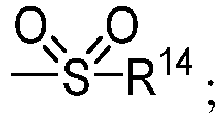 unless otherwise specified, one or more hydrogen atoms of the substituted groups are substituted with substituent(s) selected from the group consisting of F, Cl, Br, I, hydroxyl, methyl, ethyl, isopropyl, methoxy, ethoxy, trifluoromethyl, difluoromethoxy, trifluoromethoxy, nitro, -CN, oxo (= O);R13 and R14 are each independently selected from: H, C1-C6 alkyl, C6-C10 aryl, C1-C6 alkylene, and -C6-C10 aryl.
 - The compound of claim 1, or pharmaceutically acceptable salts or hydrates thereof, whereinis a substituted or unsubstituted 6-membered oxa-heterocycle.

- The compound of claim 1, or pharmaceutically acceptable salts or hydrates thereof, wherein

 wherein one of J, K, and L is -O-; and the rest of J, K, and L are selected from the group consisting of -CH2-, -CH(CH3)-, -CH(CH2CH3)-, -C(CH3)2-,

 wherein one of M, N, P, and Q is -O-; and the rest of M, N, P, and Q are each independently selected from the group consisting of -CH2-, -CH(CH3)-, -CH(CH2CH3)-, -C(CH3)2-, and
 or
or
 wherein one of R, S, T, U, and V is -O-; and the rest of R, S, T, U, and V are each independently selected from the group consisting of -CH2-, -CH(CH3)-, -CH(CH2CH3)-, -C(CH3)2-, and
- The compound of claim 1, or pharmaceutically acceptable salts or hydrates thereof, wherein 1 or 2 hydrogen atoms on the ring Ⓒ is substituted by a substituent selected from the group consisting of methyl, ethyl, and isopropyl.
- The compound of claim 1, or pharmaceutically acceptable salts or hydrates thereof, wherein

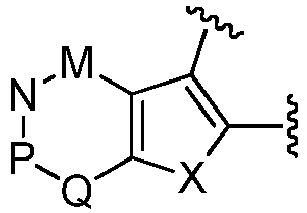 wherein one of M, N, P, and Q is -O-; and the rest of M, N, P, and Q are each independently selected from the group consisting of -CH2-, -CH(CH3)-, -CH(CH2CH3)-, -C(CH3)2-, and
 X is -S-.
 - The compound of claim 1, or pharmaceutically acceptable salts or hydrates thereof, wherein Ⓐ and Ⓑ are each independently selected form the group consisting of benzene ring, and 5- or 6-membered heteroaromatic ring comprising one or more O, N, S atoms, wherein Ⓐ and Ⓑ can optionally be substituted by 1 to 3 R5 substituents.
- The compound of claim 1, or pharmaceutically acceptable salts or hydrates thereof, wherein Ⓐand Ⓑ are are each independently selected from the group consisting of benzene ring, and 5- or 6-membered heteroaromatic ring, wherein 5- or 6-membered heteroaromatic ring is selected form the group consisting of pyridine, pyrimidine, thiazole, isothiazole, furan, thiophene, and pyrrole; wherein Ⓐ and Ⓑ can optionally be substituted by 1 to 3 R5 substituents.
- The compound of claim 1, or pharmaceutically acceptable salts or hydrates thereof, wherein R4 is selected from any one of the following groups: -COOH, -COOCH3, -COOCH2CH3, -COOCH2CH2CH3, -COOCH(CH3)2.
- The compound of claim 1, or pharmaceutically acceptable salts, or hydrates thereof, wherein,
B1 and B2 are each independently selected from the group consisting of -(CH2)n-, wherein n=0, 1, 2, 3 or 4, -CH=CH-, -CH=CH-CH2-, -CH2-CH=CH-, -CH=CH-CH2-CH2-, -CH2-CH=CH-CH2-, -CH2-CH2-CH=CH-; -C≡C-, -C≡C-CH2-, -CH2-C≡C-, -C≡ C-CH2-CH2-, -CH2-C≡C-CH2-, -CH2-CH2-C≡C-, provided that B1 and B2 are not -(CH2)n- at the same time, wherein n=0. - The compound of claim 1, or pharmaceutically acceptable salts or hydrates thereof, wherein B2 is -(CH2)n-, wherein n=0, and B1 is selected from the group consisting of -(CH2)n-; wherein n=1, 2, 3 or 4, -CH=CH-, -CH=CH-CH2-, -CH2-CH=CH-, -CH=CH-CH2-CH2-, -CH2-CH=CH-CH2-, -CH2-CH2-CH=CH-; -C=C-, -C=; and Y is absent.
- The compound of claim 1, or pharmaceutically acceptable salts or hydrates thereof, wherein the compound is selected from the group consisting of:


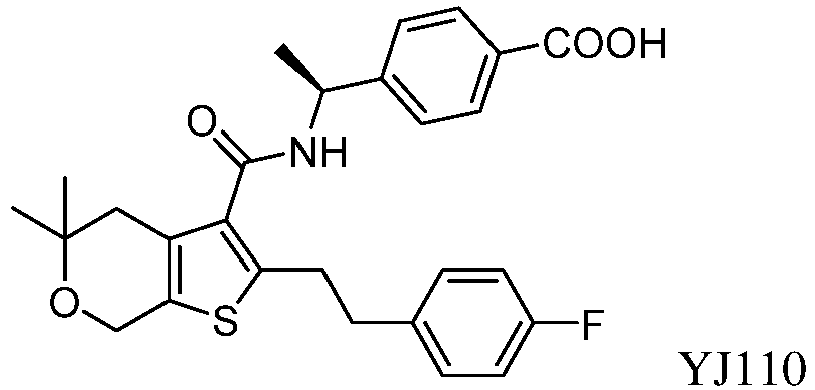

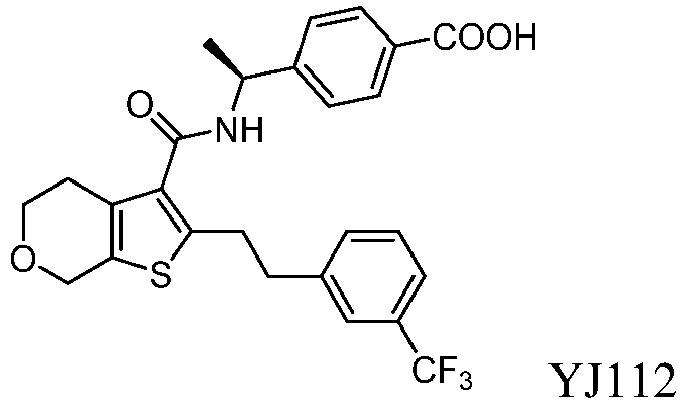


- A pharmaceutical composition, wherein the pharmaceutical composition comprises: a therapeutically effective amount of the compound of formula (I) according to claim 1, or pharmaceutically acceptable salts or hydrates thereof; and pharmaceutically acceptable carriers.
- The compound of formula (I) according to claim 1, or pharmaceutically acceptable salts or hydrates thereof for use in:(i) antagonizing prostaglandin receptor -4 (EP4);(ii) inhibiting prostaglandin PGE 2;(iii) enhancing in vivo immunocompetence of human or mammals, or preventing and /or treating prostaglandin PGE2-mediated diseases;(iv) reducing side effects of non-steroidal anti-inflammatory drugs and cyclooxygenase-2 inhibitors against cardiovascular systems and gastrointestinal systems.
- The compound for the use of claim 13, wherein the prostaglandin PGE2-mediated diseases are selected from the group consisted of autoimmune diseases, allergy, inflammation, bone diseases, acute or chronic pain, and tumor.
- The compound for the use of claim 14, wherein the tumor is selected from the group consisting of liver cancer, lung cancer, prostate cancer, skin cancer, colon cancer, pancreatic cancer, breast cancer, leukemia, lymphoma, ovarian cancer, stomach cancer, bladder cancer, kidney cancer, oral cancer, melanoma, esophageal cancer, lymphoma, and cervical cancer.
Applications Claiming Priority (2)
| Application Number | Priority Date | Filing Date | Title |
|---|---|---|---|
| CN201711206672.8A CN109836434B (en) | 2017-11-27 | 2017-11-27 | Thieno-ring compound and synthesis method and application thereof |
| PCT/CN2018/117235 WO2019101171A1 (en) | 2017-11-27 | 2018-11-23 | Thienocyclic compound and synthesis method therefor and application thereof |
Publications (3)
| Publication Number | Publication Date |
|---|---|
| EP3736276A1 EP3736276A1 (en) | 2020-11-11 |
| EP3736276A4 EP3736276A4 (en) | 2021-03-31 |
| EP3736276B1 true EP3736276B1 (en) | 2023-03-01 |
Family
ID=66631353
Family Applications (1)
| Application Number | Title | Priority Date | Filing Date |
|---|---|---|---|
| EP18880604.6A Active EP3736276B1 (en) | 2017-11-27 | 2018-11-23 | Thienocyclic compound and synthesis method therefor and application thereof |
Country Status (5)
| Country | Link |
|---|---|
| US (1) | US20210139497A1 (en) |
| EP (1) | EP3736276B1 (en) |
| JP (1) | JP7044281B2 (en) |
| CN (1) | CN109836434B (en) |
| WO (1) | WO2019101171A1 (en) |
Families Citing this family (7)
| Publication number | Priority date | Publication date | Assignee | Title |
|---|---|---|---|---|
| CN110386941A (en) * | 2019-08-15 | 2019-10-29 | 上海邦耀生物科技有限公司 | EP4 receptor antagonist and PD-1 inhibitor joint are used for the treatment of cancer |
| CN113087719B (en) | 2020-02-05 | 2024-01-26 | 上海宇耀生物科技有限公司 | Polymorphic form of an EP4 receptor antagonist and its preparation method and use |
| CN113318103A (en) * | 2020-02-28 | 2021-08-31 | 华东师范大学 | Application of small molecular compound YJ-5-41 in preparation of anti-gastric cancer drugs |
| KR20230107228A (en) | 2020-11-13 | 2023-07-14 | 오노 야꾸힝 고교 가부시키가이샤 | Cancer treatment by combination of EP4 antagonists and immune checkpoint inhibitors |
| CN112608271A (en) * | 2020-11-26 | 2021-04-06 | 安润医药科技(苏州)有限公司 | Amide derivatives and their use in the preparation of EP4 receptor antagonists |
| US20230399339A1 (en) * | 2021-01-28 | 2023-12-14 | Shenzhen Zhongge Biological Technology Co., Ltd. | Heterocyclic amide derivative, preparation method therefor, and application thereof |
| UY39890A (en) * | 2021-08-10 | 2023-03-31 | Jacobio Pharmaceuticals Co Ltd | P53 MUTANT TARGET COMPOUNDS |
Family Cites Families (10)
| Publication number | Priority date | Publication date | Assignee | Title |
|---|---|---|---|---|
| WO1995009623A1 (en) * | 1993-10-01 | 1995-04-13 | Smithkline Beecham Corporation | Anti-allergic, anti-inflammatory compounds, compositions and uses |
| WO2006044826A2 (en) * | 2004-10-20 | 2006-04-27 | Compass Pharmaceuticals Llc | Thiophens and their use as anti-tumor agents |
| GB0601962D0 (en) * | 2006-01-31 | 2006-03-15 | Ucb Sa | Therapeutic agents |
| GB0616214D0 (en) * | 2006-08-15 | 2006-09-27 | Ucb Sa | Therapeutic Agents |
| WO2008028094A1 (en) * | 2006-08-31 | 2008-03-06 | Abbott Laboratories | Compounds as cb2 cannabinoid receptor ligands |
| EP2460787A1 (en) * | 2007-07-03 | 2012-06-06 | Astellas Pharma Inc. | Amide compounds and their use as PGE2 antagonists. |
| US8598355B2 (en) * | 2008-05-14 | 2013-12-03 | Astellas Pharma Inc. | Amide compound |
| US8404736B2 (en) * | 2008-08-14 | 2013-03-26 | Beta Pharma Canada Inc. | Heterocyclic amide derivatives as EP4 receptor antagonists |
| BR112012020236A2 (en) * | 2010-02-22 | 2016-05-17 | Raqualia Pharma Inc | use of a compound with ep4 antagonistic activity or a pharmaceutically acceptable salt thereof, use of a compound of formula (i), (ii), (iii), (iv), (va) or (vb), or a salt pharmaceutically acceptable drug thereof, pharmaceutical composition and method for treating il-23 mediated diseases in an animal subject, including a mammalian subject |
| US8765803B1 (en) * | 2011-03-02 | 2014-07-01 | Stc.Unm | Rab7 GTPase inhibitors and related methods of treatment |
-
2017
- 2017-11-27 CN CN201711206672.8A patent/CN109836434B/en active Active
-
2018
- 2018-11-23 US US16/767,034 patent/US20210139497A1/en active Pending
- 2018-11-23 JP JP2020545845A patent/JP7044281B2/en active Active
- 2018-11-23 WO PCT/CN2018/117235 patent/WO2019101171A1/en not_active Ceased
- 2018-11-23 EP EP18880604.6A patent/EP3736276B1/en active Active
Also Published As
| Publication number | Publication date |
|---|---|
| WO2019101171A1 (en) | 2019-05-31 |
| US20210139497A1 (en) | 2021-05-13 |
| JP2021504457A (en) | 2021-02-15 |
| CN109836434B (en) | 2020-09-25 |
| CN109836434A (en) | 2019-06-04 |
| EP3736276A4 (en) | 2021-03-31 |
| EP3736276A1 (en) | 2020-11-11 |
| JP7044281B2 (en) | 2022-03-30 |
Similar Documents
| Publication | Publication Date | Title |
|---|---|---|
| EP3736276A1 (en) | Thienocyclic compound and synthesis method therefor and application thereof | |
| DK2588457T3 (en) | PYRAZOLOQUINOLINDERIVATER as DNA-PK inhibitors | |
| WO2012070015A1 (en) | Inhibitors of the activity of complex iii of the mitochondrial electron transport chain and use thereof for treating diseases | |
| JP2013522249A (en) | Morpholinylquinazoline | |
| JP2016169161A (en) | New imidazopyridine compounds | |
| KR20150085053A (en) | Heterocyclic glutaminase inhibitors | |
| JPS63502031A (en) | Hydroxy and aminothiozolyl-benzodiazinone compounds, cardiotonic compositions containing the same, and uses thereof | |
| US20150274633A2 (en) | Pain relief compounds | |
| JP6850361B2 (en) | Compounds that selectively inhibit kinases and their use | |
| US20080051463A1 (en) | Anthracene compounds and their use for treating benign and malignant tumor disorders | |
| US11071738B2 (en) | Therapeutic agent for fatty liver diseases and therapeutic agent for adiposity | |
| US7015246B2 (en) | Benzofuran derivatives | |
| CN114630827B (en) | Estrogen-related receptor α (ERRα) modulators | |
| EP3994138B1 (en) | Estrogen-related receptor alpha (erralpha) modulators | |
| TWI516265B (en) | Compound and pharmaceutical composition as channel inhibitor and use thereof | |
| EP3388419A1 (en) | Gli1 inhibitors and uses thereof | |
| CA2407755A1 (en) | Inhibition of vegf secretion | |
| EP4506346A1 (en) | Thiobenzimidazole derivative or pharmaceutically acceptable salt thereof, and use thereof | |
| KR20210142555A (en) | Pharmaceutical composition for preventing or treating pancreatic cancer associated with ron mutation and method using the same | |
| CN117986202B (en) | 1,2, 4-Thiadiazolidine-3, 5-dione compound with PTPN2 inhibitory activity, and preparation method and application thereof | |
| US20070167515A1 (en) | Pyranone derivatives useful for treating cancer | |
| US12459938B2 (en) | ORAI channel inhibitors | |
| TW202521112A (en) | Novel compound, and a pharmaceutical composition for the prevention or treatment of cancer or tumors comprising the same | |
| HK40069843B (en) | Estrogen-related receptor alpha (erralpha) modulators | |
| HK40069843A (en) | Estrogen-related receptor alpha (erralpha) modulators |
Legal Events
| Date | Code | Title | Description |
|---|---|---|---|
| STAA | Information on the status of an ep patent application or granted ep patent |
Free format text: STATUS: THE INTERNATIONAL PUBLICATION HAS BEEN MADE |
|
| PUAI | Public reference made under article 153(3) epc to a published international application that has entered the european phase |
Free format text: ORIGINAL CODE: 0009012 |
|
| STAA | Information on the status of an ep patent application or granted ep patent |
Free format text: STATUS: REQUEST FOR EXAMINATION WAS MADE |
|
| 17P | Request for examination filed |
Effective date: 20200626 |
|
| AK | Designated contracting states |
Kind code of ref document: A1 Designated state(s): AL AT BE BG CH CY CZ DE DK EE ES FI FR GB GR HR HU IE IS IT LI LT LU LV MC MK MT NL NO PL PT RO RS SE SI SK SM TR |
|
| AX | Request for extension of the european patent |
Extension state: BA ME |
|
| REG | Reference to a national code |
Ref country code: DE Ref legal event code: R079 Ref document number: 602018046809 Country of ref document: DE Free format text: PREVIOUS MAIN CLASS: C07D0495040000 Ipc: C07D0333680000 |
|
| DAV | Request for validation of the european patent (deleted) | ||
| DAX | Request for extension of the european patent (deleted) | ||
| A4 | Supplementary search report drawn up and despatched |
Effective date: 20210301 |
|
| RIC1 | Information provided on ipc code assigned before grant |
Ipc: C07D 333/78 20060101ALI20210223BHEP Ipc: A61K 31/381 20060101ALI20210223BHEP Ipc: C07D 495/04 20060101ALI20210223BHEP Ipc: A61P 37/08 20060101ALI20210223BHEP Ipc: A61P 19/00 20060101ALI20210223BHEP Ipc: A61K 31/382 20060101ALI20210223BHEP Ipc: A61P 35/00 20060101ALI20210223BHEP Ipc: A61P 35/02 20060101ALI20210223BHEP Ipc: A61P 37/00 20060101ALI20210223BHEP Ipc: A61P 29/00 20060101ALI20210223BHEP Ipc: C07D 333/80 20060101ALI20210223BHEP Ipc: C07D 333/68 20060101AFI20210223BHEP Ipc: A61P 37/02 20060101ALI20210223BHEP |
|
| RAP3 | Party data changed (applicant data changed or rights of an application transferred) |
Owner name: SHANGHAI YUYAO BIOTECH LTD. |
|
| STAA | Information on the status of an ep patent application or granted ep patent |
Free format text: STATUS: EXAMINATION IS IN PROGRESS |
|
| 17Q | First examination report despatched |
Effective date: 20211117 |
|
| GRAP | Despatch of communication of intention to grant a patent |
Free format text: ORIGINAL CODE: EPIDOSNIGR1 |
|
| STAA | Information on the status of an ep patent application or granted ep patent |
Free format text: STATUS: GRANT OF PATENT IS INTENDED |
|
| INTG | Intention to grant announced |
Effective date: 20220912 |
|
| GRAS | Grant fee paid |
Free format text: ORIGINAL CODE: EPIDOSNIGR3 |
|
| GRAA | (expected) grant |
Free format text: ORIGINAL CODE: 0009210 |
|
| STAA | Information on the status of an ep patent application or granted ep patent |
Free format text: STATUS: THE PATENT HAS BEEN GRANTED |
|
| AK | Designated contracting states |
Kind code of ref document: B1 Designated state(s): AL AT BE BG CH CY CZ DE DK EE ES FI FR GB GR HR HU IE IS IT LI LT LU LV MC MK MT NL NO PL PT RO RS SE SI SK SM TR |
|
| REG | Reference to a national code |
Ref country code: GB Ref legal event code: FG4D |
|
| REG | Reference to a national code |
Ref country code: CH Ref legal event code: EP Ref country code: AT Ref legal event code: REF Ref document number: 1550900 Country of ref document: AT Kind code of ref document: T Effective date: 20230315 |
|
| REG | Reference to a national code |
Ref country code: DE Ref legal event code: R096 Ref document number: 602018046809 Country of ref document: DE |
|
| REG | Reference to a national code |
Ref country code: IE Ref legal event code: FG4D |
|
| P01 | Opt-out of the competence of the unified patent court (upc) registered |
Effective date: 20230517 |
|
| REG | Reference to a national code |
Ref country code: LT Ref legal event code: MG9D |
|
| REG | Reference to a national code |
Ref country code: NL Ref legal event code: MP Effective date: 20230301 |
|
| PG25 | Lapsed in a contracting state [announced via postgrant information from national office to epo] |
Ref country code: RS Free format text: LAPSE BECAUSE OF FAILURE TO SUBMIT A TRANSLATION OF THE DESCRIPTION OR TO PAY THE FEE WITHIN THE PRESCRIBED TIME-LIMIT Effective date: 20230301 Ref country code: NO Free format text: LAPSE BECAUSE OF FAILURE TO SUBMIT A TRANSLATION OF THE DESCRIPTION OR TO PAY THE FEE WITHIN THE PRESCRIBED TIME-LIMIT Effective date: 20230601 Ref country code: LV Free format text: LAPSE BECAUSE OF FAILURE TO SUBMIT A TRANSLATION OF THE DESCRIPTION OR TO PAY THE FEE WITHIN THE PRESCRIBED TIME-LIMIT Effective date: 20230301 Ref country code: LT Free format text: LAPSE BECAUSE OF FAILURE TO SUBMIT A TRANSLATION OF THE DESCRIPTION OR TO PAY THE FEE WITHIN THE PRESCRIBED TIME-LIMIT Effective date: 20230301 Ref country code: HR Free format text: LAPSE BECAUSE OF FAILURE TO SUBMIT A TRANSLATION OF THE DESCRIPTION OR TO PAY THE FEE WITHIN THE PRESCRIBED TIME-LIMIT Effective date: 20230301 Ref country code: ES Free format text: LAPSE BECAUSE OF FAILURE TO SUBMIT A TRANSLATION OF THE DESCRIPTION OR TO PAY THE FEE WITHIN THE PRESCRIBED TIME-LIMIT Effective date: 20230301 |
|
| REG | Reference to a national code |
Ref country code: AT Ref legal event code: MK05 Ref document number: 1550900 Country of ref document: AT Kind code of ref document: T Effective date: 20230301 |
|
| PG25 | Lapsed in a contracting state [announced via postgrant information from national office to epo] |
Ref country code: SE Free format text: LAPSE BECAUSE OF FAILURE TO SUBMIT A TRANSLATION OF THE DESCRIPTION OR TO PAY THE FEE WITHIN THE PRESCRIBED TIME-LIMIT Effective date: 20230301 Ref country code: PL Free format text: LAPSE BECAUSE OF FAILURE TO SUBMIT A TRANSLATION OF THE DESCRIPTION OR TO PAY THE FEE WITHIN THE PRESCRIBED TIME-LIMIT Effective date: 20230301 Ref country code: NL Free format text: LAPSE BECAUSE OF FAILURE TO SUBMIT A TRANSLATION OF THE DESCRIPTION OR TO PAY THE FEE WITHIN THE PRESCRIBED TIME-LIMIT Effective date: 20230301 Ref country code: GR Free format text: LAPSE BECAUSE OF FAILURE TO SUBMIT A TRANSLATION OF THE DESCRIPTION OR TO PAY THE FEE WITHIN THE PRESCRIBED TIME-LIMIT Effective date: 20230602 Ref country code: FI Free format text: LAPSE BECAUSE OF FAILURE TO SUBMIT A TRANSLATION OF THE DESCRIPTION OR TO PAY THE FEE WITHIN THE PRESCRIBED TIME-LIMIT Effective date: 20230301 |
|
| PG25 | Lapsed in a contracting state [announced via postgrant information from national office to epo] |
Ref country code: SM Free format text: LAPSE BECAUSE OF FAILURE TO SUBMIT A TRANSLATION OF THE DESCRIPTION OR TO PAY THE FEE WITHIN THE PRESCRIBED TIME-LIMIT Effective date: 20230301 Ref country code: RO Free format text: LAPSE BECAUSE OF FAILURE TO SUBMIT A TRANSLATION OF THE DESCRIPTION OR TO PAY THE FEE WITHIN THE PRESCRIBED TIME-LIMIT Effective date: 20230301 Ref country code: PT Free format text: LAPSE BECAUSE OF FAILURE TO SUBMIT A TRANSLATION OF THE DESCRIPTION OR TO PAY THE FEE WITHIN THE PRESCRIBED TIME-LIMIT Effective date: 20230703 Ref country code: EE Free format text: LAPSE BECAUSE OF FAILURE TO SUBMIT A TRANSLATION OF THE DESCRIPTION OR TO PAY THE FEE WITHIN THE PRESCRIBED TIME-LIMIT Effective date: 20230301 Ref country code: CZ Free format text: LAPSE BECAUSE OF FAILURE TO SUBMIT A TRANSLATION OF THE DESCRIPTION OR TO PAY THE FEE WITHIN THE PRESCRIBED TIME-LIMIT Effective date: 20230301 Ref country code: AT Free format text: LAPSE BECAUSE OF FAILURE TO SUBMIT A TRANSLATION OF THE DESCRIPTION OR TO PAY THE FEE WITHIN THE PRESCRIBED TIME-LIMIT Effective date: 20230301 |
|
| PG25 | Lapsed in a contracting state [announced via postgrant information from national office to epo] |
Ref country code: SK Free format text: LAPSE BECAUSE OF FAILURE TO SUBMIT A TRANSLATION OF THE DESCRIPTION OR TO PAY THE FEE WITHIN THE PRESCRIBED TIME-LIMIT Effective date: 20230301 Ref country code: IS Free format text: LAPSE BECAUSE OF FAILURE TO SUBMIT A TRANSLATION OF THE DESCRIPTION OR TO PAY THE FEE WITHIN THE PRESCRIBED TIME-LIMIT Effective date: 20230701 |
|
| REG | Reference to a national code |
Ref country code: DE Ref legal event code: R097 Ref document number: 602018046809 Country of ref document: DE |
|
| PLBE | No opposition filed within time limit |
Free format text: ORIGINAL CODE: 0009261 |
|
| STAA | Information on the status of an ep patent application or granted ep patent |
Free format text: STATUS: NO OPPOSITION FILED WITHIN TIME LIMIT |
|
| PG25 | Lapsed in a contracting state [announced via postgrant information from national office to epo] |
Ref country code: SI Free format text: LAPSE BECAUSE OF FAILURE TO SUBMIT A TRANSLATION OF THE DESCRIPTION OR TO PAY THE FEE WITHIN THE PRESCRIBED TIME-LIMIT Effective date: 20230301 Ref country code: DK Free format text: LAPSE BECAUSE OF FAILURE TO SUBMIT A TRANSLATION OF THE DESCRIPTION OR TO PAY THE FEE WITHIN THE PRESCRIBED TIME-LIMIT Effective date: 20230301 |
|
| 26N | No opposition filed |
Effective date: 20231204 |
|
| PG25 | Lapsed in a contracting state [announced via postgrant information from national office to epo] |
Ref country code: MC Free format text: LAPSE BECAUSE OF FAILURE TO SUBMIT A TRANSLATION OF THE DESCRIPTION OR TO PAY THE FEE WITHIN THE PRESCRIBED TIME-LIMIT Effective date: 20230301 |
|
| PG25 | Lapsed in a contracting state [announced via postgrant information from national office to epo] |
Ref country code: LU Free format text: LAPSE BECAUSE OF NON-PAYMENT OF DUE FEES Effective date: 20231123 |
|
| PG25 | Lapsed in a contracting state [announced via postgrant information from national office to epo] |
Ref country code: MC Free format text: LAPSE BECAUSE OF FAILURE TO SUBMIT A TRANSLATION OF THE DESCRIPTION OR TO PAY THE FEE WITHIN THE PRESCRIBED TIME-LIMIT Effective date: 20230301 Ref country code: LU Free format text: LAPSE BECAUSE OF NON-PAYMENT OF DUE FEES Effective date: 20231123 |
|
| REG | Reference to a national code |
Ref country code: BE Ref legal event code: MM Effective date: 20231130 |
|
| REG | Reference to a national code |
Ref country code: IE Ref legal event code: MM4A |
|
| PG25 | Lapsed in a contracting state [announced via postgrant information from national office to epo] |
Ref country code: IE Free format text: LAPSE BECAUSE OF NON-PAYMENT OF DUE FEES Effective date: 20231123 |
|
| PG25 | Lapsed in a contracting state [announced via postgrant information from national office to epo] |
Ref country code: BE Free format text: LAPSE BECAUSE OF NON-PAYMENT OF DUE FEES Effective date: 20231130 |
|
| PG25 | Lapsed in a contracting state [announced via postgrant information from national office to epo] |
Ref country code: IE Free format text: LAPSE BECAUSE OF NON-PAYMENT OF DUE FEES Effective date: 20231123 Ref country code: BE Free format text: LAPSE BECAUSE OF NON-PAYMENT OF DUE FEES Effective date: 20231130 |
|
| PG25 | Lapsed in a contracting state [announced via postgrant information from national office to epo] |
Ref country code: BG Free format text: LAPSE BECAUSE OF FAILURE TO SUBMIT A TRANSLATION OF THE DESCRIPTION OR TO PAY THE FEE WITHIN THE PRESCRIBED TIME-LIMIT Effective date: 20230301 |
|
| PG25 | Lapsed in a contracting state [announced via postgrant information from national office to epo] |
Ref country code: BG Free format text: LAPSE BECAUSE OF FAILURE TO SUBMIT A TRANSLATION OF THE DESCRIPTION OR TO PAY THE FEE WITHIN THE PRESCRIBED TIME-LIMIT Effective date: 20230301 |
|
| PG25 | Lapsed in a contracting state [announced via postgrant information from national office to epo] |
Ref country code: CY Free format text: LAPSE BECAUSE OF FAILURE TO SUBMIT A TRANSLATION OF THE DESCRIPTION OR TO PAY THE FEE WITHIN THE PRESCRIBED TIME-LIMIT; INVALID AB INITIO Effective date: 20181123 |
|
| PG25 | Lapsed in a contracting state [announced via postgrant information from national office to epo] |
Ref country code: HU Free format text: LAPSE BECAUSE OF FAILURE TO SUBMIT A TRANSLATION OF THE DESCRIPTION OR TO PAY THE FEE WITHIN THE PRESCRIBED TIME-LIMIT; INVALID AB INITIO Effective date: 20181123 |
|
| REG | Reference to a national code |
Ref country code: CH Ref legal event code: U11 Free format text: ST27 STATUS EVENT CODE: U-0-0-U10-U11 (AS PROVIDED BY THE NATIONAL OFFICE) Effective date: 20251201 |
|
| PG25 | Lapsed in a contracting state [announced via postgrant information from national office to epo] |
Ref country code: TR Free format text: LAPSE BECAUSE OF FAILURE TO SUBMIT A TRANSLATION OF THE DESCRIPTION OR TO PAY THE FEE WITHIN THE PRESCRIBED TIME-LIMIT Effective date: 20230301 |
|
| REG | Reference to a national code |
Ref country code: CH Ref legal event code: R18 Free format text: ST27 STATUS EVENT CODE: U-0-0-R10-R18 (AS PROVIDED BY THE NATIONAL OFFICE) Effective date: 20260106 |
|
| PGFP | Annual fee paid to national office [announced via postgrant information from national office to epo] |
Ref country code: DE Payment date: 20251119 Year of fee payment: 8 |
|
| PGFP | Annual fee paid to national office [announced via postgrant information from national office to epo] |
Ref country code: GB Payment date: 20251121 Year of fee payment: 8 |
|
| PGFP | Annual fee paid to national office [announced via postgrant information from national office to epo] |
Ref country code: IT Payment date: 20251125 Year of fee payment: 8 |
|
| PGFP | Annual fee paid to national office [announced via postgrant information from national office to epo] |
Ref country code: FR Payment date: 20251126 Year of fee payment: 8 |
|
| PGFP | Annual fee paid to national office [announced via postgrant information from national office to epo] |
Ref country code: CH Payment date: 20251201 Year of fee payment: 8 |