EP3734527A1 - Verification of cargo transportation unit position - Google Patents
Verification of cargo transportation unit position Download PDFInfo
- Publication number
- EP3734527A1 EP3734527A1 EP20172305.3A EP20172305A EP3734527A1 EP 3734527 A1 EP3734527 A1 EP 3734527A1 EP 20172305 A EP20172305 A EP 20172305A EP 3734527 A1 EP3734527 A1 EP 3734527A1
- Authority
- EP
- European Patent Office
- Prior art keywords
- tmd
- ctu
- location
- association
- tracking
- Prior art date
- Legal status (The legal status is an assumption and is not a legal conclusion. Google has not performed a legal analysis and makes no representation as to the accuracy of the status listed.)
- Granted
Links
Images




Classifications
-
- G—PHYSICS
- G06—COMPUTING OR CALCULATING; COUNTING
- G06Q—INFORMATION AND COMMUNICATION TECHNOLOGY [ICT] SPECIALLY ADAPTED FOR ADMINISTRATIVE, COMMERCIAL, FINANCIAL, MANAGERIAL OR SUPERVISORY PURPOSES; SYSTEMS OR METHODS SPECIALLY ADAPTED FOR ADMINISTRATIVE, COMMERCIAL, FINANCIAL, MANAGERIAL OR SUPERVISORY PURPOSES, NOT OTHERWISE PROVIDED FOR
- G06Q10/00—Administration; Management
- G06Q10/08—Logistics, e.g. warehousing, loading or distribution; Inventory or stock management
- G06Q10/083—Shipping
- G06Q10/0833—Tracking
-
- G—PHYSICS
- G06—COMPUTING OR CALCULATING; COUNTING
- G06Q—INFORMATION AND COMMUNICATION TECHNOLOGY [ICT] SPECIALLY ADAPTED FOR ADMINISTRATIVE, COMMERCIAL, FINANCIAL, MANAGERIAL OR SUPERVISORY PURPOSES; SYSTEMS OR METHODS SPECIALLY ADAPTED FOR ADMINISTRATIVE, COMMERCIAL, FINANCIAL, MANAGERIAL OR SUPERVISORY PURPOSES, NOT OTHERWISE PROVIDED FOR
- G06Q10/00—Administration; Management
- G06Q10/08—Logistics, e.g. warehousing, loading or distribution; Inventory or stock management
-
- G—PHYSICS
- G06—COMPUTING OR CALCULATING; COUNTING
- G06Q—INFORMATION AND COMMUNICATION TECHNOLOGY [ICT] SPECIALLY ADAPTED FOR ADMINISTRATIVE, COMMERCIAL, FINANCIAL, MANAGERIAL OR SUPERVISORY PURPOSES; SYSTEMS OR METHODS SPECIALLY ADAPTED FOR ADMINISTRATIVE, COMMERCIAL, FINANCIAL, MANAGERIAL OR SUPERVISORY PURPOSES, NOT OTHERWISE PROVIDED FOR
- G06Q10/00—Administration; Management
- G06Q10/08—Logistics, e.g. warehousing, loading or distribution; Inventory or stock management
- G06Q10/087—Inventory or stock management, e.g. order filling, procurement or balancing against orders
-
- G—PHYSICS
- G06—COMPUTING OR CALCULATING; COUNTING
- G06T—IMAGE DATA PROCESSING OR GENERATION, IN GENERAL
- G06T7/00—Image analysis
- G06T7/70—Determining position or orientation of objects or cameras
-
- H—ELECTRICITY
- H04—ELECTRIC COMMUNICATION TECHNIQUE
- H04N—PICTORIAL COMMUNICATION, e.g. TELEVISION
- H04N23/00—Cameras or camera modules comprising electronic image sensors; Control thereof
- H04N23/50—Constructional details
- H04N23/54—Mounting of pick-up tubes, electronic image sensors, deviation or focusing coils
-
- H—ELECTRICITY
- H04—ELECTRIC COMMUNICATION TECHNIQUE
- H04N—PICTORIAL COMMUNICATION, e.g. TELEVISION
- H04N23/00—Cameras or camera modules comprising electronic image sensors; Control thereof
- H04N23/90—Arrangement of cameras or camera modules, e.g. multiple cameras in TV studios or sports stadiums
Definitions
- the technician 122 may use a mobile device 124 to communicate the IDs over the cellular infrastructure 112 and the network infrastructure 114 to a tracking and monitoring server 126.
- the technician 122 can for example by scanning an optical machine-readable representation of data, such as a barcode or QR code (referred to further below simply as barcode for brevity), associate the TMD that should be connected to a particular CTU.
- the IDs can be communicated from the mobile device 124 to the tracking and monitoring server 116, which can then communicate and match the TMD ID to the associated CTU ID.
- an automated process may be utilized to perform the association of the CTU to TMD or verify previously made associations.
- TMDs having associated cameras may provide periodic or triggered image capture of their surroundings to identify nearby CTU IDs.
- a CTU that doesn't follow the GPS location of the reported shipping route when the mismatch CTU reports a GPS location near one of the CTUs with a camera, the server can trigger the camera to take an image in an attempt to identify the CTU IDs.
- the image capture may also be triggered by movement of the associated CTU, detection of movement exterior of the CTU, or by events detected by sensors associated with the CTU, such as light sensor, accelerometer, GPS, sound, or wireless emissions.
- FIG. 6 shows a method of cargo transportation unit (CTU) identifier association verification performed at a server.
- a TMD trigger to capture images or identifiers is either generated by the server 116 or self initiated by the TMD (602).
- a CTU ID, or an associated image, is received by the server from the first TMD (604) through one or more communication networks.
- the image provides an external view of the associated CTU to show the surrounding geographic area and other CTUs such as within a cargo yard or shipping vessel. If there are multiple TMDs in the area additional images may be requested or processed to aid in correlation (610). Location information from the first TMD, and other surrounding TMDs if required, are received (606).
- the second TMD can be un-unassigned from the CTU and an attempt may be made to associate it with additional TMDs in the area (624). If a failure threshold is utilized and has not been exceed (NO at 630) a location failure may be flagged for the second TMD/CTU pairing (634).
- a threshold value may enable verification of operation of a TMD by a technician if the location cannot be verified, for example if the TMD has become damaged lost power or has been removed.
Landscapes
- Business, Economics & Management (AREA)
- Engineering & Computer Science (AREA)
- Economics (AREA)
- Theoretical Computer Science (AREA)
- General Physics & Mathematics (AREA)
- Physics & Mathematics (AREA)
- Tourism & Hospitality (AREA)
- Entrepreneurship & Innovation (AREA)
- Quality & Reliability (AREA)
- Strategic Management (AREA)
- Marketing (AREA)
- Human Resources & Organizations (AREA)
- General Business, Economics & Management (AREA)
- Operations Research (AREA)
- Development Economics (AREA)
- Computer Vision & Pattern Recognition (AREA)
- Multimedia (AREA)
- Signal Processing (AREA)
- Accounting & Taxation (AREA)
- Finance (AREA)
- Mobile Radio Communication Systems (AREA)
- Position Fixing By Use Of Radio Waves (AREA)
Abstract
Description
- The present disclosure relates to tracking and monitoring devices (TMDs) for cargo transportation units (CTUs) and in particular to the verification of and association of the CTU to the TMD.
- Various technologies exist for tracking and monitoring of cargo transportation units (CTUs) during transport or shipment of cargo. These technologies utilize various types of sensors, location-determining devices such as global positioning system (GPS) units, and anti-theft monitors. These sensors, units and monitors may be wirelessly linked to a remote computing device to enable a user of the remote computing device to remotely monitor the status of the cargo or container while it is transported.
- When installing the TMD, the customer and installer must manually write down the CTU identifier (e.g. ID number painted on cargo transportation units) and match the CTU ID to the product identifier for TMD. However, the manual processes is prone to introduce human error. A mismatch between the CTU ID and the TMD can result in lost cargo or financial loss due to delays.
- Accordingly, systems and methods that enable cargo transportation unit tracking and monitoring device verification remains highly desirable.
- Further features and advantages of the present disclosure will become apparent from the following detailed description, taken in combination with the appended drawings, in which:
-
FIG. 1 shows a representation of CTU and a tracking and monitoring system; -
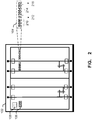
FIG. 2 shows a representation of a rear of a CTU and the CTU ID represented thereon; -
FIG. 3 shows a representation of CTU ID and TMD verification with multiple CTUs; -
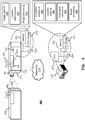
FIG. 4 shows a system for CTU identification and TMD verification; -
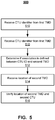
FIG. 5 shows a method of cargo transportation unit (CTU) identifier association verification performed at a server; -
FIG. 6 shows an alternative method of CTU ID association; and -
FIG. 7 shows a method of cargo transportation unit (CTU) identifier association verification, the method executed on a tracking and monitoring device (TMD). - It will be noted that throughout the appended drawings, like features are identified by like reference numerals.
- Embodiments are described below, by way of example only, with reference to
Figs. 1-7 . - In accordance with an aspect of the present disclosure there is provided a method of cargo transportation unit (CTU) identifier association verification, the method executed at a server coupled to a network, the method comprising: receiving a CTU identifier through the network provided from using a first tracking and monitoring device (TMD) associated with a first CTU; receive location of first TMD; determining if an association is defined between the received CTU identifier of a second CTU with a second TMD; receiving a location of the second TMD if the association between the second TMD and the second CTU is defined; and verifying the association of the second TMD and second CTU based on the relative locations of the first TMD to the second TMD.
- In accordance with another aspect of the present disclosure there is provided a system for verifying an association between a cargo transportation unit (CTU) and a tracking and monitoring device (TMD), the system comprising: a network interface; and a processor coupled to the network interface; a memory coupled to processor, the memory containing instructions for execution by the processor for receiving through the network from a first TMD associated with a first CTU, a CTU ID of a second CTU, wherein the system verifies the association of the second CTU with a second TMD using the location of the first TMD and second TMD.
- In accordance with still yet another aspect of the present disclosure there is provided a computer readable non-transitory memory containing instructions for verifying an association between a cargo transportation unit (CTU) and a tracking and monitoring device (TMD), the instructions executed at a server coupled to a network which when executed by a processor perform a method of: receiving a CTU identifier (ID) through the network provided from using a first tracking and monitoring device (TMD) associated with a first CTU; determining if an association is defined between the received CTU ID of a second CTU with a second TMD; receiving a location of the first TMD and the second TMD if the association between the second TMD and the second CTU is defined; and verifying the location of the second TMD and second CTU based on the relative locations of the first TMD to the second TMD.
- In accordance with still yet another aspect of the present disclosure there is provided a method of cargo transportation unit (CTU) identifier association verification, the method executed on a tracking and monitoring device (TMD), the method comprising: detecting a trigger at the TMD associated with a first CTU; capturing an image by a camera coupled to TMD on the exterior of the CTU, the image encompassing a second CTU; determining a location associated with the TMD of the first CTU; and transmitting an identifier and location to a server coupled to a network.
- In the installation process of a tracking and monitoring device (TMD) unit on a cargo transportation unit (CTU), a manual process may be performed by the customer by printing out a matrix/spreadsheet of all their un-assigned CTUs. Each TMD unit can have a peel and stick sticker of its identifier which is matched by the installer with the correct CTU. This process eliminates transcription errors, however the installer can still place the sticker in the wrong row/column by mistake. In addition, errors may occur during transport, maintenance or due to theft where the CTU ID does not match the TMD unit, or may not have an associated TMD unit at all. Alternatively, a mobile application may be utilized to take pictures for validation and automation however this process is still prone to operator error.
-
FIG. 1 shows a representation of a CTU tracking and monitoring system. Thesystem 100 is described with particular reference to atransport truck 150 and CTU 102, however, it will be apparent that the same orsimilar system 100 may be used in other environments that require remote tracking of assets. Thesystem 100 comprises aTMD 106 that is physically associated with theCTU 102. The TMD 106 may be secured to an interior or exterior portion of the CTU 102 which allows the TMD 106 to monitor conditions within the interior of the CTU 102 and also connect to an exterior camera. The TMD 106 may also include a number of internal or external sensors for monitoring the interior of the trailer. The internal sensors may include, for example temperature sensors, humidity sensors, light sensors, imaging sensors, microphones, accelerometers, gyroscopes and/or GPS receivers. The sensors can monitor the state of theCTU 102, such as the temperature as well as the location of the CTU 102. The TMD 106 may include a long range radio frequency (RF) radio, such as a satellite or cellular radio such as a 3G, 4G, 5G, etc. radio. The TMD 106 may also include an externally mounted antenna (not shown) for the radio in order to improve reception of RF signals. The TMD 106 monitors and communicates wirelessly status information to one or more servers provided remote locations. - It may be desirable to connect additional sensors to the
hub 104 to improve the monitoring abilities of the hub, or to add new monitoring abilities. For example, a number of external temperature sensors may be placed throughout the CTU 102, tire pressure sensors may be connected to the trailer tires, or internal orexternal cameras 108 may be paired to monitor the internal or external environment. The TMD 106 may establish a wireless connection with each of the sensors or camera in order to provide communication channels to periodically receive the monitored data over. The wireless connection can be established using a short range communication RF radio such as Bluetooth™, ZigBee™, and Z-Wave™ or wired directly to the TMD 106. - The TMD 106 may communicate data, including for example monitored sensor data from both internal and external sensors as well as notifications or processed information from the TMD 106, using a
cellular infrastructure 112 andnetwork infrastructure 114 to a tracking andmonitoring server 116. Themonitoring server 116 may provide a back-end server for monitoring data from multiple TMDs. In a basic implementation, the tracking and monitoring server may be provided by a web server, such as Apache™ or NGINX™, that receives data from TMDs using an HTTP POST request and stores the received data to a file. Further functionality may be provided, for example by storing received data in a database or similar technology. The monitored data may also be processed to identify possible issues or events. Additionally or alternatively the notifications may be sent to anadministration terminal 120. It will be appreciated that various monitoring and data processing functionality may be provided to meet the particular requirements of a given application. - The TMD 106 is associated with a
particular CTU 102. The CTU 102 has anidentification number 104 which is associated with a TMD 106 ID and stored in theserver 116. The identification number provides a unique identifier on the exterior of theCTU 102. In associating the CTU ID with the TMD ID a manual process may be performed by atechnician 122 to identify the CTU ID and the installed TMD ID which is stored in the association table 130. The association between the identifiers is used to track and monitor the CTU and the associated cargo but is prone to errors. - In a semi-automated process the
technician 122 may use amobile device 124 to communicate the IDs over thecellular infrastructure 112 and thenetwork infrastructure 114 to a tracking and monitoring server 126. Thetechnician 122 can for example by scanning an optical machine-readable representation of data, such as a barcode or QR code (referred to further below simply as barcode for brevity), associate the TMD that should be connected to a particular CTU. The IDs can be communicated from themobile device 124 to the tracking and monitoringserver 116, which can then communicate and match the TMD ID to the associated CTU ID. However an automated process may be utilized to perform the association of the CTU to TMD or verify previously made associations. - Once the TMD ID is identified, it is used to determine communication details for communicating with the particular TMD. For example, the communication details may include a network provider, network address, such as an Internet Protocol (IP) address, as well as other details such as encryption information, communication protocols, ports, etc. The information may be stored in an association table or TMD record, or other data storage structure, depicted schematically by association table 130.
-
FIG. 2 shows a representation of a rear of aCTU 102 and the CTUID 104 represented thereon. The CTU, such as a cargo container, will have anexternal identifier 104 for example as defined by ISO 6346 which covers the coding, identification and marking of intermodal (shipping) containers used within containerized intermodal freight transport. The standard establishes a visual identification system for every container that includes theowner 210,category identifier 212, and uniqueserial number 214 with acheck digit 216. The formatting may vary for different applications. The identification may be visible on multiple sides of the CTU. Theidentifier 104 is associated with theTMD 106 having a unique serial number to facilitate tracking. Alternatively, the CTU may be associated with a trailer identifier, such as a licence plate which can be used as the CTU ID for the purposes of this description. -
FIG. 3 shows a representation of CTU identification and TMD verification with multiple CTUs. Once theTMD 106 is associated with aspecific container identifier 104, movements of theCTU 102 can be monitored and tracked by theTMD 106 sending location information to themonitoring server 116. However during configuration manual errors in the peel and stick process causing incorrect association between the CTU and TMD or during the data collection or entry process. By utilizingcameras CTUs TMD CTUs camera 108, determining anidentifier respective containers monitoring server 116 which can verify the expected location and/or associated TMD of that particular CTU. The tracking and monitoring server may also request confirmation from the associatedTMD 306a of theCTU 302a of a location to compare the identified position with the reported position. The system enables nearby CTUs location and/or TMD associations to be validated either on installation or during transit. TMDs having associated cameras may provide periodic or triggered image capture of their surroundings to identify nearby CTU IDs. In the case of a detected mismatch between CTU and its TMD, a CTU that doesn't follow the GPS location of the reported shipping route, when the mismatch CTU reports a GPS location near one of the CTUs with a camera, the server can trigger the camera to take an image in an attempt to identify the CTU IDs. The image capture may also be triggered by movement of the associated CTU, detection of movement exterior of the CTU, or by events detected by sensors associated with the CTU, such as light sensor, accelerometer, GPS, sound, or wireless emissions. - The trigger for initiating image capture may also consider the weather conditions (streamed from a weather service), so it avoid capturing images during poor weather or poor lighting conditions. For example, images may be taken during daylight hours as night images will produce a low quality image that can result errors in the image recognition process. The CTU identifiers can be detected by an image recognition process on the TMD unit, or the unprocessed images can be provided to the tracking and
monitoring server 116. The images may be processed from TMDs and CTUs that are known or verified to the tracking andmonitoring server 116. Questionable or low quality images may be further verified by an operator of the tracking andmonitoring server 116, or a request may be generated for additional images be acquired by the TMD unit or surrounding TMD units. - Upon an installation of a TMD unit onto a CTU, the new TMD unit when powered on requests, via server or local area network, a location confirmation, that other TMD units in the area take an image to determine if other trailers or CTUs that are in co-located or within a geographic region of the CTU can be validated that it has an associated TMD unit. Alternatively, the server may initiate image acquisition by other TMD units when the new TMD unit is associated with a particular CTU during commissioning of the new TMD unit. Optical recognition can be utilized on the TMD or the server to see the CTU ID or license plate of the trailer or CTU. Location co-ordinates provided by a positioning system such as Global Positioning System (GPS) are utilized to validate the association of TMD to the CTU. If the location resolution is not sufficiently accurate local area network triangulation may be utilized to further refine the location.
- Alternatively, once the
CTU pool - TMDs may be removed from a CTU during maintenance or swapped to other CTUs. The server/system can detect incorrect associations between motion events and CTUs that should be moving based on tracking and monitoring system (TMS) data. For example, the
TMS system 116 says thatCTU 102 should be travelling from location A to location B, but instead the TMS identifies that CTU XYZ is making the trip. Verification if the TMD unit moved fromCTU 102 to XYZ can then be verified when theCTU 102 stops in a yard whereTMDs TMD system 116 detects that all the trips assigned toCTU 102 are always reported by CTU XYZ a confidence factor can be utilized. For example, if this happen 2 or 3 times, it is most likely the labels are wrong and should be identified to be checked. However, if this happen one time only, it may be an incorrect allocation on theshipment system 116 ofCTU 102 to this shipment. Also, in the scenario where thesystem 116 determines thatCTU 102 is moving which it is not supposed to move, it can be flagged that TMD ID labels have been swapped betweenCTU 102 and XZY, not just incorrectly labeled. -
FIG. 4 shows asystem 400 for CTU identification and tracking and monitoring device verification. ACTU 402 having anidentifier 404 may or may not have a TMD associated with it. ATMD 106 which is associated with anotherCTU 102 can take an image of theCTU 402 by acamera 108 coupled to theTMD 106. TheTMD 106 comprises at least aprocessing unit 410,memory 412, non-volatile (NV)storage 414 for permanent or semi-permanent storage of data and instructions and data, input/output interface 416, and a plurality ofradios 416. One ormore sensors 411 may be also provided which may be separate components in theTMD 106 or integrated within thecamera 108 or theprocessing unit 410. Theradios 416 include both a short range radio for communicating withsensors 411 as well as a long range radio for communicating with remote servers. The short range radios may be one or more radios such as for example a Bluetooth™ radio, ZigBee™ radio, or Z-Wave™ radio. The long range radios may be one or more wide area radios such as for example a satellite radio, 3G, 4G, or 5G cellular radios. Thememory 412 contains computer executable code for instructing theprocessor 410 from enablingimage capture 420,location determination 422 through GPS or wireless triangulation means andoptionally image processing 424 for extractingidentifier 104 from images that are captured. Either the captured images or extracted identifiers are transmitted via atransmitter 416 of theTMD 106. - The tracking and
monitoring server 116 receives the images or identifiers from theTMD 106. Theserver 116 comprises one ormore processors 470,memory 472,non-volatile storage 474 and input/output interface 476. Theserver 116 communicates with theTMD 102 via a wireless communications network connected thereto. Thememory 472 contains computer readable instructions for execution by theprocessor 470 to provide CTU/TMD correlation 480 functionality such as table 130, location tracking 482 for monitoring the location of CTU and TMDs, association verification between TMD and CTU IDs 484 andoptionally image processing 486. Theimage processing 486 may process images to extract CTU ID and match them to location information either provided with from the TMD or extracted from within the image. -
FIG. 5 shows a method of cargo transportation unit (CTU) identifier association. Theserver 116 receives aCTU ID 404 from a first TMD 106 (510) through a wireless network. TheTMD 106 is triggered to capture an image of its surroundings by a trigger such as a request from theserver 116, detection of movement in the surroundings orCTU 102, or a GPS position update. TheTMD 106 can sendCTU IDs 402 that were identified within the image by theTMD 106, or can provide the actual image captured by theTMD 106 for processing by theserver 116. Theserver 116 can then determine if there is an association between the identifiedCTU ID 404 and asecond TMD 406 within the system (512). If there is a paring in an association database the location of the second TMD is received (514). The location of thesecond TMD 406 may be requested by the server, previously stored, or provided periodically by theTMD 406 to theserver 116 depending on polling configurations. The location of thefirst TMD 106 can then be compared with the location of thesecond TMD 406 to verify thesecond CTU ID 404 andMTD 406 are at the correct location (516). If theCTU ID 404 is associated with theserver 116 but does not have a TMD association, the location information of theCTU 402 can be updated using the location information provided by thefirst TMD 106. Alternatively, CTU IDs that are not associated with theserver 116 can be ignored and mismatches in locations between CTU IDs and TMDs can also be identified. -
FIG. 6 shows a method of cargo transportation unit (CTU) identifier association verification performed at a server. A TMD trigger to capture images or identifiers is either generated by theserver 116 or self initiated by the TMD (602). A CTU ID, or an associated image, is received by the server from the first TMD (604) through one or more communication networks. The image provides an external view of the associated CTU to show the surrounding geographic area and other CTUs such as within a cargo yard or shipping vessel. If there are multiple TMDs in the area additional images may be requested or processed to aid in correlation (610). Location information from the first TMD, and other surrounding TMDs if required, are received (606). The received CTU ID is verified in an association database to determine if there is an associated second TMD (612) for the CTU. If the CTU ID does not have a TMD association (NO at 612), it is then determined if tracking should be provided for the CTU ID (620). For example, TMDs may only be associated with a percentage of the total CTUs tracking within the system, but tracking can be provided by leveraging the CTUs which have associated TMDs. If CTU tracking is not enabled (NO at 620) the CTU ID can be ignored (622) as it may be from another owner or operator. If the CTU tracking is enabled (YES at 620) it can then be determined if there are unassigned, or miss-assigned TMDs within the same location (624). The unassigned or miss-assigned TMD may occur during installation of the TMD units, confirmation, or during maintenance operations on the TMD or association database. If there are no unassigned TMD (NO at 624), or CTU should not have a TMD association, the location information provided by the first TMD can be associated with the CTU ID (626). If there are unassigned TMDs (YES at 624) a flag for possible second TMD/CTU ID association may be enabled to request further verification (628) of the association by additional images, time periods, location updates, or physical verification can be initiated. Alternatively, the association may be later changed based upon future updates. - If the CTU ID has an association with a second TMD (YES at 612) the location of the second TMD can be requested by the server (614) or determined from the latest position update provided by the associated TMD. If the second TMD location is co-located, within a defined geographic region or range, relative to the first TMD, that is within a define margin of error, the second TMD and CTU association and location can be marked as verified (618). If the second TMD location is not consistent with the first TMD location, a failure threshold may be optionally utilized to minimize erroneous reporting (630). If the threshold has been exceeded (YES at 630), i.e. the association has not been verified after three attempts at different locations, or a threshold is not utilized, the second TMD can be un-unassigned from the CTU and an attempt may be made to associate it with additional TMDs in the area (624). If a failure threshold is utilized and has not been exceed (NO at 630) a location failure may be flagged for the second TMD/CTU pairing (634). A threshold value may enable verification of operation of a TMD by a technician if the location cannot be verified, for example if the TMD has become damaged lost power or has been removed.
- When a position update information is provided for the second TMD identifying that it has moved or is at a new location by the first TMD or based upon routing information in the system (636) the server can trigger a request for location information of the second TMD (638). The location information can then be provided by the second TMD which can then trigger a request for images from co-located TMDs at the new location (640) to verify its new location. Alternatively the second TMD may provide images which is utilized to the presence of other known CTU IDs as the location.
- In an installation situation the process may be executed without a defined CTU/TMD association where the location of the CTU can be independently confirmed. However, it may be identified that a TMD should be associated with the CTU. Similarly, locations may be associated with CTU that don't have a TMD, but may be identified in the tracking and monitoring server particular if they are associated with an owner or operator of the CTUs that is utilizing the system.
-
FIG. 7 shows a method of cargo transportation unit (CTU) identifier association verification, the method is executed on a tracking and monitoring device (TMD). The TMD initiates the process by receiving a trigger (710). The trigger can be provided by the server (702), by motion detection by the TMD (704), at a predefined time interval (706) or when a network change or RF environment change is detected (708). Other triggers may be contemplated to initiate the process on the TMD, in addition, the process may require the TMD to have sufficient power or signal connectivity to perform the process. Images by the external camera of the TMD can then be captured (712). The images may be processed by the TMD to extract CTU identifiers, or the images may be provided to the server (714) for processing by the server to extract CTU IDs. The location of the TMD is determined by GPS (716). The location information of the TMD may be sent with the image, or extracted CTU ID, or may be sent separately (720). If operational conditions do not allow for transmission of the image or CTU IDs by the TMD, for example low battery or poor network connectivity, they may be stored and later transmitted when conditions are more favourable. - The above has described a system, devices, and methods for verifying a tracking and monitoring device to a cargo transportation unit. The system, devices and methods have been described with particular reference to a cargo transport application. The system may be used in other transport related applications, in which a cargo transportation unit is physically associated with a TMD. The transportation platform may be any transportation device that capable of being tracked by a TMD. Although the description is described with respect to CTUs, it may be utilized in asset tracking and monitoring for assets such as construction equipment.
- Although certain components and steps have been described, it is contemplated that individually described components, as well as steps, may be combined together into fewer components or steps or the steps may be performed sequentially, non-sequentially or concurrently. Further, although described above as occurring in a particular order, one of ordinary skill in the art having regard to the current teachings will appreciate that the particular order of certain steps relative to other steps may be changed. Similarly, individual components or steps may be provided by a plurality of components or steps. The techniques of various embodiments may be implemented using software, hardware and/or a combination of software and hardware other than the specific implementations described herein as illustrative examples.
- Many of the above described methods or method steps can be implemented using machine executable instructions, such as software, included in a machine readable medium such as a memory device, e.g., RAM, non-volatile memory, etc. to configure a machine, e.g., general purpose computer with or without additional hardware, to implement all or portions of the above described methods. Accordingly, among other things, various embodiments are directed to a machine-readable medium e.g., a non-transitory computer readable medium, including machine executable instructions for causing a machine, e.g., processor and/or associated hardware, to perform one or more or all of the steps of the above-described method(s). Some embodiments are directed to a device including a processor configured to implement one, multiple or all of the steps of one or more methods of the invention. Thus, the computer program product may, and sometimes does, include code for each individual step of a method, e.g., a method of operating a communications device, e.g., a wireless terminal or node. The code may be in the form of machine, e.g., computer, executable instructions stored on a computer-readable medium such as a RAM (Random Access Memory), ROM (Read Only Memory) or other type of storage device.
- For example, a computer readable non-transitory memory containing instructions for verifying an association between a cargo transportation unit (CTU) and a tracking and monitoring device (TMD) is disclosed. The instructions are executed at a server coupled to a network which when executed by a processor perform a method of: receiving a CTU identifier (ID) through the network provided from using a first tracking and monitoring device (TMD) associated with a first CTU; determining if an association is defined between the received CTU ID of a second CTU with a second TMD; receiving a location of the first TMD and the second TMD if the association between the second TMD and the second CTU is defined; and verifying the location of the second TMD and second CTU based on relative locations of the first TMD to the second TMD.
- It would be appreciated by one of ordinary skill in the art that the system and components shown in
Figures 1-7 may include components not shown in the drawings. For simplicity and clarity of the illustration, elements in the figures are not necessarily to scale, are only schematic and are non-limiting of the elements structures. It will be apparent to persons skilled in the art that a number of variations and modifications can be made without departing from the scope of the invention as defined in the claims.
Claims (15)
- A method of cargo transportation unit (CTU) identifier association verification, the method executed at a server coupled to a network, the method comprising:receiving a CTU identifier through the network provided from using a first tracking and monitoring device (TMD) associated with a first CTU;receive a location of the first TMD;determining if an association is defined between the received CTU identifier of a second CTU with a second TMD;receiving a location of the second TMD if the association between the second TMD and the second CTU is defined; andverifying the association of the second TMD and second CTU based on relative locations of the first TMD to the second TMD.
- The method of claim 1 wherein receiving the first CTU ID associated with the first CTU further comprises:receiving an image from the first TMD; andidentifying the CTU ID within the image.
- The method of claim 2 wherein the first TMD is coupled to a camera mounted on an exterior of the first CTU.
- The method of claim 3 wherein the received location from the first TMD and second TMD is provided from a Global Positioning System (GPS) receiver associated with each of the first TMD and the second TMD, wherein optionally the location of the first TMD and the second TMD are verified based upon distance range defined for the camera and a margin of error associated with the respective GPS locations.
- The method of any previous claim further comprising:detecting movement of the second CTU;determining a second location of the second TMD;determining one or more TMDs at the second location;receiving the CTU identifier associated with the second CTU;verifying if the second TMD is associated with the CTU ID of the second CTU.
- The method of any previous claim further comprising:detecting movement of the second TMD;determining a second location of the second TMD;determining at least one TMD within a defined geographic region associated with the determined second location;requesting a CTU ID from the at least one TMD;identifying the second CTU from the request CTU ID from the at least one TMD; andverifying the location of the second CTU and second TMD relative to the at least one TMD.
- The method of any previous claim wherein if the CTU ID is not associated with a respective TMD, associating a received location from the first TMD with the CTU ID.
- The method of any previous claim where if the CTU ID is not associated with a respective TMD, the method further comprising determining a location of at least one TMD located co-located in proximity to the CTU not having an associated CTU ID, and associating the at least one TMD with the CTU ID.
- The method of any previous claim wherein each TMD is mounted to a respective CTU, each TMD having a wireless interface for communicating with a tracking and monitoring server.
- The method of any previous claim wherein the CTU identifier is an ISO 6346 compliant identifier.
- A system for verifying an association between a cargo transportation unit (CTU) and a tracking and monitoring device (TMD), the system comprising:a network interface; anda processor coupled to the network interface; anda memory coupled to processor, the memory containing instructions for execution by the processor for receiving through the network from a first TMD associated with a first CTU, a CTU ID of a second CTU, wherein the system verifies the association of the second CTU with a second TMD using a location of the first TMD and second TMD.
- The system of claim 11 wherein the CTU ID is received in an image from the verified CTU, wherein optionally the first TMD extracts the CTU identifier from a received image.
- The system of claim 11 or 12 wherein the locations of the first TMD and the second TMD are determined by a Global Positioning System (GPS) locations that are compared to determine if they are co-located.
- The system of any of claims 11 to 13 wherein the memory further comprises instructions for at least one of:- detecting movement of the second TMD and determining a second location of the second CTU from a third TMD at the second location, and verifying an association between the second CTU and second TMD, and- detecting movement of the second TMD, determining a location of the second TMD and verifying of the second CTU by receiving an image from a third TMD at the determined location.
- The system of any of claims 11 to 14 wherein the second TMD is identified by a plurality of images received by a plurality of TMDs at the determined location.
Applications Claiming Priority (1)
| Application Number | Priority Date | Filing Date | Title |
|---|---|---|---|
| US16/399,223 US11847606B2 (en) | 2019-04-30 | 2019-04-30 | System and method for cargo transportation unit tracking and monitoring device verification |
Publications (2)
| Publication Number | Publication Date |
|---|---|
| EP3734527A1 true EP3734527A1 (en) | 2020-11-04 |
| EP3734527B1 EP3734527B1 (en) | 2022-09-14 |
Family
ID=70482322
Family Applications (1)
| Application Number | Title | Priority Date | Filing Date |
|---|---|---|---|
| EP20172305.3A Active EP3734527B1 (en) | 2019-04-30 | 2020-04-30 | Verification of cargo transportation unit position |
Country Status (2)
| Country | Link |
|---|---|
| US (1) | US11847606B2 (en) |
| EP (1) | EP3734527B1 (en) |
Families Citing this family (1)
| Publication number | Priority date | Publication date | Assignee | Title |
|---|---|---|---|---|
| US12286156B2 (en) * | 2020-05-08 | 2025-04-29 | Ford Global Technologies, Llc | Trailer GPS location storage and recall for hitch assist operation |
Citations (2)
| Publication number | Priority date | Publication date | Assignee | Title |
|---|---|---|---|---|
| US20190026915A1 (en) * | 2017-07-21 | 2019-01-24 | Blackberry Limited | Method and system for mapping to facilitate dispatching |
| US20190069139A1 (en) * | 2017-08-23 | 2019-02-28 | Blackberry Limited | Determining locations of cargo transportation units using image data |
Family Cites Families (16)
| Publication number | Priority date | Publication date | Assignee | Title |
|---|---|---|---|---|
| US6356802B1 (en) | 2000-08-04 | 2002-03-12 | Paceco Corp. | Method and apparatus for locating cargo containers |
| US7181312B2 (en) | 2002-04-09 | 2007-02-20 | Paceco Corp. | Method and apparatus for quay container crane-based automated optical container code recognition with positional identification |
| US8354927B2 (en) | 2002-06-11 | 2013-01-15 | Intelligent Technologies International, Inc. | Shipping container monitoring based on door status |
| SE0203906D0 (en) | 2002-12-31 | 2002-12-31 | Abb Ab | Container character recognition system |
| AU2003290493A1 (en) | 2002-12-31 | 2004-07-22 | Abb Ab | A system and a method for container identification |
| US8041469B2 (en) | 2005-01-05 | 2011-10-18 | GM Global Technology Operations LLC | Determining relative spatial information between vehicles |
| US20090174554A1 (en) | 2005-05-11 | 2009-07-09 | Eric Bergeron | Method and system for screening luggage items, cargo containers or persons |
| US7853142B2 (en) | 2005-11-14 | 2010-12-14 | System Planning Corporation | System and method for an imaging system for a container security system |
| KR100778618B1 (en) | 2006-11-13 | 2007-11-22 | 삼성에스디에스 주식회사 | Parking location confirmation system and method |
| US20140267776A1 (en) | 2013-03-15 | 2014-09-18 | MJK Holding. LLC | Tracking system using image recognition |
| US10161746B2 (en) * | 2014-08-18 | 2018-12-25 | Trimble Navigation Limited | Systems and methods for cargo management |
| US20190147398A1 (en) * | 2016-06-02 | 2019-05-16 | Wisetech Global Limited | Container tracking systems and methods |
| US10126805B2 (en) | 2016-08-08 | 2018-11-13 | Blackberry Limited | Triggering transition of a device between states |
| US20180082249A1 (en) | 2016-09-19 | 2018-03-22 | Wal-Mart Stores, Inc. | Autonomous Vehicle Content Identification System and Associated Methods |
| US20180348792A1 (en) * | 2017-06-06 | 2018-12-06 | Walmart Apollo, Llc | Systems and methods for coupling autonomous ground vehicles delivering merchandise |
| US11011063B2 (en) * | 2018-11-16 | 2021-05-18 | Toyota Motor North America, Inc. | Distributed data collection and processing among vehicle convoy members |
-
2019
- 2019-04-30 US US16/399,223 patent/US11847606B2/en active Active
-
2020
- 2020-04-30 EP EP20172305.3A patent/EP3734527B1/en active Active
Patent Citations (2)
| Publication number | Priority date | Publication date | Assignee | Title |
|---|---|---|---|---|
| US20190026915A1 (en) * | 2017-07-21 | 2019-01-24 | Blackberry Limited | Method and system for mapping to facilitate dispatching |
| US20190069139A1 (en) * | 2017-08-23 | 2019-02-28 | Blackberry Limited | Determining locations of cargo transportation units using image data |
Also Published As
| Publication number | Publication date |
|---|---|
| EP3734527B1 (en) | 2022-09-14 |
| US11847606B2 (en) | 2023-12-19 |
| US20200349501A1 (en) | 2020-11-05 |
Similar Documents
| Publication | Publication Date | Title |
|---|---|---|
| US11455870B2 (en) | Automated monitoring, detection, and reporting of unauthorized movement and/or theft of vehicles and cargo | |
| US10720061B2 (en) | Vehicle location tracking systems and methods | |
| US12389209B2 (en) | Remote identification system for the remote identification of an object | |
| US10891814B2 (en) | Mobile credential management system for vehicle key box access control | |
| US20120143397A1 (en) | Asset tracking system and method | |
| CN106204402B (en) | Real-time monitoring method of logistics status based on cloud platform | |
| KR100989081B1 (en) | Event monitoring system and method using network camera | |
| US12112592B2 (en) | System and method of device identification | |
| US20120127318A1 (en) | Surveillance system using wireless network, master sensor node, and server apparatus | |
| EP3655903B1 (en) | Method and system for mapping to facilitate dispatching | |
| US12375908B2 (en) | Method and system for chain of custody verification | |
| CN106408992B (en) | Parking lot management system | |
| KR20150098702A (en) | Patrol Management System Using Near Field Communication | |
| US20110001795A1 (en) | Field monitoring system using a mobil terminal | |
| CN102768359A (en) | Tracking system and method | |
| EP3734527B1 (en) | Verification of cargo transportation unit position | |
| CN109064084B (en) | IoT-based baggage management and control method and system | |
| JP6947107B2 (en) | Goods management system, goods management device, in-vehicle device, wireless tag, goods management method and computer program | |
| KR20160075051A (en) | System and method for tracking vehicle location | |
| KR102102827B1 (en) | Apartment security system and the driving method | |
| KR101892963B1 (en) | System, method and apparatus for automatic security of mobile platform | |
| US20180124562A1 (en) | Virtual perimeter system and method | |
| EP4160554B1 (en) | Remote monitoring of assets | |
| EP4189981B1 (en) | System and method for integrated wireless data transmission with implicit location and timestamp with a location symbol | |
| KR20240022726A (en) | Method for tracking CCTVs in connection with incidents and accidents |
Legal Events
| Date | Code | Title | Description |
|---|---|---|---|
| PUAI | Public reference made under article 153(3) epc to a published international application that has entered the european phase |
Free format text: ORIGINAL CODE: 0009012 |
|
| STAA | Information on the status of an ep patent application or granted ep patent |
Free format text: STATUS: THE APPLICATION HAS BEEN PUBLISHED |
|
| AK | Designated contracting states |
Kind code of ref document: A1 Designated state(s): AL AT BE BG CH CY CZ DE DK EE ES FI FR GB GR HR HU IE IS IT LI LT LU LV MC MK MT NL NO PL PT RO RS SE SI SK SM TR |
|
| AX | Request for extension of the european patent |
Extension state: BA ME |
|
| STAA | Information on the status of an ep patent application or granted ep patent |
Free format text: STATUS: REQUEST FOR EXAMINATION WAS MADE |
|
| 17P | Request for examination filed |
Effective date: 20210413 |
|
| RBV | Designated contracting states (corrected) |
Designated state(s): AL AT BE BG CH CY CZ DE DK EE ES FI FR GB GR HR HU IE IS IT LI LT LU LV MC MK MT NL NO PL PT RO RS SE SI SK SM TR |
|
| STAA | Information on the status of an ep patent application or granted ep patent |
Free format text: STATUS: EXAMINATION IS IN PROGRESS |
|
| 17Q | First examination report despatched |
Effective date: 20210804 |
|
| GRAP | Despatch of communication of intention to grant a patent |
Free format text: ORIGINAL CODE: EPIDOSNIGR1 |
|
| STAA | Information on the status of an ep patent application or granted ep patent |
Free format text: STATUS: GRANT OF PATENT IS INTENDED |
|
| INTG | Intention to grant announced |
Effective date: 20220510 |
|
| GRAS | Grant fee paid |
Free format text: ORIGINAL CODE: EPIDOSNIGR3 |
|
| GRAA | (expected) grant |
Free format text: ORIGINAL CODE: 0009210 |
|
| STAA | Information on the status of an ep patent application or granted ep patent |
Free format text: STATUS: THE PATENT HAS BEEN GRANTED |
|
| AK | Designated contracting states |
Kind code of ref document: B1 Designated state(s): AL AT BE BG CH CY CZ DE DK EE ES FI FR GB GR HR HU IE IS IT LI LT LU LV MC MK MT NL NO PL PT RO RS SE SI SK SM TR |
|
| REG | Reference to a national code |
Ref country code: GB Ref legal event code: FG4D |
|
| REG | Reference to a national code |
Ref country code: CH Ref legal event code: EP |
|
| REG | Reference to a national code |
Ref country code: DE Ref legal event code: R096 Ref document number: 602020005082 Country of ref document: DE |
|
| REG | Reference to a national code |
Ref country code: IE Ref legal event code: FG4D |
|
| REG | Reference to a national code |
Ref country code: AT Ref legal event code: REF Ref document number: 1519182 Country of ref document: AT Kind code of ref document: T Effective date: 20221015 |
|
| REG | Reference to a national code |
Ref country code: LT Ref legal event code: MG9D |
|
| REG | Reference to a national code |
Ref country code: NL Ref legal event code: MP Effective date: 20220914 |
|
| PG25 | Lapsed in a contracting state [announced via postgrant information from national office to epo] |
Ref country code: SE Free format text: LAPSE BECAUSE OF FAILURE TO SUBMIT A TRANSLATION OF THE DESCRIPTION OR TO PAY THE FEE WITHIN THE PRESCRIBED TIME-LIMIT Effective date: 20220914 Ref country code: RS Free format text: LAPSE BECAUSE OF FAILURE TO SUBMIT A TRANSLATION OF THE DESCRIPTION OR TO PAY THE FEE WITHIN THE PRESCRIBED TIME-LIMIT Effective date: 20220914 Ref country code: NO Free format text: LAPSE BECAUSE OF FAILURE TO SUBMIT A TRANSLATION OF THE DESCRIPTION OR TO PAY THE FEE WITHIN THE PRESCRIBED TIME-LIMIT Effective date: 20221214 Ref country code: LV Free format text: LAPSE BECAUSE OF FAILURE TO SUBMIT A TRANSLATION OF THE DESCRIPTION OR TO PAY THE FEE WITHIN THE PRESCRIBED TIME-LIMIT Effective date: 20220914 Ref country code: LT Free format text: LAPSE BECAUSE OF FAILURE TO SUBMIT A TRANSLATION OF THE DESCRIPTION OR TO PAY THE FEE WITHIN THE PRESCRIBED TIME-LIMIT Effective date: 20220914 Ref country code: FI Free format text: LAPSE BECAUSE OF FAILURE TO SUBMIT A TRANSLATION OF THE DESCRIPTION OR TO PAY THE FEE WITHIN THE PRESCRIBED TIME-LIMIT Effective date: 20220914 |
|
| REG | Reference to a national code |
Ref country code: AT Ref legal event code: MK05 Ref document number: 1519182 Country of ref document: AT Kind code of ref document: T Effective date: 20220914 |
|
| PG25 | Lapsed in a contracting state [announced via postgrant information from national office to epo] |
Ref country code: HR Free format text: LAPSE BECAUSE OF FAILURE TO SUBMIT A TRANSLATION OF THE DESCRIPTION OR TO PAY THE FEE WITHIN THE PRESCRIBED TIME-LIMIT Effective date: 20220914 Ref country code: GR Free format text: LAPSE BECAUSE OF FAILURE TO SUBMIT A TRANSLATION OF THE DESCRIPTION OR TO PAY THE FEE WITHIN THE PRESCRIBED TIME-LIMIT Effective date: 20221215 |
|
| PG25 | Lapsed in a contracting state [announced via postgrant information from national office to epo] |
Ref country code: SM Free format text: LAPSE BECAUSE OF FAILURE TO SUBMIT A TRANSLATION OF THE DESCRIPTION OR TO PAY THE FEE WITHIN THE PRESCRIBED TIME-LIMIT Effective date: 20220914 Ref country code: RO Free format text: LAPSE BECAUSE OF FAILURE TO SUBMIT A TRANSLATION OF THE DESCRIPTION OR TO PAY THE FEE WITHIN THE PRESCRIBED TIME-LIMIT Effective date: 20220914 Ref country code: PT Free format text: LAPSE BECAUSE OF FAILURE TO SUBMIT A TRANSLATION OF THE DESCRIPTION OR TO PAY THE FEE WITHIN THE PRESCRIBED TIME-LIMIT Effective date: 20230116 Ref country code: ES Free format text: LAPSE BECAUSE OF FAILURE TO SUBMIT A TRANSLATION OF THE DESCRIPTION OR TO PAY THE FEE WITHIN THE PRESCRIBED TIME-LIMIT Effective date: 20220914 Ref country code: CZ Free format text: LAPSE BECAUSE OF FAILURE TO SUBMIT A TRANSLATION OF THE DESCRIPTION OR TO PAY THE FEE WITHIN THE PRESCRIBED TIME-LIMIT Effective date: 20220914 Ref country code: AT Free format text: LAPSE BECAUSE OF FAILURE TO SUBMIT A TRANSLATION OF THE DESCRIPTION OR TO PAY THE FEE WITHIN THE PRESCRIBED TIME-LIMIT Effective date: 20220914 |
|
| PG25 | Lapsed in a contracting state [announced via postgrant information from national office to epo] |
Ref country code: SK Free format text: LAPSE BECAUSE OF FAILURE TO SUBMIT A TRANSLATION OF THE DESCRIPTION OR TO PAY THE FEE WITHIN THE PRESCRIBED TIME-LIMIT Effective date: 20220914 Ref country code: PL Free format text: LAPSE BECAUSE OF FAILURE TO SUBMIT A TRANSLATION OF THE DESCRIPTION OR TO PAY THE FEE WITHIN THE PRESCRIBED TIME-LIMIT Effective date: 20220914 Ref country code: IS Free format text: LAPSE BECAUSE OF FAILURE TO SUBMIT A TRANSLATION OF THE DESCRIPTION OR TO PAY THE FEE WITHIN THE PRESCRIBED TIME-LIMIT Effective date: 20230114 Ref country code: EE Free format text: LAPSE BECAUSE OF FAILURE TO SUBMIT A TRANSLATION OF THE DESCRIPTION OR TO PAY THE FEE WITHIN THE PRESCRIBED TIME-LIMIT Effective date: 20220914 |
|
| REG | Reference to a national code |
Ref country code: DE Ref legal event code: R097 Ref document number: 602020005082 Country of ref document: DE |
|
| P01 | Opt-out of the competence of the unified patent court (upc) registered |
Effective date: 20230518 |
|
| PG25 | Lapsed in a contracting state [announced via postgrant information from national office to epo] |
Ref country code: NL Free format text: LAPSE BECAUSE OF FAILURE TO SUBMIT A TRANSLATION OF THE DESCRIPTION OR TO PAY THE FEE WITHIN THE PRESCRIBED TIME-LIMIT Effective date: 20220914 Ref country code: AL Free format text: LAPSE BECAUSE OF FAILURE TO SUBMIT A TRANSLATION OF THE DESCRIPTION OR TO PAY THE FEE WITHIN THE PRESCRIBED TIME-LIMIT Effective date: 20220914 |
|
| PLBE | No opposition filed within time limit |
Free format text: ORIGINAL CODE: 0009261 |
|
| STAA | Information on the status of an ep patent application or granted ep patent |
Free format text: STATUS: NO OPPOSITION FILED WITHIN TIME LIMIT |
|
| PG25 | Lapsed in a contracting state [announced via postgrant information from national office to epo] |
Ref country code: DK Free format text: LAPSE BECAUSE OF FAILURE TO SUBMIT A TRANSLATION OF THE DESCRIPTION OR TO PAY THE FEE WITHIN THE PRESCRIBED TIME-LIMIT Effective date: 20220914 |
|
| 26N | No opposition filed |
Effective date: 20230615 |
|
| PG25 | Lapsed in a contracting state [announced via postgrant information from national office to epo] |
Ref country code: SI Free format text: LAPSE BECAUSE OF FAILURE TO SUBMIT A TRANSLATION OF THE DESCRIPTION OR TO PAY THE FEE WITHIN THE PRESCRIBED TIME-LIMIT Effective date: 20220914 |
|
| REG | Reference to a national code |
Ref country code: CH Ref legal event code: PL |
|
| PG25 | Lapsed in a contracting state [announced via postgrant information from national office to epo] |
Ref country code: LU Free format text: LAPSE BECAUSE OF NON-PAYMENT OF DUE FEES Effective date: 20230430 |
|
| REG | Reference to a national code |
Ref country code: BE Ref legal event code: MM Effective date: 20230430 |
|
| PG25 | Lapsed in a contracting state [announced via postgrant information from national office to epo] |
Ref country code: MC Free format text: LAPSE BECAUSE OF FAILURE TO SUBMIT A TRANSLATION OF THE DESCRIPTION OR TO PAY THE FEE WITHIN THE PRESCRIBED TIME-LIMIT Effective date: 20220914 |
|
| PG25 | Lapsed in a contracting state [announced via postgrant information from national office to epo] |
Ref country code: MC Free format text: LAPSE BECAUSE OF FAILURE TO SUBMIT A TRANSLATION OF THE DESCRIPTION OR TO PAY THE FEE WITHIN THE PRESCRIBED TIME-LIMIT Effective date: 20220914 Ref country code: LI Free format text: LAPSE BECAUSE OF NON-PAYMENT OF DUE FEES Effective date: 20230430 Ref country code: CH Free format text: LAPSE BECAUSE OF NON-PAYMENT OF DUE FEES Effective date: 20230430 |
|
| REG | Reference to a national code |
Ref country code: IE Ref legal event code: MM4A |
|
| PG25 | Lapsed in a contracting state [announced via postgrant information from national office to epo] |
Ref country code: BE Free format text: LAPSE BECAUSE OF NON-PAYMENT OF DUE FEES Effective date: 20230430 |
|
| PG25 | Lapsed in a contracting state [announced via postgrant information from national office to epo] |
Ref country code: IE Free format text: LAPSE BECAUSE OF NON-PAYMENT OF DUE FEES Effective date: 20230430 |
|
| PG25 | Lapsed in a contracting state [announced via postgrant information from national office to epo] |
Ref country code: IE Free format text: LAPSE BECAUSE OF NON-PAYMENT OF DUE FEES Effective date: 20230430 |
|
| PG25 | Lapsed in a contracting state [announced via postgrant information from national office to epo] |
Ref country code: IT Free format text: LAPSE BECAUSE OF FAILURE TO SUBMIT A TRANSLATION OF THE DESCRIPTION OR TO PAY THE FEE WITHIN THE PRESCRIBED TIME-LIMIT Effective date: 20220914 |
|
| PG25 | Lapsed in a contracting state [announced via postgrant information from national office to epo] |
Ref country code: BG Free format text: LAPSE BECAUSE OF FAILURE TO SUBMIT A TRANSLATION OF THE DESCRIPTION OR TO PAY THE FEE WITHIN THE PRESCRIBED TIME-LIMIT Effective date: 20220914 |
|
| PG25 | Lapsed in a contracting state [announced via postgrant information from national office to epo] |
Ref country code: BG Free format text: LAPSE BECAUSE OF FAILURE TO SUBMIT A TRANSLATION OF THE DESCRIPTION OR TO PAY THE FEE WITHIN THE PRESCRIBED TIME-LIMIT Effective date: 20220914 |
|
| PGFP | Annual fee paid to national office [announced via postgrant information from national office to epo] |
Ref country code: DE Payment date: 20250417 Year of fee payment: 6 |
|
| PGFP | Annual fee paid to national office [announced via postgrant information from national office to epo] |
Ref country code: FR Payment date: 20250425 Year of fee payment: 6 |
|
| PG25 | Lapsed in a contracting state [announced via postgrant information from national office to epo] |
Ref country code: CY Free format text: LAPSE BECAUSE OF FAILURE TO SUBMIT A TRANSLATION OF THE DESCRIPTION OR TO PAY THE FEE WITHIN THE PRESCRIBED TIME-LIMIT; INVALID AB INITIO Effective date: 20200430 |
|
| PG25 | Lapsed in a contracting state [announced via postgrant information from national office to epo] |
Ref country code: HU Free format text: LAPSE BECAUSE OF FAILURE TO SUBMIT A TRANSLATION OF THE DESCRIPTION OR TO PAY THE FEE WITHIN THE PRESCRIBED TIME-LIMIT; INVALID AB INITIO Effective date: 20200430 |
|
| PG25 | Lapsed in a contracting state [announced via postgrant information from national office to epo] |
Ref country code: TR Free format text: LAPSE BECAUSE OF FAILURE TO SUBMIT A TRANSLATION OF THE DESCRIPTION OR TO PAY THE FEE WITHIN THE PRESCRIBED TIME-LIMIT Effective date: 20220914 |
|
| PGFP | Annual fee paid to national office [announced via postgrant information from national office to epo] |
Ref country code: GB Payment date: 20260324 Year of fee payment: 7 |