EP3733207A1 - Composition containing sumo inhibitor and application - Google Patents
Composition containing sumo inhibitor and application Download PDFInfo
- Publication number
- EP3733207A1 EP3733207A1 EP19894708.7A EP19894708A EP3733207A1 EP 3733207 A1 EP3733207 A1 EP 3733207A1 EP 19894708 A EP19894708 A EP 19894708A EP 3733207 A1 EP3733207 A1 EP 3733207A1
- Authority
- EP
- European Patent Office
- Prior art keywords
- fxr
- medicine
- fxr agonist
- stellate cells
- sumo
- Prior art date
- Legal status (The legal status is an assumption and is not a legal conclusion. Google has not performed a legal analysis and makes no representation as to the accuracy of the status listed.)
- Granted
Links
Images






Classifications
-
- A—HUMAN NECESSITIES
- A61—MEDICAL OR VETERINARY SCIENCE; HYGIENE
- A61K—PREPARATIONS FOR MEDICAL, DENTAL OR TOILETRY PURPOSES
- A61K45/00—Medicinal preparations containing active ingredients not provided for in groups A61K31/00 - A61K41/00
- A61K45/06—Mixtures of active ingredients without chemical characterisation, e.g. antiphlogistics and cardiaca
-
- A—HUMAN NECESSITIES
- A61—MEDICAL OR VETERINARY SCIENCE; HYGIENE
- A61K—PREPARATIONS FOR MEDICAL, DENTAL OR TOILETRY PURPOSES
- A61K31/00—Medicinal preparations containing organic active ingredients
- A61K31/185—Acids; Anhydrides, halides or salts thereof, e.g. sulfur acids, imidic, hydrazonic or hydroximic acids
- A61K31/19—Carboxylic acids, e.g. valproic acid
- A61K31/20—Carboxylic acids, e.g. valproic acid having a carboxyl group bound to a chain of seven or more carbon atoms, e.g. stearic, palmitic, arachidic acids
- A61K31/201—Carboxylic acids, e.g. valproic acid having a carboxyl group bound to a chain of seven or more carbon atoms, e.g. stearic, palmitic, arachidic acids having one or two double bonds, e.g. oleic, linoleic acids
-
- A—HUMAN NECESSITIES
- A61—MEDICAL OR VETERINARY SCIENCE; HYGIENE
- A61K—PREPARATIONS FOR MEDICAL, DENTAL OR TOILETRY PURPOSES
- A61K31/00—Medicinal preparations containing organic active ingredients
- A61K31/33—Heterocyclic compounds
- A61K31/335—Heterocyclic compounds having oxygen as the only ring hetero atom, e.g. fungichromin
- A61K31/357—Heterocyclic compounds having oxygen as the only ring hetero atom, e.g. fungichromin having two or more oxygen atoms in the same ring, e.g. crown ethers, guanadrel
-
- A—HUMAN NECESSITIES
- A61—MEDICAL OR VETERINARY SCIENCE; HYGIENE
- A61K—PREPARATIONS FOR MEDICAL, DENTAL OR TOILETRY PURPOSES
- A61K31/00—Medicinal preparations containing organic active ingredients
- A61K31/33—Heterocyclic compounds
- A61K31/395—Heterocyclic compounds having nitrogen as a ring hetero atom, e.g. guanethidine or rifamycins
- A61K31/41—Heterocyclic compounds having nitrogen as a ring hetero atom, e.g. guanethidine or rifamycins having five-membered rings with two or more ring hetero atoms, at least one of which being nitrogen, e.g. tetrazole
- A61K31/42—Oxazoles
-
- A—HUMAN NECESSITIES
- A61—MEDICAL OR VETERINARY SCIENCE; HYGIENE
- A61K—PREPARATIONS FOR MEDICAL, DENTAL OR TOILETRY PURPOSES
- A61K31/00—Medicinal preparations containing organic active ingredients
- A61K31/33—Heterocyclic compounds
- A61K31/395—Heterocyclic compounds having nitrogen as a ring hetero atom, e.g. guanethidine or rifamycins
- A61K31/55—Heterocyclic compounds having nitrogen as a ring hetero atom, e.g. guanethidine or rifamycins having seven-membered rings, e.g. azelastine, pentylenetetrazole
-
- A—HUMAN NECESSITIES
- A61—MEDICAL OR VETERINARY SCIENCE; HYGIENE
- A61K—PREPARATIONS FOR MEDICAL, DENTAL OR TOILETRY PURPOSES
- A61K31/00—Medicinal preparations containing organic active ingredients
- A61K31/56—Compounds containing cyclopenta[a]hydrophenanthrene ring systems; Derivatives thereof, e.g. steroids
- A61K31/575—Compounds containing cyclopenta[a]hydrophenanthrene ring systems; Derivatives thereof, e.g. steroids substituted in position 17 beta by a chain of three or more carbon atoms, e.g. cholane, cholestane, ergosterol, sitosterol
-
- A—HUMAN NECESSITIES
- A61—MEDICAL OR VETERINARY SCIENCE; HYGIENE
- A61K—PREPARATIONS FOR MEDICAL, DENTAL OR TOILETRY PURPOSES
- A61K31/00—Medicinal preparations containing organic active ingredients
- A61K31/60—Salicylic acid; Derivatives thereof
-
- A—HUMAN NECESSITIES
- A61—MEDICAL OR VETERINARY SCIENCE; HYGIENE
- A61P—SPECIFIC THERAPEUTIC ACTIVITY OF CHEMICAL COMPOUNDS OR MEDICINAL PREPARATIONS
- A61P1/00—Drugs for disorders of the alimentary tract or the digestive system
- A61P1/16—Drugs for disorders of the alimentary tract or the digestive system for liver or gallbladder disorders, e.g. hepatoprotective agents, cholagogues, litholytics
Definitions
- the present invention relates to the technical field of medicine, and more particularly relates to a composition containing SUMO inhibitor and application.
- liver diseases especially viral hepatitis, fatty liver diseases, liver fibrosis, liver cancer, etc.
- the incidence rate of nonalcoholic fatty liver in common adults in Europe and America is 20 to 33%, and reaches 60 to 90% in obese people, and the prevalence rate in Chinese normal adults is about 15% ( Fan J G, Farrell G C. Epidemiology of non-alcoholic fatty liver disease in China. Journal of hepatology, 2009, 50 (1): 204-10 .).
- Liver fibrosis is a pathological condition, and refers to excessive deposition of fibrous connective tissues of the liver.
- Liver fibrosis is an intermediate link of further development of chronic liver diseases such as chronic viral hepatitis, metabolic disorders and chronic alcoholic/nonalcoholic fatty liver to liver cirrhosis.
- Liver fibrosis is a common important characteristic of the chronic liver diseases, and 25 to 40% of patients with chronic liver diseases finally develop into patients with liver cirrhosis or even liver cancer.
- Recent studies have shown that the liver fibrosis is a reversible lesion while the liver cirrhosis is an irreversible lesion. Therefore, inhibition, prevention and reversal of liver fibrosis are central links in treatment of various chronic liver diseases.
- Hepatic stellate cells are the key cells for mediating development of the liver fibrosis.
- the HSCs are in a quiescent state in healthy liver. When being stimulated by pathological factors, the HSCs are activated into a fibroblast phenotype with a proliferative capacity. The HSCs of this phenotype can secrete a large number of fibrosis factors and collagen fibers, and finally induce the development of liver fibrosis and cirrhosis. Therefore, the HSCs are determinants of the development of the liver fibrosis, and inhibition of activation of the HSCs is an important strategy to treat and reverse liver fibrosis.
- the research and development of medicine against liver fibrosis is a hot spot of the research and development of hepatoprotective medicine currently, and certain research progress has been made at the same time.
- the currently claimed therapeutic medicine related to prevention and treatment of the liver fibrosis mainly includes the following categories: 1) traditional Chinese herbal medicines and extracts thereof, such as rhizoma curcumae longae, resveratrol, silymarin, allocryptopine and salts thereof (Authorization Announcement No.: CN10132721B ); 2) chemicals and preparations thereof, such as pirfenidone and creatinine compositions (Authorization Announcement No.: CN103550242B ), cleistanone derivatives (Authorization Announcement No.: CN104095857B ); and 3) biological agents including recombinant proteins and gene medicine, the recombinant proteins including a TGF ⁇ 1-inhibitor peptide (Authorization Announcement No.: CN120
- Farnesoid X receptor also called as NR1H4 (Nuclear Receptor Subfamily 1, Group H, Member 4), is a member of a nuclear receptor superfamily. Since the receptor was cloned in 1995, more and more functions of this receptor have been recognized. FXR plays an important role in physiological processes such as bile acid, lipid and glucose metabolism, and also has a regulation effect on various pathological processes. FXR promotes liver regeneration through FXR-FGF15/19 signaling pathway. FXR exerts anti-inflammatory effect through FXR/NF- ⁇ B negative feedback loop ( Wang Y D, Chen W D, Wang M, et al.
- FXR Farnesoid X receptor antagonizes nuclear factor kappaB in hepatic inflammatory response. Hepatology, 2008, 48(5): 1632-43 .). FXR achieves anti-autophagy effect by blocking formation of a CREB-CRTC2 complex and inhibiting expression of autophagy-related genes ( Seok S, Fu T, Choi SE, et al. Transcriptional regulation of autophagy by an FXR-CREB axis. Nature 2014; 516:108-U274 .). Additionally, FXR is closely related to formation of liver tumor.
- FXR-/- mice all spontaneously developed liver tumors by 15 months of normal feeding while wild-type mice of the same age did not exert the same changes ( Yang F, Huang X, Yi T, et al. Spontaneous development of liver tumors in the absence of the bile acid receptor farnesoid X receptor. Cancer Res 2007; 67:863-867 .). These studies show that FXR is closely related to the development of various liver diseases. FXR agonist is a major research strategy for the development of hepatoprotective anti-fibrosis medicine. There are a number of related patent applications ( Wang H, He Q, Wang G, et al. FXR modulators for enterohepatic and metabolic diseases. Expert Opin Ther Pat.
- CN201210482982.3 provides application of alternativeusin compounds and pharmaceutically acceptable salts thereof to preparation of medicine for treating FXR-mediated diseases
- CN201180067346.8 and CN201080043283.8 disclose application of an FXR activity modulator to a medicine composition, and all of them have been granted.
- OCA obeticholic acid
- a farnesoid x receptor-small heterodimer partner regulatory cascade modulates tissue metalloproteinase inhibitor-1 and matrix metalloprotease expression in hepatic stellate cells and promotes resolution of liver fibrosis. J Pharmacol Exp Ther. 2005 Aug; 314(2):584-95 .).
- recent studies revealed that the FXR agonist does not have an effect on the FXR signaling pathway of activated HSCs and exert marginal effect on the activation of the HSCs Kowdley KV, Luketic V, Chapman R, et al. A randomized trial of obeticholic acid monotherapy in patients with primary biliary cholangitis. Hepatology. 2018 May; 67(5):1890-1902 .).
- An objective of the present invention is to provide a composition containing SUMO inhibitor.
- the composition includes FXR agonist and SUMO inhibitor, and can significantly inhibit activation of hepatic stellate cells and reduce deposition of collagen fibers to further significantly combat liver fibrosis.
- the present invention provides the composition containing the SUMO inhibitor.
- the composition includes the FXR agonist and the SUMO inhibitor.
- the FXR agonist includes, but is not limited to, one or more of obeticholic acid, GW4064 and WAY-362450.
- the SUMO inhibitor includes, but is not limited to, spectinomycin and/or ginkgolic acid.
- the present invention further provides application of the composition according to the above technical solution to preparation of anti-hepatic fibrosis medicine.
- the present invention further provides application of the composition according to the above technical solution to preparation of anti-hepatic fibrosis symptom medicine.
- the present invention further provides application of the composition according to the above technical solution to preparation of medicine for inhibiting activation of hepatic stellate cells.
- the present invention further provides application of the composition according to the above technical solution to preparation of medicine for reducing deposition of collagen fibers.
- dose forms of the medicine independently include a tablet, a capsule, a granule, a pill, powder or an injection.
- the present invention provides the composition containing the SUMO inhibitor.
- the composition includes the FXR agonist and the SUMO inhibitor. Under activated state of the hepatic stellate cells, the FXR agonist does not have an effect of inhibiting activation of the hepatic stellate cells. After the FXR agonist and the SUMO inhibitor are compounded according to the present invention, in the activated hepatic stellate cells, an FXR signaling pathway can be activated to inhibit the activation of the hepatic stellate cells and reduce the deposition of the collagen fibers, and liver fibrosis can be combated.
- the present invention has important significance that for healthy human bodies, the hepatic stellate cells are in a quiescent state and are responsive to FXR agonists.
- the hepatic stellate cells have been in activated state with reduced responsiveness to FXR agonists, so that the FXR agonist cannot inhibit the activation of the hepatic stellate cells in the activated state. Therefore, in patient with fibrosis symptoms, pharmacological activity in combating liver fibrosis cannot be achieved through administration of FXR agonists.
- the present invention creatively provides a combination mode, i.e., the application of the composition containing the SUMO inhibitor and the FXR agonist in preparation of the anti-hepatic fibrosis medicine. Due to the good responsiveness of activated hepatic stellate cells to the composition, the composition can significantly inhibit the activation of the hepatic stellate cells in the activated state.
- the composition has important practical values and application values for patients with the fibrosis symptoms.
- the present invention provides a composition containing SUMO inhibitor.
- the composition includes FXR agonist and SUMO inhibitor.
- the present invention does not have specific limitation to a mass ratio of the FXR agonist to the SUMO inhibitor, and the mass ratio may be any value.
- the FXR agonist preferably includes, but is not only limited to, one or more of obeticholic acid, GW4064 and WAY-362450. The more specifically refers to two or more. According to the present invention, when there are two or more FXR agonists, all components are mixed according to any mass.
- the FXR agonists are not limited to the above three agonists according to the present invention, their sources are not specifically limited, and the FXR agonists preferably include various FXR agonists of a natural source, a semisynthetic source or a chemosynthetic source.
- the SUMO inhibitor preferably includes, but is not only limited to, spectinomycin and/or ginkgolic acid.
- the SUMO inhibitor when the SUMO inhibitor preferably includes the spectinomycin and the ginkgolic acid, the spectinomycin and the ginkgolic acid are mixed according to any mass ratio.
- the SUMO inhibitors are not limited to the above two SUMO inhibitors, their sources are not specifically limited, and the SUMO inhibitors preferably include various SUMO inhibitors of a natural source, a semisynthetic source or a chemosynthetic source.
- hepatic stellate cells in activated state lose responsiveness to the FXR agonist, and the FXR agonist does not have an effect of inhibiting activation of the hepatic stellate cells.
- the SUMO inhibitor can significantly improve the responsiveness of the activated hepatic stellate cells to the FXR agonist, and can significantly enhance the inhibition effect of the FXR agonist on the activation of the hepatic stellate cells.
- the hepatic stellate cells of an individual with hepatic fibrosis symptoms have been in an activated state, and thus an expected anti-fibrotic effect cannot be achieved by using the FXR agonist alone.
- the composition of the FXR agonist and the SUMO inhibitor provided by the present invention can significantly inhibit the activation of the hepatic stellate cells and reduce deposition of collagen fibers to further combat liver fibrosis.
- the present invention further provides application of the composition according to the above technical solution to preparation of anti-hepatic fibrosis medicine.
- the present invention further provides application of the composition according to the above technical solution to preparation of anti-hepatic fibrosis symptom medicine.
- the present invention further provides application of the composition according to the above technical solution to preparation of medicine for inhibiting activation of hepatic stellate cells.
- the present invention further provides application of the composition according to the above technical solution to preparation of medicine for reducing deposition of collagen fibers.
- dose forms of the medicine independently include a tablet, a capsule, a granule, a pill, powder or an injection.
- Preparation methods of the above dose forms are not specifically limited according to the present invention.
- Conventional preparation methods for preparing corresponding dose forms and corresponding used auxiliary materials may be used for preparation.
- administration methods of the composition preferably include oral administration, intravenous injection, intravenous drip, intramuscular injection, and a combination of various administration modes.
- composition containing the SUMO inhibitor and application provided by the present invention are illustrated in detail below in conjunction with the embodiments, but they are not to be interpreted as limitation to the protection scope of the present invention.
- HSC-T6 cell line used in the present invention was purchased from Central South University Cell Bank.
- OCA, GW4064 and WAY-362450 used in the present invention were purchased from MCE Company.
- TGF- ⁇ recombinant proteins were purchased from R&D Systems Company.
- Reverse transcription kits were purchased from Applied Biosystems Company.
- Trizol RNAiso plus was purchased from TAKARA Company. Used primers were synthesized by Life Invitrogen Company.
- SUMOylation ELISA detection kits were purchased from Epigentek Company. Other reagents were all commercially available.
- HSC-T6 cells seeded and cultured in a proper density, were treated with TGF- ⁇ (10 mg/ml) or OCA (5 ⁇ M) or GW40064 (5 ⁇ M) or WAY-362450 (5 ⁇ M) for 12 h before collection.
- RNA solutions and kit components were prepared into a system with a total volume of 20 ⁇ l according to a system proportion required in the specification, and a program temperature was set for reverse transcription. Specific proportion requirements are shown in Table 1: Table 1 Proportion for reverse transcription Reagent name Dose 10 ⁇ RT Buffer 2.0 ⁇ l 25 ⁇ dNTP Mix(100 mM) 0.8 ⁇ l 10 ⁇ RT Random Primers 2.0 ⁇ l MultiScribeReverseTransscriptase 1.0 ⁇ l Rnase free dH 2 O 4.2 ⁇ l Total 10 ⁇ l Total RNA 10 ⁇ l
- PCR system is shown in Table 2: Table 2 PCR system Reagent name Dose SYBR Green 7.5 ⁇ l PCR Forward Primer (10 ⁇ M) 1.0 ⁇ l PCR Reverse Primer (10 ⁇ M) 1.0 ⁇ l cDNA 1.0 ⁇ l Rnase free dH 2 O 4.5 ⁇ l Total 15.0 ⁇ l
- SUMO inhibitors of spectinomycin (SP) and ginkgolic acid (GA) were purchased from MCE Company.
- Embodiment 1 it was found that in activated HSCs, FXR agonists OCA, GW4064 and WAY-362450 lost their regulation effects on the FXR signaling pathway, manifested by loss of an induction effect on Shp.
- the regulation effect of the FXR agonist on the FXR signaling pathway in the presence or absence of SUMO inhibitors was investigated.
- FXR agonists OCA, GW4064 and WAY-36250 significantly up-regulated the mRNA expression of Shp in the presence of SUMO inhibitor SP in activated HSCs ( Figure 4-2 , Figure 4-4 , and Figure 4-6 ). Similar phenomenon was observed in the presence of another SUMO inhibitor GA ( Figure 4-8 ).
- mice C57BL/6 were purchased from Comparative Medicine Centre of Yangzhou University.
- CCl 4 was purchased from Shanghai Lingfeng Chemical Reagent Company, and mineral oil was purchased from Sigma-Aldrich Company.
- mice After animal adaptive feeding for one week, a total of 40 mice were randomly divided into 5 groups with 8 mice in each group.
- the model group received intraperitoneal injection of CCl 4 (20%, dissolved in mineral oil).
- a vehicle mineral oil
- Mice received intraperitoneal intragastric administration of OCA at a dosage of 1.5 mg/kg once a day from the third week for two weeks after modeling.
- SP was subcutaneously injected at a dosage of 200 mg/kg/day from the first week. At the end of the administration periods, the mice were killed, and the livers were isolated and stored for use.
- liver tissues After being fixed in 4% paraformaldehyde, some liver tissues were sent to Wuhan Servicebio Technology Co., Ltd. (Wuhan, China) for double-blind analysis and detection.
- a detection item was Sirius red staining analysis.
- Sirius red staining results showed that only few of red collagen fibers in the liver of the control group were stained while slices in the model group and OCA single-administration group contained a great number of red collagen fibers due to hepatotoxicity, but after OCA and SP co-administration was adopted, red collagen fiber hyperplasia in the liver was reduced ( Figure 7-2 ).
- the hepatic stellate cells in activated state lose the responsiveness to FXR agonist, thus FXR agonist does not have an effect in inhibiting the activation of hepatic stellate cells.
- FXR agonist and SUMO inhibitor are compounded according to the present invention, hepatic stellate cells in activated state restore the responsiveness to FXR agonist.
- this composition proposed in this invention exert excellent inhibitory effect on the activation of hepatic stellate cells in activated state, reducing the production of collagen fibers and thus inhibit progress of liver fibrosis.
Landscapes
- Health & Medical Sciences (AREA)
- Animal Behavior & Ethology (AREA)
- Public Health (AREA)
- Veterinary Medicine (AREA)
- Chemical & Material Sciences (AREA)
- General Health & Medical Sciences (AREA)
- Pharmacology & Pharmacy (AREA)
- Medicinal Chemistry (AREA)
- Life Sciences & Earth Sciences (AREA)
- Epidemiology (AREA)
- Engineering & Computer Science (AREA)
- Nuclear Medicine, Radiotherapy & Molecular Imaging (AREA)
- General Chemical & Material Sciences (AREA)
- Gastroenterology & Hepatology (AREA)
- Chemical Kinetics & Catalysis (AREA)
- Organic Chemistry (AREA)
- Bioinformatics & Cheminformatics (AREA)
- Pharmaceuticals Containing Other Organic And Inorganic Compounds (AREA)
- Medicines That Contain Protein Lipid Enzymes And Other Medicines (AREA)
Abstract
Description
- This application claims priority to Chinese Patent Application Serial No.
201811534024.X - The present invention relates to the technical field of medicine, and more particularly relates to a composition containing SUMO inhibitor and application.
- The incidence rate of liver diseases, especially viral hepatitis, fatty liver diseases, liver fibrosis, liver cancer, etc., is high worldwide. For example, the incidence rate of nonalcoholic fatty liver in common adults in Europe and America is 20 to 33%, and reaches 60 to 90% in obese people, and the prevalence rate in Chinese normal adults is about 15% (Fan J G, Farrell G C. Epidemiology of non-alcoholic fatty liver disease in China. Journal of hepatology, 2009, 50 (1): 204-10.). Liver fibrosis is a pathological condition, and refers to excessive deposition of fibrous connective tissues of the liver. Liver fibrosis is an intermediate link of further development of chronic liver diseases such as chronic viral hepatitis, metabolic disorders and chronic alcoholic/nonalcoholic fatty liver to liver cirrhosis. Liver fibrosis is a common important characteristic of the chronic liver diseases, and 25 to 40% of patients with chronic liver diseases finally develop into patients with liver cirrhosis or even liver cancer. Recent studies have shown that the liver fibrosis is a reversible lesion while the liver cirrhosis is an irreversible lesion. Therefore, inhibition, prevention and reversal of liver fibrosis are central links in treatment of various chronic liver diseases. Hepatic stellate cells (HSCs) are the key cells for mediating development of the liver fibrosis. The HSCs are in a quiescent state in healthy liver. When being stimulated by pathological factors, the HSCs are activated into a fibroblast phenotype with a proliferative capacity. The HSCs of this phenotype can secrete a large number of fibrosis factors and collagen fibers, and finally induce the development of liver fibrosis and cirrhosis. Therefore, the HSCs are determinants of the development of the liver fibrosis, and inhibition of activation of the HSCs is an important strategy to treat and reverse liver fibrosis.
- The research and development of medicine against liver fibrosis is a hot spot of the research and development of hepatoprotective medicine currently, and certain research progress has been made at the same time. The currently claimed therapeutic medicine related to prevention and treatment of the liver fibrosis mainly includes the following categories: 1) traditional Chinese herbal medicines and extracts thereof, such as rhizoma curcumae longae, resveratrol, silymarin, allocryptopine and salts thereof (Authorization Announcement No.:
CN10132721B ); 2) chemicals and preparations thereof, such as pirfenidone and creatinine compositions (Authorization Announcement No.:CN103550242B ), cleistanone derivatives (Authorization Announcement No.:CN104095857B ); and 3) biological agents including recombinant proteins and gene medicine, the recombinant proteins including a TGFβ1-inhibitor peptide (Authorization Announcement No.:CN1203091C ), IL-4 (Authorization Announcement No.:CN101318013B ), a monoclonal antibody HAb18GC2 and heavy-chain and light-chain variable region genes and polypeptides thereof (Authorization Announcement No.:CN100586960C ), and the gene medicine including a hepatocyte nuclear factor 1α gene (Authorization Announcement No.:CN102552935B ), a gene medicine for expressing a hepatopoietin (Application No.:200610145523.0 CN1142272C ). Although there is much therapeutic medicine, specific medicine for the liver fibrosis has not been found at present. Therefore, it is a hard development direction in the future to find effective anti-hepatic fibrosis medicine. - Farnesoid X receptor (FXR), also called as NR1H4 (Nuclear Receptor Subfamily 1, Group H, Member 4), is a member of a nuclear receptor superfamily. Since the receptor was cloned in 1995, more and more functions of this receptor have been recognized. FXR plays an important role in physiological processes such as bile acid, lipid and glucose metabolism, and also has a regulation effect on various pathological processes. FXR promotes liver regeneration through FXR-FGF15/19 signaling pathway. FXR exerts anti-inflammatory effect through FXR/NF-κB negative feedback loop (Wang Y D, Chen W D, Wang M, et al. Farnesoid X receptor antagonizes nuclear factor kappaB in hepatic inflammatory response. Hepatology, 2008, 48(5): 1632-43.). FXR achieves anti-autophagy effect by blocking formation of a CREB-CRTC2 complex and inhibiting expression of autophagy-related genes (Seok S, Fu T, Choi SE, et al. Transcriptional regulation of autophagy by an FXR-CREB axis. Nature 2014; 516:108-U274.). Additionally, FXR is closely related to formation of liver tumor. FXR-/- mice all spontaneously developed liver tumors by 15 months of normal feeding while wild-type mice of the same age did not exert the same changes (Yang F, Huang X, Yi T, et al. Spontaneous development of liver tumors in the absence of the bile acid receptor farnesoid X receptor. Cancer Res 2007; 67:863-867.). These studies show that FXR is closely related to the development of various liver diseases. FXR agonist is a major research strategy for the development of hepatoprotective anti-fibrosis medicine. There are a number of related patent applications (Wang H, He Q, Wang G, et al. FXR modulators for enterohepatic and metabolic diseases. Expert Opin Ther Pat. 2018 Nov; 28(11):765-782), for example,
CN201210482982.3 CN201180067346.8 CN201080043283.8 - Results from previous pre-clinical studies in animal fibrosis models have shown that OCA and other FXR agonists exert excellent beneficial effects against fibrosis by inhibiting the activation of HSCs via activating the FXR signaling in HSCs (Fiorucci S, Antonelli E, Rizzo G, et al. The nuclear receptor SHP mediates inhibition of hepatic stellate cells by FXR and protects against liver fibrosis. Gastroenterology. 2004 Nov; 127(5):1497-512. Fiorucci SI, Rizzo G, Antonelli E, et al. A farnesoid x receptor-small heterodimer partner regulatory cascade modulates tissue metalloproteinase inhibitor-1 and matrix metalloprotease expression in hepatic stellate cells and promotes resolution of liver fibrosis. J Pharmacol Exp Ther. 2005 Aug; 314(2):584-95.). However, recent studies revealed that the FXR agonist does not have an effect on the FXR signaling pathway of activated HSCs and exert marginal effect on the activation of the HSCs (Kowdley KV, Luketic V, Chapman R, et al. A randomized trial of obeticholic acid monotherapy in patients with primary biliary cholangitis. Hepatology. 2018 May; 67(5):1890-1902.). Additionally, results of two recent clinical studies have shown that compared with a placebo, the FXR agonist, such as OCA, did not have a significant improvement effect on the liver fibrosis index of PBC patients (Nevens F, Andreone P, Mazzella G, et al. A Placebo-Controlled Trial of Obeticholic Acid in Primary Biliary Cholangitis. N Engl J Med. 2016 Aug 18; 375(7):631-43; Kowdley KV, Luketic V, Chapman R, et al. A randomized trial of obeticholic acid monotherapy in patients with primary biliary cholangitis. Hepatology. 2018 May; 67(5):1890-1902.), and certain improvement effects were achieved on hepatic fibrosis symptoms of NASH patients, but its medicine efficacy was limited (improvement rate: OCA 21.0% vs placebo 10.6%).
- An objective of the present invention is to provide a composition containing SUMO inhibitor. The composition includes FXR agonist and SUMO inhibitor, and can significantly inhibit activation of hepatic stellate cells and reduce deposition of collagen fibers to further significantly combat liver fibrosis.
- The present invention provides the composition containing the SUMO inhibitor. The composition includes the FXR agonist and the SUMO inhibitor.
- Preferably, the FXR agonist includes, but is not limited to, one or more of obeticholic acid, GW4064 and WAY-362450.
- Preferably, the SUMO inhibitor includes, but is not limited to, spectinomycin and/or ginkgolic acid.
- The present invention further provides application of the composition according to the above technical solution to preparation of anti-hepatic fibrosis medicine.
- The present invention further provides application of the composition according to the above technical solution to preparation of anti-hepatic fibrosis symptom medicine.
- The present invention further provides application of the composition according to the above technical solution to preparation of medicine for inhibiting activation of hepatic stellate cells.
- The present invention further provides application of the composition according to the above technical solution to preparation of medicine for reducing deposition of collagen fibers.
- Preferably, dose forms of the medicine independently include a tablet, a capsule, a granule, a pill, powder or an injection.
- The present invention provides the composition containing the SUMO inhibitor. The composition includes the FXR agonist and the SUMO inhibitor. Under activated state of the hepatic stellate cells, the FXR agonist does not have an effect of inhibiting activation of the hepatic stellate cells. After the FXR agonist and the SUMO inhibitor are compounded according to the present invention, in the activated hepatic stellate cells, an FXR signaling pathway can be activated to inhibit the activation of the hepatic stellate cells and reduce the deposition of the collagen fibers, and liver fibrosis can be combated.
- Additionally, the present invention has important significance that for healthy human bodies, the hepatic stellate cells are in a quiescent state and are responsive to FXR agonists. However, for fibrosis patients, the hepatic stellate cells have been in activated state with reduced responsiveness to FXR agonists, so that the FXR agonist cannot inhibit the activation of the hepatic stellate cells in the activated state. Therefore, in patient with fibrosis symptoms, pharmacological activity in combating liver fibrosis cannot be achieved through administration of FXR agonists. On the basis of explaining the underlying mechanism that activated hepatic stellate cells lose the responsiveness to the FXR agonist, the present invention creatively provides a combination mode, i.e., the application of the composition containing the SUMO inhibitor and the FXR agonist in preparation of the anti-hepatic fibrosis medicine. Due to the good responsiveness of activated hepatic stellate cells to the composition, the composition can significantly inhibit the activation of the hepatic stellate cells in the activated state. More importantly, for fibrotic patients, activation of the hepatic stellate cells can still be inhibited, the deposition of the collagen fibers can be reduced, and pharmacological effects in alleviating fibrosis can be achieved by taking the composition. Therefore, the composition has important practical values and application values for patients with the fibrosis symptoms.
-
-
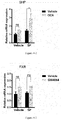
Figures 1 are FXR transcriptional activity difference analysis diagrams of quiescent and activated HSCs. -
Figure 1-1 is mRNA level analysis of Fxr in quiescent (vehicle) and activated (TGF-β) HSCs treated with OCA. -
Figure 1-2 is mRNA level analysis of Shp in quiescent (vehicle) and activated (TGF-β) HSCs treated with OCA. -
Figure 1-3 is mRNA level analysis of Fxr in quiescent (vehicle) and activated (TGF-β) HSCs treated with GW4064. -
Figure 1-4 is mRNA level analysis of Shp in quiescent (vehicle) and activated (TGF-β) HSCs treated with GW4064. -
Figure 1-5 is mRNA level analysis of Fxr in quiescent (vehicle) and activated (TGF-β) HSCs treated with WAY-3 62450. -
Figure 1-6 is mRNA level analysis of Shp in quiescent (vehicle) and activated (TGF-β) HSCs treated with WAY-362450. *P<0.05. **P<0.01. *** P<0.001. -
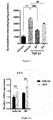
Figure 2 is SUMOylation level analysis of FXR proteins after activation of HSCs. ***P<0.001. -
Figure 3 is SUMOylation level analysis of FXR proteins in activated HSCs treated with SUMO inhibitors SP and GA. ***P<0.001. ##P<0.01. ###P<0.001. -
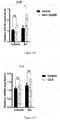
Figures 4 are effects of the combination of FXR agonist and SUMO inhibitor on FXR transcriptional activity in activated HSCs. -
Figure 4-1 is mRNA level analysis of Fxr in activated HSCs treated with a combination of OCA and SP. -
Figure 4-2 is mRNA level analysis of Shp in activated HSCs treated with a combination of OCA and SP. -
Figure 4-3 is mRNA level analysis of Fxr in activated HSCs treated with a combination of GW4064 and SP. -
Figure 4-4 is mRNA level analysis of Shp in activated HSCs treated with a combination of GW4064 and SP. -
Figure 4-5 is mRNA level analysis of Fxr in activated HSCs treated with a combination of WAY-362450 and SP. -
Figure 4-6 is mRNA level analysis of Shp in activated HSCs treated with a combination of WAY-362450 and SP. -
Figure 4-7 is mRNA level analysis of Fxr in activated HSCs treated with a combination of OCA and GA. -
Figure 4-8 is mRNA level analysis of Shp in activated HSCs treated with a combination of OCA and GA. ns P>0.05. *P<0.05. **P<0.01. -
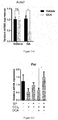
Figures 5 are influence of a combination of FXR agonist and SUMO inhibitor on activation of HSCs. -
Figure 5-1 is mRNA expression level analysis of Acta-2 treated with a combination of OCA and SP. -
Figure 5-2 is mRNA expression level analysis of Acta-2 treated with a combination of GW4064 and SP. -
Figure 5-3 is mRNA expression level analysis of Acta-2 treated with a combination of WAY-362450 and SP. -
Figure 5-4 is mRNA expression level analysis of Acta-2 treated with a combination of OCA and GA. ns P>0.05. *P<0.05. -
Figures 6 are effects of the combination of FXR agonist and SUMO inhibitor on liver FXR and its transcriptional activity in a CCl4-induced liver fibrosis state. -
Figure 6-1 is mRNA expression level analysis of Fxr. -
Figure 6-2 is mRNA expression level analysis of Shp. *P<0.05. -
Figures 7 are effects of the combination of FXR agonist and SUMO inhibitor on CCl4-induced liver fibrosis. -
Figure 7-1 is mRNA expression level analysis of Acta-2. **P<0.01. -
Figure 7-2 is liver Sirius red staining. - Note: in all figures of the present invention, P value below 0.05 indicates a statistical difference.
- The present invention is further illustrated below in conjunction with embodiments and drawings.
- The present invention provides a composition containing SUMO inhibitor. The composition includes FXR agonist and SUMO inhibitor. The present invention does not have specific limitation to a mass ratio of the FXR agonist to the SUMO inhibitor, and the mass ratio may be any value.
- According to the present invention, the FXR agonist preferably includes, but is not only limited to, one or more of obeticholic acid, GW4064 and WAY-362450. The more specifically refers to two or more. According to the present invention, when there are two or more FXR agonists, all components are mixed according to any mass. The FXR agonists are not limited to the above three agonists according to the present invention, their sources are not specifically limited, and the FXR agonists preferably include various FXR agonists of a natural source, a semisynthetic source or a chemosynthetic source.
- According to the present invention, the SUMO inhibitor preferably includes, but is not only limited to, spectinomycin and/or ginkgolic acid. According to the present invention, when the SUMO inhibitor preferably includes the spectinomycin and the ginkgolic acid, the spectinomycin and the ginkgolic acid are mixed according to any mass ratio. The SUMO inhibitors are not limited to the above two SUMO inhibitors, their sources are not specifically limited, and the SUMO inhibitors preferably include various SUMO inhibitors of a natural source, a semisynthetic source or a chemosynthetic source.
- According to the present invention, hepatic stellate cells in activated state lose responsiveness to the FXR agonist, and the FXR agonist does not have an effect of inhibiting activation of the hepatic stellate cells. The SUMO inhibitor can significantly improve the responsiveness of the activated hepatic stellate cells to the FXR agonist, and can significantly enhance the inhibition effect of the FXR agonist on the activation of the hepatic stellate cells. The hepatic stellate cells of an individual with hepatic fibrosis symptoms have been in an activated state, and thus an expected anti-fibrotic effect cannot be achieved by using the FXR agonist alone. The composition of the FXR agonist and the SUMO inhibitor provided by the present invention can significantly inhibit the activation of the hepatic stellate cells and reduce deposition of collagen fibers to further combat liver fibrosis.
- The present invention further provides application of the composition according to the above technical solution to preparation of anti-hepatic fibrosis medicine.
- The present invention further provides application of the composition according to the above technical solution to preparation of anti-hepatic fibrosis symptom medicine.
- The present invention further provides application of the composition according to the above technical solution to preparation of medicine for inhibiting activation of hepatic stellate cells.
- The present invention further provides application of the composition according to the above technical solution to preparation of medicine for reducing deposition of collagen fibers.
- According to the present invention, dose forms of the medicine independently include a tablet, a capsule, a granule, a pill, powder or an injection. Preparation methods of the above dose forms are not specifically limited according to the present invention. Conventional preparation methods for preparing corresponding dose forms and corresponding used auxiliary materials may be used for preparation.
- According to the present invention, administration methods of the composition preferably include oral administration, intravenous injection, intravenous drip, intramuscular injection, and a combination of various administration modes.
- The composition containing the SUMO inhibitor and application provided by the present invention are illustrated in detail below in conjunction with the embodiments, but they are not to be interpreted as limitation to the protection scope of the present invention.
- HSC-T6 cell line used in the present invention was purchased from Central South University Cell Bank.
- OCA, GW4064 and WAY-362450 used in the present invention were purchased from MCE Company. TGF-β recombinant proteins were purchased from R&D Systems Company. Reverse transcription kits were purchased from Applied Biosystems Company. Trizol RNAiso plus was purchased from TAKARA Company. Used primers were synthesized by Life Invitrogen Company. SUMOylation ELISA detection kits were purchased from Epigentek Company. Other reagents were all commercially available.
- HSC-T6 cells, seeded and cultured in a proper density, were treated with TGF-β (10 mg/ml) or OCA (5 µM) or GW40064 (5 µM) or WAY-362450 (5 µM) for 12 h before collection.
-
- 1) After the cells were cleaned by PBS, 800 µl of a Trizol reagent was added. After repeated blowing by a pipette, the cells were transferred into an EP tube to be subjected to still standing for 5 min at the room temperature.
- 2) 160 µl of chloroform was added, and violent oscillation was performed for 15 sec. After still standing for 5 min at the room temperature, 12000 g centrifugation was performed for 15 min. The sample was divided into three layers including a bottom layer being a yellow organic phase, an upper layer being a colorless water phase, and a middle layer.
- 3) 300 µl of the upper layer water phase was carefully transferred into a new tube. 300 µl of isopropanol was added. After uniform mixing through reversing, still standing was performed for 10 min at the room temperature. Then, 12000 g centrifugation was performed for 10 min. Supernatant was abandoned.
- 4) RNA precipitates were washed by 1.0 ml of precooled 75% ethanol. Then, 12000 g centrifugation was performed for 5 min. Supernatant was abandoned to obtain total RNA. Redissolution was performed by 10 µl of DEPC water. After quantification, dilution was performed to 0.5 µg/µl.
- RNA solutions and kit components were prepared into a system with a total volume of 20 µl according to a system proportion required in the specification, and a program temperature was set for reverse transcription. Specific proportion requirements are shown in Table 1:
Table 1 Proportion for reverse transcription Reagent name Dose 10∗RT Buffer 2.0 µl 25∗dNTP Mix(100 mM) 0.8 µl 10∗RT Random Primers 2.0 µl MultiScribeReverseTransscriptase 1.0 µl Rnase free dH2O 4.2 µl Total 10 µl Total RNA 10 µl - Use conditions of reverse transcription are as follows:
- Stage 1: reverse transcription at 37°C for 15 min.
- Stage 2: denaturation at 85°C for 5 s.
- A PCR system is shown in Table 2:
Table 2 PCR system Reagent name Dose SYBR Green 7.5 µl PCR Forward Primer (10 µM) 1.0 µl PCR Reverse Primer (10 µM) 1.0 µl cDNA 1.0 µl Rnase free dH2O 4.5 µl Total 15.0 µl - Use conditions of PCR are as follows:
- Stage 1: initial denaturation at 95°C for 1 min.
- Stage 2: PCR reaction at 95°C for 15 sec; for example, at 60°C for 30 sec for 40 Cycles; and at 72°C for 30 sec.
- Stage 3: dissociation curve analysis at 65 to 95°C, 0.5°C/5s.
- Primer sequences of genes to be detected are shown in Table 3:
Table 3 Primer sequence Genename Forward primer Reverse primer Rat Fxr 

Rat Shp 

Rat Acta2 

Rat Gapdh 

Mouse Fxr 

Mouse Shp 

Mouse Acta2 

Mouse Gapdh 

- After cell nuclear proteins were extracted according to specification requirements of an ELISA detection kit, primary antibodies and nuclear proteins of a cell sample were incubated for 60 min at the room temperature in a plate hole. SUMO specific detection antibodies were then supplemented and added according to the specification requirements. A color sensitizer was further added for color development. Then, absorbance at 655 nm was fast read. Relative quantitative analysis was performed.
- In cultured HSCs in vitro, activation of the HSCs was promoted by incubation with TGF-β1. According to results of real-time RT-PCR (
Figures 1 ), the capability of the FXR agonist in regulating FXR downstream target genes is reduced in HSC-T6 cell in activated state caused by TGF-β1 incubation. In quiescent cells, FXR agonists OCA, GW4064 and WAY-362450 could significantly up-regulate the mRNA level of Shp, an FXR target gene (Figure 1-2 ,Figure 1-4 , andFigure 1-6 ). In the activated state, none of the FXR agonists OCA, GW4064 and WAY-362450 could significantly up-regulate the mRNA level Shp (Figure 1-2 ,Figure 1-4 , andFigure 1-6 ). - According to ELISA kit detection aiming at the SUMOylation level (
Figure 2 ), the SUMOylation level of FXR proteins in the activated HSC-T6 cells caused by TGF-β1 incubation was significantly elevated. - SUMO inhibitors of spectinomycin (SP) and ginkgolic acid (GA) were purchased from MCE Company.
- Other experiment materials were the same as those in Embodiment 1.
- Specific methods were the same as those in section 2.1 in Embodiment 1.
- Specific methods were the same as those in section 2.2 in Embodiment 1.
- Specific methods were the same as those in section 2.3 in Embodiment 1.
- Through detection by SUMOylation ELISA kits, it was found that SUMOylation inhibitors SP and GA could significantly reduce the SUMOylation level of FXR proteins in activated HSCs (
Figure 3 ). - In Embodiment 1, it was found that in activated HSCs, FXR agonists OCA, GW4064 and WAY-362450 lost their regulation effects on the FXR signaling pathway, manifested by loss of an induction effect on Shp. In the study of this section, the regulation effect of the FXR agonist on the FXR signaling pathway in the presence or absence of SUMO inhibitors was investigated. According to the results of RT-PCR (
Figures 4 ), FXR agonists OCA, GW4064 and WAY-36250 significantly up-regulated the mRNA expression of Shp in the presence of SUMO inhibitor SP in activated HSCs (Figure 4-2 ,Figure 4-4 , andFigure 4-6 ). Similar phenomenon was observed in the presence of another SUMO inhibitor GA (Figure 4-8 ). - Above results show that SUMO inhibitors can inhibit the SUMOylation of FXR, and further enhance the regulation effects of the FXR agonists on the FXR signaling in activated HSCs. Then, the effect of SUMO inhibitors on HSC activation resistance of FXR agonist was investigated. Identically, according to the results of RT-PCR (
Figure 5 ), after administration of SP to the activated HSCs, administration of FXR agonist OCA, GW4064 and WAY36250 significantly reduced the expression of a fibrotic-related gene Acta2 in hepatic stellate cells; similarly, after administration of the GA to the activated HSCs, OCA could significantly inhibit expression of the Acta2. Above results show that the SUMO inhibitors SP and GA can reduce the SUMOylation level of the FXR proteins, and enhance the inhibitory effect of FXR agonists on the expression of fibrosis-related genes in activated HSCs, thereby improving the anti-fibrotic efficacy. - Experiment mice (C57BL/6) were purchased from Comparative Medicine Centre of Yangzhou University.
- CCl4 was purchased from Shanghai Lingfeng Chemical Reagent Company, and mineral oil was purchased from Sigma-Aldrich Company.
- Other experiment materials were the same as those in Embodiment 1.
- After animal adaptive feeding for one week, a total of 40 mice were randomly divided into 5 groups with 8 mice in each group. A control group, a model group, an OCA single-administration group, an SP single-administration group and an OCA+SP co-administration group were included. The model group received intraperitoneal injection of CCl4 (20%, dissolved in mineral oil). In the control group, a vehicle (mineral oil) with corresponding volume was administrated twice a week for 4 weeks. Mice received intraperitoneal intragastric administration of OCA at a dosage of 1.5 mg/kg once a day from the third week for two weeks after modeling. Additionally, in the OCA+SP co-administration group, SP was subcutaneously injected at a dosage of 200 mg/kg/day from the first week. At the end of the administration periods, the mice were killed, and the livers were isolated and stored for use.
- Specific methods were the same as those in section 2.2 in Embodiment 1.
- After being fixed in 4% paraformaldehyde, some liver tissues were sent to Wuhan Servicebio Technology Co., Ltd. (Wuhan, China) for double-blind analysis and detection. A detection item was Sirius red staining analysis.
- Through RT-PCR experiments, mRNA relative expression of an FXR downstream gene in liver tissues was investigated (
Figures 6 ). It was found that mRNA level of the FXR downstream gene significantly increased by OCA treatment after combined use with SP. It showed that SUMOylation inhibitors could enhance the agonistic effect of the FXR agonist OCA on the FXR pathway in fibrotic mice. - According to the expression investigation of fibrosis-related genes in liver tissues in RT-PCR experiments and staining results of liver pathological analysis, it was found that the anti-fibrotic efficacy of the OCA is significantly improved in the presence of SUMO inhibitor SP. The RT-PCR results showed that the expression of the major fibrosis gene Acta2 in the liver tissues in the co-administration group (SP+OCA) was also significantly reduced compared with that of the single administration group (
Figure 7-1 ). Additionally, Sirius red staining results showed that only few of red collagen fibers in the liver of the control group were stained while slices in the model group and OCA single-administration group contained a great number of red collagen fibers due to hepatotoxicity, but after OCA and SP co-administration was adopted, red collagen fiber hyperplasia in the liver was reduced (Figure 7-2 ). - It can be concluded from the above embodiments that the hepatic stellate cells in activated state lose the responsiveness to FXR agonist, thus FXR agonist does not have an effect in inhibiting the activation of hepatic stellate cells. After the FXR agonist and SUMO inhibitor are compounded according to the present invention, hepatic stellate cells in activated state restore the responsiveness to FXR agonist. More importantly, this composition proposed in this invention exert excellent inhibitory effect on the activation of hepatic stellate cells in activated state, reducing the production of collagen fibers and thus inhibit progress of liver fibrosis.
- The present invention only describes preferred implementations above. It should be noted that, for those ordinarily skilled in the art, various improvements and adaptations can be made without departing from the principles of the present invention, and such modifications and adaptations shall be deemed to be within the protection scope of the present invention.
-
- <110> China Pharmaceutical University
- <120> Composition containing SUMO inhibitor and application
- <141> 2018-12-03
- <160> 16
- <170> SIPOSequenceListing 1.0
- <210> 1
- <211> 23
- <212> DNA
- <213> Artificial sequence
- <400> 1
tggactcata cagcaaacag aga 23 - <210> 2
- <211> 23
- <212> DNA
- <213> Artificial sequence
- <400> 2
gtctgaaacc ctggaagtct ttt 23 - <210> 3
- <211> 17
- <212> DNA
- <213> Artificial sequence
- <400> 3
cctggagcag ccctcgt 17 - <210> 4
- <211> 22
- <212> DNA
- <213> Artificial sequence
- <400> 4
aacactgtat gcaaaccgag ga 22 - <210> 5
- <211> 20
- <212> DNA
- <213> Artificial sequence
- <400> 5
gctccatcct ggcttctcta 20 - <210> 6
- <211> 20
- <212> DNA
- <213> Artificial sequence
- <400> 6
tagaagcatt tgcggtggac 20 - <210> 7
- <211> 20
- <212> DNA
- <213> Artificial sequence
- <400> 7
aacggcacag tcaaggctga 20 - <210> 8
- <211> 22
- <212> DNA
- <213> Artificial sequence
- <400> 8
acgccagtag actccacgac at 22 - <210> 9
- <211> 20
- <212> DNA
- <213> Artificial sequence
- <400> 9
gcacgctgat cagacagcta 20 - <210> 10
- <211> 20
- <212> DNA
- <213> Artificial sequence
- <400> 10
caggagggtc tgttggtctg 20 - <210> 11
- <211> 20
- <212> DNA
- <213> Artificial sequence
- <400> 11
gtacctgaag ggcacgatcc 20 - <210> 12
- <211> 21
- <212> DNA
- <213> Artificial sequence
- <400> 12
gtgaagtctt ggagccctgg t 21 - <210> 13
- <211> 21
- <212> DNA
- <213> Artificial sequence
- <400> 13
gcacccagca tgaagatcaa g 21 - <210> 14
- <211> 24
- <212> DNA
- <213> Artificial sequence
- <400> 14
tctgctggaa ggtagacagc gaag 24 - <210> 15
- <211> 20
- <212> DNA
- <213> Artificial sequence
- <400> 15
ttgatggcaa caatctccac 20 - <210> 16
- <211> 20
- <212> DNA
- <213> Artificial sequence
- <400> 16
cgtcccgtag acaaaatggt 20


Claims (8)
- A composition containing SUMO inhibitor, which is characterized in that the composition comprises FXR agonist and SUMO inhibitor.
- The composition according to claim 1, which is characterized in that the FXR agonist comprises, but is not limited to, one or more of obeticholic acid, GW4064 and WAY-362450.
- The composition according to claim 1, which is characterized in that the SUMO inhibitor comprises, but is not limited to, spectinomycin and/or ginkgolic acid.
- Application of the composition according to any one of claims 1 to 3 to preparation of anti-hepatic fibrosis medicine.
- Application of the composition according to any one of claims 1 to 3 to preparation of anti-hepatic fibrosis symptom medicine.
- Application of the composition according to any one of claims 1 to 3 to preparation of medicine for inhibiting activation of hepatic stellate cells.
- Application of the composition according to any one of claims 1 to 3 to preparation of medicine for reducing deposition of collagen fibers.
- Application according to any one of claims 4 to 7, which is characterized in that dose forms of the medicine independently comprise a tablet, a capsule, a granule, a pill, powder or an injection.
Applications Claiming Priority (2)
| Application Number | Priority Date | Filing Date | Title |
|---|---|---|---|
| CN201811534024.XA CN109432431B (en) | 2018-12-14 | 2018-12-14 | A kind of composition and application containing SUMO inhibitor |
| PCT/CN2019/120210 WO2020119424A1 (en) | 2018-12-14 | 2019-11-22 | Composition containing sumo inhibitor and application |
Publications (3)
| Publication Number | Publication Date |
|---|---|
| EP3733207A1 true EP3733207A1 (en) | 2020-11-04 |
| EP3733207A4 EP3733207A4 (en) | 2021-02-24 |
| EP3733207B1 EP3733207B1 (en) | 2022-05-04 |
Family
ID=65559580
Family Applications (1)
| Application Number | Title | Priority Date | Filing Date |
|---|---|---|---|
| EP19894708.7A Active EP3733207B1 (en) | 2018-12-14 | 2019-11-22 | Composition containing sumo inhibitor and its application |
Country Status (5)
| Country | Link |
|---|---|
| US (1) | US11541032B2 (en) |
| EP (1) | EP3733207B1 (en) |
| JP (1) | JP7121415B2 (en) |
| CN (1) | CN109432431B (en) |
| WO (1) | WO2020119424A1 (en) |
Families Citing this family (4)
| Publication number | Priority date | Publication date | Assignee | Title |
|---|---|---|---|---|
| CN109432431B (en) * | 2018-12-14 | 2020-06-30 | 中国药科大学 | A kind of composition and application containing SUMO inhibitor |
| CN110755621B (en) * | 2019-11-21 | 2021-08-31 | 中国药科大学 | A composition comprising Senp expression regulating reagent and its application in the preparation of anti-hepatic fibrosis drugs |
| CN114075297B (en) * | 2021-11-17 | 2023-03-21 | 中国药科大学 | Fusion protein group, recombinant vector group and detection method for detecting SUMO modification degree of FXR protein in cell |
| CN114832009B (en) * | 2022-05-06 | 2023-07-18 | 安徽医科大学 | Application of verbenoside in the treatment of liver fibrosis |
Family Cites Families (15)
| Publication number | Priority date | Publication date | Assignee | Title |
|---|---|---|---|---|
| ES2146552B1 (en) | 1998-11-24 | 2001-04-16 | Inst Cientifico Tecnol Navarra | INHIBITING PEPTIDES OF TGF / 31 |
| CN1142272C (en) | 2000-02-02 | 2004-03-17 | 中国人民解放军军事医学科学院百环生物医学研究中心 | Rcombinant adenovirus and its use in preventing and treating fibrous diseases |
| FR2823225B1 (en) * | 2001-04-04 | 2004-09-17 | Pierre Desreumaux | USE OF COMPOUNDS MODULATING THE ACTIVITY OF THE RXR-PPAR HETERODIMER AS A MEDICAMENT FOR THE TREATMENT OF HEPATITIS C AND METHOD FOR SCREENING THEREOF |
| CN100586960C (en) | 2006-06-23 | 2010-02-03 | 陈志南 | HAb18GC2 monoclonal antibody and its light and heavy chain variable region genes and applications |
| CN101318013B (en) | 2008-07-17 | 2013-04-10 | 四川大学 | Uses of IL-4 in preparing medicament composition for treating chronic hepatic fibrosis |
| CN102552935B (en) | 2011-02-23 | 2015-02-18 | 中国人民解放军第二军医大学 | Use of hepatocyte nuclear factor-1alpha in treatment of chronic liver disease |
| US20150119345A1 (en) * | 2013-10-29 | 2015-04-30 | Lumena Pharmaceuticals, Inc. | Bile acid recycling inhibitors for treatment of gastrointestinal infections |
| CN103550242B (en) | 2013-11-22 | 2015-07-15 | 四川国康药业有限公司 | Pharmaceutical composition for treating hepatic fibrosis and preparation method thereof |
| CN104095857B (en) | 2014-06-27 | 2016-07-13 | 南京大学 | The application in preparing anti-hepatic fibrosis medicines of the diethylamine derivative of Cleistanone Cleistanone |
| PE20180690A1 (en) | 2015-04-27 | 2018-04-23 | Intercept Pharmaceuticals Inc | OBETICOLIC ACID COMPOSITIONS AND METHODS OF USE |
| CN106974916A (en) * | 2016-01-19 | 2017-07-25 | 成都贝斯凯瑞生物科技有限公司 | Compound and its application of shellfish cholic acid and melbine difficult to understand |
| KR102205368B1 (en) * | 2016-09-14 | 2021-01-20 | 노파르티스 아게 | New therapies for FXR agonists |
| CN108079316A (en) * | 2016-11-22 | 2018-05-29 | 中国药科大学 | Disturb application of the FXR expression reagents in anti-hepatic fibrosis medicines are prepared |
| CN108114284A (en) * | 2016-11-30 | 2018-06-05 | 中国药科大学 | FXR agonists are combined the application in excellent effect anti-hepatic fibrosis medicines are prepared with inhibitors of apoptosis |
| CN109432431B (en) * | 2018-12-14 | 2020-06-30 | 中国药科大学 | A kind of composition and application containing SUMO inhibitor |
-
2018
- 2018-12-14 CN CN201811534024.XA patent/CN109432431B/en not_active Expired - Fee Related
-
2019
- 2019-11-22 EP EP19894708.7A patent/EP3733207B1/en active Active
- 2019-11-22 WO PCT/CN2019/120210 patent/WO2020119424A1/en not_active Ceased
- 2019-11-22 US US16/960,226 patent/US11541032B2/en active Active
- 2019-11-22 JP JP2020539275A patent/JP7121415B2/en active Active
Also Published As
| Publication number | Publication date |
|---|---|
| JP2021511316A (en) | 2021-05-06 |
| EP3733207B1 (en) | 2022-05-04 |
| JP7121415B2 (en) | 2022-08-18 |
| CN109432431B (en) | 2020-06-30 |
| EP3733207A4 (en) | 2021-02-24 |
| US20200368199A1 (en) | 2020-11-26 |
| US11541032B2 (en) | 2023-01-03 |
| WO2020119424A1 (en) | 2020-06-18 |
| CN109432431A (en) | 2019-03-08 |
Similar Documents
| Publication | Publication Date | Title |
|---|---|---|
| EP3733207B1 (en) | Composition containing sumo inhibitor and its application | |
| Yuan et al. | Protective effects of iridoid glycosides on acute colitis via inhibition of the inflammatory response mediated by the STAT3/NF-кB pathway | |
| Gao et al. | Hepatoprotection of auraptene from peels of citrus fruits against thioacetamide-induced hepatic fibrosis in mice by activating farnesoid X receptor | |
| Xu et al. | Canagliflozin ameliorates nonalcoholic fatty liver disease by regulating lipid metabolism and inhibiting inflammation through induction of autophagy | |
| RU2753523C2 (en) | Improved therapeutic index of inhibitors against immune checkpoint using combination therapy including phy906 extract, scutellaria baicalensis georgi (s) extract or compound of such extracts | |
| Suzuki et al. | Nicotine inhibits cardiac apoptosis induced by lipopolysaccharide in rats | |
| AU2024227697A1 (en) | Use of neutrophil elastase inhibitors in liver disease | |
| Yang et al. | Tβ4 suppresses lincRNA-p21-mediated hepatic apoptosis and fibrosis by inhibiting PI3K-AKT-NF-κB pathway | |
| Song et al. | Albiflorin ameliorates thioacetamide-induced hepatic fibrosis: the involvement of NURR1-mediated inflammatory signaling cascades in hepatic stellate cells activation | |
| Xu et al. | Tanshinone IIA regulates the TGF-β1/Smad signaling pathway to ameliorate non-alcoholic steatohepatitis-related fibrosis | |
| Zhang et al. | Salidroside attenuates NASH through regulating bile acid-FXR/TGR5 signaling pathway via targeting gut microbiota | |
| Zhu et al. | Protective effects of Huang Qi Huai granules on adriamycin nephrosis in rats | |
| Du et al. | Hastatoside attenuatescarbon tetrachloride-induced liver fibrosis by targeting glycogen synthase kinase-3β | |
| Lee et al. | Lycii radicis cortex inhibits glucocorticoid-induced bone loss by downregulating Runx2 and BMP-2 expression | |
| CN114288302B (en) | Application of enhancer 3C1 in preparation of enhancer for interaction of FXR protein and Caspase8 protein | |
| Ding et al. | Chelerythrine-mediated targeting of NF-κB and Nrf2 pathways alleviates liver injury in a carbon tetrachloride-induced liver fibrosis mouse model | |
| CN106265633A (en) | NRF2 activates sub-compound, medicine and the new application of atractylenolide | |
| Li et al. | Miconazole alleviates colitis by suppressing colonic senescence, NF-κB Signaling and gut microbiota modulation | |
| CN114432302B (en) | Use of small molecule SR9009 in anti-aging and alleviating chronic inflammation caused by aging | |
| Wen et al. | Hypericin impedes M2 macrophage polarization and protects against Hepatocellular carcinoma | |
| CN109303921B (en) | Application of FXR agonists combined with SIRT1 agonists in the preparation of anti-hepatic fibrosis drugs | |
| Cui et al. | Osteon Myospalacem Baileyi attenuates osteoclast differentiation through RANKL induced NFAT pathways | |
| CN103599108B (en) | Application of oleanolic acid in preparing medicament for preventing and treating cholestasis | |
| Jiang et al. | Daily chemical evodiamine from Chinese prickly ash attenuates osteoclast differentiation through RANKL induced NFAT pathways | |
| Chen et al. | Combination of silybin and carvedilol synergistically alleviates liver fibrosis by inhibiting Wnt/β-catenin signaling |
Legal Events
| Date | Code | Title | Description |
|---|---|---|---|
| STAA | Information on the status of an ep patent application or granted ep patent |
Free format text: STATUS: THE INTERNATIONAL PUBLICATION HAS BEEN MADE |
|
| PUAI | Public reference made under article 153(3) epc to a published international application that has entered the european phase |
Free format text: ORIGINAL CODE: 0009012 |
|
| STAA | Information on the status of an ep patent application or granted ep patent |
Free format text: STATUS: REQUEST FOR EXAMINATION WAS MADE |
|
| 17P | Request for examination filed |
Effective date: 20200629 |
|
| AK | Designated contracting states |
Kind code of ref document: A1 Designated state(s): AL AT BE BG CH CY CZ DE DK EE ES FI FR GB GR HR HU IE IS IT LI LT LU LV MC MK MT NL NO PL PT RO RS SE SI SK SM TR |
|
| AX | Request for extension of the european patent |
Extension state: BA ME |
|
| A4 | Supplementary search report drawn up and despatched |
Effective date: 20210121 |
|
| RIC1 | Information provided on ipc code assigned before grant |
Ipc: A61K 31/575 20060101ALI20210115BHEP Ipc: A61K 31/42 20060101ALI20210115BHEP Ipc: A61P 1/16 20060101ALI20210115BHEP Ipc: A61K 31/55 20060101ALI20210115BHEP Ipc: A61K 31/357 20060101ALI20210115BHEP Ipc: A61K 31/60 20060101ALI20210115BHEP Ipc: A61K 45/06 20060101AFI20210115BHEP |
|
| STAA | Information on the status of an ep patent application or granted ep patent |
Free format text: STATUS: EXAMINATION IS IN PROGRESS |
|
| 17Q | First examination report despatched |
Effective date: 20210924 |
|
| GRAP | Despatch of communication of intention to grant a patent |
Free format text: ORIGINAL CODE: EPIDOSNIGR1 |
|
| STAA | Information on the status of an ep patent application or granted ep patent |
Free format text: STATUS: GRANT OF PATENT IS INTENDED |
|
| INTG | Intention to grant announced |
Effective date: 20220209 |
|
| RIN1 | Information on inventor provided before grant (corrected) |
Inventor name: HUANG, NINGNING Inventor name: GUO, YITONG Inventor name: PAN, XIAOJIE Inventor name: CUI, SHUANG Inventor name: WANG, GUANGJI Inventor name: ZHOU, JIYU Inventor name: WANG, HONG Inventor name: HAO, HAIPING |
|
| DAV | Request for validation of the european patent (deleted) | ||
| DAX | Request for extension of the european patent (deleted) | ||
| GRAS | Grant fee paid |
Free format text: ORIGINAL CODE: EPIDOSNIGR3 |
|
| GRAA | (expected) grant |
Free format text: ORIGINAL CODE: 0009210 |
|
| STAA | Information on the status of an ep patent application or granted ep patent |
Free format text: STATUS: THE PATENT HAS BEEN GRANTED |
|
| AK | Designated contracting states |
Kind code of ref document: B1 Designated state(s): AL AT BE BG CH CY CZ DE DK EE ES FI FR GB GR HR HU IE IS IT LI LT LU LV MC MK MT NL NO PL PT RO RS SE SI SK SM TR |
|
| REG | Reference to a national code |
Ref country code: GB Ref legal event code: FG4D |
|
| REG | Reference to a national code |
Ref country code: CH Ref legal event code: EP |
|
| REG | Reference to a national code |
Ref country code: AT Ref legal event code: REF Ref document number: 1488326 Country of ref document: AT Kind code of ref document: T Effective date: 20220515 |
|
| REG | Reference to a national code |
Ref country code: IE Ref legal event code: FG4D Ref country code: DE Ref legal event code: R096 Ref document number: 602019014680 Country of ref document: DE |
|
| REG | Reference to a national code |
Ref country code: LT Ref legal event code: MG9D |
|
| REG | Reference to a national code |
Ref country code: NL Ref legal event code: MP Effective date: 20220504 |
|
| REG | Reference to a national code |
Ref country code: AT Ref legal event code: MK05 Ref document number: 1488326 Country of ref document: AT Kind code of ref document: T Effective date: 20220504 |
|
| PG25 | Lapsed in a contracting state [announced via postgrant information from national office to epo] |
Ref country code: SE Free format text: LAPSE BECAUSE OF FAILURE TO SUBMIT A TRANSLATION OF THE DESCRIPTION OR TO PAY THE FEE WITHIN THE PRESCRIBED TIME-LIMIT Effective date: 20220504 Ref country code: PT Free format text: LAPSE BECAUSE OF FAILURE TO SUBMIT A TRANSLATION OF THE DESCRIPTION OR TO PAY THE FEE WITHIN THE PRESCRIBED TIME-LIMIT Effective date: 20220905 Ref country code: NO Free format text: LAPSE BECAUSE OF FAILURE TO SUBMIT A TRANSLATION OF THE DESCRIPTION OR TO PAY THE FEE WITHIN THE PRESCRIBED TIME-LIMIT Effective date: 20220804 Ref country code: NL Free format text: LAPSE BECAUSE OF FAILURE TO SUBMIT A TRANSLATION OF THE DESCRIPTION OR TO PAY THE FEE WITHIN THE PRESCRIBED TIME-LIMIT Effective date: 20220504 Ref country code: LT Free format text: LAPSE BECAUSE OF FAILURE TO SUBMIT A TRANSLATION OF THE DESCRIPTION OR TO PAY THE FEE WITHIN THE PRESCRIBED TIME-LIMIT Effective date: 20220504 Ref country code: HR Free format text: LAPSE BECAUSE OF FAILURE TO SUBMIT A TRANSLATION OF THE DESCRIPTION OR TO PAY THE FEE WITHIN THE PRESCRIBED TIME-LIMIT Effective date: 20220504 Ref country code: GR Free format text: LAPSE BECAUSE OF FAILURE TO SUBMIT A TRANSLATION OF THE DESCRIPTION OR TO PAY THE FEE WITHIN THE PRESCRIBED TIME-LIMIT Effective date: 20220805 Ref country code: FI Free format text: LAPSE BECAUSE OF FAILURE TO SUBMIT A TRANSLATION OF THE DESCRIPTION OR TO PAY THE FEE WITHIN THE PRESCRIBED TIME-LIMIT Effective date: 20220504 Ref country code: BG Free format text: LAPSE BECAUSE OF FAILURE TO SUBMIT A TRANSLATION OF THE DESCRIPTION OR TO PAY THE FEE WITHIN THE PRESCRIBED TIME-LIMIT Effective date: 20220804 Ref country code: AT Free format text: LAPSE BECAUSE OF FAILURE TO SUBMIT A TRANSLATION OF THE DESCRIPTION OR TO PAY THE FEE WITHIN THE PRESCRIBED TIME-LIMIT Effective date: 20220504 |
|
| PG25 | Lapsed in a contracting state [announced via postgrant information from national office to epo] |
Ref country code: RS Free format text: LAPSE BECAUSE OF FAILURE TO SUBMIT A TRANSLATION OF THE DESCRIPTION OR TO PAY THE FEE WITHIN THE PRESCRIBED TIME-LIMIT Effective date: 20220504 Ref country code: PL Free format text: LAPSE BECAUSE OF FAILURE TO SUBMIT A TRANSLATION OF THE DESCRIPTION OR TO PAY THE FEE WITHIN THE PRESCRIBED TIME-LIMIT Effective date: 20220504 Ref country code: LV Free format text: LAPSE BECAUSE OF FAILURE TO SUBMIT A TRANSLATION OF THE DESCRIPTION OR TO PAY THE FEE WITHIN THE PRESCRIBED TIME-LIMIT Effective date: 20220504 Ref country code: IS Free format text: LAPSE BECAUSE OF FAILURE TO SUBMIT A TRANSLATION OF THE DESCRIPTION OR TO PAY THE FEE WITHIN THE PRESCRIBED TIME-LIMIT Effective date: 20220904 |
|
| PG25 | Lapsed in a contracting state [announced via postgrant information from national office to epo] |
Ref country code: SM Free format text: LAPSE BECAUSE OF FAILURE TO SUBMIT A TRANSLATION OF THE DESCRIPTION OR TO PAY THE FEE WITHIN THE PRESCRIBED TIME-LIMIT Effective date: 20220504 Ref country code: SK Free format text: LAPSE BECAUSE OF FAILURE TO SUBMIT A TRANSLATION OF THE DESCRIPTION OR TO PAY THE FEE WITHIN THE PRESCRIBED TIME-LIMIT Effective date: 20220504 Ref country code: RO Free format text: LAPSE BECAUSE OF FAILURE TO SUBMIT A TRANSLATION OF THE DESCRIPTION OR TO PAY THE FEE WITHIN THE PRESCRIBED TIME-LIMIT Effective date: 20220504 Ref country code: ES Free format text: LAPSE BECAUSE OF FAILURE TO SUBMIT A TRANSLATION OF THE DESCRIPTION OR TO PAY THE FEE WITHIN THE PRESCRIBED TIME-LIMIT Effective date: 20220504 Ref country code: EE Free format text: LAPSE BECAUSE OF FAILURE TO SUBMIT A TRANSLATION OF THE DESCRIPTION OR TO PAY THE FEE WITHIN THE PRESCRIBED TIME-LIMIT Effective date: 20220504 Ref country code: DK Free format text: LAPSE BECAUSE OF FAILURE TO SUBMIT A TRANSLATION OF THE DESCRIPTION OR TO PAY THE FEE WITHIN THE PRESCRIBED TIME-LIMIT Effective date: 20220504 Ref country code: CZ Free format text: LAPSE BECAUSE OF FAILURE TO SUBMIT A TRANSLATION OF THE DESCRIPTION OR TO PAY THE FEE WITHIN THE PRESCRIBED TIME-LIMIT Effective date: 20220504 |
|
| REG | Reference to a national code |
Ref country code: DE Ref legal event code: R097 Ref document number: 602019014680 Country of ref document: DE |
|
| PLBE | No opposition filed within time limit |
Free format text: ORIGINAL CODE: 0009261 |
|
| STAA | Information on the status of an ep patent application or granted ep patent |
Free format text: STATUS: NO OPPOSITION FILED WITHIN TIME LIMIT |
|
| PG25 | Lapsed in a contracting state [announced via postgrant information from national office to epo] |
Ref country code: AL Free format text: LAPSE BECAUSE OF FAILURE TO SUBMIT A TRANSLATION OF THE DESCRIPTION OR TO PAY THE FEE WITHIN THE PRESCRIBED TIME-LIMIT Effective date: 20220504 |
|
| 26N | No opposition filed |
Effective date: 20230207 |
|
| PG25 | Lapsed in a contracting state [announced via postgrant information from national office to epo] |
Ref country code: SI Free format text: LAPSE BECAUSE OF FAILURE TO SUBMIT A TRANSLATION OF THE DESCRIPTION OR TO PAY THE FEE WITHIN THE PRESCRIBED TIME-LIMIT Effective date: 20220504 |
|
| PG25 | Lapsed in a contracting state [announced via postgrant information from national office to epo] |
Ref country code: MC Free format text: LAPSE BECAUSE OF FAILURE TO SUBMIT A TRANSLATION OF THE DESCRIPTION OR TO PAY THE FEE WITHIN THE PRESCRIBED TIME-LIMIT Effective date: 20220504 |
|
| REG | Reference to a national code |
Ref country code: CH Ref legal event code: PL |
|
| REG | Reference to a national code |
Ref country code: BE Ref legal event code: MM Effective date: 20221130 |
|
| PG25 | Lapsed in a contracting state [announced via postgrant information from national office to epo] |
Ref country code: LI Free format text: LAPSE BECAUSE OF NON-PAYMENT OF DUE FEES Effective date: 20221130 Ref country code: CH Free format text: LAPSE BECAUSE OF NON-PAYMENT OF DUE FEES Effective date: 20221130 |
|
| PG25 | Lapsed in a contracting state [announced via postgrant information from national office to epo] |
Ref country code: LU Free format text: LAPSE BECAUSE OF NON-PAYMENT OF DUE FEES Effective date: 20221122 |
|
| PG25 | Lapsed in a contracting state [announced via postgrant information from national office to epo] |
Ref country code: IE Free format text: LAPSE BECAUSE OF NON-PAYMENT OF DUE FEES Effective date: 20221122 |
|
| PG25 | Lapsed in a contracting state [announced via postgrant information from national office to epo] |
Ref country code: BE Free format text: LAPSE BECAUSE OF NON-PAYMENT OF DUE FEES Effective date: 20221130 |
|
| PG25 | Lapsed in a contracting state [announced via postgrant information from national office to epo] |
Ref country code: IT Free format text: LAPSE BECAUSE OF FAILURE TO SUBMIT A TRANSLATION OF THE DESCRIPTION OR TO PAY THE FEE WITHIN THE PRESCRIBED TIME-LIMIT Effective date: 20220504 |
|
| PG25 | Lapsed in a contracting state [announced via postgrant information from national office to epo] |
Ref country code: CY Free format text: LAPSE BECAUSE OF FAILURE TO SUBMIT A TRANSLATION OF THE DESCRIPTION OR TO PAY THE FEE WITHIN THE PRESCRIBED TIME-LIMIT Effective date: 20220504 |
|
| PG25 | Lapsed in a contracting state [announced via postgrant information from national office to epo] |
Ref country code: MK Free format text: LAPSE BECAUSE OF FAILURE TO SUBMIT A TRANSLATION OF THE DESCRIPTION OR TO PAY THE FEE WITHIN THE PRESCRIBED TIME-LIMIT Effective date: 20220504 Ref country code: HU Free format text: LAPSE BECAUSE OF FAILURE TO SUBMIT A TRANSLATION OF THE DESCRIPTION OR TO PAY THE FEE WITHIN THE PRESCRIBED TIME-LIMIT; INVALID AB INITIO Effective date: 20191122 |
|
| PG25 | Lapsed in a contracting state [announced via postgrant information from national office to epo] |
Ref country code: TR Free format text: LAPSE BECAUSE OF FAILURE TO SUBMIT A TRANSLATION OF THE DESCRIPTION OR TO PAY THE FEE WITHIN THE PRESCRIBED TIME-LIMIT Effective date: 20220504 |
|
| PG25 | Lapsed in a contracting state [announced via postgrant information from national office to epo] |
Ref country code: MT Free format text: LAPSE BECAUSE OF FAILURE TO SUBMIT A TRANSLATION OF THE DESCRIPTION OR TO PAY THE FEE WITHIN THE PRESCRIBED TIME-LIMIT Effective date: 20220504 |
|
| PG25 | Lapsed in a contracting state [announced via postgrant information from national office to epo] |
Ref country code: BG Free format text: LAPSE BECAUSE OF FAILURE TO SUBMIT A TRANSLATION OF THE DESCRIPTION OR TO PAY THE FEE WITHIN THE PRESCRIBED TIME-LIMIT Effective date: 20220504 |
|
| PG25 | Lapsed in a contracting state [announced via postgrant information from national office to epo] |
Ref country code: BG Free format text: LAPSE BECAUSE OF FAILURE TO SUBMIT A TRANSLATION OF THE DESCRIPTION OR TO PAY THE FEE WITHIN THE PRESCRIBED TIME-LIMIT Effective date: 20220504 |
|
| PGFP | Annual fee paid to national office [announced via postgrant information from national office to epo] |
Ref country code: DE Payment date: 20251117 Year of fee payment: 7 |
|
| PGFP | Annual fee paid to national office [announced via postgrant information from national office to epo] |
Ref country code: GB Payment date: 20251126 Year of fee payment: 7 |
|
| PGFP | Annual fee paid to national office [announced via postgrant information from national office to epo] |
Ref country code: FR Payment date: 20251127 Year of fee payment: 7 |