EP3730126B1 - Liquid composition comprising vegf antagonist - Google Patents
Liquid composition comprising vegf antagonist Download PDFInfo
- Publication number
- EP3730126B1 EP3730126B1 EP18893272.7A EP18893272A EP3730126B1 EP 3730126 B1 EP3730126 B1 EP 3730126B1 EP 18893272 A EP18893272 A EP 18893272A EP 3730126 B1 EP3730126 B1 EP 3730126B1
- Authority
- EP
- European Patent Office
- Prior art keywords
- liquid composition
- sucrose
- stabilizer
- protein
- hmw
- Prior art date
- Legal status (The legal status is an assumption and is not a legal conclusion. Google has not performed a legal analysis and makes no representation as to the accuracy of the status listed.)
- Active
Links
Images

Classifications
-
- A—HUMAN NECESSITIES
- A61—MEDICAL OR VETERINARY SCIENCE; HYGIENE
- A61K—PREPARATIONS FOR MEDICAL, DENTAL OR TOILETRY PURPOSES
- A61K38/00—Medicinal preparations containing peptides
- A61K38/16—Peptides having more than 20 amino acids; Gastrins; Somatostatins; Melanotropins; Derivatives thereof
- A61K38/17—Peptides having more than 20 amino acids; Gastrins; Somatostatins; Melanotropins; Derivatives thereof from animals; from humans
-
- A—HUMAN NECESSITIES
- A61—MEDICAL OR VETERINARY SCIENCE; HYGIENE
- A61K—PREPARATIONS FOR MEDICAL, DENTAL OR TOILETRY PURPOSES
- A61K38/00—Medicinal preparations containing peptides
- A61K38/16—Peptides having more than 20 amino acids; Gastrins; Somatostatins; Melanotropins; Derivatives thereof
- A61K38/17—Peptides having more than 20 amino acids; Gastrins; Somatostatins; Melanotropins; Derivatives thereof from animals; from humans
- A61K38/177—Receptors; Cell surface antigens; Cell surface determinants
- A61K38/179—Receptors; Cell surface antigens; Cell surface determinants for growth factors; for growth regulators
-
- A—HUMAN NECESSITIES
- A61—MEDICAL OR VETERINARY SCIENCE; HYGIENE
- A61K—PREPARATIONS FOR MEDICAL, DENTAL OR TOILETRY PURPOSES
- A61K47/00—Medicinal preparations characterised by the non-active ingredients used, e.g. carriers or inert additives; Targeting or modifying agents chemically bound to the active ingredient
- A61K47/02—Inorganic compounds
-
- A—HUMAN NECESSITIES
- A61—MEDICAL OR VETERINARY SCIENCE; HYGIENE
- A61K—PREPARATIONS FOR MEDICAL, DENTAL OR TOILETRY PURPOSES
- A61K47/00—Medicinal preparations characterised by the non-active ingredients used, e.g. carriers or inert additives; Targeting or modifying agents chemically bound to the active ingredient
- A61K47/06—Organic compounds, e.g. natural or synthetic hydrocarbons, polyolefins, mineral oil, petrolatum or ozokerite
- A61K47/08—Organic compounds, e.g. natural or synthetic hydrocarbons, polyolefins, mineral oil, petrolatum or ozokerite containing oxygen, e.g. ethers, acetals, ketones, quinones, aldehydes, peroxides
- A61K47/12—Carboxylic acids; Salts or anhydrides thereof
-
- A—HUMAN NECESSITIES
- A61—MEDICAL OR VETERINARY SCIENCE; HYGIENE
- A61K—PREPARATIONS FOR MEDICAL, DENTAL OR TOILETRY PURPOSES
- A61K47/00—Medicinal preparations characterised by the non-active ingredients used, e.g. carriers or inert additives; Targeting or modifying agents chemically bound to the active ingredient
- A61K47/06—Organic compounds, e.g. natural or synthetic hydrocarbons, polyolefins, mineral oil, petrolatum or ozokerite
- A61K47/16—Organic compounds, e.g. natural or synthetic hydrocarbons, polyolefins, mineral oil, petrolatum or ozokerite containing nitrogen, e.g. nitro-, nitroso-, azo-compounds, nitriles, cyanates
- A61K47/18—Amines; Amides; Ureas; Quaternary ammonium compounds; Amino acids; Oligopeptides having up to five amino acids
-
- A—HUMAN NECESSITIES
- A61—MEDICAL OR VETERINARY SCIENCE; HYGIENE
- A61K—PREPARATIONS FOR MEDICAL, DENTAL OR TOILETRY PURPOSES
- A61K47/00—Medicinal preparations characterised by the non-active ingredients used, e.g. carriers or inert additives; Targeting or modifying agents chemically bound to the active ingredient
- A61K47/06—Organic compounds, e.g. natural or synthetic hydrocarbons, polyolefins, mineral oil, petrolatum or ozokerite
- A61K47/16—Organic compounds, e.g. natural or synthetic hydrocarbons, polyolefins, mineral oil, petrolatum or ozokerite containing nitrogen, e.g. nitro-, nitroso-, azo-compounds, nitriles, cyanates
- A61K47/18—Amines; Amides; Ureas; Quaternary ammonium compounds; Amino acids; Oligopeptides having up to five amino acids
- A61K47/183—Amino acids, e.g. glycine, EDTA or aspartame
-
- A—HUMAN NECESSITIES
- A61—MEDICAL OR VETERINARY SCIENCE; HYGIENE
- A61K—PREPARATIONS FOR MEDICAL, DENTAL OR TOILETRY PURPOSES
- A61K47/00—Medicinal preparations characterised by the non-active ingredients used, e.g. carriers or inert additives; Targeting or modifying agents chemically bound to the active ingredient
- A61K47/06—Organic compounds, e.g. natural or synthetic hydrocarbons, polyolefins, mineral oil, petrolatum or ozokerite
- A61K47/26—Carbohydrates, e.g. sugar alcohols, amino sugars, nucleic acids, mono-, di- or oligo-saccharides; Derivatives thereof, e.g. polysorbates, sorbitan fatty acid esters or glycyrrhizin
-
- A—HUMAN NECESSITIES
- A61—MEDICAL OR VETERINARY SCIENCE; HYGIENE
- A61K—PREPARATIONS FOR MEDICAL, DENTAL OR TOILETRY PURPOSES
- A61K9/00—Medicinal preparations characterised by special physical form
-
- A—HUMAN NECESSITIES
- A61—MEDICAL OR VETERINARY SCIENCE; HYGIENE
- A61K—PREPARATIONS FOR MEDICAL, DENTAL OR TOILETRY PURPOSES
- A61K9/00—Medicinal preparations characterised by special physical form
- A61K9/0012—Galenical forms characterised by the site of application
- A61K9/0019—Injectable compositions; Intramuscular, intravenous, arterial, subcutaneous administration; Compositions to be administered through the skin in an invasive manner
-
- A—HUMAN NECESSITIES
- A61—MEDICAL OR VETERINARY SCIENCE; HYGIENE
- A61K—PREPARATIONS FOR MEDICAL, DENTAL OR TOILETRY PURPOSES
- A61K9/00—Medicinal preparations characterised by special physical form
- A61K9/0012—Galenical forms characterised by the site of application
- A61K9/0048—Eye, e.g. artificial tears
-
- A—HUMAN NECESSITIES
- A61—MEDICAL OR VETERINARY SCIENCE; HYGIENE
- A61K—PREPARATIONS FOR MEDICAL, DENTAL OR TOILETRY PURPOSES
- A61K9/00—Medicinal preparations characterised by special physical form
- A61K9/08—Solutions
-
- C—CHEMISTRY; METALLURGY
- C07—ORGANIC CHEMISTRY
- C07K—PEPTIDES
- C07K14/00—Peptides having more than 20 amino acids; Gastrins; Somatostatins; Melanotropins; Derivatives thereof
- C07K14/435—Peptides having more than 20 amino acids; Gastrins; Somatostatins; Melanotropins; Derivatives thereof from animals; from humans
- C07K14/475—Growth factors; Growth regulators
- C07K14/49—Platelet-derived growth factor [PDGF]
-
- C—CHEMISTRY; METALLURGY
- C07—ORGANIC CHEMISTRY
- C07K—PEPTIDES
- C07K2319/00—Fusion polypeptide
- C07K2319/30—Non-immunoglobulin-derived peptide or protein having an immunoglobulin constant or Fc region, or a fragment thereof, attached thereto
-
- C—CHEMISTRY; METALLURGY
- C07—ORGANIC CHEMISTRY
- C07K—PEPTIDES
- C07K2319/00—Fusion polypeptide
- C07K2319/32—Fusion polypeptide fusions with soluble part of a cell surface receptor, "decoy receptors"
Definitions
- a stabilized liquid composition comprising: (1) 5 mg/ml to 100 mg/ml of aflibercept; (2) a buffer of 1 to 50 mM, comprising sodium phosphate and having pH ranging from 4 to 8; (3) a stabilizer of 7.8 to 10%(w/v), wherein the stabilizer is selected from the group consisting of trehalose and sucrose; and wherein the liquid composition does not comprise sodium chloride.
- Fusion protein drugs are more likely to cause physicochemical instability due to their larger molecular weight and complex structure than general protein drugs, and therefore the development of a suitable formulation is required.
- the chemical and physical stability of protein drugs can be optimized by various conditions such as pH condition, buffer selection, a concentration of protein, an excipient and temperature, etc.
- various means such as buffer modification, pH optimization and stabilizer addition, and the like have been used.
- Patent document WO 2016/208989 discloses stable liquid formulations comprising aflibercept.
- EYLEA ® a macular degeneration therapeutic agent
- aflibercept a macular degeneration therapeutic agent
- aflibercept is a liquid formulation drug which has a composition of 40 mg/mL aflibercept, pH 6.2, 10 mM sodium phosphate, 40 mM NaCl, 5%(w/v) sucrose, and 0.03%(w/v) polysorbate 20.
- the regulatory standards for sub-visible particles are more stringent than those for other general biopharmaceuticals (see Table 1), and thus it is needed to develop a formulation considering the particulate aspect.
- the present disclosure provides a composition for stabilization, which enhances the stability of a protein drug, and a stable liquid composition of a protein drug comprising the same.
- Claimed is a liquid composition comprising: (1) 5 mg/ml to 100 mg/ml of aflibercept; (2) a buffer of 1 to 50 mM, comprising sodium phosphate and having pH ranging from 4 to 8; (3) a stabilizer of 7.8 to 10%(w/v), wherein the stabilizer is selected from the group consisting of trehalose and sucrose; and wherein the liquid composition does not comprise sodium chloride.
- the liquid composition may further comprise a surfactant, for example, in an amount of 0.01 to 3 %(w/v) based on the total composition.
- Another embodiment provides a pharmaceutical composition comprising the liquid composition.
- the protein may be one having a molecular weight of 10 to 500 kDa, 10 to 400 kDa, 10 to 300 kDa, 10 to 200 kDa, or 10 to 150 kDa. Claimed is that the protein is the VEGF antagonist aflibercept (having a molecular weight of about 97 to 115 kDa).
- the pharmaceutical composition may be an ophthalmic composition, and particularly, may be parenteral formulation for intravitreal administration.
- the liquid composition or pharmaceutical composition may be for intravitreal administration.
- Claimed is a liquid composition
- a liquid composition comprising: (1) 5 mg/ml to 100 mg/ml of aflibercept; (2) a buffer of 1 to 50 mM, comprising sodium phosphate and having pH ranging from 4 to 8; (3) a stabilizer of 7.8 to 10%(w/v), wherein the stabilizer is selected from the group consisting of trehalose and sucrose; and wherein the liquid composition does not comprise sodium chloride.
- the protein content in the liquid composition may be 5 mg/ml to 100 mg/ml, 5 mg/ml to 80 mg/ml, 5 mg/ml to 60 mg/ml, 5 mg/ml to 50 mg/ml, 10 mg/ml to 100 mg/ml, 10 mg/ml to 80 mg/ml, 10 mg/ml to 60 mg/ml, 10 mg/ml to 50 mg/ml, 20 mg/ml to 100 mg/ml, 20 mg/ml to 80 mg/ml, 20 mg/ml to 60 mg/ml, 20 mg/ml to 50 mg/ml, 30 mg/ml to 100 mg/ml, 30 mg/ml to 80 mg/ml, 30 mg/ml to 60 mg/ml, or 30 mg/ml to 50 mg/ml, and for example, may be 5 mg/ml, 10 mg/ml, 20 mg/ml, 30 mg/ml, 40 mg/ml, 50 mg/ml, 60 mg/ml, 70 mg/m
- the buffer may be one of pH 4 to 8, for example, pH 5.2 to 7.5, pH 5.2 to 7.2, pH 5.2 to 7, pH 5.2 to 6.8, pH 5.2 to 6.6, pH 5.2 to 6.4, pH 5.2 to 6.2, pH 5.5 to 7.5, pH 5.5 to 7.2, pH 5.5 to 7, pH 5.5 to 6.8, pH 5.5 to 6.6, pH 5.5 to 6.4, pH 5.5 to 6.2, pH 5.8 to 7.5, pH 5.8 to 7.2, pH 5.8 to 7, pH 5.8 to 6.8, pH 5.8 to 6.6, pH 5.8 to 6.4, pH 5.8 to 6.2, or pH 6.2.
- pH 4 to 8 for example, pH 5.2 to 7.5, pH 5.2 to 7.2, pH 5.2 to 7, pH 5.2 to 6.8, pH 5.2 to 6.6, pH 5.2 to 6.4, pH 5.2 to 6.2, pH 5.5 to 7.5, pH 5.5 to 7.2, pH 5.5 to 7, pH 5.5 to 6.8, pH 5.5 to 6.6, pH 5.5 to 6.4, pH 5.8 to
- the buffer comprises sodium phosphate.
- the buffer may comprise one or more selected from the group consisting of phosphoric acid, acetic acid, citric acid, succinic acid, pharmaceutically acceptable salts (for example, sodium salt, potassium salt, etc.) of the acids, and histidine.
- the buffer may comprise sodium phosphate, histidine, or a combination thereof.
- the buffer may be comprised at the concentration of about 1 mM to about 50 mM, about 1 mM to about 40 mM, about 1 mM to about 30 mM, about 1 mM to about 20 mM, about 1 mM to about 15 mM, about 1 mM to about 12 mM, about 5 mM to about 50 mM, about 5 mM to about 40 mM, about 5 mM to about 30 mM, about 5 mM to about 20 mM, about 5 mM to about 15 mM, about 5 mM to about 12 mM, about 8 mM to about 50 mM, about 8 mM to about 40 mM, about 8 mM to about 30 mM, about 8 mM to about 20 mM, about 8 mM to about 15 mM, about 8 mM to about 12 mM, or 10 mM, based on the total liquid composition.
- the liquid composition does not comprise sodium chloride.
- the stabilizer is selected from the group consisting of trehalose and sucrose.
- the liquid composition comprises 7.8 to 10%(w/v) stabilizer.
- the liquid composition when the liquid composition comprises sodium phosphate as a buffer, and sucrose as a stabilizer, the liquid composition does not comprise sodium chloride.
- the liquid composition may comprise the aforementioned contents of a protein, a buffer and a stabilizer, and a residual aqueous medium (for example, water (purified water), saline solution, injection water, etc.).
- a protein for example, a protein, a buffer and a stabilizer
- a residual aqueous medium for example, water (purified water), saline solution, injection water, etc.
- the liquid composition may further comprise a surfactant, for example, in an amount of 0.001 to 3 %(w/v), 0.001 to 2 %(w/v), 0.001 to 1 %(w/v), 0.001 to 0.5 %(w/v), 0.001 to 0.1 %(w/v), 0.001 to 0.05 %(w/v), 0.01 to 3 %(w/v), 0.01 to 2 %(w/v), 0.01 to 1 %(w/v), 0.01 to 0.5 %(w/v), 0.01 to 0.1 %(w/v), 0.01 to 0.05 %(w/v), or 0.03 %(w/v), based on the total composition.
- a surfactant for example, in an amount of 0.001 to 3 %(w/v), 0.001 to 2 %(w/v), 0.001 to 1 %(w/v), 0.001 to 0.5 %(w/v), 0.001 to 0.1 %(w/
- the surfactant may be selected from any pharmaceutically acceptable surfactants which can disperse the protein evenly in the liquid composition medium.
- the surfactant may be a non-ionic surfactant; for example, at least one selected from the group consisting of polysorbates (for example, polysorbate 20 (polyoxyethylene (20) sorbitan monolaurate), polysorbate 40 (polyoxyethylene (20) sorbitan monopalmitate), polysorbate 60 (polyoxyethylene (20) sorbitan monostearate), polysorbate 80 (polyoxyethylene (20) sorbitan monooleate), wherein the numerical value behind the polyoxyethylene, i.e., (20), means the total number of oxyethylene groups (-(CH 2 CH 2 O)-); poloxamer (PEO-PPO-PEO copolymer; PEO: poly(ethylene oxide), PPO: poly(propylene oxide)), polyethylene-polypropylene glycol, polyoxyethylene compounds (for example, polyoxyethylene-stearate, polyoxyethylene al
- the liquid composition provided in the present specification may be isotonic with a living tissue.
- the osmotic pressure of the liquid composition may be about 200 mOsm/kg to about 400 mOsm/kg, for example about 250 mOsm/kg to about 300 mOsm/kg. Such an osmotic pressure may be adjusted by the stabilizer.
- the electrical conductivity of the liquid composition provided in the present specification may be about 0.1 mS/cm or more, for example, about 0.1 mS/cm to about 10 mS/cm, about 0.1 mS/cm to about 7 mS/cm, about 1 mS/cm to about 10 mS/cm, about 1 mS/cm to about 7 mS/cm, about 2.5 mS/cm to about 10 mS/cm, about 2.5 mS/cm to about 7 mS/cm, about 5 mS/cm to about 10 mS/cm, or about 5 mS/cm to about 7 mS/cm.
- the protein is the VEGF-specific fusion protein aflibercept having the following amino acid sequence of SEQ ID NO: 1.
- Aflibercept amino acid sequence (SEQ ID NO: 1)
- the fusion protein may be recombinationally or synthetically produced.
- the liquid composition provided in the present specification may be stably maintained at the high temperature of about 40°C for 4 weeks or more.
- the term "stability is excellent” or “stably maintained” may mean that physical, chemical and/or biological properties and/or the structure of a protein in a composition can be maintained during storage (for example, during storage, a low protein polymer formation rate, a low protein aggregation rate, a low protein degradation rate, and/or a low denaturation rate, etc.).
- Various analysis techniques to measure the stability of the protein are well known in the related technical field.
- the liquid composition provided in the present specification when the protein (antibody) content is 40 mg/ml, the change (%HMW at fourth week of storage - %HMW at week 0 (beginning of storage)) of the protein polymer formation rate or aggregation rate (High Molecular Weight %(w/v); %HMW) measured during storage at 40°C for 4 weeks with a conventional SEC (size exclusion chromatography) may be about less than 9, for example, about 8.8 or less or about 8.3 or less, but not limited thereto.
- the pharmaceutical composition may further comprise pharmaceutically acceptable carriers, diluents, and/or excipients.
- the pharmaceutically acceptable carrier is that conventionally used, and may comprise one or more selected from the group consisting of lactose, dextrose, sucrose, sorbitol, mannitol, starch, acacia rubber, calcium phosphate, alginate, gelatin, calcium silicate, microcrystal cellulose, polyvinylpyrrolidone, cellulose, water (for example, purified water), saline solution, syrup, methyl cellulose, methylhydroxybenzoate, propylhydroxybenzoate, talc, magnesium stearic acid, mineral oil, and the like, but not limited thereto.
- the liquid composition or pharmaceutical composition may be administered through an oral or parenteral route.
- parenteral administration for example, injection
- it may be administered by intravenous administration, subcutaneous administration, intramuscular administration, intraperitoneal administration, endothelial administration, local administration, intranasal administration, intrapulmonary administration, intrarectal administration, intratumoral administration, intravitreal administration, etc.
- the liquid composition or pharmaceutical composition may be an ophthalmic solution comprising a VEGF antagonist as described above, and in this case, may be parenteral formulation to be administered into a vitreous humor of an eye.
- Disclosed, but not claimed, is a method of stabilizing a protein or a method of preparing a stabilized liquid composition, comprising a step of mixing a protein with the aforementioned composition for stabilization.
- the present invention can inhibit production of polymers and/or aggregates and production of fragments and/or denaturation into charged variants which can be occurred during storage of the protein, thereby maintaining pharmacological effects of a protein in extended period of time, by providing a composition and liquid formulation for stabilization that allow a protein such as a fusion protein to stably maintain physical, chemical and/or biological efficacy for an extended period of time.
- compositions 1 to 14 of the protein drug were prepared as the composition of the following Table 2: [Table 2] (Compositions No. 4 and 6 are according to the claims) Compos ition No.
- Protein drug concentrat ion pH Buffer Stabilizer Surfactant 1-3 a 40 mg/mL 6.2 10 mM sodium phosphate 5%(w/v) Sucrose, 40 mM NaCl 0.03%(w/v) PS20 4 40 mg/mL 6.2 10 mM sodium phosphate 8%(w/v) Sucrose 0.03%(w/v) PS20 5 40 mg/mL 6.2 10 mM sodium phosphate 4.5%(w/v) Mannitol 0.03%(w/v) PS20 6 40 mg/mL 6.2 10 mM sodium phosphate 8%(w/v) Trehalose 0.03%(w/v) PS20 7 40 mg/mL 6.2 10 mM sodium phosphate 4.5%(w/v) dextrose 0.03%(w/v) PS20 8 40 mg/mL 6.2 10 mM histidine 8%(w/v) Sucrose 0.03%(w/v) PS20 9 40 mg/mL 6.2 10 m
- %HMW % high molecular weight; based on weight
- the measured %HMW (initial %HMW, 4 th week %HMW, ⁇ %HMW (4th week %HMW- initial %HMW) is showed in Table 3, and the 4 th week %HMW is shown in FIG. 1 (P: Na-phosphate, H: Histidine, T: Trehalose, S: Sucrose, M: Mannitol): [Table 3] (Compositions No. 4 and 6 are according to the claims) Composition Buffer Stabilizer Initial 40°C, 4 th week No.
- FIG. 2 The result of analyzing statistically significant factors based on the ⁇ %HMW result shown in Table 3 is shown in FIG. 2 .
- the factors, which significantly affected ⁇ %HMW were mannitol, sucrose, and trehalose, as a stabilizer.
- FIG. 2 there was no large difference depending on the kind of buffer, and in case of stabilizer, it was shown that %HMW was lower when using mannitol, sucrose or trehalose, compared to the composition using dextrose.
- the formulation comprising mannitol, sucrose, or trehalose as a stabilizer showed lower ⁇ %HMW compared to the control, indicating that they have superior stability, and such superior stability was repeatedly achieved.
- Compositions 1-10 (Protein drug concentration: 40 mg/mL; pH 6.2; Surfactant: 0.03%(w/v) PS20) as shown in Table 5 were prepared using mannitol, sucrose, or trehalose as a stabilizer of which superior stabilizing effect was confirmed in Example 1 and Table 3, and using dextrose as a stabilizer for a control.
- %Acidic % Acidic variants content; based on weight
- %Main content of a protein maintaining a surface charge of the initial condition in a charge variant aspect (based on weight)
- %Acidic, %Basic, and %Main were measured by analyzing acidic, main and basic isoforms of a sample, which was incubated after treating Enzyme (Sialidase A, Sigma-Aldrich), under the condition of 110 sec sample injection duration, 2000 psi sample injection pressure using icIEF instrument (Protein simple, iCE3).
- Enzyme Sialidase A, Sigma-Aldrich
- Buffer Stabilizer icIEF Initial 40°C, 4 th week %Aci dic %Mai n %Acid ic %Mai n ⁇ %Aci dic ⁇ %Ma in 1 10 mM Na-phosphate 8% Sucrose 66.0 31.4 79.6 15.6 13.6 -15.9 2 4.5% Mannitol 64.9 30.4 78.8 15.6 13.9 -14.8 3 8% Trehalose 65.4 31.1 78.2 15.6 12.8 -15.6 4 4.5% Dextrose 67.9 29.2 N/A a 5 10 mM Histidine 5% Sucrose, 40 mM NaCl 65.7 31.5 76.7 16.3 11.0 -15.2 6 8% Sucrose 65.7 31.8 79.4 15.8 13.7 -15.9 7 4.5% Mannitol 65.5 31.5 78.4 14.8 12.9 -16.7 8 8% Trehalose 65.4 31.5 77.1 16.1 11.7 -15.4 9 135 mM NaCl 65.
- %RBA Relative Binding Activity
- %RPA Relative Potency Activity
- %RBA was measured by the following method: after performing VEGF 165 coating (including washing and blocking; R&D system) on MaxiSorp 96 well plate (Nunc), Aflibercept and secondary antibody (Sigma) were loaded thereon in order, and then, TMB ELISA substance solution (Thermo Fisher Scientific) was treated; thereafter, %RBA (Relative Binding Activity) was measured using ELISA leader (SpectraMax).
- %RPA was measured by the following method: after loading and incubation of KDR 293 cell (Promega) in a 96 well plate in which aflibercept and VEGF were loaded in order, %RPA (Relative Potency Analysis) was analyzed using Envision microplate reader (Perkin Elmer, Envision 2014).
- the decrease rate in %RPA of all the tested composition were lower or equal level to that of control, which indicates that the relative titre of aflibercept to VEGF neutralization capability can be maintained well in all the tested compositions.
- compositions 4, 5, 6, 8, 9 and 10 in Table 2 which were confirmed to have excellent stability in Examples 2-4, among compositions prepared in Example 1, was measured using CE-SDS (Capillary electrophoresis sodium dodecyl sulfate) (40°C, 4 weeks).
- CE-SDS Capillary electrophoresis sodium dodecyl sulfate
- %Main was measured by the following method: after thermal treatment at 70°C of a sample which is mixed with SDS sample buffer (AB Sciex) and BME (2-mercaptoethaol, Sigma Aldrich) (mixing ratio: about 1:50 (v:v)), %total protein area which was detected under 220 nm was analyzed, using CE analysis instrument (Beckman Coulter, PA800 plus) and 32 karat software (Beckman Coulter).
Landscapes
- Health & Medical Sciences (AREA)
- Chemical & Material Sciences (AREA)
- Life Sciences & Earth Sciences (AREA)
- Medicinal Chemistry (AREA)
- General Health & Medical Sciences (AREA)
- Pharmacology & Pharmacy (AREA)
- Animal Behavior & Ethology (AREA)
- Public Health (AREA)
- Veterinary Medicine (AREA)
- Epidemiology (AREA)
- Engineering & Computer Science (AREA)
- Chemical Kinetics & Catalysis (AREA)
- General Chemical & Material Sciences (AREA)
- Oil, Petroleum & Natural Gas (AREA)
- Proteomics, Peptides & Aminoacids (AREA)
- Biochemistry (AREA)
- Molecular Biology (AREA)
- Zoology (AREA)
- Gastroenterology & Hepatology (AREA)
- Organic Chemistry (AREA)
- Ophthalmology & Optometry (AREA)
- Bioinformatics & Cheminformatics (AREA)
- Immunology (AREA)
- Inorganic Chemistry (AREA)
- Cell Biology (AREA)
- Dermatology (AREA)
- Genetics & Genomics (AREA)
- Biophysics (AREA)
- Toxicology (AREA)
- Medicinal Preparation (AREA)
- Medicines That Contain Protein Lipid Enzymes And Other Medicines (AREA)
- Peptides Or Proteins (AREA)
- Nuclear Medicine, Radiotherapy & Molecular Imaging (AREA)
- Medicines Containing Antibodies Or Antigens For Use As Internal Diagnostic Agents (AREA)
Description
- Provided is a stabilized liquid composition comprising: (1) 5 mg/ml to 100 mg/ml of aflibercept; (2) a buffer of 1 to 50 mM, comprising sodium phosphate and having pH ranging from 4 to 8; (3) a stabilizer of 7.8 to 10%(w/v), wherein the stabilizer is selected from the group consisting of trehalose and sucrose; and wherein the liquid composition does not comprise sodium chloride.
- Fusion protein drugs are more likely to cause physicochemical instability due to their larger molecular weight and complex structure than general protein drugs, and therefore the development of a suitable formulation is required. The chemical and physical stability of protein drugs can be optimized by various conditions such as pH condition, buffer selection, a concentration of protein, an excipient and temperature, etc. For development of a formulation which can ensure the stability of fusion proteins and maintain pharmacological activity of the fusion proteins, various means such as buffer modification, pH optimization and stabilizer addition, and the like have been used. Patent document
WO 2016/208989 discloses stable liquid formulations comprising aflibercept. - EYLEA®(aflibercept), a macular degeneration therapeutic agent, is a liquid formulation drug which has a composition of 40 mg/mL aflibercept, pH 6.2, 10 mM sodium phosphate, 40 mM NaCl, 5%(w/v) sucrose, and 0.03%(w/v)
polysorbate 20. In the case of intraocular drugs, the regulatory standards for sub-visible particles are more stringent than those for other general biopharmaceuticals (see Table 1), and thus it is needed to develop a formulation considering the particulate aspect.[Table 1] Sub-visible particle detection standards Category Number of particles ≥10 um ≥25 um Small-volume (≤100 mL)injections <6,000/container <600/container Large-volume (>100 mL)injections <25/mL <3/mL Ophthalmic solution <50/mL <5/mL * Based on USP 788, 789 , light obscuration test standards - Accordingly, the present disclosure provides a composition for stabilization, which enhances the stability of a protein drug, and a stable liquid composition of a protein drug comprising the same. Claimed is a liquid composition comprising: (1) 5 mg/ml to 100 mg/ml of aflibercept; (2) a buffer of 1 to 50 mM, comprising sodium phosphate and having pH ranging from 4 to 8; (3) a stabilizer of 7.8 to 10%(w/v), wherein the stabilizer is selected from the group consisting of trehalose and sucrose; and wherein the liquid composition does not comprise sodium chloride.
- The liquid composition may further comprise a surfactant, for example, in an amount of 0.01 to 3 %(w/v) based on the total composition.
- Another embodiment provides a pharmaceutical composition comprising the liquid composition.
- For example, for the liquid composition or pharmaceutical composition, the protein may be one having a molecular weight of 10 to 500 kDa, 10 to 400 kDa, 10 to 300 kDa, 10 to 200 kDa, or 10 to 150 kDa. Claimed is that the protein is the VEGF antagonist aflibercept (having a molecular weight of about 97 to 115 kDa).
- The pharmaceutical composition may be an ophthalmic composition, and particularly, may be parenteral formulation for intravitreal administration.
- The liquid composition or pharmaceutical composition may be for intravitreal administration.
- Claimed is a liquid composition comprising: (1) 5 mg/ml to 100 mg/ml of aflibercept; (2) a buffer of 1 to 50 mM, comprising sodium phosphate and having pH ranging from 4 to 8; (3) a stabilizer of 7.8 to 10%(w/v), wherein the stabilizer is selected from the group consisting of trehalose and sucrose; and wherein the liquid composition does not comprise sodium chloride.
- The protein content in the liquid composition may be 5 mg/ml to 100 mg/ml, 5 mg/ml to 80 mg/ml, 5 mg/ml to 60 mg/ml, 5 mg/ml to 50 mg/ml, 10 mg/ml to 100 mg/ml, 10 mg/ml to 80 mg/ml, 10 mg/ml to 60 mg/ml, 10 mg/ml to 50 mg/ml, 20 mg/ml to 100 mg/ml, 20 mg/ml to 80 mg/ml, 20 mg/ml to 60 mg/ml, 20 mg/ml to 50 mg/ml, 30 mg/ml to 100 mg/ml, 30 mg/ml to 80 mg/ml, 30 mg/ml to 60 mg/ml, or 30 mg/ml to 50 mg/ml, and for example, may be 5 mg/ml, 10 mg/ml, 20 mg/ml, 30 mg/ml, 40 mg/ml, 50 mg/ml, 60 mg/ml, 70 mg/ml, 80 mg/ml, 90 mg/ml, or 100 mg/ml.
- The buffer may be one of
pH 4 to 8, for example, pH 5.2 to 7.5, pH 5.2 to 7.2, pH 5.2 to 7, pH 5.2 to 6.8, pH 5.2 to 6.6, pH 5.2 to 6.4, pH 5.2 to 6.2, pH 5.5 to 7.5, pH 5.5 to 7.2, pH 5.5 to 7, pH 5.5 to 6.8, pH 5.5 to 6.6, pH 5.5 to 6.4, pH 5.5 to 6.2, pH 5.8 to 7.5, pH 5.8 to 7.2, pH 5.8 to 7, pH 5.8 to 6.8, pH 5.8 to 6.6, pH 5.8 to 6.4, pH 5.8 to 6.2, or pH 6.2. - According to the claims, the buffer comprises sodium phosphate.
- The buffer may comprise one or more selected from the group consisting of phosphoric acid, acetic acid, citric acid, succinic acid, pharmaceutically acceptable salts (for example, sodium salt, potassium salt, etc.) of the acids, and histidine. In an embodiment, the buffer may comprise sodium phosphate, histidine, or a combination thereof. The buffer may be comprised at the concentration of about 1 mM to about 50 mM, about 1 mM to about 40 mM, about 1 mM to about 30 mM, about 1 mM to about 20 mM, about 1 mM to about 15 mM, about 1 mM to about 12 mM, about 5 mM to about 50 mM, about 5 mM to about 40 mM, about 5 mM to about 30 mM, about 5 mM to about 20 mM, about 5 mM to about 15 mM, about 5 mM to about 12 mM, about 8 mM to about 50 mM, about 8 mM to about 40 mM, about 8 mM to about 30 mM, about 8 mM to about 20 mM, about 8 mM to about 15 mM, about 8 mM to about 12 mM, or 10 mM, based on the total liquid composition.
- According to the claims, the liquid composition does not comprise sodium chloride.
- The stabilizer is selected from the group consisting of trehalose and sucrose.
- According to the claims, the liquid composition comprises 7.8 to 10%(w/v) stabilizer.
- In a specific embodiment, when the liquid composition comprises sodium phosphate as a buffer, and sucrose as a stabilizer, the liquid composition does not comprise sodium chloride.
- The liquid composition may comprise the aforementioned contents of a protein, a buffer and a stabilizer, and a residual aqueous medium (for example, water (purified water), saline solution, injection water, etc.).
- In one embodiment, the liquid composition may further comprise a surfactant, for example, in an amount of 0.001 to 3 %(w/v), 0.001 to 2 %(w/v), 0.001 to 1 %(w/v), 0.001 to 0.5 %(w/v), 0.001 to 0.1 %(w/v), 0.001 to 0.05 %(w/v), 0.01 to 3 %(w/v), 0.01 to 2 %(w/v), 0.01 to 1 %(w/v), 0.01 to 0.5 %(w/v), 0.01 to 0.1 %(w/v), 0.01 to 0.05 %(w/v), or 0.03 %(w/v), based on the total composition. The surfactant may be selected from any pharmaceutically acceptable surfactants which can disperse the protein evenly in the liquid composition medium. The surfactant may be a non-ionic surfactant; for example, at least one selected from the group consisting of polysorbates (for example, polysorbate 20 (polyoxyethylene (20) sorbitan monolaurate), polysorbate 40 (polyoxyethylene (20) sorbitan monopalmitate), polysorbate 60 (polyoxyethylene (20) sorbitan monostearate), polysorbate 80 (polyoxyethylene (20) sorbitan monooleate), wherein the numerical value behind the polyoxyethylene, i.e., (20), means the total number of oxyethylene groups (-(CH2CH2O)-); poloxamer (PEO-PPO-PEO copolymer; PEO: poly(ethylene oxide), PPO: poly(propylene oxide)), polyethylene-polypropylene glycol, polyoxyethylene compounds (for example, polyoxyethylene-stearate, polyoxyethylene alkyl ether (alkyl: C1-C30), polyoxyethylene monolauryl ether, alkylphenyl polyoxyethylene copolymer (alkyl: C1-C30), etc.), sodium dodecyl sulphate (SDS), and the like. For example, the surfactant may be polysorbates (for example, polysorbate 20).
- The liquid composition provided in the present specification may be isotonic with a living tissue. For example, the osmotic pressure of the liquid composition may be about 200 mOsm/kg to about 400 mOsm/kg, for example about 250 mOsm/kg to about 300 mOsm/kg. Such an osmotic pressure may be adjusted by the stabilizer.
- The electrical conductivity of the liquid composition provided in the present specification, may be about 0.1 mS/cm or more, for example, about 0.1 mS/cm to about 10 mS/cm, about 0.1 mS/cm to about 7 mS/cm, about 1 mS/cm to about 10 mS/cm, about 1 mS/cm to about 7 mS/cm, about 2.5 mS/cm to about 10 mS/cm, about 2.5 mS/cm to about 7 mS/cm, about 5 mS/cm to about 10 mS/cm, or about 5 mS/cm to about 7 mS/cm.
- In the liquid composition provided in the present specification, the protein is the VEGF-specific fusion protein aflibercept having the following amino acid sequence of SEQ ID NO: 1.
- Aflibercept amino acid sequence (SEQ ID NO: 1)

- The fusion protein may be recombinationally or synthetically produced.
- The liquid composition provided in the present specification may be stably maintained at the high temperature of about 40°C for 4 weeks or more.
- The term "stability is excellent" or "stably maintained" may mean that physical, chemical and/or biological properties and/or the structure of a protein in a composition can be maintained during storage (for example, during storage, a low protein polymer formation rate, a low protein aggregation rate, a low protein degradation rate, and/or a low denaturation rate, etc.). Various analysis techniques to measure the stability of the protein are well known in the related technical field.
- For example, the liquid composition provided in the present specification, when the protein (antibody) content is 40 mg/ml, the change (%HMW at fourth week of storage - %HMW at week 0 (beginning of storage)) of the protein polymer formation rate or aggregation rate (High Molecular Weight %(w/v); %HMW) measured during storage at 40°C for 4 weeks with a conventional SEC (size exclusion chromatography) may be about less than 9, for example, about 8.8 or less or about 8.3 or less, but not limited thereto.
- Another embodiment provides a pharmaceutical composition comprising the liquid composition. The pharmaceutical composition may further comprise pharmaceutically acceptable carriers, diluents, and/or excipients. The pharmaceutically acceptable carrier is that conventionally used, and may comprise one or more selected from the group consisting of lactose, dextrose, sucrose, sorbitol, mannitol, starch, acacia rubber, calcium phosphate, alginate, gelatin, calcium silicate, microcrystal cellulose, polyvinylpyrrolidone, cellulose, water (for example, purified water), saline solution, syrup, methyl cellulose, methylhydroxybenzoate, propylhydroxybenzoate, talc, magnesium stearic acid, mineral oil, and the like, but not limited thereto.
- The liquid composition or pharmaceutical composition may be administered through an oral or parenteral route. In case of parenteral administration (for example, injection), it may be administered by intravenous administration, subcutaneous administration, intramuscular administration, intraperitoneal administration, endothelial administration, local administration, intranasal administration, intrapulmonary administration, intrarectal administration, intratumoral administration, intravitreal administration, etc.
- In a specific embodiment, the liquid composition or pharmaceutical composition may be an ophthalmic solution comprising a VEGF antagonist as described above, and in this case, may be parenteral formulation to be administered into a vitreous humor of an eye.
- Disclosed, but not claimed, is a method of stabilizing a protein or a method of preparing a stabilized liquid composition, comprising a step of mixing a protein with the aforementioned composition for stabilization.
- Disclosed, but not claimed, is a method for stabilization of a protein or a method for preparation of a stabilized aqueous liquid composition, comprising a step of mixing
- (1) a protein;
- (2) a buffer comprising sodium phosphate, histidine, or a combination thereof;
- (3) a stabilizer which does not comprise sodium chloride and/or comprises one or more selected from the group consisting of trehalose, sucrose and mannitol; and
- (4) optionally, a surfactant
- The specific description of kinds and contents of each component which is used for the method for stabilization of a protein or the method of preparation of a stabilized aqueous liquid composition is same as aforementioned.
- The present invention can inhibit production of polymers and/or aggregates and production of fragments and/or denaturation into charged variants which can be occurred during storage of the protein, thereby maintaining pharmacological effects of a protein in extended period of time, by providing a composition and liquid formulation for stabilization that allow a protein such as a fusion protein to stably maintain physical, chemical and/or biological efficacy for an extended period of time.
-
-
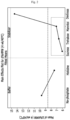
FIG. 1 is a graph showing the %HMW (High-molecular weight %) change rate (Δ%HMW) for 4 weeks during 4 weeks storage at 40°C of test compositions measured in Example 2. -
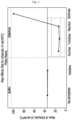
FIG. 2 is a graph showing the result of analyzing statistically significant factors using Minitab (Minitab, version 17), based on the Δ%HMW result for 4 weeks during 4 weeks storage at 40°C of test compositions measured in Example 2. -
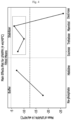
FIG. 3 is a graph showing the result of analyzing statistically significant factors using Minitab, based on the Δ%Acidic result for 4 weeks during 4 weeks storage at 40°C of test compositions measured in Example 3. -
FIG. 4 is a graph showing the result of analyzing statistically significant factors using Minitab, based on the %RPA (Relative Potency Activity) change rate (Δ%RPA) result for 4 weeks during 4 weeks storage at 40°C of test compositions measured in Example 4. - Hereinafter, the present invention will be described in more detail through examples and test examples. However, these examples and test examples are intended to illustrate the present invention, and should not be construed as limiting the present invention.
- Using a fusion protein functioning as a VEFG antagonist, aflibercept (a fusion protein of a VEGF binding site derived from extracellular domains of
human VEGF receptors 1 and 2, and the Fc region of human IgG1; CAS Number: 862111-32-8; SEQ ID NO: 1) as a protein drug, liquid Compositions 1 to 14 of the protein drug were prepared as the composition of the following Table 2:[Table 2] (Compositions No. 4 and 6 are according to the claims) Compos ition No. Protein drug concentrat ion pH Buffer Stabilizer Surfactant 1-3a 40 mg/mL 6.2 10 mM sodium phosphate 5%(w/v) Sucrose, 40 mM NaCl 0.03%(w/v) PS20 4 40 mg/mL 6.2 10 mM sodium phosphate 8%(w/v) Sucrose 0.03%(w/v) PS20 5 40 mg/mL 6.2 10 mM sodium phosphate 4.5%(w/v) Mannitol 0.03%(w/v) PS20 6 40 mg/mL 6.2 10 mM sodium phosphate 8%(w/v) Trehalose 0.03%(w/v) PS20 7 40 mg/mL 6.2 10 mM sodium phosphate 4.5%(w/v) dextrose 0.03%(w/v) PS20 8 40 mg/mL 6.2 10 mM histidine 8%(w/v) Sucrose 0.03%(w/v) PS20 9 40 mg/mL 6.2 10 mM histidine 4.5%(w/v) Mannitol 0.03%(w/v) PS20 10 40 mg/mL 6.2 10 mM histidine 8%(w/v) Trehalose 0.03%(w/v) PS20 11 40 mg/mL 6.2 10 mM histidine 4.5%(w/v) dextrose 0.03%(w/v) PS20 12-14b 40 mg/mL 6.2 10 mM sodium phosphate 5%(w/v) Sucrose, 40 mM NaCl 0.03%(w/v) PS20 aControl (EYLEA® composition-applied formulation), b Control (EYLEA®) - To test the stability of Compositions 1-14 prepared in Example 1, %HMW (% high molecular weight; based on weight), indicating an aggregation degree of the protein drug in the compositions was measured with SE-HPLC during storage for 4 weeks at the conditions of
protein drug concentration 40 mg/mL, pH 6.2 and 40°C. - More specifically, a substance, which was detected earlier than the time when a monomer was detected, was defined as HMW, and %HMW was measured under the condition of 1.0 mL/min flow rate and 17 min injection time using HPLC (Waters 2695 separation module alliance) and column (Tosoh, TSK-gel G3000 SWXL) (%HMW = AreaH/AreaTOTAL x 100).
- The measured %HMW (initial %HMW, 4th week %HMW, Δ%HMW (4th week %HMW- initial %HMW) is showed in Table 3, and the 4th week %HMW is shown in
FIG. 1 (P: Na-phosphate, H: Histidine, T: Trehalose, S: Sucrose, M: Mannitol):[Table 3] (Compositions No. 4 and 6 are according to the claims) Composition Buffer Stabilizer Initial 40°C, 4th week No. %HMW %HMW Δ%HMW 1-3a (control) 10 mM Na- phosphate 5%(w/v) Sucrose, 40 mM NaCl 0.52 9.92 9.40 [N=3, SD:0.02] [N=3, SD: 0.19] [N=3, SD: 0.21] 4 8%(w/v) Sucrose 0.52 6.92 6.40 5 4.5%(w/v) Mannitol 0.56 8.68 8.12 6 8%(w/v) Trehalose 0.55 8.62 8.07 7 4.5%(w/v) Dextrose 0.54 16.85 16.31 8 10 mM Histidine 8%(w/v) Sucrose 0.53 6.31 5.78 9 4.5%(w/v) Mannitol 0.54 6.64 6.10 10 8%(w/v) Trehalose 0.51 5.84 5.33 11 4.5%(w/v) Dextrose 0.53 13.19 12.66 12-14b (control) EYLEA® 1.46 10.35 8.89 [N=3, SD:0.00] [N=3, SD: 0.07] [N=3, SD: 0.07] aControl (EYLEA® composition-applied formulation) b Control (EYLEA®) - As shown in Table 3 and
FIG. 1 , in all the test compositions comprising sucrose, trehalose or mannitol as a stabilizer, it was shown that both %HMW at the 4th week and the rate of increase of %HMW at the 4th week (compared to %HMW at the initial (0 week)) were lower than those of the control (EYLEA® and EYLEA® composition-applied formulation). - The result of analyzing statistically significant factors based on the Δ%HMW result shown in Table 3 is shown in
FIG. 2 . InFIG. 2 , it was confirmed that the factors, which significantly affected Δ%HMW, were mannitol, sucrose, and trehalose, as a stabilizer. As shown inFIG. 2 , there was no large difference depending on the kind of buffer, and in case of stabilizer, it was shown that %HMW was lower when using mannitol, sucrose or trehalose, compared to the composition using dextrose. - For the formulation comprising mannitol, sucrose, or trehalose as a stabilizer which was confirmed to lower Δ%HMW as above, the same test as above was repeatedly performed (n=3), and the obtained results are shown in Table 4:
[Table 4] (Compositions No. 1-3, 4-6 are according to the claims) Composition No. Buffer Stabilizer Initial 40°C, 4th week %HMW %HMW Δ%HMW 1-3 10 mM Na-phosphate 8% Trehalose 0.78 8.56 7.78 [N=3, SD:0.01] [N=3, SD:0.10] [N=3, SD:0.09] 4-6 10 mM Na-phosphate 8% Sucrose 0.80 8.07 7.27 [N=3, SD:0.01] [N=3, SD:0.10] [N=3, SD:0.09] 7-9 10 mM Na-phosphate 4.5% Mannitol 0.78 9.58 8.80 [N=3, SD:0.01] [N=3, SD:0.06] [N=3, SD:0.06] 10-12 10 mM Histidine 8% Trehalose 0.81 8.75 7.93 [N=3, SD:0.01] [N=3, SD:0.15] [N=3, SD:0.14] 13-15 10 mM Histidine 8% Sucrose 0.78 8.41 7.63 [N=3, SD:0.00] [N=3, SD:0.17] [N=3, SD:0.17] 16-18 10 mM Histidine 4.5% Mannitol 0.80 9.32 8.52 [N=3, SD:0.02] [N=3, SD:0.12] [N=3, SD:0.12] 19-21 10 mM Na-phosphate 5%(w/v) Sucrose, 40 mM NaCl 0.82 11.21 10.40 [N=3, SD:0.00] [N=3, SD:0.39] [N=3, SD:0.39] - As shown in Table 4, the formulation comprising mannitol, sucrose, or trehalose as a stabilizer showed lower Δ%HMW compared to the control, indicating that they have superior stability, and such superior stability was repeatedly achieved.
- Compositions 1-10 (Protein drug concentration: 40 mg/mL; pH 6.2; Surfactant: 0.03%(w/v) PS20) as shown in Table 5 were prepared using mannitol, sucrose, or trehalose as a stabilizer of which superior stabilizing effect was confirmed in Example 1 and Table 3, and using dextrose as a stabilizer for a control. To test the stability of these compositions, %Acidic (% Acidic variants content; based on weight) and %Main (content of a protein maintaining a surface charge of the initial condition in a charge variant aspect (based on weight)), which indicate the denaturation degree of the protein drug in the compositions, were measured using imaged capillary isoelectric focusing (icIEF) during storage for 4 weeks at 40°C.
- More specifically, %Acidic, %Basic, and %Main were measured by analyzing acidic, main and basic isoforms of a sample, which was incubated after treating Enzyme (Sialidase A, Sigma-Aldrich), under the condition of 110 sec sample injection duration, 2000 psi sample injection pressure using icIEF instrument (Protein simple, iCE3).
- The measured %Acidic and %Main (initial, 4th week, 4th week result - initial result (Δ%Acidic and Δ%Main)) are shown in Table 5:
[Table 5] (Compositions No. 1 and 3 are according to the claims) Com posit ion No. Buffer Stabilizer icIEF Initial 40°C, 4th week %Aci dic %Mai n %Acid ic %Mai n Δ%Aci dic Δ%Ma in 1 10 mM Na- phosphate 8% Sucrose 66.0 31.4 79.6 15.6 13.6 -15.9 2 4.5% Mannitol 64.9 30.4 78.8 15.6 13.9 -14.8 3 8% Trehalose 65.4 31.1 78.2 15.6 12.8 -15.6 4 4.5% Dextrose 67.9 29.2 N/ A a5 10 mM Histidine 5% Sucrose, 40 mM NaCl 65.7 31.5 76.7 16.3 11.0 -15.2 6 8% Sucrose 65.7 31.8 79.4 15.8 13.7 -15.9 7 4.5% Mannitol 65.5 31.5 78.4 14.8 12.9 -16.7 8 8% Trehalose 65.4 31.5 77.1 16.1 11.7 -15.4 9 135 mM NaCl 65.9 31.2 78.1 15.8 12.2 -15.4 10 4.5% Dextrose 66.7 28.9 N/Aa a N/A: Not available (Acidic, Main, and Basic peak were not distinguished) - As shown in Table 5, all of the tested compositions showed lower change degrees in both %Acidic and %Main compared to the comparative composition comprising dextrose as the stabilizer, which indicates that the test compositions have increased stabilities.
- Statistically significant factors determined on the basis of the result of Table 5 were analyzed and the results are shown in
FIG. 3 . As shown inFIG. 3 , it was confirmed that there was no significant difference of Δ%Acidic according to buffer kinds, but all the stabilizers except for dextrose significantly affected Δ%Acidic. - To test the maintenance of activity of aflibercept which is a pharmacological active ingredient in Compositions 1-14 of Table 2 prepared in Example 1, %RBA (Relative Binding Activity) and %RPA (Relative Potency Activity) of aflibercept in the compositions to VEFG were measured during storage for 4 weeks at the condition of
protein drug concentration 40 mg/mL, pH 6.2 and 40°C. - More specifically, %RBA was measured by the following method: after performing VEGF 165 coating (including washing and blocking; R&D system) on MaxiSorp 96 well plate (Nunc), Aflibercept and secondary antibody (Sigma) were loaded thereon in order, and then, TMB ELISA substance solution (Thermo Fisher Scientific) was treated; thereafter, %RBA (Relative Binding Activity) was measured using ELISA leader (SpectraMax).
- The measured %RBA at 0 week and 4th week at 40°C and %RBA change rate for 4 weeks (Δ%RBA) are shown in Table 6:

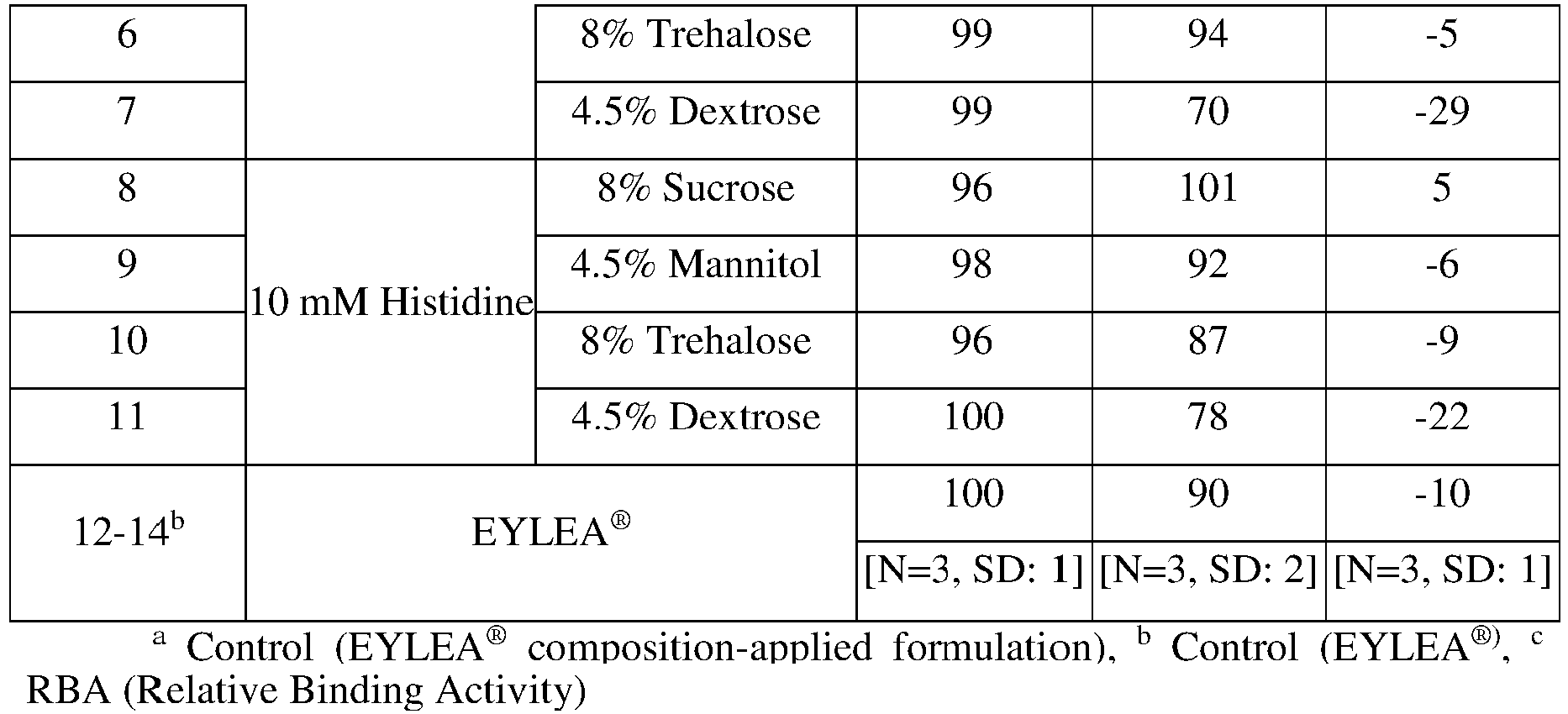
- As shown in Table 6, it was shown that %RBA decrease rate was lower or equal level to that of the control in all the tested compositions, except for the composition comprising dextrose as the stabilizer, and such a result showed that aflibercept maintained the binding activity to VEGF well in all the tested compositions.
- In addition, %RPA was measured by the following method: after loading and incubation of KDR 293 cell (Promega) in a 96 well plate in which aflibercept and VEGF were loaded in order, %RPA (Relative Potency Analysis) was analyzed using Envision microplate reader (Perkin Elmer, Envision 2014).
- The measured %RPA at 0 week and 4th week at 40°C and %RPA change rate for 4 weeks (Δ%RPA) are shown in Table 7:
[Table 7] (Compositions No. 4 and 6 are according to the claims) Composition No. Buffer Stabilizer VEGF Neutralization (±3SD, US: 83-118, EU: 92-111) Initial 40°C, 4th week %RPAc %RPA Δ%RPA 1-3a 10 mM Na- phosphate 5% Sucrose, 40 mM NaCl 103 91 -8 [N=3, SD:5] [N=3, SD: 5] [N=3, SD: 3] 4 8% Sucrose 96 86 -10 5 4.5% Mannitol 98 86 -12 6 8 % Trehalose 100 83 -17 7 4.5% Dextrose 109 77 -32 8 10 mM Histidine 8% Sucrose 102 97 -5 9 4.5% Mannitol 97 97 0 10 8% Trehalose 98 95 -3 11 4.5% Dextrose 109 89 -20 12-14b EYLEA® 105 95 -11 [N=3, SD: 7] [N=3, SD: 1] [N=3, SD: 6] a Control (EYLEA® composition-applied formulation), b Control (EYLEA®),
c RPA (Relative Potency Activity) - As shown in Table 7, except for the composition comprising dextrose as the stabilizer, the decrease rate in %RPA of all the tested composition were lower or equal level to that of control, which indicates that the relative titre of aflibercept to VEGF neutralization capability can be maintained well in all the tested compositions.
- Statistically significant factors were analyzed based on the %RPA result in Table 7 and the obtained results are shown in
FIG. 4 . As shown inFIG. 4 , all the tested buffers showed similar or improved %RPA decrease, compared to the control, and in case of stabilizer, all the tested stabilizers except for dextrose showed similar or less %RPA decrease compared to the control. - %Main of 6 kinds of compositions (
compositions - More specifically, %Main was measured by the following method: after thermal treatment at 70°C of a sample which is mixed with SDS sample buffer (AB Sciex) and BME (2-mercaptoethaol, Sigma Aldrich) (mixing ratio: about 1:50 (v:v)), %total protein area which was detected under 220 nm was analyzed, using CE analysis instrument (Beckman Coulter, PA800 plus) and 32 karat software (Beckman Coulter).
- The measured %Main at 0 week and 4th week at 40°C and %Main change rate for 4 weeks (Δ%Main) are shown in Table 8:
[Table 8] (Compositions No. 4 and 6 are according to the claims) Comp osition No. Buffer Stabilizer Initial 40°C, 4th week % Impurity %Main %Main Δ%Main 1-3a 10 mM Na- phosphate 5%(w/v) Sucrose, 40 mM NaCl 3.1 96.9 95.2 -1.7 [N=3, SD:0.37] [N=3, SD:0.37] [N=3, SD:0.12] [N=3, SD:0.24] 4 8%(w/v) Sucrose 2.7 97.3 96.3 -1.0 5 4.5%(w/v) Mannitol 3.1 96.9 95.9 -1.0 6 8%(w/v) Trehalose 2.6 97.4 95.3 -2.1 8 10 mM Histidine 8%(w/v) Sucrose 2.0 98.0 96.3 -1.7 9 4.5%(w/v) Mannitol 2.9 97.0 96.6 -0.4 10 8%(w/v) Trehalose 2.1 97.8 96.3 -1.5 aControl (EYLEA® composition-applied formulation) - As shown in Table 8, the %Main decrease rate in tested 6 compositions were equivalent to or lower than that of the control. Such a result showed that all the tested 6 compositions possessed equivalent to or higher stability compared to the control.
Claims (11)
- A liquid composition comprising:(1) 5 mg/ml to 100 mg/ml of aflibercept;(2) a buffer of 1 to 50 mM, comprising sodium phosphate and having pH ranging from 4 to 8;(3) a stabilizer of 7.8 to 10%(w/v), wherein the stabilizer is selected from the group consisting of trehalose and sucrose; andwherein the liquid composition does not comprise sodium chloride.
- The liquid composition according to claim 1, wherein the amount of the aflibercept is 20 mg/ml to 60 mg/ml.
- The liquid composition according to claim 1 or claim 2, wherein the pH of the liquid composition is 5.8 to 6.2.
- The liquid composition according to any one of claims 1 to 3, wherein the concentration of the buffer in the composition is 1 to 20 mM.
- The liquid composition according to any one of the preceding claims, wherein the amount of the stabilizer is 7.8 to 8.2%(w/v).
- The liquid composition according to any one of the preceding claims, further comprising a surfactant in an amount of 0.01 to 0.1%(w/v).
- The liquid composition according to claim 6, wherein the surfactant is at least one selected from the group consisting of polysorbate 20, polysorbate 80, and a combination thereof.
- The liquid composition according to any one of the preceding claims, which is aqueous and isotonic.
- The liquid composition according to any one of the preceding claims, wherein the composition is aqueous and has osmotic pressure of 200 to 400 mOsm/kg.
- The liquid composition according to any one of the preceding claims, wherein the composition comprises:(1) 30 mg/ml to 50 mg/ml of aflibercept;(2) a buffer of 1 to 20mM, comprising sodium phosphate;(3) a sucrose of 7.8 to 10%(w/v); and(4) a polysorbate 20 of 0.01 to 0.1 %(w/v);wherein the liquid composition has pH of 6.2 and does not comprise sodium chloride.
- A parenteral formulation for intravitreal administration, comprising the liquid composition according to any one of the preceding claims.
Applications Claiming Priority (2)
| Application Number | Priority Date | Filing Date | Title |
|---|---|---|---|
| KR20170178693 | 2017-12-22 | ||
| PCT/KR2018/016156 WO2019124946A1 (en) | 2017-12-22 | 2018-12-18 | Liquid composition comprising vegf antagonist |
Publications (4)
| Publication Number | Publication Date |
|---|---|
| EP3730126A1 EP3730126A1 (en) | 2020-10-28 |
| EP3730126A4 EP3730126A4 (en) | 2021-11-03 |
| EP3730126C0 EP3730126C0 (en) | 2025-05-14 |
| EP3730126B1 true EP3730126B1 (en) | 2025-05-14 |
Family
ID=66994837
Family Applications (1)
| Application Number | Title | Priority Date | Filing Date |
|---|---|---|---|
| EP18893272.7A Active EP3730126B1 (en) | 2017-12-22 | 2018-12-18 | Liquid composition comprising vegf antagonist |
Country Status (11)
| Country | Link |
|---|---|
| US (1) | US20200390693A1 (en) |
| EP (1) | EP3730126B1 (en) |
| JP (2) | JP7692699B2 (en) |
| KR (3) | KR102494021B1 (en) |
| CN (1) | CN111556744B (en) |
| AU (1) | AU2018388301B2 (en) |
| CA (2) | CA3085158C (en) |
| IL (1) | IL275238B2 (en) |
| SA (1) | SA520412281B1 (en) |
| TW (1) | TWI848956B (en) |
| WO (1) | WO2019124946A1 (en) |
Families Citing this family (11)
| Publication number | Priority date | Publication date | Assignee | Title |
|---|---|---|---|---|
| SI2944306T1 (en) | 2006-06-16 | 2021-04-30 | Regeneron Pharmaceuticals, Inc. | Vegf antagonist formulations suitable for intravitreal administration |
| MA50908A (en) | 2017-11-17 | 2020-09-23 | Amgen Inc | VEGFR-FC FUSION PROTEIN FORMULATIONS |
| EP3730126B1 (en) | 2017-12-22 | 2025-05-14 | Samsung Bioepis Co., Ltd. | Liquid composition comprising vegf antagonist |
| JP7235770B2 (en) * | 2018-05-10 | 2023-03-08 | リジェネロン・ファーマシューティカルズ・インコーポレイテッド | Formulations Containing High Concentrations of VEGF Receptor Fusion Proteins |
| MX2022013812A (en) | 2020-05-08 | 2022-12-15 | Regeneron Pharma | Vegf traps and mini-traps and methods for treating ocular disorders and cancer. |
| JP2023535933A (en) * | 2020-07-24 | 2023-08-22 | パンジェン バイオテック インコーポレイテッド | ophthalmic liquid composition |
| KR20220015976A (en) * | 2020-07-31 | 2022-02-08 | (주)셀트리온 | Stable Pharmaceutical Formulation |
| US11723955B1 (en) * | 2022-05-13 | 2023-08-15 | Allgenesis Biotherapeutics Inc. | VEGFR fusion protein pharmaceutical composition |
| TWI892441B (en) * | 2022-05-13 | 2025-08-01 | 新源生物科技股份有限公司 | Vegfr fusion protein pharmaceutical composition |
| TWI831202B (en) * | 2022-05-13 | 2024-02-01 | 新源生物科技股份有限公司 | Vegfr fusion protein pharmaceutical composition |
| WO2025177156A1 (en) * | 2024-02-20 | 2025-08-28 | Lupin Limited | Stable ophthalmic pharmaceutical formulation of aflibercept |
Citations (8)
| Publication number | Priority date | Publication date | Assignee | Title |
|---|---|---|---|---|
| WO2000075319A1 (en) | 1999-06-08 | 2000-12-14 | Regeneron Pharmaceuticals, Inc. | Modified chimeric polypeptides with improved pharmacokinetic properties |
| WO2006104852A2 (en) | 2005-03-25 | 2006-10-05 | Regeneron Pharmaceuticals, Inc. | Vegf antagonist formulations |
| WO2007149334A2 (en) | 2006-06-16 | 2007-12-27 | Regeneron Pharmaceuticals, Inc. | Vegf antagonist formulations suitable for intravitreal administration |
| WO2013181495A2 (en) | 2012-06-01 | 2013-12-05 | Ophthotech Corporation | Compositions comprising an anti-pdgf aptamer and a vegf antagonist |
| WO2016073915A1 (en) | 2014-11-07 | 2016-05-12 | Novartis Ag | Stable protein solution formulation containing high concentration of an anti-vegf antibody |
| WO2016208989A1 (en) | 2015-06-23 | 2016-12-29 | Alteogen, Inc. | A stable liquid formulation of fusion protein with igg fc domain |
| WO2018094316A1 (en) | 2016-11-21 | 2018-05-24 | Just Biotherapeutics, Inc. | Aflibercept formulations and uses thereof |
| WO2019124946A1 (en) | 2017-12-22 | 2019-06-27 | 삼성바이오에피스 주식회사 | Liquid composition comprising vegf antagonist |
Family Cites Families (12)
| Publication number | Priority date | Publication date | Assignee | Title |
|---|---|---|---|---|
| US9283260B2 (en) * | 2006-04-21 | 2016-03-15 | Amgen Inc. | Lyophilized therapeutic peptibody formulations |
| AU2012202859C1 (en) * | 2006-06-16 | 2025-08-07 | Regeneron Pharmaceuticals, Inc. | VEGF antagonist formulations suitable for intravitreal administration |
| CN103816115B (en) * | 2010-08-31 | 2017-06-27 | 成都康弘生物科技有限公司 | A kind of pharmaceutical composition containing the fusion protein for suppressing blood vessel hyperplasia and purposes |
| UY34105A (en) * | 2011-06-03 | 2012-07-31 | Lg Life Sciences Ltd | STABLE LIQUID FORMULATION OF ETANERCEPT |
| SG11201401562RA (en) * | 2011-10-18 | 2014-09-26 | Coherus Biosciences Inc | Etanercept formulations stabilized with sodium chloride |
| MX351261B (en) * | 2012-06-01 | 2017-10-06 | Surmodics Inc | Apparatus and method for coating balloon catheters. |
| CN105209069B (en) * | 2013-03-13 | 2019-08-23 | 豪夫迈·罗氏有限公司 | Antibody formulation |
| US20160144025A1 (en) * | 2014-11-25 | 2016-05-26 | Regeneron Pharmaceuticals, Inc. | Methods and formulations for treating vascular eye diseases |
| CN108367072B (en) * | 2015-12-07 | 2022-12-27 | 默克专利股份有限公司 | Aqueous pharmaceutical formulation comprising anti-PD-L1 antibody AVELUMAB |
| CN109152831A (en) * | 2015-12-29 | 2019-01-04 | 安口生物公司 | The buffer preparation of Avastin |
| JP7309213B2 (en) * | 2017-09-22 | 2023-07-18 | エスケーエス ウエルディング システムズ ゲーエムベーハー | Welding current source with cooling device |
| JP7235770B2 (en) * | 2018-05-10 | 2023-03-08 | リジェネロン・ファーマシューティカルズ・インコーポレイテッド | Formulations Containing High Concentrations of VEGF Receptor Fusion Proteins |
-
2018
- 2018-12-18 EP EP18893272.7A patent/EP3730126B1/en active Active
- 2018-12-18 KR KR1020207017668A patent/KR102494021B1/en active Active
- 2018-12-18 AU AU2018388301A patent/AU2018388301B2/en active Active
- 2018-12-18 IL IL275238A patent/IL275238B2/en unknown
- 2018-12-18 US US16/770,858 patent/US20200390693A1/en active Pending
- 2018-12-18 KR KR1020237003082A patent/KR102742284B1/en active Active
- 2018-12-18 JP JP2020534166A patent/JP7692699B2/en active Active
- 2018-12-18 CA CA3085158A patent/CA3085158C/en active Active
- 2018-12-18 KR KR1020247040840A patent/KR20250002808A/en active Pending
- 2018-12-18 CN CN201880082733.0A patent/CN111556744B/en active Active
- 2018-12-18 WO PCT/KR2018/016156 patent/WO2019124946A1/en not_active Ceased
- 2018-12-18 CA CA3189025A patent/CA3189025A1/en active Pending
-
2019
- 2019-06-21 TW TW108121726A patent/TWI848956B/en active
-
2020
- 2020-06-20 SA SA520412281A patent/SA520412281B1/en unknown
-
2022
- 2022-08-10 JP JP2022128071A patent/JP2022166159A/en active Pending
Patent Citations (9)
| Publication number | Priority date | Publication date | Assignee | Title |
|---|---|---|---|---|
| WO2000075319A1 (en) | 1999-06-08 | 2000-12-14 | Regeneron Pharmaceuticals, Inc. | Modified chimeric polypeptides with improved pharmacokinetic properties |
| WO2006104852A2 (en) | 2005-03-25 | 2006-10-05 | Regeneron Pharmaceuticals, Inc. | Vegf antagonist formulations |
| WO2007149334A2 (en) | 2006-06-16 | 2007-12-27 | Regeneron Pharmaceuticals, Inc. | Vegf antagonist formulations suitable for intravitreal administration |
| US20140323983A1 (en) | 2006-06-16 | 2014-10-30 | Regeneron Pharmaceuticals, Inc. | VEGF Antagonist Formulations for Intravitreal Administration |
| WO2013181495A2 (en) | 2012-06-01 | 2013-12-05 | Ophthotech Corporation | Compositions comprising an anti-pdgf aptamer and a vegf antagonist |
| WO2016073915A1 (en) | 2014-11-07 | 2016-05-12 | Novartis Ag | Stable protein solution formulation containing high concentration of an anti-vegf antibody |
| WO2016208989A1 (en) | 2015-06-23 | 2016-12-29 | Alteogen, Inc. | A stable liquid formulation of fusion protein with igg fc domain |
| WO2018094316A1 (en) | 2016-11-21 | 2018-05-24 | Just Biotherapeutics, Inc. | Aflibercept formulations and uses thereof |
| WO2019124946A1 (en) | 2017-12-22 | 2019-06-27 | 삼성바이오에피스 주식회사 | Liquid composition comprising vegf antagonist |
Non-Patent Citations (17)
| Title |
|---|
| "PHARMACEUTICAL BIOTECHNOLOGY", vol. 13, 1 January 2002, KLUWER, DORDRECHT , NL , ISSN: 1078-0467, article RAJIV NAYAR, MARK C. MANNING: "High Throughput Formulation: Strategies for Rapid Development of Stable Protein Products", pages: 177 - 198, XP055764066, DOI: 10.1007/978-1-4615-0557-0_8 |
| "Rational Design of stable protein formulations - theory and practice (chapter 1", 1 January 2002, article BS CHANG: "Practical approaches to protein formulation development", pages: 1 - 25, XP055543078, DOI: 10.1007/978-1-4615-0557-0_1 |
| ANONYMOUS: "AVASTIN HIGHLIGHTS OF PRESCRIBING INFORMATION", FDA, 1 May 2009 (2009-05-01), pages 1 - 22, XP055624017 |
| ANONYMOUS: "EYLEA (aflibercept) Injection - HIGHLIGHTS OF PRESCRIBING INFORMATION", FDA, 1 July 2015 (2015-07-01), XP093370226, Retrieved from the Internet <URL:https://www.accessdata.fda.gov/drugsatfda_docs/label/2015/125387s036lbl.pdf> |
| ANONYMOUS: "LUCENTIS® (ranibizumab injection) Intravitreal Injection - HIGHLIGHTS OF PRESCRIBING INFORMATION", FDA, 1 October 2014 (2014-10-01), XP093309855 |
| D16 - ENGLISH TRANSLATION OF PRIORITY APPLICATION KR20170178693 – FILED BY APPLICANT DURING EXAMINATION |
| D17 - English translation of PCT/KR2018/016156 (as provided to the EPO by the applicant on 9 June 2020) |
| D24 - LETTER FROM THE APPLICANT FILED DURING PROSECUTION, DATED 21 APRIL 2022 |
| D25 - SEARCH OPINION ISSUED DURING EXAMINATION 1 OCTOBER |
| D3A - SUMMARY OF FORMULATIONS OF WO 2016/208989 A1 |
| JYOTHI S, CHOWDHURY H, ELAGOUZ M, SIVAPRASAD S: "Intravitreal bevacizumab (Avastin) for age-related macular degeneration: a critical analysis of literature", EYE, NATURE PUBLISHING GROUP, GB, vol. 24, no. 5, 1 May 2010 (2010-05-01), GB , pages 816 - 824, XP093309843, ISSN: 0950-222X, DOI: 10.1038/eye.2009.219 |
| NOVARTIS: "Novartis brolucizumab (RTH258) demonstrates superiority versus aflibercept in key secondary endpoint measures of disease activity in nAMD, a leading cause of blindness", XP093350954 |
| RASOULI MEHDI: "Basic concepts and practical equations on osmolality: Biochemical approach", CLINICAL BIOCHEMISTRY, ELSEVIER, AMSTERDAM, NL, vol. 49, no. 12, 22 June 2016 (2016-06-22), AMSTERDAM, NL, pages 936 - 941, XP029668260, ISSN: 0009-9120, DOI: 10.1016/j.clinbiochem.2016.06.001 |
| SINGH SUMIT RANDHIR, AVANTIKA DOGRA, MICHAEL STEWART, TARAPRASAD DAS, JAY CHHABLANI: "Intravitreal Ziv-Aflibercept: Clinical Effects and Economic Impact", ASIA-PACIFIC JOURNAL OF OPHTHALMOLOGY, LIPPINCOTT WILLIAMS & WILKINS, GB, vol. 6, no. 6, 1 November 2017 (2017-11-01), GB , pages 561 - 568, XP093370230, ISSN: 2162-0989, DOI: 10.22608/APO.2017263 |
| TESAR DEVIN, LUOMA JACOB, WYATT EMILY A., SHI CATHERINE, SHATZ WHITNEY, HASS PHILIP E., MATHIEU MARY, YI LI, CORN JACOB E., MAASS : "Protein engineering to increase the potential of a therapeutic antibody Fab for long-acting delivery to the eye", MABS, LANDES BIOSCIENCE, US, vol. 9, no. 8, 17 November 2017 (2017-11-17), US , pages 1297 - 1305, XP093370227, ISSN: 1942-0862, DOI: 10.1080/19420862.2017.1372078 |
| TIM J. KAMERZELL; REZA ESFANDIARY; SANGEETA B. JOSHI; C. RUSSELL MIDDAUGH; DAVID B. VOLKIN;: "Protein excipient interactions: Mechanisms and biophysical characterization applied to protein formulation development", ADVANCED DRUG DELIVERY REVIEWS, ELSEVIER, AMSTERDAM , NL, vol. 63, no. 13, 26 July 2011 (2011-07-26), Amsterdam , NL , pages 1118 - 1159, XP028320148, ISSN: 0169-409X, DOI: 10.1016/j.addr.2011.07.006 |
| ZBACNIK TEDDY J; HOLCOMB RYAN E; KATAYAMA DERRICK S; MURPHY BRIAN M; PAYNE ROBERT W; COCCARO RICHARD C; EVANS GABRIEL J; MATSUURA : "Role of Buffers in Protein Formulations.", JOURNAL OF PHARMACEUTICAL SCIENCES, ELSEVIER INC., US, vol. 106, no. 3, 1 March 2017 (2017-03-01), US , pages 713 - 733, XP009194471, ISSN: 1520-6017, DOI: 10.1016/j.xphs.2016.11.014 |
Also Published As
| Publication number | Publication date |
|---|---|
| KR20250002808A (en) | 2025-01-07 |
| KR20230021164A (en) | 2023-02-13 |
| WO2019124946A1 (en) | 2019-06-27 |
| JP2021508687A (en) | 2021-03-11 |
| CA3085158C (en) | 2023-04-04 |
| CA3189025A1 (en) | 2019-06-27 |
| TWI848956B (en) | 2024-07-21 |
| EP3730126A4 (en) | 2021-11-03 |
| EP3730126A1 (en) | 2020-10-28 |
| CN111556744A (en) | 2020-08-18 |
| TW202023603A (en) | 2020-07-01 |
| SA520412281B1 (en) | 2024-01-25 |
| CN111556744B (en) | 2023-12-29 |
| IL275238B2 (en) | 2023-12-01 |
| AU2018388301A1 (en) | 2020-07-02 |
| JP2022166159A (en) | 2022-11-01 |
| JP7692699B2 (en) | 2025-06-16 |
| CA3085158A1 (en) | 2019-06-27 |
| AU2018388301B2 (en) | 2022-02-17 |
| US20200390693A1 (en) | 2020-12-17 |
| KR102742284B1 (en) | 2024-12-16 |
| IL275238B1 (en) | 2023-08-01 |
| IL275238A (en) | 2020-07-30 |
| KR102494021B1 (en) | 2023-02-06 |
| NZ765415A (en) | 2024-08-30 |
| BR112020012399A2 (en) | 2020-11-24 |
| EP3730126C0 (en) | 2025-05-14 |
| KR20200084897A (en) | 2020-07-13 |
Similar Documents
| Publication | Publication Date | Title |
|---|---|---|
| EP3730126A1 (en) | Liquid composition comprising vegf antagonist | |
| EP3851096A1 (en) | Liquid composition comprising protein | |
| EP3452075B1 (en) | Ophthalmic pharmaceutical composition | |
| ES2759931T3 (en) | Stable Pharmaceutical Liquid Formulations of Fusion Protein TNFR: Fc | |
| EP2586459B1 (en) | Vegf antagonist formulations | |
| EP2720710B1 (en) | Freeze-dried formulations of fgf-18 | |
| KR20160034307A (en) | Stabilized antibody compositions | |
| AU2019407063B2 (en) | Protein solution formulation containing high concentration of an anti-VEGF antibody | |
| TW201325610A (en) | Etolamine stabilized etanercept formulation | |
| JP7220664B2 (en) | liquid pharmaceutical composition | |
| RU2756619C2 (en) | Liquid composition of an antibody against tnf alpha | |
| JP7442595B2 (en) | Stable formulation of fibronectin-based scaffold domain proteins that bind myostatin | |
| EP4065161A1 (en) | High concentration formulations of anti-csf1 and anti-csf1r antibodies | |
| HK40029511A (en) | Liquid composition comprising vegf antagonist | |
| HK40029511B (en) | Liquid composition comprising vegf antagonist | |
| EP3744319B1 (en) | A stable lyophilized formulation for hybrid fc fused g-csf | |
| HK1257781B (en) | Aqueous pharmaceutical formulation comprising anti-pd-l1 antibody avelumab | |
| HK1215796B (en) | Anti her2 antibody formulation | |
| HK1215796A1 (en) | Anti her2 antibody formulation |
Legal Events
| Date | Code | Title | Description |
|---|---|---|---|
| STAA | Information on the status of an ep patent application or granted ep patent |
Free format text: STATUS: THE INTERNATIONAL PUBLICATION HAS BEEN MADE |
|
| PUAI | Public reference made under article 153(3) epc to a published international application that has entered the european phase |
Free format text: ORIGINAL CODE: 0009012 |
|
| STAA | Information on the status of an ep patent application or granted ep patent |
Free format text: STATUS: REQUEST FOR EXAMINATION WAS MADE |
|
| 17P | Request for examination filed |
Effective date: 20200609 |
|
| AK | Designated contracting states |
Kind code of ref document: A1 Designated state(s): AL AT BE BG CH CY CZ DE DK EE ES FI FR GB GR HR HU IE IS IT LI LT LU LV MC MK MT NL NO PL PT RO RS SE SI SK SM TR |
|
| AX | Request for extension of the european patent |
Extension state: BA ME |
|
| DAV | Request for validation of the european patent (deleted) | ||
| DAX | Request for extension of the european patent (deleted) | ||
| A4 | Supplementary search report drawn up and despatched |
Effective date: 20211001 |
|
| RIC1 | Information provided on ipc code assigned before grant |
Ipc: A61K 9/00 20060101ALI20210927BHEP Ipc: A61K 38/17 20060101ALI20210927BHEP Ipc: A61K 47/26 20060101ALI20210927BHEP Ipc: A61K 47/18 20170101ALI20210927BHEP Ipc: A61K 47/12 20060101ALI20210927BHEP Ipc: A61K 9/08 20060101AFI20210927BHEP |
|
| GRAP | Despatch of communication of intention to grant a patent |
Free format text: ORIGINAL CODE: EPIDOSNIGR1 |
|
| STAA | Information on the status of an ep patent application or granted ep patent |
Free format text: STATUS: GRANT OF PATENT IS INTENDED |
|
| INTG | Intention to grant announced |
Effective date: 20230306 |
|
| GRAJ | Information related to disapproval of communication of intention to grant by the applicant or resumption of examination proceedings by the epo deleted |
Free format text: ORIGINAL CODE: EPIDOSDIGR1 |
|
| STAA | Information on the status of an ep patent application or granted ep patent |
Free format text: STATUS: REQUEST FOR EXAMINATION WAS MADE |
|
| GRAP | Despatch of communication of intention to grant a patent |
Free format text: ORIGINAL CODE: EPIDOSNIGR1 |
|
| STAA | Information on the status of an ep patent application or granted ep patent |
Free format text: STATUS: GRANT OF PATENT IS INTENDED |
|
| INTC | Intention to grant announced (deleted) | ||
| INTG | Intention to grant announced |
Effective date: 20231020 |
|
| GRAJ | Information related to disapproval of communication of intention to grant by the applicant or resumption of examination proceedings by the epo deleted |
Free format text: ORIGINAL CODE: EPIDOSDIGR1 |
|
| STAA | Information on the status of an ep patent application or granted ep patent |
Free format text: STATUS: REQUEST FOR EXAMINATION WAS MADE |
|
| INTC | Intention to grant announced (deleted) | ||
| GRAP | Despatch of communication of intention to grant a patent |
Free format text: ORIGINAL CODE: EPIDOSNIGR1 |
|
| STAA | Information on the status of an ep patent application or granted ep patent |
Free format text: STATUS: GRANT OF PATENT IS INTENDED |
|
| INTG | Intention to grant announced |
Effective date: 20240926 |
|
| GRAS | Grant fee paid |
Free format text: ORIGINAL CODE: EPIDOSNIGR3 |
|
| GRAA | (expected) grant |
Free format text: ORIGINAL CODE: 0009210 |
|
| STAA | Information on the status of an ep patent application or granted ep patent |
Free format text: STATUS: THE PATENT HAS BEEN GRANTED |
|
| AK | Designated contracting states |
Kind code of ref document: B1 Designated state(s): AL AT BE BG CH CY CZ DE DK EE ES FI FR GB GR HR HU IE IS IT LI LT LU LV MC MK MT NL NO PL PT RO RS SE SI SK SM TR |
|
| REG | Reference to a national code |
Ref country code: GB Ref legal event code: FG4D |
|
| REG | Reference to a national code |
Ref country code: CH Ref legal event code: EP |
|
| REG | Reference to a national code |
Ref country code: IE Ref legal event code: FG4D |
|
| REG | Reference to a national code |
Ref country code: DE Ref legal event code: R096 Ref document number: 602018082015 Country of ref document: DE |
|
| U01 | Request for unitary effect filed |
Effective date: 20250604 |
|
| U07 | Unitary effect registered |
Designated state(s): AT BE BG DE DK EE FI FR IT LT LU LV MT NL PT RO SE SI Effective date: 20250613 |
|
| PG25 | Lapsed in a contracting state [announced via postgrant information from national office to epo] |
Ref country code: ES Free format text: LAPSE BECAUSE OF FAILURE TO SUBMIT A TRANSLATION OF THE DESCRIPTION OR TO PAY THE FEE WITHIN THE PRESCRIBED TIME-LIMIT Effective date: 20250514 |
|
| PG25 | Lapsed in a contracting state [announced via postgrant information from national office to epo] |
Ref country code: NO Free format text: LAPSE BECAUSE OF FAILURE TO SUBMIT A TRANSLATION OF THE DESCRIPTION OR TO PAY THE FEE WITHIN THE PRESCRIBED TIME-LIMIT Effective date: 20250814 Ref country code: GR Free format text: LAPSE BECAUSE OF FAILURE TO SUBMIT A TRANSLATION OF THE DESCRIPTION OR TO PAY THE FEE WITHIN THE PRESCRIBED TIME-LIMIT Effective date: 20250815 |
|
| PG25 | Lapsed in a contracting state [announced via postgrant information from national office to epo] |
Ref country code: PL Free format text: LAPSE BECAUSE OF FAILURE TO SUBMIT A TRANSLATION OF THE DESCRIPTION OR TO PAY THE FEE WITHIN THE PRESCRIBED TIME-LIMIT Effective date: 20250514 |
|
| PG25 | Lapsed in a contracting state [announced via postgrant information from national office to epo] |
Ref country code: HR Free format text: LAPSE BECAUSE OF FAILURE TO SUBMIT A TRANSLATION OF THE DESCRIPTION OR TO PAY THE FEE WITHIN THE PRESCRIBED TIME-LIMIT Effective date: 20250514 |
|
| PG25 | Lapsed in a contracting state [announced via postgrant information from national office to epo] |
Ref country code: RS Free format text: LAPSE BECAUSE OF FAILURE TO SUBMIT A TRANSLATION OF THE DESCRIPTION OR TO PAY THE FEE WITHIN THE PRESCRIBED TIME-LIMIT Effective date: 20250814 |
|
| PG25 | Lapsed in a contracting state [announced via postgrant information from national office to epo] |
Ref country code: IS Free format text: LAPSE BECAUSE OF FAILURE TO SUBMIT A TRANSLATION OF THE DESCRIPTION OR TO PAY THE FEE WITHIN THE PRESCRIBED TIME-LIMIT Effective date: 20250914 |
|
| PG25 | Lapsed in a contracting state [announced via postgrant information from national office to epo] |
Ref country code: SM Free format text: LAPSE BECAUSE OF FAILURE TO SUBMIT A TRANSLATION OF THE DESCRIPTION OR TO PAY THE FEE WITHIN THE PRESCRIBED TIME-LIMIT Effective date: 20250514 |
|
| PG25 | Lapsed in a contracting state [announced via postgrant information from national office to epo] |
Ref country code: CZ Free format text: LAPSE BECAUSE OF FAILURE TO SUBMIT A TRANSLATION OF THE DESCRIPTION OR TO PAY THE FEE WITHIN THE PRESCRIBED TIME-LIMIT Effective date: 20250514 |
|
| U20 | Renewal fee for the european patent with unitary effect paid |
Year of fee payment: 8 Effective date: 20251218 |
|
| PG25 | Lapsed in a contracting state [announced via postgrant information from national office to epo] |
Ref country code: SK Free format text: LAPSE BECAUSE OF FAILURE TO SUBMIT A TRANSLATION OF THE DESCRIPTION OR TO PAY THE FEE WITHIN THE PRESCRIBED TIME-LIMIT Effective date: 20250514 |
|
| PLBI | Opposition filed |
Free format text: ORIGINAL CODE: 0009260 |
|
| REG | Reference to a national code |
Ref country code: CH Ref legal event code: L11 Free format text: ST27 STATUS EVENT CODE: U-0-0-L10-L11 (AS PROVIDED BY THE NATIONAL OFFICE) Effective date: 20260218 |
|
| PLAB | Opposition data, opponent's data or that of the opponent's representative modified |
Free format text: ORIGINAL CODE: 0009299OPPO |
|
| PLBI | Opposition filed |
Free format text: ORIGINAL CODE: 0009260 |
|
| REG | Reference to a national code |
Ref country code: CH Ref legal event code: L10 Free format text: ST27 STATUS EVENT CODE: U-0-0-L10-L00 (AS PROVIDED BY THE NATIONAL OFFICE) Effective date: 20260225 |
|
| PLAX | Notice of opposition and request to file observation + time limit sent |
Free format text: ORIGINAL CODE: EPIDOSNOBS2 |
|
| 26 | Opposition filed |
Opponent name: MAIWALD GMBH Effective date: 20260212 |
|
| 26 | Opposition filed |
Opponent name: KIVIAL SRL Effective date: 20260213 Opponent name: KILBURN & STRODE LLP Effective date: 20260216 |
|
| R26 | Opposition filed (corrected) |
Opponent name: MAIWALD GMBH Effective date: 20260212 |