EP3728194B1 - Quinoline sulfonamide compounds and their use as antibacterial agents - Google Patents
Quinoline sulfonamide compounds and their use as antibacterial agents Download PDFInfo
- Publication number
- EP3728194B1 EP3728194B1 EP18892575.4A EP18892575A EP3728194B1 EP 3728194 B1 EP3728194 B1 EP 3728194B1 EP 18892575 A EP18892575 A EP 18892575A EP 3728194 B1 EP3728194 B1 EP 3728194B1
- Authority
- EP
- European Patent Office
- Prior art keywords
- alkyl
- compound
- mmol
- dichloromethane
- nmr
- Prior art date
- Legal status (The legal status is an assumption and is not a legal conclusion. Google has not performed a legal analysis and makes no representation as to the accuracy of the status listed.)
- Active
Links
Images

Classifications
-
- A—HUMAN NECESSITIES
- A61—MEDICAL OR VETERINARY SCIENCE; HYGIENE
- A61K—PREPARATIONS FOR MEDICAL, DENTAL OR TOILETRY PURPOSES
- A61K31/00—Medicinal preparations containing organic active ingredients
- A61K31/33—Heterocyclic compounds
- A61K31/395—Heterocyclic compounds having nitrogen as a ring hetero atom, e.g. guanethidine or rifamycins
- A61K31/435—Heterocyclic compounds having nitrogen as a ring hetero atom, e.g. guanethidine or rifamycins having six-membered rings with one nitrogen as the only ring hetero atom
- A61K31/47—Quinolines; Isoquinolines
- A61K31/4706—4-Aminoquinolines; 8-Aminoquinolines, e.g. chloroquine, primaquine
-
- A—HUMAN NECESSITIES
- A61—MEDICAL OR VETERINARY SCIENCE; HYGIENE
- A61K—PREPARATIONS FOR MEDICAL, DENTAL OR TOILETRY PURPOSES
- A61K31/00—Medicinal preparations containing organic active ingredients
- A61K31/33—Heterocyclic compounds
- A61K31/395—Heterocyclic compounds having nitrogen as a ring hetero atom, e.g. guanethidine or rifamycins
- A61K31/435—Heterocyclic compounds having nitrogen as a ring hetero atom, e.g. guanethidine or rifamycins having six-membered rings with one nitrogen as the only ring hetero atom
- A61K31/47—Quinolines; Isoquinolines
- A61K31/4709—Non-condensed quinolines and containing further heterocyclic rings
-
- A—HUMAN NECESSITIES
- A61—MEDICAL OR VETERINARY SCIENCE; HYGIENE
- A61K—PREPARATIONS FOR MEDICAL, DENTAL OR TOILETRY PURPOSES
- A61K31/00—Medicinal preparations containing organic active ingredients
- A61K31/33—Heterocyclic compounds
- A61K31/395—Heterocyclic compounds having nitrogen as a ring hetero atom, e.g. guanethidine or rifamycins
- A61K31/535—Heterocyclic compounds having nitrogen as a ring hetero atom, e.g. guanethidine or rifamycins having six-membered rings with at least one nitrogen and one oxygen as the ring hetero atoms, e.g. 1,2-oxazines
- A61K31/5375—1,4-Oxazines, e.g. morpholine
- A61K31/5377—1,4-Oxazines, e.g. morpholine not condensed and containing further heterocyclic rings, e.g. timolol
-
- A—HUMAN NECESSITIES
- A61—MEDICAL OR VETERINARY SCIENCE; HYGIENE
- A61P—SPECIFIC THERAPEUTIC ACTIVITY OF CHEMICAL COMPOUNDS OR MEDICINAL PREPARATIONS
- A61P31/00—Antiinfectives, i.e. antibiotics, antiseptics, chemotherapeutics
- A61P31/04—Antibacterial agents
-
- C—CHEMISTRY; METALLURGY
- C07—ORGANIC CHEMISTRY
- C07D—HETEROCYCLIC COMPOUNDS
- C07D215/00—Heterocyclic compounds containing quinoline or hydrogenated quinoline ring systems
- C07D215/02—Heterocyclic compounds containing quinoline or hydrogenated quinoline ring systems having no bond between the ring nitrogen atom and a non-ring member or having only hydrogen atoms or carbon atoms directly attached to the ring nitrogen atom
- C07D215/16—Heterocyclic compounds containing quinoline or hydrogenated quinoline ring systems having no bond between the ring nitrogen atom and a non-ring member or having only hydrogen atoms or carbon atoms directly attached to the ring nitrogen atom with hetero atoms or with carbon atoms having three bonds to hetero atoms with at the most one bond to halogen, e.g. ester or nitrile radicals, directly attached to ring carbon atoms
- C07D215/38—Nitrogen atoms
- C07D215/40—Nitrogen atoms attached in position 8
-
- C—CHEMISTRY; METALLURGY
- C07—ORGANIC CHEMISTRY
- C07D—HETEROCYCLIC COMPOUNDS
- C07D401/00—Heterocyclic compounds containing two or more hetero rings, having nitrogen atoms as the only ring hetero atoms, at least one ring being a six-membered ring with only one nitrogen atom
- C07D401/02—Heterocyclic compounds containing two or more hetero rings, having nitrogen atoms as the only ring hetero atoms, at least one ring being a six-membered ring with only one nitrogen atom containing two hetero rings
- C07D401/12—Heterocyclic compounds containing two or more hetero rings, having nitrogen atoms as the only ring hetero atoms, at least one ring being a six-membered ring with only one nitrogen atom containing two hetero rings linked by a chain containing hetero atoms as chain links
-
- C—CHEMISTRY; METALLURGY
- C07—ORGANIC CHEMISTRY
- C07D—HETEROCYCLIC COMPOUNDS
- C07D401/00—Heterocyclic compounds containing two or more hetero rings, having nitrogen atoms as the only ring hetero atoms, at least one ring being a six-membered ring with only one nitrogen atom
- C07D401/14—Heterocyclic compounds containing two or more hetero rings, having nitrogen atoms as the only ring hetero atoms, at least one ring being a six-membered ring with only one nitrogen atom containing three or more hetero rings
-
- C—CHEMISTRY; METALLURGY
- C07—ORGANIC CHEMISTRY
- C07D—HETEROCYCLIC COMPOUNDS
- C07D405/00—Heterocyclic compounds containing both one or more hetero rings having oxygen atoms as the only ring hetero atoms, and one or more rings having nitrogen as the only ring hetero atom
- C07D405/02—Heterocyclic compounds containing both one or more hetero rings having oxygen atoms as the only ring hetero atoms, and one or more rings having nitrogen as the only ring hetero atom containing two hetero rings
- C07D405/12—Heterocyclic compounds containing both one or more hetero rings having oxygen atoms as the only ring hetero atoms, and one or more rings having nitrogen as the only ring hetero atom containing two hetero rings linked by a chain containing hetero atoms as chain links
-
- C—CHEMISTRY; METALLURGY
- C07—ORGANIC CHEMISTRY
- C07D—HETEROCYCLIC COMPOUNDS
- C07D409/00—Heterocyclic compounds containing two or more hetero rings, at least one ring having sulfur atoms as the only ring hetero atoms
- C07D409/02—Heterocyclic compounds containing two or more hetero rings, at least one ring having sulfur atoms as the only ring hetero atoms containing two hetero rings
- C07D409/12—Heterocyclic compounds containing two or more hetero rings, at least one ring having sulfur atoms as the only ring hetero atoms containing two hetero rings linked by a chain containing hetero atoms as chain links
-
- C—CHEMISTRY; METALLURGY
- C07—ORGANIC CHEMISTRY
- C07D—HETEROCYCLIC COMPOUNDS
- C07D411/00—Heterocyclic compounds containing two or more hetero rings, at least one ring having oxygen and sulfur atoms as the only ring hetero atoms
- C07D411/02—Heterocyclic compounds containing two or more hetero rings, at least one ring having oxygen and sulfur atoms as the only ring hetero atoms containing two hetero rings
- C07D411/12—Heterocyclic compounds containing two or more hetero rings, at least one ring having oxygen and sulfur atoms as the only ring hetero atoms containing two hetero rings linked by a chain containing hetero atoms as chain links
-
- C—CHEMISTRY; METALLURGY
- C07—ORGANIC CHEMISTRY
- C07D—HETEROCYCLIC COMPOUNDS
- C07D413/00—Heterocyclic compounds containing two or more hetero rings, at least one ring having nitrogen and oxygen atoms as the only ring hetero atoms
- C07D413/02—Heterocyclic compounds containing two or more hetero rings, at least one ring having nitrogen and oxygen atoms as the only ring hetero atoms containing two hetero rings
- C07D413/12—Heterocyclic compounds containing two or more hetero rings, at least one ring having nitrogen and oxygen atoms as the only ring hetero atoms containing two hetero rings linked by a chain containing hetero atoms as chain links
-
- C—CHEMISTRY; METALLURGY
- C07—ORGANIC CHEMISTRY
- C07D—HETEROCYCLIC COMPOUNDS
- C07D417/00—Heterocyclic compounds containing two or more hetero rings, at least one ring having nitrogen and sulfur atoms as the only ring hetero atoms, not provided for by group C07D415/00
- C07D417/02—Heterocyclic compounds containing two or more hetero rings, at least one ring having nitrogen and sulfur atoms as the only ring hetero atoms, not provided for by group C07D415/00 containing two hetero rings
- C07D417/12—Heterocyclic compounds containing two or more hetero rings, at least one ring having nitrogen and sulfur atoms as the only ring hetero atoms, not provided for by group C07D415/00 containing two hetero rings linked by a chain containing hetero atoms as chain links
-
- A—HUMAN NECESSITIES
- A61—MEDICAL OR VETERINARY SCIENCE; HYGIENE
- A61K—PREPARATIONS FOR MEDICAL, DENTAL OR TOILETRY PURPOSES
- A61K45/00—Medicinal preparations containing active ingredients not provided for in groups A61K31/00 - A61K41/00
- A61K45/06—Mixtures of active ingredients without chemical characterisation, e.g. antiphlogistics and cardiaca
-
- Y—GENERAL TAGGING OF NEW TECHNOLOGICAL DEVELOPMENTS; GENERAL TAGGING OF CROSS-SECTIONAL TECHNOLOGIES SPANNING OVER SEVERAL SECTIONS OF THE IPC; TECHNICAL SUBJECTS COVERED BY FORMER USPC CROSS-REFERENCE ART COLLECTIONS [XRACs] AND DIGESTS
- Y02—TECHNOLOGIES OR APPLICATIONS FOR MITIGATION OR ADAPTATION AGAINST CLIMATE CHANGE
- Y02A—TECHNOLOGIES FOR ADAPTATION TO CLIMATE CHANGE
- Y02A40/00—Adaptation technologies in agriculture, forestry, livestock or agroalimentary production
- Y02A40/70—Adaptation technologies in agriculture, forestry, livestock or agroalimentary production in livestock or poultry
Definitions
- the invention relates to quinoline sulfonamide compounds and their use for the treatment or prevention of bacterial infections.
- the invention relates to novel sulfonamide quinoline compounds substituted at the 2-position of the quinoline ring.
- Antibiotic resistance is present in every country. In February 2017, the World Health Organization listed priority human pathogens for which research and development of new antibiotics is most critical, these being Acinetobacter baumannii (carbapenem-resistant), Pseudomonas aeruginosa (carbapenem-resistant), and Enterobacteriaceae (carbapenem-resistant, ESBL-producing). Animals, particularly in food production, are also susceptible to a wide range of bacterial infections, e.g. Gram-negative respiratory disease, foot-rot, and mastitis including acute E. coli mastitis, and Pseudomonas mastitis.
- antibiotics are used primarily during dry cow therapy and for the treatment of mastitis, where the most commonly used antibiotics are penicillin-based products. Worldwide the widespread use of antibiotics in animal food has driven the rise of antibiotic-resistant strains of bacteria.
- Antibiotics are used in livestock production for both disease prevention and treatment of disease. Approximately 80% of the antibiotics used in the United States is through their use in the animal food industry, and many of these antibiotics are important in human medicine. While the development of antibiotic resistance by bacteria is a natural process, the widespread use of antibiotics in the animal food and agricultural industries raises the possibility of antibiotic-resistant bacteria of animal origin contributing to infections in humans. As such, it is crucial that new antibacterial agents are developed that are targeted specifically at the agricultural industry, to protect the use of essential human antibiotics.
- Bovine mastitis a bacterial infection of the udder.
- Bovine mastitis is the most significant production limiting disease for dairying worldwide, and costs the New Zealand dairy industry NZ$280M each year.
- Bovine mastitis is not only a disease of economic importance, but one with possible implications for public health. Mastitis is recognised as the most common reason for antibiotic use in the dairy industry, both within New Zealand and worldwide.
- Preventative teat sprays containing sanitisers such as chlorhexidine and iodine are vital tools in managing mastitis. These sanitisers are applied to cows after every milking.
- chlorhexidine and iodine are essential human medicines used for the control of infection. They appear on the World Health Organisation (WHO) Model List of Essential Medicines.
- WHO World Health Organization
- An ionophore is a chemical species that reversibly binds ions. Many ionophores are lipid-soluble entities that transport ions across a cell membrane. An ionophore binds a metal, transports it across a lipid bilayer, releases the metal, and then re-engages with metal ions not yet transported across the membrane, repeating the process. Ionophores have been used as growth promotants in agriculture for decades. Monensin is the most widely used, and is included in animal feed to improve weight gain of beef cattle through a mechanism that alters rumen fermentation, in turn increasing milk yield and reducing milk fat content. Current evidence indicates that ionophores are unlikely to contribute to the spread of antibiotic resistance in humans because ionophores are not used in human medicine and have a distinct mode of action compared to antibiotic used in humans.
- ionophores able to bind zinc are potential candidates because they show rapid killing of certain bacteria.
- these bacteria are mastitis-causing bacteria and ionophores that bind zinc are not used in human medicine to treat bacterial infections.
- zinc homeostasis is critical to bacterial survival, and excess zinc accumulation in bacteria results in cellular toxicity.
- 8-Hydroxy quinoline compounds are examples of ionophores. They have the general structure:
- the acidic phenolic hydrogen is thought to be important for activity because it can be ionised relatively easily. Adding electron withdrawing substituents to the phenol ring (e.g. chlorine atoms) decreases the p K a of the phenolic hydrogen and can affect antibacterial activity.
- Sulfonamide quinoline compounds where the hydroxyl group of the phenol ring has been replaced with a sulfonamide group) are also effective as antibacterial agents through their ionophore activity.
- the p K a of the sulfonamide hydrogen can be tailored by changing the substituent on the sulfonamide moiety.
- Examples of known 8-sulfonamide quinoline compounds include:
- R 2 is not an unsubstituted formyl group.
- R 2 is not unsubstituted 2-(diethylamino)ethyl.
- the compound defined by Formula I is not Methanesulfonamide, N-(2-formyl-8-quinolinyl); 2- 1- Acetamide, N-[4-[[[2-[2-(diethylamino)ethyl]-8-quinolinyl]amino]sulfonyl]phenyl]; Benzenesulfonamide, N-(2-formyl-8-quinolinyl) ; .
- the compounds defined by Formula I are not ZDR030, ZDR035, ZDR046, ZDR090, ZDR102, ZDR111, ZDR112, ZDR113, ZDR114, ZDR115, ZDR116, ZDR117, ZDR119, ZDR120, ZDR121, ZDR122, ZDR124, ZDR125, ZDR143, ZDR167, ZDR170, ZDR171, ZDR187, ZDR261, ZDR262, ZDR266, ZDR268 and ZDR269, as disclosed herein.
- R 1 is alkyl, aryl, alkylaryl, alkoxyaryl or heteroaryl substituted with halogen.
- R 1 is aryl, alkylaryl or alkoxyaryl substituted with halogen.
- R 1 is alkylaryl or alkoxyaryl substituted with halogen.
- R 1 is alkylaryl substituted with halogen.
- R 1 may be (trifluoromethyl)phenyl.
- R 2 is (C 1 -C 6 alkyl)NR 7 R 8 .
- R 1 is alkyl, aryl, alkylaryl, alkoxyaryl or heteroaryl substituted with halogen and R 2 is (C 1 -C 6 alkyl)NR 7 R 8 .
- R 1 is aryl, alkylaryl or alkoxyaryl substituted with halogen and R 2 is (C 1 -C 6 alkyl)NR 7 R 8 .
- R 1 is alkylaryl or alkoxyaryl substituted with halogen and R 2 is (C 1 -C 6 alkyl)NR 7 R 8
- R 1 is alkylaryl substituted with halogen and R 2 is (C 1 -C 6 alkyl)NR 7 R 8 .
- R 1 is (trifluoromethyl)phenyl and R 2 is (C 1 -C 6 alkyl)NR 7 R 8 .
- R 2 is (C 1 -C 6 alkyl)NR 7 (C 1 -C 6 alkyl)NR 8 R 9 .
- R 1 is alkyl, aryl, alkylaryl, alkoxyaryl or heteroaryl substituted with halogen and R 2 is (C 1 -C 6 alkyl)NR 7 (C 1 -C 6 alkyl)NR 8 R 9 .
- R 1 is aryl, alkylaryl or alkoxyaryl substituted with halogen and R 2 is (C 1 -C 6 alkyl)NR 7 (C 1 -C 6 alkyl)NR 8 R 9 .
- R 1 is alkylaryl or alkoxyaryl substituted with halogen and R 2 is (C 1 -C 6 alkyl)NR 7 (C 1 -C 6 alkyl)NR 8 R 9 .
- R 1 is alkylaryl substituted with halogen and R 2 is (C 1 -C 6 alkyl)NR 7 (C 1 -C 6 alkyl)NR 8 R 9 .
- R 1 is (trifluoromethyl)phenyl and R 2 is (C 1 -C 6 alkyl)NR 7 (C 1 -C 6 alkyl)NR 8 R 9 .
- Exemplary compounds of the invention include: ZDR019 ZDR022 ZDR022-HCl
- R 1 alkylaryl substituted with halogen
- R 1 alkylaryl substituted with halogen
- R 1 alkylaryl substituted with halogen
- R 2 formyl
- R 2 (C 1 -C 6 alkyl)NR 7 R 8
- R 2 (C 1 -C 6 alkyl)NR 7 R 8
- R 1 alkylaryl substituted with halogen
- R 1 alkylaryl substituted with halogen
- R 1 alkylaryl substituted with halogen
- R 2 (C 1 -C 6 alkyl)NR 7 R 8
- R 2 (C 1 -C 6 alkyl)NR 7 R 8
- R 2 (C 1 -
- the compounds described and claimed herein possess antibacterial activity against both Gram positive and Gram negative bacteria. Data to support these observations is presented in Tables 1 & 2 of Example 214, which follows. Specifically, exemplary compounds of the invention demonstrated both growth inhibitory and bactericidal activity against Streptococcus uberis, Staphylococcus aureus and Escherichia coli, as measured using MIC and MBC assays, respectively. In certain examples, the exemplary compounds advantageously demonstrate antibacterial activity in the absence of zinc (i.e. added exogenously to the assay medium).
- the compound defined by Forumla I is selected from ZDR030, ZDR035, ZDR046, ZDR090, ZDR102, ZDR111, ZDR112, ZDR113, ZDR114, ZDR115, ZDR116, ZDR117, ZDR119, ZDR120, ZDR121, ZDR122, ZDR124, ZDR125, ZDR143, ZDR167, ZDR170, ZDR171, ZDR187, ZDR261, ZDR262, ZDR266, ZDR268 and ZDR269.
- the present invention provides a compound defined as ZDR022.HCl. In another aspect the present invention provides a compound defined as ZDR090.
- the present invention provides a compound defined as ZDR091.
- the present invention provides a compound defined as ZDR092.
- the present invention provides a compound defined as ZDR095.
- the present invention provides a compound defined as ZDR102.
- the present invention provides a compound defined as ZDR111.
- the present invention provides a compound defined as ZDR112.
- the present invention provides a compound defined as ZDR114.
- the present invention provides a compound defined as ZDR115.
- the present invention provides a compound defined as ZDR116.
- the present invention provides a compound defined as ZDR117.
- the present invention provides a compound defined as ZDR119.
- the present invention provides a compound defined as ZDR120.
- the present invention provides a compound defined as ZDR121.
- the present invention provides a compound defined as ZDR122.
- the present invention provides a compound defined as ZDR124.
- the present invention provides a compound defined as ZDR125.
- the present invention provides a compound defined as ZDR127.
- the present invention provides a compound defined as ZDR143.
- the present invention provides a compound defined as ZDR167.
- the present invention provides a compound defined as ZDR170.
- the present invention provides a compound defined as ZDR171.
- the present invention provides a compound defined as ZDR187.
- the present invention provides a compound defined as ZDR224.
- the present invention provides a compound defined as ZDR261.
- the present invention provides a compound defined as ZDR269.
- the present invention provides a compound defined as ZDR335.
- composition comprising a compound and a pharmaceutically acceptable carrier, wherein the compound is a compound of the invention, or a compound selected from the group:
- composition is a veterinary pharmaceutical composition.
- the composition further comprises an antibacterial compound selected from the group comprising chlorhexidine, iodine, lactic acid, cetrimide, BZK (benzylalkonium chloride), amoxicillin, erythromycin, cloxacillin, pirlimycin, cephapirin, hetacillin, penicillin, irrigationn and lacticin.
- an antibacterial compound selected from the group comprising chlorhexidine, iodine, lactic acid, cetrimide, BZK (benzylalkonium chloride), amoxicillin, erythromycin, cloxacillin, pirlimycin, cephapirin, hetacillin, penicillin, amin and lacticin.
- composition is formulated as a tablet, capsule or powder, or as a solution, suspension or dispersion for oral, injectable or sprayable administration.
- a product for use in treating or preventing a bacterial infection in an animal comprising administering to an animal a pharmaceutically effective amount of the product which is a compound of the invention, or a compound selected from the group comprising:
- the compound is selected from ZDR022.HCl, ZDR090, ZDR091, ZDR092, ZDR095, ZDR102, ZDR111, ZDR112, ZDR114, ZDR115, ZDR116, ZDR117, ZDR119, ZDR120, ZDR121, ZDR122, ZDR124, ZDR125, ZDR127, ZDR143, ZDR167, ZDR170, ZDR171, ZDR187, ZDR224, ZDR261, ZDR269 and ZDR335.
- the bacterial infection is caused by one or more bacteria from the Enterobactericeae, Staphylococcaceae, and Streptococcaceae families.
- Enterobactericeae Staphylococcaceae
- Streptococcaceae families this includes Streptococcus uberis, Staphylococcus aureus, Staphylococcus agalactiae, and Escherichia coli.
- the bacterial infection is mastitis.
- the animal is a bovine cow.
- Figure 1 shows a general mechanism of metal translocation by a compound of the invention.
- alkyl means any saturated hydrocarbon radical and is intended to include both straight-chain and branched-chain alkyl groups.
- alkyl groups include, but are not limited to, methyl, ethyl, n-propyl, iso-propyl, n-butyl, iso-butyl, sec-butyl, t-butyl, n-pentyl, 1-methylbutyl, 2-methylbutyl, 3-methylbutyl, 1,1-dimethylpropyl, 1,2-dimethylpropyl, 2,2-dimethylpropyl, 1-ethylpropyl, n -hexyl, and 1-methyl-2-ethylpropyl.
- C1-C6 alkyl means any alkyl radical having up to 6 carbon atoms.
- alkenyl means any hydrocarbon radical having at least one double bond, and is intended to include both straight- and branched-chain alkenyl groups.
- alkenyl groups include, but are not limited to, ethenyl, n -propenyl, iso-propenyl, n -butenyl, sec-butenyl, n -pentenyl, 1,1-dimethylpropenyl, 1,2-dimethylpropenyl, 2,2-dimethylpropenyl, 1-ethylpropenyl, 2-ethylpropenyl, n -hexenyl, and 1-methyl-2-ethylpropenyl.
- alkynyl means any hydrocarbon radical having at least one triple bond, and is intended to include both straight- and branched-chain alkynyl groups.
- alkynyl groups include, but are not limited to, ethynyl, n -propynyl, n -butynyl, iso -butynyl, sec- butynyl, t -butynyl, n -pentynyl, 1,1-dimethylpropynyl, 2,2-dimethylpropynyl, 1-ethylpropynyl, 2-ethylpropynyl, n -hexynyl, and 1-methyl-2-ethylpropynyl.
- alkylene means a diradical corresponding to an alkyl group.
- alkylene groups include, but are not limited to, methylene and ethylene.
- cycloalkyl means a saturated or partially saturated non-aromatic carbocyclic group, having preferably from 3 to 8 ring carbon atoms.
- cycloalkyl groups include, but are not limited to, cyclopropyl, cyclobutyl, cyclopentyl, cyclohexyl, cycloheptyl, and cyclooctyl.
- heterocyclyl means a cycloalkyl group where one or more of the ring carbon atoms is replaced with one or more heteroatoms, e.g. nitrogen, oxygen or sulfur.
- heterocyclyl groups include, but are not limited to, pyrrolidinyl, pyrrolinyl, pyrazolidinyl, aziridinyl, thiiranyl, 1,2-dithietanyl, morpholinyl, furanyl, pyranyl, thiophenyl, isoxazolyl, furazanyl, tetrahydrofuranyl, thietanyl, piperidinyl, azetidinyl, oxiranyl, epoxide, and thiacyclohexyl.
- alkoxy means an alkyl group singular bonded to an oxygen atom.
- alkoxy groups include, but are not limited to, methoxy, ethoxy, propoxy, iso -propoxy, n- butoxy, iso -butoxy, sec -butoxy, and t -butoxy,
- aryl means an aromatic radical. Examples include monocyclic groups as well as fused groups such as bicyclic groups and tricyclic groups. Examples include, but are not limited to, phenyl, indenyl, 1-naphthyl, 2-naphthyl, azulenyl, heptalenyl, biphenyl, indacenyl, acenaphthyl, fluorenyl, phenalenyl, phenanthrenyl, anthracenyl, cyclopentacyclooctenyl, and benzocyclooctenyl.
- heteroaryl means a heterocyclic aromatic (heteroaromatic) radical.
- examples include monocyclic groups as well as fused groups such as bicyclic groups and tricyclic groups. Examples include, but are not limited to, pyridyl, pyrrolyl, pyridazinyl, pyrimidinyl, pyrazinyl, triazolyl, tetrazolyl, benzotriazolyl, pyrazolyl, imidazolyl, benzimidazolyl, indolyl, isoindolyl, indolizinyl, purinyl, indazolyl, furyl, pyranyl, benzofuryl, isobenzofuryl, thienyl, thiazolyl, isothiazolyl, benzothiazolyl, oxazolyl, and isoxazolyl.
- aralkyl means an aryl group which is attached to an alkylene moiety, where "aryl” and “alkylene” are as defined above. Examples include benzyl.
- alkylaryl means an alkyl group which is attached to an aryl group, where "alkyl” and “aryl” are defined above. Examples include methylphenyl.
- alkoxyaryl means an alkoxy group which is attached to an aryl group, where "alkoxy” and “aryl” are defined above. Examples include methoxyphenyl.
- alkylheteroaryl means an alkyl group which is attached to heteroaryl group, where “alkyl” and “heteroaryl” are defined above. Examples include methylpyridinyl.
- alkoxyheteroaryl means alkoxy group which is attached to heteroaryl group, where “alkoxy” and “heteroaryl” are defined above. Examples includes methoxypyridinyl.
- prodrug refers to a drug substance that is inactive or weakly active in the intended pharmacological actions and is converted into the pharmacologically active or more active agent by metabolic or physico-chemical transformation.
- pharmaceutical composition refers to a mixture of one or more of the compounds of formula (I), or pharmaceutically acceptable salts, or hydrates thereof, with other chemical components, such as physiologically acceptable carriers and excipients.
- the purpose of a pharmaceutical composition is to facilitate administration of a compound to an organism.
- carrier refers to a diluent, adjuvant, excipient, or vehicle with which a compound is administered.
- suitable pharmaceutical carriers include liquids, such as water and oils, including those of petroleum, animal, vegetable or synthetic origin, such as peanut oil, soybean oil, mineral oil, sesame oil and the like.
- the pharmaceutical carrier may also be saline, gum acacia, gelatin, starch paste, talc, keratin, colloidal silica, urea, and the like.
- auxiliary, stabilizing, thickening, lubricating and colouring agents may be used.
- suitable pharmaceutical carriers are described in "Remington's Pharmaceutical Sciences” by E.W. Martin, herein incorporated by reference.
- the term "effective amount” means an amount of a compound that, when administered to a subject for treating a disease, is sufficient to effect such treatment for the disease.
- the “effective amount” will vary depending on the disease to be treated, the compound to be administered, the severity of the disease treated, the age and relative health of the subject, the route and form of administration, whether the treatment is monotherapy or combination therapy, the judgement of the attending clinician, and other factors.
- pharmaceutically acceptable means that which is useful in preparing a pharmaceutical composition that is generally safe, non-toxic, and neither biologically nor otherwise undesirable and includes that which is acceptable for veterinary as well as human pharmaceutical use.
- pharmaceutically acceptable salt refers to any salt of a compound provided herein which retains its biological properties and which is not toxic or otherwise undesirable for pharmaceutical use and is intended to include salts derived from inorganic or organic acids including, for example hydrochloric, hydrobromic, sulfuric, nitric, perchloric, phosphoric, formic, acetic, lactic, maleic, fumaric, succinic, tartaric, glycolic, salicylic, citric, methanesulfonic, benzenesulfonic, benzoic, malonic, trifluroacetic, trichloroacetic, naphthalene-2 sulfonic and other acids.
- inorganic or organic acids including, for example hydrochloric, hydrobromic, sulfuric, nitric, perchloric, phosphoric, formic, acetic, lactic, maleic, fumaric, succinic, tartaric, glycolic, salicylic, citric, methanesulfonic, benzene
- compositions may also include forms wherein the ratio of molecules comprising the salt is not 1:1.
- the salt may comprise more than one inorganic or organic acid molecule per molecule of base, such as two hydrochloric acid molecules per molecule of compound of formula (I).
- the compounds of the invention are defined according to formula (I) above.
- the applicants have found that the compounds of the invention are effective inhibitors of several bacterial strains. As will be appreciated, there is an expectation that the compounds will be inhibitors of a larger group of bacteria.
- the compounds are characterised as having a substituted sulfonamide group at the 8-position of the quinoline ring structure and a substituent at the 2-position.
- the p K a of the sulfonamide hydrogen plays a role in the ability of the compound to act as an ionophore and therefore that an electron withdrawing group on the sulfonamide substituent is preferable.
- electron withdrawing groups include halogen, haloalkyl, haloalkoxy, alkyl carbonyl, alkyl ester, carboxylic acid, nitrile, and nitro.
- the substituent at the 2-positon may be chosen from a large variety of different types of groups. Some preferred groups are those that incorporate a nitrogen functionality. Again without being bound by theory, it is thought that those compounds having an amino group one carbon removed from the quinoline ring at the 2-position may beneficially interact, in combination with the quinoline nitrogen and the sulfonamide nitrogen, with a zinc cation.
- the compounds of the invention may be prepared by any known or standard synthetic procedures. Some compounds may be prepared according to scheme 1 from 8-amino-2-methylquinoline by reaction firstly with a substituted sulfonyl chloride, followed by oxidation of the 2-methyl group to an aldehyde (to give a 2-formyl derivative), and then reductive amination.
- some compounds may be prepared according to scheme 2 from 8-amino-2-methylquinoline (which is first protected as a carbamate) via oxidation of the 2-methyl group to an aldehyde (to give a 2-formyl derivative), reductive amination (followed by deprotection) and then reaction with a substituted sulfonyl chloride.
- Acylhydrazones and semicarbazones/thiosemicarbazones may be prepared from a common 2-formyl pre-cursor according to schemes 3 and 4, respectively.
- Oximes and hydrazones may be prepared from a common 2-formyl pre-cursor according to schemes 5 and 6, respectively.
- Aminomethyl derivatives may be prepared from a common 2-aminomethyl precursor (via an oxime, scheme 5) according to scheme 7.
- Amino amide derivatives may be prepared from a common N -boc-protected amino acid precursor (via an N -hydroxysuccinimide ester) according to scheme 8.
- Amide derivatives may be prepared from a common carboxylic acid precursor (itself accessed through the oxidation of a 2-formyl precursor, scheme 1) according to scheme 9.
- the compounds of the invention may be administered to a human or animal patient by a variety of routes, including orally, parenterally, by inhalation spray, topically, rectally, nasally, buccally, intravenously, intra-muscularly, intra-dermally, subcutaneously or via an implanted reservoir, preferably intravenously.
- the amount of compound to be administered will vary widely according to the nature of the patient and the nature and extent of the disorder to be treated. Typically the dosage for an adult human will be in the range 50-4800 ⁇ g/m 2 or ⁇ g/kg.
- the specific dosage required for any particular patient will depend upon a variety of factors, including the patient's age, body weight, general health, sex, etc.
- the compounds of the invention can be formulated into solid or liquid preparations, for example tablets, capsules, powders, solutions, suspensions and dispersions. Such preparations are well known in the art as are other oral dosage regimes not listed here.
- the compounds In the tablet form the compounds may be tableted with conventional tablet bases such as lactose, sucrose and corn starch, together with a binder, a disintegration agent and a lubricant.
- the binder may be, for example, corn starch or gelatin
- the disintegrating agent may be potato starch or alginic acid
- the lubricant may be magnesium stearate.
- diluents such as lactose and dried corn-starch may be employed. Other components such as colourings, sweeteners or flavourings may be added.
- the active ingredient may be combined with carriers such as water and ethanol, and emulsifying agents, suspending agents and/or surfactants may be used. Colourings, sweeteners or flavourings may also be added.
- the compounds may also be administered by injection in a physiologically acceptable diluent such as water or saline.
- a physiologically acceptable diluent such as water or saline.
- the diluent may comprise one or more other ingredients such as ethanol, propylene glycol, an oil or a pharmaceutically acceptable surfactant.
- the compounds are administered by intravenous injection, where the diluent comprises an aqueous solution of sucrose, L-histidine and a pharmaceutically acceptable surfactant, e.g. Tween 20.
- the compounds may also be administered topically, including as a spray particularly for some animal indications such as mastitis.
- Carriers for topical administration of the compounds include mineral oil, liquid petrolatum, white petrolatum, propylene glycol, polyoxyethylene, polyoxypropylene compound, emulsifying wax and water.
- Some teat spray formulations for treating mastitis may include glycerol and one or more surfactants in addition to other carriers.
- the compounds may be present as ingredients in lotions or creams, for topical administration to skin or mucous membranes. Such creams may contain the active compounds suspended or dissolved in one or more pharmaceutically acceptable carriers. Suitable carriers include mineral oil, sorbitan monostearate, polysorbate 60, cetyl ester wax, cetearyl alcohol, 2-octyldodecanol, benzyl alcohol and water.
- the compounds may further be administered by means of sustained release systems.
- they may be incorporated into a slowly dissolving tablet or capsule.
- the compounds of the invention may also be administered in combination with other antimicrobial compounds such as chlorhexidine, iodine, lactic acid, cetrimide, BZK (benzylalkonium chloride), amoxicillin, erythromycin, cloxacillin, pirlimycin, cephapirin, hetacillin and penicillin, and bacteriocins such as nisin and lacticin.
- antimicrobial compounds such as chlorhexidine, iodine, lactic acid, cetrimide, BZK (benzylalkonium chloride), amoxicillin, erythromycin, cloxacillin, pirlimycin, cephapirin, hetacillin and penicillin, and bacteriocins such as nisin and lacticin.
- antimicrobial compounds such as chlorhexidine, iodine, lactic acid, cetrimide, BZK (benzylalkonium chloride), amoxicillin, erythromycin,
- Teat seals provide a physical barrier to prevent bacteria accessing the teat or udder of a cow.
- External teat seals provide a barrier across the entrance to the teat canal. The end of each teat is dipped in a teat seal formulation after milking has ended. The seal then dries to provide a film that prevents entry of bacteria to the teat canal.
- Internal teat seals are typically pastes that are infused into each quarter of a cow's udder at the start of the drying off period. The paste forms an internal physical barrier to bacteria entering the teat canal.
- Many internal teat seal formulations comprise bismuth sub-nitrate and a heavy metal salt such as barium sulfate, often formulated as gels which solidify after administration.
- TEATSEAL TM One example is TEATSEAL TM .
- the applicant does not wish to be bound by theory, but proposes that mechanism of killing of bacteria by a compound of the invention is three-fold. Firstly, the compound is able to translocate zinc into the bacterial cytoplasm (inside the bacterial cell). Accumulation of zinc overcomes the zinc homeostatic apparatus of the bacterial cells, leading to cell death through zinc toxicity. Secondly, the compounds exert their effect in a bacterial-specific manner as an ionophore by depolarising the proton motive force (pmf). Finally, zinc-chelation by the compound in the external media limits the amount of bio-available zinc, leading to extracellular zinc starvation of the bacterium.
- Compound ZDR018 does not form part of the present invention but is retained for informational purposes.
- Example 15 N,N'-(((Ethane-1,2-diylbis(methylazanediyl))bis(methylene))-bis(quinoline-2,8-diyl))bis(4-(trifluoromethyl)benzenesulfonamide) - compound (ZDR036)
- Example 16 N,N'-(((Methylazanediyl)bis(methylene))bis(quinoline-2,8-diyl))bis(4-(trifluoromethyl)benzenesulfonamide) - compound (ZDR037)
- Example 28 4-Chloro-N-(2-((dimethylamino)methyl)quinolin-8-yl)benzenesulfonamide - compound (ZDR064)
- Example 34 4-Acetyl-N-(2-((dimethylamino)methyl)quinolin-8-yl)benzenesulfonamide - compound (ZDR070)
- Example 36 N-(4-(N-(2-((Dimethylamino)methyl)quinolin-8-yl)sulfamoyl)phenyl)acetamide - compound (ZDR072)
- Example 37 4-(N-(2-((Dimethylamino)methyl)quinolin-8-yl)sulfamoyl)benzamide - compound (ZDR073)
- Example 48 N-(2-((Dimethylamino)methyl)quinolin-8-yl)-3-(trifluoromethoxy)benzenesulfonamide - compound (ZDR085)
- Example 50 N-(2-(((Cyclopropylmethyl)amino)methyl)quinolin-8-yl)-4-(trifluoromethyl)benzenesulfonamide - compound (ZDR087)
- Example 54 N-(2-(((3-Hydroxypropyl)amino)methyl)quinolin-8-yl)-4-(trifluoromethyl)benzenesulfonamide - compound (ZDR091)
- Example 58 N-(2-(((2-(Pyridin-2-yl)ethyl)amino)methyl)quinolin-8-yl)-4-(trifluoromethyl)benzenesulfonamide - compound (ZDR095)
- Example 65 N-(2-(((1,3-Dihydroxy-2-(hydroxymethyl)propan-2-yl)amino)methyl)quinolin-8-yl)-4-(trifluoromethyl)benzenesulfonamide - compound ( ZDR102)
- Example 70 N-(2-((Pyridin-2-ylamino)methyl)quinolin-8-yl)-4-(trifluoromethyl)benzenesulfonamide - compound (ZDR109)
- Example 78 N-(2-(((3-(4-Methylpiperazin-1-yl)propyl)amino)methyl)quinolin-8-yl)-4-(trifluoromethyl)benzenesulfonamide di-trifluoroacetate - compound (ZDR117)
- Example 80 (E)-N-(2-Morpholinoethyl)-2-((8-((4-(trifluoromethyl)phenyl)sulfonamido)quinolin-2-yl)methylene)hydrazine-1-carbothioamide - compound (ZDR119)
- Example 81 (E / Z)-N-(2-((2-Acetylhydrazineylidene)methyl)quinolin-8-yl)-4-(trifluoromethyl)benzenesulfonamide - compound (ZDR120)
- Example 84 tert-Butyl (E / Z)-3-(2-((8-((4-(trifluoromethyl)phenyl)sulfonamido)quinolin-2-yl)methylene)hydrazine-1-carbonyl)piperidine-1-carboxylate - compound (ZDR123)
- Example 102 N-(2-(((2-Guanidinoethyl)amino)methyl)quinolin-8-yl)-4-(trifluoromethyl)benzenesulfonamide di-trifluoroacetate - compound (ZDR143)
- Example 106 N-(2-(((8-((4-(Trifluoromethyl)phenyl)sulfonamido)quinolin-2-yl)methyl)amino)ethyl)acetamide - compound (ZDR148)
- Example 110 4-Amino-N-(2-((dimethylamino)methyl)quinolin-8-yl)benzenesulfonamide - compound (ZDR160)
- Example 111 3-Amino-N-(2-((dimethylamino)methyl)quinolin-8-yl)benzenesulfonamide - compound (ZDR162)
- Example 120 N-(2-Aminoethyl)methanesulfonamide trifluoroacetate - compound (ZDR179)
- Example 122 N-(2-(((2-(Methylsulfonamido)ethyl)amino)methyl)quinolin-8-yl)-4-(trifluoromethyl)benzenesulfonamide - compound (ZDR180)
- Example 123 N-(2-(((2-(Phenylsulfonamido)ethyl)amino)methyl)quinolin-8-yl)-4-(trifluoromethyl)benzenesulfonamide - compound (ZDR181)
- Example 127 N-(2-(Guanidinomethyl)quinolin-8-yl)-4-(trifluoromethyl)benzenesulfonamide trifluoroacetate - compound ( ZDR187)
- Example 130 N-(2-((Dimethylamino)methyl)quinolin-8-yl)-2-(trifluoromethoxy)benzenesulfonamide - compound (ZDR191)
- Example 138 N-(2-((Dimethylamino)methyl)quinolin-8-yl)-2,4-dimethylthiazole-5-sulfonamide - compound (ZDR203)
- Example 140 2-(Dimethylamino)-N-((8-((4-(trifluoromethyl)phenyl)sulfonamido)quinolin-2-yl)methyl)acetamide - compound (ZDR205)
- Example 141 N-(2-(Methylsulfonamidomethyl)quinolin-8-yl)-4-(trifluoromethyl)benzenesulfonamide - compound (ZDR209)
- Example 142 N-(2-(Phenylsulfonamidomethyl)quinolin-8-yl)-4-(trifluoromethyl)benzenesulfonamide - compound (ZDR210)
- Example 143 4-(Dimethylamino)-N-((8-((4-(trifluoromethyl)phenyl)sulfonamido)quinolin-2-yl)methyl)butanamide trifluoroacetate - compound (ZDR211)
- Example 144 N-(3-(Dimethylamino)propyl)-8-((4-(trifluoromethyl)phenyl)sulfonamido)quinoline-2-carboxamide trifluoroacetate - compound (ZDR224)
- Example 145 N-(tert-Butoxycarbonyl)-N-((8-((4-(trifluoromethyl)phenyl)sulfonamido)quinolin-2-yl)methyl)glycine - compound (ZDR227)
- Example 146 tert-Butyl (2-((2-(dimethylamino)ethyl)amino)-2-oxoethyl)((8-((4-(trifluoromethyl)phenyl)sulfonamido)quinolin-2-yl)methyl)carbamate - compound (ZDR234)
- Example 148 tert-Butyl (2-oxo-2-((2-(piperidin-1-yl)ethyl)amino)ethyl)((8-((4-(trifluoromethyl)phenyl)sulfonamido)quinolin-2-yl)methyl)carbamate - compound (ZDR247)
- Example 149 8-((4-(Trifluoromethyl)phenyl)sulfonamido)quinoline-2-carboxylic acid - compound (ZDR251)
- Example 150 tert-Butyl (2-(methylamino)-2-oxoethyl)((8-((4-(trifluoromethyl)phenyl)sulfonamido)quinolin-2-yl)methyl)carbamate - compound (ZDR253)
- Example 152 N-(2-((Dimethylamino)methyl)quinolin-8-yl)-4-(methylthio)benzenesulfonamide - compound (ZDR257)
- Example 154 N-(2-((Dimethylamino)methyl)quinolin-8-yl)prop-2-ene-1-sulfonamide - compound (ZDR259)
- Example 155 N-(3-(Dimethylamino)propyl)-2-(((8-((4-(trifluoromethyl)phenyl)sulfonamido)quinolin-2-yl)methyl)amino)acetamide di-trifluoroacetate - compound (ZDR261)
- Example 156 N-(3-(Piperidin-1-yl)propyl)-2-(((8-((4-(trifluoromethyl)phenyl)sulfonamido)quinolin-2-yl)methyl)amino)acetamide di-trifluoroacetate - compound (ZDR262)
- Example 157 N-(2-((Dimethylamino)methyl)quinolin-8-yl)piperidine-4-sulfonamide di-trifluoroacetate - compound (ZDR263)
- Example 158 tert-Butyl (2-amino-2-oxoethyl)((8-((4-(trifluoromethyl)phenyl)sulfonamido)quinolin-2-yl)methyl)carbamate - compound (ZDR264)
- Example 159 N-(1,3-Dihydroxy-2-(hydroxymethyl)propan-2-yl)-2-(((8-((4-(trifluoromethyl)phenyl)sulfonamido)quinolin-2-yl)methyl)amino)acetamide trifluoroacetate - compound (ZDR265)
- Example 160 2-(((8-((4-(Trifluoromethyl)phenyl)sulfonamido)quinolin-2-yl)methyl)amino)acetamide trifluoroacetate - compound (ZDR266)
- Example 161 N-hydroxy-2-(((8-((4-(trifluoromethyl)phenyl)sulfonamido)quinolin-2-yl)methyl)amino)acetamide trifluoroacetate - compound (ZDR267)
- Example 162 N-(2-(Dimethylamino)ethyl)-2-(((8-((4-(trifluoromethyl)phenyl)sulfonamido)quinolin-2-yl)methyl)amino)acetamide di-trifluoroacetate - compound (ZDR268)
- Example 163 N-(2-(Piperidin-1-yl)ethyl)-2-(((8-((4-(trifluoromethyl)phenyl)sulfonamido)quinolin-2-yl)methyl)amino)acetamide di-trifluoroacetate - compound (ZDR269)
- Example 164 N-Methyl-2-(((8-((4-(trifluoromethyl)phenyl)sulfonamido)quinolin-2-yl)methyl)amino)acetamide trifluoroacetate - compound (ZDR270)
- Example 166 4-(Difluoromethoxy)-N-(2-((dimethylamino)methyl)quinolin-8-yl)benzenesulfonamide - compound (ZDR306)
- Example 168 Methyl 3-(N-(2-((dimethylamino)methyl)quinolin-8-yl)sulfamoyl)benzoate - compound (ZDR308)
- Example 170 N-(2-((Dimethylamino)methyl)quinolin-8-yl)-3-(methylsulfonyl)benzenesulfonamide - compound (ZDR310)
- Example 171 3-Acetyl-N-(2-((dimethylamino)methyl)quinolin-8-yl)benzenesulfonamide - compound (ZDR311)
- Example 175 N-(2-((Dimethylamino)methyl)quinolin-8-yl)-3-methylbenzenesulfonamide - compound (ZDR315)
- Example 176 N-(2-((Dimethylamino)methyl)quinolin-8-yl)-3,3,3-trifluoropropane-1-sulfonamide - compound (ZDR316)
- Example 180 N-(2-((Dimethylamino)methyl)quinolin-8-yl)-1-(4-(trifluoromethyl)phenyl)methanesulfonamide - compound (ZDR320)
- Example 190 Methyl (4-(N-(2-((dimethylamino)methyl)quinolin-8-yl)sulfamoyl)phenyl)carbamate - compound (ZDR332)
- Example 200 N-(2-((iso-Butylamino)methyl)quinolin-8-yl)-4-(trifluoromethyl)benzenesulfonamide - compound (ZDR403)
- Example 202 N-(2-((Cyclohexylamino)methyl)quinolin-8-yl)-4-(trifluoromethyl)benzenesulfonamide - compound (ZDR405)
- Example 203 N-(2-(((Cyclohexylmethyl)amino)methyl)quinolin-8-yl)-4-(trifluoromethyl)benzenesulfonamide - compound (ZDR406)
- Example 204 N-(2-(Pyrrolidin-1-ylmethyl)quinolin-8-yl)-4-(trifluoromethyl)benzenesulfonamide - compound (ZDR407)
- Example 205 N-(2-(Azepan-1-ylmethyl)quinolin-8-yl)-4-(trifluoromethyl)benzenesulfonamide - compound (ZDR408)
- Example 206 N-(2-((Dipropylamino)methyl)quinolin-8-yl)-4-(trifluoromethyl)benzenesulfonamide - compound (ZDR409)
- Example 210 1-Cyclopropyl-N-(2-((dimethylamino)methyl)quinolin-8-yl)methanesulfonamide - compound (ZDR503)
- Example 212 1-(6-Chloropyridin-3-yl)-N-(2-((dimethylamino)methyl)quinolin-8-yl)methanesulfonamide - compound (ZDR505)
- Example 214 Antibacterial susceptibility and synergy determination methods
- Antibacterial susceptibility testing was performed in triplicate (biological) by measuring minimum inhibitory concentrations (MICs) by broth microdilution in 96-well flat bottom microtiter plates (ThermoFisher Scientific, New Zealand).
- MICs minimum inhibitory concentrations
- S. uberis ATCC 19436, S. aureus ATCC 6538, or E. coli ATCC 10596 cells grown overnight were diluted to an OD600 of approximately 0.025, so that the final concentration of cells in the MIC assay was approximately 5 ⁇ 10 5 cfu/mL in media as follows: S . uberis; Todd Hewitt Broth (THB), S . aureus; Tryptic Soy Broth (TSB) and Cation Adjusted Muller Hinton Broth (CAMHB), and E .
- the MIC was reported as the lowest concentration of the test compound for which no growth occurred, as determined by OD600 readings.
- the minimum bactericidal concentration (MBC) was determined using the Miles-Misra drop-plate method to measure the viability of cells in response to test compound challenge.
- Table 1 Minimum Inhibitory Concentrations (MIC) of Zincaphore (ZDR) molecules S. uberis ATCC 19436 S. aureus ATCC 6538 E.
- MIC Minimum Inhibitory Concentrations
Landscapes
- Chemical & Material Sciences (AREA)
- Organic Chemistry (AREA)
- Health & Medical Sciences (AREA)
- General Health & Medical Sciences (AREA)
- Veterinary Medicine (AREA)
- Pharmacology & Pharmacy (AREA)
- Life Sciences & Earth Sciences (AREA)
- Animal Behavior & Ethology (AREA)
- Medicinal Chemistry (AREA)
- Public Health (AREA)
- Epidemiology (AREA)
- Communicable Diseases (AREA)
- Oncology (AREA)
- Chemical Kinetics & Catalysis (AREA)
- General Chemical & Material Sciences (AREA)
- Nuclear Medicine, Radiotherapy & Molecular Imaging (AREA)
- Pharmaceuticals Containing Other Organic And Inorganic Compounds (AREA)
Description
- The invention relates to quinoline sulfonamide compounds and their use for the treatment or prevention of bacterial infections. In particular, the invention relates to novel sulfonamide quinoline compounds substituted at the 2-position of the quinoline ring.
- Bacterial infections in humans and other animals continue to present a threat to human and animal health and well-being. Despite the evolution of several classes of antibiotics over the last century, bacterial resistance to commonly used antibiotics is a globally recognised problem to which there are few solutions at present.
- Antibiotic resistance is present in every country. In February 2017, the World Health Organisation listed priority human pathogens for which research and development of new antibiotics is most critical, these being Acinetobacter baumannii (carbapenem-resistant), Pseudomonas aeruginosa (carbapenem-resistant), and Enterobacteriaceae (carbapenem-resistant, ESBL-producing). Animals, particularly in food production, are also susceptible to a wide range of bacterial infections, e.g. Gram-negative respiratory disease, foot-rot, and mastitis including acute E. coli mastitis, and Pseudomonas mastitis. In New Zealand, dairy cattle, antibiotics are used primarily during dry cow therapy and for the treatment of mastitis, where the most commonly used antibiotics are penicillin-based products. Worldwide the widespread use of antibiotics in animal food has driven the rise of antibiotic-resistant strains of bacteria.
- Antibiotics are used in livestock production for both disease prevention and treatment of disease. Approximately 80% of the antibiotics used in the United States is through their use in the animal food industry, and many of these antibiotics are important in human medicine. While the development of antibiotic resistance by bacteria is a natural process, the widespread use of antibiotics in the animal food and agricultural industries raises the possibility of antibiotic-resistant bacteria of animal origin contributing to infections in humans. As such, it is crucial that new antibacterial agents are developed that are targeted specifically at the agricultural industry, to protect the use of essential human antibiotics.
- One example of a problematic bacterial infection in animals is bovine mastitis, a bacterial infection of the udder. Bovine mastitis is the most significant production limiting disease for dairying worldwide, and costs the New Zealand dairy industry NZ$280M each year. Bovine mastitis is not only a disease of economic importance, but one with possible implications for public health. Mastitis is recognised as the most common reason for antibiotic use in the dairy industry, both within New Zealand and worldwide.
- Preventative teat sprays containing sanitisers such as chlorhexidine and iodine are vital tools in managing mastitis. These sanitisers are applied to cows after every milking. However, chlorhexidine and iodine are essential human medicines used for the control of infection. They appear on the World Health Organisation (WHO) Model List of Essential Medicines. As bacterial tolerance to chlorhexidine has already been reported in Staphylococcus aureus, Klebsiella pneumoniae, and Pseudomonas aeruginosa, it is crucial that new non-medical alternative sanitisers are developed for use in the agricultural industry.
- An ionophore is a chemical species that reversibly binds ions. Many ionophores are lipid-soluble entities that transport ions across a cell membrane. An ionophore binds a metal, transports it across a lipid bilayer, releases the metal, and then re-engages with metal ions not yet transported across the membrane, repeating the process. Ionophores have been used as growth promotants in agriculture for decades. Monensin is the most widely used, and is included in animal feed to improve weight gain of beef cattle through a mechanism that alters rumen fermentation, in turn increasing milk yield and reducing milk fat content. Current evidence indicates that ionophores are unlikely to contribute to the spread of antibiotic resistance in humans because ionophores are not used in human medicine and have a distinct mode of action compared to antibiotic used in humans.
- In the search for improved antibacterial agents, the applicant has found that ionophores able to bind zinc are potential candidates because they show rapid killing of certain bacteria. Notably, these bacteria are mastitis-causing bacteria and ionophores that bind zinc are not used in human medicine to treat bacterial infections. Taking advantage of zinc as a means to control mastitis offers two advantages: zinc homeostasis is critical to bacterial survival, and excess zinc accumulation in bacteria results in cellular toxicity.
- 8-Hydroxy quinoline compounds are examples of ionophores. They have the general structure:

- They are known to have varied antibacterial activity against a number of clinically-relevant bacterial species, including E. coli, S. aureus, C. difficile, S. mutans, and Mycobacterium species. The acidic phenolic hydrogen is thought to be important for activity because it can be ionised relatively easily. Adding electron withdrawing substituents to the phenol ring (e.g. chlorine atoms) decreases the pK a of the phenolic hydrogen and can affect antibacterial activity. Sulfonamide quinoline compounds (where the hydroxyl group of the phenol ring has been replaced with a sulfonamide group) are also effective as antibacterial agents through their ionophore activity. The pK a of the sulfonamide hydrogen can be tailored by changing the substituent on the sulfonamide moiety.
- Examples of known 8-sulfonamide quinoline compounds include:


- The applicant has now found that certain substituted sulfonamide quinoline compounds exhibit inhibitory (antibacterial) activity against several groups of bacteria (including Gram-positive and Gram-negative bacteria). It is therefore an object of the invention to provide novel quinoline compounds as potential antibacterial agents, or to at least provide a useful alternative to current antibiotics.
-
- 1. In one aspect of the invention there is provided a compound of Formula I:

- R1 is selected from the group comprising alkyl, cycloalkyl, alkenyl, alkynyl, aryl, alkylaryl, alkoxyaryl, heterocyclyl, alkylheterocyclyl, alkoxyheterocyclyl, heteroaryl, alkylheteroaryl, alkoxyheteroaryl, C1-C6alkyl(cycloalkyl), aralkyl, C1-C6 alkyl(alkylaryl), C1-C6 alkyl(alkoxyaryl), C1-C6 alkyl(heterocyclyl), C1-C6 alkyl(alkylheterocyclyl), C1-C6 alkyl(alkoxyheterocyclyl), C1-C6 alkyl(heteroaryl), C1-C6 alkyl(alkylheteroaryl), C1-C6 alkyl(alkoxyheteroaryl), each of which is optionally substituted with one or more of halogen, OR3, OCHO, OC(=O)R3, SR3, SCF3, SC(=O)R3, S(=O)R3, SO2R3, SO3H, SO2NR3R4, NR3R4, NR3CHO, NR3COR4, NR3CO2R4, NR3SO2R4, NO2, CN, CHO, COR3, CO2H, CO2R3, and CONR3R4;
- R2 is substituted alkyl, wherein the alkyl is substituted with one or more of each of halogen, alkyl, OR3, OCHO, OC(=O)R3, SR3, SC(=O)R3, S(=O)R3, SO2R3, SO3H, SO2NR3R4, NR3R4, NR3CHO, NR3COR4, NR3CO2R4, NR3C(=O)NR4R5, NR3C(=S)NR4R5, NR3C(=NR4)NR5R6, NR3C(=NNO2)NR4R5, NR3C(=NCN)NR4R5, NR3C(=CHNO2)NR4R5, NR3C(=NR4)R5, NR3SO2R4, NO2, CN, CHO, COR3, CO2H, CO2R3, CONR3R4, C(=O)NR3OR3, C(=O)NR3NR4R5, C(=O)NR3CN;
- or is selected from the group comprising alkylheterocyclyl,(C1-C6 alkyl)NR7R8, (C1-C6 alkyl)NR7(C1-C6 alkyl)NR8R9, (C1-C6 alkyl)N((C1-C6 alkyl)NR8R9)2, (C1-C6 alkyl)NR7(C1-C6 alkyl)OR8, (C1-C6 alkyl)NR7(C1-C6 alkyl)O(C1-C6 alkyl)OR8, (C1-C6 alkyl)NR7C(=O)R8, (C1-C6 alkyl)NR7(C1-C6 alkyl)C(=O)NR8R9, (C0-C3 alkyl)CH=NOR7, CH=NNR7R8, (C0-C3 alkyl)CH=NNR7R8, (C0-C3 alkyl)CH=NNR3C(=O)R7, (C0-C3 alkyl)CH=NNR3C(=S)R7, (C0-C3 alkyl)CH=NNR3C(=O)NR7R8, (C0-C3 alkyl)CH=NNR3C(=S)NR7R8, (C0-C3 alkyl)CH=NNR3C(=O)C(=NOR7)R8, (C0-C3 alkyl)CH=NR3C(=O)C(=O)NR7R8, (C0-C3 alkyl)C(=O)NR7R8, (C0-C3 alkyl)C(=O)NR3OR7, (C0-C3 alkyl)C(=O)NR3NR7R8, each of which is optionally substituted with one or more of each of halogen, alkyl, OR3, OCHO, OC(=O)R3, SR3, SC(=O)R3, S(=O)R3, SO2R3, SO3H, SO2NR3R4, NR3R4, NR3CHO, NR3COR4, NR3CO2R4, NR3C(=O)NR4R5, NR3C(=S)NR4R5, NR3C(=NR4)NR5R6, NR3C(=NNO2)NR4R5, NR3C(=NCN)NR4R5, NR3C(=CHNO2)NR4R5, NR3C(=NR4)R5, NR3SO2R4, NO2, CN, CHO, COR3, CO2H, CO2R3, CONR3R4, C(=O)NR3OR3, C(=O)NR3NR4R5, C(=O)NR3CN,
- or wherein R2 is CHO;
- R3, R4, R5 and R6 are each selected from the group comprising hydrogen, alkyl, aryl and aralkyl; and
- R7, P8 and R9 are each selected from the group comprising hydrogen, hydroxyl, alkyl, cycloalkyl, alkenyl, alkynyl, aryl, alkylaryl, alkoxyaryl, heterocyclyl, alkylheterocyclyl, alkoxyheterocyclyl, heteroaryl, alkylheteroaryl, alkoxyheteroaryl, C1-C6 alkyl(cycloalkyl), aralkyl, C1-C6 alkyl(alkylaryl), C1-C6 alkyl(alkoxyaryl), C1-C6 alkyl(heterocyclyl), C1-C6 alkyl(alkylheterocyclyl), C1-C6 alkyl(alkoxyheterocyclyl), C1-C6 alkyl(heteroaryl), C1-C6 alkyl(alkylheteroaryl), C1-C6 alkyl(alkoxyheteroaryl), monosaccharide, disaccharide, each of which is optionally substituted with one or more of halogen, OR3, OCHO, OC(=O)R3, SR3, SC(=O)R3, S(=O)R3, SO2R3, SO3H, SO2NR3R4, NR3R4, NR3CHO, NR3COR4, NR3CO2R4, NR3C(=O)NR4R5, NR3C(=S)NR4R5, NR3C(=NR4)NR5R6, NR3C(=NNO2)NR4R5, NR3C(=NCN)NR4R5, NR3C(=CHNO2)NR4R5, NR3C(=NR4)R5, NR3SO2R4, NO2, CN, CHO, COR3, CO2H, CO2R3, CONR3R4, C(=O)NR3OR3, C(=O)NR3NR4R5, C(=O)NR3CN;
- wherein the term "heterocyclyl" means a cycloalkyl group where one or more of the ring carbon atoms is replaced with one or more heteroatoms;
- or a pharmaceutically acceptable salt or hydrate thereof;
- wherein the compound of formula I is not:

- In certain embodiments, R2 is not an unsubstituted formyl group.
- In certain embodiments, where R1 is an unsubstituted aminosulfonylphenyl, R2 is not unsubstituted 2-(diethylamino)ethyl.
- The compound defined by Formula I is not Methanesulfonamide, N-(2-formyl-8-quinolinyl); 2- 1- Acetamide, N-[4-[[[2-[2-(diethylamino)ethyl]-8-quinolinyl]amino]sulfonyl]phenyl]; Benzenesulfonamide, N-(2-formyl-8-quinolinyl) ; .
- In certain embodiments, the compounds defined by Formula I are not ZDR030, ZDR035, ZDR046, ZDR090, ZDR102, ZDR111, ZDR112, ZDR113, ZDR114, ZDR115, ZDR116, ZDR117, ZDR119, ZDR120, ZDR121, ZDR122, ZDR124, ZDR125, ZDR143, ZDR167, ZDR170, ZDR171, ZDR187, ZDR261, ZDR262, ZDR266, ZDR268 and ZDR269, as disclosed herein.
- In certain embodiments according to the compounds defined by Formula I, R1 is alkyl, aryl, alkylaryl, alkoxyaryl or heteroaryl substituted with halogen.
- In certain embodiments R1 is aryl, alkylaryl or alkoxyaryl substituted with halogen.
- In certain embodiments R1 is alkylaryl or alkoxyaryl substituted with halogen.
- In certain embodiments R1 is alkylaryl substituted with halogen. For example, R1 may be (trifluoromethyl)phenyl.
- In certain embodiments R2 is (C1-C6 alkyl)NR7R8.
- In certain embodiments R1 is alkyl, aryl, alkylaryl, alkoxyaryl or heteroaryl substituted with halogen and R2 is (C1-C6 alkyl)NR7R8.
- In certain embodiments R1 is aryl, alkylaryl or alkoxyaryl substituted with halogen and R2 is (C1-C6 alkyl)NR7R8.
- In certain embodiments R1 is alkylaryl or alkoxyaryl substituted with halogen and R2 is (C1-C6 alkyl)NR7R8
- In certain embodiments R1 is alkylaryl substituted with halogen and R2 is (C1-C6 alkyl)NR7R8.
- In certain embodiments R1 is (trifluoromethyl)phenyl and R2 is (C1-C6 alkyl)NR7R8.
- In certain embodiments R2 is (C1-C6 alkyl)NR7(C1-C6 alkyl)NR8R9.
- In certain embodiments R1 is alkyl, aryl, alkylaryl, alkoxyaryl or heteroaryl substituted with halogen and R2 is (C1-C6 alkyl)NR7(C1-C6 alkyl)NR8R9.
- In certain embodiments R1 is aryl, alkylaryl or alkoxyaryl substituted with halogen and R2 is (C1-C6 alkyl)NR7(C1-C6 alkyl)NR8R9.
- In certain embodiments R1 is alkylaryl or alkoxyaryl substituted with halogen and R2 is (C1-C6 alkyl)NR7(C1-C6 alkyl)NR8R9.
- In certain embodiments R1 is alkylaryl substituted with halogen and R2 is (C1-C6 alkyl)NR7(C1-C6 alkyl)NR8R9.
- In certain embodiments R1 is (trifluoromethyl)phenyl and R2 is (C1-C6 alkyl)NR7(C1-C6 alkyl)NR8R9.
- In certain embodiments R2 is (C0-C3 alkyl)CH=NOR7.
- In certain embodiments R1 is alkyl, aryl, alkylaryl, alkoxyaryl or heteroaryl substituted with halogen and R2 is (C0-C3 alkyl)CH=NOR7.
- In certain embodiments R1 is aryl, alkylaryl or alkoxyaryl substituted with halogen and R2 is (C0-C3 alkyl)CH=NOR7.
- In certain embodiments R1 is alkylaryl or alkoxyaryl substituted with halogen and R2 is (C0-C3 alkyl)CH=NOR7.
- In certain embodiments R1 is alkylaryl substituted with halogen and R2 is (C0-C3 alkyl)CH=NOR7.
- In certain embodiments R1 is (trifluoromethyl)phenyl and R2 is (C0-C3 alkyl)CH=NOR7.
- In certain embodiments R2 is (C0-C3 alkyl)CH=NNR7R8.
- In certain embodiments R1 is alkyl, aryl, alkylaryl, alkoxyaryl or heteroaryl substituted with halogen and R2 is (C0-C3 alkyl)CH=NNR7R8.
- In certain embodiments R1 is aryl, alkylaryl or alkoxyaryl substituted with halogen and R2 is (C0-C3 alkyl)CH=NNR7R8.
- In certain embodiments R1 is alkylaryl or alkoxyaryl substituted with halogen and R2 is (C0-C3 alkyl)CH=NNR7R8.
- In certain embodiments R1 is alkylaryl substituted with halogen and R2 is (C0-C3 alkyl)CH=NNR7R8.
- In certain embodiments R1 is (trifluoromethyl)phenyl and R2 is (C0-C3 alkyl)CH=NNR7R8.
- In certain embodiments R2 is (C0-C3 alkyl)CH=NNR3C(=O)R7.
- In certain embodiments R1 is alkyl, aryl, alkylaryl, alkoxyaryl or heteroaryl substituted with halogen and R2 is (C0-C3 alkyl)CH=NNR3C(=O)R7.
- In certain embodiments R1 is aryl, alkylaryl or alkoxyaryl substituted with halogen and R2 is (C0-C3 alkyl)CH=NNR3C(=O)R7.
- In certain embodiments R1 is alkylaryl or alkoxyaryl substituted with halogen and R2 is (C0-C3 alkyl)CH=NNR3C(=O)R7.
- In certain embodiments R1 is alkylaryl substituted with halogen and R2 is (C0-C3 alkyl)CH=NNR3C(=O)R7.
- In certain embodiments R1 is (trifluoromethyl)phenyl and R2 is (C0-C3 alkyl)CH=NNR3C(=O)R7.
- In certain embodiments R2 is (C0-C3 alkyl)CH=NNR3C(=O)NR7R8.
- In certain embodiments R1 is alkyl, aryl, alkylaryl, alkoxyaryl or heteroaryl substituted with halogen and R2 is (C0-C3 alkyl)CH=NNR3C(=O)NR7R8.
- In certain embodiments R1 is aryl, alkylaryl or alkoxyaryl substituted with halogen and R2 is (C0-C3 alkyl)CH=NNR3C(=O)NR7R8.
- In certain embodiments R1 is alkylaryl or alkoxyaryl substituted with halogen and R2 is (C0-C3 alkyl)CH=NNR3C(=O)NR7R8.
- In certain embodiments R1 is alkylaryl substituted with halogen and R2 is (C0-C3 alkyl)CH=NNR3C(=O)NR7R8.
- In certain embodiments R1 is (trifluoromethyl)phenyl and R2 is (C0-C3 alkyl)CH=NNR3C(=O)NR7R8.
- In certain embodiments R2 is (C0-C3 alkyl)CH=NNR3C(=S)NR7R8.
- In certain embodiments R1 is alkyl, aryl, alkylaryl, alkoxyaryl or heteroaryl substituted with halogen and R2 is (C0-C3 alkyl)CH=NNR3C(=S)NR7R8.
- In certain embodiments R1 is aryl, alkylaryl or alkoxyaryl substituted with halogen and R2 is (C0-C3 alkyl)CH=NNR3C(=S)NR7R8.
- In certain embodiments R1 is alkylaryl or alkoxyaryl substituted with halogen and R2 is (C0-C3 alkyl)CH=NNR3C(=S)NR7R8.
- In certain embodiments R1 is alkylaryl substituted with halogen and R2 is (C0-C3 alkyl)CH=NNR3C(=S)NR7R8.
- In certain embodiments R1 is (trifluoromethyl)phenyl and R2 is (C0-C3 alkyl)CH=NNR3C(=S)NR7R8.
- Exemplary compounds of the invention include:
ZDR019 ZDR022 ZDR022-HCl 


R1 = alkylaryl substituted with halogen; R1 = alkylaryl substituted with halogen; R1 = alkylaryl substituted with halogen; R2 = formyl R2 = (C1-C6 alkyl)NR7R8; R2 = (C1-C6 alkyl)NR7R8; R7 = R8 = alkyl R7 = R8 = alkyl ZDR024 ZDR025 ZDR026 ZDR027 


R1 = alkylaryl substituted with halogen; R1 = alkylaryl substituted with halogen; R1 = alkylaryl substituted with halogen; R1 = alkylaryl substituted with halogen; R2 = (C1-C6 alkyl)NR7R8; R2 = (C1-C6 alkyl)NR7R8; R2 = (C1-C6 alkyl)NR7R8; R2 = (C1-C6 alkyl)NR7R8; R7 = hydrogen R7 = hydrogen R7 = hydrogen R7 = hydrogen R8 = alkyl R8 = alkyl R8 = alkyl R8 = alkyl ZDR028 ZDR029 ZDR030 ZDR031 


R1 = alkylaryl substituted with halogen; R1 = alkylaryl substituted with halogen; R1 = alkylaryl substituted with halogen R1 = alkylaryl substituted with halogen R2 = C1-C6 alkyl(heterocycyl) R2 = (C1-C6 alkyl)NR7(C1-C6 alkyl)NR8R9; R2 = (C1-C6 alkyl)NR7R8; R2 = (C1-C6 alkyl)NR7R8; R7 = hydrogen; R7 = hydrogen; R7 = R8 = alkyl R8 = R9 = alkyl R8 = alkyl substituted with OR3; R3 = hydrogen ZDR033 ZDR035 

R1 = alkylaryl substituted with halogen R1 = alkylaryl substituted with halogen R2 = C1-C6 alkyl(heterocyclyl) R2 = (C1-C6 alkyl)NR7R8; R7 = hydrogen; R8 = C1-C6 alkyl(heteroaryl) ZDR041 ZDR043 ZDR045 ZDR046 


R1 = alkylaryl substituted with halogen R1 = alkylaryl substituted with halogen R1 = alkylaryl substituted with halogen R1 = alkylaryl substituted with halogen R2 = (C0-C3 alkyl)CH=NNR3C(=O)R7; R2 = (C1-C6 alkyl)NR7R8; R2 = (C1-C6 alkyl)NR7R8; R2 = (C0-C3 alkyl)CH=NNR3C(=S)NR7R 8; R7 = hydrogen; R7 = hydrogen; R3 = hydrogen; R8 = alkyl substituted with CO2R3; R8 = alkyl substituted with CO2H R7 = aryl R3 = R7 = R8 = hydrogen R3 = alkyl ZDR061 ZDR062 ZDR063 ZDR064 


R1 = aryl R1 = alkylaryl R1 = alkoxyaryl R1 = aryl substituted with halogen R2 = (C1-C6 alkyl)NR7R8; R2 = (C1-C6 alkyl)NR7R8; R2 = (C1-C6 alkyl)NR7R8; R7 = R8 = alkyl R7 = R8 = alkyl R2 = (C1-C6 alkyl)NR7R8; R7 = R8 = alkyl R7 = R8 = alkyl ZDR065 ZDR066 ZDR067 ZDR068 


R1 = aryl substituted with halogen R1 = alkoxyaryl substituted with halogen R1 = aryl substituted with NO2 R1 = aryl substituted with CN R2 = (C1-C6 alkyl)NR7R8; R2 = (C1-C6 alkyl)NR7R8; R2 = (C1-C6 alkyl)NR7R8; R2 = (C1-C6 alkyl)NR7R8; R7 = R8 = alkyl R7 = R8 = alkyl R7 = R8 = alkyl R7 = R8 = alkyl ZDR069 ZDR070 ZDR071 ZDR072 


R1 = aryl substituted with CO2R3; R3 = alkyl R1 = aryl substituted with COR3; R3 = alkyl R1 = aryl substituted with SO2R3; R3 = alkyl R1 = aryl substituted with NR3COR4; R3 = hydrogen; R2 = (C1-C6 alkyl)NR7R8; R2 = (C1-C6 alkyl)NR7R8; R2 = (C1-C6 alkyl)NR7R8; R4 = alkyl R7 = R8 = alkyl R7 = R8 = alkyl R7 = R8 = alkyl R2 = (C1-C6 alkyl)NR7R8; R7 = R8 = alkyl ZDR073 ZDR074 ZDR075 ZDR076 


R1 = aryl substituted with CONR3R4; R1 = alkylaryl substituted with halogen R1 = alkylaryl substituted with halogen R1 = aryl substituted with CN R3 = R4 = hydrogen R2 = (C1-C6 alkyl)NR7R8; R2 = (C1-C6 alkyl)NR7R8; R2 = (C1-C6 alkyl)NR7R8; R7 = R8 = alkyl R2 = (C1-C6 alkyl)NR7R8; R7 = R8 = alkyl R7 = R8 = alkyl R7 = R8 = alkyl ZDR077 ZDR078 ZDR079 ZDR080 


R1 = aryl substituted with CN R1 = alkyl R1 = alkyl substituted with halogen R1 = heteroaryl R2 = (C1-C6 alkyl)NR7R8; R2 = (C1-C6 alkyl)NR7R8; R2 = (C1-C6 alkyl)NR7R8; R7 = R8 = alkyl R2 = (C1-C6 alkyl)NR7R8; R7 = R8 = alkyl R7 = R8 = alkyl R7 = R8 = alkyl ZDR081 ZDR082 ZDR084 ZDR085 


R1 = heteroaryl R1 = heteroaryl R1 = aryl substituted with halogen R1 = alkoxyaryl substituted with halogen R2 = (C1-C6 alkyl)NR7R8; R2 = (C1-C6 alkyl)NR7R8; R2 = (C1-C6 alkyl)NR7R8; R7 = R8 = alkyl R7 = R8 = alkyl R2 = (C1-C6 alkyl)NR7R8; R7 = R8 = alkyl R7 = R8 = alkyl ZDR086 ZDR087 ZDR088 ZDR089 


R1 = alkylaryl substituted with halogen R1 = alkylaryl substituted with halogen R1 = alkylaryl substituted with halogen R1 = alkylaryl substituted with halogen R2 = (C1-C6 alkyl)NR7R8; R2 = (C1-C6 alkyl)NR7R8; R2 = C1-C6 alkyl(heterocyclyl) R2 = C1-C6 alkyl(heterocyclyl) R7 = hydrogen; R8 = cycloalkyl R7 = hydrogen; R8 = C1-C6 alkyl(cycloalkyl) ZDR090 ZDR091 ZDR092 ZDR093 
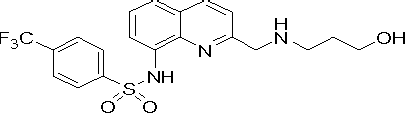


R1 = alkylaryl substituted with halogen R1 = alkylaryl substituted with halogen R1 = alkylaryl substituted with halogen R1 = alkylaryl substituted with halogen R2 = (C1-C6 alkyl)NR7(C1-C6 alkyl)NR8R9; R2 = (C1-C6 alkyl)NR7R8; R2 = (C1-C6 alkyl)NR7R8; R7 = hydrogen; R2 = (C1-C6 alkyl)NR7R8; R7 = hydrogen; R7 = hydrogen; R8 = alkyl substituted with OR3; R7 = hydrogen; R8 = alkyl substituted with OR3; R8 = R9 = alkyl R8 = alkyl substituted with OR3; R3 = hydrogen R3 = hydrogen R3 = hydrogen ZDR094 ZDR095 ZDR096 ZDR097 


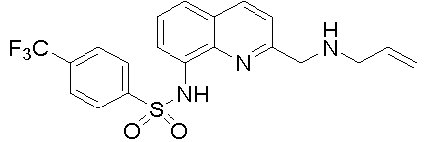
R1 = alkylaryl substituted with halogen R1 = alkylaryl substituted with halogen R1 = alkylaryl substituted with halogen R1 = alkylaryl substituted with halogen R2 = (C1-C6 alkyl)NR7R8; R2 = (C1-C6 alkyl)NR7R8; R2 = (C1-C6 alkyl)NR7R8; R7 = hydrogen; R2 = (C1-C6 alkyl)NR7R8; R7 = hydrogen; R7 substituted= alkyl with OR3; R8 = C1-C6 alkyl(heteroaryl) R7 = R8 = C1-C6 alkyl(heteroaryl) R8 = alkenyl R8 = alkyl substituted with OR3; R3 = hydrogen ZDR098 ZDR099 ZDR100 ZDR101 


R1 = alkylaryl substituted with halogen R1 = alkylaryl substituted with halogen R1 = alkylaryl substituted with halogen R1 = alkylaryl substituted with halogen R2 = (C1-C6 alkyl)NR7R8; R2 = (C1-C6 alkyl)NR7R8; R7 = hydrogen; R2 = (C1-C6 alkyl)NR7R8; R2 = (C1-C6alkyl)NR7R8; R7 = hydrogen; R8 = alkyl substituted with halogen R7 = hydrogen; R7 = hydrogen; R8 = alkynyl R8 = alkyl substituted with halogen R8 = C1-C6 alkyl(heteroaryl) ZDR102 ZDR103 ZDR106 ZDR107 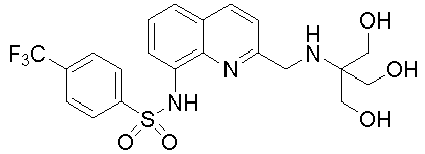


R1 = alkylaryl substituted with halogen R1 = alkylaryl substituted with halogen R1 = alkylaryl substituted with halogen R1 = alkylaryl substituted with halogen R2 = (C1-C6 alkyl)NR7R8; R2 = (C1-C6 alkyl)NR7R8; R2 = (C1-C6 alkyl)NR7R8; R2 = (C1-C6 alkyl)NR7R8; R7 = hydrogen; R7 = hydrogen; R7 = hydrogen; R7 = hydrogen; R8 = alkyl substituted with OR3; R8 = aralkyl R8 = C1-C6 alkyl(heteroaryl) R8 = C1-C6 alkyl(heteroaryl) R3 = hydrogen ZDR108 ZDR109 ZDR110 ZDR111 


R1 = alkylaryl substituted with halogen R1 = alkylaryl substituted with halogen R1 = alkylaryl substituted with halogen R1 = alkylaryl substituted with halogen R2 = (C1-C6 alkyl)NR7R8; R2 = (C1-C6 alkyl)NR7R8; R2 = (C1-C6 alkyl)NR7R8; R2 = (C1-C6 alkyl)NR7R8; R7 = hydrogen; R7 = hydrogen; R7 = hydrogen; R7 = hydrogen; R8 = aryl R8 = heteroaryl R8 = C1-C6 alkyl(heteroaryl) R8 = C1-C6 alkyl(heterocyclyl) ZDR112 ZDR113 ZDR114 ZDR115 


R1 = alkylaryl substituted with halogen R1 = alkylaryl substituted with halogen R1 = alkylaryl substituted with halogen R1 = alkylaryl substituted with halogen R2 = (C1-C6 alkyl)NR7R8; R2 = (C1-C6 alkyl)NR7R8; R2 = (C1-C6 alkyl)NR7R8; R2 = (C1-C6 alkyl)NR7R8; R7 = hydrogen; R7 = hydrogen; R7 = hydrogen; R7 = hydrogen; R8 = C1-C6 alkyl(heterocyclyl) R8 = C1-C6 alkyl(heterocyclyl) R8 = C1-C6 alkyl(heterocyclyl) R8 = C1-C6 alkyl(heterocyclyl) ZDR116 ZDR117 ZDR118 ZDR119 


R1 = alkylaryl substituted with halogen R1 = alkylaryl substituted with halogen R1 = alkylaryl substituted R1 = alkylaryl substituted with halogen R2 = (C1-C6 alkyl)NR7R8; R2 = (C1-C6 alkyl)NR7R8; with halogen R2 = (C0-C3 alkyl)CH=NNR3C(=S)NR7R 8; R7 = hydrogen; R7 = hydrogen; R2 = (C0-C3 alkyl)CH=NNR3C(=O)NR7R 8; R8 = C1-C6 alkyl(heterocyclyl) R8 = C1-C6 alkyl(heterocyclyl) R3 = R7 = hydrogen; R3 = R7 = R8 = hydrogen R8 = C1-C6 alkyl(heterocyclyl) ZDR120 ZDR121 ZDR122 ZDR123 


R1 = alkylaryl substituted with halogen R1 = alkylaryl substituted with halogen R1 = alkylaryl substituted with halogen R1 = alkylaryl substituted with halogen R2 = (C0-C3 alkyl)CH=NNR3C(=O)R7; R2 = (C0-C3 alkyl)CH=NNR3C(=O)R7; R2 = (C0-C3 alkyl)CH=NNR3C(=O)R7; R2 = (C0-C3 alkyl)CH=NNR3C(=O)R7; R3 = hydrogen; R3 = hydrogen; R3 = hydrogen; R3 = hydrogen; R7 = heteroaryl R7 = heterocyclyl R7 = alkyl R7 = heteroaryl ZDR124 ZDR125 ZDR126 ZDR127 


R1 = alkylaryl substituted with halogen R1 = alkylaryl substituted with halogen R1 = alkylaryl substituted with halogen R1 = alkylaryl substituted with halogen R2 = (C0-C3 alkyl)CH=NNR3C(=O)R7; R2 = (C0-C3 alkyl)CH=NOR7; R2 = (C0-C3 alkyl)CH=NOR7; R2 = (C0-C3 alkyl)CH=NNR7R8; R3 = hydrogen; R7 = hydrogen R7 = heterocyclyl R7 = alkyl R7 = R8 = hydrogen ZDR129 ZDR130 ZDR131 ZDR132 


R1 = alkylaryl substituted with halogen R1 = alkylaryl substituted with halogen R1 = alkylaryl substituted with halogen R1 = alkylaryl substituted with halogen R2 = (C1-C6alkyl)NR7(C1-C6 alkyl)OR8; R2 = (C1-C6 alkyl)NR7(C1-C6 alkyl)O(C1-C6 alkyl)OR8; R2 = (C1-C6 alkyl)NR7(C1-C6 alkyl)OR8; R2 = (C1-C6 alkyl)NR7(C1-C6 alkyl)O(C1-C6 alkyl)OR8; R7 = hydrogen; R7 = hydrogen; R7 = hydrogen; R8 = alkyl substituted with OR3; R8 = alkyl substituted with OP3; R8 = alkyl substituted with OR3; R7 = hydrogen; R8 = alkyl substituted with OR3; R3 = hydrogen R3 = hydrogen R3 = alkyl R3 = alkyl ZDR133 ZDR135 ZDR136 ZDR137 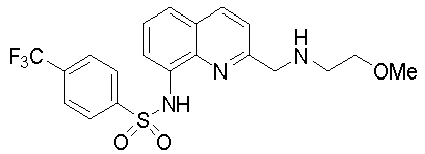


R1 = alkylaryl substituted with halogen R1 = alkylaryl substituted with halogen R1 = alkylaryl substituted with halogen R1 = alkylaryl substituted with halogen R2 = (C1-C6 alkyl)NR7R8; R2 = (C1-C6 alkyl)NR7R8; R2 = (C1-C6 alkyl)NR7R8; R2 = (C0-C3 alkyl)CH=NOR7; R7 = hydrogen; R7 = hydrogen; R7 = R8 = alkyl R8 = alkyl substituted with OR3; R8 = alkyl R7 = aralkyl R3 = alkyl ZDR138 ZDR143 ZDR145 ZDR148 

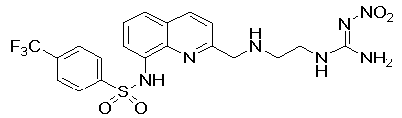

R1 = alkylaryl substituted with halogen R1 = alkylaryl substituted with halogen R1 = alkylaryl substituted with halogen R1 = alkylaryl substituted with halogen R2 = (C1-C6 alkyl)NR7R8; R2 = (C1-C6 alkyl)NR7R8; R2 = (C1-C6 alkyl)NR7R8; R2 = (C0-C3 alkyl)CH=NNR7R8; R7 = hydrogen; R7 = hydrogen; R7 = hydrogen; R8 = alkyl substituted with NR3C(=NR4)NR5R6; R8 = alkyl substituted with NR3C(=NNO2)NR4R5; R8 = alkyl substituted with NR3COR4; R7 = hydrogen; R8 = aralkyl R3 = R4 = R5 = R6 = hydrogen R3 = R4 = R5 = hydrogen R3 = hydrogen; R4= alkyl ZDR153 ZDR154 ZDR155 ZDR160 


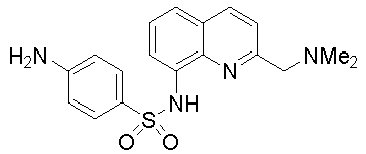
R1 = alkylaryl substituted with halogen R1 = aryl substituted with SO2NR3R4; R1 = aryl substituted with SO2NR3R4; R1 = aryl substituted with NR3R4; R2 = (C0-C3 alkyl)CH=NNR7R8; R3 = R4 = hydrogen R3 = R4 = hydrogen R3 = R4 = hydrogen R2 = (C1-C6 alkyl)NR7R8; R2 = (C1-C6 alkyl)NR7R8; R2 = (C1-C6 alkyl)NR7R8; R7 = hydrogen; R7 = R8 = alkyl R7 = R8 = alkyl R7 = R8 = alkyl R8 = alkyl ZDR162 ZDR163 ZDR164 ZDR167 


R1 = aryl substituted with NR3R4; R1 = aryl substituted with OR3; R1 = aryl substituted with OR3; R1 = alkylaryl substituted with halogen R2 = (C1-C6 alkyl)NR7R8; R3 = R4 = hydrogen R3 = hydrogen R3 = hydrogen R7 = hydrogen; R2 = (C1-C6 alkyl)NR7R8; R2 = (C1-C6 alkyl)NR7R8; R2 = (C1-C6 alkyl)NR7R8; R8 = aryl substituted with halogen and OR3; R7 = R8 = alkyl R7 = R8 = alkyl R7 = R8 = alkyl R3 = hydrogen ZDR170 ZDR171 ZDR176 ZDR180 


R1 = alkylaryl substituted with halogen R1 = alkylaryl substituted with halogen R1 = alkylaryl substituted with halogen R1 = alkylaryl substituted with halogen R2 = (C1-C6 alkyl)NR7R8; R2 = alkyl substituted with OR3; R2 = (C1-C6 alkyl)NR7R8; R2 = (C1-C6 alkyl)NR7R8; R7 = hydrogen; R7 = hydrogen; R7 = hydrogen; R8 = aryl substituted with OR3; R3 = hydrogen R8 = alkyl substituted with NR3SO2R4; R8 = aryl substituted with NO2 and OR3; R3 = hydrogen R3 = hydrogen; R3 = hydrogen R4 = alkyl ZDR181 ZDR184 ZDR185 ZDR187 


R1 = alkylaryl substituted with halogen R1 = alkylaryl substituted R1 = alkylaryl substituted with halogen R1 = alkylaryl substituted with halogen R2 = (C1-C6 alkyl)NR7R8; with halogen R2 = alkyl substituted with NR3COR4; R2 = alkyl substituted with NR3C(=NR4)NR5R6; R7 = hydrogen; R2 = alkyl substituted with NR3R4; R8 = alkyl substituted with NR3SO2R4; R3 = hydrogen; R3 = R4 = R5 = R6 = hydrogen R3 = R4 = hydrogen R4 = alkyl R3 = hydrogen; R4 = aryl ZDR188 ZDR190 ZDR191 ZDR192 


R1 = alkylaryl substituted with halogen R1 = aryl substituted with halogen R1 = alkoxyaryl substituted with halogen R1 = heterocyclyl R2 = alkyl substituted with NR3C(=NNO2)NR4R5; R2 = (C1-C6 alkyl)NR7R8; R2 = (C1-C6 alkyl)NR7R8; R2 = (C1-C6 alkyl)NR7R8; R7 = R8 = alkyl R7 = R8 = alkyl R7 = R8 = alkyl R3 = R4 = R5 = hydrogen ZDR193 ZDR194 ZDR195 ZDR196 


R1 = heterocyclyl R1 = alkylheteroaryl R1 = alkylheteroaryl R1 = heteroaryl R2 = (C1-C6 alkyl)NR7R8; R2 = (C1-C6 alkyl)NR7R8; R2 = (C1-C6 alkyl)NR7R8; R2 = (C1-C6 alkyl)NR7R8; R7 = R8 = alkyl R7 = R8 = alkyl R7 = R8 = alkyl R7 = R8 = alkyl ZDR201 ZDR202 ZDR203 ZDR204 


R1 = aryl substituted with halogen R1 = aryl substituted with halogen R1 = alkylheteroaryl R1 = heterocyclyl R2 = (C1-C6 alkyl)NR7R8; R2 = (C1-C6 alkyl)NR7R8; R2 = (C1-C6 alkyl)NR7R8; R2 = (C1-C6 alkyl)NR7R8; R7 = R8 = alkyl R7 = R8 = alkyl R7 = R8 = alkyl R7 = R8 = alkyl ZDR205 ZDR209 ZDR210 ZDR211 


R1 = alkylaryl substituted with halogen R1 = alkylaryl substituted with halogen R1 = alkylaryl substituted with halogen R1 = alkylaryl substituted with halogen R2 = (C1-C6 alkyl)NR7C(=O)R8; R7 = hydrogen; R2 = (C1-C6 alkyl)NR7C(=O)R8; R2 = alkyl substituted with NR3SO2R4; R2 = alkyl substituted with NR3SO2R4; R7 = hydrogen; R8 = alkyl substituted with NR3R4; R3 = hydrogen; R3 = hydrogen; R8 = alkyl substituted with NR3R4; R4 = alkyl R4 = aryl R3 = R4 = alkyl R3 = R4 = alkyl ZDR224 ZDR257 ZDR258 ZDR259 


R1 = alkylaryl substituted with halogen R1 = aryl substituted with SR3; R1 = alkoxyheteroaryl R1 = alkenyl R2 = (C0-C3 alkyl)C(=O)NR7R8; R2 = (C1-C6 alkyl)NR7R8; R2 = (C1-C6 alkyl)NR7R8; R3 = alkyl R7 = R8 = alkyl R7 = R8 = alkyl R7 = hydrogen; R2 = (C1-C6 alkyl)NR7R8; R8 = alkyl substituted with NR3R4; R7 = R8 = alkyl R3 = R4 = alkyl ZDR261 ZDR262 ZDR263 ZDR265 
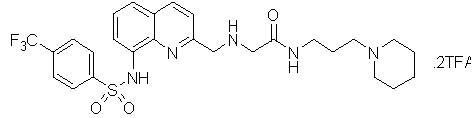


R1 = alkylaryl substituted with halogen R1 = alkylaryl substituted with halogen R1 = heterocyclyl R1 = alkylaryl substituted with halogen R2 = (C1-C6 alkyl)NR7(C1-C6 alkyl)C(=O)NR8R9; R2 = (C1-C6 alkyl)NR7(C1-C6 alkyl)C(=O)NR8R9; R2 = (C1-C6 alkyl)NR7R8; R2 = (C1-C6 alkyl)NR7(C1-C6 alkyl)C(=O)NR8R9; R7 = R8 = alkyl R7 = R8 = hydrogen; R7 = R8 = hydrogen; R7 = R8 = hydrogen; R9 = alkyl substituted with NR3R4; R9 = C1-C6 alkyl(heterocyclyl) R9 = alkyl substituted with OR3; R3 = R4 = alkyl R3 = hydrogen ZDR266 ZDR267 ZDR268 ZDR269 


R1 = alkylaryl substituted with halogen R1 = alkylaryl substituted with halogen R1 = alkylaryl substituted with halogen R1 = alkylaryl substituted with halogen R2 = (C1-C6 alkyl)NR7(C1-C6 alkyl)C(=O)NR8R9; R2 = (C1-C6 alkyl)NR7(C1-C6 alkyl)C(=O)NR8R9; R2 = (C1-C6 alkyl)NR7(C1-C6 alkyl)C(=O)NR8R9; R2 = (C1-C6 alkyl)NR7(C1-C6 alkyl)C(=O)NR8R9; R7 = R8 = hydrogen; R7 = R8 = hydrogen; R7 = R8 = R9 = hydrogen R7 = R8 = hydrogen; R9 = alkyl substituted with NR3R4; R9 = C1-C6 alkyl(heterocyclyl) R9 = OH R3 = R4 = alkyl ZDR270 ZDR305 ZDR306 ZDR307 

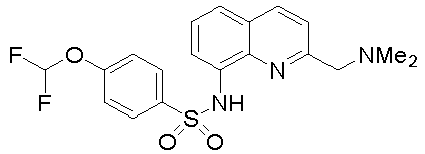

R1 = alkylaryl substituted with halogen R1 = alkoxyaryl substituted with halogen R1 = alkylaryl R2 = (C1-C6 alkyl)NR7(C1-C6 alkyl)C(=O)NR8R9; R1 = aryl substituted with halogen R2 = (C1-C6 alkyl)NR7R8; R2 = (C1-C6 alkyl)NR7R8; R7 = R8 = alkyl R7 = R8 = hydrogen; R2 = (C1-C6 alkyl)NR7R8; R7 = R8 = alkyl R9 = alkyl R7 = R8 = alkyl ZDR308 ZDR309 ZDR310 ZDR311 


R1 = aryl substituted with SO2R3; R3 = alkyl R1 = aryl substituted with COR3; R3 = alkyl R1 = aryl substituted with CO2R3; R3 = alkyl R1 = aryl substituted with halogen R2 = (C1-C6 alkyl)NR7R8; R2 = (C1-C6 alkyl)NR7R8; R2 = (C1-C6 alkyl)NR7R8; R2 = (C1-C6 alkyl)NR7R8; R7 = R8 = alkyl R7 = R8 = alkyl R7 = R8 = alkyl R7 = R8 = alkyl ZDR312 ZDR313 ZDR314 ZDR315 


R1 = aryl substituted with halogen R1 = aryl substituted with NO2 R1 = alkoxyaryl R1 = alkylaryl R2 = (C1-C6 alkyl)NR7R8; R2 = (C1-C6 alkyl)NR7R8; R2 = (C1-C6 alkyl)NR7R8; R2 = (C1-C6 alkyl)NR7R8; R7 = R8 = alkyl R7 = R8 = alkyl R7 = R8 = alkyl R7 = R8 = alkyl ZDR316 ZDR317 ZDR318 ZDR319 


R1 = alkyl substituted with halogen R1 = aralkyl R1 = alkyl R1 = heteroaryl substituted with CO2R3; R2 = (C1-C6 alkyl)NR7R8; R2 = (C1-C6 alkyl)NR7R8; R2 = (C1-C6 alkyl)NR7R8; R7 = R8 = alkyl R7 = R8 = alkyl R3 = alkyl R7 = R8 = alkyl R2 = (C1-C6 alkyl)NR7R8; R7 = R8 = alkyl ZDR320 ZDR321 ZDR322 ZDR323 


R1 = C1-C6 alkyl(alkylaryl) substituted with halogen R1 = alkyl R1 = heteroaryl substituted with halogen R1 = cycloalkyl R2 = (C1-C6 alkyl)NR7R8; R2 = (C1-C6 alkyl)NR7R8; R7 = R8 = alkyl R2 = (C1-C6 alkyl)NR7R8; R7 = R8 = alkyl R2 = (C1-C6 alkyl)NR7R8; R7 = R8 = alkyl R7 = R8 = alkyl ZDR324 ZDR326 ZDR327 ZDR328 
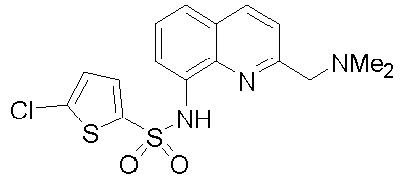


R1 = aryl substituted with CHO R1 = heteroaryl substituted with halogen R1 = aryl substituted with NR3COR4; R1 = heteroaryl R3 = hydrogen; R2 = (C1-C6 alkyl)NR7R8; R2 = (C1-C6 alkyl)NR7R8; R2 = (C1-C6 alkyl)NR7R8; R4 = alkyl R7 = R8 = alkyl R7 = R8 = alkyl R7 = R8 = alkyl R2 = (C1-C6 alkyl)NR7R8; R7 = R8 = alkyl ZDR330 ZDR331 ZDR332 ZDR333 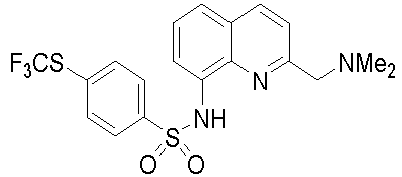


R1 = aryl substituted with SCF3 R1 = aryl substituted with CONR3R4; R1 = aryl substituted with NR3CO2R4; R1 = aryl substituted with NR3CO2R4; R3 = R4 = hydrogen R3 = hydrogen; R3 = hydrogen; R2 = (C1-C6 alkyl)NR7R8; R2 = (C1-C6 alkyl)NR7R8; R4 = alkyl R4 = alkyl R7 = R8 = alkyl R7 = R8 = alkyl R2 = (C1-C6 alkyl)NR7R8; R2 = (C1-C6 alkyl)NR7R8; R7 = R8 = alkyl R7 = R8 = alkyl ZDR335 ZDR336 ZDR337 ZDR338 


R1 = aryl substituted with halogen R1 = aryl substituted with halogen R1 = aryl substituted with halogen R1 = aryl substituted with halogen R2 = (C1-C6 alkyl)NR7R8; R2 = (C1-C6 alkyl)NR7R8; R2 = (C1-C6 alkyl)NR7R8; R2 = (C1-C6 alkyl)NR7R8; R7 = R8 = alkyl R7 = R8 = alkyl R7 = R8 = alkyl R7 = R8 = alkyl ZDR339 ZDR340 ZDR401 ZDR402 


R1 = heteroaryl R1 = heteroaryl R1 = alkylaryl substituted with halogen R1 = alkylaryl substituted with halogen R2 = (C1-C6 alkyl)NR7R8; R2 = (C1-C6 alkyl)NR7R8; R2 = (C1-C6 alkyl)NR7R8; R2 = (C1-C6 alkyl)NR7R8; R7 = hydrogen; R7 = R8 = alkyl R7 = R8 = alkyl R7 = hydrogen; R8 = alkyl R8 = alkyl ZDR403 ZDR404 ZDR405 ZDR406 


R1 = alkylaryl substituted with halogen R1 = alkylaryl substituted with halogen R1 = alkylaryl substituted with halogen R1 = alkylaryl substituted with halogen R2 = (C1-C6 alkyl)NR7R8; R2 = (C1-C6 alkyl)NR7R8; R2 = (C1-C6 alkyl)NR7R8; R2 = (C1-C6 alkyl)NR7R8; R7 = hydrogen; R7 = hydrogen; R7 = hydrogen; R7 = hydrogen; R8 = cycloalkyl R8 = C1-C6 alkyl(cycloalkyl) R8 = alkyl R8 = cycloalkyl ZDR407 ZDR408 ZDR409 ZDR500 


R1 = alkylaryl substituted with halogen R1 = alkylaryl substituted with halogen R1 = alkylaryl substituted with halogen R1 = alkenyl R2 = (C1-C6 alkyl)NR7R8; R2 = C1-C6 alkyl(heterocyclyl) R2 = C1-C6 alkyl(heterocyclyl) R2 = (C1-C6 alkyl)NR7R8; R7 = R8 = alkyl R7 = R8 = alkyl ZDR501 ZDR502 ZDR503 ZDR504 


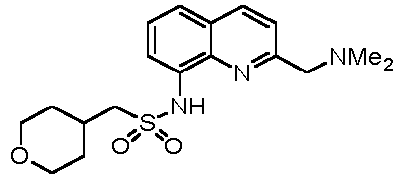
R1 = C1-C6 alkyl(alkylheteroaryl) R1 = heterocyclyl R1 = C1-C6 alkyl(cycloalkyl) R1 = C1-C6 alkyl(heterocyclyl) R2 = (C1-C6 alkyl)NR7R8; R2 = (C1-C6 alkyl)NR7R8; R7 = R8 = alkyl R2 = (C1-C6 alkyl)NR7R8; R2 = (C1-C6 alkyl)NR7R8; R7 = R8 = alkyl R7 = R8 = alkyl R7 = R8 = alkyl ZDR505 ZDR506 

R1 = C1-C6 alkyl(heteroaryl) substituted with halogen R1 = alkynyl R2 = (C1-C6 alkyl)NR7R8; R7 = R8 = alkyl R2 = (C1-C6 alkyl)NR7R8; R7 = R8 = alkyl - Advantageously, the compounds described and claimed herein possess antibacterial activity against both Gram positive and Gram negative bacteria. Data to support these observations is presented in Tables 1 & 2 of Example 214, which follows. Specifically, exemplary compounds of the invention demonstrated both growth inhibitory and bactericidal activity against Streptococcus uberis, Staphylococcus aureus and Escherichia coli, as measured using MIC and MBC assays, respectively. In certain examples, the exemplary compounds advantageously demonstrate antibacterial activity in the absence of zinc (i.e. added exogenously to the assay medium).
- In certain embodiments, the compound defined by Forumla I is selected from ZDR030, ZDR035, ZDR046, ZDR090, ZDR102, ZDR111, ZDR112, ZDR113, ZDR114, ZDR115, ZDR116, ZDR117, ZDR119, ZDR120, ZDR121, ZDR122, ZDR124, ZDR125, ZDR143, ZDR167, ZDR170, ZDR171, ZDR187, ZDR261, ZDR262, ZDR266, ZDR268 and ZDR269.
- In another aspect the present invention provides a compound defined as ZDR022.HCl. In another aspect the present invention provides a compound defined as ZDR090.
- In another aspect the present invention provides a compound defined as ZDR091.
- In another aspect the present invention provides a compound defined as ZDR092.
- In another aspect the present invention provides a compound defined as ZDR095.
- In another aspect the present invention provides a compound defined as ZDR102.
- In another aspect the present invention provides a compound defined as ZDR111.
- In another aspect the present invention provides a compound defined as ZDR112.
- In another aspect the present invention provides a compound defined as ZDR114.
- In another aspect the present invention provides a compound defined as ZDR115.
- In another aspect the present invention provides a compound defined as ZDR116.
- In another aspect the present invention provides a compound defined as ZDR117.
- In another aspect the present invention provides a compound defined as ZDR119.
- In another aspect the present invention provides a compound defined as ZDR120.
- In another aspect the present invention provides a compound defined as ZDR121.
- In another aspect the present invention provides a compound defined as ZDR122.
- In another aspect the present invention provides a compound defined as ZDR124.
- In another aspect the present invention provides a compound defined as ZDR125.
- In another aspect the present invention provides a compound defined as ZDR127.
- In another aspect the present invention provides a compound defined as ZDR143.
- In another aspect the present invention provides a compound defined as ZDR167.
- In another aspect the present invention provides a compound defined as ZDR170.
- In another aspect the present invention provides a compound defined as ZDR171.
- In another aspect the present invention provides a compound defined as ZDR187.
- In another aspect the present invention provides a compound defined as ZDR224.
- In another aspect the present invention provides a compound defined as ZDR261.
- In another aspect the present invention provides a compound defined as ZDR269.
- In another aspect the present invention provides a compound defined as ZDR335.
- In yet another aspect of the invention there is provided a pharmaceutical composition comprising a compound and a pharmaceutically acceptable carrier, wherein the compound is a compound of the invention, or a compound selected from the group:

- In certain embodiments the composition is a veterinary pharmaceutical composition.
- In certain embodiments the composition further comprises an antibacterial compound selected from the group comprising chlorhexidine, iodine, lactic acid, cetrimide, BZK (benzylalkonium chloride), amoxicillin, erythromycin, cloxacillin, pirlimycin, cephapirin, hetacillin, penicillin, nicin and lacticin.
- In certain embodiments the composition is formulated as a tablet, capsule or powder, or as a solution, suspension or dispersion for oral, injectable or sprayable administration.
- In another aspect of the invention there is provided a product for use in treating or preventing a bacterial infection in an animal comprising administering to an animal a pharmaceutically effective amount of the product which is a compound of the invention, or a compound selected from the group comprising:

- In certain embodiments according to this aspect of the invention the compound is selected from ZDR022.HCl, ZDR090, ZDR091, ZDR092, ZDR095, ZDR102, ZDR111, ZDR112, ZDR114, ZDR115, ZDR116, ZDR117, ZDR119, ZDR120, ZDR121, ZDR122, ZDR124, ZDR125, ZDR127, ZDR143, ZDR167, ZDR170, ZDR171, ZDR187, ZDR224, ZDR261, ZDR269 and ZDR335.
- In certain embodiments the bacterial infection is caused by one or more bacteria from the Enterobactericeae, Staphylococcaceae, and Streptococcaceae families. By way of non-limiting example, this includes Streptococcus uberis, Staphylococcus aureus, Staphylococcus agalactiae, and Escherichia coli.
- In certain embodiments the bacterial infection is mastitis.
- In certain embodiments the animal is a bovine cow.
-
Figure 1 shows a general mechanism of metal translocation by a compound of the invention. - The term "alkyl" means any saturated hydrocarbon radical and is intended to include both straight-chain and branched-chain alkyl groups. Examples of alkyl groups include, but are not limited to, methyl, ethyl, n-propyl, iso-propyl, n-butyl, iso-butyl, sec-butyl, t-butyl, n-pentyl, 1-methylbutyl, 2-methylbutyl, 3-methylbutyl, 1,1-dimethylpropyl, 1,2-dimethylpropyl, 2,2-dimethylpropyl, 1-ethylpropyl, n-hexyl, and 1-methyl-2-ethylpropyl. The term "C1-C6 alkyl" means any alkyl radical having up to 6 carbon atoms.
- The term "alkenyl" means any hydrocarbon radical having at least one double bond, and is intended to include both straight- and branched-chain alkenyl groups. Examples of alkenyl groups include, but are not limited to, ethenyl, n-propenyl, iso-propenyl, n-butenyl, sec-butenyl, n-pentenyl, 1,1-dimethylpropenyl, 1,2-dimethylpropenyl, 2,2-dimethylpropenyl, 1-ethylpropenyl, 2-ethylpropenyl, n-hexenyl, and 1-methyl-2-ethylpropenyl.
- The term "alkynyl" means any hydrocarbon radical having at least one triple bond, and is intended to include both straight- and branched-chain alkynyl groups. Examples of alkynyl groups include, but are not limited to, ethynyl, n-propynyl, n-butynyl, iso-butynyl, sec-butynyl, t-butynyl, n-pentynyl, 1,1-dimethylpropynyl, 2,2-dimethylpropynyl, 1-ethylpropynyl, 2-ethylpropynyl, n-hexynyl, and 1-methyl-2-ethylpropynyl.
- The term "alkylene" means a diradical corresponding to an alkyl group. Examples of alkylene groups include, but are not limited to, methylene and ethylene.
- The term "cycloalkyl" means a saturated or partially saturated non-aromatic carbocyclic group, having preferably from 3 to 8 ring carbon atoms. Examples of cycloalkyl groups include, but are not limited to, cyclopropyl, cyclobutyl, cyclopentyl, cyclohexyl, cycloheptyl, and cyclooctyl.
- The term "heterocyclyl" means a cycloalkyl group where one or more of the ring carbon atoms is replaced with one or more heteroatoms, e.g. nitrogen, oxygen or sulfur. Examples of heterocyclyl groups include, but are not limited to, pyrrolidinyl, pyrrolinyl, pyrazolidinyl, aziridinyl, thiiranyl, 1,2-dithietanyl, morpholinyl, furanyl, pyranyl, thiophenyl, isoxazolyl, furazanyl, tetrahydrofuranyl, thietanyl, piperidinyl, azetidinyl, oxiranyl, epoxide, and thiacyclohexyl.
- The term "alkoxy" means an alkyl group singular bonded to an oxygen atom. Examples of alkoxy groups include, but are not limited to, methoxy, ethoxy, propoxy, iso-propoxy, n-butoxy, iso-butoxy, sec-butoxy, and t-butoxy,
- The term "aryl" means an aromatic radical. Examples include monocyclic groups as well as fused groups such as bicyclic groups and tricyclic groups. Examples include, but are not limited to, phenyl, indenyl, 1-naphthyl, 2-naphthyl, azulenyl, heptalenyl, biphenyl, indacenyl, acenaphthyl, fluorenyl, phenalenyl, phenanthrenyl, anthracenyl, cyclopentacyclooctenyl, and benzocyclooctenyl.
- The term "heteroaryl" means a heterocyclic aromatic (heteroaromatic) radical. Examples include monocyclic groups as well as fused groups such as bicyclic groups and tricyclic groups. Examples include, but are not limited to, pyridyl, pyrrolyl, pyridazinyl, pyrimidinyl, pyrazinyl, triazolyl, tetrazolyl, benzotriazolyl, pyrazolyl, imidazolyl, benzimidazolyl, indolyl, isoindolyl, indolizinyl, purinyl, indazolyl, furyl, pyranyl, benzofuryl, isobenzofuryl, thienyl, thiazolyl, isothiazolyl, benzothiazolyl, oxazolyl, and isoxazolyl.
- The term "aralkyl" means an aryl group which is attached to an alkylene moiety, where "aryl" and "alkylene" are as defined above. Examples include benzyl.
- The term "alkylaryl" means an alkyl group which is attached to an aryl group, where "alkyl" and "aryl" are defined above. Examples include methylphenyl.
- The term "alkoxyaryl" means an alkoxy group which is attached to an aryl group, where "alkoxy" and "aryl" are defined above. Examples include methoxyphenyl.
- The term "alkylheteroaryl" means an alkyl group which is attached to heteroaryl group, where "alkyl" and "heteroaryl" are defined above. Examples include methylpyridinyl.
- The term "alkoxyheteroaryl" means alkoxy group which is attached to heteroaryl group, where "alkoxy" and "heteroaryl" are defined above. Examples includes methoxypyridinyl.
- The term "prodrug" as used herein refers to a drug substance that is inactive or weakly active in the intended pharmacological actions and is converted into the pharmacologically active or more active agent by metabolic or physico-chemical transformation.
- The term "pharmaceutical composition" as used herein refers to a mixture of one or more of the compounds of formula (I), or pharmaceutically acceptable salts, or hydrates thereof, with other chemical components, such as physiologically acceptable carriers and excipients. The purpose of a pharmaceutical composition is to facilitate administration of a compound to an organism.
- The term "carrier" refers to a diluent, adjuvant, excipient, or vehicle with which a compound is administered. Non-limiting examples of such pharmaceutical carriers include liquids, such as water and oils, including those of petroleum, animal, vegetable or synthetic origin, such as peanut oil, soybean oil, mineral oil, sesame oil and the like. The pharmaceutical carrier may also be saline, gum acacia, gelatin, starch paste, talc, keratin, colloidal silica, urea, and the like. In addition, auxiliary, stabilizing, thickening, lubricating and colouring agents may be used. Other examples of suitable pharmaceutical carriers are described in "Remington's Pharmaceutical Sciences" by E.W. Martin, herein incorporated by reference.
- The term "effective amount" means an amount of a compound that, when administered to a subject for treating a disease, is sufficient to effect such treatment for the disease. The "effective amount" will vary depending on the disease to be treated, the compound to be administered, the severity of the disease treated, the age and relative health of the subject, the route and form of administration, whether the treatment is monotherapy or combination therapy, the judgement of the attending clinician, and other factors.
- The term "pharmaceutically acceptable" means that which is useful in preparing a pharmaceutical composition that is generally safe, non-toxic, and neither biologically nor otherwise undesirable and includes that which is acceptable for veterinary as well as human pharmaceutical use.
- The term "pharmaceutically acceptable salt" as used herein refers to any salt of a compound provided herein which retains its biological properties and which is not toxic or otherwise undesirable for pharmaceutical use and is intended to include salts derived from inorganic or organic acids including, for example hydrochloric, hydrobromic, sulfuric, nitric, perchloric, phosphoric, formic, acetic, lactic, maleic, fumaric, succinic, tartaric, glycolic, salicylic, citric, methanesulfonic, benzenesulfonic, benzoic, malonic, trifluroacetic, trichloroacetic, naphthalene-2 sulfonic and other acids. Pharmaceutically acceptable salt forms may also include forms wherein the ratio of molecules comprising the salt is not 1:1. For example, the salt may comprise more than one inorganic or organic acid molecule per molecule of base, such as two hydrochloric acid molecules per molecule of compound of formula (I).
- The compounds of the invention are defined according to formula (I) above. The applicants have found that the compounds of the invention are effective inhibitors of several bacterial strains. As will be appreciated, there is an expectation that the compounds will be inhibitors of a larger group of bacteria.
- The compounds are characterised as having a substituted sulfonamide group at the 8-position of the quinoline ring structure and a substituent at the 2-position. Without being bound by theory, it is considered that the pK a of the sulfonamide hydrogen plays a role in the ability of the compound to act as an ionophore and therefore that an electron withdrawing group on the sulfonamide substituent is preferable. Examples of electron withdrawing groups include halogen, haloalkyl, haloalkoxy, alkyl carbonyl, alkyl ester, carboxylic acid, nitrile, and nitro.
- The substituent at the 2-positon may be chosen from a large variety of different types of groups. Some preferred groups are those that incorporate a nitrogen functionality. Again without being bound by theory, it is thought that those compounds having an amino group one carbon removed from the quinoline ring at the 2-position may beneficially interact, in combination with the quinoline nitrogen and the sulfonamide nitrogen, with a zinc cation.
- The compounds of the invention may be prepared by any known or standard synthetic procedures. Some compounds may be prepared according to scheme 1 from 8-amino-2-methylquinoline by reaction firstly with a substituted sulfonyl chloride, followed by oxidation of the 2-methyl group to an aldehyde (to give a 2-formyl derivative), and then reductive amination.

- Alternatively, some compounds may be prepared according to scheme 2 from 8-amino-2-methylquinoline (which is first protected as a carbamate) via oxidation of the 2-methyl group to an aldehyde (to give a 2-formyl derivative), reductive amination (followed by deprotection) and then reaction with a substituted sulfonyl chloride.

- Acylhydrazones and semicarbazones/thiosemicarbazones may be prepared from a common 2-formyl pre-cursor according to schemes 3 and 4, respectively.
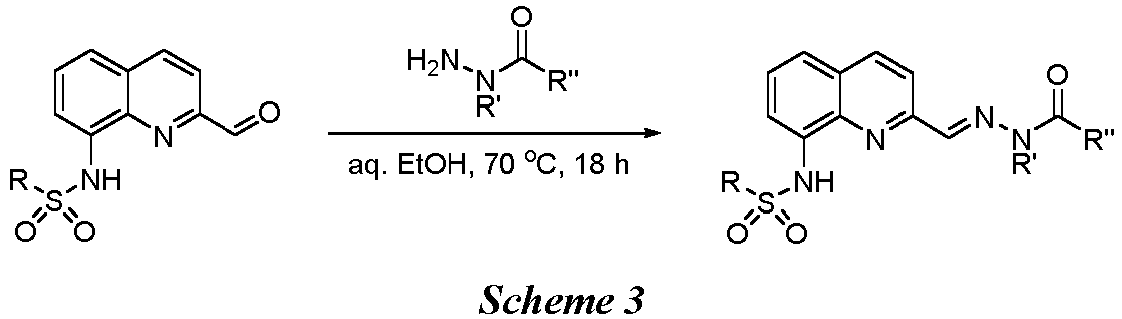
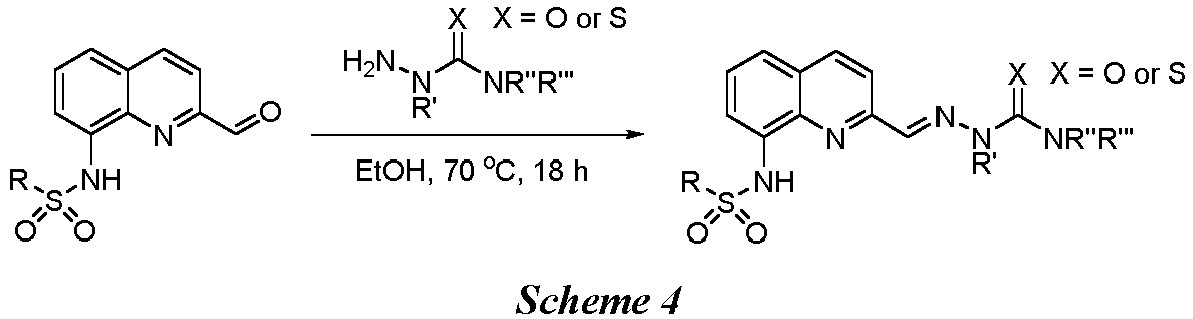
- Oximes and hydrazones may be prepared from a common 2-formyl pre-cursor according to schemes 5 and 6, respectively.
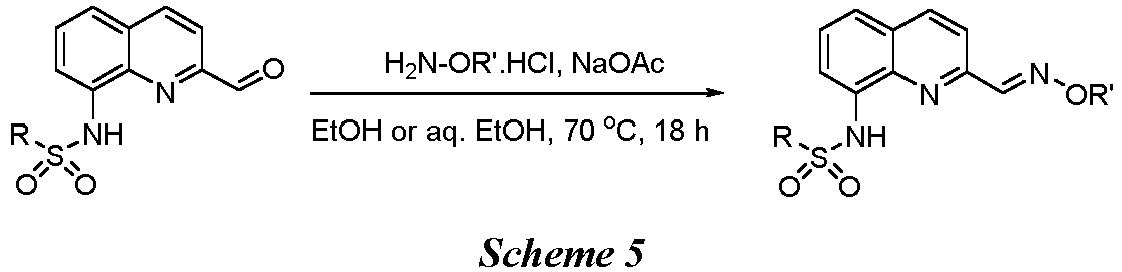

- Aminomethyl derivatives (including amides, guanidines, nitro-guanidines and sulfonamides) may be prepared from a common 2-aminomethyl precursor (via an oxime, scheme 5) according to scheme 7.

- Amino amide derivatives may be prepared from a common N-boc-protected amino acid precursor (via an N-hydroxysuccinimide ester) according to scheme 8.

- Amide derivatives may be prepared from a common carboxylic acid precursor (itself accessed through the oxidation of a 2-formyl precursor, scheme 1) according to scheme 9.

- The compounds of the invention may be administered to a human or animal patient by a variety of routes, including orally, parenterally, by inhalation spray, topically, rectally, nasally, buccally, intravenously, intra-muscularly, intra-dermally, subcutaneously or via an implanted reservoir, preferably intravenously. The amount of compound to be administered will vary widely according to the nature of the patient and the nature and extent of the disorder to be treated. Typically the dosage for an adult human will be in the range 50-4800 µg/m2 or µg/kg. The specific dosage required for any particular patient will depend upon a variety of factors, including the patient's age, body weight, general health, sex, etc.
- For oral administration, the compounds of the invention can be formulated into solid or liquid preparations, for example tablets, capsules, powders, solutions, suspensions and dispersions. Such preparations are well known in the art as are other oral dosage regimes not listed here. In the tablet form the compounds may be tableted with conventional tablet bases such as lactose, sucrose and corn starch, together with a binder, a disintegration agent and a lubricant. The binder may be, for example, corn starch or gelatin, the disintegrating agent may be potato starch or alginic acid, and the lubricant may be magnesium stearate. For oral administration in the form of capsules, diluents such as lactose and dried corn-starch may be employed. Other components such as colourings, sweeteners or flavourings may be added.
- When aqueous suspensions are required for oral use, the active ingredient may be combined with carriers such as water and ethanol, and emulsifying agents, suspending agents and/or surfactants may be used. Colourings, sweeteners or flavourings may also be added.
- The compounds may also be administered by injection in a physiologically acceptable diluent such as water or saline. The diluent may comprise one or more other ingredients such as ethanol, propylene glycol, an oil or a pharmaceutically acceptable surfactant. In one preferred embodiment, the compounds are administered by intravenous injection, where the diluent comprises an aqueous solution of sucrose, L-histidine and a pharmaceutically acceptable surfactant, e.g. Tween 20.
- The compounds may also be administered topically, including as a spray particularly for some animal indications such as mastitis. Carriers for topical administration of the compounds include mineral oil, liquid petrolatum, white petrolatum, propylene glycol, polyoxyethylene, polyoxypropylene compound, emulsifying wax and water. Some teat spray formulations for treating mastitis may include glycerol and one or more surfactants in addition to other carriers. The compounds may be present as ingredients in lotions or creams, for topical administration to skin or mucous membranes. Such creams may contain the active compounds suspended or dissolved in one or more pharmaceutically acceptable carriers. Suitable carriers include mineral oil, sorbitan monostearate, polysorbate 60, cetyl ester wax, cetearyl alcohol, 2-octyldodecanol, benzyl alcohol and water.
- The compounds may further be administered by means of sustained release systems. For example, they may be incorporated into a slowly dissolving tablet or capsule.
- The compounds of the invention may also be administered in combination with other antimicrobial compounds such as chlorhexidine, iodine, lactic acid, cetrimide, BZK (benzylalkonium chloride), amoxicillin, erythromycin, cloxacillin, pirlimycin, cephapirin, hetacillin and penicillin, and bacteriocins such as nisin and lacticin. Such combinations may administered in any form including teat sprays for bovine cows and other animals.
- Further, the compounds of the invention may be used alone or in combination with other active ingredients in external or internal teat seal formulations. Teat seals provide a physical barrier to prevent bacteria accessing the teat or udder of a cow. External teat seals provide a barrier across the entrance to the teat canal. The end of each teat is dipped in a teat seal formulation after milking has ended. The seal then dries to provide a film that prevents entry of bacteria to the teat canal. Internal teat seals are typically pastes that are infused into each quarter of a cow's udder at the start of the drying off period. The paste forms an internal physical barrier to bacteria entering the teat canal. Many internal teat seal formulations comprise bismuth sub-nitrate and a heavy metal salt such as barium sulfate, often formulated as gels which solidify after administration. One example is TEATSEAL™.
- The applicant does not wish to be bound by theory, but proposes that mechanism of killing of bacteria by a compound of the invention is three-fold. Firstly, the compound is able to translocate zinc into the bacterial cytoplasm (inside the bacterial cell). Accumulation of zinc overcomes the zinc homeostatic apparatus of the bacterial cells, leading to cell death through zinc toxicity. Secondly, the compounds exert their effect in a bacterial-specific manner as an ionophore by depolarising the proton motive force (pmf). Finally, zinc-chelation by the compound in the external media limits the amount of bio-available zinc, leading to extracellular zinc starvation of the bacterium.
- It is thought that zinc ionophores translocate protons (H+) in exchange for metal ions (M+) across cell membranes (
Figure 1 ). When the external pH is higher than the acid dissociation constant (pKa ) of the ionophore, the ionophore is predominately deprotonated, and able to form an ionophore-metal complex (MI). When the pH is lower than the pK a of the ionophore, the metal ion is released as the ionophore becomes protonated (HI). Depending on the properties of the ionophore, they can accumulate in the membrane as shown inFigure 1 , or are able to diffuse through the membrane into extracellular or intracellular spaces. - All quinoline sulfonamide compounds synthesised to date have been examined for their inhibitory properties against the three-major mastitis-causing microorganisms in New Zealand, these being S. uberis, S. aureus, or E. coli. Minimum inhibitory concentrations were determined, initially in the absence of any additional zinc (above that contained in the media), and with an additional 50 µM zinc (zinc sulfate). MIC data is summarised in Table 1. In addition to the inhibitory activity of the quinoline sulfonamide compounds, specific compounds were assessed for their ability to kill mastitis-causing microorganisms as shown in Table 2. It is anticipated that the bacterial strains potentially inhibited by compounds of the invention include other members of the Enterobactericeae, Staphylococcaceae, and Streptococcaceae families.
- Any reference to prior art documents in this specification is not to be considered an admission that such prior art is widely known or forms part of the common general knowledge in the field.
- As used in this specification, the words "comprises", "comprising", and similar words, are not to be interpreted in an exclusive or exhaustive sense. In other words, they are intended to mean "including, but not limited to".
- The invention is further described with reference to the following examples. It will be appreciated that the invention as claimed is not intended to be limited in any way by these examples.
- Compound ZDR018 does not form part of the present invention but is retained for informational purposes.
-

- A solution of 8-amino-2-methylquinoline (10.0 g, 63.2 mmol), 4-(trifluoromethyl)benzenesulfonyl chloride (17.0 g, 69.5 mmol) and triethylamine (10.5 mL, 75.8 mmol) in dichloromethane (100 mL) was stirred at room temperature for 18 h. The mixture was then diluted with water (100 mL), the pH adjusted to pH 6-7 using aqueous phosphate buffer solution (0.5 M, pH 7) and the separated aqueous layer further extracted with dichloromethane (2 x 50 mL). The combined organic layers were further washed with aqueous phosphate buffer solution (0.5 M, pH 7) (50 mL), dried over anhydrous magnesium sulfate, filtered and the filtrate concentrated in vacuo to afford compound (ZDR018) as a pale grey solid (22.40 g), which was used without further purification. 1H NMR (300 MHz, CDCl3) δ 2.68 (3H, s), 7.28 (1H, d, J = 8.4 Hz), 7.37 (1H, t, J = 7.4 Hz), 7.45 (1H, dd, J = 7.4 and 1.4 Hz), 7.61 (2H, d, J = 8.2 Hz), 7.79 (1H, dd, J = 7.4 and 1.4 Hz), 7.98 (1H, d, J = 8.4 Hz), 8.01 (2H, d, J = 8.2 Hz); ESI-MS: m/z calcd for C17H13F3N2O2S: 366.1; found [M+H]+: 367.1.
-

- A solution of compound (ZDR018) (22.40 g) and selenium dioxide (7.45 g, 67.2 mmol) in 1,4-dioxane (400 mL) was heated at 85 °C for 10 h. The mixture was allowed to cool to room temperature then filtered through Celite®, and the filtrate concentrated in vacuo. Purification by flash chromatography (petroleum ether/ethyl acetate, 4:1→2:1→1:1) afforded compound (ZDR019) as an off-white solid (18.50 g, 48.6 mmol, 77% over 2 steps). 1H NMR (300 MHz, CDCl3) δ 7.58-7.63 (2H, m), 7.68 (2H, d, J = 8.4 Hz), 7.93-7.96 (1H, m), 8.06 (1H, d, J = 8.4 Hz), 8.09 (2H, d, J = 8.4 Hz), 8.31 (1H, d, J = 8.4 Hz), 9.21 (1H, br s), 10.20 (1H, s); ESI-MS: m/z calcd for C17H11F3N2O3S: 380.0; found [M+H]+: 381.1.
-

- A solution of compound (ZDR019) (3.0 g, 7.88 mmol), dimethylamine hydrochloride (1.92 g, 23.6 mmol), sodium triacetoxyborohydride (3.32 g, 15.7 mmol) and N,N-diisopropylethylamine (4.8 mL, 27.5 mmol) in 1,2-dichloroethane (150 mL) was stirred at room temperature for 18 h. The reaction was quenched through the addition of water (100 mL) and the pH adjusted to pH 6-7 using aqueous phosphate buffer solution (0.5 M, pH 7). The mixture was then diluted with dichloromethane (100 mL) and the separated aqueous layer further extracted with dichloromethane (2 x 50 mL). The combined organic layers were washed with aqueous phosphate buffer solution (0.5 M, pH 7) (100 mL), dried over anhydrous magnesium sulfate, filtered and the filtrate concentrated in vacuo. Purification by flash chromatography (dichloromethane/methanol, 20:1→10:1→7:1) afforded compound (ZDR022) as a white solid (2.40 g, 5.86 mmol, 74%). 1H NMR (300 MHz, CDCl3) δ 2.32 (6H, s), 3.77 (2H, s), 7.40-7.48 (2H, m), 7.52 (1H, d, J = 8.4 Hz), 7.57 (2H, d, J = 8.3 Hz), 7.86 (1H, dd, J = 7.3 and 1.6 Hz), 8.00 (2H, d, J = 8.3 Hz), 8.07 (1H, d, 8.4 Hz); 13C NMR (75 MHz, CDCl3) δ 45.3 (CH3), 65.5 (CH2), 116.7 (CH), 122.1 (CH), 122.9 (CH), 123.2 (C, q, J = 273 Hz), 126.0 (CH, q, J = 3.6 Hz), 126.6 (CH), 127.4 (C), 127.7 (CH), 133.2 (C), 134.4 (C, q, J = 33 Hz), 137.0 (CH), 138.2 (C), 143.2 (C), 157.8 (C). 1H NMR (400 MHz, d6-DMSO) δ 2.14 (6H, s), 3.59 (2H, s), 7.50 (1H, t, J = 7.8 Hz), 7.57 (1H, d, J = 8.5 Hz), 7.67-7.71 (2H, m), 7.80 (2H, d, J = 8.2 Hz), 8.02 (2H, d, J = 8.2 Hz), 8.25 (1H, d, J = 8.5 Hz); 13C NMR (100 MHz, d6-DMSO) δ 45.1 (CH3), 65.1 (CH2), 120.2 (CH), 121.5 (CH), 123.2 (C, q, J = 273 Hz), 124.1 (CH), 126.0 (CH), 127.2 (C), 127.7 (CH), 132.3 (C, q, J = 32 Hz), 132.9 (C), 136.6 (CH), 139.0 (C), 143.9 (C), 159.2 (C); ESI-MS: m/z calcd for C19H18F3N3O2S: 409.1; found [M+H]+: 410.2.
-

- To a solution of compound (ZDR022) (1.00 g, 2.44 mmol) in 1,4-dioxane (10 mL) was added aqueous hydrochloric acid (20 mL, 0.1 M), and the mixture lyophilized to dryness to afford compound (ZDR022 HCl) as a white solid (1.08 g, 2.44 mmol, quant.). 1H NMR (400 MHz, d6-DMSO) δ 2.83 (6H, s), 4.70 (2H, s), 7.56-7.61 (2H, m), 7.73 (1H, dd, J = 8.4 and 1.0 Hz), 7.85-7.89 (3H, m), 8.13 (2H, d, J = 8.2 Hz), 8.43 (1H, d, J = 8.4 Hz), 10.82 (1H, s), 11.16 (1H, s); 13C NMR (100 MHz, d6-DMSO) δ 42.7 (CH3), 60.0 (CH2), 118.8 (CH), 121.3 (CH), 123.2 (C, q, J = 273 Hz), 123.5 (CH), 126.3 (CH, q, J = 3.5 Hz), 127.2 (CH), 127.4 (C), 127.8 (CH), 132.5 (C, q, J = 32 Hz), 133.2 (C), 138.0 (CH), 143.5 (C), 150.8 (C); ESI-MS: m/z calcd for C19H18F3N3O2S: 409.1; found [M+H]+: 410.1.
-

- A similar procedure to that described for the preparation of compound (ZDR022) was followed using compound (ZDR019) (100 mg, 0.26 mmol), methylamine (72 mg, 0.78 mmol, 33 wt. % in absolute ethanol) and sodium triacetoxyborohydride (111 mg, 0.52 mmol) in 1,2-dichloroethane (5 mL). Purification by flash chromatography (dichloromethane/methanol, 20:1) afforded compound (ZDR024) as a pale yellow solid (65 mg, 0.16 mmol, 62%). 1H NMR (300 MHz, d6-DMSO) δ 2.54 (3H, s), 4.29 (2H, s), 7.40-7.58 (5H, m), 7.67 (1H, d, J = 7.3 Hz), 7.84 (2H, J = 8.1 Hz), 8.25 (1H, d, J = 8.4 Hz); ESI-MS: m/z calcd for C11H16F3N3O2S: 395.1; found [M+H]+: 396.1.
-

- A similar procedure to that described for the preparation of compound (ZDR022) was followed using compound (ZDR019) (100 mg, 0.26 mmol), ethylamine (51 µL, 0.78 mmol) and sodium triacetoxyborohydride (111 mg, 0.52 mmol) in 1,2-dichloroethane (5 mL). Purification by flash chromatography (dichloromethane/methanol, 20:1) afforded compound (ZDR025) as a pale yellow solid (71 mg, 0.17 mmol, 65%). 1H NMR (300 MHz, d6-DMSO) δ 1.24 (3H, t, J = 7.2 Hz), 2.89 (2H, q, J = 7.2 Hz), 4.37 (2H, s), 7.51 (1H, t, J = 7.9 Hz), 7.56 (1H, d, J = 8.4 Hz), 7.65 (1H, d, J = 7.9 Hz), 7.76-7.81 (3H, m), 8.02 (2H, d, J = 8.1 Hz), 8.34 (1H, d, J = 8.4 Hz); ESI-MS: m/z calcd for C19H18F3N3O2S: 409.1; found [M+H]+: 410.1.
-
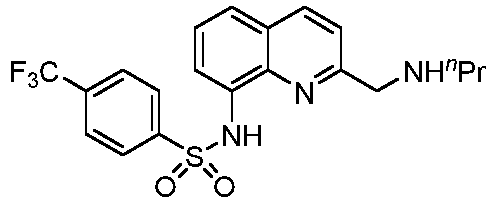
- A similar procedure to that described for the preparation of compound (ZDR022) was followed using compound (ZDR019) (100 mg, 0.26 mmol), n-propylamine (64 µL, 0.78 mmol) and sodium triacetoxyborohydride (111 mg, 0.52 mmol) in 1,2-dichloroethane (5 mL). Purification by flash chromatography (dichloromethane/methanol, 20:1) afforded compound (ZDR026) as a pale yellow solid (79 mg, 0.19 mmol, 73%). 1H NMR (300 MHz, d6-DMSO) δ 0.89 (3H, t, J = 7.2 Hz), 1.55-1.62 (2H, m), 2.67 (2H, t, J = 7.2 Hz), 4.17 (2H, s), 7.42-7.70 (6H, m), 7.94 (2H, d, J = 8.1 Hz), 8.25 (1H, d, J = 8.4 Hz); ESI-MS: m/z calcd for C20H20F3N3O2S: 423.1; found [M+H]+: 424.1.
-

- A similar procedure to that described for the preparation of compound (ZDR022) was followed using compound (ZDR019) (100 mg, 0.26 mmol), isopropylamine (64 µL, 0.78 mmol) and sodium triacetoxyborohydride (111 mg, 0.52 mmol) in 1,2-dichloroethane (5 mL). Purification by flash chromatography (dichloromethane/methanol, 20:1) afforded compound (ZDR027) as a pale yellow solid (67 mg, 0.16 mmol, 62%). 1H NMR (300 MHz, d6-DMSO) δ 1.11 (6H, d, J = 6.3 Hz), 2.89-2.94 (1H, m), 4.10 (2H, s), 7.47 (1H, t, J = 7.8 Hz), 7.55 (1H, d, J = 8.4 Hz), 7.62 (1H, d, J = 7.8 Hz), 7.70 (1H, dd, J = 7.8 and 1.2 Hz), 7.74 (2H, d, J = 8.2 Hz), 7.97 (2H, d, J = 8.2 Hz), 8.26 (1H, d, J = 8.4 Hz); ESI-MS: m/z calcd for C20H20F3N3O2S: 423.1; found [M+H]+: 424.1.
-

- A similar procedure to that described for the preparation of compound (ZDR022) was followed using compound (ZDR019) (100 mg, 0.26 mmol), diethylamine (81 µL, 0.78 mmol) and sodium triacetoxyborohydride (111 mg, 0.52 mmol) in 1,2-dichloroethane (5 mL). Purification by flash chromatography (dichloromethane/methanol, 20:1) afforded compound (ZDR028) as a pale yellow solid (89 mg, 0.20 mmol, 77%). 1H NMR (300 MHz, d6-DMSO) δ 0.97 (6H, t, J = 7.1 Hz), 2.48-2.51 (4H, m), 3.74 (2H, s), 7.51 (1H, t, J = 7.7 Hz), 7.63 (1H, d, J = 8.5 Hz), 7.69-7.71 (2H, m), 7.82 (2H, d, J = 8.3 Hz), 8.01 (2H, d, J = 8.3 Hz), 8.27 (1H, d, J = 8.5 Hz); ESI-MS: m/z calcd for C21H22F3N3O2S: 437.1; found [M+H]+: 438.1.
-
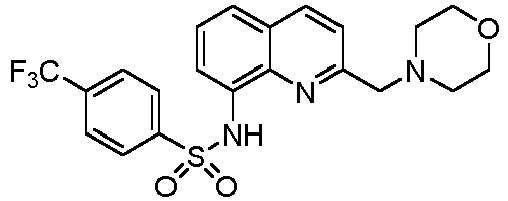
- A similar procedure to that described for the preparation of compound (ZDR022) was followed using compound (ZDR019) (100 mg, 0.26 mmol), morpholine (68 µL, 0.78 mmol) and sodium triacetoxyborohydride (111 mg, 0.52 mmol) in 1,2-dichloroethane (5 mL). Purification by flash chromatography (dichloromethane/methanol, 30:1) afforded compound (ZDR029) as a white solid (82 mg, 0.18 mmol, 69%). 1H NMR (300 MHz, CDCl3) δ 2.47-2.50 (4H, m), 3.71-3.75 (4H, m), 3.76 (2H, s), 7.40-7.51 (2H, m), 7.59 (2H, d, J = 8.2 Hz), 7.64 (1H, d, J = 8.4 Hz), 7.83 (1H, dd, J = 7.4 and 1.5 Hz), 8.00 (2H, d, J = 8.2 Hz), 8.07 (1H, d, J = 8.4 Hz); ESI-MS: m/z calcd for C21H20F3N3O3S: 451.1; found [M+H]+: 452.0.
-

- A similar procedure to that described for the preparation of compound (ZDR022) was followed using compound (ZDR019) (100 mg, 0.26 mmol), N,N-dimethylethylenediamine (86 µL, 0.78 mmol) and sodium triacetoxyborohydride (111 mg, 0.52 mmol) in 1,2-dichloroethane (5 mL). Purification by flash chromatography (dichloromethane/methanol, 20:1→10:1) afforded compound (ZDR030) as a pale brown solid (61 mg, 0.13 mmol, 50%). 1H NMR (300 MHz, CDCl3) δ 2.41 (6H, s), 2.76 (2H, t, J = 5.8 Hz), 2.88 (2H, t, J = 5.8 Hz), 4.12 (2H, s), 7.32-7.44 (3H, m), 7.57 (2H, d, J = 8.2 Hz), 7.71-7.74 (1H, m), 7.98-8.04 (3H, m); ESI-MS: m/z calcd for C21H23F3N4O2S: 452.1; found [M+H]+: 453.0.
-

- A similar procedure to that described for the preparation of compound (ZDR022) was followed using compound (ZDR019) (100 mg, 0.26 mmol), ethanolamine (47 µL, 0.78 mmol) and sodium triacetoxyborohydride (111 mg, 0.52 mmol) in 1,2-dichloroethane (5 mL). Purification by flash chromatography (dichloromethane/methanol, 20:1→10:1) afforded compound (ZDR031) as a pale yellow solid (64 mg, 0.15 mmol, 58%). 1H NMR (300 MHz, d6-DMSO) δ 2.82 (2H, t, J = 5.6 Hz), 3.64 (2H, t, J = 5.6 Hz), 4.20 (2H, s), 7.40-7.68 (6H, m), 7.90 (2H, d, J = 8.2 Hz), 8.23 (1H, d, J = 8.4 Hz); ESI-MS: m/z calcd for C19H18F3N3O3S: 425.1; found [M+H]+: 426.0.
-

- A similar procedure to that described for the preparation of compound (ZDR022) was followed using compound (ZDR019) (100 mg, 0.26 mmol), piperidine (77 µL, 0.78 mmol) and sodium triacetoxyborohydride (111 mg, 0.52 mmol) in 1,2-dichloroethane (5 mL). Purification by flash chromatography (dichloromethane/methanol, 20:1→10:1) afforded compound (ZDR033) as a white solid (88 mg, 0.19 mmol, 73%). 1H NMR (300 MHz, CDCl3) δ 1.46-1.54 (2H, m), 1.59-1.69 (4H, m), 2.44-2.52 (4H, m), 3.76 (2H, s), 7.49-7.50 (2H, m), 7.58-7.63 (3H, m), 7.83 (1H, dd, J = 7.3 and 1.4 Hz), 8.01 (2H, d, J = 8.2 Hz), 8.05 (1H, d, J = 8.4 Hz); ESI-MS: m/z calcd for C22H22F3N3O2S: 449.1; found [M+H]+: 450.1.
-

- A similar procedure to that described for the preparation of compound (ZDR022) was followed using compound (ZDR019) (100 mg, 0.26 mmol), 2-(aminomethyl)pyridine (81 µL, 0.78 mmol) and sodium triacetoxyborohydride (111 mg, 0.52 mmol) in 1,2-dichloroethane (5 mL). Purification by flash chromatography (petroleum ether/ethyl acetate, 1:1) afforded compound (ZDR035) as a pale yellow solid (85 mg, 0.18 mmol, 69%). 1H NMR (300 MHz, CDCl3) δ 3.95 (2H, s), 4.11 (2H, s), 7.20-7.26 (1H, m), 7.31 (1H, d, J = 7.5 Hz), 7.40-7.51 (3H, m), 7.54 (2H, d, J = 8.2 Hz), 7.65-7.70 (1H, m), 7.86 (1H, dd, J = 7.5 and 1.4 Hz), 7.97 (2H, d, J = 8.2 Hz), 8.05 (1H, d, J = 8.4 Hz), 8.71-8.51 (1H, m); ESI-MS: m/z calcd for C23H19F3N4O2S: 472.1; found [M+H]+: 473.0.
-

- A similar procedure to that described for the preparation of compound (ZDR022) was followed using compound (ZDR019) (100 mg, 0.26 mmol), N,N'-dimethylethylenediamine (14 µL, 0.13 mmol) and sodium triacetoxyborohydride (111 mg, 0.52 mmol) in 1,2-dichloroethane (5 mL). Purification by flash chromatography (dichloromethane/methanol, 20:1) afforded compound (ZDR036) as a pale yellow solid (40 mg, 0.05 mmol, 38%). 1H NMR (300 MHz, CDCl3) δ 2.25 (2H, d, J = 10.5 Hz), 2.31 (6H, s), 2.80 (2H, d, J = 10.5 Hz), 3.83 (2H, d, J = 15.4 Hz), 4.93 (2H, d, J = 15.4 Hz), 7.14-7.30 (10H, m), 7.41 (2H, d, J = 8.4 Hz), 7.69 (4H, d, J = 8.3 Hz), 8.27 (2H, d, J = 8.4 Hz); ESI-MS: m/z calcd for C38H34F6N6O4S2: 816.2; found [M+H]+: 817.1.
-

- A similar procedure to that described for the preparation of compound (ZDR022) was followed using compound (ZDR019) (100 mg, 0.26 mmol), methylamine (12 mg, 0.13 mmol, 33 wt. % in absolute ethanol) and sodium triacetoxyborohydride (111 mg, 0.52 mmol) in 1,2-dichloroethane (5 mL). Purification by flash chromatography (dichloromethane/methanol, 30:1) afforded compound (ZDR037) as a pale yellow solid (45 mg, 0.06 mmol, 46%). 1H NMR (400 MHz, CDCl3) δ 2.25 (3H, s), 3.87 (4H, s), 7.43 (2H, t, J = 7.8 Hz), 7.49 (2H, dd, J = 7.8 and 1.4 Hz), 7.55 (4H, d, J = 8.3 Hz), 7.67 (2H, d, J = 8.3 Hz), 7.82 (2H, dd, J = 7.8 and 1.4 Hz), 7.99 (4H, d, J = 8.3 Hz), 8.10 (2H, d, J = 8.3 Hz); ESI-MS: m/z calcd for C35H27F6N5O4S2: 759.1; found [M+H]+: 760.1.
-
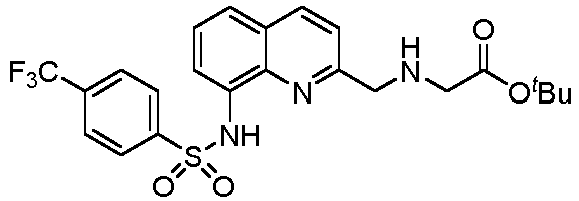
- A similar procedure to that described for the preparation of compound (ZDR022) was followed using compound (ZDR019) (100 mg, 0.26 mmol), glycine tert-butyl ester hydrochloride (132 mg, 0.78 mmol), triethylamine (109 µL, 0.78 mmol) and sodium triacetoxyborohydride (111 mg, 0.52 mmol) in 1,2-dichloroethane (5 mL). Purification by flash chromatography (dichloromethane/methanol, 30:1) afforded compound (ZDR041) as a pale yellow solid (94 mg, 0.19 mmol, 73%). 1H NMR (300 MHz, CDCl3) δ 1.49 (9H, s), 3.38 (2H, s), 4.06 (2H, s), 7.41-7.50 (3H, m), 7.61 (2H, d, J = 8.2 Hz), 7.83 (1H, dd, J = 7.4 and 1.5 Hz), 7.01-8.07 (3H, m); ESI-MS: m/z calcd for C23H24F3N3O4S: 495.1; found [M+H]+: 496.0.
-

- A solution of compound (ZDR041) (50 mg, 0.10 mmol) in trifluoroacetic acid-dichloromethane (3 mL, 50% v/v) was stirred at room temperature for 36 h. The solvent was removed in vacuo to afford compound (ZDR043) as a pale brown solid (53 mg, 0.10 mmol, quant.), which was used without further purification. 1H NMR (300 MHz, d6-DMSO) δ 4.01 (2H, s), 4.62 (2H, s), 7.55-7.60 (1H, m), 7.58 (1H, d, J = 8.4 Hz), 7.72 (1H, dd, J = 7.9 and 1.0 Hz), 7.85 (2H, d, J = 8.2 Hz), 7.89 (1H, dd, J = 7.9 and 1.0 Hz), 8.07 (2H, d, J = 8.2 Hz), 8.42 (1H, d, J = 8.4 Hz), 9.78 (2H, br s), 10.62 (1H, s); ESI-MS: m/z calcd for C19H16F3N3O4S: 439.1; found [M+H]+: 440.0.
-

- A solution of compound (ZDR019) (0.25 mg, 0.65 mmol) and benzhydrazide (89 mg, 0.65 mmol) in aqueous ethanol (20 mL, 90% v/v) was stirred at 70 °C for 18 h. The mixture was allowed to cool to room temperature and the precipitated product was collected by filtration and washed with ice-cold ethanol (2 x 2 mL) to afford compound (ZDR045) as a white solid (250 mg, 0.50 mmol, 77%), which was used without further purification. 1H NMR (300 MHz, d6-DMSO) δ 7.55-7.64 (4H, m), 7.71 (1H, dd, J = 7.8 and 1.1 Hz), 7.78 (1H, d, J = 7.8 Hz), 7.84 (2H, d, J = 8.3 Hz), 7.90-8.10 (5H, m), 8.37 (1H, d, J = 8.5 Hz), 8.51 (1H, s), 10.40 (1H, s), 12.23 (1H, s); ESI-MS: m/z calcd for C24H17F3N4O3S: 498.1; found [M+H]+: 499.0.
-

- A similar procedure to that described for the preparation of compound (ZDR045) was followed using compound (ZDR019) (0.25 mg, 0.65 mmol) and thiosemicarbazide (59 mg, 0.65 mmol) in ethanol (30 mL) to afford compound (ZDR046) as a white solid (210 mg, 0.46 mmol, 71%), which was used without further purification. 1H NMR (300 MHz, d6-DMSO) δ 7.52 (1H, t, J = 7.8 Hz), 7.64 (1H, d, J = 7.8 Hz), 7.71 (1H, d, J = 7.8 Hz), 7.84 (2H, d, J = 8.3 Hz), 8.03-8.10 (3H, m), 8.39-8.43 (2H, m), 10.43 (1H, s), 11.87 (1H, s); ESI-MS: m/z calcd for C18H14F3N5O2S2: 453.1; found [M+H]+: 454.0.
-

- A solution of 8-amino-2-methylquinoline (11.66 g, 73.6 mmol) and di-tert-butyl dicarbonate (32.2 g, 147.3 mmol) in 1,4-dioxane (200 mL) was heated at 90 °C for 48 h, and the solvent then removed in vacuo. Purification by flash chromatography (petroleum ether/ethyl acetate, 100:1→20:1), followed by crystallisation from petroleum ether/ethanol (10:1 v/v), afforded compound (ZDR056) as a yellow solid (14.62 g, 56.6 mmol, 76%). 1H NMR (400 MHz, CDCl3) δ 1.59 (9H, s), 2.74 (3H, s), 7.29 (1H, d, J = 8.4 Hz), 7.35-7.38 (1H, m), 7.43 (1H, t, J = 7.5 Hz), 8.00 (1H, d, J = 8.4 Hz), 8.37 (1H, d, J = 7.5 Hz), 9.05 (1H, brs).
-

- A solution of compound (ZDR056) (4.34 g, 16.8 mmol) and selenium dioxide (3.36 g, 30.2 mmol) in 1,4-dioxane (200 mL) was heated at 85 °C for 18 h. The mixture was then filtered through a pad of celite® and the solvent removed in vacuo. Purification by flash chromatography (dichloromethane) afforded compound (ZDR057) as a yellow solid (3.43 g, 12.5 mmol, 74%). 1H NMR (400 MHz, CDCl3) δ 1.61 (9H, s), 7.50 (1H, dd, J = 7.9 and 1.7 Hz), 7.66 (1H, t, J = 7.9 Hz), 8.05 (1H, d, J = 8.4 Hz), 8.29 (1H, d, J = 8.4 Hz), 8.52 (1H, d, J = 7.9 Hz), 8.99 (1H, brs), 10.25 (1H, s).
-

- A similar procedure to that described for the preparation of compound (ZDR022) was followed using compound (ZDR057) (7.0 g, 25.7 mmol), dimethylamine hydrochloride (4.19 g, 51.4 mmol), sodium triacetoxyborohydride (10.90 g, 51.4 mmol) and N,N-diisopropylethylamine (9.0 mL, 51.4 mmol) in 1,2-dichloroethane (350 mL). Purification by flash chromatography (dichloromethane/methanol, 10:1) afforded compound (ZDR058) as a yellow oil (6.70 g, 22.2 mmol, 86%). 1H NMR (400 MHz, CDCl3) δ 1.59 (9H, s), 2.49 (6H, s), 4.00 (2H, s), 7.41 (1H, dd, J = 7.8 and 1.5 Hz), 7.49 (1H, t, J = 7.8 Hz), 7.66 (1H, d, J = 8.4 Hz), 8.14 (1H, d, J = 8.4 Hz), 8.41 (1H, d, J = 7.8 Hz), 9.03 (1H, brs).
-

- A solution of compound (ZDR058) (1.50 g, 4.98 mmol) in trifluoroacetic acid-dichloromethane (3 mL, 50% v/v) was stirred at room temperature for 3 h, and the solvent then removed in vacuo. The resulting residue was taken up in dichloromethane (100 mL) and washed with aqueous sodium bicarbonate (2 x 100 mL), and the separated aqueous layers then further extracted with dichloromethane (50 mL). The combined organic layers were dried over anhydrous magnesium sulfate, filtered and the filtrate concentrated in vacuo. Purification by flash chromatography (dichloromethane/methanol, 50:1→10:1) afforded compound (ZDR059) as a yellow solid (477 mg, 2.36 mmol, 47%). 1H NMR (300 MHz, d4-MeOH) δ 2.31 (6H, s), 3.73 (2H, s), 6.94 (1H, d, J = 7.8 Hz), 7.08 (1H, d, J = 7.8 Hz), 7.26 (1H, t, J = 7.8 Hz), 7.36 (1H, d, J = 8.4 Hz), 8.03 (1H, d, J = 8.4 Hz).
-

- A similar procedure to that described for the preparation of compound (ZDR018) was followed using compound (ZDR059) (90 mg, 0.44 mmol), benzenesulfonyl chloride (62 µL, 0.49 mmol) and triethylamine (68 µL, 0.49 mmol) in dichloromethane (5 mL). Purification by flash chromatography (dichloromethane/methanol, 40:1) afforded compound (ZDR061) as a tan solid (104 mg, 0.30 mmol, 68%). 1H NMR (300 MHz, CDCl3) δ 2.28 (6H, s), 3.70 (2H, s), 7.29-7.45 (5H, m), 7.57 (1H, d, J = 8.4 Hz), 7.80 (1H, dd, J = 7.0 and 1.8 Hz), 7.86-7.90 (2H, m), 8.04 (1H, d, J = 8.4 Hz); ESI-MS: m/z calcd for C18H19N3O2S: 341.1; found [M+H]+: 342.1.
-

- A similar procedure to that described for the preparation of compound (ZDR018) was followed using compound (ZDR059) (90 mg, 0.44 mmol), 4-toluenesulfonyl chloride (93 mg, 0.49 mmol) and triethylamine (68 µL, 0.49 mmol) in dichloromethane (5 mL). Purification by flash chromatography (dichloromethane/methanol, 40:1) afforded compound (ZDR062) as a tan solid (101 mg, 0.28 mmol, 63%). 1H NMR (300 MHz, CDCl3) δ 2.26 (3H, s), 2.29 (6H, s), 3.70 (2H, s), 7.11 (2H, d, J = 8.0 Hz), 7.35-7.45 (2H, m), 7.57 (1H, d, J = 8.4 Hz), 7.74-7.80 (3H, m), 8.04 (1H, d, J = 8.4 Hz); ESI-MS: m/z calcd for C19H21N3O2S: 355.1; found [M+H]+: 356.1.
-

- A similar procedure to that described for the preparation of compound (ZDR018) was followed using compound (ZDR059) (90 mg, 0.44 mmol), 4-methoxybenzenesulfonyl chloride (101 mg, 0.49 mmol) and triethylamine (68 µL, 0.49 mmol) in dichloromethane (5 mL). Purification by flash chromatography (dichloromethane/methanol, 40:1) afforded compound (ZDR063) as an off-white solid (77 mg, 0.20 mmol, 45%). 1H NMR (300 MHz, CDCl3) δ 2.28 (6H, s), 3.70 (2H, s), 3.72 (3H, s), 6.76 (2H, d, J = 8.9 Hz), 7.35-7.44 (2H, m), 7.57 (1H, d, J = 8.4 Hz), 7.75-7.83 (3H, m), 8.03 (1H, d, J = 8.4 Hz); ESI-MS: m/z calcd for C19H21N3O3S: 371.1; found [M+H]+: 372.1.
-

- A similar procedure to that described for the preparation of compound (ZDR018) was followed using compound (ZDR059) (90 mg, 0.44 mmol), 4-chlorobenzenesulfonyl chloride (103 mg, 0.49 mmol) and triethylamine (68 µL, 0.49 mmol) in dichloromethane (5 mL). Purification by flash chromatography (dichloromethane/methanol, 40:1) afforded compound (ZDR064) as a beige solid (96 mg, 0.25 mmol, 56%). 1H NMR (300 MHz, CDCl3) δ 2.30 (6H, s), 3.71 (2H, s), 7.27-7.31 (2H, m), 7.39-7.50 (2H, m), 7.60 (1H, d, J = 8.4 Hz), 7.79-7.83 (3H, m), 8.08 (1H, d, J = 8.4 Hz); ESI-MS: m/z calcd for C18H18ClN3O2S: 375.1; found [M+H]+: 376.1.
-

- A similar procedure to that described for the preparation of compound (ZDR018) was followed using compound (ZDR059) (90 mg, 0.44 mmol), 4-fluorobenzenesulfonyl chloride (95 mg, 0.49 mmol) and triethylamine (68 µL, 0.49 mmol) in dichloromethane (5 mL). Purification by flash chromatography (dichloromethane/methanol, 40:1) afforded compound (ZDR065) as a tan solid (100 mg, 0.27 mmol, 61%). 1H NMR (300 MHz, CDCl3) δ 2.28 (6H, s), 3.70 (2H, s), 6.94-7.00 (2H, m), 7.37-7.47 (2H, m), 7.57 (1H, d, J = 8.4 Hz), 7.80 (1H, dd, J = 7.2 and 1.5 Hz), 7.86-7.91 (2H, m), 8.05 (1H, d, J = 8.4 Hz); ESI-MS: m/z calcd for C18H18FN3O2S: 359.1; found [M+H]+: 360.1.
-

- A similar procedure to that described for the preparation of compound (ZDR018) was followed using compound (ZDR059) (90 mg, 0.44 mmol), 4-(trifluoromethoxy)benzenesulfonyl chloride (127 mg, 0.49 mmol) and triethylamine (68 µL, 0.49 mmol) in dichloromethane (5 mL). Purification by flash chromatography (dichloromethane/methanol, 40:1) afforded compound (ZDR066) as a beige solid (96 mg, 0.22 mmol, 50%). 1H NMR (300 MHz, CDCl3) δ 2.28 (6H, s), 3.70 (2H, s), 7.10-7.14 (2H, m), 7.38-7.49 (2H, m), 7.56 (1H, d, J = 8.4 Hz), 7.82 (1H, dd, J = 7.3 and 1.5 Hz), 7.89-7.94 (2H, m), 8.06 (1H, d, J = 8.4 Hz); ESI-MS: m/z calcd for C19H18F3N3O3S: 425.1; found [M+H]+: 426.1.
-

- A similar procedure to that described for the preparation of compound (ZDR018) was followed using compound (ZDR059) (90 mg, 0.44 mmol), 4-nitrobenzenesulfonyl chloride (108 mg, 0.49 mmol) and triethylamine (68 µL, 0.49 mmol) in dichloromethane (5 mL). Purification by flash chromatography (dichloromethane/methanol, 40:1) afforded compound (ZDR067) as an orange solid (80 mg, 0.20 mmol, 45%). 1H NMR (300 MHz, CDCl3) δ 2.30 (6H, s), 3.72 (2H, s), 7.41-7.53 (2H, m), 7.57 (1H, d, J = 8.4 Hz), 7.86 (1H, dd, J = 7.4 and 1.4 Hz), 8.05-8.09 (3H, m), 8.13-8.17 (2H, m); ESI-MS: m/z calcd for C18H18N4O4S: 386.1; found [M+H]+: 387.1.
-

- A similar procedure to that described for the preparation of compound (ZDR018) was followed using compound (ZDR059) (90 mg, 0.44 mmol), 4-cyanobenzenesulfonyl chloride (98 mg, 0.49 mmol) and triethylamine (68 µL, 0.49 mmol) in dichloromethane (5 mL). Purification by flash chromatography (dichloromethane/methanol, 40:1) afforded compound (ZDR068) as a pale orange solid (107 mg, 0.29 mmol, 65%). 1H NMR (300 MHz, CDCl3) δ 2.30 (6H, s), 3.71 (2H, s), 7.39-7.62 (5H, m), 7.82 (1H, dd, J = 7.4 and 1.4 Hz), 7.97-8.01 (2H, m), 8.07 (1H, d, J = 8.4 Hz); ESI-MS: m/z calcd for C19H18N4O2S: 366.1; found [M+H]+: 367.1.
-

- A similar procedure to that described for the preparation of compound (ZDR018) was followed using compound (ZDR059) (90 mg, 0.44 mmol), 4-chlorosulfonylbenzoic acid methyl ester (114 mg, 0.49 mmol) and triethylamine (68 µL, 0.49 mmol) in dichloromethane (5 mL). Purification by flash chromatography (dichloromethane/methanol, 40:1) afforded compound (ZDR069) as a beige solid (88 mg, 0.22 mmol, 50%). 1H NMR (300 MHz, CDCl3) δ 2.28 (6H, s), 3.70 (2H, s), 3.85 (3H, s), 7.37-7.47 (2H, m), 7.56 (1H, d, J = 8.4 Hz), 7.82 (1H, dd, J = 7.4 and 1.5 Hz), 7.91-7.98 (4H, m), 8.05 (1H, d, J = 8.4 Hz); ESI-MS: m/z calcd for C20H21N3O4S: 399.1; found [M+H]+: 400.1.
-

- A similar procedure to that described for the preparation of compound (ZDR018) was followed using compound (ZDR059) (90 mg, 0.44 mmol), 4-acetylbenzenesulfonyl chloride (107 mg, 0.49 mmol) and triethylamine (68 µL, 0.49 mmol) in dichloromethane (5 mL). Purification by flash chromatography (dichloromethane/methanol, 40:1) afforded compound (ZDR070) as a tan solid (66 mg, 0.17 mmol, 38%). 1H NMR (300 MHz, CDCl3) δ 2.28 (6H, s), 2.51 (3H, s), 3.70 (2H, s), 7.37-7.47 (2H, m), 7.56 (1H, d, J = 8.4 Hz), 7.80-7.87 (3H, m), 7.94-7.99 (2H, m), 8.05 (1H, d, J = 8.4 Hz); ESI-MS: m/z calcd for C20H21N3O3S: 383.1; found [M+H]+: 384.1.
-

- A similar procedure to that described for the preparation of compound (ZDR018) was followed using compound (ZDR059) (90 mg, 0.44 mmol), 4-(methylsulfonyl)benzenesulfonyl chloride (124 mg, 0.49 mmol) and triethylamine (68 µL, 0.49 mmol) in dichloromethane (5 mL). Purification by flash chromatography (dichloromethane/methanol, 40:1) afforded compound (ZDR071) as an off-white solid (83 mg, 0.19 mmol, 43%). 1H NMR (300 MHz, CDCl3) δ 2.29 (6H, s), 2.97 (3H, s), 3.70 (2H, s), 7.39-7.51 (2H, m), 7.58 (1H, d, J = 8.4 Hz), 7.83 (1H, dd, J = 7.4 and 1.5 Hz), 7.86-7.91 (2H, m), 8.06-8.09 (3H, m); ESI-MS: m/z calcd for C19H21N3O4S2: 419.1; found [M+H]+: 420.1.
-

- A similar procedure to that described for the preparation of compound (ZDR018) was followed using compound (ZDR059) (90 mg, 0.44 mmol), 4-acetamidobenzenesulfonyl chloride (114 mg, 0.49 mmol) and triethylamine (68 µL, 0.49 mmol) in dichloromethane (5 mL). Purification by flash chromatography (dichloromethane/methanol, 20:1) afforded compound (ZDR072) as a pale yellow solid (60 mg, 0.15 mmol, 34%). 1H NMR (300 MHz, CDCl3) δ 2.10 (3H, s), 2.28 (6H, s), 3.70 (2H, s), 7.34-7.48 (4H, m), 7.56 (1H, d, J = 8.4 Hz), 7.73-7.80 (3H, m), 8.04 (1H, d, J = 8.4 Hz); ESI-MS: m/z calcd for C20H22N4O3S: 398.1; found [M+H]+: 399.1.
-

- A similar procedure to that described for the preparation of compound (ZDR018) was followed using compound (ZDR059) (90 mg, 0.44 mmol), 4-(chlorosulfonyl)benzamide (107 mg, 0.49 mmol) and triethylamine (68 µL, 0.49 mmol) in dichloromethane (5 mL). Purification by flash chromatography (dichloromethane/methanol, 20:1) afforded compound (ZDR073) as a beige solid (70 mg, 0.18 mmol, 40%). 1H NMR (300 MHz, CDCl3) δ 2.30 (6H, s), 3.72 (2H, s), 7.37-7.48 (2H, m), 7.56 (1H, d, J = 8.4 Hz), 7.70-7.74 (2H, m), 7.81 (1H, dd, J = 7.4 and 1.4 Hz), 7.91-7.95 (2H, m), 8.06 (1H, d, J = 8.4 Hz); ESI-MS: m/z calcd for C19H20N4O3S: 384.1; found [M+H]+: 385.1.
-

- A similar procedure to that described for the preparation of compound (ZDR018) was followed using compound (ZDR059) (100 mg, 0.49 mmol), 3-(trifluoromethyl)benzenesulfonyl chloride (87 µL, 0.54 mmol) and triethylamine (76 µL, 0.54 mmol) in dichloromethane (5 mL). Purification by flash chromatography (dichloromethane/methanol, 20:1) afforded compound (ZDR074) as a pale orange solid (97 mg, 0.23 mmol, 46%). 1H NMR (300 MHZ, CDCl3) δ 2.27 (6H, s), 3.68 (2H, s), 7.40-7.50 (3H, m), 7.55-7.64 (2H, m), 7.84 (1H, dd, J = 7.3 and 1.5 Hz), 8.00-8.13 (3H, m); ESI-MS: m/z calcd for C19H18F3N3O2S: 409.1; found [M+H]+: 410.1.
-

- A similar procedure to that described for the preparation of compound (ZDR018) was followed using compound (ZDR059) (100 mg, 0.49 mmol), 2-(trifluoromethyl)benzenesulfonyl chloride (84 µL, 0.54 mmol) and triethylamine (76 µL, 0.54 mmol) in dichloromethane (5 mL). Purification by flash chromatography (dichloromethane/methanol, 20:1) afforded compound (ZDR075) as a pale orange solid (70 mg, 0.17 mmol, 34%). 1H NMR (300 MHz, CDCl3) δ 2.29 (6H, s), 3.70 (2H, s), 7.37-7.46 (2H, m), 7.52-7.56 (2H, m), 7.61 (1H, d, J = 8.5 Hz), 7.75-7.78 (1H, m), 7.85 (1H, dd, J = 7.2 and 1.7 Hz), 8.05 (1H, d, J = 8.5 Hz), 8.18-8.21 (1H, m); ESI-MS: m/z calcd for C19H18F3N3O2S: 409.1; found [M+H]+: 410.1.
-

- A similar procedure to that described for the preparation of compound (ZDR018) was followed using compound (ZDR059) (100 mg, 0.49 mmol), 3-cyanobenzenesulfonyl chloride (110 mg, 0.54 mmol) and triethylamine (76 µL, 0.54 mmol) in dichloromethane (5 mL). Purification by flash chromatography (dichloromethane/methanol, 20:1) afforded compound (ZDR076) as a pale orange solid (93 mg, 0.25 mmol, 51%). 1H NMR (300 MHz, CDCl3) δ 2.21 (6H, s), 3.72 (2H, s), 7.41-7.52 (3H, m), 7.59 (1H, d, J = 8.4 Hz) 7.65-7.68 (1H, m), 7.82 (1H, dd, J = 7.4 and 1.4 Hz), 8.06-8.09 (2H, m), 8.17-8.18 (1H, m); ESI-MS: m/z calcd for C19H18N4O2S: 366.1; found [M+H]+: 367.1.
-

- A similar procedure to that described for the preparation of compound (ZDR018) was followed using compound (ZDR059) (100 mg, 0.49 mmol), 2-cyanobenzenesulfonyl chloride (110 mg, 0.54 mmol) and triethylamine (76 µL, 0.54 mmol) in dichloromethane (5 mL). Purification by flash chromatography (dichloromethane/methanol, 20:1→10:1) afforded compound (ZDR077) as a pale orange solid (117 mg, 0.31 mmol, 63%). 1H NMR (300 MHz, CDCl3) δ 2.32 (6H, s), 3.80 (2H, s), 7.34-7.70 (6H, m), 7.74 (1H, dd, J = 7.6 and 1.3 Hz), 8.05 (1H, d, J = 8.4 Hz), 8.14 (1H, dd, J = 7.6 and 1.3 Hz); ESI-MS: m/z calcd for C19H18N4O2S: 366.1; found [M+H]+: 367.1.
-

- A similar procedure to that described for the preparation of compound (ZDR018) was followed using compound (ZDR059) (100 mg, 0.49 mmol), methanesulfonyl chloride (42 µL, 0.54 mmol) and triethylamine (76 µL, 0.54 mmol) in dichloromethane (5 mL). Purification by flash chromatography (dichloromethane/methanol, 40:1) afforded compound (ZDR078) as a pale yellow solid (99 mg, 0.35 mmol, 71%). 1H NMR (300 MHz, CDCl3) δ 2.34 (6H, s), 3.03 (3H, s), 3.77 (2H, s), 7.47-7.54 (2H, s), 7.62 (1H, d, J = 8.4 Hz), 7.81 (1H, dd, J = 7.2 and 1.6 Hz), 8.13 (1H, d, J = 8.4 Hz); ESI-MS: m/z calcd for C13H17N3O2S: 279.1; found [M+H]+: 280.1.
-

- A similar procedure to that described for the preparation of compound (ZDR018) was followed using compound (ZDR059) (100 mg, 0.49 mmol), trifluoromethanesulfonyl chloride (58 µL, 0.54 mmol) and triethylamine (76 µL, 0.54 mmol) in dichloromethane (5 mL). Purification by flash chromatography (dichloromethane/methanol, 20:1) afforded compound (ZDR079) as a beige solid (82 mg, 0.24 mmol, 48%). 1H NMR (300 MHz, d4-MeOH) δ 2.98 (6H, s), 4.57 (2H, s), 7.33 (1H, d, J = 8.4 Hz), 7.42-7.46 (2H, m), 7.76-7.81 (1H, m), 8.22 (1H, d, J = 8.4 Hz); ESI-MS: m/z calcd for C13H14F3N3O2S: 333.1; found [M+H]+: 334.1.
-

- A similar procedure to that described for the preparation of compound (ZDR018) was followed using compound (ZDR059) (100 mg, 0.49 mmol), 2-thiophenesulfonyl chloride (99 mg, 0.54 mmol) and triethylamine (76 µL, 0.54 mmol) in dichloromethane (5 mL). Purification by flash chromatography (dichloromethane/methanol, 40:1) afforded compound (ZDR080) as a beige solid (93 mg, 0.26 mmol, 53%). 1H NMR (300 MHz, CDCl3) δ 2.28 (6H, s), 3.70 (2H, s), 6.85-6.88 (1H, m), 7.36-7.47 (3H, m), 7.56-7.59 (2H, m), 7.87 (1H, dd, J = 7.1 and 1.8 Hz), 8.06 (1H, d, J = 8.4 Hz); ESI-MS: m/z calcd for C16H17N3O2S2: 347.1; found [M+H]+: 348.1.
-

- A similar procedure to that described for the preparation of compound (ZDR018) was followed using compound (ZDR059) (100 mg, 0.49 mmol), 3-thiophenesulfonyl chloride (99 mg, 0.54 mmol) and triethylamine (76 µL, 0.54 mmol) in dichloromethane (5 mL). Purification by flash chromatography (dichloromethane/methanol, 40:1) afforded compound (ZDR081) as a tan solid (87 mg, 0.25 mmol, 51%). 1H NMR (300 MHz, CDCl3) δ 2.30 (6H, s), 3.71 (2H, s), 7.18 (1H, dd, J = 5.1 and 3.0 Hz), 7.28 (1H, dd, J = 5.1 and 1.2 Hz), 7.39-7.49 (2H, m), 7.59 (1H, d, J = 8.4 Hz), 7.83 (1H, dd, J = 7.1 and 1.7 Hz), 7.97 (1H, d, J = 3.0 and 1.2 Hz), 8.07 (1H, d, J = 8.4 Hz); ESI-MS: m/z calcd for C16H17N3O2S2: 347.1; found [M+H]+: 348.1.
-

- A similar procedure to that described for the preparation of compound (ZDR018) was followed using compound (ZDR059) (100 mg, 0.49 mmol), 3,5-dimethylisoxazole-4-sulfonyl chloride (105 mg, 0.54 mmol) and triethylamine (76 µL, 0.54 mmol) in dichloromethane (5 mL). Purification by flash chromatography (dichloromethane/methanol, 40:1) afforded compound (ZDR082) as a pale orange solid (95 mg, 0.26 mmol, 53%). 1H NMR (300 MHz, CDCl3) δ 2.29 (6H, s) , 2.38 (3H, s), 2.53 (3H, s), 3.70 (2H, s), 7.42 (1H, t, J = 7.8 Hz), 7.53 (1H, dd, J = 7.8 and 1.3 Hz), 7.62 (1H, d, J = 8.4 Hz), 7.77 (1H, dd, J = 7.8 and 1.3 Hz), 8.10 (1H, d, J = 8.4 Hz); ESI-MS: m/z calcd for C17H20N4O3S: 360.1; found [M+H]+: 361.1.
-

- A similar procedure to that described for the preparation of compound (ZDR018) was followed using compound (ZDR059) (90 mg, 0.44 mmol), 3-chlorobenzenesulfonyl chloride (68 µL, 0.49 mmol) and triethylamine (68 µL, 0.49 mmol) in dichloromethane (5 mL). Purification by flash chromatography (dichloromethane/methanol, 40:1) afforded compound (ZDR084) as a pale yellow solid (109 mg, 0.28 mmol, 63%). 1H NMR (300 MHz, CDCl3) δ 2.31 (6H, s), 3.74 (2H, s), 7.25 (1H, t, J = 7.8 Hz), 7.35-7.50 (3H, m), 7.57 (1H, d, J = 8.4 Hz), 7.73-7.76 (1H, m), 7.82 (1H, dd, J = 7.2 and 1.6 Hz), 7.90-7.92 (1H, m), 8.07 (1H, d, J = 8.4 Hz); ESI-MS: m/z calcd for C18H18ClN3O2S: 375.1; found [M+H]+: 376.1.
-

- A similar procedure to that described for the preparation of compound (ZDR018) was followed using compound (ZDR059) (90 mg, 0.44 mmol), 3-(trifluoromethoxy)benzenesulfonyl chloride (83 µL, 0.49 mmol) and triethylamine (68 µL, 0.49 mmol) in dichloromethane (5 mL). Purification by flash chromatography (dichloromethane/methanol, 40:1) afforded compound (ZDR085) as a pale orange solid (101 mg, 0.23 mmol, 52%). 1H NMR (300 MHz, CDCl3) δ 2.28 (6H, s), 3.70 (2H, s), 7.20-7.27 (1H, m), 7.33-7.51 (3H, m), 7.58 (1H, d, J = 8.4 Hz), 7.69-7.73 (1H, m), 7.79-7.85 (2H, m), 8.06 (1H, d, J = 8.4 Hz); ESI-MS: m/z calcd for C19H18F3N3O3S: 425.1; found [M+H]+: 426.1.
-

- A similar procedure to that described for the preparation of compound (ZDR022) was followed using compound (ZDR019) (100 mg, 0.26 mmol), cyclopropylamine (54 µL, 0.78 mmol) and sodium triacetoxyborohydride (111 mg, 0.52 mmol) in 1,2-dichloroethane (5 mL). Purification by flash chromatography (dichloromethane/methanol, 50:1) afforded compound (ZDR086) as a pale yellow solid (70 mg, 0.16 mmol, 61%). 1H NMR (300 MHz, CDCl3) δ 0.43-0.47 (4H, m), 2.15-2.19 (1H, m), 4.10 (2H, s), 7.38-7.50 (3H, m), 7.59 (2H, d, J = 8.2 Hz), 7.82 (1H, dd, J = 7.3 and 1.4 Hz), 8.00 (2H, d, J = 8.2 Hz), 8.04 (1H, d, J = 8.4 Hz); ESI-MS: m/z calcd for C20H18F3N3O2S: 421.1; found [M+H]+: 422.1.
-

- A similar procedure to that described for the preparation of compound (ZDR022) was followed using compound (ZDR019) (100 mg, 0.26 mmol), cyclopropylmethylamine (68 µL, 0.78 mmol) and sodium triacetoxyborohydride (111 mg, 0.52 mmol) in 1,2-dichloroethane (5 mL). Purification by flash chromatography (dichloromethane/methanol, 50:1→10:1) afforded compound (ZDR087) as a pale yellow solid (83 mg, 19 mmol, 73%). 1H NMR (300 MHz, CDCl3) δ 0.18-0.22 (2H, m), 0.48-0.54 (2H, m), 1.01-1.14 (1H, m), 2.77 (2H, d, J = 7.0 Hz), 4.35 (2H, s), 7.33-7.44 (5H, m), 7.70 (1H, dd, J = 7.0 and 1.9 Hz), 7.86 (2H, d, J = 8.2 Hz), 8.03 (1H, d, J = 8.4 Hz); ESI-MS: m/z calcd for C21H20F3N3O2S: 435.1; found [M+H]+: 436.1.
-

- A similar procedure to that described for the preparation of compound (ZDR022) was followed using compound (ZDR019) (100 mg, 0.26 mmol), thiomorpholine (79 µL, 0.78 mmol) and sodium triacetoxyborohydride (111 mg, 0.52 mmol) in 1,2-dichloroethane (5 mL). Purification by flash chromatography (dichloromethane/methanol, 50:1) afforded compound (ZDR088) as a pale yellow solid (55 mg, 0.11 mmol, 42%). 1H NMR (300 MHz, CDCl3) δ 2.65-2.78 (8H, m), 3.76 (2H, s), 7.39-7.50 (2H, m), 7.57-7.62 (3H, m), 7.82 (1H, dd, J = 7.3 and 1.5 Hz), 8.00 (2H, d, J = 8.1 Hz), 8.05 (1H, d, J = 8.4 Hz); ESI-MS: m/z calcd for C21H20F3N3O2S2: 467.1; found [M+H]+: 468.1.
-

- A similar procedure to that described for the preparation of compound (ZDR022) was followed using compound (ZDR019) (100 mg, 0.26 mmol), 1-methylpiperazine (87 µL, 0.78 mmol) and sodium triacetoxyborohydride (111 mg, 0.52 mmol) in 1,2-dichloroethane (5 mL). Purification by flash chromatography (dichloromethane/methanol, 50:1→20:1→10:1) afforded compound (ZDR089) as a white solid (77 mg, 0.16 mmol, 61%). 1H NMR (300 MHz, CDCl3) δ 2.31 (3H, s), 2.40-2.60 (8H, m), 3.76 (2H, s), 7.39-7.50 (2H, m), 7.57-7.63 (3H, m), 7.82 (1H, dd, J = 7.3 and 1.5 Hz), 7.99 (2H, d, J = 8.1 Hz), 8.05 (1H, d, J = 8.4 Hz); ESI-MS: m/z calcd for C22H23F3N4O2S: 464.1; found [M+H]+:465.1.
-

- A solution of (ZDR019) (100 mg, 0.26 mmol), 3-(dimethylamino)-1-propylamine (99 µL, 0.78 mmol) and sodium triacetoxyborohydride (111 mg, 0.52 mmol) in 1,2-dichloroethane (5 mL) was stirred at room temperature for 18 h, and the solvent removed in vacuo. Purification by RP-HLPC (10% to 20% A/B gradient over 20 min, where A = water + 0.1% trifluoroacetic acid and B = acetonitrile + 0.1% trifluoroacetic acid) afforded compound (ZDR090) as a white solid (36 mg, 0.05 mmol, 19%). 1H NMR (300 MHz, CDCl3) δ 1.79 (2H, t, J = 7.0 Hz), 2.27 (6H, s), 2.43 (2H, t, J = 7.0 Hz), 2.81 (2H, t, J = 7.0 Hz), 4.10 (2H, s), 7.37-7.47 (3H, m), 7.56 (2H, d, J = 8.2 Hz), 7.77 (1H, dd, J = 7.3 and 1.5 Hz), 8.00 (2H, d, J = 8.2 Hz), 8.05 (1H, d, J = 8.4 Hz); ESI-MS: m/z calcd for C22H25F3N4O2S: 466.2; found [M+H]+: N/A.
-

- A similar procedure to that described for the preparation of compound (ZDR022) was followed using compound (ZDR019) (100 mg, 0.26 mmol), 3-amino-1-propanol (60 µL, 0.78 mmol) and sodium triacetoxyborohydride (111 mg, 0.52 mmol) in 1,2-dichloroethane (5 mL). Purification by flash chromatography (dichloromethane/methanol, 20:1→15:1→10:1) afforded compound (ZDR091) as a white solid (60 mg, 0.13 mmol, 50%). 1H NMR (300 MHz, d6-DMSO) δ 1.76-1.83 (2H, m), 2.87 (2H, t, J = 6.5 Hz), 3.53 (2H, t, J = 6.5 Hz), 4.25 (2H, s), 7.38 (1H, t, J = 7.7 Hz), 7.44-7.58 (4H, m), 7.63 (1H, dd, J = 7.4 and 1.1 Hz), 7.83 (2H, d, J = 8.0 Hz), 8.19 (1H, d, J = 8.4 Hz); ESI-MS: m/z calcd for C20H20F3N3O3S: 439.1; found [M+H]+: 440.1
-

- A similar procedure to that described for the preparation of compound (ZDR022) was followed using compound (ZDR019) (100 mg, 0.26 mmol), serinol (71 mg, 0.78 mmol) and sodium triacetoxyborohydride (111 mg, 0.52 mmol) in 1,2-dichloroethane (5 mL). Purification by flash chromatography (dichloromethane/methanol, 20:1→10:1→8:1) afforded compound (ZDR092) as a pale yellow solid (50 mg, 0.10 mmol, 38%). 1H NMR (300 MHz, CDCl3) δ 3.06-3.18 (1H, m), 3.79-3.99 (4H, m), 4.32 (2H, s), 7.24-7.41 (3H, m), 7.55 (2H, d, J = 8.2 Hz), 7.75 (1H, dd, J = 7.0 and 1.8 Hz), 7.97 (1H, d, J = 8.4 Hz), 8.02 (2H, d, J = 8.2 Hz); ESI-MS: m/z calcd for C20H20F3N3O4S: 455.1; found [M+H]+: 456.1.
-

- A similar procedure to that described for the preparation of compound (ZDR022) was followed using compound (ZDR019) (100 mg, 0.26 mmol), (±)-3-amino-1,2-propanediol (71 mg, 0.78 mmol) and sodium triacetoxyborohydride (111 mg, 0.52 mmol) in 1,2-dichloroethane (5 mL). Purification by flash chromatography (dichloromethane/methanol, 20:1→10:1→8:1) afforded compound (ZDR093) as a pale yellow solid (60 mg, 0.13 mmol, 50%). 1H NMR (300 MHz, CDCl3) δ 2.85-3.00 (2H, m), 3.65-3.82 (2H, m), 4.06-4.20 (3H, m), 7.20 (1H, d, J = 8.4 Hz), 7.29-7.37 (2H, m), 7.46 (2H, d, J = 8.2 Hz), 7.71 (1H, dd, J = 7.0 and 1.9 Hz), 7.90 (1H, d, J = 8.4 Hz), 7.98 (2H, d, J = 8.2 Hz); ESI-MS: m/z calcd for C20H20F3N3O4S: 455.1; found [M+H]+: 456.1.
-

- A similar procedure to that described for the preparation of compound (ZDR022) was followed using compound (ZDR019) (100 mg, 0.26 mmol), diethanolamine (78 mg, 0.78 mmol) and sodium triacetoxyborohydride (111 mg, 0.52 mmol) in 1,2-dichloroethane (5 mL). Purification by flash chromatography (dichloromethane/methanol, 30:1→20:1→15:1) afforded compound (ZDR094) as a white solid (30 mg, 0.06 mmol, 23%). 1H NMR (300 MHz, CDCl3) δ 2.87 (4H, t, J = 5.0 Hz), 3.69 (4H, t, J = 5.0 Hz), 4.04 (2H, s), 7.39-7.49 (3H, m), 7.62 (2H, d, J = 8.3 Hz), 7.85 (1H, dd, J = 7.2 and 1.5 Hz), 8.03-8.09 (3H, m); ESI-MS: m/z calcd for C21H22F3N3O4S: 469.1; found [M+H]+: 470.1.
-

- A similar procedure to that described for the preparation of compound (ZDR022) was followed using compound (ZDR019) (100 mg, 0.26 mmol), 2-(2-pyridyl)ethylamine (94 µL, 0.78 mmol) and sodium triacetoxyborohydride (111 mg, 0.52 mmol) in 1,2-dichloroethane (5 mL). Purification by flash chromatography (dichloromethane/methanol, 20:1→10:1) afforded compound (ZDR095) as a pale orange solid (77 mg, 0.15 mmol, 57%). 1H NMR (300 MHz, CDCl3) δ 3.21 (2H, t, J = 6.5 Hz), 3.38 (2H, t, J = 6.5 Hz), 4.36 (2H, s), 7.11-7.20 (2H, m), 7.36-7.46 (3H, m), 7.54-7.63 (3H, m), 7.78 (1H, dd, J = 7.2 and 1.6 Hz), 8.03-8.07 (3H, m), 8.55-8.57 (1H, m); ESI-MS: m/z calcd for C24H21F3N4O2S: 486.1; found [M+H]+: 487.1.
-

- A similar procedure to that described for the preparation of compound (ZDR022) was followed using compound (ZDR019) (100 mg, 0.26 mmol), di-(2-picoyl)amine (141 µL, 0.78 mmol) and sodium triacetoxyborohydride (111 mg, 0.52 mmol) in 1,2-dichloroethane (5 mL). Purification by flash chromatography (dichloromethane/methanol, 50:1→20:1) afforded compound (ZDR096) as a tan solid (66 mg, 0.11 mmol, 42%). 1H NMR (300 MHz, CDCl3) δ 3.86 (4H, s), 3.94 (2H, s), 7.15-7.26 (2H, m), 7.37-7.47 (2H, m), 7.52-7.59 (5H, m), 7.66-7.71 (2H, m), 7.87 (1H, dd, J = 7.2 and 1.6 Hz), 8.00-8.05 (3H, m), 8.62-8.64 (2H, m); ESI-MS: m/z calcd for C29H24F3N5O2S: 563.2; found [M+H]+: 564.2
-

- A similar procedure to that described for the preparation of compound (ZDR022) was followed using compound (ZDR019) (100 mg, 0.26 mmol), allyamine (59 µL, 0.78 mmol) and sodium triacetoxyborohydride (111 mg, 0.52 mmol) in 1,2-dichloroethane (5 mL). Purification by flash chromatography (dichloromethane/methanol, 50:1→20:1) afforded compound (ZDR097) as a pale yellow solid (62 mg, 0.14 mmol, 53%). 1H NMR (300 MHz, CDCl3) δ 3.35-3.38 (2H, m), 4.09 (2H, s), 5.15-5.29 (2H, m), 5.91-5.97 (1H, m), 7.37-7.48 (3H, m), 7.53 (2H, d, J = 8.2 Hz), 7.95 (1H, dd, J = 7.3 and 1.5 Hz), 7.93 (2H, d, J = 8.2 Hz), 8.05 (1H, d, J = 8.4 Hz); ESI-MS: m/z calcd for C20H18F3N3O2S: 421.1; found [M+H]+: 422.1.
-

- A similar procedure to that described for the preparation of compound (ZDR022) was followed using compound (ZDR019) (100 mg, 0.26 mmol), propargylamine (50 µL, 0.78 mmol) and sodium triacetoxyborohydride (111 mg, 0.52 mmol) in 1,2-dichloroethane (5 mL). Purification by flash chromatography (petroleum ether/ethyl acetate, 1:1→1:2) afforded compound (ZDR098) as a pale yellow solid (66 mg, 0.15 mmol, 57%). 1H NMR (300 MHz, CDCl3) δ 2.32 (1H, t, J = 2.4 Hz), 3.50 (2H, d, J = 2.4 Hz), 4.15 (2H, s), 7.39-7.50 (3H, m), 7.59 (2H, d, J = 8.2 Hz), 7.83 (1H, dd, J = 7.3 and 1.5 Hz), 8.00 (2H, d, J = 8.2 Hz), 8.06 (1H, d, J = 8.4 Hz); ESI-MS: m/z calcd for C20H16F3N3O2S: 419.1; found [M+H]+: 420.1.
-

- A similar procedure to that described for the preparation of compound (ZDR022) was followed using compound (ZDR019) (100 mg, 0.26 mmol), 2-fluoroethylamine hydrochoride (77 mg, 0.78 mmol), triethylamine (109 µL, 0.78 mmol) and sodium triacetoxyborohydride (111 mg, 0.52 mmol) in 1,2-dichloroethane (5 mL). Purification by flash chromatography (dichloromethane/methanol, 100:1→50:1) afforded compound (ZDR099) as a beige solid (50 mg, 0.11 mmol, 42%). 1H NMR (300 MHz, CDCl3) δ 4.10 (2H, s), 2.98 (2H, dt, J = 28.5 and 4.7 Hz), 4.62 (2H, dt, J = 47.5 and 4.7 Hz), 7.39-7.50 (3H, m), 7.59 (2H, d, J = 8.2 Hz), 7.84 (1H, dd, J = 7.3 and 1.5 Hz), 7.99 (2H, d, J = 8.2 Hz), 8.06 (1H, d, J = 8.4 Hz); ESI-MS: m/z calcd for C19H17F4N3O2S: 427.1; found [M+H]+: 428.1.
-

- A similar procedure to that described for the preparation of compound (ZDR022) was followed using compound (ZDR019) (100 mg, 0.26 mmol), 2,2-difluoroethylamine (63 mg, 0.78 mmol) and sodium triacetoxyborohydride (111 mg, 0.52 mmol) in 1,2-dichloroethane (5 mL). Purification by flash chromatography (dichloromethane/methanol, 100:1→50:1) afforded compound (ZDR100) as a beige solid (49 mg, 0.11 mmol, 42%). 1H NMR (300 MHz, CDCl3) δ 3.03 (2H, td, J = 15.1 and 4.2 Hz), 4.11 (2H, s), 5.91 (1H, tt, J = 56.3 and 4.2 Hz), 7.41-7.51 (3H, m), 7.61 (2H, d, J = 8.2 Hz), 7.86 (1H, dd, J = 7.3 and 1.5 Hz), 8.01 (2H, d, J = 8.2 Hz), 8.08 (1H, d, J = 8.4 Hz); ESI-MS: m/z calcd for C19H16F5N3O2S: 445.1; found [M+H]+: 446.1.
-

- A similar procedure to that described for the preparation of compound (ZDR022) was followed using compound (ZDR019) (100 mg, 0.26 mmol), 3-picolylamine (80 µL, 0.78 mmol) and sodium triacetoxyborohydride (111 mg, 0.52 mmol) in 1,2-dichloroethane (5 mL). Purification by flash chromatography (dichloromethane/methanol, 100:1→50:1) afforded compound (ZDR101) as a pale yellow solid (59 mg, 0.12 mmol, 46%). 1H NMR (300 MHz, CDCl3) δ 3.89 (2H, s), 4.06 (2H, s), 7.25-7.29 (1H, m), 7.38-7.50 (3H, m), 7.58 (2H, d, J = 8.2 Hz), 7.70-7.75 (1H, m), 7.80 (1H, dd, J = 7.3 and 1.5 Hz), 7.99 (2H, d, J = 8.2 Hz), 8.06 (1H, d, J = 8.5 Hz), 8.50-8.52 (1H, m), 8.59 (1H, d, J = 1.8 Hz); ESI-MS: m/z calcd for C23H19F3N4O2S: 472.1; found [M+H]+: 473.1.
-

- A similar procedure to that described for the preparation of compound (ZDR022) was followed using compound (ZDR019) (100 mg, 0.26 mmol), tris(hydroxymethyl)aminomethane (94 mg, 0.78 mmol) and sodium triacetoxyborohydride (111 mg, 0.52 mmol) in 1,2-dichloroethane (5 mL). Purification by flash chromatography (dichloromethane/methanol, 100:1→50:1) afforded compound (ZDR102) as a pale yellow solid (38 mg, 0.07 mmol, 26%). 1H NMR (300 MHz, CDCl3) δ 3.70 (6H, s), 4.18 (2H, s), 7.17-7.30 (3H, m), 7.41 (2H, d, J = 8.2 Hz), 7.60 (1H, dd, J = 7.2 and 1.8 Hz), 7.82 (1H, d, J = 8.4 Hz), 7.93 (2H, d, J = 8.2 Hz); ESI-MS: m/z calcd for C21H22F3N3O5S: 485.1; found [M+H]+: 486.1.
-
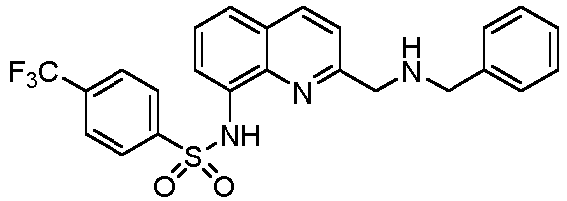
- A similar procedure to that described for the preparation of compound (ZDR022) was followed using compound (ZDR019) (100 mg, 0.26 mmol), benzylamine (86 µL, 0.78 mmol) and sodium triacetoxyborohydride (111 mg, 0.52 mmol) in 1,2-dichloroethane (5 mL). Purification by flash chromatography (dichloromethane/methanol, 100:1→50:1) afforded compound (ZDR103) as a pale yellow solid (60 mg, 0.12 mmol, 46%). 1H NMR (300 MHz, CDCl3) δ 3.88 (2H, s), 4.07 (2H, s), 7.27-7.54 (10H, m), 7.82 (1H, dd, J = 7.3 and 1.5 Hz), 7.94 (2H, d, J = 8.3 Hz), 8.06 (1H, d, J = 8.4 Hz); ESI-MS: m/z calcd for C24H26F3N3O2S: 471.1; found [M+H]+: 472.1.
-

- A similar procedure to that described for the preparation of compound (ZDR022) was followed using compound (ZDR019) (100 mg, 0.26 mmol), furfurylamine (69 µL, 0.78 mmol) and sodium triacetoxyborohydride (111 mg, 0.52 mmol) in 1,2-dichloroethane (5 mL). Purification by flash chromatography (dichloromethane→dichloromethane/methanol, 100:1) afforded compound (ZDR106) as a pale orange solid (62 mg, 0.13 mmol, 50%). 1H NMR (300 MHz, CDCl3) δ 3.87 (2H, s), 4.08 (2H, s), 6.23-6.25 (1H, m), 6.32-6.35 (1H, m), 7.35-7.49 (4H, m), 7.54 (2H, d, J = 8.2 Hz), 7.83 (1H, dd, J = 7.3 and 1.4 Hz), 7.94 (2H, d, J = 8.2 Hz), 8.05 (1H, d, J = 8.4 Hz); ESI-MS: m/z calcd for C22H18F3N3O3S: 461.1; found [M+H]+: 462.1.
-

- A similar procedure to that described for the preparation of compound (ZDR022) was followed using compound (ZDR019) (100 mg, 0.26 mmol), 2-thiophenemethylamine (80 µL, 0.78 mmol) and sodium triacetoxyborohydride (111 mg, 0.52 mmol) in 1,2-dichloroethane (5 mL). Purification by flash chromatography (dichloromethane→dichloromethane/methanol, 100:1) afforded compound (ZDR107) as a pale orange solid (70 mg, 0.14 mmol, 53%). 1H NMR (300 MHz, CDCl3) δ 4.09 (2H, s), 4.11 (2H, s), 6.99-7.01 (2H, m), 7.26-7.28 (1H, m), 7.41-7.52 (3H, m), 7.57 (2H, d, J = 8.2 Hz), 7.84 (1H, dd, J = 7.4 and 1.4 Hz), 7.99 (2H, d, J = 8.2 Hz), 8.07 (1H, d, J = 8.4 Hz); ESI-MS: m/z calcd for C22H18F3N3O2S2: 477.1; found [M+H]+: 478.1.
-

- A similar procedure to that described for the preparation of compound (ZDR022) was followed using compound (ZDR019) (100 mg, 0.26 mmol), aniline (72 µL, 0.78 mmol) and sodium triacetoxyborohydride (111 mg, 0.52 mmol) in 1,2-dichloroethane (5 mL). Purification by flash chromatography (dichloromethane) afforded compound (ZDR108) as a beige solid (23 mg, 0.05 mmol, 19%). 1H NMR (300 MHz, CDCl3) δ 4.62 (2H, s), 6.75-6.78 (3H, m), 7.18-7.21 (2H, m), 7.41 (1H, t, J = 7.9 Hz), 7.46-7.50 (2H, m), 7.54 (2H, d, J = 8.2 Hz), 7.83 (1H, dd, J = 7.3 and 1.6 Hz), 7.91 (2H, d, J = 8.2 Hz), 8.05 (1H, d, J = 8.5 Hz); ESI-MS: m/z calcd for C23H18F3N3O2S: 457.1; found [M+H]+: 458.1.
-

- A similar procedure to that described for the preparation of compound (ZDR022) was followed using compound (ZDR019) (100 mg, 0.26 mmol), 2-aminopyridine (73 mg, 0.78 mmol) and sodium triacetoxyborohydride (111 mg, 0.52 mmol) in 1,2-dichloroethane (5 mL). Purification by flash chromatography (petroleum ether/ethyl acetate, 2:1) afforded compound (ZDR109) as a pale yellow solid (20 mg, 0.04 mmol, 15%). 1H NMR (300 MHz, CDCl3) δ 4.76 (2H, d, J = 5.7 Hz), 5.56-5.64 (1H, m), 6.53 (1H, d, J = 8.4 Hz), 6.62-6.66 (1H, m), 7.38-7.56 (6H, m), 7.83 (1H, dd, J = 7.3 and 1.4 Hz), 7.94 (2H, d, J = 8.2 Hz), 8.04 (1H, d, J = 8.4 Hz), 8.11-8.13 (1H, m); ESI-MS: m/z calcd for C22H17F3N4O2S: 458.1; found [M+H]+: 459.1.
-

- A similar procedure to that described for the preparation of compound (ZDR022) was followed using compound (ZDR019) (100 mg, 0.26 mmol), 4-(aminomethyl)pyridine (79 µL, 0.78 mmol) and sodium triacetoxyborohydride (111 mg, 0.52 mmol) in 1,2-dichloroethane (5 mL). Purification by flash chromatography (dichloromethane/methanol, 50:1→20:1) afforded compound (ZDR110) as a pale orange solid (44 mg, 0.09 mmol, 34%). 1H NMR (300 MHz, CDCl3) δ 3.89 (2H, s), 4.06 (2H, s), 7.30-7.34 (2H, m), 7.39-7.50 (3H, m), 7.58 (2H, d, J = 8.2 Hz), 7.81 (1H, dd, J = 7.4 and 1.5 Hz), 7.99 (2H, d, J = 8.2 Hz), 8.07 (1H, d, J = 8.4 Hz), 8.56-8.58 (2H, m); ESI-MS: m/z calcd for C23H19F3N4O2S: 472.1; found [M+H]+: 473.0.
-

- A similar procedure to that described for the preparation of compound (ZDR022) was followed using compound (ZDR019) (100 mg, 0.26 mmol), 1-(2-aminoethyl)piperidine (112 µL, 0.78 mmol) and sodium triacetoxyborohydride (111 mg, 0.52 mmol) in 1,2-dichloroethane (5 mL). Purification by flash chromatography (dichloromethane/methanol, 40:1→20:1→10:1→7:1) afforded compound (ZDR111) as a pale yellow solid (70 mg, 0.14 mmol, 53%). 1H NMR (300 MHz, CDCl3) δ 1.44-1.54 (2H, m), 1.64-1.76 (4H, m), 2.66-2.76 (4H, m), 2.90 (2H, t, J = 6.2 Hz), 3.03 (2H, t, J = 6.2 Hz), 4.19 (2H, s), 7.34-7.43 (3H, m), 7.55 (2H, d, J = 8.2 Hz), 7.74 (1H, dd, J = 7.2 and 1.5 Hz), 8.01 (1H, d, J = 8.4 Hz), 8.06 (2H, d, J = 8.2 Hz); ESI-MS: m/z calcd for C24H27F3N4O2S: 492.2; found [M+Na]+: 515.2.
-

- A similar procedure to that described for the preparation of compound (ZDR022) was followed using compound (ZDR019) (100 mg, 0.26 mmol), 4-(2-aminoethyl)morpholine (103 µL, 0.78 mmol) and sodium triacetoxyborohydride (111 mg, 0.52 mmol) in 1,2-dichloroethane (5 mL). Purification by flash chromatography (dichloromethane/methanol, 40:1→20:1) afforded compound (ZDR112) as a pale yellow solid (80 mg, 0.16 mmol, 61%). 1H NMR (300 MHz, CDCl3) δ 2.43-2.46 (4H, m), 2.58 (2H, t, J = 6.2 Hz), 2.83 (2H, t, J = 6.2 Hz), 3.68-3.71 (4H, m), 4.14 (2H, s), 7.37-7.49 (3H, m), 7.58 (2H, d, J = 8.2 Hz), 7.78 (1H, dd, J = 7.3 and 1.5 Hz), 8.01 (2H, d, J = 8.2 Hz), 8.05 (1H, d, J = 8.4 Hz); ESI-MS: m/z calcd for C23H25F3N4O3S: 494.2; found [M+H]+: N/A.
-

- A similar procedure to that described for the preparation of compound (ZDR022) was followed using compound (ZDR019) (100 mg, 0.26 mmol), 4-(2-aminoethyl)thiomorpholine (109 µL, 0.78 mmol) and sodium triacetoxyborohydride (111 mg, 0.52 mmol) in 1,2-dichloroethane (5 mL). Purification by flash chromatography (dichloromethane/methanol, 40:1→20:1) afforded compound (ZDR113) as a pale orange solid (70 mg, 0.13 mmol, 50%). 1H NMR (300 MHz, CDCl3) δ 2.59 (2H, t, J = 5.9 Hz), 2.63-2.75 (8H, m), 2.80 (2H, t, J = 5.9 Hz), 4.12 (2H, s), 7.37-7.48 (3H, m), 7.58 (2H, d, J = 8.2 Hz), 7.78 (1H, dd, J = 7.3 and 1.4 Hz), 8.02 (2H, d, J = 8.2 Hz), 8.06 (1H, d, J = 8.4 Hz); ESI-MS: m/z calcd for C23H25F3N4O2S2: 510.1; found [M+H]+: 511.1.
-
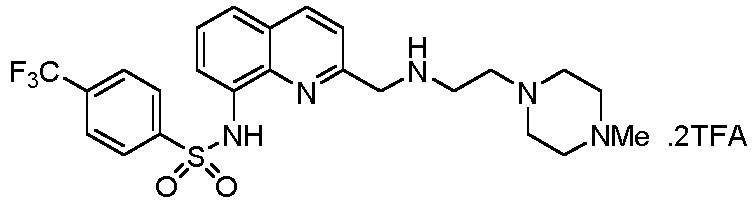
- A similar procedure to that described for the preparation of compound (ZDR090) was followed using compound (ZDR019) (100 mg, 0.26 mmol), 1-(2-aminoethyl)-4-methylpiperazine (118 µL, 0.78 mmol) and sodium triacetoxyborohydride (111 mg, 0.52 mmol) in 1,2-dichloroethane (5 mL). Purification by RP-HLPC (10% to 20% A/B gradient over 20 min, where A = water + 0.1% trifluoroacetic acid and B = acetonitrile + 0.1% trifluoroacetic acid) afforded compound (ZDR114) as a white solid (50 mg, 0.06 mmol, 23%). 1H NMR (300 MHz, CDCl3) δ 2.31 (3H, s), 2.47-2.57 (8H, m), 2.58 (2H, t, J = 6.9 Hz), 2.78 (2H, t, J = 6.9 Hz), 4.07 (2H, s), 7.38-7.49 (3H, m), 7.61 (2H, d, J = 8.2 Hz), 7.80 (1H, dd, J = 7.4 and 1.4 Hz), 8.0-8.07 (3H, m); ESI-MS: m/z calcd for C24H28F3N5O2S: 507.2; found [M+H]+: N/A.
-

- A similar procedure to that described for the preparation of compound (ZDR090) was followed using compound (ZDR019) (100 mg, 0.26 mmol), N-(3-aminopropyl)piperidine (125 µL, 0.78 mmol) and sodium triacetoxyborohydride (111 mg, 0.52 mmol) in 1,2-dichloroethane (5 mL). Purification by RP-HLPC (10% to 20% A/B gradient over 20 min, where A = water + 0.1% trifluoroacetic acid and B = acetonitrile + 0.1% trifluoroacetic acid) afforded compound (ZDR115) as a white solid (70 mg, 0.10 mmol, 38%). 1H NMR (300 MHz, CDCl3) δ 1.40-1.50 (2H, m), 1.58-1.69 (4H, m), 1.86-1.95 (2H, m), 2.58-2.73 (6H, m), 2.86 (2H, t, J = 6.9 Hz), 4.12 (2H, s), 7.36-7.46 (3H, m), 7.56 (2H, d, J = 8.2 Hz), 7.74 (1H, dd, J = 7.3 and 1.5 Hz), 8.01 (2H, d, J = 8.2 Hz), 8.05 (1H, d, J = 8.4 Hz); ESI-MS: m/z calcd for C25H29F3N4O2S: 506.2; found [M+H]+: 507.2.
-

- A similar procedure to that described for the preparation of compound (ZDR022) was followed using compound (ZDR019) (100 mg, 0.26 mmol), 3-(4-morpholinyl)-1-propanamine (112 µL, 0.78 mmol) and sodium triacetoxyborohydride (111 mg, 0.52 mmol) in 1,2-dichloroethane (5 mL). Purification by flash chromatography (dichloromethane/methanol, 40:1) afforded compound (ZDR116) as a pale orange solid (92 mg, 0.18 mmol, 69%). 1H NMR (300 MHz, CDCl3) δ 1.88 (2H, t, J = 6.9 Hz), 2.42-2.48 (6H, m), 2.93 (2H, t, J = 6.9 Hz), 3.60-3.64 (4H, m), 4.21 (2H, s), 7.38-7.43 (3H, m), 7.53 (2H, d, J = 8.2 Hz), 7.75 (1H, dd, J = 7.2 and 1.6 Hz), 8.02-8.06 (3H, m); ESI-MS: m/z calcd for C24H27F3N4O3S: 508.2; found [M+H]+: 509.2.
-

- A similar procedure to that described for the preparation of compound (ZDR090) was followed using compound (ZDR019) (100 mg, 0.26 mmol), 1-(3-aminopropyl)-4-methylpiperazine (134 µL, 0.78 mmol) and sodium triacetoxyborohydride (111 mg, 0.52 mmol) in 1,2-dichloroethane (5 mL). Purification by RP-HLPC (10% to 20% A/B gradient over 20 min, where A = water + 0.1% trifluoroacetic acid and B = acetonitrile + 0.1% trifluoroacetic acid) afforded compound (ZDR117) as a white solid (44 mg, 0.06 mmol, 23%). 1H NMR (300 MHz, CDCl3) δ 1.79 (2H, t, J = 6.9 Hz), 2.22 (3H, s), 2.35-2.55 (8H, m), 2.45 (2H, t, J = 6.9 Hz), 2.80 (2H, t, J = 6.9 Hz), 4.10 (2H, s), 7.36-7.46 (3H, m), 7.55 (2H, d, J = 8.2 Hz), 7.76 (1H, dd, J = 7.3 and 1.5 Hz), 8.01 (2H, d, J = 8.2 Hz), 8.04 (1H, d, J = 8.4 Hz); ESI-MS: m/z calcd for C25H30F3N5O2S: 521.2; found [M+H]+: 522.2.
-

- A solution of compound (ZDR019) (100 mg, 0.26 mmol), semicarbazide hydrochloride (29 mg, 0.26 mmol) and sodium acetate (43 mg, 0.52 mmol) in aqueous ethanol (5 mL, 90% v/v) was heated at 70 °C for 18 h. The mixture was then diluted with dichloromethane/methanol (25 mL, 9:1 v/v), water (25 mL) added and the pH adjusted to pH 6-7 using aqueous phosphate buffer solution (0.5 M, pH 7). The separated organic layer was dried over anhydrous magnesium sulfate, filtered and the filtrate concentrated in vacuo. Purification by flash chromatography (dichloromethane/methanol, 40:1) afforded compound (ZDR118) as a white solid (85 mg, 0.19 mmol, 73%). 1H NMR (300 MHz, CDCl3) δ 7.19-7.22 (1H, m), 7.29 (1H, t, J = 7.6 Hz), 7.61-7.66 (3H, m), 7.85 (1H, d, J = 8.4 Hz), 8.02-8.07 (4H, m), 11.22 (1H, s); ESI-MS: m/z calcd for C18H14F3N5O3S: 437.1; found [M+Na]+: 460.1.
-

- A similar procedure to that described for the preparation of compound (ZDR118) was followed using compound (ZDR019) (100 mg, 0.26 mmol) and 4-[2-(4-morpholinyl)ethyl]-3-thiosemicarbazide (53 mg, 0.26 mmol) in aqueous ethanol (5 mL, 90% v/v). Purification by flash chromatography (dichloromethane/methanol, 50:1) afforded compound (ZDR119) as a pale yellow solid (95 mg, 0.16 mmol, 61%). 1H NMR (400 MHz, CDCl3) δ 2.58 (4H, brs), 2.72 (2H, t, J = 5.8 Hz), 3.76-3.80 (4H, m), 3.84 (2H, q, J = 5.8 Hz), 7.47-7.52 (2H, m), 7.65 (2H, d, J = 8.5 Hz), 7.86 (1H, dd, J = 6.7 and 2.3 Hz), 8.01-8.06 (4H, m), 8.13 (1H, d, J = 8.5 Hz), 8.30 (1H, brs), 9.15 (1H, brs), 9.78 (1H, brs); ESI-MS: m/z calcd for C24H25F3N6O3S2: 566.1; found [M+H]+: 567.1.
-

- A similar procedure to that described for the preparation of compound (ZDR118) was followed using compound (ZDR019) (100 mg, 0.26 mmol) and acetylhydrazide (19 mg, 0.26 mmol) in aqueous ethanol (5 mL, 90% v/v). Purification by flash chromatography (dichloromethane/methanol, 50:1) afforded compound (ZDR120) as a white solid (90 mg, 0.20 mmol, 76%), as a 1:1 mixture of E/Z isomers. 1H NMR (300 MHz, CDCl3/d4-MeOH, 1:1 v/v) δ 2.14 (1.5H, s), 2.36 (1.5H, s), 7.41-7.56 (2H, m), 7.60 (2H, d, J = 8.2 Hz), 7.77-7.82 (1H, m), 7.95-8.03 (3H, m), 8.10-8.17 (2H, m); ESI-MS: m/z calcd for C19H15F3N4O3S: 436.1; found [M+Na]+: 459.1.
-

- A similar procedure to that described for the preparation of compound (ZDR118) was followed using compound (ZDR019) (100 mg, 0.26 mmol) and nicotinic acid hydrazide (36 mg, 0.26 mmol) in aqueous ethanol (5 mL, 90% v/v). Purification by flash chromatography (dichloromethane/methanol, 50:1) afforded compound (ZDR121) as a white solid (85 mg, 0.17 mmol, 65%). 1H NMR (300 MHz, d6-DMSO) δ 7.56-7.85 (6H, m), 7.98-8.08 (3H, m), 8.24-8.42 (2H, m), 8.50 (1H, s), 8.74-8.85 (1H, m), 8.95-9.14 (1H, m), 10.41 (1H, br s), 12.39 (1H, s); ESI-MS: m/z calcd for C23H16F3N5O3S: 499.1; found [M+Na]+: 522.1.
-

- A similar procedure to that described for the preparation of compound (ZDR118) was followed using compound (ZDR019) (100 mg, 0.26 mmol) and isonicotinic acid hydrazide (36 mg, 0.26 mmol) in aqueous ethanol (5 mL, 90% v/v). Purification by flash chromatography (dichloromethane/methanol, 50:1) afforded compound (ZDR122) as a yellow solid (83 mg, 0.16 mmol, 61%). 1H NMR (300 MHz, d6-DMSO) δ 7.56-7.88 (7H, m), 8.00-8.07 (3H, m), 8.37 (1H, d, J = 8.4 Hz), 8.53 (1H, s), 8.75-8.87 (2H, m), 12.44 (1H, s); ESI-MS: m/z calcd for C23H16F3N5O3S: 499.1; found [M+Na]+: 522.1.
-

- A similar procedure to that described for the preparation of compound (ZDR118) was followed using compound (ZDR019) (100 mg, 0.26 mmol) and 1-Boc-nipecotic acid hydrazide (63 mg, 0.26 mmol) in aqueous ethanol (5 mL, 90% v/v). Purification by flash chromatography (dichloromethane/methanol, 50:1) afforded compound (ZDR123) as a white solid (97 mg, 0.16 mmol, 61%). ESI-MS: m/z calcd for C28H30F3N5O5S: 605.2; found [M+Na]+: 628.2.
-

- A solution of compound (ZDR123) (50 mg, 0.08 mmol) in trifluoroacetic acid-dichloromethane (3 mL, 50% v/v) was stirred at room temperature for 3 h. The solvent was removed in vacuo to afford compound (ZDR124) as a white solid (48 mg, 0.08 mmol, quant.), as a 1:1 mixture of E/Z isomers, which was used without further purification. 1H NMR (400 MHz, d4-MeOH) δ 1.85-2.06 (3H, m), 2.12-2.20 (1H, m), 2.98 (0.5H, sept, J = 4.1 Hz), 3.14-3.21 (1H, m), 3.26-3.31 (1H, m), 3.37-3.44 (2H, m), 3.82 (0.5H, sept, J = 4.1 Hz), 7.50-7.56 (1H, m), 7.62-7.66 (3H, m), 7.86 (1H, dt, J = 7.5 and 1.3 Hz), 7.95-7.99 (2H, m), 8.01 (0.5H, d, J = 8.6 Hz), 8.04 (0.5H, s), 8.10 (0.5H, d, J = 8.6 Hz), 8.21 (1H, dd, J = 8.6 and 1.6 Hz), 8.25 (0.5H, s); ESI-MS: m/z calcd for C25H22F3N5O4S: 505.1; found [M+H]+: N/A.
-

- A similar procedure to that described for the preparation of compound (ZDR118) was followed using compound (ZDR019) (100 mg, 0.26 mmol) and hydroxylamine hydrochloride (18 mg, 0.26 mmol) in aqueous ethanol (10 mL, 60% v/v). Purification by flash chromatography (dichloromethane/methanol, 50:1) afforded compound (ZDR125) as a white solid (80 mg, 0.20 mmol, 76%). 1H NMR (300 MHz, CDCl3) δ 6.90 (1H, d, J = 8.4 Hz), 7.36-7.61 (5H, m), 7.76 (1H, dd, J = 7.3 and 1.4 Hz), 7.92 (2H, d, J = 8.2 Hz), 8.05 (1H, d, J = 8.4 Hz); ESI-MS: m/z calcd for C17H12F3N3O3S: 395.1; found [M+H]+: N/A.
-

- A similar procedure to that described for the preparation of compound (ZDR118) was followed using compound (ZDR019) (100 mg, 0.26 mmol), methoxyamine hydrochloride (21 mg, 0.26 mmol) and sodium acetate (43 mg, 0.52 mmol) in ethanol (10 mL). Purification by flash chromatography (dichloromethane/methanol, 50:1) afforded compound (ZDR126) as a white solid (75 mg, 0.18 mmol, 69%). 1H NMR (300 MHz, CDCl3) δ 4.07 (3H, s), 7.43-7.49 (2H, m), 7.62 (2H, d, J = 8.4 Hz), 7.84 (1H, dd, J = 7.2 and 1.5 Hz), 7.97-8.07 (4H, m), 8.21 (1H, s), 9.12 (1H, br s); ESI-MS: m/z calcd for C18H14F3N3O3S: 409.1; found [M+Na]+: 432.1.
-

- A similar procedure to that described for the preparation of compound (ZDR118) was followed using compound (ZDR019) (100 mg, 0.26 mmol) and aqueous hydrazine (1 mL, 50% w/w in water) in ethanol (10 mL). Purification by flash chromatography (dichloromethane/methanol, 50:1) afforded compound (ZDR127) as a yellow solid (66 mg, 0.16 mmol, 61%). 1H NMR (400 MHz, CDCl3) δ 6.00 (2H, s), 7.40 (1H, t, J = 8.0 Hz), 7.46 (1H, dd, J = 8.2 and 1.4 Hz), 7.62 (2H, d, J = 8.4 Hz), 7.80 (1H, dd, J = 7.6 and 1.4 Hz), 7.89 (1H, s), 7.96-8.04 (4H, m); ESI-MS: m/z calcd for C17H13F3N4O2S: 394.1; found [M+H]+: 395.1.
-

- A similar procedure to that described for the preparation of compound (ZDR022) was followed using compound (ZDR019) (100 mg, 0.26 mmol), 2-(2-aminoethoxy)ethanol (79 µL, 0.78 mmol) and sodium triacetoxyborohydride (111 mg, 0.52 mmol) in 1,2-dichloroethane (5 mL). Purification by flash chromatography (dichloromethane/methanol, 40:1→20:1→15:1) afforded compound (ZDR129) as a pale orange solid (81 mg, 0.17 mmol, 65%). 1H NMR (300 MHz, CDCl3) δ 2.98 (2H, t, J = 5.0 Hz), 3.70 (2H, t, J = 5.0 Hz), 3.76 (2H, t, J = 5.0 Hz), 3.84 (2H, t, J = 5.0 Hz), 4.16 (2H, s), 7.29 (1H, d, J = 8.4 Hz), 7.34-7.42 (2H, m), 7.56 (2H, d, J = 8.3 Hz), 7.79 (1H, dd, J = 7.0 and 1.9 Hz), 7.96 (1H, d, J = 8.4 Hz), 8.03 (2H, d, J = 8.3 Hz); ESI-MS: m/z calcd for C21H22F3N3O4S: 469.1; found [M+H]+: 470.1.
-

- A similar procedure to that described for the preparation of compound (ZDR022) was followed using compound (ZDR019) (100 mg, 0.26 mmol), 2-(2-(2-aminoethoxy)ethoxy)ethanol (109 µL, 0.78 mmol) and sodium triacetoxyborohydride (111 mg, 0.52 mmol) in 1,2-dichloroethane (5 mL). Purification by flash chromatography (dichloromethane/methanol, 40:1→20:1→15:1) afforded compound (ZDR130) as a pale orange solid (81 mg, 0.15 mmol, 57%). 1H NMR (300 MHz, CDCl3) δ 2.90 (2H, t, J = 5.0 Hz), 3.63 (2H, t, J = 5.0 Hz), 3.69-3.78 (8H, m), 4.14 (2H, s), 6.44 (1H, br s), 7.33 (1H, d, J = 8.4 Hz), 7.37-7.48 (2H, m), 7.54 (2H, d, J = 8.3 Hz), 7.85 (1H, dd, J = 7.1 and 1.7 Hz), 7.97-8.03 (3H, m); ESI-MS: m/z calcd for C23H26F3N3O5S: 513.2; found [M+H]+: 514.2.
-

- A similar procedure to that described for the preparation of compound (ZDR022) was followed using compound (ZDR019) (100 mg, 0.26 mmol), 2-(2-methoxyethoxy)ethanamine (97 µL, 0.78 mmol) and sodium triacetoxyborohydride (111 mg, 0.52 mmol) in 1,2-dichloroethane (5 mL). Purification by flash chromatography (dichloromethane/methanol, 40:1→30:1→20:1) afforded compound (ZDR131) as a pale yellow solid (80 mg, 0.16 mmol, 61%). 1H NMR (300 MHz, CDCl3) δ 2.95 (2H, t, J = 5.1 Hz), 3.35 (3H, s), 3.59 (2H, t, J = 5.1 Hz), 3.66-3.76 (4H, m), 4.16 (2H, s), 7.37-7.48 (3H, m), 7.56 (2H, d, J = 8.3 Hz), 7.83 (1H, dd, J = 7.3 and 1.5 Hz), 8.00 (2H, d, J = 8.3 Hz), 8.03 (1H, d, J = 8.4 Hz); ESI-MS: m/z calcd for C22H24F3N3O4S: 483.1; found [M+H]+: 484.2.
-
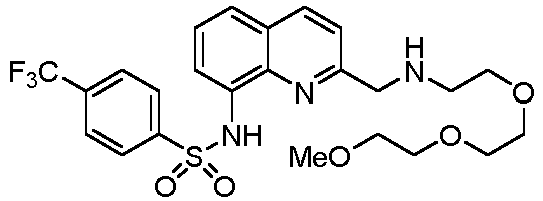
- A similar procedure to that described for the preparation of compound (ZDR022) was followed using compound (ZDR019) (100 mg, 0.26 mmol), 2-(2-(2-methoxyethoxy)ethoxy)ethanamine (128 µL, 0.78 mmol) and sodium triacetoxyborohydride (111 mg, 0.52 mmol) in 1,2-dichloroethane (5 mL). Purification by flash chromatography (dichloromethane/methanol, 40:1→30:1→20:1) afforded compound (ZDR132) as a pale orange solid (75 mg, 0.14 mmol, 53%). 1H NMR (300 MHz, CDCl3) δ 2.92 (2H, t, J = 5.1 Hz), 3.29 (3H, s), 3.48-3.51 (2H, m), 3.62-3.65 (2H, m), 3.69-3.72 (6H, m), 4.13 (2H, s), 7.37-7.48 (3H, m), 7.55 (2H, d, J = 8.2 Hz), 7.82 (1H, dd, J = 7.2 and 1.5 Hz), 7.97 (2H, d, J = 8.2 Hz), 8.03 (1H, d, J = 8.4 Hz); ESI-MS: m/z calcd for C24H28F3N3O5S: 527.2; found [M+H]+: 528.2.
-

- A similar procedure to that described for the preparation of compound (ZDR022) was followed using compound (ZDR019) (100 mg, 0.26 mmol), 2-methoxyethylamine (67 µL, 0.78 mmol) and sodium triacetoxyborohydride (111 mg, 0.52 mmol) in 1,2-dichloroethane (5 mL). Purification by flash chromatography (dichloromethane/methanol, 40:1→20:1→15:1) afforded compound (ZDR133) as a pale yellow solid (69 mg, 0.15 mmol, 57%). 1H NMR (300 MHz, CDCl3) δ 2.91 (2H, t, J = 5.1 Hz), 3.46 (3H, s), 3.61 (2H, t, J = 5.1 Hz), 4.14 (2H, s), 7.36 (1H, d, J = 8.4 Hz), 7.40-7.50 (2H, m), 7.57 (2H, d, J = 8.3 Hz), 7.87 (1H, dd, J = 7.3 and 1.5 Hz), 7.98 (2H, d, J = 8.3 Hz), 8.05 (1H, d, J = 8.4 Hz); ESI-MS: m/z calcd for C26H26F3N3O3S: 439.1; found [M+H]+: 440.1.
-
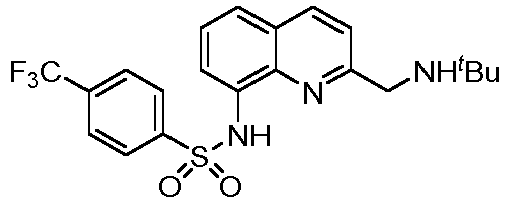
- A similar procedure to that described for the preparation of compound (ZDR022) was followed using compound (ZDR019) (100 mg, 0.26 mmol), tert-butylamine (81 µL, 0.78 mmol) and sodium triacetoxyborohydride (111 mg, 0.52 mmol) in 1,2-dichloroethane (5 mL). Purification by flash chromatography (dichloromethane/methanol, 40:1→30:1→20:1) afforded compound (ZDR135) as a pale orange solid (75 mg, 0.17 mmol, 65%). 1H NMR (300 MHz, CDCl3) δ 1.24 (9H, s), 4.13 (2H, s), 7.35-7.43 (3H, m), 7.57 (2H, d, J = 8.3 Hz), 7.78 (1H, dd, J = 7.0 and 1.8 Hz), 7.98 (1H, d, J = 8.5 Hz), 8.02 (2H, d, J = 8.3 Hz); ESI-MS: m/z calcd for C21H22F3N3O2S: 437.1; found [M+H]+: 438.1.
-

- A similar procedure to that described for the preparation of compound (ZDR022) was followed using compound (ZDR019) (100 mg, 0.26 mmol), diisopropylamine (109 µL, 0.78 mmol) and sodium triacetoxyborohydride (111 mg, 0.52 mmol) in 1,2-dichloroethane (5 mL). Purification by flash chromatography (dichloromethane/methanol, 40:1→30:1→20:1) afforded compound (ZDR136) as a white solid (40 mg, 0.08 mmol, 30%). 1H NMR (300 MHz, CDCl3) δ 1.03 (12H, d, J = 6.5 Hz), 2.96-3.08 (2H, m), 3.86 (2H, s), 7.36-7.49 (2H, m), 7.58 (2H, d, J = 8.3 Hz), 7.76-7.82 (2H, m), 7.98-8.03 (3H, m); ESI-MS: m/z calcd for C23H26F3N3O2S: 465.2; found [M+H]+: 466.2.
-

- A similar procedure to that described for the preparation of compound (ZDR118) was followed using compound (ZDR019) (100 mg, 0.26 mmol), benzyloxyamine hydrochloride (41 mg, 0.26 mmol) and sodium acetate (43 mg, 0.52 mmol) in ethanol (10 mL). Purification by flash chromatography (dichloromethane/methanol, 50:1) afforded compound (ZDR137) as a white solid (75 mg, 0.15 mmol, 57%). 1H NMR (400 MHz, d6-acetone) δ 5.32 (2H, s), 7.34-7.47 (3H, m), 7.49 (2H, d, J = 8.4 Hz), 7.57 (1H, t, J = 7.9 Hz), 7.67 (1H, dd, J = 8.4 and 1.2 Hz), 7.81 (2H, d, J = 8.4 Hz), 7.90 (1H, dd, J = 7.6 and 1.2 Hz), 7.98 (1H, d, J = 7.6 Hz), 8.15 (2H, d, J = 8.4 Hz), 8.30 (1H, d, J = 8.4 Hz), 8.36 (1H, s), 9.59 (1H, s); ESI-MS: m/z calcd for C24H18F3N3O3S: 485.1; found [M+Na]+: 508.1.
-

- A similar procedure to that described for the preparation of compound (ZDR118) was followed using compound (ZDR019) (100 mg, 0.26 mmol), benzylhydrazine dihydrochloride (50 mg, 0.26 mmol) and sodium acetate (43 mg, 0.52 mmol) in ethanol (10 mL). Purification by flash chromatography (dichloromethane/methanol, 50:1) afforded compound (ZDR138) as a yellow solid (70 mg, 0.14 mmol, 53%). 1H NMR (400 MHz, CDCl3) δ 4.56 (2H, d, J = 4.6 Hz), 6.28 (1H, t, J = 4.6 Hz), 7.34-7.45 (7H, m), 7.59 (2H, d, J = 8.4 Hz), 7.70 (1H, s), 7.77 (1H, dd, J = 7.7 and 1.3 Hz), 7.98-8.00 (4H, m); ESI-MS: m/z calcd for C24H19F3N4O2S: 484.1; found [M+H]+: 485.1.
-

- A similar procedure to that described for the preparation of compound (ZDR022) was followed using compound (ZDR019) (100 mg, 0.26 mmol), compound (ZDR140) (235 mg, 0.78 mmol) and sodium triacetoxyborohydride (111 mg, 0.52 mmol) in 1,2-dichloroethane (5 mL). Purification by flash chromatography (dichloromethane/methanol, 40:1→30:1→20:1) afforded compound (ZDR139) as a pale yellow solid (120 mg, 0.17 mmol, 65%). 1H NMR (300 MHz, CDCl3) δ 1.45 (9H, s), 1.48 (9H, s), 2.86 (2H, t, J = 5.9 Hz), 3.52-3.58 (2H, m), 4.07 (2H, s), 7.35-7.46 (2H, m), 7.55-7.59 (3H, m), 7.79 (1H, dd, J = 7.3 and 1.4 Hz), 7.98 (2H, d, J = 8.3 Hz), 8.02 (1H, d, J = 8.4 Hz), 8.70-8.73 (1H, m), 11.49 (1H, br s).
-
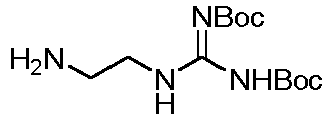
- A solution of N,N'-Bis-Boc-1-guanylpyrazol (1.0 g, 3.22 mmol) in dichloromethane (10 mL) was added dropwise to a solution of 1,2-diaminoethane (2.1 mL, 32.2 mmol) in dichloromethane (10 mL), and the mixture stirred at room temperature for 18 h. The mixture was then washed with water (5 x 20 mL) and the separated organic layer dried over anhydrous magnesium sulfate, filtered and the filtrate concentrated in vacuo. Purification by flash chromatography (ethyl acetate) afforded compound (ZDR140) as an off-white solid (800 mg, 2.64 mmol, 81%). 1H NMR (300 MHz, CDCl3) δ 1.48 (18H, s), 2.88 (2H, t, J = 5.9 Hz), 3.44-3.50 (2H, m), 8.63 (1H, br s).
-

- A solution of N-Boc-ethylenediamine (1.0 g, 6.24 mmol) and N-nitro-S-methylisothiourea (0.84 g, 6.24 mmol) in ethanol (30 mL) was heated at 60 °C for 18 h. The solvent was then removed in vacuo to afford compound (ZDR141) as a white solid (1.5 g), which was used without further purification. 1H NMR (300 MHz, d6-DMSO) δ 1.37 (9H, s), 3.06-3.10 (2H, m), 3.17-3.21 (2H, m), 6.86-6.88 (1H, m).
-

- A similar procedure to that described for the preparation of compound (ZDR124) was followed using compound (ZDR141) (192 mg, 0.78 mmol) and trifluoroacetic acid-dichloromethane (3 mL, 50% v/v) to afford compound (ZDR142) as a colourless oil (190 mg, 0.78 mmol, quant.), which was used without further purification.
-

- A similar procedure to that described for the preparation of compound (ZDR124) was followed using compound (ZDR139) (100 mg, 0.14 mmol) and trifluoroacetic acid-dichloromethane (3 mL, 50% v/v) to afford compound (ZDR143) as a white solid (92 mg, 0.14 mmol, quant.), which was used without further purification. 1H NMR (300 MHz, d4-MeOH) δ 3.48 (2H, t, J = 6.2 Hz), 3.77 (2H, t, J = 6.2 Hz), 4.68 (2H, s), 7.48-7.56 (2H, m), 7.61 (1H, dd, J = 8.3 and 1.1 Hz), 7.77 (2H, d, J = 8.3 Hz), 7.83 (1H, dd, J = 7.7 and 1.1 Hz), 8.15 (2H, d, J = 8.3 Hz), 8.33 (1H, d, J = 8.4 Hz); ESI-MS: m/z calcd for C26H21F3N6O2S: 466.1; found [M+H]+: N/A.
-

- A similar procedure to that described for the preparation of compound (ZDR022) was followed using compound (ZDR019) (100 mg, 0.26 mmol), compound (ZDR142) (190 mg, ca. 0.78 mmol) and sodium triacetoxyborohydride (111 mg, 0.52 mmol) in 1,2-dichloroethane (5 mL). Purification by flash chromatography (dichloromethane/methanol, 40:1→30:1→20:1) afforded compound (ZDR145) as a white solid (80 mg, 0.15 mmol, 57%). 1H NMR (300 MHz, d6-DMSO) δ 2.71 (2H, t, J = 5.8 Hz), 3.31 (2H, t, J = 5.8 Hz), 3.95 (2H, s), 7.45-7.53 (2H, m), 7.63-7.73 (2H, m), 7.79 (2H, d, J = 8.3 Hz), 8.01 (2H, d, J = 8.3 Hz), 8.24 (1H, d, J = 8.4 Hz); ESI-MS: m/z calcd for C20H20F3N7O4S: 511.1; found [M+H]+: 512.2.
-

- A solution of N-Boc-ethylenediamine (1.0 g, 6.24 mmol), acetyl chloride (443 µL, 6.24 mmol) and triethylamine (2.6 mL, 18.7 mmol) in dichloromethane (30 mL) was stirred at room temperature for 18 h. The mixture was then washed with water (2 x 20 mL) and the separated organic layer dried over anhydrous magnesium sulfate, filtered and the filtrate concentrated in vacuo. Purification by flash chromatography (dichloromethane) afforded compound (ZDR146) as a white solid (900 mg, 4.44 mmol, 71%). 1H NMR (300 MHz, CDCl3) δ 1.29 (9H, s) 1.84 (3H, s), 3.07-3.15 (2H, m), 3.16-3.23 (2H, m), 5.57 (1H, t, J = 5.3 Hz), 7.11 (1H, t, J = 5.3 Hz).
-

- A similar procedure to that described for the preparation of compound (ZDR124) was followed using compound (ZDR146) (157 mg, 0.78 mmol) and trifluoroacetic acid-dichloromethane (3 mL, 50% v/v) to afford compound (ZDR147) as a colourless oil (150 mg, 0.78 mmol, quant.), which was used without further purification.
-

- A similar procedure to that described for the preparation of compound (ZDR022) was followed using compound (ZDR019) (100 mg, 0.26 mmol), compound (ZDR147) (150 mg, ca. 0.78 mmol) and sodium triacetoxyborohydride (111 mg, 0.52 mmol) in 1,2-dichloroethane (5 mL). Purification by flash chromatography (dichloromethane/methanol, 40: 1→30: 1→20: 1) afforded compound (ZDR148) as a pale yellow solid (80 mg, 0.17 mmol, 65%). 1H NMR (300 MHz, CDCl3) δ 1.99 (3H, s), 2.92 (2H, t, J = 6.1 Hz), 3.44-3.49 (2H, m), 4.11 (2H, s), 7.38-7.47 (3H, m), 7.54 (2H, d, J = 8.3 Hz), 7.77 (1H, dd, J = 7.5 and 1.4 Hz), 7.98 (2H, d, J = 8.3 Hz), 8.04 (1H, d, J = 8.4 Hz); ESI-MS: m/z calcd for C21H21F3N4O3S: 466.1; found [M+H]+: 467.1.
-
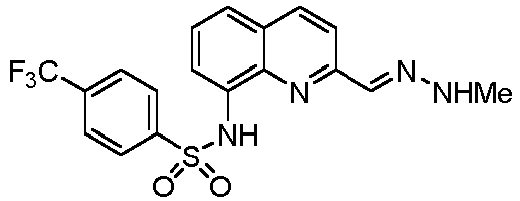
- A similar procedure to that described for the preparation of compound (ZDR118) was followed using compound (ZDR019) (100 mg, 0.26 mmol), methylhydrazine dihydrochloride (21 mg, 0.26 mmol) and sodium acetate (43 mg, 0.52 mmol) in ethanol (10 mL). Purification by flash chromatography (dichloromethane/methanol, 50:1) afforded compound (ZDR153) as a yellow solid (72 mg, 0.17 mmol, 65%). 1H NMR (300 MHz, CDCl3) δ 3.10 (3H, s), 7.32-7.43 (2H, m), 7.61-7.63 (3H, m), 7.76 (1H, dd, J = 7.6 and 1.3 Hz), 7.92-8.03 (4H, m); ESI-MS: m/z calcd for C18H15F3N4O2S: 408.1; found [M+H]+: 409.1.
-

- A similar procedure to that described for the preparation of compound (ZDR018) was followed using compound (ZDR059) (90 mg, 0.44 mmol), 4-(aminosulfonyl)benzenesulfonyl chloride (125 mg, 0.49 mmol) and triethylamine (68 µL, 0.49 mmol) in dichloromethane (5 mL). Purification by flash chromatography (dichloromethane/methanol, 20:1→15:1→10:1) afforded compound (ZDR154) as a pale yellow solid (50 mg, 0.11 mmol, 25%). 1H NMR (300 MHz, CDCl3/d4-MeOH, 1:1) δ 2.34 (6H, s), 3.75 (2H, s), 4.51 (2H, br s), 7.32 (1H, d, J = 8.3 Hz), 7.37-7.41 (1H, m), 7.48 (1H, dd, J = 7.4 and 1.2 Hz), 7.83-7.86 (3H, m), 7.99 (2H, 8.5 Hz), 8.07 (1H, d, J = 8.3 Hz); ESI-MS: m/z calcd for C18H20N4O4S2: 420.1; found [M+H]+: 421.1.
-

- A similar procedure to that described for the preparation of compound (ZDR018) was followed using compound (ZDR059) (90 mg, 0.44 mmol), 3-(aminosulfonyl)benzenesulfonyl chloride (125 mg, 0.49 mmol) and triethylamine (68 µL, 0.49 mmol) in dichloromethane (5 mL). Purification by flash chromatography (dichloromethane/methanol, 20:1→15:1→10:1) afforded compound (ZDR155) as a pale yellow solid (57 mg, 0.13 mmol, 29%). 1H NMR (300 MHz, CDCl3/d4-MeOH, 1:1) δ 2.38 (6H, s), 3.81 (2H, s), 4.53 (2H, br s), 7.32 (1H, d, J = 8.4 Hz), 7.39-7.51 (3H, m), 7.87 (1H, dd, J = 7.4 and 1.3 Hz), 7.91-7.94 (1H, m), 7.95-7.99 (1H, m), 8.08 (1H, d, J = 8.4 Hz), 8.49-8.50 (1H, m); ESI-MS: m/z calcd for C18H20N4O4S2: 420.1; found [M+H]+: 421.1.
-

- A similar procedure to that described for the preparation of compound (ZDR124) was followed using compound (ZDR333) (60 mg, 0.13 mmol) and trifluoroacetic acid-dichloromethane (3 mL, 50% v/v). The residue was then taken up in dichloromethane (10 mL), diluted with water and the pH adjusted to pH 6-7 using aqueous phosphate buffer solution (0.5 M, pH 7). The separated organic layer was dried over anhydrous magnesium sulfate, filtered and the filtrate concentrated in vacuo. Purification by flash chromatography (dichloromethane/methanol, 30:1→20:1) afforded compound (ZDR160) as a white solid (40 mg, 0.11 mmol, 84%). 1H NMR (300 MHz, CDCl3) δ 2.29 (6H, s), 3.71 (2H, s), 4.02 (2H, br s), 6.47 (2H, d, J = 8.6 Hz), 7.34-7.42 (2H, m), 7.56 (1H, d, J = 8.4 Hz), 7.64 (2H, d, J = 8.6 Hz), 7.74 (1H, dd, J = 6.7 and 2.2 Hz), 8.03 (1H, d, J = 8.4 Hz); ESI-MS: m/z calcd for C18H20N4O2S: 356.1; found [M+H]+: 357.1.
-

- A suspension of compound (ZR313) (60 mg, 0.15 mmol) and palladium-on-carbon (cat., 10% w/w) in methanol (10 mL) was stirred at room temperature under an atmosphere of hydrogen for 18 h. The mixture was then filtered through a pad of celite® and the solvent removed in vacuo. Purification by flash chromatography (dichloromethane/methanol, 20:1) afforded compound (ZDR162) as a pale yellow solid (45 mg, 0.12 mmol, 80%). 1H NMR (300 MHz, CDCl3) δ 2.31 (6H, s), 3.74 (2H, s), 3.78 (2H, br s), 6.64-6.70 (1H, m), 7.07 (1H, t, J = 7.8 Hz), 7.18-7.21 (2H, m), 7.36-7.46 (2H, m), 7.56 (1H, d, J = 8.4 Hz), 7.77 (1H, dd, J = 7.0 and 1.8 Hz), 8.05 (1H, d, J = 8.4 Hz); ESI-MS: m/z calcd for C18H20N4O2S: 356.1; found [M+H]+: 357.1.
-

- A solution of compound (ZDR314) (75 mg, 0.20 mmol) and boron tribromide (400 µL, 0.40 mmol, 1 M in dichloromethane) in dichloromethane (2 mL) was stirred at room temperature for 2 h. The mixture was then diluted with dichloromethane/methanol (25 mL, 9:1 v/v), water (25 mL) added and the pH adjusted to pH 6-7 using aqueous phosphate buffer solution (0.5 M, pH 7). The separated organic layer was dried over anhydrous magnesium sulfate, filtered and the filtrate concentrated in vacuo. Purification by flash chromatography (dichloromethane/methanol, 30:1→20:1→15:1) afforded compound (ZDR163) as a beige solid (45 mg, 0.12 mmol, 60%). 1H NMR (300 MHz, CDCl3/d4-MeOH, 3:1 v/v) δ 2.31 (6H, s), 3.74 (2H, s), 6.80-6.83 (1H, m), 7.08 (1H, t, J = 7.9 Hz), 7.27-7.40 (5H, m), 7.76 (1H, dd, J = 7.4 and 1.4 Hz), 8.01 (1H, d, J = 8.4 Hz); ESI-MS: m/z calcd for C18H19N3O3S: 357.1; found [M+H]+: 358.1.
-

- A similar procedure to that described for the preparation of compound (ZDR163) was followed using compound (ZDR063) (75 mg, 0.20 mmol) and boron tribromide (400 µL, 0.40 mmol, 1 M in dichloromethane) in dichloromethane (2 mL). Purification by flash chromatography (dichloromethane/methanol, 20:1→15:1) afforded compound (ZDR164) as a white solid (53 mg, 0.14 mmol, 70%). 1H NMR (400 MHz, CDCl3) δ 2.35 (6H, s), 3.76 (2H, s), 6.49 (2H, d, J = 8.8 Hz), 7.41-7.42 (2H, m), 7.45 (1H, d, J = 8.4 Hz), 7.54 (2H, d, J = 8.8 Hz), 7.85 (1H, dd, J = 7.4 and 1.4 Hz), 8.01 (1H, d, J = 8.4 Hz); ESI-MS: m/z calcd for C18H19N3O3S: 357.1; found [M+H]+: 358.1.
-

- A similar procedure to that described for the preparation of compound (ZDR022) was followed using compound (ZDR019) (100 mg, 0.26 mmol), 2-amino-4,6-dichlorophenol (138 mg, 0.78 mmol) and sodium triacetoxyborohydride (111 mg, 0.52 mmol) in 1,2-dichloroethane (5 mL). Purification by flash chromatography (dichloromethane/methanol, 100:1) afforded compound (ZDR167) as an orange solid (55 mg, 0.10 mmol, 38%). 1H NMR (300 MHz, CDCl3) δ 4.63 (2H, s), 5.57 (1H, br s), 6.54 (1H, d, J = 2.3 Hz), 6.71 (1H, d, J = 2.3 Hz), 7.37-7.49 (3H, m), 7.56 (2H, d, J = 8.3 Hz), 7.80 (1H, dd, J = 7.3 and 1.4 Hz), 7.94 (2H, d, J = 8.3 Hz), 8.07 (1H, d, J = 8.4 Hz); ESI-MS: m/z calcd for C23H16Cl2F3N3O3S: 541.0; found [M+H]+: 541.9.
-

- A similar procedure to that described for the preparation of compound (ZDR022) was followed using compound (ZDR019) (100 mg, 0.26 mmol), 2-amino-4-nitrophenol (120 mg, 0.78 mmol) and sodium triacetoxyborohydride (111 mg, 0.52 mmol) in 1,2-dichloroethane (5 mL). Purification by flash chromatography (dichloromethane/methanol, 100:1) afforded compound (ZDR170) as an orange solid (25 mg, 0.04 mmol, 15%). 1H NMR (300 MHz, CDCl3) δ 4.77 (2H, s), 6.89-6.93 (1H, m), 7.38-7.43 (2H, m), 7.49 (1H, dd, J = 8.2 and 1.3 Hz), 7.56 (2H, d, J = 8.3 Hz), 7.59-7.63 (2H, m), 7.73 (1H, dd, J = 7.5 and 1.3 Hz), 7.90 (2H, d, J = 8.3 Hz), 8.09 (1H, d, J = 8.4 Hz); ESI-MS: m/z calcd for C23H17F3N4O5S: 518.1; found [M+Na]+: 541.1.
-

- A similar procedure to that described for the preparation of compound (ZDR022) was followed using compound (ZDR019) (100 mg, 0.26 mmol), 2-aminophenol (85 mg, 0.78 mmol) and sodium triacetoxyborohydride (111 mg, 0.52 mmol) in 1,2-dichloroethane (5 mL). Purification by flash chromatography (dichloromethane/methanol, 100:1) afforded compound (ZDR171) as an orange solid (38 mg, 0.08 mmol, 30%). 1H NMR (300 MHz, CDCl3) δ 4.73 (2H, s), 6.61-6.66 (1H, m), 6.74-6.85 (3H, m), 7.37 (2H, d, J = 8.3 Hz), 7.44 (1H, dd, J = 8.3 and 1.1 Hz), 7.48 (2H, d, J = 8.3 Hz), 7.75 (1H, dd, J = 7.4 and 1.1 Hz), 7.84 (2H, d, J = 8.3 Hz), 8.02 (1H, d, J = 8.3 Hz); ESI-MS: m/z calcd for C23H18F3N3O3S: 473.1; found [M+H]+: 474.1.
-

- A similar procedure to that described for the preparation of compound (ZDR146) was followed using N-Boc-ethylenediamine (1.0 g, 6.24 mmol), methanesulfonyl chloride (482 µL, 6.24 mmol) and triethylamine (2.6 mL, 18.7 mmol) in dichloromethane (30 mL). Purification by flash chromatography (dichloromethane/methanol, 40:1) afforded compound (ZDR173) as a white solid (1.20 g, 5.03 mmol, 80%). 1H NMR (300 MHz, CDCl3/d4-MeOH, 1:1 v/v) δ 1.41 (9H, s), 2.93 (3H, s), 3.11-3.23 (4H, m).
-

- A similar procedure to that described for the preparation of compound (ZDR146) was followed using N-Boc-ethylenediamine (1.0 g, 6.24 mmol), benzenesulfonyl chloride (796 µL, 6.24 mmol) and triethylamine (2.6 mL, 18.7 mmol) in dichloromethane (30 mL). Purification by flash chromatography (dichloromethane/methanol, 40:1) afforded compound (ZDR174) as a white solid (1.70 g, 5.65 mmol, 90%). 1H NMR (300 MHz, CDCl3/d4-MeOH, 1:1 v/v) δ 1.38 (9H, s), 2.96 (2H, t, J = 6.1 Hz), 3.11-3.18 (2H, m), 7.45-7.57 (3H, m), 7.80-7.85 (2H, m).
-

- A similar procedure to that described for the preparation of compound (ZDR124) was followed using compound (ZDR174) (234 mg, 0.78 mmol) and trifluoroacetic acid-dichloromethane (3 mL, 50% v/v) to afford compound (ZDR178) as a colourless oil (230 mg, 0.78 mmol, quant.), which was used without further purification.
-

- A similar procedure to that described for the preparation of compound (ZDR124) was followed using compound (ZDR173) (157 mg, 0.78 mmol) and trifluoroacetic acid-dichloromethane (3 mL, 50% v/v) to afford compound (ZDR179) as a colourless oil (185 mg, 0.78 mmol, quant.), which was used without further purification.
-

- A suspension of compound (ZDR019) (100 mg, 0.26 mmol) and sodium borohydride (14 mg, 0.39 mmol) in ethanol (5 mL) was stirred at room temperature for 18 h. The mixture was then diluted with dichloromethane (25 mL), water (25 mL) added and the pH adjusted to pH 6-7 using aqueous phosphate buffer solution (0.5 M, pH 7). The separated organic layer was dried over anhydrous magnesium sulfate, filtered and the filtrate concentrated in vacuo. Purification by flash chromatography (dichloromethane/methanol, 50:1) afforded compound (ZDR176) as a white solid (80 mg, 0.20 mmol, 76%). 1H NMR (300 MHz, CDCl3) δ 4.96 (2H, s), 7.37 (1H, d, J = 8.4 Hz), 7.43-7.54 (2H, m), 7.58 (2H, d, J = 8.3 Hz), 7.89 (1H, dd, J = 7.4 and 1.4 Hz), 8.02 (2H, d, J = 8.3 Hz), 8.09 (1H, d, J = 8.4 Hz); ESI-MS: m/z calcd for C17H13F3N2O3S: 382.1; found [M+Na]+: 405.0.
-

- A similar procedure to that described for the preparation of compound (ZDR022) was followed using compound (ZDR019) (100 mg, 0.26 mmol), compound (ZDR179) (180 mg, ca. 0.78 mmol) and sodium triacetoxyborohydride (111 mg, 0.52 mmol) in 1,2-dichloroethane (5 mL). Purification by flash chromatography (dichloromethane/methanol, 20:1) afforded compound (ZDR180) as a pale yellow solid (63 mg, 0.12 mmol, 46%). 1H NMR (300 MHz, CDCl3) δ 2.97-3.00 (2H, m), 2.99 (3H, s), 3.34-3.37 (2H, m), 3.98 (2H, s), 7.35 (1H, d, J = 8.4 Hz), 7.38 (1H, d, J = 7.4 Hz), 7.41 (1H, dd, J = 8.3 and 1.4 Hz), 7.48 (2H, d, J = 8.3 Hz), 7.74 (1H, dd, J = 7.4 and 1.4 Hz), 7.97-8.01 (3H, m); ESI-MS: m/z calcd for C26H21F3N4O4S2: 502.1; found [M+H]+: 503.1.
-

- A similar procedure to that described for the preparation of compound (ZDR022) was followed using compound (ZDR019) (100 mg, 0.26 mmol), compound (ZDR178) (230 mg, ca. 0.78 mmol) and sodium triacetoxyborohydride (111 mg, 0.52 mmol) in 1,2-dichloroethane (5 mL). Purification by flash chromatography (dichloromethane/methanol, 20:1) afforded compound (ZDR181) as a pale yellow solid (59 mg, 0.10 mmol, 38%). 1H NMR (300 MHz, CDCl3) δ 2.81-2.85 (2H, m), 3.10-3.14 (2H, m), 3.97 (2H, s), 7.36-7.54 (6H, m), 7.57 (2H, d, J = 8.3 Hz), 7.77 (1H, dd, J = 7.1 and 1.6 Hz), 7.85-7.88 (2H, m), 8.01-8.04 (3H, m); ESI-MS: m/z calcd for C25H23F3N4O4S2: 564.1; found [M+H]+: 565.1.
-

- A similar procedure to that described for the preparation of compound (ZDR162) was followed using compound (ZDR126) (100 mg, 0.25 mmol) and palladium-on-carbon (cat., 10% w/w) in methanol (20 mL). Purification by flash chromatography (dichloromethane/methanol, 20:1) afforded compound (ZDR184) as a yellow solid (64 mg, 0.16 mmol, 64%). 1H NMR (400 MHz, d6-DMSO): δ 4.40 (2H, s), 6.84 (2H, br s), 7.38 (1H, d, J = 7.8 Hz), 7.45 (1H, d, J = 7.8 Hz), 7.54 (1H, d, J = 8.5 Hz), 7.59 (1H, d, J = 7.4 Hz), 7.70 (2H, d, J = 8.2 Hz), 8.00 (2H, d, J = 8.2 Hz), 8.25 (1H, d, J = 8.5 Hz); ESI-MS: m/z calcd for C17H14F3N3O2S: 381.1; found [M+H]+: 382.0.
-

- A solution of compound (ZDR184) (50 mg, 0.13 mmol) and acetyl chloride (10 µL, 0.14 mmol) in dichloromethane (3 mL) was stirred at room temperature for 18 h. The mixture was then diluted with dichloromethane (25 mL), water (25 mL) added and the pH adjusted to pH 6-7 using aqueous phosphate buffer solution (0.5 M, pH 7). The separated organic layer was dried over anhydrous magnesium sulfate, filtered and the filtrate concentrated in vacuo. Purification by flash chromatography (dichloromethane/methanol, 20:1) afforded compound (ZDR185) as a colourless solid (30 mg, 0.07 mmol, 53%). 1H NMR (400 MHz, CDCl3): δ 2.14 (3H, s), 4.70 (2H, d, J = 5.6 Hz), 6.78 (1H, br s), 7.38-7.43 (2H, m), 7.47 (1H, dd, J = 8.3 and 1.3 Hz), 7.60 (2H, d, J = 8.4 Hz), 7.89 (1H, dd, J = 7.5 and 1.3 Hz), 8.01 (2H, d, J = 8.4 Hz), 8.05 (1H, d, J = 8.5 Hz), 9.29 (1H, br s); ESI-MS: m/z calcd for C19H16F3N3O3S: 423.1; found [M+Na]+: 446.1.
-

- A solution of compound (ZDR184) (55 mg, 0.14 mmol) and N,N'-di-Boc-1H-pyrazole-1-carboxamidine (54 mg, 0.17 mmol) in tetrahydrofuran (2 mL) was stirred at room temperature for 18 h. The mixture was then diluted with ethyl acetate (10 mL), water (25 mL) added and the pH adjusted to pH 6-7 using aqueous phosphate buffer solution (0.5 M, pH 7). The separated organic layer was dried over anhydrous magnesium sulfate, filtered and the filtrate concentrated in vacuo. Purification by flash chromatography (petroleum ether/ethyl acetate, 4:1) afforded compound (ZDR186) as a colourless solid (80 mg, 0.12 mmol, 85%). 1H NMR (400 MHz, CDCl3): δ 1.54 (9H, s), 1.63 (9H, s), 4.88 (2H, d, J = 3.9 Hz), 7.28 (1H, d, J = 8.4 Hz), 7.44-7.56 (4H, m), 7.96-8.01 (3H, m), 8.07 (1H, d, J = 8.4 Hz), 9.13 (1H, br s), 10.12 (1H, br s), 11.58 (1H, br s).
-

- A similar procedure to that described for the preparation of compound (ZDR124) was followed using compound (ZDR186) (80 mg, 0.13 mmol) and trifluoroacetic acid-dichloromethane (3 mL, 50% v/v) to afford compound (ZDR187) as a white solid (67 mg, 0.13 mmol, quant.), which was used without further purification. 1H NMR (400 MHz, d4-MeOH): δ 4.66 (2H, s), 7.43 (1H, d, J = 8.5 Hz), 7.51 (1H, t, J = 8.0 Hz), 7.63-7.67 (3H, m), 7.88 (1H, dd, J = 7.6 and 1.0 Hz), 7.98 (2H, d, J = 8.4 Hz), 8.25 (1H, d, J = 8.5 Hz); ESI-MS: m/z calcd for C18H16F3N5O2S: 423.1; found [M+H]+: 424.0.
-

- A solution of compound (ZDR184) (50 mg, 0.13 mmol) and N-nitro-S-methylisothiourea (21 mg, 0.16 mmol) in ethanol (2 mL) was stirred at 40 °C for 3 days, and the solvent then removed in vacuo. Purification by flash chromatography (dichloromethane/methanol, 20:1) afforded compound (ZDR188) as a pale yellow solid (43 mg, 0.09 mmol, 69%). 1H NMR (400 MHz, d6-DMSO): δ 4.65 (2H, d, J = 4.4 Hz), 7.48 (1H, d, J = 8.5 Hz), 7.57 (1H, t, J = 7.9 Hz), 7.74 (1H, d, J = 8.4 Hz), 7.77 (2H, d, J = 8.4 Hz), 7.82 (1H, d, J = 7.6 Hz), 8.01 (2H, d, J = 8.4 Hz), 8.34 (1H, d, J = 8.5 Hz), 9.16 (1H, br s); ESI-MS: m/z calcd for C18H15F3N6O4S: 468.1; found [M+Na]+: 491.1.
-

- A similar procedure to that described for the preparation of compound (ZDR018) was followed using compound (ZDR059) (90 mg, 0.44 mmol), 2-chlorobenzenesulfonyl chloride (66 µL, 0.49 mmol) and triethylamine (68 µL, 0.49 mmol) in dichloromethane (5 mL). Purification by flash chromatography (dichloromethane/methanol, 50:1→15:1) afforded compound (ZDR190) as a tan solid (80 mg, 0.21 mmol, 47%). 1H NMR (400 MHz, CDCl3) δ 2.32 (6H, s), 3.75 (2H, s), 7.29-7.41 (5H, m), 7.63 (1H, d, J = 8.5 Hz), 7.71 (1H, d, J = 7.4 Hz), 8.05 (1H, d, J = 8.5 Hz), 8.18 (1H, d, J = 7.8 Hz); ESI-MS: m/z calcd for C18H18ClN3O2S: 375.1; found [M+H]+: 376.1.
-

- A similar procedure to that described for the preparation of compound (ZDR018) was followed using compound (ZDR059) (90 mg, 0.44 mmol), 2-(trifluoromethoxy)benzenesulfonyl chloride (117 mg, 0.49 mmol) and triethylamine (68 µL, 0.49 mmol) in dichloromethane (5 mL). Purification by flash chromatography (dichloromethane/methanol, 50:1→15:1) afforded compound (ZDR191) as a pale yellow solid (71 mg, 0.17 mmol, 38%). 1H NMR (400 MHz, CDCl3) δ 2.32 (6H, s), 3.74 (2H, s), 7.21 (1H, d, J = 8.0 Hz), 7.26-7.35 (2H, m), 7.41 (1H, d, J = 8.0 Hz), 7.48 (1H, t, J = 7.5 Hz), 7.66 (1H, d, J = 8.4 Hz), 7.73 (1H, d, J = 7.5 Hz), 8.06 (1H, d, J = 8.4 Hz), 8.13 (1H, d, J = 7.7 Hz); ESI-MS: m/z calcd for C19H18F3N3O3S: 425.1; found [M+H]+: 426.1.
-

- A similar procedure to that described for the preparation of compound (ZDR018) was followed using compound (ZDR059) (90 mg, 0.44 mmol), morpholine-4-sulfonyl chloride (90 mg, 0.49 mmol) and triethylamine (68 µL, 0.49 mmol) in dichloromethane (5 mL). Purification by flash chromatography (dichloromethane/methanol, 50:1→20:1→10:1) afforded compound (ZDR192) as a pale yellow solid (33 mg, 0.09 mmol, 20%). 1H NMR (400 MHz, CDCl3) δ 2.32 (6H, s), 3.24 (4H, t, J = 4.7 Hz), 3.58 (4H, t, J = 4.7 Hz), 3.75 (2H, s), 7.45 (1H, t, J = 7.8 Hz), 7.50 (1H, dt, J = 8.2 and 1.5 Hz), 7.67 (1H, d, J = 8.5 Hz), 7.83 (1H, dd, J = 7.3 and 1.5 Hz), 8.14 (1H, d, J = 8.5 Hz), 8.98 (1H, brs); ESI-MS: m/z calcd for C16H22N4O3S: 350.1; found [M+H]+: 351.1.
-

- A similar procedure to that described for the preparation of compound (ZDR018) was followed using compound (ZDR059) (90 mg, 0.44 mmol), piperidine-1-sulfonyl chloride (68 µL, 0.49 mmol) and triethylamine (68 µL, 0.49 mmol) in dichloromethane (5 mL). Purification by flash chromatography (dichloromethane/methanol, 50:1→20:1→10:1) afforded compound (ZDR193) as a yellow oil (35 mg, 0.10 mmol, 22%). 1H NMR (400 MHz, CDCl3) δ 1.37-1.42 (2H, m), 1.46-1.51 (4H, m), 2.32 (6H, s), 3.25 (4H, t, J = 5.5 Hz), 3.74 (2H, s), 7.42-7.48 (2H, m), 7.65 (1H, d, J = 8.5 Hz), 7.73 (1H, dd, J = 6.8 and 2.0 Hz), 8.12 (1H, d, J = 8.5 Hz), 8.95 (1H, brs); ESI-MS: m/z calcd for C17H24N4O2S: 348.2; found [M+H]+: 349.2.
-

- A similar procedure to that described for the preparation of compound (ZDR018) was followed using compound (ZDR059) (90 mg, 0.44 mmol), 1-methyl-1H-pyrazole-4-sulfonyl chloride (88 mg, 0.49 mmol) and triethylamine (68 µL, 0.49 mmol) in dichloromethane (5 mL). Purification by flash chromatography (dichloromethane/methanol, 20:1→8:1) afforded compound (ZDR194) as a pale yellow solid (14 mg, 0.04 mmol, 9%).1H NMR (400 MHz, CDCl3) δ 2.31 (6H, s), 3.72 (2H, s), 3.77 (3H, s), 7.42-7.49 (2H, m), 7.61 (1H, d, J = 8.5 Hz), 7.70 (1H, s), 7.75 (1H, s), 7.82 (1H, dd, J = 7.5 and 1.5 Hz), 8.09 (1H, d, J = 8.5 Hz); ESI-MS: m/z calcd for C16H19N5O2S: 345.1; found [M+Na]+: 368.1.
-

- A similar procedure to that described for the preparation of compound (ZDR018) was followed using compound (ZDR059) (90 mg, 0.44 mmol), 1-methyl-1H-imidazole-4-sulfonyl chloride (88 mg, 0.49 mmol) and triethylamine (68 µL, 0.49 mmol) in dichloromethane (5 mL). Purification by flash chromatography (dichloromethane/methanol, 20:1→7:1) afforded compound (ZDR195) as a yellow solid (44 mg, 0.12 mmol, 27%). 1H NMR (400 MHz, CDCl3) δ 2.33 (6H, s), 3.64 (3H, s), 3.76 (2H, s), 7.32-7.42 (3H, m), 7.54-7.60 (2H, m), 7.78-7.84 (1H, m), 8.05 (1H, d, J = 8.5 Hz); ESI-MS: m/z calcd for C16H19N5O2S: 345.1; found [M+H]+: 346.1.
-

- A similar procedure to that described for the preparation of compound (ZDR018) was followed using compound (ZDR059) (90 mg, 0.44 mmol), 2,1,3-benzothiadiazole-4-sulfonyl chloride (114 mg, 0.49 mmol) and triethylamine (68 µL, 0.49 mmol) in dichloromethane (5 mL). Purification by flash chromatography (dichloromethane/methanol, 50:1→15:1) afforded compound (ZDR196) as a pale yellow solid (145 mg, 0.36 mmol, 81%). 1H NMR (400 MHz, CDCl3) δ 2.31 (6H, s), 3.70 (2H, s), 7.31-7.37 (2H, m), 7.54 (1H, d, J = 8.5 Hz), 7.61 (1H, dd, J = 8.9 and 6.9 Hz), 7.84 (1H, dd, J = 7.0 and 1.9 Hz), 7.97 (1H, d, J = 8.5 Hz), 8.08 (1H, dd, J = 8.9 and 0.9 Hz), 8.33 (1H, dd, J = 6.9 and 0.9 Hz); ESI-MS: m/z calcd for C18H17N5O2S2: 399.1; found [M+H]+: 400.1.
-

- A similar procedure to that described for the preparation of compound (ZDR018) was followed using compound (ZDR059) (90 mg, 0.44 mmol), 2-fluorobenzenesulfonyl chloride (64 µL, 0.49 mmol) and triethylamine (68 µL, 0.49 mmol) in dichloromethane (5 mL). Purification by flash chromatography (dichloromethane/methanol, 50:1→15:1) afforded compound (ZDR201) as a pale yellow solid (72 mg, 0.20 mmol, 45%). 1H NMR (400 MHz, CDCl3) δ 2.32 (6H, s), 3.76 (2H, s), 6.97-7.02 (1H, m), 7.13-7.17 (1H, m), 7.35 (1H, t, J = 7.7 Hz), 7.39-7.45 (2H, m), 7.61 (1H, d, J = 8.5 Hz), 7.75 (1H, dd, J = 7.5 and 1.2 Hz), 7.93-7.98 (1H, m), 8.05 (1H, d, J = 8.5 Hz); ESI-MS: m/z calcd for C18H18FN3O2S: 359.1; found [M+H]+: 360.1.
-

- A similar procedure to that described for the preparation of compound (ZDR018) was followed using compound (ZDR059) (90 mg, 0.44 mmol), 2-bromobenzenesulfonyl chloride (125 mg, 0.49 mmol) and triethylamine (68 µL, 0.49 mmol) in dichloromethane (5 mL). Purification by flash chromatography (dichloromethane/methanol, 50:1→15:1) afforded compound (ZDR202) as a pale yellow solid (57 mg, 0.14 mmol, 31%). 1H NMR (400 MHz, CDCl3) δ 2.32 (6H, s), 3.76 (2H, s), 7.25-7.41 (4H, m), 7.55 (1H, d, J = 7.8 Hz), 7.63 (1H, d, J = 8.5 Hz), 7.71 (1H, d, J = 7.4 Hz), 8.05 (1H, d, J = 8.5 Hz), 8.24 (1H, d, J = 7.5 Hz); ESI-MS: m/z calcd for C18H18BrN3O2S: 419.0; found [M+H]+: 420.0.
-

- A similar procedure to that described for the preparation of compound (ZDR018) was followed using compound (ZDR059) (90 mg, 0.44 mmol), 2,4-dimethyl-1,3-thiazole-5-sulfonyl chloride (103 mg, 0.49 mmol) and triethylamine (68 µL, 0.49 mmol) in dichloromethane (5 mL). Purification by flash chromatography (dichloromethane/methanol, 50:1→15:1) afforded compound (ZDR203) as a pale yellow solid (40 mg, 0.11 mmol, 25%). 1H NMR (400 MHz, CDCl3) δ 2.31 (6H, s), 2.51 (3H, s), 2.55 (3H, s), 3.72 (2H, s), 7.44 (1H, t, J = 7.7 Hz), 7.52 (1H, d, J = 8.0 Hz), 7.64 (1H, d, J = 8.5 Hz), 7.85 (1H, d, J = 7.4 Hz), 8.10 (1H, d, J = 8.5 Hz); ESI-MS: m/z calcd for C17H20N4O2S2: 376.1; found [M+H]+: 377.1.
-

- A similar procedure to that described for the preparation of compound (ZDR018) was followed using compound (ZDR059) (90 mg, 0.44 mmol), pyrrolidine-1-sulfonyl chloride (83 mg, 0.49 mmol) and triethylamine (68 µL, 0.49 mmol) in dichloromethane (5 mL). Purification by flash chromatography (dichloromethane/methanol, 10:1→5:1) afforded compound (ZDR204) as a pale brown solid (17 mg, 0.05 mmol, 11%). 1H NMR (400 MHz, CDCl3) δ 1.72-1.75 (4H, m), 2.32 (6H, s), 3.34-3.37 (4H, m), 3.75 (2H, s), 7.43-7.48 (2H, m), 7.65 (1H, d, J = 8.5 Hz), 7.76 (1H, dd, J = 7.0 and 2.0 Hz), 8.12 (1H, d, J = 8.5 Hz), 8.99 (1H, brs); ESI-MS: m/z calcd for C16H22N4O2S: 334.1; found [M+H]+: 335.2.
-

- A solution of compound (ZDR184) (50 mg, 0.13 mmol), N,N-dimethylglycine hydrochloride (21 mg, 0.15 mmol), N-(3-dimethylaminopropyl)-N'-ethylcarbodiimide hydrochloride (28 mg, 0.15 mmol) and triethylamine (55 µL, 0.39 mmol) in dimethylformamide (3 mL) was stirred at room temperature for 18 h. The mixture was then diluted with dichloromethane (25 mL), water (25 mL) added and the pH adjusted to pH 6-7 using aqueous phosphate buffer solution (0.5 M, pH 7). The separated organic layer was dried over anhydrous magnesium sulfate, filtered and the filtrate concentrated in vacuo. Purification by flash chromatography (dichloromethane/methanol, 50:1→30:1→15:1) afforded compound (ZDR205) as a pale yellow solid (30 mg, 0.06 mmol, 46%). 1H NMR (300 MHz, CDCl3) δ 2.46 (6H, s), 3.13 (2H, s), 4.77 (2H, d, J = 5.4 Hz), 7.39 (1H, d, J = 8.4 Hz), 7.45 (1H, d, J = 7.3 Hz), 7.50 (1H, dd, J = 8.4 and 1.3 Hz), 7.63 (2H, d, J = 8.3 Hz), 7.84 (1H, dd, J = 7.3 and 1.3 Hz), 8.03 (2H, d, J = 8.3 Hz), 8.09 (1H, d, J = 8.4 Hz); ESI-MS: m/z calcd for C21H21F3N4O3S: 466.1; found [M+H]+: 467.1.
-

- A similar procedure to that described for the preparation of compound (ZDR185) was followed using compound (ZDR184) (50 mg, 0.13 mmol), methanesulfonyl chloride (11 µL, 0.15 mmol) and triethylamine (55 µL, 0.39 mmol) in dichloromethane (3 mL). Purification by flash chromatography (dichloromethane/methanol, 50:1→20:1) afforded compound (ZDR209) as a colourless solid (35 mg, 0.07 mmol, 53%). 1H NMR (400 MHz, CDCl3) δ 3.08 (3H, s), 4.65 (2H, d, J = 5.8 Hz), 6.24-6.26 (1H, m), 7.38 (1H, d, J = 8.5 Hz), 7.43 (1H, d, J = 7.6 Hz), 7.48 (1H, dd, J = 8.0 and 1.5 Hz), 7.61 (2H, d, J = 8.5 Hz), 7.84 (1H, dd, J = 7.5 and 1.5 Hz), 8.08 (3H, dd, J = 8.5 and 2.1 Hz), 9.51 (1H, br s); ESI-MS: m/z calcd for C18H16F3N3O4S2: 459.1; found [M+Na]+: 482.0.
-
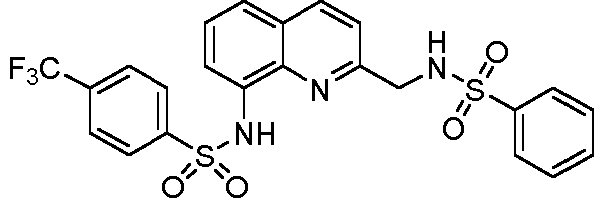
- A similar procedure to that described for the preparation of compound (ZDR185) was followed using compound (ZDR184) (50 mg, 0.13 mmol), benzenesulfonyl chloride (26 mg, 0.15 mmol) and triethylamine (55 µL, 0.39 mmol) in dichloromethane (3 mL). Purification by flash chromatography (dichloromethane/methanol, 50:1→20:1) afforded compound (ZDR210) as a pale yellow solid (51 mg, 0.09 mmol, 69%). 1H NMR (400 MHz, CDCl3) δ 4.47 (2H, d, J = 5.7 Hz), 6.24 (1H, brt, J = 5.7 Hz), 7.32 (1H, d, J = 8.4 Hz), 7.39-7.49 (5H, m), 7.57 (2H, d, J = 8.4 Hz), 7.82 (1H, dd, J = 7.1 and 1.7 Hz), 7.90-7.93 (2H, m), 8.00 (1H, d, J = 8.4 Hz), 8.03 (2H, d, J = 8.4 Hz), 9.28 (1H, brs); ESI-MS: m/z calcd for C23H13F3N3O4S2: 521.1; found [M+Na]+: 544.1.
-

- A solution of compound (ZDR184) (50 mg, 0.13 mmol), 4-(dimethylamino)butyric acid hydrochloride (25 mg, 0.15 mmol), N-(3-dimethylaminopropyl)-N'-ethylcarbodiimide hydrochloride (28 mg, 0.15 mmol) and triethylamine (55 µL, 0.39 mmol) in dimethylformamide (3 mL) was stirred at room temperature for 18 h (no work-up). Purification by RP-HLPC (30% to 90% A/B gradient over 60 min, where A = water + 0.1% trifluoroacetic acid and B = acetonitrile + 0.1% trifluoroacetic acid) afforded compound (ZDR211) as a white solid (30 mg, 0.05 mmol, 38%). 1H NMR (400 MHz, d6-acetone) δ 2.18 (2H, quin, J = 6.9 Hz), 2.69 (2H, t, J = 6.9 Hz), 3.01 (6H, s), 3.36 (2H, t, J = 6.9 Hz), 4.71 (2H, d, J = 5.5 Hz), 7.50-7.54 (2H, m), 7.65 (1H, dd, J = 8.4 and 1.4 Hz), 7.79 (2H, d, J = 8.3 Hz), 8.36 (1H, dd, J = 7.6 and 1.2 Hz), 8.12 (2H, d, J = 8.3 Hz), 8.26 (1H, d, J = 8.4 Hz), 8.42 (1H, brs), 9.66 (1H, brs); ESI-MS: m/z calcd for C23H25F3N4O3S: 494.2; found [M+H]+: 495.2.
-

- A solution of compound (ZDR271) (79 mg, 0.20 mmol), 3-(dimethylamino)-1-propylamine (27 µL, 0.22 mmol), N-(3-dimethylaminopropyl)-N'-ethylcarbodiimide hydrochloride (42 mg, 0.22 mmol) and triethylamine (84 µL, 0.6 mmol) in dichloromethane (5 mL) was stirred at room temperature for 18 h. Trifluoroacetic acid (5 mL) was added and the solution was stirred at room temperature for a further 3 h, and the solvent removed in vacuo. Purification by RP-HLPC (30% to 90% A/B gradient over 60 min, where A = water + 0.1% trifluoroacetic acid and B = acetonitrile + 0.1% trifluoroacetic acid) afforded compound (ZDR224) as a white solid (21 mg, 0.03 mmol, 15%). 1H NMR (400 MHz, d6-acetone) δ 2.20 (2H, quin, J = 6.9 Hz), 3.02 (6H, s), 3.40 (2H, t, J = 6.9 Hz), 3.61 (2H, t, J = 6.9 Hz), 7.64 (1H, t, J = 8.0 Hz), 7.75-7.79 (3H, m), 7.96 (1H, dd, J = 7.7 and 1.2 Hz), 8.09 (2H, d, J = 8.1 Hz), 8.22 (1H, d, J = 8.5 Hz), 8.47 (1H, d, J = 8.5 Hz), 9.60 (1H, brs), 10.12 (1H, brs); ESI-MS: m/z calcd for C22H23F3N4O3S: 480.1; found [M+H]+: N/A.
-

- A solution of compound (ZDR043) (500 mg, 0.93 mmol), di-tert-butyl dicarbonate (212 mg, 1.11 mmol) and triethylamine (391 µL, 2.79 mmol) in dimethylformamide (12 mL) was stirred at room temperature for 18 h. The mixture was then diluted with dichloromethane (50 mL), washed with aqueous sodium hydrogen sulfate (50 mL, 1 M) and the separated organic layer dried over anhydrous magnesium sulfate, filtered and the filtrate concentrated in vacuo. Purification by flash chromatography (dichloromethane/methanol, 10:1) afforded compound (ZDR227) as a yellow oil (400 mg, 0.74 mmol, 79%). 1H NMR (400 MHz, CDCl3) δ 1.52 (9H, s), 3.95-4.07 (2H, m), 4.71-4.78 (2H, m), 7.39-7.49 (3H, m), 7.61-7.64 (2H, m), 7.82-7.87 (1H, m), 8.01-8.10 (3H, m), 9.23 (1H, brs).
-

- A solution of compound (ZDR246) (100 mg, 0.15 mmol) and N,N-dimethylethylenediamine (49 µL, 0.45 mmol) in dichloromethane (5 mL) was stirred at room temperature for 18 h. The mixture was then diluted with dichloromethane (50 mL), water (25 mL) added and the pH adjusted to pH 6-7 using aqueous phosphate buffer solution (0.5 M, pH 7). The separated organic layer was dried over anhydrous magnesium sulfate, filtered and the filtrate concentrated in vacuo. Purification by flash chromatography (dichloromethane/methanol, 20:1→10:1→5:1) afforded compound (ZDR234) as a pale yellow solid (28 mg, 0.04 mmol, 26%). 1H NMR (400 MHz, d6-acetone) δ 1.32 (4.5H, s), 1.50 (4.5H, s), 2.19 (6H, s), 2.37 (2H, brs), 3.30 (2H, brs), 3.96-4.06 (2H, m), 4.77-4.80 (2H, m), 7.15-7.24 (1H, m), 7.51 (1H, t, J = 7.6 Hz), 7.55-7.59 (1H, m), 7.64 (1H, d, J = 8.0 Hz), 7.83-7.91 (3H, m), 8.18-8.21 (2H, m), 8.28 (1H, brs).
-

- A solution of compound (ZDR227) (750 mg, 1.39 mmol), N-hydroxysuccinimide (191 mg, 1.66 mmol) and N-(3-dimethylaminopropyl)-N'-ethylcarbodiimide hydrochloride (318 mg, 1.66 mmol) in dichloromethane-dimethylformamide (20 mL, 10:1 v/v) was stirred at room temperature for 18 h. The mixture was then diluted with dichloromethane (50 mL), water (25 mL) added and the pH adjusted to pH 6-7 using aqueous phosphate buffer solution (0.5 M, pH 7). The separated organic layer was dried over anhydrous magnesium sulfate, filtered and the filtrate concentrated in vacuo. Purification by flash chromatography (dichloromethane/methanol, 50:1→20:1) afforded compound (ZDR246) as a yellow oil (630 mg, 1.0 mmol, 71%). 1H NMR (400 MHz, CDCl3) δ 1.30 (4.5H, s) 1.51 (4.5H, s), 3.46 (4H, s), 4.30-4.43 (2H, m), 4.69-4.78 (2H, m), 7.39-7.48 (4H, m), 7.61 (2H, d, J = 7.9 Hz), 7.84-7.86 (1H, m), 8.02-8.08 (2H, m), 9.29 (1H, brs).
-

- A similar procedure to that described for the preparation of compound (ZDR234) was followed using compound (ZDR246) (100 mg, 0.15 mmol) and 1-(2-aminoethyl)piperidine (64 µL, 0.45 mmol) in dichloromethane (5 mL). Purification by flash chromatography (dichloromethane/methanol, 20:1→10:1→5:1) afforded compound (ZDR247) as a colourless solid (49 mg, 0.07 mmol, 46%). 1H NMR (400 MHz, CDCl3) δ 1.37 (4.5H, s), 1.52 (4.5H, s), 1.45 (2H, brs), 1.60 (4H, brs), 2.44 (4H, brs), 2.48 (2H, brs), 3.39 (2H, brq, J = 5.4 Hz), 3.89-3.98 (2H, m), 4.71-4.77 (2H, m), 6.91-7.09 (1H, m), 7.39-7.52 (3H, m), 7.65 (2H, d, J = 8.4 Hz), 7.83 (1H, brs), 8.04-8.09 (3H, m).
-

- A solution of compound (ZDR019) (500 mg, 1.31 mmol) and potassium permanganate (350 mg, 2.22 mmol) in acetone (10 mL) was stirred at room temperature for 4 h. The mixture was then diluted with dichloromethane (30 mL) and washed with aqueous sodium hydrogen sulfate (30 mL, 1 M). The separated organic layer was dried over anhydrous magnesium sulfate, filtered and the filtrate concentrated in vacuo. Purification by flash chromatography (dichloromethane/methanol, 100:1→20:1) afforded compound (ZDR251) as an off-white solid (280 mg, 0.70 mmol, 53%). 1H NMR (300 MHz, d6-DMSO) δ 7.61 (1H, t, J = 7.9 Hz), 7.68 (1H, dd, J = 7.9 and 1.5 Hz), 7.74 (2H, d, J = 8.5 Hz), 7.92 (1H, dd, J = 7.9 and 1.5 Hz), 8.09 (2H, d, J = 8.5 Hz), 8.19 (1H, d, J = 8.5 Hz), 8.44 (1H, d, J = 8.5 Hz).
-

- A similar procedure to that described for the preparation of compound (ZDR234) was followed using compound (ZDR246) (100 mg, 0.15 mmol) and methylamine (0.5 mL, 1.0 mmol, 2 M in tetrahydrofuran) in dichloromethane (5 mL). Purification by flash chromatography (dichloromethane/methanol, 20:1→10:1) afforded compound (ZDR253) as a colourless solid (58 mg, 0.10 mmol, 66%). 1H NMR (400 MHz, CDCl3) δ 1.37 (4.5H, s), 1.52 (4.5H, s), 2.81-2.82 (3H, m), 3.91-3.95 (2H, m), 4.72-4.78 (2H, m), 6.24-6.37 (1H, m), 7.39-7.50 (3H, m), 7.66 (2H, d, J = 8.5 Hz), 7.83 (1H, brs), 8.02-8.06 (2H, m), 8.10 (1H, d, J = 8.5 Hz), 9.16 (1H, brs).
-

- A similar procedure to that described for the preparation of compound (ZDR018) was followed using compound (ZDR059) (90 mg, 0.44 mmol), 4-chlorosulfonyl-piperidine-1-carboxylic acid tert-butyl ester (139 mg, 0.49 mmol) and triethylamine (68 µL, 0.49 mmol) in dichloromethane (5 mL). Purification by flash chromatography (dichloromethane/methanol, 20:1→10:1) afforded compound (ZDR256) as a yellow oil (60 mg, 0.13 mmol, 29%). 1H NMR (400 MHz, CDCl3) δ 1.40 (9H, s), 1.81 (2H, qd, J = 12.5 and 4.5 Hz), 2.07-2.11 (2H, m), 2.31 (6H, s), 2.56 (2H, brs), 3.14 (1H, tt, J = 11.9 and 3.7 Hz), 3.74 (2H, s), 4.14 (2H, brs), 7.47 (1H, d, J = 7.6 Hz), 7.53 (1H, dd, J = 8.2 and 1.2 Hz), 7.66 (1H, d, J = 8.5 Hz), 8.36 (1H, dd, J = 7.6 and 1.2 Hz), 8.15 (1H, d, J = 8.5 Hz), 8.93 (1H, brs).
-

- A similar procedure to that described for the preparation of compound (ZDR018) was followed using compound (ZDR059) (90 mg, 0.44 mmol), 4-(thiomethyl)benzenesulfonyl chloride (109 mg, 0.49 mmol) and triethylamine (68 µL, 0.49 mmol) in dichloromethane (5 mL). Purification by flash chromatography (dichloromethane/methanol, 100:1→20:1) afforded compound (ZDR257) as a yellow solid (142 mg, 0.36 mmol, 81%). 1H NMR (400 MHz, CDCl3) δ 2.29 (6H, s), 2.40 (3H, s), 3.70 (2H, s), 7.09-7.12 (2H, m), 7.38-7.46 (2H, m), 7.58 (1H, d, J = 8.5 Hz), 7.75-7.80 (3H, m), 8.06 (1H, d, J = 8.5 Hz); ESI-MS: m/z calcd for C19H21N3O2S2: 387.1; found [M+H]+: 388.1.
-

- A similar procedure to that described for the preparation of compound (ZDR018) was followed using compound (ZDR059) (90 mg, 0.44 mmol), 6-methoxypyridine-3-sulfonyl chloride (101 mg, 0.49 mmol) and triethylamine (68 µL, 0.49 mmol) in dichloromethane (5 mL). Purification by flash chromatography (dichloromethane/methanol, 100:1→20:1) afforded compound (ZDR258) as a yellow solid (28 mg, 0.08 mmol, 18%). 1H NMR (400 MHz, CDCl3) δ 2.29 (6H, s), 3.70 (2H, s), 3.87 (3H, s), 6.60 (1H, d, J = 8.8 Hz), 7.40-7.49 (2H, m), 7.59 (1H, d, J = 8.5 Hz), 7.82 (1H, dd, J = 7.5 and 1.6 Hz), 7.93-7.96 (1H, m), 8.07 (1H, d, J = 8.5 Hz), 8.67 (1H, d, J = 2.5 Hz); ESI-MS: m/z calcd for C18H20N4O3S: 372.1; found [M+H]+: 373.1.
-
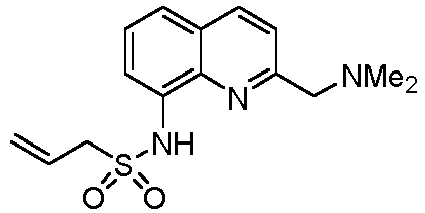
- A similar procedure to that described for the preparation of compound (ZDR018) was followed using compound (ZDR059) (90 mg, 0.44 mmol), propene-1-sulfonyl chloride (68 mg, 0.49 mmol) and triethylamine (68 µL, 0.49 mmol) in dichloromethane (5 mL). Purification by flash chromatography (dichloromethane/methanol, 100:1→20:1) afforded compound (ZDR259) as a yellow oil (55 mg, 0.18 mmol, 40%). 1H NMR (400 MHz, CDCl3) δ 2.32 (6H, s), 3.73 (2H, s), 3.84 (2H, d, J = 7.3 Hz), 5.03-5.07 (1H, m), 5.25-5.27 (1H, m), 5.81-5.91 (1H, m), 7.45-7.54 (2H, m), 7.67 (1H, d, J = 8.5 Hz), 7.87 (1H, dd, J = 7.5 and 1.6 Hz), 8.14 (1H, d, J = 8.5 Hz); ESI-MS: m/z calcd for C15H19N3O2S: 305.1; found [M+H]+: 306.1.
-

- A solution of compound (ZDR246) (100 mg, 0.15 mmol) and 3-(dimethylamino)-1-propylamine (56 µL, 0.45 mmol) in dichloromethane (5 mL) was stirred at room temperature for 18 h. Trifluoroacetic acid (5 mL) was added and the solution was stirred at room temperature for a further 3 h, and the solvent then removed in vacuo. Purification by RP-HLPC (30% to 90% A/B gradient over 60 min, where A = water + 0.1% trifluoroacetic acid and B = acetonitrile + 0.1% trifluoroacetic acid) afforded compound (ZDR261) as a white solid (40 mg, 0.05 mmol, 33%). 1H NMR (400 MHz, d6-acetone) δ 2.11 (2H, quin, J = 7.0 Hz), 2.96 (6H, s), 3.38 (2H, t, J = 7.0 Hz), 3.52 (2H, t, J = 7.0 Hz), 4.24 (2H, s), 4.85 (2H, s), 7.52 (1H, t, J = 8.0 Hz), 7.56 (1H, d, J = 8.4 Hz), 7.63 (1H, dd, J = 8.4 and 1.2 Hz), 7.81 (2H, d, J = 8.3 Hz), 7.91 (1H, dd, J = 7.8 and 1.2 Hz), 8.23 (2H, d, J = 8.3 Hz), 8.29 (1H, d, J = 8.4 Hz), 8.81 (1H, brs), 10.06 (1H, brs), 11.21 (1H, brs); ESI-MS: m/z calcd for C24H28F3N5O3S: 523.2; found [M+Na]+: 546.1.
-

- A similar procedure to that described for the preparation of compound (ZDR261) was followed using compound (ZDR246) (100 mg, 0.15 mmol) and N-(3-aminopropyl)piperidine (71 µL, 0.45 mmol) in dichloromethane (5 mL), with the subsequent addition of trifluoroacetic acid (5 mL). Purification by RP-HLPC (30% to 90% A/B gradient over 60 min, where A = water + 0.1% trifluoroacetic acid and B = acetonitrile + 0.1% trifluoroacetic acid) afforded compound (ZDR262) as a white solid (45 mg, 0.06 mmol, 40%). 1H NMR (400 MHz, d6-acetone) δ 1.45-1.52 (1H, m), 1.78-1.81 (1H, m), 1.85-1.91 (4H, m), 2.12 (2H, quin, J = 7.2 Hz), 2.92-2.99 (2H, m), 3.31 (2H, t, J = 7.2 Hz), 3.47-3.51 (2H, m), 3.58-3.62 (2H, m), 4.19 (2H, s), 4.84 (2H, s), 7.56 (1H, t, J = 8.1 Hz), 7.61 (1H, d, J = 8.5 Hz), 7.68 (1H, dd, J = 8.1 and 1.2 Hz), 7.82 (2H, d, J = 8.3 Hz), 7.95 (1H, dd, J = 7.6 and 1.2 Hz), 8.24 (2H, d, J = 8.3 Hz), 8.36 (1H, d, J = 8.5 Hz), 8.67 (1H, brs), 10.04 (1H, brs), 10.83 (1H, brs); ESI-MS: m/z calcd for C27H32F3N5O3S: 563.2; found [M+H]+: N/A.
-

- A similar procedure to that described for the preparation of compound (ZDR124) was followed using compound (ZDR256) (50 mg, 0.11 mmol) and trifluoroacetic acid-dichloromethane (3 mL, 50% v/v) to afford compound (ZDR263) as a pale yellow oil (60 mg, 0.11 mmol, quant.), which was used without further purification. 1H NMR (400 MHz, d6-acetone) δ 2.22-2.29 (2H, m), 2.39-2.43 (2H, m), 2.78-2.90 (1H, m), 3.23 (2H, s), 3.25 (6H, s), 3.69-3.75 (2H, m), 5.00 (2H, s), 7.53 (1H, t, J = 8.0 Hz), 7.69-7.71 (2H, m), 7.85 (1H, d, J = 7.5 Hz), 8.48 (1H, d, J = 8.4 Hz), 8.67 (1H, brs), 9.42 (1H, s); ESI-MS: m/z calcd for C17H24N4O2S: 348.2; found [M+H]+: N/A.
-

- A similar procedure to that described for the preparation of compound (ZDR234) was followed using compound (ZDR246) (100 mg, 0.15 mmol) and saturated methanolic ammonia (3 mL) in dichloromethane (3 mL). Purification by flash chromatography (dichloromethane/methanol, 20:1→10:1) afforded compound (ZDR264) as a pale yellow solid (21 mg, 0.04 mmol, 26%). 1H NMR (400 MHz, CDCl3) δ 1.25 (4.5H, s), 1.52 (4.5H, s), 3.93-4.04 (2H, m), 4.74-4.78 (2H, m), 6.21-6.27 (1H, m), 6.92 (2H, brs), 7.31-7.33 (1H, m), 7.41 (1H, t, J = 7.9 Hz), 7.46 (1H, d, J = 7.5 Hz), 7.65 (2H, d, J = 8.4 Hz), 7.80 (1H, d, J = 7.5 Hz), 8.08 (2H, d, J = 8.4 Hz), 8.17-8.19 (1H, m), 9.45 (1H, brs).
-

- A similar procedure to that described for the preparation of compound (ZDR234) was followed using compound (ZDR246) (100 mg, 0.15 mmol) and tris(hydroxymethyl)aminomethane (54 mg, 0.45 mmol) in dichloromethane/dimethylformamide (5 mL, 9:1 v/v). The resulting residue was then taken up in trifluoroacetic acid-dichloromethane (3 mL, 50% v/v) and the mixture stirred at room temperature for 3 h, and the solvent removed in vacuo. Purification by RP-HLPC (30% to 90% A/B gradient over 60 min, where A = water + 0.1% trifluoroacetic acid and B = acetonitrile + 0.1% trifluoroacetic acid) afforded compound (ZDR265) as a white solid (15 mg, 0.02 mmol, 13%, over 2 steps). 1H NMR (400 MHz, d6-acetone) δ 3.82 (6H, s), 4.23 (2H, s), 4.84 (2H, s), 7.59 (1H, t, J = 8.0 Hz), 7.64 (1H, d, J = 8.5 Hz), 7.72 (1H, dd, J = 8.4 and 1.4 Hz), 7.82 (2H, d, J = 8.2 Hz), 7.98 (1H, dd, J = 7.7 and 1.3 Hz), 8.22 (2H, d, J = 8.2 Hz), 8.41 (1H, d, J = 8.5 Hz); ESI-MS: m/z calcd for C23H25F3N4O6S: 542.1; found [M+H]+: 543.2.
-

- A similar procedure to that described for the preparation of compound (ZDR124) was followed using compound (ZDR264) (20 mg, 0.03 mmol) and trifluoroacetic acid-dichloromethane (3 mL, 50% v/v) to afford compound (ZDR266) as a yellow oil (16 mg, 0.03 mmol, quant.), which was used without further purification. 1H NMR (400 MHz, d6-acetone) δ 4.29 (2H, s), 4.93 (2H, s), 7.31 (1H, brs), 7.56 (1H, t, J = 8.0 Hz), 7.64 (1H, d, J = 8.4 Hz), 7.70 (1H, d, J = 8.2 Hz), 7.81 (2H, d, J = 8.2 Hz), 7.97-7.99 (1H, m), 8.22 (2H, d, J = 8.2 Hz), 8.40 (1H, d, J = 8.4 Hz), 9.83 (1H, s); ESI-MS: m/z calcd for C19H17F3N4O3S: 438.1; found [M+H]+: N/A.
-
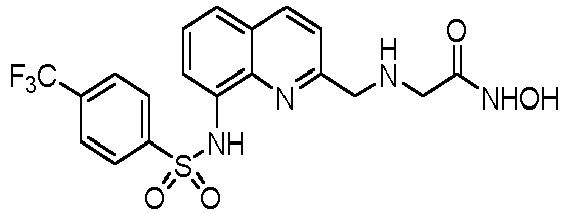
- A similar procedure to that described for the preparation of compound (ZDR234) was followed using compound (ZDR246) (100 mg, 0.15 mmol), hydroxylamine hydrochloride (31 mg, 0.45 mmol) and potassium carbonate (70 mg, 0.45 mmol) in aqueous tetrahydrofuran (5 mL, 1:1 v/v). The resulting residue was then taken up in trifluoroacetic acid-dichloromethane (3 mL, 50% v/v) and the mixture stirred at room temperature for 3 h, and the solvent removed in vacuo. Purification by RP-HLPC (30% to 90% A/B gradient over 60 min, where A = water + 0.1% trifluoroacetic acid and B = acetonitrile + 0.1% trifluoroacetic acid) afforded compound (ZDR267) as a white solid (20 mg, 0.03 mmol, 20%). 1H NMR (300 MHz, d6-acetone) δ 4.32 (2H, s), 4.92 (2H, s), 7.56 (1H, t, J = 8.0 Hz), 7.62 (1H, d, J = 8.5 Hz), 7.68 (1H, dd, J = 8.4 and 1.1 Hz), 7.74-7.76 (2H, m), 7.95 (1H, dd, J = 7.6 and 1.3 Hz), 8.17-8.20 (2H, m), 8.36 (1H, d, J = 8.5 Hz); ESI-MS: m/z calcd for C19H17F3N4O4S: 454.4; found [M+H]+: N/A.
-

- A similar procedure to that described for the preparation of compound (ZDR124) was followed using compound (ZDR234) (28 mg, 0.04 mmol) and trifluoroacetic acid-dichloromethane (3 mL, 50% v/v) to afford compound (ZDR268) as a pale yellow solid (28 mg, 0.04 mmol, quant.), which was used without further purification. 1H NMR (400 MHz, d6-acetone) δ 3.15 (6H, s), 3.60-3.62 (2H, m), 3.94-3.97 (2H, m), 4.28 (2H, s), 4.93 (2H, s), 7.59 (1H, t, J = 8.0 Hz), 7.64 (1H, d, J = 8.5 Hz), 7.72 (1H, d, J = 8.3 Hz), 7.82 (2H, d, J = 8.2 Hz), 7.97-7.99 (1H, m), 8.22 (2H, d, J = 8.2 Hz), 8.42 (1H, d, J = 8.5 Hz), 8.62 (1H, t, J = 5.6 Hz), 9.65 (1H, brs); ESI-MS: m/z calcd for C23H26F3N5O3S: 509.2; found [M+H]+: N/A.
-

- A similar procedure to that described for the preparation of compound (ZDR124) was followed using compound (ZDR247) (49 mg, 0.07 mmol) and trifluoroacetic acid-dichloromethane (3 mL, 50% v/v) to afford compound (ZDR269) as a pale yellow oil (52 mg, 0.07 mmol, quant.), which was used without further purification. 1H NMR (400 MHz, d6-acetone) δ 1.50-1.59 (1H, m), 1.77-1.81 (1H, m), 1.90-1.96 (4H, m), 3.07-3.12 (2H, m), 3.52-3.54 (2H, m), 3.93-3.95 (4H, m), 4.28 (2H, s), 4.92 (2H, s), 7.57 (1H, t, J = 8.0 Hz), 7.63 (1H, d, J = 8.5 Hz), 7.71 (1H, d, J = 8.2 Hz), 7.82 (2H, d, J = 8.2 Hz), 7.99 (1H, d, J = 7.7 Hz), 8.22 (2H, d, J = 8.2 Hz), 8.41 (1H, d, J = 8.5 Hz), 8.67 (1H, brt, J = 5.6 Hz), 8.89 (1H, brs), 9.99 (1H, s); ESI-MS: m/z calcd for C26H30F3N5O3S: 549.2; found [M+H]+: N/A.
-

- A similar procedure to that described for the preparation of compound (ZDR124) was followed using compound (ZDR253) (58 mg, 0.10 mmol) and trifluoroacetic acid-dichloromethane (3 mL, 50% v/v) to afford compound (ZDR270) as a beige solid (55 mg, 0.10 mmol, quant.), which was used without further purification. 1H NMR (400 MHz, d6-acetone) δ 2.87 (3H, s), 4.26-4.36 (2H, m), 4.92-4.96 (2H, m), 7.56 (1H, t, J = 8.0 Hz), 7.41 (1H, d, J = 8.4 Hz), 7.67 (1H, d, J = 8.0 Hz), 7.80 (2H, d, J = 8.2 Hz), 7.95 (1H, d, J = 7.4 Hz), 8.21 (2H, d, J = 8.2 Hz), 8.37 (1H, d, J = 8.4 Hz); ESI-MS: m/z calcd for C20H19F3N4O3S: 452.1; found [M+H]+: N/A.
-
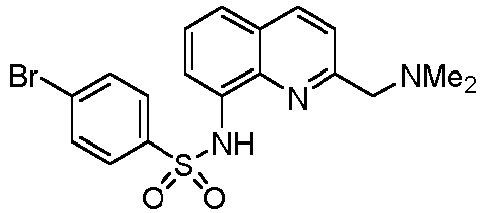
- A similar procedure to that described for the preparation of compound (ZDR018) was followed using compound (ZDR059) (95 mg, 0.47 mmol), 4-bromobenzenesulfonyl chloride (133 mg, 0.52 mmol) and triethylamine (73 µL, 0.52 mmol) in dichloromethane (4 mL). Purification by flash chromatography (dichloromethane/methanol, 50:1→20:1) afforded compound (ZDR305) as a pale yellow solid (160 mg, 0.38 mmol, 80%). 1H NMR (400 MHz, CDCl3) δ 2.27 (6H, s), 3.68 (2H, s), 7.37-7.46 (4H, m), 7.58 (1H, d, J = 8.4 Hz), 7.71 (2H, d, J = 8.5 Hz), 7.79 (1H, d, J = 7.4 Hz), 8.04 (1H, d, J = 8.4 Hz); ESI-MS: m/z calcd for C18H18BrN3O2S: 419.0; found [M+H]+: 420.0.
-
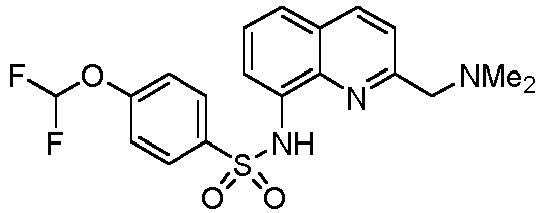
- A similar procedure to that described for the preparation of compound (ZDR018) was followed using compound (ZDR059) (95 mg, 0.47 mmol), 4-(difluoromethoxy)benzenesulfonyl chloride (126 mg, 0.52 mmol) and triethylamine (73 µL, 0.52 mmol) in dichloromethane (4 mL). Purification by flash chromatography (dichloromethane/methanol, 50:1→20:1) afforded compound (ZDR306) as a yellow solid (178 mg, 0.44 mmol, 92%). 1H NMR (400 MHz, CDCl3) δ 2.27 (6H, s), 3.69 (2H, s), 6.46 (1H, t, J = 72.7 Hz), 7.00 (2H, d, J = 8.8 Hz), 7.37-7.46 (2H, m), 7.56 (1H, d, J = 8.5 Hz), 7.79 (1H, dd, J = 7.4 and 1.4 Hz), 7.85-7.89 (2H, m), 8.04 (1H, d, J = 8.5 Hz); ESI-MS: m/z calcd for C19H19F2N3O3S: 407.1; found [M+H]+: 408.1.
-

- A similar procedure to that described for the preparation of compound (ZDR018) was followed using compound (ZDR059) (95 mg, 0.47 mmol), 4-tert-butylbenzenesulfonyl chloride (121 mg, 0.52 mmol) and triethylamine (73 µL, 0.52 mmol) in dichloromethane (4 mL). Purification by flash chromatography (dichloromethane/methanol, 50:1→20:1) afforded compound (ZDR307) as a white solid (173 mg, 0.44 mmol, 92%). 1H NMR (400 MHz, CDCl3) δ 1.20 (9H, s), 2.28 (6H, s), 3.70 (2H, s), 7.31-7.34 (2H, m), 7.36-7.42 (2H, m), 7.57 (1H, d, J = 8.5 Hz), 7.79-7.82 (3H, m), 8.03 (1H, d, J = 8.5 Hz); ESI-MS: m/z calcd for C22H27N3O2S: 397.2; found [M+H]+: 398.2.
-

- A similar procedure to that described for the preparation of compound (ZDR018) was followed using compound (ZDR059) (95 mg, 0.47 mmol), 3-chlorosulfonyl-benzoic acid methyl ester (122 mg, 0.52 mmol) and triethylamine (73 µL, 0.52 mmol) in dichloromethane (4 mL). Purification by flash chromatography (dichloromethane/methanol, 50:1→20:1) afforded compound (ZDR308) as an orange oil (122 mg, 0.31 mmol, 64%). 1H NMR (400 MHz, CDCl3) δ 2.25 (6H, s), 3.67 (2H, s), 3.84 (3H, s), 7.34-7.42 (3H, m), 7.53 (1H, d, J = 8.4 Hz), 7.79 (1H, d, J = 7.0 Hz), 7.99-8.01 (3H, m), 8.53 (1H, s); ESI-MS: m/z calcd for C26H21N3O4S: 399.1; found [M+H]+: 400.1.
-

- A similar procedure to that described for the preparation of compound (ZDR018) was followed using compound (ZDR059) (95 mg, 0.47 mmol), 3-bromobenzenesulfonyl chloride (133 mg, 0.52 mmol) and triethylamine (73 µL, 0.52 mmol) in dichloromethane (4 mL). Purification by flash chromatography (dichloromethane/methanol, 50:1→20:1) afforded compound (ZDR309) as a yellow solid (160 mg, 0.38 mmol, 80%). 1H NMR (400 MHz, CDCl3) δ 2.28 (6H, s), 3.70 (2H, s), 7.14 (1H, t, J = 7.9 Hz), 7.38-7.49 (3H, m), 7.56 (1H, d, J = 8.4 Hz), 7.75 (1H, d, J = 7.9 Hz), 7.80 (1H, dd, J = 7.5 and 1.2 Hz), 8.03-8.05 (2H, m); ESI-MS: m/z calcd for C18H18BrN3O2S: 419.0; found [M+H]+: 420.0.
-

- A similar procedure to that described for the preparation of compound (ZDR018) was followed using compound (ZDR059) (88 mg, 0.44 mmol), 3-methylsulfonylbenzenesulfonyl chloride (122 mg, 0.48 mmol) and triethylamine (67 µL, 0.48 mmol) in dichloromethane (4 mL). Purification by flash chromatography (dichloromethane/methanol, 50:1→20:1) afforded compound (ZDR310) as a pale yellow foam (137 mg, 0.33 mmol, 75%). 1H NMR (400 MHz, CDCl3) δ 2.30 (6H, s), 2.92 (3H, s), 3.72 (2H, s), 7.42-7.59 (4H, m), 7.85 (1H, dd, J = 7.4 and 1.1 Hz), 7.96 (1H, d, J = 7.9 Hz), 8.06 (1H, d, J = 8.4 Hz), 8.13 (1H, d, J = 8.4 Hz), 8.43 (1H, s); ESI-MS: m/z calcd for C19H21N3O4S2: 419.1; found [M+H]+: 420.1.
-

- A similar procedure to that described for the preparation of compound (ZDR018) was followed using compound (ZDR059) (130 mg, 0.65 mmol), 3-acetylbenzenesulfonyl chloride (155 mg, 0.71 mmol) and triethylamine (99 µL, 0.71 mmol) in dichloromethane (6 mL). Purification by flash chromatography (dichloromethane/methanol, 50:1→20:1) afforded compound (ZDR311) as a brown oil (201 mg, 0.52 mmol, 81%). 1H NMR (400 MHz, CDCI3) δ 2.27 (6H, s), 2.50 (3H, s), 3.69 (2H, s), 7.39-7.47 (3H, m), 7.56 (1H, d, J = 8.5 Hz), 7.84 (1H, dd, J = 7.5 and 1.5 Hz), 7.96-7.99 (1H, m), 8.03-8.07 (2H, m), 8.41 (1H, t, J = 1.7 Hz); ESI-MS: m/z calcd for C20H21N3O3S: 383.1; found [M+H]+: 384.1.
-

- A similar procedure to that described for the preparation of compound (ZDR018) was followed using compound (ZDR059) (88 mg, 0.44 mmol), 3-fluorobenzenesulfonyl chloride (94 mg, 0.48 mmol) and triethylamine (67 µL, 0.48 mmol) in dichloromethane (4 mL). Purification by flash chromatography (dichloromethane/methanol, 50:1→20:1) afforded compound (ZDR312) as brown solid (138 mg, 0.38 mmol, 88%). 1H NMR (400 MHz, CDCl3) δ 2.30 (6H, s), 3.72 (2H, s), 7.08-7.13 (1H, m), 7.27-7.33 (1H, m), 7.40-7.49 (2H, m), 7.58-7.62 (2H, m), 7.65-7.67 (1H, m), 7.82 (1H, dd, J = 7.5 and 1.5 Hz), 8.07 (1H, d, J = 8.5 Hz); ESI-MS: m/z calcd for C18H18FN3O2S: 359.1; found [M+H]+: 360.1.
-

- A similar procedure to that described for the preparation of compound (ZDR018) was followed using compound (ZDR059) (88 mg, 0.44 mmol), 3-nitrobenzenesulfonyl chloride (107 mg, 0.48 mmol) and triethylamine (67 µL, 0.48 mmol) in dichloromethane (4 mL). Purification by flash chromatography (dichloromethane/methanol, 50:1→20:1) afforded compound (ZDR313) as a red/orange oil (67 mg, 0.17 mmol, 40%). 1H NMR (400 MHz, CDCl3) δ 2.29 (6H, s), 3.72 (2H, s), 7.41-7.59 (4H, m), 7.85 (1H, dd, J = 7.5 and 1.2 Hz), 8.06 (1H, d, J = 8.5 Hz), 8.18 (1H, m), 8.24 (1H, m), 8.74 (1H, t, J = 1.9 Hz); ESI-MS: m/z calcd for C18H18N4O4S: 386.1; found [M+H]+: 387.1.
-

- A similar procedure to that described for the preparation of compound (ZDR018) was followed using compound (ZDR059) (88 mg, 0.44 mmol), 3-methoxybenzene sulfonyl chloride (99 mg, 0.48 mmol) and triethylamine (67 µL, 0.48 mmol) in dichloromethane (4 mL). Purification by flash chromatography (dichloromethane/methanol, 50:1→20:1) afforded compound (ZDR314) as a pale brown solid (139 mg, 0.37 mmol, 86%). 1H NMR (400 MHz, CDCI3) δ 2.29 (6H, s), 3.70 (2H, s), 3.70 (3H, s), 6.91-6.94 (1H, m), 7.22 (1H, t, J = 8.0 Hz), 7.37-7.47 (4H, m), 7.59 (1H, d, J = 8.5 Hz), 7.82 (1H, dd, J = 7.5 and 1.5 Hz), 8.06 (1H, d, J = 8.5 Hz); ESI-MS: m/z calcd for C19H21N3O3S: 371.1; found [M+H]+: 372.1.
-

- A similar procedure to that described for the preparation of compound (ZDR018) was followed using compound (ZDR059) (88 mg, 0.44 mmol), 3-toluenesulfonyl chloride (92 mg, 0.48 mmol) and triethylamine (67 µL, 0.48 mmol) in dichloromethane (4 mL). Purification by flash chromatography (dichloromethane/methanol, 50:1→20:1) afforded compound (ZDR315) as a pale yellow solid (124 mg, 0.35 mmol, 80%). 1H NMR (400 MHz, CDCI3) δ 2.28 (3H, s), 2.35 (6H, s), 3.79 (2H, s), 7.19-7.22 (2H, m), 7.39-7.46 (2H, m), 7.59 (1H, d, J = 8.5 Hz), 7.67-7.72 (2H, m), 7.79 (1H, dd, J = 7.0 and 1.5 Hz), 8.07 (1H, d, J = 8.5 Hz); ESI-MS: m/z calcd for C19H21N3O2S: 355.1; found [M+H]+: 356.1.
-

- A similar procedure to that described for the preparation of compound (ZDR018) was followed using compound (ZDR059) (100 mg, 0.50 mmol), 3,3,3-trifluoropropane-1-sulfonyl chloride (69 µL, 0.55 mmol) and triethylamine (76 µL, 0.55 mmol) in dichloromethane (4 mL). Purification by flash chromatography (dichloromethane/methanol, 50:1→20:1) afforded compound (ZDR316) as an orange solid (144 mg, 0.40 mmol, 80%). 1H NMR (400 MHz, CDCl3) δ 2.34 (6H, s), 2.65-2.77 (2H, m), 3.27-3.31 (2H, m), 3.78 (2H, s), 7.51 (1H, t, J = 7.9 Hz), 7.59-7.61 (1H, m), 7.68 (1H, d, J = 8.4 Hz), 7.85 (1H, dd, J = 7.5 and 1.0 Hz), 8.18 (1H, d, J = 8.4 Hz); ESI-MS: m/z calcd for C15H18F3N3O2S: 361.1; found [M+H]+: 362.1.
-
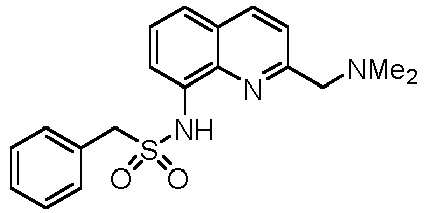
- A similar procedure to that described for the preparation of compound (ZDR018) was followed using compound (ZDR059) (100 mg, 0.50 mmol), phenylmethanesulfonyl chloride (104 mg, 0.55 mmol) and triethylamine (76 µL, 0.55 mmol) in dichloromethane (4 mL). Purification by flash chromatography (dichloromethane/methanol, 50:1→20:1) afforded compound (ZDR317) as a brown oil (44 mg, 0.12 mmol, 25%). 1H NMR (400 MHz, CDCl3) δ 2.29 (6H, s), 3.63 (2H, s), 4.41 (2H, s), 7.07-7.09 (2H, m), 7.12-7.16 (2H, m), 7.23-7.26 (1H, m), 7.46 (1H, t, J = 7.8 Hz), 7.52 (1H, dd, J = 8.0 and 1.5 Hz), 7.66 (1H, d, J = 8.4 Hz), 7.81 (1H, dd, J = 7.5 and 1.5 Hz), 8.14 (1H, d, J = 8.4 Hz); ESI-MS: m/z calcd for C19H21N3O2S: 355.1; found [M+H]+: 356.1.
-

- A similar procedure to that described for the preparation of compound (ZDR018) was followed using compound (ZDR059) (170 mg, 0.84 mmol), 2-propanesulfonyl chloride (104 µL, 0.93 mmol) and triethylamine (130 µL, 0.93 mmol) in dichloromethane (8 mL). Purification by flash chromatography (dichloromethane/methanol, 50:1→20:1) afforded compound (ZDR318) as a dark brown solid (206 mg, 0.67 mmol, 79%). 1H NMR (400 MHz, CDCl3) δ 1.26-1.28 (6H, m), 2.74 (6H, s), 3.34-3.35 (1H, m), 4.24 (2H, s), 6.98-7.01 (1H, m), 7.14-7.18 (1H, m), 7.33-7.43 (2H, m), 8.11-8.15 (1H, m); ESI-MS: m/z calcd for C15H21N3O2S: 307.1; found [M+H]+: N/A.
-
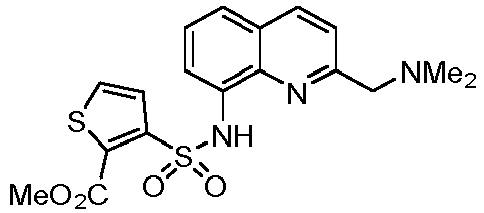
- A similar procedure to that described for the preparation of compound (ZDR018) was followed using compound (ZDR059) (100 mg, 0.50 mmol), methyl 3-chlorosulfonylthiophene-2-carboxylate (132 mg, 0.55 mmol) and triethylamine (76 µL, 0.55 mmol) in dichloromethane (4 mL). Purification by flash chromatography (dichloromethane/methanol, 50:1→20:1) afforded compound (ZDR319) as an orange solid (78 mg, 0.19 mmol, 39%). 1H NMR (400 MHz, CDCI3) δ 2.30 (6H, s), 3.73 (2H, s), 3.97 (3H, s), 7.35-7.45 (3H, m), 7.57-7.62 (2H, m), 7.87 (1H, dd, J = 7.8 and 1.5 Hz), 8.05 (1H, d, J = 8.5 Hz); ESI-MS: m/z calcd for C18H19N3O4S2: 405.1; found [M+H]+: 406.1.
-

- A similar procedure to that described for the preparation of compound (ZDR018) was followed using compound (ZDR059) (100 mg, 0.50 mmol), 4-(trifluoromethyl)benzylsulfonyl chloride (141 mg, 0.55 mmol) and triethylamine (76 µL, 0.55 mmol) in dichloromethane (4 mL). Purification by flash chromatography (dichloromethane/methanol, 50:1→20:1) afforded compound (ZDR320) as a pale brown oil (163 mg, 0.38 mmol, 77%). 1H NMR (400 MHz, CDCI3) δ 2.28 (6H, s), 3.61 (2H, s), 4.45 (2H, s), 7.19 (2H, d, J = 8.1 Hz), 7.37 (2H, d, J = 8.1 Hz), 7.42-7.54 (2H, m), 7.65 (1H, d, J = 8.4 Hz), 7.82 (1H, dd, J = 7.6 and 1.6 Hz), 8.14 (1H, d, J = 8.4 Hz); ESI-MS: m/z calcd for C20H20F3N3O2S: 423.1; found [M+H]+: 424.1.
-

- A similar procedure to that described for the preparation of compound (ZDR018) was followed using compound (ZDR059) (100 mg, 0.50 mmol), 1-butane sulfonyl chloride (71 µL, 0.55 mmol) and triethylamine (76 µL, 0.55 mmol) in dichloromethane (4 mL). Purification by flash chromatography (dichloromethane/methanol, 50:1→20:1) afforded compound (ZDR321) as an orange oil (100 mg, 0.31 mmol, 63%). 1H NMR (400 MHz, CDCI3) δ 0.78 (3H, t, J = 7.4 Hz), 1.26-1.35 (2H, m), 1.74-1.82 (2H, m), 2.31 (6H, s), 3.08-3.12 (2H, m), 3.73 (2H, s), 7.43-7.52 (2H, m), 7.66 (1H, d, J = 8.4 Hz), 7.82 (1H, dd, J = 7.5 and 1.5 Hz), 8.13 (1H, d, J = 8.4 Hz); ESI-MS: m/z calcd for C16H23N3O2S: 321.2; found [M+H]+: 322.2.
-

- A similar procedure to that described for the preparation of compound (ZDR018) was followed using compound (ZDR059) (100 mg, 0.50 mmol), 2-chloropyridine-5-sulfonyl chloride (116 mg, 0.55 mmol) and triethylamine (76 µL, 0.55 mmol) in dichloromethane (4 mL). Purification by flash chromatography (dichloromethane/methanol, 50:1→20:1) afforded compound (ZDR322) as a yellow solid (90 mg, 0.24 mmol, 48%). 1H NMR (400 MHz, CDCI3) δ 2.28 (6H, s), 3.69 (2H, s), 7.26-7.28 (1H, m), 7.44 (1H, t, J = 7.9 Hz), 7.52 (1H, dd, J = 7.9 and 1.5 Hz), 7.58 (1H, d, J = 8.5 Hz), 7.85 (1H, dd, J = 7.5 and 0.9 Hz), 8.04-8.09 (2H, m), 8.82-8.83 (1H, m); ESI-MS: m/z calcd for C17H17ClN4O2S: 376.1; found [M+H]+: 377.1.
-

- A similar procedure to that described for the preparation of compound (ZDR018) was followed using compound (ZDR059) (100 mg, 0.50 mmol), cyclopropanesulfonyl chloride (56 µL, 0.55 mmol) and triethylamine (76 µL, 0.55 mmol) in dichloromethane (4 mL). Purification by flash chromatography (dichloromethane/methanol, 50:1→20:1) afforded compound (ZDR323) as a brown solid (41 mg, 0.13 mmol, 27%). 1H NMR (400 MHz, CDCl3) δ 0.83-0.89 (2H, m), 1.25-1.29 (2H, m), 2.33 (6H, s), 2.49-2.56 (1H, m), 3.75 (2H, s), 7.45-7.54 (2H, m), 7.66 (1H, d, J = 8.5 Hz), 7.88 (1H, dd, J = 7.5 and 1.5 Hz), 8.14 (1H, d, J = 8.5 Hz); ESI-MS: m/z calcd for C15H19N3O2S: 305.1; found [M+H]+: 306.1.
-
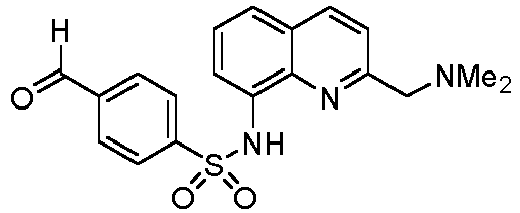
- A similar procedure to that described for the preparation of compound (ZDR018) was followed using compound (ZDR059) (95 mg, 0.47 mmol), 4-formylbenzene-1-sulfonyl chloride (106 mg, 0.52 mmol) and triethylamine (72 µL, 0.52 mmol) in dichloromethane (4 mL). Purification by flash chromatography (dichloromethane/methanol, 50:1→20:1) afforded compound (ZDR324) as a yellow oil (70 mg, 0.19 mmol, 40%). 1H NMR (400 MHz, CDCI3) δ 2.28 (6H, s), 3.70 (2H, s), 7.39-7.48 (2H, m), 7.56 (1H, d, J = 8.4 Hz), 7.80-7.85 (3H, m), 8.03-8.06 (3H, m), 9.94 (1H, s); ESI-MS: m/z calcd for C19H19N3O3S: 369.1; found [M+H]+: N/A.
-

- A similar procedure to that described for the preparation of compound (ZDR018) was followed using compound (ZDR059) (95 mg, 0.47 mmol), 5-chlorothiophene-2-sulfonyl chloride (69 µL, 0.52 mmol) and triethylamine (72 µL, 0.52 mmol) in dichloromethane (4 mL). Purification by flash chromatography (dichloromethane/methanol, 50:1→20:1) afforded compound (ZDR326) as a yellow solid (38 mg, 0.10 mmol, 21%). 1H NMR (400 MHz, CDCl3) δ 2.29 (6H, s), 3.71 (2H, s), 6.70 (1H, d, J = 4.0 Hz), 7.34 (1H, d, J = 4.0 Hz), 7.45-7.54 (2H, m), 7.62 (1H, d, J = 8.4 Hz), 7.86 (1H, dd, J = 7.5 and 1.3 Hz), 8.10 (1H, d, J = 8.4 Hz); ESI-MS: m/z calcd for C16H16ClN3O2S2: 381.0; found [M+H]+: N/A.
-

- A similar procedure to that described for the preparation of compound (ZDR018) was followed using compound (ZDR059) (95 mg, 0.47 mmol), 3-acetamidobenzene-1-sulfonyl chloride (121 mg, 0.52 mmol) and triethylamine (72 µL, 0.52 mmol) in dichloromethane (4 mL). Purification by flash chromatography (dichloromethane/methanol, 50:1→20:1) afforded compound (ZDR327) as a yellow solid (31 mg, 0.08 mmol, 16%). 1H NMR (400 MHz, CDCl3) δ 2.12 (3H, s), 2.28 (6H, s), 3.71 (2H, s), 7.22-7.30 (1H, m), 7.37-7.41 (1H, m), 7.43-7.46 (1H, m), 7.50 (1H, d, J = 8.4 Hz), 7.54 (1H, d, J = 7.9 Hz), 7.83 (1H, dd, J = 7.5 Hz and 1.5 Hz), 7.96 (1H, s), 7.99-8.01 (1H, m), 8.04 (1H, d, J = 8.4 Hz), 8.10 (1H, br s); ESI-MS: m/z calcd for C20H22N4O3S: 398.1; found [M+H]+: N/A.
-

- A similar procedure to that described for the preparation of compound (ZDR018) was followed using compound (ZDR059) (95 mg, 0.47 mmol), pyridine-3-sulfonyl chloride (63 µL, 0.52 mmol) and triethylamine (72 µL, 0.52 mmol) in dichloromethane (4 mL). Purification by flash chromatography (dichloromethane/methanol, 50:1→20:1) afforded compound (ZDR328) as a yellow solid (123 mg, 0.36 mmol, 76%). 1H NMR (400 MHz, CDCl3) δ 2.28 (6H, s), 3.70 (2H, s), 7.24-7.27 (1H, m), 7.41-7.45 (1H, m), 7.48-7.50 (1H, m), 7.59 (1H, d, J = 8.4 Hz), 7.85 (1H, dd, J = 7.5 and 1.2 Hz), 8.06 (1H, d, J = 8.4 Hz), 8.12-8.15 (1H, m), 8.61 (1H, dd, J = 5.0 and 1.5 Hz), 9.06-9.07 (1H, m); ESI-MS: m/z calcd for C17H18N4O2S: 342.1; found [M+H]+: 343.1.
-

- A similar procedure to that described for the preparation of compound (ZDR018) was followed using compound (ZDR059) (84 mg, 0.42 mmol), 4-(trifluoromethylsulfanyl)benzenesulfonyl chloride (127 mg, 0.46 mmol) and triethylamine (64 µL, 0.46 mmol) in dichloromethane (4 mL). Purification by flash chromatography (dichloromethane/methanol, 50:1→20:1) afforded compound (ZDR330) as an orange solid (140 mg, 0.32 mmol, 76%). 1H NMR (400 MHz, CDCl3) δ 2.29 (6H, s), 3.69 (2H, s), 7.41-7.50 (2H, m), 7.58-7.60 (3H, m), 7.83 (1H, dd, J = 7.5 and 1.7 Hz), 7.90 (2H, d, J = 8.4 Hz), 8.06 (1H, d, J = 8.4 Hz); ESI-MS: m/z calcd for C19H18F3N3O2S2: 441.1; found [M+H]+: 442.1.
-

- A similar procedure to that described for the preparation of compound (ZDR018) was followed using compound (ZDR059) (84 mg, 0.42 mmol), 3-carbamoylbenzene-1-sulfonyl chloride (101 mg, 0.46 mmol) and triethylamine (64 µL, 0.46 mmol) in dichloromethane (4 mL). Purification by flash chromatography (dichloromethane/methanol, 50:1→20:1) afforded compound (ZDR331) as a yellow solid (123 mg, 0.32 mmol, 77%). 1H NMR (400 MHz, CDCl3) δ 2.26 (6H, s), 3.70 (2H, s), 6.26 (1H, br s), 6.98 (1H, br s), 7.33-7.48 (4H, m), 7.80 (1H, dd, J = 7.5 and 1.6 Hz), 7.94 (2H, t, J = 6.8 Hz), 8.01 (1H, d, J = 8.4 Hz), 8.44 (1H, s); ESI-MS: m/z calcd for C19H20N4O3S: 384.1; found [M+H]+: 385.1.
-

- A similar procedure to that described for the preparation of compound (ZDR018) was followed using compound (ZDR059) (84 mg, 0.42 mmol), methyl N-[4-(chlorosulfonyl)phenyl]carbamate (115 mg, 0.46 mmol) and triethylamine (64 µL, 0.46 mmol) in dichloromethane (4 mL). Purification by flash chromatography (dichloromethane/methanol, 50:1→20:1) afforded compound (ZDR332) as a brown oil (153 mg, 0.37 mmol, 88%). 1H NMR (400 MHz, CDCl3) δ 2.27 (6H, s), 3.67 (3H, s), 3.69 (2H, s), 7.32-7.42 (4H, m), 7.53 (1H, d, J = 8.5 Hz), 7.74-7.77 (3H, m), 8.01 (1H, d, J = 8.5 Hz); ESI-MS: m/z calcd for C20H22N4O4S: 414.1; found [M+H]+: 415.1.
-

- A similar procedure to that described for the preparation of compound (ZDR018) was followed using compound (ZDR059) (113 mg, 0.56 mmol), tert-butyl[4-(chlorosulfonyl)phenyl]carbamate (180 mg, 0.62 mmol) and triethylamine (86 µL, 0.62 mmol) in dichloromethane (5 mL). Purification by flash chromatography (dichloromethane/methanol, 50:1→20:1) afforded compound (ZDR333) as a white foam (209 mg, 0.46 mmol, 82%). 1H NMR (400 MHz, CDCl3) δ 1.46 (9H, s), 2.29 (6H, s), 3.71 (2H, s), 6.58 (1H, br s), 7.30-7.33 (2H, m), 7.36-7.44 (2H, m), 7.58 (1H, d, J = 8.5 Hz), 7.76-7.81 (3H, m), 8.05 (1H, d, J = 8.5 Hz); ESI-MS: m/z calcd for C23H28N4O4S: 456.2; found [M+H]+: 457.2.
-

- A similar procedure to that described for the preparation of compound (ZDR018) was followed using compound (ZDR059) (100 mg, 0.50 mmol), 2,4-dichlorobenzenesulfonyl chloride (134 mg, 0.55 mmol) and triethylamine (76 µL, 0.55 mmol) in dichloromethane (4 mL). Purification by flash chromatography (dichloromethane/methanol, 50:1→20:1) afforded compound (ZDR335) as a pale yellow solid (156 mg, 0.38 mmol, 77%). 1H NMR (400 MHz, CDCl3) δ 2.32 (6H, s), 3.74 (2H, s), 7.27 (1H, dd, J = 8.5 and 2.0 Hz), 7.32 (1H, d, J = 2.0 Hz), 7.35 (1H, d, J = 7.8 Hz), 7.42 (1H, dd, J = 8.4 and 1.1 Hz), 7.64 (1H, d, J = 8.5 Hz), 7.71 (1H, dd, J = 7.6 and 1.3 Hz), 8.06 (1H, d, J = 8.4 Hz), 8.10 (1H, d, J = 8.4 Hz); ESI-MS: m/z calcd for C18H17Cl2N3O2S: 409.0; found [M+H]+: 410.0.
-

- A similar procedure to that described for the preparation of compound (ZDR018) was followed using compound (ZDR059) (100 mg, 0.50 mmol), 2,3-dichlorobenzenesulfonyl chloride (134 mg, 0.55 mmol) and triethylamine (76 µL, 0.55 mmol) in dichloromethane (4 mL). Purification by flash chromatography (dichloromethane/methanol, 50:1→20:1) afforded compound (ZDR336) as a tan solid (169 mg, 0.41 mmol, 83%). 1H NMR (400 MHz, CDCl3) δ 2.32 (6H, s), 3.75 (2H, s), 7.24 (1H, t, J = 7.9 Hz), 7.33 (1H, t, J = 7.9 Hz), 7.41 (1H, d, J = 7.9 Hz), 7.50 (1H, dd, J = 7.9 and 1.1 Hz), 7.63 (1H, d, J = 8.4 Hz), 7.73 (1H, d, J = 7.6 Hz), 8.05 (1H, d, J = 8.4 Hz), 8.10 (1H, dd, J = 7.9 and 1.3 Hz); ESI-MS: m/z calcd for C18H17Cl2N3O2S: 409.0; found [M+H]+: 410.1.
-
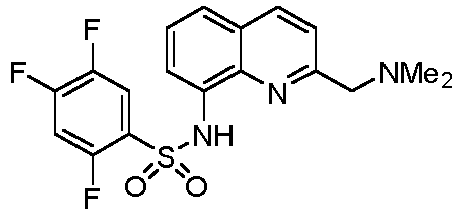
- A similar procedure to that described for the preparation of compound (ZDR018) was followed using compound (ZDR059) (100 mg, 0.50 mmol), 2,4,5-trifluorobenzenesulfonyl chloride (76 µL, 0.55 mmol) and triethylamine (76 µL, 0.55 mmol) in dichloromethane (4 mL). Purification by flash chromatography (dichloromethane/methanol, 50:1→20:1) afforded compound (ZDR337) as a pale yellow solid (190 mg, 0.48 mmol, 97%). 1H NMR (400 MHz, CDCI3) δ 2.32 (6H, s), 3.75 (2H, s), 6.85-6.92 (1H, m), 7.40 (1H, t, J = 8.0 Hz), 7.49 (1H, dd, J = 8.4 and 1.2 Hz), 7.63 (1H, d, J = 8.5 Hz), 7.76 (1H, dd, J = 7.6 and 1.1 Hz), 7.81 (1H, td, J = 8.8 and 6.4 Hz), 8.09 (1H, d, J = 8.5 Hz); ESI-MS: m/z calcd for C18H16F3N3O2S: 395.1; found [M+H]+: 396.1.
-

- A similar procedure to that described for the preparation of compound (ZDR018) was followed using compound (ZDR059) (100 mg, 0.50 mmol), 3,4-difluorobenzenesulfonyl chloride (73 µL, 0.55 mmol) and triethylamine (76 µL, 0.55 mmol) in dichloromethane (4 mL). Purification by flash chromatography (dichloromethane/methanol, 50:1→20:1) afforded compound (ZDR338) as a pale orange solid (180 mg, 0.48 mmol, 96%). 1H NMR (400 MHz, CDCl3) δ 2.30 (6H, s), 3.72 (2H, s), 7.06-7.12 (1H, m), 7.41-7.44 (1H, m), 7.49 (1H, dd, J = 8.4 and 1.3 Hz), 7.57 (1H, d, J = 8.5 Hz), 7.63-7.67 (1H, m), 7.73-7.78 (1H, m), 7.82 (1H, dd, J = 7.5 and 1.3 Hz), 8.07 (1H, d, J = 8.5 Hz); ESI-MS: m/z calcd for C18H17F2N3O2S: 377.1; found [M+H]+: 378.1.
-

- A similar procedure to that described for the preparation of compound (ZDR018) was followed using compound (ZDR059) (100 mg, 0.50 mmol), isoquinoline-5-sulfonylchloride hydrochloride (144 mg, 0.55 mmol) and triethylamine (152 µL, 1.09 mmol) in dichloromethane (4 mL). Purification by flash chromatography (dichloromethane/methanol, 50:1→20:1) afforded compound (ZDR339) as a pale yellow solid (88 mg, 0.22 mmol, 44%). 1H NMR (400 MHz, CDCl3) δ 2.25 (6H, s), 3.62 (2H, s), 7.32-7.39 (2H, m), 7.50 (1H, d, J = 8.4 Hz), 7.55 (1H, t, J = 7.8 Hz), 7.74 (1H, dd, J = 7.5 and 1.6 Hz), 7.97 (1H, d, J = 8.4 Hz), 8.03-8.05 (1H, m), 8.47 (1H, dd, J = 7.5 and 1.6 Hz), 8.61-8.67 (2H, m), 9.20 (1H, d, J = 0.7 Hz); ESI-MS: m/z calcd for C21H20N4O2S: 392.1; found [M+H]+: 393.1.
-

- A similar procedure to that described for the preparation of compound (ZDR018) was followed using compound (ZDR059) (100 mg, 0.50 mmol), 8-quinolinesulfonyl chloride (124 mg, 0.55 mmol) and triethylamine (76 µL, 0.55 mmol) in dichloromethane (4 mL). Purification by flash chromatography (dichloromethane/methanol, 50:1→20:1) afforded compound (ZDR340) as a grey solid (70 mg, 0.17 mmol, 34%). 1H NMR (400 MHz, d6-DMSO) δ 2.30 (6H, s), 3.81 (2H, s), 7.41 (1H, t, J = 8.0 Hz), 7.50 (1H, dd, J = 8.8 and 1.5 Hz), 7.57 (1H, d, J = 8.4 Hz), 7.64-7.72 (2H, m), 7.83 (1H, dd, J = 7.5 and 1.7 Hz), 8.20-8.23 (2H, m), 8.42-8.46 (2H, m), 9.14 (1H, dd, J = 4.0 and 1.5 Hz); ESI-MS: m/z calcd for C21H20N4O2S: 392.1; found [M+H]+: 393.1.
-

- A similar procedure to that described for the preparation of compound (ZDR022) was followed using compound (ZDR019) (100 mg, 0.26 mmol), n-butylamine (80 µL, 0.81 mmol) and sodium triacetoxyborohydride (122 mg, 0.58 mmol) in dichloromethane (5 mL). Purification by flash chromatography (dichloromethane/methanol, 50:1→15:1) afforded compound (ZDR401) as a pale yellow solid (76 mg, 0.17 mmol, 66%). 1H NMR (400 MHz, CDCI3) δ 0.90 (3H, t, J = 7.4 Hz), 1.31-1.40 (2H, m), 1.68-1.75 (2H, m), 2.89 (2H, t, J = 7.6 Hz), 4.29 (2H, s), 7.36-7.45 (3H, m), 7.54 (2H, d, J = 8.5 Hz), 7.79 (1H, dd, J = 7.5 and 1.5 Hz), 8.02-8.08 (3H, m), 8.93 (2H, brs); ESI-MS: m/z calcd for C21H22F3N3O2S: 437.1; found [M+H]+: 438.1.
-

- A similar procedure to that described for the preparation of compound (ZDR022) was followed using compound (ZDR019) (100 mg, 0.26 mmol), sec-butylamine (80 µL, 0.79 mmol) and sodium triacetoxyborohydride (120 mg, 0.57 mmol) in dichloromethane (5 mL). Purification by flash chromatography (dichloromethane/methanol, 50:1→15:1) afforded compound (ZDR402) as a pale yellow solid (32 mg, 0.07 mmol, 28%). 1H NMR (400 MHz, CDCI3) δ 0.95 (3H, t, J = 7.6 Hz), 1.17 (3H, d, J = 6.4 Hz), 1.42-1.53 (1H, m), 1.59-1.71 (1H, m), 2.73-2.81 (1H, m), 4.08-4.18 (2H, m), 5.00 (2H, brs), 7.39-7.43 (1H, m), 7.45-7.48 (2H, m), 7.60 (2H, d, J = 8.2 Hz), 7.81 (1H, dd, J = 7.5 and 1.5 Hz), 8.03-8.07 (3H, m); ESI-MS: m/z calcd for C21H22F3N3O2S: 437.1; found [M+H]+: 438.2.
-

- A similar procedure to that described for the preparation of compound (ZDR022) was followed using compound (ZDR019) (100 mg, 0.26 mmol), iso-butylamine (80 µL, 0.81 mmol) and sodium triacetoxyborohydride (111 mg, 0.52 mmol) in dichloromethane (5 mL). Purification by flash chromatography (dichloromethane/methanol, 50:1→15:1) afforded compound (ZDR403) as a yellow oil (73 mg, 0.17 mmol, 63%). 1H NMR (400 MHz, CDCI3) δ 0.98 (6H, d, J = 6.6 Hz), 1.92 (1H, m), 2.57 (2H, d, J = 6.8 Hz), 4.15 (2H, s), 6.21 (2H, brs), 7.40-7.49 (3H, m), 7.59 (2H, d, J = 8.4 Hz), 7.82 (1H, dd, J = 7.4 and 1.5 Hz), 8.03-8.08 (3H, m); ESI-MS: m/z calcd for C21H22F3N3O2S: 437.1; found [M+H]+: 438.1.
-

- A similar procedure to that described for the preparation of compound (ZDR022) was followed using compound (ZDR019) (100 mg, 0.26 mmol), cyclopentylamine (80 µL, 0.81 mmol) and sodium triacetoxyborohydride (114 mg, 0.54 mmol) in dichloromethane (5 mL). Purification by flash chromatography (dichloromethane/methanol, 50:1→15:1) afforded compound (ZDR404) as a yellow solid (79 mg, 0.18 mmol, 67%). 1H NMR (400 MHz, CDCl3) δ 1.03-1.68 (8H, m), 2.71-2.77 (1H, m), 4.21 (2H, s), 7.27-7.36 (3H, m), 7.50 (2H, d, J = 8.3 Hz), 7.72 (1H, dd, J = 6.7 and 1.9 Hz), 7.93 (1H, d, J = 8.3 Hz), 8.03 (2H, d, J = 8.3 Hz), 8.50 (2H, brs); ESI-MS: m/z calcd for C22H22F3N3O2S: 449.1; found [M+H]+: N/A.
-

- A similar procedure to that described for the preparation of compound (ZDR022) was followed using compound (ZDR019) (100 mg, 0.26 mmol), cyclohexylamine (90 µL, 0.79 mmol) and sodium triacetoxyborohydride (112 mg, 0.53 mmol) in dichloromethane (5 mL). Purification by flash chromatography (dichloromethane/methanol, 50:1→15:1) afforded compound (ZDR405) as a pale yellow solid (15 mg, 0.03 mmol, 12%). 1H NMR (400 MHz, CDCI3) δ 0.83-0.90 (2H, m), 1.48-1.61 (4H, m), 1.70-1.81 (2H, m), 1.87-1.93 (2H, m), 3.20-3.22 (1H, m), 4.11 (2H, s), 7.39-7.48 (3H, m), 7.60 (2H, d, J = 8.4 Hz), 7.81 (1H, dd, J = 7.5 and 1.5 Hz), 8.02-8.07 (3H, m); ESI-MS: m/z calcd for C23H24F3N3O2S: 463.2; found [M+H]+: N/A.
-

- A similar procedure to that described for the preparation of compound (ZDR022) was followed using compound (ZDR019) (100 mg, 0.26 mmol), cyclohexanemethylamine (110 µL, 0.85 mmol) and sodium triacetoxyborohydride (118 mg, 0.56 mmol) in dichloromethane (5 mL). Purification by flash chromatography (dichloromethane/methanol, 50:1→15:1) afforded compound (ZDR406) as a pale yellow solid (56 mg, 0.12 mmol, 45%). 1H NMR (400 MHz, CDCI3) δ 0.92-1.87 (11H, m), 2.69 (2H, d, J = 6.9 Hz), 4.28 (2H, s), 7.38-7.47 (3H, m), 7.58 (2H, d, J = 8.5 Hz), 7.81 (1H, dd, J = 7.4 and 1.5 Hz), 8.05-8.10 (3H, m), 8.34 (2H, brs); ESI-MS: m/z calcd for C24H26F3N3O2S: 477.2; found [M+H]+: 478.2.
-

- A similar procedure to that described for the preparation of compound (ZDR022) was followed using compound (ZDR019) (100 mg, 0.26 mmol), pyrrolidine (70 µL, 0.84 mmol) and sodium triacetoxyborohydride (115 mg, 0.54 mmol) in dichloromethane (5 mL). Purification by flash chromatography (dichloromethane/methanol, 50:1→15:1) afforded compound (ZDR407) as a tan solid (37 mg, 0.09 mmol, 33%). 1H NMR (400 MHz, CDCI3) δ 1.85-1.89 (4H, m), 2.64-2.69 (4H, m), 3.99 (2H, s), 7.41-7.45 (1H, m), 7.47-7.50 (1H, m), 7.54 (1H, d, J = 8.5 Hz), 7.59 (2H, d, J = 8.5 Hz), 7.87 (1H, dd, J = 7.5 and 1.5 Hz), 8.02 (2H, d, J = 8.5 Hz), 8.07 (1H, d, J = 8.5 Hz); ESI-MS: m/z calcd for C21H20F3N3O2S: 435.1; found [M+H]+: 436.1.
-

- A similar procedure to that described for the preparation of compound (ZDR022) was followed using compound (ZDR019) (100 mg, 0.26 mmol), hexamethyleneimine (90 µL, 0.80 mmol) and sodium triacetoxyborohydride (117 mg, 0.55 mmol) in dichloromethane (5 mL). Purification by flash chromatography (dichloromethane/methanol, 50:1→15:1) afforded compound (ZDR408) as a brown solid (105 mg, 0.23 mmol, 86%). 1H NMR (400 MHz, CDCl3) δ 1.64-1.70 (8H, m), 2.71-2.76 (4H, m), 3.96 (2H, s), 7.41 (1H, t, J = 7.9 Hz), 7.46-7.49 (1H, m), 7.59 (2H, d, J = 8.4 Hz), 7.64 (1H, d, J = 8.4 Hz), 7.84 (1H, dd, J = 7.5 and 1.0 Hz), 8.01-8.06 (3H, m), 9.52 (1H, brs); ESI-MS: m/z calcd for C23H24F3N3O2S: 463.2; found [M+H]+: 464.2.
-

- A similar procedure to that described for the preparation of compound (ZDR022) was followed using compound (ZDR019) (100 mg, 0.26 mmol), dipropylamine (110 µL, 0.80 mmol) and sodium triacetoxyborohydride (121 mg, 0.57 mmol) in dichloromethane (5 mL). Purification by flash chromatography (dichloromethane/methanol, 50:1→15:1) afforded compound (ZDR409) as a tan solid (23 mg, 0.05 mmol, 19%). 1H NMR (400 MHz, CDCl3) δ 0.86 (6H, t, J = 7.2 Hz), 1.45-1.54 (4H, m), 2.44 (4H, t, J = 7.2 Hz), 3.81 (2H, s), 7.39-7.43 (1H, m), 7.46-7.49 (1H, m), 7.60 (2H, d, J = 8.5 Hz), 7.68 (1H, d, J = 8.5 Hz), 7.82 (1H, dd, J = 7.5 and 1.3 Hz), 8.00-8.05 (3H, m); ESI-MS: m/z calcd for C23H26F3N3O2S: 465.2; found [M+H]+: 466.2.
-

- A similar procedure to that described for the preparation of compound (ZDR018) was followed using compound (ZDR059) (79 mg, 0.36 mmol), ethenesulfonyl chloride (50 mg, 0.36 mmol) and triethylamine (56 µL, 0.40 mmol) in dichloromethane (4 mL). Purification by flash chromatography (dichloromethane/methanol, 50:1→20:1) afforded compound (ZDR500) as a yellow oil (58 mg, 0.20 mmol, 55%). 1H NMR (400 MHz, CDCl3) δ 2.32 (6H, s), 3.74 (2H, s), 5.88 (1H, d, J = 9.8 Hz), 6.36 (1H, d, J = 16.6 Hz), 6.56 (1H, dd, J = 16.6 and 9.8 Hz), 7.44 (1H, t, J = 7.9 Hz), 7.50 (1H, dd, J = 8.4 and 1.4 Hz), 7.65 (1H, d, J = 8.4 Hz), 7.72 (1H, dd, J = 7.5 and 1.4 Hz), 8.12 (1H, d, J = 8.4 Hz); ESI-MS: m/z calcd for C14H17N3O2S: 291.1; found [M+H]+: 292.1.
-

- A similar procedure to that described for the preparation of compound (ZDR018) was followed using compound (ZDR059) (56 mg, 0.25 mmol), (5-methyl-1,2-oxazol-3-yl)methanesulfonyl chloride (50 mg, 0.25 mmol) and triethylamine (39 µL, 0.28 mmol) in dichloromethane (3 mL). Purification by flash chromatography (dichloromethane/methanol, 50:1→20:1) afforded compound (ZDR501) as a pale yellow oil (47 mg, 0.13 mmol, 51%). 1H NMR (400 MHz, CDCI3) δ 2.32 (6H, s), 2.38 (3H, s), 3.70 (2H, s), 4.45 (2H, s), 6.20 (1H, s), 7.45-7.49 (1H, m), 7.55 (1H, d, J = 8.0 Hz), 7.65 (1H, d, J = 8.5 Hz), 7.86 (1H, d, J = 7.5 Hz), 8.14 (1H, d, J = 8.5 Hz); ESI-MS: m/z calcd for C17H20N4O3S: 360.1; found [M+H]+: 361.1.
-

- A similar procedure to that described for the preparation of compound (ZDR018) was followed using compound (ZDR059) (55 mg, 0.27 mmol), oxane-4-sulfonyl chloride (50 mg, 0.27 mmol) and triethylamine (38 µL, 0.30 mmol) in dichloromethane (3 mL). Purification by flash chromatography (dichloromethane/methanol, 50:1→20:1) afforded compound (ZDR502) as a pale yellow oil (31 mg, 0.09 mmol, 33%). 1H NMR (400 MHz, CDCI3) δ 1.97-2.02 (4H, m), 2.32 (6H, s), 3.20-3.21 (3H, m), 3.75 (2H, s), 3.97-4.01 (2H, m), 7.45-7.49 (1H, m), 7.52-7.55 (1H, m), 7.67 (1H, d, J = 8.5 Hz), 7.88 (1H, dd, J = 7.5 and 1.5 Hz), 8.15 (1H, d, J = 8.5 Hz); ESI-MS: m/z calcd for C17H23N3O3S: 349.1; found [M+H]+: 350.2.
-

- A similar procedure to that described for the preparation of compound (ZDR018) was followed using compound (ZDR059) (70 mg, 0.32 mmol), cyclopropylmethanesulfonyl chloride (50 mg, 0.32 mmol) and triethylamine (49 µL, 0.35 mmol) in dichloromethane (3 mL). Purification by flash chromatography (dichloromethane/methanol, 50:1→20:1) afforded compound (ZDR503) as a yellow oil (66 mg, 0.20 mmol, 62%). δ 1H NMR (400 MHz, CDCl3) δ 0.12-0.16 (2H, m), 0.52-0.57 (2H, m), 1.10-1.18 (1H, m), 2.31 (6H, s), 3.08 (2H, d, J = 7.1 Hz), 3.74 (2H, s), 7.46 (1H, t, J = 7.8 Hz), 7.41 (1H, dd, J = 8.4 and 1.5 Hz), 7.67 (1H, d, J = 8.4 Hz), 7.86 (1H, dd, J = 7.5 and 1.5 Hz), 8.14 (1H, d, J = 8.4 Hz), 9.09 (1H, brs); ESI-MS: m/z calcd for C16H21N3O2S: 319.1; found [M+H]+: 320.1.
-

- A similar procedure to that described for the preparation of compound (ZDR018) was followed using compound (ZDR059) (51 mg, 0.25 mmol), oxan-4-ylmethanesulfonyl chloride (50 mg, 0.25 mmol) and triethylamine (36 µL, 0.27 mmol) in dichloromethane (4 mL). Purification by flash chromatography (dichloromethane/methanol, 50:1→20:1) afforded compound (ZDR504) as a pale yellow oil (60 mg, 0.17 mmol, 68%). 1H NMR (400 MHz, CDCl3) δ 1.30-1.40 (2H, m), 1.76-1.82 (2H, m), 2.24-2.33 (1H, m), 2.33 (6H, s), 3.06 (2H, d, J = 6.4 Hz), 3.34-3.38 (2H, m), 3.75 (2H, s), 3.86-3.90 (2H, m), 7.46-7.50 (1H, m), 7.52-7.56 (1H, m), 7.67 (1H, d, J = 8.5 Hz), 7.82 (1H, dd, J = 7.5 and 1.5 Hz), 8.15 (1H, d, J = 8.5 Hz); ESI-MS: m/z calcd for C18H25N3O3S: 363.2; found [M+H]+: 364.2.
-

- A similar procedure to that described for the preparation of compound (ZDR018) was followed using compound (ZDR059) (45 mg, 0.22 mmol), (6-chloropyridin-3-yl)methanesulfonyl chloride (50 mg, 0.22 mmol) and triethylamine (30 µL, 0.24 mmol) in dichloromethane (4 mL). Purification by flash chromatography (dichloromethane/methanol, 20:1) afforded compound (ZDR505) as a pale yellow oil (36 mg, 0.09 mmol, 40%).1H NMR (400 MHz, CDCl3) δ 2.30 (6H, s), 3.65 (2H, s), 4.35 (2H, s), 7.17 (1H, d, J = 8.0 Hz), 7.45-7.49 (1H, m), 7.54-7.57 (2H, m), 7.67 (1H, d, J = 8.5 Hz), 7.82-7.85 (2H, m), 8.15 (1H, d, J = 8.5 Hz); ESI-MS: m/z calcd for C18H19ClN4O2S: 390.1; found [M+H]+: 391.1.
-

- A similar procedure to that described for the preparation of compound (ZDR018) was followed using compound (ZDR059) (73 mg, 0.36 mmol), prop-2-yne-1-sulfonyl chloride (50 mg, 0.36 mmol) and triethylamine (51 µL, 0.39 mmol) in dichloromethane (4 mL). Purification by flash chromatography (dichloromethane/methanol, 20:1) afforded compound (ZDR506) as an orange oil (17 mg, 0.05 mmol, 13%). 1H NMR (400 MHz, d6-DMSO) δ 2.75 (1H, s), 3.17 (6H, s), 3.76 (2H, s), 4.64 (2H, s), 7.54-7.56 (1H, m), 7.65-7.74 (3H, m), 8.38 (1H, d, J = 8.5 Hz); ESI-MS: m/z calcd for C15H17N3O2S: 303.1; found [M+H]+: 304.1.
- Antibacterial susceptibility testing was performed in triplicate (biological) by measuring minimum inhibitory concentrations (MICs) by broth microdilution in 96-well flat bottom microtiter plates (ThermoFisher Scientific, New Zealand). S. uberis ATCC 19436, S. aureus ATCC 6538, or E. coli ATCC 10596 cells grown overnight were diluted to an OD600 of approximately 0.025, so that the final concentration of cells in the MIC assay was approximately 5×10⁵ cfu/mL in media as follows: S. uberis; Todd Hewitt Broth (THB), S. aureus; Tryptic Soy Broth (TSB) and Cation Adjusted Muller Hinton Broth (CAMHB), and E. coli; Lysogeny Borth (LB) and CAMHB, before being dispensed into microtiter wells. As required additional sterile Zinc Sulphate (Heptahydrate) was supplemented into the media, so the final concentration was 50 µM. Test compounds were added to starting wells and twofold serial dilutions were undertaken to generate a range of inhibitor concentrations at a final volume of 200 µl. Media and test compound-free (untreated) controls were included in each microtiter plate in triplicate. After 24 h incubation at 37°C and 200 rpm, the OD600 of wells were read using a Varioskan Flash plate reader (ThermoFisher Scientific, New Zealand). The MIC was reported as the lowest concentration of the test compound for which no growth occurred, as determined by OD600 readings. The minimum bactericidal concentration (MBC) was determined using the Miles-Misra drop-plate method to measure the viability of cells in response to test compound challenge.
- The MIC and MBC data are shown in Tables 1 and 2. Compound ZDR018 does not form part of the present invention but is retained for informational purposes.
Table 1: Minimum Inhibitory Concentrations (MIC) of Zincaphore (ZDR) molecules S. uberis ATCC 19436 S. aureus ATCC 6538 E. coli ATCC 10536 MIC (µg/ml) MIC (µg/ml) MIC (µg/ml) Compound M (g/mol) No Zinc Zinc (50 µM) No Zinc Zinc (50 µM) No Zinc Zinc (50 µM) ZDR018 366.4 >256 0.125 >256 >256 >256 >256 ZDR019 380.3 16 1 8 8 128 128 ZDR022 409.4 64 0.125 16 8 >256 >256 ZDR022-HCl 445.9 256 0.125 64 4 >256 >256 ZDR024 395.4 64 0.25 16 8 256 ≥256 ZDR025 409.4 64 0.125 32 >256 256 ≥256 ZDR026 423.4 64 0.125 32 >256 >256 >256 ZDR027 423.4 64 0.125 16 16 >256 >256 ZDR028 437.4 128 0.125 256 >256 >256 >256 ZDR029 451.4 >256 0.25 >256 >256 >256 >256 ZDR030 452.5 16 1 16 16 128 ≥256 ZDR031 425.4 16 0.5 32 32 ≥256 >256 ZDR033 449.4 >256 0.125 >256 >256 >256 >256 ZDR035 472.4 2 1 4 4 32 >256 ZDR036 816.8 >256 >256 >256 >256 >256 >256 ZDR037 759.7 >256 2 >256 >256 >256 >256 ZDR041 495.5 >256 0.5 64 >256 >256 >256 ZDR043 439.4 >256 >256 >256 >256 >256 >256 ZDR045 498.4 >256 0.125 >256 >256 >256 >256 ZDR046 453.4 4 1 4 4 >256 >256 ZDR061 341.4 >256 0.25 >256 256 >256 >256 ZDR062 355.4 256 0.25 256 >256 >256 >256 ZDR063 371.4 >256 0.25 >256 >256 >256 >256 ZDR064 375.8 >256 0.0625 128 256 >256 >256 ZDR065 359.4 >256 0.125 256 256 >256 >256 ZDR066 425.4 128 0.0625 256 >256 >256 >256 ZDR067 386.4 128 0.125 128 256 >256 >256 ZDR068 366.4 >256 1 >256 >256 >256 >256 ZDR069 399.4 >256 0.25 256 >256 >256 >256 ZDR070 383.4 >256 0.5 >256 >256 >256 >256 ZDR071 419.5 >256 4 >256 >256 >256 >256 ZDR072 398.4 256 32 >256 >256 >256 >256 ZDR073 384.4 >256 8 >256 >256 >256 >256 ZDR074 409.4 >256 0.0625 >256 >256 256 256 ZDR075 409.4 256 0.125 >256 >256 >256 >256 ZDR076 366.4 >256 1 >256 >256 >256 >256 ZDR077 366.4 >256 1 >256 >256 >256 >256 ZDR078 279.3 >256 2 >256 >256 >256 >256 ZDR079 333.3 >256 0.5 >256 256 >256 64 ZDR080 347.4 >256 0.25 >256 >256 >256 >256 ZDR081 347.4 256 0.25 >256 >256 >256 >256 ZDR082 360.4 >256 0.125 >256 >256 >256 >256 ZDR084 375.8 128 0.0625 256 >256 256 >256 ZDR085 425.4 128 <0.125 256 >256 256 >256 ZDR086 421.4 64 0.25 64 >256 128 256 ZDR087 435.4 256 0.25 128 >256 256 >256 ZDR088 467.5 >256 0.0625 >256 >256 >256 >256 ZDR089 464.5 64 0.5 256 128 >256 >256 ZDR090 466.5 4 0.5 16 16 16 16 ZDR091 439.4 32 0.125 64 32 256 256 ZDR092 455.4 64 16 32 32 >256 >256 ZDR093 455.4 64 16 64 128 256 >256 ZDR094 469.4 32 4 62 32 256 256 ZDR095 486.5 >256 0.125 64 8 128 >256 ZDR096 563.5 64 4 >256 >256 >256 >256 ZDR097 421.4 >256 0.0625 >256 >256 >256 256 ZDR098 419.4 64 0.125 64 >256 >256 >256 ZDR099 427.4 64 0.25 64 >256 >256 256 ZDR100 445.4 128 0.25 32 256 >256 >256 ZDR101 472.4 >256 4 64 64 128 >256 ZDR102 485.4 32 16 32 16 256 64 ZDR103 471.5 >256 0.125 128 >256 >256 >256 ZDR106 461.4 64 0.25 >256 >256 >256 >256 ZDR107 477.5 64 0.125 >256 64 >256 >256 ZDR108 457.4 >256 0.25 64 >256 >256 >256 ZDR109 458.4 >256 0.5 >256 >256 >256 >256 ZDR110 472.4 >256 4 >256 >256 >256 >256 ZDR111 492.5 8 0.5 16 16 64 >256 ZDR112 494.5 64 1 16 32 >256 >256 ZDR113 510.5 128 1 >256 >256 >256 >256 ZDR114 701.6 32 4 64 64 64 64 ZDR115 700.6 4 2 16 16 16 16 ZDR116 508.5 32 2 64 64 >256 >256 ZDR117 715.6 16 4 64 64 128 32 ZDR118 437.4 32 2 128 8 >256 >256 ZDR119 566.6 4 0.125 4 4 >256 >256 ZDR120 436.4 32 0.5 16 16 >256 >256 ZDR121 499.5 32 2 16 16 >256 >256 ZDR122 499.5 32 2 16 16 >256 >256 ZDR123 605.6 >256 0.125 >256 >256 >256 >256 ZDR124 602.5 32 16 16 16 128 32 ZDR125 395.4 8 0.125 4 4 >256 >256 ZDR126 409.4 >256 0.125 >256 >256 >256 >256 ZDR127 394.4 >256 1 16 16 >256 >256 ZDR129 469.4 64 1 32 32 256 256 ZDR130 513.5 64 1 128 256 256 256 ZDR131 483.5 64 1 64 128 256 256 ZDR132 527.5 64 1 64 256 256 256 ZDR133 439.4 64 0.25 64 256 >256 256 ZDR135 437.4 128 0.25 32 64 >256 >256 ZDR136 465.5 >256 8 >256 >256 >256 >256 ZDR137 485.5 >256 0.125 >256 >256 >256 >256 ZDR138 484.5 >256 0.5 128 128 >256 >256 ZDR139 666.7 64 0.125 256 256 >256 >256 ZDR143 660.5 8 4 8 8 16 16 ZDR145 511.5 >256 >256 64 128 128 256 ZDR148 466.5 64 1 64 128 128 256 ZDR153 408.4 >256 0.5 64 64 >256 >256 ZDR154 420.5 >256 16 >256 >256 >256 >256 ZDR155 420.5 >256 >256 >256 >256 >256 >256 ZDR160 356.4 256 >256 >256 >256 >256 >256 ZDR162 356.4 256 16 >256 >256 >256 >256 ZDR163 357.4 >256 8 >256 >256 >256 >256 ZDR164 357.4 >256 >256 >256 >256 >256 >256 ZDR167 524.5 2 0.5 2 2 >256 >256 ZDR170 518.5 8 1 8 4 256 256 ZDR171 473.5 8 0.5 4 4 >256 >256 ZDR176 382.4 >256 0.5 4 4 >256 >256 ZDR180 502.4 >256 0.5 64 256 128 >256 ZDR181 564.5 >256 0.5 64 >256 64 >256 ZDR184 381.4 32 0.5 8 4 64 128 ZDR185 423.5 >256 0.125 256 32 >256 >256 ZDR186 623.6 >256 0.25 >256 >256 >256 >256 ZDR187 408.4 16 0.5 8 8 32 16 ZDR188 468.4 >256 0.5 >256 >256 >256 >256 ZDR190 375.9 256 1 >256 >256 >256 >256 ZDR191 425.4 256 0.125 >256 >256 >256 >256 ZDR192 350.4 >256 1 >256 >256 >256 >256 ZDR193 348.5 128 0.25 >256 >256 >256 >256 ZDR194 345.4 >256 4 >256 >256 >256 >256 ZDR195 345.4 >256 32 >256 >256 >256 >256 ZDR196 399.5 256 0.0625 >256 32 >256 >256 ZDR201 359.4 128 0.0625 >256 32 >256 >256 ZDR202 420.3 256 0.125 256 >256 >256 >256 ZDR203 376.5 256 0.5 >256 64 >256 >256 ZDR204 334.4 256 0.5 >256 256 >256 >256 ZDR205 563.5 256 0.125 128 64 >256 >256 ZDR209 459.5 >256 1 >256 >256 >256 >256 ZDR210 521.5 >256 0.25 >256 >256 >256 >256 ZDR211 591.5 64 16 128 64 128 128 ZDR224 577.5 64 16 128 32 256 256 ZDR257 387.5 >256 0.0625 >256 >256 >256 >256 ZDR258 372.4 256 0.125 >256 >256 >256 >256 ZDR259 305.4 >256 0.25 >256 256 >256 >256 ZDR261 717.6 32 16 32 32 64 64 ZDR262 757.7 8 16 64 128 32 64 ZDR263 542.5 >256 256 >256 >256 >256 >256 ZDR265 639.5 128 256 64 64 256 256 ZDR266 535.4 16 16 64 32 128 256 ZDR267 551.4 256 256 256 128 >256 >256 ZDR268 703.6 32 16 64 128 64 64 ZDR269 743.6 4 8 32 64 64 64 ZDR270 549.5 16 4 32 32 128 256 ZDR305 420.3 >256 0.0625 64 128 >256 >256 ZDR306 407.4 128 0.125 128 128 >256 >256 ZDR307 397.5 >256 0.0625 >256 >256 >256 >256 ZDR308 399.5 256 0.25 256 >256 256 >256 ZDR309 420.3 128 0.125 64 128 >256 >256 ZDR310 419.5 256 4 >256 >256 >256 >256 ZDR311 383.5 256 0.0625 >256 256 >256 >256 ZDR312 359.4 128 0.125 256 256 >256 >256 ZDR313 386.4 128 0.25 128 >256 >256 >256 ZDR314 371.5 128 0.25 256 >256 >256 >256 ZDR315 355.5 >256 0.25 256 >256 >256 >256 ZDR316 361.4 >256 0.125 >256 >256 >256 >256 ZDR317 355.5 256 0.25 >256 128 >256 >256 ZDR318 307.4 256 32 >256 >256 >256 >256 ZDR319 405.5 >256 1 >256 >256 >256 >256 ZDR320 423.5 256 0.0625 >256 128 >256 >256 ZDR321 321.4 256 0.25 >256 128 >256 >256 ZDR322 376.9 >256 0.25 128 >256 >256 >256 ZDR323 305.4 >256 1 >256 256 >256 >256 ZDR324 369.4 256 1 256 256 >256 >256 ZDR326 381.9 128 0.125 32 128 256 >256 ZDR327 398.5 256 8 >256 >256 >256 >256 ZDR328 342.4 >256 1 >256 >256 >256 >256 ZDR330 441.5 128 0.125 32 32 >256 >256 ZDR331 384.5 >256 16 >256 >256 >256 >256 ZDR332 414.5 256 2 >256 >256 >256 >256 ZDR333 456.6 64 0.125 128 128 >256 >256 ZDR335 410.3 64 0.0312 32 8 >256 >256 ZDR336 410.3 64 0.0625 64 128 >256 >256 ZDR337 395.4 256 0.0625 >256 >256 >256 >256 ZDR338 377.4 128 0.0625 >256 >256 >256 >256 ZDR339 392.5 256 2 >256 >256 >256 >256 ZDR340 392.5 64 0.25 >256 32 >256 >256 ZDR401 437.5 16 0.125 32 128 64 >256 ZDR402 437.5 16 0.125 32 128 256 >256 ZDR403 437.5 16 0.125 32 128 64 256 ZDR404 449.5 16 0.125 32 256 128 >256 ZDR405 463.5 16 0.125 64 128 128 >256 ZDR406 477.5 16 0.125 32 128 64 256 ZDR407 435.5 128 0.125 64 256 256 256 ZDR408 463.5 32 0.125 64 256 >256 256 ZDR409 465.5 256 0.125 64 256 >256 >256 ZDR500 291.4 >256 0.5 256 >256 >256 >256 ZDR501 360.4 >256 0.25 256 >256 >256 >256 ZDR502 349.4 >256 0.25 >256 >256 >256 >256 ZDR503 319.4 >256 0.125 >256 256 >256 >256 ZDR504 363.5 >256 0.5 >256 256 >256 >256 ZDR505 390.9 >256 0.25 >256 256 >256 >256 ZDR506 303.4 256 2 >256 >256 >256 >256 Table 2: Bactericidal (MBC) activity of selected Zincaphore (ZDR) molecules S. uberis ATCC 19436 S. aureus ATCC 6538 E. coli ATCC 10536 MBC (µg/ml) MBC (µg/ml) MBC (µg/ml) Compound M (g/mol) No Zinc Zinc (50 µM) No Zinc Zinc (50 µM) No Zinc Zinc (50 µM) ZDR022-HCl 445.9 >256 0.125 128 256 >256 >256 ZDR090 466.5 8 0.5 16 32 16 16 ZDR091 439.4 16 0.5 >256 128 256 128 ZDR092 455.4 64 8 256 32 256 >256 ZDR095 486.5 >256 1 >128 >256 128 256 ZDR102 485.4 32 16 128 32 256 >256 ZDR111 492.5 8 1 16 16 >256 >256 ZDR112 494.5 64 2 >256 256 128 >256 ZDR114 701.6 32 4 128 64 >256 64 ZDR115 700.6 8 4 16 16 16 16 ZDR116 508.5 64 2 128 >256 >256 >256 ZDR117 715.6 16 4 64 64 256 64 ZDR119 566.6 16 1 >256 32 >256 >256 ZDR120 436.4 >256 1 >256 >256 >256 >256 ZDR121 499.5 256 32 64 256 >256 >256 ZDR122 499.5 128 32 32 128 >256 >256 ZDR124 602.5 16 16 >256 >256 128 32 ZDR125 395.4 8 0.5 >256 >256 >256 >256 ZDR127 394.4 >256 2 >256 >256 >256 >256 ZDR143 660.5 8 8 16 16 32 32 ZDR167 524.5 8 0.5 8 8 >256 >256 ZDR170 518.5 16 2 128 128 >256 >256 ZDR171 473.5 8 0.5 16 32 >256 >256 ZDR187 408.4 16 8 32 32 64 16 ZDR224 577.5 64 8 128 32 >256 256 ZDR261 717.6 16 16 128 64 >256 >256 ZDR269 743.6 4 16 64 128 64 64 ZDR335 410.3 64 2 >256 >256 >256 >256 - Although the invention has been described by way of example, it should be appreciated that variations and modifications may be made without departing from the scope of the invention as defined in the claims. Furthermore, where known equivalents exist to specific features, such equivalents are incorporated as if specifically referred in this specification.
Claims (14)
- A compound of Formula I:
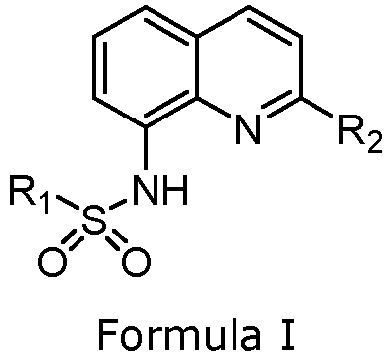 R1 is selected from the group comprising alkyl, cycloalkyl, alkenyl, alkynyl, aryl, alkylaryl, alkoxyaryl, heterocyclyl, alkylheterocyclyl, alkoxyheterocyclyl, heteroaryl, alkylheteroaryl, alkoxyheteroaryl, C1-C6 alkyl(cycloalkyl), aralkyl, C1-C6 alkyl(alkylaryl), C1-C6 alkyl(alkoxyaryl), C1-C6 alkyl(heterocyclyl), C1-C6 alkyl(alkylheterocyclyl), C1-C6 alkyl(alkoxyheterocyclyl), C1-C6 alkyl(heteroaryl), C1-C6 alkyl(alkylheteroaryl), C1-C6 alkyl(alkoxyheteroaryl), each of which is optionally substituted with one or more of halogen, OR3, OCHO, OC(=O)R3, SR3, SCF3, SC(=O)R3, S(=O)R3, SO2R3, SO3H, SO2NR3R4, NR3R4, NR3CHO, NR3COR4, NR3CO2R4, NR3SO2R4, NO2, CN, CHO, COR3, CO2H, CO2R3, and CONR3R4;R2 is substituted alkyl, wherein the alkyl is substituted with one or more of each of halogen, alkyl, OR3, OCHO, OC(=O)R3, SR3, SC(=O)R3, S(=O)R3, SO2R3, SO3H, SO2NR3R4, NR3R4, NR3CHO, NR3COR4, NR3CO2R4, NR3C(=O)NR4R5, NR3C(=S)NR4R5, NR3C(=NR4)NR5R6, NR3C(=NNO2)NR4R5, NR3C(=NCN)NR4R5, NR3C(=CHNO2)NR4R5, NR3C(=NR4)R5, NR3SO2R4, NO2, CN, CHO, COR3, CO2H, CO2R3, CONR3R4, C(=O)NR3OR3, C(=O)NR3NR4R5, C(=O)NR3CN;or is selected from the group comprising alkylheterocyclyl, (C1-C6 alkyl)NR7R8, (C1-C6 alkyl)NR7(C1-C6 alkyl)NR8R9, (C1-C6 alkyl)N((C1-C6 alkyl)NR8R9)2, (C1-C6 alkyl)NR7(C1-C6 alkyl)OR8, (C1-C6 alkyl)NR7(C1-C6 alkyl)O(C1-C6 alkyl)OR8, (C1-C6 alkyl)NR7C(=O)R8, (C1-C6 alkyl)NR7(C1-C6 alkyl)C(=O)NR8R9, (C0-C3 alkyl)CH=NOR7, CH=NNR7R8, (C0-C3 alkyl)CH=NNR7R8, (C0-C3 alkyl)CH=NNR3C(=O)R7, (C0-C3 alkyl)CH=NNR3C(=S)R7, (C0-C3 alkyl)CH=NNR3C(=O)NR7R8, (C0-C3 alkyl)CH=NNR3C(=S)NR7R8, (C0-C3 alkyl)CH=NNR3C(=O)C(=NOR7)R8, (C0-C3 alkyl)CH=NR3C(=O)C(=O)NR7R8, (C0-C3 alkyl)C(=O)NR7R8, (C0-C3 alkyl)C(=O)NR3OR7, (C0-C3 alkyl)C(=O)NR3NR7R8, each of which is optionally substituted with one or more of each of halogen, alkyl, OR3, OCHO, OC(=O)R3, SR3, SC(=O)R3, S(=O)R3, SO2R3, SO3H, SO2NR3R4, NR3R4, NR3CHO, NR3COR4, NR3CO2R4, NR3C(=O)NR4R5, NR3C(=S)NR4R5, NR3C(=NR4)NR5R6, NR3C(=NNO2)NR4R5, NR3C(=NCN)NR4R5, NR3C(=CHNO2)NR4R5, NR3C(=NR4)R5, NR3SO2R4, NO2, CN, CHO, COR3, CO2H, CO2R3, CONR3R4, C(=O)NR3OR3, C(=O)NR3NR4R5, C(=O)NR3CN,or wherein R2 is CHO;R3, R4, R5 and R6 are each selected from the group comprising hydrogen, alkyl, aryl and aralkyl; andR7, R8 and R9 are each selected from the group comprising hydrogen, hydroxyl, alkyl, cycloalkyl, alkenyl, alkynyl, aryl, alkylaryl, alkoxyaryl, heterocyclyl, alkylheterocyclyl, alkoxyheterocyclyl, heteroaryl, alkylheteroaryl, alkoxyheteroaryl, C1-C6 alkyl(cycloalkyl), aralkyl, C1-C6 alkyl(alkylaryl), C1-C6 alkyl(alkoxyaryl), C1-C6 alkyl(heterocyclyl), C1-C6 alkyl(alkylheterocyclyl), C1-C6 alkyl(alkoxyheterocyclyl), C1-C6 alkyl(heteroaryl), C1-C6 alkyl(alkylheteroaryl), C1-C6 alkyl(alkoxyheteroaryl), monosaccharide, disaccharide, each of which is optionally substituted with one or more of halogen, OR3, OCHO, OC(=O)R3, SR3, SC(=O)R3, S(=O)R3, SO2R3, SO3H, SO2NR3R4, NR3R4, NR3CHO, NR3COR4, NR3CO2R4, NR3C(=O)NR4R5, NR3C(=S)NR4R5, NR3C(=NR4)NR5R6, NR3C(=NNO2)NR4R5, NR3C(=NCN)NR4R5, NR3C(=CHNO2)NR4R5, NR3C(=NR4)R5, NR3SO2R4, NO2, CN, CHO, COR3, CO2H, CO2R3, CONR3R4, C(=O)NR3OR3, C(=O)NR3NR4R5, C(=O)NR3CN;wherein the term "heterocyclyl" means a cycloalkyl group where one or more of the ring carbon atoms is replaced with one or more heteroatoms;or a pharmaceutically acceptable salt or hydrate thereof;wherein the compound of formula I is not:
- A compound as claimed in claim 1 wherein R1 is alkyl, aryl, alkylaryl, alkoxyaryl or heteroaryl substituted with halogen.
- A compound as claimed in claim 1 or claim 2 wherein R1 is (trifluoromethyl)phenyl.
- A compound as claimed in any one of claims 1 to 3 wherein R2 is:(i) (C1-C6 alkyl)NR7R8;(ii) (C1-C6 alkyl)NR7(C1-C6 alkyl)NR8R9;(iii) (C0-C3 alkyl)CH=NOR7;(iv) (C0-C3 alkyl)CH=NNR7R8;(v) (C0-C3 alkyl)CH=NNR3C(=O)R7;(vi) (C0-C3 alkyl)CH=NNR3C(=O)NR7R8; or(vii) (C0-C3 alkyl)CH=NNR3C(=S)NR7R8.
- A compound as claimed in any one of claims 1 to 4 which is selected from the group comprising:
ZDR019 ZDR022 ZDR022-HCl 


ZDR024 ZDR025 ZDR026 ZDR027 


ZDR028 ZDR029 ZDR030 ZDR031 


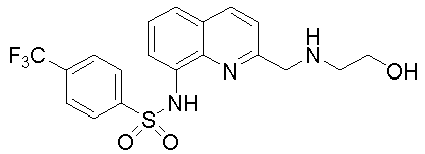
ZDR033 ZDR035 
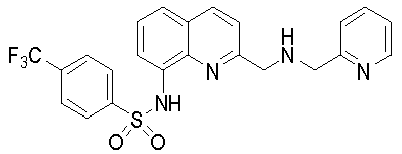
ZDR041 ZDR043 ZDR045 ZDR046 


ZDR061 ZDR062 ZDR063 ZDR064 


ZDR065 ZDR066 ZDR067 ZDR068 


ZDR069 ZDR070 ZDR071 ZDR072 


ZDR073 ZDR074 ZDR075 ZDR076 


ZDR077 ZDR078 ZDR079 ZDR080 
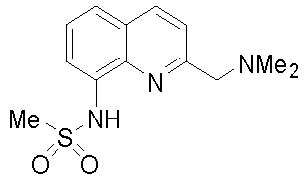


ZDR081 ZDR082 ZDR084 ZDR085 


ZDR086 ZDR087 ZDR088 ZDR089 
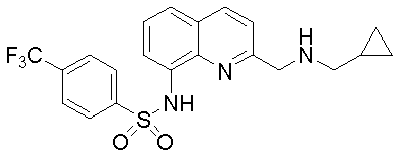


ZDR090 ZDR091 ZDR092 ZDR093 


ZDR094 ZDR095 ZDR096 ZDR097 


ZDR098 ZDR099 ZDR100 ZDR101 


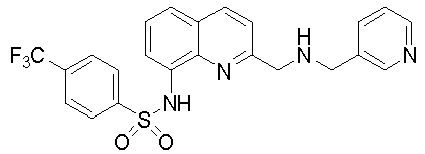
ZDR102 ZDR103 ZDR106 ZDR107 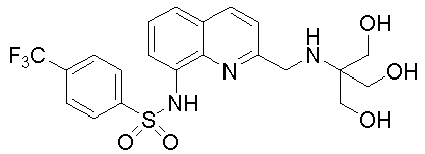
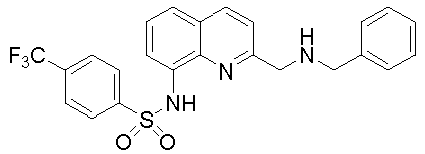


ZDR108 ZDR109 ZDR110 ZDR111 


ZDR112 ZDR113 ZDR114 ZDR115 


ZDR116 ZDR117 ZDR118 ZDR119 


ZDR120 ZDR121 ZDR122 ZDR123 


ZDR124 ZDR125 ZDR126 ZDR127 


ZDR129 ZDR130 ZDR131 ZDR132 


ZDR133 ZDR135 ZDR136 ZDR137 


ZDR138 ZDR143 ZDR145 ZDR148 
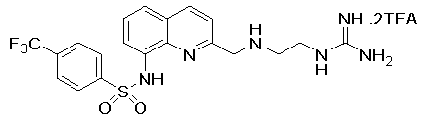


ZDR153 ZDR154 ZDR155 ZDR160 


ZDR162 ZDR163 ZDR164 ZDR167 


ZDR170 ZDR171 ZDR176 ZDR180 


ZDR181 ZDR184 ZDR185 ZDR187 


ZDR188 ZDR190 ZDR191 ZDR192 


ZDR193 ZDR194 ZDR195 ZDR196 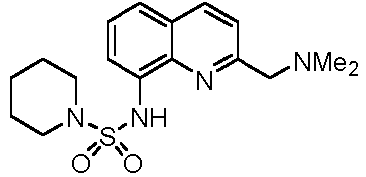


ZDR201 ZDR202 ZDR203 ZDR204 


ZDR205 ZDR209 ZDR210 ZDR211 
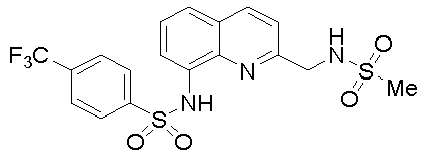


ZDR224 ZDR257 ZDR258 ZDR259 


ZDR261 ZDR262 ZDR263 ZDR265 


ZDR266 ZDR267 ZDR268 ZDR269 


ZDR270 ZDR305 ZDR306 ZDR307 


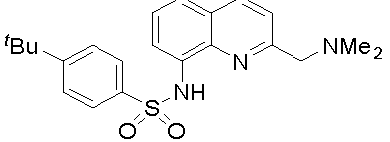
ZDR308 ZDR309 ZDR310 ZDR311 


ZDR312 ZDR313 ZDR314 ZDR315 

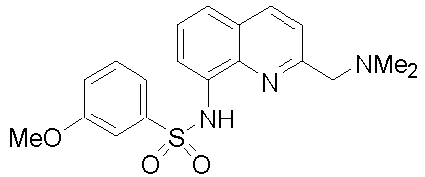

ZDR316 ZDR317 ZDR318 ZDR319 


ZDR320 ZDR321 ZDR322 ZDR323 
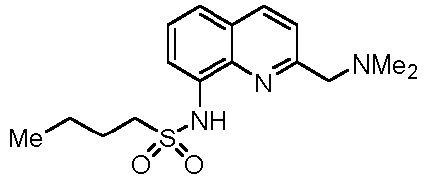
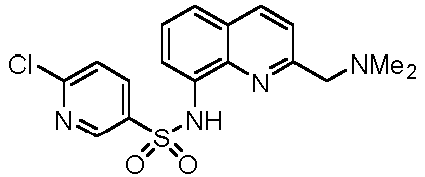

ZDR324 ZDR326 ZDR327 ZDR328 


ZDR330 ZDR331 ZDR332 ZDR333 


ZDR335 ZDR336 ZDR337 ZDR338 


ZDR339 ZDR340 ZDR401 ZDR402 
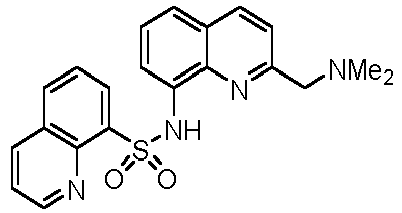


ZDR403 ZDR404 ZDR405 ZDR406 


ZDR407 ZDR408 ZDR409 ZDR500 

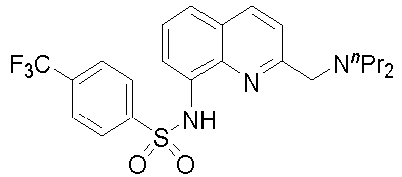

ZDR501 ZDR502 ZDR503 ZDR504 


ZDR505 ZDR506 

- A pharmaceutical composition comprising a compound and a pharmaceutically acceptable carrier, wherein the compound is a compound of any one of claims 1 to 5, or a compound selected from the group :

- A composition as claimed in claim 6 which is a veterinary pharmaceutical composition.
- A composition as claimed in claim 6 or claim 7 further comprising an antimicrobial compound selected from the group comprising chlorhexidine, iodine, lactic acid, cetrimide, BZK (benzylalkonium chloride), amoxicillin, erythromycin, cloxacillin, pirlimycin, cephapirin, hetacillin, penicillin, nicin and lacticin.
- A composition as claimed in any one of claims 6 to 8 which is formulated as a tablet, capsule or powder, or as a solution, suspension or dispersion for oral, injectable or sprayable administration.
- A product for use in treating or preventing a bacterial infection in an animal, wherein the product is a compound of any one of claims 1 to 5, or a compound selected from the group comprising:

- The product for use of claim 10, wherein the bacterial infection is caused by one or more bacteria from the Enterobactericeae, Staphylococcaceae, or Streptococcaceae families.
- The product for use of claim 10, wherein the bacterial infection is caused by Streptococcus uberis, Staphylococcus aureus, Staphylococcus agalactiae or Escherichia coli.
- The product for use of any one of claims 10 to 12, wherein the bacterial infection is mastitis.
- The product for use of any one of claims 10 to 13, wherein the animal is a bovine cow.
Applications Claiming Priority (2)
| Application Number | Priority Date | Filing Date | Title |
|---|---|---|---|
| US201762608141P | 2017-12-20 | 2017-12-20 | |
| PCT/NZ2018/050182 WO2019125185A1 (en) | 2017-12-20 | 2018-12-20 | Quinoline sulfonamide compounds and their use as antibacterial agents |
Publications (3)
| Publication Number | Publication Date |
|---|---|
| EP3728194A1 EP3728194A1 (en) | 2020-10-28 |
| EP3728194A4 EP3728194A4 (en) | 2021-06-09 |
| EP3728194B1 true EP3728194B1 (en) | 2025-06-04 |
Family
ID=66994147
Family Applications (1)
| Application Number | Title | Priority Date | Filing Date |
|---|---|---|---|
| EP18892575.4A Active EP3728194B1 (en) | 2017-12-20 | 2018-12-20 | Quinoline sulfonamide compounds and their use as antibacterial agents |
Country Status (8)
| Country | Link |
|---|---|
| US (1) | US11691949B2 (en) |
| EP (1) | EP3728194B1 (en) |
| AU (1) | AU2018391531B2 (en) |
| CA (1) | CA3085760A1 (en) |
| DK (1) | DK3728194T3 (en) |
| FI (1) | FI3728194T3 (en) |
| HU (1) | HUE072940T2 (en) |
| WO (1) | WO2019125185A1 (en) |
Families Citing this family (4)
| Publication number | Priority date | Publication date | Assignee | Title |
|---|---|---|---|---|
| US20190337899A1 (en) * | 2015-11-28 | 2019-11-07 | Russell Dahl | Quinoline sulfonamides useful to treat disease |
| WO2021146082A1 (en) * | 2020-01-13 | 2021-07-22 | Point Loma Nazarene University | Biheterocyclic inhibitors of ispf for treatment of microbial infections |
| US20240148744A1 (en) * | 2021-02-09 | 2024-05-09 | Celgene Corporation | Sulfonamides and their use for treatment of helminthic infections and diseases |
| CN120204221B (en) * | 2025-04-15 | 2025-11-28 | 中国药科大学 | Application of N- (quinoline-8-yl) quinoline-8-sulfonamide compound in preparation of anti-hepatitis B virus drugs |
Family Cites Families (11)
| Publication number | Priority date | Publication date | Assignee | Title |
|---|---|---|---|---|
| TWI383026B (en) * | 2005-03-18 | 2013-01-21 | Toyo Ink Mfg Co | Pigment dispersing agent, pigment composition and pigment dispersion |
| US8642660B2 (en) * | 2007-12-21 | 2014-02-04 | The University Of Rochester | Method for altering the lifespan of eukaryotic organisms |
| WO2010051064A1 (en) * | 2008-10-30 | 2010-05-06 | The Trustees Of Columbia University In The City Of New York | COMPOUNDS THAT INHIBIT NFκB ACTIVITY |
| CN101768151B (en) * | 2009-12-22 | 2012-12-05 | 齐齐哈尔大学 | 2-(2-pyridyl)-8-sulfonamidoquinoline derivative, synthesis method and application thereof |
| US20120214803A1 (en) * | 2011-02-18 | 2012-08-23 | Vifor (International) Ag | Novel Sulfonaminoquinoline Hepcidin Antagonists |
| WO2012122534A2 (en) * | 2011-03-10 | 2012-09-13 | The Trustees Of Columbia University In The City Of New York | N-quinolin-benzensulfonamides and related compounds for the treatment of cancer, autoimmune disorders and inflammation |
| WO2014071044A1 (en) * | 2012-11-01 | 2014-05-08 | Allergan, Inc. | Substituted 6,7-dialkoxy-3-isoquinoline derivatives as inhibitors of phosphodiesterase 10 (pde10a) |
| CN103409135B (en) | 2013-08-30 | 2015-02-25 | 齐齐哈尔大学 | Rhodamine fluorescent molecular probe using quinoline derivative as identification group and synthesis method thereof |
| US9200016B2 (en) | 2013-12-05 | 2015-12-01 | Allergan, Inc. | Substituted 6, 7-dialkoxy-3-isoquinoline derivatives as inhibitors of phosphodiesterase 10 (PDE 10A) |
| WO2016172545A1 (en) | 2015-04-23 | 2016-10-27 | Nutech Ventures | Castration-resistant prostate cancer |
| US10383867B2 (en) * | 2015-11-28 | 2019-08-20 | Russell Dahl | Quinoline derivatives and their use for treating endoplasmic reticulum stress-related diseases and disorders |
-
2018
- 2018-12-20 AU AU2018391531A patent/AU2018391531B2/en active Active
- 2018-12-20 US US15/733,250 patent/US11691949B2/en active Active
- 2018-12-20 WO PCT/NZ2018/050182 patent/WO2019125185A1/en not_active Ceased
- 2018-12-20 CA CA3085760A patent/CA3085760A1/en active Pending
- 2018-12-20 DK DK18892575.4T patent/DK3728194T3/en active
- 2018-12-20 HU HUE18892575A patent/HUE072940T2/en unknown
- 2018-12-20 FI FIEP18892575.4T patent/FI3728194T3/en active
- 2018-12-20 EP EP18892575.4A patent/EP3728194B1/en active Active
Also Published As
| Publication number | Publication date |
|---|---|
| US11691949B2 (en) | 2023-07-04 |
| AU2018391531B2 (en) | 2024-01-18 |
| EP3728194A1 (en) | 2020-10-28 |
| AU2018391531A1 (en) | 2020-07-02 |
| HUE072940T2 (en) | 2025-12-28 |
| DK3728194T3 (en) | 2025-09-08 |
| EP3728194A4 (en) | 2021-06-09 |
| US20200385354A1 (en) | 2020-12-10 |
| FI3728194T3 (en) | 2025-09-08 |
| NZ765364A (en) | 2024-04-26 |
| WO2019125185A1 (en) | 2019-06-27 |
| CA3085760A1 (en) | 2019-06-27 |
Similar Documents
| Publication | Publication Date | Title |
|---|---|---|
| US11691949B2 (en) | Quinoline sulfonamide compounds and their use as antibacterial agents | |
| AU2017253937B2 (en) | Compounds and compositions for treating conditions associated with NLRP activity | |
| EP2102197B1 (en) | 5-([1,3,4]oxadiazol-2-yl)-1h-indazol and 5-([1,3,4]thiadiazol-2-yl)-1h-indazol derivatives as sgk inhibitors for the treatment of diabetes | |
| CN105682655B (en) | Antimicrobial compounds | |
| CN101778563B (en) | Compositions and methods for apoptosis modulators | |
| EP2623494A1 (en) | Agent for treatment of eye diseases | |
| AU2003245442A1 (en) | 2-ureido-6-heteroaryl-3h-benzoimidazole-4-carboxylic acid derivatives and related compounds as gyrase and/or topoisomerase iv inhibitors for the treatment of bacterial infections | |
| US11767297B2 (en) | Compounds for inhibiting TNIK and medical uses thereof | |
| WO2015118026A1 (en) | Neurodegenerative therapies | |
| CN101420950B (en) | Treatment of duchenne muscular dystrophy | |
| JP7780094B2 (en) | Antibacterial agents for non-human animals | |
| US10988444B2 (en) | Antimicrobial compounds | |
| Gaballah et al. | Synthesis, antimicrobial, and docking investigations of remarkably modified sulfathiazole derivatives | |
| US20130289004A1 (en) | Anti-staphylococcal celecoxib derivatives | |
| RU2648242C2 (en) | Imidazopyridine derivative used in treatment of diabetes | |
| JP6671382B2 (en) | A derivative of 2- (1,2,4-triazol-3-ylsulfanyl) -N-1,3,4-thiadiazol-2-ylacetamide which is particularly useful for the treatment of diabetes | |
| EP3215496B1 (en) | Pantothenamide analogues | |
| EP4367103B1 (en) | Inhibitors of alpha-hemolysin of staphylococcus aureus | |
| US20230271950A1 (en) | Antibacterial picolinamide compounds | |
| EP1937257B1 (en) | Novel antibiotics comprising bis(1-aryl-5-tetraz0lyl)methane derivatives | |
| KR102765205B1 (en) | An antipathogenic iron-chelating compound and uses thereof | |
| US20260125371A1 (en) | Method for inhibiting clostridioides difficile spore germination | |
| EP1827449A2 (en) | The use of novel antibacterial compounds | |
| EP1803453A1 (en) | Carbamate antibiotics | |
| JPH0117A (en) | Chemotherapeutic composition |
Legal Events
| Date | Code | Title | Description |
|---|---|---|---|
| STAA | Information on the status of an ep patent application or granted ep patent |
Free format text: STATUS: THE INTERNATIONAL PUBLICATION HAS BEEN MADE |
|
| PUAI | Public reference made under article 153(3) epc to a published international application that has entered the european phase |
Free format text: ORIGINAL CODE: 0009012 |
|
| STAA | Information on the status of an ep patent application or granted ep patent |
Free format text: STATUS: REQUEST FOR EXAMINATION WAS MADE |
|
| 17P | Request for examination filed |
Effective date: 20200713 |
|
| AK | Designated contracting states |
Kind code of ref document: A1 Designated state(s): AL AT BE BG CH CY CZ DE DK EE ES FI FR GB GR HR HU IE IS IT LI LT LU LV MC MK MT NL NO PL PT RO RS SE SI SK SM TR |
|
| AX | Request for extension of the european patent |
Extension state: BA ME |
|
| DAV | Request for validation of the european patent (deleted) | ||
| DAX | Request for extension of the european patent (deleted) | ||
| A4 | Supplementary search report drawn up and despatched |
Effective date: 20210507 |
|
| RIC1 | Information provided on ipc code assigned before grant |
Ipc: C07D 215/40 20060101AFI20210430BHEP Ipc: C07D 401/12 20060101ALI20210430BHEP Ipc: C07D 409/12 20060101ALI20210430BHEP Ipc: C07D 401/14 20060101ALI20210430BHEP Ipc: C07D 405/12 20060101ALI20210430BHEP Ipc: C07D 411/12 20060101ALI20210430BHEP Ipc: A61P 31/04 20060101ALI20210430BHEP Ipc: A61K 31/47 20060101ALI20210430BHEP Ipc: A61K 31/4709 20060101ALI20210430BHEP Ipc: A61K 31/5377 20060101ALI20210430BHEP |
|
| STAA | Information on the status of an ep patent application or granted ep patent |
Free format text: STATUS: EXAMINATION IS IN PROGRESS |
|
| 17Q | First examination report despatched |
Effective date: 20221207 |
|
| GRAP | Despatch of communication of intention to grant a patent |
Free format text: ORIGINAL CODE: EPIDOSNIGR1 |
|
| STAA | Information on the status of an ep patent application or granted ep patent |
Free format text: STATUS: GRANT OF PATENT IS INTENDED |
|
| INTG | Intention to grant announced |
Effective date: 20250114 |
|
| GRAS | Grant fee paid |
Free format text: ORIGINAL CODE: EPIDOSNIGR3 |
|
| GRAA | (expected) grant |
Free format text: ORIGINAL CODE: 0009210 |
|
| STAA | Information on the status of an ep patent application or granted ep patent |
Free format text: STATUS: THE PATENT HAS BEEN GRANTED |
|
| AK | Designated contracting states |
Kind code of ref document: B1 Designated state(s): AL AT BE BG CH CY CZ DE DK EE ES FI FR GB GR HR HU IE IS IT LI LT LU LV MC MK MT NL NO PL PT RO RS SE SI SK SM TR |
|
| REG | Reference to a national code |
Ref country code: GB Ref legal event code: FG4D |
|
| REG | Reference to a national code |
Ref country code: CH Ref legal event code: EP |
|
| REG | Reference to a national code |
Ref country code: DE Ref legal event code: R096 Ref document number: 602018082478 Country of ref document: DE |
|
| REG | Reference to a national code |
Ref country code: IE Ref legal event code: FG4D |
|
| REG | Reference to a national code |
Ref country code: DK Ref legal event code: T3 Effective date: 20250903 Ref country code: FI Ref legal event code: FGE |
|
| REG | Reference to a national code |
Ref country code: NL Ref legal event code: FP |
|
| REG | Reference to a national code |
Ref country code: SE Ref legal event code: TRGR |
|
| PG25 | Lapsed in a contracting state [announced via postgrant information from national office to epo] |
Ref country code: ES Free format text: LAPSE BECAUSE OF FAILURE TO SUBMIT A TRANSLATION OF THE DESCRIPTION OR TO PAY THE FEE WITHIN THE PRESCRIBED TIME-LIMIT Effective date: 20250604 |
|
| REG | Reference to a national code |
Ref country code: LT Ref legal event code: MG9D |
|
| PG25 | Lapsed in a contracting state [announced via postgrant information from national office to epo] |
Ref country code: GR Free format text: LAPSE BECAUSE OF FAILURE TO SUBMIT A TRANSLATION OF THE DESCRIPTION OR TO PAY THE FEE WITHIN THE PRESCRIBED TIME-LIMIT Effective date: 20250905 |
|
| PG25 | Lapsed in a contracting state [announced via postgrant information from national office to epo] |
Ref country code: PL Free format text: LAPSE BECAUSE OF FAILURE TO SUBMIT A TRANSLATION OF THE DESCRIPTION OR TO PAY THE FEE WITHIN THE PRESCRIBED TIME-LIMIT Effective date: 20250604 |
|
| PG25 | Lapsed in a contracting state [announced via postgrant information from national office to epo] |
Ref country code: BG Free format text: LAPSE BECAUSE OF FAILURE TO SUBMIT A TRANSLATION OF THE DESCRIPTION OR TO PAY THE FEE WITHIN THE PRESCRIBED TIME-LIMIT Effective date: 20250604 |
|
| PG25 | Lapsed in a contracting state [announced via postgrant information from national office to epo] |
Ref country code: HR Free format text: LAPSE BECAUSE OF FAILURE TO SUBMIT A TRANSLATION OF THE DESCRIPTION OR TO PAY THE FEE WITHIN THE PRESCRIBED TIME-LIMIT Effective date: 20250604 |
|
| PG25 | Lapsed in a contracting state [announced via postgrant information from national office to epo] |
Ref country code: RS Free format text: LAPSE BECAUSE OF FAILURE TO SUBMIT A TRANSLATION OF THE DESCRIPTION OR TO PAY THE FEE WITHIN THE PRESCRIBED TIME-LIMIT Effective date: 20250904 |
|
| PG25 | Lapsed in a contracting state [announced via postgrant information from national office to epo] |
Ref country code: LV Free format text: LAPSE BECAUSE OF FAILURE TO SUBMIT A TRANSLATION OF THE DESCRIPTION OR TO PAY THE FEE WITHIN THE PRESCRIBED TIME-LIMIT Effective date: 20250604 |
|
| PG25 | Lapsed in a contracting state [announced via postgrant information from national office to epo] |
Ref country code: PT Free format text: LAPSE BECAUSE OF FAILURE TO SUBMIT A TRANSLATION OF THE DESCRIPTION OR TO PAY THE FEE WITHIN THE PRESCRIBED TIME-LIMIT Effective date: 20251006 |
|
| REG | Reference to a national code |
Ref country code: AT Ref legal event code: MK05 Ref document number: 1800265 Country of ref document: AT Kind code of ref document: T Effective date: 20250604 |
|
| REG | Reference to a national code |
Ref country code: HU Ref legal event code: AG4A Ref document number: E072940 Country of ref document: HU |
|
| REG | Reference to a national code |
Ref country code: CH Ref legal event code: U11 Free format text: ST27 STATUS EVENT CODE: U-0-0-U10-U11 (AS PROVIDED BY THE NATIONAL OFFICE) Effective date: 20260101 |
|
| PG25 | Lapsed in a contracting state [announced via postgrant information from national office to epo] |
Ref country code: IS Free format text: LAPSE BECAUSE OF FAILURE TO SUBMIT A TRANSLATION OF THE DESCRIPTION OR TO PAY THE FEE WITHIN THE PRESCRIBED TIME-LIMIT Effective date: 20251004 |
|
| PGFP | Annual fee paid to national office [announced via postgrant information from national office to epo] |
Ref country code: GB Payment date: 20251210 Year of fee payment: 8 |
|
| PGFP | Annual fee paid to national office [announced via postgrant information from national office to epo] |
Ref country code: NO Payment date: 20251216 Year of fee payment: 8 |
|
| PG25 | Lapsed in a contracting state [announced via postgrant information from national office to epo] |
Ref country code: SM Free format text: LAPSE BECAUSE OF FAILURE TO SUBMIT A TRANSLATION OF THE DESCRIPTION OR TO PAY THE FEE WITHIN THE PRESCRIBED TIME-LIMIT Effective date: 20250604 Ref country code: AT Free format text: LAPSE BECAUSE OF FAILURE TO SUBMIT A TRANSLATION OF THE DESCRIPTION OR TO PAY THE FEE WITHIN THE PRESCRIBED TIME-LIMIT Effective date: 20250604 |
|
| PGFP | Annual fee paid to national office [announced via postgrant information from national office to epo] |
Ref country code: FI Payment date: 20251216 Year of fee payment: 8 Ref country code: DK Payment date: 20251217 Year of fee payment: 8 |
|
| PGFP | Annual fee paid to national office [announced via postgrant information from national office to epo] |
Ref country code: HU Payment date: 20251215 Year of fee payment: 8 Ref country code: NL Payment date: 20251217 Year of fee payment: 8 Ref country code: FR Payment date: 20251217 Year of fee payment: 8 |
|
| PGFP | Annual fee paid to national office [announced via postgrant information from national office to epo] |
Ref country code: BE Payment date: 20251223 Year of fee payment: 8 |
|
| PGFP | Annual fee paid to national office [announced via postgrant information from national office to epo] |
Ref country code: SE Payment date: 20251217 Year of fee payment: 8 |
|
| PG25 | Lapsed in a contracting state [announced via postgrant information from national office to epo] |
Ref country code: CZ Free format text: LAPSE BECAUSE OF FAILURE TO SUBMIT A TRANSLATION OF THE DESCRIPTION OR TO PAY THE FEE WITHIN THE PRESCRIBED TIME-LIMIT Effective date: 20250604 |
|
| PGFP | Annual fee paid to national office [announced via postgrant information from national office to epo] |
Ref country code: IE Payment date: 20251218 Year of fee payment: 8 |
|
| PG25 | Lapsed in a contracting state [announced via postgrant information from national office to epo] |
Ref country code: EE Free format text: LAPSE BECAUSE OF FAILURE TO SUBMIT A TRANSLATION OF THE DESCRIPTION OR TO PAY THE FEE WITHIN THE PRESCRIBED TIME-LIMIT Effective date: 20250604 |
|
| PG25 | Lapsed in a contracting state [announced via postgrant information from national office to epo] |
Ref country code: RO Free format text: LAPSE BECAUSE OF FAILURE TO SUBMIT A TRANSLATION OF THE DESCRIPTION OR TO PAY THE FEE WITHIN THE PRESCRIBED TIME-LIMIT Effective date: 20250604 Ref country code: SK Free format text: LAPSE BECAUSE OF FAILURE TO SUBMIT A TRANSLATION OF THE DESCRIPTION OR TO PAY THE FEE WITHIN THE PRESCRIBED TIME-LIMIT Effective date: 20250604 |
|
| PG25 | Lapsed in a contracting state [announced via postgrant information from national office to epo] |
Ref country code: IT Free format text: LAPSE BECAUSE OF FAILURE TO SUBMIT A TRANSLATION OF THE DESCRIPTION OR TO PAY THE FEE WITHIN THE PRESCRIBED TIME-LIMIT Effective date: 20250604 |
|
| REG | Reference to a national code |
Ref country code: DE Ref legal event code: R097 Ref document number: 602018082478 Country of ref document: DE |
|
| PLBE | No opposition filed within time limit |
Free format text: ORIGINAL CODE: 0009261 |
|
| STAA | Information on the status of an ep patent application or granted ep patent |
Free format text: STATUS: NO OPPOSITION FILED WITHIN TIME LIMIT |
|
| PGFP | Annual fee paid to national office [announced via postgrant information from national office to epo] |
Ref country code: DE Payment date: 20251222 Year of fee payment: 8 |
|
| REG | Reference to a national code |
Ref country code: CH Ref legal event code: L10 Free format text: ST27 STATUS EVENT CODE: U-0-0-L10-L00 (AS PROVIDED BY THE NATIONAL OFFICE) Effective date: 20260416 |
|
| PGFP | Annual fee paid to national office [announced via postgrant information from national office to epo] |
Ref country code: CH Payment date: 20260101 Year of fee payment: 8 |
|
| 26N | No opposition filed |
Effective date: 20260305 |