EP3726370A1 - Multimedia processing method and electronic system - Google Patents
Multimedia processing method and electronic system Download PDFInfo
- Publication number
- EP3726370A1 EP3726370A1 EP20150637.5A EP20150637A EP3726370A1 EP 3726370 A1 EP3726370 A1 EP 3726370A1 EP 20150637 A EP20150637 A EP 20150637A EP 3726370 A1 EP3726370 A1 EP 3726370A1
- Authority
- EP
- European Patent Office
- Prior art keywords
- language
- audio
- data corresponding
- processing module
- audio data
- Prior art date
- Legal status (The legal status is an assumption and is not a legal conclusion. Google has not performed a legal analysis and makes no representation as to the accuracy of the status listed.)
- Granted
Links
Images





Classifications
-
- G—PHYSICS
- G06—COMPUTING OR CALCULATING; COUNTING
- G06F—ELECTRIC DIGITAL DATA PROCESSING
- G06F3/00—Input arrangements for transferring data to be processed into a form capable of being handled by the computer; Output arrangements for transferring data from processing unit to output unit, e.g. interface arrangements
- G06F3/16—Sound input; Sound output
- G06F3/167—Audio in a user interface, e.g. using voice commands for navigating, audio feedback
Definitions
- the present invention relates to an electronic system and a multimedia processing method capable of acquiring audio data in game and submitting audio data to a smart interpreter engine for vocal identification and neural machine translation, and thus improving the user experience.
- the audio input device 30 can transmit the acquired analog speech signal corresponding to the first language to the driver 108.
- the driver 18 can convert the analog speech signal acquired by the audio input device 30 and corresponding to the first language into audio data corresponding to the first language into audio data corresponding to the first language.
- the driver 18 can transmit the audio data corresponding to the first language to the audio processing module 102.
- the audio processing module 102 transmits the audio data corresponding to the first language to the relay processing module 104.
- the relay processing module 104 transmits the audio data corresponding to the smart interpreter engine 106.
- the smart interpreter engine 106 converts the audio data S LO' corresponding to the first language into text data corresponding to the second language and further converts the text data corresponding to the second language into audio data S LO_O corresponding to the second language. Moreover, the smart interpreter engine 106 transmits the audio data S LO_O corresponding to the second language to the relay processing module 104. The relay processing module 104 transmits the audio data S LO_O corresponding to the second language to the audio engine 1022. The audio engine 1022 provides the audio data S LO_O corresponding to the second language to the application program 100. The application program 100 provides the audio data S LO_O corresponding to the second language to the external device. As a result, when a user familiar with the second language is using the external device, the user can understand and perceive the information conveyed by the user of the electronic system 1 when hearing the audio data S LO_O corresponding to the second language outputted by the electronic system 1.
- the relay processing module 104 Since the relay processing module 104 is disposed in the host 10, the audio data S REMOTE corresponding to the first language and the audio data S LO' converted by the driver and corresponding to the first language can be transmitted to the relay processing module 104 by the audio processing module 102, without being transmitted through the driver 108. In addition, during the first operation mode (rendering mode), the relay processing module 104 transmits the audio data S REMOTE corresponding to the first language to the smart interpreter engine 106 and transmits the text data TXT REMOTE corresponding to the second language to the display 40 for display.
- FIG. 5 is a schematic diagram of the electronic system 1 operating in a first operation mode (rendering mode) according to a second exemplary embodiment of the invention.
- the audio processing module 102 includes an audio engine 1022 and a virtual driver 1024.
- the audio engine 1022 can be an APO.
- the audio engine 1022 can be a user mode component of an operating system.
- the virtual driver 1024 can be a kernel mode component of the operating system.
- the virtual driver 1024 can execute in the kernel mode.
- the audio engine 1022 can acquire at least one sound type of audio data from audio streams processed by the application program 100 for acting as audio data S REMOTE corresponding to a first language.
- the NLP module 1066 can convert the text data corresponding to the first language into glossary text data corresponding to the first language. For example, the NLP module 1066 converts the text data corresponding to the first language into glossary text data corresponding to the first language according to the application program 100 being executed in the host 10.
- the host 10 can inform the smart interpreter engine 106 of information of the application program 100 being executed in the host 10.
- the smart interpreter engine 106 can ask the host 10 which application program 100 is executing by the host 10.
- the NLP module 1066 queries the text database 1072 according to the application program 100 being executed in the host 10 and the text data corresponding to the first language converted by the speech to text converter 1064.
- the driver 108 converts the analog speech signal S LO corresponding to the first language into audio data S LO' corresponding to the first language and transmits the audio data S LO' corresponding to the first language to the audio processing module 102.
- the audio processing module 102 transmits the audio data S LO' corresponding to the first language to the relay processing module 104.
- the relay processing module 104 transmits the audio data S LO' corresponding to the first language to the smart interpreter engine 106.
- the noise suppression module 1060 performs a noise suppression process on the audio data S LO' corresponding to the first language for reducing noise component in the audio data.
Landscapes
- Engineering & Computer Science (AREA)
- Theoretical Computer Science (AREA)
- Multimedia (AREA)
- Health & Medical Sciences (AREA)
- Audiology, Speech & Language Pathology (AREA)
- General Health & Medical Sciences (AREA)
- Human Computer Interaction (AREA)
- Physics & Mathematics (AREA)
- General Engineering & Computer Science (AREA)
- General Physics & Mathematics (AREA)
- Machine Translation (AREA)
Abstract
Description
- The present invention relates to an electronic system and a multimedia processing method capable of acquiring audio data in game and submitting audio data to a smart interpreter engine for vocal identification and neural machine translation, and thus improving the user experience.
- With development of technology and improvement of people's living standard, people are more closely connected with to computer systems. People frequently use computer systems whether they are at home or at work. Recently, computer systems play an important role in video game industry. For example, a gaming computer is designed for playing games. A good interaction between players in the same team is very important. However, the poor communication or communication difficulty may easy occur between players who using different languages, and thus resulting in poor records. Thus, the prior art has to be improved.
- The present invention therefore provides an electronic system and a multimedia processing method capable of improving the user experience to solve the above mentioned problems.
- This is achieved by an electronic system and a multimedia processing method according to
claims 1, 5, 8 and 12. The dependent claims pertain to corresponding further developments and improvements. - As will be seen more clearly from the detailed description following below, the claimed electronic system comprising a host comprising an audio processing module for acquiring audio data corresponding to a first language from audio streams processed by an application program executed on the host; a relay processing module for receiving the audio data corresponding to the first language from the audio processing module; a smart interpreter engine for receiving the audio data corresponding to the first language from the relay processing module and converting the audio data corresponding to the first language into text data corresponding to a second language, wherein the smart interpreter engine transmits the text data corresponding to the second language to the relay processing module; and a driver for converting the audio data corresponding to the first language into an analog speech signal corresponding to the first language; an audio output device for playing the analog speech signal corresponding to the first language; and a display for receiving the text data corresponding to the second language from the relay processing module and displaying the text data corresponding to the second language.
-
-
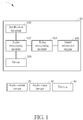
FIG. 1 is a schematic diagram illustrating an electronic system according to an embodiment of the present invention. -
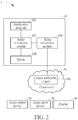
FIG. 2 is a schematic diagram of the smart interpreter engine shown inFIG. 1 according to a first exemplary embodiment of the invention. -
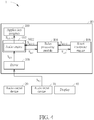
FIG. 3 is a schematic diagram of the electronic system operating in a first operation mode according to a first exemplary embodiment of the invention. -
FIG. 4 is a schematic diagram of the electronic system operating in a second operation mode according to a first exemplary embodiment of the invention. -
FIG. 5 is a schematic diagram of the electronic system operating in a first operation mode according to a second exemplary embodiment of the invention. -
FIG. 6 is a schematic diagram of the electronic system operating in a second operation mode according to a second exemplary embodiment of the invention. -
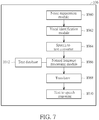
FIG. 7 is a schematic diagram of the smart interpreter engine shown inFIG. 1 according to a second exemplary embodiment of the invention. -
FIGs. 8-10 are schematic diagrams of the electronic system applied for an online game according to exemplary embodiments of the invention respectively. - Certain terms are used throughout the description and following claims to refer to particular components. As one skilled in the art will appreciate, hardware manufacturers may refer to a component by different names. This document does not intend to distinguish between components that differ in name but not function. In the following description and in the claims, the terms "include" and "comprise" are utilized in an open-ended fashion, and thus should be interpreted to mean "include, but not limited to ...". Also, the term "couple" is intended to mean either an indirect or direct electrical connection. Accordingly, if one device is coupled to another device, that connection may be through a direct electrical connection, or through an indirect electrical connection via other devices and connections.
- Please refer to
FIG. 1 , which is a schematic diagram illustrating anelectronic system 1 according to an embodiment of the present invention. Theelectronic system 1 includes ahost 10, anaudio output device 20, anaudio input device 30 and adisplay 40. Thehost 10 can be a desktop computer, a notebook, a mobile communication device, but not limited thereto. Thehost 10 includes anapplication program 100, anaudio processing module 102, arelay processing module 104, asmart interpreter engine 106 and a driver 108.Theapplication program 100 is stored in a storage device (not shown in figures) of thehost 10 and executed by a processing circuit (not shown in figures) of thehost 10. Theapplication program 100 is configured to process audio streams. The audio streams correspond to a first language. Audio data of the audio streams may be classified into a plurality of audio (sound) categories. Theaudio processing module 102 can acquire at least one sound type of audio data (or speech data) from the audio streams processed by theapplication program 100 as audio data corresponding to a first language. Theaudio processing module 102 can transmit the acquired audio data corresponding to the first language to therelay processing module 104. Therelay processing module 104 transmits the audio data corresponding to the first language to thesmart interpreter engine 106 for processing. Moreover, theaudio processing module 102 can transmit the acquired audio data corresponding to the first language to thedriver 108. Thedriver 108 can convert the audio data acquired by theaudio processing module 102 and corresponding to the first language into an analog speech signal corresponding to the first language. Thedriver 108 can transmit the analog speech signal corresponding to the first language to theaudio output device 20. For example, thedriver 108 transmits the speech data corresponding to the first language to theaudio output device 20 through a transmission interface (e.g., universal serial bus (USB) interface). - The
audio output device 20 is utilized for playing the analog speech signal corresponding to the first language. Theaudio output device 20 can be a headphone or a speaker, but not limited thereto. Theaudio input device 30 is utilized for acquiring speech sounds in the current environment to generate an analog speech signal corresponding to a first language. Theaudio input device 30 can be a microphone, but not limited thereto. Theaudio output device 20, theaudio input device 30 and thedisplay 40 can be connected to thehost 10 through wireless or wired connections. In addition, theaudio output device 20 and theaudio input device 30 may be integrated onto a single structural element, such as a headset product. - The
audio input device 30 can transmit the acquired analog speech signal corresponding to the first language to thedriver 108. The driver 18 can convert the analog speech signal acquired by theaudio input device 30 and corresponding to the first language into audio data corresponding to the first language into audio data corresponding to the first language. The driver 18 can transmit the audio data corresponding to the first language to theaudio processing module 102. When receiving the audio data corresponding to the first language from thedriver 108, theaudio processing module 102 transmits the audio data corresponding to the first language to therelay processing module 104. When receiving the audio data corresponding to the first language from theaudio processing module 102, therelay processing module 104 transmits the audio data corresponding to thesmart interpreter engine 106. - The
smart interpreter engine 106 can convert the audio data corresponding to the first language into text data corresponding to a second language. Thesmart interpreter engine 106 can further convert the text data corresponding to the second language into audio data corresponding to the second language. Thesmart interpreter engine 106 can be integrated into therelay processing module 104. Thesmart interpreter engine 106 can also be disposed in a cloud device for processing data transmitted by therelay processing module 104. For example, please refer toFIG. 2 , which is a schematic diagram illustrating thesmart interpreter engine 106 according to an alternative embodiment of the present invention. As shown inFIG.2 , thesmart interpreter engine 106 is disposed in acloud server 50, such that therelay processing module 104 can communicate with thesmart interpreter engine 106 through a wired or wireless network for transmitting related data. - Please refer to
FIG. 3. FIG. 3 is a schematic diagram of theelectronic system 1 operating in a first operation mode (rendering mode) according to a first exemplary embodiment of the invention. As shown inFIG. 3 , theaudio processing module 102 includes anaudio engine 1022. For example, theaudio engine 1022 can be an audio processing object (APO). In the first operation mode (rendering mode), theaudio engine 1022 of theaudio processing module 102 can acquire a first sound type of audio data from audio streams processed by theapplication program 100 for acting as audio data SREMOTE corresponding to a first language. For example, audio (sound) category ofMicrosoft Windows 10 operating system includes at least the following: movie, media, game chat, speech, communications, alerts, sound effects, game media, game effect, others. Each audio data can be tagged with one of sound categories. Theaudio engine 1022 can acquire at least one sound type of audio data from audio streams processed by theapplication program 100 for acting as audio data SREMOTE corresponding to a first language. In an embodiment, theaudio engine 1022 acquires all of the audio data tagged as "Game chat" from the audio streams processed by theapplication program 100 for acting as the audio data SREMOTE corresponding to the first language according to the audio category tagged with the audio data. In an alternative embodiment, theaudio engine 1022 acquires all of the audio data tagged as any of "Game chat", "communications" and "others" from the audio streams processed by theapplication program 100 for acting as the audio data SREMOTE corresponding to the first language according to the audio category tagged with the audio data. - For example, please further refer to
FIG. 1 andFIG. 3 . If theapplication program 100 is game software. Theaudio engine 1022 includes a stream effect (SFX) APO. As shown in Table 1, the SFX APO can receive audio (sound) data of game from theapplication program 100 for sound effect processing. For example, the SFX APO can obtain audio data tagged as "game chat" (e.g., player vocal shown in Table 1) for sound effect processing. Before sound effect processing, the SFX APO can copy the audio data tagged as "game chat", and the copied audio data is utilized as the audio data SREMOTE corresponding to the first language. In other words, theaudio engine 1022 can utilize the APO to acquire the required sound types of audio data from the audio streams. In more detail, theaudio engine 1022 merely acquires the required sound types of audio data from the audio streams without further processing the acquired audio data.Table 1 Sound data in game Background Music (BGM) Partial sound effect (Punch sound, collision sound... etc.) NPC Sound Game environment sound Player vocal (for communication, live broadcast) Audio Stream Category Of Windows 10 operating systemIn Game Music Game Effect Game Effect Game Effect Game Chat - Moreover, the
audio engine 1022 transmits the audio data SREMOTE corresponding to the first language to therelay processing module 104 and thedriver 108. Therelay processing module 104 transmits the audio data SREMOTE corresponding to the first language to thesmart interpreter engine 106. Thesmart interpreter engine 106 converts the audio data SREMOTE corresponding to the first language into text data TXTREMOTE corresponding to a second language and provides the text data TXTREMOTE corresponding to the second language to thedelay processing module 104. After that, thedelay processing module 104 provides the text data TXTREMOTE corresponding to the second language to thedisplay 40. Thedisplay 40 displays the text data TXTREMOTE corresponding to the second language for the user. Further, since the audio data SREMOTE corresponding to the first language is a digital signal, thedriver 108 converts the audio data SREMOTE corresponding to the first language into an analog speech signal SREMOTE' corresponding to the first language. The analog speech signal SREMOTE' corresponding to the first language is an analog signal. For example, thedriver 108 includes a digital to analog converter (not shown in figures). The digital to analog converter can convert the audio data SREMOTE corresponding to the first language into an analog speech signal SREMOTE' corresponding to the first language. Thedriver 108 transmits the analog speech signal SREMOTE' corresponding to the first language to theaudio output device 20. Theaudio output device 20 playbacks the analog speech signal SREMOTE' corresponding to the first language to generate sound to the user. - For example, if the first language is English and the second language is Chinese. After acquiring the audio data SREMOTE in English, the
audio processing module 102 provides the audio data SREMOTE in English to thesmart interpreter engine 106 through thedelay processing module 104. Thesmart interpreter engine 106 converts the audio data SREMOTE in English into text data TXTREMOTE in Chinese, such that thedisplay 40 displays the text data TXTREMOTE in Chinese. Meanwhile, thedriver 108 converts the audio data SREMOTE in English into an analog speech signal SREMOTE' in English and transmits the analog speech signal SREMOTE' in English to theaudio output device 20 for playback. Therefore, when a user familiar with the second language is using theelectronic system 1, the user can hear the analog speech signal SREMOTE' corresponding to the first language played by theaudio output device 20 and see the text data TXTREMOTE corresponding to the second language displayed by thedisplay 40. Under such a situation, even the user does not understand the analog speech signal SREMOTE' corresponding to the first language, the user can understand and perceive what the information conveyed by the audio data SREMOTE corresponding to the first language while seeing the text data TXTREMOTE corresponding to the second language displayed by thedisplay 40. - Please refer to
FIG. 4. FIG. 4 is a schematic diagram of theelectronic system 1 operating in a second operation mode (capturing mode) according to a first exemplary embodiment of the invention. As shown inFIG. 4 , theaudio processing module 102 includes anaudio engine 1022. For example, theaudio engine 1022 can be an APO. In the second operation mode (capturing mode), theaudio input device 30 acquires speech sounds of the current environment to generate an analog speech signal SLO corresponding to a first language. Theaudio input device 30 transmits the analog speech signal SLO corresponding to the first language to thedriver 108. Since the analog speech signal SLO corresponding to the first language is an analog signal, thedriver 108 converts the analog speech signal SLO corresponding to the first language into audio data SLO' corresponding to the first language. The audio data SLO' corresponding to the first language is a digital signal. For example, thedriver 108 includes an analog to digital converter (not shown in figures). The analog to digital converter can convert the analog speech signal SLO corresponding to the first language into the audio data SLO' corresponding to the first language. Thedriver 108 transmits the audio data SLO' corresponding to the first language to theaudio engine 1022. Theaudio engine 1022 transmits the audio data SLO' corresponding to the first language to therelay processing module 104. Therelay processing module 104 transmits the audio data SLO' corresponding to the first language to thesmart interpreter engine 106. - The
smart interpreter engine 106 converts the audio data SLO' corresponding to the first language into audio data SLO_O corresponding to a second language. In an embodiment, thesmart interpreter engine 106 converts the audio data SLO' corresponding to the first language into text data corresponding to the first language and further converts the text data corresponding to the first language into text data corresponding to the second language. Further, thesmart interpreter engine 106 converts the text data corresponding to the second language into audio data SLO_O corresponding to the second language. In an alternative embodiment, thesmart interpreter engine 106 converts the audio data SLO' corresponding to the first language into text data corresponding to the second language and further converts the text data corresponding to the second language into audio data SLO_O corresponding to the second language. Moreover, thesmart interpreter engine 106 transmits the audio data SLO_O corresponding to the second language to therelay processing module 104. Therelay processing module 104 transmits the audio data SLO_O corresponding to the second language to theaudio engine 1022. Theaudio engine 1022 provides the audio data SLO_O corresponding to the second language to theapplication program 100. Theapplication program 100 provides the audio data SLO_O corresponding to the second language to the external device. As a result, when a user familiar with the second language is using the external device, the user can understand and perceive the information conveyed by the user of theelectronic system 1 when hearing the audio data SLO_O corresponding to the second language outputted by theelectronic system 1. - In other words, when the
electronic system 1 operates in a first operation mode (rendering mode), theaudio processing module 102 transmits the audio data SREMOTE corresponding to the first language, which is acquired from the audio streams, to therelay processing module 104. When theelectronic system 1 operates in a second operation mode (capturing mode), theaudio processing module 102 transmits the audio data SLO' corresponding to the first language, which is converted by thedriver 108, to therelay processing module 104. Moreover, therelay processing module 104 receives and provides the audio data SLO_O corresponding to the second language to theapplication program 100. Since therelay processing module 104 is disposed in thehost 10, the audio data SREMOTE corresponding to the first language and the audio data SLO' converted by the driver and corresponding to the first language can be transmitted to therelay processing module 104 by theaudio processing module 102, without being transmitted through thedriver 108. In addition, during the first operation mode (rendering mode), therelay processing module 104 transmits the audio data SREMOTE corresponding to the first language to thesmart interpreter engine 106 and transmits the text data TXTREMOTE corresponding to the second language to thedisplay 40 for display. During the second operation mode (capturing mode), therelay processing module 104 transmits the audio data SLO' corresponding to the first language to thesmart interpreter engine 106 and transmits audio data SLO_O to theaudio processing module 102. Therefore, therelay processing module 104 can coordinate and arrange the input and output of thesmart interpreter engine 106 for realizing related data conversion process. - Please refer to
FIG. 5. FIG. 5 is a schematic diagram of theelectronic system 1 operating in a first operation mode (rendering mode) according to a second exemplary embodiment of the invention. As shown inFIG. 5 , theaudio processing module 102 includes anaudio engine 1022 and avirtual driver 1024. For example, theaudio engine 1022 can be an APO. In an embodiment, theaudio engine 1022 can be a user mode component of an operating system. Thevirtual driver 1024 can be a kernel mode component of the operating system. Thevirtual driver 1024 can execute in the kernel mode. In the first operation mode (rendering mode), theaudio engine 1022 can acquire at least one sound type of audio data from audio streams processed by theapplication program 100 for acting as audio data SREMOTE corresponding to a first language. Theaudio engine 1022 can utilize the APO to acquire required sound types of audio data. Theaudio engine 1022 merely acquires the required sound types of audio data from the audio streams without further processing the acquired audio data. Moreover, thevirtual driver 1024 can intercept the audio data SREMOTE, which is acquired by theaudio engine 1022, corresponding to the first language. Further, thevirtual driver 1024 transmits the audio data SREMOTE corresponding to the first language to therelay processing module 104 and thedriver 108. That is, thevirtual driver 1024 can intercept the audio data SREMOTE corresponding to the first language from theaudio engine 1022 and transmits the intercepted audio data SREMOTE remaining untouched or unchanged to therelay processing module 104 and thedriver 108. - The
relay processing module 104 transmits the audio data SREMOTE corresponding to the first language to thesmart interpreter engine 106. Thesmart interpreter engine 106 converts the audio data SREMOTE corresponding to the first language into text data TXTREMOTE corresponding to a second language and provides the text data TXTREMOTE corresponding to the second language to thedelay processing module 104. Further, thedelay processing module 104 provides the text data TXTREMOTE corresponding to the second language to thedisplay 40. Thedisplay 40 displays the text data TXTREMOTE corresponding to the second language for the user. In addition, since the audio data SREMOTE corresponding to the first language is a digital signal, thedriver 108 converts the audio data SREMOTE corresponding to the first language into an analog speech signal SREMOTE' corresponding to the first language. The analog speech signal SREMOTE' corresponding to the first language is an analog signal. For example, thedriver 108 includes a digital to analog converter (not shown in figures). The digital to analog converter can convert the audio data SREMOTE corresponding to the first language into an analog speech signal SREMOTE' corresponding to the first language. Thedriver 108 transmits the analog speech signal SREMOTE' corresponding to the first language to theaudio output device 20. Theaudio output device 20 playbacks the analog speech signal SREMOTE' corresponding to the first language to generate sound to the user. In other words, when a user familiar with the second language is using theelectronic system 1, the user can hear the analog speech signal SREMOTE' corresponding to the first language played by theaudio output device 20 and see the text data TXTREMOTE corresponding to the second language displayed by thedisplay 40. Under such a situation, even the user does not understand the analog speech signal SREMOTE' corresponding to the first language, the user can understand and perceive what the information conveyed by the audio data SREMOTE corresponding to the first language while seeing the text data TXTREMOTE corresponding to the second language displayed by thedisplay 40. - Please refer to
FIG. 6. FIG. 6 is a schematic diagram of theelectronic system 1 operating in a second operation mode (capturing mode) according to a second exemplary embodiment of the invention. As shown inFIG. 6 , theaudio processing module 102 includes anaudio engine 1022 and avirtual driver 1024. For example, theaudio engine 1022 can be an APO. In an embodiment, theaudio engine 1022 can be a user mode component of an operating system. Thevirtual driver 1024 can be a kernel mode component of the operating system. Thevirtual driver 1024 can execute in the kernel mode. In the second operation mode (capturing mode), theaudio input device 30 acquires speech sounds of the current environment to generate an analog speech signal SLO corresponding to a first language. Theaudio input device 30 transmits the analog speech signal SLO corresponding to the first language to thedriver 108. Since the analog speech signal SLO corresponding to the first language is an analog signal, thedriver 108 converts the analog speech signal SLO corresponding to the first language into audio data SLO' corresponding to the first language. The audio data SLO' corresponding to the first language is a digital signal. For example, thedriver 108 includes an analog to digital converter (not shown in figures). The analog to digital converter can convert the analog speech signal SLO corresponding to the first language into the audio data SLO' corresponding to the first language. After that, thevirtual driver 1024 can intercept the audio data SLO' converted by thedriver 108 and corresponding to the first language. Thevirtual driver 1024 transmits the audio data SLO' remaining untouched or unchanged to therelay processing module 104. For example, the user can develop and create avirtual driver 1024 on the platform of the operating system (e.g.,Microsoft Windows 10 operating system) and thevirtual driver 1024 may be set to work within a driver layer. Thevirtual driver 1024 utilizes a software to simulate a hardware (e.g., audio input device 30) for replacing the original software, such that when intercepting the audio data SLO' corresponding to the first language, which is converted by thedriver 108, thevirtual driver 1024 can transmit the audio data SLO' remaining untouched to therelay processing module 104. - The
relay processing module 104 transmits the audio data SLO' corresponding to the first language to thesmart interpreter engine 106. Thesmart interpreter engine 106 converts the audio data SLO' corresponding to the first language into audio data SLO_O corresponding to a second language. Thesmart interpreter engine 106 transmits the audio data SLO_O corresponding to the second language to therelay processing module 104. Therelay processing module 104 transmits the audio data SLO_O corresponding to the second language to thevirtual driver 1024. Thevirtual driver 1024 transmits the audio data SLO_O (remaining untouched or unchanged) corresponding to the second language to theaudio engine 1022. Theaudio engine 1022 provides the audio data SLO_O corresponding to the second language to theapplication program 100. Theapplication program 100 provides the audio data SLO_O corresponding to the second language to the external device. As a result, when a user familiar with the second language is using the external device, the user can understand and perceive the information conveyed by the user of theelectronic system 1 when hearing the audio data SLO_O corresponding to the second language outputted by theelectronic system 1. - Please refer to
FIG. 7. FIG. 7 is a schematic diagram of thesmart interpreter engine 106 shown inFIG. 1 according to an exemplary embodiment of the invention. Thesmart interpreter engine 106 includes anoise suppression module 1060, avocal identification module 1062, a speech totext converter 1064, a natural language processing (NLP)module 1066, atranslator 1068, a text tospeech converter 1070 and atext database 1072. When theelectronic system 1 operates in the first operation mode (capturing mode), theaudio processing module 102 transmits the audio data SREMOTE corresponding to the first language to therelay processing module 104. Therelay processing module 104 transmits the audio data SREMOTE corresponding to the first language to thesmart interpreter engine 106. Thenoise suppression module 1060 performs a noise suppression process on the audio data SREMOTE corresponding to the first language for reducing noise component in the audio data. Thevocal identification module 1062 performs a vocal identification process on the noise-suppressed audio data SREMOTE corresponding to the first language to generate vocal identification data corresponding to the first language. The vocal identification data is vocal data in the noise-suppressed audio data SREMOTE, which is determined as a human voice by thevocal identification module 1062. In addition, if there is no noise suppression requirement, thesmart interpreter engine 106 can directly transmit the noise-suppressed audio data SREMOTE to thevocal identification module 1062 for vocal identification processing. The speech totext converter 1064 converts the vocal identification data corresponding to the first language into text data corresponding to the first language. The text data corresponding to the first language may include at least one word. - The
NLP module 1066 can convert the text data corresponding to the first language into glossary text data corresponding to the first language. For example, theNLP module 1066 converts the text data corresponding to the first language into glossary text data corresponding to the first language according to theapplication program 100 being executed in thehost 10. Thehost 10 can inform thesmart interpreter engine 106 of information of theapplication program 100 being executed in thehost 10. Besides, thesmart interpreter engine 106 can ask thehost 10 whichapplication program 100 is executing by thehost 10. For example, theNLP module 1066 queries thetext database 1072 according to theapplication program 100 being executed in thehost 10 and the text data corresponding to the first language converted by the speech totext converter 1064. Thetext database 1072 includes a plurality of text samples corresponding to the first language and a plurality of application programs, and a plurality of glossary texts corresponding to the text samples. For example, a first text sample corresponding to the first language and a first application program has corresponding glossary text corresponding to the first language. A second text sample corresponding to the first language and a second application program has corresponding glossary text corresponding to the first language and so on. Each text sample includes at least one word. Each glossary text includes at least one word. As such, theNLP module 1066 can compare theapplication program 100 being executed in thehost 10 and the text data corresponding to the first language with the text samples of thetext database 1072, so as to find out the match results and accordingly determine the corresponding glossary text. - When a word of the text data corresponding to the first language matches a first text sample of the plurality of text samples of the
text database 1072 and theapplication program 100 being executed in thehost 10 matches an application program corresponding to the first text sample, theNLP module 1066 converts the word of the text data corresponding to the first language into the glossary text corresponding to the first text sample. When a plurality of words of the text data corresponding to the first language matches a first text sample of the plurality of text samples of thetext database 1072 and theapplication program 100 being executed in thehost 10 matches an application program corresponding to the first text sample, theNLP module 1066 converts the plurality of words of the text data corresponding to the first language into the glossary text corresponding to the first text sample. Moreover, thetranslator 1068 converts the glossary text data corresponding to the first language into text data TXTREMOTE corresponding to a second language. As a result the text data TXTREMOTE corresponding to a second language can be provided to thedisplay 40 for display to the user. - For example, please refer to Table 2. Table 2 illustrates an exemplary embodiment of the
text database 1062. Suppose the first language is English and the second language is Chinese. The first application program is League of Legends game software. The second application program is Minecraft game software. The third application program is SimCity game software. The fourth application program is general application program. For example, in this embodiment, the fourth application program can be any application program except the fifth application program. The glossary text corresponding to the fourth application program may be a daily life expression, rather than a glossary text dedicated to a component, a prop or a role in a specific game software. The fifth application program is PUBG (PLAYER UNKNOWN'S BATTLE GROUNDS) game software. If an English word in the text data is "flash" and theapplication program 100 being executed in thehost 10 is the first application program, theNLP module 1066 converts the English word "flash" into a glossary text "flash" of English corresponding to the first application program. Thetranslator 1068 converts the glossary text "flash" of English into Chinese words "" (Chinese characters). If an English word in the text data is "flash" and the
application program 100 being executed in thehost 10 is the second application program, theNLP module 1066 converts the English word "flash" into a glossary text "accelerator" of English corresponding to the second application program. Thetranslator 1068 converts the glossary text "accelerator" of English into Chinese words "" (Chinese characters). In other words, each application program may apply different glossary texts (i.e. different glossary texts for different application programs). The user can choose different text database (also called language pack) for the
smart interpreter engine 106. Thesmart interpreter engine 106 can also detect the kind of application program being executed and accordingly switch to the corresponding text database for interpretation. If an English word in the text data is "feeder" and theapplication program 100 being executed in thehost 10 is the first application program, theNLP module 1066 converts the English word "feeder" into a glossary text "fertilizer" of English corresponding to the first application program. Thetranslator 1068 converts the glossary text "fertilizer" of English into Chinese words "" (Chinese characters). If an English word in the text data is "feeder" and the
application program 100 being executed in thehost 10 is the third application program, theNLP module 1066 converts the English feeder "flash" into a glossary text "feeder" of English corresponding to the third application program. Thetranslator 1068 converts the glossary text "feeder" of English into Chinese words "" (Chinese characters)and the like.
TABLE 2 text data corresponding to first language application program glossary text corresponding to first language meanings of glossary text corresponding to first language text corresponding to second language after translated Flash first application program Flash a skill from Summoner that quick moves from A place to B place ("shan hsien" in Romanized form)
second application program Accelerator an accelerator for character motion ("chia su chi" in Romanized form)
Feeder first application program Fertilizer the player control a NPC always play quick dead ("fei liao" in Romanized form)
third application program Feeder the man in the farm and job is feeding livestock ("wei yang che" in Romanized form)
Chicken Dinner fourth application program Eat chicken cooked chicken and be the dinner ("chih chi" in Romanized form)
fifth application program Win "WINER, WINER, CHICKEN DINNER" means the won side of the battle or play game ("sheng li" in Romanized form)
- Please refer to
FIG. 8. FIG. 8 is a schematic diagram of theelectronic system 1 applied for an online game according to an exemplary embodiment of the invention. The user UA can speak English, and can hear and understand English. The user UB can speak Chinese, and can hear and understand Chinese. The user UC can speak German, and can hear and understand German. As shown inFIG. 8 , the users UA, UB and UC are utilizing their electronic systems to implement the first application program (e.g., League of Legends game software) for playing League of Legends online game, respectively. For example, the user UB utilizes theelectronic system 1 of the invention to implement the first application program. When playing the League of Legends online game, the user UA says "use flash" in English and the corresponding analog speech signal of English is generated and transmitted to theelectronic system 1 utilized by the user UB through the network. Theelectronic system 1 utilized by the user UB converts the analog speech signal of English in to audio data SREMOTE (digital data) of English. Since thehost 10 is currently implementing the first application program, thesmart interpreter engine 106 converts the audio data "flash" of English into Chinese words "" (Chinese characters) after querying the
text database 1072. Moreover, thesmart interpreter engine 106 converts the audio data "use" of English into Chinese words "" (Chinese characters) after querying the
text database 1072. Therefore, as shown inFIG. 8 , the user UB can hear the spoken words "use flash" in English played by theaudio output device 20 based on the analog speech data SREMOTE'. Adisplay area 400A of thedisplay 40 shows the Chinese words "" in Chinese characters. A
display area 400B of thedisplay 40 shows the Chinese words "" in Chinese characters. As a result, although the user UB does not understand English and does hear the analog speech data SREMOTE' (i.e. the spoken words "use flash") of English played by the
audio output device 20, the user UB can still understand and perceive what the information conveyed by the user UA while seeing the Chinese words "" in Chinese characters displayed on the
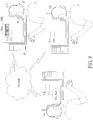
display 40. Therefore, theelectronic system 1 can not only convert the speech data into text data, but also provide flexible glossary translation for different application situations, so as to meet player's demands and increase player immersion in the esports game. - Please refer to
FIG. 9. FIG. 9 is a schematic diagram of theelectronic system 1 applied for an online game according to an alternative exemplary embodiment of the invention. The user UA can speak English, and can hear and understand English. The user UB can speak Chinese, and can hear and understand Chinese. The user UC can speak German, and can hear and understand German. As shown inFIG. 9 , the users UA, UB and UC are utilizing their electronic systems to implement the second application program (e.g., Minecraft game software) for playing Minecraft online game, respectively. For example, the user UB utilizes theelectronic system 1 of the invention to implement the second application program. When playing the Minecraft online game, the user UA says "use flash" in English and the corresponding analog speech signal of English is generated and transmitted to theelectronic system 1 utilized by the user UB through the network. Theelectronic system 1 utilized by the user UB converts the analog speech signal of English in to audio data SREMOTE (digital data) of English. Since thehost 10 is currently implementing the second application program, thesmart interpreter engine 106 converts the audio data "flash" of English into Chinese words "" (Chinese characters) after querying the
text database 1072. Moreover, thesmart interpreter engine 106 converts the speech data "use" of English into Chinese words "" (Chinese characters) after querying the
text database 1072. Therefore, as shown inFIG. 9 , the user UB can hear the spoken words "use flash" in English played by theaudio output device 20 based on the analog speech data SREMOTE'. Adisplay area 400C of thedisplay 40 shows Chinese words "" in Chinese characters. A
display area 400D of thedisplay 40 shows Chinese words "" in Chinese characters. As a result, although the user UB does not understand English and does hear the analog speech data SREMOTE' (i.e. the spoken words "use flash") of English played by the
audio output device 20, the user UB can still understand and perceive what the information conveyed by the user UA while seeing the Chinese words "" in Chinese characters displayed on the
display 40. - Please further refer to
FIGs. 4 and6-7 . When theelectronic system 1 operates in the second operation mode (capturing mode), thedriver 108 converts the analog speech signal SLO corresponding to the first language into audio data SLO' corresponding to the first language and transmits the audio data SLO' corresponding to the first language to theaudio processing module 102. Theaudio processing module 102 transmits the audio data SLO' corresponding to the first language to therelay processing module 104. After that, therelay processing module 104 transmits the audio data SLO' corresponding to the first language to thesmart interpreter engine 106. Further, thenoise suppression module 1060 performs a noise suppression process on the audio data SLO' corresponding to the first language for reducing noise component in the audio data. Thevocal identification module 1062 performs a vocal identification process on the noise-suppressed audio data SLO' corresponding to the first language to generate vocal identification data corresponding to the first language. The speech totext converter 1064 converts the vocal identification data corresponding to the first language into text data corresponding to the first language. As mentioned above, TheNLP module 1066 can convert the text data corresponding to the first language into glossary text data corresponding to the first language. Thetranslator 1068 converts the glossary text data corresponding to the first language into text data corresponding to a second language. Moreover, the text tospeech converter 1070 converts the text data corresponding to the second language into the audio data SLO_O corresponding to the second language. After that, thesmart interpreter engine 106 transmits the audio data SLO_O corresponding to the second language to therelay processing module 104. Therelay processing module 104 transmits the audio data SLO_O corresponding to the second language to theaudio processing module 102. Theaudio processing module 102 transmits the audio data SLO_O corresponding to the second language to theapplication program 100. Theapplication program 100 provides the audio data SLO_O corresponding to the second language to the external devices. Under such a situation, when a user familiar with the second language is using the external device, the user can understand and perceive the information conveyed by the user of theelectronic system 1 after hearing the audio data SLO_O corresponding to the second language outputted by theelectronic system 1. - Please refer to
FIG. 10. FIG. 10 is a schematic diagram of theelectronic system 1 applied for an online game according to an alternative exemplary embodiment of the invention. The user UA can speak English, and can hear and understand English. The user UB can speak Chinese, and can hear and understand Chinese. The user UC can speak German, and can hear and understand German. As shown inFIG. 10 , the users UA, UB and UC are utilizing their electronic systems to implement the first application program (e.g., League of Legends game software) for playing League of Legends online game, respectively. For example, the user UA utilizes theelectronic system 1 of the invention to implement the first application program. When playing the League of Legends online game, the user UA says "use flash" in English and the corresponding analog speech signal of English is generated. Thedriver 108 of theelectronic system 1 utilized by the user UA converts the analog speech signal of English into digital audio data of English. Since thehost 10 is currently implementing the first application program, thesmart interpreter engine 106 converts the audio data "use flash" of English into audio data " " (i.e. "shih yung shan hsien" in Romanized form) of Chinese and provides the converted audio data of Chinese to the user UB. As a result, the user UB can understand and perceive what the information conveyed by the user UA while hearing the speech data "
 " (i.e. "shih yung shan hsien" in Romanized form) of Chinese.
- In summary, the embodiments of the invention provide the user utilizing the
electronic system 1 to hear the analog speech data corresponding to the first language played by theaudio output device 20 and see the text data displayed by thedisplay 40. Under such a situation, even the user does not understand the analog speech data corresponding to the first language, the user can understand and perceive what the information conveyed by the speech data corresponding to the first language while seeing the text data corresponding to the second language displayed by thedisplay 40. Besides, the embodiments of the invention can convert the analog speech data inputted by the user corresponding to the first language into audio data corresponding to a second language, so as to allow other user can understand what the user utilizing theelectronic system 1 conveys. Moreover, the embodiments of the invention can acquire audio data in game and submit audio data to a smart interpreter engine for vocal identification and neural machine translation so as to facilitate the user to easy understand what the other user conveys. As such, the embodiments of the invention can bring good interaction between users using different languages and effectively improve the user experience.
Claims (15)
- An electronic system (1), characterized by comprising:a host (10), comprising:an audio processing module (102) for acquiring audio data corresponding to a first language from audio streams processed by an application program (100) executed on the host (10);a relay processing module (104) for receiving the audio data corresponding to the first language from the audio processing module (102);a smart interpreter engine (106) for receiving the audio data corresponding to the first language from the relay processing module (104) and converting the audio data corresponding to the first language into text data corresponding to a second language, wherein the smart interpreter engine (106) transmits the text data corresponding to the second language to the relay processing module (104); and a driver (108) for converting the audio data corresponding to the first language into an analog speech signal corresponding to the first language;an audio output device (20) for playing the analog speech signal corresponding to the first language; anda display (40) for receiving the text data corresponding to the second language from the relay processing module (104) and displaying the text data corresponding to the second language.
- The electronic system (1) of claim 1, characterized in that the audio processing module (102) comprises:
an audio engine (1022) for acquiring the audio data corresponding to the first language from the audio streams processed by the application program (100) executed on the host (10) and transmitting the audio data corresponding to the first language to the relay processing module (104). - The electronic system (1) of claim 1 or 2, characterized in that the audio processing module (102) comprises:an audio engine (1022) for acquiring the audio data corresponding to the first language from the audio streams processed by the application program (100) executed on the host (10); anda virtual driver (1024) for intercepting the audio data acquired by the audio engine (1022) and corresponding to the first language and transmitting the intercepted audio data corresponding to the first language to the relay processing module (104).
- The electronic system (1) of any of claims 1-3, characterized in that the smart interpreter engine (106) converts the audio data corresponding to the first language into text data corresponding to the first language, and the smart interpreter engine (106) comprises:a natural language processing module (1066) for converting the text data corresponding to the first language into glossary text data corresponding to the first language according to the application program (100) executed by the host (10); anda translator (1068) for converting the glossary text data corresponding to the first language into text data corresponding to the second language.
- A multimedia processing method, for an electronic system (1), the electronic system (1) comprising a host (10), the host (10) comprising an audio processing module (102), a relay processing module (104), a smart interpreter engine (106) and a driver (108), characterized by the multimedia processing method comprising the steps of:utilizing the audio processing module (102) to acquire audio data corresponding to a first language from audio streams processed by an application program (100) executed on the host (10) and transmitting the audio data corresponding to the first language to the relay processing module (104) and the driver (108);utilizing the relay processing module (104) to transmit the audio data corresponding to the first language to the smart interpreter engine (106);utilizing the smart interpreter engine (106) to convert the audio data corresponding to the first language into text data corresponding to a second language and transmit the text data corresponding to the second language to the relay processing module (104);utilizing the relay processing module (104) to transmit the text data corresponding to the second language to a display (40) of the electronic system (1) for displaying; andutilizing the driver (108) to convert the audio data corresponding to the first language into an analog speech signal corresponding to the first language and output the analog speech signal corresponding to the first language to an audio output device (20) of the electronic system (1) for playing.
- The multimedia processing method of claim 5, characterized in that the audio processing module (102) comprises an audio engine (1022), the audio engine (1022) acquires the audio data corresponding to the first language from the audio streams processed by the application program (100) executed on the host (10) and transmits the audio data corresponding to the first language to the relay processing module (104).
- The multimedia processing method of claim 5 or 6, characterized in that the audio processing module (102) comprises an audio engine (1022) and a virtual driver (1024), the audio engine (1022) acquires the audio data corresponding to the first language from the audio streams processed by the application program (100) executed on the host (10), and the virtual driver (1024) intercepts the audio data acquired by the audio engine (1022) and corresponding to the first language and transmits the intercepted audio data corresponding to the first language to the relay processing module (104).
- An electronic system (1), characterized by comprising:an audio input device (30) for acquiring speech sounds of current environment to generate an analog speech signal corresponding to a first language; anda host (10), comprising:a driver (108) for receiving the analog speech signal corresponding to the first language from the audio input device (30) and converting the analog speech signal corresponding to the first language into audio data corresponding to the first language;an audio processing module (102) for obtaining the audio data corresponding to the first language from the driver (108);a relay processing module (104) for receiving the audio data corresponding to the first language from the audio processing module (102); anda smart interpreter engine (106) for receiving the audio data corresponding to the first language from the relay processing module (104) and converting the audio data corresponding to the first language into audio data corresponding to a second language;wherein the relay processing module (104) receives the audio data corresponding to the second language from the smart interpreter engine (106) and transmits the audio data corresponding to the second language to the audio processing module (102), and the audio processing module (102) transmits the audio data corresponding to the second language to an application program (100) executed by the host (10).
- The electronic system (1) of claim 8, characterized in that the audio processing module (102) comprises an audio engine (1022), the audio engine (1022) receives the audio data corresponding to the first language from the driver (108) and transmits the audio data corresponding to the first language to the relay processing module (104), and the audio engine (1022) receives the audio data corresponding to the second language from the relay processing module (104) and transmits the audio data corresponding to the second language to the application program (100) executed by the host (10).
- The electronic system (1) of claim 8 or 9, characterized in that the audio processing module (102) comprises a virtual driver (1024) and an audio engine (1022), the virtual driver (1024) intercepts the audio data corresponding to the first language from the driver (108) , transmits the audio data corresponding to the first language to the relay processing module (104) and receives the audio data corresponding to the second language from the relay processing module (104), and the audio engine (1022) receives the audio data corresponding to the second language from the virtual driver (1024) and provides the audio data corresponding to the second language to the application program (100) executed by the host (10).
- The electronic system (1) of any of claims 8-10, characterized in that the smart interpreter engine (106) converts the audio data corresponding to the first language into text data corresponding to the first language, and the smart interpreter engine (106) comprises:a natural language processing module (1066) for converting the text data corresponding to the first language into glossary text data corresponding to the first language according to the application program (100) executed by the host (10);a translator (1068) for converting the glossary text data corresponding to the first language into text data corresponding to the second language; anda text to speech converter for converting the text data corresponding to the second language into the audio data corresponding to the second language.
- A multimedia processing method, for an electronic system (1), the electronic system (1) comprising an audio input device (30) and a host (10), the host (10) comprising an audio processing module (102), a relay processing module (104), a smart interpreter engine (106) and a driver (108), characterized by the multimedia processing method comprising the steps of comprising:utilizing the audio input device (30) to acquire speech sounds of current environment to generate an analog speech signal corresponding to a first language;utilizing the driver (108) to receive the analog speech signal corresponding to the first language from the audio input device (30) and convert the analog speech signal corresponding to the first language into audio data corresponding to the first language;utilizing the audio processing module (102) to obtain the audio data corresponding to the first language from the driver (108) and transmit the audio data corresponding to the first language to the relay processing module (104);utilizing the relay processing module (104) to transmit the audio data corresponding to the first language to the smart interpreter engine (106);utilizing the smart interpreter engine (106) to convert the audio data corresponding to the first language into audio data corresponding to a second language and transmit the audio data corresponding to the second language to the relay processing module (104);utilizing the relay processing module (104) to transmit the audio data corresponding to the second language to the audio processing module (102); andutilizing the audio processing module (102) to transmit the audio data corresponding to the second language to an application program (100) executed by the host (10).
- The multimedia processing method of claim 12, characterized in that the audio processing module (102) comprises an audio engine (1022), the audio engine (1022) receives the audio data corresponding to the first language from the driver (108) and transmits the audio data corresponding to the first language to the relay processing module (104), and the audio engine (1022) receives the audio data corresponding to the second language from the relay processing module (104) and transmits the audio data corresponding to the second language to the application program (100) executed by the host (10).
- The multimedia processing method of claim 12 or 13, characterized in that the audio processing module (102) comprises a virtual driver (1024) and an audio engine (1022), the virtual driver (1024) intercepts the audio data corresponding to the first language from the driver (108), transmits the audio data corresponding to the first language to the relay processing module (104) and receives the audio data corresponding to the second language from the relay processing module (104), and the audio engine (1022) receives the audio data corresponding to the second language from the virtual driver (1024) and provides the audio data corresponding to the second language to the application program (100) executed by the host (10).
- The electronic system (1) of claim 1, the multimedia processing method of claim 5, the electronic system (1) of claim 8 or the multimedia processing method of claim 12, characterized in that the smart interpreter engine (106) is disposed in a cloud server.
Applications Claiming Priority (1)
| Application Number | Priority Date | Filing Date | Title |
|---|---|---|---|
| TW108113073A TWI717722B (en) | 2019-04-15 | 2019-04-15 | Multimedia processing method and electronic system |
Publications (2)
| Publication Number | Publication Date |
|---|---|
| EP3726370A1 true EP3726370A1 (en) | 2020-10-21 |
| EP3726370B1 EP3726370B1 (en) | 2024-09-18 |
Family
ID=69147500
Family Applications (1)
| Application Number | Title | Priority Date | Filing Date |
|---|---|---|---|
| EP20150637.5A Active EP3726370B1 (en) | 2019-04-15 | 2020-01-08 | Multimedia processing method and electronic system |
Country Status (2)
| Country | Link |
|---|---|
| EP (1) | EP3726370B1 (en) |
| TW (1) | TWI717722B (en) |
Citations (1)
| Publication number | Priority date | Publication date | Assignee | Title |
|---|---|---|---|---|
| US20130289971A1 (en) * | 2012-04-25 | 2013-10-31 | Kopin Corporation | Instant Translation System |
Family Cites Families (3)
| Publication number | Priority date | Publication date | Assignee | Title |
|---|---|---|---|---|
| US9305554B2 (en) * | 2013-07-17 | 2016-04-05 | Samsung Electronics Co., Ltd. | Multi-level speech recognition |
| US10290299B2 (en) * | 2014-07-17 | 2019-05-14 | Microsoft Technology Licensing, Llc | Speech recognition using a foreign word grammar |
| TWM563122U (en) * | 2018-01-03 | 2018-07-01 | 合世生醫科技股份有限公司 | Hearing assistance device |
-
2019
- 2019-04-15 TW TW108113073A patent/TWI717722B/en active
-
2020
- 2020-01-08 EP EP20150637.5A patent/EP3726370B1/en active Active
Patent Citations (1)
| Publication number | Priority date | Publication date | Assignee | Title |
|---|---|---|---|---|
| US20130289971A1 (en) * | 2012-04-25 | 2013-10-31 | Kopin Corporation | Instant Translation System |
Also Published As
| Publication number | Publication date |
|---|---|
| EP3726370B1 (en) | 2024-09-18 |
| TWI717722B (en) | 2021-02-01 |
| TW202040353A (en) | 2020-11-01 |
Similar Documents
| Publication | Publication Date | Title |
|---|---|---|
| CN109147784B (en) | Voice interaction method, device and storage medium | |
| CN110418208B (en) | A method and device for determining subtitles based on artificial intelligence | |
| US8954335B2 (en) | Speech translation system, control device, and control method | |
| US11948581B2 (en) | Smart interpreter engine and electronic system | |
| US20210398527A1 (en) | Terminal screen projection control method and terminal | |
| US20200099634A1 (en) | Interactive Responding Method and Computer System Using the Same | |
| US20190333511A1 (en) | Method and voice input apparatus for converting voice input to text input | |
| KR20000036463A (en) | The virtual reality conversation system and the method through internet | |
| CN110457716B (en) | A voice output method and mobile terminal | |
| US20210249007A1 (en) | Conversation assistance device, conversation assistance method, and program | |
| CN108304434B (en) | Information feedback method and terminal device | |
| CN115757748A (en) | Method and device for controlling conversation with robot, computer equipment and storage medium | |
| CN101763756A (en) | Interactive intelligent foreign language dictation training system and method based on network | |
| EP3726370B1 (en) | Multimedia processing method and electronic system | |
| US20190371336A1 (en) | Operational support apparatus, operational support system, and operational support method | |
| US11699429B2 (en) | Multimedia processing method and electronic system | |
| CN111841006A (en) | Multimedia processing method and electronic system | |
| CN117407912A (en) | Privacy protection methods, devices, electronic devices and storage media when accessing conversations | |
| CN118827641A (en) | Speech processing method, device, electronic device and computer-readable storage medium | |
| CN121010676A (en) | Methods, devices, electronic devices and storage media for driving digital humans | |
| US20130289970A1 (en) | Global Touch Language as Cross Translation Between Languages | |
| KR102747895B1 (en) | Apparatus and method for providing game | |
| US10839801B2 (en) | Configuration for remote multi-channel language interpretation performed via imagery and corresponding audio at a display-based device | |
| US12417765B2 (en) | Conference server and conference system | |
| TW202205256A (en) | Pronunciation teaching method |
Legal Events
| Date | Code | Title | Description |
|---|---|---|---|
| PUAI | Public reference made under article 153(3) epc to a published international application that has entered the european phase |
Free format text: ORIGINAL CODE: 0009012 |
|
| STAA | Information on the status of an ep patent application or granted ep patent |
Free format text: STATUS: THE APPLICATION HAS BEEN PUBLISHED |
|
| AK | Designated contracting states |
Kind code of ref document: A1 Designated state(s): AL AT BE BG CH CY CZ DE DK EE ES FI FR GB GR HR HU IE IS IT LI LT LU LV MC MK MT NL NO PL PT RO RS SE SI SK SM TR |
|
| AX | Request for extension of the european patent |
Extension state: BA ME |
|
| STAA | Information on the status of an ep patent application or granted ep patent |
Free format text: STATUS: REQUEST FOR EXAMINATION WAS MADE |
|
| 17P | Request for examination filed |
Effective date: 20210303 |
|
| RBV | Designated contracting states (corrected) |
Designated state(s): AL AT BE BG CH CY CZ DE DK EE ES FI FR GB GR HR HU IE IS IT LI LT LU LV MC MK MT NL NO PL PT RO RS SE SI SK SM TR |
|
| STAA | Information on the status of an ep patent application or granted ep patent |
Free format text: STATUS: EXAMINATION IS IN PROGRESS |
|
| 17Q | First examination report despatched |
Effective date: 20220228 |
|
| GRAP | Despatch of communication of intention to grant a patent |
Free format text: ORIGINAL CODE: EPIDOSNIGR1 |
|
| STAA | Information on the status of an ep patent application or granted ep patent |
Free format text: STATUS: GRANT OF PATENT IS INTENDED |
|
| INTG | Intention to grant announced |
Effective date: 20240417 |
|
| GRAS | Grant fee paid |
Free format text: ORIGINAL CODE: EPIDOSNIGR3 |
|
| GRAA | (expected) grant |
Free format text: ORIGINAL CODE: 0009210 |
|
| STAA | Information on the status of an ep patent application or granted ep patent |
Free format text: STATUS: THE PATENT HAS BEEN GRANTED |
|
| AK | Designated contracting states |
Kind code of ref document: B1 Designated state(s): AL AT BE BG CH CY CZ DE DK EE ES FI FR GB GR HR HU IE IS IT LI LT LU LV MC MK MT NL NO PL PT RO RS SE SI SK SM TR |
|
| REG | Reference to a national code |
Ref country code: GB Ref legal event code: FG4D |
|
| REG | Reference to a national code |
Ref country code: CH Ref legal event code: EP |
|
| REG | Reference to a national code |
Ref country code: IE Ref legal event code: FG4D |
|
| REG | Reference to a national code |
Ref country code: DE Ref legal event code: R096 Ref document number: 602020037773 Country of ref document: DE |
|
| REG | Reference to a national code |
Ref country code: LT Ref legal event code: MG9D |
|
| PG25 | Lapsed in a contracting state [announced via postgrant information from national office to epo] |
Ref country code: NO Free format text: LAPSE BECAUSE OF FAILURE TO SUBMIT A TRANSLATION OF THE DESCRIPTION OR TO PAY THE FEE WITHIN THE PRESCRIBED TIME-LIMIT Effective date: 20241218 |
|
| PG25 | Lapsed in a contracting state [announced via postgrant information from national office to epo] |
Ref country code: GR Free format text: LAPSE BECAUSE OF FAILURE TO SUBMIT A TRANSLATION OF THE DESCRIPTION OR TO PAY THE FEE WITHIN THE PRESCRIBED TIME-LIMIT Effective date: 20241219 Ref country code: FI Free format text: LAPSE BECAUSE OF FAILURE TO SUBMIT A TRANSLATION OF THE DESCRIPTION OR TO PAY THE FEE WITHIN THE PRESCRIBED TIME-LIMIT Effective date: 20240918 |
|
| PG25 | Lapsed in a contracting state [announced via postgrant information from national office to epo] |
Ref country code: BG Free format text: LAPSE BECAUSE OF FAILURE TO SUBMIT A TRANSLATION OF THE DESCRIPTION OR TO PAY THE FEE WITHIN THE PRESCRIBED TIME-LIMIT Effective date: 20240918 |
|
| PG25 | Lapsed in a contracting state [announced via postgrant information from national office to epo] |
Ref country code: LV Free format text: LAPSE BECAUSE OF FAILURE TO SUBMIT A TRANSLATION OF THE DESCRIPTION OR TO PAY THE FEE WITHIN THE PRESCRIBED TIME-LIMIT Effective date: 20240918 |
|
| PG25 | Lapsed in a contracting state [announced via postgrant information from national office to epo] |
Ref country code: HR Free format text: LAPSE BECAUSE OF FAILURE TO SUBMIT A TRANSLATION OF THE DESCRIPTION OR TO PAY THE FEE WITHIN THE PRESCRIBED TIME-LIMIT Effective date: 20240918 |
|
| REG | Reference to a national code |
Ref country code: NL Ref legal event code: MP Effective date: 20240918 |
|
| PG25 | Lapsed in a contracting state [announced via postgrant information from national office to epo] |
Ref country code: RS Free format text: LAPSE BECAUSE OF FAILURE TO SUBMIT A TRANSLATION OF THE DESCRIPTION OR TO PAY THE FEE WITHIN THE PRESCRIBED TIME-LIMIT Effective date: 20241218 |
|
| PG25 | Lapsed in a contracting state [announced via postgrant information from national office to epo] |
Ref country code: RS Free format text: LAPSE BECAUSE OF FAILURE TO SUBMIT A TRANSLATION OF THE DESCRIPTION OR TO PAY THE FEE WITHIN THE PRESCRIBED TIME-LIMIT Effective date: 20241218 Ref country code: NO Free format text: LAPSE BECAUSE OF FAILURE TO SUBMIT A TRANSLATION OF THE DESCRIPTION OR TO PAY THE FEE WITHIN THE PRESCRIBED TIME-LIMIT Effective date: 20241218 Ref country code: LV Free format text: LAPSE BECAUSE OF FAILURE TO SUBMIT A TRANSLATION OF THE DESCRIPTION OR TO PAY THE FEE WITHIN THE PRESCRIBED TIME-LIMIT Effective date: 20240918 Ref country code: HR Free format text: LAPSE BECAUSE OF FAILURE TO SUBMIT A TRANSLATION OF THE DESCRIPTION OR TO PAY THE FEE WITHIN THE PRESCRIBED TIME-LIMIT Effective date: 20240918 Ref country code: GR Free format text: LAPSE BECAUSE OF FAILURE TO SUBMIT A TRANSLATION OF THE DESCRIPTION OR TO PAY THE FEE WITHIN THE PRESCRIBED TIME-LIMIT Effective date: 20241219 Ref country code: FI Free format text: LAPSE BECAUSE OF FAILURE TO SUBMIT A TRANSLATION OF THE DESCRIPTION OR TO PAY THE FEE WITHIN THE PRESCRIBED TIME-LIMIT Effective date: 20240918 Ref country code: BG Free format text: LAPSE BECAUSE OF FAILURE TO SUBMIT A TRANSLATION OF THE DESCRIPTION OR TO PAY THE FEE WITHIN THE PRESCRIBED TIME-LIMIT Effective date: 20240918 |
|
| REG | Reference to a national code |
Ref country code: AT Ref legal event code: MK05 Ref document number: 1725254 Country of ref document: AT Kind code of ref document: T Effective date: 20240918 |
|
| PG25 | Lapsed in a contracting state [announced via postgrant information from national office to epo] |
Ref country code: NL Free format text: LAPSE BECAUSE OF FAILURE TO SUBMIT A TRANSLATION OF THE DESCRIPTION OR TO PAY THE FEE WITHIN THE PRESCRIBED TIME-LIMIT Effective date: 20240918 |
|
| PG25 | Lapsed in a contracting state [announced via postgrant information from national office to epo] |
Ref country code: IS Free format text: LAPSE BECAUSE OF FAILURE TO SUBMIT A TRANSLATION OF THE DESCRIPTION OR TO PAY THE FEE WITHIN THE PRESCRIBED TIME-LIMIT Effective date: 20250118 Ref country code: PT Free format text: LAPSE BECAUSE OF FAILURE TO SUBMIT A TRANSLATION OF THE DESCRIPTION OR TO PAY THE FEE WITHIN THE PRESCRIBED TIME-LIMIT Effective date: 20250120 |
|
| PG25 | Lapsed in a contracting state [announced via postgrant information from national office to epo] |
Ref country code: RO Free format text: LAPSE BECAUSE OF FAILURE TO SUBMIT A TRANSLATION OF THE DESCRIPTION OR TO PAY THE FEE WITHIN THE PRESCRIBED TIME-LIMIT Effective date: 20240918 Ref country code: SM Free format text: LAPSE BECAUSE OF FAILURE TO SUBMIT A TRANSLATION OF THE DESCRIPTION OR TO PAY THE FEE WITHIN THE PRESCRIBED TIME-LIMIT Effective date: 20240918 |
|
| PG25 | Lapsed in a contracting state [announced via postgrant information from national office to epo] |
Ref country code: ES Free format text: LAPSE BECAUSE OF FAILURE TO SUBMIT A TRANSLATION OF THE DESCRIPTION OR TO PAY THE FEE WITHIN THE PRESCRIBED TIME-LIMIT Effective date: 20240918 |
|
| PG25 | Lapsed in a contracting state [announced via postgrant information from national office to epo] |
Ref country code: AT Free format text: LAPSE BECAUSE OF FAILURE TO SUBMIT A TRANSLATION OF THE DESCRIPTION OR TO PAY THE FEE WITHIN THE PRESCRIBED TIME-LIMIT Effective date: 20240918 Ref country code: EE Free format text: LAPSE BECAUSE OF FAILURE TO SUBMIT A TRANSLATION OF THE DESCRIPTION OR TO PAY THE FEE WITHIN THE PRESCRIBED TIME-LIMIT Effective date: 20240918 |
|
| PG25 | Lapsed in a contracting state [announced via postgrant information from national office to epo] |
Ref country code: PL Free format text: LAPSE BECAUSE OF FAILURE TO SUBMIT A TRANSLATION OF THE DESCRIPTION OR TO PAY THE FEE WITHIN THE PRESCRIBED TIME-LIMIT Effective date: 20240918 Ref country code: CZ Free format text: LAPSE BECAUSE OF FAILURE TO SUBMIT A TRANSLATION OF THE DESCRIPTION OR TO PAY THE FEE WITHIN THE PRESCRIBED TIME-LIMIT Effective date: 20240918 |
|
| PG25 | Lapsed in a contracting state [announced via postgrant information from national office to epo] |
Ref country code: SK Free format text: LAPSE BECAUSE OF FAILURE TO SUBMIT A TRANSLATION OF THE DESCRIPTION OR TO PAY THE FEE WITHIN THE PRESCRIBED TIME-LIMIT Effective date: 20240918 Ref country code: IT Free format text: LAPSE BECAUSE OF FAILURE TO SUBMIT A TRANSLATION OF THE DESCRIPTION OR TO PAY THE FEE WITHIN THE PRESCRIBED TIME-LIMIT Effective date: 20240918 |
|
| REG | Reference to a national code |
Ref country code: DE Ref legal event code: R097 Ref document number: 602020037773 Country of ref document: DE |
|
| PG25 | Lapsed in a contracting state [announced via postgrant information from national office to epo] |
Ref country code: DK Free format text: LAPSE BECAUSE OF FAILURE TO SUBMIT A TRANSLATION OF THE DESCRIPTION OR TO PAY THE FEE WITHIN THE PRESCRIBED TIME-LIMIT Effective date: 20240918 |
|
| PLBE | No opposition filed within time limit |
Free format text: ORIGINAL CODE: 0009261 |
|
| STAA | Information on the status of an ep patent application or granted ep patent |
Free format text: STATUS: NO OPPOSITION FILED WITHIN TIME LIMIT |
|
| 26N | No opposition filed |
Effective date: 20250619 |
|
| REG | Reference to a national code |
Ref country code: CH Ref legal event code: PL |
|
| PG25 | Lapsed in a contracting state [announced via postgrant information from national office to epo] |
Ref country code: SE Free format text: LAPSE BECAUSE OF FAILURE TO SUBMIT A TRANSLATION OF THE DESCRIPTION OR TO PAY THE FEE WITHIN THE PRESCRIBED TIME-LIMIT Effective date: 20240918 |
|
| PG25 | Lapsed in a contracting state [announced via postgrant information from national office to epo] |
Ref country code: MC Free format text: LAPSE BECAUSE OF FAILURE TO SUBMIT A TRANSLATION OF THE DESCRIPTION OR TO PAY THE FEE WITHIN THE PRESCRIBED TIME-LIMIT Effective date: 20240918 Ref country code: LU Free format text: LAPSE BECAUSE OF NON-PAYMENT OF DUE FEES Effective date: 20250108 |
|
| PG25 | Lapsed in a contracting state [announced via postgrant information from national office to epo] |
Ref country code: BE Free format text: LAPSE BECAUSE OF NON-PAYMENT OF DUE FEES Effective date: 20250131 |
|
| PG25 | Lapsed in a contracting state [announced via postgrant information from national office to epo] |
Ref country code: CH Free format text: LAPSE BECAUSE OF NON-PAYMENT OF DUE FEES Effective date: 20250131 |
|
| REG | Reference to a national code |
Ref country code: BE Ref legal event code: MM Effective date: 20250131 |
|
| PGFP | Annual fee paid to national office [announced via postgrant information from national office to epo] |
Ref country code: GB Payment date: 20251211 Year of fee payment: 7 |
|
| PGFP | Annual fee paid to national office [announced via postgrant information from national office to epo] |
Ref country code: FR Payment date: 20251222 Year of fee payment: 7 |
|
| PG25 | Lapsed in a contracting state [announced via postgrant information from national office to epo] |
Ref country code: IE Free format text: LAPSE BECAUSE OF NON-PAYMENT OF DUE FEES Effective date: 20250108 |
|
| PGFP | Annual fee paid to national office [announced via postgrant information from national office to epo] |
Ref country code: DE Payment date: 20251216 Year of fee payment: 7 |
|
| PG25 | Lapsed in a contracting state [announced via postgrant information from national office to epo] |
Ref country code: CY Free format text: LAPSE BECAUSE OF FAILURE TO SUBMIT A TRANSLATION OF THE DESCRIPTION OR TO PAY THE FEE WITHIN THE PRESCRIBED TIME-LIMIT Effective date: 20240918 |
|
| PG25 | Lapsed in a contracting state [announced via postgrant information from national office to epo] |
Ref country code: TR Free format text: LAPSE BECAUSE OF FAILURE TO SUBMIT A TRANSLATION OF THE DESCRIPTION OR TO PAY THE FEE WITHIN THE PRESCRIBED TIME-LIMIT Effective date: 20240918 |
|
| PG25 | Lapsed in a contracting state [announced via postgrant information from national office to epo] |
Ref country code: LT Free format text: LAPSE BECAUSE OF FAILURE TO SUBMIT A TRANSLATION OF THE DESCRIPTION OR TO PAY THE FEE WITHIN THE PRESCRIBED TIME-LIMIT Effective date: 20240918 |