EP3722344A1 - Polyeptide crosslinked protein molecular imprinting polymer, preparation method therefor, and application thereof - Google Patents
Polyeptide crosslinked protein molecular imprinting polymer, preparation method therefor, and application thereof Download PDFInfo
- Publication number
- EP3722344A1 EP3722344A1 EP19891676.9A EP19891676A EP3722344A1 EP 3722344 A1 EP3722344 A1 EP 3722344A1 EP 19891676 A EP19891676 A EP 19891676A EP 3722344 A1 EP3722344 A1 EP 3722344A1
- Authority
- EP
- European Patent Office
- Prior art keywords
- protein
- peptide
- crosslinking agent
- imprinted polymer
- template
- Prior art date
- Legal status (The legal status is an assumption and is not a legal conclusion. Google has not performed a legal analysis and makes no representation as to the accuracy of the status listed.)
- Granted
Links
Images


Classifications
-
- C—CHEMISTRY; METALLURGY
- C08—ORGANIC MACROMOLECULAR COMPOUNDS; THEIR PREPARATION OR CHEMICAL WORKING-UP; COMPOSITIONS BASED THEREON
- C08L—COMPOSITIONS OF MACROMOLECULAR COMPOUNDS
- C08L89/00—Compositions of proteins; Compositions of derivatives thereof
-
- C—CHEMISTRY; METALLURGY
- C08—ORGANIC MACROMOLECULAR COMPOUNDS; THEIR PREPARATION OR CHEMICAL WORKING-UP; COMPOSITIONS BASED THEREON
- C08F—MACROMOLECULAR COMPOUNDS OBTAINED BY REACTIONS ONLY INVOLVING CARBON-TO-CARBON UNSATURATED BONDS
- C08F2/00—Processes of polymerisation
- C08F2/44—Polymerisation in the presence of compounding ingredients, e.g. plasticisers, dyestuffs, fillers
-
- C—CHEMISTRY; METALLURGY
- C07—ORGANIC CHEMISTRY
- C07K—PEPTIDES
- C07K17/00—Carrier-bound or immobilised peptides; Preparation thereof
- C07K17/02—Peptides being immobilised on, or in, an organic carrier
- C07K17/08—Peptides being immobilised on, or in, an organic carrier the carrier being a synthetic polymer
-
- C—CHEMISTRY; METALLURGY
- C08—ORGANIC MACROMOLECULAR COMPOUNDS; THEIR PREPARATION OR CHEMICAL WORKING-UP; COMPOSITIONS BASED THEREON
- C08F—MACROMOLECULAR COMPOUNDS OBTAINED BY REACTIONS ONLY INVOLVING CARBON-TO-CARBON UNSATURATED BONDS
- C08F2/00—Processes of polymerisation
- C08F2/04—Polymerisation in solution
-
- C—CHEMISTRY; METALLURGY
- C08—ORGANIC MACROMOLECULAR COMPOUNDS; THEIR PREPARATION OR CHEMICAL WORKING-UP; COMPOSITIONS BASED THEREON
- C08F—MACROMOLECULAR COMPOUNDS OBTAINED BY REACTIONS ONLY INVOLVING CARBON-TO-CARBON UNSATURATED BONDS
- C08F220/00—Copolymers of compounds having one or more unsaturated aliphatic radicals, each having only one carbon-to-carbon double bond, and only one being terminated by only one carboxyl radical or a salt, anhydride ester, amide, imide or nitrile thereof
- C08F220/02—Monocarboxylic acids having less than ten carbon atoms; Derivatives thereof
- C08F220/04—Acids; Metal salts or ammonium salts thereof
- C08F220/06—Acrylic acid; Methacrylic acid; Metal salts or ammonium salts thereof
-
- C—CHEMISTRY; METALLURGY
- C08—ORGANIC MACROMOLECULAR COMPOUNDS; THEIR PREPARATION OR CHEMICAL WORKING-UP; COMPOSITIONS BASED THEREON
- C08F—MACROMOLECULAR COMPOUNDS OBTAINED BY REACTIONS ONLY INVOLVING CARBON-TO-CARBON UNSATURATED BONDS
- C08F220/00—Copolymers of compounds having one or more unsaturated aliphatic radicals, each having only one carbon-to-carbon double bond, and only one being terminated by only one carboxyl radical or a salt, anhydride ester, amide, imide or nitrile thereof
- C08F220/02—Monocarboxylic acids having less than ten carbon atoms; Derivatives thereof
- C08F220/52—Amides or imides
- C08F220/54—Amides, e.g. N,N-dimethylacrylamide or N-isopropylacrylamide
-
- C—CHEMISTRY; METALLURGY
- C08—ORGANIC MACROMOLECULAR COMPOUNDS; THEIR PREPARATION OR CHEMICAL WORKING-UP; COMPOSITIONS BASED THEREON
- C08F—MACROMOLECULAR COMPOUNDS OBTAINED BY REACTIONS ONLY INVOLVING CARBON-TO-CARBON UNSATURATED BONDS
- C08F220/00—Copolymers of compounds having one or more unsaturated aliphatic radicals, each having only one carbon-to-carbon double bond, and only one being terminated by only one carboxyl radical or a salt, anhydride ester, amide, imide or nitrile thereof
- C08F220/02—Monocarboxylic acids having less than ten carbon atoms; Derivatives thereof
- C08F220/52—Amides or imides
- C08F220/54—Amides, e.g. N,N-dimethylacrylamide or N-isopropylacrylamide
- C08F220/56—Acrylamide; Methacrylamide
-
- C—CHEMISTRY; METALLURGY
- C08—ORGANIC MACROMOLECULAR COMPOUNDS; THEIR PREPARATION OR CHEMICAL WORKING-UP; COMPOSITIONS BASED THEREON
- C08F—MACROMOLECULAR COMPOUNDS OBTAINED BY REACTIONS ONLY INVOLVING CARBON-TO-CARBON UNSATURATED BONDS
- C08F289/00—Macromolecular compounds obtained by polymerising monomers on to macromolecular compounds not provided for in groups C08F251/00 - C08F287/00
-
- C—CHEMISTRY; METALLURGY
- C08—ORGANIC MACROMOLECULAR COMPOUNDS; THEIR PREPARATION OR CHEMICAL WORKING-UP; COMPOSITIONS BASED THEREON
- C08F—MACROMOLECULAR COMPOUNDS OBTAINED BY REACTIONS ONLY INVOLVING CARBON-TO-CARBON UNSATURATED BONDS
- C08F290/00—Macromolecular compounds obtained by polymerising monomers on to polymers modified by introduction of aliphatic unsaturated end or side groups
- C08F290/02—Macromolecular compounds obtained by polymerising monomers on to polymers modified by introduction of aliphatic unsaturated end or side groups on to polymers modified by introduction of unsaturated end groups
- C08F290/06—Polymers provided for in subclass C08G
- C08F290/065—Polyamides; Polyesteramides; Polyimides
Definitions
- the invention belongs to the technical field of bioseparation engineering, and especially relates to peptide-crosslinked protein-imprinted polymers and preparation method and applications thereof.
- Molecularly imprinted polymers are a class of artificial receptors inspired by antibody which can recognize antigen specifically. Molecularly imprinted polymers have benefits such as simple preparation, good stability and low cost as compared to natural receptors like antibody, playing a significant role in the field of environmental science, life science, etc.
- the general processes of molecular imprinting are as follows: (1) the polymer is synthesized by polymerization of monomers and cross-linkers in the presence of template molecules; (2) the template is removed, leaving imprint cavities, which are chemically and sterically complementary to the template molecule, in the polymer; (3) the imprinted polymer recognize and selectively recombine target molecules when exposed to a solution containing the template molecules.
- the imprinting of low molecular-weight compounds has gained great success.
- the imprinting of high molecular-weight biomacromolecules, particularly proteins still faces many challenges.
- the first problem faced by protein imprinting is the difficulty in template removal.
- the high molecular weights of the template proteins severely retard their diffusion through the dense polymer networks.
- the template proteins were usually removed by harsh methods, for example, elution using high concentration salt solutions (e.g. 1M NaCl) or mixed solutions of acetic acid/surfactant (SDS or Tween-20) (a common formula is 10% SDS/10% AcOH).
- SDS or Tween-20 acetic acid/surfactant
- Proteinase is also used to digest template proteins for removing these template proteins.
- a second serious problem of protein imprinting is a poor imprint effect. Proteins are only soluble in water and are easy to denature and deactivate, so the organic solvents often used in the imprinting of low molecular weight compounds are not applicable, and the imprinting of protein can be only performed in an aqueous solution. On the one hand, this limits the selection of monomer; on the other hand, the presence of water weakens the hydrogen bonding between the template and the functional monomer, resulting in a reduction of acting force between the template and the functional monomer. To recognize the target molecule, the size and spatial configuration of imprinting sites in the polymer must be kept unchanged. Therefore, the degree of cross-linking of the polymer in small molecule imprinting is often up to more than 50%.
- the templates are so difficult to remove that a low degree of cross-linking can only be used. Given these reasons, the imprinting effect of existing protein-imprinted materials is not ideal.
- Chen, et al. disclosed an imprinted polymer using lysozyme as the template protein, the imprinted polymer was polymerized by using N-isopropylacrylamide as the main monomer, methacrylic acid and acrylamide as the functional monomers, and N,N'-methylenebisacrylamide as cross-linker whose content was 3.11 mol%.
- the template protein was eluted by using 1M NaCl.
- the imprinting capacity Qm was 350 mg/g dry gel and the imprinting factor was 1.167 ( Z. Chen, et al. Journal of Molecular Recognition, 2008, 21(1), 71-77 ).
- the objective of the invention is to provide peptide-crosslinked protein-imprinted polymers and preparation method and applications thereof.
- a preparation method of peptide-crosslinked protein-imprinted polymer comprising the steps of:
- the number of amino acids in the peptide crosslinking agent is 2 to 100.
- the number of amino acids in the peptide crosslinking agent is 5 to 30.
- the water-soluble solvent described in the step 1) includes one of phosphate buffer, Tris buffer and NaClO 4 solution.
- the mass ratio of the main monomer: the functional monomer: the peptide crosslinking agent: the template protein described in the step 1) is (10-30) : (0.5-2) : (5-20) : (5-20).
- the initiator is selected from ammonium persulfate/tetramethylethylenediamine, ammonium persulfate/sodium bisulfite, potassium persulfate/tetramethylethylenediamine, and potassium persulfate/sodium bisulfite.
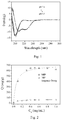
- the conformational state of the peptide crosslinking agent is detected by circular dichroism, in which CD spectrum presents a negative peak at 222 nm and 208 nm, and a positive peak at 190 nm ⁇ 5 nm representative of a helix conformation; also, CD spectrum presents a negative peak at 199 nm, and a positive peak at 220 nm ⁇ 5 nm representative of a coil conformation.
- the invention provides a peptide-crosslinked protein-imprinted polymer prepared by said preparation method.
- the invention provides the application of said peptide-crosslinked protein-imprinted polymer in protein enrichment, separation and purification.
- the peptide-crosslinked protein-imprinted polymer is used to adsorb target protein when the peptide crosslinking agent exists in a helix conformation and to elute target protein when the peptide crosslinking agent exists in a coil conformation.
- the benefits of the invention can transit between different conformations in response to changes in external conditions.
- the preparation method of peptide-crosslinked protein-imprinted polymer provided in the invention uses the peptide crosslinking agent instead of traditional cross-linking reagent (such as N,N'-methylenebisacrylamide) to conduct polymerization when the peptide crosslinking agent exists in a helix conformation and template elution when the peptide crosslinking agent exists in a coil conformation.
- traditional cross-linking reagent such as N,N'-methylenebisacrylamide
- the peptide crosslinking agent When the peptide-crosslinked protein-imprinted polymer is applied, the peptide crosslinking agent is re-transformed from a coil conformation to a helix conformation by adjusting external environmental parameters, and the whole protein-imprinted polymer shrink; more importantly, since the conformation transition is highly specific when peptide folds back from a coil conformation into a helix conformation, the size and shape of the imprint cavities in the protein-imprinted polymer can completely recover and thus can specifically recognize the target protein.
- the peptide-crosslinked protein-imprinted polymer provided in the invention not only can completely remove the template protein under mild conditions, but also can significantly improve the imprint effect of the protein-imprinted polymer.
- the method described in the invention was used to prepare the protein-imprinted polymer which had the same formula with the protein-imprinted polymer with lysozyme as template described in the reference ( Z. Chen, et al. Journal of Molecular Recognition, 2008, 21(1), 71-77 ), in which the content of the cross-linking reagent was still 3.1 mol%, but the common cross-linking reagent N,N'-methylenebisacrylamide was replaced by the peptide crosslinking agent described in example 1.
- the template protein was removed completely by elution with a pH 7.4 phosphate buffer (containing 0.154M NaCl). Protein rebinding demonstrated that the adsorption capacity Qm and imprinting factor of the newly synthesized imprinted polymers were 679 mg/g dry gel and 10.0, respectively, while the adsorption capacity Qm and imprinting factor of the imprinted polymer described in the reference ( Z. Chen, et al. Journal of Molecular Recognition, 2008, 21(1), 71-77 ) were 350mg/g dry gel and 1.167, respectively. As compared to the reference, the imprint effect of the peptide-crosslinked imprinted polymer was improved significantly.
- the invention provides a preparation method of peptide-crosslinked protein-imprinted polymer, which comprises the steps of: 1) a main monomer, functional monomers, a peptide crosslinking agent and a template protein are dissolved in an aqueous solution to obtain a mixed solution; 2) an initiator or initiator system is added to the mixed solution described in the step 1) to initiate the polymerization when the peptide crosslinking agent exists in a helix conformation, thereby obtaining a polymer; 3) the template protein is eluted when the peptide chain exists in a coil conformation and a peptide-crosslinked protein-imprinted polymer is obtained; the peptide crosslinking agent is a peptide with a polymerizable double bond at its both ends, and being capable of undergoing helix-coil transition.
- the peptide crosslinking agent is a peptide with a polymerizable double bond at its both ends, and being capable of undergoing helix-coil transition.
- the helix-coil transition preferably occur under different conditions; during the detailed implementation of the invention, the helix-coil transition may be triggered by temperature change, pH value change, and ionic strength change, etc.
- the invention poses no special requirements on the conditions of helix-coil transition, and these conditions are determined depending on the type of different peptide crosslinking agents, as long as the helix-coil transition can be achieved.
- the conformation of the peptide chain is detected by circular dichroism, in which CD spectra present a negative peak at 222 nm and 208 nm, and a positive peak at 190 nm ⁇ 5 nm representative of a helix conformation; also, CD spectrum presents a negative peak at 199 nm, and a positive peak at 220 nm ⁇ 5 nm representative of a coil conformation.
- the invention poses no special requirements on the number, type, and sequence of amino acids in said peptide crosslinking agent, and any peptide with a polymerizable double bond at its both ends, and being capable of undergoing helix-coil transition can be used as the peptide crosslinking agent described in the invention.
- the number of amino acids in the peptide crosslinking agent is 2 to 100, preferably 5 to 30.
- the peptide crosslinking agent described in the present embodiment can be selected from the peptides having a structure of formula I to VI described below:
- the invention dissolves a main monomer, functional monomers, a peptide crosslinking agent and a template protein in an aqueous solution to obtain a mixed solution.
- the invention poses no special requirements on the type of the main monomer and functional monomers, and the conventional main monomers and functional monomers used in the preparation of protein-imprinted polymers in the art may be used.
- the invention poses no special requirements on the type of template proteins, any type of proteins can be used as the template protein.
- the aqueous solution preferably includes but are not limited to one of phosphate buffer, Tris buffer and NaClO 4 solution; and the preferred concentration and pH value of the aqueous solution described in the invention are determined depending on the type of the aqueous solution and the specific type of the peptide crosslinking agent.
- the concentration of the phosphate buffer is preferably 1-100 mmol/L, more preferably 10-20 mmol/L, and the pH value of the phosphate buffer is preferably 5.0-5.6.
- the concentration of the phosphate buffer is preferably 1-50 mmol/L, more preferably 10-20 mmol/L, and the pH value of the Tris buffer is 7.0-10.
- the concentration of the NaClO 4 solution is 0.05-0.50 mol/L, more preferably 0.1-0.3 mol/L.
- the mass ratio of the main monomer : the functional monomers : the peptide crosslinking agent : the template protein is preferably (10-30) : (0.5-2) : (5-20) : (5-20).
- the ratio of total mass of the main monomer, the functional monomers, the peptide crosslinking agent, and the template protein to the volume of the aqueous solution is preferably (1-5) : (5-15).
- an initiator is added to the mixed solution after obtaining the mixed solution to polymerize when the peptide crosslinking agent exists in a helix conformation, thereby obtaining a polymer.
- the initiator or initiator system is preferably selected from ammonium persulfate/ tetramethylethylenediamine, ammonium persulfate/sodium bisulfite, potassium persulfate/tetramethylethylenediamine, and potassium persulfate/sodium bisulfite; more preferably, ammonium persulfate/tetramethylethylenediamine.
- the mass concentration of the ammonium persulfate solution is preferably 1-20%, more preferably 5-10%, and the volume ratio of the ammonium persulfate solution to tetramethylethylenediamine is preferably (8-12) : 1, more preferably 10:1.
- the volume ratio of the mixed solution to the initiator is preferably (25-50) : (1-5).
- the polymerization time is preferably 20-28 h, more preferably 24 h; and the polymerization temperature is adjusted correspondingly depending on the type of the specific peptide crosslinking agent to enable the peptide crosslinking agent exists in a helix conformation.
- the template protein is removed when the peptide chain exists in a coil conformation to obtain a peptide-crosslinked protein-imprinted polymer.
- the eluent used in elution is preferably consistent with the corresponding aqueous solution, and the pH or temperature of the elution is different from that during the polymerization.
- the invention poses no special requirements on elution conditions, as long as these conditions enable the peptide chain exists in a coil conformation.
- the invention provides peptide-crosslinked protein-imprinted polymers prepared by said preparation method.
- the invention provides applications of said peptide-crosslinked protein-imprinted polymer in protein enrichment, separation and purification.
- the peptide-crosslinked protein-imprinted polymer is used to adsorb target protein when the peptide chain exists in a helix conformation and target protein is eluted when the peptide chain exists in a coil conformation.
- imprinted polymers 200 mg of N-isopropylacrylamide, 5 mg of acrylamide, 4 ⁇ L of methacrylic acid, 115 mg of the peptide crosslinking agent, and 100 mg of template protein lysozyme were dissolved in 2 mL of a 20 mM pH 5.5 phosphate buffer solution. After thorough mixing, 50 ⁇ L of 10% APS and 5 ⁇ L of TEMED were added to initiate polymerization, and the reaction was carried out at 37°C for 24 hours to obtain the imprinted polymer MIP. The preparation of non-imprinted polymer NIP is the same as that of imprinted polymer, except that no template protein lysozyme is added.
- the structure of the peptide crosslinking agent is as shown in Formula I:
- Protein elution was performed at 37°C with a 20 mM pH 7.4 phosphate buffer solution (containing 0.154 M NaCl to simulate a physiological ionic strength).
- the absorbance values of eluent were determined, and an ultraviolet spectrophotometer was used to draw a standard curve of absorbance-concentration of target protein at specific wavelengths.
- the absorbance values of protein solution were converted into concentration values according to the standard curve. The results were as follows: 100 mL of the eluent was used each time.
- the concentration of template protein in the eluent after the first elution was 0.927 mg/mL; the concentration of template protein in the eluent after the second elution was 0.0474 mg/mL; the concentration of template protein in the eluent after the third elution was 0.0037 mg/mL; while the template protein was not detected in the eluent by an ultraviolet spectrophotometer after the fourth elution.
- Elution rate total amount of eluted protein / total amount of imprinted protein, in which the total amount of imprinted protein was 100 mg, and the elution rate was 97.8%.
- the imprinted polymer was washed with deionized water to remove residual sodium chloride.
- a various concentrations of lysozyme solutions were formulated with a 20 mM pH 5.5 phosphate buffer solution. MIP or NIP was added at 37°C. After thorough adsorption, an ultraviolet spectrophotometer was used to detect the concentration of lysozyme in the supernatant and calculate adsorption amount. The calculation of adsorption amount was performed using a conventional calculation method in the art, see reference Z. Hua, et al. Langmuir, 2008, 24, 5773-5780 . The adsorption isotherms (adsorption amount v.s. equilibrium concentration of protein) were drawn, and theses curves were fitted by Langmuir model.
- the adsorption capacity Qm and imprinting factor of MIP were 679 mg/g dry gel and 10.0, respectively.
- the formula of this embodiment was the same as that of the reference ( Z. Chen, et al. Journal of Molecular Recognition, 2008, 21(1), 71-77 ), except that an equal molar amount of peptide crosslinking agent was used to replace the crosslinking agent used in the reference.
- the adsorption capacity Qm and imprinting factor of the imprinted polymer described in the reference Z. Chen, et al. Journal of Molecular Recognition, 2008, 21(1), 71-77 ) were 350mg/g dry gel and 1.167, respectively.
- the imprint effect of the imprinted polymer prepared by this embodiment was improved significantly.
- the imprinting factors of various proteins were 10.48 (Lysozyme), 3.70 (Cyt C), 1.15 (Hb), 1.57 (HRP), 1.02 (BSA), and 1.24 (Try), indicating that the imprinted polymer can selectively adsorb lysozyme.
- Protein elution was performed at 37°C with a 20 mM pH 7.4 phosphate buffer solution (containing 0.154 M NaCl to simulate physiological ionic strength). The first elution rate was 35.77%, the second elution rate was 5.52%, the third elution rate was 2.85%, and the fourth elution rate was 0. The total elution rate was 44.14%. The results indicated that more than half of the template proteins could not be eluted under this condition. Whereas, for the peptide-crosslinked imprinted polymers prepared in example 1, the template protein was able to be completely eluted under the same condition.
- the proteins were eluted with a 20 mM pH7.4 phosphate buffer solution containing 1M NaCl at 37°C until the remaining template proteins were completely eluted.
- MIP was protein-eluted with a 20 mM pH 7.4 phosphate buffer solution containing 1 M NaCl to completely remove the template protein.
- a various concentrations of lysozyme solutions were formulated with a 20 mM pH 5.5 phosphate buffer solution.
- MIP or NIP was added at 37 °C
- an ultraviolet spectrophotometer was used to detect the concentration of lysozyme in the supernatant and calculate adsorption amount. The calculation of adsorption amount was performed using a conventional calculation method in the art, see reference Z. Hua, et al. Langmuir, 2008, 24, 5773-5780 .
- the adsorption isotherms (adsorption amount v.s.
- comparative example 1 was substantially the same as that of example 1, the only difference is that comparative example 1 used a common crosslinking agent N, N-methylenebisacrylamide, while example 1 used an equal molar amount of the peptide crosslinking agent. It can be seen that the use of peptide crosslinking agent not only can achieve complete removal of template protein under mild conditions and can also improve imprint effect significantly.
- N-isopropylacrylamide 200 mg
- acrylamide 2.5 mg
- 8 ⁇ L of dimethylaminoethyl methacrylate 115 mg
- the peptide crosslinking agent 100 mg
- template protein bovine serum albumin BSA
- 50 ⁇ L of 10% APS and 5 ⁇ L of TEMED were added to initiate the polymerization.
- the reaction was carried out at 37°C for 24 h to obtain the imprinted polymer MIP.
- the preparation of non-imprinted polymer NIP is the same as that of imprinted polymer, except that no template protein bovine serum albumin is added.
- the structure of peptide crosslinking agent is the same as that in example 1.
- Protein elution was performed at 37°C with a 20 mM pH 7.4 phosphate buffer solution (containing 0.154 M NaCl to simulate physiological ionic strength), and four elution rates were 95.24%, 2.05%, 0.24%, 0%, respectively. The total elution rate was 97.51%. Finally, the imprinted polymer was washed with deionized water to remove residual salts.
- a various concentrations of BSA solutions were formulated with a 20 mM pH 5.5 phosphate buffer solution. MIP or NIP was added at 37°C. After thorough adsorption, an ultraviolet spectrophotometer was used to detect the concentration of template protein bovine serum albumin in the supernatant. The adsorption isotherms (adsorption amount v.s. equilibrium concentration of protein) were drew, and theses curves were fitted by Langmuir model. The results showed that the maximum adsorption capacity Qm of MIP was 420.3 mg/g dry gel, the maximum adsorption capacity Qm of NIP was 54.4 mg/g dry gel, the imprinting factor was 7.72.
- N-isopropylacrylamide 200 mg
- acrylamide 2.5 mg
- 8 ⁇ L of dimethylaminoethyl methacrylate 9 mg
- N, N'-methylenebisacrylamide 100 mg
- template protein bovine serum albumin BSA
- 50 ⁇ l of 10% APS and 5 ⁇ L of TEMED were added to initiate the polymerization.
- the reaction was carried out at 37°C for 24 h to obtain the imprinted polymer MIP.
- the preparation of non-imprinted polymer NIP is the same as that of imprinted polymer, except that no template protein bovine serum albumin was added.
- Protein elution was performed at 37°C with a 20 mM pH 7.4 phosphate buffer solution (containing 0.154 M NaCl to simulate physiological ionic strength). The first elution rate was 54.77%, the second elution rate was 6.96%, the third elution rate was 0.75%, and the fourth elution rate was 0. The total elution rate was 62.48%. The results indicated that there were substantial template proteins could not be eluted under this condition. Whereas, for the peptide-crosslinked imprinted polymers prepared in embodiment 2, the template proteins was able to be completely eluted under the same condition.
- the proteins were eluted with a 20 mM pH 7.4 phosphate buffer solution containing 1M NaCl at 37°C until the template proteins were completely eluted.
- MIP was protein-eluted with a 20 mM pH 7.4 phosphate buffer solution containing 1 M NaCl to completely remove the template protein.
- a various concentrations of BSA solutions were formulated with a 20 mM pH 5.5 phosphate buffer solution.
- MIP or NIP was added at 37°C.
- an ultraviolet spectrophotometer was used to detect the concentration of template protein bovine serum albumin in the supernatant and to calculate the adsorption amount.
- the adsorption isotherms (adsorption amount v.s. equilibrium concentration of protein) were drew, and theses curves were fitted by Langmuir model.
- the results showed that the maximum adsorption capacity Qm of MIP was 214.7 mg/g dry gel, and the maximum adsorption capacity Qm of NIP was 126.3 mg/g dry gel, the imprinting factor was 1.69.
- comparative example 2 was substantially the same as that of example 2, the only difference is that comparative example 2 used a common crosslinking agent N, N-methylenebisacrylamide, while example 2 used an equal molar amount of the peptide crosslinking agent. It can be seen that the use of peptide crosslinking agent not only can completely remove template protein under mild conditions and can also improve imprint effect significantly.
- Protein elution was performed at 37°C with a 20 mM pH 7.4 phosphate buffer solution (containing 0.154 M NaCl to simulate physiological ionic strength), and four elution rates were 93.40%, 2.06%, 1.34%, 0%, respectively. The total elution rate was 96.8%. Finally, the imprinted polymer was washed with deionized water to remove residual salts.
- Cyt C solutions were formulated with a 20 mM pH 5.5 phosphate buffer solution. MIP or NIP was added at 37°C. After thorough adsorption, an ultraviolet spectrophotometer was used to detect the concentration of template protein cytochrome C in the supernatant. The adsorption isotherms (adsorption amount v.s. equilibrium concentration of protein) were drawn, and theses curves were fitted by Langmuir model. The results showed that the maximum adsorption capacity Qm of MIP was 562.0 mg/g dry gel, and the maximum adsorption capacity Qm of NIP was 79.6 mg/g dry gel, and imprinting factor was 7.1.
- Protein elution was performed at 37°C with a 20 mM pH 7.4 phosphate buffer solution (containing 0.154 M NaCl to simulate physiological ionic strength). The first elution rate was 48.32%, the second elution rate was 5.85%, the third elution rate was 2.59%, and the fourth elution rate was 0. The total elution rate was 56.76%. The results indicated that a substantial amount of template protein could not be eluted under this condition. Whereas, for the peptide-crosslinked imprinted polymers prepared in embodiment 3 template protein was able to be completely eluted the under the same condition.
- the proteins were eluted with a 20 mM pH 7.4 phosphate buffer solution containing 1M NaCl at 37 °C until the template proteins were completely eluted.
- MIP was protein-eluted with a 20 mM pH 7.4 phosphate buffer solution containing 1 M NaCl to completely remove the template protein.
- a various concentrations of Cyt C solutions were formulated with a 20 mM pH 5.5 phosphate buffer solution.
- MIP or NIP was added at 37°C.
- an ultraviolet spectrophotometer was used to detect the concentration of template protein bovine serum albumin in the supernatant and to calculate the adsorption amount.
- the adsorption isotherms (adsorption amount v.s. equilibrium concentration of protein) were drew, and theses curves were fitted by Langmuir model.
- the results showed that the maximum adsorption capacity Qm of MIP was 328.4 mg/g dry gel, and the maximum adsorption capacity Qm of NIP was 236.4 mg/g dry gel, and imprinting factor was 1.39.
- Protein elution was performed at 37°C with a 20 mM pH 7.4 phosphate buffer solution (containing 0.154 M NaCl to simulate physiological ionic strength), and the elution rate was 97.8%. Finally, the imprinted polymer was washed with deionized water to remove residual salts.
- lysozyme (Lyz) solutions were formulated with a 20 mM pH 5.0 phosphate buffer solution. MIP or NIP was added at 37°C. After thorough adsorption, an ultraviolet spectrophotometer was used to detect the concentration of template protein lysozyme in the supernatant and calculate adsorption amount, resulting an imprinting factor of 10.21.
- N-isopropylacrylamide 400 mg of N-isopropylacrylamide, 5 mg of acrylamide, 16 ⁇ L of N-[3-(dimethylamino) propyl]-methacrylamide (DMAPMA), 200 mg of the peptide crosslinking agent, and 100 mg of template protein BSA were dissolved in 2 mL of a 10 mM pH 10.0 Tris buffer solution. Deoxygenation was performed by nitrogen sparging for 30 min, and then 50 ⁇ L of 10% APS and 5 ⁇ L of TEMED were added to initiate the polymerization. The reaction was carried out at room temperature for 24 h to obtain the imprinted polymer MIP. The preparation of non-imprinted polymer NIP was the same as that of imprinted polymer, except that no template protein BSA was added.
- the structure of the peptide crosslinking agent is as shown in Formula III:
- Protein elution was performed at 37 °C with a 10 mM pH 7.4 Tris buffer solution (containing 0.154 M NaCl to simulate physiological ionic strength), and the elution rate was 96.8%. Finally, the imprinted polymer was washed with deionized water to remove residual salts.
- BSA buffer solutions were formulated with a 10 mM pH 10.0 Tris buffer. MIP or NIP was added at 37 °C . After thorough adsorption, an ultraviolet spectrophotometer was used to detect the concentration of template protein BSA in the supernatant and calculate adsorption amount, resulting an imprinting factor of 10.13.
- the synthesis of imprinted polymers 400 mg of N-isopropylacrylamide, 5 mg of acrylamide, 16 ⁇ L of N-[3-(dimethylamino) propyl]-methacrylamide (DMAPMA), 210 mg of the peptide crosslinking agent, and 100 mg of template protein BSA were dissolved in 2 mL of 10 mM pH 10.0 Tris buffer solution. Deoxygenation was performed by nitrogen sparging for 30 min, and then 50 ⁇ L of 10% APS and 5 ⁇ L of TEMED were added to initiate the polymerization. The reaction was carried out at room temperature for 24 h to obtain the imprinted polymer MIP. The preparation of non-imprinted polymer NIP was the same as that of imprinted polymer, except that no template protein BSA was added.
- the structure of the peptide crosslinking agent is as shown in Formula IV:
- Protein elution was performed at 37 °C with a 10 mM pH 7.4 Tris buffer solution (containing 0.154 M NaCl to simulate physiological ionic strength), and the elution rate was 98.2%. Finally, the imprinted polymer was washed with deionized water to remove residual salts.
- BSA buffer solutions were formulated with a 10 mM pH 10.0 Tris buffer. MIP or NIP was added at 37 °C. After thorough adsorption, an ultraviolet spectrophotometer was used to detect the concentration of template protein BSA in the supernatant and calculate adsorption amount, resulting an imprinting factor of 10.96.
- N-isopropylacrylamide 400 mg of N-isopropylacrylamide, 5 mg of acrylamide, 16 ⁇ L of N-[3-(dimethylamino) propyl]-methacrylamide (DMAPMA), 210 mg of the peptide crosslinking agent, and 100 mg of template protein BSA were dissolved in 2 mL of a 0.2M NaClO 4 solution. Deoxygenation was performed by nitrogen sparging for 30 min, and then 50 ⁇ L of 10% APS and 5 ⁇ L of TEMED were added to initiate the polymerization. The reaction was carried out at 25 °C for 24 h to obtain the imprinted polymer MIP. The preparation of non-imprinted polymer NIP was the same as that of imprinted polymer, except that no template protein BSA was added.
- the structure of peptide crosslinking agent is the same as that in example 6.
- Protein elution was performed at 25 °C with 0.154M NaCl solution, and the elution rate was 97.1%. Finally, the imprinted polymer was washed with deionized water to remove residual sodium chloride.
- a various concentrations of BSA solutions were formulated with 2 mL 0.2 M NaClO 4 solution. MIP or NIP was added at 37°C. After thorough adsorption, an ultraviolet spectrophotometer was used to detect the concentration of template protein BSA in the supernatant and calculate adsorption amount, resulting an imprinting factor of 10.38.
- N-isopropylacrylamide 400 mg of N-isopropylacrylamide, 5 mg of acrylamide, 16 ⁇ L of N-[3-(dimethylamino)propyl]-methacrylamide (DMAPMA), 200 mg of the peptide crosslinking agent, and 100 mg of template protein BSA were dissolved in a 10 mM pH 7.0 Tris buffer solution in an ice water bath. Deoxygenation was performed by nitrogen sparging for 30 min, and then 50 ⁇ L of 10% APS and 5 ⁇ L of TEMED were added to initiate the polymerization. The reaction was carried out at 0 °C for 24 h to obtain the imprinted polymer MIP. The preparation of non-imprinted polymer NIP was the same as that of imprinted polymer, except that no template protein BSA was added.
- the structure of the peptide crosslinking agent is as shown in Formula V:
- Protein elution was performed at 37°C with a 10 mM pH 7.0 Tris buffer solution, and the elution rate was 98.8%. Finally, the imprinted polymer was washed with deionized water to remove residual sodium chloride.
- Tris solutions were formulated with a 2 mL 10 mM pH 7.0 Tris buffer solution. MIP or NIP was added at 0°C. After thorough adsorption, an ultraviolet spectrophotometer was used to detect the concentration of template protein BSA in the supernatant and calculate adsorption amount, resulting an imprinting factor of 10.87.
- N-isopropylacrylamide 400 mg of N-isopropylacrylamide, 5 mg of acrylamide, 16 ⁇ L of N-[3-(dimethylamino)propyl]-methacrylamide (DMAPMA), 210 mg of the peptide crosslinking agent, and 100 mg of template protein BSA were dissolved in a 10 mM pH 7.0 Tris buffer solution in an ice water bath. Deoxygenation was performed by nitrogen sparging for 30 min, and then 50 ⁇ L of 10% APS and 5 ⁇ L of TEMED were added to initiate the polymerization. The reaction was carried out at 0 °C for 24 h to obtain the imprinted polymer MIP. The preparation of non-imprinted polymer NIP was the same as that of imprinted polymer, except that no template protein BSA was added.
- the structure of the peptide crosslinking agent is as shown in Formula VI:
- Protein elution was performed at 37°C with a 10 mM pH 7.0 Tris buffer solution, and the elution rate was 97.2%. Finally, the imprinted polymer was washed with deionized water to remove residual sodium chloride.
- Tris solutions were formulated with a 2 mL 10 mM pH 7.0 Tris buffer solution. MIP or NIP was added at 0°C. After thorough adsorption, an ultraviolet spectrophotometer was used to detect the concentration of template protein BSA in the supernatant and calculate adsorption amount, resulting an imprinting factor of 10.96.
- the elution of template protein by lysozyme was performed with two different solutions at 37°C.
- the first solution was a 20 mM pH 7.4 phosphate buffer solution containing 0.154M NaCl
- the second solution was a 20 mM pH 7.4 phosphate buffer solution containing 1M NaCl.
- the eluent was desalted via dialysis and freeze dried to obtain the recovered template protein lysozyme.
- the circular dichroism of recovered lysozyme sample was determined and compared to that of original sample. Negligible changes in the secondary and tertiary structure of the protein eluted and recovered with a 20 mM pH 7.4 phosphate buffer solution containing 0.154 M NaCl were observed. However, for the protein eluted and recovered with a 20 mM pH 7.4 phosphate buffer solution containing 1 M NaCl, significantly changes in the secondary and tertiary structure were found. The results showed that a protein elution performed at mild conditions has little influence on higher structure of proteins, while a protein elution performed with a solution containing a high concentration of salt will cause a destruction of proteins.
- the bioactivity of two recovered lysozyme samples was determined using Micrococcus luteus as a substrate and compared to bioactivity of original sample.
- the activity of the lysozyme sample eluted at mild conditions was still up to 89%, while the activity of the lysozyme sample eluted with a solution containing a high concentration of salt was only 8%. It was showed that performing template protein-elution at mild conditions is favorable to preserve the activity of target protein.
- Lysozyme was extracted from egg while with the lysozyme-imprinted polymer synthesized in example 1.
- Egg white is known to contain 148 kinds of proteins, and the lysozyme content is 3-3.5%.
- Fresh egg white was diluted by 20 times with a 20 mM pH 5.5 phosphate buffer solution. 20 mg of the imprinted polymer was added and incubated at 37 °C for 10 h. The imprinted polymer was removed out and eluted with a 20 mM pH 7.4 phosphate buffer solution containing 0.154M NaCl to recover the adsorbed lysozyme protein. The extraction results were analyzed by SDS-PAGE. The first lane is a lysozyme specimen, the second lane is an untreated egg white sample, the third lane is an egg white sample treated with the imprinted polymer, and the fourth lane is an eluent sample of the imprinted polymer.
- the results showed that the lysozyme-imprinted polymer synthesized in example 1 can selectively extract lysozyme from egg while.
- the results were analyzed by HPLC, and it was also confirmed that the lysozyme-imprinted polymer synthesized in example 1 can selectively extract lysozyme from egg while. And it can be seen from HPLC results that the recovery rate was up to 96.3% and the product purity reached 93.4% by using this method.
- the bioactivity of the extracted lysozyme sample was determined using Micrococcus luteus as a substrate and its relative activity was 92% (relative to an original commercial sample).
- the preparation method of the peptide-crosslinked protein-imprinted polymer provided in the invention conducts polymerization when the peptide crosslinking agent exists in a helix conformation and template-elution when the peptide chain exists in a coil conformation.
- the template protein can be removed under mild conditions.
- the size and spatial configuration of imprinting sites in the protein-imprinted polymer can completely recover and thus can specifically recognize the target protein.
- the peptide-crosslinked protein-imprinted polymers provided in the invention not only can completely remove the template protein under mild conditions, but also can significantly improve the imprint effect of the protein-imprinted polymer.
Landscapes
- Chemical & Material Sciences (AREA)
- Organic Chemistry (AREA)
- Health & Medical Sciences (AREA)
- Medicinal Chemistry (AREA)
- Chemical Kinetics & Catalysis (AREA)
- Polymers & Plastics (AREA)
- Biophysics (AREA)
- Biochemistry (AREA)
- Life Sciences & Earth Sciences (AREA)
- General Health & Medical Sciences (AREA)
- Genetics & Genomics (AREA)
- Molecular Biology (AREA)
- Proteomics, Peptides & Aminoacids (AREA)
- Peptides Or Proteins (AREA)
- Solid-Sorbent Or Filter-Aiding Compositions (AREA)
- Addition Polymer Or Copolymer, Post-Treatments, Or Chemical Modifications (AREA)
Abstract
Description
- The application claims the priority of China patent application No.
201910147938.9 - The invention belongs to the technical field of bioseparation engineering, and especially relates to peptide-crosslinked protein-imprinted polymers and preparation method and applications thereof.
- Molecularly imprinted polymers are a class of artificial receptors inspired by antibody which can recognize antigen specifically. Molecularly imprinted polymers have benefits such as simple preparation, good stability and low cost as compared to natural receptors like antibody, playing a significant role in the field of environmental science, life science, etc. The general processes of molecular imprinting are as follows: (1) the polymer is synthesized by polymerization of monomers and cross-linkers in the presence of template molecules; (2) the template is removed, leaving imprint cavities, which are chemically and sterically complementary to the template molecule, in the polymer; (3) the imprinted polymer recognize and selectively recombine target molecules when exposed to a solution containing the template molecules.
- The imprinting of low molecular-weight compounds has gained great success. However, the imprinting of high molecular-weight biomacromolecules, particularly proteins still faces many challenges. The first problem faced by protein imprinting is the difficulty in template removal. The high molecular weights of the template proteins severely retard their diffusion through the dense polymer networks. Presently, the template proteins were usually removed by harsh methods, for example, elution using high concentration salt solutions (e.g. 1M NaCl) or mixed solutions of acetic acid/surfactant (SDS or Tween-20) (a common formula is 10% SDS/10% AcOH). Proteinase is also used to digest template proteins for removing these template proteins. These treatments cannot guarantee a complete removal of the template proteins, and often cause problems such as changes in structure of the imprinted polymer networks, non-specific adsorption of the proteins, and blockage of the imprinting sites. More importantly, the stringent elution conditions are so easy to cause denaturation and deactivation of the template proteins that the eluted target proteins lose their use values, while the method by digestion with proteinase directly destroys the template proteins. In many applications of protein imprinting, such as enrichment, separation and purification of proteins, it is necessary to recover active target proteins, so the harsh elution conditions make such imprinted polymers largely lose their application values.
- A second serious problem of protein imprinting is a poor imprint effect. Proteins are only soluble in water and are easy to denature and deactivate, so the organic solvents often used in the imprinting of low molecular weight compounds are not applicable, and the imprinting of protein can be only performed in an aqueous solution. On the one hand, this limits the selection of monomer; on the other hand, the presence of water weakens the hydrogen bonding between the template and the functional monomer, resulting in a reduction of acting force between the template and the functional monomer. To recognize the target molecule, the size and spatial configuration of imprinting sites in the polymer must be kept unchanged. Therefore, the degree of cross-linking of the polymer in small molecule imprinting is often up to more than 50%. However, in protein imprinting, the templates are so difficult to remove that a low degree of cross-linking can only be used. Given these reasons, the imprinting effect of existing protein-imprinted materials is not ideal. For example, Chen, et al. disclosed an imprinted polymer using lysozyme as the template protein, the imprinted polymer was polymerized by using N-isopropylacrylamide as the main monomer, methacrylic acid and acrylamide as the functional monomers, and N,N'-methylenebisacrylamide as cross-linker whose content was 3.11 mol%. The template protein was eluted by using 1M NaCl. The imprinting capacity Qm was 350 mg/g dry gel and the imprinting factor was 1.167 (Z. Chen, et al. Journal of Molecular Recognition, 2008, 21(1), 71-77).
- For protein imprinting, the problems of difficulty in template removal and poor imprint effect seem to be intrinsic problems, and these two problems are mutually restrained and difficult to solve at the same time. A long-term study still does not find an effective method to solve these problems, casting a shadow on the prospect of protein imprinting. (Culver, H. R.; Peppas, N. A., Chemistry of Materials, 2017, 29(14), 5753-5761).
- In view of this, the objective of the invention is to provide peptide-crosslinked protein-imprinted polymers and preparation method and applications thereof.
- To achieve the above-mentioned objective of the invention, the invention provides the following technical solutions:
A preparation method of peptide-crosslinked protein-imprinted polymer comprising the steps of: - 1) a main monomer, functional monomers, a peptide crosslinking agent and a template protein are dissolved in an aqueous solution to obtain a mixed solution;
- 2) an initiator or initiator system is added to the mixed solution described in the step 1) to initiate the polymerization when the peptide crosslinking agent exists in a helix conformation, thereby obtaining a polymer;
- 3) the template protein is eluted when the peptide chain exists in a coil conformation and a peptide-crosslinked protein-imprinted polymer is obtained;
- Preferably, the number of amino acids in the peptide crosslinking agent is 2 to 100.
- Preferably, the number of amino acids in the peptide crosslinking agent is 5 to 30. Preferably, the water-soluble solvent described in the step 1) includes one of phosphate buffer, Tris buffer and NaClO4 solution.
- Preferably, the mass ratio of the main monomer: the functional monomer: the peptide crosslinking agent: the template protein described in the step 1) is (10-30) : (0.5-2) : (5-20) : (5-20).
- Preferably, the initiator is selected from ammonium persulfate/tetramethylethylenediamine, ammonium persulfate/sodium bisulfite, potassium persulfate/tetramethylethylenediamine, and potassium persulfate/sodium bisulfite.
- Preferably, the conformational state of the peptide crosslinking agent is detected by circular dichroism, in which CD spectrum presents a negative peak at 222 nm and 208 nm, and a positive peak at 190 nm±5 nm representative of a helix conformation; also, CD spectrum presents a negative peak at 199 nm, and a positive peak at 220 nm±5 nm representative of a coil conformation.
- The invention provides a peptide-crosslinked protein-imprinted polymer prepared by said preparation method.
- The invention provides the application of said peptide-crosslinked protein-imprinted polymer in protein enrichment, separation and purification.
- Preferably, the peptide-crosslinked protein-imprinted polymer is used to adsorb target protein when the peptide crosslinking agent exists in a helix conformation and to elute target protein when the peptide crosslinking agent exists in a coil conformation.
- The benefits of the invention: The peptide crosslinking agent can transit between different conformations in response to changes in external conditions. Given this special property, the preparation method of peptide-crosslinked protein-imprinted polymer provided in the invention uses the peptide crosslinking agent instead of traditional cross-linking reagent (such as N,N'-methylenebisacrylamide) to conduct polymerization when the peptide crosslinking agent exists in a helix conformation and template elution when the peptide crosslinking agent exists in a coil conformation. When the peptide crosslinking agent transits from a helix conformation to a coil conformation, the protein-imprinted polymers swell which facilitates the removal of the template protein. Therefore the removal of template proteins under mild conditions is achieved. When the peptide-crosslinked protein-imprinted polymer is applied, the peptide crosslinking agent is re-transformed from a coil conformation to a helix conformation by adjusting external environmental parameters, and the whole protein-imprinted polymer shrink; more importantly, since the conformation transition is highly specific when peptide folds back from a coil conformation into a helix conformation, the size and shape of the imprint cavities in the protein-imprinted polymer can completely recover and thus can specifically recognize the target protein.
- The peptide-crosslinked protein-imprinted polymer provided in the invention not only can completely remove the template protein under mild conditions, but also can significantly improve the imprint effect of the protein-imprinted polymer. According to the description of example 1, the method described in the invention was used to prepare the protein-imprinted polymer which had the same formula with the protein-imprinted polymer with lysozyme as template described in the reference (Z. Chen, et al. Journal of Molecular Recognition, 2008, 21(1), 71-77), in which the content of the cross-linking reagent was still 3.1 mol%, but the common cross-linking reagent N,N'-methylenebisacrylamide was replaced by the peptide crosslinking agent described in example 1. The template protein was removed completely by elution with a pH 7.4 phosphate buffer (containing 0.154M NaCl). Protein rebinding demonstrated that the adsorption capacity Qm and imprinting factor of the newly synthesized imprinted polymers were 679 mg/g dry gel and 10.0, respectively, while the adsorption capacity Qm and imprinting factor of the imprinted polymer described in the reference (Z. Chen, et al. Journal of Molecular Recognition, 2008, 21(1), 71-77) were 350mg/g dry gel and 1.167, respectively. As compared to the reference, the imprint effect of the peptide-crosslinked imprinted polymer was improved significantly.
-
-
Fig.1 is CD spectra of the peptide-crosslinked protein-imprinted polymer in example 1 under different conditions showing a reversible helix-coil transition of the peptide chain in the polymer; -
Fig.2 is adsorption isotherms of the template protein on peptide-crosslinked protein-imprinted polymer (MIP) and the corresponding non-imprinted polymer (NIP). -
Fig.3 is adsorption of lysozyme (Lys), the template protein, and various other proteins on the peptide-crosslinked protein-imprinted polymer (MIP) and the corresponding non-imprinted polymer (NIP). -
Fig. 4 is the bioactivities of lysozyme samples (related to native lysozyme) which samples were eluted using a low-salt eluant and a high salt eluant. -
Fig. 5 is results of SDS-PAGE analysis of the lysozymes extracted from egg white, in which the first lane is a lysozyme specimen, the second lane is an untreated egg white sample, the third lane is an egg white sample treated with the peptide-crosslinked protein-imprinted polymer, and the fourth lane is an eluent sample obtained by treating egg white with the peptide-crosslinked protein-imprinted polymer followed by elution with a low-salt eluent. - The invention provides a preparation method of peptide-crosslinked protein-imprinted polymer, which comprises the steps of: 1) a main monomer, functional monomers, a peptide crosslinking agent and a template protein are dissolved in an aqueous solution to obtain a mixed solution; 2) an initiator or initiator system is added to the mixed solution described in the step 1) to initiate the polymerization when the peptide crosslinking agent exists in a helix conformation, thereby obtaining a polymer; 3) the template protein is eluted when the peptide chain exists in a coil conformation and a peptide-crosslinked protein-imprinted polymer is obtained; the peptide crosslinking agent is a peptide with a polymerizable double bond at its both ends, and being capable of undergoing helix-coil transition.
- In the invention, the peptide crosslinking agent is a peptide with a polymerizable double bond at its both ends, and being capable of undergoing helix-coil transition. In the invention, the helix-coil transition preferably occur under different conditions; during the detailed implementation of the invention, the helix-coil transition may be triggered by temperature change, pH value change, and ionic strength change, etc. The invention poses no special requirements on the conditions of helix-coil transition, and these conditions are determined depending on the type of different peptide crosslinking agents, as long as the helix-coil transition can be achieved. In the invention, the conformation of the peptide chain is detected by circular dichroism, in which CD spectra present a negative peak at 222 nm and 208 nm, and a positive peak at 190 nm±5 nm representative of a helix conformation; also, CD spectrum presents a negative peak at 199 nm, and a positive peak at 220 nm±5 nm representative of a coil conformation.
- The invention poses no special requirements on the number, type, and sequence of amino acids in said peptide crosslinking agent, and any peptide with a polymerizable double bond at its both ends, and being capable of undergoing helix-coil transition can be used as the peptide crosslinking agent described in the invention. During the detailed implementation of the invention, the number of amino acids in the peptide crosslinking agent is 2 to 100, preferably 5 to 30. The peptide crosslinking agent described in the present embodiment can be selected from the peptides having a structure of formula I to VI described below:


- The invention dissolves a main monomer, functional monomers, a peptide crosslinking agent and a template protein in an aqueous solution to obtain a mixed solution. The invention poses no special requirements on the type of the main monomer and functional monomers, and the conventional main monomers and functional monomers used in the preparation of protein-imprinted polymers in the art may be used. The invention poses no special requirements on the type of template proteins, any type of proteins can be used as the template protein. In the invention, the aqueous solution preferably includes but are not limited to one of phosphate buffer, Tris buffer and NaClO4 solution; and the preferred concentration and pH value of the aqueous solution described in the invention are determined depending on the type of the aqueous solution and the specific type of the peptide crosslinking agent. When the aqueous solution is phosphate buffer, the concentration of the phosphate buffer is preferably 1-100 mmol/L, more preferably 10-20 mmol/L, and the pH value of the phosphate buffer is preferably 5.0-5.6. When the aqueous solution is Tris buffer, the concentration of the phosphate buffer is preferably 1-50 mmol/L, more preferably 10-20 mmol/L, and the pH value of the Tris buffer is 7.0-10. When the aqueous solution is NaClO4 solution, the concentration of the NaClO4 solution is 0.05-0.50 mol/L, more preferably 0.1-0.3 mol/L. In the invention, the mass ratio of the main monomer : the functional monomers : the peptide crosslinking agent : the template protein is preferably (10-30) : (0.5-2) : (5-20) : (5-20). In the invention, the ratio of total mass of the main monomer, the functional monomers, the peptide crosslinking agent, and the template protein to the volume of the aqueous solution is preferably (1-5) : (5-15).
- In the invention, an initiator is added to the mixed solution after obtaining the mixed solution to polymerize when the peptide crosslinking agent exists in a helix conformation, thereby obtaining a polymer. In the invention, the initiator or initiator system is preferably selected from ammonium persulfate/ tetramethylethylenediamine, ammonium persulfate/sodium bisulfite, potassium persulfate/tetramethylethylenediamine, and potassium persulfate/sodium bisulfite; more preferably, ammonium persulfate/tetramethylethylenediamine. When ammonium persulfate/tetramethylethylenediamine are selected as the initiator, the mass concentration of the ammonium persulfate solution is preferably 1-20%, more preferably 5-10%, and the volume ratio of the ammonium persulfate solution to tetramethylethylenediamine is preferably (8-12) : 1, more preferably 10:1. In the invention, the volume ratio of the mixed solution to the initiator is preferably (25-50) : (1-5). In the invention, the polymerization time is preferably 20-28 h, more preferably 24 h; and the polymerization temperature is adjusted correspondingly depending on the type of the specific peptide crosslinking agent to enable the peptide crosslinking agent exists in a helix conformation.
- In the invention, after obtaining the polymer, the template protein is removed when the peptide chain exists in a coil conformation to obtain a peptide-crosslinked protein-imprinted polymer. In the invention, the eluent used in elution is preferably consistent with the corresponding aqueous solution, and the pH or temperature of the elution is different from that during the polymerization. The invention poses no special requirements on elution conditions, as long as these conditions enable the peptide chain exists in a coil conformation.
- The invention provides peptide-crosslinked protein-imprinted polymers prepared by said preparation method.
- The invention provides applications of said peptide-crosslinked protein-imprinted polymer in protein enrichment, separation and purification. In the detailed implementation of the invention, the peptide-crosslinked protein-imprinted polymer is used to adsorb target protein when the peptide chain exists in a helix conformation and target protein is eluted when the peptide chain exists in a coil conformation.
- The following described the technical solutions provided in the invention in detail in combination with embodiments, but should not be understood as limiting the protection scope of the invention.
- The synthesis of imprinted polymers:
200 mg of N-isopropylacrylamide, 5 mg of acrylamide, 4 µL of methacrylic acid, 115 mg of the peptide crosslinking agent, and 100 mg of template protein lysozyme were dissolved in 2 mL of a 20 mM pH 5.5 phosphate buffer solution. After thorough mixing, 50 µL of 10% APS and 5 µL of TEMED were added to initiate polymerization, and the reaction was carried out at 37°C for 24 hours to obtain the imprinted polymer MIP. The preparation of non-imprinted polymer NIP is the same as that of imprinted polymer, except that no template protein lysozyme is added. The structure of the peptide crosslinking agent is as shown in Formula I:
- Protein elution was performed at 37°C with a 20 mM pH 7.4 phosphate buffer solution (containing 0.154 M NaCl to simulate a physiological ionic strength). The absorbance values of eluent were determined, and an ultraviolet spectrophotometer was used to draw a standard curve of absorbance-concentration of target protein at specific wavelengths. The absorbance values of protein solution were converted into concentration values according to the standard curve. The results were as follows: 100 mL of the eluent was used each time. The concentration of template protein in the eluent after the first elution was 0.927 mg/mL; the concentration of template protein in the eluent after the second elution was 0.0474 mg/mL; the concentration of template protein in the eluent after the third elution was 0.0037 mg/mL; while the template protein was not detected in the eluent by an ultraviolet spectrophotometer after the fourth elution. Elution rate = total amount of eluted protein / total amount of imprinted protein, in which the total amount of imprinted protein was 100 mg, and the elution rate was 97.8%. Finally, the imprinted polymer was washed with deionized water to remove residual sodium chloride.
- A various concentrations of lysozyme solutions were formulated with a 20 mM pH 5.5 phosphate buffer solution. MIP or NIP was added at 37°C. After thorough adsorption, an ultraviolet spectrophotometer was used to detect the concentration of lysozyme in the supernatant and calculate adsorption amount. The calculation of adsorption amount was performed using a conventional calculation method in the art, see reference Z. Hua, et al. Langmuir, 2008, 24, 5773-5780. The adsorption isotherms (adsorption amount v.s. equilibrium concentration of protein) were drawn, and theses curves were fitted by Langmuir model. The results showed that the adsorption capacity Qm and imprinting factor of MIP were 679 mg/g dry gel and 10.0, respectively. The formula of this embodiment was the same as that of the reference (Z. Chen, et al. Journal of Molecular Recognition, 2008, 21(1), 71-77), except that an equal molar amount of peptide crosslinking agent was used to replace the crosslinking agent used in the reference. The adsorption capacity Qm and imprinting factor of the imprinted polymer described in the reference (Z. Chen, et al. Journal of Molecular Recognition, 2008, 21(1), 71-77) were 350mg/g dry gel and 1.167, respectively. As compared to the reference, the imprint effect of the imprinted polymer prepared by this embodiment was improved significantly.
- 20 mM of a pH 5.5 phosphate buffer solution was used to prepare various protein solutions with a concentration of 0.4 mg/mL, including lysozyme, cytochrome C (Cyt C), hemoglobin (Hb), horseradish peroxidase (HRP), bovine serum albumin (BSA), trypsin inhibitor (Try). MIP or NIP was added at 37°C. After thorough adsorption, the absorbance value of supernatant was detected by UV and the adsorption amount was calculated. The imprinting factors of various proteins were 10.48 (Lysozyme), 3.70 (Cyt C), 1.15 (Hb), 1.57 (HRP), 1.02 (BSA), and 1.24 (Try), indicating that the imprinted polymer can selectively adsorb lysozyme.
- 200 mg of N-isopropylacrylamide, 5 mg of acrylamide, 4 µL of methacrylic acid, 9 mg N, N'-methylenebisacrylamide (BIS), and 100 mg of template protein lysozyme were dissolved in 2 mL of a 20 mM pH 5.5 phosphate buffer solution. After thorough mixing, 50 µL of 10% APS and 5 µL of TEMED were added to initiate polymerization, and the reaction was carried out at 37 °C for 24 hours to obtain the imprinted polymer MIP. The preparation of non-imprinted polymer NIP is the same as that of imprinted polymer, except that no template protein lysozyme is added. The formula was completely the same as that of the reference (Z. Chen, et al. Journal of Molecular Recognition, 2008, 21(1), 71-77). The only difference was that the peptide crosslinking agent was replaced by an equal molar amount of a common cross-linking agent N, N'-methylenebisacrylamide as compared to the formula of imprinted polymer in example 1.
- Protein elution was performed at 37°C with a 20 mM pH 7.4 phosphate buffer solution (containing 0.154 M NaCl to simulate physiological ionic strength). The first elution rate was 35.77%, the second elution rate was 5.52%, the third elution rate was 2.85%, and the fourth elution rate was 0. The total elution rate was 44.14%. The results indicated that more than half of the template proteins could not be eluted under this condition. Whereas, for the peptide-crosslinked imprinted polymers prepared in example 1, the template protein was able to be completely eluted under the same condition.
- To compare with the imprint experiments of the protein-imprinted polymer synthesized with the peptide crosslinking agent, the proteins were eluted with a 20 mM pH7.4 phosphate buffer solution containing 1M NaCl at 37°C until the remaining template proteins were completely eluted.
- MIP was protein-eluted with a 20 mM pH 7.4 phosphate buffer solution containing 1 M NaCl to completely remove the template protein. A various concentrations of lysozyme solutions were formulated with a 20 mM pH 5.5 phosphate buffer solution. MIP or NIP was added at 37 °C After thorough adsorption, an ultraviolet spectrophotometer was used to detect the concentration of lysozyme in the supernatant and calculate adsorption amount. The calculation of adsorption amount was performed using a conventional calculation method in the art, see reference Z. Hua, et al. Langmuir, 2008, 24, 5773-5780. The adsorption isotherms (adsorption amount v.s. equilibrium concentration of protein) were drawn, and theses curves were fitted by Langmuir model. The results showed that the adsorption capacity Qm of MIP was 387.0 mg/g dry gel, and the maximum adsorption capacity Qm of NIP were 210.9 mg/g dry gel, and imprinting factor was 1.83. The results were similar to the results reported in the reference (Z. Chen, et al. Journal of Molecular Recognition, 2008, 21(1), 71-77).
- The formula of comparative example 1 was substantially the same as that of example 1, the only difference is that comparative example 1 used a common crosslinking agent N, N-methylenebisacrylamide, while example 1 used an equal molar amount of the peptide crosslinking agent. It can be seen that the use of peptide crosslinking agent not only can achieve complete removal of template protein under mild conditions and can also improve imprint effect significantly.
- 200 mg of N-isopropylacrylamide, 2.5 mg of acrylamide, 8 µL of dimethylaminoethyl methacrylate, 115 mg of the peptide crosslinking agent, and 100 mg of template protein bovine serum albumin (BSA) were dissolved in 2 mL of 20 mM pH 5.5 phosphate buffer solution. After thorough mixing, 50 µL of 10% APS and 5 µL of TEMED were added to initiate the polymerization. The reaction was carried out at 37°C for 24 h to obtain the imprinted polymer MIP. The preparation of non-imprinted polymer NIP is the same as that of imprinted polymer, except that no template protein bovine serum albumin is added. The structure of peptide crosslinking agent is the same as that in example 1.
- Protein elution was performed at 37°C with a 20 mM pH 7.4 phosphate buffer solution (containing 0.154 M NaCl to simulate physiological ionic strength), and four elution rates were 95.24%, 2.05%, 0.24%, 0%, respectively. The total elution rate was 97.51%. Finally, the imprinted polymer was washed with deionized water to remove residual salts.
- A various concentrations of BSA solutions were formulated with a 20 mM pH 5.5 phosphate buffer solution. MIP or NIP was added at 37°C. After thorough adsorption, an ultraviolet spectrophotometer was used to detect the concentration of template protein bovine serum albumin in the supernatant. The adsorption isotherms (adsorption amount v.s. equilibrium concentration of protein) were drew, and theses curves were fitted by Langmuir model. The results showed that the maximum adsorption capacity Qm of MIP was 420.3 mg/g dry gel, the maximum adsorption capacity Qm of NIP was 54.4 mg/g dry gel, the imprinting factor was 7.72.
- 200 mg of N-isopropylacrylamide, 2.5 mg of acrylamide, 8 µL of dimethylaminoethyl methacrylate, 9 mg of N, N'-methylenebisacrylamide, and 100 mg of template protein bovine serum albumin (BSA) were dissolved in 2 mL of a 20 mM pH 5.5 phosphate buffer solution. After thorough mixing, 50 µl of 10% APS and 5 µL of TEMED were added to initiate the polymerization. The reaction was carried out at 37°C for 24 h to obtain the imprinted polymer MIP. The preparation of non-imprinted polymer NIP is the same as that of imprinted polymer, except that no template protein bovine serum albumin was added.
- Protein elution was performed at 37°C with a 20 mM pH 7.4 phosphate buffer solution (containing 0.154 M NaCl to simulate physiological ionic strength). The first elution rate was 54.77%, the second elution rate was 6.96%, the third elution rate was 0.75%, and the fourth elution rate was 0. The total elution rate was 62.48%. The results indicated that there were substantial template proteins could not be eluted under this condition. Whereas, for the peptide-crosslinked imprinted polymers prepared in
embodiment 2, the template proteins was able to be completely eluted under the same condition. - The proteins were eluted with a 20 mM pH 7.4 phosphate buffer solution containing 1M NaCl at 37°C until the template proteins were completely eluted.
- MIP was protein-eluted with a 20 mM pH 7.4 phosphate buffer solution containing 1 M NaCl to completely remove the template protein. A various concentrations of BSA solutions were formulated with a 20 mM pH 5.5 phosphate buffer solution. MIP or NIP was added at 37°C. After thorough adsorption, an ultraviolet spectrophotometer was used to detect the concentration of template protein bovine serum albumin in the supernatant and to calculate the adsorption amount. The adsorption isotherms (adsorption amount v.s. equilibrium concentration of protein) were drew, and theses curves were fitted by Langmuir model. The results showed that the maximum adsorption capacity Qm of MIP was 214.7 mg/g dry gel, and the maximum adsorption capacity Qm of NIP was 126.3 mg/g dry gel, the imprinting factor was 1.69.
- The formula of comparative example 2 was substantially the same as that of example 2, the only difference is that comparative example 2 used a common crosslinking agent N, N-methylenebisacrylamide, while example 2 used an equal molar amount of the peptide crosslinking agent. It can be seen that the use of peptide crosslinking agent not only can completely remove template protein under mild conditions and can also improve imprint effect significantly.
- 200 mg of N-isopropylacrylamide, 5 mg of acrylamide, 4 µL of methacrylic acid, 51.74 mg of the peptide crosslinking agent, and 100 mg of template protein cytochrome C (Cyt C) were dissolved in 2 mL of 20 mM pH 5.5 phosphate buffer solution. After thorough mixing, 50 µL of 10% APS and 5 µL of TEMED were added to initiate the polymerization. The reaction was carried out at 37 °C for 24 h to obtain the imprinted polymer MIP. The preparation of non-imprinted polymer NIP was the same as that of imprinted polymer, except that no template protein cytochrome C was added. The structure of peptide crosslinking agent is the same as that in example 1.
- Protein elution was performed at 37°C with a 20 mM pH 7.4 phosphate buffer solution (containing 0.154 M NaCl to simulate physiological ionic strength), and four elution rates were 93.40%, 2.06%, 1.34%, 0%, respectively. The total elution rate was 96.8%. Finally, the imprinted polymer was washed with deionized water to remove residual salts.
- A various concentrations of Cyt C solutions were formulated with a 20 mM pH 5.5 phosphate buffer solution. MIP or NIP was added at 37°C. After thorough adsorption, an ultraviolet spectrophotometer was used to detect the concentration of template protein cytochrome C in the supernatant. The adsorption isotherms (adsorption amount v.s. equilibrium concentration of protein) were drawn, and theses curves were fitted by Langmuir model. The results showed that the maximum adsorption capacity Qm of MIP was 562.0 mg/g dry gel, and the maximum adsorption capacity Qm of NIP was 79.6 mg/g dry gel, and imprinting factor was 7.1.
- 200 mg of N-isopropylacrylamide, 5 mg of acrylamide, 4 µL of methacrylic acid, 4 mg of N, N'-methylenebisacrylamide, and 100 mg of template protein cytochrome C (Cyt C) were dissolved in 2 mL of 20 mM pH 5.5 phosphate buffer solution. After thorough mixing, 50 µl of 10% APS and 5 µL of TEMED were added to initiate the polymerization. The react was carried out at 37°C for 24 h to obtain the imprinted polymer MIP. The preparation of non-imprinted polymer NIP was the same as that of imprinted polymer, except that no template protein cytochrome C was added.
- Protein elution was performed at 37°C with a 20 mM pH 7.4 phosphate buffer solution (containing 0.154 M NaCl to simulate physiological ionic strength). The first elution rate was 48.32%, the second elution rate was 5.85%, the third elution rate was 2.59%, and the fourth elution rate was 0. The total elution rate was 56.76%. The results indicated that a substantial amount of template protein could not be eluted under this condition. Whereas, for the peptide-crosslinked imprinted polymers prepared in
embodiment 3 template protein was able to be completely eluted the under the same condition. - The proteins were eluted with a 20 mM pH 7.4 phosphate buffer solution containing 1M NaCl at 37 °C until the template proteins were completely eluted.
- MIP was protein-eluted with a 20 mM pH 7.4 phosphate buffer solution containing 1 M NaCl to completely remove the template protein. A various concentrations of Cyt C solutions were formulated with a 20 mM pH 5.5 phosphate buffer solution. MIP or NIP was added at 37°C. After thorough adsorption, an ultraviolet spectrophotometer was used to detect the concentration of template protein bovine serum albumin in the supernatant and to calculate the adsorption amount. The adsorption isotherms (adsorption amount v.s. equilibrium concentration of protein) were drew, and theses curves were fitted by Langmuir model. The results showed that the maximum adsorption capacity Qm of MIP was 328.4 mg/g dry gel, and the maximum adsorption capacity Qm of NIP was 236.4 mg/g dry gel, and imprinting factor was 1.39.
- 200 mg of N-isopropylacrylamide, 5 mg of acrylamide, 4 µL of methacrylic acid, 150 mg of the peptide crosslinking agent, and 100 mg of template protein lysozyme (Lyz) were dissolved in 2 mL of 20 mM pH 5.0 phosphate buffer solution. After thorough mixing, 50 µL of 10% APS and 5 µL of TEMED were added to initiate the polymerization. The reaction was carried out at 37 °C for 24 h to obtain the imprinted polymer MIP. The preparation of non-imprinted polymer NIP was the same as that of imprinted polymer, except that no template protein lysozyme was added. The structure of the peptide crosslinking agent is as shown in Formula II:

- Protein elution was performed at 37°C with a 20 mM pH 7.4 phosphate buffer solution (containing 0.154 M NaCl to simulate physiological ionic strength), and the elution rate was 97.8%. Finally, the imprinted polymer was washed with deionized water to remove residual salts.
- A various concentrations of lysozyme (Lyz) solutions were formulated with a 20 mM pH 5.0 phosphate buffer solution. MIP or NIP was added at 37°C. After thorough adsorption, an ultraviolet spectrophotometer was used to detect the concentration of template protein lysozyme in the supernatant and calculate adsorption amount, resulting an imprinting factor of 10.21.
- 400 mg of N-isopropylacrylamide, 5 mg of acrylamide, 16 µL of N-[3-(dimethylamino) propyl]-methacrylamide (DMAPMA), 200 mg of the peptide crosslinking agent, and 100 mg of template protein BSA were dissolved in 2 mL of a 10 mM pH 10.0 Tris buffer solution. Deoxygenation was performed by nitrogen sparging for 30 min, and then 50 µL of 10% APS and 5 µL of TEMED were added to initiate the polymerization. The reaction was carried out at room temperature for 24 h to obtain the imprinted polymer MIP. The preparation of non-imprinted polymer NIP was the same as that of imprinted polymer, except that no template protein BSA was added. The structure of the peptide crosslinking agent is as shown in Formula III:

- Protein elution was performed at 37 °C with a 10 mM pH 7.4 Tris buffer solution (containing 0.154 M NaCl to simulate physiological ionic strength), and the elution rate was 96.8%. Finally, the imprinted polymer was washed with deionized water to remove residual salts.
- A various concentrations of BSA buffer solutions were formulated with a 10 mM pH 10.0 Tris buffer. MIP or NIP was added at 37 °C . After thorough adsorption, an ultraviolet spectrophotometer was used to detect the concentration of template protein BSA in the supernatant and calculate adsorption amount, resulting an imprinting factor of 10.13.
- The synthesis of imprinted polymers: 400 mg of N-isopropylacrylamide, 5 mg of acrylamide, 16 µL of N-[3-(dimethylamino) propyl]-methacrylamide (DMAPMA), 210 mg of the peptide crosslinking agent, and 100 mg of template protein BSA were dissolved in 2 mL of 10 mM pH 10.0 Tris buffer solution. Deoxygenation was performed by nitrogen sparging for 30 min, and then 50 µL of 10% APS and 5 µL of TEMED were added to initiate the polymerization. The reaction was carried out at room temperature for 24 h to obtain the imprinted polymer MIP. The preparation of non-imprinted polymer NIP was the same as that of imprinted polymer, except that no template protein BSA was added. The structure of the peptide crosslinking agent is as shown in Formula IV:

- Protein elution was performed at 37 °C with a 10 mM pH 7.4 Tris buffer solution (containing 0.154 M NaCl to simulate physiological ionic strength), and the elution rate was 98.2%. Finally, the imprinted polymer was washed with deionized water to remove residual salts.
- A various concentrations of BSA buffer solutions were formulated with a 10 mM pH 10.0 Tris buffer. MIP or NIP was added at 37 °C. After thorough adsorption, an ultraviolet spectrophotometer was used to detect the concentration of template protein BSA in the supernatant and calculate adsorption amount, resulting an imprinting factor of 10.96.
- 400 mg of N-isopropylacrylamide, 5 mg of acrylamide, 16 µL of N-[3-(dimethylamino) propyl]-methacrylamide (DMAPMA), 210 mg of the peptide crosslinking agent, and 100 mg of template protein BSA were dissolved in 2 mL of a 0.2M NaClO4 solution. Deoxygenation was performed by nitrogen sparging for 30 min, and then 50 µL of 10% APS and 5 µL of TEMED were added to initiate the polymerization. The reaction was carried out at 25 °C for 24 h to obtain the imprinted polymer MIP. The preparation of non-imprinted polymer NIP was the same as that of imprinted polymer, except that no template protein BSA was added. The structure of peptide crosslinking agent is the same as that in example 6.
- Protein elution was performed at 25 °C with 0.154M NaCl solution, and the elution rate was 97.1%. Finally, the imprinted polymer was washed with deionized water to remove residual sodium chloride.
- A various concentrations of BSA solutions were formulated with 2 mL 0.2 M NaClO4 solution. MIP or NIP was added at 37°C. After thorough adsorption, an ultraviolet spectrophotometer was used to detect the concentration of template protein BSA in the supernatant and calculate adsorption amount, resulting an imprinting factor of 10.38.
- 400 mg of N-isopropylacrylamide, 5 mg of acrylamide, 16 µL of N-[3-(dimethylamino)propyl]-methacrylamide (DMAPMA), 200 mg of the peptide crosslinking agent, and 100 mg of template protein BSA were dissolved in a 10 mM pH 7.0 Tris buffer solution in an ice water bath. Deoxygenation was performed by nitrogen sparging for 30 min, and then 50 µL of 10% APS and 5 µL of TEMED were added to initiate the polymerization. The reaction was carried out at 0 °C for 24 h to obtain the imprinted polymer MIP. The preparation of non-imprinted polymer NIP was the same as that of imprinted polymer, except that no template protein BSA was added. The structure of the peptide crosslinking agent is as shown in Formula V:

- Protein elution was performed at 37°C with a 10 mM pH 7.0 Tris buffer solution, and the elution rate was 98.8%. Finally, the imprinted polymer was washed with deionized water to remove residual sodium chloride.
- A various concentrations of Tris solutions were formulated with a 2
mL 10 mM pH 7.0 Tris buffer solution. MIP or NIP was added at 0°C. After thorough adsorption, an ultraviolet spectrophotometer was used to detect the concentration of template protein BSA in the supernatant and calculate adsorption amount, resulting an imprinting factor of 10.87. - 400 mg of N-isopropylacrylamide, 5 mg of acrylamide, 16 µL of N-[3-(dimethylamino)propyl]-methacrylamide (DMAPMA), 210 mg of the peptide crosslinking agent, and 100 mg of template protein BSA were dissolved in a 10 mM pH 7.0 Tris buffer solution in an ice water bath. Deoxygenation was performed by nitrogen sparging for 30 min, and then 50 µL of 10% APS and 5 µL of TEMED were added to initiate the polymerization. The reaction was carried out at 0 °C for 24 h to obtain the imprinted polymer MIP. The preparation of non-imprinted polymer NIP was the same as that of imprinted polymer, except that no template protein BSA was added. The structure of the peptide crosslinking agent is as shown in Formula VI:

- Protein elution was performed at 37°C with a 10 mM pH 7.0 Tris buffer solution, and the elution rate was 97.2%. Finally, the imprinted polymer was washed with deionized water to remove residual sodium chloride.
- A various concentrations of Tris solutions were formulated with a 2
mL 10 mM pH 7.0 Tris buffer solution. MIP or NIP was added at 0°C. After thorough adsorption, an ultraviolet spectrophotometer was used to detect the concentration of template protein BSA in the supernatant and calculate adsorption amount, resulting an imprinting factor of 10.96. - 200 mg of N-isopropylacrylamide, 5 mg of acrylamide, 4 µL of methacrylic acid, 115 mg of the peptide crosslinking agent, and 100 mg of template protein lysozyme were dissolved in 2 mL of a 20 mM pH 5.5 phosphate buffer solution. After thorough mixing, 50 µL of 10% APS and 5 µL of TEMED were added to initiate polymerization, and the reaction was carried out at 37 °C for 24 hours to obtain the imprinted polymer MIP. The structure of the peptide crosslinking agent is as shown in Formula I.
- The elution of template protein by lysozyme was performed with two different solutions at 37°C. The first solution was a 20 mM pH 7.4 phosphate buffer solution containing 0.154M NaCl, and the second solution was a 20 mM pH 7.4 phosphate buffer solution containing 1M NaCl. The eluent was desalted via dialysis and freeze dried to obtain the recovered template protein lysozyme.
- The circular dichroism of recovered lysozyme sample was determined and compared to that of original sample. Negligible changes in the secondary and tertiary structure of the protein eluted and recovered with a 20 mM pH 7.4 phosphate buffer solution containing 0.154 M NaCl were observed. However, for the protein eluted and recovered with a 20 mM pH 7.4 phosphate buffer solution containing 1 M NaCl, significantly changes in the secondary and tertiary structure were found. The results showed that a protein elution performed at mild conditions has little influence on higher structure of proteins, while a protein elution performed with a solution containing a high concentration of salt will cause a destruction of proteins.
- The bioactivity of two recovered lysozyme samples was determined using Micrococcus luteus as a substrate and compared to bioactivity of original sample. The activity of the lysozyme sample eluted at mild conditions was still up to 89%, while the activity of the lysozyme sample eluted with a solution containing a high concentration of salt was only 8%. It was showed that performing template protein-elution at mild conditions is favorable to preserve the activity of target protein.
- Lysozyme was extracted from egg while with the lysozyme-imprinted polymer synthesized in example 1. Egg white is known to contain 148 kinds of proteins, and the lysozyme content is 3-3.5%.
- Fresh egg white was diluted by 20 times with a 20 mM pH 5.5 phosphate buffer solution. 20 mg of the imprinted polymer was added and incubated at 37 °C for 10 h. The imprinted polymer was removed out and eluted with a 20 mM pH 7.4 phosphate buffer solution containing 0.154M NaCl to recover the adsorbed lysozyme protein. The extraction results were analyzed by SDS-PAGE. The first lane is a lysozyme specimen, the second lane is an untreated egg white sample, the third lane is an egg white sample treated with the imprinted polymer, and the fourth lane is an eluent sample of the imprinted polymer. The results showed that the lysozyme-imprinted polymer synthesized in example 1 can selectively extract lysozyme from egg while. The results were analyzed by HPLC, and it was also confirmed that the lysozyme-imprinted polymer synthesized in example 1 can selectively extract lysozyme from egg while. And it can be seen from HPLC results that the recovery rate was up to 96.3% and the product purity reached 93.4% by using this method.
- The bioactivity of the extracted lysozyme sample was determined using Micrococcus luteus as a substrate and its relative activity was 92% (relative to an original commercial sample).
- It can be known from the above examples that, the preparation method of the peptide-crosslinked protein-imprinted polymer provided in the invention conducts polymerization when the peptide crosslinking agent exists in a helix conformation and template-elution when the peptide chain exists in a coil conformation. The template protein can be removed under mild conditions. The size and spatial configuration of imprinting sites in the protein-imprinted polymer can completely recover and thus can specifically recognize the target protein. The peptide-crosslinked protein-imprinted polymers provided in the invention not only can completely remove the template protein under mild conditions, but also can significantly improve the imprint effect of the protein-imprinted polymer.
It should be noted that, the above is only preferred embodiments of the invention, those of ordinary skill in the art can make several improvements and modifications without departing from the principle of the invention, which improvements and modifications should be regarded as the protection scope of the invention.
Claims (10)
- A preparation method of peptide-crosslinked protein-imprinted polymer comprising the steps of:1) a main monomer, functional monomers, a peptide crosslinking agent and a template protein are dissolved in an aqueous solution to obtain a mixed solution;2) an initiator or initiator system is added to the mixed solution described in the step 1) to initiate the polymerization when the peptide crosslinking agent exists in a helix conformation, thereby obtaining a polymer;3) the template protein is eluted when the peptide chain exists in a coil conformation and a peptide-crosslinked protein-imprinted polymer is obtained;the peptide crosslinking agent is a peptide with a polymerizable double bond at its both ends, and being capable of undergoing helix-coil transition.
- The preparation method according to claim 1, which is characterized in that the number of amino acids in the peptide crosslinking agent is 2 to 100.
- The preparation method according to claim 1, which is characterized in that the number of amino acids in the peptide crosslinking agent is 5 to 30.
- The preparation method according to any one of claims 1 to 3, which is characterized in that the aqueous solution described in the step 1) includes one of phosphate buffer, Tris buffer and NaClO4 solution.
- The preparation method according to claim 1, which is characterized in that the mass ratio of the main monomer: the functional monomers : the peptide crosslinking agent : the template protein described in the step 1) is (10-30) : (0.5-2) : (5-20) : (5-20).
- The preparation method according to claim 1, which is characterized in that the initiator is selected from one group of ammonium persulfate solution and tetramethylethylenediamine, ammonium persulfate solution and sodium bisulfite, potassium persulfate solution and tetramethylethylenediamine, and potassium persulfate solution and sodium bisulfite.
- The preparation method according to claim 1, which is characterized in that the conformational state of the peptide crosslinking agent is detected by circular dichroism (CD), in which CD spectrum presents a negative peak at 222 nm and 208 nm, and a positive peak at 190 nm±5 nm representative of a helix conformation; also, CD spectrum presents a negative peak at 199 nm, and a positive peak at 220 nm±5 nm representative of a coil conformation.
- A polypeptide cross-linked protein molecule-imprinted polymer prepared by the preparation method according to any one of claims 1 to 7.
- An application of the peptide-crosslinked protein-imprinted polymer according to claim 8 in protein enrichment, separation and purification.
- The application according to claim 9, which is characterized in that the polypeptide cross-linkedptide-crosslinked protein-imprinted polymer is used to adsorb target protein when the peptide chain exists in a helix conformation and to elute target protein when the peptide chain exists in a coil conformation.
Applications Claiming Priority (2)
| Application Number | Priority Date | Filing Date | Title |
|---|---|---|---|
| CN201910147938.9A CN109897144B (en) | 2019-02-28 | 2019-02-28 | Polypeptide-crosslinked protein molecularly imprinted polymer and preparation method and application thereof |
| PCT/CN2019/083343 WO2020172973A1 (en) | 2019-02-28 | 2019-04-19 | Polyeptide crosslinked protein molecular imprinting polymer, preparation method therefor, and application thereof |
Publications (4)
| Publication Number | Publication Date |
|---|---|
| EP3722344A1 true EP3722344A1 (en) | 2020-10-14 |
| EP3722344A4 EP3722344A4 (en) | 2021-04-28 |
| EP3722344B1 EP3722344B1 (en) | 2024-03-06 |
| EP3722344C0 EP3722344C0 (en) | 2024-03-06 |
Family
ID=66945705
Family Applications (1)
| Application Number | Title | Priority Date | Filing Date |
|---|---|---|---|
| EP19891676.9A Active EP3722344B1 (en) | 2019-02-28 | 2019-04-19 | Polyeptide crosslinked protein molecular imprinting polymer, preparation method therefor, and application thereof |
Country Status (5)
| Country | Link |
|---|---|
| US (1) | US11655313B2 (en) |
| EP (1) | EP3722344B1 (en) |
| JP (1) | JP7011349B2 (en) |
| CN (1) | CN109897144B (en) |
| WO (1) | WO2020172973A1 (en) |
Families Citing this family (2)
| Publication number | Priority date | Publication date | Assignee | Title |
|---|---|---|---|---|
| CN118745237B (en) * | 2024-06-04 | 2025-09-23 | 沧州市天津工业大学研究院 | A method for preparing surface-imprinted polymer microspheres by horseradish peroxidase-mediated surface initiation and its application |
| CN118955789B (en) * | 2024-07-30 | 2025-09-23 | 沧州市天津工业大学研究院 | Preparation method and application of surface protein imprinted polymer relying on enzyme cascade reaction |
Family Cites Families (12)
| Publication number | Priority date | Publication date | Assignee | Title |
|---|---|---|---|---|
| DE19627162C1 (en) * | 1996-07-05 | 1997-08-07 | Lutz Dr Fischer | New covalently crosslinked imprint poly:peptide, e.g. enzyme |
| GB9925056D0 (en) * | 1999-10-23 | 1999-12-22 | Univ Cranfield | Preparation of biologically-active molecules by template polymerization |
| WO2004081059A1 (en) | 2003-03-14 | 2004-09-23 | National Institute Of Advanced Industrial Science And Technology | Process for producing macromolecule-identifying polymer |
| JP2013501108A (en) * | 2009-08-05 | 2013-01-10 | モナシュ ユニバーシティ | Molecularly imprinted polymers, methods for producing them and their use |
| CN101775103B (en) * | 2009-12-29 | 2012-10-17 | 湖北工业大学 | A kind of preparation method of protein molecularly imprinted film |
| CN104941602A (en) * | 2014-03-27 | 2015-09-30 | 中国科学院大连化学物理研究所 | Protein antigen determinant molecularly imprinted material as well as preparation and application thereof |
| WO2015181113A1 (en) * | 2014-05-28 | 2015-12-03 | Sabic Global Technologies B.V. | Water expandable polymer beads |
| CN104086696B (en) * | 2014-06-24 | 2016-06-22 | 北京工业大学 | A kind of can promote the water preservation of plant growing, preparation and application |
| CN104403043B (en) * | 2014-12-12 | 2016-06-22 | 南开大学 | The molecular engram microsphere of discrete group albumen H4-K16 acetylation labeling polypeptide |
| CN104744702B (en) * | 2015-03-26 | 2016-01-20 | 华中农业大学 | Bovine serum albumin molecular imprinted polymer on surface and preparation method thereof |
| CN107556517A (en) * | 2017-09-01 | 2018-01-09 | 天津科技大学 | A kind of preparation method of the Western blotting gel based on cyclodextrin molecular assembly |
| CN108752524B (en) * | 2018-06-22 | 2021-06-04 | 西京学院 | Preparation method of lysozyme molecular imprinting temperature-sensitive hydrogel |
-
2019
- 2019-02-28 CN CN201910147938.9A patent/CN109897144B/en active Active
- 2019-04-19 US US16/954,644 patent/US11655313B2/en active Active
- 2019-04-19 WO PCT/CN2019/083343 patent/WO2020172973A1/en not_active Ceased
- 2019-04-19 EP EP19891676.9A patent/EP3722344B1/en active Active
- 2019-04-19 JP JP2020527963A patent/JP7011349B2/en active Active
Also Published As
| Publication number | Publication date |
|---|---|
| WO2020172973A1 (en) | 2020-09-03 |
| US11655313B2 (en) | 2023-05-23 |
| EP3722344B1 (en) | 2024-03-06 |
| CN109897144B (en) | 2020-05-19 |
| US20210388123A1 (en) | 2021-12-16 |
| CN109897144A (en) | 2019-06-18 |
| JP7011349B2 (en) | 2022-01-26 |
| EP3722344A4 (en) | 2021-04-28 |
| EP3722344C0 (en) | 2024-03-06 |
| JP2021517174A (en) | 2021-07-15 |
Similar Documents
| Publication | Publication Date | Title |
|---|---|---|
| US6379599B1 (en) | Process for the preparation of molecularly imprinted polymers useful for separation of enzymes | |
| RU2275377C2 (en) | Method for space packing chemically synthesized polypeptides | |
| Bolund et al. | The selective extraction of histone fractions from deoxyribonucleoprotein | |
| Rachkov et al. | Molecularly imprinted polymers prepared in aqueous solution selective for [Sar1, Ala8] angiotensin II | |
| EP3722344B1 (en) | Polyeptide crosslinked protein molecular imprinting polymer, preparation method therefor, and application thereof | |
| JPH11503733A (en) | Methods for purifying IGF-I | |
| Yang et al. | An artificial receptor synthesized by surface-confined imprinting for the recognition of acetylation on histone H4 K16 | |
| Dong et al. | Peptide-crosslinked molecularly imprinted polymers for efficient separation of immunoglobulin G from human serum | |
| Wang et al. | Construction of shape memorable imprinted cavities for protein recognition using oligo-l-lysine-based peptide crosslinker | |
| JP3722842B2 (en) | Method for separating PTH-amino acids | |
| CN106349387A (en) | Method for purifying alpha1-antitrypsin from Cohn component IV precipitate | |
| Liu et al. | Specific recognition of a target protein, cytochrome c, using molecularly imprinted hydrogels | |
| Dong et al. | Peptide-crosslinked IgG-imprinted polymers for antibody capture and separation | |
| Banerjee et al. | Synthesis of PEG containing cationic block copolymers and their interaction with human serum albumin | |
| CA2518557C (en) | Methods for producing macromolecule identifying polymers | |
| CN117820420A (en) | Vinegar residue small molecular peptide and preparation method and application thereof | |
| CN109142611A (en) | A kind of enrichment method of the SUMOization peptide fragment based on hydrophobic grouping modification | |
| Moore et al. | The microheterogeneity of plasma albumins. IV. Evidence from reversible denaturation that three-dimentional folding is not responsible for microheterogeneity | |
| Brundell et al. | Carbonic anhydrase from Neisseria sicca, strain 6021 II. Properties of the purified enzyme | |
| Morgan | Microfilaments from amoeba proteins | |
| Zhang et al. | Oxidative folding of hepcidin at acidic pH | |
| US6420487B1 (en) | Process for the preparation of thermoprecipitating affinity polymers | |
| US5641743A (en) | Therapeutic compositions and methods for use of heparin-binding brain mitogens | |
| EP0067293A2 (en) | Method for isolating alpha-1-antitrypsin | |
| Vaidya et al. | Thermoprecipitation of lysozyme from egg white using copolymers of N-isopropylacrylamide and acidic monomers |
Legal Events
| Date | Code | Title | Description |
|---|---|---|---|
| STAA | Information on the status of an ep patent application or granted ep patent |
Free format text: STATUS: UNKNOWN |
|
| STAA | Information on the status of an ep patent application or granted ep patent |
Free format text: STATUS: THE INTERNATIONAL PUBLICATION HAS BEEN MADE |
|
| PUAI | Public reference made under article 153(3) epc to a published international application that has entered the european phase |
Free format text: ORIGINAL CODE: 0009012 |
|
| STAA | Information on the status of an ep patent application or granted ep patent |
Free format text: STATUS: REQUEST FOR EXAMINATION WAS MADE |
|
| 17P | Request for examination filed |
Effective date: 20200608 |
|
| AK | Designated contracting states |
Kind code of ref document: A1 Designated state(s): AL AT BE BG CH CY CZ DE DK EE ES FI FR GB GR HR HU IE IS IT LI LT LU LV MC MK MT NL NO PL PT RO RS SE SI SK SM TR |
|
| AX | Request for extension of the european patent |
Extension state: BA ME |
|
| A4 | Supplementary search report drawn up and despatched |
Effective date: 20210329 |
|
| RIC1 | Information provided on ipc code assigned before grant |
Ipc: C08F 289/00 20060101AFI20210323BHEP Ipc: C07K 17/08 20060101ALI20210323BHEP Ipc: C08L 89/00 20060101ALI20210323BHEP Ipc: C08L 33/24 20060101ALI20210323BHEP Ipc: C08L 51/00 20060101ALI20210323BHEP |
|
| DAV | Request for validation of the european patent (deleted) | ||
| DAX | Request for extension of the european patent (deleted) | ||
| REG | Reference to a national code |
Ref legal event code: R079 Ipc: C08F0220540000 Ref country code: DE Ref legal event code: R079 Ref document number: 602019048004 Country of ref document: DE Free format text: PREVIOUS MAIN CLASS: C08F0289000000 Ipc: C08F0220540000 |
|
| RIC1 | Information provided on ipc code assigned before grant |
Ipc: C07K 17/08 20060101ALI20230824BHEP Ipc: C08F 289/00 20060101ALI20230824BHEP Ipc: C07K 7/08 20060101ALI20230824BHEP Ipc: C08L 89/00 20060101ALI20230824BHEP Ipc: C08L 33/24 20060101ALI20230824BHEP Ipc: C08L 51/00 20060101ALI20230824BHEP Ipc: C08F 290/06 20060101ALI20230824BHEP Ipc: C08F 220/54 20060101AFI20230824BHEP |
|
| GRAP | Despatch of communication of intention to grant a patent |
Free format text: ORIGINAL CODE: EPIDOSNIGR1 |
|
| STAA | Information on the status of an ep patent application or granted ep patent |
Free format text: STATUS: GRANT OF PATENT IS INTENDED |
|
| INTG | Intention to grant announced |
Effective date: 20231004 |
|
| GRAS | Grant fee paid |
Free format text: ORIGINAL CODE: EPIDOSNIGR3 |
|
| GRAA | (expected) grant |
Free format text: ORIGINAL CODE: 0009210 |
|
| STAA | Information on the status of an ep patent application or granted ep patent |
Free format text: STATUS: THE PATENT HAS BEEN GRANTED |
|
| AK | Designated contracting states |
Kind code of ref document: B1 Designated state(s): AL AT BE BG CH CY CZ DE DK EE ES FI FR GB GR HR HU IE IS IT LI LT LU LV MC MK MT NL NO PL PT RO RS SE SI SK SM TR |
|
| REG | Reference to a national code |
Ref country code: CH Ref legal event code: EP |
|
| REG | Reference to a national code |
Ref country code: IE Ref legal event code: FG4D |
|
| REG | Reference to a national code |
Ref country code: DE Ref legal event code: R096 Ref document number: 602019048004 Country of ref document: DE |
|
| U01 | Request for unitary effect filed |
Effective date: 20240318 |
|
| U07 | Unitary effect registered |
Designated state(s): AT BE BG DE DK EE FI FR IT LT LU LV MT NL PT SE SI Effective date: 20240325 |
|
| U20 | Renewal fee for the european patent with unitary effect paid |
Year of fee payment: 6 Effective date: 20240419 |
|
| PG25 | Lapsed in a contracting state [announced via postgrant information from national office to epo] |
Ref country code: GR Free format text: LAPSE BECAUSE OF FAILURE TO SUBMIT A TRANSLATION OF THE DESCRIPTION OR TO PAY THE FEE WITHIN THE PRESCRIBED TIME-LIMIT Effective date: 20240607 |
|
| PG25 | Lapsed in a contracting state [announced via postgrant information from national office to epo] |
Ref country code: HR Free format text: LAPSE BECAUSE OF FAILURE TO SUBMIT A TRANSLATION OF THE DESCRIPTION OR TO PAY THE FEE WITHIN THE PRESCRIBED TIME-LIMIT Effective date: 20240306 Ref country code: RS Free format text: LAPSE BECAUSE OF FAILURE TO SUBMIT A TRANSLATION OF THE DESCRIPTION OR TO PAY THE FEE WITHIN THE PRESCRIBED TIME-LIMIT Effective date: 20240606 |
|
| PG25 | Lapsed in a contracting state [announced via postgrant information from national office to epo] |
Ref country code: ES Free format text: LAPSE BECAUSE OF FAILURE TO SUBMIT A TRANSLATION OF THE DESCRIPTION OR TO PAY THE FEE WITHIN THE PRESCRIBED TIME-LIMIT Effective date: 20240306 |
|
| PG25 | Lapsed in a contracting state [announced via postgrant information from national office to epo] |
Ref country code: RS Free format text: LAPSE BECAUSE OF FAILURE TO SUBMIT A TRANSLATION OF THE DESCRIPTION OR TO PAY THE FEE WITHIN THE PRESCRIBED TIME-LIMIT Effective date: 20240606 Ref country code: NO Free format text: LAPSE BECAUSE OF FAILURE TO SUBMIT A TRANSLATION OF THE DESCRIPTION OR TO PAY THE FEE WITHIN THE PRESCRIBED TIME-LIMIT Effective date: 20240606 Ref country code: HR Free format text: LAPSE BECAUSE OF FAILURE TO SUBMIT A TRANSLATION OF THE DESCRIPTION OR TO PAY THE FEE WITHIN THE PRESCRIBED TIME-LIMIT Effective date: 20240306 Ref country code: GR Free format text: LAPSE BECAUSE OF FAILURE TO SUBMIT A TRANSLATION OF THE DESCRIPTION OR TO PAY THE FEE WITHIN THE PRESCRIBED TIME-LIMIT Effective date: 20240607 Ref country code: ES Free format text: LAPSE BECAUSE OF FAILURE TO SUBMIT A TRANSLATION OF THE DESCRIPTION OR TO PAY THE FEE WITHIN THE PRESCRIBED TIME-LIMIT Effective date: 20240306 |
|
| PG25 | Lapsed in a contracting state [announced via postgrant information from national office to epo] |
Ref country code: IS Free format text: LAPSE BECAUSE OF FAILURE TO SUBMIT A TRANSLATION OF THE DESCRIPTION OR TO PAY THE FEE WITHIN THE PRESCRIBED TIME-LIMIT Effective date: 20240706 |
|
| PG25 | Lapsed in a contracting state [announced via postgrant information from national office to epo] |
Ref country code: SM Free format text: LAPSE BECAUSE OF FAILURE TO SUBMIT A TRANSLATION OF THE DESCRIPTION OR TO PAY THE FEE WITHIN THE PRESCRIBED TIME-LIMIT Effective date: 20240306 |
|
| PG25 | Lapsed in a contracting state [announced via postgrant information from national office to epo] |
Ref country code: CZ Free format text: LAPSE BECAUSE OF FAILURE TO SUBMIT A TRANSLATION OF THE DESCRIPTION OR TO PAY THE FEE WITHIN THE PRESCRIBED TIME-LIMIT Effective date: 20240306 |
|
| PG25 | Lapsed in a contracting state [announced via postgrant information from national office to epo] |
Ref country code: PL Free format text: LAPSE BECAUSE OF FAILURE TO SUBMIT A TRANSLATION OF THE DESCRIPTION OR TO PAY THE FEE WITHIN THE PRESCRIBED TIME-LIMIT Effective date: 20240306 |
|
| PG25 | Lapsed in a contracting state [announced via postgrant information from national office to epo] |
Ref country code: SK Free format text: LAPSE BECAUSE OF FAILURE TO SUBMIT A TRANSLATION OF THE DESCRIPTION OR TO PAY THE FEE WITHIN THE PRESCRIBED TIME-LIMIT Effective date: 20240306 |
|
| PG25 | Lapsed in a contracting state [announced via postgrant information from national office to epo] |
Ref country code: SM Free format text: LAPSE BECAUSE OF FAILURE TO SUBMIT A TRANSLATION OF THE DESCRIPTION OR TO PAY THE FEE WITHIN THE PRESCRIBED TIME-LIMIT Effective date: 20240306 Ref country code: SK Free format text: LAPSE BECAUSE OF FAILURE TO SUBMIT A TRANSLATION OF THE DESCRIPTION OR TO PAY THE FEE WITHIN THE PRESCRIBED TIME-LIMIT Effective date: 20240306 Ref country code: RO Free format text: LAPSE BECAUSE OF FAILURE TO SUBMIT A TRANSLATION OF THE DESCRIPTION OR TO PAY THE FEE WITHIN THE PRESCRIBED TIME-LIMIT Effective date: 20240306 Ref country code: PL Free format text: LAPSE BECAUSE OF FAILURE TO SUBMIT A TRANSLATION OF THE DESCRIPTION OR TO PAY THE FEE WITHIN THE PRESCRIBED TIME-LIMIT Effective date: 20240306 Ref country code: IS Free format text: LAPSE BECAUSE OF FAILURE TO SUBMIT A TRANSLATION OF THE DESCRIPTION OR TO PAY THE FEE WITHIN THE PRESCRIBED TIME-LIMIT Effective date: 20240706 Ref country code: CZ Free format text: LAPSE BECAUSE OF FAILURE TO SUBMIT A TRANSLATION OF THE DESCRIPTION OR TO PAY THE FEE WITHIN THE PRESCRIBED TIME-LIMIT Effective date: 20240306 |
|
| REG | Reference to a national code |
Ref country code: CH Ref legal event code: PL |
|
| REG | Reference to a national code |
Ref country code: DE Ref legal event code: R097 Ref document number: 602019048004 Country of ref document: DE |
|
| PG25 | Lapsed in a contracting state [announced via postgrant information from national office to epo] |
Ref country code: MC Free format text: LAPSE BECAUSE OF FAILURE TO SUBMIT A TRANSLATION OF THE DESCRIPTION OR TO PAY THE FEE WITHIN THE PRESCRIBED TIME-LIMIT Effective date: 20240306 |
|
| PLBE | No opposition filed within time limit |
Free format text: ORIGINAL CODE: 0009261 |
|
| STAA | Information on the status of an ep patent application or granted ep patent |
Free format text: STATUS: NO OPPOSITION FILED WITHIN TIME LIMIT |
|
| PG25 | Lapsed in a contracting state [announced via postgrant information from national office to epo] |
Ref country code: MC Free format text: LAPSE BECAUSE OF FAILURE TO SUBMIT A TRANSLATION OF THE DESCRIPTION OR TO PAY THE FEE WITHIN THE PRESCRIBED TIME-LIMIT Effective date: 20240306 Ref country code: CH Free format text: LAPSE BECAUSE OF NON-PAYMENT OF DUE FEES Effective date: 20240430 |
|
| 26N | No opposition filed |
Effective date: 20241209 |
|
| GBPC | Gb: european patent ceased through non-payment of renewal fee |
Effective date: 20240606 |
|
| PG25 | Lapsed in a contracting state [announced via postgrant information from national office to epo] |
Ref country code: IE Free format text: LAPSE BECAUSE OF NON-PAYMENT OF DUE FEES Effective date: 20240419 |
|
| U20 | Renewal fee for the european patent with unitary effect paid |
Year of fee payment: 7 Effective date: 20250320 |
|
| PG25 | Lapsed in a contracting state [announced via postgrant information from national office to epo] |
Ref country code: GB Free format text: LAPSE BECAUSE OF NON-PAYMENT OF DUE FEES Effective date: 20240606 |
|
| PG25 | Lapsed in a contracting state [announced via postgrant information from national office to epo] |
Ref country code: CY Free format text: LAPSE BECAUSE OF FAILURE TO SUBMIT A TRANSLATION OF THE DESCRIPTION OR TO PAY THE FEE WITHIN THE PRESCRIBED TIME-LIMIT; INVALID AB INITIO Effective date: 20190419 |
|
| PG25 | Lapsed in a contracting state [announced via postgrant information from national office to epo] |
Ref country code: HU Free format text: LAPSE BECAUSE OF FAILURE TO SUBMIT A TRANSLATION OF THE DESCRIPTION OR TO PAY THE FEE WITHIN THE PRESCRIBED TIME-LIMIT; INVALID AB INITIO Effective date: 20190419 |