EP3716526A1 - Method of identity authentication for voice over internet protocol call and related device - Google Patents
Method of identity authentication for voice over internet protocol call and related device Download PDFInfo
- Publication number
- EP3716526A1 EP3716526A1 EP19193960.2A EP19193960A EP3716526A1 EP 3716526 A1 EP3716526 A1 EP 3716526A1 EP 19193960 A EP19193960 A EP 19193960A EP 3716526 A1 EP3716526 A1 EP 3716526A1
- Authority
- EP
- European Patent Office
- Prior art keywords
- communication device
- identity signature
- identity
- public key
- blockchain
- Prior art date
- Legal status (The legal status is an assumption and is not a legal conclusion. Google has not performed a legal analysis and makes no representation as to the accuracy of the status listed.)
- Granted
Links
Images



Classifications
-
- H—ELECTRICITY
- H04—ELECTRIC COMMUNICATION TECHNIQUE
- H04L—TRANSMISSION OF DIGITAL INFORMATION, e.g. TELEGRAPHIC COMMUNICATION
- H04L9/00—Cryptographic mechanisms or cryptographic arrangements for secret or secure communications; Network security protocols
- H04L9/32—Cryptographic mechanisms or cryptographic arrangements for secret or secure communications; Network security protocols including means for verifying the identity or authority of a user of the system or for message authentication, e.g. authorization, entity authentication, data integrity or data verification, non-repudiation, key authentication or verification of credentials
- H04L9/3236—Cryptographic mechanisms or cryptographic arrangements for secret or secure communications; Network security protocols including means for verifying the identity or authority of a user of the system or for message authentication, e.g. authorization, entity authentication, data integrity or data verification, non-repudiation, key authentication or verification of credentials using cryptographic hash functions
- H04L9/3239—Cryptographic mechanisms or cryptographic arrangements for secret or secure communications; Network security protocols including means for verifying the identity or authority of a user of the system or for message authentication, e.g. authorization, entity authentication, data integrity or data verification, non-repudiation, key authentication or verification of credentials using cryptographic hash functions involving non-keyed hash functions, e.g. modification detection codes [MDCs], MD5, SHA or RIPEMD
-
- H—ELECTRICITY
- H04—ELECTRIC COMMUNICATION TECHNIQUE
- H04L—TRANSMISSION OF DIGITAL INFORMATION, e.g. TELEGRAPHIC COMMUNICATION
- H04L9/00—Cryptographic mechanisms or cryptographic arrangements for secret or secure communications; Network security protocols
- H04L9/32—Cryptographic mechanisms or cryptographic arrangements for secret or secure communications; Network security protocols including means for verifying the identity or authority of a user of the system or for message authentication, e.g. authorization, entity authentication, data integrity or data verification, non-repudiation, key authentication or verification of credentials
- H04L9/3247—Cryptographic mechanisms or cryptographic arrangements for secret or secure communications; Network security protocols including means for verifying the identity or authority of a user of the system or for message authentication, e.g. authorization, entity authentication, data integrity or data verification, non-repudiation, key authentication or verification of credentials involving digital signatures
-
- H—ELECTRICITY
- H04—ELECTRIC COMMUNICATION TECHNIQUE
- H04L—TRANSMISSION OF DIGITAL INFORMATION, e.g. TELEGRAPHIC COMMUNICATION
- H04L65/00—Network arrangements, protocols or services for supporting real-time applications in data packet communication
- H04L65/1066—Session management
- H04L65/1101—Session protocols
- H04L65/1104—Session initiation protocol [SIP]
-
- H—ELECTRICITY
- H04—ELECTRIC COMMUNICATION TECHNIQUE
- H04L—TRANSMISSION OF DIGITAL INFORMATION, e.g. TELEGRAPHIC COMMUNICATION
- H04L69/00—Network arrangements, protocols or services independent of the application payload and not provided for in the other groups of this subclass
- H04L69/16—Implementation or adaptation of Internet protocol [IP], of transmission control protocol [TCP] or of user datagram protocol [UDP]
-
- H—ELECTRICITY
- H04—ELECTRIC COMMUNICATION TECHNIQUE
- H04L—TRANSMISSION OF DIGITAL INFORMATION, e.g. TELEGRAPHIC COMMUNICATION
- H04L9/00—Cryptographic mechanisms or cryptographic arrangements for secret or secure communications; Network security protocols
- H04L9/32—Cryptographic mechanisms or cryptographic arrangements for secret or secure communications; Network security protocols including means for verifying the identity or authority of a user of the system or for message authentication, e.g. authorization, entity authentication, data integrity or data verification, non-repudiation, key authentication or verification of credentials
- H04L9/3226—Cryptographic mechanisms or cryptographic arrangements for secret or secure communications; Network security protocols including means for verifying the identity or authority of a user of the system or for message authentication, e.g. authorization, entity authentication, data integrity or data verification, non-repudiation, key authentication or verification of credentials using a predetermined code, e.g. password, passphrase or PIN
- H04L9/3231—Biological data, e.g. fingerprint, voice or retina
-
- H—ELECTRICITY
- H04—ELECTRIC COMMUNICATION TECHNIQUE
- H04L—TRANSMISSION OF DIGITAL INFORMATION, e.g. TELEGRAPHIC COMMUNICATION
- H04L9/00—Cryptographic mechanisms or cryptographic arrangements for secret or secure communications; Network security protocols
- H04L9/50—Cryptographic mechanisms or cryptographic arrangements for secret or secure communications; Network security protocols using hash chains, e.g. blockchains or hash trees
-
- H—ELECTRICITY
- H04—ELECTRIC COMMUNICATION TECHNIQUE
- H04M—TELEPHONIC COMMUNICATION
- H04M1/00—Substation equipment, e.g. for use by subscribers
- H04M1/253—Telephone sets using digital voice transmission
- H04M1/2535—Telephone sets using digital voice transmission adapted for voice communication over an Internet Protocol [IP] network
-
- H—ELECTRICITY
- H04—ELECTRIC COMMUNICATION TECHNIQUE
- H04L—TRANSMISSION OF DIGITAL INFORMATION, e.g. TELEGRAPHIC COMMUNICATION
- H04L2209/00—Additional information or applications relating to cryptographic mechanisms or cryptographic arrangements for secret or secure communication H04L9/00
- H04L2209/80—Wireless
Definitions
- the present invention relates to a method identity authentication for voice over internet protocol call based on blockchain transmission technology and related device.
- the session initiation protocol is a network communication protocol that is a mainstream protocol in Voice over Internet Protocol (VoIP) call.
- VoIP Voice over Internet Protocol
- Fig. 1 is a schematic diagram of a conventional SIP call establishment.
- the caller does not know the current IP address of the callee.
- the caller requests the proxy server to forward message to the callee, where the proxy server stores the registration information of users and the corresponding IP address for routing the message.
- the caller transmits the INVITE message to the proxy server, and then the proxy server transmits the INVITE message to the callee, to establish the session.
- the session between the caller and the callee is relied on the service provider and the server of the VoIP call.
- the server is hacked, or if the user's account password is let out, etc., the caller or the callee may not actually be their own.
- the present application aims at providing a method of identity authentication for a VoIP call and related device to solve the above problem.
- Fig. 3 is a schematic diagram of the communication device 30 according to one embodiment of the present disclosure.
- the communication device 100 may be the caller, the callee or the proxy server of Figs. 1-2 , and includes a processing unit 300, such as a microprocessor or Application Specific Integrated Circuit (ASIC), a storage unit 310 and a communication interfacing unit 320.
- the storage unit 310 may be any data storage device that can store a program code 314, for access by the processing unit 300. Examples of the storage unit 310 include but are not limited to a subscriber identity module (SIM), read-only memory (ROM), flash memory, random-access memory (RAM), CD-ROMs, magnetic tape, hard disk, and optical data storage device.
- SIM subscriber identity module
- ROM read-only memory
- RAM random-access memory
- CD-ROMs magnetic tape
- hard disk hard disk
- optical data storage device optical data storage device.
- the communication interfacing unit 320 could be a wireless transceiver for exchange signals with other communication devices.
- the communication device 30 of the session initiation protocol supports blockchain, asymmetric cryptography and digital signature technologies.
- the asymmetric cryptography is known as public and private key encryption, where public key encrypted content is decrypted only with private key and private key encrypted content is decrypted only with public key.
- the digital signature is an application of the public and private key encryption, for verifying a file is indeed sent from the originator. Therefore, the present invention employs the digital signature technique to verify the identity of both parties during the SIP call.
- the digital signature encrypts the file with the sender's private key, and the recipient decrypts the file with the sender's public key.
- the file sent by the digital signature carries plaintext data for the recipient to verify the contents of the file, but if the content of the file is fixed or predictable, the file may not carry the plaintext data.
- the blockchain is a decentralized database including a group of client nodes, where anyone can query data of the blockchain through a public interface. That is, the blockchain data is transparent.
- the blockchain includes the feature that the blockchain data is "unable to modify”. Once a piece of data is written in the blockchain, it cannot be modified. As long as the data is verified, it is permanently written into the blockchain.
- the blockchain data of each client node is the same, and thus if the blockchain data is tampered, it is easily found.
- the SIP call relies on a trusted third party (such as a proxy server) for authentication and mediation, which may cause security problems during the data transmission of the SIP call, such as disguised server or tamper-evident packet.
- a trusted third party such as a proxy server
- the blockchain is a decentralized distribution database, which weakens the dependence on the third parties. Therefore, identity authentication mechanism for SIP call based on the blockchain can enhance the security of network calls.
- the decentralization character of the blockchain makes difficult of attacking a specific server, and the un-modification character of the blockchain also makes difficult for the attacker to tamper with the blockchain data.
- the present invention provides the concept of recording the public key with blockchain.
- the communication device 30 obtains the public key from the blockchain by itself, instead of through data transmission of the SIP call, it is difficult for the hacker to attack by means of the fake digital signature and the public key. Therefore, the present invention can realize the identity authentication of the SIP call and strengthen the security of data transmission of the SIP call.
- the identity authentication process 40 could be utilized in the communication device 30 (hereafter called the first communication device), may be compiled into a program code 314, and may include the following steps:
- the first communication device when the first communication device transmits or receives the INVITE message during the SIP call establishment (hereafter called SIP call), the first communication device requests the second communication device to transmit the identity signature via the message encrypted with the private key.
- the first communication device receives the identity signature from the second communication device, the first communication device inquiries the public key corresponding to the identity signature via the blockchain, to verify the identification of the second communication device, so as to determine to continue or cancel the SIP call.
- the first communication device utilizes the public key to decrypt the identity signature transmitted from the second communication device when the first communication device obtains the public key via the blockchain.
- the identity signature is successfully decrypted with the public key
- the identification of the second communication device is thereof confirmed, so that the first communication device continue the SIP call with the second communication device.
- the first communication device transmits the ACK message to the second communication device, to complete the SIP call establishment.
- the first communication device cancels or terminates the SIP call.
- the first communication device transmits CANCEL or BYE message to the second communication device.
- the first communication device cancels or terminates the SIP call.
- the first communication device request the second communication device of the identity signature by transmitting a request message of the SIP or hypertext transfer protocol (HTTP) to the second communication device.
- the request message is used for indicating the second communication device to transmit the identity signature to the first communication device.
- the request message could be the INVITE message of the ACK message of the SIP.
- the present invention proposes that the blockchain pre-stores the public key of the communication device, wherein the public key could be uploaded to the blockchain by the communication device or a host/server for account management. Meanwhile, the private key is preserved by the communication device to encrypt the identity signature, and therefore the other communication device could obtains the public key via the blockchain for decrypt the identity signature to verify the identity of the communication device.
- Fig. 5 is a schematic diagram of the communication device 50 according to an embodiment of the present disclosure.
- the communication device 50 includes the SIP unit 501, the identity signature requesting unit 502, the identity signature authentication unit 503, the blockchain transmission unit 504 and the notification message display unit 505.
- the SIP unit 501 is used for performing a SIP call with the other communication device, and indicating the identity signature requesting unit 502 to request the other communication device of the identity signature.
- the identity signature requesting unit 502 could monitor the SIP unit 501, and determine to request the identity signature from the other communication device accordingly.
- the blockchain transmission unit 504 is used for querying the public key corresponding to the identity signature from the blockchain server, wherein the blockchain server stores complete blockchain data that can be retrieved and synchronized, such as the Full Node as a blockchain node or stores only lightweight data (e.g. a header of the blockchain with simple transaction verification), such as the Lightweight Client as a blockchain node.
- the identity signature authentication unit 503 is used for utilizing the public key to verify the identity signature when obtaining the public key from the blockchain transmission unit 504, to generate a verification result. In addition, the identity signature authentication unit 503 indicates the SIP unit 501 to continue the SIP call or cancel/terminate the SIP call according to the verification result.
- the identity signature authentication unit 503 indicates the SIP unit 501 to continue the SIP call when the verification result is success.
- the identity signature authentication unit 503 indicates the SIP unit 501 to cancel/terminate the SIP call when the verification result is failure, and indicates the notification message display unit 505 to display a notification message to the user.
- the operation of the communication device 50 could be summarized as identity authentication process 60 for SIP call/VoIP.
- the SIP unit of the first communication device transmits/receives the INVITE message or follow-up message of the SIP (step 601), and then the identity signature requesting unit requests the identity signature from the second communication device, and waits for the reception of the identity signature (step 602). If the identity signature requesting unit does not receive the identity signature, the identity signature requesting unit could request the identity signature from the second communication device again (step 603a), or indicates the SIP unit to cancel/terminate the SIP call. Moreover, the identity signature requesting unit may indicate the notification message display unit to display a notification message (step 603).
- the identity signature requesting unit transmits the identity signature to the identity signature authentication unit, so as to examine the plaintext data carried by the identity signature (step 604).
- the identity signature authentication unit determines whether the plaintext data is conformed to a predetermined plaintext pattern. However, if the identity signature does not carry the plaintext data, the examining step could be omitted. The identity signature authentication unit determines that the examination is success when the plaintext data is conformed to the predetermined plaintext pattern, and indicates the blockchain transmission unit to extract the public key pre-stored in the blockchain through the blockchain server (step 605).
- the identity signature authentication unit determines that the examination is failed when the plaintext data is not conformed to the predetermined plaintext pattern, and indicates the identity signature requesting unit to request the identity signature from the second communication device (step 603a), or directly indicates the SIP unit to cancel/terminate the SIP call and indicates the notification message display unit to display the notification message (step 603b).
- the blockchain transmission unit When the blockchain transmission unit extracts the public key from the block chain server, the blockchain transmission unit transmits the public key to the identity signature authentication unit, so that the identity signature authentication unit could verify or decrypt the identity signature (step 606). In an embodiment, if the identity signature is successfully decrypted, and the content of the decrypted identity signature is conformed to the predetermined format/rule, the identity signature authentication unit indicates the SIP unit to continue the SIP call (step 607).
- the identity signature authentication unit indicates the SIP unit to cancel/terminate the SIP call and indicates the notification message display unit to display the notification message (step 603b).
- the blockchain transmission unit indicates the SIP unit to cancel/terminate the SIP call when the blockchain transmission unit does not extract public key from the blockchain server, and further indicates the notification message display unit to display the notification message (step 603b).
- the predetermined format includes at least one of a target address, a source address, time and a session identity.
- the predetermined format/rule is included in plaintext data carried by the identity signature.
- the identity signature authentication unit utilizes the extracted public key to decrypt the identity signature, and obtains the following content:
- the communication device determines the identity signature is successfully verified and continues the SIP call. Otherwise, the communication device determines the identity signature verification is failed, and thus cancels or terminates the SIP call.
- the identity authentication process 60 could be triggered by INVITE message or follow-up message, such as ACK message or other messages. If the identity authentication process 60 is performed during the transmission/reception of the INVITE message, the identity authentication process 60 is further used for verifying the identification of the proxy server. However, if the identity authentication process 60 is performed during the transmission/reception of the ACK message, the identity authentication process 60 is only used for verifying the identification of the other communication device, namely the second communication device. The initiation of the identity authentication process 60 can be determined by the application of the first communication device.
- the communication devices i.e. caller, callee, and proxy server
- the communication devices can request each other to send the identity signature, which is sent by the other communication device with the stored private key.
- the public key corresponding to the private key is recorded on the blockchain.
- the blockchain transmission unit queries the public key pre-stored in the blockchain of the blockchain server.
- Figs. 7-8 are schematic diagrams of a message sequence of an identity authentication process according to an embodiment of the present disclosure.
- the first communication device transmits the INVITE message to the second communication device, and then the second communication device requests the identity signature from the first communication device and receives the identity signature.
- the second communication device transmits the query message for "querying blockchain transaction information" to the blockchain server, so the blockchain server transmits the response message for "responding blockchain transaction information" to the second communication device.
- the second communication device queries the transaction information and sorts out the public key.
- the way of extracting the public key is not limited herein.
- the second communication device uses this public key to verify the identity signature. Assume that the identity signature verification is failed, the second communication device transmits the BYE message or CANCEL message to the first communication device to immediately terminate the SIP call, and may display a warning message by means of a user interface or plaintext to inform the user of the identity signature verification failed.
- the method of recording public key in the blockchain could be applied to a scenario of bitcoin transaction, whereby the public key is read from the blockchain, to verify the identity of the bitcoin trader.
- the abovementioned steps of the processes including suggested steps can be realized by means that could be a hardware, a firmware known as a combination of a hardware device and computer instructions and data that reside as read-only software on the hardware device or an electronic system.
- hardware can include analog, digital and mixed circuits known as microcircuit, microchip, or silicon chip.
- the electronic system can include a system on chip (SOC), system in package (SiP), a computer on module (COM) and the communication device 30.
- SOC system on chip
- SiP system in package
- COM computer on module
- the present invention addresses to operations of the SIP call, where public key is record in blockchain for identity authentication.
- the communication device reads public key from the blockchain to decrypt the identity signature, so as to confirm the identification of the other communication device.
- the security for SIP call can be enhanced, which ensures the quality and trust of SIP call between the communication devices.
Landscapes
- Engineering & Computer Science (AREA)
- Computer Security & Cryptography (AREA)
- Signal Processing (AREA)
- Computer Networks & Wireless Communication (AREA)
- Multimedia (AREA)
- General Business, Economics & Management (AREA)
- Business, Economics & Management (AREA)
- Health & Medical Sciences (AREA)
- Life Sciences & Earth Sciences (AREA)
- Biodiversity & Conservation Biology (AREA)
- Biomedical Technology (AREA)
- General Health & Medical Sciences (AREA)
- Telephonic Communication Services (AREA)
- Data Exchanges In Wide-Area Networks (AREA)
Abstract
Description
- The present invention relates to a method identity authentication for voice over internet protocol call based on blockchain transmission technology and related device.
- The session initiation protocol (SIP) is a network communication protocol that is a mainstream protocol in Voice over Internet Protocol (VoIP) call. In the SIP call establishment, six kinds of messages are defined in the agreement of SIP: REGISTER, INVITE, ACK, CANCEL, BYE, and OPTIONS. Please refer to
Fig. 1 , which is a schematic diagram of a conventional SIP call establishment. When the caller wants to establish a session, the caller transmits the INVITE message to the callee, and the session stream is started until the acknowledgement message is transmitted. - In most situations, the caller does not know the current IP address of the callee. Thus, the caller requests the proxy server to forward message to the callee, where the proxy server stores the registration information of users and the corresponding IP address for routing the message. As shown in
Fig. 2 , the caller transmits the INVITE message to the proxy server, and then the proxy server transmits the INVITE message to the callee, to establish the session. As abovementioned, under the framework of the SIP agreement, the session between the caller and the callee is relied on the service provider and the server of the VoIP call. However, if the server is hacked, or if the user's account password is let out, etc., the caller or the callee may not actually be their own. - The present application aims at providing a method of identity authentication for a VoIP call and related device to solve the above problem.
- This is achieved by a method of identity authentication for a VoIP call according to claims 1, 2 and 13. The dependent claims pertain to corresponding further developments and improvements.
- As will be seen more clearly from the detailed description following below, the claimed method of identity authentication for a VoIP call, used in a first communication device supporting session initiation protocol, SIP, and blockchain transmission technology comprises requesting an identity signature from a second communication device during a SIP call establishment, receiving the identity signature transmitted by the second communication device, wherein the identity signature is generated by the second communication device according to a private key, querying a public key corresponding to the identity signature from a blockchain server, utilizing the public key to verify the identity signature when obtaining the public key from the blockchain server, to generate a verification result, and determining to continue or terminate the SIP call establishment based on the verification result.
-
-
Figs. 1-2 are schematic diagrams of a SIP call establishment according to the prior art. -
Fig. 3 is a schematic diagram of a communication device according to an embodiment of the present disclosure. -
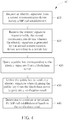
Fig. 4 is a flowchart of an identity authentication for a VoIP call according to an embodiment of the present disclosure. -
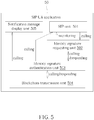
Fig. 5 is a schematic diagram of a communication device according to an embodiment of the present disclosure. -
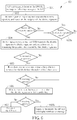
Fig. 6 is a flowchart of an identity authentication for a VoIP call according to an embodiment of the present disclosure. -
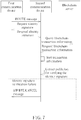
Figs. 7-8 are schematic diagrams of a message sequence of an identity authentication for a VoIP call according to an embodiment of the present disclosure. -
Fig. 3 is a schematic diagram of the communication device 30 according to one embodiment of the present disclosure. The communication device 100 may be the caller, the callee or the proxy server ofFigs. 1-2 , and includes aprocessing unit 300, such as a microprocessor or Application Specific Integrated Circuit (ASIC), astorage unit 310 and acommunication interfacing unit 320. Thestorage unit 310 may be any data storage device that can store aprogram code 314, for access by theprocessing unit 300. Examples of thestorage unit 310 include but are not limited to a subscriber identity module (SIM), read-only memory (ROM), flash memory, random-access memory (RAM), CD-ROMs, magnetic tape, hard disk, and optical data storage device. Thecommunication interfacing unit 320 could be a wireless transceiver for exchange signals with other communication devices. - The communication device 30 of the session initiation protocol (SIP) supports blockchain, asymmetric cryptography and digital signature technologies. The asymmetric cryptography is known as public and private key encryption, where public key encrypted content is decrypted only with private key and private key encrypted content is decrypted only with public key. The digital signature is an application of the public and private key encryption, for verifying a file is indeed sent from the originator. Therefore, the present invention employs the digital signature technique to verify the identity of both parties during the SIP call. In a word, the digital signature encrypts the file with the sender's private key, and the recipient decrypts the file with the sender's public key. In a scenario, the file sent by the digital signature carries plaintext data for the recipient to verify the contents of the file, but if the content of the file is fixed or predictable, the file may not carry the plaintext data.
- The blockchain is a decentralized database including a group of client nodes, where anyone can query data of the blockchain through a public interface. That is, the blockchain data is transparent. The blockchain includes the feature that the blockchain data is "unable to modify". Once a piece of data is written in the blockchain, it cannot be modified. As long as the data is verified, it is permanently written into the blockchain. In addition, the blockchain data of each client node is the same, and thus if the blockchain data is tampered, it is easily found.
- Note that, the SIP call relies on a trusted third party (such as a proxy server) for authentication and mediation, which may cause security problems during the data transmission of the SIP call, such as disguised server or tamper-evident packet. As abovementioned, the blockchain is a decentralized distribution database, which weakens the dependence on the third parties. Therefore, identity authentication mechanism for SIP call based on the blockchain can enhance the security of network calls. In detail, the decentralization character of the blockchain makes difficult of attacking a specific server, and the un-modification character of the blockchain also makes difficult for the attacker to tamper with the blockchain data. Thus, the present invention provides the concept of recording the public key with blockchain. Since the communication device 30 obtains the public key from the blockchain by itself, instead of through data transmission of the SIP call, it is difficult for the hacker to attack by means of the fake digital signature and the public key. Therefore, the present invention can realize the identity authentication of the SIP call and strengthen the security of data transmission of the SIP call.
- Reference is made to
Fig. 4 . A flowchart of theidentity authentication process 40 is illustrated. Theidentity authentication process 40 could be utilized in the communication device 30 (hereafter called the first communication device), may be compiled into aprogram code 314, and may include the following steps: - Step 400: Request an identity signature from a second communication device during a SIP call establishment.
- Step 410: Receive the identity signature transmitted by the second communication device, wherein the identity signature is generated by the second communication device according to a private key.
- Step 420: Query a public key corresponding to the identity signature from a blockchain server.
- Step 430: Utilize the public key to verify the identity signature when obtaining the public key from the blockchain server, to generate a verification result.
- Step 440: Determine to continue or terminate the SIP call establishment based on the verification result.
- According to the
identity authentication process 40, when the first communication device transmits or receives the INVITE message during the SIP call establishment (hereafter called SIP call), the first communication device requests the second communication device to transmit the identity signature via the message encrypted with the private key. When the first communication device receives the identity signature from the second communication device, the first communication device inquiries the public key corresponding to the identity signature via the blockchain, to verify the identification of the second communication device, so as to determine to continue or cancel the SIP call. For example, the first communication device utilizes the public key to decrypt the identity signature transmitted from the second communication device when the first communication device obtains the public key via the blockchain. If the identity signature is successfully decrypted with the public key, the identification of the second communication device is thereof confirmed, so that the first communication device continue the SIP call with the second communication device. For example, the first communication device transmits the ACK message to the second communication device, to complete the SIP call establishment. On the other hand, if the identity signature is not successfully decrypted with the public key, the first communication device cancels or terminates the SIP call. For example, the first communication device transmits CANCEL or BYE message to the second communication device. In addition, when the first communication device does not obtain the public key via the blockchain, the first communication device cancels or terminates the SIP call. - Moreover, the first communication device request the second communication device of the identity signature by transmitting a request message of the SIP or hypertext transfer protocol (HTTP) to the second communication device. The request message is used for indicating the second communication device to transmit the identity signature to the first communication device. In an embodiment, the request message could be the INVITE message of the ACK message of the SIP.
- In other words, the present invention proposes that the blockchain pre-stores the public key of the communication device, wherein the public key could be uploaded to the blockchain by the communication device or a host/server for account management. Meanwhile, the private key is preserved by the communication device to encrypt the identity signature, and therefore the other communication device could obtains the public key via the blockchain for decrypt the identity signature to verify the identity of the communication device.
-
Fig. 5 is a schematic diagram of thecommunication device 50 according to an embodiment of the present disclosure. Thecommunication device 50 includes theSIP unit 501, the identitysignature requesting unit 502, the identitysignature authentication unit 503, theblockchain transmission unit 504 and the notification message display unit 505. TheSIP unit 501 is used for performing a SIP call with the other communication device, and indicating the identitysignature requesting unit 502 to request the other communication device of the identity signature. However, in an embodiment, the identitysignature requesting unit 502 could monitor theSIP unit 501, and determine to request the identity signature from the other communication device accordingly. Theblockchain transmission unit 504 is used for querying the public key corresponding to the identity signature from the blockchain server, wherein the blockchain server stores complete blockchain data that can be retrieved and synchronized, such as the Full Node as a blockchain node or stores only lightweight data (e.g. a header of the blockchain with simple transaction verification), such as the Lightweight Client as a blockchain node. The identitysignature authentication unit 503 is used for utilizing the public key to verify the identity signature when obtaining the public key from theblockchain transmission unit 504, to generate a verification result. In addition, the identitysignature authentication unit 503 indicates theSIP unit 501 to continue the SIP call or cancel/terminate the SIP call according to the verification result. For example, the identitysignature authentication unit 503 indicates theSIP unit 501 to continue the SIP call when the verification result is success. On the other hand, the identitysignature authentication unit 503 indicates theSIP unit 501 to cancel/terminate the SIP call when the verification result is failure, and indicates the notification message display unit 505 to display a notification message to the user. - The operation of the communication device 50 (hereafter called the first communication device) could be summarized as
identity authentication process 60 for SIP call/VoIP. As shown inFig. 6 , the SIP unit of the first communication device transmits/receives the INVITE message or follow-up message of the SIP (step 601), and then the identity signature requesting unit requests the identity signature from the second communication device, and waits for the reception of the identity signature (step 602). If the identity signature requesting unit does not receive the identity signature, the identity signature requesting unit could request the identity signature from the second communication device again (step 603a), or indicates the SIP unit to cancel/terminate the SIP call. Moreover, the identity signature requesting unit may indicate the notification message display unit to display a notification message (step 603). On the other hand, if the identity signature requesting unit receives the identity signature, the identity signature requesting unit transmits the identity signature to the identity signature authentication unit, so as to examine the plaintext data carried by the identity signature (step 604). In detail, the identity signature authentication unit determines whether the plaintext data is conformed to a predetermined plaintext pattern. However, if the identity signature does not carry the plaintext data, the examining step could be omitted. The identity signature authentication unit determines that the examination is success when the plaintext data is conformed to the predetermined plaintext pattern, and indicates the blockchain transmission unit to extract the public key pre-stored in the blockchain through the blockchain server (step 605). On the other hand, the identity signature authentication unit determines that the examination is failed when the plaintext data is not conformed to the predetermined plaintext pattern, and indicates the identity signature requesting unit to request the identity signature from the second communication device (step 603a), or directly indicates the SIP unit to cancel/terminate the SIP call and indicates the notification message display unit to display the notification message (step 603b). - When the blockchain transmission unit extracts the public key from the block chain server, the blockchain transmission unit transmits the public key to the identity signature authentication unit, so that the identity signature authentication unit could verify or decrypt the identity signature (step 606). In an embodiment, if the identity signature is successfully decrypted, and the content of the decrypted identity signature is conformed to the predetermined format/rule, the identity signature authentication unit indicates the SIP unit to continue the SIP call (step 607). If the identity signature is not successfully decrypted, or the identity signature is successfully decrypted but the content of the decrypted identity signature is not conformed to the predetermined format/rule, the identity signature authentication unit indicates the SIP unit to cancel/terminate the SIP call and indicates the notification message display unit to display the notification message (
step 603b). On the other hand, the blockchain transmission unit indicates the SIP unit to cancel/terminate the SIP call when the blockchain transmission unit does not extract public key from the blockchain server, and further indicates the notification message display unit to display the notification message (step 603b). - In an embodiment, the predetermined format includes at least one of a target address, a source address, time and a session identity. In addition, the predetermined format/rule is included in plaintext data carried by the identity signature. For example, the identity signature authentication unit utilizes the extracted public key to decrypt the identity signature, and obtains the following content:
- From:7933@voip.acer.com
- To: 0001@voip.acer.com
- Time: 1528037983
- Inviteld: 123456789
- When the identity signature is conformed to the predetermined format of the communication device, the communication device determines the identity signature is successfully verified and continues the SIP call. Otherwise, the communication device determines the identity signature verification is failed, and thus cancels or terminates the SIP call.
- Note that, the
identity authentication process 60 could be triggered by INVITE message or follow-up message, such as ACK message or other messages. If theidentity authentication process 60 is performed during the transmission/reception of the INVITE message, theidentity authentication process 60 is further used for verifying the identification of the proxy server. However, if theidentity authentication process 60 is performed during the transmission/reception of the ACK message, theidentity authentication process 60 is only used for verifying the identification of the other communication device, namely the second communication device. The initiation of theidentity authentication process 60 can be determined by the application of the first communication device. - Note that, the communication devices (i.e. caller, callee, and proxy server) participated in the SIP call can request each other to send the identity signature, which is sent by the other communication device with the stored private key. Meanwhile, the public key corresponding to the private key is recorded on the blockchain.
- In detail, the blockchain transmission unit queries the public key pre-stored in the blockchain of the blockchain server. Reference is made to
Figs. 7-8 , which are schematic diagrams of a message sequence of an identity authentication process according to an embodiment of the present disclosure. InFig. 7 , the first communication device transmits the INVITE message to the second communication device, and then the second communication device requests the identity signature from the first communication device and receives the identity signature. In addition, the second communication device transmits the query message for "querying blockchain transaction information" to the blockchain server, so the blockchain server transmits the response message for "responding blockchain transaction information" to the second communication device. By the response message, the second communication device queries the transaction information and sorts out the public key. The way of extracting the public key is not limited herein. - In addition, after the public key is extracted, the second communication device uses this public key to verify the identity signature. Assume that the identity signature verification is failed, the second communication device transmits the BYE message or CANCEL message to the first communication device to immediately terminate the SIP call, and may display a warning message by means of a user interface or plaintext to inform the user of the identity signature verification failed.
- In an embodiment, the method of recording public key in the blockchain could be applied to a scenario of bitcoin transaction, whereby the public key is read from the blockchain, to verify the identity of the bitcoin trader.
- The abovementioned steps of the processes including suggested steps can be realized by means that could be a hardware, a firmware known as a combination of a hardware device and computer instructions and data that reside as read-only software on the hardware device or an electronic system. Examples of hardware can include analog, digital and mixed circuits known as microcircuit, microchip, or silicon chip. Examples of the electronic system can include a system on chip (SOC), system in package (SiP), a computer on module (COM) and the communication device 30.
- In conclusion, the present invention addresses to operations of the SIP call, where public key is record in blockchain for identity authentication. In detail, the communication device reads public key from the blockchain to decrypt the identity signature, so as to confirm the identification of the other communication device. Note that, with applying the character of the blockchain in identity authentication of VoIP, the security for SIP call can be enhanced, which ensures the quality and trust of SIP call between the communication devices.
Claims (15)
- A method of identity authentication for a VoIP call, used in a first communication device supporting session initiation protocol, SIP, and blockchain transmission technology, characterized by the method comprising:requesting an identity signature from a second communication device during a SIP call establishment (400);receiving the identity signature transmitted by the second communication device, wherein the identity signature is generated by the second communication device according to a private key (410);querying a public key corresponding to the identity signature from a blockchain server (420);utilizing the public key to verify the identity signature when obtaining the public key from the blockchain server, to generate a verification result (430); anddetermining to continue or terminate the SIP call establishment based on the verification result (440).
- A first communication device (30) for identity authentication, the first communication device supporting session initiation protocol, SIP, and blockchain transmission technology and comprising:a processing unit (300), for executing a program code; anda storage unit (310), coupled to the processing unit, for storing the program code (314), characterized in that the program code (314) instructs the processing unit (300) to perform the following steps:requesting an identity signature from a second communication device during a SIP call establishment (400);receiving the identity signature transmitted by the second communication device, wherein the identity signature is generated by the second communication device according to a private key (410);querying a public key corresponding to the identity signature from a blockchain server (420);utilizing the public key to verify the identity signature when obtaining the public key from the blockchain server, to generate a verification result (430); anddetermining to continue or terminate the SIP call establishment based on the verification result (440).
- The method of claim 1 or the first communication device (30) of claim 2, further comprising:
terminating or cancelling the SIP call establishment when not obtaining the public key from the blockchain server. - The method of claim 1 or the first communication device (30) of claim 2, characterized in that the step of utilizing the public key to verify the identity signature when obtaining the public key from the blockchain server, to generate the verification result comprises:utilizing the public key to decrypt the identity signature;determining the verification result is success when the identity signature is successfully decrypted and the decrypted identity signature is conformed to a predetermined rule; anddetermining the verification result is failure when the identity signature is not successfully decrypted or when the identity signature is successfully decrypted but the decrypted identity signature is not conformed to the predetermined rule.
- The method or the first communication device (30) of claim 4, characterized in that the step of determining to continue or terminate the SIP call establishment based on the verification result comprises:continuing the SIP call establishment when the verification result is success; andterminating the SIP call establishment when the verification result is failure.
- The method or the first communication device (30) of claim 4, characterized in that the predetermined rule is a predetermined format of the identity signature, the predetermined format includes at least one of a target address, a source address, time and a session identity, and the predetermined rule is included in plaintext data carried by the identity signature transmitted from the second communication device.
- The method or the first communication device (30) of claim 6, further comprising:
examining the plaintext data carried by the identity signature, wherein the examining step comprises:determining whether the plaintext data is conformed to a predetermined plaintext pattern; andrequesting the second communication device to transmit the identity signature or terminating the SIP call establishment when the plaintext data is not conformed to the predetermined plaintext pattern. - The method or the first communication device (30) of claim 7, characterized in that the step of querying the public key corresponding to the identity signature from the blockchain server comprises:
querying the public key corresponding to the identity signature from the blockchain server when the plaintext data is conformed to the predetermined plaintext pattern. - The method of claim 1 or the first communication device (30) of claim 2, characterized in that requesting the identity signature from the second communication device during the SIP call establishment comprises:
transmitting a request message of the SIP or hypertext transfer protocol, HTTP, to the second communication device, wherein the request message is used for indicating the second communication device to transmit the identity signature to the first communication device. - The method or the first communication device (30) of claim 9, characterized in that the request message is an invite message or an acknowledgement message of the SIP.
- The method of claim 1 or the first communication device (30) of claim 2, characterized in that the identity signature transmitted by the second communication device includes a plaintext data, and the method further comprises examining the plaintext data, wherein the examining step comprises:determining whether the plaintext data is conformed to a predetermined plaintext pattern; andrequesting the second communication device to transmit the identity signature or terminating the SIP call establishment when the plaintext data is not conformed to the predetermined plaintext pattern.
- The method of claim 1 or the first communication device (30) of claim 2, characterized in that the step of querying the public key corresponding to the identity signature from the blockchain server comprises:transmitting a query message to the blockchain server;receiving a response message including a blockchain data from the blockchain server; andsorting the public key from the blockchain data.
- A first communication device (50) for identity authentication, characterized by the first communication device comprising:a session initiation protocol, SIP, unit (501) for performing a SIP call establishment with a second communication device;an identity signature requesting unit (502), for requesting an identity signature from the second communication device during a SIP call establishment and for receiving the identity signature transmitted from the second communication device, wherein the identity signature is generated by the second communication device according to a private key;a blockchain transmission unit (504), for querying a public key corresponding to the identity signature from a blockchain server, wherein the blockchain server stores a blockchain data; andan identity signature authentication unit (503), for utilizing the public key to verify the identity signature when obtaining the public key from the blockchain transmission unit, to generate a verification result.
- The first communication device (50) of claim 13, characterized in that the identity signature authentication unit is further used for utilizing the public key to decrypt the identity signature, determining the verification result is success when the identity signature is successfully decrypted and the decrypted identity signature is conformed to a predetermined rule, and determining the verification result is failure when the identity signature is not successfully decrypted or when the identity signature is successfully decrypted but the decrypted identity signature is not conformed to the predetermined rule, and the blockchain transmission unit is further used for transmitting a query message to the blockchain server, receiving a response message including a blockchain data from the blockchain server, and sorting the public key from the blockchain data.
- The first communication device (50) of claim 14, characterized in that the identity signature authentication unit is further used for indicating the SIP unit to continue the SIP call establishment when the verification result is success, and indicating the SIP unit to terminate the SIP call establishment when the verification result is failure.
Applications Claiming Priority (1)
| Application Number | Priority Date | Filing Date | Title |
|---|---|---|---|
| TW108110373A TWI711293B (en) | 2019-03-26 | 2019-03-26 | Method of identity authentication for voice over internet protocol call and related device |
Publications (2)
| Publication Number | Publication Date |
|---|---|
| EP3716526A1 true EP3716526A1 (en) | 2020-09-30 |
| EP3716526B1 EP3716526B1 (en) | 2025-09-17 |
Family
ID=67810375
Family Applications (1)
| Application Number | Title | Priority Date | Filing Date |
|---|---|---|---|
| EP19193960.2A Active EP3716526B1 (en) | 2019-03-26 | 2019-08-28 | Method of identity authentication for voice over internet protocol call and related device |
Country Status (3)
| Country | Link |
|---|---|
| US (1) | US11496319B2 (en) |
| EP (1) | EP3716526B1 (en) |
| TW (1) | TWI711293B (en) |
Cited By (5)
| Publication number | Priority date | Publication date | Assignee | Title |
|---|---|---|---|---|
| CN113242246A (en) * | 2021-05-16 | 2021-08-10 | 西北工业大学 | Identity authentication method based on block chain |
| US20210314748A1 (en) * | 2020-04-01 | 2021-10-07 | Lg Electronics Inc. | Verification of messages using hash chaining |
| CN115426178A (en) * | 2022-09-01 | 2022-12-02 | 中国联合网络通信集团有限公司 | Calling method, calling device, electronic equipment and computer readable medium |
| CN116155500A (en) * | 2021-11-22 | 2023-05-23 | 中国电信股份有限公司 | Encryption call method and device |
| EP4498656A4 (en) * | 2022-05-02 | 2025-07-02 | Samsung Electronics Co Ltd | ELECTRONIC DEVICE AND METHOD FOR AUTHENTICATION IN A SESSION INITIATION PROTOCOL |
Families Citing this family (7)
| Publication number | Priority date | Publication date | Assignee | Title |
|---|---|---|---|---|
| CN109257342B (en) * | 2018-09-04 | 2020-05-26 | 阿里巴巴集团控股有限公司 | Block chain cross-chain authentication method, system, server and readable storage medium |
| KR102810469B1 (en) * | 2019-10-07 | 2025-05-21 | 삼성전자주식회사 | Electronic device and method for blockchain address management thereof |
| TWI771013B (en) * | 2021-05-21 | 2022-07-11 | 心南金融科技服務股份有限公司 | Block chain type electronic business card exchange method and system |
| US12273331B2 (en) * | 2021-07-30 | 2025-04-08 | Zoom Communications, Inc. | Call recording authentication using distributed transaction ledgers |
| CN114025045B (en) * | 2021-09-28 | 2022-09-30 | 鹏创数科技术(深圳)集团有限公司 | Call data management method and system based on block chain |
| CN116545711A (en) * | 2023-05-15 | 2023-08-04 | 武汉船舶通信研究所(中国船舶集团有限公司第七二二研究所) | Block chain-based network communication method, device and storage medium |
| CN117155601B (en) * | 2023-07-14 | 2024-07-26 | 中移互联网有限公司 | Calling method, device, electronic device and storage medium |
Citations (1)
| Publication number | Priority date | Publication date | Assignee | Title |
|---|---|---|---|---|
| US20070101144A1 (en) * | 2005-10-27 | 2007-05-03 | The Go Daddy Group, Inc. | Authenticating a caller initiating a communication session |
Family Cites Families (25)
| Publication number | Priority date | Publication date | Assignee | Title |
|---|---|---|---|---|
| US7181623B2 (en) * | 2000-03-28 | 2007-02-20 | University Of Maryland | Scalable wide-area upload system and method |
| US7237114B1 (en) * | 2000-04-26 | 2007-06-26 | Pronvest, Inc. | Method and system for signing and authenticating electronic documents |
| US7240366B2 (en) * | 2002-05-17 | 2007-07-03 | Microsoft Corporation | End-to-end authentication of session initiation protocol messages using certificates |
| EP3547599A1 (en) * | 2002-08-06 | 2019-10-02 | Apple Inc. | Methods for secure enrollment and backup of personal identity credentials into electronic devices |
| US7809126B2 (en) * | 2005-05-19 | 2010-10-05 | Cisco Technology, Inc. | Proxy server for internet telephony |
| US9002018B2 (en) * | 2006-05-09 | 2015-04-07 | Sync Up Technologies Corporation | Encryption key exchange system and method |
| US8280982B2 (en) * | 2006-05-24 | 2012-10-02 | Time Warner Cable Inc. | Personal content server apparatus and methods |
| FR2908880B1 (en) * | 2006-11-21 | 2009-01-16 | Centre Nat Rech Scient | INTEGRATED MONOLITHIC INTERFERENCE DETECTION DEVICE |
| WO2008102570A1 (en) * | 2007-02-23 | 2008-08-28 | Panasonic Corporation | System for effective position management signaling associated with mobile node moving in mobile network, router, mobile node, and mobile router |
| CN101626294A (en) * | 2008-07-07 | 2010-01-13 | 华为技术有限公司 | Certifying method based on identity, method, equipment and system for secure communication |
| US9544770B2 (en) * | 2010-12-01 | 2017-01-10 | Microsoft Technology Licensing, Llc | User authentication in a mobile environment |
| US9754299B2 (en) * | 2013-01-11 | 2017-09-05 | Lee C. Cheng | System, method and apparatus for three-dimensional digital design content rights management |
| CN108027867A (en) | 2015-07-14 | 2018-05-11 | Fmr有限责任公司 | Calculate efficient transfer accounts processing, audit and searcher, method and system |
| US9948467B2 (en) | 2015-12-21 | 2018-04-17 | Mastercard International Incorporated | Method and system for blockchain variant using digital signatures |
| US10715311B2 (en) * | 2017-07-28 | 2020-07-14 | Workday, Inc. | System and method for blockchain-based user authentication based on a cryptographic challenge |
| KR102588498B1 (en) * | 2016-11-07 | 2023-10-12 | 삼성전자주식회사 | Apparatus and method for authenticating caller in communication system |
| FR3061823B1 (en) * | 2017-01-10 | 2020-04-24 | Wallix | METHOD FOR TRANSMITTING NUMBERED ENCRYPTED DIGITAL INFORMATION, APPLICATION OF THIS METHOD AND CONNECTED OBJECT IMPLEMENTING THIS PROCESS. |
| US11055802B2 (en) * | 2017-09-22 | 2021-07-06 | Sensormatic Electronics, LLC | Methods and apparatus for implementing identity and asset sharing management |
| CN108566275A (en) | 2018-04-20 | 2018-09-21 | 中国联合网络通信集团有限公司 | Identity identifying method, device and block chain node |
| CN108985765A (en) | 2018-08-13 | 2018-12-11 | 中国联合网络通信集团有限公司 | Enterprise user information processing method, equipment and storage medium |
| CN109150542A (en) | 2018-08-15 | 2019-01-04 | 杭州链汇通区块链科技有限公司 | Hardware signature method, hardware stamped signature verification method, sealing system and storage medium |
| US11012241B2 (en) * | 2018-09-10 | 2021-05-18 | Dell Products L.P. | Information handling system entitlement validation |
| US20200220725A1 (en) * | 2019-01-09 | 2020-07-09 | HCL America, Inc. | System and method for authenticating a caller of a telephonic call |
| US11394712B2 (en) * | 2019-01-18 | 2022-07-19 | Anchor Labs, Inc. | Secure account access |
| CN113472521B (en) | 2020-03-30 | 2024-11-26 | 浪潮云洲工业互联网有限公司 | Real-name digital identity management method, signature device and verification device based on blockchain |
-
2019
- 2019-03-26 TW TW108110373A patent/TWI711293B/en active
- 2019-08-28 EP EP19193960.2A patent/EP3716526B1/en active Active
- 2019-09-18 US US16/575,381 patent/US11496319B2/en active Active
Patent Citations (1)
| Publication number | Priority date | Publication date | Assignee | Title |
|---|---|---|---|---|
| US20070101144A1 (en) * | 2005-10-27 | 2007-05-03 | The Go Daddy Group, Inc. | Authenticating a caller initiating a communication session |
Non-Patent Citations (1)
| Title |
|---|
| KFOURY ELIE F ET AL: "Secure End-to-End VoLTE Based on Ethereum Blockchain", 2018 41ST INTERNATIONAL CONFERENCE ON TELECOMMUNICATIONS AND SIGNAL PROCESSING (TSP), IEEE, 4 July 2018 (2018-07-04), pages 1 - 5, XP033389753, DOI: 10.1109/TSP.2018.8441204 * |
Cited By (9)
| Publication number | Priority date | Publication date | Assignee | Title |
|---|---|---|---|---|
| US20210314748A1 (en) * | 2020-04-01 | 2021-10-07 | Lg Electronics Inc. | Verification of messages using hash chaining |
| US11811943B2 (en) * | 2020-04-01 | 2023-11-07 | Lg Electronics Inc. | Verification of messages using hash chaining |
| CN113242246A (en) * | 2021-05-16 | 2021-08-10 | 西北工业大学 | Identity authentication method based on block chain |
| CN113242246B (en) * | 2021-05-16 | 2022-09-20 | 西北工业大学 | Identity authentication method based on block chain |
| CN116155500A (en) * | 2021-11-22 | 2023-05-23 | 中国电信股份有限公司 | Encryption call method and device |
| EP4498656A4 (en) * | 2022-05-02 | 2025-07-02 | Samsung Electronics Co Ltd | ELECTRONIC DEVICE AND METHOD FOR AUTHENTICATION IN A SESSION INITIATION PROTOCOL |
| US12506733B2 (en) | 2022-05-02 | 2025-12-23 | Samsung Electronics Co., Ltd. | Electronic device and method for authentication in session initiation protocol |
| CN115426178A (en) * | 2022-09-01 | 2022-12-02 | 中国联合网络通信集团有限公司 | Calling method, calling device, electronic equipment and computer readable medium |
| CN115426178B (en) * | 2022-09-01 | 2024-04-12 | 中国联合网络通信集团有限公司 | Calling method, calling device, electronic equipment and computer readable medium |
Also Published As
| Publication number | Publication date |
|---|---|
| EP3716526B1 (en) | 2025-09-17 |
| TWI711293B (en) | 2020-11-21 |
| TW202037112A (en) | 2020-10-01 |
| US11496319B2 (en) | 2022-11-08 |
| US20200313901A1 (en) | 2020-10-01 |
Similar Documents
| Publication | Publication Date | Title |
|---|---|---|
| EP3716526B1 (en) | Method of identity authentication for voice over internet protocol call and related device | |
| KR100932834B1 (en) | SPI message processing method | |
| EP1267548B1 (en) | Method and system for integrating security mechanisms into session initiation protocol request messages for client-proxy authentication | |
| US7739196B2 (en) | Policy control and billing support for call transfer in a session initiation protocol (SIP) network | |
| US8214649B2 (en) | System and method for secure communications between at least one user device and a network entity | |
| US9648006B2 (en) | System and method for communicating with a client application | |
| CN100568800C (en) | Systems and methods for secure remote access | |
| US20090046839A1 (en) | Verifying authenticity of called party in telephony networks | |
| US12500877B2 (en) | User authentication in communication systems | |
| US11743304B2 (en) | Methods and apparatus to preserve original attestation/signature information for diverted calls | |
| US10893414B1 (en) | Selective attestation of wireless communications | |
| US8923279B2 (en) | Prevention of voice over IP spam | |
| CN101527632B (en) | Method, device and system for authenticating response messages | |
| US20090113063A1 (en) | Authentication method and apparatus for integrating ticket-granting service into session initiation protocol | |
| CN100403742C (en) | A method for security authentication between media gateway and media gateway controller | |
| CN111835675A (en) | Method and related device for verifying network call identity | |
| KR20180050910A (en) | Apparatus and method for authenticating caller in communication system | |
| WO2023051679A1 (en) | Call processing method, and related device and storage medium | |
| US20240097903A1 (en) | Ipcon mcdata session establishment method | |
| CN106714158A (en) | WiFi access method and device | |
| CN114630000A (en) | A kind of authentication information management, identity verification method, equipment and storage medium | |
| CN103685177A (en) | Method, device and system for processing IMS (Ip Multimedia Subsystem) network call | |
| CN112073370B (en) | Client encryption communication method | |
| JP2003229955A (en) | Call method and call system |
Legal Events
| Date | Code | Title | Description |
|---|---|---|---|
| PUAI | Public reference made under article 153(3) epc to a published international application that has entered the european phase |
Free format text: ORIGINAL CODE: 0009012 |
|
| STAA | Information on the status of an ep patent application or granted ep patent |
Free format text: STATUS: THE APPLICATION HAS BEEN PUBLISHED |
|
| AK | Designated contracting states |
Kind code of ref document: A1 Designated state(s): AL AT BE BG CH CY CZ DE DK EE ES FI FR GB GR HR HU IE IS IT LI LT LU LV MC MK MT NL NO PL PT RO RS SE SI SK SM TR |
|
| AX | Request for extension of the european patent |
Extension state: BA ME |
|
| STAA | Information on the status of an ep patent application or granted ep patent |
Free format text: STATUS: REQUEST FOR EXAMINATION WAS MADE |
|
| 17P | Request for examination filed |
Effective date: 20210301 |
|
| RBV | Designated contracting states (corrected) |
Designated state(s): AL AT BE BG CH CY CZ DE DK EE ES FI FR GB GR HR HU IE IS IT LI LT LU LV MC MK MT NL NO PL PT RO RS SE SI SK SM TR |
|
| STAA | Information on the status of an ep patent application or granted ep patent |
Free format text: STATUS: EXAMINATION IS IN PROGRESS |
|
| 17Q | First examination report despatched |
Effective date: 20211007 |
|
| REG | Reference to a national code |
Ipc: H04L0009000000 Ref country code: DE Ref legal event code: R079 Ref document number: 602019075760 Country of ref document: DE Free format text: PREVIOUS MAIN CLASS: H04L0009320000 Ipc: H04L0009000000 |
|
| GRAP | Despatch of communication of intention to grant a patent |
Free format text: ORIGINAL CODE: EPIDOSNIGR1 |
|
| STAA | Information on the status of an ep patent application or granted ep patent |
Free format text: STATUS: GRANT OF PATENT IS INTENDED |
|
| RIC1 | Information provided on ipc code assigned before grant |
Ipc: H04L 9/32 20060101ALI20250422BHEP Ipc: H04L 65/1104 20220101ALI20250422BHEP Ipc: H04L 9/00 20060101AFI20250422BHEP |
|
| INTG | Intention to grant announced |
Effective date: 20250512 |
|
| RIN1 | Information on inventor provided before grant (corrected) |
Inventor name: LIN, GENG-BAO |
|
| GRAS | Grant fee paid |
Free format text: ORIGINAL CODE: EPIDOSNIGR3 |
|
| GRAA | (expected) grant |
Free format text: ORIGINAL CODE: 0009210 |
|
| STAA | Information on the status of an ep patent application or granted ep patent |
Free format text: STATUS: THE PATENT HAS BEEN GRANTED |
|
| AK | Designated contracting states |
Kind code of ref document: B1 Designated state(s): AL AT BE BG CH CY CZ DE DK EE ES FI FR GB GR HR HU IE IS IT LI LT LU LV MC MK MT NL NO PL PT RO RS SE SI SK SM TR |
|
| REG | Reference to a national code |
Ref country code: GB Ref legal event code: FG4D |
|
| REG | Reference to a national code |
Ref country code: CH Ref legal event code: EP |
|
| REG | Reference to a national code |
Ref country code: IE Ref legal event code: FG4D |
|
| REG | Reference to a national code |
Ref country code: DE Ref legal event code: R096 Ref document number: 602019075760 Country of ref document: DE |
|
| PG25 | Lapsed in a contracting state [announced via postgrant information from national office to epo] |
Ref country code: NO Free format text: LAPSE BECAUSE OF FAILURE TO SUBMIT A TRANSLATION OF THE DESCRIPTION OR TO PAY THE FEE WITHIN THE PRESCRIBED TIME-LIMIT Effective date: 20251217 |
|
| REG | Reference to a national code |
Ref country code: LT Ref legal event code: MG9D |
|
| PG25 | Lapsed in a contracting state [announced via postgrant information from national office to epo] |
Ref country code: FI Free format text: LAPSE BECAUSE OF FAILURE TO SUBMIT A TRANSLATION OF THE DESCRIPTION OR TO PAY THE FEE WITHIN THE PRESCRIBED TIME-LIMIT Effective date: 20250917 |
|
| PG25 | Lapsed in a contracting state [announced via postgrant information from national office to epo] |
Ref country code: HR Free format text: LAPSE BECAUSE OF FAILURE TO SUBMIT A TRANSLATION OF THE DESCRIPTION OR TO PAY THE FEE WITHIN THE PRESCRIBED TIME-LIMIT Effective date: 20250917 |
|
| PG25 | Lapsed in a contracting state [announced via postgrant information from national office to epo] |
Ref country code: GR Free format text: LAPSE BECAUSE OF FAILURE TO SUBMIT A TRANSLATION OF THE DESCRIPTION OR TO PAY THE FEE WITHIN THE PRESCRIBED TIME-LIMIT Effective date: 20251218 |
|
| PG25 | Lapsed in a contracting state [announced via postgrant information from national office to epo] |
Ref country code: SE Free format text: LAPSE BECAUSE OF FAILURE TO SUBMIT A TRANSLATION OF THE DESCRIPTION OR TO PAY THE FEE WITHIN THE PRESCRIBED TIME-LIMIT Effective date: 20250917 |
|
| REG | Reference to a national code |
Ref country code: NL Ref legal event code: MP Effective date: 20250917 |
|
| PG25 | Lapsed in a contracting state [announced via postgrant information from national office to epo] |
Ref country code: LV Free format text: LAPSE BECAUSE OF FAILURE TO SUBMIT A TRANSLATION OF THE DESCRIPTION OR TO PAY THE FEE WITHIN THE PRESCRIBED TIME-LIMIT Effective date: 20250917 |
|
| PG25 | Lapsed in a contracting state [announced via postgrant information from national office to epo] |
Ref country code: BG Free format text: LAPSE BECAUSE OF FAILURE TO SUBMIT A TRANSLATION OF THE DESCRIPTION OR TO PAY THE FEE WITHIN THE PRESCRIBED TIME-LIMIT Effective date: 20250917 |
|
| PG25 | Lapsed in a contracting state [announced via postgrant information from national office to epo] |
Ref country code: RS Free format text: LAPSE BECAUSE OF FAILURE TO SUBMIT A TRANSLATION OF THE DESCRIPTION OR TO PAY THE FEE WITHIN THE PRESCRIBED TIME-LIMIT Effective date: 20251217 |
|
| PG25 | Lapsed in a contracting state [announced via postgrant information from national office to epo] |
Ref country code: NL Free format text: LAPSE BECAUSE OF FAILURE TO SUBMIT A TRANSLATION OF THE DESCRIPTION OR TO PAY THE FEE WITHIN THE PRESCRIBED TIME-LIMIT Effective date: 20250917 |
|
| REG | Reference to a national code |
Ref country code: AT Ref legal event code: MK05 Ref document number: 1839326 Country of ref document: AT Kind code of ref document: T Effective date: 20250917 |
|
| PG25 | Lapsed in a contracting state [announced via postgrant information from national office to epo] |
Ref country code: SM Free format text: LAPSE BECAUSE OF FAILURE TO SUBMIT A TRANSLATION OF THE DESCRIPTION OR TO PAY THE FEE WITHIN THE PRESCRIBED TIME-LIMIT Effective date: 20250917 |
|
| PG25 | Lapsed in a contracting state [announced via postgrant information from national office to epo] |
Ref country code: ES Free format text: LAPSE BECAUSE OF FAILURE TO SUBMIT A TRANSLATION OF THE DESCRIPTION OR TO PAY THE FEE WITHIN THE PRESCRIBED TIME-LIMIT Effective date: 20250917 |
|
| PG25 | Lapsed in a contracting state [announced via postgrant information from national office to epo] |
Ref country code: AT Free format text: LAPSE BECAUSE OF FAILURE TO SUBMIT A TRANSLATION OF THE DESCRIPTION OR TO PAY THE FEE WITHIN THE PRESCRIBED TIME-LIMIT Effective date: 20250917 |
|
| PG25 | Lapsed in a contracting state [announced via postgrant information from national office to epo] |
Ref country code: IT Free format text: LAPSE BECAUSE OF FAILURE TO SUBMIT A TRANSLATION OF THE DESCRIPTION OR TO PAY THE FEE WITHIN THE PRESCRIBED TIME-LIMIT Effective date: 20250917 |
|
| PG25 | Lapsed in a contracting state [announced via postgrant information from national office to epo] |
Ref country code: IS Free format text: LAPSE BECAUSE OF FAILURE TO SUBMIT A TRANSLATION OF THE DESCRIPTION OR TO PAY THE FEE WITHIN THE PRESCRIBED TIME-LIMIT Effective date: 20260117 |
|
| PG25 | Lapsed in a contracting state [announced via postgrant information from national office to epo] |
Ref country code: CZ Free format text: LAPSE BECAUSE OF FAILURE TO SUBMIT A TRANSLATION OF THE DESCRIPTION OR TO PAY THE FEE WITHIN THE PRESCRIBED TIME-LIMIT Effective date: 20250917 Ref country code: PT Free format text: LAPSE BECAUSE OF FAILURE TO SUBMIT A TRANSLATION OF THE DESCRIPTION OR TO PAY THE FEE WITHIN THE PRESCRIBED TIME-LIMIT Effective date: 20260119 |
|
| PG25 | Lapsed in a contracting state [announced via postgrant information from national office to epo] |
Ref country code: PL Free format text: LAPSE BECAUSE OF FAILURE TO SUBMIT A TRANSLATION OF THE DESCRIPTION OR TO PAY THE FEE WITHIN THE PRESCRIBED TIME-LIMIT Effective date: 20250917 |
|
| PG25 | Lapsed in a contracting state [announced via postgrant information from national office to epo] |
Ref country code: SK Free format text: LAPSE BECAUSE OF FAILURE TO SUBMIT A TRANSLATION OF THE DESCRIPTION OR TO PAY THE FEE WITHIN THE PRESCRIBED TIME-LIMIT Effective date: 20250917 Ref country code: EE Free format text: LAPSE BECAUSE OF FAILURE TO SUBMIT A TRANSLATION OF THE DESCRIPTION OR TO PAY THE FEE WITHIN THE PRESCRIBED TIME-LIMIT Effective date: 20250917 |
|
| REG | Reference to a national code |
Ref country code: DE Ref legal event code: R097 Ref document number: 602019075760 Country of ref document: DE |
|
| PG25 | Lapsed in a contracting state [announced via postgrant information from national office to epo] |
Ref country code: LT Free format text: LAPSE BECAUSE OF FAILURE TO SUBMIT A TRANSLATION OF THE DESCRIPTION OR TO PAY THE FEE WITHIN THE PRESCRIBED TIME-LIMIT Effective date: 20250917 |
|
| PG25 | Lapsed in a contracting state [announced via postgrant information from national office to epo] |
Ref country code: DK Free format text: LAPSE BECAUSE OF FAILURE TO SUBMIT A TRANSLATION OF THE DESCRIPTION OR TO PAY THE FEE WITHIN THE PRESCRIBED TIME-LIMIT Effective date: 20250917 |
|
| PLBE | No opposition filed within time limit |
Free format text: ORIGINAL CODE: 0009261 |
|
| STAA | Information on the status of an ep patent application or granted ep patent |
Free format text: STATUS: NO OPPOSITION FILED WITHIN TIME LIMIT |
|
| REG | Reference to a national code |
Ref country code: CH Ref legal event code: L10 Free format text: ST27 STATUS EVENT CODE: U-0-0-L10-L00 (AS PROVIDED BY THE NATIONAL OFFICE) Effective date: 20260729 |