EP3702350A1 - Crystalline form of alkynyl pyridine prolyl hydroxylase inhibitor and method for preparing same - Google Patents
Crystalline form of alkynyl pyridine prolyl hydroxylase inhibitor and method for preparing same Download PDFInfo
- Publication number
- EP3702350A1 EP3702350A1 EP18871021.4A EP18871021A EP3702350A1 EP 3702350 A1 EP3702350 A1 EP 3702350A1 EP 18871021 A EP18871021 A EP 18871021A EP 3702350 A1 EP3702350 A1 EP 3702350A1
- Authority
- EP
- European Patent Office
- Prior art keywords
- crystal form
- compound
- formula
- crystal
- angle
- Prior art date
- Legal status (The legal status is an assumption and is not a legal conclusion. Google has not performed a legal analysis and makes no representation as to the accuracy of the status listed.)
- Withdrawn
Links
- 238000000034 method Methods 0.000 title claims abstract description 25
- -1 alkynyl pyridine Chemical compound 0.000 title abstract description 5
- 229940078467 Prolyl hydroxylase inhibitor Drugs 0.000 title abstract description 4
- UMJSCPRVCHMLSP-UHFFFAOYSA-N pyridine Natural products COC1=CC=CN=C1 UMJSCPRVCHMLSP-UHFFFAOYSA-N 0.000 title abstract 3
- JUJWROOIHBZHMG-UHFFFAOYSA-N pyridine Substances C1=CC=NC=C1 JUJWROOIHBZHMG-UHFFFAOYSA-N 0.000 title abstract 3
- 239000013078 crystal Substances 0.000 claims description 272
- 150000001875 compounds Chemical class 0.000 claims description 109
- 238000001228 spectrum Methods 0.000 claims description 88
- 238000000634 powder X-ray diffraction Methods 0.000 claims description 81
- 229910002483 Cu Ka Inorganic materials 0.000 claims description 51
- 230000005855 radiation Effects 0.000 claims description 50
- OKKJLVBELUTLKV-UHFFFAOYSA-N Methanol Chemical compound OC OKKJLVBELUTLKV-UHFFFAOYSA-N 0.000 claims description 26
- 238000001914 filtration Methods 0.000 claims description 17
- 239000002904 solvent Substances 0.000 claims description 17
- XEKOWRVHYACXOJ-UHFFFAOYSA-N Ethyl acetate Chemical compound CCOC(C)=O XEKOWRVHYACXOJ-UHFFFAOYSA-N 0.000 claims description 15
- 102000004079 Prolyl Hydroxylases Human genes 0.000 claims description 12
- 108010043005 Prolyl Hydroxylases Proteins 0.000 claims description 12
- LFQSCWFLJHTTHZ-UHFFFAOYSA-N Ethanol Chemical compound CCO LFQSCWFLJHTTHZ-UHFFFAOYSA-N 0.000 claims description 11
- 229910052739 hydrogen Inorganic materials 0.000 claims description 11
- XLYOFNOQVPJJNP-UHFFFAOYSA-N water Substances O XLYOFNOQVPJJNP-UHFFFAOYSA-N 0.000 claims description 11
- 239000008194 pharmaceutical composition Substances 0.000 claims description 10
- QTBSBXVTEAMEQO-UHFFFAOYSA-N Acetic acid Chemical compound CC(O)=O QTBSBXVTEAMEQO-UHFFFAOYSA-N 0.000 claims description 9
- YMWUJEATGCHHMB-UHFFFAOYSA-N Dichloromethane Chemical compound ClCCl YMWUJEATGCHHMB-UHFFFAOYSA-N 0.000 claims description 9
- ZMXDDKWLCZADIW-UHFFFAOYSA-N N,N-Dimethylformamide Chemical compound CN(C)C=O ZMXDDKWLCZADIW-UHFFFAOYSA-N 0.000 claims description 9
- KFZMGEQAYNKOFK-UHFFFAOYSA-N Isopropanol Chemical compound CC(C)O KFZMGEQAYNKOFK-UHFFFAOYSA-N 0.000 claims description 8
- 208000007502 anemia Diseases 0.000 claims description 7
- WEVYAHXRMPXWCK-UHFFFAOYSA-N Acetonitrile Chemical compound CC#N WEVYAHXRMPXWCK-UHFFFAOYSA-N 0.000 claims description 6
- IAZDPXIOMUYVGZ-UHFFFAOYSA-N Dimethylsulphoxide Chemical compound CS(C)=O IAZDPXIOMUYVGZ-UHFFFAOYSA-N 0.000 claims description 6
- IMNFDUFMRHMDMM-UHFFFAOYSA-N N-Heptane Chemical compound CCCCCCC IMNFDUFMRHMDMM-UHFFFAOYSA-N 0.000 claims description 6
- 239000003085 diluting agent Substances 0.000 claims description 6
- 208000037265 diseases, disorders, signs and symptoms Diseases 0.000 claims description 6
- 239000003937 drug carrier Substances 0.000 claims description 6
- 239000000546 pharmaceutical excipient Substances 0.000 claims description 6
- 238000004537 pulping Methods 0.000 claims description 6
- 201000010099 disease Diseases 0.000 claims description 5
- 239000003814 drug Substances 0.000 claims description 5
- 239000000203 mixture Substances 0.000 claims description 5
- 238000002360 preparation method Methods 0.000 claims description 5
- ARXJGSRGQADJSQ-UHFFFAOYSA-N 1-methoxypropan-2-ol Chemical compound COCC(C)O ARXJGSRGQADJSQ-UHFFFAOYSA-N 0.000 claims description 4
- WYURNTSHIVDZCO-UHFFFAOYSA-N Tetrahydrofuran Chemical compound C1CCOC1 WYURNTSHIVDZCO-UHFFFAOYSA-N 0.000 claims description 4
- 238000002156 mixing Methods 0.000 claims description 4
- RYHBNJHYFVUHQT-UHFFFAOYSA-N 1,4-Dioxane Chemical compound C1COCCO1 RYHBNJHYFVUHQT-UHFFFAOYSA-N 0.000 claims description 3
- 230000001404 mediated effect Effects 0.000 claims description 3
- 239000012046 mixed solvent Substances 0.000 claims description 3
- WSLDOOZREJYCGB-UHFFFAOYSA-N 1,2-Dichloroethane Chemical compound ClCCCl WSLDOOZREJYCGB-UHFFFAOYSA-N 0.000 claims description 2
- XDTMQSROBMDMFD-UHFFFAOYSA-N Cyclohexane Chemical compound C1CCCCC1 XDTMQSROBMDMFD-UHFFFAOYSA-N 0.000 claims description 2
- RHQDFWAXVIIEBN-UHFFFAOYSA-N Trifluoroethanol Chemical compound OCC(F)(F)F RHQDFWAXVIIEBN-UHFFFAOYSA-N 0.000 claims description 2
- PHTQWCKDNZKARW-UHFFFAOYSA-N isoamylol Chemical compound CC(C)CCO PHTQWCKDNZKARW-UHFFFAOYSA-N 0.000 claims description 2
- LYGJENNIWJXYER-UHFFFAOYSA-N nitromethane Chemical compound C[N+]([O-])=O LYGJENNIWJXYER-UHFFFAOYSA-N 0.000 claims description 2
- 150000003839 salts Chemical class 0.000 claims description 2
- YLQBMQCUIZJEEH-UHFFFAOYSA-N tetrahydrofuran Natural products C=1C=COC=1 YLQBMQCUIZJEEH-UHFFFAOYSA-N 0.000 claims description 2
- 238000000113 differential scanning calorimetry Methods 0.000 description 21
- 238000012360 testing method Methods 0.000 description 12
- 230000008859 change Effects 0.000 description 11
- 230000000052 comparative effect Effects 0.000 description 11
- 239000000243 solution Substances 0.000 description 9
- 239000000126 substance Substances 0.000 description 9
- 238000002441 X-ray diffraction Methods 0.000 description 7
- 238000010438 heat treatment Methods 0.000 description 7
- 239000012535 impurity Substances 0.000 description 7
- 102000003951 Erythropoietin Human genes 0.000 description 6
- 108090000394 Erythropoietin Proteins 0.000 description 6
- 238000006243 chemical reaction Methods 0.000 description 6
- 238000002425 crystallisation Methods 0.000 description 6
- 229940105423 erythropoietin Drugs 0.000 description 6
- OXCMYAYHXIHQOA-UHFFFAOYSA-N potassium;[2-butyl-5-chloro-3-[[4-[2-(1,2,4-triaza-3-azanidacyclopenta-1,4-dien-5-yl)phenyl]phenyl]methyl]imidazol-4-yl]methanol Chemical compound [K+].CCCCC1=NC(Cl)=C(CO)N1CC1=CC=C(C=2C(=CC=CC=2)C2=N[N-]N=N2)C=C1 OXCMYAYHXIHQOA-UHFFFAOYSA-N 0.000 description 6
- 239000007787 solid Substances 0.000 description 6
- 230000000694 effects Effects 0.000 description 5
- 238000004519 manufacturing process Methods 0.000 description 5
- 230000008025 crystallization Effects 0.000 description 4
- 239000007924 injection Substances 0.000 description 4
- 238000002347 injection Methods 0.000 description 4
- 230000028327 secretion Effects 0.000 description 4
- 210000003743 erythrocyte Anatomy 0.000 description 3
- 238000004128 high performance liquid chromatography Methods 0.000 description 3
- IJGRMHOSHXDMSA-UHFFFAOYSA-N Atomic nitrogen Chemical compound N#N IJGRMHOSHXDMSA-UHFFFAOYSA-N 0.000 description 2
- 208000037868 anemia in chronic kidney disease Diseases 0.000 description 2
- QVGXLLKOCUKJST-UHFFFAOYSA-N atomic oxygen Chemical compound [O] QVGXLLKOCUKJST-UHFFFAOYSA-N 0.000 description 2
- 210000004369 blood Anatomy 0.000 description 2
- 239000008280 blood Substances 0.000 description 2
- 238000001514 detection method Methods 0.000 description 2
- 238000010586 diagram Methods 0.000 description 2
- 239000000539 dimer Substances 0.000 description 2
- 229940126534 drug product Drugs 0.000 description 2
- 238000001727 in vivo Methods 0.000 description 2
- 230000005764 inhibitory process Effects 0.000 description 2
- 239000001301 oxygen Substances 0.000 description 2
- 229910052760 oxygen Inorganic materials 0.000 description 2
- 239000000825 pharmaceutical preparation Substances 0.000 description 2
- 239000000843 powder Substances 0.000 description 2
- 230000001737 promoting effect Effects 0.000 description 2
- 108090000623 proteins and genes Proteins 0.000 description 2
- 238000000746 purification Methods 0.000 description 2
- 230000001105 regulatory effect Effects 0.000 description 2
- 238000003860 storage Methods 0.000 description 2
- 239000013598 vector Substances 0.000 description 2
- 208000030760 Anaemia of chronic disease Diseases 0.000 description 1
- KTEVWKPURRGNFC-UHFFFAOYSA-N CC1C(C2)C=C2C1 Chemical compound CC1C(C2)C=C2C1 KTEVWKPURRGNFC-UHFFFAOYSA-N 0.000 description 1
- 208000017667 Chronic Disease Diseases 0.000 description 1
- 102000001554 Hemoglobins Human genes 0.000 description 1
- 108010054147 Hemoglobins Proteins 0.000 description 1
- 206010021143 Hypoxia Diseases 0.000 description 1
- 208000037581 Persistent Infection Diseases 0.000 description 1
- VYPSYNLAJGMNEJ-UHFFFAOYSA-N Silicium dioxide Chemical compound O=[Si]=O VYPSYNLAJGMNEJ-UHFFFAOYSA-N 0.000 description 1
- 102000040945 Transcription factor Human genes 0.000 description 1
- 108091023040 Transcription factor Proteins 0.000 description 1
- 230000005856 abnormality Effects 0.000 description 1
- 239000004480 active ingredient Substances 0.000 description 1
- 238000005054 agglomeration Methods 0.000 description 1
- 230000002776 aggregation Effects 0.000 description 1
- 230000003321 amplification Effects 0.000 description 1
- 208000022400 anemia due to chronic disease Diseases 0.000 description 1
- 230000008901 benefit Effects 0.000 description 1
- 239000002775 capsule Substances 0.000 description 1
- 230000015556 catabolic process Effects 0.000 description 1
- 208000037976 chronic inflammation Diseases 0.000 description 1
- 230000006020 chronic inflammation Effects 0.000 description 1
- 230000000295 complement effect Effects 0.000 description 1
- 238000001816 cooling Methods 0.000 description 1
- 230000003247 decreasing effect Effects 0.000 description 1
- 230000007547 defect Effects 0.000 description 1
- 238000006731 degradation reaction Methods 0.000 description 1
- 208000035475 disorder Diseases 0.000 description 1
- 239000002552 dosage form Substances 0.000 description 1
- 229940079593 drug Drugs 0.000 description 1
- 230000002708 enhancing effect Effects 0.000 description 1
- 238000002474 experimental method Methods 0.000 description 1
- 239000007789 gas Substances 0.000 description 1
- 239000008187 granular material Substances 0.000 description 1
- 230000007954 hypoxia Effects 0.000 description 1
- 230000001939 inductive effect Effects 0.000 description 1
- 238000009776 industrial production Methods 0.000 description 1
- 230000002757 inflammatory effect Effects 0.000 description 1
- 239000003112 inhibitor Substances 0.000 description 1
- 230000000302 ischemic effect Effects 0.000 description 1
- 230000035800 maturation Effects 0.000 description 1
- 230000001613 neoplastic effect Effects 0.000 description 1
- 239000002547 new drug Substances 0.000 description 1
- 229910052757 nitrogen Inorganic materials 0.000 description 1
- 238000003199 nucleic acid amplification method Methods 0.000 description 1
- 239000006187 pill Substances 0.000 description 1
- 230000008569 process Effects 0.000 description 1
- 102000004169 proteins and genes Human genes 0.000 description 1
- 238000010926 purge Methods 0.000 description 1
- 238000001179 sorption measurement Methods 0.000 description 1
- 239000007921 spray Substances 0.000 description 1
- 238000013112 stability test Methods 0.000 description 1
- 239000007858 starting material Substances 0.000 description 1
- 239000000829 suppository Substances 0.000 description 1
- 230000001629 suppression Effects 0.000 description 1
- 239000000725 suspension Substances 0.000 description 1
- 208000024891 symptom Diseases 0.000 description 1
- 208000011580 syndromic disease Diseases 0.000 description 1
- 239000006188 syrup Substances 0.000 description 1
- 235000020357 syrup Nutrition 0.000 description 1
- 239000003826 tablet Substances 0.000 description 1
- 238000013518 transcription Methods 0.000 description 1
- 230000035897 transcription Effects 0.000 description 1
Images





Classifications
-
- C—CHEMISTRY; METALLURGY
- C07—ORGANIC CHEMISTRY
- C07D—HETEROCYCLIC COMPOUNDS
- C07D213/00—Heterocyclic compounds containing six-membered rings, not condensed with other rings, with one nitrogen atom as the only ring hetero atom and three or more double bonds between ring members or between ring members and non-ring members
- C07D213/02—Heterocyclic compounds containing six-membered rings, not condensed with other rings, with one nitrogen atom as the only ring hetero atom and three or more double bonds between ring members or between ring members and non-ring members having three double bonds between ring members or between ring members and non-ring members
- C07D213/04—Heterocyclic compounds containing six-membered rings, not condensed with other rings, with one nitrogen atom as the only ring hetero atom and three or more double bonds between ring members or between ring members and non-ring members having three double bonds between ring members or between ring members and non-ring members having no bond between the ring nitrogen atom and a non-ring member or having only hydrogen or carbon atoms directly attached to the ring nitrogen atom
- C07D213/60—Heterocyclic compounds containing six-membered rings, not condensed with other rings, with one nitrogen atom as the only ring hetero atom and three or more double bonds between ring members or between ring members and non-ring members having three double bonds between ring members or between ring members and non-ring members having no bond between the ring nitrogen atom and a non-ring member or having only hydrogen or carbon atoms directly attached to the ring nitrogen atom with hetero atoms or with carbon atoms having three bonds to hetero atoms with at the most one bond to halogen, e.g. ester or nitrile radicals, directly attached to ring carbon atoms
- C07D213/78—Carbon atoms having three bonds to hetero atoms, with at the most one bond to halogen, e.g. ester or nitrile radicals
- C07D213/81—Amides; Imides
-
- A—HUMAN NECESSITIES
- A61—MEDICAL OR VETERINARY SCIENCE; HYGIENE
- A61K—PREPARATIONS FOR MEDICAL, DENTAL OR TOILETRY PURPOSES
- A61K31/00—Medicinal preparations containing organic active ingredients
- A61K31/33—Heterocyclic compounds
- A61K31/395—Heterocyclic compounds having nitrogen as a ring hetero atom, e.g. guanethidine or rifamycins
- A61K31/435—Heterocyclic compounds having nitrogen as a ring hetero atom, e.g. guanethidine or rifamycins having six-membered rings with one nitrogen as the only ring hetero atom
- A61K31/44—Non condensed pyridines; Hydrogenated derivatives thereof
-
- A—HUMAN NECESSITIES
- A61—MEDICAL OR VETERINARY SCIENCE; HYGIENE
- A61P—SPECIFIC THERAPEUTIC ACTIVITY OF CHEMICAL COMPOUNDS OR MEDICINAL PREPARATIONS
- A61P7/00—Drugs for disorders of the blood or the extracellular fluid
- A61P7/06—Antianaemics
-
- C—CHEMISTRY; METALLURGY
- C07—ORGANIC CHEMISTRY
- C07B—GENERAL METHODS OF ORGANIC CHEMISTRY; APPARATUS THEREFOR
- C07B2200/00—Indexing scheme relating to specific properties of organic compounds
- C07B2200/13—Crystalline forms, e.g. polymorphs
Definitions
- the present invention relates to a crystal form of an alkynyl pyridines prolyl hydroxylase inhibitor and a method for preparing the same, as well as a use thereof in the preparation of a medicament for treating a prolyl hydroxylase-mediated disease.
- Anemia generally refers to any abnormality in hemoglobin or red blood cells that leads to reduced oxygen levels in the blood.
- Anemia can also develop in association with chronic diseases, such as chronic infection, neoplastic diseases, chronic inflammation, including disorders of consequent inflammatory suppression of marrow, etc.
- Anemia of chronic disease for example anemia in chronic kidney disease, is one of the most common syndromes in medicine.
- the main cause of anemia in chronic kidney disease is insufficient secretion of erythropoietin (EPO) ( Nephrol Dial Transplant 17 (2002)2-7).
- EPO erythropoietin
- the insufficient secretion of EPO can hinder the production of red blood cells, resulting in the occurrence of anemia.
- the expression and secretion of EPO are regulated by the transcription factor hypoxia inducible factor (HIF).
- HIF hypoxia inducible factor
- the HIF protein with complete transcription function is composed of two subunits HIF- ⁇ and HIF- ⁇ , in which HIF- ⁇ is regulated by prolyl hydroxylase (PHD) that can hydroxylate HIF- ⁇ to promote its degradation.
- prolyl hydroxylase 2 PLD2
- prolyl hydroxylase 2 PLD2
- the HIF- ⁇ subunit can be stabilized in vivo, so that it enters the nucleus, and binds to the HIF- ⁇ subunit in the nucleus to form a stable HIF dimer.
- the dimer further causes the expression of downstream genes, thereby promoting the expression and secretion of EPO. Therefore, the inhibition of activity of prolyl hydroxylase can increase HIF- ⁇ level and promote the production of EPO, thereby promoting the maturation of red blood cells, enhancing the capacity of blood in delivering oxygen, and improving anemia or ischemic symptoms.
- WO2017059623 discloses a novel class of alkynyl pyridines prolyl hydroxylase inhibitors. Among them, the compound of formula (I), whose chemical name is 2-(3-hydroxy-5-(3- p -chlorophenoxypropyn-1-yl))picolinamido acetic acid, shows an excellent inhibition effect on prolyl hydroxylase, and is a potential new drug for treating chronic anemia.
- a compound can exist in a variety of crystal forms.
- the crystal structure of a pharmaceutically active ingredient often affects the chemical and physical stability of the drug. Different crystallization conditions, preparation methods and storage conditions may lead to changes in the crystal structure of a compound, and sometimes accompanying production of other crystal forms.
- an amorphous drug product does not have a regular crystal structure, and often has other defects such as poor product stability, difficult filtration, easy agglomeration and poor liquidity, which often lead to difficulties in production and amplification.
- the stability of existing crystal forms needs to be improved. Therefore, it is necessary to improve the various properties of the compound. There is a need to find novel crystal forms with high purity and good chemical stability.
- the object of the present invention is to provide novel crystal forms of the compound of formula (I), which have good crystal form stability and chemical stability, and can be better applied in clinical practice.
- the present invention provides crystal form A of the compound of formula (I), characterized in that: the crystal form A has an X-ray powder diffraction spectrum, which is obtained by using Cu-Ka radiation and represented by diffraction angle 2 ⁇ angle, in which there are characteristic peaks at 2 ⁇ angles of 10.44, 14.01, 15.27, 18.03, 21.18, 22.66, 22.96, 23.85, 27.68 and 30.37.
- the present invention provides crystal form A of the compound of formula (I), characterized in that: the crystal form A has an X-ray powder diffraction spectrum, which is obtained by using Cu-Ka radiation and represented by diffraction angle 2 ⁇ angle, in which there are characteristic peaks at 2 ⁇ angles of 10.44, 11.78, 14.01, 15.27, 18.03, 21.18, 22.66, 22.96, 23.85, 24.78, 25.29, 27.68, 30.37 and 36.38.
- the present invention provides crystal form A of the compound of formula (I), characterized in that: the crystal form A has an X-ray powder diffraction spectrum, which is obtained by using Cu-Ka radiation and represented by diffraction angle 2 ⁇ angle, in which there are characteristic peaks at 2 ⁇ angles of 10.44, 11.78, 14.01, 15.27, 18.03, 21.18, 22.66, 22.96, 23.85, 24.78, 25.29, 26.76, 27.68, 28.36, 30.37, 32.07, 36.38 and 41.67.
- the present invention provides crystal form A of the compound of formula (I), characterized in that: the crystal form A has an X-ray powder diffraction spectrum, which is obtained by using Cu-Ka radiation and represented by diffraction angle 2 ⁇ angle, in which there are characteristic peaks at 2 ⁇ angles of 10.444, 11.782, 14.008, 15.268, 18.034, 21.183, 22.656, 22.958, 23.849, 24.775, 25.291, 26.760, 27.675, 28.359, 30.372, 32.074, 36.379 and 41.668.
- the crystal form A has an X-ray powder diffraction spectrum, which is obtained by using Cu-Ka radiation and represented by diffraction angle 2 ⁇ angle, in which there are characteristic peaks at 2 ⁇ angles of 10.444, 11.782, 14.008, 15.268, 18.034, 21.183, 22.656, 22.958, 23.849, 24.775, 25.291, 26.760, 27.675, 28.359, 30.372, 32.074, 36.3
- the present invention provides crystal form A of the compound of formula (I), characterized in that: the crystal form A has an X-ray powder diffraction spectrum as shown in Figure 1 , which is obtained by using Cu-Ka radiation.
- the present invention further provides a method for preparing the crystal form A of the compound of formula (I), comprising the steps of:
- the present invention provides crystal form B of the compound of formula (I), characterized in that: the crystal form B has an X-ray powder diffraction spectrum, which is obtained by using Cu-Ka radiation and represented by diffraction angle 2 ⁇ angle, in which there are characteristic peaks at 2 ⁇ angles of 6.34, 12.17, 14.75, 17.84, 20.27, 20.89, 22.17, 22.85, 24.49, 27.46, 27.86 and 29.19.
- the present invention provides crystal form B of the compound of formula (I), characterized in that: the crystal form B has an X-ray powder diffraction spectrum, which is obtained by using Cu-Ka radiation and represented by diffraction angle 2 ⁇ angle, in which there are characteristic peaks at 2 ⁇ angles of 6.34, 12.17, 12.84, 14.75, 17.84, 19.35, 20.27, 20.89, 22.17, 22.85, 23.68, 24.49, 25.03, 27.46, 27.86, 28.54, 29.19 and 31.12.
- the present invention provides crystal form B of the compound of formula (I), characterized in that: the crystal form B has an X-ray powder diffraction spectrum, which is obtained by using Cu-Ka radiation and represented by diffraction angle 2 ⁇ angle, in which there are characteristic peaks at 2 ⁇ angles of 6.34, 12.17, 12.84, 14.75, 17.84, 19.35, 20.27, 20.89, 22.17, 22.85, 23.68, 24.49, 25.03, 26.00, 27.46, 27.86, 28.54, 29.19, 29.99, 31.12, 32.62 and 40.36.
- the present invention provides crystal form B of the compound of formula (I), characterized in that: the crystal form B has an X-ray powder diffraction spectrum, which is obtained by using Cu-Ka radiation and represented by diffraction angle 2 ⁇ angle, in which there are characteristic peaks at 2 ⁇ angles of 6.341, 12.165, 12.836, 14.747, 17.840, 19.345, 20.273, 20.894, 22.172, 22.852, 23.675, 24.490, 25.033, 26.001, 27.457, 27.856, 28.542, 29.187, 29.994, 31.124, 32.616 and 40.361.
- the present invention provides crystal form B of the compound of formula (I), characterized in that: the crystal form B has an X-ray powder diffraction spectrum as shown in Figure 2 , which is obtained by using Cu-Ka radiation.
- the crystal form B shows an excellent chemical stability under different placement conditions (for example, 40°C, humidity 75%, open/sealed; 25°C, humidity 60%, open; or 2-6°C, sealed), and is substantially not degraded.
- the present invention further provides a method for preparing the crystal form B of the compound of formula (I), comprising the steps of:
- the present invention provides crystal form C of the compound of formula (I), characterized in that: the crystal form C has an X-ray powder diffraction spectrum, which is obtained by using Cu-Ka radiation and represented by diffraction angle 2 ⁇ angle, in which there are characteristic peaks at 2 ⁇ angles of 6.33, 9.71, 14.04, 14.70, 17.79, 20.84, 21.19, 22.16, 22.85, 23.68, 24.53, 27.47 and 28.73.
- the present invention provides crystal form C of the compound of formula (I), characterized in that: the crystal form C has an X-ray powder diffraction spectrum, which is obtained by using Cu-Ka radiation and represented by diffraction angle 2 ⁇ angle, in which there are characteristic peaks at 2 ⁇ angles of 6.33, 9.71, 14.04, 14.70, 17.79, 19.35, 20.84, 21.19, 22.16, 22.85, 23.68, 24.53, 24.93, 27.47, 28.73 and 29.23.
- the present invention provides crystal form C of the compound of formula (I), characterized in that: the crystal form C has an X-ray powder diffraction spectrum, which is obtained by using Cu-Ka radiation and represented by diffraction angle 2 ⁇ angle, in which there are characteristic peaks at 2 ⁇ angles of 6.33, 9.71, 14.04, 14.70, 17.79, 19.35, 20.22, 20.84, 21.19, 22.16, 22.85, 23.68, 24.53, 24.93, 27.47, 28.73, 29.23 and 31.06.
- the present invention provides crystal form C of the compound of formula (I), characterized in that: the crystal form C has an X-ray powder diffraction spectrum, which is obtained by using Cu-Ka radiation and represented by diffraction angle 2 ⁇ angle, in which there are characteristic peaks at 2 ⁇ angles of 6.333, 9.713, 14.040, 14.703, 17.791, 19.347, 20.222, 20.840, 21.193, 22.163, 22.847, 23.678, 24.527, 24.926, 27.472, 28.727, 29.232 and 31.060.
- the present invention provides crystal form C of the compound of formula (I), characterized in that: the crystal form C has an X-ray powder diffraction spectrum as shown in Figure 3 , which is obtained by using Cu-Ka radiation.
- the present invention further provides a method for preparing the crystal form C of the compound of formula (I), comprising the steps of: dissolving the compound of formula (I) in an appropriate amount of a mixed solvent of water and methanol to precipitate a crystal, and filtering the resulting crystal to obtain the desired crystal form C.
- the present invention provides crystal form D of the compound of formula (I), characterized in that: the crystal form D has an X-ray powder diffraction spectrum, which is obtained by using Cu-Ka radiation and represented by diffraction angle 2 ⁇ angle, in which there are characteristic peaks at 2 ⁇ angles of 7.28, 9.67, 9.72, 9.79, 14.72, 15.37, 17.67, 19.56, 21.21, 23.79, 26.88 and 29.85.
- the present invention provides crystal form D of the compound of formula (I), characterized in that: the crystal form D has an X-ray powder diffraction spectrum, which is obtained by using Cu-Ka radiation and represented by diffraction angle 2 ⁇ angle, in which there are characteristic peaks at 2 ⁇ angles of 7.28, 9.67, 9.72, 9.79, 14.72, 15.37, 17.67, 19.56, 20.76, 21.21, 23.79, 25.13, 26.88, 29.85, 31.58 and 33.43.
- the present invention provides crystal form D of the compound of formula (I), characterized in that: the crystal form D has an X-ray powder diffraction spectrum, which is obtained by using Cu-Ka radiation and represented by diffraction angle 2 ⁇ angle, in which there are characteristic peaks at 2 ⁇ angles of 7.28, 9.67, 9.72, 9.79, 14.72, 15.37, 17.67, 19.56, 20.76, 21.21, 23.79, 25.13, 26.25, 26.88, 28.36, 29.85, 31.58, 33.43 and 35.38.
- the crystal form D has an X-ray powder diffraction spectrum, which is obtained by using Cu-Ka radiation and represented by diffraction angle 2 ⁇ angle, in which there are characteristic peaks at 2 ⁇ angles of 7.28, 9.67, 9.72, 9.79, 14.72, 15.37, 17.67, 19.56, 20.76, 21.21, 23.79, 25.13, 26.25, 26.88, 28.36, 29.85, 31.58, 33.
- the present invention provides crystal form D of the compound of formula (I), characterized in that: the crystal form D has an X-ray powder diffraction spectrum, which is obtained by using Cu-Ka radiation and represented by diffraction angle 2 ⁇ angle, in which there are characteristic peaks at 2 ⁇ angles of 7.281, 9.673, 9.724, 9.794, 14.723, 15.369, 17.665, 19.556, 20.756, 21.207, 23.785, 25.125, 26.247, 26.882, 28.326, 28.360, 29.853, 31.578, 33.425 and 35.377.
- the crystal form D has an X-ray powder diffraction spectrum, which is obtained by using Cu-Ka radiation and represented by diffraction angle 2 ⁇ angle, in which there are characteristic peaks at 2 ⁇ angles of 7.281, 9.673, 9.724, 9.794, 14.723, 15.369, 17.665, 19.556, 20.756, 21.207, 23.785, 25.125, 26.247, 26.882, 28.326, 28.
- the present invention provides crystal form D of the compound of formula (I), characterized in that: the crystal form D has an X-ray powder diffraction spectrum as shown in Figure 4 , which is obtained by using Cu-Ka radiation.
- the present invention further provides a method for preparing the crystal form D of the compound of formula (I), comprising the steps of: dissolving the compound of formula (I) in an appropriate amount of 1,4-dioxane to precipitate a crystal, and filtering the resulting crystal to obtain the desired crystal form D.
- the present invention provides crystal form H of the compound of formula (I), characterized in that: the crystal form H has an X-ray powder diffraction spectrum, which is obtained by using Cu-Ka radiation and represented by diffraction angle 2 ⁇ angle, in which there are characteristic peaks at 2 ⁇ angles of 7.79, 15.69, 16.17, 16.21, 17.54, 19.63, 23.95, 25.59, 25.64 and 31.74.
- the present invention provides crystal form H of the compound of formula (I), characterized in that: the crystal form H has an X-ray powder diffraction spectrum, which is obtained by using Cu-Ka radiation and represented by diffraction angle 2 ⁇ angle, in which there are characteristic peaks at 2 ⁇ angles of 7.14, 7.79, 11.01, 15.69, 16.17, 16.21, 17.54, 19.63, 23.95, 23.98, 24.95, 25.59, 25.64 and 31.74.
- the present invention provides crystal form H of the compound of formula (I), characterized in that: the crystal form H has an X-ray powder diffraction spectrum, which is obtained by using Cu-Ka radiation and represented by diffraction angle 2 ⁇ angle, in which there are characteristic peaks at 2 ⁇ angles of 7.14, 7.79, 11.01, 14.22, 15.69, 16.17, 16.21, 17.54, 19.63, 20.55, 22.20, 23.95, 23.98, 24.95, 25.59, 25.64, 27.64, 28.50, 29.72, 30.55, 31.74, 32.72, 35.04, 35.44 and 40.18.
- the present invention provides crystal form H of the compound of formula (I), characterized in that: the crystal form H has an X-ray powder diffraction spectrum, which is obtained by using Cu-Ka radiation and represented by diffraction angle 2 ⁇ angle, in which there are characteristic peaks at 2 ⁇ angles of 7.141, 7.787, 11.005, 14.215, 15.694, 16.169, 16.207, 17.536, 19.631, 20.545, 22.197, 23.946, 23.979, 24.952, 25.593, 25.640, 27.539, 27.636, 28.496, 29.719, 30.545, 31.742, 32.716, 35.040, 35.439 and 40.178.
- the crystal form H has an X-ray powder diffraction spectrum, which is obtained by using Cu-Ka radiation and represented by diffraction angle 2 ⁇ angle, in which there are characteristic peaks at 2 ⁇ angles of 7.141, 7.787, 11.005, 14.215, 15.694, 16.169, 16.207, 17.536, 19.631, 2
- the present invention provides crystal form H of the compound of formula (I), characterized in that: the crystal form H has an X-ray powder diffraction spectrum as shown in Figure 5 , which is obtained by using Cu-Ka radiation.
- the present invention further provides a method for preparing the crystal form H of the compound of formula (I), comprising the steps of: dissolving the compound of formula (I) in an appropriate amount of N,N-dimethylformamide to precipitate a crystal, and filtering the resulting crystal to obtain the desired crystal form H.
- the present invention provides crystal form I of the compound of formula (I), characterized in that: the crystal form I has an X-ray powder diffraction spectrum, which is obtained by using Cu-Ka radiation and represented by diffraction angle 2 ⁇ angle, in which there are characteristic peaks at 2 ⁇ angles of 6.86, 10.44, 14.02, 21.19, 23.82, 24.73, 27.67, 28.37, 30.38, 30.41, 30.51, 32.05, 35.69, 36.28 and 41.55.
- the present invention provides crystal form I of the compound of formula (I), characterized in that: the crystal form I has an X-ray powder diffraction spectrum, which is obtained by using Cu-Ka radiation and represented by diffraction angle 2 ⁇ angle, in which there are characteristic peaks at 2 ⁇ angles of 6.862, 10.441, 14.016, 21.185, 23.819, 24.733, 27.670, 28.371, 30.376, 30.409, 30.511, 32.050, 35.693, 36.281 and 41.553.
- the present invention provides crystal form I of the compound of formula (I), characterized in that: the crystal form I has an X-ray powder diffraction spectrum as shown in Figure 6 , which is obtained by using Cu-Ka radiation.
- the present invention further provides a method for preparing the crystal form I of the compound of formula (I), comprising the steps of: dissolving the compound of formula (I) in an appropriate amount of ethyl acetate to precipitate a crystal, and filtering the resulting crystal to obtain the desired crystal form I.
- the present invention further relates to a pharmaceutical composition
- a pharmaceutical composition comprising one or more of crystal forms A, B, C, D, H and I of the compound of formula (I) and one or more pharmaceutically acceptable carriers, diluents and excipients.
- the present invention further relates to a pharmaceutical composition prepared by mixing one or more of crystal forms A, B, C, D, H and I of the compound of formula (I) of the present invention with one or more pharmaceutically acceptable carriers, diluents and excipients.
- the present invention further relates to a method for preparing a pharmaceutical composition comprising the compound of formula (I) or a pharmaceutically acceptable salt thereof, comprising a step of mixing one or more of crystal forms A, B, C, D, H and I of the compound of formula (I) with one or more pharmaceutically acceptable carriers, diluents and excipients.
- the pharmaceutical composition can be formulated into any one of pharmaceutically acceptable dosage forms.
- the crystal form or the pharmaceutical formulation of the present invention can be formulated into a tablet, capsule, pill, granule, solution, suspension, syrup, injection (including injection solution, sterile powder for injection, and concentrated solution for injection), suppository, inhalant or spray.
- the present invention further relates to a use of the crystal form A, B, C, D, H or I of the compound of formula (I) or the pharmaceutical composition of the present invention in the preparation of a medicament for treating a prolyl hydroxylase-mediated disease, such as anemia, by inhibting the prolyl hydroxylase.
- a prolyl hydroxylase-mediated disease such as anemia
- the resulting crystal forms of the present invention are determined by X-ray powder diffraction spectrum (XRPD) and differential scanning calorimetry (DSC).
- the crystallization method of the present invention is a conventionl crystallization method, for example solvent volatilization crystallization, cooling crystallization and room temperature crystallization.
- the starting material used in the method for preparing the crystal form of the present invention can be the compound of formula (I) in any form, and the specific forms include, but are not limited to, amorphous form, arbitrary crystal forms and the like.
- Pulping used in the present invention refers to a purification method which utilizes the property that the solubility of a compound is poor in a solvent, while the solubility of impurities is good in the solvent. Pulping purification can remove color, change crystal form or remove small amounts of impurities.
- DSC differential scanning calorimetry
- 2 ⁇ or "2 ⁇ angle” used in the present invention refers to the diffraction angle, ⁇ is the Bragg angle, and the unit of which is ° or degree.
- the error range of 2 ⁇ is ⁇ 0.3 or ⁇ 0.2 or ⁇ 0.1.
- interplanar spacing or "interplanar distance (d value)" used in the present invention means that the space lattice selects three unparallel unit vectors a, b, c, wherein each of them connects two adjacent lattice dots, and the three vectors divide the lattice into juxtaposed parallelepiped units, called the interplanar spacing.
- the space lattice is divided according to the determined parallelepiped unit lines to obtain a set of linear grids, which is called a space lattice or a lattice.
- the lattice reflects the periodicity of the crystal structure with geometric points and lines. Different crystal planes have different interplanar spacings ( i.e., distance between two adjacent parallel crystal planes); the unit is ⁇ or angstrom.
- the crystal forms A, B, C, D, H and I of the compound of formula (I) prepared according to the present invention have high purity, and are stable under the conditions of lighting, high temperature and high humidity.
- the HPLC purity change is slight, and the chemical stability is high.
- the crystal forms A, B, C, D, H and I of the compound of formula (I) prepared according to the present invention can meet the production, transportation and storage requirements of drug products. Their preparation processes are stable, repeatable and controllable, and can be adapted to industrial production.
- Peak 1 10.444 8.46326 16.3 Peak 2 11.782 7.50510 3.8 Peak 3 14.008 6.31697 100 Peak 4 15.268 5.79850 9.8 Peak 5 18.034 4.91495 7.1 Peak 6 21.183 4.19092 91.1 Peak 7 22.656 3.92156 10.2 Peak 8 22.958 3.87073 6.3 Peak 9 23.849 3.72809 27.8 Peak 10 24.775 3.59071 6.9 Peak 11 25.291 3.51865 4.5 Peak 12 26.760 3.32871 3.8 Peak 13 27.675 3.22078 49.7 Peak 14 28.359 3.14458 2.8 Peak 15 30.372 2.94061 19.0 Peak 16 32.074 2.78836 4.8 Peak 17 36.379 2.46765 8.1 Peak 18 41.668 2.16582 2.8
- Peak 1 6.341 13.92834 64.6 Peak 2 12.165 7.26976 12.2 Peak 3 12.836 6.89095 15.8 Peak 4 14.747 6.00237 31.0 Peak 5 17.840 4.96793 51.9 Peak 6 19.345 4.58467 11.1 Peak 7 20.273 4.37691 23.6 Peak 8 20.894 4.24812 55.7 Peak 9 22.172 4.00605 100 Peak 10 22.852 3.88846 36.2 Peak 11 23.675 3.75503 19.4 Peak 12 24.490 3.63189 36.2 Peak 13 25.033 3.55440 13.9 Peak 14 26.001 3.42421 6.3 Peak 15 27.457 3.24584 70.5 Peak 16 27.856 3.20019 53.7 Peak 17 28.542 3.12484 14.8 Peak 18 29.187 3.05720 24.6 Peak 19 29.994 2.97678 10.9 Peak 20 31.124 2.87128 16.1 Peak 21 32.616 2.74322 1.0 Peak 22 40.361 2.23289 2.8
- Peak 15 27.472 3.24407 87.8 Peak 16 28.727 3.10511 25.7 Peak 17 29.232 3.05264 19.2 Peak 18 31.060 2.87701 14.1
- Peak 1 7.141 12.36821 3.1 Peak 2 7.787 11.34440 48.9 Peak 3 11.005 8.03351 3.1 Peak 4 14.215 6.22537 1.1 Peak 5 15.694 5.64204 100 Peak 6 16.169 5.47734 22.9 Peak 7 16.207 5.46477 21.8 Peak 8 17.536 5.05333 35.3 Peak 9 19.631 4.51844 22.1 Peak 10 20.545 4.31942 0.8 Peak 11 22.197 4.00167 1.2 Peak 12 23.946 3.71315 9.4 Peak 13 23.979 3.70820 8.7 Peak 14 24.952 3.56572 6.6 Peak 15 25.593 3.47777 12.4 Peak 16 25.640 3.47154 13.7 Peak 17 27.539 3.23637 -0.1 Peak 18 27.636 3.22515 0.4 Peak 19 28.496 3.12976 2.5 Peak 20 29.719 3.00367 0.6 Peak 21 30.545 2.92433 1.3 Peak 22 31.742 2.81672 20.2 Peak 23 32.716 2.735
- Peak 1 2 ⁇ [°] d[ ⁇ ] I[%] Peak 1 6.862 12.87079 2.1 Peak 2 10.441 8.46607 19.5 Peak 3 14.016 6.31374 100 Peak 4 21.185 4.19048 7.1 Peak 5 23.819 3.73263 3.1 Peak 6 24.733 3.59677 11.5 Peak 7 27.670 3.22134 11.8 Peak 8 28.371 3.14330 10.0 Peak 9 30.376 2.94026 4.9 Peak 10 30.409 2.93711 5.1 Peak 11 30.511 2.92755 4.6 Peak 12 32.050 2.79033 9.3 Peak 13 35.693 2.51348 2.6 Peak 14 36.281 2.47411 5.4 Peak 15 41.553 2.17155 1.4
- crystal forms C, D and H changed after one week, indicating that crystal forms C, D and H have a poor physical stability; crystal forms A, B and I did not change after one month, indicating that crystal forms A, B and I have a good physical stability.
- crystal form B did not change before and after the DVS test; crystal form A did not change, but the crystallinity thereof decreased; crystal form I changed. Therefore, crystal form I is the most sensitive to humidity, while crystal form B is the most stable to humidity.
- the samples of crystal forms A, B and I were left to stand under different humidity conditions to test their chemical stability. The results are shown in Table 8.
- the impurity content was determined by HPLC (HPLC detection conditions: ZORBAX SB-C18 4.6 ⁇ 150 mm 3.5 ⁇ m, mobile phase: TFA/methanol/water, detection wavelength: 223 nm). Table 8.
- crystal form B has a low impurity content, and the content substantially did not increase under various conditions, indicating that crystal form B has a good stability. But, crystal forms A and I have a relatively high impurity content, and the impurity content changed significantly under various conditions.
Landscapes
- Chemical & Material Sciences (AREA)
- Health & Medical Sciences (AREA)
- Organic Chemistry (AREA)
- Public Health (AREA)
- Animal Behavior & Ethology (AREA)
- Veterinary Medicine (AREA)
- General Health & Medical Sciences (AREA)
- Life Sciences & Earth Sciences (AREA)
- Medicinal Chemistry (AREA)
- Pharmacology & Pharmacy (AREA)
- Engineering & Computer Science (AREA)
- Hematology (AREA)
- Nuclear Medicine, Radiotherapy & Molecular Imaging (AREA)
- General Chemical & Material Sciences (AREA)
- Chemical Kinetics & Catalysis (AREA)
- Diabetes (AREA)
- Bioinformatics & Cheminformatics (AREA)
- Epidemiology (AREA)
- Pharmaceuticals Containing Other Organic And Inorganic Compounds (AREA)
- Enzymes And Modification Thereof (AREA)
- Pyridine Compounds (AREA)
Abstract
Description
- The present invention relates to a crystal form of an alkynyl pyridines prolyl hydroxylase inhibitor and a method for preparing the same, as well as a use thereof in the preparation of a medicament for treating a prolyl hydroxylase-mediated disease.
- Anemia generally refers to any abnormality in hemoglobin or red blood cells that leads to reduced oxygen levels in the blood. Anemia can also develop in association with chronic diseases, such as chronic infection, neoplastic diseases, chronic inflammation, including disorders of consequent inflammatory suppression of marrow, etc. Anemia of chronic disease, for example anemia in chronic kidney disease, is one of the most common syndromes in medicine. The main cause of anemia in chronic kidney disease is insufficient secretion of erythropoietin (EPO) (Nephrol Dial Transplant 17 (2002)2-7). The insufficient secretion of EPO can hinder the production of red blood cells, resulting in the occurrence of anemia. The expression and secretion of EPO are regulated by the transcription factor hypoxia inducible factor (HIF). The HIF protein with complete transcription function is composed of two subunits HIF-α and HIF-β, in which HIF-α is regulated by prolyl hydroxylase (PHD) that can hydroxylate HIF-α to promote its degradation. Inside the human body, prolyl hydroxylase 2 (PHD2) is the most dominant subtype that regulates HIF levels (Journal of Medicinal Chemistry 56 (2013)9369-9402). When the activity of prolyl hydroxylase (PHD) in vivo is inhibited, the HIF-α subunit can be stabilized in vivo, so that it enters the nucleus, and binds to the HIF-β subunit in the nucleus to form a stable HIF dimer. The dimer further causes the expression of downstream genes, thereby promoting the expression and secretion of EPO. Therefore, the inhibition of activity of prolyl hydroxylase can increase HIF-α level and promote the production of EPO, thereby promoting the maturation of red blood cells, enhancing the capacity of blood in delivering oxygen, and improving anemia or ischemic symptoms.
-
WO2017059623 discloses a novel class of alkynyl pyridines prolyl hydroxylase inhibitors. Among them, the compound of formula (I), whose chemical name is 2-(3-hydroxy-5-(3-p-chlorophenoxypropyn-1-yl))picolinamido acetic acid, shows an excellent inhibition effect on prolyl hydroxylase, and is a potential new drug for treating chronic anemia.
- It is well known that a compound can exist in a variety of crystal forms. The crystal structure of a pharmaceutically active ingredient often affects the chemical and physical stability of the drug. Different crystallization conditions, preparation methods and storage conditions may lead to changes in the crystal structure of a compound, and sometimes accompanying production of other crystal forms. In general, an amorphous drug product does not have a regular crystal structure, and often has other defects such as poor product stability, difficult filtration, easy agglomeration and poor liquidity, which often lead to difficulties in production and amplification. The stability of existing crystal forms needs to be improved. Therefore, it is necessary to improve the various properties of the compound. There is a need to find novel crystal forms with high purity and good chemical stability.
- The object of the present invention is to provide novel crystal forms of the compound of formula (I), which have good crystal form stability and chemical stability, and can be better applied in clinical practice.
- In an aspect, the present invention provides crystal form A of the compound of formula (I), characterized in that: the crystal form A has an X-ray powder diffraction spectrum, which is obtained by using Cu-Ka radiation and represented by diffraction angle 2θ angle, in which there are characteristic peaks at 2θ angles of 10.44, 14.01, 15.27, 18.03, 21.18, 22.66, 22.96, 23.85, 27.68 and 30.37.
- In a preferred embodiment, the present invention provides crystal form A of the compound of formula (I), characterized in that: the crystal form A has an X-ray powder diffraction spectrum, which is obtained by using Cu-Ka radiation and represented by diffraction angle 2θ angle, in which there are characteristic peaks at 2θ angles of 10.44, 11.78, 14.01, 15.27, 18.03, 21.18, 22.66, 22.96, 23.85, 24.78, 25.29, 27.68, 30.37 and 36.38.
- In a preferred embodiment, the present invention provides crystal form A of the compound of formula (I), characterized in that: the crystal form A has an X-ray powder diffraction spectrum, which is obtained by using Cu-Ka radiation and represented by diffraction angle 2θ angle, in which there are characteristic peaks at 2θ angles of 10.44, 11.78, 14.01, 15.27, 18.03, 21.18, 22.66, 22.96, 23.85, 24.78, 25.29, 26.76, 27.68, 28.36, 30.37, 32.07, 36.38 and 41.67.
- In a preferred embodiment, the present invention provides crystal form A of the compound of formula (I), characterized in that: the crystal form A has an X-ray powder diffraction spectrum, which is obtained by using Cu-Ka radiation and represented by diffraction angle 2θ angle, in which there are characteristic peaks at 2θ angles of 10.444, 11.782, 14.008, 15.268, 18.034, 21.183, 22.656, 22.958, 23.849, 24.775, 25.291, 26.760, 27.675, 28.359, 30.372, 32.074, 36.379 and 41.668.
- In a preferred embodiment, the present invention provides crystal form A of the compound of formula (I), characterized in that: the crystal form A has an X-ray powder diffraction spectrum as shown in
Figure 1 , which is obtained by using Cu-Ka radiation. - The present invention further provides a method for preparing the crystal form A of the compound of formula (I), comprising the steps of:
- (1) method I, dissolving the compound of formula (I) in an appropriate amount of solvent to precipitate a crystal, and filtering the resulting crystal to obtain the desired crystal form A, wherein the solvent can be one or more of dimethyl sulfoxide, tetrahydrofuran, propylene glycol methyl ether, methanol, acetonitrile, ethyl acetate, ethanol, water and isopropanol; or
- (2) method II, adding the compound of formula (I) into an appropriate amount of solvent, pulping the mixture, and filtering the resulting crystal to obtain the desired crystal form A, wherein the solvent can be one or more of water, cyclohexane, methanol and ethanol.
- In another aspect, the present invention provides crystal form B of the compound of formula (I), characterized in that: the crystal form B has an X-ray powder diffraction spectrum, which is obtained by using Cu-Ka radiation and represented by diffraction angle 2θ angle, in which there are characteristic peaks at 2θ angles of 6.34, 12.17, 14.75, 17.84, 20.27, 20.89, 22.17, 22.85, 24.49, 27.46, 27.86 and 29.19.
- In a preferred embodiment, the present invention provides crystal form B of the compound of formula (I), characterized in that: the crystal form B has an X-ray powder diffraction spectrum, which is obtained by using Cu-Ka radiation and represented by diffraction angle 2θ angle, in which there are characteristic peaks at 2θ angles of 6.34, 12.17, 12.84, 14.75, 17.84, 19.35, 20.27, 20.89, 22.17, 22.85, 23.68, 24.49, 25.03, 27.46, 27.86, 28.54, 29.19 and 31.12.
- In a preferred embodiment, the present invention provides crystal form B of the compound of formula (I), characterized in that: the crystal form B has an X-ray powder diffraction spectrum, which is obtained by using Cu-Ka radiation and represented by diffraction angle 2θ angle, in which there are characteristic peaks at 2θ angles of 6.34, 12.17, 12.84, 14.75, 17.84, 19.35, 20.27, 20.89, 22.17, 22.85, 23.68, 24.49, 25.03, 26.00, 27.46, 27.86, 28.54, 29.19, 29.99, 31.12, 32.62 and 40.36.
- In a preferred embodiment, the present invention provides crystal form B of the compound of formula (I), characterized in that: the crystal form B has an X-ray powder diffraction spectrum, which is obtained by using Cu-Ka radiation and represented by diffraction angle 2θ angle, in which there are characteristic peaks at 2θ angles of 6.341, 12.165, 12.836, 14.747, 17.840, 19.345, 20.273, 20.894, 22.172, 22.852, 23.675, 24.490, 25.033, 26.001, 27.457, 27.856, 28.542, 29.187, 29.994, 31.124, 32.616 and 40.361.
- In a preferred embodiment, the present invention provides crystal form B of the compound of formula (I), characterized in that: the crystal form B has an X-ray powder diffraction spectrum as shown in
Figure 2 , which is obtained by using Cu-Ka radiation. - The crystal form B shows an excellent chemical stability under different placement conditions (for example, 40°C, humidity 75%, open/sealed; 25°C,
humidity 60%, open; or 2-6°C, sealed), and is substantially not degraded. - The present invention further provides a method for preparing the crystal form B of the compound of formula (I), comprising the steps of:
- (1) method I, dissolving the compound of formula (I) in an appropriate amount of acetic acid to precipitate a crystal, and filtering the resulting crystal to obtain the desired crystal form B; or
- (2) method II, adding the compound of formula (I) into an appropriate amount of solvent, pulping the mixture, and filtering the resulting crystal to obtain the desired crystal form B, wherein the solvent can be one or more of dichloromethane, 1,2-dichloroethane, n-heptane, isopropanol, isoamylol, trifluoroethanol and nitromethane.
- In another aspect, the present invention provides crystal form C of the compound of formula (I), characterized in that: the crystal form C has an X-ray powder diffraction spectrum, which is obtained by using Cu-Ka radiation and represented by diffraction angle 2θ angle, in which there are characteristic peaks at 2θ angles of 6.33, 9.71, 14.04, 14.70, 17.79, 20.84, 21.19, 22.16, 22.85, 23.68, 24.53, 27.47 and 28.73.
- In a preferred embodiment, the present invention provides crystal form C of the compound of formula (I), characterized in that: the crystal form C has an X-ray powder diffraction spectrum, which is obtained by using Cu-Ka radiation and represented by diffraction angle 2θ angle, in which there are characteristic peaks at 2θ angles of 6.33, 9.71, 14.04, 14.70, 17.79, 19.35, 20.84, 21.19, 22.16, 22.85, 23.68, 24.53, 24.93, 27.47, 28.73 and 29.23.
- In a preferred embodiment, the present invention provides crystal form C of the compound of formula (I), characterized in that: the crystal form C has an X-ray powder diffraction spectrum, which is obtained by using Cu-Ka radiation and represented by diffraction angle 2θ angle, in which there are characteristic peaks at 2θ angles of 6.33, 9.71, 14.04, 14.70, 17.79, 19.35, 20.22, 20.84, 21.19, 22.16, 22.85, 23.68, 24.53, 24.93, 27.47, 28.73, 29.23 and 31.06.
- In a preferred embodiment, the present invention provides crystal form C of the compound of formula (I), characterized in that: the crystal form C has an X-ray powder diffraction spectrum, which is obtained by using Cu-Ka radiation and represented by diffraction angle 2θ angle, in which there are characteristic peaks at 2θ angles of 6.333, 9.713, 14.040, 14.703, 17.791, 19.347, 20.222, 20.840, 21.193, 22.163, 22.847, 23.678, 24.527, 24.926, 27.472, 28.727, 29.232 and 31.060.
- In a preferred embodiment, the present invention provides crystal form C of the compound of formula (I), characterized in that: the crystal form C has an X-ray powder diffraction spectrum as shown in
Figure 3 , which is obtained by using Cu-Ka radiation. - The present invention further provides a method for preparing the crystal form C of the compound of formula (I), comprising the steps of:
dissolving the compound of formula (I) in an appropriate amount of a mixed solvent of water and methanol to precipitate a crystal, and filtering the resulting crystal to obtain the desired crystal form C. - In another aspect, the present invention provides crystal form D of the compound of formula (I), characterized in that: the crystal form D has an X-ray powder diffraction spectrum, which is obtained by using Cu-Ka radiation and represented by diffraction angle 2θ angle, in which there are characteristic peaks at 2θ angles of 7.28, 9.67, 9.72, 9.79, 14.72, 15.37, 17.67, 19.56, 21.21, 23.79, 26.88 and 29.85.
- In a preferred embodiment, the present invention provides crystal form D of the compound of formula (I), characterized in that: the crystal form D has an X-ray powder diffraction spectrum, which is obtained by using Cu-Ka radiation and represented by diffraction angle 2θ angle, in which there are characteristic peaks at 2θ angles of 7.28, 9.67, 9.72, 9.79, 14.72, 15.37, 17.67, 19.56, 20.76, 21.21, 23.79, 25.13, 26.88, 29.85, 31.58 and 33.43.
- In a preferred embodiment, the present invention provides crystal form D of the compound of formula (I), characterized in that: the crystal form D has an X-ray powder diffraction spectrum, which is obtained by using Cu-Ka radiation and represented by diffraction angle 2θ angle, in which there are characteristic peaks at 2θ angles of 7.28, 9.67, 9.72, 9.79, 14.72, 15.37, 17.67, 19.56, 20.76, 21.21, 23.79, 25.13, 26.25, 26.88, 28.36, 29.85, 31.58, 33.43 and 35.38.
- In a preferred embodiment, the present invention provides crystal form D of the compound of formula (I), characterized in that: the crystal form D has an X-ray powder diffraction spectrum, which is obtained by using Cu-Ka radiation and represented by diffraction angle 2θ angle, in which there are characteristic peaks at 2θ angles of 7.281, 9.673, 9.724, 9.794, 14.723, 15.369, 17.665, 19.556, 20.756, 21.207, 23.785, 25.125, 26.247, 26.882, 28.326, 28.360, 29.853, 31.578, 33.425 and 35.377.
- In a preferred embodiment, the present invention provides crystal form D of the compound of formula (I), characterized in that: the crystal form D has an X-ray powder diffraction spectrum as shown in
Figure 4 , which is obtained by using Cu-Ka radiation. - The present invention further provides a method for preparing the crystal form D of the compound of formula (I), comprising the steps of:
dissolving the compound of formula (I) in an appropriate amount of 1,4-dioxane to precipitate a crystal, and filtering the resulting crystal to obtain the desired crystal form D. - In another aspect, the present invention provides crystal form H of the compound of formula (I), characterized in that: the crystal form H has an X-ray powder diffraction spectrum, which is obtained by using Cu-Ka radiation and represented by diffraction angle 2θ angle, in which there are characteristic peaks at 2θ angles of 7.79, 15.69, 16.17, 16.21, 17.54, 19.63, 23.95, 25.59, 25.64 and 31.74.
- In a preferred embodiment, the present invention provides crystal form H of the compound of formula (I), characterized in that: the crystal form H has an X-ray powder diffraction spectrum, which is obtained by using Cu-Ka radiation and represented by diffraction angle 2θ angle, in which there are characteristic peaks at 2θ angles of 7.14, 7.79, 11.01, 15.69, 16.17, 16.21, 17.54, 19.63, 23.95, 23.98, 24.95, 25.59, 25.64 and 31.74.
- In a preferred embodiment, the present invention provides crystal form H of the compound of formula (I), characterized in that: the crystal form H has an X-ray powder diffraction spectrum, which is obtained by using Cu-Ka radiation and represented by diffraction angle 2θ angle, in which there are characteristic peaks at 2θ angles of 7.14, 7.79, 11.01, 14.22, 15.69, 16.17, 16.21, 17.54, 19.63, 20.55, 22.20, 23.95, 23.98, 24.95, 25.59, 25.64, 27.64, 28.50, 29.72, 30.55, 31.74, 32.72, 35.04, 35.44 and 40.18.
- In a preferred embodiment, the present invention provides crystal form H of the compound of formula (I), characterized in that: the crystal form H has an X-ray powder diffraction spectrum, which is obtained by using Cu-Ka radiation and represented by diffraction angle 2θ angle, in which there are characteristic peaks at 2θ angles of 7.141, 7.787, 11.005, 14.215, 15.694, 16.169, 16.207, 17.536, 19.631, 20.545, 22.197, 23.946, 23.979, 24.952, 25.593, 25.640, 27.539, 27.636, 28.496, 29.719, 30.545, 31.742, 32.716, 35.040, 35.439 and 40.178.
- In a preferred embodiment, the present invention provides crystal form H of the compound of formula (I), characterized in that: the crystal form H has an X-ray powder diffraction spectrum as shown in
Figure 5 , which is obtained by using Cu-Ka radiation. - The present invention further provides a method for preparing the crystal form H of the compound of formula (I), comprising the steps of:
dissolving the compound of formula (I) in an appropriate amount of N,N-dimethylformamide to precipitate a crystal, and filtering the resulting crystal to obtain the desired crystal form H. - In another aspect, the present invention provides crystal form I of the compound of formula (I), characterized in that: the crystal form I has an X-ray powder diffraction spectrum, which is obtained by using Cu-Ka radiation and represented by diffraction angle 2θ angle, in which there are characteristic peaks at 2θ angles of 6.86, 10.44, 14.02, 21.19, 23.82, 24.73, 27.67, 28.37, 30.38, 30.41, 30.51, 32.05, 35.69, 36.28 and 41.55.
- In another aspect, the present invention provides crystal form I of the compound of formula (I), characterized in that: the crystal form I has an X-ray powder diffraction spectrum, which is obtained by using Cu-Ka radiation and represented by diffraction angle 2θ angle, in which there are characteristic peaks at 2θ angles of 6.862, 10.441, 14.016, 21.185, 23.819, 24.733, 27.670, 28.371, 30.376, 30.409, 30.511, 32.050, 35.693, 36.281 and 41.553.
- In a preferred embodiment, the present invention provides crystal form I of the compound of formula (I), characterized in that: the crystal form I has an X-ray powder diffraction spectrum as shown in
Figure 6 , which is obtained by using Cu-Ka radiation. - The present invention further provides a method for preparing the crystal form I of the compound of formula (I), comprising the steps of:
dissolving the compound of formula (I) in an appropriate amount of ethyl acetate to precipitate a crystal, and filtering the resulting crystal to obtain the desired crystal form I. - The present invention further relates to a pharmaceutical composition comprising one or more of crystal forms A, B, C, D, H and I of the compound of formula (I) and one or more pharmaceutically acceptable carriers, diluents and excipients.
- The present invention further relates to a pharmaceutical composition prepared by mixing one or more of crystal forms A, B, C, D, H and I of the compound of formula (I) of the present invention with one or more pharmaceutically acceptable carriers, diluents and excipients.
- The present invention further relates to a method for preparing a pharmaceutical composition comprising the compound of formula (I) or a pharmaceutically acceptable salt thereof, comprising a step of mixing one or more of crystal forms A, B, C, D, H and I of the compound of formula (I) with one or more pharmaceutically acceptable carriers, diluents and excipients.
- The pharmaceutical composition can be formulated into any one of pharmaceutically acceptable dosage forms. For example, the crystal form or the pharmaceutical formulation of the present invention can be formulated into a tablet, capsule, pill, granule, solution, suspension, syrup, injection (including injection solution, sterile powder for injection, and concentrated solution for injection), suppository, inhalant or spray.
- The present invention further relates to a use of the crystal form A, B, C, D, H or I of the compound of formula (I) or the pharmaceutical composition of the present invention in the preparation of a medicament for treating a prolyl hydroxylase-mediated disease, such as anemia, by inhibting the prolyl hydroxylase.
- The resulting crystal forms of the present invention are determined by X-ray powder diffraction spectrum (XRPD) and differential scanning calorimetry (DSC).
- The crystallization method of the present invention is a conventionl crystallization method, for example solvent volatilization crystallization, cooling crystallization and room temperature crystallization.
- The starting material used in the method for preparing the crystal form of the present invention can be the compound of formula (I) in any form, and the specific forms include, but are not limited to, amorphous form, arbitrary crystal forms and the like.
- In the specification and claims of the present application, unless otherwise indicated, the scientific and technical terms used herein have the meanings generally understood by a person skilled in the art. However, in order to understand the present invention better, definitions and explanations of some related terms are provided. In addition, when the definitions and explanations of the terms provided in the present application are inconsistent with the meanings generally understood by a person skilled in the art, the definitions and explanations of the terms provided in the present application shall prevail.
- The term "pulping" used in the present invention refers to a purification method which utilizes the property that the solubility of a compound is poor in a solvent, while the solubility of impurities is good in the solvent. Pulping purification can remove color, change crystal form or remove small amounts of impurities.
- The term "X-ray powder diffraction spectrum" or "XRPD" used in the present invention refers to an X-ray powder diffraction spectrum that is obtained according to the Bragg
formula 2d sin 0 = nλ (where λ is the wavelength of the X-ray, λ=1.54056Å, the order of diffraction n is any positive integer, generally taking the first-order diffraction peak, n=1), when the X-ray is incident on a certain atomic plane of a crystal or a partial crystal sample having a d-lattice plane spacing at a glancing angle θ (the complementary angle of incidence angle, also called the Bragg angle), the Bragg equation can be satisfied. - The term "differential scanning calorimetry" or "DSC" used in the present invention means to measure the temperature difference and heat flow difference between the sample and the reference during the heating or constant temperature process of the sample, to characterize all physical and chemical changes associated with the thermal effect, and to obtain phase change information of the sample.
- The term "2θ" or "2θ angle" used in the present invention refers to the diffraction angle, θ is the Bragg angle, and the unit of which is ° or degree. The error range of 2θ is ±0.3 or ±0.2 or ±0.1.
- The term "interplanar spacing" or "interplanar distance (d value)" used in the present invention means that the space lattice selects three unparallel unit vectors a, b, c, wherein each of them connects two adjacent lattice dots, and the three vectors divide the lattice into juxtaposed parallelepiped units, called the interplanar spacing. The space lattice is divided according to the determined parallelepiped unit lines to obtain a set of linear grids, which is called a space lattice or a lattice. The lattice reflects the periodicity of the crystal structure with geometric points and lines. Different crystal planes have different interplanar spacings (i.e., distance between two adjacent parallel crystal planes); the unit is Å or angstrom.
- The crystal forms A, B, C, D, H and I of the compound of formula (I) prepared according to the present invention have high purity, and are stable under the conditions of lighting, high temperature and high humidity. The HPLC purity change is slight, and the chemical stability is high. The crystal forms A, B, C, D, H and I of the compound of formula (I) prepared according to the present invention can meet the production, transportation and storage requirements of drug products. Their preparation processes are stable, repeatable and controllable, and can be adapted to industrial production.
-
-
Figure 1 shows the XRPD spectrum of crystal form A of the compound of formula (I). -
Figure 2 shows the XRPD spectrum of crystal form B of the compound of formula (I). -
Figure 3 shows the XRPD spectrum of crystal form C of the compound of formula (I). -
Figure 4 shows the XRPD spectrum of crystal form D of the compound of formula (I). -
Figure 5 shows the XRPD spectrum of crystal form H of the compound of formula (I). -
Figure 6 shows the XRPD spectrum of crystal form I of the compound of formula (I). -
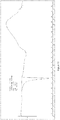
Figure 7 shows the DSC spectrum of crystal form A of the compound of formula (I). -
Figure 8 shows the DSC spectrum of crystal form B of the compound of formula (I). -
Figure 9 shows the DSC spectrum of crystal form C of the compound of formula (I). -
Figure 10 shows the DSC spectrum of crystal form D of the compound of formula (I). -
Figure 11 shows the DSC spectrum of crystal form H of the compound of formula (I). -
Figure 12 shows the DSC spectrum of crystal form I of the compound of formula (I). -
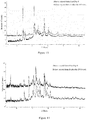
Figure 13 shows the comparative XRPD spectrum of crystal form A of the compound of formula (I) before and after the DVS test. -
Figure 14 shows the comparative XRPD spectrum of crystal form B of the compound of formula (I) before and after the DVS test. -
Figure 15 shows the comparative XRPD spectrum of crystal form I of the compound of formula (I) before and after the DVS test. -
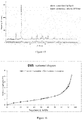
Figure 16 shows theDVS circulation 1 diagram of crystal form B of the compound of formula (I). -
Figure 17 shows theDVS circulation 2 diagram of crystal form B of the compound of formula (I). -
Figure 18 shows the comparative XRPD spectrum of crystal form A of the compound of formula (I) before and after DSC heating. -
Figure 19 shows the comparative XRPD spectrum of crystal form B of the compound of formula (I) before and after DSC heating. -
Figure 20 shows the comparative XRPD spectrum of crystal form I of the compound of formula (I) before and after DSC heating. -
Figure 21 shows the comparative XRPD spectrum of crystal form A of the compound of formula (I) before and after being left to stand for 10 days under the condition ofrelative humidity 0%. -
Figure 22 shows the comparative XRPD spectrum of crystal form B of the compound of formula (I) before and after being left to stand for 10 days under the condition ofrelative humidity 0%. - The present invention will be illustrated by the following examples in detail. The examples of the present invention are merely intended to describe the technical solution of the present invention, and should not be considered as limiting the spirit and scope of the present invention.
- Test conditions for the instruments used in the experiments:
- 1. Differential Scanning Calorimeter, DSC
- Instrument type:
MettlerToledo DSC 3+STARe System - Purging gas: Nitrogen
- Heating rate: 10.0°C/min
- Temperature range: 40-300°C
- Instrument type:
- 2. X-ray Powder Diffraction, XRPD
- Instrument type: Bruker D8 Discover A25 X-ray powder diffractometer
- Ray: monochromatic Cu-Ka ray (λ=1.5406)
- Scanning mode: θ/2θ, Scanning range: 2-40°
- Voltage: 40 kV, Electric current: 40 mA
- 3. Dynamic Vapour Sorption, DVS
- Instrument type: DVS advantage
- Temperature: 25°C
- Solvent: water
- Humidity change: 0-95-0-95-0% RH, dm/dt=0.002
- 10 mg of the compound of formula (I) (prepared according to the method disclosed in
WO2017059623 ) was added to a reaction flask, and dissolved in 5 ml of dimethyl sulfoxide. The solution was left to stand at room temperature, and volatilized to dryness to obtain about 9 mg of a pale yellow solid. The X-ray diffraction spectrum of the crystal sample is shown inFigure 1 , and the DSC spectrum of the crystal sample is shown inFigure 7 . The crystal form was defined as crystal form A, and the characteristic peak positions are shown in the following table:Table 1. Characteristic peaks of crystal form A Peak No. 2θ[°] d[Å] I[%] Peak 110.444 8.46326 16.3 Peak 2 11.782 7.50510 3.8 Peak 314.008 6.31697 100 Peak 415.268 5.79850 9.8 Peak 518.034 4.91495 7.1 Peak 621.183 4.19092 91.1 Peak 7 22.656 3.92156 10.2 Peak 8 22.958 3.87073 6.3 Peak 9 23.849 3.72809 27.8 Peak 1024.775 3.59071 6.9 Peak 1125.291 3.51865 4.5 Peak 1226.760 3.32871 3.8 Peak 1327.675 3.22078 49.7 Peak 1428.359 3.14458 2.8 Peak 1530.372 2.94061 19.0 Peak 16 32.074 2.78836 4.8 Peak 17 36.379 2.46765 8.1 Peak 1841.668 2.16582 2.8 - 10 mg of the compound of formula (I) was added to a reaction flask, and 5 ml of dichloromethane was added. The mixture was pulped respectively at room temperature and 50°C for three days, filtrated and dried under vacuum at 40°C for two hours. About 8 mg of a pale yellow solid was obtained under both conditions. The X-ray diffraction spectra of the two crystal samples are the same. The X-ray diffraction spectrum of the crystal sample is shown in
Figure 2 , and the DSC spectrum of the crystal sample is shown inFigure 8 . The crystal form was defined as crystal form B, and the characteristic peak positions are shown in the following table:Table 2. Characteristic peaks of crystal form B Peak No. 2θ[°] d[Å] I[%] Peak 16.341 13.92834 64.6 Peak 2 12.165 7.26976 12.2 Peak 3 12.836 6.89095 15.8 Peak 4 14.747 6.00237 31.0 Peak 5 17.840 4.96793 51.9 Peak 6 19.345 4.58467 11.1 Peak 7 20.273 4.37691 23.6 Peak 8 20.894 4.24812 55.7 Peak 9 22.172 4.00605 100 Peak 1022.852 3.88846 36.2 Peak 1123.675 3.75503 19.4 Peak 1224.490 3.63189 36.2 Peak 1325.033 3.55440 13.9 Peak 1426.001 3.42421 6.3 Peak 1527.457 3.24584 70.5 Peak 16 27.856 3.20019 53.7 Peak 17 28.542 3.12484 14.8 Peak 1829.187 3.05720 24.6 Peak 19 29.994 2.97678 10.9 Peak 2031.124 2.87128 16.1 Peak 21 32.616 2.74322 1.0 Peak 2240.361 2.23289 2.8 - 80 mg of the compound of formula (I) was added to a reaction flask, and dissolved in 40 ml of a mixed solvent of methanol/water (Vwater:Vmethanol = 1:9) under stiring. The solution was left to stand at room temperature, and volatilized to dryness to obtain about 75 mg of a pale yellow solid. The X-ray diffraction spectrum of the crystal sample is shown in
Figure 3 , and the DSC spectrum of the crystal sample is shown inFigure 9 . The crystal form was defined as crystal form C, and the characteristic peak positions are shown in the following table:Table 3. Characteristic peaks of crystal form C Peak No. 2θ[°] d[Å] I[%] Peak 16.333 13.94621 66.2 Peak 2 9.713 9.09827 36.2 Peak 3 14.040 6.30263 56.6 Peak 4 14.703 6.02019 28.7 Peak 5 17.791 4.98149 57.2 Peak 6 19.347 4.58422 11.4 Peak 7 20.222 4.38786 5.4 Peak 820.840 4.25909 28.0 Peak 9 21.193 4.18890 22.8 Peak 1022.163 4.00769 100 Peak 1122.847 3.88929 21.8 Peak 1223.678 3.75454 21.9 Peak 1324.527 3.62648 28.2 Peak 1424.926 3.56939 10.6 Peak 1527.472 3.24407 87.8 Peak 16 28.727 3.10511 25.7 Peak 17 29.232 3.05264 19.2 Peak 1831.060 2.87701 14.1 - 80 mg of the compound of formula (I) was added to a reaction flask, and dissolved in 40 ml of 1,4-dioxane under stiring. The solution was left to stand at room temperature, and volatilized to dryness to obtain about 75 mg of a pale yellow solid. The X-ray diffraction spectrum of the crystal sample is shown in
Figure 4 , and the DSC spectrum of the crystal sample is shown inFigure 10 . The crystal form was defined as crystal form D, and the characteristic peak positions are shown in the following table:Table 4. Characteristic peaks of crystal form D Peak No. 2θ[°] d[Å] I[%] Peak 17.281 12.13196 57.5 Peak 2 9.673 9.13592 66.8 Peak 3 9.724 9.08861 51.6 Peak 4 9.794 9.02332 61.7 Peak 5 14.723 6.01170 33.7 Peak 6 15.369 5.76054 46.4 Peak 7 17.665 5.01666 100 Peak 819.556 4.53566 31.1 Peak 9 20.756 4.27609 9.5 Peak 1021.207 4.18608 17.5 Peak 1123.785 3.73802 82.9 Peak 1225.125 3.54154 8.1 Peak 1326.247 3.39269 1.6 Peak 1426.882 3.31390 32.4 Peak 1528.326 3.14817 -1.3 Peak 16 28.360 3.14444 8.8 Peak 17 29.853 2.99052 32.8 Peak 1831.578 2.83097 15.6 Peak 19 33.425 2.67864 13.3 Peak 2035.377 2.53520 4.0 - 80 mg of the compound of formula (I) was added to a reaction flask, and dissolved in 40 ml of N,N-dimethylformamide under stiring. The solution was left to stand at room temperature, and volatilized to dryness to obtain about 78 mg of a pale yellow solid. The X-ray diffraction spectrum of the crystal sample is shown in
Figure 5 , and the DSC spectrum of the crystal sample is shown inFigure 11 . The crystal form was defined as crystal form H, and the characteristic peak positions are shown in the following table:Table 5. Characteristic peaks of crystal form H Peak No. 2θ[°] d[Å] I[%] Peak 17.141 12.36821 3.1 Peak 2 7.787 11.34440 48.9 Peak 3 11.005 8.03351 3.1 Peak 414.215 6.22537 1.1 Peak 515.694 5.64204 100 Peak 616.169 5.47734 22.9 Peak 7 16.207 5.46477 21.8 Peak 8 17.536 5.05333 35.3 Peak 9 19.631 4.51844 22.1 Peak 1020.545 4.31942 0.8 Peak 1122.197 4.00167 1.2 Peak 1223.946 3.71315 9.4 Peak 1323.979 3.70820 8.7 Peak 1424.952 3.56572 6.6 Peak 1525.593 3.47777 12.4 Peak 16 25.640 3.47154 13.7 Peak 17 27.539 3.23637 -0.1 Peak 1827.636 3.22515 0.4 Peak 19 28.496 3.12976 2.5 Peak 2029.719 3.00367 0.6 Peak 21 30.545 2.92433 1.3 Peak 2231.742 2.81672 20.2 Peak 23 32.716 2.73505 1.0 Peak 24 35.040 2.55879 2.0 Peak 25 35.439 2.53090 1.1 Peak 26 40.178 2.24266 1.7 - 80 mg of the compound of formula (I) was added to a reaction flask, and dissolved in 40 ml of ethyl acetate under stiring. The solution was left to stand at room temperature, and volatilized to dryness to obtain about 75 mg of a pale yellow solid. The X-ray diffraction spectrum of the crystal sample is shown in
Figure 6 , and the DSC spectrum of the crystal sample is shown inFigure 12 . The crystal form was defined as crystal form I, and the characteristic peak positions are shown in the following table:Table 6. Characteristic peaks of crystal form I Peak No. 2θ[°] d[Å] I[%] Peak 16.862 12.87079 2.1 Peak 2 10.441 8.46607 19.5 Peak 3 14.016 6.31374 100 Peak 421.185 4.19048 7.1 Peak 523.819 3.73263 3.1 Peak 624.733 3.59677 11.5 Peak 7 27.670 3.22134 11.8 Peak 8 28.371 3.14330 10.0 Peak 9 30.376 2.94026 4.9 Peak 1030.409 2.93711 5.1 Peak 1130.511 2.92755 4.6 Peak 1232.050 2.79033 9.3 Peak 1335.693 2.51348 2.6 Peak 1436.281 2.47411 5.4 Peak 1541.553 2.17155 1.4 - Physical stability test was carried out on the samples of crystal forms A, B, C, D, H and I under different placement conditions. The placement conditions were:
- 1. 40°C, humidity 75%, open/sealed;
- 2. 25°C,
humidity 60%, open; and - 3. 2-6°C, sealed.
- The test results are shown in Table 7.
Table 7. Physical stability of each crystal form Physical stability (XRPD) Crystal form A B C D I H Day 0 1 week 40°C open √ √ × × √ × 40°C sealed √ √ × × √ √ 25°C open √ √ × × √ √ 4°C sealed √ √ × × √ √ 2 weeks 40°C open √ √ / / √ / 40°C sealed √ √ / / √ / 25°C open √ √ / / √ / 4°C sealed √ √ / / √ / 1 month 40°C open √ √ / / √ / 40°C sealed √ √ / / √ / 25°C open √ √ / / √ / 4°C sealed √ √ / / √ / Note: √ means that the crystal form did not change; × means that the crystal form changed; and / means that the crystal form was not determined. - It can be seen from the table that crystal forms C, D and H changed after one week, indicating that crystal forms C, D and H have a poor physical stability; crystal forms A, B and I did not change after one month, indicating that crystal forms A, B and I have a good physical stability.
- XRPD test was carried out on the samples of crystal forms A, B and I after the DVS test, and the XRPD results of each crystal form before and after the DVS test were compared. The comparative XRPD spectra of each crystal form are shown in
Figures 13-15 . - DVS instrument parameters:
- Temperature: 25°C
- Solvent: water
- Humidity change: 50%-95%-0%-95%-50% RH, dm/dt=0.002
- Maximum step size: 360 minutes
- The XRPD results showed that crystal form B did not change before and after the DVS test; crystal form A did not change, but the crystallinity thereof decreased; crystal form I changed. Therefore, crystal form I is the most sensitive to humidity, while crystal form B is the most stable to humidity.
- XRPD test was carried out on the samples of crystal forms A, B and I after the DSC test. The comparative XRPD spectra of each crystal form are shown in
Figures 18-20 . The results showed that crystal form B did not change after heating to 135°C, indicating that crystal form B is stable; both crystal forms A and I changed after heating to 105°C, indicating that crystal forms A and I are unstable. - The samples of crystal forms A and B were left to stand under the condition of 0% humidity for 10 days, and subjected to XRPD to investigate the stability of the crystal form under the low humidity condition. The comparative XRPD spectra of each crystal form are shown in
Figures 21-22 . - The XRPD results showed that crystal form A changed after being left to stand under the condition of 0% humidity for 10 days, indicating that crystal form A is unstable; crystal form B did not change after being left to stand under the condition of 0% humidity for 10 days, indicating that crystal form B is stable; crystal form B is more stable than crystal form A under the low humidity condition.
- The samples of crystal forms A, B and I were left to stand under different humidity conditions to test their chemical stability. The results are shown in Table 8. The impurity content was determined by HPLC (HPLC detection conditions: ZORBAX SB-C18 4.6∗150 mm 3.5 µm, mobile phase: TFA/methanol/water, detection wavelength: 223 nm).
Table 8. Chemical stability of each crystal form Total impurity content (%) Placement condition Time Crystal form A Crystal form B Crystal form I Day 0 1.88 0.95 1.56 Humidity 0% (25°C)5 days 1.89 0.97 1.57 10 days 2.00 1.03 1.58 30 days 2.14 1.09 2.06 Humidity 75% (25°C) 5 days 1.92 0.94 1.72 10 days 1.97 0.98 1.78 30 days 2.17 1.06 1.88 Humidity 92.5% (25°C) 5 days 1.96 0.98 1.90 10 days 1.99 0.98 2.24 30 days 2.05 1.02 2.22 - It can be seen from Table 8 that crystal form B has a low impurity content, and the content substantially did not increase under various conditions, indicating that crystal form B has a good stability. But, crystal forms A and I have a relatively high impurity content, and the impurity content changed significantly under various conditions.
Claims (32)
- Crystal form A of a compound of formula (I), characterized in that: the crystal form A has an X-ray powder diffraction spectrum, which is obtained by using Cu-Ka radiation and represented by diffraction angle 2θ angle, in which there are characteristic peaks at 2θ angles of 10.44, 14.01, 15.27, 18.03, 21.18, 22.66, 22.96, 23.85, 27.68 and 30.37,
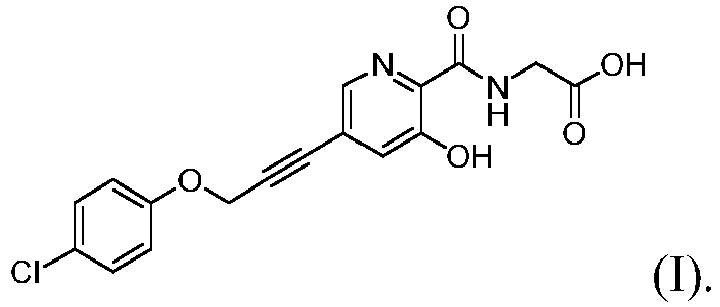
- The crystal form A according to claim 1, characterized in that: the crystal form A has an X-ray powder diffraction spectrum, which is obtained by using Cu-Ka radiation and represented by diffraction angle 2θ angle, in which there are characteristic peaks at 2θ angles of 10.44, 11.78, 14.01, 15.27, 18.03, 21.18, 22.66, 22.96, 23.85, 24.78, 25.29, 27.68, 30.37 and 36.38.
- The crystal form A according to claim 1, characterized in that: the crystal form A has an X-ray powder diffraction spectrum, which is obtained by using Cu-Ka radiation and represented by diffraction angle 2θ angle, in which there are characteristic peaks at 2θ angles of 10.44, 11.78, 14.01, 15.27, 18.03, 21.18, 22.66, 22.96, 23.85, 24.78, 25.29, 26.76, 27.68, 28.36, 30.37, 32.07, 36.38 and 41.67.
- The crystal form A according to claim 1, characterized in that: the crystal form A has an X-ray powder diffraction spectrum as shown in Figure 1, which is obtained by using Cu-Ka radiation.
- Crystal form B of the compound of formula (I), characterized in that: the crystal form B has an X-ray powder diffraction spectrum, which is obtained by using Cu-Ka radiation and represented by diffraction angle 2θ angle, in which there are characteristic peaks at 2θ angles of 6.34, 12.17, 14.75, 17.84, 20.27, 20.89, 22.17, 22.85, 24.49, 27.46, 27.86 and 29.19.
- The crystal form B according to claim 5, characterized in that: the crystal form B has an X-ray powder diffraction spectrum, which is obtained by using Cu-Ka radiation and represented by diffraction angle 2θ angle, in which there are characteristic peaks at 2θ angles of 6.34, 12.17, 12.84, 14.75, 17.84, 19.35, 20.27, 20.89, 22.17, 22.85, 23.68, 24.49, 25.03, 27.46, 27.86, 28.54, 29.19 and 31.12.
- The crystal form B according to claim 5, characterized in that: the crystal form B has an X-ray powder diffraction spectrum, which is obtained by using Cu-Ka radiation and represented by diffraction angle 2θ angle, in which there are characteristic peaks at 2θ angles of 6.34, 12.17, 12.84, 14.75, 17.84, 19.35, 20.27, 20.89, 22.17, 22.85, 23.68, 24.49, 25.03, 26.00, 27.46, 27.86, 28.54, 29.19, 29.99, 31.12, 32.62 and 40.36.
- The crystal form B according to claim 5, characterized in that: the crystal form B has an X-ray powder diffraction spectrum as shown in Figure 2, which is obtained by using Cu-Ka radiation.
- Crystal form C of the compound of formula (I), characterized in that: the crystal form C has an X-ray powder diffraction spectrum, which is obtained by using Cu-Ka radiation and represented by diffraction angle 2θ angle, in which there are characteristic peaks at 2θ angles of 6.33, 9.71, 14.04, 14.70, 17.79, 20.84, 21.19, 22.16, 22.85, 23.68, 24.53, 27.47 and 28.73.
- The crystal form C according to claim 9, characterized in that: the crystal form C has an X-ray powder diffraction spectrum, which is obtained by using Cu-Ka radiation and represented by diffraction angle 2θ angle, in which there are characteristic peaks at 2θ angles of 6.33, 9.71, 14.04, 14.70, 17.79, 19.35, 20.84, 21.19, 22.16, 22.85, 23.68, 24.53, 24.93, 27.47, 28.73 and 29.23.
- The crystal form C according to claim 9, characterized in that: the crystal form C has an X-ray powder diffraction spectrum, which is obtained by using Cu-Ka radiation and represented by diffraction angle 2θ angle, in which there are characteristic peaks at 2θ angles of 6.33, 9.71, 14.04, 14.70, 17.79, 19.35, 20.22, 20.84, 21.19, 22.16, 22.85, 23.68, 24.53, 24.93, 27.47, 28.73, 29.23 and 31.06.
- The crystal form C according to claim 9, characterized in that: the crystal form C has an X-ray powder diffraction spectrum as shown in Figure 3, which is obtained by using Cu-Ka radiation.
- Crystal form D of the compound of formula (I), characterized in that: the crystal form D has an X-ray powder diffraction spectrum, which is obtained by using Cu-Ka radiation and represented by diffraction angle 2θ angle, in which there are characteristic peaks at 2θ angles of 7.28, 9.67, 9.72, 9.79, 14.72, 15.37, 17.67, 19.56, 21.21, 23.79, 26.88 and 29.85.
- The crystal form D according to claim 13, characterized in that: the crystal form D has an X-ray powder diffraction spectrum, which is obtained by using Cu-Ka radiation and represented by diffraction angle 2θ angle, in which there are characteristic peaks at 2θ angles of 7.28, 9.67, 9.72, 9.79, 14.72, 15.37, 17.67, 19.56, 20.76, 21.21, 23.79, 25.13, 26.88, 29.85, 31.58 and 33.43.
- The crystal form D according to claim 13, characterized in that: the crystal form D has an X-ray powder diffraction spectrum, which is obtained by using Cu-Ka radiation and represented by diffraction angle 2θ angle, in which there are characteristic peaks at 2θ angles of 7.28, 9.67, 9.72, 9.79, 14.72, 15.37, 17.67, 19.56, 20.76, 21.21, 23.79, 25.13, 26.25, 26.88, 28.36, 29.85, 31.58, 33.43 and 35.38.
- The crystal form D according to claim 13, characterized in that: the crystal form D has an X-ray powder diffraction spectrum as shown in Figure 4, which is obtained by using Cu-Ka radiation.
- Crystal form H of the compound of formula (I), characterized in that: the crystal form H has an X-ray powder diffraction spectrum, which is obtained by using Cu-Ka radiation and represented by diffraction angle 2θ angle, in which there are characteristic peaks at 2θ angles of 7.79, 15.69, 16.17, 16.21, 17.54, 19.63, 23.95, 25.59, 25.64 and 31.74.
- The crystal form H according to claim 17, characterized in that: the crystal form H has an X-ray powder diffraction spectrum, which is obtained by using Cu-Ka radiation and represented by diffraction angle 2θ angle, in which there are characteristic peaks at 2θ angles of 7.14, 7.79, 11.01, 15.69, 16.17, 16.21, 17.54, 19.63, 23.95, 23.98, 24.95, 25.59, 25.64 and 31.74.
- The crystal form H according to claim 17, characterized in that: the crystal form H has an X-ray powder diffraction spectrum, which is obtained by using Cu-Ka radiation and represented by diffraction angle 2θ angle, in which there are characteristic peaks at 2θ angles of 7.14, 7.79, 11.01, 14.22, 15.69, 16.17, 16.21, 17.54, 19.63, 20.55, 22.20, 23.95, 23.98, 24.95, 25.59, 25.64, 27.64, 28.50, 29.72, 30.55, 31.74, 32.72, 35.04, 35.44 and 40.18.
- The crystal form H according to claim 17, characterized in that: the crystal form H has an X-ray powder diffraction spectrum as shown in Figure 5, which is obtained by using Cu-Ka radiation.
- Crystal form I of the compound of formula (I), characterized in that: the crystal form I has an X-ray powder diffraction spectrum, which is obtained by using Cu-Ka radiation and represented by diffraction angle 2θ angle, in which there are characteristic peaks at 2θ angles of 6.86, 10.44, 14.02, 21.19, 23.82, 24.73, 27.67, 28.37, 30.38, 30.41, 30.51, 32.05, 35.69, 36.28 and 41.55.
- The crystal form I according to claim 21, characterized in that: the crystal form I has an X-ray powder diffraction spectrum as shown in Figure 6, which is obtained by using Cu-Ka radiation.
- A pharmaceutical composition, comprising one or more of crystal forms A, B, C, D, H and I of the compound of formula (I) according to claims 1 to 22 and one or more pharmaceutically acceptable carriers, diluents and excipients.
- A pharmaceutical composition, prepared by mixing one or more of crystal forms A, B, C, D, H and I of the compound of formula (I) according to claims 1 to 22 with one or more pharmaceutically acceptable carriers, diluents and excipients.
- A method for preparing a pharmaceutical composition comprising the compound of formula (I) or a pharmaceutically acceptable salt thereof, comprising a step of mixing one or more of crystal forms A, B, C, D, H and I of the compound of formula (I) according to claims 1 to 22 with one or more pharmaceutically acceptable carriers, diluents and excipients.
- A method for preparing the crystal form A of the compound of formula (I) according to claims 1 to 4, comprising the steps of:(1) dissolving the compound of formula (I) in an appropriate amount of solvent to precipitate a crystal, and filtering the resulting crystal, wherein the solvent is one or more selected from the group consisting of dimethyl sulfoxide, tetrahydrofuran, propylene glycol methyl ether, methanol, acetonitrile, ethyl acetate, ethanol, water and isopropanol; or(2) adding the compound of formula (I) into an appropriate amount of solvent, pulping the mixture, and filtering the resulting crystal, wherein the solvent is one or more selected from the group consisting of water, cyclohexane, methanol and ethanol.
- A method for preparing the crystal form B of the compound of formula (I) according to claims 5 to 8, comprising the steps of:(1) dissolving the compound of formula (I) in an appropriate amount of acetic acid to precipitate a crystal, and filtering the resulting crystal; or(2) adding the compound of formula (I) into an appropriate amount of solvent, pulping the mixture, and filtering the resulting crystal, wherein the solvent is one or more selected from the group consisting of dichloromethane, 1,2-dichloroethane, n-heptane, isopropanol, isoamylol, trifluoroethanol and nitromethane.
- A method for preparing the crystal form C of the compound of formula (I) according to claims 9 to 12, comprising the steps of: dissolving the compound of formula (I) in an appropriate amount of a mixed solvent of water and methanol to precipitate a crystal, and filtering the resulting crystal.
- A method for preparing the crystal form D of the compound of formula (I) according to claims 13 to 16, comprising the steps of: dissolving the compound of formula (I) in an appropriate amount of 1,4-dioxane to precipitate a crystal, and filtering the resulting crystal.
- A method for preparing the crystal form H of the compound of formula (I) according to claims 17 to 20, comprising the steps of: dissolving the compound of formula (I) in an appropriate amount of N,N-dimethylformamide to precipitate a crystal, and filtering the resulting crystal.
- A method for preparing the crystal form I of the compound of formula (I) according to claim 21 or 22, comprising the steps of: dissolving the compound of formula (I) in an appropriate amount of ethyl acetate to precipitate a crystal, and filtering the resulting crystal.
- Use of the crystal form A, B, C, D, H or I of the compound of formula (I) according to claims 1 to 22 or the pharmaceutical composition according to claim 23 or 24 in the preparation of a medicament for treating a prolyl hydroxylase-mediated disease, wherein the disease is preferably anemia.
Applications Claiming Priority (3)
| Application Number | Priority Date | Filing Date | Title |
|---|---|---|---|
| CN201711008888 | 2017-10-25 | ||
| CN201711261104 | 2017-12-04 | ||
| PCT/CN2018/111630 WO2019080865A1 (en) | 2017-10-25 | 2018-10-24 | Crystalline form of alkynyl pyridine prolyl hydroxylase inhibitor and method for preparing same |
Publications (2)
| Publication Number | Publication Date |
|---|---|
| EP3702350A1 true EP3702350A1 (en) | 2020-09-02 |
| EP3702350A4 EP3702350A4 (en) | 2021-03-17 |
Family
ID=66246215
Family Applications (1)
| Application Number | Title | Priority Date | Filing Date |
|---|---|---|---|
| EP18871021.4A Withdrawn EP3702350A4 (en) | 2017-10-25 | 2018-10-24 | Crystalline form of alkynyl pyridine prolyl hydroxylase inhibitor and method for preparing same |
Country Status (13)
| Country | Link |
|---|---|
| US (1) | US11014888B2 (en) |
| EP (1) | EP3702350A4 (en) |
| JP (1) | JP2021500315A (en) |
| KR (1) | KR20200077531A (en) |
| CN (1) | CN111108098B (en) |
| AU (1) | AU2018355472A1 (en) |
| BR (1) | BR112020007499A2 (en) |
| CA (1) | CA3076557A1 (en) |
| MX (1) | MX2020004388A (en) |
| RU (1) | RU2020111829A (en) |
| TW (1) | TW201917117A (en) |
| UA (1) | UA125565C2 (en) |
| WO (1) | WO2019080865A1 (en) |
Families Citing this family (2)
| Publication number | Priority date | Publication date | Assignee | Title |
|---|---|---|---|---|
| CN110240562B (en) * | 2018-03-08 | 2022-04-12 | 江苏恒瑞医药股份有限公司 | Medicinal salt and crystal form of prolyl hydroxylase inhibitor and preparation method thereof |
| JP6831041B2 (en) * | 2018-07-25 | 2021-02-17 | 富士フイルム株式会社 | Projection device |
Family Cites Families (1)
| Publication number | Priority date | Publication date | Assignee | Title |
|---|---|---|---|---|
| CN105130888A (en) | 2015-10-09 | 2015-12-09 | 中国药科大学 | Pyridylacetylene prolyl hydroxylase inhibitor and preparation method and medical application thereof |
-
2018
- 2018-10-24 KR KR1020207013736A patent/KR20200077531A/en not_active Withdrawn
- 2018-10-24 EP EP18871021.4A patent/EP3702350A4/en not_active Withdrawn
- 2018-10-24 JP JP2020518764A patent/JP2021500315A/en active Pending
- 2018-10-24 AU AU2018355472A patent/AU2018355472A1/en not_active Abandoned
- 2018-10-24 CN CN201880059079.1A patent/CN111108098B/en active Active
- 2018-10-24 CA CA3076557A patent/CA3076557A1/en not_active Abandoned
- 2018-10-24 BR BR112020007499-3A patent/BR112020007499A2/en not_active Application Discontinuation
- 2018-10-24 UA UAA202002153A patent/UA125565C2/en unknown
- 2018-10-24 US US16/757,333 patent/US11014888B2/en not_active Expired - Fee Related
- 2018-10-24 TW TW107137541A patent/TW201917117A/en unknown
- 2018-10-24 MX MX2020004388A patent/MX2020004388A/en unknown
- 2018-10-24 WO PCT/CN2018/111630 patent/WO2019080865A1/en not_active Ceased
- 2018-10-24 RU RU2020111829A patent/RU2020111829A/en unknown
Also Published As
| Publication number | Publication date |
|---|---|
| TW201917117A (en) | 2019-05-01 |
| CN111108098B (en) | 2022-06-21 |
| CA3076557A1 (en) | 2019-05-02 |
| US11014888B2 (en) | 2021-05-25 |
| MX2020004388A (en) | 2020-08-20 |
| EP3702350A4 (en) | 2021-03-17 |
| JP2021500315A (en) | 2021-01-07 |
| RU2020111829A (en) | 2021-11-25 |
| US20200299240A1 (en) | 2020-09-24 |
| KR20200077531A (en) | 2020-06-30 |
| UA125565C2 (en) | 2022-04-20 |
| CN111108098A (en) | 2020-05-05 |
| WO2019080865A1 (en) | 2019-05-02 |
| BR112020007499A2 (en) | 2020-10-06 |
| AU2018355472A1 (en) | 2020-05-07 |
Similar Documents
| Publication | Publication Date | Title |
|---|---|---|
| AU2020382214B2 (en) | Novel salt of terphenyl compound | |
| EP2873664B1 (en) | Crystalline form i of tyrosine kinase inhibitor dimaleate and preparation methods thereof | |
| EP4434582A2 (en) | Crystal of pyrrolidine compound | |
| EP4092014B1 (en) | Crystalline form of fluvatinib methanesulfonate and preparation method therefor | |
| US11155537B2 (en) | Crystal of benzofuran derivative free base and preparation method | |
| KR20140053807A (en) | Method for producing L-ornithine phenylacetate | |
| EP3560919A1 (en) | Salt of substituted piperidine compound | |
| EP3263573B1 (en) | Crystal of imidazo-oxazine, pharmaceutical composition containing said crystal, and method for producing said crystal | |
| KR102402501B1 (en) | Fimasartan Tromethamine Salt and Pharmaceutical Composition Comprising the Same | |
| EP2455368B1 (en) | 2-[[[2-[(hydroxyacetyl)amino]-4-pyridinyl]methyl]thio]-n-[4-(trifluoromethoxy)phenyl]-3-pyridinecarboxamide benzene- sulfonate, crystals of same, polymorphs thereof, and processes for production thereof | |
| US11014888B2 (en) | Crystalline form of alkynyl pyridine prolyl hydroxylase inhibitor and method for preparing same | |
| EP3872072A1 (en) | Crystal form of maleate of tyrosine kinase inhibitor and preparation method therefor | |
| EP4553078A1 (en) | 5h-pyrrolo[2,3-d]pyrimidin-6(7h)-one and crystal of salt thereof | |
| CN110240562B (en) | Medicinal salt and crystal form of prolyl hydroxylase inhibitor and preparation method thereof | |
| HK40024614A (en) | Crystalline form of alkynyl pyridine prolyl hydroxylase inhibitor and method for preparing same | |
| KR102026337B1 (en) | Novel 1-[2-(2,4-Dimethylphenylsulfanyl)phenyl]piperazine salt and method for preparing the same | |
| EP2042498A1 (en) | Crystal of benzoxadiazole derivative | |
| KR20240168375A (en) | Method for producing and purifying high purity compounds | |
| TW202434549A (en) | Crystallization of acetate hydrochloride | |
| HK40121018A (en) | 5h-pyrrolo[2,3-d]pyrimidin-6(7h)-one and crystal of salt thereof | |
| HK40076742B (en) | Novel salt of terphenyl compound | |
| CN105622590A (en) | Posaconazole crystal form VI and preparation method thereof | |
| WO2020171055A1 (en) | Benzazepine derivative alcoholate or crystal thereof |
Legal Events
| Date | Code | Title | Description |
|---|---|---|---|
| STAA | Information on the status of an ep patent application or granted ep patent |
Free format text: STATUS: THE INTERNATIONAL PUBLICATION HAS BEEN MADE |
|
| PUAI | Public reference made under article 153(3) epc to a published international application that has entered the european phase |
Free format text: ORIGINAL CODE: 0009012 |
|
| STAA | Information on the status of an ep patent application or granted ep patent |
Free format text: STATUS: REQUEST FOR EXAMINATION WAS MADE |
|
| 17P | Request for examination filed |
Effective date: 20200430 |
|
| AK | Designated contracting states |
Kind code of ref document: A1 Designated state(s): AL AT BE BG CH CY CZ DE DK EE ES FI FR GB GR HR HU IE IS IT LI LT LU LV MC MK MT NL NO PL PT RO RS SE SI SK SM TR |
|
| AX | Request for extension of the european patent |
Extension state: BA ME |
|
| DAV | Request for validation of the european patent (deleted) | ||
| DAX | Request for extension of the european patent (deleted) | ||
| A4 | Supplementary search report drawn up and despatched |
Effective date: 20210216 |
|
| RIC1 | Information provided on ipc code assigned before grant |
Ipc: A61P 7/06 20060101ALI20210210BHEP Ipc: A61K 31/44 20060101ALI20210210BHEP Ipc: A61K 31/4709 20060101ALI20210210BHEP Ipc: C07D 213/81 20060101AFI20210210BHEP |
|
| STAA | Information on the status of an ep patent application or granted ep patent |
Free format text: STATUS: EXAMINATION IS IN PROGRESS |
|
| 17Q | First examination report despatched |
Effective date: 20220927 |
|
| STAA | Information on the status of an ep patent application or granted ep patent |
Free format text: STATUS: THE APPLICATION IS DEEMED TO BE WITHDRAWN |
|
| 18D | Application deemed to be withdrawn |
Effective date: 20230208 |