EP3698649A1 - Agent for preventing or ameliorating alzheimer's disease - Google Patents
Agent for preventing or ameliorating alzheimer's disease Download PDFInfo
- Publication number
- EP3698649A1 EP3698649A1 EP18868138.1A EP18868138A EP3698649A1 EP 3698649 A1 EP3698649 A1 EP 3698649A1 EP 18868138 A EP18868138 A EP 18868138A EP 3698649 A1 EP3698649 A1 EP 3698649A1
- Authority
- EP
- European Patent Office
- Prior art keywords
- ameliorating
- agent
- disease
- alzheimer
- ceramide
- Prior art date
- Legal status (The legal status is an assumption and is not a legal conclusion. Google has not performed a legal analysis and makes no representation as to the accuracy of the status listed.)
- Pending
Links
Images

Classifications
-
- A—HUMAN NECESSITIES
- A61—MEDICAL OR VETERINARY SCIENCE; HYGIENE
- A61K—PREPARATIONS FOR MEDICAL, DENTAL OR TOILETRY PURPOSES
- A61K31/00—Medicinal preparations containing organic active ingredients
- A61K31/70—Carbohydrates; Sugars; Derivatives thereof
- A61K31/7028—Compounds having saccharide radicals attached to non-saccharide compounds by glycosidic linkages
- A61K31/7032—Compounds having saccharide radicals attached to non-saccharide compounds by glycosidic linkages attached to a polyol, i.e. compounds having two or more free or esterified hydroxy groups, including the hydroxy group involved in the glycosidic linkage, e.g. monoglucosyldiacylglycerides, lactobionic acid, gangliosides
-
- A—HUMAN NECESSITIES
- A23—FOODS OR FOODSTUFFS; TREATMENT THEREOF, NOT COVERED BY OTHER CLASSES
- A23L—FOODS, FOODSTUFFS OR NON-ALCOHOLIC BEVERAGES, NOT OTHERWISE PROVIDED FOR; PREPARATION OR TREATMENT THEREOF
- A23L33/00—Modifying nutritive qualities of foods; Dietetic products; Preparation or treatment thereof
- A23L33/10—Modifying nutritive qualities of foods; Dietetic products; Preparation or treatment thereof using additives
- A23L33/105—Plant extracts, their artificial duplicates or their derivatives
-
- A—HUMAN NECESSITIES
- A23—FOODS OR FOODSTUFFS; TREATMENT THEREOF, NOT COVERED BY OTHER CLASSES
- A23L—FOODS, FOODSTUFFS OR NON-ALCOHOLIC BEVERAGES, NOT OTHERWISE PROVIDED FOR; PREPARATION OR TREATMENT THEREOF
- A23L29/00—Foods or foodstuffs containing additives; Preparation or treatment thereof
- A23L29/20—Foods or foodstuffs containing additives; Preparation or treatment thereof containing gelling or thickening agents
- A23L29/206—Foods or foodstuffs containing additives; Preparation or treatment thereof containing gelling or thickening agents of vegetable origin
- A23L29/244—Foods or foodstuffs containing additives; Preparation or treatment thereof containing gelling or thickening agents of vegetable origin from corms, tubers or roots, e.g. glucomannan
-
- A—HUMAN NECESSITIES
- A23—FOODS OR FOODSTUFFS; TREATMENT THEREOF, NOT COVERED BY OTHER CLASSES
- A23L—FOODS, FOODSTUFFS OR NON-ALCOHOLIC BEVERAGES, NOT OTHERWISE PROVIDED FOR; PREPARATION OR TREATMENT THEREOF
- A23L33/00—Modifying nutritive qualities of foods; Dietetic products; Preparation or treatment thereof
- A23L33/10—Modifying nutritive qualities of foods; Dietetic products; Preparation or treatment thereof using additives
- A23L33/115—Fatty acids or derivatives thereof; Fats or oils
-
- A—HUMAN NECESSITIES
- A61—MEDICAL OR VETERINARY SCIENCE; HYGIENE
- A61K—PREPARATIONS FOR MEDICAL, DENTAL OR TOILETRY PURPOSES
- A61K31/00—Medicinal preparations containing organic active ingredients
- A61K31/16—Amides, e.g. hydroxamic acids
- A61K31/164—Amides, e.g. hydroxamic acids of a carboxylic acid with an aminoalcohol, e.g. ceramides
-
- A—HUMAN NECESSITIES
- A61—MEDICAL OR VETERINARY SCIENCE; HYGIENE
- A61K—PREPARATIONS FOR MEDICAL, DENTAL OR TOILETRY PURPOSES
- A61K31/00—Medicinal preparations containing organic active ingredients
- A61K31/70—Carbohydrates; Sugars; Derivatives thereof
- A61K31/7028—Compounds having saccharide radicals attached to non-saccharide compounds by glycosidic linkages
-
- A—HUMAN NECESSITIES
- A61—MEDICAL OR VETERINARY SCIENCE; HYGIENE
- A61K—PREPARATIONS FOR MEDICAL, DENTAL OR TOILETRY PURPOSES
- A61K36/00—Medicinal preparations of undetermined constitution containing material from algae, lichens, fungi or plants, or derivatives thereof, e.g. traditional herbal medicines
- A61K36/18—Magnoliophyta (angiosperms)
- A61K36/88—Liliopsida (monocotyledons)
- A61K36/888—Araceae (Arum family), e.g. caladium, calla lily or skunk cabbage
-
- A—HUMAN NECESSITIES
- A61—MEDICAL OR VETERINARY SCIENCE; HYGIENE
- A61P—SPECIFIC THERAPEUTIC ACTIVITY OF CHEMICAL COMPOUNDS OR MEDICINAL PREPARATIONS
- A61P25/00—Drugs for disorders of the nervous system
- A61P25/28—Drugs for disorders of the nervous system for treating neurodegenerative disorders of the central nervous system, e.g. nootropic agents, cognition enhancers, drugs for treating Alzheimer's disease or other forms of dementia
Definitions
- the present invention relates to an agent for preventing or ameliorating Alzheimer's disease, which can effectively suppress the accumulation of amyloid ⁇ protein (A ⁇ ) in the brain.
- the present invention relates to an agent for maintaining or ameliorating memory which is able to suppress decrease in memory or ameliorate decreased memory caused by the accumulation of A ⁇ , an agent for maintaining or ameliorating judgment which is able to suppress decrease in judgment or ameliorate decreased judgment caused thereby, and an agent for maintaining or ameliorating a cognitive function which is able to suppress decrease in cognitive function or ameliorate decreased cognitive function caused thereby.
- Alzheimer's disease is a progressive neurodegenerative disease that results from neuronal cell death or synaptic dysfunction.
- Pathological features of Alzheimer's disease include accumulation of abnormal structures such as senile plaques and neurofibrillary tangles in the brain.
- dementia is said to be caused by Alzheimer's disease in most cases, and early establishment of measures for preventing or treating Alzheimer's disease is desired.
- Alzheimer's disease can be classified into familial Alzheimer's disease and sporadic Alzheimer's disease. Familial Alzheimer's disease is thought to be caused by mutations in genes such as the APP gene, the presenilin-1 gene and the presenilin-2 gene, and develops in relative youth. However, familial Alzheimer's disease accounts for only about 1% of all Alzheimer's disease patients, and most of them suffer from sporadic Alzheimer's disease. While ApoE isoform 4 is known as a risk factor for sporadic Alzheimer's disease, aging is the largest risk factor, and everyone has the potential to develop Alzheimer's disease.
- Alzheimer's disease is thought to develop due to the accumulation of A ⁇ in the brain for many years.
- an agent for preventing Alzheimer's disease is required not only to have an effect of suppressing the accumulation of A ⁇ , but also to be safe even when taken continuously for many years.
- Ingredients contained in food materials, which have been used in foods for many years, are considered safe even when taken continuously over a long period of time.
- no sufficient study has been made yet on those which have been used in foods for many years and can effectively suppress the accumulation of A ⁇ .
- Patent Document 1 discloses an amyloid fibril formation inhibitor containing a water-soluble peptide metal complex array.
- Patent Document 2 discloses an inhibitor for inhibiting the aggregation of A ⁇ caused by a mutation in the GNE gene, containing at least any one of N-acetylneuraminic acid, N-acetylmannosamine and sialyl lactose.
- An object of the present invention is to provide an agent for preventing or ameliorating Alzheimer's disease, which can effectively suppress the accumulation of A ⁇ using a safe material that has been used in foods.
- another object of the present invention is to provide an agent for maintaining or ameliorating memory which is able to suppress decrease in memory or ameliorate decreased memory, an agent for maintaining or ameliorating judgment which is able to suppress decrease in judgment, and an agent for maintaining or ameliorating a cognitive function which is able to suppress decrease in cognitive function or ameliorate decreased cognitive function, using a safe material that has been used in foods.
- the present inventors have made intensive studies to solve the above-described problems, and found that ceramides (in particular, glucosylceramide derived from tuber of Amorphophallus konjac ) effectively suppress the accumulation of A ⁇ and have an effect of suppressing decrease in cognitive function, an effect of maintaining memory, an effect of maintaining judgment, and the like.
- ceramides in particular, glucosylceramide derived from tuber of Amorphophallus konjac
- the present inventors have found that Alzheimer's disease can be prevented or ameliorated by continuous intake of a ceramide.
- the present invention has been completed as a result of further studies based on such findings.
- the present invention relates to uses for preventing and ameliorating Alzheimer's disease, and provides the following aspects of the invention.
- the present invention also relates to uses for maintaining or ameliorating memory, and provides the following aspects of the invention.
- the present invention relates to uses for maintaining or ameliorating judgment, and provides the following aspects of the invention.
- the present invention also relates to uses for maintaining or ameliorating a cognitive function, and provides the following aspects of the invention.
- the agent for preventing or ameliorating Alzheimer's disease according to the present invention can effectively suppress the accumulation of A ⁇ in the brain, and thus can prevent the onset of Alzheimer's disease and ameliorate symptoms thereof. Furthermore, the agent for preventing or ameliorating Alzheimer's disease according to the present invention can also ameliorate behavior disorder. In addition, in order to prevent Alzheimer's disease, it is necessary to continuously take an active ingredient that suppresses the accumulation of A ⁇ . In this regard, the agent for preventing or ameliorating Alzheimer's disease according to the present invention contains a ceramide that has been used in foods for a long time, is highly safe and has no concern about side effects, and thus can be continuously taken for many years, which is required for preventing Alzheimer's disease.
- the present invention can provide an agent for maintaining or ameliorating memory which is able to suppress decrease in memory or ameliorate decreased memory caused by the accumulation of A ⁇ , an agent for maintaining or ameliorating judgment which is able to suppress decrease in judgment or ameliorate decreased judgment caused thereby, and an agent for maintaining or ameliorating a cognitive function which is able to suppress decrease in cognitive function or ameliorate decreased cognitive function caused thereby.
- the agent for preventing or ameliorating Alzheimer's disease according to the present invention is characterized by containing a ceramide as an active ingredient.
- a ceramide as an active ingredient.
- the agent for preventing or ameliorating Alzheimer's disease according to the present invention contains a ceramide as an active ingredient.
- Ceramides are compounds having a structure in which a fatty acid is amide-bonded to a sphingoid.
- Sphingoids are long-chain amino alcohols in which a hydroxyl group is bonded to at least the carbon atoms at the 1 and 3 positions and an amino group is bonded to the carbon atom at the 2 position.
- the "ceramide” encompasses also glucosylceramide in which one molecule of glucose is bonded to a ceramide skeleton wherein a sphingoid base and a fatty acid are amide-bonded to each other.
- the use of a ceramide makes it possible to suppress the accumulation of A ⁇ and effectively prevent Alzheimer's disease.
- the ceramide used in the present invention is preferably derived from a plant.
- the plant from which the ceramide is derived is not particularly limited, and includes almond, sea lettuce, green laver, goosefoot, acacia, madder, red grape, red pine (including pine resin, amber and copal; the same applies to pines), agaricus, Lactuca indica, akebi, morning glory, azalea, hydrangea, Angelica keiskei, adzuki bean, asparagus, acerola, gambir, anise, avocado, licorice, Hydrangea serrata var.
- ma-yuen banaba, Lagerstroemia speciosa , vanilla, paprika, hamamelis, haruka (a species of citrus), harumi (a species of citrus), harehime (a species of citrus), Citrus grandis, beetroot, bell pepper, red spider lily, water chestnut, Hizikia fusiforme, pistachio, hyssop ( Hyssopus officinalis ), daisy, red poppy, hinoki cypress, hinoki leaf, castor seed, sunflower, sunflower, himetsuki (a species of citrus), Citrus tamurana, loquat, phalaenopsis, fenugreek, Petasites japonicus, blackberry, plum, blueberry (including bilberry),prune, shaddock, loofah, safflower, benimadonna (a species of citrus), belladonna, bergamot, bals
- potatoes such as tuber of Amorphophallus konjac, sweet potato, white potato, dasheen, Japanese yum and Chinese yam, rice and wheat are preferred, potatoes are more preferred, and tuber of Amorphophallus konjac is further preferred.
- the structure of the sphingoid moiety is not particularly limited, but is preferably a structure in which the bond between the carbon atoms at the 8 and 9 positions is a double bond.
- Specific examples of the structure of the sphingoid moiety constituting the ceramide used in the present invention include 4-hydroxy-trans-8-sphingenine, 4-hydroxy-cis-8-sphingenine, trans-8-sphingenine, cis-8-sphingienine, trans-4, trans-8-sphingadienine, and trans-4, cis-8-sphingadienine.
- trans-4 cis-8-sphingadienine
- trans-4-trans-8-sphingadienine 4-hydroxy-cis-8-sphingenine
- 4-hydroxy-trans-8-sphingenine 4-hydroxy-trans-8-sphingenine
- trans-4, cis-8-sphingadienine and trans-4-trans-8-sphingadienine are particularly preferred.
- the number of carbon atoms of the fatty acid bonded to the sphingoid moiety is not particularly limited, but is 2 to 30, preferably 6 to 30, more preferably 6 to 24, particularly preferably 16 to 18.
- the fatty acid may be any of a saturated fatty acid, an unsaturated fatty acid containing a carbon-carbon double bond and/or a carbon-carbon triple bond, and an ⁇ -hydroxy fatty acid.
- fatty acid bonded to the sphingoid moiety in the ceramide used in the present invention include hexanoic acid (C6:0), octanoic acid (C8:0), decanoic acid (C10:0), dodecanoic acid (C12:0), tetradecanoic acid (C14:0), hexadecanoic acid (C16:0), octadecanoic acid (C18:0), icosanoic acid (C20:0), heneicosanoic acid (C21:0), docosanoic acid (C22:0), trichosanoic acid (C23:0), tetradocosanoic acid (C24:0), pentacosanoic acid (C25:0), hexadocosanoic acid (C26:0), heptacosanoic acid (C27:0), octadocosanoic
- CX:Y represents the number of carbon atoms per molecule
- Y represents the number of unsaturated bonds per molecule.
- C16:0 represents a fatty acid having 16 carbon atoms and 0 unsaturated bonds.
- preferred are hexanoic acid, hexadecanoic acid, octadecanoic acid and tetracosanoic acid.
- the ceramide used in the present invention is preferably an Amorphophallus konjac -derived ceramide, more preferably an Amorphophallus konjac-derived glucosylceramide.
- the Amorphophallus konjac-derived ceramide used in the present invention may be obtained from tuber of Amorphophallus konjac itself, or may be obtained from konjak raw material refined powder or by-product Konjac flying powder.
- a ceramide obtained from Konjac flying powder is suitably used from the viewpoint of effective utilization of resources.
- the ceramide may be a purified product or a roughly purified product, or an extract extracted from a plant material containing a ceramide.
- Konjak glucosylceramide can be obtained by performing extraction treatment using an extraction solvent and an extraction material such as tuber of Amorphophallus konjac, konjak refined powder, or Konjac flying powder (hereinafter, sometimes referred to as "Amorphophallus konjac material").
- an extraction material such as tuber of Amorphophallus konjac, konjak refined powder, or Konjac flying powder (hereinafter, sometimes referred to as "Amorphophallus konjac material").
- Examples of the extraction solvent used in the extraction treatment of konjak glucosylceramide include monohydric lower alcohols such as methanol, ethanol and isopropanol; polyhydric alcohols such as 2-butanol, ethylene glycol and propylene glycol; oxygen-containing polar organic solvents such as acetone, dimethyl sulfoxide, dioxane, tetrahydrofuran and diethyl ether; nitrogen-containing polar organic solvents such as dimethylformamide and pyridine; halogen-containing polar organic solvents such as dichloromethane, chloroform and trichloroethylene; nonpolar or low-polar organic solvents such as hexane and isooctane.
- monohydric lower alcohols such as methanol, ethanol and isopropanol
- polyhydric alcohols such as 2-butanol, ethylene glycol and propylene glycol
- oxygen-containing polar organic solvents such as acetone, dimethyl sulfox
- water may be contained in the extraction solvent.
- the extraction efficiency of konjak glucosylceramide decreases.
- the water content of the extraction solvent exceeds 10% by weight
- the extraction efficiency of konjak glucosylceramide significantly decreases.
- the water content of the extraction solvent exceeds 15% by weight
- konjak glucosylceramide is hardly extracted. Therefore, when water is contained in the extraction solvent, it is necessary to set the amount of water so as not to affect the extraction of konjak glucosylceramide.
- the amount of the extraction solvent used in the extraction treatment may be set to, for example, about 1 to 30 times, preferably about 1 to 10 times the weight of the Amorphophallus konjac material serving as a raw material.
- the temperature at the time of the extraction treatment can be appropriately set depending on the type of the extraction solvent to be used, and is for example about 0 to 80°C, preferably about 20 to 60°C.
- the extraction treatment time can be appropriately set depending on the type and amount of the extraction solvent to be used, and is for example 1 to 48 hours, preferably 2 to 20 hours.
- the extraction process may be performed in any of a batch operation, a semi-continuous operation, a countercurrent multi-stage contact operation, etc., and the residue after a single extraction operation may be subjected to repetitive extraction operations using new extraction solvents.
- solid-liquid separation is performed using a suction filtration, a filter press, a cylinder press, a decanter, a centrifuge, a filtration centrifuge, or the like, and an extract is collected.
- the resulting extract can be used as a konjak glucosylceramide-containing extract as it is or after being subjected to concentration, drying and the like as necessary.
- the extract collected after the extraction treatment is mixed with water and heated as it is or after being subjected to concentration, drying and the like as necessary, to cause phase separation into an oil phase and an aqueous phase, and the oil phase may be collected and used as a konjak glucosylceramide-containing extract.
- Such treatment can remove an aldehyde, so that an extract having decreased odor peculiar to tuber of Amorphophallus konjac can be obtained.
- a purified or roughly purified product of konjak glucosylceramide can be obtained by subjecting a konjak glucosylceramide-containing extract to a purification treatment.
- the purification treatment include gel filtration, ion exchange treatment and activated carbon treatment.
- the agent for preventing or ameliorating Alzheimer's disease according to the present invention may contain, in addition to the above-mentioned ceramide, other additive components depending on the dosage form, as long as the effects of the present invention are not impaired.
- the additive components that can be contained in the agent for preventing Alzheimer's disease according to the present invention include water, oils and fats, waxes, hydrocarbons, fatty acids, higher alcohols, esters, plant extracts, water-soluble polymers, surfactants, metal soaps, alcohols, polyhydric alcohols, pH adjusters, antioxidants, ultraviolet absorbers, preservatives, fragrances, powders, thickeners, pigments, and chelating agents and the like.
- These additive components may be used alone, or two or more thereof may be used in combination.
- the contents of these additive components are appropriately set depending on the types of the additive components to be used, the dosage form of the agent for preventing or ameliorating Alzheimer's disease, and the like.
- the dosage form of the agent for preventing or ameliorating Alzheimer's disease according to the present invention is not particularly limited, may be any of solid, semi-solid and liquid, and may be appropriately set depending on the type, use, administration method and the like of the agent for preventing or ameliorating Alzheimer's disease.
- the method of administering the agent for preventing or ameliorating Alzheimer's disease according to the present invention is not particularly limited, and can be appropriately selected depending on the type of the disease to which the method is to be applied, and may be systemic or local administration.
- Specific examples of the method include oral, intravascular (intraarterial or intravenous), transdermal, enteral, pulmonary, and intranasal administrations.
- Intravascular administration also includes intravascular injections and continuous infusions. Among these, oral administration (oral ingestion), intravascular administration and intranasal administration are preferred from the viewpoint of easy administration and more effective Alzheimer's disease prevention/amelioration.
- the formulation of the agent for preventing or ameliorating Alzheimer's disease according to the present invention is not particularly limited, and can be appropriately set to a formulation suitable for an administration method.
- the formulation include tablets, capsules, granules, powders, syrups, injections, drops and suppositories.
- oral administration oral ingestion
- the formulation is not particularly limited as long as oral administration is possible.
- Specific examples of the formulation include foods and beverages and pharmaceuticals for internal use.
- the agent for preventing or ameliorating Alzheimer's disease according to the present invention when used in the formulation of a food or beverage (i.e., when provided as a food or beverage for preventing or ameliorating Alzheimer's disease), the agent for preventing or ameliorating Alzheimer's disease according to the present invention may be used as it is or combined with any other food material or additive component to prepare a desired form.
- foods and beverages include general foods and beverages, as well as foods for specified health use, nutritional supplements, functional foods, and foods for the sick.
- the form of the food or beverage is not particularly limited, and specific examples thereof include supplements such as capsules (soft capsules and hard capsules), tablets, granules, powders, jellies and liposome preparations; beverages such as nutritional drinks, fruit juice beverages, carbonated beverages and lactic acid beverages; and luxury foods such as dumplings, ice cream, sherbet, gummy and candies.
- supplements such as capsules (soft capsules and hard capsules), tablets, granules, powders, jellies and liposome preparations
- beverages such as nutritional drinks, fruit juice beverages, carbonated beverages and lactic acid beverages
- luxury foods such as dumplings, ice cream, sherbet, gummy and candies.
- beverages and supplements preferred are beverages and capsules.
- the agent for preventing or ameliorating Alzheimer's disease according to the present invention may be used as it is or combined with any other additive component to prepare a desired form.
- Specific examples of such pharmaceuticals for internal use include drinks, capsules (soft capsules and hard capsules), tablets, granules, powders, jellies, syrups and liposome preparations.
- capsules and drinks are preferred.
- the content of a ceramide as an active ingredient is not particularly limited as long as it is an effective amount capable of suppressing the accumulation of A ⁇ in the brain, and may be appropriately set depending on the formulation.
- the ceramide content is for example 1 to 20% by mass, preferably 3 to 10% by mass, more preferably 6 to 8% by mass.
- the agent for preventing or ameliorating Alzheimer's disease according to the present invention can suppress accumulation of A ⁇ in the brain, and can suppress decrease in cognitive function caused by the accumulation of A ⁇ , and thus is used for suppressing or delaying the onset of Alzheimer's disease, suppressing the progress of symptoms of Alzheimer's disease, ameliorating the symptoms of Alzheimer's disease, and the like. That is, the subject to whom the agent for preventing or ameliorating Alzheimer's disease according to the present invention is to be applied is a person in need of prevention or amelioration of Alzheimer's disease.
- Examples of the person in need of prevention of Alzheimer's disease include those in need of suppression or delay of the onset of Alzheimer's disease, those who have a tendency to decrease a cognitive function or those suffering from dementia, the elderly, and those who have a tendency to decrease memory or those who have decreased memory.
- specific examples of persons in need of amelioration of Alzheimer's disease include those who have developed a symptom of Alzheimer's disease.
- the agent for preventing or ameliorating Alzheimer's disease according to the present invention there is indicated a method involving identifying a person in need of prevention or amelioration of Alzheimer's disease, and administering the agent for preventing or ameliorating Alzheimer's disease according to the present invention to the person.
- the amount of the agent for preventing or ameliorating Alzheimer's disease according to the present invention to be applied is not particularly limited, and may be appropriately set depending on the formulation, use, administration target, expected effect, and the like.
- the amount of intake is 0.6 to 10 mg, preferably 0.6 to 5 mg per day for an adult in terms of ceramide.
- the agent for preventing or ameliorating Alzheimer's disease according to the present invention may be administered once or in several doses so that the daily dose falls within the above range.
- Agent for maintaining or ameliorating memory agent for maintaining or ameliorating judgment, and agent for maintaining or ameliorating cognitive function
- the present invention provides an agent for maintaining or ameliorating memory, containing a ceramide as an active ingredient.
- the ceramide can effectively suppress decrease in memory caused by accumulation of A ⁇ or ameliorate decreased memory caused thereby, and thus can be used for the purpose of maintaining or ameliorating memory.
- the agent for maintaining or ameliorating memory according to the present invention is applied to a person in need of suppression of decrease in memory or in need of amelioration of memory for the purpose of suppressing decrease in memory or ameliorating memory.
- Those in need of suppression of decrease in memory or in need of amelioration of memory include young people, healthy middle-aged and elderly people, elderly people, people who have a tendency to decrease memory, people who have decreased memory, and people suffering from dementia.
- the agent for maintaining memory according to the present invention there is indicated a method involving identifying a person in need of suppression of decrease in memory or in need of amelioration of memory, and administering the agent for maintaining memory according to the present invention to the person.
- the present invention provides an agent for maintaining or ameliorating judgment, containing a ceramide as an active ingredient.
- the ceramide can effectively suppress a reduction in judgment caused by accumulation of A ⁇ or ameliorate a decreased judgment caused thereby, and thus can be used for the purpose of maintaining or ameliorating judgment.
- the agent for maintaining or ameliorating judgment according to the present invention is applied to a person in need of suppression of decrease in judgment or those in need of amelioration of judgment for the purpose of suppressing decrease in judgment or ameliorating judgment.
- Those in need of suppression of decrease in judgment include young people, healthy middle-aged and elderly people, elderly people, people who have a tendency to decrease judgment, people who have decreased judgment, and people suffering from dementia.
- the agent for maintaining or ameliorating judgment there is indicated a method involving identifying a person in need of suppression of decrease in judgment or in need of amelioration of judgment, and administering the agent for maintaining judgment according to the present invention to the person.
- the present invention provides an agent for maintaining or ameliorating a cognitive function, containing a ceramide as an active ingredient.
- the ceramide can effectively suppress a reduction in cognitive function caused by accumulation of A ⁇ , and thus can be used for the purpose of maintaining or ameliorating a cognitive function.
- the agent for maintaining or ameliorating a cognitive function according to the present invention is applied to a person in need of suppression of decrease in cognitive function or those in need of amelioration of a cognitive function for the purpose of suppressing decrease in cognitive function or ameliorating a cognitive function.
- Those in need of suppression of decrease in cognitive function or in need of amelioration of a cognitive function include people suffering from dementia as well as young people, healthy middle-aged and elderly people, elderly people, and people who have a tendency to decrease a cognitive function.
- the agent for maintaining or ameliorating a cognitive function according to the present invention there is indicated a method involving identifying a person in need of suppression of decrease in cognitive function or in need of amelioration of a cognitive function, and administering the agent for maintaining a cognitive function according to the present invention to the person.
- the types of the ceramide, other additive components, dosage forms, formulations, doses, etc. to be used are as described in the section "1. Agent for preventing or treating Alzheimer's disease".
- a konjak glucosylceramide-containing extract was prepared by performing the following extraction treatment, first deodorization treatment, and second deodorization treatment using Konjac flying powder.
- the obtained first extract was dissolved again in ethanol, and the deodorization treatment was repeated under the same conditions as those for the first deodorization treatment, to obtain 6.3 g of a second extract.
- the second extract was analyzed by HPLC, it contained 11% by weight of glucosylceramide.
- the second extract was used as a konjak glucosylceramide-containing extract in a test which will be described below.
- the brain tissue was excised and the left-brain hippocampus and cerebral cortex were fractionated.
- the A ⁇ 1-42 concentration was measured using A ⁇ ELISA (manufactured by Wako Pure Chemical Industries, Ltd.). The measured value was expressed as a concentration per amount (g) of protein in the brain tissue calculated by the BCA method.
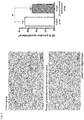
- the A ⁇ 1-42 concentration is an average of the values obtained by measuring 10 individuals in the control group and 11 individuals in the konjak glucosylceramide-administered group. Further, the obtained values were subjected to a significance test (**P ⁇ 0.01) by the one-way ANOVA method.
- the brain tissue was excised, and the right brain was immersed and fixed in 4% paraformaldehyde overnight to prepare a sagittal paraffin section.
- the section was immunohistochemically stained with an anti-A ⁇ antibody (6E10, manufactured by Biolegend). After staining, the hippocampus site was microscopically photographed to measure the number of 6E10 immunopositive spots as the number of A ⁇ deposition plaques using the image analysis software ImageJ. The measured value was indicated as the number of deposition plaques per area (100 mm 2 ) of the hippocampus site similarly calculated by the ImageJ analysis.
- the number of deposition plaques is an average of the values obtained by measuring 5 individuals in the control group and 5 individuals in the glucosylceramide-administered group. Further, the obtained values were subjected to a significance test (*P ⁇ 0.05) by the one-way ANOVA method.
- Fig. 1 shows the results of measurement of the intracerebral A ⁇ concentration after continuous oral administration of the konjak glucosylceramide-containing extract.
- Fig. 2 shows the results of immunohistochemical analysis of the amount of A ⁇ deposited in the brain after the continuous oral administration of the konjak glucosylceramide-containing extract.
- Glucosylceramide from konjak (product number 170303) purchased from Nagara Science Co., Ltd. was used as a purified konjak glucosylceramide in the following experiment.
- a product obtained by removing simple lipids and glycerolipids from the konjak glucosylceramide-containing extract (the second extract) obtained above for purification may be used.
- Human APP Sw, Ind gene-transgenic mice (J20, purchased from Jackson Laboratory, USA) were used as Alzheimer's disease model mice.
- the purified konjak glucosylceramide was dispersed in an aqueous solution of 1% by weight tragacanth gum, and the solution mixture was forcibly administered orally into the stomach of 12-month-old J20 mice.
- the purified konjak glucosylceramide was administered at a dose of 1 mg/day/head for 2 weeks continuously.
- the control group received only an aqueous solution of 1% by weight tragacanth gum.
- working memory analysis using a Y-maze was performed according to the following method.
- the working memory analysis using the Y-maze was also performed on normal mice (C57BL/6 strain, purchased from Japan SLC, Inc., 12 months old).
- a Y-maze test was performed to evaluate short-term memory by means of the spontaneous alternation behavior.
- a Y-maze test was performed to evaluate short-term memory by means of the spontaneous alternation behavior.
- a Y-maze manufactured by Panlab
- three arms having an arm length of 35 cm, a wall height of 11 cm, a floor width of 3 cm, an upper width of 10 cm were connected at an angle of 120 degrees each.
- the mouse was placed at the tip of any one of the arms in the Y-maze, allowed to freely explore the maze for 8 minutes, and the arm to which the mouse moved was recorded in order.
- This experiment was conducted with 7 mice in the purified konjak glucosylceramide-administered group, 7 mice in the control group, and 5 mice in the normal mouse group.
- a significance test between the control group and the purified konjak glucosylceramide-administered group was performed through a Student t-test for the spontaneous alternation behavior change rate.
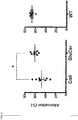
- Fig. 3 shows the results of analysis of the cognitive function after continuous oral administration of the purified konjak glucosylceramide.
- “Cntl” represents the control group
- "GluCer” represents the purified konjak glucosylceramide-administered group
- “WT” represents the normal mouse group.
- Fig. 3 plots the value of each individual for the spontaneous alternation behavior change rate (Alternation), and also indicates the average ⁇ standard error of each group.
- mice to which the purified konjak glucosylceramide was orally administered showed an improved spontaneous alternation behavior change rate in the Y-maze test, which verified that the purified konjak glucosylceramide not only had the effect of suppressing the decrease in cognitive function, but also had the effect of improving the spontaneous alternation behavior change rate, which was once decreased, and recovering it back to a level close to the cognitive function level of the normal mice.
Landscapes
- Health & Medical Sciences (AREA)
- Life Sciences & Earth Sciences (AREA)
- Chemical & Material Sciences (AREA)
- Engineering & Computer Science (AREA)
- Public Health (AREA)
- Pharmacology & Pharmacy (AREA)
- Animal Behavior & Ethology (AREA)
- General Health & Medical Sciences (AREA)
- Medicinal Chemistry (AREA)
- Veterinary Medicine (AREA)
- Biomedical Technology (AREA)
- Neurosurgery (AREA)
- Neurology (AREA)
- Bioinformatics & Cheminformatics (AREA)
- Epidemiology (AREA)
- Natural Medicines & Medicinal Plants (AREA)
- Mycology (AREA)
- Nutrition Science (AREA)
- Polymers & Plastics (AREA)
- Food Science & Technology (AREA)
- Psychiatry (AREA)
- General Chemical & Material Sciences (AREA)
- Chemical Kinetics & Catalysis (AREA)
- Molecular Biology (AREA)
- Hospice & Palliative Care (AREA)
- Nuclear Medicine, Radiotherapy & Molecular Imaging (AREA)
- Organic Chemistry (AREA)
- Botany (AREA)
- Oil, Petroleum & Natural Gas (AREA)
- Biotechnology (AREA)
- Dispersion Chemistry (AREA)
- Medical Informatics (AREA)
- Microbiology (AREA)
- Alternative & Traditional Medicine (AREA)
- Medicines Containing Plant Substances (AREA)
- Coloring Foods And Improving Nutritive Qualities (AREA)
- Pharmaceuticals Containing Other Organic And Inorganic Compounds (AREA)
- Acyclic And Carbocyclic Compounds In Medicinal Compositions (AREA)
- Non-Alcoholic Beverages (AREA)
Abstract
Description
- The present invention relates to an agent for preventing or ameliorating Alzheimer's disease, which can effectively suppress the accumulation of amyloid β protein (Aβ) in the brain. In addition, the present invention relates to an agent for maintaining or ameliorating memory which is able to suppress decrease in memory or ameliorate decreased memory caused by the accumulation of Aβ, an agent for maintaining or ameliorating judgment which is able to suppress decrease in judgment or ameliorate decreased judgment caused thereby, and an agent for maintaining or ameliorating a cognitive function which is able to suppress decrease in cognitive function or ameliorate decreased cognitive function caused thereby.
- Alzheimer's disease is a progressive neurodegenerative disease that results from neuronal cell death or synaptic dysfunction. Pathological features of Alzheimer's disease include accumulation of abnormal structures such as senile plaques and neurofibrillary tangles in the brain. At present, dementia is said to be caused by Alzheimer's disease in most cases, and early establishment of measures for preventing or treating Alzheimer's disease is desired.
- Alzheimer's disease can be classified into familial Alzheimer's disease and sporadic Alzheimer's disease. Familial Alzheimer's disease is thought to be caused by mutations in genes such as the APP gene, the presenilin-1 gene and the presenilin-2 gene, and develops in relative youth. However, familial Alzheimer's disease accounts for only about 1% of all Alzheimer's disease patients, and most of them suffer from sporadic Alzheimer's disease. While ApoE isoform 4 is known as a risk factor for sporadic Alzheimer's disease, aging is the largest risk factor, and everyone has the potential to develop Alzheimer's disease.
- Alzheimer's disease is thought to develop due to the accumulation of Aβ in the brain for many years. In order to prevent Alzheimer's disease, it is important to continuously suppress Aβ even before symptoms such as dementia appear. Therefore, an agent for preventing Alzheimer's disease is required not only to have an effect of suppressing the accumulation of Aβ, but also to be safe even when taken continuously for many years. Ingredients contained in food materials, which have been used in foods for many years, are considered safe even when taken continuously over a long period of time. However, at present, no sufficient study has been made yet on those which have been used in foods for many years and can effectively suppress the accumulation of Aβ.
- Agents for suppressing the accumulation of Aβ have been extensively researched. For example, Patent Document 1 discloses an amyloid fibril formation inhibitor containing a water-soluble peptide metal complex array. Further, for example, Patent Document 2 discloses an inhibitor for inhibiting the aggregation of Aβ caused by a mutation in the GNE gene, containing at least any one of N-acetylneuraminic acid, N-acetylmannosamine and sialyl lactose.
-
- Patent Document 1:
JP 2016-145175 A - Patent Document 2:
JP 2014-224132 A - An object of the present invention is to provide an agent for preventing or ameliorating Alzheimer's disease, which can effectively suppress the accumulation of Aβ using a safe material that has been used in foods. In addition, another object of the present invention is to provide an agent for maintaining or ameliorating memory which is able to suppress decrease in memory or ameliorate decreased memory, an agent for maintaining or ameliorating judgment which is able to suppress decrease in judgment, and an agent for maintaining or ameliorating a cognitive function which is able to suppress decrease in cognitive function or ameliorate decreased cognitive function, using a safe material that has been used in foods.
- The present inventors have made intensive studies to solve the above-described problems, and found that ceramides (in particular, glucosylceramide derived from tuber of Amorphophallus konjac) effectively suppress the accumulation of Aβ and have an effect of suppressing decrease in cognitive function, an effect of maintaining memory, an effect of maintaining judgment, and the like. In other words, the present inventors have found that Alzheimer's disease can be prevented or ameliorated by continuous intake of a ceramide. The present invention has been completed as a result of further studies based on such findings.
- The present invention relates to uses for preventing and ameliorating Alzheimer's disease, and provides the following aspects of the invention.
- 1-1. An agent for preventing or ameliorating Alzheimer's disease, containing a ceramide as an active ingredient.
- 1-2. The agent for preventing or ameliorating Alzheimer's disease according to 1-1, wherein the ceramide is derived from tuber of Amorphophallus konjac.
- 1-3. The agent for preventing or ameliorating Alzheimer's disease according to 1-1 or 1-2, wherein the ceramide is glucosylceramide.
- 1-4. The agent for preventing or ameliorating Alzheimer's disease according to any one of 1-1 to 1-3, which is a food or beverage for preventing Alzheimer's disease.
- 1-5. The agent for preventing or ameliorating Alzheimer's disease according to any one of 1-1 to 1-3, which is a pharmaceutical for preventing Alzheimer's disease.
- 1-6. Use of a ceramide for the manufacture of an agent for preventing or ameliorating Alzheimer's disease.
- 1-7. The use according to 1-6, wherein the ceramide is derived from tuber of Amorphophallus konjac.
- 1-8. The use according to 1-6 or 1-7, wherein the ceramide is glucosylceramide.
- 1-9. The use according to any one of 1-6 to 1-8, wherein the agent for preventing or ameliorating Alzheimer's disease is a food or beverage.
- 1-10. The use according to any one of 1-6 to 1-8, wherein the agent for preventing or ameliorating Alzheimer's disease is a pharmaceutical.
- 1-11. A ceramide for use in treatment for preventing or ameliorating Alzheimer's disease.
- 1-12. The ceramide according to 1-11, wherein the ceramide is derived from tuber of Amorphophallus konjac.
- 1-13. The ceramide according to 1-11 or 1-12, wherein the ceramide is glucosylceramide.
- 1-14. A method for preventing or ameliorating Alzheimer's disease, including the step of administering an effective amount of a ceramide to a person in need of prevention or amelioration of Alzheimer's disease.
- 1-15. The method for preventing or ameliorating Alzheimer's disease according to 1-14, wherein the ceramide is derived from tuber of Amorphophallus konjac.
- 1-16. The method for preventing or ameliorating Alzheimer's disease according to 1-14 or 1-15, wherein the ceramide is glucosylceramide.
- The present invention also relates to uses for maintaining or ameliorating memory, and provides the following aspects of the invention.
- 2-1. An agent for maintaining or ameliorating memory, containing a ceramide as an active ingredient.
- 2-2. The agent for maintaining or ameliorating memory according to 2-1, wherein the ceramide is derived from tuber of Amorphophallus konjac.
- 2-3. The agent for maintaining or ameliorating memory according to 2-1 or 2-2, wherein the ceramide is glucosylceramide.
- 2-4. The agent for maintaining or ameliorating memory according to any of 2-1 to 2-3, which is a food or beverage for maintaining or ameliorating memory.
- 2-5. The agent for maintaining or ameliorating memory according to any one of 2-1 to 2-3, which is a pharmaceutical for maintaining or ameliorating memory.
- 2-6. Use of a ceramide for the manufacture of an agent for maintaining or ameliorating memory.
- 2-7. The use according to 2-6, wherein the ceramide is derived from tuber of Amorphophallus konjac.
- 2-8. The use according to 2-6 or 2-7, wherein the ceramide is glucosylceramide.
- 2-9. The use according to any one of 2-6 to 2-8, wherein the agent for maintaining or ameliorating memory is a food or beverage.
- 2-10. The use according to any one of 2-6 to 2-8, wherein the agent for maintaining or ameliorating memory is a pharmaceutical.
- 2-11. A ceramide for use in treatment for preventing or ameliorating memory.
- 2-12. The ceramide according to 2-11, wherein the ceramide is derived from tuber of Amorphophallus konjac.
- 2-13. The ceramide according to 2-11 or 2-12, wherein the ceramide is glucosylceramide.
- 2-14. A method for maintaining or ameliorating memory, including the step of administering an effective amount of a ceramide to a person in need of suppression of decrease in memory or amelioration of memory.
- 2-15. The method for maintaining or ameliorating memory according to 2-14, wherein the ceramide is derived from tuber of Amorphophallus konjac.
- 2-16. The method for maintaining or ameliorating memory according to 2-14 or 2-15, wherein the ceramide is glucosylceramide.
- In addition, the present invention relates to uses for maintaining or ameliorating judgment, and provides the following aspects of the invention.
- 3-1. An agent for maintaining or ameliorating judgment, containing a ceramide as an active ingredient.
- 3-2. The agent for maintaining or ameliorating judgment according to 3-1 wherein the ceramide is derived from tuber of Amorphophallus konjac.
- 3-3. The agent for maintaining or ameliorating judgment according to 3-1 or 3-2, wherein the ceramide is glucosylceramide.
- 3-4. The agent for maintaining or ameliorating judgment according to any one of 3-1 to 3-3, which is a food or beverage for maintaining or ameliorating judgment.
- 3-5. The agent for maintaining or ameliorating judgment according to any one of 3-1 to 3-3, which is a pharmaceutical for maintaining or ameliorating judgment.
- 3-6. Use of a ceramide for the manufacture of an agent for maintaining or ameliorating judgment.
- 3-7. The use according to 3-6, wherein the ceramide is derived from tuber of Amorphophallus konjac.
- 3-8. The use according to 3-6 or 3-7, wherein the ceramide is glucosylceramide.
- 3-9. The use according to any one of 3-6 to 3-8, wherein the agent for maintaining or ameliorating judgment is a food or beverage.
- 3-10. The use according to any one of 3-6 to 3-8, wherein the agent for maintaining or ameliorating judgment is a pharmaceutical.
- 3-11. A ceramide for use in treatment for maintaining or ameliorating judgment.
- 3-12. The ceramide according to 3-11, wherein the ceramide is derived from tuber of Amorphophallus konjac.
- 3-13. The ceramide according to 3-11 or 3-12, wherein the ceramide is glucosylceramide.
- 3-14. A method for maintaining or ameliorating judgment, including the step of administering an effective amount of a ceramide to a person in need of suppression of decrease in judgment or in need of amelioration of judgment.
- 3-15. The method for maintaining or ameliorating judgment according to 3-14, wherein the ceramide is derived from tuber of Amorphophallus konjac.
- 3-16. The method for maintaining or ameliorating judgment according to 3-14 or 3-15, wherein the ceramide is glucosylceramide.
- The present invention also relates to uses for maintaining or ameliorating a cognitive function, and provides the following aspects of the invention.
- 4-1. An agent for maintaining or ameliorating a cognitive function, containing a ceramide as an active ingredient.
- 4-2. The agent for maintaining or ameliorating a cognitive function according to 4-1, wherein the ceramide is derived from tuber of Amorphophallus konjac.
- 4-3. The agent for maintaining or ameliorating a cognitive function according to 4-1 or 4-2, wherein the ceramide is glucosylceramide.
- 4-4. The agent for maintaining or ameliorating a cognitive function according to any one of 4-1 to 4-3, which is a food or beverage for maintaining or ameliorating a cognitive function.
- 4-5. The agent for maintaining or ameliorating a cognitive function according to any one of 4-1 to 4-3, which is a pharmaceutical for maintaining or ameliorating a cognitive function.
- 4-6. Use of a ceramide for the manufacture of an agent for maintaining or ameliorating a cognitive function.
- 4-7. The use according to 4-6, wherein the ceramide is derived from tuber of Amorphophallus konjac.
- 4-8. The use according to 4-6 or 4-7, wherein the ceramide is glucosylceramide.
- 4-9. The use according to any one of 4-6 to 4-8, wherein the agent for maintaining or ameliorating a cognitive function is a food or beverage.
- 4-10. The use according to any one of 4-6 to 4-8, wherein the agent for maintaining or ameliorating a cognitive function is a pharmaceutical.
- 4-11. A ceramide for use in treatment for maintaining or ameliorating a cognitive function.
- 4-12. The ceramide according to 4-11, wherein the ceramide is derived from tuber of Amorphophallus konjac.
- 4-13. The ceramide according to 4-11 or 4-12, wherein the ceramide is glucosylceramide.
- 4-14. A method for maintaining or ameliorating a cognitive function, including the step of administering an effective amount of a ceramide to a person in need of suppression of decrease in cognitive function or amelioration of a cognitive function.
- 4-15. The method for maintaining or ameliorating a cognitive function according to 4-14, wherein the ceramide is derived from tuber of Amorphophallus konjac.
- 4-16. The method for maintaining or ameliorating a cognitive function according to 4-14 or 4-15, wherein the ceramide is glucosylceramide.
- The agent for preventing or ameliorating Alzheimer's disease according to the present invention can effectively suppress the accumulation of Aβ in the brain, and thus can prevent the onset of Alzheimer's disease and ameliorate symptoms thereof. Furthermore, the agent for preventing or ameliorating Alzheimer's disease according to the present invention can also ameliorate behavior disorder. In addition, in order to prevent Alzheimer's disease, it is necessary to continuously take an active ingredient that suppresses the accumulation of Aβ. In this regard, the agent for preventing or ameliorating Alzheimer's disease according to the present invention contains a ceramide that has been used in foods for a long time, is highly safe and has no concern about side effects, and thus can be continuously taken for many years, which is required for preventing Alzheimer's disease.
- Further, the present invention can provide an agent for maintaining or ameliorating memory which is able to suppress decrease in memory or ameliorate decreased memory caused by the accumulation of Aβ, an agent for maintaining or ameliorating judgment which is able to suppress decrease in judgment or ameliorate decreased judgment caused thereby, and an agent for maintaining or ameliorating a cognitive function which is able to suppress decrease in cognitive function or ameliorate decreased cognitive function caused thereby.
-
-
Fig. 1 shows the results of analysis of an intracerebral Aβ concentration after continuous oral administration of a konjak glucosylceramide-containing extract to Alzheimer's disease model mice. -
Fig. 2 shows the result (left figure) of immunohistochemical staining of the hippocampus site with an anti-Aβ antibody after continuous oral administration of the konjak glucosylceramide-containing extract to the Alzheimer's disease model mice, and the result (right figure) of determination of Aβ deposition plaques (number of anti-Aβ antibody immunopositive spots) at the hippocampus site. -
Fig. 3 shows the results of verifying a cognitive function through a Y-maze test after continuous oral administration of a purified glucosylceramide to Alzheimer's disease model mice. - The agent for preventing or ameliorating Alzheimer's disease according to the present invention is characterized by containing a ceramide as an active ingredient. Hereinafter, the agent for preventing or ameliorating Alzheimer's disease according to the present invention will be described in detail.
- The agent for preventing or ameliorating Alzheimer's disease according to the present invention contains a ceramide as an active ingredient.
- Ceramides are compounds having a structure in which a fatty acid is amide-bonded to a sphingoid. Sphingoids are long-chain amino alcohols in which a hydroxyl group is bonded to at least the carbon atoms at the 1 and 3 positions and an amino group is bonded to the carbon atom at the 2 position. In the present invention, the "ceramide" encompasses also glucosylceramide in which one molecule of glucose is bonded to a ceramide skeleton wherein a sphingoid base and a fatty acid are amide-bonded to each other. In the agent for preventing Alzheimer's disease according to the present invention, the use of a ceramide makes it possible to suppress the accumulation of Aβ and effectively prevent Alzheimer's disease.
- The ceramide used in the present invention is preferably derived from a plant. The plant from which the ceramide is derived is not particularly limited, and includes almond, sea lettuce, green laver, goosefoot, acacia, madder, red grape, red pine (including pine resin, amber and copal; the same applies to pines), agaricus, Lactuca indica, akebi, morning glory, azalea, hydrangea, Angelica keiskei, adzuki bean, asparagus, acerola, gambir, anise, avocado, licorice, Hydrangea serrata var. thunbergii, Gynostemmapentaphyllum, Citrus natsudaidai, amaryllis, marshmallow, arnica, aloe, angelica, apricot, encore, benzoin, rush, chestnut rose, yew, fig, ginkgo, Citrus iyo, ylang-ylang, fennel, oolong tea, turmeric, Malva sylvestris, self-heal, udo, Japanese apricot, Quercus salicina, Citrus unshu, rose fruit, eschalot, Siberian ginseng, common broom, enoki mushroom, elderflower, pea, orchid, golden orange, psyllium, scotch thistle, barley, Atractylodesjaponica, osmanthus, hypericum, Lamium album var. barbatum, Dioscorea tokoro, olive, oregano, orange (including orange peel), carnation, cacao, Japanese persimmon, ground ivy, cocktail fruit, pueraria root, oak, Erythronium japonicum, pumpkin, German chamomile, camucamu, chamomile, Trichosanthes cucumeroides, Japanese larch, Kara Mandarin, Chinese quince, garcinia, cardamom, kawachi-bankan pomelo, kampei (a species of Citrus reticulata), raspberry, kiwi, balloon flower, cabbage (including kale), caraway, cucumber, Citrus unshiu × sinensis, kumquat, ginkgo nut, guava, matrimony vine, kudzu vine, gardenia, cumin, cranberry, walnut, grapefruit, clementine, clove, black pine, black soybean, chlorella, cassia seed, cranesbill, lingberry, pepper, cosmos, burdock, wheat (including wheat germ), sesame, Brassica chinensis var. komatsuna, rice (including rice bran), coriander, konjak (tuber of Amorphophallus konjac) (including Konjac flying powder), kelp, salmonberry, cypress, pomegranate, sweet potato, dasheen, sugar cane, sugar beet, saffron, pomelo, hawthorn, xanthoxylum, shiitake mushroom, cyclamen, perilla, shimeji mushroom, white potato, peony, jasmine, Coix lacryma-jobi, garland chrysanthemum, ginger, sweet flag, Quercus myrsinifolia, winter daphne, cinnamon, watermelon, sweet pea, sweet spring, field horsetail, star anise, star apple, Citrus sudachi, stevia, plum, sage (salvia), setoka, mallow, seminole, celery, Cnidium officinale, Swertia japonica, buckwheat, fava bean, radish, soybean (including bean curd lees), sour orange, thyme, bamboo shoot, onion, tarragon, taro, Citrus tankan, tangor, Salviae miltiorrhizae Radix, tangelo, dandelion, chicory, Oenothera tetraptera, horsetail, camellia, camellia, camellia, centella, clover, vine, Tetragonia tetragonoides, Farfugium japonicum, dill, dekopon (Citrus reticulata Siranui), geranium, wax gourd, capsicum, Angelica acutiloba, caterpillar fungus, maize, Houttuynia cordata, ipecac, gutta-percha tree, ash, Chinese yum, shepherd's purse, natsumi (a species of citrus), Chinese citron, nutmeg, nandina, balsam pear, Allium tuberosum, carrot, garlic, leek, yarrow, saw palmetto, Allium grayi, verbena, palm, pineapple, hibiscus, chickweed, basil, parsley, rye, Citrus hassaku, Japanese mint, Coix lachryma-jobi var. ma-yuen, banaba, Lagerstroemia speciosa, vanilla, paprika, hamamelis, haruka (a species of citrus), harumi (a species of citrus), harehime (a species of citrus), Citrus grandis, beetroot, bell pepper, red spider lily, water chestnut, Hizikia fusiforme, pistachio, hyssop (Hyssopus officinalis), daisy, red poppy, hinoki cypress, hinoki leaf, castor seed, sunflower, sunflower, himetsuki (a species of citrus), Citrus tamurana, loquat, phalaenopsis, fenugreek, Petasites japonicus, blackberry, plum, blueberry (including bilberry),prune, shaddock, loofah, safflower, benimadonna (a species of citrus), belladonna, bergamot, balsam, spinach, Japanese lantern plant, lime, tree peony, hop, jojoba, ponkan (Citrus reticulata), maitake mashroom, ephedra, maca, macadamian nut, marcot, silver vine marigold, marihime (a species of strawberry), mango, mitsuba, mineola, mimosa, mioga ginger, myrrh, gromwell, mace, melissa, melilot, melon, cotton (including cottonseed oil cake), bean sprout, cornflower, Japanese yam, golden-baded lily, sagebrrsh, eucalyptus, saxifrage, yuzu, lily, yoquinin, Aster yomena (aster), mugwort, lime, rye, lilac, raspberry, peanut, Allium bakeri, apple (including apple fiber), gentian, Delosperma cooperi, litchi, lettuce, lemon, astragalus, lotus root, rose hip, rosemary, laurier, scallion, and wasabi (including horseradish). Among these, potatoes such as tuber of Amorphophallus konjac, sweet potato, white potato, dasheen, Japanese yum and Chinese yam, rice and wheat are preferred, potatoes are more preferred, and tuber of Amorphophallus konjac is further preferred.
- In the ceramide used in the present invention, the structure of the sphingoid moiety is not particularly limited, but is preferably a structure in which the bond between the carbon atoms at the 8 and 9 positions is a double bond. Specific examples of the structure of the sphingoid moiety constituting the ceramide used in the present invention include 4-hydroxy-trans-8-sphingenine, 4-hydroxy-cis-8-sphingenine, trans-8-sphingenine, cis-8-sphingienine, trans-4, trans-8-sphingadienine, and trans-4, cis-8-sphingadienine. Among these, more preferred are trans-4, cis-8-sphingadienine, trans-4-trans-8-sphingadienine, 4-hydroxy-cis-8-sphingenine, and 4-hydroxy-trans-8-sphingenine. Further preferred are trans-4, cis-8-sphingadienine and trans-4-trans-8-sphingadienine.
- In the ceramide used in the present invention, the number of carbon atoms of the fatty acid bonded to the sphingoid moiety is not particularly limited, but is 2 to 30, preferably 6 to 30, more preferably 6 to 24, particularly preferably 16 to 18. The fatty acid may be any of a saturated fatty acid, an unsaturated fatty acid containing a carbon-carbon double bond and/or a carbon-carbon triple bond, and an α-hydroxy fatty acid.
- Specific examples of the fatty acid bonded to the sphingoid moiety in the ceramide used in the present invention include hexanoic acid (C6:0), octanoic acid (C8:0), decanoic acid (C10:0), dodecanoic acid (C12:0), tetradecanoic acid (C14:0), hexadecanoic acid (C16:0), octadecanoic acid (C18:0), icosanoic acid (C20:0), heneicosanoic acid (C21:0), docosanoic acid (C22:0), trichosanoic acid (C23:0), tetradocosanoic acid (C24:0), pentacosanoic acid (C25:0), hexadocosanoic acid (C26:0), heptacosanoic acid (C27:0), octadocosanoic acid (28:0), and cis-9-octadecenoic acid (C18: 1). In the indication "CX:Y" put in parentheses for the fatty acids, CX represents the number of carbon atoms per molecule, Y represents the number of unsaturated bonds per molecule. For example, "C16:0" represents a fatty acid having 16 carbon atoms and 0 unsaturated bonds. Among these, preferred are hexanoic acid, hexadecanoic acid, octadecanoic acid and tetracosanoic acid.
- The ceramide used in the present invention is preferably an Amorphophallus konjac-derived ceramide, more preferably an Amorphophallus konjac-derived glucosylceramide.
- The Amorphophallus konjac-derived ceramide used in the present invention may be obtained from tuber of Amorphophallus konjac itself, or may be obtained from konjak raw material refined powder or by-product Konjac flying powder. When an Amorphophallus konjac-derived ceramide is used as the active ingredient of the agent for preventing or ameliorating Alzheimer's disease according to the present invention, a ceramide obtained from Konjac flying powder is suitably used from the viewpoint of effective utilization of resources.
- In the agent for preventing or ameliorating Alzheimer's disease according to the present invention, the ceramide may be a purified product or a roughly purified product, or an extract extracted from a plant material containing a ceramide.
- Hereinafter, a method for producing Amorphophallus konjac-derived glucosylceramide (hereinafter sometimes referred to as "konjak glucosylceramide") taken as an example will be described.
- Konjak glucosylceramide can be obtained by performing extraction treatment using an extraction solvent and an extraction material such as tuber of Amorphophallus konjac, konjak refined powder, or Konjac flying powder (hereinafter, sometimes referred to as "Amorphophallus konjac material").
- Examples of the extraction solvent used in the extraction treatment of konjak glucosylceramide include monohydric lower alcohols such as methanol, ethanol and isopropanol; polyhydric alcohols such as 2-butanol, ethylene glycol and propylene glycol; oxygen-containing polar organic solvents such as acetone, dimethyl sulfoxide, dioxane, tetrahydrofuran and diethyl ether; nitrogen-containing polar organic solvents such as dimethylformamide and pyridine; halogen-containing polar organic solvents such as dichloromethane, chloroform and trichloroethylene; nonpolar or low-polar organic solvents such as hexane and isooctane. One of these extraction solvents may be used alone, or two or more thereof may be used in combination. Among these extraction solvents, a monohydric lower alcohol is preferred, and ethanol is further preferred, from the viewpoint of efficient extraction of konjak glucosylceramide.
- In addition, water may be contained in the extraction solvent. However, as the water content of the extraction solvent increases, the extraction efficiency of konjak glucosylceramide decreases. When the water content of the extraction solvent exceeds 10% by weight, the extraction efficiency of konjak glucosylceramide significantly decreases. Especially, when the water content of the extraction solvent exceeds 15% by weight, konjak glucosylceramide is hardly extracted. Therefore, when water is contained in the extraction solvent, it is necessary to set the amount of water so as not to affect the extraction of konjak glucosylceramide.
- The amount of the extraction solvent used in the extraction treatment may be set to, for example, about 1 to 30 times, preferably about 1 to 10 times the weight of the Amorphophallus konjac material serving as a raw material.
- The temperature at the time of the extraction treatment can be appropriately set depending on the type of the extraction solvent to be used, and is for example about 0 to 80°C, preferably about 20 to 60°C.
- The extraction treatment time can be appropriately set depending on the type and amount of the extraction solvent to be used, and is for example 1 to 48 hours, preferably 2 to 20 hours.
- The extraction process may be performed in any of a batch operation, a semi-continuous operation, a countercurrent multi-stage contact operation, etc., and the residue after a single extraction operation may be subjected to repetitive extraction operations using new extraction solvents.
- After performing the extraction treatment in this manner, solid-liquid separation is performed using a suction filtration, a filter press, a cylinder press, a decanter, a centrifuge, a filtration centrifuge, or the like, and an extract is collected. The resulting extract can be used as a konjak glucosylceramide-containing extract as it is or after being subjected to concentration, drying and the like as necessary.
- Further, the extract collected after the extraction treatment is mixed with water and heated as it is or after being subjected to concentration, drying and the like as necessary, to cause phase separation into an oil phase and an aqueous phase, and the oil phase may be collected and used as a konjak glucosylceramide-containing extract. Such treatment can remove an aldehyde, so that an extract having decreased odor peculiar to tuber of Amorphophallus konjac can be obtained.
- A purified or roughly purified product of konjak glucosylceramide can be obtained by subjecting a konjak glucosylceramide-containing extract to a purification treatment. Examples of the purification treatment include gel filtration, ion exchange treatment and activated carbon treatment.
- The agent for preventing or ameliorating Alzheimer's disease according to the present invention may contain, in addition to the above-mentioned ceramide, other additive components depending on the dosage form, as long as the effects of the present invention are not impaired. Examples of the additive components that can be contained in the agent for preventing Alzheimer's disease according to the present invention include water, oils and fats, waxes, hydrocarbons, fatty acids, higher alcohols, esters, plant extracts, water-soluble polymers, surfactants, metal soaps, alcohols, polyhydric alcohols, pH adjusters, antioxidants, ultraviolet absorbers, preservatives, fragrances, powders, thickeners, pigments, and chelating agents and the like. These additive components may be used alone, or two or more thereof may be used in combination. In addition, the contents of these additive components are appropriately set depending on the types of the additive components to be used, the dosage form of the agent for preventing or ameliorating Alzheimer's disease, and the like.
- The dosage form of the agent for preventing or ameliorating Alzheimer's disease according to the present invention is not particularly limited, may be any of solid, semi-solid and liquid, and may be appropriately set depending on the type, use, administration method and the like of the agent for preventing or ameliorating Alzheimer's disease.
- The method of administering the agent for preventing or ameliorating Alzheimer's disease according to the present invention is not particularly limited, and can be appropriately selected depending on the type of the disease to which the method is to be applied, and may be systemic or local administration. Specific examples of the method include oral, intravascular (intraarterial or intravenous), transdermal, enteral, pulmonary, and intranasal administrations. Intravascular administration also includes intravascular injections and continuous infusions. Among these, oral administration (oral ingestion), intravascular administration and intranasal administration are preferred from the viewpoint of easy administration and more effective Alzheimer's disease prevention/amelioration.
- The formulation of the agent for preventing or ameliorating Alzheimer's disease according to the present invention is not particularly limited, and can be appropriately set to a formulation suitable for an administration method. Examples of the formulation include tablets, capsules, granules, powders, syrups, injections, drops and suppositories. For example, when the administration form of the agent for preventing or ameliorating Alzheimer's disease according to the present invention is oral administration (oral ingestion), the formulation is not particularly limited as long as oral administration is possible. Specific examples of the formulation include foods and beverages and pharmaceuticals for internal use.
- When the agent for preventing or ameliorating Alzheimer's disease according to the present invention is used in the formulation of a food or beverage (i.e., when provided as a food or beverage for preventing or ameliorating Alzheimer's disease), the agent for preventing or ameliorating Alzheimer's disease according to the present invention may be used as it is or combined with any other food material or additive component to prepare a desired form. Examples of such foods and beverages include general foods and beverages, as well as foods for specified health use, nutritional supplements, functional foods, and foods for the sick. The form of the food or beverage is not particularly limited, and specific examples thereof include supplements such as capsules (soft capsules and hard capsules), tablets, granules, powders, jellies and liposome preparations; beverages such as nutritional drinks, fruit juice beverages, carbonated beverages and lactic acid beverages; and luxury foods such as dumplings, ice cream, sherbet, gummy and candies. Among these foods and beverages, preferred are beverages and supplements, and more preferred are beverages and capsules.
- When the agent for preventing or ameliorating Alzheimer's disease according to the present invention is used in the formulation of a pharmaceutical for internal use, the agent for preventing or ameliorating Alzheimer's disease according to the present invention may be used as it is or combined with any other additive component to prepare a desired form. Specific examples of such pharmaceuticals for internal use include drinks, capsules (soft capsules and hard capsules), tablets, granules, powders, jellies, syrups and liposome preparations. Among these pharmaceuticals for internal use, capsules and drinks are preferred.
- When the agent for preventing or ameliorating Alzheimer's disease according to the present invention is in the formulation of a food or beverage or a pharmaceutical for internal use, the content of a ceramide as an active ingredient is not particularly limited as long as it is an effective amount capable of suppressing the accumulation of Aβ in the brain, and may be appropriately set depending on the formulation. The ceramide content is for example 1 to 20% by mass, preferably 3 to 10% by mass, more preferably 6 to 8% by mass.
- The agent for preventing or ameliorating Alzheimer's disease according to the present invention can suppress accumulation of Aβ in the brain, and can suppress decrease in cognitive function caused by the accumulation of Aβ, and thus is used for suppressing or delaying the onset of Alzheimer's disease, suppressing the progress of symptoms of Alzheimer's disease, ameliorating the symptoms of Alzheimer's disease, and the like. That is, the subject to whom the agent for preventing or ameliorating Alzheimer's disease according to the present invention is to be applied is a person in need of prevention or amelioration of Alzheimer's disease. Examples of the person in need of prevention of Alzheimer's disease include those in need of suppression or delay of the onset of Alzheimer's disease, those who have a tendency to decrease a cognitive function or those suffering from dementia, the elderly, and those who have a tendency to decrease memory or those who have decreased memory. In addition, specific examples of persons in need of amelioration of Alzheimer's disease include those who have developed a symptom of Alzheimer's disease. As one embodiment of the agent for preventing or ameliorating Alzheimer's disease according to the present invention, there is indicated a method involving identifying a person in need of prevention or amelioration of Alzheimer's disease, and administering the agent for preventing or ameliorating Alzheimer's disease according to the present invention to the person.
- The amount of the agent for preventing or ameliorating Alzheimer's disease according to the present invention to be applied is not particularly limited, and may be appropriately set depending on the formulation, use, administration target, expected effect, and the like. For example, when the agent for preventing or ameliorating Alzheimer's disease according to the present invention is orally taken, the amount of intake is 0.6 to 10 mg, preferably 0.6 to 5 mg per day for an adult in terms of ceramide. The agent for preventing or ameliorating Alzheimer's disease according to the present invention may be administered once or in several doses so that the daily dose falls within the above range.
- Further, the present invention provides an agent for maintaining or ameliorating memory, containing a ceramide as an active ingredient. Specifically, the ceramide can effectively suppress decrease in memory caused by accumulation of Aβ or ameliorate decreased memory caused thereby, and thus can be used for the purpose of maintaining or ameliorating memory. Specifically, the agent for maintaining or ameliorating memory according to the present invention is applied to a person in need of suppression of decrease in memory or in need of amelioration of memory for the purpose of suppressing decrease in memory or ameliorating memory. Those in need of suppression of decrease in memory or in need of amelioration of memory include young people, healthy middle-aged and elderly people, elderly people, people who have a tendency to decrease memory, people who have decreased memory, and people suffering from dementia. In addition, as one embodiment of the agent for maintaining memory according to the present invention, there is indicated a method involving identifying a person in need of suppression of decrease in memory or in need of amelioration of memory, and administering the agent for maintaining memory according to the present invention to the person.
- In addition, the present invention provides an agent for maintaining or ameliorating judgment, containing a ceramide as an active ingredient. Specifically, the ceramide can effectively suppress a reduction in judgment caused by accumulation of Aβ or ameliorate a decreased judgment caused thereby, and thus can be used for the purpose of maintaining or ameliorating judgment. Specifically, the agent for maintaining or ameliorating judgment according to the present invention is applied to a person in need of suppression of decrease in judgment or those in need of amelioration of judgment for the purpose of suppressing decrease in judgment or ameliorating judgment. Those in need of suppression of decrease in judgment include young people, healthy middle-aged and elderly people, elderly people, people who have a tendency to decrease judgment, people who have decreased judgment, and people suffering from dementia. In addition, as one embodiment of the agent for maintaining or ameliorating judgment according to the present invention, there is indicated a method involving identifying a person in need of suppression of decrease in judgment or in need of amelioration of judgment, and administering the agent for maintaining judgment according to the present invention to the person.
- In addition, the present invention provides an agent for maintaining or ameliorating a cognitive function, containing a ceramide as an active ingredient. Specifically, the ceramide can effectively suppress a reduction in cognitive function caused by accumulation of Aβ, and thus can be used for the purpose of maintaining or ameliorating a cognitive function. Specifically, the agent for maintaining or ameliorating a cognitive function according to the present invention is applied to a person in need of suppression of decrease in cognitive function or those in need of amelioration of a cognitive function for the purpose of suppressing decrease in cognitive function or ameliorating a cognitive function. Those in need of suppression of decrease in cognitive function or in need of amelioration of a cognitive function include people suffering from dementia as well as young people, healthy middle-aged and elderly people, elderly people, and people who have a tendency to decrease a cognitive function. In addition, as one embodiment of the agent for maintaining or ameliorating a cognitive function according to the present invention, there is indicated a method involving identifying a person in need of suppression of decrease in cognitive function or in need of amelioration of a cognitive function, and administering the agent for maintaining a cognitive function according to the present invention to the person.
- In the agent for maintaining or ameliorating memory, the agent for maintaining or ameliorating judgement, and the agent for maintaining or ameliorating a cognitive function according to the present invention, the types of the ceramide, other additive components, dosage forms, formulations, doses, etc. to be used are as described in the section "1. Agent for preventing or treating Alzheimer's disease".
- Next, the present invention will be described in more detail with reference to examples, but is not restricted by these examples.
- In this experiment, the effect of a glucosylceramide-containing extract on suppression of Aβ accumulation in the brain was verified using Alzheimer's disease model mice.
- A konjak glucosylceramide-containing extract was prepared by performing the following extraction treatment, first deodorization treatment, and second deodorization treatment using Konjac flying powder.
- One (1) kg of Konjac flying powder was charged into a stirring tank, 2 L of ethanol was added thereto, and the mixture was stirred at room temperature for 2 hours. Thereafter, an extract and a residue were separated by filtration. The extract was concentrated by an evaporator to obtain 10.7 g of a brownish waxy concentrate.
- Next, 10.0 g of the obtained waxy concentrate was dissolved in 40.0 mL of ethanol, and then the resultant solution was added into 90 mL of water provided in a glass container having an internal volume of 300 mL with stirring. The mixture was stirred as it was in a dispersed state. After a lapse of 30 minutes, 20.0 g of sodium chloride was added to the container, and the mixture was further stirred for 10 minutes. Thereafter, the stirring was stopped, and the container was transferred onto a hot plate, heated until boiling, and further left still on the hot plate for 1 hour while maintaining the boiling state. Thereafter, the entire contents of the container A were transferred to a separatory funnel, and after confirmation that a yellow transparent aqueous phase appeared at the lower part and a black-brown oil phase appeared at the upper part, the lower aqueous phase was flowed out. To the upper oil phase, 40.0 mL of ethanol was again added. The insoluble matter was removed by filtration with a Buchner funnel, and the filtrate was concentrated to dryness with an evaporator to obtain 7.7 g of a first extract.
- Next, the obtained first extract was dissolved again in ethanol, and the deodorization treatment was repeated under the same conditions as those for the first deodorization treatment, to obtain 6.3 g of a second extract. When the second extract was analyzed by HPLC, it contained 11% by weight of glucosylceramide. The second extract was used as a konjak glucosylceramide-containing extract in a test which will be described below.
- Human APPSw, Ind gene-transgenic mice (J20, purchased from Jackson Laboratory, USA) were used as Alzheimer's disease model mice. The konjak glucosylceramide-containing extract was dispersed in an aqueous solution of 1% by weight tragacanth gum, and the solution mixture was forcibly administered orally into the stomach of 12-month-old J20 mice. The administration was performed at a dose corresponding to 1 mg glucosylceramide per day for 2 weeks continuously. The control group received only an aqueous solution of 1% by weight tragacanth gum. After continuous administration of the konjak glucosylceramide-containing extract for two weeks, analysis of the intracerebral Aβ concentration by ELISA and immunohistochemical analysis of the amount of Aβ deposited in the brain were performed according to the following methods.
- After continuous administration of the konjak glucosylceramide-containing extract for two weeks, the brain tissue was excised and the left-brain hippocampus and cerebral cortex were fractionated. After dissolving the brain tissue with 5 M guanidine hydrochloride, the Aβ1-42 concentration was measured using Aβ ELISA (manufactured by Wako Pure Chemical Industries, Ltd.). The measured value was expressed as a concentration per amount (g) of protein in the brain tissue calculated by the BCA method. The Aβ1-42 concentration is an average of the values obtained by measuring 10 individuals in the control group and 11 individuals in the konjak glucosylceramide-administered group. Further, the obtained values were subjected to a significance test (**P<0.01) by the one-way ANOVA method.
- After continuous administration of the konjak glucosylceramide-containing extract for 2 weeks, the brain tissue was excised, and the right brain was immersed and fixed in 4% paraformaldehyde overnight to prepare a sagittal paraffin section. The section was immunohistochemically stained with an anti-Aβ antibody (6E10, manufactured by Biolegend). After staining, the hippocampus site was microscopically photographed to measure the number of 6E10 immunopositive spots as the number of Aβ deposition plaques using the image analysis software ImageJ. The measured value was indicated as the number of deposition plaques per area (100 mm2) of the hippocampus site similarly calculated by the ImageJ analysis. The number of deposition plaques is an average of the values obtained by measuring 5 individuals in the control group and 5 individuals in the glucosylceramide-administered group. Further, the obtained values were subjected to a significance test (*P<0.05) by the one-way ANOVA method.
-
Fig. 1 shows the results of measurement of the intracerebral Aβ concentration after continuous oral administration of the konjak glucosylceramide-containing extract.Fig. 2 shows the results of immunohistochemical analysis of the amount of Aβ deposited in the brain after the continuous oral administration of the konjak glucosylceramide-containing extract. As a result, it was confirmed that continuous oral administration of the konjak glucosylceramide-containing extract to the Alzheimer's disease model mice could reduce the intracerebral Aβ concentration, and further could suppress the accumulation of Aβ deposition plaques in the brain. From these results, it was revealed that the konjak glucosylceramide-containing extract is effective in preventing or ameliorating Alzheimer's disease. - In this experiment, the effect of a purified konjak glucosylceramide on a cognitive function was analyzed using Alzheimer's disease model mice.
- In this experiment, Glucosylceramide, from konjak (product number 170303) purchased from Nagara Science Co., Ltd. was used as a purified konjak glucosylceramide in the following experiment. In addition, as the purified konjak glucosylceramide, a product obtained by removing simple lipids and glycerolipids from the konjak glucosylceramide-containing extract (the second extract) obtained above for purification may be used.
- Human APPSw, Ind gene-transgenic mice (J20, purchased from Jackson Laboratory, USA) were used as Alzheimer's disease model mice. The purified konjak glucosylceramide was dispersed in an aqueous solution of 1% by weight tragacanth gum, and the solution mixture was forcibly administered orally into the stomach of 12-month-old J20 mice. The purified konjak glucosylceramide was administered at a dose of 1 mg/day/head for 2 weeks continuously. The control group received only an aqueous solution of 1% by weight tragacanth gum. After continuous administration of the purified konjak glucosylceramide for 2 weeks, working memory analysis using a Y-maze was performed according to the following method. The working memory analysis using the Y-maze was also performed on normal mice (C57BL/6 strain, purchased from Japan SLC, Inc., 12 months old).
- After continuous administration of the purified konjak glucosylceramide for 2 weeks, a Y-maze test was performed to evaluate short-term memory by means of the spontaneous alternation behavior. In the Y-maze test, a Y-maze (manufactured by Panlab) was used in which three arms having an arm length of 35 cm, a wall height of 11 cm, a floor width of 3 cm, an upper width of 10 cm were connected at an angle of 120 degrees each. The mouse was placed at the tip of any one of the arms in the Y-maze, allowed to freely explore the maze for 8 minutes, and the arm to which the mouse moved was recorded in order. The number of times the mouse moved to each arm within the measurement time was counted, and this value was defined as the total number of entries. In addition, a combination in which three different arms were successively selected was examined, and this number was defined as the number of spontaneous alternation behaviors. The spontaneous alternation behavior change rate was determined according to the following formula. The higher the spontaneous alternation behavior change rate was, the more the short-term memory was held.

- This experiment was conducted with 7 mice in the purified konjak glucosylceramide-administered group, 7 mice in the control group, and 5 mice in the normal mouse group. In addition, a significance test between the control group and the purified konjak glucosylceramide-administered group was performed through a Student t-test for the spontaneous alternation behavior change rate.
-
Fig. 3 shows the results of analysis of the cognitive function after continuous oral administration of the purified konjak glucosylceramide. InFig. 3 , "Cntl" represents the control group, "GluCer" represents the purified konjak glucosylceramide-administered group, and "WT" represents the normal mouse group.Fig. 3 plots the value of each individual for the spontaneous alternation behavior change rate (Alternation), and also indicates the average ± standard error of each group. As a result, the mice to which the purified konjak glucosylceramide was orally administered showed an improved spontaneous alternation behavior change rate in the Y-maze test, which verified that the purified konjak glucosylceramide not only had the effect of suppressing the decrease in cognitive function, but also had the effect of improving the spontaneous alternation behavior change rate, which was once decreased, and recovering it back to a level close to the cognitive function level of the normal mice.
Claims (11)
- An agent for preventing or ameliorating Alzheimer's disease, comprising a ceramide as an active ingredient.
- The agent for preventing or ameliorating Alzheimer's disease according to claim 1, wherein the ceramide is derived from tuber of Amorphophallus konjac.
- The agent for preventing or ameliorating Alzheimer's disease according to claim 1 or 2, wherein the ceramide is glucosylceramide.
- The agent for preventing or ameliorating Alzheimer's disease according to any one of claims 1 to 3, which is a food or beverage for preventing Alzheimer's disease.
- The agent for preventing or ameliorating Alzheimer's disease according to any one of claims 1 to 3, which is a pharmaceutical for preventing Alzheimer's disease.
- An agent for maintaining or ameliorating memory, comprising a ceramide as an active ingredient.
- An agent for maintaining or ameliorating judgment, comprising a ceramide as an active ingredient.
- An agent for maintaining or ameliorating a cognitive function, comprising a ceramide as an active ingredient.
- Use of a ceramide for the manufacture of an agent for preventing or ameliorating Alzheimer's disease.
- A ceramide for use in treatment for preventing or ameliorating Alzheimer's disease.
- A method for preventing or ameliorating Alzheimer's disease, comprising the step of administering an effective amount of a ceramide to a person in need of prevention or amelioration of Alzheimer's disease.
Applications Claiming Priority (2)
| Application Number | Priority Date | Filing Date | Title |
|---|---|---|---|
| JP2017201880 | 2017-10-18 | ||
| PCT/JP2018/037018 WO2019078005A1 (en) | 2017-10-18 | 2018-10-03 | Agent for preventing or ameliorating alzheimer's disease |
Publications (2)
| Publication Number | Publication Date |
|---|---|
| EP3698649A1 true EP3698649A1 (en) | 2020-08-26 |
| EP3698649A4 EP3698649A4 (en) | 2021-08-04 |
Family
ID=66173563
Family Applications (1)
| Application Number | Title | Priority Date | Filing Date |
|---|---|---|---|
| EP18868138.1A Pending EP3698649A4 (en) | 2017-10-18 | 2018-10-03 | AGENT FOR THE PREVENTION OR MITIGATION OF ALZHEIMER'S DISEASE |
Country Status (4)
| Country | Link |
|---|---|
| US (2) | US11998559B2 (en) |
| EP (1) | EP3698649A4 (en) |
| JP (2) | JPWO2019078005A1 (en) |
| WO (1) | WO2019078005A1 (en) |
Cited By (1)
| Publication number | Priority date | Publication date | Assignee | Title |
|---|---|---|---|---|
| US11546256B2 (en) | 2020-09-30 | 2023-01-03 | Hewlett Packard Enterprise Development Lp | Multi-region virtual overlay wide area network |
Families Citing this family (8)
| Publication number | Priority date | Publication date | Assignee | Title |
|---|---|---|---|---|
| CA3074439A1 (en) | 2017-08-30 | 2019-03-07 | Shawn Talbott | Nutritional supplements affecting gut-brain-axis balance and mental wellness |
| US11723941B2 (en) | 2019-09-04 | 2023-08-15 | Amare Global | Nutritional supplements and methods of supplementation affecting the endocannabinoid system |
| WO2021046459A1 (en) | 2019-09-04 | 2021-03-11 | Amare Global | Nutritional supplements and methods of nutritional supplementation affecting heart/brain axis |
| MX2022002767A (en) * | 2019-09-04 | 2022-07-04 | Amare Global | Nutritional supplements and methods of nutritional supplementation affecting mood and focus in children. |
| JP2021083416A (en) * | 2019-11-29 | 2021-06-03 | 株式会社ダイセル | Agent for inhibiting fusion of lysosome and multivesicular body |
| KR102273322B1 (en) * | 2020-04-29 | 2021-07-06 | 우보한의연구소(주) | A composition for preventing, treating, or improving Alzheimer's disease comprising complex medicinal herb extract as an effective ingredient |
| KR102448112B1 (en) * | 2021-03-16 | 2022-09-27 | 사단법인 청주단무지무청클러스터사업단 | Oriental medicine diet drink for cognitive improvement containing oriental herbal extract and radish extract as active ingredients and manufacturing method thereof |
| JP6985707B1 (en) * | 2021-10-15 | 2021-12-22 | 株式会社ワールドナッツ | Nut paste composition and method for producing nut paste composition |
Family Cites Families (10)
| Publication number | Priority date | Publication date | Assignee | Title |
|---|---|---|---|---|
| JPH08113535A (en) | 1994-10-13 | 1996-05-07 | Sumitomo Pharmaceut Co Ltd | Neuronal degeneration or death inhibitor |
| WO2004080960A2 (en) * | 2003-03-06 | 2004-09-23 | Neose Technologies Inc. | Methods and compositions for the enzymatic synthesis of gangliosides |
| JP2008074785A (en) * | 2006-09-22 | 2008-04-03 | Asahi Breweries Ltd | Brain function improving composition |
| WO2008087704A1 (en) * | 2007-01-16 | 2008-07-24 | Mizkan Group Corporation | Composition for improving brain function |
| JP5626734B2 (en) | 2009-05-15 | 2014-11-19 | 公益財団法人ヒューマンサイエンス振興財団 | Pharmaceutical agent and food composition for treatment of diseases caused by reduced function of GNE protein |
| JP2011195531A (en) * | 2010-03-23 | 2011-10-06 | Shiseido Co Ltd | Protein glycation inhibitor |
| JP2016145175A (en) | 2015-02-09 | 2016-08-12 | 国立研究開発法人物質・材料研究機構 | Inhibitors which inhibit amyloid fiber formation, decomposers which disassemble amyloid fibers, medicaments for prevention, therapy, or progressive inhibition of neurodegenerative disease, and production methods of inhibitor and decomposer |
| US20190254992A1 (en) * | 2016-06-29 | 2019-08-22 | Hadasit Medical Research Services & Development Limited | Combinations of beta-glycolipides and 4-[(2-amino-3,5-dibromophenyl)methylamino]cyclohexan-1-ol, compositions and uses thereof in the treatment of disorders associated with protein misfolding and protein aggregations |
| KR20180091223A (en) * | 2017-02-06 | 2018-08-16 | 주식회사 뉴트라젠 | Herbal extract composition for prevention and improvement of a dementia symptoms |
| JP6981619B2 (en) * | 2017-03-14 | 2021-12-15 | 株式会社ダイセル | Exosome production promoter |
-
2018
- 2018-10-03 EP EP18868138.1A patent/EP3698649A4/en active Pending
- 2018-10-03 US US16/756,978 patent/US11998559B2/en active Active
- 2018-10-03 WO PCT/JP2018/037018 patent/WO2019078005A1/en not_active Ceased
- 2018-10-03 JP JP2019549194A patent/JPWO2019078005A1/en active Pending
-
2023
- 2023-05-31 JP JP2023090001A patent/JP7570460B2/en active Active
-
2024
- 2024-04-29 US US18/649,386 patent/US20240277741A1/en active Pending
Cited By (2)
| Publication number | Priority date | Publication date | Assignee | Title |
|---|---|---|---|---|
| US11546256B2 (en) | 2020-09-30 | 2023-01-03 | Hewlett Packard Enterprise Development Lp | Multi-region virtual overlay wide area network |
| US11863443B2 (en) | 2020-09-30 | 2024-01-02 | Hewlett Packard Enterprise Development Lp | Multi-region virtual overlay wide area network |
Also Published As
| Publication number | Publication date |
|---|---|
| US20210121490A1 (en) | 2021-04-29 |
| JPWO2019078005A1 (en) | 2020-11-05 |
| JP2023110004A (en) | 2023-08-08 |
| US11998559B2 (en) | 2024-06-04 |
| EP3698649A4 (en) | 2021-08-04 |
| JP7570460B2 (en) | 2024-10-21 |
| WO2019078005A1 (en) | 2019-04-25 |
| US20240277741A1 (en) | 2024-08-22 |
Similar Documents
| Publication | Publication Date | Title |
|---|---|---|
| US20240277741A1 (en) | Agent for preventing or ameliorating alzheimer's disease | |
| US20210177778A1 (en) | Exosome production promoter | |
| WO2008153426A1 (en) | Anti-inflammatory composition and use thereof | |
| WO2006117164A1 (en) | Nutritional supplement or functional food comprising oil combination | |
| DE60021247T2 (en) | CARNITINE AND INOSITOL PHOSPHATE CONTAINING A DIET ADDITIVE OR MEDICINAL PRODUCT | |
| EP3542810B1 (en) | Composition containing artemisia annua extract as effective ingredient for alleviating skin disease and preparation method therefor | |
| DE69927701T2 (en) | ANTIOXIDATIVE COMPOSITION CONTAINING PROPIONYL L-CARNITINE AND A FLAVONOID AGAINST THROMBOSE AND ATHEROSCLEROSIS | |
| CN109106667A (en) | A kind of anti-inflammatory Shu Min Chinese medicine composition emulsion and the preparation method and application thereof | |
| DE102010036451A1 (en) | Composition and its use for reducing body weight and / or improving endurance and regeneration after exercising a physical activity | |
| TW201904596A (en) | Composition for preventing and/or improving brain dysfunction containing lutein or a salt thereof and a processed plant of the genus | |
| DE102017105036A1 (en) | Agent for use in the treatment of dyslipidemia | |
| CN102302614B (en) | Compound sea-cucumber tea-polyphenol capsules and preparation method thereof | |
| Son et al. | Comparison of anti-obesity effects of spirit vinegar and natural fermented vinegar products on the differentiation of 3T3-L1 cells and obese rats fed a high-fat diet | |
| US20060198906A1 (en) | Compositions and Method to Increase Serum Levels of HDL cholesterol and Lower the Risk of Cardiovascular Disease | |
| CN107372861B (en) | Composition and application thereof in preparation of product for improving hyperlipidemia | |
| Lee et al. | Influence of supplementation of Ecklonia cava polyphenols on learning, memory, and brain fatty acid composition in mice | |
| JP5548379B2 (en) | Antihistamine containing pollen cargo | |
| JP2019052122A (en) | Adiponectin secretion promoter, adipose precursor cell differentiation promoter, and pharmaceutical composition, food and feed containing them | |
| Fauziah et al. | Effect of Ethyl Acetate Extract of Penicillium citrinum from Xestopongia testudinaria on Blood Glucose Level, Insulin Concentration, and Homeostatic Model Assessment of Insulin Resistance (HOMA-IR). | |
| de La Cruz Angelica May | Hypolipidemic effect of the lyophilized fruit pulp of guyabano, Annona muricata Linn.(Fam. Annonaceae) in atherogenic diet-induced hyperlipidemia in albino rats | |
| WO2007065594A2 (en) | Unsaturated fatty acids as thrombin inhibitors | |
| Wilson | Effect of feeding peanut and sesame seeds on bone of rats suffering from osteoporosis | |
| Kareem et al. | Hypolipidemial potentials of selected seed oils on high-fat fed adult albino rats | |
| Ochiabuto et al. | Lipid-lowering Effects of Coffee (Coffea arabica) Leaf Decoction Formula (John-U Tisane) on High-Fat Diet-Induced Obese Rats | |
| Faponle et al. | Combined Administration of Rauwolfia vomitoria extract And Vitamin C Elicits Hypolipidemic and Antioxidative Potentials in High-Fat Fed Experimental Rats. |
Legal Events
| Date | Code | Title | Description |
|---|---|---|---|
| STAA | Information on the status of an ep patent application or granted ep patent |
Free format text: STATUS: THE INTERNATIONAL PUBLICATION HAS BEEN MADE |
|
| PUAI | Public reference made under article 153(3) epc to a published international application that has entered the european phase |
Free format text: ORIGINAL CODE: 0009012 |
|
| STAA | Information on the status of an ep patent application or granted ep patent |
Free format text: STATUS: REQUEST FOR EXAMINATION WAS MADE |
|
| 17P | Request for examination filed |
Effective date: 20200429 |
|
| AK | Designated contracting states |
Kind code of ref document: A1 Designated state(s): AL AT BE BG CH CY CZ DE DK EE ES FI FR GB GR HR HU IE IS IT LI LT LU LV MC MK MT NL NO PL PT RO RS SE SI SK SM TR |
|
| AX | Request for extension of the european patent |
Extension state: BA ME |
|
| DAV | Request for validation of the european patent (deleted) | ||
| DAX | Request for extension of the european patent (deleted) | ||
| A4 | Supplementary search report drawn up and despatched |
Effective date: 20210701 |
|
| RIC1 | Information provided on ipc code assigned before grant |
Ipc: A23L 33/135 20160101AFI20210625BHEP Ipc: A61K 31/164 20060101ALI20210625BHEP Ipc: A61K 31/7028 20060101ALI20210625BHEP Ipc: A61K 36/888 20060101ALI20210625BHEP Ipc: A61P 25/28 20060101ALI20210625BHEP Ipc: A23L 33/105 20160101ALI20210625BHEP Ipc: A23L 33/115 20160101ALI20210625BHEP |
|
| RAP1 | Party data changed (applicant data changed or rights of an application transferred) |
Owner name: DAICEL CORPORATION |
|
| STAA | Information on the status of an ep patent application or granted ep patent |
Free format text: STATUS: EXAMINATION IS IN PROGRESS |
|
| 17Q | First examination report despatched |
Effective date: 20240829 |