EP3696268A1 - mecA GENE AMPLIFICATION PRIMER PAIR, mecA GENE DETECTION KIT AND mecA GENE DETECTION METHOD - Google Patents
mecA GENE AMPLIFICATION PRIMER PAIR, mecA GENE DETECTION KIT AND mecA GENE DETECTION METHOD Download PDFInfo
- Publication number
- EP3696268A1 EP3696268A1 EP18866008.8A EP18866008A EP3696268A1 EP 3696268 A1 EP3696268 A1 EP 3696268A1 EP 18866008 A EP18866008 A EP 18866008A EP 3696268 A1 EP3696268 A1 EP 3696268A1
- Authority
- EP
- European Patent Office
- Prior art keywords
- seq
- primer
- combination
- primer pair
- pcr
- Prior art date
- Legal status (The legal status is an assumption and is not a legal conclusion. Google has not performed a legal analysis and makes no representation as to the accuracy of the status listed.)
- Pending
Links
- 238000001514 detection method Methods 0.000 title claims abstract description 51
- 108090000623 proteins and genes Proteins 0.000 title claims abstract description 43
- 230000004544 DNA amplification Effects 0.000 title description 7
- 230000000295 complement effect Effects 0.000 claims description 70
- 238000003199 nucleic acid amplification method Methods 0.000 claims description 42
- 230000003321 amplification Effects 0.000 claims description 41
- 101150008979 mecA gene Proteins 0.000 claims description 34
- 102000004190 Enzymes Human genes 0.000 claims description 13
- 108090000790 Enzymes Proteins 0.000 claims description 13
- 239000003153 chemical reaction reagent Substances 0.000 claims description 9
- RJQXTJLFIWVMTO-TYNCELHUSA-N Methicillin Chemical compound COC1=CC=CC(OC)=C1C(=O)N[C@@H]1C(=O)N2[C@@H](C(O)=O)C(C)(C)S[C@@H]21 RJQXTJLFIWVMTO-TYNCELHUSA-N 0.000 abstract description 33
- 229960003085 meticillin Drugs 0.000 abstract description 33
- FWMNVWWHGCHHJJ-SKKKGAJSSA-N 4-amino-1-[(2r)-6-amino-2-[[(2r)-2-[[(2r)-2-[[(2r)-2-amino-3-phenylpropanoyl]amino]-3-phenylpropanoyl]amino]-4-methylpentanoyl]amino]hexanoyl]piperidine-4-carboxylic acid Chemical compound C([C@H](C(=O)N[C@H](CC(C)C)C(=O)N[C@H](CCCCN)C(=O)N1CCC(N)(CC1)C(O)=O)NC(=O)[C@H](N)CC=1C=CC=CC=1)C1=CC=CC=C1 FWMNVWWHGCHHJJ-SKKKGAJSSA-N 0.000 abstract description 11
- 239000013615 primer Substances 0.000 description 299
- 239000002585 base Substances 0.000 description 86
- 238000003752 polymerase chain reaction Methods 0.000 description 67
- 108020004414 DNA Proteins 0.000 description 48
- 238000000034 method Methods 0.000 description 39
- 238000003753 real-time PCR Methods 0.000 description 24
- 238000006243 chemical reaction Methods 0.000 description 23
- 238000005259 measurement Methods 0.000 description 21
- 238000004458 analytical method Methods 0.000 description 19
- 239000000243 solution Substances 0.000 description 19
- 239000000203 mixture Substances 0.000 description 16
- TWRXJAOTZQYOKJ-UHFFFAOYSA-L Magnesium chloride Chemical compound [Mg+2].[Cl-].[Cl-] TWRXJAOTZQYOKJ-UHFFFAOYSA-L 0.000 description 14
- 239000000523 sample Substances 0.000 description 14
- 230000035945 sensitivity Effects 0.000 description 14
- 102000016928 DNA-directed DNA polymerase Human genes 0.000 description 10
- 108010014303 DNA-directed DNA polymerase Proteins 0.000 description 10
- 239000012634 fragment Substances 0.000 description 9
- 239000007850 fluorescent dye Substances 0.000 description 8
- 241000191967 Staphylococcus aureus Species 0.000 description 7
- 230000000694 effects Effects 0.000 description 7
- 229910001629 magnesium chloride Inorganic materials 0.000 description 7
- 238000002844 melting Methods 0.000 description 7
- 230000008018 melting Effects 0.000 description 7
- 238000012360 testing method Methods 0.000 description 7
- 241000894006 Bacteria Species 0.000 description 6
- 241000295644 Staphylococcaceae Species 0.000 description 6
- 238000000137 annealing Methods 0.000 description 6
- 238000004925 denaturation Methods 0.000 description 6
- 230000036425 denaturation Effects 0.000 description 6
- 238000001962 electrophoresis Methods 0.000 description 6
- 238000010438 heat treatment Methods 0.000 description 5
- 239000006174 pH buffer Substances 0.000 description 5
- 238000002360 preparation method Methods 0.000 description 5
- 101710116957 D-alanyl-D-alanine carboxypeptidase Proteins 0.000 description 4
- 102000053602 DNA Human genes 0.000 description 4
- 238000007400 DNA extraction Methods 0.000 description 4
- 238000010222 PCR analysis Methods 0.000 description 4
- 230000015572 biosynthetic process Effects 0.000 description 4
- 210000004369 blood Anatomy 0.000 description 4
- 239000008280 blood Substances 0.000 description 4
- 230000000052 comparative effect Effects 0.000 description 4
- 239000001963 growth medium Substances 0.000 description 4
- 230000006872 improvement Effects 0.000 description 4
- 239000000138 intercalating agent Substances 0.000 description 4
- 238000011880 melting curve analysis Methods 0.000 description 4
- 238000012216 screening Methods 0.000 description 4
- XLYOFNOQVPJJNP-UHFFFAOYSA-N water Chemical compound O XLYOFNOQVPJJNP-UHFFFAOYSA-N 0.000 description 4
- MSFSPUZXLOGKHJ-UHFFFAOYSA-N Muraminsaeure Natural products OC(=O)C(C)OC1C(N)C(O)OC(CO)C1O MSFSPUZXLOGKHJ-UHFFFAOYSA-N 0.000 description 3
- 108010013639 Peptidoglycan Proteins 0.000 description 3
- 239000000872 buffer Substances 0.000 description 3
- 238000003745 diagnosis Methods 0.000 description 3
- 229940079593 drug Drugs 0.000 description 3
- 239000003814 drug Substances 0.000 description 3
- 230000008569 process Effects 0.000 description 3
- 239000008223 sterile water Substances 0.000 description 3
- 238000003786 synthesis reaction Methods 0.000 description 3
- QKNYBSVHEMOAJP-UHFFFAOYSA-N 2-amino-2-(hydroxymethyl)propane-1,3-diol;hydron;chloride Chemical compound Cl.OCC(N)(CO)CO QKNYBSVHEMOAJP-UHFFFAOYSA-N 0.000 description 2
- 108020004635 Complementary DNA Proteins 0.000 description 2
- 206010011409 Cross infection Diseases 0.000 description 2
- CSNNHWWHGAXBCP-UHFFFAOYSA-L Magnesium sulfate Chemical compound [Mg+2].[O-][S+2]([O-])([O-])[O-] CSNNHWWHGAXBCP-UHFFFAOYSA-L 0.000 description 2
- 108090000279 Peptidyltransferases Proteins 0.000 description 2
- 241000589500 Thermus aquaticus Species 0.000 description 2
- 230000003172 anti-dna Effects 0.000 description 2
- 239000003782 beta lactam antibiotic agent Substances 0.000 description 2
- 238000010804 cDNA synthesis Methods 0.000 description 2
- 230000008859 change Effects 0.000 description 2
- 239000002299 complementary DNA Substances 0.000 description 2
- 238000012258 culturing Methods 0.000 description 2
- SUYVUBYJARFZHO-RRKCRQDMSA-N dATP Chemical compound C1=NC=2C(N)=NC=NC=2N1[C@H]1C[C@H](O)[C@@H](COP(O)(=O)OP(O)(=O)OP(O)(O)=O)O1 SUYVUBYJARFZHO-RRKCRQDMSA-N 0.000 description 2
- SUYVUBYJARFZHO-UHFFFAOYSA-N dATP Natural products C1=NC=2C(N)=NC=NC=2N1C1CC(O)C(COP(O)(=O)OP(O)(=O)OP(O)(O)=O)O1 SUYVUBYJARFZHO-UHFFFAOYSA-N 0.000 description 2
- RGWHQCVHVJXOKC-SHYZEUOFSA-J dCTP(4-) Chemical compound O=C1N=C(N)C=CN1[C@@H]1O[C@H](COP([O-])(=O)OP([O-])(=O)OP([O-])([O-])=O)[C@@H](O)C1 RGWHQCVHVJXOKC-SHYZEUOFSA-J 0.000 description 2
- HAAZLUGHYHWQIW-KVQBGUIXSA-N dGTP Chemical compound C1=NC=2C(=O)NC(N)=NC=2N1[C@H]1C[C@H](O)[C@@H](COP(O)(=O)OP(O)(=O)OP(O)(O)=O)O1 HAAZLUGHYHWQIW-KVQBGUIXSA-N 0.000 description 2
- NHVNXKFIZYSCEB-XLPZGREQSA-N dTTP Chemical compound O=C1NC(=O)C(C)=CN1[C@@H]1O[C@H](COP(O)(=O)OP(O)(=O)OP(O)(O)=O)[C@@H](O)C1 NHVNXKFIZYSCEB-XLPZGREQSA-N 0.000 description 2
- 239000000539 dimer Substances 0.000 description 2
- 230000007613 environmental effect Effects 0.000 description 2
- 238000002474 experimental method Methods 0.000 description 2
- 239000012530 fluid Substances 0.000 description 2
- 238000003018 immunoassay Methods 0.000 description 2
- 208000015181 infectious disease Diseases 0.000 description 2
- 230000002401 inhibitory effect Effects 0.000 description 2
- 238000002372 labelling Methods 0.000 description 2
- 238000004519 manufacturing process Methods 0.000 description 2
- 108020004707 nucleic acids Proteins 0.000 description 2
- 102000039446 nucleic acids Human genes 0.000 description 2
- 150000007523 nucleic acids Chemical class 0.000 description 2
- 239000002987 primer (paints) Substances 0.000 description 2
- 239000000126 substance Substances 0.000 description 2
- 239000002132 β-lactam antibiotic Substances 0.000 description 2
- 229940124586 β-lactam antibiotics Drugs 0.000 description 2
- 241000567139 Aeropyrum pernix Species 0.000 description 1
- 241000893512 Aquifex aeolicus Species 0.000 description 1
- 108020001019 DNA Primers Proteins 0.000 description 1
- 239000003155 DNA primer Substances 0.000 description 1
- 230000004543 DNA replication Effects 0.000 description 1
- 230000006820 DNA synthesis Effects 0.000 description 1
- 241000233866 Fungi Species 0.000 description 1
- 241000193385 Geobacillus stearothermophilus Species 0.000 description 1
- 241000204641 Methanopyrus kandleri Species 0.000 description 1
- -1 Mg2+ salts Chemical class 0.000 description 1
- 206010029803 Nosocomial infection Diseases 0.000 description 1
- 108091028043 Nucleic acid sequence Proteins 0.000 description 1
- 108091034117 Oligonucleotide Proteins 0.000 description 1
- 238000002944 PCR assay Methods 0.000 description 1
- 239000012807 PCR reagent Substances 0.000 description 1
- 101710205263 Peptidoglycan D,D-transpeptidase MrdA Proteins 0.000 description 1
- ISWSIDIOOBJBQZ-UHFFFAOYSA-N Phenol Chemical compound OC1=CC=CC=C1 ISWSIDIOOBJBQZ-UHFFFAOYSA-N 0.000 description 1
- 101710120756 Pheromone-binding protein 2 Proteins 0.000 description 1
- 101710181937 Phosphate-binding protein PstS 2 Proteins 0.000 description 1
- 101710116427 Probable peptidoglycan D,D-transpeptidase PenA Proteins 0.000 description 1
- 241000205156 Pyrococcus furiosus Species 0.000 description 1
- 241000205192 Pyrococcus woesei Species 0.000 description 1
- 241000531138 Pyrolobus fumarii Species 0.000 description 1
- CGNLCCVKSWNSDG-UHFFFAOYSA-N SYBR Green I Chemical compound CN(C)CCCN(CCC)C1=CC(C=C2N(C3=CC=CC=C3S2)C)=C2C=CC=CC2=[N+]1C1=CC=CC=C1 CGNLCCVKSWNSDG-UHFFFAOYSA-N 0.000 description 1
- 241000160715 Sulfolobus tokodaii Species 0.000 description 1
- 241001237851 Thermococcus gorgonarius Species 0.000 description 1
- 241000981880 Thermococcus kodakarensis KOD1 Species 0.000 description 1
- 241000589499 Thermus thermophilus Species 0.000 description 1
- 241000700605 Viruses Species 0.000 description 1
- 239000003513 alkali Substances 0.000 description 1
- 210000004381 amniotic fluid Anatomy 0.000 description 1
- 239000012491 analyte Substances 0.000 description 1
- 210000001742 aqueous humor Anatomy 0.000 description 1
- 238000003149 assay kit Methods 0.000 description 1
- 230000001580 bacterial effect Effects 0.000 description 1
- 239000011324 bead Substances 0.000 description 1
- 210000001124 body fluid Anatomy 0.000 description 1
- 239000010839 body fluid Substances 0.000 description 1
- 238000009835 boiling Methods 0.000 description 1
- 239000007853 buffer solution Substances 0.000 description 1
- 210000002421 cell wall Anatomy 0.000 description 1
- 210000001175 cerebrospinal fluid Anatomy 0.000 description 1
- 230000001010 compromised effect Effects 0.000 description 1
- 108091036078 conserved sequence Proteins 0.000 description 1
- 238000010276 construction Methods 0.000 description 1
- 238000007796 conventional method Methods 0.000 description 1
- 239000008367 deionised water Substances 0.000 description 1
- 229910021641 deionized water Inorganic materials 0.000 description 1
- 238000011161 development Methods 0.000 description 1
- 238000010494 dissociation reaction Methods 0.000 description 1
- 230000005593 dissociations Effects 0.000 description 1
- 238000011978 dissolution method Methods 0.000 description 1
- 210000003979 eosinophil Anatomy 0.000 description 1
- ZMMJGEGLRURXTF-UHFFFAOYSA-N ethidium bromide Chemical compound [Br-].C12=CC(N)=CC=C2C2=CC=C(N)C=C2[N+](CC)=C1C1=CC=CC=C1 ZMMJGEGLRURXTF-UHFFFAOYSA-N 0.000 description 1
- 229960005542 ethidium bromide Drugs 0.000 description 1
- 238000000605 extraction Methods 0.000 description 1
- 230000002068 genetic effect Effects 0.000 description 1
- 238000010353 genetic engineering Methods 0.000 description 1
- 238000007849 hot-start PCR Methods 0.000 description 1
- 239000007788 liquid Substances 0.000 description 1
- 229910052943 magnesium sulfate Inorganic materials 0.000 description 1
- 238000004949 mass spectrometry Methods 0.000 description 1
- 238000013365 molecular weight analysis method Methods 0.000 description 1
- 239000013642 negative control Substances 0.000 description 1
- 239000002777 nucleoside Substances 0.000 description 1
- 125000003835 nucleoside group Chemical group 0.000 description 1
- 239000013610 patient sample Substances 0.000 description 1
- 239000013641 positive control Substances 0.000 description 1
- 102000004169 proteins and genes Human genes 0.000 description 1
- 230000006903 response to temperature Effects 0.000 description 1
- 230000000630 rising effect Effects 0.000 description 1
- 210000003296 saliva Anatomy 0.000 description 1
- 238000011896 sensitive detection Methods 0.000 description 1
- 239000007787 solid Substances 0.000 description 1
- 238000011895 specific detection Methods 0.000 description 1
- 230000001629 suppression Effects 0.000 description 1
- 210000002700 urine Anatomy 0.000 description 1
- 230000001018 virulence Effects 0.000 description 1
- 239000001993 wax Substances 0.000 description 1
Images
Classifications
-
- C—CHEMISTRY; METALLURGY
- C12—BIOCHEMISTRY; BEER; SPIRITS; WINE; VINEGAR; MICROBIOLOGY; ENZYMOLOGY; MUTATION OR GENETIC ENGINEERING
- C12Q—MEASURING OR TESTING PROCESSES INVOLVING ENZYMES, NUCLEIC ACIDS OR MICROORGANISMS; COMPOSITIONS OR TEST PAPERS THEREFOR; PROCESSES OF PREPARING SUCH COMPOSITIONS; CONDITION-RESPONSIVE CONTROL IN MICROBIOLOGICAL OR ENZYMOLOGICAL PROCESSES
- C12Q1/00—Measuring or testing processes involving enzymes, nucleic acids or microorganisms; Compositions therefor; Processes of preparing such compositions
- C12Q1/68—Measuring or testing processes involving enzymes, nucleic acids or microorganisms; Compositions therefor; Processes of preparing such compositions involving nucleic acids
- C12Q1/6876—Nucleic acid products used in the analysis of nucleic acids, e.g. primers or probes
- C12Q1/6888—Nucleic acid products used in the analysis of nucleic acids, e.g. primers or probes for detection or identification of organisms
- C12Q1/689—Nucleic acid products used in the analysis of nucleic acids, e.g. primers or probes for detection or identification of organisms for bacteria
-
- C—CHEMISTRY; METALLURGY
- C12—BIOCHEMISTRY; BEER; SPIRITS; WINE; VINEGAR; MICROBIOLOGY; ENZYMOLOGY; MUTATION OR GENETIC ENGINEERING
- C12M—APPARATUS FOR ENZYMOLOGY OR MICROBIOLOGY; APPARATUS FOR CULTURING MICROORGANISMS FOR PRODUCING BIOMASS, FOR GROWING CELLS OR FOR OBTAINING FERMENTATION OR METABOLIC PRODUCTS, i.e. BIOREACTORS OR FERMENTERS
- C12M1/00—Apparatus for enzymology or microbiology
-
- C—CHEMISTRY; METALLURGY
- C12—BIOCHEMISTRY; BEER; SPIRITS; WINE; VINEGAR; MICROBIOLOGY; ENZYMOLOGY; MUTATION OR GENETIC ENGINEERING
- C12N—MICROORGANISMS OR ENZYMES; COMPOSITIONS THEREOF; PROPAGATING, PRESERVING, OR MAINTAINING MICROORGANISMS; MUTATION OR GENETIC ENGINEERING; CULTURE MEDIA
- C12N15/00—Mutation or genetic engineering; DNA or RNA concerning genetic engineering, vectors, e.g. plasmids, or their isolation, preparation or purification; Use of hosts therefor
- C12N15/09—Recombinant DNA-technology
- C12N15/11—DNA or RNA fragments; Modified forms thereof; Non-coding nucleic acids having a biological activity
-
- C—CHEMISTRY; METALLURGY
- C12—BIOCHEMISTRY; BEER; SPIRITS; WINE; VINEGAR; MICROBIOLOGY; ENZYMOLOGY; MUTATION OR GENETIC ENGINEERING
- C12Q—MEASURING OR TESTING PROCESSES INVOLVING ENZYMES, NUCLEIC ACIDS OR MICROORGANISMS; COMPOSITIONS OR TEST PAPERS THEREFOR; PROCESSES OF PREPARING SUCH COMPOSITIONS; CONDITION-RESPONSIVE CONTROL IN MICROBIOLOGICAL OR ENZYMOLOGICAL PROCESSES
- C12Q1/00—Measuring or testing processes involving enzymes, nucleic acids or microorganisms; Compositions therefor; Processes of preparing such compositions
- C12Q1/68—Measuring or testing processes involving enzymes, nucleic acids or microorganisms; Compositions therefor; Processes of preparing such compositions involving nucleic acids
- C12Q1/6844—Nucleic acid amplification reactions
- C12Q1/686—Polymerase chain reaction [PCR]
Definitions
- the present invention relates to primer pairs, kit and method for conveniently, quickly and sensitively detecting mecA genes, which are specific genetic elements of methicillin resistance.
- Methicillin resistant Staphylococcus aureus (abbreviated as "MRSA") has become the leading cause of nosocomial infections worldwide and is regarded as the most clinically relevant drug-resistant organism in many countries.
- mecA a gene involved in methicillin resistance in MRSA, encodes PBP (Penicillin Binding Protein)-2' (also called PBP-2a).
- PBP Penicillin Binding Protein
- Staphylococcus aureus produces mainly four PBPs.
- PBP is a protein involved in cell wall peptidoglycan synthesis and has transpeptidase activity.
- ⁇ -Lactam antibiotics act by binding to the active site of PBP and inhibiting transpeptidase activity and peptidoglycan synthesis.
- Non-Patent Document 1 In Staphylococcus aureus and coagulase-negative staphylococci, the presence or absence of methicillin resistance is very important information in the diagnosis of infected patients and in the decision of treatment plan. Although Staphylococcus aureus is more important than other coagulase-negative staphylococci because of its greater virulence, infection with a compromised host is also a major problem for methicillin-resistant Staphylococcus aureus and coagulase-negative staphylococci.
- Methicillin resistance has been tested by methods such as drug sensitivity tests, immunoassays, and PCR (polymerase chain reaction) detections (Non-Patent Document 2).
- Drug sensitivity tests require that blood from the patient be cultured for at least one day to increase staphylococci.
- Immunoassays also require a step of culturing staphylococci and therefore require at least one day before the results of methicillin resistance tests can be obtained.
- nucleic acid amplification tests such as PCR
- PCR nucleic acid amplification tests
- Patent Document 1 International Publication No. WO 2007/097323
- Non-Patent Document 2 shows that the detection sensitivity is not sufficient for use in a clinical field.
- detection of the methicillin resistance gene greatly influences the diagnosis and treatment plan of the patient, and therefore, development of a method for detecting the methicillin resistance gene quickly and accurately and reliably is an urgent clinical necessity. Therefore, it is an object of the present invention to quickly and accurately and reliably detect a methicillin resistance gene. It is an object of the present invention to provide a primer pair for realizing particularly sensitive detection of a methicillin resistance gene.
- the present invention is a method for quickly identifying a methicillin resistance gene directly from a patient sample by using a nucleic acid amplification method, and reliably detecting the methicillin resistance gene with higher detection sensitivity than the conventional method.
- the present inventors have focused on PCR for the purpose of establishing a highly sensitive and rapid method for detecting methicillin resistance genes.
- primers used in the PCR method were examined in order to detect the methicillin resistance gene with high sensitivity.
- the primer was designed under the following conditions.
- the size of the DNA fragment to be amplified was increased within a range in which the amplification efficiency was not lowered. Specifically, the size of the DNA fragment was 150bp or more and 700bp or less.
- the primer pair is a primer pair for detecting a mecA gene (methicillin resistance gene), and the primer pair is one primer pair selected from the group consisting of (a) to (c) below.
- a mecA gene detection kit includes at least one primer pair selected from the group consisting of (a) to (c) above.
- a method for detecting mecA in a sample according to the present invention PCR using DNA prepared from the sample and primer pairs for amplifying the DNA, Detection of a mecA gene in the sample by detection of a mecA gene in an amplification product obtained by the PCR-process or by analyzing the amplification product,
- the primer pair used in the PCR step is at least one primer pair selected from the group consisting of (a) to (c) above. It is characterized by:
- primer pairs and mecA gene detection kits for PCR for highly sensitive mecA gene detection, and a detection method of a mecA gene can be provided. Therefore, according to the present embodiment, it is possible to detect a trace amount of mecA gene in a sample in a medical field, a food field, or the like with higher sensitivity and higher accuracy than conventional test kits.
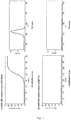
- FIG. 1 shows a comparison of the results of measurements on methicillin-resistant and methicillin-sensitive strains.
- FIG. 1(a) shows the results of measurement of amplification curves and Tm values when samples from methicillin-resistant strains are used
- FIG. 1(b) shows the results of measurement of amplification curves and Tm values when samples from methicillin-sensitive strains are used.
- a primer refers to a DNA which becomes a starting point at the time of DNA replication in the PCR method.
- a primer refers to a DNA primer.
- the point of the present invention lies in a specific primer pair that can enjoy the effect of improving detection sensitivity.
- a primer pair in Patent Document 1 consisting of a base sequence of sequence number 45 and a base sequence of sequence number 46 has DNA sequences that hybridize to the sequence in the structural gene of the methicillin-resistant gene (mecA).
- the base sequence of SEQ ID NO: 45 and the base sequence of SEQ ID NO: 46 described in Patent Document 1 are referred to as SEQ ID NOs: 13 and 14, respectively, in this specification.
- the structural gene of mecA gene is composed of approximately 2100bp, and it has been found that mecA gene can be detected more sensitively by performing PCR using each of the primer pairs included in the following (a) group designed by the present inventors to hybridize within the structural gene.
- a modified primer consisting of a modified base sequence obtained by converting a part of bases in the base sequence of the DNA fragment (oligonucleotide) constituting each of the above-mentioned primers can also be applied.
- a modified primer is considered equivalent to each primer if it is capable of hybridizing with the complementary DNA strand of each primer described above.
- the modified primer considered as equivalent is a primer having a function as a primer which hybridizes to the complementary DNA strand of the original primer, and having a modified base sequence in which one or two bases are added, deleted, or substituted to the base sequence of the original primer. Therefore, primer pairs included in the following (b) group can also be used as primer pairs for detecting mecA genes. (b) group:
- a pair of complementary primers composed of complementary sequences of primers constituting the respective primer pairs can also be used as a primer pair for detecting mecA genes. That is, a primer pair included in the following (c) group can also be used as a primer pair for detecting mecA genes. (c) group:
- primer pair (a7) and primer pair (b7-1) ⁇ (b7-3), (c7-1) ⁇ (c7-4) are preferable.
- the primer pairs included in the groups (a) to (c) above have a common function in that they specifically hybridize within the structural gene possessed by mecA gene and amplify DNA fragments specific to mecA gene.
- primer pairs of the present invention are found after the presence or absence of an effect is confirmed based on combinations of a considerable amount of various primers, and cannot be simply a level of ratification of the effect. It is also noted that as a result of the sequence search, it is confirmed that the primer pairs for detecting mecA genes are novel combinations.
- the present invention does not prevent the combination of a plurality of known primers for bacteria, fungi, and viruses other than the primer pair of the present invention.
- Primer concentrations in the PCR are not particularly limited, but generally, the PCR concentration ranges from 0.05pM to 1.0 ⁇ M, and the PCR concentration is appropriately set according to consideration.
- the PCR enzyme used in the present invention is preferably a thermostable DNA polymerase derived from a thermostable organism, and more preferably from prokaryotes such as methanogen, thermophilic eosinophiles, thermophiles, and hyperthermophiles.
- thermostable DNA polymerases for use herein include thermostable DNA polymerases derived from Thermus aquaticus (Thermus aquaticus), Thermus thermophilus, Bacillus stearothermophilus, Thermococcus gorgonarius, Thermococcus kodakaraensis KOD1, Pyrococcus woesei, Pyrococcus furiosus, Aeropyrum pernix, Aquifex aeolicus, Sulfolobus tokodaii, Pyrolobus fumarii, or Methanopyrus kandleri.
- the thermostable DNA polymerase may be a thermostable DNA polymerase artificially synthesized by genetic engineering.
- Reagents other than primer pairs used for PCR analysis in the present invention can be used in known combinations.
- Reagents required for the measurements include enzymes for PCR, pH-buffer solution, dNTP, Mg 2+ source, sterile water, and the like.
- a labeling substance such as a fluorescent dye is necessary in addition to the above.
- the pH buffer is used to adjust the pH to 7.0 to 10.0, more preferably pH8 0 to 9.0, as a sample for PCR-analysis.
- Specific examples include Tris hydrochloric acid buffer.
- Tris hydrochloride buffer is used at 5mM to 100mM.
- dNTP is a source of nucleosides for PCR-based DNA-amplification and requires four dATP, dCTP, dGTP, dTTP types.
- dNTP may be chemically modified for use in the hot start method, for example, CleanAmpTMdNTP made by TriLink BioTechnologies, Inc.
- the amounts used are dATP, dCTP, dGTP, dTTP at concentrations of about 0.1 mM to 0.2mM, respectively.
- Mg 2+ is required for PCR-based DNA-amplification.
- Mg 2+ source include MgCl 2 , MgSO 4 .
- MgCl 2 is used in amounts ranging from 0.5mM to 5.0mM as appropriate depending on the study.
- Fluorescent dyes are used for the detection of DNA amplification products by real-time PCR, as well as for the measurement of Tm values of amplified DNA fragments, including, for example, methods using intercalators with labeling functions.
- intercalators include ethidium bromide, SYBR Green I and Resolight (Roche, Inc), and EvaGreen (Biotium, Inc) and BOXTO (tataa biocentre).
- Preferable intercalators are EvaGreen and Resolight. The amount used is in accordance with the manufacturer's recommendations for the fluorescent dyes used.
- Other kits may include bacterial genomic DNA for use as a positive control or sterile water for use as a negative control for PCR.
- a container for PCR analysis measurement for example, an analysis measurement tube
- a container having a shape or a structure corresponding to a measurement instrument can be selected and used. If the one recommended by the source of the measurement instrument is used, it can be used for the measurement without any particular problem.
- Other necessary instruments for practicing the present invention include tools widely used in molecular biology experiments, such as pipettes, pipette tips, 1.5ml microtubes, and devices widely used in molecular biology experiments, such as PCR, clean benches, tube centrifuges, and the like.
- a mecA gene detection kit of the present invention is a kit for detecting a mecA gene by analyzing DNA fragments amplified by the primer pairs of the present invention.
- Analysis of DNA fragments as amplification products can be performed by known methods.
- analysis of DNA fragments as amplification products can be performed by molecular weight analysis, Tm value measurement (melting curve analysis), or the like. Two or more types of analysis methods may be combined.
- the measurement of the Tm value for which purpose real-time PCR is suitably used.
- the molecular weight can be analyzed by electrophoresis, mass spectrometry, or the like.
- a mecA gene detection kit according to the present invention comprises one or more primer pairs of the groups (a) to (c) described above.
- reagents such as PCR enzymes, pH-buffers, MgCl 2 , dNTP (or CleanAmpTMdNTP) and sterile water, components such as PCR assay containers (e.g., analysis measurement tubes) and other required instruments.
- PCR assay containers e.g., analysis measurement tubes
- a fluorescent dye can be added as a component.
- components necessary for the PCR method used in addition to these components may be added to the kit.
- Each of these reagents or components may be packaged in any form, such as individually, partially, or all in one piece. Specifically, for example, the following mode is adopted.
- the primer pairs are separately packaged.
- each mixture is packaged separately.
- the inventive mecA gene detection kits can be used for mecA gene detection in various fields such as medical, food, environmental analyses, etc. In addition, it is used in conjunction with a rapid identification method of the infection causing bacteria in Patent Document 1, it can be used to simultaneously and rapidly perform the causing bacteria identification and mecA gene detection.
- the test sample is not particularly limited and can be applied to a wide range of specimens. Specifically, in the medical field, blood, cerebrospinal fluid, lacrimal fluid, aqueous humor, amniotic fluid, joint fluid, saliva, nasal wipe, urine, other body fluids, adhering substances of medical devices such as catheters, and the like can be cited.
- the food field there are food itself, liquid in the process of production, or solid feed, equipment deposits in the manufacturing process, and the like.
- DNA needs to be extracted in advance from bacteria that may be present in the sample.
- DNA extraction method an alkali dissolution method, a boiling method, a phenol extraction method, a bead crushing method, and the like are known at present, and various DNA extraction kits are also sold from manufacturers.
- the DNA extraction method in the present invention is not particularly limited, but since the optimal method differs depending on the sample, it is desirable to select a method corresponding to the target sample.
- the primer pairs of the present invention are used in PCR methods.
- various PCR methods can be used as long as they are PCR methods for amplifying a target gene for detecting a mecA gene.
- a preferred analytical method is real-time PCR, more preferably a combination of real-time PCR and melting curve analysis for Tm value measurement.
- the real-time PCR apparatus used is not particularly limited.
- Rotor Gene Q manufactured by Qiagen Corporation used in the embodiment of the present application is an example of a real-time PCR apparatus which can be suitably used.
- PCR and real-time PCR commonly known apparatuses, techniques, and the like may be used.
- the conditions of the temperature cycle in PCR are not particularly limited, and may be appropriately set according to the properties of the primer used, the enzyme for PCR, the template, and the like, and the sensitivity of the DNA detection method after PCR. Much literature is already known on the setting of these conditions.
- the steps of thermal denaturing may be a temperature and a time at which the template double-stranded DNA is dissociated into single strands, and is set, for example, at 90° C to 98° C for several seconds to several minutes.
- the annealing step of the primer is set in accordance with the base sequence and the number of bases of the primer, but it is often set at 40° C to 72° C for several seconds to several tens of seconds.
- the temperature is depending on the properties such as the optimum temperature of the enzyme for PCR for example, 58° C to 76° C is generally used, and the required time is estimated and set based on the strand length of the DNA to be amplified and the DNA synthesis rate of the enzyme for PCR.
- the target DNA is amplified by repeating the steps of thermal denaturation, annealing, and extension, and the number of repetitions may be appropriately changed depending on the amount of template DNA, the amount of enzyme for PCR, and the sensitivity of the DNA detection method after PCR, but 10 to 50 times are exemplified as general examples.
- the annealing temperature and the DNA extension temperature are approximately the same, both steps can be performed simultaneously.
- conditions for thermal denaturation, annealing, and DNA extension necessary for DNA amplification, and the number of repetitions of these steps are the same as described above for PCR.
- the temperature at which the fluorescence intensity is measured may be maintained at the temperature of DNA extension, for example in the implementation using intercalator.
- the temperature may be set between the Tm value of the target DNA and the Tm value of the non-specifically amplified non-target DNA (also referred to as non-specifically amplified DNA) such as intermediate temperature, by utilizing the fact that the Tm value of the non-specifically amplified DNA is relatively low when the strand length of the target DNA to be amplified is relatively long and the Tm value thereof is relatively high.
- the Tm value of the amplified DNA can be measured by melting curve analysis. In melting curve analysis, dissociation of DNA from double strand to single strand in response to temperature change is observed, but the temperature and detection conditions are not particularly limited.
- the method having the following steps can be used.
- the detection of the target gene in the amplification product in the step of detecting the amplification product can be carried out by measuring the Tm value by real-time PCR using an intercalator having a fluorescent label for detection.
- Preferred intercalators are Cyber Green I, EvaGreen, Resolight and BOXTO, more preferably EvaGreen and Resolight.
- the amplification product of the target gene can be detected, and the amplification product of the other gene other than the target gene can be performed as non-detection.
- the genome DNA extracted from the culture medium of MRSA (RIKEN CORPORATION, JCM31453) using High pure PCR template preparation kit (Roche) was used as template to amplify the entire length of mecA ORF by performing PCR using the primers of SEQ ID NO: 15 and SEQ ID NO: 16 with the reaction solution compositions shown in Table 1.
- dilute series of mecA amplification products were prepared, and PCR was performed using a pair of comparative primers consisting of a forward primer consisting of SEQ ID NO: 13 and a reverse primer consisting of SEQ ID NO: 14 with the reaction solution composition shown in Table 1, and the concentration of the amplification product of mecA where the number of rising cycles was approximately 20 was determined, and used as template.
- Methicillin-resistant Staphylococcus aureus JCM31453 is publicly available from Microbe Division of RIKEN BioResource Research Center (RIKEN BRC-JCM, 3-1-1, Takanodai, Tsukuba-shi, Ibaraki 305-0074, Japan).
- PCR was performed on 313 primer pairs with the reaction solution composition shown in Table 1.
- a rotor-gene Q MDx 5plex HRM(QIAGEN) was used as the real-time PCR device.
- the PCR reaction conditions were repeated 40 times at 94° C for 10 seconds, 65° C for 10 seconds, and 72° C for 30 seconds, after heating at 95° C for 5 minutes.
- the detection limit was the lowest concentration at which amplification was observed in all triplicate measurements. Whether or not the target amplification product was obtained was confirmed by measurement of the Tm value. As a result, 8 pairs were selected which showed an improvement in the detection limit compared with the case where detection was performed using the comparative primer pair shown in Patent Document 1, which is the prior application. The results are given in Table 2. In addition, SEQ ID NOs: 13 and 14 of the primer pair for comparison and the base sequences of the 8 pairs selected are shown in Table 3.
- the primer pair of SEQ ID NO: 6 and SEQ ID NO: 10 were evaluated by performing PCR with the reaction solution composition shown in Table 1.
- a rotor-gene Q MDx 5plex HRM(QIAGEN) was used as the real-time PCR device.
- the PCR reaction conditions were repeated 40 times at 94° C for 10 seconds, 65° C for 10 seconds, and 72° C for 30 seconds, after heating at 95° C for 5 minutes.
- the detection method of the present invention using the primer pairs of the present invention is capable of detecting extremely small amounts of mecA gene such as 10 copies or less in one reaction.
- the present detection method is sufficiently practical and has wide applicability because the detection method can detect extremely rare mecA gene in an extremely small amount of an analyte with high sensitivity, high accuracy, and quickly.
- the present primer pairs, detection methods, and detection kits can be used to detect trace amounts of mecA gene in a variety of analytes that occur in the medical field, the food field, and environmental analyses.
Landscapes
- Chemical & Material Sciences (AREA)
- Life Sciences & Earth Sciences (AREA)
- Organic Chemistry (AREA)
- Health & Medical Sciences (AREA)
- Engineering & Computer Science (AREA)
- Wood Science & Technology (AREA)
- Zoology (AREA)
- Genetics & Genomics (AREA)
- Proteomics, Peptides & Aminoacids (AREA)
- Bioinformatics & Cheminformatics (AREA)
- Analytical Chemistry (AREA)
- Biotechnology (AREA)
- General Engineering & Computer Science (AREA)
- Molecular Biology (AREA)
- Microbiology (AREA)
- General Health & Medical Sciences (AREA)
- Biochemistry (AREA)
- Physics & Mathematics (AREA)
- Biophysics (AREA)
- Biomedical Technology (AREA)
- Immunology (AREA)
- Chemical Kinetics & Catalysis (AREA)
- Plant Pathology (AREA)
- Sustainable Development (AREA)
- Medicinal Chemistry (AREA)
- Measuring Or Testing Involving Enzymes Or Micro-Organisms (AREA)
- Apparatus Associated With Microorganisms And Enzymes (AREA)
Abstract
Description
- The present invention relates to primer pairs, kit and method for conveniently, quickly and sensitively detecting mecA genes, which are specific genetic elements of methicillin resistance.
- Methicillin resistant Staphylococcus aureus (abbreviated as "MRSA") has become the leading cause of nosocomial infections worldwide and is regarded as the most clinically relevant drug-resistant organism in many countries. mecA, a gene involved in methicillin resistance in MRSA, encodes PBP (Penicillin Binding Protein)-2' (also called PBP-2a). Usually, Staphylococcus aureus produces mainly four PBPs. PBP is a protein involved in cell wall peptidoglycan synthesis and has transpeptidase activity. β-Lactam antibiotics act by binding to the active site of PBP and inhibiting transpeptidase activity and peptidoglycan synthesis. However, PBP-2' avoids the inhibitory effects of peptidoglycan syntheses by lowering the affinity for β-lactam antibiotics (Non-Patent Document 1).
In Staphylococcus aureus and coagulase-negative staphylococci, the presence or absence of methicillin resistance is very important information in the diagnosis of infected patients and in the decision of treatment plan. Although Staphylococcus aureus is more important than other coagulase-negative staphylococci because of its greater virulence, infection with a compromised host is also a major problem for methicillin-resistant Staphylococcus aureus and coagulase-negative staphylococci. Therefore, rapid detection of methicillin resistance for rapid diagnosis and treatment has been desired as a countermeasure against nosocomial infection of methicillin -resistant staphylococci.
Methicillin resistance has been tested by methods such as drug sensitivity tests, immunoassays, and PCR (polymerase chain reaction) detections (Non-Patent Document 2).
Drug sensitivity tests require that blood from the patient be cultured for at least one day to increase staphylococci. Immunoassays also require a step of culturing staphylococci and therefore require at least one day before the results of methicillin resistance tests can be obtained.
In comparison, nucleic acid amplification tests, such as PCR, are very sensitive and do not require a culturing process and can be tested directly from the patient's blood. Therefore, the test result can be submitted several hours after the arrival of the patient blood sample (Patent Document 1). - [Patent Document 1] International Publication No.
WO 2007/097323 -
- [Non-Patent Document 1] Journal of Bacteriology, May 1980 p.275
- [Non-Patent Document 2] Journal of Clinical Microbiology, July 1992, p.1685
- Although several methods for detecting methicillin resistance genes by nucleic acid amplification such as PCR have already been reported, there are many reports in which specific detection sensitivity has not been specified. Even if the detection sensitivity is specified, there is only a report that the detection sensitivity is not sufficient for use in a clinical field (Non-Patent Document 2).
On the other hand, detection of the methicillin resistance gene greatly influences the diagnosis and treatment plan of the patient, and therefore, development of a method for detecting the methicillin resistance gene quickly and accurately and reliably is an urgent clinical necessity. Therefore, it is an object of the present invention to quickly and accurately and reliably detect a methicillin resistance gene. It is an object of the present invention to provide a primer pair for realizing particularly sensitive detection of a methicillin resistance gene. - The present invention is a method for quickly identifying a methicillin resistance gene directly from a patient sample by using a nucleic acid amplification method, and reliably detecting the methicillin resistance gene with higher detection sensitivity than the conventional method. The present inventors have focused on PCR for the purpose of establishing a highly sensitive and rapid method for detecting methicillin resistance genes. In particular, primers used in the PCR method were examined in order to detect the methicillin resistance gene with high sensitivity.
The primer was designed under the following conditions.
The size of the DNA fragment to be amplified was increased within a range in which the amplification efficiency was not lowered. Specifically, the size of the DNA fragment was 150bp or more and 700bp or less. By increasing the sizes of the DNA fragments to be amplified, the fluorescent intensities of the amplification curves during the PCR reactions were increased, and height of the peaks obtained by Melting analysis was also increased.
The sequence of mecA homolog is confirmed, and the base sequence of the primer pair is designed only in the highly conserved part. Specifically, those containing a sequence with low conservation within 5 bases from the 3' end of the primer was excluded, and the base sequence was modified to obtain a highly conserved sequence.
Based on the above-described concepts, 32 specific Fwd and Rev primers were prepared, respectively, and 313 primer pairs considered to be promising were produced by combining them, from which optimum combinations were examined to select primer pairs capable of achieving high detection sensitivity compared with Patent Document 1, which was the prior application.
That is, the primer pair is a primer pair for detecting a mecA gene (methicillin resistance gene), and the primer pair is one primer pair selected from the group consisting of (a) to (c) below. - (a) A primer pair comprising a combination of SEQ ID NO:3 and SEQ ID NO:7, a combination of SEQ ID NO:2 and SEQ ID NO:9, a combination of SEQ ID NO:1 and SEQ ID NO:8, a combination of SEQ ID NO:1 and SEQ ID NO:9, a combination of SEQ ID NO:4 and SEQ ID NO:11, a combination of SEQ ID NO:5 and SEQ ID NO: 12, a combination of SEQ ID NO:6 and SEQ ID NO:10 or a combination of SEQ ID NO:6 and SEQ ID NO: 12,
- (b) In (a) above, a primer pair in which 1 to 2 bases are added, deleted or substituted to the extent that a part of the base sequence of one or both primers does not impair the function as a primer,
- (c) A primer pair comprising a complementary sequence corresponding to the base sequence of (a) or (b) above.
- A mecA gene detection kit according to the present invention includes at least one primer pair selected from the group consisting of (a) to (c) above. A method for detecting mecA in a sample according to the present invention,
PCR using DNA prepared from the sample and primer pairs for amplifying the DNA,
Detection of a mecA gene in the sample by detection of a mecA gene in an amplification product obtained by the PCR-process or by analyzing the amplification product, - The primer pair used in the PCR step is at least one primer pair selected from the group consisting of (a) to (c) above.
It is characterized by: - According to the present disclosure, primer pairs and mecA gene detection kits for PCR for highly sensitive mecA gene detection, and a detection method of a mecA gene can be provided. Therefore, according to the present embodiment, it is possible to detect a trace amount of mecA gene in a sample in a medical field, a food field, or the like with higher sensitivity and higher accuracy than conventional test kits.
-
Figure 1 shows a comparison of the results of measurements on methicillin-resistant and methicillin-sensitive strains.FIG. 1(a) shows the results of measurement of amplification curves and Tm values when samples from methicillin-resistant strains are used, andFIG. 1(b) shows the results of measurement of amplification curves and Tm values when samples from methicillin-sensitive strains are used. - In the present invention, a primer refers to a DNA which becomes a starting point at the time of DNA replication in the PCR method. In the present specification, unless otherwise indicated, a primer refers to a DNA primer.
The point of the present invention lies in a specific primer pair that can enjoy the effect of improving detection sensitivity.
A primer pair in Patent Document 1 consisting of a base sequence of sequence number 45 and a base sequence of sequence number 46 has DNA sequences that hybridize to the sequence in the structural gene of the methicillin-resistant gene (mecA). The base sequence of SEQ ID NO: 45 and the base sequence of SEQ ID NO: 46 described in Patent Document 1 are referred to as SEQ ID NOs: 13 and 14, respectively, in this specification. However, even in the above-mentioned primer pairs, the PCR-based detection methods did not have adequate detection sensitivities, and low concentrations of mecA could not be detected (Examples 5 and table 2 to be described later). This may indicate false negatives due to insensitivity when assaying specimens containing low concentrations of MRSA. - The structural gene of mecA gene is composed of approximately 2100bp, and it has been found that mecA gene can be detected more sensitively by performing PCR using each of the primer pairs included in the following (a) group designed by the present inventors to hybridize within the structural gene.
- (a) group:
- (a1) A primer pair consisting of a combination of a primer consisting of SEQ ID NO: 3 and a primer consisting of SEQ ID NO: 7.
- (a2) A primer pair consisting of a combination of a primer consisting of SEQ ID NO: 2 and a primer consisting of SEQ ID NO: 9.
- (a3) A primer pair consisting of a combination of a primer consisting of SEQ ID NO: 1 and a primer consisting of SEQ ID NO: 8.
- (a4) A primer pair consisting of a combination of a primer consisting of SEQ ID NO: 1 and a primer consisting of SEQ ID NO: 9.
- (a5) A primer pair consisting of a combination of a primer consisting of SEQ ID NO: 4 and a primer consisting of SEQ ID NO: 11.
- (a6) A primer pair consisting of a combination of a primer consisting of SEQ ID NO: 5 and a primer consisting of SEQ ID NO: 12.
- (a7) A primer pair consisting of a combination of a primer consisting of SEQ ID NO: 6 and a primer consisting of SEQ ID NO: 10.
- (a8) A primer pair consisting of a combination of a primer consisting of SEQ ID NO: 6 and a primer consisting of SEQ ID NO: 12.
- As long as the effect of the present invention can be enjoyed, a modified primer consisting of a modified base sequence obtained by converting a part of bases in the base sequence of the DNA fragment (oligonucleotide) constituting each of the above-mentioned primers can also be applied. In principle, a modified primer is considered equivalent to each primer if it is capable of hybridizing with the complementary DNA strand of each primer described above. Further, it is preferable that the modified primer considered as equivalent is a primer having a function as a primer which hybridizes to the complementary DNA strand of the original primer, and having a modified base sequence in which one or two bases are added, deleted, or substituted to the base sequence of the original primer. Therefore, primer pairs included in the following (b) group can also be used as primer pairs for detecting mecA genes.
(b) group: - (b1-1) A primer pair consisting of a combination of a modified primer consisting of the modified base sequence of SEQ ID NO: 3 and a primer consisting of SEQ ID NO: 7.
- (b1-2) A primer pair consisting of a combination of a primer consisting of SEQ ID NO: 3 and a primer consisting of a modified base sequence of SEQ ID NO: 7.
- (b1-3) A primer pair consisting of a combination of a modified primer consisting of the modified base sequence of SEQ ID NO: 3 and a modified primer consisting of the modified base sequence of SEQ ID NO: 7.
- (b2-1) A primer pair consisting of a combination of a modified primer consisting of the modified base sequence of SEQ ID NO: 2 and a primer consisting of SEQ ID NO: 9.
- (b2-2) A primer pair consisting of a combination of a primer consisting of SEQ ID NO: 2 and a primer consisting of a modified base sequence of SEQ ID NO: 9.
- (b2-3) A primer pair consisting of a combination of a modified primer consisting of the modified base sequence of SEQ ID NO: 2 and a primer consisting of the modified base sequence of SEQ ID NO: 9.
- (b3-1) A primer pair consisting of a combination of a modified primer consisting of the modified base sequence of SEQ ID NO: 1 and a primer consisting of the base sequence of SEQ ID NO: 8.
- (b3-2) A primer pair consisting of a combination of a primer consisting of SEQ ID NO: 1 and a primer consisting of a modified base sequence of SEQ ID NO: 8.
- (b3-3) A primer pair consisting of a combination of a modified primer consisting of the modified base sequence of SEQ ID NO: 1 and a modified primer consisting of the modified base sequence of SEQ ID NO: 8.
- (b4-1) A primer pair consisting of a combination of a modified primer consisting of the modified base sequence of SEQ ID NO: 1 and a primer consisting of SEQ ID NO: 9.
- (b4-2) A primer pair consisting of a combination of a primer consisting of SEQ ID NO: 1 and a primer consisting of a modified base sequence of SEQ ID NO: 9.
- (b4-3) A primer pair consisting of a combination of a modified primer consisting of the modified base sequence of SEQ ID NO: 1 and a modified primer consisting of the modified base sequence of SEQ ID NO: 9.
- (b5-1) A primer pair consisting of a combination of a modified primer consisting of the modified base sequence of SEQ ID NO: 4 and a primer consisting of SEQ ID NO: 11.
- (b5-2) A primer pair consisting of a combination of a primer consisting of SEQ ID NO: 4 and a primer consisting of a modified base sequence of SEQ ID NO: 11.
- (b5-3) A primer pair consisting of a combination of a modified primer consisting of the modified base sequence of SEQ ID NO: 4 and a modified primer consisting of the modified base sequence of SEQ ID NO: 11.
- (b6-1) A primer pair consisting of a combination of a modified primer consisting of the modified base sequence of SEQ ID NO: 5 and a primer consisting of SEQ ID NO: 12.
- (b6-2) A primer pair consisting of a combination of a primer consisting of SEQ ID NO: 5 and a primer consisting of a modified base sequence of SEQ ID NO: 12.
- (b6-3) A primer pair consisting of a combination of a modified primer consisting of the modified base sequence of SEQ ID NO: 5 and a modified primer consisting of the modified base sequence of SEQ ID NO: 12.
- (b7-1) A primer pair consisting of a combination of a modified primer consisting of the modified base sequence of SEQ ID NO: 6 and a primer consisting of SEQ ID NO: 10.
- (b7-2) A primer pair consisting of a combination of a primer consisting of SEQ ID NO: 6 and a primer consisting of a modified base sequence of SEQ ID NO: 10.
- (b7-3) A primer pair consisting of a combination of a modified primer consisting of the modified base sequence of SEQ ID NO: 6 and a modified primer consisting of the modified base sequence of SEQ ID NO: 10.
- (b8-1) A primer pair consisting of a combination of a modified primer consisting of the modified base sequence of SEQ ID NO: 6 and a primer consisting of SEQ ID NO: 12.
- (b8-2) A primer pair consisting of a combination of a primer consisting of SEQ ID NO: 6 and a primer consisting of a modified base sequence of SEQ ID NO: 12.
- (b8-3) A primer pair consisting of a combination of a modified primer consisting of the modified base sequence of SEQ ID NO: 6 and a modified primer consisting of the modified base sequence of SEQ ID NO: 12.
- Furthermore, a pair of complementary primers composed of complementary sequences of primers constituting the respective primer pairs can also be used as a primer pair for detecting mecA genes. That is, a primer pair included in the following (c) group can also be used as a primer pair for detecting mecA genes.
(c) group: - (c1-1) A primer pair consisting of a combination of a primer consisting of the complementary sequence of SEQ ID NO: 3 and a primer consisting of the complementary sequence of SEQ ID NO: 7.
- (cl-2) A primer pair consisting of a combination of a modified primer consisting of the complementary sequence of the modified base sequence of SEQ ID NO: 3 and a primer consisting of the complementary sequence of SEQ ID NO: 7.
- (c1-3) A primer pair consisting of a combination of a primer consisting of the complementary sequence of SEQ ID NO: 3 and a primer consisting of the complementary sequence of the modified base sequence of SEQ ID NO: 7.
- (c1-4) A primer pair consisting of a combination of a modified primer consisting of the complementary sequence of the modified base sequence of SEQ ID NO: 3 and a modified primer consisting of the complementary sequence of the modified base sequence of SEQ ID NO: 7.
- (c2-1) A primer pair consisting of a combination of a primer consisting of the complementary sequence of SEQ ID NO: 2 and a primer consisting of the complementary sequence of SEQ ID NO: 9.
- (c2-2) A primer pair consisting of a combination of a modified primer consisting of the complementary sequence of the modified base sequence of SEQ ID NO: 2 and a primer consisting of the complementary sequence of SEQ ID NO: 9.
- (c2-3) A primer pair comprising a combination of a primer consisting of the complementary sequence of SEQ ID NO: 2 and a primer consisting of the complementary sequence of the modified base sequence of SEQ ID NO: 9.
- (c2-4) A primer pair consisting of a combination of a modified primer consisting of the complementary sequence of the modified base sequence of SEQ ID NO: 2 and a modified primer consisting of the complementary sequence of the modified base sequence of SEQ ID NO: 9.
- (c3-1) A primer pair consisting of a combination of a primer consisting of the complementary sequence of SEQ ID NO: 1 and a primer consisting of the complementary sequence of SEQ ID NO: 8.
- (c3-2) A primer pair consisting of a combination of a modified primer consisting of the complementary sequence of the modified base sequence of SEQ ID NO: 1 and a primer consisting of the complementary sequence of the base sequence of SEQ ID NO: 8.
- (c3-3) A primer pair comprising a combination of a primer consisting of the complementary sequence of SEQ ID NO: 1 and a primer consisting of the complementary sequence of the modified base sequence of SEQ ID NO: 8.
- (c3-4) A primer pair consisting of a combination of a modified primer consisting of the complementary sequence of the modified base sequence of SEQ ID NO: 1 and a modified primer consisting of the complementary sequence of the modified base sequence of SEQ ID NO: 8.
- (c4-1) A primer pair consisting of a combination of a primer consisting of the complementary sequence of SEQ ID NO: 1 and a primer consisting of the complementary sequence of SEQ ID NO: 9.
- (c4-2) A primer pair consisting of a combination of a modified primer consisting of the complementary sequence of the modified base sequence of SEQ ID NO: 1 and a primer consisting of the complementary sequence of SEQ ID NO: 9.
- (c4-3) A primer pair comprising a combination of a primer consisting of the complementary sequence of SEQ ID NO: 1 and a primer consisting of the complementary sequence of the modified base sequence of SEQ ID NO: 9.
- (c4-4) A primer pair consisting of a combination of a modified primer consisting of the complementary sequence of the modified base sequence of SEQ ID NO: 1 and a modified primer consisting of the complementary sequence of the modified base sequence of SEQ ID NO: 9.
- (c5-1) A primer pair consisting of a combination of a primer consisting of the complementary sequence of SEQ ID NO: 4 and a primer consisting of the complementary sequence of SEQ ID NO: 11.
- (c5-2) A primer pair consisting of a combination of a modified primer consisting of the complementary sequence of the modified base sequence of SEQ ID NO: 4 and a primer consisting of the complementary sequence of SEQ ID NO: 11.
- (c5-3) A primer pair comprising a combination of a primer consisting of the complementary sequence of SEQ ID NO: 4 and a primer consisting of the complementary sequence of the modified base sequence of SEQ ID NO: 11.
- (c5-4) A primer pair consisting of a combination of a modified primer consisting of the complementary sequence of the modified base sequence of SEQ ID NO: 4 and a modified primer consisting of the complementary sequence of the modified base sequence of SEQ ID NO: 11.
- (c6-1) A primer pair consisting of a combination of a primer consisting of the complementary sequence of SEQ ID NO: 5 and a primer consisting of the complementary sequence of SEQ ID NO: 12.
- (c6-2) A primer pair consisting of a combination of a modified primer consisting of the complementary sequence of the modified base sequence of SEQ ID NO: 5 and a primer consisting of the complementary sequence of SEQ ID NO: 12.
- (c6-3) A primer pair comprising a combination of a primer consisting of the complementary sequence of SEQ ID NO: 5 and a primer consisting of the complementary sequence of the modified base sequence of SEQ ID NO: 12.
- (c6-4) A primer pair consisting of a combination of a modified primer consisting of the complementary sequence of the modified base sequence of SEQ ID NO: 5 and a modified primer consisting of the complementary sequence of the modified base sequence of SEQ ID NO: 12.
- (c7-1) A primer pair consisting of a combination of a primer consisting of the complementary sequence of SEQ ID NO: 6 and a primer consisting of the complementary sequence of SEQ ID NO: 10.
- (c7-2) A primer pair consisting of a combination of a modified primer consisting of the complementary sequence of the modified base sequence of SEQ ID NO: 6 and a primer consisting of the complementary sequence of SEQ ID NO: 10.
- (c7-3) A primer pair consisting of a combination of a primer consisting of the complementary sequence of SEQ ID NO: 6 and a primer consisting of the complementary sequence of the modified base sequence of SEQ ID NO: 10.
- (c7-4) A primer pair consisting of a combination of a modified primer consisting of the complementary sequence of the modified base sequence of SEQ ID NO: 6 and a modified primer consisting of the complementary sequence of the modified base sequence of SEQ ID NO: 10.
- (c8-1) A primer pair consisting of a combination of a primer consisting of the complementary sequence of SEQ ID NO: 6 and a primer consisting of the complementary sequence of SEQ ID NO: 12.
- (c8-2) A primer pair consisting of a combination of a modified primer consisting of the complementary sequence of the modified base sequence of SEQ ID NO: 6 and a primer consisting of the complementary sequence of SEQ ID NO: 12.
- (c8-3) A primer pair comprising a combination of a primer consisting of the complementary sequence of SEQ ID NO: 6 and a primer consisting of the complementary sequence of the modified base sequence of SEQ ID NO: 12.
- (c8-4) A primer pair consisting of a combination of a modified primer consisting of the complementary sequence of the modified base sequence of SEQ ID NO: 6 and a modified primer consisting of the complementary sequence of the modified base sequence of SEQ ID NO: 12.
- Among these primer pairs, primer pair (a7) and primer pair (b7-1)∼(b7-3), (c7-1)~(c7-4) are preferable.
The primer pairs included in the groups (a) to (c) above have a common function in that they specifically hybridize within the structural gene possessed by mecA gene and amplify DNA fragments specific to mecA gene. - It is noted that the primer pairs of the present invention are found after the presence or absence of an effect is confirmed based on combinations of a considerable amount of various primers, and cannot be simply a level of ratification of the effect. It is also noted that as a result of the sequence search, it is confirmed that the primer pairs for detecting mecA genes are novel combinations.
The present invention does not prevent the combination of a plurality of known primers for bacteria, fungi, and viruses other than the primer pair of the present invention.
Primer concentrations in the PCR are not particularly limited, but generally, the PCR concentration ranges from 0.05pM to 1.0µM, and the PCR concentration is appropriately set according to consideration. - The PCR enzyme used in the present invention is preferably a thermostable DNA polymerase derived from a thermostable organism, and more preferably from prokaryotes such as methanogen, thermophilic eosinophiles, thermophiles, and hyperthermophiles.
Specific examples of thermostable DNA polymerases for use herein include thermostable DNA polymerases derived from Thermus aquaticus (Thermus aquaticus), Thermus thermophilus, Bacillus stearothermophilus, Thermococcus gorgonarius, Thermococcus kodakaraensis KOD1, Pyrococcus woesei, Pyrococcus furiosus, Aeropyrum pernix, Aquifex aeolicus, Sulfolobus tokodaii, Pyrolobus fumarii, or Methanopyrus kandleri.
The thermostable DNA polymerase may be a thermostable DNA polymerase artificially synthesized by genetic engineering. - Reagents other than primer pairs used for PCR analysis in the present invention can be used in known combinations. Reagents required for the measurements include enzymes for PCR, pH-buffer solution, dNTP, Mg2+ source, sterile water, and the like. In the real-time PCR analysis, a labeling substance such as a fluorescent dye is necessary in addition to the above.
- The pH buffer is used to adjust the pH to 7.0 to 10.0, more preferably pH8 0 to 9.0, as a sample for PCR-analysis. Specific examples include Tris hydrochloric acid buffer. For example, Tris hydrochloride buffer is used at 5mM to 100mM.dNTP is a source of nucleosides for PCR-based DNA-amplification and requires four dATP, dCTP, dGTP, dTTP types. dNTP may be chemically modified for use in the hot start method, for example, CleanAmp™dNTP made by TriLink BioTechnologies, Inc. The amounts used are dATP, dCTP, dGTP, dTTP at concentrations of about 0.1 mM to 0.2mM, respectively.
- Mg2+ is required for PCR-based DNA-amplification. Examples of Mg2+ source include MgCl2, MgSO4. Preferred is MgCl2, which is used in amounts ranging from 0.5mM to 5.0mM as appropriate depending on the study. Fluorescent dyes are used for the detection of DNA amplification products by real-time PCR, as well as for the measurement of Tm values of amplified DNA fragments, including, for example, methods using intercalators with labeling functions. Examples of intercalators include ethidium bromide, SYBR Green I and Resolight (Roche, Inc), and EvaGreen (Biotium, Inc) and BOXTO (tataa biocentre). Preferable intercalators are EvaGreen and Resolight. The amount used is in accordance with the manufacturer's recommendations for the fluorescent dyes used.
Other kits may include bacterial genomic DNA for use as a positive control or sterile water for use as a negative control for PCR. - As a container for PCR analysis measurement (for example, an analysis measurement tube) used in the present invention, a container having a shape or a structure corresponding to a measurement instrument can be selected and used. If the one recommended by the source of the measurement instrument is used, it can be used for the measurement without any particular problem.
Other necessary instruments for practicing the present invention include tools widely used in molecular biology experiments, such as pipettes, pipette tips, 1.5ml microtubes, and devices widely used in molecular biology experiments, such as PCR, clean benches, tube centrifuges, and the like. - A mecA gene detection kit of the present invention is a kit for detecting a mecA gene by analyzing DNA fragments amplified by the primer pairs of the present invention. Analysis of DNA fragments as amplification products can be performed by known methods. For example, analysis of DNA fragments as amplification products can be performed by molecular weight analysis, Tm value measurement (melting curve analysis), or the like. Two or more types of analysis methods may be combined. Preferably, the measurement of the Tm value, for which purpose real-time PCR is suitably used. The molecular weight can be analyzed by electrophoresis, mass spectrometry, or the like. A mecA gene detection kit according to the present invention comprises one or more primer pairs of the groups (a) to (c) described above. In addition to the primers, it may optionally contain at least one reagent and/or component selected from reagents such as PCR enzymes, pH-buffers, MgCl2, dNTP (or CleanAmp™dNTP) and sterile water, components such as PCR assay containers (e.g., analysis measurement tubes) and other required instruments. Furthermore, in the analysis by real-time PCR, a fluorescent dye can be added as a component. Depending on various embodiments of the PCR method, components necessary for the PCR method used in addition to these components may be added to the kit. Each of these reagents or components may be packaged in any form, such as individually, partially, or all in one piece. Specifically, for example, the following mode is adopted.
- 1) Each reagent to be used is divided.
- 2) Three components, i.e., pre-mixed mixture, one primer pair and PCR enzyme are separately packed, and the pre-mixed mixture includes pH buffers, MgCl2, dNTP (or CleanAmp™dNTP) (and the fluorescent dye in real-time PCR analysis).
- 3) Two components, i.e., pre-mixed mixture and PCR enzyme are separately packed, and the pre-mixed mixture includes pH buffer, MgCl2, dNTP (or CleanAmp™dNTP) (and the fluorescent dye in real-time PCR analysis), one primer pair.
- 4) One component, i.e., pre-mixed mixture is packed, and the pre-mixed mixture includes pH buffers, MgCl2, dNTP (or CleanAmp™dNTP) (and the fluorescent dye in real-time PCR analysis), one primer pair, and PCR enzyme.
- When the kit has a plurality of primer pairs, the primer pairs are separately packaged. When a plurality of mixtures containing different primer pairs are used in the construction of the kit, each mixture is packaged separately.
- The inventive mecA gene detection kits can be used for mecA gene detection in various fields such as medical, food, environmental analyses, etc. In addition, it is used in conjunction with a rapid identification method of the infection causing bacteria in Patent Document 1, it can be used to simultaneously and rapidly perform the causing bacteria identification and mecA gene detection.
The test sample is not particularly limited and can be applied to a wide range of specimens. Specifically, in the medical field, blood, cerebrospinal fluid, lacrimal fluid, aqueous humor, amniotic fluid, joint fluid, saliva, nasal wipe, urine, other body fluids, adhering substances of medical devices such as catheters, and the like can be cited. In the food field, there are food itself, liquid in the process of production, or solid feed, equipment deposits in the manufacturing process, and the like. - When mecA gene detection is performed in a sample using the inventive mecA gene detection kits, DNA needs to be extracted in advance from bacteria that may be present in the sample. As DNA extraction method, an alkali dissolution method, a boiling method, a phenol extraction method, a bead crushing method, and the like are known at present, and various DNA extraction kits are also sold from manufacturers.
The DNA extraction method in the present invention is not particularly limited, but since the optimal method differs depending on the sample, it is desirable to select a method corresponding to the target sample. - The primer pairs of the present invention are used in PCR methods. As the PCR method, various PCR methods can be used as long as they are PCR methods for amplifying a target gene for detecting a mecA gene. A preferred analytical method is real-time PCR, more preferably a combination of real-time PCR and melting curve analysis for Tm value measurement. In this case, the real-time PCR apparatus used is not particularly limited. Rotor Gene Q manufactured by Qiagen Corporation used in the embodiment of the present application is an example of a real-time PCR apparatus which can be suitably used.
In PCR and real-time PCR, commonly known apparatuses, techniques, and the like may be used.
The conditions of the temperature cycle in PCR (temperature, time, temperature rise/fall rate, and number of cycles) are not particularly limited, and may be appropriately set according to the properties of the primer used, the enzyme for PCR, the template, and the like, and the sensitivity of the DNA detection method after PCR. Much literature is already known on the setting of these conditions.
In PCR, the steps of thermal denaturing the template double-stranded DNA, annealing the primers, and extending the DNA with an enzyme for PCR are generally repeated. The step of thermal denaturation may be a temperature and a time at which the template double-stranded DNA is dissociated into single strands, and is set, for example, at 90° C to 98° C for several seconds to several minutes. At the start of PCR, a thermal denaturation process of several minutes to 10 minutes is often added only to the first cycle. The annealing step of the primer is set in accordance with the base sequence and the number of bases of the primer, but it is often set at 40° C to 72° C for several seconds to several tens of seconds. In the DNA extending step, the temperature is depending on the properties such as the optimum temperature of the enzyme for PCR for example, 58° C to 76° C is generally used, and the required time is estimated and set based on the strand length of the DNA to be amplified and the DNA synthesis rate of the enzyme for PCR. The target DNA is amplified by repeating the steps of thermal denaturation, annealing, and extension, and the number of repetitions may be appropriately changed depending on the amount of template DNA, the amount of enzyme for PCR, and the sensitivity of the DNA detection method after PCR, but 10 to 50 times are exemplified as general examples. When the annealing temperature and the DNA extension temperature are approximately the same, both steps can be performed simultaneously.
Also in real-time PCR, conditions for thermal denaturation, annealing, and DNA extension necessary for DNA amplification, and the number of repetitions of these steps are the same as described above for PCR. In real-time PCR, it is possible to quantify or estimate the amount of amplified DNA by measuring the fluorescence intensity derived from the intercalator before and after the step of DNA extension. The temperature at which the fluorescence intensity is measured may be maintained at the temperature of DNA extension, for example in the implementation using intercalator. The temperature may be set between the Tm value of the target DNA and the Tm value of the non-specifically amplified non-target DNA (also referred to as non-specifically amplified DNA) such as intermediate temperature, by utilizing the fact that the Tm value of the non-specifically amplified DNA is relatively low when the strand length of the target DNA to be amplified is relatively long and the Tm value thereof is relatively high. In this way, in particular, in the implementation using intercalator, only the non-specifically amplified DNA such as primer dimer is dissociated from the double strand to the single strand, and the amount of DNA quantitated or estimated from the fluorescence intensity can be regarded as the target DNA.
Further, in the real-time PCR, after completion of the DNA amplification step, the Tm value of the amplified DNA can be measured by melting curve analysis. In melting curve analysis, dissociation of DNA from double strand to single strand in response to temperature change is observed, but the temperature and detection conditions are not particularly limited. Generally, by proceeding through the steps of thermal denaturation (Denaturation) (90° C to 98° C), duplex formation (Annealing) (40° C to 80° C), and Melting (gradually increasing from the temperature of duplex formation to around 98° C), the change in fluorescent intensity at the step of melting can be monitored to obtain melting curves from which Tm values can be obtained. Such measurements are possible in many models of real-time PCR devices and can be performed according to how the instrument is used. - As a detection method of a mecA gene in a sample, the method having the following steps can be used.
- (1) A step of performing PCR using genomic DNA of the bacterium prepared from the sample, primer pairs for obtaining an amplified product containing a mecA gene, and PCR reagents such as thermostable DNA polymerases.
- (2) A step of detecting a mecA gene in the amplification product obtained by the PCR step or detecting a mecA gene in the sample by analyzing the amplification product.
- The detection of the target gene in the amplification product in the step of detecting the amplification product can be carried out by measuring the Tm value by real-time PCR using an intercalator having a fluorescent label for detection. Preferred intercalators are Cyber Green I, EvaGreen, Resolight and BOXTO, more preferably EvaGreen and Resolight.
In the detection step by Tm value measurement using real-time PCR, the amplification product of the target gene can be detected, and the amplification product of the other gene other than the target gene can be performed as non-detection. As a method for this purpose, it is preferable to set a condition in which the amplification product of the target gene can be detected and the amplification product of the other gene other than the target gene is not detected by - (1) selecting a primer in which the melting temperature (TmA) of the target gene amplification product is higher than the melting temperature (TmB) of the amplification product of the non-target gene, and
- (2) detecting the amplification product at a temperature between TmA and TmB.
- The genome DNA extracted from the culture medium of MRSA (RIKEN CORPORATION, JCM31453) using High pure PCR template preparation kit (Roche) was used as template to amplify the entire length of mecA ORF by performing PCR using the primers of SEQ ID NO: 15 and SEQ ID NO: 16 with the reaction solution compositions shown in Table 1. Next, dilute series of mecA amplification products were prepared, and PCR was performed using a pair of comparative primers consisting of a forward primer consisting of SEQ ID NO: 13 and a reverse primer consisting of SEQ ID NO: 14 with the reaction solution composition shown in Table 1, and the concentration of the amplification product of mecA where the number of rising cycles was approximately 20 was determined, and used as template. Methicillin-resistant Staphylococcus aureus, JCM31453 is publicly available from Microbe Division of RIKEN BioResource Research Center (RIKEN BRC-JCM, 3-1-1, Takanodai, Tsukuba-shi, Ibaraki 305-0074, Japan).
Next, in order to evaluate the prepared primers, PCR was performed on 313 primer pairs with the reaction solution composition shown in Table 1. A rotor-gene Q MDx 5plex HRM(QIAGEN) was used as the real-time PCR device. The PCR reaction conditions were repeated 40 times at 94° C for 10 seconds, 65° C for 10 seconds, and 72° C for 30 seconds, after heating at 95° C for 5 minutes. 88 pairs were selected which showed an improvement in the number of rise cycles, the shape of the peak in High resolution melting analysis (HRM), the intensities of the bands in the electrophoresis, and the presence or absence of non-specific products in the electrophoresis compared with the results of the primer pairs for comparison. - The genome DNA extracted from the culture medium of MRSA (RIKEN CORPORATION, JCM31453) using High pure PCR template preparation kit (Roche) was used as template with a solution adjusted so that the number of rise cycles becomes about 20 cycles with 50µg/ml human genomic DNA solution (invirogen).
88 primer pairs were evaluated by performing PCR with the reaction solution composition shown in Table 1. A rotor-gene Q MDx 5plex HRM(QIAGEN) was used as the real-time PCR device. The PCR reaction conditions were repeated 40 times at 94° C for 10 seconds, 65° C for 10 seconds, and 72° C for 30 seconds, after heating at 95° C for 5 minutes. 57 pairs were selected which showed an improvement in the number of rise cycles, the shape of the peak in HRM, the intensity of the band in electrophoresis, and the presence or absence of non-specific products in electrophoresis compared with the results of the primer pairs for comparison. - The genome DNA extracted from the culture medium of MRSA (RIKEN CORPORATION, JCM31453) using High pure PCR template preparation kit (Roche) was used as template with a solution adjusted so that the concentration becomes 10.4 molecule/reaction solution with 50 pg/reaction ml human genomic DNA solution (invitrogen). 57 primer pairs were evaluated by performing PCR in triplicate measurements using the reaction solution composition shown in Table 1. A rotor-gene Q MDx 5plex HRM(QIAGEN) was used as the real-time PCR device. The PCR reaction conditions were repeated 40 times at 94° C for 10 seconds, 65° C for 10 seconds, and 72° C for 30 seconds, after heating at 95° C for 5 minutes. 9 pairs were selected which showed an improvement in amplifications in all triplicate measurements, Height of dF/dT in HRM (channel A), presence or absence of primer dimers, and presence or absence of peaks of non-specific products compared to results with comparative primer pairs.
- The genome DNA extracted from the culture medium of MRSA (RIKEN CORPORATION, JCM31453) using High pure PCR template preparation kit (Roche) was used as template with a solution adjusted so that each concentration becomes concentrations (copy number/reaction solution: indicated as Copies/Reaction in Table 2) with 50 pg/reaction ml human genomic DNA solution (invitrogen). 9 primer pairs were evaluated by performing PCR in triplicate measurements using the reaction solution composition shown in Table 1. A rotor-gene Q MDx 5plex HRM(QIAGEN) was used as the real-time PCR device. The PCR reaction conditions were repeated 40 times at 94° C for 10 seconds, 65° C for 10 seconds, and 72° C for 30 seconds, after heating at 95° C for 5 minutes. The detection limit was the lowest concentration at which amplification was observed in all triplicate measurements. Whether or not the target amplification product was obtained was confirmed by measurement of the Tm value.
As a result, 8 pairs were selected which showed an improvement in the detection limit compared with the case where detection was performed using the comparative primer pair shown in Patent Document 1, which is the prior application. The results are given in Table 2. In addition, SEQ ID NOs: 13 and 14 of the primer pair for comparison and the base sequences of the 8 pairs selected are shown in Table 3. - A genome DNA solution extracted from the culture mediums of Staphylococcus aureus (methicillin-sensitive Riken subdivision strain, JCM2151) and MRSA (methicillin-resistant Riken subdivision strain, JCM16555) using High pure PCR template preparation kit (Roche) was used as template. The primer pair of SEQ ID NO: 6 and SEQ ID NO: 10 were evaluated by performing PCR with the reaction solution composition shown in Table 1. A rotor-gene Q MDx 5plex HRM(QIAGEN) was used as the real-time PCR device. The PCR reaction conditions were repeated 40 times at 94° C for 10 seconds, 65° C for 10 seconds, and 72° C for 30 seconds, after heating at 95° C for 5 minutes. Whether or not the target amplification product was obtained was confirmed by the presence or absence of a peak in the vicinity of 81° C by measuring the Tm value. The results of methicillin-resistant strain are shown in
FIG. 1(a) and the results of methicillin-sensitive strain are shown inFIG. 1(b) .Table 1 Reaction solution composition Reagent name Volume Template 2.0 µL 10X Thnuder Taq Buffer 2.0 µL 25mM MgCl2 1.6 µL e-DNAP 1.0 Unit 2mM CleanAmp-dNTP 2.0 µL EvaGreen (Biotium) 1.0 µL 10mM forward primer 0.6 µL 10mM reverse primer 0.6 µL DW Adequate dose Total 20.0 µL (DW : Deionized water) Table 2 Primer Pair Forward primer Reverse primer detection limit (Copies/Reaction) a1 SEQ ID NO: 3 SEQ ID NO: 7 5.2 a2 SEQ ID NO: 2 SEQ ID NO: 9 5.2 a3 SEQ ID NO: 1 SEQ ID NO: 8 2.6 a4 SEQ ID NO: 1 SEQ ID NO: 9 10.4 a5 SEQ ID NO: 4 SEQ ID NO:11 5.2 a6 SEQ ID NO: 5 SEQ ID NO:12 5.2 a7 SEQ ID NO: 6 SEQ ID NO:10 2.6 a8 SEQ ID NO: 6 SEQ ID NO:12 2.6 Comparison SEQ ID NO:13 SEQ ID NO:14 100.4 Table 3 sequence (5'→3') SEQ ID NO: 1 CTGCTATCCACCCTCAAACAG SEQ ID NO: 2 ACTGCTATCCACCCTCAAAC SEQ ID NO: 3 GAAGATGGCTATCGTGTCAC SEQ ID NO: 4 ATCTTGGGGTGGTTACAACG SEQ ID NO: 5 TAGCACTCGAATTAGGCAGTAAG SEQ ID NO: 6 AGCTGATTCAGGTTAGGGAC SEQ ID NO: 7 AATCTGGAACTTGTTGAGCAG SEQ ID NO: 8 AACGTTGTAACCACCCCAAG SEQ ID NO: 9 TGTAACGTTGTAACCACCCC SEQ ID NO: 10 GATTTTGGCATTGTAGCTAGCC SEQ ID NO: 11 ACCACCCAATTTGTCTGCC SEQ ID NO: 12 GTACCGGATTTGCCAATTAAG SEQ ID NO: 13 CAAACTACGGTAACATTGATCGC SEQ ID NO: 14 ATGTATGCTTTGGTCTTTCTGC SEQ ID NO: 15 ATGAAAAAGATAAAAATTGTTC SEQ ID NO: 16 TTATTCATCTATATCGTAT - From the test results described in Table 2, it was found that the detection method of the present invention using the primer pairs of the present invention is capable of detecting extremely small amounts of mecA gene such as 10 copies or less in one reaction. The present detection method is sufficiently practical and has wide applicability because the detection method can detect extremely rare mecA gene in an extremely small amount of an analyte with high sensitivity, high accuracy, and quickly. The present primer pairs, detection methods, and detection kits can be used to detect trace amounts of mecA gene in a variety of analytes that occur in the medical field, the food field, and environmental analyses.


By using at least one of the present primer pairs as a primer pair for obtaining an amplified product containing mecA gene, a highly sensitive methicillin-resistance gene (mecA) can be detected.
In this detecting method, it is preferable that the amplifying step is performed under suppression of amplification of genes other than mecA gene as the target gene (non-target genes). Hot start PCR can be used to suppress the amplification of the non-target genes. An example is a hot start method using an anti-DNA polymerase antibody. In this case, it is preferable to use excessive amounts of anti-DNA polymerase antibody against 1U of the thermostable DNA polymerase. Further, as disclosed in Patent Document 1 and International Publication No.
Claims (7)
- A primer pair for detecting a mecA gene (methicillin-resistance gene), wherein the primer pair is one primer pair selected from the group consisting of (a) to (c) below.(a) A primer pair comprising a combination of SEQ ID NO:3 and SEQ ID NO:7, a combination of SEQ ID NO:2 and SEQ ID NO:9, a combination of SEQ ID NO:1 and SEQ ID NO:8, a combination of SEQ ID NO:1 and SEQ ID NO:9, a combination of SEQ ID NO:4 and SEQ ID NO:11, a combination of SEQ ID NO:5 and SEQ ID NO: 12, a combination of SEQ ID NO:6 and SEQ ID NO:10 or a combination of SEQ ID NO:6 and SEQ ID NO: 12,(b) In (a) above, a primer pair in which one or two bases are added, deleted or substituted to the extent that a part of the base sequence of one or both primers does not impair the function as a primer,(c) A primer pair comprising a complementary sequence corresponding to the base sequence of (a) or (b) above.
- The primer pair according to claim 1, wherein the primer pair is a primer pair consisting of a combination of SEQ ID NO: 6 and SEQ ID NO: 10, or a primer pair in which one or two bases are added, deleted, or substituted to the extent that a part of the base sequence of one or both primers of the combination does not impair the function as a primer.
- A mecA gene detection kit comprising a primer pair, wherein said primer pair is at least one primer pair selected from the group consisting of (a) to (c) below.(a) A primer pair comprising a combination of SEQ ID NO:3 and SEQ ID NO:7, a combination of SEQ ID NO:2 and SEQ ID NO:9, a combination of SEQ ID NO:1 and SEQ ID NO:8, a combination of SEQ ID NO:1 and SEQ ID NO:9, a combination of SEQ ID NO:4 and SEQ ID NO:11, a combination of SEQ ID NO:5 and SEQ ID NO:12, a combination of SEQ ID NO:6 and SEQ ID NO:10 or a combination of SEQ ID NO:6 and SEQ ID NO:12,(b) In (a) above, a primer pair in which one or two bases are added, deleted or substituted to the extent that a part of the base sequence of one or both primers does not impair the function as a primer,(c) A primer pair comprising a complementary sequence corresponding to the base sequence of (a) or (b) above.
- The kit according to claim 3, wherein the primer pair is a primer pair consisting of a combination of SEQ ID NO: 6 and SEQ ID NO: 10, or a primer pair in which one or two bases are added, deleted, or substituted to the extent that a part of the base sequence of one or both primers of the combination does not impair the function as a primer.
- The kit according to claim 3 or 4 comprising at least one of an enzyme for PCR, a reagent for PCR and an instrument for PCR.
- A detection method of a mecA in a sample, comprising:a PCR step of performing PCR using DNA prepared from the sample and a primer pair for amplifying the DNA; anda step of detecting a mecA gene in the sample by detecting a mecA gene in an amplification product obtained by the PCR step or by analyzing the amplification product,wherein the primer pair used in the PCR step is at least one primer pair selected from the group consisting of (a) to (c) below.(a) A primer pair comprising a combination of SEQ ID NO:3 and SEQ ID NO:7, a combination of SEQ ID NO:2 and SEQ ID NO:9, a combination of SEQ ID NO:1 and SEQ ID NO:8, a combination of SEQ ID NO:1 and SEQ ID NO:9, a combination of SEQ ID NO:4 and SEQ ID NO:11, a combination of SEQ ID NO:5 and SEQ ID NO: 12, a combination of SEQ ID NO:6 and SEQ ID NO:10 or a combination of SEQ ID NO:6 and SEQ ID NO: 12,(b) In (a) above, a primer pair in which one or two bases are added, deleted or substituted to the extent that a part of the base sequence of one or both primers does not impair the function as a primer,(c) A primer pair comprising a complementary sequence corresponding to the base sequence of (a) or (b) above.
- The detection method according to claim 6, wherein the primer pair is a primer pair consisting of a combination of SEQ ID NO: 6 and SEQ ID NO: 10, or a primer pair in which one or two bases are added, deleted, or substituted to the extent that a part of the base sequence of one or both primers of the combination does not impair the function as a primer.
Applications Claiming Priority (2)
| Application Number | Priority Date | Filing Date | Title |
|---|---|---|---|
| JP2017198576 | 2017-10-12 | ||
| PCT/JP2018/038072 WO2019074091A1 (en) | 2017-10-12 | 2018-10-12 | mecA GENE AMPLIFICATION PRIMER PAIR, mecA GENE DETECTION KIT AND mecA GENE DETECTION METHOD |
Publications (2)
| Publication Number | Publication Date |
|---|---|
| EP3696268A1 true EP3696268A1 (en) | 2020-08-19 |
| EP3696268A4 EP3696268A4 (en) | 2021-06-30 |
Family
ID=66100676
Family Applications (1)
| Application Number | Title | Priority Date | Filing Date |
|---|---|---|---|
| EP18866008.8A Pending EP3696268A4 (en) | 2017-10-12 | 2018-10-12 | mecA GENE AMPLIFICATION PRIMER PAIR, mecA GENE DETECTION KIT AND mecA GENE DETECTION METHOD |
Country Status (10)
| Country | Link |
|---|---|
| US (2) | US20200308628A1 (en) |
| EP (1) | EP3696268A4 (en) |
| JP (2) | JP7199367B2 (en) |
| KR (3) | KR102757284B1 (en) |
| CN (2) | CN117721228A (en) |
| AU (1) | AU2018350052B2 (en) |
| MY (1) | MY200679A (en) |
| PH (1) | PH12020550254A1 (en) |
| SG (1) | SG11202002860VA (en) |
| WO (1) | WO2019074091A1 (en) |
Families Citing this family (2)
| Publication number | Priority date | Publication date | Assignee | Title |
|---|---|---|---|---|
| WO2023157773A1 (en) | 2022-02-21 | 2023-08-24 | 株式会社Nttドコモ | Terminal, wireless communication method, and base station |
| KR20250105825A (en) * | 2023-12-29 | 2025-07-09 | 울산과학기술원 | Composition for detecting antibiotic resistant pathogen and uses thereof |
Family Cites Families (11)
| Publication number | Priority date | Publication date | Assignee | Title |
|---|---|---|---|---|
| US7122364B1 (en) * | 1998-03-24 | 2006-10-17 | Third Wave Technologies, Inc. | FEN endonucleases |
| CA2301285A1 (en) * | 1997-09-26 | 1999-04-08 | Universite Catholique De Louvain | Genetic sequences, diagnostic and/or quantification methods and devices for the identification of staphylococci strains |
| JP2001353000A (en) * | 2000-06-09 | 2001-12-25 | Tosoh Corp | Method for detecting mecA gene of mesicillin-resistant Staphylococcus aureus |
| CA2348042A1 (en) * | 2001-06-04 | 2002-12-04 | Ann Huletsky | Sequences for detection and identification of methicillin-resistant staphylococcus aureus |
| US20070031850A1 (en) * | 2003-06-05 | 2007-02-08 | Mounts William M | Nucleic acid arrays for detecting multiple strains of a non-viral species |
| JP4797602B2 (en) * | 2005-11-29 | 2011-10-19 | 東ソー株式会社 | Method for crushing objects to be crushed in a sample |
| EP1997886B1 (en) | 2006-02-21 | 2013-06-05 | National University Corporation University of Toyama | Rapid method for identifying causative microorganism of infectious disease |
| CN101517091B (en) | 2006-06-01 | 2013-02-13 | 垂林克生物技术公司 | Chemically modified oligonucleotide primers for nucleic acid amplification |
| AU2010205133B2 (en) * | 2009-01-15 | 2015-01-22 | Hokkaido Mitsui Chemicals Inc. | Enzyme preparation containing thermostable dna polymerase, method for producing same, and method for detecting subject organism to be detected |
| RU2526497C2 (en) * | 2012-10-31 | 2014-08-20 | Государственное бюджетное образовательное учреждение высшего профессионального образования "Северо-Западный государственный медицинский университет им. И.И. Мечникова" Министерства здравоохарнения и социального развития Российской Федерации | Method for staphylococcus aureus genotyping |
| CN103421906B (en) * | 2013-08-23 | 2015-03-25 | 中国检验检疫科学研究院 | Composition and method for detecting drug resistance of staphylococcus aureus |
-
2018
- 2018-10-12 JP JP2019548253A patent/JP7199367B2/en active Active
- 2018-10-12 KR KR1020237028882A patent/KR102757284B1/en active Active
- 2018-10-12 CN CN202311819280.4A patent/CN117721228A/en active Pending
- 2018-10-12 EP EP18866008.8A patent/EP3696268A4/en active Pending
- 2018-10-12 AU AU2018350052A patent/AU2018350052B2/en active Active
- 2018-10-12 US US16/755,004 patent/US20200308628A1/en not_active Abandoned
- 2018-10-12 CN CN201880065280.0A patent/CN111183223B/en active Active
- 2018-10-12 KR KR1020217034705A patent/KR102593021B1/en active Active
- 2018-10-12 MY MYPI2020001619A patent/MY200679A/en unknown
- 2018-10-12 SG SG11202002860VA patent/SG11202002860VA/en unknown
- 2018-10-12 KR KR1020207010172A patent/KR20200046106A/en not_active Ceased
- 2018-10-12 WO PCT/JP2018/038072 patent/WO2019074091A1/en not_active Ceased
-
2020
- 2020-04-10 PH PH12020550254A patent/PH12020550254A1/en unknown
-
2021
- 2021-11-01 JP JP2021178657A patent/JP2022025117A/en not_active Withdrawn
-
2022
- 2022-11-09 US US18/053,785 patent/US20230242978A1/en active Pending
Also Published As
| Publication number | Publication date |
|---|---|
| US20200308628A1 (en) | 2020-10-01 |
| KR20200046106A (en) | 2020-05-06 |
| AU2018350052B2 (en) | 2022-06-02 |
| US20230242978A1 (en) | 2023-08-03 |
| KR20230128154A (en) | 2023-09-01 |
| SG11202002860VA (en) | 2020-04-29 |
| JPWO2019074091A1 (en) | 2020-04-16 |
| PH12020550254A1 (en) | 2021-03-01 |
| WO2019074091A1 (en) | 2019-04-18 |
| AU2018350052A1 (en) | 2020-04-23 |
| KR20210134421A (en) | 2021-11-09 |
| CN111183223B (en) | 2025-02-21 |
| EP3696268A4 (en) | 2021-06-30 |
| JP2022025117A (en) | 2022-02-09 |
| JP7199367B2 (en) | 2023-01-05 |
| KR102593021B1 (en) | 2023-10-31 |
| MY200679A (en) | 2024-01-10 |
| CN117721228A (en) | 2024-03-19 |
| KR102757284B1 (en) | 2025-01-21 |
| CN111183223A (en) | 2020-05-19 |
Similar Documents
| Publication | Publication Date | Title |
|---|---|---|
| CA2761546C (en) | Generic matrix for control nucleic acids | |
| Sánchez | Identification and typing methods for the study of bacterial infections: a brief review and mycobacterial as case of study | |
| JP6704565B2 (en) | How to detect mycoplasma | |
| Kurupati et al. | Rapid detection of Klebsiella pneumoniae from blood culture bottles by real-time PCR | |
| US10975446B2 (en) | Compositions and methods for the detection and analysis of Mycobacterium tuberculosis | |
| KR20180086526A (en) | Methods for measuring enzyme activity useful in determining cell viability in non-purified samples | |
| US20230242978A1 (en) | mecA GENE AMPLIFICATION PRIMER PAIR, mecA GENE DETECTION KIT AND mecA GENE DETECTION METHOD | |
| CN106661625A (en) | Method and kit of detecting the absence of micro-organisms | |
| TW201247878A (en) | Method, composition and system for amplifying and detecting target microorganism DNA | |
| EP2350314A1 (en) | Individually synthesized primers to be used in whole genome amplification | |
| CN101400806A (en) | Method for detection of mutant gene | |
| JP5590438B2 (en) | Internal control composition | |
| KR101717181B1 (en) | Primer set for diagnosing meningitis and use thereof | |
| KR20200048076A (en) | Kit for diagnosing infection due to severe fever with thrombocytopenia syndrome virus | |
| JP5626399B2 (en) | Oligonucleotide for detection of mycobacteria and use thereof | |
| Figueroa et al. | Principles and Applications of Genomic Diagnostic Techniques | |
| Virolainen | DETECTION OF 16S RIBOSOMAL RNA IN CLINICAL SAMPLES | |
| Taiwo | Overview of Molecular Diagnosis in Medical Microbiology | |
| WO2025215382A2 (en) | Microorganism enumeration | |
| JP2009039104A (en) | Oligonucleotide for detection of mycobacteria and use thereof |
Legal Events
| Date | Code | Title | Description |
|---|---|---|---|
| STAA | Information on the status of an ep patent application or granted ep patent |
Free format text: STATUS: THE INTERNATIONAL PUBLICATION HAS BEEN MADE |
|
| PUAI | Public reference made under article 153(3) epc to a published international application that has entered the european phase |
Free format text: ORIGINAL CODE: 0009012 |
|
| STAA | Information on the status of an ep patent application or granted ep patent |
Free format text: STATUS: REQUEST FOR EXAMINATION WAS MADE |
|
| 17P | Request for examination filed |
Effective date: 20200318 |
|
| AK | Designated contracting states |
Kind code of ref document: A1 Designated state(s): AL AT BE BG CH CY CZ DE DK EE ES FI FR GB GR HR HU IE IS IT LI LT LU LV MC MK MT NL NO PL PT RO RS SE SI SK SM TR |
|
| AX | Request for extension of the european patent |
Extension state: BA ME |
|
| DAV | Request for validation of the european patent (deleted) | ||
| DAX | Request for extension of the european patent (deleted) | ||
| A4 | Supplementary search report drawn up and despatched |
Effective date: 20210601 |
|
| RIC1 | Information provided on ipc code assigned before grant |
Ipc: C12N 15/11 20060101AFI20210526BHEP Ipc: C12M 1/00 20060101ALI20210526BHEP Ipc: C12Q 1/686 20180101ALI20210526BHEP Ipc: C12Q 1/689 20180101ALI20210526BHEP |
|
| RAP3 | Party data changed (applicant data changed or rights of an application transferred) |
Owner name: MITSUI CHEMICALS, INC. |
|
| STAA | Information on the status of an ep patent application or granted ep patent |
Free format text: STATUS: EXAMINATION IS IN PROGRESS |
|
| 17Q | First examination report despatched |
Effective date: 20241115 |