EP3695847B1 - Composition comprising erigeron annuus flower essential oil for prevention and treatment of neuromuscular disease and cosmetic uses - Google Patents
Composition comprising erigeron annuus flower essential oil for prevention and treatment of neuromuscular disease and cosmetic uses Download PDFInfo
- Publication number
- EP3695847B1 EP3695847B1 EP18924465.0A EP18924465A EP3695847B1 EP 3695847 B1 EP3695847 B1 EP 3695847B1 EP 18924465 A EP18924465 A EP 18924465A EP 3695847 B1 EP3695847 B1 EP 3695847B1
- Authority
- EP
- European Patent Office
- Prior art keywords
- flower
- botox
- essential oil
- erigeron annuus
- annuus
- Prior art date
- Legal status (The legal status is an assumption and is not a legal conclusion. Google has not performed a legal analysis and makes no representation as to the accuracy of the status listed.)
- Active
Links
Images




Classifications
-
- A—HUMAN NECESSITIES
- A61—MEDICAL OR VETERINARY SCIENCE; HYGIENE
- A61K—PREPARATIONS FOR MEDICAL, DENTAL OR TOILETRY PURPOSES
- A61K36/00—Medicinal preparations of undetermined constitution containing material from algae, lichens, fungi or plants, or derivatives thereof, e.g. traditional herbal medicines
- A61K36/18—Magnoliophyta (angiosperms)
- A61K36/185—Magnoliopsida (dicotyledons)
- A61K36/28—Asteraceae or Compositae (Aster or Sunflower family), e.g. chamomile, feverfew, yarrow or echinacea
-
- A—HUMAN NECESSITIES
- A61—MEDICAL OR VETERINARY SCIENCE; HYGIENE
- A61K—PREPARATIONS FOR MEDICAL, DENTAL OR TOILETRY PURPOSES
- A61K38/00—Medicinal preparations containing peptides
- A61K38/16—Peptides having more than 20 amino acids; Gastrins; Somatostatins; Melanotropins; Derivatives thereof
- A61K38/43—Enzymes; Proenzymes; Derivatives thereof
- A61K38/46—Hydrolases (3)
- A61K38/48—Hydrolases (3) acting on peptide bonds (3.4)
-
- A—HUMAN NECESSITIES
- A61—MEDICAL OR VETERINARY SCIENCE; HYGIENE
- A61K—PREPARATIONS FOR MEDICAL, DENTAL OR TOILETRY PURPOSES
- A61K38/00—Medicinal preparations containing peptides
- A61K38/16—Peptides having more than 20 amino acids; Gastrins; Somatostatins; Melanotropins; Derivatives thereof
- A61K38/43—Enzymes; Proenzymes; Derivatives thereof
- A61K38/46—Hydrolases (3)
- A61K38/48—Hydrolases (3) acting on peptide bonds (3.4)
- A61K38/4886—Metalloendopeptidases (3.4.24), e.g. collagenase
- A61K38/4893—Botulinum neurotoxin (3.4.24.69)
-
- A—HUMAN NECESSITIES
- A61—MEDICAL OR VETERINARY SCIENCE; HYGIENE
- A61K—PREPARATIONS FOR MEDICAL, DENTAL OR TOILETRY PURPOSES
- A61K8/00—Cosmetics or similar toiletry preparations
- A61K8/18—Cosmetics or similar toiletry preparations characterised by the composition
- A61K8/30—Cosmetics or similar toiletry preparations characterised by the composition containing organic compounds
- A61K8/64—Proteins; Peptides; Derivatives or degradation products thereof
-
- A—HUMAN NECESSITIES
- A61—MEDICAL OR VETERINARY SCIENCE; HYGIENE
- A61K—PREPARATIONS FOR MEDICAL, DENTAL OR TOILETRY PURPOSES
- A61K8/00—Cosmetics or similar toiletry preparations
- A61K8/18—Cosmetics or similar toiletry preparations characterised by the composition
- A61K8/92—Oils, fats or waxes; Derivatives thereof, e.g. hydrogenation products thereof
-
- A—HUMAN NECESSITIES
- A61—MEDICAL OR VETERINARY SCIENCE; HYGIENE
- A61K—PREPARATIONS FOR MEDICAL, DENTAL OR TOILETRY PURPOSES
- A61K8/00—Cosmetics or similar toiletry preparations
- A61K8/18—Cosmetics or similar toiletry preparations characterised by the composition
- A61K8/92—Oils, fats or waxes; Derivatives thereof, e.g. hydrogenation products thereof
- A61K8/922—Oils, fats or waxes; Derivatives thereof, e.g. hydrogenation products thereof of vegetable origin
-
- A—HUMAN NECESSITIES
- A61—MEDICAL OR VETERINARY SCIENCE; HYGIENE
- A61P—SPECIFIC THERAPEUTIC ACTIVITY OF CHEMICAL COMPOUNDS OR MEDICINAL PREPARATIONS
- A61P21/00—Drugs for disorders of the muscular or neuromuscular system
-
- A—HUMAN NECESSITIES
- A61—MEDICAL OR VETERINARY SCIENCE; HYGIENE
- A61Q—SPECIFIC USE OF COSMETICS OR SIMILAR TOILETRY PREPARATIONS
- A61Q19/00—Preparations for care of the skin
Definitions
- the present disclosure relates to a pharmaceutical composition and a beauty-purposed pharmaceutical composition for prevention or treatment of neuromuscular disease, the composition containing a combination of Erigeron annuus flower-based essential oil and Botox.
- a synaptic vesicle containing the neurotransmitter In release of a neurotransmitter, a synaptic vesicle containing the neurotransmitter must be fused with a presynaptic membrane to form a pathway between the two boundaries.
- a protein that provides a fundamental force of the membrane fusion are a three-proteins complex called soluble N-ethylmaleimide-sensitive factor attachment protein receptors (SNARE).
- the membrane fusion between the synaptic vesicle and the presynaptic membrane opens up a neurotransmitter release pathway.
- the t-SNARE is a complex of a syntaxin 1a protein and a SNAP-25 (Synaptosomal-associated protein 25) protein.
- the v-SNARE is composed of a protein such as VAMP-2 (vesicle-associated membrane protein 2).
- the SNARE proteins are twisted to form a SNARE complex.
- rearrangement of a lipid bilayer as well known in the art occurs.
- the SNARE protein creates the strong force that may overcome the repulsion between the membranes. That is, the formation of the SNARE complex provides the force to overcome the repulsion between the membranes and involves extracellular exocytosis including the release of the neurotransmitter.
- Reduction of the SNARE complex formation due to either destruction of the SNARE protein or expression inhibition thereof leads to inhibition of neuron terminal and vesicle membrane fusion, thus reducing neurotransmitter release.
- the contraction/relaxation of muscles is controlled by the release of neurotransmitters. Reducing the release thereof reduces muscle contraction, thereby inhibiting wrinkle generation due to the muscle contraction and reducing the produced wrinkles. Further, hyperhidrosis caused by excessive secretion of the neurotransmitter may be improved.
- selectively inhibiting a parasympathetic nerve may activate the sympathetic nerve due to a compensation action to contract muscles attached to the hair to shrink the skin's pores.
- degranulation of mast cells may be inhibited, such that allergic and autoimmune diseases may be treated and prevented.
- Botulinum toxin as a representative substance that targets the SNARE is a toxin released from anaerobic bacteria of Clostridium botulinum, C. butyricum, C. baratii and C. argentinense.
- botulinum toxin types A and B are purified and used medically.
- This toxin is a protease for cleaving the SNARE protein essentially involving in neurotransmitter excretion and is a main component of a drug known as "Botox".
- KR 2015 0144735 claims a composition comprising botox and a filler useful in the cosmetic field for improving skin wrinkles or aging or treating neuromuscular diseases.
- KR 2018 0051821 claims a skin regeneration composition comprising essential oil extracted from an Erigeron annuus (L.) Pers. flower. The essential oil induces proliferation and migration of epidermal keratinocytes.
- the Botox typically has the effect of causing paralysis by essentially blocking signals that cause muscle cramp or spasm. This muscle-paralysis effect is used for therapeutic effect.
- the Botox is used to treat diseases related to many neurotransmitter release-related and/or muscle-related diseases such as muscle tension, muscle cramp, hemifacial spasm, adult onset spasmodic torticollis, anal fissures, blepharospasm, facial muscle spasms, cerebral paralysis, headache, migraine, myalgia, strabismus, temperomandibular joint disorder, nerve pain, overactive bladder, urinary incontinence, rhinitis, sinusitis, acne, dystonia, dystonic spasm, hyperhidrosis, vocal cord disorder, myocardial disorder, etc.
- diseases related to many neurotransmitter release-related and/or muscle-related diseases such as muscle tension, muscle cramp, hemifacial spasm, adult onset spasmodic torticollis, anal fi
- the Botox is mainly used for the treatment for beauty purposes such as removing wrinkles, fine lines, frown lines, etc., and expanding the eyes, lifting oral angles, reducing muscle mass, and flattening a line extending from an upper lip.
- the neurotoxin as the main component of Botox may specifically act on the SNARE present in the neuron to cleave the SNARE protein to inhibit the complex formation to inhibit the membrane fusion to block the neurotransmitter release, thereby inhibiting muscle movement or sympathetic or parasympathetic nervous system.
- the Botox shows therapeutic effects of the above diseases.
- the Botox is a toxic substance and may have side effects.
- the toxin complexes may induce the patient's immune system to form neutralizing antibodies.
- higher doses of toxins are required in subsequent administrations. This requires a great deal of attention in determining the dosage or site of application.
- the present inventors have conducted studies to develop drugs that may increase the neurotransmitter release inhibition effect of Botox, reduce cytotoxicity and improve stability.
- Erigeron annuus flower-based essential oil inhibits the reproduction of SNARE protein degraded by Botox, thereby inhibiting neurotransmitter release and extending the duration of Botox's effectiveness. In this way, the present disclosure has been completed.
- a purpose of the present disclosure is to provide a pharmaceutical composition and a beauty-purposed pharmaceutical composition for prevention or treatment of neuromuscular diseases, the composition containing a combination of Erigeron annuus flower-based essential oil and Botox.
- Another purpose of the present disclosure is to provide a beauty-purposed pharmaceutical composition containing a combination of Erigeron annuus flower-based essential oil and Botox.
- Still another purpose of the present disclosure is to provide a Botox adjuvant containing Erigeron annuus flower-based essential oil as an active ingredient.
- still another purpose of the present disclosure is to provide a treatment method including administering, to a patient in need of neuromuscular disease treatment, a pharmaceutical composition containing a combination of Erigeron annuus flower-based essential oil and Botox.
- a beauty-purposed treatment method including administering, to a subject in need of beauty-purposed treatment, a beauty-purposed pharmaceutical composition containing a combination of containing Erigeron annuus flower-based essential oil and Botox.
- Erigeron annuus flower-based essential oil inhibits t-SNARE protein and v-SNARE protein expression in neurons to inhibit the formation of SNARE protein complexes.
- Erigeron annuus flower-based essential oil inhibits the regeneration of t-SNARE protein and v-SNARE protein digested by Botox to inhibit neurotransmitter release. Accordingly, an efficacy duration of Botox may be extended.
- Erigeron annuus flower-based essential oil may be used in combination with Botox as Botox adjuvant for the prevention and treatment of neuromuscular disease or for beauty.
- compositions and beauty-purposed pharmaceutical composition for prevention or treatment of neuromuscular disease
- the present disclosure relates to pharmaceutical compositions for the prevention or treatment of neuromuscular diseases, the composition containing Erigeron annuus flower-based essential oil and Botox in combination with each other.
- the Botox may act to degrade the target membrane soluble N-ethylmaleimide-sensitive factor attachment protein receptor (t-SNARE) protein of the neuron membrane and the vesicle soluble N-ethylmaleimide-sensitive factor attachment protein receptor (v-SNARE) protein of the synaptic vesicle membrane.
- t-SNARE target membrane soluble N-ethylmaleimide-sensitive factor attachment protein receptor
- v-SNARE vesicle soluble N-ethylmaleimide-sensitive factor attachment protein receptor
- the Erigeron annuus flower-based essential oil may be responsible for inhibiting the regeneration of the t-SNARE protein and v-SNARE protein degraded by Botox.
- the Erigeron annuus flower-based essential oil may be extracted by an organic solvent extraction method using a volatile solvent.
- the Erigeron annuus flower-based essential oil may be absolute (Ab) obtained by extracting the concrete by the organic solvent extraction method and extracting the concrete using alcohol to remove the insoluble wax therefrom to obtain the Ab.
- the absolute may be obtained by extracting the Erigeron annuus flower by the organic solvent extraction method using a volatile solvent to obtain concrete; and extracting the obtained concrete using alcohol to remove insoluble wax therefrom to obtain the absolute.
- the organic solvent extraction method and the method of separating the absolute from the extract may include any method that may be modified by one of ordinary skill in the art.
- the neuron includes SNARE proteins including t-SNARE (a target membrane soluble N-ethylmaleimide-sensitive factor attachment protein receptor) attached to a neuron membrane (presynaptic membrane) as a target membrane, and v-SNARE (vesicle soluble N-ethylmaleimide-sensitive factor attachment protein receptor) attached to the membrane surface of the synaptic vesicle containing neurotransmitter such as acetylcholine in the neuron.
- SNARE proteins including t-SNARE (a target membrane soluble N-ethylmaleimide-sensitive factor attachment protein receptor) attached to a neuron membrane (presynaptic membrane) as a target membrane, and v-SNARE (vesicle soluble N-ethylmaleimide-sensitive factor attachment protein receptor) attached to the membrane surface of the synaptic vesicle containing neurotransmitter such as acetylcholine in the neuron.
- t-SNARE a target membrane soluble N
- the SNARE protein complex is formed via the combination of the t-SNARE and v-SNARE such that membrane fusion between the synaptic vesicle and the presynaptic membrane occurs to form a pathway between the two boundaries. This mechanism causes the neurotransmitter to be released into the muscle cell (see FIG. 1A ).
- Botox that is, botulinum neurotoxin is administered to neuron such that Botox molecules cleave and degrade the t-SNARE protein of the neuron membrane and the v-SNARE protein of the synaptic vesicles.
- Botox molecules cleave and degrade the t-SNARE protein of the neuron membrane and the v-SNARE protein of the synaptic vesicles.
- This process inhibits the SNARE protein complex formation and prevents binding between the neuron membrane and synaptic vesicles to inhibit the neurotransmitter release (see FIG. 1B ).
- the Erigeron annuus flower-based essential oil according to the present disclosure When the Erigeron annuus flower-based essential oil according to the present disclosure is administered to neurons in which the t-SNARE protein and v-SNARE protein are degraded by Botox, this may inhibit the expression of t-SNARE protein and v-SNARE protein in the neuron membrane and synaptic vesicles such that the two SNARE proteins may be inhibited from being regenerated. This inhibits the binding between the neuron membrane and synaptic vesicles, thereby inhibiting the release of neurotransmitters (see FIG. 1C ).
- the Erigeron annuus flower-based essential oil may extend the effectiveness period of Botox by 1.5 to 10 times, preferably by 1.5 to 7 times, more preferably by 1.5 to 5 times.
- the neuromuscular disease may be selected from the group consisting of muscle tension, muscle cramp, hemifacial spasm, adult onset spasmodic torticollis, anal fissures, blepharospasm, facial muscle spasms, cerebral paralysis, headache, migraine, myalgia, strabismus, temperomandibular joint disorder, nerve pain, overactive bladder, urinary incontinence, rhinitis, sinusitis, acne, pore dilatation, dystonia, dystonic spasm, hyperhidrosis, vocal cord disorder, myocardial disorder, etc.
- the neuromuscular disease may include a variety of muscle related diseases associated with alleviation or strengthening of immune response, or regulation of neurotransmitter release.
- the present disclosure relates to a beauty-purposed pharmaceutical composition containing a combination of Erigeron annuus flower-based essential oil and Botox.
- the beauty effect of the beauty-purposed pharmaceutical composition may be selected from the group consisting of a reduction in appearance of fine lines, a reduction in appearance of wrinkles, widening of the eyes, lifting the corner of the mouth, reduction of muscle mass and flattening of the lines that extends from the upper lip.
- the present disclosure relates to a Botox adjuvant containing Erigeron annuus flower-based essential oil as an active ingredient.
- the Erigeron annuus flower-based essential oil may inhibit re-production of t-SNARE (the target membrane soluble N-ethylmaleimide-sensitive factor attachment protein receptor) protein of the neuron membrane and the v-SNARE (vesicle soluble N-ethylmaleimide-sensitive factor attachment protein receptor) protein of the synaptic vesicle membrane as decomposed by the Botox, thereby to extend the period for which the effects of Botox including the SNARE protein complex formation inhibitory effect, neurotransmitter delivery effect, muscle paralysis effect, etc. may be maintained.
- t-SNARE the target membrane soluble N-ethylmaleimide-sensitive factor attachment protein receptor
- v-SNARE vesicle soluble N-ethylmaleimide-sensitive factor attachment protein receptor
- the thigh muscle paralysis of rats induced by Botox lasts longer by at least two times in Botox and Erigeron annuus flower-based essential oil combined treated group (Botox + Erigeron annuus flower Ab) than in Botox alone treated group (Botox).
- Botox Erigeron annuus flower-based essential oil combined treated group
- Botox alone treated group Botox alone treated group
- the Botox adjuvant may be intended for the prevention or treatment of neuromuscular disease.
- the neuromuscular disease may be selected from the group consisting of muscle tension, muscle cramp, hemifacial spasm, adult onset spasmodic torticollis, anal fissures, blepharospasm, facial muscle spasms, cerebral paralysis, headache, migraine, myalgia, strabismus, temperomandibular joint disorder, nerve pain, overactive bladder, urinary incontinence, rhinitis, sinusitis, acne, pore dilatation, dystonia, dystonic spasm, hyperhidrosis, vocal cord disorder, myocardial disorder, etc.
- the neuromuscular disease may include a variety of muscle related diseases associated with alleviation or strengthening of immune response, or regulation of neurotransmitter release.
- the Botox adjuvant may be intended for beauty.
- the beauty effect may be selected from the group consisting of a reduction in appearance of fine lines, a reduction in appearance of wrinkles, widening of the eyes, lifting the corner of the mouth, reduction of muscle mass and flattening of the lines that extends from the upper lip.
- the Botox adjuvant according to the present disclosure may be administered concurrently with the Botox.
- the Botox adjuvant according to the present disclosure may be administered 1 to 6 weeks after administration of the Botox, and preferably may be administered 1 to 4 weeks after administration of the Botox.
- a treatment method including administering a pharmaceutical composition containing the combination of Erigeron annuus flower-based essential oil and Botox to patient in need of neuromuscular disease treatment.
- the Botox may act to degrade t-SNARE (the target membrane soluble N-ethylmaleimide-sensitive factor attachment protein receptor) protein of the neuron membrane and v-SNARE (the vesicle soluble N-ethylmaleimide-sensitive factor attachment protein receptor) protein of the synaptic vesicle membrane.
- t-SNARE the target membrane soluble N-ethylmaleimide-sensitive factor attachment protein receptor
- v-SNARE the vesicle soluble N-ethylmaleimide-sensitive factor attachment protein receptor
- the neuromuscular disease may be selected from the group consisting of muscle tension, muscle cramp, hemifacial spasm, adult onset spasmodic torticollis, anal fissures, blepharospasm, facial muscle spasms, cerebral paralysis, headache, migraine, myalgia, strabismus, temperomandibular joint disorder, nerve pain, overactive bladder, urinary incontinence, rhinitis, sinusitis, acne, pore dilatation, dystonia, dystonic spasm, hyperhidrosis, vocal cord disorder, myocardial disorder, etc.
- the neuromuscular disease may include a variety of muscle related diseases associated with alleviation or strengthening of immune response, or regulation of neurotransmitter release.
- the Erigeron annuus flower-based essential oil may be extracted by an organic solvent extraction method using a volatile solvent.
- the Erigeron annuus flower-based essential oil may be absolute (Ab) obtained by extracting the concrete by the organic solvent extraction method and extracting the concrete using alcohol to remove the insoluble wax therefrom to obtain the Ab.
- the absolute may be obtained by extracting the Erigeron annuus flower by the organic solvent extraction method using a volatile solvent to obtain concrete; and extracting the obtained concrete using alcohol to remove insoluble wax therefrom to obtain the absolute.
- the organic solvent extraction method and the method of separating the absolute from the extract may include any method that may be modified by one of ordinary skill in the art.
- the Erigeron annuus flower-based essential oil may extend the effectiveness period of Botox by 1.5 to 10 times, preferably by 1.5 to 7 times, more preferably by 1.5 to 5 times.
- the present disclosure provides a beauty-purposed treatment method including administering a beauty-purposed pharmaceutical composition containing the combination of Erigeron annuus flower-based essential oil and Botox to a subject in need of beauty-purposed treatment.
- the beauty effect of the beauty-purposed pharmaceutical composition may be selected from the group consisting of a reduction in appearance of fine lines, a reduction in appearance of wrinkles, widening of the eyes, lifting the corner of the mouth, reduction of muscle mass and flattening of the lines that extends from the upper lip.
- Erigeron annuus flower-based essential oil was obtained from the flower of Erigeron annuus. Specifically, the Erigeron annuus flower was originated from the Erigeron annuus habitat in Asan, Chungnam. Erigeron annuus flower in the flowered state was collected, washed and extracted using organic solvent extraction.
- the not-dried Erigeron annuus flower was settled in hexane (n-hexane) and was extracted.
- We concentrated the extract by evaporating the hexane using rotary evaporation.
- a solid concrete was obtained.
- the concrete was dissolved in ethyl alcohol and stored at -20°C, and then insoluble wax was removed therefrom using vacuum cooling filtration.
- Erigeron annuus flower-based essential oil Erigeron annuus flower Ab, Ab; absolute
- was prepared Erigeron annuus flower-based essential oil was stored at a low temperature vessel of 4°C and was used.
- PC12 cells were dispensed in a 96 well microtiter plate so that the number of cells per well was set to 1.5 ⁇ 10 4 cells/100 ⁇ L/well and then, the plate was attached to 37°C, 5%, and CO 2 culturing device. After the culturing therein for 24 hours, Erigeron annuus flower-based essential oil (Erigeron annuus flower Ab) of Example 1 was diluted to each of concentrations of 0, 10, 20, 30, 40 and 50 ⁇ g/mL. Each diluted Erigeron annuus flower-based essential oil was added, at 100 ⁇ L, to each well. The cells were incubated for 36 hours.
- Erigeron annuus flower-based essential oil Erigeron annuus flower Ab
- Ez-cytox and RPMI1640 were mixed with each other at a 1 : 1 ratio and then the mixture was added, at 20 ⁇ L, to each well and reacted for 30 minutes in the culturing device.
- the results were obtained for the cytotoxicity of Erigeron annuus flower-based essential oil (Erigeron annuus flower Ab).
- Erigeron annuus flower-based essential oil (Erigeron annuus flower Ab) of up to 50 ⁇ g/mL concentration exhibited no cytotoxicity.
- PC12 cells were cultured using RPMI1640 medium containing 10% fetal bovine serum.
- PC12 cells were injected into a 60 mm dish so that the number of cells per dish was 8 ⁇ 10 5 cells/60 mm dish and then the dish was attached at 37°C, 5%, and CO 2 culturing device.
- Erigeron annuus flower-based essential oil Erigeron annuus flower Ab
- the cells were incubated for 36 hours. After cell lysis using cell lysis buffer, anti-SNAP25, anti-syntaxin 1a, anti-VAMP2 or anti-Syt-1 antibody and immunoblot were used to obtain results.
- PC12 cells were cultured using RPMI1640 medium containing 10% fetal bovine serum. PC12 cells were injected into a 60 mm dish so that the number of cells per dish was 8 ⁇ 10 5 cells/60 mm dish and then the dish was attached at 37°C, 5%, and CO 2 culturing device. Erigeron annuus flower-based essential oil (Erigeron annuus flower Ab) was added to the dish at 50 ⁇ g/mL concentration. The cells were incubated for 36 hours. The PC12 cells were treated with K + solution as SNARE complex inducer to induce the formation of SNARE complexes. After cell lysis using cell lysis buffer, the SNAP25 antibody was subjected to immunoprecipitation. Then, using anti-syntaxin 1a or anti-SNAP25 antibody and immunoblot, the test results were obtained.
- PC12 cells were cultured using RPMI1640 medium containing 10% fetal bovine serum.
- PC12 cells were injected into a 60 mm dish so that the number of cells per dish was 8 ⁇ 10 5 cells/60 mm dish and then the dish was attached at 37°C, 5%, and CO 2 culturing device.
- Erigeron annuus flower-based essential oil Erigeron annuus flower Ab
- the cell was incubated for 36 hours.
- NGF Neve Growth Factor 50 ng/mL was added to the cultured PC12 cells which in turn were differentiated at 37°C, 5%, and CO 2 culturing device for 72 hours.
- the cells were treated with K + solution as the SNARE complex inducer to induce the SNARE complex formation and acetylcholine release. Then, a conditioned medium as a cell culture solution was collected in a tube and, then, using an acetylcholine analysis kit (Amplite, CA, USA) was used to obtain the experiment results.
- Erigeron annuus flower-based essential oil (Erigeron annuus flower Ab) was able to inhibit the release of neurotransmitters acetylcholine, norepinephrine and dopamine.
- L6 or RASMC cells were dispensed in 96 well microtiter plates so that the number of cells per well was 5 ⁇ 10 3 cells/100 ⁇ L/well and the plate was attached at 37°C, 5%, and CO 2 culturing device.
- Erigeron annuus flower-based essential oil (Erigeron annuus flower Ab) of Example 1 was diluted to each of concentrations of 0, 0.1, 1, 10, 50 and 100 ⁇ g/mL and the diluted Erigeron annuus flower Ab was added, at 100 ⁇ L, to each well. Then, the cell was incubated for 24 hours.
- Ez-cytox and DMEM were mixed with each other at 1 : 1 ratio, and the mixture was added, at 20 ⁇ L, to each well, followed by reaction for 30 minutes in a culturing device.
- the absorbance measurement at 450 nm using ELISA plate reader (Synerge2, BioTek, USA) was conducted.
- the absorbance measurement was expressed in terms of percentage.
- the results were obtained for the cytotoxicity of Erigeron annuus flower-based essential oil (Erigeron annuus flower Ab).
- Erigeron annuus flower-based essential oil (Erigeron annuus flower Ab) of up to 50 ⁇ g/mL concentration exhibited no cytotoxicity to both of L6 cells and RASMC.
- L6 or RASMC was cultured using DMEM medium containing 10% fetal bovine serum.
- L6 or RASMC was injected into a 60 mm dish so that the number of cells per dish was 2 ⁇ 10 5 cells/60 mm dish and the dish was attached at 37°C, 5%, and a CO 2 culturing device.
- Erigeron annuus flower-based essential oil Erigeron annuus flower Ab
- the cells were incubated for 36 hours. After cell lysis using cell lysis buffer, anti-SNAP25, anti-syntaxin 1a or anti-VAMP2 antibody and immunoblot were used to obtain results.
- Erigeron annuus flower-based essential oil (Erigeron annuus flower Ab) does not affect SNARE protein expression in muscle cells and rat aortic smooth muscle cells, but specifically inhibited the production of SNARE protein only in the neuron. Further, Erigeron annuus flower-based essential oil (Erigeron annuus flower Ab) does not have the effect of inhibiting transient neurotransmitter release by decomposing and eliminating t-SNARE protein or v-SNARE protein as already produced, which is a conventional effect of the Botox.
- the Erigeron annuus flower-based essential oil may inhibit the production of t-SNARE and v-SNARE in neuron, such that the neuron membrane and synaptic vesicles were prevented from binding to each other, thereby to inhibit the release of neurotransmitters such as acetylcholine, norepinephrine and dopamine.
- Sprague-Dawley rats 8-week-old Sprague-Dawley rats (Orient Bio) were used for animal experiments.
- Botox used in the experiment, lyophilized Botox (Xeomin, MERZ, Germany) was dissolved in 0.9% physiological saline at a concentration of 25U/mL. Rats were classified into control, Botox treated group (Botox) and Botox and Erigeron annuus flower-based essential oil combined treated group (Botox + Erigeron annuus flower Ab).
- saline solution, Botox, and the combination of Botox and Erigeron annuus flower-based essential oil (Erigeron annuus flower Ab) were administered to the left thigh muscle of the experimental animal. Samples were freshly administered to all treated groups at weekly intervals. 0.9% saline solution was administered to the control. 5 units of Botox type A was administered to the Botox treated group (Botox) to cause paralysis of the left leg of the rat, and at a weekly interval, a solvent in which Erigeron annuus flower-based essential oil (Erigeron annuus flower Ab) was dissolved was administered thereto.
- Botox type A 5 units of Botox type A was administered to the Botox and Erigeron annuus flower-based essential oil combined treated group (Botox + Erigeron annuus flower Ab) to paralyze the left leg of the rat, and then, at a weekly interval, 50 ⁇ g/mL of Erigeron annuus flower-based essential oil (Erigeron annuus flower Ab) was administered thereto.
- the body weight and feed intake of rats in each of the treated groups were measured at 3 day intervals.
- the degree of muscle paralysis was divided into 0 to10 points. According to the state of muscle paralysis, the score approximate to 10 was assigned when there is heavily paralyzed, whereas the score approximate to 0 was assigned when the paralysis is relieved.
- the rat thigh muscle paralysis period was significantly longer by at least two times in the Botox and Erigeron annuus flower-based essential oil combined treated group (Botox + Erigeron annuus flower Ab) than in the Botox treated group (Botox).
Landscapes
- Health & Medical Sciences (AREA)
- Life Sciences & Earth Sciences (AREA)
- Veterinary Medicine (AREA)
- Public Health (AREA)
- General Health & Medical Sciences (AREA)
- Animal Behavior & Ethology (AREA)
- Epidemiology (AREA)
- Natural Medicines & Medicinal Plants (AREA)
- Chemical & Material Sciences (AREA)
- Pharmacology & Pharmacy (AREA)
- Medicinal Chemistry (AREA)
- Engineering & Computer Science (AREA)
- Birds (AREA)
- Bioinformatics & Cheminformatics (AREA)
- Biotechnology (AREA)
- Microbiology (AREA)
- Mycology (AREA)
- Dermatology (AREA)
- Medical Informatics (AREA)
- Botany (AREA)
- Gastroenterology & Hepatology (AREA)
- Alternative & Traditional Medicine (AREA)
- Immunology (AREA)
- Proteomics, Peptides & Aminoacids (AREA)
- Oil, Petroleum & Natural Gas (AREA)
- Organic Chemistry (AREA)
- Nuclear Medicine, Radiotherapy & Molecular Imaging (AREA)
- General Chemical & Material Sciences (AREA)
- Chemical Kinetics & Catalysis (AREA)
- Physical Education & Sports Medicine (AREA)
- Orthopedic Medicine & Surgery (AREA)
- Neurology (AREA)
- Medicines Containing Plant Substances (AREA)
- Medicines That Contain Protein Lipid Enzymes And Other Medicines (AREA)
- Cosmetics (AREA)
- Acyclic And Carbocyclic Compounds In Medicinal Compositions (AREA)
- Medicinal Preparation (AREA)
Description
- The present disclosure relates to a pharmaceutical composition and a beauty-purposed pharmaceutical composition for prevention or treatment of neuromuscular disease, the composition containing a combination of Erigeron annuus flower-based essential oil and Botox.
- In release of a neurotransmitter, a synaptic vesicle containing the neurotransmitter must be fused with a presynaptic membrane to form a pathway between the two boundaries. In this connection, a protein that provides a fundamental force of the membrane fusion are a three-proteins complex called soluble N-ethylmaleimide-sensitive factor attachment protein receptors (SNARE).
- The membrane fusion between the synaptic vesicle and the presynaptic membrane opens up a neurotransmitter release pathway. This involves a t-SNARE complex attached to a target membrane and a v-SNARE complex attached to the vesicle. The t-SNARE is a complex of a syntaxin 1a protein and a SNAP-25 (Synaptosomal-associated protein 25) protein. The v-SNARE is composed of a protein such as VAMP-2 (vesicle-associated membrane protein 2). The SNARE proteins are twisted to form a SNARE complex. In the membrane fusion, rearrangement of a lipid bilayer as well known in the art occurs. Since biological membranes are pushing strongly against each other, these membranes are not spontaneously fused with each other. Thus, a strong force from an outside is required to overcome the repulsion between the membranes. In this connection, the SNARE protein creates the strong force that may overcome the repulsion between the membranes. That is, the formation of the SNARE complex provides the force to overcome the repulsion between the membranes and involves extracellular exocytosis including the release of the neurotransmitter.
- Reduction of the SNARE complex formation due to either destruction of the SNARE protein or expression inhibition thereof leads to inhibition of neuron terminal and vesicle membrane fusion, thus reducing neurotransmitter release. The contraction/relaxation of muscles is controlled by the release of neurotransmitters. Reducing the release thereof reduces muscle contraction, thereby inhibiting wrinkle generation due to the muscle contraction and reducing the produced wrinkles. Further, hyperhidrosis caused by excessive secretion of the neurotransmitter may be improved. Further, regarding skin's pores that are shrunk or enlarged by neuromodulation, selectively inhibiting a parasympathetic nerve may activate the sympathetic nerve due to a compensation action to contract muscles attached to the hair to shrink the skin's pores. Furthermore, when inhibiting the formation of mast cell-specific SNARE protein complex in vivo, degranulation of mast cells may be inhibited, such that allergic and autoimmune diseases may be treated and prevented.
- Botulinum toxin as a representative substance that targets the SNARE is a toxin released from anaerobic bacteria of Clostridium botulinum, C. butyricum, C. baratii and C. argentinense. There are 7 types of botulinum toxin. Among them, botulinum toxin types A and B are purified and used medically. This toxin is a protease for cleaving the SNARE protein essentially involving in neurotransmitter excretion and is a main component of a drug known as "Botox".
-
KR 2015 0144735 KR 2018 0051821 - The Botox typically has the effect of causing paralysis by essentially blocking signals that cause muscle cramp or spasm. This muscle-paralysis effect is used for therapeutic effect. For example, the Botox is used to treat diseases related to many neurotransmitter release-related and/or muscle-related diseases such as muscle tension, muscle cramp, hemifacial spasm, adult onset spasmodic torticollis, anal fissures, blepharospasm, facial muscle spasms, cerebral paralysis, headache, migraine, myalgia, strabismus, temperomandibular joint disorder, nerve pain, overactive bladder, urinary incontinence, rhinitis, sinusitis, acne, dystonia, dystonic spasm, hyperhidrosis, vocal cord disorder, myocardial disorder, etc. The Botox is mainly used for the treatment for beauty purposes such as removing wrinkles, fine lines, frown lines, etc., and expanding the eyes, lifting oral angles, reducing muscle mass, and flattening a line extending from an upper lip. Specifically, the neurotoxin as the main component of Botox may specifically act on the SNARE present in the neuron to cleave the SNARE protein to inhibit the complex formation to inhibit the membrane fusion to block the neurotransmitter release, thereby inhibiting muscle movement or sympathetic or parasympathetic nervous system. Thus, the Botox shows therapeutic effects of the above diseases. However, the Botox is a toxic substance and may have side effects. Further, the toxin complexes may induce the patient's immune system to form neutralizing antibodies. Thus, in order to achieve the same effect, higher doses of toxins are required in subsequent administrations. This requires a great deal of attention in determining the dosage or site of application.
- Therefore, the present inventors have conducted studies to develop drugs that may increase the neurotransmitter release inhibition effect of Botox, reduce cytotoxicity and improve stability. Thus, we confirmed that Erigeron annuus flower-based essential oil inhibits the reproduction of SNARE protein degraded by Botox, thereby inhibiting neurotransmitter release and extending the duration of Botox's effectiveness. In this way, the present disclosure has been completed.
- Therefore, a purpose of the present disclosure is to provide a pharmaceutical composition and a beauty-purposed pharmaceutical composition for prevention or treatment of neuromuscular diseases, the composition containing a combination of Erigeron annuus flower-based essential oil and Botox.
- Another purpose of the present disclosure is to provide a beauty-purposed pharmaceutical composition containing a combination of Erigeron annuus flower-based essential oil and Botox.
- Further, still another purpose of the present disclosure is to provide a Botox adjuvant containing Erigeron annuus flower-based essential oil as an active ingredient.
- Further, as disclosed herein for reference only and not part of the present invention, still another purpose of the present disclosure is to provide a treatment method including administering, to a patient in need of neuromuscular disease treatment, a pharmaceutical composition containing a combination of Erigeron annuus flower-based essential oil and Botox.
- Further, as disclosed herein for reference only and not part of the present invention, still another purpose of the present disclosure a beauty-purposed treatment method including administering, to a subject in need of beauty-purposed treatment, a beauty-purposed pharmaceutical composition containing a combination of containing Erigeron annuus flower-based essential oil and Botox.
- In order to achieve the above purposes, the present invention has been accomplished and is depicted in the claims.
- According to the present disclosure, Erigeron annuus flower-based essential oil inhibits t-SNARE protein and v-SNARE protein expression in neurons to inhibit the formation of SNARE protein complexes. Erigeron annuus flower-based essential oil inhibits the regeneration of t-SNARE protein and v-SNARE protein digested by Botox to inhibit neurotransmitter release. Accordingly, an efficacy duration of Botox may be extended. Thus, Erigeron annuus flower-based essential oil may be used in combination with Botox as Botox adjuvant for the prevention and treatment of neuromuscular disease or for beauty.
-
-
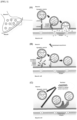
FIG. 1 is a schematic of the neurotransmitter release mechanism from neurons to muscle cells; (A) normal neurotransmitter release mechanism, (B) neurotransmitter release inhibition mechanism due to t-SNARE and v-SNARE degradation by Botox (Botulinum neurotoxin), (C) neurotransmitter release inhibition mechanism via t-SNARE and v-SNARE production inhibition by Erigeron annuus flower-based essential oil (Erigeron annuus flower Ab, Ab; absolute) in accordance with the present disclosure. -
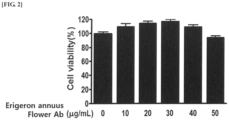
FIG. 2 shows a graph of the results of measuring viability (%) ofneuron PC 12 cells based on the treatment concentration of Erigeron annuus flower-based essential oil (Erigeron annuus flower Ab) in accordance with the present disclosure. -
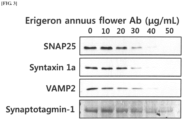
FIG. 3 shows the results of analysis of the protein expression of SNAP25, Syntaxin 1a, VAMP2 and Synaptotagmin-1 as SNARE proteins related to neurotransmitter release in PC12 cells based on treatment concentration of the Erigeron annuus flower-based essential oil (Erigeron annuus flower Ab) in accordance with the present disclosure. -
FIG. 4 shows the inhibitory effect of formation of complexes of SNAP-25 and Syntaxin 1a proteins via inhibition of SNAP25 protein expression in PC12 cells based on treatment of Erigeron annuus flower-based essential oil (Erigeron annuus flower Ab) in accordance with the present disclosure. -
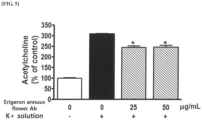
FIG. 5 shows the measurement results of acetylcholine release amount (% of control) in PC12 cells based on the treatment of Erigeron annuus flower-based essential oil (Erigeron annuus flower Ab) in accordance with the present disclosure. -
FIG. 6 shows the results of the measurement of norepinephrine release amount (% of control) in PC12 cells based on treatment with Erigeron annuus flower-based essential oil (Erigeron annuus flower Ab) in accordance with the present disclosure. -
FIG. 7 shows the results of measuring dopamin release amount (% of control) in PC12 cells based on the treatment of Erigeron annuus flower-based essential oil (Erigeron annuus flower Ab) in accordance with the present disclosure. -
FIG. 8 shows the results of measuring the cell viability (%) of L6 cells as the muscle cells, based on the treatment concentration of Erigeron annuus flower-based essential oil (Erigeron annuus flower Ab) in accordance with the present disclosure. -
FIG. 9 shows the results of measuring cell viability (%) of rat aortic smooth muscle cells (RASMC) based on the treatment concentration of the Erigeron annuus flower-based essential oil (Erigeron annuus flower Ab) in accordance with the present disclosure. -
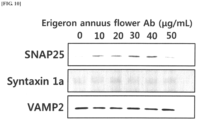
FIG. 10 shows the results of protein expression of SNAP25, Syntaxin 1a and VAMP2 in L6 cells based on the treatment concentration of the Erigeron annuus flower-based essential oil (Erigeron annuus flower Ab) in accordance with the present disclosure. -
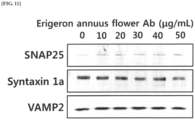
FIG. 11 shows analysis results of the protein expression of SNAP25, Syntaxin 1a and VAMP2 in RASMC based on the treatment concentration of the Erigeron annuus flower-based essential oil (Erigeron annuus flower Ab) in accordance with the present disclosure. -
FIG. 12 shows a graph of the results of analyzing thigh muscle paralysis of rats in control, Botox treated group (Botox) and Botox and Erigeron annuus flower-based essential oil combined treated group (Botox + Erigeron annuus flower Ab) over time (1 to 20 weeks). -
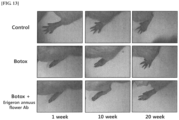
FIG. 13 shows an image of the changes in the foot (leg) muscles of rats in control, Botox treated group (Botox), and Botox and Erigeron annuus flower-based essential oil combined treated group (Botox + Erigeron annuus flower Ab) over time (1, 10 and 20 weeks). - Hereinafter, the present disclosure will be described in detail.
- The present disclosure relates to pharmaceutical compositions for the prevention or treatment of neuromuscular diseases, the composition containing Erigeron annuus flower-based essential oil and Botox in combination with each other.
- In the pharmaceutical composition according to the present disclosure, the Botox may act to degrade the target membrane soluble N-ethylmaleimide-sensitive factor attachment protein receptor (t-SNARE) protein of the neuron membrane and the vesicle soluble N-ethylmaleimide-sensitive factor attachment protein receptor (v-SNARE) protein of the synaptic vesicle membrane. The Erigeron annuus flower-based essential oil may be responsible for inhibiting the regeneration of the t-SNARE protein and v-SNARE protein degraded by Botox.
- In the pharmaceutical composition according to the present disclosure, the Erigeron annuus flower-based essential oil may be extracted by an organic solvent extraction method using a volatile solvent. Preferably, the Erigeron annuus flower-based essential oil may be absolute (Ab) obtained by extracting the concrete by the organic solvent extraction method and extracting the concrete using alcohol to remove the insoluble wax therefrom to obtain the Ab.
- Specifically, the absolute may be obtained by extracting the Erigeron annuus flower by the organic solvent extraction method using a volatile solvent to obtain concrete; and extracting the obtained concrete using alcohol to remove insoluble wax therefrom to obtain the absolute. The organic solvent extraction method and the method of separating the absolute from the extract may include any method that may be modified by one of ordinary skill in the art.
- In general, regarding the normal neurotransmitter release mechanism from neurons to muscle cells, the neuron includes SNARE proteins including t-SNARE (a target membrane soluble N-ethylmaleimide-sensitive factor attachment protein receptor) attached to a neuron membrane (presynaptic membrane) as a target membrane, and v-SNARE (vesicle soluble N-ethylmaleimide-sensitive factor attachment protein receptor) attached to the membrane surface of the synaptic vesicle containing neurotransmitter such as acetylcholine in the neuron. The SNARE protein complex is formed via the combination of the t-SNARE and v-SNARE such that membrane fusion between the synaptic vesicle and the presynaptic membrane occurs to form a pathway between the two boundaries. This mechanism causes the neurotransmitter to be released into the muscle cell (see
FIG. 1A ). - In this process, Botox, that is, botulinum neurotoxin is administered to neuron such that Botox molecules cleave and degrade the t-SNARE protein of the neuron membrane and the v-SNARE protein of the synaptic vesicles. This process inhibits the SNARE protein complex formation and prevents binding between the neuron membrane and synaptic vesicles to inhibit the neurotransmitter release (see
FIG. 1B ). - When the Erigeron annuus flower-based essential oil according to the present disclosure is administered to neurons in which the t-SNARE protein and v-SNARE protein are degraded by Botox, this may inhibit the expression of t-SNARE protein and v-SNARE protein in the neuron membrane and synaptic vesicles such that the two SNARE proteins may be inhibited from being regenerated. This inhibits the binding between the neuron membrane and synaptic vesicles, thereby inhibiting the release of neurotransmitters (see
FIG. 1C ). - Therefore, when using Erigeron annuus flower-based essential oil in combination with Botox, the above described mechanism may bring about the long-term efficacy of Botox rather than when using Botox alone.
- In the pharmaceutical composition according to the present disclosure, the Erigeron annuus flower-based essential oil may extend the effectiveness period of Botox by 1.5 to 10 times, preferably by 1.5 to 7 times, more preferably by 1.5 to 5 times.
- In the pharmaceutical composition according to the present disclosure, the neuromuscular disease may be selected from the group consisting of muscle tension, muscle cramp, hemifacial spasm, adult onset spasmodic torticollis, anal fissures, blepharospasm, facial muscle spasms, cerebral paralysis, headache, migraine, myalgia, strabismus, temperomandibular joint disorder, nerve pain, overactive bladder, urinary incontinence, rhinitis, sinusitis, acne, pore dilatation, dystonia, dystonic spasm, hyperhidrosis, vocal cord disorder, myocardial disorder, etc. In addition, the neuromuscular disease may include a variety of muscle related diseases associated with alleviation or strengthening of immune response, or regulation of neurotransmitter release.
- Further, the present disclosure relates to a beauty-purposed pharmaceutical composition containing a combination of Erigeron annuus flower-based essential oil and Botox.
- In accordance with the present disclosure, the beauty effect of the beauty-purposed pharmaceutical composition may be selected from the group consisting of a reduction in appearance of fine lines, a reduction in appearance of wrinkles, widening of the eyes, lifting the corner of the mouth, reduction of muscle mass and flattening of the lines that extends from the upper lip.
- The present disclosure relates to a Botox adjuvant containing Erigeron annuus flower-based essential oil as an active ingredient.
- In the Botox adjuvant according to the present disclosure, the Erigeron annuus flower-based essential oil may inhibit re-production of t-SNARE (the target membrane soluble N-ethylmaleimide-sensitive factor attachment protein receptor) protein of the neuron membrane and the v-SNARE (vesicle soluble N-ethylmaleimide-sensitive factor attachment protein receptor) protein of the synaptic vesicle membrane as decomposed by the Botox, thereby to extend the period for which the effects of Botox including the SNARE protein complex formation inhibitory effect, neurotransmitter delivery effect, muscle paralysis effect, etc. may be maintained.
- In one embodiment in accordance with the present disclosure, the thigh muscle paralysis of rats induced by Botox lasts longer by at least two times in Botox and Erigeron annuus flower-based essential oil combined treated group (Botox + Erigeron annuus flower Ab) than in Botox alone treated group (Botox). Thus, the Erigeron annuus flower-based essential oil achieves the long-term efficacy of Botox's neurotransmitter release inhibition (see Experimental Example 4,
FIG. 12 andFIG. 13 ). - In accordance with the present disclosure, the Botox adjuvant may be intended for the prevention or treatment of neuromuscular disease. The neuromuscular disease may be selected from the group consisting of muscle tension, muscle cramp, hemifacial spasm, adult onset spasmodic torticollis, anal fissures, blepharospasm, facial muscle spasms, cerebral paralysis, headache, migraine, myalgia, strabismus, temperomandibular joint disorder, nerve pain, overactive bladder, urinary incontinence, rhinitis, sinusitis, acne, pore dilatation, dystonia, dystonic spasm, hyperhidrosis, vocal cord disorder, myocardial disorder, etc. In addition, the neuromuscular disease may include a variety of muscle related diseases associated with alleviation or strengthening of immune response, or regulation of neurotransmitter release.
- In accordance with the present disclosure, the Botox adjuvant may be intended for beauty. The beauty effect may be selected from the group consisting of a reduction in appearance of fine lines, a reduction in appearance of wrinkles, widening of the eyes, lifting the corner of the mouth, reduction of muscle mass and flattening of the lines that extends from the upper lip.
- The Botox adjuvant according to the present disclosure may be administered concurrently with the Botox. Alternatively, the Botox adjuvant according to the present disclosure may be administered 1 to 6 weeks after administration of the Botox, and preferably may be administered 1 to 4 weeks after administration of the Botox.
- Disclosed herein for reference only and not part of the invention is a treatment method including administering a pharmaceutical composition containing the combination of Erigeron annuus flower-based essential oil and Botox to patient in need of neuromuscular disease treatment.
- In the treatment method according to the present disclosure, the Botox may act to degrade t-SNARE (the target membrane soluble N-ethylmaleimide-sensitive factor attachment protein receptor) protein of the neuron membrane and v-SNARE (the vesicle soluble N-ethylmaleimide-sensitive factor attachment protein receptor) protein of the synaptic vesicle membrane. The Erigeron annuus flower-based essential oil may be responsible for inhibiting the regeneration of the t-SNARE protein and v-SNARE protein degraded by Botox.
- In the treatment method according to the present disclosure, the neuromuscular disease may be selected from the group consisting of muscle tension, muscle cramp, hemifacial spasm, adult onset spasmodic torticollis, anal fissures, blepharospasm, facial muscle spasms, cerebral paralysis, headache, migraine, myalgia, strabismus, temperomandibular joint disorder, nerve pain, overactive bladder, urinary incontinence, rhinitis, sinusitis, acne, pore dilatation, dystonia, dystonic spasm, hyperhidrosis, vocal cord disorder, myocardial disorder, etc. In addition, the neuromuscular disease may include a variety of muscle related diseases associated with alleviation or strengthening of immune response, or regulation of neurotransmitter release.
- In the treatment method according to the present disclosure, the Erigeron annuus flower-based essential oil may be extracted by an organic solvent extraction method using a volatile solvent. Preferably, the Erigeron annuus flower-based essential oil may be absolute (Ab) obtained by extracting the concrete by the organic solvent extraction method and extracting the concrete using alcohol to remove the insoluble wax therefrom to obtain the Ab.
- Specifically, the absolute may be obtained by extracting the Erigeron annuus flower by the organic solvent extraction method using a volatile solvent to obtain concrete; and extracting the obtained concrete using alcohol to remove insoluble wax therefrom to obtain the absolute. The organic solvent extraction method and the method of separating the absolute from the extract may include any method that may be modified by one of ordinary skill in the art.
- In the treatment method according to the present disclosure, the Erigeron annuus flower-based essential oil may extend the effectiveness period of Botox by 1.5 to 10 times, preferably by 1.5 to 7 times, more preferably by 1.5 to 5 times.
- The present disclosure provides a beauty-purposed treatment method including administering a beauty-purposed pharmaceutical composition containing the combination of Erigeron annuus flower-based essential oil and Botox to a subject in need of beauty-purposed treatment.
- In the beauty-purposed treatment in accordance with the present disclosure, the beauty effect of the beauty-purposed pharmaceutical composition may be selected from the group consisting of a reduction in appearance of fine lines, a reduction in appearance of wrinkles, widening of the eyes, lifting the corner of the mouth, reduction of muscle mass and flattening of the lines that extends from the upper lip.
- The present disclosure will be described in more detail with reference to the following Examples. However, the following Examples are only intended to embody the contents in accordance with the present disclosure and should not limit the present disclosure.
- Erigeron annuus flower-based essential oil was obtained from the flower of Erigeron annuus. Specifically, the Erigeron annuus flower was originated from the Erigeron annuus habitat in Asan, Chungnam. Erigeron annuus flower in the flowered state was collected, washed and extracted using organic solvent extraction.
- That is, the not-dried Erigeron annuus flower was settled in hexane (n-hexane) and was extracted. We concentrated the extract by evaporating the hexane using rotary evaporation. Thus, a solid concrete was obtained. Then, the concrete was dissolved in ethyl alcohol and stored at -20°C, and then insoluble wax was removed therefrom using vacuum cooling filtration. Then, Erigeron annuus flower-based essential oil (Erigeron annuus flower Ab, Ab; absolute) was prepared by separating/purifying ethanol using the rotary evaporator again. Then, the prepared Erigeron annuus flower-based essential oil was stored at a low temperature vessel of 4°C and was used.
- To determine the toxicity of Erigeron annuus flower-based essential oil (Erigeron annuus flower Ab) to neuron PC12, the viability of the PC12 cell based on treatment concentration of Erigeron annuus flower-based essential oil (Erigeron annuus flower Ab) was identified using XTT (2,3-bis[2-methoxy-4-nitro-5-sulfophenyl]-2H-tetrazolium-5-carboxanilide) analysis method.
- Specifically, PC12 cells were dispensed in a 96 well microtiter plate so that the number of cells per well was set to 1.5 × 10⁴ cells/100 µL/well and then, the plate was attached to 37°C, 5%, and CO2 culturing device. After the culturing therein for 24 hours, Erigeron annuus flower-based essential oil (Erigeron annuus flower Ab) of Example 1 was diluted to each of concentrations of 0, 10, 20, 30, 40 and 50 µg/mL. Each diluted Erigeron annuus flower-based essential oil was added, at 100 µL, to each well. The cells were incubated for 36 hours. Ez-cytox and RPMI1640 were mixed with each other at a 1 : 1 ratio and then the mixture was added, at 20 µL, to each well and reacted for 30 minutes in the culturing device. We measured the absorbance at 450 nm using an ELISA plate reader (Synerge2, BioTek, USA). Then, the measurement was converted into a percentage. Thus, the results were obtained for the cytotoxicity of Erigeron annuus flower-based essential oil (Erigeron annuus flower Ab).
- As a result, as shown in
FIG. 2 , it was confirmed that Erigeron annuus flower-based essential oil (Erigeron annuus flower Ab) of up to 50 µg/mL concentration exhibited no cytotoxicity. - In order to determine the effect of Erigeron annuus flower-based essential oil (Erigeron annuus flower Ab) prepared in Example 1 on the expression of SNARE protein in neuron (PC12), the analysis was performed as follows.
- Specifically, PC12 cells were cultured using RPMI1640 medium containing 10% fetal bovine serum. PC12 cells were injected into a 60 mm dish so that the number of cells per dish was 8 × 10⁵ cells/60 mm dish and then the dish was attached at 37°C, 5%, and CO2 culturing device. Erigeron annuus flower-based essential oil (Erigeron annuus flower Ab) was added to each dish at 0 to 50 µg/mL concentration. The cells were incubated for 36 hours. After cell lysis using cell lysis buffer, anti-SNAP25, anti-syntaxin 1a, anti-VAMP2 or anti-Syt-1 antibody and immunoblot were used to obtain results.
- As a result, as shown in
FIG. 3 , all SNARE proteins related to neurotransmitter release, that is, SNAP25, Syntaxin 1a, VAMP2 and Syt-1 protein were inhibited in a concentration-dependent manner of Erigeron annuus flower-based essential oil (Erigeron annuus flower Ab). - In order to identify the effect of Erigeron annuus flower-based essential oil (Erigeron annuus flower Ab) prepared in Example 1 on the formation of SNARE protein complex in neuron (PC12), the experiment was conducted and analyzed as follows.
- PC12 cells were cultured using RPMI1640 medium containing 10% fetal bovine serum. PC12 cells were injected into a 60 mm dish so that the number of cells per dish was 8 × 10⁵ cells/60 mm dish and then the dish was attached at 37°C, 5%, and CO2 culturing device. Erigeron annuus flower-based essential oil (Erigeron annuus flower Ab) was added to the dish at 50 µg/mL concentration. The cells were incubated for 36 hours. The PC12 cells were treated with K + solution as SNARE complex inducer to induce the formation of SNARE complexes. After cell lysis using cell lysis buffer, the SNAP25 antibody was subjected to immunoprecipitation. Then, using anti-syntaxin 1a or anti-SNAP25 antibody and immunoblot, the test results were obtained.
- As a result, as shown in
FIG. 4 , it was confirmed that the complex formation of SNAP25 and syntaxin 1a was inhibited by the treatment of Erigeron annuus flower-based essential oil (Erigeron annuus flower Ab). - To determine the neurotransmitter release inhibitory effect of Erigeron annuus flower-based essential oil (Erigeron annuus flower Ab) on neuron (PC12), the release amount of neurotransmitter acetylcholine (acetylcholine) was measured using neuron (PC12) differentiated using NGF (Nerve Growth Factor).
- Specifically, PC12 cells were cultured using RPMI1640 medium containing 10% fetal bovine serum. PC12 cells were injected into a 60 mm dish so that the number of cells per dish was 8 × 10⁵ cells/60 mm dish and then the dish was attached at 37°C, 5%, and CO2 culturing device. Erigeron annuus flower-based essential oil (Erigeron annuus flower Ab) was added to a dish at 25 and 50 µg/mL concentrations. The cell was incubated for 36 hours. NGF (Nerve Growth Factor) 50 ng/mL was added to the cultured PC12 cells which in turn were differentiated at 37°C, 5%, and CO2 culturing device for 72 hours. After the differentiation, the cells were treated with K + solution as the SNARE complex inducer to induce the SNARE complex formation and acetylcholine release. Then, a conditioned medium as a cell culture solution was collected in a tube and, then, using an acetylcholine analysis kit (Amplite, CA, USA) was used to obtain the experiment results.
- As shown in
FIG. 5 , the release of acetylcholine was significantly inhibited in both of Erigeron annuus flower-based essential oil (Erigeron annuus flower Ab) 25 and 50 µg/mL treated groups. - In order to check the neurotransmitter release inhibitory effect of Erigeron annuus flower-based essential oil (Erigeron annuus flower Ab) on neuron (PC12), the samples were treated in the same manner as in above Experimental Example 2-1. The release amount of the neurotransmitter norepinephrine was measured using the norepinephrine assay kit (IBL international, Germany).
- As a result, as shown in
FIG. 6 , it was confirmed that norepinephrine release was inhibited significantly in a concentration-dependent manner of the Erigeron annuus flower-based essential oil in the Erigeron annuus flower-based essential oil (Erigeron annuus flower Ab) treated group. - To determine the neurotransmitter release inhibitory effect of Erigeron annuus flower-based essential oil (Erigeron annuus flower Ab) on neuron (PC12), the sample was treated in the same manner as the Experimental Example 2-1. The release amount of the neurotransmitter dopamine was measured using the dopamine Assay Kit (Demeditec, Germany).
- As a result, as shown in
FIG. 7 , it was confirmed that the release amount of dopamine was significantly decreased in a concentration-dependent manner of the the Erigeron annuus flower-based essential oil in the Erigeron annuus flower-based essential oil (Erigeron annuus flower Ab) treated group. - Therefore, Erigeron annuus flower-based essential oil (Erigeron annuus flower Ab) was able to inhibit the release of neurotransmitters acetylcholine, norepinephrine and dopamine.
- To determine the toxicity of Erigeron annuus flower-based essential oil (Erigeron annuus flower Ab) to muscle cells (L6) and rat aortic smooth muscle cells (RASMC), the viability of muscle cells (L6) and rat aortic smooth muscle cells (RASMC) based on treatment concentration of Erigeron annuus flower-based essential oil (Erigeron annuus flower Ab) was identified using XTT (2,3-bis[2-methoxy-4-nitro-5-sulfophenyl]-2H-tetrazolium-5-carboxanilide) test.
- Specifically, L6 or RASMC cells were dispensed in 96 well microtiter plates so that the number of cells per well was 5 × 10³ cells/100 µL/well and the plate was attached at 37°C, 5%, and CO2 culturing device. After the incubation, Erigeron annuus flower-based essential oil (Erigeron annuus flower Ab) of Example 1 was diluted to each of concentrations of 0, 0.1, 1, 10, 50 and 100 µg/mL and the diluted Erigeron annuus flower Ab was added, at 100 µL, to each well. Then, the cell was incubated for 24 hours. Then, Ez-cytox and DMEM were mixed with each other at 1 : 1 ratio, and the mixture was added, at 20 µL, to each well, followed by reaction for 30 minutes in a culturing device. The absorbance measurement at 450 nm using ELISA plate reader (Synerge2, BioTek, USA) was conducted. The absorbance measurement was expressed in terms of percentage. Thus, the results were obtained for the cytotoxicity of Erigeron annuus flower-based essential oil (Erigeron annuus flower Ab).
- As a result, as shown in
FIG. 8 andFIG. 9 , it was confirmed that Erigeron annuus flower-based essential oil (Erigeron annuus flower Ab) of up to 50 µg/mL concentration exhibited no cytotoxicity to both of L6 cells and RASMC. - To examine the effect of Erigeron annuus flower-based essential oil (Erigeron annuus flower Ab) prepared as in Example 1 on the expression of SNARE protein in muscle cells (L6) and rat aortic smooth muscle cells (RASMC), the test analysis was carried out as follows.
- Specifically, L6 or RASMC was cultured using DMEM medium containing 10% fetal bovine serum. L6 or RASMC was injected into a 60 mm dish so that the number of cells per dish was 2 × 10⁵ cells/60 mm dish and the dish was attached at 37°C, 5%, and a CO2 culturing device. Erigeron annuus flower-based essential oil (Erigeron annuus flower Ab) was added to each dish at 0 to 50 µg/mL concentrations. The cells were incubated for 36 hours. After cell lysis using cell lysis buffer, anti-SNAP25, anti-syntaxin 1a or anti-VAMP2 antibody and immunoblot were used to obtain results.
- As a result, as shown in
FIG. 10 andFIG. 11 , it was confirmed that unlike in the PC12 cell of the Experimental Example 1-2, in L6 and RASMC, changes in expressions of SNAP25, Syntaxin 1a and VAMP2 as SNARE proteins associated with neurotransmitter release did not occur. - Thus, from the same results, it was confirmed that Erigeron annuus flower-based essential oil (Erigeron annuus flower Ab) does not affect SNARE protein expression in muscle cells and rat aortic smooth muscle cells, but specifically inhibited the production of SNARE protein only in the neuron. Further, Erigeron annuus flower-based essential oil (Erigeron annuus flower Ab) does not have the effect of inhibiting transient neurotransmitter release by decomposing and eliminating t-SNARE protein or v-SNARE protein as already produced, which is a conventional effect of the Botox. Rather, the Erigeron annuus flower-based essential oil (Erigeron annuus flower Ab) may inhibit the production of t-SNARE and v-SNARE in neuron, such that the neuron membrane and synaptic vesicles were prevented from binding to each other, thereby to inhibit the release of neurotransmitters such as acetylcholine, norepinephrine and dopamine.
- Specifically, 8-week-old Sprague-Dawley rats (Orient Bio) were used for animal experiments. Regarding Botox used in the experiment, lyophilized Botox (Xeomin, MERZ, Germany) was dissolved in 0.9% physiological saline at a concentration of 25U/mL. Rats were classified into control, Botox treated group (Botox) and Botox and Erigeron annuus flower-based essential oil combined treated group (Botox + Erigeron annuus flower Ab).
- First, saline solution, Botox, and the combination of Botox and Erigeron annuus flower-based essential oil (Erigeron annuus flower Ab) were administered to the left thigh muscle of the experimental animal. Samples were freshly administered to all treated groups at weekly intervals. 0.9% saline solution was administered to the control. 5 units of Botox type A was administered to the Botox treated group (Botox) to cause paralysis of the left leg of the rat, and at a weekly interval, a solvent in which Erigeron annuus flower-based essential oil (Erigeron annuus flower Ab) was dissolved was administered thereto. 5 units of Botox type A was administered to the Botox and Erigeron annuus flower-based essential oil combined treated group (Botox + Erigeron annuus flower Ab) to paralyze the left leg of the rat, and then, at a weekly interval, 50 µg/mL of Erigeron annuus flower-based essential oil (Erigeron annuus flower Ab) was administered thereto.
- To determine the effect of Erigeron annuus flower-based essential oil (Erigeron annuus flower Ab) on the extension of Botox efficacy duration, the durations of thigh muscle paralysis in rats for the treated groups of the Experimental Example 4-1 were compared with each other based on visual observation analysis.
- Specifically, the body weight and feed intake of rats in each of the treated groups were measured at 3 day intervals. Three observers observed the left foot of the rat at 1-week interval to measure the degree of muscle paralysis. In muscle paralysis analysis, the degree of muscle paralysis was divided into 0 to10 points. According to the state of muscle paralysis, the score approximate to 10 was assigned when there is heavily paralyzed, whereas the score approximate to 0 was assigned when the paralysis is relieved.
- As a result, as shown in
FIG. 12 andFIG. 13 , it was confirmed that, for the Botox treated group (Botox), the degree of the thigh muscle paralysis induced by the Botox began to decrease after 5 weeks from the botox treatment, and, then, after 10 weeks therefrom, the degree of muscle paralysis decreased by half, and, then, after 20 weeks, little muscle paralysis remained. On the contrary, for Botox and Erigeron annuus flower-based essential oil combined treated group (Botox + Erigeron annuus flower Ab), the muscle paralysis degree was maintained to be the initial level for up to 12 weeks and then more than half of the degree muscle paralysis continued after 20 weeks. - That is, the rat thigh muscle paralysis period was significantly longer by at least two times in the Botox and Erigeron annuus flower-based essential oil combined treated group (Botox + Erigeron annuus flower Ab) than in the Botox treated group (Botox).
- The above results indicate that t-SNARE and v-SNARE proteins are degraded by Botox and at the same time, the production of the SNARE protein is inhibited by Erigeron annuus flower-based essential oil (Erigeron annuus flower Ab), such that the duration of the neurotransmitter release inhibition effect by the Botox is extended. This has a significant impact on the therapeutic use of the composition containing the combination of Erigeron annuus flower-based essential oil (Erigeron annuus flower Ab) and botulinum toxin. In particular, using the composition according to the present disclosure may significantly reduce the frequency of subsequent Botox administrations required to maintain the specific beauty or therapeutic effect previously caused by botulinum toxin. As a result, the reduced frequency of Botox application may allow the subject to have the reduced tendency to produce antibodies to botulinum toxin, thereby resulting in better long-term efficacy.
Claims (5)
- A pharmaceutical composition for use in the prevention or treatment of a neuromuscular disease, the composition including a combination of Erigeron annuus flower-based essential oil and Botox.
- The pharmaceutical composition for use according to claim 1, wherein the neuromuscular disease is selected from the group consisting of muscle tension, muscle cramp, hemifacial spasm, adult onset spasmodic torticollis, blepharospasm, facial muscle spasms, cerebral paralysis, headache, migraine, myalgia, strabismus, temperomandibular joint disorder, nerve pain, overactive bladder, urinary incontinence, dystonia, dystonic spasm, vocal cord disorder, and myocardial disorder.
- A beauty-purposed pharmaceutical composition including a combination of Erigeron annuus flower-based essential oil and Botox.
- A beauty-purposed non-therapeutic use of a pharmaceutical composition of claim 3, wherein a beauty effect of the beauty-purposed pharmaceutical composition is selected from the group consisting of a reduction in appearance of a fine line, a reduction in appearance of a wrinkle, widening of an eye, lifting of a corner of a mouth, reduction of muscle mass, and flattening of a line extending from an upper lip.
- A Botox adjuvant including Erigeron annuus flower-based essential oil as an active ingredient and Botox.
Applications Claiming Priority (2)
| Application Number | Priority Date | Filing Date | Title |
|---|---|---|---|
| KR1020180075159A KR102088104B1 (en) | 2018-06-29 | 2018-06-29 | Composition for preventing and treating of neuro muscular diseases comprising essential oil from Erigeron annuus |
| PCT/KR2018/010592 WO2020004709A1 (en) | 2018-06-29 | 2018-09-11 | Composition comprising erigeron annuus flower essential oil for prevention and treatment of neuromuscular disease |
Publications (4)
| Publication Number | Publication Date |
|---|---|
| EP3695847A1 EP3695847A1 (en) | 2020-08-19 |
| EP3695847A4 EP3695847A4 (en) | 2021-08-04 |
| EP3695847B1 true EP3695847B1 (en) | 2024-11-06 |
| EP3695847C0 EP3695847C0 (en) | 2024-11-06 |
Family
ID=68985012
Family Applications (1)
| Application Number | Title | Priority Date | Filing Date |
|---|---|---|---|
| EP18924465.0A Active EP3695847B1 (en) | 2018-06-29 | 2018-09-11 | Composition comprising erigeron annuus flower essential oil for prevention and treatment of neuromuscular disease and cosmetic uses |
Country Status (6)
| Country | Link |
|---|---|
| US (1) | US11224564B2 (en) |
| EP (1) | EP3695847B1 (en) |
| JP (1) | JP6952898B2 (en) |
| KR (1) | KR102088104B1 (en) |
| CN (1) | CN111065401B (en) |
| WO (1) | WO2020004709A1 (en) |
Families Citing this family (5)
| Publication number | Priority date | Publication date | Assignee | Title |
|---|---|---|---|---|
| US9480731B2 (en) * | 2013-12-12 | 2016-11-01 | Medy-Tox, Inc. | Long lasting effect of new botulinum toxin formulations |
| KR102088104B1 (en) * | 2018-06-29 | 2020-03-11 | 호서대학교 산학협력단 | Composition for preventing and treating of neuro muscular diseases comprising essential oil from Erigeron annuus |
| KR102366476B1 (en) * | 2019-06-19 | 2022-02-23 | 대한민국 | Composition comprising Erigeron annuus (L.) Pers. for preventing or treating of Degenerative Brain Diseases |
| KR102397708B1 (en) | 2020-04-29 | 2022-05-16 | 한국화학연구원 | Botulinum toxin pharmaceutical composition comprising tannic acid |
| KR20250011845A (en) | 2023-07-14 | 2025-01-22 | (주)쎌트로이 | Fusion peptide comprising cell-penetrating repeated peptides and the use thereof |
Citations (1)
| Publication number | Priority date | Publication date | Assignee | Title |
|---|---|---|---|---|
| US20210085588A1 (en) * | 2018-06-29 | 2021-03-25 | Hoseo University Academic Cooperation Foundation | Composition comprising erigeron annuus flower essential oil for prevention and treatment of neuromuscular disease |
Family Cites Families (20)
| Publication number | Priority date | Publication date | Assignee | Title |
|---|---|---|---|---|
| US5721215A (en) * | 1996-03-20 | 1998-02-24 | Allergan | Injectable therapy for control of muscle spasms and pain related to muscle spasms |
| CA2558408C (en) * | 2004-03-03 | 2014-11-18 | Essentia Biosystems, Inc. | Compositions and methods for topical application and transdermal delivery of botulinum toxins |
| FR2902341B1 (en) * | 2006-06-16 | 2011-02-25 | Scras | THERAPEUTIC USE SIMULTANEOUS, SEPARATE OR SPREAD IN THE TIME OF AT LEAST ONE BOTULINUM NEUROTOXIN, AND AT LEAST ONE OPIACEOUS DERIVATIVE |
| CN100457132C (en) * | 2006-11-30 | 2009-02-04 | 浙江大学 | A kind of preparation method of dry product of breviscapine extract |
| KR100913917B1 (en) * | 2008-08-27 | 2009-08-26 | 성균관대학교산학협력단 | Natural product extracts regulate neurotransmitter release |
| ES2669020T3 (en) | 2008-12-31 | 2018-05-23 | Revance Therapeutics, Inc. | Botulinum toxin injectable formulations |
| WO2011002179A2 (en) | 2009-06-30 | 2011-01-06 | (주)아모레퍼시픽 | Cosmetic composition containing a rubus coreanus extract for diminishing skin wrinkles |
| KR101262557B1 (en) | 2011-11-08 | 2013-05-08 | 박정애 | Natural korean herb cosmetic |
| KR20140147950A (en) | 2013-06-20 | 2014-12-31 | 서울대학교산학협력단 | Composition comprising filler and botulinum toxin for improving skin wrinkle, ageing or treating neuromuscular disease |
| KR101635082B1 (en) * | 2013-12-18 | 2016-06-30 | 한국식품연구원 | Pharmaceutical or food composition having TGR5 agonist activity |
| KR20150101162A (en) * | 2014-02-26 | 2015-09-03 | 바이오스펙트럼 주식회사 | Composition for ameliorating inflammation comprising Erigeron annuus (L.) Pers. extract or breviscapine or salts thereof |
| JP6490342B2 (en) * | 2014-03-12 | 2019-03-27 | 株式会社再春館製薬所 | Anti-skin aging agent containing Shiranui Chrysanthemum extract |
| EP3151846A4 (en) * | 2014-06-05 | 2017-12-27 | Sangamo BioSciences, Inc. | Methods and compositions for nuclease design |
| ES2642916T3 (en) * | 2014-06-06 | 2017-11-20 | Galit KLEINER-FISMAN | Botulinum toxin for use in the treatment of paratonia |
| KR20150071686A (en) * | 2015-02-26 | 2015-06-26 | 한국식품연구원 | Pharmaceutical or food composition having TGR5 agonist activity |
| KR101803201B1 (en) | 2015-07-30 | 2017-11-30 | 성균관대학교산학협력단 | SNARE complex formation inhibiting composition comprising myricetin derivatives |
| KR20150144735A (en) * | 2015-12-07 | 2015-12-28 | 서울대학교산학협력단 | Composition comprising filler and botulinum toxin for improving skin wrinkle, ageing or treating neuromuscular disease |
| KR20190022476A (en) * | 2016-04-12 | 2019-03-06 | 일루스트리스 파마슈티컬즈 인코포레이티드 | Composition for topical application of compounds |
| KR101888258B1 (en) | 2016-11-09 | 2018-08-13 | 호서대학교 산학협력단 | Composition for skin regeneration containing extracted from erigeron annuus (l.) pers flower |
| KR102397708B1 (en) * | 2020-04-29 | 2022-05-16 | 한국화학연구원 | Botulinum toxin pharmaceutical composition comprising tannic acid |
-
2018
- 2018-06-29 KR KR1020180075159A patent/KR102088104B1/en active Active
- 2018-09-11 JP JP2020529082A patent/JP6952898B2/en active Active
- 2018-09-11 US US16/635,423 patent/US11224564B2/en active Active
- 2018-09-11 WO PCT/KR2018/010592 patent/WO2020004709A1/en not_active Ceased
- 2018-09-11 CN CN201880051802.1A patent/CN111065401B/en active Active
- 2018-09-11 EP EP18924465.0A patent/EP3695847B1/en active Active
Patent Citations (1)
| Publication number | Priority date | Publication date | Assignee | Title |
|---|---|---|---|---|
| US20210085588A1 (en) * | 2018-06-29 | 2021-03-25 | Hoseo University Academic Cooperation Foundation | Composition comprising erigeron annuus flower essential oil for prevention and treatment of neuromuscular disease |
Also Published As
| Publication number | Publication date |
|---|---|
| KR102088104B1 (en) | 2020-03-11 |
| JP2020537685A (en) | 2020-12-24 |
| CN111065401A (en) | 2020-04-24 |
| US11224564B2 (en) | 2022-01-18 |
| JP6952898B2 (en) | 2021-10-27 |
| EP3695847A4 (en) | 2021-08-04 |
| WO2020004709A1 (en) | 2020-01-02 |
| EP3695847A1 (en) | 2020-08-19 |
| KR20200002075A (en) | 2020-01-08 |
| CN111065401B (en) | 2022-02-08 |
| US20210085588A1 (en) | 2021-03-25 |
| EP3695847C0 (en) | 2024-11-06 |
Similar Documents
| Publication | Publication Date | Title |
|---|---|---|
| US11224564B2 (en) | Composition comprising erigeron annuus flower essential oil for prevention and treatment of neuromuscular disease | |
| US6224850B1 (en) | Antiwrinkle cosmetic/pharmaceutical compositions comprising iridaceae extracts | |
| US12478663B2 (en) | Use of botulinum neurotoxin in the treatment of sialorrhea | |
| RU2375045C2 (en) | Cosmetic composition for skin application, suitable for flattening of mimic wrinkles | |
| US10682333B2 (en) | Composition for inhibiting formation of SNARE complex, containing myricetin derivatives | |
| JP5896916B2 (en) | Cosmetic and / or pharmaceutical composition comprising locust bean extract as active agent to activate aquaporin expression | |
| CN112367967B (en) | Composition for muscle relaxation | |
| JP2025118631A (en) | Compositions that modulate the effects of botulinum neurotoxins | |
| HUE032950T2 (en) | Pharmaceutical composition containing botulinum neurotoxin A2 | |
| KR102713602B1 (en) | Alternative novel material to botulinum neurotoxin and preparing method thereof | |
| HK40129513A (en) | Composition modulating botulinum neurotoxin effect | |
| CN102861318A (en) | Application of A-type kreotoxin heavy chains to exciting regeneration of neurite | |
| HK40040803A (en) | Composition for muscle relaxation |
Legal Events
| Date | Code | Title | Description |
|---|---|---|---|
| STAA | Information on the status of an ep patent application or granted ep patent |
Free format text: STATUS: THE INTERNATIONAL PUBLICATION HAS BEEN MADE |
|
| PUAI | Public reference made under article 153(3) epc to a published international application that has entered the european phase |
Free format text: ORIGINAL CODE: 0009012 |
|
| STAA | Information on the status of an ep patent application or granted ep patent |
Free format text: STATUS: REQUEST FOR EXAMINATION WAS MADE |
|
| 17P | Request for examination filed |
Effective date: 20200313 |
|
| AK | Designated contracting states |
Kind code of ref document: A1 Designated state(s): AL AT BE BG CH CY CZ DE DK EE ES FI FR GB GR HR HU IE IS IT LI LT LU LV MC MK MT NL NO PL PT RO RS SE SI SK SM TR |
|
| AX | Request for extension of the european patent |
Extension state: BA ME |
|
| A4 | Supplementary search report drawn up and despatched |
Effective date: 20210702 |
|
| RIC1 | Information provided on ipc code assigned before grant |
Ipc: A61K 36/28 20060101AFI20210628BHEP Ipc: A61K 38/48 20060101ALI20210628BHEP Ipc: A61K 8/92 20060101ALI20210628BHEP Ipc: A61K 8/64 20060101ALI20210628BHEP Ipc: A61P 21/00 20060101ALI20210628BHEP Ipc: A61Q 19/00 20060101ALI20210628BHEP |
|
| DAV | Request for validation of the european patent (deleted) | ||
| DAX | Request for extension of the european patent (deleted) | ||
| STAA | Information on the status of an ep patent application or granted ep patent |
Free format text: STATUS: EXAMINATION IS IN PROGRESS |
|
| 17Q | First examination report despatched |
Effective date: 20240305 |
|
| GRAP | Despatch of communication of intention to grant a patent |
Free format text: ORIGINAL CODE: EPIDOSNIGR1 |
|
| STAA | Information on the status of an ep patent application or granted ep patent |
Free format text: STATUS: GRANT OF PATENT IS INTENDED |
|
| INTG | Intention to grant announced |
Effective date: 20240716 |
|
| GRAS | Grant fee paid |
Free format text: ORIGINAL CODE: EPIDOSNIGR3 |
|
| GRAA | (expected) grant |
Free format text: ORIGINAL CODE: 0009210 |
|
| STAA | Information on the status of an ep patent application or granted ep patent |
Free format text: STATUS: THE PATENT HAS BEEN GRANTED |
|
| AK | Designated contracting states |
Kind code of ref document: B1 Designated state(s): AL AT BE BG CH CY CZ DE DK EE ES FI FR GB GR HR HU IE IS IT LI LT LU LV MC MK MT NL NO PL PT RO RS SE SI SK SM TR |
|
| REG | Reference to a national code |
Ref country code: GB Ref legal event code: FG4D |
|
| REG | Reference to a national code |
Ref country code: CH Ref legal event code: EP |
|
| REG | Reference to a national code |
Ref country code: DE Ref legal event code: R096 Ref document number: 602018076431 Country of ref document: DE |
|
| REG | Reference to a national code |
Ref country code: IE Ref legal event code: FG4D |
|
| U01 | Request for unitary effect filed |
Effective date: 20241114 |
|
| U07 | Unitary effect registered |
Designated state(s): AT BE BG DE DK EE FI FR IT LT LU LV MT NL PT RO SE SI Effective date: 20241122 |
|
| PG25 | Lapsed in a contracting state [announced via postgrant information from national office to epo] |
Ref country code: HR Free format text: LAPSE BECAUSE OF FAILURE TO SUBMIT A TRANSLATION OF THE DESCRIPTION OR TO PAY THE FEE WITHIN THE PRESCRIBED TIME-LIMIT Effective date: 20241106 Ref country code: IS Free format text: LAPSE BECAUSE OF FAILURE TO SUBMIT A TRANSLATION OF THE DESCRIPTION OR TO PAY THE FEE WITHIN THE PRESCRIBED TIME-LIMIT Effective date: 20250306 |
|
| PG25 | Lapsed in a contracting state [announced via postgrant information from national office to epo] |
Ref country code: ES Free format text: LAPSE BECAUSE OF FAILURE TO SUBMIT A TRANSLATION OF THE DESCRIPTION OR TO PAY THE FEE WITHIN THE PRESCRIBED TIME-LIMIT Effective date: 20241106 |
|
| PG25 | Lapsed in a contracting state [announced via postgrant information from national office to epo] |
Ref country code: NO Free format text: LAPSE BECAUSE OF FAILURE TO SUBMIT A TRANSLATION OF THE DESCRIPTION OR TO PAY THE FEE WITHIN THE PRESCRIBED TIME-LIMIT Effective date: 20250206 |
|
| PG25 | Lapsed in a contracting state [announced via postgrant information from national office to epo] |
Ref country code: GR Free format text: LAPSE BECAUSE OF FAILURE TO SUBMIT A TRANSLATION OF THE DESCRIPTION OR TO PAY THE FEE WITHIN THE PRESCRIBED TIME-LIMIT Effective date: 20250207 |
|
| PG25 | Lapsed in a contracting state [announced via postgrant information from national office to epo] |
Ref country code: PL Free format text: LAPSE BECAUSE OF FAILURE TO SUBMIT A TRANSLATION OF THE DESCRIPTION OR TO PAY THE FEE WITHIN THE PRESCRIBED TIME-LIMIT Effective date: 20241106 |
|
| PG25 | Lapsed in a contracting state [announced via postgrant information from national office to epo] |
Ref country code: RS Free format text: LAPSE BECAUSE OF FAILURE TO SUBMIT A TRANSLATION OF THE DESCRIPTION OR TO PAY THE FEE WITHIN THE PRESCRIBED TIME-LIMIT Effective date: 20250206 |
|
| PG25 | Lapsed in a contracting state [announced via postgrant information from national office to epo] |
Ref country code: SM Free format text: LAPSE BECAUSE OF FAILURE TO SUBMIT A TRANSLATION OF THE DESCRIPTION OR TO PAY THE FEE WITHIN THE PRESCRIBED TIME-LIMIT Effective date: 20241106 |
|
| PG25 | Lapsed in a contracting state [announced via postgrant information from national office to epo] |
Ref country code: SK Free format text: LAPSE BECAUSE OF FAILURE TO SUBMIT A TRANSLATION OF THE DESCRIPTION OR TO PAY THE FEE WITHIN THE PRESCRIBED TIME-LIMIT Effective date: 20241106 |
|
| PG25 | Lapsed in a contracting state [announced via postgrant information from national office to epo] |
Ref country code: CZ Free format text: LAPSE BECAUSE OF FAILURE TO SUBMIT A TRANSLATION OF THE DESCRIPTION OR TO PAY THE FEE WITHIN THE PRESCRIBED TIME-LIMIT Effective date: 20241106 |
|
| PLBE | No opposition filed within time limit |
Free format text: ORIGINAL CODE: 0009261 |
|
| STAA | Information on the status of an ep patent application or granted ep patent |
Free format text: STATUS: NO OPPOSITION FILED WITHIN TIME LIMIT |
|
| 26N | No opposition filed |
Effective date: 20250807 |
|
| U20 | Renewal fee for the european patent with unitary effect paid |
Year of fee payment: 8 Effective date: 20250922 |
|
| REG | Reference to a national code |
Ref country code: CH Ref legal event code: H13 Free format text: ST27 STATUS EVENT CODE: U-0-0-H10-H13 (AS PROVIDED BY THE NATIONAL OFFICE) Effective date: 20260504 |