EP3694337B1 - Method of producing roasted oats and roasted oat-based peanut butter-flavored compositions - Google Patents
Method of producing roasted oats and roasted oat-based peanut butter-flavored compositions Download PDFInfo
- Publication number
- EP3694337B1 EP3694337B1 EP17792245.7A EP17792245A EP3694337B1 EP 3694337 B1 EP3694337 B1 EP 3694337B1 EP 17792245 A EP17792245 A EP 17792245A EP 3694337 B1 EP3694337 B1 EP 3694337B1
- Authority
- EP
- European Patent Office
- Prior art keywords
- cielab
- roasted
- oats
- flour
- groats
- Prior art date
- Legal status (The legal status is an assumption and is not a legal conclusion. Google has not performed a legal analysis and makes no representation as to the accuracy of the status listed.)
- Active
Links
Images
Classifications
-
- A—HUMAN NECESSITIES
- A23—FOODS OR FOODSTUFFS; TREATMENT THEREOF, NOT COVERED BY OTHER CLASSES
- A23L—FOODS, FOODSTUFFS OR NON-ALCOHOLIC BEVERAGES, NOT OTHERWISE PROVIDED FOR; PREPARATION OR TREATMENT THEREOF
- A23L7/00—Cereal-derived products; Malt products; Preparation or treatment thereof
- A23L7/10—Cereal-derived products
- A23L7/197—Treatment of whole grains not provided for in groups A23L7/117 - A23L7/196
- A23L7/1975—Cooking or roasting
-
- A—HUMAN NECESSITIES
- A23—FOODS OR FOODSTUFFS; TREATMENT THEREOF, NOT COVERED BY OTHER CLASSES
- A23D—EDIBLE OILS OR FATS, e.g. MARGARINES, SHORTENINGS OR COOKING OILS
- A23D7/00—Edible oil or fat compositions containing an aqueous phase, e.g. margarines
- A23D7/005—Edible oil or fat compositions containing an aqueous phase, e.g. margarines characterised by ingredients other than fatty acid triglycerides
- A23D7/0056—Spread compositions
-
- A—HUMAN NECESSITIES
- A23—FOODS OR FOODSTUFFS; TREATMENT THEREOF, NOT COVERED BY OTHER CLASSES
- A23L—FOODS, FOODSTUFFS OR NON-ALCOHOLIC BEVERAGES, NOT OTHERWISE PROVIDED FOR; PREPARATION OR TREATMENT THEREOF
- A23L7/00—Cereal-derived products; Malt products; Preparation or treatment thereof
- A23L7/10—Cereal-derived products
- A23L7/117—Flakes or other shapes of ready-to-eat type; Semi-finished or partly-finished products therefor
- A23L7/126—Snacks or the like obtained by binding, shaping or compacting together cereal grains or cereal pieces, e.g. cereal bars
-
- A—HUMAN NECESSITIES
- A23—FOODS OR FOODSTUFFS; TREATMENT THEREOF, NOT COVERED BY OTHER CLASSES
- A23L—FOODS, FOODSTUFFS OR NON-ALCOHOLIC BEVERAGES, NOT OTHERWISE PROVIDED FOR; PREPARATION OR TREATMENT THEREOF
- A23L7/00—Cereal-derived products; Malt products; Preparation or treatment thereof
- A23L7/10—Cereal-derived products
- A23L7/117—Flakes or other shapes of ready-to-eat type; Semi-finished or partly-finished products therefor
- A23L7/135—Individual or non-extruded flakes, granules or shapes having similar size, e.g. breakfast cereals
- A23L7/139—Individual or non-extruded flakes, granules or shapes having similar size, e.g. breakfast cereals made from wholegrain or grain pieces without preparation of meal or dough
-
- A—HUMAN NECESSITIES
- A23—FOODS OR FOODSTUFFS; TREATMENT THEREOF, NOT COVERED BY OTHER CLASSES
- A23L—FOODS, FOODSTUFFS OR NON-ALCOHOLIC BEVERAGES, NOT OTHERWISE PROVIDED FOR; PREPARATION OR TREATMENT THEREOF
- A23L7/00—Cereal-derived products; Malt products; Preparation or treatment thereof
- A23L7/10—Cereal-derived products
- A23L7/196—Products in which the original granular shape is maintained, e.g. parboiled rice
Definitions
- the present disclosure generally relates to oat-based peanut-flavored compositions and methods for producing a peanut-flavored composition.
- Peanut butter is a food product made from a paste including ground roasted peanuts. Peanut butter is often used as a spread or filling, or in other foods as a flavorant. Many consumers enjoy the distinctive flavor of peanut butter, which is derived from roasted peanuts, as well as its texture. However, some consumers are allergic to peanuts, so they cannot eat peanut butter. Although peanuts are not true nuts-they are legumes-they contain proteins that have similar structure to tree nuts, so people that are allergic to peanuts are sometimes also allergic to tree nuts, such as almonds and cashews. Therefore, some consumers prefer to use peanut butter substitutes that are not made from peanuts or tree nuts.
- peanut butter substitutes include pastes (or "butters") that resemble peanut butter made from other plant seeds, such as sunflower seeds, soybeans, pumpkin seeds, sesame seeds, and peas. Unfortunately, such peanut butter substitutes do not taste like peanut butter. Thus, there is a need for food compositions that provide a peanut butter-like flavor without requiring peanut or tree nut ingredients.
- a method of producing roasted oats includes roasting a plurality of substantially intact groats at a temperature of more than 148.9°C (300°F) for sufficient time to achieve a negative slope in CIELAB L*-value change per minute, and a negative slope in CIELAB b*-value change minute, where slopes for L ⁇ -value change per minute and b*-value change per minute are based on CIELAB measurements at intervals of 5 minutes.
- a method of producing roasted oats provided herein can also include roasting a plurality of substantially intact groats at a temperature of more than 148.9°C (300°F) for sufficient time to achieve a negative slope in CIELAB L*-value change per minute, a negative slope in CIELAB b*-value change minute, and a positive slope in CIELAB a ⁇ -value change per minute, where slopes are based on CIELAB measurements at intervals of 5 minutes.
- a method of producing roasted oats provided herein includes roasting the substantially intact groats at a temperature of at least 176.7°C (350°F) for at least 15 minutes.
- a method of producing roasted oats provided herein can include a step of inactivating lipase activity in the plurality of substantially intact groats prior to roasting.
- the inactivating step includes exposing the plurality of substantially intact groats to steam for sufficient time to inactivate lipase activity.
- the inactivating step includes soaking the plurality of substantially intact groats in water or an aqueous solution at a temperature and pressure sufficient to inactivate lipase activity.
- a method of producing roasted oats provided herein can include a step of drying the plurality of substantially intact groats to a moisture content of less than 15% after a lipase inactivation step and prior to roasting.
- a method of producing roasted oats provided herein can include storing the plurality of substantially intact groats following a drying step and prior to roasting.
- a method of producing roasted oats can result in roasted oats that have a moisture content of 6% or less, or a moisture content of 1 % or less.
- a food ingredient comprising the roasted oats obtained by the method of the invention is provided herein.
- the food ingredient includes whole, cut, or ground roasted oats that have a peanut butter flavor.
- the food ingredient provided herein can be a flour derived from roasted oats produced using a method of producing roasted oats provided herein.
- the food ingredient provided herein can include a flour derived from roasted oats produced using a method of producing roasted oats provided herein and a second flour.
- the second flour can be derived from unroasted oats.
- the flour derived from roasted oats produced using a method of producing roasted oats provided herein can have at least 60% of flour particles passing through a 200 mesh (74 ⁇ m) screen. In some embodiments, the flour derived from roasted oats produced using a method of producing roasted oats provided herein can have at least 60% of flour particles passing through a 200 mesh (74 ⁇ m) screen.
- the food ingredient provided herein can have a shelf life at room temperature of at least 6 months.
- a food product is provided herein, including a sufficient amount of the food ingredient provided herein to provide a detectable peanut butter flavor to the food product.
- the food product provided herein can include an oil.
- the food product provided herein can be a spread or a snack bar. In some embodiments, a food product provided herein can be a pet food.
- the food product provided herein can be peanut-free.
- the food product provided herein can include flour, where the flour includes 15% to 50% flour derived from roasted oats produced using a method of producing roasted oats provided herein, and 50% to 85% flour derived from unroasted oats.
- the food product provided herein can be a peanut free spread.
- Roasted peanuts and peanut butter have a distinctive flavor. While peanut butter flavor is widely enjoyed by consumers, peanuts are an allergen for a portion of the population. In addition, peanut butter is an expensive ingredient in foods that benefit from the flavor of peanut butter. Further, tree nut-based substitutes for peanut butter are also allergens and are often as expensive or more expensive than peanut butter. Unfortunately, peanut butter substitutes that are not tree nut-based lack the desired flavor of peanut butter.
- peanut butter flavor refers to a flavor resembling the distinct flavor of dry roasted peanuts or peanut butter made from dry roasted peanuts.
- Peanut butter flavor is distinguishable from the flavor of tree nuts, or a generic "nutty flavor” used to describe roasted grains or seeds other than dry roasted peanuts.
- peanut butter flavor in peanut butter can be correlated to the presence of particular volatile compounds, peanut butter flavor from roasted oats provided herein may or may not be correlated with the same volatile compounds.
- desirable flavor in peanut butter can be correlated to benzeneacetaldehyde content in dry roasted peanuts used to make the peanut butter.
- a roasted oat having a peanut butter flavor or a composition containing a roasted oat having a peanut butter flavor provided herein includes any particular level of benzeneacetaldehyde.
- a method of producing roasted oats provided herein includes roasting substantially intact groats at a temperature of more than 148.9°C (300°F) (e.g., at least about 176.7°C (350°F), from about 176.7°C (350°F) to about 315.5°C (600°F), or about 195.5°C (375°F) to about 287.8°C (550°F)) for sufficient time for the groats to develop a peanut butter flavor, in order to produce the roasted oats.
- Peanut butter flavor in a roasted oat can be assessed by smelling and tasting whole roasted oats.
- peanut butter flavor in a roasted oat can be assessed by grinding the roasted oat into a flour, and combining the flour with an oil, then tasting to determine the presence of a peanut butter flavor. It is to be understood that the described method of assessing peanut butter flavor is intended only to describe a convenient way to easily detect peanut butter flavor, and does not mean that roasted oats provided herein that are prepared in other ways do not have peanut butter flavor.
- CIELAB also termed CIE L*a*b*
- CIELAB L*a*b* refers to a set of three color value coordinates, CIELAB L*-value, CIELAB a*-value, and CIELAB b ⁇ -value.
- CIELAB measurement is performed by placing a sample (i.e., substantially intact groats) in a container and obtaining a CIELAB L*-value, CIELAB a ⁇ -value, and CIELAB b*-value using a Minolta Chroma Meter CR-410.
- CIELAB L ⁇ -value refers to lightness or darkness of color in a sample. A higher CIELAB L*-value reflects a lighter color, while a lower CIELAB L*-value reflects a darker color. For example, a sample with a CIELAB L*-value of 50 would appear lighter in color than a sample with a CIELAB L*-value of 0, which would appear black.
- CIELAB a*-value refers to the level of red/magenta or green color present in a sample. The lower the CIELAB a*-value, the more green the color. Conversely, the higher the CIELAB a ⁇ -value, the more red/magenta the color.
- CIELAB b*-value refers to the level of yellow or blue color present in a sample. The lower the CIELAB b*-value, the more blue the color. Conversely, the higher the CIELAB b*-value, the more yellow the color. For example, a sample with a negative CIELAB b*-value would appear bluer than a sample with a positive CIELAB b*-value, which would appear yellower.
- CIELAB values can be measured at various time points to assess rates of changes in CIELAB values over time during roasting.
- CIELAB values can be measured at any time interval, starting from time 0 (just prior to roasting; t 0 ) to assess changes in CIELAB values over time, with intervals of 5 minutes being preferred.
- CIELAB values can be measured at t 0 , t 5 (5 minutes of roast time), t 10 (10 minutes of roast time), t 15 (15 minutes of roast time), t 20 (20 minutes of roast time, t 25 (25 minutes of roast time), and the like.
- a slope for CIELAB value change over time can be determined for each CIELAB value and each time interval by calculating the difference between two consecutive measurements and dividing by the time interval in minutes. For example, the slope of CIELAB L ⁇ -value change between t 25 and t 20 is (CIELAB L ⁇ -value at t 25 minus CIELAB L ⁇ -value at t 20 )/5 minutes.
- Achievement of a negative slope in CIELAB L*-value change per minute or CIELAB b ⁇ -value change per minute for a given roasting time (t n ) is determined by calculating the slope between CIELAB L*-value or CIELAB b*-value at t n and the subsequent 5-minute time interval measurement of CIELAB L*-value or CIELAB b*-value (t n+5 ), respectively, and determining that the change in CIELAB L*-value or CIELAB b*-value, respectively, has a negative slope.
- peanut butter flavor in substantially intact groats can be correlated to achievement of a negative slope in both CIELAB L*-value change per minute and CIELAB b*-value change per minute, as well as achievement of a positive slope in CIELAB a*-value change per minute, as measured at 5 minute intervals. Achievement of a positive slope in CIELAB a*-value change per minute for a given roasting time (t n ) is determined by calculating the slope between CIELAB a*-value at t n and the subsequent 5-minute time interval measurement of CIELAB a*-value (t n+5 ), and determining that the slope is positive.
- oats that have been roasted for a time sufficient to achieve a negative slope in all three of CIELAB L*-value change per minute, CIELAB b ⁇ -value change per minute, CIELAB a*-value change per minute, as measured at 5 minute intervals can be associated with a reduced peanut butter flavor and an increase in a flavor similar to coffee.
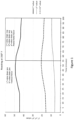
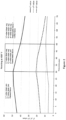
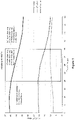
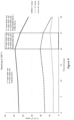
- FIGS 1-4 illustrate examples of CIELAB L*-values, CIELAB b*-values, and CIELAB a*-values graphed as a function of roasting time.
- Roasting times that are identified as providing a peanut butter flavor to substantially intact groats are identified based on slopes of CIELAB L*-value change per minute and CIELAB b*-value change per minute.
- Roasting times that are identified as providing peanut butter flavor with coffee flavor notes to substantially intact groats are identified based on slopes of CIELAB L ⁇ -value change per minute, CIELAB b*-value change per minute, and CIELAB a ⁇ value-change per minute.
- Roasting can be performed at any combination of temperature over 300° F and time sufficient achieve a negative slope in CIELAB L*-value change per minute, and a negative slope in CIELAB b*-value change per minute, where slope is based on CIELAB measurements at intervals of 5 minutes. Generally, roasting is performed for at least 10 minutes (e.g., from about 15 minutes to about 2 hours, from about 15 minutes to about 120 minutes, or from about 20 minutes to about 75 minutes). For example, roasting time can be from about 20 minutes to about 90 minutes (e.g., about 30 minutes to about 75 minutes) at about 204.4°C (400°F).
- roasting time can be from about 10 minutes to about 30 minutes (e.g., from about 15 minutes to about 25 minutes) at 260°C (500°F). In yet another example, roasting time can be from about 45 minutes to about 2 hours (e.g., from about 55 minutes to about 120 minutes) at 176.7°C (350°F).
- roasting temperature need not be maintained at any single temperature so long as the combination of time and roasting temperature is sufficient to achieve a negative slope in CIELAB L*-value change per minute, and a negative slope in CIELAB b*-value change per minute, where slope is based on CIELAB measurements at intervals of 5 minutes.
- substantially intact groats can be roasted for a period of time at 176.7°C (350°F) and then roasted for an additional period of time at 260°C (500°F), so long as the desired slopes for L*-value change per minute, b*-value change per minute, and/or a*-value change per minute are achieved.
- Roasting can be performed using any appropriate equipment. For example, roasting can be performed using an oven, a fluidized bed dryer, or other equipment suitable for heating substantially intact groats to a temperature above 148.9°C (300°F) for sufficient time to achieve the desired slopes for L*-value, b*-value, and/or a*-value change per minute. In some embodiments, roasting is performed to reduce moisture content in substantially intact groats during roasting quickly. In some embodiments, humidity during roasting can be controlled to slow drying of the substantially intact groats during roasting. In some embodiments, substantially intact groats can be roasted to product roasted oats having a moisture content of less than 6% (e.g., less than 4%, less than 1%, or less than 0.5%).
- the term “substantially intact” refers to groats that have not been processed to result in cut, rolled, cracked, or broken groats. Although some groats may be damaged, at least 90% (e.g., at least 95%, or at least 98%) of the groats are intact, without obvious defects in the bran that expose the endosperm and/or germ. As used herein, the term “groat” refers to an oat grain exclusive of the hull.
- Groats that are not substantially intact during roasting do not exhibit a peanut butter flavor. Instead, groats that are not substantially intact during roasting exhibit a bland flavor, more similar to toasted bread or oatmeal. Without being bound to theory, it is believed that either compound(s) that impart peanut butter flavor are not produced in groats that are not substantially intact during roasting, or that compound(s) that impart peanut butter flavor are degraded or volatilized.
- Oats suitable for methods provided herein include any available oat. Particularly suitable are oats of the species Avena saliva, Avena nuda, and Avena byzantine, and subspecies or varieties thereof. It is noted that non-oat grains, including wheat and barley, do not produce a peanut butter flavor when roasted. Instead, wheat and barley produce a flavor similar to toasted bread.
- soaking or steaming substantially intact groats in water or an aqueous solution prior to roasting can enhance peanut butter flavor.
- Presoaked or steamed groats can be roasted immediately, or dried and/or stored prior to roasting.
- substantially intact groats can be treated with conditions that inactivates lipase activity prior to roasting.
- substantially intact groats can be exposed to steam for sufficient time to inactivate lipase activity.
- substantially intact groats can be soaked in water or an aqueous solution at a pressure of about 158.6 kPa (23 psi) and about 121.1°C (250°F) to about 132.2°C (270°F) for about 20 minutes to about an hour to inactivate lipase activity.
- substantially intact groats can be soaked in water or an aqueous solution at a pressure of about 75.8 kPa (11 psi) and about 112.8°C (235°F) to about 118.3°C (245°F) for about 30 minutes to about an hour to inactivate lipase activity.
- Substantially intact groats having inactivated lipase activity can have reduced oil rancidity and/or an increased shelf life following roasting (e.g., at least 6 months, at least 9 months, or at least 12 months).
- lipase activity is measured by Oatcheck I colorimetric test (LSB Products, Manhattan, Kansas, USA) according to the manufacturer's instructions. Lipase activity in a sample tested using Oatcheck I produces a blue color after 30 minutes. Absence of blue color after 30 minutes indicates lipase activity inactivation.
- a step of drying groats can be performed prior to roasting.
- a drying step can reduce the moisture content of groats to a moisture content of less than 15% (e.g., less than 12%, less than 8%, or less than 4%). Any appropriate drying method, time, and temperature can be used.
- substantially intact groats can be air dried at ambient temperatures to reach a moisture content of less than 15%.
- groats can be dried in an oven at an elevated temperature (e.g., from about 32.2°C (90°F) to about 148.9°C (300°F), about 37.8°C (100°F) to about 135°C (275°F), or from about 65.5°C (150°F) to about 121.1°C (250°F)).
- a moisture content of less than 15% can increase efficiency of roasting the substantially intact groats.
- substantially intact groats can be dried to a moisture content suitable for storage (e.g., less than about 8%, or less than about 6%) before roasting.
- dried groats can be stored for several hours to several months (e.g., 1 day to 6 months, 1 week to 3 months, and the like) before roasting.
- a drying step can be performed after inactivating lipase activity and before roasting.
- Roasted oats provided herein can be included in a food ingredient.
- Roasted oats can be used without further processing, or can be cut, rolled, ground, or otherwise processed before being included in a food ingredient.
- a food ingredient provided herein can include an oat flour derived from roasted oats provided herein.
- an oat flour derived from a roasted oat provided herein can be relatively finely ground, such that at least 60% of the flour particles pass through No. 200 mesh (74 ⁇ m), or at least 60% of the flour particles pass through No. 325 mesh (44 ⁇ m).
- An ingredient derived from roasted oats provided herein can be used alone or combined with other ingredients in an amount sufficient to produce a food product (e.g., a spread, a snack or breakfast bar, a dairy product such as ice cream, a dairy substitute such as oat milk, a sandwich snack, a frosting, a confectionary coating, or the like) having a detectable peanut flavor.
- a food product e.g., a spread, a snack or breakfast bar, a dairy product such as ice cream, a dairy substitute such as oat milk, a sandwich snack, a frosting, a confectionary coating, or the like
- an ingredient derived from roasted oats provided herein can be included in peanut butter to reduce the ingredient cost of the peanut butter.
- an ingredient derived from roasted oats provided herein can be included in a peanut butter substitute, such as a sunflower seed butter or pumpkin seed butter, to provide a peanut butter flavor.
- a food spread can be produced by blending a flour derived from roasted oats provided herein in an amount of from about 15% to about 50% (e.g., about 20% to about 40%, or about 25% to about 35%) with a flour derived from an unroasted seed or grain (e.g., oats, wheat, barley, sunflower, and the like, or combinations thereof) in an amount of from about 50% to about 85% (e.g., from about 60% to about 80%, or about 65% to about 75%) to produce a blended flour.
- a flour derived from roasted oats provided herein in an amount of from about 15% to about 50% (e.g., about 20% to about 40%, or about 25% to about 35%)
- a flour derived from an unroasted seed or grain e.g., oats, wheat, barley, sunflower, and the like, or combinations thereof
- the blended flour can then be combined with a liquid oil and/or a solid fat (e.g., canola oil, soy oil, coconut oil, palm oil, modified or fractionated fats or oils, and the like, or combinations thereof) to produce a spread (also termed "oat butter” herein) resembling peanut butter in taste and texture, without requiring peanuts.
- a solid fat e.g., canola oil, soy oil, coconut oil, palm oil, modified or fractionated fats or oils, and the like, or combinations thereof
- a spread also termed "oat butter” herein
- additional ingredients can be added to an oat butter provided herein to modify texture, nutritional content, shelf life, and/or flavor.
- a protein source e.g., a protein concentrate or isolate, such as whey, soy, or the like
- sugar and/or salt can be added to provide additional flavor
- antioxidants e.g., vitamin E
- one or both of the flours in the blended flour used in an oat butter provided herein can be relatively finely ground, such that at least 60% of the flour particles pass through No. 200 mesh (74 ⁇ m), or at least 60% of the flour particles pass through No. 325 mesh (44 ⁇ m).
- the amount of each flour in a blended flour used in an oat butter having a peanut butter flavor provided herein can be adjusted to affect texture, flavor, and/or shelf life. Increasing amounts of a flour derived from roasted oats provided herein can increase peanut butter flavor, and increase stickiness, while increasing amounts of flour derived from an unroasted seed or grain (e.g., oats) can increase shelf life and decrease stickiness.
- An oat butter provided herein can be stored frozen, in refrigerated conditions, or at room temperature.
- an oat butter provided herein can have a shelf life of at least 3 months (e.g., at least 6 months, or at least 9 months) at room temperature.
- a food product that contains an ingredient derived from roasted oats provided herein can be peanut-free.
- peanut-free refers to an ingredient or food that does not contain peanuts or ingredients derived from peanuts.
- a peanut-free ingredient or food contains no detectable peanut allergens.
- a food product provided herein can be any food, including human food or animal feed.
- Figures 1-4 show examples of CIELAB L*-value change, CIELAB a ⁇ -value change, and CIELAB b*-value change over roasting time.
- peanut butter flavor was assessed by collecting 100 g samples of the oats, allowing them to cool to room temperature, and assessing aroma changes by smelling each sample.
- Each roasted oat sample was also chewed in the mouth and swallowed to further assess taste and aroma changes.
- Avena sativa oats were steamed for 50 minutes at 158.6 kPa (23 psi) in a commercial batch cooker, dried at 121.1°C (250°F) for 38 minutes in a tray dryer, stored frozen for 6 months, then roasted at 204.4°C (400°F) in a conventional electric oven.
- Slopes for L*-value change per minute and b*-value change per minute turned negative at about 20 minutes, which correlated to development of peanut butter flavor.
- Slope for CIELAB a*-value change per minute turned negative at about 40 minutes, after which development of coffee notes was detected in addition to peanut butter flavor.
- organic Avena nuda oats were roasted, without prior steaming, at 204.4°C (400°F) in a conventional electric oven. Slopes for L*-value change per minute and b*-value change per minute turned negative at about 20 minutes, which correlated to development of peanut butter flavor. Slope for CIELAB a*-value change per minute turned negative at about 30 minutes, after which development of coffee notes was detected in addition to peanut butter flavor.
- Lipase activity was measured in flour made from roasted oats for each of the above-described examples. Lipase activity was measured using Oatcheck I. Briefly, 0.1 g samples of flour from each roasted oat were placed into small plastic cups. Reagent A was prepared by mixing Color Reagent to Assay Buffer in a 1:10 ratio. Each sample was moistened with 8 drops of Reagent A and allowed to react for 30 minutes in the dark. Presence of a blue color after 30 minutes indicated lipase activity. Prior to steaming, each of the samples from Figures 1-4 showed lipase activity. Lipase activity was undetectable after steaming. In the sample that was not steamed, lipase activity was detectable until 40 minutes after starting roasting at 204.4°C (400°F).
Landscapes
- Chemical & Material Sciences (AREA)
- Life Sciences & Earth Sciences (AREA)
- Engineering & Computer Science (AREA)
- Food Science & Technology (AREA)
- Polymers & Plastics (AREA)
- Health & Medical Sciences (AREA)
- Nutrition Science (AREA)
- Oil, Petroleum & Natural Gas (AREA)
- Seeds, Soups, And Other Foods (AREA)
Description
- The present disclosure generally relates to oat-based peanut-flavored compositions and methods for producing a peanut-flavored composition.
- Peanut butter is a food product made from a paste including ground roasted peanuts. Peanut butter is often used as a spread or filling, or in other foods as a flavorant. Many consumers enjoy the distinctive flavor of peanut butter, which is derived from roasted peanuts, as well as its texture. However, some consumers are allergic to peanuts, so they cannot eat peanut butter. Although peanuts are not true nuts-they are legumes-they contain proteins that have similar structure to tree nuts, so people that are allergic to peanuts are sometimes also allergic to tree nuts, such as almonds and cashews. Therefore, some consumers prefer to use peanut butter substitutes that are not made from peanuts or tree nuts. Some peanut butter substitutes include pastes (or "butters") that resemble peanut butter made from other plant seeds, such as sunflower seeds, soybeans, pumpkin seeds, sesame seeds, and peas. Unfortunately, such peanut butter substitutes do not taste like peanut butter. Thus, there is a need for food compositions that provide a peanut butter-like flavor without requiring peanut or tree nut ingredients.
- A method of producing roasted oats is provided herein. The method includes roasting a plurality of substantially intact groats at a temperature of more than 148.9°C (300°F) for sufficient time to achieve a negative slope in CIELAB L*-value change per minute, and a negative slope in CIELAB b*-value change minute, where slopes for L∗-value change per minute and b*-value change per minute are based on CIELAB measurements at intervals of 5 minutes.
- In some embodiments, a method of producing roasted oats provided herein can also include roasting a plurality of substantially intact groats at a temperature of more than 148.9°C (300°F) for sufficient time to achieve a negative slope in CIELAB L*-value change per minute, a negative slope in CIELAB b*-value change minute, and a positive slope in CIELAB a∗-value change per minute, where slopes are based on CIELAB measurements at intervals of 5 minutes.
- In some embodiments, a method of producing roasted oats provided herein includes roasting the substantially intact groats at a temperature of at least 176.7°C (350°F) for at least 15 minutes.
- In some embodiments, a method of producing roasted oats provided herein can include a step of inactivating lipase activity in the plurality of substantially intact groats prior to roasting. In some embodiments, the inactivating step includes exposing the plurality of substantially intact groats to steam for sufficient time to inactivate lipase activity. In some embodiments, the inactivating step includes soaking the plurality of substantially intact groats in water or an aqueous solution at a temperature and pressure sufficient to inactivate lipase activity.
- In some embodiments, a method of producing roasted oats provided herein can include a step of drying the plurality of substantially intact groats to a moisture content of less than 15% after a lipase inactivation step and prior to roasting.
- In some embodiments, a method of producing roasted oats provided herein can include storing the plurality of substantially intact groats following a drying step and prior to roasting.
- In some embodiments, a method of producing roasted oats can result in roasted oats that have a moisture content of 6% or less, or a moisture content of 1 % or less.
- A food ingredient comprising the roasted oats obtained by the method of the invention is provided herein. The food ingredient includes whole, cut, or ground roasted oats that have a peanut butter flavor.
- In some embodiments, the food ingredient provided herein can be a flour derived from roasted oats produced using a method of producing roasted oats provided herein. In some embodiments, the food ingredient provided herein can include a flour derived from roasted oats produced using a method of producing roasted oats provided herein and a second flour. In some embodiments, the second flour can be derived from unroasted oats.
- In some embodiments, the flour derived from roasted oats produced using a method of producing roasted oats provided herein can have at least 60% of flour particles passing through a 200 mesh (74 µm) screen. In some embodiments, the flour derived from roasted oats produced using a method of producing roasted oats provided herein can have at least 60% of flour particles passing through a 200 mesh (74 µm) screen.
- In some embodiments, the food ingredient provided herein can have a shelf life at room temperature of at least 6 months.
- A food product is provided herein, including a sufficient amount of the food ingredient provided herein to provide a detectable peanut butter flavor to the food product. In some embodiments, the food product provided herein can include an oil.
- In some embodiments, the food product provided herein can be a spread or a snack bar. In some embodiments, a food product provided herein can be a pet food.
- In some embodiments, the food product provided herein can be peanut-free.
- In some embodiments, the food product provided herein can include flour, where the flour includes 15% to 50% flour derived from roasted oats produced using a method of producing roasted oats provided herein, and 50% to 85% flour derived from unroasted oats.
- In some embodiments, the food product provided herein can be a peanut free spread.
- These and various other features and advantages will be apparent from a reading of the following detailed description.
-
-
Figure 1 shows a graph of an example of CIELAB L∗-value change, CIELAB b∗-value change, and CIELAB a∗-value change over time during roasting of oats at 176.7°C (350°F). -
Figure 2 shows a graph of an example of CIELAB L*-value change, CIELAB b*-value change, and CIELAB a*-value change over time during roasting of oats at 204.4°C (400°F). -
Figure 3 shows a graph of another example of CIELAB L∗-value change, CIELAB b∗-value change, and CIELAB a∗-value change over time during roasting of oats at 204.4°C (400°F). -
Figure 4 shows a graph of an example of CIELAB L*-value change, CIELAB b*-value change, and CIELAB a*-value change over time during roasting of oats at 260°C (500°F). - Roasted peanuts and peanut butter have a distinctive flavor. While peanut butter flavor is widely enjoyed by consumers, peanuts are an allergen for a portion of the population. In addition, peanut butter is an expensive ingredient in foods that benefit from the flavor of peanut butter. Further, tree nut-based substitutes for peanut butter are also allergens and are often as expensive or more expensive than peanut butter. Unfortunately, peanut butter substitutes that are not tree nut-based lack the desired flavor of peanut butter.
- As described herein, it has been discovered that oats that have been particularly roasted provide a peanut butter flavor. As used herein, the term "peanut butter flavor" refers to a flavor resembling the distinct flavor of dry roasted peanuts or peanut butter made from dry roasted peanuts. Peanut butter flavor is distinguishable from the flavor of tree nuts, or a generic "nutty flavor" used to describe roasted grains or seeds other than dry roasted peanuts. Although peanut butter flavor in peanut butter can be correlated to the presence of particular volatile compounds, peanut butter flavor from roasted oats provided herein may or may not be correlated with the same volatile compounds. For example, desirable flavor in peanut butter can be correlated to benzeneacetaldehyde content in dry roasted peanuts used to make the peanut butter. However, it is not necessarily the case that a roasted oat having a peanut butter flavor or a composition containing a roasted oat having a peanut butter flavor provided herein includes any particular level of benzeneacetaldehyde.
- Provided herein are roasted oats having a peanut butter flavor. A method of producing roasted oats provided herein includes roasting substantially intact groats at a temperature of more than 148.9°C (300°F) (e.g., at least about 176.7°C (350°F), from about 176.7°C (350°F) to about 315.5°C (600°F), or about 195.5°C (375°F) to about 287.8°C (550°F)) for sufficient time for the groats to develop a peanut butter flavor, in order to produce the roasted oats. Peanut butter flavor in a roasted oat can be assessed by smelling and tasting whole roasted oats. In some embodiments, peanut butter flavor in a roasted oat can be assessed by grinding the roasted oat into a flour, and combining the flour with an oil, then tasting to determine the presence of a peanut butter flavor. It is to be understood that the described method of assessing peanut butter flavor is intended only to describe a convenient way to easily detect peanut butter flavor, and does not mean that roasted oats provided herein that are prepared in other ways do not have peanut butter flavor.
- Roasting of substantially intact groats causes color change in the groats that can be observed by measuring changes in CIELAB values in the substantially intact groats as they roast. As used herein CIELAB (also termed CIE L*a*b*) values refers to a set of three color value coordinates, CIELAB L*-value, CIELAB a*-value, and CIELAB b∗-value. As used herein, CIELAB measurement is performed by placing a sample (i.e., substantially intact groats) in a container and obtaining a CIELAB L*-value, CIELAB a∗-value, and CIELAB b*-value using a Minolta Chroma Meter CR-410. "CIELAB L∗-value" refers to lightness or darkness of color in a sample. A higher CIELAB L*-value reflects a lighter color, while a lower CIELAB L*-value reflects a darker color. For example, a sample with a CIELAB L*-value of 50 would appear lighter in color than a sample with a CIELAB L*-value of 0, which would appear black. "CIELAB a*-value" refers to the level of red/magenta or green color present in a sample. The lower the CIELAB a*-value, the more green the color. Conversely, the higher the CIELAB a∗-value, the more red/magenta the color. For example, a sample with a negative CIELAB a*-value would appear greener than a sample with a positive CIELAB a*-value, which would appear redder. "CIELAB b*-value" refers to the level of yellow or blue color present in a sample. The lower the CIELAB b*-value, the more blue the color. Conversely, the higher the CIELAB b*-value, the more yellow the color. For example, a sample with a negative CIELAB b*-value would appear bluer than a sample with a positive CIELAB b*-value, which would appear yellower.
- CIELAB values can be measured at various time points to assess rates of changes in CIELAB values over time during roasting. CIELAB values can be measured at any time interval, starting from time 0 (just prior to roasting; t0) to assess changes in CIELAB values over time, with intervals of 5 minutes being preferred. For example, CIELAB values can be measured at t0, t5 (5 minutes of roast time), t10 (10 minutes of roast time), t15 (15 minutes of roast time), t20 (20 minutes of roast time, t25 (25 minutes of roast time), and the like. A slope for CIELAB value change over time can be determined for each CIELAB value and each time interval by calculating the difference between two consecutive measurements and dividing by the time interval in minutes. For example, the slope of CIELAB L∗-value change between t25 and t20 is (CIELAB L∗-value at t25 minus CIELAB L∗-value at t20)/5 minutes.
- Conveniently, development of peanut butter flavor in substantially intact groats as they roast can be correlated to achievement of a negative slope in CIELAB L∗-value change per minute, and a negative slope in CIELAB b*-value change per minute, when CIELAB L*-values and CIELAB b*-values are measured at 5 minute intervals. Achievement of a negative slope in CIELAB L*-value change per minute or CIELAB b∗-value change per minute for a given roasting time (tn) is determined by calculating the slope between CIELAB L*-value or CIELAB b*-value at tn and the subsequent 5-minute time interval measurement of CIELAB L*-value or CIELAB b*-value (tn+5), respectively, and determining that the change in CIELAB L*-value or CIELAB b*-value, respectively, has a negative slope. If one or both of the slopes between tn and tn+5 for CIELAB L*-value change per minute and CIELAB b*-value change per minute is positive, peanut butter flavor is generally not detectable at tn. For example, in a sample that has been roasted for 15 minutes, and has CIELAB L*-values and CIELAB b∗-values as shown in Table 1, where CIELAB L*-value change slope is negative, but CIELAB b*-value change slope is positive, peanut butter flavor is generally not detectable at 15 minutes.
Table 1 Time (minutes) CIELAB L*-value CIELAB b*- value 15 46.2 20.8 20 44.7 21.2 Slope (change per minute) -0.3 0.08 - However, in a sample that has been roasted for 20 minutes, and has CIELAB L*-values and CIELAB b*-values as shown in Table 2, where both CIELAB L∗-value change per minute slope and CIELAB b*-value change slope are negative, peanut butter flavor is generally detectable at 20 minutes.
Table 2 Time (minutes) CIELAB L*-value CIELAB b*- value 20 44.7 21.2 25 44.1 20.0 Slope (change per minute) -0.12 -0.22 - In some embodiments, peanut butter flavor in substantially intact groats can be correlated to achievement of a negative slope in both CIELAB L*-value change per minute and CIELAB b*-value change per minute, as well as achievement of a positive slope in CIELAB a*-value change per minute, as measured at 5 minute intervals. Achievement of a positive slope in CIELAB a*-value change per minute for a given roasting time (tn) is determined by calculating the slope between CIELAB a*-value at tn and the subsequent 5-minute time interval measurement of CIELAB a*-value (tn+5), and determining that the slope is positive.
- In some embodiments, oats that have been roasted for a time sufficient to achieve a negative slope in all three of CIELAB L*-value change per minute, CIELAB b∗-value change per minute, CIELAB a*-value change per minute, as measured at 5 minute intervals, can be associated with a reduced peanut butter flavor and an increase in a flavor similar to coffee.
-
Figures 1-4 illustrate examples of CIELAB L*-values, CIELAB b*-values, and CIELAB a*-values graphed as a function of roasting time. Roasting times that are identified as providing a peanut butter flavor to substantially intact groats are identified based on slopes of CIELAB L*-value change per minute and CIELAB b*-value change per minute. Roasting times that are identified as providing peanut butter flavor with coffee flavor notes to substantially intact groats are identified based on slopes of CIELAB L∗-value change per minute, CIELAB b*-value change per minute, and CIELAB a∗value-change per minute. - Roasting can be performed at any combination of temperature over 300° F and time sufficient achieve a negative slope in CIELAB L*-value change per minute, and a negative slope in CIELAB b*-value change per minute, where slope is based on CIELAB measurements at intervals of 5 minutes. Generally, roasting is performed for at least 10 minutes (e.g., from about 15 minutes to about 2 hours, from about 15 minutes to about 120 minutes, or from about 20 minutes to about 75 minutes). For example, roasting time can be from about 20 minutes to about 90 minutes (e.g., about 30 minutes to about 75 minutes) at about 204.4°C (400°F). In another example, roasting time can be from about 10 minutes to about 30 minutes (e.g., from about 15 minutes to about 25 minutes) at 260°C (500°F). In yet another example, roasting time can be from about 45 minutes to about 2 hours (e.g., from about 55 minutes to about 120 minutes) at 176.7°C (350°F).
- It is to be understood that roasting temperature need not be maintained at any single temperature so long as the combination of time and roasting temperature is sufficient to achieve a negative slope in CIELAB L*-value change per minute, and a negative slope in CIELAB b*-value change per minute, where slope is based on CIELAB measurements at intervals of 5 minutes. For example, substantially intact groats can be roasted for a period of time at 176.7°C (350°F) and then roasted for an additional period of time at 260°C (500°F), so long as the desired slopes for L*-value change per minute, b*-value change per minute, and/or a*-value change per minute are achieved.
- Roasting can be performed using any appropriate equipment. For example, roasting can be performed using an oven, a fluidized bed dryer, or other equipment suitable for heating substantially intact groats to a temperature above 148.9°C (300°F) for sufficient time to achieve the desired slopes for L*-value, b*-value, and/or a*-value change per minute. In some embodiments, roasting is performed to reduce moisture content in substantially intact groats during roasting quickly. In some embodiments, humidity during roasting can be controlled to slow drying of the substantially intact groats during roasting. In some embodiments, substantially intact groats can be roasted to product roasted oats having a moisture content of less than 6% (e.g., less than 4%, less than 1%, or less than 0.5%).
- As used herein, the term "substantially intact" refers to groats that have not been processed to result in cut, rolled, cracked, or broken groats. Although some groats may be damaged, at least 90% (e.g., at least 95%, or at least 98%) of the groats are intact, without obvious defects in the bran that expose the endosperm and/or germ. As used herein, the term "groat" refers to an oat grain exclusive of the hull.
- Groats that are not substantially intact during roasting, such as rolled oats or cut oats, do not exhibit a peanut butter flavor. Instead, groats that are not substantially intact during roasting exhibit a bland flavor, more similar to toasted bread or oatmeal. Without being bound to theory, it is believed that either compound(s) that impart peanut butter flavor are not produced in groats that are not substantially intact during roasting, or that compound(s) that impart peanut butter flavor are degraded or volatilized. Oats suitable for methods provided herein include any available oat. Particularly suitable are oats of the species Avena saliva, Avena nuda, and Avena byzantine, and subspecies or varieties thereof. It is noted that non-oat grains, including wheat and barley, do not produce a peanut butter flavor when roasted. Instead, wheat and barley produce a flavor similar to toasted bread.
- In some embodiments, soaking or steaming substantially intact groats in water or an aqueous solution prior to roasting can enhance peanut butter flavor. Presoaked or steamed groats can be roasted immediately, or dried and/or stored prior to roasting.
- In some embodiments, substantially intact groats can be treated with conditions that inactivates lipase activity prior to roasting. For example, in some embodiments, substantially intact groats can be exposed to steam for sufficient time to inactivate lipase activity. In another embodiment, substantially intact groats can be soaked in water or an aqueous solution at a pressure of about 158.6 kPa (23 psi) and about 121.1°C (250°F) to about 132.2°C (270°F) for about 20 minutes to about an hour to inactivate lipase activity. In another example, substantially intact groats can be soaked in water or an aqueous solution at a pressure of about 75.8 kPa (11 psi) and about 112.8°C (235°F) to about 118.3°C (245°F) for about 30 minutes to about an hour to inactivate lipase activity. Substantially intact groats having inactivated lipase activity can have reduced oil rancidity and/or an increased shelf life following roasting (e.g., at least 6 months, at least 9 months, or at least 12 months). As used herein, lipase activity is measured by Oatcheck I colorimetric test (LSB Products, Manhattan, Kansas, USA) according to the manufacturer's instructions. Lipase activity in a sample tested using Oatcheck I produces a blue color after 30 minutes. Absence of blue color after 30 minutes indicates lipase activity inactivation.
- In some embodiments, a step of drying groats can be performed prior to roasting. A drying step can reduce the moisture content of groats to a moisture content of less than 15% (e.g., less than 12%, less than 8%, or less than 4%). Any appropriate drying method, time, and temperature can be used. For example, substantially intact groats can be air dried at ambient temperatures to reach a moisture content of less than 15%. In another example, groats can be dried in an oven at an elevated temperature (e.g., from about 32.2°C (90°F) to about 148.9°C (300°F), about 37.8°C (100°F) to about 135°C (275°F), or from about 65.5°C (150°F) to about 121.1°C (250°F)). A moisture content of less than 15% can increase efficiency of roasting the substantially intact groats. In some embodiments, substantially intact groats can be dried to a moisture content suitable for storage (e.g., less than about 8%, or less than about 6%) before roasting. In some embodiments, dried groats can be stored for several hours to several months (e.g., 1 day to 6 months, 1 week to 3 months, and the like) before roasting. In some embodiments, a drying step can be performed after inactivating lipase activity and before roasting.
- Roasted oats provided herein can be included in a food ingredient. Roasted oats can be used without further processing, or can be cut, rolled, ground, or otherwise processed before being included in a food ingredient. In some embodiments, a food ingredient provided herein can include an oat flour derived from roasted oats provided herein.
- In some embodiments, an oat flour derived from a roasted oat provided herein can be relatively finely ground, such that at least 60% of the flour particles pass through No. 200 mesh (74 µm), or at least 60% of the flour particles pass through No. 325 mesh (44 µm).
- An ingredient derived from roasted oats provided herein can be used alone or combined with other ingredients in an amount sufficient to produce a food product (e.g., a spread, a snack or breakfast bar, a dairy product such as ice cream, a dairy substitute such as oat milk, a sandwich snack, a frosting, a confectionary coating, or the like) having a detectable peanut flavor. In some embodiments, an ingredient derived from roasted oats provided herein can be included in peanut butter to reduce the ingredient cost of the peanut butter. In some embodiments, an ingredient derived from roasted oats provided herein can be included in a peanut butter substitute, such as a sunflower seed butter or pumpkin seed butter, to provide a peanut butter flavor.
- In some embodiments, a food spread can be produced by blending a flour derived from roasted oats provided herein in an amount of from about 15% to about 50% (e.g., about 20% to about 40%, or about 25% to about 35%) with a flour derived from an unroasted seed or grain (e.g., oats, wheat, barley, sunflower, and the like, or combinations thereof) in an amount of from about 50% to about 85% (e.g., from about 60% to about 80%, or about 65% to about 75%) to produce a blended flour. The blended flour can then be combined with a liquid oil and/or a solid fat (e.g., canola oil, soy oil, coconut oil, palm oil, modified or fractionated fats or oils, and the like, or combinations thereof) to produce a spread (also termed "oat butter" herein) resembling peanut butter in taste and texture, without requiring peanuts. In some embodiments, additional ingredients can be added to an oat butter provided herein to modify texture, nutritional content, shelf life, and/or flavor. For example, a protein source (e.g., a protein concentrate or isolate, such as whey, soy, or the like) can be added to increase protein content, sugar and/or salt can be added to provide additional flavor, and/or antioxidants (e.g., vitamin E) can be added to increase shelf life.
- In some embodiments, one or both of the flours in the blended flour used in an oat butter provided herein can be relatively finely ground, such that at least 60% of the flour particles pass through No. 200 mesh (74 µm), or at least 60% of the flour particles pass through No. 325 mesh (44 µm). The amount of each flour in a blended flour used in an oat butter having a peanut butter flavor provided herein can be adjusted to affect texture, flavor, and/or shelf life. Increasing amounts of a flour derived from roasted oats provided herein can increase peanut butter flavor, and increase stickiness, while increasing amounts of flour derived from an unroasted seed or grain (e.g., oats) can increase shelf life and decrease stickiness.
- An oat butter provided herein can be stored frozen, in refrigerated conditions, or at room temperature. In some embodiments, an oat butter provided herein can have a shelf life of at least 3 months (e.g., at least 6 months, or at least 9 months) at room temperature.
- In some embodiments, a food product that contains an ingredient derived from roasted oats provided herein can be peanut-free. As used herein, the term "peanut-free" refers to an ingredient or food that does not contain peanuts or ingredients derived from peanuts. Preferably, a peanut-free ingredient or food contains no detectable peanut allergens.
- A food product provided herein can be any food, including human food or animal feed.
- The following examples describe particular embodiments of roasted oats provided herein, methods of making roasted oats, and compositions comprising roasted oats.
-
Figures 1-4 show examples of CIELAB L*-value change, CIELAB a∗-value change, and CIELAB b*-value change over roasting time. In each example, peanut butter flavor was assessed by collecting 100 g samples of the oats, allowing them to cool to room temperature, and assessing aroma changes by smelling each sample. Each roasted oat sample was also chewed in the mouth and swallowed to further assess taste and aroma changes. - For
Figure 1 , organic Avena nuda oats were soaked in water at room temperature for 30 minutes, drained of excess water, then steamed for 30 minutes at 75.8 kPa (11 psi). Steamed groats were then roasted at 176.7°C (350°F) in a conventional electric oven. Slopes of L∗-value change per minute and b∗-value change per minute turned negative at about 55 minutes, which correlated to development of peanut butter flavor. - For
Figure 2 , organic Avena nuda oats were soaked in water at room temperature for 30 minutes, then steamed for 30 minutes at 75.8 kPa (11 psi). Steamed oats were then roasted at 204.4°C (400°F) in a conventional electric oven. Slopes of L∗-value change per minute and b*-value change per minute turned negative at about 30 minutes, which correlated to development of peanut butter flavor. Slope in CIELAB a*-value change per minute turned negative at about 50 minutes, after which development of coffee notes was detected in addition to peanut butter flavor. - For
Figure 3 , Avena sativa oats were steamed for 50 minutes at 158.6 kPa (23 psi) in a commercial batch cooker, dried at 121.1°C (250°F) for 38 minutes in a tray dryer, stored frozen for 6 months, then roasted at 204.4°C (400°F) in a conventional electric oven. Slopes for L*-value change per minute and b*-value change per minute turned negative at about 20 minutes, which correlated to development of peanut butter flavor. Slope for CIELAB a*-value change per minute turned negative at about 40 minutes, after which development of coffee notes was detected in addition to peanut butter flavor. - For
Figure 4 , organic Avena nuda oats were soaked in water at room temperature for 30 minutes, drained of excess water, then steamed for 30 minutes at 75.8 kPa (11 psi). Steamed oats were then roasted at 260°C (500°F) in a conventional electric oven. Slopes for L∗-value change per minute and b∗-value change per minute turned negative at about 20 minutes, which correlated to development of peanut butter flavor. Slope for CIELAB a∗-value change per minute turned negative at about 25 minutes, after which development of coffee notes was detected in addition to peanut butter flavor. - In another example (not pictured), organic Avena nuda oats were roasted, without prior steaming, at 204.4°C (400°F) in a conventional electric oven. Slopes for L*-value change per minute and b*-value change per minute turned negative at about 20 minutes, which correlated to development of peanut butter flavor. Slope for CIELAB a*-value change per minute turned negative at about 30 minutes, after which development of coffee notes was detected in addition to peanut butter flavor.
- Lipase activity was measured in flour made from roasted oats for each of the above-described examples. Lipase activity was measured using Oatcheck I. Briefly, 0.1 g samples of flour from each roasted oat were placed into small plastic cups. Reagent A was prepared by mixing Color Reagent to Assay Buffer in a 1:10 ratio. Each sample was moistened with 8 drops of Reagent A and allowed to react for 30 minutes in the dark. Presence of a blue color after 30 minutes indicated lipase activity. Prior to steaming, each of the samples from
Figures 1-4 showed lipase activity. Lipase activity was undetectable after steaming. In the sample that was not steamed, lipase activity was detectable until 40 minutes after starting roasting at 204.4°C (400°F). - The implementations described above and other implementations are within the scope of the following claims.
Claims (18)
- A method of producing roasted oats, the method comprising roasting a plurality of substantially intact groats at a temperature of more than 148.9°C (300°F) for sufficient time to achieve a negative slope in CIELAB L∗-value change per minute, and a negative slope in CIELAB b∗-value change minute, where slopes for L∗-value change per minute and b∗-value change per minute are based on CIELAB measurements at intervals of 5 minutes.
- The method of claim 1, wherein the substantially intact groats are roasted at a temperature of at least 176.7°C (350°F) for at least 15 minutes.
- The method of claim 1 or 2, wherein CIELAB a∗-value change per minute has a positive slope based on CIELAB measurements at intervals of 5 minutes.
- The method of any of claims 1-3, further comprising a step of inactivating lipase activity in the plurality of substantially intact groats prior to roasting, wherein the inactivating step optionally includes:a. exposing the plurality of substantially intact groats to steam for sufficient time to inactivate lipase activity, orb. soaking the plurality of substantially intact groats in water or an aqueous solution at a temperature and pressure sufficient to inactivate lipase activity.
- The method of claim 4, further comprising a step of drying the plurality of substantially intact groats to a moisture content of less than 15% after the inactivation step and prior to roasting.
- The method of claim 5, further comprising storing the plurality of substantially intact groats following the drying step and prior to roasting.
- The method of any of claims 1-6, wherein the roasted oats have a moisture content of 6% or less, preferably of 1% or less.
- A food ingredient comprising roasted oats, wherein the roasted oats are obtained by the method of any of claims 1-6.
- The food ingredient of claim 8, comprising whole, cut, or ground roasted oats.
- The food ingredient of claim 8, comprising a first flour that is derived from the roasted oats.
- The food ingredient of claim 10, further comprising a second flour.
- The food ingredient of claim 10 or 11, wherein the first flour and/or the second flour has/have at least 60% of flour particles passing through a 200 mesh (74 µm) screen.
- The food ingredient of any of claims 11 or 12, wherein the second flour is derived from unroasted oats.
- The food ingredient of any of claims 11-13, wherein the food ingredient has a shelf life at room temperature of at least 6 months.
- A food product comprising a sufficient amount of the food ingredient of any of claims 11-14 to provide a detectable peanut butter flavor to the food product.
- The food product of claim 15, wherein the food product further comprises an oil.
- The food product of claim 15 or 16, wherein the food product is a spread or a snack bar or is peanut-free.
- The food product of claims 15-17 comprising flour, wherein the flour includes 15% to 50% flour derived from roasted oats and 50% to 85% flour derived from unroasted oats, preferably the food product is a peanut free spread.
Applications Claiming Priority (1)
| Application Number | Priority Date | Filing Date | Title |
|---|---|---|---|
| PCT/US2017/056572 WO2019074520A1 (en) | 2017-10-13 | 2017-10-13 | Method of producing roasted oats and roasted oat-based peanut butter-flavored compositions |
Publications (2)
| Publication Number | Publication Date |
|---|---|
| EP3694337A1 EP3694337A1 (en) | 2020-08-19 |
| EP3694337B1 true EP3694337B1 (en) | 2023-03-15 |
Family
ID=60201670
Family Applications (1)
| Application Number | Title | Priority Date | Filing Date |
|---|---|---|---|
| EP17792245.7A Active EP3694337B1 (en) | 2017-10-13 | 2017-10-13 | Method of producing roasted oats and roasted oat-based peanut butter-flavored compositions |
Country Status (6)
| Country | Link |
|---|---|
| US (1) | US12102109B2 (en) |
| EP (1) | EP3694337B1 (en) |
| AU (1) | AU2017435338B2 (en) |
| CA (1) | CA3075634C (en) |
| ES (1) | ES2946263T3 (en) |
| WO (1) | WO2019074520A1 (en) |
Families Citing this family (4)
| Publication number | Priority date | Publication date | Assignee | Title |
|---|---|---|---|---|
| CA3225748A1 (en) * | 2021-07-01 | 2023-01-05 | Voyage Foods, Inc. | Nut butter replicas produced from individual components |
| CN116172180B (en) * | 2021-11-26 | 2024-06-14 | 内蒙古伊利实业集团股份有限公司 | Zero-sucrose nut cereal fruit jam and preparation method and application thereof |
| CN114177990B (en) * | 2021-12-15 | 2023-03-24 | 江苏豪蓓特食品有限公司 | Preparation process of oat sauce |
| WO2025064481A1 (en) * | 2023-09-22 | 2025-03-27 | General Mills, Inc. | Oat flour-based crème confection |
Family Cites Families (7)
| Publication number | Priority date | Publication date | Assignee | Title |
|---|---|---|---|---|
| US3640728A (en) * | 1969-06-11 | 1972-02-08 | Nabisco Inc | Instant oat cereal product |
| US4413018A (en) * | 1981-06-01 | 1983-11-01 | The Quaker Oats Company | Method for preparing whole grain oat product |
| AU685640B2 (en) | 1994-06-08 | 1998-01-22 | Quaker Oats Company, The | Process for producing fully gelatinised hulled oats |
| US5523109A (en) * | 1994-06-16 | 1996-06-04 | General Mills, Inc. | Oat flour and method of preparation |
| DK0937411T3 (en) | 1998-02-10 | 2005-01-17 | Nestle Sa | Preoxidized oat product and treated cereals containing this |
| JP2009543562A (en) | 2006-07-19 | 2009-12-10 | グレイン フーズ シーアールシー リミテッド | Spread food and manufacturing method thereof |
| US8541044B1 (en) | 2012-03-29 | 2013-09-24 | General Mills, Inc. | No bake granola product and methods of preparation |
-
2017
- 2017-10-13 ES ES17792245T patent/ES2946263T3/en active Active
- 2017-10-13 AU AU2017435338A patent/AU2017435338B2/en active Active
- 2017-10-13 CA CA3075634A patent/CA3075634C/en active Active
- 2017-10-13 WO PCT/US2017/056572 patent/WO2019074520A1/en not_active Ceased
- 2017-10-13 US US16/755,429 patent/US12102109B2/en active Active
- 2017-10-13 EP EP17792245.7A patent/EP3694337B1/en active Active
Also Published As
| Publication number | Publication date |
|---|---|
| WO2019074520A1 (en) | 2019-04-18 |
| CA3075634C (en) | 2024-04-16 |
| US20200260765A1 (en) | 2020-08-20 |
| AU2017435338A1 (en) | 2020-04-02 |
| CA3075634A1 (en) | 2019-04-18 |
| US12102109B2 (en) | 2024-10-01 |
| EP3694337A1 (en) | 2020-08-19 |
| AU2017435338B2 (en) | 2023-09-28 |
| ES2946263T3 (en) | 2023-07-14 |
Similar Documents
| Publication | Publication Date | Title |
|---|---|---|
| US20160037785A1 (en) | Coffee cherry food products and methods for their preparation | |
| EP2043458B1 (en) | A spreadable food product and a manufacturing process therefor | |
| AU2017435338B2 (en) | Method of producing roasted oats and roasted oat-based peanut butter-flavored compositions | |
| Yadav et al. | Effect of partially de-oiled peanut meal flour (DPMF) on the nutritional, textural, organoleptic and physico chemical properties of biscuits | |
| Arpit et al. | Effects of different levels of jackfruit seed flour on the quality characteristics of chocolate cake | |
| JPS60256331A (en) | Cracker | |
| BR112014024712B1 (en) | method for providing a cocoa substitute based on a material selected from roasted wheat grains, roasted and / or malted barley | |
| US3162535A (en) | Preparation of directly consumable food ration wheat products | |
| Aimon et al. | Blend of flour with Vigna radiata and Vigna mungo used in muffins in order to increase nutritional properties | |
| Kaur et al. | Development and sensory evaluation of value added bakery products developed from germinated soybean (Glycine max) varieties | |
| Dauda et al. | Quality attributes of snack made from maize substituted with groundnut | |
| JP2021097621A (en) | Topping dough for bakery | |
| US8846128B2 (en) | Method of producing granulated and powdered mochi-like food product and wheat flour substitute | |
| WO2024095509A1 (en) | Bread, mix flour for bread, and method for manufacturing bread | |
| Sunarmani et al. | Impact of Ingredients on Quality and Shelf Life of Gluten-Free Baked Brownies | |
| KR102061398B1 (en) | Gluten-free sweet pumpkin confectionery | |
| Bivan et al. | Chemical and mineral analysis of biscuits and cakes produced from acha, soybean and groundnut flour blends | |
| JP7791499B2 (en) | Bread containing cereal flour | |
| Singh et al. | Effect of soy flour supplementation on the quality and shelf life of Gulabjamuns | |
| TWI925164B (en) | Bread containing cereal flour selected from the outer skin and germ of grains, as well as from a group consisting of soybeans. | |
| US20040001910A1 (en) | Retaining minor nutrients and methods for manufacture of products | |
| Anderson et al. | Principal factor analysis of extruded sorghum and peanut bar changes during accelerated shelf‐life studies | |
| KR102016667B1 (en) | glutinous rice cake with green flesh black bean and its preparation method | |
| Soni et al. | Development and Quality Evaluation of Milk-based Snack “Milk Crisp” | |
| Shi | Effects of Different Roasting Conditions on Peanut Quality |
Legal Events
| Date | Code | Title | Description |
|---|---|---|---|
| STAA | Information on the status of an ep patent application or granted ep patent |
Free format text: STATUS: UNKNOWN |
|
| STAA | Information on the status of an ep patent application or granted ep patent |
Free format text: STATUS: THE INTERNATIONAL PUBLICATION HAS BEEN MADE |
|
| PUAI | Public reference made under article 153(3) epc to a published international application that has entered the european phase |
Free format text: ORIGINAL CODE: 0009012 |
|
| STAA | Information on the status of an ep patent application or granted ep patent |
Free format text: STATUS: REQUEST FOR EXAMINATION WAS MADE |
|
| 17P | Request for examination filed |
Effective date: 20200508 |
|
| AK | Designated contracting states |
Kind code of ref document: A1 Designated state(s): AL AT BE BG CH CY CZ DE DK EE ES FI FR GB GR HR HU IE IS IT LI LT LU LV MC MK MT NL NO PL PT RO RS SE SI SK SM TR |
|
| AX | Request for extension of the european patent |
Extension state: BA ME |
|
| RIN1 | Information on inventor provided before grant (corrected) |
Inventor name: GUGGER, ERIC, T. Inventor name: GALUSKA, PETE |
|
| DAV | Request for validation of the european patent (deleted) | ||
| DAX | Request for extension of the european patent (deleted) | ||
| STAA | Information on the status of an ep patent application or granted ep patent |
Free format text: STATUS: EXAMINATION IS IN PROGRESS |
|
| 17Q | First examination report despatched |
Effective date: 20210621 |
|
| GRAP | Despatch of communication of intention to grant a patent |
Free format text: ORIGINAL CODE: EPIDOSNIGR1 |
|
| STAA | Information on the status of an ep patent application or granted ep patent |
Free format text: STATUS: GRANT OF PATENT IS INTENDED |
|
| INTG | Intention to grant announced |
Effective date: 20221007 |
|
| GRAS | Grant fee paid |
Free format text: ORIGINAL CODE: EPIDOSNIGR3 |
|
| GRAA | (expected) grant |
Free format text: ORIGINAL CODE: 0009210 |
|
| STAA | Information on the status of an ep patent application or granted ep patent |
Free format text: STATUS: THE PATENT HAS BEEN GRANTED |
|
| AK | Designated contracting states |
Kind code of ref document: B1 Designated state(s): AL AT BE BG CH CY CZ DE DK EE ES FI FR GB GR HR HU IE IS IT LI LT LU LV MC MK MT NL NO PL PT RO RS SE SI SK SM TR |
|
| REG | Reference to a national code |
Ref country code: CH Ref legal event code: EP Ref country code: GB Ref legal event code: FG4D |
|
| REG | Reference to a national code |
Ref country code: DE Ref legal event code: R096 Ref document number: 602017066849 Country of ref document: DE |
|
| REG | Reference to a national code |
Ref country code: IE Ref legal event code: FG4D |
|
| REG | Reference to a national code |
Ref country code: AT Ref legal event code: REF Ref document number: 1553472 Country of ref document: AT Kind code of ref document: T Effective date: 20230415 |
|
| P01 | Opt-out of the competence of the unified patent court (upc) registered |
Effective date: 20230522 |
|
| REG | Reference to a national code |
Ref country code: LT Ref legal event code: MG9D |
|
| P02 | Opt-out of the competence of the unified patent court (upc) changed |
Effective date: 20230529 |
|
| REG | Reference to a national code |
Ref country code: ES Ref legal event code: FG2A Ref document number: 2946263 Country of ref document: ES Kind code of ref document: T3 Effective date: 20230714 |
|
| REG | Reference to a national code |
Ref country code: NL Ref legal event code: MP Effective date: 20230315 |
|
| PG25 | Lapsed in a contracting state [announced via postgrant information from national office to epo] |
Ref country code: RS Free format text: LAPSE BECAUSE OF FAILURE TO SUBMIT A TRANSLATION OF THE DESCRIPTION OR TO PAY THE FEE WITHIN THE PRESCRIBED TIME-LIMIT Effective date: 20230315 Ref country code: NO Free format text: LAPSE BECAUSE OF FAILURE TO SUBMIT A TRANSLATION OF THE DESCRIPTION OR TO PAY THE FEE WITHIN THE PRESCRIBED TIME-LIMIT Effective date: 20230615 Ref country code: LV Free format text: LAPSE BECAUSE OF FAILURE TO SUBMIT A TRANSLATION OF THE DESCRIPTION OR TO PAY THE FEE WITHIN THE PRESCRIBED TIME-LIMIT Effective date: 20230315 Ref country code: LT Free format text: LAPSE BECAUSE OF FAILURE TO SUBMIT A TRANSLATION OF THE DESCRIPTION OR TO PAY THE FEE WITHIN THE PRESCRIBED TIME-LIMIT Effective date: 20230315 Ref country code: HR Free format text: LAPSE BECAUSE OF FAILURE TO SUBMIT A TRANSLATION OF THE DESCRIPTION OR TO PAY THE FEE WITHIN THE PRESCRIBED TIME-LIMIT Effective date: 20230315 |
|
| REG | Reference to a national code |
Ref country code: AT Ref legal event code: MK05 Ref document number: 1553472 Country of ref document: AT Kind code of ref document: T Effective date: 20230315 |
|
| PG25 | Lapsed in a contracting state [announced via postgrant information from national office to epo] |
Ref country code: SE Free format text: LAPSE BECAUSE OF FAILURE TO SUBMIT A TRANSLATION OF THE DESCRIPTION OR TO PAY THE FEE WITHIN THE PRESCRIBED TIME-LIMIT Effective date: 20230315 Ref country code: NL Free format text: LAPSE BECAUSE OF FAILURE TO SUBMIT A TRANSLATION OF THE DESCRIPTION OR TO PAY THE FEE WITHIN THE PRESCRIBED TIME-LIMIT Effective date: 20230315 Ref country code: GR Free format text: LAPSE BECAUSE OF FAILURE TO SUBMIT A TRANSLATION OF THE DESCRIPTION OR TO PAY THE FEE WITHIN THE PRESCRIBED TIME-LIMIT Effective date: 20230616 Ref country code: FI Free format text: LAPSE BECAUSE OF FAILURE TO SUBMIT A TRANSLATION OF THE DESCRIPTION OR TO PAY THE FEE WITHIN THE PRESCRIBED TIME-LIMIT Effective date: 20230315 |
|
| PG25 | Lapsed in a contracting state [announced via postgrant information from national office to epo] |
Ref country code: SM Free format text: LAPSE BECAUSE OF FAILURE TO SUBMIT A TRANSLATION OF THE DESCRIPTION OR TO PAY THE FEE WITHIN THE PRESCRIBED TIME-LIMIT Effective date: 20230315 Ref country code: RO Free format text: LAPSE BECAUSE OF FAILURE TO SUBMIT A TRANSLATION OF THE DESCRIPTION OR TO PAY THE FEE WITHIN THE PRESCRIBED TIME-LIMIT Effective date: 20230315 Ref country code: PT Free format text: LAPSE BECAUSE OF FAILURE TO SUBMIT A TRANSLATION OF THE DESCRIPTION OR TO PAY THE FEE WITHIN THE PRESCRIBED TIME-LIMIT Effective date: 20230717 Ref country code: EE Free format text: LAPSE BECAUSE OF FAILURE TO SUBMIT A TRANSLATION OF THE DESCRIPTION OR TO PAY THE FEE WITHIN THE PRESCRIBED TIME-LIMIT Effective date: 20230315 Ref country code: CZ Free format text: LAPSE BECAUSE OF FAILURE TO SUBMIT A TRANSLATION OF THE DESCRIPTION OR TO PAY THE FEE WITHIN THE PRESCRIBED TIME-LIMIT Effective date: 20230315 Ref country code: AT Free format text: LAPSE BECAUSE OF FAILURE TO SUBMIT A TRANSLATION OF THE DESCRIPTION OR TO PAY THE FEE WITHIN THE PRESCRIBED TIME-LIMIT Effective date: 20230315 |
|
| PG25 | Lapsed in a contracting state [announced via postgrant information from national office to epo] |
Ref country code: SK Free format text: LAPSE BECAUSE OF FAILURE TO SUBMIT A TRANSLATION OF THE DESCRIPTION OR TO PAY THE FEE WITHIN THE PRESCRIBED TIME-LIMIT Effective date: 20230315 Ref country code: PL Free format text: LAPSE BECAUSE OF FAILURE TO SUBMIT A TRANSLATION OF THE DESCRIPTION OR TO PAY THE FEE WITHIN THE PRESCRIBED TIME-LIMIT Effective date: 20230315 Ref country code: IS Free format text: LAPSE BECAUSE OF FAILURE TO SUBMIT A TRANSLATION OF THE DESCRIPTION OR TO PAY THE FEE WITHIN THE PRESCRIBED TIME-LIMIT Effective date: 20230715 |
|
| REG | Reference to a national code |
Ref country code: DE Ref legal event code: R097 Ref document number: 602017066849 Country of ref document: DE |
|
| PLBE | No opposition filed within time limit |
Free format text: ORIGINAL CODE: 0009261 |
|
| STAA | Information on the status of an ep patent application or granted ep patent |
Free format text: STATUS: NO OPPOSITION FILED WITHIN TIME LIMIT |
|
| PG25 | Lapsed in a contracting state [announced via postgrant information from national office to epo] |
Ref country code: SI Free format text: LAPSE BECAUSE OF FAILURE TO SUBMIT A TRANSLATION OF THE DESCRIPTION OR TO PAY THE FEE WITHIN THE PRESCRIBED TIME-LIMIT Effective date: 20230315 Ref country code: DK Free format text: LAPSE BECAUSE OF FAILURE TO SUBMIT A TRANSLATION OF THE DESCRIPTION OR TO PAY THE FEE WITHIN THE PRESCRIBED TIME-LIMIT Effective date: 20230315 |
|
| 26N | No opposition filed |
Effective date: 20231218 |
|
| PG25 | Lapsed in a contracting state [announced via postgrant information from national office to epo] |
Ref country code: MC Free format text: LAPSE BECAUSE OF FAILURE TO SUBMIT A TRANSLATION OF THE DESCRIPTION OR TO PAY THE FEE WITHIN THE PRESCRIBED TIME-LIMIT Effective date: 20230315 |
|
| REG | Reference to a national code |
Ref country code: CH Ref legal event code: PL |
|
| REG | Reference to a national code |
Ref country code: BE Ref legal event code: MM Effective date: 20231031 |
|
| PG25 | Lapsed in a contracting state [announced via postgrant information from national office to epo] |
Ref country code: LU Free format text: LAPSE BECAUSE OF NON-PAYMENT OF DUE FEES Effective date: 20231013 |
|
| PG25 | Lapsed in a contracting state [announced via postgrant information from national office to epo] |
Ref country code: LU Free format text: LAPSE BECAUSE OF NON-PAYMENT OF DUE FEES Effective date: 20231013 |
|
| PG25 | Lapsed in a contracting state [announced via postgrant information from national office to epo] |
Ref country code: CH Free format text: LAPSE BECAUSE OF NON-PAYMENT OF DUE FEES Effective date: 20231031 |
|
| PG25 | Lapsed in a contracting state [announced via postgrant information from national office to epo] |
Ref country code: CH Free format text: LAPSE BECAUSE OF NON-PAYMENT OF DUE FEES Effective date: 20231031 |
|
| PG25 | Lapsed in a contracting state [announced via postgrant information from national office to epo] |
Ref country code: BE Free format text: LAPSE BECAUSE OF NON-PAYMENT OF DUE FEES Effective date: 20231031 |
|
| PG25 | Lapsed in a contracting state [announced via postgrant information from national office to epo] |
Ref country code: IE Free format text: LAPSE BECAUSE OF NON-PAYMENT OF DUE FEES Effective date: 20231013 |
|
| PG25 | Lapsed in a contracting state [announced via postgrant information from national office to epo] |
Ref country code: IE Free format text: LAPSE BECAUSE OF NON-PAYMENT OF DUE FEES Effective date: 20231013 |
|
| PG25 | Lapsed in a contracting state [announced via postgrant information from national office to epo] |
Ref country code: BG Free format text: LAPSE BECAUSE OF FAILURE TO SUBMIT A TRANSLATION OF THE DESCRIPTION OR TO PAY THE FEE WITHIN THE PRESCRIBED TIME-LIMIT Effective date: 20230315 |
|
| PG25 | Lapsed in a contracting state [announced via postgrant information from national office to epo] |
Ref country code: BG Free format text: LAPSE BECAUSE OF FAILURE TO SUBMIT A TRANSLATION OF THE DESCRIPTION OR TO PAY THE FEE WITHIN THE PRESCRIBED TIME-LIMIT Effective date: 20230315 |
|
| PG25 | Lapsed in a contracting state [announced via postgrant information from national office to epo] |
Ref country code: CY Free format text: LAPSE BECAUSE OF FAILURE TO SUBMIT A TRANSLATION OF THE DESCRIPTION OR TO PAY THE FEE WITHIN THE PRESCRIBED TIME-LIMIT; INVALID AB INITIO Effective date: 20171013 |
|
| PG25 | Lapsed in a contracting state [announced via postgrant information from national office to epo] |
Ref country code: HU Free format text: LAPSE BECAUSE OF FAILURE TO SUBMIT A TRANSLATION OF THE DESCRIPTION OR TO PAY THE FEE WITHIN THE PRESCRIBED TIME-LIMIT; INVALID AB INITIO Effective date: 20171013 |
|
| PGFP | Annual fee paid to national office [announced via postgrant information from national office to epo] |
Ref country code: IT Payment date: 20250923 Year of fee payment: 9 |
|
| PGFP | Annual fee paid to national office [announced via postgrant information from national office to epo] |
Ref country code: GB Payment date: 20250923 Year of fee payment: 9 |
|
| PGFP | Annual fee paid to national office [announced via postgrant information from national office to epo] |
Ref country code: FR Payment date: 20250924 Year of fee payment: 9 |
|
| PG25 | Lapsed in a contracting state [announced via postgrant information from national office to epo] |
Ref country code: TR Free format text: LAPSE BECAUSE OF FAILURE TO SUBMIT A TRANSLATION OF THE DESCRIPTION OR TO PAY THE FEE WITHIN THE PRESCRIBED TIME-LIMIT Effective date: 20230315 |
|
| PGFP | Annual fee paid to national office [announced via postgrant information from national office to epo] |
Ref country code: DE Payment date: 20250923 Year of fee payment: 9 |
|
| PGFP | Annual fee paid to national office [announced via postgrant information from national office to epo] |
Ref country code: ES Payment date: 20251103 Year of fee payment: 9 |