EP3689488A1 - Manufacturing method for slinger used in rotary seal, and rotary seal - Google Patents
Manufacturing method for slinger used in rotary seal, and rotary seal Download PDFInfo
- Publication number
- EP3689488A1 EP3689488A1 EP20153025.0A EP20153025A EP3689488A1 EP 3689488 A1 EP3689488 A1 EP 3689488A1 EP 20153025 A EP20153025 A EP 20153025A EP 3689488 A1 EP3689488 A1 EP 3689488A1
- Authority
- EP
- European Patent Office
- Prior art keywords
- slinger
- slide
- contact surface
- mold
- core metal
- Prior art date
- Legal status (The legal status is an assumption and is not a legal conclusion. Google has not performed a legal analysis and makes no representation as to the accuracy of the status listed.)
- Granted
Links
Images




Classifications
-
- F—MECHANICAL ENGINEERING; LIGHTING; HEATING; WEAPONS; BLASTING
- F16—ENGINEERING ELEMENTS AND UNITS; GENERAL MEASURES FOR PRODUCING AND MAINTAINING EFFECTIVE FUNCTIONING OF MACHINES OR INSTALLATIONS; THERMAL INSULATION IN GENERAL
- F16C—SHAFTS; FLEXIBLE SHAFTS; ELEMENTS OR CRANKSHAFT MECHANISMS; ROTARY BODIES OTHER THAN GEARING ELEMENTS; BEARINGS
- F16C33/00—Parts of bearings; Special methods for making bearings or parts thereof
- F16C33/72—Sealings
- F16C33/76—Sealings of ball or roller bearings
- F16C33/78—Sealings of ball or roller bearings with a diaphragm, disc, or ring, with or without resilient members
- F16C33/7816—Details of the sealing or parts thereof, e.g. geometry, material
- F16C33/783—Details of the sealing or parts thereof, e.g. geometry, material of the mounting region
-
- B—PERFORMING OPERATIONS; TRANSPORTING
- B21—MECHANICAL METAL-WORKING WITHOUT ESSENTIALLY REMOVING MATERIAL; PUNCHING METAL
- B21D—WORKING OR PROCESSING OF SHEET METAL OR METAL TUBES, RODS OR PROFILES WITHOUT ESSENTIALLY REMOVING MATERIAL; PUNCHING METAL
- B21D19/00—Flanging or other edge treatment, e.g. of tubes
- B21D19/08—Flanging or other edge treatment, e.g. of tubes by single or successive action of pressing tools, e.g. vice jaws
- B21D19/088—Flanging or other edge treatment, e.g. of tubes by single or successive action of pressing tools, e.g. vice jaws for flanging holes
-
- F—MECHANICAL ENGINEERING; LIGHTING; HEATING; WEAPONS; BLASTING
- F16—ENGINEERING ELEMENTS AND UNITS; GENERAL MEASURES FOR PRODUCING AND MAINTAINING EFFECTIVE FUNCTIONING OF MACHINES OR INSTALLATIONS; THERMAL INSULATION IN GENERAL
- F16C—SHAFTS; FLEXIBLE SHAFTS; ELEMENTS OR CRANKSHAFT MECHANISMS; ROTARY BODIES OTHER THAN GEARING ELEMENTS; BEARINGS
- F16C43/00—Assembling bearings
- F16C43/04—Assembling rolling-contact bearings
- F16C43/045—Mounting or replacing seals
-
- B—PERFORMING OPERATIONS; TRANSPORTING
- B21—MECHANICAL METAL-WORKING WITHOUT ESSENTIALLY REMOVING MATERIAL; PUNCHING METAL
- B21D—WORKING OR PROCESSING OF SHEET METAL OR METAL TUBES, RODS OR PROFILES WITHOUT ESSENTIALLY REMOVING MATERIAL; PUNCHING METAL
- B21D53/00—Making other particular articles
- B21D53/10—Making other particular articles parts of bearings; sleeves; valve seats or the like
-
- B—PERFORMING OPERATIONS; TRANSPORTING
- B21—MECHANICAL METAL-WORKING WITHOUT ESSENTIALLY REMOVING MATERIAL; PUNCHING METAL
- B21D—WORKING OR PROCESSING OF SHEET METAL OR METAL TUBES, RODS OR PROFILES WITHOUT ESSENTIALLY REMOVING MATERIAL; PUNCHING METAL
- B21D53/00—Making other particular articles
- B21D53/16—Making other particular articles rings, e.g. barrel hoops
- B21D53/20—Making other particular articles rings, e.g. barrel hoops washers, e.g. for sealing
-
- B—PERFORMING OPERATIONS; TRANSPORTING
- B23—MACHINE TOOLS; METAL-WORKING NOT OTHERWISE PROVIDED FOR
- B23P—METAL-WORKING NOT OTHERWISE PROVIDED FOR; COMBINED OPERATIONS; UNIVERSAL MACHINE TOOLS
- B23P15/00—Making specific metal objects by operations not covered by a single other subclass or a group in this subclass
-
- B—PERFORMING OPERATIONS; TRANSPORTING
- B60—VEHICLES IN GENERAL
- B60B—VEHICLE WHEELS; CASTORS; AXLES FOR WHEELS OR CASTORS; INCREASING WHEEL ADHESION
- B60B27/00—Hubs
- B60B27/0073—Hubs characterised by sealing means
-
- F—MECHANICAL ENGINEERING; LIGHTING; HEATING; WEAPONS; BLASTING
- F16—ENGINEERING ELEMENTS AND UNITS; GENERAL MEASURES FOR PRODUCING AND MAINTAINING EFFECTIVE FUNCTIONING OF MACHINES OR INSTALLATIONS; THERMAL INSULATION IN GENERAL
- F16C—SHAFTS; FLEXIBLE SHAFTS; ELEMENTS OR CRANKSHAFT MECHANISMS; ROTARY BODIES OTHER THAN GEARING ELEMENTS; BEARINGS
- F16C33/00—Parts of bearings; Special methods for making bearings or parts thereof
- F16C33/72—Sealings
- F16C33/76—Sealings of ball or roller bearings
- F16C33/78—Sealings of ball or roller bearings with a diaphragm, disc, or ring, with or without resilient members
- F16C33/7803—Sealings of ball or roller bearings with a diaphragm, disc, or ring, with or without resilient members suited for particular types of rolling bearings
- F16C33/7806—Sealings of ball or roller bearings with a diaphragm, disc, or ring, with or without resilient members suited for particular types of rolling bearings for spherical roller bearings
-
- F—MECHANICAL ENGINEERING; LIGHTING; HEATING; WEAPONS; BLASTING
- F16—ENGINEERING ELEMENTS AND UNITS; GENERAL MEASURES FOR PRODUCING AND MAINTAINING EFFECTIVE FUNCTIONING OF MACHINES OR INSTALLATIONS; THERMAL INSULATION IN GENERAL
- F16C—SHAFTS; FLEXIBLE SHAFTS; ELEMENTS OR CRANKSHAFT MECHANISMS; ROTARY BODIES OTHER THAN GEARING ELEMENTS; BEARINGS
- F16C33/00—Parts of bearings; Special methods for making bearings or parts thereof
- F16C33/72—Sealings
- F16C33/76—Sealings of ball or roller bearings
- F16C33/78—Sealings of ball or roller bearings with a diaphragm, disc, or ring, with or without resilient members
- F16C33/7816—Details of the sealing or parts thereof, e.g. geometry, material
- F16C33/782—Details of the sealing or parts thereof, e.g. geometry, material of the sealing region
-
- F—MECHANICAL ENGINEERING; LIGHTING; HEATING; WEAPONS; BLASTING
- F16—ENGINEERING ELEMENTS AND UNITS; GENERAL MEASURES FOR PRODUCING AND MAINTAINING EFFECTIVE FUNCTIONING OF MACHINES OR INSTALLATIONS; THERMAL INSULATION IN GENERAL
- F16C—SHAFTS; FLEXIBLE SHAFTS; ELEMENTS OR CRANKSHAFT MECHANISMS; ROTARY BODIES OTHER THAN GEARING ELEMENTS; BEARINGS
- F16C33/00—Parts of bearings; Special methods for making bearings or parts thereof
- F16C33/72—Sealings
- F16C33/76—Sealings of ball or roller bearings
- F16C33/78—Sealings of ball or roller bearings with a diaphragm, disc, or ring, with or without resilient members
- F16C33/7816—Details of the sealing or parts thereof, e.g. geometry, material
- F16C33/782—Details of the sealing or parts thereof, e.g. geometry, material of the sealing region
- F16C33/7823—Details of the sealing or parts thereof, e.g. geometry, material of the sealing region of sealing lips
-
- F—MECHANICAL ENGINEERING; LIGHTING; HEATING; WEAPONS; BLASTING
- F16—ENGINEERING ELEMENTS AND UNITS; GENERAL MEASURES FOR PRODUCING AND MAINTAINING EFFECTIVE FUNCTIONING OF MACHINES OR INSTALLATIONS; THERMAL INSULATION IN GENERAL
- F16C—SHAFTS; FLEXIBLE SHAFTS; ELEMENTS OR CRANKSHAFT MECHANISMS; ROTARY BODIES OTHER THAN GEARING ELEMENTS; BEARINGS
- F16C33/00—Parts of bearings; Special methods for making bearings or parts thereof
- F16C33/72—Sealings
- F16C33/76—Sealings of ball or roller bearings
- F16C33/78—Sealings of ball or roller bearings with a diaphragm, disc, or ring, with or without resilient members
- F16C33/7816—Details of the sealing or parts thereof, e.g. geometry, material
- F16C33/782—Details of the sealing or parts thereof, e.g. geometry, material of the sealing region
- F16C33/7826—Details of the sealing or parts thereof, e.g. geometry, material of the sealing region of the opposing surface cooperating with the seal, e.g. a shoulder surface of a bearing ring
-
- F—MECHANICAL ENGINEERING; LIGHTING; HEATING; WEAPONS; BLASTING
- F16—ENGINEERING ELEMENTS AND UNITS; GENERAL MEASURES FOR PRODUCING AND MAINTAINING EFFECTIVE FUNCTIONING OF MACHINES OR INSTALLATIONS; THERMAL INSULATION IN GENERAL
- F16C—SHAFTS; FLEXIBLE SHAFTS; ELEMENTS OR CRANKSHAFT MECHANISMS; ROTARY BODIES OTHER THAN GEARING ELEMENTS; BEARINGS
- F16C33/00—Parts of bearings; Special methods for making bearings or parts thereof
- F16C33/72—Sealings
- F16C33/76—Sealings of ball or roller bearings
- F16C33/78—Sealings of ball or roller bearings with a diaphragm, disc, or ring, with or without resilient members
- F16C33/7869—Sealings of ball or roller bearings with a diaphragm, disc, or ring, with or without resilient members mounted with a cylindrical portion to the inner surface of the outer race and having a radial portion extending inward
- F16C33/7879—Sealings of ball or roller bearings with a diaphragm, disc, or ring, with or without resilient members mounted with a cylindrical portion to the inner surface of the outer race and having a radial portion extending inward with a further sealing ring
- F16C33/7883—Sealings of ball or roller bearings with a diaphragm, disc, or ring, with or without resilient members mounted with a cylindrical portion to the inner surface of the outer race and having a radial portion extending inward with a further sealing ring mounted to the inner race and of generally L-shape, the two sealing rings defining a sealing with box-shaped cross-section
-
- F—MECHANICAL ENGINEERING; LIGHTING; HEATING; WEAPONS; BLASTING
- F16—ENGINEERING ELEMENTS AND UNITS; GENERAL MEASURES FOR PRODUCING AND MAINTAINING EFFECTIVE FUNCTIONING OF MACHINES OR INSTALLATIONS; THERMAL INSULATION IN GENERAL
- F16C—SHAFTS; FLEXIBLE SHAFTS; ELEMENTS OR CRANKSHAFT MECHANISMS; ROTARY BODIES OTHER THAN GEARING ELEMENTS; BEARINGS
- F16C33/00—Parts of bearings; Special methods for making bearings or parts thereof
- F16C33/72—Sealings
- F16C33/76—Sealings of ball or roller bearings
- F16C33/78—Sealings of ball or roller bearings with a diaphragm, disc, or ring, with or without resilient members
- F16C33/7889—Sealings of ball or roller bearings with a diaphragm, disc, or ring, with or without resilient members mounted to an inner race and extending toward the outer race
-
- F—MECHANICAL ENGINEERING; LIGHTING; HEATING; WEAPONS; BLASTING
- F16—ENGINEERING ELEMENTS AND UNITS; GENERAL MEASURES FOR PRODUCING AND MAINTAINING EFFECTIVE FUNCTIONING OF MACHINES OR INSTALLATIONS; THERMAL INSULATION IN GENERAL
- F16J—PISTONS; CYLINDERS; SEALINGS
- F16J15/00—Sealings
- F16J15/16—Sealings between relatively-moving surfaces
- F16J15/32—Sealings between relatively-moving surfaces with elastic sealings, e.g. O-rings
- F16J15/3204—Sealings between relatively-moving surfaces with elastic sealings, e.g. O-rings with at least one lip
- F16J15/3232—Sealings between relatively-moving surfaces with elastic sealings, e.g. O-rings with at least one lip having two or more lips
-
- F—MECHANICAL ENGINEERING; LIGHTING; HEATING; WEAPONS; BLASTING
- F16—ENGINEERING ELEMENTS AND UNITS; GENERAL MEASURES FOR PRODUCING AND MAINTAINING EFFECTIVE FUNCTIONING OF MACHINES OR INSTALLATIONS; THERMAL INSULATION IN GENERAL
- F16J—PISTONS; CYLINDERS; SEALINGS
- F16J15/00—Sealings
- F16J15/16—Sealings between relatively-moving surfaces
- F16J15/32—Sealings between relatively-moving surfaces with elastic sealings, e.g. O-rings
- F16J15/3248—Sealings between relatively-moving surfaces with elastic sealings, e.g. O-rings provided with casings or supports
- F16J15/3252—Sealings between relatively-moving surfaces with elastic sealings, e.g. O-rings provided with casings or supports with rigid casings or supports
-
- F—MECHANICAL ENGINEERING; LIGHTING; HEATING; WEAPONS; BLASTING
- F16—ENGINEERING ELEMENTS AND UNITS; GENERAL MEASURES FOR PRODUCING AND MAINTAINING EFFECTIVE FUNCTIONING OF MACHINES OR INSTALLATIONS; THERMAL INSULATION IN GENERAL
- F16C—SHAFTS; FLEXIBLE SHAFTS; ELEMENTS OR CRANKSHAFT MECHANISMS; ROTARY BODIES OTHER THAN GEARING ELEMENTS; BEARINGS
- F16C19/00—Bearings with rolling contact, for exclusively rotary movement
- F16C19/02—Bearings with rolling contact, for exclusively rotary movement with bearing balls essentially of the same size in one or more circular rows
- F16C19/14—Bearings with rolling contact, for exclusively rotary movement with bearing balls essentially of the same size in one or more circular rows for both radial and axial load
- F16C19/18—Bearings with rolling contact, for exclusively rotary movement with bearing balls essentially of the same size in one or more circular rows for both radial and axial load with two or more rows of balls
- F16C19/181—Bearings with rolling contact, for exclusively rotary movement with bearing balls essentially of the same size in one or more circular rows for both radial and axial load with two or more rows of balls with angular contact
- F16C19/183—Bearings with rolling contact, for exclusively rotary movement with bearing balls essentially of the same size in one or more circular rows for both radial and axial load with two or more rows of balls with angular contact with two rows at opposite angles
- F16C19/184—Bearings with rolling contact, for exclusively rotary movement with bearing balls essentially of the same size in one or more circular rows for both radial and axial load with two or more rows of balls with angular contact with two rows at opposite angles in O-arrangement
- F16C19/186—Bearings with rolling contact, for exclusively rotary movement with bearing balls essentially of the same size in one or more circular rows for both radial and axial load with two or more rows of balls with angular contact with two rows at opposite angles in O-arrangement with three raceways provided integrally on parts other than race rings, e.g. third generation hubs
-
- F—MECHANICAL ENGINEERING; LIGHTING; HEATING; WEAPONS; BLASTING
- F16—ENGINEERING ELEMENTS AND UNITS; GENERAL MEASURES FOR PRODUCING AND MAINTAINING EFFECTIVE FUNCTIONING OF MACHINES OR INSTALLATIONS; THERMAL INSULATION IN GENERAL
- F16C—SHAFTS; FLEXIBLE SHAFTS; ELEMENTS OR CRANKSHAFT MECHANISMS; ROTARY BODIES OTHER THAN GEARING ELEMENTS; BEARINGS
- F16C2204/00—Metallic materials; Alloys
- F16C2204/60—Ferrous alloys, e.g. steel alloys
-
- F—MECHANICAL ENGINEERING; LIGHTING; HEATING; WEAPONS; BLASTING
- F16—ENGINEERING ELEMENTS AND UNITS; GENERAL MEASURES FOR PRODUCING AND MAINTAINING EFFECTIVE FUNCTIONING OF MACHINES OR INSTALLATIONS; THERMAL INSULATION IN GENERAL
- F16C—SHAFTS; FLEXIBLE SHAFTS; ELEMENTS OR CRANKSHAFT MECHANISMS; ROTARY BODIES OTHER THAN GEARING ELEMENTS; BEARINGS
- F16C2220/00—Shaping
- F16C2220/02—Shaping by casting
-
- F—MECHANICAL ENGINEERING; LIGHTING; HEATING; WEAPONS; BLASTING
- F16—ENGINEERING ELEMENTS AND UNITS; GENERAL MEASURES FOR PRODUCING AND MAINTAINING EFFECTIVE FUNCTIONING OF MACHINES OR INSTALLATIONS; THERMAL INSULATION IN GENERAL
- F16C—SHAFTS; FLEXIBLE SHAFTS; ELEMENTS OR CRANKSHAFT MECHANISMS; ROTARY BODIES OTHER THAN GEARING ELEMENTS; BEARINGS
- F16C2220/00—Shaping
- F16C2220/40—Shaping by deformation without removing material
-
- F—MECHANICAL ENGINEERING; LIGHTING; HEATING; WEAPONS; BLASTING
- F16—ENGINEERING ELEMENTS AND UNITS; GENERAL MEASURES FOR PRODUCING AND MAINTAINING EFFECTIVE FUNCTIONING OF MACHINES OR INSTALLATIONS; THERMAL INSULATION IN GENERAL
- F16C—SHAFTS; FLEXIBLE SHAFTS; ELEMENTS OR CRANKSHAFT MECHANISMS; ROTARY BODIES OTHER THAN GEARING ELEMENTS; BEARINGS
- F16C2220/00—Shaping
- F16C2220/40—Shaping by deformation without removing material
- F16C2220/42—Shaping by deformation without removing material by working of thin-walled material such as sheet or tube
-
- F—MECHANICAL ENGINEERING; LIGHTING; HEATING; WEAPONS; BLASTING
- F16—ENGINEERING ELEMENTS AND UNITS; GENERAL MEASURES FOR PRODUCING AND MAINTAINING EFFECTIVE FUNCTIONING OF MACHINES OR INSTALLATIONS; THERMAL INSULATION IN GENERAL
- F16C—SHAFTS; FLEXIBLE SHAFTS; ELEMENTS OR CRANKSHAFT MECHANISMS; ROTARY BODIES OTHER THAN GEARING ELEMENTS; BEARINGS
- F16C2220/00—Shaping
- F16C2220/60—Shaping by removing material, e.g. machining
-
- F—MECHANICAL ENGINEERING; LIGHTING; HEATING; WEAPONS; BLASTING
- F16—ENGINEERING ELEMENTS AND UNITS; GENERAL MEASURES FOR PRODUCING AND MAINTAINING EFFECTIVE FUNCTIONING OF MACHINES OR INSTALLATIONS; THERMAL INSULATION IN GENERAL
- F16C—SHAFTS; FLEXIBLE SHAFTS; ELEMENTS OR CRANKSHAFT MECHANISMS; ROTARY BODIES OTHER THAN GEARING ELEMENTS; BEARINGS
- F16C2220/00—Shaping
- F16C2220/80—Shaping by separating parts, e.g. by severing, cracking
- F16C2220/82—Shaping by separating parts, e.g. by severing, cracking by cutting
-
- F—MECHANICAL ENGINEERING; LIGHTING; HEATING; WEAPONS; BLASTING
- F16—ENGINEERING ELEMENTS AND UNITS; GENERAL MEASURES FOR PRODUCING AND MAINTAINING EFFECTIVE FUNCTIONING OF MACHINES OR INSTALLATIONS; THERMAL INSULATION IN GENERAL
- F16C—SHAFTS; FLEXIBLE SHAFTS; ELEMENTS OR CRANKSHAFT MECHANISMS; ROTARY BODIES OTHER THAN GEARING ELEMENTS; BEARINGS
- F16C2240/00—Specified values or numerical ranges of parameters; Relations between them
- F16C2240/40—Linear dimensions, e.g. length, radius, thickness, gap
- F16C2240/46—Gap sizes or clearances
-
- F—MECHANICAL ENGINEERING; LIGHTING; HEATING; WEAPONS; BLASTING
- F16—ENGINEERING ELEMENTS AND UNITS; GENERAL MEASURES FOR PRODUCING AND MAINTAINING EFFECTIVE FUNCTIONING OF MACHINES OR INSTALLATIONS; THERMAL INSULATION IN GENERAL
- F16C—SHAFTS; FLEXIBLE SHAFTS; ELEMENTS OR CRANKSHAFT MECHANISMS; ROTARY BODIES OTHER THAN GEARING ELEMENTS; BEARINGS
- F16C2240/00—Specified values or numerical ranges of parameters; Relations between them
- F16C2240/40—Linear dimensions, e.g. length, radius, thickness, gap
- F16C2240/54—Surface roughness
-
- F—MECHANICAL ENGINEERING; LIGHTING; HEATING; WEAPONS; BLASTING
- F16—ENGINEERING ELEMENTS AND UNITS; GENERAL MEASURES FOR PRODUCING AND MAINTAINING EFFECTIVE FUNCTIONING OF MACHINES OR INSTALLATIONS; THERMAL INSULATION IN GENERAL
- F16C—SHAFTS; FLEXIBLE SHAFTS; ELEMENTS OR CRANKSHAFT MECHANISMS; ROTARY BODIES OTHER THAN GEARING ELEMENTS; BEARINGS
- F16C2240/00—Specified values or numerical ranges of parameters; Relations between them
- F16C2240/40—Linear dimensions, e.g. length, radius, thickness, gap
- F16C2240/60—Thickness, e.g. thickness of coatings
-
- F—MECHANICAL ENGINEERING; LIGHTING; HEATING; WEAPONS; BLASTING
- F16—ENGINEERING ELEMENTS AND UNITS; GENERAL MEASURES FOR PRODUCING AND MAINTAINING EFFECTIVE FUNCTIONING OF MACHINES OR INSTALLATIONS; THERMAL INSULATION IN GENERAL
- F16C—SHAFTS; FLEXIBLE SHAFTS; ELEMENTS OR CRANKSHAFT MECHANISMS; ROTARY BODIES OTHER THAN GEARING ELEMENTS; BEARINGS
- F16C2326/00—Articles relating to transporting
- F16C2326/01—Parts of vehicles in general
- F16C2326/02—Wheel hubs or castors
Definitions
- Patent Literature 3 discloses that a slinger having an uneven surface on a slide-contact surface of the slinger is manufactured by press-molding a dull-finished steel sheet material, in order to reduce manufacturing cost while reducing the running torque of the rotary seal.
- An object of the present invention is to provide a method for inexpensively and efficiently manufacturing a slinger used in a rotary seal capable of suppressing wear of a seal lip portion of a seal member while ensuring oil film retainability between the seal lip portion and a slide-contact surface of the slinger.
- outboard a direction from a vehicle body of the automobile toward the wheel side
- inboard a direction opposite thereto
- An annular blank material B shown in a perspective view in FIG. 4A is molded from each dull-finished steel sheet material through sheet metal press working, laser cutting machining, or wire cut electric discharge machining. It is preferable to mold the annular blank material B through sheet metal press working from the viewpoint of reducing manufacturing cost for the slinger 2 as much as possible.
- a punch 7 located at the bottom dead center in the schematic vertical sectional view in FIG. 5A is moved to the top dead center as shown in a schematic vertical sectional view in FIG. 5B , and the slinger 2 is molded by the pressing force of the punch 7.
- the slide-contact surface A2 which is the outer circumferential surface of the sleeve 2A in FIG. 4B , and with which the radial lips 4C and 4D ( FIG. 2 ) are to be in slidable contact, can be formed by performing burring using a predetermined clearance (gap between the die 5 and one side of the punch 7) in an area that extends upright so as to be perpendicular to the flange 2B, with the surface roughness (arithmetical mean roughness Ra) of the inner circumferential surface 5B of the die 5 in FIG. 5A and FIG. 5B being set to 0.03 to 0.07 ⁇ m.
- the surface roughness of the first slide-contact surface A1 may be controlled by performing press working as a separate step after the burring.
- the press working as the separate step refers to, for example, a simple step of merely pressing a planar mold.
- the range (295 MPa to 433 MPa) of the pressure application force is generalized as a ratio to the 0.2% proof stress, the range is not less than 295/283 ⁇ 1.0 and not greater than 433/283 ⁇ 1.53.
- a pressure of the 0.2% proof stress ⁇ 1.53 (433 MPa) is applied to the flange 2B of the slinger 2 by the stripper 6, the pressure under the condition of restriction with the burring mold C is eliminated, and then the amount of change in the sheet thickness (amount of plastic deformation in the sheet thickness direction) is checked.
- the slinger 2 is modeled (sheet thickness: 0.6 mm) with an axisymmetric element, and rigid bodies are used as the die 5 and the stripper 6 for applying pressure to the flange 2B.
- the annular blank material B is molded from the dull-finished steel sheet material, and the annular blank material B is burred with the burring mold C or is burred and pressed, whereby the roughness of each of the first slide-contact surface A1 and the second slide-contact surface A2 of the slinger 2 can be set to fall within the predetermined range (0.25 ⁇ m ⁇ Ra ⁇ 0.5 ⁇ m). Accordingly, the slinger 2 to be used in the rotary seal 1 can be inexpensively and efficiently manufactured.
- the predetermined range (0.25 ⁇ m ⁇ Ra ⁇ 0.5 ⁇ m) is determined based on experiments by the inventors of the present application.
- the surface roughness of each of the first slide-contact surface A1 and the second slide-contact surface A2 of the slinger 2 is set to fall within the predetermined range, thereby reducing the wear amount of each of the axial lip 4B and the radial lips 4C and 4D while ensuring the oil film retainability.
- the surface roughness of each of the first slide-contact surface A1 with which the axial lip 4B is in slidable contact and the second slide-contact surface A2 with which the radial lips 4C and 4D are in slidable contact is within the predetermined range. Accordingly, in the rotary seal 1 using the slinger 2, the wear amount of each of the axial lip 4B and the radial lips 4C and 4D can be reduced with ensuring the oil film retainability.
Landscapes
- Engineering & Computer Science (AREA)
- General Engineering & Computer Science (AREA)
- Mechanical Engineering (AREA)
- Rolling Contact Bearings (AREA)
- Sealing Of Bearings (AREA)
Abstract
Description
- The present invention relates to a manufacturing method for a slinger used in a rotary seal including the slinger, a core metal, and a seal member.
- There have been rotary seals including a slinger, a core metal, and a seal member, as rotary seals used in bearing devices for supporting wheels of automobiles and other bearing devices (see, for example, Patent Literatures 1 to 3).
- Here, the slinger includes a cylindrical sleeve and a flange extending outward in the radial direction from one end of the sleeve in the axial direction.
- The core metal includes a core metal cylinder having a cylindrical shape, and a core metal flange extending inward in the radial direction from one end of the core metal cylinder in the axial direction.
- The seal member includes a base portion joined to the core metal, and a seal lip portion extending from the base portion.
- Such a rotary seal is used in a state where the sleeve of the slinger is mounted to a radially-inner member and the core metal cylinder of the core metal is mounted to a radially-outer member, and the seal lip portion of the seal member is in slidable contact with a slide-contact surface of the slinger.
- There has been considerable intensification of a social demand for improving the fuel consumption rates of automobiles and the like, from the viewpoints of reduction of energy cost and reduction of greenhouse effect gas.
- In view of such a social demand, the following measure has been taken in rotary seals of
Patent Literatures 1 and 2. The slide-contact surface of the slinger is subjected to surface machining so as to be formed as an uneven surface in order to improve oil film retainability between the seal lip portion of the seal member and the slide-contact surface of the slinger and reduce the running torque of the rotary seal. - For example, in Patent Literature 1, the slide-contact surface is processed by causing fine rigid particles to impact therewith so that the slide-contact surface is formed as an uneven surface having a large number of dimples.
- In addition, in
Patent Literature 2, the slide-contact surface is subjected to cutting processing, unevenness transfer in which unevenness formed on a mold is transferred to the slinger, wet blasting, shot peening, or the like, so that the slide-contact surface is formed as an uneven surface having a narrow pitch in roughness and no edges. - When a slide-contact surface of a slinger is formed as an uneven surface through another step separate from press working for molding the slinger, such as a step of fine-rigid particle impact, cutting processing, wet blasting, or shot peening, an additional manufacturing cost for performing the step is unfortunately required.
-
Patent Literature 3 discloses that a slinger having an uneven surface on a slide-contact surface of the slinger is manufactured by press-molding a dull-finished steel sheet material, in order to reduce manufacturing cost while reducing the running torque of the rotary seal. -
- [PTL 1] Japanese Patent No.
4997532 - [PTL 2] Japanese Patent No.
5234651 - [PTL 3] Japanese Unexamined Patent Application Publication No.
2018-150954 - The inventors of the present application have concretely assessed and examined a method for manufacturing a slinger by press-molding a dull-finished steel sheet material.
- Specifically, a test was first performed for obtaining the relationship between the surface roughness of a slide-contact surface of a slinger and the wear amount of a seal lip portion of a seal member. Then, the obtained relationship was used for further obtaining a range of the surface roughness of the slide-contact surface of the slinger, within which wear of the seal lip portion of the seal member could be prevented, while oil film retainability between the seal lip portion and the slide-contact surface of the slinger was ensured.
- Next, commercially available dull-finished steel sheet materials were purchased as materials for slingers, and were to be subjected to press-molding. Then, variation in surface roughness among the commercially available dull-finished steel sheet materials was checked. As a result, it was found that there was a significant variation in surface roughness among the dull-finished materials.
- Next, each purchased dull-finished steel sheet material was actually subjected to press-molding to manufacture a slinger. The surface roughness of the slide-contact surface of the slinger was assessed and examined. As a result, it has been found that the surface roughness of the slide-contact surface of the slinger falls within the aforementioned range in which the wear of the seal lip portion of the seal member can be prevented, by molding a slinger through the press-molding with a predetermined method on the dull-finished steel sheet material with a significant variation in the surface roughness. Accordingly, the present invention has been completed.
- An object of the present invention is to provide a method for inexpensively and efficiently manufacturing a slinger used in a rotary seal capable of suppressing wear of a seal lip portion of a seal member while ensuring oil film retainability between the seal lip portion and a slide-contact surface of the slinger.
- The summary of the present invention is as follows.
- [1] A manufacturing method of a slinger to be used in a rotary seal that includes the slinger, a core metal, and a seal member,
the slinger including a cylindrical sleeve and a flange extending outward in a radial direction from one end of the sleeve in an axial direction,
the core metal including a core metal cylinder having a cylindrical shape, and a core metal flange extending inward in the radial direction from one end of the core metal cylinder in the axial direction,
the seal member including a base portion joined to the core metal, and a seal lip portion extending from the base portion,
the seal lip portion including an axial lip in slidable contact with a first slide-contact surface that is an inner surface of the flange of the slinger, and a radial lip in slidable contact with a second slide-contact surface that is an outer circumferential surface of the sleeve of the slinger,
the manufacturing method comprising:- molding an annular blank material from a dull-finished steel sheet material through sheet metal press working, laser cutting machining, or wire cut electric discharge machining; and
- burring the annular blank material, so as to mold the slinger, wherein
a ratio of pressure application force for holding the annular blank material between the faces to a 0.2% proof stress of the dull-finished material, is set to 1.0 or more and 1.53 or less,
a clearance for the mold used for the burring is set to T × (0.9 to 0.7) where "T" represents a sheet thickness of the annular blank material, and,
with these conditions, an arithmetical mean roughness Ra of each of the first slide-contact surface and the second slide-contact surface of the slinger to fall within a predetermined range of 0.25 µm ≤ Ra ≤ 0.5 µm. - [2] A manufacturing method of a slinger to be used in a rotary seal that includes the slinger, a core metal, and a seal member,
the slinger including a cylindrical sleeve and a flange extending outward in a radial direction from one end of the sleeve in an axial direction,
the core metal including a core metal cylinder having a cylindrical shape, and a core metal flange extending inward in the radial direction from one end of the core metal cylinder in the axial direction,
the seal member including a base portion joined to the core metal, and a seal lip portion extending from the base portion,
the seal lip portion including an axial lip in slidable contact with a first slide-contact surface which is an inner surface of the flange of the slinger, and a radial lip in slidable contact with a second slide-contact surface which is an outer circumferential surface of the sleeve of the slinger,
the manufacturing method comprising:- molding an annular blank material from a dull-finished steel sheet material through sheet metal press working, laser cutting machining, or wire cut electric discharge machining;
- burring the annular blank material, so as to mold the slinger; and
- pressing a mold against the first slide-contact surface of the molded slinger, wherein
a clearance for the mold used for the burring is set to T × (0.9 to 0.7) where "T" represents a sheet thickness of the annular blank material,
the pressing is performed using a mold having a face with an arithmetical mean roughness Ra set to 0.03 µm ≤ Ra ≤ 0.07 µm, the face coming into contact with the first slide-contact surface,
a ratio of pressing force for pressing the mold in the pressing to a 0.2% proof stress of the dull-finished material is set to 1.0 or more and 1.53 or less, and,
with these conditions, an arithmetical mean roughness Ra of each of the first slide-contact surface and the second slide-contact surface of the slinger to fall within a predetermined range of 0.25 µm ≤ Ra ≤ 0.5 µm. - [3] A rotary seal including a slinger manufactured through the manufacturing method described above in [1] or [2].
- The manufacturing method for a slinger used in a rotary seal according to the present invention mainly exhibits the following advantageous effects.
- (1) The annular blank material is molded from the dull-finished steel sheet material, and the annular blank material is burred (claim 1) or the annular blank material is burred and pressed (claim 2), whereby the surface roughness of each of the first slide-contact surface and the second slide-contact surface of the slinger can be set to fall within the predetermined range (0.25 µm ≤ Ra ≤ 0.5 µm). Accordingly, the slinger used in the rotary seal can be inexpensively and efficiently manufactured.
- (2) In a particular method of the present invention, the annular blank material is molded from the dull-finished steel sheet material and the annular blank material is burred. Accordingly, the surface roughness of each of the slide-contact surfaces of the slinger falls within the predetermined range (claim 1), the surface roughness of each of the first slide-contact surface and the second slide-contact surface of the slinger can be set to fall within the predetermined range through the burring. Accordingly, the separate step such as the pressing step becomes unnecessary, and thus the slinger can be further inexpensively manufactured.
- (3) The predetermined range is a range that is determined based on experiments by the inventors of the present application. If the surface roughness of each of the first slide-contact surface and the second slide-contact surface of the slinger is set to fall within the predetermined range, it is possible to make the wear amount of each of the axial lip and the radial lip small while the oil film retainability is ensured.
- In the slinger manufactured through the manufacturing method according to the present invention, the surface roughness of each of the first slide-contact surface with which the axial lip is in slidable contact and the second slide-contact surface with which the radial lip is in slidable contact, is within the predetermined range. Accordingly, in the rotary seal using the slinger, the wear amount of each of the axial lip and the radial lip can be reduced while the oil film retainability is ensured.
-
-
FIG. 1 is a vertical sectional view schematically showing a part of the example in which rotary seals according to an embodiment of the present invention are used in a bearing device for supporting a wheel of an automobile; -
FIG. 2 is a vertical sectional view showing a major part around an inboard-side rotary seal; -
FIG. 3 is a graph indicating the relationship between the surface roughness of a slide-contact surface of a slinger and the wear amount of an axial lip; -
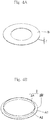
FIG. 4A is a perspective view of an annular blank material; -
FIG. 4B is a perspective view of the slinger; -
FIG. 5A is a vertical sectional view schematically showing a burring mold in a state where a punch is located at the bottom dead center; -
FIG. 5B is a vertical sectional view schematically showing the burring mold in a state where the punch is located at the top dead center; and -
FIG. 6 is a schematic view of a mold for testing roughness processing. - Hereinafter, an embodiment of the present invention will be described in detail with reference to the accompanying drawings.
- As used herein, in a state where a rotary seal is mounted to a bearing device for supporting a wheel of an automobile, the direction of the rotation axis of the bearing device is referred to as "axial direction", and a direction perpendicular to the axial direction is referred to as "radial direction".
- In addition, a direction from a vehicle body of the automobile toward the wheel side is referred to as "outboard", and the direction opposite thereto is referred to as "inboard".
- A vertical sectional view in
FIG. 1 schematically shows a part of the example in which rotary seals 1 according to the embodiment of the present invention are used in abearing device 10 for supporting a wheel of an automobile. - The bearing
device 10 includes a bearing including: aninner ring 11 which has an innerring raceway surface 11A formed on the outer circumferential surface thereof and rotates together with the wheel; anouter ring 12 which has an outerring raceway surface 12A formed on the inner circumferential surface thereof and is integrated with the vehicle body; balls 13serving as rolling elements which roll between the innerring raceway surface 11A and the outerring raceway surface 12A; and the like. - In addition, the bearing
device 10 includes the rotary seals 1 which are respectively located, between theinner ring 11 and theouter ring 12, at the inboard-side end and the outboard-side end (on the inboard side relative to the inboard-side balls 13, and on the outboard side relative to the outboard-side balls 13). The rotary seals 1 prevent entry of muddy water and the like and prevent leakage of lubricating grease. - In the schematic vertical-sectional view in
FIG. 1 , the respective outboard-side and inboard-side rotary seals 1 have the same structure. - The enlarged major part of each of the rotary seals 1 is shown in the vertical sectional view in
FIG. 2 . Regarding the lengths (thicknesses) F in the axial direction of the rotary seals 1, the length F of the inboard-side rotary seal 1 is 3.5 mm ≤ F ≤ 7 mm and the length F of the outboard-side rotary seal 1 is 5 mm ≤ F ≤ 10 mm. - Regarding the lengths (widths) G in the radial direction of the rotary seals 1 shown in the vertical sectional view in
FIG. 2 , the length G of each of the inboard-side and outboard-side rotary seals 1 is 5 mm ≤ G ≤ 9 mm. - Since the outboard-side and inboard-side rotary seals 1 have the same structure, the inboard-side rotary seal 1 shown in
FIG. 2 will be described. - The rotary seal 1 according to the embodiment of the present invention includes a
slinger 2, acore metal 3, and aseal member 4. Theslinger 2 and thecore metal 3 are each made of a stainless steel sheet through, for example, press working. Theseal member 4 is an elastic body such as rubber, and has abase portion 4A joined to thecore metal 3. - The
seal member 4 is formed from a synthetic rubber material that may be obtained by appropriately blending, as rubber raw materials having high oil resistance, one or more rubbers among nitrile rubber (NBR), hydrogenated nitrile rubber (HNBR), acrylic rubber (ACM), ethylene-acrylic rubber (AEM), fluororubber (FKM, FPM), silicone rubber (VQM), and others. When the kneadability, the vulcanization moldability, and adhesion (to the core metal 3) of the rubber material are taken into consideration, it is also preferable to blend another rubber such as liquid NBR, ethylene-propylene rubber (EPDM), natural rubber (NR), isoprene rubber (IR), styrene-butadiene rubber (SBR), or butadiene rubber (BR). - The
slinger 2 includes acylindrical sleeve 2A and aflange 2B extending outward in the radial direction from the inboard-side end of thesleeve 2A. - The
core metal 3 includes a core metal cylinder 3A having a cylindrical shape, and acore metal flange 3B extending inward in the radial direction from the outboard-side end of the core metal cylinder 3A. - The
seal member 4 includes thebase portion 4A and seallip portions base portion 4A. - The core metal cylinder 3A of the rotary seal 1 is mounted to the
outer ring 12 which is a radially-outer member, and thesleeve 2A of the rotary seal 1 is mounted to theinner ring 11 which is a radially-inner member. - The
seal lip portion 4B of theseal member 4 is an axial lip that projects in a diameter-increasing manner from thebase portion 4A toward the inboard side. The distal end of theaxial lip 4B is in slidable contact with a first slide-contact surface A1 which is an outboard-side surface of theflange 2B of theslinger 2. - The
seal lip portions seal member 4 are each a radial lip that projects inward in the radial direction from thebase portion 4A. The distal end of each of theradial lips sleeve 2A of theslinger 2. - Although no encoder is joined to the
flange 2B of theslinger 2 in an example of the structure of the rotary seal 1 shown inFIG. 2 , a structure in which an encoder made of a resin magnet or a rubber magnet is joined to theflange 2B may be employed as appropriate. - The
slinger 2 is made of a commercially available dull-finished (the term "dull finish" is defined in JIS G 0203: 2009 Glossary of terms used in iron and steel) steel sheet material through a predetermined method described later. The surface roughness (arithmetical mean roughness Ra) of each of the slide-contact surfaces A1 and A2 is set to fall within a predetermined range (0.25 µm ≤ Ra ≤ 0.5 µm) based on the results of the following wear amount measurement tests. - To obtain a range, of the roughness of the first slide-contact surface A1 of the
slinger 2, in which wear of theaxial lip 4B of theseal member 4 can be prevented while oil film retainability is ensured between theaxial lip 4B and the first slide-contact surface A1 of theflange 2B of theslinger 2. - Assessment was performed on the
slinger 2 of each of No. 1 to 6 in Table 1 based on "7. Rules and procedures for assessment with stylus-type surface roughness measuring machine" of JIS B 0633: 2001 (ISO 4288: 1996). Specifically, with the reference length being 0.8 mm and the assessment length being 4 mm, a stylus-type surface roughness measuring machine (surface roughness/contour shape measurement machine manufactured by TOKYO SEIMITSU CO., LTD., model name: SURFCOM 1800D) was used to perform measurement on the first slide-contact surface A1 with which theaxial lip 4B was to be slidably in contact. As a result, a roughness curve was obtained in the circumferential direction perpendicular to a rolling direction, and an arithmetical mean roughness Ra was obtained based on the roughness curve. - In a state where the
slinger 2 of each of No. 1 to 6 in Table 1 was mounted in the rotary seal 1, grease was sealed in an amount of 0.24 g which was a normal amount, and rotation was performed for 60 hours at a rotation speed of 1000 rpm. Thereafter, the wear amount of theaxial lip 4B was measured. - As known from the relationship between the surface roughness (arithmetical mean roughness Ra) of the first slide-contact surface A1 of the
slinger 2 and the wear amount of theaxial lip 4B, as shown in the graph inFIG. 3 , the wear amount of theaxial lip 4B rapidly increases when the surface roughness (arithmetical mean roughness Ra) of the first slide-contact surface A1 of theslinger 2 exceeds 0.5 µm. In addition, when the surface roughness (arithmetical mean roughness Ra) of the first slide-contact surface A1 of theslinger 2 is about 0.2 µm, galling occurs. - Table 1 and
FIG. 3 show that, if the surface roughness (arithmetical mean roughness Ra) of the first slide-contact surface A1 of theslinger 2 is set to 0.25 µm ≤ Ra ≤ 0.5 µm, galling does not occur and the wear amount of theaxial lip 4B can be made small after the rotation is performed for 60 hours at a rotation speed of 1000 rpm.[Table 1] No. Surface roughness (Ra) of first slide-contact surface A1 of slinger 2Wear amount of axial lip 4Bµm mm 1 0.247 0.025 2 0.412 0.026 3 0.542 0.031 4 0.622 0.049 5 0.701 0.093 6 0.198 Galling occurred - As shown in the above, if the surface roughness (arithmetical mean roughness Ra) of the first slide-contact surface A1 of the
slinger 2 is set to 0.25 µm ≤ Ra ≤ 0.5 µm, it is possible to make the wear amount of theaxial lip 4B small while ensuring the oil film retainability. In particular, if the surface roughness (arithmetical mean roughness Ra) of the first slide-contact surface A1 of theslinger 2 is set to 0.25 µm ≤ Ra ≤ 0.4 µm, it is possible to make the wear amount of theaxial lip 4B even smaller while ensuring the oil film retainability. - The same applies to the surface roughness (arithmetical mean roughness Ra) of the second slide-contact surface A2 of the
slinger 2. Specifically, if the surface roughness Ra is set to 0.25 µm ≤ Ra ≤ 0.5 µm, it is possible to make the wear amount of each of theradial lips slinger 2 is set to 0.25 µm ≤ Ra ≤ 0.4 µm, it is possible to make the wear amount of each of theradial lips - In a manufacturing method for the slinger according to the present invention, the slinger is molded from a dull-finished steel sheet material, and thus variation in surface roughness among commercially available dull-finished steel sheet materials is checked.
- Two lots each containing five pieces of SUS430 as dull-finished steel sheet materials were purchased, and the surface roughnesses (arithmetical mean roughnesses Ra) of the total of ten pieces were measured.
- As a result, there was a variation among the purchased ten pieces of SUS430 in a range of 0.5 µm ≤ Ra ≤ 0.82 µm, and the arithmetical mean of the arithmetical mean roughnesses Ra of the total of ten pieces was 0.61 µm.
- An annular blank material B shown in a perspective view in
FIG. 4A is molded from each dull-finished steel sheet material through sheet metal press working, laser cutting machining, or wire cut electric discharge machining. It is preferable to mold the annular blank material B through sheet metal press working from the viewpoint of reducing manufacturing cost for theslinger 2 as much as possible. - The annular blank material B is set between a
die 5 and astripper 6 of a burring mold C shown in a schematic vertical sectional view inFIG. 5A . - Next, a
punch 7 located at the bottom dead center in the schematic vertical sectional view inFIG. 5A is moved to the top dead center as shown in a schematic vertical sectional view inFIG. 5B , and theslinger 2 is molded by the pressing force of thepunch 7. - The
punch 7 has a lower side-surface portion formed in a cylindrical shape and an upper side-surface portion formed in a truncated conical surface. In addition, the truncated conical shape of the upper side-surface portion of thepunch 7 has the upper-end corner with a curved surface, and the curved surface comes into contact with an inner-diameter portion of the annular blank material B shown inFIG. 5A . - The
slinger 2 taken out from the burring mold C after theslinger 2 is molded as inFIG. 5B , is shown alone in the perspective view inFIG. 4B . - The manufacturing method for the
slinger 2 to be used in the rotary seal 1 according to the present invention allows the surface roughness (arithmetical mean roughness Ra) of each of the slide-contact surfaces A1 and A2 of theslinger 2 to fall within the predetermined range (0.25 µm ≤ Ra ≤ 0.5 µm) through the aforementioned steps of molding the slinger. In order to obtain an effective range for pressure application force of the burring mold C, a test in which pressure is applied to each piece of SUS430 which is a dull-finished steel sheet material by a roughness processing testing mold, is performed, and the relationship between the surface roughness of the raw material and the surface roughness after the pressure application is obtained. - Values of each of the pieces of SUS430 to be used, which were described in a steel inspection certificate (mill test report) at the time of manufacturing, were as follows: the 0.2% proof stress was 283 MPa, the tensile strength was 454 MPa, and the sheet thickness was 0.6 mm
- Standard values of each piece of SUS430 are as follows: the 0.2% proof stress is 205 MPa and the tensile strength is 420 MPa.
- Circular blank materials were prepared from purchased materials, for each roughness of the raw materials. The blank materials were grouped into the following groups 1 to 4 based on the surface roughnesses (arithmetical mean roughnesses Ra) of the raw materials.
- (1) Group 1: Ra is 0.82 ± 0.01 µm
- (2) Group 2: Ra is 0.65 ± 0.01 µm
- (3) Group 3: Ra is 0.61 ± 0.01 µm
- (4) Group 4: Ra is 0.50 ± 0.01 µm
- Each circular blank material E was set between an
upper mold 8 and alower mold 9 of a roughness processing testing mold D shown in a schematic view inFIG. 6 . The surface roughness (arithmetical mean roughness Ra) of thelower face 8A of theupper mold 8 for pressing the circular blank material E was set to 0.07 µm, and the surface roughness (arithmetical mean roughness Ra) of theupper face 9A of thelower mold 9 for pressing the circular blank material E was set to 0.03 µm. - Pressure was applied by the roughness processing testing mold D with pressure application forces of 143 MPa, 295 MPa, and 433 MPa, and the surface roughness (arithmetical mean roughness Ra) of the circular blank material E after the pressure application was measured.
- As indicated by the measurement results in Table 2 and Table 3, the smallest value and the largest value among the surface roughnesses (arithmetical mean roughnesses Ra) of the circular blank materials E after the pressure application, were 0.32 µm (Ra of mold: 0.03, pressure application force: 433 MPa) and 0.61 µm (Ra of mold: 0.07, pressure application force: 143 MPa), respectively.
- The measurement results indicated in Table 2 and Table 3 show that 295 MPa to 433 MPa is the range of the pressure application force for allowing the surface roughness (arithmetical mean roughness Ra) to fall within the predetermined range (0.25 µm ≤ Ra ≤ 0.5 µm), in order to make the wear amount of the
axial lip 4B small while ensuring the oil film retainability. - Tables also show that the surface roughness (arithmetical mean roughness Ra) of the mold only has to be 0.03 to 0.07 µm (about 10% of the roughnesses of the raw materials).
[Table 2] Group Surface roughness of circular blank material made of dull-finished steel sheet material (SUS430) (arithmetical mean roughness Ra) Raw material Surface having been brought into contact with upper mold (Ra: 0.07) Pressure application force: 143 MPa Pressure application force: 295 MPa Pressure application force: 433 MPa 1 0.82 ± 0.01 0.61 0.49 0.47 2 0.65 ± 0.01 0.59 0.48 0.47 3 0.61 ± 0.01 0.58 0.48 0.45 4 0.50 ± 0.01 0.47 0.40 0.37 [Table 3] Group Surface roughness of circular blank material made of dull-finished steel sheet material (SUS430) (arithmetical mean roughness Ra) Raw material Surface having been brought into contact with lower mold (Ra: 0.03) Pressure application force: 143 MPa Pressure application force: 295 MPa Pressure application force: 433 MPa 1 0.82 ± 0.01 0.58 0.49 0.44 2 0.65 ± 0.01 0.51 0.44 0.41 3 0.61 ± 0.01 0.50 0.42 0.39 4 0.50 ± 0.01 0.45 0.40 0.32 - When a slinger is prepared by using a mold as shown in
FIG. 5A and FIG. 5B , it is necessary to control the roughness of a surface (slide-contact surface A1 of theflange 2B inFIG. 4B ) of the annular blank material B on the side closer to thedie 5. Theaxial lip 4B (FIG. 2 ) is in slidable contact with this surface. - Specifically, burring is performed with the surface roughness (arithmetical mean roughness Ra) of the
lower face 5A of thedie 5 being set to 0.03 to 0.07 µm and with the pressure application force of thestripper 6 of the burring mold C being set to 295 MPa to 433 MPa. Here, the pressure application force of thestripper 6 is adjusted by means of a hydraulic cylinder, a gas spring, or the like. - Meanwhile, the slide-contact surface A2 which is the outer circumferential surface of the
sleeve 2A inFIG. 4B , and with which theradial lips FIG. 2 ) are to be in slidable contact, can be formed by performing burring using a predetermined clearance (gap between thedie 5 and one side of the punch 7) in an area that extends upright so as to be perpendicular to theflange 2B, with the surface roughness (arithmetical mean roughness Ra) of the innercircumferential surface 5B of thedie 5 inFIG. 5A and FIG. 5B being set to 0.03 to 0.07 µm. - The clearance is set to T × (0.9 to 0.7) where "T" (see
FIG. 4A andFIG. 5A ) represents the sheet thickness of the annular blank material B. - When the
slinger 2 is molded by processing the annular blank material B with the burring mold C as inFIG. 5A and FIG. 5B , thepunch 7 is moved in a state where the annular blank material B is held between thedie 5 and thestripper 6. Thesleeve 2A is formed using thepunch 7 by increasing the hole diameter and raising the rim as a result of bringing the truncated conical surface of the upper side-surface portion of thepunch 7 into contact with an innercircumferential surface 2C (seeFIG. 5B ) on the opposite side to the second slide-contact surface A2 (seeFIG. 4B ) with which theradial lips - When a corner portion of the
sleeve 2A becomes substantially at the right angle in the course of the movement of thepunch 7 from the state shown inFIG. 5A to the state shown inFIG. 5B , the second slide-contact surface A2 (seeFIG. 4B ) comes into contact with the innercircumferential surface 5B (Ra: 0.03 to 0.07 µm) of thedie 5. When thepunch 7 further moves, the innercircumferential surface 2C of thesleeve 2A is rubbed by thepunch 7, and the second slide-contact surface A2 is pressed against the innercircumferential surface 5B of thedie 5. - In this manner, the inner
circumferential surface 2C of thesleeve 2A is subjected to processing while being kept constantly in contact with thepunch 7 from the time at which the rim starts to be raised in the initial stage of the burring. The second slide-contact surface A2 of thesleeve 2A is pressed against the innercircumferential surface 5B of thedie 5 in the final stage of the burring. - In the slinger 2 (shown in
FIG. 4B ) obtained by subjecting the annular blank material B molded from the dull-finished steel sheet material to the processing with the burring mold C under the above-described processing conditions, the surface roughness (arithmetical mean roughness Ra) of each of the first slide-contact surface A1 and the second slide-contact surface A2 is within the predetermined range (0.25 µm ≤ Ra ≤ 0.5 µm). - Instead of controlling the surface roughness of the first slide-contact surface A1 of the
flange 2B of theslinger 2 during the burring with the burring mold C, the surface roughness of the first slide-contact surface A1 may be controlled by performing press working as a separate step after the burring. The press working as the separate step refers to, for example, a simple step of merely pressing a planar mold. - Also in such a pressing step, the mold is pressed against the slide-contact surface A1 with the surface roughness (arithmetical mean roughness Ra) of the mold being set to 0.03 to 0.07 µm and with the pressure application force of the mold being set to 295 MPa to 433 MPa. Accordingly, the surface roughness (arithmetical mean roughness Ra) of the first slide-contact surface A1 falls within the predetermined range (0.25 µm ≤ Ra ≤ 0.5 µm).
- If the range (295 MPa to 433 MPa) of the pressure application force is generalized as a ratio to the 0.2% proof stress, the range is not less than 295/283≈1.0 and not greater than 433/283≈1.53.
- It should be noted that the range of the pressure application force exceeds the 0.2% proof stress. Even if the range is 0.2% proof stress + 53%, it has been confirmed through the following structural analysis that there is practically no problem since the sheet thickness did not significantly change.
- A pressure of the 0.2% proof stress × 1.53 (433 MPa) is applied to the
flange 2B of theslinger 2 by thestripper 6, the pressure under the condition of restriction with the burring mold C is eliminated, and then the amount of change in the sheet thickness (amount of plastic deformation in the sheet thickness direction) is checked. - The
slinger 2 is modeled (sheet thickness: 0.6 mm) with an axisymmetric element, and rigid bodies are used as thedie 5 and thestripper 6 for applying pressure to theflange 2B. - SUS430 is used, and the plastic zone thereof is also taken into consideration.
- The sheet thickness after elimination of the pressure (433 MPa) applied to the
flange 2B of theslinger 2 was 0.582 mm, and the amount of plastic deformation in the sheet thickness direction was 0.018 mm. - This amount is within a range of ± 0.1 mm which is the tolerance of the sheet thickness of the
flange 2B of theslinger 2. - The same analysis result is obtained also for the manufacturing method (claim 2) in which a mold is pressed against the first slide-contact surface A1 of the
slinger 2 in the pressing step that is a separate step from the burring. This is because the mold to be pressed against the first slide-contact surface A1 in the pressing step corresponds to thedie 5 and thestripper 6. - In the above-described embodiment, SUS430 (magnetic material) has been described as an example of the dull-finished steel sheet material which is the raw material of the
slinger 2. However, the dull-finished steel sheet material which is the raw material of theslinger 2 is not limited to the SUS430. For example, if no encoder is joined to theflange 2B of theslinger 2, the dull-finished steel sheet material may be SUS304 (non-magnetic material). - In the above-described manufacturing method for the
slinger 2 for use in the rotary seal 1 according to the embodiment of the present invention, the annular blank material B is molded from the dull-finished steel sheet material, and the annular blank material B is burred with the burring mold C or is burred and pressed, whereby the roughness of each of the first slide-contact surface A1 and the second slide-contact surface A2 of theslinger 2 can be set to fall within the predetermined range (0.25 µm ≤ Ra ≤ 0.5 µm). Accordingly, theslinger 2 to be used in the rotary seal 1 can be inexpensively and efficiently manufactured. - In a particular method of the present invention, the annular blank material B is molded from the dull-finished steel sheet material and the annular blank material B is burred with the burring mold C, so that the surface roughness of each of the slide-contact surfaces A1 and A2 of the
slinger 2 falls within the predetermined range (0.25 µm ≤ Ra ≤ 0.5 µm). According to such a method, the surface roughness of both the first slide-contact surface A1 and the second slide-contact surface A2 of the slinger can be set to fall within the predetermined range through the burring. Accordingly, the separate step such as the pressing step becomes unnecessary, and thus theslinger 2 can be further inexpensively manufactured. - The predetermined range (0.25 µm ≤ Ra ≤ 0.5 µm) is determined based on experiments by the inventors of the present application. The surface roughness of each of the first slide-contact surface A1 and the second slide-contact surface A2 of the
slinger 2 is set to fall within the predetermined range, thereby reducing the wear amount of each of theaxial lip 4B and theradial lips - In the slinger manufactured through the manufacturing method according to the present invention, the surface roughness of each of the first slide-contact surface A1 with which the
axial lip 4B is in slidable contact and the second slide-contact surface A2 with which theradial lips slinger 2, the wear amount of each of theaxial lip 4B and theradial lips - The description of the above-described embodiment is in all aspects illustrative and not restrictive. Various improvements and modifications can be made without departing from the scope of the present invention.
Claims (3)
- A manufacturing method of a slinger to be used in a rotary seal that includes the slinger, a core metal, and a seal member,
the slinger including a cylindrical sleeve and a flange extending outward in a radial direction from one end of the sleeve in an axial direction,
the core metal including a core metal cylinder having a cylindrical shape, and a core metal flange extending inward in the radial direction from one end of the core metal cylinder in the axial direction,
the seal member including a base portion joined to the core metal, and a seal lip portion extending from the base portion,
the seal lip portion including an axial lip in slidable contact with a first slide-contact surface that is an inner surface of the flange of the slinger, and a radial lip in slidable contact with a second slide-contact surface that is an outer circumferential surface of the sleeve of the slinger,
the manufacturing method comprising:molding an annular blank material from a dull-finished steel sheet material through sheet metal press working, laser cutting machining, or wire cut electric discharge machining; andburring the annular blank material, so as to mold the slinger, whereinthe burring is performed using a mold having faces each of which has an arithmetical mean roughness Ra set to 0.03 µm ≤ Ra ≤ 0.07 µm, the faces individually coming into contact with the first slide-contact surface and the second slide-contact surface,
a ratio of pressure application force for holding the annular blank material between the faces to a 0.2% proof stress of the dull-finished material, is set to 1.0 or more and 1.53 or less,
a clearance for the mold used for the burring is set to T × (0.9 to 0.7) where "T" represents a sheet thickness of the annular blank material, and,
with these conditions, an arithmetical mean roughness Ra of each of the first slide-contact surface and the second slide-contact surface of the slinger falls within a predetermined range of 0.25 µm ≤ Ra ≤ 0.5 µm. - A manufacturing method of a slinger to be used in a rotary seal that includes the slinger, a core metal, and a seal member,
the slinger including a cylindrical sleeve and a flange extending outward in a radial direction from one end of the sleeve in an axial direction,
the core metal including a core metal cylinder having a cylindrical shape, and a core metal flange extending inward in the radial direction from one end of the core metal cylinder in the axial direction,
the seal member including a base portion joined to the core metal, and a seal lip portion extending from the base portion,
the seal lip portion including an axial lip in slidable contact with a first slide-contact surface which is an inner surface of the flange of the slinger, and a radial lip in slidable contact with a second slide-contact surface which is an outer circumferential surface of the sleeve of the slinger,
the manufacturing method comprising:molding an annular blank material from a dull-finished steel sheet material through sheet metal press working, laser cutting machining, or wire cut electric discharge machining;burring the annular blank material, so as to mold the slinger; andpressing a mold against the first slide-contact surface of the molded slinger, whereinthe burring is performed using a mold having a face that has an arithmetical mean roughness Ra set to 0.03 µm ≤ Ra ≤ 0.07 µm, the face coming into contact with the second slide-contact surface,
a clearance for the mold used for the burring is set to T × (0.9 to 0.7) where "T" represents a sheet thickness of the annular blank material,
the pressing is performed using a mold having a face with an arithmetical mean roughness Ra set to 0.03 µm ≤ Ra ≤ 0.07 µm, the face coming into contact with the first slide-contact surface,
a ratio of pressing force for pressing the mold in the pressing to a 0.2% proof stress of the dull-finished material is set to 1.0 or more and 1.53 or less, and,
with these conditions, an arithmetical mean roughness Ra of each of the first slide-contact surface and the second slide-contact surface of the slinger falls within a predetermined range of 0.25 µm ≤ Ra ≤ 0.5 µm. - A rotary seal including a slinger manufactured through the manufacturing method according to claim 1 or 2.
Applications Claiming Priority (1)
| Application Number | Priority Date | Filing Date | Title |
|---|---|---|---|
| JP2019013117A JP2020122492A (en) | 2019-01-29 | 2019-01-29 | Manufacturing method of slinger for use in rotation seal and rotation seal |
Publications (2)
| Publication Number | Publication Date |
|---|---|
| EP3689488A1 true EP3689488A1 (en) | 2020-08-05 |
| EP3689488B1 EP3689488B1 (en) | 2021-11-17 |
Family
ID=69187600
Family Applications (1)
| Application Number | Title | Priority Date | Filing Date |
|---|---|---|---|
| EP20153025.0A Active EP3689488B1 (en) | 2019-01-29 | 2020-01-22 | Manufacturing method for slinger used in rotary seal |
Country Status (4)
| Country | Link |
|---|---|
| US (1) | US11421741B2 (en) |
| EP (1) | EP3689488B1 (en) |
| JP (1) | JP2020122492A (en) |
| CN (1) | CN111486178B (en) |
Families Citing this family (3)
| Publication number | Priority date | Publication date | Assignee | Title |
|---|---|---|---|---|
| US12134813B2 (en) * | 2020-10-15 | 2024-11-05 | Nippon Steel Corporation | Burring processed member |
| CN112355141B (en) * | 2020-10-19 | 2022-10-21 | 苏州宝成汽车冲压有限公司 | Stamping die for processing bearing oil seal |
| JP7135224B1 (en) * | 2022-01-12 | 2022-09-12 | Nok株式会社 | Hub seal manufacturing method |
Citations (6)
| Publication number | Priority date | Publication date | Assignee | Title |
|---|---|---|---|---|
| JPS5234651B2 (en) | 1974-04-08 | 1977-09-05 | ||
| EP1881300A1 (en) * | 2005-05-10 | 2008-01-23 | NSK Ltd. | Magnetic encoder and rolling bearing unit comprising magnetic encoder |
| JP4997532B2 (en) | 2004-12-16 | 2012-08-08 | 内山工業株式会社 | Rotating member seal structure |
| JP2016023669A (en) * | 2014-07-17 | 2016-02-08 | 日本精工株式会社 | Hermetically sealed rolling bearing |
| JP2016148420A (en) * | 2015-02-13 | 2016-08-18 | 内山工業株式会社 | Manufacturing method for rotation detection member of sealing device |
| JP2018150954A (en) | 2017-03-10 | 2018-09-27 | 中西金属工業株式会社 | Rotation seal |
Family Cites Families (11)
| Publication number | Priority date | Publication date | Assignee | Title |
|---|---|---|---|---|
| US4078287A (en) * | 1976-04-16 | 1978-03-14 | Trw Inc. | Method of forming sealing members |
| JP2007275976A (en) * | 2006-04-11 | 2007-10-25 | Fujifilm Corp | Press mold, burring processing method, manufacturing method of pressed product, and pressed product |
| JP5234651B2 (en) | 2008-08-29 | 2013-07-10 | 内山工業株式会社 | Sealing device |
| JP2012159170A (en) * | 2011-02-02 | 2012-08-23 | Ntn Corp | Wheel bearing seal and assembling method therefor |
| US9545738B2 (en) * | 2011-08-19 | 2017-01-17 | 3M Innovative Properties Company | Method of forming deep-drawn paint film laminated sheet metal and articles made therefrom |
| JP2014126105A (en) * | 2012-12-26 | 2014-07-07 | Nsk Ltd | Rolling bearing unit for supporting wheel |
| CN203881352U (en) * | 2014-02-20 | 2014-10-15 | 日本精工株式会社 | Magnetic encoder |
| JP6399471B2 (en) * | 2014-07-30 | 2018-10-03 | Nok株式会社 | SEALING DEVICE AND MANUFACTURING METHOD THEREOF |
| JP2017047542A (en) * | 2015-08-31 | 2017-03-09 | 中西金属工業株式会社 | Method for manufacturing protective cover having sensor holder |
| DE102016215672A1 (en) * | 2016-08-22 | 2018-02-22 | Schaeffler Technologies AG & Co. KG | Reduced mating surfaces for sealing lips |
| US10794428B2 (en) * | 2016-11-25 | 2020-10-06 | Nok Corporation | Sealing device and hub bearing |
-
2019
- 2019-01-29 JP JP2019013117A patent/JP2020122492A/en active Pending
- 2019-11-27 CN CN201911179359.9A patent/CN111486178B/en active Active
-
2020
- 2020-01-22 EP EP20153025.0A patent/EP3689488B1/en active Active
- 2020-01-27 US US16/773,290 patent/US11421741B2/en active Active
Patent Citations (6)
| Publication number | Priority date | Publication date | Assignee | Title |
|---|---|---|---|---|
| JPS5234651B2 (en) | 1974-04-08 | 1977-09-05 | ||
| JP4997532B2 (en) | 2004-12-16 | 2012-08-08 | 内山工業株式会社 | Rotating member seal structure |
| EP1881300A1 (en) * | 2005-05-10 | 2008-01-23 | NSK Ltd. | Magnetic encoder and rolling bearing unit comprising magnetic encoder |
| JP2016023669A (en) * | 2014-07-17 | 2016-02-08 | 日本精工株式会社 | Hermetically sealed rolling bearing |
| JP2016148420A (en) * | 2015-02-13 | 2016-08-18 | 内山工業株式会社 | Manufacturing method for rotation detection member of sealing device |
| JP2018150954A (en) | 2017-03-10 | 2018-09-27 | 中西金属工業株式会社 | Rotation seal |
Also Published As
| Publication number | Publication date |
|---|---|
| US11421741B2 (en) | 2022-08-23 |
| EP3689488B1 (en) | 2021-11-17 |
| CN111486178B (en) | 2022-04-26 |
| CN111486178A (en) | 2020-08-04 |
| US20200240473A1 (en) | 2020-07-30 |
| JP2020122492A (en) | 2020-08-13 |
Similar Documents
| Publication | Publication Date | Title |
|---|---|---|
| EP3689488B1 (en) | Manufacturing method for slinger used in rotary seal | |
| US8511903B2 (en) | Wheel bearing device and manufacturing method therefor | |
| US9714713B2 (en) | Seal ring with frictional load surface | |
| US10208800B2 (en) | Sealed thrust ball bearing | |
| CN102654163B (en) | Rolling bearing, throttle valve gear and ABS device | |
| US8745874B2 (en) | Method of manufacturing wheel support bearing assembly | |
| EP3372874B1 (en) | Rotary seal | |
| US7635226B2 (en) | Bearing apparatus for a wheel of vehicle | |
| US20160001597A1 (en) | Wheel Bearing Apparatus | |
| JP2011226576A (en) | Rolling bearing unit with sealing seal | |
| EP3633245B1 (en) | Sealing device | |
| CN1253287C (en) | Predeformation working method and fixture for bearing non-circular ball track | |
| CN111373168B (en) | Rolling member, bearing, and method for manufacturing same | |
| US7607838B2 (en) | Bearing apparatus for a wheel of vehicle | |
| US10174786B2 (en) | Wheel bearing apparatus and its mounting structure | |
| JP7751429B2 (en) | Wheel bearing device | |
| CN113378319B (en) | Design method for end face grinding allowance of double-end-face asymmetric bearing ring | |
| JP2019158067A (en) | Rolling bearing and manufacturing method of the same | |
| JP2008274995A (en) | Bearing sealing device and wheel supporting bearing unit | |
| EP4108942A1 (en) | Rolling bearing and method for producing same | |
| RU2408452C1 (en) | Device with damper for spd processing | |
| JP2008207588A (en) | Wheel bearing device | |
| WO2006115003A1 (en) | Roller bearing and bearing structure |
Legal Events
| Date | Code | Title | Description |
|---|---|---|---|
| PUAI | Public reference made under article 153(3) epc to a published international application that has entered the european phase |
Free format text: ORIGINAL CODE: 0009012 |
|
| STAA | Information on the status of an ep patent application or granted ep patent |
Free format text: STATUS: THE APPLICATION HAS BEEN PUBLISHED |
|
| AK | Designated contracting states |
Kind code of ref document: A1 Designated state(s): AL AT BE BG CH CY CZ DE DK EE ES FI FR GB GR HR HU IE IS IT LI LT LU LV MC MK MT NL NO PL PT RO RS SE SI SK SM TR |
|
| AX | Request for extension of the european patent |
Extension state: BA ME |
|
| STAA | Information on the status of an ep patent application or granted ep patent |
Free format text: STATUS: REQUEST FOR EXAMINATION WAS MADE |
|
| 17P | Request for examination filed |
Effective date: 20210205 |
|
| RBV | Designated contracting states (corrected) |
Designated state(s): AL AT BE BG CH CY CZ DE DK EE ES FI FR GB GR HR HU IE IS IT LI LT LU LV MC MK MT NL NO PL PT RO RS SE SI SK SM TR |
|
| GRAP | Despatch of communication of intention to grant a patent |
Free format text: ORIGINAL CODE: EPIDOSNIGR1 |
|
| STAA | Information on the status of an ep patent application or granted ep patent |
Free format text: STATUS: GRANT OF PATENT IS INTENDED |
|
| RIC1 | Information provided on ipc code assigned before grant |
Ipc: B21D 19/08 20060101AFI20210617BHEP Ipc: B21D 53/10 20060101ALI20210617BHEP Ipc: B21D 53/20 20060101ALI20210617BHEP Ipc: F16C 33/78 20060101ALI20210617BHEP |
|
| INTG | Intention to grant announced |
Effective date: 20210705 |
|
| GRAS | Grant fee paid |
Free format text: ORIGINAL CODE: EPIDOSNIGR3 |
|
| GRAA | (expected) grant |
Free format text: ORIGINAL CODE: 0009210 |
|
| STAA | Information on the status of an ep patent application or granted ep patent |
Free format text: STATUS: THE PATENT HAS BEEN GRANTED |
|
| AK | Designated contracting states |
Kind code of ref document: B1 Designated state(s): AL AT BE BG CH CY CZ DE DK EE ES FI FR GB GR HR HU IE IS IT LI LT LU LV MC MK MT NL NO PL PT RO RS SE SI SK SM TR |
|
| REG | Reference to a national code |
Ref country code: GB Ref legal event code: FG4D |
|
| REG | Reference to a national code |
Ref country code: IE Ref legal event code: FG4D |
|
| REG | Reference to a national code |
Ref country code: DE Ref legal event code: R096 Ref document number: 602020000981 Country of ref document: DE |
|
| REG | Reference to a national code |
Ref country code: AT Ref legal event code: REF Ref document number: 1447629 Country of ref document: AT Kind code of ref document: T Effective date: 20211215 |
|
| REG | Reference to a national code |
Ref country code: LT Ref legal event code: MG9D |
|
| REG | Reference to a national code |
Ref country code: NL Ref legal event code: MP Effective date: 20211117 |
|
| REG | Reference to a national code |
Ref country code: AT Ref legal event code: MK05 Ref document number: 1447629 Country of ref document: AT Kind code of ref document: T Effective date: 20211117 |
|
| PG25 | Lapsed in a contracting state [announced via postgrant information from national office to epo] |
Ref country code: RS Free format text: LAPSE BECAUSE OF FAILURE TO SUBMIT A TRANSLATION OF THE DESCRIPTION OR TO PAY THE FEE WITHIN THE PRESCRIBED TIME-LIMIT Effective date: 20211117 Ref country code: LT Free format text: LAPSE BECAUSE OF FAILURE TO SUBMIT A TRANSLATION OF THE DESCRIPTION OR TO PAY THE FEE WITHIN THE PRESCRIBED TIME-LIMIT Effective date: 20211117 Ref country code: FI Free format text: LAPSE BECAUSE OF FAILURE TO SUBMIT A TRANSLATION OF THE DESCRIPTION OR TO PAY THE FEE WITHIN THE PRESCRIBED TIME-LIMIT Effective date: 20211117 Ref country code: BG Free format text: LAPSE BECAUSE OF FAILURE TO SUBMIT A TRANSLATION OF THE DESCRIPTION OR TO PAY THE FEE WITHIN THE PRESCRIBED TIME-LIMIT Effective date: 20220217 Ref country code: AT Free format text: LAPSE BECAUSE OF FAILURE TO SUBMIT A TRANSLATION OF THE DESCRIPTION OR TO PAY THE FEE WITHIN THE PRESCRIBED TIME-LIMIT Effective date: 20211117 |
|
| PG25 | Lapsed in a contracting state [announced via postgrant information from national office to epo] |
Ref country code: IS Free format text: LAPSE BECAUSE OF FAILURE TO SUBMIT A TRANSLATION OF THE DESCRIPTION OR TO PAY THE FEE WITHIN THE PRESCRIBED TIME-LIMIT Effective date: 20220317 Ref country code: SE Free format text: LAPSE BECAUSE OF FAILURE TO SUBMIT A TRANSLATION OF THE DESCRIPTION OR TO PAY THE FEE WITHIN THE PRESCRIBED TIME-LIMIT Effective date: 20211117 Ref country code: PT Free format text: LAPSE BECAUSE OF FAILURE TO SUBMIT A TRANSLATION OF THE DESCRIPTION OR TO PAY THE FEE WITHIN THE PRESCRIBED TIME-LIMIT Effective date: 20220317 Ref country code: PL Free format text: LAPSE BECAUSE OF FAILURE TO SUBMIT A TRANSLATION OF THE DESCRIPTION OR TO PAY THE FEE WITHIN THE PRESCRIBED TIME-LIMIT Effective date: 20211117 Ref country code: NO Free format text: LAPSE BECAUSE OF FAILURE TO SUBMIT A TRANSLATION OF THE DESCRIPTION OR TO PAY THE FEE WITHIN THE PRESCRIBED TIME-LIMIT Effective date: 20220217 Ref country code: NL Free format text: LAPSE BECAUSE OF FAILURE TO SUBMIT A TRANSLATION OF THE DESCRIPTION OR TO PAY THE FEE WITHIN THE PRESCRIBED TIME-LIMIT Effective date: 20211117 Ref country code: LV Free format text: LAPSE BECAUSE OF FAILURE TO SUBMIT A TRANSLATION OF THE DESCRIPTION OR TO PAY THE FEE WITHIN THE PRESCRIBED TIME-LIMIT Effective date: 20211117 Ref country code: HR Free format text: LAPSE BECAUSE OF FAILURE TO SUBMIT A TRANSLATION OF THE DESCRIPTION OR TO PAY THE FEE WITHIN THE PRESCRIBED TIME-LIMIT Effective date: 20211117 Ref country code: GR Free format text: LAPSE BECAUSE OF FAILURE TO SUBMIT A TRANSLATION OF THE DESCRIPTION OR TO PAY THE FEE WITHIN THE PRESCRIBED TIME-LIMIT Effective date: 20220218 Ref country code: ES Free format text: LAPSE BECAUSE OF FAILURE TO SUBMIT A TRANSLATION OF THE DESCRIPTION OR TO PAY THE FEE WITHIN THE PRESCRIBED TIME-LIMIT Effective date: 20211117 |
|
| PG25 | Lapsed in a contracting state [announced via postgrant information from national office to epo] |
Ref country code: SM Free format text: LAPSE BECAUSE OF FAILURE TO SUBMIT A TRANSLATION OF THE DESCRIPTION OR TO PAY THE FEE WITHIN THE PRESCRIBED TIME-LIMIT Effective date: 20211117 Ref country code: SK Free format text: LAPSE BECAUSE OF FAILURE TO SUBMIT A TRANSLATION OF THE DESCRIPTION OR TO PAY THE FEE WITHIN THE PRESCRIBED TIME-LIMIT Effective date: 20211117 Ref country code: RO Free format text: LAPSE BECAUSE OF FAILURE TO SUBMIT A TRANSLATION OF THE DESCRIPTION OR TO PAY THE FEE WITHIN THE PRESCRIBED TIME-LIMIT Effective date: 20211117 Ref country code: EE Free format text: LAPSE BECAUSE OF FAILURE TO SUBMIT A TRANSLATION OF THE DESCRIPTION OR TO PAY THE FEE WITHIN THE PRESCRIBED TIME-LIMIT Effective date: 20211117 Ref country code: DK Free format text: LAPSE BECAUSE OF FAILURE TO SUBMIT A TRANSLATION OF THE DESCRIPTION OR TO PAY THE FEE WITHIN THE PRESCRIBED TIME-LIMIT Effective date: 20211117 Ref country code: CZ Free format text: LAPSE BECAUSE OF FAILURE TO SUBMIT A TRANSLATION OF THE DESCRIPTION OR TO PAY THE FEE WITHIN THE PRESCRIBED TIME-LIMIT Effective date: 20211117 |
|
| REG | Reference to a national code |
Ref country code: DE Ref legal event code: R097 Ref document number: 602020000981 Country of ref document: DE |
|
| PG25 | Lapsed in a contracting state [announced via postgrant information from national office to epo] |
Ref country code: MC Free format text: LAPSE BECAUSE OF FAILURE TO SUBMIT A TRANSLATION OF THE DESCRIPTION OR TO PAY THE FEE WITHIN THE PRESCRIBED TIME-LIMIT Effective date: 20211117 |
|
| PLBE | No opposition filed within time limit |
Free format text: ORIGINAL CODE: 0009261 |
|
| STAA | Information on the status of an ep patent application or granted ep patent |
Free format text: STATUS: NO OPPOSITION FILED WITHIN TIME LIMIT |
|
| REG | Reference to a national code |
Ref country code: BE Ref legal event code: MM Effective date: 20220131 |
|
| 26N | No opposition filed |
Effective date: 20220818 |
|
| PG25 | Lapsed in a contracting state [announced via postgrant information from national office to epo] |
Ref country code: LU Free format text: LAPSE BECAUSE OF NON-PAYMENT OF DUE FEES Effective date: 20220122 Ref country code: AL Free format text: LAPSE BECAUSE OF FAILURE TO SUBMIT A TRANSLATION OF THE DESCRIPTION OR TO PAY THE FEE WITHIN THE PRESCRIBED TIME-LIMIT Effective date: 20211117 |
|
| PG25 | Lapsed in a contracting state [announced via postgrant information from national office to epo] |
Ref country code: SI Free format text: LAPSE BECAUSE OF FAILURE TO SUBMIT A TRANSLATION OF THE DESCRIPTION OR TO PAY THE FEE WITHIN THE PRESCRIBED TIME-LIMIT Effective date: 20211117 Ref country code: BE Free format text: LAPSE BECAUSE OF NON-PAYMENT OF DUE FEES Effective date: 20220131 |
|
| PG25 | Lapsed in a contracting state [announced via postgrant information from national office to epo] |
Ref country code: IE Free format text: LAPSE BECAUSE OF NON-PAYMENT OF DUE FEES Effective date: 20220122 |
|
| PG25 | Lapsed in a contracting state [announced via postgrant information from national office to epo] |
Ref country code: IT Free format text: LAPSE BECAUSE OF FAILURE TO SUBMIT A TRANSLATION OF THE DESCRIPTION OR TO PAY THE FEE WITHIN THE PRESCRIBED TIME-LIMIT Effective date: 20211117 |
|
| REG | Reference to a national code |
Ref country code: CH Ref legal event code: PL |
|
| PG25 | Lapsed in a contracting state [announced via postgrant information from national office to epo] |
Ref country code: LI Free format text: LAPSE BECAUSE OF NON-PAYMENT OF DUE FEES Effective date: 20230131 Ref country code: CH Free format text: LAPSE BECAUSE OF NON-PAYMENT OF DUE FEES Effective date: 20230131 |
|
| PG25 | Lapsed in a contracting state [announced via postgrant information from national office to epo] |
Ref country code: MK Free format text: LAPSE BECAUSE OF FAILURE TO SUBMIT A TRANSLATION OF THE DESCRIPTION OR TO PAY THE FEE WITHIN THE PRESCRIBED TIME-LIMIT Effective date: 20211117 Ref country code: CY Free format text: LAPSE BECAUSE OF FAILURE TO SUBMIT A TRANSLATION OF THE DESCRIPTION OR TO PAY THE FEE WITHIN THE PRESCRIBED TIME-LIMIT Effective date: 20211117 |
|
| PG25 | Lapsed in a contracting state [announced via postgrant information from national office to epo] |
Ref country code: HU Free format text: LAPSE BECAUSE OF FAILURE TO SUBMIT A TRANSLATION OF THE DESCRIPTION OR TO PAY THE FEE WITHIN THE PRESCRIBED TIME-LIMIT; INVALID AB INITIO Effective date: 20200122 |
|
| GBPC | Gb: european patent ceased through non-payment of renewal fee |
Effective date: 20240122 |
|
| PG25 | Lapsed in a contracting state [announced via postgrant information from national office to epo] |
Ref country code: MT Free format text: LAPSE BECAUSE OF FAILURE TO SUBMIT A TRANSLATION OF THE DESCRIPTION OR TO PAY THE FEE WITHIN THE PRESCRIBED TIME-LIMIT Effective date: 20211117 |
|
| PG25 | Lapsed in a contracting state [announced via postgrant information from national office to epo] |
Ref country code: GB Free format text: LAPSE BECAUSE OF NON-PAYMENT OF DUE FEES Effective date: 20240122 |
|
| PG25 | Lapsed in a contracting state [announced via postgrant information from national office to epo] |
Ref country code: GB Free format text: LAPSE BECAUSE OF NON-PAYMENT OF DUE FEES Effective date: 20240122 |
|
| PG25 | Lapsed in a contracting state [announced via postgrant information from national office to epo] |
Ref country code: TR Free format text: LAPSE BECAUSE OF FAILURE TO SUBMIT A TRANSLATION OF THE DESCRIPTION OR TO PAY THE FEE WITHIN THE PRESCRIBED TIME-LIMIT Effective date: 20211117 |
|
| PGFP | Annual fee paid to national office [announced via postgrant information from national office to epo] |
Ref country code: DE Payment date: 20260130 Year of fee payment: 7 |
|
| PGFP | Annual fee paid to national office [announced via postgrant information from national office to epo] |
Ref country code: FR Payment date: 20260121 Year of fee payment: 7 |