EP3686274A2 - Method for producing natural killer cell and use thereof - Google Patents
Method for producing natural killer cell and use thereof Download PDFInfo
- Publication number
- EP3686274A2 EP3686274A2 EP18858679.6A EP18858679A EP3686274A2 EP 3686274 A2 EP3686274 A2 EP 3686274A2 EP 18858679 A EP18858679 A EP 18858679A EP 3686274 A2 EP3686274 A2 EP 3686274A2
- Authority
- EP
- European Patent Office
- Prior art keywords
- natural killer
- cells
- killer cells
- cancer
- cell
- Prior art date
- Legal status (The legal status is an assumption and is not a legal conclusion. Google has not performed a legal analysis and makes no representation as to the accuracy of the status listed.)
- Pending
Links
Images








Classifications
-
- C—CHEMISTRY; METALLURGY
- C12—BIOCHEMISTRY; BEER; SPIRITS; WINE; VINEGAR; MICROBIOLOGY; ENZYMOLOGY; MUTATION OR GENETIC ENGINEERING
- C12N—MICROORGANISMS OR ENZYMES; COMPOSITIONS THEREOF; PROPAGATING, PRESERVING, OR MAINTAINING MICROORGANISMS; MUTATION OR GENETIC ENGINEERING; CULTURE MEDIA
- C12N5/00—Undifferentiated human, animal or plant cells, e.g. cell lines; Tissues; Cultivation or maintenance thereof; Culture media therefor
- C12N5/06—Animal cells or tissues; Human cells or tissues
- C12N5/0602—Vertebrate cells
- C12N5/0634—Cells from the blood or the immune system
- C12N5/0646—Natural killers cells [NK], NKT cells
-
- A—HUMAN NECESSITIES
- A61—MEDICAL OR VETERINARY SCIENCE; HYGIENE
- A61K—PREPARATIONS FOR MEDICAL, DENTAL OR TOILETRY PURPOSES
- A61K35/00—Medicinal preparations containing materials or reaction products thereof with undetermined constitution
- A61K35/12—Materials from mammals; Compositions comprising non-specified tissues or cells; Compositions comprising non-embryonic stem cells; Genetically modified cells
- A61K35/14—Blood; Artificial blood
- A61K35/17—Lymphocytes; B-cells; T-cells; Natural killer cells; Interferon-activated or cytokine-activated lymphocytes
-
- A—HUMAN NECESSITIES
- A61—MEDICAL OR VETERINARY SCIENCE; HYGIENE
- A61K—PREPARATIONS FOR MEDICAL, DENTAL OR TOILETRY PURPOSES
- A61K40/00—Cellular immunotherapy
- A61K40/10—Cellular immunotherapy characterised by the cell type used
- A61K40/15—Natural-killer [NK] cells; Natural-killer T [NKT] cells
-
- A—HUMAN NECESSITIES
- A61—MEDICAL OR VETERINARY SCIENCE; HYGIENE
- A61K—PREPARATIONS FOR MEDICAL, DENTAL OR TOILETRY PURPOSES
- A61K40/00—Cellular immunotherapy
- A61K40/40—Cellular immunotherapy characterised by antigens that are targeted or presented by cells of the immune system
- A61K40/41—Vertebrate antigens
- A61K40/42—Cancer antigens
-
- A—HUMAN NECESSITIES
- A61—MEDICAL OR VETERINARY SCIENCE; HYGIENE
- A61P—SPECIFIC THERAPEUTIC ACTIVITY OF CHEMICAL COMPOUNDS OR MEDICINAL PREPARATIONS
- A61P35/00—Antineoplastic agents
-
- C—CHEMISTRY; METALLURGY
- C12—BIOCHEMISTRY; BEER; SPIRITS; WINE; VINEGAR; MICROBIOLOGY; ENZYMOLOGY; MUTATION OR GENETIC ENGINEERING
- C12N—MICROORGANISMS OR ENZYMES; COMPOSITIONS THEREOF; PROPAGATING, PRESERVING, OR MAINTAINING MICROORGANISMS; MUTATION OR GENETIC ENGINEERING; CULTURE MEDIA
- C12N5/00—Undifferentiated human, animal or plant cells, e.g. cell lines; Tissues; Cultivation or maintenance thereof; Culture media therefor
- C12N5/06—Animal cells or tissues; Human cells or tissues
- C12N5/0602—Vertebrate cells
- C12N5/0634—Cells from the blood or the immune system
- C12N5/0636—T lymphocytes
- C12N5/0638—Cytotoxic T lymphocytes [CTL] or lymphokine activated killer cells [LAK]
-
- A—HUMAN NECESSITIES
- A61—MEDICAL OR VETERINARY SCIENCE; HYGIENE
- A61K—PREPARATIONS FOR MEDICAL, DENTAL OR TOILETRY PURPOSES
- A61K2239/00—Indexing codes associated with cellular immunotherapy of group A61K40/00
- A61K2239/31—Indexing codes associated with cellular immunotherapy of group A61K40/00 characterized by the route of administration
-
- A—HUMAN NECESSITIES
- A61—MEDICAL OR VETERINARY SCIENCE; HYGIENE
- A61K—PREPARATIONS FOR MEDICAL, DENTAL OR TOILETRY PURPOSES
- A61K2239/00—Indexing codes associated with cellular immunotherapy of group A61K40/00
- A61K2239/38—Indexing codes associated with cellular immunotherapy of group A61K40/00 characterised by the dose, timing or administration schedule
-
- A—HUMAN NECESSITIES
- A61—MEDICAL OR VETERINARY SCIENCE; HYGIENE
- A61K—PREPARATIONS FOR MEDICAL, DENTAL OR TOILETRY PURPOSES
- A61K2239/00—Indexing codes associated with cellular immunotherapy of group A61K40/00
- A61K2239/46—Indexing codes associated with cellular immunotherapy of group A61K40/00 characterised by the cancer treated
- A61K2239/50—Colon
-
- C—CHEMISTRY; METALLURGY
- C12—BIOCHEMISTRY; BEER; SPIRITS; WINE; VINEGAR; MICROBIOLOGY; ENZYMOLOGY; MUTATION OR GENETIC ENGINEERING
- C12N—MICROORGANISMS OR ENZYMES; COMPOSITIONS THEREOF; PROPAGATING, PRESERVING, OR MAINTAINING MICROORGANISMS; MUTATION OR GENETIC ENGINEERING; CULTURE MEDIA
- C12N2501/00—Active agents used in cell culture processes, e.g. differentation
- C12N2501/10—Growth factors
-
- C—CHEMISTRY; METALLURGY
- C12—BIOCHEMISTRY; BEER; SPIRITS; WINE; VINEGAR; MICROBIOLOGY; ENZYMOLOGY; MUTATION OR GENETIC ENGINEERING
- C12N—MICROORGANISMS OR ENZYMES; COMPOSITIONS THEREOF; PROPAGATING, PRESERVING, OR MAINTAINING MICROORGANISMS; MUTATION OR GENETIC ENGINEERING; CULTURE MEDIA
- C12N2501/00—Active agents used in cell culture processes, e.g. differentation
- C12N2501/10—Growth factors
- C12N2501/11—Epidermal growth factor [EGF]
-
- C—CHEMISTRY; METALLURGY
- C12—BIOCHEMISTRY; BEER; SPIRITS; WINE; VINEGAR; MICROBIOLOGY; ENZYMOLOGY; MUTATION OR GENETIC ENGINEERING
- C12N—MICROORGANISMS OR ENZYMES; COMPOSITIONS THEREOF; PROPAGATING, PRESERVING, OR MAINTAINING MICROORGANISMS; MUTATION OR GENETIC ENGINEERING; CULTURE MEDIA
- C12N2501/00—Active agents used in cell culture processes, e.g. differentation
- C12N2501/10—Growth factors
- C12N2501/125—Stem cell factor [SCF], c-kit ligand [KL]
-
- C—CHEMISTRY; METALLURGY
- C12—BIOCHEMISTRY; BEER; SPIRITS; WINE; VINEGAR; MICROBIOLOGY; ENZYMOLOGY; MUTATION OR GENETIC ENGINEERING
- C12N—MICROORGANISMS OR ENZYMES; COMPOSITIONS THEREOF; PROPAGATING, PRESERVING, OR MAINTAINING MICROORGANISMS; MUTATION OR GENETIC ENGINEERING; CULTURE MEDIA
- C12N2501/00—Active agents used in cell culture processes, e.g. differentation
- C12N2501/10—Growth factors
- C12N2501/14—Erythropoietin [EPO]
-
- C—CHEMISTRY; METALLURGY
- C12—BIOCHEMISTRY; BEER; SPIRITS; WINE; VINEGAR; MICROBIOLOGY; ENZYMOLOGY; MUTATION OR GENETIC ENGINEERING
- C12N—MICROORGANISMS OR ENZYMES; COMPOSITIONS THEREOF; PROPAGATING, PRESERVING, OR MAINTAINING MICROORGANISMS; MUTATION OR GENETIC ENGINEERING; CULTURE MEDIA
- C12N2501/00—Active agents used in cell culture processes, e.g. differentation
- C12N2501/10—Growth factors
- C12N2501/145—Thrombopoietin [TPO]
-
- C—CHEMISTRY; METALLURGY
- C12—BIOCHEMISTRY; BEER; SPIRITS; WINE; VINEGAR; MICROBIOLOGY; ENZYMOLOGY; MUTATION OR GENETIC ENGINEERING
- C12N—MICROORGANISMS OR ENZYMES; COMPOSITIONS THEREOF; PROPAGATING, PRESERVING, OR MAINTAINING MICROORGANISMS; MUTATION OR GENETIC ENGINEERING; CULTURE MEDIA
- C12N2501/00—Active agents used in cell culture processes, e.g. differentation
- C12N2501/10—Growth factors
- C12N2501/155—Bone morphogenic proteins [BMP]; Osteogenins; Osteogenic factor; Bone inducing factor
-
- C—CHEMISTRY; METALLURGY
- C12—BIOCHEMISTRY; BEER; SPIRITS; WINE; VINEGAR; MICROBIOLOGY; ENZYMOLOGY; MUTATION OR GENETIC ENGINEERING
- C12N—MICROORGANISMS OR ENZYMES; COMPOSITIONS THEREOF; PROPAGATING, PRESERVING, OR MAINTAINING MICROORGANISMS; MUTATION OR GENETIC ENGINEERING; CULTURE MEDIA
- C12N2501/00—Active agents used in cell culture processes, e.g. differentation
- C12N2501/20—Cytokines; Chemokines
-
- C—CHEMISTRY; METALLURGY
- C12—BIOCHEMISTRY; BEER; SPIRITS; WINE; VINEGAR; MICROBIOLOGY; ENZYMOLOGY; MUTATION OR GENETIC ENGINEERING
- C12N—MICROORGANISMS OR ENZYMES; COMPOSITIONS THEREOF; PROPAGATING, PRESERVING, OR MAINTAINING MICROORGANISMS; MUTATION OR GENETIC ENGINEERING; CULTURE MEDIA
- C12N2501/00—Active agents used in cell culture processes, e.g. differentation
- C12N2501/20—Cytokines; Chemokines
- C12N2501/23—Interleukins [IL]
- C12N2501/2302—Interleukin-2 (IL-2)
-
- C—CHEMISTRY; METALLURGY
- C12—BIOCHEMISTRY; BEER; SPIRITS; WINE; VINEGAR; MICROBIOLOGY; ENZYMOLOGY; MUTATION OR GENETIC ENGINEERING
- C12N—MICROORGANISMS OR ENZYMES; COMPOSITIONS THEREOF; PROPAGATING, PRESERVING, OR MAINTAINING MICROORGANISMS; MUTATION OR GENETIC ENGINEERING; CULTURE MEDIA
- C12N2501/00—Active agents used in cell culture processes, e.g. differentation
- C12N2501/20—Cytokines; Chemokines
- C12N2501/23—Interleukins [IL]
- C12N2501/2303—Interleukin-3 (IL-3)
-
- C—CHEMISTRY; METALLURGY
- C12—BIOCHEMISTRY; BEER; SPIRITS; WINE; VINEGAR; MICROBIOLOGY; ENZYMOLOGY; MUTATION OR GENETIC ENGINEERING
- C12N—MICROORGANISMS OR ENZYMES; COMPOSITIONS THEREOF; PROPAGATING, PRESERVING, OR MAINTAINING MICROORGANISMS; MUTATION OR GENETIC ENGINEERING; CULTURE MEDIA
- C12N2501/00—Active agents used in cell culture processes, e.g. differentation
- C12N2501/20—Cytokines; Chemokines
- C12N2501/23—Interleukins [IL]
- C12N2501/2306—Interleukin-6 (IL-6)
-
- C—CHEMISTRY; METALLURGY
- C12—BIOCHEMISTRY; BEER; SPIRITS; WINE; VINEGAR; MICROBIOLOGY; ENZYMOLOGY; MUTATION OR GENETIC ENGINEERING
- C12N—MICROORGANISMS OR ENZYMES; COMPOSITIONS THEREOF; PROPAGATING, PRESERVING, OR MAINTAINING MICROORGANISMS; MUTATION OR GENETIC ENGINEERING; CULTURE MEDIA
- C12N2501/00—Active agents used in cell culture processes, e.g. differentation
- C12N2501/20—Cytokines; Chemokines
- C12N2501/23—Interleukins [IL]
- C12N2501/2307—Interleukin-7 (IL-7)
-
- C—CHEMISTRY; METALLURGY
- C12—BIOCHEMISTRY; BEER; SPIRITS; WINE; VINEGAR; MICROBIOLOGY; ENZYMOLOGY; MUTATION OR GENETIC ENGINEERING
- C12N—MICROORGANISMS OR ENZYMES; COMPOSITIONS THEREOF; PROPAGATING, PRESERVING, OR MAINTAINING MICROORGANISMS; MUTATION OR GENETIC ENGINEERING; CULTURE MEDIA
- C12N2501/00—Active agents used in cell culture processes, e.g. differentation
- C12N2501/20—Cytokines; Chemokines
- C12N2501/23—Interleukins [IL]
- C12N2501/2315—Interleukin-15 (IL-15)
-
- C—CHEMISTRY; METALLURGY
- C12—BIOCHEMISTRY; BEER; SPIRITS; WINE; VINEGAR; MICROBIOLOGY; ENZYMOLOGY; MUTATION OR GENETIC ENGINEERING
- C12N—MICROORGANISMS OR ENZYMES; COMPOSITIONS THEREOF; PROPAGATING, PRESERVING, OR MAINTAINING MICROORGANISMS; MUTATION OR GENETIC ENGINEERING; CULTURE MEDIA
- C12N2501/00—Active agents used in cell culture processes, e.g. differentation
- C12N2501/20—Cytokines; Chemokines
- C12N2501/23—Interleukins [IL]
- C12N2501/2321—Interleukin-21 (IL-21)
-
- C—CHEMISTRY; METALLURGY
- C12—BIOCHEMISTRY; BEER; SPIRITS; WINE; VINEGAR; MICROBIOLOGY; ENZYMOLOGY; MUTATION OR GENETIC ENGINEERING
- C12N—MICROORGANISMS OR ENZYMES; COMPOSITIONS THEREOF; PROPAGATING, PRESERVING, OR MAINTAINING MICROORGANISMS; MUTATION OR GENETIC ENGINEERING; CULTURE MEDIA
- C12N2501/00—Active agents used in cell culture processes, e.g. differentation
- C12N2501/20—Cytokines; Chemokines
- C12N2501/26—Flt-3 ligand (CD135L, flk-2 ligand)
-
- C—CHEMISTRY; METALLURGY
- C12—BIOCHEMISTRY; BEER; SPIRITS; WINE; VINEGAR; MICROBIOLOGY; ENZYMOLOGY; MUTATION OR GENETIC ENGINEERING
- C12N—MICROORGANISMS OR ENZYMES; COMPOSITIONS THEREOF; PROPAGATING, PRESERVING, OR MAINTAINING MICROORGANISMS; MUTATION OR GENETIC ENGINEERING; CULTURE MEDIA
- C12N2501/00—Active agents used in cell culture processes, e.g. differentation
- C12N2501/60—Transcription factors
-
- C—CHEMISTRY; METALLURGY
- C12—BIOCHEMISTRY; BEER; SPIRITS; WINE; VINEGAR; MICROBIOLOGY; ENZYMOLOGY; MUTATION OR GENETIC ENGINEERING
- C12N—MICROORGANISMS OR ENZYMES; COMPOSITIONS THEREOF; PROPAGATING, PRESERVING, OR MAINTAINING MICROORGANISMS; MUTATION OR GENETIC ENGINEERING; CULTURE MEDIA
- C12N2501/00—Active agents used in cell culture processes, e.g. differentation
- C12N2501/60—Transcription factors
- C12N2501/602—Sox-2
-
- C—CHEMISTRY; METALLURGY
- C12—BIOCHEMISTRY; BEER; SPIRITS; WINE; VINEGAR; MICROBIOLOGY; ENZYMOLOGY; MUTATION OR GENETIC ENGINEERING
- C12N—MICROORGANISMS OR ENZYMES; COMPOSITIONS THEREOF; PROPAGATING, PRESERVING, OR MAINTAINING MICROORGANISMS; MUTATION OR GENETIC ENGINEERING; CULTURE MEDIA
- C12N2501/00—Active agents used in cell culture processes, e.g. differentation
- C12N2501/60—Transcription factors
- C12N2501/603—Oct-3/4
-
- C—CHEMISTRY; METALLURGY
- C12—BIOCHEMISTRY; BEER; SPIRITS; WINE; VINEGAR; MICROBIOLOGY; ENZYMOLOGY; MUTATION OR GENETIC ENGINEERING
- C12N—MICROORGANISMS OR ENZYMES; COMPOSITIONS THEREOF; PROPAGATING, PRESERVING, OR MAINTAINING MICROORGANISMS; MUTATION OR GENETIC ENGINEERING; CULTURE MEDIA
- C12N2501/00—Active agents used in cell culture processes, e.g. differentation
- C12N2501/60—Transcription factors
- C12N2501/604—Klf-4
-
- C—CHEMISTRY; METALLURGY
- C12—BIOCHEMISTRY; BEER; SPIRITS; WINE; VINEGAR; MICROBIOLOGY; ENZYMOLOGY; MUTATION OR GENETIC ENGINEERING
- C12N—MICROORGANISMS OR ENZYMES; COMPOSITIONS THEREOF; PROPAGATING, PRESERVING, OR MAINTAINING MICROORGANISMS; MUTATION OR GENETIC ENGINEERING; CULTURE MEDIA
- C12N2501/00—Active agents used in cell culture processes, e.g. differentation
- C12N2501/60—Transcription factors
- C12N2501/605—Nanog
-
- C—CHEMISTRY; METALLURGY
- C12—BIOCHEMISTRY; BEER; SPIRITS; WINE; VINEGAR; MICROBIOLOGY; ENZYMOLOGY; MUTATION OR GENETIC ENGINEERING
- C12N—MICROORGANISMS OR ENZYMES; COMPOSITIONS THEREOF; PROPAGATING, PRESERVING, OR MAINTAINING MICROORGANISMS; MUTATION OR GENETIC ENGINEERING; CULTURE MEDIA
- C12N2501/00—Active agents used in cell culture processes, e.g. differentation
- C12N2501/60—Transcription factors
- C12N2501/606—Transcription factors c-Myc
-
- C—CHEMISTRY; METALLURGY
- C12—BIOCHEMISTRY; BEER; SPIRITS; WINE; VINEGAR; MICROBIOLOGY; ENZYMOLOGY; MUTATION OR GENETIC ENGINEERING
- C12N—MICROORGANISMS OR ENZYMES; COMPOSITIONS THEREOF; PROPAGATING, PRESERVING, OR MAINTAINING MICROORGANISMS; MUTATION OR GENETIC ENGINEERING; CULTURE MEDIA
- C12N2501/00—Active agents used in cell culture processes, e.g. differentation
- C12N2501/60—Transcription factors
- C12N2501/608—Lin28
-
- C—CHEMISTRY; METALLURGY
- C12—BIOCHEMISTRY; BEER; SPIRITS; WINE; VINEGAR; MICROBIOLOGY; ENZYMOLOGY; MUTATION OR GENETIC ENGINEERING
- C12N—MICROORGANISMS OR ENZYMES; COMPOSITIONS THEREOF; PROPAGATING, PRESERVING, OR MAINTAINING MICROORGANISMS; MUTATION OR GENETIC ENGINEERING; CULTURE MEDIA
- C12N2501/00—Active agents used in cell culture processes, e.g. differentation
- C12N2501/70—Enzymes
- C12N2501/72—Transferases [EC 2.]
- C12N2501/727—Kinases (EC 2.7.)
-
- C—CHEMISTRY; METALLURGY
- C12—BIOCHEMISTRY; BEER; SPIRITS; WINE; VINEGAR; MICROBIOLOGY; ENZYMOLOGY; MUTATION OR GENETIC ENGINEERING
- C12N—MICROORGANISMS OR ENZYMES; COMPOSITIONS THEREOF; PROPAGATING, PRESERVING, OR MAINTAINING MICROORGANISMS; MUTATION OR GENETIC ENGINEERING; CULTURE MEDIA
- C12N2506/00—Differentiation of animal cells from one lineage to another; Differentiation of pluripotent cells
- C12N2506/11—Differentiation of animal cells from one lineage to another; Differentiation of pluripotent cells from blood or immune system cells
- C12N2506/115—Differentiation of animal cells from one lineage to another; Differentiation of pluripotent cells from blood or immune system cells from monocytes, from macrophages
-
- C—CHEMISTRY; METALLURGY
- C12—BIOCHEMISTRY; BEER; SPIRITS; WINE; VINEGAR; MICROBIOLOGY; ENZYMOLOGY; MUTATION OR GENETIC ENGINEERING
- C12N—MICROORGANISMS OR ENZYMES; COMPOSITIONS THEREOF; PROPAGATING, PRESERVING, OR MAINTAINING MICROORGANISMS; MUTATION OR GENETIC ENGINEERING; CULTURE MEDIA
- C12N2510/00—Genetically modified cells
Definitions
- the present invention relates to a method for producing natural killer cells using direct reprogramming and uses thereof.
- Natural killer cells which are important cells responsible for innate immunity, are cells that have the ability to recognize cancer cell-specific antigens to suppress the proliferation or metastasis of cancer cells. Natural killer cells have contact-dependent cytotoxicity and play an important role in removing abnormal cells by producing cytokines associated with immune regulation. Target tumor cell death (apoptosis) is mediated by selectively killing tumor cells by secretion of cytokines such as perforin (Prf1), granzyme B (GzmB), interferon-y, and tumor necrosis factor- ⁇ (TNF- ⁇ ) ( Yoon SR, et al. (2015), Exp Mol Med 47:e141 ) . Due to the nature of these natural killer cells, natural killer cells are useful resources for overcoming the limitations of existing anti-cancer treatment methods, such as anti-cancer therapeutic agents, cancer recurrence inhibitors, etc., and technology development to maximize their use has been actively conducted.
- cytokines such as perforin (Prf1), granzyme B (
- lymphokine-activated killer cells capable of killing tumor cells can be achieved, and when co-cultured with melanoma, kidney cancer, and colon cancer cells using the same, it was found that lymphocytes have anti-cancer effects by confirming that about 30% of cancer cells were killed ( Rosenberg (1988), A review. Ann Surg 208 (2): 121-135 ).
- lymphokine-activated killer cells are difficult to mass cultivate, and side effects accompanied by capillary leak syndrome such as hypotension and dyspnea due to high concentration of IL-2 added to sustain the killing effect have emerged as a problem.
- the development and utilization fields of immunotherapeutics using natural killer cells have been rapidly growing, and the quantitative needs for technology demand are rapidly increasing, and thus the mass production technology of allogeneic and autologous human natural killer cells is highlighted as a key technology in the development of immunotherapeutics.
- the method of isolating and proliferating natural killer cells from peripheral blood is mainly used, and technology for producing natural killer cells through differentiation-inducing culture from stem cells such as human hematopoietic stem cells, embryonic stem cells, and induced pluripotent stem cells, which have excellent differentiation ability, is also actively developed multidimensionally.
- the present inventors completed the present invention by confirming that through direct reprogramming-inducing culture from isolated human somatic cells, natural killer cells can be produced in a relatively fast time with high efficiency, and the produced natural killer cells have an effect as an immune cell therapeutic agent for anti-cancer drugs.
- An object of the present invention is to provide a method for producing natural killer cells, comprising (a) introducing a reprogramming factor into isolated cells; and (b) culturing the cells of step (a) in i) a first medium comprising cytokine, growth factor, and GSK3 ⁇ inhibitor, and ii) a second medium comprising cytokine and growth factor to directly reprogram into natural killer cells.
- Another object of the present invention is to provide natural killer cells produced according to the above method.
- Still another object of the present invention is to provide a cell therapeutic agent, comprising the natural killer cells produced according to the above method.
- Still another object of the present invention is to provide a pharmaceutical composition for treating or preventing cancer, comprising the natural killer cells produced according to the above method as an active ingredient.
- Still another object of the present invention is to provide a method for preparing a cell vial for cryopreservation, comprising (a) introducing a reprogramming factor into isolated cells; and (b) culturing the cells of step (a) in i) a first medium comprising cytokine, growth factor, and GSK3 ⁇ inhibitor, and ii) a second medium comprising cytokine and growth factor to directly reprogram into natural killer cells.
- Still another object of the present invention is to provide a cell vial for cryopreservation prepared according to the above method.
- Still another object of the present invention is to provide a medium kit for inducing direct reprogramming, comprising a first container comprising a first medium of cytokine, growth factor, GSK3 ⁇ inhibitor, StemRegenin I, interleukin 7, and interleukin 15; and a second container comprising a second medium of cytokine, growth factor, StemRegenin I, and CH-223191.
- the method for producing natural killer cells using the direct reprogramming of the present invention has a significantly low initial (patient) cell usage, enables the securing of a large amount of natural killer cells within a short time, and has excellent cancer cell killing potential of secured natural killer cells.
- the cell therapeutic agent and pharmaceutical composition comprising the natural killer cells can be used for treatment or prevention of cancer.
- biomarkers specific to natural killer cells produced by the above production method were selected in the present invention, and through this, it was confirmed that genes that were up-regulated with hematopoietic cell lineage and natural killer cell-mediated cytotoxicity factors associated with cell differentiation and anti-cancer mechanisms were identified. Also, as these were confirmed to retain their characteristics upon thawing after cryopreservation, the natural killer cells can be effectively utilized as a composition for treating or preventing cancer.
- the present invention provides a method for producing natural killer cells, comprising (a) introducing a reprogramming factor into isolated cells; and (b) culturing the cells of step (a) in i) a first medium comprising cytokine, growth factor, and GSK3 ⁇ inhibitor, and ii) a second medium comprising cytokine and growth factor to directly reprogram into natural killer cells.
- step (a) is a step of (i) introducing one or more reprogramming factors into isolated cells.
- isolated cell may specifically refer to cells in which lineage is already specified, such as germ cells, somatic cells, or progenitor cells.
- they may be cells derived from humans, but cells derived from various subjects are also within the scope of the present invention.
- the isolated cells of the present invention may include both in vivo or ex vivo cells, and specifically, they may be cells isolated from the living body.
- the term "somatic cell” refers to all cells that have completed differentiation constituting animals and plants, except for germ cells, and the "progenitor cell” refers to a parent cell that does not express a differentiation trait, but has a differentiation fate, when the cell corresponding to the progeny is found to express a specific differentiation trait.
- nerve cells nerve cells
- neuroblasts neuroblasts
- myocytes correspond to progenitor cells.
- the term "reprogramming factor” refers to a gene (or polynucleotide encoding it) or protein that can be introduced into a cell and induce reprogramming.
- the reprogramming factor may vary depending on the target cell to induce reprogramming and the type of isolated cells in which reprogramming is induced.
- the reprogramming factor may comprise one or more factors selected from the group consisting of Lin28, Asc11, Pitx3, Nurr1, Lmxla, Nanog, Oct3, Oct4, Sox2, Klf4, and Myc, and other than theses, it may comprise all factors known in the art that can produce natural killer cells.
- direct reprogramming into natural killer cells can be induced using the reprogramming factor.
- a reprogramming genetic factor in the direct reprogramming methodology, and the vector of the present invention can be utilized for such use. Therefore, those skilled in the art can select a suitable factor depending on the type of the target cell and the cell before being reprogrammed, all of which is included within the scope of the present invention, as long as it is within the scope known in the art, and the type thereof is not particularly limited.
- Reprogramming using the reprogramming genetic factor controls the overall gene expression pattern that cells have, thereby inducing the conversion to the target cell, and thus the reprogramming genetic factor is introduced into a cell, and by culturing the cell for a period of time, the early cell can be reprogrammed to a target cell having a gene expression pattern of a desired type of cells.
- direct reprogramming was induced by introducing a group of reprogramming factors comprising one or more genes selected from the group consisting of Oct4, Sox2, Klf4, and Myc into isolated cells.
- a group of reprogramming factors comprising one or more genes selected from the group consisting of Oct4, Sox2, Klf4, and Myc into isolated cells.
- a step of introducing a reprogramming factor may refer to a method for increasing the expression levels of reprogramming factors in cells through reprogramming factors present in cells, in particular, a method of increasing the expression level of Oct4, Sox2, Klf4, and c-Myc gene; or an expression vector, genetic modification, introduction of a foreign expression gene, treatment of a substance having an expression inducing effect, etc., but it is not particularly limited as long as it increases the expression level of reprogramming factors.
- the step of introducing a reprogramming factor may be a method of inducing expression of a reprogramming factor under a desired time and condition.
- the method of introducing the reprogramming factor of step (a) into cells may be used without limitation in providing nucleic acid molecules (DNA or RNA) or proteins that are conventionally used in the art to cells.
- a method of administering a reprogramming factor to a cell culture solution, a method of directly injecting a reprogramming factor into a cell, or a method of transforming a cell using an expression vector having a gene of a reprogramming factor may be used.
- any method known in the art may be selected and used, and while not particularly limited thereto, it may be applied by appropriately selecting among microinjection, electroporation, particular bombardment, direct muscle injection method, insulator, and a method using transposon.
- expression vector is a vector capable of expressing a target protein in a suitable host cell, and refers to a gene construct comprising essential regulatory elements operably linked to express a gene insert.
- the expression vector of the present invention includes a signal sequence of a leader sequence for membrane targeting or secretion in addition to expression control elements such as a promoter, an operator, an initiation codon, a termination codon, a polyadenylation signal, and an enhancer, and can be variously prepared depending on the purpose.
- the expression vector includes a selectable marker for selecting a host cell containing the vector, and in the case of a replicable expression vector, it includes the origin of replication. Expression vectors can be self-replicating or integrated into host DNA.
- the expression vector includes a viral vector, episomal vector, plasmid vector, cosmid vector, etc., but is not limited thereto.
- the viral vector may include vectors derived from lentivirus, retrovirus, for example, human immunodeficiency virus (HIV), murine leukemia virus (MLV), avian sarcoma/leucosis (ASLV), spleen necrosis virus (SNV), Rous sarcoma virus (RSV), mouse mammary tumor virus (MMTV), etc., adenovirus, adeno-associated virus, herpes simplex virus, etc.
- HIV human immunodeficiency virus
- MMV murine leukemia virus
- ASLV avian sarcoma/leucosis
- SNV spleen necrosis virus
- RSV Rous sarcoma virus
- MMTV mouse mammary tumor virus
- adenovirus adeno-associated virus
- herpes simplex virus etc.
- it may be an RNA-based viral vector, but is not limited thereto.
- the episomal vector of the present invention is a non-viral, non-integrative vector, and is known to have a property that it can express a gene included in the vector without being integrated into the chromosome.
- cells comprising an episomal vector include all cases in which the episomal vector is integrated into the genome or is present in the cell without being integrated into the genome.
- the episomal vector may comprise one or more reprogramming factors.
- operably linked refers to a functional linkage between a nucleic acid expression control sequence and a nucleic acid sequence encoding a target protein to perform a general function.
- Operational linkage with recombinant vectors can be prepared using genetic recombination techniques well known in the art, and site-specific DNA cleavage and linkage use enzymes, etc. that are generally known in the art.
- step (b) is a step in which the cells of step (a) are cultured in i) a first medium comprising cytokine, growth factor, and GSK3 ⁇ inhibitor, and ii) a second medium comprising cytokine and growth factor to directly reprogram into natural killer cells.
- the first medium of step (b) may further comprise StemRegenin I, interleukin 7, interleukin 15, or a combination thereof
- the second medium of step (b) may further comprise StemRegenin I, CH-223191, or a combination thereof.
- cytokine is a variety of proteins of relatively small size that are produced in cells and used for cell signaling, and can affect other cells, including themselves. In general, it is associated with an immune response to inflammation or infection, but is not limited thereto.
- the cytokine may be IL-2, IL-3, IL-5, IL-6, IL-7, IL-11, IL-15, BMP4, Acivin A, Notch ligand, G-CSF, and SDF-1, but is not limited thereto.
- growth factor refers to a polypeptide that promotes the division, growth, and differentiation of several cells, and includes epithelial cell growth factor (EGF), platelet-derived growth factor-AA (PDGF-AA), insulin-like growth factor-1 (IGF-1), transforming growth factor- ⁇ (TGF- ⁇ ), or fibroblast growth factor (FGF), but is not limited thereto.
- EGF epithelial cell growth factor
- PDGF-AA platelet-derived growth factor-AA
- IGF-1 insulin-like growth factor-1
- TGF- ⁇ transforming growth factor- ⁇
- FGF fibroblast growth factor
- cytokines and growth factor are included in a medium that directly reprograms isolated cells into lineage-converted cells, and is not limited to the types of cytokines and growth factor as long as they are used for direct reprogramming.
- GSK3 ⁇ inhibitor is a substance that inhibits or suppresses the activity of GSK3 ⁇ , which is one of the two isoform proteins of glycogen synthase kinase-3 (GSK3), and may include lithium, SB216763, CHIR-98014, TWS119, AR-A014418, etc., and may specifically be CT99021, but is not limited thereto.
- culture refers to growing cells in appropriately controlled environmental conditions, and the culture process of the present invention can be made according to the appropriate medium and culture conditions known in the art. Such a culture process can be easily adjusted and used by those skilled in the art depending on the selected cell.
- step (B) is a process of culturing the cells in which the reprogramming factor is introduced in the first medium and the second medium
- the composition of the first medium and the second medium for culturing the cells has a composition suitable for direct reprogramming of cells, into which the reprogramming factor is introduced, to natural killer cells.
- the first medium may comprise cytokine, growth factor, and GSK3 ⁇ inhibitor
- the second medium may comprise cytokine and growth factor, but these media are not limited thereto.
- medium refers to a known medium that is used for culturing cells, and is meant to include all known media for cell culture or modified media thereof.
- StemRegenin I of the first medium is an aryl hydrocarbon receptor inhibitor and refers to (4-(2-((2-benzo[b]thiphen-3-yl)-9-isopropyl-9H-purin-6-yl)amino)ethyl)phenol hydrochloride.
- the StemRegenin I is additionally included with interleukin 7 and interleukin 15, and can be used to directly increase the efficiency of direct reprogramming.
- CH-223191 of the second medium is an aryl hydrocarbon receptor inhibitor, and is 1-methyl-N-[2-methyl-4-[2-(2-methylphenyl)diazenyl]phenyl-1H-pyrazole-5-carboxamide.
- the "aryl hydrocarbon receptor inhibitor” refers to a compound that down-regulates or reduces the activity of the protein encoded by AHR gene or an aryl hydrocarbon receptor, which is a modification thereof, in humans, and if it plays a role of increasing the efficiency of direct reprogramming, it can be used without limitations.
- CH223191 which is an aryl hydrocarbon receptor inhibitor, can be additionally included with StemRegenin I in addition to the cytokine and growth factor of the second medium, and be used to increase the efficiency of direct reprogramming.
- the first medium and the second medium increase the efficiency of direct reprogramming into promote the production of natural killer cells
- the first medium may comprise cytokine, growth factor, GSK3 ⁇ inhibitor, StemRegenin I, interleukin 7, and interleukin 15, and the second medium may comprise cytokine, growth factor, StemRegenin I, and CH-223191, but it is not limited thereto if it is a medium composition that directly increases the efficiency of direct reprogramming.
- 3-type mixed additives of the first medium (SRI+IL-7+IL-15) had a higher effect of promoting the production of CD56+ and CD3- induced natural killer cells compared to a single additive and 2-type mixed additives.
- the yield of induced natural killer cells was significantly increased in the group treated with aryl hydrocarbon receptor antagonists (StemRegeninI, CH-223191) of the second medium (Example 3).
- reprogramming refers to a method of converting to a desired cell by controlling the global gene expression pattern, etc. that a specific cell has.
- reprogramming of the present invention refers to a method of artificially manipulating the fate of cells to convert them into cells with completely different characteristics, and for the purpose of the present invention, the reprogramming may be performed by introducing a vector containing a foreign gene or DNA into a cell.
- reprogramming may include dedifferentiation of cells, direct reprogramming or direct conversion, or trans-differentiation, but is not limited thereto.
- the term "direct reprogramming" is differentiated from the technique of producing induced pluripotent stem cells having pluripotency through reprogramming, and it is a technique of inducing direct conversion to a desired target cell directly through reprogramming culture.
- induced pluripotent stem cells In order to produce natural killer cells, which are target cells, using the existing induced pluripotent stem cell reprogramming technique, first, induced pluripotent stem cells must be prepared from isolated somatic cells, and the hematopoietic stem (progenitor) cells, which are an intermediate, must be differentiated and produced.
- the present invention is expected to be able to provide an alternative to overcome the problems of the above technique, such as production time, cost, efficiency, safety, etc. by directly producing natural killer cells, which are the target cells, from early cells through the direct reprogramming technique.
- direct reprogramming may be used interchangeably with direct dedifferentiation, direct differentiation, direct conversion, trans-differentiation, cross-differentiation, etc.
- direct reprogramming may refer to direct dedifferentiation or cross-differentiation particularly into natural killer cells.
- differentiated cell refers to a cell having a specialized structure or function. That is, it refers to a state in which cells, tissues, etc. of an organism have been changed to a suitable form and function to perform a role given to each.
- ectodermal, mesodermal, and endodermal cells derived from predifferentiated stem cells such as embryonic stem cells are differentiated cells, and narrowly, red blood cells, leukocytes, platelets, etc. derived from hematopoietic stem cells are also differentiated cells.
- intermediate cell or "natural killer progenitor cell” refers to a cell prior to differentiation into natural killer cells, which may be lymphoid stem cells, but if there is a possibility of differentiation into natural killer cells, it is not limited thereto.
- natural killer cell is an important lymphocyte cell responsible for innate immunity and occupies 5% to 10% of all lymphocyte cells, and unlike T cells, it matures in the liver or bone marrow. Natural killer cells are known to be able to differentiate between normal and abnormal cells by expressing various innate immune receptors on the cell surface, and it is also known that they can immediately attach and remove target cells such as virus-infected cells and tumor cells. Natural killer cells that recognize abnormal cells secrete perforin to puncture the cell membrane of the target cell, secrete granzyme into the cell membrane to dissolve the cytoplasm, causing apoptosis, or cause cell necrosis by injecting water and salt into the cell.
- cytokines can be secreted to activate cytotoxic T cells and B cells. While it is known that for the effect of immune action mediated by natural killer cells, the number of natural killer cells and the high activity are very important measures, the development of technology to secure a large number of natural killer cells with high activity is still inadequate.
- the present inventors aimed to produce a large amount of natural killer cells that can be used for the treatment of immune disease and cancer, and as a result, the present inventors have first identified a method that can directly produce a large quantity of natural killer cells through direct reprogramming.
- natural killer cells produced by the method of the present invention had superior killing potential for various types of cancer cells and superior cytokine secretion potential compared to existing natural killer cells.
- Natural killer cells produced by the present invention may express CD56, CD16 or a combination thereof, but are not limited thereto.
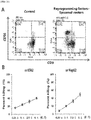
- the CD56 and CD16 are markers on the surface of natural killer cells, and in the present invention, it was confirmed that natural killer cells were produced by analyzing the expression of CD56, CD16, or a combination thereof through flow cytometry (Example 1).
- Another aspect of the present invention is to provide natural killer cells produced according to the above method.
- NK-92 which are existing natural killer cells, and natural killer cells derived from umbilical cord blood
- the natural killer cells of the present invention had excellent proliferation potential (Example 4), excellent killing potential for various cancer cells (Example 8), and excellent cytokine secretion potential (Example 9).
- the natural killer cells produced through the production method of natural killer cells of the present invention have a superior effect compared to existing natural killer cells, it was found that they can be more effectively used in various disease, specifically, cancer treatment, immune disease treatment, etc.
- natural killer cells produced according to the above method are characterized in expressing specific biomarkers.
- biomarkers that are specific to the natural killer cells may be to up-express a gene associated with a hematopoietic cell lineage or a gene associated with natural killer cell-mediated cytotoxicity, but are not limited thereto.
- hematopoietic cell lineage generally refers to a gene involved in the process of cell differentiation or formation of blood cells specified from hematopoietic stem cells. Hematopoiesis displaces from the fetal liver to the bone marrow during development, and then the bone marrow remains as a hematopoietic site throughout adulthood.
- hematopoietic tissue refers to cells that have long-term and short-term regenerative capacity, as well as multipotent, oligopotent, and monopotent progenitor cells.
- the biomarker gene associated with the hematopoietic cell lineage, in which expression is specifically increased in natural killer cells may be one or more selected from the group consisting of CD71, CD3 ⁇ , TNF, M-SCF, CD59, and CD9, but among genes related to the hematopoietic cell lineage, genes in which expression is specifically increased in natural killer cells may be included without limitation.
- natural killer cell-mediated cytotoxicity refers to the characteristics of recognizing and removing cells infected by a virus or abnormally modified cells through the cytotoxic effect of natural killer cells, and it is stimulated through the cooperation of an activation receptor and an adhesion molecule, and activation signaling means stimulating natural killer cells to secrete cytotoxic granules.
- the natural killer cell-mediated cytotoxicity-related biomarker gene with specifically increased expression in natural killer cells may be one or more selected from the group consisting of KIR2DL, KIR2DS, NKp30, FCER1G, ULBP3, SAP, TNF ⁇ , IFN ⁇ , TRAIL, FAS, and CASP, but among the natural killer cell-mediated cytotoxicity-related genes, genes in which expression is specifically expressed in the natural killer cells may be included without limitation.
- induced natural killer cells produced by the method of the present invention were up-regulated by hematopoietic cell lineage genes associated with differentiation and activity into natural killer cells and natural killer cell-mediated cytotoxicity genes associated with anti-cancer mechanism, and thus it was confirmed that the up-regulated gene functioned as a biomarker (Example 7-3).
- the natural killer cells produced according to the above method are characterized in that the characteristics of natural killer cells are maintained even when thawed after cryopreservation.
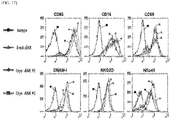
- cryopreserved induced natural killer cells in order to verify the characteristics of cryopreserved induced natural killer cells, as a result of comparing and analyzing fresh induced natural killer cells and the aspect of cell surface receptor expression using flow cytometry (FACS) after thawing, it was confirmed that the characteristics of the cells did not change after cryopreservation, by confirming that the expressions of CD56, CD16, CD69, DNAM-I, NKG2D, NKp46, etc. were similar in fresh induced natural killer cells and cryopreserved induced natural killer cells (Example 11).
- FACS flow cytometry
- Still another aspect of the present invention is to provide a cell therapeutic agent comprising the natural killer cells produced according to the above method as an active ingredient.
- the term "cell therapeutic agent” is a medicine (US FDA regulation) used for the purpose of treatment, diagnosis, and prevention with cells and tissues prepared through isolation, culture, and special manipulation from a subject. It refers to a medicine that is used for the purpose of treatment, diagnosis, and prevention through a series of action such as proliferation screening of living autologous, allogeneic, or xenogeneic cells ex vivo to restore the function of cells or tissues, or other methods to change the biological properties of cells.
- Still another aspect of the present invention is to provide a pharmaceutical composition for treating or preventing cancer, comprising the natural killer cells prepared according to the above method as an active ingredient.
- the cancer may be cancer showing the results of treatment or prevention by the immune response of natural killer cells, etc., and specifically, it may be pancreatic cancer, lung cancer, ovarian cancer, breast cancer, colon cancer, bone marrow cancer, liver cancer, brain cancer, prostate cancer, stomach cancer, colon cancer, glioma, melanoma, lymphoma, rectal cancer, blood cancer, but is not limited thereto.
- composition is characterized by having a killing potential against cancer stem cells.
- the induced natural killer cells have a higher killing potential in cancer stem cells as well as cancer cells.
- prevention refers to any action that inhibits or delays the development of cancer by administration of the composition.
- treatment refers to any action by which symptoms caused by cancer are improved or ameliorated by administration of the composition.
- composition may comprise a pharmaceutically acceptable carrier.
- pharmaceutically acceptable carrier may refer to a carrier or diluent that does not inhibit the biological activity and properties of the compound to be injected without stimulating the organism.
- the type of the carrier that can be used in the present invention is not particularly limited, and any carrier that is conventionally used and is pharmaceutically acceptable can be used.
- Non-limiting examples of the carrier include saline, sterile water, Ringer's solution, buffered saline, albumin injection solution, dextrose solution, maltodextrin solution, glycerol, ethanol, etc. These may be used alone or in combination of two or more.
- composition comprising a pharmaceutically acceptable carrier may be various oral or parenteral formulations.
- formulation it is prepared using diluents or excipients such as fillers, extenders, binders, wetting agents, disintegrating agents, surfactants, etc.
- solid preparations for oral administration include tablets, pills, powders, granules, capsules, etc., and these solid preparations may be prepared by mixing at least one excipient with the compound, for example, starch, calcium carbonate, sucrose, lactose, gelatin, etc.
- lubricants such as magnesium stearate and talc may be used in addition to simple excipients.
- Liquid preparations for oral use include suspending agents, intravenous solutions, emulsions, syrups, etc., and in addition to commonly used simple diluents such as water and liquid paraffin, various excipients such as wetting agents, sweeteners, fragrances, preservatives, etc. may be included.
- Preparations for parenteral administration include sterile aqueous solutions, non-aqueous solutions, suspensions, emulsions, lyophilized preparations, and suppositories.
- non-aqueous solvents and suspending agents propylene glycol, polyethylene glycol, vegetable oils such as olive oil, injectable esters such as ethyl oleate, etc. may be used.
- bases for suppositories witepsol, macrogol, tween 61, cacao butter, laurin butter, and glycerogelatin may be used.
- composition may be administered in a pharmaceutically effective amount.
- composition or a pharmaceutically acceptable salt thereof may be administered at 0.0001 mg/kg to 1,000 mg/kg per day, preferably 0.001 mg/kg to 100 mg/kg.
- the administration refers to introducing the composition of the present invention to a patient in any appropriate method, and the administration route of the composition can be administered through any general route as long as it can reach the target tissue. It can be administered via intraperitoneal administration, intravenous administration, intramuscular administration, subcutaneous administration, intradermal administration, oral administration, topical administration, and intranasal administration, but is not limited thereto.
- composition of the present invention may be administered daily or intermittently, and the number of administrations per day may be once or divided into two to three times. When the two active ingredients are single agents, the number of administration may be the same or may be different.
- composition of the present invention can be used alone or in combination with other drug treatments for the prevention or treatment of cancer. Considering all of the above factors, it is important to administer an amount that can achieve the maximum effect in a minimal amount without side effects, and the amount can be determined by those skilled in the art.
- the subject refers to all animals including humans, monkeys, cows, horses, sheep, pigs, chickens, turkeys, quails, cats, dogs, mice, rats, rabbits, or guinea pigs that may have developed cancer or are likely to develop cancer. If the disease can be effectively prevented or treated by introducing the pharmaceutical composition of the present invention to a subject, the type of the subject is included without limitation.
- Another aspect of the present invention is to provide a method for preventing or treating caner, comprising administrating the pharmaceutical composition to a subject in need thereof.
- natural killer cells produced by direct reprogramming of the present invention had excellent killing potential against various cancer cells of pancreatic cancer, lung cancer, ovarian cancer, breast cancer, colon cancer, bone marrow cancer, liver cancer, brain cancer, or blood cancer, and as a result of the comparative experiment of the cancer cell killing potential of existing natural killer cells, it was confirmed that the cancer cell ability of the natural killer cells of the present invention was much more excellent (Example 8).
- natural killer cells produced through direct reprogramming of the present invention are more excellent in cancer cell treatment than existing natural killer cells.
- Still another aspect of the present invention is to provide a method for preparing a cell vial for cryopreservation, comprising (a) introducing a reprogramming factor into isolated cells; and (b) culturing the cells of step (a) in i) a first medium comprising cytokine, growth factor, and GSK3 ⁇ inhibitor, and ii) a second medium comprising cytokine and growth factor to directly reprogram into natural killer cells.
- the cell vial for cryopreservation prepared according to the above method provides a cell vial for cryopreservation in which the characteristics of natural killer cells are maintained upon thawing after cryopreservation.
- cryopreservation refers to maintaining cells stable over a long period of time through freezing.
- mutations generally occur at a ratio of 1 in 10,000 in culture, and if the cell passage is continued for a long period of time, it changes into a cell population that is different from the original cell population, and in some cases, a specific function of the cell is lost by passage culture. In addition, it may be infected with mycoplasma during passage culture. Due to such problems, cells are frozen before the intrinsic properties of the cells are lost and preserved, and cryopreservation of the cells is performed so that the cells can be taken out and used as needed.
- cryopreservation is considered to be more important in stem cells, because healthy stem cells must be readily available for use as a therapeutic agent.
- Cryopreservation may be performed through conventional methods in the art of freezing and preserving cells, and examples include the vitrification method or the slow freezing method, but are not limited thereto.
- vial refers to a container used when a cryopreservative solution is divided and used.
- the vial is sealed and preserved in a sterile state, but is not limited thereto.
- the cell cryopreservation method may be performed by including cells in an appropriate concentration in the vial.
- the concentration of cells contained in the vial may be 1 ⁇ 10 4 cells/mL to 1 ⁇ 10 8 cells/mL, but is not limited thereto, and particularly, it may be 1 ⁇ 10 8 cells/mL.
- cryopreserved induced natural killer cells in order to verify the characteristics of the cryopreserved induced natural killer cells, after thawing, fresh induced natural killer cells and cell surface receptor expression patterns were compared and analyzed using flow cytometry (FACS).
- FACS flow cytometry
- Still another aspect of the present invention is to provide a medium kit for inducing direct reprogramming, comprising a first container comprising a first medium of cytokine, growth factor, GSK3 ⁇ inhibitor, StemRegenin I, interleukin 7, and interleukin 15; and a second container comprising a second medium of cytokine, growth factor, StemRegenin I, and CH-223191.
- the term "medium kit” is a device comprising a medium composition necessary for cell culture comprising any exemplary embodiment.
- the medium kit of the present invention comprises a first container comprising the first medium; and a second container comprising a second medium, and the efficiency of direct reprogramming can be increased by sequentially using the first container and the second container.
- Example 1 Direct reprogramming from PBMC to natural killer cells
- PBMC peripheral blood mononuclear cells
- CD34-positive cells and CD56-positive cells were removed from whole peripheral blood mononuclear cells using the magnetic activated cell sorting (MACS) technique using CD34 isolation microbeads kit (Miltenyl Biotec) and CD56 isolation microbeads kit (Miltenyl Biotec), and PBMC (CD34 - CD56 - ) cells were removed from which immune cells such as NK cells, etc. were removed.
- MCS magnetic activated cell sorting
- a virus system (Oct4, Sox2, Klf4, and Myc-expressing RNA-based Sendai virus (CytoTune 2.0 Sendai reprogramming kit, Thermo Scientific) was used for the isolated PBMC (CD34 - CD56 - ) cells to transform reprogramming factors (Oct4, Sox2, Klf4, and Myc) ( FIG. 1A ).
- the virus (5 MOI, based on KOS), isolated PBMC (CD34 - CD56 - ) cells, and polybrene (4 ⁇ g/mL) were cultured together for one day, and then replaced with a fresh medium after culture.
- NKIM-I medium StemSpan SFEM II including 10% FBS, 1% Penicillin/Streptomycin, 5 ⁇ M CT 99021, 20ng/ml Human IL-3, 20ng/ml Human IL-6, 20ng/ml Human SCF, 20ng/ml Human FLT3, 20ng/ml Human TPO
- FIG. 1A STEP I.
- NKIM-II medium StemSpan SFEM II including 10% FBS, 1% Penicillin/Streptomycin, 25ng/ml Human IL-2, 20ng/ml Human IL-7 20ng/ml Human IL-15, 20ng/ml Human SCF, 20ng/ml Human FLT3, 2 ⁇ M StemRegenin I
- NKIM-II medium StemSpan SFEM II including 10% FBS, 1% Penicillin/Streptomycin, 25ng/ml Human IL-2, 20ng/ml Human IL-7 20ng/ml Human IL-15, 20ng/ml Human SCF, 20ng/ml Human FLT3, 2 ⁇ M StemRegenin I
- FACS buffer phosphate buffer including 1% BSA, 2mM EDTA
- fluorescently-attached antibodies against CD56, CD16, and CD4 attached with fluorescence for 20 minutes at room temperature
- the cells were washed and recovered using a centrifuge, and then analyzed by FACS (BD Bioscience).
- peripheral blood mononuclear cells into which reprogramming factors (Oct4, Sox2, Klf4, and Myc) were introduced, were directly induced into human natural killer cells by direct reprogramming ( FIG. 1A ).
- NKIM-I medium StemSpan SFEM II including 10% FBS, 1% Penicillin/Streptomycin, 5 ⁇ M CT99021, 20ng/ml Human IL-3, 20ng/ml Human IL-6, 20ng/ml Human SCF, 20ng/ml Human FLT3, 20ng/ml Human TPO
- NKIM-I medium StemSpan SFEM II including 10% FBS, 1% Penicillin/Streptomycin, 5 ⁇ M CT99021, 20ng/ml Human IL-3, 20ng/ml Human IL-6, 20ng/ml Human SCF, 20ng/ml Human FLT3, 20ng/ml Human TPO
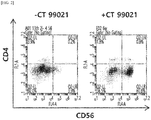
- Example 2 On the 24 th day when direct reprogramming was started as in Example 1, the cells were recovered and stained using antibodies against CD56 and CD4 attached with fluorescence and then the group of natural killer cells (CD56 + and CD4 - ) was analyzed by flow cytometry.
- CT99021 plays an important role at the beginning step of direct reprogramming to natural killer cells.
- Example 3 Efficiency of direct reprogramming depending on compositions of NKIM-I medium and NKIM-II medium
- a mixture additive was added to the medium for analysis to promote the production capacity of natural killer cells produced by direct reprogramming.
- Example 3-1 Efficiency of direct reprogramming depending on composition of NKIM-I medium
- NKIM-I medium after introducing OSKM into PBMC, the following day, 1 ⁇ 10 5 transformed cells were added to a 48-well culture dish in the reprogramming culture process with different combinations of 5 ⁇ M CHIR 99021, 2 mM LiCl, 20 ng/mM, 2 ⁇ M StemRegenin I, human IL-7, and 20 ng/mL human IL-15 in NKIM-I medium, and the production capacity of CD56+ induced natural killer cells was thereby confirmed.
- Example 3-2 Efficiency of direct reprogramming depending on composition of NKIM-II medium
- NKIM-II medium after introducing OSKM into PBMC cells, the following day, 1 ⁇ 10 5 transformed cells were added to a 48-well culture dish and cultured in NKIM-I medium for 6 days, and then these cells were cultured for 29 days in a medium in which StemRegenin I, which is an aryl hydrocarbon receptor antagonist, CH-223191, or FICZ, which is an aryl hydrocarbon receptor agonist, was added to NKIM-II.
- StemRegenin I which is an aryl hydrocarbon receptor antagonist, CH-223191, or FICZ, which is an aryl hydrocarbon receptor agonist
- the yield of induced natural killer cells produced by the present invention was related to the composition of the medium, and when the mixture was added to the NKIMI-medium or the antagonist was treated in NKIM-II medium, the increased production capacity of induced natural killer cells was confirmed, and through this, it was found that the medium composition was effective for mass production of induced natural killer cells.
- Example 4 Measurement of proliferation potential of directly reprogrammed natural killer cells
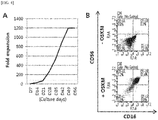
- the proliferation potential of cells in which the lineage induced by NKIM-I medium was transformed as in Example 1, was confirmed by exchanging the NKIM-II medium (StemSpan SFEM II including 10% FBS, 1% Penicillin/Streptomycin, 25ng/ml Human IL-2, 20ng/ml Human IL-7 20ng/ml Human IL-15, 20ng/ml Human SCF, 20ng/ml Human FLT3, 2 ⁇ M StemRegenin I) with a fresh medium every three days, and measuring the growth rate using a Hemocytometer for 39 days, and as a result, in the case of the experimental group in which the reprogramming factor was transformed, it was confirmed that it increased by about 1,200 times compared to the initial cell number on the 49 th day ( FIG. 4A ).
- NKIM-II medium StemRegenin I
- Example 2 after staining the experimental group and the control group using antibodies against CD56 and CD16 attached with fluorescence, the group of natural killer cells (CD56+ and CD16+) was analyzed by flow cytometry.
- the natural killer cells produced by the present invention have excellent proliferation potential, it is expected to be useful for mass production of natural killer cells.
- Example 5 Measurement of proliferation potential depending on reprogramming factors
- PBMC cells as in Example 1 were each transformed with reprogramming factor combinations of four sets (a: Klf4, Oct4, and Sox2; b: Klf4 and Myc; c: Klf4; d: Myc).
- NKIM-I medium StemSpan SFEM II including 10% FBS, 1% Penicillin/Streptomycin, 5 ⁇ M CT99021, 20ng/ml Human IL-3, 20ng/ml Human IL-6, 20ng/ml Human SCF, 20ng/ml Human FLT3, 20ng/ml Human TPO
- NKIM-I medium StemSpan SFEM II including 10% FBS, 1% Penicillin/Streptomycin, 5 ⁇ M CT99021, 20ng/ml Human IL-3, 20ng/ml Human IL-6, 20ng/ml Human SCF, 20ng/ml Human FLT3, 20ng/ml Human TPO
- NKIM-II medium StemSpan SFEM II including 10% FBS, 1% Penicillin/Streptomycin, 25ng/ml Human IL-2, 20ng/ml Human IL-7 20ng/ml Human IL-15, 20ng/ml Human SCF, 20ng/ml Human FLT3, 2 ⁇ M StemRegenin I
- NKIM-II medium StemSpan SFEM II including 10% FBS, 1% Penicillin/Streptomycin, 25ng/ml Human IL-2, 20ng/ml Human IL-7 20ng/ml Human IL-15, 20ng/ml Human SCF, 20ng/ml Human FLT3, 2 ⁇ M StemRegenin I
- Example 6 Direct reprogramming from various cells to natural killer cells
- the human skin fibroblasts or human dental pulp cells were each cultured by two methods ( FIG. 5A ; a and b) to induce to natural killer cells ( FIG. 6A ). Commonly, after culturing for 4 days in FF medium (MEM- ⁇ medium including FBS 15%), the cells were transformed with four reprogramming factors (Oct4, Sox2, Klf4, and Myc) as in Example 1.
- the cells were cultured in IM-I medium (DMEM/F12 including FBS 5%, KSR 10%, NEAA 1%, ⁇ -mercaptoethanol 0.11mM, bFGF 10ng/ml, CT99021 3 ⁇ M, Na-butyrate 0.1mM, Parnate 2 ⁇ M, RG108 0.5 ⁇ M, NECA 0.5 ⁇ M).
- IM-I medium DMEM/F12 including FBS 5%, KSR 10%, NEAA 1%, ⁇ -mercaptoethanol 0.11mM, bFGF 10ng/ml, CT99021 3 ⁇ M, Na-butyrate 0.1mM, Parnate 2 ⁇ M, RG108 0.5 ⁇ M, NECA 0.5 ⁇ M).
- IM-II medium including StemPro-34 supplement, Ascorbate ImM, MTG ImM, Glutamax-I 1%, Human transferrin 150ug/ml, SB431542 6 ⁇ M, CT99021 3 ⁇ M, IL-3 30ng/ml, IL-6 10ng/ml, IL-11 5ng/ml, SCF 50ng/ml, FLT3 10ng/ml, TPO 30ng/ml, EPO 2U
- colonies naturally killer cell precursors
- NKIM-II medium StemSpan SFEM II including 10% FBS, 1% Penicillin/Streptomycin, 25ng/ml Human IL-2, 20ng/ml Human IL-7 20ng/ml Human IL-15, 20ng/ml Human SCF, 20ng/ml Human FL
- the cells were cultured in the IM-II medium (Stempro-34 including StemPro-34 supplement, Ascorbate ImM, MTG InM, Glutamax-I 1%, Human transferrin 150 ⁇ g/ml, SB431542 6 ⁇ M, CT99021 3 ⁇ M, IL-3 30ng.ml, IL-6 10ng/ml, IL-11 5ng/ml, SCF 50ng/ml, FLT3 10ng/ml, TPO 30ng/ml, EPO 2U) for nine days.
- NKIM-II medium StemSpan SFEM-II including 10% FBS, 1% Penicillin/Streptomycin, 25ng/ml Human IL-2, 20ng/ml Human IL-7 20ng/ml Human IL-15, 20ng/ml Human SCF, 20ng/ml Human FLT3, 2 ⁇ M StemRegenin I
- NKIM-II medium StemSpan SFEM-II including 10% FBS, 1% Penicillin/Streptomycin, 25ng/ml Human IL-2, 20ng/ml Human IL-7 20ng/ml Human IL-15, 20ng/ml Human SCF, 20ng/ml Human FLT3, 2 ⁇ M StemRegenin I
- Example 7-1 Measurement of expression patterns of specific markers of natural killer cells
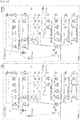
- Example 2 As in Example 1, for the cells induced by the NKIM-I medium, in which the lineage had been converted, the expressions of activation and inhibitory receptors related to various natural killer cells were analyzed in cells cultured in NKIM-II medium for 28 days using a flow cytometer. It was confirmed that activation receptors such as CD16, NKG2D, NKp46, NKG2A, and DNAM1 and inhibitory receptors such as KIR2DL1, KIR3DL1, KIR2DL4, etc. showed high frequency expression ( FIG. 7 ).
- activation receptors such as CD16, NKG2D, NKp46, NKG2A, and DNAM1
- inhibitory receptors such as KIR2DL1, KIR3DL1, KIR2DL4, etc. showed high frequency expression ( FIG. 7 ).
- Example 7-2 Comparative experiment with natural killer cells derived from umbilical cord blood cells
- the initial concentration was set at 1 ⁇ 10 6 cells/mL, and the cells were suspended in ⁇ -MEM including 1% penicillin/streptomycin, 10 ng/mL human IL-21, 10 ng/mL human IL-15, and 10 nM hydrocortisone, and the culture began in a T75 flask. Every two to three days, it was replaced with a new medium, and the differentiation of natural killer cells was measured through measurement of the number of cells and measurement of indicators such as CD3, CD56, etc., to confirm the differentiation of natural killer cells every two to three weeks.
- Example 1 For cells that were induced by NKIM-1 medium, in which lineage had been converted, the expressions of activation and inhibitory receptors (CD16, NKG2D, NKp46, NKG2A, DNAM1, KIR2DL1, KIR3DL1, and KIR2DL4) related to various natural killer cells were comparatively analyzed in cells cultured for 28 days in NKIM-II medium and CB-natural killer cells (CB-NK) obtained from umbilical cord blood as described above. As a result, similar to natural killer cells derived from umbilical cord blood cells, it was confirmed that natural killer cell-specific marker receptors were significantly expressed in the induced natural killer cells of the present invention ( FIG. 8 ).
- activation and inhibitory receptors CD16, NKG2D, NKp46, NKG2A, DNAM1, KIR2DL1, KIR3DL1, and KIR2DL4
- Example 7-3 Specific biomarkers of induced natural killer cells
- the expression characteristics and differences of the cell surface receptors of peripheral blood natural killer cells and induced natural killer cells were analyzed using a flow cytometer to analyze the expression patterns of CD56, CD16, CD69, NKG2D, DNAM-I, NKp46, NKG2A, KIR2DL2/3, KIR2DL1, KIR3DL1, etc.
- the expressions of CD69 and NKG2D which indicate the degree of activation of natural killer cells in the induced natural killer cells, were confirmed to be significantly higher. Therefore, it was confirmed that the induced natural killer cells had the properties of CD56+, CD3-, CD16+, CD69+, and NKG2D+ ( FIGS. 9A and 9B ).
- cDNA microarray gene chip analysis was performed to see the global gene expression patterns of primary cultured natural killer cells (pNK, wild type) and induced natural killer cells (iNK) (28 days). Among all of 21,488 genes, 1,523 genes showing up to two times more significant differences were identified by up- or down-regulation between two groups ( FIG. 9C ). Overall, it was confirmed that the genes for cell division and immune response were up-regulated in the induced natural killer cells, and the genes related to cell signaling were down-regulated.
- the hematopoietic cell lineage genes associated with differentiation into and activity of natural killer cells; and the natural killer cell-mediated cytotoxicity genes associated with the anti-cancer mechanism were up-regulated in the induced natural killer cells of the present invention, and it was confirmed that the up-regulated genes functioned as biomarkers.
- the induced natural killer cells enhanced the effect of cancer cell killing potential through regulation of the genes.
- Example 1 cells whose lineage had been converted, which were induced by NKIM-I medium, were cultured in NKIM-II for 14 or 35 days to measure the cancer cell killing potential of natural killer cells.
- Calcein-AM was added to be 25 ⁇ M, and cells washed with DMEM medium after culturing for one hour at 37°C were used as Calcein-labeled target cells.
- Example 8-1 Measurement of cancer cell killing potential against various cancer cells
- Natural killer cells were prepared by diluting with NKIM-II at a cell number density of 0.25 ⁇ 10 5 cells/mL, 1 ⁇ 10 5 cells/mL, and 2.5 ⁇ 10 5 cells/mL, respectively, and then dispensed by 100 ⁇ L each into a 96-well culture plate.
- the minimum value is a measurement value of wells in which only Calcein-labeled target cells are present
- the maximum value is a measurement value of wells in which cells are completely lysed by adding 0.1% TritonX-100 to Calcein-labeled target cells.
- Example 8-2 Comparative experiment of cancer cell killing potential of natural killer cells of the present invention and existing natural killer cells
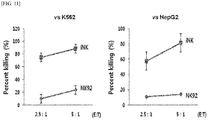
- the cancer cell abilities of natural killer cells induced by culturing cells that were induced by NKIM-I medium, in which lineage had been converted, in NKIM-II medium for 28 days as in Example 1, and existing NK92 human natural killer cells (ATCC) (control group) against K562 and HepG2 cancer cells were evaluated by the measurement method of the cell killing potential using Calcein-AM as in Example 7-1.
- the cancer cell killing potential of the experimental group was about 3.8 to 5.8 times higher than that of the control group.
- SW620 and HCT116 other than blood cancer (K562) and liver cancer (HepG2) tested in Example 8-2 10,000 cells were plated on a 35 mm culture dish and suspended and cultured in serum-free culture medium of 97% DMEM/F12, 1% penicillin/streptomycin, 10ng/ml bFGF, 20ng/ml EGF, and 2% B27 ( Sci Rep. 2014 Dec 15;4:7481 ) .
- the suspended and cultured cells were cultured to form a three-dimensional spheroid structure, and cultured by adding 1/2 of the existing culture solution every three to four days.
- the spheroids cultured for seven to ten days were recovered by centrifugation at 1,000 rpm for 5 minutes for passage culture, and treated with trypsin/EDTA to dissociate into single cells, and then the single cells were suspended and cultured in the culture medium.
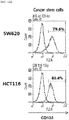
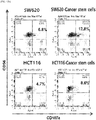
- Cancer stem cells that were proliferated from colon cancer cells were confirmed by analyzing the expression of CD133, a representative cancer stem cell marker, by flow cytometry (FACS).
- cancer stem cells were obtained, in which 79.5% and 80.4% of the cell group were CD133+, in the cell groups having undergone the culture process of cancer stem cells, from the SW620 cells and HCT116 cells.
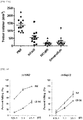
- mice were used to verify the anti-cancer effect of induced natural killer cells.
- Induced natural killer cells were injected intravenously (i.v.) twice on D1 and D4, and doxorubicin was injected intraperitoneally (i.p) every two days (every other day) for two weeks.
- mice of each group were sacrificed by cervical dislocation technique, and the protruding cancer masses formed under the skin of the mice of each group were extracted.
- the extracted Sw620 cancer was compared by group to confirm the anti-cancer effect of induced natural killer cells ( FIG. 13A ).
- Example 8-4 Comparative experiment of cancer cell killing potential of natural killer cells of the present invention and natural killer cells derived from umbilical cord blood
- induced natural killer cells experimental group
- ATCC natural killer cells
- the cancer cell killing potential of the natural killer cells of the present invention is about 1.4 to 2.13 times higher than that of the natural killer cells derived from umbilical cord blood ( FIG. 14 ).
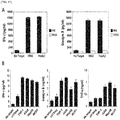
- a conditioned medium natural killer cells of 1 ⁇ 10 5 cells/mL 0.5 mL and the same cell concentration and same amount were mixed for various cancer cells as in Example 7, respectively. After 16 hours, 1 mL of the cultured solution was filtered using a 0.22 ⁇ m filter (Millipore). To measure the concentration of secreted cytokines (IFN- ⁇ , Granzyme B, and TNF- ⁇ ), ELISA was performed in the conditioned media derived from the control group (no target) and the experimental groups according to the manufacturer's protocol (Abcam).
- the cytokine secretion potential of the natural killer cells of the present invention is significantly superior to the existing NK92 human natural killer cells under co-culture conditions with K562 and HepG2 ( FIG. 15A ).
- cytokine secretion was significantly promoted in co-culture conditions with various cancer cells, u373mg, THP-1, A549, Hep3B, MCF7, etc. other than K562 and HepG2 cancer cells ( FIG. 15B ).
- PBMC-34-56 cells as in Example 1, with the protocol provided by the manufacturer using Neon®transfectionsystem (Invitrogen) at a cell number of 1 ⁇ 10 6 , five reprogramming factors, hOCT3/4, hSOX2, hKLF4, hLIN28, and hL-MYC, and pCEP4 episomal vectors based on oriP/EBNA1 expressing shp53, which is a factor for promoting the efficiency of reprogramming, were transformed by setting the basic conditions of 1,650 V pulse voltage, 10 ms pulse width, and 3 pulse number by electroporation. The transformed cells were plated in 24-well culture plates and cultured in PBMC medium.
- Neon®transfectionsystem Invitrogen
- NKIM-I medium StemSpan SFEM II including 10% FBS, 1% Penicillin/Streptomycin, 5 ⁇ M CT99021, 20ng/ml Human IL-3, 20ng/ml Human IL-6, 20ng/ml Human SCF, 20ng/ml Human FLT3, 20ng/ml Human TPO).
- NKIM-II medium StemSpan SFEM II including 10% FBS, 1% Penicillin/Streptomycin, 25ng/ml Human IL-2, 20ng/ml Human IL-7 20ng/ml Human IL-15, 20ng/ml Human SCF, 20ng/ml Human FLT3, 2 ⁇ M StemRegenin I
- NKIM-II medium StemSpan SFEM II including 10% FBS, 1% Penicillin/Streptomycin, 25ng/ml Human IL-2, 20ng/ml Human IL-7 20ng/ml Human IL-15, 20ng/ml Human SCF, 20ng/ml Human FLT3, 2 ⁇ M StemRegenin I
- the cell killing potential was evaluated by the measurement method using Calcein-AM as in Example 7-1, and as a result, it showed cancer cell killing potential of 40.32% or 49.23% for K562 or HepG2, respectively ( FIG. 16B ).
- Cryopreservation was performed to maintain long-term preservation and characteristics of induced natural killer cells, and in order to confirm that the characteristics of the induced natural killer cells were maintained upon thawing, a comparative experiment was performed with fresh induced natural killer cells.
- induced natural killer cells of 1 ⁇ 10 8 cells were stored in a cell vial for cryopreservation, which is 1 mL of RecoveryTM cell culture cryopreservation medium.
- a cell vial for cryopreservation which is 1 mL of RecoveryTM cell culture cryopreservation medium.
- FACS flow cytometry
Landscapes
- Health & Medical Sciences (AREA)
- Life Sciences & Earth Sciences (AREA)
- Engineering & Computer Science (AREA)
- Biomedical Technology (AREA)
- General Health & Medical Sciences (AREA)
- Chemical & Material Sciences (AREA)
- Organic Chemistry (AREA)
- Immunology (AREA)
- Biotechnology (AREA)
- Zoology (AREA)
- Wood Science & Technology (AREA)
- Genetics & Genomics (AREA)
- Bioinformatics & Cheminformatics (AREA)
- Veterinary Medicine (AREA)
- Public Health (AREA)
- Animal Behavior & Ethology (AREA)
- Cell Biology (AREA)
- Epidemiology (AREA)
- Hematology (AREA)
- Biochemistry (AREA)
- Microbiology (AREA)
- General Engineering & Computer Science (AREA)
- Medicinal Chemistry (AREA)
- Pharmacology & Pharmacy (AREA)
- Nuclear Medicine, Radiotherapy & Molecular Imaging (AREA)
- General Chemical & Material Sciences (AREA)
- Chemical Kinetics & Catalysis (AREA)
- Virology (AREA)
- Developmental Biology & Embryology (AREA)
- Micro-Organisms Or Cultivation Processes Thereof (AREA)
- Medicines Containing Material From Animals Or Micro-Organisms (AREA)
- Apparatus Associated With Microorganisms And Enzymes (AREA)
Abstract
Description
- The present invention relates to a method for producing natural killer cells using direct reprogramming and uses thereof.
- Natural killer cells, which are important cells responsible for innate immunity, are cells that have the ability to recognize cancer cell-specific antigens to suppress the proliferation or metastasis of cancer cells. Natural killer cells have contact-dependent cytotoxicity and play an important role in removing abnormal cells by producing cytokines associated with immune regulation. Target tumor cell death (apoptosis) is mediated by selectively killing tumor cells by secretion of cytokines such as perforin (Prf1), granzyme B (GzmB), interferon-y, and tumor necrosis factor-α (TNF-α) (Yoon SR, et al. (2015), Exp Mol Med 47:e141). Due to the nature of these natural killer cells, natural killer cells are useful resources for overcoming the limitations of existing anti-cancer treatment methods, such as anti-cancer therapeutic agents, cancer recurrence inhibitors, etc., and technology development to maximize their use has been actively conducted.
- A previous study has shown that when lymphocytes in the resting period are cultured in vitro with IL-2, lymphokine-activated killer cells capable of killing tumor cells can be achieved, and when co-cultured with melanoma, kidney cancer, and colon cancer cells using the same, it was found that lymphocytes have anti-cancer effects by confirming that about 30% of cancer cells were killed (Rosenberg (1988), A review. Ann Surg 208 (2): 121-135). However, lymphokine-activated killer cells are difficult to mass cultivate, and side effects accompanied by capillary leak syndrome such as hypotension and dyspnea due to high concentration of IL-2 added to sustain the killing effect have emerged as a problem.
- In the past decades, the development and utilization fields of immunotherapeutics using natural killer cells have been rapidly growing, and the quantitative needs for technology demand are rapidly increasing, and thus the mass production technology of allogeneic and autologous human natural killer cells is highlighted as a key technology in the development of immunotherapeutics. As a source of human natural killer cell resources, the method of isolating and proliferating natural killer cells from peripheral blood is mainly used, and technology for producing natural killer cells through differentiation-inducing culture from stem cells such as human hematopoietic stem cells, embryonic stem cells, and induced pluripotent stem cells, which have excellent differentiation ability, is also actively developed multidimensionally. However, it has been pointed out as a problem that it takes a long period of time to induce differentiation of natural killer cells from stem cells with high cost, low efficiency, etc. Recently, besides the technique of producing target cells through differentiation-induced culture using the differentiation potential of stem cells, a technique for directly producing high value-added human tissue-specific target cells having different lineage characteristics from early human somatic cells that are relatively easy to secure using somatic reprogramming technology is rapidly being developed. This has emerged as a new alternative that can overcome the problems of the prior art for securing human somatic cells, suggesting endless application possibilities such as academic or clinical application, the utilization of new drug development, etc., and technology development is in progress for a variety of cell types. However, there has been no report so far on the achievement of technology development for directly producing natural killer cells via direct reprogramming as in the present invention.
- As a result of tremendous efforts to develop a method for producing human natural killer cells with high efficiency, the present inventors completed the present invention by confirming that through direct reprogramming-inducing culture from isolated human somatic cells, natural killer cells can be produced in a relatively fast time with high efficiency, and the produced natural killer cells have an effect as an immune cell therapeutic agent for anti-cancer drugs.
- An object of the present invention is to provide a method for producing natural killer cells, comprising (a) introducing a reprogramming factor into isolated cells; and (b) culturing the cells of step (a) in i) a first medium comprising cytokine, growth factor, and GSK3β inhibitor, and ii) a second medium comprising cytokine and growth factor to directly reprogram into natural killer cells.
- Another object of the present invention is to provide natural killer cells produced according to the above method.
- Still another object of the present invention is to provide a cell therapeutic agent, comprising the natural killer cells produced according to the above method.
- Still another object of the present invention is to provide a pharmaceutical composition for treating or preventing cancer, comprising the natural killer cells produced according to the above method as an active ingredient.
- Still another object of the present invention is to provide a method for preparing a cell vial for cryopreservation, comprising (a) introducing a reprogramming factor into isolated cells; and (b) culturing the cells of step (a) in i) a first medium comprising cytokine, growth factor, and GSK3β inhibitor, and ii) a second medium comprising cytokine and growth factor to directly reprogram into natural killer cells.
- Still another object of the present invention is to provide a cell vial for cryopreservation prepared according to the above method.
- Still another object of the present invention is to provide a medium kit for inducing direct reprogramming, comprising a first container comprising a first medium of cytokine, growth factor, GSK3β inhibitor, StemRegenin I,
interleukin 7, andinterleukin 15; and a second container comprising a second medium of cytokine, growth factor, StemRegenin I, and CH-223191. - Compared to methods of obtaining natural killer cells through the existing stem cell differentiation process, the method for producing natural killer cells using the direct reprogramming of the present invention has a significantly low initial (patient) cell usage, enables the securing of a large amount of natural killer cells within a short time, and has excellent cancer cell killing potential of secured natural killer cells. Thus, it can be effectively utilized for mass production of natural killer cells, and the cell therapeutic agent and pharmaceutical composition comprising the natural killer cells can be used for treatment or prevention of cancer.
- In addition, biomarkers specific to natural killer cells produced by the above production method were selected in the present invention, and through this, it was confirmed that genes that were up-regulated with hematopoietic cell lineage and natural killer cell-mediated cytotoxicity factors associated with cell differentiation and anti-cancer mechanisms were identified. Also, as these were confirmed to retain their characteristics upon thawing after cryopreservation, the natural killer cells can be effectively utilized as a composition for treating or preventing cancer.
-
- A of
FIG. 1 is a diagram briefly describing a method for producing natural killer cells by direct reprogramming, and B is a diagram showing the production of natural killer cells depending on whether four reprogramming factors are introduced. -
FIG. 2 is a diagram showing the effect of GSK3β inhibitor. - A of
FIG. 3 is a diagram showing the efficiency of direct reprogramming depending on the composition of NKIM-I medium, and B is a diagram showing the efficiency of direct reprogramming depending on the composition of NKIM-II medium. - A of
FIG. 4 is a diagram showing the proliferation potential of reprogramming-induced natural killer cells, and B is a diagram showing the production of natural killer cells depending on whether reprogramming factors are introduced. - A of
FIG. 5 is a diagram showing cell proliferation potential depending on reprogramming factors, and B is a diagram showing the production of natural killer cells depending on reprogramming factors. - A of
FIG. 6 is a diagram briefly describing the methods a and b of producing natural killer cells, and B and C are diagrams showing the production of natural killer cells by the methods a and b in human skin fibroblasts and human dental pulp cells, respectively. -
FIG. 7 is a diagram showing a marker expression pattern of reprogramming-induced natural killer cells. -
FIG. 8 is a diagram showing the results of comparative experiments comparing the marker expression patterns of reprogramming-induced natural killer cells (iNK) and umbilical cord blood cell-derived natural killer cells (CB-NK). - A of
FIG. 9 is a diagram showing flow cytometry analysis of the expression characteristics of the cell surface receptors of peripheral blood natural killer cells and induced natural killer cells, B is a diagram showing the comparison of the activation level of the two cells, C is a diagram showing microarray analysis confirming genes that were up- or down-regulated in induced natural killer cells, D is a diagram of analyzing the expression of genes related to the hematopoietic cell lineage, and E is a diagram analyzing the expression of genes involved in natural killer cell-mediated cytotoxicity. -
FIG. 10 is a diagram showing the cancer cell killing potential of natural killer cells against blood cancer, brain cancer, lung cancer, liver cancer, pancreatic cancer, breast cancer, colon cancer, and ovarian cancer cell lines. -
FIG. 11 is a diagram showing the results of comparative experiments for the cancer cell killing potentials of reprogramming-induced natural killer cells (iNK) and existing natural killer cells (NK92). - A of
FIG. 12 is a diagram showing the yield of cancer stem cells of SW620 and HCT116, which are colon cancer cells, and B is a diagram showing a comparison of the killing potentials of induced natural killer cells against the cancer cells and cancer stem cells. - A of
FIG. 13 is a diagram showing the experiment performance date for confirming the anti-cancer effect in vivo of induced natural killer cells, and B and C are diagrams showing the changes in tumor size confirming the anti-cancer effect of induced natural killer cells. -
FIG. 14 is a diagram showing comparative experiments of the cancer cell killing potential of reprogramming-induced natural killer cells (iNK) and umbilical cord cell-induced natural killer cells (CB-NK). - A of
FIG. 15 is a diagram showing the results of comparative experiments of the secretion potentials of cytokine INF-γ and granzyme B when co-culturing existing natural killer cells and mentioned cancer cells. B is a diagram showing the secretion potentials of cytokine INF-γ, granzyme B, and TNF-α when co-culturing with the mentioned cancer cells. - A of
FIG. 16 is a diagram showing the production of natural killer cells directly reprogrammed using non- integrative episomal vectors. B is a diagram showing the cancer cell killing potential of the natural killer cells. -
FIG. 17 is a diagram showing the characteristics of cryopreserved induced natural killer cells. - Each description and embodiment disclosed in the present application may be applied to each other description and embodiment. That is, all combinations of the various elements disclosed in the present application are within the scope of the present application. In addition, it cannot be deemed that the scope of the present application is limited by the specific descriptions described below.
- As one aspect for achieving the objects of the present invention, the present invention provides a method for producing natural killer cells, comprising (a) introducing a reprogramming factor into isolated cells; and (b) culturing the cells of step (a) in i) a first medium comprising cytokine, growth factor, and GSK3β inhibitor, and ii) a second medium comprising cytokine and growth factor to directly reprogram into natural killer cells.
- In the present invention, step (a) is a step of (i) introducing one or more reprogramming factors into isolated cells.
- As used herein, the term "isolated cell", while not particularly limited, may specifically refer to cells in which lineage is already specified, such as germ cells, somatic cells, or progenitor cells. For example, they may be cells derived from humans, but cells derived from various subjects are also within the scope of the present invention.
- In addition, the isolated cells of the present invention may include both in vivo or ex vivo cells, and specifically, they may be cells isolated from the living body.
- The term "somatic cell" refers to all cells that have completed differentiation constituting animals and plants, except for germ cells, and the "progenitor cell" refers to a parent cell that does not express a differentiation trait, but has a differentiation fate, when the cell corresponding to the progeny is found to express a specific differentiation trait. For example, for nerve cells (neurons), neuroblasts (neuron stem cells) correspond to progenitor cells, and for root canal cells, myocytes correspond to progenitor cells.
- In a specific embodiment of the present invention, it was confirmed that natural killer cells were produced by direct reprogramming of peripheral blood mononuclear cells (Example 1), and fibroblasts, and dental pulp cells (Example 6).
- As used herein, the term "reprogramming factor" refers to a gene (or polynucleotide encoding it) or protein that can be introduced into a cell and induce reprogramming. The reprogramming factor may vary depending on the target cell to induce reprogramming and the type of isolated cells in which reprogramming is induced. For example, in the case of producing natural killer cells, the reprogramming factor may comprise one or more factors selected from the group consisting of Lin28, Asc11, Pitx3, Nurr1, Lmxla, Nanog, Oct3, Oct4, Sox2, Klf4, and Myc, and other than theses, it may comprise all factors known in the art that can produce natural killer cells. In addition, direct reprogramming into natural killer cells can be induced using the reprogramming factor. There is a method of using a reprogramming genetic factor in the direct reprogramming methodology, and the vector of the present invention can be utilized for such use. Therefore, those skilled in the art can select a suitable factor depending on the type of the target cell and the cell before being reprogrammed, all of which is included within the scope of the present invention, as long as it is within the scope known in the art, and the type thereof is not particularly limited. Reprogramming using the reprogramming genetic factor controls the overall gene expression pattern that cells have, thereby inducing the conversion to the target cell, and thus the reprogramming genetic factor is introduced into a cell, and by culturing the cell for a period of time, the early cell can be reprogrammed to a target cell having a gene expression pattern of a desired type of cells.
- In a specific embodiment of the present invention, direct reprogramming was induced by introducing a group of reprogramming factors comprising one or more genes selected from the group consisting of Oct4, Sox2, Klf4, and Myc into isolated cells. As a result, it was confirmed that natural killer cells were produced via direct reprogramming in cells into which Oct4, Sox2, Klf4, and Myc; Klf4, Oct4, and Sox2; Klf4 and Myc; Klf4; and Myc were introduced (Examples 1 to 5).
- In the present invention, "a step of introducing a reprogramming factor" may refer to a method for increasing the expression levels of reprogramming factors in cells through reprogramming factors present in cells, in particular, a method of increasing the expression level of Oct4, Sox2, Klf4, and c-Myc gene; or an expression vector, genetic modification, introduction of a foreign expression gene, treatment of a substance having an expression inducing effect, etc., but it is not particularly limited as long as it increases the expression level of reprogramming factors. In particular, the step of introducing a reprogramming factor may be a method of inducing expression of a reprogramming factor under a desired time and condition.
- Specifically, the method of introducing the reprogramming factor of step (a) into cells may be used without limitation in providing nucleic acid molecules (DNA or RNA) or proteins that are conventionally used in the art to cells. For example, a method of administering a reprogramming factor to a cell culture solution, a method of directly injecting a reprogramming factor into a cell, or a method of transforming a cell using an expression vector having a gene of a reprogramming factor may be used.
- For the method of directly injecting the reprogramming factor into cells, any method known in the art may be selected and used, and while not particularly limited thereto, it may be applied by appropriately selecting among microinjection, electroporation, particular bombardment, direct muscle injection method, insulator, and a method using transposon.
- As used herein, the term "expression vector" is a vector capable of expressing a target protein in a suitable host cell, and refers to a gene construct comprising essential regulatory elements operably linked to express a gene insert.
- The expression vector of the present invention includes a signal sequence of a leader sequence for membrane targeting or secretion in addition to expression control elements such as a promoter, an operator, an initiation codon, a termination codon, a polyadenylation signal, and an enhancer, and can be variously prepared depending on the purpose. In addition, the expression vector includes a selectable marker for selecting a host cell containing the vector, and in the case of a replicable expression vector, it includes the origin of replication. Expression vectors can be self-replicating or integrated into host DNA.
- The expression vector includes a viral vector, episomal vector, plasmid vector, cosmid vector, etc., but is not limited thereto.
- Specifically, the viral vector may include vectors derived from lentivirus, retrovirus, for example, human immunodeficiency virus (HIV), murine leukemia virus (MLV), avian sarcoma/leucosis (ASLV), spleen necrosis virus (SNV), Rous sarcoma virus (RSV), mouse mammary tumor virus (MMTV), etc., adenovirus, adeno-associated virus, herpes simplex virus, etc. In addition, more specifically, it may be an RNA-based viral vector, but is not limited thereto.
- In addition, the episomal vector of the present invention is a non-viral, non-integrative vector, and is known to have a property that it can express a gene included in the vector without being integrated into the chromosome. For the purpose of the present invention, cells comprising an episomal vector include all cases in which the episomal vector is integrated into the genome or is present in the cell without being integrated into the genome. In addition, the episomal vector may comprise one or more reprogramming factors.
- As used herein, the term "operably linked" refers to a functional linkage between a nucleic acid expression control sequence and a nucleic acid sequence encoding a target protein to perform a general function. Operational linkage with recombinant vectors can be prepared using genetic recombination techniques well known in the art, and site-specific DNA cleavage and linkage use enzymes, etc. that are generally known in the art.
- Next, step (b) is a step in which the cells of step (a) are cultured in i) a first medium comprising cytokine, growth factor, and GSK3β inhibitor, and ii) a second medium comprising cytokine and growth factor to directly reprogram into natural killer cells.
- The first medium of step (b) may further comprise StemRegenin I,
interleukin 7,interleukin 15, or a combination thereof, and the second medium of step (b) may further comprise StemRegenin I, CH-223191, or a combination thereof. - As used herein, the term "cytokine" is a variety of proteins of relatively small size that are produced in cells and used for cell signaling, and can affect other cells, including themselves. In general, it is associated with an immune response to inflammation or infection, but is not limited thereto. Specifically, the cytokine may be IL-2, IL-3, IL-5, IL-6, IL-7, IL-11, IL-15, BMP4, Acivin A, Notch ligand, G-CSF, and SDF-1, but is not limited thereto.
- As used herein, the term "growth factor" refers to a polypeptide that promotes the division, growth, and differentiation of several cells, and includes epithelial cell growth factor (EGF), platelet-derived growth factor-AA (PDGF-AA), insulin-like growth factor-1 (IGF-1), transforming growth factor-β (TGF-β), or fibroblast growth factor (FGF), but is not limited thereto.
- For the purpose of the present invention, cytokines and growth factor are included in a medium that directly reprograms isolated cells into lineage-converted cells, and is not limited to the types of cytokines and growth factor as long as they are used for direct reprogramming.
- As used herein, the term "GSK3β inhibitor" is a substance that inhibits or suppresses the activity of GSK3β, which is one of the two isoform proteins of glycogen synthase kinase-3 (GSK3), and may include lithium, SB216763, CHIR-98014, TWS119, AR-A014418, etc., and may specifically be CT99021, but is not limited thereto.
- In a specific embodiment of the present invention, it was confirmed that the natural killer cell production efficiency was more excellent when GSK3β inhibitor was comprised in the first medium of step (b) than the case where it was not comprised (Example 2). This suggests that GSK3β inhibitor plays an important role in the natural killer cell production method through direct reprogramming.
- As used herein, the term "culture" refers to growing cells in appropriately controlled environmental conditions, and the culture process of the present invention can be made according to the appropriate medium and culture conditions known in the art. Such a culture process can be easily adjusted and used by those skilled in the art depending on the selected cell.
- In particular, since step (B) is a process of culturing the cells in which the reprogramming factor is introduced in the first medium and the second medium, the composition of the first medium and the second medium for culturing the cells has a composition suitable for direct reprogramming of cells, into which the reprogramming factor is introduced, to natural killer cells. Specifically, the first medium may comprise cytokine, growth factor, and GSK3β inhibitor, and the second medium may comprise cytokine and growth factor, but these media are not limited thereto.
- As used herein, the term "medium" refers to a known medium that is used for culturing cells, and is meant to include all known media for cell culture or modified media thereof.
- The term "StemRegenin I" of the first medium is an aryl hydrocarbon receptor inhibitor and refers to (4-(2-((2-benzo[b]thiphen-3-yl)-9-isopropyl-9H-purin-6-yl)amino)ethyl)phenol hydrochloride. In addition to the cytokine, growth factor, and GSK3 β inhibitor of the first medium, the StemRegenin I is additionally included with
interleukin 7 andinterleukin 15, and can be used to directly increase the efficiency of direct reprogramming. - The term "CH-223191" of the second medium is an aryl hydrocarbon receptor inhibitor, and is 1-methyl-N-[2-methyl-4-[2-(2-methylphenyl)diazenyl]phenyl-1H-pyrazole-5-carboxamide. The "aryl hydrocarbon receptor inhibitor" refers to a compound that down-regulates or reduces the activity of the protein encoded by AHR gene or an aryl hydrocarbon receptor, which is a modification thereof, in humans, and if it plays a role of increasing the efficiency of direct reprogramming, it can be used without limitations. For the purpose of the present invention, CH223191, which is an aryl hydrocarbon receptor inhibitor, can be additionally included with StemRegenin I in addition to the cytokine and growth factor of the second medium, and be used to increase the efficiency of direct reprogramming.
- Specifically, the first medium and the second medium increase the efficiency of direct reprogramming into promote the production of natural killer cells, and the first medium may comprise cytokine, growth factor, GSK3β inhibitor, StemRegenin I,
interleukin 7, andinterleukin 15, and the second medium may comprise cytokine, growth factor, StemRegenin I, and CH-223191, but it is not limited thereto if it is a medium composition that directly increases the efficiency of direct reprogramming. - In a specific embodiment of the present invention, it was confirmed that 3-type mixed additives of the first medium (SRI+IL-7+IL-15) had a higher effect of promoting the production of CD56+ and CD3- induced natural killer cells compared to a single additive and 2-type mixed additives. In addition, it was confirmed that the yield of induced natural killer cells was significantly increased in the group treated with aryl hydrocarbon receptor antagonists (StemRegeninI, CH-223191) of the second medium (Example 3).
- This suggests that the medium composition of the mixed additives is effective for mass production of induced natural killer cells.
- As used herein, the term "reprogramming" refers to a method of converting to a desired cell by controlling the global gene expression pattern, etc. that a specific cell has. In other words, reprogramming of the present invention refers to a method of artificially manipulating the fate of cells to convert them into cells with completely different characteristics, and for the purpose of the present invention, the reprogramming may be performed by introducing a vector containing a foreign gene or DNA into a cell. In one example, reprogramming may include dedifferentiation of cells, direct reprogramming or direct conversion, or trans-differentiation, but is not limited thereto.
- As used herein, the term "direct reprogramming" is differentiated from the technique of producing induced pluripotent stem cells having pluripotency through reprogramming, and it is a technique of inducing direct conversion to a desired target cell directly through reprogramming culture. In order to produce natural killer cells, which are target cells, using the existing induced pluripotent stem cell reprogramming technique, first, induced pluripotent stem cells must be prepared from isolated somatic cells, and the hematopoietic stem (progenitor) cells, which are an intermediate, must be differentiated and produced. Since a very complex production culture process of producing natural killer cells, which are the final target cells, differentiated again from hematopoietic stem (progenitor) cells differentiated from induced pluripotent stem cells should be carried out sequentially, there are disadvantages that the production efficiency is low with long time and high cost consumption. In addition, since it is naturally produced through predifferentiated stem cells, whether undifferentiated cells remain and whether safety is secured have become important issues to be verified. However, the present invention is expected to be able to provide an alternative to overcome the problems of the above technique, such as production time, cost, efficiency, safety, etc. by directly producing natural killer cells, which are the target cells, from early cells through the direct reprogramming technique. For the purpose of the present invention, direct reprogramming may be used interchangeably with direct dedifferentiation, direct differentiation, direct conversion, trans-differentiation, cross-differentiation, etc. In the present invention, direct reprogramming may refer to direct dedifferentiation or cross-differentiation particularly into natural killer cells.
- As used herein, the term "differentiated cell" refers to a cell having a specialized structure or function. That is, it refers to a state in which cells, tissues, etc. of an organism have been changed to a suitable form and function to perform a role given to each. For example, ectodermal, mesodermal, and endodermal cells derived from predifferentiated stem cells such as embryonic stem cells are differentiated cells, and narrowly, red blood cells, leukocytes, platelets, etc. derived from hematopoietic stem cells are also differentiated cells.
- As used herein, the term "intermediate cell" or "natural killer progenitor cell" refers to a cell prior to differentiation into natural killer cells, which may be lymphoid stem cells, but if there is a possibility of differentiation into natural killer cells, it is not limited thereto.
- As used herein, the term "natural killer cell" is an important lymphocyte cell responsible for innate immunity and occupies 5% to 10% of all lymphocyte cells, and unlike T cells, it matures in the liver or bone marrow. Natural killer cells are known to be able to differentiate between normal and abnormal cells by expressing various innate immune receptors on the cell surface, and it is also known that they can immediately attach and remove target cells such as virus-infected cells and tumor cells. Natural killer cells that recognize abnormal cells secrete perforin to puncture the cell membrane of the target cell, secrete granzyme into the cell membrane to dissolve the cytoplasm, causing apoptosis, or cause cell necrosis by injecting water and salt into the cell. In addition, as an indirect method, cytokines can be secreted to activate cytotoxic T cells and B cells. While it is known that for the effect of immune action mediated by natural killer cells, the number of natural killer cells and the high activity are very important measures, the development of technology to secure a large number of natural killer cells with high activity is still inadequate.
- Due to the characteristics of natural killer cells as described above, the present inventors aimed to produce a large amount of natural killer cells that can be used for the treatment of immune disease and cancer, and as a result, the present inventors have first identified a method that can directly produce a large quantity of natural killer cells through direct reprogramming.
- In particular, it was confirmed that natural killer cells produced by the method of the present invention had superior killing potential for various types of cancer cells and superior cytokine secretion potential compared to existing natural killer cells.
- Natural killer cells produced by the present invention may express CD56, CD16 or a combination thereof, but are not limited thereto.
- The CD56 and CD16 are markers on the surface of natural killer cells, and in the present invention, it was confirmed that natural killer cells were produced by analyzing the expression of CD56, CD16, or a combination thereof through flow cytometry (Example 1).
- Another aspect of the present invention is to provide natural killer cells produced according to the above method.
- As a result of comparing and analyzing the characteristics of natural killer cells induced through direct reprogramming of the present invention with NK-92, which are existing natural killer cells, and natural killer cells derived from umbilical cord blood, it was confirmed that the natural killer cells of the present invention had excellent proliferation potential (Example 4), excellent killing potential for various cancer cells (Example 8), and excellent cytokine secretion potential (Example 9). Through this, as the natural killer cells produced through the production method of natural killer cells of the present invention have a superior effect compared to existing natural killer cells, it was found that they can be more effectively used in various disease, specifically, cancer treatment, immune disease treatment, etc.
- For the purpose of the present invention, natural killer cells produced according to the above method are characterized in expressing specific biomarkers. Specifically, compared to natural killer cells isolated from humans, biomarkers that are specific to the natural killer cells may be to up-express a gene associated with a hematopoietic cell lineage or a gene associated with natural killer cell-mediated cytotoxicity, but are not limited thereto.
- The term "gene associated with a hematopoietic cell lineage" generally refers to a gene involved in the process of cell differentiation or formation of blood cells specified from hematopoietic stem cells. Hematopoiesis displaces from the fetal liver to the bone marrow during development, and then the bone marrow remains as a hematopoietic site throughout adulthood. In addition, hematopoietic tissue refers to cells that have long-term and short-term regenerative capacity, as well as multipotent, oligopotent, and monopotent progenitor cells.
- In the present invention, the biomarker gene associated with the hematopoietic cell lineage, in which expression is specifically increased in natural killer cells, may be one or more selected from the group consisting of CD71, CD3ε, TNF, M-SCF, CD59, and CD9, but among genes related to the hematopoietic cell lineage, genes in which expression is specifically increased in natural killer cells may be included without limitation.
- In addition, the term "natural killer cell-mediated cytotoxicity" refers to the characteristics of recognizing and removing cells infected by a virus or abnormally modified cells through the cytotoxic effect of natural killer cells, and it is stimulated through the cooperation of an activation receptor and an adhesion molecule, and activation signaling means stimulating natural killer cells to secrete cytotoxic granules.
- In the present invention, the natural killer cell-mediated cytotoxicity-related biomarker gene with specifically increased expression in natural killer cells may be one or more selected from the group consisting of KIR2DL, KIR2DS, NKp30, FCER1G, ULBP3, SAP, TNFα, IFNγ, TRAIL, FAS, and CASP, but among the natural killer cell-mediated cytotoxicity-related genes, genes in which expression is specifically expressed in the natural killer cells may be included without limitation.
- In a specific embodiment of the present invention, compared to natural killer cells cultured using an already-known method or natural killer cells (wild type) isolated from humans, it was confirmed that induced natural killer cells produced by the method of the present invention were up-regulated by hematopoietic cell lineage genes associated with differentiation and activity into natural killer cells and natural killer cell-mediated cytotoxicity genes associated with anti-cancer mechanism, and thus it was confirmed that the up-regulated gene functioned as a biomarker (Example 7-3).
- Through this, compared to natural killer cells cultured using an already-known culture method or natural killer cells (wild type) isolated from humans, it was found that the induced natural killer cells produced by the method of the present invention were newly isolated natural killer cells having a high degree of activation of natural killer cells.
- In addition, the natural killer cells produced according to the above method are characterized in that the characteristics of natural killer cells are maintained even when thawed after cryopreservation.
- In one embodiment of the present invention, in order to verify the characteristics of cryopreserved induced natural killer cells, as a result of comparing and analyzing fresh induced natural killer cells and the aspect of cell surface receptor expression using flow cytometry (FACS) after thawing, it was confirmed that the characteristics of the cells did not change after cryopreservation, by confirming that the expressions of CD56, CD16, CD69, DNAM-I, NKG2D, NKp46, etc. were similar in fresh induced natural killer cells and cryopreserved induced natural killer cells (Example 11).
- Still another aspect of the present invention is to provide a cell therapeutic agent comprising the natural killer cells produced according to the above method as an active ingredient.
- As used herein, the term "cell therapeutic agent" is a medicine (US FDA regulation) used for the purpose of treatment, diagnosis, and prevention with cells and tissues prepared through isolation, culture, and special manipulation from a subject. It refers to a medicine that is used for the purpose of treatment, diagnosis, and prevention through a series of action such as proliferation screening of living autologous, allogeneic, or xenogeneic cells ex vivo to restore the function of cells or tissues, or other methods to change the biological properties of cells.
- Still another aspect of the present invention is to provide a pharmaceutical composition for treating or preventing cancer, comprising the natural killer cells prepared according to the above method as an active ingredient.
- The cancer may be cancer showing the results of treatment or prevention by the immune response of natural killer cells, etc., and specifically, it may be pancreatic cancer, lung cancer, ovarian cancer, breast cancer, colon cancer, bone marrow cancer, liver cancer, brain cancer, prostate cancer, stomach cancer, colon cancer, glioma, melanoma, lymphoma, rectal cancer, blood cancer, but is not limited thereto.
- In addition, it is known that natural killer cells have an effect of treatment or prevention for prostate cancer (Liu (2013), J Clin Invest 123 (10): 4410-4422), and stomach cancer, colon cancer, glioma, melanoma, lymphoma, and rectal cancer (Dahlberg (2015), Front Immunol 6:605).
- In addition, the composition is characterized by having a killing potential against cancer stem cells.
- In a specific embodiment of the present invention, after reacting induced natural killer cells and each of SW620 and HCT116 cancer cells, which are colon cancer cells, and reacting the induced natural killer cells and each cancer stem cell at a ratio of 1:1 for four hours, as a result of measuring the expression of CD107a, which is an indicator of killing potential, by flow cytometry (FACS), it was confirmed that the expression of the induced natural killer cells was higher in cancer stem cells for cancer cells of SW620 and HCT116 and cancer stem cells, respectively (Example 8-3).
- Through this, it suggests that the induced natural killer cells have a higher killing potential in cancer stem cells as well as cancer cells.
- As used herein, the term "prevention" refers to any action that inhibits or delays the development of cancer by administration of the composition.
- As used herein, the term "treatment" refers to any action by which symptoms caused by cancer are improved or ameliorated by administration of the composition.
- The composition may comprise a pharmaceutically acceptable carrier.
- The term "pharmaceutically acceptable carrier" may refer to a carrier or diluent that does not inhibit the biological activity and properties of the compound to be injected without stimulating the organism. The type of the carrier that can be used in the present invention is not particularly limited, and any carrier that is conventionally used and is pharmaceutically acceptable can be used. Non-limiting examples of the carrier include saline, sterile water, Ringer's solution, buffered saline, albumin injection solution, dextrose solution, maltodextrin solution, glycerol, ethanol, etc. These may be used alone or in combination of two or more.
- The composition comprising a pharmaceutically acceptable carrier may be various oral or parenteral formulations. In the case of formulation, it is prepared using diluents or excipients such as fillers, extenders, binders, wetting agents, disintegrating agents, surfactants, etc.
- Specifically, solid preparations for oral administration include tablets, pills, powders, granules, capsules, etc., and these solid preparations may be prepared by mixing at least one excipient with the compound, for example, starch, calcium carbonate, sucrose, lactose, gelatin, etc. In addition, lubricants such as magnesium stearate and talc may be used in addition to simple excipients. Liquid preparations for oral use include suspending agents, intravenous solutions, emulsions, syrups, etc., and in addition to commonly used simple diluents such as water and liquid paraffin, various excipients such as wetting agents, sweeteners, fragrances, preservatives, etc. may be included. Preparations for parenteral administration include sterile aqueous solutions, non-aqueous solutions, suspensions, emulsions, lyophilized preparations, and suppositories. For non-aqueous solvents and suspending agents, propylene glycol, polyethylene glycol, vegetable oils such as olive oil, injectable esters such as ethyl oleate, etc. may be used. As bases for suppositories, witepsol, macrogol, tween 61, cacao butter, laurin butter, and glycerogelatin may be used.
- The composition may be administered in a pharmaceutically effective amount.
- The term "pharmaceutically effective amount" refers to an amount sufficient to treat a disease at a reasonable benefit/risk ratio applicable to medical treatment, and effective dose levels may be determined depending on the type of a subject, severity, age, gender, type of virus infected, drug activity, sensitivity to the drug, duration of administration, rate of administration and excretion, duration of treatment, factors including concurrently used drugs, and well-known factors in other medical fields. For example, the composition or a pharmaceutically acceptable salt thereof may be administered at 0.0001 mg/kg to 1,000 mg/kg per day, preferably 0.001 mg/kg to 100 mg/kg.
- The administration refers to introducing the composition of the present invention to a patient in any appropriate method, and the administration route of the composition can be administered through any general route as long as it can reach the target tissue. It can be administered via intraperitoneal administration, intravenous administration, intramuscular administration, subcutaneous administration, intradermal administration, oral administration, topical administration, and intranasal administration, but is not limited thereto.
- The composition of the present invention may be administered daily or intermittently, and the number of administrations per day may be once or divided into two to three times. When the two active ingredients are single agents, the number of administration may be the same or may be different. In addition, the composition of the present invention can be used alone or in combination with other drug treatments for the prevention or treatment of cancer. Considering all of the above factors, it is important to administer an amount that can achieve the maximum effect in a minimal amount without side effects, and the amount can be determined by those skilled in the art.
- The subject refers to all animals including humans, monkeys, cows, horses, sheep, pigs, chickens, turkeys, quails, cats, dogs, mice, rats, rabbits, or guinea pigs that may have developed cancer or are likely to develop cancer. If the disease can be effectively prevented or treated by introducing the pharmaceutical composition of the present invention to a subject, the type of the subject is included without limitation.
- Another aspect of the present invention is to provide a method for preventing or treating caner, comprising administrating the pharmaceutical composition to a subject in need thereof.
- The "subject", "administration", "cancer", and "treatment" are the same as described above.
- In one specific embodiment of the present invention, it was confirmed that natural killer cells produced by direct reprogramming of the present invention had excellent killing potential against various cancer cells of pancreatic cancer, lung cancer, ovarian cancer, breast cancer, colon cancer, bone marrow cancer, liver cancer, brain cancer, or blood cancer, and as a result of the comparative experiment of the cancer cell killing potential of existing natural killer cells, it was confirmed that the cancer cell ability of the natural killer cells of the present invention was much more excellent (Example 8).
- Through this, it can be seen that natural killer cells produced through direct reprogramming of the present invention are more excellent in cancer cell treatment than existing natural killer cells.
- Still another aspect of the present invention is to provide a method for preparing a cell vial for cryopreservation, comprising (a) introducing a reprogramming factor into isolated cells; and (b) culturing the cells of step (a) in i) a first medium comprising cytokine, growth factor, and GSK3β inhibitor, and ii) a second medium comprising cytokine and growth factor to directly reprogram into natural killer cells.
- In addition, the cell vial for cryopreservation prepared according to the above method provides a cell vial for cryopreservation in which the characteristics of natural killer cells are maintained upon thawing after cryopreservation.
- The "isolated cells", "reprogramming factor", "cytokine", "growth factor", "GSK3β inhibitor", "culture", "natural killer cell" and "direct reprogramming" are the same as described above.
- As used herein, the term "cryopreservation" refers to maintaining cells stable over a long period of time through freezing. In cells, mutations generally occur at a ratio of 1 in 10,000 in culture, and if the cell passage is continued for a long period of time, it changes into a cell population that is different from the original cell population, and in some cases, a specific function of the cell is lost by passage culture. In addition, it may be infected with mycoplasma during passage culture. Due to such problems, cells are frozen before the intrinsic properties of the cells are lost and preserved, and cryopreservation of the cells is performed so that the cells can be taken out and used as needed. In particular, in the case of stem cells, effective cryopreservation is considered to be more important in stem cells, because healthy stem cells must be readily available for use as a therapeutic agent. Cryopreservation may be performed through conventional methods in the art of freezing and preserving cells, and examples include the vitrification method or the slow freezing method, but are not limited thereto.
- As used herein, the term "vial" refers to a container used when a cryopreservative solution is divided and used. The vial is sealed and preserved in a sterile state, but is not limited thereto.
- In addition, the cell cryopreservation method may be performed by including cells in an appropriate concentration in the vial. The concentration of cells contained in the vial may be 1 × 10⁴ cells/mL to 1 × 10⁸ cells/mL, but is not limited thereto, and particularly, it may be 1 × 10⁸ cells/mL.
- In one specific embodiment of the present invention, in order to verify the characteristics of the cryopreserved induced natural killer cells, after thawing, fresh induced natural killer cells and cell surface receptor expression patterns were compared and analyzed using flow cytometry (FACS).
- As a result, by confirming that the expressions of CD56, CD16, CD69, DNAM-I, NKG2D, NKp46, etc. were similar in fresh induced natural killer cells and cryopreserved induced natural killer cells, it was confirmed that the characteristics of the cells did not change after cryopreservation (Example 11).
- Through this, it suggests that the characteristics of natural killer cells are maintained even upon thawing after cryopreservation using the cell vial for cryopreservation prepared by the above preparation method.
- Still another aspect of the present invention is to provide a medium kit for inducing direct reprogramming, comprising a first container comprising a first medium of cytokine, growth factor, GSK3β inhibitor, StemRegenin I,
interleukin 7, andinterleukin 15; and a second container comprising a second medium of cytokine, growth factor, StemRegenin I, and CH-223191. - The "cytokine", "growth factor", "GSK3β inhibitor", "medium", "StemRegenin I", "CH-223191", "
interleukin 7", and "interleukin 15" are the same described above. - As used herein, the term "medium kit" is a device comprising a medium composition necessary for cell culture comprising any exemplary embodiment. The medium kit of the present invention comprises a first container comprising the first medium; and a second container comprising a second medium, and the efficiency of direct reprogramming can be increased by sequentially using the first container and the second container.
- Hereinafter, the present invention will be described in more detail through examples and experimental examples. However, these examples and experimental examples are for illustrative purposes only, and the scope of the present invention is not limited to these examples and experimental examples.
- After culturing isolated peripheral blood mononuclear cells (PBMC) for 4 days in a culture solution by changing the medium once every two days, CD34-positive cells and CD56-positive cells were removed from whole peripheral blood mononuclear cells using the magnetic activated cell sorting (MACS) technique using CD34 isolation microbeads kit (Miltenyl Biotec) and CD56 isolation microbeads kit (Miltenyl Biotec), and PBMC (CD34-CD56-) cells were removed from which immune cells such as NK cells, etc. were removed.
- A virus system (Oct4, Sox2, Klf4, and Myc-expressing RNA-based Sendai virus (CytoTune 2.0 Sendai reprogramming kit, Thermo Scientific)) was used for the isolated PBMC (CD34-CD56-) cells to transform reprogramming factors (Oct4, Sox2, Klf4, and Myc) (
FIG. 1A ). - Specifically, in order to transform the reprogramming factor, the virus (5 MOI, based on KOS), isolated PBMC (CD34-CD56-) cells, and polybrene (4 µg/mL) were cultured together for one day, and then replaced with a fresh medium after culture.
- The next day, 2 × 10⁵ of the transformed cells were cultured for 9 days in a 24-well culture plate in NKIM-I medium (StemSpan SFEM II including 10% FBS, 1% Penicillin/Streptomycin,
5µM CT 99021, 20ng/ml Human IL-3, 20ng/ml Human IL-6, 20ng/ml Human SCF, 20ng/ml Human FLT3, 20ng/ml Human TPO) (FIG. 1A ; STEP I). On the 10th day of culture, after isolating a colony (natural killer cell precursors) formed in the culture, the isolated colony was cultured for 14 days in NKIM-II medium (StemSpan SFEM II including 10% FBS, 1% Penicillin/Streptomycin, 25ng/ml Human IL-2, 20ng/ml Human IL-7 20ng/ml Human IL-15, 20ng/ml Human SCF, 20ng/ml Human FLT3, 2µM StemRegenin I) to induce to natural killer cells (FIG. 1A ; STEP II). - In order to confirm that natural killer cells were produced through the direct reprogramming, after staining the cells with CD56, CD16, or CD4, which is a marker for natural killer cells, the group of natural killer cells (CD56+ and CD16+ or CD56+ and CD4-) was analyzed using flow cytometry (FACS).
- Specifically, after reacting the induced cells that were isolated from single cells in an FACS buffer (phosphate buffer including 1% BSA, 2mM EDTA) added with fluorescently-attached antibodies against CD56, CD16, and CD4 attached with fluorescence for 20 minutes at room temperature, the cells were washed and recovered using a centrifuge, and then analyzed by FACS (BD Bioscience).
- It was confirmed that peripheral blood mononuclear cells, into which reprogramming factors (Oct4, Sox2, Klf4, and Myc) were introduced, were directly induced into human natural killer cells by direct reprogramming (
FIG. 1A ). - In a control group that did not transform the reprogramming factor, whereas the cell group expressing the natural killer cell indicator was 0.3%, it was confirmed that about 80% was a cell group that expressed a natural killer cell indicator in the experimental group (
FIG. 1B ). - Through this, it was confirmed that natural killer cells were produced by direct reprogramming by introduction of reprogramming factors.
- In order to confirm the role of CT99021, a GSK3β inhibitor, included in NKIM-I in Example 1, after recovering PBMC (CD34-CD56-) cells, comparative experiments were performed for a case where CT99021 was added to the cells in NKIM-I medium (StemSpan SFEM II including 10% FBS, 1% Penicillin/Streptomycin, 5µM CT99021, 20ng/ml Human IL-3, 20ng/ml Human IL-6, 20ng/ml Human SCF, 20ng/ml Human FLT3, 20ng/ml Human TPO) and a case where it was not added on
day 1. - On the 24th day when direct reprogramming was started as in Example 1, the cells were recovered and stained using antibodies against CD56 and CD4 attached with fluorescence and then the group of natural killer cells (CD56+and CD4-) was analyzed by flow cytometry.
- As a result, when CT99021 was not added, it was confirmed that the differentiation into natural killer cells was significantly lowered (
FIG. 2 ). This suggests that CT99021 plays an important role at the beginning step of direct reprogramming to natural killer cells. - After introducing reprogramming factors (Oct4, Sox2, Klf4, and Myc) into PBMC cultured in the NKIM-I medium and NKIM-II medium, a mixture additive was added to the medium for analysis to promote the production capacity of natural killer cells produced by direct reprogramming.
- Specifically, in the case of NKIM-I medium, after introducing OSKM into PBMC, the following day, 1 × 10⁵ transformed cells were added to a 48-well culture dish in the reprogramming culture process with different combinations of
5µM CHIR - As a result, when each of
CHIR 99021, LiCl, StemRegenin I, IL-7, and IL-15 additives was added by comparing with the condition without additives, it was confirmed that there was an effect of promoting the production of CD56+CD3- induced natural killer cells, and it was also confirmed that 2-type mixed additives, IL7+SRI, IL15+IL-7, and SRI+IL-15, and a 3-type mixed additive of SRI+IL-7+IL15 had higher production promoting effect compared to single additives (FIG. 3A ). - In the case of NKIM-II medium, after introducing OSKM into PBMC cells, the following day, 1 × 10⁵ transformed cells were added to a 48-well culture dish and cultured in NKIM-I medium for 6 days, and then these cells were cultured for 29 days in a medium in which StemRegenin I, which is an aryl hydrocarbon receptor antagonist, CH-223191, or FICZ, which is an aryl hydrocarbon receptor agonist, was added to NKIM-II.
- As a result, it was confirmed that the yield of induced natural killer cells was significantly increased in the group treated with an aryl hydrocarbon receptor agonist (StemRegenin I, CH-223191). When FICS, which is an aryl hydrocarbon receptor agonist, was added, it was confirmed that the yield of induced natural killer cells was significantly reduced (
FIG. 3B ). - Through this, the yield of induced natural killer cells produced by the present invention was related to the composition of the medium, and when the mixture was added to the NKIMI-medium or the antagonist was treated in NKIM-II medium, the increased production capacity of induced natural killer cells was confirmed, and through this, it was found that the medium composition was effective for mass production of induced natural killer cells.
- The following experiment was performed to evaluate the proliferation potential of natural killer cells produced by the present invention.
- Specifically, the proliferation potential of cells, in which the lineage induced by NKIM-I medium was transformed as in Example 1, was confirmed by exchanging the NKIM-II medium (StemSpan SFEM II including 10% FBS, 1% Penicillin/Streptomycin, 25ng/ml Human IL-2, 20ng/ml Human IL-7 20ng/ml Human IL-15, 20ng/ml Human SCF, 20ng/ml Human FLT3, 2µM StemRegenin I) with a fresh medium every three days, and measuring the growth rate using a Hemocytometer for 39 days, and as a result, in the case of the experimental group in which the reprogramming factor was transformed, it was confirmed that it increased by about 1,200 times compared to the initial cell number on the 49th day (
FIG. 4A ). - As in Example 1, after staining the experimental group and the control group using antibodies against CD56 and CD16 attached with fluorescence, the group of natural killer cells (CD56+ and CD16+) was analyzed by flow cytometry.
- As a result, in the case of the control group, whereas the cell group, which was positive for CD56, a natural killer cell indicator, was 0.3%, 93.6% was confirmed to be a group of natural killer cells, which were CD56 positive in the experimental group (
FIG. 4B ). - Through this, as the natural killer cells produced by the present invention have excellent proliferation potential, it is expected to be useful for mass production of natural killer cells.
- In order to determine the combination condition of minimum reprogramming factors for inducing natural killer cells by reprogramming, different combinations of Oct4, Sox2, Klf4, and Myc factors were introduced into peripheral blood mononuclear cells, and the following experiment was performed to confirm that natural killer cells were induced by direct reprogramming.
- Specifically, PBMC cells as in Example 1 were each transformed with reprogramming factor combinations of four sets (a: Klf4, Oct4, and Sox2; b: Klf4 and Myc; c: Klf4; d: Myc).
- The next day, 2 × 10⁵ cells transformed with each set were cultured in NKIM-I medium (StemSpan SFEM II including 10% FBS, 1% Penicillin/Streptomycin, 5µM CT99021, 20ng/ml Human IL-3, 20ng/ml Human IL-6, 20ng/ml Human SCF, 20ng/ml Human FLT3, 20ng/ml Human TPO) in a 24-well culture dish for 9 days. On the 10th day of culturing, after isolating colonies (cells in which the lineage had been converted) formed in the culture, the isolated colonies were cultured in NKIM-II medium (StemSpan SFEM II including 10% FBS, 1% Penicillin/Streptomycin, 25ng/ml Human IL-2, 20ng/ml Human IL-7 20ng/ml Human IL-15, 20ng/ml Human SCF, 20ng/ml Human FLT3, 2µM StemRegenin I) for 18 days.
- As a result, even when all of the reprogramming factors, Oct4, Sox2, Klf4, and Myc were not introduced, it was confirmed that natural killer cells were produced (
FIG. 5 ). - The following experiment was performed to confirm that natural killer cells induced by direct programming could be produced using cells other than peripheral blood mononuclear cells.
- Specifically, it was confirmed that human skin fibroblasts or human dental pulp cells transformed with reprogramming factors (Oct4, Sox2, Klf4, and Myc) were induced into natural killer cells by direct reprogramming (
FIG. 6 ). - The human skin fibroblasts or human dental pulp cells were each cultured by two methods (
FIG. 5A ; a and b) to induce to natural killer cells (FIG. 6A ). Commonly, after culturing for 4 days in FF medium (MEM-αmedium including FBS 15%), the cells were transformed with four reprogramming factors (Oct4, Sox2, Klf4, and Myc) as in Example 1. After transformation, the cells were cultured in IM-I medium (DMEM/F12 including FBS 5%,KSR 10%,NEAA 1%, β-mercaptoethanol 0.11mM, bFGF 10ng/ml, CT99021 3µM, Na-butyrate 0.1mM, Parnate 2µM, RG108 0.5µM, NECA 0.5µM). - Afterwards, in the case of a, after culturing in IM-II medium (Stempro-34 medium including StemPro-34 supplement, Ascorbate ImM, MTG ImM, Glutamax-
I 1%, Human transferrin 150ug/ml, SB431542 6µM, CT99021 3µM, IL-3 30ng/ml, IL-6 10ng/ml, IL-11 5ng/ml, SCF 50ng/ml, FLT3 10ng/ml, TPO 30ng/ml, EPO 2U) for 11 days, on the 16th day of culturing, colonies (natural killer cell precursors) formed in the culture were isolated, and the isolated colonies were cultured in NKIM-II medium (StemSpan SFEM II including 10% FBS, 1% Penicillin/Streptomycin, 25ng/ml Human IL-2, 20ng/ml Human IL-7 20ng/ml Human IL-15, 20ng/ml Human SCF, 20ng/ml Human FLT3, 2µM StemRegenin I) for 14 days. - In the case of method b, after culturing in IM-111 medium (IMDM/F12=75%/25% containing N2 0.5%,
B27 1%, BSA 0.05%, Ascorbate ImM, MTG InM, Glutamax-I 1%, Human transferrin 150ug/ml, BMP4 50ng/ml, bFGF 5ng/ml, SB431542 6µM, CT99021 3µM) for 2 days, the cells were cultured in the IM-II medium (Stempro-34 including StemPro-34 supplement, Ascorbate ImM, MTG InM, Glutamax-I 1%, Human transferrin 150µg/ml, SB431542 6µM, CT99021 3µM, IL-3 30ng.ml, IL-6 10ng/ml, IL-11 5ng/ml, SCF 50ng/ml, FLT3 10ng/ml, TPO 30ng/ml, EPO 2U) for nine days. Afterwards, on the 16th day of culturing, colonies (cells in which the lineage had been converted) formed in the culture were isolated, the isolated colonies were cultured in NKIM-II medium (StemSpan SFEM-II including 10% FBS, 1% Penicillin/Streptomycin, 25ng/ml Human IL-2, 20ng/ml Human IL-7 20ng/ml Human IL-15, 20ng/ml Human SCF, 20ng/ml Human FLT3, 2µM StemRegenin I) for 14 days. - After human skin fibroblasts or human dental pulp cells cultured by the above method a or method b were stained using an antibody against CD56 attached with fluorescence as in Example 1, a group of natural killer cells (CD56+) were analyzed by flow cytometry.
- As a result, in the case of human skin fibroblasts, it was confirmed that the cell group with CD56 positive, which is a natural killer cell indictor, was 71.7% in the case of method a, and the cell group with CD56 positive was 58.6 % in the case of method b (
FIG. 6B ). In addition, in the case of human dental pulp cells, it was confirmed that the cell group with CD56 positive, a natural killer cell indicator, was 42.4%, and the cell group with CD56 positive was 32.7% in the case of method b (FIG. 6C ). - As in Example 1, for the cells induced by the NKIM-I medium, in which the lineage had been converted, the expressions of activation and inhibitory receptors related to various natural killer cells were analyzed in cells cultured in NKIM-II medium for 28 days using a flow cytometer. It was confirmed that activation receptors such as CD16, NKG2D, NKp46, NKG2A, and DNAM1 and inhibitory receptors such as KIR2DL1, KIR3DL1, KIR2DL4, etc. showed high frequency expression (
FIG. 7 ). - After obtaining CB-CD3 from which CD positive T cells had been removed using Rosettsep from umbilical cord blood (CB), the initial concentration was set at 1 × 10⁶ cells/mL, and the cells were suspended in α-MEM including 1% penicillin/streptomycin, 10 ng/mL human IL-21, 10 ng/mL human IL-15, and 10 nM hydrocortisone, and the culture began in a T75 flask. Every two to three days, it was replaced with a new medium, and the differentiation of natural killer cells was measured through measurement of the number of cells and measurement of indicators such as CD3, CD56, etc., to confirm the differentiation of natural killer cells every two to three weeks.
- As in Example 1, for cells that were induced by NKIM-1 medium, in which lineage had been converted, the expressions of activation and inhibitory receptors (CD16, NKG2D, NKp46, NKG2A, DNAM1, KIR2DL1, KIR3DL1, and KIR2DL4) related to various natural killer cells were comparatively analyzed in cells cultured for 28 days in NKIM-II medium and CB-natural killer cells (CB-NK) obtained from umbilical cord blood as described above. As a result, similar to natural killer cells derived from umbilical cord blood cells, it was confirmed that natural killer cell-specific marker receptors were significantly expressed in the induced natural killer cells of the present invention (
FIG. 8 ). - The expression characteristics and differences of the cell surface receptors of peripheral blood natural killer cells and induced natural killer cells were analyzed using a flow cytometer to analyze the expression patterns of CD56, CD16, CD69, NKG2D, DNAM-I, NKp46, NKG2A, KIR2DL2/3, KIR2DL1, KIR3DL1, etc. Specifically, compared to natural killer cells that naturally exist in peripheral blood, the expressions of CD69 and NKG2D, which indicate the degree of activation of natural killer cells in the induced natural killer cells, were confirmed to be significantly higher. Therefore, it was confirmed that the induced natural killer cells had the properties of CD56+, CD3-, CD16+, CD69+, and NKG2D+ (
FIGS. 9A and9B ). - In addition, cDNA microarray gene chip analysis was performed to see the global gene expression patterns of primary cultured natural killer cells (pNK, wild type) and induced natural killer cells (iNK) (28 days). Among all of 21,488 genes, 1,523 genes showing up to two times more significant differences were identified by up- or down-regulation between two groups (
FIG. 9C ). Overall, it was confirmed that the genes for cell division and immune response were up-regulated in the induced natural killer cells, and the genes related to cell signaling were down-regulated. Genes that were up-regulated by about 15 times or more only in induced natural killer cells were identified (Table 1), the expression differences of genes associated with hematopoietic cell lineage, CD71 (3.1 fold), CD3ε (4.5 fold), TNF (7.1 fold), M-SCF (44.0 fold), CD59 (3.1 fold), and CD9 (4.5 fold) were confirmed (FIG. 9D ), and the expression differences of genes associated with natural killer cell-mediated cytotoxicity, KIR2DL (8.7 fold), KIR2DS (4.7 fold), NKp30 (2.8 fold), FCER1G (2.0 fold), ULBP3 (2.2 fold), SAP (2.2 fold), TNFα (7.1 fold), IFN γ (3.1 fold), TRAIL (5.9 fold), FAS (3.6 fold), and CASP (2.6 fold) were confirmed (Table 2 andFIG. 9E ). - Through this, compared to primary culture natural killer cells, it was confirmed that the hematopoietic cell lineage genes associated with differentiation into and activity of natural killer cells; and the natural killer cell-mediated cytotoxicity genes associated with the anti-cancer mechanism were up-regulated in the induced natural killer cells of the present invention, and it was confirmed that the up-regulated genes functioned as biomarkers. In addition, it was confirmed that the induced natural killer cells enhanced the effect of cancer cell killing potential through regulation of the genes.
[Table 1] Gene symbol mRNA receptor Fold differe nce Gene description DPP4 NM_001935 60.1 dipeptidyl-peptidase 4 CSF1 NM_000757 44.1 colony stimulating factor 1 (macrophage) DLGAP5 NM_001146015 33.3 discs, large (Drosophila) homolog-associated protein 5 DDX3Y NM_001122665 31.2 DEAD (Asp-Glu-Ala-Asp) box helicase 3, Y-linked FAM72C NM_001287385 29.9 family with sequence similarity 72, member C FAM72A NM_001123168 29.3 family with sequence similarity 72, member A TMEM200A NM_001258276 27.4 transmembrane protein 200A FAM72B NM_001100910 26.4 family with sequence similarity 72, member B BUB1 NM_001278616 23.7 BUB1 mitotic checkpoint serine/threonine kinase CDKN3 NM_001130851 22.5 cyclin-dependent kinase inhibitor 3 FAM72D NH_207418 21.6 family with sequence similarity 72, member D E2F8 NM_001256371 19.9 E2F transcription factor 8 EIF1AY NH_001278612 19.7 eukaryotic translation initiation factor 1A, Y-l inked ARHGAP11B NM_001039841 19.6 Rho GTPase activating protein 11B CCR5 NM_000579 19.1 chemokine (C-C motif) receptor 5 (gene/pseudogene) NUF2 NM_031423 18.3 NUF2, NDC80 kinetochore complex component TTK NM_001166691 17.6 TTK prote in kinase NDC80 NM_006101 17.3 NDC80 kinetochore complex component ANLN NM_001284301 17.1 anillin actin binding protein NDFIP2 NM_001161407 17.0 Nedd4 family interacting protein 2 NCAPG NM_022346 16.9 non-SMC condens in I complex subunit G STX3 NM_001178040 16.8 syntaxin 3 KIF2C NM_001297655 16.8 kinesin family member 2C CDK1 NM_001170406 16.2 cyclin-dependent kinase 1 KIP18A NM_031217 15.9 kinesin family member 18A KIM0101 NM_001029989 15.3 KIAA0101 CEP55 NM_001127182 15.2 centrosomal protein 55kDa SGOL1 NM_001012409 15.0 shugoshin-like 1 (S. pombe) CASC5 NM_144508 14.9 cancer susceptibility candidate 5 SLC27A2 NH_001159629 14.7 solute carrier family 27 (fatty acid transporter), member 2 [Table 2] Hematopoietic cell lineage KEGG Gene symbol Fold difference CSF1 44.07 ITGA2 9.90 TNF 7.11 HLA-DPB1 6.02 HLA-DQA1 5.96 HLA-DQA2 4.58 CD9 4.51 CD3E 4.48 HLA-DMA 3.95 HLA-DRA 3.81 HLA-DRB1 3.60 HLA-DQB1 3.47 HLA-DPA1 3.41 HLA-DMB 3.38 TFRC 3.16 CD59 3.14 ITGA3 2.21 IL4R 1.51 CR1 -1.64 ITGA2B -1.65 CD14 -1.66 CD1C -1.69 HLA-DRB5 -1.74 CSF2RA -1.81 CD7 -1.82 CD36 -1.86 ITGB3 -1.94 ANPEP -2.02 ITGA5 -2.07 IL3RA -2.12 CSF1R -2.66 CD38 -3.21 ITGA6 -3.64 KIT -4.83 IL7R -30.21 KIR2DL4 8.78 TNF 7.11 TNFSF10 5.96 KIR2DS5 4.70 FAS 3.64 TNFRSF10B 3.24 IFNG 3.10 NCR3 2.78 CASP3 2.65 NRAS 2.27 ULBP3 2.21 SH2D1A 2.20 PIK3R3 2.03 FCER1G 2.01 FASLG 2.00 HCST 1.90 TYROBP 1.80 MICB 1.80 KRAS 1.72 FCGR3B 1.69 FCGR3A 1.64 GZMB 1.60 RAC1 1.56 RAC2 1.54 BID 1.54 SOS1 1.53 KLRC1 1.53 FYN -1.51 SH3BP2 -1.57 PPP3R2 -1.58 HLA-C -1.61 ZAP70 -1.92 VAV3 -1.94 NFATC2 -1.96 NFATC1 -2.26 ICAM2 -4.38 IFNGR2 -4.85 - As a result of examining through the above examples, since the proliferation potential and activity of natural killer cells induced by reprogramming from PBMC (CD34-CD56-) cells isolated from peripheral blood mononuclear cells using reprogramming factors were excellent, the killing potential for various cancer cells was measured using the natural killer cells.
- Specifically, as in Example 1, cells whose lineage had been converted, which were induced by NKIM-I medium, were cultured in NKIM-II for 14 or 35 days to measure the cancer cell killing potential of natural killer cells.
- After diluting the cancer cells in DMEM medium including 10% fetal bovine serum each to be at 1 × 10⁵ cells/mL, Calcein-AM was added to be 25 µM, and cells washed with DMEM medium after culturing for one hour at 37°C were used as Calcein-labeled target cells.
- Using various tumor cells as target cells, cancer cell killing potential of the natural killer cells produced in the present invention was measured (Table 3).
[Table 3] No Type of cancer Name of cell line Ratio of target cell to NK (E:T) 1 Chronic myelogenous leukemia Blood cancer K562 0.25:1, 1:1, 2.5:1 Acute monocytic leukemia Blood cancer THP-1 0.25:1, 1:1, 2.5:1 2 Glioblastoma Brain cancer U373MG 0.25:1, 1:1, 2.5:1 Neuroblastoma Brain cancer SK-N-BE(2) 0.25:1, 1:1, 2.5:1 3 Hepatocellular carcinoma Liver cancer HepG2 0.25:1, 1:1, 2,5:1 Hepatocellular carcinoma Liver cancer Hep3B 0.25:1, 1:1, 2.5:1 4 Pancreas carcinoma Pancreatic cancer MIA PaCa-2 0.25:1, 1:1, 2,5:1 5 Large cell lung cancer Lung cancer NCI-H460 0,25:1, 1:1, 2.5:1 6 Ovary: ascites Ovarian cancer SK-OV-3 0.25:1, 1:1, 2.5:1 7 Breast cancer cell Breast cancer MCF-7 0.25:1, 1:1, 2.5:1 Breast cancer cell Breast cancer SK-BR-3 0.25:1, 1:1, 2.5:1 8 Colon, colorectal adenocarcinoma, Dukes' type C Colon cancer SW620 0.25:1, 1:1, 2.5:1 Colon, colorectal carcinoma Colon cancer HCT116 0.25:1, 1:1, 2.5:1 Colon, colorectal adenocarcinoma, Dukes' type B Colon cancer SW480 0.25:1, 1:1, 2.5:1 - Natural killer cells were prepared by diluting with NKIM-II at a cell number density of 0.25 × 10⁵ cells/mL, 1 × 10⁵ cells/mL, and 2.5 × 10⁵ cells/mL, respectively, and then dispensed by 100 µL each into a 96-well culture plate. The prepared Calcein-labeled target cells (1 × 10⁵ cells/mL) were added to 96-well plates at 100 µL/well, and centrifuged at 400 g for 1 minute, and cultured in a cell incubator at 37°C for 5 hours in the presence of 5% CO2. Then, 100 µL of the supernatant was taken from each well and measured with a fluorescence plate reader (485 nm/535 nm). The cell killing potential (%) was calculated according to the following formula.

- In the above formula, the minimum value is a measurement value of wells in which only Calcein-labeled target cells are present, and the maximum value is a measurement value of wells in which cells are completely lysed by adding 0.1% TritonX-100 to Calcein-labeled target cells.
- As a result, it was confirmed to possess high killing potential against various cancer cells (
FIG. 10 ). - In order to confirm the excellent of the cancer cell killing potential of the natural killer cells produced in the present invention, a comparative experiment with existing human natural killer cells was performed.
- Specifically, the cancer cell abilities of natural killer cells (experimental group) induced by culturing cells that were induced by NKIM-I medium, in which lineage had been converted, in NKIM-II medium for 28 days as in Example 1, and existing NK92 human natural killer cells (ATCC) (control group) against K562 and HepG2 cancer cells were evaluated by the measurement method of the cell killing potential using Calcein-AM as in Example 7-1.
- As a result, it was confirmed that the cancer cell killing potential of the experimental group was about 3.8 to 5.8 times higher than that of the control group.
- In order to confirm the excellence of the killing potential of the natural killer cells produced in the present invention against cancer stem cells as well as the cancer cell killing potential, a comparative experiment of cancer cells and cancer stem cells was performed.
- In order to proliferate and culture cancer stem cells from two types of colon cancer cells, SW620 and HCT116 other than blood cancer (K562) and liver cancer (HepG2) tested in Example 8-2, 10,000 cells were plated on a 35 mm culture dish and suspended and cultured in serum-free culture medium of 97% DMEM/F12, 1% penicillin/streptomycin, 10ng/ml bFGF, 20ng/ml EGF, and 2% B27 (Sci Rep. 2014 ). The suspended and cultured cells were cultured to form a three-dimensional spheroid structure, and cultured by adding 1/2 of the existing culture solution every three to four days. The spheroids cultured for seven to ten days were recovered by centrifugation at 1,000 rpm for 5 minutes for passage culture, and treated with trypsin/EDTA to dissociate into single cells, and then the single cells were suspended and cultured in the culture medium.
- Cancer stem cells that were proliferated from colon cancer cells were confirmed by analyzing the expression of CD133, a representative cancer stem cell marker, by flow cytometry (FACS).
- As a result, it was confirmed that cancer stem cells were obtained, in which 79.5% and 80.4% of the cell group were CD133+, in the cell groups having undergone the culture process of cancer stem cells, from the SW620 cells and HCT116 cells.
- As a result of measuring the expression of CD107a, as an indicator of killing potential after reacting induced natural killer cells and each of SW620, HCT116 cancer cells, and induced natural killer cells and each of SW620 and HCT116 cancer stem cells at a ratio of 1:1 for four hours, by flow cytometry (FACS), it was confirmed that the natural killer cells induced by each of SW620 and cancer stem cells exhibited 6.8% and 12.8% expressions, respectively, and showed high expression against cancer stem cells. Induced natural killer cells exhibited 4.7% and 8.6% expressions against HCT116 cancer cells and cancer stem cells, respectively, and showed high expression for cancer stem cells. Through this, it was found that induced natural killer cells have high killing potential against cancer stem cells (
FIGS. 12A and12B ). - In addition, in vivo experiments were performed using mice to verify the anti-cancer effect of induced natural killer cells. The day after subcutaneous injection of 2 × 10⁶ Sw620 into the back of 8-week-old nude mice (Balb/c-nude mouse, average weight 20 g to 25 g), induced natural killer cells (5 × 10⁶, 1.5 × 10⁷) and 2 mg/kg of doxorubicin were injected. Induced natural killer cells were injected intravenously (i.v.) twice on D1 and D4, and doxorubicin was injected intraperitoneally (i.p) every two days (every other day) for two weeks. On the 28th day, the mice of each group were sacrificed by cervical dislocation technique, and the protruding cancer masses formed under the skin of the mice of each group were extracted. The extracted Sw620 cancer was compared by group to confirm the anti-cancer effect of induced natural killer cells (
FIG. 13A ). - As a result of comparing each group (PBS, iNK500 iNK1500, and doxorubicin) by subcutaneous injection of SW620, on day 28, it was confirmed that compared to the tumor size (1,369 mm3) formed under the condition of injecting PBS, tumors of mice injected with induced natural killer cells [iNK500 (5 × 10⁶) - 262 mm3, iNK1500 (1.5 × 10⁷) - 183 mm3] were significantly reduced. In particular, it was confirmed that compared to the condition of inj ecting doxorubicin (262 mm3), it showed a higher anti-cancer effect under the condition of injecting 1.5 × 10⁷ induced natural killer cells (
FIGS. 13B and13C ). - In order to confirm the excellence of the cancer cell killing potential of natural killer cells produced in the present invention, a comparative experiment was performed with natural killer cells derived from umbilical cord blood.
- Specifically, the cancer cell killing abilities of induced natural killer cells (experimental group) that were induced by culturing cells that were induced by NKIM-I medium as in Example 1, in which the lineage had been converted, for 28 days, and natural killer cells (ATCC) (control group) derived from umbilical cord blood against K562 and HepG2 cancer cells were evaluated by the measurement method of cell killing potential using Calcein-AM as in Example 7-1.
- As a result, it was confirmed that the cancer cell killing potential of the natural killer cells of the present invention is about 1.4 to 2.13 times higher than that of the natural killer cells derived from umbilical cord blood (
FIG. 14 ). - The following experiment was performed to confirm the excellent of the cytokine secretion potential of natural killer cells produced in the present invention.
- First, to obtain a conditioned medium, natural killer cells of 1 × 10⁵ cells/mL 0.5 mL and the same cell concentration and same amount were mixed for various cancer cells as in Example 7, respectively. After 16 hours, 1 mL of the cultured solution was filtered using a 0.22 µm filter (Millipore). To measure the concentration of secreted cytokines (IFN-γ, Granzyme B, and TNF-α), ELISA was performed in the conditioned media derived from the control group (no target) and the experimental groups according to the manufacturer's protocol (Abcam).
- As a result, it was confirmed that the cytokine secretion potential of the natural killer cells of the present invention is significantly superior to the existing NK92 human natural killer cells under co-culture conditions with K562 and HepG2 (
FIG. 15A ). In addition, it was confirmed that cytokine secretion was significantly promoted in co-culture conditions with various cancer cells, u373mg, THP-1, A549, Hep3B, MCF7, etc. other than K562 and HepG2 cancer cells (FIG. 15B ). - Unlike Examples 1 to 8 in which reprogramming vectors were introduced using a viral system, an experiment was performed to transform a reprogramming factor using a non-integrative episomal vector, which is another transporter of the reprogramming factor.
- Specifically, after recovering PBMC-34-56 cells as in Example 1, with the protocol provided by the manufacturer using Neon®transfectionsystem (Invitrogen) at a cell number of 1 × 10⁶, five reprogramming factors, hOCT3/4, hSOX2, hKLF4, hLIN28, and hL-MYC, and pCEP4 episomal vectors based on oriP/EBNA1 expressing shp53, which is a factor for promoting the efficiency of reprogramming, were transformed by setting the basic conditions of 1,650 V pulse voltage, 10 ms pulse width, and 3 pulse number by electroporation. The transformed cells were plated in 24-well culture plates and cultured in PBMC medium.
- The next day, the cells were cultured for five days in NKIM-I medium (StemSpan SFEM II including 10% FBS, 1% Penicillin/Streptomycin, 5µM CT99021, 20ng/ml Human IL-3, 20ng/ml Human IL-6, 20ng/ml Human SCF, 20ng/ml Human FLT3, 20ng/ml Human TPO). On the 6th day of culture, after isolating formed colonies (cells whose lineage had been converted) produced in the culture, the isolated colonies were cultured for 14 days in NKIM-II medium (StemSpan SFEM II including 10% FBS, 1% Penicillin/Streptomycin, 25ng/ml Human IL-2, 20ng/ml Human IL-7 20ng/ml Human IL-15, 20ng/ml Human SCF, 20ng/ml Human FLT3, 2µM StemRegenin I) to induce to natural killer cells.
- In order to confirm whether natural killer cells were produced through the direct reprogramming, as in Example 1, after staining with antibodies to CD56 and CD3 attached with fluorescence, the groups of natural killer cells (CD56+ and CD3-) were analyzed by flow cytometry.
- As a result, in the case of the control group, whereas the cell group in which CD56, an indicator of natural killer cells was 0.8%, it was confirmed that 24.6% was the group of natural killer cells with CD56 positive (
FIG. 16A ). - In addition, to evaluate the cancer cell killing potential of natural killer cells induced using the episomal vector, the cell killing potential was evaluated by the measurement method using Calcein-AM as in Example 7-1, and as a result, it showed cancer cell killing potential of 40.32% or 49.23% for K562 or HepG2, respectively (
FIG. 16B ). - Through this, it was confirmed that natural killer cells induced by direct reprogramming could be produced using a non-integrative episomal vector without using a virus.
- Cryopreservation was performed to maintain long-term preservation and characteristics of induced natural killer cells, and in order to confirm that the characteristics of the induced natural killer cells were maintained upon thawing, a comparative experiment was performed with fresh induced natural killer cells.
- In order to preserve the induced natural killer cells and maintain their characteristics, induced natural killer cells of 1 × 10⁸ cells were stored in a cell vial for cryopreservation, which is 1 mL of Recovery™ cell culture cryopreservation medium. To verify the characteristics of cryopreserved induced natural killer cells, after thawing, the fresh induced natural killer cells and the expression patterns of cell surface receptors were compared and analyzed using flow cytometry (FACS).
- As a result, by confirming that the expressions of CD56, CD16, CD69, DNAM-I, NKG2D, NKp46, etc. were similar in the fresh induced natural killer cells and cryopreserved induced natural killer cells, it was verified that the characteristics of cells did not change after cryopreservation (
FIG. 17 ). - From the above description, those skilled in the art will appreciate that the present invention can be implemented in other specific forms without changing the technical spirit or essential features. In this regard, the embodiments described above are to be understood in all respects as illustrative and not restrictive. The scope of the present invention should be construed that all changes or modifications derived from the meaning and scope of the following claims and equivalent concepts rather than the detailed description are included in the scope of the present invention.
Claims (18)
- A method for producing natural killer cells, comprising:(a) introducing a reprogramming factor into isolated cells; and(b) culturing the cells of step (a) in i) a first medium comprising cytokine, growth factor, and GSK3β inhibitor, and ii) a second medium comprising cytokine and growth factor to directly reprogram into natural killer cells.
- The method of claim 1, wherein the reprogramming factor of step (a) is one or more selected from the group consisting of Lin28, Asc11, Pitx3, Nurr1, Lmxla, Nanog, Oct4, Oct3, Sox2, Klf4, and Myc.
- The method of claim 1, wherein the first medium of step (b) further comprises StemRegenin I, interleukin 7, interleukin 15, or a combination thereof.
- The method of claim 1, wherein the second medium of step (b) further comprises StemRegenin I, CH-223191, or a combination thereof.
- The method of claim 1, wherein the isolated cells are somatic cells excluding natural killer cells.
- The method of claim 1, wherein the produced natural killer cells express CD56, CD16, or a combination thereof.
- Natural killer cells produced according to any one of claims 1 to 6.
- The natural killer cells of claim 7, wherein the natural killer cells retain the characteristics of natural killer cells upon thawing after cryopreservation.
- The natural killer cells of claim 7, wherein the natural killer cells up-express a biomarker associated with hematopoietic cell lineage or natural killer cell-mediated cytotoxicity, compared to natural killer cells isolated from humans.
- The natural killer cells of claim 9, wherein the biomarker associated with the hematopoietic cell lineage is one or more selected from the group consisting of CSF1, ITGA2, TFRC, CD3ε, TNF, M-SCF, CD59, and CD9.
- The natural killer cells of claim 9, wherein the biomarker associated with natural killer cell-mediated cytotoxicity is one or more selected from the group consisting of KIR2DL, KIR2DS, NKp30, FCER1G, ULBP3, SAP, TNF α, TNFSF10, IFN γ, TRAIL, FAS, and CASP.
- A cell therapeutic agent, comprising the natural killer cells of claim 7.
- A pharmaceutical composition for treating or preventing cancer, comprising the natural killer cells of claim 7 as an active ingredient.
- The pharmaceutical composition of claim 13, wherein the cancer is pancreatic cancer, lung cancer, ovarian cancer, breast cancer, colon cancer, bone marrow cancer, liver cancer, brain cancer, prostate cancer, stomach cancer, colon cancer, glioma, melanoma, lymphoma, rectal cancer, blood cancer, or a combination thereof.
- The pharmaceutical composition of claim 13, wherein the composition has a killing potential for cancer stem cells.
- A method for preparing a cell vial for cryopreservation, comprising:(a) introducing a reprogramming factor into isolated cells; and(b) culturing the cells of step (a) in i) a first medium comprising cytokine, growth factor, and GSK3β inhibitor, and ii) a second medium comprising cytokine and growth factor to directly reprogram into natural killer cells.
- A cell vial for cryopreservation, wherein the cell vial for cryopreservation prepared according to the method of claim 16 retains the characteristics of natural killer cells upon thawing after cryopreservation.
- A medium kit for inducing direct reprogramming, comprising:a first container comprising a first medium of cytokine, growth factor, GSK3β inhibitor, StemRegenin I, interleukin 7, and interleukin 15; anda second container comprising a second medium of cytokine, growth factor, StemRegenin I, and CH-223191.
Applications Claiming Priority (3)
| Application Number | Priority Date | Filing Date | Title |
|---|---|---|---|
| KR20170121980 | 2017-09-21 | ||
| KR1020180113308A KR102167548B1 (en) | 2017-09-21 | 2018-09-20 | A method for producing natural killer cells and uses thereof |
| PCT/KR2018/011247 WO2019059713A2 (en) | 2017-09-21 | 2018-09-21 | Method for producing natural killer cell and use thereof |
Publications (2)
| Publication Number | Publication Date |
|---|---|
| EP3686274A2 true EP3686274A2 (en) | 2020-07-29 |
| EP3686274A4 EP3686274A4 (en) | 2021-06-09 |
Family
ID=65899029
Family Applications (1)
| Application Number | Title | Priority Date | Filing Date |
|---|---|---|---|
| EP18858679.6A Pending EP3686274A4 (en) | 2017-09-21 | 2018-09-21 | PROCESS FOR THE PRODUCTION OF NATURAL KILLER CELLS AND ITS USE |
Country Status (4)
| Country | Link |
|---|---|
| US (1) | US12421496B2 (en) |
| EP (1) | EP3686274A4 (en) |
| JP (1) | JP7058728B2 (en) |
| KR (1) | KR102167548B1 (en) |
Families Citing this family (7)
| Publication number | Priority date | Publication date | Assignee | Title |
|---|---|---|---|---|
| WO2020197319A1 (en) * | 2019-03-28 | 2020-10-01 | 한국생명공학연구원 | Method for producing immunocytes, and use thereof |
| KR20200122261A (en) | 2019-04-17 | 2020-10-27 | (주)차바이오텍 | Natural killer cells having increased anti-cancer activity and immunotherapy uses thereof |
| KR102162727B1 (en) | 2020-04-22 | 2020-10-07 | 주식회사 이뮤니스바이오 | Novel cell therapeutics composition by simultaneous administration of human cell-derived extracellular vesicles and cells |
| WO2022169297A1 (en) * | 2021-02-05 | 2022-08-11 | 의료법인 성광의료재단 | Method for differentiating pluripotent stem cell-derived hemogenic endothelial cells into lymphoid lineage cells |
| KR20230039789A (en) * | 2021-09-10 | 2023-03-21 | 한국생명공학연구원 | Method for producing induced natural killer cells and their use for preventing or treating infectious diseases |
| CN117050941B (en) * | 2023-10-11 | 2024-01-26 | 苏州艾凯利元生物科技有限公司 | Method for preparing natural killer cells |
| WO2025121611A1 (en) * | 2023-12-07 | 2025-06-12 | 한국생명공학연구원 | Composition for prevention or treatment of neurological disease comprising: schwann cell precursor (scp) or schwann cell (sc) differentiated therefrom; and natural killer (nk) cells |
Family Cites Families (11)
| Publication number | Priority date | Publication date | Assignee | Title |
|---|---|---|---|---|
| BR112012014104A2 (en) * | 2009-12-04 | 2016-07-05 | Stem Cell & Regenerative Medicine International Inc | method of generating natural destructive cells and dendritic cells of human embryonic stem cell derived hemangioblasts |
| WO2013163171A1 (en) * | 2012-04-24 | 2013-10-31 | Kaufman Dan S | Method for developing natural killer cells from stem cells |
| US9175266B2 (en) | 2012-07-23 | 2015-11-03 | Gamida Cell Ltd. | Enhancement of natural killer (NK) cell proliferation and activity |
| EP3026112B1 (en) * | 2013-07-26 | 2022-09-21 | Kyoto Prefectural Public University Corporation | Osteoblast and method for preparing same |
| KR101696874B1 (en) | 2013-07-31 | 2017-01-16 | 한국생명공학연구원 | A method for preparation of induced dopaminergic progenitors using direct reprogramming |
| KR101550269B1 (en) | 2014-01-22 | 2015-09-07 | 한국생명공학연구원 | A method for direct dedifferentiation of hematopoietic stem cell from fibroblast cell |
| ES2875315T3 (en) * | 2014-09-12 | 2021-11-10 | Kyoto Prefectural Public Univ Corp | Schwann cells and method of preparing them |
| KR20230146101A (en) * | 2014-12-31 | 2023-10-18 | 안트로제네시스 코포레이션 | Natural killer cells and uses thereof |
| KR101782488B1 (en) | 2015-05-19 | 2017-09-28 | 주식회사 스템랩 | Method for Inducing Oligodendrocyte Progenitor Cells from Human Somatic Cells Introduced with Oct4 Through Direct Reprogramming |
| WO2017070333A1 (en) * | 2015-10-20 | 2017-04-27 | Cellular Dynamics International, Inc. | Multi-lineage hematopoietic precursor cell production by genetic programming |
| CN122146606A (en) * | 2015-11-04 | 2026-06-05 | 菲特治疗公司 | Methods and compositions for inducing hematopoietic cell differentiation |
-
2018
- 2018-09-20 KR KR1020180113308A patent/KR102167548B1/en active Active
- 2018-09-21 JP JP2020516900A patent/JP7058728B2/en active Active
- 2018-09-21 EP EP18858679.6A patent/EP3686274A4/en active Pending
- 2018-09-21 US US16/649,417 patent/US12421496B2/en active Active
Also Published As
| Publication number | Publication date |
|---|---|
| US20200407685A1 (en) | 2020-12-31 |
| KR20190033458A (en) | 2019-03-29 |
| JP2020534019A (en) | 2020-11-26 |
| KR102167548B1 (en) | 2020-10-19 |
| EP3686274A4 (en) | 2021-06-09 |
| US12421496B2 (en) | 2025-09-23 |
| JP7058728B2 (en) | 2022-04-22 |
Similar Documents
| Publication | Publication Date | Title |
|---|---|---|
| US12421496B2 (en) | Method for producing natural killer cell and use thereof | |
| JP7429713B2 (en) | Method for producing immune cells and their use | |
| US12281329B2 (en) | Compositions and methods for immune cell modulation in adoptive immunotherapies | |
| TWI812867B (en) | Methods of generating mesenchymal stromal cells using hemangioblasts | |
| KR102388828B1 (en) | Colony forming medium and its use | |
| JP2023516632A (en) | Method for producing natural killer cells from pluripotent stem cells | |
| US20240156963A1 (en) | Combinational immunotherapies using car-m, car-nk, car-eos, and car-n cells | |
| CN116615209A (en) | Methods of making regenerative T cells, compositions comprising regenerative T cells, and methods of using regenerative T cells | |
| US12239665B2 (en) | Methods of treating cancer using NK cells | |
| Essawy et al. | Hematopoietic Stem Cells and Control of Hematopoiesis | |
| Poelchen | Generation of melanoma antigen-specific CD8+ T cells from human induced pluripotent stem cells for adoptive cell therapy | |
| US20240082365A1 (en) | Multidisciplinary treatment of chronic disease using regenerative cells and technologies | |
| WO2023198849A1 (en) | T cells engineered to express interleukin 7 and c-c motif chemokine ligand 19 | |
| EP4717765A1 (en) | Method for producing cell population containing cd4 single positive helper t cells from pluripotent stem cells | |
| Eridani | Versatile stem cells, young and old. A review | |
| KR20200047096A (en) | Composition for inducing dedifferentiation for induced pluripotent stem cells | |
| WO2010052580A2 (en) | Hsc self-renewal | |
| LO MONACO | The use of dental pulp stem cells as a cell-based therapy in head and neck squamous cell carcinoma |
Legal Events
| Date | Code | Title | Description |
|---|---|---|---|
| STAA | Information on the status of an ep patent application or granted ep patent |
Free format text: STATUS: THE INTERNATIONAL PUBLICATION HAS BEEN MADE |
|
| PUAI | Public reference made under article 153(3) epc to a published international application that has entered the european phase |
Free format text: ORIGINAL CODE: 0009012 |
|
| STAA | Information on the status of an ep patent application or granted ep patent |
Free format text: STATUS: REQUEST FOR EXAMINATION WAS MADE |
|
| 17P | Request for examination filed |
Effective date: 20200421 |
|
| AK | Designated contracting states |
Kind code of ref document: A2 Designated state(s): AL AT BE BG CH CY CZ DE DK EE ES FI FR GB GR HR HU IE IS IT LI LT LU LV MC MK MT NL NO PL PT RO RS SE SI SK SM TR |
|
| AX | Request for extension of the european patent |
Extension state: BA ME |
|
| DAV | Request for validation of the european patent (deleted) | ||
| DAX | Request for extension of the european patent (deleted) | ||
| A4 | Supplementary search report drawn up and despatched |
Effective date: 20210511 |
|
| RIC1 | Information provided on ipc code assigned before grant |
Ipc: C12N 5/0783 20100101AFI20210504BHEP Ipc: A61K 35/17 20150101ALI20210504BHEP |
|
| 111L | Licence recorded |
Designated state(s): AL AT BE BG CH CY CZ DE DK EE ES FI FR GB GR HR HU IE IS IT LT LU LV MC MK MT NL NO PL PT RO RS SE SI SK SM TR Free format text: EXCLUSIVE LICENSE Name of requester: CEFO CO., LTD., KR Effective date: 20221107 |
|
| STAA | Information on the status of an ep patent application or granted ep patent |
Free format text: STATUS: EXAMINATION IS IN PROGRESS |
|
| 17Q | First examination report despatched |
Effective date: 20240320 |