EP3682899A1 - Compound amphiphilic peptide nanomicelle, preparation and use thereof - Google Patents
Compound amphiphilic peptide nanomicelle, preparation and use thereof Download PDFInfo
- Publication number
- EP3682899A1 EP3682899A1 EP19176088.3A EP19176088A EP3682899A1 EP 3682899 A1 EP3682899 A1 EP 3682899A1 EP 19176088 A EP19176088 A EP 19176088A EP 3682899 A1 EP3682899 A1 EP 3682899A1
- Authority
- EP
- European Patent Office
- Prior art keywords
- amphiphilic peptide
- nanomicelle
- compound
- compound amphiphilic
- peptide
- Prior art date
- Legal status (The legal status is an assumption and is not a legal conclusion. Google has not performed a legal analysis and makes no representation as to the accuracy of the status listed.)
- Withdrawn
Links
- 108090000765 processed proteins & peptides Proteins 0.000 title claims abstract description 89
- 238000002360 preparation method Methods 0.000 title claims abstract description 16
- 150000001875 compounds Chemical class 0.000 title claims description 59
- 238000011282 treatment Methods 0.000 claims abstract description 26
- 238000002428 photodynamic therapy Methods 0.000 claims abstract description 21
- 238000009214 sonodynamic therapy Methods 0.000 claims abstract description 20
- 239000003814 drug Substances 0.000 claims abstract description 6
- 102000006495 integrins Human genes 0.000 claims abstract description 6
- 108010044426 integrins Proteins 0.000 claims abstract description 6
- 229940081623 rose bengal Drugs 0.000 claims description 29
- IICCLYANAQEHCI-UHFFFAOYSA-N 4,5,6,7-tetrachloro-3',6'-dihydroxy-2',4',5',7'-tetraiodospiro[2-benzofuran-3,9'-xanthene]-1-one Chemical compound O1C(=O)C(C(=C(Cl)C(Cl)=C2Cl)Cl)=C2C21C1=CC(I)=C(O)C(I)=C1OC1=C(I)C(O)=C(I)C=C21 IICCLYANAQEHCI-UHFFFAOYSA-N 0.000 claims description 28
- 229930187593 rose bengal Natural products 0.000 claims description 28
- STRXNPAVPKGJQR-UHFFFAOYSA-N rose bengal A Natural products O1C(=O)C(C(=CC=C2Cl)Cl)=C2C21C1=CC(I)=C(O)C(I)=C1OC1=C(I)C(O)=C(I)C=C21 STRXNPAVPKGJQR-UHFFFAOYSA-N 0.000 claims description 28
- 238000000502 dialysis Methods 0.000 claims description 25
- 201000001441 melanoma Diseases 0.000 claims description 25
- 206010008342 Cervix carcinoma Diseases 0.000 claims description 21
- 208000006105 Uterine Cervical Neoplasms Diseases 0.000 claims description 21
- 201000010881 cervical cancer Diseases 0.000 claims description 21
- 206010061306 Nasopharyngeal cancer Diseases 0.000 claims description 20
- 208000002454 Nasopharyngeal Carcinoma Diseases 0.000 claims description 19
- 201000011216 nasopharynx carcinoma Diseases 0.000 claims description 19
- 229910021642 ultra pure water Inorganic materials 0.000 claims description 15
- 239000012498 ultrapure water Substances 0.000 claims description 15
- 238000000034 method Methods 0.000 claims description 14
- AOJJSUZBOXZQNB-TZSSRYMLSA-N Doxorubicin Chemical compound O([C@H]1C[C@@](O)(CC=2C(O)=C3C(=O)C=4C=CC=C(C=4C(=O)C3=C(O)C=21)OC)C(=O)CO)[C@H]1C[C@H](N)[C@H](O)[C@H](C)O1 AOJJSUZBOXZQNB-TZSSRYMLSA-N 0.000 claims description 10
- RBTBFTRPCNLSDE-UHFFFAOYSA-N 3,7-bis(dimethylamino)phenothiazin-5-ium Chemical compound C1=CC(N(C)C)=CC2=[S+]C3=CC(N(C)C)=CC=C3N=C21 RBTBFTRPCNLSDE-UHFFFAOYSA-N 0.000 claims description 9
- 239000003795 chemical substances by application Substances 0.000 claims description 9
- 229960000907 methylthioninium chloride Drugs 0.000 claims description 9
- 239000000126 substance Substances 0.000 claims description 9
- 229960004679 doxorubicin Drugs 0.000 claims description 5
- 229960004657 indocyanine green Drugs 0.000 claims description 5
- MOFVSTNWEDAEEK-UHFFFAOYSA-M indocyanine green Chemical compound [Na+].[O-]S(=O)(=O)CCCCN1C2=CC=C3C=CC=CC3=C2C(C)(C)C1=CC=CC=CC=CC1=[N+](CCCCS([O-])(=O)=O)C2=CC=C(C=CC=C3)C3=C2C1(C)C MOFVSTNWEDAEEK-UHFFFAOYSA-M 0.000 claims description 5
- 229940124597 therapeutic agent Drugs 0.000 claims description 3
- 229940009098 aspartate Drugs 0.000 claims description 2
- 238000002156 mixing Methods 0.000 claims description 2
- 238000000527 sonication Methods 0.000 claims description 2
- 206010028980 Neoplasm Diseases 0.000 abstract description 21
- 238000000799 fluorescence microscopy Methods 0.000 abstract description 5
- 238000001514 detection method Methods 0.000 abstract description 4
- 230000008901 benefit Effects 0.000 abstract description 3
- 230000036541 health Effects 0.000 abstract description 3
- 239000000463 material Substances 0.000 abstract description 3
- 238000003384 imaging method Methods 0.000 abstract description 2
- 238000001727 in vivo Methods 0.000 abstract description 2
- 238000007626 photothermal therapy Methods 0.000 abstract description 2
- 239000002131 composite material Substances 0.000 abstract 1
- 238000002372 labelling Methods 0.000 abstract 1
- 210000004027 cell Anatomy 0.000 description 28
- 239000000243 solution Substances 0.000 description 18
- 239000011259 mixed solution Substances 0.000 description 15
- 239000003642 reactive oxygen metabolite Substances 0.000 description 8
- 238000002604 ultrasonography Methods 0.000 description 8
- 241000699670 Mus sp. Species 0.000 description 7
- 201000011510 cancer Diseases 0.000 description 6
- 230000003833 cell viability Effects 0.000 description 6
- VFLDPWHFBUODDF-FCXRPNKRSA-N curcumin Chemical compound C1=C(O)C(OC)=CC(\C=C\C(=O)CC(=O)\C=C\C=2C=C(OC)C(O)=CC=2)=C1 VFLDPWHFBUODDF-FCXRPNKRSA-N 0.000 description 6
- 238000003745 diagnosis Methods 0.000 description 6
- 239000002609 medium Substances 0.000 description 6
- 239000000203 mixture Substances 0.000 description 6
- 230000000694 effects Effects 0.000 description 5
- 238000011068 loading method Methods 0.000 description 5
- 238000001959 radiotherapy Methods 0.000 description 5
- 210000001519 tissue Anatomy 0.000 description 5
- 238000012546 transfer Methods 0.000 description 5
- 238000005406 washing Methods 0.000 description 5
- ZKSVYBRJSMBDMV-UHFFFAOYSA-N 1,3-diphenyl-2-benzofuran Chemical compound C1=CC=CC=C1C1=C2C=CC=CC2=C(C=2C=CC=CC=2)O1 ZKSVYBRJSMBDMV-UHFFFAOYSA-N 0.000 description 4
- 238000002512 chemotherapy Methods 0.000 description 4
- 231100000135 cytotoxicity Toxicity 0.000 description 4
- 230000003013 cytotoxicity Effects 0.000 description 4
- 210000002950 fibroblast Anatomy 0.000 description 4
- 239000007850 fluorescent dye Substances 0.000 description 4
- 230000006872 improvement Effects 0.000 description 4
- 230000002601 intratumoral effect Effects 0.000 description 4
- 239000003504 photosensitizing agent Substances 0.000 description 4
- 238000001356 surgical procedure Methods 0.000 description 4
- QTBSBXVTEAMEQO-UHFFFAOYSA-N Acetic acid Chemical compound CC(O)=O QTBSBXVTEAMEQO-UHFFFAOYSA-N 0.000 description 3
- WEVYAHXRMPXWCK-UHFFFAOYSA-N Acetonitrile Chemical compound CC#N WEVYAHXRMPXWCK-UHFFFAOYSA-N 0.000 description 3
- 108010087230 Sincalide Proteins 0.000 description 3
- 238000010609 cell counting kit-8 assay Methods 0.000 description 3
- 229940109262 curcumin Drugs 0.000 description 3
- 235000012754 curcumin Nutrition 0.000 description 3
- 239000004148 curcumin Substances 0.000 description 3
- 230000006378 damage Effects 0.000 description 3
- VFLDPWHFBUODDF-UHFFFAOYSA-N diferuloylmethane Natural products C1=C(O)C(OC)=CC(C=CC(=O)CC(=O)C=CC=2C=C(OC)C(O)=CC=2)=C1 VFLDPWHFBUODDF-UHFFFAOYSA-N 0.000 description 3
- 201000010099 disease Diseases 0.000 description 3
- 208000037265 diseases, disorders, signs and symptoms Diseases 0.000 description 3
- 238000001990 intravenous administration Methods 0.000 description 3
- 239000002105 nanoparticle Substances 0.000 description 3
- 238000010895 photoacoustic effect Methods 0.000 description 3
- 238000011160 research Methods 0.000 description 3
- IZTQOLKUZKXIRV-YRVFCXMDSA-N sincalide Chemical compound C([C@@H](C(=O)N[C@@H](CCSC)C(=O)NCC(=O)N[C@@H](CC=1C2=CC=CC=C2NC=1)C(=O)N[C@@H](CCSC)C(=O)N[C@@H](CC(O)=O)C(=O)N[C@@H](CC=1C=CC=CC=1)C(N)=O)NC(=O)[C@@H](N)CC(O)=O)C1=CC=C(OS(O)(=O)=O)C=C1 IZTQOLKUZKXIRV-YRVFCXMDSA-N 0.000 description 3
- 230000004083 survival effect Effects 0.000 description 3
- 206010006187 Breast cancer Diseases 0.000 description 2
- 208000026310 Breast neoplasm Diseases 0.000 description 2
- 206010027476 Metastases Diseases 0.000 description 2
- 238000010521 absorption reaction Methods 0.000 description 2
- 208000009956 adenocarcinoma Diseases 0.000 description 2
- 230000008859 change Effects 0.000 description 2
- 238000002648 combination therapy Methods 0.000 description 2
- 230000007547 defect Effects 0.000 description 2
- 238000011161 development Methods 0.000 description 2
- 229940079593 drug Drugs 0.000 description 2
- 238000005516 engineering process Methods 0.000 description 2
- 238000002474 experimental method Methods 0.000 description 2
- 239000012737 fresh medium Substances 0.000 description 2
- 230000007614 genetic variation Effects 0.000 description 2
- 230000012010 growth Effects 0.000 description 2
- 238000011534 incubation Methods 0.000 description 2
- 238000002347 injection Methods 0.000 description 2
- 239000007924 injection Substances 0.000 description 2
- 230000003902 lesion Effects 0.000 description 2
- 231100001231 less toxic Toxicity 0.000 description 2
- 230000000670 limiting effect Effects 0.000 description 2
- 230000009401 metastasis Effects 0.000 description 2
- 238000012986 modification Methods 0.000 description 2
- 230000004048 modification Effects 0.000 description 2
- 239000002086 nanomaterial Substances 0.000 description 2
- 239000002245 particle Substances 0.000 description 2
- 230000008569 process Effects 0.000 description 2
- 239000002994 raw material Substances 0.000 description 2
- 230000002829 reductive effect Effects 0.000 description 2
- 239000000523 sample Substances 0.000 description 2
- 231100000331 toxic Toxicity 0.000 description 2
- 230000002588 toxic effect Effects 0.000 description 2
- 210000004881 tumor cell Anatomy 0.000 description 2
- 230000004614 tumor growth Effects 0.000 description 2
- 210000003462 vein Anatomy 0.000 description 2
- MYMOFIZGZYHOMD-UHFFFAOYSA-N Dioxygen Chemical compound O=O MYMOFIZGZYHOMD-UHFFFAOYSA-N 0.000 description 1
- 101000620359 Homo sapiens Melanocyte protein PMEL Proteins 0.000 description 1
- 102100022430 Melanocyte protein PMEL Human genes 0.000 description 1
- 241000699660 Mus musculus Species 0.000 description 1
- 208000001894 Nasopharyngeal Neoplasms Diseases 0.000 description 1
- 206010029113 Neovascularisation Diseases 0.000 description 1
- 206010034972 Photosensitivity reaction Diseases 0.000 description 1
- 206010054828 Rectal lesion Diseases 0.000 description 1
- 102000013127 Vimentin Human genes 0.000 description 1
- 108010065472 Vimentin Proteins 0.000 description 1
- 230000003187 abdominal effect Effects 0.000 description 1
- 238000009825 accumulation Methods 0.000 description 1
- 230000009471 action Effects 0.000 description 1
- 230000001154 acute effect Effects 0.000 description 1
- 238000011353 adjuvant radiotherapy Methods 0.000 description 1
- 238000009098 adjuvant therapy Methods 0.000 description 1
- QVGXLLKOCUKJST-UHFFFAOYSA-N atomic oxygen Chemical compound [O] QVGXLLKOCUKJST-UHFFFAOYSA-N 0.000 description 1
- 238000001574 biopsy Methods 0.000 description 1
- 210000000170 cell membrane Anatomy 0.000 description 1
- 239000003153 chemical reaction reagent Substances 0.000 description 1
- 238000002573 colposcopy Methods 0.000 description 1
- 239000012141 concentrate Substances 0.000 description 1
- 238000010276 construction Methods 0.000 description 1
- 239000002872 contrast media Substances 0.000 description 1
- 238000012258 culturing Methods 0.000 description 1
- 238000002574 cystoscopy Methods 0.000 description 1
- 230000034994 death Effects 0.000 description 1
- 231100000517 death Toxicity 0.000 description 1
- 238000000354 decomposition reaction Methods 0.000 description 1
- 230000003247 decreasing effect Effects 0.000 description 1
- 238000002059 diagnostic imaging Methods 0.000 description 1
- 239000000975 dye Substances 0.000 description 1
- 230000008030 elimination Effects 0.000 description 1
- 238000003379 elimination reaction Methods 0.000 description 1
- 230000002349 favourable effect Effects 0.000 description 1
- 239000012467 final product Substances 0.000 description 1
- 238000012921 fluorescence analysis Methods 0.000 description 1
- 238000012632 fluorescent imaging Methods 0.000 description 1
- PCHJSUWPFVWCPO-UHFFFAOYSA-N gold Chemical compound [Au] PCHJSUWPFVWCPO-UHFFFAOYSA-N 0.000 description 1
- 238000011532 immunohistochemical staining Methods 0.000 description 1
- 230000002401 inhibitory effect Effects 0.000 description 1
- 238000010253 intravenous injection Methods 0.000 description 1
- 239000000693 micelle Substances 0.000 description 1
- 210000004877 mucosa Anatomy 0.000 description 1
- 231100000252 nontoxic Toxicity 0.000 description 1
- 230000003000 nontoxic effect Effects 0.000 description 1
- 238000011580 nude mouse model Methods 0.000 description 1
- 238000012634 optical imaging Methods 0.000 description 1
- 238000011369 optimal treatment Methods 0.000 description 1
- 210000000056 organ Anatomy 0.000 description 1
- 230000003647 oxidation Effects 0.000 description 1
- 238000007254 oxidation reaction Methods 0.000 description 1
- 229910052760 oxygen Inorganic materials 0.000 description 1
- 239000001301 oxygen Substances 0.000 description 1
- 238000009595 pap smear Methods 0.000 description 1
- 230000001575 pathological effect Effects 0.000 description 1
- 230000035515 penetration Effects 0.000 description 1
- 230000036211 photosensitivity Effects 0.000 description 1
- 230000007096 poisonous effect Effects 0.000 description 1
- 229920001184 polypeptide Polymers 0.000 description 1
- 230000002980 postoperative effect Effects 0.000 description 1
- 239000002244 precipitate Substances 0.000 description 1
- 102000004196 processed proteins & peptides Human genes 0.000 description 1
- 238000004393 prognosis Methods 0.000 description 1
- 230000001737 promoting effect Effects 0.000 description 1
- 238000006862 quantum yield reaction Methods 0.000 description 1
- 238000010791 quenching Methods 0.000 description 1
- 230000005855 radiation Effects 0.000 description 1
- 230000000630 rising effect Effects 0.000 description 1
- 238000012216 screening Methods 0.000 description 1
- 230000035945 sensitivity Effects 0.000 description 1
- 206010041823 squamous cell carcinoma Diseases 0.000 description 1
- 230000009885 systemic effect Effects 0.000 description 1
- 238000010863 targeted diagnosis Methods 0.000 description 1
- 230000008685 targeting Effects 0.000 description 1
- 238000012360 testing method Methods 0.000 description 1
- 238000002560 therapeutic procedure Methods 0.000 description 1
- 238000009210 therapy by ultrasound Methods 0.000 description 1
- 230000009466 transformation Effects 0.000 description 1
- 210000005048 vimentin Anatomy 0.000 description 1
- XLYOFNOQVPJJNP-UHFFFAOYSA-N water Substances O XLYOFNOQVPJJNP-UHFFFAOYSA-N 0.000 description 1
Images




Classifications
-
- A—HUMAN NECESSITIES
- A61—MEDICAL OR VETERINARY SCIENCE; HYGIENE
- A61K—PREPARATIONS FOR MEDICAL, DENTAL OR TOILETRY PURPOSES
- A61K41/00—Medicinal preparations obtained by treating materials with wave energy or particle radiation ; Therapies using these preparations
- A61K41/0057—Photodynamic therapy with a photosensitizer, i.e. agent able to produce reactive oxygen species upon exposure to light or radiation, e.g. UV or visible light; photocleavage of nucleic acids with an agent
-
- A—HUMAN NECESSITIES
- A61—MEDICAL OR VETERINARY SCIENCE; HYGIENE
- A61K—PREPARATIONS FOR MEDICAL, DENTAL OR TOILETRY PURPOSES
- A61K51/00—Preparations containing radioactive substances for use in therapy or testing in vivo
- A61K51/02—Preparations containing radioactive substances for use in therapy or testing in vivo characterised by the carrier, i.e. characterised by the agent or material covalently linked or complexing the radioactive nucleus
- A61K51/04—Organic compounds
- A61K51/08—Peptides, e.g. proteins, carriers being peptides, polyamino acids, proteins
- A61K51/082—Peptides, e.g. proteins, carriers being peptides, polyamino acids, proteins the peptide being a RGD-containing peptide
-
- A—HUMAN NECESSITIES
- A61—MEDICAL OR VETERINARY SCIENCE; HYGIENE
- A61K—PREPARATIONS FOR MEDICAL, DENTAL OR TOILETRY PURPOSES
- A61K41/00—Medicinal preparations obtained by treating materials with wave energy or particle radiation ; Therapies using these preparations
- A61K41/0028—Disruption, e.g. by heat or ultrasounds, sonophysical or sonochemical activation, e.g. thermosensitive or heat-sensitive liposomes, disruption of calculi with a medicinal preparation and ultrasounds
- A61K41/0033—Sonodynamic cancer therapy with sonochemically active agents or sonosensitizers, having their cytotoxic effects enhanced through application of ultrasounds
-
- A—HUMAN NECESSITIES
- A61—MEDICAL OR VETERINARY SCIENCE; HYGIENE
- A61K—PREPARATIONS FOR MEDICAL, DENTAL OR TOILETRY PURPOSES
- A61K47/00—Medicinal preparations characterised by the non-active ingredients used, e.g. carriers or inert additives; Targeting or modifying agents chemically bound to the active ingredient
- A61K47/50—Medicinal preparations characterised by the non-active ingredients used, e.g. carriers or inert additives; Targeting or modifying agents chemically bound to the active ingredient the non-active ingredient being chemically bound to the active ingredient, e.g. polymer-drug conjugates
- A61K47/51—Medicinal preparations characterised by the non-active ingredients used, e.g. carriers or inert additives; Targeting or modifying agents chemically bound to the active ingredient the non-active ingredient being chemically bound to the active ingredient, e.g. polymer-drug conjugates the non-active ingredient being a modifying agent
- A61K47/62—Medicinal preparations characterised by the non-active ingredients used, e.g. carriers or inert additives; Targeting or modifying agents chemically bound to the active ingredient the non-active ingredient being chemically bound to the active ingredient, e.g. polymer-drug conjugates the non-active ingredient being a modifying agent the modifying agent being a protein, peptide or polyamino acid
- A61K47/64—Drug-peptide, drug-protein or drug-polyamino acid conjugates, i.e. the modifying agent being a peptide, protein or polyamino acid which is covalently bonded or complexed to a therapeutically active agent
- A61K47/645—Polycationic or polyanionic oligopeptides, polypeptides or polyamino acids, e.g. polylysine, polyarginine, polyglutamic acid or peptide TAT
-
- A—HUMAN NECESSITIES
- A61—MEDICAL OR VETERINARY SCIENCE; HYGIENE
- A61K—PREPARATIONS FOR MEDICAL, DENTAL OR TOILETRY PURPOSES
- A61K47/00—Medicinal preparations characterised by the non-active ingredients used, e.g. carriers or inert additives; Targeting or modifying agents chemically bound to the active ingredient
- A61K47/50—Medicinal preparations characterised by the non-active ingredients used, e.g. carriers or inert additives; Targeting or modifying agents chemically bound to the active ingredient the non-active ingredient being chemically bound to the active ingredient, e.g. polymer-drug conjugates
- A61K47/69—Medicinal preparations characterised by the non-active ingredients used, e.g. carriers or inert additives; Targeting or modifying agents chemically bound to the active ingredient the non-active ingredient being chemically bound to the active ingredient, e.g. polymer-drug conjugates the conjugate being characterised by physical or galenical forms, e.g. emulsion, particle, inclusion complex, stent or kit
- A61K47/6905—Medicinal preparations characterised by the non-active ingredients used, e.g. carriers or inert additives; Targeting or modifying agents chemically bound to the active ingredient the non-active ingredient being chemically bound to the active ingredient, e.g. polymer-drug conjugates the conjugate being characterised by physical or galenical forms, e.g. emulsion, particle, inclusion complex, stent or kit the form being a colloid or an emulsion
- A61K47/6907—Medicinal preparations characterised by the non-active ingredients used, e.g. carriers or inert additives; Targeting or modifying agents chemically bound to the active ingredient the non-active ingredient being chemically bound to the active ingredient, e.g. polymer-drug conjugates the conjugate being characterised by physical or galenical forms, e.g. emulsion, particle, inclusion complex, stent or kit the form being a colloid or an emulsion the form being a microemulsion, nanoemulsion or micelle
-
- A—HUMAN NECESSITIES
- A61—MEDICAL OR VETERINARY SCIENCE; HYGIENE
- A61K—PREPARATIONS FOR MEDICAL, DENTAL OR TOILETRY PURPOSES
- A61K51/00—Preparations containing radioactive substances for use in therapy or testing in vivo
- A61K51/02—Preparations containing radioactive substances for use in therapy or testing in vivo characterised by the carrier, i.e. characterised by the agent or material covalently linked or complexing the radioactive nucleus
- A61K51/04—Organic compounds
- A61K51/041—Heterocyclic compounds
- A61K51/044—Heterocyclic compounds having nitrogen as a ring hetero atom, e.g. guanethidine, rifamycins
- A61K51/0446—Heterocyclic compounds having nitrogen as a ring hetero atom, e.g. guanethidine, rifamycins having five-membered rings with one nitrogen as the only ring hetero atom, e.g. sulpiride, succinimide, tolmetin, buflomedil
-
- A—HUMAN NECESSITIES
- A61—MEDICAL OR VETERINARY SCIENCE; HYGIENE
- A61K—PREPARATIONS FOR MEDICAL, DENTAL OR TOILETRY PURPOSES
- A61K51/00—Preparations containing radioactive substances for use in therapy or testing in vivo
- A61K51/12—Preparations containing radioactive substances for use in therapy or testing in vivo characterised by a special physical form, e.g. emulsion, microcapsules, liposomes, characterized by a special physical form, e.g. emulsions, dispersions, microcapsules
- A61K51/1217—Dispersions, suspensions, colloids, emulsions, e.g. perfluorinated emulsion, sols
- A61K51/1227—Micelles, e.g. phospholipidic or polymeric micelles
-
- A—HUMAN NECESSITIES
- A61—MEDICAL OR VETERINARY SCIENCE; HYGIENE
- A61K—PREPARATIONS FOR MEDICAL, DENTAL OR TOILETRY PURPOSES
- A61K9/00—Medicinal preparations characterised by special physical form
- A61K9/0012—Galenical forms characterised by the site of application
- A61K9/0019—Injectable compositions; Intramuscular, intravenous, arterial, subcutaneous administration; Compositions to be administered through the skin in an invasive manner
-
- A—HUMAN NECESSITIES
- A61—MEDICAL OR VETERINARY SCIENCE; HYGIENE
- A61P—SPECIFIC THERAPEUTIC ACTIVITY OF CHEMICAL COMPOUNDS OR MEDICINAL PREPARATIONS
- A61P35/00—Antineoplastic agents
-
- C—CHEMISTRY; METALLURGY
- C07—ORGANIC CHEMISTRY
- C07K—PEPTIDES
- C07K7/00—Peptides having 5 to 20 amino acids in a fully defined sequence; Derivatives thereof
- C07K7/04—Linear peptides containing only normal peptide links
- C07K7/08—Linear peptides containing only normal peptide links having 12 to 20 amino acids
-
- A—HUMAN NECESSITIES
- A61—MEDICAL OR VETERINARY SCIENCE; HYGIENE
- A61K—PREPARATIONS FOR MEDICAL, DENTAL OR TOILETRY PURPOSES
- A61K2123/00—Preparations for testing in vivo
-
- B—PERFORMING OPERATIONS; TRANSPORTING
- B82—NANOTECHNOLOGY
- B82Y—SPECIFIC USES OR APPLICATIONS OF NANOSTRUCTURES; MEASUREMENT OR ANALYSIS OF NANOSTRUCTURES; MANUFACTURE OR TREATMENT OF NANOSTRUCTURES
- B82Y5/00—Nanobiotechnology or nanomedicine, e.g. protein engineering or drug delivery
Definitions
- the present application relates to a novel amphiphilic peptide self-assembling micelle and a preparation process, and a biomedical application use as a potential photodynamic and sonodynamic therapeutic agent.
- NPC nasopharyngeal carcinoma
- MPC malignant tumors
- melanomas are commonly diagnosed cancers all around the world.
- NPC nasopharyngeal carcinoma
- Radiation therapy is the first choice for the treatment of nasopharyngeal carcinoma without distant metastasis, which has great control efficiency for early nasopharyngeal carcinoma.
- advanced nasopharyngeal carcinoma the mode of radiotherapy combined with chemotherapy is often used in clinical.
- Melanoma is a clinically common skin mucosa and pigmented malignant tumor, and it is also one of the fastest growing malignant tumors with an annual growth rate of 3%-5%. Although the incidence of melanoma is relatively low in China, it has increased multiply in recent years, with about 20,000 new cases per year. The only evidence for the etiology of melanoma is related to excessive exposure to UV radiation, but the primary lesions of melanoma patients in Asia (including China) and Africa are mostly located in the heel, palm, finger toe and underarm. The cause of the disease is still unclear.
- melanoma In recent years, with the deepening of the research on the relationship between molecular biological characteristics, clinical histological features and genetic variation of melanoma, it has been found that specific types are associated with specific genetic variations.
- the diagnosis of melanoma is mainly based on typical clinical manifestations and physical signs.
- Pathological examination is the gold standard for diagnosis and staging.
- Immunohistochemical staining is the main auxiliary method for identifying melanoma. S-100, HMB-45 and vimentin are more specific indicators for the diagnosis of melanoma.
- the treatment of melanoma is mainly surgical treatment, postoperative adjuvant treatment, radiotherapy and systemic treatment.
- cervical cancer there are 510,000 cases per year and 288,000 deaths worldwide, which is second only to the incidence of breast cancer, and nearly 3/4 cases occur in developing countries. Some patients who are elderly, have poor economic status, and do not participate in cervical cancer smear screening can progress and die of cancer. About 80% of cervical cancer histology is squamous cell carcinoma, and 15% is adenocarcinoma. Although the prognosis of adenocarcinoma is not ideal, there is no data to prove that it is different from treatment methods for other cervical cancer. Pap smear is the most important method for the detection of early cervical cancer. Patients with suspected pre-invasive lesions may be examined by colposcopy, cervical canal curettage, etc.
- Cystoscopy or rectal biopsy is required for suspected bladder or rectal lesions. Histology confirmed that stage IB1 or above should be examined by pelvic and abdominal CT or MRI so as to determine clinical stage, which is of great significance for the development of follow-up treatment.
- the treatment of cervical cancer mainly depends on surgical treatment, as well as radiotherapy and chemotherapy.
- Fluorescence imaging is widely used in the field of biological detection and medical imaging, which is a common optical imaging technology.
- the agent for fluorescence imaging has the advantages of high penetration, sensitivity and selectivity.
- traditional organic dyes also have some fatal defects, such as unstable properties, easy to be photo-bleached, and cannot be used for a long time. Therefore, how to overcome the defects in the use of fluorescent dyes has become the focus of current research.
- Photodynamic therapy (PDT) and sonodynamic therapy (SDT) are new methods approved by the FDA in recent years to use light and ultrasound for treating disease.
- PDT refers to the decomposition of photosensitizer to release reactive oxygen species (ROS) to kill tumor cells under the action of light.
- ROS reactive oxygen species
- SDT means that the sonosensitizer is excited to release ROS that can kill tumor cells under ultrasound.
- SDT/PDT only require laser or ultrasound without harm to human body, which are non-invasive treatment methods. It greatly alleviates the pain caused by surgery, chemotherapy and radiation therapy, especially for the elderly and frail patients who can no longer afford surgery. In addition, treatment of tumor sites alone reduces damage to normal tissues and organs.
- PDT/SDT sonosensitiser/photosensitizer is easily decomposed in the body, the circulation in vivo is short, the fluorescence will quench, etc.
- Rose Bengal (RB) has been used as a photosensitizer/sonosensitizer for a period of time and is a non-toxic and stable compound with great photosensitivity, in that the singlet oxygen quantum yield is 0.75. But the hydrophilicity of RB makes it difficult to concentrate in the target tissue, which greatly limits its application in PDT/SDT.
- the application provides a compound amphiphilic peptide nanomicelle, a preparation method and an application, which solve the problem of rapid elimination of the common fluorescent substance ICG, RB, MB, DOX, etc. and poor accumulation in tumor tissue, as well as in order to achieve the multifunctional application of amphiphilic peptide nanomicelles (such as bio-imaging, drug release, tumor treatment, etc.).
- RB Rose Bengal
- ICG indocyanine green
- MB methylene blue
- DOX doxorubicin
- a main body of said compound amphiphilic peptide nanomicelle is a C 18 -GRRRRRRRRGDS (C 18 GR 7 RGDS) amphiphilic peptide containing an arginine-glycine-aspartate (RGD) tripeptide sequence.
- the said compound amphiphilic peptide nanomicelle has a diameter of 10 ⁇ 100 nanometers and a potential of -20 ⁇ 40 millivolts.
- a preparation method of a compound amphiphilic peptide nanomicelle comprises the following steps :
- a compound amphiphilic peptide nanomicelle can be injected intravenously or intratumoratively, and used in a plurality of treatment methods for nasopharyngeal carcinoma.
- the integrin ⁇ v ⁇ 3 -targeted compound amphiphilic peptide nanomicelle and a selective construction method can develop the novel biological probe, expand the preparation technology of the fluorescent contrast agent, and improve the bioavailability of the fluorescent probe. It is of great significance to realize early molecular diagnosis, photodynamic therapy and photothermal therapy of tumor neovascularization.
- the raw materials used in the preparation of the disclosure are all obtained by the commodity.
- the raw materials used in the preparation of the application are all obtained by the commodity.
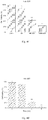
- the particle size was measured by a Zetasiser every two days. It was found that the complex amphiphilic peptide was stable, and the positive charge was favorable for cell uptake ( Fig. 2A ).
- the loading ratio of rose bengal in amphiphilic peptide nanomicelles was calculated through OD value measured by ultraviolet spectrophotometer, and the loading ratio tends to be stable as the concentration of rose bengal increase ( Fig. 2B ).
- the cytotoxicity of compound amphiphilic peptide nanomicelles was significantly higher than that of pure rose bengal.
- the compound amphiphilic peptide nanomicelles are also less toxic to normal cells such as fibroblasts.
- the cell viability of fibroblasts is over 80%. This indicates that the compound amphiphilic peptide nanomicelles have good biocompatibility and will also use this concentration as the optimum concentration for subsequent experiments.
- the absorption peak at 548 nm of DPBF is reduced after oxidation, which can be used to quantify the reactive oxygen species (ROS) produced by photosensitizers and sonosensitizers after laser irradiation or ultrasound. It is concluded that the compound nanomicelle produces more active oxygen.
- ROS reactive oxygen species
- Figure 1 shows a general structure and process of the compound amphiphilic peptide nanomicelles synthesized according to present application.
- Figure 2 shows the stability of nanomaterials and the change in the loading rate of Rose Bengal. As shown in figure 2 , the material has good stability, with no significant change in particle size within 30 days ranging from 10 to 40 nanometers, which makes it easier for nanoscale substances to enter the cell through the cell membrane. The loading rate of rose bengal tends to saturation with the increase of the quality of rose bengal.
- the prepared amphiphilic peptide nanoparticles have good biocompatibility and safety ( figure 3 ).
- the compound amphiphilic peptide nanomicelles have good sonodynamic and photodynamc effects in melanoma and cervical cancer cells ( figure 4 ), and the compound amphiphilic peptide nanomicelles have perfect photodynamic and sonodynamic ( figure 5 ).
- the compound amphiphilic peptide targeting melanoma and cervical cancer integrin ⁇ v ⁇ 3 as a fluorescent imaging, SDT and PDT material can not only enrich the ways of non-invasive (or minimally invasive) treatment of melanoma and cervical cancer. Moreover it is of great significance for the development of new cancer diagnosis and treatment mode, reducing the side effects of current clinical treatment, reducing the damage to normal tissues, and improving the efficacy and accuracy of cancer diagnosis. At the same time, it has important practical value for promoting the clinical transformation of the amphiphilic peptide as a novel melanoma and cervical cancer targeted diagnosis and treatment.
- the designed concentration (0, 20, 40, 60, 80 and 100 ⁇ g/mL) solution of nanomicelle and rose bengal were prepared with 1640 medium.
- CNE-2Z cells were seeded into a 96-well player at a density of 2 ⁇ 10 4 cells per well. Each sample with a certain concentration was added to 5 wells. The cytotoxicity of the pure rose bengal and the nanomicelle solution at different concentrations was compared. After culturing for 48 hours, the cells were grown to 80%, and the medium containing different volumes of nanomicelle and rose bengal solution was added instead of the original medium according to the experimental group setting.
- the nanomicelles we synthesized are more toxic to NE-2Z cells, and with the increase of concentration, the cell viability is lower and lower, 20 micrograms per milliliter, the survival rate has been reduced to 50%.
- the nanomicelles we synthesized are more toxic to CNE-2Z cells, and with the increase of concentration, the cell survival rate is lower and lower. And the survival rate has dropped to 50% at 20 ⁇ g/mL.
- mice bearing CNE-2Z tumors were randomly divided into five groups: control group, untreated group (PARN), PDT group (PARN+ Laser), SDT group (PARN+ US), combination therapy group (PARN+ Laser+ US).Then 200 ⁇ L of PARN was injected into mice via the tail vein except control group.
- PDT group the tumors of mice were treated by the 808 nm laser at 1.5 W/cm 2 for 3 min after 5 h after vein administration of PARN, the distance between tumor and light source is 2 cm.
- SDT group the tumors of mice were conducted by US in the pre-set condition (frequency: 3 MHz, power density: 3 W/ cm 2 , duty cycle: 50%, time: 3 min).
- the treatment conditions are the same as above.
- the groups of intratumoral injection treatment were similar to the intravenous groups.
- 150 ⁇ L of PARN was injected into tumor tissue in each group, and the laser or ultrasound was applied to the tumor site instantly, the treatment conditions are the same as those described above.
- the combined treatment group (PARN+ Laser+ US) had a significant inhibitory effect on CNE-2Z tumors after intravenous injection. It was observed that the growth of the tumor was significantly inhibited in PARN+ Laser, PARN+ US and PARN+ Laser+ US when PARN was administrated by intratumoral injection.
Landscapes
- Health & Medical Sciences (AREA)
- Life Sciences & Earth Sciences (AREA)
- Chemical & Material Sciences (AREA)
- General Health & Medical Sciences (AREA)
- Medicinal Chemistry (AREA)
- Pharmacology & Pharmacy (AREA)
- Veterinary Medicine (AREA)
- Public Health (AREA)
- Animal Behavior & Ethology (AREA)
- Epidemiology (AREA)
- Proteomics, Peptides & Aminoacids (AREA)
- Molecular Biology (AREA)
- Optics & Photonics (AREA)
- Physics & Mathematics (AREA)
- Organic Chemistry (AREA)
- Biochemistry (AREA)
- Engineering & Computer Science (AREA)
- Bioinformatics & Cheminformatics (AREA)
- Nuclear Medicine, Radiotherapy & Molecular Imaging (AREA)
- Dispersion Chemistry (AREA)
- General Chemical & Material Sciences (AREA)
- Chemical Kinetics & Catalysis (AREA)
- Dermatology (AREA)
- Oncology (AREA)
- Biophysics (AREA)
- Genetics & Genomics (AREA)
- Nanotechnology (AREA)
- Medicines That Contain Protein Lipid Enzymes And Other Medicines (AREA)
- Medicinal Preparation (AREA)
- Pharmaceuticals Containing Other Organic And Inorganic Compounds (AREA)
- Peptides Or Proteins (AREA)
- Medicines Containing Antibodies Or Antigens For Use As Internal Diagnostic Agents (AREA)
Abstract
Disclosed is a composite amphiphilic peptide nanomicelle, the preparation method and application, as to a novel integrin αvβ3-targeted amphiphilic peptide nanomicelles, the applications in fluorescence imaging, photodynamic therapy, sonodynamic therapy and combined treatments. Based on the prominent properties of integrin αvβ3-targeted amphiphilic peptide nanomicelles such as great biocompability, fluorescence imaging of encapsulated materials, photodynamic therapy and photothermal therapy, it is promising to be widely used in the field of labeling and tracing in vivo, biomedical imaging, early detection and treatment for tumor. It has good economic and social benefits in terms of life health and personalized medicine.
Description
- The present application claims priorities to Chinese Patent Application No.
201910034439.9, filed on January 15, 2019 201910047595.9 filed on January 18, 2019 - The present application relates to a novel amphiphilic peptide self-assembling micelle and a preparation process, and a biomedical application use as a potential photodynamic and sonodynamic therapeutic agent.
- Malignant tumors such as breast cancers, nasopharyngeal carcinoma (NPC), vertical cancers and melanomas are commonly diagnosed cancers all around the world. Taking NPC as an example, it is common in Guangdong Province and Guangxi Zhuang Autonomous region and harmful to the health of the people in the high incidence area. Radiation therapy is the first choice for the treatment of nasopharyngeal carcinoma without distant metastasis, which has great control efficiency for early nasopharyngeal carcinoma. For advanced nasopharyngeal carcinoma, the mode of radiotherapy combined with chemotherapy is often used in clinical. However, the acute poisonous effect associated with radiotherapy and chemotherapy is harmful to human body, and some individuals with weak tolerance are not suitable to bear the side effects, thus bringing new difficulties to the implementation of the treatment plan. In addition, distant metastasis is another major cause of failure in the treatment of nasopharyngeal cancer.
- Melanoma is a clinically common skin mucosa and pigmented malignant tumor, and it is also one of the fastest growing malignant tumors with an annual growth rate of 3%-5%. Although the incidence of melanoma is relatively low in China, it has increased multiply in recent years, with about 20,000 new cases per year. The only evidence for the etiology of melanoma is related to excessive exposure to UV radiation, but the primary lesions of melanoma patients in Asia (including China) and Africa are mostly located in the heel, palm, finger toe and underarm. The cause of the disease is still unclear. In recent years, with the deepening of the research on the relationship between molecular biological characteristics, clinical histological features and genetic variation of melanoma, it has been found that specific types are associated with specific genetic variations. The diagnosis of melanoma is mainly based on typical clinical manifestations and physical signs. Pathological examination is the gold standard for diagnosis and staging. Immunohistochemical staining is the main auxiliary method for identifying melanoma. S-100, HMB-45 and vimentin are more specific indicators for the diagnosis of melanoma. The treatment of melanoma is mainly surgical treatment, postoperative adjuvant treatment, radiotherapy and systemic treatment.
- In addition, for cervical cancer, there are 510,000 cases per year and 288,000 deaths worldwide, which is second only to the incidence of breast cancer, and nearly 3/4 cases occur in developing countries. Some patients who are elderly, have poor economic status, and do not participate in cervical cancer smear screening can progress and die of cancer. About 80% of cervical cancer histology is squamous cell carcinoma, and 15% is adenocarcinoma. Although the prognosis of adenocarcinoma is not ideal, there is no data to prove that it is different from treatment methods for other cervical cancer. Pap smear is the most important method for the detection of early cervical cancer. Patients with suspected pre-invasive lesions may be examined by colposcopy, cervical canal curettage, etc. Cystoscopy or rectal biopsy is required for suspected bladder or rectal lesions. Histology confirmed that stage IB1 or above should be examined by pelvic and abdominal CT or MRI so as to determine clinical stage, which is of great significance for the development of follow-up treatment. The treatment of cervical cancer mainly depends on surgical treatment, as well as radiotherapy and chemotherapy.
- Therefore, melanoma and cervical cancer have become one of the serious diseases endangering the health of our people. How early detection and effective treatment become the focus of current research.
- Fluorescence imaging is widely used in the field of biological detection and medical imaging, which is a common optical imaging technology. The agent for fluorescence imaging has the advantages of high penetration, sensitivity and selectivity. However, traditional organic dyes also have some fatal defects, such as unstable properties, easy to be photo-bleached, and cannot be used for a long time. Therefore, how to overcome the defects in the use of fluorescent dyes has become the focus of current research.
- Photodynamic therapy (PDT) and sonodynamic therapy (SDT) are new methods approved by the FDA in recent years to use light and ultrasound for treating disease. PDT refers to the decomposition of photosensitizer to release reactive oxygen species (ROS) to kill tumor cells under the action of light. SDT means that the sonosensitizer is excited to release ROS that can kill tumor cells under ultrasound. SDT/PDT only require laser or ultrasound without harm to human body, which are non-invasive treatment methods. It greatly alleviates the pain caused by surgery, chemotherapy and radiation therapy, especially for the elderly and frail patients who can no longer afford surgery. In addition, treatment of tumor sites alone reduces damage to normal tissues and organs.
- The shortcomings of PDT/SDT are: sonosensitiser/photosensitizer is easily decomposed in the body, the circulation in vivo is short, the fluorescence will quench, etc. Rose Bengal (RB) has been used as a photosensitizer/sonosensitizer for a period of time and is a non-toxic and stable compound with great photosensitivity, in that the singlet oxygen quantum yield is 0.75. But the hydrophilicity of RB makes it difficult to concentrate in the target tissue, which greatly limits its application in PDT/SDT.
- In order to solve the problems existing in the prior art, the application provides a compound amphiphilic peptide nanomicelle, a preparation method and an application, which solve the problem of rapid elimination of the common fluorescent substance ICG, RB, MB, DOX, etc. and poor accumulation in tumor tissue, as well as in order to achieve the multifunctional application of amphiphilic peptide nanomicelles (such as bio-imaging, drug release, tumor treatment, etc.).
- The technical solutions of the application comprise:
A compound amphiphilic peptide nanomicelle containing a fluorescent substance selected from the group consisting of Rose Bengal (RB), indocyanine green (ICG), methylene blue (MB), and doxorubicin (DOX). - A main body of said compound amphiphilic peptide nanomicelle is a C18-GRRRRRRRRGDS (C18GR7RGDS) amphiphilic peptide containing an arginine-glycine-aspartate (RGD) tripeptide sequence.
- The said compound amphiphilic peptide nanomicelle has a diameter of 10 ∼ 100 nanometers and a potential of -20 ∼ 40 millivolts.
- A preparation method of a compound amphiphilic peptide nanomicelle comprises the following steps :
- a. dissolving the amphiphilic peptide C18GR7RGDS in ultrapure water to prepare an amphiphilic peptide solution with a concentration of 10 g/mL;
- b. dissolving Rose Bengal was dissolved in ultrapure water to prepare a solution with a concentration of 10 g/mL.
- c. mixing the amphiphilic peptide solution and the fluorescence substance solution at 2:1/1:1 volume ratio followed by sonication at a frequency of 5-35 kHz, at 10-30 °C for 10-40 min with avoiding light to synthesize the compound amphiphilic peptide nanomicelle.
- d. transferring the compound amphiphilic peptide nanomicelle to the dialysis bag with molecular weight cutoff of 500-1500 Dalton, to obtain an integrin αvβ3-targeted compound amphiphilic peptide nanomicelle after dialysis for 48 to 72 hours.
- Use of the compound amphiphilic peptide nanomicelle in fluorescence imaging of melanoma and cervical cancer.
- Use of the compound amphiphilic peptide nanomicelle in preparation of photothermal and photoacousitic agent in melanoma and cervical cancer.
- Use of the compound amphiphilic peptide nanomicelle in preparation of photodynamic therapy (PDT) and sonodynamic therapy (PTT) agent in melanoma and cervical cancer.
- Use of the compound amphiphilic peptide nanomicelle in preparation of a novel photodynamic therapy agent for nasopharyngeal carcinoma.
- Use of the compound amphiphilic peptide nanomicelle in preparation of a novel sonodynamic therapy agent for nasopharyngeal carcinoma.
- Use of the compound amphiphilic peptide nanomicelle in preparation of a novel combined therapeutic agent for photodynamic and sonodynamic therapy of nasopharyngeal carcinoma.
- A compound amphiphilic peptide nanomicelle can be injected intravenously or intratumoratively, and used in a plurality of treatment methods for nasopharyngeal carcinoma.
- The advantages of the application are as follows: the integrin αvβ3-targeted compound amphiphilic peptide nanomicelle and a selective construction method can develop the novel biological probe, expand the preparation technology of the fluorescent contrast agent, and improve the bioavailability of the fluorescent probe. It is of great significance to realize early molecular diagnosis, photodynamic therapy and photothermal therapy of tumor neovascularization.
- The application is further introduced in combination with the figures and the specific mode of implementation below.
-
-
Figure 1 shows a general structure and process of the targeted compound amphiphilic peptide nanomicelles above mentioned. -
Figure 2 shows the stability of nanomaterials for novel targeted complex amphiphilic peptide nanomicelle fluorescent probe (Fig. 2A ) and the drug loading efficacy of Rose Bengal (Fig. 2B ). -
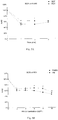
Figure 3 shows the cytotoxicity of novel targeted complex amphiphilic peptide nanomicelle fluorescent probe in melanoma cells (B16) (Fig. 3A ), cervical cancer cells (Hela) (Fig. 3B ) and fibroblasts (L929) (Fig. 3C ). -
Figure 4 shows the photoacoustic effect of targeted compound amphiphilic peptide nanoparticles applied to melanoma cells (B16) (Fig. 4A ) and cervical cancer cell (Hela) (Fig. 4c ), respectively. And the photoacoustic effect of targeted compound amphiphilic peptide nanoparticles applied to melanoma cells (B16) (Fig. 4B ) and cervical cancer cells (Hela) (Fig. 4D ) at different times. -
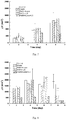
Figure 5 shows the photothermal effect and photoacoustic effect of the targeted compound amphiphilic peptide nanomicelles at different times/concentrations; The yield of ROS from PARN (peptide amphiphile-rose bengal nanomicelles) at different time periods (1, 3, 5 min) under US or Laser (Fig. 5A ); The yield of ROS from PARN/RB of different RB concentrations (0, 2, 4, 6, 8, 10 µg/mL) under US (Fig. 5B ); The yield of ROS from PARN/RB of different RB concentrations (0, 2, 4, 6, 8, 10 µg/mL) under Laser (Fig. 5C ). -
Figure 6 shows the cytotoxicity of the targeted compound amphiphilic peptide nanomicelles above mentioned in CNE-2Z cells. -
Figure 7 shows the changes in the control of tumor growth from SDT and PDT in nasopharyngeal carcinoma mice after intravenous administration of compound amphiphilic peptide nanomicelles. -
Figure 8 shows the changes in the control of tumor growth from SDT and PDT in nasopharyngeal carcinoma mice after intratumoral administration of compound amphiphilic peptide nanomicelles. -
Figure 9 is a photograph of tumor changes in nasopharyngeal carcinoma mice from SDT and PDT during the treatment by intravenous administration of compound amphiphilic peptide nanomicelles. -
Figure 10 is a photograph of tumor changes in nasopharyngeal carcinoma mice from SDT and PDT during the treatment by intratumoral administration of compound amphiphilic peptide nanomicelles. - The present disclosure is specifically described by the following examples, which are only used to further illustrate the present disclosure, and are not to be construed as limiting the scope of the present disclosure. The person having ordinary skill in the art may make some non-essential improvements to the present disclosure according to the contents of the above disclosure.
- The raw materials used in the preparation of the disclosure are all obtained by the commodity.
- The present application is specifically described by the following examples, which are only used to further illustrate the present application, and are not to be construed as limiting the scope of the present application. The person having ordinary skill in the art may make some non-essential improvements to the present application according to the contents of the above application.
- The raw materials used in the preparation of the application are all obtained by the commodity.
-
Mix 2 ml of the amphiphilic peptide C18GR7RGDS solution (Ningbo Kangbei Biochemical Co., Ltd., model: 817870, batch number: 17040701) (10mg/mL) and 1 mL of methylene blue solution (2 mg/mL). Then the mixed solution was placed in the ultrasonic cleaner with avoiding light, and the conditions were set at 25 °C, 30 min, and 28 kHz. After washing dialysis bag (molecular weight cutoff: 1000 Daltons) with ultrapure water, transfer the mixed solution into a dialysis bag, place a beaker containing ultrapure water dialysate and float it in the dialysate (the volume of dialysate is 2000 mL, pH=7. 4). Place the magneton in the beaker and place the beaker on the magnetic stirrer (rotation speed: 120rpm, room temperature). When the dialysis was carried out for 2 hours, the color of the dialysate was blue, the mixed solution in the dialysis bag became transparent, and the dialysis continued for 48 hours. There is no characteristic absorption peak of methylene blue after measuring the mixed solution by UV-Vis spectrophotometer, indicating that methylene blue is not encapsulated into the amphiphilic peptide nanomicelle. This also indicates that it is difficult to encapsulate the methylene blue with the amphiphilic peptide sequence synthesized by the present application to form the final product. -
Mix 2 mL of the amphiphilic peptide C18GR7RGDS solution (10 mg/mL) and 1 mL of curcumin (2 mg/mL, dissolved in acetic acid), and place the mixed solution in the ultrasonic cleaner with avoiding light(25 °C, 30 min, and 28 kHz). After washing dialysis bag (molecular weight cutoff: 1000 Daltons) with ultrapure water, transfer the mixed solution into a dialysis bag, place a beaker containing ultrapure water dialysate and float it in the dialysate (the volume of dialysate is 2.0 L, pH=7. 4). Place the magneton in the beaker and place the beaker on the magnetic agitator (rotation speed: 120 rpm, room temperature). After 3 hours of dialysis, yellow precipitates were found in dialysis bag and gradually increased with the increase of dialysis time. This was because ultrapure water enters the mixture through a dialysis bag, and curcumin was insoluble in water and precipitated. This also shows that the amphiphilic peptide sequence of the application does not encapsulate curcumin well. -
Mix 2 mL of the amphiphilic peptide C18GR7RGDS solution (Ningbo Kangbei Biochemical Co., Ltd., model: 817870, batch number: 17040701) (10 mg/mL) and 1 mL of rose bengal solution (2 mg/mL) and place the mixed solution in the ultrasonic cleaner with avoiding light (25 °C, 30 min, and 28 kHz). After washing dialysis bag (molecular weight cutoff: 1000 Daltons) with ultrapure water, transfer the mixed solution into a dialysis bag, place a beaker containing ultrapure water dialysate and float it in the dialysate (the volume of dialysate is 2000 ml, pH=7. 4). Place the magneton in the beaker and place the beaker on the magnetic stirrer (rotation speed: 120 rpm, room temperature). To replace dialysate every 4 hours and dialysis for 48 hours to get fluorescent amphiphilic peptide self-assembled nanomicelles. After testing, it was found that most of the rose bengal was successfully encapsulated into the polypeptide sequence of the application and formed self-assembled nanomicelles. - The particle size was measured by a Zetasiser every two days. It was found that the complex amphiphilic peptide was stable, and the positive charge was favorable for cell uptake (
Fig. 2A ). - The loading ratio of rose bengal in amphiphilic peptide nanomicelles was calculated through OD value measured by ultraviolet spectrophotometer, and the loading ratio tends to be stable as the concentration of rose bengal increase (
Fig. 2B ). - Melanoma and cervical cancer cells (αvβ3 +), and fibroblasts were plated in 96-well plates at 1 × 10⁴ cells per well respectively, and incubated at 37 °C for 48 hours. After the cells were full, these cells were incubated with different concentrations of the compound amphiphilic peptide nanomicelles (synthesized according to the present example) and the corresponding concentrations of rose bengal (control group) separately. The different concentrations reagents used were configured by medium. After 24 hours of culture, the medium was removed, and the cell viability was measured at 450 nm with a microplate reader after treating by CCK-8. As shown in
figure 3 , as the concentration of rose bengal increase, the cytotoxicity of compound amphiphilic peptide nanomicelles was significantly higher than that of pure rose bengal. The compound amphiphilic peptide nanomicelles are also less toxic to normal cells such as fibroblasts. At a concentration of 20 µg/mL, the cell viability of fibroblasts is over 80%. This indicates that the compound amphiphilic peptide nanomicelles have good biocompatibility and will also use this concentration as the optimum concentration for subsequent experiments. -
Mix 3 mL of the amphiphilic peptide C18GR7RGDS solution (10 mg/mL) and 2 mL of rose bengal solution (2 mg/mL) and place the mixed solution in the ultrasonic cleaner with avoiding light (25 °C, 40 min, and 28 kHz). After washing dialysis bag (molecular weight cutoff: 1000 Daltons) with ultrapure water, transfer the mixed solution into a dialysis bag, place a beaker containing ultrapure water dialysate and float it in the dialysate (the volume of dialysate is 2000 ml, pH=7. 4). Place the magneton in the beaker and place the beaker on the magnetic stirrer (rotation speed: 120rpm, room temperature). To replace dialysate every 4 hours and dialysis for 60 hours to get fluorescent amphiphilic peptide self-assembled nanomicelles. - Melanoma and cervical cancer cells (αvβ3 +) were plated in 96-well plates at 1 × 10⁴ cells per well respectively, and incubated at 37°C for 48 hours. When the cells were full, 20 µg/mL of compound amphiphilic peptide nanomicelles (synthesized according to the present example) and corresponding concentrations of rose bengal (control group) were added respectively to replace the former medium. After 4 h of incubation, each well of cells was supplied with fresh medium, and subsequently treated with ultrasound/laser irradiation for 3 min. The cells were cultured for 24 hours and treated by CCK-8 method. Then the cell viability was measured at 450 nm with a microplate reader. As shown in
figure 4 , the photoacoustic and photothermal effects of amphiphilic peptide nanomicelles on melanoma and cervical cancer cells are illustrated. -
Mix 1 mL of the amphiphilic peptide C18GR7RGDS solution (10 mg/mL) and 1 mL of rose bengal solution (2 mg/mL) and place the mixed solution in the ultrasonic cleaner with avoiding light (25°C, 20 min, and 28 kHz). After washing dialysis bag (molecular weight cutoff: 1000 Daltons) with ultrapure water, transfer the mixed solution into a dialysis bag, place a beaker containing ultrapure water dialysate and float it in the dialysate (the volume of dialysate is 2000 ml, pH=7. 4). Place the magneton in the beaker and place the beaker on the magnetic stirrer (rotation speed: 120 rpm, room temperature). After 72 hours dialysis, fluorescent amphiphilic peptide self-assembled nanomicelles were obtained. - 2 mL compound amphiphilic peptide self-assembled nanomicelles and rose bengal solutions with rose bengal concentrations (20 µg/mL) were prepared and mixed with 20
µL 1,3-diphenyl isobenzofuran (DPBF) (2 mg/mL in acetonitrile), respectively. The OD values were measured at 548 nm with a microplate reader. Then the mixed solution was treated by laser (808 nm, 1.5 W/cm2, 0/1/3/5min) or ultrasound (1 W/cm2, 0/1/3/5min) and measured the OD value at 548 nm again. Results as shown infigure 5 , the OD value of the compound nanomicelles decreased with the increase of time, and 3 minutes was selected as the optimal treatment time for the follow-up experiment. - 2 mL different concentrations compound amphiphilic peptide self-assembled nanomicelles and corresponding concentrations of rose bengal were prepared and mixed with 20 µL DPBF, respectively. After measuring the OD values of mixed solution at 548 nm with a microplate reader, the mixed solution was treated by laser (808 nm, 1.5 w/cm2, 3 min) or ultrasound (1 W/cm2, 3 min) and measured the OD value at 548 nm again. As a result (
Fig. 5 ), the absorption peak at 548 nm of DPBF is reduced after oxidation, which can be used to quantify the reactive oxygen species (ROS) produced by photosensitizers and sonosensitizers after laser irradiation or ultrasound. It is concluded that the compound nanomicelle produces more active oxygen. -
Figure 1 shows a general structure and process of the compound amphiphilic peptide nanomicelles synthesized according to present application.Figure 2 shows the stability of nanomaterials and the change in the loading rate of Rose Bengal. As shown infigure 2 , the material has good stability, with no significant change in particle size within 30 days ranging from 10 to 40 nanometers, which makes it easier for nanoscale substances to enter the cell through the cell membrane. The loading rate of rose bengal tends to saturation with the increase of the quality of rose bengal. The prepared amphiphilic peptide nanoparticles have good biocompatibility and safety (figure 3 ). The compound amphiphilic peptide nanomicelles have good sonodynamic and photodynamc effects in melanoma and cervical cancer cells (figure 4 ), and the compound amphiphilic peptide nanomicelles have perfect photodynamic and sonodynamic (figure 5 ). - The compound amphiphilic peptide targeting melanoma and cervical cancer integrin αvβ3 as a fluorescent imaging, SDT and PDT material can not only enrich the ways of non-invasive (or minimally invasive) treatment of melanoma and cervical cancer. Moreover it is of great significance for the development of new cancer diagnosis and treatment mode, reducing the side effects of current clinical treatment, reducing the damage to normal tissues, and improving the efficacy and accuracy of cancer diagnosis. At the same time, it has important practical value for promoting the clinical transformation of the amphiphilic peptide as a novel melanoma and cervical cancer targeted diagnosis and treatment.
- First of all, the designed concentration (0, 20, 40, 60, 80 and 100 µg/mL) solution of nanomicelle and rose bengal were prepared with 1640 medium. CNE-2Z cells were seeded into a 96-well player at a density of 2 × 10⁴ cells per well. Each sample with a certain concentration was added to 5 wells. The cytotoxicity of the pure rose bengal and the nanomicelle solution at different concentrations was compared. After culturing for 48 hours, the cells were grown to 80%, and the medium containing different volumes of nanomicelle and rose bengal solution was added instead of the original medium according to the experimental group setting. After an additional incubation for 24 h at 37°C in the dark, fresh medium (100 µL) together with CCK-8 (10 µL) was added followed by fluorescence analysis on a microplate reader at a wavelength of 450 nm. Cell viability was calculated according to the formula, with the maximum and minimum of OD values excluded:

figure 6 , the pure rose bengal is less toxic to CNE-2Z cells and has no rising tendency with the increase of concentration. However, the nanomicelles we synthesized are more toxic to NE-2Z cells, and with the increase of concentration, the cell viability is lower and lower, 20 micrograms per milliliter, the survival rate has been reduced to 50%. The nanomicelles we synthesized are more toxic to CNE-2Z cells, and with the increase of concentration, the cell survival rate is lower and lower. And the survival rate has dropped to 50% at 20 µg/mL. - 20 nude mice bearing CNE-2Z tumors were randomly divided into five groups: control group, untreated group (PARN), PDT group (PARN+ Laser), SDT group (PARN+ US), combination therapy group (PARN+ Laser+ US).Then 200 µL of PARN was injected into mice via the tail vein except control group. For PDT group, the tumors of mice were treated by the 808 nm laser at 1.5 W/cm2 for 3 min after 5 h after vein administration of PARN, the distance between tumor and light source is 2 cm. As to SDT group, the tumors of mice were conducted by US in the pre-set condition (frequency: 3 MHz, power density: 3 W/ cm2, duty cycle: 50%, time: 3 min). For combination therapy group, ultrasound treatment after laser irradiation was acted on tumor, the treatment conditions are the same as above. The groups of intratumoral injection treatment were similar to the intravenous groups. In addition to the control group, 150 µL of PARN was injected into tumor tissue in each group, and the laser or ultrasound was applied to the tumor site instantly, the treatment conditions are the same as those described above.
- As shown in
figure 7 andfigure 9 , the combined treatment group (PARN+ Laser+ US) had a significant inhibitory effect on CNE-2Z tumors after intravenous injection. It was observed that the growth of the tumor was significantly inhibited in PARN+ Laser, PARN+ US and PARN+ Laser+ US when PARN was administrated by intratumoral injection. - The present application has been described using specific examples to explain the principles and embodiments of the present application. The description of the above examples is only for helping to understand the method and the central idea of the present application. It should be noted that those skilled in the art can make various improvement and modifications to the present application without departing from the theory of the application, and these improvement and modifications also fall within the protection of the claims of the present application.
Claims (11)
- A compound amphiphilic peptide nanomicelle containing a fluorescent substance selected from the group consisting of indocyanine green (ICG), Rose Bengal (RB), methylene blue (MB), and doxorubicin (DOX).
- The compound amphiphilic peptide nanomicelle of claim 1, wherein a main body of said compound amphiphilic peptide nanomicelle is a C18-GRRRRRRRRGDS (C18GR7RGDS) amphiphilic peptide containing an arginine-glycine-aspartate (RGD) tripeptide sequence.
- The compound amphiphilic peptide nanomicelle of claim 2, wherein the compound amphiphilic peptide nanomicelle has a diameter of 10 to 100 nm and a potential of -20 to 40 mV.
- A method for preparing the compound amphiphilic peptide nanomicelle according to any one of claim 1, comprising following steps:a. dissolving the amphiphilic peptide C18GR7RGDS in ultrapure water to prepare an amphiphilic peptide solution with a concentration of 10 g/mL;b. dissolving the fluorescence substance in ultrapure water to prepare a fluorescence substance solution with a concentration of 10 g/mL;c. these above-mentioned mixing the amphiphilic peptide solution and the fluorescence substance solution at 2:1 or 1:1 volume ratios followed by sonication at a frequency of 5-35 kHz, at 10-30 °C for 10-40 min with avoiding light to synthesize the compound amphiphilic peptide nanomicelle; andd. transferring the compound amphiphilic peptide nanomicelle to a dialysis bag with a molecular weight cutoff of 500-1500 Dalton to obtain an integrin αvβ3-targeted compound amphiphilic peptide nanomicelle targeted after dialysis for 48-72 h.
- The method of claim 4, wherein the fluorescence substance is Rose Bengal.
- Use of the compound amphiphilic peptide nanomicelle of claim 1 for preparation of photothermal and photoacousitic agent or photodynamic therapy (PDT) and sonodynamic therapy (PTT) agent in melanoma and cervical cancer.
- The compound amphiphilic peptide nanomicelle of claim 1, wherein said compound amphiphilic peptide nanomicelle is a new photodynamic therapy agent for nasopharyngeal carcinoma.
- The compound amphiphilic peptide nanomicelle of claim 1, wherein said compound amphiphilic peptide nanomicelle is a new sonodynamic therapy agent for nasopharyngeal carcinoma.
- The compound amphiphilic peptide nanomicelle of claim 1, wherein said compound amphiphilic peptide nanomicelle is a new combined therapeutic agent for photodynamic and sonodynamic therapy for nasopharyngeal carcinoma.
- The compound amphiphilic peptide nanomicelle of claim 1, wherein said compound amphiphilic peptide nanomicelle is injected intravenously or intratumoratively, and used in a plurality of treatment methods for nasopharyngeal carcinoma.
- The method of claim 4, wherein the dialysis bag in step d has a molecular weight cutoff of 500-1000 Dalton.
Applications Claiming Priority (2)
| Application Number | Priority Date | Filing Date | Title |
|---|---|---|---|
| CN201910034439.9A CN109602703A (en) | 2019-01-15 | 2019-01-15 | A kind of compound amphiphilic peptide nanomicelle and its preparation method and application |
| CN201910047595.9A CN109620801B (en) | 2019-01-18 | 2019-01-18 | Composite nano micelle for multi-mode treatment of nasopharyngeal carcinoma and preparation method and application thereof |
Publications (1)
| Publication Number | Publication Date |
|---|---|
| EP3682899A1 true EP3682899A1 (en) | 2020-07-22 |
Family
ID=66647058
Family Applications (1)
| Application Number | Title | Priority Date | Filing Date |
|---|---|---|---|
| EP19176088.3A Withdrawn EP3682899A1 (en) | 2019-01-15 | 2019-05-23 | Compound amphiphilic peptide nanomicelle, preparation and use thereof |
Country Status (3)
| Country | Link |
|---|---|
| US (1) | US20200222564A1 (en) |
| EP (1) | EP3682899A1 (en) |
| JP (1) | JP2020111562A (en) |
Families Citing this family (4)
| Publication number | Priority date | Publication date | Assignee | Title |
|---|---|---|---|---|
| CN115010790B (en) * | 2021-08-29 | 2024-03-08 | 湖北烛照生物科技有限公司 | Nanometer small peptide FG and application thereof in preparing medicament for treating and preventing fundus blood vessel diseases |
| CN114933635B (en) * | 2021-08-29 | 2023-05-19 | 武汉夫图生物科技有限公司 | Nano small peptide FH and application thereof in preparation of drugs for treating and preventing fundus vascular diseases |
| CN115819497B (en) * | 2021-09-17 | 2025-05-13 | 上海市第十人民医院 | An amphiphilic molecule, micelle and preparation method and application thereof |
| CN114404364B (en) * | 2022-01-18 | 2023-06-16 | 广西大学 | Construction of photosensitive nano micelle capable of inducing tumor-associated macrophage M1 type polarization and anti-tumor application thereof |
Citations (3)
| Publication number | Priority date | Publication date | Assignee | Title |
|---|---|---|---|---|
| CN103301482B (en) * | 2013-06-27 | 2014-12-17 | 深圳先进技术研究院 | Amphipathy tri-block polypeptide ICG (Indocyanine Green) loaded micelle and preparation method thereof |
| WO2016007664A1 (en) * | 2014-07-08 | 2016-01-14 | Northeastern University | Amphiphilic peptide nanoparticles for use as hydrophobic drug carriers and antibacterial agents |
| CN108948152A (en) * | 2017-05-18 | 2018-12-07 | 中国科学院上海药物研究所 | An amphiphilic membrane-penetrating peptide bond, its preparation method and use |
Family Cites Families (3)
| Publication number | Priority date | Publication date | Assignee | Title |
|---|---|---|---|---|
| US6331286B1 (en) * | 1998-12-21 | 2001-12-18 | Photogen, Inc. | Methods for high energy phototherapeutics |
| EP1873204B1 (en) * | 2005-04-18 | 2011-09-21 | Hiroshi Maeda | Polymeric pharmaceutical agent for treatment of cancer and process for production of the same |
| HUE032791T2 (en) * | 2011-09-05 | 2017-11-28 | Hiroshi Maeda | Polymer-type fluorescent molecule probe |
-
2019
- 2019-04-24 US US16/393,784 patent/US20200222564A1/en not_active Abandoned
- 2019-05-23 EP EP19176088.3A patent/EP3682899A1/en not_active Withdrawn
- 2019-11-27 JP JP2019214061A patent/JP2020111562A/en active Pending
Patent Citations (3)
| Publication number | Priority date | Publication date | Assignee | Title |
|---|---|---|---|---|
| CN103301482B (en) * | 2013-06-27 | 2014-12-17 | 深圳先进技术研究院 | Amphipathy tri-block polypeptide ICG (Indocyanine Green) loaded micelle and preparation method thereof |
| WO2016007664A1 (en) * | 2014-07-08 | 2016-01-14 | Northeastern University | Amphiphilic peptide nanoparticles for use as hydrophobic drug carriers and antibacterial agents |
| CN108948152A (en) * | 2017-05-18 | 2018-12-07 | 中国科学院上海药物研究所 | An amphiphilic membrane-penetrating peptide bond, its preparation method and use |
Non-Patent Citations (2)
| Title |
|---|
| GUO X D ET AL: "Core/shell pH-sensitive micelles self-assembled from cholesterol conjugated oligopeptides for anticancer drug delivery", AICHE JOURNAL, vol. 56, no. 7, 18 July 2010 (2010-07-18), pages 1922 - 1931, XP055119564, ISSN: 0001-1541, DOI: 10.1002/aic.12119 * |
| HASSANZADEH F ET AL: "Novel NGR anchored pullulan micelles for controlled and targeted delivery of doxorubicin to HeLa cancerous cells", IRANIAN POLYMER JOURNAL, IRAN POLYMER AND PETROCHEMICAL INSTITUTE, IR, vol. 27, no. 4, 14 February 2018 (2018-02-14), pages 263 - 274, XP036464198, ISSN: 1026-1265, [retrieved on 20180214], DOI: 10.1007/S13726-018-0606-9 * |
Also Published As
| Publication number | Publication date |
|---|---|
| US20200222564A1 (en) | 2020-07-16 |
| JP2020111562A (en) | 2020-07-27 |
Similar Documents
| Publication | Publication Date | Title |
|---|---|---|
| Zhang et al. | One-pot synthesis of hollow PDA@ DOX nanoparticles for ultrasound imaging and chemo-thermal therapy in breast cancer | |
| CN110384806B (en) | Preparation and application of drug-loaded polydopamine/dendrimer-gold nanoparticles | |
| Zhang et al. | Perylenediimide chromophore as an efficient photothermal agent for cancer therapy | |
| US20200222564A1 (en) | Compound Amphiphilic Peptide Nanomicelle, Preparation and Use Thereof | |
| WO2018176699A1 (en) | Conjugated polymer nanometer probe and preparation method and application therefor | |
| Chen et al. | Gadolinium–porphyrin based polymer nanotheranostics for fluorescence/magnetic resonance imaging guided photodynamic therapy | |
| Zhang et al. | Fluorinated porphyrin-based theranostics for dual imaging and chemo-photodynamic therapy | |
| Cui et al. | A generic self-assembly approach towards phototheranostics for NIR-II fluorescence imaging and phototherapy | |
| CN103230604B (en) | Magnetic water-soluble fullerene, and preparation method and application thereof | |
| CN110025576A (en) | A kind of preparation method and applications of the photothermal reagent of the photo-thermal oncotherapy mediated for fluorescence imaging | |
| Dong et al. | GQDs/hMSN nanoplatform: Singlet oxygen generation for photodynamic therapy | |
| Hao et al. | Enantioselective theranostics of brain glioma using chiral quantum structures | |
| Zhang et al. | Nanoplaform based on ultra-small Au regulating phototoxicity and fluorescence off–on function of Ag2S for multi-modal diagnosis and treatment of tumor | |
| Sun et al. | Nitrogen-doped carbon dots as a highly efficient photosensitizer for photodynamic therapy to promote apoptosis in oral squamous cell carcinoma | |
| CN114699523B (en) | A nanomaterial for light-enhanced chemotherapy and integrated diagnosis and treatment of tumors, its preparation method and application | |
| CN103990124A (en) | Graphene nanocomposite particle used for multimodal imaging/photodynamic therapy, and preparation method and application thereof | |
| CN115252580B (en) | Drug-loaded erythrocyte membrane nanoparticle and preparation method and application thereof | |
| CN113975389B (en) | A macrophage-loaded multifunctional mesoporous iron oxide nano-diagnosis and treatment preparation and its preparation method and anti-tumor application | |
| CN109602703A (en) | A kind of compound amphiphilic peptide nanomicelle and its preparation method and application | |
| CN118079017B (en) | Nanoparticle and solution, nanoreactor, use and preparation method thereof | |
| US20230364239A1 (en) | Platinum-based drug-/photosensitizer-loaded protein nanoparticle, and preparation method therefor and application thereof | |
| CN116966151B (en) | Preparation method and application of a multi-responsive doxorubicin-quercetin co-delivery system | |
| CN113384697A (en) | Multifunctional nano particle for tumor diagnosis and treatment integration, preparation and application | |
| CN109620801B (en) | Composite nano micelle for multi-mode treatment of nasopharyngeal carcinoma and preparation method and application thereof | |
| CN114588279B (en) | Multifunctional nano molecular probe, preparation method thereof and application of multifunctional nano molecular probe as retinoblastoma diagnosis and treatment preparation |
Legal Events
| Date | Code | Title | Description |
|---|---|---|---|
| PUAI | Public reference made under article 153(3) epc to a published international application that has entered the european phase |
Free format text: ORIGINAL CODE: 0009012 |
|
| STAA | Information on the status of an ep patent application or granted ep patent |
Free format text: STATUS: THE APPLICATION HAS BEEN PUBLISHED |
|
| AK | Designated contracting states |
Kind code of ref document: A1 Designated state(s): AL AT BE BG CH CY CZ DE DK EE ES FI FR GB GR HR HU IE IS IT LI LT LU LV MC MK MT NL NO PL PT RO RS SE SI SK SM TR |
|
| AX | Request for extension of the european patent |
Extension state: BA ME |
|
| STAA | Information on the status of an ep patent application or granted ep patent |
Free format text: STATUS: THE APPLICATION IS DEEMED TO BE WITHDRAWN |
|
| 18D | Application deemed to be withdrawn |
Effective date: 20210123 |