EP3682027B1 - Hybridization-extension-ligation strategy for generating circular single-stranded dna libraries - Google Patents
Hybridization-extension-ligation strategy for generating circular single-stranded dna libraries Download PDFInfo
- Publication number
- EP3682027B1 EP3682027B1 EP18769707.3A EP18769707A EP3682027B1 EP 3682027 B1 EP3682027 B1 EP 3682027B1 EP 18769707 A EP18769707 A EP 18769707A EP 3682027 B1 EP3682027 B1 EP 3682027B1
- Authority
- EP
- European Patent Office
- Prior art keywords
- circularization
- nucleic acid
- strand
- sequence
- oligonucleotide
- Prior art date
- Legal status (The legal status is an assumption and is not a legal conclusion. Google has not performed a legal analysis and makes no representation as to the accuracy of the status listed.)
- Active
Links
Images


Classifications
-
- C—CHEMISTRY; METALLURGY
- C12—BIOCHEMISTRY; BEER; SPIRITS; WINE; VINEGAR; MICROBIOLOGY; ENZYMOLOGY; MUTATION OR GENETIC ENGINEERING
- C12Q—MEASURING OR TESTING PROCESSES INVOLVING ENZYMES, NUCLEIC ACIDS OR MICROORGANISMS; COMPOSITIONS OR TEST PAPERS THEREFOR; PROCESSES OF PREPARING SUCH COMPOSITIONS; CONDITION-RESPONSIVE CONTROL IN MICROBIOLOGICAL OR ENZYMOLOGICAL PROCESSES
- C12Q1/00—Measuring or testing processes involving enzymes, nucleic acids or microorganisms; Compositions therefor; Processes of preparing such compositions
- C12Q1/68—Measuring or testing processes involving enzymes, nucleic acids or microorganisms; Compositions therefor; Processes of preparing such compositions involving nucleic acids
- C12Q1/6844—Nucleic acid amplification reactions
- C12Q1/6851—Quantitative amplification
-
- C—CHEMISTRY; METALLURGY
- C12—BIOCHEMISTRY; BEER; SPIRITS; WINE; VINEGAR; MICROBIOLOGY; ENZYMOLOGY; MUTATION OR GENETIC ENGINEERING
- C12N—MICROORGANISMS OR ENZYMES; COMPOSITIONS THEREOF; PROPAGATING, PRESERVING, OR MAINTAINING MICROORGANISMS; MUTATION OR GENETIC ENGINEERING; CULTURE MEDIA
- C12N15/00—Mutation or genetic engineering; DNA or RNA concerning genetic engineering, vectors, e.g. plasmids, or their isolation, preparation or purification; Use of hosts therefor
- C12N15/09—Recombinant DNA-technology
- C12N15/10—Processes for the isolation, preparation or purification of DNA or RNA
- C12N15/1034—Isolating an individual clone by screening libraries
- C12N15/1065—Preparation or screening of tagged libraries, e.g. tagged microorganisms by STM-mutagenesis, tagged polynucleotides, gene tags
-
- C—CHEMISTRY; METALLURGY
- C12—BIOCHEMISTRY; BEER; SPIRITS; WINE; VINEGAR; MICROBIOLOGY; ENZYMOLOGY; MUTATION OR GENETIC ENGINEERING
- C12Q—MEASURING OR TESTING PROCESSES INVOLVING ENZYMES, NUCLEIC ACIDS OR MICROORGANISMS; COMPOSITIONS OR TEST PAPERS THEREFOR; PROCESSES OF PREPARING SUCH COMPOSITIONS; CONDITION-RESPONSIVE CONTROL IN MICROBIOLOGICAL OR ENZYMOLOGICAL PROCESSES
- C12Q1/00—Measuring or testing processes involving enzymes, nucleic acids or microorganisms; Compositions therefor; Processes of preparing such compositions
- C12Q1/68—Measuring or testing processes involving enzymes, nucleic acids or microorganisms; Compositions therefor; Processes of preparing such compositions involving nucleic acids
- C12Q1/6806—Preparing nucleic acids for analysis, e.g. for polymerase chain reaction [PCR] assay
-
- C—CHEMISTRY; METALLURGY
- C12—BIOCHEMISTRY; BEER; SPIRITS; WINE; VINEGAR; MICROBIOLOGY; ENZYMOLOGY; MUTATION OR GENETIC ENGINEERING
- C12Q—MEASURING OR TESTING PROCESSES INVOLVING ENZYMES, NUCLEIC ACIDS OR MICROORGANISMS; COMPOSITIONS OR TEST PAPERS THEREFOR; PROCESSES OF PREPARING SUCH COMPOSITIONS; CONDITION-RESPONSIVE CONTROL IN MICROBIOLOGICAL OR ENZYMOLOGICAL PROCESSES
- C12Q1/00—Measuring or testing processes involving enzymes, nucleic acids or microorganisms; Compositions therefor; Processes of preparing such compositions
- C12Q1/68—Measuring or testing processes involving enzymes, nucleic acids or microorganisms; Compositions therefor; Processes of preparing such compositions involving nucleic acids
- C12Q1/6844—Nucleic acid amplification reactions
- C12Q1/6853—Nucleic acid amplification reactions using modified primers or templates
- C12Q1/6855—Ligating adaptors
-
- C—CHEMISTRY; METALLURGY
- C12—BIOCHEMISTRY; BEER; SPIRITS; WINE; VINEGAR; MICROBIOLOGY; ENZYMOLOGY; MUTATION OR GENETIC ENGINEERING
- C12Q—MEASURING OR TESTING PROCESSES INVOLVING ENZYMES, NUCLEIC ACIDS OR MICROORGANISMS; COMPOSITIONS OR TEST PAPERS THEREFOR; PROCESSES OF PREPARING SUCH COMPOSITIONS; CONDITION-RESPONSIVE CONTROL IN MICROBIOLOGICAL OR ENZYMOLOGICAL PROCESSES
- C12Q1/00—Measuring or testing processes involving enzymes, nucleic acids or microorganisms; Compositions therefor; Processes of preparing such compositions
- C12Q1/68—Measuring or testing processes involving enzymes, nucleic acids or microorganisms; Compositions therefor; Processes of preparing such compositions involving nucleic acids
- C12Q1/6869—Methods for sequencing
Definitions
- the invention relates to the field of nucleic acid analysis and more specifically, to preparing circular templates for nucleic acid sequencing.
- Circular nucleic acid templates have multiple uses in nucleic acid analysis. Linear nucleic acids are converted into a circular form for amplification, e.g., by rolling circle amplification (RCA) and subsequent detection and quantification, see U.S. Pat. No. RE44265 .
- RCA rolling circle amplification
- the use of circular templates in sequencing is also known in the art. See U.S. Pat. Nos. 7,302,146 and 8,153,375 .
- Current sequencing strategies require that auxiliary sequences such as primer binding sites and barcodes be introduced into a template.
- WO 2015/188192 A2 describes a method of generating circular chimeric single-stranded nucleic acid constructs, wherein duplex oligonucleotide probes with a loop region are hybridized to the cleaved target DNA segments followed by creation of circular ligation products.
- the present invention is a novel efficient method of creating circular nucleic acid templates suitable for sequencing.
- the method allows the creation of templates of virtually unrestricted length.
- the invention is a method of forming a circular molecule from a target nucleic acid in a sample, comprising: amplifying the target nucleic acid with a first and second bipartite amplification primers comprising a universal circularization sequence and a target-specific sequence to generate double stranded amplicons; separating the strands of the double stranded amplicons; contacting a strand of the amplicon with a circularization oligonucleotide comprising (i) a 5'-end, (ii) a sequence complementary to the universal circularization sequence in the first amplification primer, (iii) a sequencing primer binding site, (iv) a sequence complementary to the universal circularization sequence in the second amplification primer, (v) an extendable 3'-end; contacting the sample with an extension DNA polymerase to generate a copy strand; and contacting the sample with a DNA ligase to form at least one circular nucleic acid molecule from an amplicon strand
- the circularization oligonucleotide comprises a 5'-phosphate group and a nuclease resistant modification at the 3'-end; and step d) comprises (i) extending the 3'-end of the strand of the amplicon from step b) to copy the sequencing primer binding site, and (ii) extending the 3'-end of the circularization oligonucleotide until it reaches a blocking oligonucleotide hybridized the end of the strand of the amplicon; and step e) comprises self-ligating the extended strand of the amplicon from step d).
- the circularization oligonucleotide comprises a 5'-phosphate group and a nuclease resistant modification at the 3'-end; and step d) comprises (i) extending the 3'-end of the strand of the amplicon from step b) to copy the sequencing primer binding site, and (ii) extending the 3'-end of the circularization oligonucleotide until it reaches the 5'-end of the circularization oligonucleotide; and step e) comprises self-ligating the extended strand of the amplicon from step d).
- the invention is a method of making a library of circular target nucleic acids for sequencing comprising: amplifying the target nucleic acids with first and second bipartite amplification primers comprising a universal circularization sequence and a target-specific sequence to generate double stranded amplicons; separating the strands of the double stranded amplicons; contacting the strands of the amplicons with circularization oligonucleotides each comprising (i) a 5'-end, (ii) a sequence complementary to the universal circularization sequence in the first amplification primer, (iii) a sequencing primer binding site, (iv) a sequence complementary to the universal circularization sequence in the second amplification primer, (v) an extendable 3'-end; contacting the sample with an extension DNA polymerase to generate copy strands from amplicon strands; and contacting the sample with a DNA ligase to form a library of circular nucleic acid molecules from amplicon strands or copy
- step d) comprises extension of the 3'-end of the circularization oligonucleotide to reach the 5'-end of the circularization oligonucleotide
- step e) comprises ligation of the 3'- and 5'end of the circularization oligonucleotide from step d), and wherein the single stranded loop region of the circularization oligonucleotide comprises a primer binding site for a sequencing primer.
- the invention is a method of determining the sequence of a double-stranded target nucleic acid in a sample comprising: forming circular nucleic acids by a method of claim 1-8; contacting the sample with a sequencing primer complementary to the sequencing primer binding site; and extending the sequencing primer with a nucleic acid polymerase thereby determining the sequence of the target nucleic acid.
- the invention is a method of determining the sequence of a double-stranded target nucleic acid in a sample comprising: forming circular nucleic acids by a method of claim 1-8; except omitting a sequencing primer binding site from the circularization oligonucleotide; extending the circularization oligonucleotide with a nucleic acid polymerase thereby determining the sequence of the target nucleic acid.
- sample refers to any composition containing or presumed to contain target nucleic acid.
- sample includes a sample of tissue or fluid isolated from an individual for example, skin, plasma, serum, spinal fluid, lymph fluid, synovial fluid, urine, tears, blood cells, organs and tumors, and also to samples of in vitro cultures established from cells taken from an individual, including the formalin-fixed paraffin embedded tissues (FFPET) and nucleic acids isolated therefrom.
- FFFPET formalin-fixed paraffin embedded tissues
- a sample may also include cell-free material, such as cell-free blood fraction that contains cell-free DNA (cfDNA) or circulating tumor DNA (ctDNA).
- nucleic acid refers to polymers of nucleotides (e.g., ribonucleotides and deoxyribonucleotides, both natural and non-natural) including DNA, RNA, and their subcategories, such as cDNA, mRNA, etc.
- a nucleic acid may be single-stranded or double-stranded and will generally contain 5'-3' phosphodiester bonds, although in some cases, nucleotide analogs may have other linkages.
- Nucleic acids may include naturally occurring bases (adenosine, guanosine, cytosine, uracil and thymidine) as well as non-natural bases.
- non-natural bases include those described in, e.g., Seela et al., (1999) Helv. Chim. Acta 82:1640 .
- the non-natural bases may have a particular function, e.g., increasing the stability of the nucleic acid duplex, inhibiting nuclease digestion or blocking primer extension or strand polymerization.
- Polynucleotide and "oligonucleotide” are used interchangeably.
- Polynucleotide is a single-stranded or a double-stranded nucleic acid.
- Oligonucleotide is a term sometimes used to describe a shorter polynucleotide.
- Oligonucleotides are prepared by any suitable method known in the art, for example, by a method involving direct chemical synthesis as described in Narang et al. (1979) Meth. Enzymol. 68:90-99 ; Brown et al. (1979) Meth. Enzymol. 68:109-151 ; Beaucage et al. (1981) Tetrahedron Lett. 22:1859-1862 ; Matteucci et al. (1981) J. Am. Chem. Soc. 103:3185-3191 .
- primer refers to a single-stranded oligonucleotide which hybridizes with a sequence in the target nucleic acid ("primer binding site") and is capable of acting as a point of initiation of synthesis along a complementary strand of nucleic acid under conditions suitable for such synthesis.
- adaptor means a nucleotide sequence that may be added to another sequence so as to import additional properties to that sequence.
- An adaptor is typically an oligonucleotide that can be single- or double-stranded, or may have both a single-stranded portion and a double-stranded portion.
- Ligation refers to a condensation reaction joining two nucleic acid strands wherein a 5'-phosphate group of one molecule reacts with the 3'-hydroxyl group of another molecule.
- Ligation is typically an enzymatic reaction catalyzed by a ligase or a topoisomerase.
- Ligation may join two single strands to create one single-stranded molecule.
- Ligation may also join two strands each belonging to a double-stranded molecule thus joining two double-stranded molecules.
- Ligation may also join both strands of a double-stranded molecule to both strands of another double-stranded molecule thus joining two double-stranded molecules.
- Ligation may also join two ends of a strand within a double-stranded molecule thus repairing a nick in the double-stranded molecule.
- barcode refers to a nucleic acid sequence that can be detected and identified. Barcodes can be incorporated into various nucleic acids. Barcodes are sufficiently long e.g., 2, 5, 20 nucleotides, so that in a sample, the nucleic acids incorporating the barcodes can be distinguished or grouped according to the barcodes.
- MID multiplex identifier
- MID refers to a barcode that identifies a source of a target nucleic acids (e.g., a sample from which the nucleic acid is derived). All or substantially all the target nucleic acids from the same sample will share the same MID. Target nucleic acids from different sources or samples can be mixed and sequenced simultaneously. Using the MIDs the sequence reads can be assigned to individual samples from which the target nucleic acids originated.
- UID unique molecular identifier
- universal primer and "universal priming binding site” or “universal priming site” refer to a primer and primer binding site present in (typically, through in vitro addition to) different target nucleic acids.
- the universal priming site is added to the plurality of target nucleic acids using adaptors or using target-specific (non-universal) primers having the universal priming site in the 5'-portion.
- the universal primer can bind to and direct primer extension from the universal priming site.
- the term "universal” refers to a nucleic acid molecule (e.g., primer or other oligonucleotide) that can be added to any target nucleic acid and perform its function irrespectively of the target nucleic acid sequence.
- the universal molecule may perform its function by hybridizing to the complement, e.g., a universal primer to a universal primer binding site or a universal circularization oligonucleotide to a universal primer sequence.
- target sequence refers to a portion of the nucleic acid sequence in the sample which is to be detected or analyzed.
- target includes all variants of the target sequence, e.g., one or more mutant variants and the wild type variant.
- Amplification refers to a process of making additional copies of the target nucleic acid. Amplification can have more than one cycle, e.g., multiple cycles of exponential amplification. Amplification may also have only one cycle (making a single copy of the target nucleic acid). The copy may have additional sequences, e.g., those present in the primers used for amplification.
- sequencing refers to any method of determining the sequence of nucleotides in the target nucleic acid.
- the present invention is a method of making circular target nucleic acid molecules and libraries of such molecules for downstream analysis such as nucleic acid sequencing.
- the method comprises the use an oligonucleotide probe to circularize nucleic acid molecules.
- the nucleic acid molecules have universal sequences added to each end.
- Nucleic acids with universal sequences at each end are then rendered single stranded and contacted with a probe complementary to at least a portion of the universal sequences.
- the probe is hybridized to enable circularization and formation of single stranded circular (sscDNA) molecules.
- the method has advantages over existing circularization methods, e.g., USRE44265 and US2012003657 .
- the present method uses a universal circularization sequence attached to the target sequences.
- the present method does not use a non-target oligonucleotide containing multiple restriction sites inserted between the ends of the target molecule to ensure the presence of restriction sites (see USRE44265, Figure 2 therein).
- the same strategy is used in US2012003657 (see Figure 1A therein) where the "vector" oligonucleotide containing sequencing primer binding sites is used.
- the present invention uses more efficient intramolecular circularization instead of intermolecular ligation with auxiliary oligonucleotides.
- An aspect of the disclosure comprises detecting a target nucleic acid in a sample.
- the sample is derived from a subject or a patient.
- the sample may comprise a fragment of a solid tissue or a solid tumor derived from the subject or the patient, e.g., by biopsy.
- the sample may also comprise body fluids (e.g., urine, sputum, serum, plasma or lymph, saliva, sputum, sweat, tear, cerebrospinal fluid, amniotic fluid, synovial fluid, pericardial fluid, peritoneal fluid, pleural fluid, cystic fluid, bile, gastric fluid, intestinal fluid, and/or fecal samples),
- body fluids e.g., urine, sputum, serum, plasma or lymph, saliva, sputum, sweat, tear, cerebrospinal fluid, amniotic fluid, synovial fluid, pericardial fluid, peritoneal fluid, pleural fluid, cystic fluid, bile, gastric fluid, intestinal fluid, and/or fecal samples
- the sample may comprise whole blood or blood fractions where tumor cells may be present.
- the sample, especially a liquid sample may comprise cell-free material such as cell-free DNA or RNA including cell-free tumor DNA or tumor RNA.
- a target nucleic acid is the nucleic acid of interest that may be present in the sample.
- the target nucleic acid is a gene or a gene fragment.
- the target nucleic acid contains a genetic variant, e.g., a polymorphism, including a single nucleotide polymorphism or variant (SNP of SNV), or a genetic rearrangement resulting e.g., in a gene fusion.
- the target nucleic acid comprises a biomarker.
Landscapes
- Chemical & Material Sciences (AREA)
- Life Sciences & Earth Sciences (AREA)
- Organic Chemistry (AREA)
- Health & Medical Sciences (AREA)
- Engineering & Computer Science (AREA)
- Zoology (AREA)
- Wood Science & Technology (AREA)
- Proteomics, Peptides & Aminoacids (AREA)
- Genetics & Genomics (AREA)
- General Engineering & Computer Science (AREA)
- Biotechnology (AREA)
- Bioinformatics & Cheminformatics (AREA)
- Physics & Mathematics (AREA)
- General Health & Medical Sciences (AREA)
- Biophysics (AREA)
- Molecular Biology (AREA)
- Biochemistry (AREA)
- Microbiology (AREA)
- Analytical Chemistry (AREA)
- Immunology (AREA)
- Chemical Kinetics & Catalysis (AREA)
- Biomedical Technology (AREA)
- Bioinformatics & Computational Biology (AREA)
- Crystallography & Structural Chemistry (AREA)
- Plant Pathology (AREA)
- Measuring Or Testing Involving Enzymes Or Micro-Organisms (AREA)
Description
- The invention relates to the field of nucleic acid analysis and more specifically, to preparing circular templates for nucleic acid sequencing.
- Circular nucleic acid templates have multiple uses in nucleic acid analysis. Linear nucleic acids are converted into a circular form for amplification, e.g., by rolling circle amplification (RCA) and subsequent detection and quantification, see
U.S. Pat. No. RE44265 . The use of circular templates in sequencing is also known in the art. SeeU.S. Pat. Nos. 7,302,146 and8,153,375 . Current sequencing strategies require that auxiliary sequences such as primer binding sites and barcodes be introduced into a template. -
WO 2015/188192 A2 describes a method of generating circular chimeric single-stranded nucleic acid constructs, wherein duplex oligonucleotide probes with a loop region are hybridized to the cleaved target DNA segments followed by creation of circular ligation products. - The present invention is a novel efficient method of creating circular nucleic acid templates suitable for sequencing. The method allows the creation of templates of virtually unrestricted length.
- In one embodiment, the invention is a method of forming a circular molecule from a target nucleic acid in a sample, comprising: amplifying the target nucleic acid with a first and second bipartite amplification primers comprising a universal circularization sequence and a target-specific sequence to generate double stranded amplicons; separating the strands of the double stranded amplicons; contacting a strand of the amplicon with a circularization oligonucleotide comprising (i) a 5'-end, (ii) a sequence complementary to the universal circularization sequence in the first amplification primer, (iii) a sequencing primer binding site, (iv) a sequence complementary to the universal circularization sequence in the second amplification primer, (v) an extendable 3'-end; contacting the sample with an extension DNA polymerase to generate a copy strand; and contacting the sample with a DNA ligase to form at least one circular nucleic acid molecule from an amplicon strand or a copy strand, wherein the circularization oligonucleotide comprises (i) a 5'-end, (ii) a single stranded region, (iii) a double-stranded stem region, (iv) a single-stranded loop region, (v) a single stranded region, and (vi) 3'-end to generate a hybrid structure wherein the universal circularization sequences in the strand are hybridized to the single stranded regions (ii) and (v) of the circularization oligonucleotide; and step d) comprises extension of the 3'-end of the circularization oligonucleotide to reach the 5'-end of the circularization oligonucleotide; and step e) comprises ligation of the 3'- and 5' end of the circularization oligonucleotide from step d), and wherein the single stranded loop region of the circularization oligonucleotide comprises a primer binding site for a sequencing primer.
- In some embodiments the circularization oligonucleotide comprises a 5'-phosphate group and an extension blocking modification at the 3'-end; and step d) comprises (i) extending the 3'-end of the strand of the amplicon from step b) to copy the sequencing primer binding site, and (ii) extending a primer bound to one end of the strand of the amplicon from step b) until it reaches a blocking oligonucleotide hybridized to the opposite end of the strand of the amplicon; and step e) comprises self-ligating the extended strand of the amplicon from step d).
- In some embodiments, the circularization oligonucleotide comprises a 5'-phosphate group and a nuclease resistant modification at the 3'-end; and step d) comprises (i) extending the 3'-end of the strand of the amplicon from step b) to copy the sequencing primer binding site, and (ii) extending the 3'-end of the circularization oligonucleotide until it reaches a blocking oligonucleotide hybridized the end of the strand of the amplicon; and step e) comprises self-ligating the extended strand of the amplicon from step d).
- In some embodiments the circularization oligonucleotide comprises a 5'-phosphate group and a nuclease resistant modification at the 3'-end; and step d) comprises (i) extending the 3'-end of the strand of the amplicon from step b) to copy the sequencing primer binding site, and
(ii) extending the 3'-end of the circularization oligonucleotide until it reaches the 5'-end of the circularization oligonucleotide; and step e) comprises self-ligating the extended strand of the amplicon from step d). - In some embodiments, the target nucleic acid comprises fragments of a genome selected from cell-free plasma DNA, sonicated DNA and restriction digested DNA. In some embodiments the universal sequences on the first and second amplification primers are distinct. In some embodiments, only one of the first and second amplification primers comprises a 5'-phosphate group. In some embodiments the circularization oligonucleotide comprises a ligand for a capture moiety.
- In some embodiments, the invention is a method of making a library of circular target nucleic acids for sequencing comprising: amplifying the target nucleic acids with first and second bipartite amplification primers comprising a universal circularization sequence and a target-specific sequence to generate double stranded amplicons; separating the strands of the double stranded amplicons; contacting the strands of the amplicons with circularization oligonucleotides each comprising (i) a 5'-end, (ii) a sequence complementary to the universal circularization sequence in the first amplification primer, (iii) a sequencing primer binding site, (iv) a sequence complementary to the universal circularization sequence in the second amplification primer, (v) an extendable 3'-end; contacting the sample with an extension DNA polymerase to generate copy strands from amplicon strands; and contacting the sample with a DNA ligase to form a library of circular nucleic acid molecules from amplicon strands or copy strands, wherein the circularization oligonucleotide comprises (i) a 5'-end, (ii) a single stranded region, (iii) a double-stranded stem region, (iv) a single-stranded loop region comprises said primer binding site for a sequencing primer. , (v) a single stranded region, and (vi) 3'-end to generate a hybrid structure wherein the universal circularization sequences in the strand are hybridized to the single stranded regions (ii) and (v) of the circularization oligonucleotide; and step d) comprises extension of the 3'-end of the circularization oligonucleotide to reach the 5'-end of the circularization oligonucleotide; and step e) comprises ligation of the 3'- and 5'end of the circularization oligonucleotide from step d),
and wherein the single stranded loop region of the circularization oligonucleotide comprises a primer binding site for a sequencing primer. - In some embodiments, the invention is a method of determining the sequence of a double-stranded target nucleic acid in a sample comprising: forming circular nucleic acids by a method of claim 1-8; contacting the sample with a sequencing primer complementary to the sequencing primer binding site; and extending the sequencing primer with a nucleic acid polymerase thereby determining the sequence of the target nucleic acid.
- In some embodiments, the invention is a method of determining the sequence of a double-stranded target nucleic acid in a sample comprising: forming circular nucleic acids by a method of claim 1-8; except omitting a sequencing primer binding site from the circularization oligonucleotide; extending the circularization oligonucleotide with a nucleic acid polymerase thereby determining the sequence of the target nucleic acid.
-
-
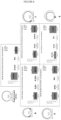
Figure 1 shows the general scheme of the Hybridization-Extension-Ligation (HEL) method. -
Figure 2 showsstep 1 of the method: annealing of the circularization probe. -
Figure 3 shows step 2 of the method: strand extension. -
Figure 4 showsstep 3 of the method: ligation. -
Figure 5 shows step 4 of the method: annealing of the sequencing primer. -
Figure 6 showsstep 5 of the method: extension of the sequencing primer (sequencing read). -
Figure 7 shows diagrams of the HEL method with different structures of circularization oligonucleotides. -
Figure 8 shows results of sequencing of the templates created using the HEL method. - The following definitions aid in understanding of this disclosure.
- The term "sample" refers to any composition containing or presumed to contain target nucleic acid. This includes a sample of tissue or fluid isolated from an individual for example, skin, plasma, serum, spinal fluid, lymph fluid, synovial fluid, urine, tears, blood cells, organs and tumors, and also to samples of in vitro cultures established from cells taken from an individual, including the formalin-fixed paraffin embedded tissues (FFPET) and nucleic acids isolated therefrom. A sample may also include cell-free material, such as cell-free blood fraction that contains cell-free DNA (cfDNA) or circulating tumor DNA (ctDNA).
- The term "nucleic acid" refers to polymers of nucleotides (e.g., ribonucleotides and deoxyribonucleotides, both natural and non-natural) including DNA, RNA, and their subcategories, such as cDNA, mRNA, etc. A nucleic acid may be single-stranded or double-stranded and will generally contain 5'-3' phosphodiester bonds, although in some cases, nucleotide analogs may have other linkages. Nucleic acids may include naturally occurring bases (adenosine, guanosine, cytosine, uracil and thymidine) as well as non-natural bases. Some examples of non-natural bases include those described in, e.g., Seela et al., (1999) Helv. Chim. Acta 82:1640. The non-natural bases may have a particular function, e.g., increasing the stability of the nucleic acid duplex, inhibiting nuclease digestion or blocking primer extension or strand polymerization.
- The terms "polynucleotide" and "oligonucleotide" are used interchangeably. Polynucleotide is a single-stranded or a double-stranded nucleic acid. Oligonucleotide is a term sometimes used to describe a shorter polynucleotide. Oligonucleotides are prepared by any suitable method known in the art, for example, by a method involving direct chemical synthesis as described in Narang et al. (1979) Meth. Enzymol. 68:90-99; Brown et al. (1979) Meth. Enzymol. 68:109-151; Beaucage et al. (1981) Tetrahedron Lett. 22:1859-1862; Matteucci et al. (1981) J. Am. Chem. Soc. 103:3185-3191.
- The term "primer" refers to a single-stranded oligonucleotide which hybridizes with a sequence in the target nucleic acid ("primer binding site") and is capable of acting as a point of initiation of synthesis along a complementary strand of nucleic acid under conditions suitable for such synthesis.
- The term "adaptor" means a nucleotide sequence that may be added to another sequence so as to import additional properties to that sequence. An adaptor is typically an oligonucleotide that can be single- or double-stranded, or may have both a single-stranded portion and a double-stranded portion.
- The term "ligation" refers to a condensation reaction joining two nucleic acid strands wherein a 5'-phosphate group of one molecule reacts with the 3'-hydroxyl group of another molecule. Ligation is typically an enzymatic reaction catalyzed by a ligase or a topoisomerase. Ligation may join two single strands to create one single-stranded molecule. Ligation may also join two strands each belonging to a double-stranded molecule thus joining two double-stranded molecules. Ligation may also join both strands of a double-stranded molecule to both strands of another double-stranded molecule thus joining two double-stranded molecules. Ligation may also join two ends of a strand within a double-stranded molecule thus repairing a nick in the double-stranded molecule.
- The term "barcode" refers to a nucleic acid sequence that can be detected and identified. Barcodes can be incorporated into various nucleic acids. Barcodes are sufficiently long e.g., 2, 5, 20 nucleotides, so that in a sample, the nucleic acids incorporating the barcodes can be distinguished or grouped according to the barcodes.
- The term "multiplex identifier" or "MID" refers to a barcode that identifies a source of a target nucleic acids (e.g., a sample from which the nucleic acid is derived). All or substantially all the target nucleic acids from the same sample will share the same MID. Target nucleic acids from different sources or samples can be mixed and sequenced simultaneously. Using the MIDs the sequence reads can be assigned to individual samples from which the target nucleic acids originated.
- The term "unique molecular identifier" or "UID" refers to a barcode that identifies a nucleic acid to which it is attached. All or substantially all the target nucleic acids from the same sample will have different UIDs. All or substantially all of the progeny (e.g., amplicons) derived from the same original target nucleic acid will share the same UID.
- The term "universal primer" and "universal priming binding site" or "universal priming site" refer to a primer and primer binding site present in (typically, through in vitro addition to) different target nucleic acids. The universal priming site is added to the plurality of target nucleic acids using adaptors or using target-specific (non-universal) primers having the universal priming site in the 5'-portion. The universal primer can bind to and direct primer extension from the universal priming site.
- More generally, the term "universal" refers to a nucleic acid molecule (e.g., primer or other oligonucleotide) that can be added to any target nucleic acid and perform its function irrespectively of the target nucleic acid sequence. The universal molecule may perform its function by hybridizing to the complement, e.g., a universal primer to a universal primer binding site or a universal circularization oligonucleotide to a universal primer sequence.
- As used herein, the terms "target sequence", "target nucleic acid" or "target" refer to a portion of the nucleic acid sequence in the sample which is to be detected or analyzed. The term target includes all variants of the target sequence, e.g., one or more mutant variants and the wild type variant.
- The term "amplification" refers to a process of making additional copies of the target nucleic acid. Amplification can have more than one cycle, e.g., multiple cycles of exponential amplification. Amplification may also have only one cycle (making a single copy of the target nucleic acid). The copy may have additional sequences, e.g., those present in the primers used for amplification.
- The term "sequencing" refers to any method of determining the sequence of nucleotides in the target nucleic acid.
- The present invention is a method of making circular target nucleic acid molecules and libraries of such molecules for downstream analysis such as nucleic acid sequencing. As shown in
Figure 1 , the method comprises the use an oligonucleotide probe to circularize nucleic acid molecules. First, the nucleic acid molecules have universal sequences added to each end. Nucleic acids with universal sequences at each end are then rendered single stranded and contacted with a probe complementary to at least a portion of the universal sequences. The probe is hybridized to enable circularization and formation of single stranded circular (sscDNA) molecules. - The method has advantages over existing circularization methods, e.g., USRE44265 and
US2012003657 . In contrast to that method, the present method uses a universal circularization sequence attached to the target sequences. The present method does not use a non-target oligonucleotide containing multiple restriction sites inserted between the ends of the target molecule to ensure the presence of restriction sites (see USRE44265,Figure 2 therein). The same strategy is used inUS2012003657 (see Figure 1A therein) where the "vector" oligonucleotide containing sequencing primer binding sites is used. The present invention uses more efficient intramolecular circularization instead of intermolecular ligation with auxiliary oligonucleotides. - An aspect of the disclosure comprises detecting a target nucleic acid in a sample. In some aspects of the disclosure, the sample is derived from a subject or a patient. In some aspects of the disclosurethe sample may comprise a fragment of a solid tissue or a solid tumor derived from the subject or the patient, e.g., by biopsy. The sample may also comprise body fluids (e.g., urine, sputum, serum, plasma or lymph, saliva, sputum, sweat, tear, cerebrospinal fluid, amniotic fluid, synovial fluid, pericardial fluid, peritoneal fluid, pleural fluid, cystic fluid, bile, gastric fluid, intestinal fluid, and/or fecal samples), The sample may comprise whole blood or blood fractions where tumor cells may be present. In some aspects of the disclosure, the sample, especially a liquid sample may comprise cell-free material such as cell-free DNA or RNA including cell-free tumor DNA or tumor RNA. In some aspects of the disclosure, the sample is a cell-free sample, e.g., cell-free blood-derived sample where cell-free tumor DNA or tumor RNA are present. In other aspects of the disclosure, the sample is a cultured sample, e.g., a culture or culture supernatant containing or suspected to contain an infectious agent or nucleic acids derived from the infectious agent. In some aspects of the disclosure, the infectious agent is a bacterium, a protozoan, a virus or a mycoplasma.
- A target nucleic acid is the nucleic acid of interest that may be present in the sample. In some embodiments, the target nucleic acid is a gene or a gene fragment. In other aspects of the disclosure, the target nucleic acid contains a genetic variant, e.g., a polymorphism, including a single nucleotide polymorphism or variant (SNP of SNV), or a genetic rearrangement resulting e.g., in a gene fusion. In some aspects of the disclosure, the target nucleic acid comprises a biomarker. In other aspects of the disclosure, the target nucleic acid is characteristic of a particular organism, e.g., aids in identification of the pathogenic organism or a characteristic of the pathogenic organism, e.g., drug sensitivity or drug resistance. In yet other aspects of the disclosure, the target nucleic acid is characteristic of a human subject, e.g., the HLA or KIR sequence defining the subject's unique HLA or KIR genotype. In yet other aspects of the disclosure, all the sequences in the sample are target nucleic acids e.g., in shotgun genomic sequencing.
- In an aspect of the disclosure, a double-stranded target nucleic acid is converted into the template configuration of the invention. In some aspects of the disclosure, the target nucleic acid occurs in nature in a single-stranded form (e.g., RNA, including mRNA, microRNA, viral RNA; or single-stranded viral DNA). The single-stranded target nucleic acid is converted into double-stranded form to enable the further steps of the claimed method.
- Longer target nucleic acids may be fragmented although in some applications longer target nucleic acids may be desired to achieve a longer read. In some aspects of the disclosure, the target nucleic acid is naturally fragmented, e.g., circulating cell-free DNA (cfDNA) or chemically degraded DNA such as the one founds in preserved samples. In other aspects of the disclosure, the target nucleic acid is fragmented in vitro, e.g., by physical means such as sonication or by endonuclease digestion, e.g., restriction digestion.
- In some embodiments, the invention is a method comprising a step of amplifying the target nucleic acid. The amplification may be by polymerase chain reaction (PCR) or any other method that utilizes oligonucleotide primers. Various PCR conditions are described in PCR Strategies (M. A. Innis, D. H. Gelfand, and J. J. Sninsky eds., 1995, Academic Press, San Diego, CA) at Chapter 14; PCR Protocols : A Guide to Methods and Applications (M. A. Innis, D. H. Gelfand, J. J. Sninsky, and T. J. White eds., Academic Press, NY, 1990).
- The amplification may utilize first and second bipartite amplification primers comprising a universal circularization sequence and a target-specific sequence to generate double stranded amplicons. (
Figure 2 ) In some embodiments, a defined target or group of target nucleic acids is being interrogated. In such embodiments, target specific amplification primers may be used. A primer may have a bipartite structure composed of a target-specific sequence in the 3'-portion and a universal sequence in the 5'-portion. Typically, the target-specific primers are used as a pair of distinct oligonucleotides, e.g., a forward and a reverse primer. For subsequent steps, a different universal sequence can be added to the forward and the reverse primer in order to distinguish the complementary strands (i.e., the (+) and the (-) strands) in subsequent steps of the method. In some embodiments, the universal sequence of the bipartite primers comprises a sequencing primer binding site. - In some embodiments, the method comprises a step of target enrichment. Target enrichment can be accomplished by hybridization to nucleic acid probes complementary to the target nucleic acid or a plurality of target nucleic acids. The probes may be conjugated to a capture moiety (capture probes). Target nucleic acids captured with the capture probes are then denatured and eluted from the capture probes and subjected to the downstream steps of the invention. Pre-made and custom-designed capture probes are readily available, e.g., SureSelect probes (Agilent Tech., Santa Clara, Cal.) or SeqCap probes (Roche Sequencing, Madison, Wisc.)
- The amplification may also utilize a universal adaptor sequence comprising universal primer binding sites conjugated to the target sequence In other aspects of the disclosure, a plurality of target nucleic acids is being interrogated, e.g.., a whole genome or all nucleic acids present in a sample, e.g., a sample suspected of containing one or more unknown pathogenic organisms. In such aspects of the disclosure, a target specific primer is not advantageous and a universal primer is used. In such embodiments, a universal primer binding site is added, e.g., by ligation of an adaptor molecule containing a universal primer binding site sequence. Typically, such adaptors are added independent of the sequence of the target nucleic acid, for example, by ligation. In such aspects of the disclosure, the target nucleic acids receive the same adaptor molecule at each end. To distinguish the strands of the resulting adapted target nucleic acid, the adaptor may have a Y-structure, see e.g.,
U.S. Patent Nos. 8053192 ,8182989 and8822150 . - In some aspects of the disclosure, the adaptor molecules are ligated to the target nucleic acid. The ligation can be a blunt-end ligation or a more efficient cohesive-end ligation. The target nucleic acid or the adaptors may be rendered blunt-ended by strand-filling, i.e., extending a 3'-terminus by a DNA polymerase to eliminate a 5'-overhang. In some aspects of the disclosure, the blunt-ended adaptors and target nucleic acid may be rendered cohesive by addition of a single nucleotide to the 3'-end of the adaptor and a single complementary nucleotide to the 3'-ends of the target nucleic acid, e.g., by a DNA polymerase or a terminal transferase. In yet other aspects of the disclosure, the adaptors and the target nucleic acid may acquire cohesive ends (overhangs) by digestion with restriction endonucleases. The latter option is more advantageous for known target sequences that are known to contain the restriction enzyme recognition site. In each of the above aspects of the disclosure, the adaptor molecule may acquire the desired ends (blunt, single-base extension or multi-base overhang) by design of the synthetic adaptor oligonucleotides further described below. In some aspects of the disclosure, other enzymatic steps may be required to accomplish the ligation. In some aspects of the disclosure, a polynucleotide kinase may be used to add 5'-phosphates to the target nucleic acid molecules and adaptor molecules.
- In some aspects of the disclosure, the adaptor molecules are in vitro synthesized artificial sequences. In other aspects of the disclosure, the adaptor molecules are in vitro synthesized naturally-occurring sequences known to possess the desired secondary structure. In yet other aspects of the disclosure, the adaptor molecules are isolated naturally occurring molecules or isolated non naturally-occurring molecules.
- Some aspects of the disclosure comprise introduction of barcodes into the target nucleic acids. Sequencing individual molecules typically requires molecular barcodes such as described e.g., in
U.S. Patent Nos. 7,393,665 ,8,168,385 ,8,481,292 ,8,685,678 , and8,722,368 . A unique molecular barcode is a short artificial sequence added to each molecule in a sample such as a patient's sample typically during the earliest steps of in vitro manipulations. The barcode marks the molecule and its progeny. The unique molecular barcode (UID) has multiple uses. Barcodes allow tracking each individual nucleic acid molecule in the sample to assess, e.g., the presence and amount of circulating tumor DNA (ctDNA) molecules in a patient's blood in order to detect and monitor cancer without a biopsy. SeeU.S. patent applications 14/209,807 and14/774,518 - In some aspects of the disclosure, bi-partite amplification primers comprise one or more barcodes. In other aspects of the disclosure, adaptors comprise one or more barcodes. A barcode can be a multiplex sample ID (MID) used to identify the source of the sample where samples are mixed (multiplexed). The barcode may also serve as a unique molecular ID (UID) used to identify each original molecule and its progeny. The barcode may also be a combination of a UID and an MID. In some aspects of the disclosure, a single barcode is used as both UID and MID.
- In some aspects of the disclosure, each barcode comprises a predefined sequence. In other aspects of the disclosure, the barcode comprises a random sequence. Barcodes can be 1-20 nucleotides long.
- In some embodiments, the method interrogates only one of the two strands of the target nucleic acid or analyzes the two strands separately. The invention comprises a step of separating the strands of the double stranded amplicons. In some aspects of the disclosure, one strand is degraded and the other strand is retained for subsequent steps of the method. In some aspects of the disclosure, the amplicon is subjected to exonuclease treatment (e.g., by a viral exonuclease, T7 or Lambda exonuclease). In some embodiments, the primers or adapters may be modified to include a 5'- nuclease targeting (such as 5'-phosphate) or 3'-end protection (such as a phosphorothioate) to specifically target only one strand for exonuclease digestion. The two strands may also be separated by physical means, i.e., alkaline denaturation or heat denaturation. In yet other aspects of the disclosure, a desired strand is captured with an affinity reagent capable of selectively binding a strand with the affinity ligand. In some aspects of the disclosure, a primer is biotinylated and the product of primer extension is captured with streptavidin.
- In some embodiments, the ends of the nucleic acid are phosphorylated. In some embodiments, the 5'-end of one primer is phosphorylated in order to effect degradation of one strand with an exonuclease, e.g., Lambda exonuclease. In other aspects of the disclosure, the 5'-end of the adaptor is phosphorylated for that purpose. A mixture (e.g., an equal mixture) of phosphorylated and non-phosphorylated adaptors can be used to ensure that a single 5'-end of the adapted target molecule is phosphorylated.
- In other embodiments, phosphorylation is necessary for the subsequent ligation step. Phosphorylation of the primer, the adaptor or the single-stranded molecule following the strand separation step can be performed e.g., with the use of a polynucleotide kinase (PNK) such as T4 PNK.
- In some embodiments, the ends of the nucleic acid (e.g., the 5'-end) comprise a modified nucleotide that protects the strand from nuclease digestion. In some aspects of the disclosure, the strand comprises one or more phosphorothioate nucleotides. In some embodiments, the 3'-end of the nucleic acid comprises a modified nucleotide that blocks the 3'-end extension. In some aspects of the disclosure, the strand comprises one or more inv-dT nucleotides
- In some aspects of the disclosure, the method includes a step of annealing a circularization probe. This step includes contacting the 5'-phophorylated strand of the double stranded amplicon with a circularization oligonucleotide (probe) to generate a hybrid structure wherein the universal circularization sequences in the strand are hybridized to the circularization probe so that the ends of the strand are brought into ligatable proximity. (
Figure 2 ). - The general structure of the circularization oligonucleotide comprises two arms complementary to the circularization sequences in the amplicon (that have been introduced into the amplified target nucleic acid). The two arms are flanking a sequencing primer binding site.
- In some embodiments, the circularization oligonucleotide has a structure shown
Figure 1 and in more detail, inFigures 2-6 . The oligonucleotide comprises a stem-loop structure comprising the sequencing primer binding site in the loop, the stem-loop being flanked by arms complementary to the universal circularization sequences in the amplicon strand. - In other embodiments, the oligonucleotide comprises a linear segment comprising the sequencing primer binding site flanked by arms complementary to the universal circularization sequences in the amplicon strand. (
Figures 7A, 7B, 7C, and 7D ). The sequencing primer binding site is not complementary to the amplicon strand. The presence of the sequencing primer binding site creates a single-stranded region in the circular structure. (Figures 7B, 7C and 7D ). In some embodiments, the sequencing primer binding sites are the sequences present in the circularization oligonucleotide.Figure 7E . - In some embodiments, the invention further comprises an extension step wherein the 3'-end of the circularization oligonucleotide is extended around the circularized target nucleic acid to reach the 5'-end of the circularization oligonucleotide thereby generating an extended strand. (
Figure 3 and7A ). - In some embodiments, extension does not proceed from the circularization oligonucleotide but proceeds from a separate primer complementary e.g., to the universal sequence in the amplicon strand. (
Figures 7B ). - Where the linear circularization oligonucleotide is used, two extensions occur during the extension step: an outer strand is extended to form a copy strand and the sequencing primer binding site is copied into the amplicon strand (
Figures 7B, 7C and 7D ). In one embodiment (Figures 7B ), the extension of the outer strand is done by adding a primer to initiate the extension and a blocking oligonucleotide to stop the extension before reaching the 5'end of circularization oligonucleotide. In another embodiment (Figure 7C ), the extension of the outer strand is initiated from the circularization oligonucleotide and a blocking oligonucleotide is used. In yet other embodiments (Figures 7D and 7E ), the extension of the outer strand is initiated from the circularization oligonucleotide, and no blocking oligonucleotide is added to the reaction. - In some embodiments, the invention further comprises a ligation step comprising ligating the 5'- and 3'-ends of the extended copy strand thereby forming a circular molecule which is complementary to the target nucleic acid with universal sequences attached. (
Figure 4 andFigure 7A . In other embodiments, ligation of the extended amplicon strand also takes place forming a circular molecule comprising the target nucleic acid with the sequencing primer binding site attached. (Figures 7B, 7C, 7D and 7E ). - An aspect of the disclosure comprises an exonuclease digestion step wherein the linear nucleic acids possibly comprising excess oligonucleotides or un-circularized amplicons are removed from the reaction mixture. In some aspects of the disclosure, the circularization oligonucleotides are removed with an exonuclease. (
Figures 7B, 7C, 7D and 7E ). In some aspects of the disclosure, inhibitors of exonuclease progression are used. For example, phosphorothioates (PTA) are added to the circularization oligonucleotides order to prevent the digestion of the extended copy strand. (Figures 7C, 7D and 7E ). - In some embodiments, the invention is a method of making a library of circular target nucleic acids. The method comprises an amplification step with universal primers. In some embodiments, universal primer binding sites are added to the nucleic acids in the sample, e.g., by adaptor ligation to create a library of adapted molecules. In some embodiments, universal sequences are present in the 5'-portion of target specific primers. The molecules in the library comprise target sequences flanked by universal sequence, e.g., universal primer binding site and a sequencing primer binding site. The circularization oligonucleotide may be complementary to the sequences contained in the adaptors. In other embodiments, the adaptors comprise only universal primer binding sites and universal primers introduce additional sequences not present in the adaptors. The universal primers may be bipartite amplification primers comprising a universal primer binding site and e.g., a sequencing primer binding site. The amplicons are then subjected to the steps of the method described above to generate a library of single stranded molecules. The final products are partially double stranded circular libraries that enable multi-pass sequencing reads of a single strand initiated from the sequencing primer binding site.
- In some embodiments, the present invention comprises detecting target nucleic acids in a sample by nucleic acid sequencing. Multiple nucleic acids, including all the nucleic acids in a sample may be converted into the template configuration of the invention and sequenced. In some embodiments, the library of circular molecules described herein can be subjected to nucleic acid sequencing.
- Sequencing can be performed by any method known in the art. Especially advantageous is the high-throughput single molecule sequencing. Examples of such technologies include the Illumina HiSeq platform (Illumina, San Diego, Cal.), Ion Torrent platform (Life Technologies, Grand Island, NY), Pacific BioSciences platform utilizing the SMRT (Pacific Biosciences, Menlo Park, Cal.) or a platform utilizing nanopore technology such as those manufactured by Oxford Nanopore Technologies (Oxford, UK) or Roche Sequencing Solutions (Santa Clara, Cal.) and any other presently existing or future DNA sequencing technology that does or does not involve sequencing by synthesis. The sequencing step may utilize platform-specific sequencing primers. Binding sites for these primers may be introduced in the method of the invention as described herein, i.e., by being a part of adaptors or amplification primers. In some embodiments, the sequencing platform does not require a specific extension primer.
- In some embodiments, the invention is a method of determining the sequence of a double-stranded target nucleic acid by primer extension. In this embodiment, the sequencing primer is annealed to the sequencing primer binding site present in the ligated strand (
Figure 5 ). Conveniently, the sequencing primer binding site is present in the single-stranded portion of the ligated strand comprising the stem-loop portion of the circularization oligonucleotide. The annealed sequencing primer is extended to generate a sequencing run of the ligated strand (Figure 6 andFigures 7A, 7B, 7C, 7D and 7E ). - Notably, the method of the invention is applicable to a wide variety of target nucleic acid sizes. In some aspects of the disclosure, the target nucleic acid and the sequencing run illustrated in
Figure 6 is as short as 100 base pairs and as long as 10 kilobases. - In some aspects of the disclosure, the sequencing step involves sequence analysis including a step of sequence aligning. In some aspects of the disclosure, aligning is used to determine a consensus sequence from a plurality of sequences, e.g., a plurality having the same barcodes (UID). In some aspects of the disclosurebarcodes (UIDs) are used to determine a consensus from a plurality of sequences all having an identical barcode (UID). In other aspects of the disclosure, barcodes (UIDs) are used to eliminate artifacts, i.e., variations existing in some but not all sequences having an identical barcode (UID). Such artifacts resulting from PCR errors or sequencing errors can be eliminated.
- In some aspects of the disclosure, the number of each sequence in the sample can be quantified by quantifying relative numbers of sequences with each barcode (UID) in the sample. Each UID represents a single molecule in the original sample and counting different UIDs associated with each sequence variant can determine the fraction of each sequence in the original sample. A person skilled in the art will be able to determine the number of sequence reads necessary to determine a consensus sequence. In some embodiments, the relevant number is reads per UID ("sequence depth") necessary for an accurate quantitative result. In some embodiments, the desired depth is 5-50 reads per UID.
- An aspect of the disclosure is a kit for performing the method of the invention. The kit comprises a first and second bipartite amplification primers comprising a target-binding sequence and optionally, universal sequence complementary to the circularization oligonucleotide; a circularization oligonucleotide at least partially complementary to both universal circularization sequences in the bipartite primers so that the ends of the strands comprising the bipartite primers can be brought ligatable proximity. The kit may also comprise a DNA ligase (in some embodiments, T4 DNA ligase, Taq DNA ligase, or E. coli DNA ligase is used), a polynucleotide kinase and a DNA polymerase, such as an amplification polymerase or a sequencing polymerase. Non-limiting examples of polymerases include prokaryotic DNA polymerases (e.g. Pol I, Pol II, Pol III, Pol IV and Pol V), eukaryotic DNA polymerase, archaeal DNA polymerase, telomerase, reverse transcriptase and RNA polymerase. Reverse transcriptase is an RNA-dependent DNA polymerase which synthesizes DNA from an RNA template. The reverse transcriptase family contains both DNA polymerase functionality and RNase H functionality, which degrades RNA base-paired to DNA.
- In some aspects of the disclosure, the DNA polymerase possesses strand displacement activity and does not have a 5'-3-exonuclease activity. In some embodiments, Phi29 polymerase and its derivatives are used, see
U.S. Patent Nos. 5,001,050 ,5576204 ,7858747 and8921086 . In some aspects of the disclosure, the polymerase has the 3'-5' exonuclease activity that advantageously removes the 3'-A overhang from the amplicon strands. - In this example, a plasmid containing the 3.2 kb insert from the pol gene of the HIV-B reference was purified, linearized by restriction digestion and diluted to 108 copies/mL for PCR amplification using one of the following pairs of forward (F) and reverse (R) primers. Only the reverse primers were phosphorylated at the 5'-end:
Primer SEQ ID NO: Sequence F SEQ ID NO: 1 ACTGGCCGTCGTTTTACACAGGGCCCCTAGGAAAAAGG R SEQ ID NO: 2 /5Phos/GAGCGGATAACAATTTCACAGTCTCAATAGGGCTAATGG F SEQ ID NO: 3 TCGGTGGTCGCCGTATCATTCAGGGCCCCTAGGAAAAAGG R SEQ ID NO: 4 
- Amplification was performed using the Phusion II HS High Fidelity DNA polymerase in a thermocycler according to the manufacturer's instructions.
- The quality and quantity of the product was assessed using Fragment Analyzer or Bioanalyzer and Qubit dsDNA Broad Range. The product was purified using Kapa Purebead (KAPA BioScience, Cape Town, South Africa).
- Single stranded DNA was generated using the Lambda exonuclease and incubating at 37°C for 30 min followed by heat inactivation at 75°C for 10 min. The product was purified using Kapa Purebead.
- The ssDNA was phosphorylated with T4 Polynucleotide Kinase (PNK) by incubation 37C for 30 min. followed by heat deactivation at 65C for 20 min. The product was purified using Kapa Purebead.
- Hybridization, extension and ligation were performed using the circularization oligonucleotide shown on
Figure 7A . First, the hairpin structure of the probe was generated using the following temperature profile:20ul of probe (stock at 100uM) 80ul of annealing buffer 2min @ 80C, ramp down to 25C at 2.5% ramp rate Place @ 4C for immediate use ( can be stored at -20C for 1 month) - The probe was mixed with the ssDNA from the previous step was mixed with Hifi Taq DNA Ligase or Taq DNA ligase and Phusion HS II DNA Polymerase and subjected to the following temperature profile
Step Temperature Time Denaturation 95 ° C 5 min hybridization, extension, ligation 60 ° C 1 hour Final Hold 4 °C Hold (∞) - The quality and quantity of the product was assessed using Fragment Analyzer or Bioanalyzer and Qubit dsDNA Broad Range. The product was purified using Kapa Purebead.
- Next, the circularized ssDNA was incubated with an exonuclease (Exo I and Exo III) for 30 min at 37C. The quality and quantity of the product was assessed using Fragment Analyzer or Bioanalyzer and Qubit dsDNA Broad Range. The product was purified using Kapa Purebead.
- Hybridization, extension and ligation were performed using the circularization oligonucleotide shown on
Figure 7E . - PCR amplification, exonuclease digestion and DNA phosphorylation were performed essentially as in Example 1.
- A linear probe used was SEQ ID NO: 5

- *- phorphorothioate linkage
- Annealing of the probe, ligation and extension (HEL) were performed essentially as in Example 1. The products of HEL were digested with T7 exonuclease and Exo I by incubating at 37°C for 30 min. The quality and quantity of the product was assessed using Fragment Analyzer or Bioanalyzer and Qubit dsDNA Broad Range. The product was purified using Kapa Purebead.
- Hybridization, extension and ligation were performed using the circularization oligonucleotide shown on
Figures 7B, 7C and 7D . The oligonucleotide has a splint sequence comprising a sequencing primer binding site. - PCR amplification, exonuclease digestion and DNA phosphorylation were performed essentially as in Example 1.
- Probe (
Figure 7B ) was SEQ ID NO: 6
- Blocking oligo and primer were used
Blocking oligo SEQ ID NO: 7 CCTTTTTCCTAGGGGCCCT/3InvdT/ Primer SEQ ID NO: 8 CAGTCTCAATAGGGCTAATGG - Primer extension was performed using Phusion HiFi polymerase and the following temperature profile
Denaturation 95C 5min Hybridization 55 °C 15 min extension 72 °C 15 min hold 4 °C hold - The quality and quantity of the product was assessed using Fragment Analyzer or Bioanalyzer and Qubit dsDNA Broad Range. The product was purified using Kapa Purebead.
- Probes (
Figures 7C and 7D ) was SEQ ID NO: 9
- *- phorphorothioate linkage
- Annealing of the probe, ligation and extension (HEL) were performed essentially as in Example 1 except blocking oligo was present as shown in
Figures 7B and 7C . The products of HEL were digested with T7 exonuclease and Exo I as in Example 2. The quality and quantity of the product was assessed using Fragment Analyzer or Bioanalyzer and Qubit dsDNA Broad Range. The product was purified using Kapa Purebead. - The DNA generated in Examples 1, 2 and 3 was sequenced on the Pacific BioSciences RSII instrument (Pacific BioSciences, Menlo Park, Cal.) according to the manufacturer's instructions.
- Results are shown in
Figure 8 . This graph represents the sequencing reads orientation obtained on the PB RSII platform for 5 circular libraries. The first library on top is a single stranded circular library and serves as a comparison for the 4 partially double stranded libraries named B, C ,D & E ( in reference to the previous figure). The single pass category correspond to the sequencing polymerase reads that went only once around the library template. Sequencing reads with - strand orientations are indicated in dark grey, and correspond to the expected orientation for this experimental design using + strand circular DNA templates. The three other categories of reads (double stranded, + strand only, - strand only) indicate multi-pass sequencing reads that went around the library template more than twice. The results show that the partially double stranded libraries yielded to a greater proportion of multi-pass reads of the expected orientation compared to the single-stranded circular library. - In this experiment, the target nucleic acids were enriched by target capture prior to the double-stranded Splint-HEL workflow. The panel of capture probes was design to target the loci currently being used for Carrier Screening applications designed to detect recessive genetic disease alleles in prospective parents. The capture probe panel (Roche Sequencing, Madison, Wisc.) had a total capture space of 112 kb and covered 20 conditions (26 genes)
Disease Gene Disease Gene Alpha Thalassemia HBA1/2 Gaucher's Disease GBA Beta Thalassemia/Sickle Cell Anemia HBB Glycogen Storage Disease Type 1a G6PC Fragile X Syndrome FMR1 Joubert Syndrome TMEM216 Spinal Muscular Atrophy SMN1 Maple Syrup Urine Disease Type 1A/1B BCKDHA, BCKDHB, DBT, DLD Cystic Fibrosis CFTR Medium chain acyl-CoA dehydrogenase deficiency ACADM Bloom Syndrome BLM Mucolipidosis Type IV MCOLN1 Canavan Disease ASPA Niemann-Pick Disease Type A/B SMPD1 Familial Hyperinsulinism ABCC8 Phenylketonuria PAH Fanconi Anemia Group C FANCC Smith-Lemli-Optiz Syndrome DHCR7 Galactosemia Type 1, 2, 3 GALT, GALK1, GALE Tay-Sachs Disease HEXA - Isolated genomic DNA NA12878 was used as a model for human genomic DNA. Target capture was performed according to probe manufacturer's recommendations (SeqCap, Roche Sequencing, Madison, Wisc.). Using captured target DNA, short fragments were generated using fragmentase (Roche Sequencing, Cape Town, SA) to 250-300bp for efficient circularization downstream using the Splint-HEL strategy. The libraries formed as shown on
Figure 7 (both the plus and minus strands). The libraries were sequenced on the RSII instrument (Pacific BioSciences, Menlo Park, Cal.). Results are shown below. 72-76% of the mapped consensus reads are on-target, as expected from capture experiments.Raw Reads Mapped Consensus (% consensus) On-target Consensus (% mapped consensus) 63897 44759 (96%) 32256 (72%) 68318 56338 (97%) 41311 (73%) 52234 39202 (98%) 29272 (75%) 44977 30809 (98%) 23480 (76%)
Claims (12)
- A method of forming a circular molecule from a target nucleic acid in a sample, comprising:a) amplifying the target nucleic acid with first and second bipartite amplification primers comprising a universal circularization sequence and a target-specific sequence to generate double stranded amplicons;b) separating the strands of the double stranded amplicons;c) contacting a strand of the amplicon with a circularization oligonucleotide comprising (i) a 5'-end, (ii) a sequence complementary to the universal circularization sequence in the first amplification primer, (iii) a sequencing primer binding site, (iv) a sequence complementary to the universal circularization sequence in the second amplification primer, (v) an extendable 3'-end;d) contacting the sample with an extension DNA polymerase to generate a copy strand;e) contacting the sample with a DNA ligase to form at least one circular nucleic acid molecule from an amplicon strand or a copy strand,wherein the circularization oligonucleotide comprises (i) a 5'-end, (ii) a single stranded region, (iii) a double-stranded stem region, (iv) a single-stranded loop region, (v) a single stranded region, and (vi) 3'-end to generate a hybrid structure wherein the universal circularization sequences in the strand are hybridized to the single stranded regions (ii) and (v) of the circularization oligonucleotide; and step d) comprises extension of the 3'-end of the circularization oligonucleotide to reach the 5'-end of the circularization oligonucleotide; and step e) comprises ligation of the 3'- and 5'end of the circularization oligonucleotide from step d),and wherein the single stranded loop region of the circularization oligonucleotide comprises a primer binding site for a sequencing primer.
- The method of claim 1, wherein the circularization oligonucleotide comprises a 5'-phosphate group and an extension blocking modification at the 3'-end; and step d) comprises(i) extending the 3'-end of the strand of the amplicon from step b) to copy the sequencing primer binding site, and(ii) extending a primer bound to one end of the strand of the amplicon from step b) until it reaches a blocking oligonucleotide hybridized to the opposite end of the strand of the amplicon;and step e) comprises self-ligating the extended strand of the amplicon from step d).
- The method of claim 1, wherein the circularization oligonucleotide comprises a 5'-phosphate group and a nuclease resistant modification at the 3'-end; and step d) comprises(i) extending the 3'-end of the strand of the amplicon from step b) to copy the sequencing primer binding site, and(ii) extending the 3'-end of the circularization oligonucleotide until it reaches a blocking oligonucleotide hybridized the end of the strand of the amplicon;and step e) comprises self-ligating the extended strand of the amplicon from step d).
- The method of claim 1, wherein the circularization oligonucleotide comprises a 5'-phosphate group and a nuclease resistant modification at the 3'-end; and step d) comprises(i) extending the 3'-end of the strand of the amplicon from step b) to copy the sequencing primer binding site, and(ii) extending the 3'-end of the circularization oligonucleotide until it reaches the 5'-end of the circularization oligonucleotide;and step e) comprises self-ligating the extended strand of the amplicon from step d).
- The method of claim 1, wherein the target nucleic acid comprises fragments of a genome selected from cell-free plasma DNA, sonicated DNA and restriction digested DNA.
- The method of claim 1, wherein the universal sequences on the first and second amplification primers are distinct.
- The method of claim 1, wherein only one of the first and second amplification primers comprises a 5'-phosphate group.
- The method of claim 1, wherein the circularization oligonucleotide comprises a ligand for a capture moiety.
- The method of claims 1-8, wherein the target nucleic acid is enriched prior to step (b).
- A method of making a library of circular target nucleic acids for sequencing comprising:a) amplifying the target nucleic acids with first and second bipartite amplification primers comprising a universal circularization sequence and a target-specific sequence to generate double stranded amplicons;b) separating the strands of the double stranded amplicons;c) contacting the strands of the amplicons with circularization oligonucleotides each comprising (i) a 5'-end, (ii) a sequence complementary to the universal circularization sequence in the first amplification primer, (iii) a sequencing primer binding site, (iv) a sequence complementary to the universal circularization sequence in the second amplification primer, (v) an extendable 3'-end;d) contacting the sample with an extension DNA polymerase to generate copy strands from amplicon strands;e) contacting the sample with a DNA ligase to form a library of circular nucleic acid molecules from amplicon strands or copy strands,wherein the circularization oligonucleotide comprises (i) a 5'-end, (ii) a single stranded region, (iii) a double-stranded stem region, (iv) a single-stranded loop region comprises said primer binding site for a sequencing primer, (v) a single stranded region, and (vi) 3'-end to generate a hybrid structure wherein the universal circularization sequences in the strand are hybridized to the single stranded regions (ii) and (v) of the circularization oligonucleotide; and step d) comprises extension of the 3'-end of the circularization oligonucleotide to reach the 5'-end of the circularization oligonucleotide; and step e) comprises ligation of the 3'- and 5'end of the circularization oligonucleotide from step d),and wherein the single stranded loop region of the circularization oligonucleotide comprises a primer binding site for a sequencing primer.
- A method of determining the sequence of a double-stranded target nucleic acid in a sample comprising:a) forming circular nucleic acids by a method of claims 1-8;b) contacting the sample with a sequencing primer complementary to the sequencing primer binding site; andc) extending the sequencing primer with a nucleic acid polymerase thereby determining the sequence of the target nucleic acid.
- A method of determining the sequence of a double-stranded target nucleic acid in a sample comprising:a) forming circular nucleic acids by a method of claim 1;b) extending the circularization oligonucleotide with a nucleic acid polymerase thereby determining the sequence of the target nucleic acid.
Applications Claiming Priority (2)
| Application Number | Priority Date | Filing Date | Title |
|---|---|---|---|
| US201762559474P | 2017-09-15 | 2017-09-15 | |
| PCT/EP2018/074941 WO2019053215A1 (en) | 2017-09-15 | 2018-09-14 | Hybridization-extension-ligation strategy for generating circular single-stranded dna libraries |
Publications (2)
| Publication Number | Publication Date |
|---|---|
| EP3682027A1 EP3682027A1 (en) | 2020-07-22 |
| EP3682027B1 true EP3682027B1 (en) | 2025-02-26 |
Family
ID=63586745
Family Applications (1)
| Application Number | Title | Priority Date | Filing Date |
|---|---|---|---|
| EP18769707.3A Active EP3682027B1 (en) | 2017-09-15 | 2018-09-14 | Hybridization-extension-ligation strategy for generating circular single-stranded dna libraries |
Country Status (3)
| Country | Link |
|---|---|
| US (1) | US11345955B2 (en) |
| EP (1) | EP3682027B1 (en) |
| WO (1) | WO2019053215A1 (en) |
Families Citing this family (3)
| Publication number | Priority date | Publication date | Assignee | Title |
|---|---|---|---|---|
| CN111455469B (en) * | 2020-04-07 | 2023-08-18 | 深圳易倍科华生物科技有限公司 | Single-chain rapid library construction method and library construction instrument |
| CN112063688A (en) * | 2020-07-28 | 2020-12-11 | 翌圣生物科技(上海)有限公司 | Method for preparing annular ssDNA and kit thereof |
| WO2026065487A1 (en) * | 2024-09-30 | 2026-04-02 | 深圳华大生命科学研究院 | Method for constructing nucleic acid library, method for nanopore sequencing and use thereof |
Citations (1)
| Publication number | Priority date | Publication date | Assignee | Title |
|---|---|---|---|---|
| WO2015188192A2 (en) * | 2014-06-06 | 2015-12-10 | Cornell University | Method for identification and enumeration of nucleic acid sequence, expression, copy, or dna methylation changes, using combined nuclease, ligase, polymerase, and sequencing reactions |
Family Cites Families (18)
| Publication number | Priority date | Publication date | Assignee | Title |
|---|---|---|---|---|
| US5198543A (en) | 1989-03-24 | 1993-03-30 | Consejo Superior Investigaciones Cientificas | PHI29 DNA polymerase |
| US5001050A (en) | 1989-03-24 | 1991-03-19 | Consejo Superior Investigaciones Cientificas | PHφ29 DNA polymerase |
| GB2378245A (en) | 2001-08-03 | 2003-02-05 | Mats Nilsson | Nucleic acid amplification method |
| US20060062531A1 (en) | 2004-09-17 | 2006-03-23 | Stephen Turner | Fabrication of optical confinements |
| US7393665B2 (en) | 2005-02-10 | 2008-07-01 | Population Genetics Technologies Ltd | Methods and compositions for tagging and identifying polynucleotides |
| WO2007025987A1 (en) | 2005-08-30 | 2007-03-08 | Novo Nordisk A/S | Expression of proteins in e.coli |
| CA2633524A1 (en) | 2005-12-22 | 2007-07-05 | Pacific Biosciences Of California, Inc. | Polymerases for nucleotide analogue incorporation |
| WO2008093098A2 (en) | 2007-02-02 | 2008-08-07 | Illumina Cambridge Limited | Methods for indexing samples and sequencing multiple nucleotide templates |
| EP3269824A1 (en) | 2008-03-28 | 2018-01-17 | Pacific Biosciences Of California, Inc. | Compositions and methods for nucleic acid sequencing |
| US8486630B2 (en) * | 2008-11-07 | 2013-07-16 | Industrial Technology Research Institute | Methods for accurate sequence data and modified base position determination |
| US8828688B2 (en) * | 2010-05-27 | 2014-09-09 | Affymetrix, Inc. | Multiplex amplification methods |
| WO2012003374A2 (en) * | 2010-07-02 | 2012-01-05 | The Board Of Trustees Of The Leland Stanford Junior University | Targeted sequencing library preparation by genomic dna circularization |
| EP2619327B1 (en) | 2010-09-21 | 2014-10-22 | Population Genetics Technologies LTD. | Increasing confidence of allele calls with molecular counting |
| US9074204B2 (en) * | 2011-05-20 | 2015-07-07 | Fluidigm Corporation | Nucleic acid encoding reactions |
| EP2753712B1 (en) * | 2011-09-06 | 2017-03-22 | Gen-Probe Incorporated | Closed nucleic acid structures |
| US10752944B2 (en) * | 2011-09-06 | 2020-08-25 | Gen-Probe Incorporated | Circularized templates for sequencing |
| JP2016521557A (en) * | 2013-06-07 | 2016-07-25 | キージーン・エン・フェー | Method for target sequencing |
| EP3394292B1 (en) * | 2015-12-21 | 2021-04-28 | RealSeq Biosciences, Inc. | Methods of library construction for polynucleotide sequencing |
-
2018
- 2018-09-14 EP EP18769707.3A patent/EP3682027B1/en active Active
- 2018-09-14 WO PCT/EP2018/074941 patent/WO2019053215A1/en not_active Ceased
-
2020
- 2020-03-09 US US16/813,379 patent/US11345955B2/en active Active
Patent Citations (1)
| Publication number | Priority date | Publication date | Assignee | Title |
|---|---|---|---|---|
| WO2015188192A2 (en) * | 2014-06-06 | 2015-12-10 | Cornell University | Method for identification and enumeration of nucleic acid sequence, expression, copy, or dna methylation changes, using combined nuclease, ligase, polymerase, and sequencing reactions |
Also Published As
| Publication number | Publication date |
|---|---|
| US20200199663A1 (en) | 2020-06-25 |
| WO2019053215A1 (en) | 2019-03-21 |
| US11345955B2 (en) | 2022-05-31 |
| EP3682027A1 (en) | 2020-07-22 |
Similar Documents
| Publication | Publication Date | Title |
|---|---|---|
| US12270070B2 (en) | Single stranded circular DNA libraries for circular consensus sequencing | |
| CN111868257B (en) | Generation of double-stranded DNA templates for single-molecule sequencing | |
| US11168360B2 (en) | Circularization methods for single molecule sequencing sample preparation | |
| US12110534B2 (en) | Generation of single-stranded circular DNA templates for single molecule sequencing | |
| US20200308576A1 (en) | Novel method for generating circular single-stranded dna libraries | |
| EP3532635B1 (en) | Barcoded circular library construction for identification of chimeric products | |
| US11085068B2 (en) | Method for generating single-stranded circular DNA libraries for single molecule sequencing | |
| WO2019086531A1 (en) | Linear consensus sequencing | |
| US11345955B2 (en) | Hybridization-extension-ligation strategy for generating circular single-stranded DNA libraries | |
| US11976275B2 (en) | Generation of double-stranded DNA templates for single molecule sequencing |
Legal Events
| Date | Code | Title | Description |
|---|---|---|---|
| STAA | Information on the status of an ep patent application or granted ep patent |
Free format text: STATUS: UNKNOWN |
|
| STAA | Information on the status of an ep patent application or granted ep patent |
Free format text: STATUS: THE INTERNATIONAL PUBLICATION HAS BEEN MADE |
|
| PUAI | Public reference made under article 153(3) epc to a published international application that has entered the european phase |
Free format text: ORIGINAL CODE: 0009012 |
|
| STAA | Information on the status of an ep patent application or granted ep patent |
Free format text: STATUS: REQUEST FOR EXAMINATION WAS MADE |
|
| 17P | Request for examination filed |
Effective date: 20200415 |
|
| AK | Designated contracting states |
Kind code of ref document: A1 Designated state(s): AL AT BE BG CH CY CZ DE DK EE ES FI FR GB GR HR HU IE IS IT LI LT LU LV MC MK MT NL NO PL PT RO RS SE SI SK SM TR |
|
| AX | Request for extension of the european patent |
Extension state: BA ME |
|
| DAV | Request for validation of the european patent (deleted) | ||
| DAX | Request for extension of the european patent (deleted) | ||
| STAA | Information on the status of an ep patent application or granted ep patent |
Free format text: STATUS: EXAMINATION IS IN PROGRESS |
|
| 17Q | First examination report despatched |
Effective date: 20210519 |
|
| GRAP | Despatch of communication of intention to grant a patent |
Free format text: ORIGINAL CODE: EPIDOSNIGR1 |
|
| STAA | Information on the status of an ep patent application or granted ep patent |
Free format text: STATUS: GRANT OF PATENT IS INTENDED |
|
| INTG | Intention to grant announced |
Effective date: 20240807 |
|
| GRAJ | Information related to disapproval of communication of intention to grant by the applicant or resumption of examination proceedings by the epo deleted |
Free format text: ORIGINAL CODE: EPIDOSDIGR1 |
|
| STAA | Information on the status of an ep patent application or granted ep patent |
Free format text: STATUS: EXAMINATION IS IN PROGRESS |
|
| INTC | Intention to grant announced (deleted) | ||
| GRAP | Despatch of communication of intention to grant a patent |
Free format text: ORIGINAL CODE: EPIDOSNIGR1 |
|
| STAA | Information on the status of an ep patent application or granted ep patent |
Free format text: STATUS: GRANT OF PATENT IS INTENDED |
|
| GRAS | Grant fee paid |
Free format text: ORIGINAL CODE: EPIDOSNIGR3 |
|
| GRAA | (expected) grant |
Free format text: ORIGINAL CODE: 0009210 |
|
| STAA | Information on the status of an ep patent application or granted ep patent |
Free format text: STATUS: THE PATENT HAS BEEN GRANTED |
|
| INTG | Intention to grant announced |
Effective date: 20250103 |
|
| AK | Designated contracting states |
Kind code of ref document: B1 Designated state(s): AL AT BE BG CH CY CZ DE DK EE ES FI FR GB GR HR HU IE IS IT LI LT LU LV MC MK MT NL NO PL PT RO RS SE SI SK SM TR |
|
| REG | Reference to a national code |
Ref country code: GB Ref legal event code: FG4D |
|
| REG | Reference to a national code |
Ref country code: CH Ref legal event code: EP |
|
| REG | Reference to a national code |
Ref country code: DE Ref legal event code: R096 Ref document number: 602018079606 Country of ref document: DE |
|
| REG | Reference to a national code |
Ref country code: IE Ref legal event code: FG4D |
|
| REG | Reference to a national code |
Ref country code: NL Ref legal event code: MP Effective date: 20250226 |
|
| PG25 | Lapsed in a contracting state [announced via postgrant information from national office to epo] |
Ref country code: RS Free format text: LAPSE BECAUSE OF FAILURE TO SUBMIT A TRANSLATION OF THE DESCRIPTION OR TO PAY THE FEE WITHIN THE PRESCRIBED TIME-LIMIT Effective date: 20250526 |
|
| PG25 | Lapsed in a contracting state [announced via postgrant information from national office to epo] |
Ref country code: FI Free format text: LAPSE BECAUSE OF FAILURE TO SUBMIT A TRANSLATION OF THE DESCRIPTION OR TO PAY THE FEE WITHIN THE PRESCRIBED TIME-LIMIT Effective date: 20250226 |
|
| PG25 | Lapsed in a contracting state [announced via postgrant information from national office to epo] |
Ref country code: PL Free format text: LAPSE BECAUSE OF FAILURE TO SUBMIT A TRANSLATION OF THE DESCRIPTION OR TO PAY THE FEE WITHIN THE PRESCRIBED TIME-LIMIT Effective date: 20250226 |
|
| PG25 | Lapsed in a contracting state [announced via postgrant information from national office to epo] |
Ref country code: ES Free format text: LAPSE BECAUSE OF FAILURE TO SUBMIT A TRANSLATION OF THE DESCRIPTION OR TO PAY THE FEE WITHIN THE PRESCRIBED TIME-LIMIT Effective date: 20250226 |
|
| REG | Reference to a national code |
Ref country code: LT Ref legal event code: MG9D |
|
| PG25 | Lapsed in a contracting state [announced via postgrant information from national office to epo] |
Ref country code: IS Free format text: LAPSE BECAUSE OF FAILURE TO SUBMIT A TRANSLATION OF THE DESCRIPTION OR TO PAY THE FEE WITHIN THE PRESCRIBED TIME-LIMIT Effective date: 20250626 Ref country code: NO Free format text: LAPSE BECAUSE OF FAILURE TO SUBMIT A TRANSLATION OF THE DESCRIPTION OR TO PAY THE FEE WITHIN THE PRESCRIBED TIME-LIMIT Effective date: 20250526 |
|
| PG25 | Lapsed in a contracting state [announced via postgrant information from national office to epo] |
Ref country code: NL Free format text: LAPSE BECAUSE OF FAILURE TO SUBMIT A TRANSLATION OF THE DESCRIPTION OR TO PAY THE FEE WITHIN THE PRESCRIBED TIME-LIMIT Effective date: 20250226 |
|
| PG25 | Lapsed in a contracting state [announced via postgrant information from national office to epo] |
Ref country code: HR Free format text: LAPSE BECAUSE OF FAILURE TO SUBMIT A TRANSLATION OF THE DESCRIPTION OR TO PAY THE FEE WITHIN THE PRESCRIBED TIME-LIMIT Effective date: 20250226 |
|
| PG25 | Lapsed in a contracting state [announced via postgrant information from national office to epo] |
Ref country code: PT Free format text: LAPSE BECAUSE OF FAILURE TO SUBMIT A TRANSLATION OF THE DESCRIPTION OR TO PAY THE FEE WITHIN THE PRESCRIBED TIME-LIMIT Effective date: 20250626 Ref country code: LV Free format text: LAPSE BECAUSE OF FAILURE TO SUBMIT A TRANSLATION OF THE DESCRIPTION OR TO PAY THE FEE WITHIN THE PRESCRIBED TIME-LIMIT Effective date: 20250226 |
|
| PG25 | Lapsed in a contracting state [announced via postgrant information from national office to epo] |
Ref country code: GR Free format text: LAPSE BECAUSE OF FAILURE TO SUBMIT A TRANSLATION OF THE DESCRIPTION OR TO PAY THE FEE WITHIN THE PRESCRIBED TIME-LIMIT Effective date: 20250527 Ref country code: BG Free format text: LAPSE BECAUSE OF FAILURE TO SUBMIT A TRANSLATION OF THE DESCRIPTION OR TO PAY THE FEE WITHIN THE PRESCRIBED TIME-LIMIT Effective date: 20250226 |
|
| REG | Reference to a national code |
Ref country code: AT Ref legal event code: MK05 Ref document number: 1770658 Country of ref document: AT Kind code of ref document: T Effective date: 20250226 |
|
| PG25 | Lapsed in a contracting state [announced via postgrant information from national office to epo] |
Ref country code: SE Free format text: LAPSE BECAUSE OF FAILURE TO SUBMIT A TRANSLATION OF THE DESCRIPTION OR TO PAY THE FEE WITHIN THE PRESCRIBED TIME-LIMIT Effective date: 20250226 |
|
| REG | Reference to a national code |
Ref country code: CH Ref legal event code: U11 Free format text: ST27 STATUS EVENT CODE: U-0-0-U10-U11 (AS PROVIDED BY THE NATIONAL OFFICE) Effective date: 20251001 |
|
| PG25 | Lapsed in a contracting state [announced via postgrant information from national office to epo] |
Ref country code: SM Free format text: LAPSE BECAUSE OF FAILURE TO SUBMIT A TRANSLATION OF THE DESCRIPTION OR TO PAY THE FEE WITHIN THE PRESCRIBED TIME-LIMIT Effective date: 20250226 |
|
| PG25 | Lapsed in a contracting state [announced via postgrant information from national office to epo] |
Ref country code: DK Free format text: LAPSE BECAUSE OF FAILURE TO SUBMIT A TRANSLATION OF THE DESCRIPTION OR TO PAY THE FEE WITHIN THE PRESCRIBED TIME-LIMIT Effective date: 20250226 |
|
| PGFP | Annual fee paid to national office [announced via postgrant information from national office to epo] |
Ref country code: DE Payment date: 20250820 Year of fee payment: 8 |
|
| PG25 | Lapsed in a contracting state [announced via postgrant information from national office to epo] |
Ref country code: IT Free format text: LAPSE BECAUSE OF FAILURE TO SUBMIT A TRANSLATION OF THE DESCRIPTION OR TO PAY THE FEE WITHIN THE PRESCRIBED TIME-LIMIT Effective date: 20250226 |
|
| PGFP | Annual fee paid to national office [announced via postgrant information from national office to epo] |
Ref country code: GB Payment date: 20250822 Year of fee payment: 8 |
|
| PG25 | Lapsed in a contracting state [announced via postgrant information from national office to epo] |
Ref country code: AT Free format text: LAPSE BECAUSE OF FAILURE TO SUBMIT A TRANSLATION OF THE DESCRIPTION OR TO PAY THE FEE WITHIN THE PRESCRIBED TIME-LIMIT Effective date: 20250226 |
|
| PGFP | Annual fee paid to national office [announced via postgrant information from national office to epo] |
Ref country code: FR Payment date: 20250821 Year of fee payment: 8 |
|
| PG25 | Lapsed in a contracting state [announced via postgrant information from national office to epo] |
Ref country code: EE Free format text: LAPSE BECAUSE OF FAILURE TO SUBMIT A TRANSLATION OF THE DESCRIPTION OR TO PAY THE FEE WITHIN THE PRESCRIBED TIME-LIMIT Effective date: 20250226 Ref country code: CZ Free format text: LAPSE BECAUSE OF FAILURE TO SUBMIT A TRANSLATION OF THE DESCRIPTION OR TO PAY THE FEE WITHIN THE PRESCRIBED TIME-LIMIT Effective date: 20250226 |
|
| PG25 | Lapsed in a contracting state [announced via postgrant information from national office to epo] |
Ref country code: RO Free format text: LAPSE BECAUSE OF FAILURE TO SUBMIT A TRANSLATION OF THE DESCRIPTION OR TO PAY THE FEE WITHIN THE PRESCRIBED TIME-LIMIT Effective date: 20250226 |
|
| PG25 | Lapsed in a contracting state [announced via postgrant information from national office to epo] |
Ref country code: SK Free format text: LAPSE BECAUSE OF FAILURE TO SUBMIT A TRANSLATION OF THE DESCRIPTION OR TO PAY THE FEE WITHIN THE PRESCRIBED TIME-LIMIT Effective date: 20250226 |
|
| REG | Reference to a national code |
Ref country code: DE Ref legal event code: R097 Ref document number: 602018079606 Country of ref document: DE |
|
| PLBE | No opposition filed within time limit |
Free format text: ORIGINAL CODE: 0009261 |
|
| STAA | Information on the status of an ep patent application or granted ep patent |
Free format text: STATUS: NO OPPOSITION FILED WITHIN TIME LIMIT |
|
| PGFP | Annual fee paid to national office [announced via postgrant information from national office to epo] |
Ref country code: CH Payment date: 20251001 Year of fee payment: 8 |
|
| 26N | No opposition filed |
Effective date: 20251127 |