EP3677670B1 - Cell sheet having fibrosis inhibitory action - Google Patents
Cell sheet having fibrosis inhibitory action Download PDFInfo
- Publication number
- EP3677670B1 EP3677670B1 EP18851336.0A EP18851336A EP3677670B1 EP 3677670 B1 EP3677670 B1 EP 3677670B1 EP 18851336 A EP18851336 A EP 18851336A EP 3677670 B1 EP3677670 B1 EP 3677670B1
- Authority
- EP
- European Patent Office
- Prior art keywords
- cell sheet
- bone marrow
- cell
- sheet
- marrow mononuclear
- Prior art date
- Legal status (The legal status is an assumption and is not a legal conclusion. Google has not performed a legal analysis and makes no representation as to the accuracy of the status listed.)
- Active
Links
Images

Classifications
-
- C—CHEMISTRY; METALLURGY
- C12—BIOCHEMISTRY; BEER; SPIRITS; WINE; VINEGAR; MICROBIOLOGY; ENZYMOLOGY; MUTATION OR GENETIC ENGINEERING
- C12N—MICROORGANISMS OR ENZYMES; COMPOSITIONS THEREOF; PROPAGATING, PRESERVING, OR MAINTAINING MICROORGANISMS; MUTATION OR GENETIC ENGINEERING; CULTURE MEDIA
- C12N5/00—Undifferentiated human, animal or plant cells, e.g. cell lines; Tissues; Cultivation or maintenance thereof; Culture media therefor
- C12N5/06—Animal cells or tissues; Human cells or tissues
- C12N5/0602—Vertebrate cells
- C12N5/0652—Cells of skeletal and connective tissues; Mesenchyme
- C12N5/0662—Stem cells
- C12N5/0663—Bone marrow mesenchymal stem cells (BM-MSC)
-
- A—HUMAN NECESSITIES
- A61—MEDICAL OR VETERINARY SCIENCE; HYGIENE
- A61K—PREPARATIONS FOR MEDICAL, DENTAL OR TOILETRY PURPOSES
- A61K35/00—Medicinal preparations containing materials or reaction products thereof with undetermined constitution
- A61K35/12—Materials from mammals; Compositions comprising non-specified tissues or cells; Compositions comprising non-embryonic stem cells; Genetically modified cells
- A61K35/28—Bone marrow; Haematopoietic stem cells; Mesenchymal stem cells of any origin, e.g. adipose-derived stem cells
Definitions
- the present disclosure relates to a cell sheet to be used in regenerative medicine. More specifically, the present disclosure relates to a cell sheet having enhanced fibrosis inhibitory activity.
- Regenerative medicine makes possible treatment to restore not only the function but also the structure of the body to its original condition, or as close as possible thereto, by utilizing cells that have been increased in number by culture, etc.
- To increase the number of cells there is a method that injects the cells themselves.
- the transplanted cells must be integrated into the tissue and fixed there.
- a cell sheet is obtained by culturing cells collected from a patient's tissue or an established cell line and making them into a sheet. A certain amount of cells that have been increased by culture are bonded to each other to form a single-layer sheet. Since adhesion proteins such as the extracellular matrix are maintained at the bottom of the cell sheet, the cell sheet engrafts to the transplant tissue without surgical suturing. The engrafted cell sheet releases humoral factors and promotes regenerative healing. Human transplantation and regenerative medicine have been performed in the cornea, heart, esophagus, etc. to date, and the range of applications is expected to expand in the future. The preparation of a cell sheet from mesenchymal stem cells has been described in the prior art, e.g.
- the present inventors reported differentiating mesenchymal stem cells and patient bone marrow-derived mesenchymal stem cells into cells having liver function using a compound having a Wnt/ ⁇ -catenin signal inhibitory action, making the differentiated cells into a sheet, stacking a plurality of the sheets, and suppressing liver damage in mice (Patent Reference 1).
- Tissue fibrosis is a symptom of liver damage. Upon progressing in the liver, fibrosis becomes cirrhosis and liver cancer. Fibrosis also occurs in the lung, kidney, heart, skin, etc.
- Non-Patent Reference 1 describes the results of a clinical trial of pirfenidone as relates to the treatment of fibrosis.
- Patent Reference 1 WO2012/141038 A1
- Non-Patent Reference 1 Nobel et al., Lancet, May 21; 377(9779): 1760-9
- liver cells differentiated from mesenchymal stem cells are used in the above reference. It is difficult to strictly manage and comprehend the number of differentiated cells in all samples in differentiated cell sheets; therefore, managing cell sheets such as the above as a product is labor-intensive.
- the present invention is directed to subject matter as defined in the appended claims.
- the present inventors discovered a means that makes it possible to enhance the fibrosis inhibitory action in a cell sheet comprising bone marrow mononuclear cells.
- This method also shows a similar tendency when bone marrow mononuclear cells are treated by a compound having a Wnt/ ⁇ -catenin signal inhibitory effect, and the fibrosis inhibitory effect was discovered to be even stronger in this case, leading to the present invention.
- a cell sheet comprising bone marrow mononuclear cells, wherein the cell sheet is obtained by making bone marrow mononuclear cells from a suspension of bone marrow mononuclear cells into a sheet, shrinking the sheet, and then suspension culturing the sheet for at least 8 hours.
- the bone marrow mononuclear cells may be adherent bone marrow mononuclear cells.
- the bone marrow mononuclear cells may be mesenchymal stem cells.
- the bone marrow mononuclear cells may be exposed to a compound having a Wnt/ ⁇ -catenin signal inhibitory action when being made into a sheet, and this compound may be IC-2.
- This cell sheet has a high fibrosis inhibitory effect and is applicable to various tissues.
- This cell sheet has high MMP activity and is useful as a cell sheet for treating liver disease.
- Also provided in the present disclosure is a laminated cell sheet for treating fibrosis obtained by laminating the aforedescribed cell sheets.
- an in vitro method for producing a cell sheet having a fibrosis inhibitory action includes a step for obtaining bone marrow mononuclear cells, a step for suspending the bone marrow mononuclear cells in culture broth, a step for seeding the suspension of bone marrow mononuclear cells onto a temperature-responsive culture dish and incubating, a step for confirming that the cultured bone marrow mononuclear cells have become confluent, moving the temperature-responsive culture dish into an environment of 32°C or lower, and obtaining a cell sheet, and a step for suspension culturing the cell sheet obtained for at least 8 hours.
- the bone marrow mononuclear cells may be adherent bone marrow mononuclear cells or mesenchymal stem cells.
- the culture broth may contain a compound having a Wnt/ ⁇ -catenin signal inhibitory action in the step in this method for seeding the suspension of bone marrow mononuclear cells onto a temperature-responsive culture dish and incubating.
- the compound having a Wnt/ ⁇ -catenin signal inhibitory action may be IC-2.
- the cell sheet obtained is applicable to various tissues.
- the cell sheet obtained in this method is useful as a cell sheet for treating liver disease.
- the cell sheet of the present disclosure maintains a single-layer confluent state and, by being shrunk, the gap junctions between cell membranes are strengthened and, by being suspension cultured for a certain time, the intercellular activity is enhanced by causing small molecular metabolites, ions, etc. to be shared between the cells that constitute the cell sheet.
- a cell sheet for treating ischemic heart disease comprising skeletal myoblasts
- the cell sheet must be applied to the patient within 10 hours.
- the present inventors confirmed that when a cell sheet is produced from bone marrow mononuclear cells as described in the present disclosure, the cell sheet presents high MMP activity for at least 8 hours or up to 24 hours after production, even when allowed to stand in a 20°C, 5% CO 2 environment.
- a cell sheet having an enhanced fibrosis inhibitory effect in the cell sheet is obtained in accordance with the present disclosure.
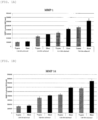
- FIG. 1A The results in FIG. 1A show the results on MMP-1 per cell ( FIG. 1A ). It was revealed that, when cultured at increased seeding density, MMP-1 was higher in cell sheets subjected to a suspension culturing after making the sheet than in a trypsin-treated cell suspension. Also, it was revealed that the MMP-1 activity per cell increased when the cell sheet of the present disclosure was made by increasing the cell seeding density. It was a surprising result that the MMP-1 activity per cell was increased by increasing the seeding density. In addition, while the activity increased about four-fold in the trypsin-treated cell suspension when the seeding density was increased four-fold, the activity increased about six-fold in the cell sheet of the present disclosure. Also, cell sheets of high cell seeding density also had excellent physical strength.
- FIG. 1B It was revealed that, when cultured at increased seeding density, MMP-14 was higher in cell sheets subjected to a suspension culturing after making the sheet than in a trypsin-treated cell suspension. Also, it was revealed that the MMP-14 activity per cell increased when the cell sheet of the present disclosure was made by increasing the cell seeding density. It was a surprising result that the MMP-14 activity per cell was increased by increasing the seeding density. In addition, while the activity increased about four-fold in the trypsin-treated cell suspension when the seeding density was increased four-fold, the activity increased about five-fold in the cell sheet of the present disclosure. Also, cell sheets of high cell seeding density also had excellent physical strength.
- FIG. 2 shows the results on MMP-1 in a cell sheet when the suspension culture step was carried out overnight (eight hours) using adherent bone marrow mononuclear cells. Suspension culturing overnight increased the MMP-1 activity in DMSO treatment and in IC-2 treatment. Although not shown in the drawing, the results were also the same for MMP-14. Also, in addition to Example 1, it was demonstrated that the activity relative to protein is also increased by increasing the seeding density. In addition, this tendency was more significant in cell sheets treated by IC-2 than by DMSO.
- FIG. 3 shows that the MMP-1 and MMP-14 activity increased in a cell sheet obtained from bone marrow-derived mesenchymal stem cells according to the method of the present disclosure.
- Day 0 is the MMP-1 and MMP-14 activity measured in samples prior to IC-2 and DMSO treatment. The cells at this time are not in the form of a sheet.
- the drawing shows that these activities increased further when DMSO and IC-2 were used in the sheetmaking step and that the MMP-1 and MMP-14 activity was higher in cell sheets treated by IC-2 than by DMSO.
- the cell sheet of the present disclosure can be produced from bone marrow mononuclear cells.
- Bone marrow contains hematopoietic and mesenchymal stem cells that can be differentiated into vascular endothelial cells, myocardial cells, smooth muscle cells, etc.
- a stromal layer of adherent cells adheres to the substrate and proliferates.
- the stromal layer is constituted from a variety of cell types such as fibroblasts, mesenchymal stem cells, adipocytes, endothelial cells, macrophages, etc.
- bone marrow mononuclear cells means a cell group in a fraction separated from bone marrow aspirate by density gradient centrifugation. By subculturing bone marrow mononuclear cells, it is also possible to increase the cells in the stromal layer and produce a cell sheet.
- Bone marrow mononuclear cells can be collected from human or animal bone marrow and can also be obtained from Lonza Japan Ltd., etc.
- One embodiment of the present disclosure is a cell sheet comprising bone marrow mononuclear cells produced as described above. This cell sheet has high fibrosis inhibitory activity, as explained later in the examples.
- one embodiment of the present disclosure relates additionally to a cell sheet obtained by treating a cell sheet comprising bone marrow mononuclear cells by a compound having a Wnt/ ⁇ -catenin signal inhibitory action.
- This sheet is characterized by further increased fibrosis inhibitory activity.
- This cell sheet may be used for liver surface transplantation but can be applied to inhibit fibrosis of any tissue as long as there is no rejection reaction.
- transplanted When this cell sheet is transplanted, one or multiple layers may be transplanted. Also, the transplant location may be one site or multiple sites. Furthermore, if multiple, the number may be, for example, 2, 3, 4, 5, or 6, or more, or within this range.
- the cell sheet in the present disclosure has a higher fibrosis inhibitory effect than in the prior art.
- the fibrosis inhibitory effect can be assessed by the fact that the matrix metalloprotease (MMP) activity is increased and by the hydroxyproline level and histological findings.
- MMP matrix metalloprotease
- the disclosed cell sheet increases the activity of MMP-1 and MMP-14 which decompose this type I collagen.
- the cell sheet is a cell sheet comprising bone marrow mononuclear cells. As along as no rejection reaction occurs, this sheet can be used to inhibit fibrosis in various tissues.
- Bone marrow mononuclear cells are seeded onto a temperature-responsive reaction dish containing medium.
- An example of the medium is DMEM/20% FBS containing bFGF.
- the number of cells seeded is, for example, 1.3 ⁇ 10 4 cells/cm 2 .
- the number can be modified as is appropriate in accordance with the flask size and culture environment and is within the range of knowledge of those skilled in the art. While changing the medium every four days, the cells are cultured at 37°C, 5% CO 2 until confluent.
- confluent means a state in which the seeded cells are in close contact on the Petri dish surface without any gaps.
- the percentage of confluency is not important, but a state in which from 70% to 90% of the Petri dish surface is visibly densely covered by cells is taken to be confluent.
- the cells become confluent in about eight days when 1.3 ⁇ 10 4 cells/cm 2 cells are cultured at 37°C, 5% CO 2 in a Petri dish 6 cm in diameter. The medium is changed every four days, as a general rule.
- the cells can be made into a sheet by moving the culture Petri dish that has become confluent into a 5% CO 2 incubator kept at 32°C or lower.
- “Made into a sheet” means that, when the cell sheet cultured for eight days in a temperature-responsive culture dish at 37°C, 5% CO 2 is moved into a 5% CO 2 incubator kept at 32°C or lower, the cells are detached from the cell adhesion surface of the temperature-responsive culture dish due to change of nature of surface of the dish from hydrophobic to hydrophilic, thereby cells of a sheet-like structure can be recovered. Since adherent proteins such as the extracellular matrix, etc. are maintained at the bottom of this cell sheet, the recovered cell sheet can be engrafted to tissue.
- "kept at 32°C or lower” means that the incubator is set so as not to exceed 32°C.
- the temperature when a sheet is made varies depending on the seeded cells; 32°C is acceptable when making a sheet from adherent bone marrow mononuclear cells or mesenchymal stem cells, but 20°C is preferred in the sense of avoiding high temperature as much as possible since making a sheet takes time when the cells have been treated with a compound having a Wnt/ ⁇ -catenin signal inhibitory action.
- the cells made into a sheet are shrunk.
- a cell sheet made in a temperature-responsive culture dish 6 cm in diameter becomes about 1 cm in diameter.
- Shrinkage makes it easier to adjust the number of cells applied to the affected site.
- the proportion of shrinkage is not important, and there is no problem as long as the difference in size is not great enough to interfere with lamination when a plurality of the cell sheets are stacked, which is one aspect of the present disclosure.
- One aspect of the present disclosure is to control the seeding density to increase the MMP activity per cell in the cell sheet.
- the number of cells seeded is selected as is appropriate depending on the ease of increasing the cells seeded and the culture conditions such as the container. For example, the number of cells seeded to a 6 cm culture dish is selected to be 9.0 ⁇ 10 3 cells/cm 2 when obtaining a liver cell sheet by differentiating mesenchymal stem cells (Patent Reference 1).
- a cell sheet for regenerative medicine it is important to obtain accurate single-layer sheets, which are then laminated as is appropriate and used in treatment.
- Seeding more than the well-proven number of seeded cells was thought to pose a risk from the viewpoint of obtaining an accurate single-layer sheet.
- the present inventors discovered that the MMP activity increases markedly in cell sheets with an increased number of cells seeded.
- bone marrow mononuclear cells are exposed to a compound having a Wnt/ ⁇ -catenin signal inhibitory effect during culture in the temperature-responsive culture dish.
- the medium is changed for a medium (DMEM/10% FBS) containing a predetermined amount of a compound having a Wnt/ ⁇ -catenin signal inhibitory effect on the next day of seeding.
- DMEM/10% FBS medium containing a predetermined amount of a compound having a Wnt/ ⁇ -catenin signal inhibitory effect on the next day of seeding.
- a concentration of 30 ⁇ M is preferred if the compound is IC-2 as will be described later.
- the medium After refreshing the medium with a medium containing a compound having a Wnt/ ⁇ -catenin signal inhibitory effect in the same manner as above on 5 days after seeding, then the medium is changed for a medium free of Wnt/ ⁇ -catenin signal inhibitory compound on 8 days after seeding, and the culture is moved to a 5% CO 2 incubator kept at 32°C or lower to make a sheet.
- bone marrow mononuclear cells can also be propagated as an adherent cell population prior to making a sheet in the temperature-responsive culture dish.
- DMEM/20% FBS medium containing 20 ng/mL of bFGF
- the Petri dish is washed with PBS, the cells are detached from the culture dish by trypsin and recovered, and the cell fraction can be obtained by removing the supernatant by centrifugation.
- the fraction is suspended in medium in the same way as the bone marrow mononuclear cells, and the cells are seeded onto a new culture dish.
- the medium is changed for a medium of the same composition every four days after seeding.
- the cells When confluent, the cells are washed with PBS, the cells are detached from the culture dish by trypsin and recovered, and a predetermined number of cells are seeded onto a temperature-responsive culture dish to obtain a cell sheet. If necessary, the adherent cell fraction may be subcultured as is appropriate prior to making a sheet in the temperature-responsive culture dish, but a suitable range in the present disclosure is up to three passages.
- the subcultured adherent cells may be exposed to a Wnt/ ⁇ -catenin signal inhibitory compound during culture in a temperature-responsive culture dish.
- the medium is changed for a medium (DMEM/10% FBS) containing a predetermined amount of a compound having a Wnt/ ⁇ -catenin signal inhibitory effect on the next day of seeding.
- a concentration of 30 ⁇ M is preferred if the compound is IC-2 as will be described later.
- the medium After refreshing the medium with a medium containing a compound having a Wnt/ ⁇ -catenin signal inhibitory effect in the same manner as above on 5 days after seeding, then the medium is changed for a medium free of Wnt/ ⁇ -catenin signal inhibitory compound on 8 days after seeding, and the culture is moved to a 5% CO 2 incubator kept at 32°C or lower to make a sheet.
- Wnt/ ⁇ -catenin signal inhibitory compounds include compounds described in Japanese Patent Application Publication No. 2011-219435 , WO2012/141038 A1 , WO2015/147107 A1 , and WO2017/047762 A1 .
- Suitable compounds are the IC-2 described in WO2012/141038 A1 and derivatives thereof. Suitable compounds are one or more compounds selected from the compound groups shown by formula (1) and formula (2), salts thereof, and solvates of these.
- Differentiation inducers containing one or more compounds selected from the compound group shown by formula (1) and formula (2), salts thereof, or solvates of these are provided as another example of suitable Wnt/ ⁇ -catenin signal inhibitory compounds.
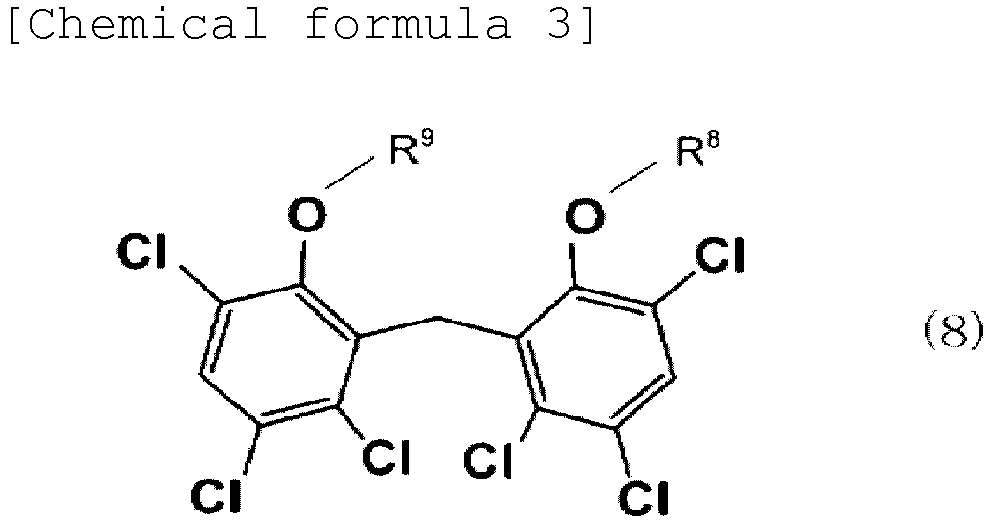
- differentiation inducers containing compounds shown by formula (8), salts thereof, or solvates of these are provided.
- R8 and R9 are the same or different from each other and are an optionally substituted C1-C6 alkyl or optionally substituted C2-C6 alkenyl.
- Wnt/ ⁇ -catenin signal inhibitory compounds are contemplated in the present disclosure as long as the compounds are derivatives of the above compounds and have a Wnt/ ⁇ -catenin signal inhibitory effect. Whether or not a compound has a Wnt/ ⁇ -catenin signal inhibitory effect can be determined by various means. For example, the luciferase activity in the cultured cells can serve as a standard.
- the cell sheet recovered from the temperature-responsive culture dish as described above is suspension cultured.
- the suspension culture time can be selected as is appropriate within the range where the MMP activity in the shrunken cell sheet is sufficiently high and there is no problem with the stability of the cell sheet. As one example, a time between 8 hours and 24 hours can be selected as is appropriate.
- Suspension culture in the present disclosure means that the recovered cells are allowed to stand in a state suspended in culture broth without again being adhered to the container.
- the culture broth used in this step is preferably the culture broth used in the sheetmaking step.
- the cell sheet subjected to suspension culture maintains the extracellular matrix in the same way as the cell sheet immediately after sheetmaking and can be engrafted to another cell sheet, a substrate, or a disease target tissue.
- the present inventors discovered that the MMP activity is increased significantly in the cell sheet by suspension culturing the cell sheet obtained during cell sheet production, and arrived at the present invention.
- the MMP activity tended to increase both when a cell sheet was produced from bone marrow mononuclear cells and when exposed to a compound having a Wnt/ ⁇ -catenin signal inhibitory action in the cell sheetmaking step, but cell sheets produced by exposure to a Wnt/ ⁇ -catenin signal inhibitory compound had higher MMP activity than cell sheets produced from bone marrow mononuclear cells.
- the present inventors reported that activation of hepatic stellate cells was suppressed in chronic liver damage model mice using liver cell sheets differentiated by the IC-2 compound (Patent Reference 1). Based on this, the present inventors focused on the matrix metalloprotease (MMP) group associated with decomposition of type I collagen, which serves as a major component of liver fibrosis inhibition, and discovered and reported that MMP-1 and MMP-14 are strongly involved in fibrosis in chronic and acute liver disease (Liver Forum, March 2017).
- MMP matrix metalloprotease
- the MMP activity can be determined by measuring the enzyme activity using a fluorescence resonance energy transfer (FRET) peptide that generates fluorescence upon cleavage by MMP.
- FRET fluorescence resonance energy transfer
- a frozen liver tissue fragment (cell sheet) is disrupted by a homogenizer, and a homogenate is obtained.
- This homogenate is frozen by nitrogen, thawed at room temperature, and then sonicated using an ultrasonic cell disrupter BioRuptur (Cosmo Bio, Tokyo, Japan).
- An equal amount of 12N concentrated hydrochloric acid is added to this disrupted solution to perform hydrolysis.
- the remaining homogenate is used in measurement of the amount of protein in the solution.
- the hydrolysate is finely crushed by pipetting and centrifuged for five minutes at 3000 rpm at room temperature.
- the supernatant is placed in a 1.5 mL tube, and the hydrochloric acid is removed by a cold evaporator (Sakuma Seisakusho, Tokyo, Japan). Hydroxyproline is measured using a hydroxyproline quantification kit (BioVision, California, USA).
- the amount of protein in the disrupted solution is measured by the Bradford method using a protein assay concentrated dye reagent (Bio-Rad, California, USA).
- Bone marrow-derived mesenchymal stem cells (UE7T-13 cell line) were suspended in DMED/10% FBS and seeded to make respective seeded cell densities of 3.6 ⁇ 10 4 cells/cm 2 , 5.4 ⁇ 10 4 cells/cm 2 , and 7.2 ⁇ 10 4 cells/cm 2 in temperature-responsive culture dishes and ordinary cell culture dishes. After four days, the temperature-responsive culture dishes were moved into a 32°C, 5% CO 2 incubator, and sheets were made.
- the cell sheets obtained were washed three times with PBS, then homogenized in the buffer of an MMP activity measurement kit (SensoLyte ® 520 MMP-1 Assay Kit Fluorimetric, (ANASPEC Co.: Cat#: AS-71150) and SensoLyte ® 520 MMP-14 Assay Kit Fluorimetric (ANASPEC Co.: Cat# AS72025)).
- MMP activity measurement kit SensoLyte ® 520 MMP-1 Assay Kit Fluorimetric, (ANASPEC Co.: Cat#: AS-71150) and SensoLyte ® 520 MMP-14 Assay Kit Fluorimetric (ANASPEC Co.: Cat# AS72025)
- the cells seeded in the ordinary cell culture dishes were dispersed in 0.025% trypsin/0.1 mM EDTA, recovered by centrifugation, then washed three times with PBS and homogenized in the buffer for the MMP activity measurement.
- the results of the measured MMP activity are shown in Table 1
- FIG. 1A show the results on MMP-1 ( FIG. 1A ) and MMP-14 ( FIG. 1B ) per cell. It was revealed that, when cultured at increased seeding densities, MMP-1 and MMP-14 become higher in cell sheets subjected to the suspension culture after making the sheet than in the trypsin-treated cell suspension. Also, it was revealed that the MMP-1 activity per cell increased when the cell sheet of the present disclosure was made by increasing the cell seeding density. It was a surprising result that the MMP-1 activity per cell was increased by increasing the seeding density. In addition, while the activity increased about four-fold in the trypsin-treated cell suspension when the seeding density was increased four-fold, the activity increased about five- to six-fold in the cell sheet of the present disclosure. Cell sheets of high cell seeding density also had excellent physical strength.
- Adherent bone marrow mononuclear cells (Lonza Japan Ltd.) were suspended in DMED/20% FBS and seeded to make seeded cell densities of 1.8 ⁇ 10 4 cells/cm 2 , 3.6 ⁇ 10 4 cells/cm 2 , and 5.4 ⁇ 10 4 cells/cm 2 in temperature-responsive culture dishes.
- the medium was changed to DMEM/10% FBS containing 30 ⁇ M of IC-2.
- An embodiment using medium with DMSO added instead of the IC-2 compound was also implemented. Four days after adding IC-2 and DMSO, the respective media were again changed for a medium containing 30 ⁇ M of IC-2 or medium containing DMSO.
- the temperature-responsive culture dishes were moved into a 20°C, 5% CO 2 incubator, and sheets were made.
- the cells that had been made into sheets were suspension cultured by being left to stand overnight at 20°C with 5% CO 2 in Petri dishes containing the same culture broth. After suspension culture, the cell sheets were washed three times with PBS, then homogenized in the buffer of an MMP activity measurement kit (SensoLyte ® 520 MMP-1 Assay Kit Fluorimetric, (ANASPEC Co.: Cat#: AS-71150) and SensoLyte ® 520 MMP-14 Assay Kit Fluorimetric (ANASPEC Co.: Cat#: AS-72025)). MMP-1 and MMP-14 were each measured at a fixed amount of protein.
- MMP-1 and MMP-14 activity increased in both the DMSO- and IC-2-treated cell sheets when suspension cultured (not shown in drawing).
- the results on MMP-1 are shown in FIG. 2 . These results revealed that the activity relative to protein is also increased by increasing the seeded density. Also, this tendency was more evident in cell sheets treated with IC-2 than with DMSO.
- Bone marrow-derived mesenchymal stem cells (UE7T-13 cell line) were suspended in DMED/10% FBS and seeded to make a seeded cell density of 3.6 ⁇ 10 4 cells/cm 2 in temperature-responsive culture dishes.
- the medium was changed to DMEM/10% FBS containing 15 ⁇ M of IC-2.
- the same approach was also followed using medium with DMSO added instead of the IC-2 compound.
- the medium was again changed for a medium containing 15 ⁇ M of IC-2 or medium containing DMSO. After eight days, the temperature-responsive culture dishes were moved into a 20°C, 5% CO 2 incubator, and sheets were made.
- the cell sheets obtained were washed three times with PBS, then homogenized in the buffer of an MMP activity measurement kit (SensoLyte ® 520 MMP-1 Assay Kit Fluorimetric, (ANASPEC Co.: Cat#: AS-71150) and SensoLyte ® 520 MMP-14 Assay Kit Fluorimetric (ANASPEC Co.: Cat#: AS-72025)), and the MMP-1 and MMP-14 activities were measured.
- the MMP-1 and MMP-14 activity of cells prior to IC-2 and DMSO treatment was measured as day 0. Furthermore, the cells were not in the form of a sheet on day 0.
- the results on the MMP activity measured at a fixed amount of protein are shown in FIG. 3 .
- FIG. 3 revealed that the MMP-1 and MMP-14 activity in the cells is increased several fold by making the cells into sheets and that the IC-2 compound increases the activity more than DMSO.
Landscapes
- Health & Medical Sciences (AREA)
- Life Sciences & Earth Sciences (AREA)
- Engineering & Computer Science (AREA)
- Biomedical Technology (AREA)
- Developmental Biology & Embryology (AREA)
- Zoology (AREA)
- Biotechnology (AREA)
- Chemical & Material Sciences (AREA)
- Cell Biology (AREA)
- Immunology (AREA)
- Genetics & Genomics (AREA)
- Organic Chemistry (AREA)
- Wood Science & Technology (AREA)
- Bioinformatics & Cheminformatics (AREA)
- General Health & Medical Sciences (AREA)
- Hematology (AREA)
- Rheumatology (AREA)
- Microbiology (AREA)
- General Engineering & Computer Science (AREA)
- Biochemistry (AREA)
- Pharmacology & Pharmacy (AREA)
- Epidemiology (AREA)
- Animal Behavior & Ethology (AREA)
- Public Health (AREA)
- Virology (AREA)
- Veterinary Medicine (AREA)
- Medicinal Chemistry (AREA)
- Micro-Organisms Or Cultivation Processes Thereof (AREA)
- Medicines Containing Material From Animals Or Micro-Organisms (AREA)
- Materials For Medical Uses (AREA)
Description
- The present disclosure relates to a cell sheet to be used in regenerative medicine. More specifically, the present disclosure relates to a cell sheet having enhanced fibrosis inhibitory activity.
- "Regenerative medicine" makes possible treatment to restore not only the function but also the structure of the body to its original condition, or as close as possible thereto, by utilizing cells that have been increased in number by culture, etc. To increase the number of cells, there is a method that injects the cells themselves. However, in order to make the repair function possessed by the cells work in a predetermined tissue, the transplanted cells must be integrated into the tissue and fixed there.
- A cell sheet is obtained by culturing cells collected from a patient's tissue or an established cell line and making them into a sheet. A certain amount of cells that have been increased by culture are bonded to each other to form a single-layer sheet. Since adhesion proteins such as the extracellular matrix are maintained at the bottom of the cell sheet, the cell sheet engrafts to the transplant tissue without surgical suturing. The engrafted cell sheet releases humoral factors and promotes regenerative healing. Human transplantation and regenerative medicine have been performed in the cornea, heart, esophagus, etc. to date, and the range of applications is expected to expand in the future. The preparation of a cell sheet from mesenchymal stem cells has been described in the prior art, e.g. in
EP 2 698 365 A1US 2017/216362 A1 and by Noriko Itaba et al in "Human mesenchymal stem cell-engineered hepatic cell sheets accelerate liver regeneration in mice", SCIENTIFIC REPORTS, 2015, vol. 5, no. 1, XP055759964. - The present inventors reported differentiating mesenchymal stem cells and patient bone marrow-derived mesenchymal stem cells into cells having liver function using a compound having a Wnt/β-catenin signal inhibitory action, making the differentiated cells into a sheet, stacking a plurality of the sheets, and suppressing liver damage in mice (Patent Reference 1).
- Tissue fibrosis is a symptom of liver damage. Upon progressing in the liver, fibrosis becomes cirrhosis and liver cancer. Fibrosis also occurs in the lung, kidney, heart, skin, etc. Non-Patent
Reference 1 describes the results of a clinical trial of pirfenidone as relates to the treatment of fibrosis. - Patent Reference 1:
WO2012/141038 A1 - Non-Patent Reference 1: Nobel et al., Lancet, May 21; 377(9779): 1760-9
- While research results relating to fibrosis treatment are gradually accumulating, there are still few effective therapeutics for treatment of fibrosis, and side effects may also be a problem for some patients in treatment by compounds such as the above. Therefore, conventional fibrosis inhibitors alone are not adequate, and it is necessary to establish therapeutic methods in regenerative medicine where side effects do not pose a problem, especially therapeutic methods using a cell sheet.
- In order to obtain a predetermined therapeutic effect in humans using the present inventors' abovementioned cell sheet, it is estimated that a stack of two or three cell sheets obtained by culturing in a culture dish 15 cm in diameter must be applied to multiple locations.
- In addition, liver cells differentiated from mesenchymal stem cells are used in the above reference. It is difficult to strictly manage and comprehend the number of differentiated cells in all samples in differentiated cell sheets; therefore, managing cell sheets such as the above as a product is labor-intensive.
- Given the above circumstances, the cost per target specimen tends to rise in regenerative medicine, which has hindered the realization and spread of regenerative medicine products, etc.
- The present invention is directed to subject matter as defined in the appended claims.
As a result of in-depth studies conducted to solve problems such as the above, the present inventors discovered a means that makes it possible to enhance the fibrosis inhibitory action in a cell sheet comprising bone marrow mononuclear cells. - This method also shows a similar tendency when bone marrow mononuclear cells are treated by a compound having a Wnt/β-catenin signal inhibitory effect, and the fibrosis inhibitory effect was discovered to be even stronger in this case, leading to the present invention.
- Specifically, according to one embodiment of the present disclosure:
there is provided a cell sheet comprising bone marrow mononuclear cells, wherein the cell sheet is obtained by making bone marrow mononuclear cells from a suspension of bone marrow mononuclear cells into a sheet, shrinking the sheet, and then suspension culturing the sheet for at least 8 hours. - In this cell sheet, the bone marrow mononuclear cells may be adherent bone marrow mononuclear cells.
- In this cell sheet, the bone marrow mononuclear cells may be mesenchymal stem cells.
- In this cell sheet, the bone marrow mononuclear cells may be exposed to a compound having a Wnt/β-catenin signal inhibitory action when being made into a sheet, and this compound may be IC-2.
- This cell sheet has a high fibrosis inhibitory effect and is applicable to various tissues.
- This cell sheet has high MMP activity and is useful as a cell sheet for treating liver disease.
- Also provided in the present disclosure is a laminated cell sheet for treating fibrosis obtained by laminating the aforedescribed cell sheets.
- Also provided in the present disclosure is an in vitro method for producing a cell sheet having a fibrosis inhibitory action. This method includes a step for obtaining bone marrow mononuclear cells, a step for suspending the bone marrow mononuclear cells in culture broth, a step for seeding the suspension of bone marrow mononuclear cells onto a temperature-responsive culture dish and incubating, a step for confirming that the cultured bone marrow mononuclear cells have become confluent, moving the temperature-responsive culture dish into an environment of 32°C or lower, and obtaining a cell sheet, and a step for suspension culturing the cell sheet obtained for at least 8 hours.
- In this method, the bone marrow mononuclear cells may be adherent bone marrow mononuclear cells or mesenchymal stem cells. Also, the culture broth may contain a compound having a Wnt/β-catenin signal inhibitory action in the step in this method for seeding the suspension of bone marrow mononuclear cells onto a temperature-responsive culture dish and incubating.
- In this method, the compound having a Wnt/β-catenin signal inhibitory action may be IC-2.
- In this method, the cell sheet obtained is applicable to various tissues.
- The cell sheet obtained in this method is useful as a cell sheet for treating liver disease.
- While not intending to be bound by theory, it is thought that the cell sheet of the present disclosure maintains a single-layer confluent state and, by being shrunk, the gap junctions between cell membranes are strengthened and, by being suspension cultured for a certain time, the intercellular activity is enhanced by causing small molecular metabolites, ions, etc. to be shared between the cells that constitute the cell sheet.
- Degeneration and deterioration of a cell sheet pose a problem during suspension culture. For example, when a cell sheet for treating ischemic heart disease comprising skeletal myoblasts is stored at from 15°C to 25°C after preparation, the cell sheet must be applied to the patient within 10 hours. The present inventors confirmed that when a cell sheet is produced from bone marrow mononuclear cells as described in the present disclosure, the cell sheet presents high MMP activity for at least 8 hours or up to 24 hours after production, even when allowed to stand in a 20°C, 5% CO2 environment.
- A cell sheet having an enhanced fibrosis inhibitory effect in the cell sheet is obtained in accordance with the present disclosure.
- (
FIG. 1A ) The results inFIG. 1A show the results on MMP-1 per cell (FIG. 1A ). It was revealed that, when cultured at increased seeding density, MMP-1 was higher in cell sheets subjected to a suspension culturing after making the sheet than in a trypsin-treated cell suspension. Also, it was revealed that the MMP-1 activity per cell increased when the cell sheet of the present disclosure was made by increasing the cell seeding density. It was a surprising result that the MMP-1 activity per cell was increased by increasing the seeding density. In addition, while the activity increased about four-fold in the trypsin-treated cell suspension when the seeding density was increased four-fold, the activity increased about six-fold in the cell sheet of the present disclosure. Also, cell sheets of high cell seeding density also had excellent physical strength. - (
FIG. 1B ) It was revealed that, when cultured at increased seeding density, MMP-14 was higher in cell sheets subjected to a suspension culturing after making the sheet than in a trypsin-treated cell suspension. Also, it was revealed that the MMP-14 activity per cell increased when the cell sheet of the present disclosure was made by increasing the cell seeding density. It was a surprising result that the MMP-14 activity per cell was increased by increasing the seeding density. In addition, while the activity increased about four-fold in the trypsin-treated cell suspension when the seeding density was increased four-fold, the activity increased about five-fold in the cell sheet of the present disclosure. Also, cell sheets of high cell seeding density also had excellent physical strength. - (
FIG. 2) FIG. 2 shows the results on MMP-1 in a cell sheet when the suspension culture step was carried out overnight (eight hours) using adherent bone marrow mononuclear cells. Suspension culturing overnight increased the MMP-1 activity in DMSO treatment and in IC-2 treatment. Although not shown in the drawing, the results were also the same for MMP-14. Also, in addition to Example 1, it was demonstrated that the activity relative to protein is also increased by increasing the seeding density. In addition, this tendency was more significant in cell sheets treated by IC-2 than by DMSO. - (
FIG. 3) FIG. 3 shows that the MMP-1 and MMP-14 activity increased in a cell sheet obtained from bone marrow-derived mesenchymal stem cells according to the method of the present disclosure.Day 0 is the MMP-1 and MMP-14 activity measured in samples prior to IC-2 and DMSO treatment. The cells at this time are not in the form of a sheet. The drawing shows that these activities increased further when DMSO and IC-2 were used in the sheetmaking step and that the MMP-1 and MMP-14 activity was higher in cell sheets treated by IC-2 than by DMSO. - The cell sheet of the present disclosure can be produced from bone marrow mononuclear cells. Bone marrow contains hematopoietic and mesenchymal stem cells that can be differentiated into vascular endothelial cells, myocardial cells, smooth muscle cells, etc.
- When bone marrow cells are cultured under specific conditions, a stromal layer of adherent cells adheres to the substrate and proliferates. The stromal layer is constituted from a variety of cell types such as fibroblasts, mesenchymal stem cells, adipocytes, endothelial cells, macrophages, etc. In the present disclosure, bone marrow mononuclear cells means a cell group in a fraction separated from bone marrow aspirate by density gradient centrifugation. By subculturing bone marrow mononuclear cells, it is also possible to increase the cells in the stromal layer and produce a cell sheet.
- Bone marrow mononuclear cells can be collected from human or animal bone marrow and can also be obtained from Lonza Japan Ltd., etc.
- One embodiment of the present disclosure is a cell sheet comprising bone marrow mononuclear cells produced as described above. This cell sheet has high fibrosis inhibitory activity, as explained later in the examples.
- Also, one embodiment of the present disclosure relates additionally to a cell sheet obtained by treating a cell sheet comprising bone marrow mononuclear cells by a compound having a Wnt/β-catenin signal inhibitory action. This sheet is characterized by further increased fibrosis inhibitory activity.
- This cell sheet may be used for liver surface transplantation but can be applied to inhibit fibrosis of any tissue as long as there is no rejection reaction.
- When this cell sheet is transplanted, one or multiple layers may be transplanted. Also, the transplant location may be one site or multiple sites. Furthermore, if multiple, the number may be, for example, 2, 3, 4, 5, or 6, or more, or within this range.
- The cell sheet in the present disclosure has a higher fibrosis inhibitory effect than in the prior art. The fibrosis inhibitory effect can be assessed by the fact that the matrix metalloprotease (MMP) activity is increased and by the hydroxyproline level and histological findings. Regarding the advance of fibrosis in living tissue, it has been revealed that activated fibroblasts (hepatic stellate cells in the liver) accumulate at the fibrotic site and produce large amounts of type I collagen. The disclosed cell sheet increases the activity of MMP-1 and MMP-14 which decompose this type I collagen.
- Also, in one aspect of the present disclosure, the cell sheet is a cell sheet comprising bone marrow mononuclear cells. As along as no rejection reaction occurs, this sheet can be used to inhibit fibrosis in various tissues.
- Bone marrow mononuclear cells are seeded onto a temperature-responsive reaction dish containing medium. An example of the medium is DMEM/20% FBS containing bFGF. The number of cells seeded is, for example, 1.3 × 10⁴ cells/cm2. The number can be modified as is appropriate in accordance with the flask size and culture environment and is within the range of knowledge of those skilled in the art. While changing the medium every four days, the cells are cultured at 37°C, 5% CO2 until confluent.
- In the present disclosure, confluent means a state in which the seeded cells are in close contact on the Petri dish surface without any gaps. In the present disclosure, the percentage of confluency is not important, but a state in which from 70% to 90% of the Petri dish surface is visibly densely covered by cells is taken to be confluent. Furthermore, the cells become confluent in about eight days when 1.3 × 10⁴ cells/cm2 cells are cultured at 37°C, 5% CO2 in a Petri dish 6 cm in diameter. The medium is changed every four days, as a general rule.
- The cells can be made into a sheet by moving the culture Petri dish that has become confluent into a 5% CO2 incubator kept at 32°C or lower. "Made into a sheet" means that, when the cell sheet cultured for eight days in a temperature-responsive culture dish at 37°C, 5% CO2 is moved into a 5% CO2 incubator kept at 32°C or lower, the cells are detached from the cell adhesion surface of the temperature-responsive culture dish due to change of nature of surface of the dish from hydrophobic to hydrophilic, thereby cells of a sheet-like structure can be recovered. Since adherent proteins such as the extracellular matrix, etc. are maintained at the bottom of this cell sheet, the recovered cell sheet can be engrafted to tissue.
- In the present disclosure, "kept at 32°C or lower" means that the incubator is set so as not to exceed 32°C. The temperature when a sheet is made varies depending on the seeded cells; 32°C is acceptable when making a sheet from adherent bone marrow mononuclear cells or mesenchymal stem cells, but 20°C is preferred in the sense of avoiding high temperature as much as possible since making a sheet takes time when the cells have been treated with a compound having a Wnt/β-catenin signal inhibitory action.
- In the step that produces a cell sheet of the present disclosure, the cells made into a sheet are shrunk. For example, a cell sheet made in a temperature-responsive culture dish 6 cm in diameter becomes about 1 cm in diameter. Shrinkage makes it easier to adjust the number of cells applied to the affected site. In the present disclosure, the proportion of shrinkage is not important, and there is no problem as long as the difference in size is not great enough to interfere with lamination when a plurality of the cell sheets are stacked, which is one aspect of the present disclosure.
- One aspect of the present disclosure is to control the seeding density to increase the MMP activity per cell in the cell sheet. In plate culture, the number of cells seeded is selected as is appropriate depending on the ease of increasing the cells seeded and the culture conditions such as the container. For example, the number of cells seeded to a 6 cm culture dish is selected to be 9.0 × 10³ cells/cm2 when obtaining a liver cell sheet by differentiating mesenchymal stem cells (Patent Reference 1). In a cell sheet for regenerative medicine according to the present disclosure, it is important to obtain accurate single-layer sheets, which are then laminated as is appropriate and used in treatment. Seeding more than the well-proven number of seeded cells was thought to pose a risk from the viewpoint of obtaining an accurate single-layer sheet. The present inventors, however, discovered that the MMP activity increases markedly in cell sheets with an increased number of cells seeded.
- In another aspect of the present disclosure, bone marrow mononuclear cells are exposed to a compound having a Wnt/β-catenin signal inhibitory effect during culture in the temperature-responsive culture dish. In this case, the medium is changed for a medium (DMEM/10% FBS) containing a predetermined amount of a compound having a Wnt/β-catenin signal inhibitory effect on the next day of seeding. As one example, a concentration of 30 µM is preferred if the compound is IC-2 as will be described later. After refreshing the medium with a medium containing a compound having a Wnt/β-catenin signal inhibitory effect in the same manner as above on 5 days after seeding, then the medium is changed for a medium free of Wnt/β-catenin signal inhibitory compound on 8 days after seeding, and the culture is moved to a 5% CO2 incubator kept at 32°C or lower to make a sheet.
- In another aspect of the present disclosure, bone marrow mononuclear cells can also be propagated as an adherent cell population prior to making a sheet in the temperature-responsive culture dish. As an example of obtaining this population, after conducting plate culture until confluent in medium (DMEM/20% FBS) containing 20 ng/mL of bFGF, the Petri dish is washed with PBS, the cells are detached from the culture dish by trypsin and recovered, and the cell fraction can be obtained by removing the supernatant by centrifugation. The fraction is suspended in medium in the same way as the bone marrow mononuclear cells, and the cells are seeded onto a new culture dish. The medium is changed for a medium of the same composition every four days after seeding. When confluent, the cells are washed with PBS, the cells are detached from the culture dish by trypsin and recovered, and a predetermined number of cells are seeded onto a temperature-responsive culture dish to obtain a cell sheet. If necessary, the adherent cell fraction may be subcultured as is appropriate prior to making a sheet in the temperature-responsive culture dish, but a suitable range in the present disclosure is up to three passages.
- In addition, in another aspect of the present disclosure, the subcultured adherent cells may be exposed to a Wnt/β-catenin signal inhibitory compound during culture in a temperature-responsive culture dish. In this case, the medium is changed for a medium (DMEM/10% FBS) containing a predetermined amount of a compound having a Wnt/β-catenin signal inhibitory effect on the next day of seeding. As one example, a concentration of 30 µM is preferred if the compound is IC-2 as will be described later. After refreshing the medium with a medium containing a compound having a Wnt/β-catenin signal inhibitory effect in the same manner as above on 5 days after seeding, then the medium is changed for a medium free of Wnt/β-catenin signal inhibitory compound on 8 days after seeding, and the culture is moved to a 5% CO2 incubator kept at 32°C or lower to make a sheet.
- In the present disclosure, Wnt/β-catenin signal inhibitory compounds include compounds described in
Japanese Patent Application Publication No. 2011-219435 WO2012/141038 A1 ,WO2015/147107 A1 , andWO2017/047762 A1 . - Suitable compounds are the IC-2 described in
WO2012/141038 A1 and derivatives thereof. Suitable compounds are one or more compounds selected from the compound groups shown by formula (1) and formula (2), salts thereof, and solvates of these.

- (In the formulas,
- R1, R2, R4, R5, and R6 are the same or different from each other and are H, a halogen, nitro, cyano, OH, optionally substituted C1-C6 alkyl, optionally substituted C2-C6 alkenyl, optionally substituted C1-C6 alkoxy, aryl, or heteroaryl;
- R3 and R7 are H, an optionally substituted C1-6 alkyl, or optionally substituted C2-6 alkenyl;
- ring A is an optionally substituted aryl or optionally substituted heteroaryl;
- m and q are any integer of 1-4;
- n is any integer of 1-3;
- p and r are any integer of 1-5.
- However, excluding N-[(5-methyl-2-furyl)methylideneamino]-2-phenoxy-benzamide.)
- Differentiation inducers containing one or more compounds selected from the compound group shown by formula (1) and formula (2), salts thereof, or solvates of these are provided as another example of suitable Wnt/β-catenin signal inhibitory compounds. In addition, differentiation inducers containing compounds shown by formula (8), salts thereof, or solvates of these are provided.
- (In the formula,
R8 and R9 are the same or different from each other and are an optionally substituted C1-C6 alkyl or optionally substituted C2-C6 alkenyl.) - The above compounds are examples. Such Wnt/β-catenin signal inhibitory compounds are contemplated in the present disclosure as long as the compounds are derivatives of the above compounds and have a Wnt/β-catenin signal inhibitory effect. Whether or not a compound has a Wnt/β-catenin signal inhibitory effect can be determined by various means. For example, the luciferase activity in the cultured cells can serve as a standard.
- In the present disclosure, the cell sheet recovered from the temperature-responsive culture dish as described above is suspension cultured. The suspension culture time can be selected as is appropriate within the range where the MMP activity in the shrunken cell sheet is sufficiently high and there is no problem with the stability of the cell sheet. As one example, a time between 8 hours and 24 hours can be selected as is appropriate. Suspension culture in the present disclosure means that the recovered cells are allowed to stand in a state suspended in culture broth without again being adhered to the container. The culture broth used in this step is preferably the culture broth used in the sheetmaking step. The cell sheet subjected to suspension culture maintains the extracellular matrix in the same way as the cell sheet immediately after sheetmaking and can be engrafted to another cell sheet, a substrate, or a disease target tissue.
- The present inventors discovered that the MMP activity is increased significantly in the cell sheet by suspension culturing the cell sheet obtained during cell sheet production, and arrived at the present invention. As explained in the present disclosure, the MMP activity tended to increase both when a cell sheet was produced from bone marrow mononuclear cells and when exposed to a compound having a Wnt/β-catenin signal inhibitory action in the cell sheetmaking step, but cell sheets produced by exposure to a Wnt/β-catenin signal inhibitory compound had higher MMP activity than cell sheets produced from bone marrow mononuclear cells.
- The present inventors reported that activation of hepatic stellate cells was suppressed in chronic liver damage model mice using liver cell sheets differentiated by the IC-2 compound (Patent Reference 1). Based on this, the present inventors focused on the matrix metalloprotease (MMP) group associated with decomposition of type I collagen, which serves as a major component of liver fibrosis inhibition, and discovered and reported that MMP-1 and MMP-14 are strongly involved in fibrosis in chronic and acute liver disease (Liver Forum, March 2017).
- In the present disclosure, the MMP activity can be determined by measuring the enzyme activity using a fluorescence resonance energy transfer (FRET) peptide that generates fluorescence upon cleavage by MMP.
- A frozen liver tissue fragment (cell sheet) is disrupted by a homogenizer, and a homogenate is obtained. This homogenate is frozen by nitrogen, thawed at room temperature, and then sonicated using an ultrasonic cell disrupter BioRuptur (Cosmo Bio, Tokyo, Japan). An equal amount of 12N concentrated hydrochloric acid is added to this disrupted solution to perform hydrolysis. The remaining homogenate is used in measurement of the amount of protein in the solution. After hydrolysis, and after cooling to room temperature, the hydrolysate is finely crushed by pipetting and centrifuged for five minutes at 3000 rpm at room temperature. The supernatant is placed in a 1.5 mL tube, and the hydrochloric acid is removed by a cold evaporator (Sakuma Seisakusho, Tokyo, Japan). Hydroxyproline is measured using a hydroxyproline quantification kit (BioVision, California, USA).
- The amount of protein in the disrupted solution is measured by the Bradford method using a protein assay concentrated dye reagent (Bio-Rad, California, USA).
- Histology studies of the inhibitory effect on fibrosis are conducted using Sirius red stain and azan stain.
- The present invention is described further below through examples, but the present invention is not limited to these examples.
- Bone marrow-derived mesenchymal stem cells (UE7T-13 cell line) were suspended in DMED/10% FBS and seeded to make respective seeded cell densities of 3.6 × 10⁴ cells/cm2, 5.4 × 10⁴ cells/cm2, and 7.2 × 10⁴ cells/cm2 in temperature-responsive culture dishes and ordinary cell culture dishes. After four days, the temperature-responsive culture dishes were moved into a 32°C, 5% CO2 incubator, and sheets were made. The cell sheets obtained were washed three times with PBS, then homogenized in the buffer of an MMP activity measurement kit (SensoLyte® 520 MMP-1 Assay Kit Fluorimetric, (ANASPEC Co.: Cat#: AS-71150) and SensoLyte® 520 MMP-14 Assay Kit Fluorimetric (ANASPEC Co.: Cat# AS72025)). The cells seeded in the ordinary cell culture dishes were dispersed in 0.025% trypsin/0.1 mM EDTA, recovered by centrifugation, then washed three times with PBS and homogenized in the buffer for the MMP activity measurement. The results of the measured MMP activity are shown in Table 1 and
FIGS. 1A and 1B . The results inFIG. 1 show the results on MMP-1 (FIG. 1A ) and MMP-14 (FIG. 1B ) per cell. It was revealed that, when cultured at increased seeding densities, MMP-1 and MMP-14 become higher in cell sheets subjected to the suspension culture after making the sheet than in the trypsin-treated cell suspension. Also, it was revealed that the MMP-1 activity per cell increased when the cell sheet of the present disclosure was made by increasing the cell seeding density. It was a surprising result that the MMP-1 activity per cell was increased by increasing the seeding density. In addition, while the activity increased about four-fold in the trypsin-treated cell suspension when the seeding density was increased four-fold, the activity increased about five- to six-fold in the cell sheet of the present disclosure. Cell sheets of high cell seeding density also had excellent physical strength.
- Adherent bone marrow mononuclear cells (Lonza Japan Ltd.) were suspended in DMED/20% FBS and seeded to make seeded cell densities of 1.8 × 10⁴ cells/cm2, 3.6 × 10⁴ cells/cm2, and 5.4 × 10⁴ cells/cm2 in temperature-responsive culture dishes. On the next day of seeding, the medium was changed to DMEM/10% FBS containing 30 µM of IC-2. An embodiment using medium with DMSO added instead of the IC-2 compound was also implemented. Four days after adding IC-2 and DMSO, the respective media were again changed for a medium containing 30 µM of IC-2 or medium containing DMSO. After seven days, the temperature-responsive culture dishes were moved into a 20°C, 5% CO2 incubator, and sheets were made. The cells that had been made into sheets were suspension cultured by being left to stand overnight at 20°C with 5% CO2 in Petri dishes containing the same culture broth. After suspension culture, the cell sheets were washed three times with PBS, then homogenized in the buffer of an MMP activity measurement kit (SensoLyte® 520 MMP-1 Assay Kit Fluorimetric, (ANASPEC Co.: Cat#: AS-71150) and SensoLyte® 520 MMP-14 Assay Kit Fluorimetric (ANASPEC Co.: Cat#: AS-72025)). MMP-1 and MMP-14 were each measured at a fixed amount of protein. The MMP-1 and MMP-14 activity increased in both the DMSO- and IC-2-treated cell sheets when suspension cultured (not shown in drawing). The results on MMP-1 are shown in
FIG. 2 . These results revealed that the activity relative to protein is also increased by increasing the seeded density. Also, this tendency was more evident in cell sheets treated with IC-2 than with DMSO. - Bone marrow-derived mesenchymal stem cells (UE7T-13 cell line) were suspended in DMED/10% FBS and seeded to make a seeded cell density of 3.6 × 10⁴ cells/cm2 in temperature-responsive culture dishes. On the next day of seeding, the medium was changed to DMEM/10% FBS containing 15 µM of IC-2. The same approach was also followed using medium with DMSO added instead of the IC-2 compound. Four days after seeding, the medium was again changed for a medium containing 15 µM of IC-2 or medium containing DMSO. After eight days, the temperature-responsive culture dishes were moved into a 20°C, 5% CO2 incubator, and sheets were made. The cell sheets obtained were washed three times with PBS, then homogenized in the buffer of an MMP activity measurement kit (SensoLyte® 520 MMP-1 Assay Kit Fluorimetric, (ANASPEC Co.: Cat#: AS-71150) and SensoLyte® 520 MMP-14 Assay Kit Fluorimetric (ANASPEC Co.: Cat#: AS-72025)), and the MMP-1 and MMP-14 activities were measured. The MMP-1 and MMP-14 activity of cells prior to IC-2 and DMSO treatment was measured as
day 0. Furthermore, the cells were not in the form of a sheet onday 0. The results on the MMP activity measured at a fixed amount of protein are shown inFIG. 3 . -
FIG. 3 revealed that the MMP-1 and MMP-14 activity in the cells is increased several fold by making the cells into sheets and that the IC-2 compound increases the activity more than DMSO.
Claims (17)
- A cell sheet comprising bone marrow mononuclear cells, wherein the cell sheet is obtained by making bone marrow mononuclear cells from a bone marrow mononuclear cell suspension into a sheet, shrinking the sheet, and then suspension culturing the sheet for at least 8 hours, wherein the sheet has a high fibrosis inhibitory effect.
- The cell sheet of Claim 1, wherein the bone marrow mononuclear cells are adherent bone marrow mononuclear cells.
- The cell sheet of Claim 1, wherein the bone marrow mononuclear cells are mesenchymal stem cells.
- The cell sheet of Claim 1, wherein the bone marrow mononuclear cells, when being made into a sheet, are exposed to a compound having a Wnt/β-catenin signal inhibitory action.
- The cell sheet of Claim 4, wherein the compound having a Wnt/β-catenin signal inhibitory action is IC-2.
- The cell sheet of Claim 1, which shows a higher fibrosis inhibitory effect.
- The cell sheet of Claim 1, wherein the cell sheet obtained is applicable to various tissues.
- The cell sheet of Claim 1, for use in the treatment of liver disease.
- The cell sheet of Claim 1, which shows a higher matrix metalloprotease (MMP) activity.
- A laminated cell sheet for use in the treatment of fibrosis obtained by laminating cell sheets of Claim 1.
- An in vitro method for producing a cell sheet having a fibrosis inhibitory action comprisinga step for obtaining bone marrow mononuclear cells,a step for suspending the bone marrow mononuclear cells in culture broth,a step for seeding the suspension of bone marrow mononuclear cells onto a temperature-responsive culture dish and incubating,a step for confirming that the cultured bone marrow mononuclear cells have become confluent, moving the temperature-responsive culture dish into a 20°C environment, and obtaining a cell sheet,and a step for suspension culturing the cell sheet obtained for at least 8 hours.
- The method for producing a cell sheet of Claim 11, wherein the bone marrow mononuclear cells are adherent bone marrow mononuclear cells.
- The method for producing a cell sheet of Claim 11, wherein the bone marrow mononuclear cells are mesenchymal stem cells.
- The method for producing a cell sheet of Claim 11, wherein the culture broth contains a compound having a Wnt/β-catenin signal inhibitory action in the step for seeding the suspension of bone marrow mononuclear cells onto a temperature-responsive culture dish and incubating.
- The method for producing a cell sheet of Claim 14, wherein the compound having a Wnt/β-catenin signal inhibitory action is IC-2.
- The method for producing a cell sheet of Claim 11, wherein the cell sheet obtained is applicable to various tissues.
- The method for producing a cell sheet of Claim 11, wherein the cell sheet obtained is a cell sheet for treating liver disease.
Applications Claiming Priority (2)
| Application Number | Priority Date | Filing Date | Title |
|---|---|---|---|
| JP2017168118 | 2017-09-01 | ||
| PCT/JP2018/031537 WO2019044753A1 (en) | 2017-09-01 | 2018-08-27 | Cell sheet having fibrosis inhibitory action |
Publications (3)
| Publication Number | Publication Date |
|---|---|
| EP3677670A1 EP3677670A1 (en) | 2020-07-08 |
| EP3677670A4 EP3677670A4 (en) | 2021-01-20 |
| EP3677670B1 true EP3677670B1 (en) | 2024-06-19 |
Family
ID=65525367
Family Applications (1)
| Application Number | Title | Priority Date | Filing Date |
|---|---|---|---|
| EP18851336.0A Active EP3677670B1 (en) | 2017-09-01 | 2018-08-27 | Cell sheet having fibrosis inhibitory action |
Country Status (6)
| Country | Link |
|---|---|
| US (2) | US20200190476A1 (en) |
| EP (1) | EP3677670B1 (en) |
| JP (2) | JPWO2019044753A1 (en) |
| CN (1) | CN111032860A (en) |
| TW (1) | TWI774829B (en) |
| WO (1) | WO2019044753A1 (en) |
Families Citing this family (5)
| Publication number | Priority date | Publication date | Assignee | Title |
|---|---|---|---|---|
| WO2019235362A1 (en) | 2018-06-08 | 2019-12-12 | カノンキュア株式会社 | Fibrosis-inhibiting composition, cells producing same, and cell sheet comprising said cells |
| EP3819373A4 (en) * | 2018-07-06 | 2022-05-18 | Myoridge Co. Ltd. | CELL SHEET MAKING METHOD, HEART MUSCLE CELL SHEET, AND HEART MUSCLE CELL SHEET MAKING KIT |
| EP3950017A4 (en) * | 2019-03-28 | 2022-12-07 | Ajou University Industry-Academic Cooperation Foundation | Tissue fusion composition having tissue adhesion and differentiation characteristics, and preparation method therefor |
| CN113384598B (en) * | 2021-08-03 | 2024-06-25 | 陕西中鸿瑞康健康管理有限公司 | Composition for improving liver fibrosis and preparation method and application thereof |
| KR20240067279A (en) * | 2021-10-01 | 2024-05-16 | 유니버시티 오브 유타 리써치 파운데이션 | Human bone marrow-derived mesenchymal stem cell sheet and method for producing the same |
Family Cites Families (7)
| Publication number | Priority date | Publication date | Assignee | Title |
|---|---|---|---|---|
| JP5704554B2 (en) | 2010-04-14 | 2015-04-22 | 国立大学法人鳥取大学 | Compounds that induce human stem cells to differentiate into hepatocytes |
| US9555061B2 (en) * | 2011-04-15 | 2017-01-31 | National University Corporation Torrori University | Synthesis and analysis of compounds capable of inducing differentiation of human mesenchymal stems cells into hepatocytes |
| CN106132417B (en) | 2014-03-28 | 2020-04-14 | 国立大学法人鸟取大学 | Cancer and fibrosis inhibitory effects of low molecular weight compounds |
| WO2016068217A1 (en) * | 2014-10-29 | 2016-05-06 | 国立大学法人山口大学 | Cell sheet containing peripheral blood mononuclear cells or fibroblasts associated with factor secreted by peripheral blood mononuclear cells |
| CN108026104B (en) | 2015-09-18 | 2021-06-18 | 国立大学法人鸟取大学 | Effects of cancer and fibrosis inhibition and regeneration promotion by low molecular weight compounds |
| JP6781973B2 (en) * | 2016-01-29 | 2020-11-11 | 学校法人東京女子医科大学 | Kidney disease progression inhibitory cell sheet composition, its production method, and kidney disease progression inhibitory method using it. |
| WO2019235362A1 (en) * | 2018-06-08 | 2019-12-12 | カノンキュア株式会社 | Fibrosis-inhibiting composition, cells producing same, and cell sheet comprising said cells |
-
2018
- 2018-08-21 TW TW107129167A patent/TWI774829B/en active
- 2018-08-27 JP JP2019539482A patent/JPWO2019044753A1/en not_active Withdrawn
- 2018-08-27 US US16/641,874 patent/US20200190476A1/en not_active Abandoned
- 2018-08-27 WO PCT/JP2018/031537 patent/WO2019044753A1/en not_active Ceased
- 2018-08-27 CN CN201880054224.7A patent/CN111032860A/en active Pending
- 2018-08-27 EP EP18851336.0A patent/EP3677670B1/en active Active
-
2022
- 2022-10-11 JP JP2022163505A patent/JP7416367B2/en active Active
- 2022-11-09 US US18/053,847 patent/US20230117252A1/en not_active Abandoned
Also Published As
| Publication number | Publication date |
|---|---|
| EP3677670A4 (en) | 2021-01-20 |
| US20230117252A1 (en) | 2023-04-20 |
| US20200190476A1 (en) | 2020-06-18 |
| JP7416367B2 (en) | 2024-01-17 |
| TW201912780A (en) | 2019-04-01 |
| TWI774829B (en) | 2022-08-21 |
| WO2019044753A1 (en) | 2019-03-07 |
| CN111032860A (en) | 2020-04-17 |
| EP3677670A1 (en) | 2020-07-08 |
| JPWO2019044753A1 (en) | 2020-10-01 |
| JP2022191370A (en) | 2022-12-27 |
Similar Documents
| Publication | Publication Date | Title |
|---|---|---|
| US20230117252A1 (en) | Cell sheet having fibrosis inhibitory action | |
| Raynaud et al. | Comprehensive characterization of mesenchymal stem cells from human placenta and fetal membrane and their response to osteoactivin stimulation | |
| EP3471733B1 (en) | Reagents, compositions and methods for improving viability and function of cells, tissues and organs | |
| EP3138906B1 (en) | Cd82-positive cardiac progenitor cells | |
| US11866483B2 (en) | Fibrosis-inhibiting composition, cells producing same, and cell sheet comprising said cells | |
| WO2010101225A1 (en) | Cell evaluation system using cell sheet and method for using same | |
| Yang et al. | Engineering human ventricular heart tissue based on macroporous iron oxide scaffolds | |
| KR102230631B1 (en) | Method for producing sinoatrial node cells (pacemaker cells) from stem cells, and use of the produced sinoatrial node cells | |
| Lee et al. | Natural cardiac extracellular matrix sheet as a biomaterial for cardiomyocyte transplantation | |
| EP3406704A1 (en) | Modification method for cell culture product in adhered state | |
| EP4215602A1 (en) | Method for producing cardiac muscle stem/precursor cells and method for inhibiting myocardial fibrosis | |
| Saito et al. | Isolation and culture of human adipose-derived mesenchymal stromal/stem cells harvested from postmortem adipose tissues | |
| Ghazizadeh et al. | Isolation and characterization of cardiogenic, stem-like cardiac precursors from heart samples of patients with congenital heart disease | |
| TW201418464A (en) | Method of washing adherent cell using trehalose-containing cell-washing solution | |
| Bourget et al. | Potential of newborn and adult stem cells for the production of vascular constructs using the living tissue sheet approach | |
| WO2022210712A1 (en) | Method for producing cell sheet | |
| RU2620981C2 (en) | Method of obtaining the culture of mesenchymal human stem cells from the perivascular space of the vein of umbilical cord | |
| EP3795677B1 (en) | Composition for promoting stem cell differentiation, comprising progenitor cell culture solution and multilayer graphene film, and use thereof | |
| JP2022155546A (en) | Method for producing cell sheet | |
| Brenner et al. | The use of stem cells for the repair of cardiac tissue in ischemic heart disease | |
| JP7735022B1 (en) | Medium for culturing and/or preserving cancer cells, method for primary culturing cancer cells, method for subculturing cancer cells, and method for preserving cancer cells | |
| CN115960815A (en) | Culture medium, culture method and application of organoids derived from pleural effusion of lung cancer | |
| Hwang et al. | Isolating primary melanocyte-like cells from the mouse heart | |
| JP2025521247A (en) | Cell surface marker signature of arrhythmogenic pluripotent stem cell-derived cardiomyocytes | |
| JPWO2020067435A1 (en) | Method for sheeting pluripotent stem cell-derived cells |
Legal Events
| Date | Code | Title | Description |
|---|---|---|---|
| STAA | Information on the status of an ep patent application or granted ep patent |
Free format text: STATUS: THE INTERNATIONAL PUBLICATION HAS BEEN MADE |
|
| PUAI | Public reference made under article 153(3) epc to a published international application that has entered the european phase |
Free format text: ORIGINAL CODE: 0009012 |
|
| STAA | Information on the status of an ep patent application or granted ep patent |
Free format text: STATUS: REQUEST FOR EXAMINATION WAS MADE |
|
| 17P | Request for examination filed |
Effective date: 20200211 |
|
| AK | Designated contracting states |
Kind code of ref document: A1 Designated state(s): AL AT BE BG CH CY CZ DE DK EE ES FI FR GB GR HR HU IE IS IT LI LT LU LV MC MK MT NL NO PL PT RO RS SE SI SK SM TR |
|
| AX | Request for extension of the european patent |
Extension state: BA ME |
|
| DAV | Request for validation of the european patent (deleted) | ||
| DAX | Request for extension of the european patent (deleted) | ||
| A4 | Supplementary search report drawn up and despatched |
Effective date: 20201223 |
|
| RIC1 | Information provided on ipc code assigned before grant |
Ipc: C12N 5/0775 20100101AFI20201217BHEP Ipc: C12N 5/071 20100101ALI20201217BHEP |
|
| STAA | Information on the status of an ep patent application or granted ep patent |
Free format text: STATUS: EXAMINATION IS IN PROGRESS |
|
| 17Q | First examination report despatched |
Effective date: 20221208 |
|
| GRAP | Despatch of communication of intention to grant a patent |
Free format text: ORIGINAL CODE: EPIDOSNIGR1 |
|
| STAA | Information on the status of an ep patent application or granted ep patent |
Free format text: STATUS: GRANT OF PATENT IS INTENDED |
|
| INTG | Intention to grant announced |
Effective date: 20240124 |
|
| GRAS | Grant fee paid |
Free format text: ORIGINAL CODE: EPIDOSNIGR3 |
|
| GRAA | (expected) grant |
Free format text: ORIGINAL CODE: 0009210 |
|
| STAA | Information on the status of an ep patent application or granted ep patent |
Free format text: STATUS: THE PATENT HAS BEEN GRANTED |
|
| AK | Designated contracting states |
Kind code of ref document: B1 Designated state(s): AL AT BE BG CH CY CZ DE DK EE ES FI FR GB GR HR HU IE IS IT LI LT LU LV MC MK MT NL NO PL PT RO RS SE SI SK SM TR |
|
| REG | Reference to a national code |
Ref country code: GB Ref legal event code: FG4D |
|
| REG | Reference to a national code |
Ref country code: CH Ref legal event code: EP |
|
| REG | Reference to a national code |
Ref country code: DE Ref legal event code: R096 Ref document number: 602018070848 Country of ref document: DE |
|
| P01 | Opt-out of the competence of the unified patent court (upc) registered |
Free format text: CASE NUMBER: APP_36833/2024 Effective date: 20240620 |
|
| PG25 | Lapsed in a contracting state [announced via postgrant information from national office to epo] |
Ref country code: BG Free format text: LAPSE BECAUSE OF FAILURE TO SUBMIT A TRANSLATION OF THE DESCRIPTION OR TO PAY THE FEE WITHIN THE PRESCRIBED TIME-LIMIT Effective date: 20240619 |
|
| PG25 | Lapsed in a contracting state [announced via postgrant information from national office to epo] |
Ref country code: HR Free format text: LAPSE BECAUSE OF FAILURE TO SUBMIT A TRANSLATION OF THE DESCRIPTION OR TO PAY THE FEE WITHIN THE PRESCRIBED TIME-LIMIT Effective date: 20240619 Ref country code: FI Free format text: LAPSE BECAUSE OF FAILURE TO SUBMIT A TRANSLATION OF THE DESCRIPTION OR TO PAY THE FEE WITHIN THE PRESCRIBED TIME-LIMIT Effective date: 20240619 |
|
| REG | Reference to a national code |
Ref country code: LT Ref legal event code: MG9D |
|
| PG25 | Lapsed in a contracting state [announced via postgrant information from national office to epo] |
Ref country code: GR Free format text: LAPSE BECAUSE OF FAILURE TO SUBMIT A TRANSLATION OF THE DESCRIPTION OR TO PAY THE FEE WITHIN THE PRESCRIBED TIME-LIMIT Effective date: 20240920 |
|
| REG | Reference to a national code |
Ref country code: NL Ref legal event code: MP Effective date: 20240619 |
|
| PG25 | Lapsed in a contracting state [announced via postgrant information from national office to epo] |
Ref country code: LV Free format text: LAPSE BECAUSE OF FAILURE TO SUBMIT A TRANSLATION OF THE DESCRIPTION OR TO PAY THE FEE WITHIN THE PRESCRIBED TIME-LIMIT Effective date: 20240619 |
|
| PG25 | Lapsed in a contracting state [announced via postgrant information from national office to epo] |
Ref country code: NO Free format text: LAPSE BECAUSE OF FAILURE TO SUBMIT A TRANSLATION OF THE DESCRIPTION OR TO PAY THE FEE WITHIN THE PRESCRIBED TIME-LIMIT Effective date: 20240919 Ref country code: LV Free format text: LAPSE BECAUSE OF FAILURE TO SUBMIT A TRANSLATION OF THE DESCRIPTION OR TO PAY THE FEE WITHIN THE PRESCRIBED TIME-LIMIT Effective date: 20240619 Ref country code: HR Free format text: LAPSE BECAUSE OF FAILURE TO SUBMIT A TRANSLATION OF THE DESCRIPTION OR TO PAY THE FEE WITHIN THE PRESCRIBED TIME-LIMIT Effective date: 20240619 Ref country code: GR Free format text: LAPSE BECAUSE OF FAILURE TO SUBMIT A TRANSLATION OF THE DESCRIPTION OR TO PAY THE FEE WITHIN THE PRESCRIBED TIME-LIMIT Effective date: 20240920 Ref country code: FI Free format text: LAPSE BECAUSE OF FAILURE TO SUBMIT A TRANSLATION OF THE DESCRIPTION OR TO PAY THE FEE WITHIN THE PRESCRIBED TIME-LIMIT Effective date: 20240619 Ref country code: BG Free format text: LAPSE BECAUSE OF FAILURE TO SUBMIT A TRANSLATION OF THE DESCRIPTION OR TO PAY THE FEE WITHIN THE PRESCRIBED TIME-LIMIT Effective date: 20240619 Ref country code: RS Free format text: LAPSE BECAUSE OF FAILURE TO SUBMIT A TRANSLATION OF THE DESCRIPTION OR TO PAY THE FEE WITHIN THE PRESCRIBED TIME-LIMIT Effective date: 20240919 |
|
| PG25 | Lapsed in a contracting state [announced via postgrant information from national office to epo] |
Ref country code: NL Free format text: LAPSE BECAUSE OF FAILURE TO SUBMIT A TRANSLATION OF THE DESCRIPTION OR TO PAY THE FEE WITHIN THE PRESCRIBED TIME-LIMIT Effective date: 20240619 |
|
| REG | Reference to a national code |
Ref country code: AT Ref legal event code: MK05 Ref document number: 1695938 Country of ref document: AT Kind code of ref document: T Effective date: 20240619 |
|
| PG25 | Lapsed in a contracting state [announced via postgrant information from national office to epo] |
Ref country code: NL Free format text: LAPSE BECAUSE OF FAILURE TO SUBMIT A TRANSLATION OF THE DESCRIPTION OR TO PAY THE FEE WITHIN THE PRESCRIBED TIME-LIMIT Effective date: 20240619 |
|
| PG25 | Lapsed in a contracting state [announced via postgrant information from national office to epo] |
Ref country code: PT Free format text: LAPSE BECAUSE OF FAILURE TO SUBMIT A TRANSLATION OF THE DESCRIPTION OR TO PAY THE FEE WITHIN THE PRESCRIBED TIME-LIMIT Effective date: 20241021 |
|
| PG25 | Lapsed in a contracting state [announced via postgrant information from national office to epo] |
Ref country code: PT Free format text: LAPSE BECAUSE OF FAILURE TO SUBMIT A TRANSLATION OF THE DESCRIPTION OR TO PAY THE FEE WITHIN THE PRESCRIBED TIME-LIMIT Effective date: 20241021 |
|
| PG25 | Lapsed in a contracting state [announced via postgrant information from national office to epo] |
Ref country code: PL Free format text: LAPSE BECAUSE OF FAILURE TO SUBMIT A TRANSLATION OF THE DESCRIPTION OR TO PAY THE FEE WITHIN THE PRESCRIBED TIME-LIMIT Effective date: 20240619 |
|
| PG25 | Lapsed in a contracting state [announced via postgrant information from national office to epo] |
Ref country code: EE Free format text: LAPSE BECAUSE OF FAILURE TO SUBMIT A TRANSLATION OF THE DESCRIPTION OR TO PAY THE FEE WITHIN THE PRESCRIBED TIME-LIMIT Effective date: 20240619 |
|
| PG25 | Lapsed in a contracting state [announced via postgrant information from national office to epo] |
Ref country code: AT Free format text: LAPSE BECAUSE OF FAILURE TO SUBMIT A TRANSLATION OF THE DESCRIPTION OR TO PAY THE FEE WITHIN THE PRESCRIBED TIME-LIMIT Effective date: 20240619 Ref country code: IS Free format text: LAPSE BECAUSE OF FAILURE TO SUBMIT A TRANSLATION OF THE DESCRIPTION OR TO PAY THE FEE WITHIN THE PRESCRIBED TIME-LIMIT Effective date: 20241019 |
|
| PG25 | Lapsed in a contracting state [announced via postgrant information from national office to epo] |
Ref country code: CZ Free format text: LAPSE BECAUSE OF FAILURE TO SUBMIT A TRANSLATION OF THE DESCRIPTION OR TO PAY THE FEE WITHIN THE PRESCRIBED TIME-LIMIT Effective date: 20240619 |
|
| PG25 | Lapsed in a contracting state [announced via postgrant information from national office to epo] |
Ref country code: RO Free format text: LAPSE BECAUSE OF FAILURE TO SUBMIT A TRANSLATION OF THE DESCRIPTION OR TO PAY THE FEE WITHIN THE PRESCRIBED TIME-LIMIT Effective date: 20240619 Ref country code: SK Free format text: LAPSE BECAUSE OF FAILURE TO SUBMIT A TRANSLATION OF THE DESCRIPTION OR TO PAY THE FEE WITHIN THE PRESCRIBED TIME-LIMIT Effective date: 20240619 |
|
| PG25 | Lapsed in a contracting state [announced via postgrant information from national office to epo] |
Ref country code: SM Free format text: LAPSE BECAUSE OF FAILURE TO SUBMIT A TRANSLATION OF THE DESCRIPTION OR TO PAY THE FEE WITHIN THE PRESCRIBED TIME-LIMIT Effective date: 20240619 Ref country code: ES Free format text: LAPSE BECAUSE OF FAILURE TO SUBMIT A TRANSLATION OF THE DESCRIPTION OR TO PAY THE FEE WITHIN THE PRESCRIBED TIME-LIMIT Effective date: 20240619 |
|
| PG25 | Lapsed in a contracting state [announced via postgrant information from national office to epo] |
Ref country code: SM Free format text: LAPSE BECAUSE OF FAILURE TO SUBMIT A TRANSLATION OF THE DESCRIPTION OR TO PAY THE FEE WITHIN THE PRESCRIBED TIME-LIMIT Effective date: 20240619 Ref country code: SK Free format text: LAPSE BECAUSE OF FAILURE TO SUBMIT A TRANSLATION OF THE DESCRIPTION OR TO PAY THE FEE WITHIN THE PRESCRIBED TIME-LIMIT Effective date: 20240619 Ref country code: RO Free format text: LAPSE BECAUSE OF FAILURE TO SUBMIT A TRANSLATION OF THE DESCRIPTION OR TO PAY THE FEE WITHIN THE PRESCRIBED TIME-LIMIT Effective date: 20240619 Ref country code: PL Free format text: LAPSE BECAUSE OF FAILURE TO SUBMIT A TRANSLATION OF THE DESCRIPTION OR TO PAY THE FEE WITHIN THE PRESCRIBED TIME-LIMIT Effective date: 20240619 Ref country code: IS Free format text: LAPSE BECAUSE OF FAILURE TO SUBMIT A TRANSLATION OF THE DESCRIPTION OR TO PAY THE FEE WITHIN THE PRESCRIBED TIME-LIMIT Effective date: 20241019 Ref country code: ES Free format text: LAPSE BECAUSE OF FAILURE TO SUBMIT A TRANSLATION OF THE DESCRIPTION OR TO PAY THE FEE WITHIN THE PRESCRIBED TIME-LIMIT Effective date: 20240619 Ref country code: EE Free format text: LAPSE BECAUSE OF FAILURE TO SUBMIT A TRANSLATION OF THE DESCRIPTION OR TO PAY THE FEE WITHIN THE PRESCRIBED TIME-LIMIT Effective date: 20240619 Ref country code: CZ Free format text: LAPSE BECAUSE OF FAILURE TO SUBMIT A TRANSLATION OF THE DESCRIPTION OR TO PAY THE FEE WITHIN THE PRESCRIBED TIME-LIMIT Effective date: 20240619 Ref country code: AT Free format text: LAPSE BECAUSE OF FAILURE TO SUBMIT A TRANSLATION OF THE DESCRIPTION OR TO PAY THE FEE WITHIN THE PRESCRIBED TIME-LIMIT Effective date: 20240619 |
|
| PG25 | Lapsed in a contracting state [announced via postgrant information from national office to epo] |
Ref country code: IT Free format text: LAPSE BECAUSE OF FAILURE TO SUBMIT A TRANSLATION OF THE DESCRIPTION OR TO PAY THE FEE WITHIN THE PRESCRIBED TIME-LIMIT Effective date: 20240619 |
|
| REG | Reference to a national code |
Ref country code: DE Ref legal event code: R097 Ref document number: 602018070848 Country of ref document: DE |
|
| REG | Reference to a national code |
Ref country code: CH Ref legal event code: PL |
|
| PG25 | Lapsed in a contracting state [announced via postgrant information from national office to epo] |
Ref country code: DK Free format text: LAPSE BECAUSE OF FAILURE TO SUBMIT A TRANSLATION OF THE DESCRIPTION OR TO PAY THE FEE WITHIN THE PRESCRIBED TIME-LIMIT Effective date: 20240619 |
|
| PG25 | Lapsed in a contracting state [announced via postgrant information from national office to epo] |
Ref country code: LU Free format text: LAPSE BECAUSE OF NON-PAYMENT OF DUE FEES Effective date: 20240827 |
|
| PG25 | Lapsed in a contracting state [announced via postgrant information from national office to epo] |
Ref country code: MC Free format text: LAPSE BECAUSE OF FAILURE TO SUBMIT A TRANSLATION OF THE DESCRIPTION OR TO PAY THE FEE WITHIN THE PRESCRIBED TIME-LIMIT Effective date: 20240619 Ref country code: CH Free format text: LAPSE BECAUSE OF NON-PAYMENT OF DUE FEES Effective date: 20240831 |
|
| PLBE | No opposition filed within time limit |
Free format text: ORIGINAL CODE: 0009261 |
|
| STAA | Information on the status of an ep patent application or granted ep patent |
Free format text: STATUS: NO OPPOSITION FILED WITHIN TIME LIMIT |
|
| 26N | No opposition filed |
Effective date: 20250320 |
|
| REG | Reference to a national code |
Ref country code: BE Ref legal event code: MM Effective date: 20240831 |
|
| PG25 | Lapsed in a contracting state [announced via postgrant information from national office to epo] |
Ref country code: BE Free format text: LAPSE BECAUSE OF NON-PAYMENT OF DUE FEES Effective date: 20240831 |
|
| PG25 | Lapsed in a contracting state [announced via postgrant information from national office to epo] |
Ref country code: IE Free format text: LAPSE BECAUSE OF NON-PAYMENT OF DUE FEES Effective date: 20240827 |
|
| PG25 | Lapsed in a contracting state [announced via postgrant information from national office to epo] |
Ref country code: SE Free format text: LAPSE BECAUSE OF FAILURE TO SUBMIT A TRANSLATION OF THE DESCRIPTION OR TO PAY THE FEE WITHIN THE PRESCRIBED TIME-LIMIT Effective date: 20240619 |
|
| PGFP | Annual fee paid to national office [announced via postgrant information from national office to epo] |
Ref country code: DE Payment date: 20250825 Year of fee payment: 8 |
|
| PGFP | Annual fee paid to national office [announced via postgrant information from national office to epo] |
Ref country code: GB Payment date: 20250822 Year of fee payment: 8 |
|
| PGFP | Annual fee paid to national office [announced via postgrant information from national office to epo] |
Ref country code: FR Payment date: 20250821 Year of fee payment: 8 |
|
| PG25 | Lapsed in a contracting state [announced via postgrant information from national office to epo] |
Ref country code: CY Free format text: LAPSE BECAUSE OF FAILURE TO SUBMIT A TRANSLATION OF THE DESCRIPTION OR TO PAY THE FEE WITHIN THE PRESCRIBED TIME-LIMIT; INVALID AB INITIO Effective date: 20180827 |
|
| PG25 | Lapsed in a contracting state [announced via postgrant information from national office to epo] |
Ref country code: HU Free format text: LAPSE BECAUSE OF FAILURE TO SUBMIT A TRANSLATION OF THE DESCRIPTION OR TO PAY THE FEE WITHIN THE PRESCRIBED TIME-LIMIT; INVALID AB INITIO Effective date: 20180827 |