EP3677500B1 - Modular windshield - Google Patents
Modular windshield Download PDFInfo
- Publication number
- EP3677500B1 EP3677500B1 EP20150223.4A EP20150223A EP3677500B1 EP 3677500 B1 EP3677500 B1 EP 3677500B1 EP 20150223 A EP20150223 A EP 20150223A EP 3677500 B1 EP3677500 B1 EP 3677500B1
- Authority
- EP
- European Patent Office
- Prior art keywords
- component
- aircraft
- side component
- windshield
- central
- Prior art date
- Legal status (The legal status is an assumption and is not a legal conclusion. Google has not performed a legal analysis and makes no representation as to the accuracy of the status listed.)
- Active
Links
Images

Classifications
-
- B—PERFORMING OPERATIONS; TRANSPORTING
- B64—AIRCRAFT; AVIATION; COSMONAUTICS
- B64C—AEROPLANES; HELICOPTERS
- B64C1/00—Fuselages; Constructional features common to fuselages, wings, stabilising surfaces or the like
- B64C1/14—Windows; Doors; Hatch covers or access panels; Surrounding frame structures; Canopies; Windscreens accessories therefor, e.g. pressure sensors, water deflectors, hinges, seals, handles, latches, windscreen wipers
- B64C1/1476—Canopies; Windscreens or similar transparent elements
-
- B—PERFORMING OPERATIONS; TRANSPORTING
- B64—AIRCRAFT; AVIATION; COSMONAUTICS
- B64C—AEROPLANES; HELICOPTERS
- B64C1/00—Fuselages; Constructional features common to fuselages, wings, stabilising surfaces or the like
- B64C1/14—Windows; Doors; Hatch covers or access panels; Surrounding frame structures; Canopies; Windscreens accessories therefor, e.g. pressure sensors, water deflectors, hinges, seals, handles, latches, windscreen wipers
- B64C1/1476—Canopies; Windscreens or similar transparent elements
- B64C1/1492—Structure and mounting of the transparent elements in the window or windscreen
Definitions
- Aircraft sometimes comprise windshields with complicated geometries.
- the entirety of a windshield may be constructed of a single acrylic or polycarbonate component.
- some portions of those windshields are unavoidably more likely to be damaged in response to being struck by environmental elements, such as birds, when an aircraft is travelling at a relatively high speed.
- a windshield comprises both a central component that offers primary forward viewing from a cabin and opposing side components that offer angled forward and side views from the cabin.
- the chances of a bird strike or other collision having a destructive effect to the central component is higher as compared to the likelihood that a side component being damaged.
- Document US 2017/166293 A1 discloses according to its abstract an aircraft windshield that improves pilot and co-pilot's perception of the outside world.
- the windshield includes a transparent panel held inside a structure of the aircraft, in which the upper part and the lower part are bridged so that the loads applied to the panel are (at least partially) diverted. Due to part of the loads applied on the panel being diverted, it is possible to provide a larger window panel than currently available that offers better visibility to the outside.
- Aircraft 100 is generally configured as a vertical takeoff and landing (VTOL) aircraft that is operable in an airplane mode associated with forward flight and a helicopter mode associated with vertical takeoff from and landing to a landing zone.
- Aircraft 100 comprises a fuselage 102, a cabin 104, a dash 105 disposed in the cabin 104, a plurality of wings 106 extending from the fuselage 102, and an empennage 108 having a horizontal stabilizer 109.
- Aircraft 100 also comprises a plurality of ducted fans 110 that may be selectively rotated with respect to the fuselage 102 in order to transition the aircraft 100 between the airplane mode and the helicopter mode.
- Each ducted fan comprises a rotor system 112 having a plurality of selectively rotatable rotor blades 114 configured to generate thrust when selectively rotated in each of the airplane mode and the helicopter mode.
- aircraft 100 comprises six ducted fans 110. Two ducted fans 110 are carried by, supported by and/or otherwise coupled to the fuselage 102, two ducted fans 110 are coupled to the wings 106, and two ducted fans 110 are carried by, supported by, and/or otherwise coupled to the empennage 108. However, in alternative embodiments, any number of ducted fans 110 may be used depending on the configuration and design of the aircraft.
- Aircraft 100 also comprises a landing gear 116 configured to support aircraft 100 when not in flight. Additionally, landing gear 116 comprises an auxiliary folding step system 118 for use by occupants entering and exiting aircraft 100.
- the aircraft 100 further comprises a modular windshield 200.
- the modular windshield 200 generally comprises a plurality of windshield components, namely, a central component 202 and two side components 204, and two support pillars 206.
- the pillars 206 are disposed between the central component 202 and each of the two side components 204.
- This modular setup allows for easier removal and/or replacement of any of the central component 202 and side components 204 without having to replace all three.
- the central component 202 and the two side components 204 were a single unitary structure, damage to one of the areas (central or one of the two sides) would necessitate replacement of the entire windshield at a greater cost and with greater difficulty.
- the central component 202 can be replaced without having to replace either of the side components.
- the pillars 206 exist primarily within the cabin 104. In embodiments of the present invention, little or no portion of the pillar 206 is disposed between the central component 202 and the side components 204. Alternatively, the pillars 206 can be provided more as an H-channel shape that receives the edges of the components 202, 204 therein.
- the modular nature of the modular windshield 200 also allows design selections to be made that can improve resistance to windshield failure while also minimizing aircraft 100 weight.
- At least one of the side components 204 is constructed of acrylic while the central component 202 is constructed of polycarbonate.
- the central component 202 which is more likely to experience a high energy strike by a bird or other matter, can be constructed relatively more robustly as compared to the acrylic side components 204.
- any other differentiated material selection can be made so that a relative strength or resistance failure capability of any of the central component 202 and the side components 204 can be tailored to the anticipated environments and uses of the aircraft 100.
- the central component 202 is provided with a greater thickness as compared to the thickness of at least one of the side components 204.
- a modular windshield can comprise fewer component parts and the materials and thicknesses of the materials can be selected as desired while maintaining the ability to easily replace one component of the plurality of components.
- R Rl +k * (Ru-Rl), wherein k is a variable ranging from 1 percent to 100 percent with a 1 percent increment, i.e., k is 1 percent, 2 percent, 3 percent, 4 percent, 5 percent,...50 percent, 51 percent, 52 percent,..., 95 percent, 96 percent, 95 percent, 98 percent, 99 percent, or 100 percent.
- k is a variable ranging from 1 percent to 100 percent with a 1 percent increment, i.e., k is 1 percent, 2 percent, 3 percent, 4 percent, 5 percent,...50 percent, 51 percent, 52 percent,..., 95 percent, 96 percent, 95 percent, 98 percent, 99 percent, or 100 percent.
- any numerical range defined by two R numbers as defined in the above is also specifically disclosed.
Landscapes
- Engineering & Computer Science (AREA)
- Mechanical Engineering (AREA)
- Aviation & Aerospace Engineering (AREA)
- Aiming, Guidance, Guns With A Light Source, Armor, Camouflage, And Targets (AREA)
- Catching Or Destruction (AREA)
- Window Of Vehicle (AREA)
Description
- Aircraft sometimes comprise windshields with complicated geometries. In some cases, the entirety of a windshield may be constructed of a single acrylic or polycarbonate component. In spite of some windshields being constructed as singular components, some portions of those windshields are unavoidably more likely to be damaged in response to being struck by environmental elements, such as birds, when an aircraft is travelling at a relatively high speed. For example, consider a case where a windshield comprises both a central component that offers primary forward viewing from a cabin and opposing side components that offer angled forward and side views from the cabin. When the aircraft is travelling forward at high speed, the chances of a bird strike or other collision having a destructive effect to the central component is higher as compared to the likelihood that a side component being damaged. With such a unitary construction, if the central component is damaged, the entirety of the windshield must be replaced regardless of whether the side components were damaged. Document
US 2017/166293 A1 discloses according to its abstract an aircraft windshield that improves pilot and co-pilot's perception of the outside world. The windshield includes a transparent panel held inside a structure of the aircraft, in which the upper part and the lower part are bridged so that the loads applied to the panel are (at least partially) diverted. Due to part of the loads applied on the panel being diverted, it is possible to provide a larger window panel than currently available that offers better visibility to the outside. -
-
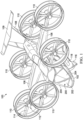
Figure 1 is an oblique view of an aircraft comprising a modular windshield according to this disclosure; -
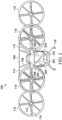
Figure 2 is a front view of the aircraft ofFigure 1 ; and -
Figure 3 is an oblique view looking forward through the modular windshield from within a cabin of the aircraft ofFigure 1 . - According to the invention there is provided a modular windshield as defined by the appended claims.
- In this disclosure, reference may be made to the spatial relationships between various components and to the spatial orientation of various aspects of components as the devices are depicted in the attached drawings. However, as will be recognized by those skilled in the art after a complete reading of this disclosure, the devices, members, apparatuses, etc. described herein may be positioned in any desired orientation. Thus, the use of terms such as "above," "below," "upper," "lower," or other like terms to describe a spatial relationship between various components or to describe the spatial orientation of aspects of such components should be understood to describe a relative relationship between the components or a spatial orientation of aspects of such components, respectively, as the device described herein may be oriented in any desired direction.
- Referring now to
Figures 1-3 anaircraft 100 according to this disclosure is shown.Aircraft 100 is generally configured as a vertical takeoff and landing (VTOL) aircraft that is operable in an airplane mode associated with forward flight and a helicopter mode associated with vertical takeoff from and landing to a landing zone.Aircraft 100 comprises afuselage 102, acabin 104, adash 105 disposed in thecabin 104, a plurality ofwings 106 extending from thefuselage 102, and anempennage 108 having ahorizontal stabilizer 109.Aircraft 100 also comprises a plurality of ductedfans 110 that may be selectively rotated with respect to thefuselage 102 in order to transition theaircraft 100 between the airplane mode and the helicopter mode. - Each ducted fan comprises a
rotor system 112 having a plurality of selectivelyrotatable rotor blades 114 configured to generate thrust when selectively rotated in each of the airplane mode and the helicopter mode. In the embodiment shown,aircraft 100 comprises sixducted fans 110. Two ductedfans 110 are carried by, supported by and/or otherwise coupled to thefuselage 102, two ductedfans 110 are coupled to thewings 106, and two ductedfans 110 are carried by, supported by, and/or otherwise coupled to theempennage 108. However, in alternative embodiments, any number of ductedfans 110 may be used depending on the configuration and design of the aircraft.Aircraft 100 also comprises alanding gear 116 configured to supportaircraft 100 when not in flight. Additionally,landing gear 116 comprises an auxiliaryfolding step system 118 for use by occupants entering and exitingaircraft 100. Theaircraft 100 further comprises amodular windshield 200. - The
modular windshield 200 generally comprises a plurality of windshield components, namely, acentral component 202 and twoside components 204, and twosupport pillars 206. Thepillars 206 are disposed between thecentral component 202 and each of the twoside components 204. This modular setup allows for easier removal and/or replacement of any of thecentral component 202 andside components 204 without having to replace all three. In comparison, if thecentral component 202 and the twoside components 204 were a single unitary structure, damage to one of the areas (central or one of the two sides) would necessitate replacement of the entire windshield at a greater cost and with greater difficulty. Instead, if thecentral component 202 is damaged by a bird strike or experiences some other failure, thecentral component 202 alone can be replaced without having to replace either of the side components. In some cases, thepillars 206 exist primarily within thecabin 104. In embodiments of the present invention, little or no portion of thepillar 206 is disposed between thecentral component 202 and theside components 204. Alternatively, thepillars 206 can be provided more as an H-channel shape that receives the edges of thecomponents - Beyond the above-described advantage of being able to selectively replace the
components modular windshield 200 also allows design selections to be made that can improve resistance to windshield failure while also minimizingaircraft 100 weight. - In embodiments of the present invention, at least one of the
side components 204 is constructed of acrylic while thecentral component 202 is constructed of polycarbonate. In this way, thecentral component 202, which is more likely to experience a high energy strike by a bird or other matter, can be constructed relatively more robustly as compared to theacrylic side components 204. In examples not covered by the appended claims, any other differentiated material selection can be made so that a relative strength or resistance failure capability of any of thecentral component 202 and theside components 204 can be tailored to the anticipated environments and uses of theaircraft 100. - The
central component 202 is provided with a greater thickness as compared to the thickness of at least one of theside components 204. - In alternative examples not covered by the appended claims, a modular windshield can comprise fewer component parts and the materials and thicknesses of the materials can be selected as desired while maintaining the ability to easily replace one component of the plurality of components.
- At least one embodiment is disclosed, and modifications of the embodiment(s) and/or features of the embodiment(s) made by a person having ordinary skill in the art can be made within the scope of the appended claims. Where numerical ranges or limitations are expressly stated, such express ranges or limitations should be understood to include iterative ranges or limitations of like magnitude falling within the expressly stated ranges or limitations (e.g., from about 1 to about 10 includes, 2, 3, 4, etc.; greater than 0.10 includes 0.11, 0.12, 0.13, etc.). For example, whenever a numerical range with a lower limit, Rl, and an upper limit, Ru, is disclosed, any number falling within the range is specifically disclosed. In particular, the following numbers within the range are specifically disclosed: R=Rl +k * (Ru-Rl), wherein k is a variable ranging from 1 percent to 100 percent with a 1 percent increment, i.e., k is 1 percent, 2 percent, 3 percent, 4 percent, 5 percent,...50 percent, 51 percent, 52 percent,..., 95 percent, 96 percent, 95 percent, 98 percent, 99 percent, or 100 percent. Moreover, any numerical range defined by two R numbers as defined in the above is also specifically disclosed.
- Use of the term "optionally" with respect to any element of a claim means that the element is required, or alternatively, the element is not required, both alternatives being within the scope of the claim. Use of broader terms such as comprises, includes, and having should be understood to provide support for narrower terms such as consisting of, consisting essentially of, and comprised substantially of. Accordingly, the scope of protection is not limited by the description set out above but is defined by the claims that follow. Each and every claim is incorporated as further disclosure into the specification and the claims are embodiment(s) of the present invention. Also, the phrases "at least one of A, B, and C" and "A and/or B and/or C" should each be interpreted to include only A, only B, only C, or any combination of A, B, and C.
Claims (7)
- A modular windshield (200), comprising:a central component (202);a first side component (204) and a second side component (204);a first support pillar (206) disposed primarily behind the central component (202) and the first one side component (204) to support the central component (202) and the first one side component (204), wherein little or no portion of the first support pillar (206) is disposed between the central component (202) and the first one side component (204); anda second support pillar (206) disposed primarily behind the central component (202) and the second side component to support the central component (202) and the second side component (204), wherein little or no portion of the second support pillar (206) is disposed between the central component (202) and the second side component (204);wherein i) the central component (202) is constructed of polycarbonate and wherein at least one of the first side component (204) and the second side component is constructed of acrylic and ii) the central component (202) comprises a thickness greater than a thickness of at least one of the first side component (204) and the second side component (204).
- An aircraft (100), comprising:
the modular windshield (200) of claim 1. - The modular windshield (200) of claim 1, or the aircraft (100) of claim 2, wherein at least one of the first side component (204) and the second side component (204) comprises a substantially curved portion configured to transition between a portion providing a side view and a portion providing a front view.
- The modular windshield (200) of claim 1 or of claim 3, or the aircraft (100) of claim 2 or of claim 3, wherein the lowest portion of the central component (202) is higher than the lowest portion of at least one of the first side component (204) and the second side component (204).
- The modular windshield (200) of claim 1 or of any of claims 3 to 4, or the aircraft (100) of any of claims 2 to 4, wherein the first side component (204) and the second side component (204) form mirrored equivalents of each other.
- The modular windshield (200) of claim 1 or of any of claims 3 to 5, or the aircraft (100) of any of claims 2 to 5, wherein a most forward portion of the central component (202) is disposed further forward than a most forward portion of at least one of the first side component (204) and the second side component (204).
- The modular windshield (200) of claim 1 or of any of claims 3 to 6, or the aircraft (100) of any of claims 2 to 6, wherein the central component (202) is curved.
Applications Claiming Priority (1)
| Application Number | Priority Date | Filing Date | Title |
|---|---|---|---|
| US201962788112P | 2019-01-03 | 2019-01-03 |
Publications (2)
| Publication Number | Publication Date |
|---|---|
| EP3677500A1 EP3677500A1 (en) | 2020-07-08 |
| EP3677500B1 true EP3677500B1 (en) | 2025-03-05 |
Family
ID=69137719
Family Applications (1)
| Application Number | Title | Priority Date | Filing Date |
|---|---|---|---|
| EP20150223.4A Active EP3677500B1 (en) | 2019-01-03 | 2020-01-03 | Modular windshield |
Country Status (3)
| Country | Link |
|---|---|
| US (1) | US20200216161A1 (en) |
| EP (1) | EP3677500B1 (en) |
| CA (1) | CA3066586C (en) |
Families Citing this family (1)
| Publication number | Priority date | Publication date | Assignee | Title |
|---|---|---|---|---|
| FR3163637A1 (en) | 2024-06-24 | 2025-12-26 | Airbus Helicopters | Aircraft equipped with a transparent wall attached to a structure by a shock-absorbing system |
Family Cites Families (16)
| Publication number | Priority date | Publication date | Assignee | Title |
|---|---|---|---|---|
| US2808355A (en) * | 1956-06-11 | 1957-10-01 | North American Aviation Inc | Glass enclosure |
| IT1027377B (en) * | 1974-04-01 | 1978-11-20 | Ppg Industries Inc | LAMINATED WINDSHIELD FOR AIRCRAFT |
| US5289996A (en) * | 1993-04-07 | 1994-03-01 | The United States Of America As Represented By The Secretary Of The Air Force | Aircraft windshield system with frangible panel for aircrew emergency escape |
| US5415364A (en) * | 1993-09-09 | 1995-05-16 | Untied Technologies Corporation | Wire cutter system having aerodynamic, microwave energy absorbing fairing |
| JP5492647B2 (en) * | 2010-04-19 | 2014-05-14 | 三菱航空機株式会社 | Aircraft cockpit window with electromagnetic shield, aircraft |
| USD684642S1 (en) * | 2012-02-29 | 2013-06-18 | Sijin Li | Toy airplane model |
| FR2996522B1 (en) * | 2012-10-05 | 2014-12-26 | Dassault Aviat | FRONT POINT OF FLYING ENGINE AND FLYING ENGINE |
| JP6184506B2 (en) * | 2012-10-30 | 2017-08-23 | サン−ゴバン グラス フランスSaint−Gobain Glass France | Polymer vehicle glass with embedded opaque edge bands |
| FR2999526A1 (en) * | 2012-12-13 | 2014-06-20 | Airbus Operations Sas | AIRCRAFT COCKPIT EMERGENCY FROM CENTRAL ICE |
| ITMO20130161A1 (en) * | 2013-06-04 | 2014-12-05 | Cnh Italia Spa | CABIN FOR A VEHICLE. |
| FR3045004B1 (en) * | 2015-12-15 | 2019-05-17 | Airbus Operations (S.A.S.) | BRIDGE WINDSCREEN WITH SUPPORT |
| US10190672B2 (en) * | 2016-04-04 | 2019-01-29 | Bell Helicopter Textron Inc. | Gearbox lubrication system |
| USD816547S1 (en) * | 2016-12-09 | 2018-05-01 | Beijing Jingdong Shangke Information Technology Co., Ltd. | Drone |
| US10293915B2 (en) * | 2016-12-13 | 2019-05-21 | The Boeing Company | Apparatuses and methods for aerodynamic window assemblies |
| US10562618B2 (en) * | 2017-04-03 | 2020-02-18 | Bell Helicopter Textron Inc. | Helicopter with wing augmented lift |
| US10421344B2 (en) * | 2017-05-16 | 2019-09-24 | Ford Global Technologies, Llc | Windshield barrier |
-
2020
- 2020-01-03 US US16/733,240 patent/US20200216161A1/en not_active Abandoned
- 2020-01-03 CA CA3066586A patent/CA3066586C/en active Active
- 2020-01-03 EP EP20150223.4A patent/EP3677500B1/en active Active
Also Published As
| Publication number | Publication date |
|---|---|
| CA3066586A1 (en) | 2020-07-03 |
| EP3677500A1 (en) | 2020-07-08 |
| CA3066586C (en) | 2022-12-06 |
| US20200216161A1 (en) | 2020-07-09 |
Similar Documents
| Publication | Publication Date | Title |
|---|---|---|
| US10407152B2 (en) | Fuselage to wing attachment | |
| EP1999016B1 (en) | Convertible aircraft | |
| US8708273B2 (en) | Three-wing, six tilt-propulsion unit, VTOL aircraft | |
| EP3702277A1 (en) | A multirotor aircraft that is adapted for vertical take-off and landing (vtol) | |
| US8616492B2 (en) | Three wing, six tilt-propulsion units, VTOL aircraft | |
| EP3768592B1 (en) | A structure construction for an aircraft and aircraft comprising the structure construction | |
| US9957035B2 (en) | Un-manned aerial vehicle having adjustable wing module, tail, and landing gear | |
| US9586670B2 (en) | Windshield mounting assembly | |
| WO1993011040A1 (en) | Light aeroplane | |
| EP3241756B1 (en) | Rotorcraft fuel system having enhanced crash resistance | |
| EP1658220B1 (en) | Protective skin for aircraft | |
| EP2910464B1 (en) | Strapped windshield assembly for rotorcraft | |
| CN110997487B (en) | VTOL aircraft configuration | |
| US10766628B2 (en) | Air inlet with integrated structural hand hold | |
| CA3066586C (en) | Modular windshield | |
| EP3514052A1 (en) | Compact cabin door interface to increase visibility | |
| US12172745B2 (en) | Energy attenuating aircraft windshield corner supports, systems and methods | |
| EP3932796B1 (en) | Modular hybrid airframe structure for battery thermal event protection and repair | |
| WO2010018561A1 (en) | Helicopter with ejection seat | |
| RU2577824C1 (en) | Aircraft | |
| EP0619224A4 (en) | Light aeroplane. | |
| DE102024105448A1 (en) | Flying vehicle with truss-like base frame | |
| HK1223074A1 (en) | Helicopter cabin | |
| WO2017116256A1 (en) | Aircraft | |
| KR19990026279U (en) | Aircraft high speed fall prevention system |
Legal Events
| Date | Code | Title | Description |
|---|---|---|---|
| PUAI | Public reference made under article 153(3) epc to a published international application that has entered the european phase |
Free format text: ORIGINAL CODE: 0009012 |
|
| STAA | Information on the status of an ep patent application or granted ep patent |
Free format text: STATUS: EXAMINATION IS IN PROGRESS |
|
| 17P | Request for examination filed |
Effective date: 20200103 |
|
| AK | Designated contracting states |
Kind code of ref document: A1 Designated state(s): AL AT BE BG CH CY CZ DE DK EE ES FI FR GB GR HR HU IE IS IT LI LT LU LV MC MK MT NL NO PL PT RO RS SE SI SK SM TR |
|
| AX | Request for extension of the european patent |
Extension state: BA ME |
|
| GRAP | Despatch of communication of intention to grant a patent |
Free format text: ORIGINAL CODE: EPIDOSNIGR1 |
|
| STAA | Information on the status of an ep patent application or granted ep patent |
Free format text: STATUS: GRANT OF PATENT IS INTENDED |
|
| INTG | Intention to grant announced |
Effective date: 20240226 |
|
| GRAJ | Information related to disapproval of communication of intention to grant by the applicant or resumption of examination proceedings by the epo deleted |
Free format text: ORIGINAL CODE: EPIDOSDIGR1 |
|
| STAA | Information on the status of an ep patent application or granted ep patent |
Free format text: STATUS: EXAMINATION IS IN PROGRESS |
|
| INTC | Intention to grant announced (deleted) | ||
| GRAP | Despatch of communication of intention to grant a patent |
Free format text: ORIGINAL CODE: EPIDOSNIGR1 |
|
| STAA | Information on the status of an ep patent application or granted ep patent |
Free format text: STATUS: GRANT OF PATENT IS INTENDED |
|
| INTG | Intention to grant announced |
Effective date: 20240912 |
|
| RAP1 | Party data changed (applicant data changed or rights of an application transferred) |
Owner name: TEXTRON INNOVATIONS INC. |
|
| GRAS | Grant fee paid |
Free format text: ORIGINAL CODE: EPIDOSNIGR3 |
|
| GRAA | (expected) grant |
Free format text: ORIGINAL CODE: 0009210 |
|
| STAA | Information on the status of an ep patent application or granted ep patent |
Free format text: STATUS: THE PATENT HAS BEEN GRANTED |
|
| AK | Designated contracting states |
Kind code of ref document: B1 Designated state(s): AL AT BE BG CH CY CZ DE DK EE ES FI FR GB GR HR HU IE IS IT LI LT LU LV MC MK MT NL NO PL PT RO RS SE SI SK SM TR |
|
| REG | Reference to a national code |
Ref country code: GB Ref legal event code: FG4D |
|
| REG | Reference to a national code |
Ref country code: CH Ref legal event code: EP |
|
| REG | Reference to a national code |
Ref country code: DE Ref legal event code: R096 Ref document number: 602020047069 Country of ref document: DE |
|
| REG | Reference to a national code |
Ref country code: IE Ref legal event code: FG4D |
|
| P01 | Opt-out of the competence of the unified patent court (upc) registered |
Free format text: CASE NUMBER: APP_20502/2025 Effective date: 20250429 |
|
| PG25 | Lapsed in a contracting state [announced via postgrant information from national office to epo] |
Ref country code: RS Free format text: LAPSE BECAUSE OF FAILURE TO SUBMIT A TRANSLATION OF THE DESCRIPTION OR TO PAY THE FEE WITHIN THE PRESCRIBED TIME-LIMIT Effective date: 20250605 |
|
| PG25 | Lapsed in a contracting state [announced via postgrant information from national office to epo] |
Ref country code: FI Free format text: LAPSE BECAUSE OF FAILURE TO SUBMIT A TRANSLATION OF THE DESCRIPTION OR TO PAY THE FEE WITHIN THE PRESCRIBED TIME-LIMIT Effective date: 20250305 |
|
| REG | Reference to a national code |
Ref country code: NL Ref legal event code: MP Effective date: 20250305 |
|
| PG25 | Lapsed in a contracting state [announced via postgrant information from national office to epo] |
Ref country code: ES Free format text: LAPSE BECAUSE OF FAILURE TO SUBMIT A TRANSLATION OF THE DESCRIPTION OR TO PAY THE FEE WITHIN THE PRESCRIBED TIME-LIMIT Effective date: 20250305 |
|
| REG | Reference to a national code |
Ref country code: LT Ref legal event code: MG9D |
|
| PG25 | Lapsed in a contracting state [announced via postgrant information from national office to epo] |
Ref country code: NO Free format text: LAPSE BECAUSE OF FAILURE TO SUBMIT A TRANSLATION OF THE DESCRIPTION OR TO PAY THE FEE WITHIN THE PRESCRIBED TIME-LIMIT Effective date: 20250605 |
|
| PG25 | Lapsed in a contracting state [announced via postgrant information from national office to epo] |
Ref country code: HR Free format text: LAPSE BECAUSE OF FAILURE TO SUBMIT A TRANSLATION OF THE DESCRIPTION OR TO PAY THE FEE WITHIN THE PRESCRIBED TIME-LIMIT Effective date: 20250305 |
|
| PG25 | Lapsed in a contracting state [announced via postgrant information from national office to epo] |
Ref country code: LV Free format text: LAPSE BECAUSE OF FAILURE TO SUBMIT A TRANSLATION OF THE DESCRIPTION OR TO PAY THE FEE WITHIN THE PRESCRIBED TIME-LIMIT Effective date: 20250305 |
|
| PG25 | Lapsed in a contracting state [announced via postgrant information from national office to epo] |
Ref country code: GR Free format text: LAPSE BECAUSE OF FAILURE TO SUBMIT A TRANSLATION OF THE DESCRIPTION OR TO PAY THE FEE WITHIN THE PRESCRIBED TIME-LIMIT Effective date: 20250606 Ref country code: BG Free format text: LAPSE BECAUSE OF FAILURE TO SUBMIT A TRANSLATION OF THE DESCRIPTION OR TO PAY THE FEE WITHIN THE PRESCRIBED TIME-LIMIT Effective date: 20250305 |
|
| REG | Reference to a national code |
Ref country code: AT Ref legal event code: MK05 Ref document number: 1772755 Country of ref document: AT Kind code of ref document: T Effective date: 20250305 |
|
| PG25 | Lapsed in a contracting state [announced via postgrant information from national office to epo] |
Ref country code: NL Free format text: LAPSE BECAUSE OF FAILURE TO SUBMIT A TRANSLATION OF THE DESCRIPTION OR TO PAY THE FEE WITHIN THE PRESCRIBED TIME-LIMIT Effective date: 20250305 |
|
| PG25 | Lapsed in a contracting state [announced via postgrant information from national office to epo] |
Ref country code: SE Free format text: LAPSE BECAUSE OF FAILURE TO SUBMIT A TRANSLATION OF THE DESCRIPTION OR TO PAY THE FEE WITHIN THE PRESCRIBED TIME-LIMIT Effective date: 20250305 |
|
| PG25 | Lapsed in a contracting state [announced via postgrant information from national office to epo] |
Ref country code: SM Free format text: LAPSE BECAUSE OF FAILURE TO SUBMIT A TRANSLATION OF THE DESCRIPTION OR TO PAY THE FEE WITHIN THE PRESCRIBED TIME-LIMIT Effective date: 20250305 |
|
| PG25 | Lapsed in a contracting state [announced via postgrant information from national office to epo] |
Ref country code: PT Free format text: LAPSE BECAUSE OF FAILURE TO SUBMIT A TRANSLATION OF THE DESCRIPTION OR TO PAY THE FEE WITHIN THE PRESCRIBED TIME-LIMIT Effective date: 20250707 |
|
| PG25 | Lapsed in a contracting state [announced via postgrant information from national office to epo] |
Ref country code: IT Free format text: LAPSE BECAUSE OF FAILURE TO SUBMIT A TRANSLATION OF THE DESCRIPTION OR TO PAY THE FEE WITHIN THE PRESCRIBED TIME-LIMIT Effective date: 20250305 Ref country code: PL Free format text: LAPSE BECAUSE OF FAILURE TO SUBMIT A TRANSLATION OF THE DESCRIPTION OR TO PAY THE FEE WITHIN THE PRESCRIBED TIME-LIMIT Effective date: 20250305 |
|
| PG25 | Lapsed in a contracting state [announced via postgrant information from national office to epo] |
Ref country code: AT Free format text: LAPSE BECAUSE OF FAILURE TO SUBMIT A TRANSLATION OF THE DESCRIPTION OR TO PAY THE FEE WITHIN THE PRESCRIBED TIME-LIMIT Effective date: 20250305 |
|
| PG25 | Lapsed in a contracting state [announced via postgrant information from national office to epo] |
Ref country code: CZ Free format text: LAPSE BECAUSE OF FAILURE TO SUBMIT A TRANSLATION OF THE DESCRIPTION OR TO PAY THE FEE WITHIN THE PRESCRIBED TIME-LIMIT Effective date: 20250305 Ref country code: EE Free format text: LAPSE BECAUSE OF FAILURE TO SUBMIT A TRANSLATION OF THE DESCRIPTION OR TO PAY THE FEE WITHIN THE PRESCRIBED TIME-LIMIT Effective date: 20250305 |
|
| PG25 | Lapsed in a contracting state [announced via postgrant information from national office to epo] |
Ref country code: RO Free format text: LAPSE BECAUSE OF FAILURE TO SUBMIT A TRANSLATION OF THE DESCRIPTION OR TO PAY THE FEE WITHIN THE PRESCRIBED TIME-LIMIT Effective date: 20250305 |
|
| PG25 | Lapsed in a contracting state [announced via postgrant information from national office to epo] |
Ref country code: SK Free format text: LAPSE BECAUSE OF FAILURE TO SUBMIT A TRANSLATION OF THE DESCRIPTION OR TO PAY THE FEE WITHIN THE PRESCRIBED TIME-LIMIT Effective date: 20250305 |
|
| PG25 | Lapsed in a contracting state [announced via postgrant information from national office to epo] |
Ref country code: IS Free format text: LAPSE BECAUSE OF FAILURE TO SUBMIT A TRANSLATION OF THE DESCRIPTION OR TO PAY THE FEE WITHIN THE PRESCRIBED TIME-LIMIT Effective date: 20250705 |
|
| REG | Reference to a national code |
Ref country code: DE Ref legal event code: R097 Ref document number: 602020047069 Country of ref document: DE |
|
| PLBE | No opposition filed within time limit |
Free format text: ORIGINAL CODE: 0009261 |
|
| STAA | Information on the status of an ep patent application or granted ep patent |
Free format text: STATUS: NO OPPOSITION FILED WITHIN TIME LIMIT |
|
| PG25 | Lapsed in a contracting state [announced via postgrant information from national office to epo] |
Ref country code: DK Free format text: LAPSE BECAUSE OF FAILURE TO SUBMIT A TRANSLATION OF THE DESCRIPTION OR TO PAY THE FEE WITHIN THE PRESCRIBED TIME-LIMIT Effective date: 20250305 |
|
| REG | Reference to a national code |
Ref country code: CH Ref legal event code: L10 Free format text: ST27 STATUS EVENT CODE: U-0-0-L10-L00 (AS PROVIDED BY THE NATIONAL OFFICE) Effective date: 20260114 |
|
| 26N | No opposition filed |
Effective date: 20251208 |
|
| PGFP | Annual fee paid to national office [announced via postgrant information from national office to epo] |
Ref country code: GB Payment date: 20260127 Year of fee payment: 7 |
|
| PGFP | Annual fee paid to national office [announced via postgrant information from national office to epo] |
Ref country code: DE Payment date: 20260128 Year of fee payment: 7 |
|
| PGFP | Annual fee paid to national office [announced via postgrant information from national office to epo] |
Ref country code: FR Payment date: 20260126 Year of fee payment: 7 |
|
| PG25 | Lapsed in a contracting state [announced via postgrant information from national office to epo] |
Ref country code: LT Free format text: LAPSE BECAUSE OF FAILURE TO SUBMIT A TRANSLATION OF THE DESCRIPTION OR TO PAY THE FEE WITHIN THE PRESCRIBED TIME-LIMIT Effective date: 20250305 |