EP3673973A1 - Decarbonization solution for capturing carbon dioxide in mixed gas and capable of reducing impact of hygroscopicity - Google Patents
Decarbonization solution for capturing carbon dioxide in mixed gas and capable of reducing impact of hygroscopicity Download PDFInfo
- Publication number
- EP3673973A1 EP3673973A1 EP19211534.3A EP19211534A EP3673973A1 EP 3673973 A1 EP3673973 A1 EP 3673973A1 EP 19211534 A EP19211534 A EP 19211534A EP 3673973 A1 EP3673973 A1 EP 3673973A1
- Authority
- EP
- European Patent Office
- Prior art keywords
- solution
- decarbonization
- carbon dioxide
- hygroscopicity
- impact
- Prior art date
- Legal status (The legal status is an assumption and is not a legal conclusion. Google has not performed a legal analysis and makes no representation as to the accuracy of the status listed.)
- Withdrawn
Links
Images


Classifications
-
- B—PERFORMING OPERATIONS; TRANSPORTING
- B01—PHYSICAL OR CHEMICAL PROCESSES OR APPARATUS IN GENERAL
- B01D—SEPARATION
- B01D53/00—Separation of gases or vapours; Recovering vapours of volatile solvents from gases; Chemical or biological purification of waste gases, e.g. engine exhaust gases, smoke, fumes, flue gases, aerosols
- B01D53/14—Separation of gases or vapours; Recovering vapours of volatile solvents from gases; Chemical or biological purification of waste gases, e.g. engine exhaust gases, smoke, fumes, flue gases, aerosols by absorption
- B01D53/1456—Removing acid components
- B01D53/1475—Removing carbon dioxide
-
- B—PERFORMING OPERATIONS; TRANSPORTING
- B01—PHYSICAL OR CHEMICAL PROCESSES OR APPARATUS IN GENERAL
- B01D—SEPARATION
- B01D53/00—Separation of gases or vapours; Recovering vapours of volatile solvents from gases; Chemical or biological purification of waste gases, e.g. engine exhaust gases, smoke, fumes, flue gases, aerosols
- B01D53/14—Separation of gases or vapours; Recovering vapours of volatile solvents from gases; Chemical or biological purification of waste gases, e.g. engine exhaust gases, smoke, fumes, flue gases, aerosols by absorption
- B01D53/1493—Selection of liquid materials for use as absorbents
-
- B—PERFORMING OPERATIONS; TRANSPORTING
- B01—PHYSICAL OR CHEMICAL PROCESSES OR APPARATUS IN GENERAL
- B01D—SEPARATION
- B01D53/00—Separation of gases or vapours; Recovering vapours of volatile solvents from gases; Chemical or biological purification of waste gases, e.g. engine exhaust gases, smoke, fumes, flue gases, aerosols
- B01D53/14—Separation of gases or vapours; Recovering vapours of volatile solvents from gases; Chemical or biological purification of waste gases, e.g. engine exhaust gases, smoke, fumes, flue gases, aerosols by absorption
- B01D53/1425—Regeneration of liquid absorbents
-
- B—PERFORMING OPERATIONS; TRANSPORTING
- B01—PHYSICAL OR CHEMICAL PROCESSES OR APPARATUS IN GENERAL
- B01D—SEPARATION
- B01D2252/00—Absorbents, i.e. solvents and liquid materials for gas absorption
- B01D2252/20—Organic absorbents
- B01D2252/204—Amines
- B01D2252/20436—Cyclic amines
- B01D2252/20447—Cyclic amines containing a piperazine-ring
-
- B—PERFORMING OPERATIONS; TRANSPORTING
- B01—PHYSICAL OR CHEMICAL PROCESSES OR APPARATUS IN GENERAL
- B01D—SEPARATION
- B01D2252/00—Absorbents, i.e. solvents and liquid materials for gas absorption
- B01D2252/20—Organic absorbents
- B01D2252/204—Amines
- B01D2252/20478—Alkanolamines
- B01D2252/20484—Alkanolamines with one hydroxyl group
-
- B—PERFORMING OPERATIONS; TRANSPORTING
- B01—PHYSICAL OR CHEMICAL PROCESSES OR APPARATUS IN GENERAL
- B01D—SEPARATION
- B01D2252/00—Absorbents, i.e. solvents and liquid materials for gas absorption
- B01D2252/20—Organic absorbents
- B01D2252/204—Amines
- B01D2252/20478—Alkanolamines
- B01D2252/20489—Alkanolamines with two or more hydroxyl groups
-
- B—PERFORMING OPERATIONS; TRANSPORTING
- B01—PHYSICAL OR CHEMICAL PROCESSES OR APPARATUS IN GENERAL
- B01D—SEPARATION
- B01D2252/00—Absorbents, i.e. solvents and liquid materials for gas absorption
- B01D2252/50—Combinations of absorbents
- B01D2252/504—Mixtures of two or more absorbents
-
- B—PERFORMING OPERATIONS; TRANSPORTING
- B01—PHYSICAL OR CHEMICAL PROCESSES OR APPARATUS IN GENERAL
- B01D—SEPARATION
- B01D2252/00—Absorbents, i.e. solvents and liquid materials for gas absorption
- B01D2252/60—Additives
- B01D2252/602—Activators, promoting agents, catalytic agents or enzymes
-
- B—PERFORMING OPERATIONS; TRANSPORTING
- B01—PHYSICAL OR CHEMICAL PROCESSES OR APPARATUS IN GENERAL
- B01D—SEPARATION
- B01D2252/00—Absorbents, i.e. solvents and liquid materials for gas absorption
- B01D2252/60—Additives
- B01D2252/606—Anticorrosion agents
-
- B—PERFORMING OPERATIONS; TRANSPORTING
- B01—PHYSICAL OR CHEMICAL PROCESSES OR APPARATUS IN GENERAL
- B01D—SEPARATION
- B01D2258/00—Sources of waste gases
- B01D2258/02—Other waste gases
- B01D2258/0283—Flue gases
-
- Y—GENERAL TAGGING OF NEW TECHNOLOGICAL DEVELOPMENTS; GENERAL TAGGING OF CROSS-SECTIONAL TECHNOLOGIES SPANNING OVER SEVERAL SECTIONS OF THE IPC; TECHNICAL SUBJECTS COVERED BY FORMER USPC CROSS-REFERENCE ART COLLECTIONS [XRACs] AND DIGESTS
- Y02—TECHNOLOGIES OR APPLICATIONS FOR MITIGATION OR ADAPTATION AGAINST CLIMATE CHANGE
- Y02A—TECHNOLOGIES FOR ADAPTATION TO CLIMATE CHANGE
- Y02A50/00—TECHNOLOGIES FOR ADAPTATION TO CLIMATE CHANGE in human health protection, e.g. against extreme weather
- Y02A50/20—Air quality improvement or preservation, e.g. vehicle emission control or emission reduction by using catalytic converters
-
- Y—GENERAL TAGGING OF NEW TECHNOLOGICAL DEVELOPMENTS; GENERAL TAGGING OF CROSS-SECTIONAL TECHNOLOGIES SPANNING OVER SEVERAL SECTIONS OF THE IPC; TECHNICAL SUBJECTS COVERED BY FORMER USPC CROSS-REFERENCE ART COLLECTIONS [XRACs] AND DIGESTS
- Y02—TECHNOLOGIES OR APPLICATIONS FOR MITIGATION OR ADAPTATION AGAINST CLIMATE CHANGE
- Y02C—CAPTURE, STORAGE, SEQUESTRATION OR DISPOSAL OF GREENHOUSE GASES [GHG]
- Y02C20/00—Capture or disposal of greenhouse gases
- Y02C20/40—Capture or disposal of greenhouse gases of CO2
Definitions
- the present invention belongs to the technical field of gas separation, and relates to a study on reducing an impact of a water content in a flue gas on the performance of a solvent during a decarbonization process, and in particular, to an N-ethylethanolamine mixed decarbonization solution and several types of liquid activator aqueous solutions.
- a chemical absorption method has the characteristics of high absorption rate and large absorption capacity, but it has the shortcomings such as high regeneration temperature, large desorption energy consumption and high corrosivity.
- researchers in various countries are working to improve desorption rate and reduce desorption energy consumption by changing a solution formulation and adding a catalyst, etc.
- a Chinese patent ( CN103855A ) disclosed a method for removing carbon dioxide from a gas mixture, where an absorbent comprises 15-30% potassium carbonate, 10-30 g/L diethanolamine, 10-20 g/L glycine, 15-30 g/L boric acid, and 5-10 g/L total vanadium (based on KVO 3 ), and a solution has a capacity to absorb 21-26 Nm 3 CO 2 per m 3 solution.
- a US patent US09, 329, 259 ) disclosed a method for absorbing carbon dioxide from a feed gas, where the carbon dioxide in the feed gas is absorbed into a composite solution; a preferred composite solvent includes one or more of fast reaction amines with a smaller concentration (monoethanolamine (MEA) or diethanolamine (DEA) with a mass fraction from 5% to 35%) and one or more of slow reaction amines with a higher concentration (N-methyldiethanolamine (MDEA) with a mass fraction from 5% to 50%).
- MDA monoethanolamine
- MDEA N-methyldiethanolamine
- a US patent US6, 290, 754 B1 ) disclosed a method for removing carbon dioxide from a mixed gas, where an active component is added to a MDEA solution to form an absorbent, the concentration of MDEA being 1-6 mol/L; the active component is H 2 N-CnH 2 n-NH-CH 2 -CH 2 OH (1 ⁇ n ⁇ 4), having a concentration between 0.01 and 0.5 of a molar concentration of total amines.
- a Chinese patent ( CN1340374A ) disclosed a composite decarbonization solution for removing carbon dioxide from a gas, where the weight percentage of an amine is composed of the following materials: A. 30-50% MDEA, B. 0.1-1.5% dimethylethanolamine, C. 0.5-1.5% methylethanolamine, D. 1-2% piperazine, and E. the rest being water; a solution has a capacity to absorb 22-26 Nm 3 CO 2 per m 3 solution.
- a Chinese patent ( CN101053751A ) disclosed a composite decarbonization solution for recovering carbon dioxide from an exhaust gas, where the composite solution includes the following components by mass: 20-60% of composite aqueous ammonia, which includes one or more of fast reaction amines with a lower concentration and one or more of slow reaction amines with a higher concentration; 5-10% of polyalcohol ether; 1-5% of antioxidant; 1-5% of corrosion inhibitor; and the rest being water.
- a Korean patent Korean patent ( KR10, 2007, 0097560 ) disclosed a mixed absorbent for separating carbon dioxide, where the absorbent includes 100 weight parts of compound (formula 1), and 1-60 mass parts of heterocyclic compound (formula 2) with at least one amino on a ring; molecularly, the compound (formula 1) includes one hydroxyl and one primary amino; no substituent is adjacent to an ⁇ -carbon position of the amino, and an alkyl substituent and an alcoholic hydroxyl substituent are located on a ⁇ -carbon.
- a Chinese patent ( CN101091864 ) disclosed a composite decarbonization solution for recovering carbon dioxide from a gas, composed of a main absorption component, an auxiliary absorption component, an activating component, a corrosion inhibitor, an antioxidant, and water, where the main absorption component is aminoethylethanolamine (AEEA); the auxiliary absorption component is 2-amino-2-methyl-1-propanol (AMP), MDEA and triethanolamine (TEA); the activating component is MEA, DEA and piperazine (PZ); the corrosion inhibitor is sodium vanadate; the antioxidant is sodium sulfite and copper acetate.
- the decarbonization solution has the advantages of large absorption capacity, high purification degree, large desorption rate, low regeneration energy consumption and the like.
- a Chinese patent ( CN102527192A ) disclosed a carbon dioxide absorbent including an ionic liquid, where the absorbent includes 5-50wt% of ionic liquid, 5-50wt% of alcoholamine, and 0-90wt% of water; an anion has an amino acid structure; a cation is an organic amine salt cation or an organic alcohol amine cation; the alcohol amine is monoethanolamine, diethanolamine, triethanolamine, N-methyldiethanolamine, 2-amino-2-methyl-1-propanol; a corrosion inhibitor and an antioxidant can also be added.
- the MEA, the DEA, the AEEA and the like are mainly used as main absorbents, and the MDEA and the like are used as auxiliary absorbents.
- These absorbents are combined with a variety of active components with strong absorption capacity, as well as preservatives, and corrosion inhibitors, etc. to form decarbonization aqueous solutions.
- the decarbonization aqueous solutions have their own advantages, they have generally low comprehensive decarbonization capacity, high regeneration energy consumption, large solvent circulation amount, and high equipment corrosion.
- These solvents generally include 30% active components and nearly 70% water.
- the solutions that absorb CO 2 (commonly known as rich solutions) need to be heated to 100-120°C; at this temperature, a large amount of water will evaporate with the decomposition of an absorption intermediate, resulting in excessive regeneration energy consumption; the evaporated water needs to be condensed at the top of a regeneration tower to maintain the balance of water in a system; the amount of condensed water required in the condensation process is large, so that the use cost of decarbonization aqueous solutions has been high, and economic benefits cannot be optimized, so there is still room for improvement.
- the non-aqueous solution can capture 2%-90% by volume of CO 2 from a mixed gas, with a large absorption of 50 Nm 3 CO 2 per m 3 solution per hour, a high desorption amount of 49 Nm 3 CO 2 per m 3 solution, and a desorption rate over 98%, with desorption starting at 70-90°C.
- the desorption rate of a traditional aqueous solution is between 50% and 70%.
- the most important feature of the present invention lies in that a tertiary amine, N,N-diethylethanolamine (DEMEA) is used as a solvent, which not only has the advantages of high boiling point, low viscosity, good stability and high solubility, etc., but also can participate in a deprotonation reaction, improving absorption capacity, desorption capacity and desorption rate.
- DEMEA N,N-diethylethanolamine
- An objective of the present invention is to solve a problem that the hygroscopicity of an existing non-aqueous solution has an impact on the performance of the solution, that is, to add an aqueous piperazine solution to increase the absorption capacity of an ethylethanolamine (EMEA) mixed decarbonization solution, and weaken the impact of the presence of water on the desorption performance of the solution.
- EMEA ethylethanolamine
- the activator is preferably an activator having a mass percentage of 0.1-20wt% and a concentration of 0.1-2 mol/L.
- the aqueous solution of piperazine and a homologue thereof is preferably an aqueous solution of one or a mixture of two or more of piperazine, N-aminoethylpiperazine, hydroxyethylpiperazine and 1-methylpiperazine.
- An antioxidant is preferably added to the decarbonization solution, and an anion exchange resin is preferably used as a scavenging agent for a sulfurized degradation product.
- An application of the non-aqueous decarbonization solution where the non-aqueous decarbonization solution is applied to a carbon dioxide-containing industrial waste gas, such as a flue gas from a power plant, and a tail gas, a water gas, a biogas, a natural gas or a carbonate ore decomposition gas from an oil refinery, a steel plant, a cement plant and a chemical plant, to capture gaseous carbon dioxide generated in the production process, and has a broad application prospect.
- a carbon dioxide-containing industrial waste gas such as a flue gas from a power plant, and a tail gas, a water gas, a biogas, a natural gas or a carbonate ore decomposition gas from an oil refinery, a steel plant, a cement plant and a chemical plant
- the mixed solution of EMEA + DEMEA + PZ aqueous solution is preferably used as an absorbent, and its advantages are as follows:
- the non-aqueous decarbonization solution of the present invention is capable of capturing 2%-90% by volume of carbon dioxide in the mixed gas, and has a large absorption capacity of (49-51) Nm 3 CO 2 per m 3 solution per hour, a high desorption capacity of (49-49.5) Nm 3 CO 2 per m 3 solution, and a desorption rate over 98%, with the desorption starting at 70-90°C and being complete at 45 min; the regeneration efficiency can be increased by (5-30)% compared to an aqueous solution to which piperazine is not added.
- the desorption rate and desorption capacity of a traditional solution using water alone as solvent are very low; it takes about 90 minutes to completely desorb, and the desorption rate is between 50% and 70%. Therefore, the present invention can effectively reduce the hygroscopicity impact of the solvent, reduce energy consumption, and is suitable for recovering carbon dioxide in varying chemical reaction tail gases, combustion flue gases, ore decomposition gases, natural gases, coal gases and biogases.
- the most important feature of the present invention is that the addition of the aqueous piperazine solution to a non-aqueous solution attenuates the effect that the regeneration efficiency is reduced due to the hygroscopicity of the non-aqueous solution, accelerates the regeneration rate, and reduces the regeneration energy consumption.
- EMEA ethylethanolamine
- DEMEA N,N-diethylethanolamine
- CO 2 having a pressure of 0.2 MPa and a concentration of 99.995% is introduced at a temperature of 40°C and a flow rate of 250 mL/min; continuous measurement is performed with a wet anti-corrosion flowmeter; after the solution is saturated, an oil bath temperature is set to 110°C for desorption, and a desorption capacity at 45 min is measured (see FIG. 1 ).
- CO 2 having a pressure of 0.2 MPa and a concentration of 99.995% is introduced at a temperature of 40°C and a flow rate of 250 mL/min; continuous measurement is performed with a wet anti-corrosion flowmeter; after the solution is saturated, an oil bath temperature is set to 110°C for desorption, and a desorption capacity at 45 min is measured. Five absorption and desorption tests are performed to determine the stability (see FIG. 2 and FIG. 3 ).
- the absorption capacity of the solution first decreases and then increases, and the regeneration efficiency gradually decreases.
- the absorption and desorption capacities of the solution do not decrease, but increase slightly compared to the original non-aqueous solution.
- the absorption and desorption capacities of the solution are similar and stable, and the solution can be applied for industrialization.
- the non-aqueous decarbonization solution of the present invention has good absorption and desorption effects, and can overcome the effect that the regeneration efficiency is reduced due to the hygroscopicity of the non-aqueous solution. Moreover, since the addition of the activator shortens the regeneration time, regeneration energy consumption is reduced, the amount of cooling water used for removing water vapor contained in a flue gas is also reduced, and an economic benefit can be improved. In addition, after five times of absorption and desorption, the absorbent still has a good absorption effect, so that the present invention has a good industrial application prospect.
Landscapes
- Chemical & Material Sciences (AREA)
- Engineering & Computer Science (AREA)
- Analytical Chemistry (AREA)
- General Chemical & Material Sciences (AREA)
- Oil, Petroleum & Natural Gas (AREA)
- Chemical Kinetics & Catalysis (AREA)
- Gas Separation By Absorption (AREA)
- Treating Waste Gases (AREA)
Abstract
The present invention belongs to the technical field of gas separation, and provides a decarbonization solution for capturing carbon dioxide in a mixed gas and capable of reducing an impact of hygroscopicity, which effectively reduces the impact of hygroscopicity of a solvent on the performance of a non-aqueous solution. An activator having a mass percentage of 0.1-20wt% and a concentration of 0.1-2 mol/L is added to an original mixed decarbonization solution. Based on a desorption principle of an ethylethanolamine (EMEA) composite decarbonization solution, a small amount of an aqueous piperazine solution is added to strengthen an absorption capacity of the EMEA solution while ensuring the regeneration efficiency thereof and basically maintaining original energy consumption. By adding the aqueous piperazine solution, the composite decarbonization solution of the present invention reduces the impact of a water content in a flue gas on the performance of the EMEA mixed decarbonization solution, mainly in two aspects, one is that the absorption capacity of the original mixed solution is maintained and increased, and the other is that the regeneration efficiency of the solution is almost not affected.
Description
- The present invention belongs to the technical field of gas separation, and relates to a study on reducing an impact of a water content in a flue gas on the performance of a solvent during a decarbonization process, and in particular, to an N-ethylethanolamine mixed decarbonization solution and several types of liquid activator aqueous solutions.
- Environmental issues are increasingly becoming the focus of attention, and the greenhouse effect has become a global environmental issue. Although CO2 is the main cause of the greenhouse effect, it can be applied to many fields as a potential carbon resource. Therefore, the capture of CO2 has become a hot research topic. With the increase of industrialization, annual emissions of CO2 from fossil fuel combustion in the world can reach 20 billion tons. Flue gas produced by fossil fuel power plants is a concentrated source of CO2 emissions, with characteristics such as large gas flow and low CO2 partial pressure, and the process of separating CO2 included in flue gas is quite different from decarbonization in other industrial processes. Therefore, it is imperative to research and develop a method for capturing and recovering CO2 from flue gas.
- A chemical absorption method has the characteristics of high absorption rate and large absorption capacity, but it has the shortcomings such as high regeneration temperature, large desorption energy consumption and high corrosivity. In order to overcome the shortcoming of high regeneration energy consumption in the chemical absorption method, researchers in various countries are working to improve desorption rate and reduce desorption energy consumption by changing a solution formulation and adding a catalyst, etc.
- In 1985, a Chinese patent (
CN103855A ) disclosed a method for removing carbon dioxide from a gas mixture, where an absorbent comprises 15-30% potassium carbonate, 10-30 g/L diethanolamine, 10-20 g/L glycine, 15-30 g/L boric acid, and 5-10 g/L total vanadium (based on KVO3), and a solution has a capacity to absorb 21-26 Nm3 CO2 per m3 solution. - In 1999, a US patent (
US09, 329, 259 - In 2001, a US patent (
US6, 290, 754 B1 ) disclosed a method for removing carbon dioxide from a mixed gas, where an active component is added to a MDEA solution to form an absorbent, the concentration of MDEA being 1-6 mol/L; the active component is H2N-CnH2n-NH-CH2-CH2OH (1 ≤ n ≤ 4), having a concentration between 0.01 and 0.5 of a molar concentration of total amines. - In 2002, a Chinese patent (
CN1340374A ) disclosed a composite decarbonization solution for removing carbon dioxide from a gas, where the weight percentage of an amine is composed of the following materials: A. 30-50% MDEA, B. 0.1-1.5% dimethylethanolamine, C. 0.5-1.5% methylethanolamine, D. 1-2% piperazine, and E. the rest being water; a solution has a capacity to absorb 22-26 Nm3 CO2 per m3 solution. - In 2007, a Chinese patent (
CN101053751A ) disclosed a composite decarbonization solution for recovering carbon dioxide from an exhaust gas, where the composite solution includes the following components by mass: 20-60% of composite aqueous ammonia, which includes one or more of fast reaction amines with a lower concentration and one or more of slow reaction amines with a higher concentration; 5-10% of polyalcohol ether; 1-5% of antioxidant; 1-5% of corrosion inhibitor; and the rest being water. - In 2007, a Korean patent (
KR10, 2007, 0097560 - In 2007, a Chinese patent (
CN101091864 ) disclosed a composite decarbonization solution for recovering carbon dioxide from a gas, composed of a main absorption component, an auxiliary absorption component, an activating component, a corrosion inhibitor, an antioxidant, and water, where the main absorption component is aminoethylethanolamine (AEEA); the auxiliary absorption component is 2-amino-2-methyl-1-propanol (AMP), MDEA and triethanolamine (TEA); the activating component is MEA, DEA and piperazine (PZ); the corrosion inhibitor is sodium vanadate; the antioxidant is sodium sulfite and copper acetate. The decarbonization solution has the advantages of large absorption capacity, high purification degree, large desorption rate, low regeneration energy consumption and the like. - In 2012, a Chinese patent (
CN102527192A ) disclosed a carbon dioxide absorbent including an ionic liquid, where the absorbent includes 5-50wt% of ionic liquid, 5-50wt% of alcoholamine, and 0-90wt% of water; an anion has an amino acid structure; a cation is an organic amine salt cation or an organic alcohol amine cation; the alcohol amine is monoethanolamine, diethanolamine, triethanolamine, N-methyldiethanolamine, 2-amino-2-methyl-1-propanol; a corrosion inhibitor and an antioxidant can also be added. - In summary, at present, the MEA, the DEA, the AEEA and the like are mainly used as main absorbents, and the MDEA and the like are used as auxiliary absorbents. These absorbents are combined with a variety of active components with strong absorption capacity, as well as preservatives, and corrosion inhibitors, etc. to form decarbonization aqueous solutions. Although the decarbonization aqueous solutions have their own advantages, they have generally low comprehensive decarbonization capacity, high regeneration energy consumption, large solvent circulation amount, and high equipment corrosion. These solvents generally include 30% active components and nearly 70% water. During a regeneration process, the solutions that absorb CO2 (commonly known as rich solutions) need to be heated to 100-120°C; at this temperature, a large amount of water will evaporate with the decomposition of an absorption intermediate, resulting in excessive regeneration energy consumption; the evaporated water needs to be condensed at the top of a regeneration tower to maintain the balance of water in a system; the amount of condensed water required in the condensation process is large, so that the use cost of decarbonization aqueous solutions has been high, and economic benefits cannot be optimized, so there is still room for improvement.
- To this end, efforts are made to the development of non-aqueous solvents. In 2011, a patent on a non-aqueous solvent for capturing carbon dioxide was applied (application number:
2011102305706 - In 2014, a patent on a non-aqueous solvent method for capturing CO2 was applied and granted (patent number:
201410777169.8 - In 2017, a patent on a non-aqueous solvent method for capturing CO2 was applied (application number:
201710186215.0 - An objective of the present invention is to solve a problem that the hygroscopicity of an existing non-aqueous solution has an impact on the performance of the solution, that is, to add an aqueous piperazine solution to increase the absorption capacity of an ethylethanolamine (EMEA) mixed decarbonization solution, and weaken the impact of the presence of water on the desorption performance of the solution.
- The technical solution of the present invention is as follows:
- A decarbonization solution for capturing carbon dioxide in a mixed gas and capable of reducing an impact of hygroscopicity, where the decarbonization solution includes a solute, a solvent and an activator; the mass percentage of the solute and the solvent is 80.0-99.9wt% of the decarbonization solution, and the activator accounts for the rest mass percentage; the decarbonization solution is capable of being used under the conditions: 0-1.2 MPa of pressure, and 10-140°C of temperature;
- the solute is N-ethylethanolamine; the solvent is N,N-diethylethanolamine; the activator is an aqueous solution of piperazine and a homologue thereof.
- The activator is preferably an activator having a mass percentage of 0.1-20wt% and a concentration of 0.1-2 mol/L.
- The aqueous solution of piperazine and a homologue thereof is preferably an aqueous solution of one or a mixture of two or more of piperazine, N-aminoethylpiperazine, hydroxyethylpiperazine and 1-methylpiperazine.
- An antioxidant is preferably added to the decarbonization solution, and an anion exchange resin is preferably used as a scavenging agent for a sulfurized degradation product.
- An application of the non-aqueous decarbonization solution, where the non-aqueous decarbonization solution is applied to a carbon dioxide-containing industrial waste gas, such as a flue gas from a power plant, and a tail gas, a water gas, a biogas, a natural gas or a carbonate ore decomposition gas from an oil refinery, a steel plant, a cement plant and a chemical plant, to capture gaseous carbon dioxide generated in the production process, and has a broad application prospect.
- The reason that the aqueous solution of piperazine and a homologue thereof is used as an activator mainly lies in that:
- (1) the piperazine and its homologue themselves have a certain capacity to absorb carbon dioxide, and can accelerate the absorption of CO2 by the solution by their own absorption;
- (2) the piperazine and its homologue can react with the solute and water in the process of absorbing CO2, thereby speeding up protonation of the solute; the protonated solute can be combined with HCO3- more quickly in a desorption stage, so that the HCO3- generated by the reaction of water absorbed due to the hygroscopicity of the solution is decomposed, which makes a more complete regeneration process, and reduces the impact of the hygroscopicity;
- (3) the piperazine and its homologue can self-regenerate throughout the reaction process, and complete an activation process; and
- (4) the piperazine and its homologue have strong heat-resistant degradation ability and corrosion resistance, are stable in nature, and can still be actively stable after repeated cycles of desorption.
- The mixed solution of EMEA + DEMEA + PZ aqueous solution is preferably used as an absorbent, and its advantages are as follows:
- (1) the absorption capacity of the mixture is increased by 0.027% compared to an EMEA + DEMEA non-aqueous solution;
- (2) the regeneration efficiency of the mixture is increased by (5-30)% compared to an aqueous solution to which piperazine is not added; and
- (3) the cyclic desorption and absorption capacities of the mixture are higher than those of the EMEA + DEMEA non-aqueous solution.
- The effects and benefits of the present invention are as follows: the non-aqueous decarbonization solution of the present invention is capable of capturing 2%-90% by volume of carbon dioxide in the mixed gas, and has a large absorption capacity of (49-51) Nm3 CO2 per m3 solution per hour, a high desorption capacity of (49-49.5) Nm3 CO2 per m3 solution, and a desorption rate over 98%, with the desorption starting at 70-90°C and being complete at 45 min; the regeneration efficiency can be increased by (5-30)% compared to an aqueous solution to which piperazine is not added. The desorption rate and desorption capacity of a traditional solution using water alone as solvent are very low; it takes about 90 minutes to completely desorb, and the desorption rate is between 50% and 70%. Therefore, the present invention can effectively reduce the hygroscopicity impact of the solvent, reduce energy consumption, and is suitable for recovering carbon dioxide in varying chemical reaction tail gases, combustion flue gases, ore decomposition gases, natural gases, coal gases and biogases. The most important feature of the present invention is that the addition of the aqueous piperazine solution to a non-aqueous solution attenuates the effect that the regeneration efficiency is reduced due to the hygroscopicity of the non-aqueous solution, accelerates the regeneration rate, and reduces the regeneration energy consumption.
-
-
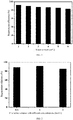
FIG. 1 is a graph showing an effect of a desorption rate when water with different mass fractions is added for mixing, where a desorption temperature is 110°C and A desorption time is 45 min. -
FIG. 2 is a graph showing an effect of a desorption rate when an aqueous piperazine solution is added with different mass fractions and different molar quantities for mixing, where a desorption temperature is 110°C and a desorption time is 45 min. -
FIG. 3 is a graph showing absorption and desorption effects when a mixed solution of ethylethanolamine (EMEA) + N, N-diethylethanolamine (DEMEA) + aqueous piperazine (PZ) solution cyclically absorbs for 5 times. Where: V absorption means CO2 absorption volume, V desorption means CO2 desorption volume. -
FIG. 4 is a diagram of an absorption and desorption device,
where: 1. mass flowmeter; 2. buffering bottle; 3. three-necked flask; 4. rotor; 5. oil bath; 6. thermometer; 7. condensation tube; 8. drying bottle; 9. wet flowmeter computer; 10. meteorological chromatogram; and 11. computer. -
FIG. 5 is a graph showing comparison of regeneration efficiency between an aqueous solution and a solution added with an activator. - The following describes specific implementations of the present invention in more detail with reference to accompanying drawings and technical solutions.
- 100 g of mixed decarbonization solution is used as an absorption solution, and is fed into a 250 ml reactor equipped with a constant-temperature oil bath stirrer (see
FIG. 4 for the experimental apparatus), where ethylethanolamine (EMEA) has a mass fraction of (29.7-30)%, N,N-diethylethanolamine (DEMEA) is used as a solvent and has a mass fraction of (69.3-70)%, and the rest is water. CO2 having a pressure of 0.2 MPa and a concentration of 99.995% is introduced at a temperature of 40°C and a flow rate of 250 mL/min; continuous measurement is performed with a wet anti-corrosion flowmeter; after the solution is saturated, an oil bath temperature is set to 110°C for desorption, and a desorption capacity at 45 min is measured (seeFIG. 1 ). - 100 g of mixed decarbonization solution is used as an absorption solution, and is fed into a 250 ml reactor equipped with a constant-temperature oil bath stirrer (see
FIG. 4 for the experimental apparatus), where EMEA has a mass fraction of (29-30)%, DEMEA is used as a solvent and has a mass fraction of (69-70)%, and the rest is an aqueous piperazine solution. CO2 having a pressure of 0.2 MPa and a concentration of 99.995% is introduced at a temperature of 40°C and a flow rate of 250 mL/min; continuous measurement is performed with a wet anti-corrosion flowmeter; after the solution is saturated, an oil bath temperature is set to 110°C for desorption, and a desorption capacity at 45 min is measured. Five absorption and desorption tests are performed to determine the stability (seeFIG. 2 andFIG. 3 ). - It can be seen from the examples that in the absence of an activator, the absorption capacity of the solution first decreases and then increases, and the regeneration efficiency gradually decreases. After the addition of piperazine as an activator, the absorption and desorption capacities of the solution do not decrease, but increase slightly compared to the original non-aqueous solution. Moreover, after five times of absorption and desorption, the absorption and desorption capacities of the solution are similar and stable, and the solution can be applied for industrialization.
- In summary, the non-aqueous decarbonization solution of the present invention has good absorption and desorption effects, and can overcome the effect that the regeneration efficiency is reduced due to the hygroscopicity of the non-aqueous solution. Moreover, since the addition of the activator shortens the regeneration time, regeneration energy consumption is reduced, the amount of cooling water used for removing water vapor contained in a flue gas is also reduced, and an economic benefit can be improved. In addition, after five times of absorption and desorption, the absorbent still has a good absorption effect, so that the present invention has a good industrial application prospect.
Claims (6)
- A decarbonization solution for capturing carbon dioxide in a mixed gas and capable of reducing an impact of hygroscopicity, wherein the decarbonization solution for capturing carbon dioxide in a mixed gas and capable of reducing an impact of hygroscopicity comprises a solute, a solvent and an activator; the mass percentage of the solute and the solvent is 80.0-99.9wt% of the decarbonization solution, and the activator accounts for the rest mass percentage; the decarbonization solution is capable of being used under the conditions: 0-1.2 MPa of pressure, and 10-140°C of temperature; the solute is N-ethylethanolamine;
the solvent is N,N-diethylethanolamine; the activator is an aqueous solution of piperazine and a homologue thereof. - The decarbonization solution for capturing carbon dioxide in a mixed gas and capable of reducing an impact of hygroscopicity according to claim 1, wherein the activator is an activator having a mass percentage of 0.1-20wt% and a concentration of 0.1-2 mol/L.
- The decarbonization solution for capturing carbon dioxide in a mixed gas and capable of reducing an impact of hygroscopicity according to claim 1 or 2, wherein the aqueous solution of piperazine and a homologue thereof is an aqueous solution of one or a mixture of two or more of piperazine, N-aminoethylpiperazine, hydroxyethylpiperazine and 1-methylpiperazine.
- The decarbonization solution for capturing carbon dioxide in a mixed gas and capable of reducing an impact of hygroscopicity according to claim 1 or 2, wherein an antioxidant is added to the decarbonization solution, and an anion exchange resin is used as a scavenging agent for a sulfurized degradation product.
- The decarbonization solution for capturing carbon dioxide in a mixed gas and capable of reducing an impact of hygroscopicity according to claim 3, wherein an antioxidant is added to the decarbonization solution, and an anion exchange resin is used as a scavenging agent for a sulfurized degradation product.
- A process for applying the decarbonization solution of any one of claims 1-5 for capturing carbon dioxide in a mixed gas, wherein the decarbonization solution is used under the conditions of 0-1.2 MPa of pressure, and 10-140°C of temperature.
Applications Claiming Priority (1)
| Application Number | Priority Date | Filing Date | Title |
|---|---|---|---|
| CN201811580330.7A CN109529547A (en) | 2018-12-24 | 2018-12-24 | The decarbonizing solution of the trapping carbon dioxide in gas mixture of hygroscopicity influence can be reduced |
Publications (1)
| Publication Number | Publication Date |
|---|---|
| EP3673973A1 true EP3673973A1 (en) | 2020-07-01 |
Family
ID=65856660
Family Applications (1)
| Application Number | Title | Priority Date | Filing Date |
|---|---|---|---|
| EP19211534.3A Withdrawn EP3673973A1 (en) | 2018-12-24 | 2019-11-26 | Decarbonization solution for capturing carbon dioxide in mixed gas and capable of reducing impact of hygroscopicity |
Country Status (2)
| Country | Link |
|---|---|
| EP (1) | EP3673973A1 (en) |
| CN (1) | CN109529547A (en) |
Families Citing this family (3)
| Publication number | Priority date | Publication date | Assignee | Title |
|---|---|---|---|---|
| CN116139657B (en) * | 2023-03-01 | 2025-04-08 | 昆明理工大学 | Amine nonaqueous absorbent for capturing carbon dioxide and application method thereof |
| CN117244384A (en) * | 2023-10-31 | 2023-12-19 | 大连理工大学 | An antioxidant-less water-based amine liquid used to capture carbon dioxide in flue gas and its application |
| CN117482915A (en) * | 2023-11-30 | 2024-02-02 | 西安热工研究院有限公司 | Preparation method of adsorbent materials and their application in absorbing carbon dioxide in the air |
Citations (10)
| Publication number | Priority date | Publication date | Assignee | Title |
|---|---|---|---|---|
| US6290754B1 (en) | 1998-04-22 | 2001-09-18 | Elf Exploration Production | Regenerative process for the deacidification of a gas containing CO2 and liquid hydrocarbons using an absorbent liquid based on activated methyldiethanolamine |
| CN1340374A (en) | 2000-09-02 | 2002-03-20 | 中国石油天然气股份有限公司 | Composite decarbonizing liquid |
| US20060138384A1 (en) * | 2003-02-14 | 2006-06-29 | Christoph Grossman | Absorbing agent and method for eliminating acid gases from fluids |
| CN101053751A (en) | 2007-05-31 | 2007-10-17 | 辽河石油勘探局 | Composite decarbonizing solution for recovering carbon dioxide in waste gas |
| CN101091864A (en) | 2007-05-15 | 2007-12-26 | 大连理工大学 | Compound decarburization solution for recovering carbon dioxide in gas mixture |
| CN102527192A (en) | 2011-12-23 | 2012-07-04 | 中国石油化工股份有限公司 | Carbon dioxide absorbent containing ionic liquid |
| US20150151246A1 (en) * | 2013-12-03 | 2015-06-04 | Kabushiki Kaisha Toshiba | Acid gas absorbent, acid gas removal device, and acid gas removal method |
| US9329259B2 (en) | 2012-12-05 | 2016-05-03 | Nxp B.V. | Concurrent multiband transceiver |
| JP2016129877A (en) * | 2015-01-14 | 2016-07-21 | 株式会社東芝 | Acid gas absorbent, acid gas removal method, and acid gas removal apparatus |
| CN104492226B (en) * | 2014-12-12 | 2016-08-24 | 大连理工大学 | A kind of non-aqueous decarbonizing solution for trapping carbon dioxide in gas mixture and application thereof |
-
2018
- 2018-12-24 CN CN201811580330.7A patent/CN109529547A/en active Pending
-
2019
- 2019-11-26 EP EP19211534.3A patent/EP3673973A1/en not_active Withdrawn
Patent Citations (10)
| Publication number | Priority date | Publication date | Assignee | Title |
|---|---|---|---|---|
| US6290754B1 (en) | 1998-04-22 | 2001-09-18 | Elf Exploration Production | Regenerative process for the deacidification of a gas containing CO2 and liquid hydrocarbons using an absorbent liquid based on activated methyldiethanolamine |
| CN1340374A (en) | 2000-09-02 | 2002-03-20 | 中国石油天然气股份有限公司 | Composite decarbonizing liquid |
| US20060138384A1 (en) * | 2003-02-14 | 2006-06-29 | Christoph Grossman | Absorbing agent and method for eliminating acid gases from fluids |
| CN101091864A (en) | 2007-05-15 | 2007-12-26 | 大连理工大学 | Compound decarburization solution for recovering carbon dioxide in gas mixture |
| CN101053751A (en) | 2007-05-31 | 2007-10-17 | 辽河石油勘探局 | Composite decarbonizing solution for recovering carbon dioxide in waste gas |
| CN102527192A (en) | 2011-12-23 | 2012-07-04 | 中国石油化工股份有限公司 | Carbon dioxide absorbent containing ionic liquid |
| US9329259B2 (en) | 2012-12-05 | 2016-05-03 | Nxp B.V. | Concurrent multiband transceiver |
| US20150151246A1 (en) * | 2013-12-03 | 2015-06-04 | Kabushiki Kaisha Toshiba | Acid gas absorbent, acid gas removal device, and acid gas removal method |
| CN104492226B (en) * | 2014-12-12 | 2016-08-24 | 大连理工大学 | A kind of non-aqueous decarbonizing solution for trapping carbon dioxide in gas mixture and application thereof |
| JP2016129877A (en) * | 2015-01-14 | 2016-07-21 | 株式会社東芝 | Acid gas absorbent, acid gas removal method, and acid gas removal apparatus |
Also Published As
| Publication number | Publication date |
|---|---|
| CN109529547A (en) | 2019-03-29 |
Similar Documents
| Publication | Publication Date | Title |
|---|---|---|
| CN104492226B (en) | A kind of non-aqueous decarbonizing solution for trapping carbon dioxide in gas mixture and application thereof | |
| Wang et al. | Development of biphasic solvent for CO2 capture by tailoring the polarity of amine solution | |
| CN103394277B (en) | A kind of organic amine composite absorber removing carbon dioxide in coal-fired flue-gas | |
| KR101239380B1 (en) | An absorbent for capturing carbon dioxide comprising amino acid having multi amine groups and metal hydrate | |
| CN101612509A (en) | Composite decarburization solution for capturing carbon dioxide in mixed gas | |
| CN112892160B (en) | Phase change absorbent and application thereof in carbon dioxide capture | |
| CN102284227A (en) | Method for capturing carbon dioxide in mixed gas by using composite decarbonizing solution | |
| EP3673973A1 (en) | Decarbonization solution for capturing carbon dioxide in mixed gas and capable of reducing impact of hygroscopicity | |
| CN115253599A (en) | Amino-functionalized ionic liquid phase-change absorbent with weak interaction for carbon capture | |
| Yang et al. | Novel diamine DMAPA-sulfolane-water biphasic absorbent for equimolar CO2 absorption: Performance and mechanisms | |
| CN107789951A (en) | For carbon dioxide separation and the non-aqueous chemical absorbent of purifying | |
| CN101745289A (en) | Method for selectively removing H2S from gas mixture containing CO2 | |
| KR20110000684A (en) | Improved alkanolamines for removing CO 2 from gas stream | |
| KR20190057586A (en) | Acid gas sorbent and acid gas separation method based on ionic liquid | |
| WO2025092397A1 (en) | Preparation of a compounded alcohol amine absorbent for flue gas with low co2 partial pressure and use thereof | |
| CN104524928A (en) | Absorbent for collecting carbon dioxide | |
| CN104645782B (en) | For the carbon-dioxide absorbent of post-combustion capture | |
| CN113318572A (en) | Carbon dioxide phase change absorbent organic alcohol regeneration regulation and control method and application thereof | |
| Liu et al. | Ammonia-based post-combustion CO2 and SO2 integrating capture using multi-stage solvent circulation process | |
| Zhao et al. | Enhancing low-temperature desorption performance toward energy-saving CO2 capture via the multifunctional design of diethylethanolamine-based biphasic solvents | |
| CN120714397A (en) | Organic amine composite absorbent for carbon capture and its application | |
| Rowland et al. | Amine mixtures and the effect of additives on the CO2 capture rate | |
| CN115945033A (en) | A low-viscosity-solid phase transition functional ionic solvent that absorbs CO2 | |
| Zhang et al. | Effect of ethylene glycol addition on simultaneous absorption of CO2/H2S by ChCl-MEA deep eutectic solvent for biomethane production | |
| CN115138178A (en) | Polyamine-based organic amine and ionic liquid composite CO 2 Absorbent, preparation method and application thereof |
Legal Events
| Date | Code | Title | Description |
|---|---|---|---|
| PUAI | Public reference made under article 153(3) epc to a published international application that has entered the european phase |
Free format text: ORIGINAL CODE: 0009012 |
|
| 17P | Request for examination filed |
Effective date: 20191126 |
|
| AK | Designated contracting states |
Kind code of ref document: A1 Designated state(s): AL AT BE BG CH CY CZ DE DK EE ES FI FR GB GR HR HU IE IS IT LI LT LU LV MC MK MT NL NO PL PT RO RS SE SI SK SM TR |
|
| AX | Request for extension of the european patent |
Extension state: BA ME |
|
| 18D | Application deemed to be withdrawn |
Effective date: 20201009 |