EP3672184B1 - System and detecting and defending method for edge network - Google Patents
System and detecting and defending method for edge network Download PDFInfo
- Publication number
- EP3672184B1 EP3672184B1 EP18214306.5A EP18214306A EP3672184B1 EP 3672184 B1 EP3672184 B1 EP 3672184B1 EP 18214306 A EP18214306 A EP 18214306A EP 3672184 B1 EP3672184 B1 EP 3672184B1
- Authority
- EP
- European Patent Office
- Prior art keywords
- packets
- module
- result
- defending
- detecting
- Prior art date
- Legal status (The legal status is an assumption and is not a legal conclusion. Google has not performed a legal analysis and makes no representation as to the accuracy of the status listed.)
- Active
Links
Images


Classifications
-
- H—ELECTRICITY
- H04—ELECTRIC COMMUNICATION TECHNIQUE
- H04L—TRANSMISSION OF DIGITAL INFORMATION, e.g. TELEGRAPHIC COMMUNICATION
- H04L63/00—Network architectures or network communication protocols for network security
- H04L63/14—Network architectures or network communication protocols for network security for detecting or protecting against malicious traffic
- H04L63/1408—Network architectures or network communication protocols for network security for detecting or protecting against malicious traffic by monitoring network traffic
- H04L63/1425—Traffic logging, e.g. anomaly detection
-
- H—ELECTRICITY
- H04—ELECTRIC COMMUNICATION TECHNIQUE
- H04L—TRANSMISSION OF DIGITAL INFORMATION, e.g. TELEGRAPHIC COMMUNICATION
- H04L45/00—Routing or path finding of packets in data switching networks
- H04L45/64—Routing or path finding of packets in data switching networks using an overlay routing layer
-
- H—ELECTRICITY
- H04—ELECTRIC COMMUNICATION TECHNIQUE
- H04L—TRANSMISSION OF DIGITAL INFORMATION, e.g. TELEGRAPHIC COMMUNICATION
- H04L63/00—Network architectures or network communication protocols for network security
- H04L63/02—Network architectures or network communication protocols for network security for separating internal from external traffic, e.g. firewalls
- H04L63/0227—Filtering policies
- H04L63/0236—Filtering by address, protocol, port number or service, e.g. IP-address or URL
Definitions
- the present disclosure relates to a system and detecting and defending method for edge network, and more particularly, to a system and detecting and defending method for edge network capable of detecting and defending malicious attacks.
- Intrusion Detection System is an important defense line for the entrepreneurs to implement the network security.
- the information security may be classified into misuse detection and anomaly detection.
- the former utilizes a signature based manner to determine the intrusion according to a predefined signature rules with high accuracy.
- the predefined signature rules inflate rapidly, which indirectly affects the detection efficiency and is unable to detect unknown attacks.
- the latter collects legal actions of user and normal activities of system to supervise whether the user or the system is normal, which may detect unknown type of intrusion, but is keen to misjudge legal actions as abnormal actions. Therefore, the disadvantages stated above of the prior art should be improved.
- U.S. application No. US 2018/109557 A1 provides a software defined network capable of detecting DDoS attacks by using the feature information concerning the flow and a back propagation neural network (BPNN).
- U.S. application No. US 2018/0152475 A1 provides a DDoS attack detection system based on SVM-SOM combination and method to classify an attack flow through an SVM corresponding to the classified traffic type among multiple SVMs, and to determine whether a flow which is not classified as an attack flow by the SVM is a suspicious pattern through a SOM or not.
- "Suspicious traffic detection in SDN with collaborative techniques of snort and deep neural networks” provides a SDN with openflow based protocol tend to transform traditional network architecture to improve the signature-based IDS limitation with higher detection rate with low false-positive triggers.
- the present disclosure provides a system and detecting and defending method for the edge network to analyze the packets and recognize possible attacks, so as to reduce the affects by the malicious attacks and improve the information security of the edge network.
- the claimed computer system comprises an openflow switch, configured to receive a plurality of packets; a network controller, coupled to the openflow switch and configured to determine a route of each of the plurality of packets; and a detecting and defending system, configured to perform transformation of information formats of the plurality of packets, retrieve and label the plurality of packets to determine whether the plurality of packets are abnormal or not and generate a defending determination.
- the claimed detecting and defending method for an edge network comprises receiving a plurality of packets; performing transformation of information formats of the plurality of packets, retrieving and labeling the plurality of packets, to determine whether the plurality of packets are abnormal or not and generate a defending determination.
- FIG. 1 is a schematic diagram of a network system 1 according to an embodiment of the present disclosure.
- the network system 1 includes at least a terminal device, a computer system 10, a collector 20 and a destination server 30.
- the terminal device may be any kind of mobile terminal device, such as a computer, mobile pad or mobile phone, which generates signaling or a plurality of packets.
- the terminal device may be a legal terminal device or a malicious/suspicious terminal device which accesses to an edge network, e.g. Ethernet or wireless access network (WLAN), via the computer system 10.
- a collector 20 thereby collects the signaling or packets and transfers the collected signaling or packets toward the destination server 30 via a communication network.
- the computer system 10 includes an openflow switch 102, a network controller 104, a detecting and defending system 106 and a virtualized service server 108.
- the openflow switch 102 is configured to receive signaling or packets generated by the terminal device.
- the network controller 104 is coupled to the openflow switch 102 and is configured to determine a route of each signaling or each of the packets, and the detecting and defending system 106 is configured to perform transformation of information formats of the plurality of packets, retrieve and label the packets to determine whether the packets are abnormal or not and thereby generate a defending determination.
- the openflow switch 102 may direct the received signaling or packets to the detecting and defending system 106, the virtualized service server 108 or collector 20 according to the defending determination.
- the openflow switch 102 may amend or transfer the received packets to a designate port, or transfer the received packets the network controller 104, which is called Packet-in; alternatively, the openflow switch 102 may receive the packets from the network controller 104 and transfer the packers to the designate port, which is called Packet-out.
- the computer system 10 of the present disclosure analyzes the packets and recognizes possible attacks to reduce the affects by the malicious attacks and improve the information security of the edge network.
- the detecting and defending system 106 further includes a control module 110, an analyze module 112, an allocation module 114, a database 116, a signature detecting module 118, a deep learning module 120 and a determination module 122.
- an operation and management interface OI is connected with the control module 110, the analyze module 112 and the allocation module 114, so as to integrate the detecting and defending system 106 and the network controller 104.
- the control module 110 is configured to update a plurality of openflow rules to the database 116.
- the analyze module 112 is configured to transform information formats of the packets and label a plurality of signaling signatures corresponding to the information formats of the packets.
- the allocation module 114 is configured to perform an allocation of packets, i.e.
- the database 116 is configured to link with a rule database 116_1, a signature database 116_2 and a training model database 116_3, wherein the rule database 116_1 is configured to store rule information of the signaling or packets, the signature database 116_2 is configured to store the signaling signatures corresponding to the signaling or packets, and the training model database 116_3 is configured to store a deep neutral network (DNN) training model.
- DNN deep neutral network
- the signature detecting module 118 is coupled to the database 116 and the analyze module 112 and is configured to compare the signaling signatures corresponding to the information formats of the packets with the signature database 116_2 to determine a first result.
- the deep learning module 120 is coupled to the database and the analyze module 112 and is configured to take the signaling signatures corresponding to the information formats of the packets as input information for classification of a deep neural network (DNN) to determine a second result.
- the determination module 122 is coupled to the signature detecting module 118 and the deep learning module 120 and is configured to generate the defending determination according to the first result and the second result.
- the deep learning module 120 performs a linear or non-linear transformation with multiple-processing layers for the input information, and extracts or retrieves features of the input information to represent the input information.
- the DNN is utilized for generating a deep learning model for transforming the input information into a prediction result. Therefore, the deep learning module 120 classifies the input information (i.e. the signaling signatures corresponding to the information formats of the packets), reduces the irrelevant features from the input information accordingly and extracts the features of the packets to generate the second result.
- Table 1 is the defending determinations corresponding to different combinations of the first result and the second result.
- “0" represents that the result determined by the signature detecting module 118 or the deep learning module 120 is normal
- “1” represents that the result determined by the signature detecting module 118 or the deep learning module 120 is abnormal.
- Table 1 when both of the first result and the second result are normal, i.e. (0,0), the packets are normal and transferred according to the openflow rules; when the first result is abnormal, i.e.
- the determination module 122 determines that the packet belongs to an attack and adopts a virtualized firewall to block a source IP of the attack; when the first result is normal and the second result is abnormal, i.e. the first result and the second result is (0,1), the determination module 122 determines that the packet belongs to an attack and limits a bandwidth of the attack and control the source IP.
- the first result and the second result may be determined at the same time or individually, and not limited thereto.
- Table 1 First Result Second Result Defending Determination 0 0 Normal 1 0 Virtualized the firewall 0 1 Bandwidth limitation 1 1 Virtualized the firewall
- the virtualized service server 108 allocates the virtualized service accordingly.
- a virtualized service source pool 124 is coupled to the virtualized service server 108, which may be utilized for storing the virtualized services, e.g. firewall or intrusion detection system (IDS).
- IDS intrusion detection system
- the computer system 10 of the present disclosure may be implemented in all kinds of methods.
- An operation method of the computer system 10 may conclude to a process 30, which is shown in FIGS. 3 and 4 .
- the process 30 includes the following steps:
- steps 314, 318 and 324 are executed by the allocation module 114 of the computer system 10, and steps 316 and 322 are executed by the determination module 122 of the computer system 10.
- the operation of the process 30 can be known by referring to the embodiments of the computer system 10 described above, and are not repeated herein for brevity.
- the process 30 of the present disclosure may precisely distinguish denial-of-service (DoS) attacks form the normal packets according to the signatures of the packets, and thereby improves a recognition rate of the attacks.
- DoS denial-of-service
- the present disclosure provides a computer system and a detecting and defending method for the edge network, and more particularly, to analyze the packets and recognize possible attacks, so as to reduce the affects by the malicious attacks and improve the information security of the edge network.
Landscapes
- Engineering & Computer Science (AREA)
- Computer Security & Cryptography (AREA)
- Computer Networks & Wireless Communication (AREA)
- Signal Processing (AREA)
- Computer Hardware Design (AREA)
- Computing Systems (AREA)
- General Engineering & Computer Science (AREA)
- Data Exchanges In Wide-Area Networks (AREA)
- Computer And Data Communications (AREA)
Description
- The present disclosure relates to a system and detecting and defending method for edge network, and more particularly, to a system and detecting and defending method for edge network capable of detecting and defending malicious attacks.
- With the development of network technology and the growing of 5th generation (5G) wireless system technology, threats to network information security are increased. Due to the multi-application of 5G wireless system, all kinds of new service, new architecture, and new technique come with challenges of security and protection of users' privacy. According to the statistics of IDC (International Data Corporation), over 50 billion terminals and devices of internet will exist in 2020, and over 50% data are analyzed, processed and stored at the edge network, which increases demands of calculation of the edge network. In response to the threats to the information security of the multi-application internet in the future, updation and innovation measurements of the information security protection should be accelerated. In addition, detection and defense are the core issues what the current internet security may encounter. Therefore, how to design a protection mechanism for the edge network security more thoroughly, and detect and recognize the malicious attack signaling to provide differential security service is a goal for the future internet and the development of information security.
- In the field of information security, except mechanisms of antivirus software, firewall, encryption system, backup and certification, Intrusion Detection System (IDS) is an important defense line for the entrepreneurs to implement the network security. From the perspective of intrusion detection technology, the information security may be classified into misuse detection and anomaly detection. The former utilizes a signature based manner to determine the intrusion according to a predefined signature rules with high accuracy. However, as amounts of weak spots and vulnerability of software are increasingly exposed, the predefined signature rules inflate rapidly, which indirectly affects the detection efficiency and is unable to detect unknown attacks. The latter collects legal actions of user and normal activities of system to supervise whether the user or the system is normal, which may detect unknown type of intrusion, but is keen to misjudge legal actions as abnormal actions. Therefore, the disadvantages stated above of the prior art should be improved.
- U.S. application No.
US 2018/109557 A1 provides a software defined network capable of detecting DDoS attacks by using the feature information concerning the flow and a back propagation neural network (BPNN). U.S. application No.US 2018/0152475 A1 provides a DDoS attack detection system based on SVM-SOM combination and method to classify an attack flow through an SVM corresponding to the classified traffic type among multiple SVMs, and to determine whether a flow which is not classified as an attack flow by the SVM is a suspicious pattern through a SOM or not. "Suspicious traffic detection in SDN with collaborative techniques of snort and deep neural networks" provides a SDN with openflow based protocol tend to transform traditional network architecture to improve the signature-based IDS limitation with higher detection rate with low false-positive triggers. - The present disclosure provides a system and detecting and defending method for the edge network to analyze the packets and recognize possible attacks, so as to reduce the affects by the malicious attacks and improve the information security of the edge network.
- This is achieved by a computer system according to the
independent claim 1 or by a detecting and defending method for an edge network according to the independent claim 6 here below. The dependent claims pertain to corresponding further developments and improvements. - As will be seen more clearly from the detailed description following below, the claimed computer system comprises an openflow switch, configured to receive a plurality of packets; a network controller, coupled to the openflow switch and configured to determine a route of each of the plurality of packets; and a detecting and defending system, configured to perform transformation of information formats of the plurality of packets, retrieve and label the plurality of packets to determine whether the plurality of packets are abnormal or not and generate a defending determination.
- In another aspect, the claimed detecting and defending method for an edge network comprises receiving a plurality of packets; performing transformation of information formats of the plurality of packets, retrieving and labeling the plurality of packets, to determine whether the plurality of packets are abnormal or not and generate a defending determination.
-
-
FIG. 1 is a schematic diagram of a network system according to an embodiment of the present disclosure. -
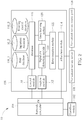
FIG. 2 is a schematic diagram of a detecting and defending system according to an embodiment of the present disclosure. -
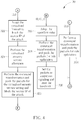
FIGs. 3 and4 are schematic diagrams of a process to an embodiment of the present disclosure. - Please refer to
FIG. 1 , which is a schematic diagram of anetwork system 1 according to an embodiment of the present disclosure. Thenetwork system 1 includes at least a terminal device, acomputer system 10, acollector 20 and adestination server 30. The terminal device may be any kind of mobile terminal device, such as a computer, mobile pad or mobile phone, which generates signaling or a plurality of packets. The terminal device may be a legal terminal device or a malicious/suspicious terminal device which accesses to an edge network, e.g. Ethernet or wireless access network (WLAN), via thecomputer system 10. Acollector 20 thereby collects the signaling or packets and transfers the collected signaling or packets toward thedestination server 30 via a communication network. - The
computer system 10 includes anopenflow switch 102, anetwork controller 104, a detecting and defendingsystem 106 and a virtualizedservice server 108. Theopenflow switch 102 is configured to receive signaling or packets generated by the terminal device. Thenetwork controller 104 is coupled to theopenflow switch 102 and is configured to determine a route of each signaling or each of the packets, and the detecting and defendingsystem 106 is configured to perform transformation of information formats of the plurality of packets, retrieve and label the packets to determine whether the packets are abnormal or not and thereby generate a defending determination. In an embodiment, theopenflow switch 102 may direct the received signaling or packets to the detecting and defendingsystem 106, thevirtualized service server 108 orcollector 20 according to the defending determination. For example, theopenflow switch 102 may amend or transfer the received packets to a designate port, or transfer the received packets thenetwork controller 104, which is called Packet-in; alternatively, theopenflow switch 102 may receive the packets from thenetwork controller 104 and transfer the packers to the designate port, which is called Packet-out. - Therefore, the
computer system 10 of the present disclosure analyzes the packets and recognizes possible attacks to reduce the affects by the malicious attacks and improve the information security of the edge network. - In detail, the detecting and defending
system 106 further includes acontrol module 110, ananalyze module 112, anallocation module 114, adatabase 116, asignature detecting module 118, adeep learning module 120 and adetermination module 122. In an embodiment, an operation and management interface OI is connected with thecontrol module 110, theanalyze module 112 and theallocation module 114, so as to integrate the detecting and defendingsystem 106 and thenetwork controller 104. Thecontrol module 110 is configured to update a plurality of openflow rules to thedatabase 116. Theanalyze module 112 is configured to transform information formats of the packets and label a plurality of signaling signatures corresponding to the information formats of the packets. Theallocation module 114 is configured to perform an allocation of packets, i.e. perform the security protection, according to the defending determination made by thedetermination module 122. Thedatabase 116 is configured to link with a rule database 116_1, a signature database 116_2 and a training model database 116_3, wherein the rule database 116_1 is configured to store rule information of the signaling or packets, the signature database 116_2 is configured to store the signaling signatures corresponding to the signaling or packets, and the training model database 116_3 is configured to store a deep neutral network (DNN) training model. - The
signature detecting module 118 is coupled to thedatabase 116 and theanalyze module 112 and is configured to compare the signaling signatures corresponding to the information formats of the packets with the signature database 116_2 to determine a first result. Thedeep learning module 120 is coupled to the database and theanalyze module 112 and is configured to take the signaling signatures corresponding to the information formats of the packets as input information for classification of a deep neural network (DNN) to determine a second result. Thedetermination module 122 is coupled to thesignature detecting module 118 and thedeep learning module 120 and is configured to generate the defending determination according to the first result and the second result. - In an embodiment, the
deep learning module 120 performs a linear or non-linear transformation with multiple-processing layers for the input information, and extracts or retrieves features of the input information to represent the input information. In addition, the DNN is utilized for generating a deep learning model for transforming the input information into a prediction result. Therefore, thedeep learning module 120 classifies the input information (i.e. the signaling signatures corresponding to the information formats of the packets), reduces the irrelevant features from the input information accordingly and extracts the features of the packets to generate the second result. - In order to generate the determination result, please refer to Table 1. Table 1 is the defending determinations corresponding to different combinations of the first result and the second result. In Table 1, "0" represents that the result determined by the
signature detecting module 118 or thedeep learning module 120 is normal, and "1" represents that the result determined by thesignature detecting module 118 or thedeep learning module 120 is abnormal. As can be seen from Table 1, when both of the first result and the second result are normal, i.e. (0,0), the packets are normal and transferred according to the openflow rules; when the first result is abnormal, i.e. the first result and the second result is (1,0) or (1, 1), thedetermination module 122 determines that the packet belongs to an attack and adopts a virtualized firewall to block a source IP of the attack; when the first result is normal and the second result is abnormal, i.e. the first result and the second result is (0,1), thedetermination module 122 determines that the packet belongs to an attack and limits a bandwidth of the attack and control the source IP. Notably, the first result and the second result may be determined at the same time or individually, and not limited thereto.Table 1 First Result Second Result Defending Determination 0 0 Normal 1 0 Virtualized the firewall 0 1 Bandwidth limitation 1 1 Virtualized the firewall - After the defending result is determined, the virtualized
service server 108 allocates the virtualized service accordingly. In an embodiment, a virtualizedservice source pool 124 is coupled to the virtualizedservice server 108, which may be utilized for storing the virtualized services, e.g. firewall or intrusion detection system (IDS). - The examples mentioned above briefly explain the
computer system 10 of the present disclosure. Notably, those skilled in the art may make proper modifications. For example, the allocation corresponding to the defending determination may be modified according to different system requirements, but not limited thereto, which belongs to the scope of the present disclosure. - According to different applications and design concepts, the
computer system 10 of the present disclosure may be implemented in all kinds of methods. An operation method of thecomputer system 10 may conclude to aprocess 30, which is shown inFIGS. 3 and4 . Theprocess 30 includes the following steps: - Step 302: Start.
- Step 304: Receive the packets.
- Step 306: Determine whether the packets conform to the openflow rules or not; when yes, execute
step 328, and when no, executestep 308. - Step 308: Transfer the packets to the detecting and defending
system 106. - Step 310: Transform the information formats of the packets and label the signaling signatures corresponding to the information formats of the packets.
- Step 312: Compare the signaling signatures corresponding to the information formats of the packets with the database to determine the first result and take the signaling signatures corresponding to the information formats of the packets as input information for the DNN classification to determine the second result.
- Step 314: When the first result and the second result are (0,0), perform a command transformation and push the packets for rule updatation.
- Step 316: When the first result and the second result are (0,1) or (1, 1), adopt the openflow rules.
- Step 318: Perform the command transformation and push the packets for rule updatation.
- Step 320: Set the packets as suspicious signaling and limit the bandwidth.
- Step 322: When the first result and the second result are (1,0), adopt the virtualized firewall to block the source IP of the attack.
- Step 324: Perform the virtualized security service allocation.
- Step 326: Perform the command transformation and push the packets for the virtualized security service setting and block the source IP of the attack.
- Step 328: Transfer the packets according to the openflow rules.
- Step 330: Deliver the packets to the destination server.
- Step 332: End.
- Notably, steps 314, 318 and 324 are executed by the
allocation module 114 of thecomputer system 10, and steps 316 and 322 are executed by thedetermination module 122 of thecomputer system 10. The operation of theprocess 30 can be known by referring to the embodiments of thecomputer system 10 described above, and are not repeated herein for brevity. - The
process 30 of the present disclosure may precisely distinguish denial-of-service (DoS) attacks form the normal packets according to the signatures of the packets, and thereby improves a recognition rate of the attacks. - In summary, the present disclosure provides a computer system and a detecting and defending method for the edge network, and more particularly, to analyze the packets and recognize possible attacks, so as to reduce the affects by the malicious attacks and improve the information security of the edge network.
Claims (6)
- A computer system (10), characterized by comprising:an openflow switch (102), configured to receive a plurality of packets;a network controller (104), coupled to the openflow switch (102) and configured to determine a route of each of the plurality of packets; anda detecting and defending system (106), configured to perform transformation of information formats of the plurality of packets, retrieve and label the plurality of packets to determine whether the plurality of packets are abnormal or not and generate a defending determination;wherein the detecting and defending system (106) comprises:a control module (110), coupled to the network controller (104) via an interface (OI) and configured to update a plurality of openflow rules to a database (116);an analyze module (112), coupled to the network controller (104) via the interface (OI) and configured to transform the information formats of the plurality of packets and label a plurality of signaling signatures corresponding to the information formats of the plurality of packets;an allocation module (114), coupled to the network controller (104) via the interface (OI) and configured to perform an allocation of the plurality of packets according to the defending determination;a signature detecting module (118), coupled to the database (116) and the analyze module (112), and configured to compare the plurality of signaling signatures corresponding to the information formats of the plurality of packets with the database (116) to determine a first result;a deep learning module (120), coupled to the database (116) and the analyze module (112), and configured to take the plurality of signaling signatures corresponding to the information formats of the plurality of packets as input information for classification of a deep neural network, abbreviated to DNN, to determine a second result; anda determination module (122), coupled to the signature detecting module (118) and the deep learning module (120), and configured to generate the defending determination according to the first result and the second result.
- The computer system (10) of claim 1, characterized in that the database comprises a rule database (116_1), a signature database (116_2) and a training model database (116_1), and the interface (OI) is configured to integrate the control module (110), the analyze module (112) and the allocation module (114).
- The computer system (10) of claim 1, characterized in that when the first result is abnormal, the allocation module (114) adopts a virtualized firewall to block a source IP of an attack; and when the first result is normal and the second result is abnormal, the allocation module (114) limits a bandwidth of the attack to control the source IP of the attack.
- A detecting and defending method (30) for an edge network, characterized by comprising:receiving by an openflow switch (102) a plurality of packets (304);performing by a detecting and defending system (106) transformation of information formats of the plurality of packets, retrieving and labeling the plurality of packets (310), to determine whether the plurality of packets are abnormal or not and generate a defending determination;transferring the plurality of packets to a corresponding plurality of destinations, when the plurality of packets conform to a plurality of openflow rules;transforming by an analyze module (112) the information formats of the plurality of packets and labeling by the analyze module (112) a plurality of signaling signatures corresponding to the information formats of the plurality of packets;comparing by a signature detecting module (118) the plurality of signaling signatures corresponding to the information formats of the plurality of packets with a database (116) to determine a first result;taking by a deep learning module (120) the plurality of signaling signatures corresponding to the information formats of the plurality of packets as input information for classification of a deep neural network to determine a second result (312); andgenerating by a determination module (122) the defending determination according to the first result and the second result; wherein the signature detecting module (118), the deep learning module (120) and the determination module (122) are comprised within the detecting and defending system (106); and wherein the plurality of openflow rules are stored in the database (116).
- The detecting and defending method (30) of claim 4, characterized in that the step of performing transformation of the information formats of the plurality of packets, retrieving and labeling the plurality of packets (310) comprises:transforming the information formats of the plurality of packets; andlabeling the plurality of signaling signatures corresponding to the information formats of the plurality of packets.
- The detecting and defending method (30) of claim 4, characterized by further comprising when the first result is abnormal, adopting a virtualized firewall to block a source IP of an attack; and when the first result is normal and the second result is abnormal, limiting a bandwidth of the attack to control the source IP of the attack.
Priority Applications (1)
| Application Number | Priority Date | Filing Date | Title |
|---|---|---|---|
| EP18214306.5A EP3672184B1 (en) | 2018-12-20 | 2018-12-20 | System and detecting and defending method for edge network |
Applications Claiming Priority (1)
| Application Number | Priority Date | Filing Date | Title |
|---|---|---|---|
| EP18214306.5A EP3672184B1 (en) | 2018-12-20 | 2018-12-20 | System and detecting and defending method for edge network |
Publications (2)
| Publication Number | Publication Date |
|---|---|
| EP3672184A1 EP3672184A1 (en) | 2020-06-24 |
| EP3672184B1 true EP3672184B1 (en) | 2021-01-20 |
Family
ID=64901337
Family Applications (1)
| Application Number | Title | Priority Date | Filing Date |
|---|---|---|---|
| EP18214306.5A Active EP3672184B1 (en) | 2018-12-20 | 2018-12-20 | System and detecting and defending method for edge network |
Country Status (1)
| Country | Link |
|---|---|
| EP (1) | EP3672184B1 (en) |
Family Cites Families (3)
| Publication number | Priority date | Publication date | Assignee | Title |
|---|---|---|---|---|
| KR101907752B1 (en) * | 2016-10-17 | 2018-10-12 | 숭실대학교산학협력단 | SDN capable of detection DDoS attacks using artificial intelligence and controller including the same |
| US20180152475A1 (en) * | 2016-11-30 | 2018-05-31 | Foundation Of Soongsil University-Industry Cooperation | Ddos attack detection system based on svm-som combination and method thereof |
| US10701103B2 (en) * | 2017-02-16 | 2020-06-30 | Dell Products, L.P. | Securing devices using network traffic analysis and software-defined networking (SDN) |
-
2018
- 2018-12-20 EP EP18214306.5A patent/EP3672184B1/en active Active
Non-Patent Citations (1)
| Title |
|---|
| None * |
Also Published As
| Publication number | Publication date |
|---|---|
| EP3672184A1 (en) | 2020-06-24 |
Similar Documents
| Publication | Publication Date | Title |
|---|---|---|
| Rahman et al. | DDoS attacks detection and mitigation in SDN using machine learning | |
| US11038907B2 (en) | System and method for malware detection learning | |
| Aldabbas et al. | A novel mechanism to handle address spoofing attacks in SDN based IoT | |
| US11595357B2 (en) | Identifying DNS tunneling domain names by aggregating features per subdomain | |
| Niyaz et al. | A deep learning based DDoS detection system in software-defined networking (SDN) | |
| Azab et al. | Machine learning based botnet identification traffic | |
| Bhardwaj et al. | Network intrusion detection in software defined networking with self-organized constraint-based intelligent learning framework | |
| US20180152475A1 (en) | Ddos attack detection system based on svm-som combination and method thereof | |
| Chiba et al. | A survey of intrusion detection systems for cloud computing environment | |
| Zagrouba et al. | Machine learning based attacks detection and countermeasures in IoT | |
| Ramprasath et al. | Secure access of resources in software‐defined networks using dynamic access control list | |
| Khandait et al. | IoTHunter: IoT network traffic classification using device specific keywords | |
| Su et al. | Detecting p2p botnet in software defined networks | |
| Demirpolat et al. | ProtÉdge: a few‐shot ensemble learning approach to software‐defined networking‐assisted edge security | |
| Nisa et al. | TPAAD: Two‐phase authentication system for denial of service attack detection and mitigation using machine learning in software‐defined network | |
| Murtuza et al. | Mitigation and detection of DDoS attacks in software defined networks | |
| Li et al. | FusionTC: Encrypted App Traffic Classification Using Decision‐Level Multimodal Fusion Learning of Flow Sequence | |
| US10812505B2 (en) | System and detecting and defending method for edge network | |
| Sendil Vadivu et al. | RyuGuard—Combining Ryu and machine learning for proactive DDoS defense in software‐defined networks | |
| KR100684602B1 (en) | Scenario-based Intrusion Response System using Session State Transition and Its Method | |
| TWI797962B (en) | Method for sase based ipv6 cloud edge network secure connection | |
| CN119363633B (en) | Network flow monitoring method, network flow monitoring device, electronic device and readable medium | |
| US20240364716A1 (en) | Massive vulnerable surface protection | |
| CN107210969A (en) | A kind of data processing method and relevant device based on software defined network | |
| KR20230017590A (en) | Method for blocking DDoS traffic for subscriber network |
Legal Events
| Date | Code | Title | Description |
|---|---|---|---|
| PUAI | Public reference made under article 153(3) epc to a published international application that has entered the european phase |
Free format text: ORIGINAL CODE: 0009012 |
|
| STAA | Information on the status of an ep patent application or granted ep patent |
Free format text: STATUS: REQUEST FOR EXAMINATION WAS MADE |
|
| 17P | Request for examination filed |
Effective date: 20191028 |
|
| AK | Designated contracting states |
Kind code of ref document: A1 Designated state(s): AL AT BE BG CH CY CZ DE DK EE ES FI FR GB GR HR HU IE IS IT LI LT LU LV MC MK MT NL NO PL PT RO RS SE SI SK SM TR |
|
| AX | Request for extension of the european patent |
Extension state: BA ME |
|
| GRAP | Despatch of communication of intention to grant a patent |
Free format text: ORIGINAL CODE: EPIDOSNIGR1 |
|
| STAA | Information on the status of an ep patent application or granted ep patent |
Free format text: STATUS: GRANT OF PATENT IS INTENDED |
|
| INTG | Intention to grant announced |
Effective date: 20200730 |
|
| RIC1 | Information provided on ipc code assigned before grant |
Ipc: H04L 29/06 20060101AFI20200717BHEP Ipc: H04L 12/715 20130101ALN20200717BHEP Ipc: H04L 12/721 20130101ALN20200717BHEP |
|
| GRAS | Grant fee paid |
Free format text: ORIGINAL CODE: EPIDOSNIGR3 |
|
| GRAA | (expected) grant |
Free format text: ORIGINAL CODE: 0009210 |
|
| STAA | Information on the status of an ep patent application or granted ep patent |
Free format text: STATUS: THE PATENT HAS BEEN GRANTED |
|
| AK | Designated contracting states |
Kind code of ref document: B1 Designated state(s): AL AT BE BG CH CY CZ DE DK EE ES FI FR GB GR HR HU IE IS IT LI LT LU LV MC MK MT NL NO PL PT RO RS SE SI SK SM TR |
|
| REG | Reference to a national code |
Ref country code: GB Ref legal event code: FG4D |
|
| REG | Reference to a national code |
Ref country code: CH Ref legal event code: EP |
|
| REG | Reference to a national code |
Ref country code: DE Ref legal event code: R096 Ref document number: 602018012034 Country of ref document: DE |
|
| REG | Reference to a national code |
Ref country code: AT Ref legal event code: REF Ref document number: 1357330 Country of ref document: AT Kind code of ref document: T Effective date: 20210215 |
|
| REG | Reference to a national code |
Ref country code: IE Ref legal event code: FG4D |
|
| REG | Reference to a national code |
Ref country code: NL Ref legal event code: MP Effective date: 20210120 |
|
| REG | Reference to a national code |
Ref country code: LT Ref legal event code: MG9D |
|
| REG | Reference to a national code |
Ref country code: AT Ref legal event code: MK05 Ref document number: 1357330 Country of ref document: AT Kind code of ref document: T Effective date: 20210120 |
|
| PG25 | Lapsed in a contracting state [announced via postgrant information from national office to epo] |
Ref country code: NO Free format text: LAPSE BECAUSE OF FAILURE TO SUBMIT A TRANSLATION OF THE DESCRIPTION OR TO PAY THE FEE WITHIN THE PRESCRIBED TIME-LIMIT Effective date: 20210420 Ref country code: PT Free format text: LAPSE BECAUSE OF FAILURE TO SUBMIT A TRANSLATION OF THE DESCRIPTION OR TO PAY THE FEE WITHIN THE PRESCRIBED TIME-LIMIT Effective date: 20210520 Ref country code: LT Free format text: LAPSE BECAUSE OF FAILURE TO SUBMIT A TRANSLATION OF THE DESCRIPTION OR TO PAY THE FEE WITHIN THE PRESCRIBED TIME-LIMIT Effective date: 20210120 Ref country code: HR Free format text: LAPSE BECAUSE OF FAILURE TO SUBMIT A TRANSLATION OF THE DESCRIPTION OR TO PAY THE FEE WITHIN THE PRESCRIBED TIME-LIMIT Effective date: 20210120 Ref country code: FI Free format text: LAPSE BECAUSE OF FAILURE TO SUBMIT A TRANSLATION OF THE DESCRIPTION OR TO PAY THE FEE WITHIN THE PRESCRIBED TIME-LIMIT Effective date: 20210120 Ref country code: GR Free format text: LAPSE BECAUSE OF FAILURE TO SUBMIT A TRANSLATION OF THE DESCRIPTION OR TO PAY THE FEE WITHIN THE PRESCRIBED TIME-LIMIT Effective date: 20210421 Ref country code: BG Free format text: LAPSE BECAUSE OF FAILURE TO SUBMIT A TRANSLATION OF THE DESCRIPTION OR TO PAY THE FEE WITHIN THE PRESCRIBED TIME-LIMIT Effective date: 20210420 |
|
| PG25 | Lapsed in a contracting state [announced via postgrant information from national office to epo] |
Ref country code: SE Free format text: LAPSE BECAUSE OF FAILURE TO SUBMIT A TRANSLATION OF THE DESCRIPTION OR TO PAY THE FEE WITHIN THE PRESCRIBED TIME-LIMIT Effective date: 20210120 Ref country code: RS Free format text: LAPSE BECAUSE OF FAILURE TO SUBMIT A TRANSLATION OF THE DESCRIPTION OR TO PAY THE FEE WITHIN THE PRESCRIBED TIME-LIMIT Effective date: 20210120 Ref country code: PL Free format text: LAPSE BECAUSE OF FAILURE TO SUBMIT A TRANSLATION OF THE DESCRIPTION OR TO PAY THE FEE WITHIN THE PRESCRIBED TIME-LIMIT Effective date: 20210120 Ref country code: LV Free format text: LAPSE BECAUSE OF FAILURE TO SUBMIT A TRANSLATION OF THE DESCRIPTION OR TO PAY THE FEE WITHIN THE PRESCRIBED TIME-LIMIT Effective date: 20210120 Ref country code: AT Free format text: LAPSE BECAUSE OF FAILURE TO SUBMIT A TRANSLATION OF THE DESCRIPTION OR TO PAY THE FEE WITHIN THE PRESCRIBED TIME-LIMIT Effective date: 20210120 |
|
| PG25 | Lapsed in a contracting state [announced via postgrant information from national office to epo] |
Ref country code: IS Free format text: LAPSE BECAUSE OF FAILURE TO SUBMIT A TRANSLATION OF THE DESCRIPTION OR TO PAY THE FEE WITHIN THE PRESCRIBED TIME-LIMIT Effective date: 20210520 |
|
| REG | Reference to a national code |
Ref country code: DE Ref legal event code: R097 Ref document number: 602018012034 Country of ref document: DE |
|
| PG25 | Lapsed in a contracting state [announced via postgrant information from national office to epo] |
Ref country code: EE Free format text: LAPSE BECAUSE OF FAILURE TO SUBMIT A TRANSLATION OF THE DESCRIPTION OR TO PAY THE FEE WITHIN THE PRESCRIBED TIME-LIMIT Effective date: 20210120 Ref country code: CZ Free format text: LAPSE BECAUSE OF FAILURE TO SUBMIT A TRANSLATION OF THE DESCRIPTION OR TO PAY THE FEE WITHIN THE PRESCRIBED TIME-LIMIT Effective date: 20210120 Ref country code: SM Free format text: LAPSE BECAUSE OF FAILURE TO SUBMIT A TRANSLATION OF THE DESCRIPTION OR TO PAY THE FEE WITHIN THE PRESCRIBED TIME-LIMIT Effective date: 20210120 |
|
| PLBE | No opposition filed within time limit |
Free format text: ORIGINAL CODE: 0009261 |
|
| REG | Reference to a national code |
Ref country code: DE Ref legal event code: R079 Ref document number: 602018012034 Country of ref document: DE Free format text: PREVIOUS MAIN CLASS: H04L0029060000 Ipc: H04L0065000000 |
|
| STAA | Information on the status of an ep patent application or granted ep patent |
Free format text: STATUS: NO OPPOSITION FILED WITHIN TIME LIMIT |
|
| PG25 | Lapsed in a contracting state [announced via postgrant information from national office to epo] |
Ref country code: DK Free format text: LAPSE BECAUSE OF FAILURE TO SUBMIT A TRANSLATION OF THE DESCRIPTION OR TO PAY THE FEE WITHIN THE PRESCRIBED TIME-LIMIT Effective date: 20210120 Ref country code: RO Free format text: LAPSE BECAUSE OF FAILURE TO SUBMIT A TRANSLATION OF THE DESCRIPTION OR TO PAY THE FEE WITHIN THE PRESCRIBED TIME-LIMIT Effective date: 20210120 Ref country code: SK Free format text: LAPSE BECAUSE OF FAILURE TO SUBMIT A TRANSLATION OF THE DESCRIPTION OR TO PAY THE FEE WITHIN THE PRESCRIBED TIME-LIMIT Effective date: 20210120 |
|
| 26N | No opposition filed |
Effective date: 20211021 |
|
| PG25 | Lapsed in a contracting state [announced via postgrant information from national office to epo] |
Ref country code: ES Free format text: LAPSE BECAUSE OF FAILURE TO SUBMIT A TRANSLATION OF THE DESCRIPTION OR TO PAY THE FEE WITHIN THE PRESCRIBED TIME-LIMIT Effective date: 20210120 Ref country code: AL Free format text: LAPSE BECAUSE OF FAILURE TO SUBMIT A TRANSLATION OF THE DESCRIPTION OR TO PAY THE FEE WITHIN THE PRESCRIBED TIME-LIMIT Effective date: 20210120 |
|
| PG25 | Lapsed in a contracting state [announced via postgrant information from national office to epo] |
Ref country code: IT Free format text: LAPSE BECAUSE OF FAILURE TO SUBMIT A TRANSLATION OF THE DESCRIPTION OR TO PAY THE FEE WITHIN THE PRESCRIBED TIME-LIMIT Effective date: 20210120 |
|
| PG25 | Lapsed in a contracting state [announced via postgrant information from national office to epo] |
Ref country code: IS Free format text: LAPSE BECAUSE OF FAILURE TO SUBMIT A TRANSLATION OF THE DESCRIPTION OR TO PAY THE FEE WITHIN THE PRESCRIBED TIME-LIMIT Effective date: 20210520 |
|
| PG25 | Lapsed in a contracting state [announced via postgrant information from national office to epo] |
Ref country code: MC Free format text: LAPSE BECAUSE OF FAILURE TO SUBMIT A TRANSLATION OF THE DESCRIPTION OR TO PAY THE FEE WITHIN THE PRESCRIBED TIME-LIMIT Effective date: 20210120 |
|
| REG | Reference to a national code |
Ref country code: CH Ref legal event code: PL |
|
| REG | Reference to a national code |
Ref country code: BE Ref legal event code: MM Effective date: 20211231 |
|
| PG25 | Lapsed in a contracting state [announced via postgrant information from national office to epo] |
Ref country code: LU Free format text: LAPSE BECAUSE OF NON-PAYMENT OF DUE FEES Effective date: 20211220 Ref country code: IE Free format text: LAPSE BECAUSE OF NON-PAYMENT OF DUE FEES Effective date: 20211220 |
|
| PG25 | Lapsed in a contracting state [announced via postgrant information from national office to epo] |
Ref country code: BE Free format text: LAPSE BECAUSE OF NON-PAYMENT OF DUE FEES Effective date: 20211231 |
|
| PG25 | Lapsed in a contracting state [announced via postgrant information from national office to epo] |
Ref country code: LI Free format text: LAPSE BECAUSE OF NON-PAYMENT OF DUE FEES Effective date: 20211231 Ref country code: CH Free format text: LAPSE BECAUSE OF NON-PAYMENT OF DUE FEES Effective date: 20211231 |
|
| PG25 | Lapsed in a contracting state [announced via postgrant information from national office to epo] |
Ref country code: NL Free format text: LAPSE BECAUSE OF NON-PAYMENT OF DUE FEES Effective date: 20210120 Ref country code: CY Free format text: LAPSE BECAUSE OF FAILURE TO SUBMIT A TRANSLATION OF THE DESCRIPTION OR TO PAY THE FEE WITHIN THE PRESCRIBED TIME-LIMIT Effective date: 20210120 |
|
| PG25 | Lapsed in a contracting state [announced via postgrant information from national office to epo] |
Ref country code: HU Free format text: LAPSE BECAUSE OF FAILURE TO SUBMIT A TRANSLATION OF THE DESCRIPTION OR TO PAY THE FEE WITHIN THE PRESCRIBED TIME-LIMIT; INVALID AB INITIO Effective date: 20181220 |
|
| PG25 | Lapsed in a contracting state [announced via postgrant information from national office to epo] |
Ref country code: SI Free format text: LAPSE BECAUSE OF FAILURE TO SUBMIT A TRANSLATION OF THE DESCRIPTION OR TO PAY THE FEE WITHIN THE PRESCRIBED TIME-LIMIT Effective date: 20210120 |
|
| PG25 | Lapsed in a contracting state [announced via postgrant information from national office to epo] |
Ref country code: MK Free format text: LAPSE BECAUSE OF FAILURE TO SUBMIT A TRANSLATION OF THE DESCRIPTION OR TO PAY THE FEE WITHIN THE PRESCRIBED TIME-LIMIT Effective date: 20210120 |
|
| PG25 | Lapsed in a contracting state [announced via postgrant information from national office to epo] |
Ref country code: TR Free format text: LAPSE BECAUSE OF FAILURE TO SUBMIT A TRANSLATION OF THE DESCRIPTION OR TO PAY THE FEE WITHIN THE PRESCRIBED TIME-LIMIT Effective date: 20210120 |
|
| REG | Reference to a national code |
Ref country code: DE Ref legal event code: R082 Ref document number: 602018012034 Country of ref document: DE Representative=s name: STRAUS, ALEXANDER, DIPL.-CHEM.UNIV. DR.PHIL., DE |
|
| PG25 | Lapsed in a contracting state [announced via postgrant information from national office to epo] |
Ref country code: MT Free format text: LAPSE BECAUSE OF FAILURE TO SUBMIT A TRANSLATION OF THE DESCRIPTION OR TO PAY THE FEE WITHIN THE PRESCRIBED TIME-LIMIT Effective date: 20210120 |
|
| PGFP | Annual fee paid to national office [announced via postgrant information from national office to epo] |
Ref country code: DE Payment date: 20251002 Year of fee payment: 8 |
|
| PGFP | Annual fee paid to national office [announced via postgrant information from national office to epo] |
Ref country code: GB Payment date: 20251001 Year of fee payment: 8 |
|
| PGFP | Annual fee paid to national office [announced via postgrant information from national office to epo] |
Ref country code: FR Payment date: 20251001 Year of fee payment: 8 |