EP3670253A1 - Child safety seat bracket for use in a vehicle - Google Patents
Child safety seat bracket for use in a vehicle Download PDFInfo
- Publication number
- EP3670253A1 EP3670253A1 EP19213076.3A EP19213076A EP3670253A1 EP 3670253 A1 EP3670253 A1 EP 3670253A1 EP 19213076 A EP19213076 A EP 19213076A EP 3670253 A1 EP3670253 A1 EP 3670253A1
- Authority
- EP
- European Patent Office
- Prior art keywords
- bracket
- end portion
- elongate structure
- bore
- widened portion
- Prior art date
- Legal status (The legal status is an assumption and is not a legal conclusion. Google has not performed a legal analysis and makes no representation as to the accuracy of the status listed.)
- Pending
Links
Images



Classifications
-
- B—PERFORMING OPERATIONS; TRANSPORTING
- B60—VEHICLES IN GENERAL
- B60N—SEATS SPECIALLY ADAPTED FOR VEHICLES; VEHICLE PASSENGER ACCOMMODATION NOT OTHERWISE PROVIDED FOR
- B60N2/00—Seats specially adapted for vehicles; Arrangement or mounting of seats in vehicles
- B60N2/24—Seats specially adapted for vehicles; Arrangement or mounting of seats in vehicles for particular purposes or particular vehicles
- B60N2/26—Seats specially adapted for vehicles; Arrangement or mounting of seats in vehicles for particular purposes or particular vehicles for children
- B60N2/28—Seats readily mountable on, and dismountable from, existing seats or other parts of the vehicle
-
- B—PERFORMING OPERATIONS; TRANSPORTING
- B21—MECHANICAL METAL-WORKING WITHOUT ESSENTIALLY REMOVING MATERIAL; PUNCHING METAL
- B21F—WORKING OR PROCESSING OF METAL WIRE
- B21F1/00—Bending wire other than coiling; Straightening wire
-
- B—PERFORMING OPERATIONS; TRANSPORTING
- B60—VEHICLES IN GENERAL
- B60N—SEATS SPECIALLY ADAPTED FOR VEHICLES; VEHICLE PASSENGER ACCOMMODATION NOT OTHERWISE PROVIDED FOR
- B60N2/00—Seats specially adapted for vehicles; Arrangement or mounting of seats in vehicles
- B60N2/24—Seats specially adapted for vehicles; Arrangement or mounting of seats in vehicles for particular purposes or particular vehicles
- B60N2/26—Seats specially adapted for vehicles; Arrangement or mounting of seats in vehicles for particular purposes or particular vehicles for children
- B60N2/28—Seats readily mountable on, and dismountable from, existing seats or other parts of the vehicle
- B60N2/2887—Fixation to a transversal anchorage bar, e.g. isofix
-
- B—PERFORMING OPERATIONS; TRANSPORTING
- B60—VEHICLES IN GENERAL
- B60N—SEATS SPECIALLY ADAPTED FOR VEHICLES; VEHICLE PASSENGER ACCOMMODATION NOT OTHERWISE PROVIDED FOR
- B60N2/00—Seats specially adapted for vehicles; Arrangement or mounting of seats in vehicles
- B60N2/24—Seats specially adapted for vehicles; Arrangement or mounting of seats in vehicles for particular purposes or particular vehicles
- B60N2/26—Seats specially adapted for vehicles; Arrangement or mounting of seats in vehicles for particular purposes or particular vehicles for children
- B60N2/28—Seats readily mountable on, and dismountable from, existing seats or other parts of the vehicle
- B60N2/2887—Fixation to a transversal anchorage bar, e.g. isofix
- B60N2/289—Fixation to a transversal anchorage bar, e.g. isofix coupled to the vehicle frame
-
- B—PERFORMING OPERATIONS; TRANSPORTING
- B60—VEHICLES IN GENERAL
- B60N—SEATS SPECIALLY ADAPTED FOR VEHICLES; VEHICLE PASSENGER ACCOMMODATION NOT OTHERWISE PROVIDED FOR
- B60N2/00—Seats specially adapted for vehicles; Arrangement or mounting of seats in vehicles
- B60N2/24—Seats specially adapted for vehicles; Arrangement or mounting of seats in vehicles for particular purposes or particular vehicles
- B60N2/26—Seats specially adapted for vehicles; Arrangement or mounting of seats in vehicles for particular purposes or particular vehicles for children
- B60N2/28—Seats readily mountable on, and dismountable from, existing seats or other parts of the vehicle
- B60N2/2887—Fixation to a transversal anchorage bar, e.g. isofix
- B60N2/2893—Fixation to a transversal anchorage bar, e.g. isofix coupled to the seat sub-frame
Definitions
- the child safety seat bracket assembly provided herein includes both lightweight aluminum and strong steel components that normally require arc welding for sufficient overall strength. Arc welding is problematic because it can be inaccurate, inconsistent, labor intensive, and time consuming.
- the bracket assembly includes an aluminum body that is bolted to a vehicle and a steel loop that the child safety seat attaches to. Instead of arc welding these components together or using fasteners that could come loose as is normally done, legs of the steel loop pass through bores in the aluminum body. The legs of the steel loop are held in place by stamping them on one side of the bores and pressing them on the other side of the bores. This forms widened points that cannot pass through the bores. This provides the desired strength without arc welding. This method can be applied to the joining of other dissimilar material components as well.
- each of the bore structures 14 is secured between the associated widened portions 24 and 26 and rigidly retains the wire 20.
- forces applied to the first widened portion 24 and the second widened portion 26 are off-axis from forces applied to the elongate structure 20 due to the perpendicular bends of the end portions 22. This enables the widened portions 24,26 to more than adequately accommodate the forces applied to the elongate structure 20.
- the bracket structure 12 includes a pair of bore structures 14 and the wire 20 forms a loop structure having a pair of end portions 22 corresponding to the pair of bore structures 14.
- the end portions 22 of the loop structure 20 are disposed substantially perpendicular to a body portion 28 of the loop structure 20, which includes both side members 30 and an end member 32, all formed via bends in the loop structure 20.
Landscapes
- Engineering & Computer Science (AREA)
- Mechanical Engineering (AREA)
- Health & Medical Sciences (AREA)
- Child & Adolescent Psychology (AREA)
- General Health & Medical Sciences (AREA)
- Aviation & Aerospace Engineering (AREA)
- Transportation (AREA)
- Seats For Vehicles (AREA)
Abstract
Description
- The present invention relates generally to the automotive field. More specifically, the present invention relates to a bracket assembly, such as a child safety seat bracket assembly or the like, for use in a vehicle and an associated method of manufacture.
- Most modern vehicles include an "Isofix" system or the like that provides integrated anchors for securing a child safety seat within the passenger compartment of the associated vehicle. These systems typically include a plurality of bracket assemblies and attachment points that are accessible by a user between the seat bottoms and seat backs of the back seats of the vehicle, for the attachment of the lower buckles of the child safety seat, and near the top portions or in or adjacent to the backs of the seat backs, for the attachment of the top tether of the child safety seat (when used). Such integrated attachment points are far superior to securing the child safety seat within the passenger compartment of the vehicle using the conventional seat belts or the like, minimizing user installation error and greatly enhancing child safety. A conventional "Isofix"
bracket 5 is illustrated inFIG. 1 . - Each of the bracket assemblies includes a loop or bar, often disposed in a receptacle housing or the like, that is accessible by the user between the seat bottoms and seat backs of the back seats of the vehicle and near the top portions or in or adjacent to the backs of the seat backs. Each of these loops or bars is coupled to a bracket structure that is ultimately coupled to a seat, interior structure, and/or body of the vehicle, such that the child safety seat is ultimately secured to the seat, interior structure, and/or body of the vehicle. Sometimes, often in retrofit applications, the loops or bars are integrally formed with the bracket structures, and all structures are manufactured from the same material. Alternatively, often in original equipment applications, the loops or bars are manufactured from steel wire or tubing and the bracket structures are manufactured from aluminum or the like. In such cases, the loops or bars must be arc welded to the bracket structures. This process is very manual and inefficient, sacrificing component consistency (and potentially safety) and increasing cost.
- Thus, what is still needed in the art is an improved bracket assembly or the like and method of manufacture that provides and promotes manufacturing simplicity, consistency, and efficiency.
- The child safety seat bracket assembly provided herein includes both lightweight aluminum and strong steel components that normally require arc welding for sufficient overall strength. Arc welding is problematic because it can be inaccurate, inconsistent, labor intensive, and time consuming. The bracket assembly includes an aluminum body that is bolted to a vehicle and a steel loop that the child safety seat attaches to. Instead of arc welding these components together or using fasteners that could come loose as is normally done, legs of the steel loop pass through bores in the aluminum body. The legs of the steel loop are held in place by stamping them on one side of the bores and pressing them on the other side of the bores. This forms widened points that cannot pass through the bores. This provides the desired strength without arc welding. This method can be applied to the joining of other dissimilar material components as well.
- The bracket assembly provided herein includes a wire loop structure that has end portions that are stamped to locally widen the wire loop structure a predetermined distance from ends thereof. These end portions are then pressed through cylindrical bores of a bracket structure that is configured to be secured to a seat, interior structure, and/or body of the vehicle, for example. The ends of the wire loop structure are then deformed to form retention caps that prevent the end portions of the wire loop structure from backing out of the cylindrical bores of the bracket structure. A child safety seat, for example, is selectively secured to one more such wire loop structures, bracket structures, and bracket assemblies to selectively secure the child safety seat to the seat, interior structure, and/or body of the vehicle. Other applications for the bracket assembly and method of manufacture are also contemplated herein.
- The bracket assembly includes: a bracket structure defining one or more bores; and an elongate structure having one or more end portions disposed through the one or more bores of the bracket structure, each of the one or more end portions including a first widened portion disposed at a first end thereof adjacent to a first end of the associated bore and a second widened portion disposed at a second end thereof adjacent to a second end of the associated bore. Preferably, the bracket structure includes a pair of bores. Preferably, the elongate structure includes a loop structure having a pair of end portions corresponding to the pair of bores. Optionally, the end portions of the loop structure are disposed substantially perpendicular to a body portion of the loop structure. The first widened portion disposed at the first end of the associated end portion of the elongate structure is formed by stamping the first end of the associated end portion to form a deformed flattened feature at the first widened portion prior to disposing the associated end portion through the associated bore. The second widened portion disposed at the second end of the associated end portion of the elongate structure is formed by pressing the second end of the associated end portion to form a deformed cap feature at the second widened portion subsequent to disposing the associated end portion through the associated bore. The bracket assembly is configured to be secured to one or more of a seat, an interior structure, and a body of a vehicle, and wherein the elongate structure is configured to selectively receive a latch mechanism of a child safety seat disposed in the vehicle.
- A vehicle utilizing the bracket assembly includes: an interior structure; a bracket assembly coupled to the interior structure, the bracket assembly including: a bracket structure defining a pair of bores; and an elongate structure having a pair of end portions disposed through the pair of bores of the bracket structure, each of the pair of end portions including a first widened portion disposed at a first end thereof adjacent to a first end of the associated bore and a second widened portion disposed at a second end thereof adjacent to a second end of the associated bore; wherein the elongate structure is configured to selectively receive a latch mechanism of a child safety seat disposed in the vehicle. Preferably, the elongate structure includes a loop structure. Optionally, the end portions of the loop structure are disposed substantially perpendicular to a body portion of the loop structure. The first widened portion disposed at the first end of the associated end portion of the elongate structure is formed by stamping the first end of the associated end portion to form a deformed flattened feature at the first widened portion prior to disposing the associated end portion through the associated bore. The second widened portion disposed at the second end of the associated end portion of the elongate structure is formed by pressing the second end of the associated end portion to form a deformed cap feature at the second widened portion subsequent to disposing the associated end portion through the associated bore.
- A method of manufacturing the bracket assembly includes: forming a first widened portion at a first end of a first end portion of an elongate structure; inserting the first end portion of the elongate structure through a first bore defined by a bracket structure; and forming a second widened portion at a second end of the first end portion of the elongate structure, wherein the first widened portion and the second widened portion of the first end portion of the elongate structure are positioned at opposite ends of the first bore defined by the bracket structure. Preferably, the elongate structure includes a loop structure and the method further includes: forming a first widened portion at a first end of a second end portion of the elongate structure; inserting the second end portion of the elongate structure through a second bore defined by the bracket structure; and forming a second widened portion at a second end of the second end portion of the elongate structure, wherein the first widened portion and the second widened portion of the second end portion of the elongate structure are positioned at opposite ends of the second bore defined by the bracket structure. Optionally, the first and second end portions of the loop structure are aligned substantially perpendicular to a body portion of the loop structure. The first widened portion positioned at the first end of the associated end portion of the elongate structure is formed by stamping the first end of the associated end portion to form a deformed flattened feature at the first widened portion prior to inserting the associated end portion through the associated bore. The second widened portion positioned at the second end of the associated end portion of the elongate structure is formed by pressing the second end of the associated end portion to form a deformed cap feature at the second widened portion subsequent to inserting the associated end portion through the associated bore.
- Further, a bracket assembly is made from a bracket structure and an elongate structure where the elongate structure is originally shaped as and defined by a U-section and two protruding legs extending laterally from the U-section, the bracket assembly being formed by crimping each protruding leg along the length thereof near the U-section, sliding the protruding legs into open bores disposed on one side of the bracket structure until the open bore ends come into contact with the respective crimped portions of each protruding leg, and then deforming the respective portions of each protruding leg at the opposite open bore ends to secure the elongate structure to the bracket structure between the crimped and deformed portions formed along each protruding leg.
- The present invention is illustrated and described herein with reference to the various drawings, in which like reference numbers are used to denote like assembly components/method steps, as appropriate, and in which:
-
FIG. 1 is a perspective view of a conventional "Isofix" bracket; -
FIG. 2 is a perspective view of one exemplary embodiment of the bracket assembly of the present invention; -
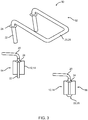
FIG. 3 is a perspective view and series of schematic diagrams illustrating one exemplary embodiment of the method of manufacture of the present invention; -
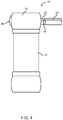
FIG. 4 is a perspective view of an exemplary (i.e., generic) product formed by the method of manufacture ofFIG. 3 ; and -
FIG. 5 is a series of schematic diagrams illustrating another exemplary embodiment of the method of manufacture of the present invention. - The bracket assembly, such as a child safety seat bracket assembly or the like, provided herein couples components that are typically made of different materials with sufficient overall strength and without the need for conventional arc welding operations or the like, which may be inaccurate, inconsistent, labor intensive, and time consuming. For example, the bracket assembly often includes an aluminum body, providing the desired bracket assembly manufacturing flexibility and weight savings at the point of vehicle attachment, and a steel wire loop, providing the desired bracket assembly strength at the point of child safety seat attachment. The methods provided herein allow these dissimilar components to be joined using only simple, efficient, and repeatable stamping and pressing operations, as opposed to arc welding operations or the like.
- More specifically, the bracket assembly provided herein includes a wire loop structure that has end portions that are stamped to locally widen the wire loop structure a predetermined distance from ends thereof. These end portions are then pressed through cylindrical bores of a bracket structure that is configured to be secured to a seat, interior structure, and/or body of the vehicle, for example. The ends of the wire loop structure are then deformed to form retention caps that prevent the end portions of the wire loop structure from backing out of the cylindrical bores of the bracket structure. A child safety seat, for example, is selectively secured to one more such wire loop structures, bracket structures, and bracket assemblies to selectively secure the child safety seat to the seat, interior structure, and/or body of the vehicle. Other applications for the bracket assembly and method of manufacture are also contemplated herein.
- Referring now specifically to
FIG. 2 , in one exemplary embodiment, thebracket assembly 10 includes abracket structure 12 defining one or more substantially cylindrical and/orkeyed bores 14. In this exemplary embodiment, thebracket structure 12 includes a substantiallyrectangular frame structure 16 reinforced by one or more connectingrib members 18. Alternatively, thebracket structure 12 can include of a simple prismatic or planar structure. In the exemplary embodiment, the one or more substantially cylindrical and/or keyedbores 14 are located at the upper corners of the substantiallyrectangular frame structure 16 and are disposed substantially perpendicular to the primary plane of the substantiallyrectangular frame structure 16. - The
bracket assembly 10 also includes anelongate structure 20 having one ormore end portions 22 disposed through the one ormore bores 14 of thebracket structure 12. Preferably, theelongate structure 20 includes a wire or the like having a substantially cylindrical and/or keyed cross-sectional shape that substantially corresponds to the cross-sectional shape of the substantially cylindrical and/or keyed bores 14, at least at theend portions 22 thereof. Each of the one ormore end portions 22 includes a first widenedportion 24 disposed at a first end thereof adjacent to a first end of the associated bore 14 and a second widenedportion 26 disposed at a second end thereof adjacent to a second end of the associated bore 14. Thus, each of thebore structures 14 is secured between the associated widenedportions wire 20. Advantageously, forces applied to the first widenedportion 24 and the second widenedportion 26 are off-axis from forces applied to theelongate structure 20 due to the perpendicular bends of theend portions 22. This enables the widenedportions elongate structure 20. - In the exemplary embodiment, the
bracket structure 12 includes a pair ofbore structures 14 and thewire 20 forms a loop structure having a pair ofend portions 22 corresponding to the pair ofbore structures 14. Theend portions 22 of theloop structure 20 are disposed substantially perpendicular to a body portion 28 of theloop structure 20, which includes bothside members 30 and anend member 32, all formed via bends in theloop structure 20. - The first widened
portion 24 disposed at the first end of the associatedend portion 22 of theelongate structure 20 is formed by, for example, stamping the first end of the associatedend portion 22 to form a deformed flattened feature at the first widenedportion 24 prior to disposing the associatedend portion 22 through the associated bore 14. In this manner, the first widenedportion 24 is press fit into the associated bore 14. The second widenedportion 26 disposed at the second end of the associatedend portion 22 of theelongate structure 20 is formed by, for example, pressing the second end of the associatedend portion 22 to form a deformed cap feature at the second widenedportion 26 subsequent to disposing the associatedend portion 22 through the associated bore 14. In this manner, the second widenedportion 26 forms a rivet-like retention mechanism. It should be noted that either of the widenedportions end portions 22 of theelongate structure 20 can be replaced with simple bends, attached retention collars, or the like, provided that such retention structures effectively replace welds and secure theelongate structure 20 to thebracket structure 12 with sufficient strength and limited assembly complexity. - Optionally, the
bracket structure 12 is manufactured from a first material, such as aluminum or the like, and theelongate structure 20 is manufactured from a second material, such as steel or the like. - The
bracket assembly 10 is configured to be secured to one or more of a seat, an interior structure, and a body of a vehicle, and theelongate structure 20 is configured to selectively receive a latch mechanism of a child safety seat disposed in the vehicle. Other uses are also contemplated herein. For example, a similar bracket assembly could be used as part of a door, hood, or trunk latch, etc. In this exemplary embodiment, thebracket structure 12 includes a plurality ofperpendicular flanges 34 extending from thebracket structure 12. Each of theflanges 34 defines a hole by which thebracket assembly 10 is secured to the interior structure of the vehicle or the like. It will be readily apparent to those of ordinary skill in the art that other suitable attachment mechanisms can also be utilized. - Referring now specifically to
FIG. 3 , in another exemplary embodiment, themethod 50 for manufacturing thebracket assembly 10 ofFIG. 2 includes forming the first widenedportion 24 at the first end of thefirst end portion 22 of the elongate structure 20 (step 52), disposing the first end portion of theelongate structure 20 through thefirst bore 14 defined by the bracket structure 12 (step 54), and forming the second widenedportion 26 at the second end of thefirst end portion 22 of the elongate structure 20 (step 56), with the first widenedportion 24 and the second widenedportion 26 of thefirst end portion 22 of theelongate structure 20 disposed at opposite ends of thefirst bore 14 defined by thebracket structure 12. Preferably, theelongate structure 20 includes the loop structure 28 and themethod 50 simultaneously includes forming the first widenedportion 24 at the first end of thesecond end portion 22 of the elongate structure 20 (step 52), disposing thesecond end portion 22 of theelongate structure 20 through thesecond bore 14 defined by the bracket structure 12 (step 54), and forming the second widenedportion 24 at the second end of thesecond end portion 22 of the elongate structure 20 (step 56), with the first widenedportion 24 and the second widenedportion 26 of thesecond end portion 22 of theelongate structure 20 disposed at opposite ends of thesecond bore 14 defined by thebracket structure 12. - Optionally, the first and
second end portions 22 of theloop structure 20 are disposed substantially perpendicular to the body portion 28 of theloop structure 20. The first widenedportion 24 disposed at the first end of the associatedend portion 22 of theelongate structure 20 is formed by stamping the first end of the associatedend portion 22 to form a deformed flattened feature at the first widenedportion 24 prior to disposing the associatedend portion 22 through the associated bore 14. The first widenedportion 24 ultimately has a thickness that is half of its original thickness, for example. The second widenedportion 26 disposed at the second end of the associatedend portion 22 of theelongate structure 20 is formed by pressing the second end of the associatedend portion 22 to form a deformed cap feature at the second widenedportion 26 subsequent to disposing the associatedend portion 22 through the associated bore 14. - Again, optionally, the
bracket structure 12 is manufactured from a first material, such as aluminum or the like, and theelongate structure 20 is manufactured from a second material, such as steel or the like. -
FIG. 4 illustrates ageneric bracket assembly 10 with oneend portion 10 of the elongate wire/loop structure 20 disposed through the associatedbore structure 14. Thebore structure 14 is secured between the stamped flattenedportion 24 and the pressedcap portion 26 of theend portion 22. The stamped flattenedportion 24 is essentially press fit partially into thebore 14 and the pressedcap portion 26 acts as a rivet retention mechanism. Collectively, the components of the bracket assembly act as rigid structure that is capable of retaining a load, such as that exerted by a child safety seat in a vehicle braking and/or impact event. This replaces conventional unitary and welded bracket assemblies that are variously weaker, less consistent, more difficult to manufacture, and/or more expensive. - Referring to
FIG. 5 , in general, abracket assembly 10 made from abracket structure 12 and anelongate structure 20 where theelongate structure 20 is originally shaped as and defined by a U-section 28 and two protrudinglegs 22 extending laterally from the U-section 28, thebracket assembly 10 being formed by crimping eachprotruding leg 22 along the length thereof near the U-section 28, sliding the protrudinglegs 22 intoopen bores 14 disposed on one side of thebracket structure 12 until the open bore ends come into contact with the respectivecrimped portions 24 of eachprotruding leg 22, and then deforming the respective portions of eachprotruding leg 22 at the opposite open bore ends to secure theelongate structure 20 to thebracket structure 12 between the crimpedportion 24 anddeformed portion 26 formed along each protrudingleg 22. - Although the present invention is illustrated and described herein with reference to preferred embodiments and specific examples thereof, it will be readily apparent to those of ordinary skill in the art that other embodiments and examples can perform similar functions and/or achieve like results. All such equivalent embodiments and examples are within the spirit and scope of the present invention, are contemplated thereby, and are intended to be covered by the following non-limiting claims for all purposes.
Claims (14)
- A bracket assembly (10), comprising:a bracket structure (12) defining one or more bores (14); andan elongate structure (20) having one or more end portions (22) disposed through the one or more bores (14) of the bracket structure (12), each of the one or more end portions (22) comprising a first widened portion (24) disposed at a first end thereof adjacent to a first end of the associated bore (14) and a second widened portion (26) disposed at a second end thereof adjacent to a second end of the associated bore (14).
- The bracket assembly (10) of claim 1, wherein the bracket structure (12) defines a pair of bores (14).
- The bracket assembly (10) of claim 2, wherein the elongate structure (20) comprises a loop structure (20) having a pair of end portions (22) corresponding to the pair of bores (14).
- The bracket assembly (10) of claim 3, wherein the end portions (22) of the loop structure (20) are disposed substantially perpendicular to a body portion (28) of the loop structure (20).
- The bracket assembly (10) of claim 1, wherein the first widened portion (24) disposed at the first end of the associated end portion (22) of the elongate structure (20) is formed by stamping the first end of the associated end portion (22) to form a deformed flattened feature at the first widened portion (24) prior to disposing the associated end portion (22) through the associated bore (14).
- The bracket assembly (10) of claim 1, wherein the second widened portion (26) disposed at the second end of the associated end portion (22) of the elongate structure (20) is formed by pressing the second end of the associated end portion (22) to form a deformed cap feature at the second widened portion (26) subsequent to disposing the associated end portion (22) through the associated bore (14).
- The bracket assembly (10) of claim 1, wherein the bracket structure (12) is manufactured from a first material and the elongate structure (20) is manufactured from a second material.
- The bracket assembly (10) of claim 1, wherein the bracket assembly (10) is configured to be secured to one or more of a seat, an interior structure, and a body of a vehicle, and wherein the elongate structure (20) is configured to selectively receive a latch mechanism of a child safety seat disposed in the vehicle.
- A method of manufacturing a bracket assembly (10), the method comprising:forming a first widened portion (24) at a first end of a first end portion (22) of an elongate structure (20);inserting the first end portion (22) of the elongate structure (20) through a first bore (14) defined by a bracket structure (12); andforming a second widened portion (26) at a second end of the first end portion (22) of the elongate structure (20), wherein the first widened portion (24) and the second widened portion (26) of the first end portion (22) of the elongate structure (20) are positioned at opposite ends of the first bore (14) defined by the bracket structure (12).
- The method of claim 9, wherein the elongate structure (20) comprises a loop structure (20) and the method further comprises:forming a first widened portion (24) at a first end of a second end portion (22) of the elongate structure (20);inserting the second end portion (22) of the elongate structure (20) through a second bore (14) defined by the bracket structure (12); andforming a second widened portion (26) at a second end of the second end portion (22) of the elongate structure (20), wherein the first widened portion (24) and the second widened portion (26) of the second end portion (22) of the elongate structure (20) are positioned at opposite ends of the second bore (14) defined by the bracket structure (12).
- The method of claim 10, wherein the first and second end portions (22) of the loop structure (20) are aligned substantially perpendicular to a body portion (28) of the loop structure (20).
- The method of claim 10, wherein the first widened portion (24) positioned at the first end of the associated end portion (22) of the elongate structure (20) is formed by stamping the first end of the associated end portion (22) to form a deformed flattened feature at the first widened portion (24) prior to inserting the associated end portion (22) through the associated bore (14).
- The method of claim 10, wherein the second widened portion (26) positioned at the second end of the associated end portion (22) of the elongate structure (20) is formed by pressing the second end of the associated end portion (22) to form a deformed cap feature at the second widened portion (26) subsequent to inserting the associated end portion (22) through the associated bore (14).
- A bracket assembly (10) made from a bracket structure (12) and an elongate structure (20) where the elongate structure (20) is originally shaped as and defined by a U-section (28) and two protruding legs (22) extending laterally from the U-section (28), the bracket assembly (10) being formed by crimping each protruding leg (22) along the length thereof near the U-section (28), sliding the protruding legs (22) into open bores (14) disposed on one side of the bracket structure (12) until the open bore ends come into contact with the respective crimped portions (24) of each protruding leg (22), and then deforming the respective portions (26) of each protruding leg (22) at the opposite open bore ends to secure the elongate structure (20) to the bracket structure (12) between the crimped and deformed portions (24,26) formed along each protruding leg 22.
Applications Claiming Priority (1)
| Application Number | Priority Date | Filing Date | Title |
|---|---|---|---|
| US16/226,930 US10730415B2 (en) | 2018-12-20 | 2018-12-20 | Child safety seat bracket for use in a vehicle |
Publications (1)
| Publication Number | Publication Date |
|---|---|
| EP3670253A1 true EP3670253A1 (en) | 2020-06-24 |
Family
ID=68766551
Family Applications (1)
| Application Number | Title | Priority Date | Filing Date |
|---|---|---|---|
| EP19213076.3A Pending EP3670253A1 (en) | 2018-12-20 | 2019-12-03 | Child safety seat bracket for use in a vehicle |
Country Status (3)
| Country | Link |
|---|---|
| US (1) | US10730415B2 (en) |
| EP (1) | EP3670253A1 (en) |
| CN (1) | CN111347949B (en) |
Citations (4)
| Publication number | Priority date | Publication date | Assignee | Title |
|---|---|---|---|---|
| US6108894A (en) * | 1994-07-14 | 2000-08-29 | Mitsui Kinzoku Kogyo Kabushiki Kaisha | Method of making striker for automotive door latch apparatus |
| WO2003070510A1 (en) * | 2002-02-19 | 2003-08-28 | Summo Steel Corporation | Weldless child safety restraint system for an automobile and its manufacturing methods |
| US20040227384A1 (en) * | 2003-05-16 | 2004-11-18 | M & C Corporation | Restraint anchorage for a child restraint system |
| US20040261246A1 (en) * | 2003-06-24 | 2004-12-30 | M & C Corporation | Cold formed latch wire |
Family Cites Families (16)
| Publication number | Priority date | Publication date | Assignee | Title |
|---|---|---|---|---|
| JPH076402Y2 (en) * | 1988-03-28 | 1995-02-15 | 三井金属鉱業株式会社 | Vehicle lock device striker |
| JPH11350815A (en) * | 1998-06-09 | 1999-12-21 | Mitsui Mining & Smelting Co Ltd | Vehicle striker |
| US6276754B1 (en) * | 2000-04-21 | 2001-08-21 | Lear Corporation | Child seat attachment assembly |
| JP2002201830A (en) * | 2000-12-30 | 2002-07-19 | Mitsui Mining & Smelting Co Ltd | Striker for vehicle door latch device and method of manufacturing the same |
| US6582016B1 (en) | 2001-07-31 | 2003-06-24 | Johnson Controls Technology Company | Seat trim closeout for isofix systems |
| AT502738B1 (en) * | 2002-07-01 | 2007-10-15 | Fair S R L | CHILD SEAT MOUNTING AND CHILD RETENTION DEVICE FOR MOTOR VEHICLES |
| CN101001718B (en) | 2004-01-22 | 2010-10-13 | L&P产权管理公司 | Method of resistance welding wire to hollow piping system and resulting connection |
| US8573694B2 (en) | 2005-11-22 | 2013-11-05 | M & C Corporation | Method and apparatus for coupling Isofix bar to brackets that mount to vehicle body |
| US7407215B2 (en) | 2006-02-06 | 2008-08-05 | Toyota Motor Engineering & Manufacturing North America, Inc. | Child seat top tether rerouter and bracket |
| DE202008005361U1 (en) | 2008-04-17 | 2008-07-03 | Recaro Gmbh & Co. Kg | Device for fastening a child car seat to an anchoring web or bar of the body of a vehicle |
| CN201800575U (en) * | 2010-09-28 | 2011-04-20 | 重庆长安汽车股份有限公司 | Structure for mounting and retaining auto child seat |
| CN201951285U (en) * | 2010-12-31 | 2011-08-31 | 东风汽车公司 | Fixing device for child seat |
| US9022340B2 (en) | 2011-03-21 | 2015-05-05 | Techform Products Limited | Formed tube with formed wire rivet |
| CN103373255B (en) * | 2012-04-28 | 2015-11-18 | 上海汽车集团股份有限公司 | Child seat mounting bracket and be provided with the manned vehicle of this support |
| DE102014219160A1 (en) | 2014-09-23 | 2016-03-24 | Volkswagen Aktiengesellschaft | Fastening arrangement in a vehicle |
| CN108501777A (en) * | 2018-06-13 | 2018-09-07 | 连江县维佳工业设计有限公司 | The automobile child seat being easily installed |
-
2018
- 2018-12-20 US US16/226,930 patent/US10730415B2/en active Active
-
2019
- 2019-12-03 EP EP19213076.3A patent/EP3670253A1/en active Pending
- 2019-12-13 CN CN201911279017.4A patent/CN111347949B/en active Active
Patent Citations (4)
| Publication number | Priority date | Publication date | Assignee | Title |
|---|---|---|---|---|
| US6108894A (en) * | 1994-07-14 | 2000-08-29 | Mitsui Kinzoku Kogyo Kabushiki Kaisha | Method of making striker for automotive door latch apparatus |
| WO2003070510A1 (en) * | 2002-02-19 | 2003-08-28 | Summo Steel Corporation | Weldless child safety restraint system for an automobile and its manufacturing methods |
| US20040227384A1 (en) * | 2003-05-16 | 2004-11-18 | M & C Corporation | Restraint anchorage for a child restraint system |
| US20040261246A1 (en) * | 2003-06-24 | 2004-12-30 | M & C Corporation | Cold formed latch wire |
Also Published As
| Publication number | Publication date |
|---|---|
| US10730415B2 (en) | 2020-08-04 |
| CN111347949B (en) | 2023-05-16 |
| CN111347949A (en) | 2020-06-30 |
| US20200198504A1 (en) | 2020-06-25 |
Similar Documents
| Publication | Publication Date | Title |
|---|---|---|
| JP6149537B2 (en) | Vehicle seat back frame | |
| US5639144A (en) | Energy absorbing child seat fastener | |
| JP5254442B2 (en) | Seat belt anchor assembly | |
| US9022340B2 (en) | Formed tube with formed wire rivet | |
| US20040080195A1 (en) | Mechanical attachment of anchorage and bracket | |
| US10814756B2 (en) | Vehicle seat | |
| DE102011110678A1 (en) | Fastening system, cover, seat assembly and vehicle | |
| WO2019042588A1 (en) | Molded part, seat and method for producing a molded part | |
| CN106256615A (en) | There is the motor vehicles of safety belt restraining system | |
| US9273764B2 (en) | Drive of a seat adjusting device for motor vehicles | |
| US7854452B2 (en) | Engagement fitting and manufacturing method of engagement fitting | |
| US10730415B2 (en) | Child safety seat bracket for use in a vehicle | |
| US10821867B2 (en) | Headrest support device | |
| DE102014204084A1 (en) | Notfalleinhakstruktur | |
| WO2012000577A1 (en) | Quick-release closure for a vehicle-fixed end of a seat belt in a motor vehicle | |
| DE102012223453B4 (en) | Quick release for a vehicle-fixed end of a seat belt in a motor vehicle | |
| US6336261B1 (en) | Seatbelt system provided with buckle stay | |
| WO2016181677A1 (en) | Seat frame and method for manufacturing seat frame | |
| DE102014204082A1 (en) | Fixing structure for a vehicle seat | |
| JP3694847B2 (en) | Belt lock holder | |
| KR101339134B1 (en) | Combination structure for inspection device of trim in vehicles | |
| CN111717087A (en) | Seat sliding device | |
| US3347127A (en) | Metal fastener | |
| JP2025186788A (en) | seat back | |
| DE102012015008A1 (en) | Seat arrangement for motor vehicle, has backrest section and fastening element for pivotable fastening of backrest section to motor vehicle body, where backrest section is pivotably mounted on fastening element |
Legal Events
| Date | Code | Title | Description |
|---|---|---|---|
| PUAI | Public reference made under article 153(3) epc to a published international application that has entered the european phase |
Free format text: ORIGINAL CODE: 0009012 |
|
| STAA | Information on the status of an ep patent application or granted ep patent |
Free format text: STATUS: THE APPLICATION HAS BEEN PUBLISHED |
|
| AK | Designated contracting states |
Kind code of ref document: A1 Designated state(s): AL AT BE BG CH CY CZ DE DK EE ES FI FR GB GR HR HU IE IS IT LI LT LU LV MC MK MT NL NO PL PT RO RS SE SI SK SM TR |
|
| AX | Request for extension of the european patent |
Extension state: BA ME |
|
| STAA | Information on the status of an ep patent application or granted ep patent |
Free format text: STATUS: REQUEST FOR EXAMINATION WAS MADE |
|
| 17P | Request for examination filed |
Effective date: 20210111 |
|
| RBV | Designated contracting states (corrected) |
Designated state(s): AL AT BE BG CH CY CZ DE DK EE ES FI FR GB GR HR HU IE IS IT LI LT LU LV MC MK MT NL NO PL PT RO RS SE SI SK SM TR |
|
| STAA | Information on the status of an ep patent application or granted ep patent |
Free format text: STATUS: EXAMINATION IS IN PROGRESS |
|
| 17Q | First examination report despatched |
Effective date: 20220217 |
|
| P01 | Opt-out of the competence of the unified patent court (upc) registered |
Effective date: 20230828 |
|
| GRAP | Despatch of communication of intention to grant a patent |
Free format text: ORIGINAL CODE: EPIDOSNIGR1 |
|
| STAA | Information on the status of an ep patent application or granted ep patent |
Free format text: STATUS: GRANT OF PATENT IS INTENDED |
|
| INTG | Intention to grant announced |
Effective date: 20251203 |
|
| GRAS | Grant fee paid |
Free format text: ORIGINAL CODE: EPIDOSNIGR3 |
|
| GRAA | (expected) grant |
Free format text: ORIGINAL CODE: 0009210 |
|
| STAA | Information on the status of an ep patent application or granted ep patent |
Free format text: STATUS: THE PATENT HAS BEEN GRANTED |