EP3667025A1 - Oil seal system of a gas turbine engine - Google Patents
Oil seal system of a gas turbine engine Download PDFInfo
- Publication number
- EP3667025A1 EP3667025A1 EP19215034.0A EP19215034A EP3667025A1 EP 3667025 A1 EP3667025 A1 EP 3667025A1 EP 19215034 A EP19215034 A EP 19215034A EP 3667025 A1 EP3667025 A1 EP 3667025A1
- Authority
- EP
- European Patent Office
- Prior art keywords
- bearing compartment
- scavenge
- gas turbine
- supply
- turbine engine
- Prior art date
- Legal status (The legal status is an assumption and is not a legal conclusion. Google has not performed a legal analysis and makes no representation as to the accuracy of the status listed.)
- Granted
Links
Images



Classifications
-
- F—MECHANICAL ENGINEERING; LIGHTING; HEATING; WEAPONS; BLASTING
- F01—MACHINES OR ENGINES IN GENERAL; ENGINE PLANTS IN GENERAL; STEAM ENGINES
- F01D—NON-POSITIVE DISPLACEMENT MACHINES OR ENGINES, e.g. STEAM TURBINES
- F01D11/00—Preventing or minimising internal leakage of working-fluid, e.g. between stages
- F01D11/003—Preventing or minimising internal leakage of working-fluid, e.g. between stages by packing rings; Mechanical seals
-
- F—MECHANICAL ENGINEERING; LIGHTING; HEATING; WEAPONS; BLASTING
- F01—MACHINES OR ENGINES IN GENERAL; ENGINE PLANTS IN GENERAL; STEAM ENGINES
- F01D—NON-POSITIVE DISPLACEMENT MACHINES OR ENGINES, e.g. STEAM TURBINES
- F01D25/00—Component parts, details, or accessories, not provided for in, or of interest apart from, other groups
- F01D25/18—Lubricating arrangements
- F01D25/183—Sealing means
- F01D25/186—Sealing means for sliding contact bearing
-
- F—MECHANICAL ENGINEERING; LIGHTING; HEATING; WEAPONS; BLASTING
- F01—MACHINES OR ENGINES IN GENERAL; ENGINE PLANTS IN GENERAL; STEAM ENGINES
- F01D—NON-POSITIVE DISPLACEMENT MACHINES OR ENGINES, e.g. STEAM TURBINES
- F01D21/00—Shutting-down of machines or engines, e.g. in emergency; Regulating, controlling, or safety means not otherwise provided for
- F01D21/14—Shutting-down of machines or engines, e.g. in emergency; Regulating, controlling, or safety means not otherwise provided for responsive to other specific conditions
-
- F—MECHANICAL ENGINEERING; LIGHTING; HEATING; WEAPONS; BLASTING
- F01—MACHINES OR ENGINES IN GENERAL; ENGINE PLANTS IN GENERAL; STEAM ENGINES
- F01D—NON-POSITIVE DISPLACEMENT MACHINES OR ENGINES, e.g. STEAM TURBINES
- F01D25/00—Component parts, details, or accessories, not provided for in, or of interest apart from, other groups
- F01D25/18—Lubricating arrangements
- F01D25/183—Sealing means
-
- F—MECHANICAL ENGINEERING; LIGHTING; HEATING; WEAPONS; BLASTING
- F01—MACHINES OR ENGINES IN GENERAL; ENGINE PLANTS IN GENERAL; STEAM ENGINES
- F01D—NON-POSITIVE DISPLACEMENT MACHINES OR ENGINES, e.g. STEAM TURBINES
- F01D25/00—Component parts, details, or accessories, not provided for in, or of interest apart from, other groups
- F01D25/18—Lubricating arrangements
- F01D25/20—Lubricating arrangements using lubrication pumps
-
- F—MECHANICAL ENGINEERING; LIGHTING; HEATING; WEAPONS; BLASTING
- F01—MACHINES OR ENGINES IN GENERAL; ENGINE PLANTS IN GENERAL; STEAM ENGINES
- F01M—LUBRICATING OF MACHINES OR ENGINES IN GENERAL; LUBRICATING INTERNAL COMBUSTION ENGINES; CRANKCASE VENTILATING
- F01M11/00—Component parts, details or accessories, not provided for in, or of interest apart from, groups F01M1/00 - F01M9/00
- F01M11/06—Means for keeping lubricant level constant or for accommodating movement or position of machines or engines
- F01M11/062—Accommodating movement or position of machines or engines, e.g. dry sumps
- F01M11/065—Position
- F01M11/067—Position inverted, e.g. for inverted flight
-
- F—MECHANICAL ENGINEERING; LIGHTING; HEATING; WEAPONS; BLASTING
- F02—COMBUSTION ENGINES; HOT-GAS OR COMBUSTION-PRODUCT ENGINE PLANTS
- F02C—GAS-TURBINE PLANTS; AIR INTAKES FOR JET-PROPULSION PLANTS; CONTROLLING FUEL SUPPLY IN AIR-BREATHING JET-PROPULSION PLANTS
- F02C7/00—Features, components parts, details or accessories, not provided for in, or of interest apart form groups F02C1/00 - F02C6/00; Air intakes for jet-propulsion plants
- F02C7/06—Arrangements of bearings; Lubricating
-
- F—MECHANICAL ENGINEERING; LIGHTING; HEATING; WEAPONS; BLASTING
- F16—ENGINEERING ELEMENTS AND UNITS; GENERAL MEASURES FOR PRODUCING AND MAINTAINING EFFECTIVE FUNCTIONING OF MACHINES OR INSTALLATIONS; THERMAL INSULATION IN GENERAL
- F16C—SHAFTS; FLEXIBLE SHAFTS; ELEMENTS OR CRANKSHAFT MECHANISMS; ROTARY BODIES OTHER THAN GEARING ELEMENTS; BEARINGS
- F16C33/00—Parts of bearings; Special methods for making bearings or parts thereof
- F16C33/30—Parts of ball or roller bearings
- F16C33/66—Special parts or details in view of lubrication
- F16C33/6637—Special parts or details in view of lubrication with liquid lubricant
-
- F—MECHANICAL ENGINEERING; LIGHTING; HEATING; WEAPONS; BLASTING
- F16—ENGINEERING ELEMENTS AND UNITS; GENERAL MEASURES FOR PRODUCING AND MAINTAINING EFFECTIVE FUNCTIONING OF MACHINES OR INSTALLATIONS; THERMAL INSULATION IN GENERAL
- F16C—SHAFTS; FLEXIBLE SHAFTS; ELEMENTS OR CRANKSHAFT MECHANISMS; ROTARY BODIES OTHER THAN GEARING ELEMENTS; BEARINGS
- F16C33/00—Parts of bearings; Special methods for making bearings or parts thereof
- F16C33/72—Sealings
- F16C33/76—Sealings of ball or roller bearings
-
- F—MECHANICAL ENGINEERING; LIGHTING; HEATING; WEAPONS; BLASTING
- F16—ENGINEERING ELEMENTS AND UNITS; GENERAL MEASURES FOR PRODUCING AND MAINTAINING EFFECTIVE FUNCTIONING OF MACHINES OR INSTALLATIONS; THERMAL INSULATION IN GENERAL
- F16J—PISTONS; CYLINDERS; SEALINGS
- F16J15/00—Sealings
- F16J15/16—Sealings between relatively-moving surfaces
- F16J15/34—Sealings between relatively-moving surfaces with slip-ring pressed against a more or less radial face on one member
- F16J15/3404—Sealings between relatively-moving surfaces with slip-ring pressed against a more or less radial face on one member and characterised by parts or details relating to lubrication, cooling or venting of the seal
-
- F—MECHANICAL ENGINEERING; LIGHTING; HEATING; WEAPONS; BLASTING
- F05—INDEXING SCHEMES RELATING TO ENGINES OR PUMPS IN VARIOUS SUBCLASSES OF CLASSES F01-F04
- F05D—INDEXING SCHEME FOR ASPECTS RELATING TO NON-POSITIVE-DISPLACEMENT MACHINES OR ENGINES, GAS-TURBINES OR JET-PROPULSION PLANTS
- F05D2240/00—Components
- F05D2240/50—Bearings
-
- F—MECHANICAL ENGINEERING; LIGHTING; HEATING; WEAPONS; BLASTING
- F05—INDEXING SCHEMES RELATING TO ENGINES OR PUMPS IN VARIOUS SUBCLASSES OF CLASSES F01-F04
- F05D—INDEXING SCHEME FOR ASPECTS RELATING TO NON-POSITIVE-DISPLACEMENT MACHINES OR ENGINES, GAS-TURBINES OR JET-PROPULSION PLANTS
- F05D2240/00—Components
- F05D2240/55—Seals
-
- F—MECHANICAL ENGINEERING; LIGHTING; HEATING; WEAPONS; BLASTING
- F05—INDEXING SCHEMES RELATING TO ENGINES OR PUMPS IN VARIOUS SUBCLASSES OF CLASSES F01-F04
- F05D—INDEXING SCHEME FOR ASPECTS RELATING TO NON-POSITIVE-DISPLACEMENT MACHINES OR ENGINES, GAS-TURBINES OR JET-PROPULSION PLANTS
- F05D2260/00—Function
- F05D2260/98—Lubrication
-
- F—MECHANICAL ENGINEERING; LIGHTING; HEATING; WEAPONS; BLASTING
- F05—INDEXING SCHEMES RELATING TO ENGINES OR PUMPS IN VARIOUS SUBCLASSES OF CLASSES F01-F04
- F05D—INDEXING SCHEME FOR ASPECTS RELATING TO NON-POSITIVE-DISPLACEMENT MACHINES OR ENGINES, GAS-TURBINES OR JET-PROPULSION PLANTS
- F05D2300/00—Materials; Properties thereof
- F05D2300/20—Oxide or non-oxide ceramics
- F05D2300/22—Non-oxide ceramics
- F05D2300/224—Carbon, e.g. graphite
-
- F—MECHANICAL ENGINEERING; LIGHTING; HEATING; WEAPONS; BLASTING
- F16—ENGINEERING ELEMENTS AND UNITS; GENERAL MEASURES FOR PRODUCING AND MAINTAINING EFFECTIVE FUNCTIONING OF MACHINES OR INSTALLATIONS; THERMAL INSULATION IN GENERAL
- F16C—SHAFTS; FLEXIBLE SHAFTS; ELEMENTS OR CRANKSHAFT MECHANISMS; ROTARY BODIES OTHER THAN GEARING ELEMENTS; BEARINGS
- F16C2360/00—Engines or pumps
- F16C2360/23—Gas turbine engines
-
- F—MECHANICAL ENGINEERING; LIGHTING; HEATING; WEAPONS; BLASTING
- F16—ENGINEERING ELEMENTS AND UNITS; GENERAL MEASURES FOR PRODUCING AND MAINTAINING EFFECTIVE FUNCTIONING OF MACHINES OR INSTALLATIONS; THERMAL INSULATION IN GENERAL
- F16N—LUBRICATING
- F16N2210/00—Applications
- F16N2210/08—Aircraft
- F16N2210/09—Aircraft for inverted flight
-
- F—MECHANICAL ENGINEERING; LIGHTING; HEATING; WEAPONS; BLASTING
- F16—ENGINEERING ELEMENTS AND UNITS; GENERAL MEASURES FOR PRODUCING AND MAINTAINING EFFECTIVE FUNCTIONING OF MACHINES OR INSTALLATIONS; THERMAL INSULATION IN GENERAL
- F16N—LUBRICATING
- F16N2210/00—Applications
- F16N2210/14—Bearings
Definitions
- the fixed seal is a carbon face seal.
- a gas turbine engine includes a first scavenge line from the first bearing compartment to the scavenge pump, a second scavenge line from the second bearing compartment to the scavenge pump, and a third scavenge line from the third bearing compartment to the scavenge pump.
- the second bearing compartment and the third bearing compartment do not include a gutter.
- a gas turbine engine 10 includes a fan section 11, a compressor section 12, a combustor section 13, and a turbine section 14. Air entering into the fan section 11 is initially compressed and fed to the compressor section 12. In the compressor section 12, the incoming air from the fan section 11 is further compressed and communicated to the combustor section 13. In the combustor section 13, the compressed air is mixed with gas and ignited to generate a hot exhaust stream E. The hot exhaust stream E is expanded through the turbine section 14 to drive the fan section 11 and the compressor section 12. The exhaust gasses E flow from the turbine section 14 through an exhaust liner assembly 21.
- the exemplary engine 20 generally includes a low speed spool 30 and a high speed spool 32 mounted for rotation about an engine central longitudinal axis A relative to an engine static structure 36 via several bearing systems 38. It should be understood that various bearing systems 38 at various locations may alternatively or additionally be provided, and the location of bearing systems 38 may be varied as appropriate to the application.
- the low speed spool 30 generally includes an inner shaft 40 that interconnects, a first (or low) pressure compressor 44 and a first (or low) pressure turbine 46.
- the inner shaft 40 is connected to the fan 42 through a speed change mechanism, which in exemplary gas turbine engine 20 is illustrated as a geared architecture 48 to drive a fan 42 at a lower speed than the low speed spool 30.
- the high speed spool 32 includes an outer shaft 50 that interconnects a second (or high) pressure compressor 52 and a second (or high) pressure turbine 54.
- a combustor 56 is arranged in exemplary gas turbine 20 between the high pressure compressor 52 and the high pressure turbine 54.
- a mid-turbine frame 57 of the engine static structure 36 may be arranged generally between the high pressure turbine 54 and the low pressure turbine 46.
- the mid-turbine frame 57 further supports bearing systems 38 in the turbine section 28.
- the inner shaft 40 and the outer shaft 50 are concentric and rotate via bearing systems 38 about the engine central longitudinal axis A which is colline
- the core airflow is compressed by the low pressure compressor 44 then the high pressure compressor 52, mixed and burned with fuel in the combustor 56, then expanded over the high pressure turbine 54 and low pressure turbine 46.
- the mid-turbine frame 57 includes airfoils 59 which are in the core airflow path C.
- the turbines 46, 54 rotationally drive the respective low speed spool 30 and high speed spool 32 in response to the expansion.
- gear system 48 may be located aft of the low pressure compressor, or aft of the combustor section 26 or even aft of turbine section 28, and fan 42 may be positioned forward or aft of the location of gear system 48.
- the fan section 22 of the engine 20 is designed for a particular flight condition -- typically cruise at about 0.8 Mach and about 35,000 feet (10,668 meters).
- the flight condition of 0.8 Mach and 35,000 ft (10,668 meters), with the engine at its best fuel consumption - also known as "bucket cruise Thrust Specific Fuel Consumption ('TSFC')" - is the industry standard parameter of lbm of fuel being burned divided by lbf of thrust the engine produces at that minimum point.
- "Low fan pressure ratio” is the pressure ratio across the fan blade alone, without a Fan Exit Guide Vane (“FEGV”) system.
- the low fan pressure ratio as disclosed herein according to one non-limiting embodiment is less than about 1.45.
- the example seal 64 is a carbon seal, and the example seal seat 62 is metallic.
- the example seal seat 62 is a "wet seal” such that oil passes through the seal seat 62 to the interface of faces 65,67 so that the oil that flows through the seal seat 62 cools the seal seat 62, but then lubricates the interface to further reduce heat generation.
- Other seal assemblies, including “dry seals” (oil does not reach the interface) and seals of other materials would benefit from this disclosure.
Landscapes
- Engineering & Computer Science (AREA)
- General Engineering & Computer Science (AREA)
- Mechanical Engineering (AREA)
- Chemical & Material Sciences (AREA)
- Combustion & Propulsion (AREA)
- Rolling Contact Bearings (AREA)
Abstract
Description
- This disclosure relates to gas turbine engines, and more particularly to bearing compartments in gas turbine engines.
- A gas turbine engine typically includes a fan section, a compressor section, a combustor section and a turbine section. Air entering the compressor section is compressed and delivered into the combustor section where it is mixed with fuel and ignited to generate a high-speed exhaust gas flow. The high-speed exhaust gas flow expands through the turbine section to drive the compressor and the fan section. The compressor section typically includes low and high pressure compressors, and the turbine section includes low and high pressure turbines.
- Various seals may be utilized near the rotating shaft of the engine, such as to contain oil within oil fed areas of the engine including bearing compartments. The oil fed to these compartments may be used to cool the seals.
- A gas turbine engine according to an aspect of the present disclosure includes a first bearing compartment and a seal assembly within the first bearing compartment. The seal assembly includes a rotatable seal seat, a gutter radially outward of the seal seat and fixed against rotation. The gutter includes a channel on its radially inner face. A second bearing compartment is also included. A scavenge pump is in communication with a first supply line configured to supply the first bearing compartment and a second supply line configured to supply the second bearing compartment. The gutter is in communication with the scavenge pump through a gutter scavenge line. A valve between the scavenge pump and the second supply line is configured to close in response to a dry port event, such that the closing the valve stops oil supply to the second supply line, while allowing oil supply to the first supply line.
- In a further example according to any of the foregoing examples, the channel is V-shaped and fully annular.
- In a further example according to any of the foregoing examples, the channel feeds the gutter scavenge line through an air/oil separation ramp, and the gutter scavenge line is attached to the gutter near the air/oil separation ramp.
- In a further example according to any of the foregoing examples, the second supply line is also configured to supply the first bearing compartment at a bearing section including a bearing, and the first supply line is configured to supply the first bearing compartment at a seal section including the seal assembly.
- In a further example according to any of the foregoing examples, closing the valve stops oil supply to the bearing section.
- In a further example according to any of the foregoing examples, the gas turbine engine includes a third bearing compartment. The second supply line is configured to supply oil to the third bearing compartment.
- In a further example according to any of the foregoing examples, the second bearing compartment and the third bearing compartment do not include a gutter.
- In a further example according to any of the foregoing examples, a gas turbine engine includes a first scavenge line from the bearing section to the scavenge pump, a second scavenge line from the second bearing compartment to the scavenge pump, and a third scavenge line from the third bearing compartment to the scavenge pump.
- In a further example according to any of the foregoing examples, the second bearing compartment does not include a gutter.
- In a further example according to any of the foregoing examples, the first supply line is upstream of the valve relative to the flow of supply from the pump.
- In a further example according to any of the foregoing examples, a controller configured to close the valve in response to the negative gravity event.
- In a further example according to any of the foregoing examples, the seal assembly includes a fixed seal, and the seal seat is rotatable against the fixed seal.
- In a further example according to any of the foregoing examples, the fixed seal is a carbon face seal.
- In a further example according to any of the foregoing examples, the seal seat is metallic.
- In a further example according to any of the foregoing examples, the seal seat is a wet seal.
- In a further example according to any of the foregoing examples, a gas turbine engine includes a carbon face seal that abuts the seal seat.
- In a further example according to any of the foregoing examples, the dry port event is a negative gravity event.
- In a further example according to any of the foregoing examples, a gas turbine engine includes a first scavenge line from the first bearing compartment to the scavenge pump and a second scavenge line from the second bearing compartment to the scavenge pump.
- In a further example according to any of the foregoing examples, a gas turbine engine includes a third bearing compartment. The second supply line is configured to supply oil to the third bearing compartment.
- In a further example according to any of the foregoing examples, a gas turbine engine includes a first scavenge line from the first bearing compartment to the scavenge pump, a second scavenge line from the second bearing compartment to the scavenge pump, and a third scavenge line from the third bearing compartment to the scavenge pump. The second bearing compartment and the third bearing compartment do not include a gutter.
- These and other features may be best understood from the following drawings and specification.
-
-
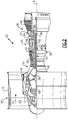
Figure 1 schematically illustrates a gas turbine engine. -
Figure 2 schematically illustrates a second gas turbine engine. -
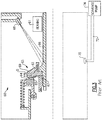
Figure 3 schematically illustrates a prior art bearing compartment of either of the gas turbine engines shown inFigures 1 and2 . -
Figure 4 schematically illustrates a bearing compartment. -
Figure 5A illustrates an example gutter of the bearing compartment ofFigure 4 . -
Figure 5B illustrates an enlarged view of a portion of the gutter shown inFigure 5A . -
Figure 6 schematically illustrates an example pump system. - Referring to
Figure 1 , agas turbine engine 10 includes afan section 11, acompressor section 12, acombustor section 13, and aturbine section 14. Air entering into thefan section 11 is initially compressed and fed to thecompressor section 12. In thecompressor section 12, the incoming air from thefan section 11 is further compressed and communicated to thecombustor section 13. In thecombustor section 13, the compressed air is mixed with gas and ignited to generate a hot exhaust stream E. The hot exhaust stream E is expanded through theturbine section 14 to drive thefan section 11 and thecompressor section 12. The exhaust gasses E flow from theturbine section 14 through anexhaust liner assembly 21. -
Figure 2 schematically illustrates agas turbine engine 20. Thegas turbine engine 20 is disclosed herein as a two-spool turbofan that generally incorporates afan section 22, acompressor section 24, acombustor section 26 and aturbine section 28. Thefan section 22 drives air along a bypass flow path B in a bypass duct defined within anacelle 15, and also drives air along a core flow path C for compression and communication into thecombustor section 26 then expansion through theturbine section 28. Although depicted as a two-spool turbofan gas turbine engine in the disclosed non-limiting embodiment, it should be understood that the concepts described herein are not limited to use with two-spool turbofans as the teachings may be applied to other types of turbine engines including three-spool architectures. - The
exemplary engine 20 generally includes alow speed spool 30 and ahigh speed spool 32 mounted for rotation about an engine central longitudinal axis A relative to an enginestatic structure 36 viaseveral bearing systems 38. It should be understood thatvarious bearing systems 38 at various locations may alternatively or additionally be provided, and the location ofbearing systems 38 may be varied as appropriate to the application. - The
low speed spool 30 generally includes aninner shaft 40 that interconnects, a first (or low)pressure compressor 44 and a first (or low)pressure turbine 46. Theinner shaft 40 is connected to thefan 42 through a speed change mechanism, which in exemplarygas turbine engine 20 is illustrated as a gearedarchitecture 48 to drive afan 42 at a lower speed than thelow speed spool 30. Thehigh speed spool 32 includes anouter shaft 50 that interconnects a second (or high)pressure compressor 52 and a second (or high)pressure turbine 54. Acombustor 56 is arranged inexemplary gas turbine 20 between thehigh pressure compressor 52 and thehigh pressure turbine 54. Amid-turbine frame 57 of the enginestatic structure 36 may be arranged generally between thehigh pressure turbine 54 and thelow pressure turbine 46. Themid-turbine frame 57 further supports bearingsystems 38 in theturbine section 28. Theinner shaft 40 and theouter shaft 50 are concentric and rotate via bearingsystems 38 about the engine central longitudinal axis A which is collinear with their longitudinal axes. - The core airflow is compressed by the
low pressure compressor 44 then thehigh pressure compressor 52, mixed and burned with fuel in thecombustor 56, then expanded over thehigh pressure turbine 54 andlow pressure turbine 46. Themid-turbine frame 57 includesairfoils 59 which are in the core airflow path C. Theturbines low speed spool 30 andhigh speed spool 32 in response to the expansion. It will be appreciated that each of the positions of thefan section 22,compressor section 24,combustor section 26,turbine section 28, and fandrive gear system 48 may be varied. For example,gear system 48 may be located aft of the low pressure compressor, or aft of thecombustor section 26 or even aft ofturbine section 28, andfan 42 may be positioned forward or aft of the location ofgear system 48. - The
engine 20 in one example is a high-bypass geared aircraft engine. In a further example, theengine 20 bypass ratio is greater than about six, with an example embodiment being greater than about ten, the gearedarchitecture 48 is an epicyclic gear train, such as a planetary gear system or other gear system, with a gear reduction ratio of greater than about 2.3 and thelow pressure turbine 46 has a pressure ratio that is greater than about five. In one disclosed embodiment, theengine 20 bypass ratio is greater than about ten, the fan diameter is significantly larger than that of thelow pressure compressor 44, and thelow pressure turbine 46 has a pressure ratio that is greater than about five.Low pressure turbine 46 pressure ratio is pressure measured prior to inlet oflow pressure turbine 46 as related to the pressure at the outlet of thelow pressure turbine 46 prior to an exhaust nozzle. The gearedarchitecture 48 may be an epicycle gear train, such as a planetary gear system or other gear system, with a gear reduction ratio of greater than about 2.3:1 and less than about 5:1. It should be understood, however, that the above parameters are only exemplary of one embodiment of a geared architecture engine and that the present invention is applicable to other gas turbine engines including direct drive turbofans. - A significant amount of thrust is provided by the bypass flow B due to the high bypass ratio. The
fan section 22 of theengine 20 is designed for a particular flight condition -- typically cruise at about 0.8 Mach and about 35,000 feet (10,668 meters). The flight condition of 0.8 Mach and 35,000 ft (10,668 meters), with the engine at its best fuel consumption - also known as "bucket cruise Thrust Specific Fuel Consumption ('TSFC')" - is the industry standard parameter of lbm of fuel being burned divided by lbf of thrust the engine produces at that minimum point. "Low fan pressure ratio" is the pressure ratio across the fan blade alone, without a Fan Exit Guide Vane ("FEGV") system. The low fan pressure ratio as disclosed herein according to one non-limiting embodiment is less than about 1.45. "Low corrected fan tip speed" is the actual fan tip speed in ft/sec divided by an industry standard temperature correction of [(Tram °R) / (518.7 °R)]0.5 (where °R = K x 9/5). The "Low corrected fan tip speed" as disclosed herein according to one non-limiting embodiment is less than about 1150 ft / second (350.5 meters/second). -
Figure 3 schematically illustrates anexample bearing compartment 60 of agas turbine engine 10/20 for housing abearing 61. Thebearing 61 may be any bearing in a gas turbine engine, includinggas turbine engines 10/20, as examples only, any of thebearings 38 shown inFigure 2 . Theexample bearing compartment 60 is oil fed, and aseal assembly 63 may be provided to seal other areas of thegas turbine engine 10/20 from the oil directed to thebearing compartment 60. - The
example seal assembly 63 includes aseal seat 62 fixed to and rotatable with a shaft 66. Theseal seat 62 rotates against a static seal (or "fixed seal") 64, such that aface 65 of theseal seat 62 contacts aface 67 of theseal 64. The friction between thefaces seal assembly 63 for cooling. Oil may be directed to theseal assembly 63 throughnozzles 68 or other known methods. Although the structure shown inFigure 3 is prior art, Applicant has identified various potential problems with the arrangement. - The
example seal 64 is a carbon seal, and theexample seal seat 62 is metallic. Theexample seal seat 62 is a "wet seal" such that oil passes through theseal seat 62 to the interface offaces seal seat 62 cools theseal seat 62, but then lubricates the interface to further reduce heat generation. Other seal assemblies, including "dry seals" (oil does not reach the interface) and seals of other materials would benefit from this disclosure. - As the
seal seat 62 rotates with the shaft 66, the cooling oil has a tendency to sling off theseal seat 62 radially outward in the direction D as shown, including through aradially extending egress 69 in some examples. In normal operation, the oil delivered to theseal seat 62 exits radially and travels down to thescavenge port 70 at the bottom of thebearing compartment 60, by gravity, to be collected by thescavenge line 72 and fed back to thescavenge pump 74 outside thebearing compartment 60. - However, sometimes the
gas turbine engine 10/20 may be in negative gravity operation, e.g. when gravity is oriented upwards with respect to the normal orientation ofgas turbine engine 10/20, such as during an aggressive aircraft maneuver. In negative gravity operation, the oil in bearingcompartment 60 will not migrate directly to thescavenge port 70 and should be suspended, in air, within thebearing compartment 60. This oil is then not available for cooling and/or lubrication, until the maneuver or other negative gravity condition is completed. - While negative gravity is one example dry port condition, other example dry port conditions may include extreme attitude, roll conditions, combinations thereof, or other maneuvers in which oil is pushed away from the
scavenge port 70. While negative gravity events are disclosed as examples in this disclosure, other dry port conditions would also benefit from this disclosure. - As illustrated in
Figure 4 , agutter 76 may be provided radially outward of theseal assembly 63 to collect the oil flung radially outward by theseal seat 62. Theexample gutter 76 includes achannel 78 on its inner diameter for collecting the oil, and oil collected in thechannel 78 is communicated out of thechannel 78 to agutter scavenge line 80 that feeds thescavenge line 72 through theport 70. Alternatively, thegutter scavenge line 80 may feed thescavenge line 72 or scavengepump 74 through a different port. Theexample gutter 76 is fixed against rotation. - In some examples, the
channel 78 is V-shaped in cross section as shown. The v-shape helps direct the oil radially outboard and collect and direct it to a ramp (discussed below) for improved air removal and scavenging. -
Figure 5A illustrates an isometric view of theexample gutter 76. Theexample gutter 76 is a fully annular component, and thechannel 78 on the inner diameter of thegutter 76 is also fully annular. A radially outwardly extendingflange 77 may be provided for fixing thegutter 76 to a stationary component in thegas turbine engine 10/20. Theflange 77 may include one ormore openings 79 for receiving fasteners (not shown) for fixation of thegutter 76, as it is a stationary component. -
Figure 5B illustrates an enlarged view of a portion of theexample gutter 76. An air/oil separator ramp 81 may be provided. In this Figure, the seal seat 62 (not shown) rotates clockwise. Theramp 81 includes aninlet opening 83 in the inner diameter of thegutter 76. In this example, with theseal seat 62 rotating clockwise, theramp 81 extends circumferentially clockwise as it extends radially outward. Therotating seal seat 62 slings an oil and air mixture radially outward. Since the oil has a greater mass than the air, the oil stays more outboard than air. The oil is received in thechannel 78, which feeds theramp 81 for the oil to exit thegutter 76. Shown schematically, thegutter scavenge line 80 may be attached to thegutter 76 near theramp 81 to receive the oil exiting thegutter 76 through theramp 81 and feed it to thescavenge pump 74. The air of the air and oil mixture stays inboard of thegutter 76. - The
gutter 76 continues to feed thescavenge pump 74 during a negative gravity event or other dry port events, as thegutter 76 does not rely on gravity to supply thescavenge line 72. Using thegutter 76 to capture the oil and send oil directly to the scavenge pump 74 (Figure 4 ) could reduce the quantity of available oil in thebearing compartment 60 during the negative gravity event. If thepump 74 also supplies oil to other areas of the engine that do not feed their respective scavenge lines during negative gravity events, the pump may receive a reduced quantity of oil through those scavenge lines, resulting in reduced oil pressure and reduced quantity of oil available to components, such asseal assembly 63, that are feeding their scavenge lines. An example pump system that avoids these situations is therefore described below. -
Figure 6 schematically illustrates anexample pump system 82. Thescavenge pump 74 is in communication withbearing compartment 60 and additional bearing compartments 88, 90. Thebearing compartment 60 includes a portion (or "bearing section")60A having bearing 61 and a portion (or "seal section") 60B havingseal assembly 63. Theexample system 82 includes adedicated supply line 84 to theportion 60B, as well assupply lines 86 to theportion 60A and compartments 88, 90. Although a schematic arrangement is shown, various fluid line arrangements may be utilized. The example bearing compartments 60, 88, and 90 are separate bearing compartments. - A
scavenge line 89 runs from bearingcompartment 88 back to scavengepump 74, and ascavenge line 91 runs from bearingcompartment 90 back to scavengepump 74, for returning scavenge oil back to thepump 74. Thescavenge line 72 runs fromportion 60B back to thepump 74, and ascavenge line 87 runs from theportion 60A back to thepump 74. In the example, the bearing compartments 88, 90 and theportion 60A do not include agutter 76 and therefore, during negative gravity or other dry port events, provide less scavenge oil back to thescavenge pump 74 throughscavenge lines portion 60B provides throughscavenge line 72. - A
valve 92 is provided to selectively close supply to thesupply lines 86 during certain events, such as negative gravity events or other dry port events in some examples. Thevalve 92 may be in communication with acontroller 93 that controls thevalve 92 based on various engine parameters. Thevalve 92 may be electric, pneumatic, or hydraulic valve in some examples. In some examples, thecontroller 93 is the Full Authority Digital Engine Control (FADEC) and may be in communication with a Main Oil Pressure (MOP)sensor 94 that reads main oil pressure of theengine 10/20. Thevalve 92 may be controlled in response to the main oil pressure reading, such that thevalve 92 is closed if main oil pressure drops below a certain value in some examples. In some examples, during negative gravity or other dry port events, thevalve 92 closes to shut off flow through thesupply lines 86, while allowing flow to thededicated supply line 84 and/or other select components. In the example, thededicated supply line 84 is upstream of thevalve 92 relative to the supply oil flow path from thescavenge pump 74. - In the example shown, the
seal assembly 63 is one of the select components that receives oil when thevalve 92 is closed, because ofdedicated supply line 84. Because of gutter 76 (not shown) ofseal assembly 63, thescavenge line 72 stays fed with oil during negative or reduced gravity or other dry port events. Therefore more oil may need to be fed to bearingcompartment 60 during that time. Further, because the example compartments 88, 90 andportion 60A do not include agutter 76, they may not feed theirrespective scavenge lines scavenge line 72 is fed during a negative gravity event or other dry port event. Thevalve 92 closes to shut off flow through thesupply lines 86, but thesystem 82 is still arranged to provide oil through thededicated supply line 84 to theseal assembly 63. - Continuous flow through a selected portion of the
example system 82 is therefore achieved, flowing from thepump 74, though thededicated supply line 84, to theseal assembly 63, through thescavenge line 72, and back to thepump 74, even in a negative gravity event or other dry port event. Thesystem 82 is also prevented from running out of oil, preventing bearingcompartments portion 60A from being fed oil during events in which they are not providing oil back into theirrespective scavenge lines system 82 allows scavenge oil to be collected and preferentially routed to critical components to ensure the configuration meet the overall gas turbine engine requirements during negative gravity events or other dry port events. - Although the different embodiments are illustrated as having specific components, the embodiments of this disclosure are not limited to those particular combinations. It is possible to use some of the components or features from any of the embodiments in combination with features or components from any of the other embodiments.
- It should also be understood that although a particular component arrangement is disclosed and illustrated in these exemplary embodiments, other arrangements could also benefit from the teachings of this disclosure.
- The foregoing description shall be interpreted as illustrative and not in any limiting sense. A worker of ordinary skill in the art would understand that certain modifications could come within the scope of this disclosure. For these reasons, the following claims should be studied to determine the true scope and content of this disclosure.
Claims (15)
- A gas turbine engine (10, 20), comprising:a first bearing compartment (60);a seal assembly (63) within the first bearing compartment (60), comprising:a rotatable seal seat (62);a gutter (76) radially outward of the seal seat (62) and fixed against rotation, the gutter (76) including a channel (78) on its radially inner face;a second bearing compartment (88);a scavenge pump (74) in communication with a first supply line (84) configured to supply the first bearing compartment (60) and a second supply line (86) configured to supply the second bearing compartment (88), wherein the gutter (76) is in communication with the scavenge pump (74) through a gutter scavenge line (80); anda valve (92) between the scavenge pump (74) and the second supply line (86) configured to close in response to a dry port event, such that closing the valve (92) stops oil supply to the second supply line (86), while allowing oil supply to the first supply line (84).
- The gas turbine engine as recited in claim 1, wherein the channel (78) is V-shaped and fully annular.
- The gas turbine engine as recited in claim 1 or 2, wherein the channel (78) feeds the gutter scavenge line (80) through an air/oil separation ramp (81), and the gutter scavenge line (80) is attached to the gutter (76) near the air/oil separation ramp (81).
- The gas turbine engine as recited in any preceding claim, wherein the second supply line (86) is also configured to supply the first bearing compartment (60) at a bearing section (60A) including a bearing (61), and the first supply line (84) is configured to supply the first bearing compartment (60) at a seal section (60B) including the seal assembly (63), optionally wherein closing the valve (92) stops oil supply to the bearing section (60A).
- The gas turbine engine as recited in any preceding claim, wherein the second bearing compartment (88) does not include a gutter (76).
- The gas turbine engine as recited in any preceding claim, wherein the first supply line (84) is upstream of the valve (92) relative to the flow of supply from the scavenge pump (74).
- The gas turbine engine as recited in any preceding claim, comprising:
a controller (93) configured to close the valve (92) in response to the dry port event. - The gas turbine engine as recited in any preceding claim, comprising a carbon face seal that abuts the seal seat (62).
- The gas turbine engine as recited in any of claims 1 to 7, wherein the seal assembly (63) includes a fixed seal (64), and the seal seat (62) is rotatable against the fixed seal (64), optionally wherein the fixed seal (64) is a carbon face seal.
- The gas turbine engine as recited in any preceding claim, wherein the seal seat (62) is metallic.
- The gas turbine engine as recited in any preceding claim, wherein the seal seat (62) is a wet seal.
- The gas turbine engine as recited in any preceding claim, wherein the dry port event is a negative gravity event.
- The gas turbine engine as recited in any preceding claim, comprising:a first scavenge line (72, 87) from the first bearing compartment (60) to the scavenge pump (74); anda second scavenge line (89) from the second bearing compartment (88) to the scavenge pump (74); and optionally further comprising:a third bearing compartment (90), wherein the second supply line (86) is configured to supply oil to the third bearing compartment (90); anda third scavenge line (91) from the third bearing compartment (90) to the scavenge pump (74), wherein the second bearing compartment (88) and the third bearing compartment (90) do not include a gutter (76).
- The gas turbine engine as recited in any of claims 1 to 12, comprising:
a third bearing compartment (90), wherein the second supply line (86) is configured to supply oil to the third bearing compartment (90), optionally wherein the second bearing compartment (88) and the third bearing compartment (90) do not include a gutter (76). - The gas turbine engine as recited in claim 14, comprising:a first scavenge line (72) from the bearing section (60A) to the scavenge pump (74);a second scavenge line (89) from the second bearing compartment (88) to the scavenge pump (74); anda third scavenge line (91) from the third bearing compartment (90) to the scavenge pump (74).
Applications Claiming Priority (1)
| Application Number | Priority Date | Filing Date | Title |
|---|---|---|---|
| US16/215,470 US11401833B2 (en) | 2018-12-10 | 2018-12-10 | Seal oil systems |
Publications (2)
| Publication Number | Publication Date |
|---|---|
| EP3667025A1 true EP3667025A1 (en) | 2020-06-17 |
| EP3667025B1 EP3667025B1 (en) | 2021-04-28 |
Family
ID=68848168
Family Applications (1)
| Application Number | Title | Priority Date | Filing Date |
|---|---|---|---|
| EP19215034.0A Active EP3667025B1 (en) | 2018-12-10 | 2019-12-10 | Oil seal system of a gas turbine engine |
Country Status (2)
| Country | Link |
|---|---|
| US (2) | US11401833B2 (en) |
| EP (1) | EP3667025B1 (en) |
Cited By (1)
| Publication number | Priority date | Publication date | Assignee | Title |
|---|---|---|---|---|
| EP3896264A3 (en) * | 2020-04-15 | 2021-11-10 | Raytheon Technologies Corporation | Partial arc gutter for gas turbine engine |
Families Citing this family (6)
| Publication number | Priority date | Publication date | Assignee | Title |
|---|---|---|---|---|
| US11209086B2 (en) * | 2018-10-29 | 2021-12-28 | Raytheon Technologies Corporation | Wet-face/dry-face seal and methods of operation |
| DE102020127710A1 (en) * | 2020-10-21 | 2022-04-21 | Rolls-Royce Deutschland Ltd & Co Kg | Device with at least two components and gas turbine engine with such a device |
| CN112797078A (en) * | 2021-02-05 | 2021-05-14 | 中国航发沈阳发动机研究所 | Bearing seal supporting structure |
| CN114033957B (en) * | 2021-11-05 | 2023-02-07 | 国能国华(北京)电力研究院有限公司 | Oil supply system and its control method |
| US12392412B2 (en) * | 2022-12-15 | 2025-08-19 | Rtx Corporation | Hydraulically supported face seal |
| US12000299B1 (en) | 2023-08-25 | 2024-06-04 | Rolls-Royce Corporation | Centrifugally operated oil shield for lubrication flow control |
Citations (4)
| Publication number | Priority date | Publication date | Assignee | Title |
|---|---|---|---|---|
| US5107676A (en) * | 1989-07-21 | 1992-04-28 | Rolls-Royce Plc | Reduction gear assembly and a gas turbine engine |
| US20060054406A1 (en) * | 2004-07-23 | 2006-03-16 | Honeywell International Inc. | Active gas turbine lubrication system flow control |
| US20100294371A1 (en) * | 2009-05-22 | 2010-11-25 | United Technologies Corporation | Gravity operated valve |
| US10174629B1 (en) * | 2017-09-11 | 2019-01-08 | United Technologies Corporation | Phonic seal seat |
Family Cites Families (14)
| Publication number | Priority date | Publication date | Assignee | Title |
|---|---|---|---|---|
| US3486582A (en) * | 1967-10-30 | 1969-12-30 | Caterpillar Tractor Co | Lubrication system for a gas turbine engine |
| US5174584A (en) * | 1991-07-15 | 1992-12-29 | General Electric Company | Fluid bearing face seal for gas turbine engines |
| US6877950B2 (en) * | 2001-11-29 | 2005-04-12 | Pratt & Whitney Canada Corp. | Method and device for minimizing oil consumption in a gas turbine engine |
| US8424646B2 (en) * | 2006-07-10 | 2013-04-23 | United Technologies Corporation | Interruption tolerant lubrication system |
| GB201105182D0 (en) * | 2011-03-29 | 2011-05-11 | Rolls Royce Plc | An assembly comprising a rotatable component |
| US8893469B2 (en) | 2011-06-22 | 2014-11-25 | United Technologies Corporation | Oil bypass channel deaerator for a geared turbofan engine |
| US9341115B2 (en) * | 2012-06-26 | 2016-05-17 | United Technologies Corporation | Valve for controlling flow of a turbomachine fluid |
| US9404381B2 (en) | 2012-09-04 | 2016-08-02 | United Technologies Corporation | Turbine engine transmission gutter |
| US9739173B2 (en) | 2013-10-01 | 2017-08-22 | United Technologies Corporation | Gas turbine lubrication systems |
| FR3020658B1 (en) | 2014-04-30 | 2020-05-15 | Safran Aircraft Engines | LUBRICATION OIL RECOVERY HOOD FOR TURBOMACHINE EQUIPMENT |
| GB201419770D0 (en) | 2014-11-06 | 2014-12-24 | Rolls Royce Plc | An oil distributor |
| US10731558B2 (en) | 2016-02-16 | 2020-08-04 | Rolls-Royce Corporation | Circumferential lubricant scoop |
| FR3052522B1 (en) | 2016-06-10 | 2018-06-01 | Safran Aircraft Engines | DEVICE FOR RECOVERING LUBRICATING OIL EJECTED BY CENTRIFUGAL EFFECT IN A TURBOMACHINE |
| US10655679B2 (en) | 2017-04-07 | 2020-05-19 | United Technologies Corporation | Oil control for seal plates |
-
2018
- 2018-12-10 US US16/215,470 patent/US11401833B2/en active Active
-
2019
- 2019-12-10 EP EP19215034.0A patent/EP3667025B1/en active Active
-
2022
- 2022-06-28 US US17/851,412 patent/US11946383B2/en active Active
Patent Citations (4)
| Publication number | Priority date | Publication date | Assignee | Title |
|---|---|---|---|---|
| US5107676A (en) * | 1989-07-21 | 1992-04-28 | Rolls-Royce Plc | Reduction gear assembly and a gas turbine engine |
| US20060054406A1 (en) * | 2004-07-23 | 2006-03-16 | Honeywell International Inc. | Active gas turbine lubrication system flow control |
| US20100294371A1 (en) * | 2009-05-22 | 2010-11-25 | United Technologies Corporation | Gravity operated valve |
| US10174629B1 (en) * | 2017-09-11 | 2019-01-08 | United Technologies Corporation | Phonic seal seat |
Cited By (2)
| Publication number | Priority date | Publication date | Assignee | Title |
|---|---|---|---|---|
| EP3896264A3 (en) * | 2020-04-15 | 2021-11-10 | Raytheon Technologies Corporation | Partial arc gutter for gas turbine engine |
| US11293307B2 (en) | 2020-04-15 | 2022-04-05 | Raytheon Technologies Corporation | Partial arc gutter for gas turbine engine |
Also Published As
| Publication number | Publication date |
|---|---|
| US20200182090A1 (en) | 2020-06-11 |
| US20220325633A1 (en) | 2022-10-13 |
| US11401833B2 (en) | 2022-08-02 |
| EP3667025B1 (en) | 2021-04-28 |
| US11946383B2 (en) | 2024-04-02 |
Similar Documents
| Publication | Publication Date | Title |
|---|---|---|
| US11946383B2 (en) | Seal oil systems | |
| EP3106646B2 (en) | Turbofan engine with a cooled cooling air system and a corresponding method | |
| EP2900957B1 (en) | Nacelle anti-ice valve utilized as compressor stability bleed valve during starting | |
| EP3584427B1 (en) | Intercooled cooling air with low temperature bearing compartment air | |
| EP2949883B1 (en) | Gas turbine engine lubrication system | |
| EP3896264B1 (en) | Gas turbine engine with partial arc gutter | |
| US10767560B2 (en) | Bearing compartment oil auto-ignition mitigation | |
| EP3536903B1 (en) | Cooling passage with structural rib and film cooling slot | |
| EP3575574B1 (en) | Thermal management of a gas turbine engine shaft | |
| EP3299791B1 (en) | Gas turbine engine with heat exchanger diagnostics | |
| EP3683419B1 (en) | Integrated cooling air boost compressor and fuel pump | |
| US20150361888A1 (en) | Gas turbine engine lubrication system | |
| EP3569821A2 (en) | Gas turbine engine stator assembly with a particular interface between a combustor and the first stage of the turbine | |
| EP3604766B1 (en) | Intercooled cooling air with selective pressure dump | |
| EP3680454B1 (en) | Buffer system for gas turbine engine | |
| US11078844B2 (en) | Thermal gradient reducing device for gas turbine engine component | |
| EP3181869B1 (en) | Compressor core inner diameter cooling | |
| EP3812555B1 (en) | Oil drainback arrangement for gas turbine engine | |
| US10975702B2 (en) | Platform cooling arrangement for a gas turbine engine | |
| EP3348812B1 (en) | Cooled gas turbine engine cooling air with cold air dump | |
| EP3712471A1 (en) | Two-piece seat for contacting seal | |
| EP3550113A2 (en) | Gas turbine engine having cantilevered stators with sealing members |
Legal Events
| Date | Code | Title | Description |
|---|---|---|---|
| PUAI | Public reference made under article 153(3) epc to a published international application that has entered the european phase |
Free format text: ORIGINAL CODE: 0009012 |
|
| STAA | Information on the status of an ep patent application or granted ep patent |
Free format text: STATUS: THE APPLICATION HAS BEEN PUBLISHED |
|
| AK | Designated contracting states |
Kind code of ref document: A1 Designated state(s): AL AT BE BG CH CY CZ DE DK EE ES FI FR GB GR HR HU IE IS IT LI LT LU LV MC MK MT NL NO PL PT RO RS SE SI SK SM TR |
|
| AX | Request for extension of the european patent |
Extension state: BA ME |
|
| STAA | Information on the status of an ep patent application or granted ep patent |
Free format text: STATUS: REQUEST FOR EXAMINATION WAS MADE |
|
| 17P | Request for examination filed |
Effective date: 20200814 |
|
| RBV | Designated contracting states (corrected) |
Designated state(s): AL AT BE BG CH CY CZ DE DK EE ES FI FR GB GR HR HU IE IS IT LI LT LU LV MC MK MT NL NO PL PT RO RS SE SI SK SM TR |
|
| GRAP | Despatch of communication of intention to grant a patent |
Free format text: ORIGINAL CODE: EPIDOSNIGR1 |
|
| STAA | Information on the status of an ep patent application or granted ep patent |
Free format text: STATUS: GRANT OF PATENT IS INTENDED |
|
| INTG | Intention to grant announced |
Effective date: 20201119 |
|
| RIN1 | Information on inventor provided before grant (corrected) |
Inventor name: DAVIS, TODD A. Inventor name: VALVA, CHRISTOPHER M. |
|
| GRAS | Grant fee paid |
Free format text: ORIGINAL CODE: EPIDOSNIGR3 |
|
| RAP1 | Party data changed (applicant data changed or rights of an application transferred) |
Owner name: RAYTHEON TECHNOLOGIES CORPORATION |
|
| GRAA | (expected) grant |
Free format text: ORIGINAL CODE: 0009210 |
|
| STAA | Information on the status of an ep patent application or granted ep patent |
Free format text: STATUS: THE PATENT HAS BEEN GRANTED |
|
| AK | Designated contracting states |
Kind code of ref document: B1 Designated state(s): AL AT BE BG CH CY CZ DE DK EE ES FI FR GB GR HR HU IE IS IT LI LT LU LV MC MK MT NL NO PL PT RO RS SE SI SK SM TR |
|
| REG | Reference to a national code |
Ref country code: GB Ref legal event code: FG4D |
|
| REG | Reference to a national code |
Ref country code: CH Ref legal event code: EP |
|
| REG | Reference to a national code |
Ref country code: AT Ref legal event code: REF Ref document number: 1387270 Country of ref document: AT Kind code of ref document: T Effective date: 20210515 |
|
| REG | Reference to a national code |
Ref country code: DE Ref legal event code: R096 Ref document number: 602019004283 Country of ref document: DE |
|
| REG | Reference to a national code |
Ref country code: IE Ref legal event code: FG4D |
|
| REG | Reference to a national code |
Ref country code: LT Ref legal event code: MG9D |
|
| REG | Reference to a national code |
Ref country code: AT Ref legal event code: MK05 Ref document number: 1387270 Country of ref document: AT Kind code of ref document: T Effective date: 20210428 |
|
| PG25 | Lapsed in a contracting state [announced via postgrant information from national office to epo] |
Ref country code: NL Free format text: LAPSE BECAUSE OF FAILURE TO SUBMIT A TRANSLATION OF THE DESCRIPTION OR TO PAY THE FEE WITHIN THE PRESCRIBED TIME-LIMIT Effective date: 20210428 Ref country code: AT Free format text: LAPSE BECAUSE OF FAILURE TO SUBMIT A TRANSLATION OF THE DESCRIPTION OR TO PAY THE FEE WITHIN THE PRESCRIBED TIME-LIMIT Effective date: 20210428 Ref country code: BG Free format text: LAPSE BECAUSE OF FAILURE TO SUBMIT A TRANSLATION OF THE DESCRIPTION OR TO PAY THE FEE WITHIN THE PRESCRIBED TIME-LIMIT Effective date: 20210728 Ref country code: HR Free format text: LAPSE BECAUSE OF FAILURE TO SUBMIT A TRANSLATION OF THE DESCRIPTION OR TO PAY THE FEE WITHIN THE PRESCRIBED TIME-LIMIT Effective date: 20210428 Ref country code: LT Free format text: LAPSE BECAUSE OF FAILURE TO SUBMIT A TRANSLATION OF THE DESCRIPTION OR TO PAY THE FEE WITHIN THE PRESCRIBED TIME-LIMIT Effective date: 20210428 Ref country code: FI Free format text: LAPSE BECAUSE OF FAILURE TO SUBMIT A TRANSLATION OF THE DESCRIPTION OR TO PAY THE FEE WITHIN THE PRESCRIBED TIME-LIMIT Effective date: 20210428 |
|
| PG25 | Lapsed in a contracting state [announced via postgrant information from national office to epo] |
Ref country code: IS Free format text: LAPSE BECAUSE OF FAILURE TO SUBMIT A TRANSLATION OF THE DESCRIPTION OR TO PAY THE FEE WITHIN THE PRESCRIBED TIME-LIMIT Effective date: 20210828 Ref country code: GR Free format text: LAPSE BECAUSE OF FAILURE TO SUBMIT A TRANSLATION OF THE DESCRIPTION OR TO PAY THE FEE WITHIN THE PRESCRIBED TIME-LIMIT Effective date: 20210729 Ref country code: PL Free format text: LAPSE BECAUSE OF FAILURE TO SUBMIT A TRANSLATION OF THE DESCRIPTION OR TO PAY THE FEE WITHIN THE PRESCRIBED TIME-LIMIT Effective date: 20210428 Ref country code: NO Free format text: LAPSE BECAUSE OF FAILURE TO SUBMIT A TRANSLATION OF THE DESCRIPTION OR TO PAY THE FEE WITHIN THE PRESCRIBED TIME-LIMIT Effective date: 20210728 Ref country code: LV Free format text: LAPSE BECAUSE OF FAILURE TO SUBMIT A TRANSLATION OF THE DESCRIPTION OR TO PAY THE FEE WITHIN THE PRESCRIBED TIME-LIMIT Effective date: 20210428 Ref country code: SE Free format text: LAPSE BECAUSE OF FAILURE TO SUBMIT A TRANSLATION OF THE DESCRIPTION OR TO PAY THE FEE WITHIN THE PRESCRIBED TIME-LIMIT Effective date: 20210428 Ref country code: RS Free format text: LAPSE BECAUSE OF FAILURE TO SUBMIT A TRANSLATION OF THE DESCRIPTION OR TO PAY THE FEE WITHIN THE PRESCRIBED TIME-LIMIT Effective date: 20210428 Ref country code: PT Free format text: LAPSE BECAUSE OF FAILURE TO SUBMIT A TRANSLATION OF THE DESCRIPTION OR TO PAY THE FEE WITHIN THE PRESCRIBED TIME-LIMIT Effective date: 20210830 |
|
| REG | Reference to a national code |
Ref country code: NL Ref legal event code: MP Effective date: 20210428 |
|
| PG25 | Lapsed in a contracting state [announced via postgrant information from national office to epo] |
Ref country code: EE Free format text: LAPSE BECAUSE OF FAILURE TO SUBMIT A TRANSLATION OF THE DESCRIPTION OR TO PAY THE FEE WITHIN THE PRESCRIBED TIME-LIMIT Effective date: 20210428 Ref country code: ES Free format text: LAPSE BECAUSE OF FAILURE TO SUBMIT A TRANSLATION OF THE DESCRIPTION OR TO PAY THE FEE WITHIN THE PRESCRIBED TIME-LIMIT Effective date: 20210428 Ref country code: SK Free format text: LAPSE BECAUSE OF FAILURE TO SUBMIT A TRANSLATION OF THE DESCRIPTION OR TO PAY THE FEE WITHIN THE PRESCRIBED TIME-LIMIT Effective date: 20210428 Ref country code: RO Free format text: LAPSE BECAUSE OF FAILURE TO SUBMIT A TRANSLATION OF THE DESCRIPTION OR TO PAY THE FEE WITHIN THE PRESCRIBED TIME-LIMIT Effective date: 20210428 Ref country code: SM Free format text: LAPSE BECAUSE OF FAILURE TO SUBMIT A TRANSLATION OF THE DESCRIPTION OR TO PAY THE FEE WITHIN THE PRESCRIBED TIME-LIMIT Effective date: 20210428 Ref country code: CZ Free format text: LAPSE BECAUSE OF FAILURE TO SUBMIT A TRANSLATION OF THE DESCRIPTION OR TO PAY THE FEE WITHIN THE PRESCRIBED TIME-LIMIT Effective date: 20210428 Ref country code: DK Free format text: LAPSE BECAUSE OF FAILURE TO SUBMIT A TRANSLATION OF THE DESCRIPTION OR TO PAY THE FEE WITHIN THE PRESCRIBED TIME-LIMIT Effective date: 20210428 |
|
| REG | Reference to a national code |
Ref country code: DE Ref legal event code: R097 Ref document number: 602019004283 Country of ref document: DE |
|
| PLBE | No opposition filed within time limit |
Free format text: ORIGINAL CODE: 0009261 |
|
| STAA | Information on the status of an ep patent application or granted ep patent |
Free format text: STATUS: NO OPPOSITION FILED WITHIN TIME LIMIT |
|
| 26N | No opposition filed |
Effective date: 20220131 |
|
| PG25 | Lapsed in a contracting state [announced via postgrant information from national office to epo] |
Ref country code: IS Free format text: LAPSE BECAUSE OF FAILURE TO SUBMIT A TRANSLATION OF THE DESCRIPTION OR TO PAY THE FEE WITHIN THE PRESCRIBED TIME-LIMIT Effective date: 20210828 Ref country code: AL Free format text: LAPSE BECAUSE OF FAILURE TO SUBMIT A TRANSLATION OF THE DESCRIPTION OR TO PAY THE FEE WITHIN THE PRESCRIBED TIME-LIMIT Effective date: 20210428 |
|
| PG25 | Lapsed in a contracting state [announced via postgrant information from national office to epo] |
Ref country code: MC Free format text: LAPSE BECAUSE OF FAILURE TO SUBMIT A TRANSLATION OF THE DESCRIPTION OR TO PAY THE FEE WITHIN THE PRESCRIBED TIME-LIMIT Effective date: 20210428 Ref country code: IT Free format text: LAPSE BECAUSE OF FAILURE TO SUBMIT A TRANSLATION OF THE DESCRIPTION OR TO PAY THE FEE WITHIN THE PRESCRIBED TIME-LIMIT Effective date: 20210428 |
|
| REG | Reference to a national code |
Ref country code: BE Ref legal event code: MM Effective date: 20211231 |
|
| PG25 | Lapsed in a contracting state [announced via postgrant information from national office to epo] |
Ref country code: LU Free format text: LAPSE BECAUSE OF NON-PAYMENT OF DUE FEES Effective date: 20211210 Ref country code: IE Free format text: LAPSE BECAUSE OF NON-PAYMENT OF DUE FEES Effective date: 20211210 |
|
| PG25 | Lapsed in a contracting state [announced via postgrant information from national office to epo] |
Ref country code: BE Free format text: LAPSE BECAUSE OF NON-PAYMENT OF DUE FEES Effective date: 20211231 |
|
| P01 | Opt-out of the competence of the unified patent court (upc) registered |
Effective date: 20230521 |
|
| PG25 | Lapsed in a contracting state [announced via postgrant information from national office to epo] |
Ref country code: CY Free format text: LAPSE BECAUSE OF FAILURE TO SUBMIT A TRANSLATION OF THE DESCRIPTION OR TO PAY THE FEE WITHIN THE PRESCRIBED TIME-LIMIT Effective date: 20210428 |
|
| PG25 | Lapsed in a contracting state [announced via postgrant information from national office to epo] |
Ref country code: HU Free format text: LAPSE BECAUSE OF FAILURE TO SUBMIT A TRANSLATION OF THE DESCRIPTION OR TO PAY THE FEE WITHIN THE PRESCRIBED TIME-LIMIT; INVALID AB INITIO Effective date: 20191210 |
|
| REG | Reference to a national code |
Ref country code: CH Ref legal event code: PL |
|
| PG25 | Lapsed in a contracting state [announced via postgrant information from national office to epo] |
Ref country code: LI Free format text: LAPSE BECAUSE OF NON-PAYMENT OF DUE FEES Effective date: 20221231 Ref country code: CH Free format text: LAPSE BECAUSE OF NON-PAYMENT OF DUE FEES Effective date: 20221231 |
|
| PG25 | Lapsed in a contracting state [announced via postgrant information from national office to epo] |
Ref country code: MK Free format text: LAPSE BECAUSE OF FAILURE TO SUBMIT A TRANSLATION OF THE DESCRIPTION OR TO PAY THE FEE WITHIN THE PRESCRIBED TIME-LIMIT Effective date: 20210428 |
|
| PG25 | Lapsed in a contracting state [announced via postgrant information from national office to epo] |
Ref country code: MT Free format text: LAPSE BECAUSE OF FAILURE TO SUBMIT A TRANSLATION OF THE DESCRIPTION OR TO PAY THE FEE WITHIN THE PRESCRIBED TIME-LIMIT Effective date: 20210428 |
|
| REG | Reference to a national code |
Ref country code: DE Ref legal event code: R081 Ref document number: 602019004283 Country of ref document: DE Owner name: RTX CORPORATION (N.D.GES.D. STAATES DELAWARE),, US Free format text: FORMER OWNER: RAYTHEON TECHNOLOGIES CORPORATION, FARMINGTON, CT, US |
|
| PG25 | Lapsed in a contracting state [announced via postgrant information from national office to epo] |
Ref country code: TR Free format text: LAPSE BECAUSE OF FAILURE TO SUBMIT A TRANSLATION OF THE DESCRIPTION OR TO PAY THE FEE WITHIN THE PRESCRIBED TIME-LIMIT Effective date: 20210428 |
|
| PGFP | Annual fee paid to national office [announced via postgrant information from national office to epo] |
Ref country code: DE Payment date: 20251126 Year of fee payment: 7 |
|
| PGFP | Annual fee paid to national office [announced via postgrant information from national office to epo] |
Ref country code: GB Payment date: 20251120 Year of fee payment: 7 |
|
| PGFP | Annual fee paid to national office [announced via postgrant information from national office to epo] |
Ref country code: FR Payment date: 20251120 Year of fee payment: 7 |