EP3661307A1 - Traffic deprioritization by using dynamically indicated invalid subframes - Google Patents
Traffic deprioritization by using dynamically indicated invalid subframes Download PDFInfo
- Publication number
- EP3661307A1 EP3661307A1 EP19207985.3A EP19207985A EP3661307A1 EP 3661307 A1 EP3661307 A1 EP 3661307A1 EP 19207985 A EP19207985 A EP 19207985A EP 3661307 A1 EP3661307 A1 EP 3661307A1
- Authority
- EP
- European Patent Office
- Prior art keywords
- class
- traffic
- wireless traffic
- time divisions
- frequency division
- Prior art date
- Legal status (The legal status is an assumption and is not a legal conclusion. Google has not performed a legal analysis and makes no representation as to the accuracy of the status listed.)
- Granted
Links
Images



Classifications
-
- H—ELECTRICITY
- H04—ELECTRIC COMMUNICATION TECHNIQUE
- H04W—WIRELESS COMMUNICATION NETWORKS
- H04W28/00—Network traffic management; Network resource management
- H04W28/02—Traffic management, e.g. flow control or congestion control
- H04W28/0268—Traffic management, e.g. flow control or congestion control using specific QoS parameters for wireless networks, e.g. QoS class identifier [QCI] or guaranteed bit rate [GBR]
-
- H—ELECTRICITY
- H04—ELECTRIC COMMUNICATION TECHNIQUE
- H04W—WIRELESS COMMUNICATION NETWORKS
- H04W28/00—Network traffic management; Network resource management
- H04W28/02—Traffic management, e.g. flow control or congestion control
- H04W28/0231—Traffic management, e.g. flow control or congestion control based on communication conditions
- H04W28/0236—Traffic management, e.g. flow control or congestion control based on communication conditions radio quality, e.g. interference, losses or delay
-
- H—ELECTRICITY
- H04—ELECTRIC COMMUNICATION TECHNIQUE
- H04W—WIRELESS COMMUNICATION NETWORKS
- H04W28/00—Network traffic management; Network resource management
- H04W28/02—Traffic management, e.g. flow control or congestion control
- H04W28/0252—Traffic management, e.g. flow control or congestion control per individual bearer or channel
-
- H—ELECTRICITY
- H04—ELECTRIC COMMUNICATION TECHNIQUE
- H04W—WIRELESS COMMUNICATION NETWORKS
- H04W48/00—Access restriction; Network selection; Access point selection
- H04W48/02—Access restriction performed under specific conditions
- H04W48/06—Access restriction performed under specific conditions based on traffic conditions
-
- H—ELECTRICITY
- H04—ELECTRIC COMMUNICATION TECHNIQUE
- H04W—WIRELESS COMMUNICATION NETWORKS
- H04W72/00—Local resource management
- H04W72/04—Wireless resource allocation
- H04W72/044—Wireless resource allocation based on the type of the allocated resource
- H04W72/0453—Resources in frequency domain, e.g. a carrier in FDMA
-
- H—ELECTRICITY
- H04—ELECTRIC COMMUNICATION TECHNIQUE
- H04W—WIRELESS COMMUNICATION NETWORKS
- H04W72/00—Local resource management
- H04W72/50—Allocation or scheduling criteria for wireless resources
- H04W72/56—Allocation or scheduling criteria for wireless resources based on priority criteria
- H04W72/566—Allocation or scheduling criteria for wireless resources based on priority criteria of the information or information source or recipient
- H04W72/569—Allocation or scheduling criteria for wireless resources based on priority criteria of the information or information source or recipient of the traffic information
-
- H—ELECTRICITY
- H04—ELECTRIC COMMUNICATION TECHNIQUE
- H04W—WIRELESS COMMUNICATION NETWORKS
- H04W4/00—Services specially adapted for wireless communication networks; Facilities therefor
- H04W4/70—Services for machine-to-machine communication [M2M] or machine type communication [MTC]
-
- H—ELECTRICITY
- H04—ELECTRIC COMMUNICATION TECHNIQUE
- H04W—WIRELESS COMMUNICATION NETWORKS
- H04W72/00—Local resource management
- H04W72/04—Wireless resource allocation
- H04W72/044—Wireless resource allocation based on the type of the allocated resource
- H04W72/0446—Resources in time domain, e.g. slots or frames
-
- H—ELECTRICITY
- H04—ELECTRIC COMMUNICATION TECHNIQUE
- H04W—WIRELESS COMMUNICATION NETWORKS
- H04W72/00—Local resource management
- H04W72/20—Control channels or signalling for resource management
- H04W72/23—Control channels or signalling for resource management in the downlink direction of a wireless link, i.e. towards a terminal
Definitions
- This disclosure is directed to techniques for prioritizing between a first class of wireless traffic and a second class of wireless traffic, the first class of wireless traffic includes delay-tolerant traffic, and the second class of wireless traffic includes delay-sensitive traffic.
- a base station of a cellular network allows the first class of wireless traffic and the second class of wireless traffic to share a particular frequency division (or PRB) to access the cellular network by using different time divisions (or subframes) of the particular frequency division.
- the base station receives a set of network information of the cellular network that relates to the wireless traffic that the base station handles for user devices that are wirelessly connected to the base station. Based on the received network information, the base station identifies a first set of time divisions of the particular frequency division.
- the core network 104 includes routers, switches, or other types of data forwarding elements for conducting data traffic (e.g., packet traffic) between various network endpoints such as user devices, base stations, hotspots, and other types of computing resources.
- the core network 104 also provides access to external networks such as the Internet.
- the core network 104 may include components that provide services to the subscribers of the cellular network 100 and track positions of the user devices.
- the core network 104 may include a packet network, e.g., an Evolved Packet Core (EPC) that interconnects different components belonging to an Evolved Packet System (EPS).
- EPC is a framework for providing converged voice and data on a 4G LTE network.
- the part of the spectrum assigned to LTE-M traffic may also be used by Wideband LTE traffic, including VoLTE traffic.
- a base station may deprioritize LTE-M traffic by designating some of the subframes of the six PRBs as invalid for LTE-M traffic.
- the base station may designate some subframes of the six PRBs as being invalid for LTE-M traffic in order to guarantee that a certain lower bound number of subframes be available to Wideband LTE traffic.
- the base station may use network information such as the PRB utilization metric to determine how many subframes to designate as being unavailable to LTE-M traffic.
- the base station 102 communicates the designation of subframes to the user devices 106 in a prioritization information 114.
- the prioritization information 114 indicates the designation of unavailable subframes as a bitfield 116, where each bit position in the bitfield corresponds to a PRB subframe.
- the validity bitfield 116 is transmitted to the user devices 106.
- the user devices 106 running delay-tolerant LTE-M applications use the bitfield 116 to identify subframes that are invalid for LTE-M traffic.
- the prioritizer 112 of the base station 102 generates the validity bitfield 200 based on PRB utilization statistics 204.
- the PRB utilization statistics 204 is part of the network information 110 received by the base station 102.
- network information such as PRB utilization is used to determine how many subframes to designate as invalid to LTE-M traffic.
- PRB utilization is used to determine how many subframes to designate as invalid to LTE-M traffic.
- when there is low utilization of the PRBs few, if any subframes are designated as being unavailable to LTE-M. This is because during low PRB utilization, there is enough PRBs for delay-sensitive Wideband LTE traffic, and more subframes can be used by delay tolerant LTE-M traffic.
- the wireless connection manager 414 may use the content of the validity bitfield storage to determine whether to allow or disallow LTE-M traffic with user devices at a given subframe of a PRB. In some embodiments, when LTE-M traffic is disallowed from using a time-division or subframe, the wireless connection manager 414 may postpone the LTE-M traffic by storing LTE-M data temporarily in the data buffer 422 until the next available time-division or by requesting the user device to resend LTE-M data.
- the base station disallows the first class of wireless traffic from using the first set of time divisions to access the cellular network.
- the base station may postpone requests to schedule transmission for the first class of wireless traffic (LTE-M) for time-divisions in the first set of time divisions.
- LTE-M first class of wireless traffic
Landscapes
- Engineering & Computer Science (AREA)
- Computer Networks & Wireless Communication (AREA)
- Signal Processing (AREA)
- Computer Security & Cryptography (AREA)
- Mobile Radio Communication Systems (AREA)
Abstract
Description
- Long Term Evolution (LTE) is a standard for high-speed wireless communications for mobile devices and data terminals developed by the Third Generation Partnership Project (3GPP). Wideband LTE is an enhanced version of regular LTE that is made possible by combining multiple bands of spectrum. LTE-M is a version of LTE developed for the low power wide area (LPWA) technology standard.
- LTE-M networks co-exist with 4G mobile networks and benefit from the security and privacy features provided by the network infrastructures of such mobile networks, such as support for user identity confidentiality, entity authentication, confidentiality, data integrity, and mobile equipment identification. LTE-M supports Internet of Things (IoT) applications through lower device complexity and provides extended coverage, while allowing the reuse of the already installed LTE network infrastructure. IoT applications are typically delay tolerant. In comparison, Wideband LTE is designed to carry different types of data traffic, including delay sensitive traffic such as voice data traffic (e.g., Voice over LTE or VoLTE).
- The spectrum of Wideband LTE is divided into physical resource blocks (PRBs). A PRB is an allocation of subcarriers or frequency divisions for a predetermined amount of time. Each PRB is further divided along the time domain into time-divisions or subframes. Six PRBs of Wideband LTE are allocated to LTE-M, but an LTE base station may indicate to an LTE-M user device which subframes are not available for LTE-M communications. During subframes that are indicated as being not available to LTE-M traffic, LTE-M transmission and reception are skipped. The subframes marked as unavailable for LTE-M traffic may then be used for other purposes, such as conducting Wideband LTE communications.
- The detailed description is described with reference to the accompanying figures, in which the left-most digit(s) of a reference number identifies the figure in which the reference number first appears. The use of the same reference numbers in different figures indicates similar or identical items.
-
FIG. 1 conceptually illustrates a cellular network in which a base station that prioritizes between delay-tolerant traffic and delay-sensitive traffic based on network information that relates to wireless traffic handled by the base station. -
FIG. 2 illustrates a validity bitfield when network information indicates low PRB utilization. -
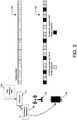
FIG. 3 illustrates a validity bitfield when network information indicates high PRB utilization. -
FIG. 4 is a block diagram showing various components of an example computing device implementing a base station that prioritizes between delay-tolerant traffic and delay-sensitive traffic based on network information. -
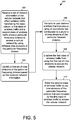
FIG. 5 conceptually illustrates a flow diagram of an example process for prioritizing between a first class of wireless traffic with a second class of wireless traffic based on a set of network information. - When there are PRB subframes (or time divisions of a frequency division) that are not used for LTE-M traffic, the unused subframes can be used to schedule traffic for Wideband LTE. However, when there is too much LTE-M traffic, there may be too few subframes left unused, making such PRBs unavailable to Wideband LTE traffic. This is the case even when the LTE-M traffic is delay-tolerant and the Wideband LTE traffic is delay-sensitive (e.g., VoLTE).
- This disclosure is directed to techniques for prioritizing between a first class of wireless traffic and a second class of wireless traffic, the first class of wireless traffic includes delay-tolerant traffic, and the second class of wireless traffic includes delay-sensitive traffic. A base station of a cellular network allows the first class of wireless traffic and the second class of wireless traffic to share a particular frequency division (or PRB) to access the cellular network by using different time divisions (or subframes) of the particular frequency division. The base station receives a set of network information of the cellular network that relates to the wireless traffic that the base station handles for user devices that are wirelessly connected to the base station. Based on the received network information, the base station identifies a first set of time divisions of the particular frequency division. The base station disallows the first class of wireless traffic from using the first set of time divisions to access the cellular network. The base station allows the second class of wireless traffic to use time divisions of the particular frequency division that are not used by the first class of wireless traffic to access the cellular network.
- The technique of using network information to prioritize between delay-sensitive traffic and delay-tolerant traffic allows better utilization of wireless spectrum. In a cellular system in which frequency divisions (e.g., PRBs) that can be used for delay-sensitive traffic (e.g., Wideband LTE) are allocated to delay-tolerant traffic (e.g., LTE-M), the technique uses network information to dynamically deprioritize the delay-tolerant traffic in favor of delay-sensitive traffic by disallowing the delay-tolerant from using certain time divisions. Example implementations are provided below with reference to the following figures.
-
FIG. 1 conceptually illustrates acellular network 100 in which abase station 102 prioritizes between delay-tolerant traffic and delay-sensitive traffic based on network information that relates wireless traffic handled by the base station. As illustrated, thebase station 102 is one of the base stations of thecellular network 100 that allows user devices to wirelessly access acore network 104 of thecellular network 100. The user devices wirelessly accessing thecellular network 100 includeuser devices 106 that communicate via delay-tolerant traffic anduser devices 108 that communicate via delay-sensitive traffic. Thebase station 102 receives various types ofnetwork information 110 from thecore network 104. Thebase station 102 may also measure the traffic flow from theuser devices network information 110. Aprioritizer 112 in thebase station 102 uses the receivednetwork information 110 to prioritize between delay-tolerant traffic and delay-sensitive traffic. - The
base station 102 is a wireless network cell that allows wireless access to thecore network 104 of thecellular network 100. Thebase station 102 may be an Evolved Node B (eNodeB) of an LTE/4G network. For example, thebase station 102 may be a macrocell, a femtocell, a picocell, or some other network cell. Thebase station 102 supports LTE-M and allows IoT user devices to connect with an LTE/4G network. Thebase station 102 also includes computing and storage devices that can be used to process thenetwork information 110 for prioritizing between delay-tolerant traffic and delay-sensitive traffic. Thebase station 102 also includes communications hardware for communicating withuser devices - The
core network 104 includes routers, switches, or other types of data forwarding elements for conducting data traffic (e.g., packet traffic) between various network endpoints such as user devices, base stations, hotspots, and other types of computing resources. Thecore network 104 also provides access to external networks such as the Internet. Thecore network 104 may include components that provide services to the subscribers of thecellular network 100 and track positions of the user devices. Thecore network 104 may include a packet network, e.g., an Evolved Packet Core (EPC) that interconnects different components belonging to an Evolved Packet System (EPS). EPC is a framework for providing converged voice and data on a 4G LTE network. EPC unifies voice and data on an Internet Protocol (IP) service architecture. The EPC allows the operator of thecellular network 100 to deploy and operate one packet network for 2G, 3G, 4G, 5G, wireless local area network (WLAN), and fixed access such as Ethernet, DSL, cable, and fiber. - The
user devices cellular network 100. Theuser devices 106 generate delay-tolerant traffic, such as LTE-M traffic for IoT applications. Theuser devices 106 may include a utility meter, a sensor, an alarm monitor, a smart watch, or a device whose intended function does not significantly degrade or fail even if there is significant delay in communications with thebase station 102. Theuser devices 108 generate delay-sensitive traffic, such as VoLTE traffic for voice applications. Theuser devices 108 may include a smart phone, a multimedia streaming device, a location tracker device, or a device whose intended function degrades or fails if there is significant delay in communications with thebase station 102. - In some instances, the
user devices cellular network 100 as LTE-M devices. Some user devices may run both delay-tolerant applications and delay-sensitive applications and therefore generate both types of traffic (e.g., both LTE-M and VoLTE). - The
network information 110 includes static and dynamic information about thecellular network 100 that relates to the wireless traffic handled by thebase station 102. Such information may include instrumentation data, measurements, statistics collected by thebase station 102 from thecellular network 100 and from theuser devices base station 102. Examples of the information may include service level agreement, network statistics, time, date, and historical traffic data. The network statistics may include the number of bits or packets transmitted across the various parts of the Wideband LTE spectrum (e.g., different PRBs), information regarding applications currently running inuser devices base station 102 may use the network information to determine one or more utilization metrics for the wireless spectrum, such as a utilization metric for various PRBs, including the six PRBs assigned to LTE-M. - As mentioned, the part of the spectrum assigned to LTE-M traffic (such as the six PRBs) may also be used by Wideband LTE traffic, including VoLTE traffic. A base station may deprioritize LTE-M traffic by designating some of the subframes of the six PRBs as invalid for LTE-M traffic. In some embodiments, the base station may designate some subframes of the six PRBs as being invalid for LTE-M traffic in order to guarantee that a certain lower bound number of subframes be available to Wideband LTE traffic. The base station may use network information such as the PRB utilization metric to determine how many subframes to designate as being unavailable to LTE-M traffic.
- For example, when network information indicates low PRB utilization, the base station may designate few or no subframes as invalid for LTE-M. When the network information indicates high PRB utilization, the
base station 102 may designate more subframes as invalid for LTE-M so that LTE wideband traffic can use the invalidated subframes. In some embodiments, thebase station 102 dynamically adjust the number of invalidated subframes based on the PRB utilization metric. - In the example of
FIG. 1 , the availability of subframes for LTE-M traffic is illustrated as rows of boxes. Each row represents a PRB, and each box of a row corresponds to a subframe of a PRB. A box that is filled with an "x" corresponds to a subframe that is designated as being unavailable to LTE-M traffic but available for Wideband LTE traffic. A box that is illustrated as blank correspond to a subframe that is available to LTE-M traffic. Such a subframe can be used by user devices to transport Wideband LTE traffic if it is not in use for LTE-M traffic. - In some embodiments, the
base station 102 communicates the designation of subframes to theuser devices 106 in aprioritization information 114. Theprioritization information 114 indicates the designation of unavailable subframes as abitfield 116, where each bit position in the bitfield corresponds to a PRB subframe. As illustrated, thevalidity bitfield 116 is transmitted to theuser devices 106. Theuser devices 106 running delay-tolerant LTE-M applications use thebitfield 116 to identify subframes that are invalid for LTE-M traffic. In theexample bitfield 116, a '0' at a bit position in the bitfield indicates a corresponding subframe that is invalid or unavailable to LTE-M traffic, while a '1' indicates a corresponding subframe that is valid or available for LTE-M traffic. - In some embodiments, the
base station 102 uses bitfields specified by 3GPP to indicate to user devices the availability of subframes for LTE-M traffic. For example, 3GPP bitfield fdd-DownlinkOrTddSubframeBitmapBR can be used to indicate which subframes are/are not available for LTE-M downlink communications, while 3GPP bitfield fdd-UplinkSubframeBitmapBR can be used to indicate which subframes are/are not available for LTE-M uplink communications. Thebase station 102 transmits or broadcast these bitfields as part of theprioritization information 114 to theuser devices 106. A user device receiving the bitfield uses each bit in the bitfield to determine whether it is allowed to use a corresponding subframe to transmit or receive LTE-M traffic, and whether the user device is allowed to use the subframe to transmit or receive Wideband LTE traffic. -
FIG. 2 illustrates using avalidity bitfield 200 to prioritize between delay-sensitive traffic and delay-tolerant traffic when network information indicates low PRB utilization. Thebitfield 200 is part of theprioritization information 114 generated by thebase station 102. The figure shows the content of thevalidity bitfield 200, as well as the corresponding use of the subframes by theuser devices 106 for LTE-M traffic and byuser devices 108 for Wideband LTE traffic. The use of the subframes is conceptually illustrated by a timedivision usage chart 202 that shows the subframe usage by LTE-M traffic and by Wideband LTE traffic. - As illustrated, the
prioritizer 112 of thebase station 102 generates thevalidity bitfield 200 based onPRB utilization statistics 204. ThePRB utilization statistics 204 is part of thenetwork information 110 received by thebase station 102. As mentioned, network information such as PRB utilization is used to determine how many subframes to designate as invalid to LTE-M traffic. In some embodiments, when there is low utilization of the PRBs, few, if any subframes are designated as being unavailable to LTE-M. This is because during low PRB utilization, there is enough PRBs for delay-sensitive Wideband LTE traffic, and more subframes can be used by delay tolerant LTE-M traffic. - In the example of
FIG. 2 , thePRB utilization statistics 204 indicates that the PRB utilization rate is at 30%. Since the PRB utilization is fairly low, the timedivision usage chart 202 shows more subframes can be used by LTE-M as indicated by "1" inValidity bitfield 200. Thebase station 102 therefore does not deprioritize LTE-M traffic, and theuser devices 106 are free to transport delay-tolerant LTE-M traffic. Correspondingly, theprioritizer 112 generates thevalidity bitfield 200 to have few 0's to leave most subframes valid for LTE-M traffic. -
FIG. 3 illustrates avalidity bitfield 300 when network information indicates high PRB utilization. Thevalidity bitfield 300 is part of theprioritization information 114 generated by thebase station 102 according toPRB utilization statistics 304, which is part of thenetwork information 110. The figure shows the content of thevalidity bitfield 300, as well as the use of the subframes by theuser devices 106 for LTE-M traffic and byuser devices 108 for Wideband LTE traffic based on thevalidity bitfield 300. The use of the subframes is conceptually illustrated by a timedivision usage chart 302 that shows the subframe usage by LTE-M traffic and by Wideband LTE traffic. - In the example of
FIG. 3 , thePRB utilization statistics 304 indicates that the PRB utilization is at 95%, indicating much wideband LTE traffic is waiting to use the PRBs. In order to prevent the LTE-M traffic from using too many subframes such that too few PRBs remain available for delay-sensitive Wideband LTE traffic, thebase station 102 deprioritizes LTE-M traffic by designating less subframes as being available for LTE-M traffic. This guarantees at least a minimum number of subframes remain available to transport delay-sensitive Wideband LTE traffic. In some embodiments, the number of subframes marked as unavailable for LTE-M traffic is proportional to PRB utilization and guarantees a minimum number of subframes for delay-sensitive traffic. - As illustrated in
validity bitfield 300, nearly a third of the bits in thebitfield 300 are marked with 0's such that nearly a third of the subframes are designated as being invalid for LTE-M traffic. The timedivision usage chart 302 shows that the invalidated subframes are used by Wideband LTE traffic to maintain at least a lower bound rate for delay-sensitive VoLTE traffic. In other words, when PRB utilization is high, the base station deprioritizes delay-tolerant LTE-M traffic in favor of delay-sensitive Wideband LTE traffic. -
FIG. 4 is a block diagram showing various components of anexample computing device 400 implementing a base station (e.g., the base station 102). Thecomputing device 400 uses network information to prioritize between first and second classes of wireless traffic. Thecomputing device 400 may be a general-purpose computer, such as a desktop computer, tablet computer, laptop computer, server that is capable of receiving inputs, processing the inputs, and generating output data. The computing device may also be a virtual computing device in the form of virtual machines or software containers that are hosted in a cloud. - The
computing device 400 may be equipped with acommunications interface 402, one ormore processors 404,device hardware 406, andmemory 408. Thecommunications interface 402 may include wireless and/or wired communication components that enable the computing devices to transmit data to and receive data from other devices, whether through a dedicated wired connection or via a communications network. Thedevice hardware 406 may include additional hardware that performs user interface, data display, data communication, data storage, and/or other server functions. - The
memory 408 may be implemented using computer-readable medium, such as a computer storage medium. Computer-readable medium includes, at least, two types of computer-readable media, namely computer storage media and communications media. Computer storage media may include volatile and non-volatile, removable and non-removable media implemented in any method or technology for storage of information such as computer-readable instructions, data structures, program modules, or other data. Computer storage media may include, but is not limited to, RAM, ROM, EEPROM, flash memory or other memory technology, CD-ROM, digital versatile disks (DVD) or other optical storage, magnetic cassettes, magnetic tape, magnetic disk storage or other magnetic storage devices, or any other non-transitory medium that can be used to store information for access by a computing device. In contrast, communication media may embody computer-readable instructions, data structures, program modules, or other data in a modulated data signal, such as a carrier wave, or other transmission mechanisms. - The processor(s) 404 and the
memory 408 of thecomputing device 400 may implement anoperating system 410, acore network interface 412, awireless connection manager 414, anetwork information storage 416, aprioritizer 418, avalidity bitfield storage 420, and adata buffer 422. Theoperating system 410 may include components that enable thecomputing device 400 to receive and transmit data via various interfaces (e.g., user controls, communications interface, and/or memory input/output devices), as well as process data using theprocessors 404 to generate output. Theoperating system 410 may include a presentation component that presents the output (e.g., display the data on an electronic display, store the data in memory, transmit the data to another electronic device, etc.). Additionally, theoperating system 410 may include other components that perform various additional functions generally associated with an operating system. - The
core network interface 412 is a software component that exchanges user plane data and control plane data with components of thecore network 104. The data plane data includes data to and from user devices such as theuser devices core network 104 that affects wireless traffic handled by thebase station 102. Thecore network interface 412 stores the received network information in thenetwork information storage 416. - The
wireless connection manager 414 is a software component that receives data from and sends data to user devices through wireless communications. Thewireless connection manager 414 includes software component(s) necessary to integrate CAT-M communication into LTE systems. Thewireless connection manager 414 may exchange data with a user device through a radio access network of a cellular network. Thewireless connection manager 414 may also collect information based on the wireless communications with the user devices, such as number packets or bits being exchanged with the user devices, the types of applications being run at the user devices, etc. The collected information is stored in thenetwork information storage 416. The data being exchanged with the user device may include the content of thevalidity bitfield storage 420. Thewireless connection manager 414 may use the content of the validity bitfield storage to determine whether to allow or disallow LTE-M traffic with user devices at a given subframe of a PRB. In some embodiments, when LTE-M traffic is disallowed from using a time-division or subframe, thewireless connection manager 414 may postpone the LTE-M traffic by storing LTE-M data temporarily in thedata buffer 422 until the next available time-division or by requesting the user device to resend LTE-M data. - The
prioritizer 418 retrieves network information from thenetwork information storage 416 and generates a validity bitfield. The generated validity bitfield is stored in thevalidity bitfield storage 420. In some embodiments, theprioritizer 418 dynamically updates the content of thevalidity bitfield storage 420 based on the latest content of thenetwork information storage 416. Theprioritizer 418 may use the network information to generate metrics such PRB utilization, and to use the generated metric to determine how many subframes in a PRB to invalidate in order to deprioritize LTE-M traffic. -
FIG. 5 conceptually illustrates a flow diagram of anexample process 500 for prioritizing between a first class of wireless traffic with a second class of wireless traffic based on a set of network information. The first class of wireless traffic and the second class of wireless traffic share a particular frequency division (e.g., a PRB) to access a cellular network by using different time divisions of the particular frequency division. A base station of a cellular network performs theprocess 500 to process the network information and to designate time-divisions of frequency divisions (e.g., subframes of PRBs) as invalid for the first class of wireless traffic. In some embodiments, the first class of wireless traffic includes delay-tolerant LTE-M traffic, while the second class of wireless traffic includes delay-sensitive Wideband LTE or VoLTE traffic. - The
process 500 is illustrated as a collection of blocks in a logical flow chart, which represents a sequence of operations that can be implemented in hardware, software, or a combination thereof. In the context of software, the blocks represent computer-executable instructions that, when executed by one or more processors, perform the recited operations. Generally, computer-executable instructions may include routines, programs, objects, components, data structures, and the like, that perform particular functions or implement particular abstract data types. The order in which the operations are described is not intended to be construed as a limitation, and any number of the described blocks can be combined in any order and/or in parallel to implement the process. - At
block 502, the base station receives a set of network information of the cellular network that relates to the wireless traffic that the base station handles for user devices that are wirelessly connected to the base station. The network information may include service level agreement, network statistics, time, date, and historical traffic data. The network information may also include instrumentation data, measurements, and statistics collected by the base station from the cellular network and from the user devices wirelessly connected to the base station. - At
block 504, the base station identifies a first set of time divisions of the particular frequency division based on the received network information. The base station may designate time-divisions of a frequency division as being not available for the first class of wireless traffic in order to guarantee that a lower bound number of time-divisions be available to the second class of wireless traffic. In some embodiments, the base station may use network information such as PRB utilization to determine how many time-divisions to designate as being unavailable to the first class of wireless traffic. - At
block 506, the base station transmits to one or more user devices a validity bitfield including an array of control bits that correspond to a plurality of time divisions of the particular frequency division. The control bits at bit positions that correspond to the first set of time divisions are set to indicate that the first set of time divisions are invalid for transmitting the first class of wireless traffic. Each control bit in the bitfield is used by the user devices to determine whether a corresponding time division is valid or invalid for transporting the first class of wireless traffic. - At
block 508, the base station disallows the first class of wireless traffic from using the first set of time divisions to access the cellular network. The base station may postpone requests to schedule transmission for the first class of wireless traffic (LTE-M) for time-divisions in the first set of time divisions. - At
block 510, the base station allows the second class of wireless traffic to use time divisions of the particular frequency division that are not used by the first class of wireless traffic. A user device may use the validity bitfield to identify the time divisions that are invalidated for the first class of wireless traffic and therefore available to the second class of traffic. A user device may also use a time division that is not invalidated for the first class of wireless traffic to transport the second class of wireless traffic as long as the time division is not scheduled to transport the first class of wireless traffic. - Although the subject matter has been described in language specific to structural features and/or methodological acts, it is to be understood that the subject matter defined in the appended claims is not necessarily limited to the specific features or acts described. Rather, the specific features and acts are disclosed as exemplary forms of implementing the claims.
Claims (15)
- A computing device comprising:one or more processors; anda computer-readable medium storing a plurality of computer-executable components that are executable by the one or more processors to perform a plurality of actions, the plurality of actions comprising:receiving, at a base station, a set of network information of a cellular network that relates to wireless traffic handled by the base station, wherein a first class of the wireless traffic and a second class of the wireless traffic share a particular frequency division to access the cellular network by using different time divisions of the particular frequency division;identifying, based on the received set of network information, a first set of time divisions of the particular frequency division;disallowing the first class of the wireless traffic from using the first set of time divisions to access the cellular network; andallowing the second class of the wireless traffic to use one or more time divisions of the particular frequency division that are not used by the first class of the wireless traffic to access the cellular network.
- The computing device of claim 1, wherein the plurality of action further comprises transmitting a plurality of control bits that correspond to a plurality of time divisions of the particular frequency division to a user device, wherein control bits at bit positions that correspond to the first set of time divisions are set to indicate that the first set of time divisions are invalid for transmitting the first class of the wireless traffic.
- The computing device of claim 1, wherein the plurality of actions further comprises dynamically adjusting a number of time divisions in the first set of time divisions based on a utilization metric of the particular frequency division.
- The computing device of claim 1, wherein the set of network information comprises utilization statistics of frequency divisions that are shared by the first class of the wireless traffic and the second class of the wireless traffic.
- The computing device of claim 1, wherein a number of time divisions in the first set of time divisions is determined based on a lower bound for a number of time divisions allocated to the second class of traffic.
- The computing device of claim 1, wherein the first class of the wireless traffic comprises delay-sensitive traffic and the second class of the wireless traffic comprises delay-tolerant traffic.
- The computing device of claim 1, wherein the first class of the wireless traffic comprises data traffic from Internet of Things (IoT) devices and the second class of the wireless traffic comprises voice traffic.
- A computer-implemented method, comprising:receiving, at a base station, a set of network information of a cellular network that relates to wireless traffic handled by the base station, wherein a first class of the wireless traffic and a second class of the wireless traffic share a particular frequency division to access the cellular network by using different time divisions of the particular frequency division;identifying, based on the received set of network information, a first set of time divisions of the particular frequency division;disallowing the first class of the wireless traffic from using the first set of time divisions to access the cellular network; andallowing the second class of the wireless traffic to use time divisions of the particular frequency division that are not used by the first class of the wireless traffic to access the cellular network.
- The computer-implemented method of claim 8, further comprising transmitting a plurality of control bits that correspond to a plurality of time divisions of the particular frequency division to user device, wherein control bits at bit positions that correspond to the first set of time divisions are set to indicate that the first set of time divisions are invalid for transmitting the first class of the wireless traffic.
- The computer-implemented method of claim 8, further comprising dynamically adjusting a number of time divisions in the first set of time divisions based on a utilization metric of the particular frequency division.
- The computer-implemented method of claim 8, wherein the set of network information comprises utilization statistics of frequency divisions that are shared by the first class of the wireless traffic and the second class of the wireless traffic.
- The computer-implemented method of claim 8, wherein a number of time divisions in the first set of time divisions is determined based on a lower bound for a number of time divisions allocated to the second class of traffic.
- The computer-implemented method of claim 8, wherein the first class of the wireless traffic comprises delay-sensitive traffic and the second class of the wireless traffic comprises delay-tolerant traffic.
- The computing device of claim 8, wherein the first class of the wireless traffic comprises data traffic from Internet of Things (IoT) devices and the second class of the wireless traffic comprises voice traffic.
- One or more non-transitory computer-readable media of a computing device storing computer-executable instructions that upon execution cause one or more processors to perform acts comprising:receiving, at a base station, a set of network information of a cellular network that relates to wireless traffic handled by the base station, wherein a first class of the wireless traffic and a second class of the wireless traffic share a particular frequency division to access the cellular network by using different time divisions of the particular frequency division;identifying, based on the received set of network information, a first set of time divisions of the particular frequency division;disallowing the first class of the wireless traffic from using the first set of time divisions to access the cellular network; andallowing the second class of the wireless traffic to use time divisions of the particular frequency division that are not used by the first class of the wireless traffic to access the cellular network.
Applications Claiming Priority (1)
| Application Number | Priority Date | Filing Date | Title |
|---|---|---|---|
| US16/206,889 US10694420B1 (en) | 2018-11-30 | 2018-11-30 | Traffic deprioritization by using dynamically indicated invalid subframes |
Publications (3)
| Publication Number | Publication Date |
|---|---|
| EP3661307A1 true EP3661307A1 (en) | 2020-06-03 |
| EP3661307C0 EP3661307C0 (en) | 2023-08-30 |
| EP3661307B1 EP3661307B1 (en) | 2023-08-30 |
Family
ID=68501425
Family Applications (1)
| Application Number | Title | Priority Date | Filing Date |
|---|---|---|---|
| EP19207985.3A Active EP3661307B1 (en) | 2018-11-30 | 2019-11-08 | Traffic deprioritization by using dynamically indicated invalid subframes |
Country Status (3)
| Country | Link |
|---|---|
| US (1) | US10694420B1 (en) |
| EP (1) | EP3661307B1 (en) |
| CN (1) | CN111263453A (en) |
Citations (3)
| Publication number | Priority date | Publication date | Assignee | Title |
|---|---|---|---|---|
| US20090116439A1 (en) * | 2007-11-05 | 2009-05-07 | Qualcomm Incorporated | Scheduling a mix of best effort (be) and delay qos flows |
| WO2017192082A1 (en) * | 2016-05-02 | 2017-11-09 | Telefonaktiebolaget Lm Ericsson (Publ) | Enabling efficient utilization of granted resources in a wireless communication system |
| US20180184443A1 (en) * | 2016-12-22 | 2018-06-28 | Qualcomm Incorporated | Semi-persistent scheduling for low-latency communications |
Family Cites Families (9)
| Publication number | Priority date | Publication date | Assignee | Title |
|---|---|---|---|---|
| EP1986455A1 (en) * | 2007-04-27 | 2008-10-29 | Matsushita Electric Industrial Co., Ltd. | Communication of scheduling related information in a mobile communication system |
| CN102065544B (en) * | 2009-11-17 | 2015-02-25 | 索尼株式会社 | Resource management method and system |
| US9265090B2 (en) * | 2013-06-14 | 2016-02-16 | Netgear, Inc. | Alignment of packets for implementing coexistence of multiple homogeneous radios |
| US9681442B2 (en) * | 2013-10-31 | 2017-06-13 | Qualcomm Incorporated | Systems and methods for scheduling group access in wireless networks |
| CN104796218B (en) * | 2014-01-17 | 2019-02-12 | 电信科学技术研究院 | Method for transmitting signals and device |
| US10694496B2 (en) * | 2014-11-07 | 2020-06-23 | Samsung Electronics Co., Ltd. | Method and apparatus for transmitting group message to user equipment (UE) |
| CN106304099B (en) * | 2015-06-04 | 2022-05-03 | 索尼公司 | Device for wireless communication, spectrum management device and user equipment |
| US10334589B2 (en) * | 2016-02-18 | 2019-06-25 | Telefonaktiebolaget L M Ericsson (Publ) | Coexistence of delay-tolerant and delay-sensitive sessions |
| US10334488B2 (en) * | 2016-12-27 | 2019-06-25 | T-Mobile Usa, Inc. | LTE cell level network coverage and performance auto optimization |
-
2018
- 2018-11-30 US US16/206,889 patent/US10694420B1/en active Active
-
2019
- 2019-11-08 EP EP19207985.3A patent/EP3661307B1/en active Active
- 2019-11-28 CN CN201911194093.5A patent/CN111263453A/en active Pending
Patent Citations (3)
| Publication number | Priority date | Publication date | Assignee | Title |
|---|---|---|---|---|
| US20090116439A1 (en) * | 2007-11-05 | 2009-05-07 | Qualcomm Incorporated | Scheduling a mix of best effort (be) and delay qos flows |
| WO2017192082A1 (en) * | 2016-05-02 | 2017-11-09 | Telefonaktiebolaget Lm Ericsson (Publ) | Enabling efficient utilization of granted resources in a wireless communication system |
| US20180184443A1 (en) * | 2016-12-22 | 2018-06-28 | Qualcomm Incorporated | Semi-persistent scheduling for low-latency communications |
Also Published As
| Publication number | Publication date |
|---|---|
| EP3661307C0 (en) | 2023-08-30 |
| US10694420B1 (en) | 2020-06-23 |
| CN111263453A (en) | 2020-06-09 |
| EP3661307B1 (en) | 2023-08-30 |
| US20200178110A1 (en) | 2020-06-04 |
Similar Documents
| Publication | Publication Date | Title |
|---|---|---|
| CN111052849B (en) | Method and device for mobile network interaction agent | |
| US20220053336A1 (en) | Managing resources in cbrs networks | |
| US20190313420A1 (en) | Method and User Equipment for Predicting Available Throughput for Uplink Data | |
| US11863996B2 (en) | Centralized coordination for shared spectrum systems | |
| US10791479B2 (en) | Systems and methods for classifying traffic flows to enable intelligent use of spectrum | |
| US9788321B2 (en) | Method and apparatus for resource allocation in a wireless communication network | |
| US12375938B2 (en) | Traffic volume prediction method and apparatus | |
| US20210022007A1 (en) | Criteria Based Method for Cell Channel Allocation Based on Authorization from an External System | |
| AU2016344036A1 (en) | Elastic scheduling | |
| EP4228304A1 (en) | Quality of service implementations for separating user plane | |
| US20210409963A1 (en) | Spectrum device, wireless communication system, wireless communication method and storage medium | |
| US11438210B2 (en) | Apparatus and method for handling managed object priorities in 5G network | |
| WO2020142897A1 (en) | Scheduling method and apparatus, storage medium and communication system | |
| CN104125647B (en) | A kind of disturbance coordination method and base station | |
| CN112584532B (en) | Information determination method of uplink channel, terminal and network side equipment | |
| US20190320460A1 (en) | Signal Transmission Method, Signal Transmission Control Method, User Equipment, and Base Station | |
| US10694420B1 (en) | Traffic deprioritization by using dynamically indicated invalid subframes | |
| US12438657B2 (en) | Generic resource model for observability | |
| WO2019096386A1 (en) | Uplink interference reduction for wireless networks | |
| US11196674B2 (en) | Message type mapping for packet traffic prioritization | |
| US11284304B2 (en) | Allocation of transport resources | |
| US11800322B2 (en) | Signalling for positioning latency control | |
| US20230413315A1 (en) | Optimizing user experience in encrypted traffic |
Legal Events
| Date | Code | Title | Description |
|---|---|---|---|
| PUAI | Public reference made under article 153(3) epc to a published international application that has entered the european phase |
Free format text: ORIGINAL CODE: 0009012 |
|
| STAA | Information on the status of an ep patent application or granted ep patent |
Free format text: STATUS: THE APPLICATION HAS BEEN PUBLISHED |
|
| AK | Designated contracting states |
Kind code of ref document: A1 Designated state(s): AL AT BE BG CH CY CZ DE DK EE ES FI FR GB GR HR HU IE IS IT LI LT LU LV MC MK MT NL NO PL PT RO RS SE SI SK SM TR |
|
| AX | Request for extension of the european patent |
Extension state: BA ME |
|
| STAA | Information on the status of an ep patent application or granted ep patent |
Free format text: STATUS: REQUEST FOR EXAMINATION WAS MADE |
|
| 17P | Request for examination filed |
Effective date: 20201203 |
|
| RBV | Designated contracting states (corrected) |
Designated state(s): AL AT BE BG CH CY CZ DE DK EE ES FI FR GB GR HR HU IE IS IT LI LT LU LV MC MK MT NL NO PL PT RO RS SE SI SK SM TR |
|
| STAA | Information on the status of an ep patent application or granted ep patent |
Free format text: STATUS: EXAMINATION IS IN PROGRESS |
|
| 17Q | First examination report despatched |
Effective date: 20211004 |
|
| REG | Reference to a national code |
Ref country code: DE Ref legal event code: R079 Free format text: PREVIOUS MAIN CLASS: H04W0072120000 Ipc: H04W0072566000 Ref country code: DE Ref legal event code: R079 Ref document number: 602019036026 Country of ref document: DE Free format text: PREVIOUS MAIN CLASS: H04W0072120000 Ipc: H04W0072566000 |
|
| GRAP | Despatch of communication of intention to grant a patent |
Free format text: ORIGINAL CODE: EPIDOSNIGR1 |
|
| STAA | Information on the status of an ep patent application or granted ep patent |
Free format text: STATUS: GRANT OF PATENT IS INTENDED |
|
| RIC1 | Information provided on ipc code assigned before grant |
Ipc: H04W 72/23 20230101ALN20230306BHEP Ipc: H04W 72/0446 20230101ALN20230306BHEP Ipc: H04W 72/566 20230101AFI20230306BHEP |
|
| INTG | Intention to grant announced |
Effective date: 20230329 |
|
| GRAS | Grant fee paid |
Free format text: ORIGINAL CODE: EPIDOSNIGR3 |
|
| GRAA | (expected) grant |
Free format text: ORIGINAL CODE: 0009210 |
|
| STAA | Information on the status of an ep patent application or granted ep patent |
Free format text: STATUS: THE PATENT HAS BEEN GRANTED |
|
| AK | Designated contracting states |
Kind code of ref document: B1 Designated state(s): AL AT BE BG CH CY CZ DE DK EE ES FI FR GB GR HR HU IE IS IT LI LT LU LV MC MK MT NL NO PL PT RO RS SE SI SK SM TR |
|
| REG | Reference to a national code |
Ref country code: GB Ref legal event code: FG4D |
|
| REG | Reference to a national code |
Ref country code: CH Ref legal event code: EP |
|
| REG | Reference to a national code |
Ref country code: DE Ref legal event code: R096 Ref document number: 602019036026 Country of ref document: DE |
|
| REG | Reference to a national code |
Ref country code: IE Ref legal event code: FG4D |
|
| U01 | Request for unitary effect filed |
Effective date: 20230919 |
|
| U07 | Unitary effect registered |
Designated state(s): AT BE BG DE DK EE FI FR IT LT LU LV MT NL PT SE SI Effective date: 20230925 |
|
| U20 | Renewal fee for the european patent with unitary effect paid |
Year of fee payment: 5 Effective date: 20231019 |
|
| PG25 | Lapsed in a contracting state [announced via postgrant information from national office to epo] |
Ref country code: GR Free format text: LAPSE BECAUSE OF FAILURE TO SUBMIT A TRANSLATION OF THE DESCRIPTION OR TO PAY THE FEE WITHIN THE PRESCRIBED TIME-LIMIT Effective date: 20231201 |
|
| PG25 | Lapsed in a contracting state [announced via postgrant information from national office to epo] |
Ref country code: IS Free format text: LAPSE BECAUSE OF FAILURE TO SUBMIT A TRANSLATION OF THE DESCRIPTION OR TO PAY THE FEE WITHIN THE PRESCRIBED TIME-LIMIT Effective date: 20231230 |
|
| PG25 | Lapsed in a contracting state [announced via postgrant information from national office to epo] |
Ref country code: RS Free format text: LAPSE BECAUSE OF FAILURE TO SUBMIT A TRANSLATION OF THE DESCRIPTION OR TO PAY THE FEE WITHIN THE PRESCRIBED TIME-LIMIT Effective date: 20230830 Ref country code: NO Free format text: LAPSE BECAUSE OF FAILURE TO SUBMIT A TRANSLATION OF THE DESCRIPTION OR TO PAY THE FEE WITHIN THE PRESCRIBED TIME-LIMIT Effective date: 20231130 Ref country code: IS Free format text: LAPSE BECAUSE OF FAILURE TO SUBMIT A TRANSLATION OF THE DESCRIPTION OR TO PAY THE FEE WITHIN THE PRESCRIBED TIME-LIMIT Effective date: 20231230 Ref country code: HR Free format text: LAPSE BECAUSE OF FAILURE TO SUBMIT A TRANSLATION OF THE DESCRIPTION OR TO PAY THE FEE WITHIN THE PRESCRIBED TIME-LIMIT Effective date: 20230830 Ref country code: GR Free format text: LAPSE BECAUSE OF FAILURE TO SUBMIT A TRANSLATION OF THE DESCRIPTION OR TO PAY THE FEE WITHIN THE PRESCRIBED TIME-LIMIT Effective date: 20231201 |
|
| PG25 | Lapsed in a contracting state [announced via postgrant information from national office to epo] |
Ref country code: PL Free format text: LAPSE BECAUSE OF FAILURE TO SUBMIT A TRANSLATION OF THE DESCRIPTION OR TO PAY THE FEE WITHIN THE PRESCRIBED TIME-LIMIT Effective date: 20230830 |
|
| PG25 | Lapsed in a contracting state [announced via postgrant information from national office to epo] |
Ref country code: ES Free format text: LAPSE BECAUSE OF FAILURE TO SUBMIT A TRANSLATION OF THE DESCRIPTION OR TO PAY THE FEE WITHIN THE PRESCRIBED TIME-LIMIT Effective date: 20230830 |
|
| PG25 | Lapsed in a contracting state [announced via postgrant information from national office to epo] |
Ref country code: SM Free format text: LAPSE BECAUSE OF FAILURE TO SUBMIT A TRANSLATION OF THE DESCRIPTION OR TO PAY THE FEE WITHIN THE PRESCRIBED TIME-LIMIT Effective date: 20230830 Ref country code: RO Free format text: LAPSE BECAUSE OF FAILURE TO SUBMIT A TRANSLATION OF THE DESCRIPTION OR TO PAY THE FEE WITHIN THE PRESCRIBED TIME-LIMIT Effective date: 20230830 Ref country code: ES Free format text: LAPSE BECAUSE OF FAILURE TO SUBMIT A TRANSLATION OF THE DESCRIPTION OR TO PAY THE FEE WITHIN THE PRESCRIBED TIME-LIMIT Effective date: 20230830 Ref country code: CZ Free format text: LAPSE BECAUSE OF FAILURE TO SUBMIT A TRANSLATION OF THE DESCRIPTION OR TO PAY THE FEE WITHIN THE PRESCRIBED TIME-LIMIT Effective date: 20230830 Ref country code: SK Free format text: LAPSE BECAUSE OF FAILURE TO SUBMIT A TRANSLATION OF THE DESCRIPTION OR TO PAY THE FEE WITHIN THE PRESCRIBED TIME-LIMIT Effective date: 20230830 |
|
| REG | Reference to a national code |
Ref country code: DE Ref legal event code: R097 Ref document number: 602019036026 Country of ref document: DE |
|
| REG | Reference to a national code |
Ref country code: CH Ref legal event code: PL |
|
| PG25 | Lapsed in a contracting state [announced via postgrant information from national office to epo] |
Ref country code: MC Free format text: LAPSE BECAUSE OF FAILURE TO SUBMIT A TRANSLATION OF THE DESCRIPTION OR TO PAY THE FEE WITHIN THE PRESCRIBED TIME-LIMIT Effective date: 20230830 |
|
| PLBE | No opposition filed within time limit |
Free format text: ORIGINAL CODE: 0009261 |
|
| STAA | Information on the status of an ep patent application or granted ep patent |
Free format text: STATUS: NO OPPOSITION FILED WITHIN TIME LIMIT |
|
| PG25 | Lapsed in a contracting state [announced via postgrant information from national office to epo] |
Ref country code: CH Free format text: LAPSE BECAUSE OF NON-PAYMENT OF DUE FEES Effective date: 20231130 |
|
| GBPC | Gb: european patent ceased through non-payment of renewal fee |
Effective date: 20231130 |
|
| PG25 | Lapsed in a contracting state [announced via postgrant information from national office to epo] |
Ref country code: MC Free format text: LAPSE BECAUSE OF FAILURE TO SUBMIT A TRANSLATION OF THE DESCRIPTION OR TO PAY THE FEE WITHIN THE PRESCRIBED TIME-LIMIT Effective date: 20230830 Ref country code: CH Free format text: LAPSE BECAUSE OF NON-PAYMENT OF DUE FEES Effective date: 20231130 |
|
| 26N | No opposition filed |
Effective date: 20240603 |
|
| REG | Reference to a national code |
Ref country code: IE Ref legal event code: MM4A |
|
| PG25 | Lapsed in a contracting state [announced via postgrant information from national office to epo] |
Ref country code: IE Free format text: LAPSE BECAUSE OF NON-PAYMENT OF DUE FEES Effective date: 20231108 |
|
| PG25 | Lapsed in a contracting state [announced via postgrant information from national office to epo] |
Ref country code: GB Free format text: LAPSE BECAUSE OF NON-PAYMENT OF DUE FEES Effective date: 20231130 |
|
| PG25 | Lapsed in a contracting state [announced via postgrant information from national office to epo] |
Ref country code: IE Free format text: LAPSE BECAUSE OF NON-PAYMENT OF DUE FEES Effective date: 20231108 Ref country code: GB Free format text: LAPSE BECAUSE OF NON-PAYMENT OF DUE FEES Effective date: 20231130 |
|
| U20 | Renewal fee for the european patent with unitary effect paid |
Year of fee payment: 6 Effective date: 20241022 |
|
| PG25 | Lapsed in a contracting state [announced via postgrant information from national office to epo] |
Ref country code: CY Free format text: LAPSE BECAUSE OF FAILURE TO SUBMIT A TRANSLATION OF THE DESCRIPTION OR TO PAY THE FEE WITHIN THE PRESCRIBED TIME-LIMIT; INVALID AB INITIO Effective date: 20191108 |
|
| PG25 | Lapsed in a contracting state [announced via postgrant information from national office to epo] |
Ref country code: HU Free format text: LAPSE BECAUSE OF FAILURE TO SUBMIT A TRANSLATION OF THE DESCRIPTION OR TO PAY THE FEE WITHIN THE PRESCRIBED TIME-LIMIT; INVALID AB INITIO Effective date: 20191108 |
|
| U20 | Renewal fee for the european patent with unitary effect paid |
Year of fee payment: 7 Effective date: 20251022 |
|
| PG25 | Lapsed in a contracting state [announced via postgrant information from national office to epo] |
Ref country code: TR Free format text: LAPSE BECAUSE OF FAILURE TO SUBMIT A TRANSLATION OF THE DESCRIPTION OR TO PAY THE FEE WITHIN THE PRESCRIBED TIME-LIMIT Effective date: 20230830 |