EP3660852B1 - Codon optimization method based on immune algorithm - Google Patents
Codon optimization method based on immune algorithm Download PDFInfo
- Publication number
- EP3660852B1 EP3660852B1 EP18839139.5A EP18839139A EP3660852B1 EP 3660852 B1 EP3660852 B1 EP 3660852B1 EP 18839139 A EP18839139 A EP 18839139A EP 3660852 B1 EP3660852 B1 EP 3660852B1
- Authority
- EP
- European Patent Office
- Prior art keywords
- protein
- sequence
- optimization
- codon
- antibody
- Prior art date
- Legal status (The legal status is an assumption and is not a legal conclusion. Google has not performed a legal analysis and makes no representation as to the accuracy of the status listed.)
- Active
Links
Images



Classifications
-
- G—PHYSICS
- G16—INFORMATION AND COMMUNICATION TECHNOLOGY [ICT] SPECIALLY ADAPTED FOR SPECIFIC APPLICATION FIELDS
- G16B—BIOINFORMATICS, i.e. INFORMATION AND COMMUNICATION TECHNOLOGY [ICT] SPECIALLY ADAPTED FOR GENETIC OR PROTEIN-RELATED DATA PROCESSING IN COMPUTATIONAL MOLECULAR BIOLOGY
- G16B30/00—ICT specially adapted for sequence analysis involving nucleotides or amino acids
-
- G—PHYSICS
- G16—INFORMATION AND COMMUNICATION TECHNOLOGY [ICT] SPECIALLY ADAPTED FOR SPECIFIC APPLICATION FIELDS
- G16B—BIOINFORMATICS, i.e. INFORMATION AND COMMUNICATION TECHNOLOGY [ICT] SPECIALLY ADAPTED FOR GENETIC OR PROTEIN-RELATED DATA PROCESSING IN COMPUTATIONAL MOLECULAR BIOLOGY
- G16B30/00—ICT specially adapted for sequence analysis involving nucleotides or amino acids
- G16B30/10—Sequence alignment; Homology search
-
- C—CHEMISTRY; METALLURGY
- C12—BIOCHEMISTRY; BEER; SPIRITS; WINE; VINEGAR; MICROBIOLOGY; ENZYMOLOGY; MUTATION OR GENETIC ENGINEERING
- C12N—MICROORGANISMS OR ENZYMES; COMPOSITIONS THEREOF; PROPAGATING, PRESERVING, OR MAINTAINING MICROORGANISMS; MUTATION OR GENETIC ENGINEERING; CULTURE MEDIA
- C12N9/00—Enzymes; Proenzymes; Compositions thereof; Processes for preparing, activating, inhibiting, separating or purifying enzymes
- C12N9/10—Transferases (2.)
- C12N9/12—Transferases (2.) transferring phosphorus containing groups, e.g. kinases (2.7)
-
- C—CHEMISTRY; METALLURGY
- C07—ORGANIC CHEMISTRY
- C07K—PEPTIDES
- C07K14/00—Peptides having more than 20 amino acids; Gastrins; Somatostatins; Melanotropins; Derivatives thereof
- C07K14/435—Peptides having more than 20 amino acids; Gastrins; Somatostatins; Melanotropins; Derivatives thereof from animals; from humans
- C07K14/43504—Peptides having more than 20 amino acids; Gastrins; Somatostatins; Melanotropins; Derivatives thereof from animals; from humans from invertebrates
- C07K14/43595—Peptides having more than 20 amino acids; Gastrins; Somatostatins; Melanotropins; Derivatives thereof from animals; from humans from invertebrates from coelenteratae, e.g. medusae
-
- C—CHEMISTRY; METALLURGY
- C12—BIOCHEMISTRY; BEER; SPIRITS; WINE; VINEGAR; MICROBIOLOGY; ENZYMOLOGY; MUTATION OR GENETIC ENGINEERING
- C12N—MICROORGANISMS OR ENZYMES; COMPOSITIONS THEREOF; PROPAGATING, PRESERVING, OR MAINTAINING MICROORGANISMS; MUTATION OR GENETIC ENGINEERING; CULTURE MEDIA
- C12N15/00—Mutation or genetic engineering; DNA or RNA concerning genetic engineering, vectors, e.g. plasmids, or their isolation, preparation or purification; Use of hosts therefor
- C12N15/09—Recombinant DNA-technology
- C12N15/63—Introduction of foreign genetic material using vectors; Vectors; Use of hosts therefor; Regulation of expression
- C12N15/67—General methods for enhancing the expression
-
- C—CHEMISTRY; METALLURGY
- C12—BIOCHEMISTRY; BEER; SPIRITS; WINE; VINEGAR; MICROBIOLOGY; ENZYMOLOGY; MUTATION OR GENETIC ENGINEERING
- C12Y—ENZYMES
- C12Y207/00—Transferases transferring phosphorus-containing groups (2.7)
- C12Y207/11—Protein-serine/threonine kinases (2.7.11)
- C12Y207/11024—Mitogen-activated protein kinase (2.7.11.24), i.e. MAPK or MAPK2 or c-Jun N-terminal kinase
-
- G—PHYSICS
- G06—COMPUTING OR CALCULATING; COUNTING
- G06N—COMPUTING ARRANGEMENTS BASED ON SPECIFIC COMPUTATIONAL MODELS
- G06N3/00—Computing arrangements based on biological models
- G06N3/12—Computing arrangements based on biological models using genetic models
- G06N3/126—Evolutionary algorithms, e.g. genetic algorithms or genetic programming
-
- G—PHYSICS
- G16—INFORMATION AND COMMUNICATION TECHNOLOGY [ICT] SPECIALLY ADAPTED FOR SPECIFIC APPLICATION FIELDS
- G16B—BIOINFORMATICS, i.e. INFORMATION AND COMMUNICATION TECHNOLOGY [ICT] SPECIALLY ADAPTED FOR GENETIC OR PROTEIN-RELATED DATA PROCESSING IN COMPUTATIONAL MOLECULAR BIOLOGY
- G16B20/00—ICT specially adapted for functional genomics or proteomics, e.g. genotype-phenotype associations
- G16B20/20—Allele or variant detection, e.g. single nucleotide polymorphism [SNP] detection
-
- G—PHYSICS
- G16—INFORMATION AND COMMUNICATION TECHNOLOGY [ICT] SPECIALLY ADAPTED FOR SPECIFIC APPLICATION FIELDS
- G16B—BIOINFORMATICS, i.e. INFORMATION AND COMMUNICATION TECHNOLOGY [ICT] SPECIALLY ADAPTED FOR GENETIC OR PROTEIN-RELATED DATA PROCESSING IN COMPUTATIONAL MOLECULAR BIOLOGY
- G16B25/00—ICT specially adapted for hybridisation; ICT specially adapted for gene or protein expression
-
- G—PHYSICS
- G16—INFORMATION AND COMMUNICATION TECHNOLOGY [ICT] SPECIALLY ADAPTED FOR SPECIFIC APPLICATION FIELDS
- G16B—BIOINFORMATICS, i.e. INFORMATION AND COMMUNICATION TECHNOLOGY [ICT] SPECIALLY ADAPTED FOR GENETIC OR PROTEIN-RELATED DATA PROCESSING IN COMPUTATIONAL MOLECULAR BIOLOGY
- G16B40/00—ICT specially adapted for biostatistics; ICT specially adapted for bioinformatics-related machine learning or data mining, e.g. knowledge discovery or pattern finding
- G16B40/20—Supervised data analysis
-
- C—CHEMISTRY; METALLURGY
- C07—ORGANIC CHEMISTRY
- C07K—PEPTIDES
- C07K2319/00—Fusion polypeptide
- C07K2319/40—Fusion polypeptide containing a tag for immunodetection, or an epitope for immunisation
- C07K2319/43—Fusion polypeptide containing a tag for immunodetection, or an epitope for immunisation containing a FLAG-tag
-
- G—PHYSICS
- G16—INFORMATION AND COMMUNICATION TECHNOLOGY [ICT] SPECIALLY ADAPTED FOR SPECIFIC APPLICATION FIELDS
- G16B—BIOINFORMATICS, i.e. INFORMATION AND COMMUNICATION TECHNOLOGY [ICT] SPECIALLY ADAPTED FOR GENETIC OR PROTEIN-RELATED DATA PROCESSING IN COMPUTATIONAL MOLECULAR BIOLOGY
- G16B20/00—ICT specially adapted for functional genomics or proteomics, e.g. genotype-phenotype associations
Definitions
- the present invention relates to a protein engineering technology, and in particular to a codon optimization method in protein engineering which is, a computer-implemented codon optimization method based on an immune algorithm.
- Codon degeneracy refers to the phenomenon that an amino acid can be encoded by multiple different codons during protein translation.
- the different codons encoding the same amino acid are called synonymous codons.
- a protein consisting of 200 amino acids in length can generally be encoded by more than 10 20 different DNA sequences.
- the occurrence frequency of the synonymous codons is different, and such a phenomenon is called codon preference.
- Codon optimization is mainly based on factors such as the codon preference of a host expression system.
- a computer algorithm is used to screen out the DNA sequence that can express the protein most efficiently in the host expression system from a large number of DNA coding sequences.
- the main factors that are often considered as affecting protein expression in the process of codon optimization include the codon preference of a host cell (commonly used characterization parameters thereof include a codon adaptation index [CAI], a duplex codon preference of a host cell [Codon Context], CBI [Codon Bias Index], ENC [Effective Number of Codon], FOP [Frequency of Optimal Codons], CPP [Codon Preference Parameter], and tAI [tRNA adaptation index]), the number of Hidden Stop Codons, a GC content, a rare codon content, the number of mRNA inhibitory regulatory motif, a mRNA secondary structure (mainly including a hairpin structure and minimum free energy), scoring of key codons and mathematical models in machine learning, a microRNA binding site, a G4 content, and a codon preference of a protein secondary structure ( Joshua B.
- CAI codon adaptation index
- a duplex codon preference of a host cell [Codon Context]
- CBI Codon Bi
- an immune algorithm Compared with a heuristic algorithm (such as a particle swarm and genetic algorithm) that has been used in codon optimization algorithms, an immune algorithm has its unique advantages.
- the immune algorithm is an improved genetic algorithm based on a biological immune mechanism. It enables the objective function of an actual problem to be solved to correspond to an antigen and enables the solution of the problem to correspond to an antibody.
- a biological immune system automatically generates corresponding antibodies through cell division and differentiation to resist antigens that invade living organisms. Such a process is referred to as immune response.
- An objective of the present invention is to solve the problems of long cycle and poor expression accuracy of existing codon optimization methods, and to invent a codon optimization method based on an immune algorithm, which can effectively complete large-scale search of a codon optimization space within a limited time, i.e., screening out the DNA sequence that has the most effective expression from a protein coding sequence set.
- the codon optimization method is based on an immune algorithm and includes that an immune algorithm and a genetic algorithm are successively used to respectively perform local multi-objective optimization and global multi-objective optimization on a protein coding sequence, and then an exhaustive method is used to perform fine adjustment and optimization on the sequence, so as to search the optimal expression sequence to the greatest extent.
- the method of the present invention includes the following three steps: a first step of local optimization, that is, cleaving the protein sequence into nonoverlapping sequence fragments A 1 , A 2 ...A n , and then using the immune algorithm to complete the codon optimization for each sequence fragment, so as to generate an approximately optimal DNA sequence set B 1 , B 2 ...B n ; a second step of global optimization, that is, initializing the DNA coding sequence of the full length of the protein based on B 1 , B 2 ...B n utilizing the genetic algorithm, and screening out the optimal DNA sequence C 1 of the protein sequence; and a third step of fine adjustment and optimization, which comprises performing exhaustive optimization on the 5' terminal of the DNA sequence corresponding to the N-terminal region of the encoded protein to generate a DNA sequence C 2 , and eliminating an expression inhibitory motif, to finally generate the optimal expression sequence D.
- a first step of local optimization that is, cleaving the protein sequence into nonoverlapping sequence fragments A 1 , A 2 ...A n , and then
- the protein refers to a compound consisting of more than 20 amino acids.
- Suitable proteins include secretory proteins, membrane proteins, cytoplasmic proteins, nuclear proteins, etc. in terms of localization; antibody proteins, regulatory proteins, structural proteins, etc. in terms of function; homologously expressed proteins and heterologously expressed proteins in terms of source; natural proteins and artificially-modified proteins, complete proteins/antibodies and truncated partial proteins/antibodies, and fusion proteins formed from 2 or more proteins or from a protein and a peptide chain in terms of sequences.
- Antibodies as defined in the present invention include, but are not limited to, an intact antibodies and Fabs, ScFVs, SdAb, chimeric antibodies, bispecific antibodies, and Fc fusion proteins.
- the immune genetic algorithm adopts a multi-objective optimization method to perform local optimization on the protein fragments, the population initialization is based on a duplex codon table of a sequence encoding a highly-expressed protein, and each gene is directly encoded by synonymous codons; and in the optimization process, antibody diversity is ensured and the phenomenon of population degeneration is prevented by calculating antibody information entropy, antibody population similarity, antibody concentration and polymerization fitness of the immune genetic algorithm and updating memory cells, so as to increase the global search capability of the algorithm.
- the genetic algorithm adopts the multi-objective optimization method to perform global optimization on the full sequence of the protein, an initialized population is randomly generated based on optimized fragments subjected to local optimization, and each gene is directly encoded by an optimized sequence set of each protein fragment.
- the fine adjustment and optimization uses the exhaustive method to calculate and sort the minimum free energy MFE, Codon Context and CAI at the 5' terminal of the DNA sequence, and selects the optimum coding sequence for the N-terminal of the protein sequence according to the sorting result.
- the codon optimization method is applicable to at least one of the following host expression systems: 1) a mammalian expression system; 2) an insect expression system; 3) a yeast expression system; 4) a Escherichia coli expression system; 5) a Bacillus subtilis expression system; 6) a plant expression system, and 7) a cell-free expression system.
- the codon optimization method is applicable to at least one of the following expression vectors: a transient expression vector, a stable expression vector, a viral expression vector, a non-viral expression vector, induced and non-induced expression vectors.
- the immune algorithm is an algorithm improved from the genetic algorithm.
- the present invention is the first to introduce the immune algorithm to carry out codon optimization for local optimization, and carries out global optimization through the subsequent genetic algorithm and finally carries out fine adjustment and optimization, and thus develops a brand-new three-step hybrid optimization algorithm which combines the advantages of different algorithms; and the high efficiency of the algorithm in codon optimization is further proved by the following Examples.
- the immune algorithm of the present invention has the following characteristics: firstly, the immune algorithm has an immune memory function which can accelerate the search speed and improve the overall search capability of the genetic algorithm; secondly, it has the function of maintaining the diversity of antibodies, which can be utilized to improve the local searching ability of the genetic algorithm; and finally, it has a self-regulating function, which can be used to improve the global search ability of the genetic algorithm and avoid falling into a local solution. Therefore, the immune genetic algorithm not only retains the characteristic of random global parallel search of the genetic algorithm, but also avoids premature convergence to a comparatively great extent to ensure rapid convergence to the global optimal solution.
- the present invention is the first to combine the advantages of the immune algorithm and the genetic algorithm in accuracy and efficiency to carry out codon optimization through a step-by-step process (local optimization, global optimization, and fine adjustment and optimization respectively in sequence), and proves the high efficiency of the algorithm in codon optimization through example tests.
- the present invention has the advantages of high speed and high efficiency.
- a codon optimization method based on an immune algorithm includes that an immune algorithm and a genetic algorithm are successively used to respectively perform local multi-objective optimization and global multi-objective optimization on protein coding sequences (SEQ ID NO.3 and SEQ ID NO.4), and then an exhaustive method is used to perform fine adjustment and optimization on the sequence, so as to search the optimal expression sequences (SEQ ID NO.5 and SEQ ID NO.6) to the greatest extent, as shown in FIG. 1 , wherein:
- the number of optimization variables L in this step is 2, that is, two features, Codon Context and CAI, are optimized for each fragment (see below for detailed description), which belongs to multi-objective optimization.
- an immune system consists of N antibodies (i.e., the population size is N )
- each antibody gene has a length of M (equivalent to that the number of amino acids in the protein sequence is M ), and each gene is directly encoded with synonymous codons.
- the present invention uses Shannon's average information entropy H(N) to measure the population similarity S .
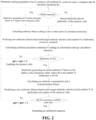
- a progeny population is selected, and memory cells are updated, and a next round of optimization is carried out. Since we consider the two sequence features, codon context and CAI, at the same time, F' [codon context] is calculated based on F [codon context] , and F' [CAI] is calculated based on F [CAI] . If a termination algebra is reached, the evolution is stopped, and an optimized sequence set of a single protein fragment is output.
- an initialized population N is randomly generated.
- fitness calculation, selection of a progeny population, crossover, variation and memory update are completed. If a termination algebra is reached, the evolution is stopped, and the optimal DNA coding sequence for the full sequence of the protein is output.
- the whole flow belongs to the multi-objective optimization. In the optimization process, we directly use the optimized sequence set of each protein fragment to encode each gene.
- the fine adjustment and optimization consists of two steps: first, optimizing the 5' terminal of the DNA, and then eliminating the expression inhibitory motif.
- the optimization process of the 5' terminal of DNA is as shown in FIG. 4 .
- the exhaustive method is used to list all possible DNA coding sequences of the N-terminal amino acid sequence (8-15 amino acids) of the protein, and to calculate their codon context and CAI.
- 50 bp (with a default value of 50 bp, and a selectable length range of 0-50 bp) of a vector sequence located upstream of an initiation codon of the protein sequence is connected to the DNA coding sequence sequentially, and the minimum free energy (MFE) of the connected sequence is calculated by software mfold.
- MFE minimum free energy
- the coding sequences of signal peptides are sorted to select the best 5'-terminal sequence.
- the basic data set refers to highly-expressed proteins in different host expression systems and their corresponding DNA coding sequences.
- the duplex codon table refers to the relative fitness of all duplex codons in the basic data set (see below for the calculation method).
- NSGA2 and SPEA2 algorithms can be used for selection of progeny population in the multi-objective optimization process of the immune algorithm and the genetic algorithm, and two-point crossover is used for crossover.
- the host expression system used in the test is a CHO cell line, and two proteins are optimized and sequenced in total (see Table 1 for relevant information).
- the JNK3 protein sequence is as shown in SEQ ID NO.1, and the GFP protein sequence is as shown in SEQ ID NO.2; the coding sequences of the JNK3 protein and the GFP protein before optimization are as shown in SEQ ID NO.3 and SEQ ID NO.4 respectively, and the coding sequences of the JNK3 protein and the GFP protein after optimization are as shown in SEQ ID NO.5 and SEQ ID NO.6 respectively.
- Table 1 Information of Optimized Test Protein Sequences Protein GenBank accession number (Wild Type) tag Position of Tag JNK3 U34820.1 Flag tag C terminal GFP AY174111.1 Flag tag C terminal
- the gene fragment encoding the test protein is synthesized and cloned into a pTT5 expression vector (purchased from NRC, and the plasmid map is as shown in FIG. 6 ) via EcoR I and Hind III cleavage sites respectively.
Landscapes
- Health & Medical Sciences (AREA)
- Life Sciences & Earth Sciences (AREA)
- Engineering & Computer Science (AREA)
- Physics & Mathematics (AREA)
- Bioinformatics & Cheminformatics (AREA)
- Chemical & Material Sciences (AREA)
- Genetics & Genomics (AREA)
- Biophysics (AREA)
- General Health & Medical Sciences (AREA)
- Biotechnology (AREA)
- Organic Chemistry (AREA)
- Evolutionary Biology (AREA)
- Bioinformatics & Computational Biology (AREA)
- Theoretical Computer Science (AREA)
- Molecular Biology (AREA)
- Zoology (AREA)
- General Engineering & Computer Science (AREA)
- Wood Science & Technology (AREA)
- Medical Informatics (AREA)
- Biomedical Technology (AREA)
- Spectroscopy & Molecular Physics (AREA)
- Biochemistry (AREA)
- Proteomics, Peptides & Aminoacids (AREA)
- Data Mining & Analysis (AREA)
- Analytical Chemistry (AREA)
- Microbiology (AREA)
- Artificial Intelligence (AREA)
- Evolutionary Computation (AREA)
- Software Systems (AREA)
- Medicinal Chemistry (AREA)
- Mathematical Physics (AREA)
- Physiology (AREA)
- General Physics & Mathematics (AREA)
- Computing Systems (AREA)
- Computational Linguistics (AREA)
- Plant Pathology (AREA)
- Public Health (AREA)
- Databases & Information Systems (AREA)
- Epidemiology (AREA)
- Computer Vision & Pattern Recognition (AREA)
Description
- The present invention relates to a protein engineering technology, and in particular to a codon optimization method in protein engineering which is, a computer-implemented codon optimization method based on an immune algorithm.
- Codon degeneracy refers to the phenomenon that an amino acid can be encoded by multiple different codons during protein translation. The different codons encoding the same amino acid are called synonymous codons. A protein consisting of 200 amino acids in length can generally be encoded by more than 1020 different DNA sequences. In different species, the occurrence frequency of the synonymous codons is different, and such a phenomenon is called codon preference. Codon optimization is mainly based on factors such as the codon preference of a host expression system. On the premise of not changing the amino acid sequence of a protein, a computer algorithm is used to screen out the DNA sequence that can express the protein most efficiently in the host expression system from a large number of DNA coding sequences.
- At present, the main factors that are often considered as affecting protein expression in the process of codon optimization include the codon preference of a host cell (commonly used characterization parameters thereof include a codon adaptation index [CAI], a duplex codon preference of a host cell [Codon Context], CBI [Codon Bias Index], ENC [Effective Number of Codon], FOP [Frequency of Optimal Codons], CPP [Codon Preference Parameter], and tAI [tRNA adaptation index]), the number of Hidden Stop Codons, a GC content, a rare codon content, the number of mRNA inhibitory regulatory motif, a mRNA secondary structure (mainly including a hairpin structure and minimum free energy), scoring of key codons and mathematical models in machine learning, a microRNA binding site, a G4 content, and a codon preference of a protein secondary structure (Joshua B. Plotkin & Grzegorz Kudla, Nature Reviews Genetics, 2011). The software and algorithms currently available for codon optimization include DNAWorks, Jcat, Synthetic gene designer, GeneDesign 2.0, OPTIMIZER, Eugene, mRNA Optimizer, COOL, D-Tailor, UpGene, GASCO, Codon Harmonization, QPSO, GeMS and ATGME (Evelina Angov, Biotechnology Journal, 2011; Nathan Gould et al., Frontiers in Bioengineering and Biotechnology, 2014). A method of optimizing a nucleotide coding sequence for expression in a predetermined host cell is described in
US 2014/244228 A1 . - Compared with a heuristic algorithm (such as a particle swarm and genetic algorithm) that has been used in codon optimization algorithms, an immune algorithm has its unique advantages. The immune algorithm is an improved genetic algorithm based on a biological immune mechanism. It enables the objective function of an actual problem to be solved to correspond to an antigen and enables the solution of the problem to correspond to an antibody. According to the principle of biological immunity, it can be seen that a biological immune system automatically generates corresponding antibodies through cell division and differentiation to resist antigens that invade living organisms. Such a process is referred to as immune response. In the process of immune response, some antibodies are preserved as memory cells, and when antigens of the same type invade again, the memory cells are activated and produce a large number of antibodies rapidly, which makes the re-response faster and stronger than the initial response, which reflects the memory function of the immune system. After binding with antigens, the antibodies destroy the antigens through a series of reactions. At the same time, different antibodies also promote and inhibit each other to maintain the diversity of antibodies and an immune balance. Such a balance is achieved according to a concentration mechanism, that is, the higher the concentration of antibodies, the more inhibited the antibodies are; and the lower the concentration, the more promoted the antibodies are, reflecting the self-regulation function of the immune system.
- An objective of the present invention is to solve the problems of long cycle and poor expression accuracy of existing codon optimization methods, and to invent a codon optimization method based on an immune algorithm, which can effectively complete large-scale search of a codon optimization space within a limited time, i.e., screening out the DNA sequence that has the most effective expression from a protein coding sequence set.
- The technical solution of the present invention is the computer-implemented codon optimization method defined in the claims.
- The codon optimization method is based on an immune algorithm and includes that an immune algorithm and a genetic algorithm are successively used to respectively perform local multi-objective optimization and global multi-objective optimization on a protein coding sequence, and then an exhaustive method is used to perform fine adjustment and optimization on the sequence, so as to search the optimal expression sequence to the greatest extent.
- In particular, the method of the present invention includes the following three steps: a first step of local optimization, that is, cleaving the protein sequence into nonoverlapping sequence fragments A1, A2...An , and then using the immune algorithm to complete the codon optimization for each sequence fragment, so as to generate an approximately optimal DNA sequence set B1, B2...Bn ; a second step of global optimization, that is, initializing the DNA coding sequence of the full length of the protein based on B1, B2...Bn utilizing the genetic algorithm, and screening out the optimal DNA sequence C1 of the protein sequence; and a third step of fine adjustment and optimization, which comprises performing exhaustive optimization on the 5' terminal of the DNA sequence corresponding to the N-terminal region of the encoded protein to generate a DNA sequence C2 , and eliminating an expression inhibitory motif, to finally generate the optimal expression sequence D.
- The protein refers to a compound consisting of more than 20 amino acids. Suitable proteins include secretory proteins, membrane proteins, cytoplasmic proteins, nuclear proteins, etc. in terms of localization; antibody proteins, regulatory proteins, structural proteins, etc. in terms of function; homologously expressed proteins and heterologously expressed proteins in terms of source; natural proteins and artificially-modified proteins, complete proteins/antibodies and truncated partial proteins/antibodies, and fusion proteins formed from 2 or more proteins or from a protein and a peptide chain in terms of sequences. Antibodies as defined in the present invention include, but are not limited to, an intact antibodies and Fabs, ScFVs, SdAb, chimeric antibodies, bispecific antibodies, and Fc fusion proteins.
- The immune genetic algorithm adopts a multi-objective optimization method to perform local optimization on the protein fragments, the population initialization is based on a duplex codon table of a sequence encoding a highly-expressed protein, and each gene is directly encoded by synonymous codons; and in the optimization process, antibody diversity is ensured and the phenomenon of population degeneration is prevented by calculating antibody information entropy, antibody population similarity, antibody concentration and polymerization fitness of the immune genetic algorithm and updating memory cells, so as to increase the global search capability of the algorithm.
- The genetic algorithm adopts the multi-objective optimization method to perform global optimization on the full sequence of the protein, an initialized population is randomly generated based on optimized fragments subjected to local optimization, and each gene is directly encoded by an optimized sequence set of each protein fragment.
- The fine adjustment and optimization uses the exhaustive method to calculate and sort the minimum free energy MFE, Codon Context and CAI at the 5' terminal of the DNA sequence, and selects the optimum coding sequence for the N-terminal of the protein sequence according to the sorting result.
- The codon optimization method is applicable to at least one of the following host expression systems: 1) a mammalian expression system; 2) an insect expression system; 3) a yeast expression system; 4) a Escherichia coli expression system; 5) a Bacillus subtilis expression system; 6) a plant expression system, and 7) a cell-free expression system.
- The codon optimization method is applicable to at least one of the following expression vectors: a transient expression vector, a stable expression vector, a viral expression vector, a non-viral expression vector, induced and non-induced expression vectors.
- The beneficial effects of the present invention are as follows.
- The immune algorithm is an algorithm improved from the genetic algorithm. In view of the advantage of the immune algorithm in preventing premature local convergence in optimization, the present invention is the first to introduce the immune algorithm to carry out codon optimization for local optimization, and carries out global optimization through the subsequent genetic algorithm and finally carries out fine adjustment and optimization, and thus develops a brand-new three-step hybrid optimization algorithm which combines the advantages of different algorithms; and the high efficiency of the algorithm in codon optimization is further proved by the following Examples.
- Compared with the genetic algorithm, the immune algorithm of the present invention has the following characteristics: firstly, the immune algorithm has an immune memory function which can accelerate the search speed and improve the overall search capability of the genetic algorithm; secondly, it has the function of maintaining the diversity of antibodies, which can be utilized to improve the local searching ability of the genetic algorithm; and finally, it has a self-regulating function, which can be used to improve the global search ability of the genetic algorithm and avoid falling into a local solution. Therefore, the immune genetic algorithm not only retains the characteristic of random global parallel search of the genetic algorithm, but also avoids premature convergence to a comparatively great extent to ensure rapid convergence to the global optimal solution. The present invention is the first to combine the advantages of the immune algorithm and the genetic algorithm in accuracy and efficiency to carry out codon optimization through a step-by-step process (local optimization, global optimization, and fine adjustment and optimization respectively in sequence), and proves the high efficiency of the algorithm in codon optimization through example tests.
- The present invention has the advantages of high speed and high efficiency.
-
-
FIG. 1 is a schematic flow chart of an optimization algorithm of the present invention. -
FIG. 2 is a schematic flow chart of an immune algorithm of the present invention (i.e., a local optimization flow). -
FIG. 3 shows a flow of a genetic algorithm of the present invention (i.e., a global optimization flow). -
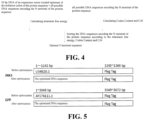
FIG. 4 shows a flow of optimizing the 5' terminal of the DNA sequence of the present invention. -
FIG. 5 is a schematic diagram of the gene sequence design of a test protein obtained by the method of the present invention. -
FIG. 6 is a pTT expression vector map of the present invention. -
FIG. 7 is a schematic diagram of Western Blotting results of the present invention. - The following further describes the present invention with reference to the accompanying drawings and specific examples.
- It is as shown in
FIGs. 1-7 . - A codon optimization method based on an immune algorithm includes that an immune algorithm and a genetic algorithm are successively used to respectively perform local multi-objective optimization and global multi-objective optimization on protein coding sequences (SEQ ID NO.3 and SEQ ID NO.4), and then an exhaustive method is used to perform fine adjustment and optimization on the sequence, so as to search the optimal expression sequences (SEQ ID NO.5 and SEQ ID NO.6) to the greatest extent, as shown in
FIG. 1 , wherein: - The number of optimization variables L in this step is 2, that is, two features, Codon Context and CAI, are optimized for each fragment (see below for detailed description), which belongs to multi-objective optimization. Assuming that an immune system consists of N antibodies (i.e., the population size is N ), each antibody gene has a length of M (equivalent to that the number of amino acids in the protein sequence is M ), and each gene is directly encoded with synonymous codons.
- (1) According to a basic data set of different host expression systems (i.e., coding sequences of highly-expressed proteins), a codon frequency table and a duplex codon frequency table are calculated for generating sequences and calculating the codon context and CAI.
- (2) In the initial response, an initial antibody is generated according to the duplex codon frequency. Taking the protein sequence a1a2...am as an example, it is assumed that the synonymous codons for a1 are c11 and c12, and the synonymous codons for a2 are c21, c22 and c23. The codons for the first amino acid a1 are selected according to the frequencies of c11 and c12 in the codon frequency table. The duplex codons corresponding to the duplex amino acid a1a2 are c11c21, c11c22, c11c23, c12c21, c12c22 and c12c23, where there are two sets of duplex synonymous codons, including [c11c21, c11c22, c11c23] and [c12c21, c12c22, c12c23]. Assuming that the codon selected for a1 is C11, then the codon for the amino acid a2 is selected from one of c21, c22 and c23 according to the frequencies of c11c21, c11c22 and c11c23. If the codon selected for a1 is C12, then the codon for the amino acid a2 is selected from one of c21, c22 and c23 according to the frequencies of c12c21, c12c22 and c12c23. In brief, the selection of codons for other amino acids is related to the selection of codons for its previous amino acid and is determined by the frequency of their duplex synonymous codons, except that the codon for the first amino acid is directly selected according to the codon frequency table.
- (3) In a non-initial response, the population consists of parent individuals and K antibodies stored in a memory cell. The antibodies of the memory cell record the K optimum antibodies that have appeared in the optimization history, where the antibodies with low fitness are gradually replaced by individuals with higher fitness in the optimization process.
- (4) The fitness F (including F[codon Context] and F[CAI]) of an antibody is calculated, N progeny individuals are selected according to multi-objective optimization, and crossover and variation operations are completed for the new population. The variation here is random mutation of codon.
- (5) Calculating of antibody population similarity S
- The present invention uses Shannon's average information entropy H(N) to measure the population similarity S .
- First, Pij is the probability that a synonymous codon i appears on an amino acid j , namely:


- The average information entropy of the whole population is:

- The population similarity S is defined as:

- (6) With the progress of optimization, the similarity of antibodies in the population is continuously improved. In order to avoid the homogeneity of antibodies and improve the diversity of antibodies, and thus improve the global search ability and prevent premature convergence, when the population similarity S is greater than the threshold S0 , the metabolic function of the immune system cells is simulated to generate P new antibodies, and the generation process is the same as the above (2), so that the total number of antibodies reaches P+ N. If the population similarity S is less than the threshold S0 , then the population continues to directly enter the next generation of evolution and the memory cells are updated.
- (7) When S > S0 , the antibody concentration and polymerization fitness are calculated for the antibody population P + N. The antibody concentration refers to the percentage of antibodies similar to each antibody in the population, i.e.,

- Polymerization fitness F' is a value obtained after the antibody fitness F is corrected according to the antibody concentration, namely:

- According to the polymerization fitness, a progeny population is selected, and memory cells are updated, and a next round of optimization is carried out. Since we consider the two sequence features, codon context and CAI, at the same time, F'[codon context] is calculated based on F[codon context] , and F'[CAI] is calculated based on F[CAI] . If a termination algebra is reached, the evolution is stopped, and an optimized sequence set of a single protein fragment is output.
- Based on the optimized sequence set of all protein fragments generated by the optimization through the immune algorithm, an initialized population N is randomly generated. According to the flow of the genetic algorithm, fitness calculation, selection of a progeny population, crossover, variation and memory update are completed. If a termination algebra is reached, the evolution is stopped, and the optimal DNA coding sequence for the full sequence of the protein is output. The whole flow belongs to the multi-objective optimization. In the optimization process, we directly use the optimized sequence set of each protein fragment to encode each gene.
- The fine adjustment and optimization consists of two steps: first, optimizing the 5' terminal of the DNA, and then eliminating the expression inhibitory motif. The optimization process of the 5' terminal of DNA is as shown in
FIG. 4 . The exhaustive method is used to list all possible DNA coding sequences of the N-terminal amino acid sequence (8-15 amino acids) of the protein, and to calculate their codon context and CAI. Then 50 bp (with a default value of 50 bp, and a selectable length range of 0-50 bp) of a vector sequence located upstream of an initiation codon of the protein sequence is connected to the DNA coding sequence sequentially, and the minimum free energy (MFE) of the connected sequence is calculated by software mfold. According to the minimum free energy (the greater the value, the better), the codon context (the greater the value, the better) and CAI (the greater the value, the better), the coding sequences of signal peptides are sorted to select the best 5'-terminal sequence. - The basic data set refers to highly-expressed proteins in different host expression systems and their corresponding DNA coding sequences. The duplex codon table refers to the relative fitness of all duplex codons in the basic data set (see below for the calculation method).
-
- a) codon relative fitness wij:

- b) Codon Adaptation Index (CAI) of a target sequence:

- c) Relative fitness pk of duplex codon:


- d) Codon Context (CC) of the target sequence:


- (3) NSGA2 and SPEA2 algorithms (NSGA2 is used by default) can be used for selection of progeny population in the multi-objective optimization process of the immune algorithm and the genetic algorithm, and two-point crossover is used for crossover.
- The following further illustrates the advantages of the present invention by an example.
- The host expression system used in the test is a CHO cell line, and two proteins are optimized and sequenced in total (see Table 1 for relevant information). The JNK3 protein sequence is as shown in SEQ ID NO.1, and the GFP protein sequence is as shown in SEQ ID NO.2; the coding sequences of the JNK3 protein and the GFP protein before optimization are as shown in SEQ ID NO.3 and SEQ ID NO.4 respectively, and the coding sequences of the JNK3 protein and the GFP protein after optimization are as shown in SEQ ID NO.5 and SEQ ID NO.6 respectively.
Table 1: Information of Optimized Test Protein Sequences Protein GenBank accession number (Wild Type) tag Position of Tag JNK3 U34820.1 Flag tag C terminal GFP AY174111.1 Flag tag C terminal - As shown in
FIG. 5 , the gene fragment encoding the test protein is synthesized and cloned into a pTT5 expression vector (purchased from NRC, and the plasmid map is as shown inFIG. 6 ) via EcoR I and Hind III cleavage sites respectively. -
- 1. CHO 3E7 suspension cells in the logarithmic growth phase are diluted to 5 × 10⁵ cells /mL with a fresh FreeStyle CHO medium, and 30 mL of a cell suspension is inoculated in each 125 mL triangular flask.
- 2. The cells are subjected to suspension culture under conditions of 37°C and 5% CO2.
- 3. When the cell density reaches 1-1.2 × 10⁶ cells /mL, plasmid vectors carrying cloned target genes are transfected into CHO 3E7 cells respectively according to the dosage of 1 ug/ml by a PEI transfection reagent.
- 4. After 48 hours of transfection, the culture medium is centrifuged at 1500 rotations/min to harvest cells. The samples can be stored in a refrigerator at -80°C.
- Using an anti-Flag tag antibody, the expression quantity of the target protein in a cell lysate was detected by Western Blotting. A beta-actin protein is used as internal reference. The expression experiment of each plasmid is replicated for three times. The results of Western Blotting are shown in
FIG. 7 . - The detailed steps are as follows.
- 1. CHO cells are lysed using a cell lysis buffer, and the protein concentration is determined.
- 2. The protein solution is added with a 5X SDS-PAGE protein loading buffer, and heated in a boiling water bath for 10 minutes.
- 3. The protein sample is added into sample loading wells of an SDS-PAGE gel with a micropipette, and each well is loaded with 20 ul of the sample.
- 4. A constant voltage electrophoresis at 140 V is used for 60 minutes, and the electrophoresis is stopped when bromophenol blue reaches near the bottom of the gel.
- 5. The membrane transfer voltage is 100 V, and the membrane transfer time at low temperature is 60 minutes.
- 6. After the membrane transfer is completed, the protein membrane is placed in a washing liquid prepared in advance, and rinsed for 1-2 minutes to remove the membrane transfer liquid on the membrane.
- 7. It is blocked by slowly shaking on a shaker at room temperature for 45 minutes.
- 8. It is added with a diluted primary antibody and incubated at room temperature for one hour with slow shaking.
- 9. It is added with the washing liquid, and slowly shaken for washing on the shaker for 5 minutes for 3 times in total.
- 10. It is added with a diluted secondary antibody and incubated at room temperature for one hour with slow shaking.
- 11. It is added with the washing liquid, and slowly shaken for washing on the shaker for 5 minutes for 3 times in total.
- 12. Chemiluminescence detection.
- 13. The Western Blotting result picture is quantitatively analyzed with software Image J.
- As can be seen from Table 2, the expression quantities of JNK3 and GFP proteins after being subjected to the three-step hybrid codon optimization of this patent are respectively increased by 7.42 ± 0.58 times and 18.37 ± 2.90 times compared with that of the wild-type sequence, which fully proves the high efficiency of the new algorithm. In the actual production of a company, we also compare and test the optimization effects of this algorithm and other algorithms on multiple proteins, which also proves that this algorithm is more stable and efficient.
- The parts not involved in the present invention are all the same as those in the prior art or can be realized by using the prior art.
| GFP (relative expression quantity ± standard deviation) | JNK3 (relative expression quantity ± standard deviation) | |
| After Optimization | 22.06 ± 1.78 | 8.01 ± 0.21 |
| Wild Type | 1.19 ± 0.16 | 1.09 ± 0.10 |
| Ratio | 18.37 ± 2.90 | 7.42 ± 0.58 |
| *Relative expression quantity: a protein expression quantity divided by the minimum value of expression quantity in three replicated experiments of wild-type sequences |
Claims (4)
- A computer-implemented codon optimization method for the expression sequence of a protein based on an immune algorithm,wherein the codon optimization method comprises the following three steps: a first step of local optimization, that is, cleaving the protein sequence into nonoverlapping sequence fragments A1, A2...An , and then using the immune algorithm to complete the codon optimization for each sequence fragment, so as to generate an approximately optimal DNA sequence set B1, B2...Bn ; a second step of global optimization, that is, initializing the DNA coding sequence of the full length of the protein based on B1, B2...Bn utilizing a genetic algorithm, and screening out the optimal DNA sequence C1 of the protein sequence; and a third step of fine adjustment and optimization, which comprises performing exhaustive optimization on the 5' terminal of the DNA sequence corresponding to the N-terminal region of the encoded protein to generate a DNA sequence C2 , and eliminating an expression inhibitory motif, to finally generate the optimal expression sequence D of the protein;wherein the immune genetic algorithm adopts a multi-objective optimization method to perform local optimization on the protein fragments, the population initialization is based on a duplex codon table of a sequence encoding a highly-expressed protein, and each gene is directly encoded by synonymous codons; and in the optimization process, antibody diversity is ensured and the phenomenon of population degeneration is prevented by calculating antibody information entropy, antibody population similarity, antibody concentration and polymerization fitness of the immune genetic algorithm and updating memory cells, so as to increase the global search capability of the algorithm;wherein the genetic algorithm adopts the multi-objective optimization method to perform global optimization on the full sequence of the protein, an initialized population is randomly generated based on optimized fragments subjected to local optimization, and each gene is directly encoded by an optimized sequence set of each protein fragment;wherein the fine adjustment and optimization uses the exhaustive method to calculate and sort the minimum free energy MFE, Codon Context and CAI at the 5' terminal of the DNA sequence, and selects the optimum coding sequence for the N-terminal of the protein sequence according to the sorting result.
- The codon optimization method according to claim 1, wherein the protein is a compound consisting of more than 20 amino acids; the protein is a secretory protein, a membrane protein, a cytoplasmic protein or a nuclear protein in terms of localization; the protein is an antibody protein, a regulatory protein or a structural protein in terms of function; the protein is a homologously expressed protein or a heterologously expressed protein in terms of source; the protein is a natural protein or an artificially-modified protein, a complete protein/antibody or a truncated partial protein/antibody, or a fusion protein formed from 2 or more proteins or from a protein and a peptide chain in terms of sequence; optionally wherein the antibody is selected from an intact antibody, Fab, ScFV, SdAb, a chimeric antibody, a bispecific antibody, and a Fc fusion protein.
- The codon optimization method according to claim 1, wherein the codon optimization method is applicable to at least one of the following host expression systems: 1) a mammalian expression system; 2) an insect expression system; 3) a yeast expression system; 4) a Escherichia coli expression system; 5) a Bacillus subtilis expression system; 6) a plant expression system, and 7) a cell-free expression system.
- The codon optimization method according to claim 1, wherein the codon optimization method is applicable to at least one of the following expression vectors: a transient expression vector, a stable expression vector, a viral expression vector, a non-viral expression vector, induced and non-induced expression vectors.
Applications Claiming Priority (2)
| Application Number | Priority Date | Filing Date | Title |
|---|---|---|---|
| CN201710611752.5A CN110070913B (en) | 2017-07-25 | 2017-07-25 | A Codon Optimization Method Based on Immune Algorithm |
| PCT/CN2018/097040 WO2019020054A1 (en) | 2017-07-25 | 2018-07-25 | Codon optimization method based on immune algorithm |
Publications (3)
| Publication Number | Publication Date |
|---|---|
| EP3660852A1 EP3660852A1 (en) | 2020-06-03 |
| EP3660852A4 EP3660852A4 (en) | 2021-05-12 |
| EP3660852B1 true EP3660852B1 (en) | 2024-05-01 |
Family
ID=65039394
Family Applications (1)
| Application Number | Title | Priority Date | Filing Date |
|---|---|---|---|
| EP18839139.5A Active EP3660852B1 (en) | 2017-07-25 | 2018-07-25 | Codon optimization method based on immune algorithm |
Country Status (6)
| Country | Link |
|---|---|
| US (1) | US20210027858A1 (en) |
| EP (1) | EP3660852B1 (en) |
| JP (1) | JP2020534794A (en) |
| KR (1) | KR102730745B1 (en) |
| CN (1) | CN110070913B (en) |
| WO (1) | WO2019020054A1 (en) |
Families Citing this family (16)
| Publication number | Priority date | Publication date | Assignee | Title |
|---|---|---|---|---|
| CN109979539B (en) * | 2019-04-10 | 2020-10-02 | 电子科技大学 | Gene sequence optimization method and device and data processing terminal |
| CN110580390B (en) * | 2019-09-04 | 2021-05-11 | 电子科技大学 | Geostatistical stochastic inversion method based on improved genetic algorithm and information entropy |
| CN111243679B (en) * | 2020-01-15 | 2023-03-31 | 重庆邮电大学 | Storage and retrieval method for microbial community species diversity data |
| CN112466393B (en) * | 2020-11-12 | 2024-02-20 | 苏州大学 | Metabolic marker group identification method based on adaptive immune genetic algorithm |
| CN112735525B (en) * | 2021-01-18 | 2023-12-26 | 苏州科锐迈德生物医药科技有限公司 | mRNA sequence optimization method and device based on divide-and-conquer method |
| CN113792877B (en) * | 2021-09-18 | 2024-02-20 | 大连大学 | DNA storage encoding optimization method based on dual-strategy black spider algorithm |
| CN113962548A (en) * | 2021-10-21 | 2022-01-21 | 上海欧冶物流股份有限公司 | Cargo loading scheme optimization method, program product, readable medium, and electronic device |
| CN116072231B (en) * | 2022-10-17 | 2024-02-13 | 中国医学科学院病原生物学研究所 | Method for designing mRNA vaccines based on codon optimization of amino acid sequences |
| CN116218881B (en) * | 2022-10-21 | 2024-08-13 | 山东大学 | A vaccine for treating or preventing hepatitis B virus |
| CN115440300B (en) * | 2022-11-07 | 2023-01-20 | 深圳市瑞吉生物科技有限公司 | Codon sequence optimization method and device, computer equipment and storage medium |
| WO2024109911A1 (en) * | 2022-11-24 | 2024-05-30 | 南京金斯瑞生物科技有限公司 | Codon optimization |
| KR102883373B1 (en) * | 2022-12-02 | 2025-11-10 | 성균관대학교산학협력단 | Quantum annealing algorithm for codon optimization |
| CN117238374B (en) * | 2023-09-13 | 2025-09-19 | 上海交通大学宁波人工智能研究院 | MRNA sequence joint optimization method based on CAI and AUP |
| CN117497092B (en) * | 2024-01-02 | 2024-05-14 | 微观纪元(合肥)量子科技有限公司 | RNA structure prediction method and system based on dynamic programming and quantum annealing |
| CN118038986B (en) * | 2024-02-05 | 2025-09-02 | 北京百度网讯科技有限公司 | Method, device, equipment and medium for determining mRNA sequence |
| CN121506296B (en) * | 2025-11-11 | 2026-07-03 | 深圳普罗吉医药科技有限公司 | Human albumin codon sequence optimization method and device |
Family Cites Families (6)
| Publication number | Priority date | Publication date | Assignee | Title |
|---|---|---|---|---|
| DE10260805A1 (en) * | 2002-12-23 | 2004-07-22 | Geneart Gmbh | Method and device for optimizing a nucleotide sequence for expression of a protein |
| GB0419424D0 (en) * | 2004-09-02 | 2004-10-06 | Viragen Scotland Ltd | Transgene optimisation |
| CA2657975A1 (en) * | 2006-06-29 | 2008-01-03 | Dsm Ip Assets B.V. | A method for achieving improved polypeptide expression |
| CN101885760B (en) * | 2010-03-16 | 2012-12-05 | 王世霞 | HIV-1gp120 gene consensus sequence optimized by codon and gp120 nucleic acid vaccine |
| US20140244228A1 (en) * | 2012-09-19 | 2014-08-28 | Agency For Science, Technology And Research | Codon optimization of a synthetic gene(s) for protein expression |
| CN106951726A (en) * | 2017-02-20 | 2017-07-14 | 苏州金唯智生物科技有限公司 | A kind of optimization method and device of gene coded sequence |
-
2017
- 2017-07-25 CN CN201710611752.5A patent/CN110070913B/en active Active
-
2018
- 2018-07-25 KR KR1020207005489A patent/KR102730745B1/en active Active
- 2018-07-25 US US16/633,910 patent/US20210027858A1/en not_active Abandoned
- 2018-07-25 WO PCT/CN2018/097040 patent/WO2019020054A1/en not_active Ceased
- 2018-07-25 EP EP18839139.5A patent/EP3660852B1/en active Active
- 2018-07-25 JP JP2020503285A patent/JP2020534794A/en active Pending
Also Published As
| Publication number | Publication date |
|---|---|
| JP2020534794A (en) | 2020-12-03 |
| KR102730745B1 (en) | 2024-11-15 |
| WO2019020054A1 (en) | 2019-01-31 |
| US20210027858A1 (en) | 2021-01-28 |
| EP3660852A1 (en) | 2020-06-03 |
| EP3660852A4 (en) | 2021-05-12 |
| KR20200038263A (en) | 2020-04-10 |
| CN110070913A (en) | 2019-07-30 |
| CN110070913B (en) | 2023-06-27 |
Similar Documents
| Publication | Publication Date | Title |
|---|---|---|
| EP3660852A1 (en) | Codon optimization method based on immune algorithm | |
| Anderson et al. | An expanded genetic code with a functional quadruplet codon | |
| Alper et al. | Tuning genetic control through promoter engineering | |
| Yamanishi et al. | A genome-wide activity assessment of terminator regions in Saccharomyces cerevisiae provides a ″terminatome ″toolbox | |
| Yona et al. | tRNA genes rapidly change in evolution to meet novel translational demands | |
| Huang et al. | Phototropin is the blue-light receptor that controls multiple steps in the sexual life cycle of the green alga Chlamydomonas reinhardtii | |
| Matsuyama et al. | pDUAL, a multipurpose, multicopy vector capable of chromosomal integration in fission yeast | |
| Busch et al. | An eight-subunit COP9 signalosome with an intact JAMM motif is required for fungal fruit body formation | |
| Itakura et al. | Widespread prion-based control of growth and differentiation strategies in Saccharomyces cerevisiae | |
| US11848074B2 (en) | Codon optimization | |
| RU2510418C2 (en) | Yeast transformation methods | |
| KR20210037611A (en) | Codon optimization | |
| Zhang et al. | Systematic dissection of key factors governing recombination outcomes by GCE-SCRaMbLE | |
| CN101490262A (en) | A method for achieving improved polypeptide expression | |
| Zhang et al. | Model-based reconstruction of synthetic promoter library in Corynebacterium glutamicum | |
| Hallmann et al. | Gene replacement by homologous recombination in the multicellular green alga Volvox carteri | |
| MacLea et al. | Distinct amino acid compositional requirements for formation and maintenance of the [PSI+] prion in yeast | |
| Erben et al. | Insights into the functions and RNA binding of Trypanosoma brucei ZC3H22, RBP9 and DRBD7 | |
| Li et al. | Non-homologous end joining-mediated insertional mutagenesis reveals a novel target for enhancing fatty alcohols production in Yarrowia lipolytica | |
| CN113825837A (en) | Protein translation using circular RNA and its applications | |
| Davis et al. | Generation of cDNA expression libraries enriched for in-frame sequences | |
| WO2021136347A1 (en) | High expression vector used in mammalian expression system | |
| Cregg et al. | Expression of recombinant genes in the yeast Pichia pastoris | |
| CN118077011A (en) | A codon optimization method for reducing the immunogenicity of exogenous nucleic acid | |
| CN106191088A (en) | A set of method by optimized for plasmid expression system restructuring to escherichia coli chromosome |
Legal Events
| Date | Code | Title | Description |
|---|---|---|---|
| STAA | Information on the status of an ep patent application or granted ep patent |
Free format text: STATUS: THE INTERNATIONAL PUBLICATION HAS BEEN MADE |
|
| PUAI | Public reference made under article 153(3) epc to a published international application that has entered the european phase |
Free format text: ORIGINAL CODE: 0009012 |
|
| STAA | Information on the status of an ep patent application or granted ep patent |
Free format text: STATUS: REQUEST FOR EXAMINATION WAS MADE |
|
| 17P | Request for examination filed |
Effective date: 20200224 |
|
| AK | Designated contracting states |
Kind code of ref document: A1 Designated state(s): AL AT BE BG CH CY CZ DE DK EE ES FI FR GB GR HR HU IE IS IT LI LT LU LV MC MK MT NL NO PL PT RO RS SE SI SK SM TR |
|
| AX | Request for extension of the european patent |
Extension state: BA ME |
|
| DAV | Request for validation of the european patent (deleted) | ||
| DAX | Request for extension of the european patent (deleted) | ||
| RAP1 | Party data changed (applicant data changed or rights of an application transferred) |
Owner name: NANJING GENSCRIPT BIOTECH CO., LTD. |
|
| A4 | Supplementary search report drawn up and despatched |
Effective date: 20210412 |
|
| RIC1 | Information provided on ipc code assigned before grant |
Ipc: G16B 25/00 20190101AFI20210406BHEP Ipc: G16B 30/00 20190101ALI20210406BHEP Ipc: C07K 14/435 20060101ALI20210406BHEP Ipc: C12N 9/12 20060101ALI20210406BHEP Ipc: C12N 15/67 20060101ALI20210406BHEP |
|
| STAA | Information on the status of an ep patent application or granted ep patent |
Free format text: STATUS: EXAMINATION IS IN PROGRESS |
|
| 17Q | First examination report despatched |
Effective date: 20230601 |
|
| GRAP | Despatch of communication of intention to grant a patent |
Free format text: ORIGINAL CODE: EPIDOSNIGR1 |
|
| STAA | Information on the status of an ep patent application or granted ep patent |
Free format text: STATUS: GRANT OF PATENT IS INTENDED |
|
| INTG | Intention to grant announced |
Effective date: 20240205 |
|
| GRAS | Grant fee paid |
Free format text: ORIGINAL CODE: EPIDOSNIGR3 |
|
| GRAA | (expected) grant |
Free format text: ORIGINAL CODE: 0009210 |
|
| STAA | Information on the status of an ep patent application or granted ep patent |
Free format text: STATUS: THE PATENT HAS BEEN GRANTED |
|
| AK | Designated contracting states |
Kind code of ref document: B1 Designated state(s): AL AT BE BG CH CY CZ DE DK EE ES FI FR GB GR HR HU IE IS IT LI LT LU LV MC MK MT NL NO PL PT RO RS SE SI SK SM TR |
|
| REG | Reference to a national code |
Ref country code: GB Ref legal event code: FG4D |
|
| REG | Reference to a national code |
Ref country code: CH Ref legal event code: EP |
|
| REG | Reference to a national code |
Ref country code: DE Ref legal event code: R096 Ref document number: 602018069051 Country of ref document: DE |
|
| REG | Reference to a national code |
Ref country code: IE Ref legal event code: FG4D |
|
| REG | Reference to a national code |
Ref country code: LT Ref legal event code: MG9D |
|
| REG | Reference to a national code |
Ref country code: NL Ref legal event code: MP Effective date: 20240501 |
|
| PG25 | Lapsed in a contracting state [announced via postgrant information from national office to epo] |
Ref country code: IS Free format text: LAPSE BECAUSE OF FAILURE TO SUBMIT A TRANSLATION OF THE DESCRIPTION OR TO PAY THE FEE WITHIN THE PRESCRIBED TIME-LIMIT Effective date: 20240901 |
|
| PG25 | Lapsed in a contracting state [announced via postgrant information from national office to epo] |
Ref country code: BG Free format text: LAPSE BECAUSE OF FAILURE TO SUBMIT A TRANSLATION OF THE DESCRIPTION OR TO PAY THE FEE WITHIN THE PRESCRIBED TIME-LIMIT Effective date: 20240501 |
|
| PG25 | Lapsed in a contracting state [announced via postgrant information from national office to epo] |
Ref country code: FI Free format text: LAPSE BECAUSE OF FAILURE TO SUBMIT A TRANSLATION OF THE DESCRIPTION OR TO PAY THE FEE WITHIN THE PRESCRIBED TIME-LIMIT Effective date: 20240501 Ref country code: HR Free format text: LAPSE BECAUSE OF FAILURE TO SUBMIT A TRANSLATION OF THE DESCRIPTION OR TO PAY THE FEE WITHIN THE PRESCRIBED TIME-LIMIT Effective date: 20240501 |
|
| PG25 | Lapsed in a contracting state [announced via postgrant information from national office to epo] |
Ref country code: GR Free format text: LAPSE BECAUSE OF FAILURE TO SUBMIT A TRANSLATION OF THE DESCRIPTION OR TO PAY THE FEE WITHIN THE PRESCRIBED TIME-LIMIT Effective date: 20240802 |
|
| PG25 | Lapsed in a contracting state [announced via postgrant information from national office to epo] |
Ref country code: PT Free format text: LAPSE BECAUSE OF FAILURE TO SUBMIT A TRANSLATION OF THE DESCRIPTION OR TO PAY THE FEE WITHIN THE PRESCRIBED TIME-LIMIT Effective date: 20240902 |
|
| REG | Reference to a national code |
Ref country code: AT Ref legal event code: MK05 Ref document number: 1683546 Country of ref document: AT Kind code of ref document: T Effective date: 20240501 |
|
| PG25 | Lapsed in a contracting state [announced via postgrant information from national office to epo] |
Ref country code: NL Free format text: LAPSE BECAUSE OF FAILURE TO SUBMIT A TRANSLATION OF THE DESCRIPTION OR TO PAY THE FEE WITHIN THE PRESCRIBED TIME-LIMIT Effective date: 20240501 |
|
| PG25 | Lapsed in a contracting state [announced via postgrant information from national office to epo] |
Ref country code: ES Free format text: LAPSE BECAUSE OF FAILURE TO SUBMIT A TRANSLATION OF THE DESCRIPTION OR TO PAY THE FEE WITHIN THE PRESCRIBED TIME-LIMIT Effective date: 20240501 |
|
| PG25 | Lapsed in a contracting state [announced via postgrant information from national office to epo] |
Ref country code: AT Free format text: LAPSE BECAUSE OF FAILURE TO SUBMIT A TRANSLATION OF THE DESCRIPTION OR TO PAY THE FEE WITHIN THE PRESCRIBED TIME-LIMIT Effective date: 20240501 |
|
| PG25 | Lapsed in a contracting state [announced via postgrant information from national office to epo] |
Ref country code: PL Free format text: LAPSE BECAUSE OF FAILURE TO SUBMIT A TRANSLATION OF THE DESCRIPTION OR TO PAY THE FEE WITHIN THE PRESCRIBED TIME-LIMIT Effective date: 20240501 |
|
| PG25 | Lapsed in a contracting state [announced via postgrant information from national office to epo] |
Ref country code: LV Free format text: LAPSE BECAUSE OF FAILURE TO SUBMIT A TRANSLATION OF THE DESCRIPTION OR TO PAY THE FEE WITHIN THE PRESCRIBED TIME-LIMIT Effective date: 20240501 |
|
| PG25 | Lapsed in a contracting state [announced via postgrant information from national office to epo] |
Ref country code: PT Free format text: LAPSE BECAUSE OF FAILURE TO SUBMIT A TRANSLATION OF THE DESCRIPTION OR TO PAY THE FEE WITHIN THE PRESCRIBED TIME-LIMIT Effective date: 20240902 Ref country code: PL Free format text: LAPSE BECAUSE OF FAILURE TO SUBMIT A TRANSLATION OF THE DESCRIPTION OR TO PAY THE FEE WITHIN THE PRESCRIBED TIME-LIMIT Effective date: 20240501 Ref country code: NO Free format text: LAPSE BECAUSE OF FAILURE TO SUBMIT A TRANSLATION OF THE DESCRIPTION OR TO PAY THE FEE WITHIN THE PRESCRIBED TIME-LIMIT Effective date: 20240801 Ref country code: NL Free format text: LAPSE BECAUSE OF FAILURE TO SUBMIT A TRANSLATION OF THE DESCRIPTION OR TO PAY THE FEE WITHIN THE PRESCRIBED TIME-LIMIT Effective date: 20240501 Ref country code: LV Free format text: LAPSE BECAUSE OF FAILURE TO SUBMIT A TRANSLATION OF THE DESCRIPTION OR TO PAY THE FEE WITHIN THE PRESCRIBED TIME-LIMIT Effective date: 20240501 Ref country code: IS Free format text: LAPSE BECAUSE OF FAILURE TO SUBMIT A TRANSLATION OF THE DESCRIPTION OR TO PAY THE FEE WITHIN THE PRESCRIBED TIME-LIMIT Effective date: 20240901 Ref country code: HR Free format text: LAPSE BECAUSE OF FAILURE TO SUBMIT A TRANSLATION OF THE DESCRIPTION OR TO PAY THE FEE WITHIN THE PRESCRIBED TIME-LIMIT Effective date: 20240501 Ref country code: GR Free format text: LAPSE BECAUSE OF FAILURE TO SUBMIT A TRANSLATION OF THE DESCRIPTION OR TO PAY THE FEE WITHIN THE PRESCRIBED TIME-LIMIT Effective date: 20240802 Ref country code: FI Free format text: LAPSE BECAUSE OF FAILURE TO SUBMIT A TRANSLATION OF THE DESCRIPTION OR TO PAY THE FEE WITHIN THE PRESCRIBED TIME-LIMIT Effective date: 20240501 Ref country code: ES Free format text: LAPSE BECAUSE OF FAILURE TO SUBMIT A TRANSLATION OF THE DESCRIPTION OR TO PAY THE FEE WITHIN THE PRESCRIBED TIME-LIMIT Effective date: 20240501 Ref country code: BG Free format text: LAPSE BECAUSE OF FAILURE TO SUBMIT A TRANSLATION OF THE DESCRIPTION OR TO PAY THE FEE WITHIN THE PRESCRIBED TIME-LIMIT Effective date: 20240501 Ref country code: AT Free format text: LAPSE BECAUSE OF FAILURE TO SUBMIT A TRANSLATION OF THE DESCRIPTION OR TO PAY THE FEE WITHIN THE PRESCRIBED TIME-LIMIT Effective date: 20240501 Ref country code: RS Free format text: LAPSE BECAUSE OF FAILURE TO SUBMIT A TRANSLATION OF THE DESCRIPTION OR TO PAY THE FEE WITHIN THE PRESCRIBED TIME-LIMIT Effective date: 20240801 |
|
| PG25 | Lapsed in a contracting state [announced via postgrant information from national office to epo] |
Ref country code: DK Free format text: LAPSE BECAUSE OF FAILURE TO SUBMIT A TRANSLATION OF THE DESCRIPTION OR TO PAY THE FEE WITHIN THE PRESCRIBED TIME-LIMIT Effective date: 20240501 |
|
| PG25 | Lapsed in a contracting state [announced via postgrant information from national office to epo] |
Ref country code: EE Free format text: LAPSE BECAUSE OF FAILURE TO SUBMIT A TRANSLATION OF THE DESCRIPTION OR TO PAY THE FEE WITHIN THE PRESCRIBED TIME-LIMIT Effective date: 20240501 |
|
| PG25 | Lapsed in a contracting state [announced via postgrant information from national office to epo] |
Ref country code: CZ Free format text: LAPSE BECAUSE OF FAILURE TO SUBMIT A TRANSLATION OF THE DESCRIPTION OR TO PAY THE FEE WITHIN THE PRESCRIBED TIME-LIMIT Effective date: 20240501 |
|
| PG25 | Lapsed in a contracting state [announced via postgrant information from national office to epo] |
Ref country code: SK Free format text: LAPSE BECAUSE OF FAILURE TO SUBMIT A TRANSLATION OF THE DESCRIPTION OR TO PAY THE FEE WITHIN THE PRESCRIBED TIME-LIMIT Effective date: 20240501 Ref country code: RO Free format text: LAPSE BECAUSE OF FAILURE TO SUBMIT A TRANSLATION OF THE DESCRIPTION OR TO PAY THE FEE WITHIN THE PRESCRIBED TIME-LIMIT Effective date: 20240501 |
|
| PG25 | Lapsed in a contracting state [announced via postgrant information from national office to epo] |
Ref country code: SM Free format text: LAPSE BECAUSE OF FAILURE TO SUBMIT A TRANSLATION OF THE DESCRIPTION OR TO PAY THE FEE WITHIN THE PRESCRIBED TIME-LIMIT Effective date: 20240501 |
|
| PG25 | Lapsed in a contracting state [announced via postgrant information from national office to epo] |
Ref country code: SM Free format text: LAPSE BECAUSE OF FAILURE TO SUBMIT A TRANSLATION OF THE DESCRIPTION OR TO PAY THE FEE WITHIN THE PRESCRIBED TIME-LIMIT Effective date: 20240501 Ref country code: SK Free format text: LAPSE BECAUSE OF FAILURE TO SUBMIT A TRANSLATION OF THE DESCRIPTION OR TO PAY THE FEE WITHIN THE PRESCRIBED TIME-LIMIT Effective date: 20240501 Ref country code: RO Free format text: LAPSE BECAUSE OF FAILURE TO SUBMIT A TRANSLATION OF THE DESCRIPTION OR TO PAY THE FEE WITHIN THE PRESCRIBED TIME-LIMIT Effective date: 20240501 Ref country code: EE Free format text: LAPSE BECAUSE OF FAILURE TO SUBMIT A TRANSLATION OF THE DESCRIPTION OR TO PAY THE FEE WITHIN THE PRESCRIBED TIME-LIMIT Effective date: 20240501 Ref country code: DK Free format text: LAPSE BECAUSE OF FAILURE TO SUBMIT A TRANSLATION OF THE DESCRIPTION OR TO PAY THE FEE WITHIN THE PRESCRIBED TIME-LIMIT Effective date: 20240501 Ref country code: CZ Free format text: LAPSE BECAUSE OF FAILURE TO SUBMIT A TRANSLATION OF THE DESCRIPTION OR TO PAY THE FEE WITHIN THE PRESCRIBED TIME-LIMIT Effective date: 20240501 |
|
| REG | Reference to a national code |
Ref country code: DE Ref legal event code: R097 Ref document number: 602018069051 Country of ref document: DE |
|
| PG25 | Lapsed in a contracting state [announced via postgrant information from national office to epo] |
Ref country code: IT Free format text: LAPSE BECAUSE OF FAILURE TO SUBMIT A TRANSLATION OF THE DESCRIPTION OR TO PAY THE FEE WITHIN THE PRESCRIBED TIME-LIMIT Effective date: 20240501 Ref country code: MC Free format text: LAPSE BECAUSE OF FAILURE TO SUBMIT A TRANSLATION OF THE DESCRIPTION OR TO PAY THE FEE WITHIN THE PRESCRIBED TIME-LIMIT Effective date: 20240501 |
|
| REG | Reference to a national code |
Ref country code: CH Ref legal event code: PL |
|
| PLBE | No opposition filed within time limit |
Free format text: ORIGINAL CODE: 0009261 |
|
| STAA | Information on the status of an ep patent application or granted ep patent |
Free format text: STATUS: NO OPPOSITION FILED WITHIN TIME LIMIT |
|
| PG25 | Lapsed in a contracting state [announced via postgrant information from national office to epo] |
Ref country code: LU Free format text: LAPSE BECAUSE OF NON-PAYMENT OF DUE FEES Effective date: 20240725 |
|
| PG25 | Lapsed in a contracting state [announced via postgrant information from national office to epo] |
Ref country code: LU Free format text: LAPSE BECAUSE OF NON-PAYMENT OF DUE FEES Effective date: 20240725 |
|
| 26N | No opposition filed |
Effective date: 20250204 |
|
| PG25 | Lapsed in a contracting state [announced via postgrant information from national office to epo] |
Ref country code: SI Free format text: LAPSE BECAUSE OF FAILURE TO SUBMIT A TRANSLATION OF THE DESCRIPTION OR TO PAY THE FEE WITHIN THE PRESCRIBED TIME-LIMIT Effective date: 20240501 Ref country code: CH Free format text: LAPSE BECAUSE OF NON-PAYMENT OF DUE FEES Effective date: 20240731 Ref country code: BE Free format text: LAPSE BECAUSE OF NON-PAYMENT OF DUE FEES Effective date: 20240731 |
|
| REG | Reference to a national code |
Ref country code: BE Ref legal event code: MM Effective date: 20240731 |
|
| PGFP | Annual fee paid to national office [announced via postgrant information from national office to epo] |
Ref country code: GB Payment date: 20250605 Year of fee payment: 8 |
|
| PGFP | Annual fee paid to national office [announced via postgrant information from national office to epo] |
Ref country code: FR Payment date: 20250610 Year of fee payment: 8 |
|
| PG25 | Lapsed in a contracting state [announced via postgrant information from national office to epo] |
Ref country code: IE Free format text: LAPSE BECAUSE OF NON-PAYMENT OF DUE FEES Effective date: 20240725 |
|
| PG25 | Lapsed in a contracting state [announced via postgrant information from national office to epo] |
Ref country code: SE Free format text: LAPSE BECAUSE OF FAILURE TO SUBMIT A TRANSLATION OF THE DESCRIPTION OR TO PAY THE FEE WITHIN THE PRESCRIBED TIME-LIMIT Effective date: 20240501 |
|
| PGFP | Annual fee paid to national office [announced via postgrant information from national office to epo] |
Ref country code: DE Payment date: 20250528 Year of fee payment: 8 |
|
| PG25 | Lapsed in a contracting state [announced via postgrant information from national office to epo] |
Ref country code: CY Free format text: LAPSE BECAUSE OF FAILURE TO SUBMIT A TRANSLATION OF THE DESCRIPTION OR TO PAY THE FEE WITHIN THE PRESCRIBED TIME-LIMIT; INVALID AB INITIO Effective date: 20180725 |
|
| PG25 | Lapsed in a contracting state [announced via postgrant information from national office to epo] |
Ref country code: HU Free format text: LAPSE BECAUSE OF FAILURE TO SUBMIT A TRANSLATION OF THE DESCRIPTION OR TO PAY THE FEE WITHIN THE PRESCRIBED TIME-LIMIT; INVALID AB INITIO Effective date: 20180725 |
|
| PG25 | Lapsed in a contracting state [announced via postgrant information from national office to epo] |
Ref country code: TR Free format text: LAPSE BECAUSE OF FAILURE TO SUBMIT A TRANSLATION OF THE DESCRIPTION OR TO PAY THE FEE WITHIN THE PRESCRIBED TIME-LIMIT Effective date: 20240501 |
|
| PG25 | Lapsed in a contracting state [announced via postgrant information from national office to epo] |
Ref country code: LT Free format text: LAPSE BECAUSE OF FAILURE TO SUBMIT A TRANSLATION OF THE DESCRIPTION OR TO PAY THE FEE WITHIN THE PRESCRIBED TIME-LIMIT Effective date: 20240501 |