EP3659593A1 - Trmt2a inhibitors for use in the treatment of polyglutamine diseases - Google Patents
Trmt2a inhibitors for use in the treatment of polyglutamine diseases Download PDFInfo
- Publication number
- EP3659593A1 EP3659593A1 EP18209641.2A EP18209641A EP3659593A1 EP 3659593 A1 EP3659593 A1 EP 3659593A1 EP 18209641 A EP18209641 A EP 18209641A EP 3659593 A1 EP3659593 A1 EP 3659593A1
- Authority
- EP
- European Patent Office
- Prior art keywords
- inhibitor
- trmt2a
- amino
- disease
- following formula
- Prior art date
- Legal status (The legal status is an assumption and is not a legal conclusion. Google has not performed a legal analysis and makes no representation as to the accuracy of the status listed.)
- Withdrawn
Links
- 0 *CCCCN Chemical compound *CCCCN 0.000 description 11
- DVEBSUQKNOVGIZ-HSBZDZAISA-N CC(C(C([C@H](CSCc1ccccc1)N1)OC)C1=O)=O Chemical compound CC(C(C([C@H](CSCc1ccccc1)N1)OC)C1=O)=O DVEBSUQKNOVGIZ-HSBZDZAISA-N 0.000 description 1
Images




Classifications
-
- A—HUMAN NECESSITIES
- A61—MEDICAL OR VETERINARY SCIENCE; HYGIENE
- A61K—PREPARATIONS FOR MEDICAL, DENTAL OR TOILETRY PURPOSES
- A61K31/00—Medicinal preparations containing organic active ingredients
- A61K31/16—Amides, e.g. hydroxamic acids
- A61K31/165—Amides, e.g. hydroxamic acids having aromatic rings, e.g. colchicine, atenolol, progabide
- A61K31/167—Amides, e.g. hydroxamic acids having aromatic rings, e.g. colchicine, atenolol, progabide having the nitrogen of a carboxamide group directly attached to the aromatic ring, e.g. lidocaine, paracetamol
-
- A—HUMAN NECESSITIES
- A61—MEDICAL OR VETERINARY SCIENCE; HYGIENE
- A61K—PREPARATIONS FOR MEDICAL, DENTAL OR TOILETRY PURPOSES
- A61K31/00—Medicinal preparations containing organic active ingredients
- A61K31/075—Ethers or acetals
- A61K31/085—Ethers or acetals having an ether linkage to aromatic ring nuclear carbon
- A61K31/09—Ethers or acetals having an ether linkage to aromatic ring nuclear carbon having two or more such linkages
-
- A—HUMAN NECESSITIES
- A61—MEDICAL OR VETERINARY SCIENCE; HYGIENE
- A61K—PREPARATIONS FOR MEDICAL, DENTAL OR TOILETRY PURPOSES
- A61K31/00—Medicinal preparations containing organic active ingredients
- A61K31/185—Acids; Anhydrides, halides or salts thereof, e.g. sulfur acids, imidic, hydrazonic or hydroximic acids
- A61K31/19—Carboxylic acids, e.g. valproic acid
- A61K31/195—Carboxylic acids, e.g. valproic acid having an amino group
- A61K31/197—Carboxylic acids, e.g. valproic acid having an amino group the amino and the carboxyl groups being attached to the same acyclic carbon chain, e.g. gamma-aminobutyric acid [GABA], beta-alanine, epsilon-aminocaproic acid or pantothenic acid
- A61K31/198—Alpha-amino acids, e.g. alanine or edetic acid [EDTA]
-
- A—HUMAN NECESSITIES
- A61—MEDICAL OR VETERINARY SCIENCE; HYGIENE
- A61K—PREPARATIONS FOR MEDICAL, DENTAL OR TOILETRY PURPOSES
- A61K31/00—Medicinal preparations containing organic active ingredients
- A61K31/33—Heterocyclic compounds
- A61K31/395—Heterocyclic compounds having nitrogen as a ring hetero atom, e.g. guanethidine or rifamycins
- A61K31/40—Heterocyclic compounds having nitrogen as a ring hetero atom, e.g. guanethidine or rifamycins having five-membered rings with one nitrogen as the only ring hetero atom, e.g. sulpiride, succinimide, tolmetin, buflomedil
- A61K31/4015—Heterocyclic compounds having nitrogen as a ring hetero atom, e.g. guanethidine or rifamycins having five-membered rings with one nitrogen as the only ring hetero atom, e.g. sulpiride, succinimide, tolmetin, buflomedil having oxo groups directly attached to the heterocyclic ring, e.g. piracetam, ethosuximide
-
- A—HUMAN NECESSITIES
- A61—MEDICAL OR VETERINARY SCIENCE; HYGIENE
- A61K—PREPARATIONS FOR MEDICAL, DENTAL OR TOILETRY PURPOSES
- A61K31/00—Medicinal preparations containing organic active ingredients
- A61K31/33—Heterocyclic compounds
- A61K31/395—Heterocyclic compounds having nitrogen as a ring hetero atom, e.g. guanethidine or rifamycins
- A61K31/41—Heterocyclic compounds having nitrogen as a ring hetero atom, e.g. guanethidine or rifamycins having five-membered rings with two or more ring hetero atoms, at least one of which being nitrogen, e.g. tetrazole
- A61K31/415—1,2-Diazoles
- A61K31/4155—1,2-Diazoles non condensed and containing further heterocyclic rings
-
- A—HUMAN NECESSITIES
- A61—MEDICAL OR VETERINARY SCIENCE; HYGIENE
- A61K—PREPARATIONS FOR MEDICAL, DENTAL OR TOILETRY PURPOSES
- A61K31/00—Medicinal preparations containing organic active ingredients
- A61K31/33—Heterocyclic compounds
- A61K31/395—Heterocyclic compounds having nitrogen as a ring hetero atom, e.g. guanethidine or rifamycins
- A61K31/435—Heterocyclic compounds having nitrogen as a ring hetero atom, e.g. guanethidine or rifamycins having six-membered rings with one nitrogen as the only ring hetero atom
- A61K31/44—Non condensed pyridines; Hydrogenated derivatives thereof
-
- A—HUMAN NECESSITIES
- A61—MEDICAL OR VETERINARY SCIENCE; HYGIENE
- A61K—PREPARATIONS FOR MEDICAL, DENTAL OR TOILETRY PURPOSES
- A61K31/00—Medicinal preparations containing organic active ingredients
- A61K31/33—Heterocyclic compounds
- A61K31/395—Heterocyclic compounds having nitrogen as a ring hetero atom, e.g. guanethidine or rifamycins
- A61K31/435—Heterocyclic compounds having nitrogen as a ring hetero atom, e.g. guanethidine or rifamycins having six-membered rings with one nitrogen as the only ring hetero atom
- A61K31/47—Quinolines; Isoquinolines
-
- A—HUMAN NECESSITIES
- A61—MEDICAL OR VETERINARY SCIENCE; HYGIENE
- A61K—PREPARATIONS FOR MEDICAL, DENTAL OR TOILETRY PURPOSES
- A61K31/00—Medicinal preparations containing organic active ingredients
- A61K31/33—Heterocyclic compounds
- A61K31/395—Heterocyclic compounds having nitrogen as a ring hetero atom, e.g. guanethidine or rifamycins
- A61K31/495—Heterocyclic compounds having nitrogen as a ring hetero atom, e.g. guanethidine or rifamycins having six-membered rings with two or more nitrogen atoms as the only ring heteroatoms, e.g. piperazine or tetrazines
- A61K31/505—Pyrimidines; Hydrogenated pyrimidines, e.g. trimethoprim
- A61K31/519—Pyrimidines; Hydrogenated pyrimidines, e.g. trimethoprim ortho- or peri-condensed with heterocyclic rings
-
- A—HUMAN NECESSITIES
- A61—MEDICAL OR VETERINARY SCIENCE; HYGIENE
- A61K—PREPARATIONS FOR MEDICAL, DENTAL OR TOILETRY PURPOSES
- A61K31/00—Medicinal preparations containing organic active ingredients
- A61K31/33—Heterocyclic compounds
- A61K31/395—Heterocyclic compounds having nitrogen as a ring hetero atom, e.g. guanethidine or rifamycins
- A61K31/495—Heterocyclic compounds having nitrogen as a ring hetero atom, e.g. guanethidine or rifamycins having six-membered rings with two or more nitrogen atoms as the only ring heteroatoms, e.g. piperazine or tetrazines
- A61K31/505—Pyrimidines; Hydrogenated pyrimidines, e.g. trimethoprim
- A61K31/519—Pyrimidines; Hydrogenated pyrimidines, e.g. trimethoprim ortho- or peri-condensed with heterocyclic rings
- A61K31/52—Purines, e.g. adenine
-
- A—HUMAN NECESSITIES
- A61—MEDICAL OR VETERINARY SCIENCE; HYGIENE
- A61P—SPECIFIC THERAPEUTIC ACTIVITY OF CHEMICAL COMPOUNDS OR MEDICINAL PREPARATIONS
- A61P25/00—Drugs for disorders of the nervous system
- A61P25/14—Drugs for disorders of the nervous system for treating abnormal movements, e.g. chorea, dyskinesia
Definitions
- the present invention relates to inhibitors of the enzyme TRMT2A and medical uses thereof. More particularly, the present invention relates to TRMT2A inhibitors for use in the treatment and/or the prevention of polyglutamine diseases.
- polyQ diseases have only one commonality, an expanded stretch of CAG repeats within the coding region of the disease-linked gene. This CAG repeat translates into an undisrupted polyQ stretch of various length in the respective disease-causing protein (Landles and Bates 2004).
- the polyQ stretch itself is causative for the disease and there is a direct correlation between the length of the undisrupted polyQ stretch, age of onset and disease severity. The longer the polyQ stretch, the earlier the disease onset and the more severe is the disease progression. This feature allows a very accurate prediction of disease-onset, progression and death already in newborn affected individuals.
- the polyQ harboring protein is usually cleaved, leaving the polyQ stretch intact.
- PolyQ peptides are aggregation prone and assemble via an oligomeric state into fibrils. Finally, accumulated polyQ peptides then form cytoplasmic and nuclear aggregates, the hallmark of polyQ diseases. Some of these aggregated polyQ structures (most likely oligomers and fibrils) are believed to contribute to the neuronal decline in disease situation.
- the antisense oligonucledotide designed to lower HTT in a dose-dependent manner received recognition beyond the medical community (NCT02519036) (Labbadia and Morimoto 2013) (Colpo, Stimming et al. 2017) (Takeuchi and Nagai 2017) (Southwell, Skotte et al. 2012).
- each polyQ disease e.g. Huntington's disease or Machado-Joseph disease
- the group of polyQ diseases represents the third most common class of neurodegenerative disorders, ranging after Alzheimer's and Parkinson's disease (not taking the auto-immune disorder Multiple sclerosis into account).
- the present invention provides an inhibitor of the enzyme TRMT2A. Also provided is an inhibitor of the enzyme TRMT2A for use in therapy. In one embodiment, the inhibitor of the enzyme TRMT2A is for use in treating and/or preventing a polyglutamine disease in a subject.
- the polyglutamine disease may be Huntington's disease, a spinocerebellar ataxia, dentatorubral pallidoluysian atrophy or spinal and bulbar muscular atrophy. In a preferred embodiment, the polyglutamine disease is Huntington's disease.
- composition comprising a TRMT2A inhibitor and a pharmaceutically acceptable excipient.
- the composition may comprise one or more additional therapeutically active agents.
- the present invention also relates to a method for inhibiting TRMT2A, wherein the method comprises contacting a cell in vitro with an inhibitor of TRMT2A.
- TRMT2A is a tRNA (uracil-5-) -methyltransferase converting uridine to 5-methyl uridine at position 54 of tRNAs.
- Methylation of tRNAs at position 54 presumably enhances correct binding of respective amino acid/aminoacyl-tRNA-synthetase.
- the effects caused by silencing TRMT2A were verified in yeast ( Saccharomyces cerevisiae ) (Nordlund, Johansson et al. 2000), human cell line ( Human embryonic kidney, HEK cells) and fibroblasts derived from Huntington's disease patients indicating that the protective effect of TRMT2A silencing on polyQ-induced toxicity and aggregation is conserved between various species (Zoghbi and Orr 2000).
- TRMT2A-silencing had an effect on viability and even homozygous TRMT2A knockout mice did not display any obvious pathological phenotype at 1 year of age.
- TRMT2A reduced polyQ aggregation and toxicity.
- the absence of TRMT2A did not impair vital functions in all organisms/cells analyzed.
- TRMT2A methyl-transferase activity
- the inventors further identified numerous inhibitors of TRMT2A based on in silico modeling. These inhibitors have been tested in HEK293T cells with regard to polyQ-induced toxicity and polyQ aggregation. In these assays, several inhibitors have been shown to reduce polyQ-aggregation and toxicity. In support of these efforts, a crystal structure of the TRMT2A RNA-binding domain has been solved at 2.02 ⁇ resolution.
- the TRMT2A inhibitors disclosed herein offer a treatment approach for neurodegenerative diseases, such as polyQ diseases, allowing treatment and/or prevention of these diseases.
- polyglutamine disease or "polyQ disease” relates to a group of neurodegenerative disorders caused by an expanded stretch of CAG repeats within the coding region of a disease-linked gene. This CAG repeat translates into an undisrupted polyQ stretch of various length in the respective disease-causing protein.
- polyQ diseases are Huntington's disease, spinocerebellar ataxia 1, 2, 3 (also termed Kennedy's disease), 6, 7 and 17, dentatorubral pallidoluysian atrophy (DRPLA) and spinal and bulbar muscular atrophy (SBMA).
- DRPLA dentatorubral pallidoluysian atrophy
- SBMA spinal and bulbar muscular atrophy
- Huntington's disease a prevalence of 2.71:100,000 world-wide has been assessed in 2012 (Pringsheim, Wiltshire et al. 2012).
- HAT huntingtin
- HTT human adenosarcoma
- the mechanisms of cell toxicity of the mutant HTT possibly involve multiple pathways such as abnormal protein aggregation, mitochondrial dysfunction and excitotoxiticy, among others.
- Current treatment options are limited to suppressing chorea (the involuntary, irregular movements of the arms and legs) that accompanies the disease and mood altering aspect (Labbadia and Morimoto 2013).
- TRMT2A relates to tRNA methyltransferase 2 homolog A. Eponymous for these proteins is Saccharomyces cerevisiae TRM2. TRM2 converts uridine to 5-methyl uridine (m 5 U) at position 54 (Sharma, Yang et al. 2013) (Nordlund, Johansson et al. 2000). Although methylation of a tRNA varies from species to species for different amino acid acceptors (Rodr ⁇ guez-Hernández, Bhaskaran et al. 2010), the methylation of m 5 U at position 54 is conserved and found from yeast to man.
- h TRMT2A and h TRMT2B are two scTRM2 homologs in human, termed as h TRMT2A and h TRMT2B (Towns and Begley 2012) (Dunin-Horkawicz, Czerwoniec et al. 2006) with h TRMT2A being the real TRM2 ortholog.
- Yeast deficient for the TRM2 lack the U 54 methyl group in their tRNAs, but consistent with data from flies and mice, do not show any obvious pathological phenotypes (Nordlund, Johansson et al. 2000).
- aminoacyl-tRNA-synthetases consists of loading tRNAs with their cognate specific amino acid (Guo and Schimmel 2013). Originally, it has been assumed that for each amino acid one aminoacyl-tRNA-synthetase exisits, that catalyzes a two-step reaction of charging the tRNA with its specific amino acid (Beebe, Mock et al. 2008). Thus, it was assumed that a complete set of twenty aminoacyl-tRNA-synthetases (aaRSs) is required for survival. However, later analyses revealed that some bacteria, chloroplast and mitochondria lack certain aaRS proteins (Schön, Kannangara et al. 1988) (Sheppard, Yuan et al. 2008).
- TRMT2A inhibitor or “inhibitor of TRMT2A” relates to a compound which inhibits the methyl-transferase activity of the enzyme TRMT2A partially or completely. Hence, a TRMT2A inhibitor partially or completely blocks TRMT2A-mediated tRNA methylation. For example, a TRMT2A inhibitor inhibits methyl-transferase activity of the enzyme TRMT2A by at least 20%. A TRMT2A inhibitor may inhibit methyl-transferase activity of the enzyme TRMT2A by at least30 %. A TRMT2A inhibitor may inhibit methyl-transferase activity of the enzyme TRMT2A by at least 40%.
- a TRMT2A inhibitor may inhibit methyl-transferase activity of the enzyme TRMT2A by at least 50%.
- a TRMT2A inhibitor may inhibit methyl-transferase activity of the enzyme TRMT2A by at least 60%.
- a TRMT2A inhibitor may inhibit methyl-transferase activity of the enzyme TRMT2A by at least 70%.
- a TRMT2A inhibitor inhibits methyl-transferase activity of the enzyme TRMT2A by at least 30%.
- Inhibition of TRMT2A activity may be measured directly by measuring uridine to 5-methyl uridine conversion. The amount of 5-methyl uridine can be measured in the supernatant of a cell culture or in a cell-free enzymatic assay. Alternatively, TRMT2A inhibition may be measured indirectly by measuring the decrease in polyQ aggregation in cells.
- the present invention provides inhibitors of the enzyme TRMT2A. In another aspect, the present invention relates to inhibitors of the enzyme TRMT2A for use in therapy.
- the TRMT2A inhibitors of the present invention are for use in the treatment of a neurodegenerative disease in a subject. In one embodiment, the TRMT2A inhibitors of the present invention are for use in the prevention of a neurodegenerative disease in a subject.
- the TRMT2A inhibitors of the present invention are for use in the treatment of a polyQ disease in a subject. In a further embodiment, the TRMT2A inhibitors of the present invention are for use in the prevention of a polyQ disease in a subject.
- PolyQ diseases include Huntington's disease, spinocerebellar ataxias, dentatorubral pallidoluysian atrophy or spinal and bulbar muscular atrophy.
- the polyQ disease is Huntington's disease.
- PolyQ diseases can be diagnosed before the subject shows any symptoms of the disease (prodromal stage). According to their dominant inheritance, p olyQ diseases usually appear in individuals with a familiar background of the respective disease. De novo appearance is low ( ⁇ 10% in case of HD). PolyQ diseases are commonly diagnosed by genetic testing.
- the inhibitors of the present invention may be administered to subjects carrying the disease-linked mutant allele at prodromal stage as well as to symptomatic patients in disease stage. In one embodiment, the subject is a human patient.
- the inhibitors of the present invention may already be administered to a subject known to carry the disease-linked mutant allele in prodromal stages (in which the subject does not yet have any symptoms) thereby enabling pre-symptomatic, neuroprotective treatment.
- Administration of a TRMT2A inhibitor to a subject in prodromal disease stage may delay onset of the polyQ disease symptoms.
- administration of a TRMT2A inhibitor to a subject at a pre-symptomatic disease stage may stop or delay the onset of the polyQ disease.
- Administration of a TRMT2A inhibitor to a subject at a pre-symptomatic disease stage may prolong the asymptomatic period of the polyQ disease.
- administration of a TRMT2A inhibitor to a subject at a pre-symptomatic disease stage may delay or prevent neuronal decline in the subject suffering from a polyglutamine disease.
- Administration of a TRMT2A inhibitor to a subject at a pre-symptomatic disease stage may delay or suppress the occurrence of polyglutamine disease associated symptoms.
- Administration of a TRMT2A inhibitor to a subject at a pre-symptomatic disease stage may delay or prevent neuronal decline in the subject suffering from a polyglutamine disease.
- the inhibitors of the present invention may also be administered to a subject having a polyglutamine disease in order to mitigate or suppress the symptoms of the polyQ disease at a symptomatic disease stage.
- Administration of a TRMT2A inhibitor to a subject at a symptomatic disease stage may prolong the time between polyglutamine disease onset and death.
- Administration of a TRMT2A inhibitor to a subject at a symptomatic disease stage may stop polyglutamine disease progression.
- Administration of a TRMT2A inhibitor to a subject at a symptomatic disease stage may reverse disease progression.
- Administration of a TRMT2A inhibitor to a subject at a symptomatic disease stage may reduce the severity of symptoms of a polyglutamine disease.
- the inhibitors of the present invention are administered in combination with one or more further therapeutic agents, such as Tetrabenazine or its derivatives.
- the TRMT2A inhibitor has formula (I): wherein
- the inhibitor has the following formula: (naphthol).
- the inhibitor has the following formula: (4-hydroxyquinoline).
- the inhibitor has the following formula: (benzyl N-(2- ⁇ [(naphthalen-1-yl)carbamoyl]oxy ⁇ ethyl)carbamate).
- the inhibitor has the following formula: (benzyl N-(2- ⁇ [(quinolin-4-yl)carbamoyl]oxy ⁇ ethyl)carbamate).
- the inhibitor has the following formula: (4-hydroxynaphthalene-2-carboxylate).
- the inhibitor has the following formula: (kynurenate).
- the inhibitor has the following formula: (4- ⁇ [(2- ⁇ [(benzyloxy)carbonyl]amino ⁇ ethoxy)carbonyl]amino ⁇ naphthalene-2-carboxylate).
- the inhibitor has the following formula: (4- ⁇ [(2- ⁇ [(benzyloxy)carbonyl]amino ⁇ ethoxy)carbonyl]amino ⁇ quinoline-2-carboxylate).
- the inhibitor has the following formula: (7-benzylnaphthalen-1-ol).
- the inhibitor has the following formula: (6-benzylquinolin-4-ol).
- the inhibitor has the following formula: (benzyl N-(2- ⁇ [(7-benzylnaphthalen-1-yl)carbamoyl]oxy ⁇ ethyl)carbamate).
- the inhibitor has the following formula: (benzyl N-(2- ⁇ [(6-benzylquinolin-4-yl)carbamoyl]oxy ⁇ ethyl)carbamate).
- the inhibitor has the following formula: (6-benzyl-4-hydroxynaphthalene-2-carboxylate).
- the inhibitor has the following formula: (6-benzyl-4-hydroxyquinoline-2-carboxylate).
- the inhibitor has the following formula: (6-benzyl-4- ⁇ [(2- ⁇ [(benzyloxy)carbonyl]amino ⁇ ethoxy)carbonyl]amino ⁇ naphthalene-2-carboxylate).
- the inhibitor has the following formula: (6-benzyl-4- ⁇ [(2- ⁇ [(benzyloxy)carbonyl]amino ⁇ ethoxy)carbonyl]amino ⁇ quinoline-2-carboxylate).
- the TRMT2A inhibitor of the invention has formula (II): wherein
- the inhibitor has the following formula: (butylamine).
- the inhibitor has the following formula: (Nva).
- the inhibitor has the following formula: (Abu).
- the inhibitor has the following formula: (amylamine).
- the inhibitor has the following formula: (norleucine).
- the inhibitor has the following formula: (putrescine).
- the inhibitor has the following formula: (ornithine).
- the inhibitor has the following formula: (2,4-diaminobutanoic acid).
- the inhibitor has the following formula: (4-(methylsulfanyl)butan-1-amine).
- the inhibitor has the following formula: (homomethionine).
- the inhibitor has the following formula: (methionine).
- the inhibitor has the following formula: (4-(ethylsulfanyl)butan-1-amine).
- the inhibitor has the following formula: (2-amino-5-(ethylsulfanyl)pentanoic acid).
- the inhibitor has the following formula: ((D)-ethionine).
- the inhibitor has the following formula: (spermidine).
- the inhibitor has the following formula: (2-amino-5-[(3-aminopropyl)amino]pentanoic acid).
- the inhibitor has the following formula: (2-amino-4-[(3-aminopropyl)amino]butanoic acid).
- the TRMT2A inhibitor of the invention has formula (III): wherein R1 is selected from the group consisting of piperidine-1-carbonyl, 5-bromo-2-(carboxylatomethoxy)benzoyl, and R2 is selected from the group consisting of hydrogen, carboxylatomethoxy, pyridine-4-carbonyl, and [(5-oxo-2,5-dihydro-1H-1,2,4-triazol-3-yl)methyl]amino; and R3 is selected from the group consisting of hydrogen, and Cl.
- the inhibitor has the following formula: (1-phenyl-3-(phenylamino)propan-1-one).
- the inhibitor has the following formula: (3-(phenylamino)-1-(pyridin-3-yl)propan-1-one).
- the inhibitor has the following formula: (1-benzoyl-4-phenylpiperazine).
- the inhibitor has the following formula: (1-phenyl-4-(pyridine-3-carbonyl)piperazine).
- the inhibitor has the following formula: (3-[(2-chlorophenyl)amino]-1-phenylpropan-1-one).
- the inhibitor has the following formula: (3-[(2-chlorophenyl)amino]-1-(pyridin-3-yl)propan-1-one).
- the inhibitor has the following formula: (1-benzoyl-4-(2-chlorophenyl)piperazine).
- the inhibitor has the following formula: (1-(2-chlorophenyl)-4-(pyridine-3-carbonyl)piperazine).
- the inhibitor has the following formula: (2- ⁇ 4-[(3-oxo-3-phenylpropyl)amino]phenoxy ⁇ acetate).
- the inhibitor has the following formula: (2-(4- ⁇ [3-oxo-3-(pyridin-3-yl)propyl]amino ⁇ phenoxy)acetate).
- the inhibitor has the following formula: (2-[4-(4-benzoylpiperazin-1-yl)phenoxy]acetate).
- the inhibitor has the following formula: (2- ⁇ 4-[4-(pyridine-3-carbonyl)piperazin-1-yl]phenoxy ⁇ acetate).
- the inhibitor has the following formula: (2- ⁇ 3-chloro-4-[(3-oxo-3-phenylpropyl)amino]phenoxy ⁇ acetate).
- the inhibitor has the following formula: (2-(3-chloro-4- ⁇ [3-oxo-3-(pyridin-3-yl)propyl]amino ⁇ phenoxy)acetate).
- the inhibitor has the following formula: (2-[4-(4-benzoylpiperazin-1-yl)-3-chlorophenoxy]acetate).
- the inhibitor has the following formula: (2- ⁇ 3-chloro-4-[4-(pyridine-3-carbonyl)piperazin-1-yl]phenoxy ⁇ acetate).
- the inhibitor has the following formula: (1-phenyl-3- ⁇ [4-(pyridine-4-carbonyl)phenyl]amino ⁇ propan1-one).
- the inhibitor has the following formula: (1-(pyridin-3-yl)-3- ⁇ [4-(pyridine-4-carbonyl)phenyl]amino ⁇ propan-1-one).
- the inhibitor has the following formula: (1-benzoyl-4-[4-(pyridine-4-carbonyl)phenyl]piperazine).
- the inhibitor has the following formula: (1-(pyridine-3-carbonyl)-4-[4-(pyridine-4-carbonyl)phenyl]piperazine).
- the inhibitor has the following formula: (3- ⁇ [2-chloro-4-(pyridine-4-carbonyl)phenyl]amino ⁇ -1-phenylpropan-1-one).
- the inhibitor has the following formula: (3- ⁇ [2-chloro-4-(pyridine-4-carbonyl)phenyl]amino ⁇ -1-(pyridin-3-yl)propan-1-one).
- the inhibitor has the following formula: (1-benzoyl-4-[2-chloro-4-(pyridine-4-carbonyl)phenyl]piperazine).
- the inhibitor has the following formula: (1-[2-chloro-4-(pyridine-4-carbonyl)phenyl]-4-(pyridine-3-carbonyl)piperazine).
- the inhibitor has the following formula: (5-[( ⁇ 4-[(3-oxo-3-phenylpropyl)amino]phenyl ⁇ amino)methyl]-1,2-dihydro-1,2,4-triazol-3-one).
- the inhibitor has the following formula: (5- ⁇ [(4- ⁇ [3-oxo-3-(pyridin-3-yl)propyl]amino ⁇ phenyl)amino]methyl ⁇ -1,2-dihydro-1,2,4-triazol-3-one).
- the inhibitor has the following formula: (5-( ⁇ [4-(4-benzoylpiperazin-1-yl)phenyl]amino ⁇ methyl)-1,2-dihydro-1,2,4-triazol-3-one).
- the inhibitor has the following formula: (5-[( ⁇ 4-[4-(pyridine-3-carbonyl)piperazin-1-yl]phenyl ⁇ amino)methyl]-1,2-dihydro-1,2,4-triazol-3-one).
- the inhibitor has the following formula: 5-[( ⁇ 3-chloro-4-[(3-oxo-3-phenylpropyl)amino]phenyl ⁇ amino)methyl]-1,2-dihydro-1,2,4-triazol-3-one
- the inhibitor has the following formula: (5- ⁇ [(3-chloro-4- ⁇ [3-oxo-3-(pyridin-3-yl)propyl]amino ⁇ phenyl)amino]methyl ⁇ -1,2-dihydro-1,2,4-triazol-3-one).
- the inhibitor has the following formula: (5-( ⁇ [4-(4-benzoylpiperazin-1-yl)-3-chlorophenyl]amino ⁇ methyl)-1,2-dihydro-1,2,4-triazol-3-one).
- the inhibitor has the following formula: (5-[( ⁇ 3-chloro-4-[4-(pyridine-3-carbonyl)piperazin-1-yl]phenyl ⁇ amino)methyl]-1,2-dihydro-1,2,4-triazol-3-one).
- the inhibitor has the following formula: (1-benzoyl-piperidine).
- the inhibitor has the following formula: (1-(2-chlorobenzoyl)piperidine).
- the inhibitor has the following formula: (2-[4-(piperidine-1-carbonyl)phenoxy]acetate).
- the inhibitor has the following formula: (2-[3-chloro-4-(piperidine-1-carbonyl)phenoxy]acetate).
- the inhibitor has the following formula: (4-[4-(piperidine-1-carbonyl)benzoyl]pyridine).
- the inhibitor has the following formula: (4-[3-chloro-4-(piperidine-1-carbonyl)benzoyl]pyridine).
- the inhibitor has the following formula: (5-( ⁇ [4-(piperidine-1-carbonyl)phenyl]amino ⁇ methyl)-1,2-dihydro-1,2,4-triazol-3-one).
- the inhibitor has the following formula: (5-( ⁇ [3-chloro-4-(piperidine-1-carbonyl)phenyl]amino ⁇ methyl)-1,2-dihydro-1,2,4-triazol-3-one).
- the inhibitor has the following formula: (2-(2-benzoyl-4-bromophenoxy)acetate).
- the inhibitor has the following formula: (2-[4-bromo-2-(2-chlorobenzoyl)phenoxy]acetate).
- the inhibitor has the following formula: (2- ⁇ 4-[5-bromo-2-(carboxylatomethoxy)benzoyl]phenoxy ⁇ acetate).
- the inhibitor has the following formula: (2- ⁇ 4-[5-bromo-2-(carboxylatomethoxy)benzoyl]-3-chlorophenoxy ⁇ acetate).
- the inhibitor has the following formula: (2- ⁇ 4-bromo-2-[4-(pyridine-4-carbonyl)benzoyl]phenoxy ⁇ acetate).
- the inhibitor has the following formula: (2- ⁇ 4-bromo-2-[2-chloro-4-(pyridine-4-carbonyl)benzoyl]phenoxy ⁇ acetate).
- the inhibitor has the following formula: (2-[4-bromo-2-(4- ⁇ [(5-oxo-1,2-dihydro-1,2,4-triazol-3-yl) methyl]amino ⁇ benzoyl)phenoxy]acetate).
- the inhibitor has the following formula: (2-[4-bromo-2-(2-chloro-4- ⁇ [(5-oxo-1,2-dihydro-1,2,4-triazol-3-yl)methyl]amino ⁇ benzoyl)phenoxy]acetate).
- the TRMT2A inhibitor of the invention has formula (IV): wherein R1 is H or 2-amino-2-carboxyethyl.
- the inhibitor has the following formula: (methylthioadenosine).
- the inhibitor has the following formula: (S-adenosyl-L-homocysteine).
- the TRMT2A inhibitor of the invention has formula (V): wherein
- the inhibitor has the following formula: (ethyl (2Z)-3-(piperidin-1-yl)but-2-enoate).
- the inhibitor has the following formula: (ethyl (2Z)-3-(piperazin-1-yl)but-2-enoate).
- the inhibitor has the following formula: (ethyl (2Z)-3-[4-(pyrimidin-2-yl)piperidin-1-yl]but-2-enoate).
- the inhibitor has the following formula: (ethyl (2Z)-3-[4-(pyrimidin-2-yl)piperazin-1-yl]but-2-enoate).
- the inhibitor has the following formula: (1-(piperidin-1-yl)-3-(pyrrol-1-yl)propan-1-one).
- the inhibitor has the following formula: (1-(piperazin-1-yl)-3-(pyrrol-1-yl)propan-1-one).
- the inhibitor has the following formula: (1-[4-(pyrimidin-2-yl)piperidin-1-yl]-3-(pyrrol-1-yl)propan-1-one).
- the inhibitor has the following formula: (1-[4-(pyrimidin-2-yl)piperazin-1-yl]-3-(pyrrol-1-yl)propan-1-one).
- the inhibitor has the following formula: (5- ⁇ [(5-ethyl-4-methyl-2H-pyrazol-3-yl)formamido]methyl ⁇ furan-2-carboxylic acid).
- the inhibitor has the following formula: (N- ⁇ [2-(2,6-dimethylphenoxy)pyridin-3-yl]methyl ⁇ -5-oxo-1,2-dihydropyrazole-3-carboxamide).
- the inhibitor has the following formula: ((2R)-4-acetyl-2-[(benzylsulfanyl)methyl]-5-oxo-1,2-dihydropyrrol-3-olate).
- the inhibitor has the following formula: (2-(piperidine-1-carbothioylsulfanyl)ethyl benzoate).
- the inhibitor has the following formula: ((2Z,3S)-2-[(3,4,5-trimethoxyphenyl)methylidene]-1-azabicyclo[2.2.2]octan-3-ol).
- the inhibitor has the following formula: (4-methyl-1'-[4-(trifluoromethyl)benzenesulfonyl]-1,4'-bipiperidine).
- the inhibitor has the following formula: (p-chloromercuribenzoic acid).
- the inhibitor has the following formula: (pancuronium).
- the inhibitor has the following formula: ((2R)-2-[(2E)-3-phenylprop-2-en-1-yl]butanedioate).
- the inhibitor has the following formula: (benzyl(1R,2R,6S,7S)-3,5-dioxo-4-azatricyclo[5.2.1.0 ⁇ 2,6 ⁇ ]dec-8-en-4-yl carbonate).
- the inhibitor has the following formula: (ALLOPURINOL-2pivaloyloxymethyl).
- the inhibitor has the following formula: (ethyl N-(benzyloxy)carbamate).
- the inhibitor has the formula ((2R)-4-acetyl-2-[(benzylsulfanyl)methyl]-5-oxo-1,2-dihydropyrrol-3-olate). (Inhibitor 19)
- the inhibitor has the formula (4-aminobutyl)(3-aminopropyl)amine (spermidine). (Inhibitor 15)
- the inhibitor has the formula ethyl N-(benzyloxy)carbamate. (Inhibitor 25)
- the inhibitor has the formula ethyl (2E)-3-(piperidin-1-yl)but-2-enoate. (Inhibitor 3)
- the inhibitor has the formula 4-methyl-1'-[4-(trifluoromethyl)benzenesulfonyl]-1,4'-bipiperidine. (Inhibitor 5)
- the inhibitor has the formula (2S)-2-aminohexanoic acid. (Inhibitor 7)
- the inhibitor has the formula (4-carboxyphenyl)(chloro)mercury. (Inhibitor 8)
- the inhibitor has the formula 2-amino-4-(ethylsulfanyl)butanoic acid. (Inhibitor 13)
- the inhibitor has the formula 1-phenyl-4-(pyridine-3-carbonyl)piperazine. (Inhibitor 16)
- the inhibitor has the formula (2R)-2-[(2E)-3-phenylprop-2-en-1-yl]butanedioate. (Inhibitor 17)
- the inhibitor has the formula 2- ⁇ 4-[5-bromo-2-(carboxymethoxy)benzoyl]phenoxy ⁇ acetate. (Inhibitor 21)
- the inhibitor has the formula benzyl (1R,2R,6S,7S)-3,5-dioxo-4-azatricyclo[5.2.1.0 ⁇ 2,6 ⁇ ]dec-8-en-4-yl carbonate. (Inhibitor 22)
- the inhibitor has the formula ⁇ 4-oxo-2H,4H,5H-pyrazolo[3,4-d]pyrimidin-2-yl ⁇ methyl 2,2-dimethylpropanoate.
- Table 1 No IUPAC Name 1 2-(piperidine-1-carbothioylsulfanyl)ethyl benzoate 2 (2Z,3S)-2-[(3,4,5-trimethoxyphenyl)methylidene]-1-azabicyclo[2.2.2]octan-3-ol 3 ethyl (2E)-3-(piperidin-1-yl)but-2-enoate 4 4-chloro-N-[(4-methyl-5- ⁇ [2-(piperidin-1-yl)ethyl]sulfanyl ⁇ -4H-1,2,4-triazol-3-yl)methyl]aniline 5 4-methyl-1'-[4-(trifluoromethyl)benzenesulfonyl]-1,4'
- the present invention relates to pharmaceutical compositions comprising a TRMT2A inhibitor.
- the pharmaceutical composition comprises a TRMT2A inhibitor and one or more pharmaceutically acceptable excipients.
- the pharmaceutical composition comprises a TRMT2A inhibitor in combination with another therapeutically active agent.
- the TRMT2A inhibitors provided herein may be combined with Tetrabenazine or its derivatives.
- the pharmaceutical composition is for use in the treatment and/or prevention of a polyglutamine disease. In a preferred embodiment, the pharmaceutical composition is for use in the treatment and/or prevention of Huntington's disease.
- compositions may be administered by any route of administration.
- administration may occur via oral administration or via parenteral administration.
- Specific embodiments relate to intravenous administration, subcutaneous administration, inhalation and topical administration.
- Suitable formulations include for example tablets, capsules, solutions or any other suitable dosage form.
- the TRMT2A inhibitors may also be formulated in drug delivery systems that cross the blood-brain barrier.
- a food product comprising one or more of the TRMT2A inhibitors provided herein.
- TRMT2A inhibitors described herein are micro-nutrients which occur in certain food products .
- the invention provides a food product, wherein the TRMT2A inhibitor is enriched. Accordingly, these food products enable a dietary intake of therapeutic levels of TRMT2A inhibitors.
- a method for inhibiting TRMT2A comprising contacting a cell in vitro with an inhibitor of TRMT2A.
- the cell is contacted with TRMT2A at a concentration of 1-1000 ⁇ M. In a further embodiment, the cell is contacted with TRMT2A at a concentration of 10-500 ⁇ M. In a further embodiment, the cell is contacted with TRMT2A at a concentration of 50-200 ⁇ M. In a further embodiment, the cell is contacted with TRMT2A at a concentration of 100 ⁇ M.
- the cell expresses polyglutamine containing polypeptides. Overexpression of polyglutamine may result in polyglutamine aggregation.
- contacting the cell with a TRMT2A inhibitor results in reduction or full inhibition of polyglutamine aggregation in comparison to untreated control cells.
- polyglutamine aggregation is decreased by at least 10%.
- polyglutamine aggregation is decreased by at least 20%.
- polyglutamine aggregation is decreased by at least 30%.
- polyglutamine aggregation is decreased by at least 40%.
- polyglutamine aggregation is decreased by at least 50%.
- polyglutamine aggregation is decreased by at least 60%.
- polyglutamine aggregation is decreased by at least 70%.
- contacting the cell with a TRMT2A inhibitor results increased cell viability in comparison to untreated control cells.
- cell viability is increased by at least 10%.
- cell viability is increased by at least 20%.
- cell viability is increased by at least 30%.
- cell viability is increased by at least 40%.
- cell viability is increased by at least 50%.
- cell viability is increased by at least 60%.
- cell viability is increased by at least 70%.
- HEK293T cells per cm 2 were seeded and transiently transfected with various constructs to achieve polyQ expression (polyQ103:GFP) 24 hours after plating.
- inhibitors were added to the cell culture medium (final concentrations: 100 ⁇ M). Most of the inhibitors were dissolved in either H 2 O or DMSO.
- HEK293T cells with stable RNAi-mediated knockdown of TRMT2A were used. These cells were infected with Lentiviral plasmid vector ( pLKO.1-puro, human phosphoglycerate promoter) expressing a TRMT2A-specific inverted repeat to facilitate RNAi-mediated gene silencing.
- transduction particles were purchased from Sigma-Aldrich (MISSION® shRNA Lentviral Transduction Particles; NM_182984.2- 856 s1c1 and NM_182984.2- 1574 s1c1; SHC002V as scrambled shRNA control, shK respectively). Puromycin-resistant colonies were selected (stable integration) and decrease of TRMT2A protein abundance was determined by Western Blot analysis. A cell line with stable integration of NM_182984.2- 1574 s1c1 (short sh1574 ) displayed the strongest reduction of TRMT2A (>90%) was selected and used for further experiments.
- HEK293T cells were grown in Dulbecco's modified Eagle's medium (DMEM) supplemented with 10% (v/v) FBS and 1% (v/v) penicillin/streptomycin (PIS).
- DMEM Dulbecco's modified Eagle's medium
- PIS penicillin/streptomycin
- cells were seeded one day before the experiment at a density of 30 x 10 4 cells per well in a 6-well-plate.
- the transfection mix (in relation to the total volume of cell culture medium per well) contains 1% CaCl 2 (1M), 4% ddH 2 O, 5% 2 x HBSS; 0,075% (v/w) DNA. The mix was incubated for 5 minutes and added onto the cells. Four hours later the cells were treated with potential TRMT2A inhibitors (concentrations: 100 ⁇ M). 48 hours post transfection (44 hours after inhibitor administration), the cells were treated with trypsin and detached from the dishes and transferred into 1 ml of fresh DM
- Example 1 Cell Death Assay (inhibitors 16-32)
- PolyQ-induced cell death is tightly linked to the expression levels of polyQ-peptides. Consequently, we performed Western blot analysis to detect soluble polyQ-abundance in presence or absence of inhibitor. In case the inhibitor would somehow influence polyQ expression, we would expect reduced levels of soluble polyQ-peptides. To rule out this possibility, abundance of soluble polyQ peptides derived from cells in presence or absence of a respective inhibitor was compared.
- the primary antibody (mouse anti-Polyglutamine; Milipore MAB1574 or mouse monoclonal anti-Huntingtin; DSHB MW1 or mouse monoclonal anti-GFP; Roche 11814460001; all 1:1000) was diluted in blocking solution and incubated under agitation overnight at 4°C. Membranes were washed three times for 10 minutes in TBS-T and incubated with the secondary antibody (ECL anti mouse IGG, hrp-linked from sheep; GE Healthcare, NXA931V; 1:3000) for at least one hour under agitation at room temperature or at 4°C overnight.
- the secondary antibody ECL anti mouse IGG, hrp-linked from sheep; GE Healthcare, NXA931V; 1:3000
- the membranes were washed three times in TBS-T for 10 minutes and the chemiluminescence signal was detected using the Super Signal® West Femto Maximum Sensitivity Substrate (Thermo Scientific) detection kit according to manufacturer's instructions. Chemiluminescence signals were visualized using the Alliance UVItec system (Biometra) and processed using Image J software.
- the pellet (RIPA insoluble fraction) was washed twice in 100 ⁇ l RIPA-buffer, re-suspended in 100 ⁇ l Urea buffer, incubated for 60 minutes at 4°C under rotation and subsequently centrifuged at 4°C, 9,000 g for 30 min. The supernatant was applied for further analysis and the urea insoluble pellet was discarded. The urea soluble fraction were homogenized for 10 minutes in the ultrasonic bath (VWR, Germany). The insoluble aggregates were relatively quantified via the filter retardation assay (FRA).
- RIPA insoluble pellet was dissolved in urea buffer (30 mM Tris Buffer, 7 M Urea, 2 M Thiourea, 4% CHAPS pH - 8.5; 10 ⁇ l/fly head) by sonication (incubation in Ultrasonic Cleaner bath, VWR) for 30 minutes followed by centrifugation > 15,000 x g for 30 minutes at 4°C. The supernatant was transferred to an Eppendorf tube and considered the (RIPA-) insoluble fraction. It is impossible to determine the protein concentration of the RIPA-insoluble fraction. Thus, we used the amount of protein of the RIPA-soluble fraction as reference. Relative to the total protein concentration in the RIPA soluble fraction, we loaded a volume matching 90 ⁇ g of protein.
- the volume was adjusted to 50 ⁇ l by addition of RIPA buffer supplemented with 7 ⁇ l dot blot buffer (0.5 M Tris pH-6.8, 0.4% SDS, 20% Glycerol, 0.2 M DTT).
- the samples were transferred to a 0.2 ⁇ M nitrocellulose membrane (Protran®BA 83, Whatman, pre-incubated in 1% SDS in TBS) by sucking the probes through the membrane using a vacuum pump attached to a dot blot chamber (Camlab, UK).
- the membrane was washed several times with TBS-T and blocked for 1 hour using 5% skim milk in TBS-T. Afterwards the membrane was treated as described for Western blotting using respective primary and secondary antibodies.
- the band intensity was decreased in cells treated with TRMT2A inhibitors compared to untreated control indicating less polyQ aggregation.
- E.coli Rosetta cell culture IPTG induction overnight at 18°C
- 50 ml lysis buffer 500 mM NaCl; 50 mM HEPES, pH 8,5; 2% Glycerol; 20 mM Imidazole; 0,5% Tween; protease inhibitor
- the supernatant was cleared by centrifugation for 40 minutes with 17000g at 4°C and filtered with a 2.7 ⁇ m filter unit.
- the supernatant was loaded onto a HisTrap FF column (5 mL) column, washed with 5 column volumes of high salt buffer (2 M NaCl; 50 mM HEPES, pH 8,5; 20 mM Imidazole) and eluted via gradient elution using lysis and elution buffer (500 mM NaCl; 50 mM HEPES, pH 8,5; 500 mM Imidazole). Subsequently, the protein containing fractions were joined and the rhinovirus 3C protease added to cleave between the tag and the TRMT2A fragment.
- high salt buffer 2 M NaCl; 50 mM HEPES, pH 8,5; 20 mM Imidazole
- Protein was dialysed in dialysis buffer (500 mM NaCl; 50 mM HEPES, pH 7,5; 1 mM DTT) at 4°C overnight. Then the protein sample was loaded onto a HisTrap FF column (GE Healthcare) and the flow through containing the TRMT2A protein without tag was collected. Protein was concentrated to 5 mL using a 3K concentrator (Millipore) while 1 mL 5M NaCl was added to prevent precipitation. Subsequently, protein was loaded onto a Superdex75 column (GE Healthcare) and fractionated in SEC buffer (500 mM NaCl; 50 mM HEPES, pH 7,5).
- dialysis buffer 500 mM NaCl; 50 mM HEPES, pH 7,5; 1 mM DTT
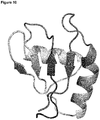
- Protein samples showed purity of ⁇ 95% and were concentrated to 8 mg/mL with a 3K concentrator. Crystallization trials were performed with hanging drop method. Trials with protein alone was performed at 20°C with 0.1 M NaAc pH 4.5; 26% PEG 8000; 0.2 M Lithium sulphate. After 7-10 days small crystals appeared ( Figure 10 ).
Landscapes
- Health & Medical Sciences (AREA)
- Chemical & Material Sciences (AREA)
- Medicinal Chemistry (AREA)
- Pharmacology & Pharmacy (AREA)
- Life Sciences & Earth Sciences (AREA)
- Animal Behavior & Ethology (AREA)
- General Health & Medical Sciences (AREA)
- Public Health (AREA)
- Veterinary Medicine (AREA)
- Epidemiology (AREA)
- Psychology (AREA)
- Engineering & Computer Science (AREA)
- Bioinformatics & Cheminformatics (AREA)
- Biomedical Technology (AREA)
- Neurology (AREA)
- Neurosurgery (AREA)
- Chemical Kinetics & Catalysis (AREA)
- General Chemical & Material Sciences (AREA)
- Nuclear Medicine, Radiotherapy & Molecular Imaging (AREA)
- Organic Chemistry (AREA)
- Pain & Pain Management (AREA)
- Pharmaceuticals Containing Other Organic And Inorganic Compounds (AREA)
- Medicines That Contain Protein Lipid Enzymes And Other Medicines (AREA)
Abstract
Description
- The present invention relates to inhibitors of the enzyme TRMT2A and medical uses thereof. More particularly, the present invention relates to TRMT2A inhibitors for use in the treatment and/or the prevention of polyglutamine diseases.
- Polyglutamine (polyQ) diseases like Huntington's disease (HD) and several spinocerebellar ataxias (SCAs) represent a heterogenic group of neurodegenerative disorders (Fan, Ho et al. 2014). Apart of the dominant inheritance, polyQ diseases have only one commonality, an expanded stretch of CAG repeats within the coding region of the disease-linked gene. This CAG repeat translates into an undisrupted polyQ stretch of various length in the respective disease-causing protein (Landles and Bates 2004).
- The polyQ stretch itself is causative for the disease and there is a direct correlation between the length of the undisrupted polyQ stretch, age of onset and disease severity. The longer the polyQ stretch, the earlier the disease onset and the more severe is the disease progression. This feature allows a very accurate prediction of disease-onset, progression and death already in newborn affected individuals. In the disease situation, the polyQ harboring protein is usually cleaved, leaving the polyQ stretch intact. PolyQ peptides are aggregation prone and assemble via an oligomeric state into fibrils. Finally, accumulated polyQ peptides then form cytoplasmic and nuclear aggregates, the hallmark of polyQ diseases. Some of these aggregated polyQ structures (most likely oligomers and fibrils) are believed to contribute to the neuronal decline in disease situation.
- Until now, most of the polyQ diseases are incurable and current treatment options merely aim at mitigating disease-associated symptoms, such as movement and emotional problems. To date, FDA approved therapeutics are only available to treat symptoms of patients with Huntington's disease. At present, there are several ongoing clinical trials, with the majority focusing on patients already suffering from HD. The approaches range from mindfulness-based cognitive therapy, physical activity coaching intervention to dietary supplementation (Brogueira Rodrigues and Wild 2018). In particular promising results from the first-in-human phase 1b/2a trial of IONIS-HTTRx, the antisense oligonucledotide designed to lower HTT in a dose-dependent manner, received recognition beyond the medical community (NCT02519036) (Labbadia and Morimoto 2013) (Colpo, Stimming et al. 2017) (Takeuchi and Nagai 2017) (Southwell, Skotte et al. 2012).
- An apparent drawback of this therapeutic strategy is the requirement of administration via repeated lumbar punctures, which could result in lower patient compliance. Furthermore, it is presently only investigated for HD patients.
- Although each polyQ disease (e.g. Huntington's disease or Machado-Joseph disease) itself has a low incidence, in sum the group of polyQ diseases represents the third most common class of neurodegenerative disorders, ranging after Alzheimer's and Parkinson's disease (not taking the auto-immune disorder Multiple sclerosis into account).
- Thus, there is a need in the art for improved, at best neuroprotective, treatment options of polyQ diseases in order to suppress or delay the occurrence of disease associated symptoms, prolong the asymptomatic period and slow down disease progression.
- The present invention provides an inhibitor of the enzyme TRMT2A. Also provided is an inhibitor of the enzyme TRMT2A for use in therapy. In one embodiment, the inhibitor of the enzyme TRMT2A is for use in treating and/or preventing a polyglutamine disease in a subject. The polyglutamine disease may be Huntington's disease, a spinocerebellar ataxia, dentatorubral pallidoluysian atrophy or spinal and bulbar muscular atrophy. In a preferred embodiment, the polyglutamine disease is Huntington's disease.
- Also provided is a pharmaceutical composition comprising a TRMT2A inhibitor and a pharmaceutically acceptable excipient. The composition may comprise one or more additional therapeutically active agents. The present invention also relates to a method for inhibiting TRMT2A, wherein the method comprises contacting a cell in vitro with an inhibitor of TRMT2A.
-
- Figure 1:
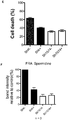
- Cell Death Assay: HEK293T cells transfected with PolyQ103 (huntingtin (HTT) harbouring a polyQ expansion of 103 glutamines fused to GFP was cloned into the pRC/CMV vector (Invitrogen)) were treated with different TRMT2A inhibitors and the amount of dead cells was assessed after 48 hours post transfection; ShK = cells with stable expression of a scrambled hair pin (control); Sh1574 = cells with stable expression of a TRMT2A-specific hair pin (TRMT2A-silenced cells); shown are mean values for n = 9 biological replicates, with 4 technical replicates each. Biological replicates were specified as independent wells.
Dot Blot Assay: HEK293T cells transfected with PolyQ103 (see above) were treated with different TRMT2A inhibitors and the amount of PolyQ aggregates was assessed.- 1A: Dot blot analysis of inhibitors 1-5 (for inhibitor structures see table 1).
- 1B: Dot blot analysis of inhibitors 6-10 (for inhibitor structures see table 1).
- 1C: Dot blot analysis of inhibitors 11-15 (for inhibitor structures see table 1).
- 1D: Cell death assay of inhibitor 15 (
spermidine 100 µM); manual cell count. - 1E: Cell death assay of inhibitor 15 (
spermidine 100 µM); automatic cell count. - 1F: Filter Retardation Assay
- Figure 2:
-
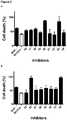
- 2A: Cell death assay of inhibitors 16-24 (for inhibitor structures see table 1)
- 2B: Cell death assay of inhibitors 25-32 (for inhibitor structures see table 1)
- Figure 3:
-
- 3A: Dot blot analysis of
inhibitor 16 - 3B: Quantification of 3A
- 3A: Dot blot analysis of
- Figure 4:
-
- 4A: Dot blot analysis of
inhibitor 17 - 4B: Quantification of 4A
- 4A: Dot blot analysis of
- Figure 5:
-
- 5A: Dot blot analysis of
inhibitor 19 - 5B: Quantification of 5A
- 5A: Dot blot analysis of
- Figure 6:
-
- 6A: Dot blot analysis of
inhibitor 21 - 6B: Quantification of 6A
- 6A: Dot blot analysis of
- Figure 7:
-
- 7A: Dot blot analysis of
inhibitor 22 - 7B: Quantification of 7A
- 7A: Dot blot analysis of
- Figure 8:
-
- 8A: Dot blot analysis of
inhibitor 24 - 8B: Quantification of 8A
- 8A: Dot blot analysis of
- Figure 9:
-
- 9A: Dot blot analysis of
inhibitor 25 - 9B: Quantification of 9A
- 9A: Dot blot analysis of
- Figure 10:
- Cartoon drawing of the RNA-binding domain (aa 69-147) of TRMT2A solved at 2.02 Å resolution.
- To gain more insight in the molecular mechanisms involved in the neuronal decline upon polyQ expression, the inventors of the present invention performed an unbiased, large-scale screen in Drosophila. This screen was set to identify genes that when silenced by RNAi modify polyQ-induced toxicity. In this screen, it was found that silencing of CG3808, coding the fly ortholog of human TRMT2A strongly suppressed polyQ-induced toxicity and aggregation, the key pathological findings of polyQ diseases. TRMT2A is a tRNA (uracil-5-) -methyltransferase converting uridine to 5-methyl uridine at position 54 of tRNAs. Methylation of tRNAs at position 54 presumably enhances correct binding of respective amino acid/aminoacyl-tRNA-synthetase. The effects caused by silencing TRMT2A were verified in yeast (Saccharomyces cerevisiae) (Nordlund, Johansson et al. 2000), human cell line (Human embryonic kidney, HEK cells) and fibroblasts derived from Huntington's disease patients indicating that the protective effect of TRMT2A silencing on polyQ-induced toxicity and aggregation is conserved between various species (Zoghbi and Orr 2000).
- Of note, in none of these organisms/cells TRMT2A-silencing had an effect on viability and even homozygous TRMT2A knockout mice did not display any obvious pathological phenotype at 1 year of age. In all analyzed organisms/cells, the absence of TRMT2A reduced polyQ aggregation and toxicity. The absence of TRMT2A, however, did not impair vital functions in all organisms/cells analyzed.
- Presumably, a lack of TRMT2A enzymatic function causes an error prone translation, finally causing the insertion of a non-glutamine amino acid in the otherwise undisrupted polyQ stretch. Such a modification is known to ameliorate polyQ-induced toxicity. Inhibition of TRMT2A's methyl-transferase activity was identified as a key point for potential therapy of polyQ diseases.
- The inventors further identified numerous inhibitors of TRMT2A based on in silico modeling. These inhibitors have been tested in HEK293T cells with regard to polyQ-induced toxicity and polyQ aggregation. In these assays, several inhibitors have been shown to reduce polyQ-aggregation and toxicity. In support of these efforts, a crystal structure of the TRMT2A RNA-binding domain has been solved at 2.02 Å resolution.
- Accordingly, the TRMT2A inhibitors disclosed herein offer a treatment approach for neurodegenerative diseases, such as polyQ diseases, allowing treatment and/or prevention of these diseases.
- Unless defined otherwise, all technical and scientific terms used herein have the same meaning as commonly understood by one of ordinary skill in the art (e.g., in cell culture, molecular genetics, nucleic acid chemistry, hybridization techniques and biochemistry).
- The term "polyglutamine disease" or "polyQ disease" relates to a group of neurodegenerative disorders caused by an expanded stretch of CAG repeats within the coding region of a disease-linked gene. This CAG repeat translates into an undisrupted polyQ stretch of various length in the respective disease-causing protein. Examples for polyQ diseases are Huntington's disease,
spinocerebellar ataxia 1, 2, 3 (also termed Kennedy's disease), 6, 7 and 17, dentatorubral pallidoluysian atrophy (DRPLA) and spinal and bulbar muscular atrophy (SBMA). For the most common variant of polyQ diseases, Huntington's disease, a prevalence of 2.71:100,000 world-wide has been assessed in 2012 (Pringsheim, Wiltshire et al. 2012). - The term "Huntington's disease" refers to a hereditary, progressive neurodegenerative disorder characterized by abnormal involuntary movements, behavioral disturbance, cognitive dysfunction, and psychiatric disease (Bates 2005). The disease is caused by a CAG trinucleotide repeat expansion in
exon 1 of the huntingtin (HTT) gene giving rise to an elongated polyQ tract at the amino terminus of the translated huntingtin (HTT) protein (Colpo, Stimming et al. 2017). The mechanisms of cell toxicity of the mutant HTT possibly involve multiple pathways such as abnormal protein aggregation, mitochondrial dysfunction and excitotoxiticy, among others. Current treatment options are limited to suppressing chorea (the involuntary, irregular movements of the arms and legs) that accompanies the disease and mood altering aspect (Labbadia and Morimoto 2013). - "TRMT2A" relates to tRNA methyltransferase 2 homolog A. Eponymous for these proteins is Saccharomyces cerevisiae TRM2. TRM2 converts uridine to 5-methyl uridine (m5U) at position 54 (Sharma, Yang et al. 2013) (Nordlund, Johansson et al. 2000). Although methylation of a tRNA varies from species to species for different amino acid acceptors (Rodríguez-Hernández, Bhaskaran et al. 2010), the methylation of m5U at position 54 is conserved and found from yeast to man. There are two scTRM2 homologs in human, termed as hTRMT2A and hTRMT2B (Towns and Begley 2012) (Dunin-Horkawicz, Czerwoniec et al. 2006) with hTRMT2A being the real TRM2 ortholog. Yeast deficient for the TRM2 lack the U54 methyl group in their tRNAs, but consistent with data from flies and mice, do not show any obvious pathological phenotypes (Nordlund, Johansson et al. 2000). The function of aminoacyl-tRNA-synthetases (aaRSs) consists of loading tRNAs with their cognate specific amino acid (Guo and Schimmel 2013). Originally, it has been assumed that for each amino acid one aminoacyl-tRNA-synthetase exisits, that catalyzes a two-step reaction of charging the tRNA with its specific amino acid (Beebe, Mock et al. 2008). Thus, it was assumed that a complete set of twenty aminoacyl-tRNA-synthetases (aaRSs) is required for survival. However, later analyses revealed that some bacteria, chloroplast and mitochondria lack certain aaRS proteins (Schön, Kannangara et al. 1988) (Sheppard, Yuan et al. 2008).
- These organisms/organelles do not discriminate between glutamine (Gln) and glutamate (Glu). Instead, they use the so-called transamidation pathway where the tRNAGln is loaded with Glu. This mischarge is later compensated by two consecutive enzymatic reactions catalyzing the exchange of Glu-tRNAGln to Gln-tRNAGln (Ibba, Curnow et al. 1997) (Horiuchi, Harpel et al. 2001) (Schön and Söll 1988). Thus, in the context of evolution, the discrimination between Glu and Gln seems to be relatively new.
- In a TRMT2A deficient background, it is expected that especially the translation of the long and undisrupted glutamine stretch in polyQ peptides is error prone. Presence of a non-glutamine amino acid in an otherwise undisrupted polyQ stretch is known to diminish its toxicity (Menon, Nethisinghe et al. 2013).
- The term "TRMT2A inhibitor" or "inhibitor of TRMT2A" relates to a compound which inhibits the methyl-transferase activity of the enzyme TRMT2A partially or completely. Hence, a TRMT2A inhibitor partially or completely blocks TRMT2A-mediated tRNA methylation. For example, a TRMT2A inhibitor inhibits methyl-transferase activity of the enzyme TRMT2A by at least 20%. A TRMT2A inhibitor may inhibit methyl-transferase activity of the enzyme TRMT2A by at least30 %. A TRMT2A inhibitor may inhibit methyl-transferase activity of the enzyme TRMT2A by at least 40%. A TRMT2A inhibitor may inhibit methyl-transferase activity of the enzyme TRMT2A by at least 50%. A TRMT2A inhibitor may inhibit methyl-transferase activity of the enzyme TRMT2A by at least 60%. A TRMT2A inhibitor may inhibit methyl-transferase activity of the enzyme TRMT2A by at least 70%. In a preferred embodiment, a TRMT2A inhibitor inhibits methyl-transferase activity of the enzyme TRMT2A by at least 30%. Inhibition of TRMT2A activity may be measured directly by measuring uridine to 5-methyl uridine conversion. The amount of 5-methyl uridine can be measured in the supernatant of a cell culture or in a cell-free enzymatic assay. Alternatively, TRMT2A inhibition may be measured indirectly by measuring the decrease in polyQ aggregation in cells.
- In one aspect, the present invention provides inhibitors of the enzyme TRMT2A. In another aspect, the present invention relates to inhibitors of the enzyme TRMT2A for use in therapy.
- In one embodiment, the TRMT2A inhibitors of the present invention are for use in the treatment of a neurodegenerative disease in a subject. In one embodiment, the TRMT2A inhibitors of the present invention are for use in the prevention of a neurodegenerative disease in a subject.
- In a further embodiment, the TRMT2A inhibitors of the present invention are for use in the treatment of a polyQ disease in a subject. In a further embodiment, the TRMT2A inhibitors of the present invention are for use in the prevention of a polyQ disease in a subject.
- Also provided is a method for treating a polyQ disease, wherein the method comprises administering a therapeutically effective amount of a TRMT2A inhibitor to a patient in need thereof.
- PolyQ diseases include Huntington's disease, spinocerebellar ataxias, dentatorubral pallidoluysian atrophy or spinal and bulbar muscular atrophy. In one embodiment, the polyQ disease is Huntington's disease.
- PolyQ diseases can be diagnosed before the subject shows any symptoms of the disease (prodromal stage). According to their dominant inheritance, p olyQ diseases usually appear in individuals with a familiar background of the respective disease. De novo appearance is low (<10% in case of HD). PolyQ diseases are commonly diagnosed by genetic testing. The inhibitors of the present invention may be administered to subjects carrying the disease-linked mutant allele at prodromal stage as well as to symptomatic patients in disease stage. In one embodiment, the subject is a human patient.
- Advantageously, the inhibitors of the present invention may already be administered to a subject known to carry the disease-linked mutant allele in prodromal stages (in which the subject does not yet have any symptoms) thereby enabling pre-symptomatic, neuroprotective treatment. Administration of a TRMT2A inhibitor to a subject in prodromal disease stage may delay onset of the polyQ disease symptoms. Accordingly, administration of a TRMT2A inhibitor to a subject at a pre-symptomatic disease stage may stop or delay the onset of the polyQ disease. Administration of a TRMT2A inhibitor to a subject at a pre-symptomatic disease stage may prolong the asymptomatic period of the polyQ disease. As symptoms in polyQ diseases are a direct result of neurodegeneration/neuronal dysfunction, administration of a TRMT2A inhibitor to a subject at a pre-symptomatic disease stage may delay or prevent neuronal decline in the subject suffering from a polyglutamine disease. Administration of a TRMT2A inhibitor to a subject at a pre-symptomatic disease stage may delay or suppress the occurrence of polyglutamine disease associated symptoms. Administration of a TRMT2A inhibitor to a subject at a pre-symptomatic disease stage may delay or prevent neuronal decline in the subject suffering from a polyglutamine disease.
- The inhibitors of the present invention may also be administered to a subject having a polyglutamine disease in order to mitigate or suppress the symptoms of the polyQ disease at a symptomatic disease stage. Administration of a TRMT2A inhibitor to a subject at a symptomatic disease stage may prolong the time between polyglutamine disease onset and death. Administration of a TRMT2A inhibitor to a subject at a symptomatic disease stage may stop polyglutamine disease progression. Administration of a TRMT2A inhibitor to a subject at a symptomatic disease stage may reverse disease progression. Administration of a TRMT2A inhibitor to a subject at a symptomatic disease stage may reduce the severity of symptoms of a polyglutamine disease.
- In other embodiments, the inhibitors of the present invention are administered in combination with one or more further therapeutic agents, such as Tetrabenazine or its derivatives.
- In one embodiment, the TRMT2A inhibitor has formula (I):

- L is C or N;
- R1 is OH or [(2-{[(benzyloxy)carbonyl] amino}ethoxy) carbonyl]amino; R2 is H or benzyl; and
- R3 is H or CO2.
- In one embodiment, the inhibitor has the following formula:

- In one embodiment, the inhibitor has the following formula:

- In one embodiment, the inhibitor has the following formula:

- In one embodiment, the inhibitor has the following formula:

- In one embodiment, the inhibitor has the following formula:

- In one embodiment, the inhibitor has the following formula:

- In one embodiment, the inhibitor has the following formula:

- In one embodiment, the inhibitor has the following formula:

- In one embodiment, the inhibitor has the following formula:

- In one embodiment, the inhibitor has the following formula:

- In one embodiment, the inhibitor has the following formula:

- In one embodiment, the inhibitor has the following formula:

- In one embodiment, the inhibitor has the following formula:

- In one embodiment, the inhibitor has the following formula:

- In one embodiment, the inhibitor has the following formula:

- In one embodiment, the inhibitor has the following formula:

- In one embodiment, the TRMT2A inhibitor of the invention has formula (II):

- R1 is H, CH3, NH2, SCH3, ethylsulfanyl or (3-aminopropyl)amino; and
- R2 is amino(carboxy)methyl or CH2CHNH2R3, wherein R3 is H or COOH.
- In one embodiment, the inhibitor has the following formula:

- In one embodiment, the inhibitor has the following formula:

- In one embodiment, the inhibitor has the following formula:

- In one embodiment, the inhibitor has the following formula:

- In one embodiment, the inhibitor has the following formula:

- In one embodiment, the inhibitor has the following formula:

- In one embodiment, the inhibitor has the following formula:

- In one embodiment, the inhibitor has the following formula:

- In one embodiment, the inhibitor has the following formula:

- In one embodiment, the inhibitor has the following formula:

- In one embodiment, the inhibitor has the following formula:

- In one embodiment, the inhibitor has the following formula:

- In one embodiment, the inhibitor has the following formula:

- In one embodiment, the inhibitor has the following formula:

- In one embodiment, the inhibitor has the following formula:

- In one embodiment, the inhibitor has the following formula:

- In one embodiment, the inhibitor has the following formula:

- In one embodiment, the TRMT2A inhibitor of the invention has formula (III):
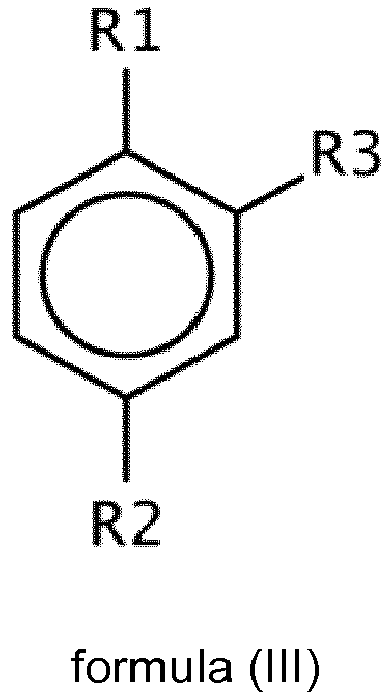
R1 is selected from the group consisting of piperidine-1-carbonyl,

R3 is selected from the group consisting of hydrogen, and Cl. - In one embodiment, the inhibitor has the following formula:

- In one embodiment, the inhibitor has the following formula:

- In one embodiment, the inhibitor has the following formula:

- In one embodiment, the inhibitor has the following formula:

- In one embodiment, the inhibitor has the following formula:

- In one embodiment, the inhibitor has the following formula:

- In one embodiment, the inhibitor has the following formula:

- In one embodiment, the inhibitor has the following formula:

- In one embodiment, the inhibitor has the following formula:

- In one embodiment, the inhibitor has the following formula:

- In one embodiment, the inhibitor has the following formula:

- In one embodiment, the inhibitor has the following formula:
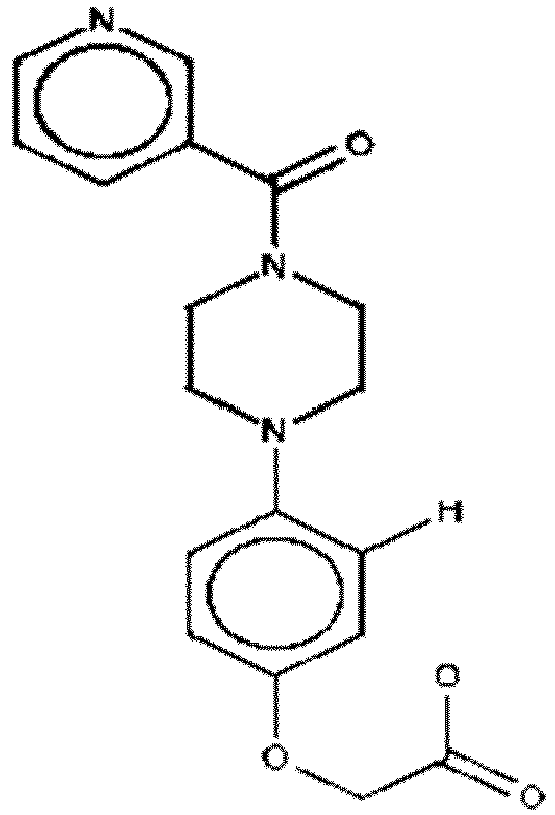
- In one embodiment, the inhibitor has the following formula:

- In one embodiment, the inhibitor has the following formula:

- In one embodiment, the inhibitor has the following formula:

- In one embodiment, the inhibitor has the following formula:

- In one embodiment, the inhibitor has the following formula:
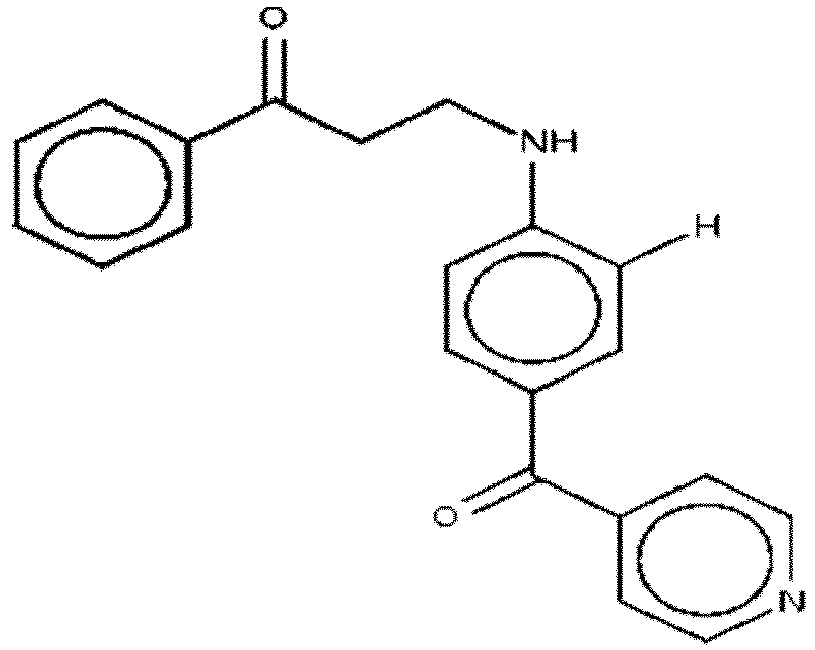
- In one embodiment, the inhibitor has the following formula:

- In one embodiment, the inhibitor has the following formula:

- In one embodiment, the inhibitor has the following formula:

- In one embodiment, the inhibitor has the following formula:

- In one embodiment, the inhibitor has the following formula:

- In one embodiment, the inhibitor has the following formula:

- In one embodiment, the inhibitor has the following formula:

- In one embodiment, the inhibitor has the following formula:

- In one embodiment, the inhibitor has the following formula:

- In one embodiment, the inhibitor has the following formula:

- In one embodiment, the inhibitor has the following formula:

- In one embodiment, the inhibitor has the following formula:

- In one embodiment, the inhibitor has the following formula:

- In one embodiment, the inhibitor has the following formula:

- In one embodiment, the inhibitor has the following formula:

- In one embodiment, the inhibitor has the following formula:

- In one embodiment, the inhibitor has the following formula:

- In one embodiment, the inhibitor has the following formula:

- In one embodiment, the inhibitor has the following formula:

- In one embodiment, the inhibitor has the following formula:

- In one embodiment, the inhibitor has the following formula:
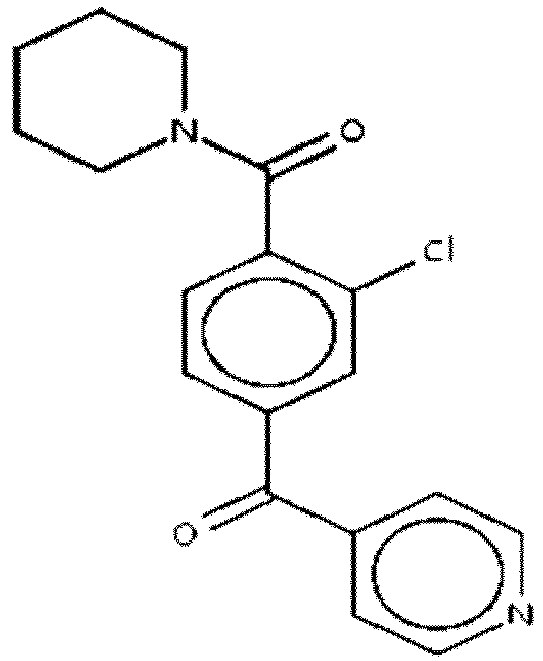
- In one embodiment, the inhibitor has the following formula:

- In one embodiment, the inhibitor has the following formula:

- In one embodiment, the inhibitor has the following formula:

- In one embodiment, the inhibitor has the following formula:

- In one embodiment, the inhibitor has the following formula:

- In one embodiment, the inhibitor has the following formula:

- In one embodiment, the inhibitor has the following formula:

- In one embodiment, the inhibitor has the following formula:

- In one embodiment, the inhibitor has the following formula:

- In one embodiment, the inhibitor has the following formula:

- In one embodiment, the TRMT2A inhibitor of the invention has formula (IV):

R1 is H or 2-amino-2-carboxyethyl. - In one embodiment, the inhibitor has the following formula:

- In one embodiment, the inhibitor has the following formula:

- In one embodiment, the TRMT2A inhibitor of the invention has formula (V):

- L is C or N;
- R1 is (2E)-4-ethoxy-4-oxobut-2-en-2-yl or 3-(1H-pyrrol-1-yl)propanoyl; and
- R2 is H or pyrimidin-2-yl.
- In one embodiment, the inhibitor has the following formula:

- In one embodiment, the inhibitor has the following formula:

- In one embodiment, the inhibitor has the following formula:

- In one embodiment, the inhibitor has the following formula:

- In one embodiment, the inhibitor has the following formula:

- In one embodiment, the inhibitor has the following formula:

- In one embodiment, the inhibitor has the following formula:

- In one embodiment, the inhibitor has the following formula:

- In one embodiment, the inhibitor has the following formula:

- In one embodiment, the inhibitor has the following formula:

- In one embodiment, the inhibitor has the following formula:

- In one embodiment, the inhibitor has the following formula:

- In one embodiment, the inhibitor has the following formula:

- In one embodiment, the inhibitor has the following formula:

- In one embodiment, the inhibitor has the following formula:

- In one embodiment, the inhibitor has the following formula:

- In one embodiment, the inhibitor has the following formula:

- In one embodiment, the inhibitor has the following formula:
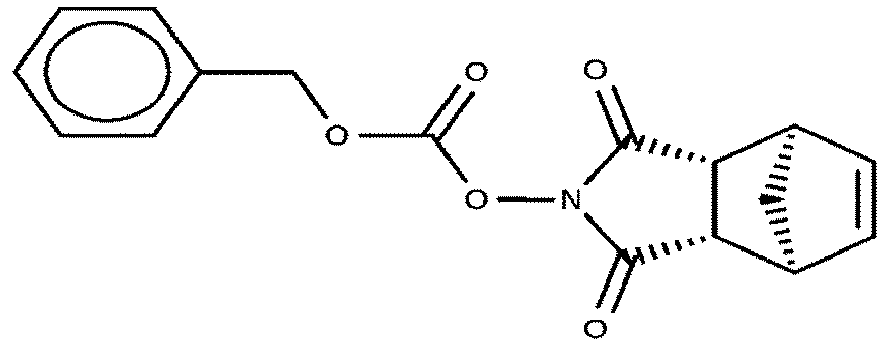
- In one embodiment, the inhibitor has the following formula:

- In one embodiment, the inhibitor has the following formula:

- In a particularly preferred embodiment, the inhibitor has the formula ((2R)-4-acetyl-2-[(benzylsulfanyl)methyl]-5-oxo-1,2-dihydropyrrol-3-olate). (Inhibitor 19)
- In another particularly preferred embodiment, the inhibitor has the formula (4-aminobutyl)(3-aminopropyl)amine (spermidine). (Inhibitor 15)
- In another particularly preferred embodiment, the inhibitor has the formula ethyl N-(benzyloxy)carbamate. (Inhibitor 25)
- In another preferred embodiment, the inhibitor has the formula ethyl (2E)-3-(piperidin-1-yl)but-2-enoate. (Inhibitor 3)
- In another preferred embodiment, the inhibitor has the formula 4-methyl-1'-[4-(trifluoromethyl)benzenesulfonyl]-1,4'-bipiperidine. (Inhibitor 5)
- In another preferred embodiment, the inhibitor has the formula (2S)-2-aminohexanoic acid. (Inhibitor 7)
- In another preferred embodiment, the inhibitor has the formula (4-carboxyphenyl)(chloro)mercury. (Inhibitor 8)
- In another preferred embodiment, the inhibitor has the formula 2-amino-4-(ethylsulfanyl)butanoic acid. (Inhibitor 13)
- In another preferred embodiment, the inhibitor has the formula 1-phenyl-4-(pyridine-3-carbonyl)piperazine. (Inhibitor 16)
- In another preferred embodiment, the inhibitor has the formula (2R)-2-[(2E)-3-phenylprop-2-en-1-yl]butanedioate. (Inhibitor 17)
- In another preferred embodiment, the inhibitor has the formula 2-{4-[5-bromo-2-(carboxymethoxy)benzoyl]phenoxy}acetate. (Inhibitor 21)
- In another preferred embodiment, the inhibitor has the formula benzyl (1R,2R,6S,7S)-3,5-dioxo-4-azatricyclo[5.2.1.0^{2,6}]dec-8-en-4-yl carbonate. (Inhibitor 22)
- In another preferred embodiment, the inhibitor has the formula {4-oxo-2H,4H,5H-pyrazolo[3,4-d]pyrimidin-2-yl}methyl 2,2-dimethylpropanoate. (Inhibitor 24)
Table 1: Nº IUPAC Name 1 2-(piperidine-1-carbothioylsulfanyl)ethyl benzoate 2 (2Z,3S)-2-[(3,4,5-trimethoxyphenyl)methylidene]-1-azabicyclo[2.2.2]octan-3-ol 3 ethyl (2E)-3-(piperidin-1-yl)but-2-enoate 4 4-chloro-N-[(4-methyl-5-{[2-(piperidin-1-yl)ethyl]sulfanyl}-4H-1,2,4-triazol-3-yl)methyl]aniline 5 4-methyl-1'-[4-(trifluoromethyl)benzenesulfonyl]-1,4'-bipiperidine 6 N-[3-chloro-2-(piperidin-1-yl)phenyl]-2-[(5-methyl-1,3,4-oxadiazol-2-yl)sulfanyl]acetamide 7 (2S)-2-aminohexanoic acid 8 (4-carboxyphenyl)(chloro)mercury 9 1-[(1R,2S,3aS,3bR,5aS,7S,8S,9aS,9bS,11aS)-1,7-bis(acetyloxy)-9a,11a-dimethyl-2-(1-methylpiperidin-1-ium-1-yl)-hexadecahydro-1H-cyclopenta[a]phenanthren-8-yl]-1-methylpiperidin-1-ium 10 (2R,3R,4S,5S)-2-(6-amino-9H-purin-9-yl)-5-[(methylsulfanyl)methyl]oxolane-3,4-diol 11 (2S)-2-amino-4-({[(2S,3S,4R,5R)-5-(6-amino-9H-purin-9-yl)-3,4-dihydroxyoxolan-2-yl]methyl}sulfanyl)butanoic acid 12 (2R)-2-amino-4-(methylsulfanyl)butanoic acid 13 2-amino-4-(ethylsulfanyl)butanoic acid 14 butane-1,4-diamine 15 (4-aminobutyl)(3-aminopropyl)amine 16 1-phenyl-4-(pyridine-3-carbonyl)piperazine 17 (2R)-2-[(2E)-3-phenylprop-2-en-1-yl]butanedioate 18 6-benzyl-4-hydroxyquinoline-2-carboxylate 19 ((2R)-4-acetyl-2-[(benzylsulfanyl)methyl]-5-oxo-1,2-dihydropyrrol-3-olate) 20 [4,6-bis(methoxycarbonyl)-5-(pyridine-2-carbonyl)pyrimidin-2-yl]sulfanide 21 2{4-[5-bromo-2-(carboxymethoxy)benzoyl]phenoxy}acetate 22 benzyl (1R,2R,6S,7S)-3,5-dioxo-4-azatricyclo[5.2.1.0^{2,6}]dec-8-en-4-yl carbonate 23 benzyl N-(2-{[(naphthalen-1-yl)carbamoyl]oxy}ethyl)carbamate 24 {4-oxo-2H,4H,5H-pyrazolo[3,4-d]pyrimidin-2-yl}methyl 2,2-dimethylpropanoate 25 ethyl N-(benzyloxy)carbamate 26 N-[(3-chlorophenyl)methyl]-4-hydroxy-2-(pyridin-2-yl)pyrimidine-5-carboxamide 27 5-{[(3-ethyl-4-methyl-1H-pyrazol-5-yl)formamido]methyl}furan-2-carboxylic acid 28 1-[4-(pyrimidin-2-yl)piperazin-1-yl]-3-(1H-pyrrol-1-yl)propan-1-one 29 1-phenyl-3-{[4-(pyridine-4-carbonyl)phenyl]amino}propan-1-one 30 N-{[2-(2,6-dimethylphenoxy)pyridin-3-yl]methyl}-5-oxo-2,5-dihydro-1H-pyrazole-3-carboxamide 31 5-({[3-chloro-4-(piperidine-1-carbonyl)phenyl]amino}methyl)-2,3-dihydro-1H-1,2,4-triazol-3-one 32 N-benzyl-2-(4-chlorophenoxy)ethanimidamide - In another aspect, the present invention relates to pharmaceutical compositions comprising a TRMT2A inhibitor. In one embodiment, the pharmaceutical composition comprises a TRMT2A inhibitor and one or more pharmaceutically acceptable excipients. In another embodiment, the pharmaceutical composition comprises a TRMT2A inhibitor in combination with another therapeutically active agent. For example, the TRMT2A inhibitors provided herein may be combined with Tetrabenazine or its derivatives.
- In one embodiment, the pharmaceutical composition is for use in the treatment and/or prevention of a polyglutamine disease. In a preferred embodiment, the pharmaceutical composition is for use in the treatment and/or prevention of Huntington's disease.
- The provided compositions may be administered by any route of administration. For example, administration may occur via oral administration or via parenteral administration. Specific embodiments relate to intravenous administration, subcutaneous administration, inhalation and topical administration. Suitable formulations include for example tablets, capsules, solutions or any other suitable dosage form. The TRMT2A inhibitors may also be formulated in drug delivery systems that cross the blood-brain barrier.
- Also provided is a food product comprising one or more of the TRMT2A inhibitors provided herein. Several of the TRMT2A inhibitors described herein are micro-nutrients which occur in certain food products . The invention provides a food product, wherein the TRMT2A inhibitor is enriched. Accordingly, these food products enable a dietary intake of therapeutic levels of TRMT2A inhibitors.
- Further provided is a method for inhibiting TRMT2A, wherein the method comprises contacting a cell in vitro with an inhibitor of TRMT2A.
- In one embodiment, the cell is contacted with TRMT2A at a concentration of 1-1000 µM. In a further embodiment, the cell is contacted with TRMT2A at a concentration of 10-500 µM. In a further embodiment, the cell is contacted with TRMT2A at a concentration of 50-200 µM. In a further embodiment, the cell is contacted with TRMT2A at a concentration of 100 µM.
- In one embodiment, the cell expresses polyglutamine containing polypeptides. Overexpression of polyglutamine may result in polyglutamine aggregation.
- In one embodiment, contacting the cell with a TRMT2A inhibitor results in reduction or full inhibition of polyglutamine aggregation in comparison to untreated control cells. In one embodiment, polyglutamine aggregation is decreased by at least 10%. In a further embodiment, polyglutamine aggregation is decreased by at least 20%. In a further embodiment, polyglutamine aggregation is decreased by at least 30%. In a further embodiment, polyglutamine aggregation is decreased by at least 40%. In a further embodiment, polyglutamine aggregation is decreased by at least 50%. In a further embodiment, polyglutamine aggregation is decreased by at least 60%. In a further embodiment, polyglutamine aggregation is decreased by at least 70%.
- In one embodiment, contacting the cell with a TRMT2A inhibitor results increased cell viability in comparison to untreated control cells. In one embodiment, cell viability is increased by at least 10%. In a further embodiment, cell viability is increased by at least 20%. In a further embodiment, cell viability is increased by at least 30%. In a further embodiment, cell viability is increased by at least 40%. In a further embodiment, cell viability is increased by at least 50%. In a further embodiment, cell viability is increased by at least 60%. In a further embodiment, cell viability is increased by at least 70%.
- The invention is illustrated in the following examples.
- 5000 HEK293T cells per cm2 were seeded and transiently transfected with various constructs to achieve polyQ expression (polyQ103:GFP) 24 hours after plating. Four hours after post transfection, inhibitors were added to the cell culture medium (final concentrations: 100 µM). Most of the inhibitors were dissolved in either H2O or DMSO. As a positive control, HEK293T cells with stable RNAi-mediated knockdown of TRMT2A were used. These cells were infected with Lentiviral plasmid vector (pLKO.1-puro, human phosphoglycerate promoter) expressing a TRMT2A-specific inverted repeat to facilitate RNAi-mediated gene silencing. Commercially available transduction particles were purchased from Sigma-Aldrich (MISSION® shRNA Lentviral Transduction Particles; NM_182984.2-856s1c1 and NM_182984.2-1574s1c1; SHC002V as scrambled shRNA control, shK respectively). Puromycin-resistant colonies were selected (stable integration) and decrease of TRMT2A protein abundance was determined by Western Blot analysis. A cell line with stable integration of NM_182984.2-1574s1c1 (short sh1574) displayed the strongest reduction of TRMT2A (>90%) was selected and used for further experiments.
- HEK293T cells were grown in Dulbecco's modified Eagle's medium (DMEM) supplemented with 10% (v/v) FBS and 1% (v/v) penicillin/streptomycin (PIS). For transfection, cells were seeded one day before the experiment at a density of 30 x 104 cells per well in a 6-well-plate. The transfection mix (in relation to the total volume of cell culture medium per well) contains 1% CaCl2 (1M), 4% ddH2O, 5% 2 x HBSS; 0,075% (v/w) DNA. The mix was incubated for 5 minutes and added onto the cells. Four hours later the cells were treated with potential TRMT2A inhibitors (concentrations: 100 µM). 48 hours post transfection (44 hours after inhibitor administration), the cells were treated with trypsin and detached from the dishes and transferred into 1 ml of fresh DMEM-Medium.
- A 1:1 dilution of cells in trypan blue (0.02%) was analyzed using the automated Cedex cell counter.
- For verification of observed differences in cell death, the effect of few selected inhibitors was analyzed by a manual quantification of cell death. Here, a 1:100 dilution of trypsinated cells in trypan blue was analyzed in the Haematocytometer (Neubauer chamber). GFP positive cells were counted and the relative number of additionally blue cells (dead cells) was determined. Here, cell death in three biological replicates were assayed. 100 GFP-positive cells were analyzed per condition.
- Compared were shK cells with overexpression of polyQ in presence or absence of tested inhibitors. The percentage of dead cells after 48 hours was decreased upon treatment with different TRMT2A inhibitors (
Figure 1 andFigure 2 ). Sh1574 cells served as internal control. Since these cells do not have significant amounts of the TRMT2A protein, a specific TRMT2A inhibitor should not display any additional protective effects towards polyQ-induced toxicity. - PolyQ-induced cell death is tightly linked to the expression levels of polyQ-peptides. Consequently, we performed Western blot analysis to detect soluble polyQ-abundance in presence or absence of inhibitor. In case the inhibitor would somehow influence polyQ expression, we would expect reduced levels of soluble polyQ-peptides. To rule out this possibility, abundance of soluble polyQ peptides derived from cells in presence or absence of a respective inhibitor was compared.
- For this kind of analysis, six-well plates were used to obtain enough material for subsequent analysis. In brief, cells were washed in PBS and then mechanically detached from the bottom of the plate in 100 µl RIPA buffer. Samples were centrifuged for 30 min at 13,300 rpm at 4°C and supernatants were collected (RIPA soluble fraction). The pellet (RIPA insoluble fraction) was used for Dot Blot analysis (see below, Dot Blot). Protein concentrations of the soluble fractions were measured using the Bio-Rad DC Protein Assay (according to the manufacturers instructions) and Tecan® multimode microplate reader.
- In brief: To determine the protein concentration of the RIPA soluble fraction, the Bradford protein assay (DC Protein assay, Bio-Rad) was used according to the manufacturer's instructions (mixture A' was generated by mixing 24.5 µl of solution A (alkaline copper tartrate solution for colorimetric assays) and 5 µl of solution S (surfactant solution for colorimetric assays).
- For Western blot analysis of the RIPA soluble fraction, 30 µg protein samples were diluted in loading buffer (5x Laemmli) and boiled (95 °C, 5 min) before loading onto a polyacrylamide gel (12%) and subsequent SDS-PAGE (run at 100 V for 90 min with running buffer). Resolved proteins were transferred onto nitrocellulose membrane (225 mA per gel for 60 min with transfer buffer using a semi dry blotter). The membranes were then blocked with skim milk (5% in TBS-T for 60 min) followed by incubation with the primary antibody at 4°C overnight (in 0.5% skim milk in TBS-T). The primary antibody (mouse anti-Polyglutamine; Milipore MAB1574 or mouse monoclonal anti-Huntingtin; DSHB MW1 or mouse monoclonal anti-GFP; Roche 11814460001; all 1:1000) was diluted in blocking solution and incubated under agitation overnight at 4°C. Membranes were washed three times for 10 minutes in TBS-T and incubated with the secondary antibody (ECL anti mouse IGG, hrp-linked from sheep; GE Healthcare, NXA931V; 1:3000) for at least one hour under agitation at room temperature or at 4°C overnight.
Subsequently, the membranes were washed three times in TBS-T for 10 minutes and the chemiluminescence signal was detected using the Super Signal® West Femto Maximum Sensitivity Substrate (Thermo Scientific) detection kit according to manufacturer's instructions. Chemiluminescence signals were visualized using the Alliance UVItec system (Biometra) and processed using Image J software. - All tested compounds did not cause a reduction in polyQ-abundance in the soluble fraction.
- The pellet (RIPA insoluble fraction) was washed twice in 100 µl RIPA-buffer, re-suspended in 100 µl Urea buffer, incubated for 60 minutes at 4°C under rotation and subsequently centrifuged at 4°C, 9,000 g for 30 min. The supernatant was applied for further analysis and the urea insoluble pellet was discarded. The urea soluble fraction were homogenized for 10 minutes in the ultrasonic bath (VWR, Germany).
The insoluble aggregates were relatively quantified via the filter retardation assay (FRA). RIPA insoluble pellet was dissolved in urea buffer (30 mM Tris Buffer, 7 M Urea, 2 M Thiourea, 4% CHAPS pH - 8.5; 10 µl/fly head) by sonication (incubation in Ultrasonic Cleaner bath, VWR) for 30 minutes followed by centrifugation > 15,000 x g for 30 minutes at 4°C. The supernatant was transferred to an Eppendorf tube and considered the (RIPA-) insoluble fraction. It is impossible to determine the protein concentration of the RIPA-insoluble fraction. Thus, we used the amount of protein of the RIPA-soluble fraction as reference. Relative to the total protein concentration in the RIPA soluble fraction, we loaded a volume matching 90 µg of protein. The volume was adjusted to 50 µl by addition of RIPA buffer supplemented with 7 µl dot blot buffer (0.5 M Tris pH-6.8, 0.4% SDS, 20% Glycerol, 0.2 M DTT). The samples were transferred to a 0.2 µM nitrocellulose membrane (Protran®BA 83, Whatman, pre-incubated in 1% SDS in TBS) by sucking the probes through the membrane using a vacuum pump attached to a dot blot chamber (Camlab, UK). The membrane was washed several times with TBS-T and blocked for 1 hour using 5% skim milk in TBS-T. Afterwards the membrane was treated as described for Western blotting using respective primary and secondary antibodies. - As shown in
Figures 1 and3-9 , the band intensity was decreased in cells treated with TRMT2A inhibitors compared to untreated control indicating less polyQ aggregation. - The sequence encoding the TRMT2A RNA-binding domain reaching from amino acid 69 to 147 was cloned into the pOPINS3C vector, resulting in the expression of an insert with the sequence (69-147) gp TSEIFKLELQ NVPRHASFSD VRRFLGRFGL QPHKTKLFGQ PPCAFVTFRS AAERDKALRV LHGALWKGRP LSVRLARPK (small letters indicate amino acids from rhinovirus 3C protease cleavage site). 6 liter of E.coli Rosetta cell culture (IPTG induction overnight at 18°C) were centrifuged and the pellet was resuspended in 50 ml lysis buffer (500 mM NaCl; 50 mM HEPES, pH 8,5; 2% Glycerol; 20 mM Imidazole; 0,5% Tween; protease inhibitor), followed by cell lysis via sonication. The supernatant was cleared by centrifugation for 40 minutes with 17000g at 4°C and filtered with a 2.7 µm filter unit. Using an Äkta Purifier system, the supernatant was loaded onto a HisTrap FF column (5 mL) column, washed with 5 column volumes of high salt buffer (2 M NaCl; 50 mM HEPES, pH 8,5; 20 mM Imidazole) and eluted via gradient elution using lysis and elution buffer (500 mM NaCl; 50 mM HEPES, pH 8,5; 500 mM Imidazole). Subsequently, the protein containing fractions were joined and the rhinovirus 3C protease added to cleave between the tag and the TRMT2A fragment. Protein was dialysed in dialysis buffer (500 mM NaCl; 50 mM HEPES,
pH 7,5; 1 mM DTT) at 4°C overnight. Then the protein sample was loaded onto a HisTrap FF column (GE Healthcare) and the flow through containing the TRMT2A protein without tag was collected. Protein was concentrated to 5 mL using a 3K concentrator (Millipore) while 1 mL 5M NaCl was added to prevent precipitation. Subsequently, protein was loaded onto a Superdex75 column (GE Healthcare) and fractionated in SEC buffer (500 mM NaCl; 50 mM HEPES,pH 7,5). Protein samples showed purity of ≥ 95% and were concentrated to 8 mg/mL with a 3K concentrator. Crystallization trials were performed with hanging drop method. Trials with protein alone was performed at 20°C with 0.1 M NaAc pH 4.5; 26% PEG 8000; 0.2 M Lithium sulphate. After 7-10 days small crystals appeared (Figure 10 ). -
- Bates, G. P. (2005). "History of genetic disease: the molecular genetics of Huntington disease - a history." Nat Rev Genet 6(10): 766-773.
- Beebe, K., M. Mock, E. Merriman and P. Schimmel (2008). "Distinct domains of tRNA synthetase recognize the same base pair." Nature 451(7174): 90.
- Brogueira Rodrigues, F. and E. Wild (2018). "Huntington's Disease Clinical Trials Corner: February 2018." Journal of Huntington's Disease .
- Colpo, G., E. Stimming, N. Rocha and A. Teixeira (2017). "Promises and pitfalls of immune-based strategies for Huntington's disease." Neural Regeneration Research 12(9): 1422-1425.
- Colpo, G. D., E. F. Stimming, N. P. Rocha and A. L. Teixeira (2017). "Promises and pitfalls of immune-based strategies for Huntington's disease." Neural regeneration research 12(9): 1422.
- Dunin-Horkawicz, S., A. Czerwoniec, M. J. Gajda, M. Feder, H. Grosjean and J. M. Bujnicki (2006). "MODOMICS: a database of RNA modification pathways." Nucleic acids research 34(suppl_1): D145-D149.
- Fan, H.-C., L.-I. Ho, C.-S. Chi, S.-J. Chen, G.-S. Peng, T.-M. Chan, S.-Z. Lin and H.-J. Harn (2014). "Polyglutamine (PolyQ) Diseases: Genetics to Treatments." Cell Transplantation 23(4-5): 441-458.
- Guo, M. and P. Schimmel (2013). "Essential nontranslational functions of tRNA synthetases." Nature chemical biology 9(3): 145.
- Horiuchi, K. Y., M. R. Harpel, L. Shen, Y. Luo, K. C. Rogers and R. A. Copeland (2001). "Mechanistic studies of reaction coupling in Glu-tRNAGln amidotransferase." Biochemistry 40(21): 6450-6457.
- Ibba, M., A. W. Curnow and D. Söll (1997). "Aminoacyl-tRNA synthesis: divergent routes to a common goal." Trends in biochemical sciences 22(2): 39-42.
- Labbadia, J. and R. I. Morimoto (2013). "Huntington's disease: underlying molecular mechanisms and emerging concepts." Trends in Biochemical Sciences 38(8): 378-385.
- Landles, C. and G. P. Bates (2004). "Huntingtin and the molecular pathogenesis of Huntington's disease." Fourth in Molecular Medicine Review Series 5(10): 958-963.
- Menon, R. P., S. Nethisinghe, S. Faggiano, T. Vannocci, H. Rezaei, S. Pemble, M. G. Sweeney, N. W. Wood, M. B. Davis and A. Pastore (2013). "The role of interruptions in polyQ in the pathology of SCA1." PLoS genetics 9(7): e1003648.
- Nordlund, M. E., J. M. JOHANSSON, U. von Pawel-Rammingen and A. S. BYSTROeM (2000). "Identification of the TRM2 gene encoding the tRNA (m 5 U 54) methyltransferase of Saccharomyces cerevisiae." Rna 6(6): 844-860.
- Pringsheim, T., K. Wiltshire, L. Day, J. Dykeman, T. Steeves and N. Jette (2012). "The incidence and prevalence of Huntington's disease: A systematic review and meta-analysis." Movement Disorders 27(9): 1083-1091.
- Rodriguez-Hernandez, A., H. Bhaskaran, A. Hadd and J. J. Perona (2010). "Synthesis of Glu-tRNAGln by engineered and natural aminoacyl-tRNA synthetases." Biochemistry 49(31): 6727-6736.
- Schön, A., C. G. Kannangara, S. Cough and D. SÖll (1988). "Protein biosynthesis in organelles requires misaminoacylation of tRNA." Nature 331(6152): 187.
- Schön, A. and D. Söll (1988). "tRNA specificity of a mischarging aminoacyl-tRNA synthetase: glutamyl-tRNA synthetase from barley chloroplasts." FEBS Letters 228(2): 241-244.
- Sharma, S., J. Yang, S. Düttmann, P. Watzinger, P. Kötter and K.-D. Entian (2013). "Identification of novel methyltransferases, Bmt5 and Bmt6, responsible for the m3U methylations of 25S rRNA in Saccharomyces cerevisiae." Nucleic acids research 42(5): 3246-3260.
- Sheppard, K., J. Yuan, M. J. Hohn, B. Jester, K. M. Devine and D. Söll (2008). "From one amino acid to another: tRNA-dependent amino acid biosynthesis." Nucleic acids research 36(6): 1813-1825.
- Southwell, A. L., N. H. Skotte, C. F. Bennett and M. R. Hayden (2012). "Antisense oligonucleotide therapeutics for inherited neurodegenerative diseases." Trends in Molecular Medicine 18(11): 634-643.
- Takeuchi, T. and Y. Nagai (2017). "Protein Misfolding and Aggregation as a Therapeutic Target for Polyglutamine Diseases." Brain Sciences 7(10): 128.
- Towns, W. L. and T. J. Begley (2012). "Transfer RNA methytransferases and their corresponding modifications in budding yeast and humans: activities, predications, and potential roles in human health." DNA and cell biology 31(4): 434-454.
- Zoghbi, H. Y. and H. T. Orr (2000). "Glutamine repeats and neurodegeneration." Annu Rev Neurosci 23: 217-247.
Claims (15)
- An inhibitor of the enzyme TRMT2A for use in therapy.
- An inhibitor of the enzyme TRMT2A for use in treating and/or preventing a polyglutamine disease in a subject.
- The inhibitor for the use of claim 2, wherein the polyglutamine disease is Huntington's disease, a spinocerebellar ataxia, dentatorubral pallidoluysian atrophy or spinal and bulbar muscular atrophy.
- The inhibitor for the use of claim 3, wherein the polyglutamine disease is Huntington's disease.
- The inhibitor for the use of any one of claims 1-4, wherein the inhibitor has formula (I)
 L is C or N;R1 is OH or [(2-{[(benzyloxy)carbonyl] amino}ethoxy) carbonyl]amino;R2 is H or benzyl; andR3 is H or CO2.
 - The inhibitor for the use of any one of claims 1-4, wherein the inhibitor has formula (II)
 R1 is H, CH3, NH2, SCH3, ethylsulfanyl or (3-aminopropyl)amino; andR2 is amino(carboxy)methyl or CH2CHNH2R3, wherein R3 is H or COOH.
 - The inhibitor for the use of any one of claims 1-4, wherein the inhibitor has formula (III)

R1 is selected from the group consisting of piperidine-1-carbonyl,
 R2 is selected from the group consisting of hydrogen, carboxylatomethoxy, pyridine-4-carbonyl, and [(5-oxo-2,5-dihydro-1H-1,2,4-triazol-3-yl)methyl]amino;R3 is selected from the group consisting of hydrogen, and Cl.
 - The inhibitor for the use of any one of claims 1-4, wherein the inhibitor has formula (IV)
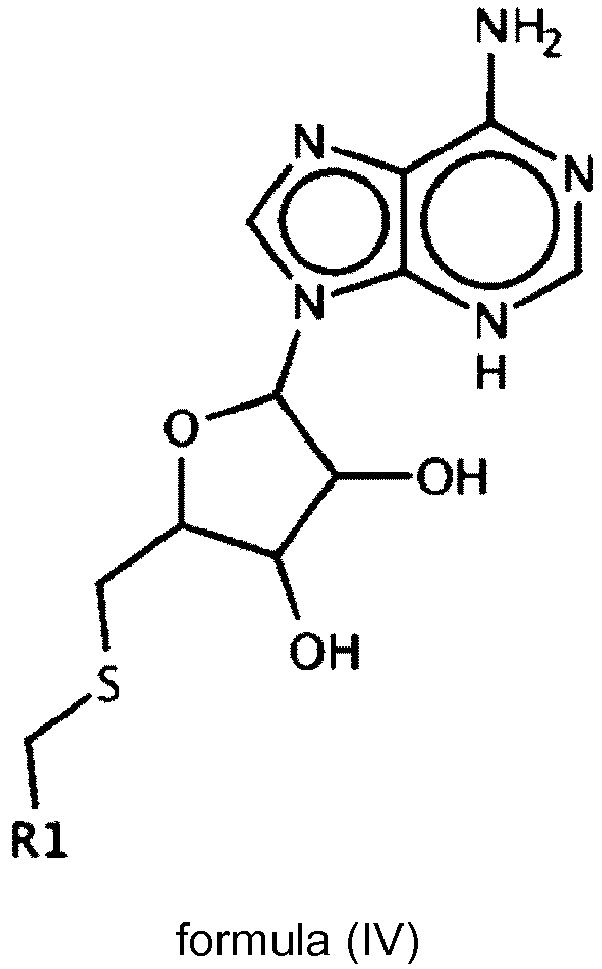
- The inhibitor for the use of any one of claims 1-4, wherein the inhibitor has formula (V)
 L is C or N;R1 is (2E)-4-ethoxy-4-oxobut-2-en-2-yl or 3-(1H-pyrrol-1-yl)propanoyl; andR2 is H or pyrimidin-2-yl.
 - The inhibitor for the use of any one of claims 1-4, wherein the inhibitor has one of the following formulas:
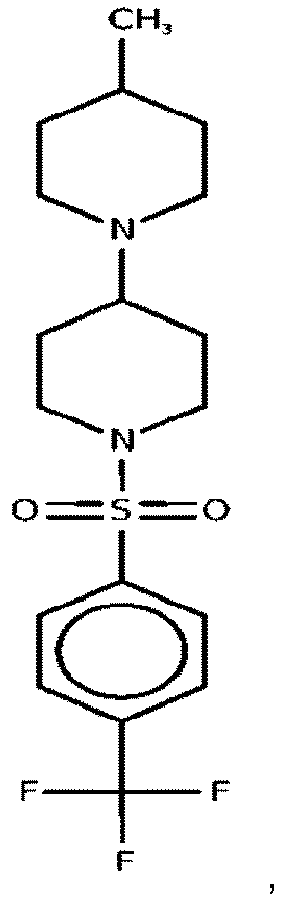

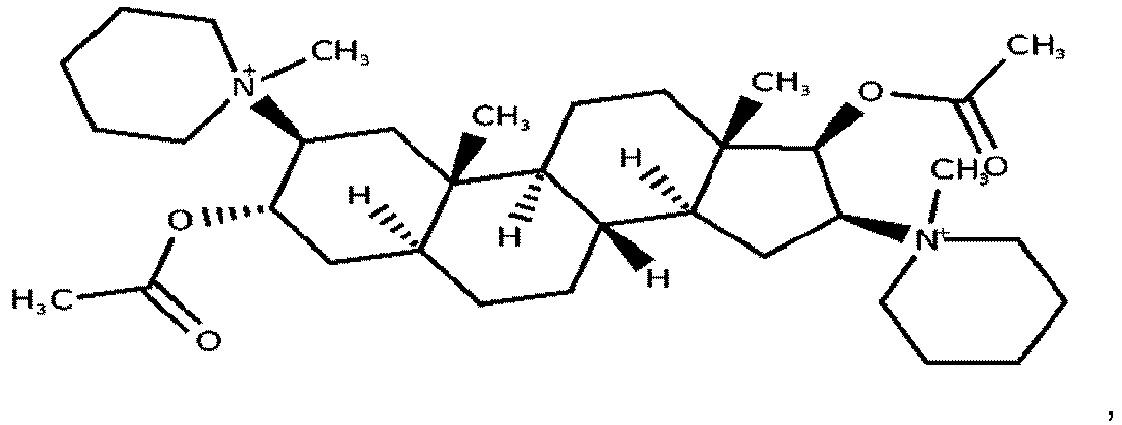


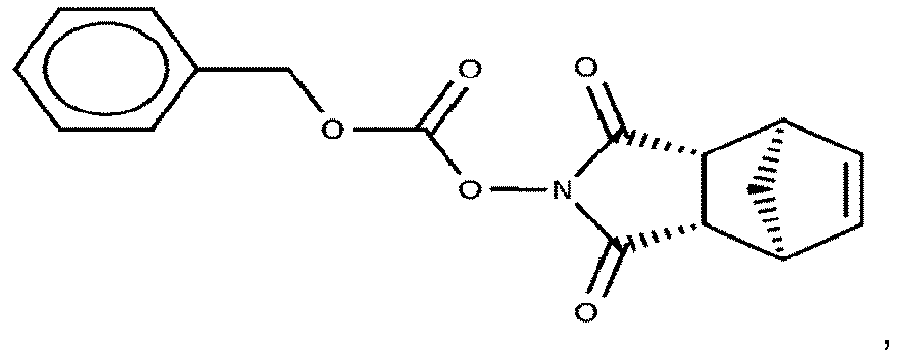


- The inhibitor for the use any one of claims 1-10, wherein the inhibitor is administered via oral administration or via parenteral administration.
- A pharmaceutical composition comprising a TRMT2A inhibitor and a pharmaceutically acceptable excipient.
- The composition of claim 13, wherein the composition further comprises one or more therapeutically active agents.
- A food product comprising a TRMT2A inhibitor.
- A method for inhibiting TRMT2A, wherein the method comprises contacting a cell in vitro with an inhibitor of TRMT2A, optionally wherein the cell is contacted with the inhibitor of TRMT2A at a concentration of 10-1000 µM.
Priority Applications (2)
| Application Number | Priority Date | Filing Date | Title |
|---|---|---|---|
| EP18209641.2A EP3659593A1 (en) | 2018-11-30 | 2018-11-30 | Trmt2a inhibitors for use in the treatment of polyglutamine diseases |
| PCT/EP2019/082434 WO2020109233A2 (en) | 2018-11-30 | 2019-11-25 | Trmt2a inhibitors for use in the treatment of polyglutamine diseases |
Applications Claiming Priority (1)
| Application Number | Priority Date | Filing Date | Title |
|---|---|---|---|
| EP18209641.2A EP3659593A1 (en) | 2018-11-30 | 2018-11-30 | Trmt2a inhibitors for use in the treatment of polyglutamine diseases |
Publications (1)
| Publication Number | Publication Date |
|---|---|
| EP3659593A1 true EP3659593A1 (en) | 2020-06-03 |
Family
ID=64564733
Family Applications (1)
| Application Number | Title | Priority Date | Filing Date |
|---|---|---|---|
| EP18209641.2A Withdrawn EP3659593A1 (en) | 2018-11-30 | 2018-11-30 | Trmt2a inhibitors for use in the treatment of polyglutamine diseases |
Country Status (2)
| Country | Link |
|---|---|
| EP (1) | EP3659593A1 (en) |
| WO (1) | WO2020109233A2 (en) |
Cited By (2)
| Publication number | Priority date | Publication date | Assignee | Title |
|---|---|---|---|---|
| EP4272556A1 (en) * | 2022-05-06 | 2023-11-08 | Eberhard Karls Universität Tübingen | Covalently bound diamines and their use |
| WO2024227880A1 (en) * | 2023-05-03 | 2024-11-07 | Eberhard Karls Universität Tübingen | Covalently bound diamines and their use |
Families Citing this family (1)
| Publication number | Priority date | Publication date | Assignee | Title |
|---|---|---|---|---|
| WO2022246115A1 (en) * | 2021-05-19 | 2022-11-24 | Cornell University | Apt1 and apt2 inhibitors and uses thereof |
Citations (2)
| Publication number | Priority date | Publication date | Assignee | Title |
|---|---|---|---|---|
| WO2012001438A1 (en) * | 2010-06-29 | 2012-01-05 | Szegedi Tudományegyetem | Use of kynurenic acid amide derivatives for the treatment of huntington's disease |
| WO2013184591A1 (en) * | 2012-06-05 | 2013-12-12 | International Stem Cell Corporation | Method of prevention of neurological diseases |
-
2018
- 2018-11-30 EP EP18209641.2A patent/EP3659593A1/en not_active Withdrawn
-
2019
- 2019-11-25 WO PCT/EP2019/082434 patent/WO2020109233A2/en not_active Ceased
Patent Citations (2)
| Publication number | Priority date | Publication date | Assignee | Title |
|---|---|---|---|---|
| WO2012001438A1 (en) * | 2010-06-29 | 2012-01-05 | Szegedi Tudományegyetem | Use of kynurenic acid amide derivatives for the treatment of huntington's disease |
| WO2013184591A1 (en) * | 2012-06-05 | 2013-12-12 | International Stem Cell Corporation | Method of prevention of neurological diseases |
Non-Patent Citations (27)
| Title |
|---|
| BATES, G. P.: "History of genetic disease: the molecular genetics of Huntington disease - a history", NAT REV GENET, vol. 6, no. 10, 2005, pages 766 - 773 |
| BEEBE, K.; M. MOCK; E. MERRIMAN; P. SCHIMMEL: "Distinct domains of tRNA synthetase recognize the same base pair", NATURE, vol. 451, no. 7174, 2008, pages 90 |
| BROGUEIRA RODRIGUES, F.; E. WILD: "Huntington's Disease Clinical Trials Corner", JOURNAL OF HUNTINGTON'S DISEASE, February 2018 (2018-02-01) |
| COLPO, G. D.; E. F. STIMMING; N. P. ROCHA; A. L. TEIXEIRA: "Promises and pitfalls of immune-based strategies for Huntington's disease", NEURAL REGENERATION RESEARCH, vol. 12, no. 9, 2017, pages 1422 |
| COLPO, G.; E. STIMMING; N. ROCHA; A. TEIXEIRA: "Promises and pitfalls of immune-based strategies for Huntington's disease", NEURAL REGENERATION RESEARCH, vol. 12, no. 9, 2017, pages 1422 - 1425 |
| DÉNES ZÁDORI ET AL: "Neuroprotective effects of a novel kynurenic acid analogue in a transgenic mouse model of Huntington's disease", JOURNAL OF NEURAL TRANSMISSION ; BASIC NEUROSCIENCES, GENETICS AND IMMUNOLOGY, PARKINSON'S DISEASE AND ALLIED CONDITIONS, ALZHEIMER'S DISEASE AND ADOLESCENT PSYCHIATRY RELATED DISORDERS, BIOLOGICAL PSYCHIATRY, BIOLOGICAL CHILD AND ADOLESCENT PSYCHIAT, vol. 118, no. 6, 31 December 2010 (2010-12-31), pages 865 - 875, XP019909613, ISSN: 1435-1463, DOI: 10.1007/S00702-010-0573-6 * |
| DUNIN-HORKAWICZ, S.; A. CZERWONIEC; M. J. GAJDA; M. FEDER; H. GROSJEAN; J. M. BUJNICKI: "MODOMICS: a database of RNA modification pathways", NUCLEIC ACIDS RESEARCH, vol. 34, no. 1, 2006, pages D145 - D149 |
| FAN, H.-C.; L.-I. HO; C.-S. CHI; S.-J. CHEN; G.-S. PENG; T.-M. CHAN; S.-Z. LIN; H.-J. HARN: "Polyglutamine (PolyQ) Diseases: Genetics to Treatments", CELL TRANSPLANTATION, vol. 23, no. 4-5, 2014, pages 441 - 458, XP055375072, DOI: doi:10.3727/096368914X678454 |
| GUO, M.; P. SCHIMMEL: "Essential nontranslational functions of tRNA synthetases", NATURE CHEMICAL BIOLOGY, vol. 9, no. 3, 2013, pages 145, XP055101469, DOI: doi:10.1038/nchembio.1158 |
| HICKS DAVID G ET AL: "The expression of TRMT2A, a novel cell cycle regulated protein, identifies a subset of breast cancer patients with HER2 over-expression that are at an increased risk of recurrence", BMC CANCER, BIOMED CENTRAL, LONDON, GB, vol. 10, no. 1, 22 March 2010 (2010-03-22), pages 108, XP021074947, ISSN: 1471-2407, DOI: 10.1186/1471-2407-10-108 * |
| HORIUCHI, K. Y.; M. R. HARPEL; L. SHEN; Y. LUO; K. C. ROGERS; R. A. COPELAND: "Mechanistic studies of reaction coupling in Glu-tRNAGIn amidotransferase", BIOCHEMISTRY, vol. 40, no. 21, 2001, pages 6450 - 6457 |
| IBBA, M.; A. W. CURNOW; D. SOIL: "Aminoacyl-tRNA synthesis: divergent routes to a common goal", TRENDS IN BIOCHEMICAL SCIENCES, vol. 22, no. 2, 1997, pages 39 - 42, XP004050125, DOI: doi:10.1016/S0968-0004(96)20033-7 |
| LABBADIA, J.; R. I. MORIMOTO: "Huntington's disease: underlying molecular mechanisms and emerging concepts", TRENDS IN BIOCHEMICAL SCIENCES, vol. 38, no. 8, 2013, pages 378 - 385 |
| LANDLES, C.; G. P. BATES: "Huntingtin and the molecular pathogenesis of Huntington's disease", FOURTH IN MOLECULAR MEDICINE REVIEW SERIES, vol. 5, no. 10, 2004, pages 958 - 963, XP003003921, DOI: doi:10.1038/sj.embor.7400250 |
| MENON, R. P.; S. NETHISINGHE; S. FAGGIANO; T. VANNOCCI; H. REZAEI; S. PEMBLE; M. G. SWEENEY; N. W. WOOD; M. B. DAVIS; A. PASTORE: "The role of interruptions in polyQ in the pathology of SCA1", PLOS GENETICS, vol. 9, no. 7, 2013, pages e1003648 |
| NORDLUND, M. E.; J. M. JOHANSSON; U. VON PAWEL-RAMMINGEN; A. S. BYSTROEM: "Identification of the TRM2 gene encoding the tRNA (m 5 U 54) methyltransferase of Saccharomyces cerevisiae", RNA, vol. 6, no. 6, 2000, pages 844 - 860 |
| PRINGSHEIM, T.; K. WILTSHIRE; L. DAY; J. DYKEMAN; T. STEEVES; N. JETTE: "The incidence and prevalence of Huntington's disease: A systematic review and meta-analysis", MOVEMENT DISORDERS, vol. 27, no. 9, 2012, pages 1083 - 1091 |
| RODRÍGUEZ-HERNÁNDEZ, A.; H. BHASKARAN; A. HADD; J. J. PERONA: "Synthesis of Glu-tRNAGIn by engineered and natural aminoacyl-tRNA synthetases", BIOCHEMISTRY, vol. 49, no. 31, 2010, pages 6727 - 6736 |
| SCHON, A.; C. G. KANNANGARA; S. COUGH; D. SÖII: "Protein biosynthesis in organelles requires misaminoacylation of tRNA", NATURE, vol. 331, no. 6152, 1988, pages 187, XP002194615, DOI: doi:10.1038/331187a0 |
| SCHON, A.; D. SOIL: "tRNA specificity of a mischarging aminoacyl-tRNA synthetase: glutamyl-tRNA synthetase from barley chloroplasts", FEBS LETTERS, vol. 228, no. 2, 1988, pages 241 - 244, XP025599132, DOI: doi:10.1016/0014-5793(88)80007-3 |
| SHARMA, S.; J. YANG; S. DUTTMANN; P. WATZINGER; P. KOTTER; K.-D. ENTIAN: "Identification of novel methyltransferases, Bmt5 and Bmt6, responsible for the m3U methylations of 25S rRNA in Saccharomyces cerevisiae", NUCLEIC ACIDS RESEARCH, vol. 42, no. 5, 2013, pages 3246 - 3260 |
| SHEPPARD, K.; J. YUAN; M. J. HOHN; B. JESTER; K. M. DEVINE; D. SOIL: "From one amino acid to another: tRNA-dependent amino acid biosynthesis", NUCLEIC ACIDS RESEARCH, vol. 36, no. 6, 2008, pages 1813 - 1825 |
| SOUTHWELL, A. L.; N. H. SKOTTE; C. F. BENNETT; M. R. HAYDEN: "Antisense oligonucleotide therapeutics for inherited neurodegenerative diseases", TRENDS IN MOLECULAR MEDICINE, vol. 18, no. 11, 2012, pages 634 - 643, XP055270061, DOI: doi:10.1016/j.molmed.2012.09.001 |
| TAKEUCHI, T.; Y. NAGAI: "Protein Misfolding and Aggregation as a Therapeutic Target for Polyglutamine Diseases", BRAIN SCIENCES, vol. 7, no. 10, 2017, pages 128 |
| TOWNS, W. L.; T. J. BEGLEY: "Transfer RNA methytransferases and their corresponding modifications in budding yeast and humans: activities, predications, and potential roles in human health", DNA AND CELL BIOLOGY, vol. 31, no. 4, 2012, pages 434 - 454 |
| TSENG W C ET AL: "Specific inhibition of transfer RNA methylation and modification in tissues of mice treated with 5-fluorouracil.", CANCER RESEARCH MAY 1978, vol. 38, no. 5, May 1978 (1978-05-01), pages 1250 - 1257, XP002791155, ISSN: 0008-5472 * |
| ZOGHBI, H. Y.; H. T. ORR: "Glutamine repeats and neurodegeneration", ANNU REV NEUROSCI, vol. 23, 2000, pages 217 - 247, XP002443799, DOI: doi:10.1146/annurev.neuro.23.1.217 |
Cited By (2)
| Publication number | Priority date | Publication date | Assignee | Title |
|---|---|---|---|---|
| EP4272556A1 (en) * | 2022-05-06 | 2023-11-08 | Eberhard Karls Universität Tübingen | Covalently bound diamines and their use |
| WO2024227880A1 (en) * | 2023-05-03 | 2024-11-07 | Eberhard Karls Universität Tübingen | Covalently bound diamines and their use |
Also Published As
| Publication number | Publication date |
|---|---|
| WO2020109233A2 (en) | 2020-06-04 |
| WO2020109233A3 (en) | 2020-07-23 |
Similar Documents
| Publication | Publication Date | Title |
|---|---|---|
| Siwecka et al. | The structure, activation and signaling of IRE1 and its role in determining cell fate | |
| Zhou et al. | Meclofenamic acid promotes cisplatin-induced acute kidney injury by inhibiting fat mass and obesity-associated protein-mediated m6A abrogation in RNA | |
| US9592223B2 (en) | Small molecule inhibitors of MALT1 | |
| Fuqua et al. | ULK2 is essential for degradation of ubiquitinated protein aggregates and homeostasis in skeletal muscle | |
| Tang et al. | Aneuploid cell survival relies upon sphingolipid homeostasis | |
| Lee et al. | Peroxisomal protein PEX13 functions in selective autophagy | |
| KR20150022911A (en) | Modulation of hepatitis b virus cccdna transcription | |
| US20240261378A1 (en) | Trim proteins and galectins cooperate and codirect autophagy and are useful in the treatment of autophagy related diseases | |
| US20250161238A1 (en) | NMDAR Antagonists Prevent Ageing and Aging-Associated Conditions and Diseases Through Increasing 20S Proteasome Activity | |
| WO2020109233A2 (en) | Trmt2a inhibitors for use in the treatment of polyglutamine diseases | |
| US20200061076A1 (en) | Methods of treating leukodystrophies | |
| US10894035B2 (en) | Use of indole compounds to stimulate the immune system | |
| Bianchini et al. | Inhibition of Ubiquitin Proteasome System Rescues the Defective Sarco (endo) plasmic Reticulum Ca2+-ATPase (SERCA1) Protein Causing Chianina Cattle Pseudomyotonia*♦ | |
| Subeha et al. | Nelfinavir induces cytotoxicity towards high-grade serous ovarian cancer cells, involving induction of the unfolded protein response, modulation of protein synthesis, DNA damage, lysosomal impairment, and potentiation of toxicity caused by proteasome inhibition | |
| CA3171781A1 (en) | Applications of pi4k inhibitor in intracellular protein misfolding-related diseases and lysosomal storage diseases | |
| WO2011037970A1 (en) | Podocyte ph modulation and uses thereof | |
| Wang et al. | Suppressing TRAP1 sensitizes glioblastoma multiforme cells to temozolomide | |
| Cai et al. | Coniferaldehyde prevents articular cartilage destruction in a murine model via Nrf2/HO-1 pathway | |
| Saha et al. | Cdk5-mediated brain unfolded protein response upregulation associated with cognitive impairments in type 2 diabetes and ameliorative action of NAC | |
| Wang et al. | Advances in drug discovery targeting lysosomal membrane proteins | |
| US11065238B2 (en) | Inhibitors of gangliosides metabolism for the treatment of motor neuron diseases | |
| CN110177463A (en) | 2- hydroxy benzylamine is treating and preventing the application in pulmonary hypertension | |
| Small et al. | Phenotypic screening for small molecules that protect β-cells from glucolipotoxicity | |
| US12534729B2 (en) | Uses of synthetic lethal partners for treatment of cancer | |
| WO2025059029A1 (en) | Methods of treating vexas syndrome |
Legal Events
| Date | Code | Title | Description |
|---|---|---|---|
| PUAI | Public reference made under article 153(3) epc to a published international application that has entered the european phase |
Free format text: ORIGINAL CODE: 0009012 |
|
| STAA | Information on the status of an ep patent application or granted ep patent |
Free format text: STATUS: THE APPLICATION HAS BEEN PUBLISHED |
|
| AK | Designated contracting states |
Kind code of ref document: A1 Designated state(s): AL AT BE BG CH CY CZ DE DK EE ES FI FR GB GR HR HU IE IS IT LI LT LU LV MC MK MT NL NO PL PT RO RS SE SI SK SM TR |
|
| AX | Request for extension of the european patent |
Extension state: BA ME |
|
| RAP3 | Party data changed (applicant data changed or rights of an application transferred) |
Owner name: FORSCHUNGSZENTRUM JUELICH GMBH |
|
| STAA | Information on the status of an ep patent application or granted ep patent |
Free format text: STATUS: THE APPLICATION IS DEEMED TO BE WITHDRAWN |
|
| 18D | Application deemed to be withdrawn |
Effective date: 20201204 |